The car engine is the most important component of the vehicle’s system, determining its performance, efficiency, and long-term operating costs. Despite significant advancements in modern engine technology, the engine’s lifespan still heavily depends on driving style, regular maintenance, and the quality of materials used.
Oil.. The First Line of Defense
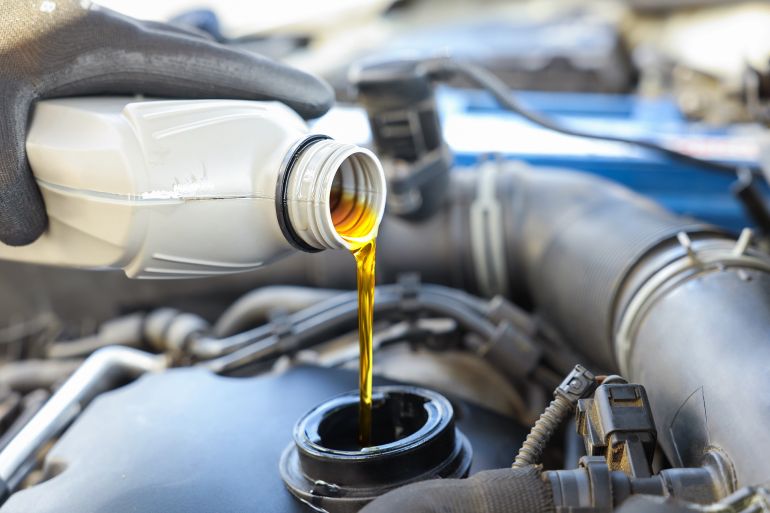
Engine oil is the primary factor in reducing friction and cooling internal parts. Car manufacturers indicate that neglecting oil changes leads to the accumulation of deposits and wear of metal parts, which can cause permanent engine damage.
Most companies recommend changing the oil every 5,000 to 10,000 kilometers. While some synthetic oils allow for longer intervals, experts advise not to exceed the manufacturer’s recommendations.
Neglecting oil changes leads to the accumulation of deposits and wear of metal parts, which can cause permanent engine damage.
Filters and the Engine’s Healthy Breathing
The air filter plays a crucial role in the combustion process by preventing dust and fine particles from entering the combustion chamber. The fuel filter protects the injectors from clogging, while the oil filter ensures clean lubrication for internal components.
Engineering studies indicate that dirty filters reduce engine efficiency and increase fuel consumption.
Warming Up and Cooling Down.. Myth or Reality?
Despite the evolution of modern engines, starting the car and driving aggressively immediately can cause additional stress on metal parts before the oil reaches its optimal temperature.
Therefore, experts recommend gentle driving during the first few minutes. Also, turning off the car after a long drive at high speed can cause the turbocharger (Turbo) to overheat, necessitating a short wait before shutting down in vehicles equipped with a turbocharger.
The Cooling System
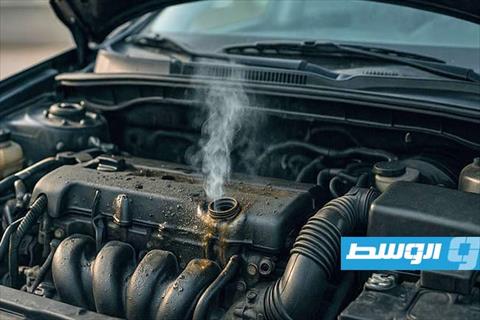
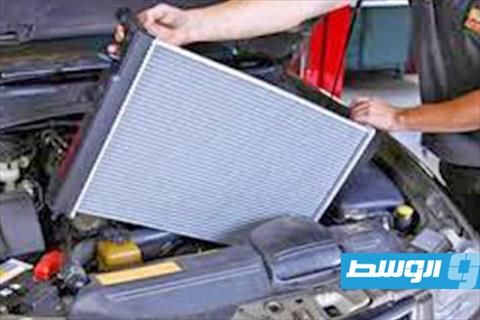
Engine overheating is one of the most dangerous problems that can lead to damage to the cylinder head or gaskets. The coolant level should be monitored, and the radiator and fan should be checked regularly.
Fuel and Sensors
Fuel quality directly affects engine performance. Modern sensors, such as the oxygen sensor and the air flow sensor, play a major role in adjusting combustion.
Any malfunction in these systems leads to poor performance, increased consumption, and pollution.
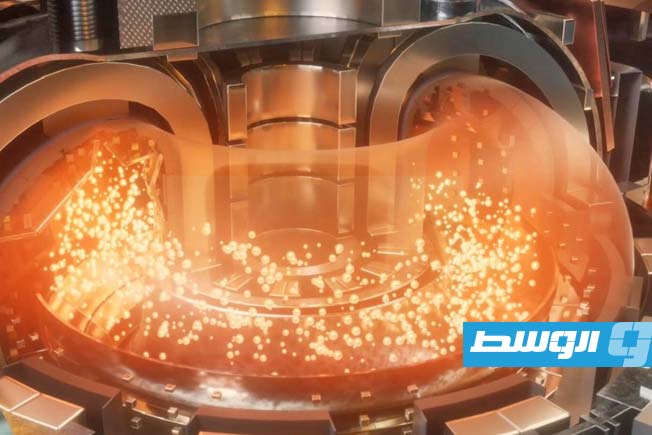
car engine
A car engine is a mechanical device that converts fuel into motion, powering vehicles through internal combustion. Its modern form evolved from the late 19th century, with key innovations like Nikolaus Otto’s four-stroke cycle and Rudolf Diesel’s compression ignition engine. This technology fundamentally revolutionized transportation and industry.
oil
Oil is a naturally occurring fossil fuel formed from ancient organic matter over millions of years. Its modern industrial history began in the mid-19th century, revolutionizing energy, transportation, and industry, and making it a central commodity in the global economy.
air filter
An air filter is not a specific place or cultural site, but a device used to remove contaminants from air. Its modern history is tied to industrial and public health advancements, with significant development in the 20th century for applications ranging from engine maintenance to improving indoor air quality in buildings.
fuel filter
A fuel filter is not a place or cultural site, but a component within a vehicle’s fuel system. Its history is tied to the development of the internal combustion engine, as it was created to protect engines by removing contaminants and impurities from fuel before it reaches the engine.
oil filter
An oil filter is a component in internal combustion engines designed to remove contaminants from engine oil, helping to maintain lubrication and extend engine life. The modern oil filter was invented in the 1920s, with the first full-flow filtration system patented by Ernest Sweetland in 1923. Its development was crucial for improving engine durability and performance as automotive technology advanced.
turbocharger
A turbocharger is not a place or cultural site, but a mechanical device used to increase an engine’s efficiency and power output by forcing extra compressed air into the combustion chamber. Its history dates to the early 20th century, with Swiss engineer Alfred Büchi patenting the design in 1905 for use in aircraft and later diesel engines.
Turbo
Turbo is a port city located in the Urabá region of northwestern Colombia, historically significant as one of the earliest Spanish settlements in the area during the colonial era. It later became a major hub for banana cultivation and export in the 20th century, driving regional economic development. Today, it remains a vital commercial and logistical center for the Antioquia department.
cooling system
A cooling system is a technological mechanism designed to regulate temperature by removing excess heat from an environment or machinery. Historically, the concept dates back to ancient civilizations using water and wind for cooling, but modern refrigeration systems began with inventions like William Cullen’s demonstration of artificial refrigeration in 1748 and the development of vapor-compression by Jacob Perkins in 1834.
cylinder head
A cylinder head is a key component of an internal combustion engine, not a cultural site. It is a metal casting that seals the top of the engine’s cylinders, housing components like valves and spark plugs, and its design has evolved significantly since the earliest engines to improve efficiency and power.
gaskets
“Gaskets” are not a place or cultural site, but mechanical seals used to fill the space between two mating surfaces to prevent leakage. The concept dates back to the 19th century with the rise of steam engines and industrial machinery, where materials like rubber, cork, and metal were used to create effective seals. Their development has been crucial in numerous industries, including automotive and aerospace, to ensure the safe and efficient operation of engines and fluid systems.
radiator
A radiator is a heat exchanger typically used to warm indoor spaces, originating in the 19th century with the advent of central heating systems. Its common form, the cast-iron column radiator, became a widespread feature in buildings during the Victorian era and remains a functional and decorative element in many homes today.
fan
A fan is a handheld device used for cooling, but it also holds deep cultural significance in many societies, particularly in East Asia. Historically, in countries like China and Japan, fans evolved from practical tools into artistic objects, used in ceremonies, dance, and as status symbols, often decorated with calligraphy or paintings.
fuel
Fuel is not a specific place or cultural site, but a material such as coal, gas, or oil that is burned to produce heat or power. Historically, human use of fuel has evolved from wood and biomass in ancient times to the widespread extraction and combustion of fossil fuels during the Industrial Revolution. This shift fundamentally transformed global energy systems, industry, and transportation.
oxygen sensor
An oxygen sensor is a device used primarily in automotive exhaust systems to monitor the oxygen levels in exhaust gases, helping to optimize fuel efficiency and reduce emissions. It was developed in the 1960s and became widely adopted in vehicles following environmental regulations in the 1970s and 1980s.
air flow sensor
An air flow sensor is an electronic device used primarily in automotive engines to measure the volume and density of air entering the engine, allowing the engine control unit to balance and deliver the correct fuel mass for optimal combustion. Its development became critical with the advent of electronic fuel injection systems in the mid-20th century, replacing mechanical carburetors for greater efficiency and lower emissions.