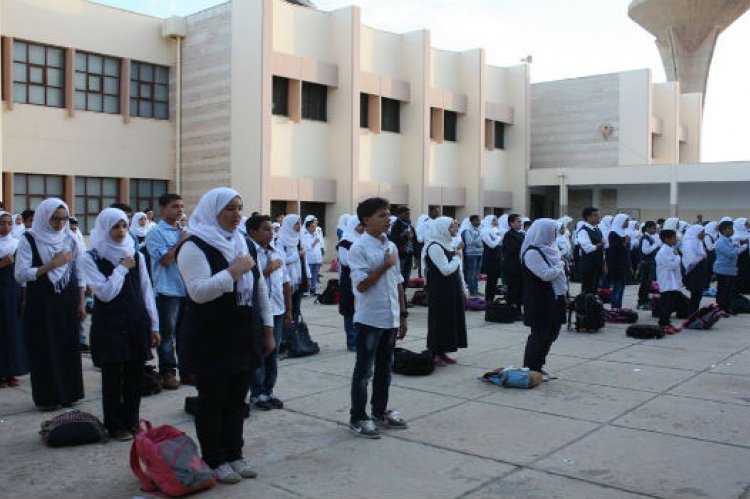
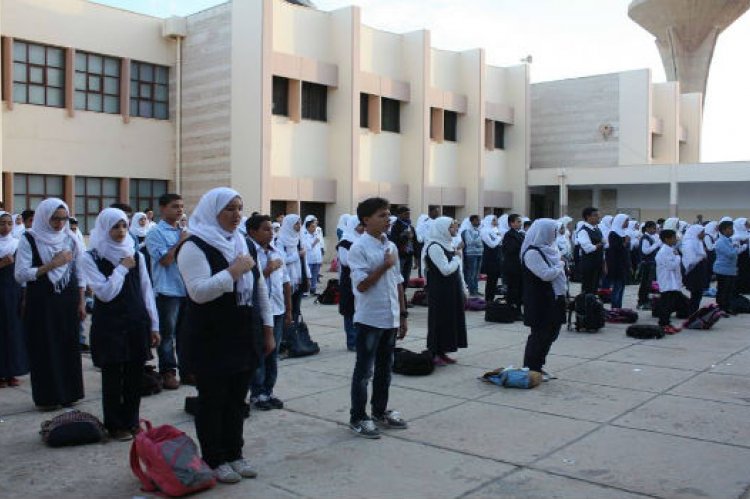
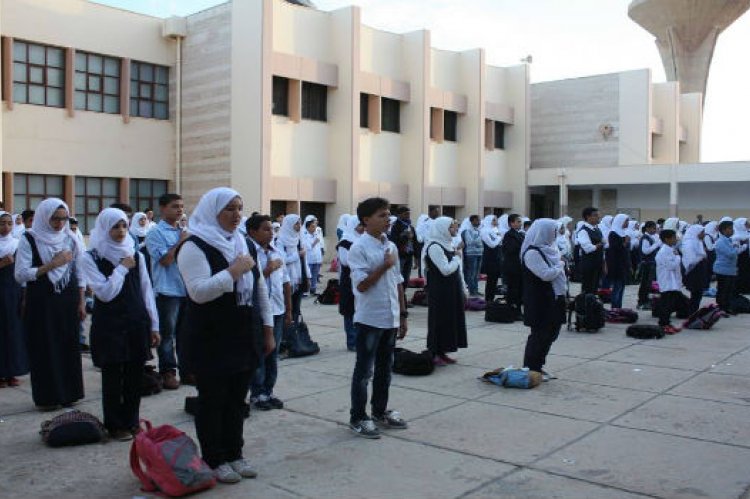
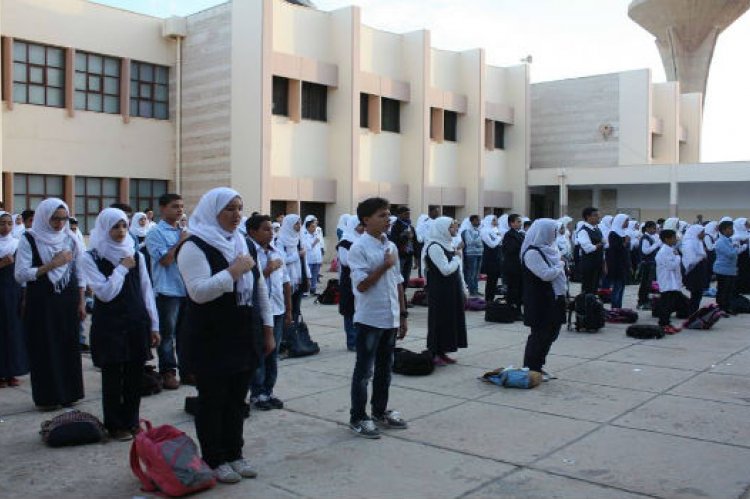
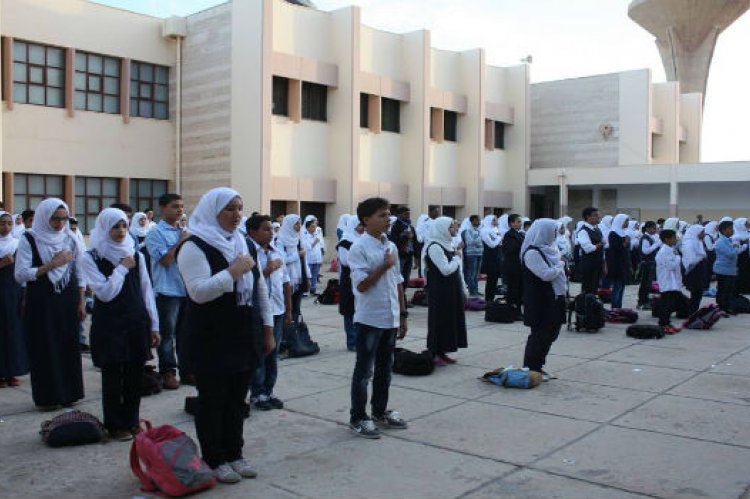
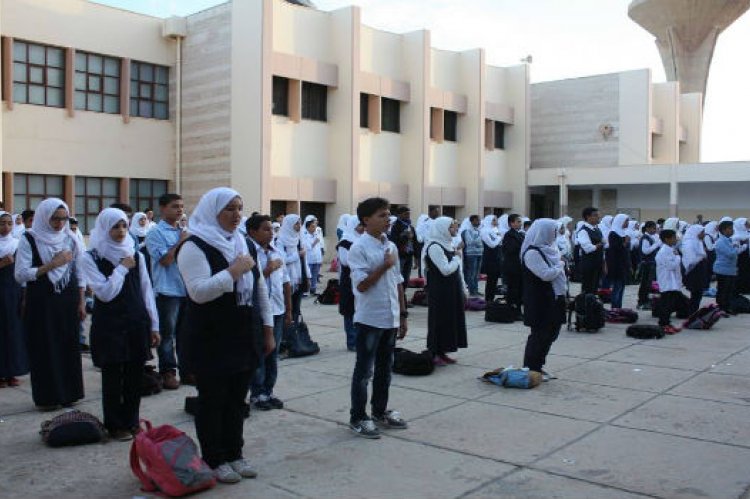
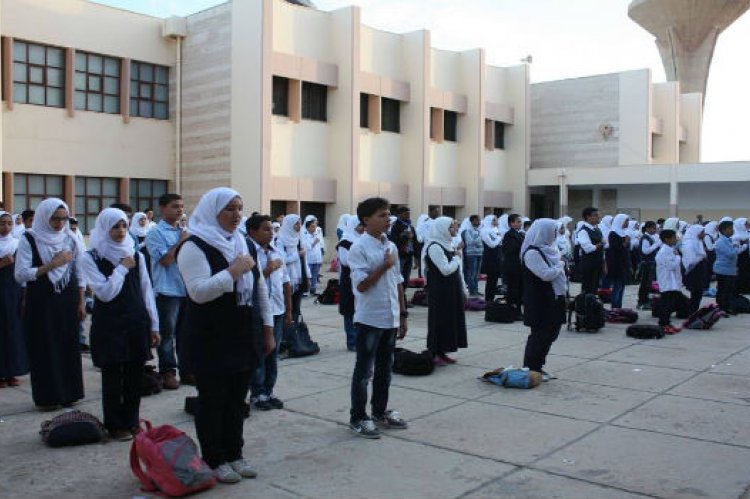
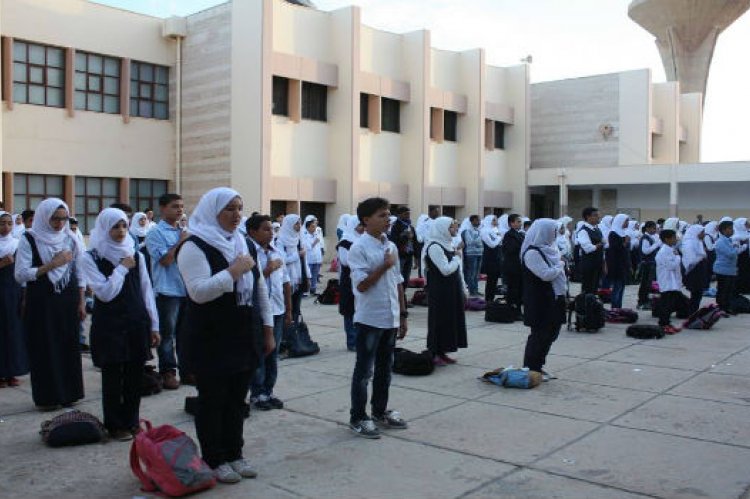
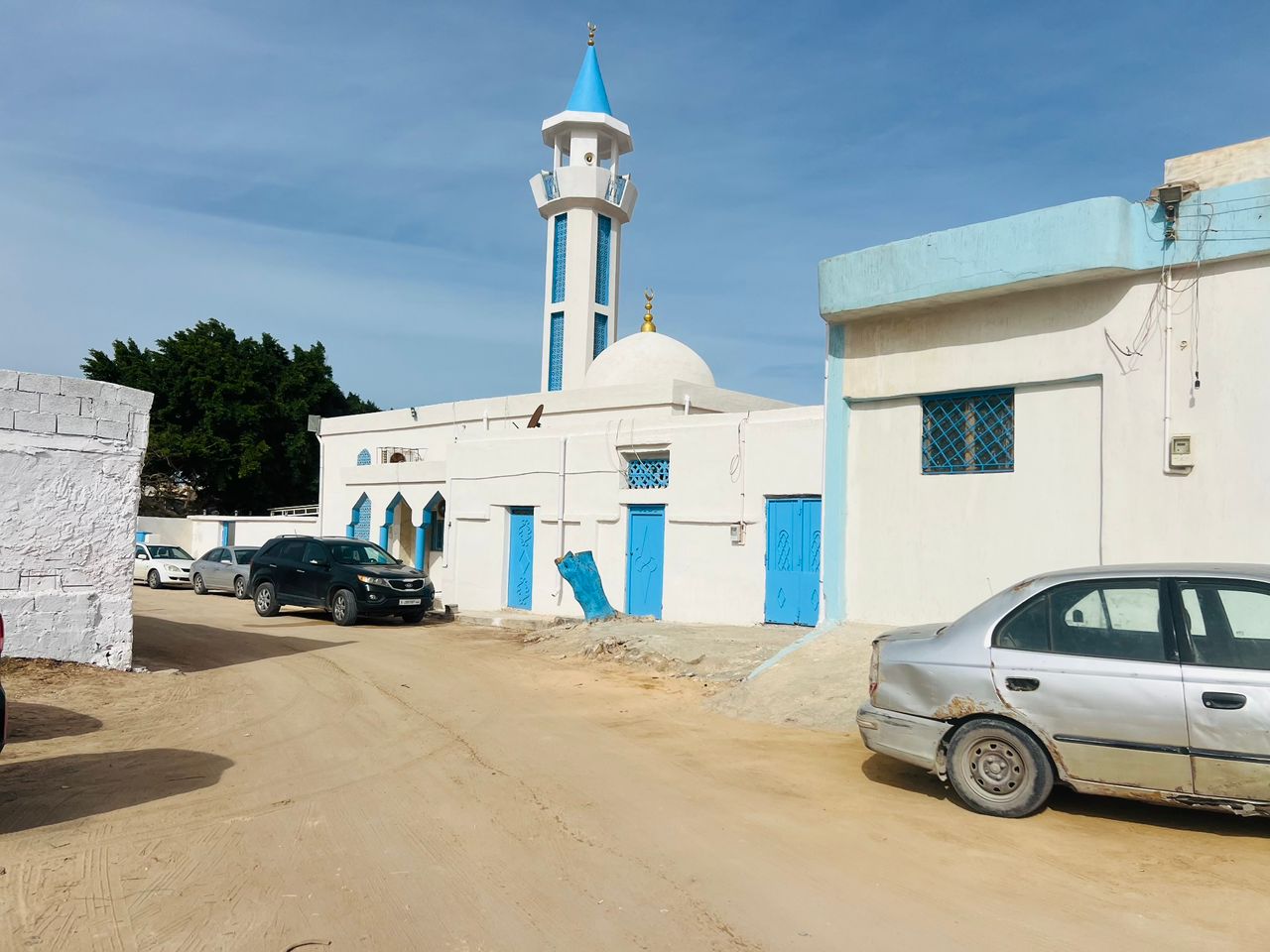
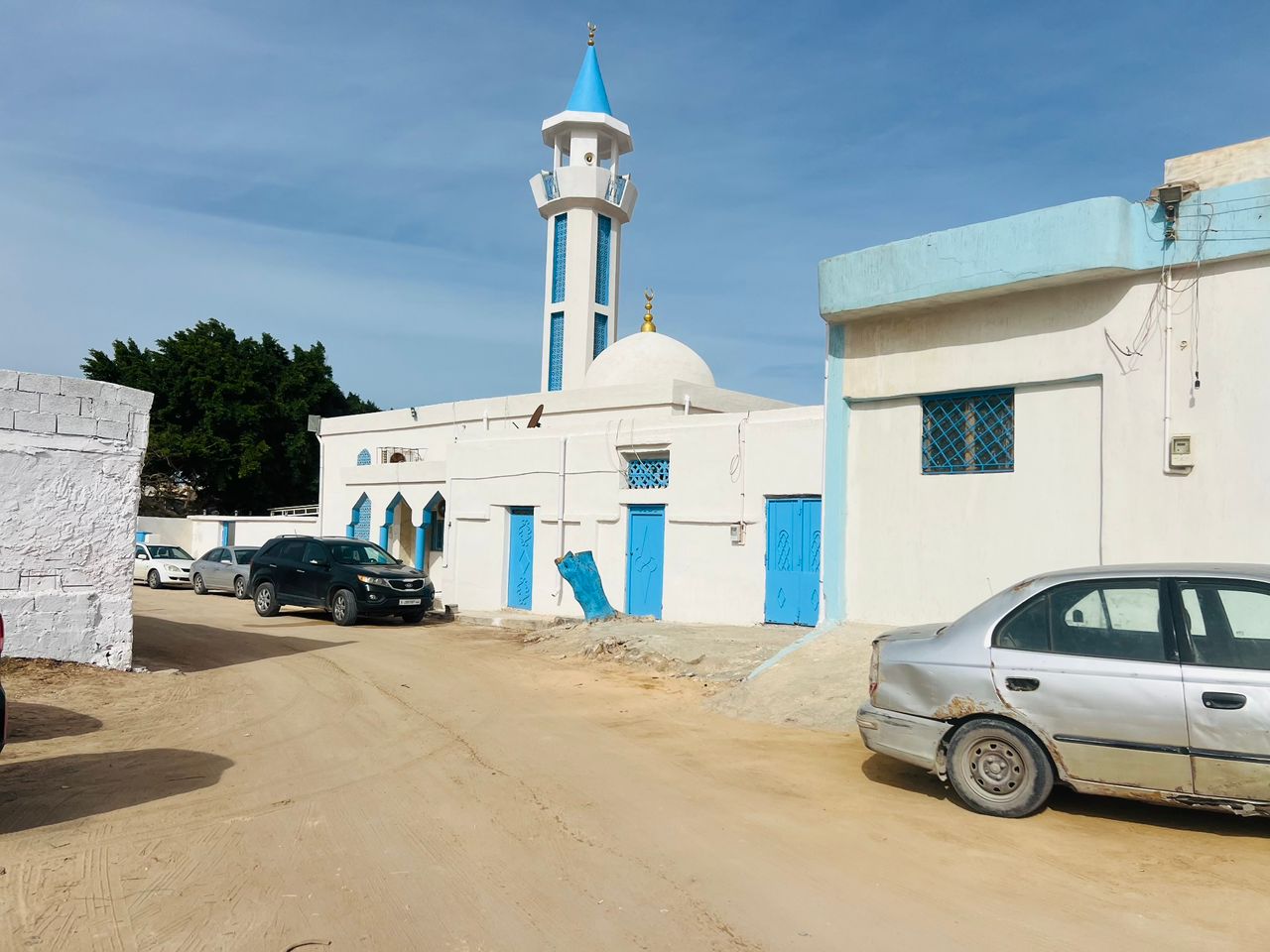
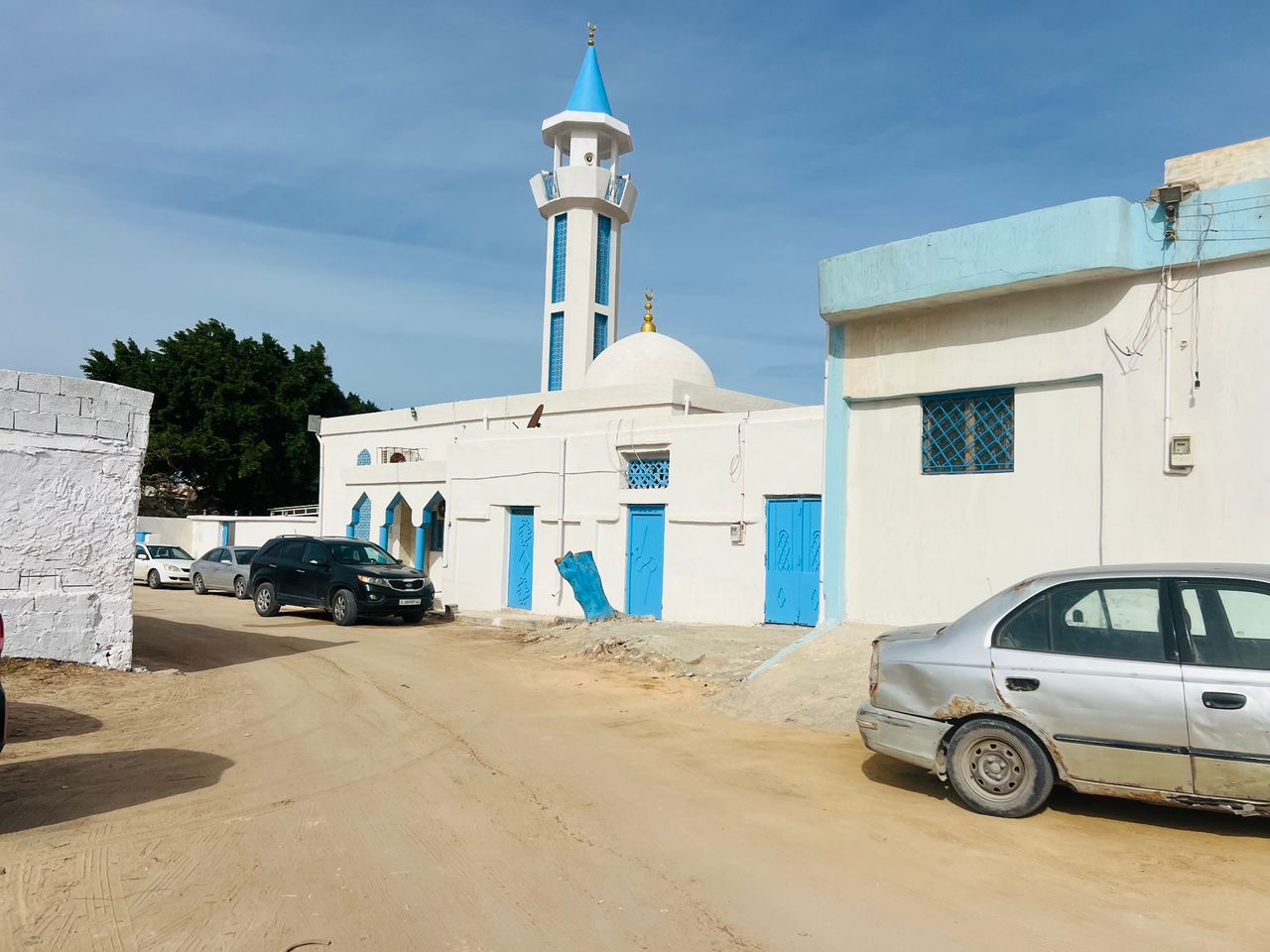
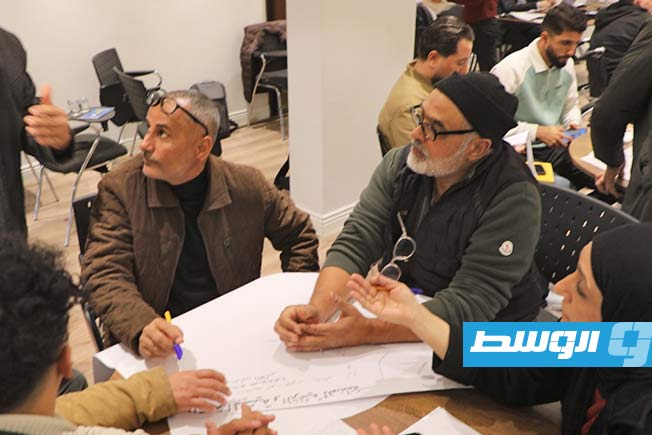
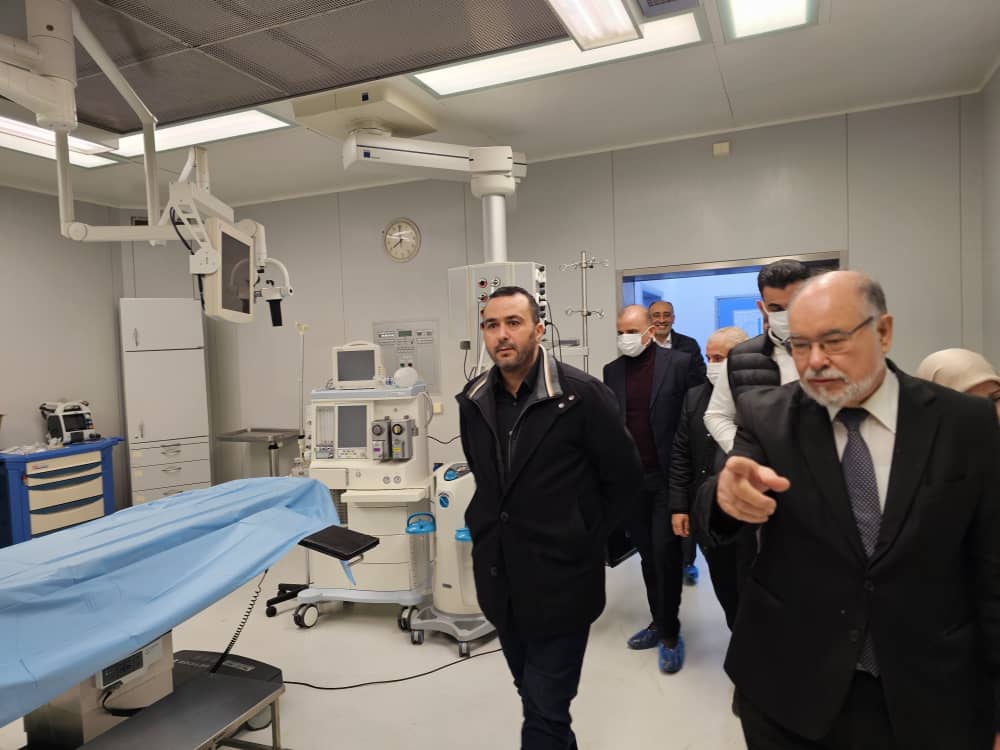
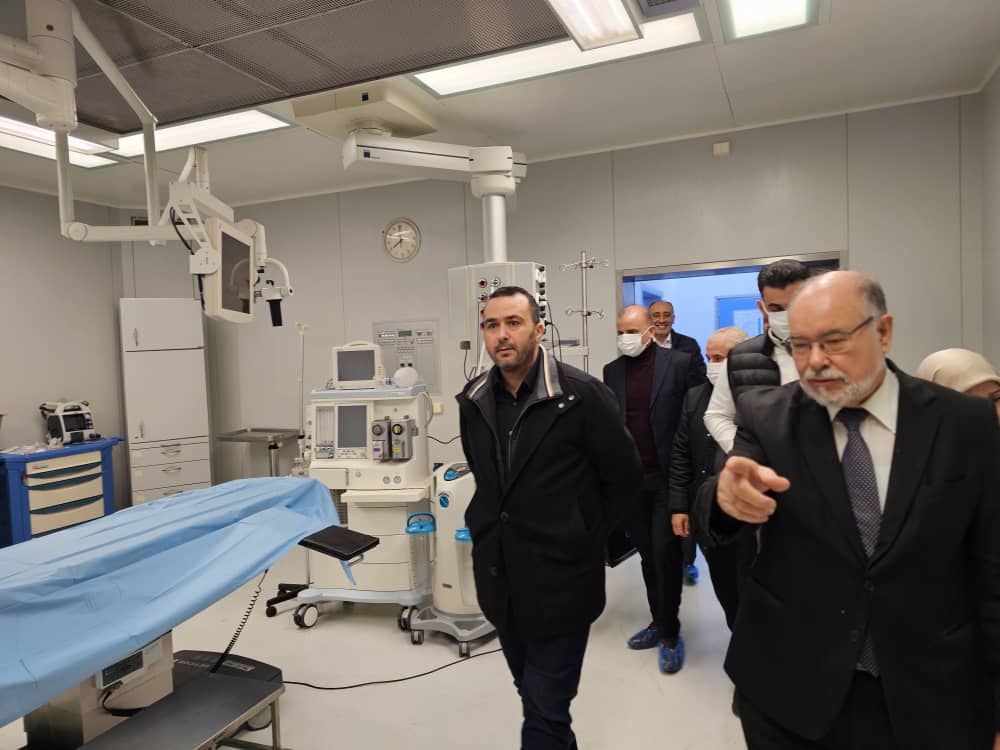
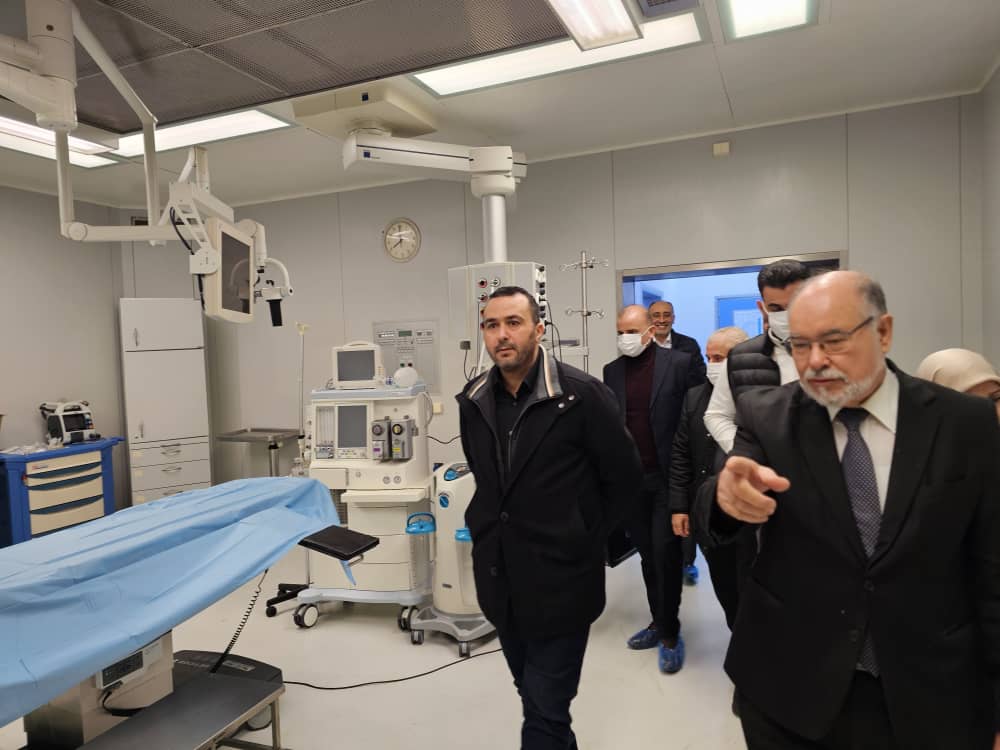
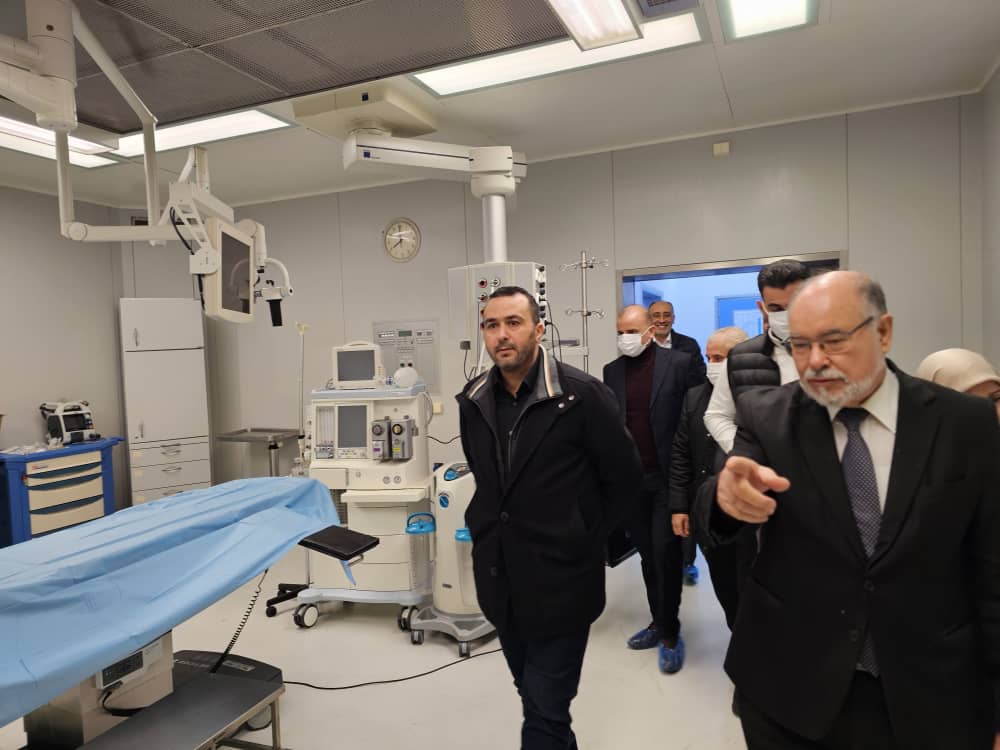
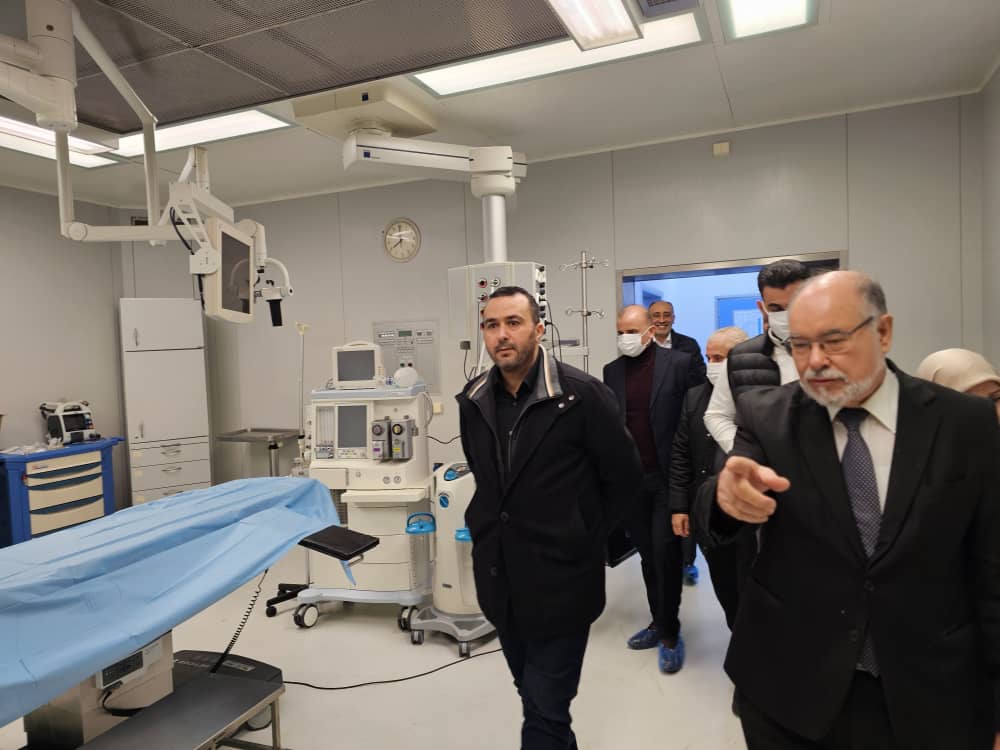
Sirte, February 18, 2026 — The Presidency Council of Sirte University held its first meeting for the 2026 academic year today. The council discussed the progress of the educational process, followed up on the university’s future development plans, evaluated academic performance, and prepared for the upcoming semester.
The council began its meeting by reviewing reports from the colleges regarding the progress of studies and examinations for the Fall 2025/2026 semester. It also reviewed preparation plans for the launch of the upcoming Spring 2025/2026 semester, emphasizing the necessity of providing all resources to ensure an optimal learning environment for students.
It was clarified that the university’s presidency council discussed several proposals. These included a proposal to activate the Nursing Department within the College of Health Sciences and rename it the “Department of Healthcare and Nursing” to align with modern standards in health education.
Another proposal involved establishing new scientific divisions within the Computer Science Department of the College of Information Technology, to be named the “Cybersecurity Division” and the “Artificial Intelligence Division,” in order to meet the growing demands of the job market in these technical specializations.
Furthermore, the meeting reviewed a project to amend the internal regulations of the College of Law to better serve the educational and legal processes within the college.
The council also discussed a proposal from the College of Agriculture regarding hosting an international scientific conference on “Climate Change and Food Security Challenges,” which aims to provide scientific solutions to one of the most prominent global and local issues.
Sirte.
Sirte
Sirte is a coastal city in Libya, historically known as the birthplace of former leader Muammar Gaddafi, who heavily developed it during his rule. It gained international notoriety as a key battleground during the 2011 Libyan Civil War and the subsequent conflict in 2016. The city has ancient origins, having been a settlement since Phoenician and Roman times.
Sirte University
Sirte University is a public university located in Sirte, Libya, founded in 1991. It was established to serve as a major educational and research center in the region, growing to encompass multiple colleges in fields such as engineering, medicine, and the arts.
Presidency Council of Sirte University
The Presidency Council of Sirte University is the central administrative and executive body governing the university, which is located in Sirte, Libya. The university itself was established in 1991 and has played a significant role in higher education in the region, though its operations have been periodically disrupted by the country’s political conflicts.
College of Health Sciences
The College of Health Sciences is an educational institution dedicated to training professionals in fields such as nursing, medicine, and public health. Its history is often tied to the broader development of modern healthcare education, with many such colleges established in the 20th century to address growing needs for skilled medical personnel.
Nursing Department
The Nursing Department is an administrative and educational unit within a hospital or university dedicated to the management, training, and professional development of nursing staff. Its history is intrinsically linked to the formalization of nursing education, notably influenced by figures like Florence Nightingale in the 19th century, which established nursing as a trained profession requiring dedicated departments for instruction and oversight.
Department of Healthcare and Nursing
The Department of Healthcare and Nursing is not a specific cultural site or historic place, but an administrative or academic division within a government or educational institution. Its history is generally tied to the formal organization and professionalization of healthcare and nursing fields, which expanded significantly in the 19th and 20th centuries. Such departments are responsible for policy, regulation, education, and standards within their respective healthcare systems.
Computer Science Department
The Computer Science Department is an academic unit within a university dedicated to the study of computation, programming, and information systems. Its formal history typically begins in the mid-20th century, emerging from mathematics and engineering departments as the field of computing gained prominence following theoretical work by pioneers like Alan Turing and the development of early electronic computers.
College of Information Technology
The College of Information Technology is an educational institution dedicated to the study and advancement of computing, information systems, and related technologies. It was established to meet the growing demand for skilled professionals in the rapidly evolving field of information and communication technology.
Cybersecurity Division
The Cybersecurity Division is a specialized unit within the U.S. Department of Homeland Security, established to protect the nation’s critical infrastructure from cyber threats. It was formally created in 2009 and leads the federal government’s efforts to enhance the security, resilience, and reliability of cyberspace.
Artificial Intelligence Division
The Artificial Intelligence Division is a specialized department within an organization, typically in government, academia, or industry, focused on AI research, development, and policy. Its history is generally tied to the broader rise of AI as a strategic field, with many such divisions being formally established in the 21st century to centralize expertise and drive innovation in machine learning and related technologies.
College of Law
The College of Law is a professional association for solicitors in England and Wales, founded in 1825. It provides legal education, training, and qualifications, historically playing a central role in setting standards for the solicitors’ profession.
College of Agriculture
The College of Agriculture is an educational institution dedicated to the science and practice of farming, often established within a university. Its history is typically tied to the 19th and 20th-century land-grant movements, such as in the United States with the Morrill Act of 1862, which aimed to advance agricultural education and research. These colleges have been fundamental in driving innovation in food production, soil science, and sustainable farming techniques.