Before the Security Council: Absence of a unified budget and non-uniform public spending cause decline in value of Libyan dinar.
libyawire.org > News > Society > Before the Security Council: Absence of a unified budget and non-uniform public spending cause decline in value of Libyan dinar.
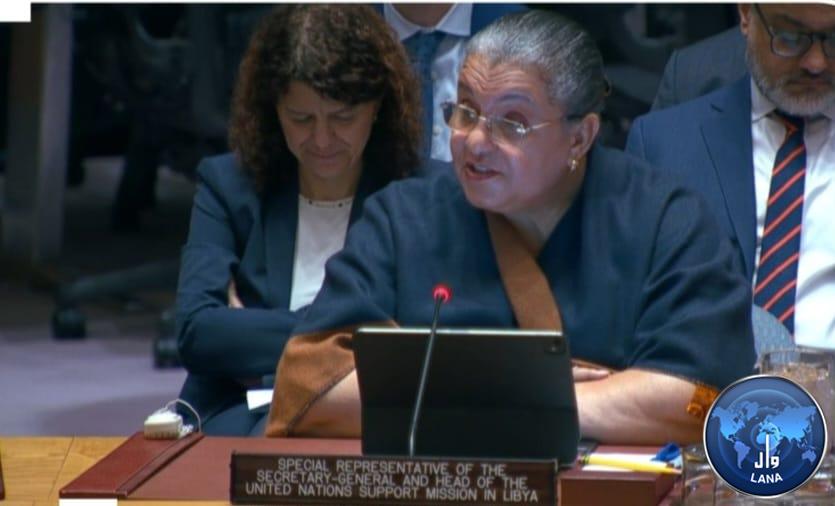
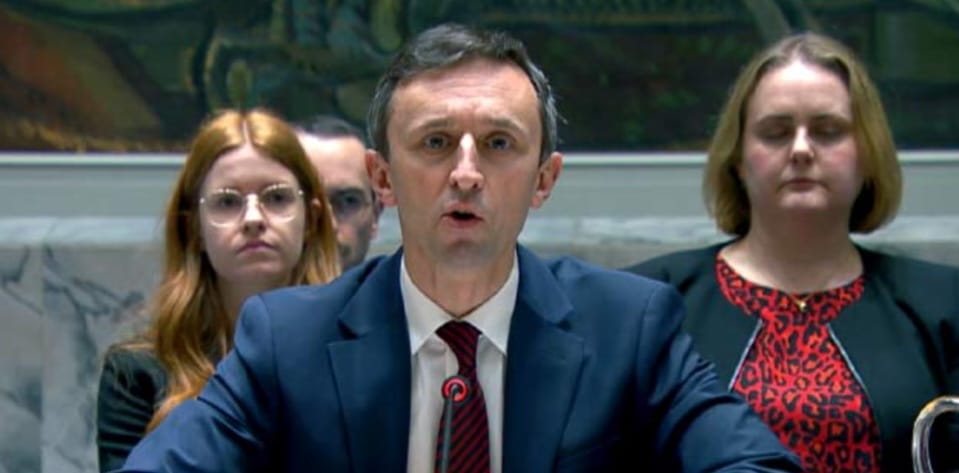
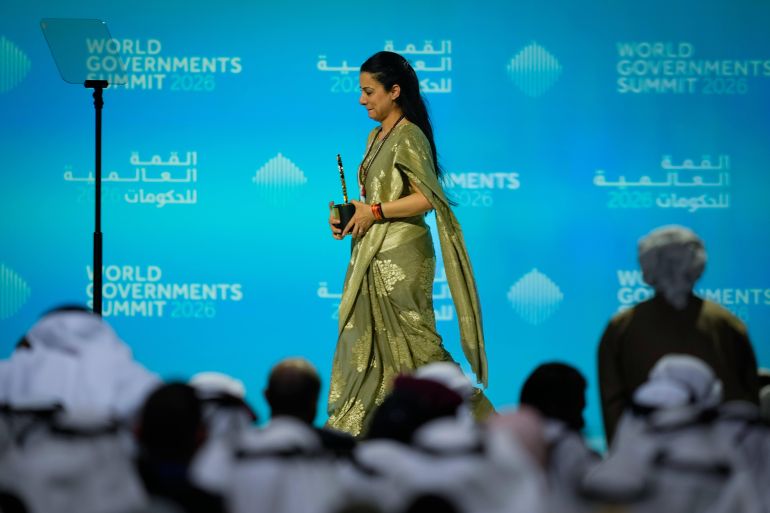
New York, February 18, 2026 – The UN envoy to Libya warned that Libya’s economy is at a critical juncture, and the country is expected to see a rise in poverty rates in the coming period if the political crisis it is suffering from continues.
In her briefing to the UN Security Council on Wednesday, the envoy stated that the Libyan economy is at a critical juncture with the decline in the currency’s value, rising prices, fuel shortages, and growing public discontent due to the deteriorating living conditions resulting from this situation.
The decline in the value of the Libyan dinar was attributed to the absence of a unified budget and non-unified public spending due to parallel institutions and declining oil revenues, which has put pressure on the state’s monetary reserves.
The UN envoy said, “Independent estimates indicate that more than 30% live below the poverty line,” expecting these rates to rise if political instability and governmental division persist.
New York
New York City, originally founded as New Amsterdam by Dutch colonists in 1624, grew into a major global port under British rule and later became a primary entry point for millions of immigrants. It is now a leading global center for finance, culture, and commerce, famously home to landmarks like the Statue of Liberty, Times Square, and Central Park.
UN Security Council
The United Nations Security Council is the primary body within the UN responsible for maintaining international peace and security, established in 1945 following World War II. It has 15 members, including five permanent members with veto power, and it authorizes peacekeeping operations, sanctions, and military action.
Libya
Libya is a North African country with a rich history rooted in ancient civilizations like the Phoenicians and Romans, followed by centuries of Arab and Ottoman influence. In the modern era, it was an Italian colony before gaining independence in 1951, later becoming known for Muammar Gaddafi’s lengthy rule from 1969 until the 2011 revolution. The country is home to UNESCO World Heritage sites, such as the ancient Greek city of Cyrene and the Roman ruins of Leptis Magna.
Libyan dinar
The Libyan dinar is the official currency of Libya, introduced in 1971 to replace the Libyan pound. Its issuance and value have been heavily influenced by the country’s political history, including the Gaddafi era and subsequent instability following the 2011 revolution.