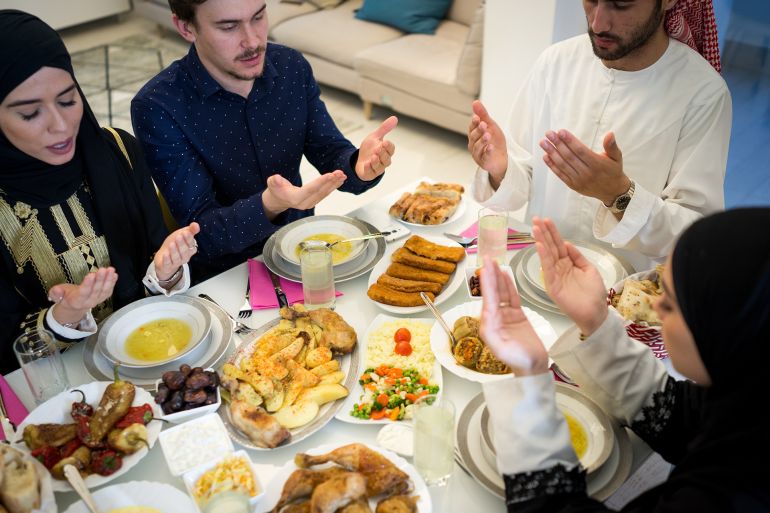
In popular culture, eating is usually linked to gaining energy and activity. However, the paradox is that what happens after Iftar during Ramadan seems completely different, as many people feel lethargic and sleepy instead of energetic. So, what happens inside the body that leads to this state?
To understand what occurs after the Ramadan Iftar, it is useful to start the story from the beginning, by explaining what happens on ordinary days.
When we eat, we do not get energy instantly because the body is not a car where we put in fuel and it immediately starts moving, as some believe. In reality, the body relies on its internal energy stores for its daily movement and activity, the most important of which are glucose present in the blood and liver, and fats stored in the body.
These stores are not refilled in the few minutes we spend eating a meal. Therefore, you might eat now, but the energy that enables you to move or think five minutes later is not from this meal; rather, it comes from energy that was stored previously.
What Changes During Fasting?
Moving from this introduction to what happens during fasting, the body relies almost entirely on its internal energy for long hours. The glucose stored in the liver and blood provides quick energy, while stored fats represent a slower, longer-lasting energy source.
The crucial moment comes at Iftar, when a large and sudden surge of energy enters the body after a period of relying solely on reserves.
From a physical perspective, the body can be viewed as a semi-closed system possessing a limited amount of energy at any given moment. When energy consumption increases in one specific part, performance must temporarily decrease in other parts.
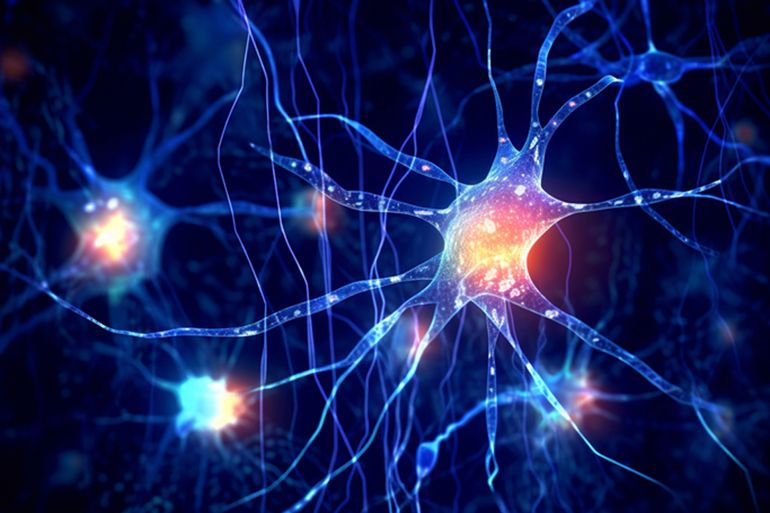
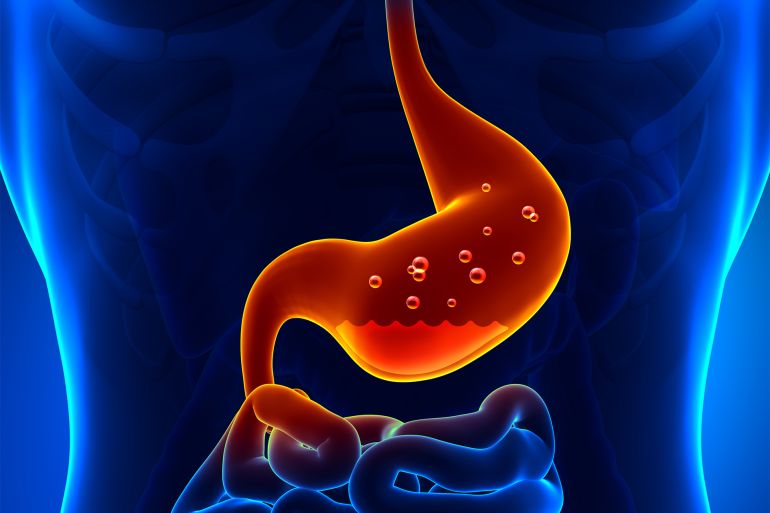
After eating, blood flow—the medium for transporting energy and oxygen—increases significantly to the stomach and intestines, potentially rising by about 30-40%. This means that the blood reaching the brain decreases relatively, and the oxygen available to muscles temporarily drops. The natural result of this is feeling sleepy, heavy-headed, slow-thinking, and having a reduced desire to move.
The Rebalancing Phase
This state does not last. After some time passes, the body begins to reorganize its energy. Part of the energy is stored as glycogen and fats, another part is used directly for movement and mental functions, while yet another part is converted into heat.
This phase can be likened to an electronic device being recharged. In the first moments of charging, it does not operate at full efficiency because energy is first distributed to essential processes before performance returns to normal.
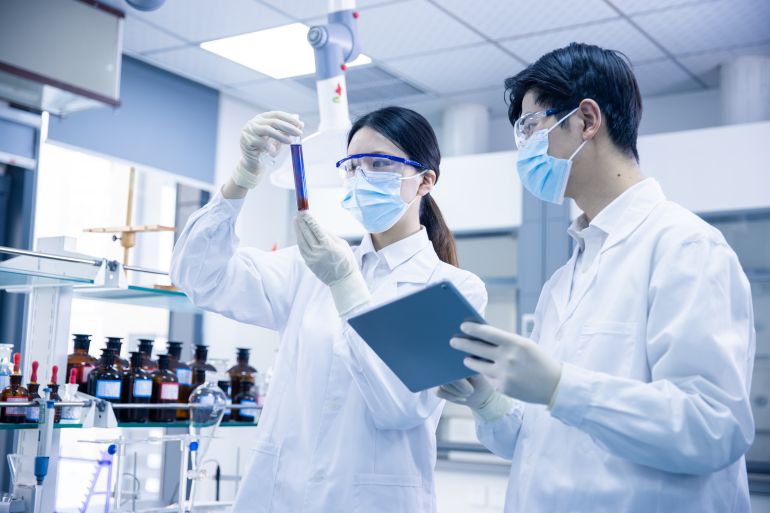
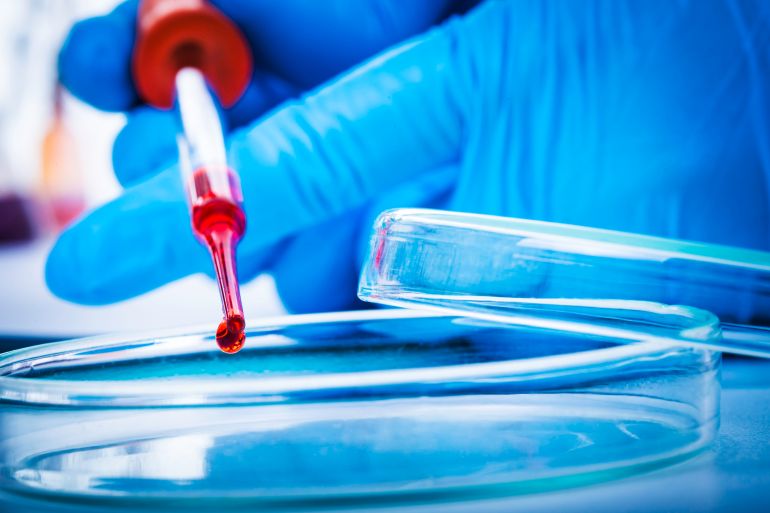
Numerous studies support this view. One study, which relied on precise measurements of brain activity during sleep, revealed that feeling sleepy after eating is not merely a subjective sensation but a physiological phenomenon that can be scientifically observed.
The study showed that consuming a solid meal leads to faster onset of sleep compared to consuming an equivalent amount of water, regardless of the type of food or its fat or carbohydrate content.
Researchers stated the reason lies in the effort the body expends on the digestion process, where blood flow and energy are redirected to the digestive system. This temporarily reduces mental alertness and explains the lethargy many feel after eating, especially following heavy Iftar meals.
Based on the above, lethargy after the Ramadan Iftar is not laziness or weakness, but a natural result of the body redistributing energy after a long period of fasting, according to precise physical and physiological laws.
To reduce this effect, it is advised to divide the meal into stages, rely on proteins and fibers, avoid sugars immediately after eating, and engage in light movement such as walking for a few minutes. These simple adjustments help the body distribute energy in a balanced manner and maintain mental