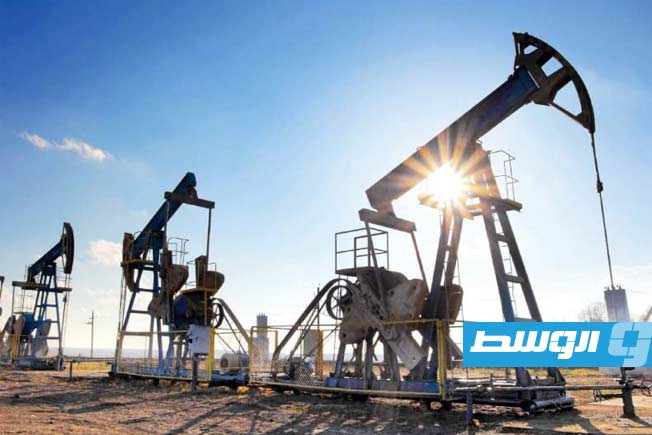
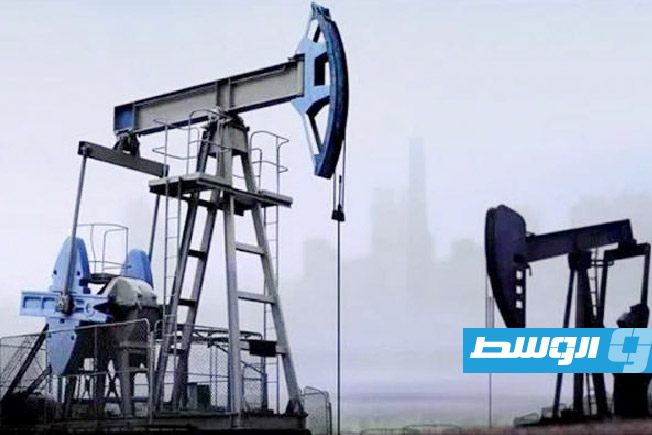
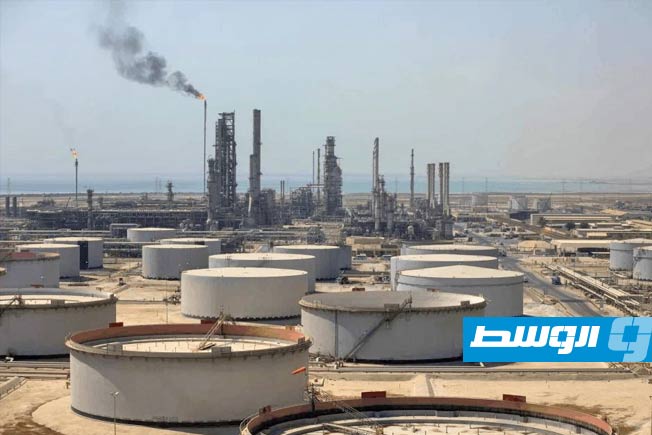
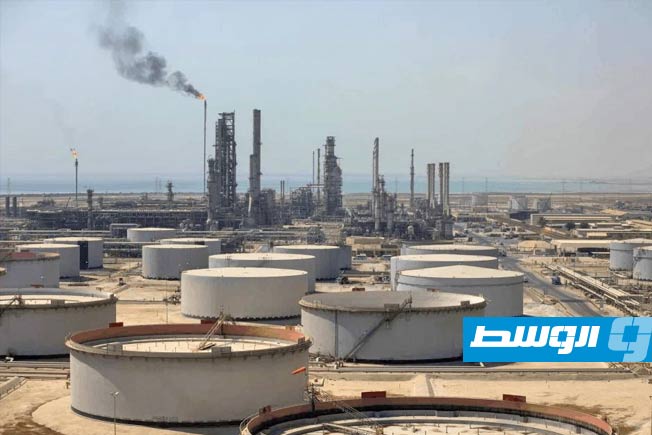
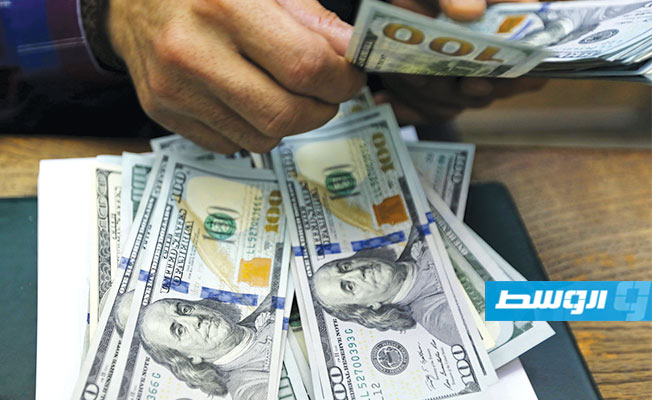
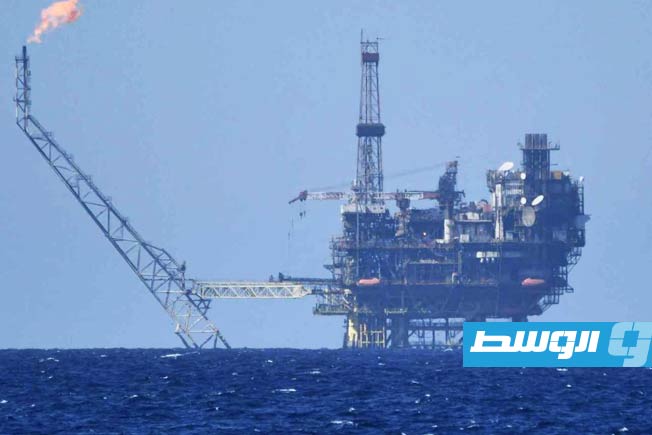
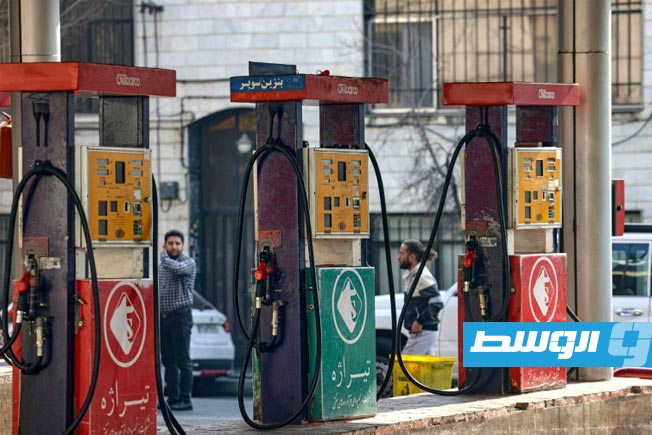
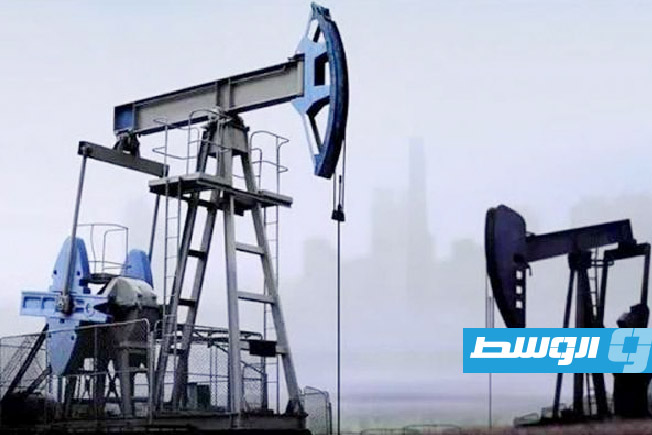
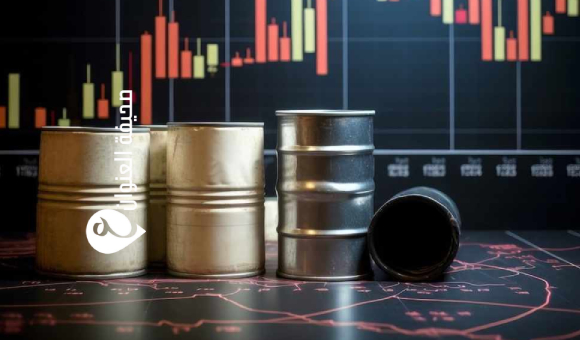
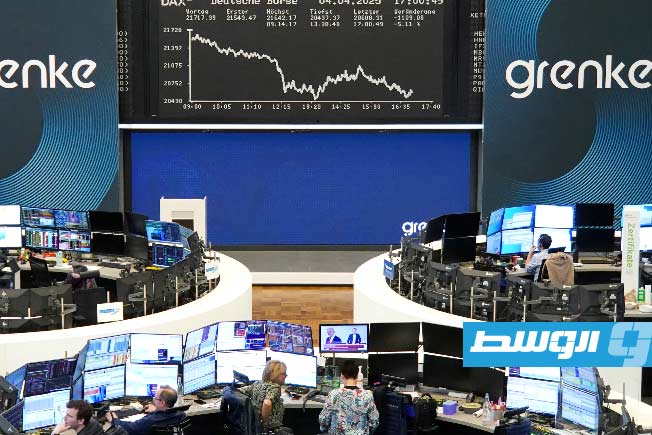
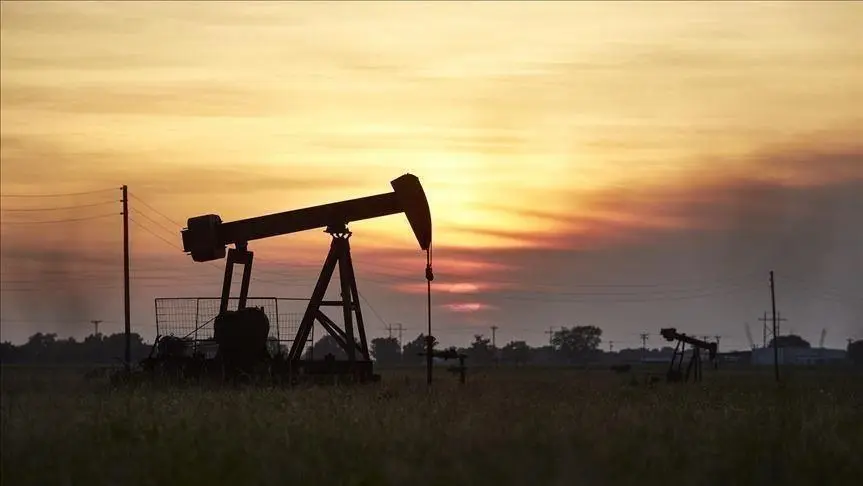
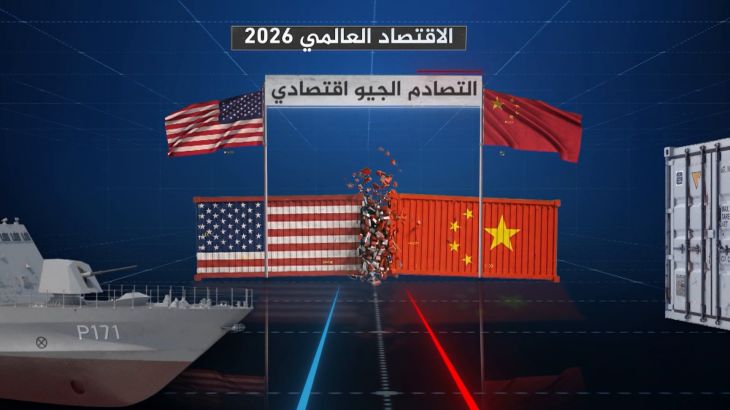
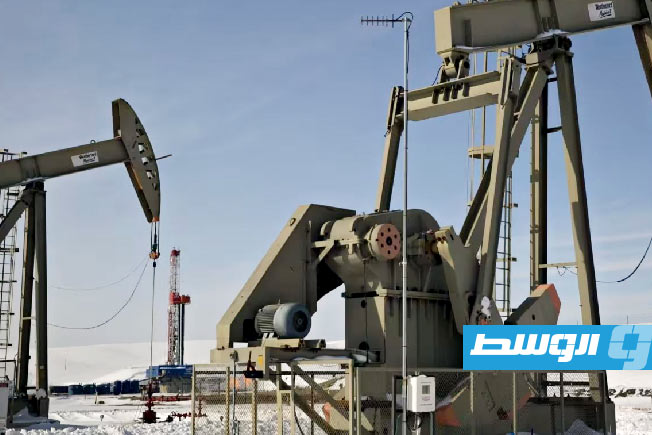
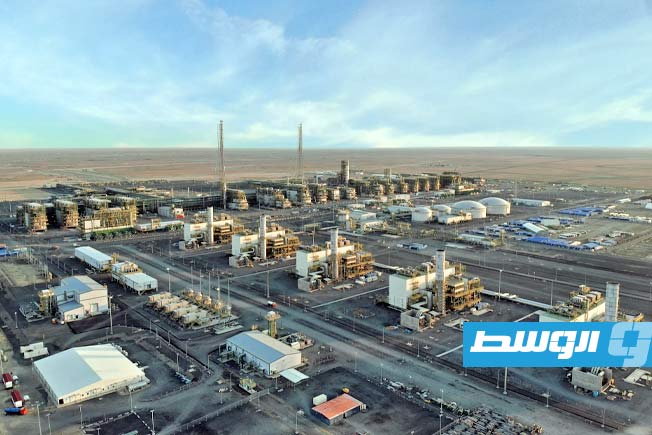
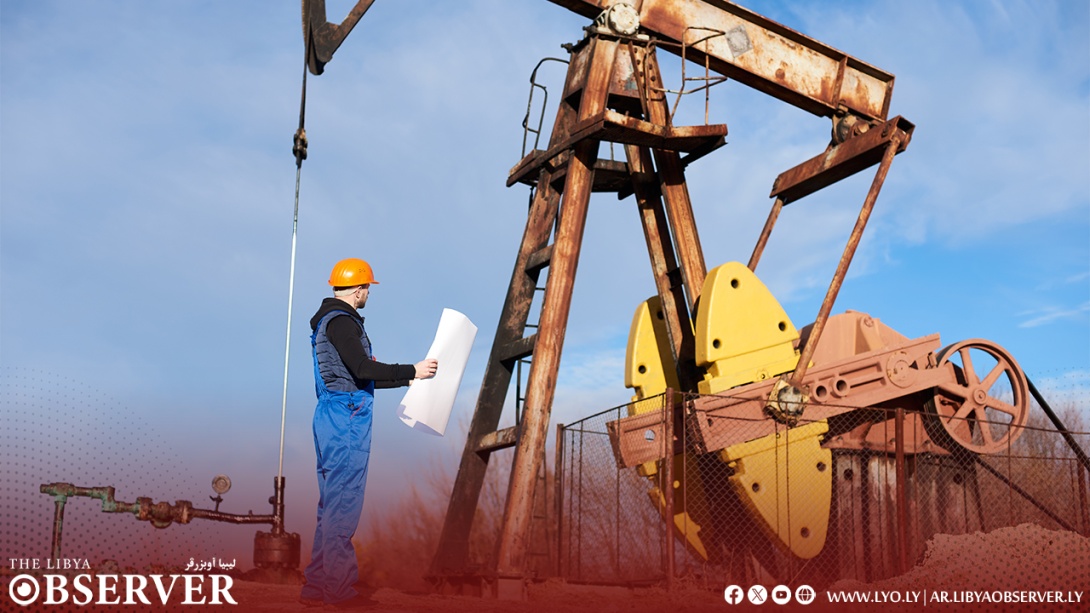
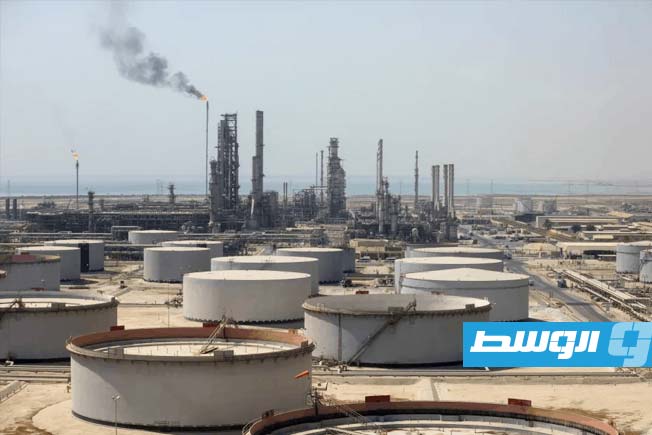
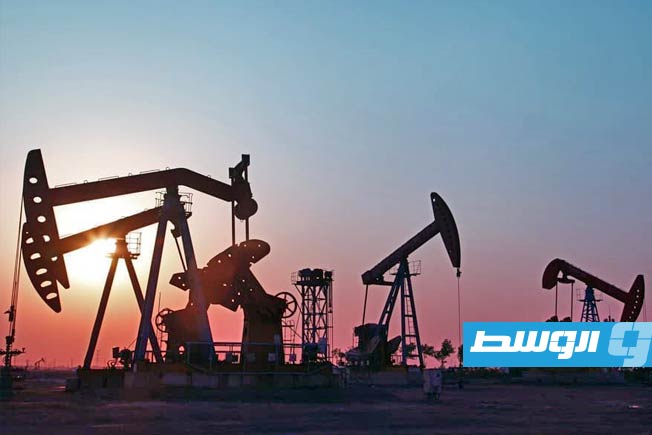
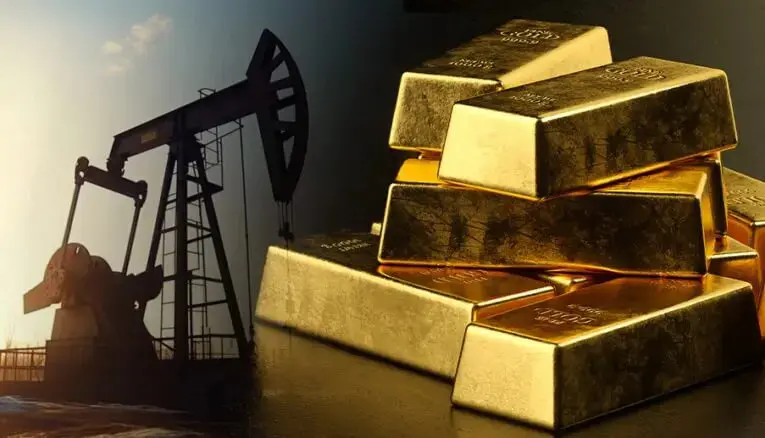
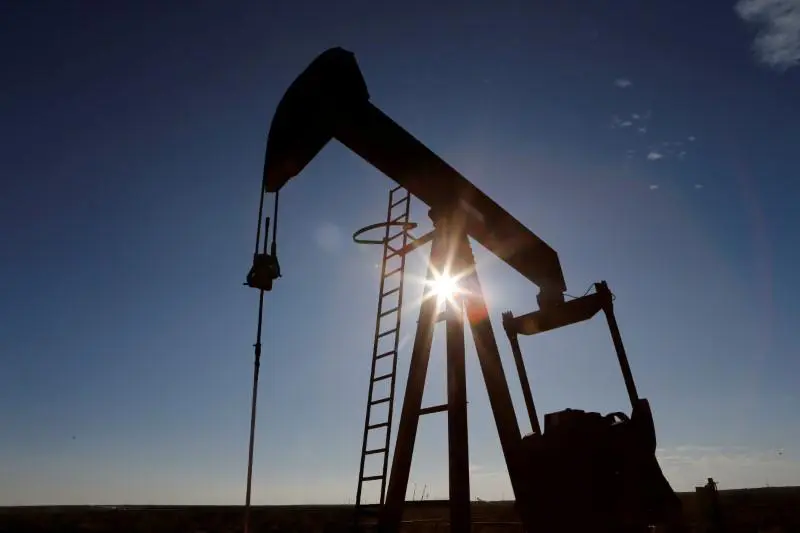
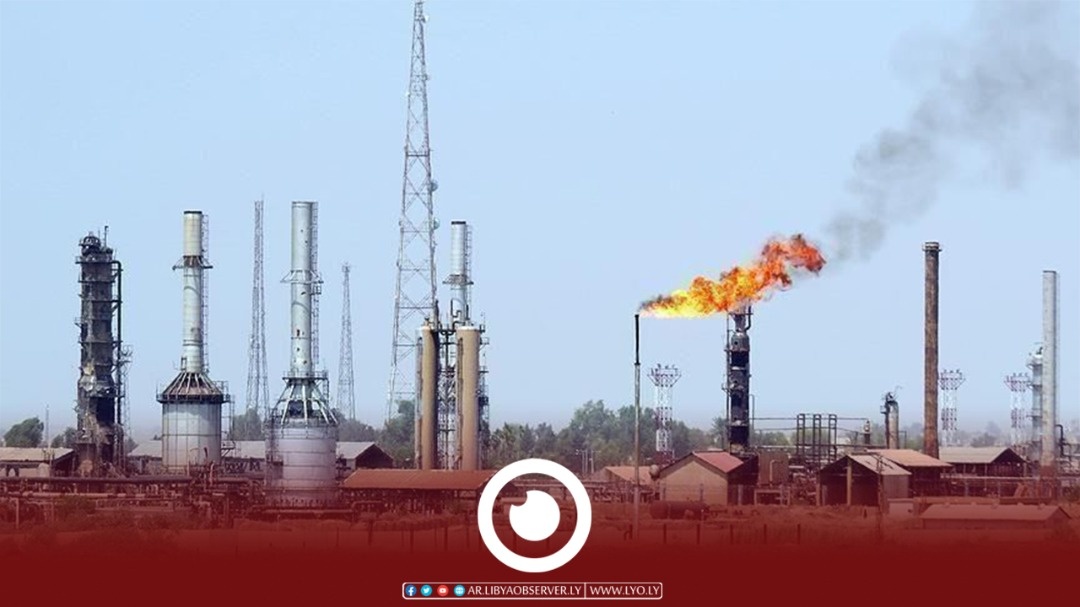
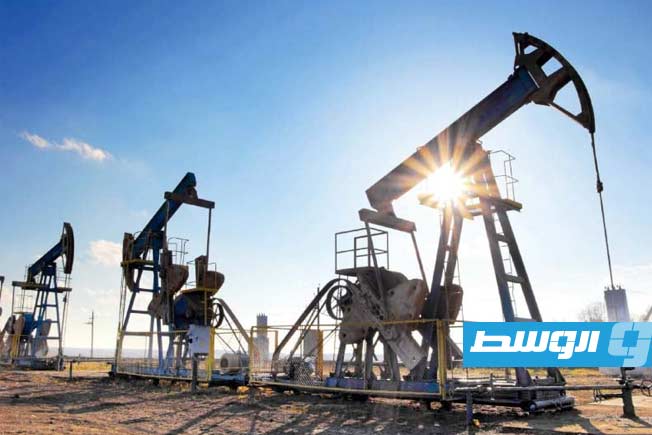
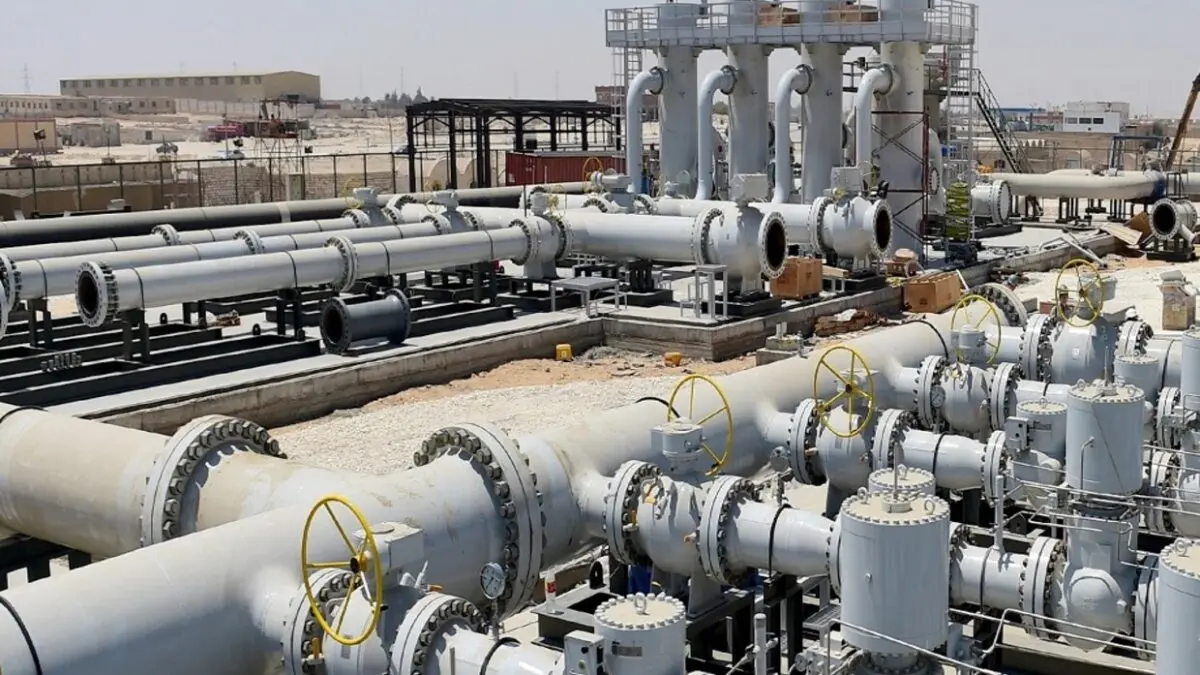
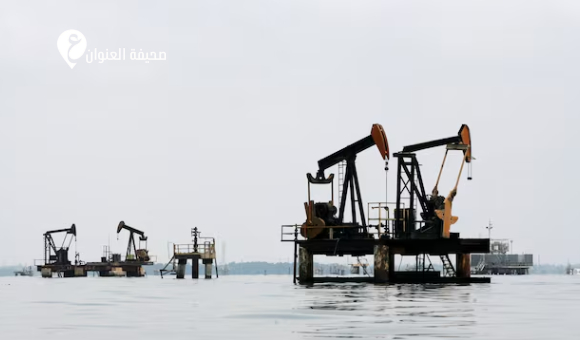
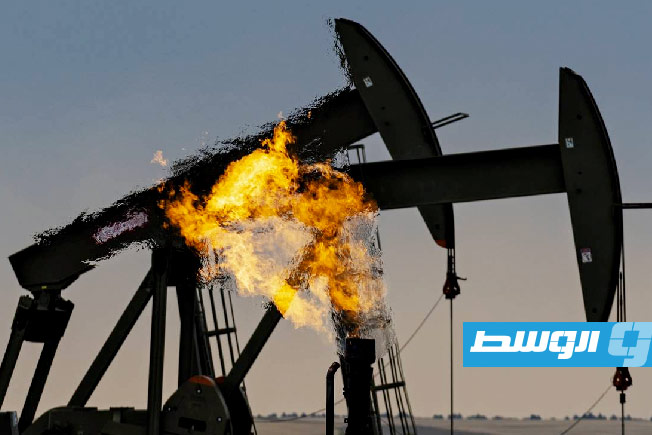
Commodity market observers and analysts expect oil markets to witness increasing volatility this year, with the market being governed more by supply and demand factors than by major events and geopolitical tensions.
In a note, an energy analytics firm says that “the high volatility seen so far in 2026 confirms the increasingly important role geopolitics plays in oil markets, not only by shaping sentiment and spot prices, but also by redirecting shipment flows and overriding economic considerations.”
Supply Disruption and Production Challenges
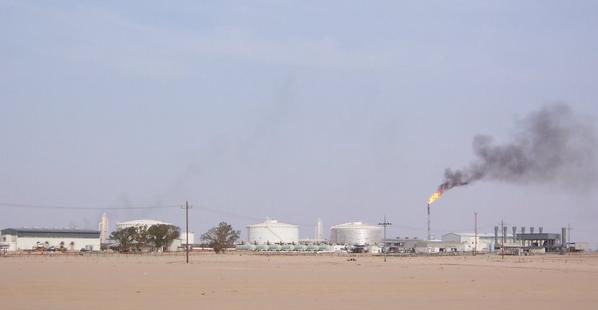
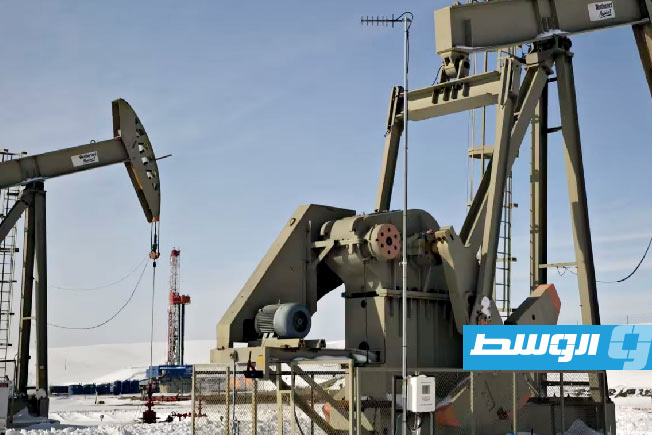
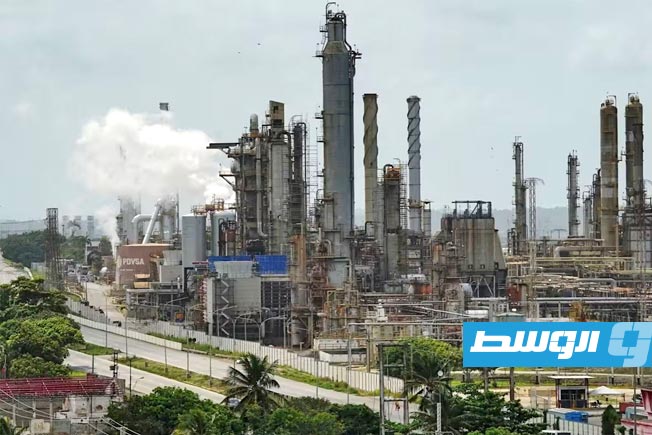
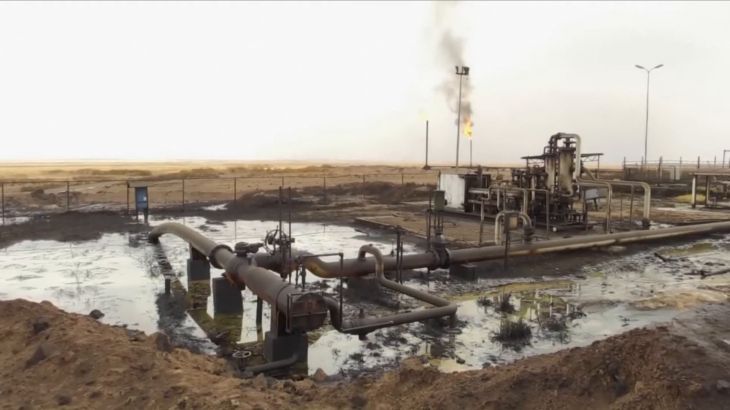
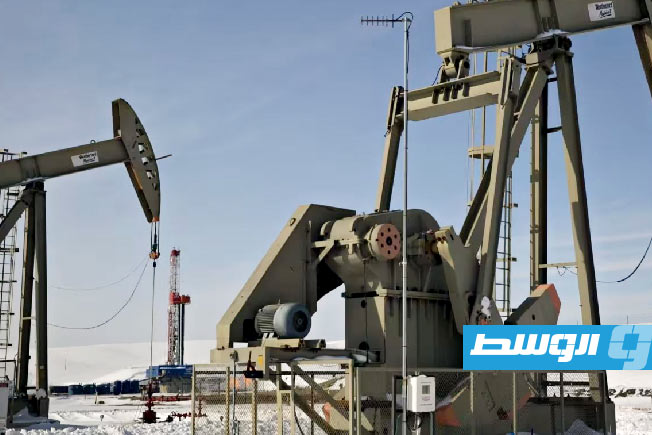
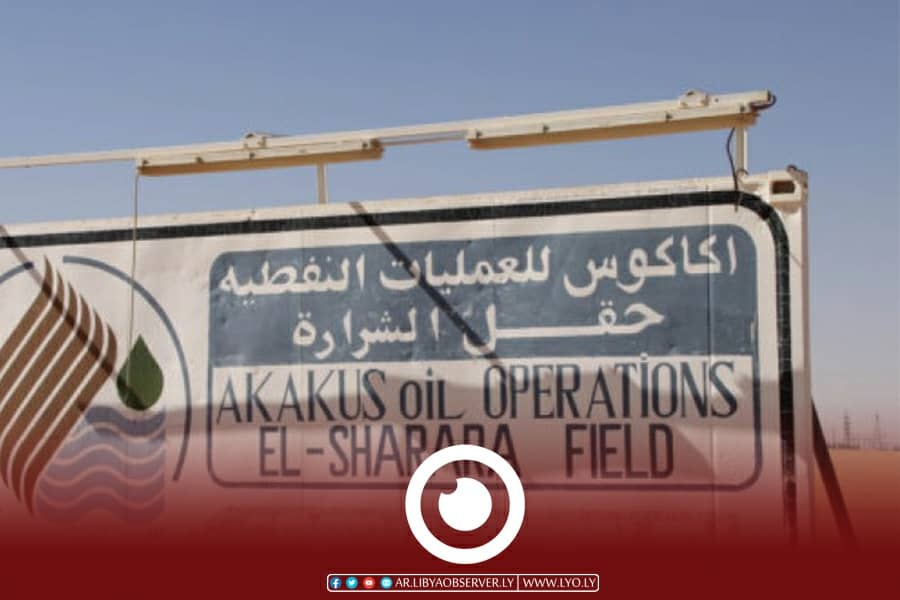
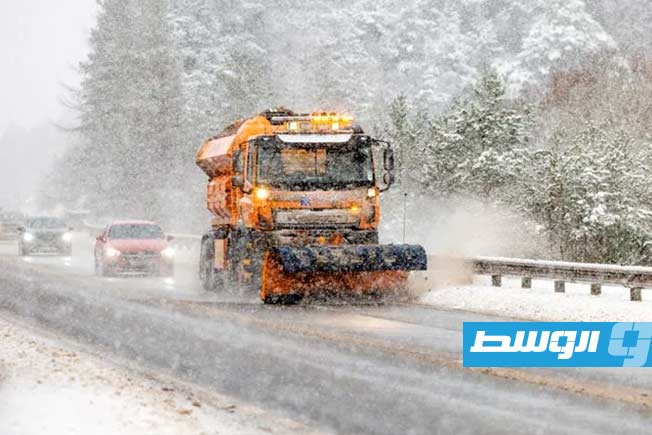
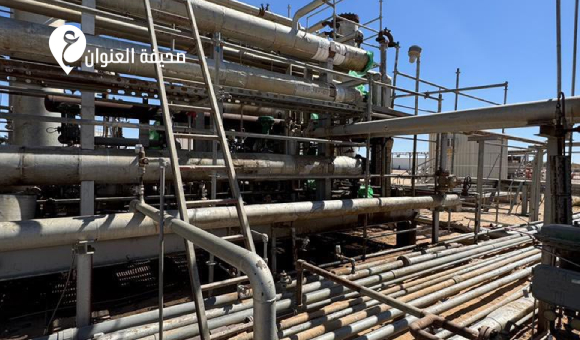
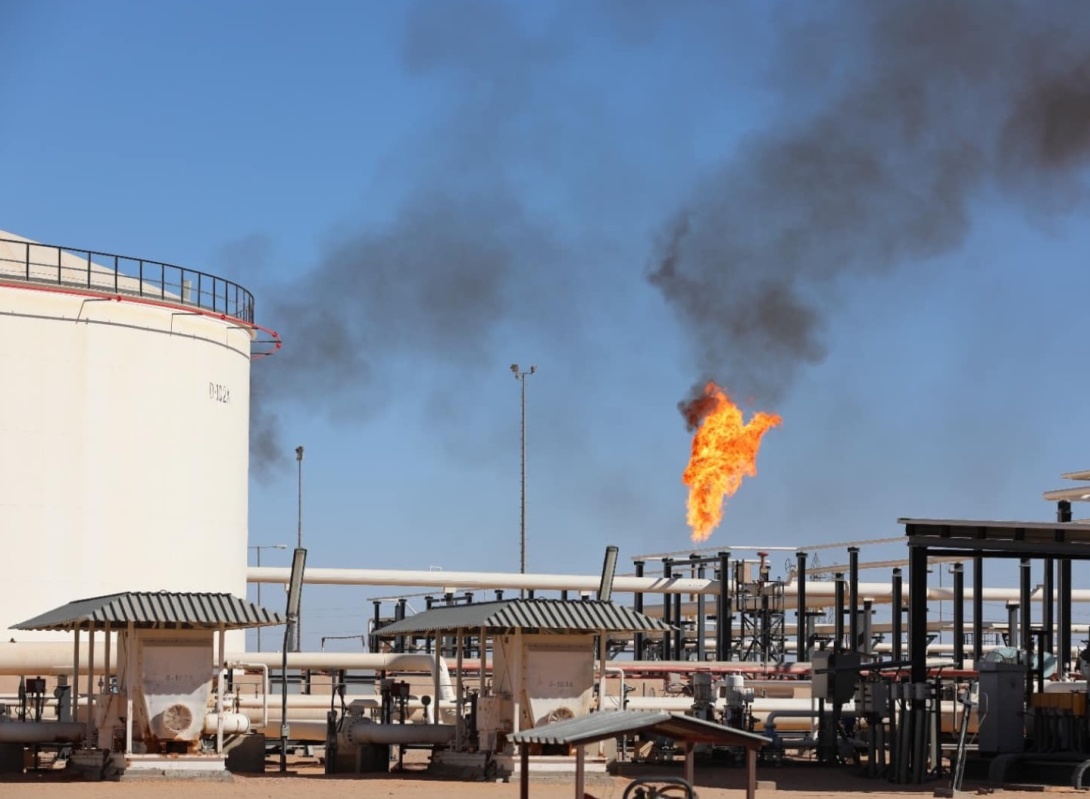
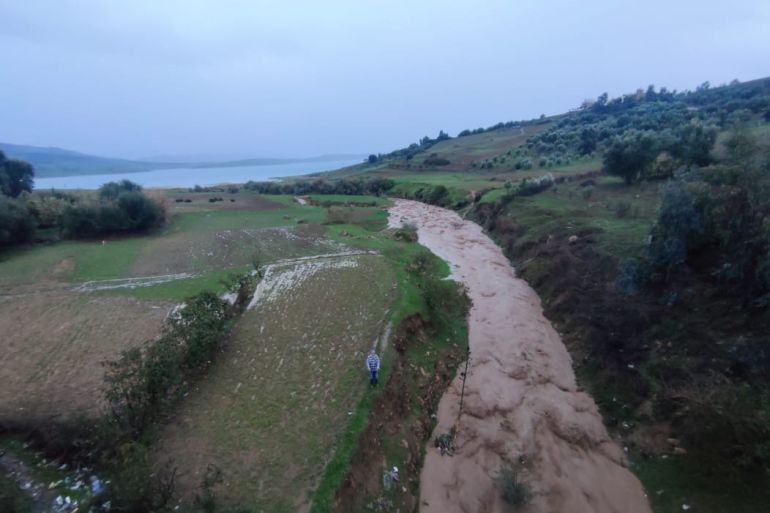
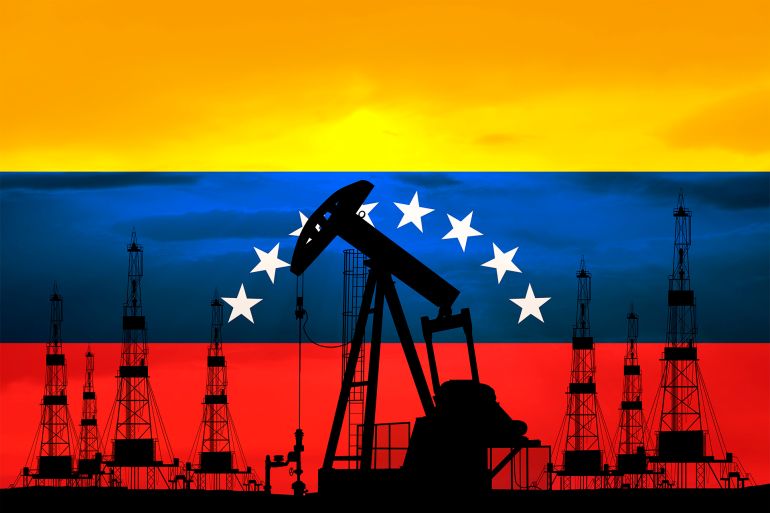
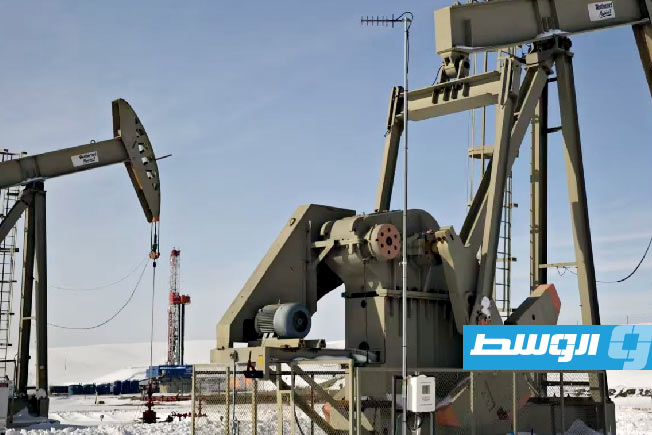
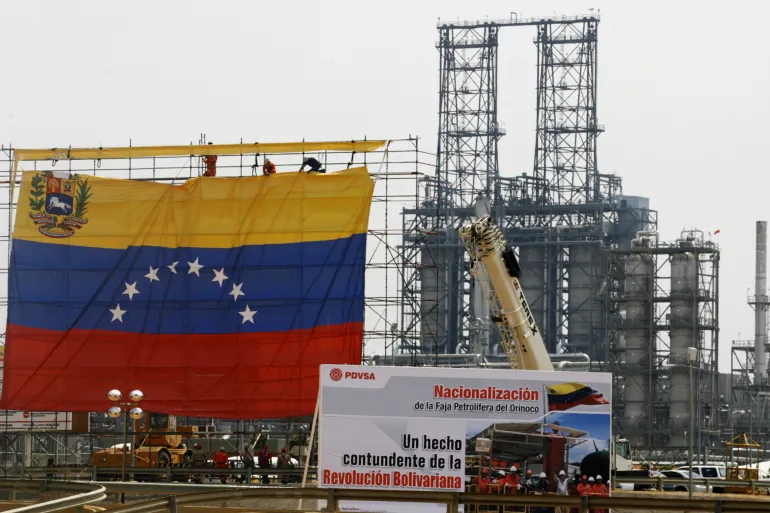
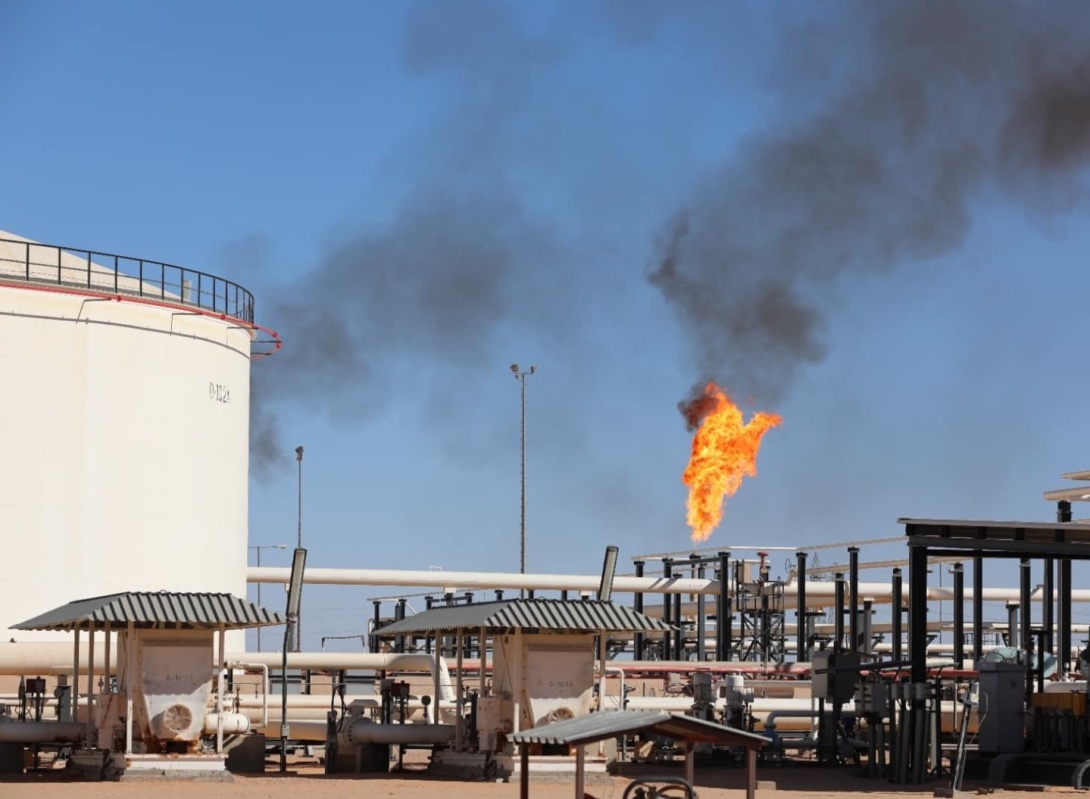
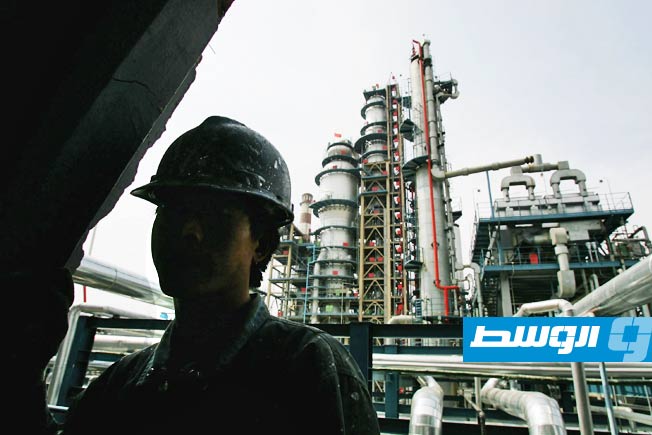
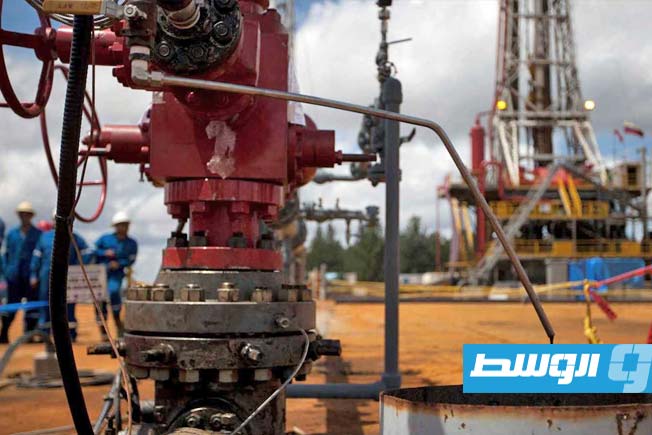
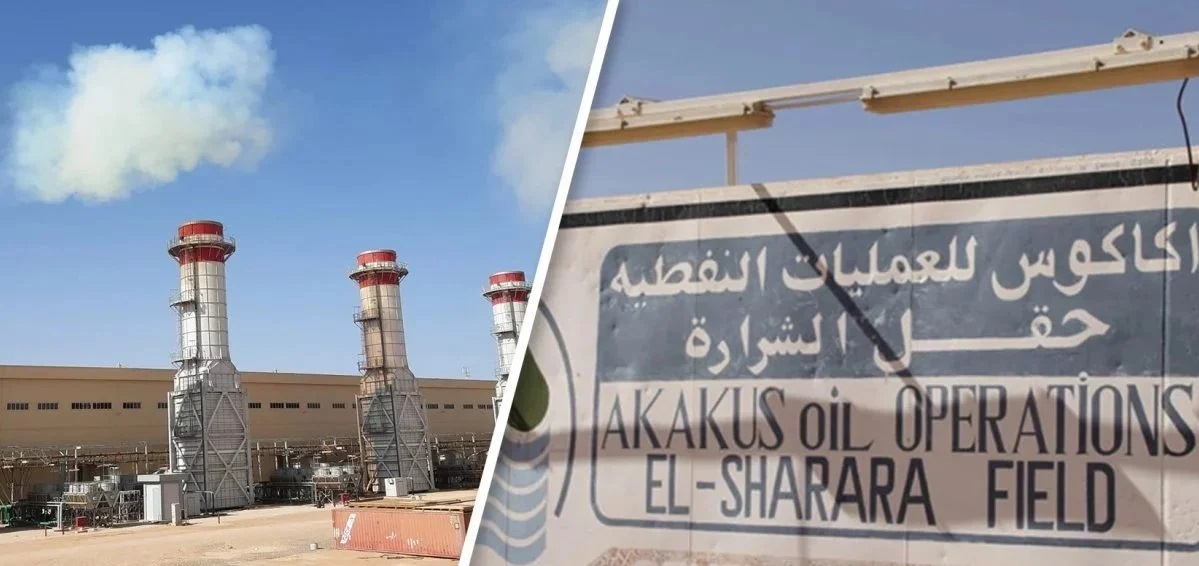
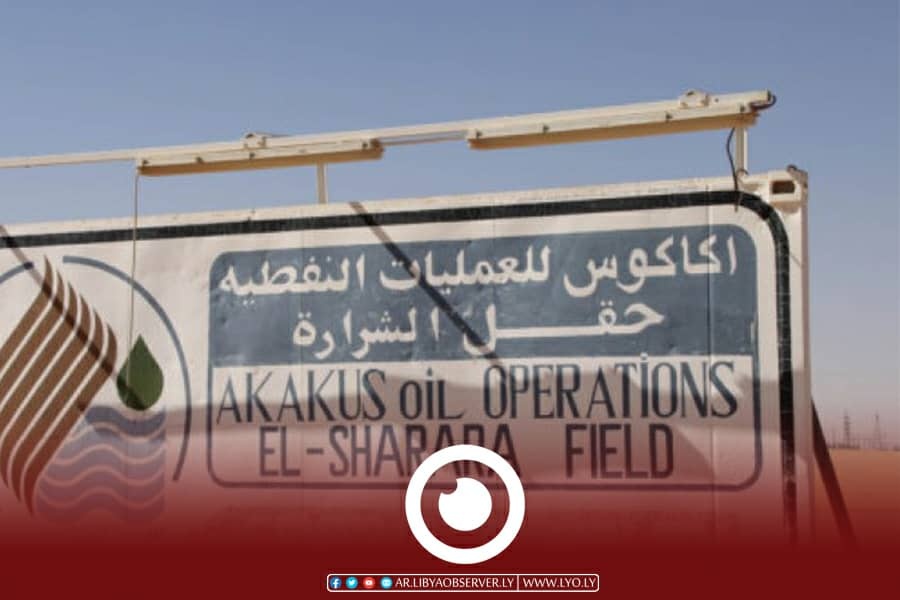
The firm predicted that the oil supply surplus in the markets would widen to about 2.2 million barrels per day in the first quarter of this year, pointing to prolonged supply disruptions linked to crude production and loading problems, weather-related outages in the United States and Algeria, and a decline in Venezuelan production following previous sanctions.
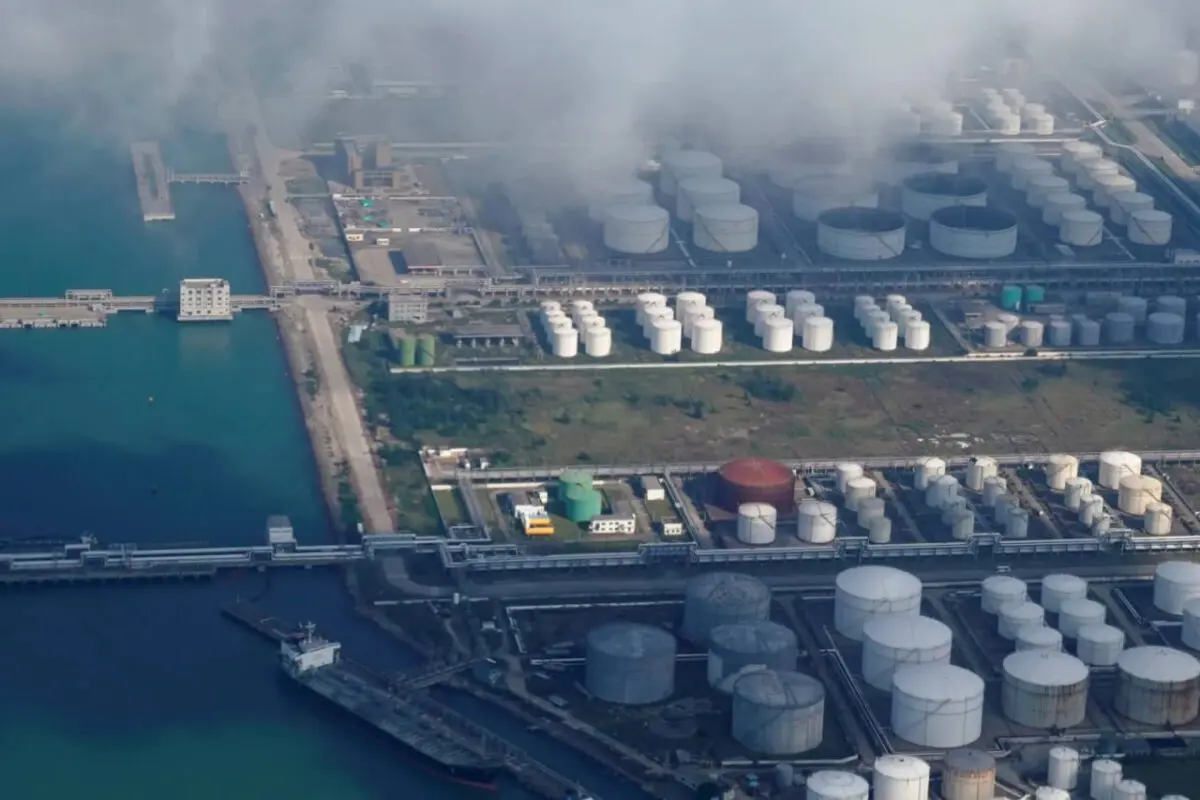
However, it also suggested that the supply surplus would shrink after the first quarter as China continues to build its crude stockpiles. Data indicates that Beijing aims to add about 140–160 million barrels over a 12-month period, or about 100 million barrels over the 9 months ending in March 2026, equivalent to about 360–380 thousand barrels per day.
The note stated: “Our data shows that onshore inventories in China, including commercial and strategic reserve stocks, rose by about 120 million barrels between April 2025 and January 2026, or about 392 thousand barrels per day.”
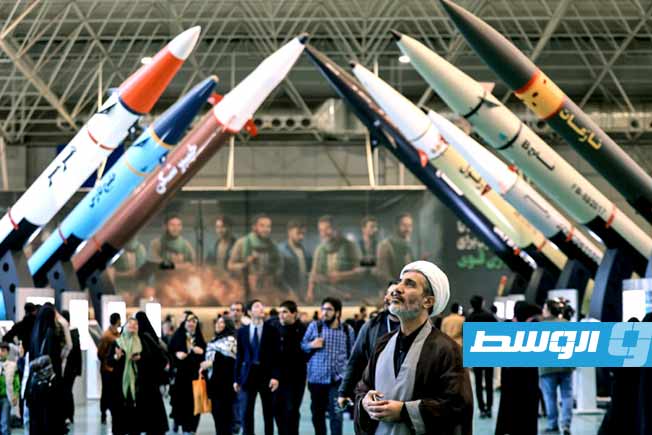
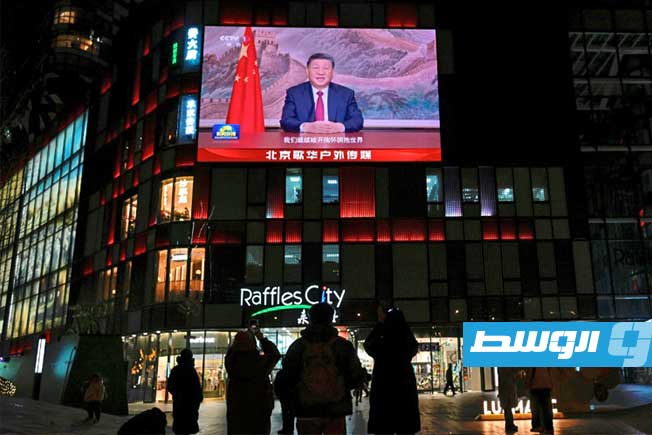
It also expected oil inventories outside China to rise over the next two months, as refineries in the United States and Europe enter a heavy maintenance season. It said: “However, even though the actual supply surplus reflected in available barrels may be smaller, ranging between 1.5–1.6 million barrels per day in the first quarter, it still indicates a noticeable surplus and will continue to put pressure on oil prices, pressures that have recently been masked by fears of a potential military conflict between the United States and Iran.”
Oil Prices and Supply-Demand Challenges
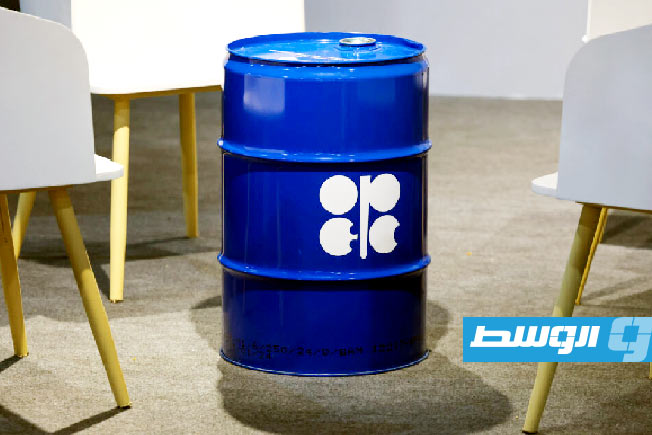
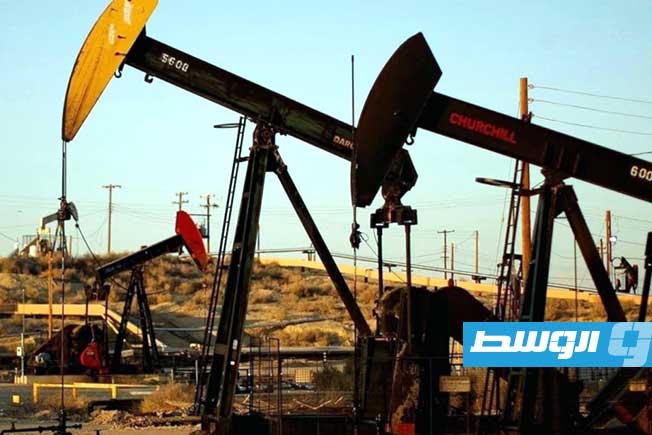
An oil market expert suggested that supply and demand dynamics will determine the path of oil prices in 2026, especially with the continued increase in production from countries outside the ‘OPEC+’ group.
He said: “Oil prices this year will be driven by the balance between supply growth and demand dynamics, where the continued non-OPEC expansion, especially from the United States, Brazil, and Guyana, is expected to keep pace with demand growth. The ‘OPEC+’ group will play a key role. If it keeps production stable, the surplus will become more apparent and prices will decline.”
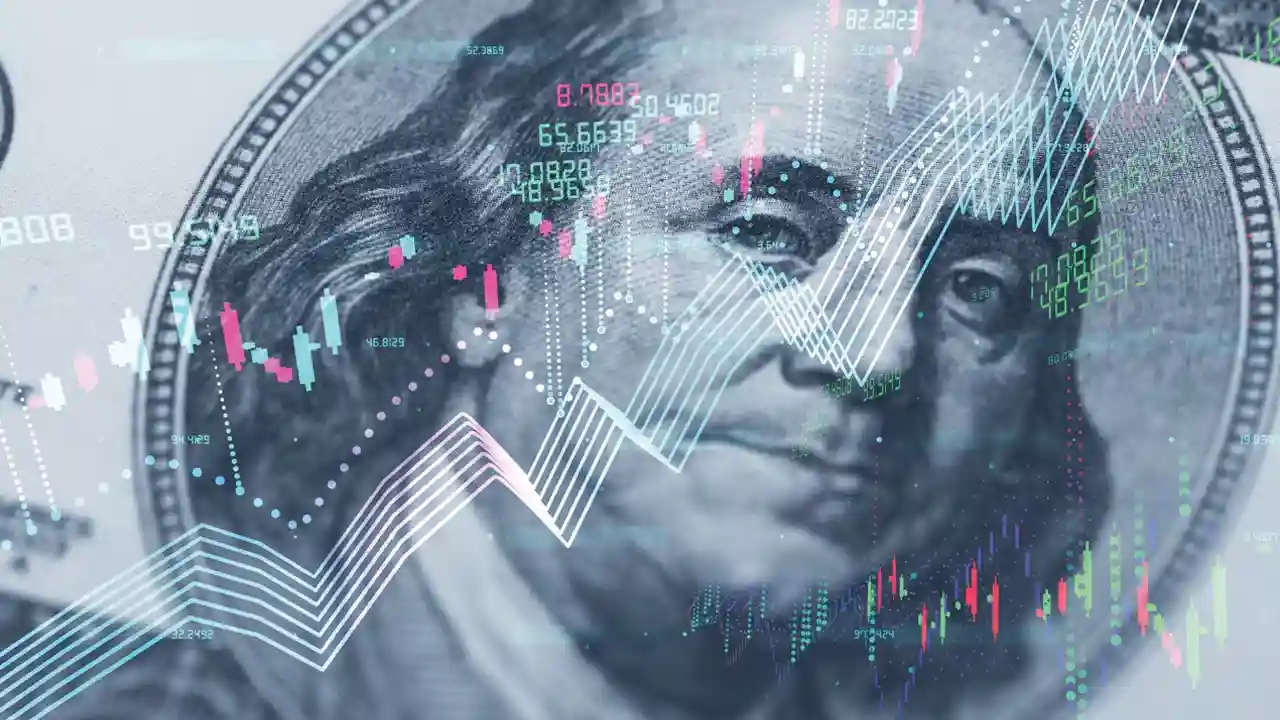
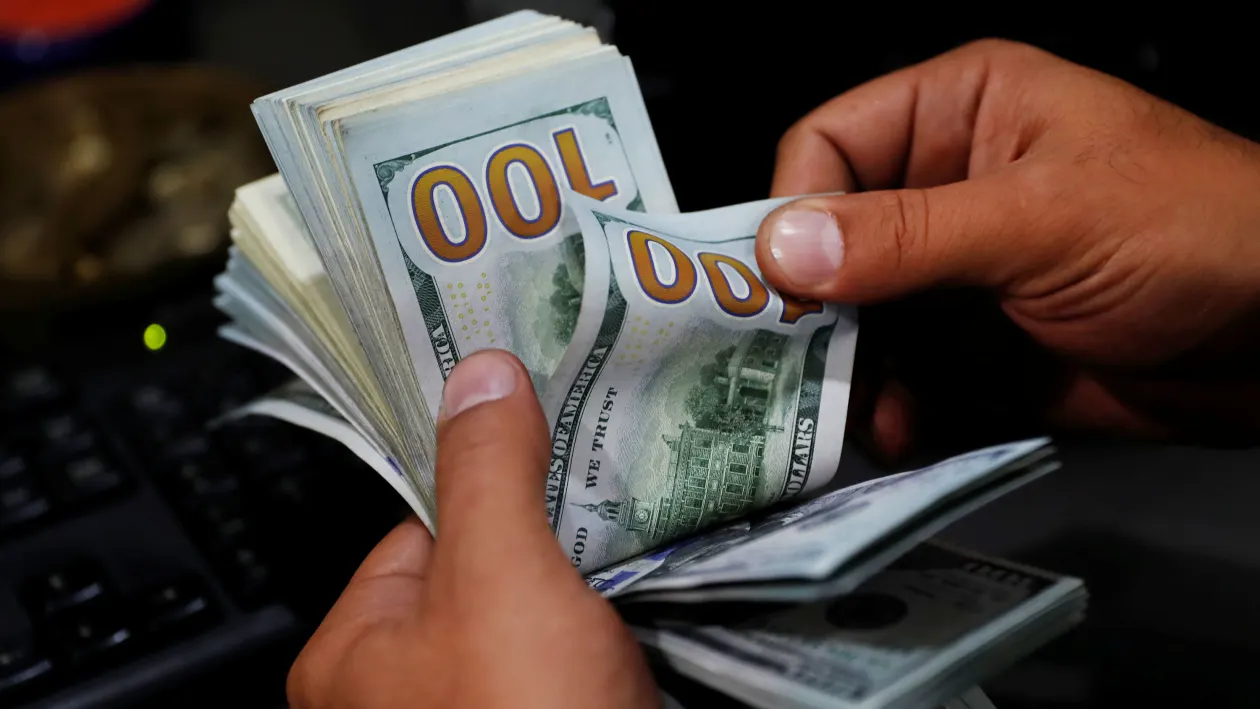
The expert expects oil demand growth to slow, with demand from India stabilizing amid increased caution from China and largely steady demand levels in OECD countries. Inventories and macroeconomic conditions, including the US dollar and financial positions, will also affect volatility.
At the same time, the expert believes that “geopolitical situations will remain important for the oil market, but are unlikely to determine the underlying trend, as recent years have seen a clear geopolitical premium linked to tensions around Iran, Russia, and major shipping routes.” However, markets adapt quickly, and unless there is an actual sustained disruption, such as a major loss of exports or the closure of key shipping routes, geopolitical events typically create short-term spikes rather than leading to lasting upward trends.
Shadow Fleets a Key Driver of Demand
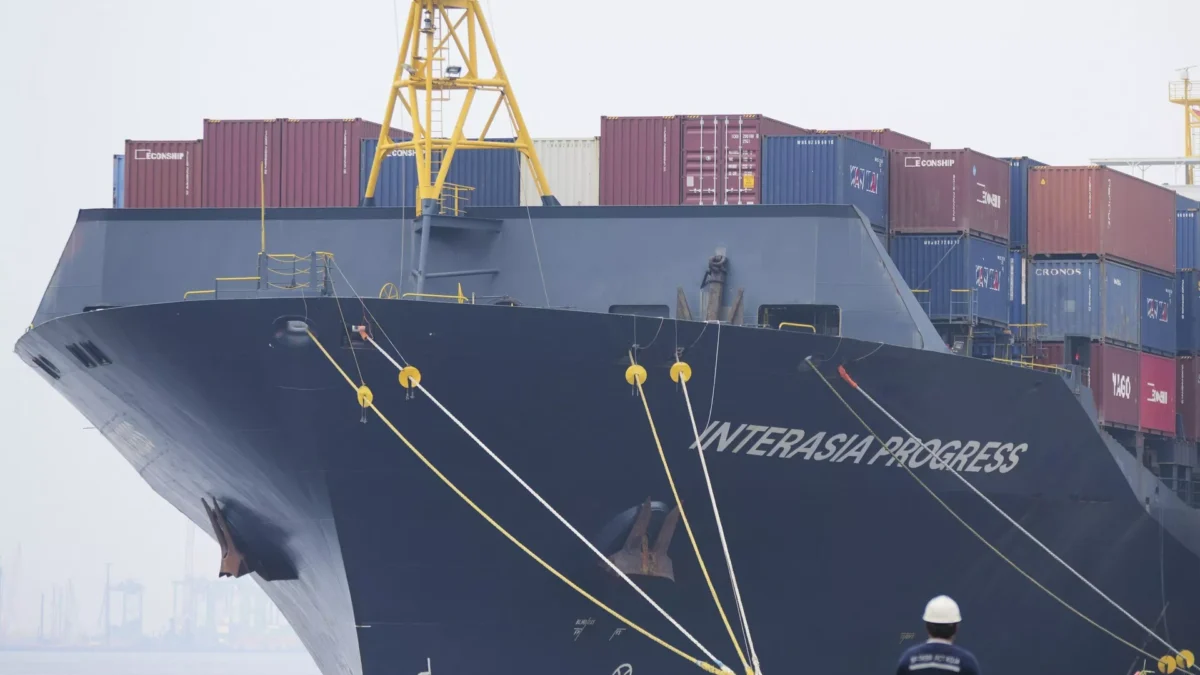
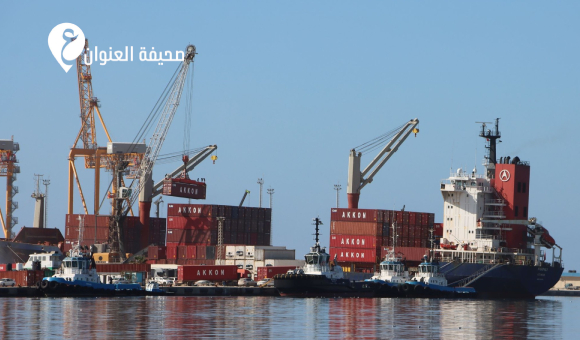
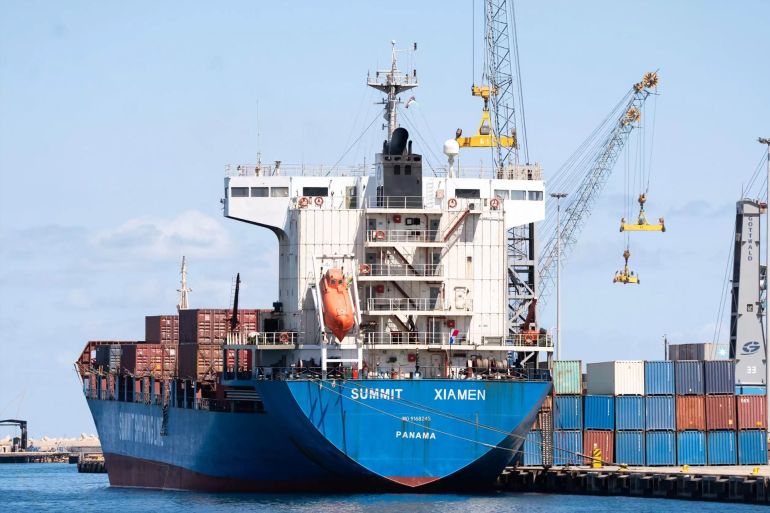
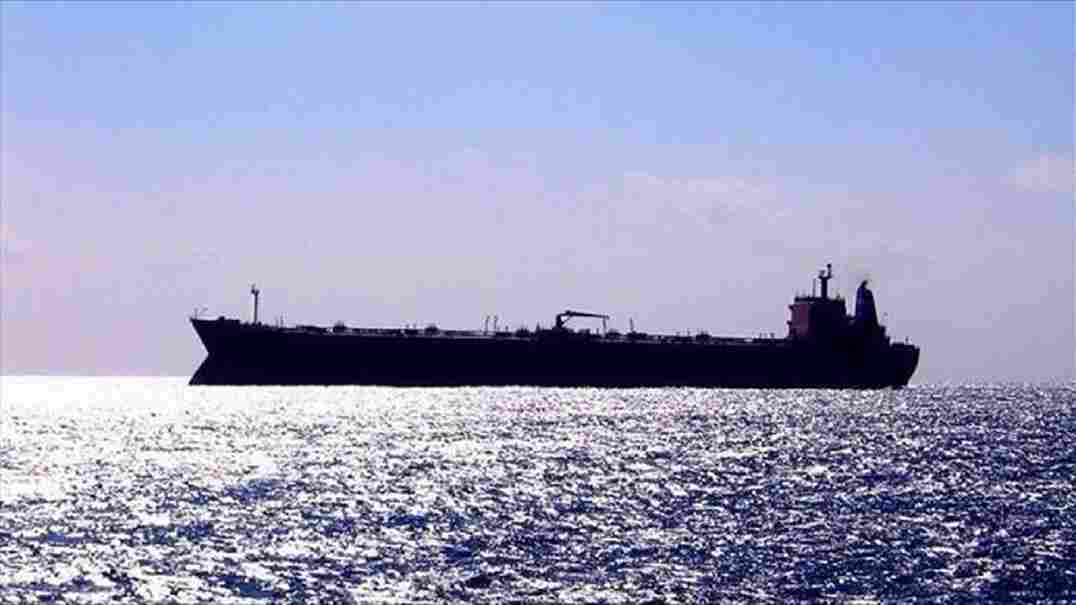
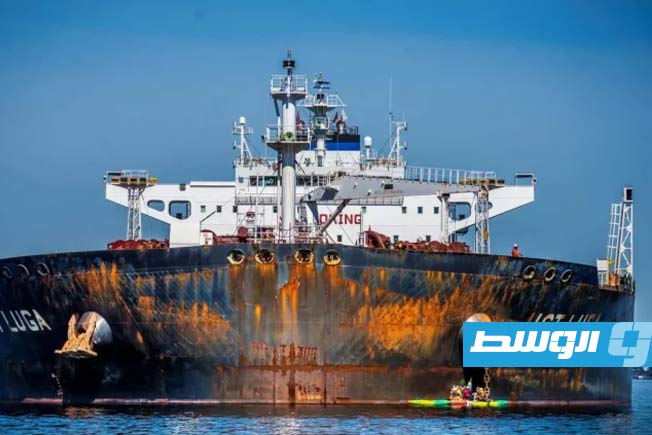
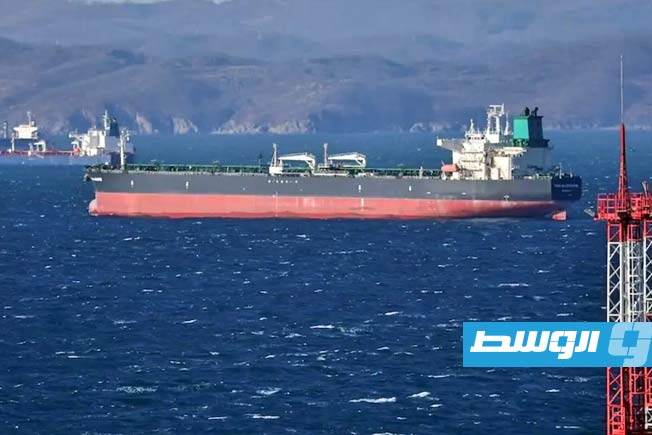
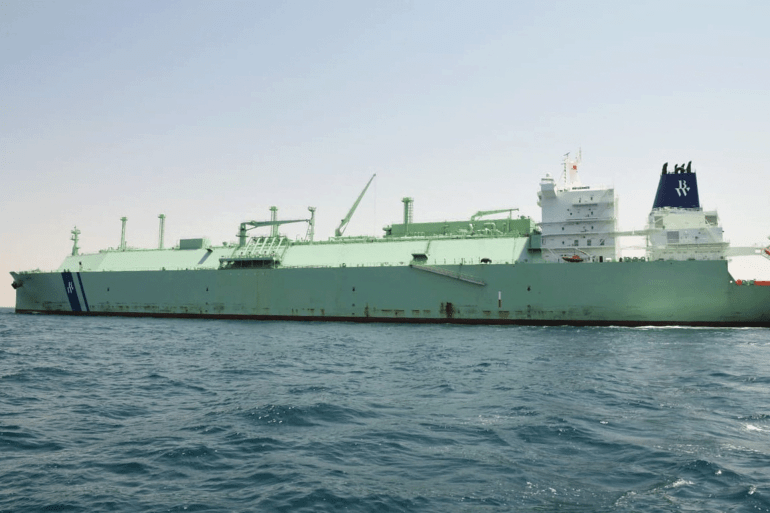
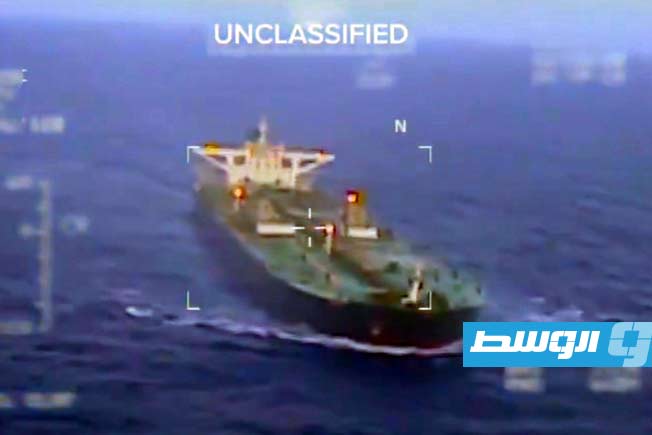
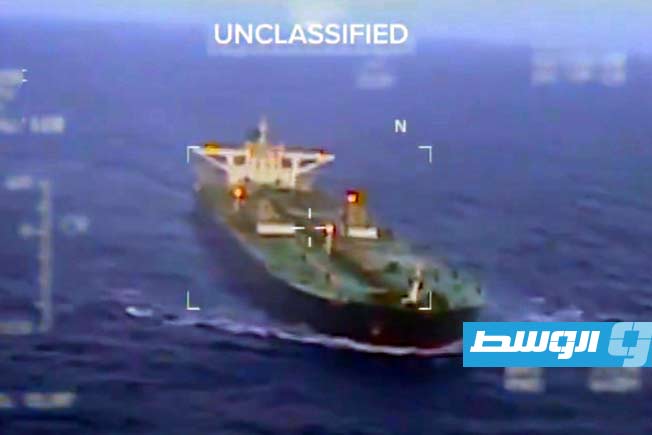
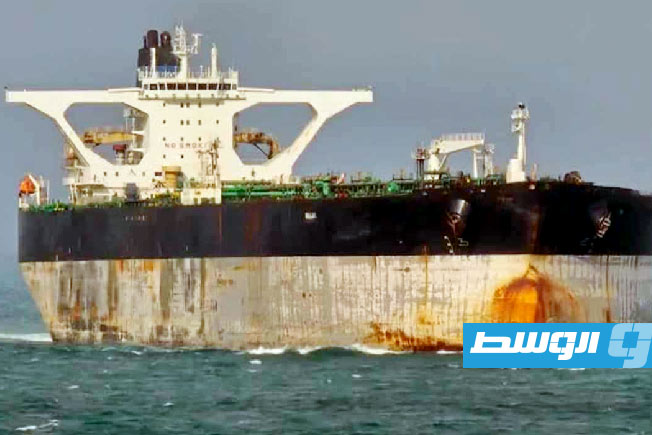
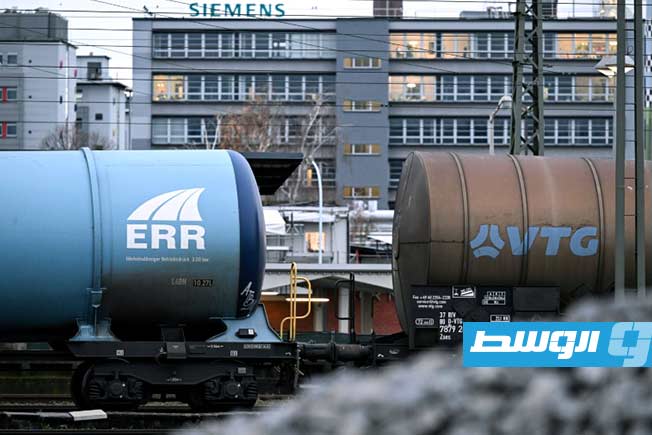
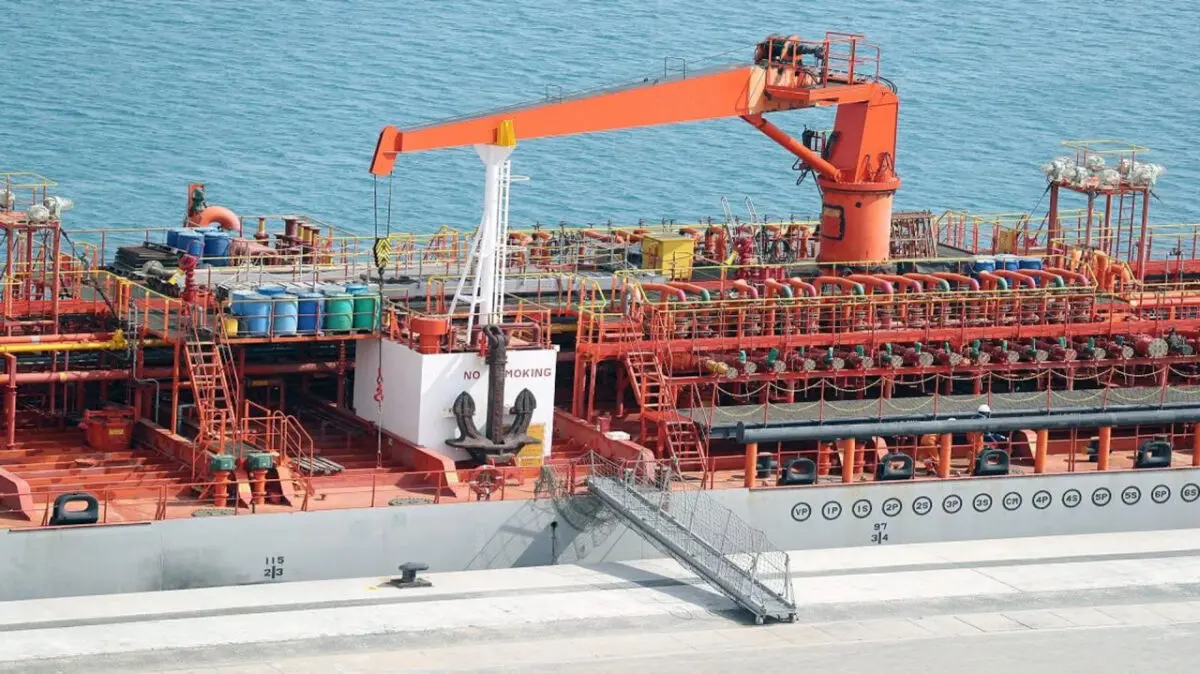
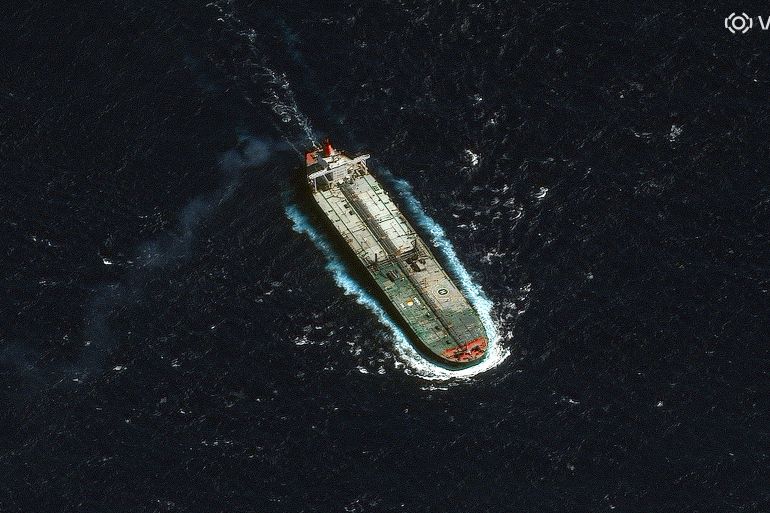
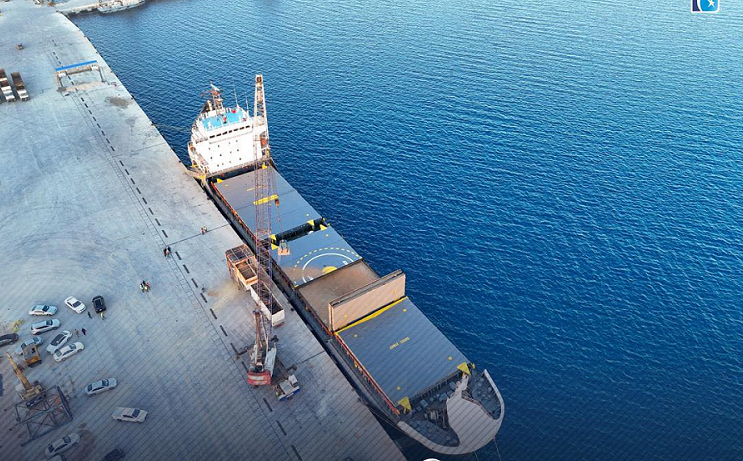
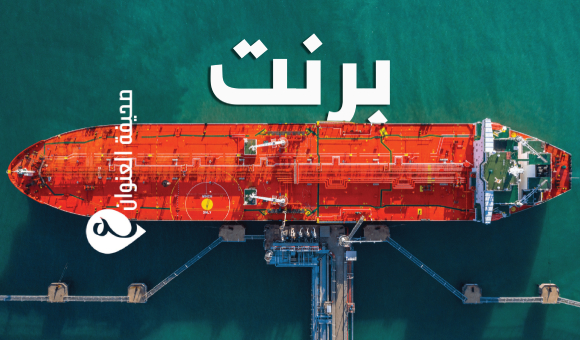
In a related context, analysts expect structural supply and demand dynamics to strongly reassert their influence, as a tightening enforcement crackdown on the so-called shadow fleet will raise shipping costs, create logistical friction, and distort regional differentials, particularly between Brent, Dubai, and other sour benchmarks. This will affect differentials and trade flows more than directly impacting the price level.
The head of research at a risk management firm says that “the crackdown on shadow fleets transporting oil will increase demand for oil and oil products not subject to sanctions, which will push benchmark oil prices like ‘Brent’ and ‘West Texas Intermediate’ to rise.”
United States
The United States is a federal republic founded in 1776 after declaring independence from Great Britain, with its modern government established by the Constitution in 1789. Its history encompasses westward expansion, the Civil War, industrialization, and its emergence as a global superpower in the 20th century. The nation is defined by its diverse population, democratic ideals, and significant cultural and economic influence worldwide.
Algeria
Algeria is a North African country with a rich history shaped by ancient Berber kingdoms, Roman rule, and centuries as part of the Ottoman Empire. It was a French colony from 1830 until achieving independence in 1962 after a protracted war of liberation. Today, it is the largest country in Africa and the Arab world, known for its diverse landscapes ranging from the Mediterranean coast to the Sahara Desert.
Venezuela
Venezuela is a South American country known for its diverse landscapes, including the Andes Mountains, Amazon rainforest, and the world’s highest waterfall, Angel Falls. Historically, it was a Spanish colony until achieving independence in the early 19th century under leaders like Simón Bolívar, and its modern economy has been heavily shaped by its vast petroleum reserves.
China
China is one of the world’s oldest continuous civilizations, with a recorded history spanning over four millennia. It is home to numerous UNESCO World Heritage sites, such as the Great Wall and the Forbidden City, which reflect its long imperial past and profound cultural achievements.
Beijing
Beijing is the capital of China, with a history spanning over three millennia as a significant political and cultural center. It served as the seat of imperial power during several dynasties, most notably the Ming and Qing, and is home to UNESCO World Heritage Sites like the Forbidden City and the Temple of Heaven. Today, it is a major global metropolis that blends ancient historical architecture with modern urban development.
Europe
Europe is a continent with a rich and complex history, shaped by ancient civilizations like Greece and Rome, the transformative periods of the Renaissance and the Enlightenment, and the profound impacts of two world wars. Culturally, it is renowned for its diverse artistic heritage, architectural landmarks, and as the birthplace of influential movements in philosophy, science, and politics.
Iran
Iran, historically known as Persia, is home to one of the world’s oldest continuous civilizations, with a rich cultural history spanning thousands of years. It is renowned for its significant contributions to art, science, and literature, as well as architectural marvels like the ancient ruins of Persepolis. The modern Islamic Republic was established in 1979 following a revolution that transformed the nation’s political system.
OPEC+
OPEC+ is an expanded alliance of oil-producing nations, formed in 2016, which builds upon the original Organization of the Petroleum Exporting Countries (OPEC) founded in 1960. It aims to coordinate and stabilize global oil markets through production agreements, with its core membership consisting of the 13 OPEC members led by Saudi Arabia, plus 10 additional non-OPEC partners, most notably Russia.
Brazil
Brazil is the largest country in South America, known for its vast Amazon rainforest and vibrant cultural exports like samba and football. Its modern history began with Portuguese colonization in 1500, followed by independence as an empire in 1822 and the establishment of a republic in 1889. The nation is characterized by its diverse ethnic heritage and a complex history of both economic booms and social challenges.
Guyana
Guyana is a country on the northern coast of South America, known for its vast rainforests and cultural blend of Indigenous, African, Indian, and European influences. Historically, it was colonized by the Dutch and later the British, gaining independence in 1966. Its cultural heritage is reflected in sites like the colonial-era St. George’s Cathedral in Georgetown and the natural landmark of Kaieteur Falls.
India
India is a South Asian country with one of the world’s oldest civilizations, dating back to the Indus Valley Civilization around 2500 BCE. Its long history includes the rise of major empires, the spread of religions like Hinduism and Buddhism, British colonial rule, and its emergence as an independent republic in 1947. Today, it is known for its vast cultural, linguistic, and religious diversity.
OECD
The Organisation for Economic Co-operation and Development (OECD) is an international forum founded in 1961 to stimulate economic progress and world trade, succeeding the Organisation for European Economic Co-operation (OEEC) which administered post-World War II Marshall Plan aid. Today, it is best known for producing data-driven analysis and setting standards across a wide range of public policy areas for its 38 member countries.
Russia
Russia is the world’s largest country by area, spanning Eastern Europe and Northern Asia. Its history is marked by the rule of the Tsars, the Soviet Union era following the 1917 Revolution, and its establishment as the Russian Federation in 1991. It is renowned for its vast landscapes, rich literary and artistic traditions, and influential cultural heritage.
Brent
Brent is a diverse borough in northwest London, historically known for its development around the Grand Union Canal and the arrival of the railway in the 19th century. It is home to the iconic Wembley Stadium, built on the site of the 1924 British Empire Exhibition, and the Neasden Temple, a traditional Hindu mandir opened in 1995.
Dubai
Dubai is a major global city and emirate in the United Arab Emirates, historically known as a small fishing and pearling village. Its modern transformation began with the discovery of oil in the 1960s, but it has since strategically diversified its economy into tourism, finance, and trade, becoming famous for its ultramodern architecture and luxury shopping.
West Texas Intermediate
West Texas Intermediate (WTI) is a grade of crude oil used as a major global pricing benchmark, named for the region in the United States where it is primarily extracted. Its pricing history is closely tied to the development of the American oil industry, particularly with the establishment of the Cushing, Oklahoma storage hub as its physical delivery point for futures contracts.