Denmark, France, Greece, Latvia, Liberia, Panama, and the United Kingdom call on Libyan parties to resume the political process.
libyawire.org > News > Culture > Denmark, France, Greece, Latvia, Liberia, Panama, and the United Kingdom call on Libyan parties to resume the political process.
New York, February 18, 2026 – Denmark, France, Greece, Latvia, Liberia, Panama, and the United Kingdom have called on the Libyan parties to resume the political process, integrate climate risks into national planning, and strengthen disaster management governance.
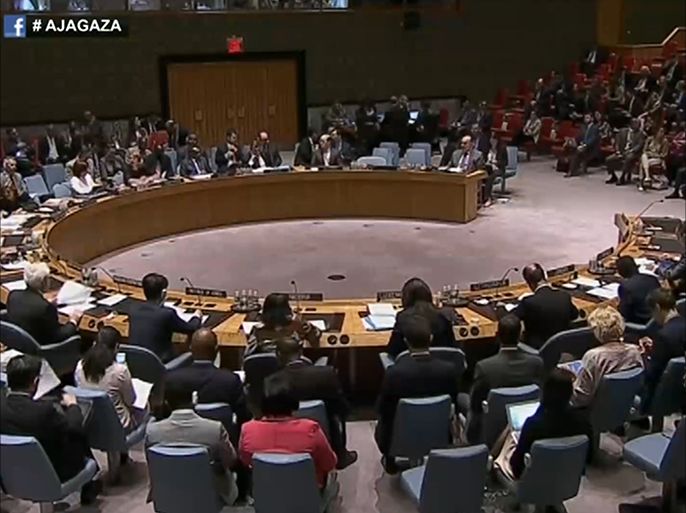
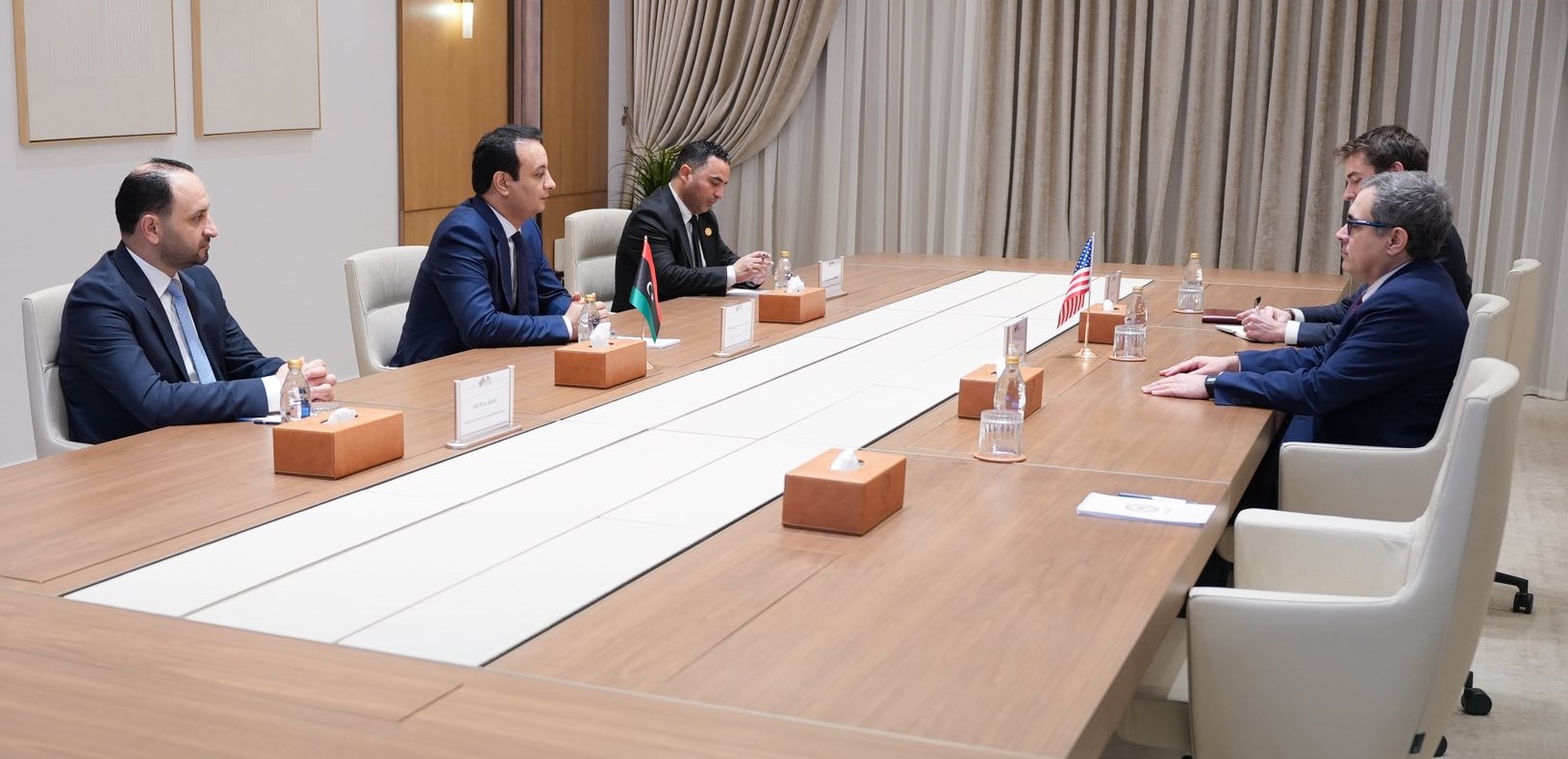
This came in a joint press statement issued today, Wednesday, in New York, ahead of the UN Security Council session on Libya, which included messages directed to the Libyan parties.
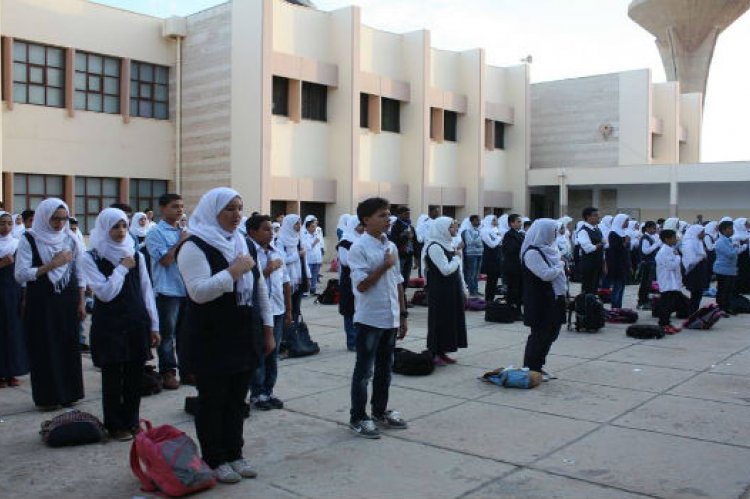
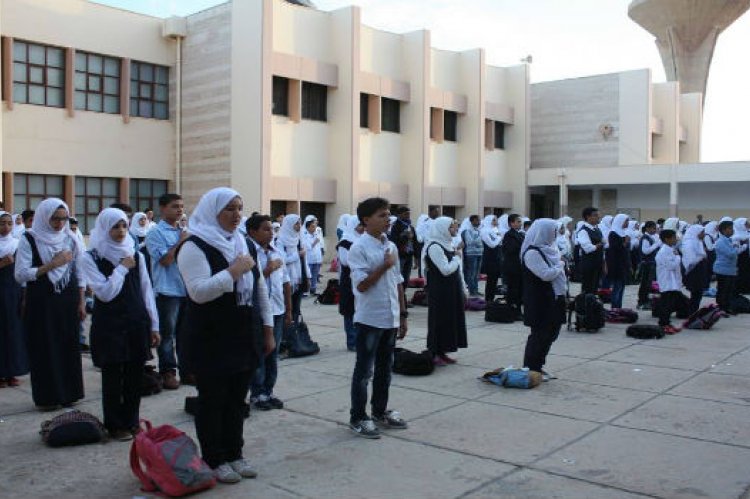
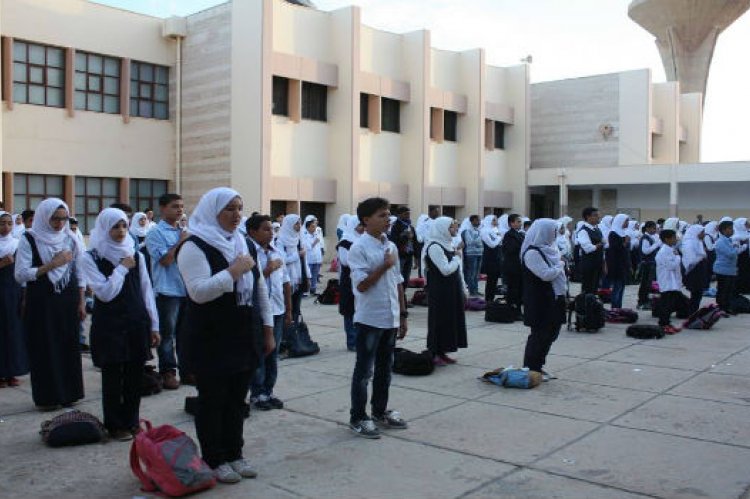
In the press statement, these countries, which are signatories to the joint commitments on climate, peace, and security in the Security Council, reaffirmed their collective call to address the interconnected challenges facing Libya in the areas of climate change, peace, and security. They noted that the country faces severe climate pressures that exacerbate its fragility, amid water scarcity, rising temperatures, and floods, leading to the deterioration of livelihoods, increased competition for resources, and heightened displacement.
The statement pointed out that Libya is one of the world’s most water-scarce countries, with less than 2% of its land being arable, and projections indicating a 7% decrease in rainfall by 2050, signaling a worsening of climate pressures in the future.
In their messages, the countries urged the Libyan parties to resume a Libyan-led and Libyan-owned political process as soon as possible, considering that the current stalemate hinders the country’s ability to respond to climate shocks and increases the risks of armed groups exploiting divisions. They called for integrating climate-related peace and security risk management into a unified national budget based on inclusive and gender-responsive decision-making.
In their second message, these countries emphasized the important role of civil society and local authorities in advancing climate action, appreciating the support of the UN mission, particularly through the initiative “Environmental Vision: Libya’s Youth Climate Challenge 2026.” They stressed the necessity of supporting initiatives led by youth and women, based on climate security assessments that consider the situations of border communities and areas prone to displacement.
In their third message, the group affirmed that strengthening disaster risk governance and preparedness for climate finance is a priority to prevent future crises, citing the Derna disaster of 2023 as a model for the cost of inaction.
They welcomed the establishment of the National Center for Emergency and Crisis Management, calling for the development of a multi-hazard early warning system and the creation of a national climate risk registry to guide reconstruction, land-use planning, and water management. They also called on international partners to support the establishment of a national climate finance task force.
New York
New York City, originally settled by the Dutch as New Amsterdam in the early 17th century, was later taken by the English and renamed. It grew into a major global port and financial center, becoming a primary gateway for immigrants entering the United States through Ellis Island in the late 19th and early 20th centuries. Today, it is one of the world’s most influential cities, known for its cultural diversity and iconic landmarks like the Statue of Liberty and Times Square.
Denmark
Denmark is a Scandinavian country in Northern Europe with a rich history dating back to the Viking Age, when it was a major seafaring power. Today, it is known as a modern constitutional monarchy, famous for its design, social welfare model, and historical landmarks like Kronborg Castle, the setting of Shakespeare’s *Hamlet*.
France
France is a Western European nation with a rich history that dates back to ancient Gaul, later evolving into a major medieval kingdom and a leading global power from the 17th to 20th centuries. Culturally, it is renowned as a global center for art, philosophy, and cuisine, and is home to iconic sites like the Palace of Versailles, the Louvre Museum, and the Eiffel Tower.
Greece
Greece is a southeastern European country widely regarded as the cradle of Western civilization, being the birthplace of democracy, philosophy, and the Olympic Games. Its rich history spans from the advanced Bronze Age Minoan and Mycenaean civilizations to the influential Classical period of city-states like Athens and Sparta, followed by Hellenistic and Roman eras. The country is famed for its ancient archaeological sites, such as the Acropolis in Athens and the Sanctuary of Delphi, alongside its picturesque islands and deep cultural heritage.
Latvia
Latvia is a Baltic nation in Northern Europe with a rich history shaped by centuries of foreign rule, primarily under German, Polish, Swedish, and Russian powers, before declaring independence in 1918. Its cultural identity is deeply tied to traditions like song and dance, famously celebrated in the Latvian Song and Dance Festival, a UNESCO-recognized event. Key historical sites include the medieval architecture of Riga’s Old Town, a UNESCO World Heritage site, and numerous castles that reflect its strategic past.
Liberia
Liberia is a country on the West African coast, founded in 1847 by freed and free-born African Americans and freed slaves from the Caribbean with support from the American Colonization Society. Its capital, Monrovia, is named after U.S. President James Monroe, and the nation’s history is marked by periods of political instability, including civil wars from 1989 to 2003.
Panama
Panama is a Central American nation most famous for the Panama Canal, an engineering marvel completed in 1914 that connects the Atlantic and Pacific Oceans. Its strategic location has made it a crucial crossroads of global trade since the Spanish colonial era, with its modern capital, Panama City, being a major financial hub.
United Kingdom
The United Kingdom is a sovereign nation comprising England, Scotland, Wales, and Northern Ireland, with a history shaped by the Acts of Union in 1707 and 1800. It emerged as a global power during the British Empire and is known for its constitutional monarchy and parliamentary democracy. Its rich cultural heritage includes landmarks like Stonehenge, Westminster Abbey, and contributions to literature, science, and the arts.
Libya
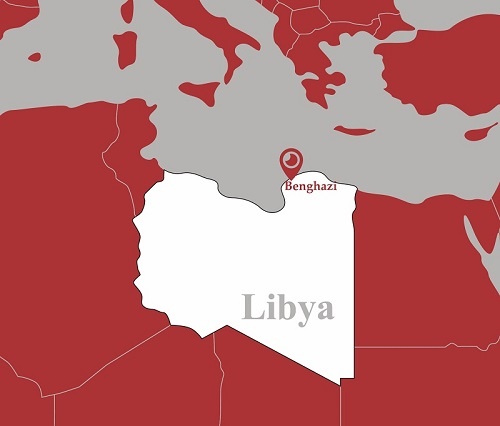
Libya is a North African country with a rich history rooted in ancient civilizations like the Phoenicians and Romans, followed by centuries of Arab and Ottoman influence. In the modern era, it was an Italian colony before gaining independence in 1951, later becoming known for Muammar Gaddafi’s lengthy rule from 1969 until the 2011 revolution. The country is home to UNESCO World Heritage sites, such as the ancient Greek city of Cyrene and the Roman ruins of Leptis Magna.
UN Security Council
The United Nations Security Council is the principal organ of the United Nations charged with maintaining international peace and security. Established in 1945 following World War II, its five permanent members—China, France, Russia, the United Kingdom, and the United States—hold veto power over substantive resolutions.
Derna
Derna is a historic port city in eastern Libya, situated in a fertile valley along the Mediterranean coast. It has a long history dating back to ancient Greek times and was later an important center under Ottoman rule, known for its distinctive architecture and cultural heritage. The city has faced significant challenges in recent decades, including damage during the 2011 Libyan Civil War and a catastrophic flood in 2023.
National Center for Emergency and Crisis Management
The National Center for Emergency and Crisis Management is a key government body in Saudi Arabia responsible for coordinating national responses to disasters and major incidents. It was established to enhance preparedness and ensure a unified strategy for protecting citizens and infrastructure during emergencies.