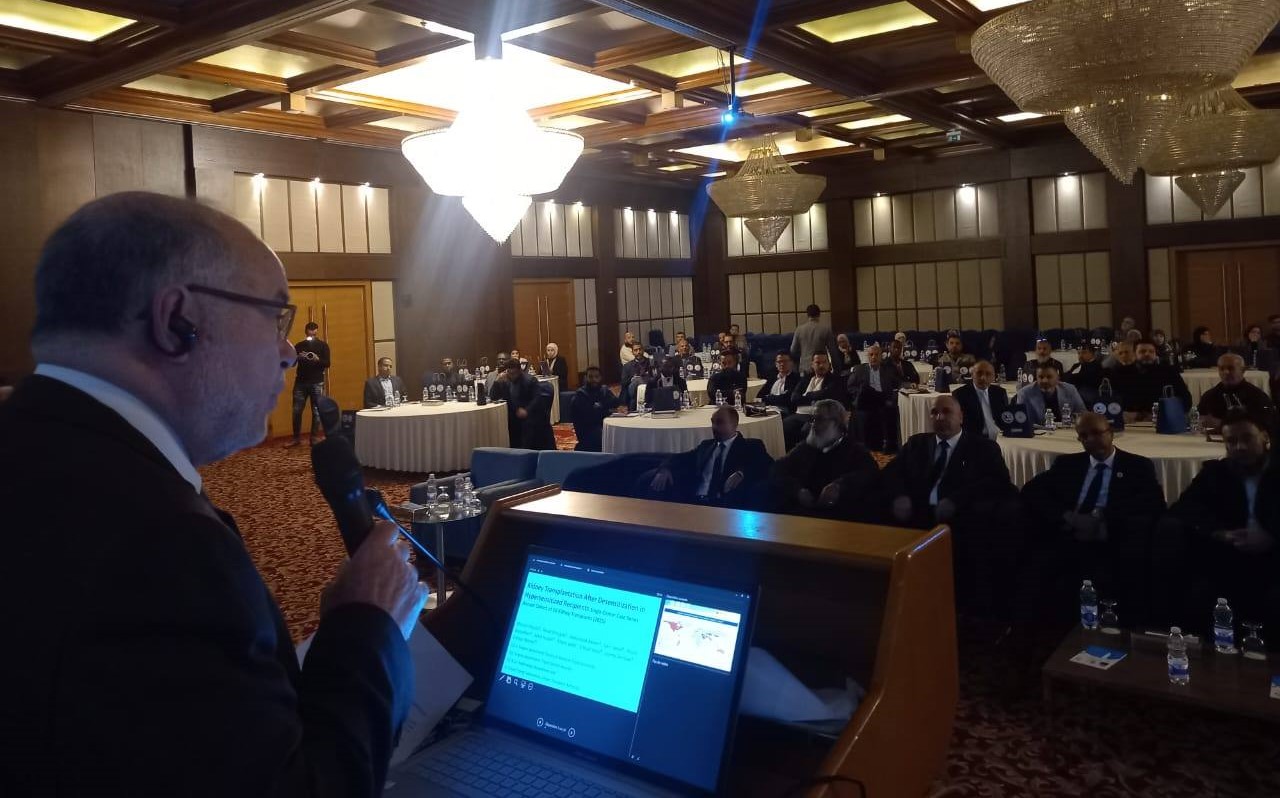
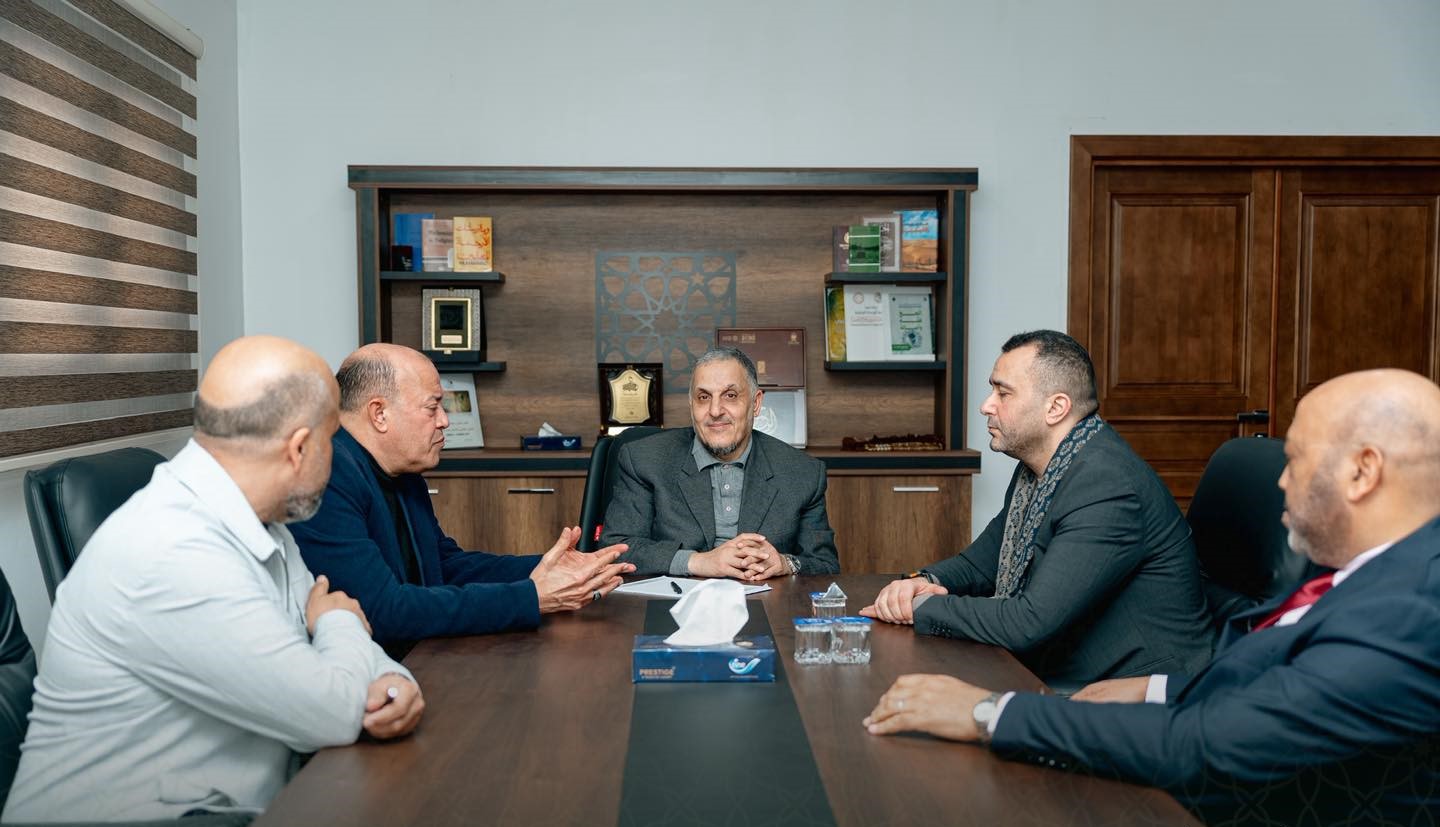
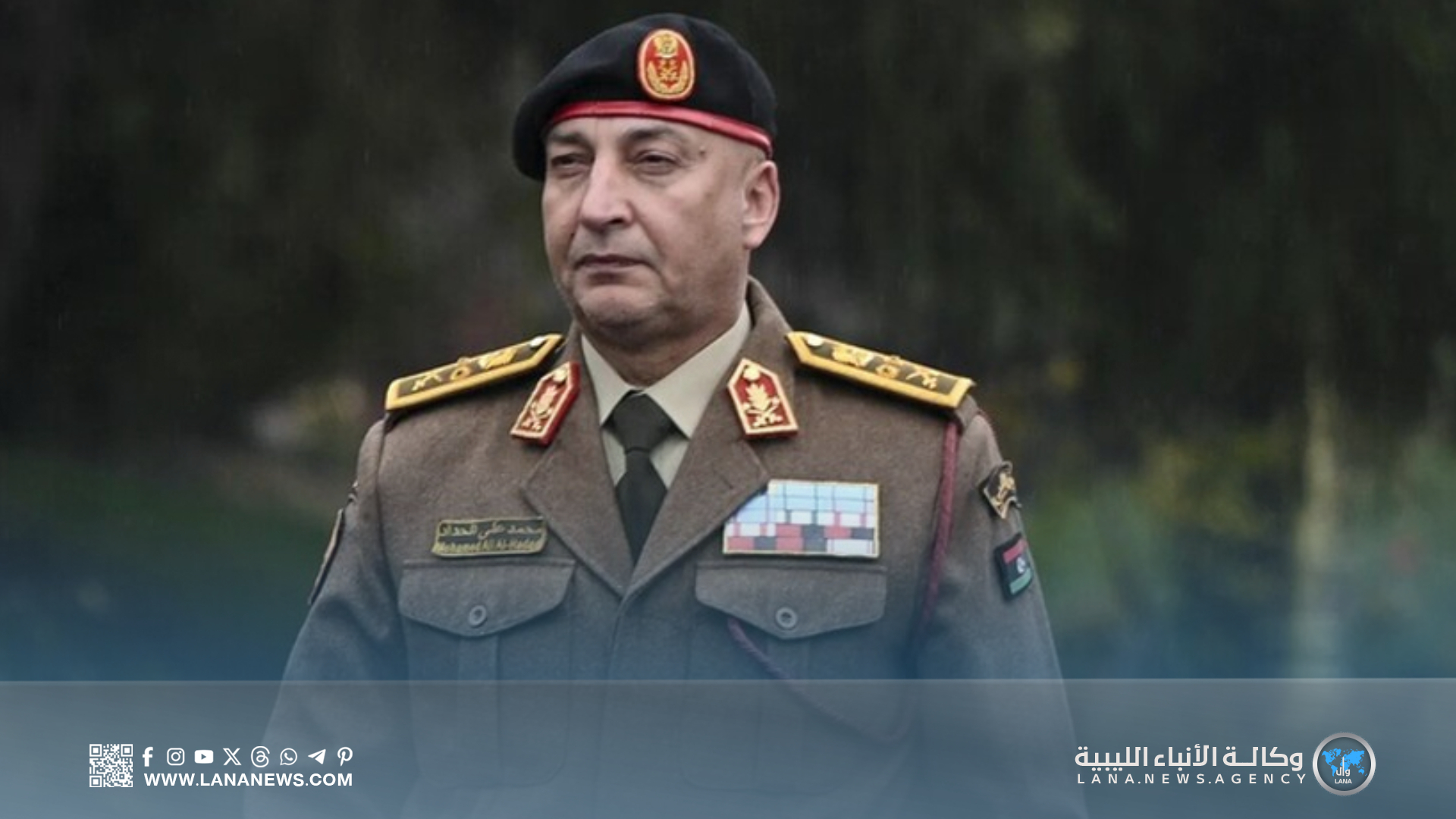
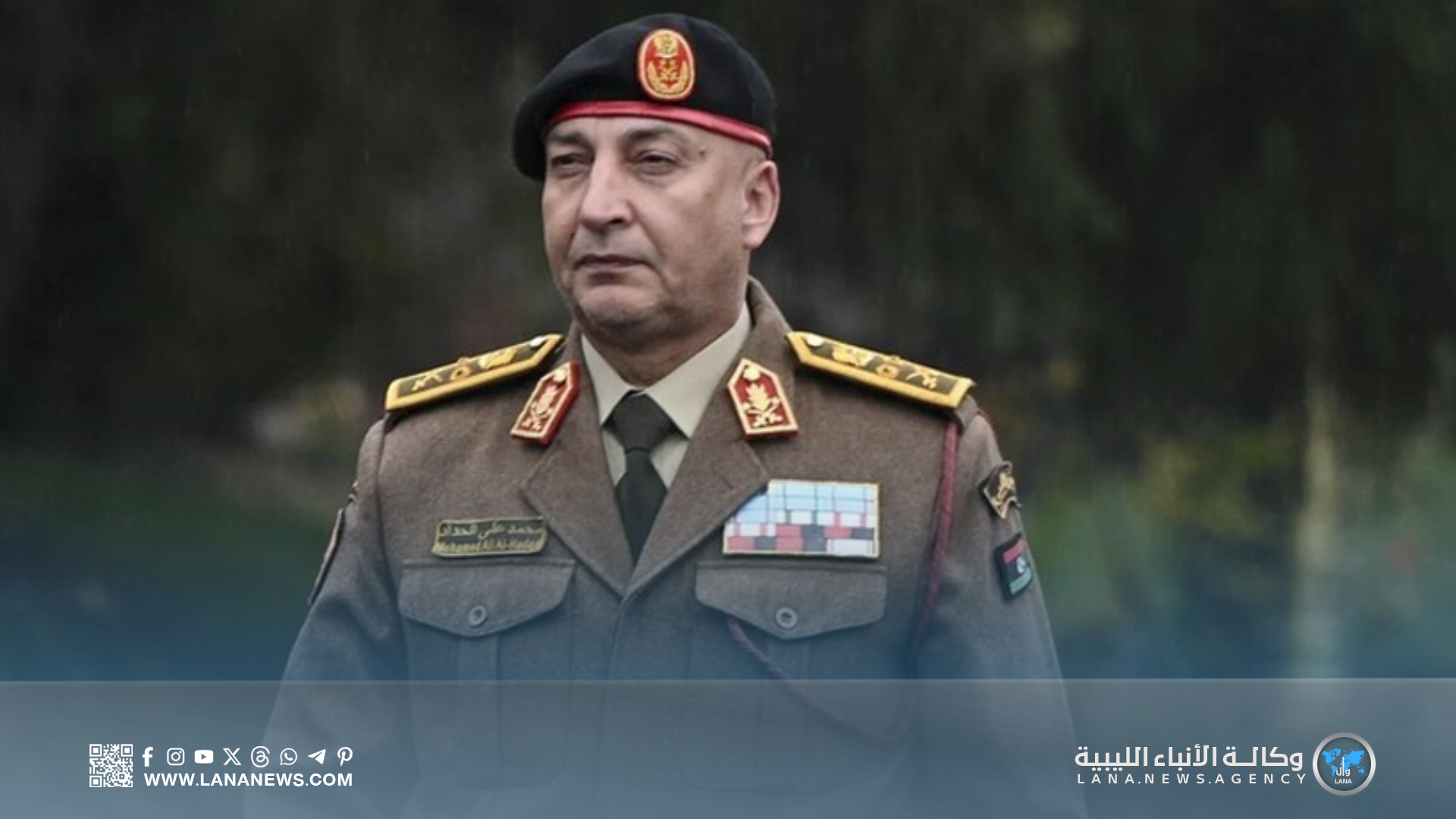
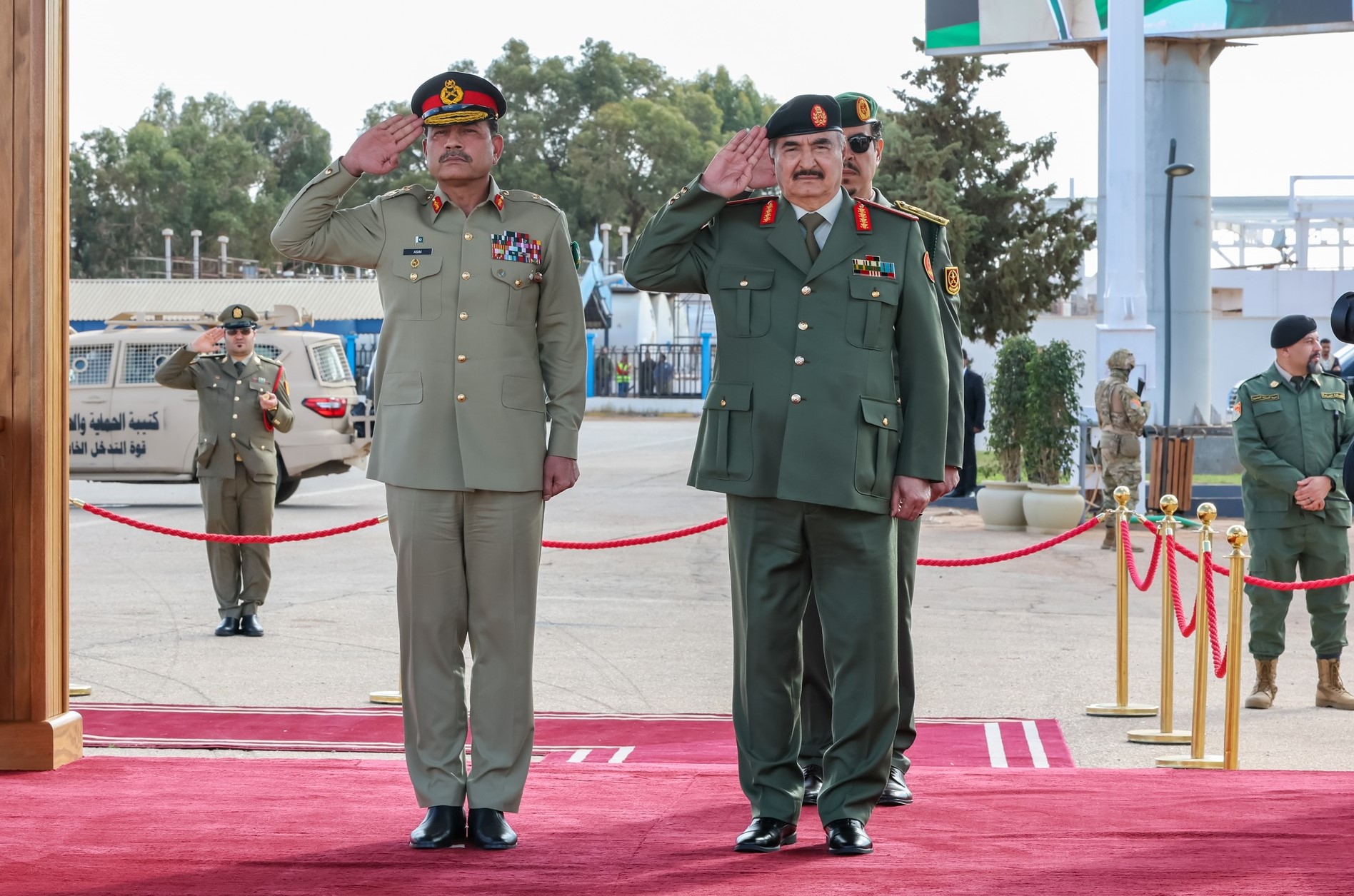
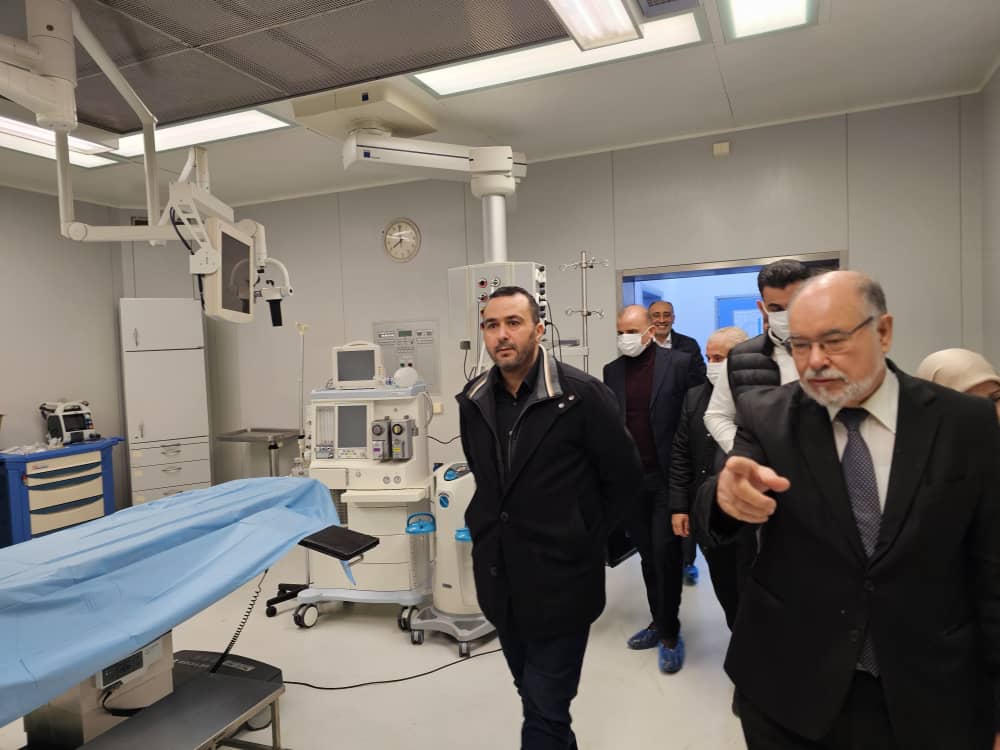
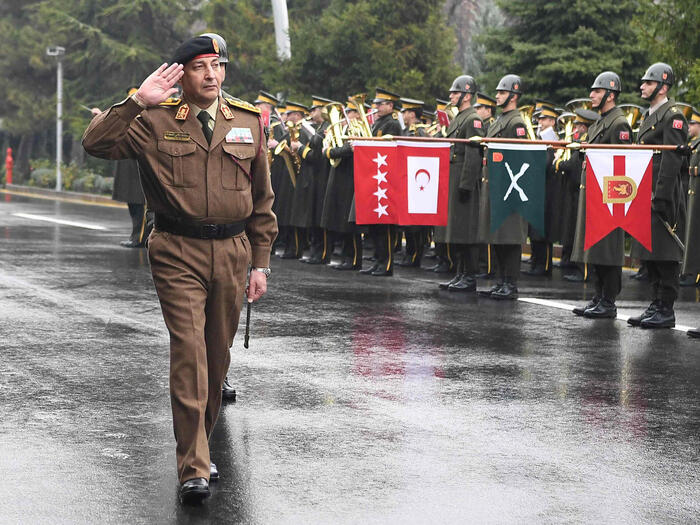
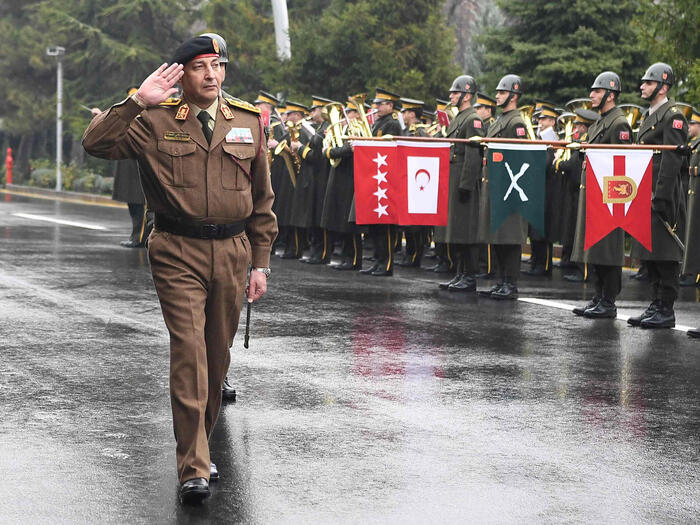
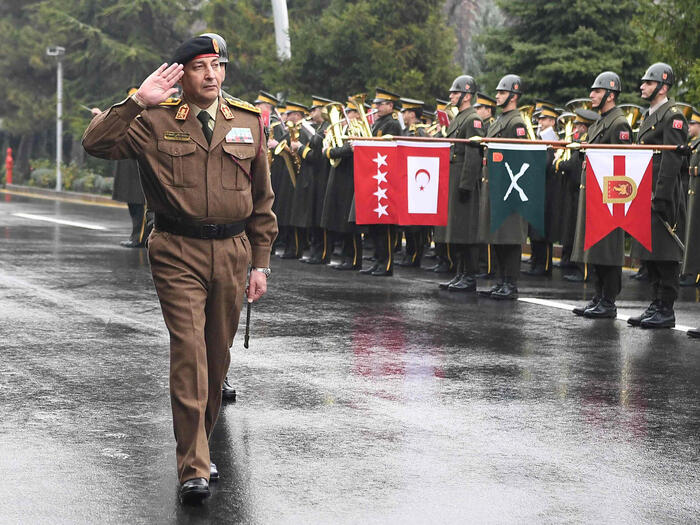
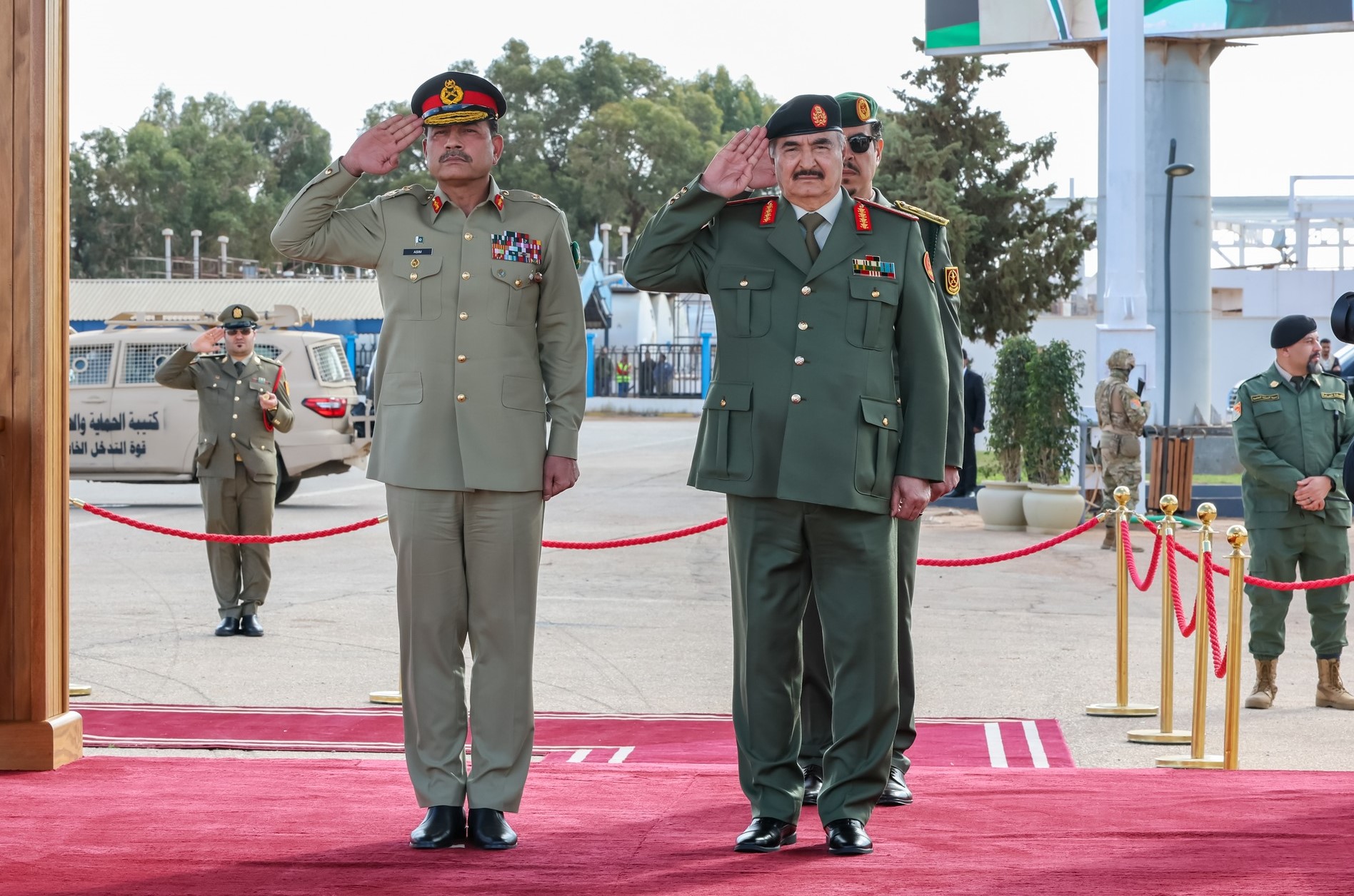
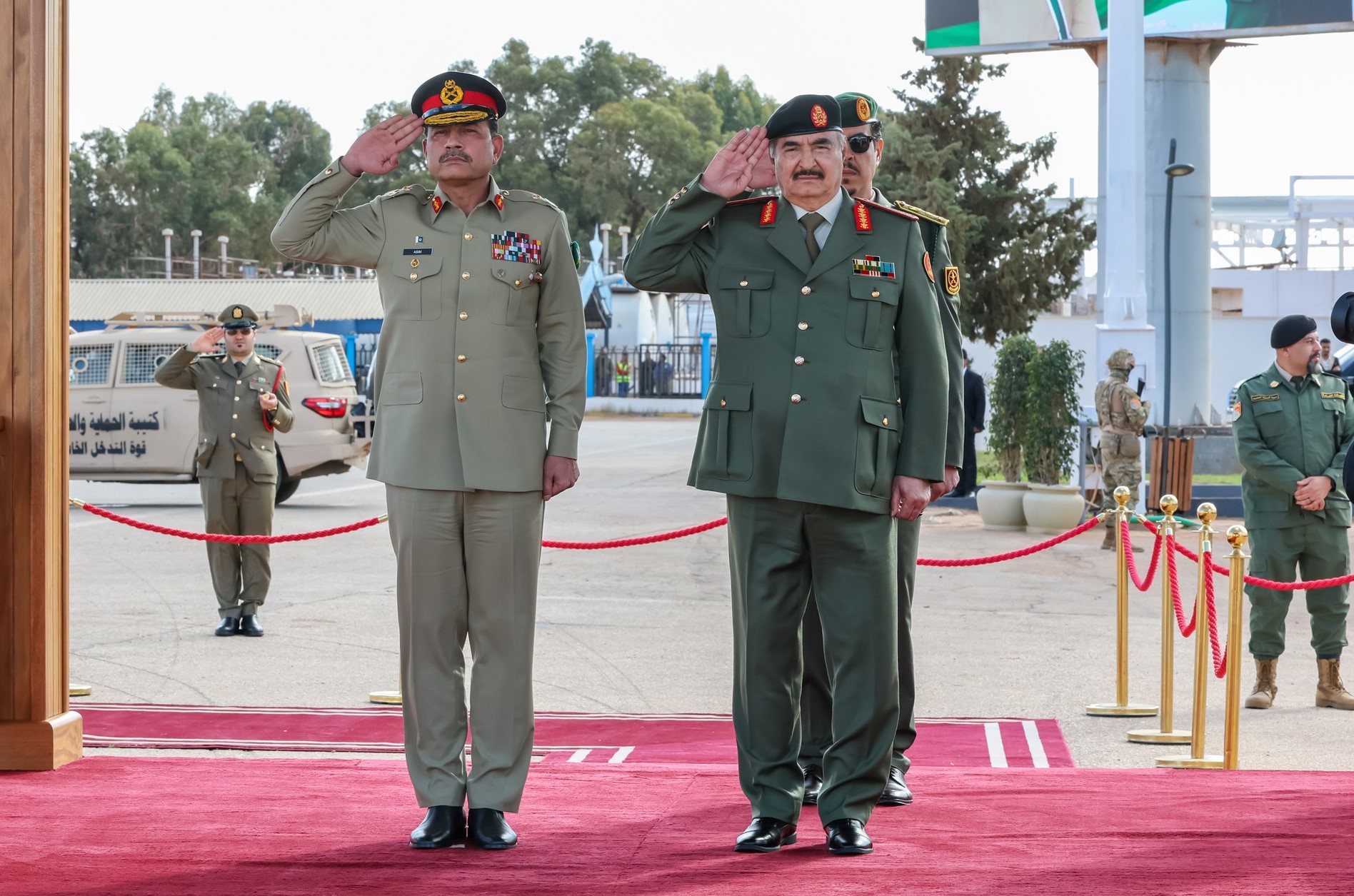
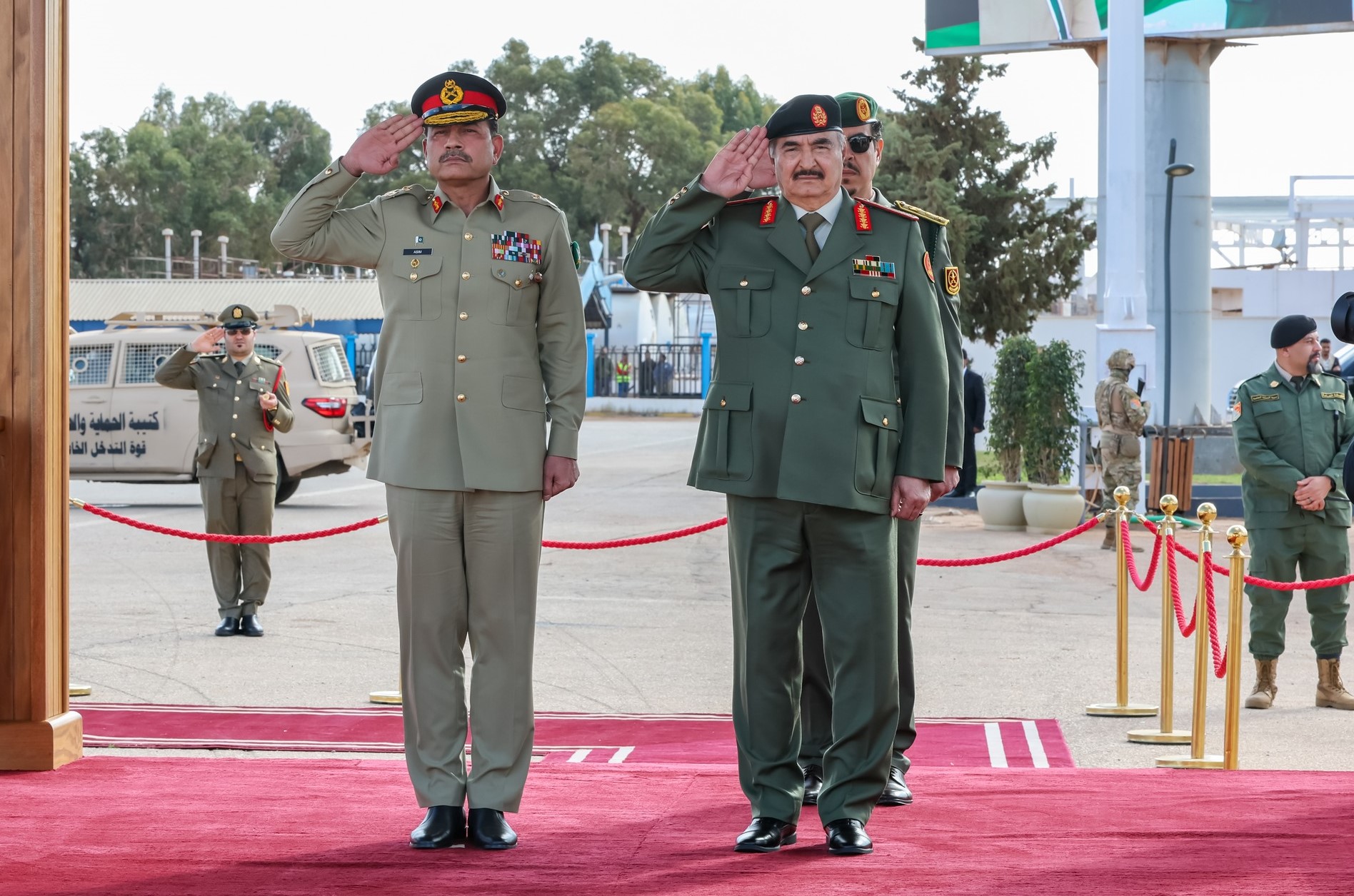
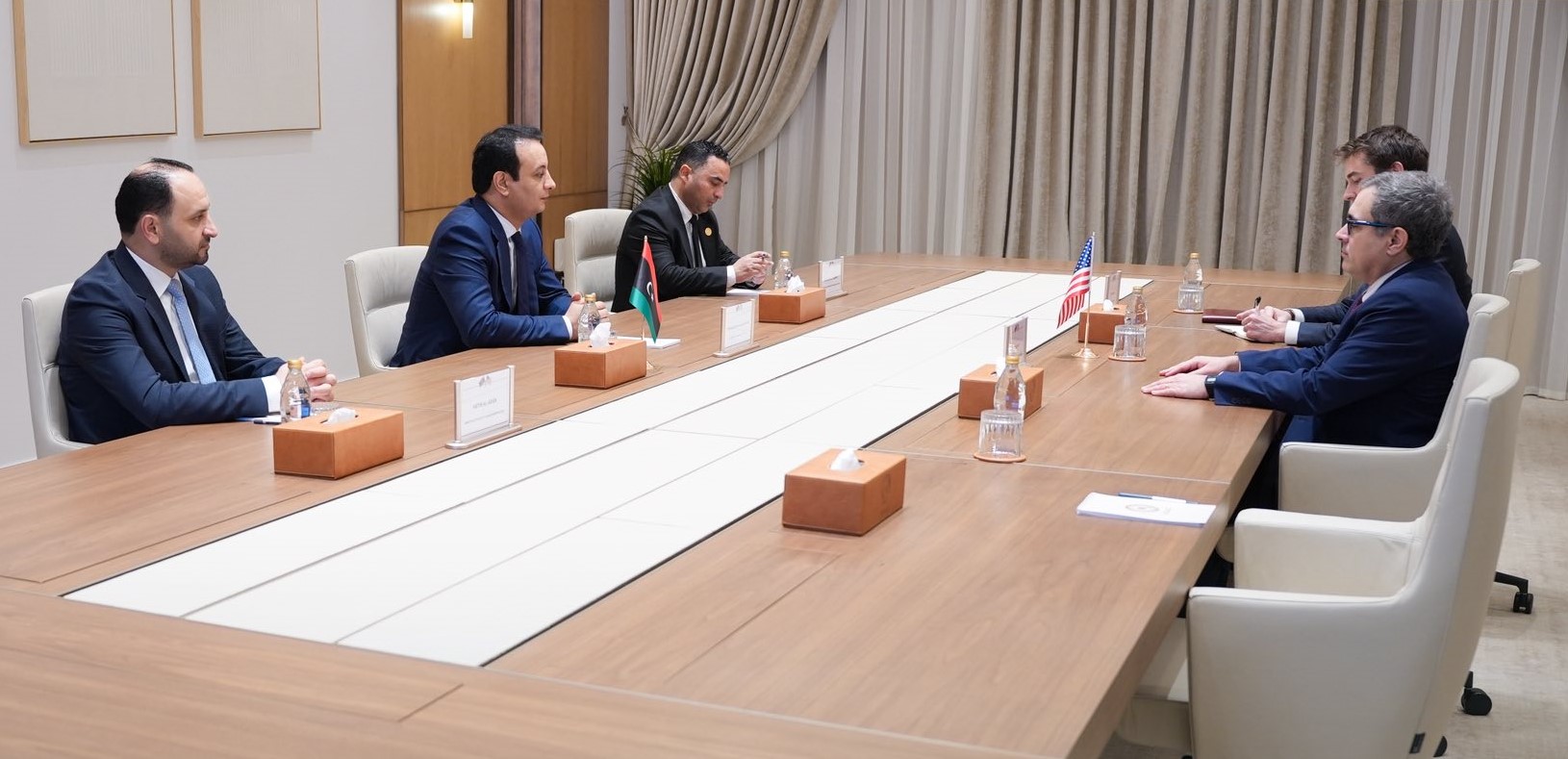
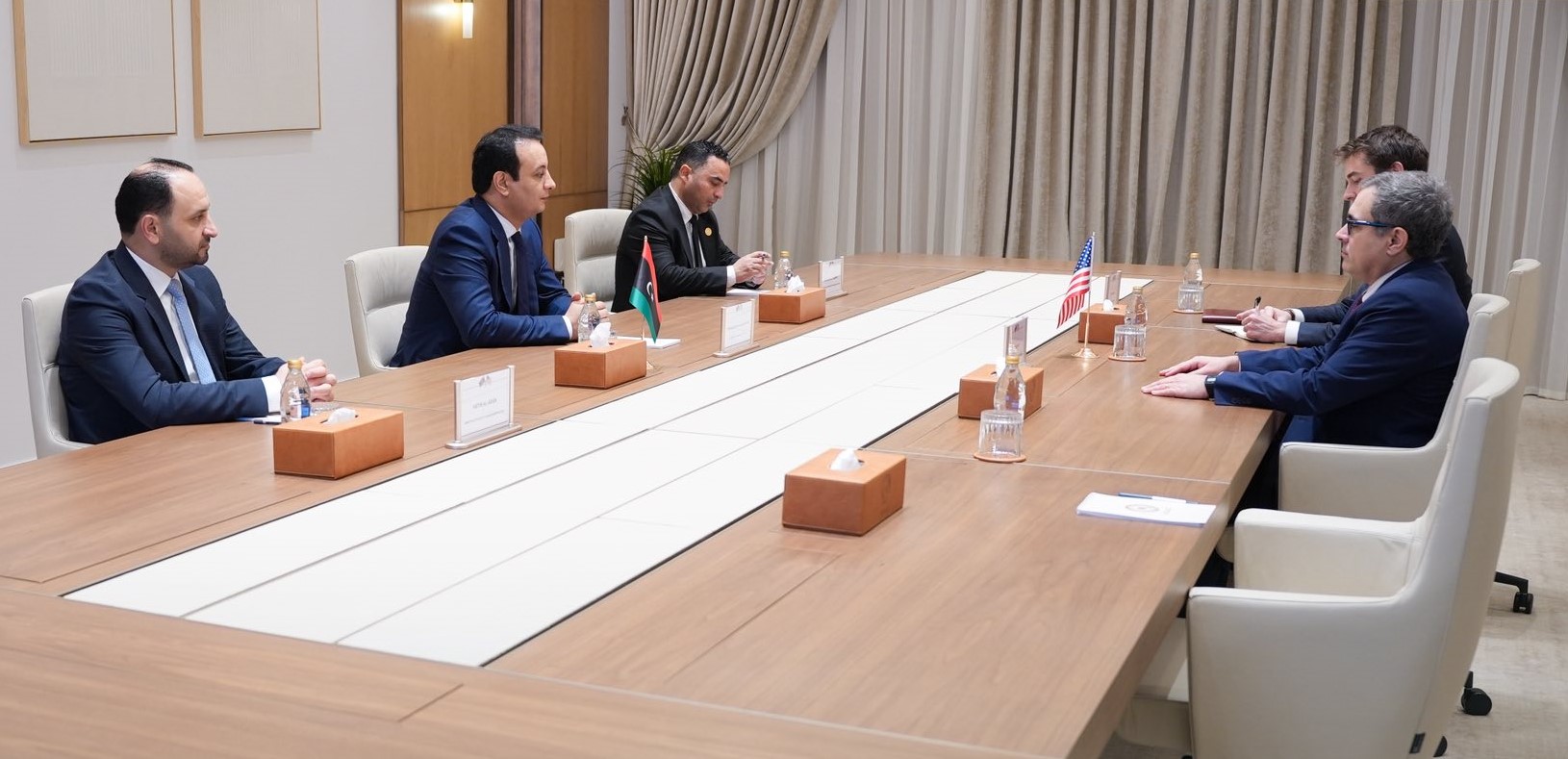
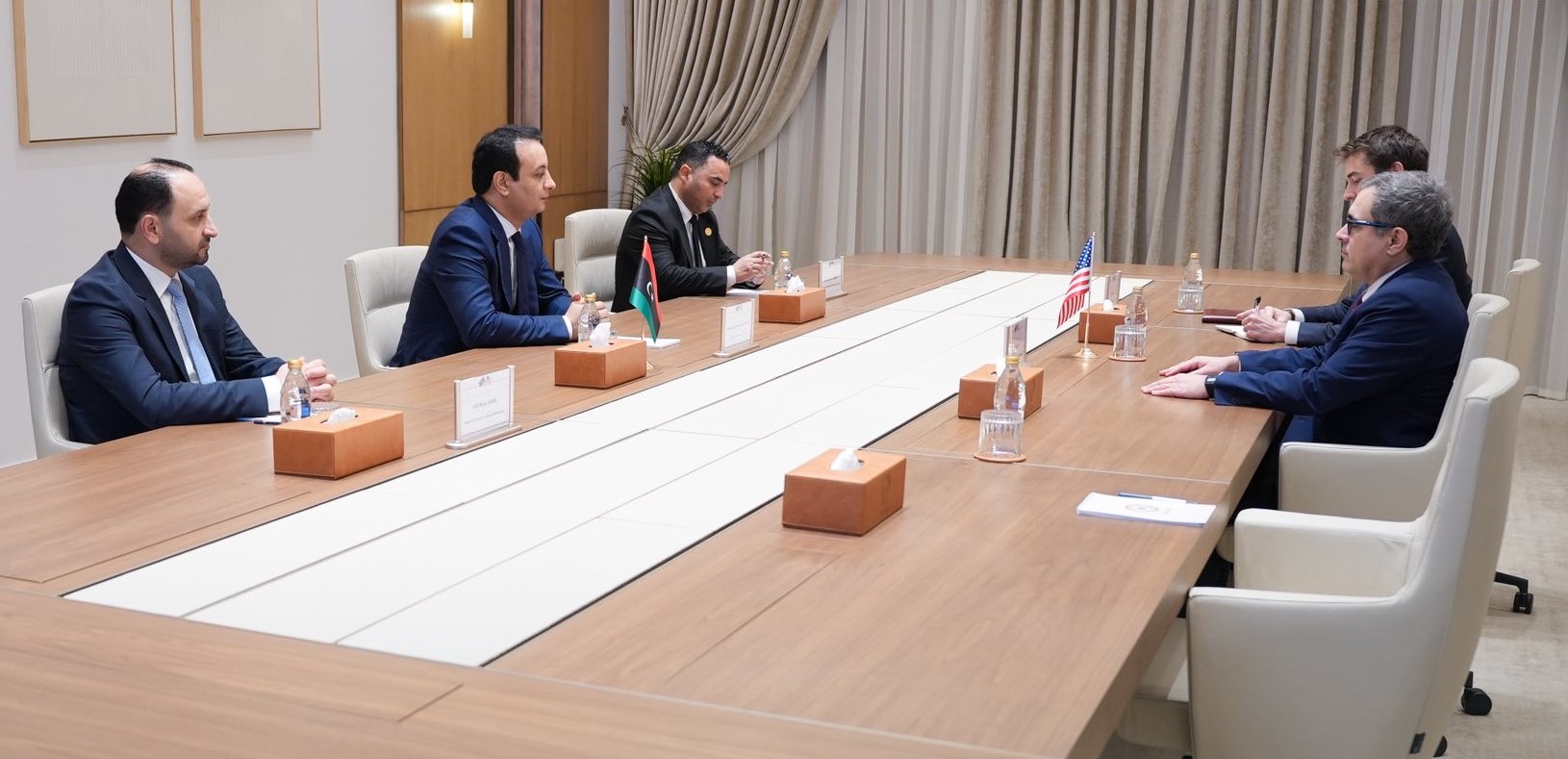
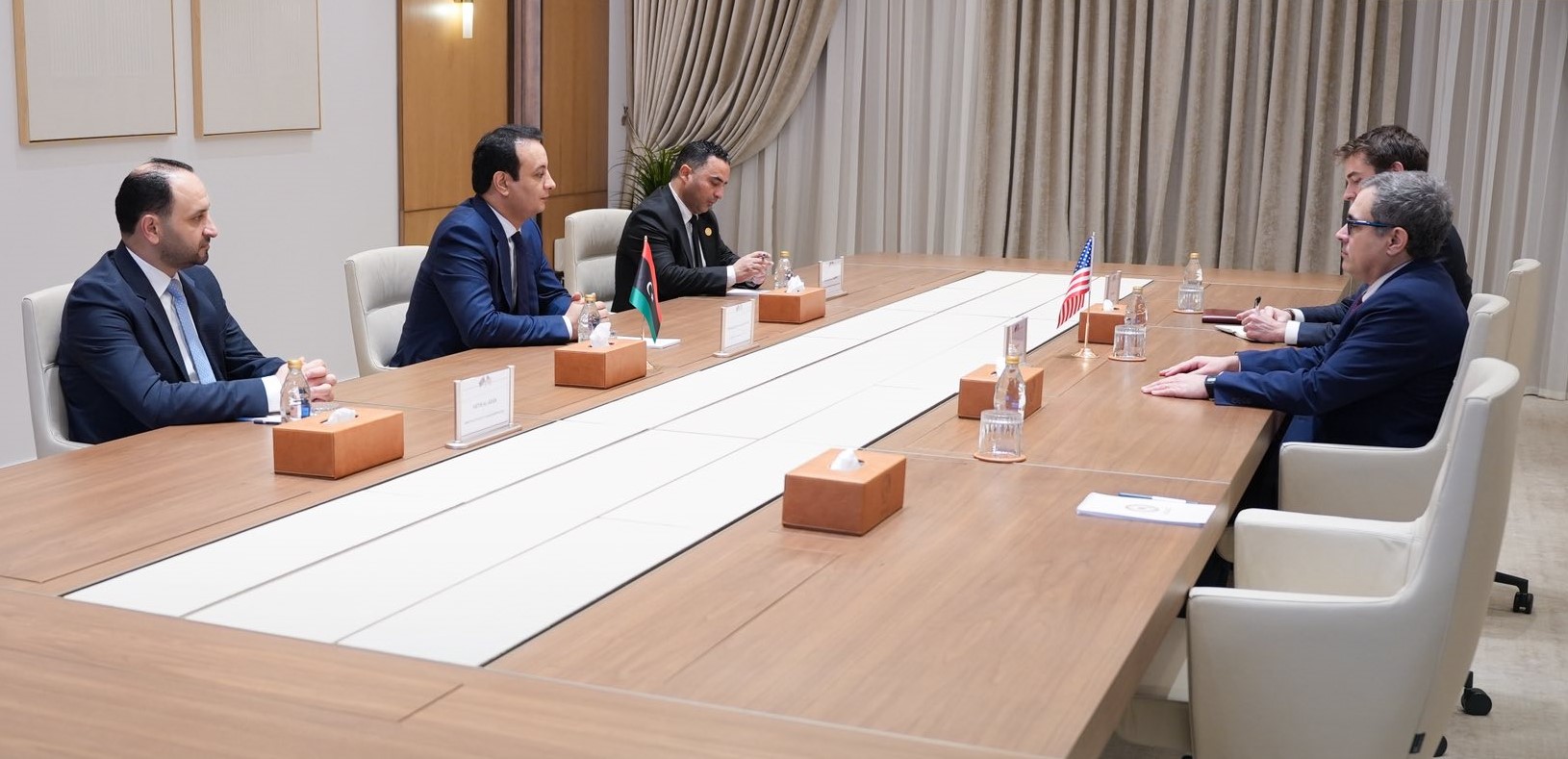
Ankara, February 16, 2026 – The Chief of the General Staff of the Libyan Army discussed ways to enhance military cooperation and support building the capabilities of the Libyan Army during a visit in Ankara with the Turkish Minister of Defense. The discussions included joint training and qualification programs, exchange of expertise, and the development of military personnel to enhance their professional, technical, and operational readiness.
The media office of the General Staff stated that the two sides discussed mechanisms for developing cooperation in the fields of training, equipping, and transfer of expertise. This aims to enhance the capabilities of the Libyan military institution and support it in performing its duties of protecting national sovereignty and consolidating security and stability. They also discussed a number of issues of mutual interest in the defense and security fields, contributing to raising the readiness of the military forces and enhancing regional stability.
During the meeting, which was attended by the Chief of the General Staff of the Turkish Army, the Libyan Chief of General Staff emphasized the importance of expanding joint training and qualification programs. This would contribute to raising the level of combat and technical performance of the Libyan Army’s personnel and keeping pace with scientific and technological developments in modern defense fields.
The media office indicated that this visit comes within the efforts of the General Staff of the Libyan Army to enhance international military partnerships, engage with friendly military institutions, and benefit from the advanced experiences and expertise of friendly countries, foremost among them the Republic of Turkey.
Ankara
Ankara is the capital city of Turkey, strategically located in the central Anatolia region. It was declared the capital in 1923 by Mustafa Kemal Atatürk, replacing Istanbul to symbolize the new, modern, and secular Republic of Turkey. The city’s history dates back millennia, with ancient roots including the Hittites and a prominent role as a trading center in Roman times.
Libyan Army
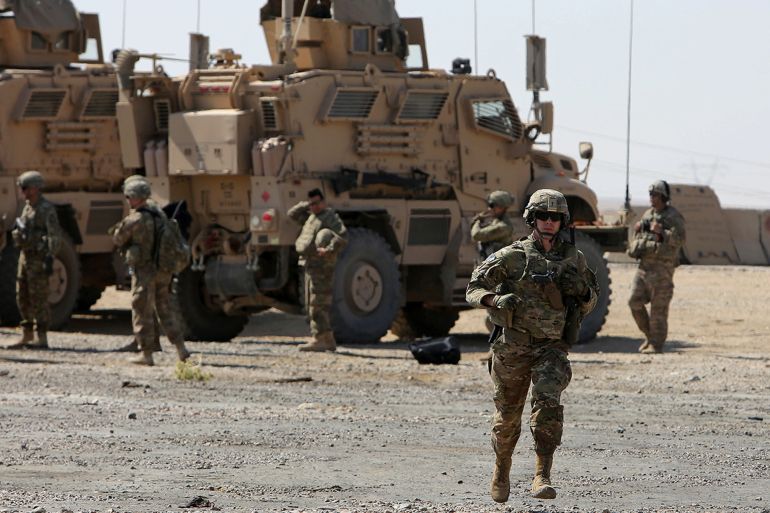
The Libyan Army is the official military force of Libya, originally established after the country gained independence in 1951. Its history has been marked by periods of centralization under the monarchy and later under Muammar Gaddafi, followed by fragmentation and conflict among various factions after the 2011 civil war.
Turkish Minister of Defense
The Turkish Minister of Defense is a senior government official responsible for overseeing the Turkish Armed Forces. The position has existed since the establishment of the Republic of Turkey in 1923, evolving from its Ottoman predecessors to manage the modern military structure and national defense policy.
General Staff of the Libyan Army
The General Staff of the Libyan Army is the central command headquarters for the country’s military forces. Historically, it was established after Libya gained independence in 1951 and has been a key institution through various political changes, including the monarchy, Gaddafi’s rule, and the post-2011 civil war period. Its role and authority have frequently been contested between rival governments and factions in the ongoing conflict.
Chief of the General Staff of the Turkish Army
The Chief of the General Staff of the Turkish Army is the highest-ranking military officer in Turkey, heading the Turkish Armed Forces. The position was historically a central pillar of the secular Turkish Republic founded by Mustafa Kemal Atatürk, with the military viewing itself as the guardian of the state’s constitutional order. Its political influence has been significantly reduced following constitutional changes after the 2016 coup attempt, bringing it under tighter presidential control.
Republic of Turkey
The Republic of Turkey is a modern nation-state founded in 1923 from the remnants of the Ottoman Empire, following its War of Independence. Its founder, Mustafa Kemal Atatürk, implemented sweeping secular and Westernizing reforms that fundamentally reshaped the country’s political, legal, and social institutions.