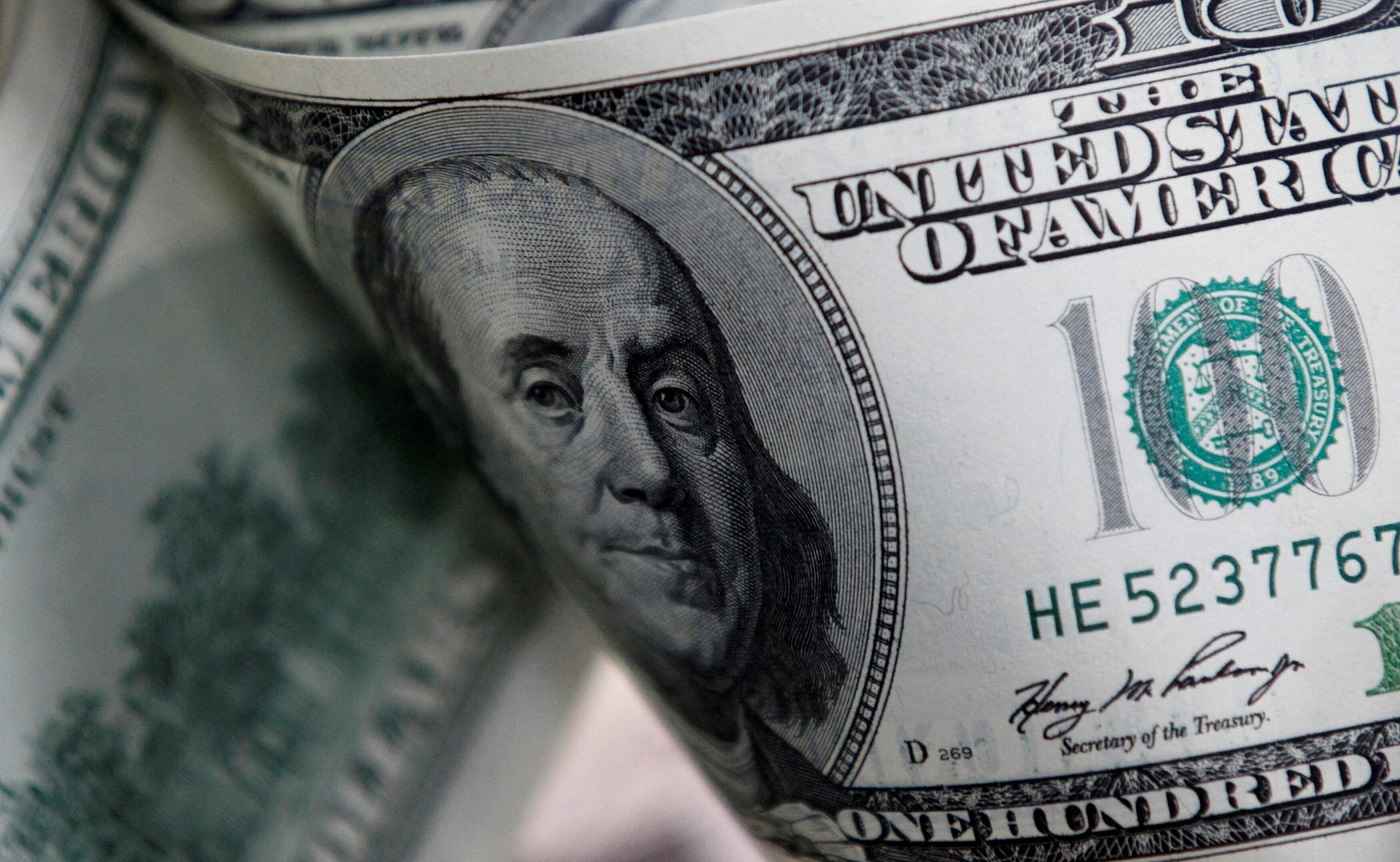
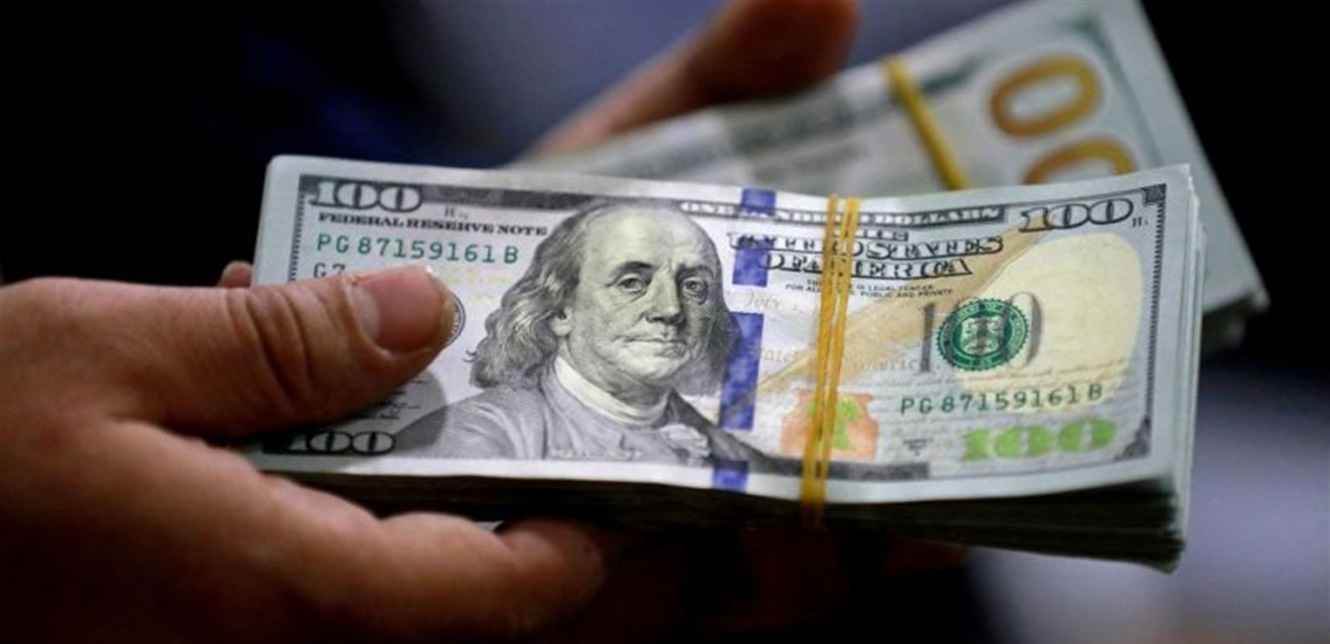
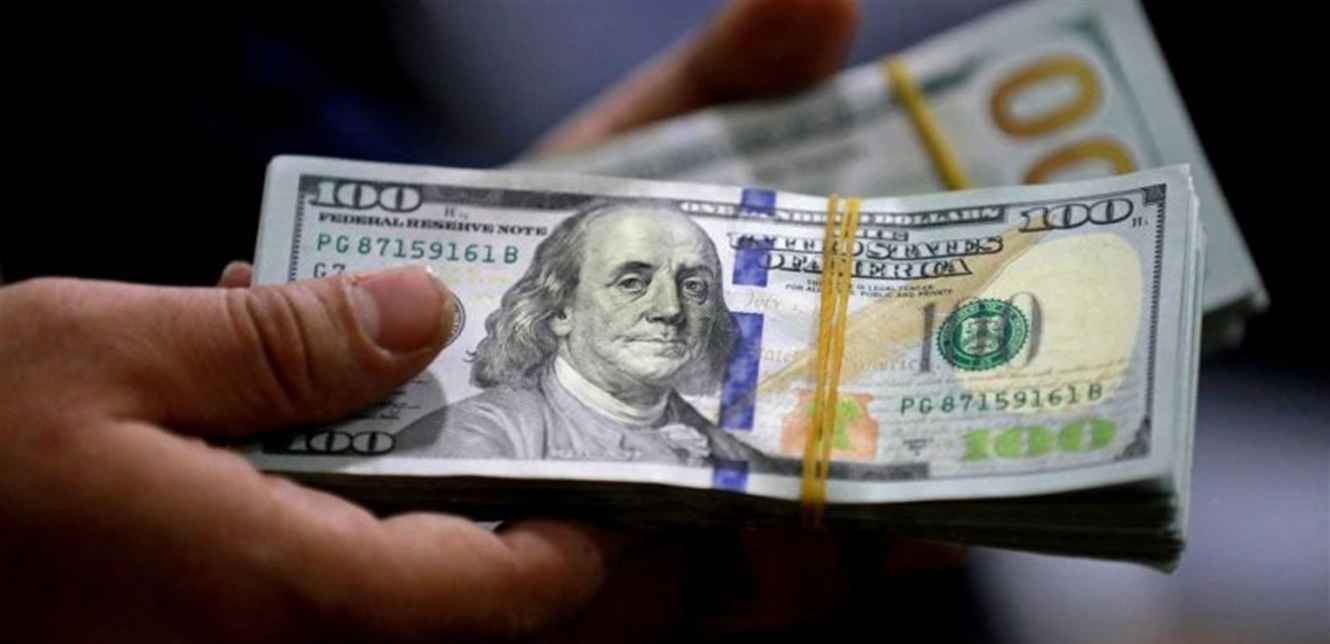
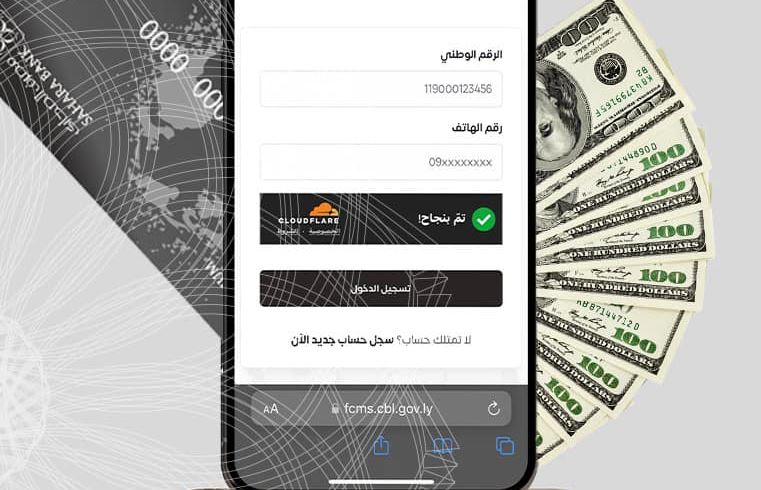
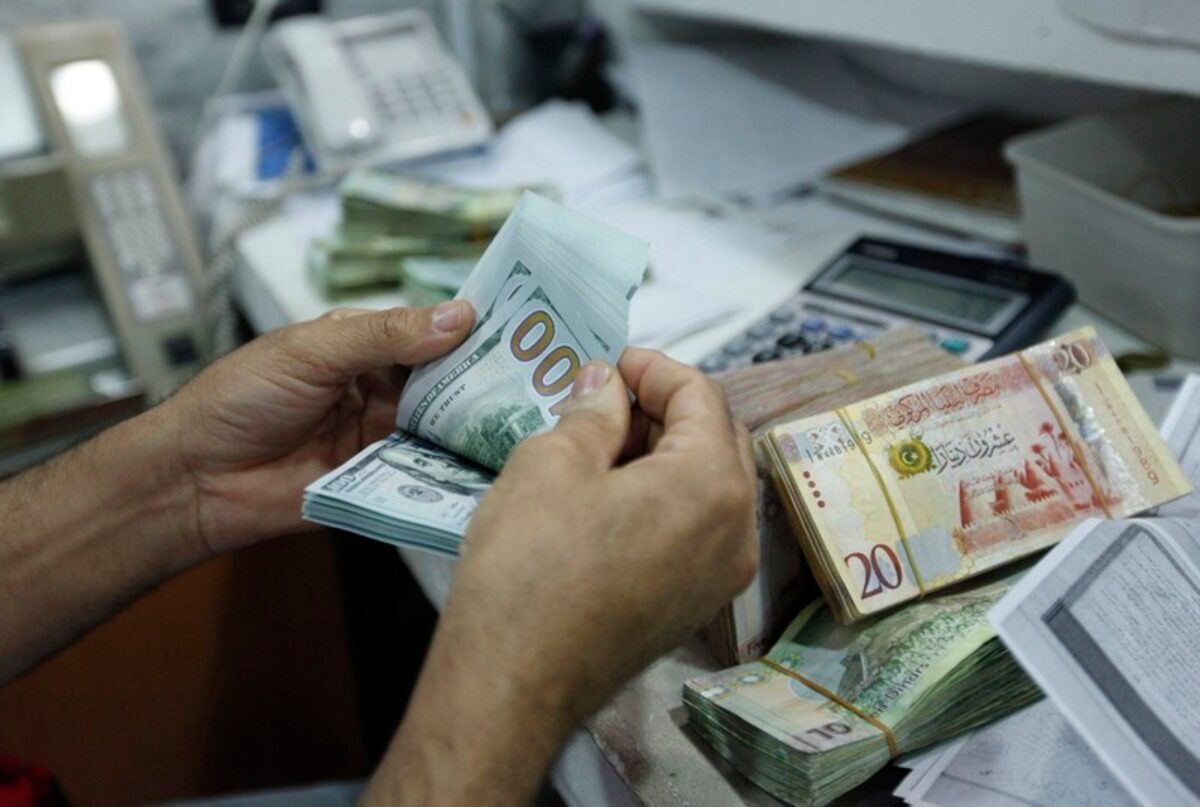
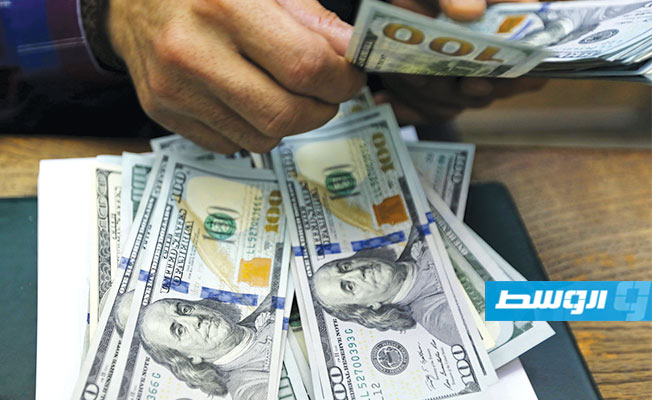
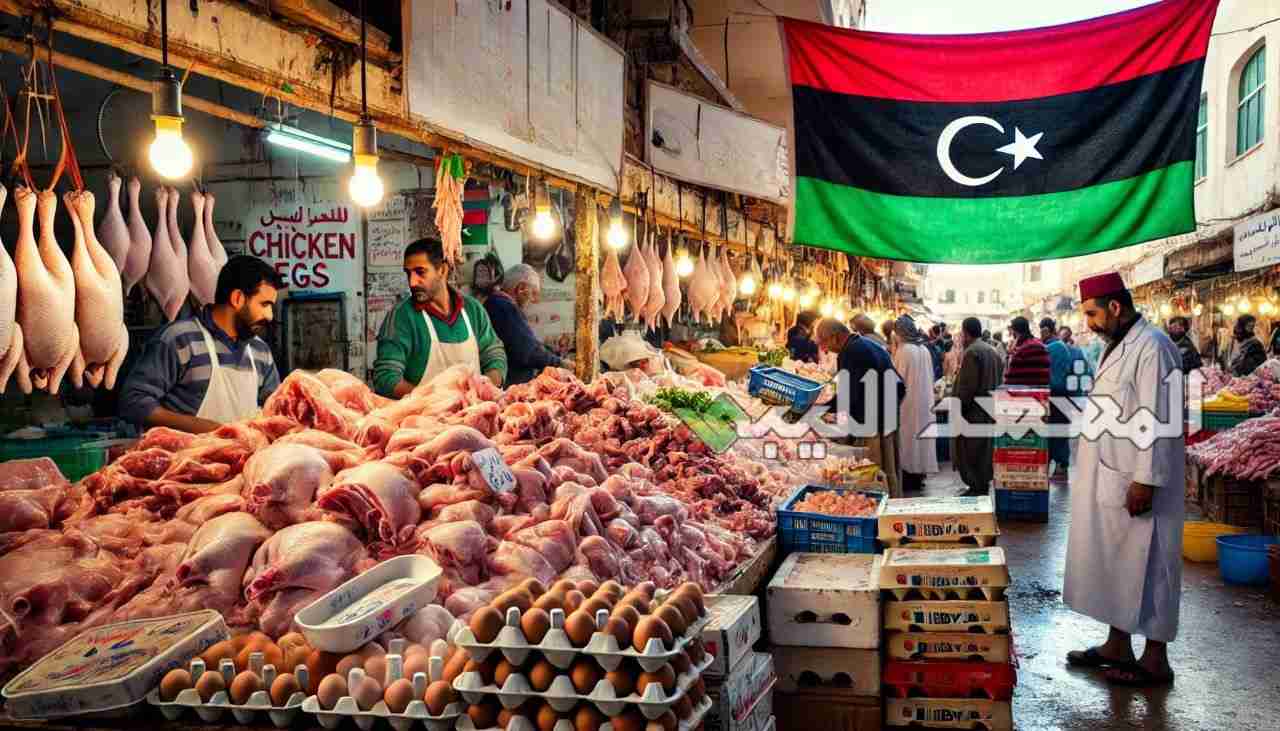
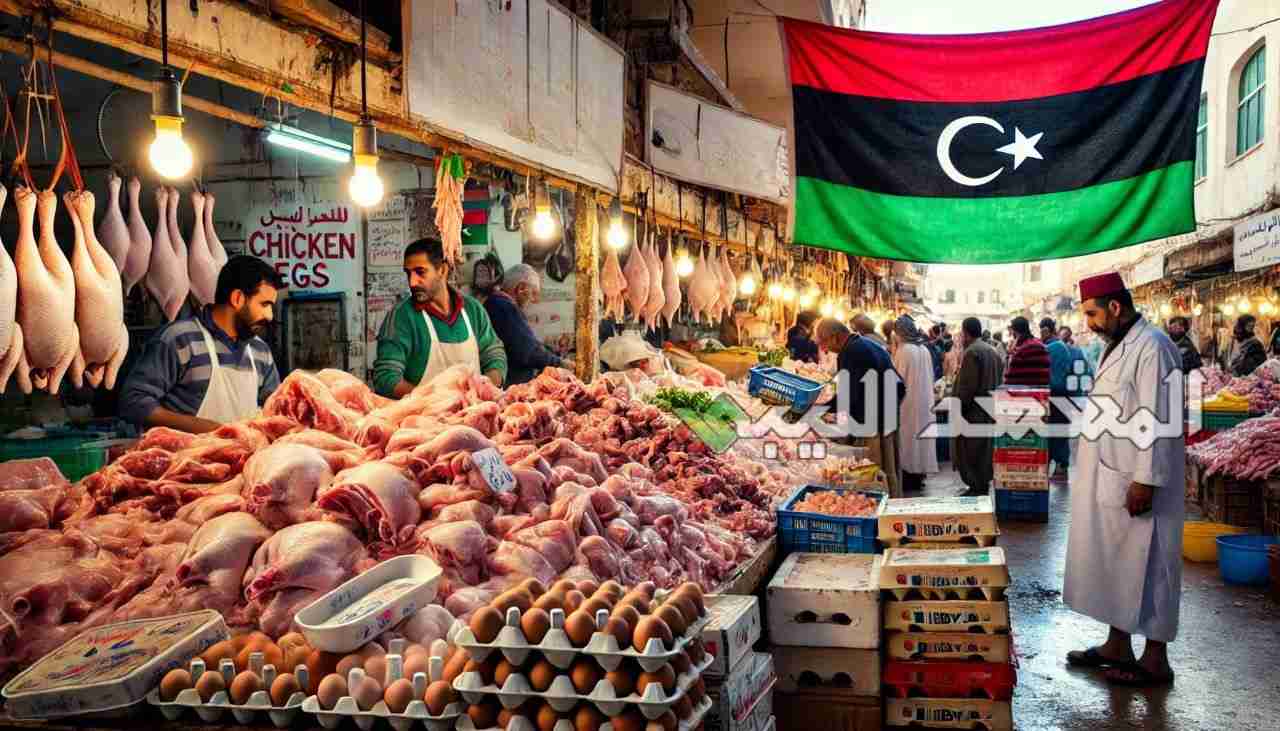
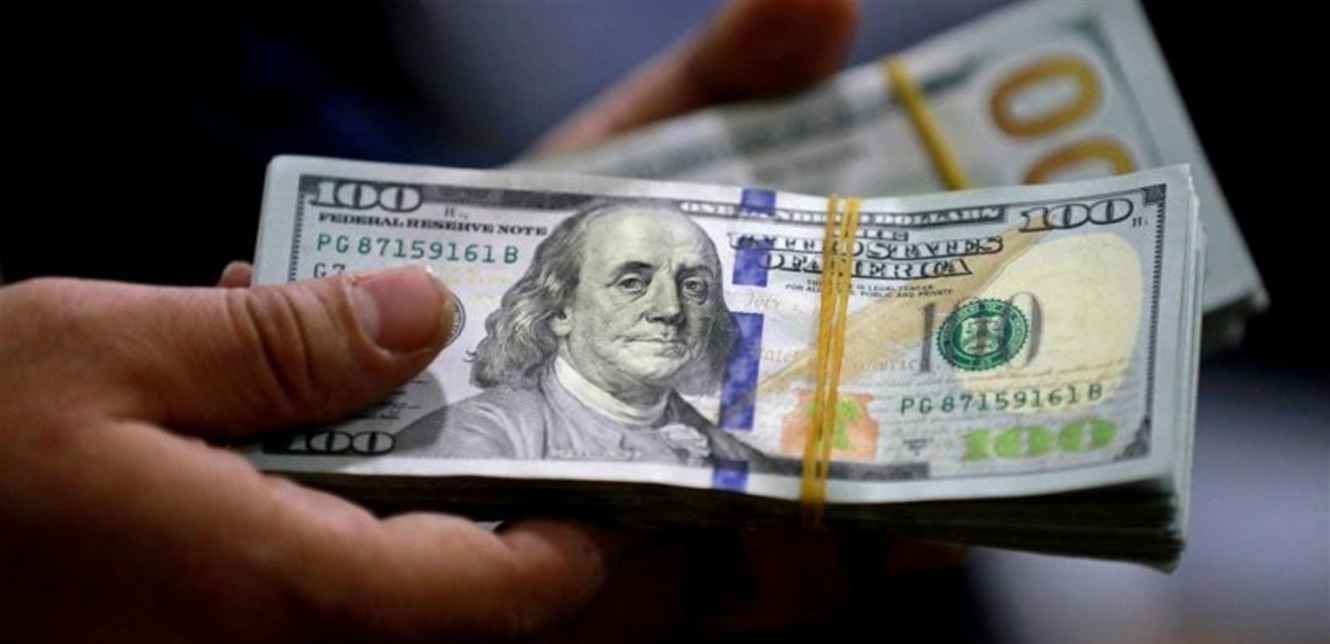
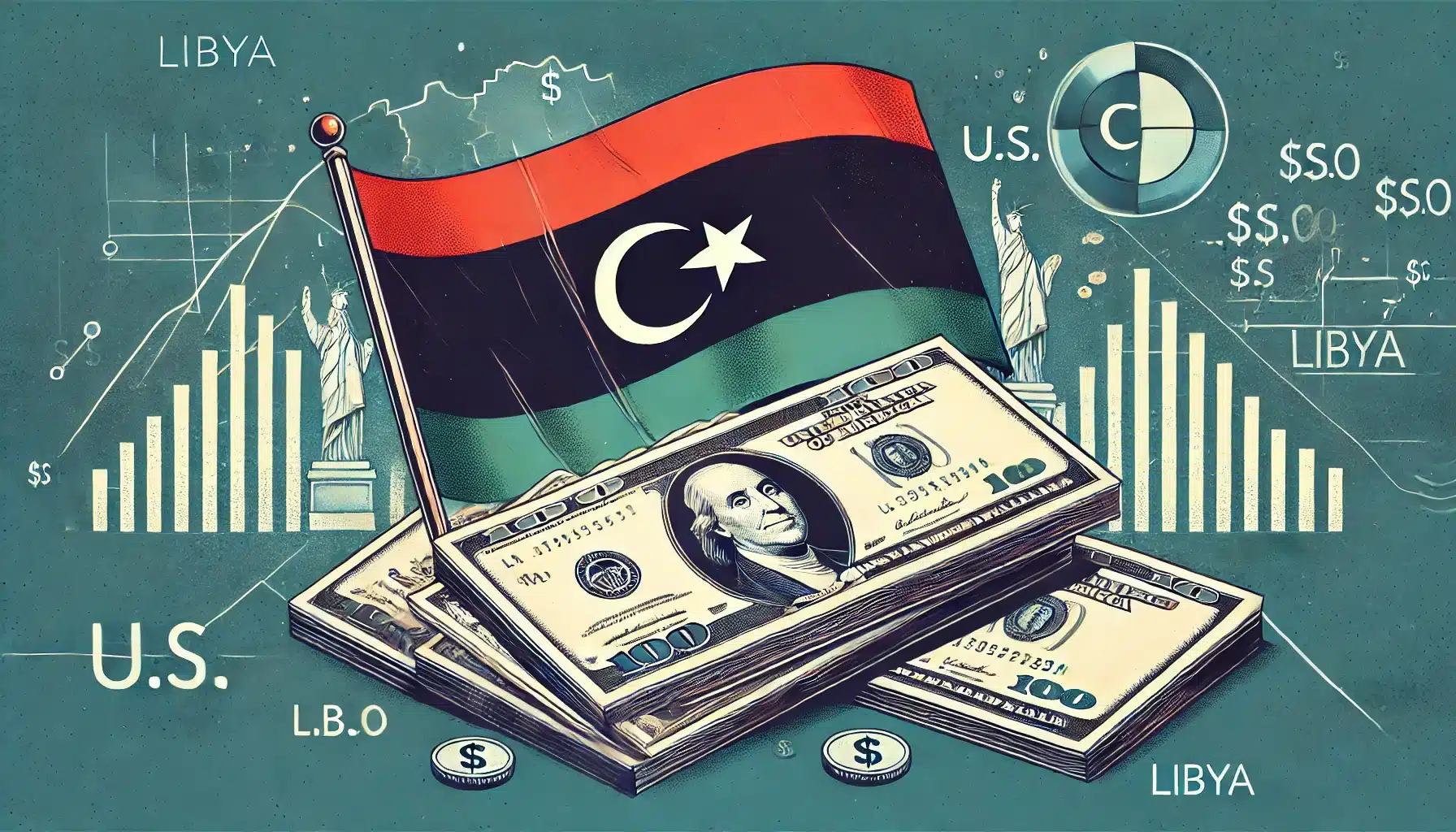
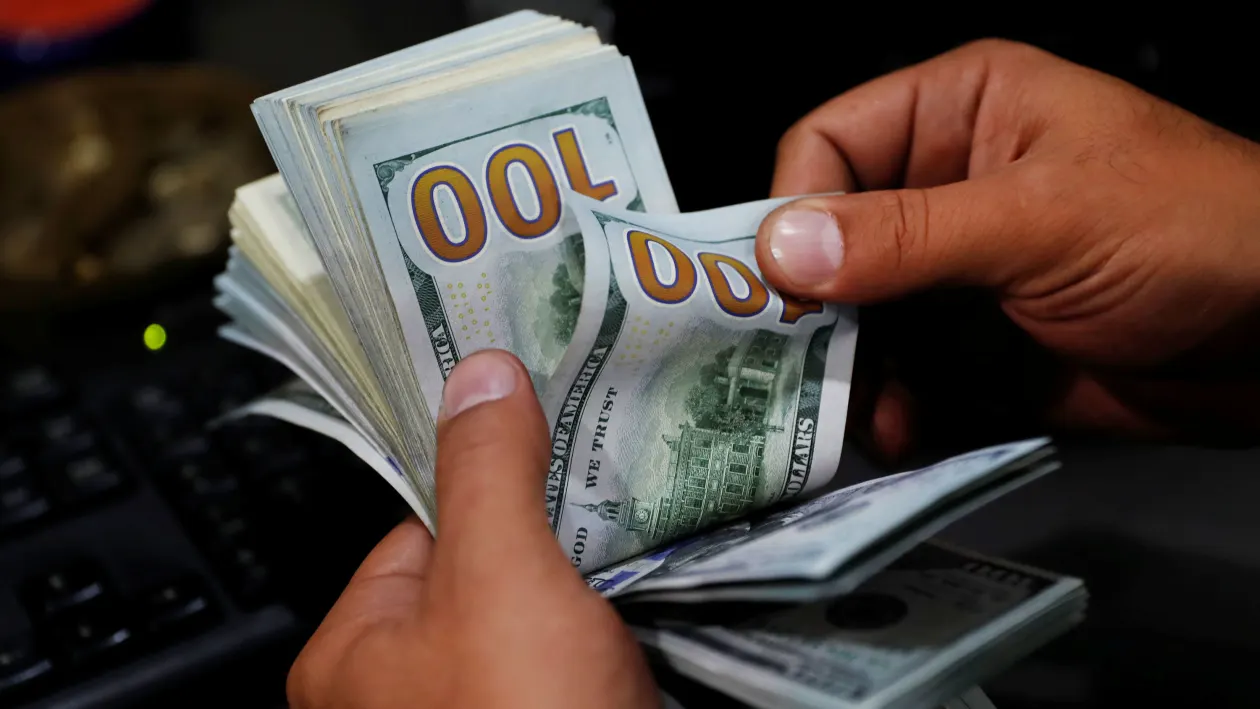
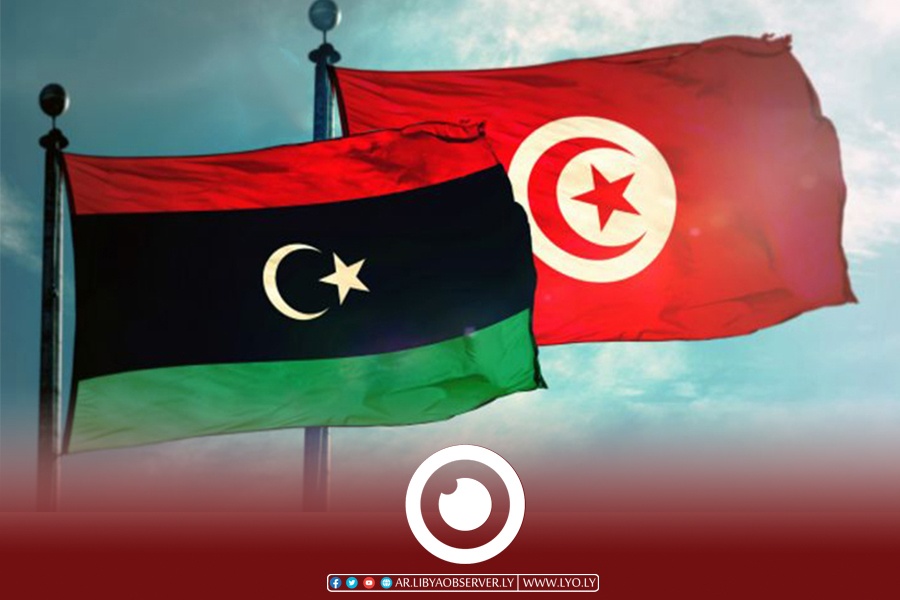
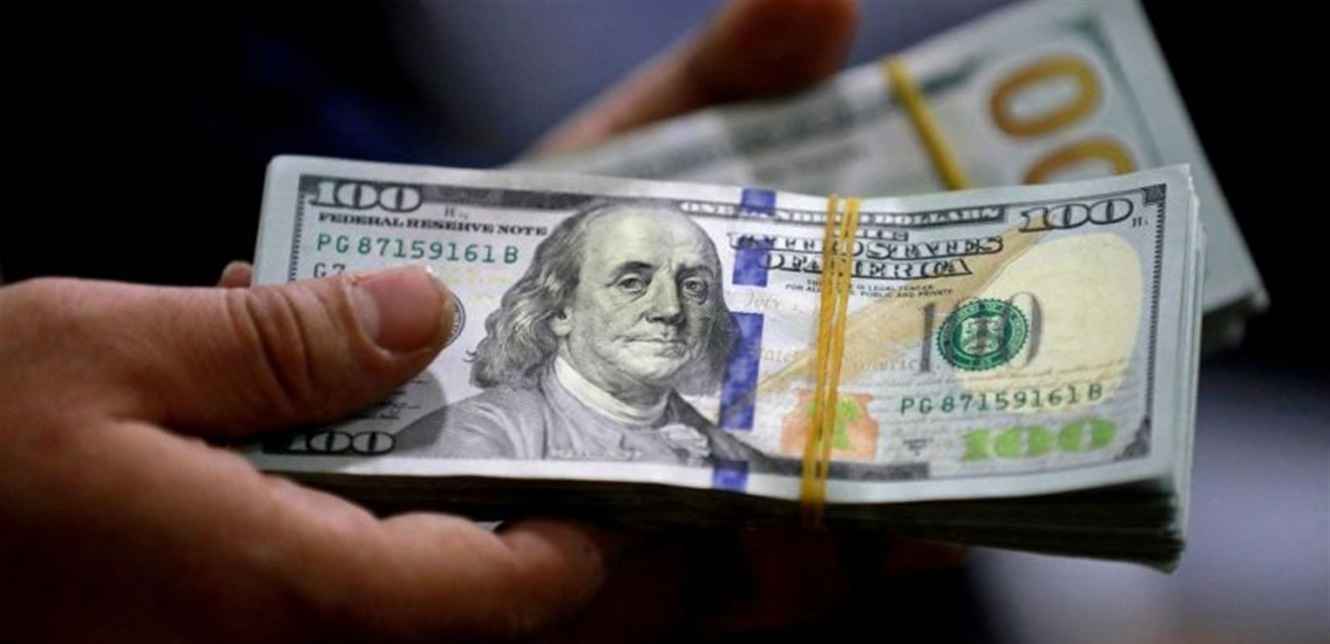
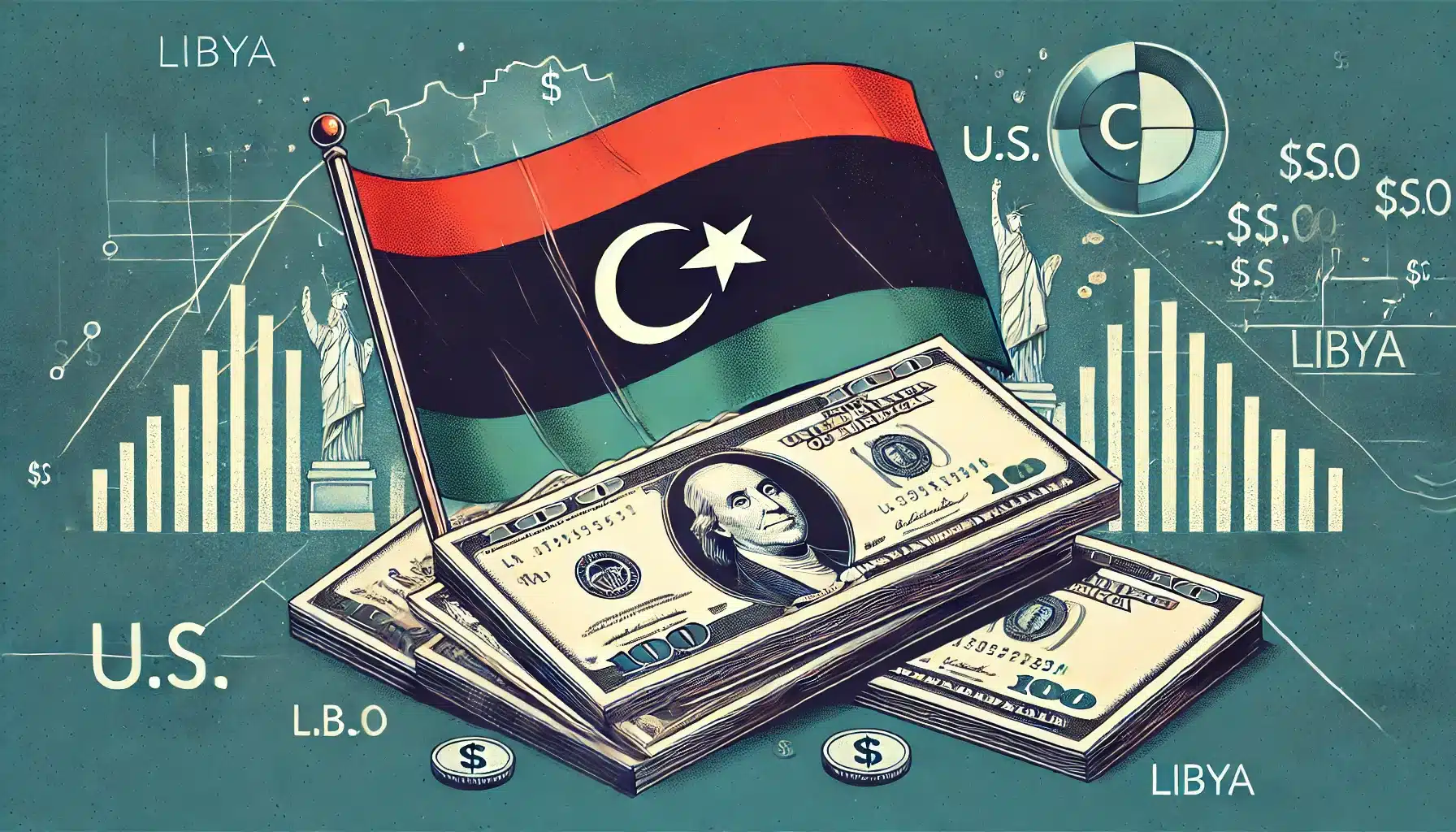
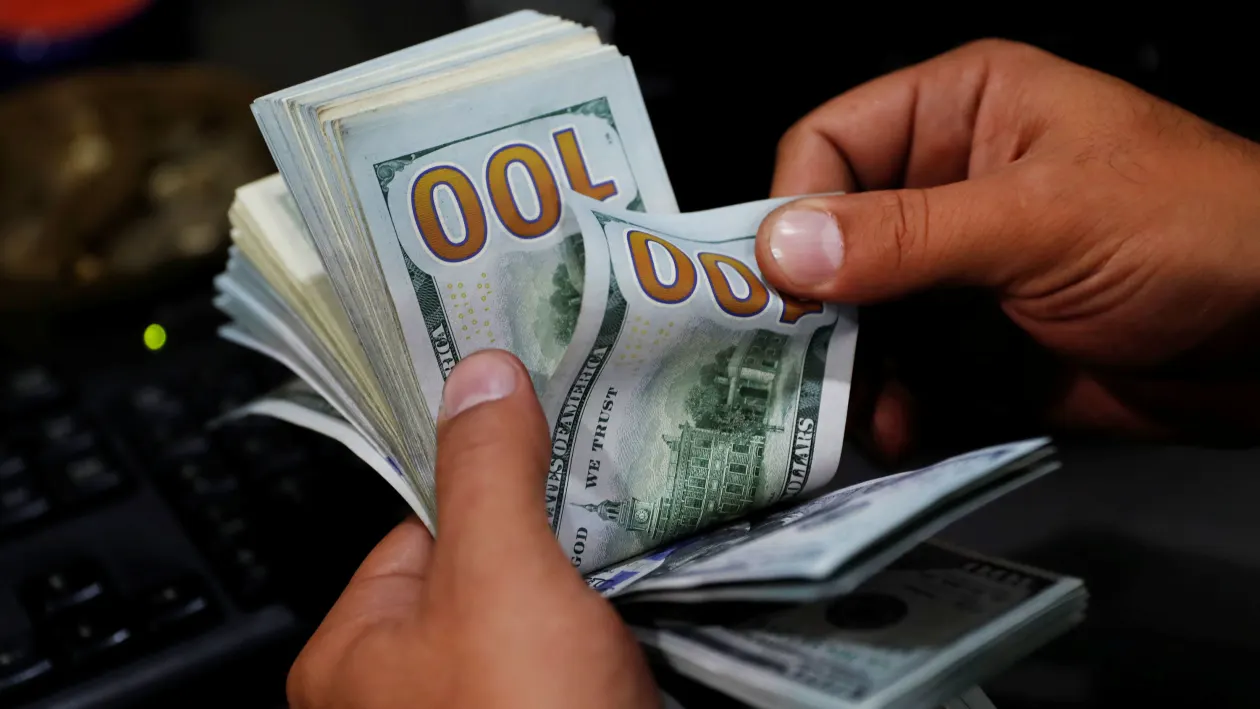
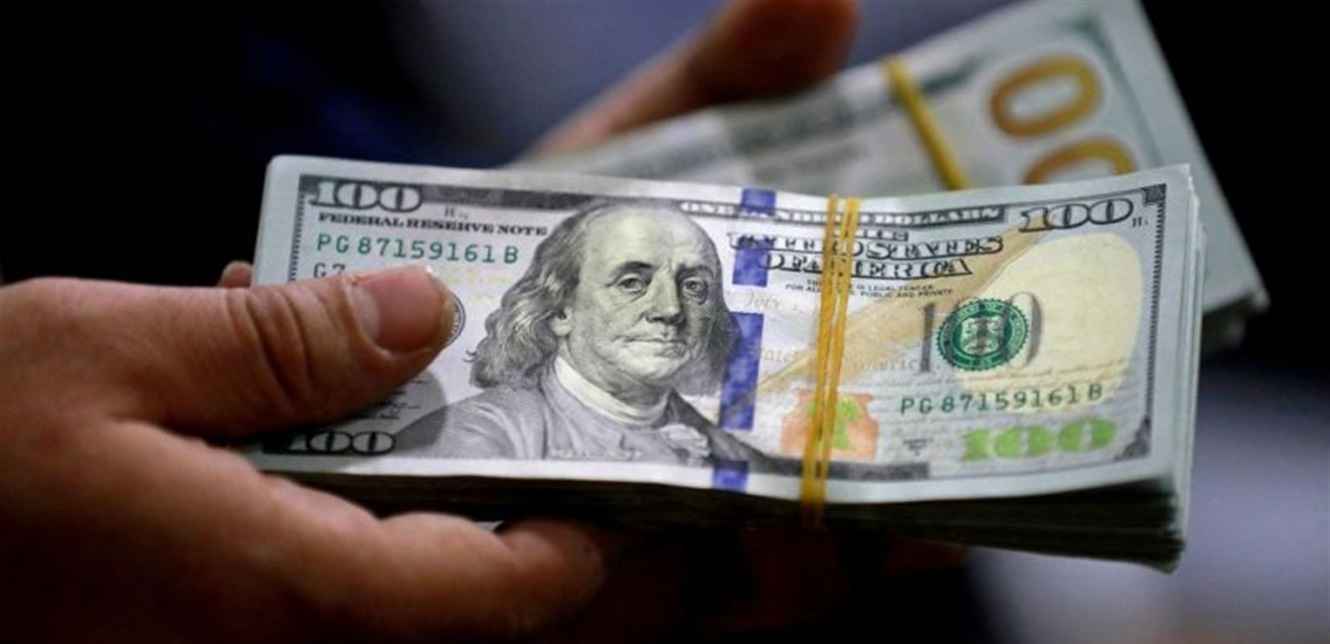
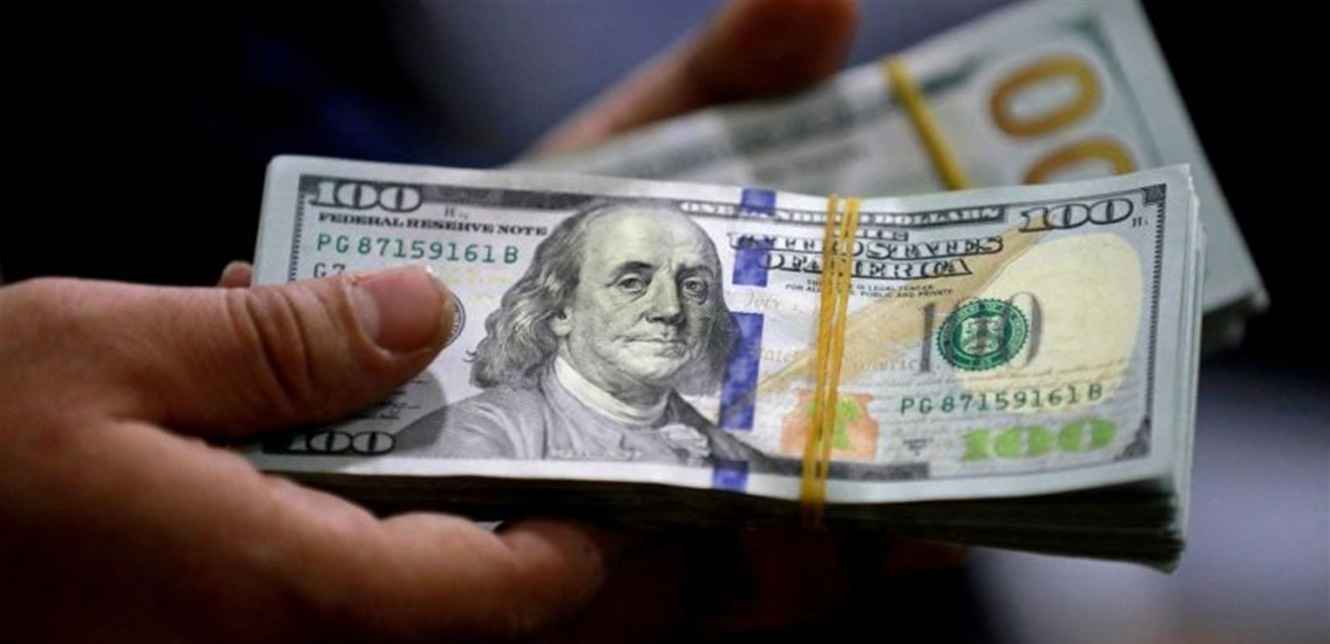
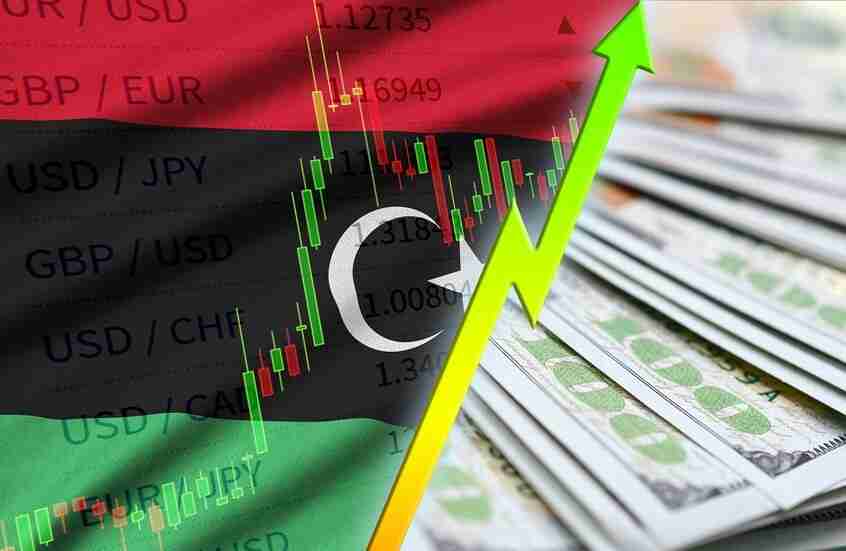
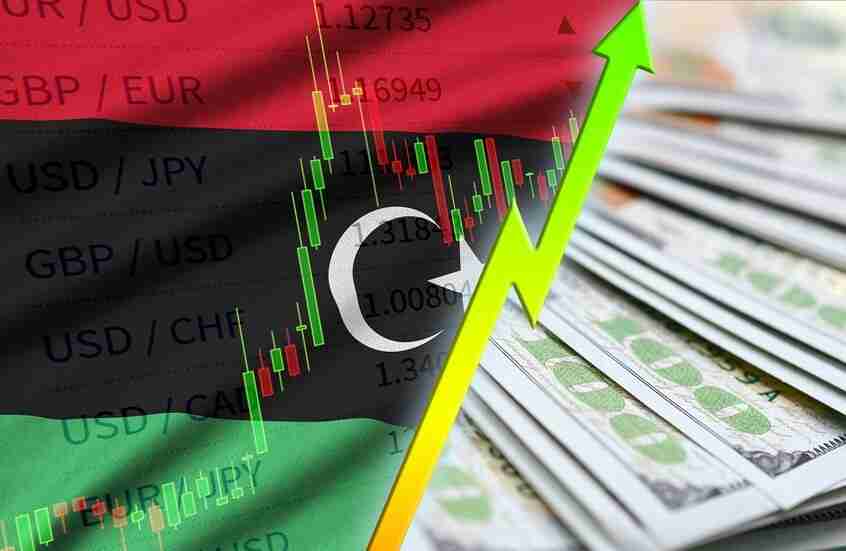
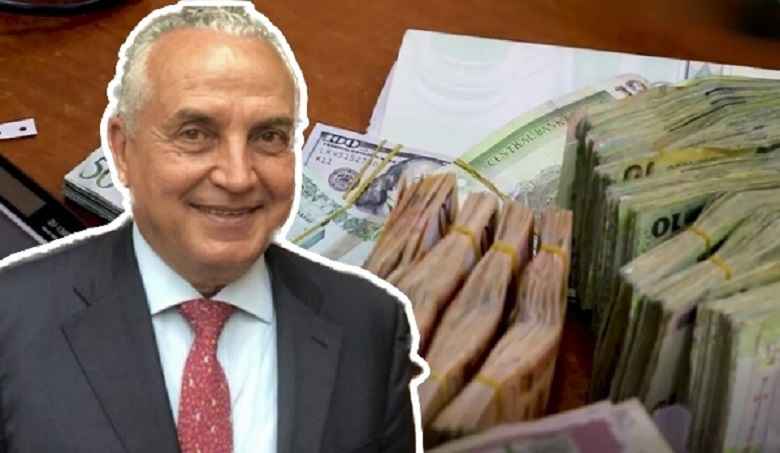
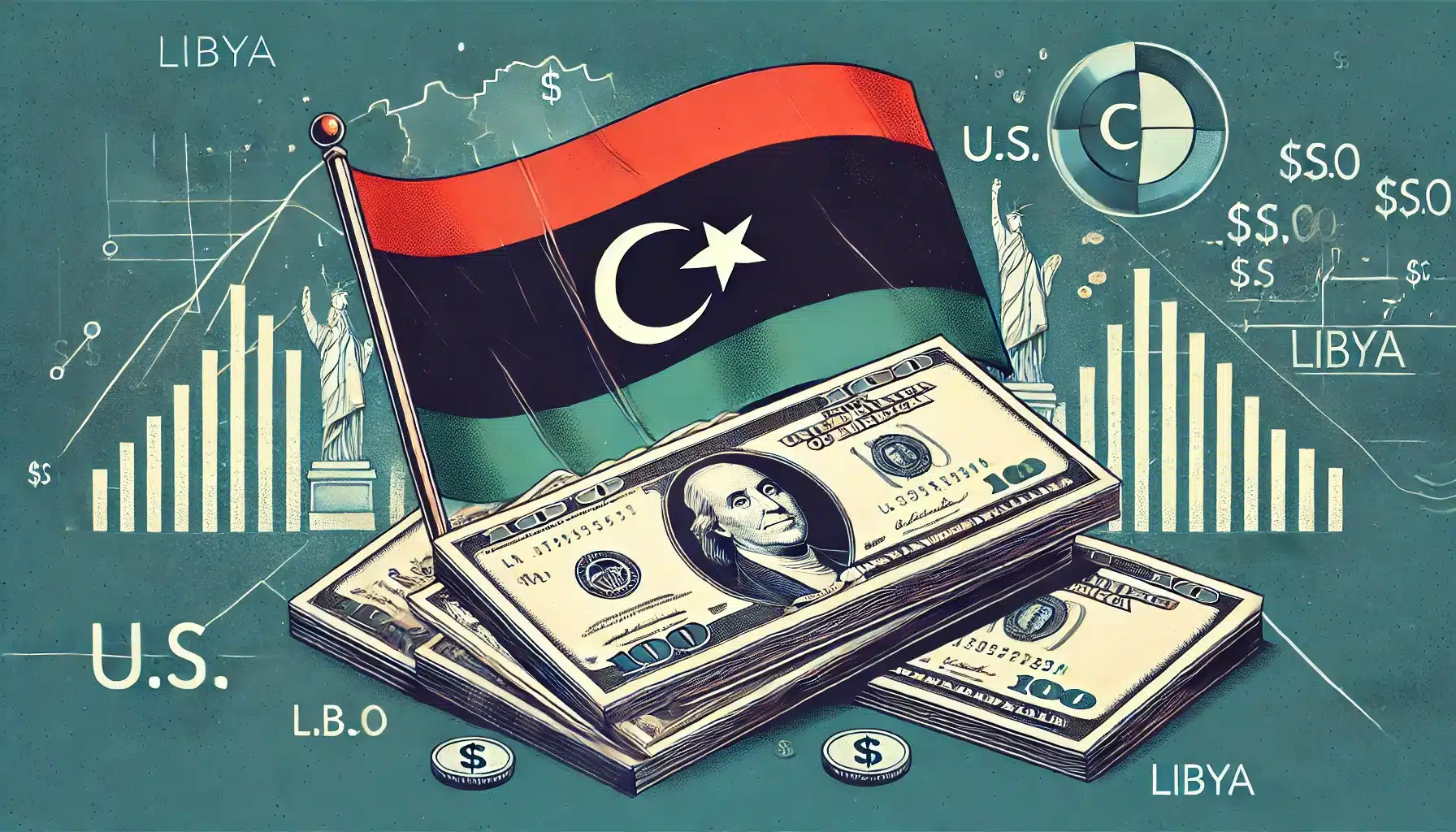
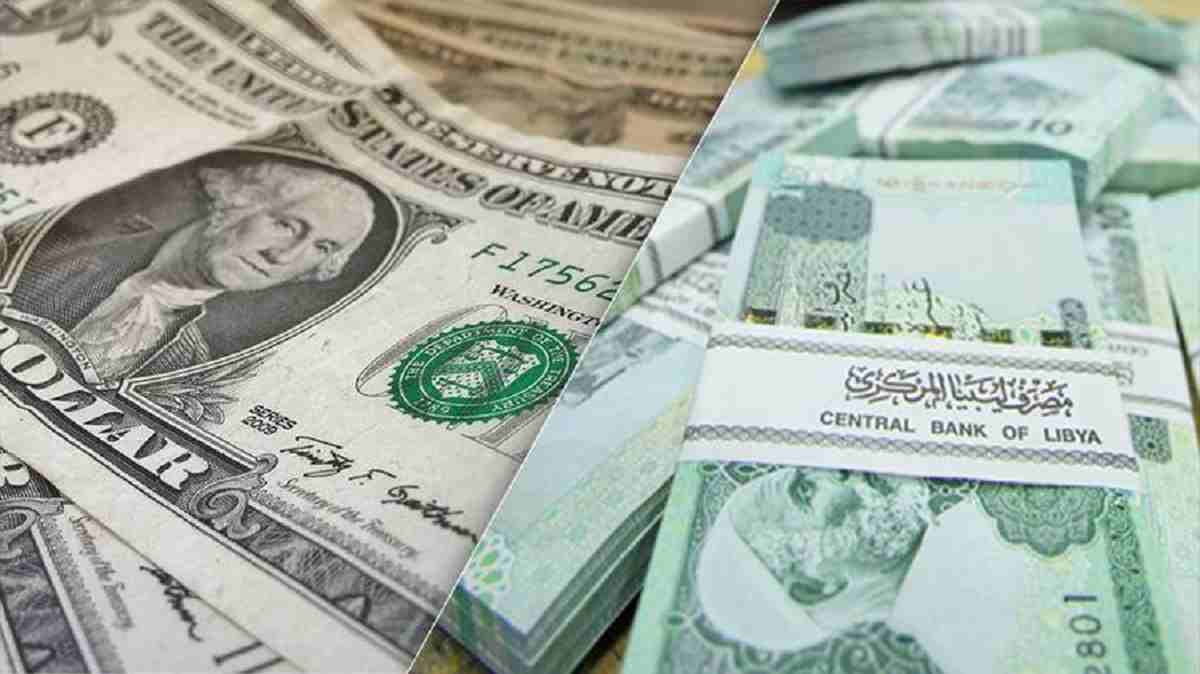
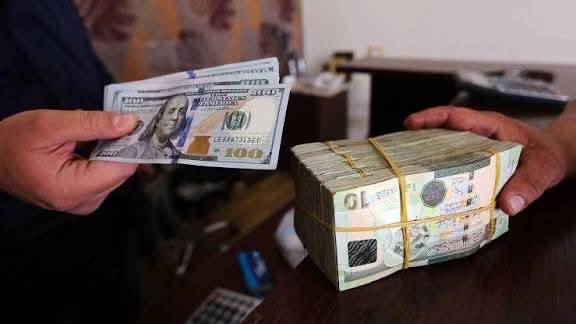
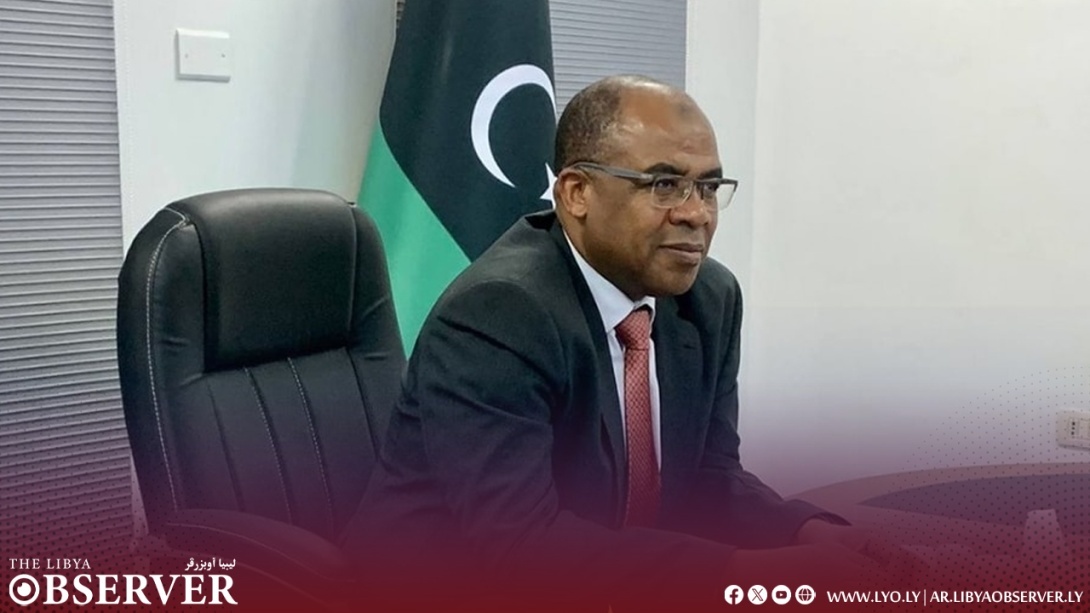
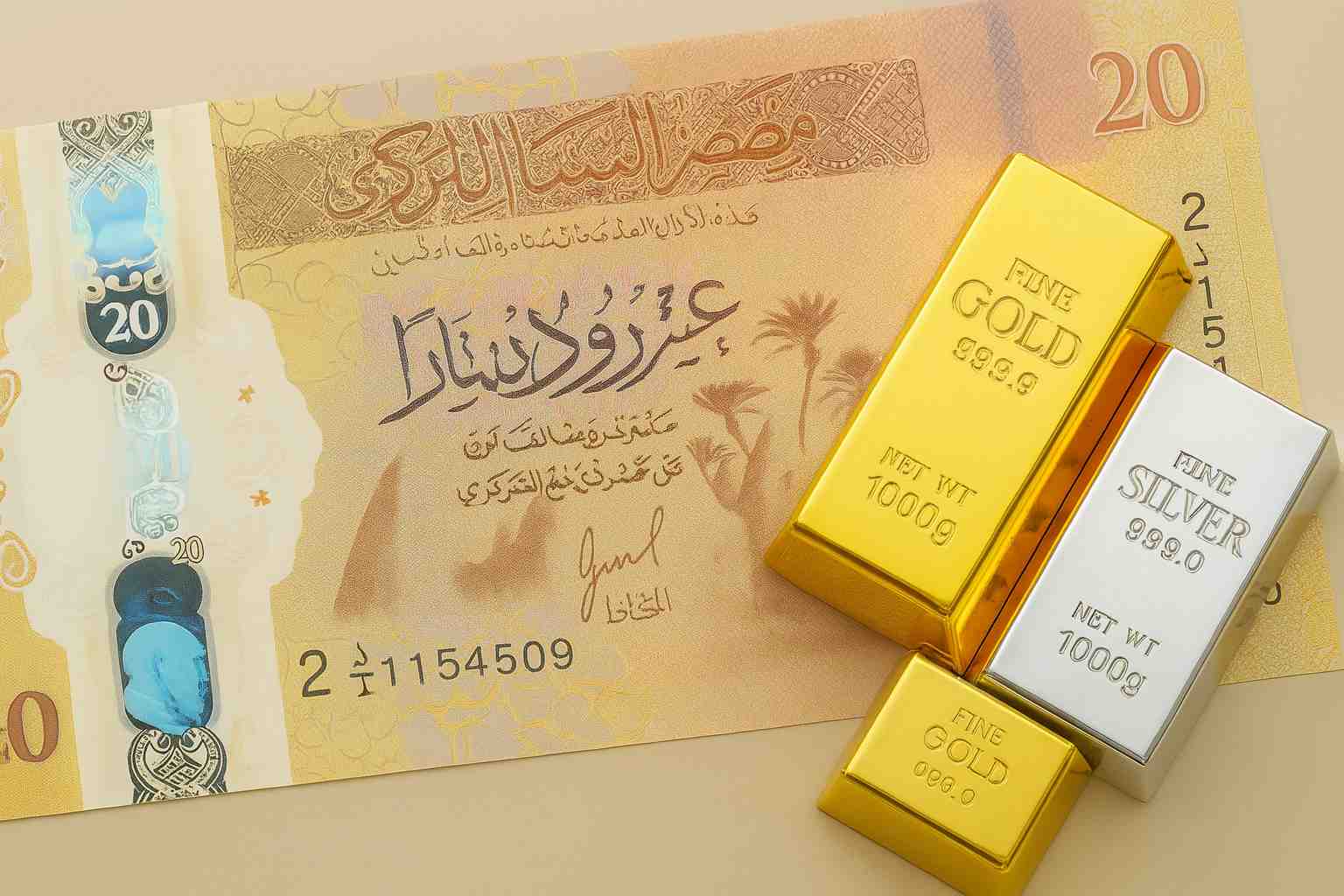
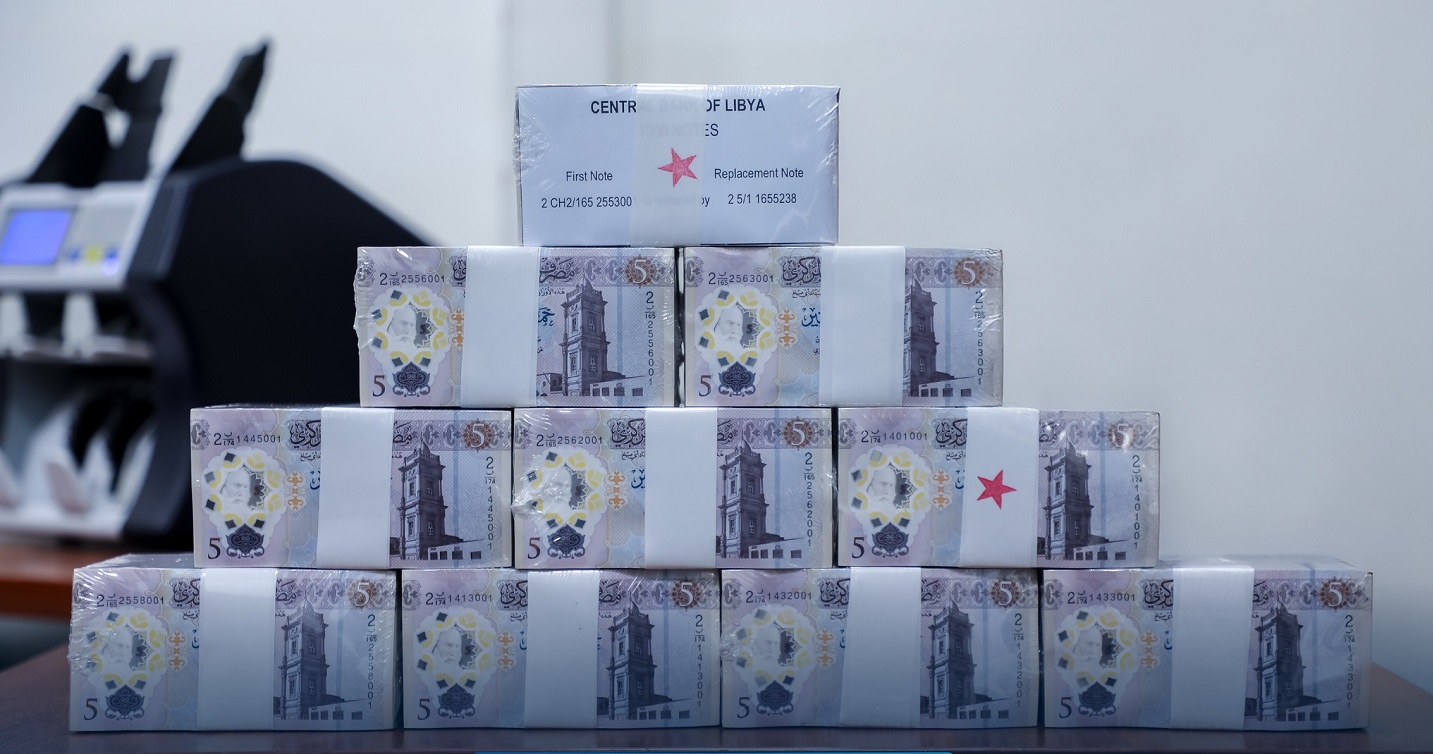
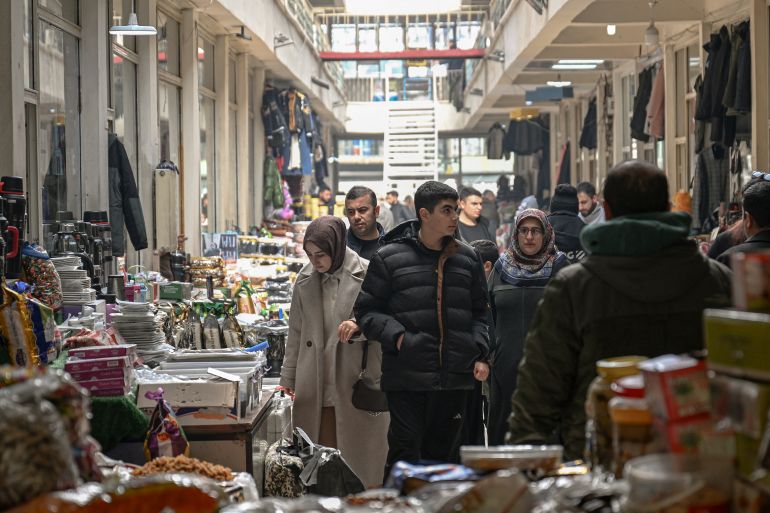
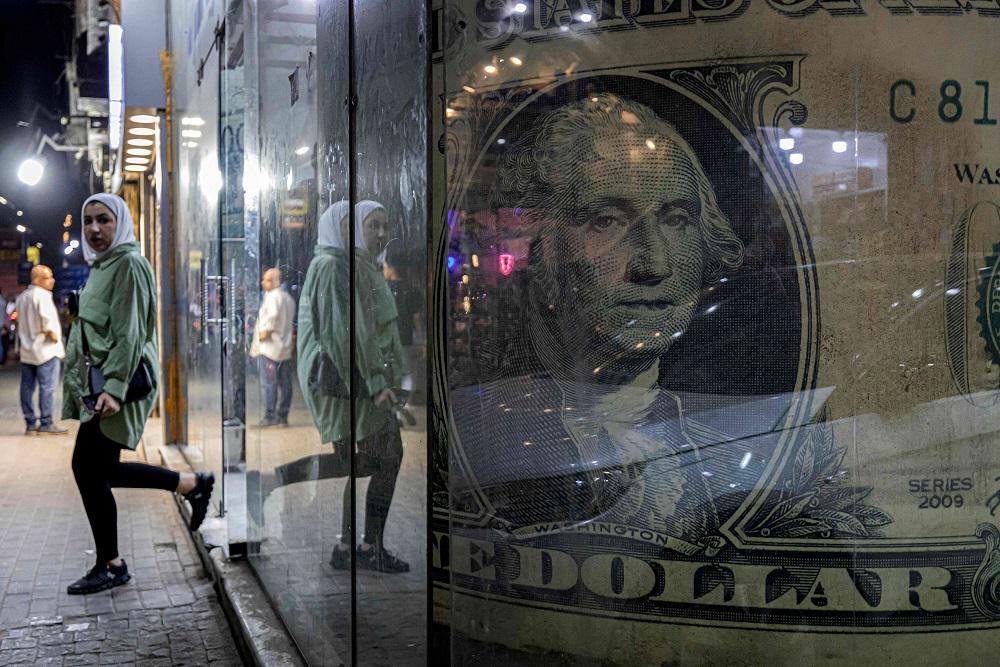
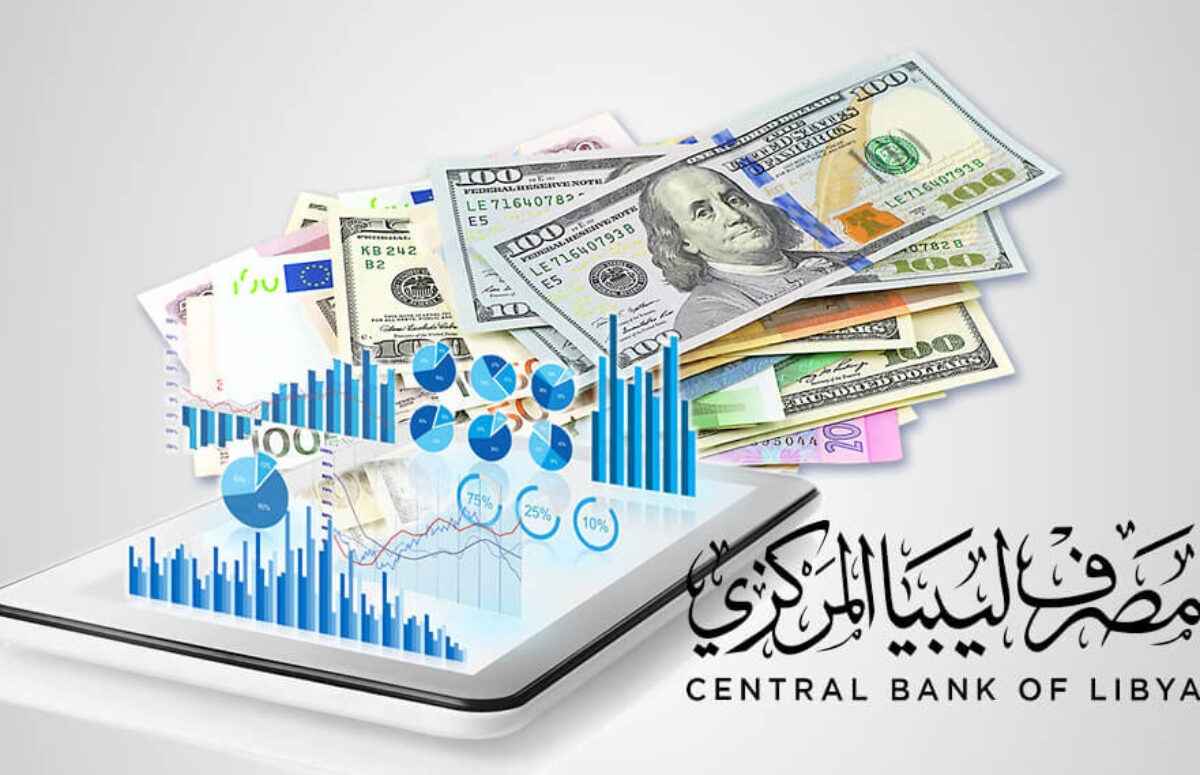
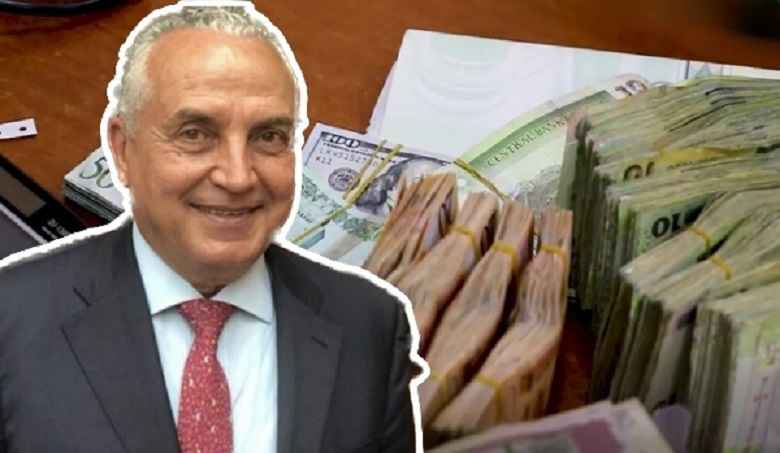
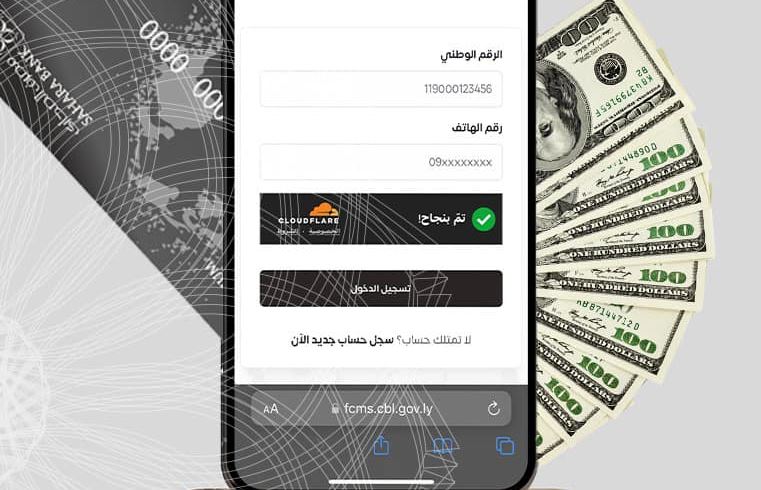
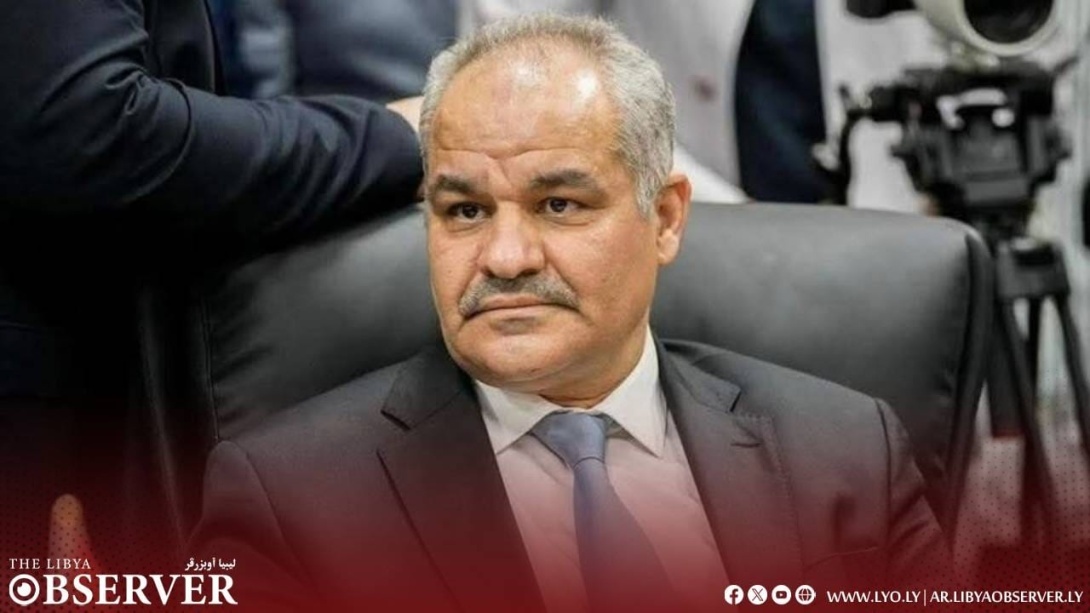
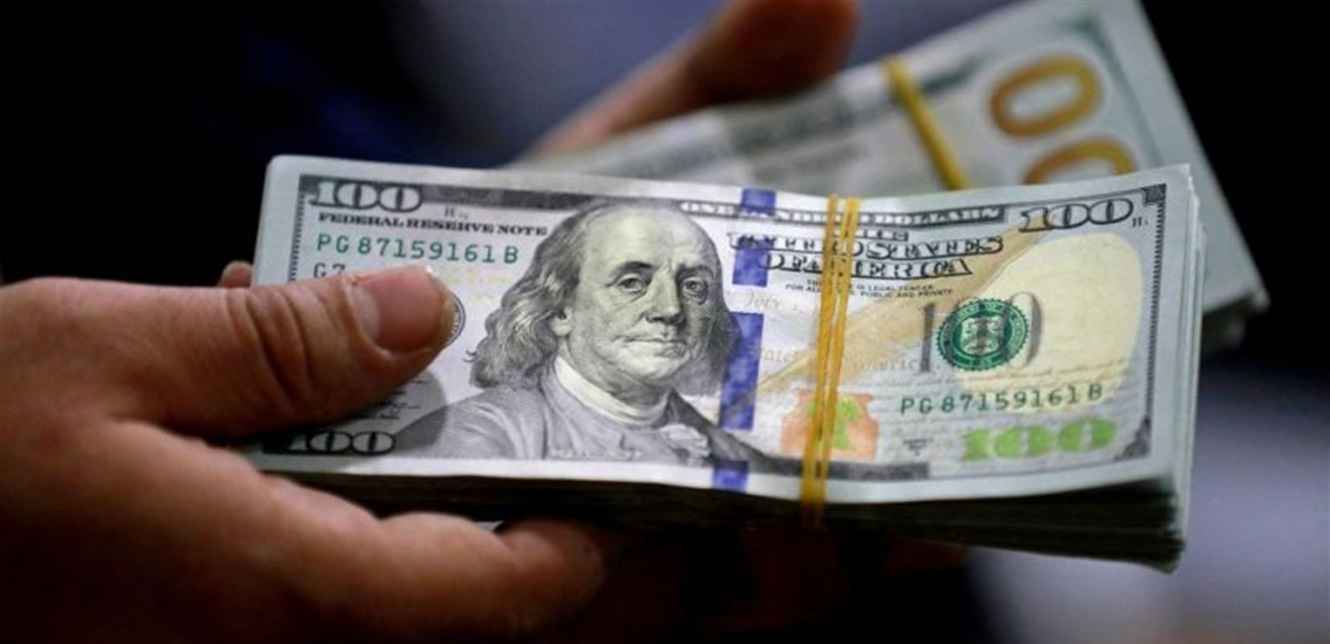
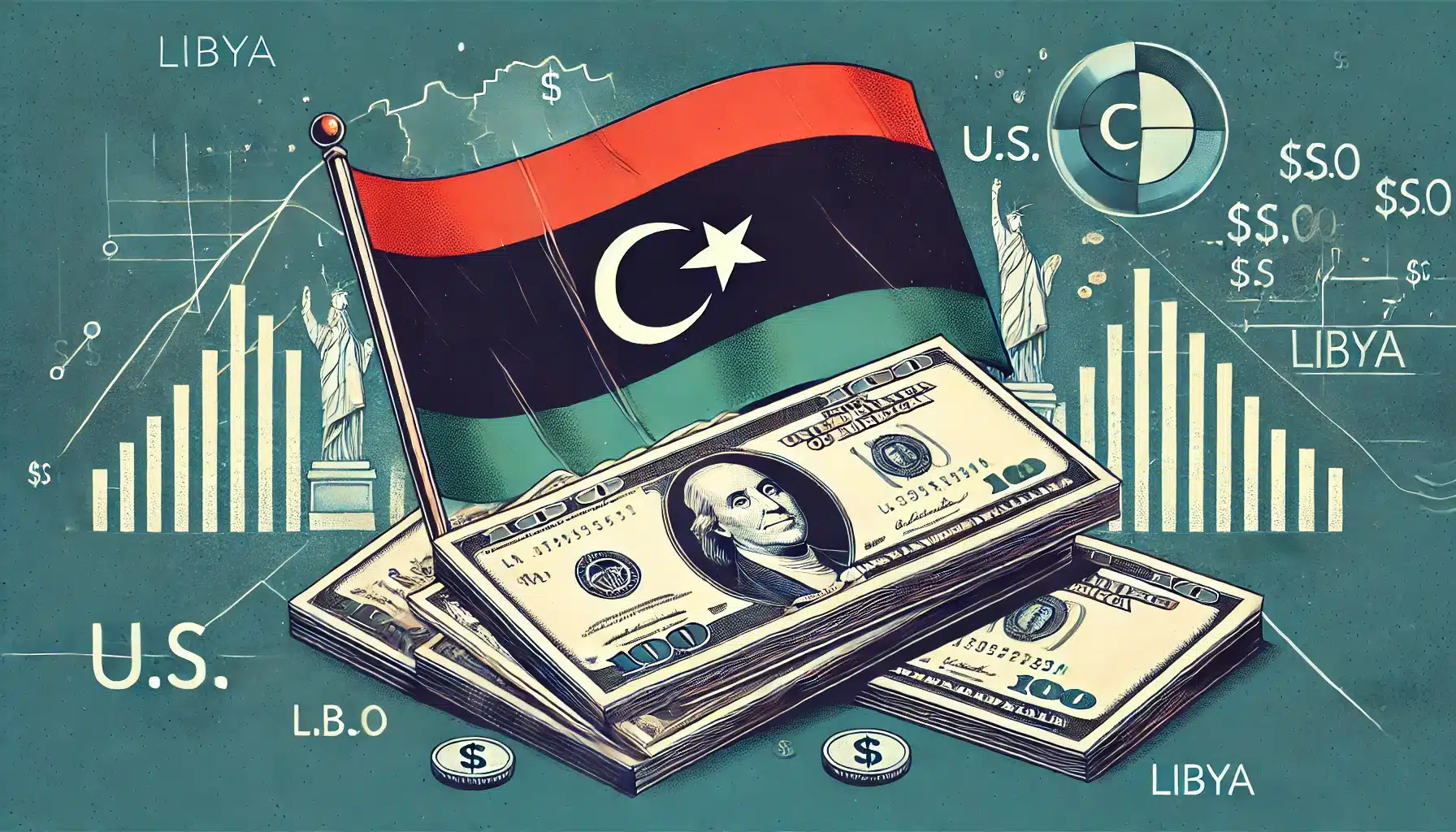
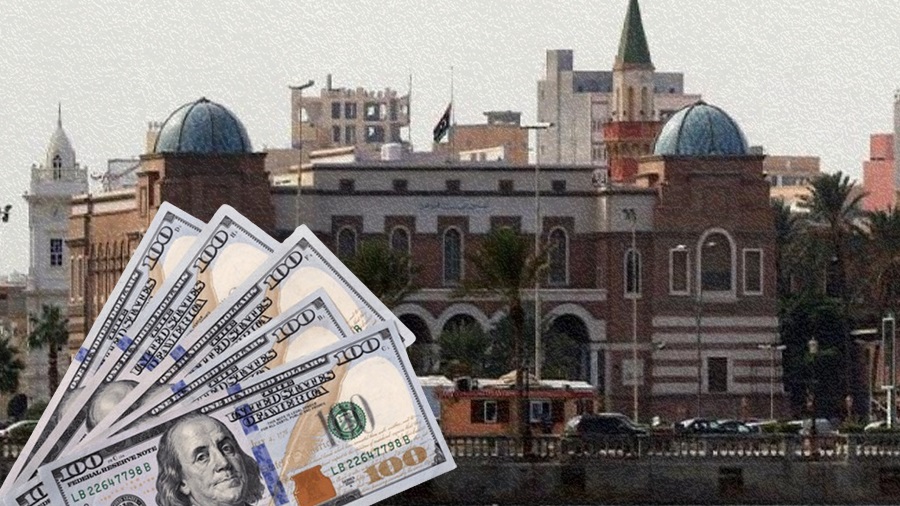
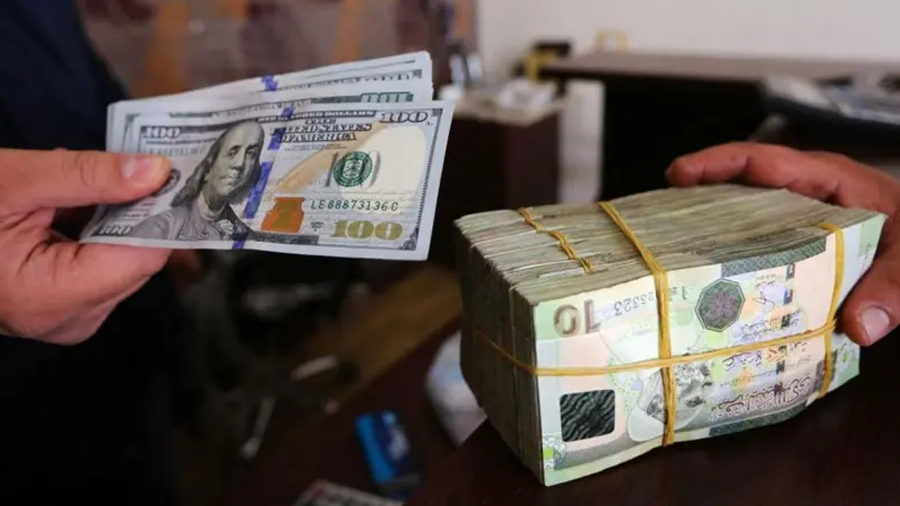
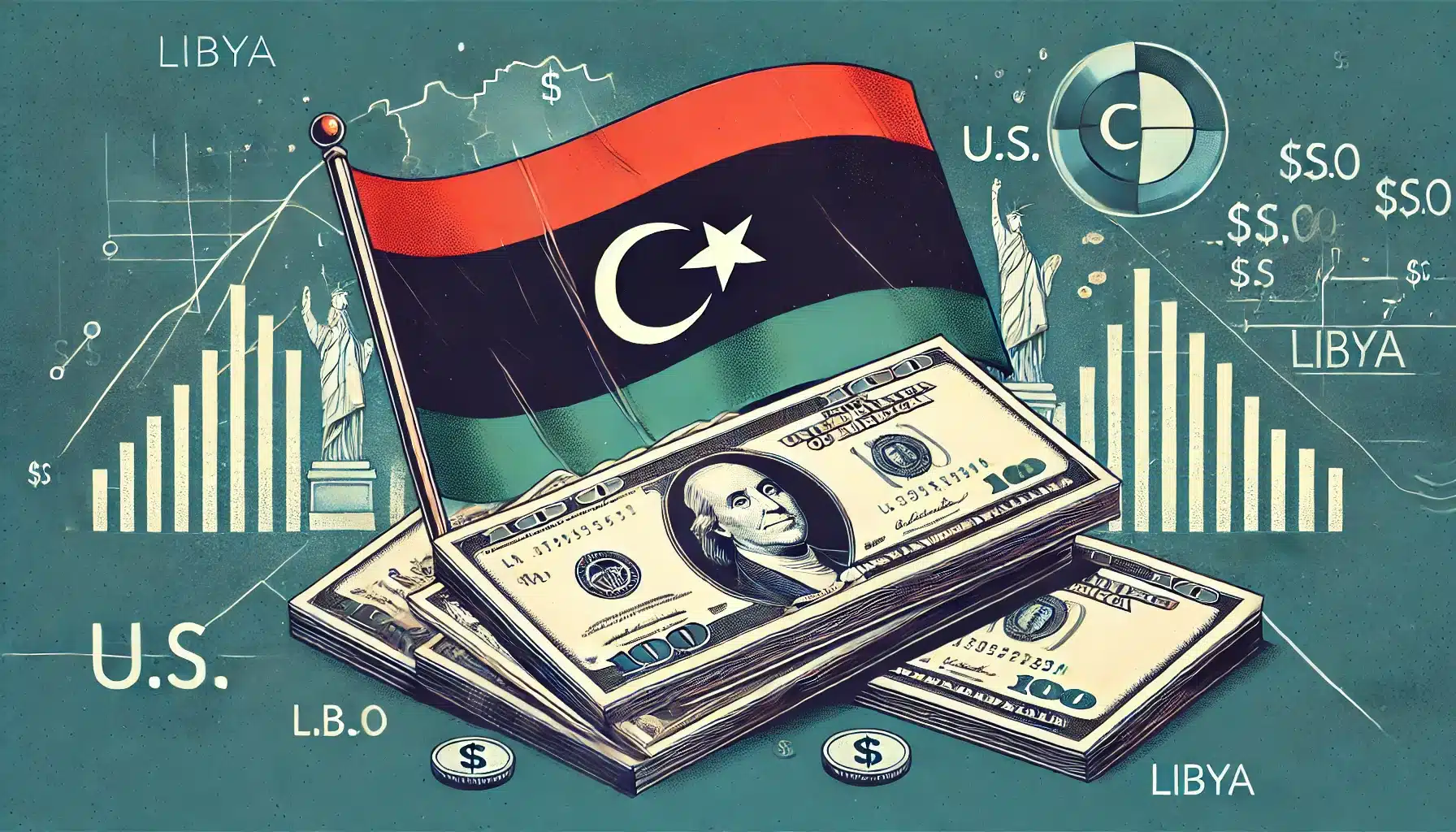
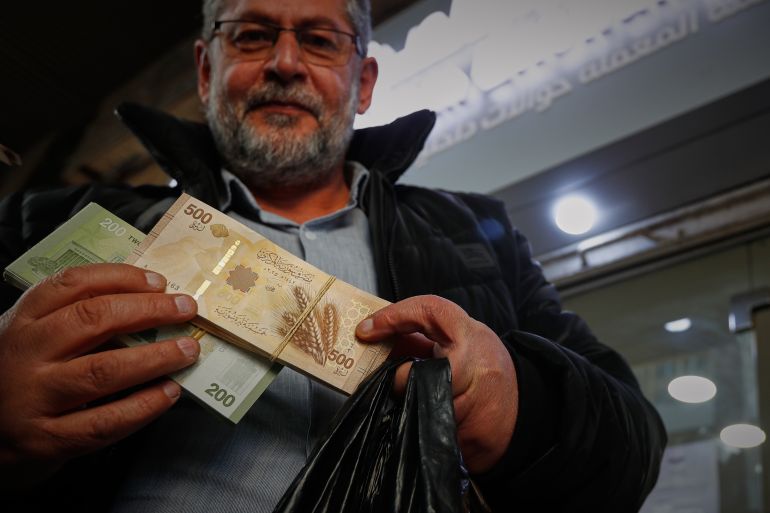
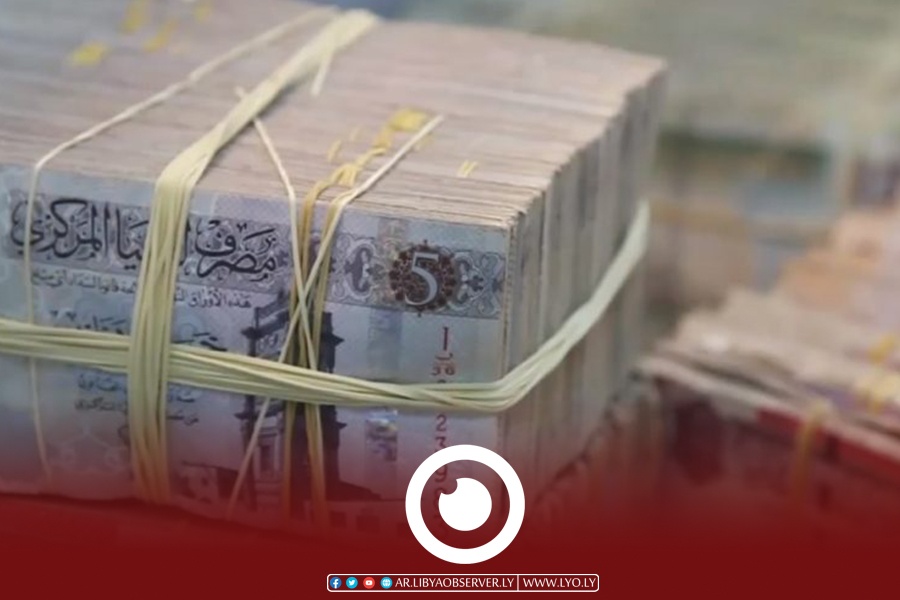
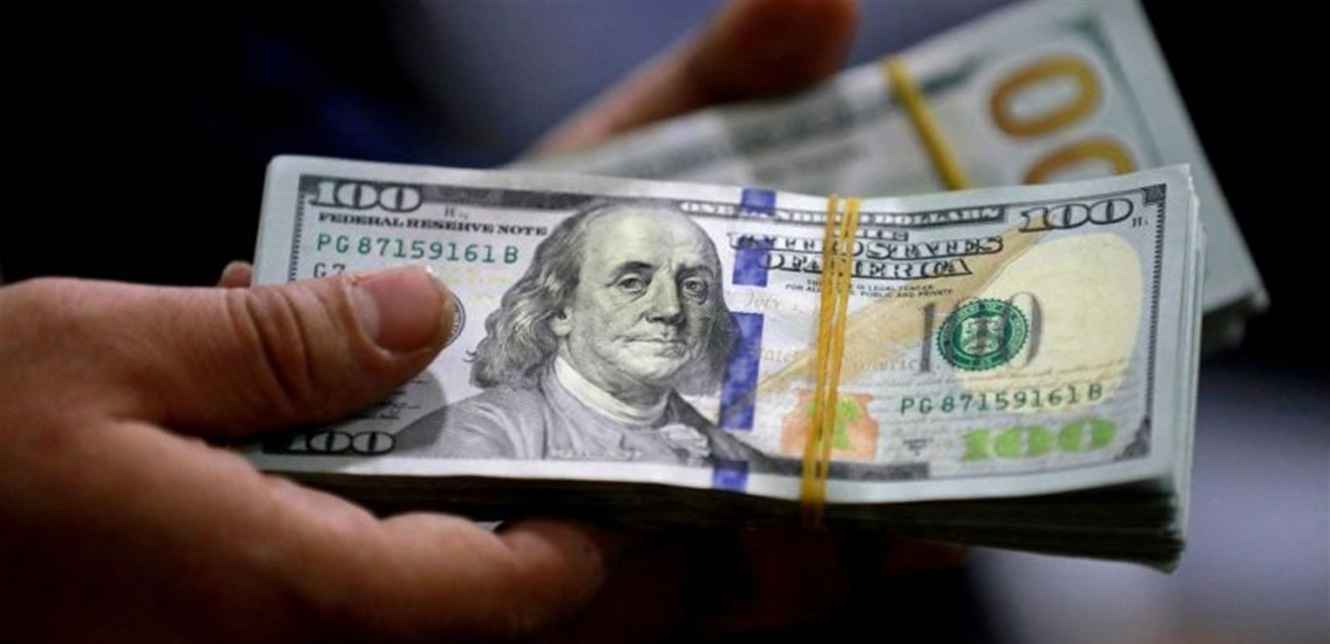
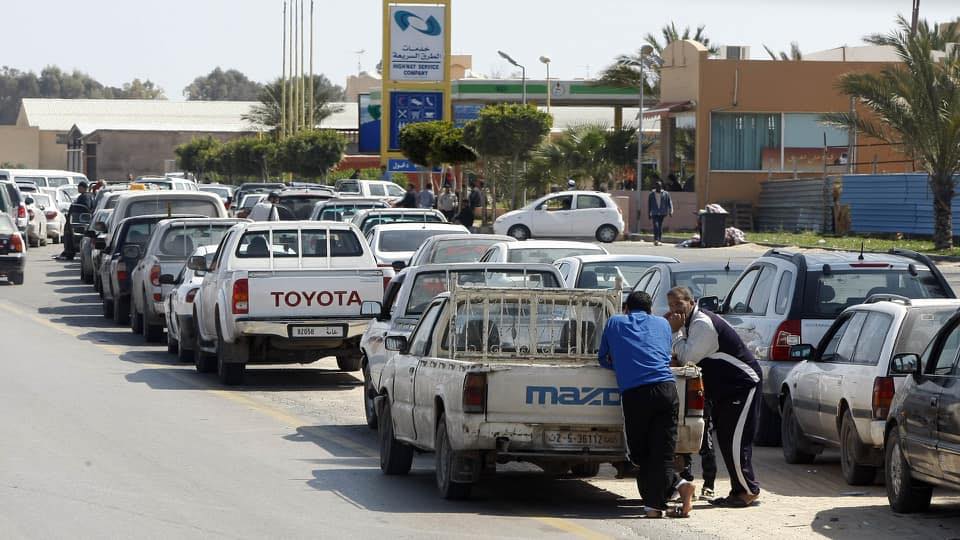
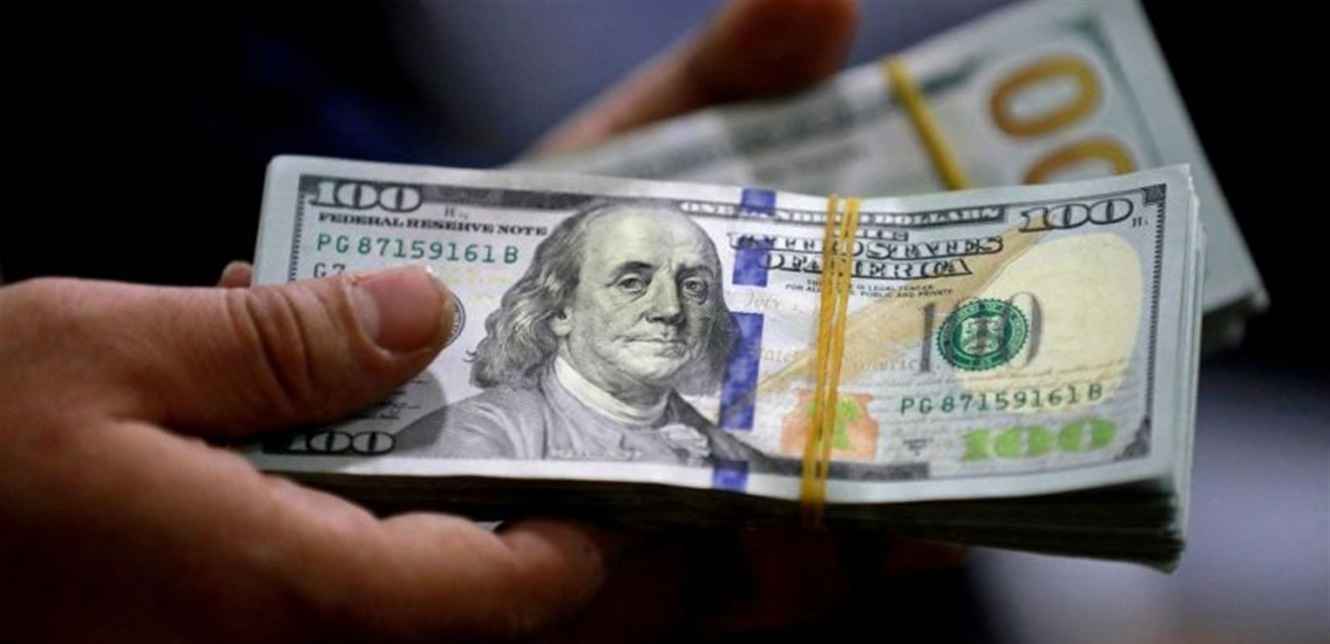
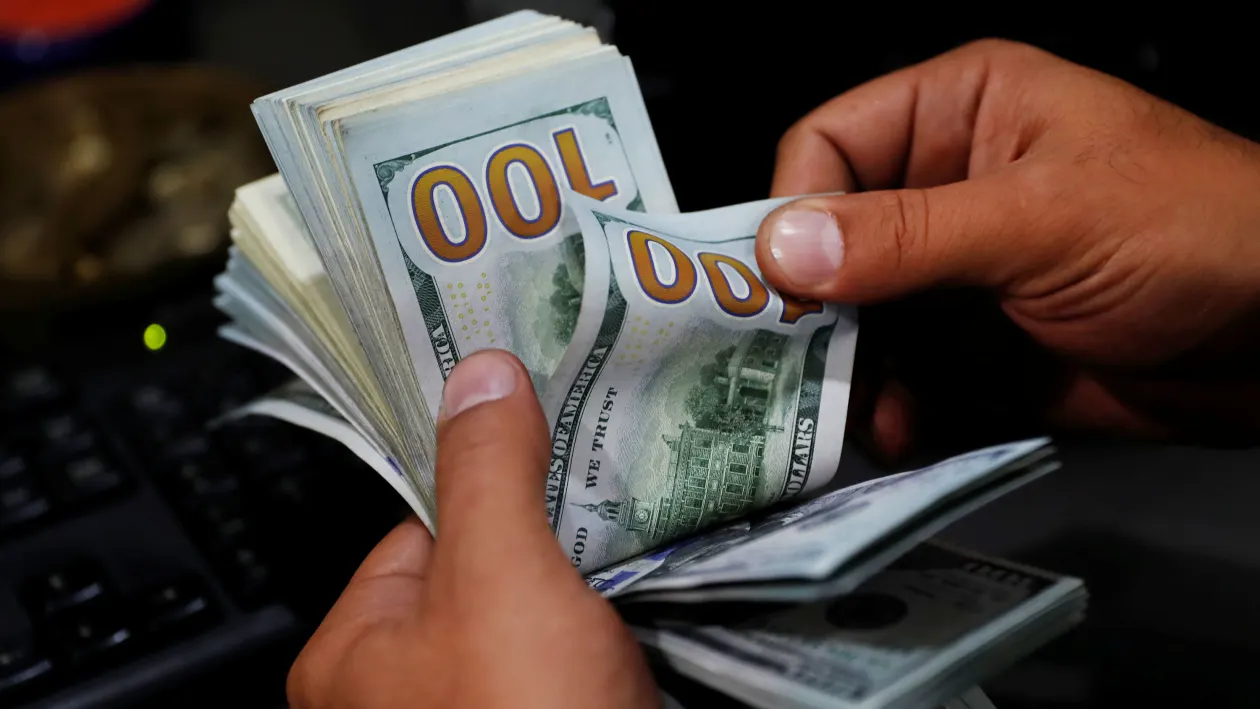
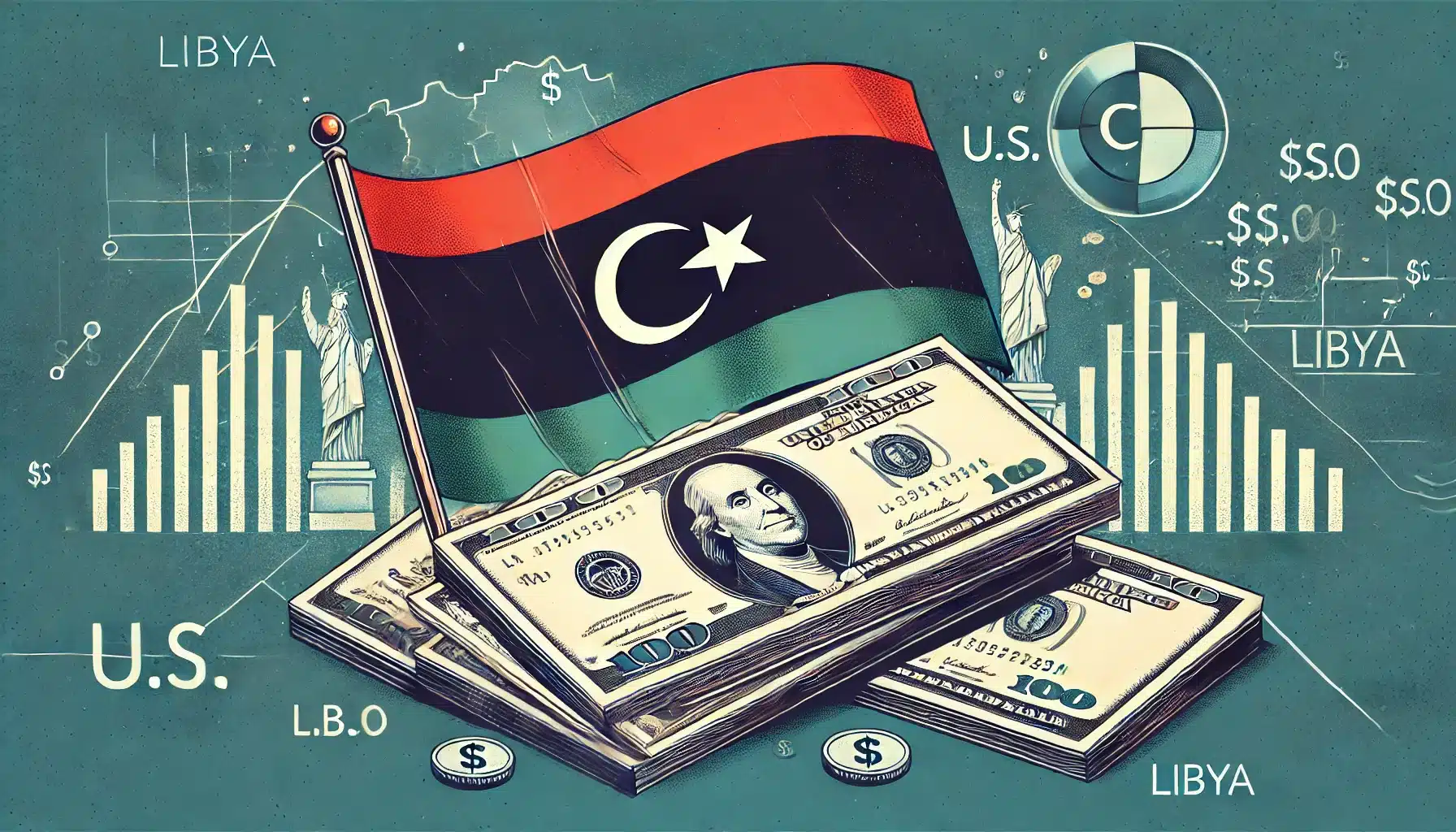
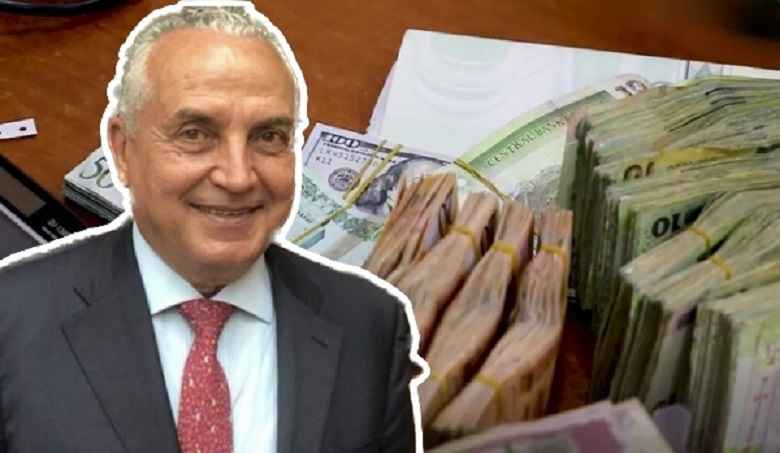
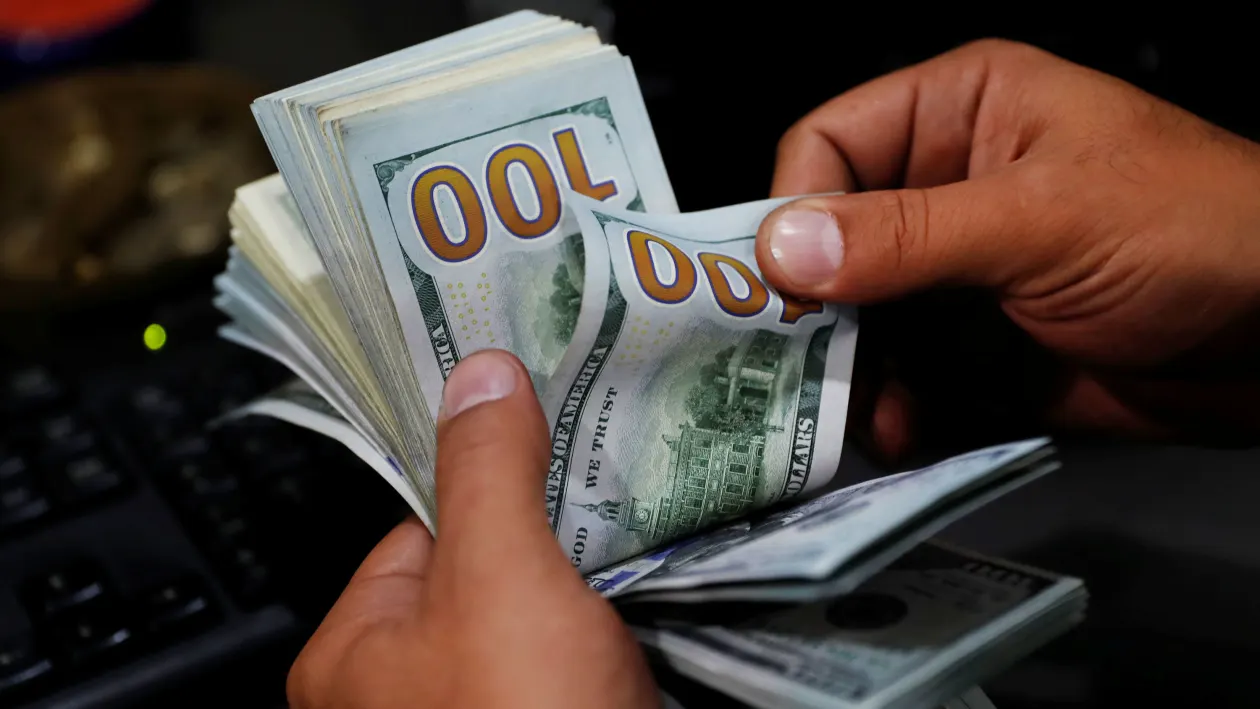
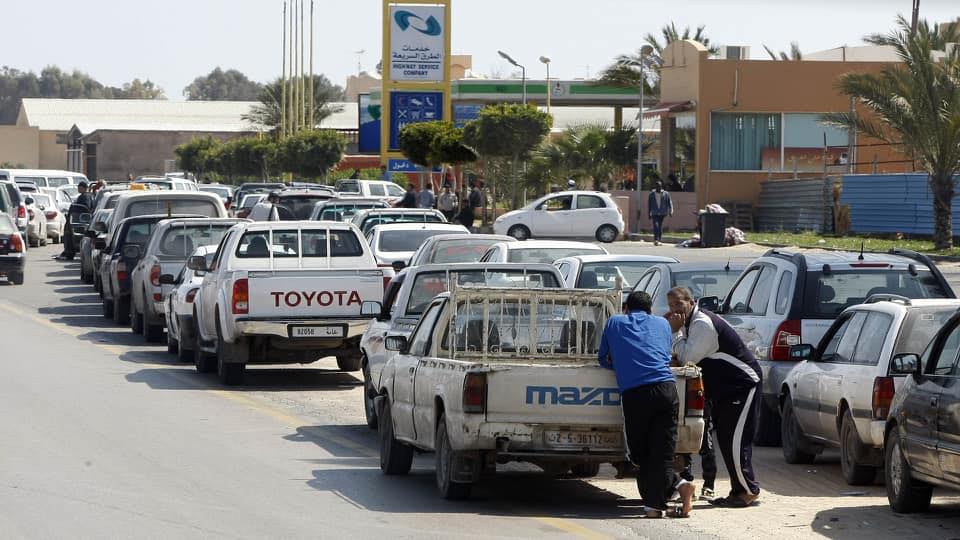
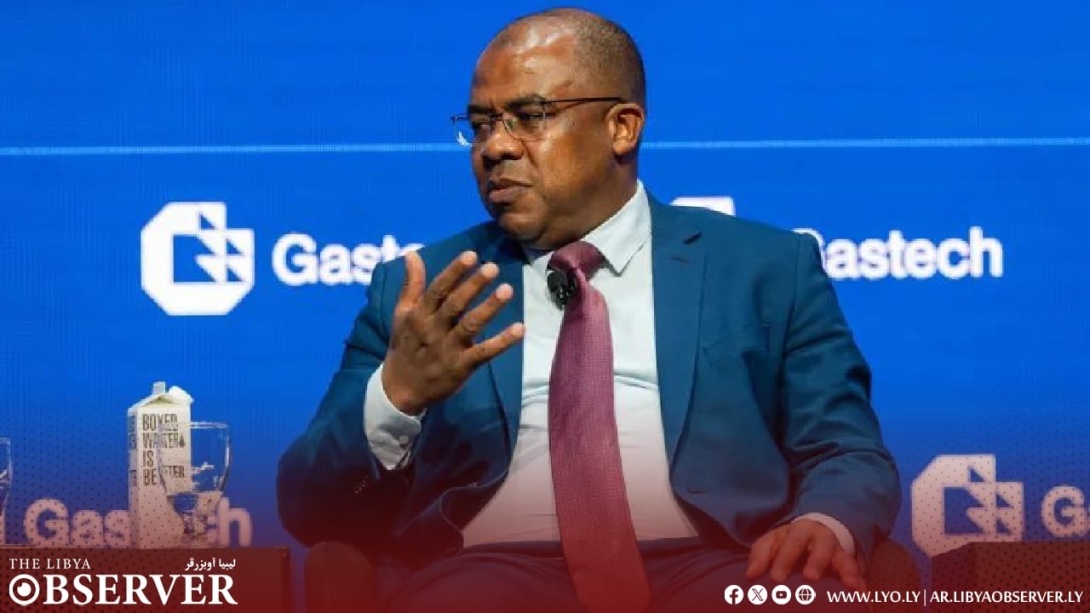
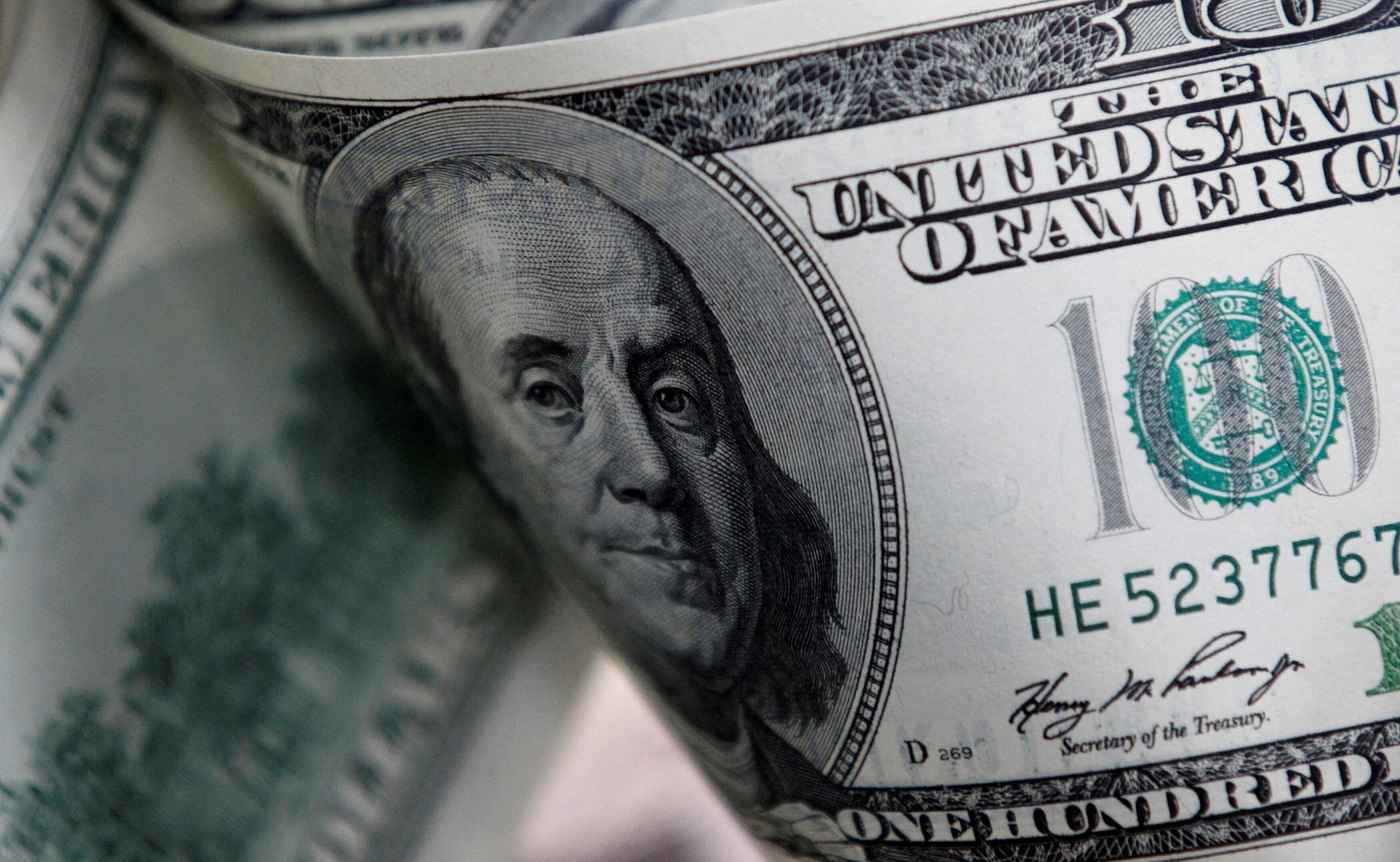
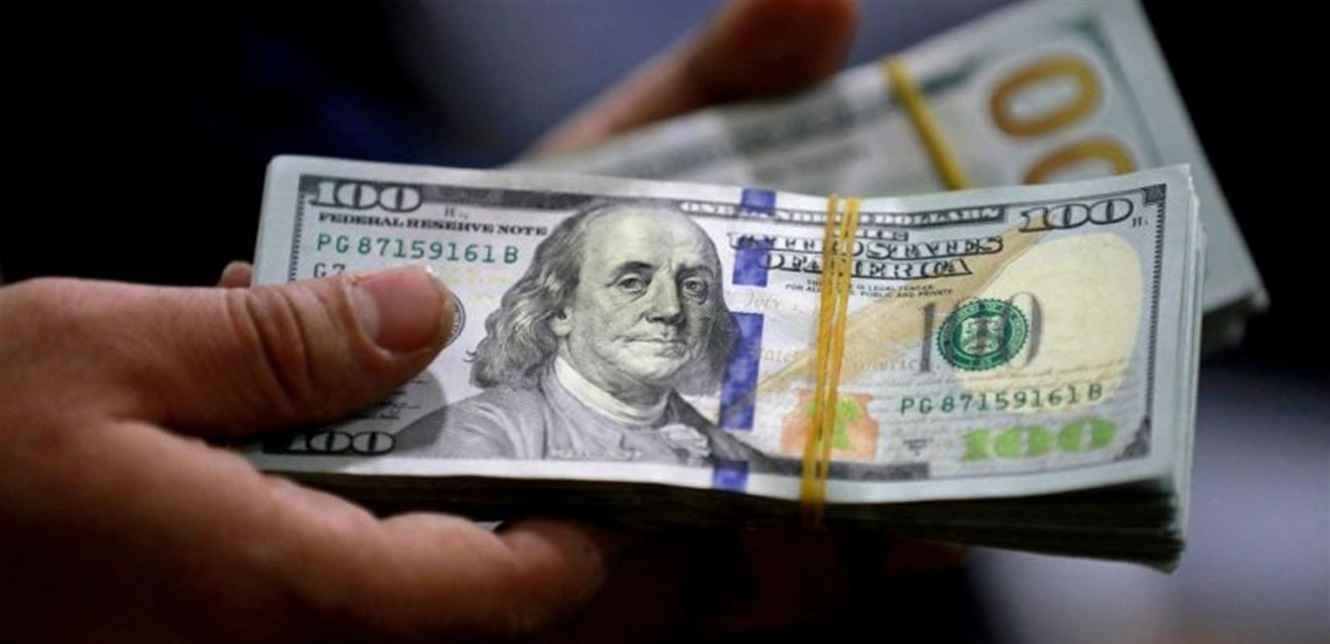
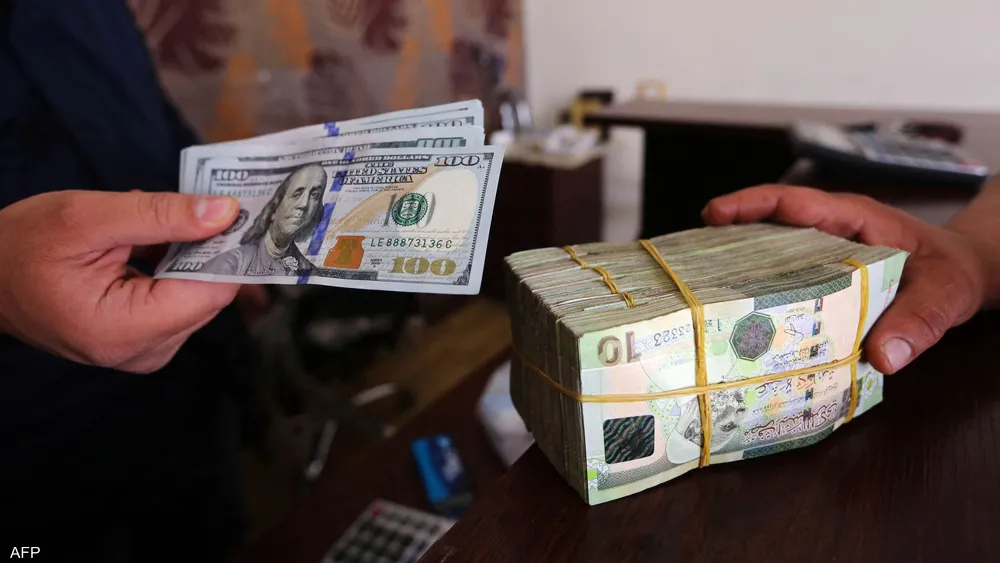
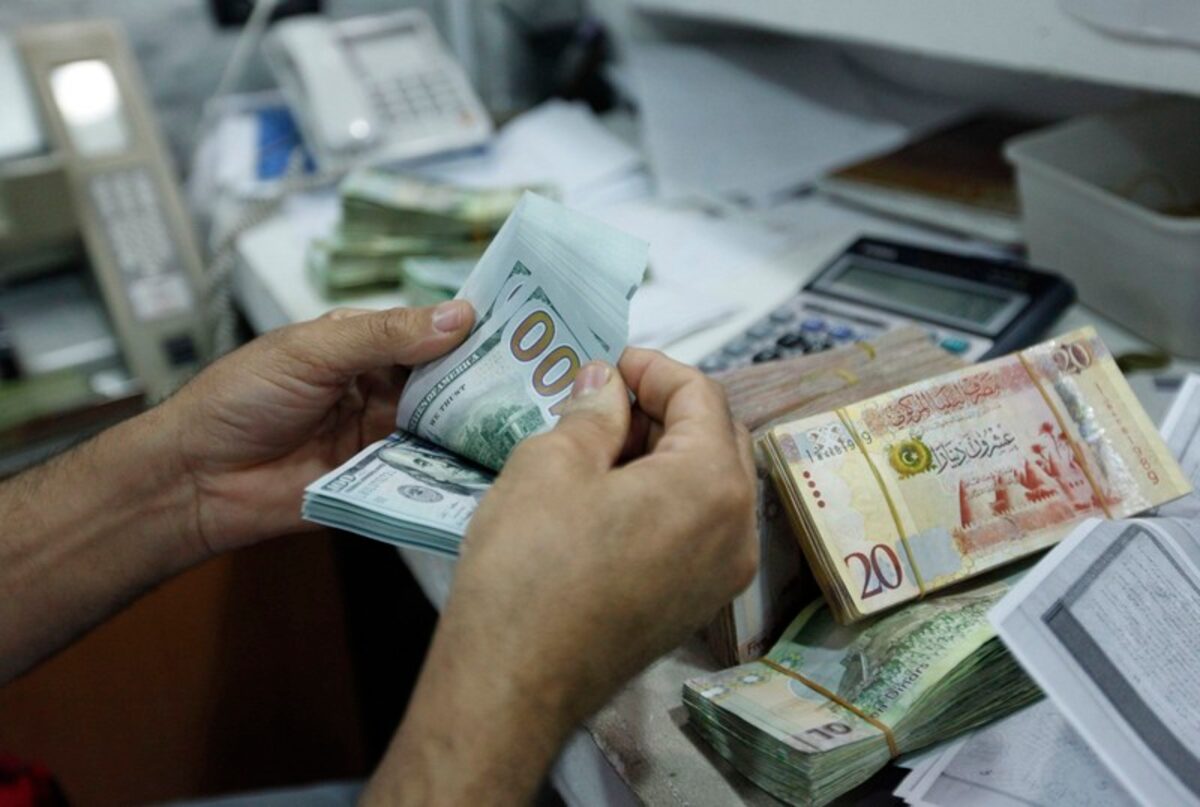
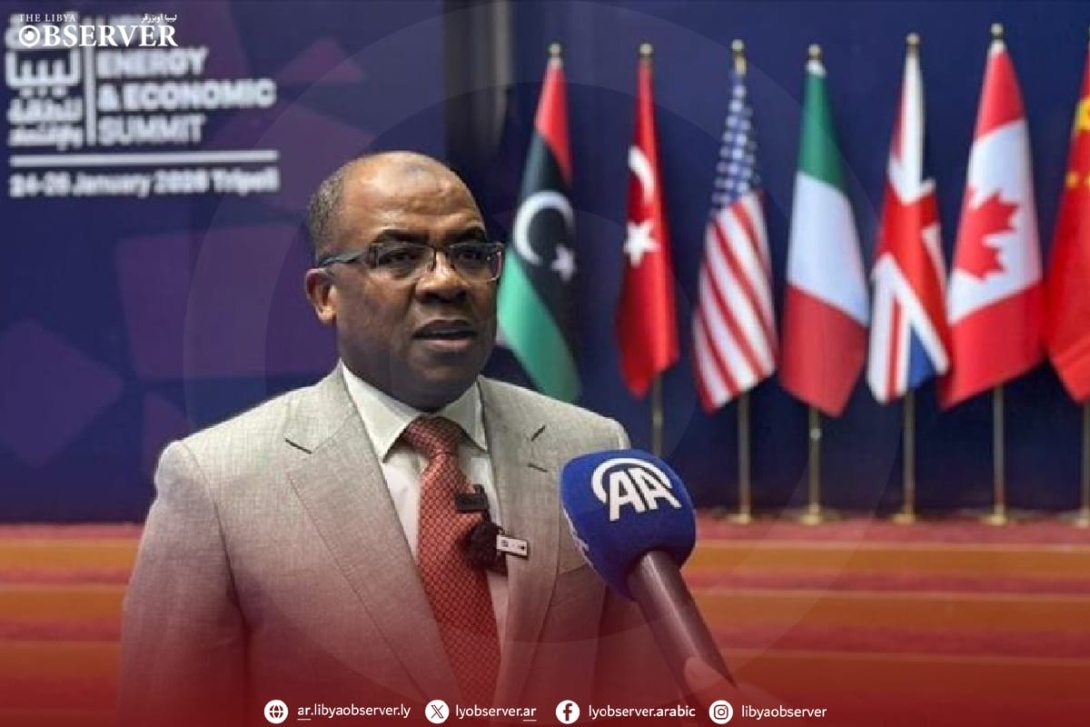
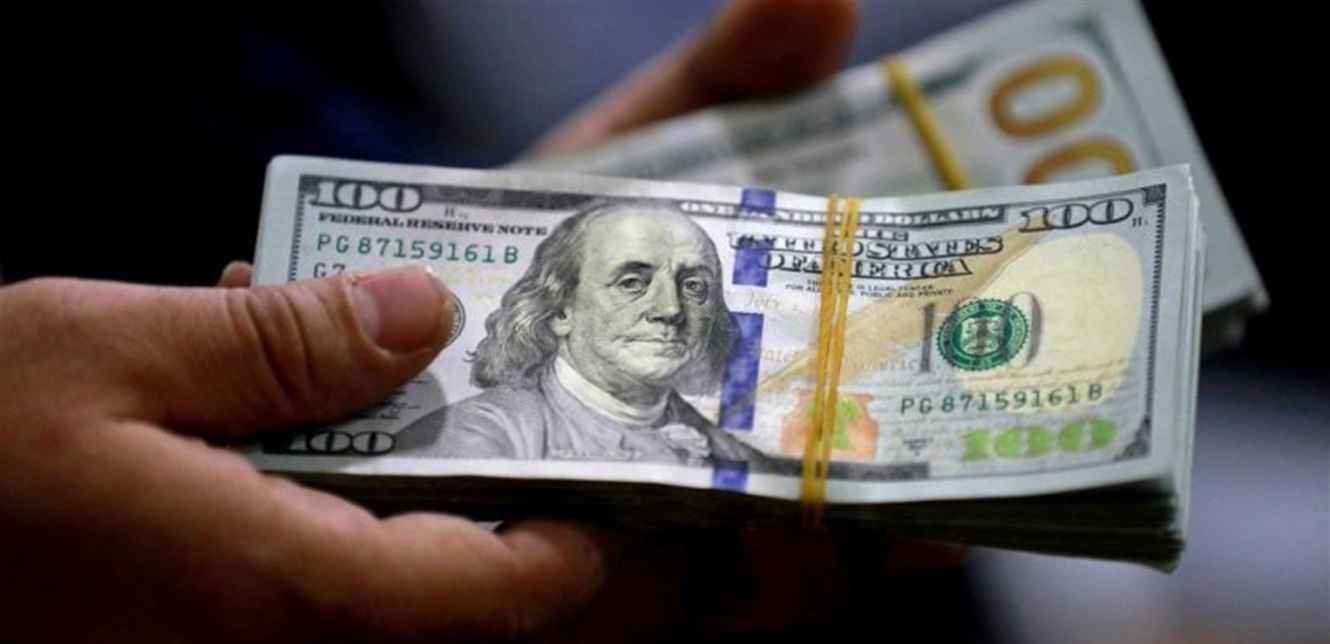
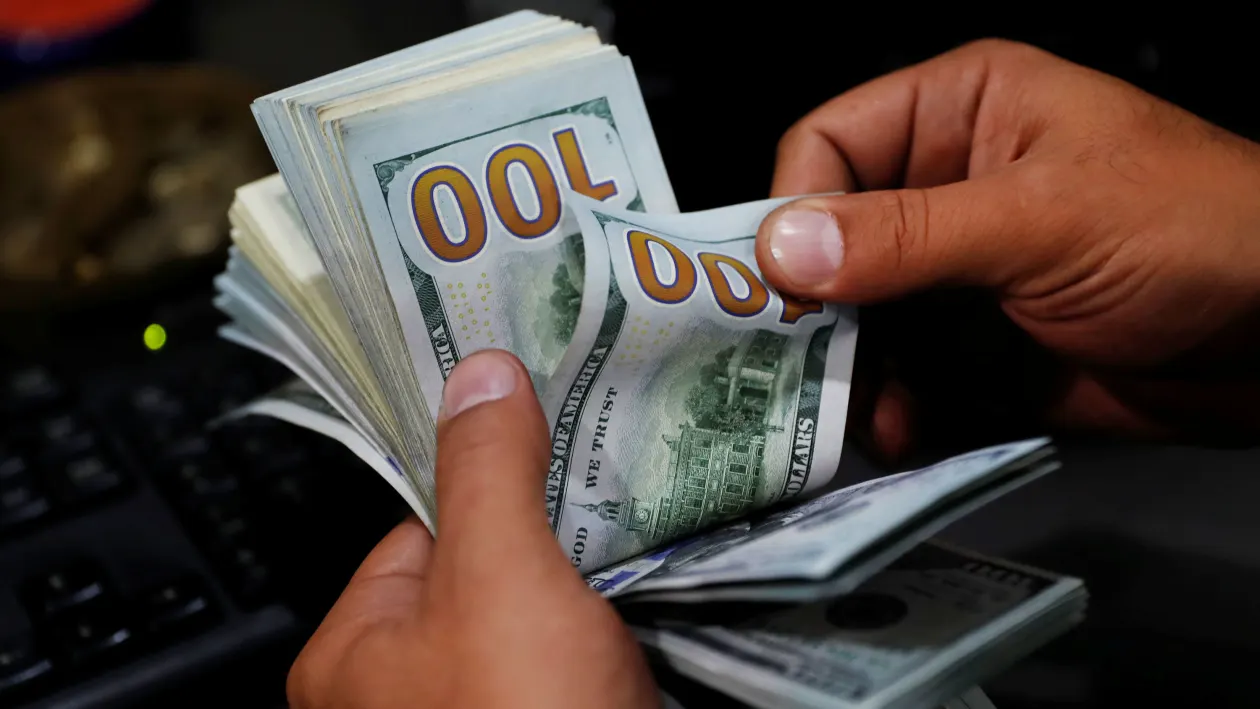
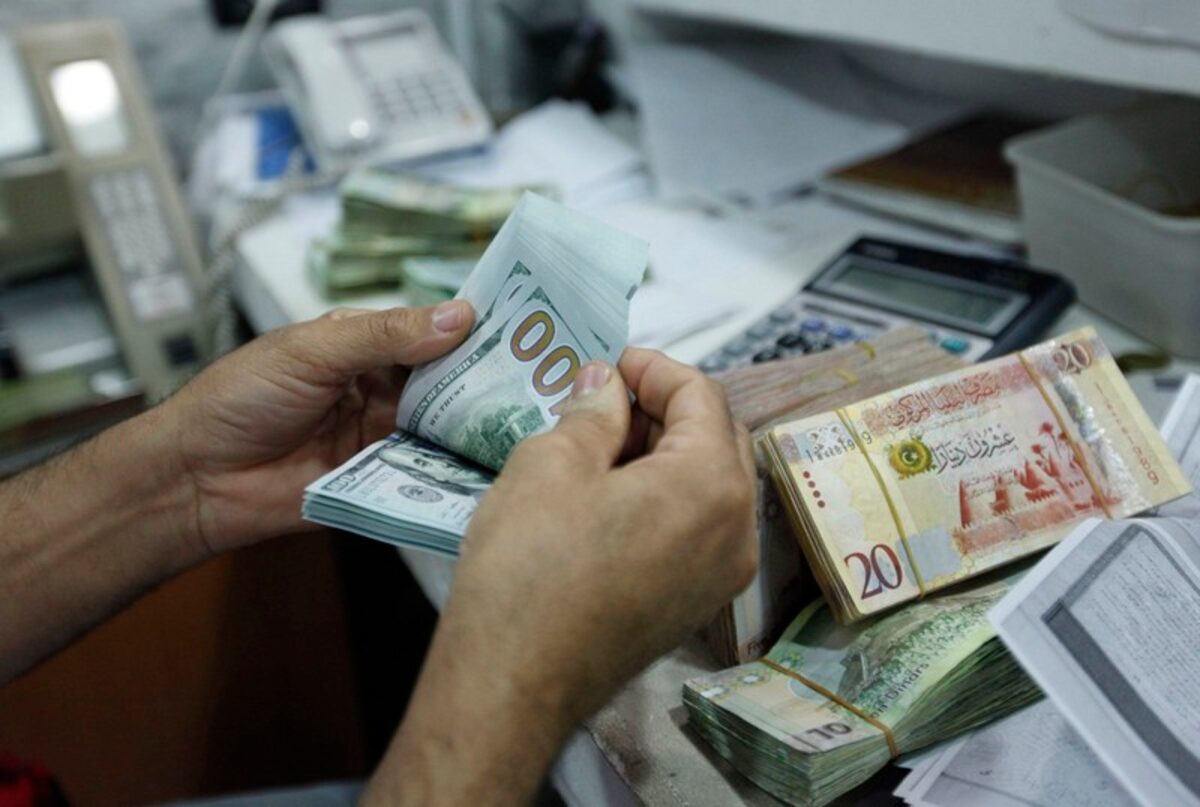
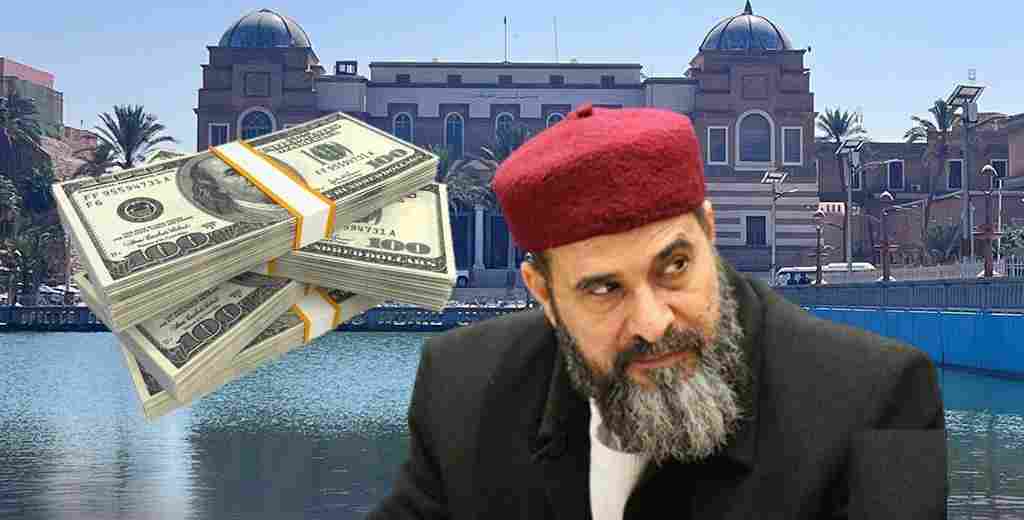
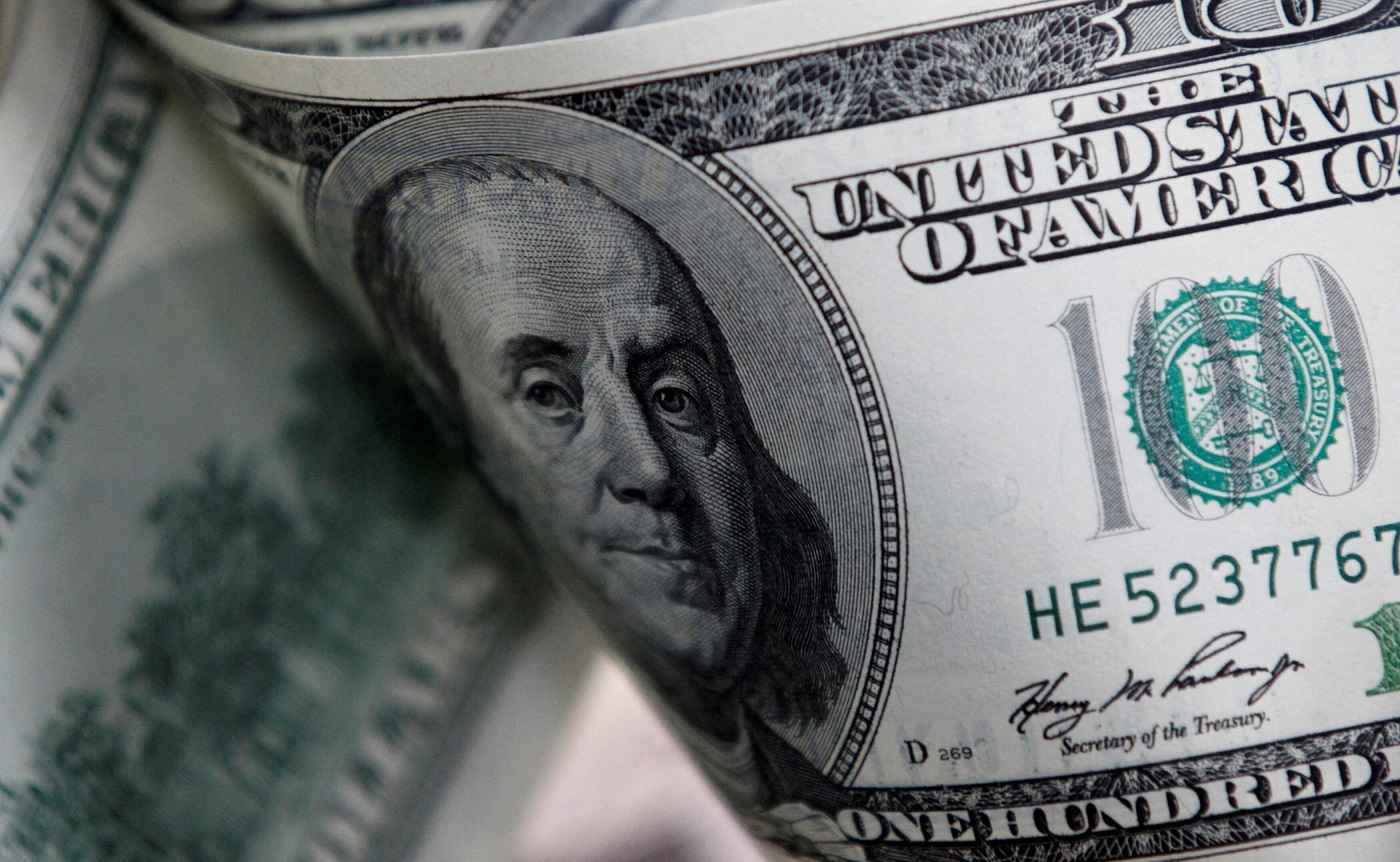
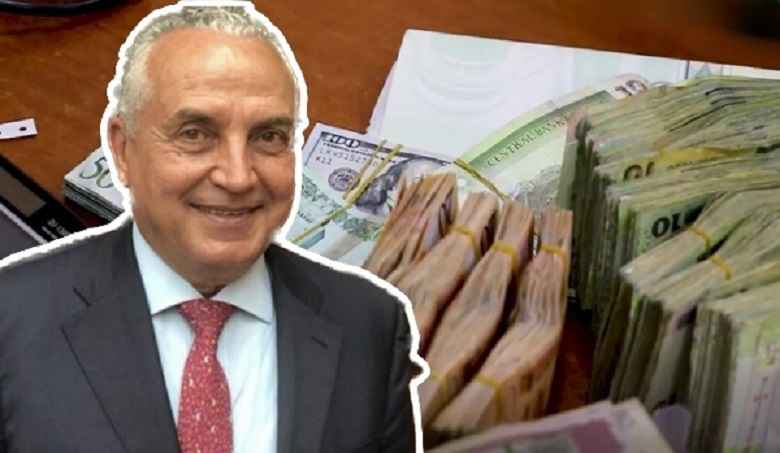
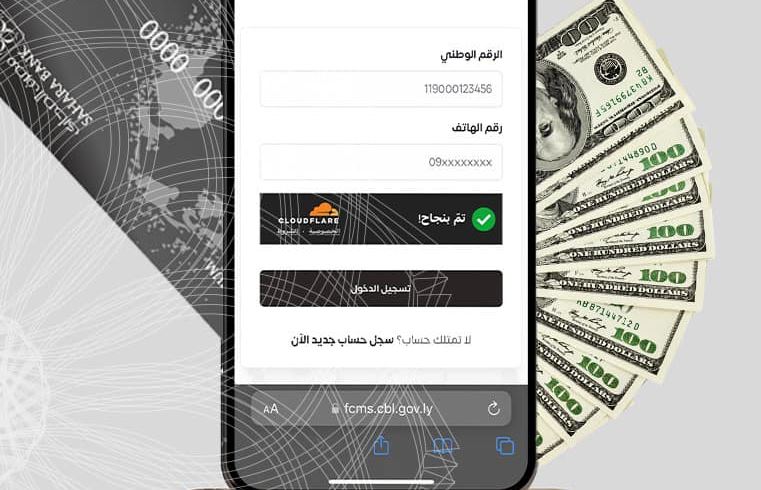
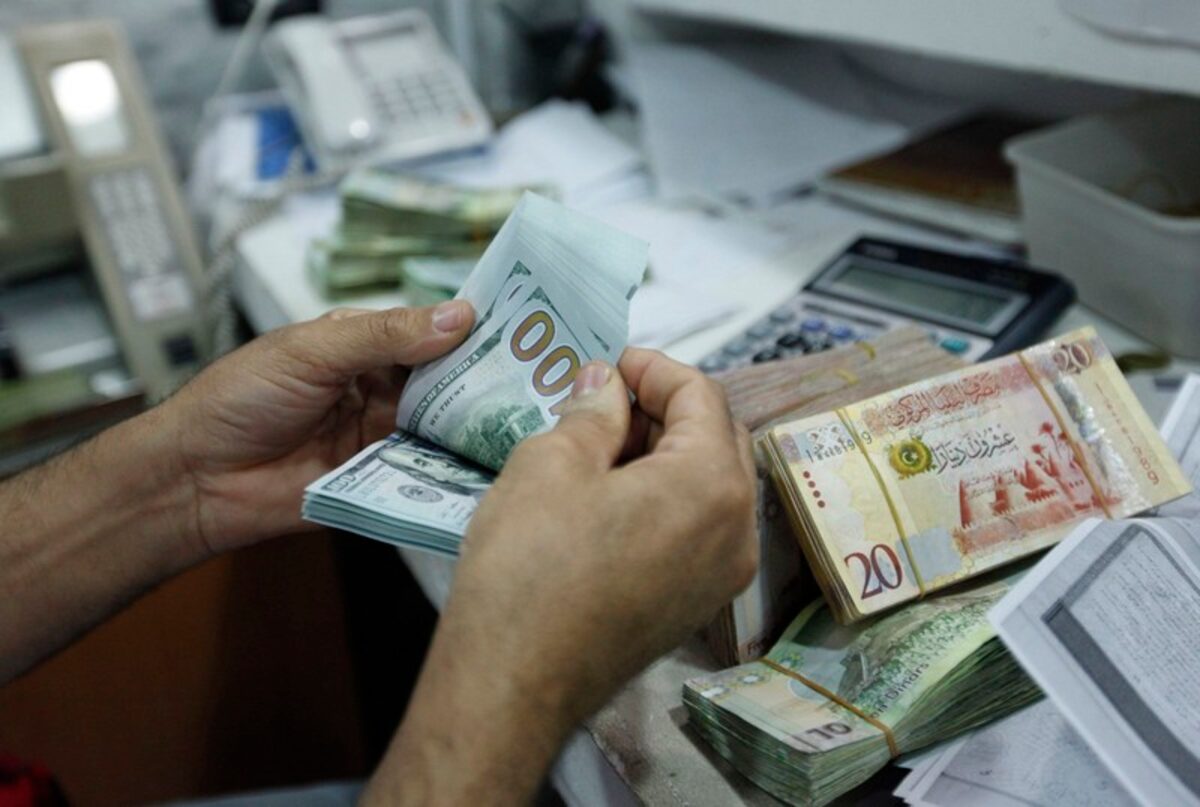
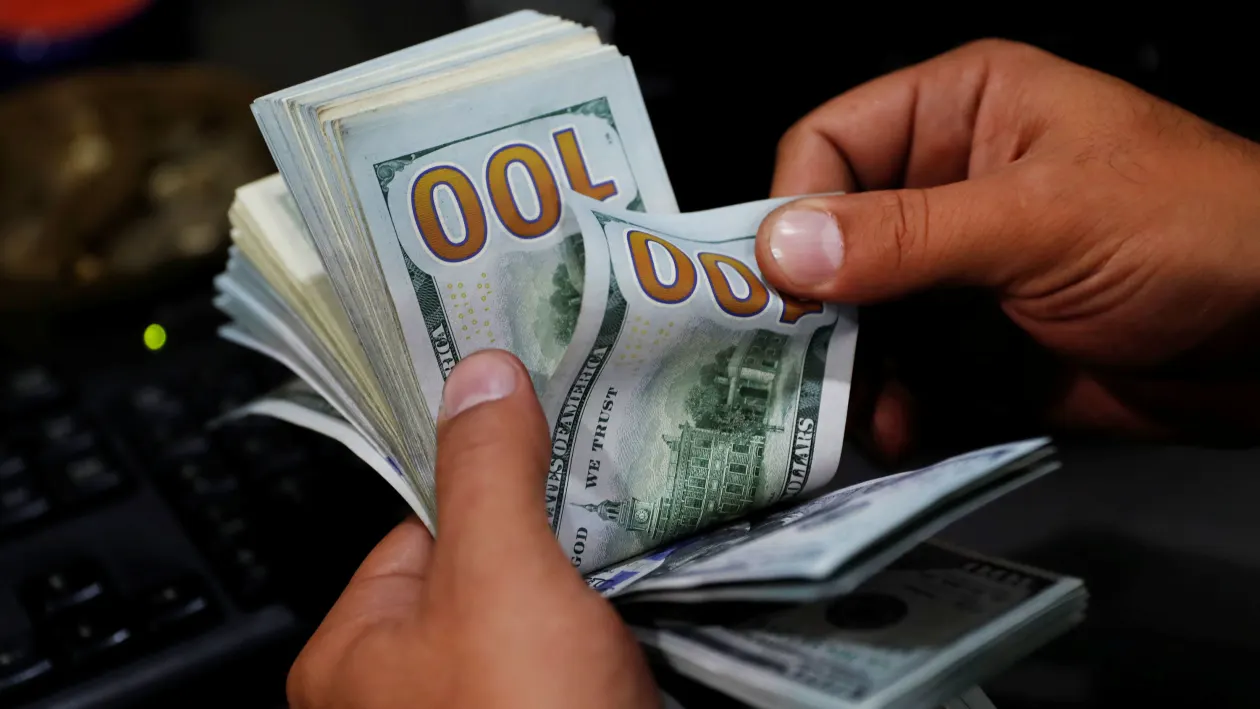
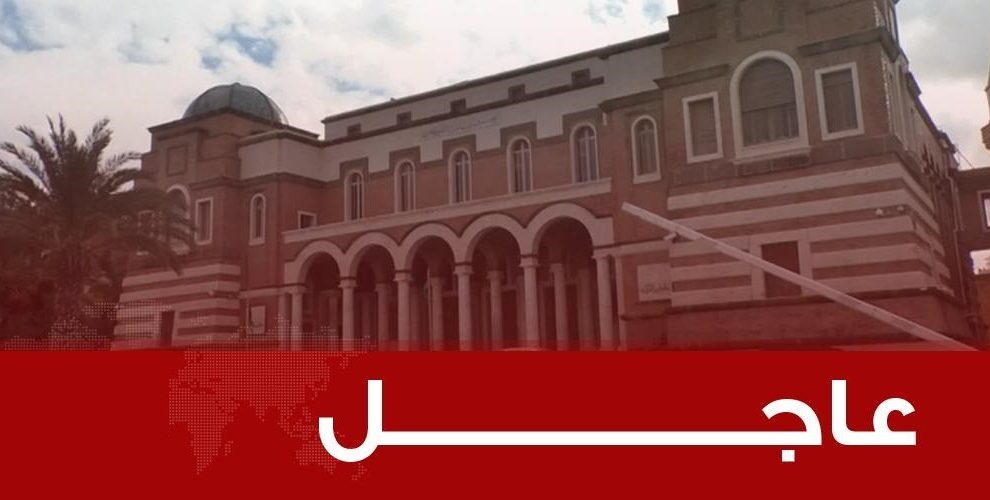
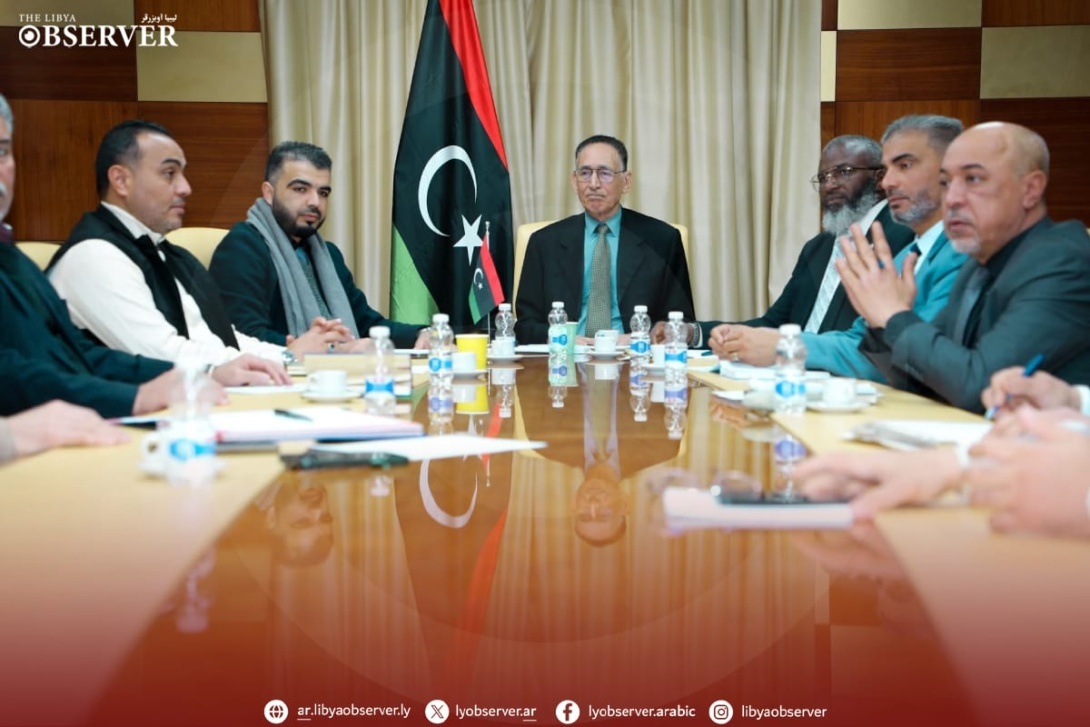
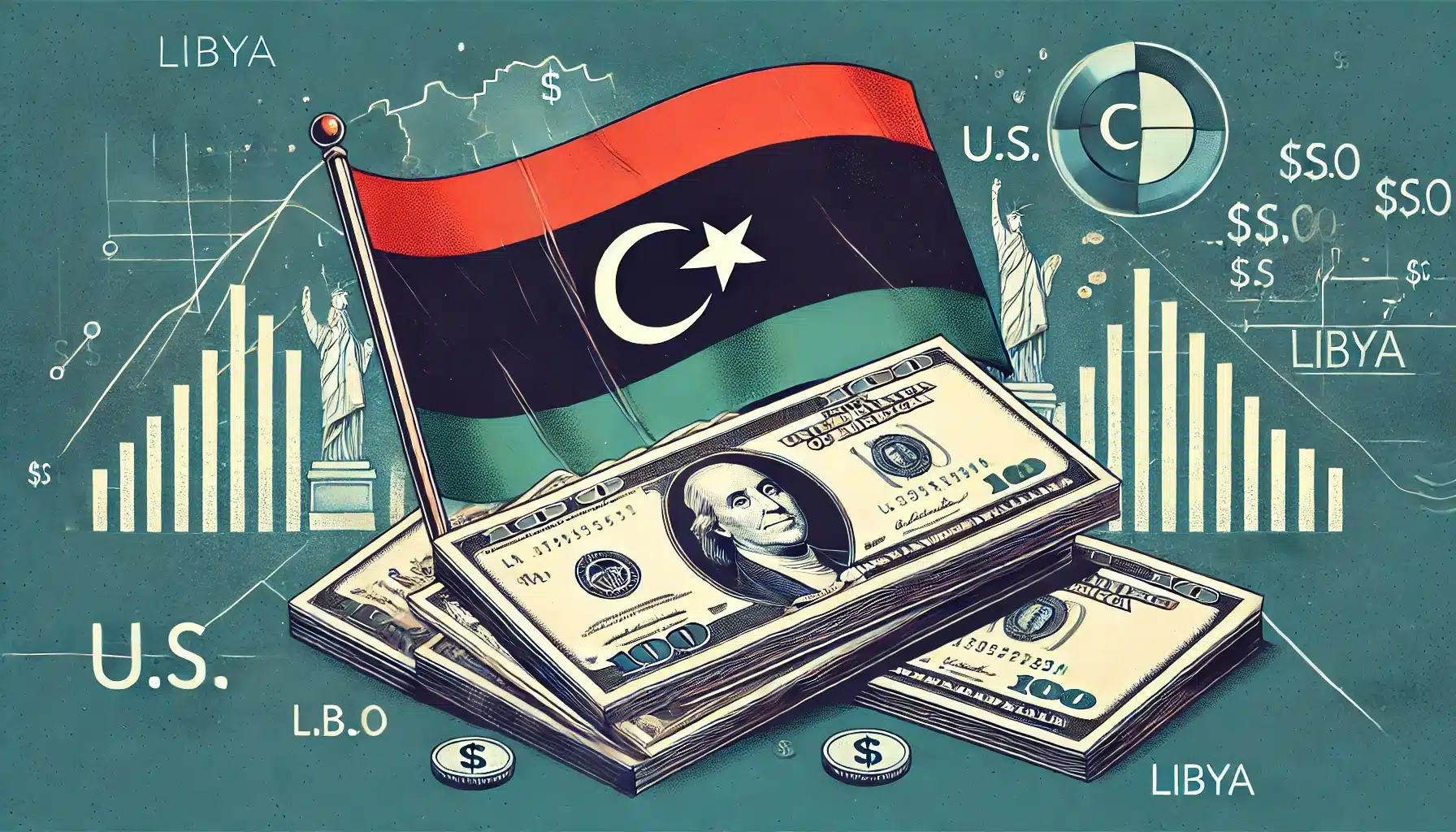
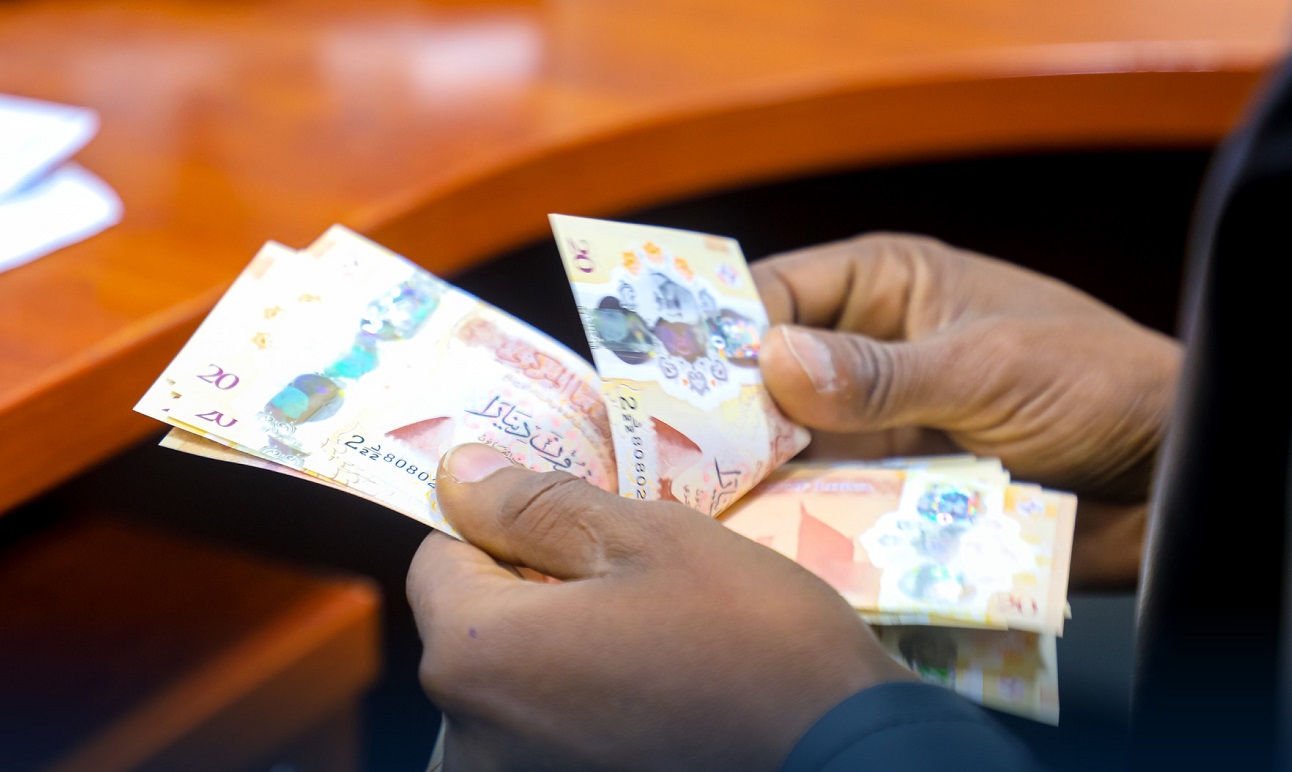
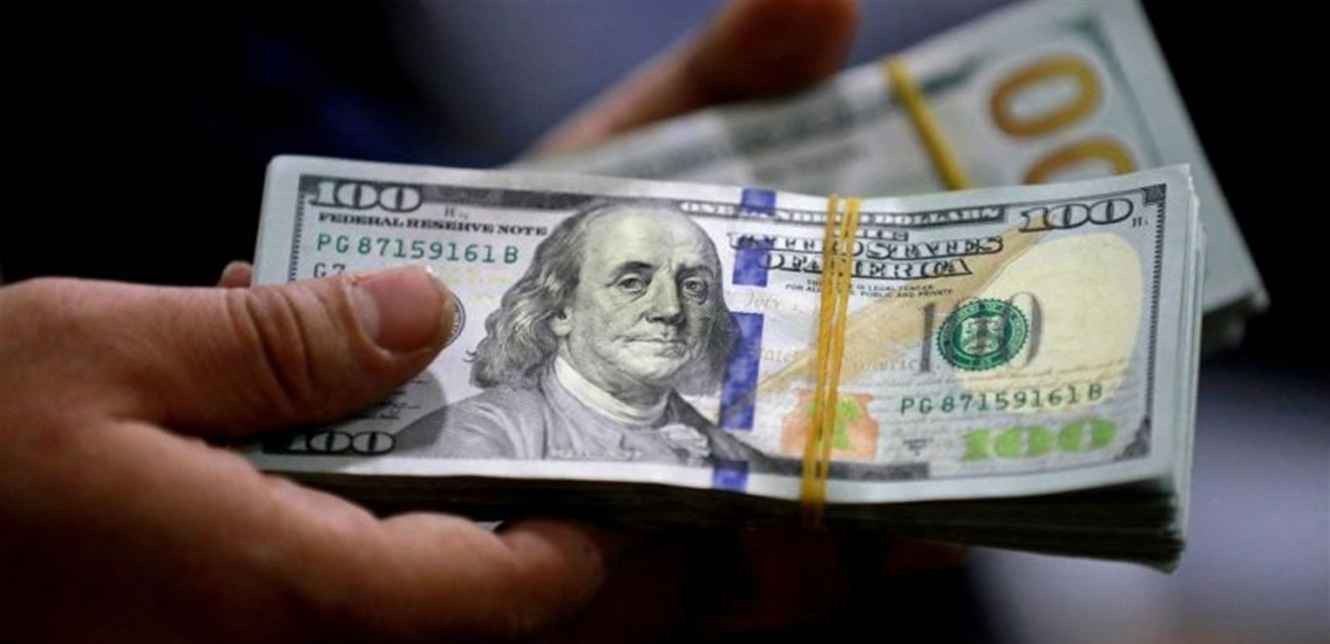
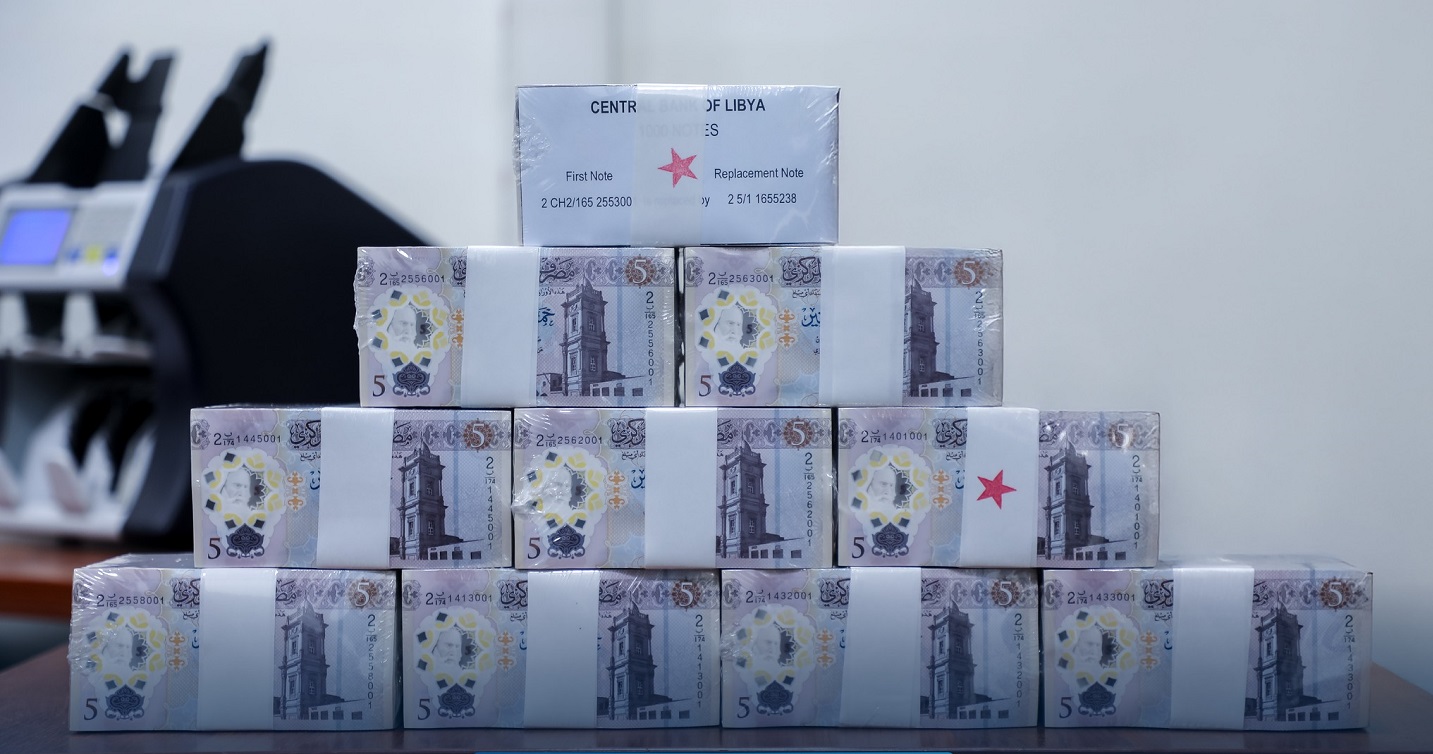
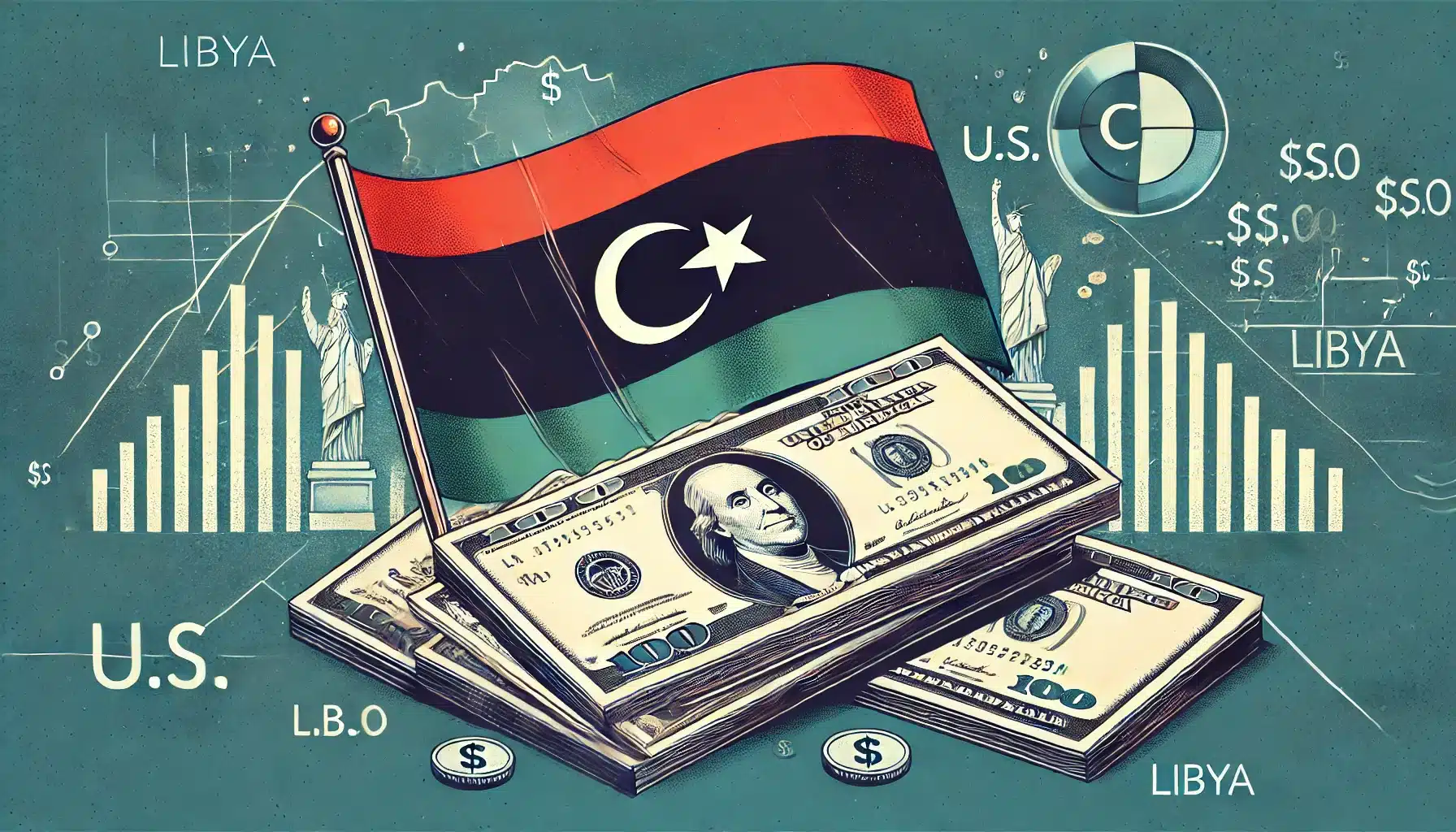
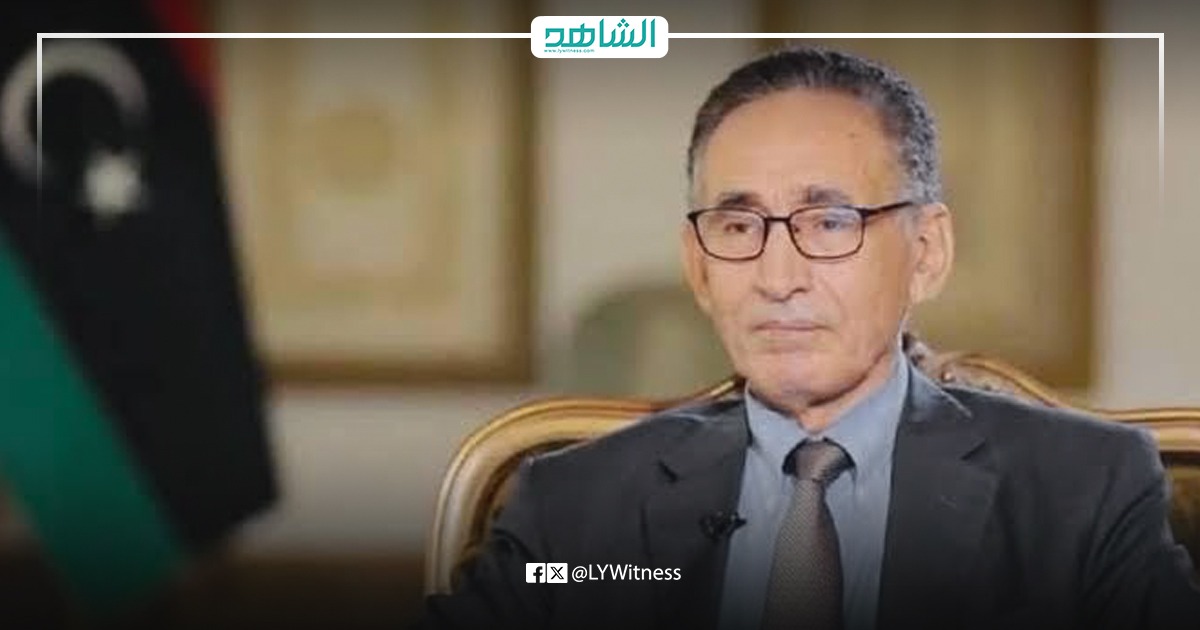
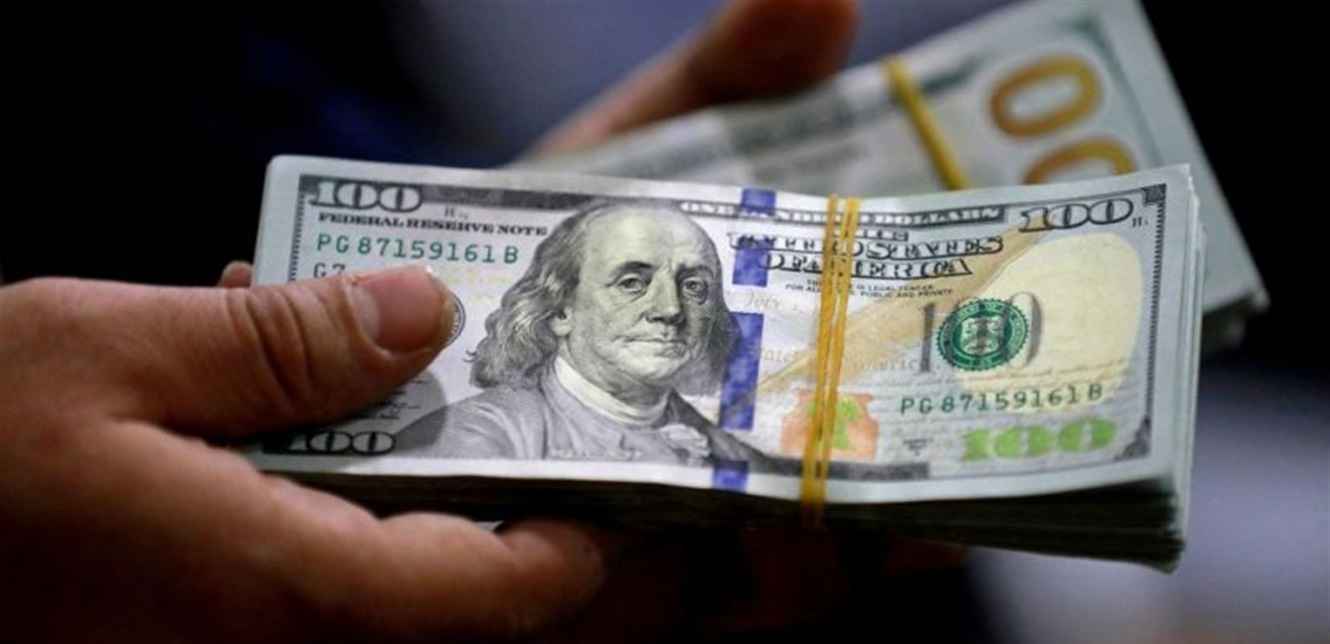
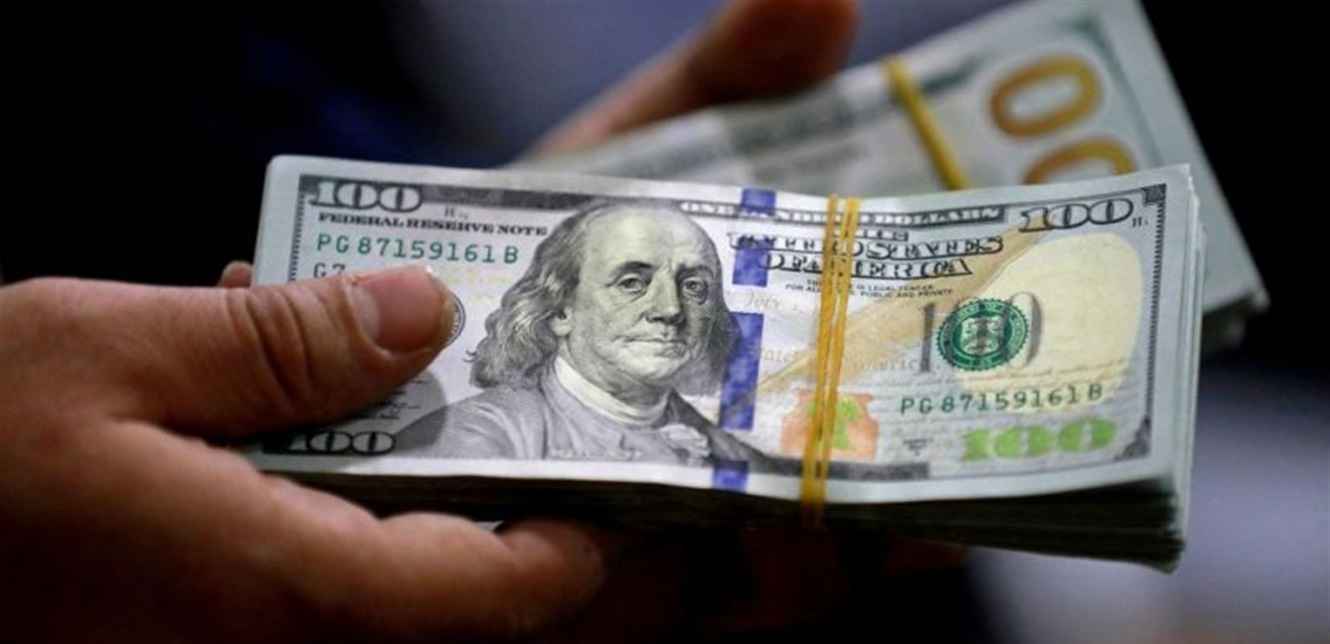
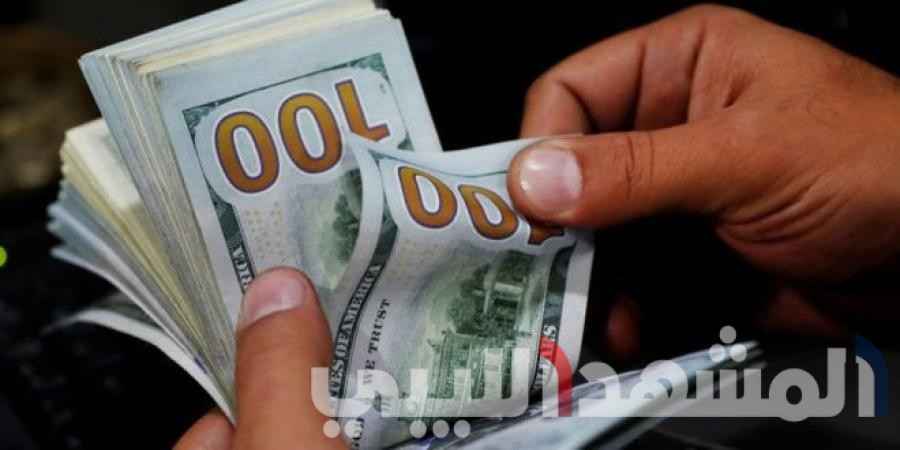
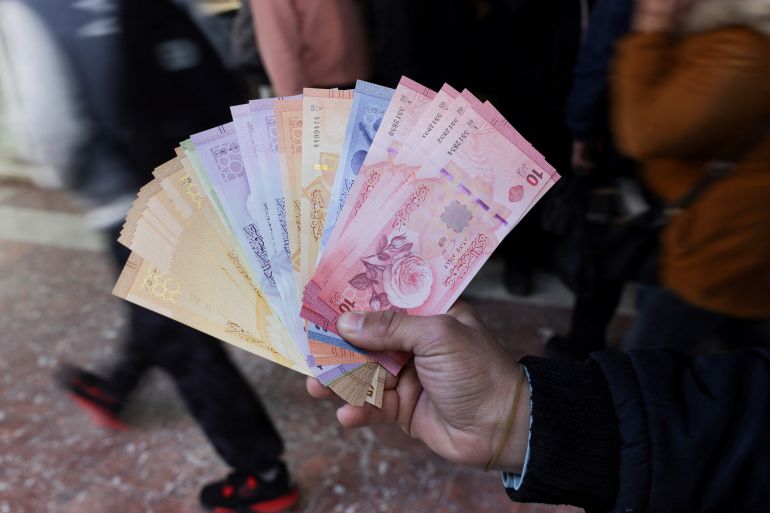
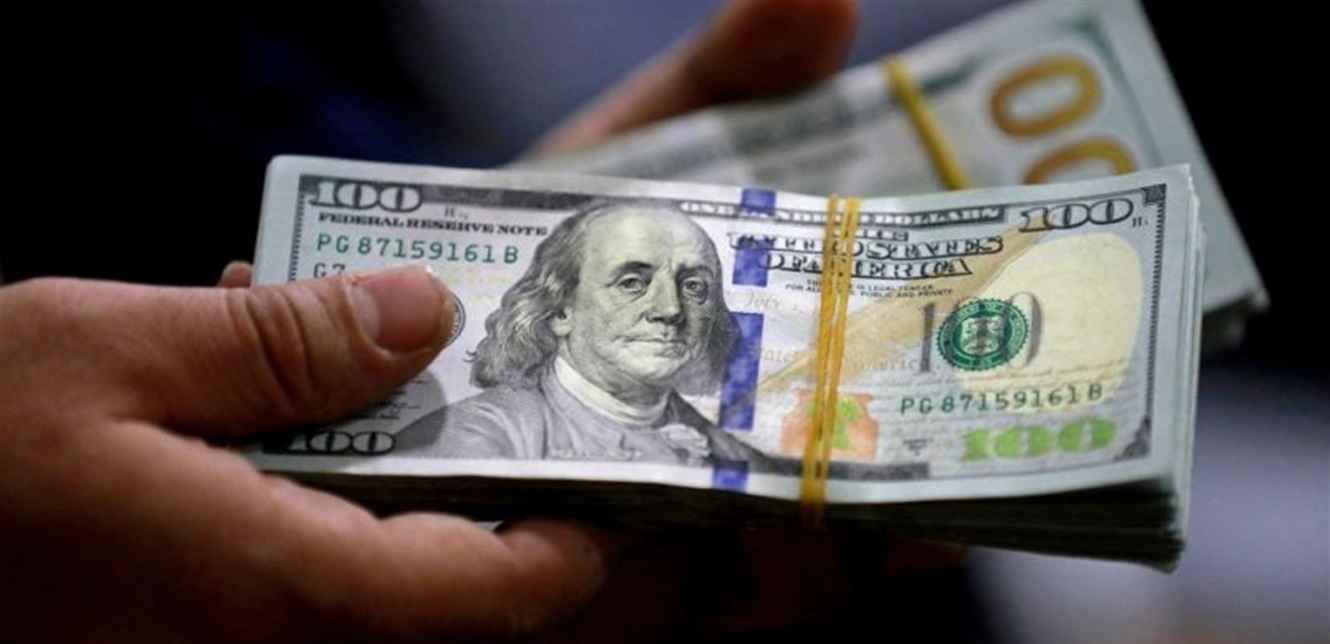
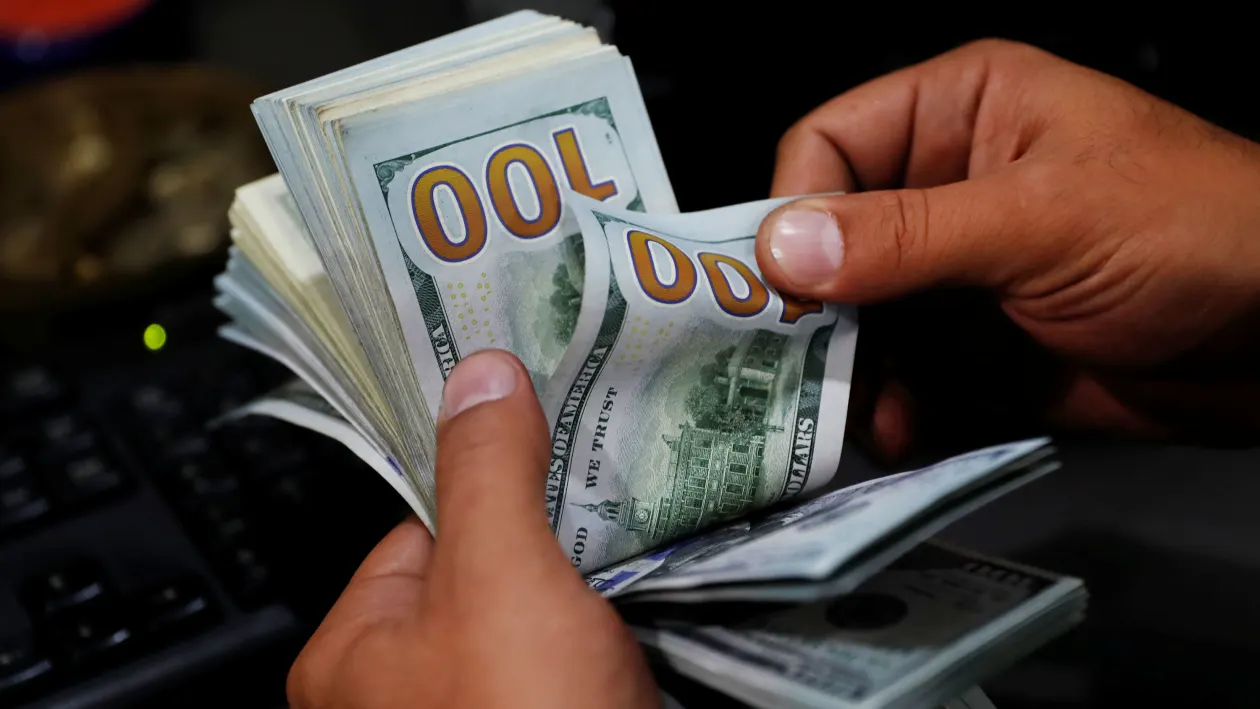
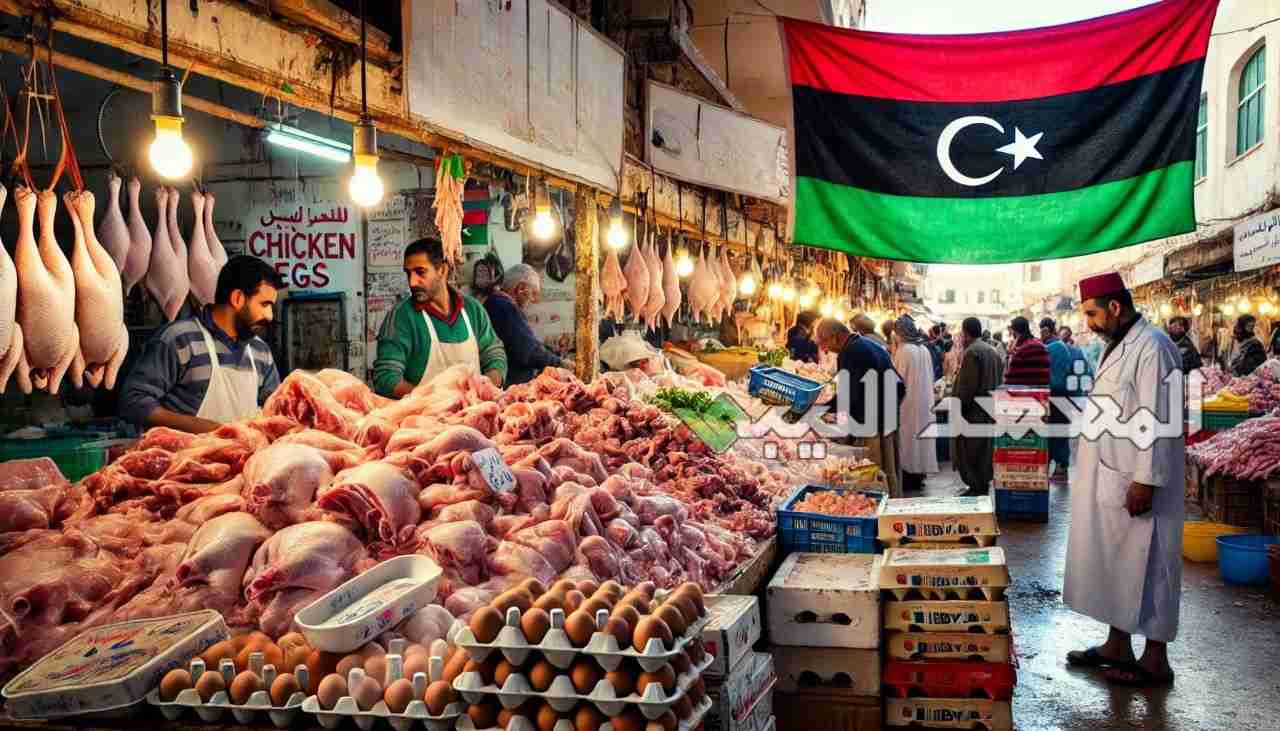
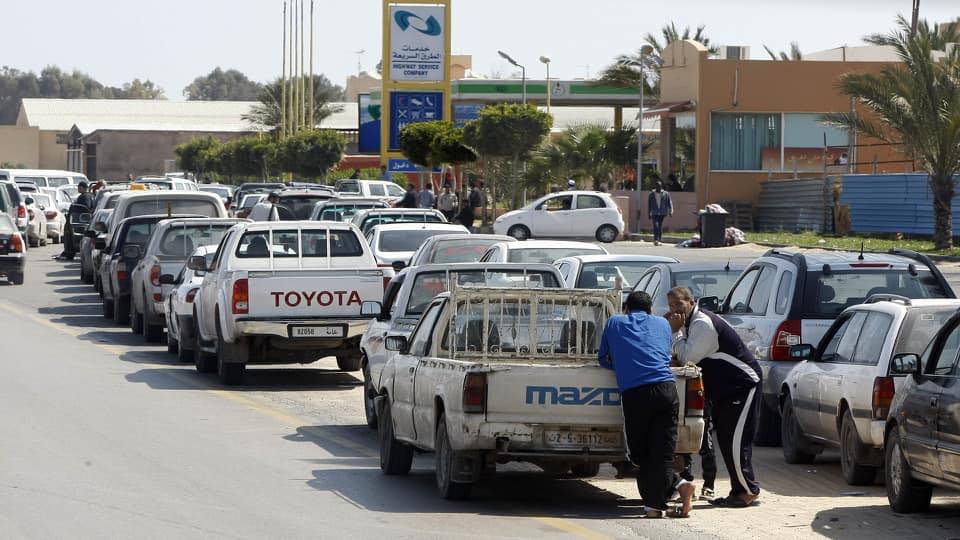
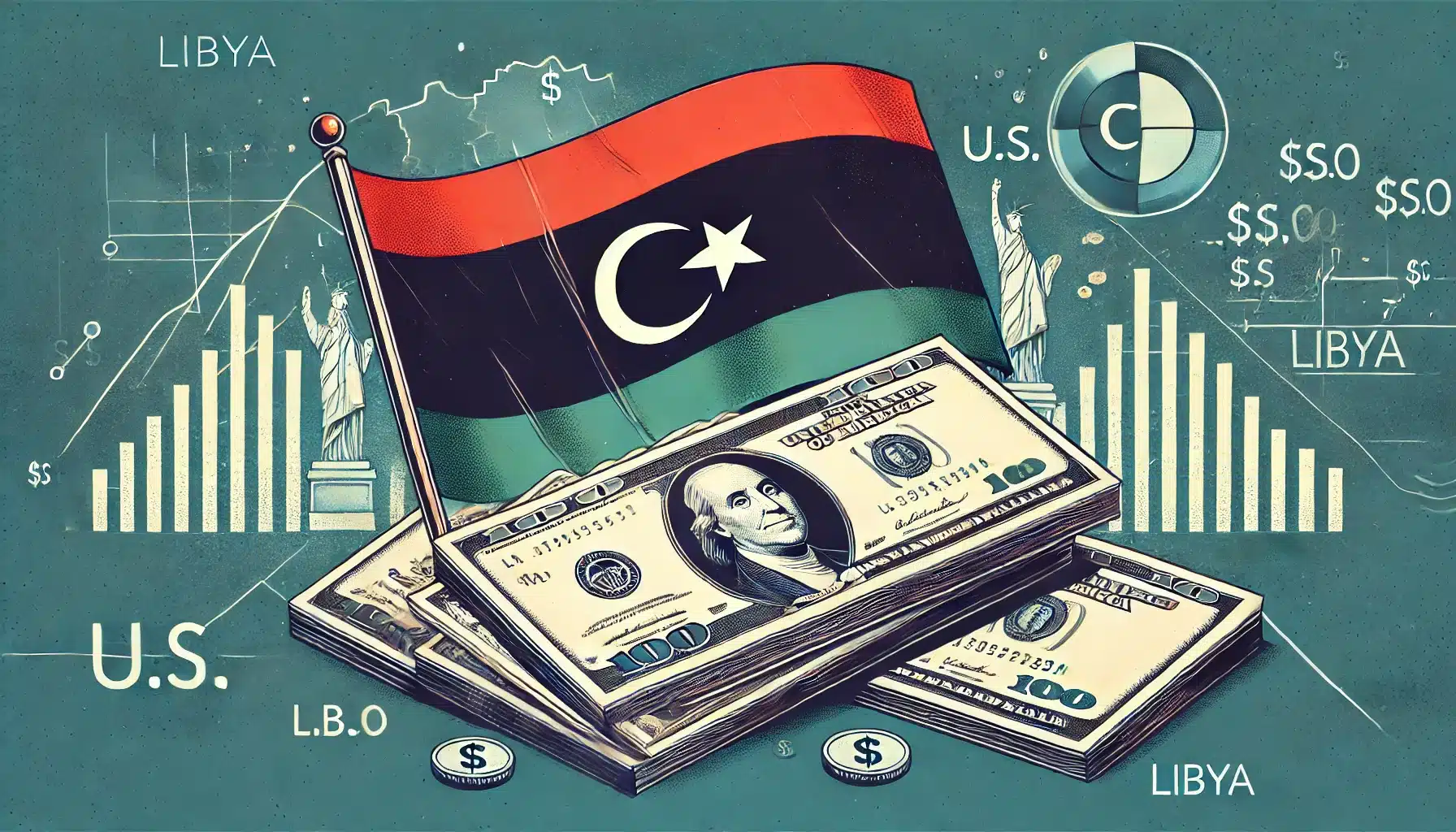
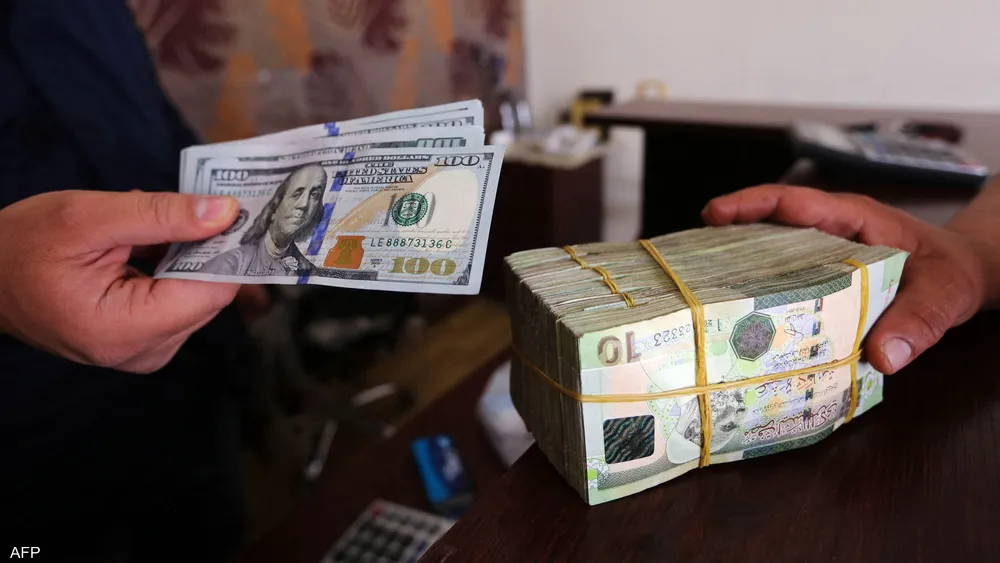
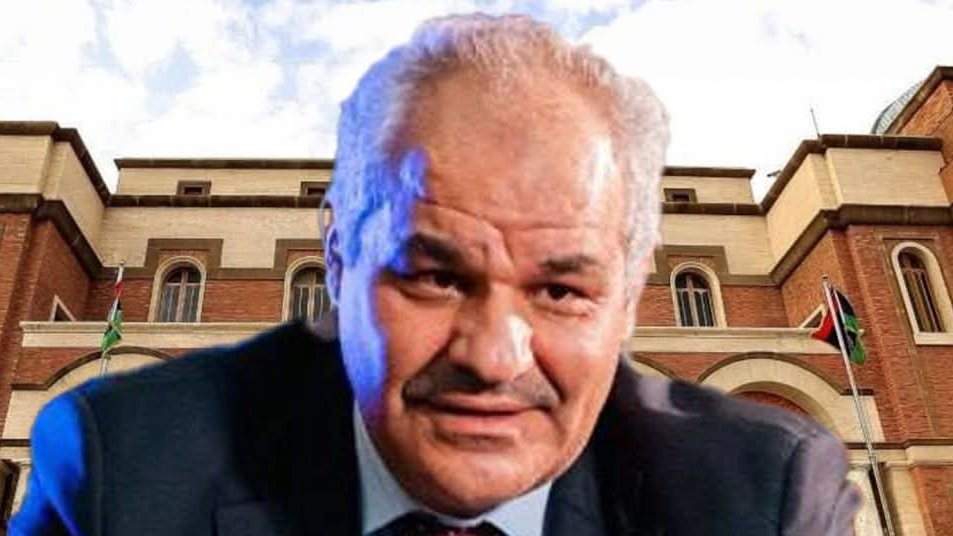
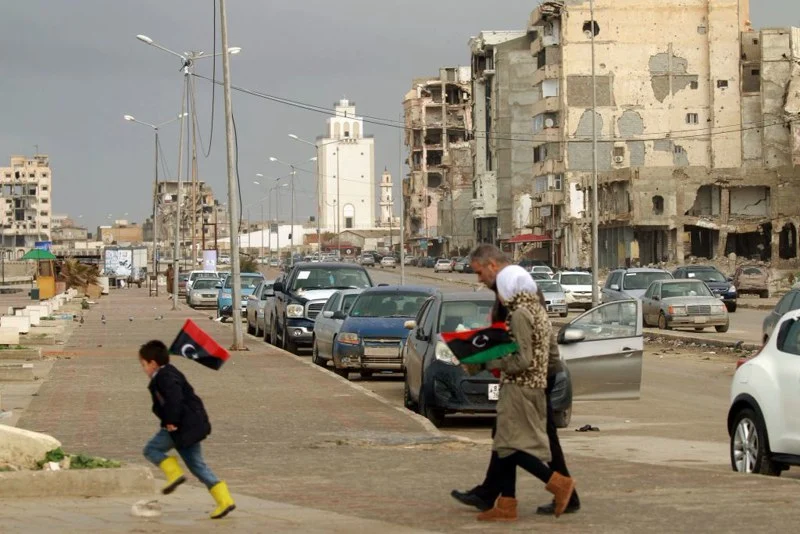
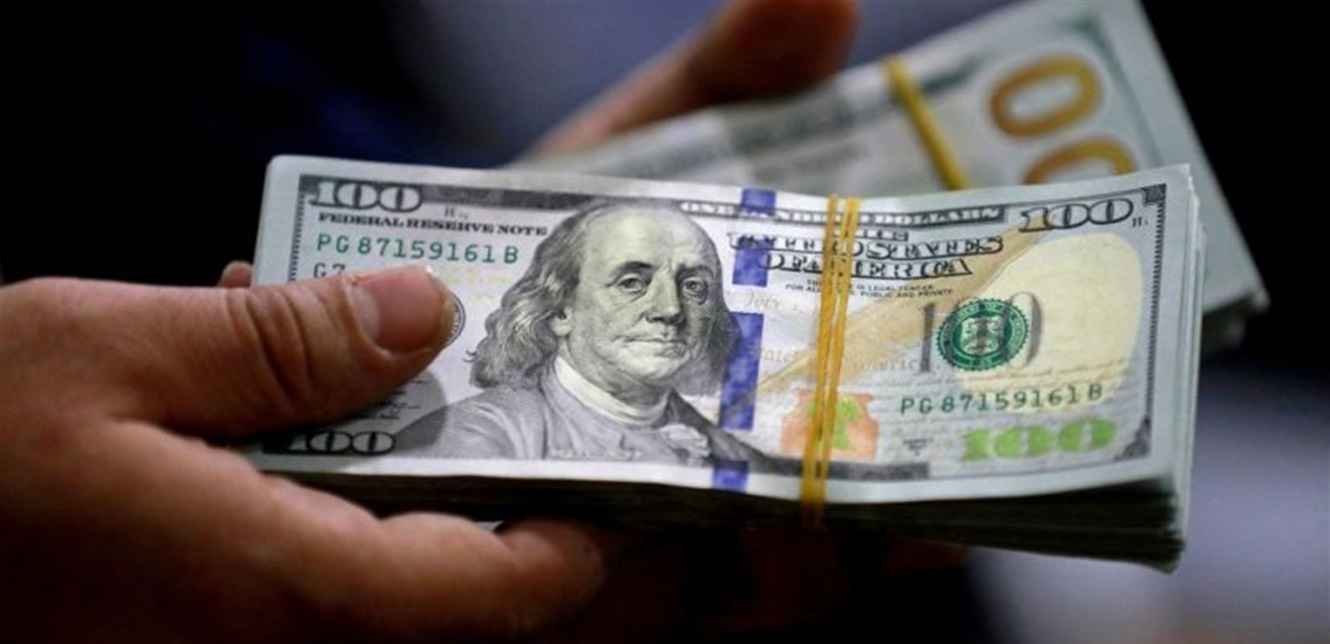
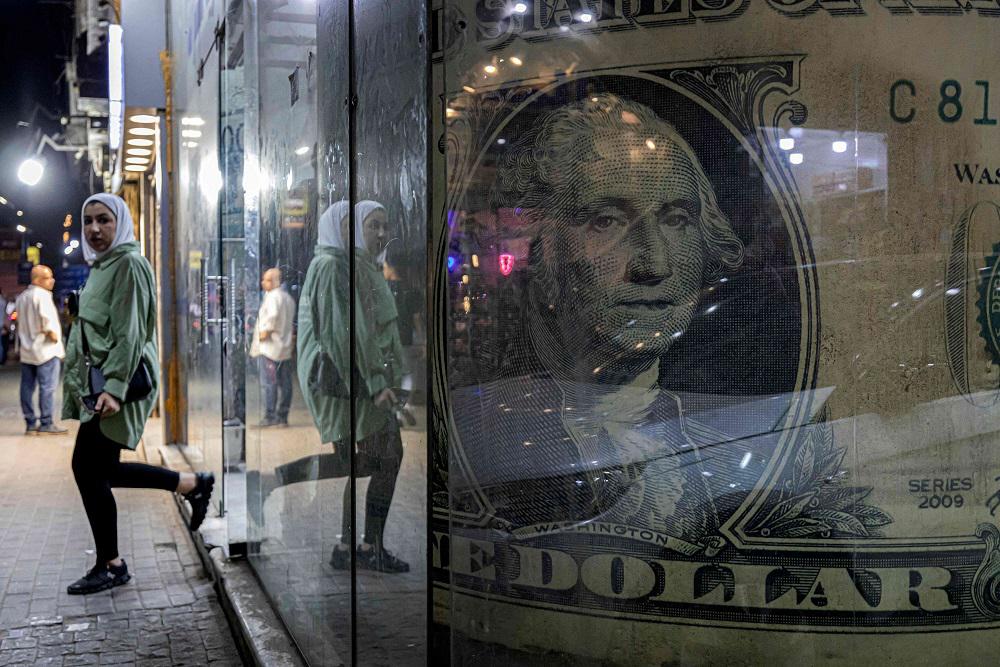
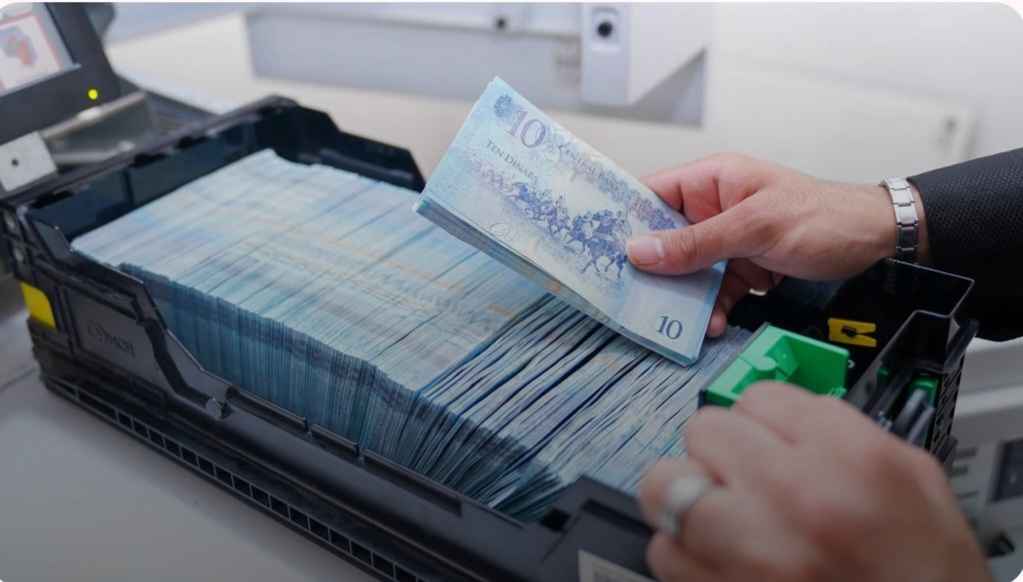
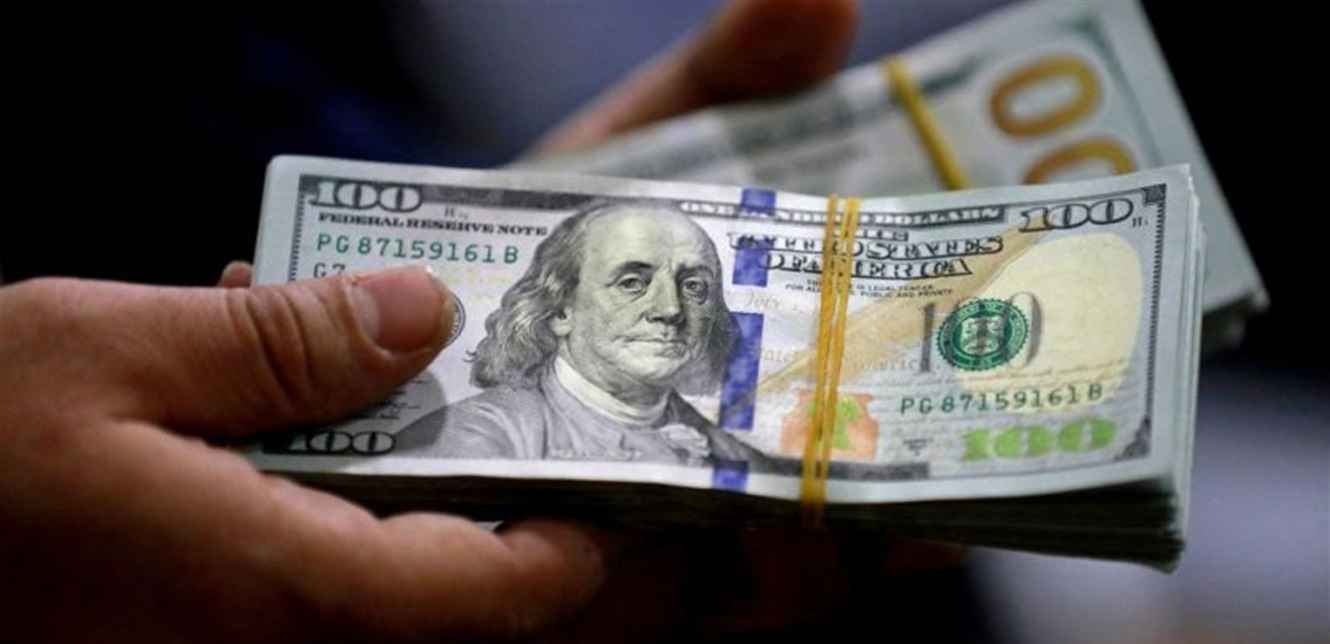
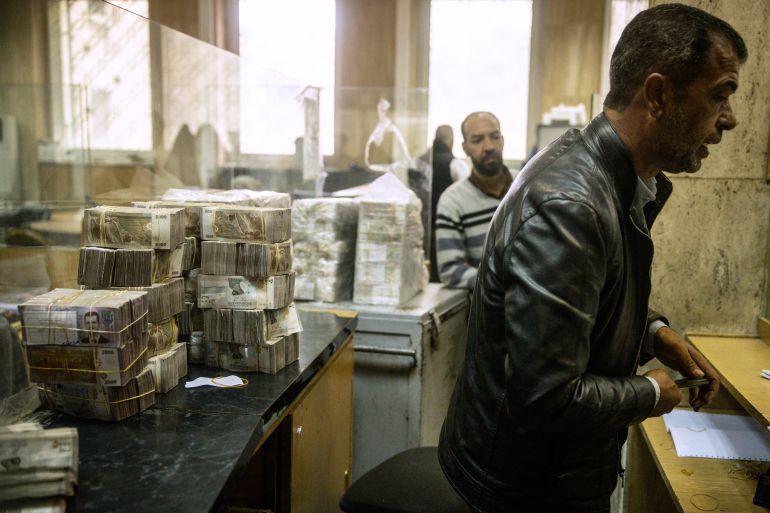
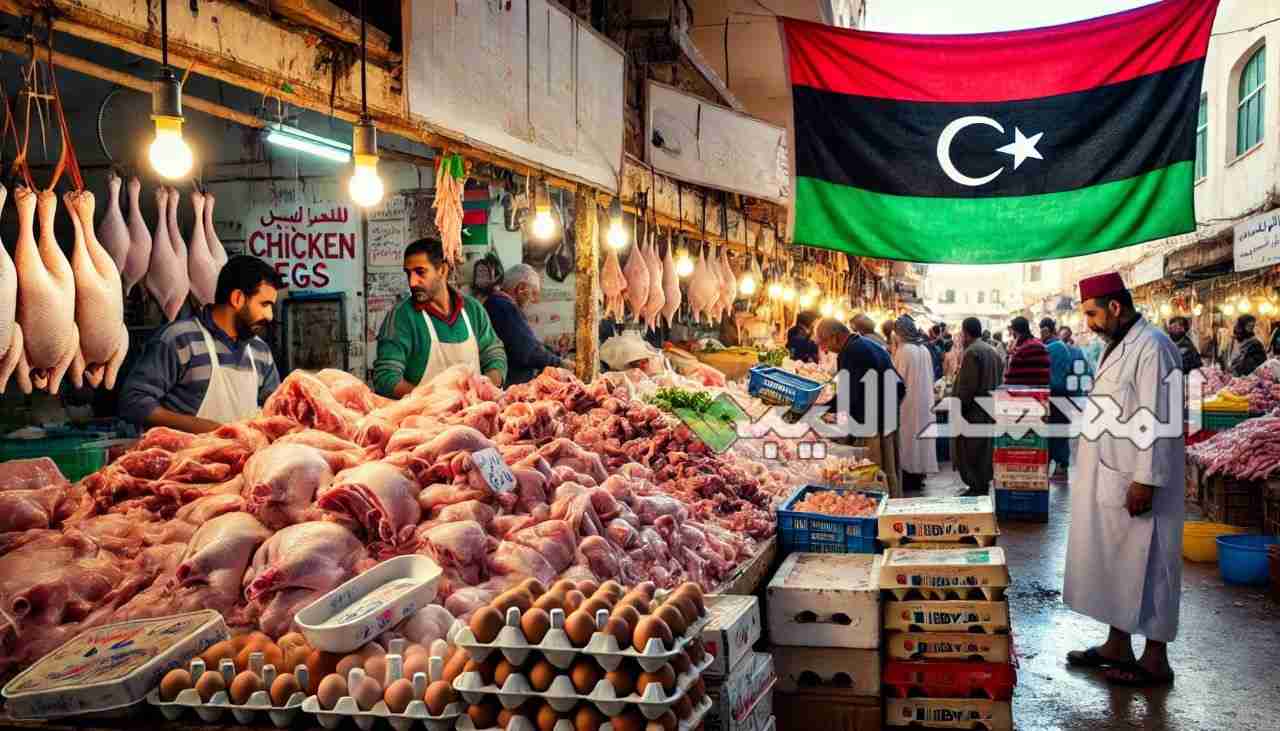
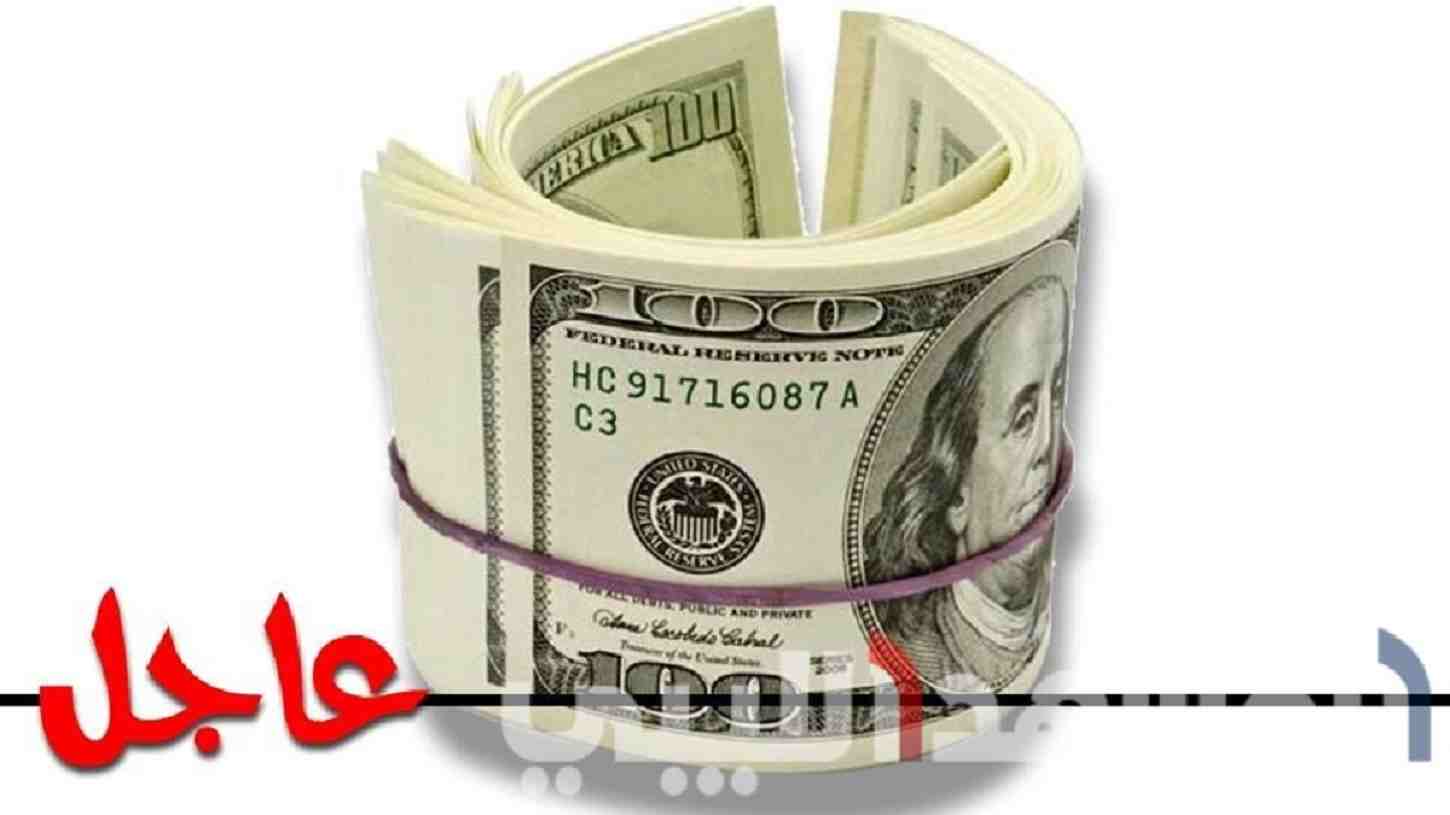
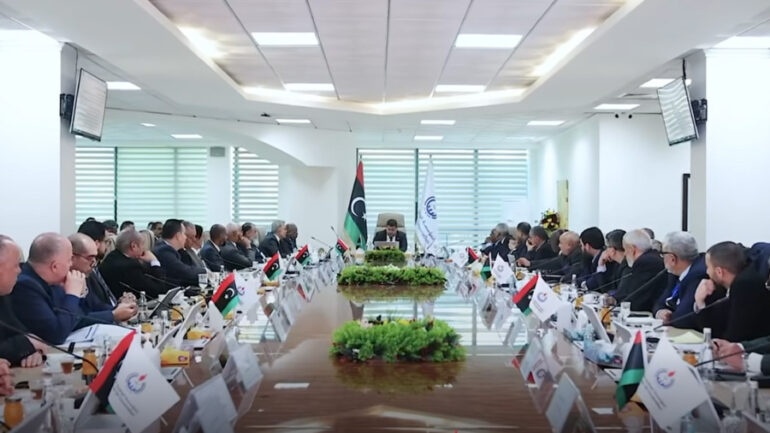
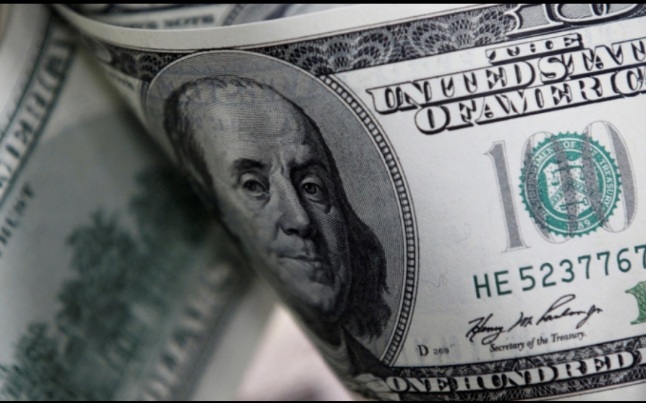
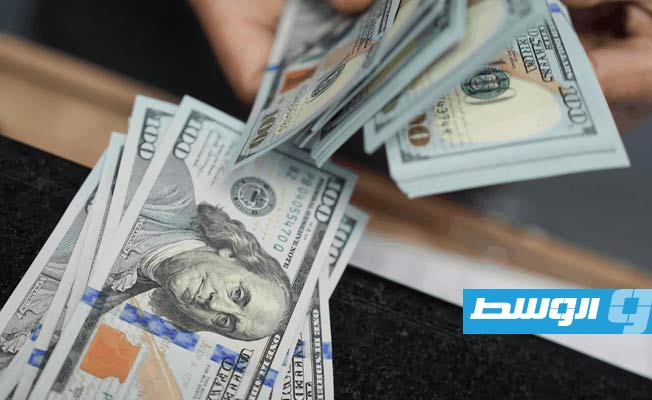
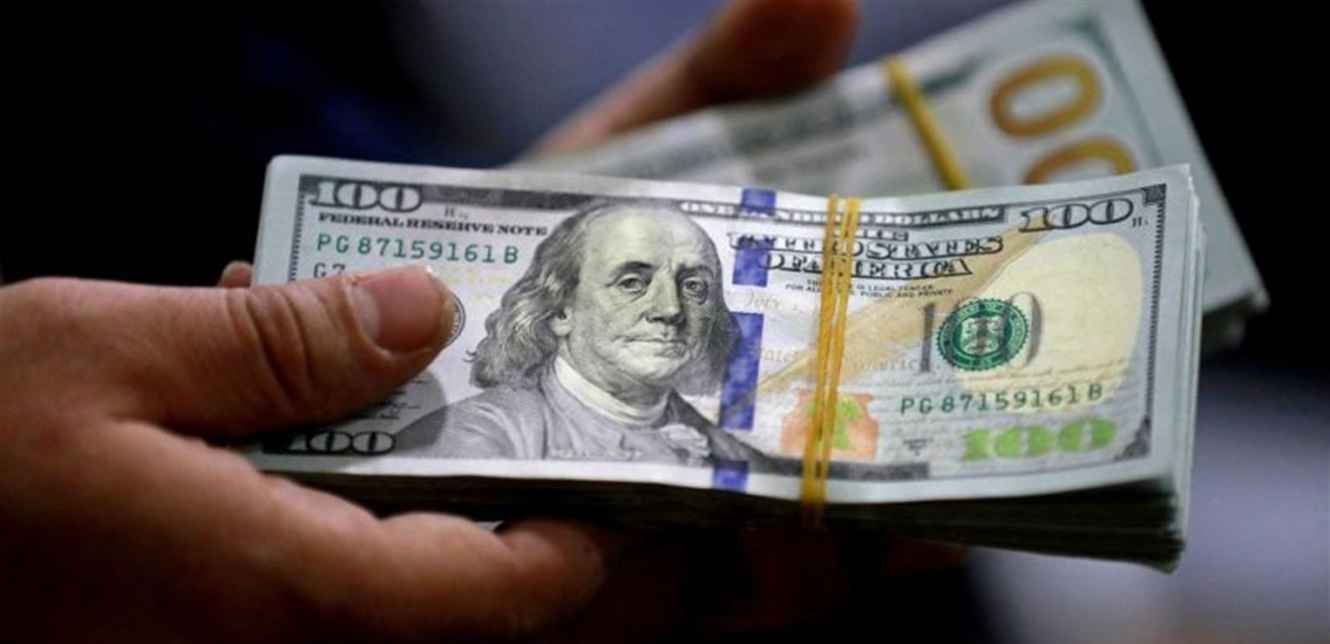
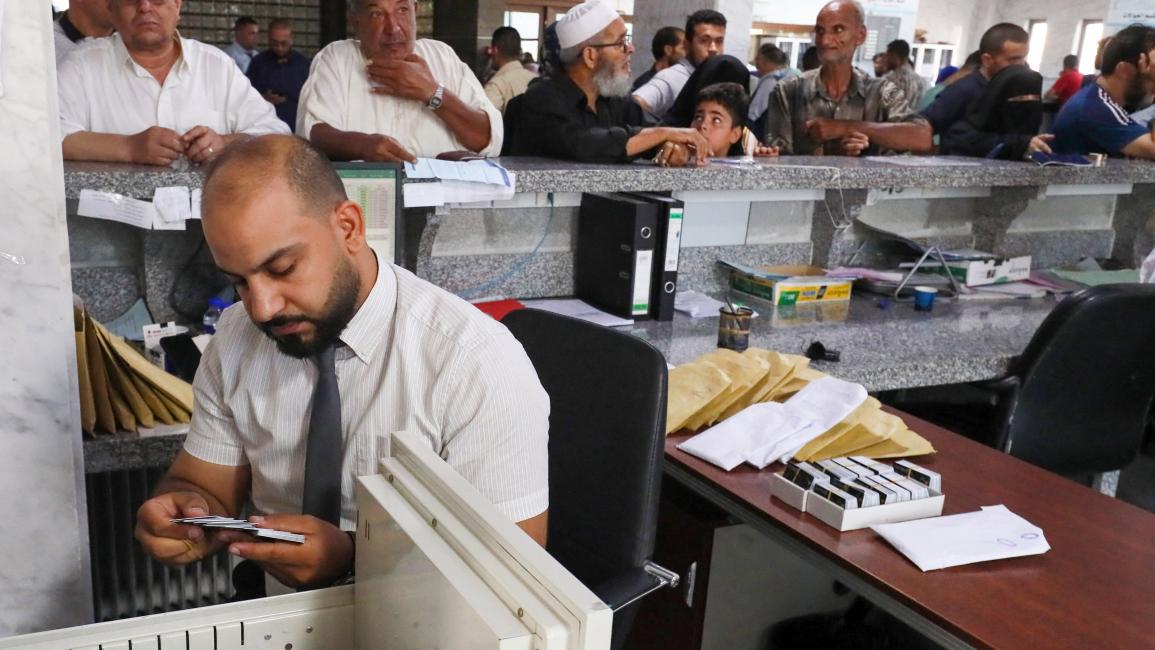
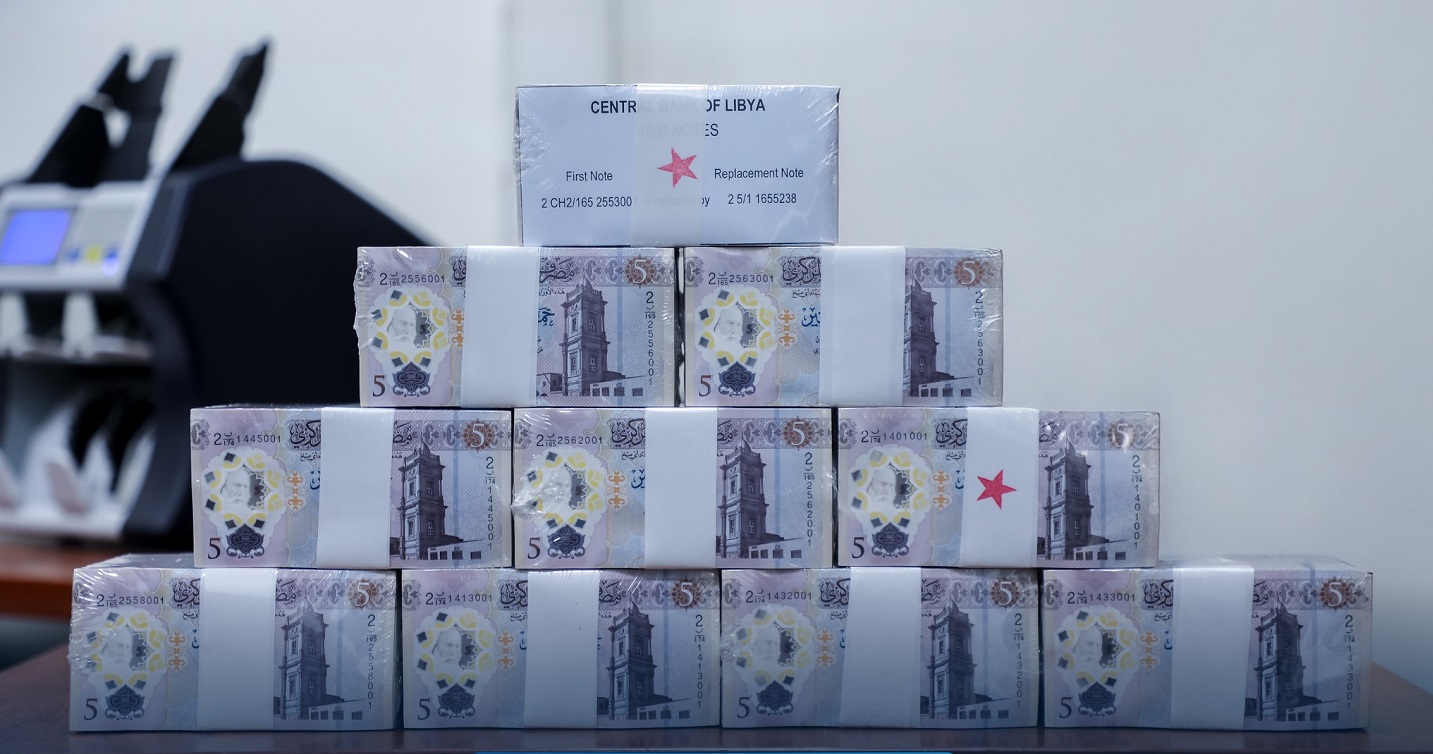
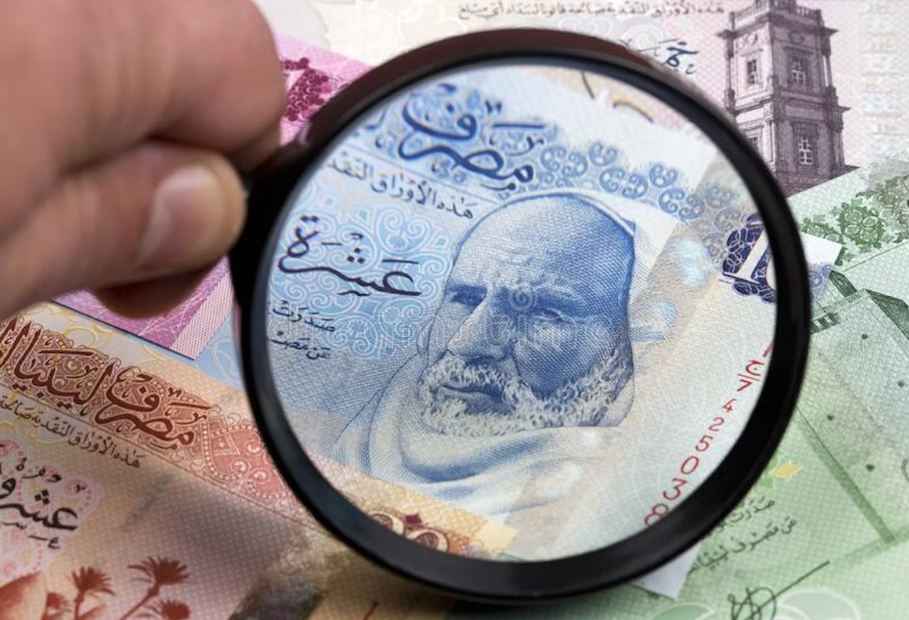
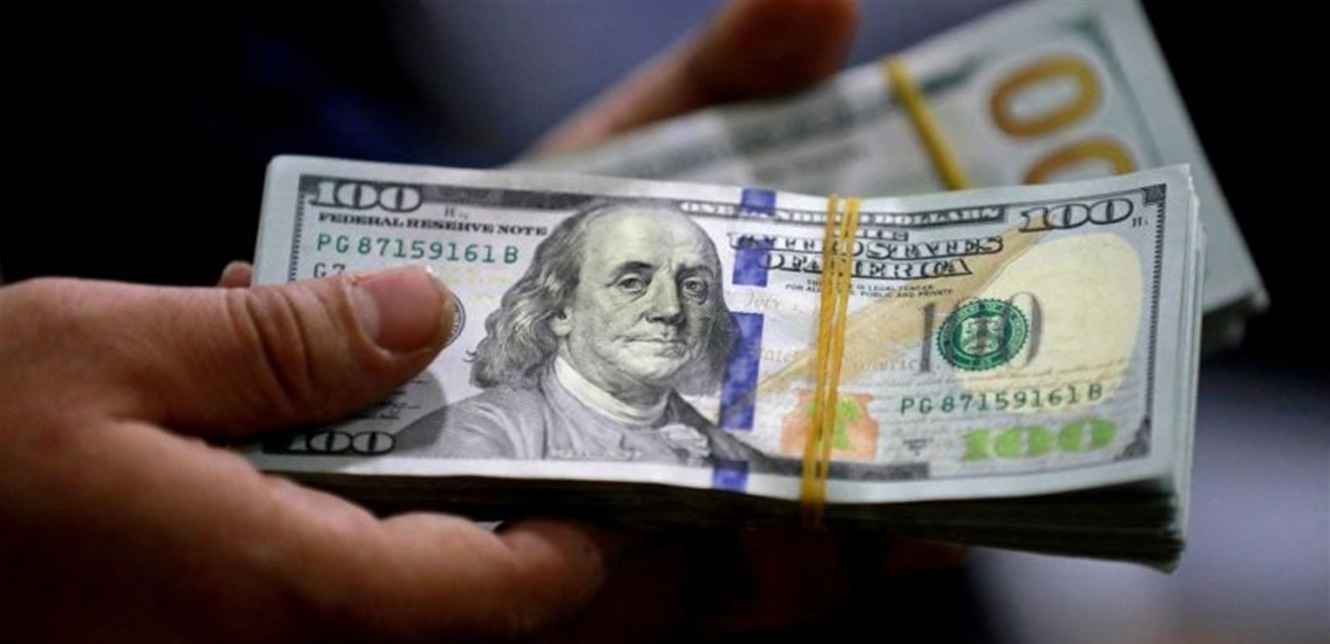
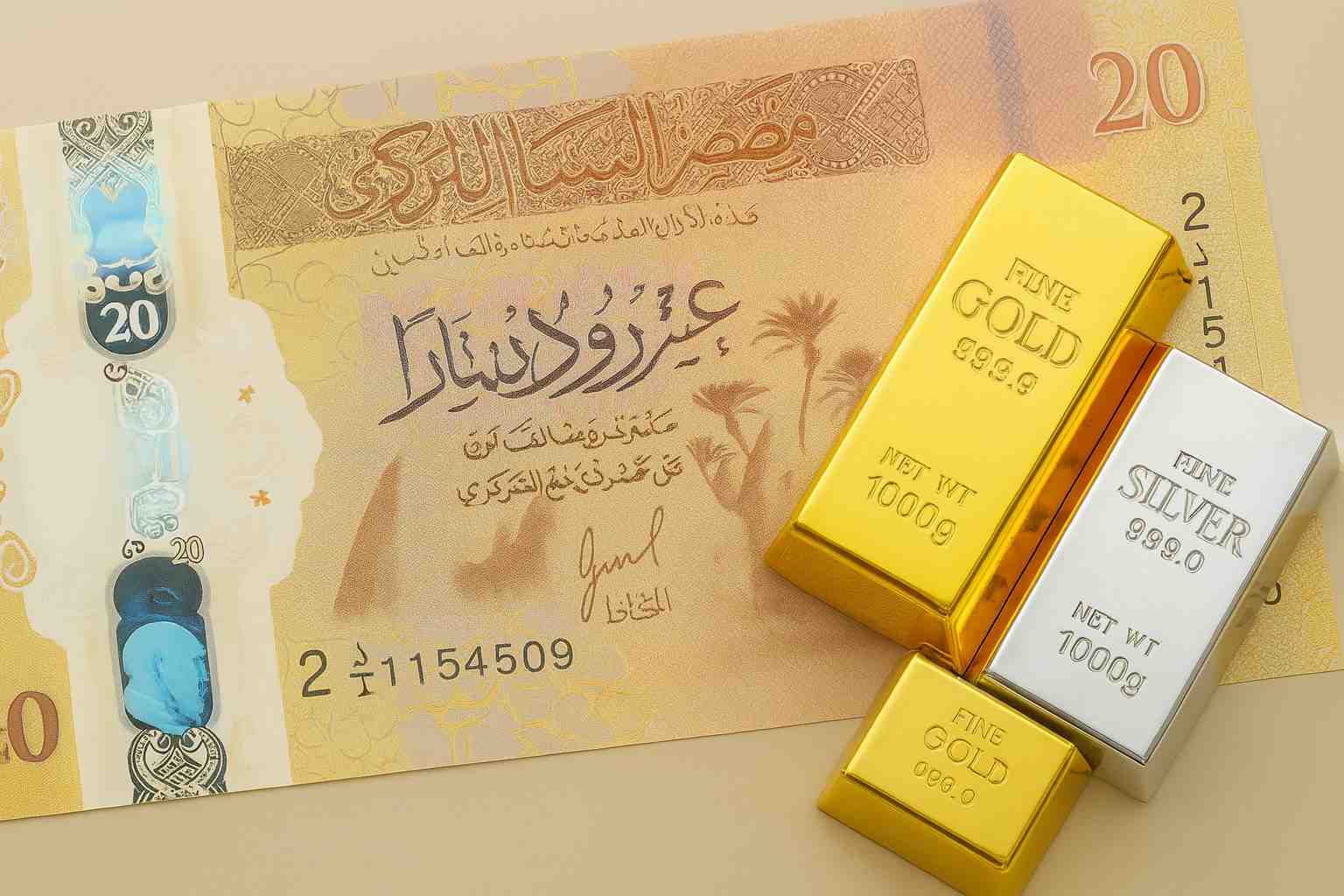
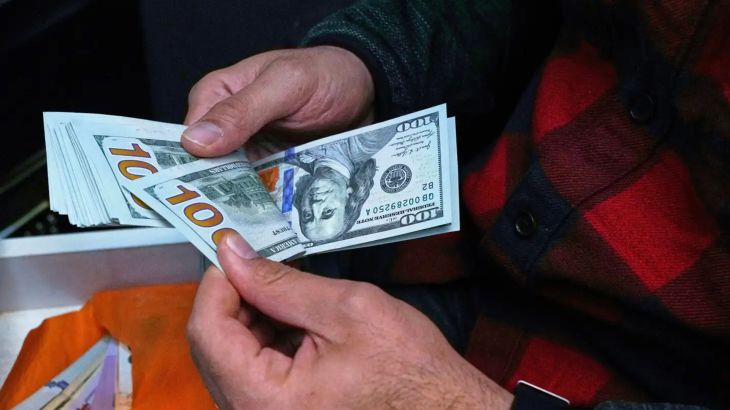
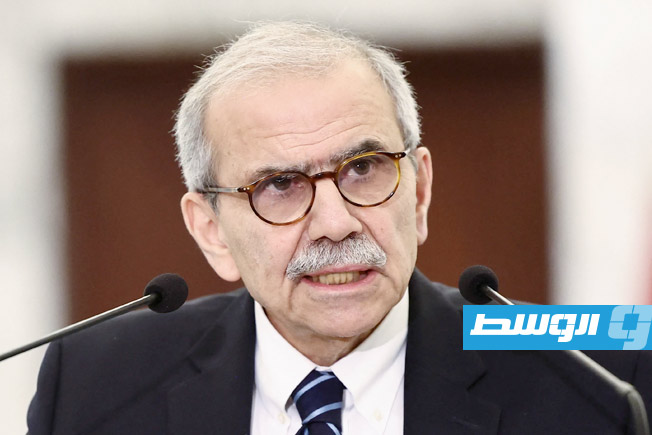
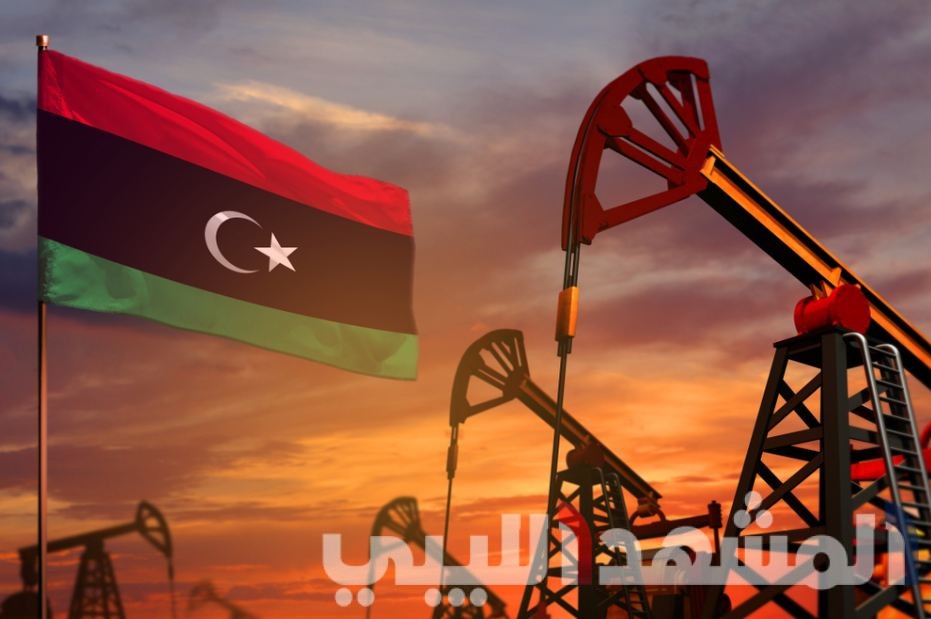
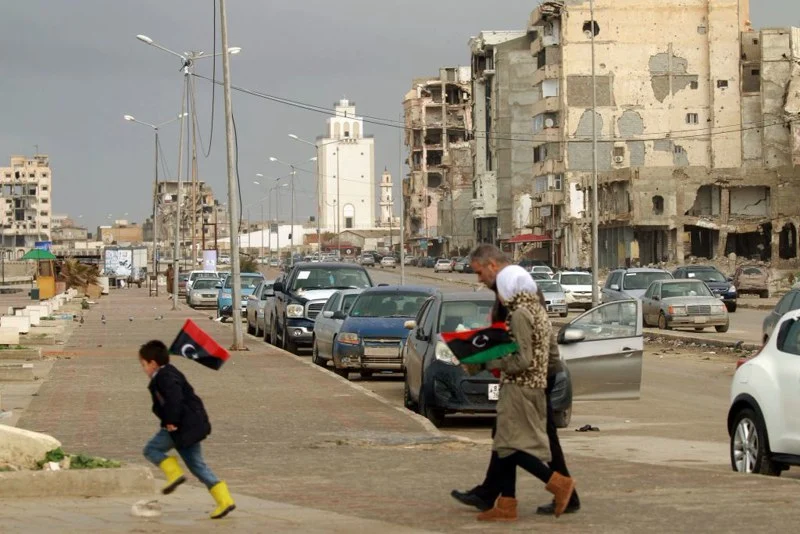
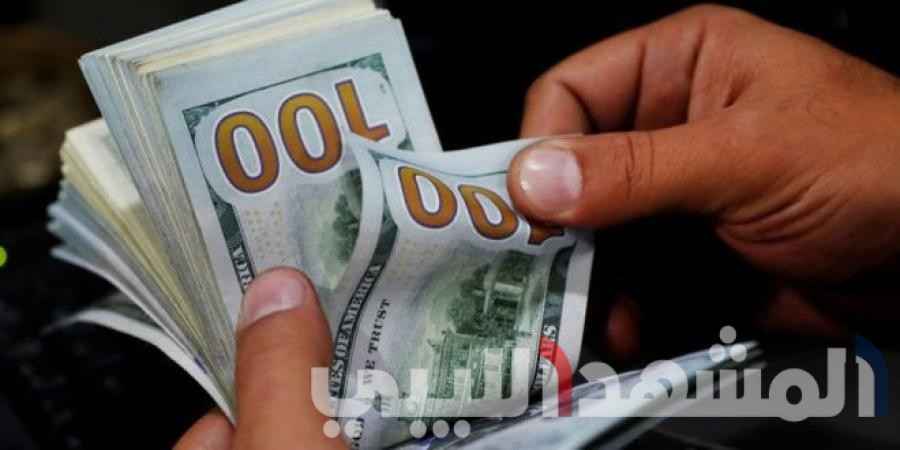
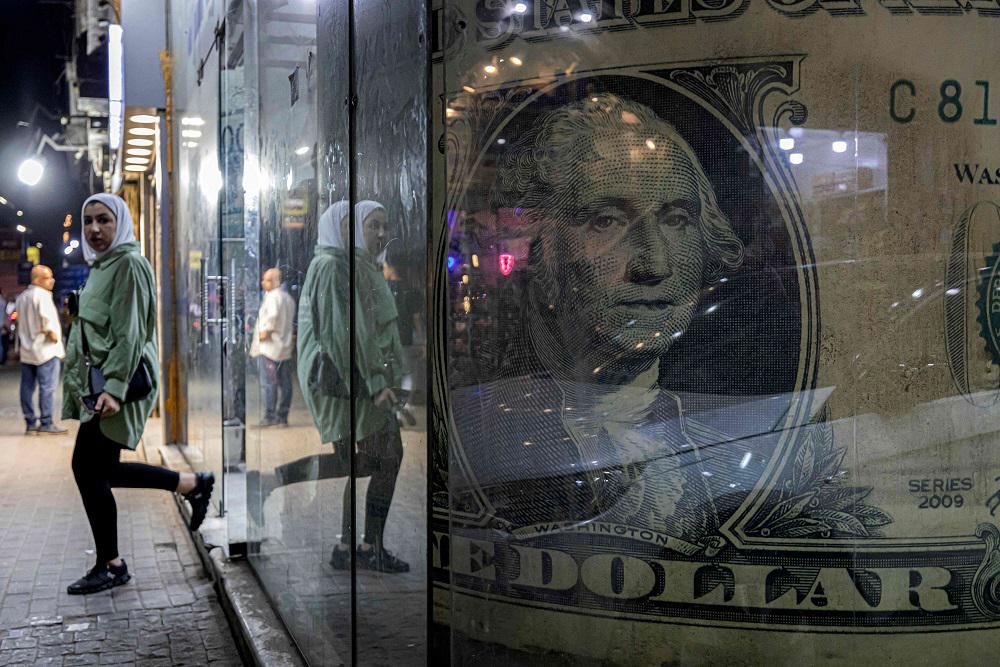
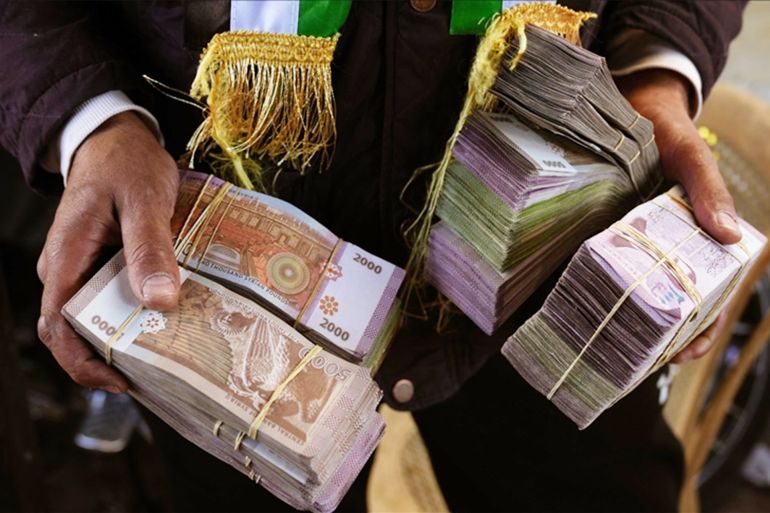
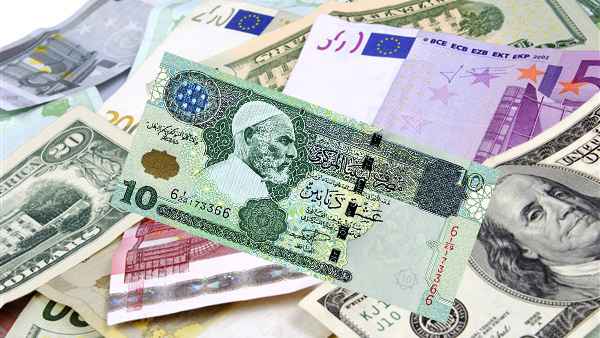
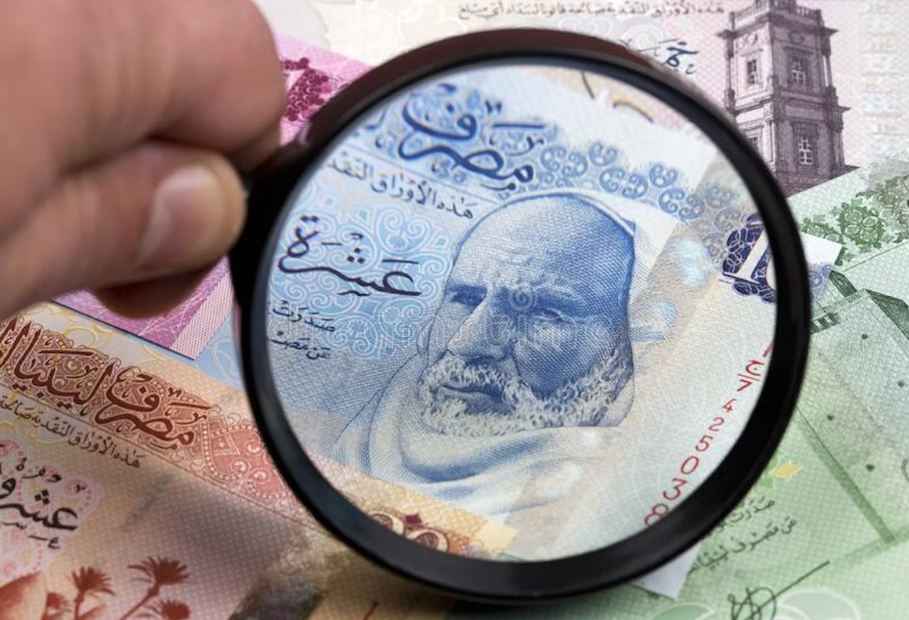
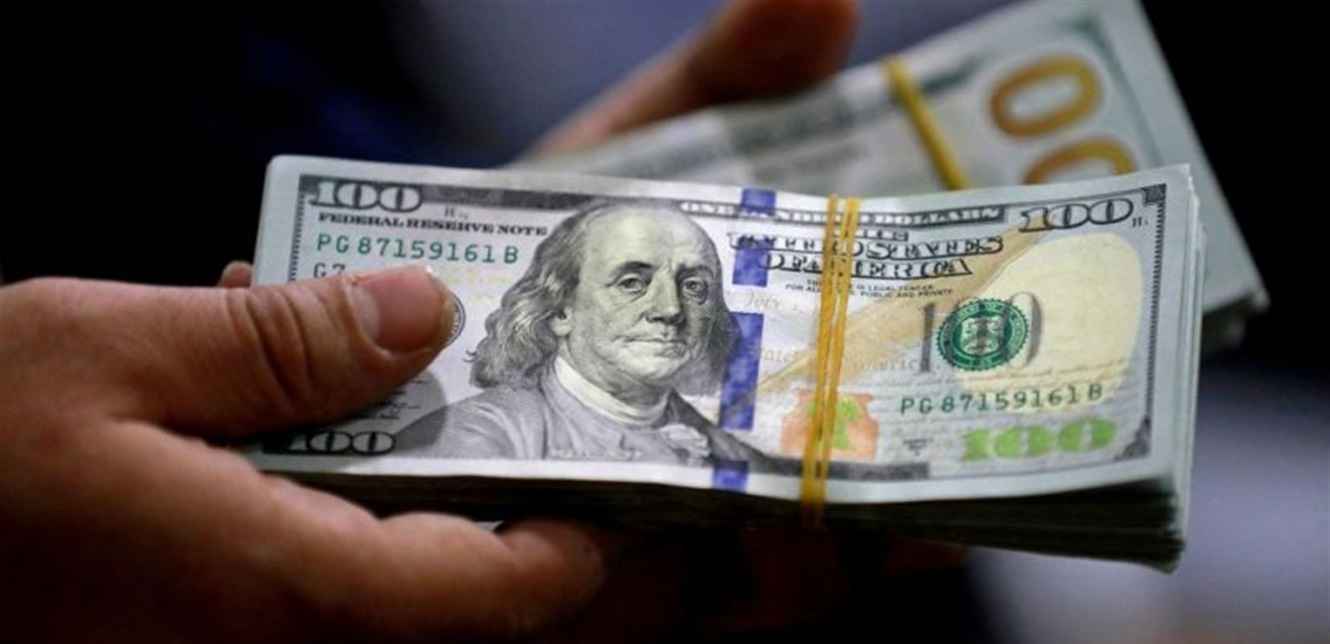
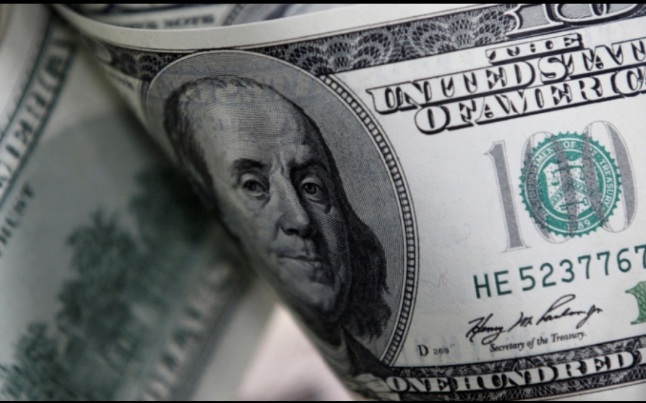
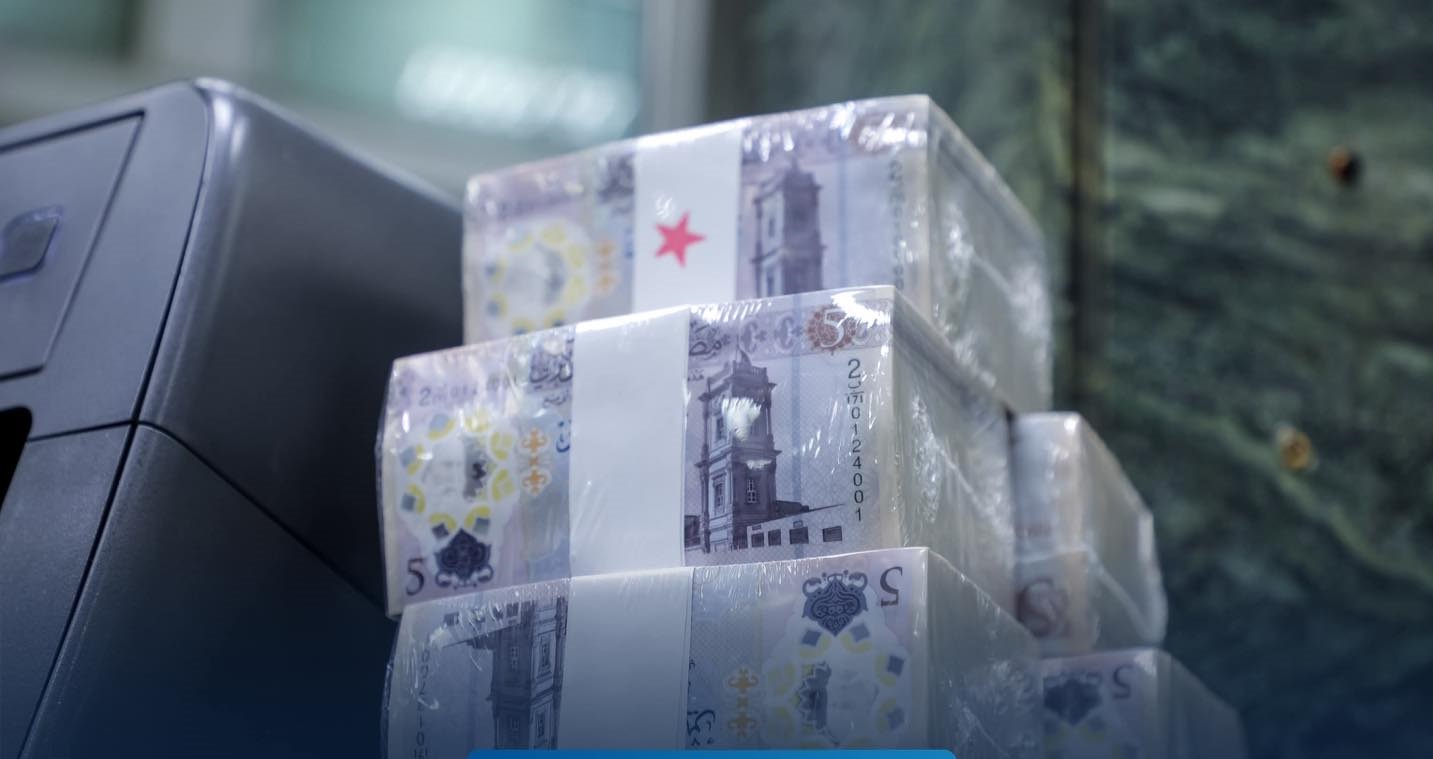
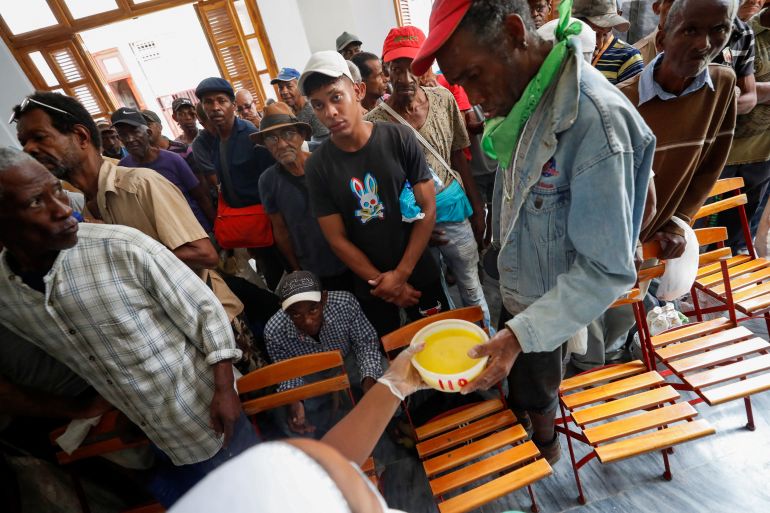
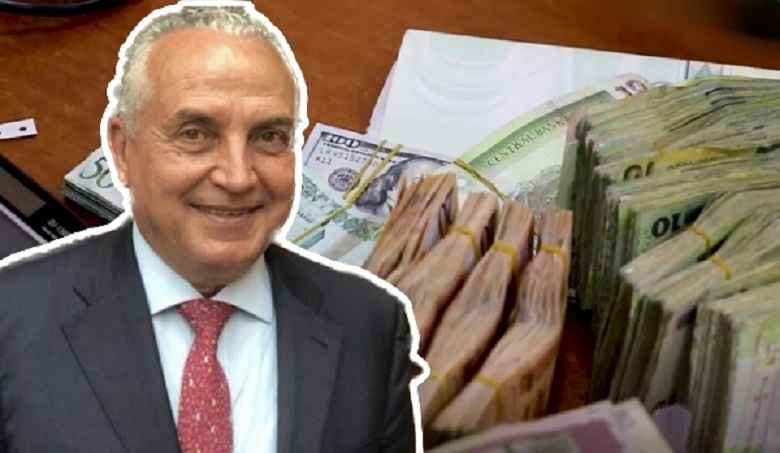
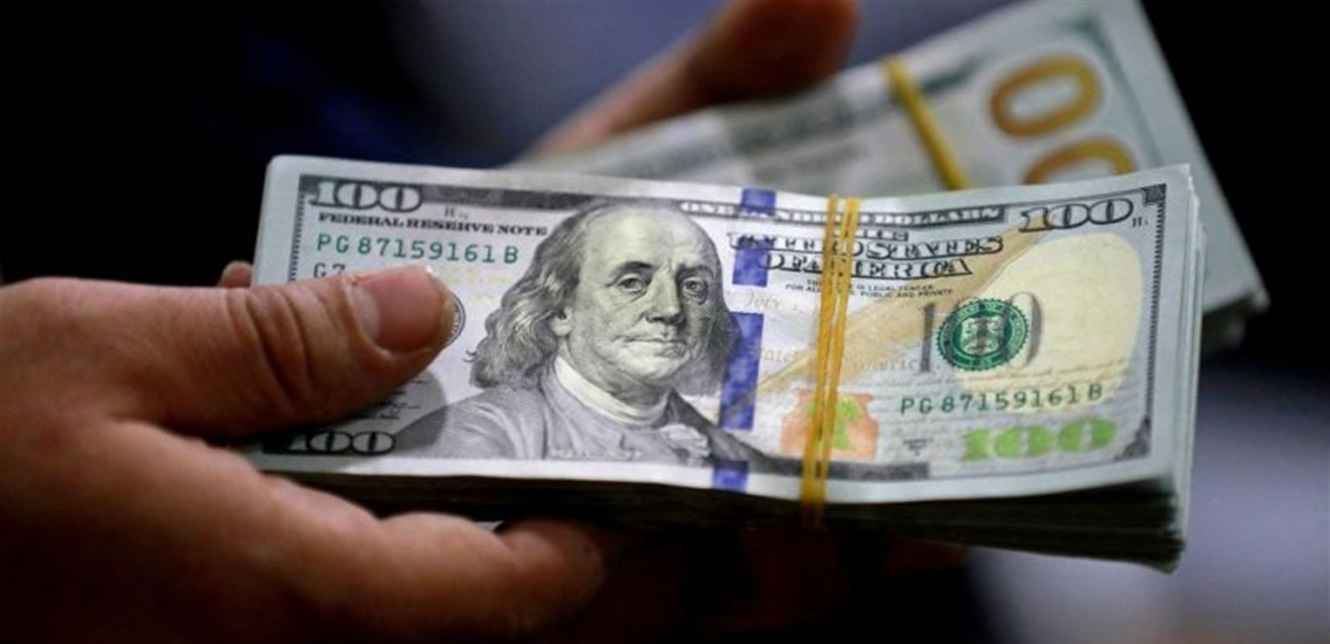
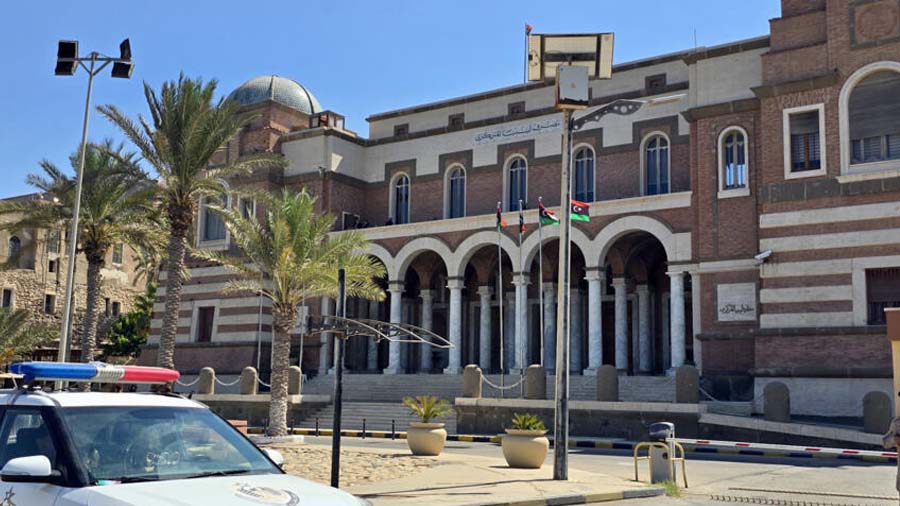
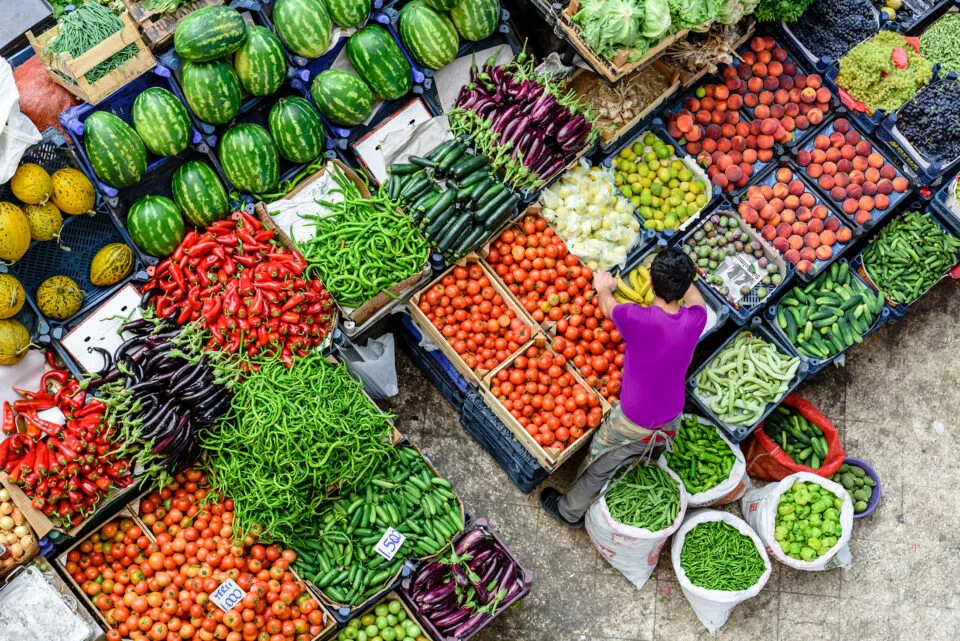
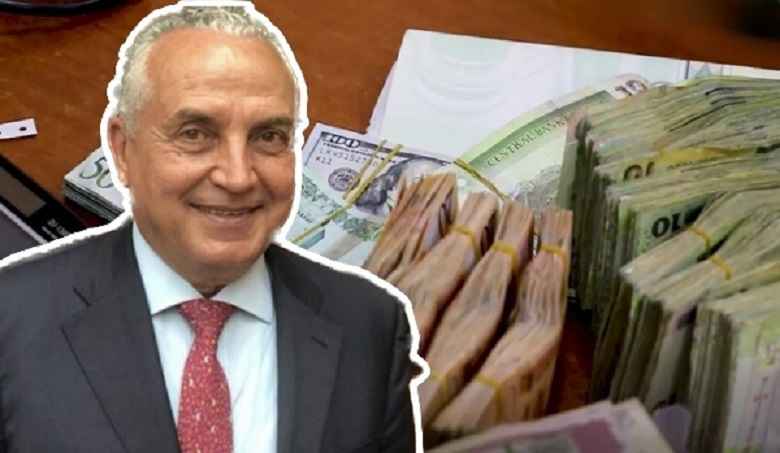
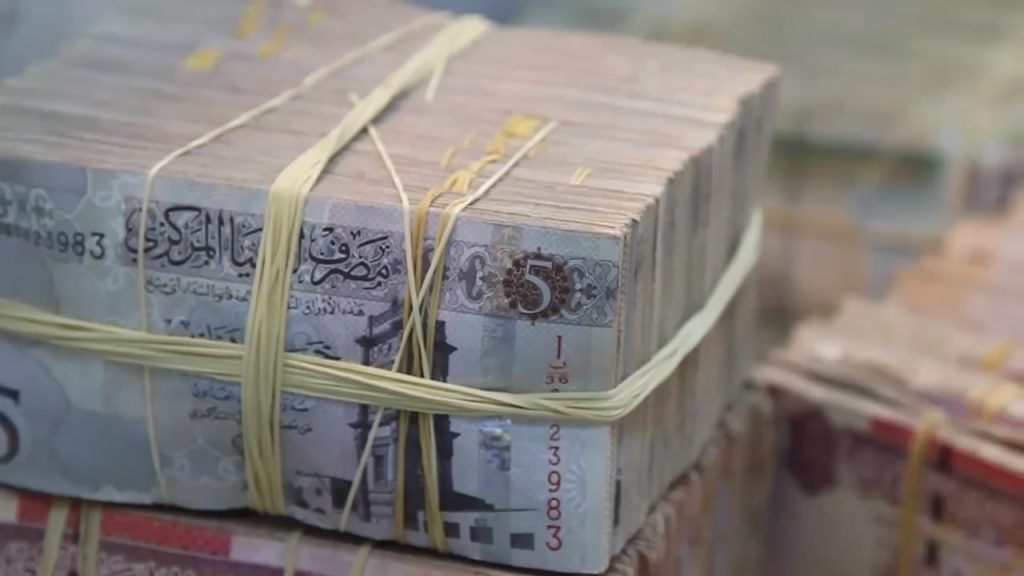
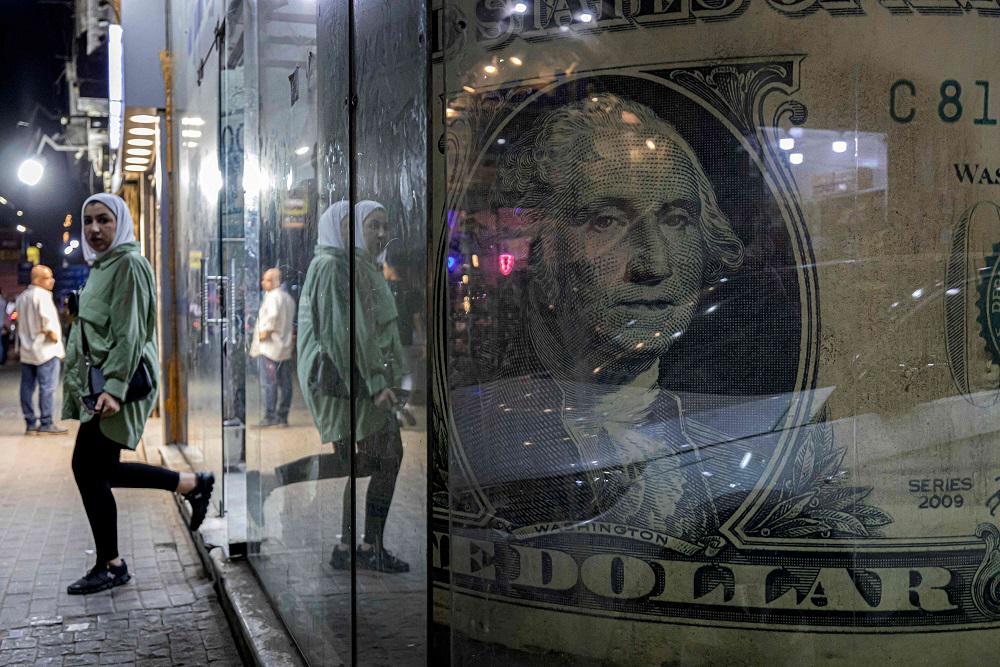
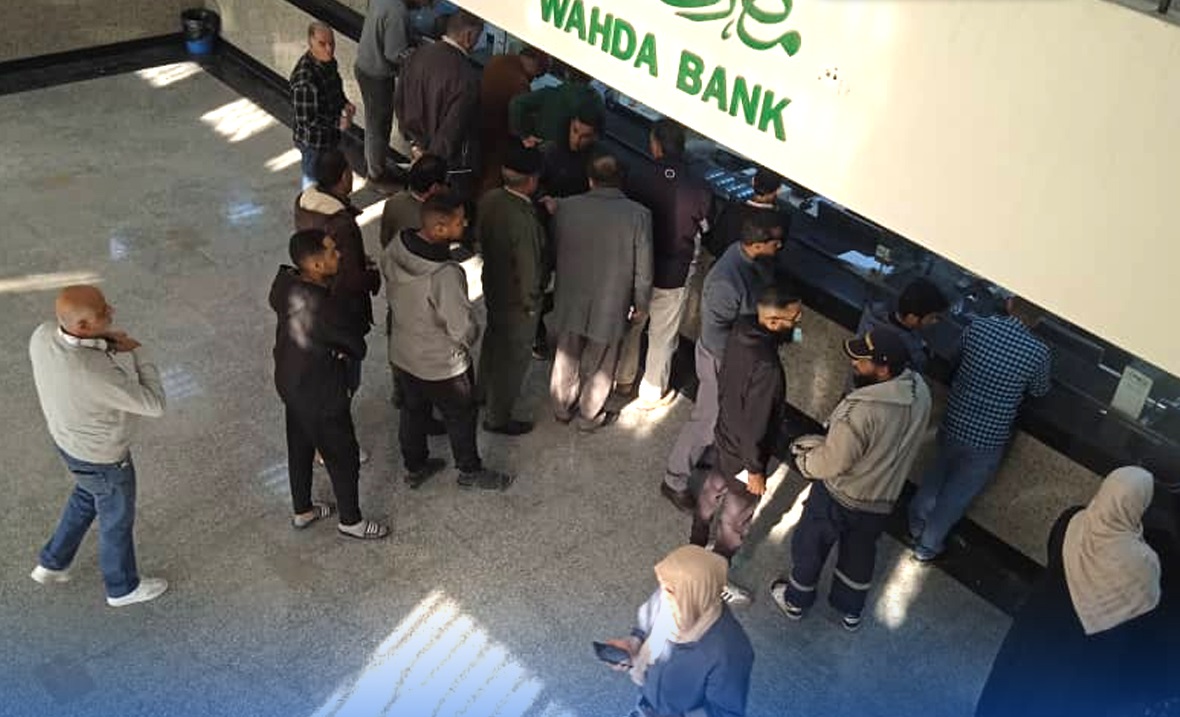
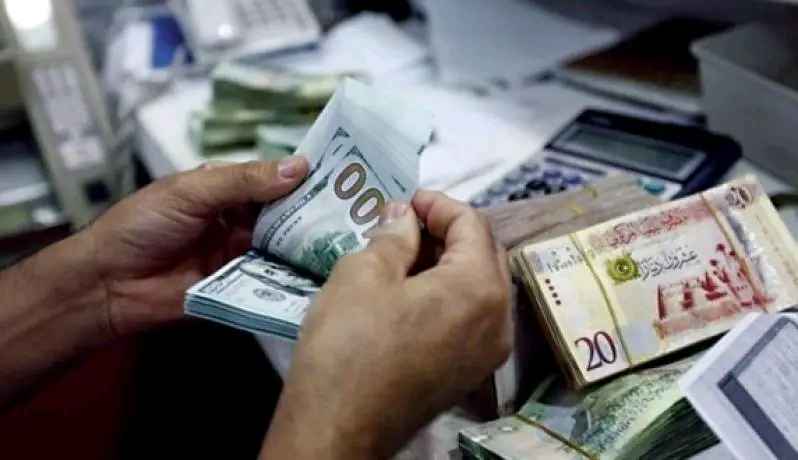
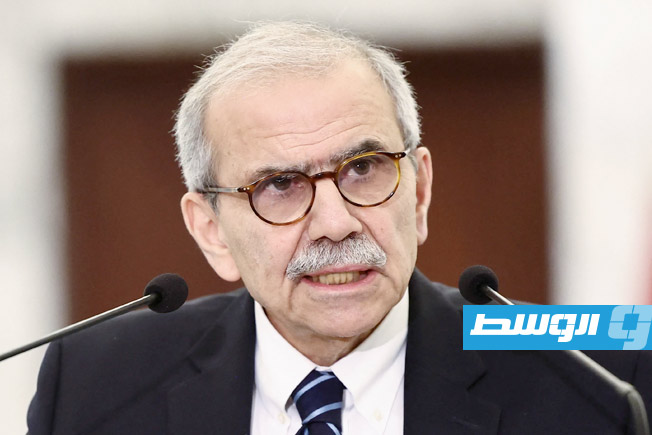
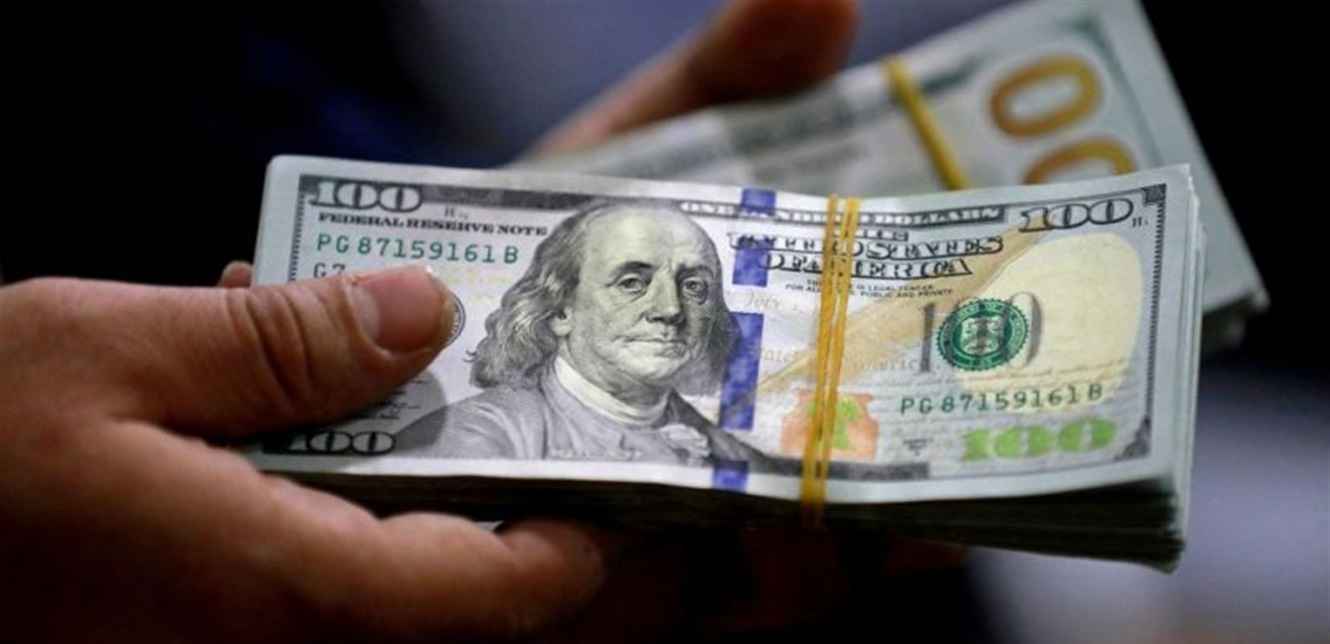
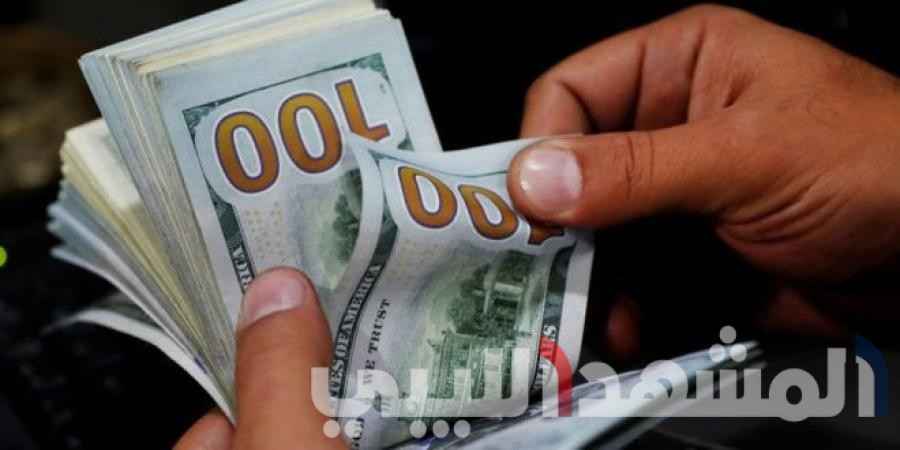
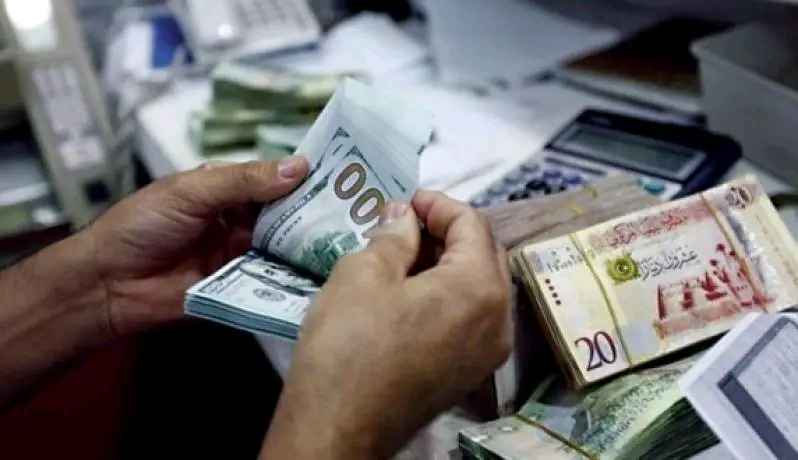
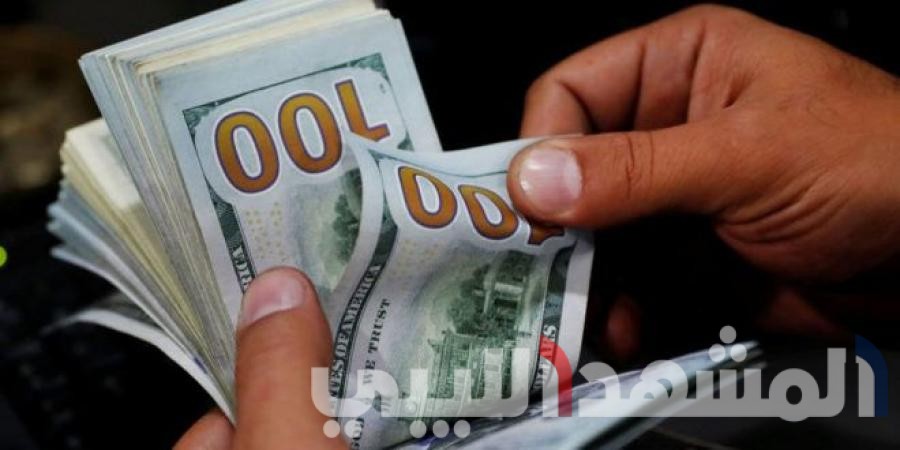
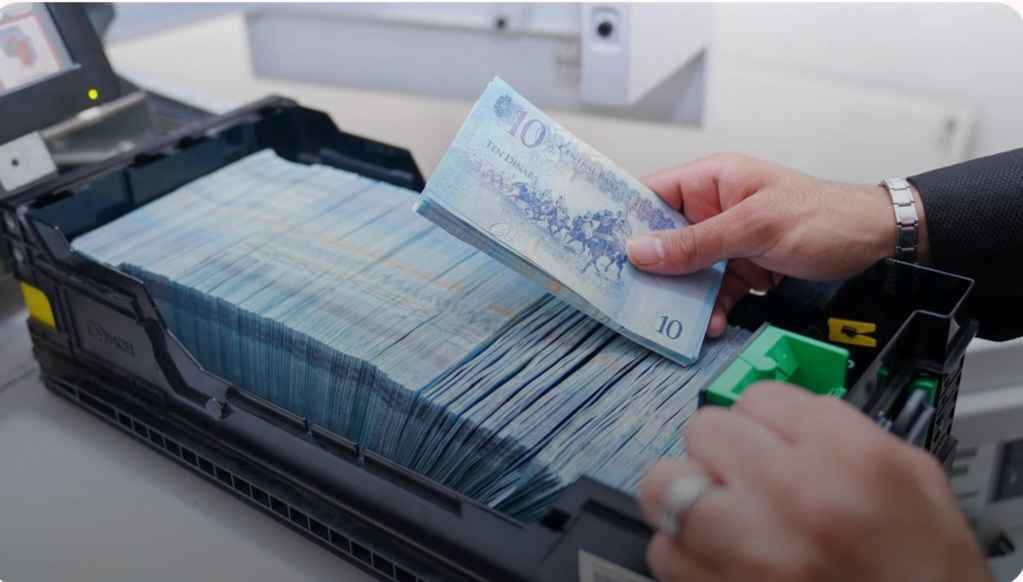
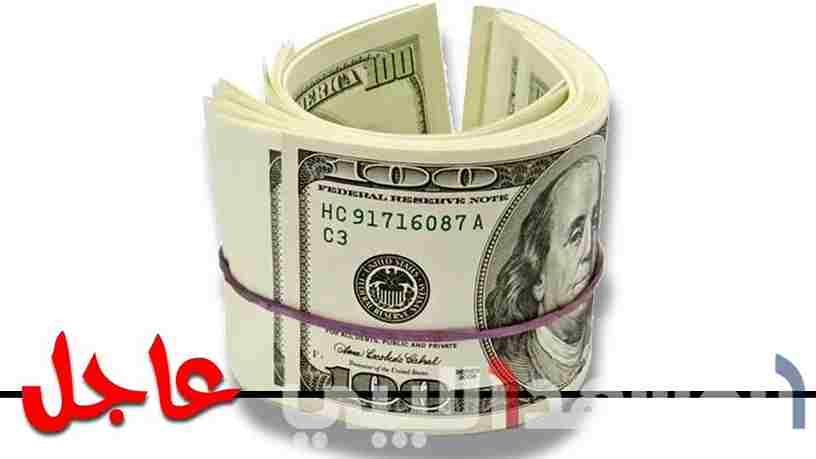
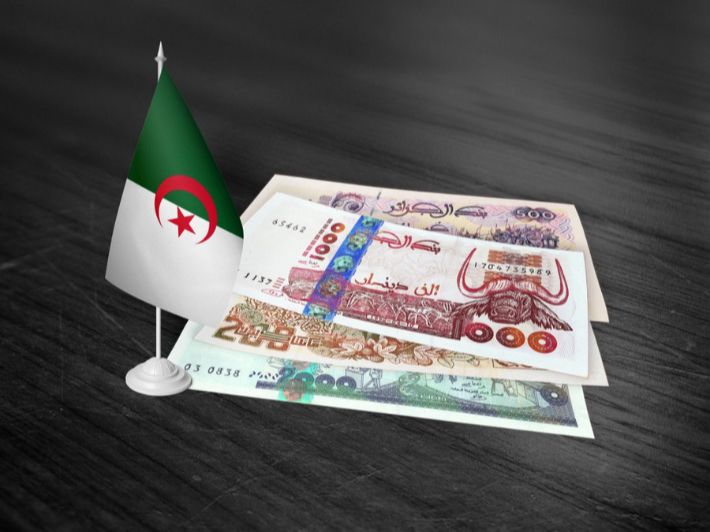
The Libyan economic expert warned that the country faces a “bitter reality” ahead of the month of Ramadan, due to the continued division of institutions and the deterioration of the exchange rate, noting that the dollar has turned into a commodity causing product prices to rise, while the citizen remains the victim.
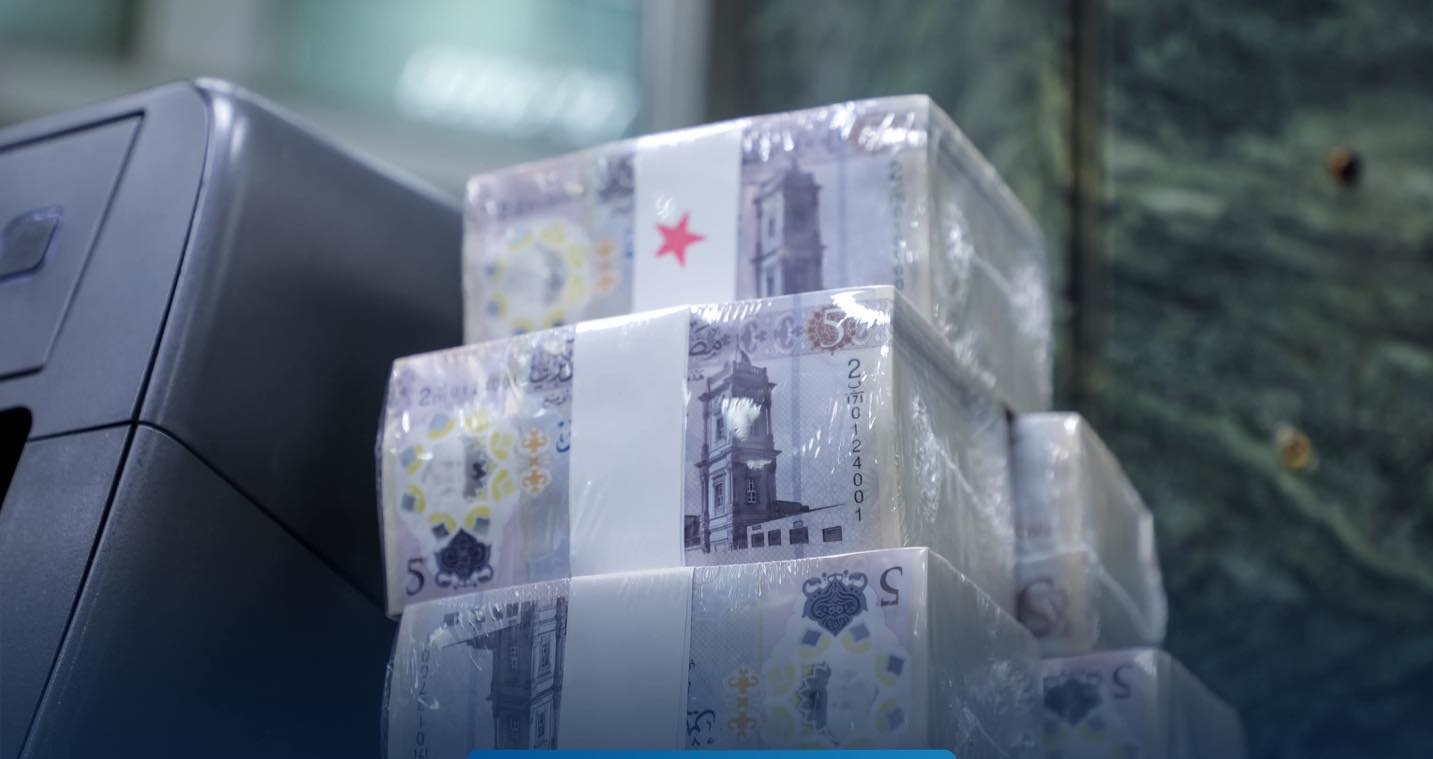
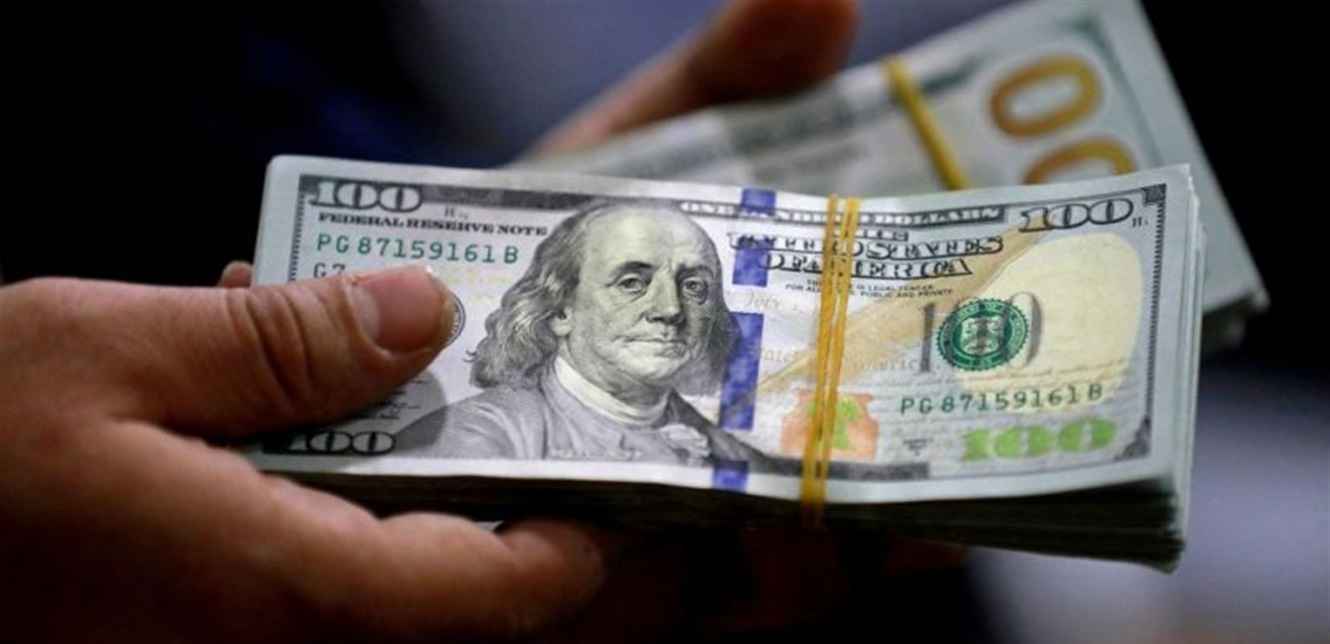
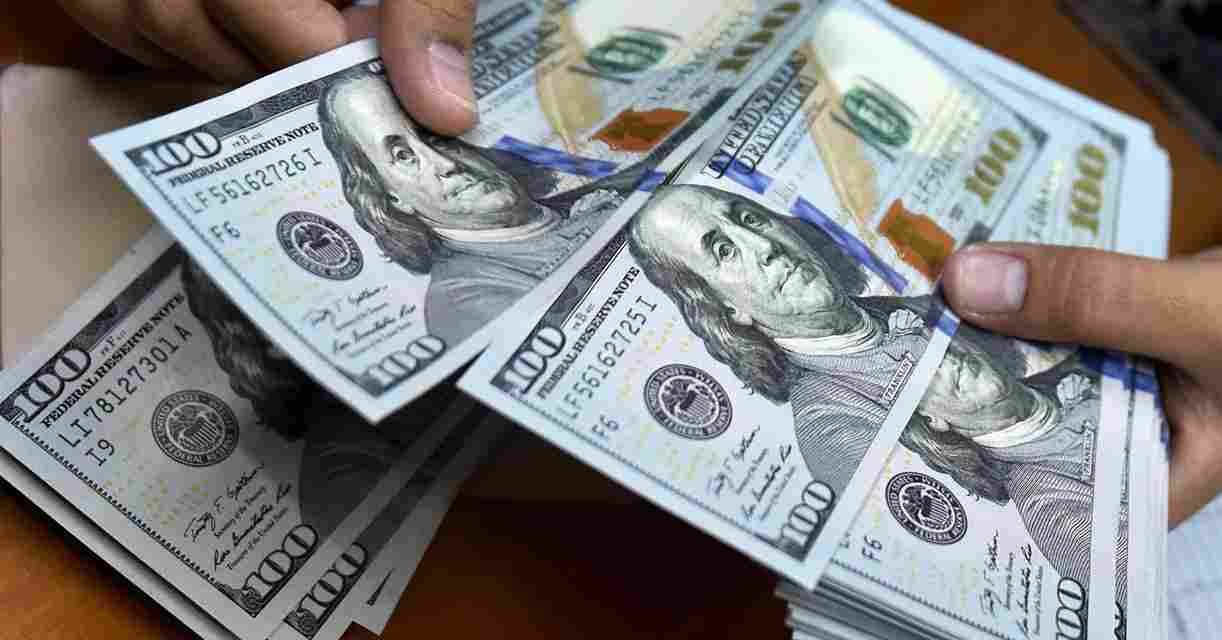
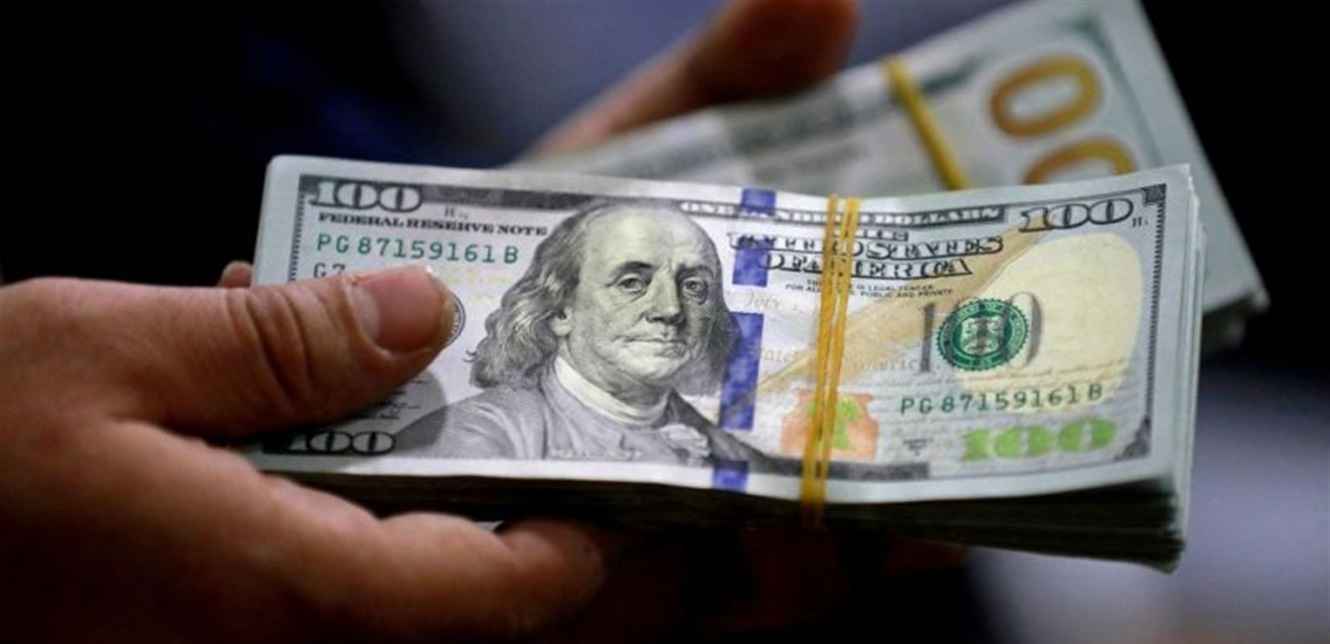
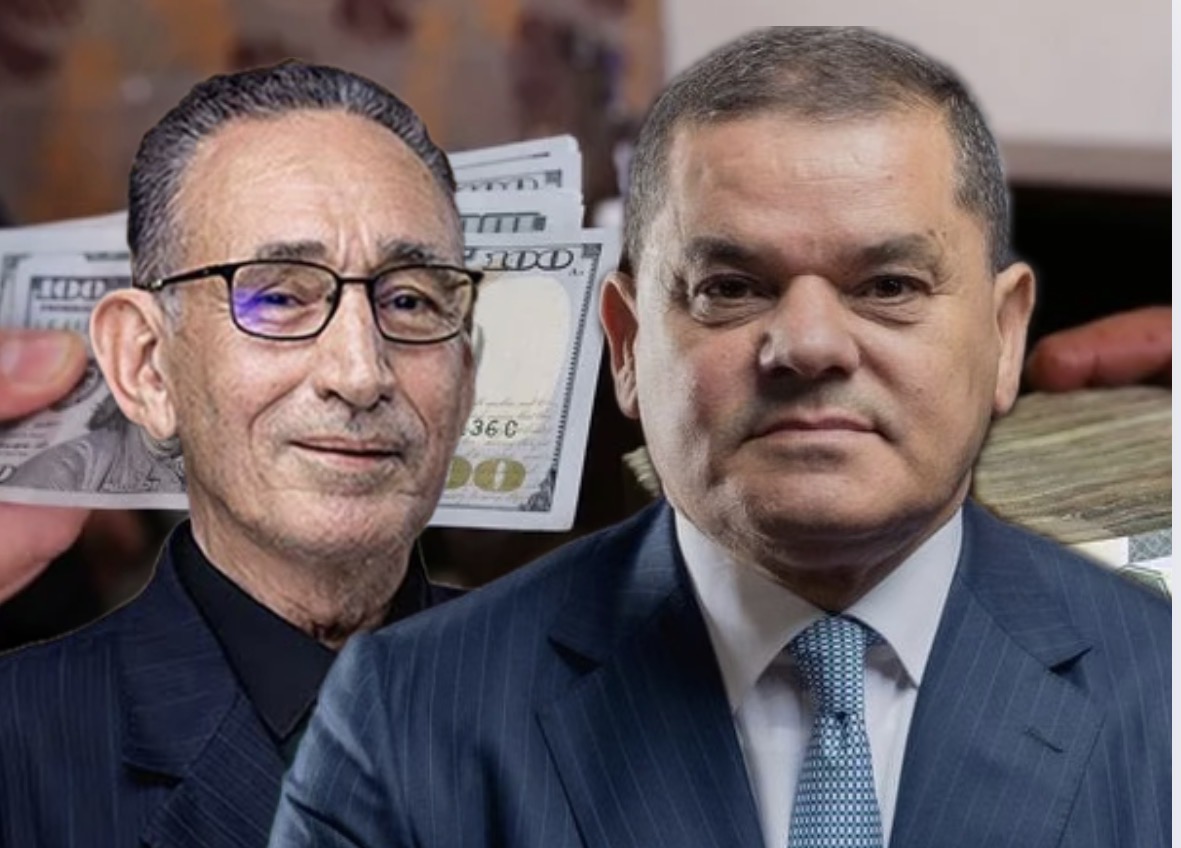
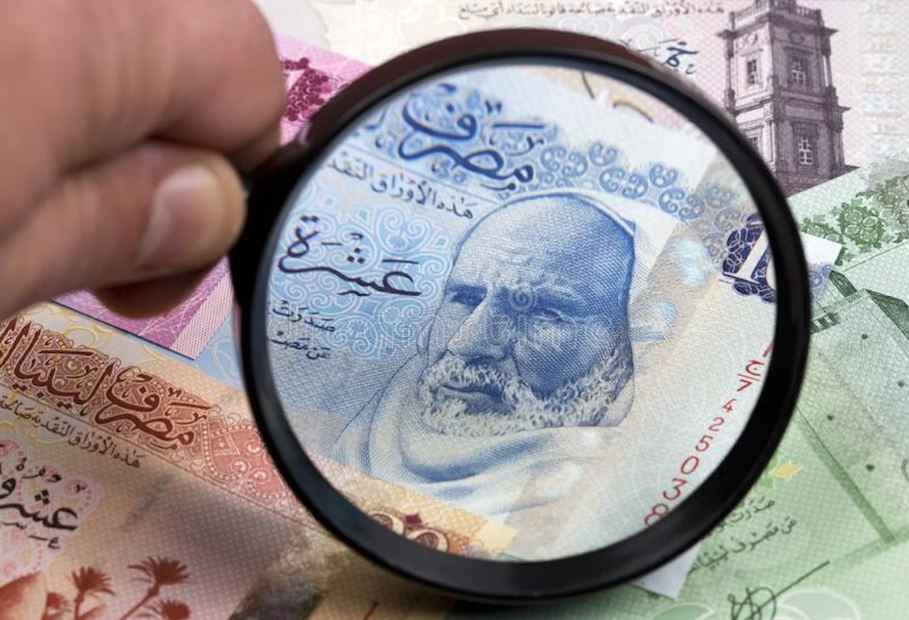
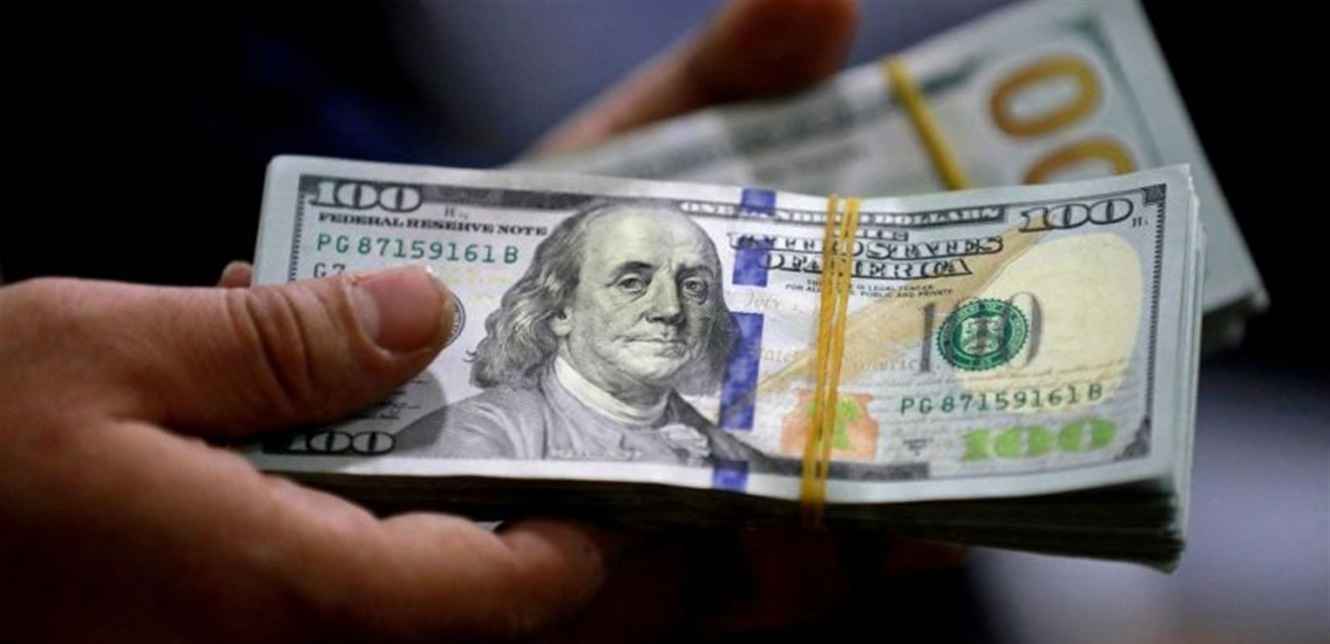
He said in an interview that dollars are being distributed unfairly through the names of “amorphous” companies, stressing that talk of raising the official exchange rate to match the parallel market will be paid for by the ordinary citizen, while the currency difference goes to competing governments and uncontrolled spending.
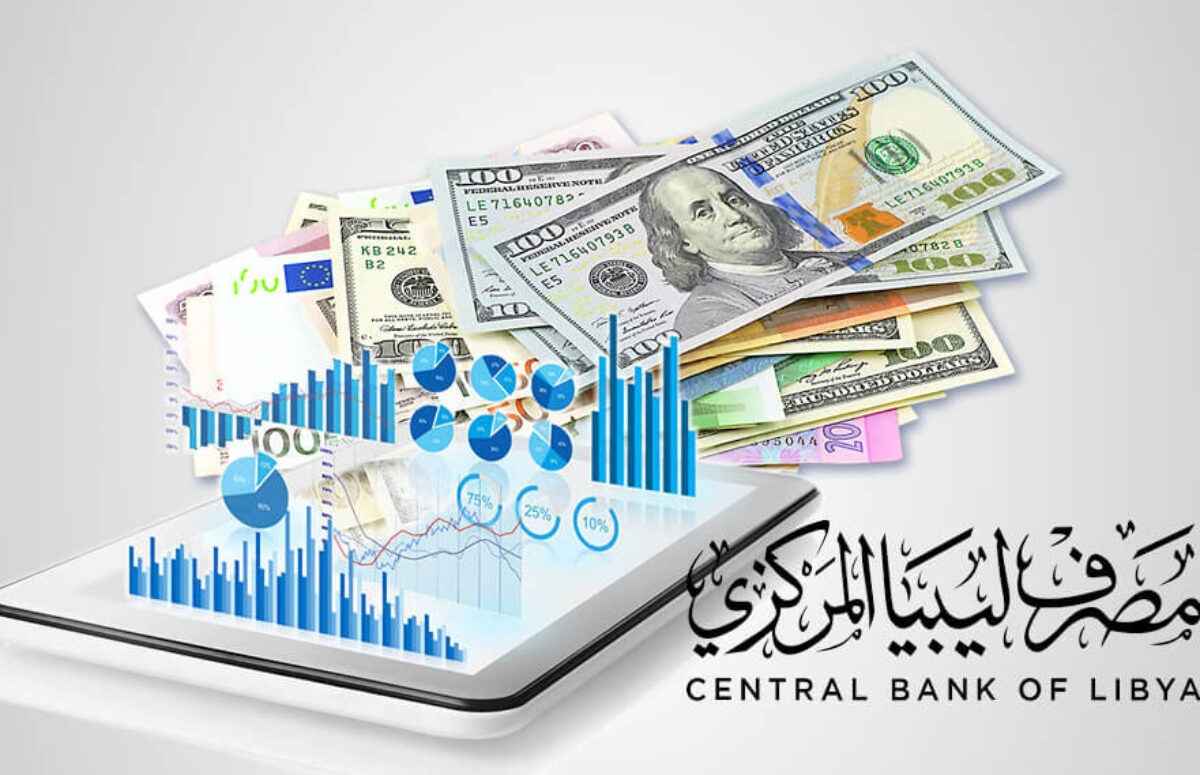
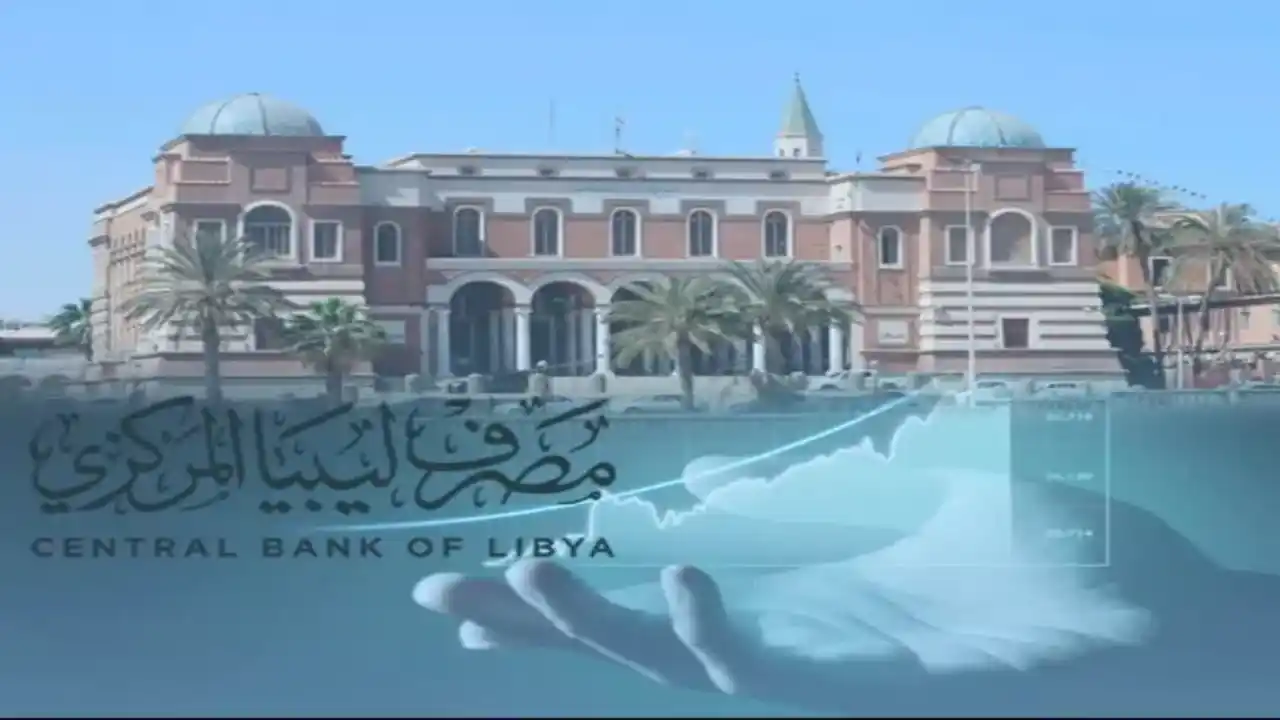
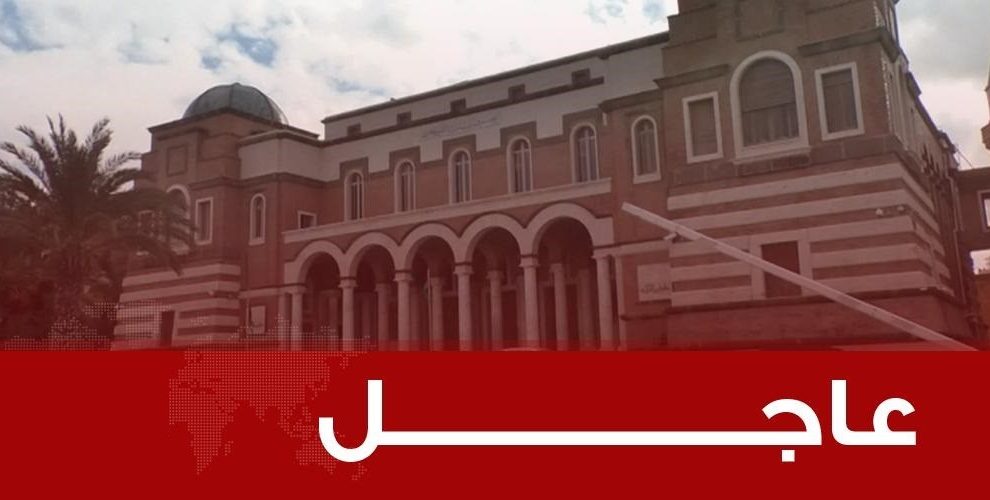
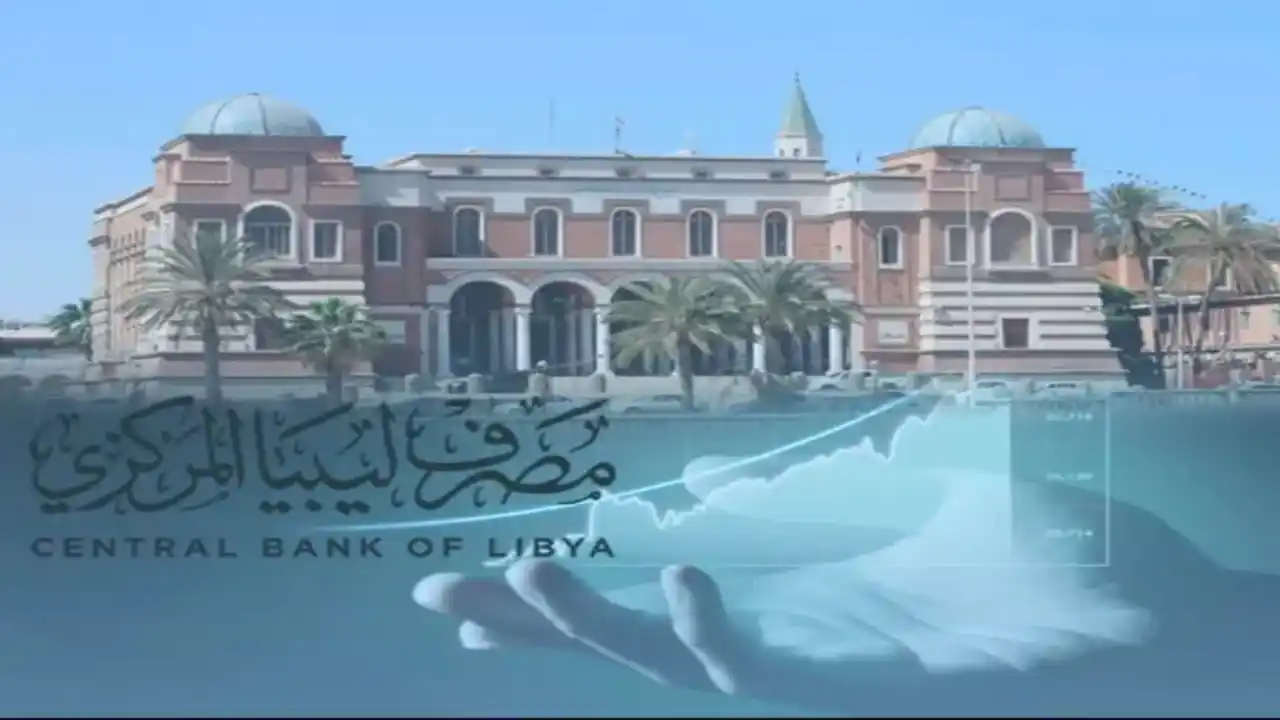
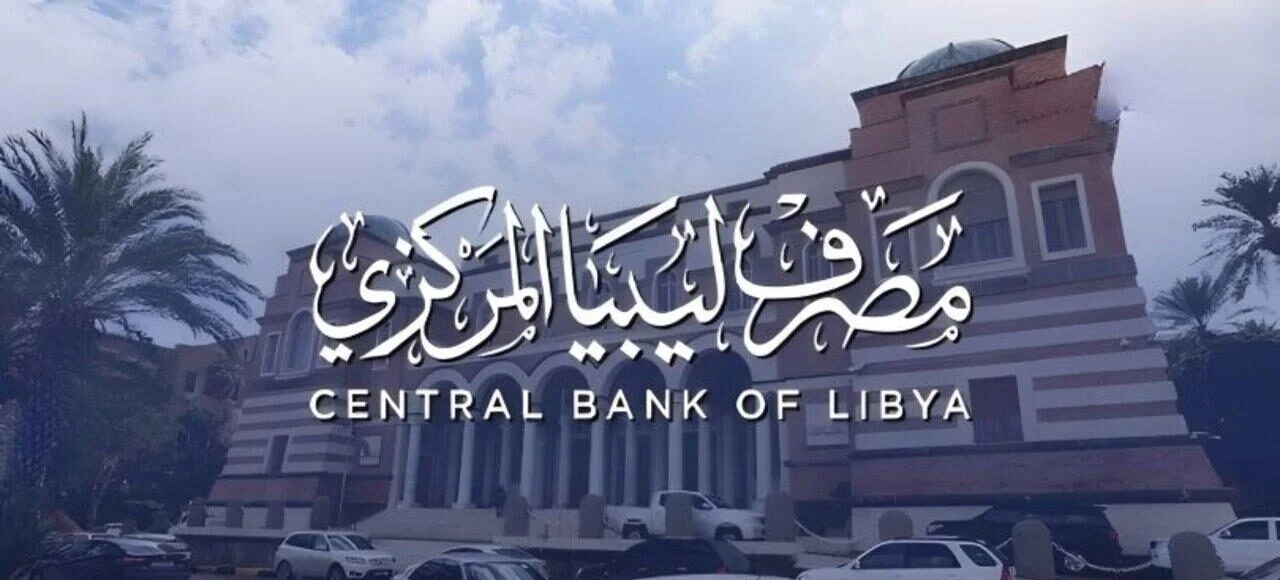
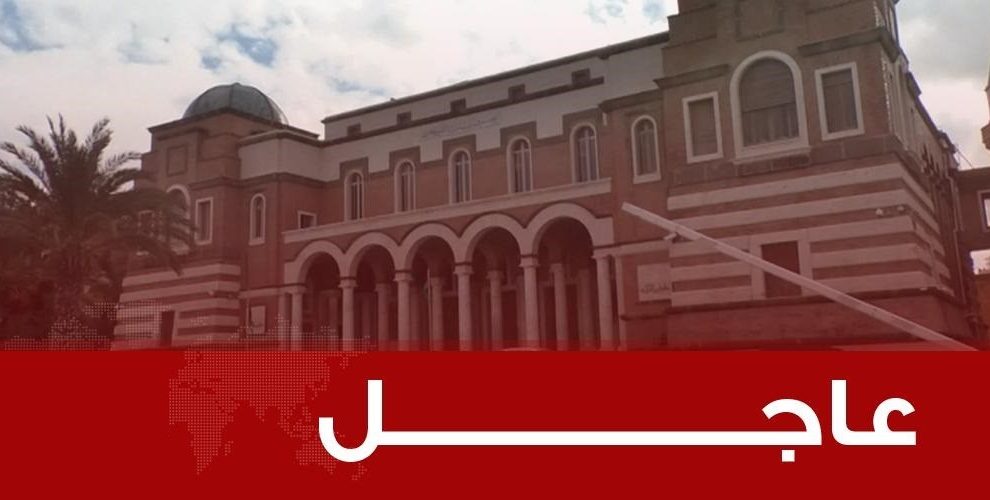
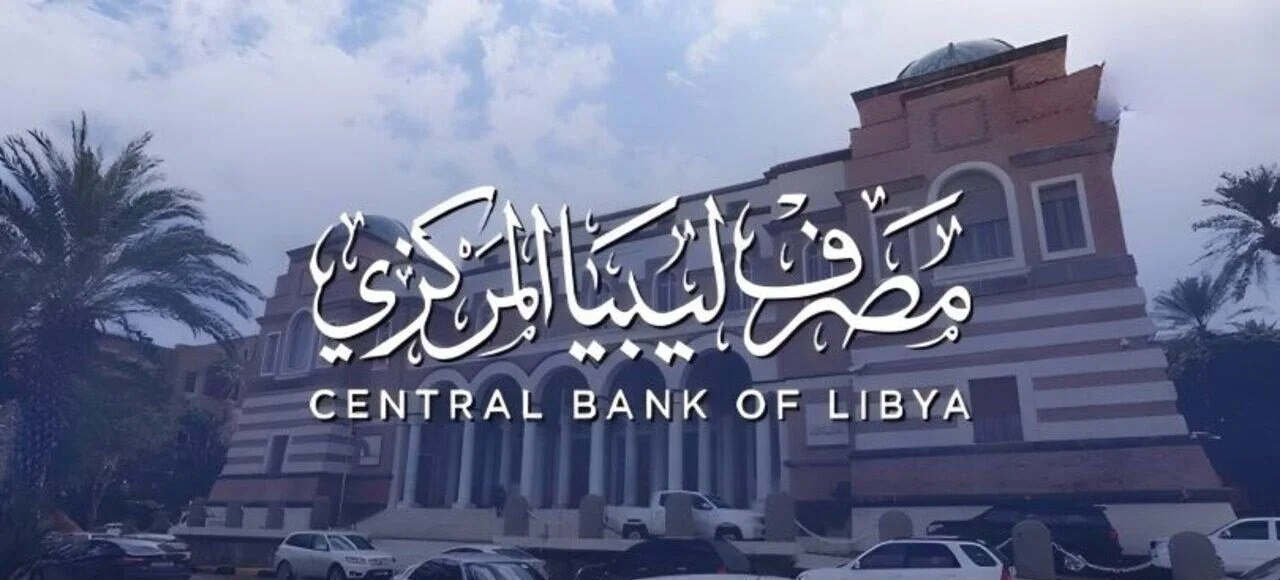
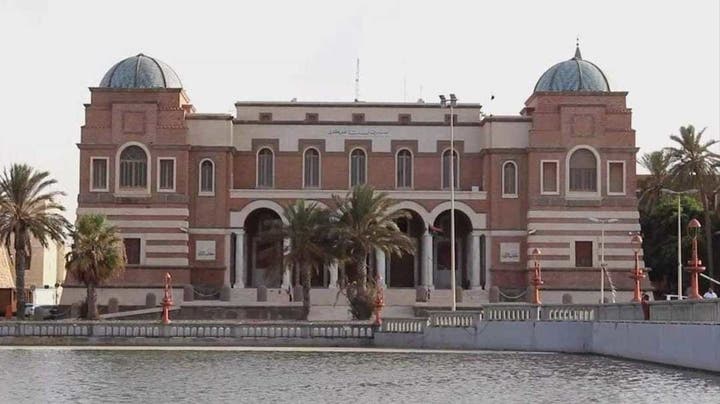
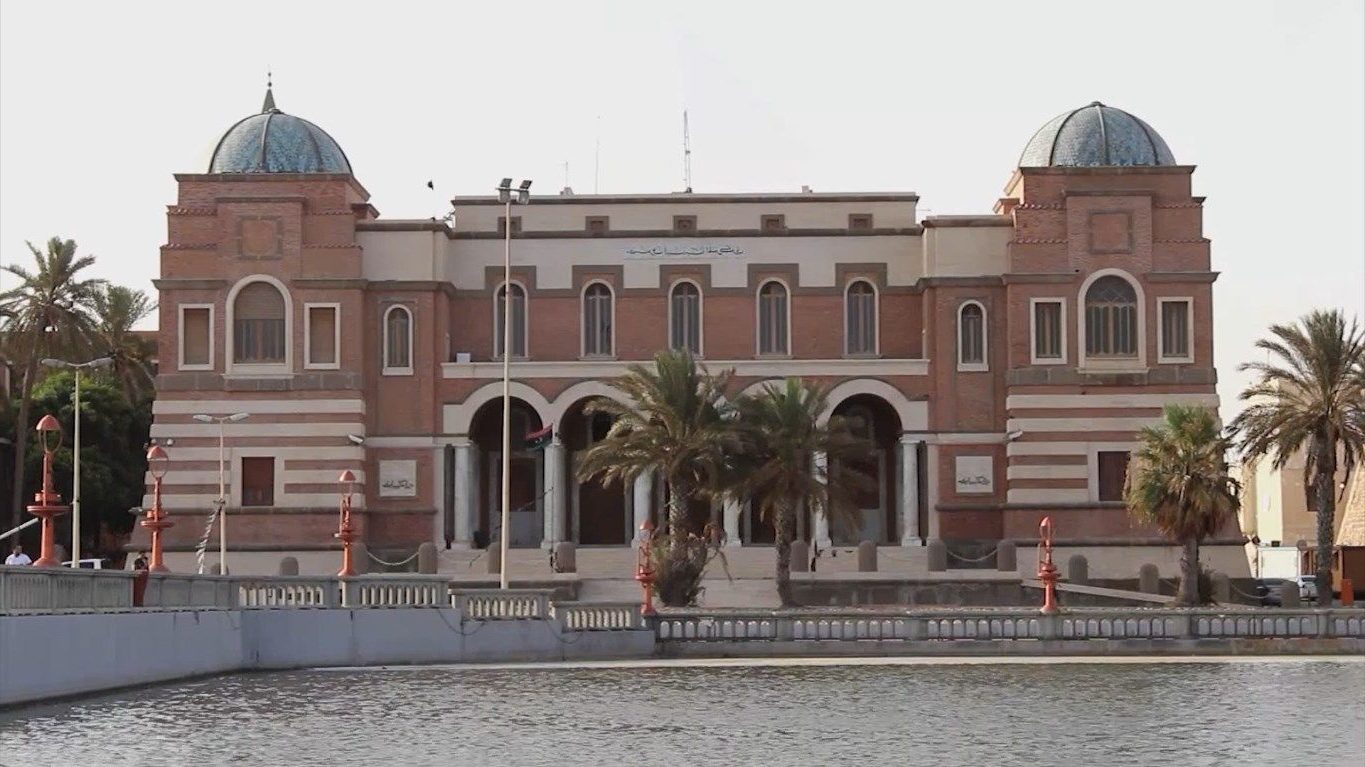
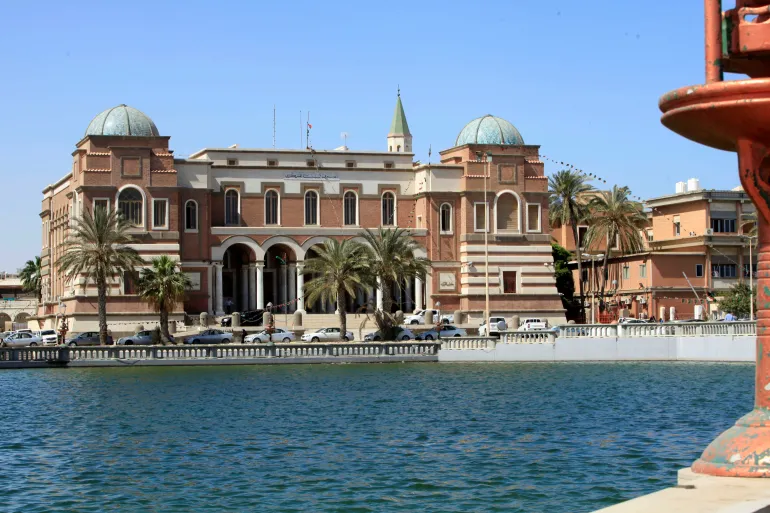
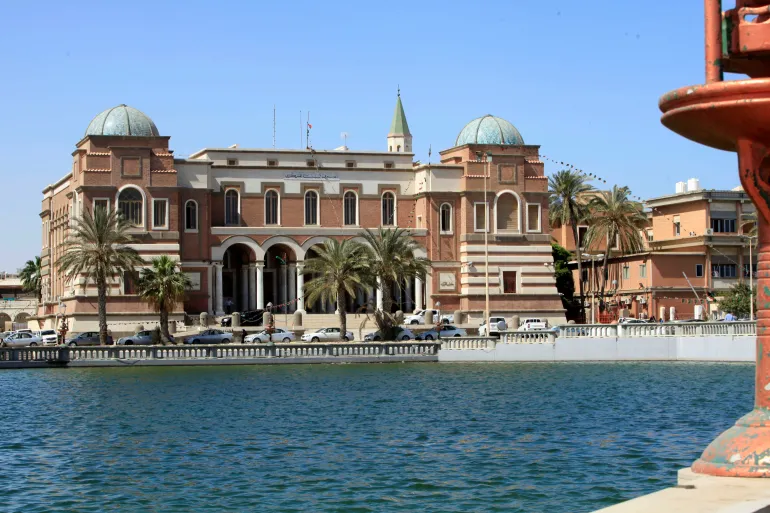
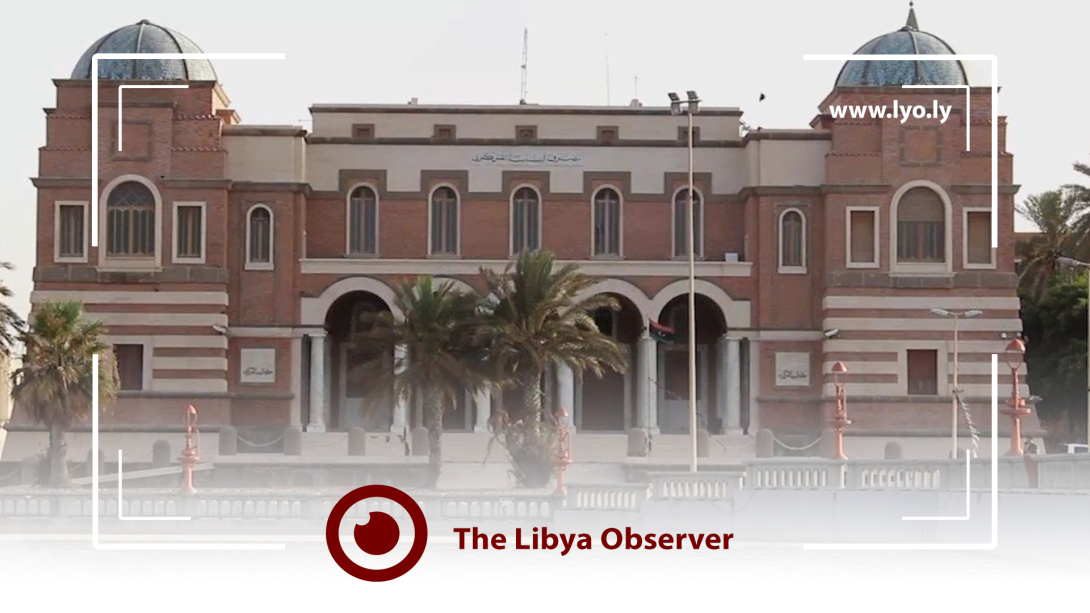
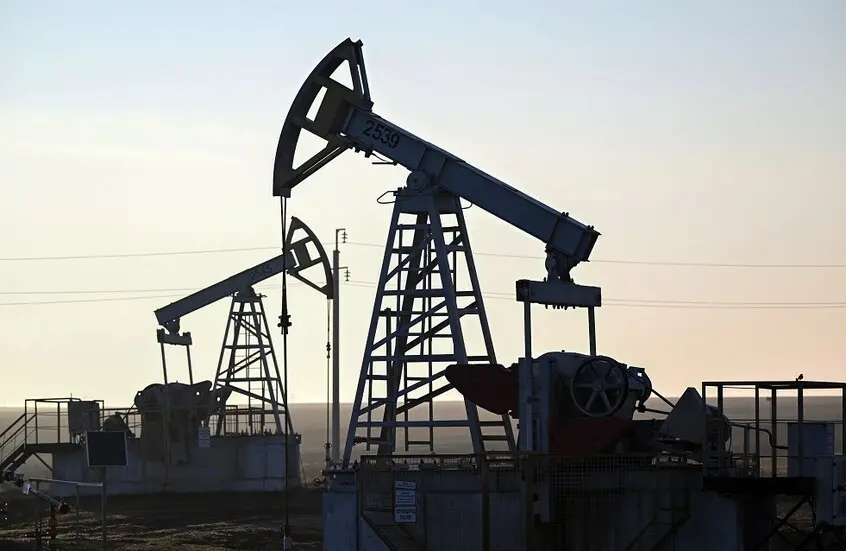
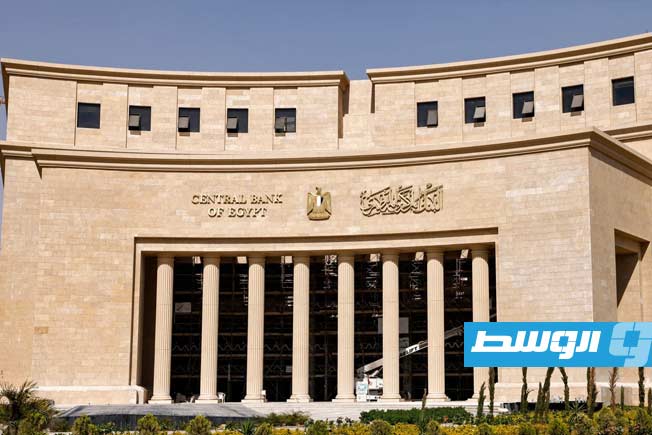
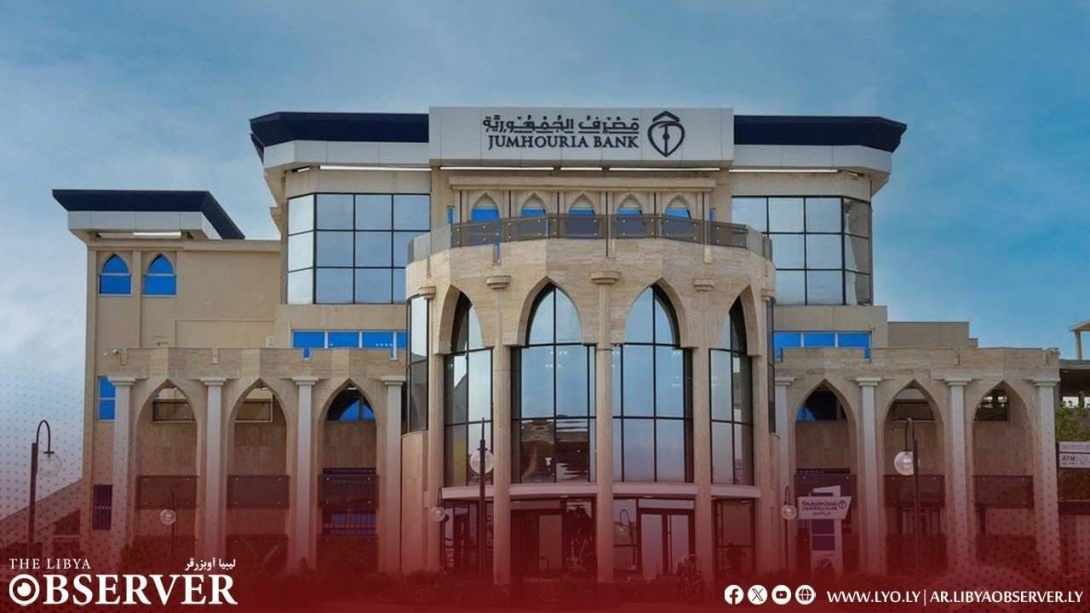
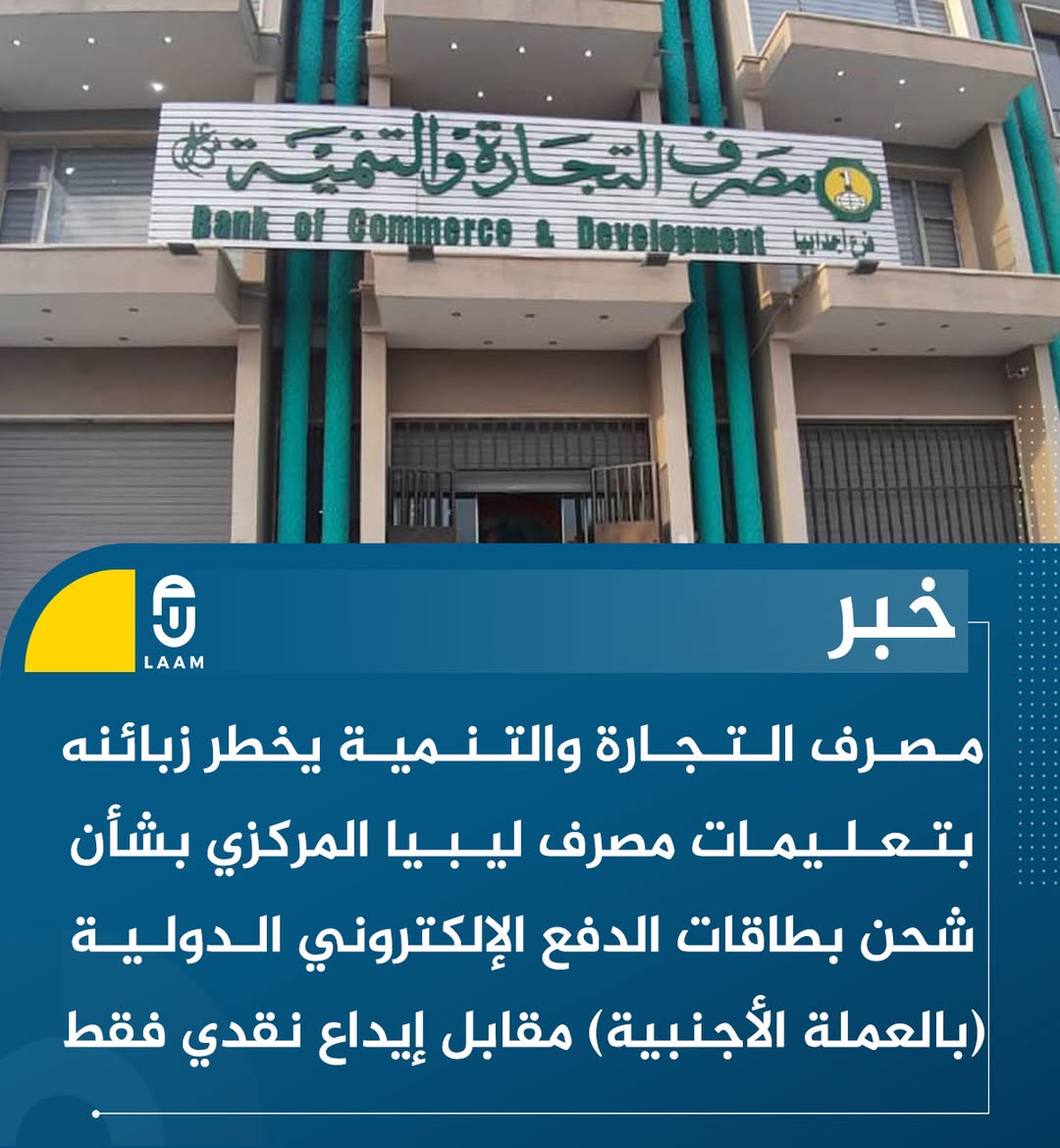
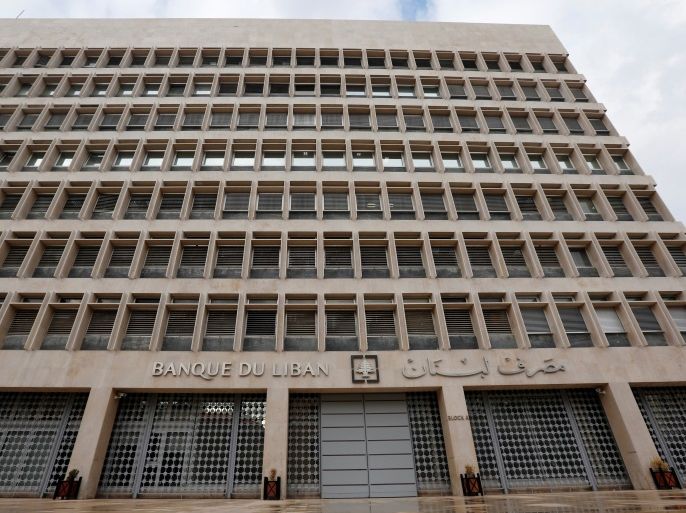
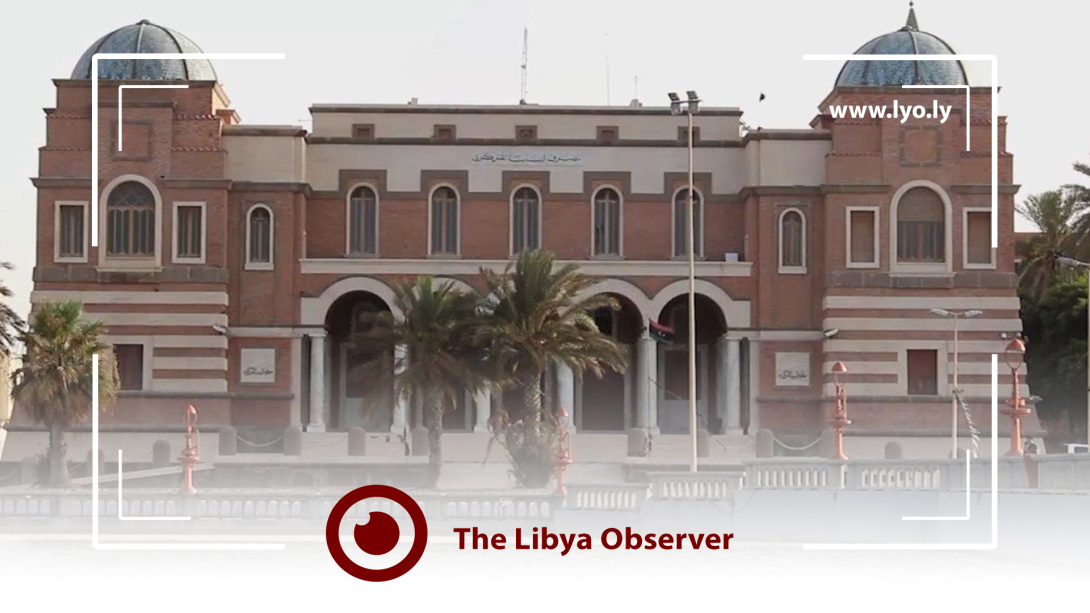
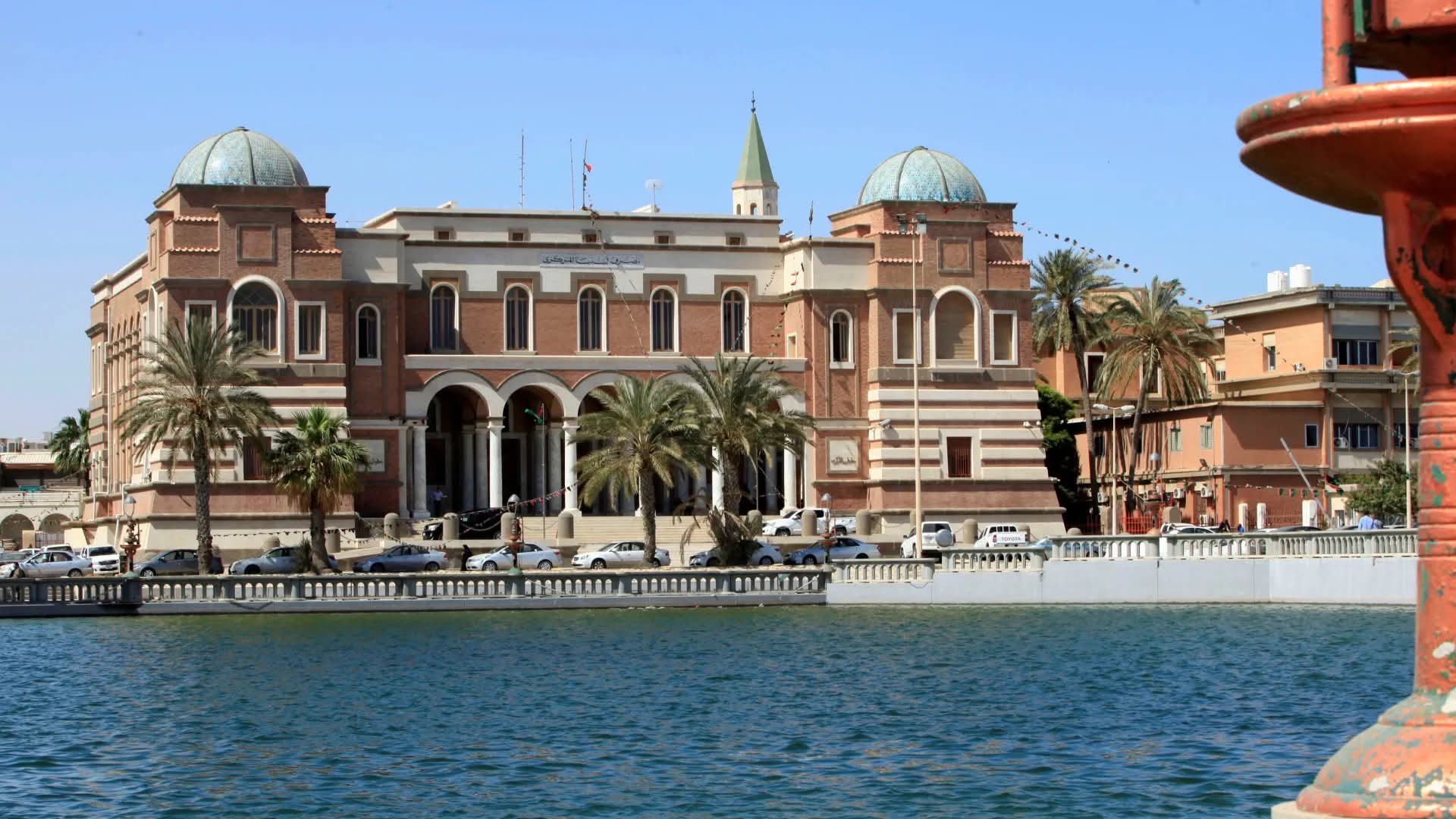
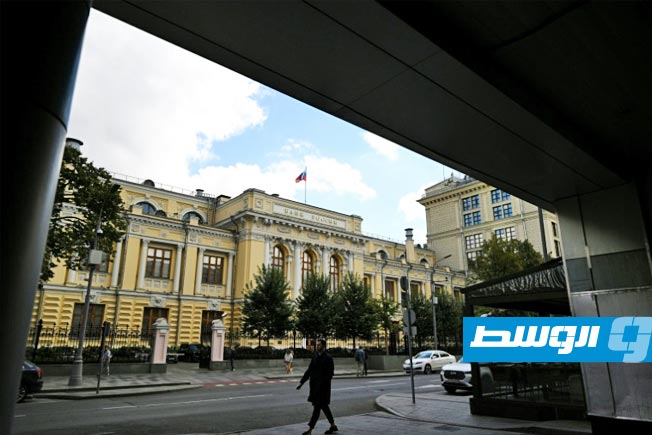
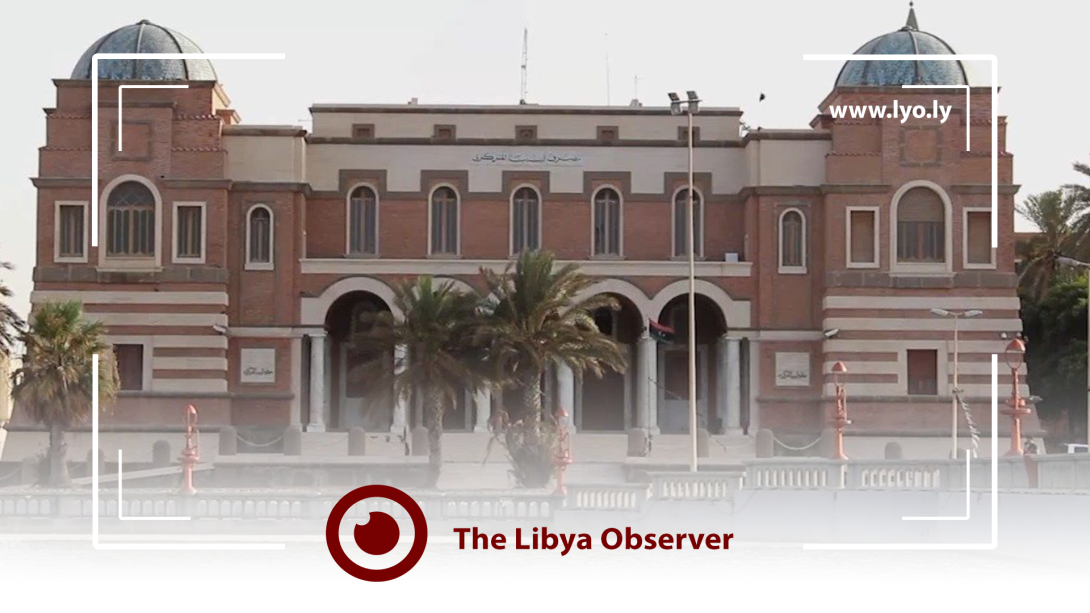
He added that the current crisis was created by governments, while the central bank bears the responsibility of managing it, but it “has so far failed to address the exchange rate gap due to a lack of courage in dealing with the governments.” He criticized what he described as the “absolute silence” of the central bank and its failure to act to address the chaos, pointing out that the people do not understand the veiled messages sent by the bank regarding the decline in oil revenues.
Ramadan
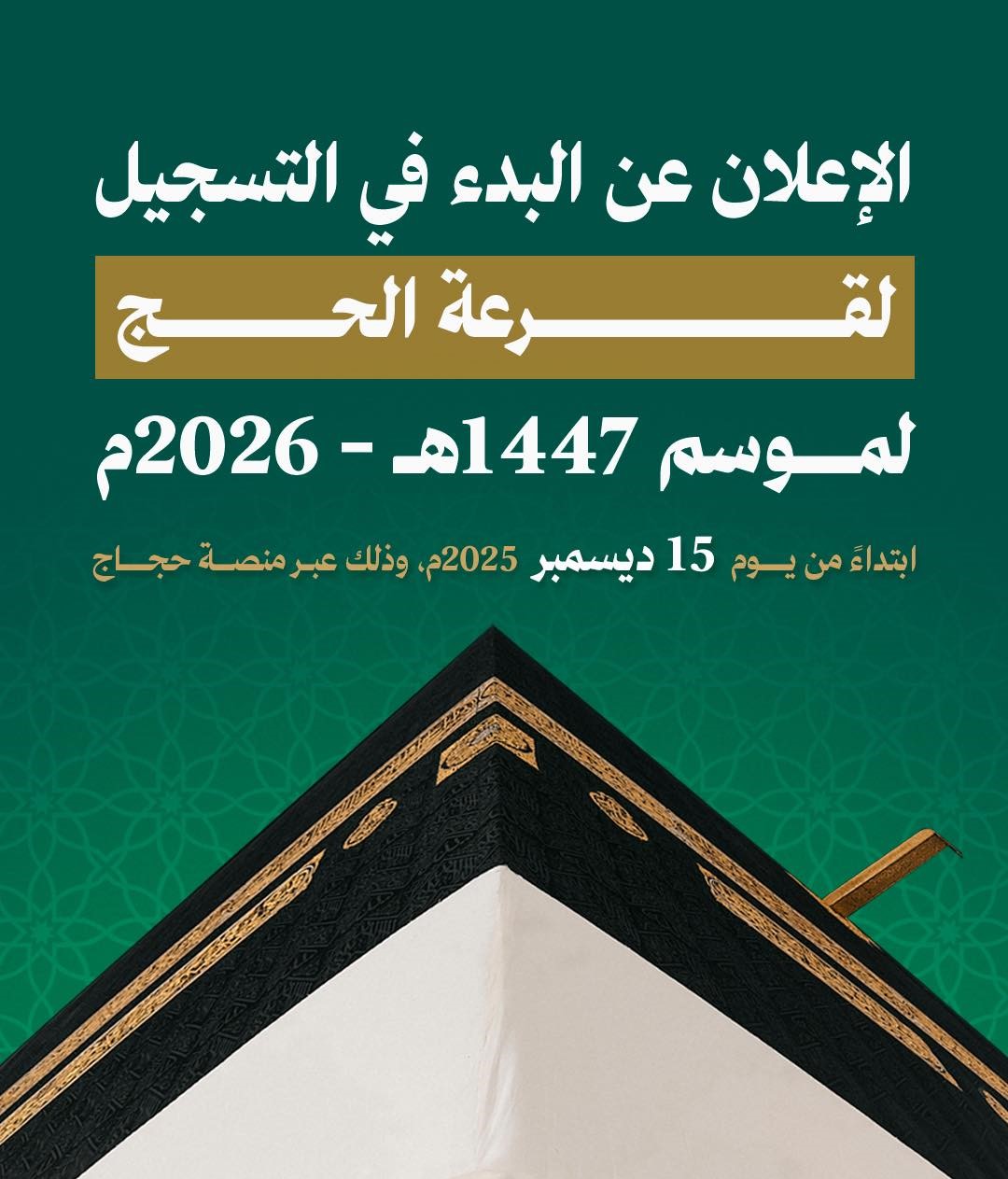
Ramadan is the ninth month of the Islamic lunar calendar, observed by Muslims worldwide as a month of fasting, prayer, reflection, and community. Its history is rooted in the Islamic tradition that it was during this month that the Quran was first revealed to the Prophet Muhammad. The fast from dawn to sunset commemorates this revelation and is one of the Five Pillars of Islam.
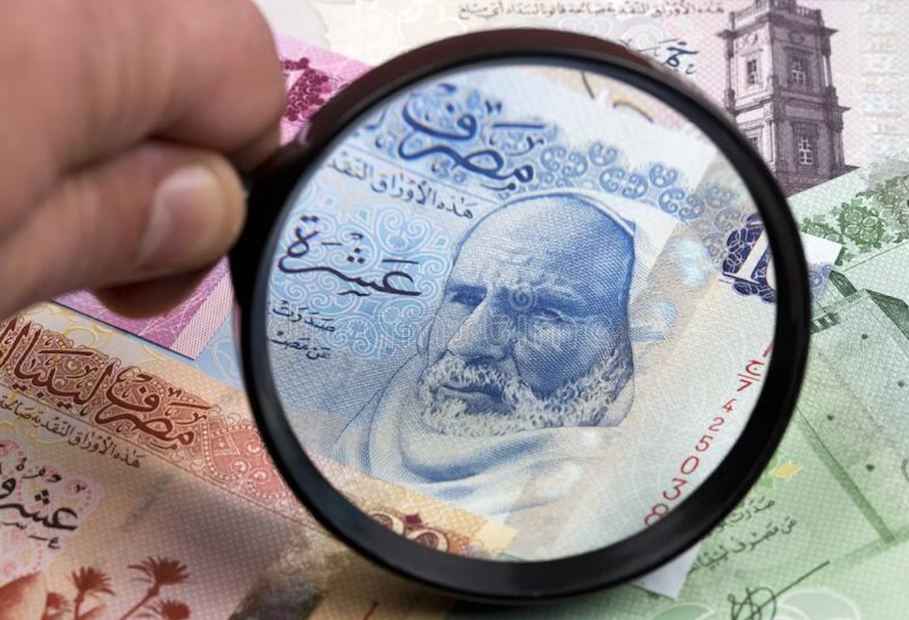
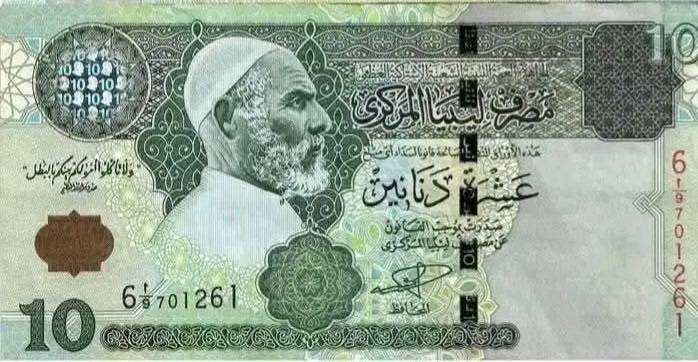
Libyan
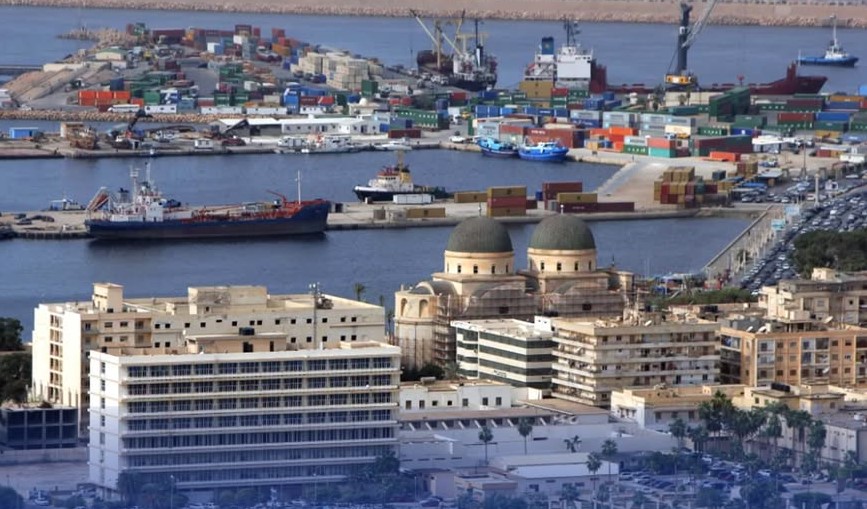
Libya is a country in North Africa with a rich history that includes ancient Phoenician, Greek, and Roman settlements, most notably at the UNESCO site of Leptis Magna. In the modern era, it was an Italian colony before gaining independence in 1951 and was later ruled by Muammar Gaddafi from 1969 until the 2011 revolution. Its cultural heritage is deeply influenced by Berber, Arab, and Mediterranean traditions.
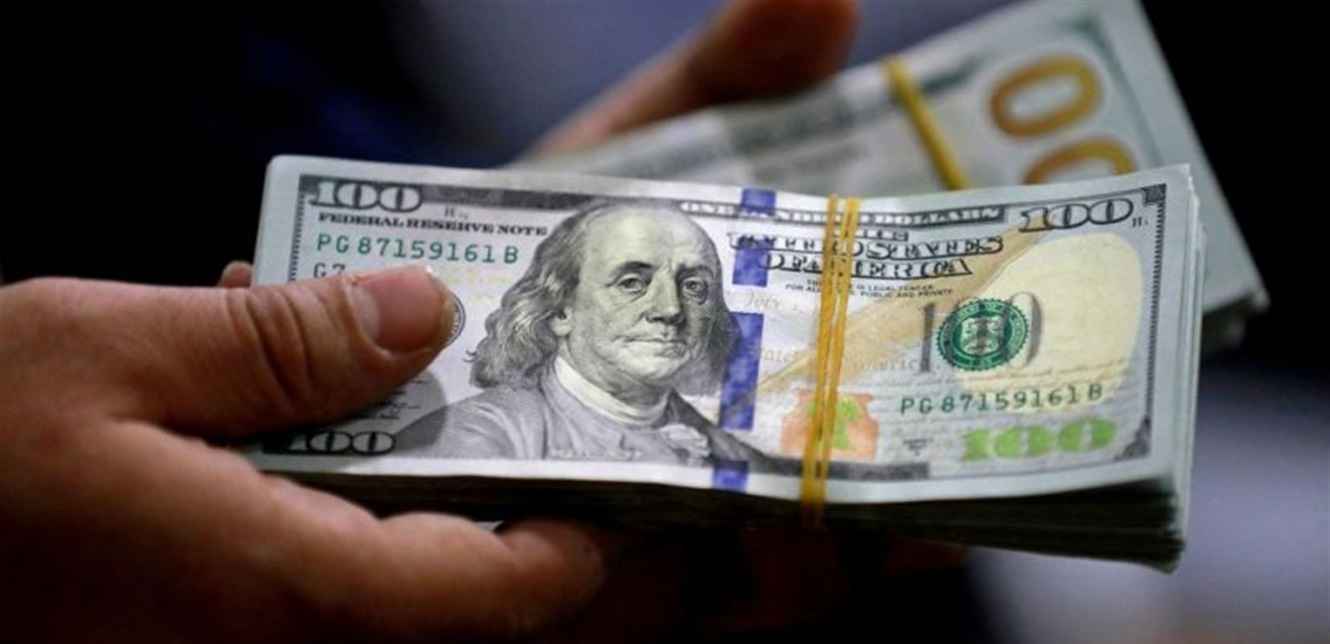
dollar
The dollar is the official currency of the United States, established by the Coinage Act of 1792. Its history traces back to the Spanish “dollar” or peso, a widely used silver coin in the Americas during the colonial era.
central bank
The central bank is a nation’s primary financial institution, responsible for managing monetary policy, issuing currency, and ensuring financial stability. Its modern history began with institutions like Sweden’s Riksbank (1668) and the Bank of England (1694), which were established to fund government debt and stabilize national economies. Today, central banks are key authorities in controlling inflation and overseeing the banking system.