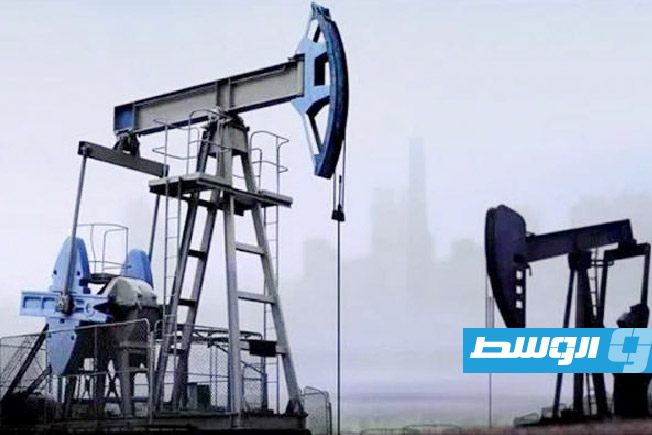
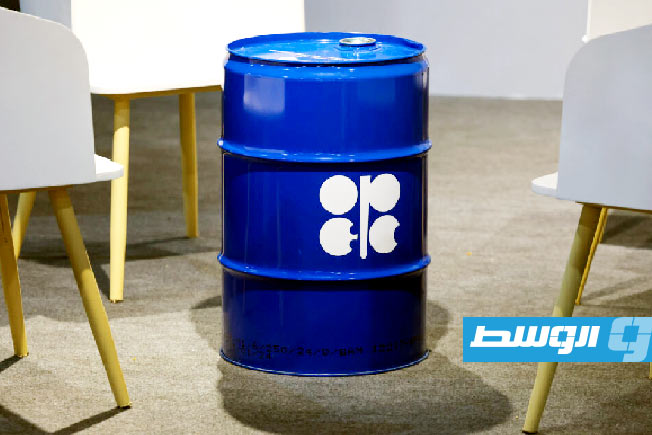
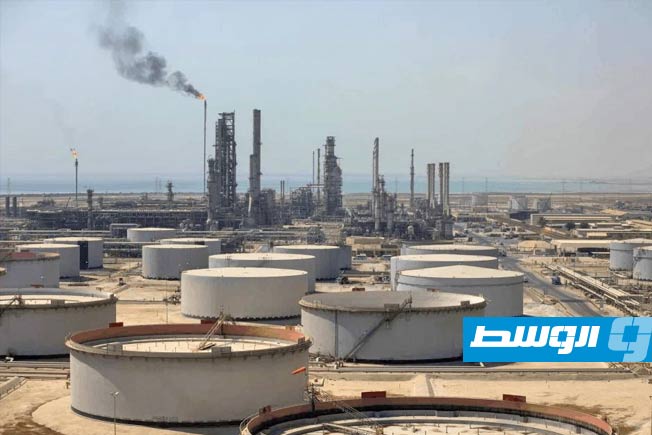
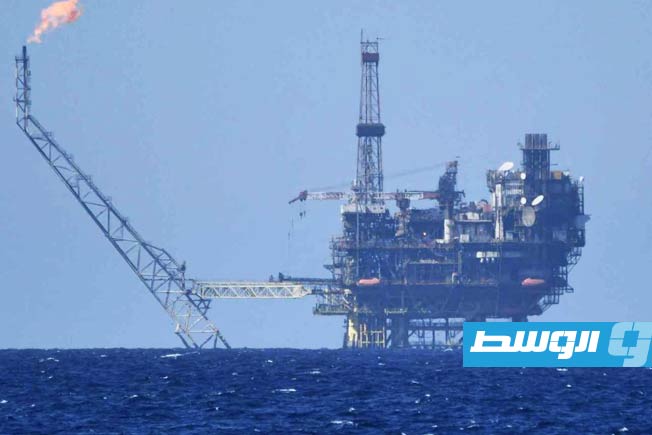
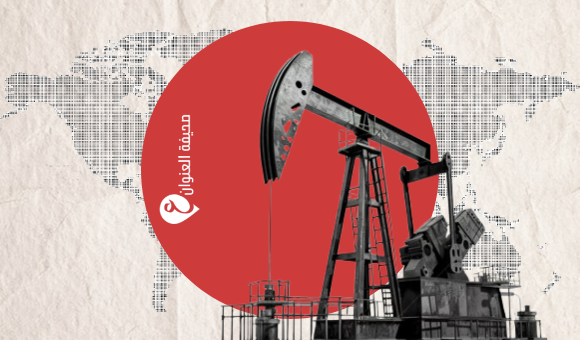
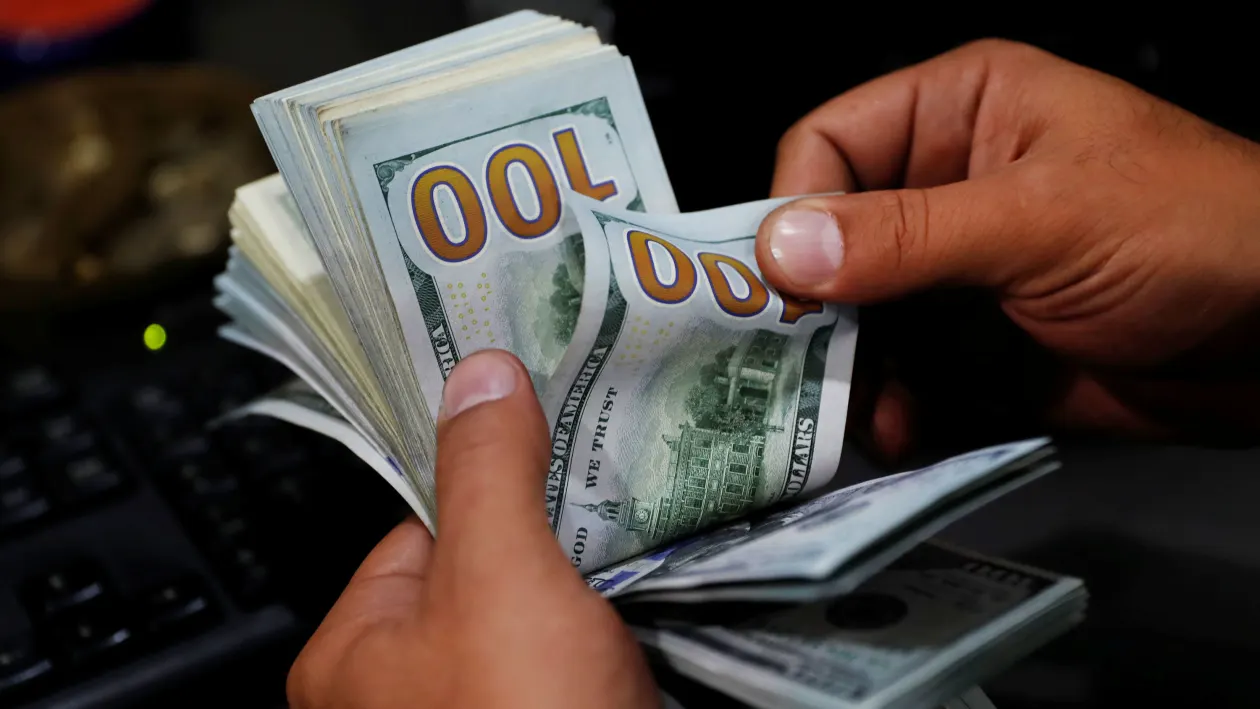
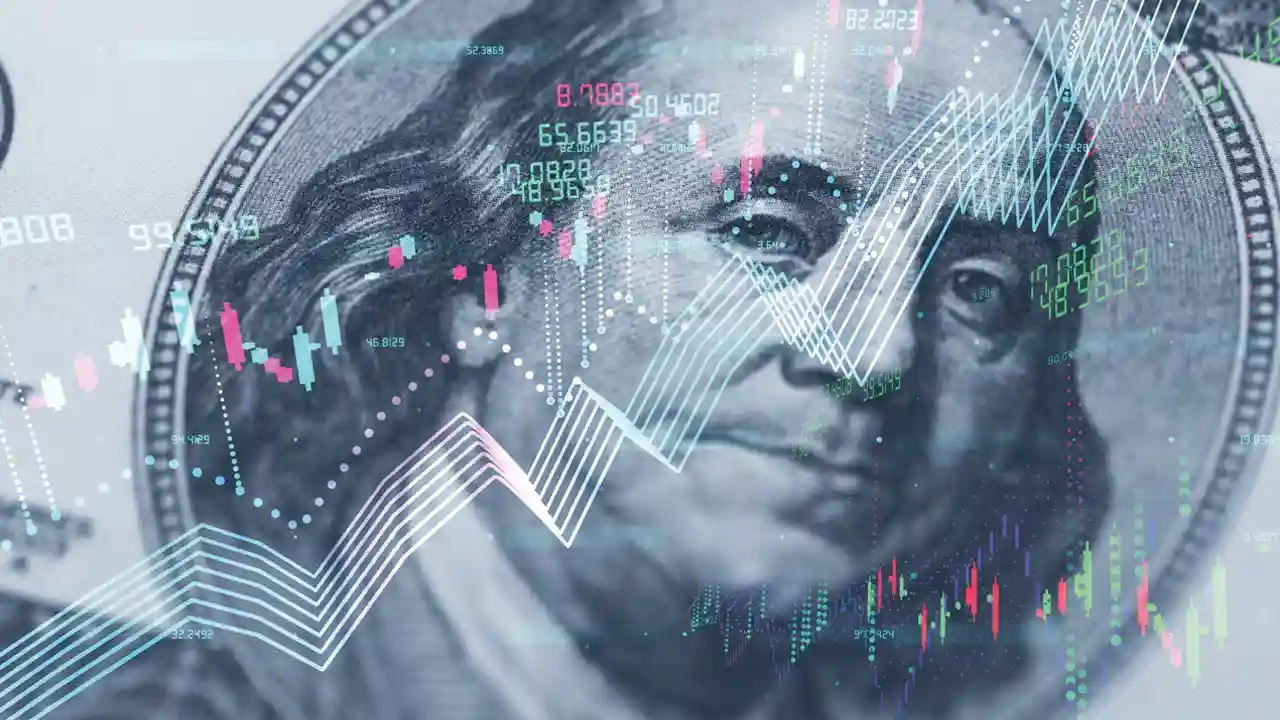
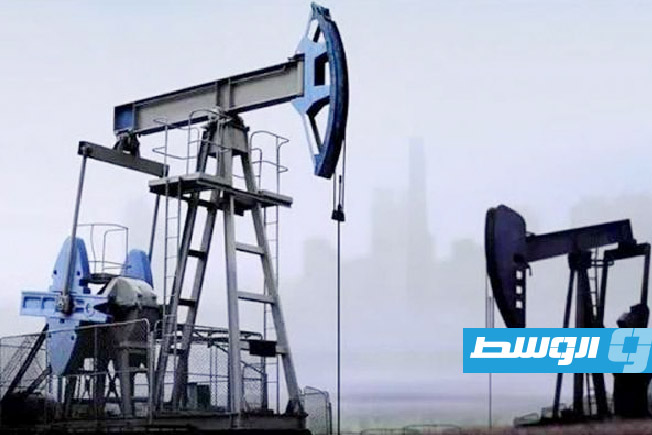
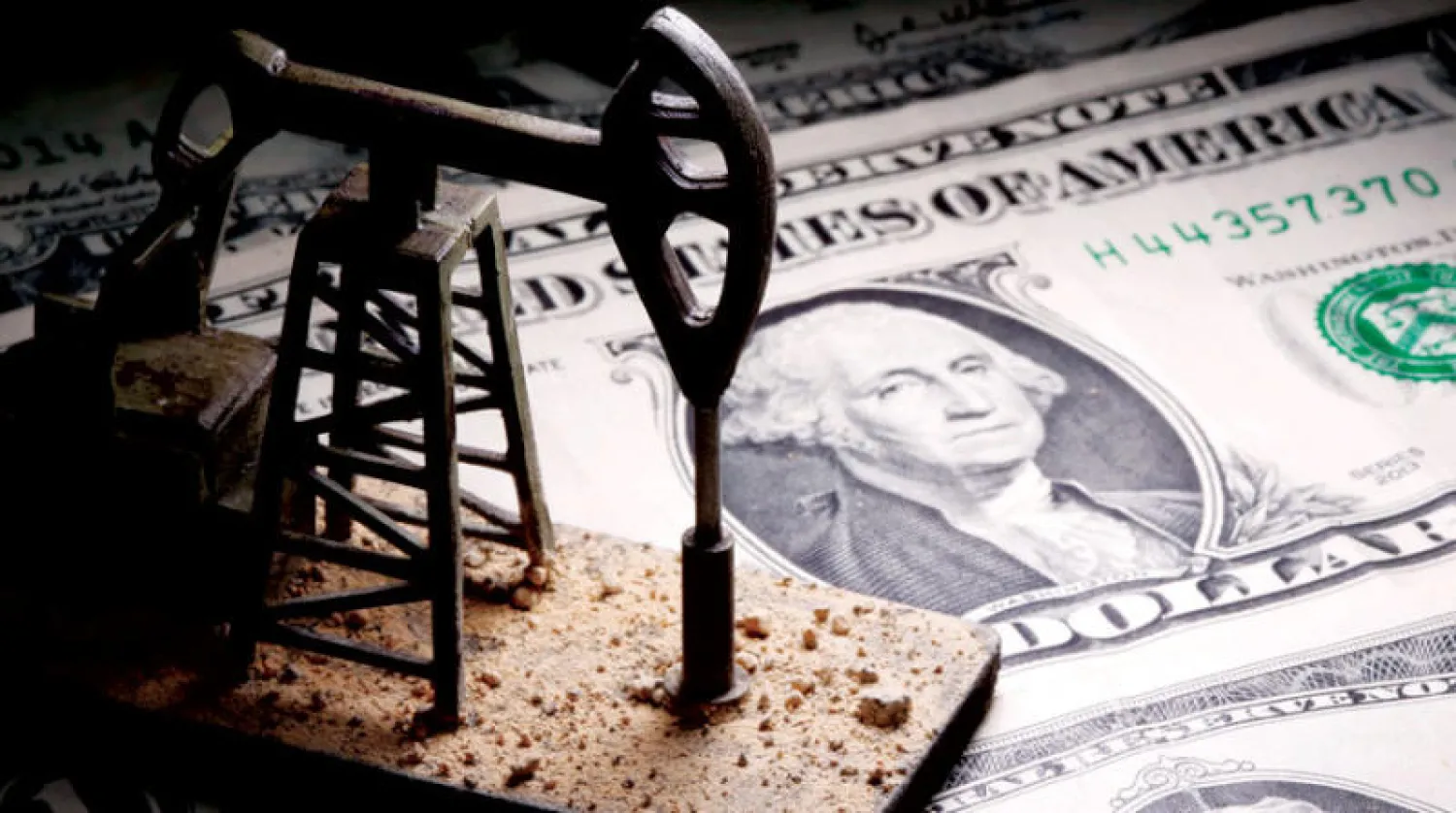
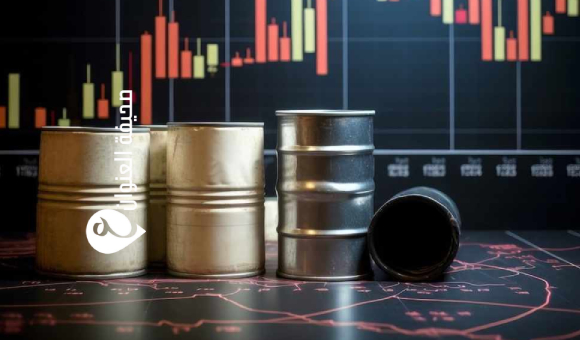
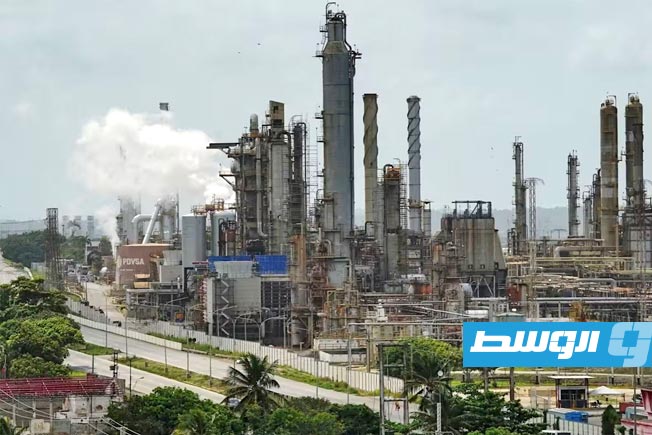
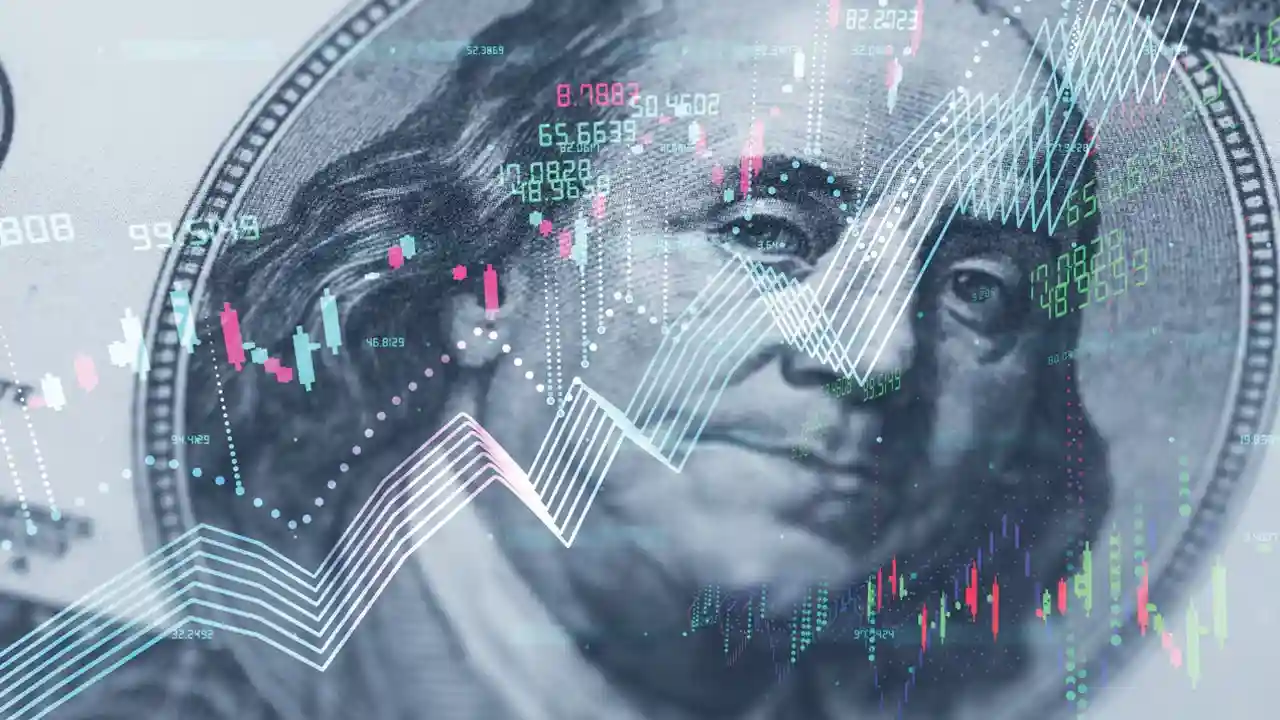
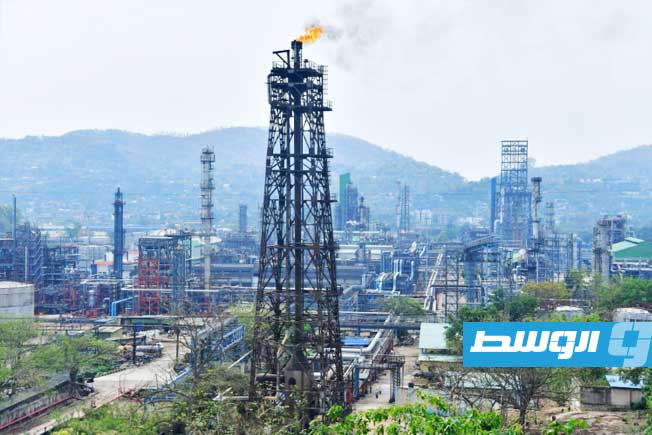
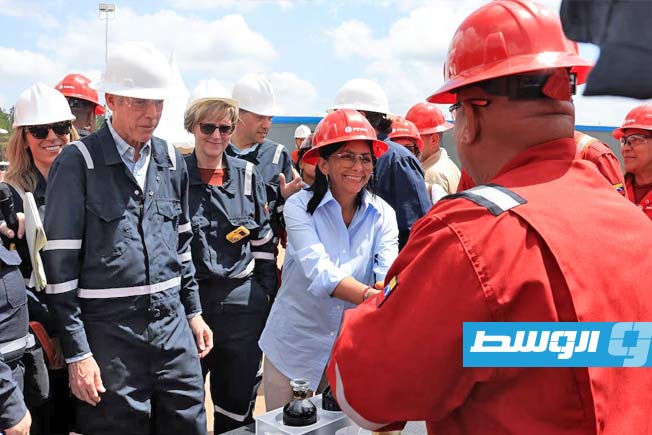
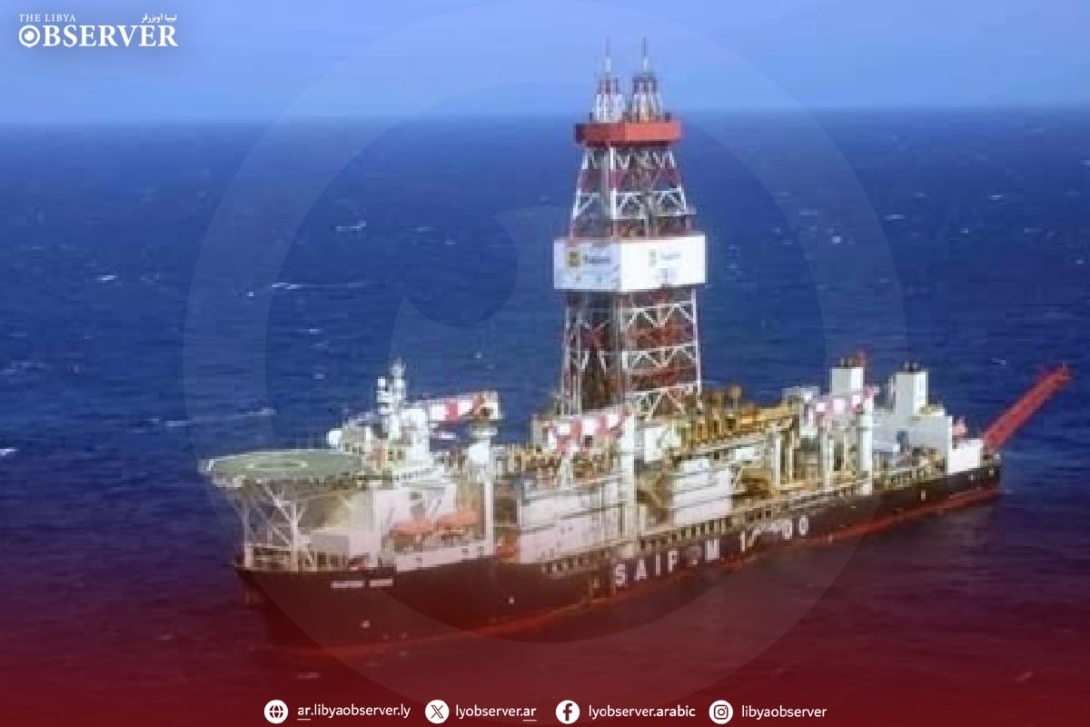
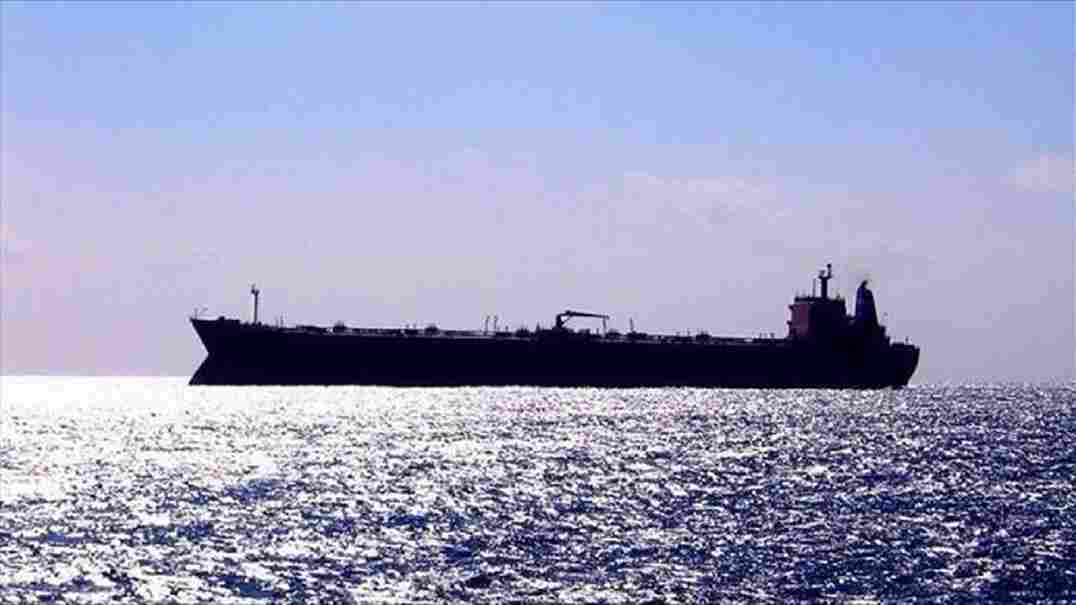
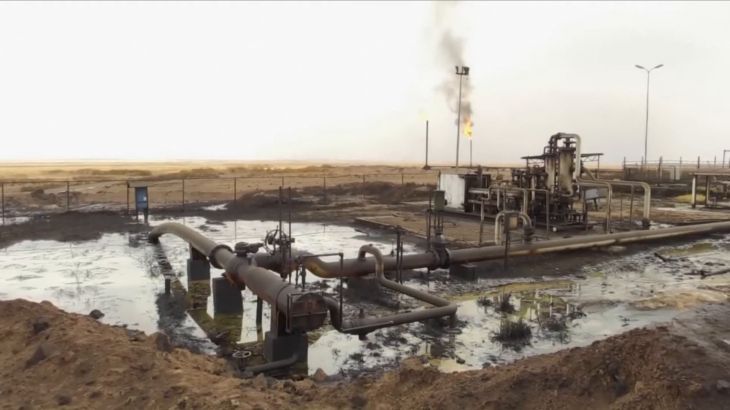
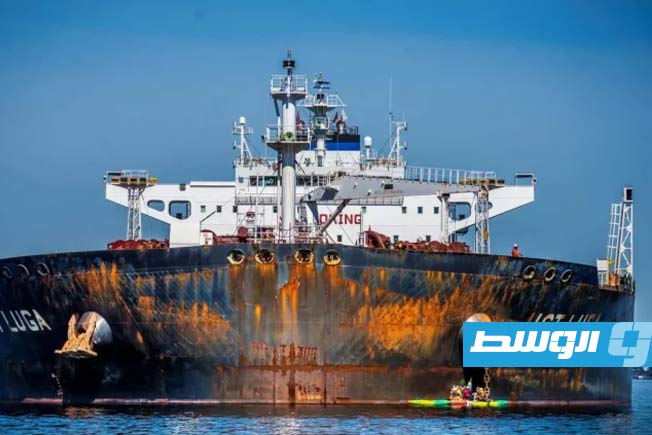
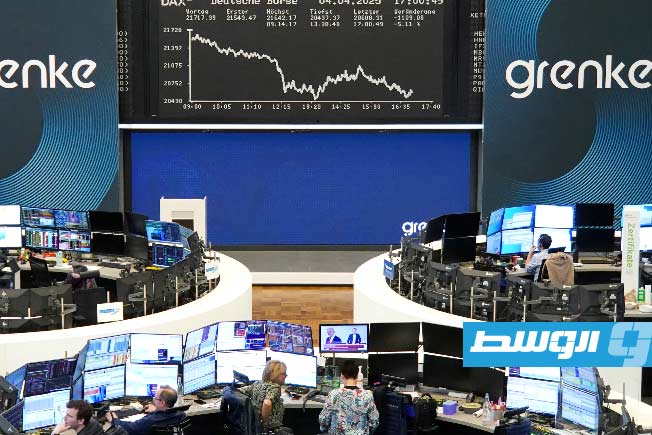
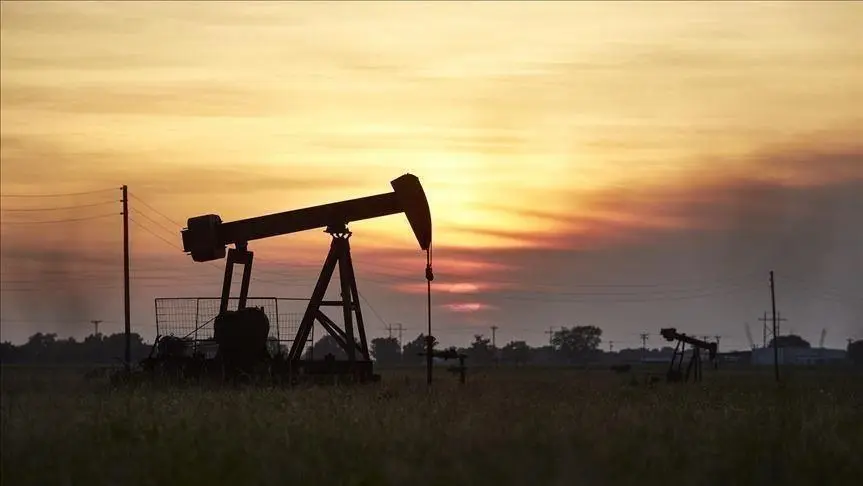
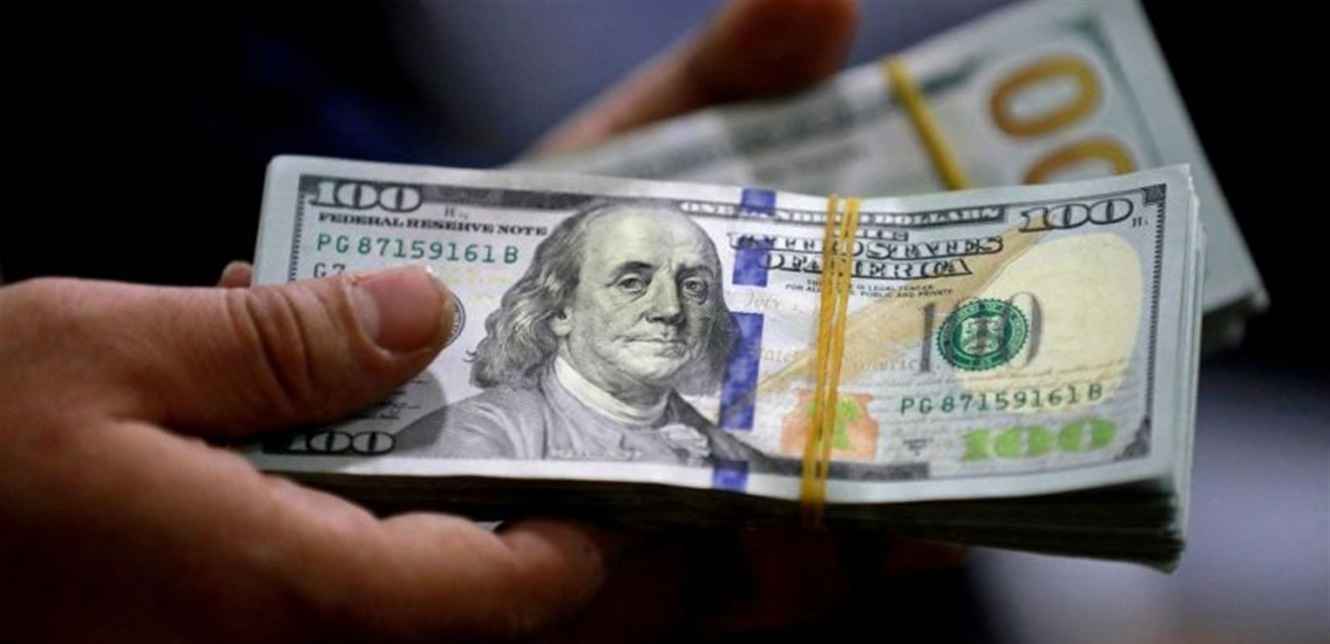
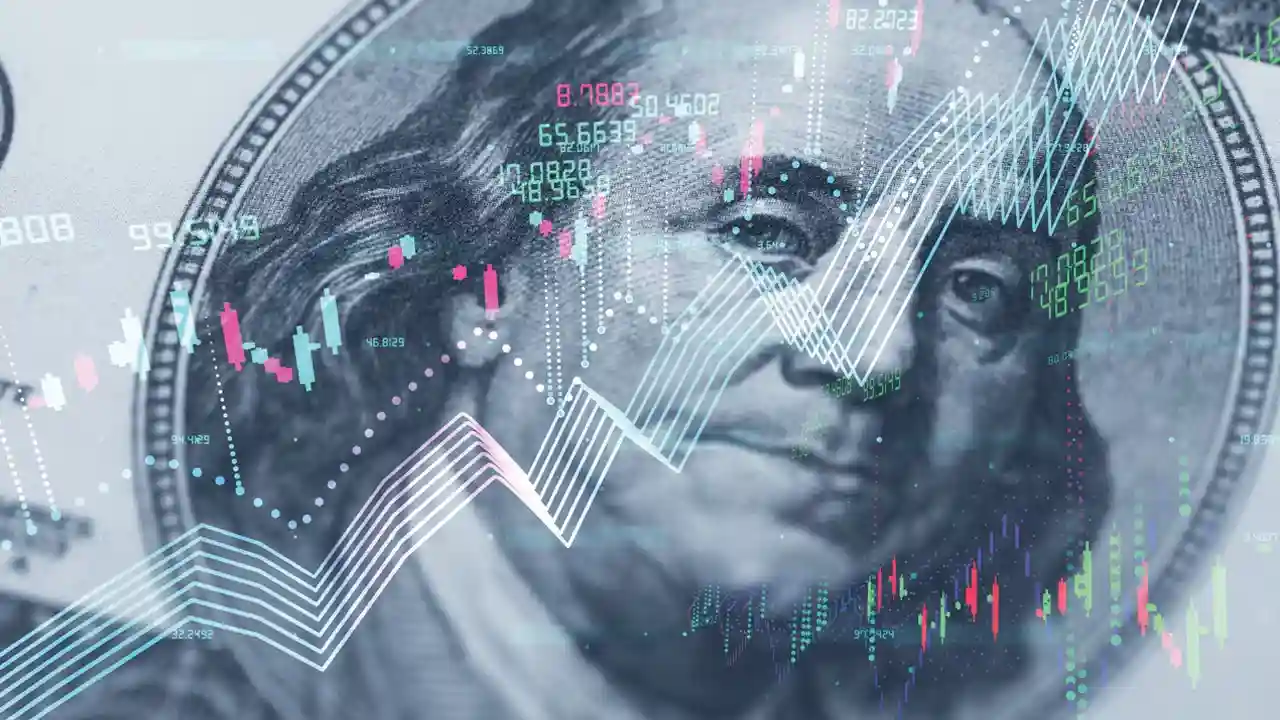
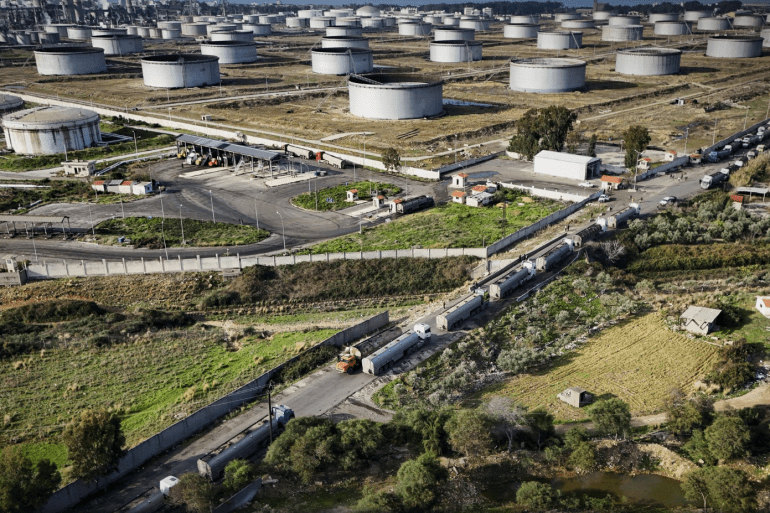
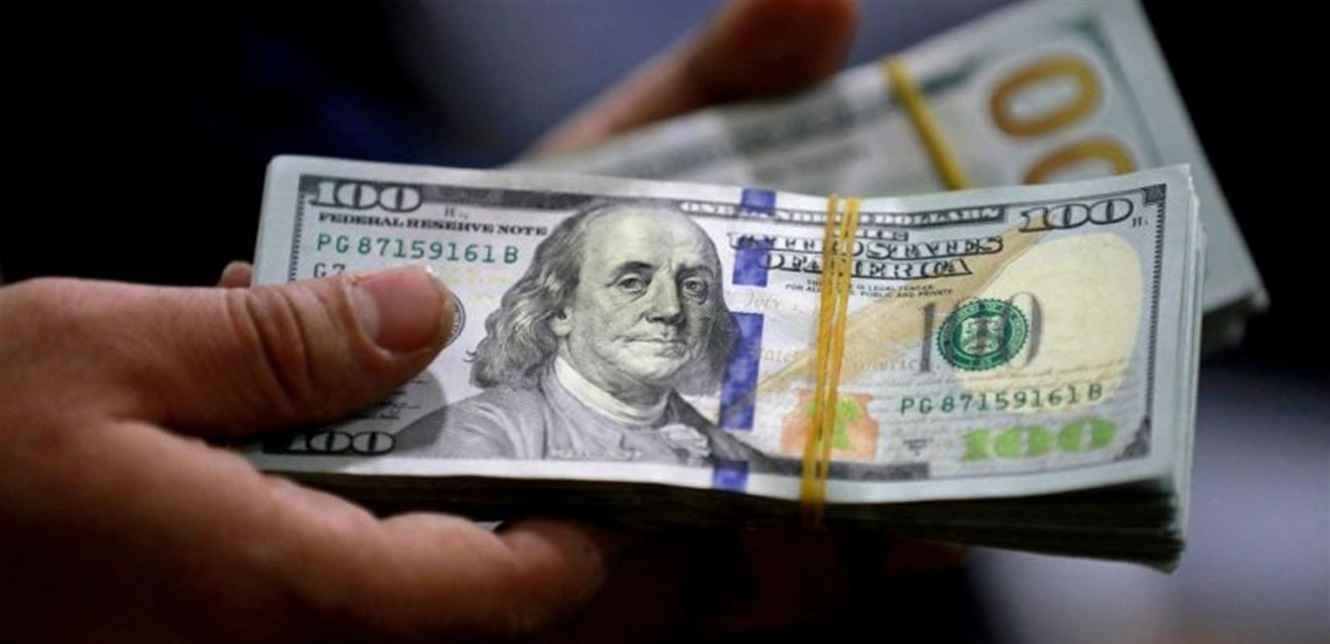
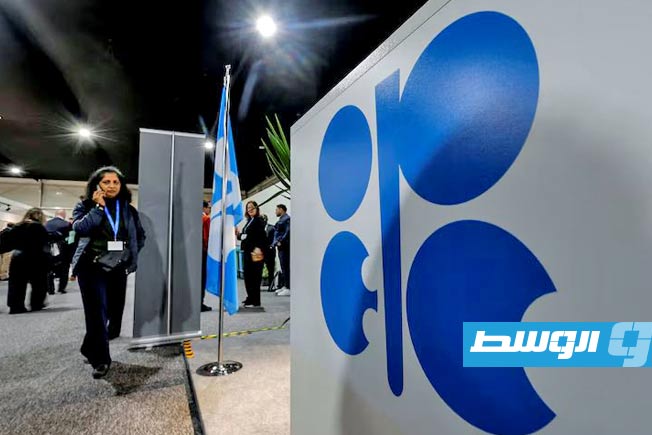
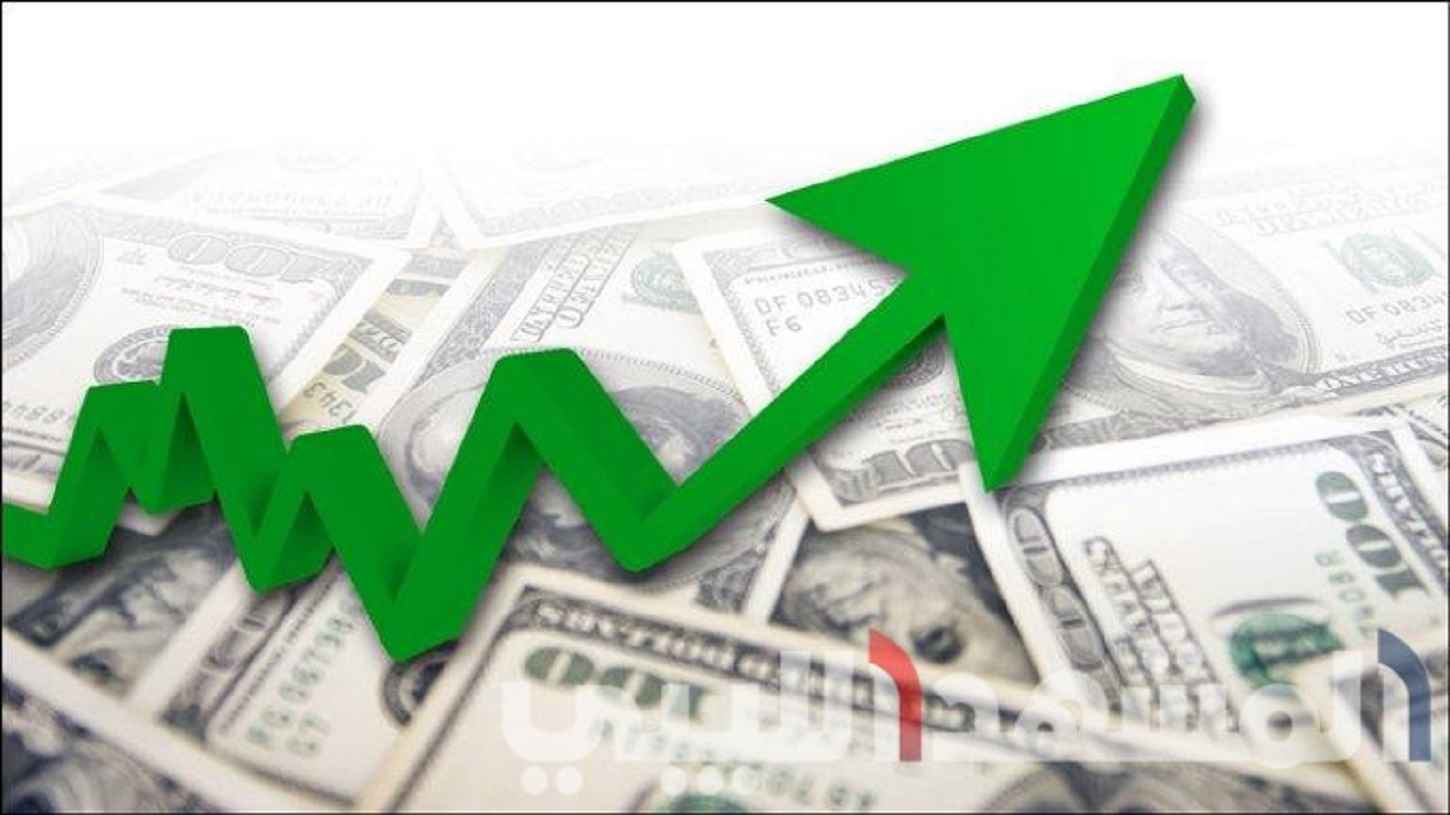
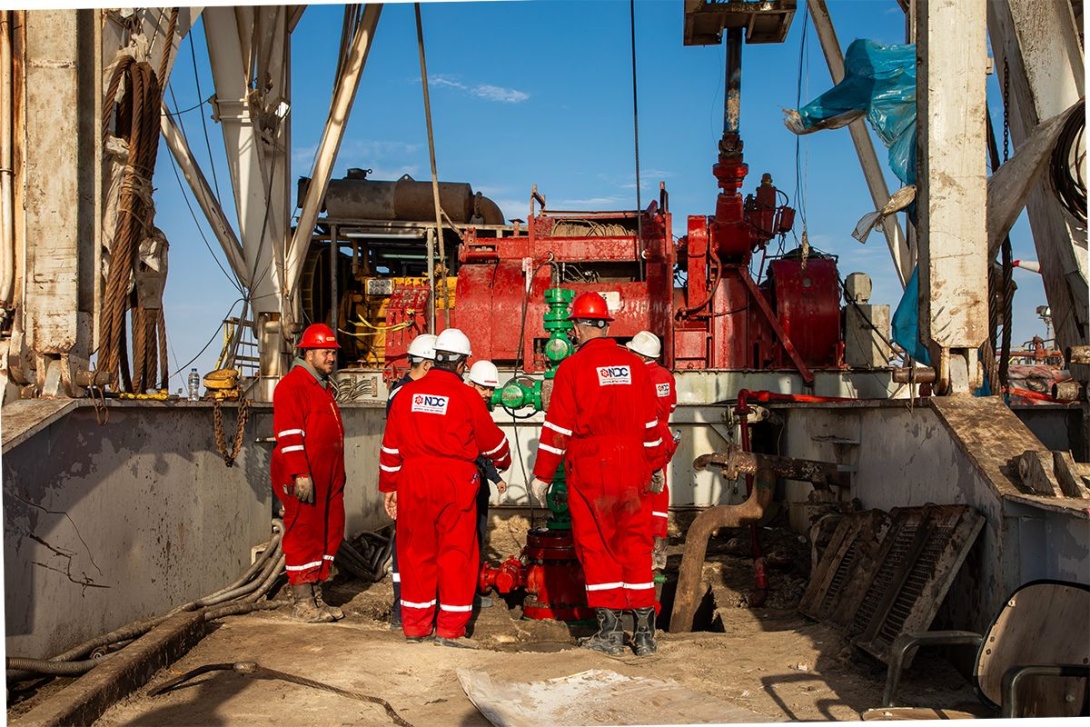
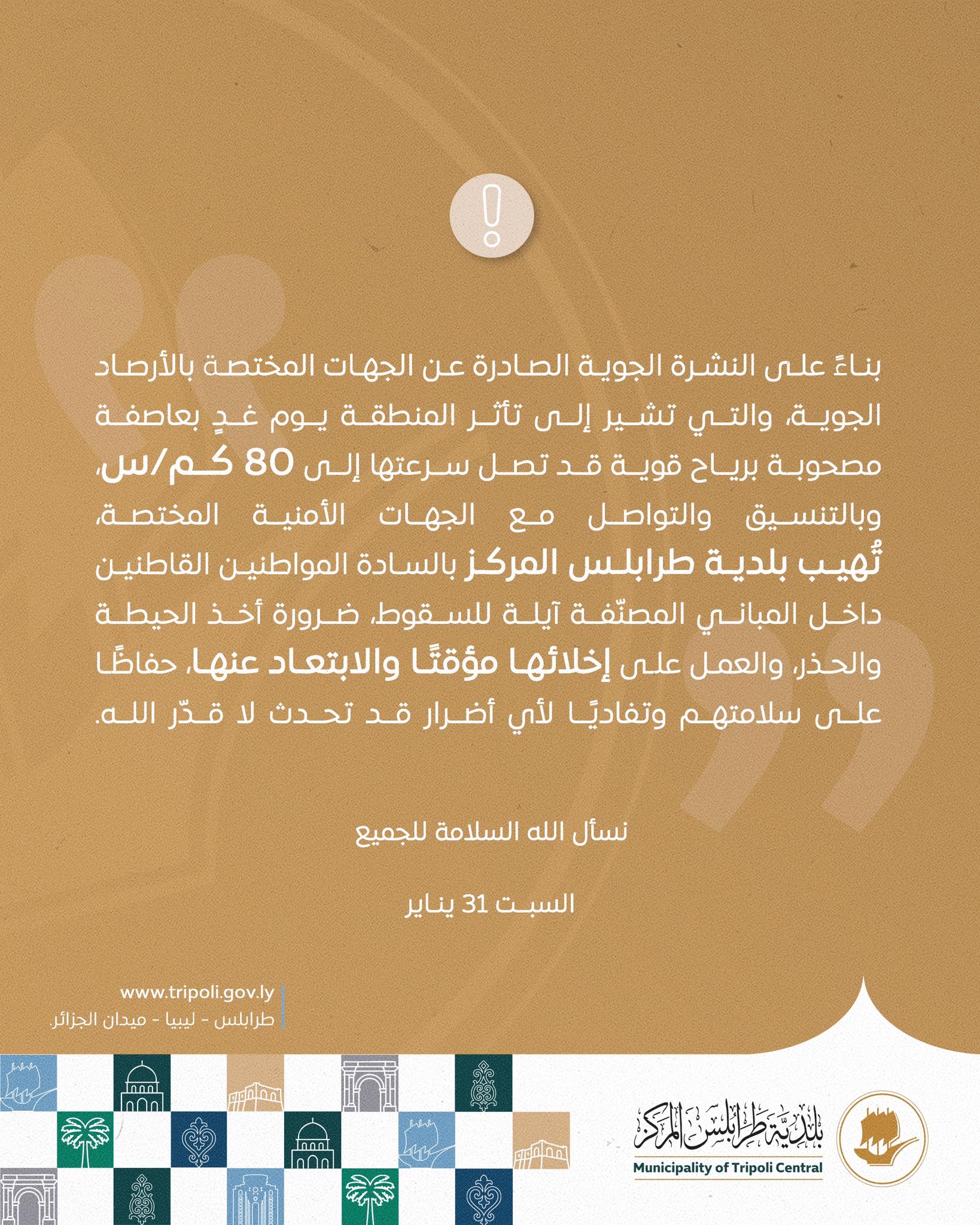
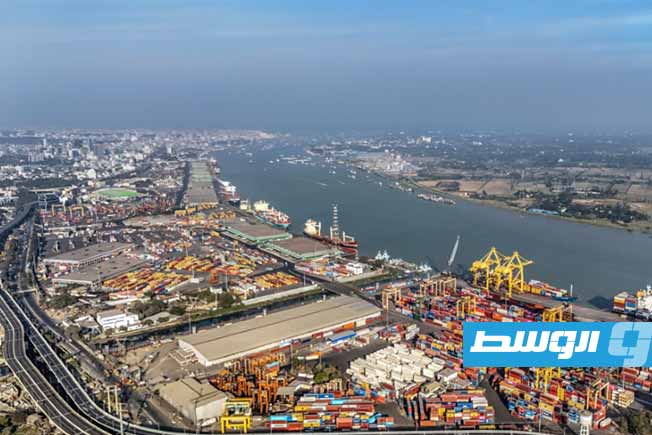
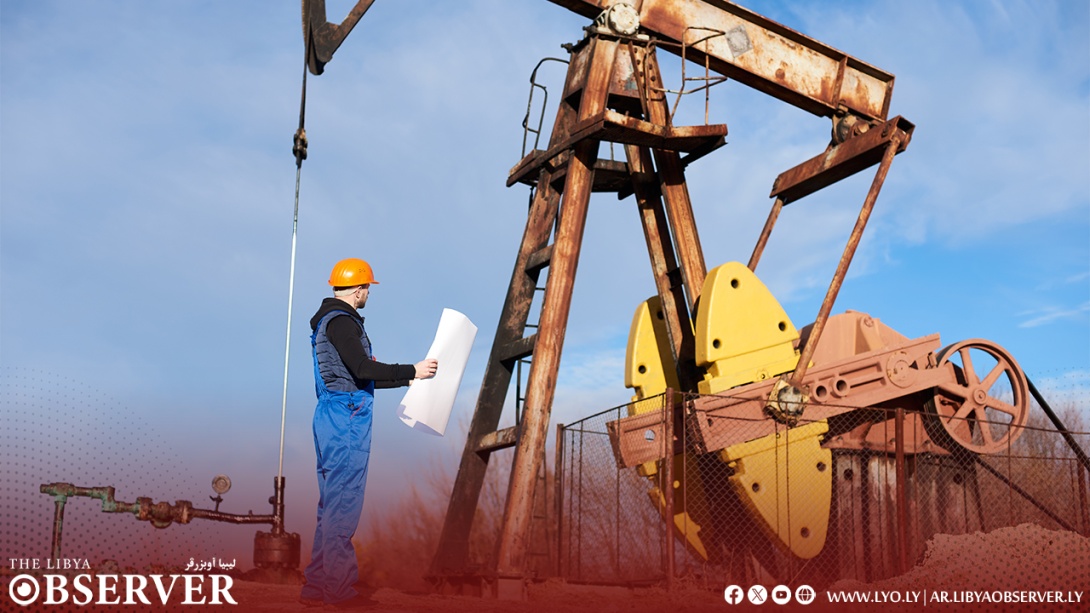
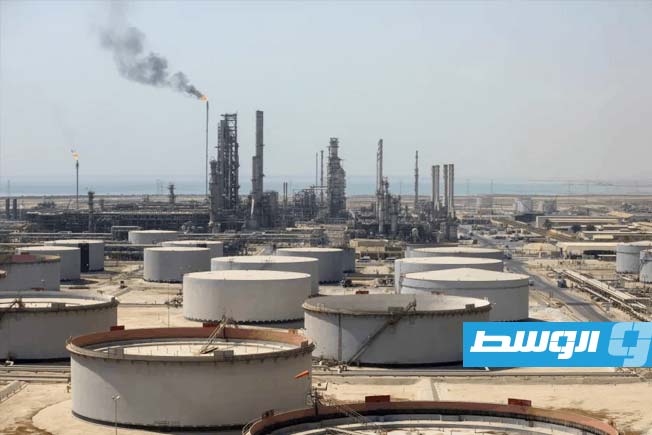
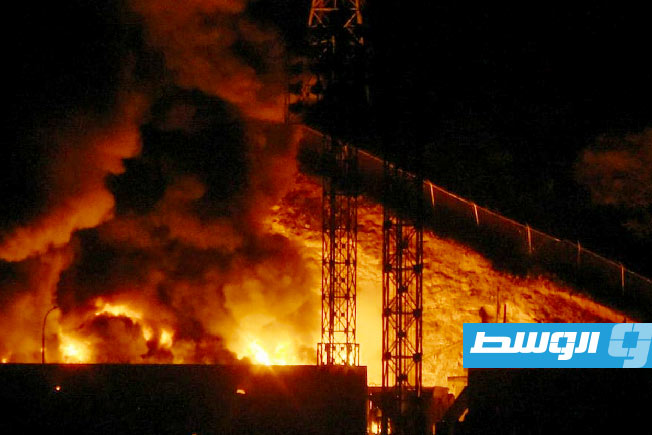
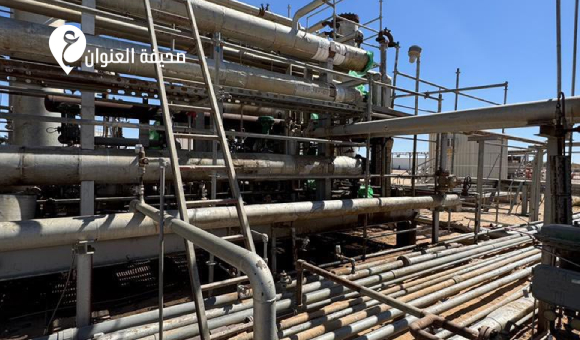
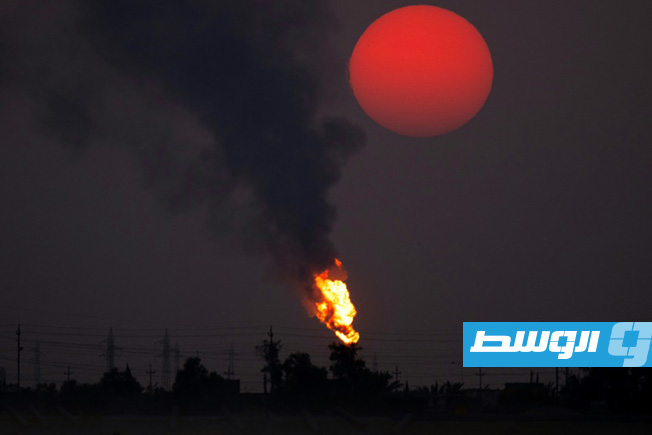
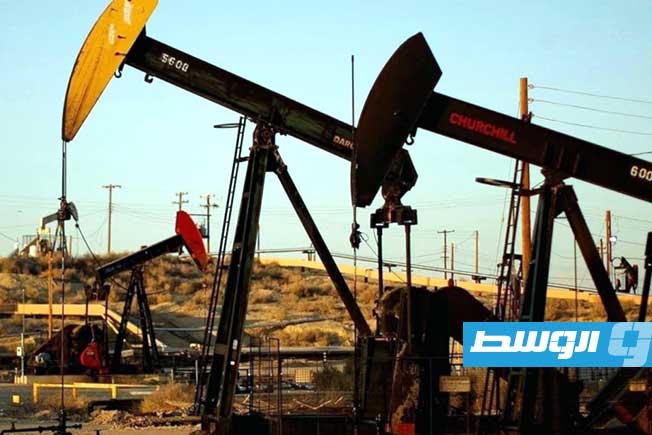
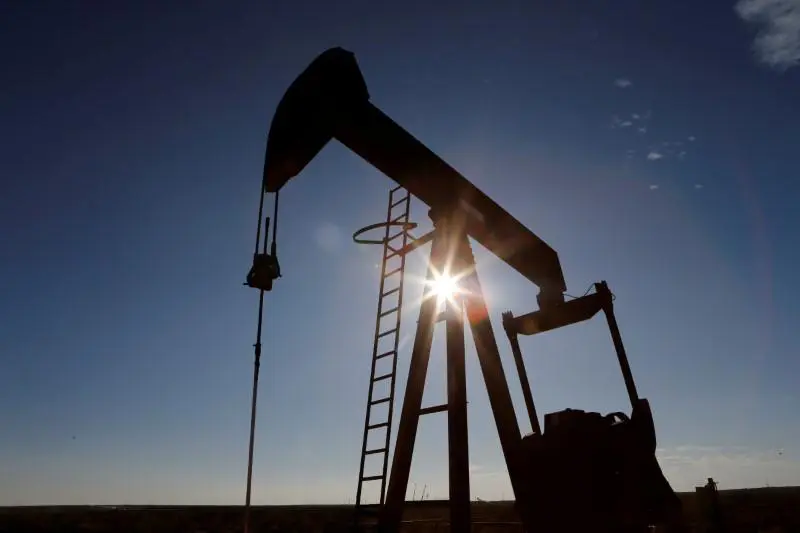
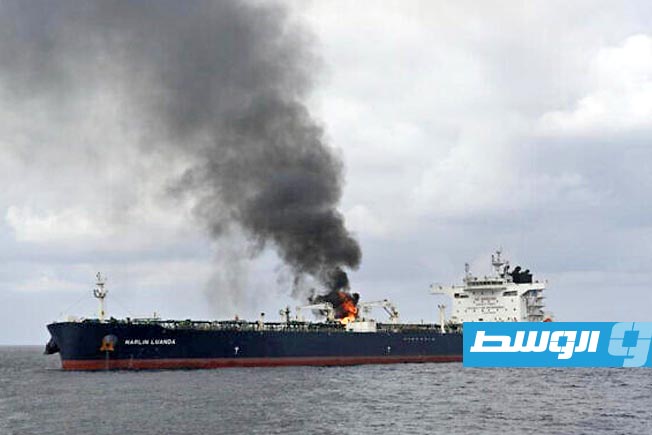
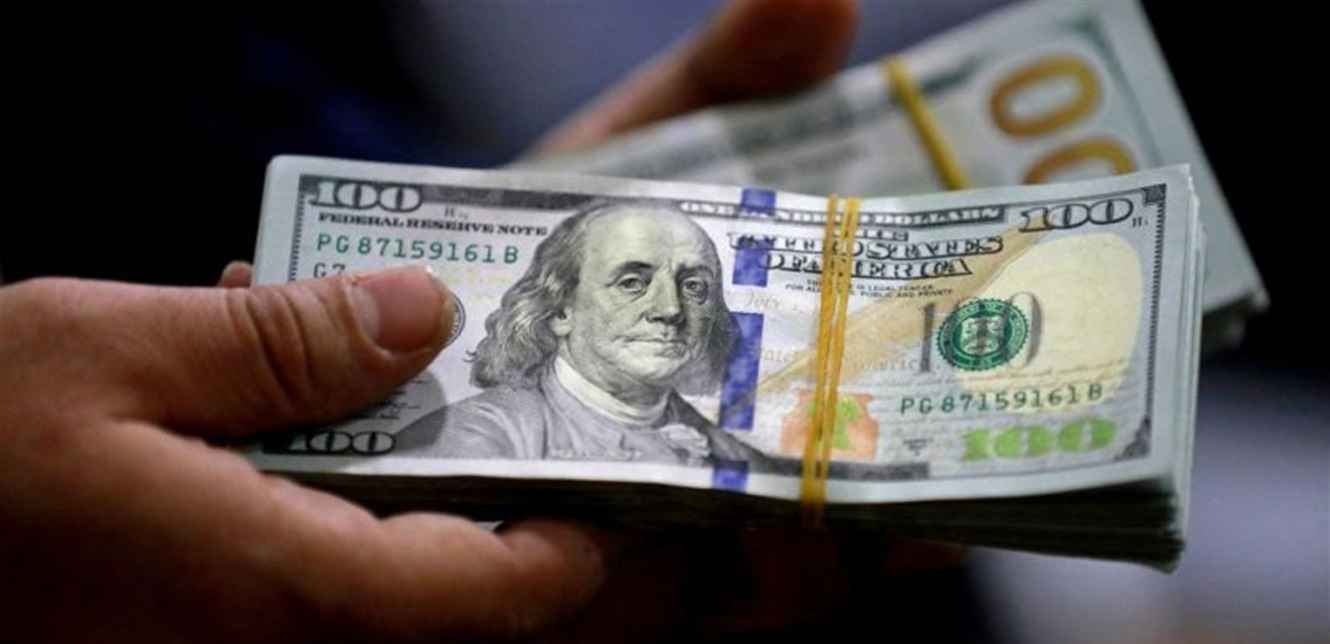
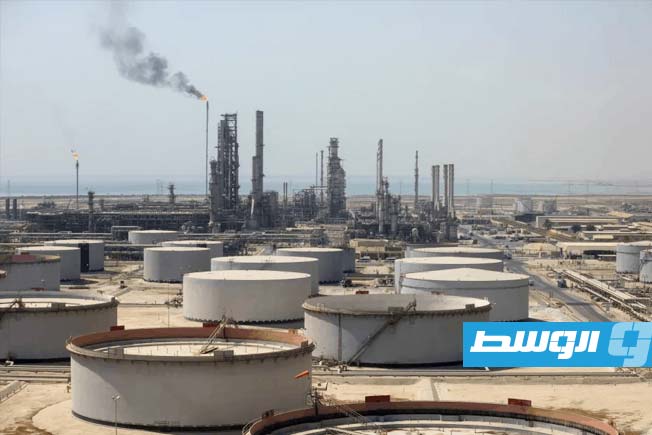
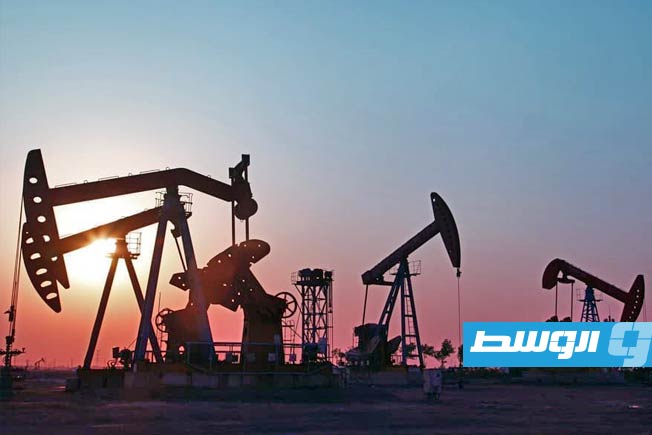
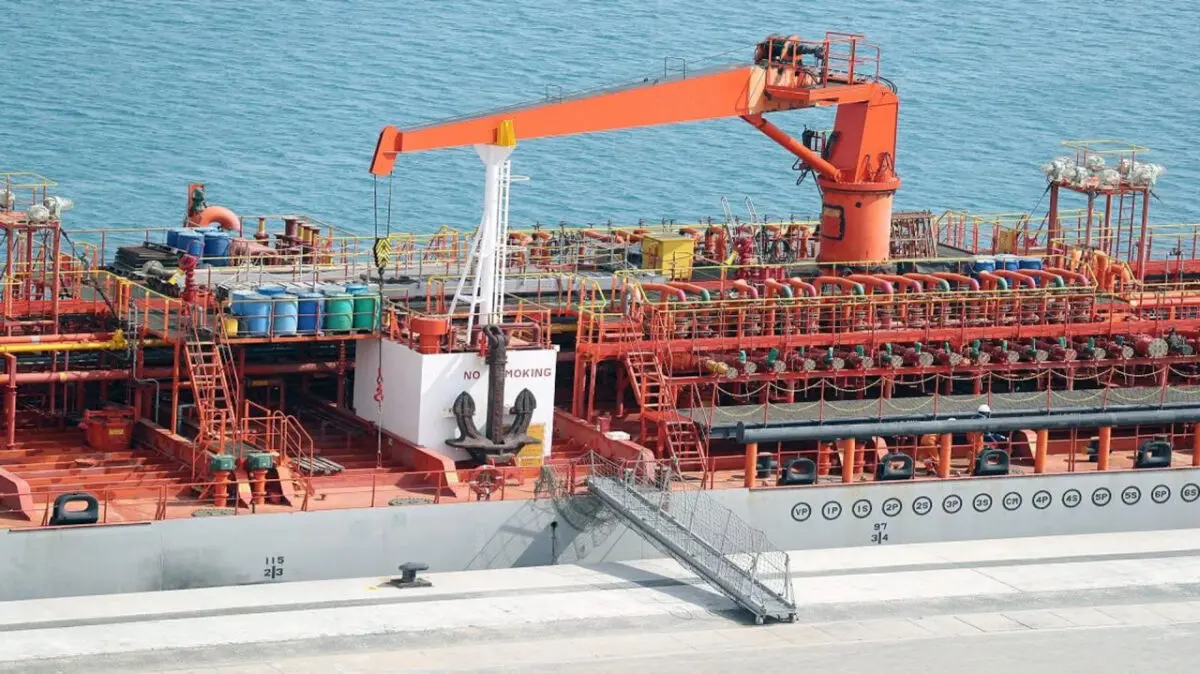
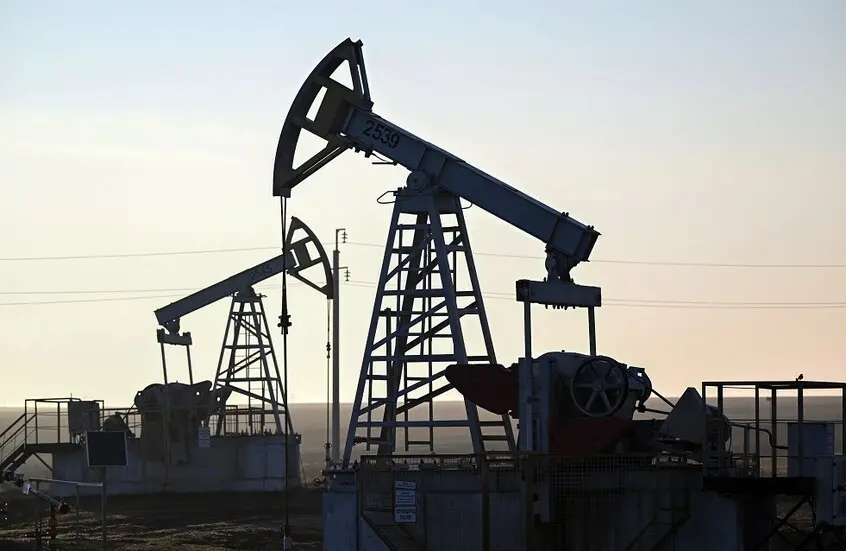
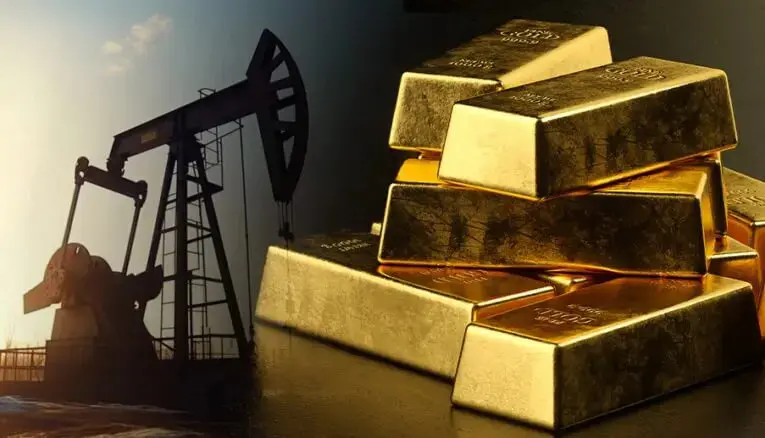
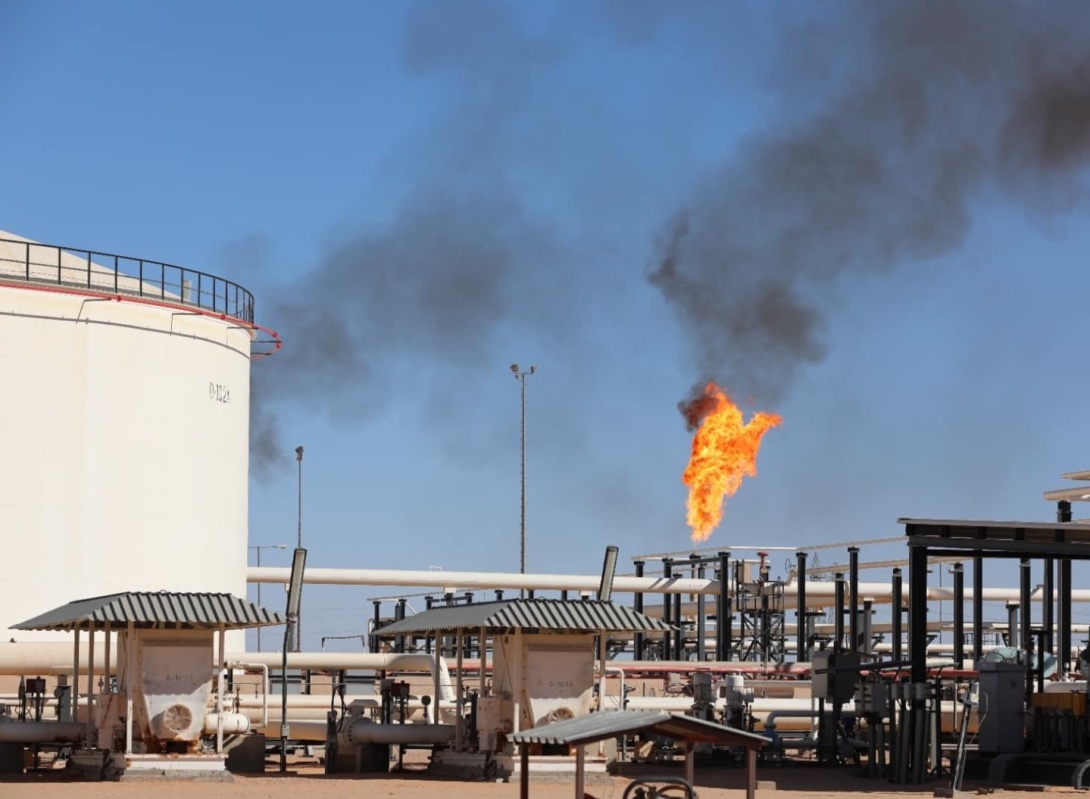
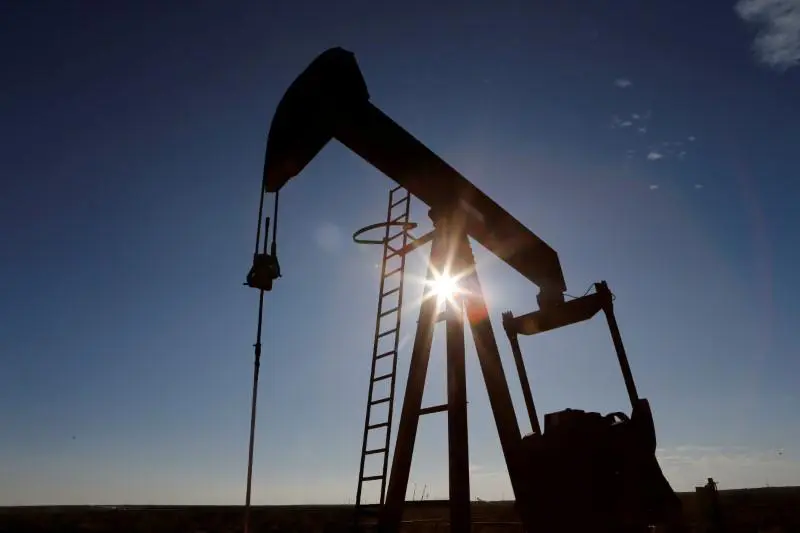
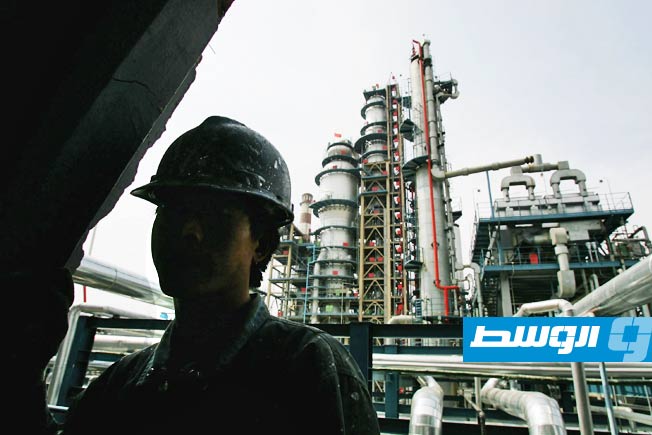
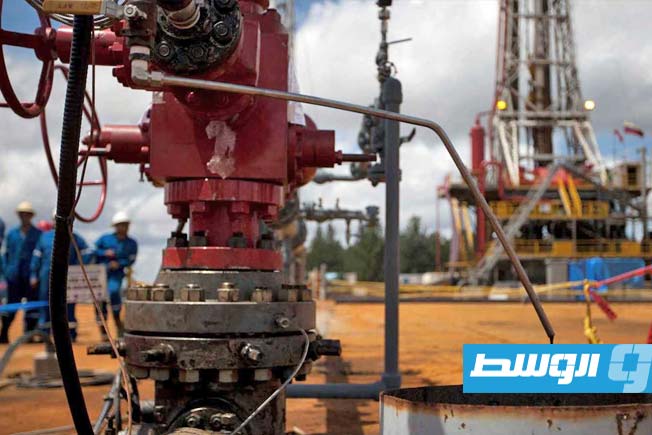
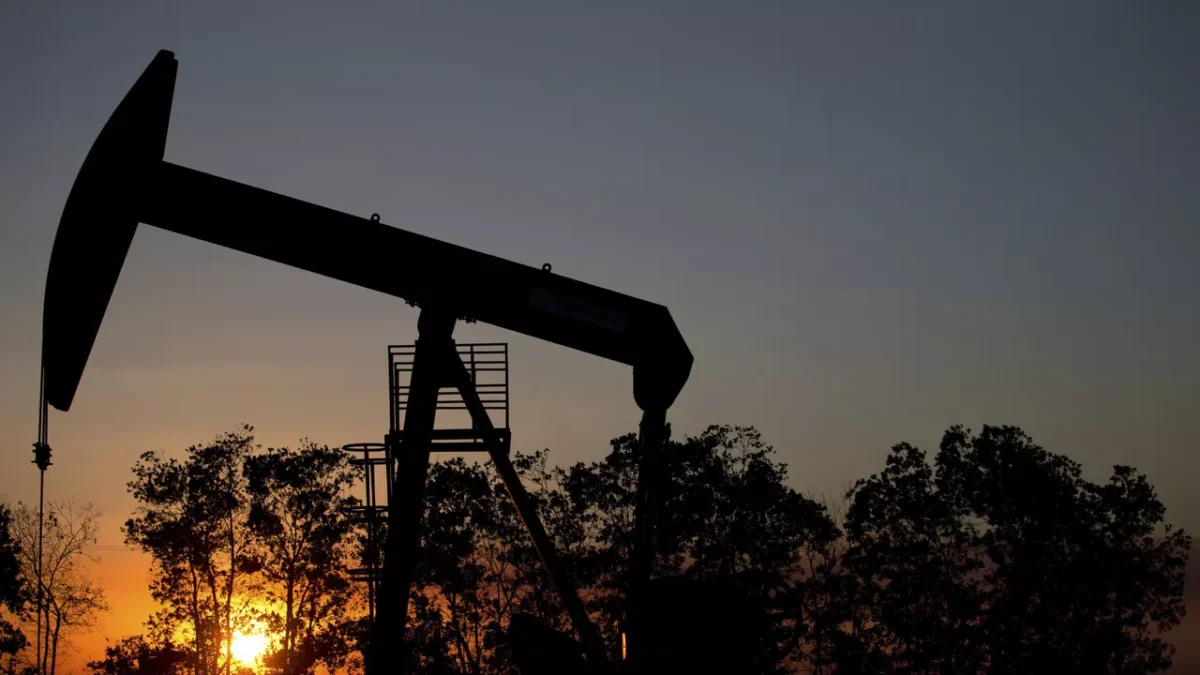
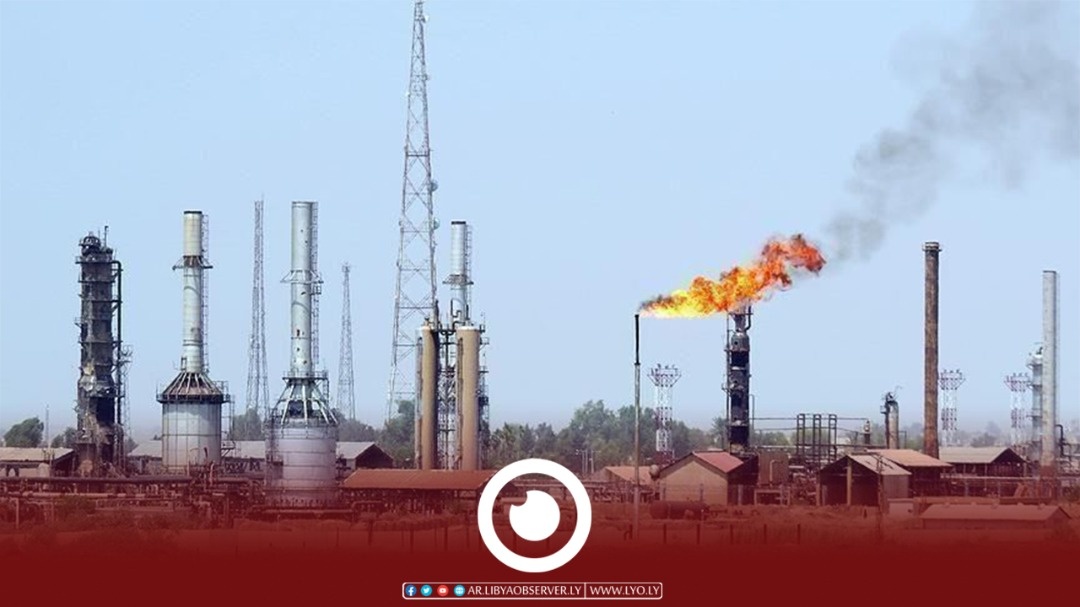
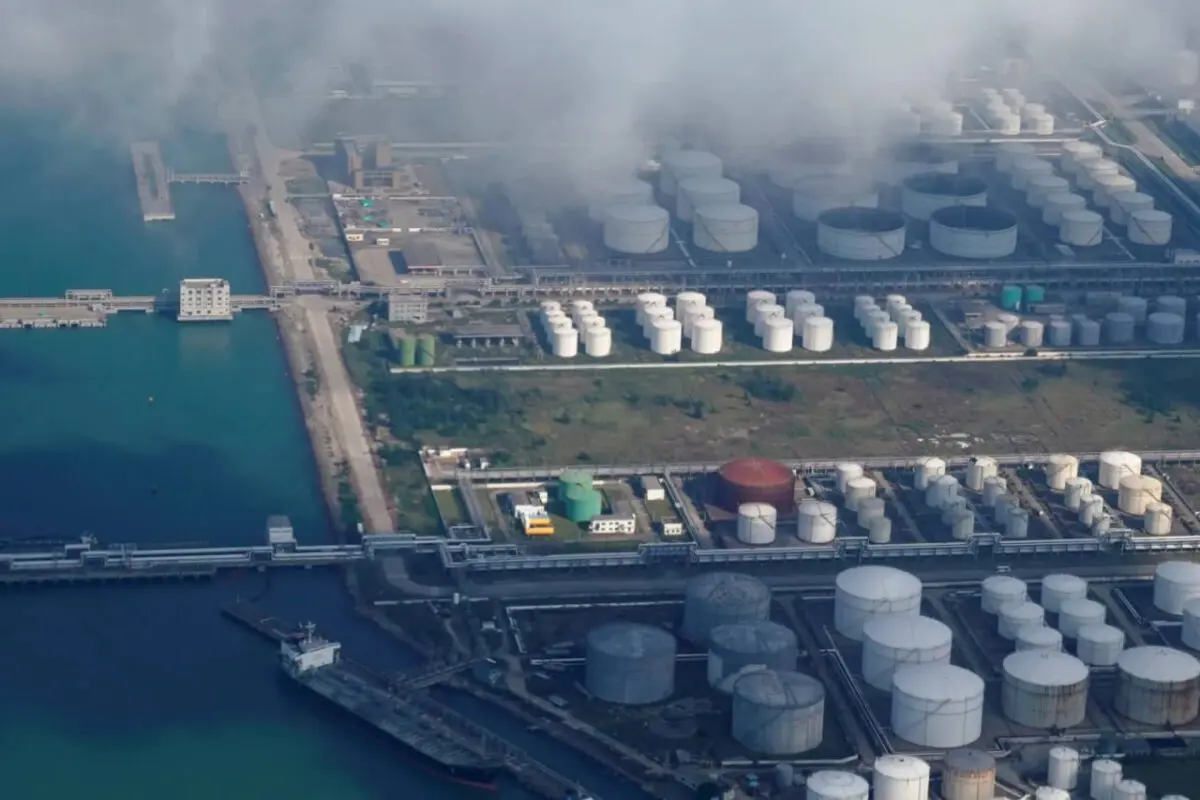
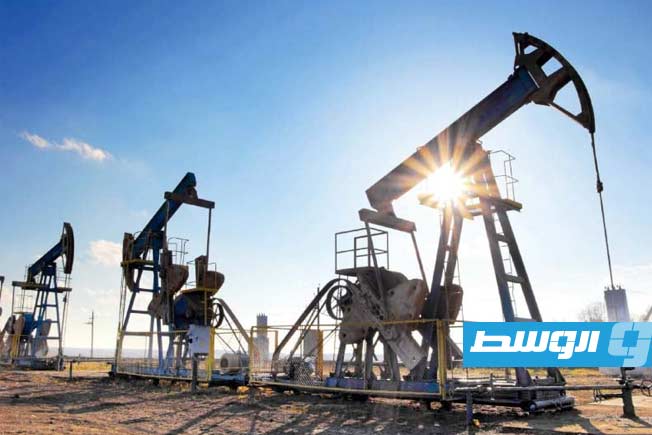
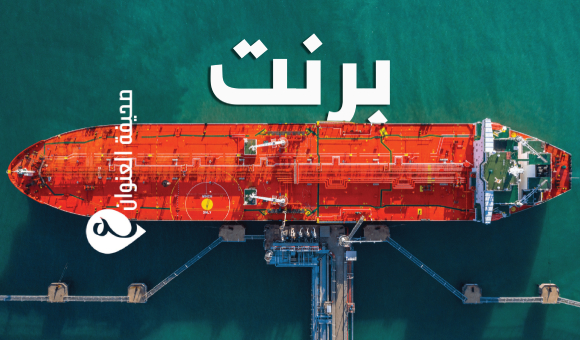
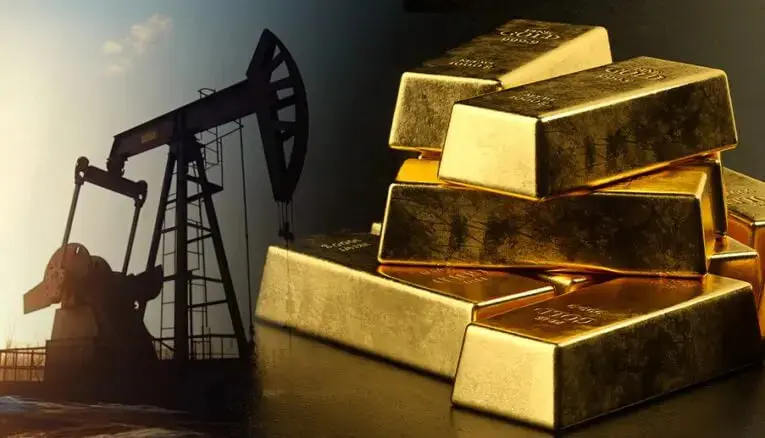
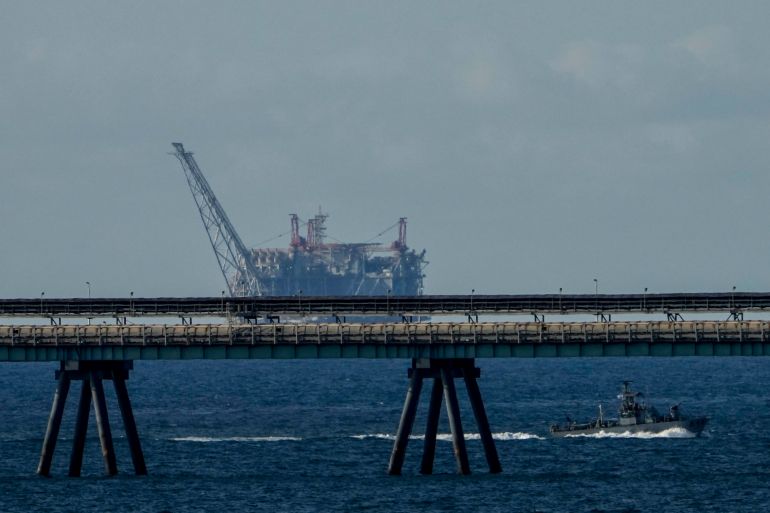
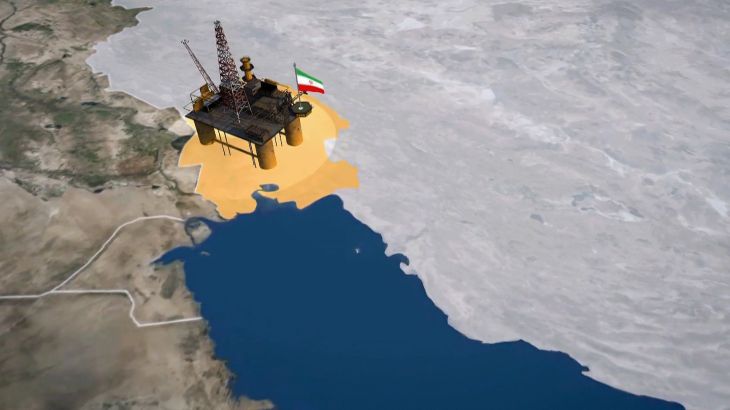
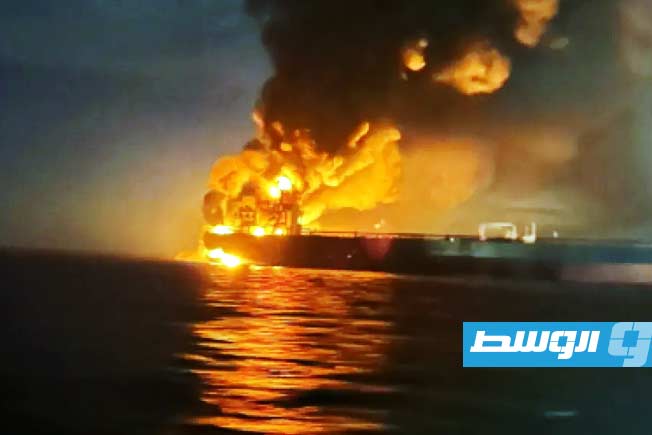
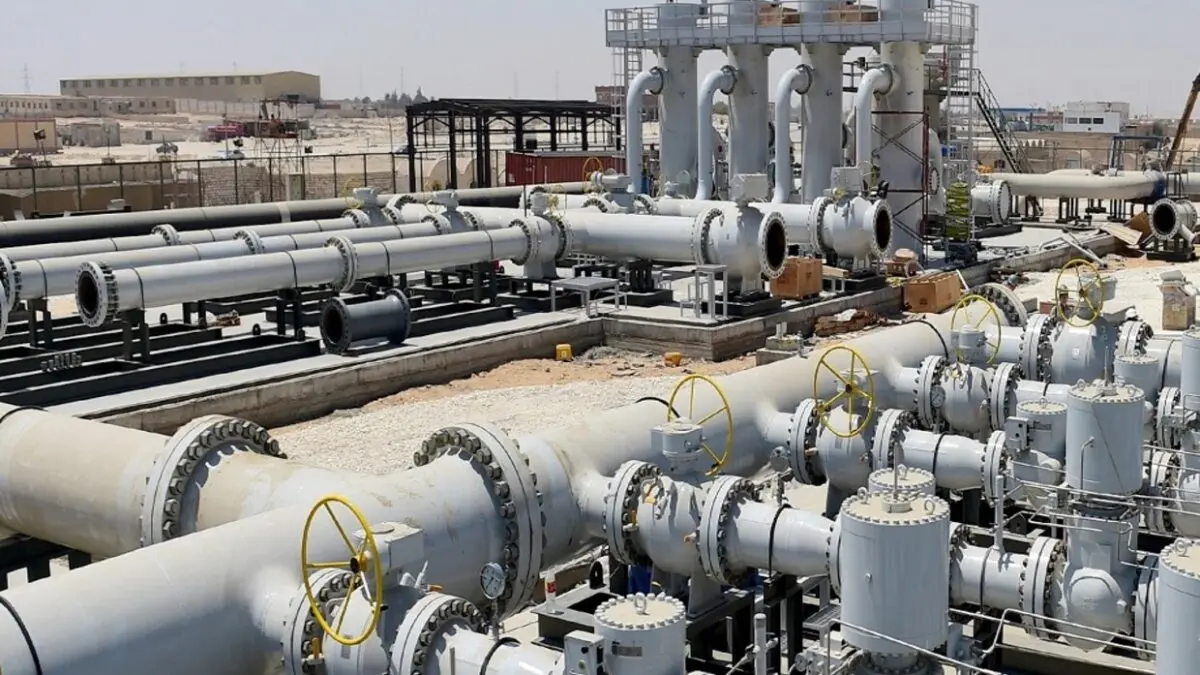
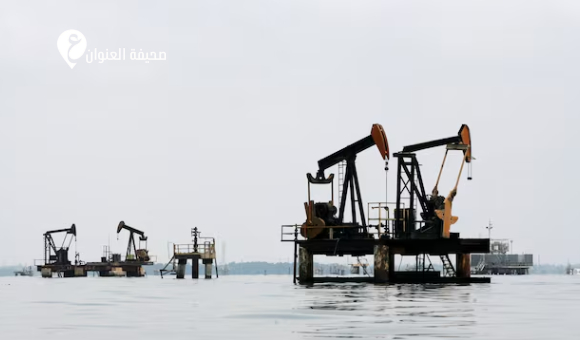
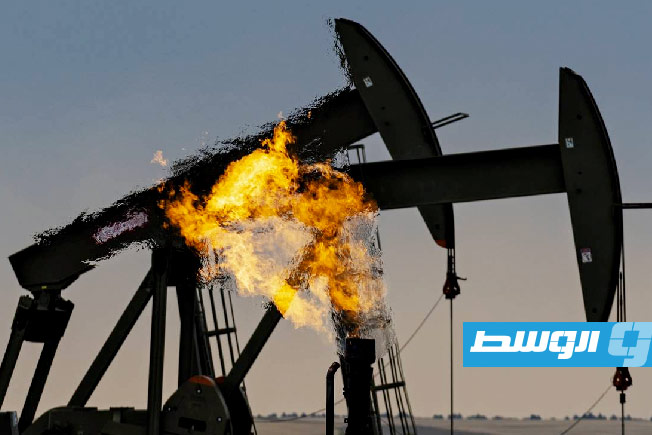
Oil prices stabilized on Monday as investors weighed the implications of anticipated US-Iranian talks aimed at reducing tensions, amid expectations of increased supplies from OPEC+.
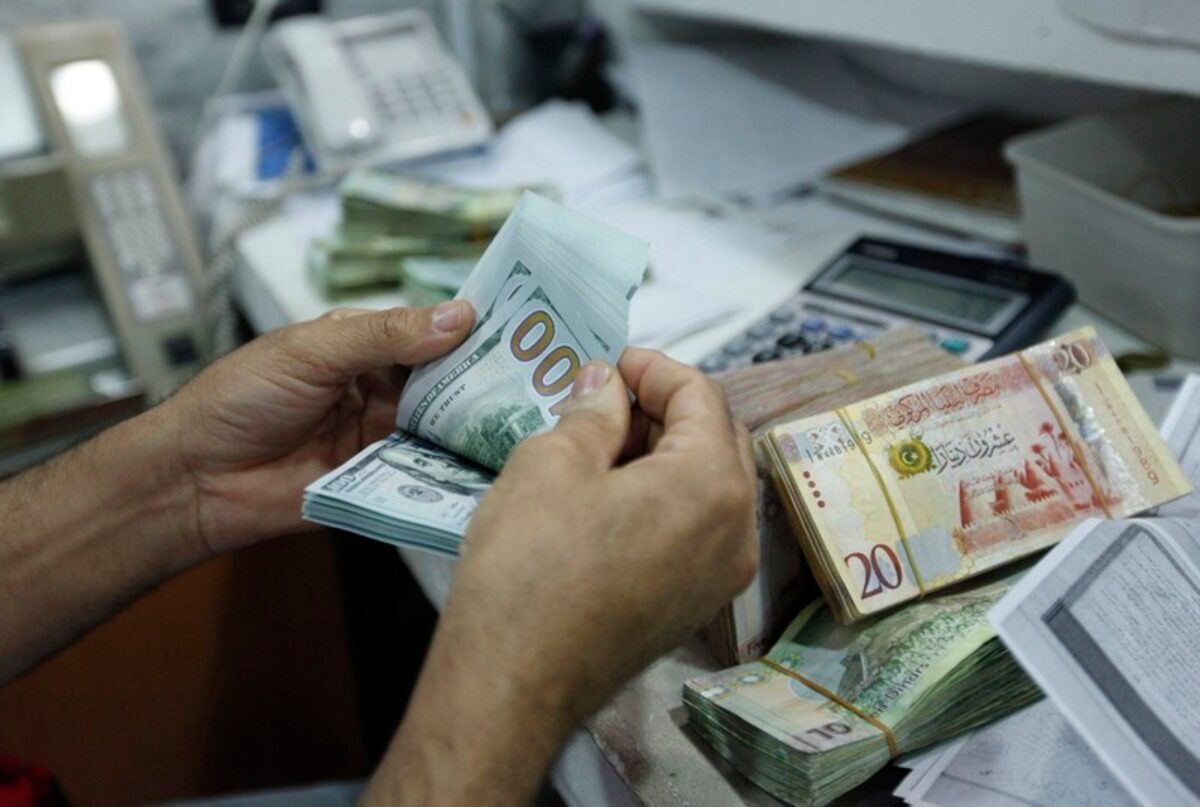
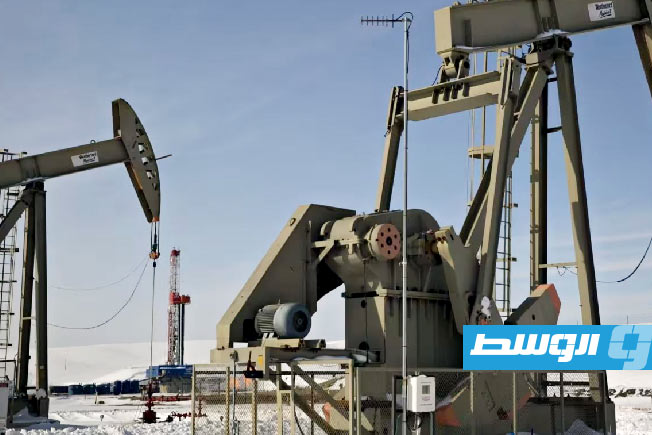
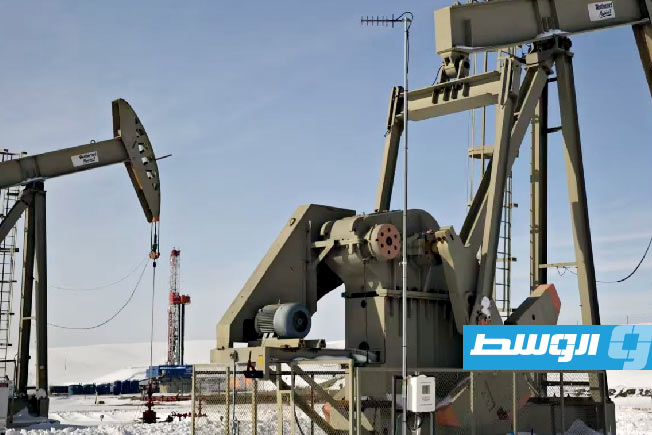
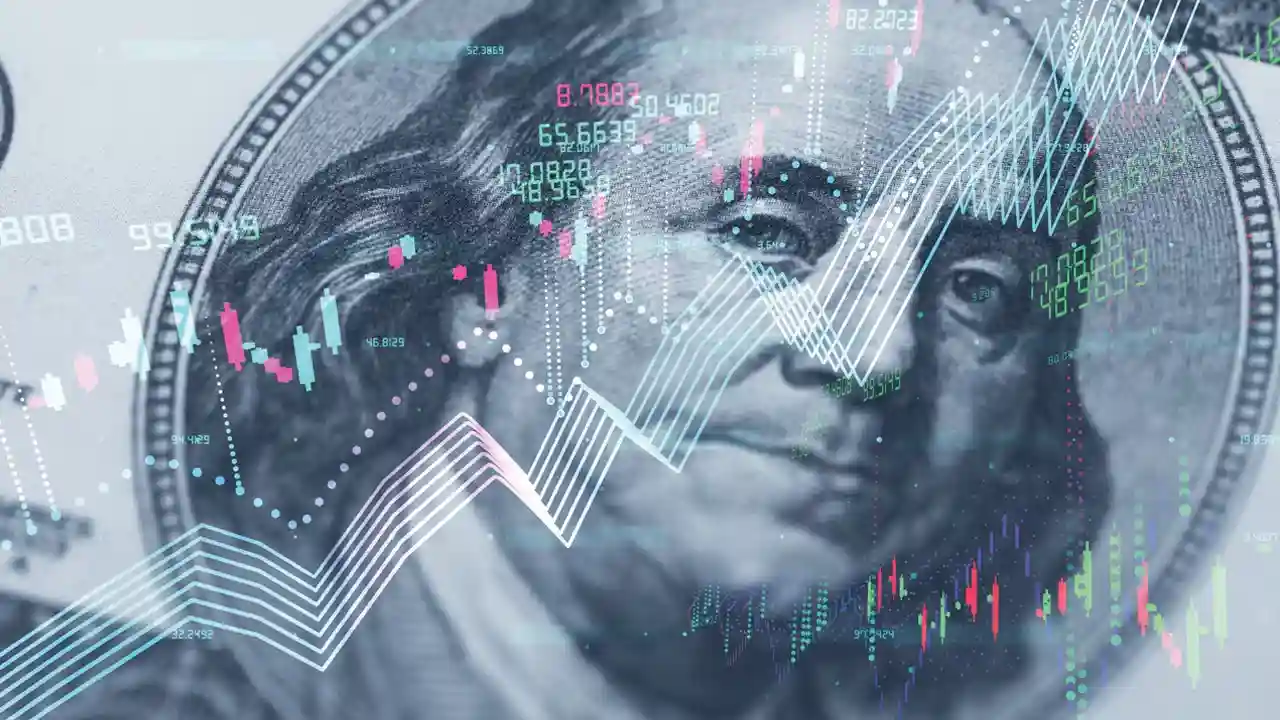
Brent crude futures rose by 3 cents to reach $67.78 per barrel, while the price of US West Texas Intermediate crude was $62.91 per barrel, up by 2 cents.
Both benchmarks declined last week
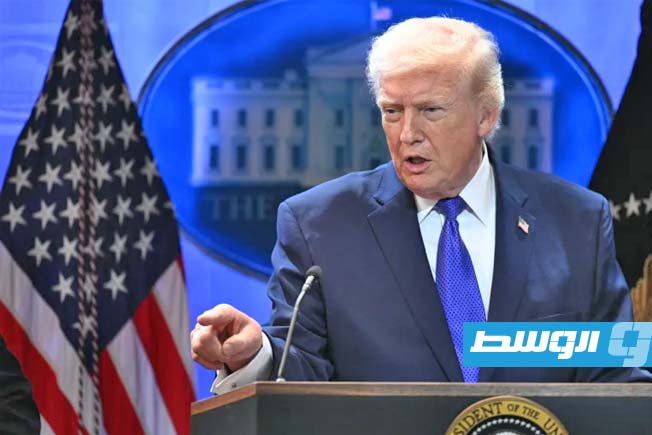
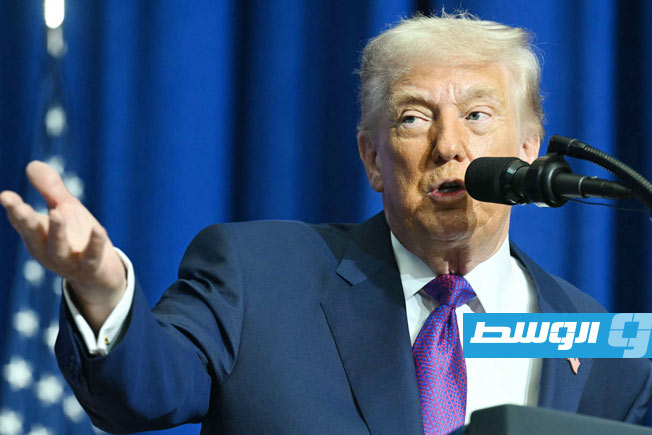
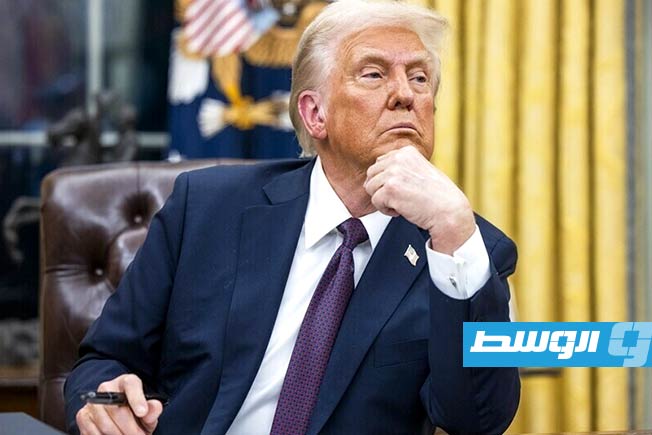
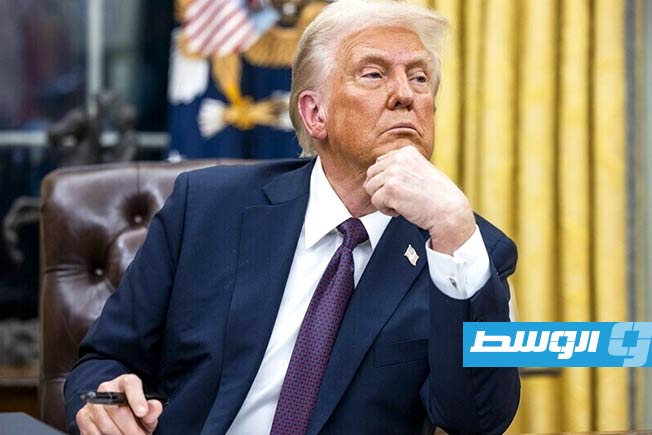
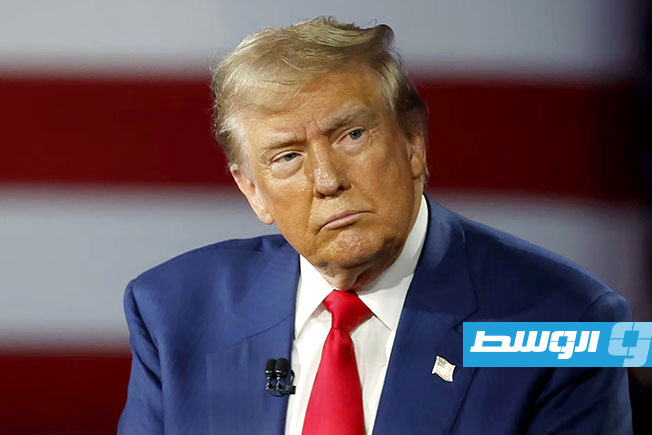
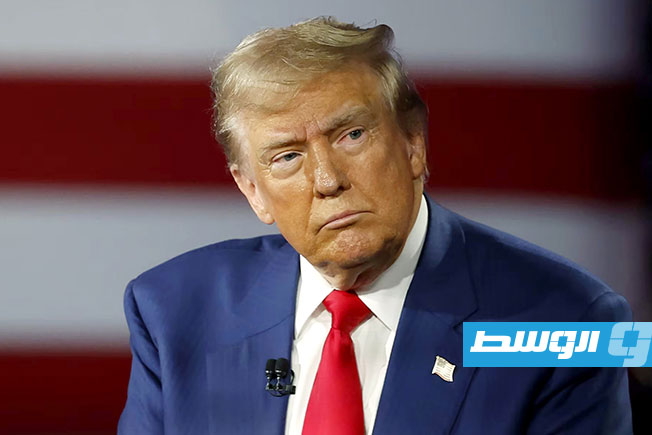
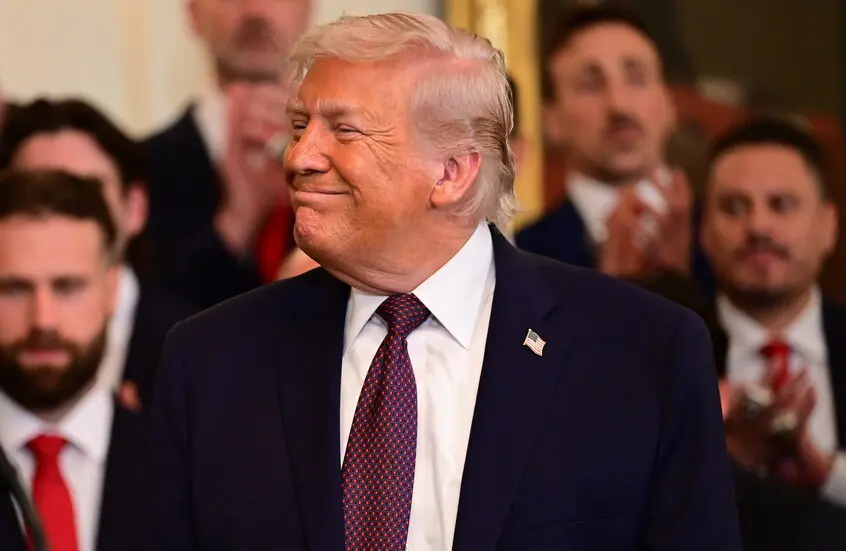
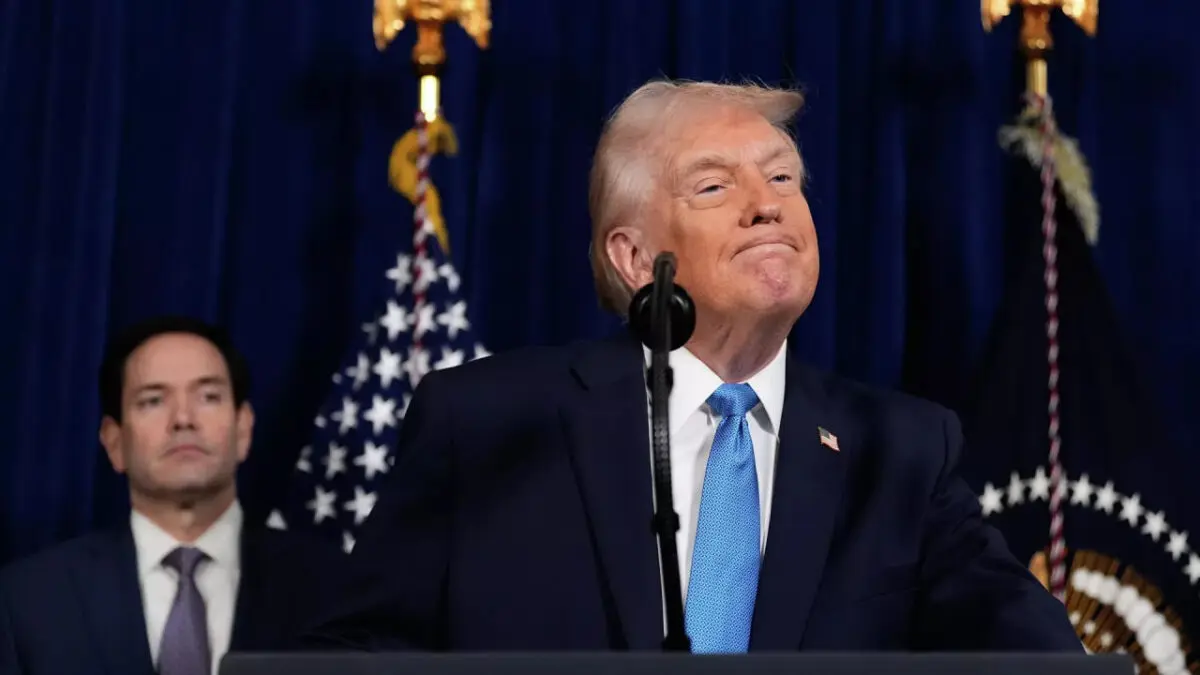
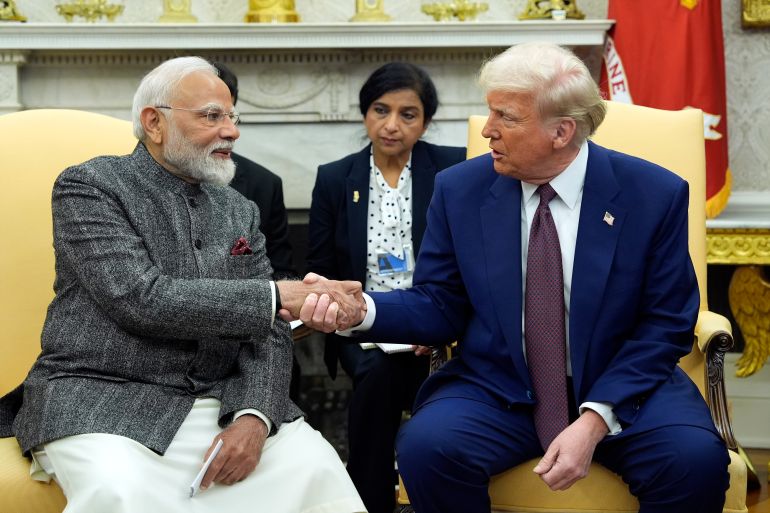
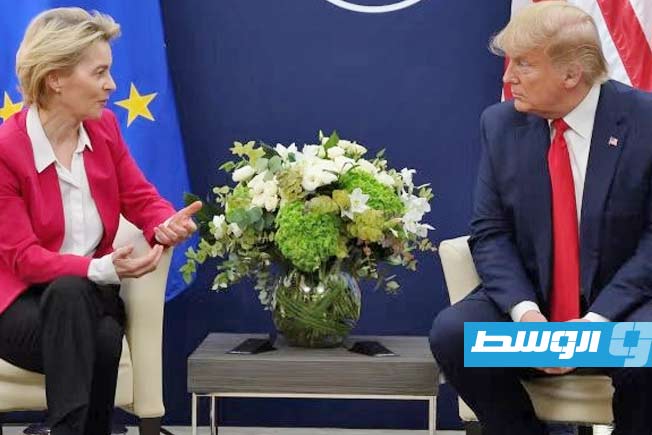
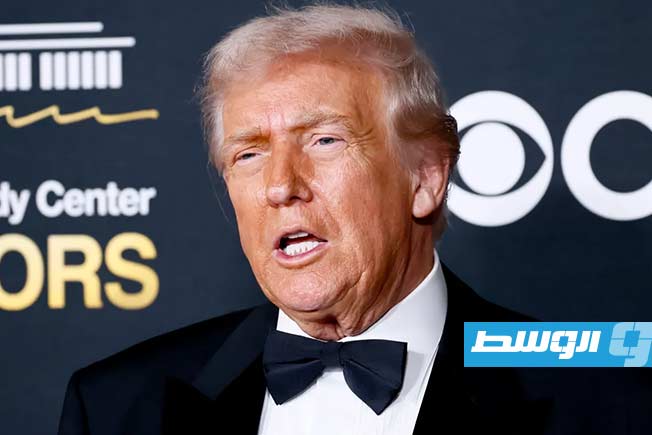
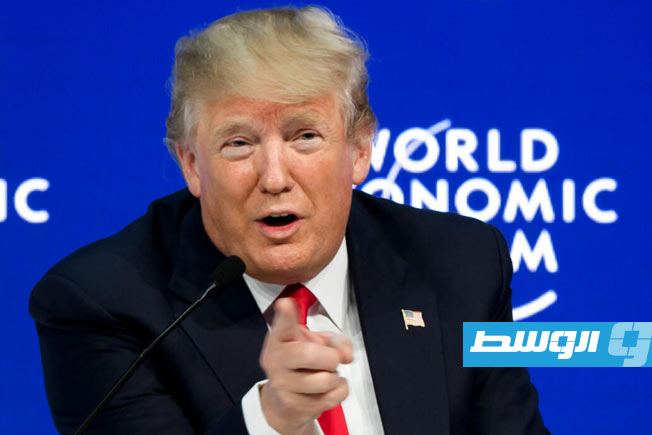
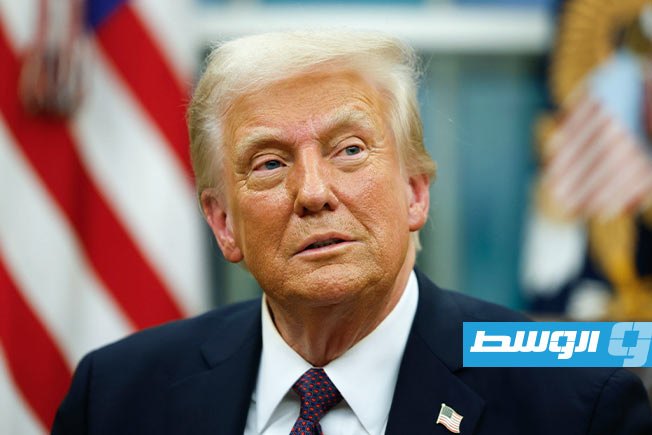
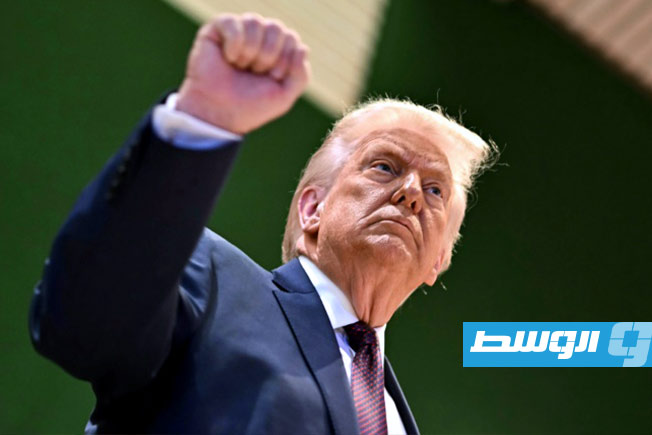
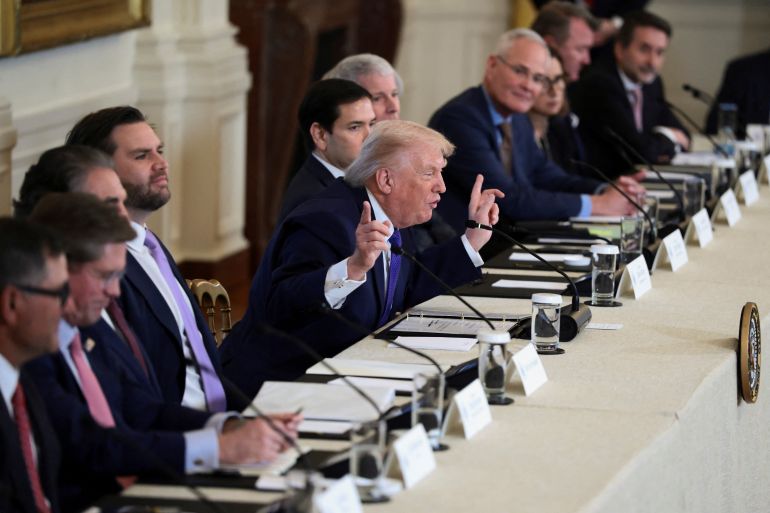
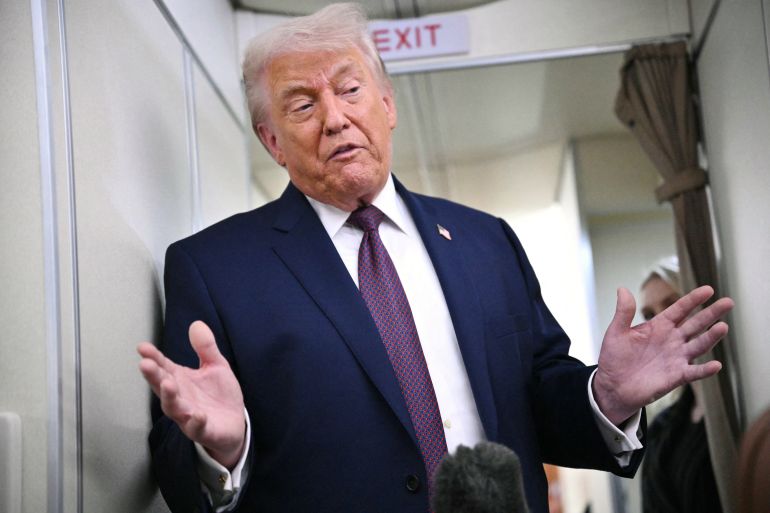
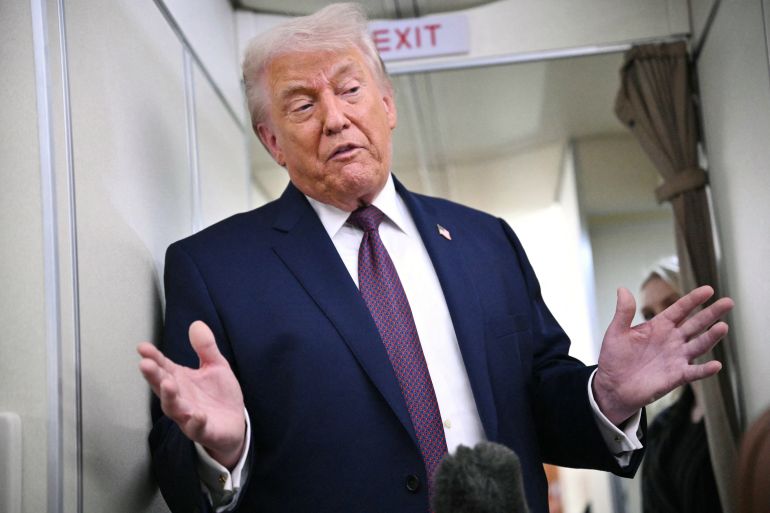
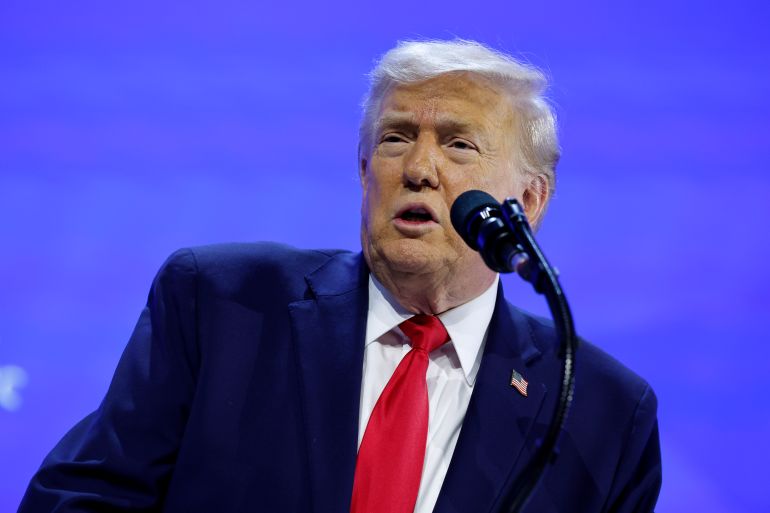
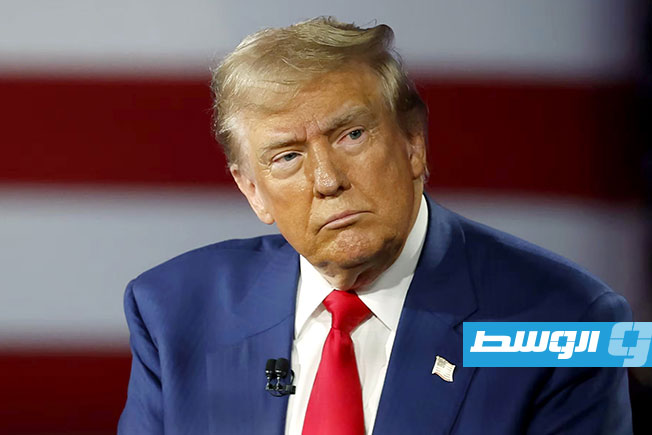
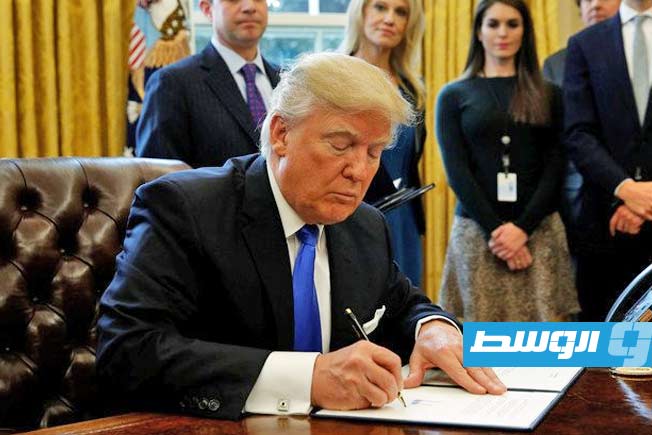
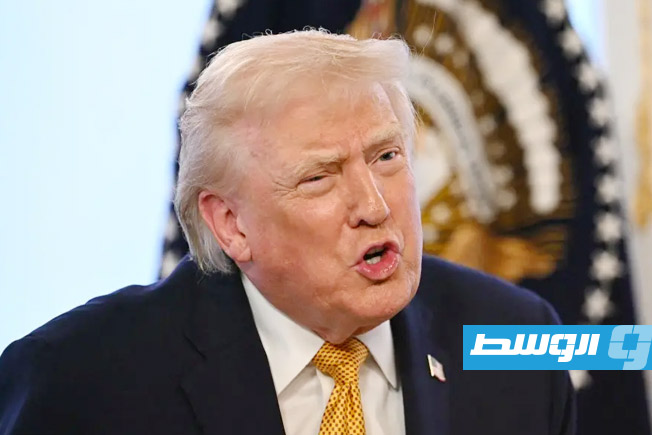
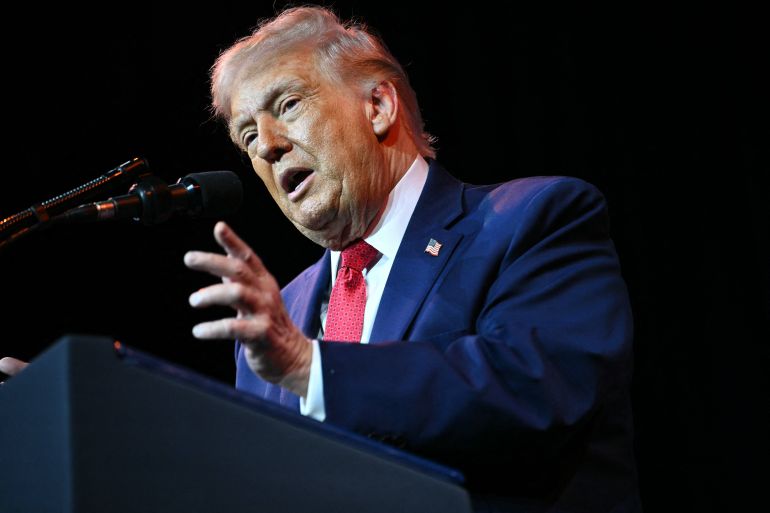
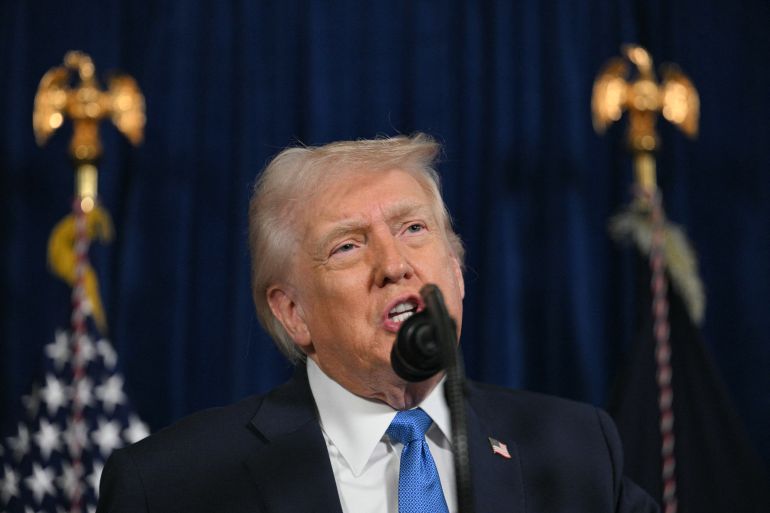
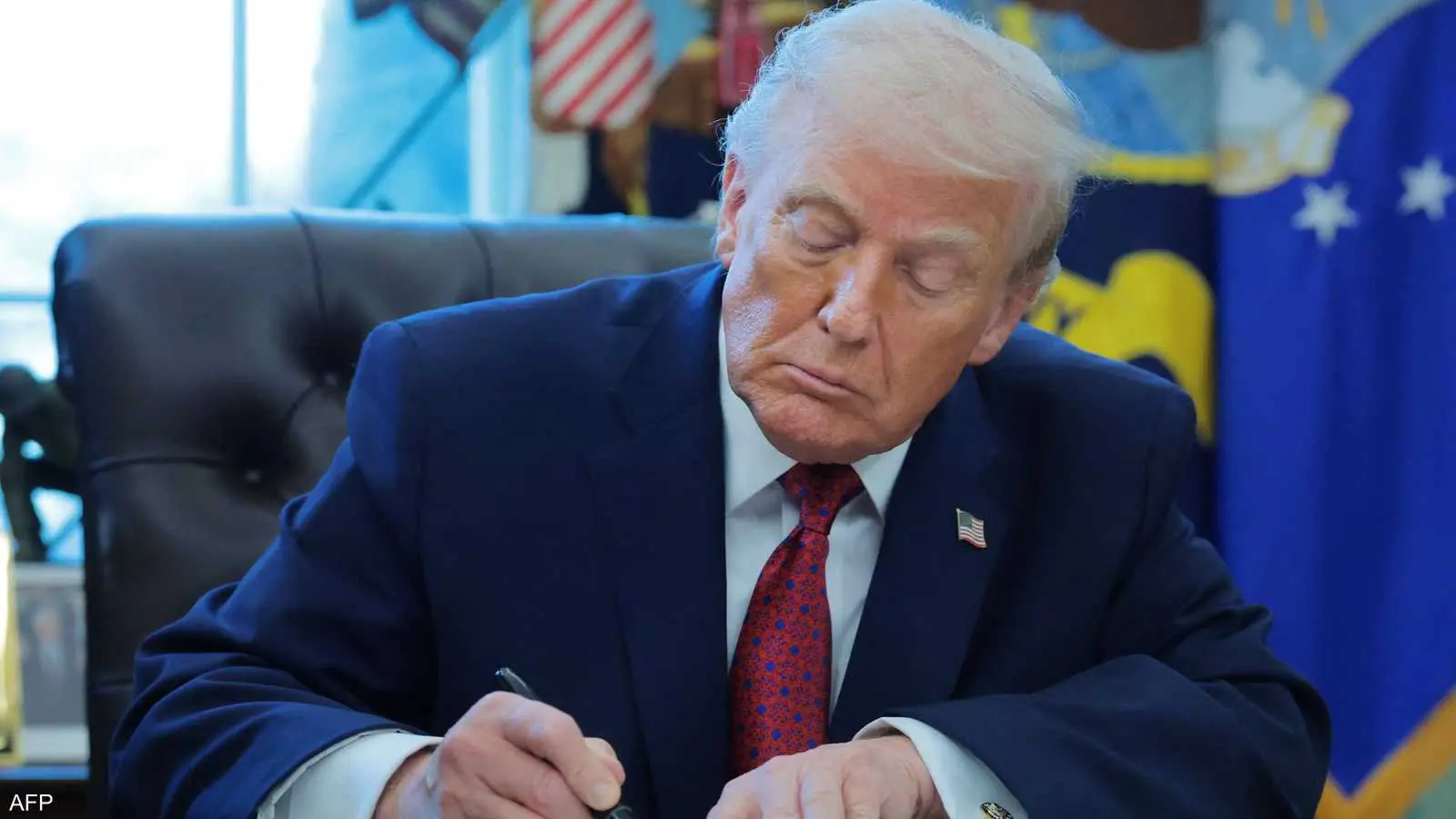
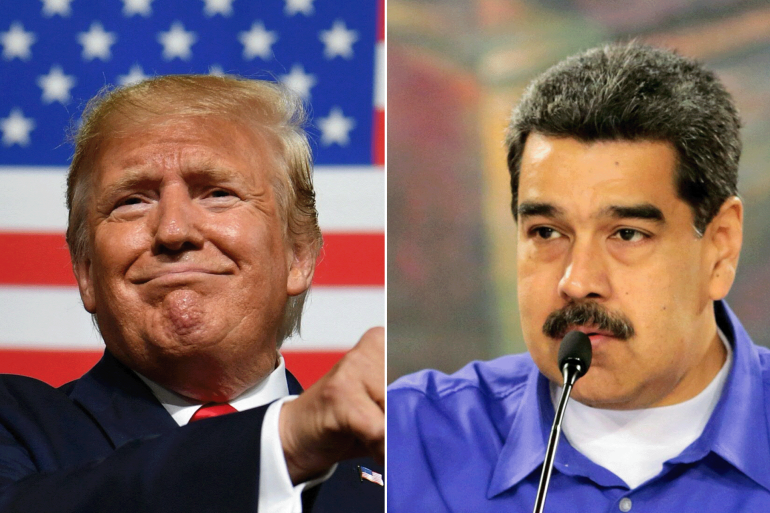
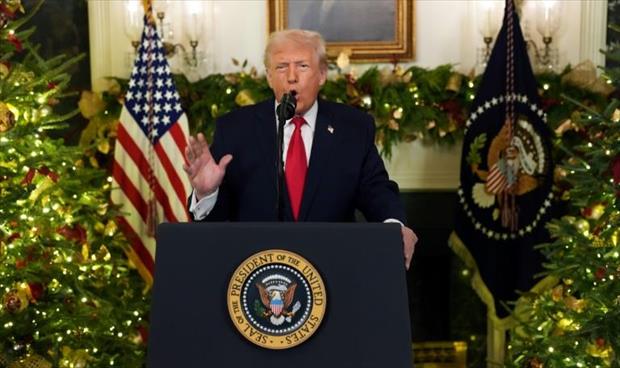
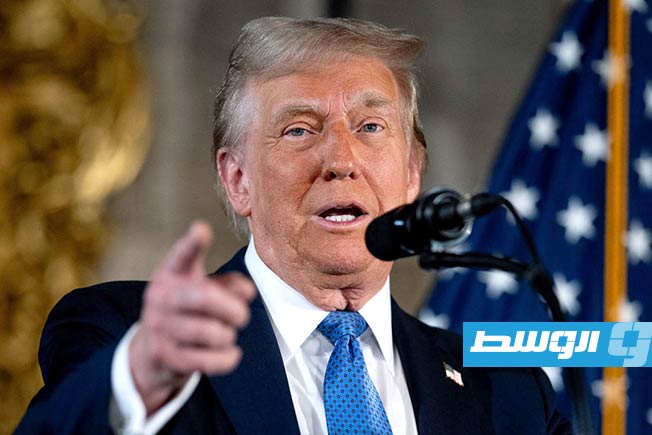
Last week, both benchmarks recorded a weekly decline, with Brent losing about 0.5%, while West Texas Intermediate crude fell by 1%. This followed statements by US President Donald Trump on Thursday, in which he indicated the possibility of Washington reaching an agreement with Tehran next month.
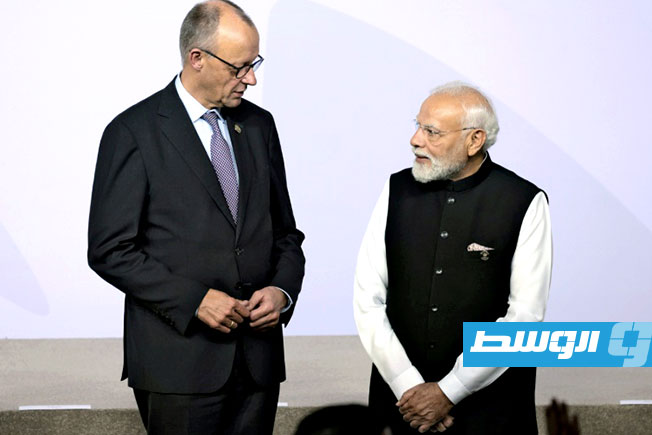
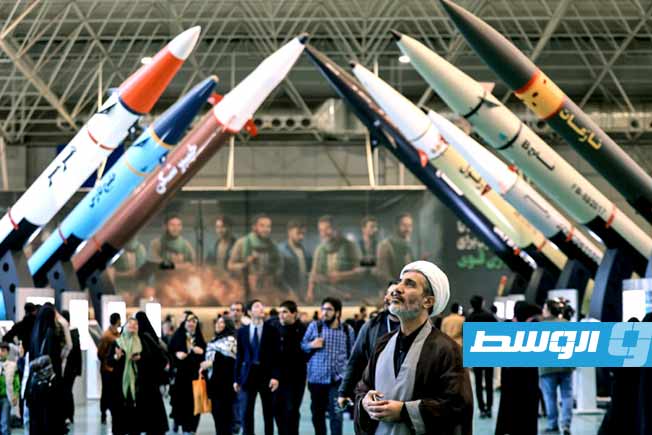
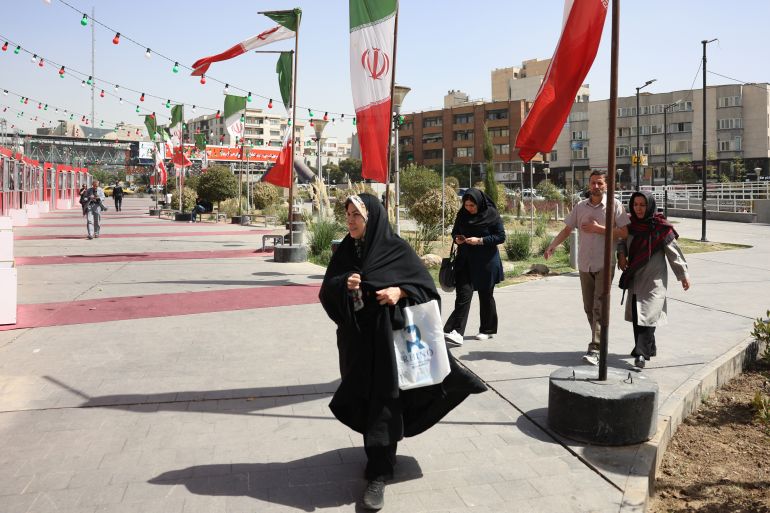
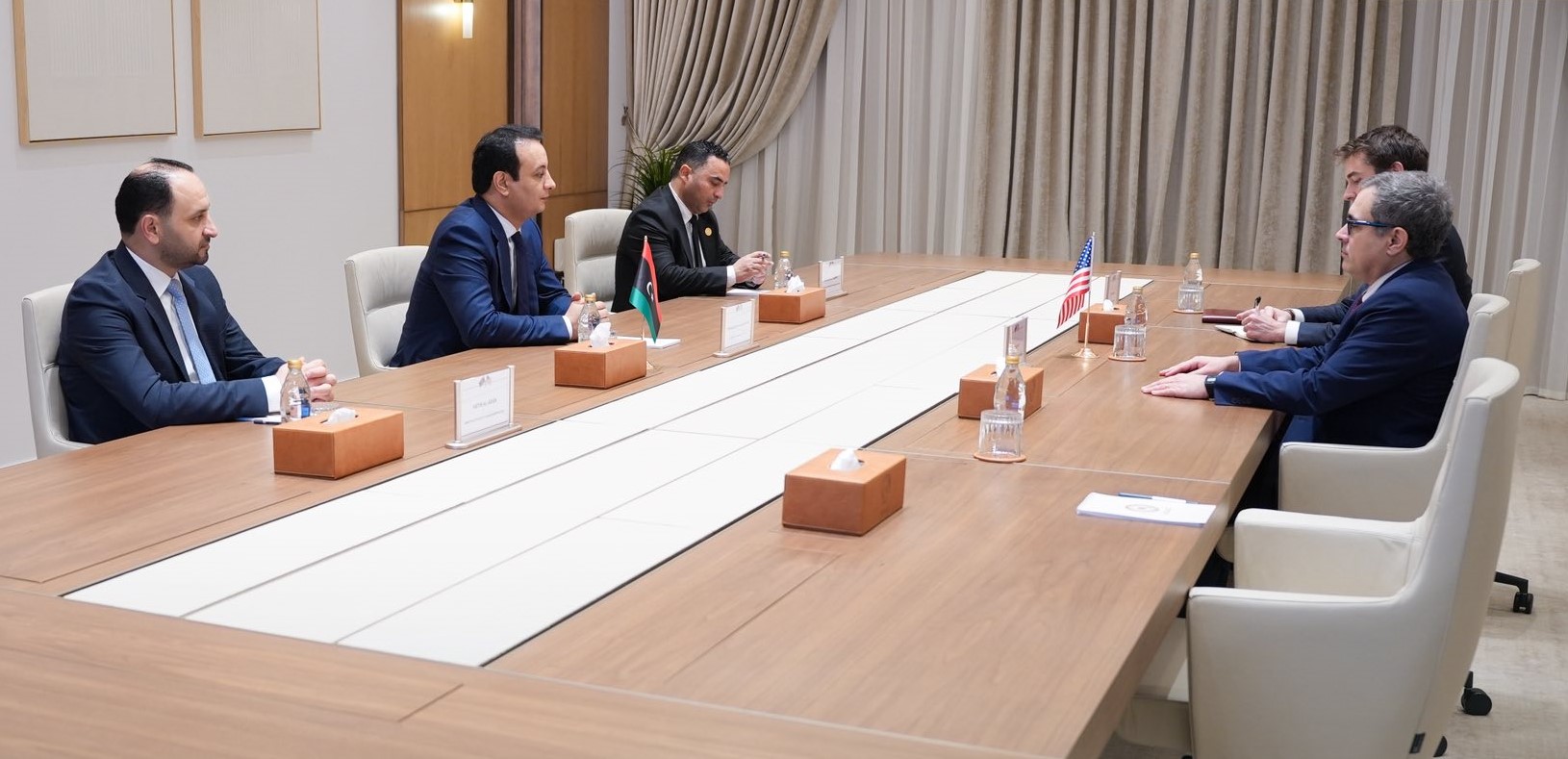
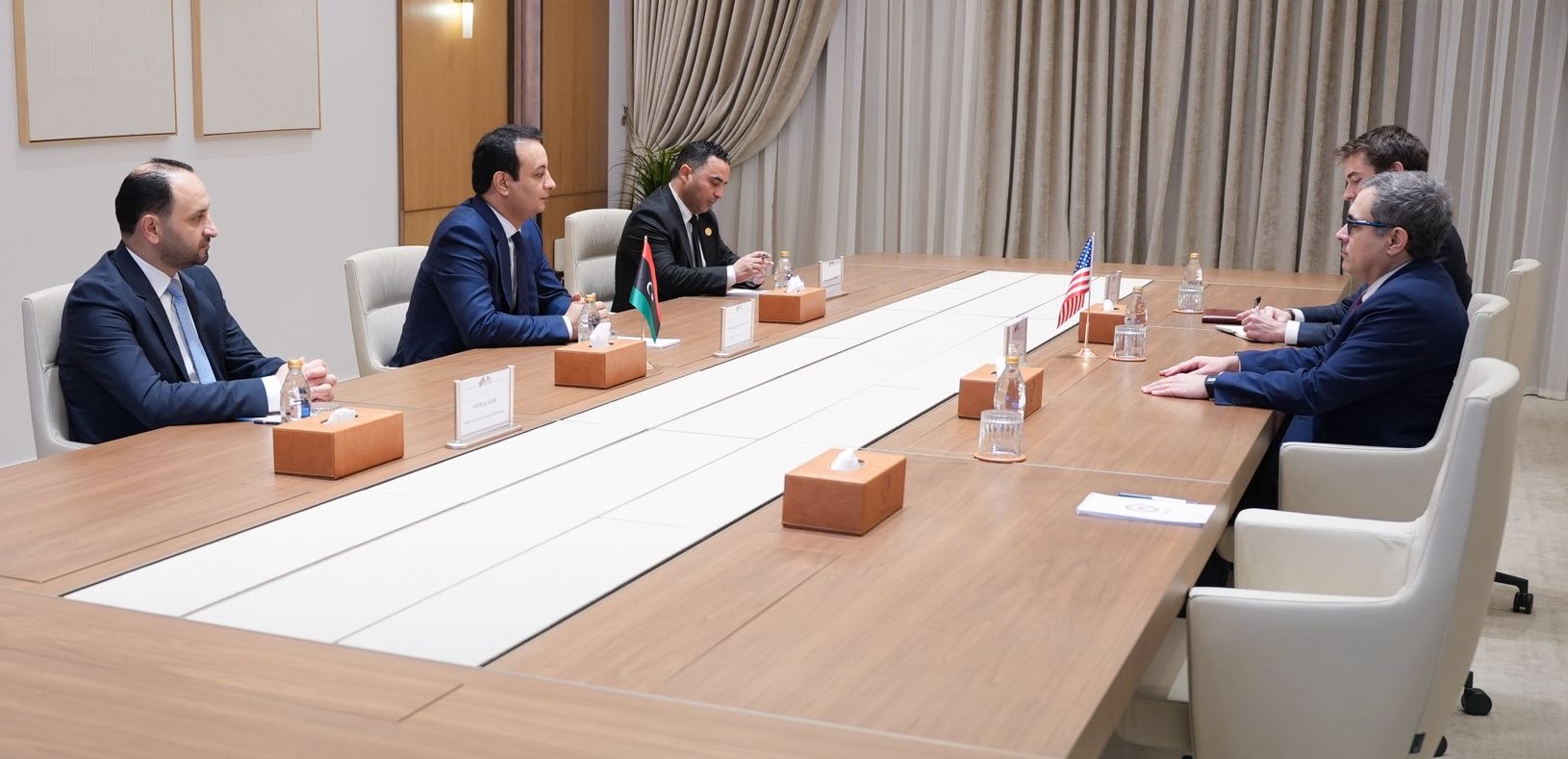
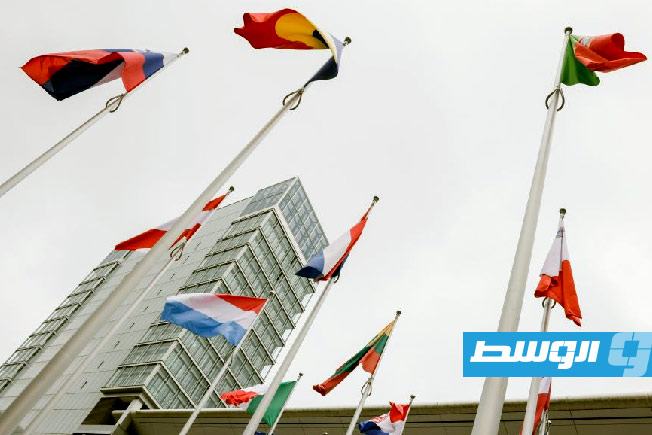
The two countries are scheduled to hold a second round of talks in Geneva tomorrow, Tuesday, after resuming negotiations earlier this month. The aim is to address the decades-long dispute over Iran’s nuclear program and avoid a new military confrontation.
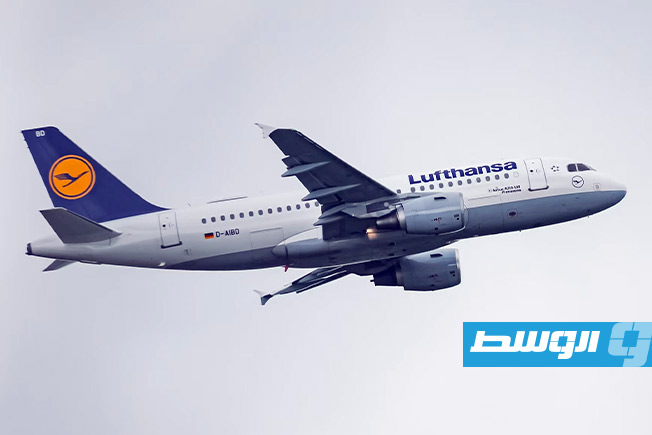
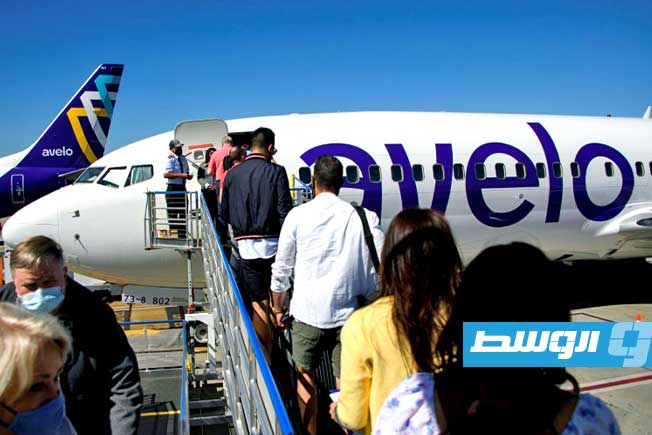
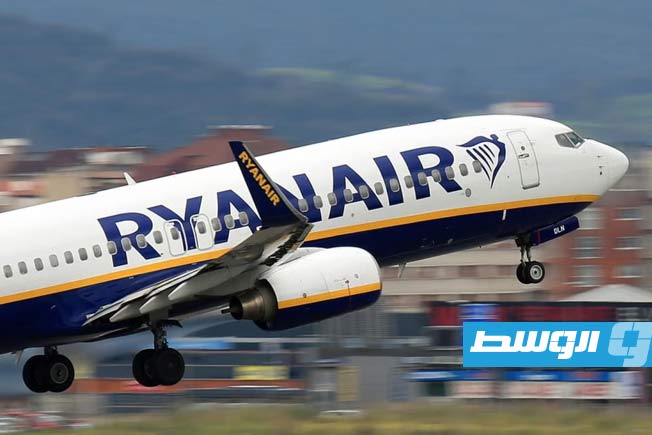
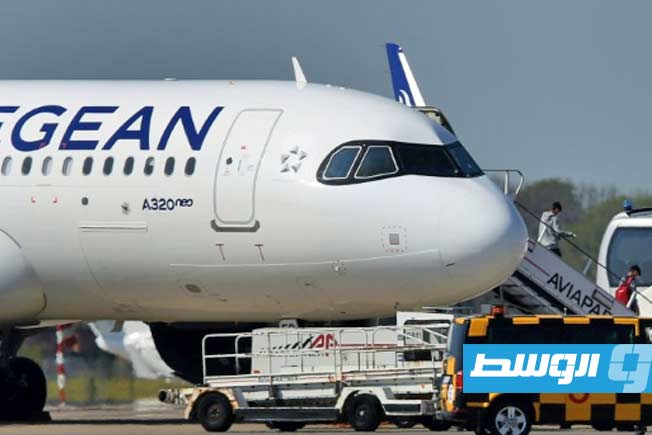
Reports indicated that Iran is seeking to conclude a nuclear agreement with the United States that achieves economic benefits for both sides, discussing investments in the energy and mining sectors and aircraft purchases.
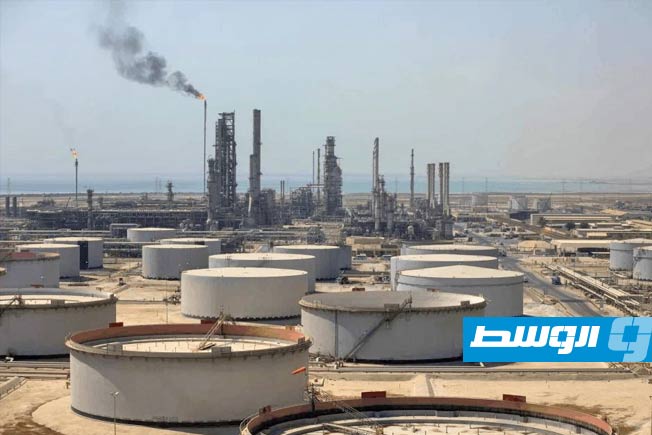
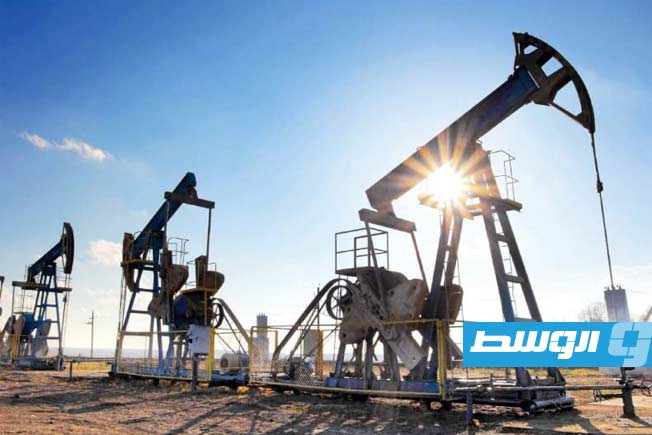
Oil
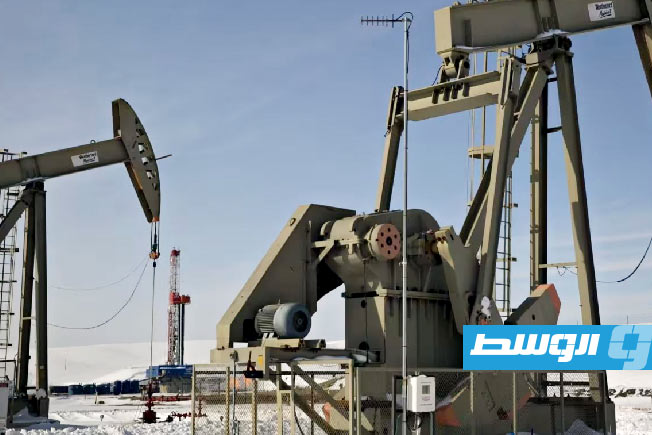
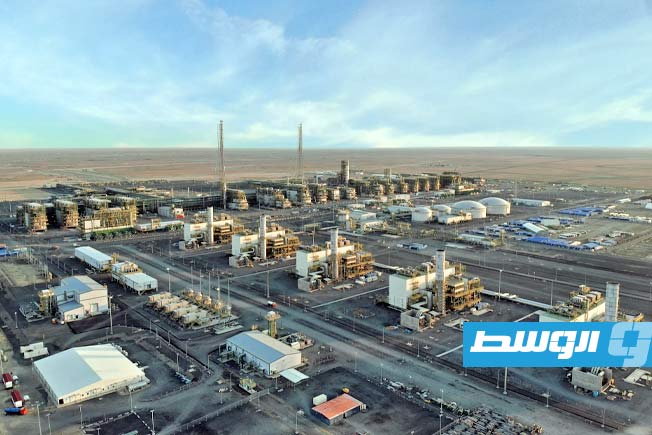
The history of oil as a cultural site is intrinsically linked to the modern industrial era, with its large-scale extraction beginning in the mid-19th century. It has since shaped global geopolitics and economies, transforming regions like the Middle East and North America, while also becoming a central point of environmental and energy policy debates.
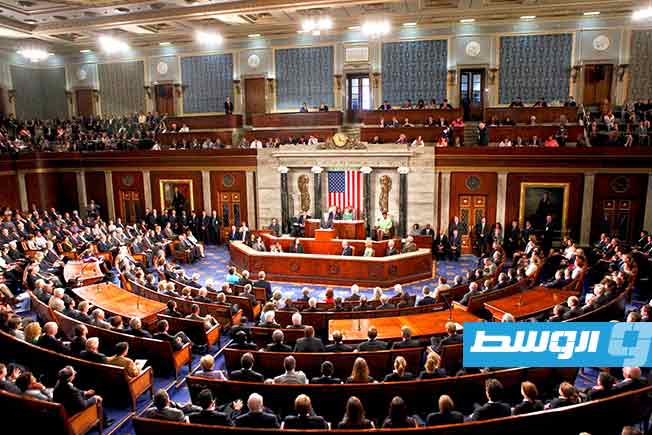
US
The United States is a federal republic founded in 1776 after declaring independence from Great Britain. Its history is marked by westward expansion, a civil war over slavery, and its emergence as a global superpower in the 20th century.
Iran
Iran, historically known as Persia, is home to one of the world’s oldest continuous civilizations, with a recorded history spanning over 2,500 years. It is renowned for its profound cultural heritage, including influential contributions to art, literature, science, and architecture, exemplified by sites like Persepolis and Isfahan’s Naqsh-e Jahan Square. The modern Islamic Republic was established in 1979 following a revolution that transformed the nation from a monarchy into a theocratic republic.
OPEC+
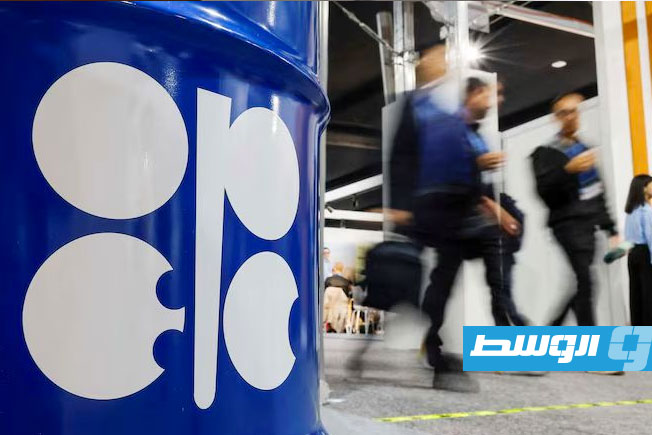
OPEC+ is an expanded version of the Organization of the Petroleum Exporting Countries (OPEC), formed in 2016 to include other major oil-producing nations like Russia. Its primary purpose is to coordinate and stabilize global oil markets through negotiated production quotas among its members. This alliance builds upon OPEC’s original 1960 founding by key petroleum-exporting countries seeking to assert greater control over oil resources and pricing.
Brent crude
Brent crude is a major trading classification of sweet light crude oil that serves as a key global price benchmark. It originates from the Brent oil field in the North Sea, which began production in 1976, and its pricing mechanism is central to the global oil market.
US West Texas Intermediate crude
US West Texas Intermediate (WTI) crude is a major global benchmark for oil pricing, originating from oil fields primarily in Texas and surrounding states. It became a key financial instrument with the establishment of futures contracts on the New York Mercantile Exchange in 1983, valued for its light quality and low sulfur content.
Washington
Washington, D.C., the capital of the United States, was founded in 1790 to serve as the nation’s permanent seat of government. It is named after George Washington and is distinct from any U.S. state, featuring iconic landmarks like the White House, the U.S. Capitol, and the Washington Monument that reflect its political and historical significance.
Tehran
Tehran is the capital and largest city of Iran, officially becoming the capital in 1796 under the Qajar dynasty. It is a major economic and cultural center, home to significant sites like the Golestan Palace, a UNESCO World Heritage site from the 19th century.
Geneva
Geneva is a major global city in Switzerland, historically known as a center for the Protestant Reformation under John Calvin in the 16th century. It is now a key hub for international diplomacy, hosting numerous United Nations agencies and the Red Cross.