Abstaining from sugar during fasting hours in the holy month of Ramadan can be a real opportunity to reorganize dietary habits and give the body a fresh start.
With the change in eating times between Suhoor and Iftar, the body is forced to stop receiving its usual doses of sugar, opening the door to resetting the relationship with sweet taste.
Nutrition experts confirm that reducing sugar consumption – especially added sugars in drinks and sweets – positively impacts overall health. However, the biggest challenge appears after Iftar, when the desire to compensate for fasting hours with sweets and sweetened drinks increases.

Resetting the Sense of Taste
It is noted that temporarily abstaining from sweets acts as a “reset” for the sense of taste.
Our perception of sweet taste is influenced by our daily habits. The more a person gets used to constantly consuming sweetened foods and drinks, the higher their “taste threshold” becomes, requiring larger amounts of sugar to feel the same flavor.
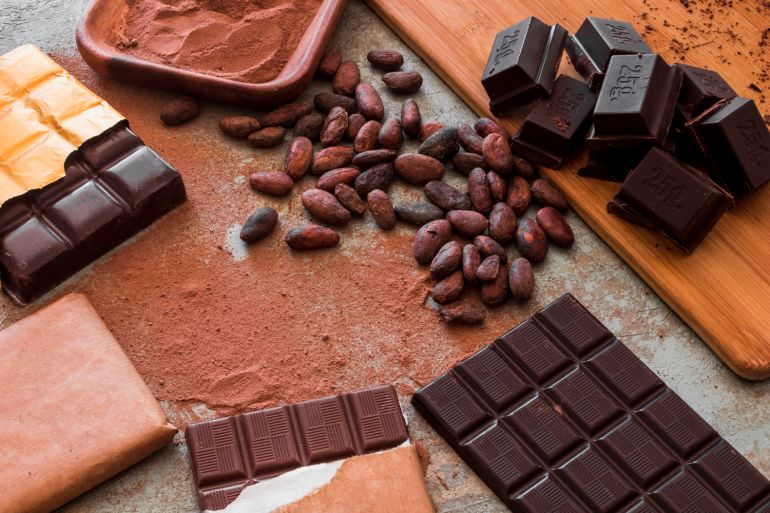
But with reducing sugar – as happens during fasting – this threshold gradually begins to decrease. A fasting person may notice that a small amount of chocolate is enough to satisfy the craving or that the spoon of sugar in coffee has become sweeter than before.
Why Does the Craving Intensify After Iftar?
When blood sugar levels drop during fasting hours, the body looks for a quick source of energy, and sweets are often the easiest and fastest choice.
Therefore, excessive sugar intake immediately after Iftar may lead to a sharp rise in blood sugar, followed by a rapid drop, restarting the cycle of craving again.
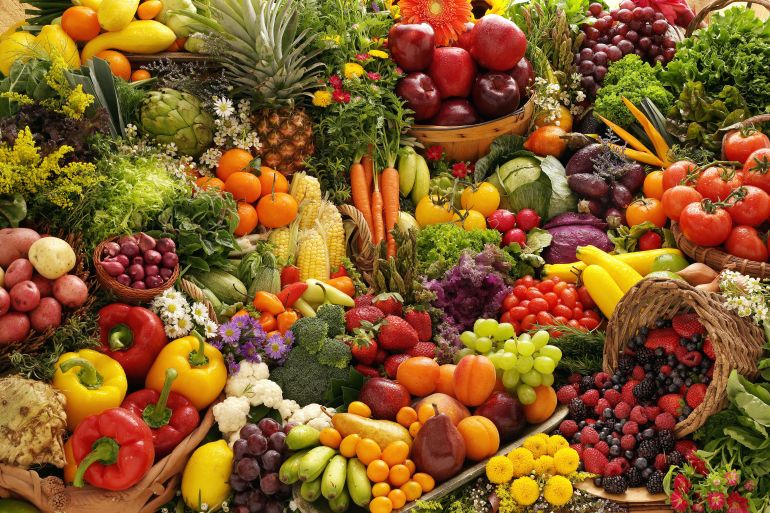
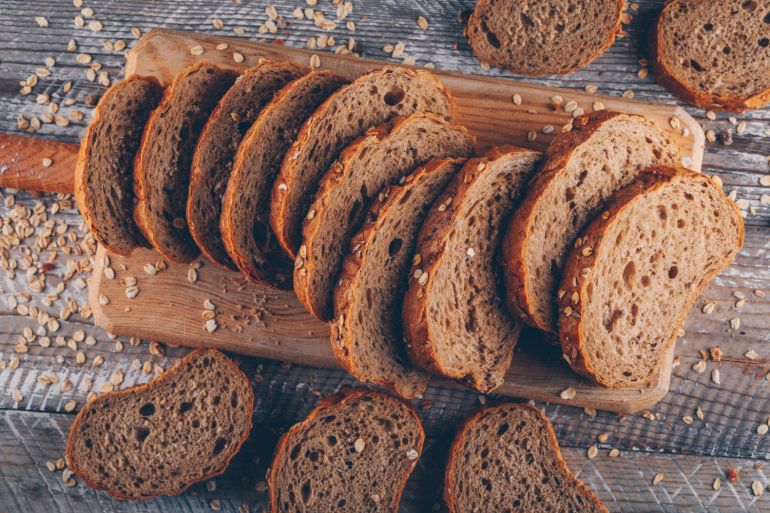
This highlights the importance of a balanced Iftar containing protein and fiber, such as eggs, legumes, or dairy products alongside vegetables and whole grains. These elements help stabilize blood sugar levels and limit sudden fluctuations.

How to Benefit from Ramadan to Break the Habit?
If stopping sugar suddenly is difficult, the atmosphere of Ramadan can be used to follow gradual steps, such as:
- Giving up sugary soft drinks and juices.
- Reducing the amount of sweets to small portions.
- Gradually reducing sugar in coffee and tea.
It is also advised to monitor craving times: Does the desire come from real hunger, stress, or a social habit after Iftar? Sometimes the solution is a short walk or engaging in a light activity instead of heading directly to the dessert plate.
Changing dietary habits does not happen overnight. A person might eat a larger amount of sweets on a given day, and stumbling does not mean failure; it is a natural part of the change process. The important thing is to return to balance the next day without excessive feelings of guilt.
Fasting may not just be abstaining from food for hours, but a practical opportunity to reduce dependence on sugar and retrain the taste for moderation.
As the days pass, a fasting person may discover that their need for sweetness is less than they thought and that controlling the desire is possible when the habit changes.