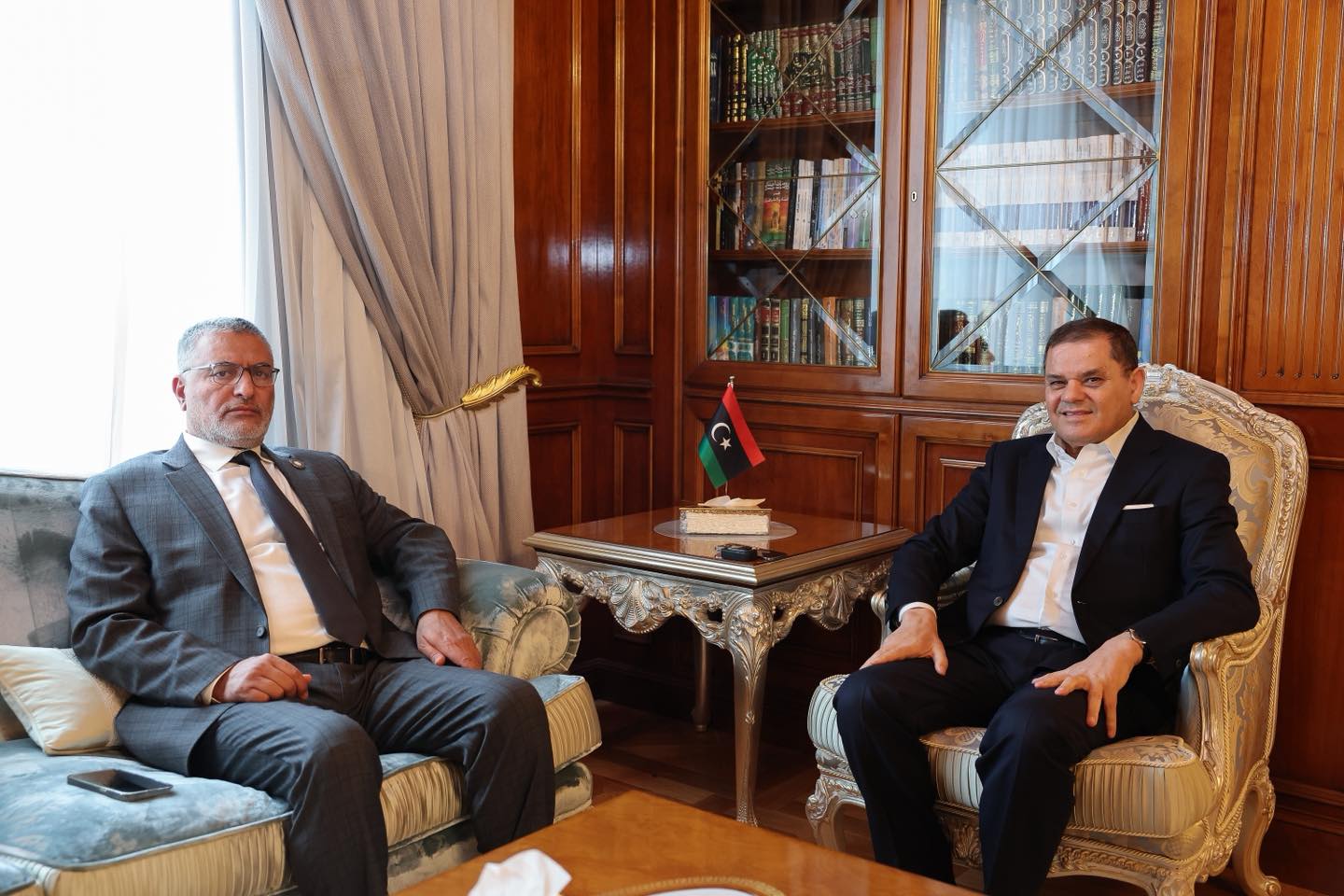
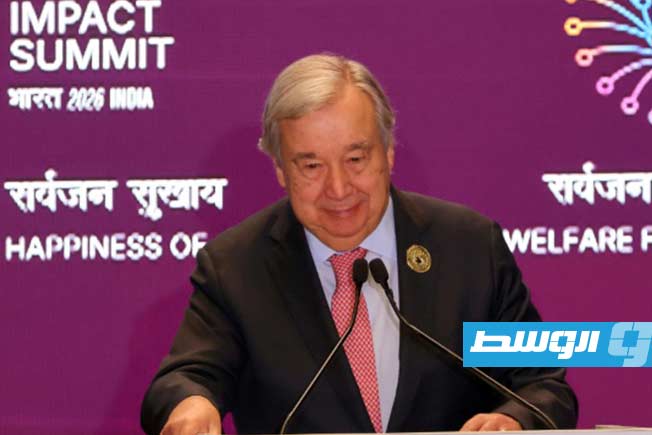
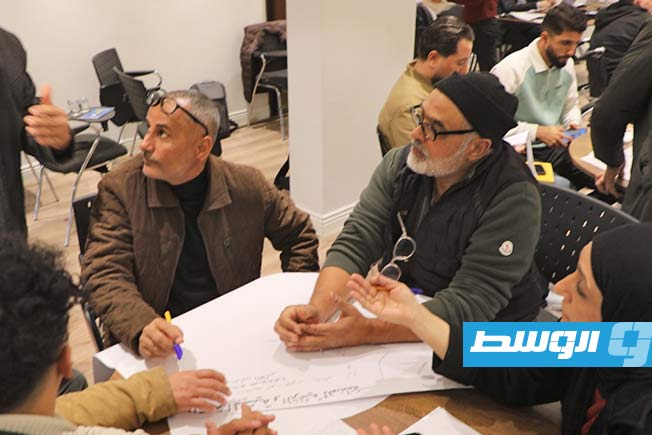
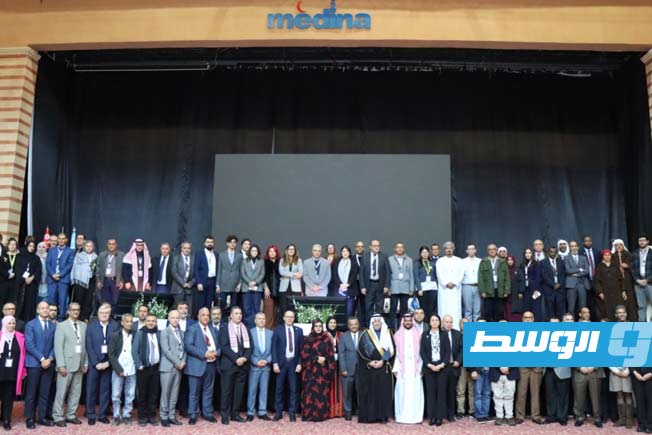
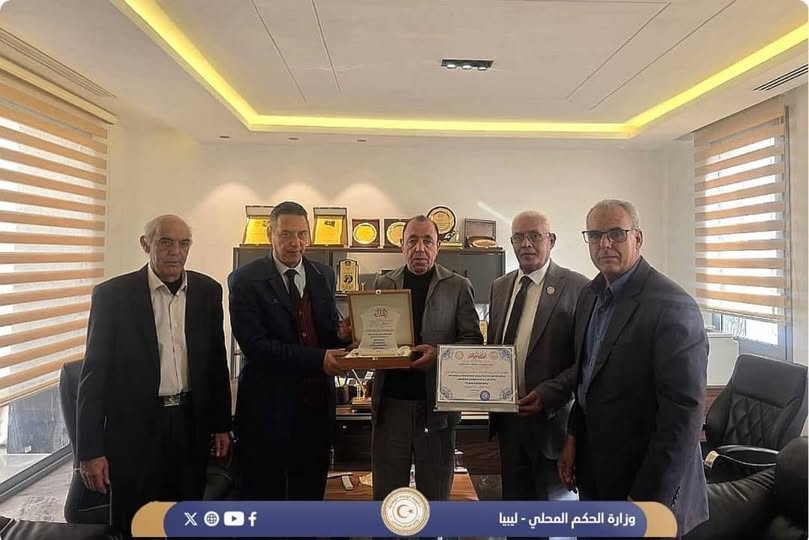
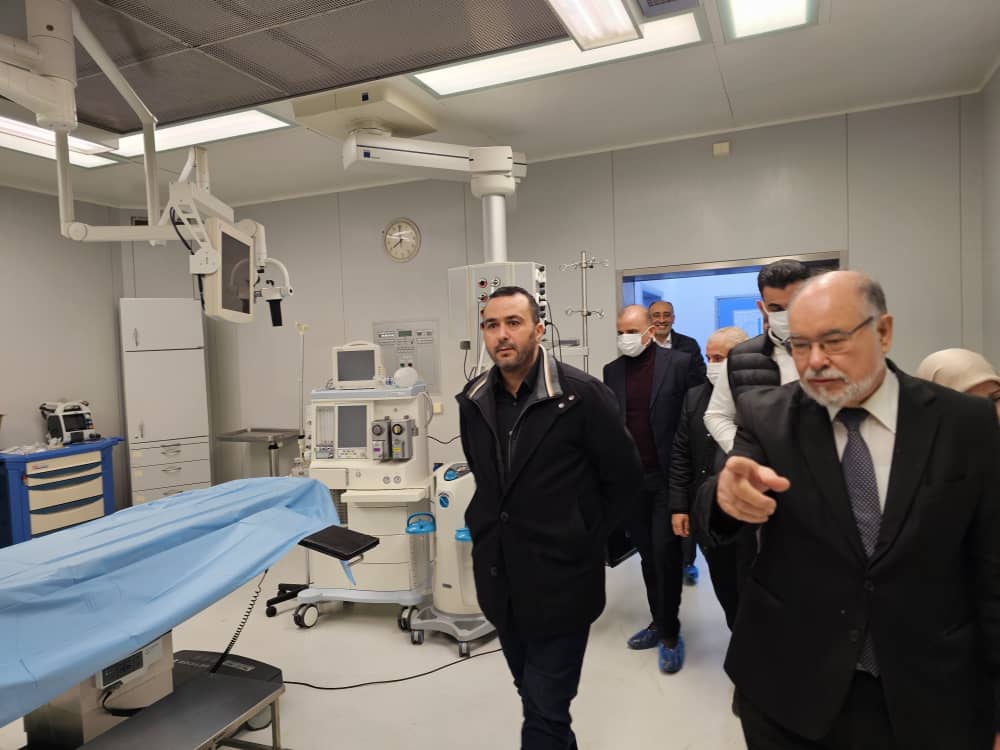
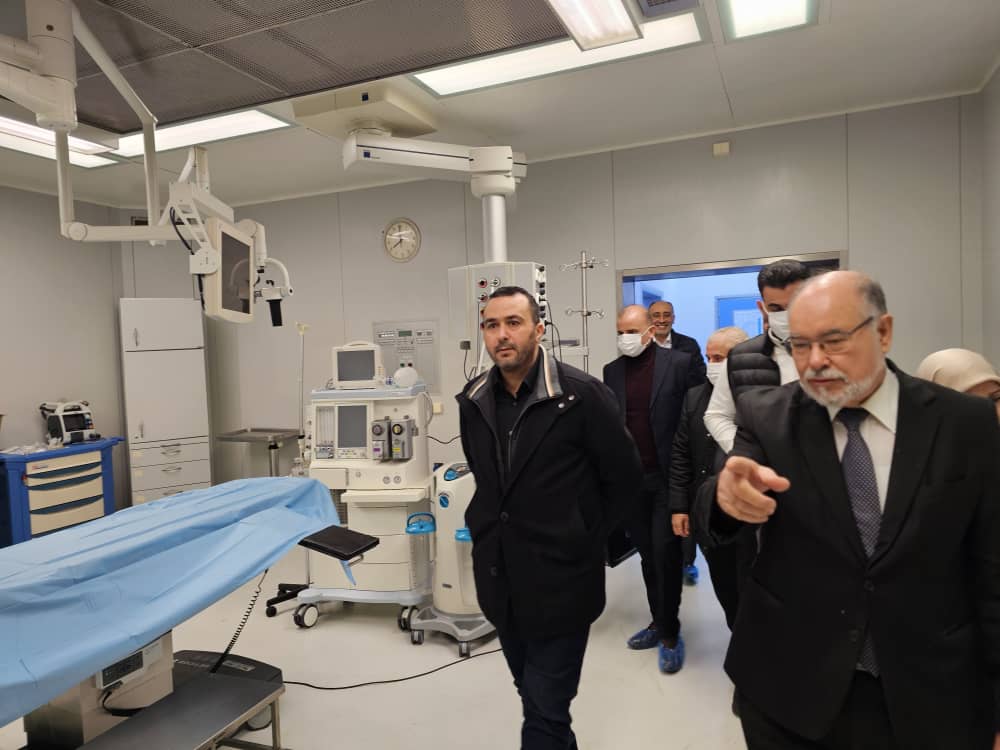
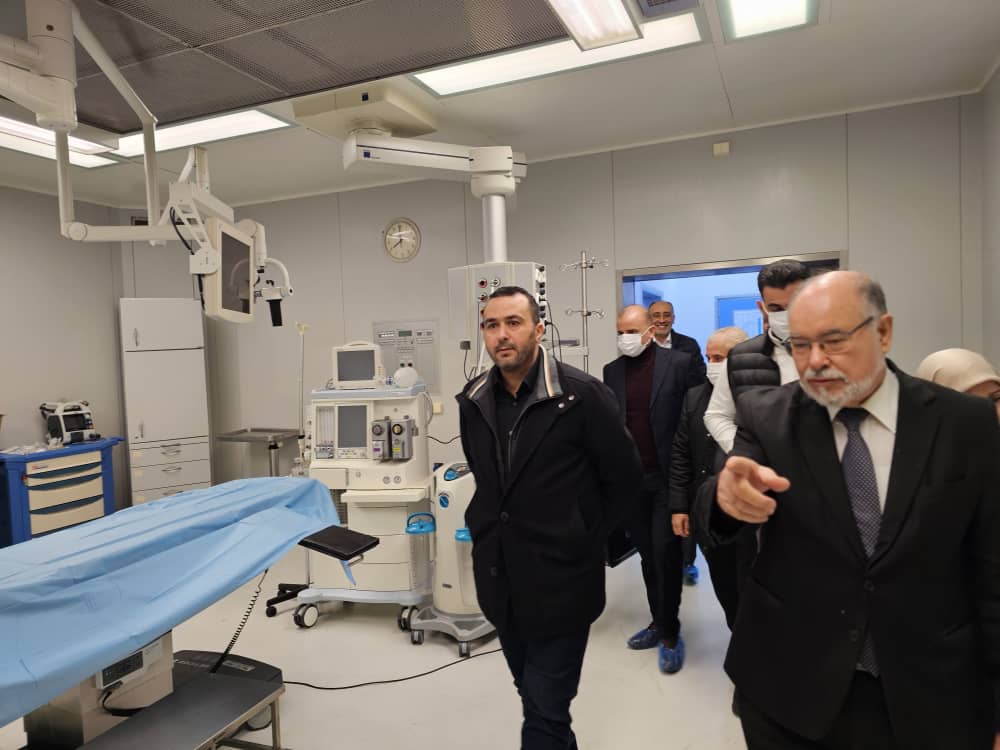
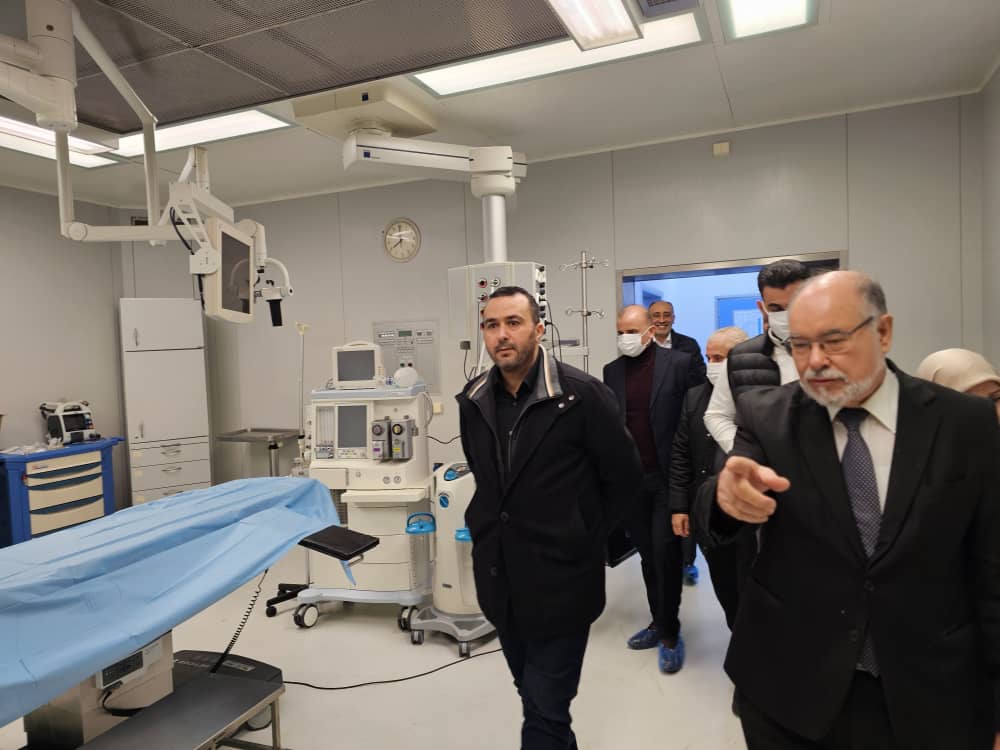
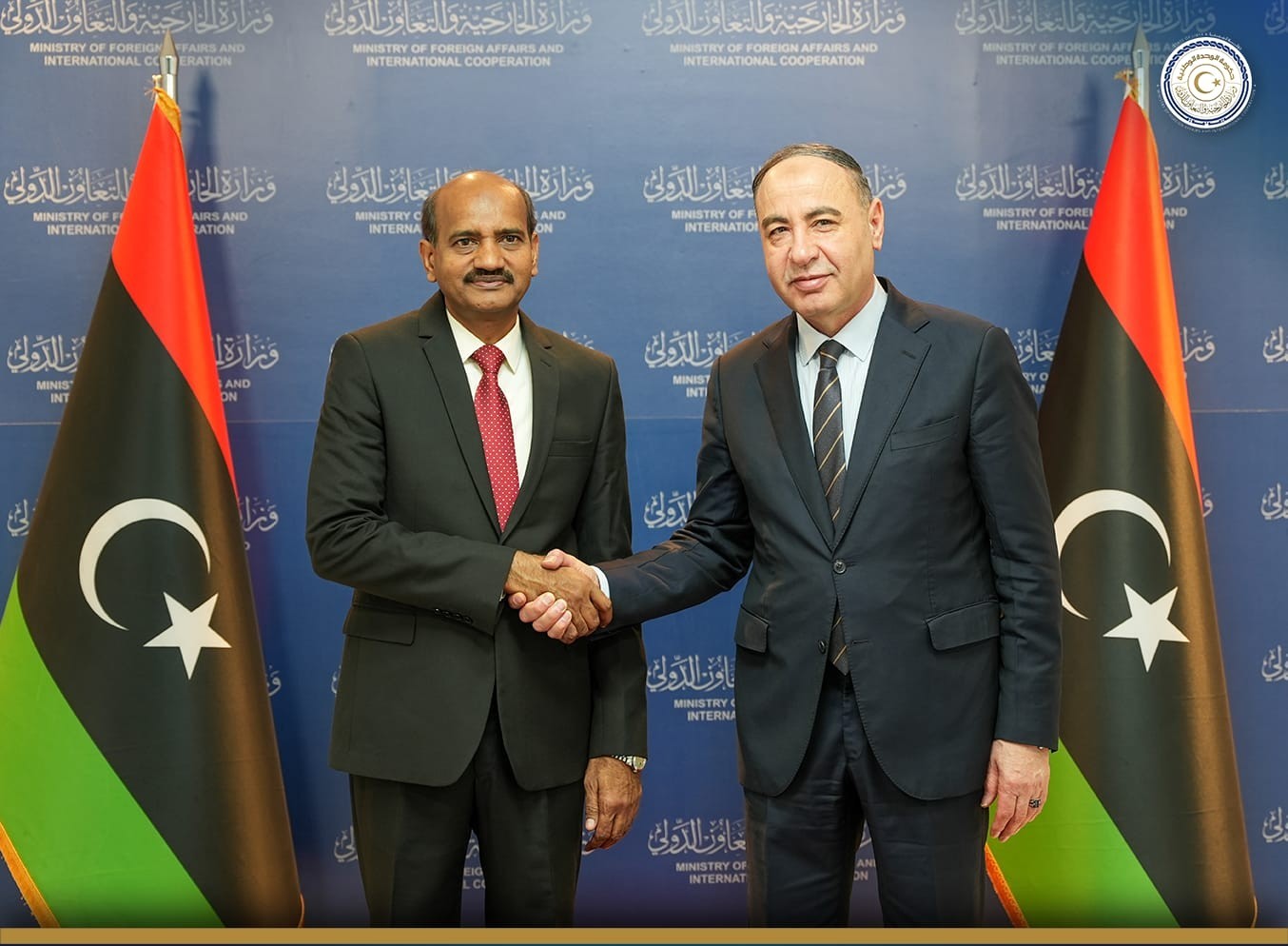
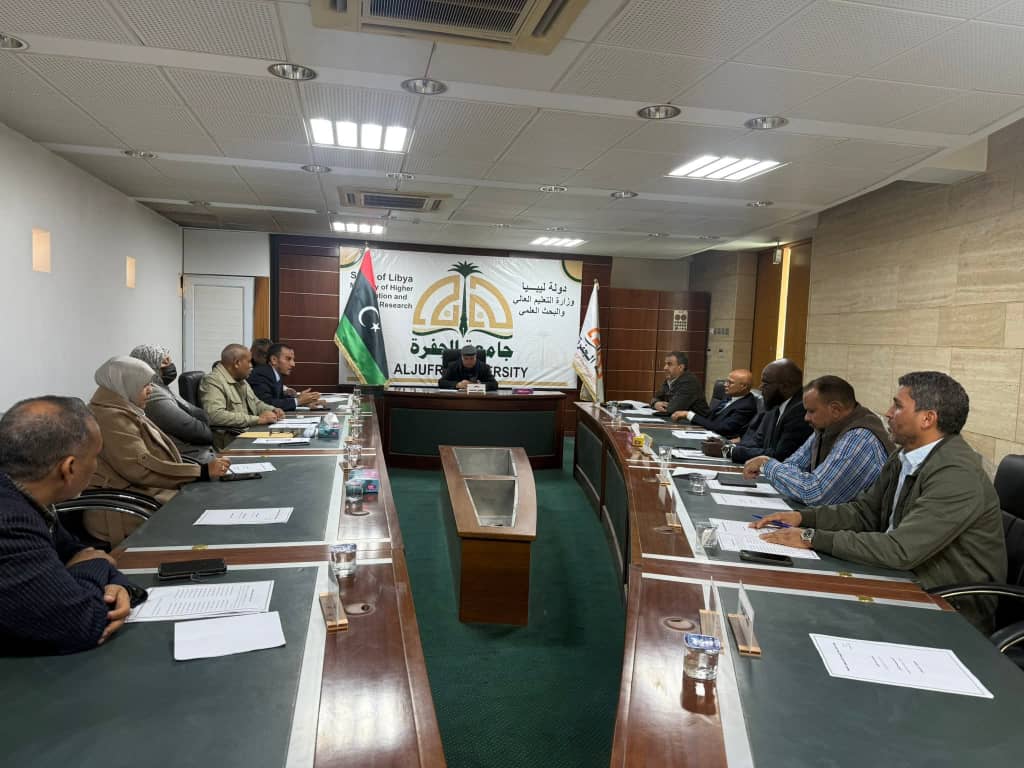
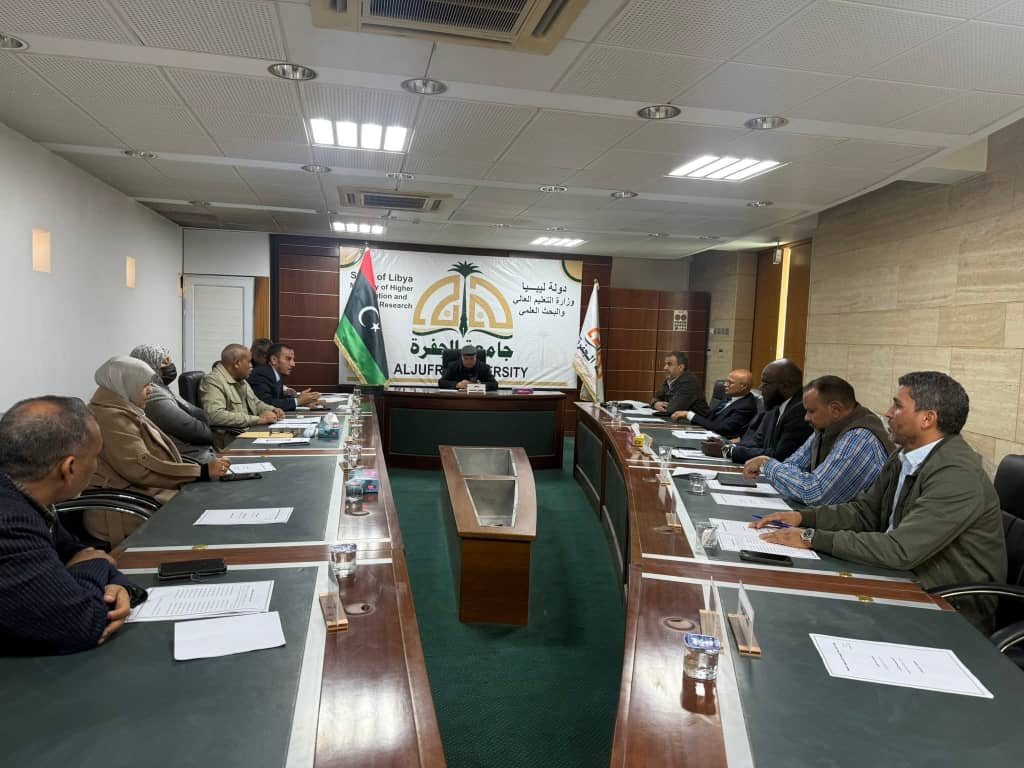
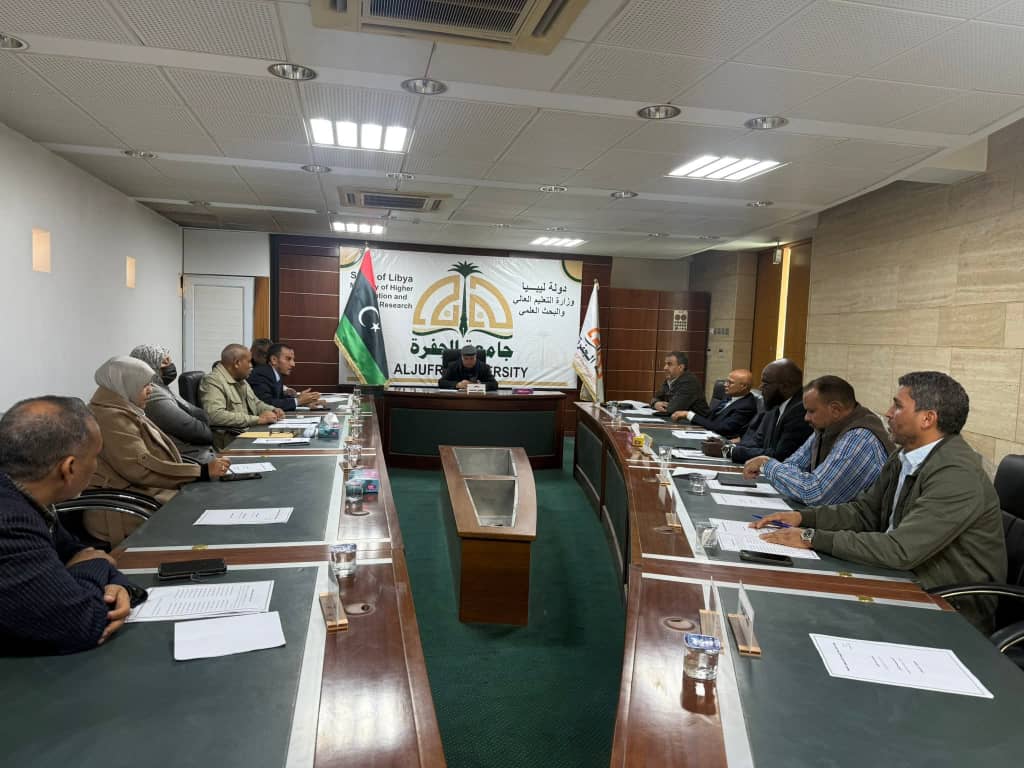
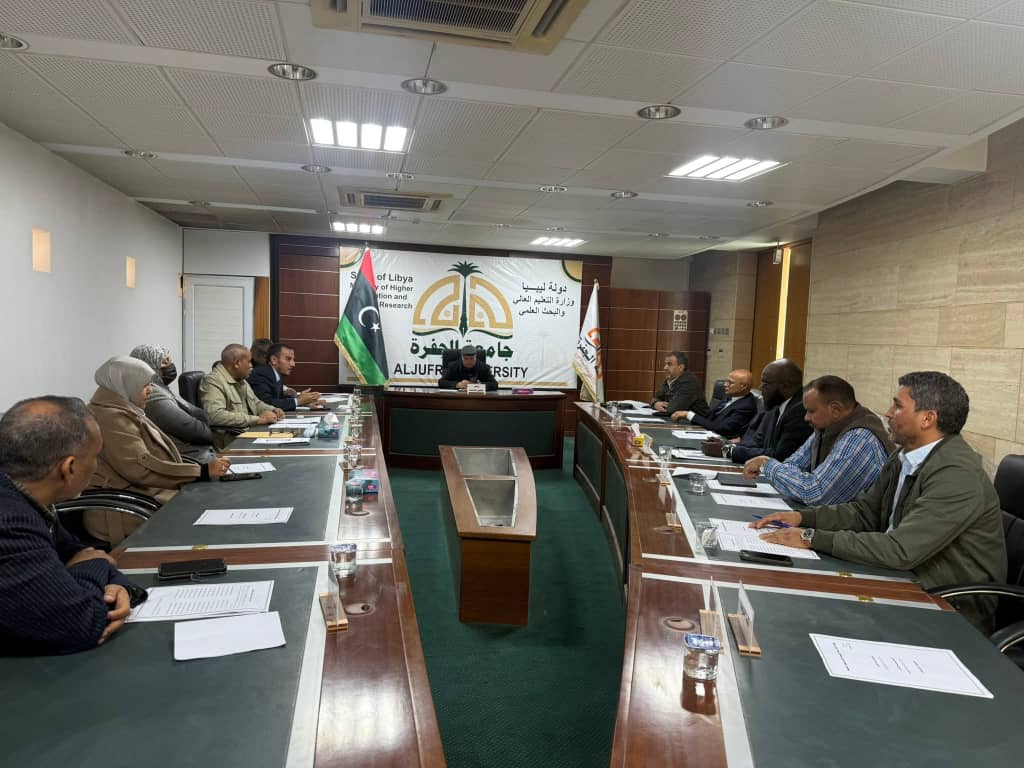
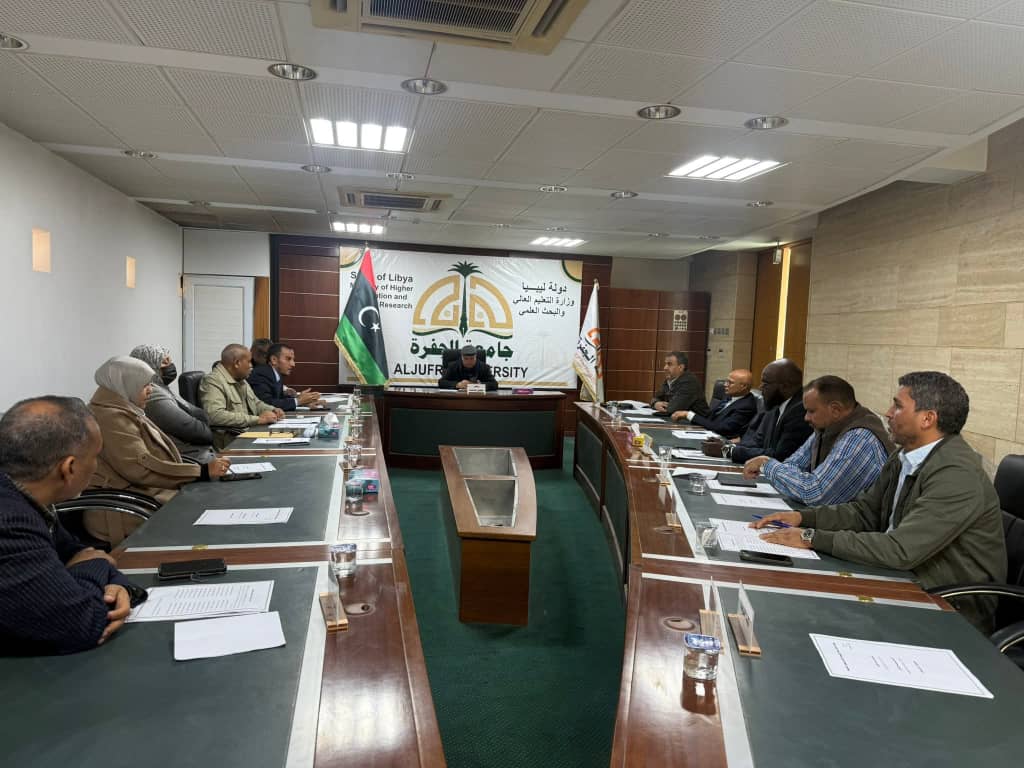
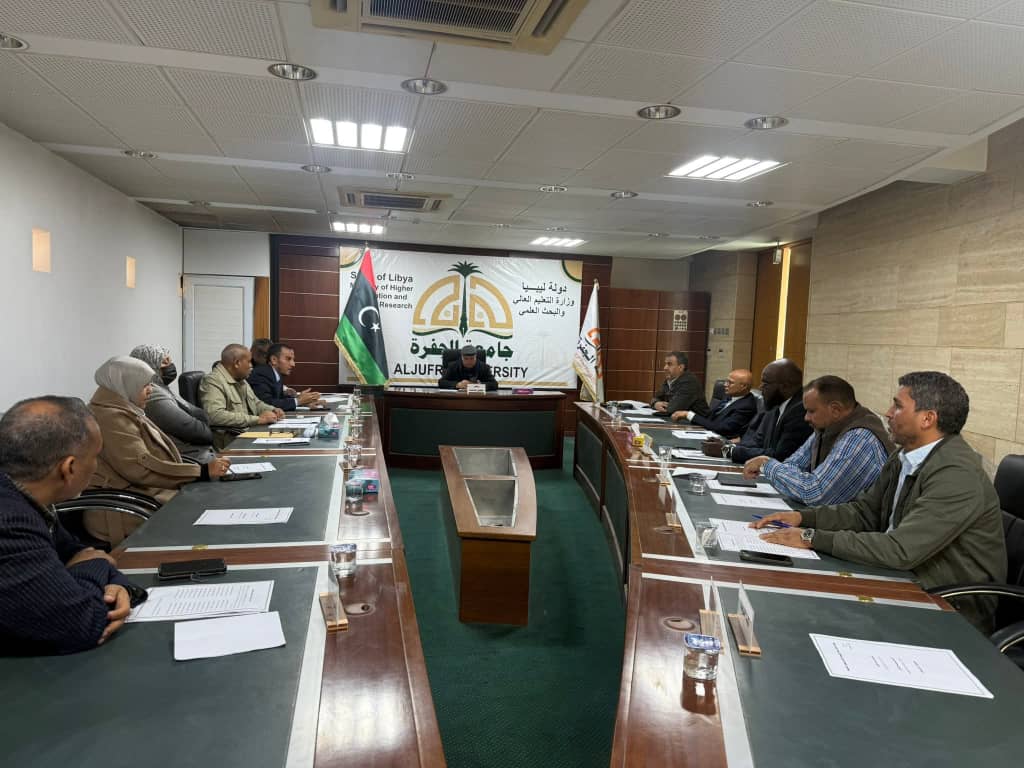
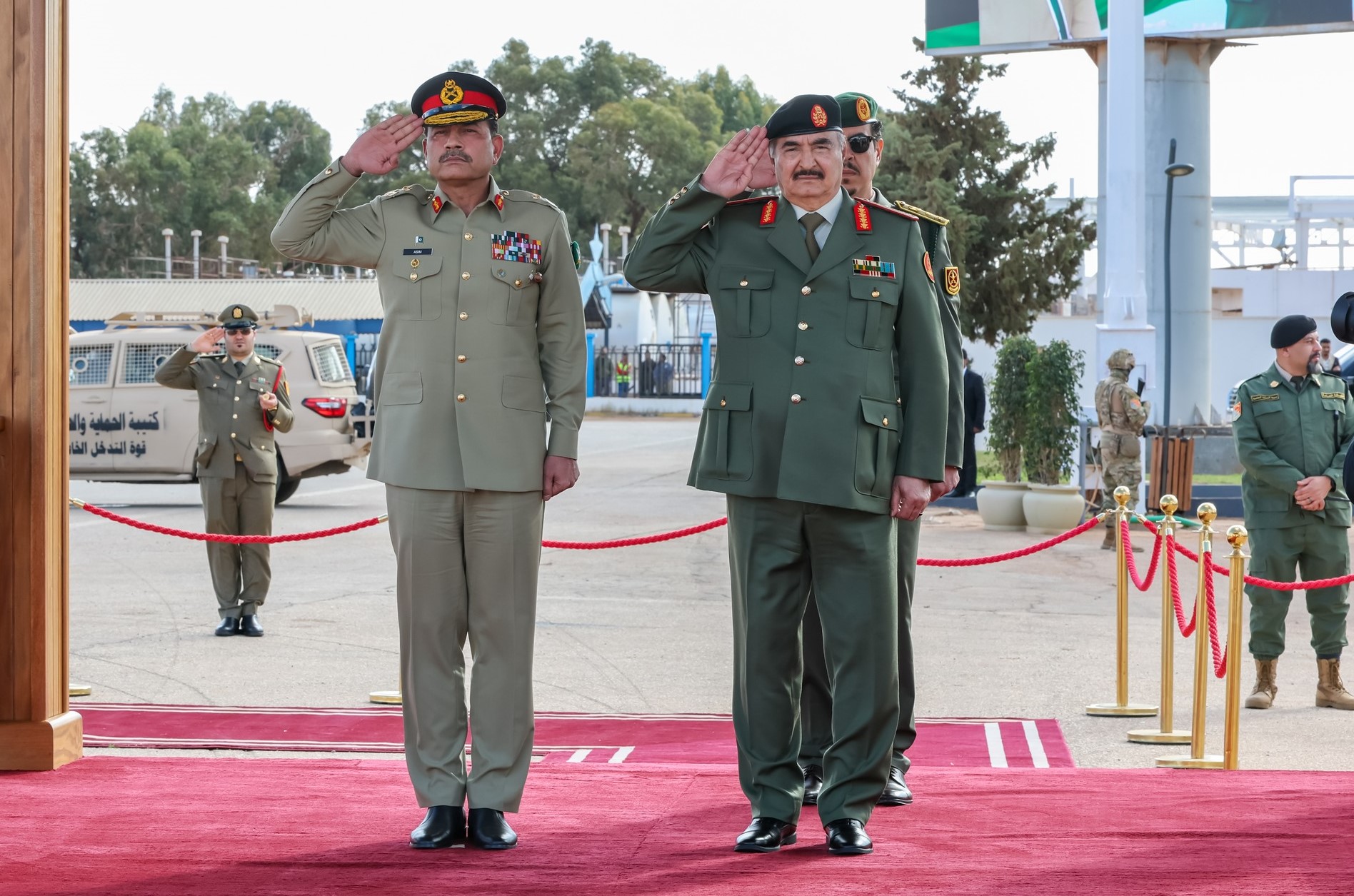
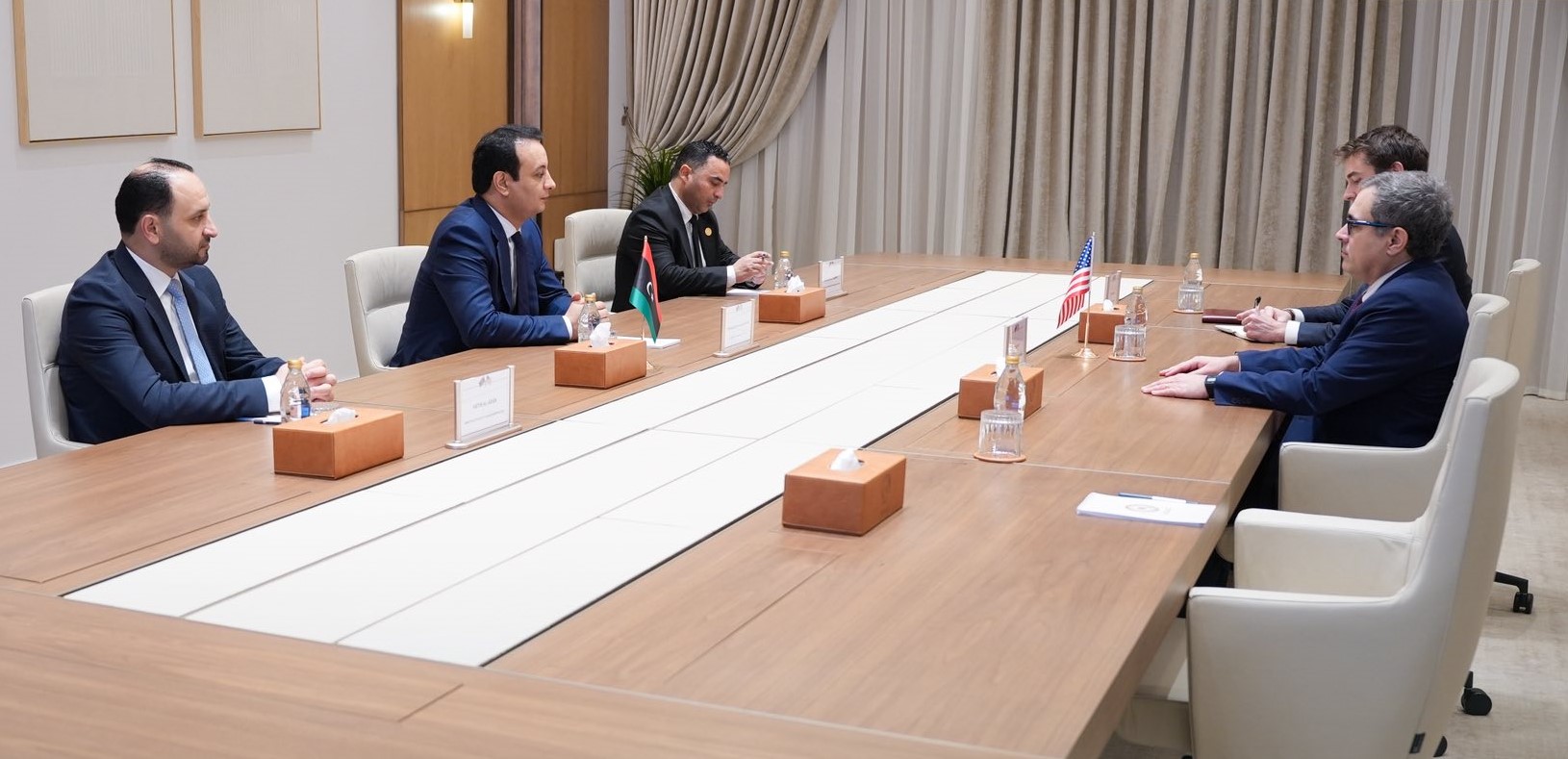
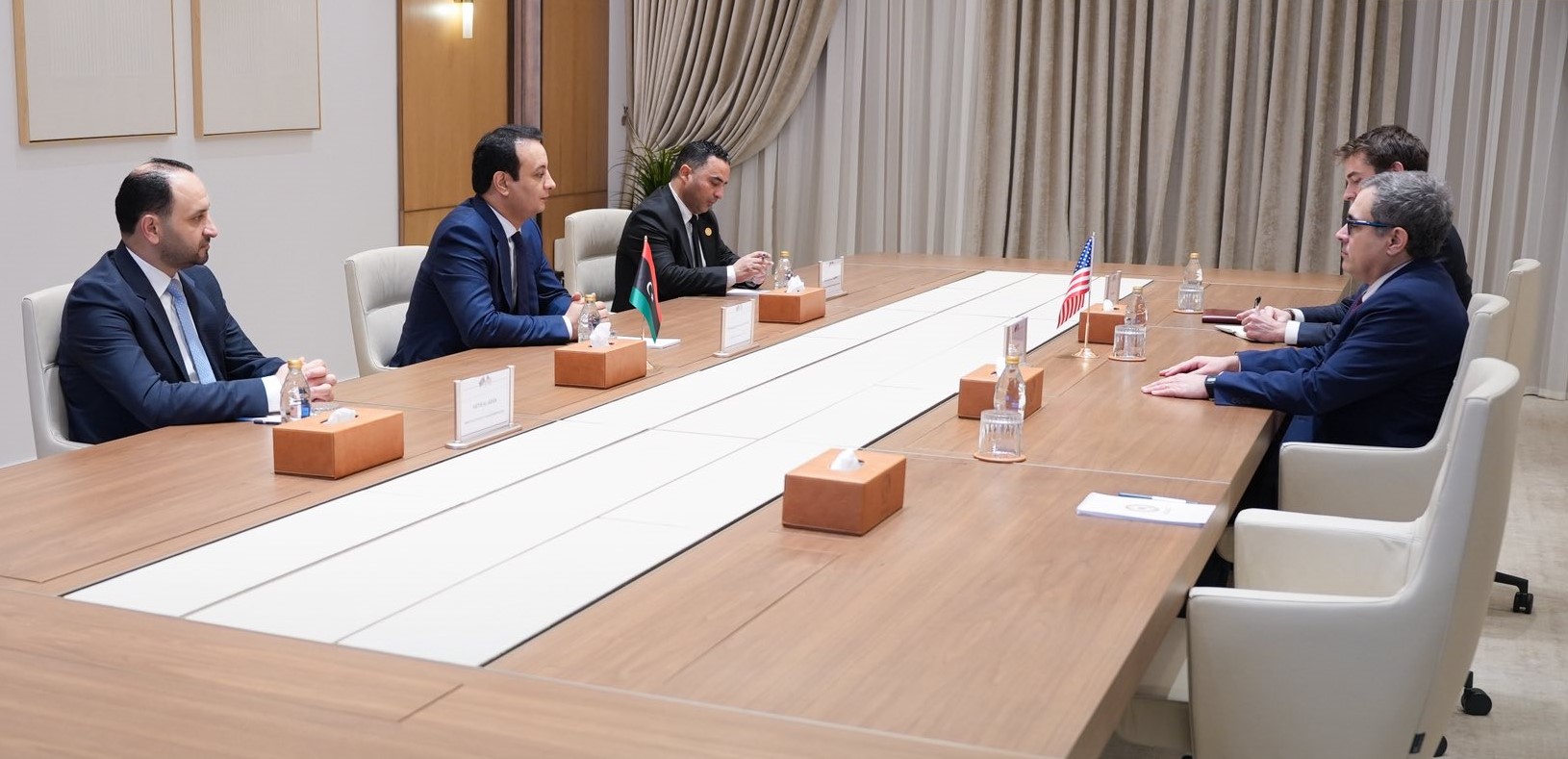
Tripoli, February 15, 2026 – The head of the Government of National Unity met today, Sunday, with the President of the High Council of State to discuss the latest political and economic developments in the country, as well as ways to enhance coordination between state institutions during the current phase.
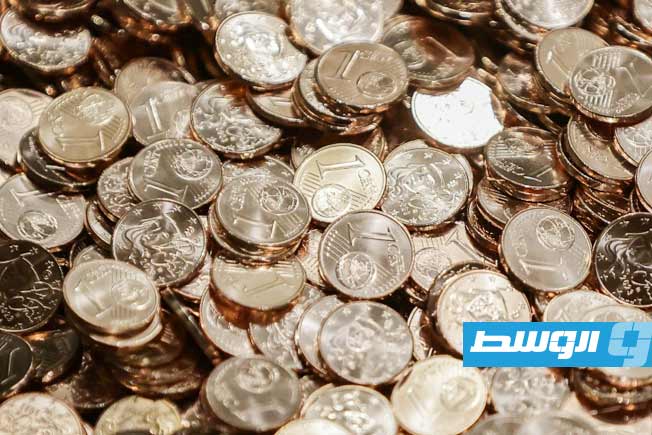
Both sides emphasized the importance of adhering to the implementation of the Unified Development Agreement this year, considering it a practical framework for unifying financial and development efforts. This is seen as contributing to halting the ongoing decline in the exchange rate of the Dinar and supporting the efforts of the Central Bank of Libya in managing monetary policy and promoting economic stability.
The two parties stressed the necessity of continued cooperation between national institutions to strengthen the unity of economic decision-making, solidify the path of financial reform, and safeguard the interests of citizens.
…
Tripoli
Tripoli is the capital and largest city of Libya, located on the country’s Mediterranean coast. Historically, it was founded by the Phoenicians in the 7th century BC and has since been ruled by the Romans, Arabs, Ottomans, and Italians, serving as a major port and cultural crossroads. Its historic center, the medina, contains well-preserved architecture from these various eras.
Government of National Unity
The Government of National Unity (GNU) is a term most notably associated with the post-apartheid transitional government in South Africa, established in 1994 following the country’s first multiracial elections. Led by President Nelson Mandela, it was a coalition government that included the African National Congress, the National Party, and the Inkatha Freedom Party, aimed at fostering reconciliation and stability during the nation’s democratic transition.
High Council of State
The High Council of State is a governmental body in Libya, established as part of the 2015 Libyan Political Agreement. It was designed to serve as an advisory and consensus-building authority, representing a broad spectrum of Libyan society and political factions during the country’s transitional period following the 2011 civil war.
Dinar
Dinar is a town in western Turkey located near the ruins of ancient Celaenae, an important Phrygian city later used by Persian and Hellenistic rulers. It is historically known as the site where the Spartan king Agesilaus died in 360 BCE and where Alexander the Great famously cut the Gordian Knot. Today, it serves as a district center in Afyonkarahisar Province.
Central Bank of Libya
The Central Bank of Libya is the country’s primary monetary authority, established in 1956 to issue currency and manage monetary policy. It has played a critical and often divisive role in Libya’s recent history, notably functioning as a unified financial institution during the post-2011 civil war period despite the country’s political fragmentation.