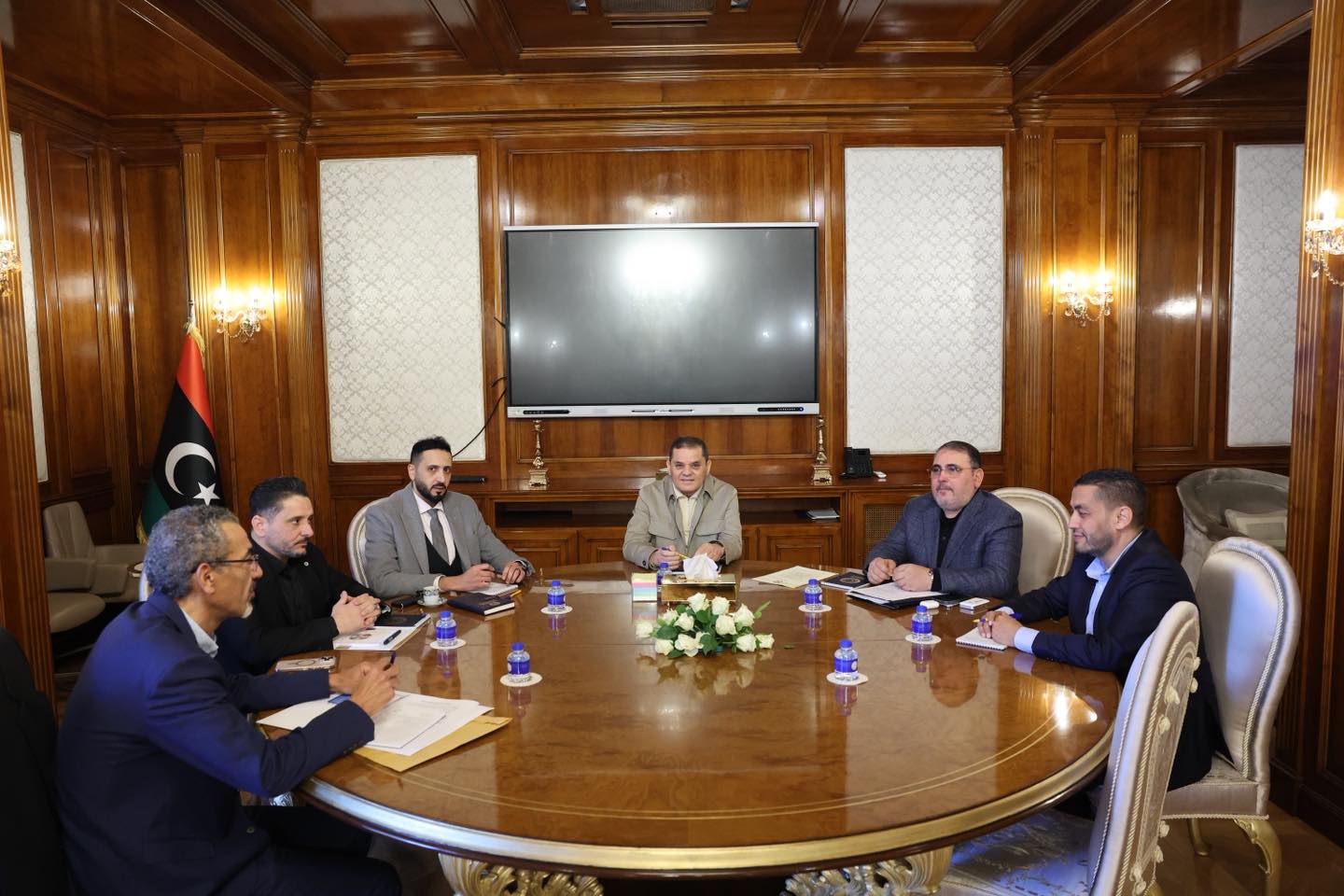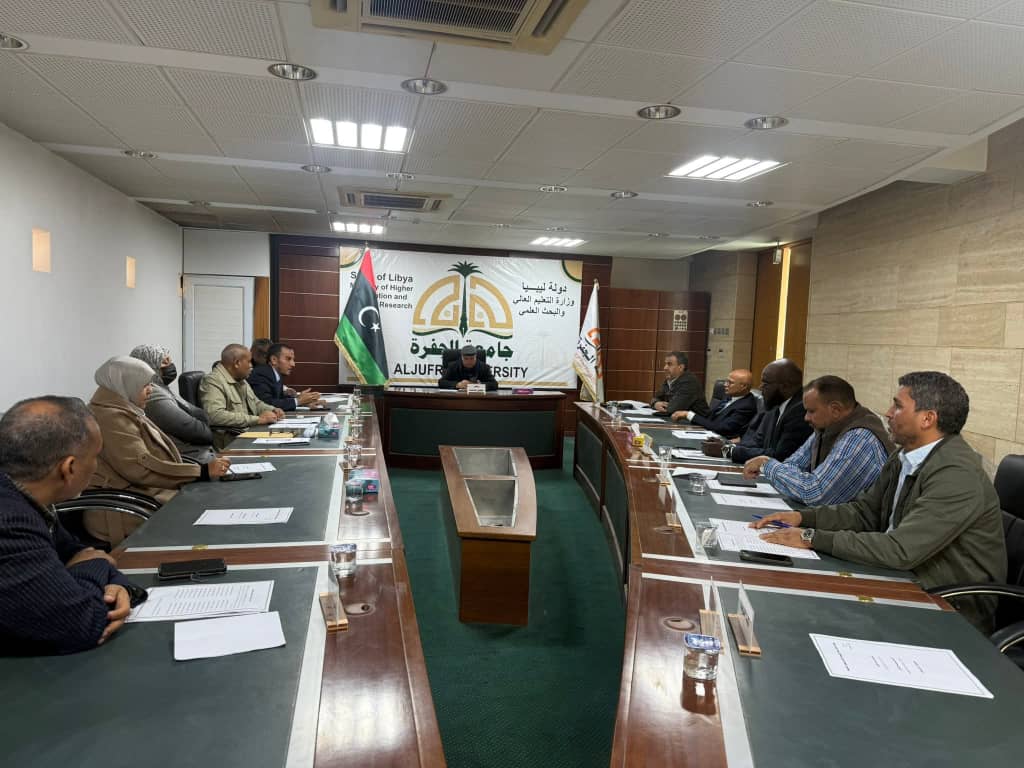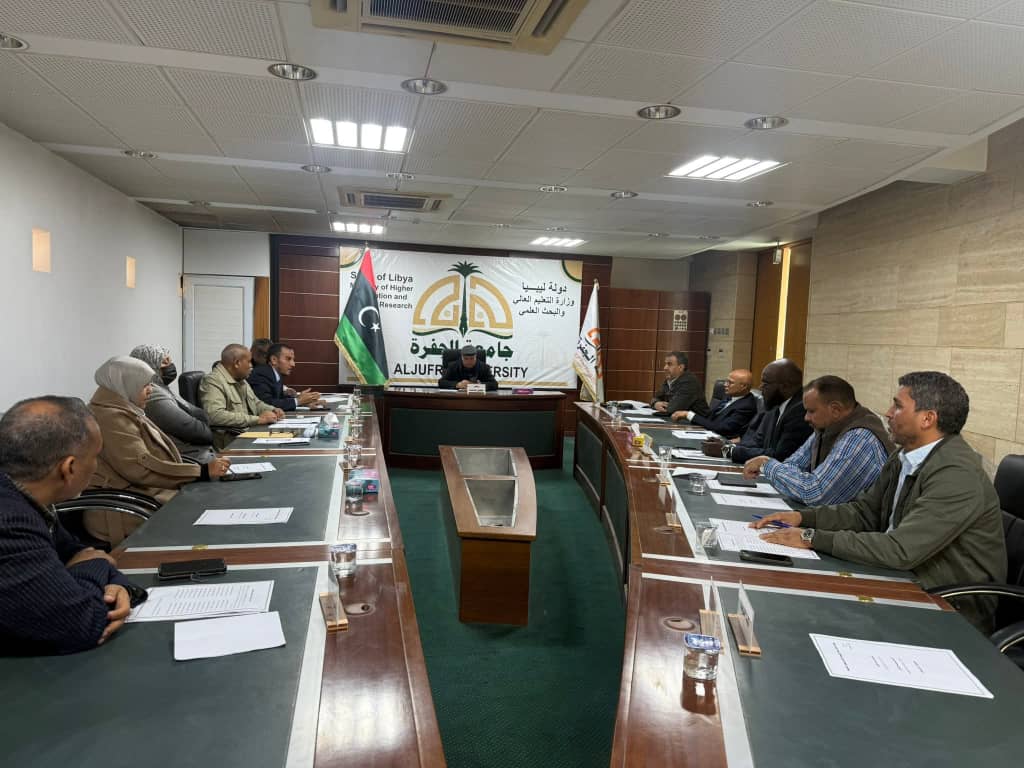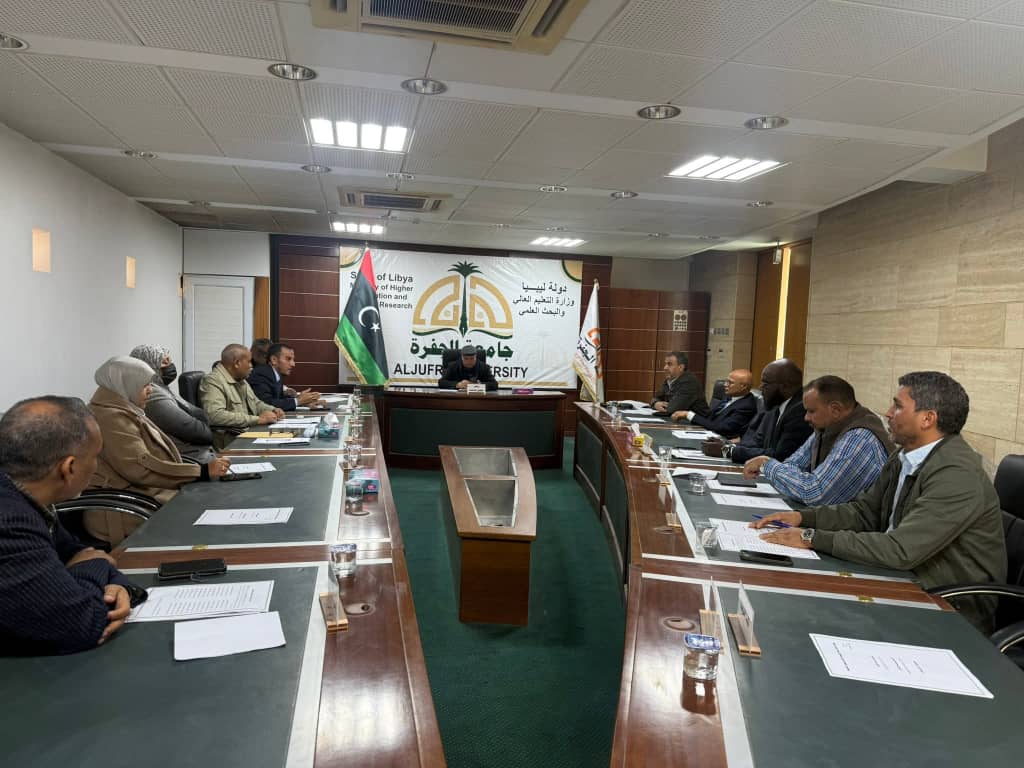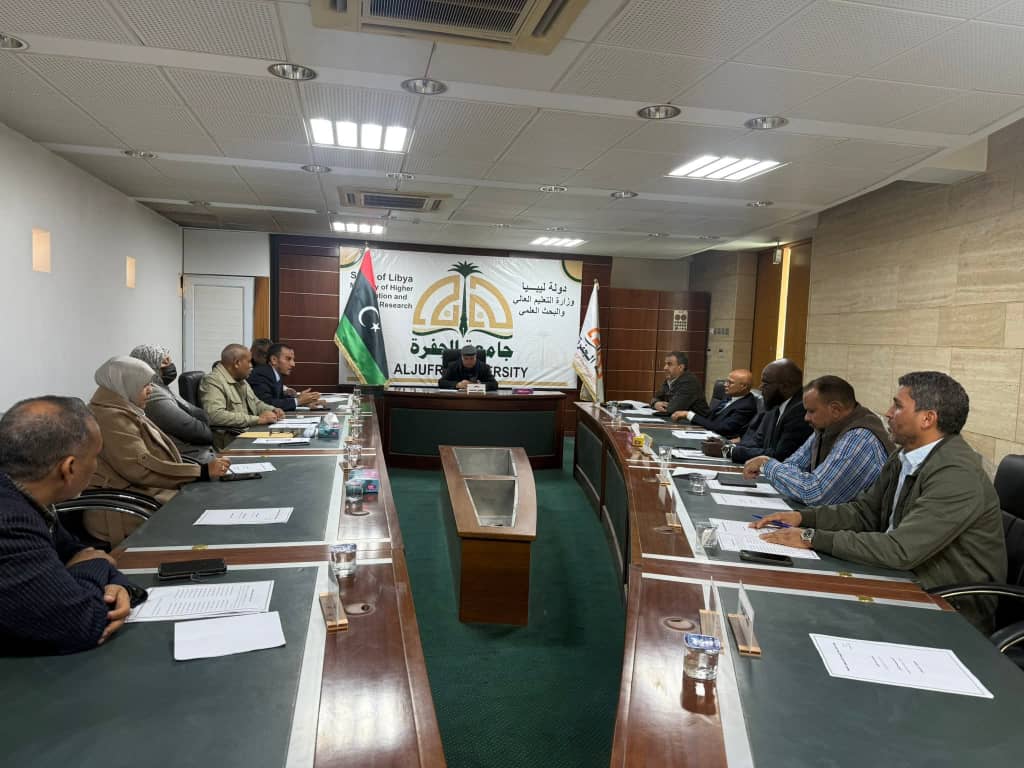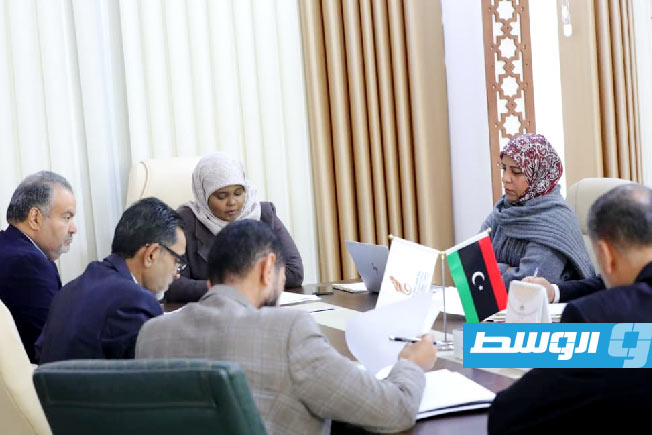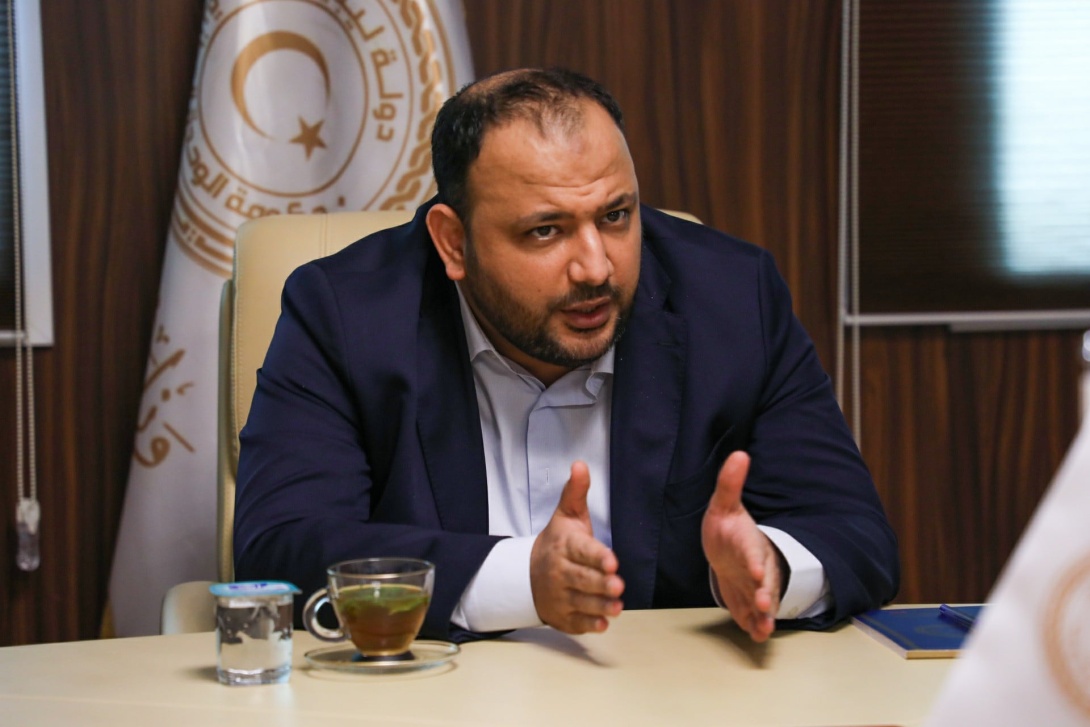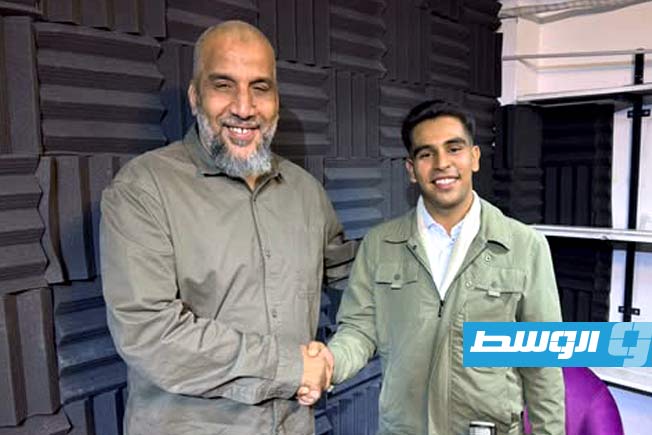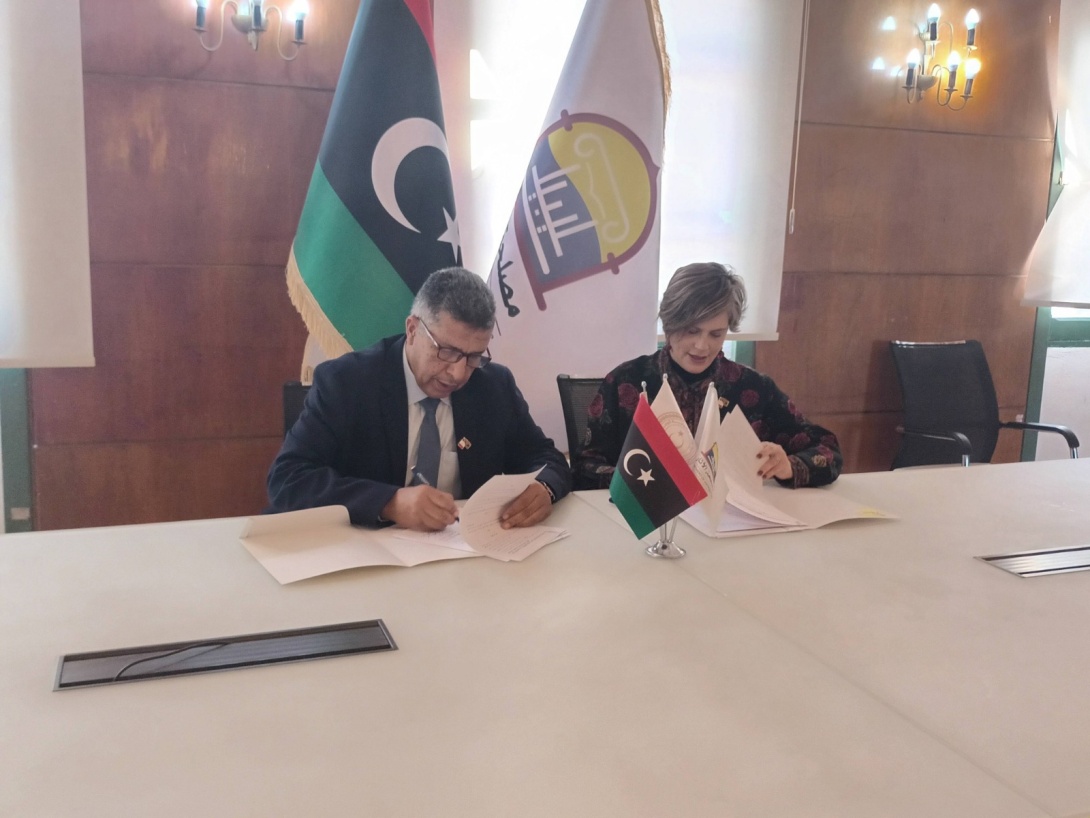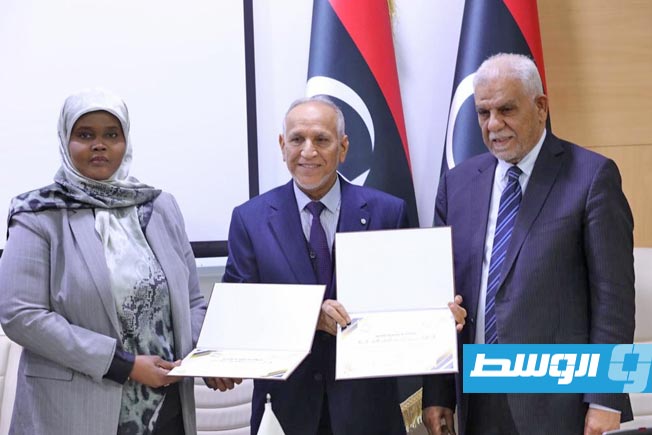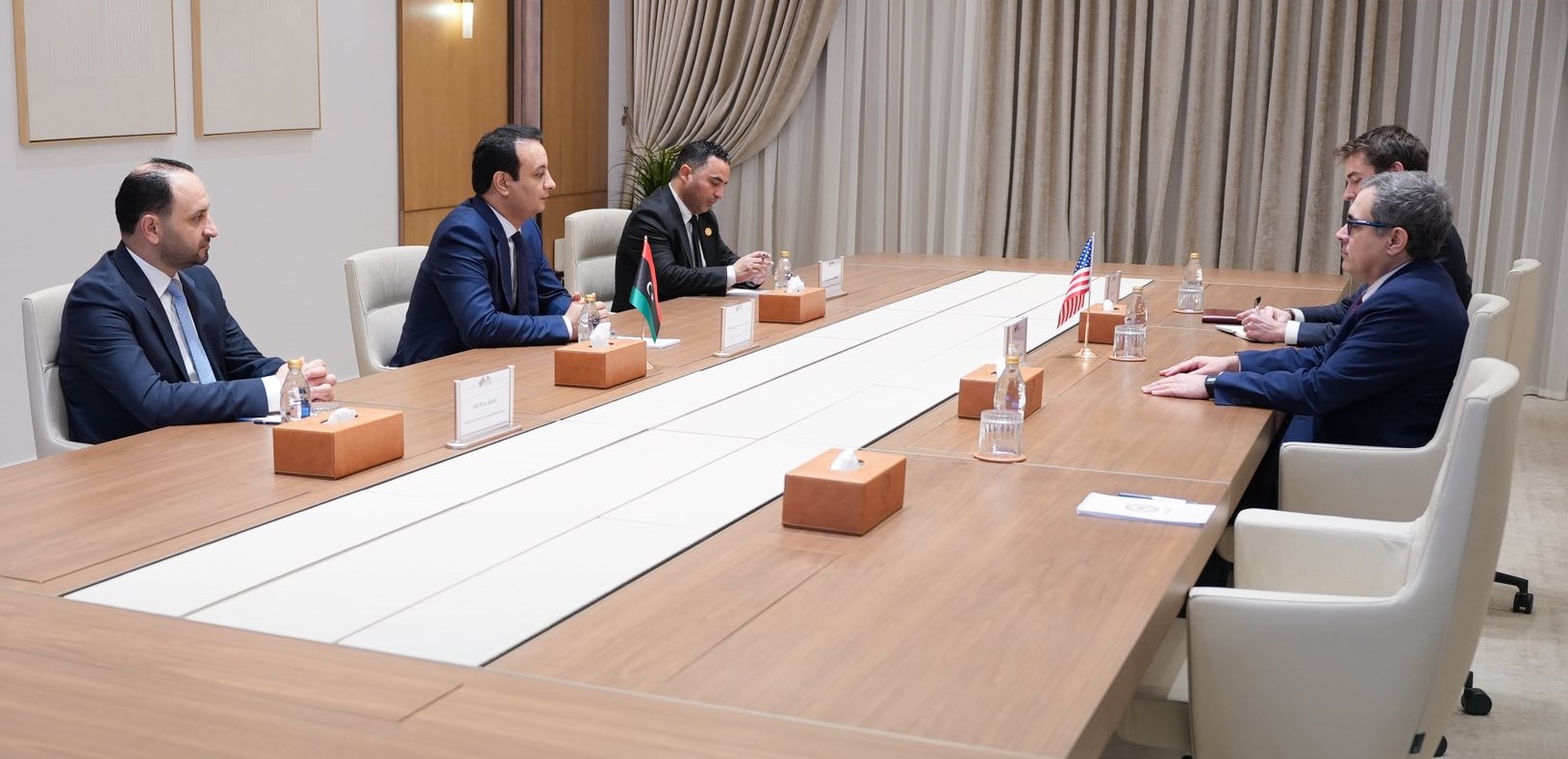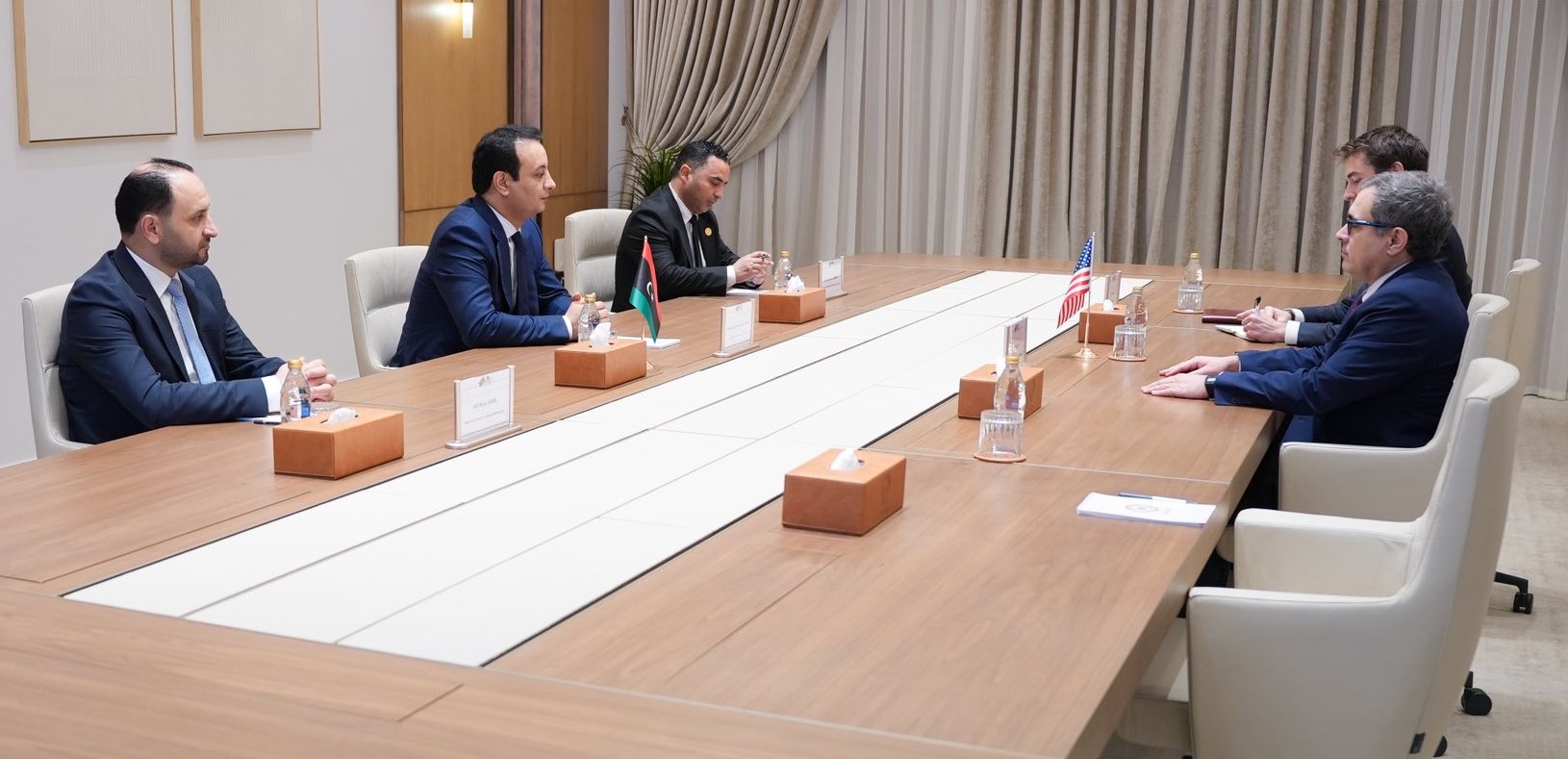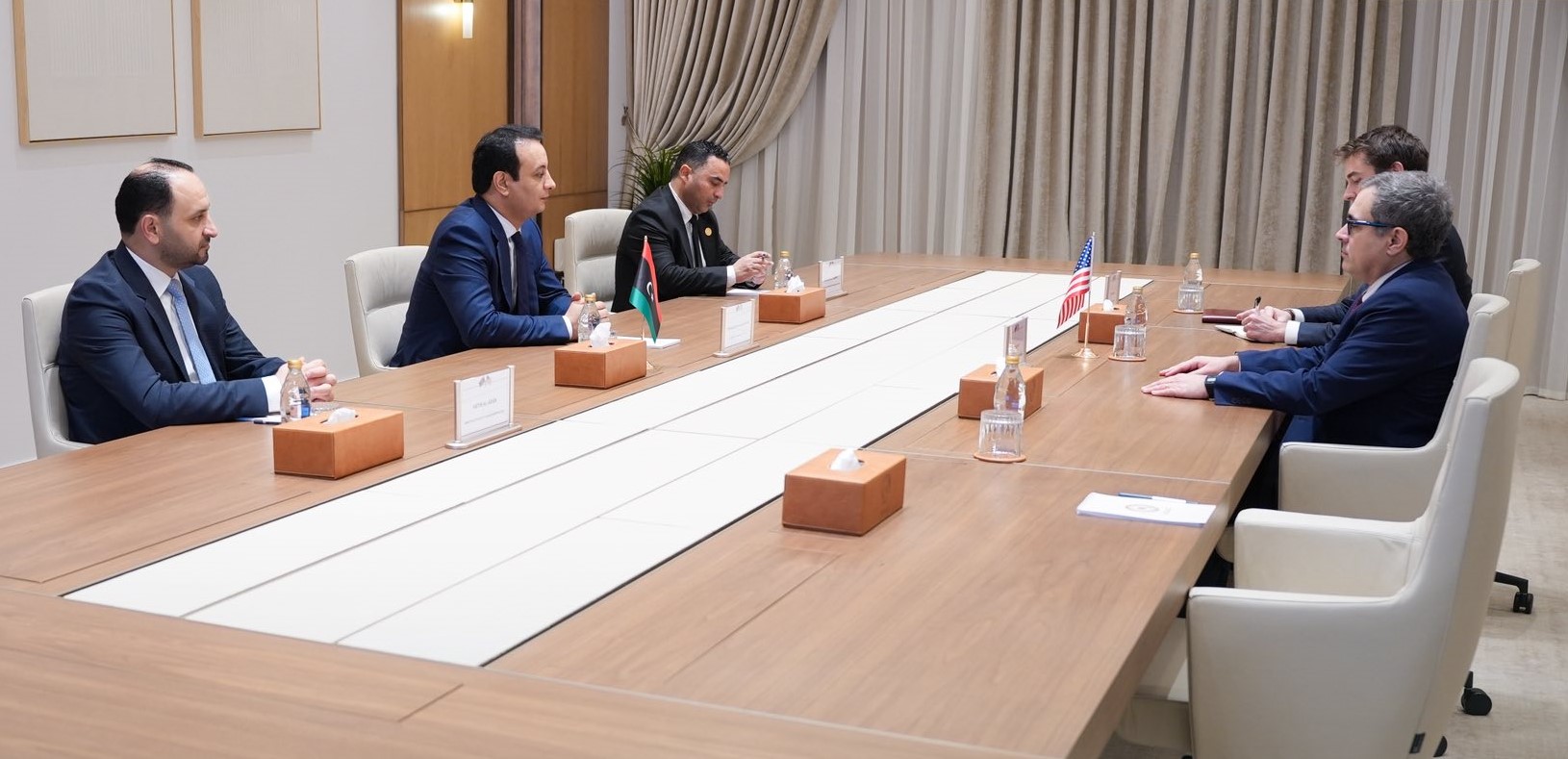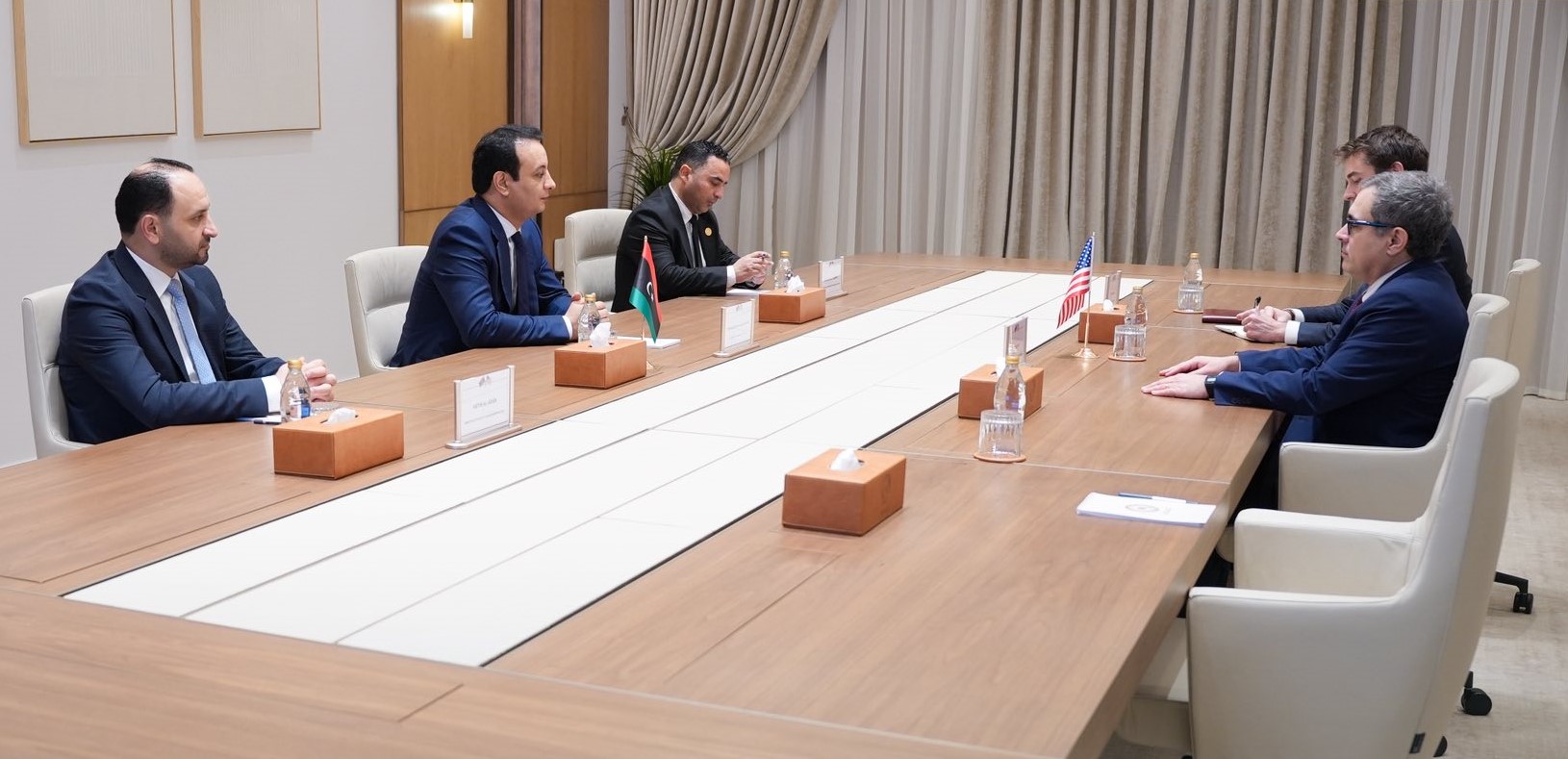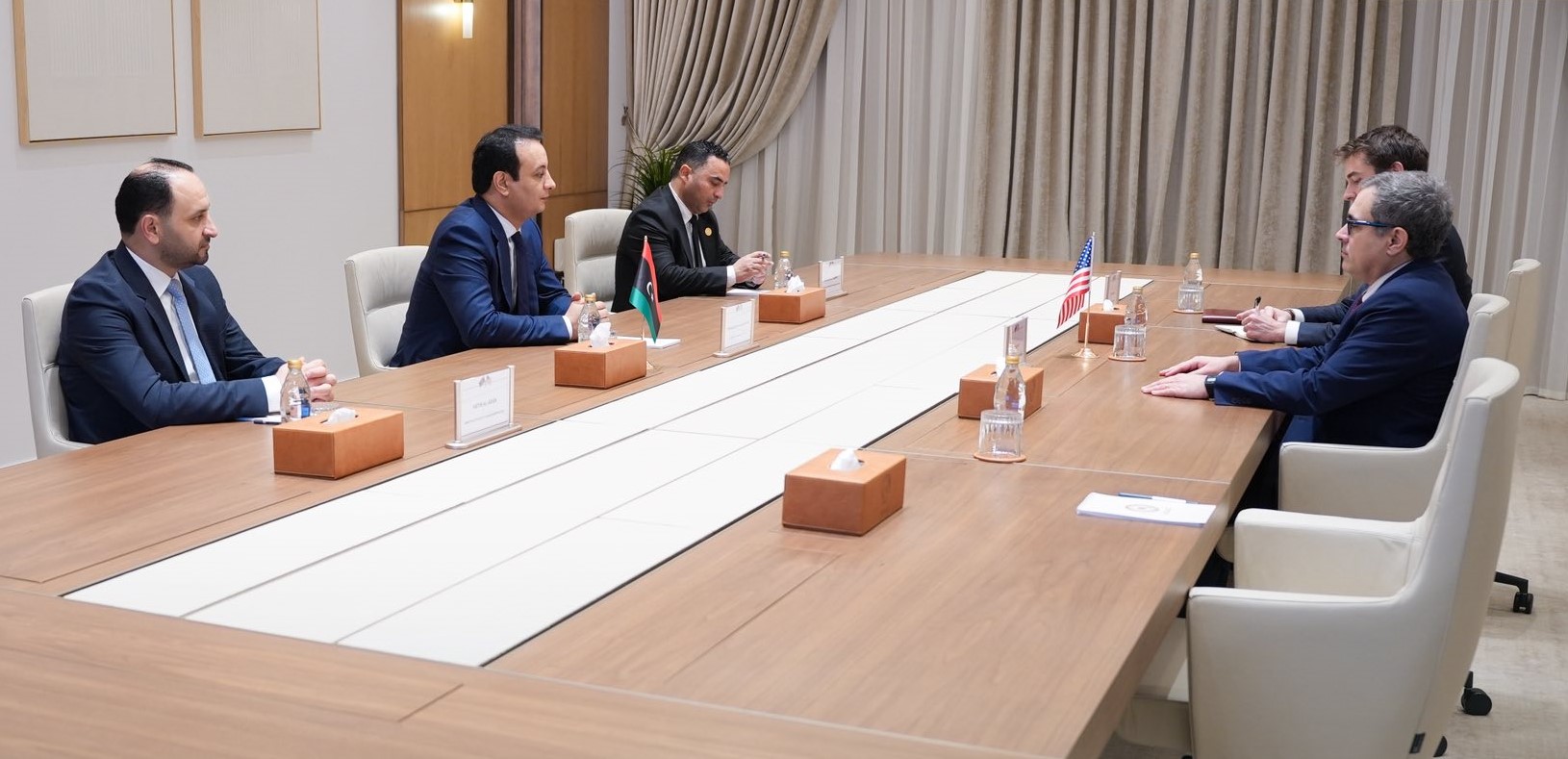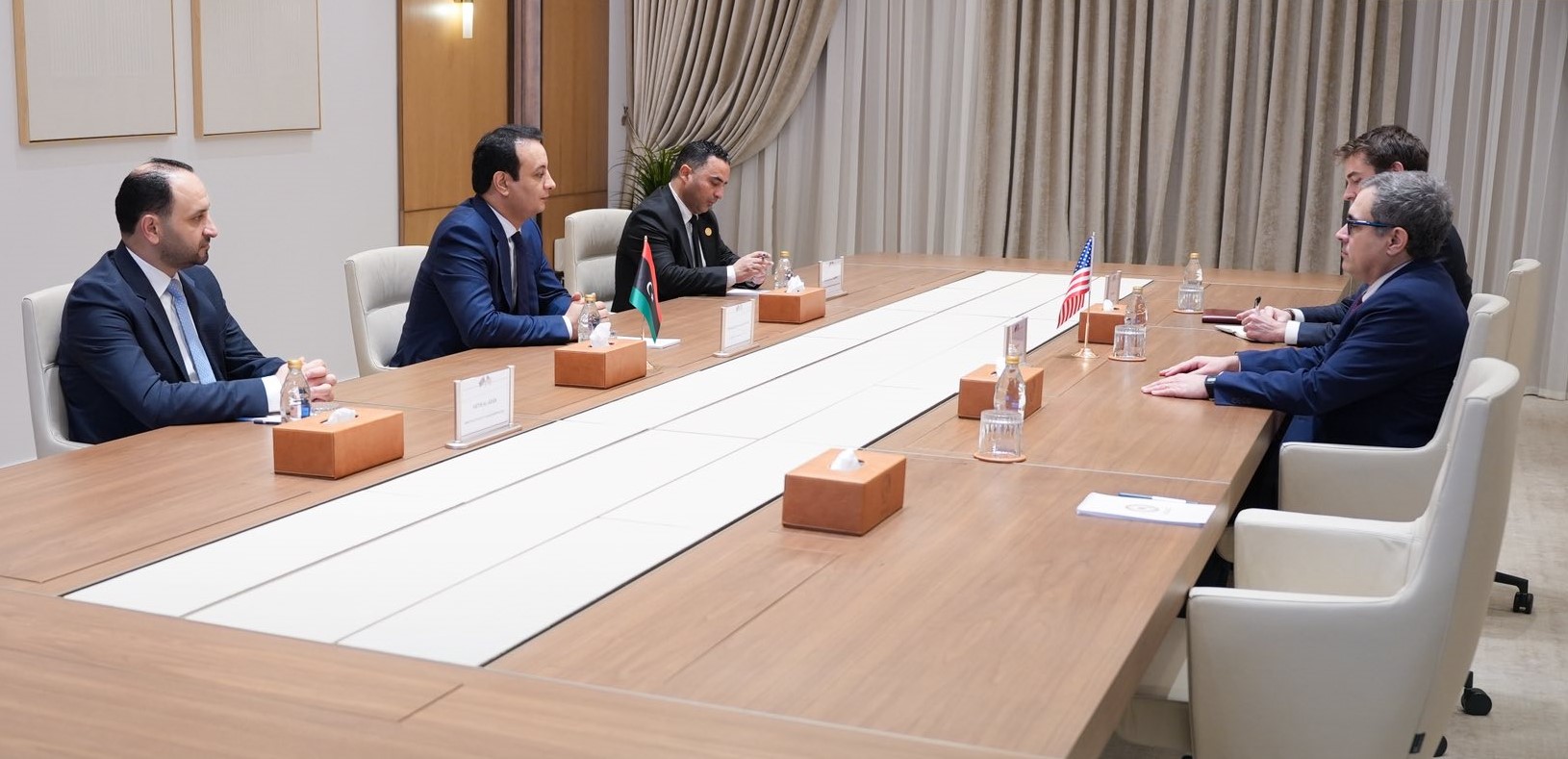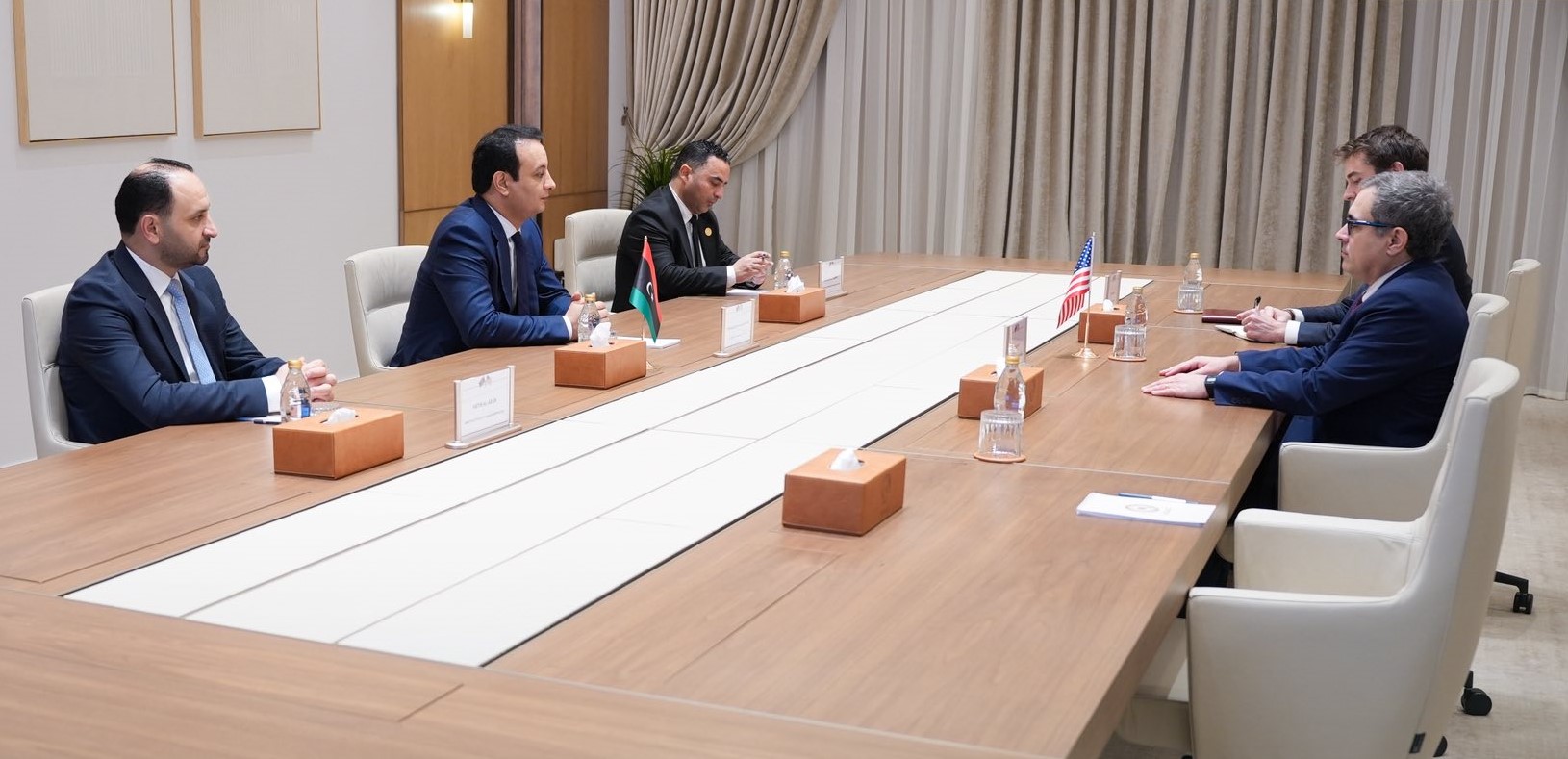
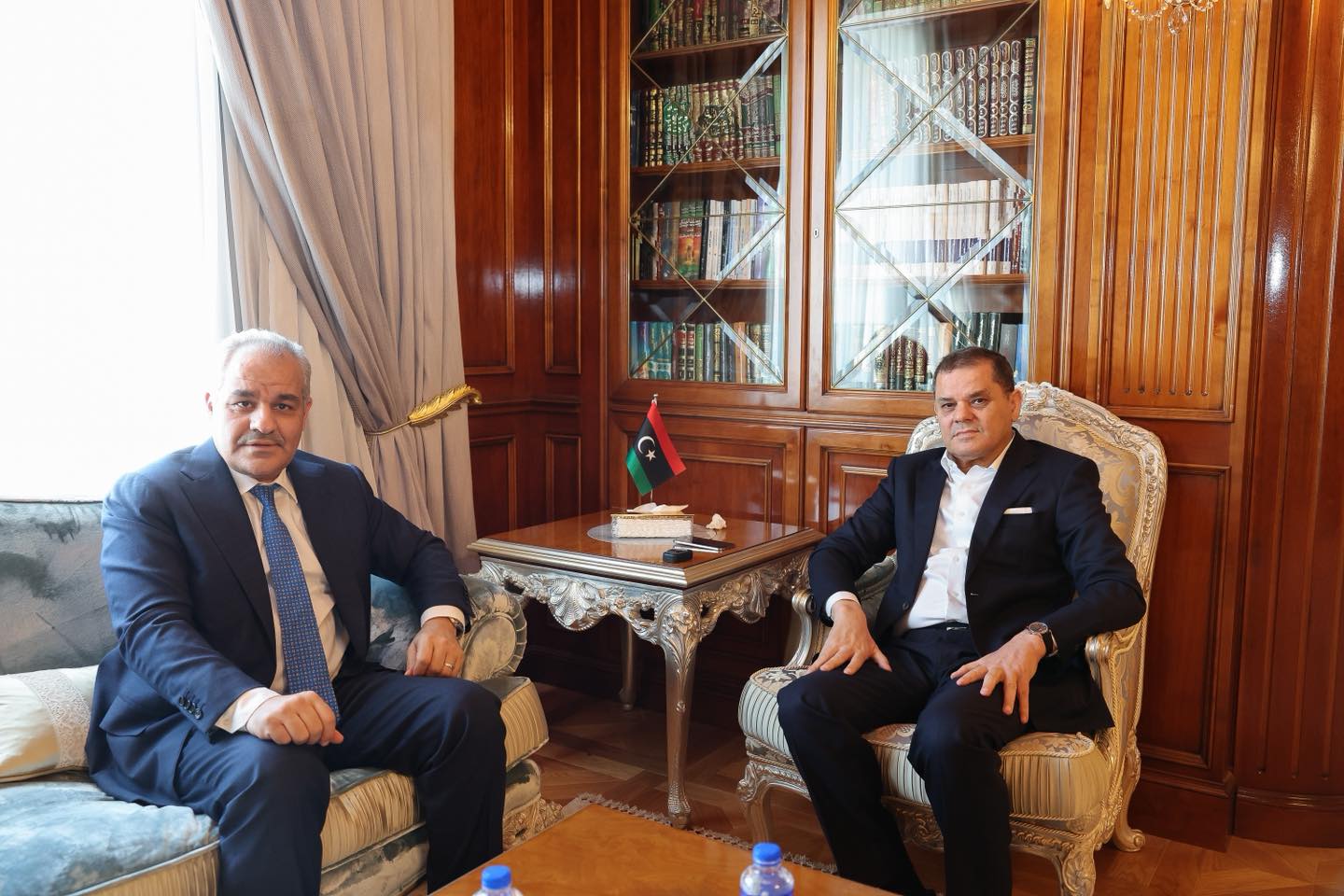
Tripoli, February 15, 2026 – The Head of the Government of National Unity met on Sunday with the Governor of the Central Bank of Libya to discuss a number of priority economic and financial files. Foremost among these was the mechanism for opening documentary credits for the supply of essential goods, ensuring their availability in the local market and maintaining price stability.
During the meeting, the two sides discussed the issue of cash liquidity in commercial banks and mechanisms for providing it through monetary policies aimed at improving the level of banking services and alleviating the suffering of citizens. They also discussed measures taken by the bank to enhance discipline in the foreign exchange market.
The two sides agreed on the necessity of adhering to the signed financial agreement to ensure a halt to the deterioration of the national currency, thereby preventing negative repercussions on citizens’ purchasing power and price stability.
The meeting addressed the file of standard prices for food commodities and their role in regulating import operations, curbing inflation and speculation. It was emphasized that commodity prices should align with their import costs from the international market and added local costs. The two sides reviewed the regulatory and oversight mechanisms adopted by the Central Bank in implementing and monitoring credits, achieving transparency and directing foreign exchange to its designated purposes.
During the meeting, the Head of Government emphasized the importance of continuous coordination between the government and the Central Bank of Libya to ensure economic stability, support efforts to provide essential goods to citizens, and achieve balance in the local market.