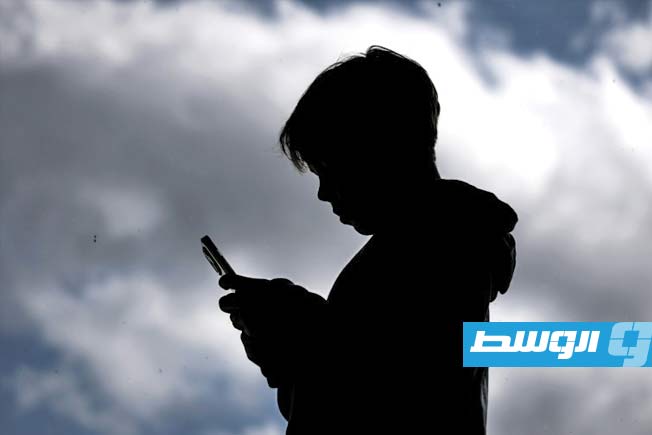
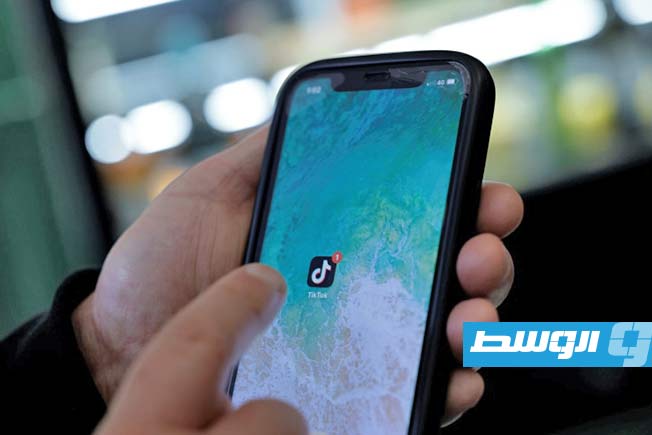
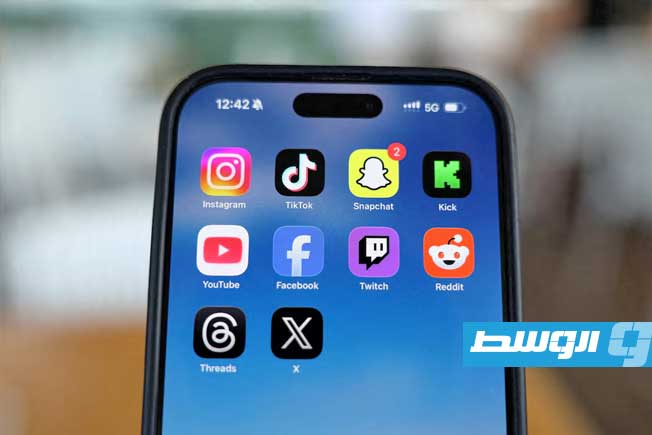
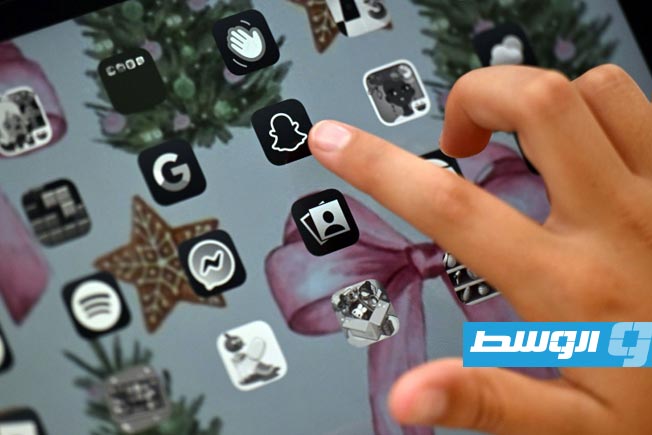
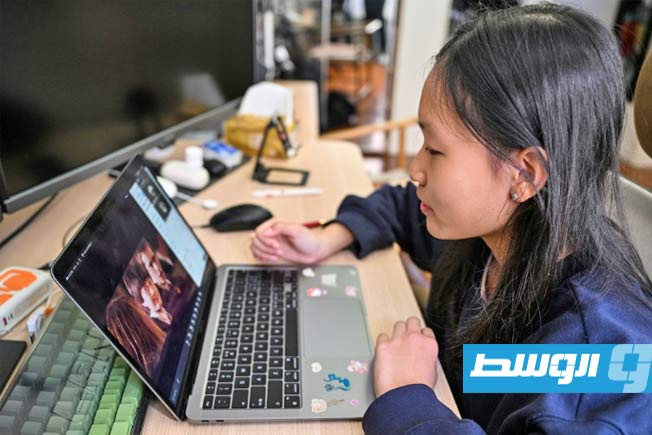
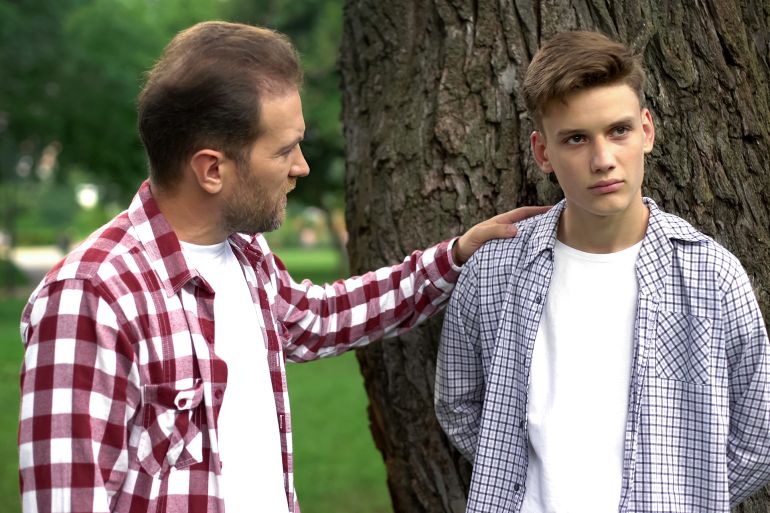
On Thursday, the Portuguese parliament approved a draft law that mandates obtaining “explicit parental consent” before enabling children aged 13 to 16 to use social media platforms.
This move, led by the ruling Social Democratic Party, is part of national efforts aimed at protecting minors from the risks of “cyberbullying,” harmful content, and falling prey to online predators, emphasizing the need to restore family oversight in the digital space.
According to the project’s details, parents will rely on a public technical system known as the “portable digital key” to grant their consent. This system will also help tighten the existing de facto ban on children under 13, preventing their access to gambling sites and video and photo-sharing platforms.
Technical and Legal Challenges
Major technology companies and service providers will be required to provide “advanced age verification systems” that comply with national digital standards, placing these companies before new technical and legal challenges to adhere to these restrictions.
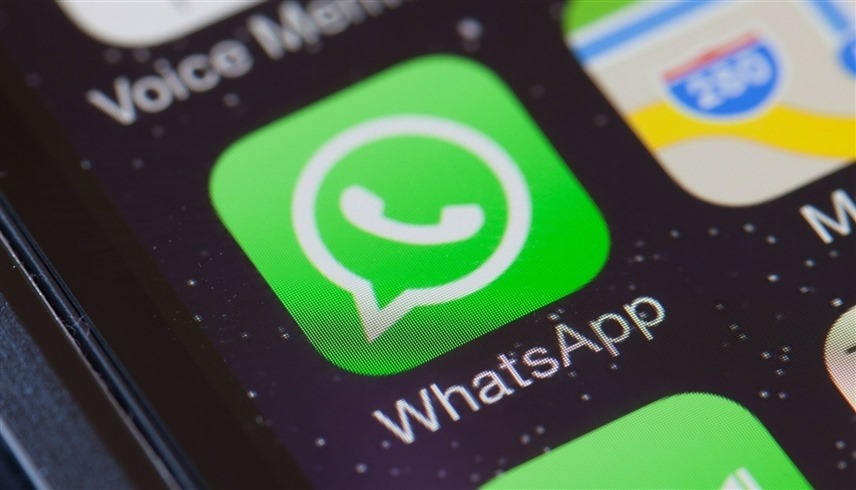
– Moscow bans WhatsApp application for “non-compliance” with Russian laws
– Ban of the ‘Roblox’ platform in Egypt due to child safety concerns
– Indian draft bill to ban social media for children
The Portuguese initiative, which received 148 votes in favor against 69 opposing, joins a rapidly accelerating global movement. Recently, the French National Assembly supported legislation banning the use of social media for those under 15, while Australia preceded everyone last December by imposing “the first ban of its kind globally” on major platforms such as Facebook and TikTok for those under 16.
With an opportunity remaining to amend the law’s clauses before the final vote, Portugal remains at the forefront of countries seeking to turn concerns about the “mental health” of youth into tangible policies and laws.
Portugal
Portugal is a country in southwestern Europe on the Iberian Peninsula, with a history deeply shaped by exploration. It established a vast maritime empire beginning in the 15th century and was a major global power during the Age of Discovery. Key cultural sites include the Jerónimos Monastery and the Tower of Belém in Lisbon, both UNESCO World Heritage sites that commemorate this era.
Moscow
Moscow is the capital and largest city of Russia, with a recorded history dating back over 800 years to its first mention in 1147. It grew from a medieval fortress, the Kremlin, to become the political and cultural heart of the Russian state, serving as the capital of the Tsardom of Russia, the Soviet Union, and the modern Russian Federation. The city is renowned for its iconic landmarks, including Red Square, St. Basil’s Cathedral, and the Moscow Metro.
Russia
Russia is the world’s largest country by area, spanning Eastern Europe and Northern Asia. Its history is marked by the rule of the Tsars, the rise and fall of the Soviet Union in the 20th century, and its establishment as the modern Russian Federation in 1991. It is renowned for its vast landscapes, rich cultural heritage in literature, music, and art, and iconic sites like the Kremlin and Red Square in Moscow.
Egypt
Egypt is home to one of the world’s oldest civilizations, with a recorded history spanning over 5,000 years and famed for its pharaonic monuments like the Pyramids of Giza and the Sphinx. Its rich cultural legacy includes significant contributions to writing, architecture, and religion, later influenced by Greco-Roman, Coptic Christian, and Islamic periods following its conquests. Today, its ancient sites along the Nile River remain central to its identity and global heritage.
India
India is a South Asian country with one of the world’s oldest civilizations, dating back to the Indus Valley Civilization around 2500 BCE. Its long history includes the rise of major empires, the spread of religions like Hinduism and Buddhism, British colonial rule, and its emergence as an independent republic in 1947. Today, it is known for its vast cultural, linguistic, and religious diversity.
French National Assembly
The French National Assembly is the lower house of the French Parliament, first established in 1789 during the French Revolution. It is responsible for debating, amending, and passing laws, and its members are directly elected by the public for five-year terms.
Australia
Australia is a continent and country with a rich Indigenous history spanning over 65,000 years, followed by British colonization beginning in 1788. It is known for its unique ecosystems, iconic landmarks like the Sydney Opera House and Uluru, and a modern multicultural society shaped by waves of immigration.
Facebook
Facebook is a social media platform founded by Mark Zuckerberg in 2004, originally created as a networking site for Harvard University students. It rapidly expanded to the global public, becoming a central hub for online social interaction, content sharing, and digital advertising. Its history is marked by significant growth and influence, alongside ongoing debates about data privacy, misinformation, and its societal impact.
TikTok
TikTok is a social media platform for sharing short-form videos, launched internationally in 2017 by the Chinese company ByteDance after merging with its predecessor, Douyin. It rapidly grew into a global cultural phenomenon, significantly influencing music, trends, and digital entertainment.
WhatsApp
WhatsApp is a cross-platform messaging service founded in 2009 by Jan Koum and Brian Acton, which allows users to send text, voice, and video messages over the internet. It grew rapidly by offering a simple, ad-free alternative to SMS and was acquired by Facebook (now Meta) in 2014 for approximately $19 billion.
Roblox
Roblox is an online platform and game creation system that allows users to design and play games created by other users. It was officially launched in 2006 by founders David Baszucki and Erik Cassel, building on an earlier educational physics simulation prototype. The platform has since grown into a massive global community centered around user-generated content and social interaction.