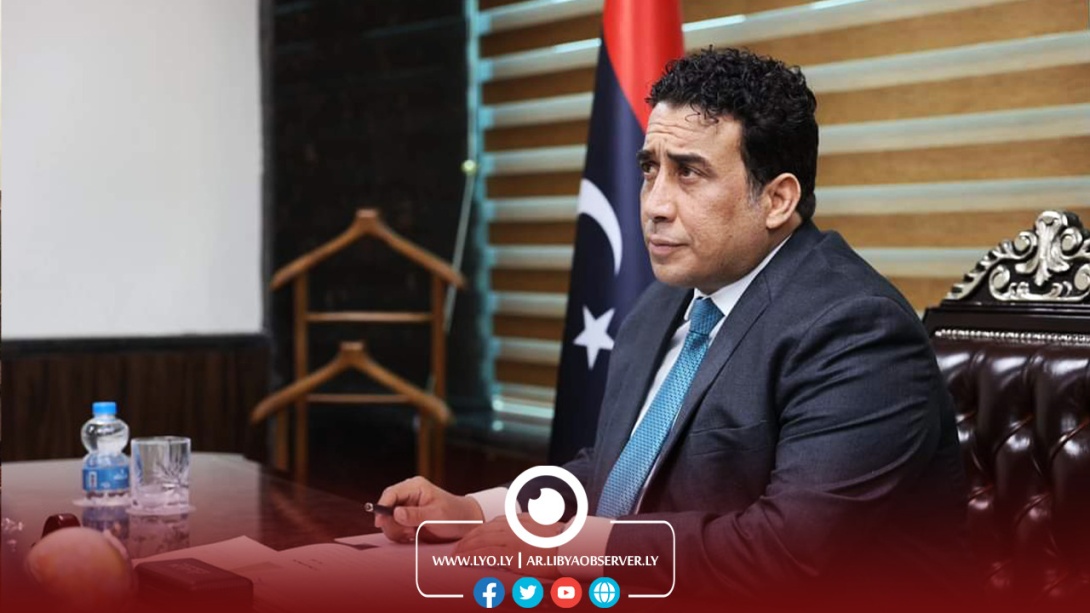
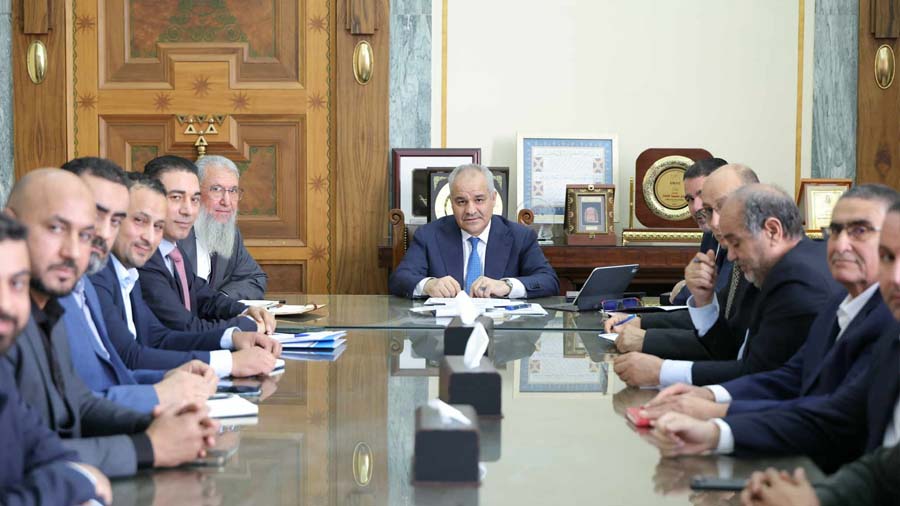
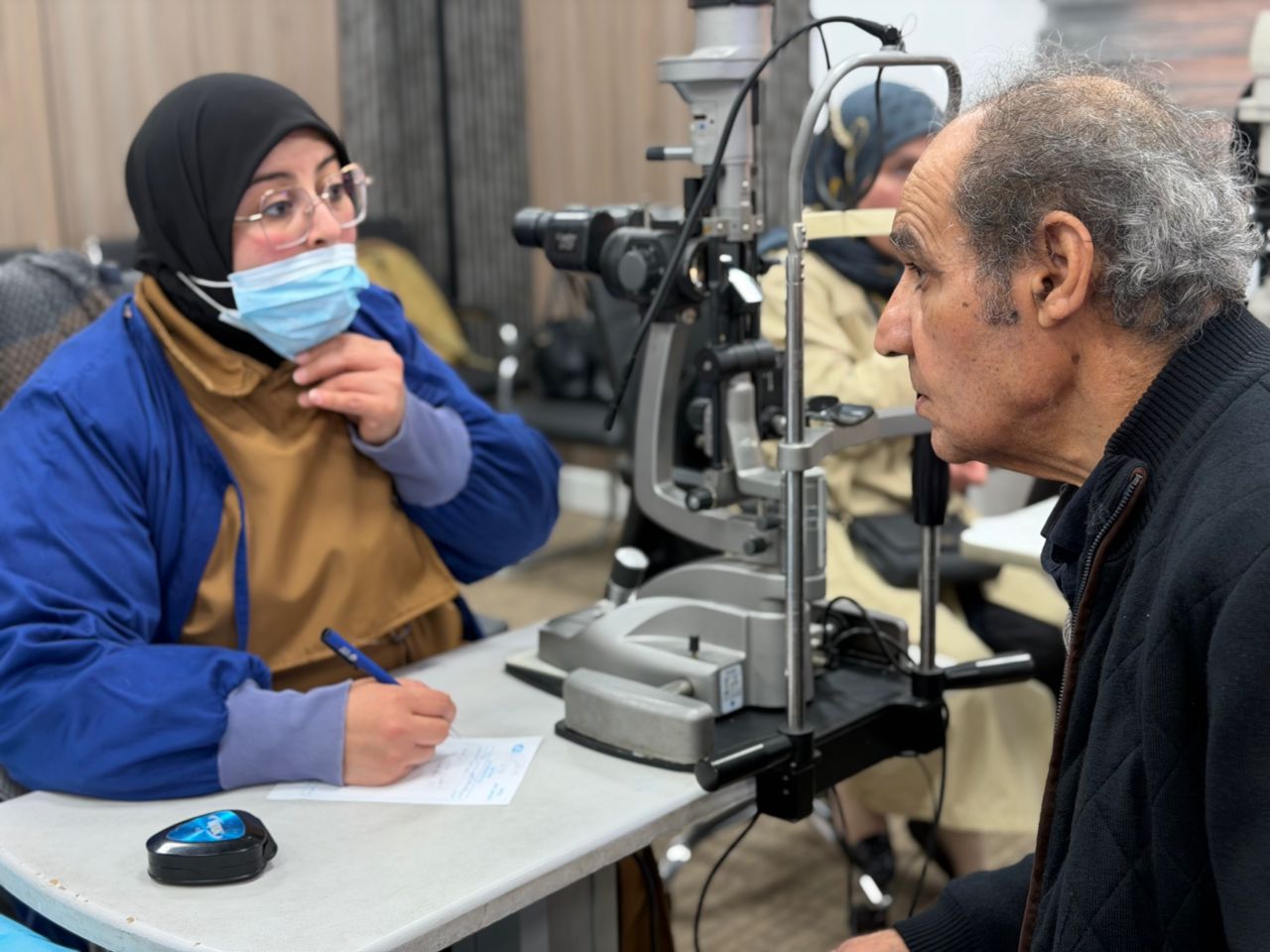
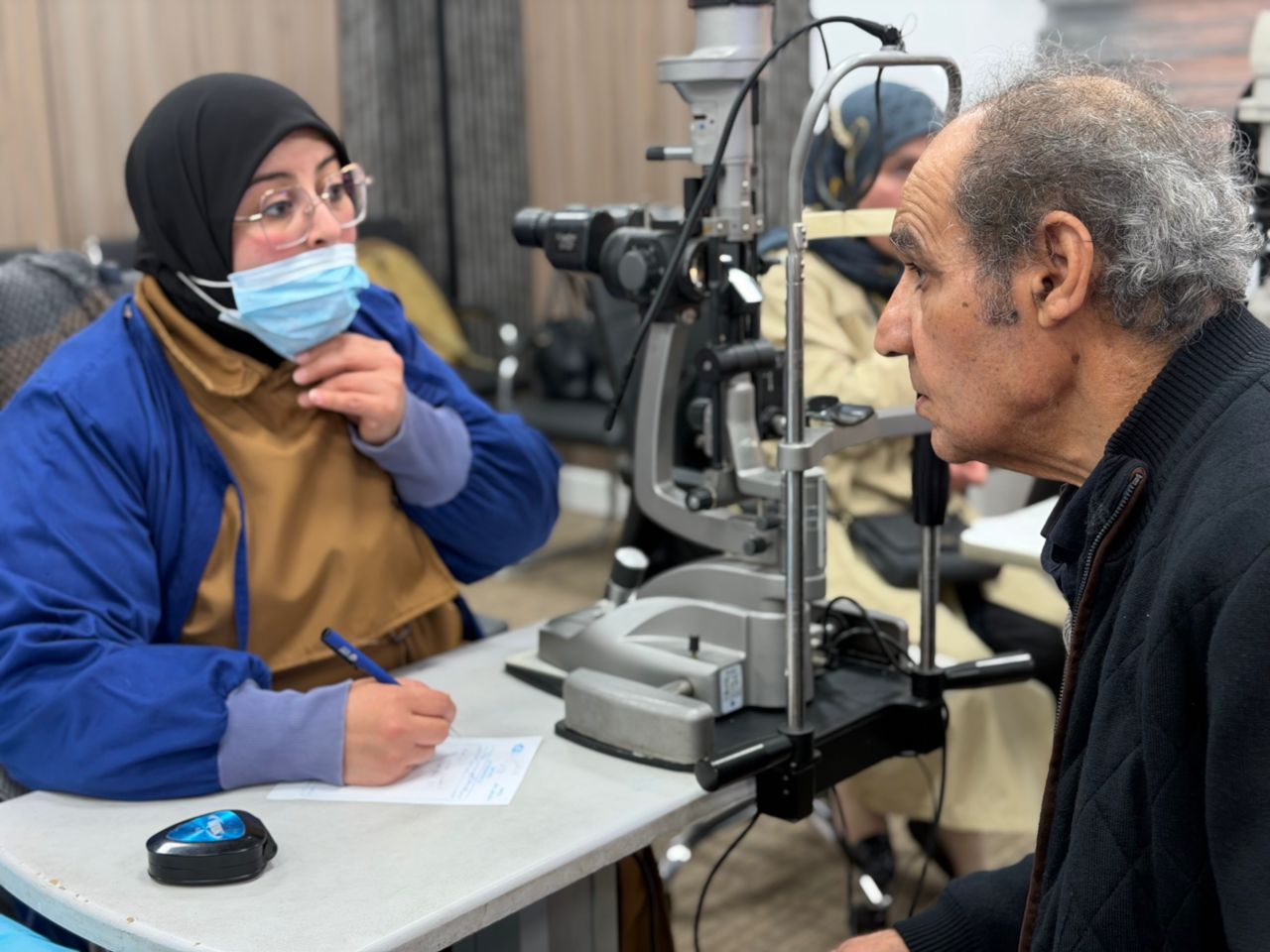
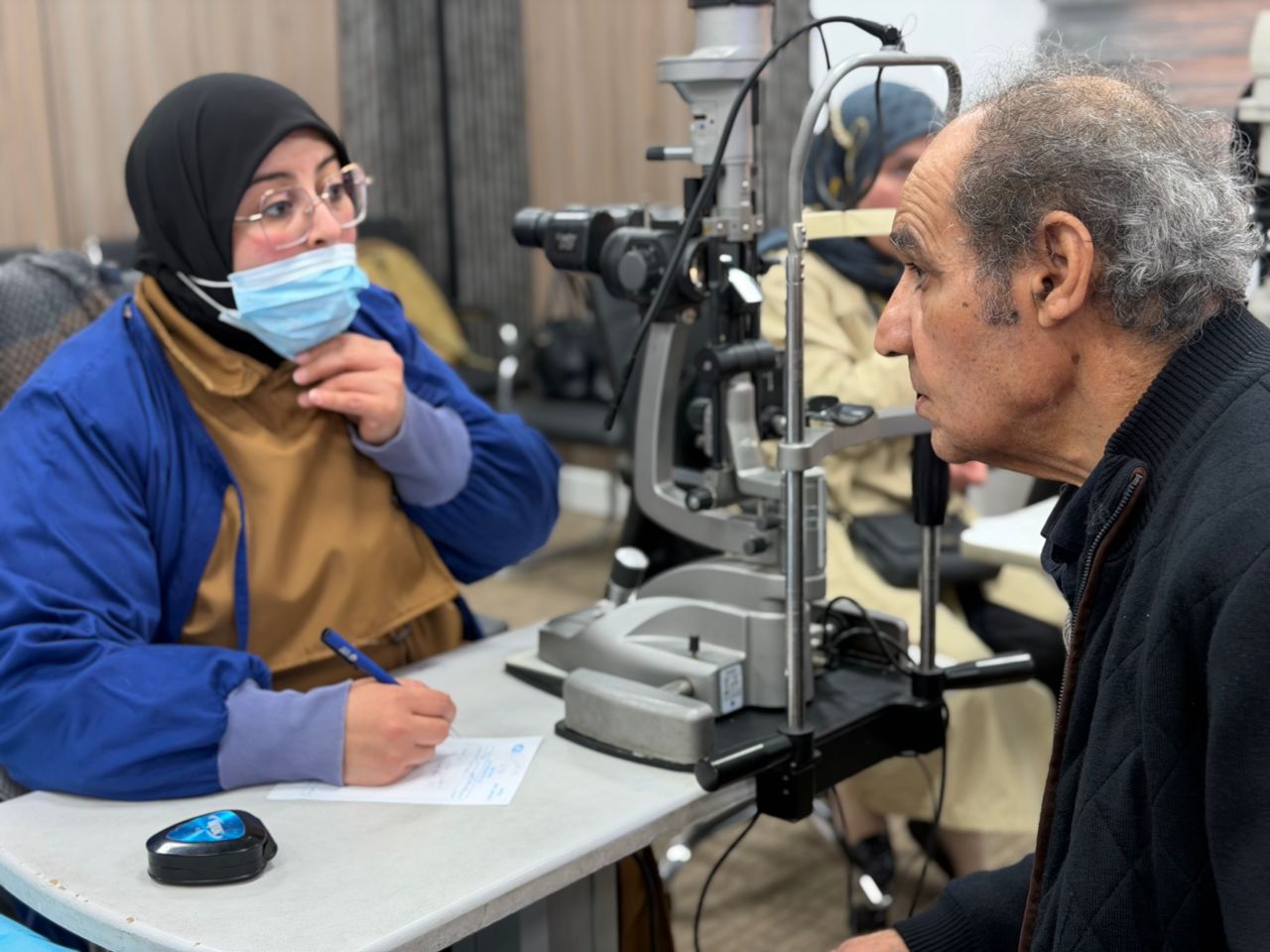
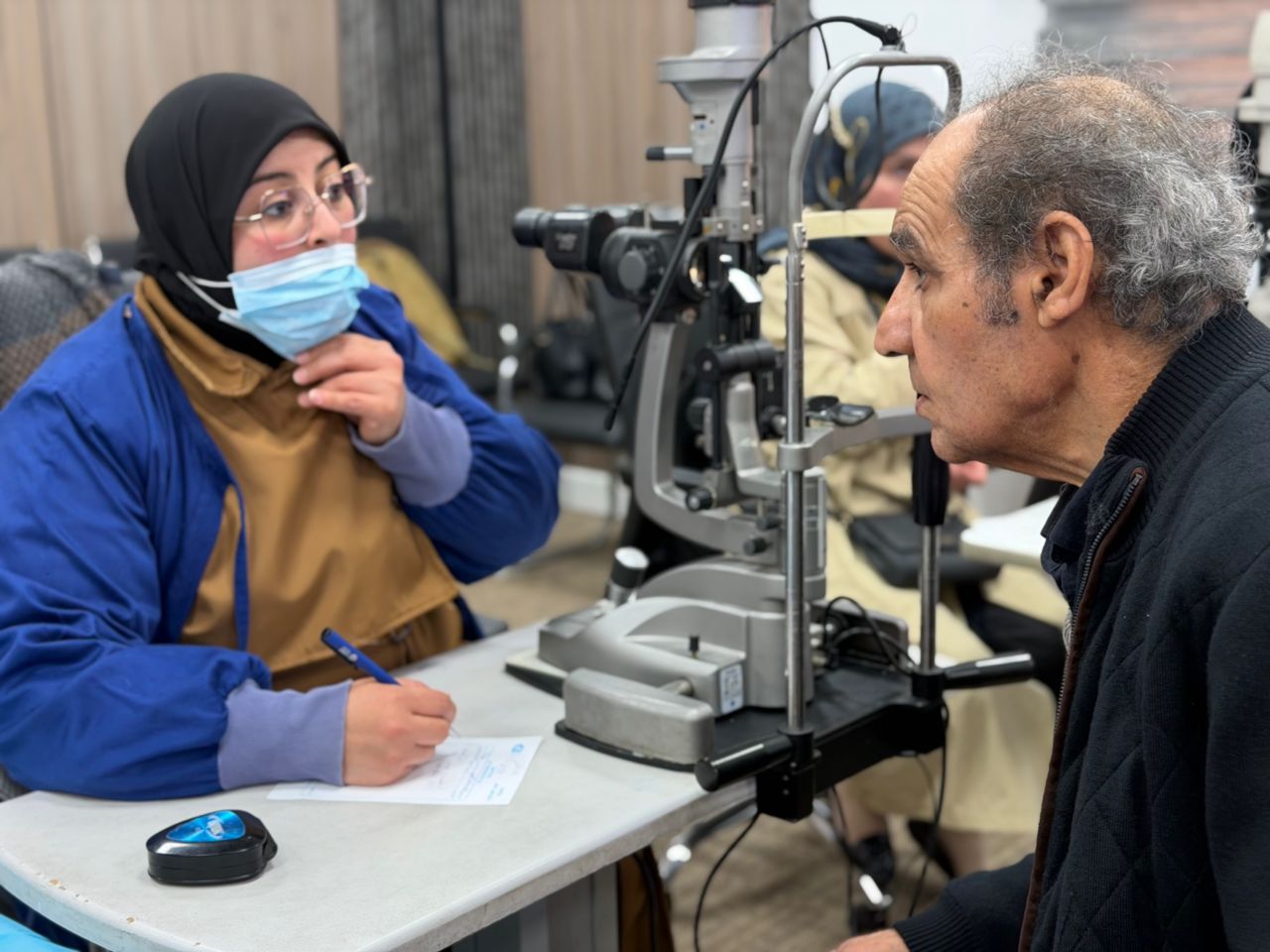
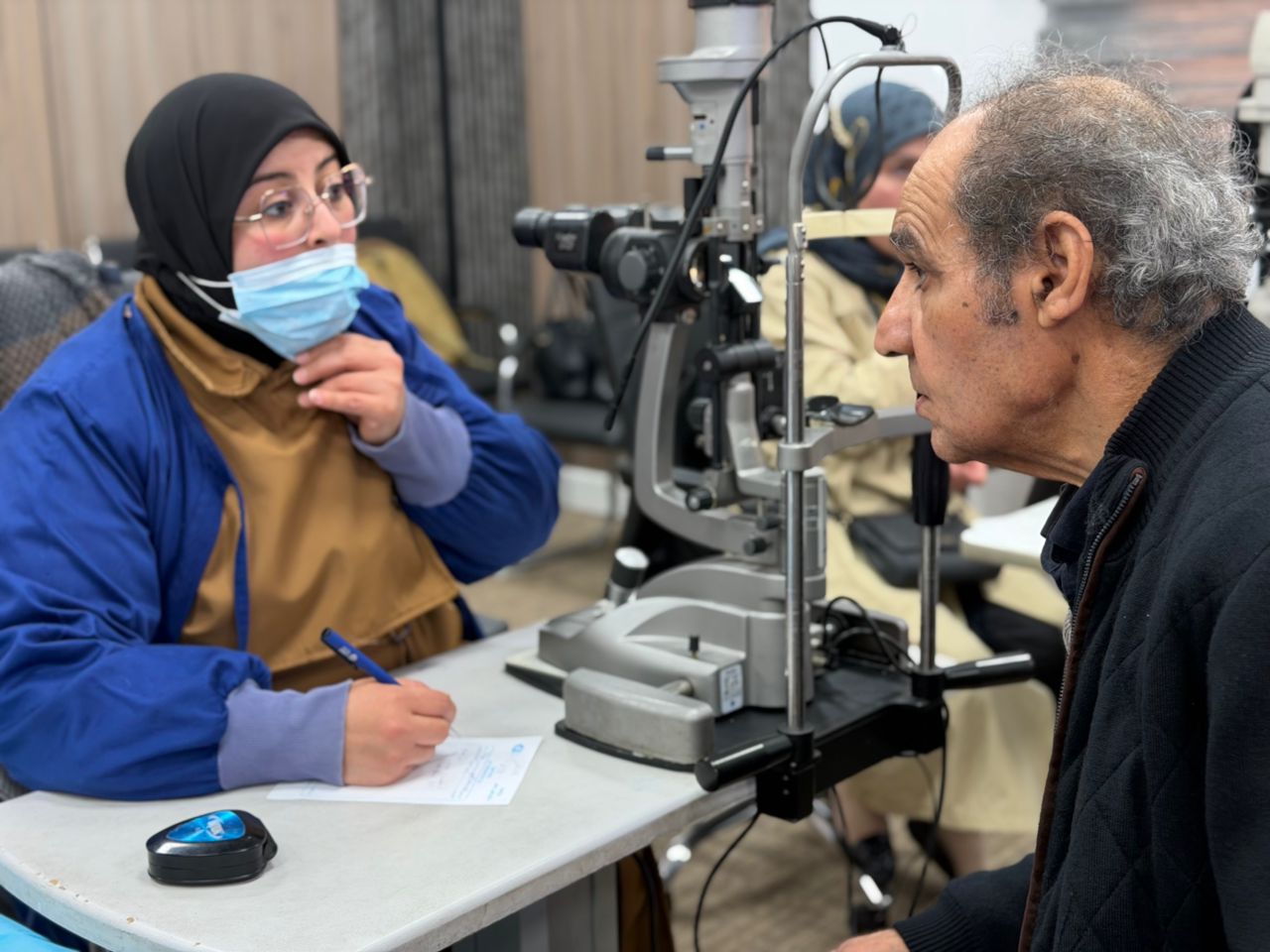
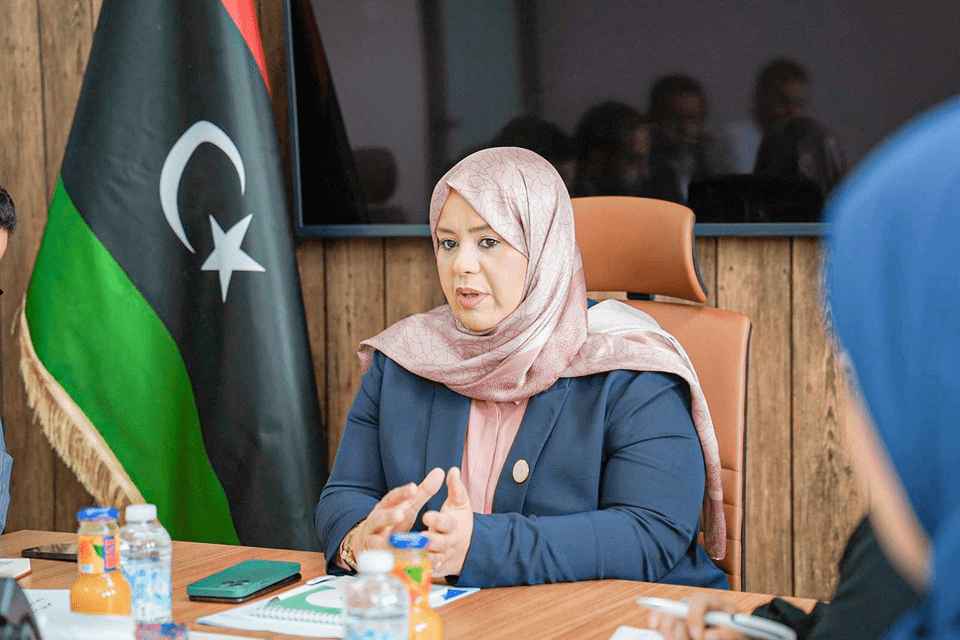
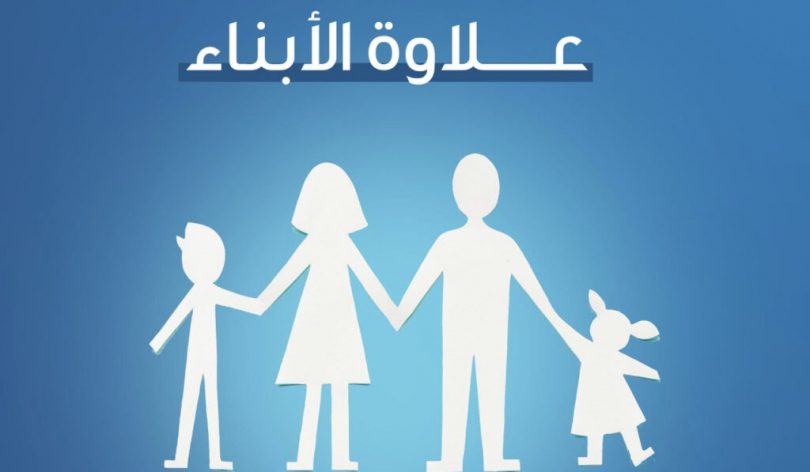
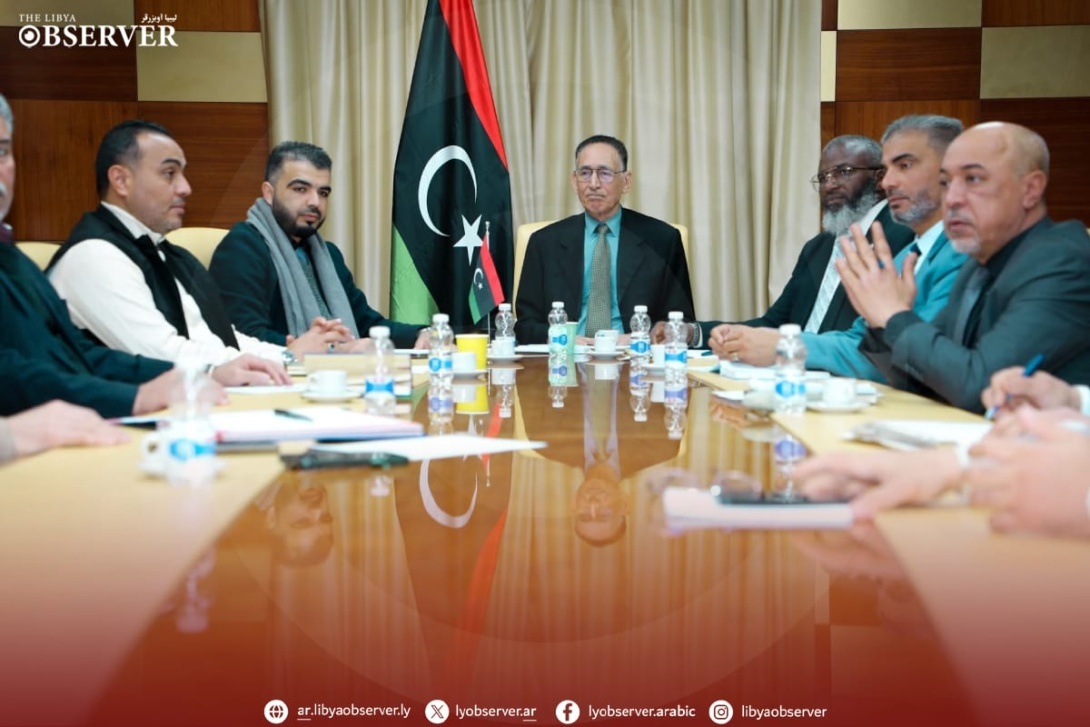
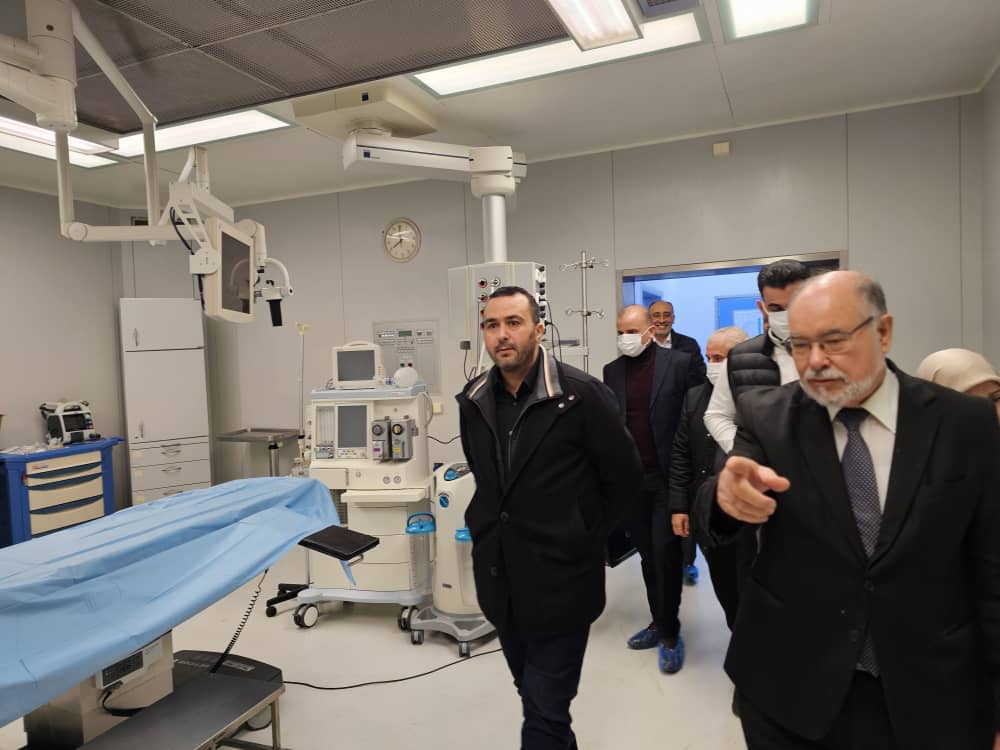
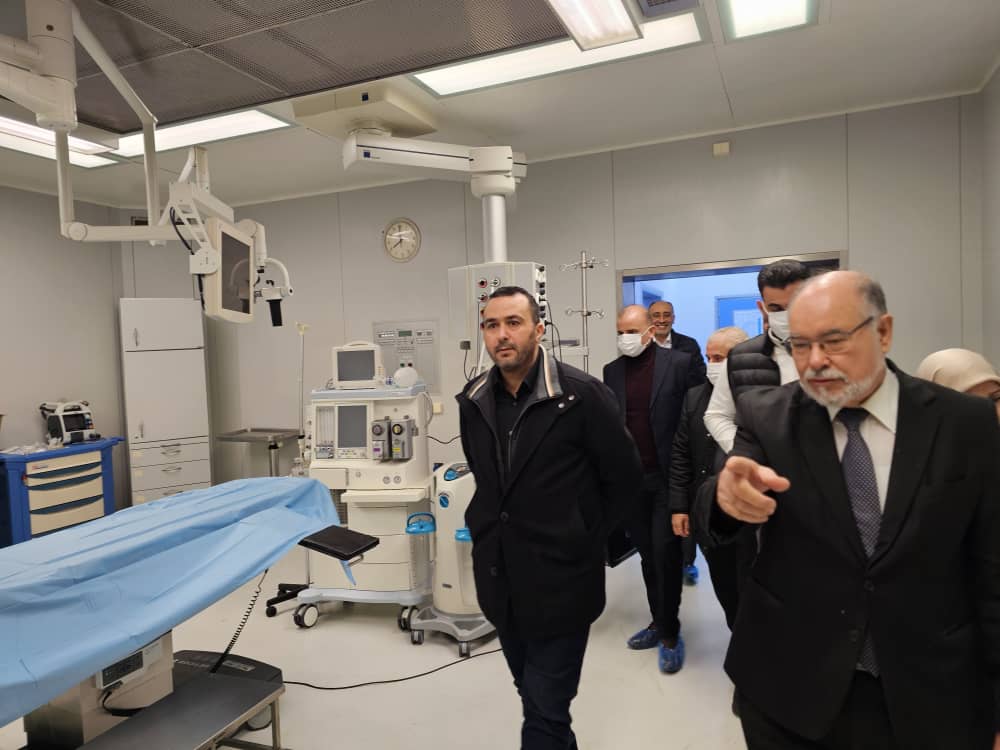
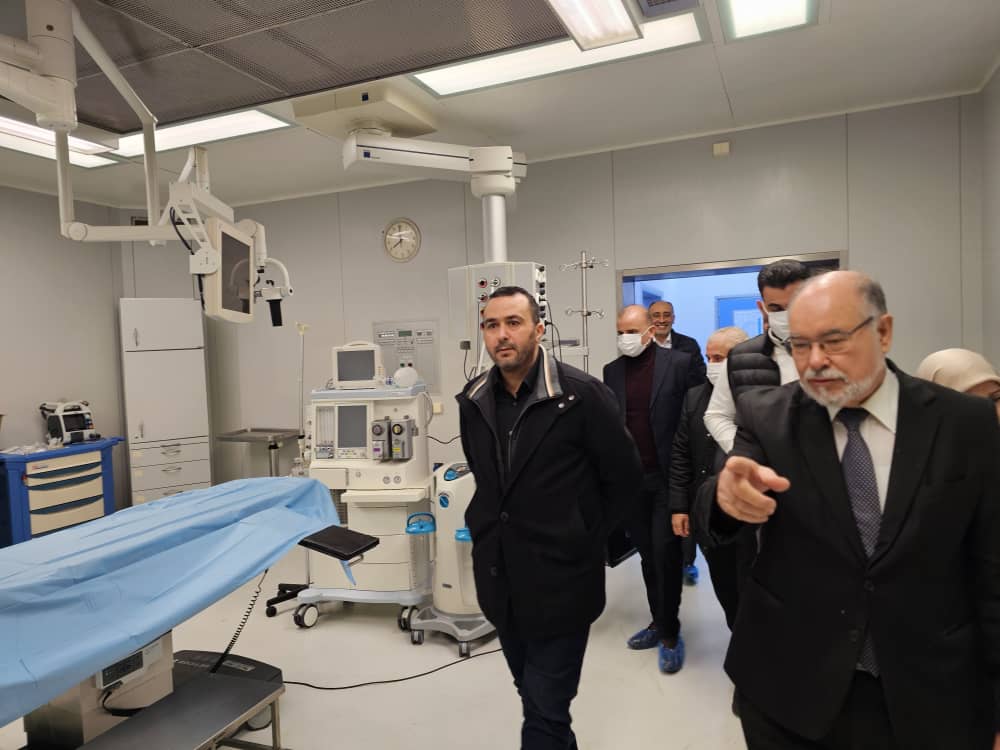
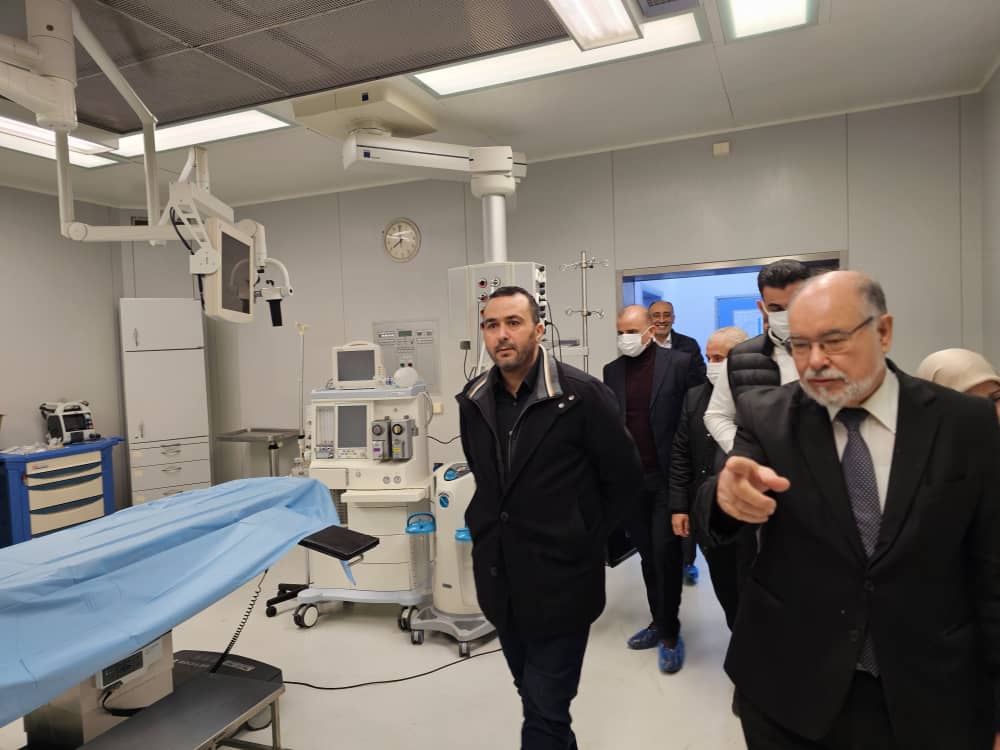
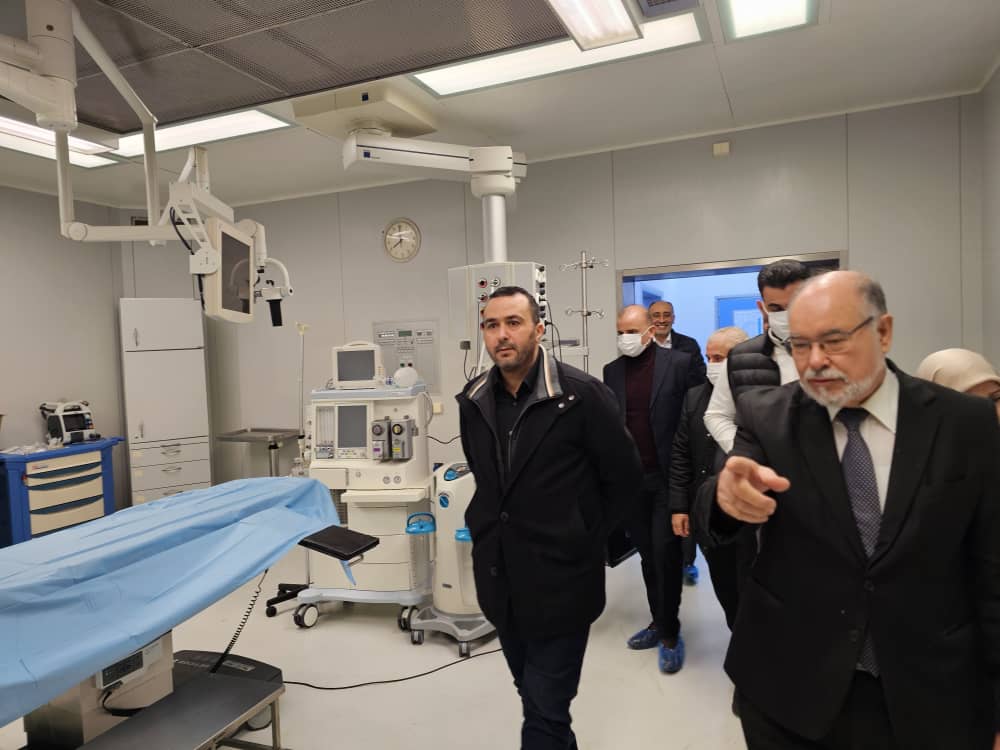
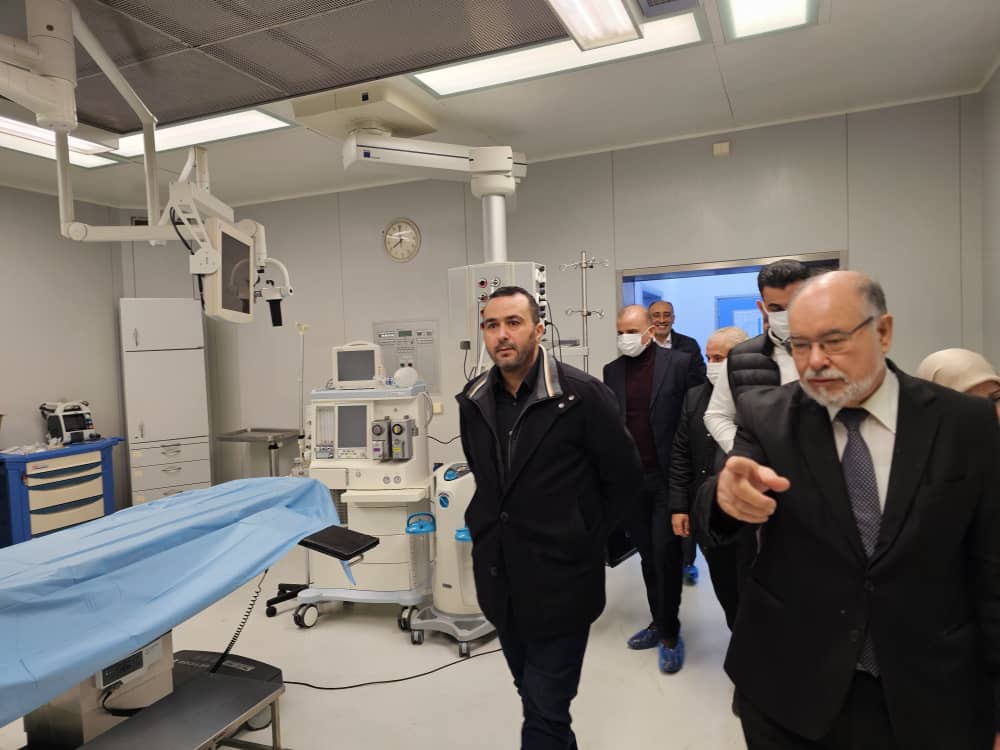
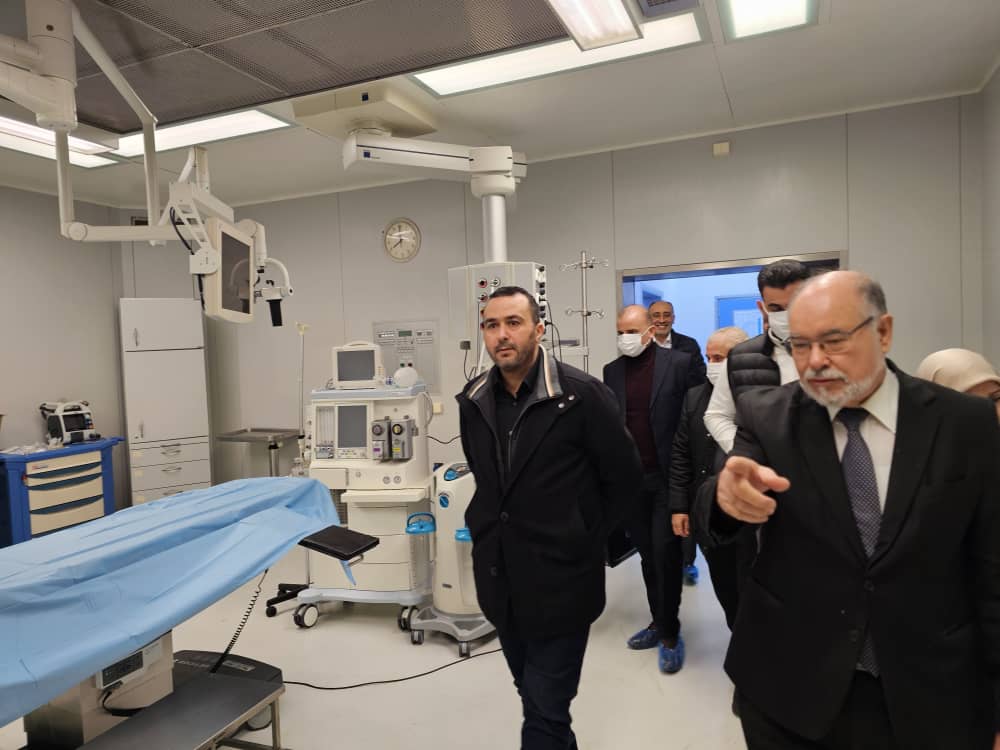
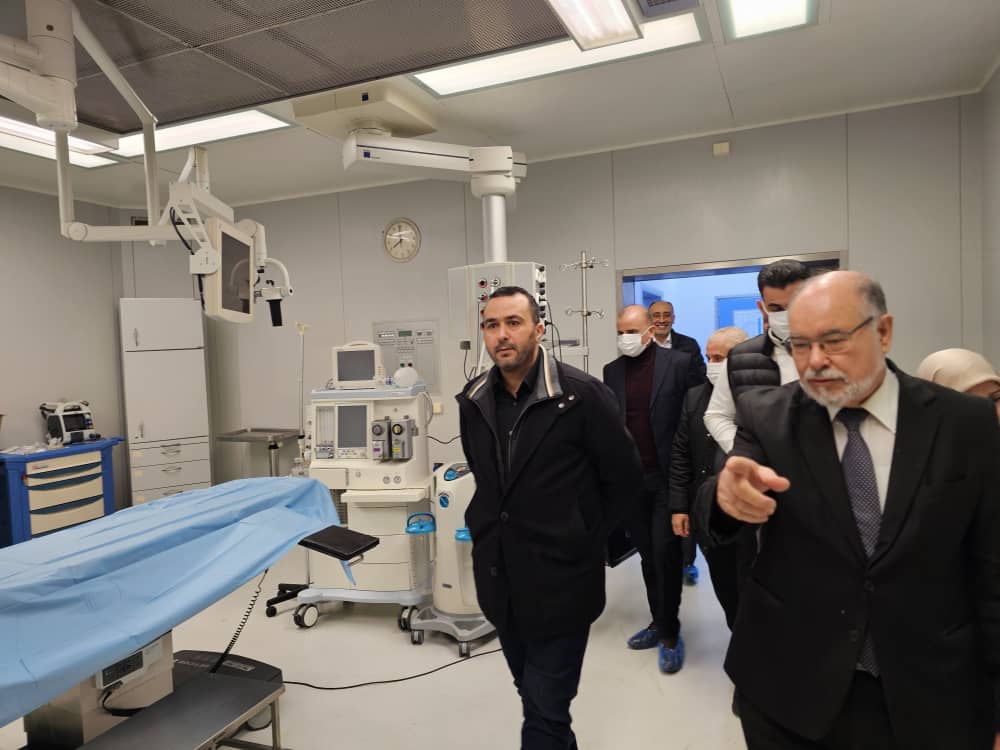
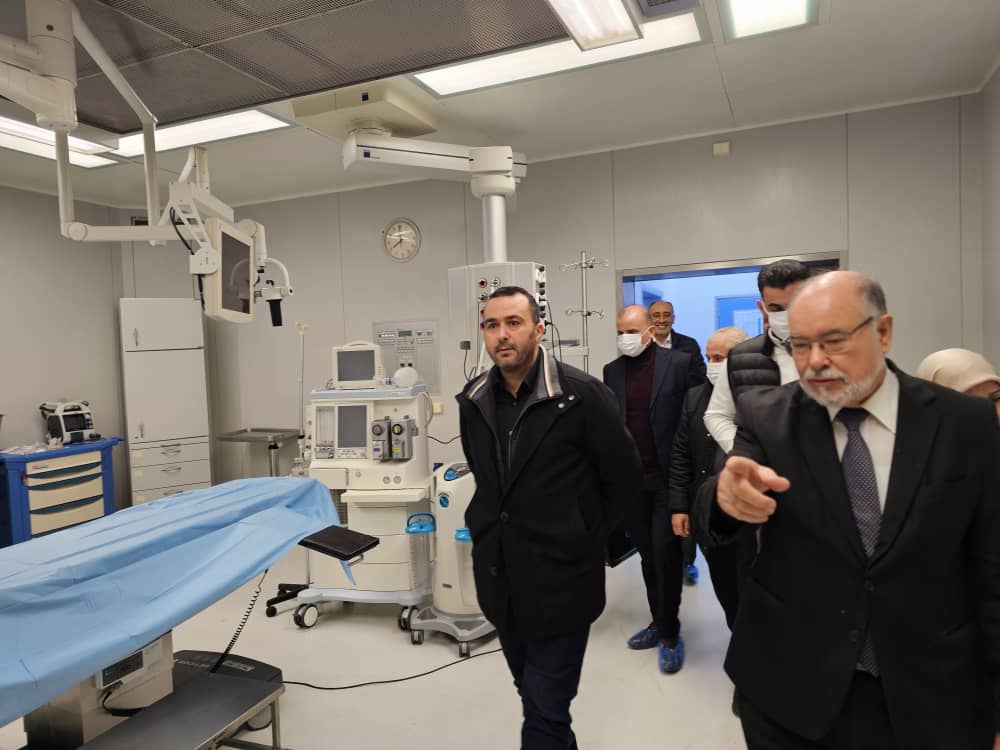
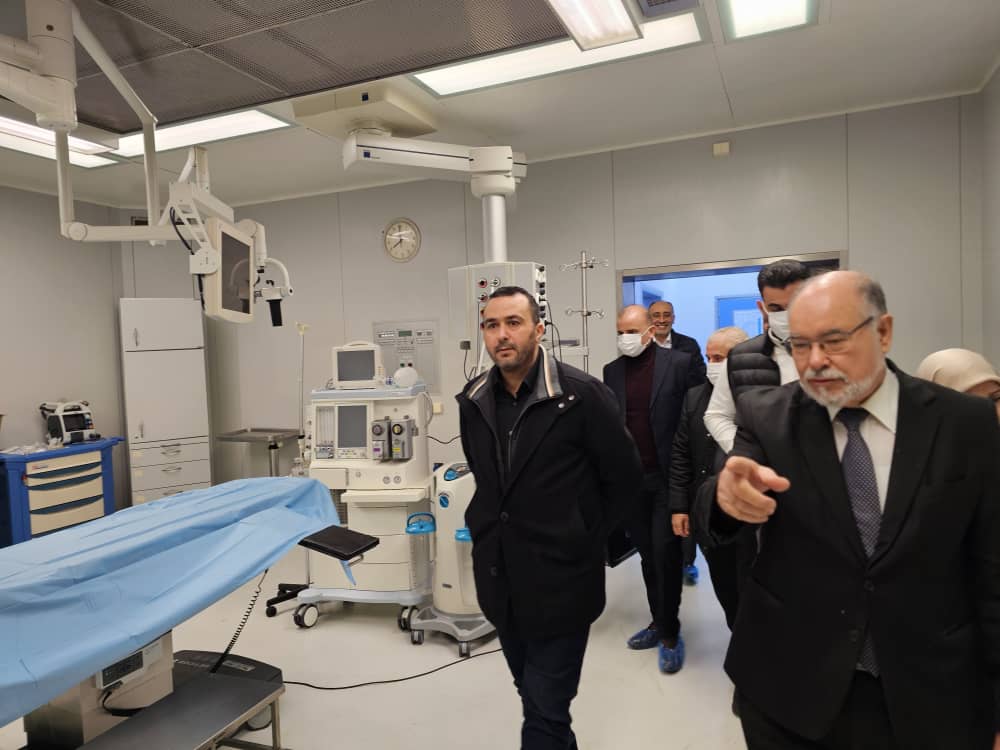
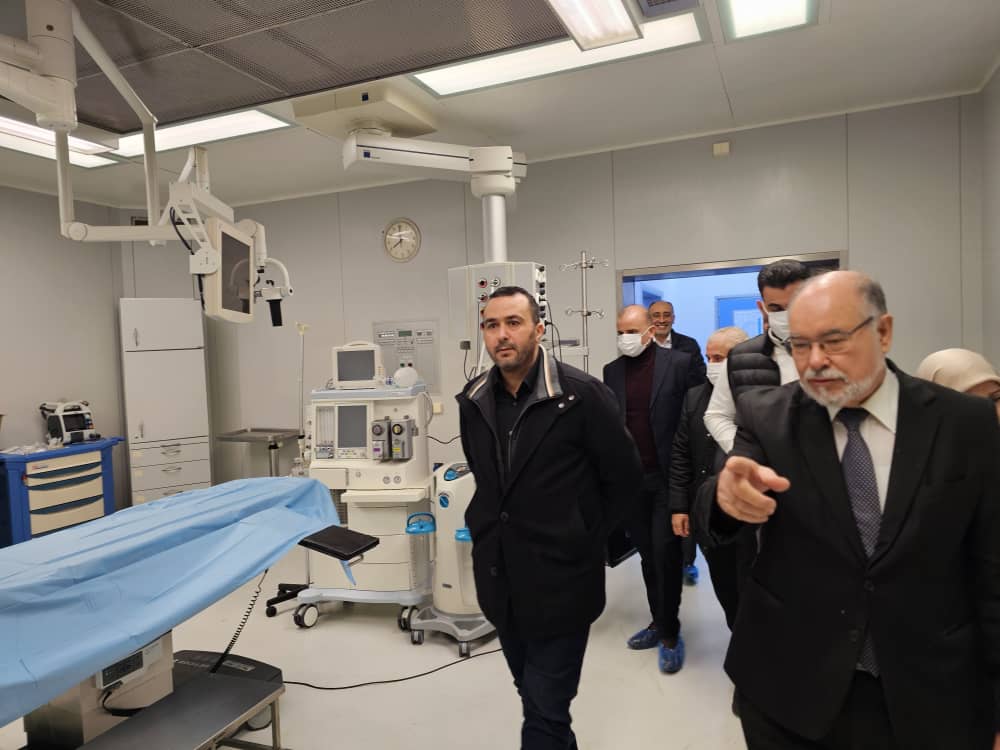
Tripoli – The head of the Government of National Unity announced the launch of the “100-Day Plan for Healthcare Sector Reform,” which includes a package of urgent measures aimed at improving medical services and enhancing the readiness of health facilities across various regions.
The plan includes operating 45 round-the-clock centers and integrated clinics, equipping an additional 100 health centers, and working to reduce emergency department overcrowding by 40%. The plan also involves activating a digital system to track medications and ensure their continuous availability.
In the same context, the Acting Undersecretary of the Ministry of Health approved the new internal structure for health service administrations in the regions. Each administration will consist of a director and 14 offices, including those for primary care, medical services, pharmacy and medical supply, inspection and follow-up, and quality.
These steps are part of government efforts to restructure the healthcare sector and improve the level of services provided to citizens.
Tripoli
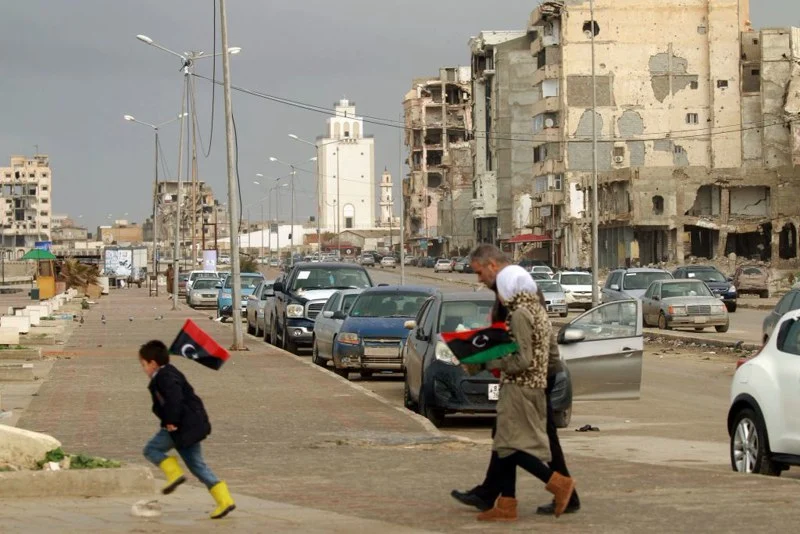
Tripoli is the capital and largest city of Libya, located on the country’s Mediterranean coast. Historically, it was founded by the Phoenicians in the 7th century BC and has since been ruled by the Romans, Arabs, Ottomans, and Italians, serving as a major port and cultural crossroads. Its historic center, the medina, contains significant landmarks like the Arch of Marcus Aurelius and the Red Castle (Assaraya al-Hamra).
Government of National Unity
The Government of National Unity (GNU) is a term most notably associated with the post-apartheid transitional government in South Africa, formed in 1994 following the country’s first multiracial elections. It was a coalition government led by Nelson Mandela’s African National Congress (ANC) and included other major parties like the National Party and the Inkatha Freedom Party, aimed at fostering reconciliation and stability during the transition to majority rule.
Ministry of Health
The Ministry of Health is the government department responsible for public health policy, healthcare systems, and medical regulation within a nation. Its history typically begins with the formal establishment of a centralized health authority, often in the 19th or 20th century, to combat epidemics and manage sanitation. Modern ministries oversee national health services, implement disease prevention programs, and respond to health crises.