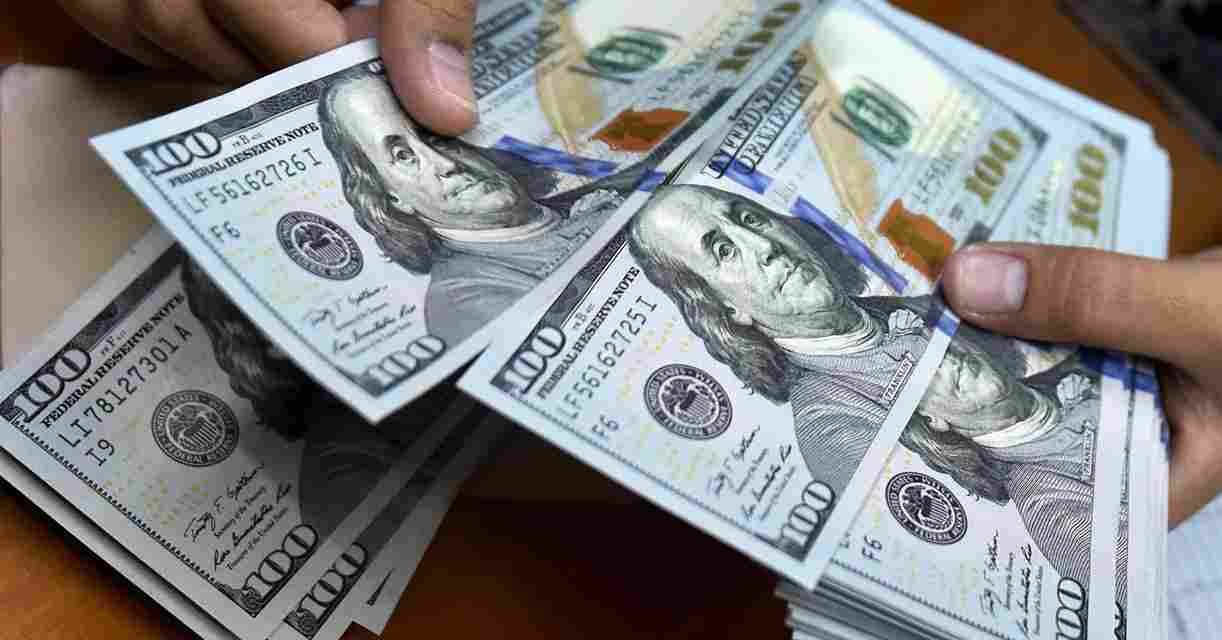
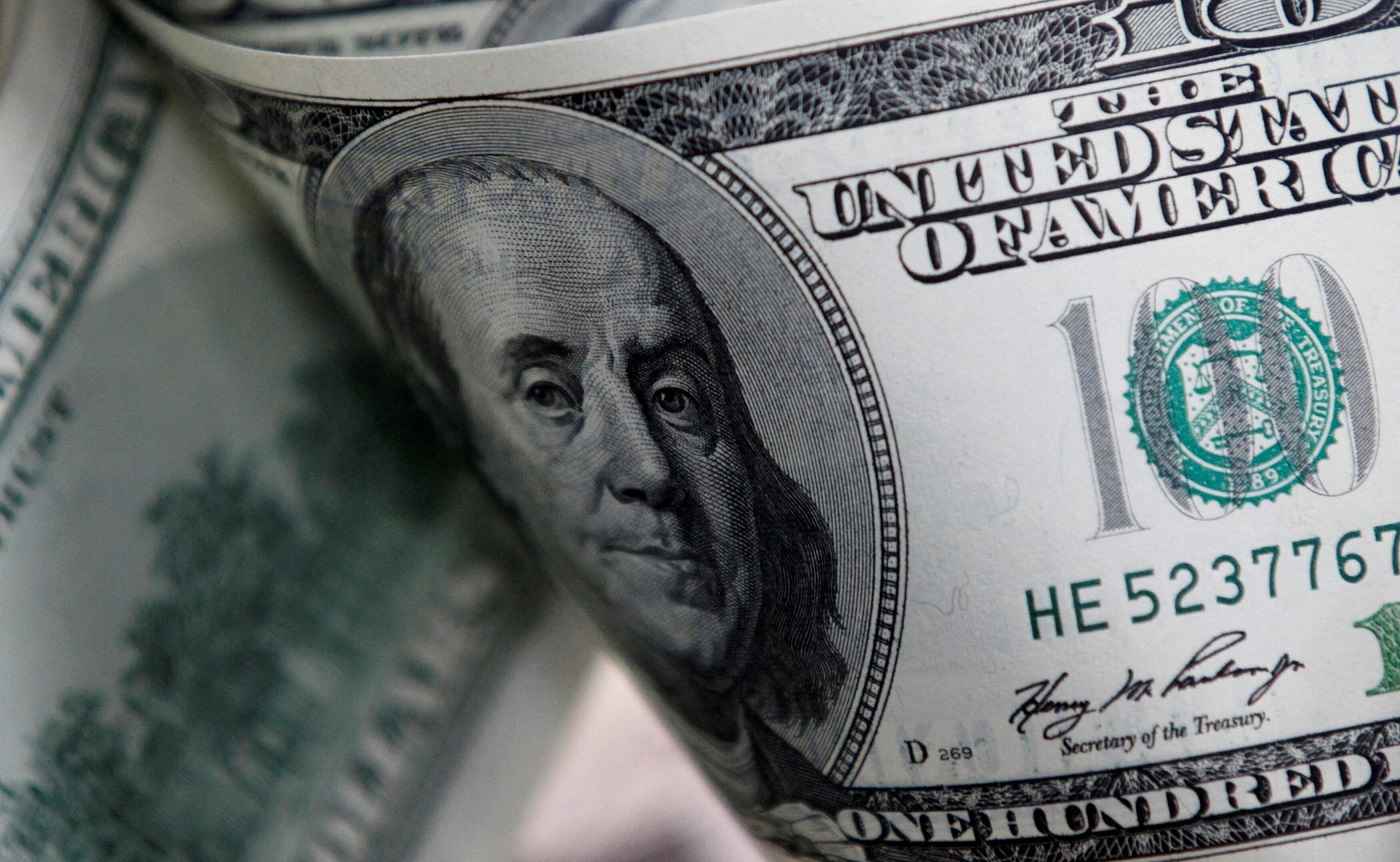
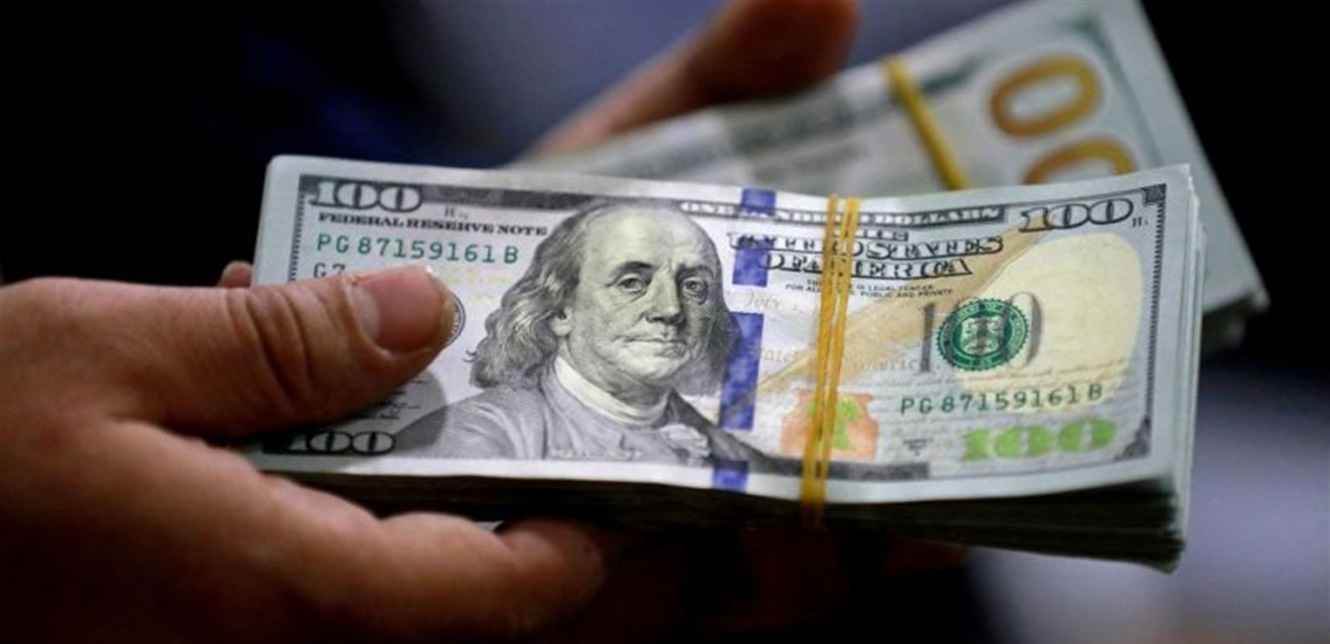
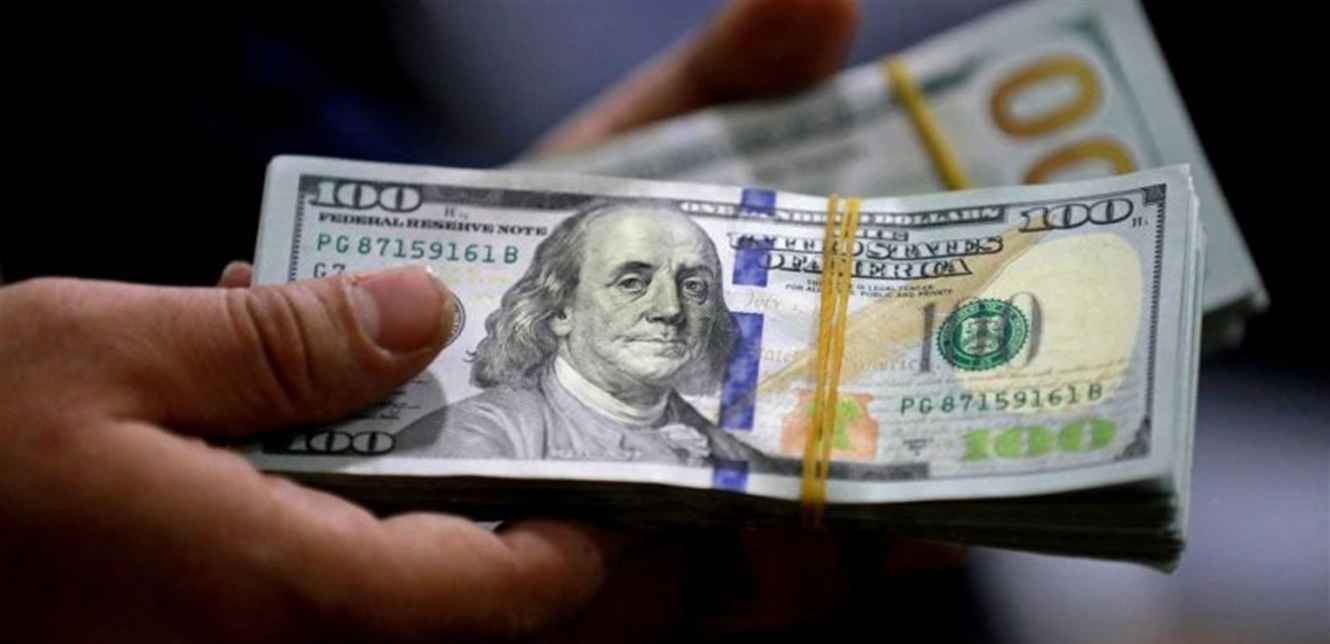
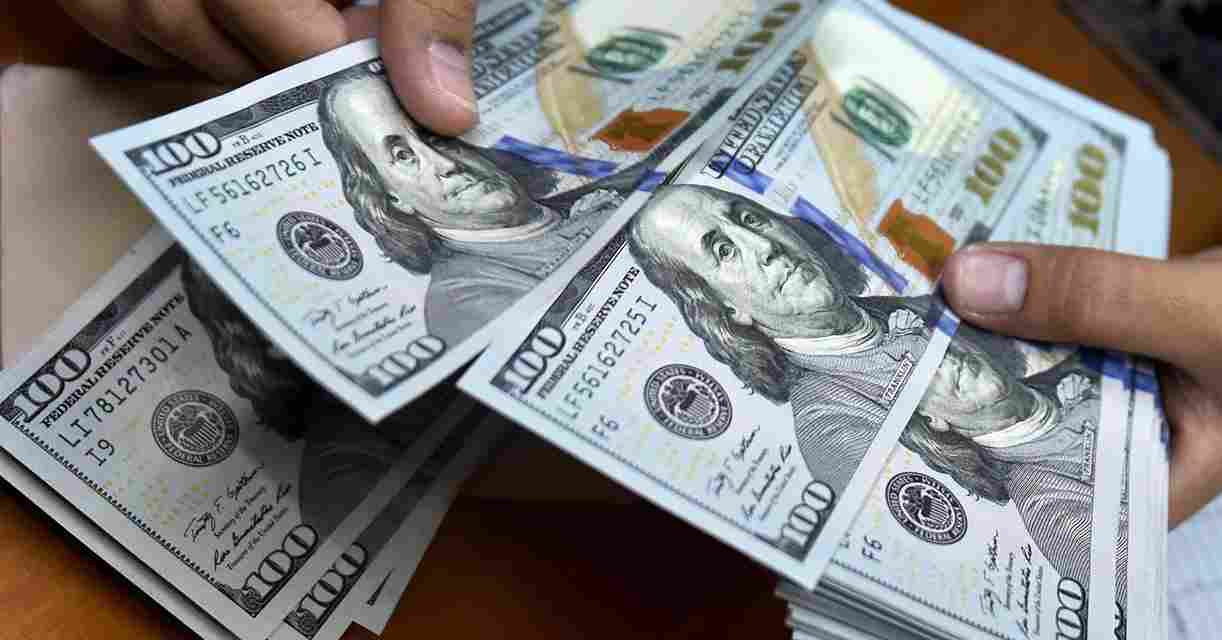
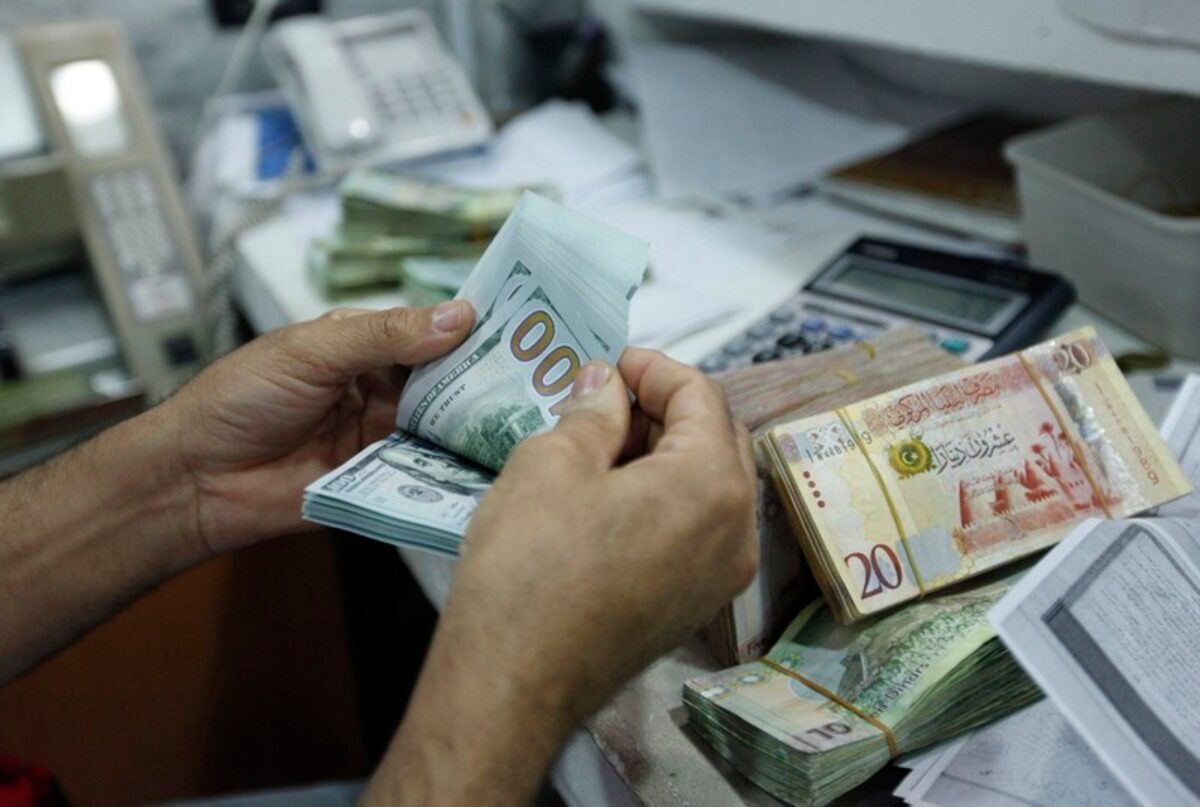
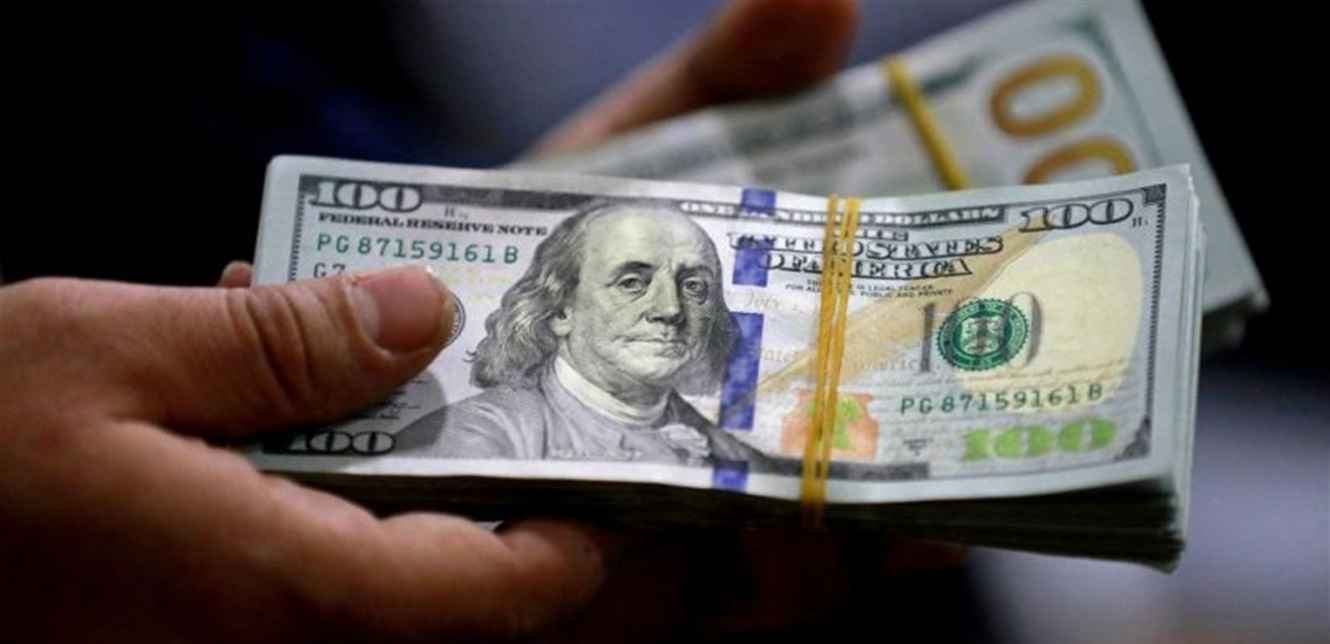
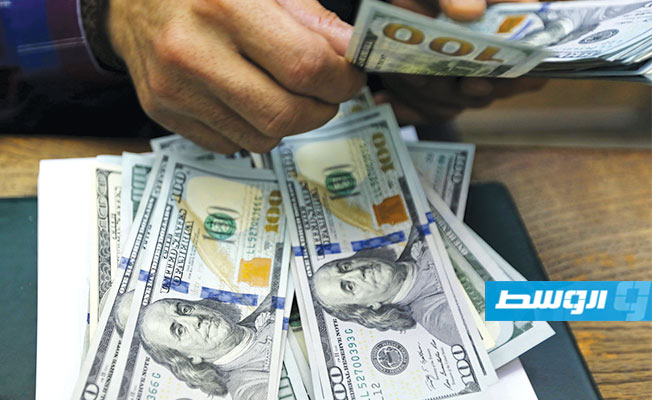
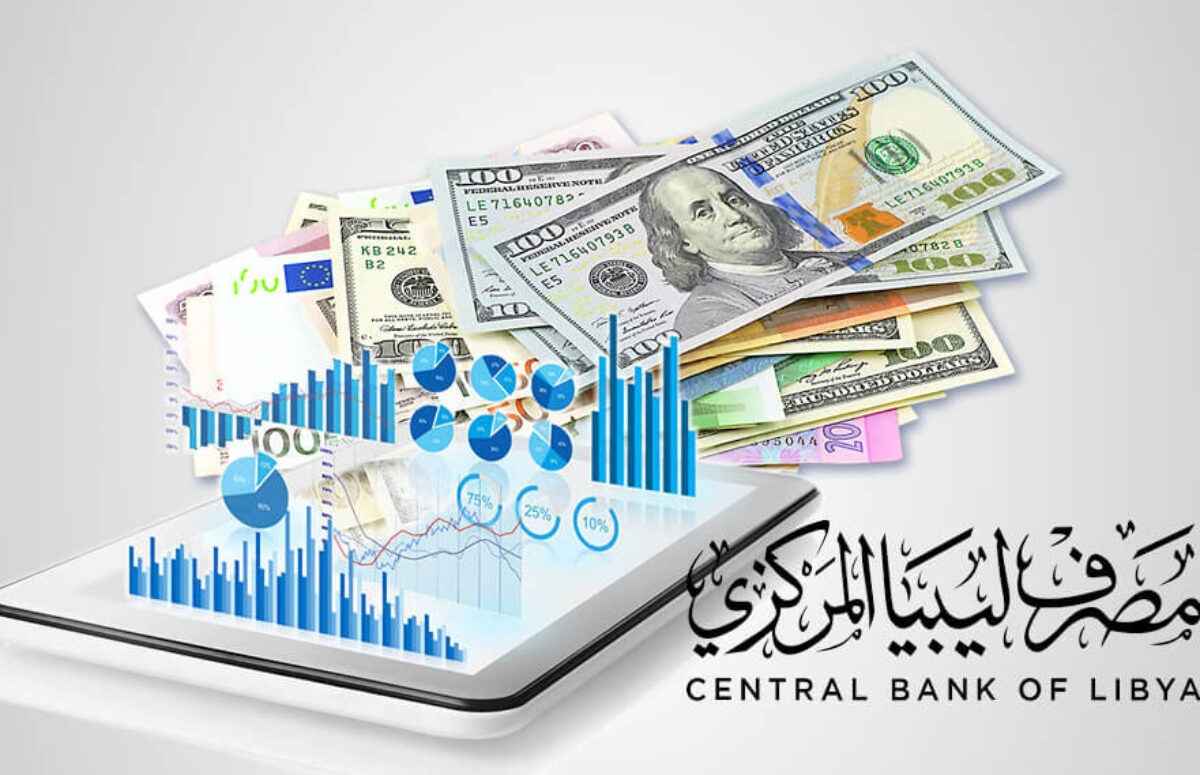
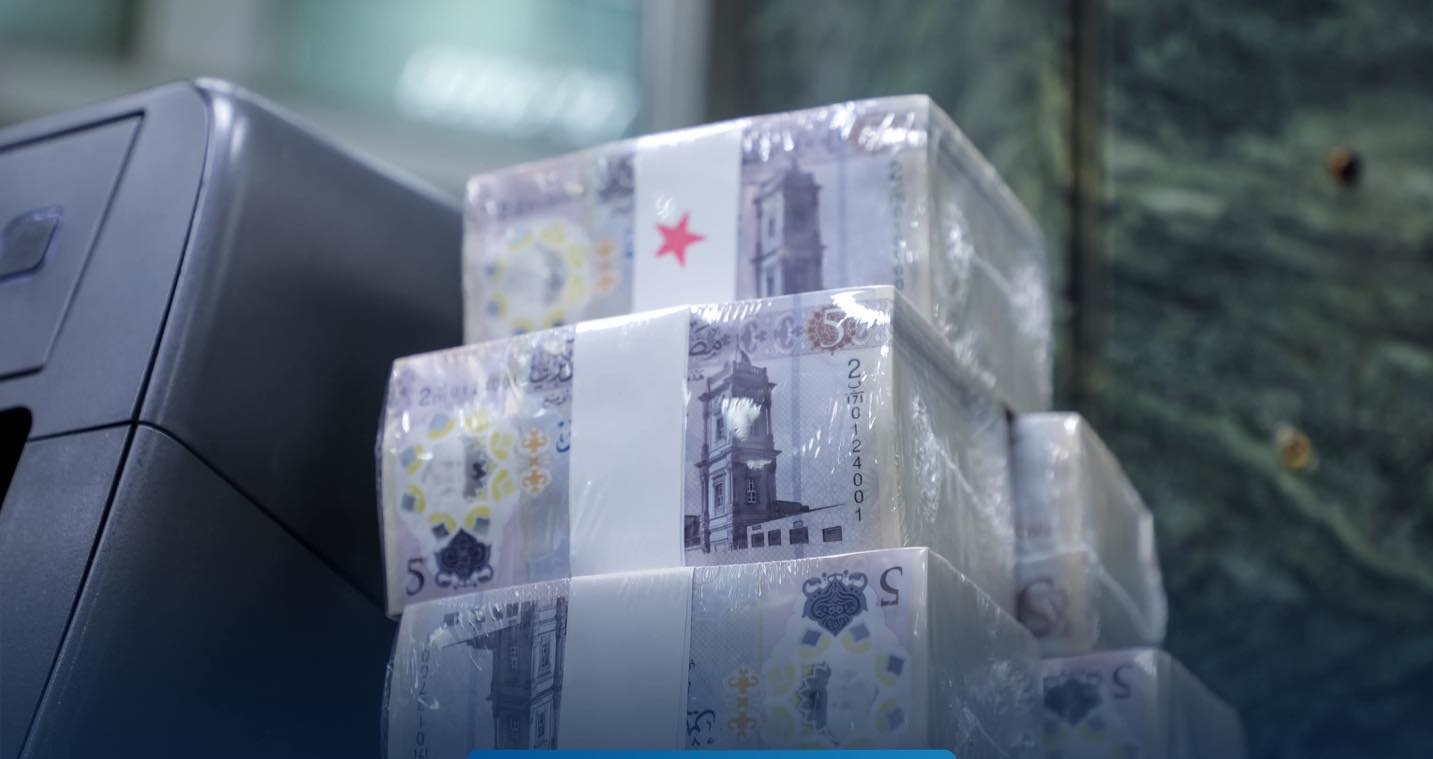
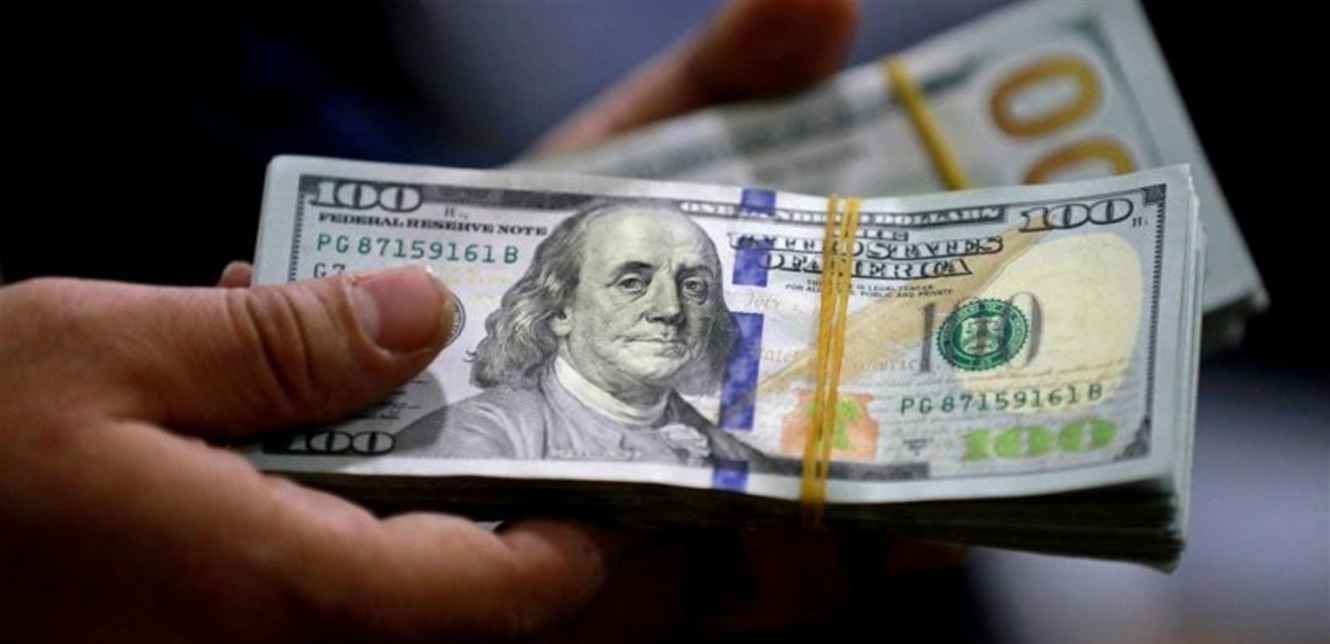
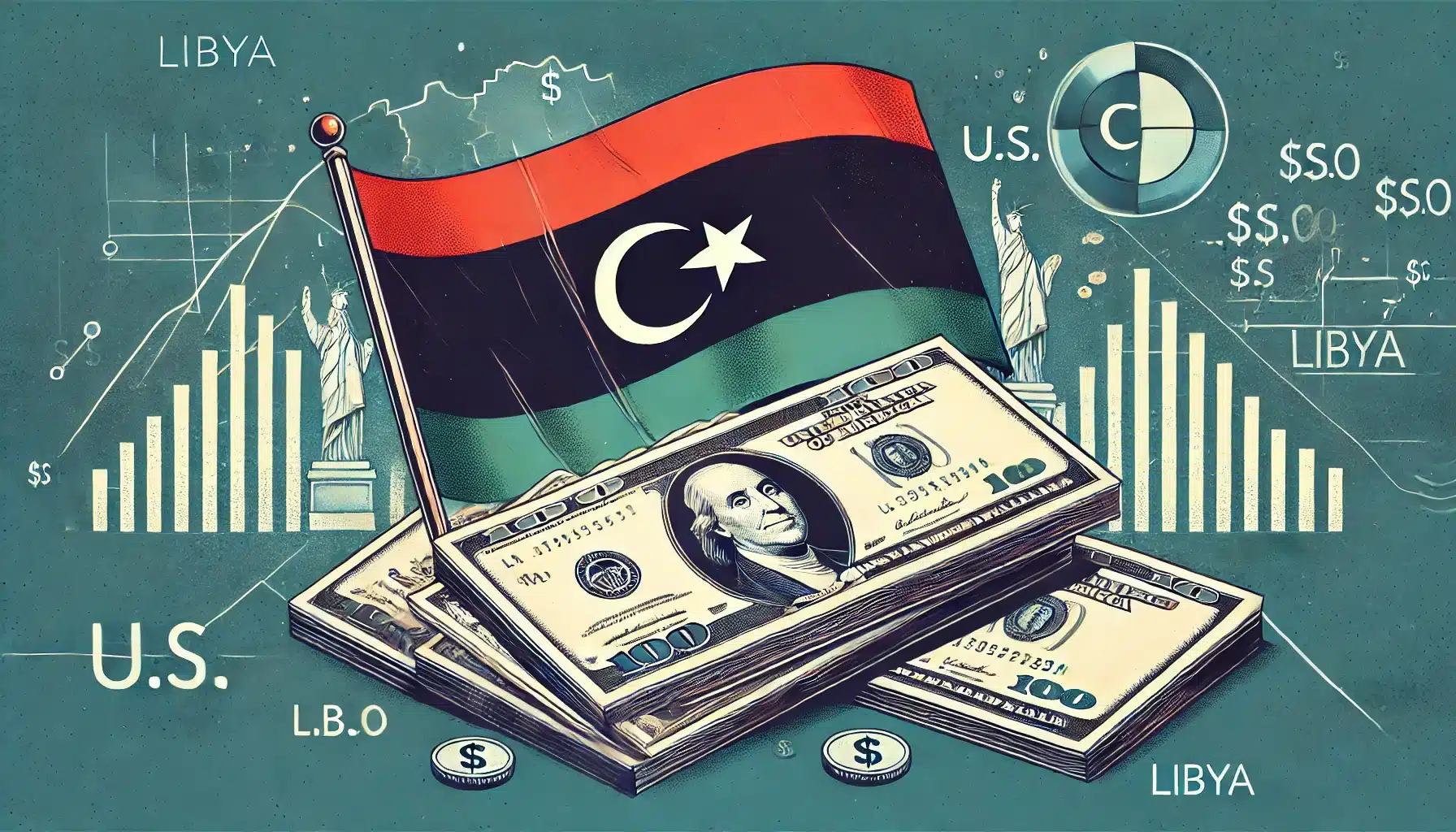
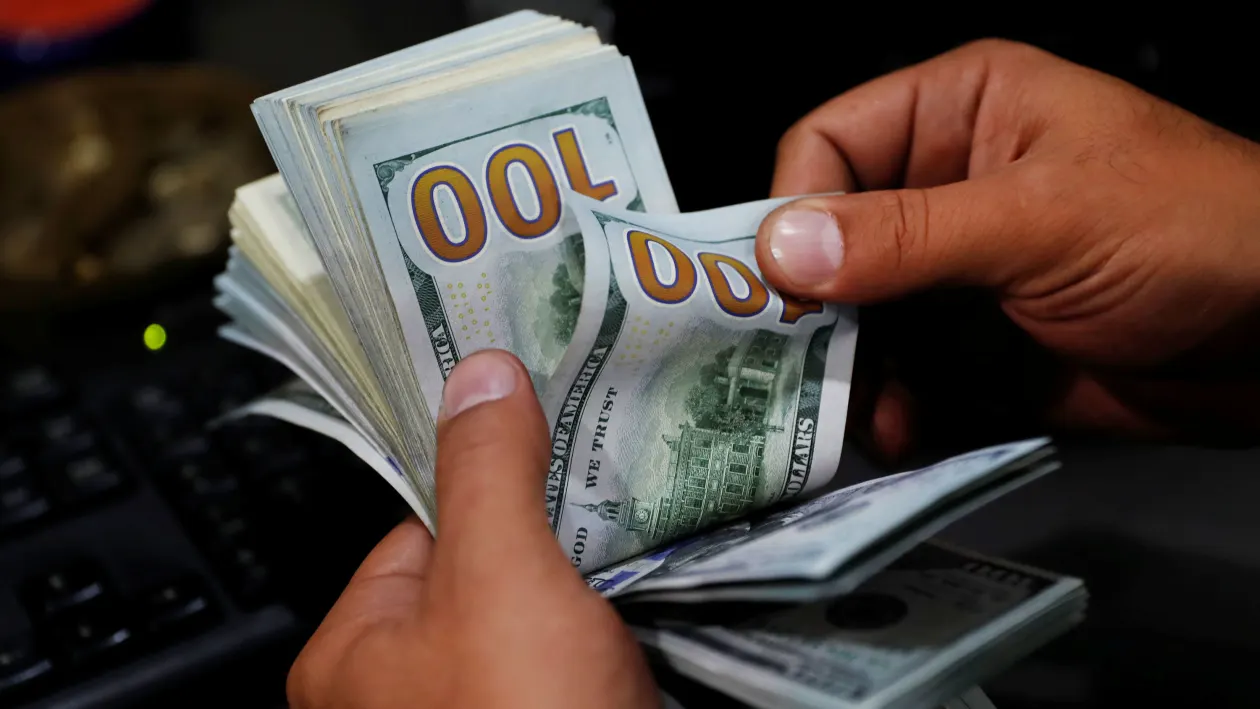
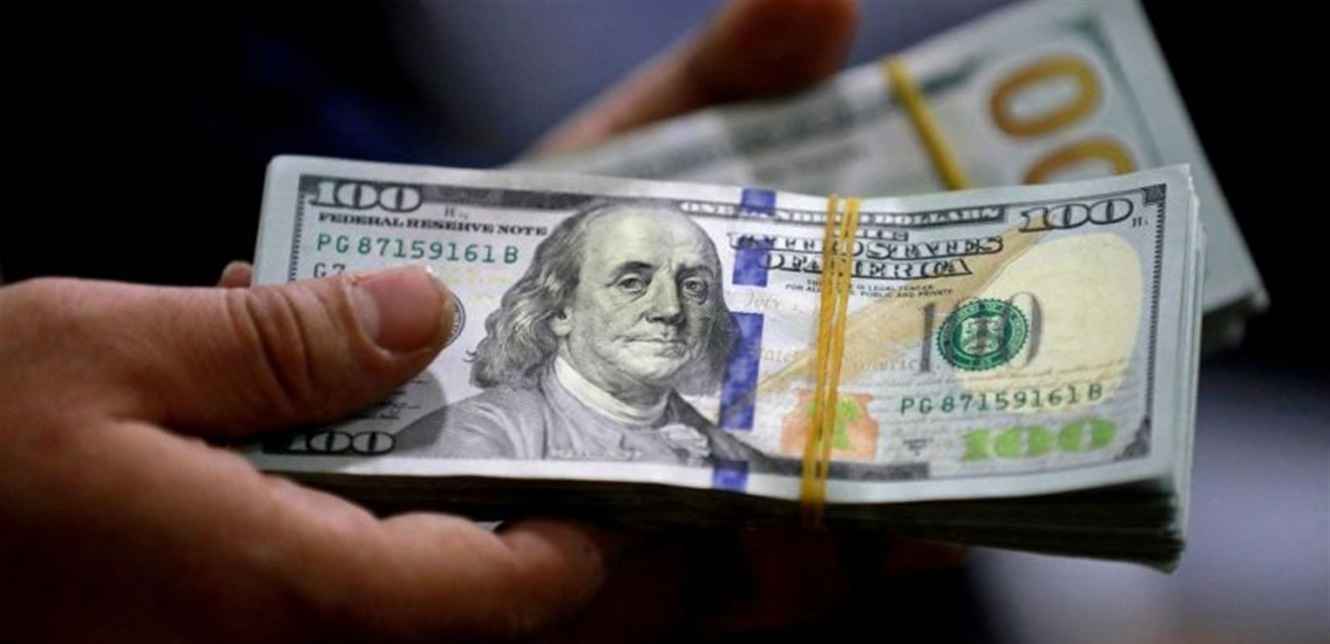
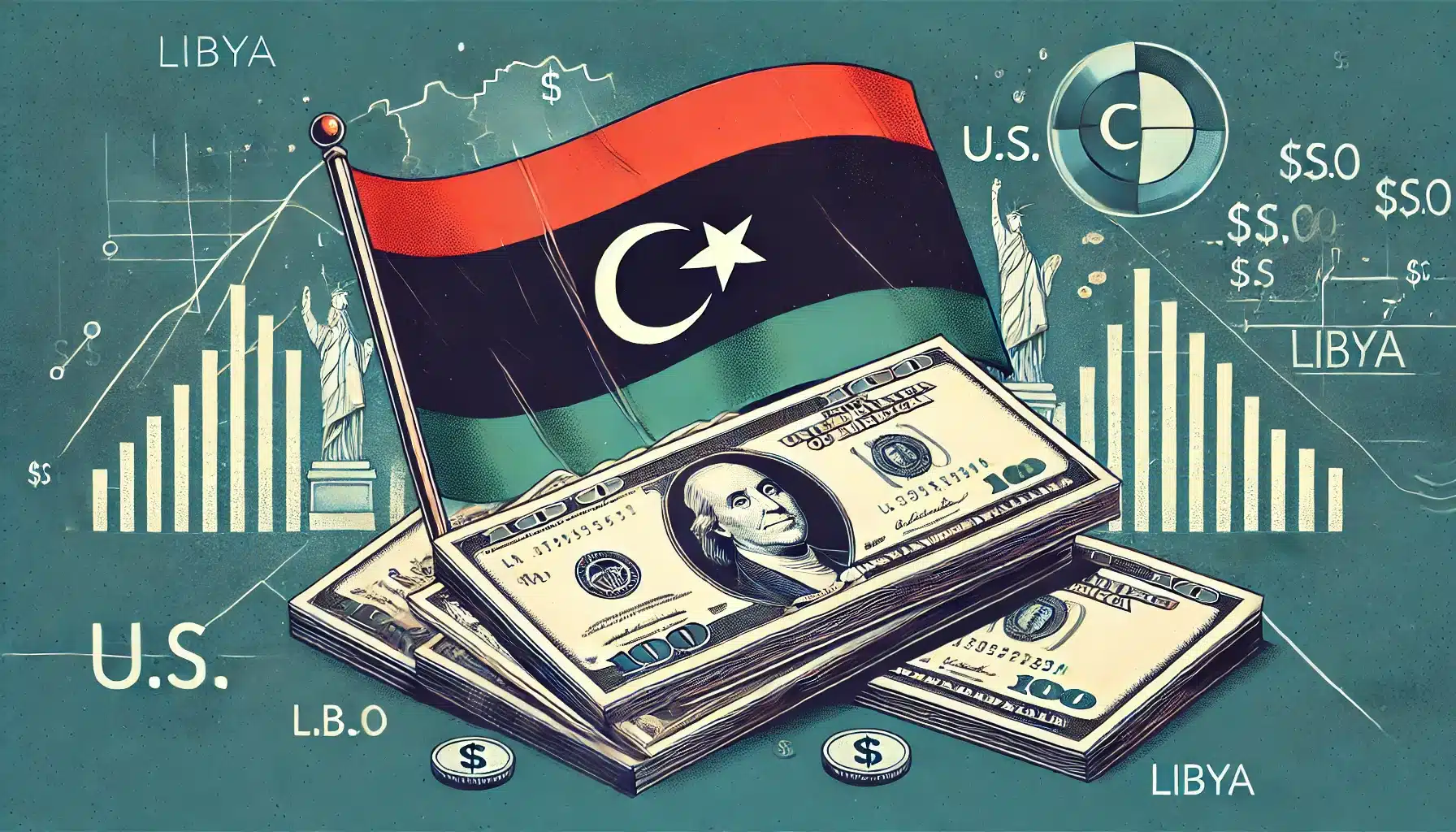
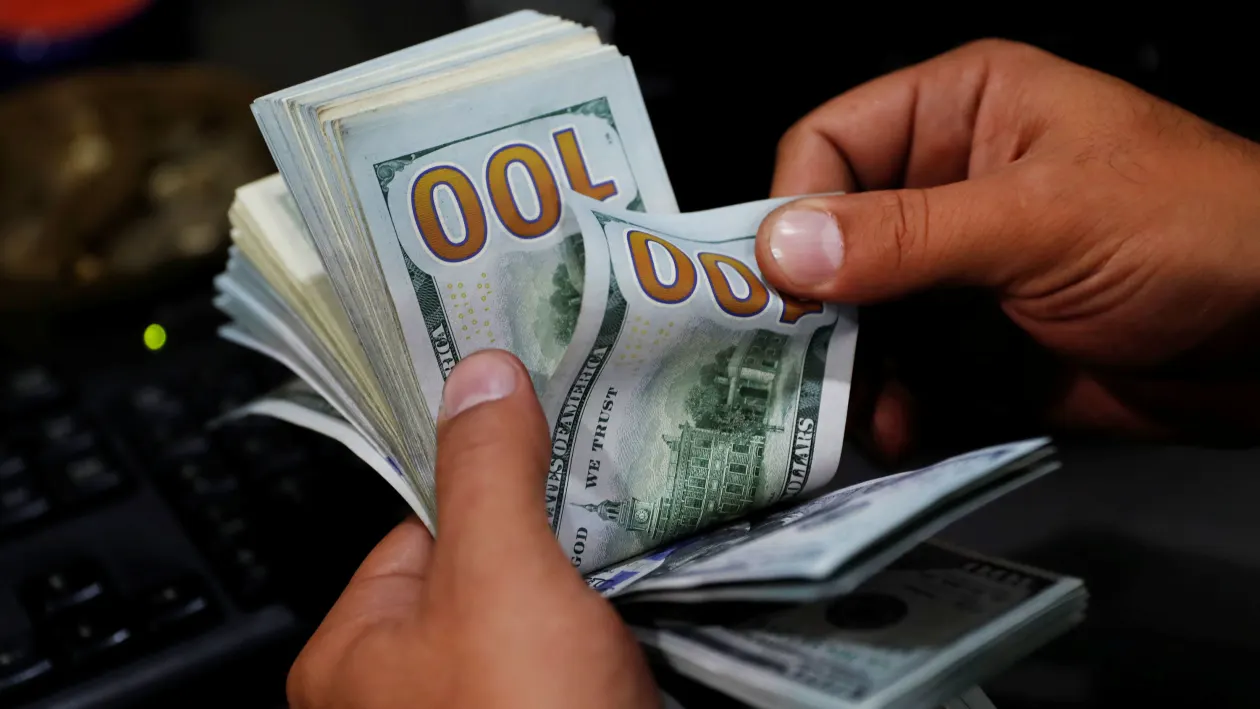
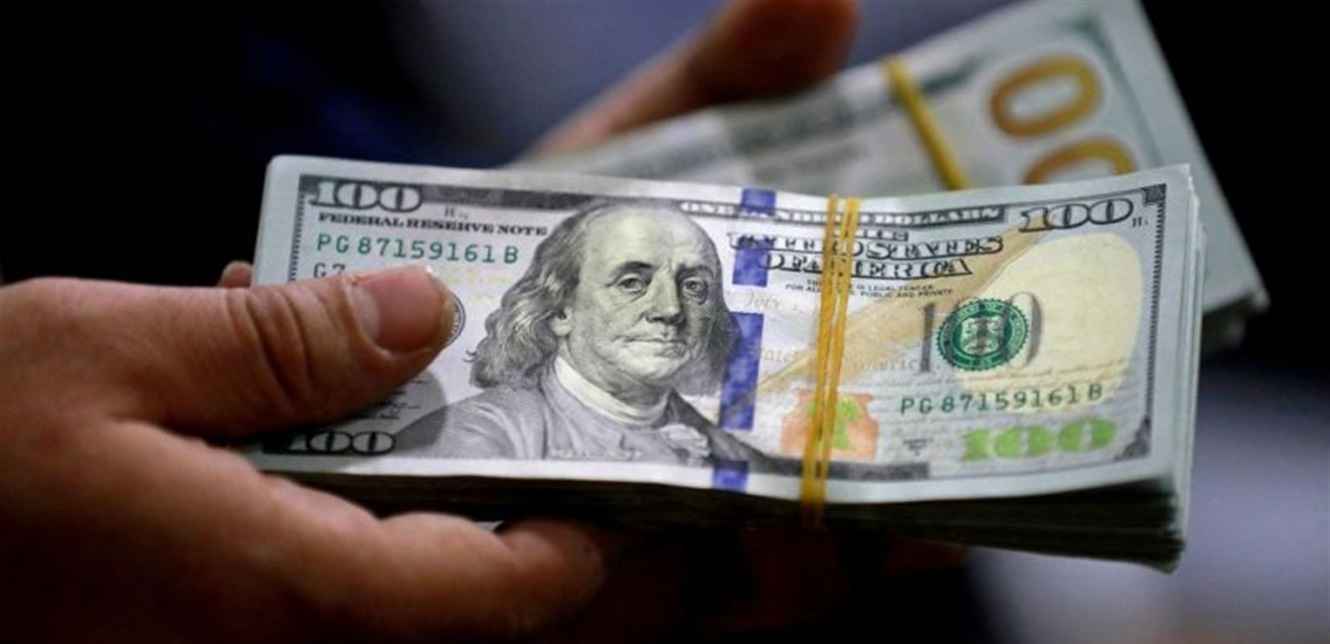
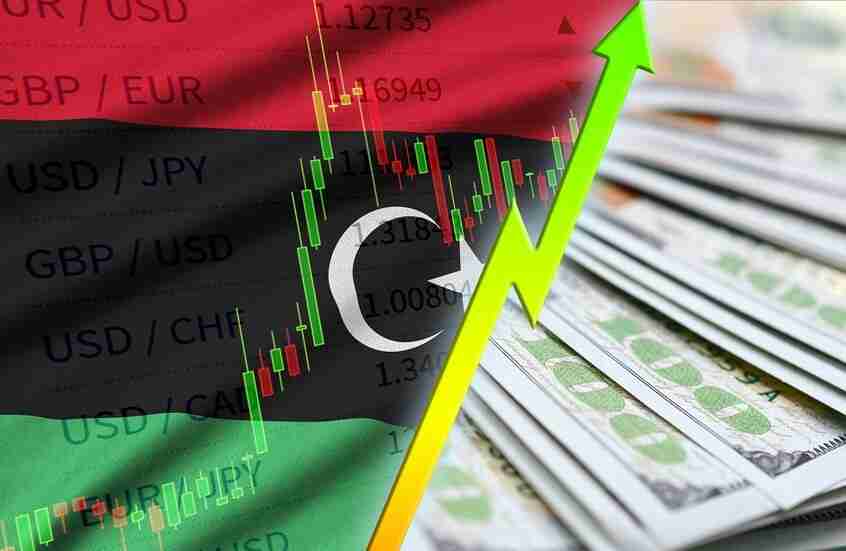
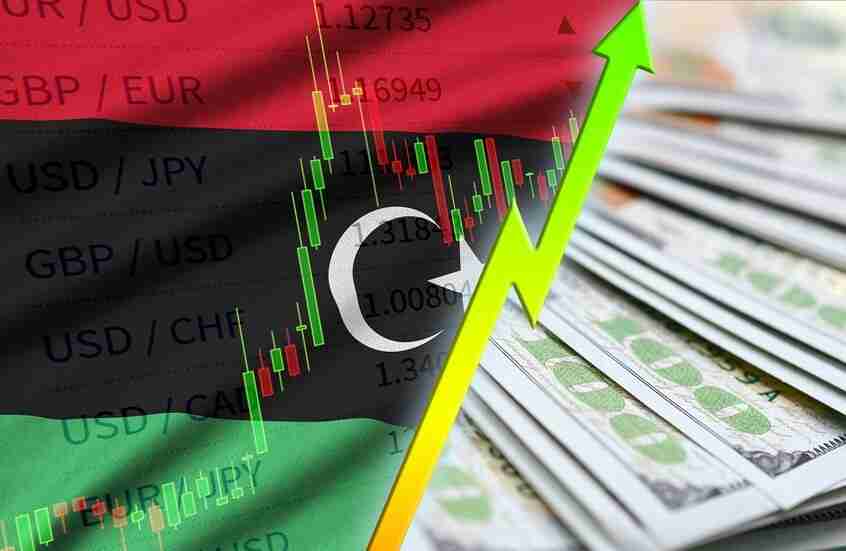
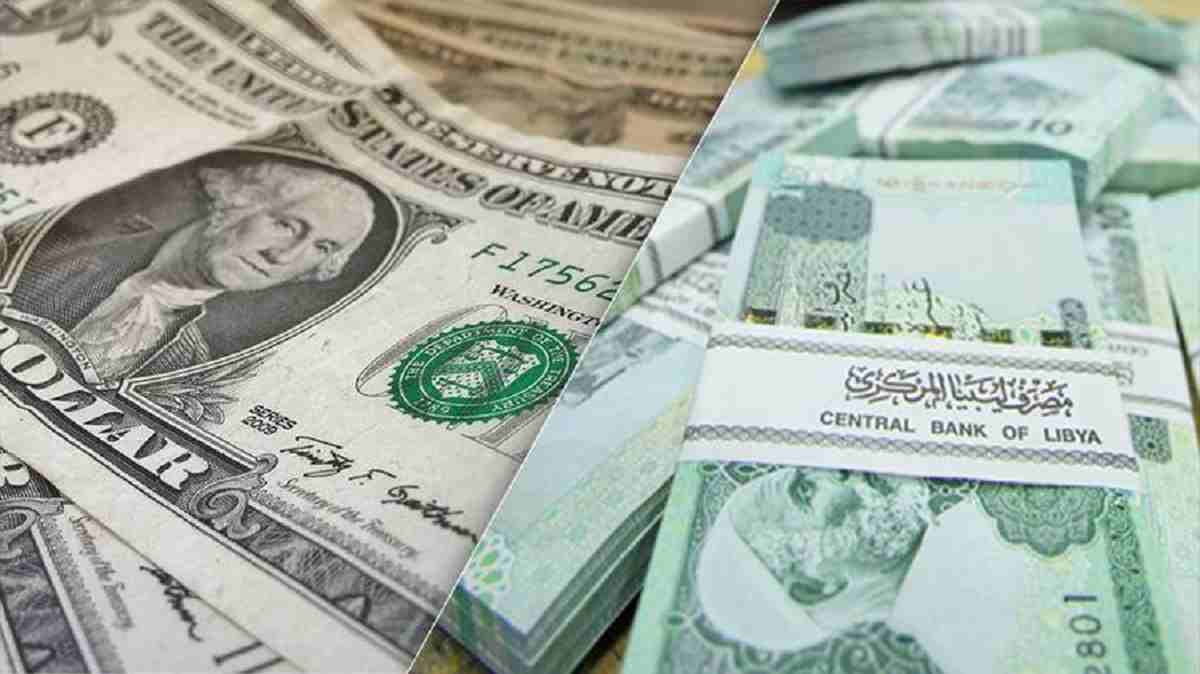
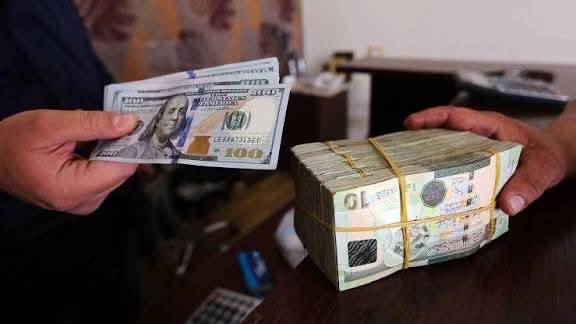
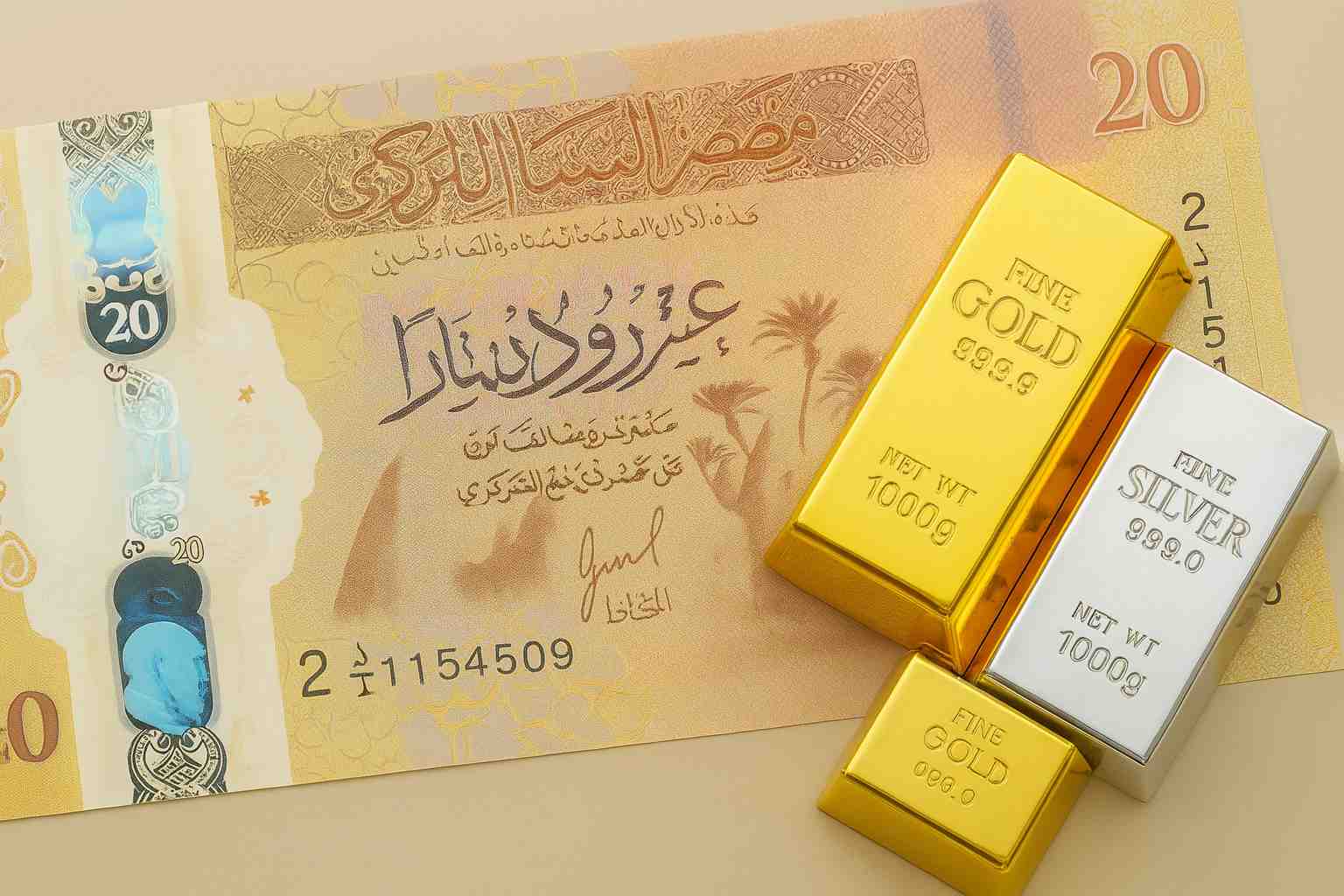
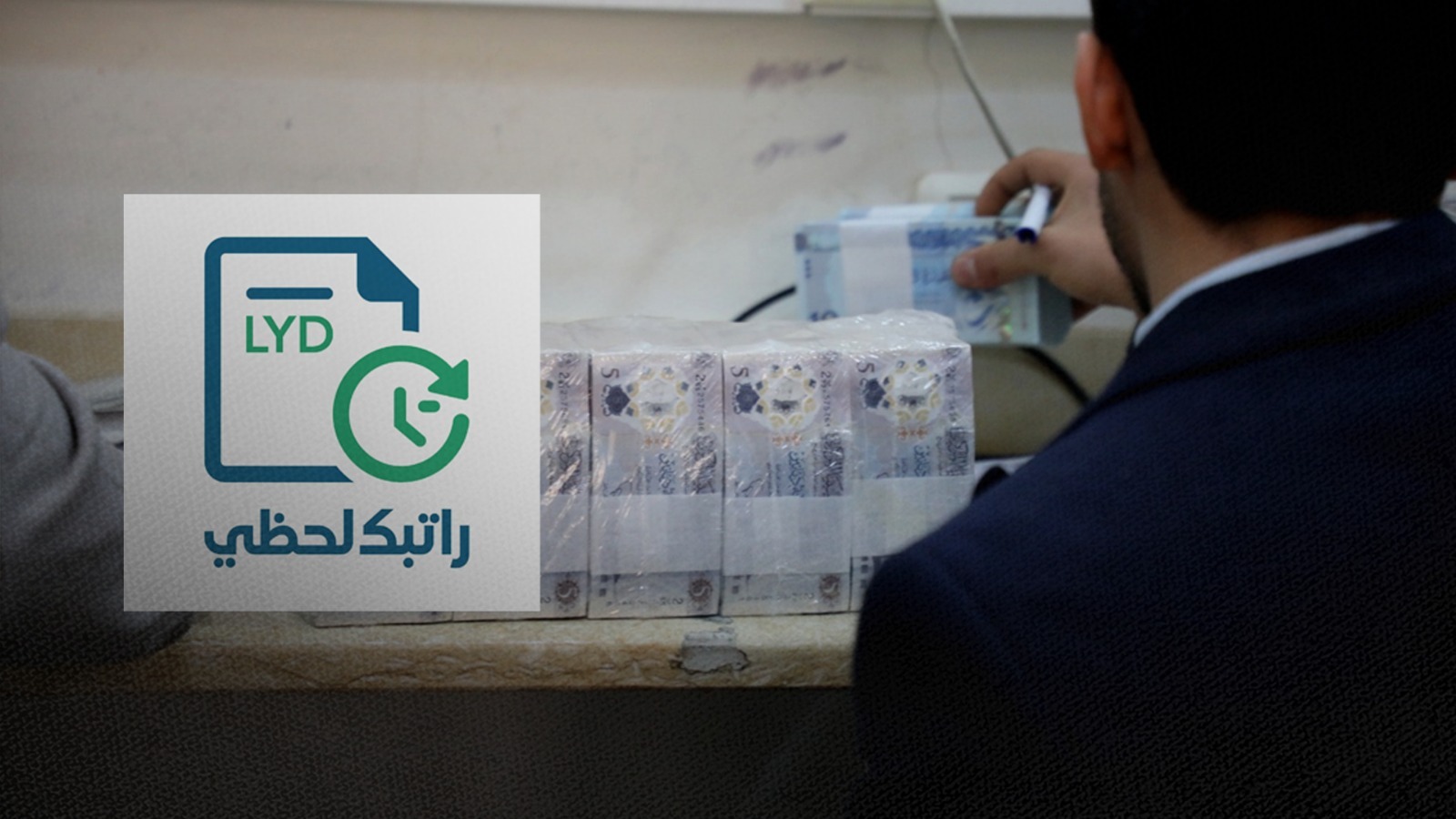
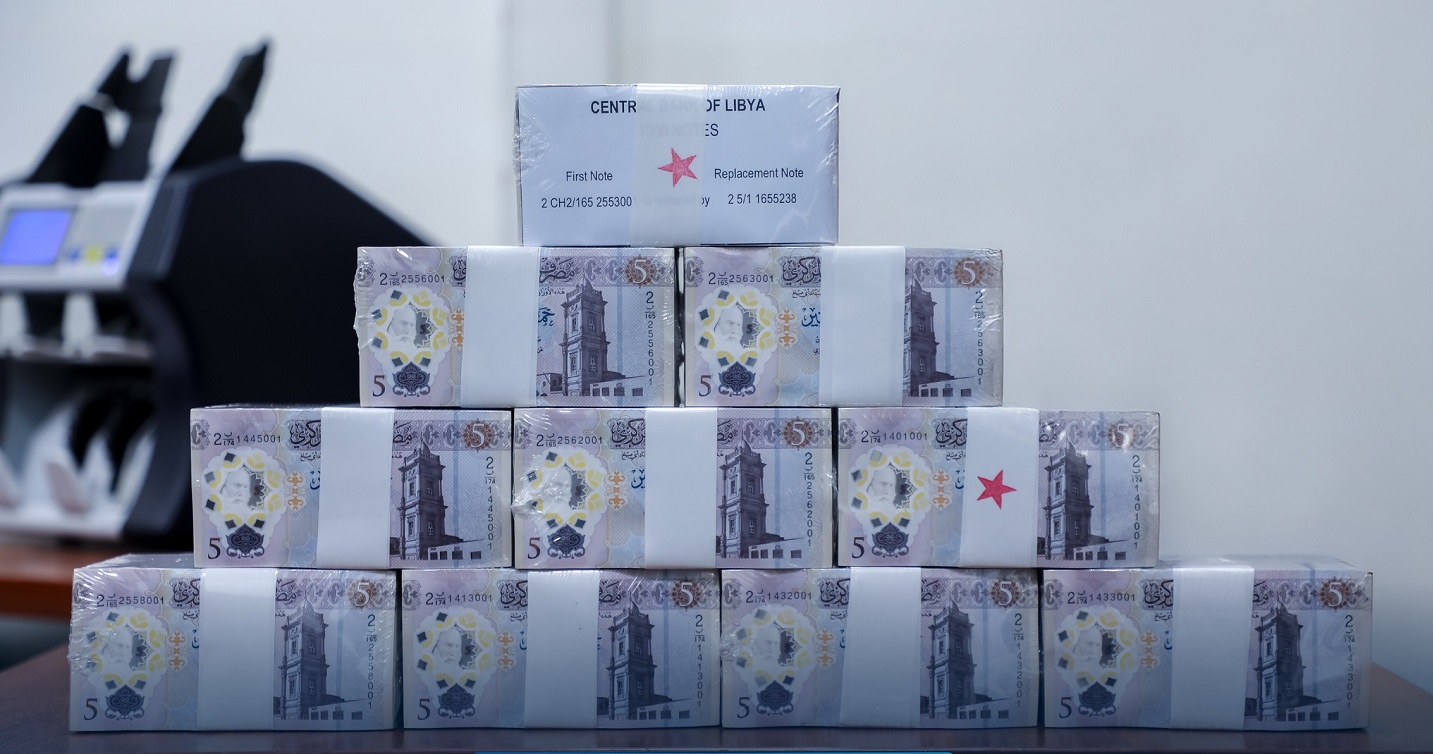
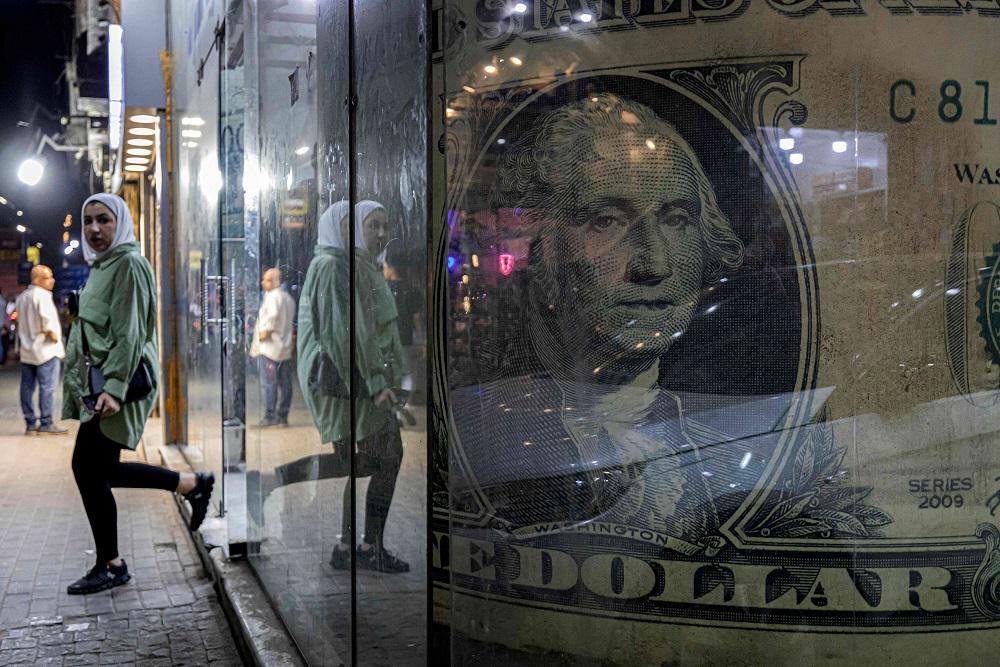
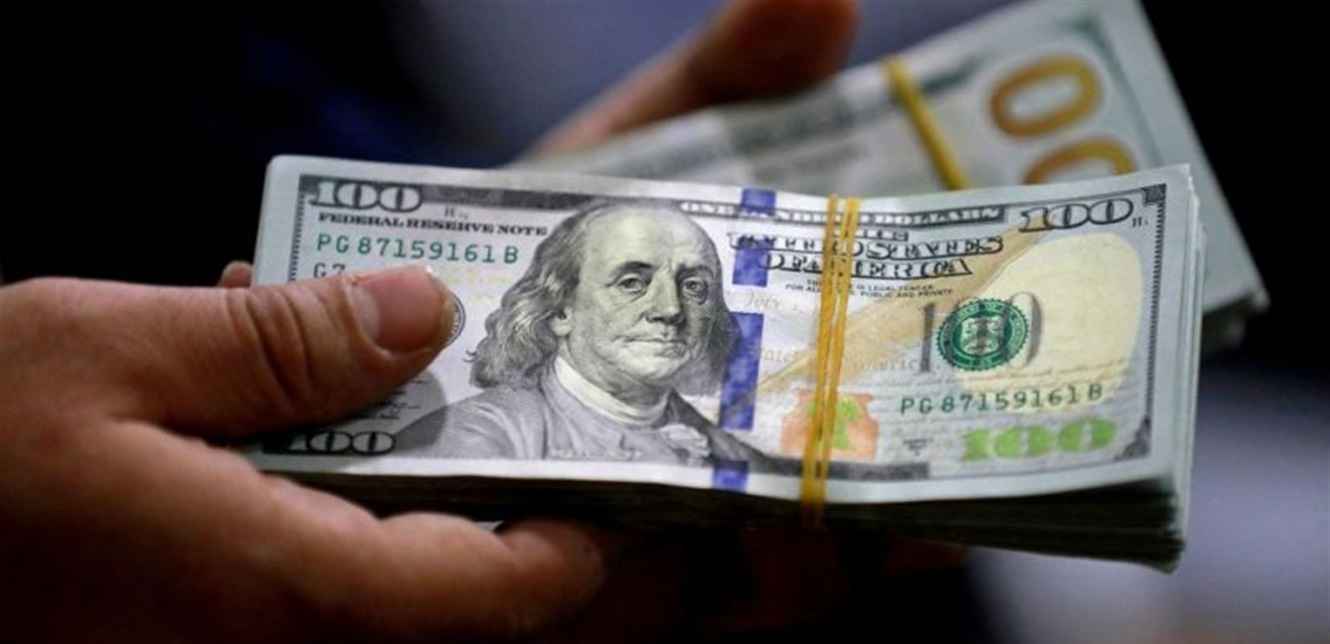
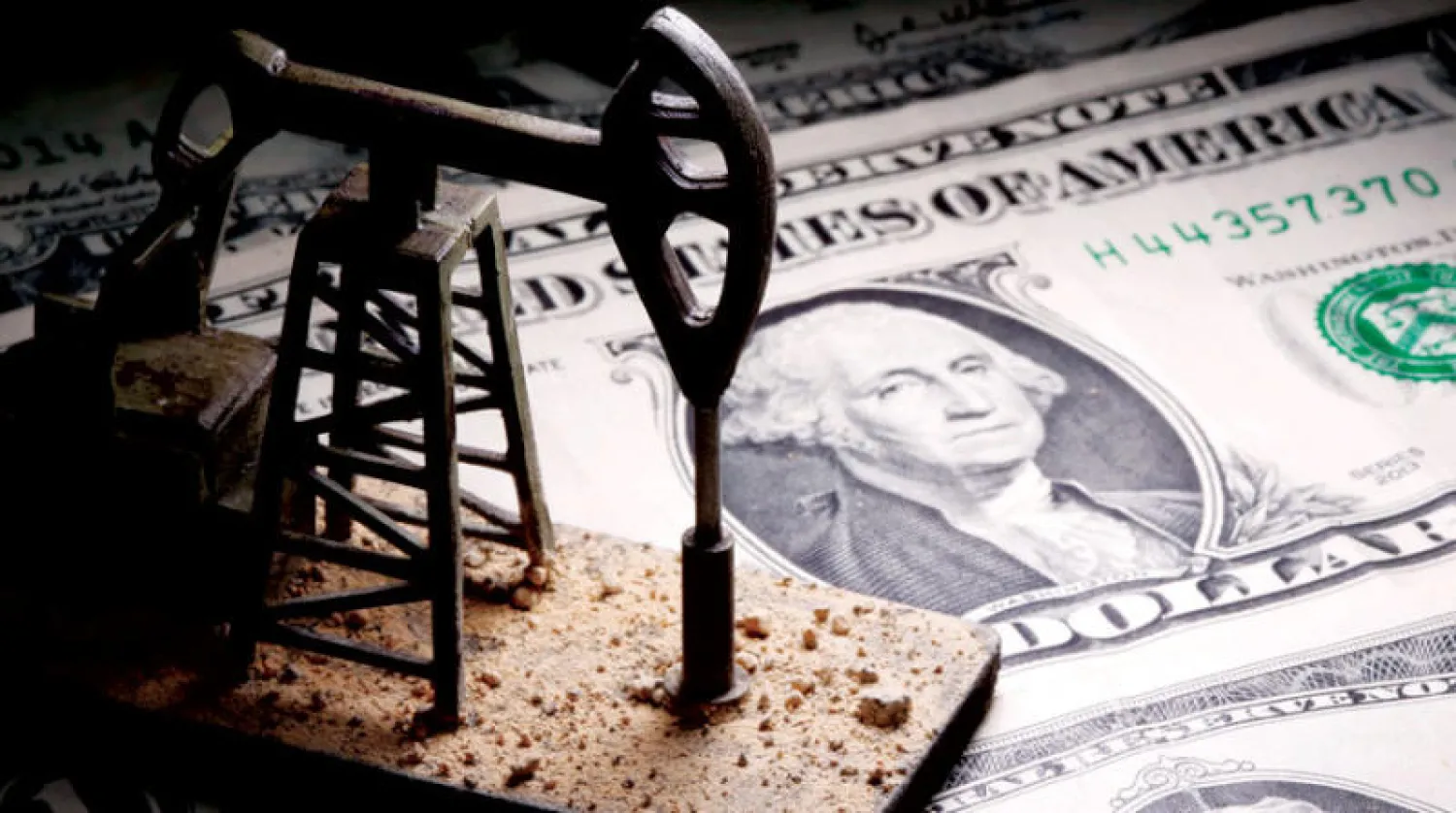
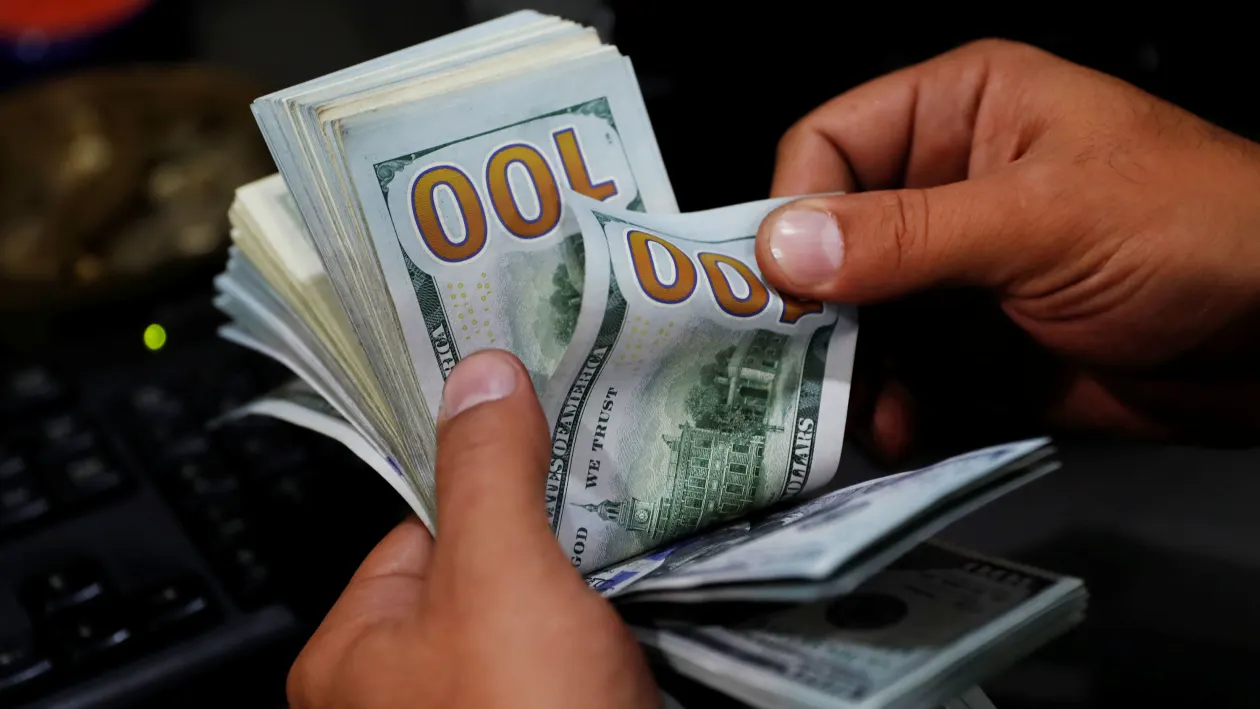
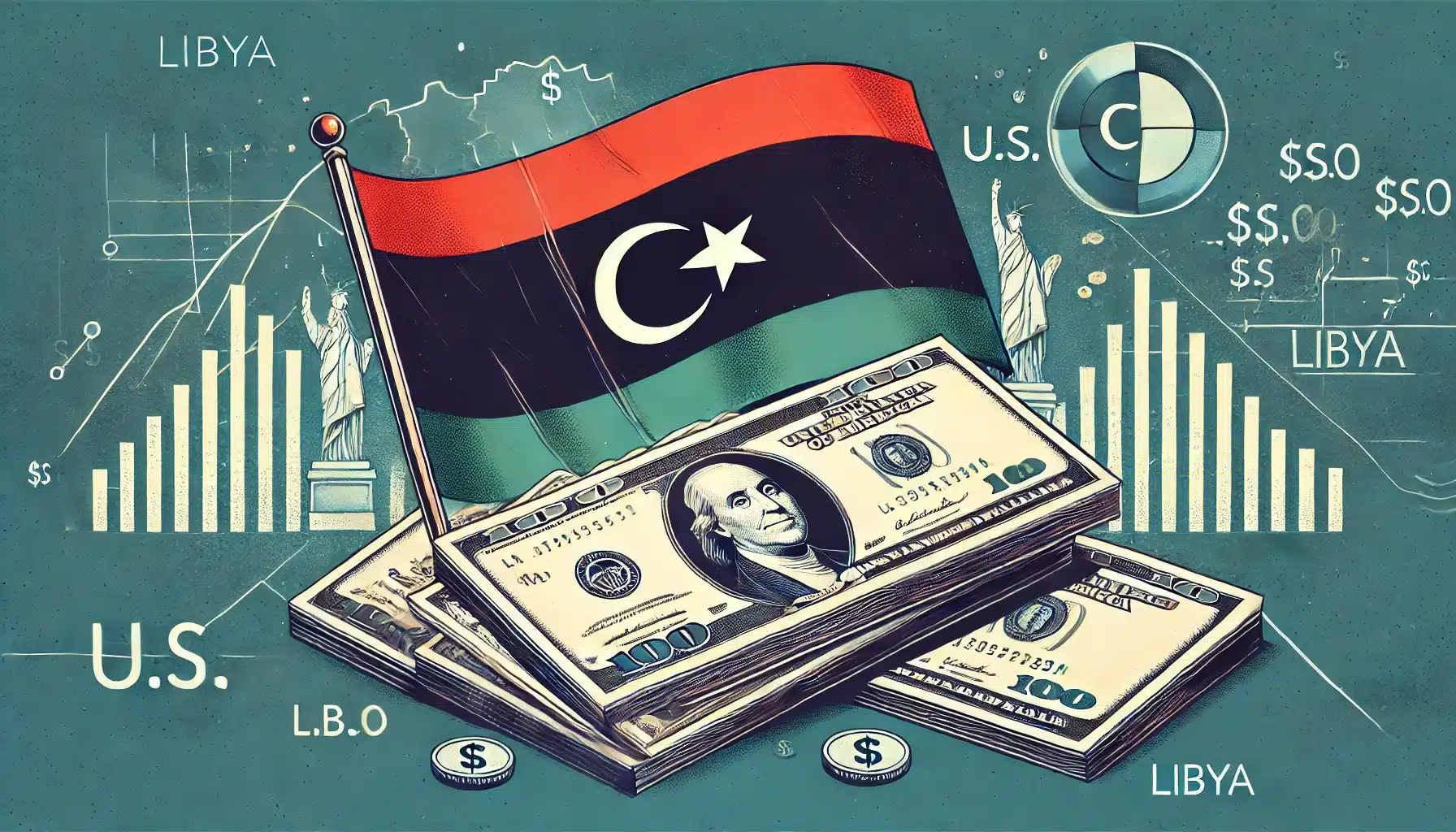
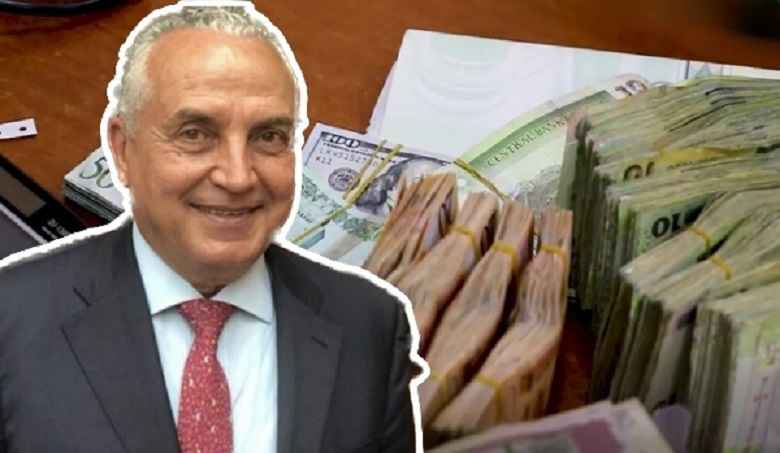
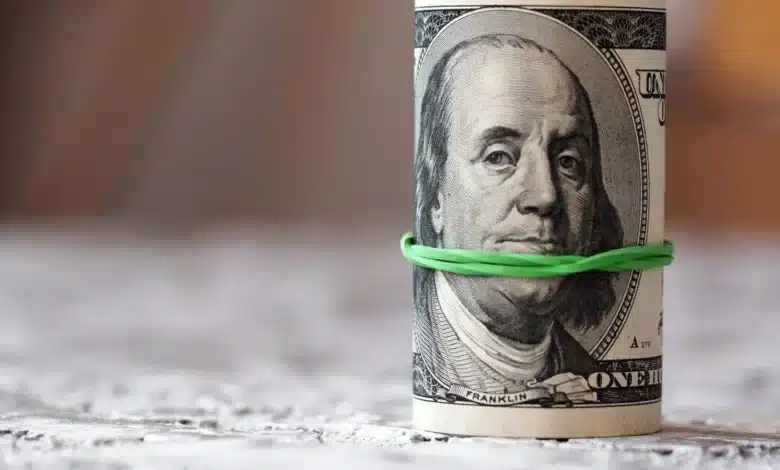
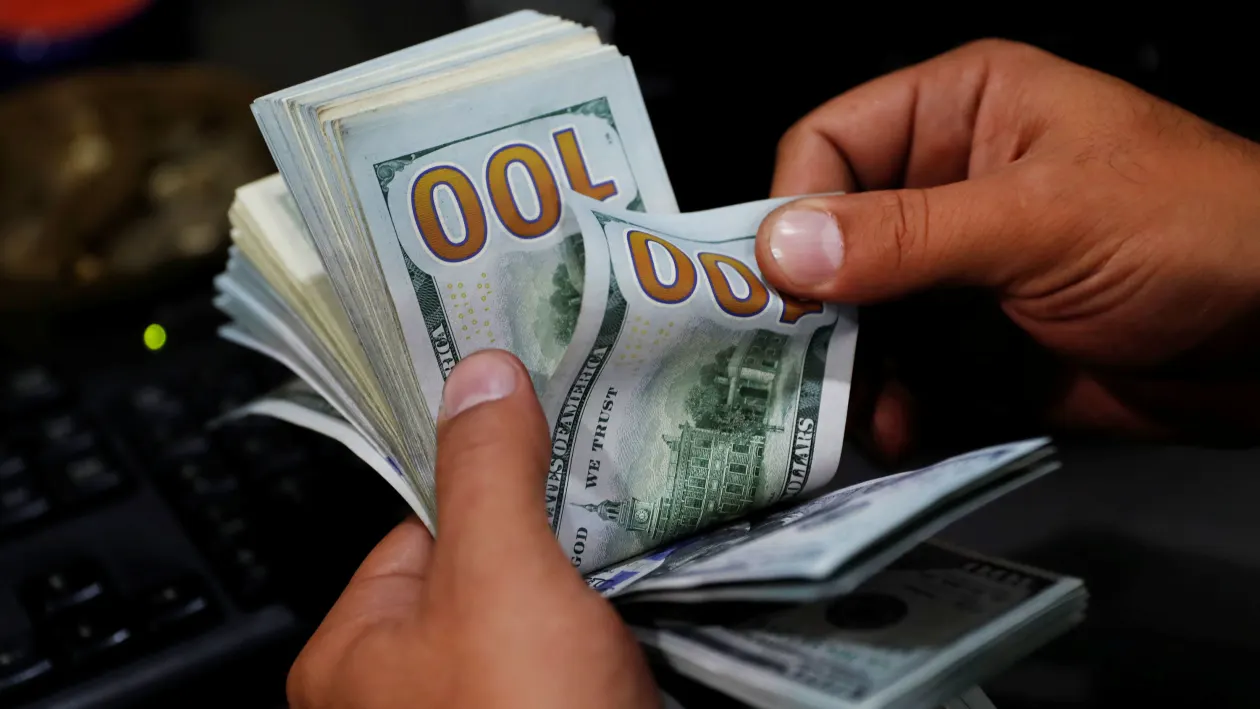
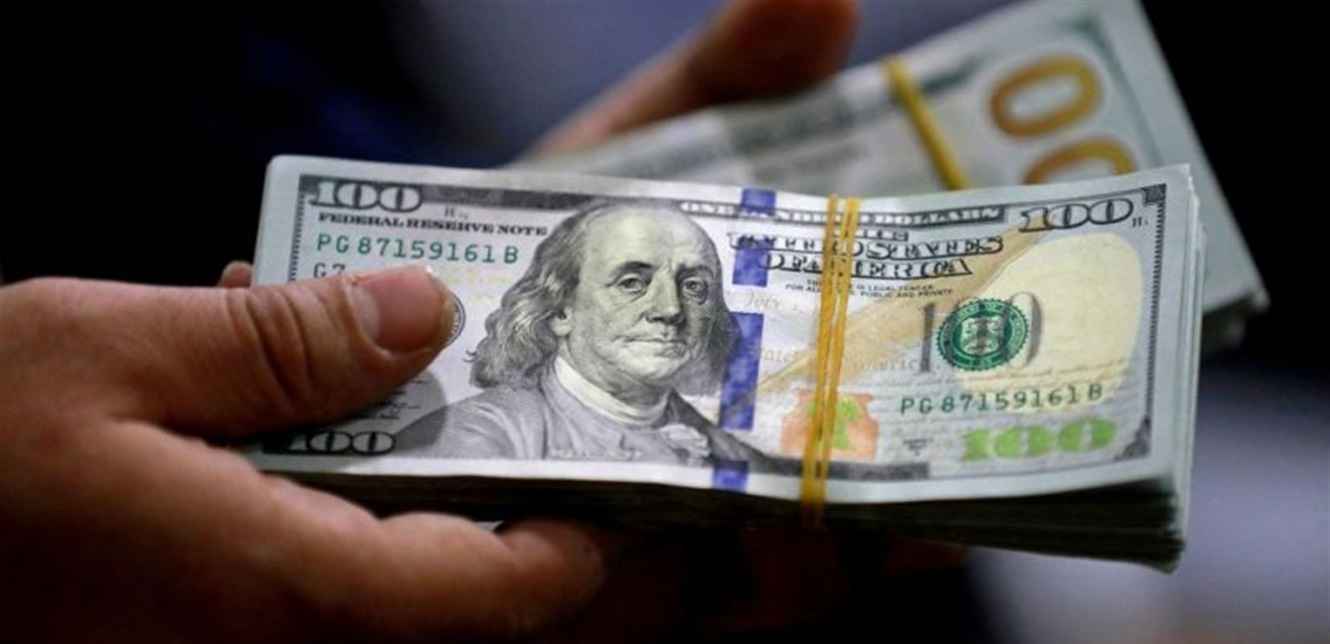
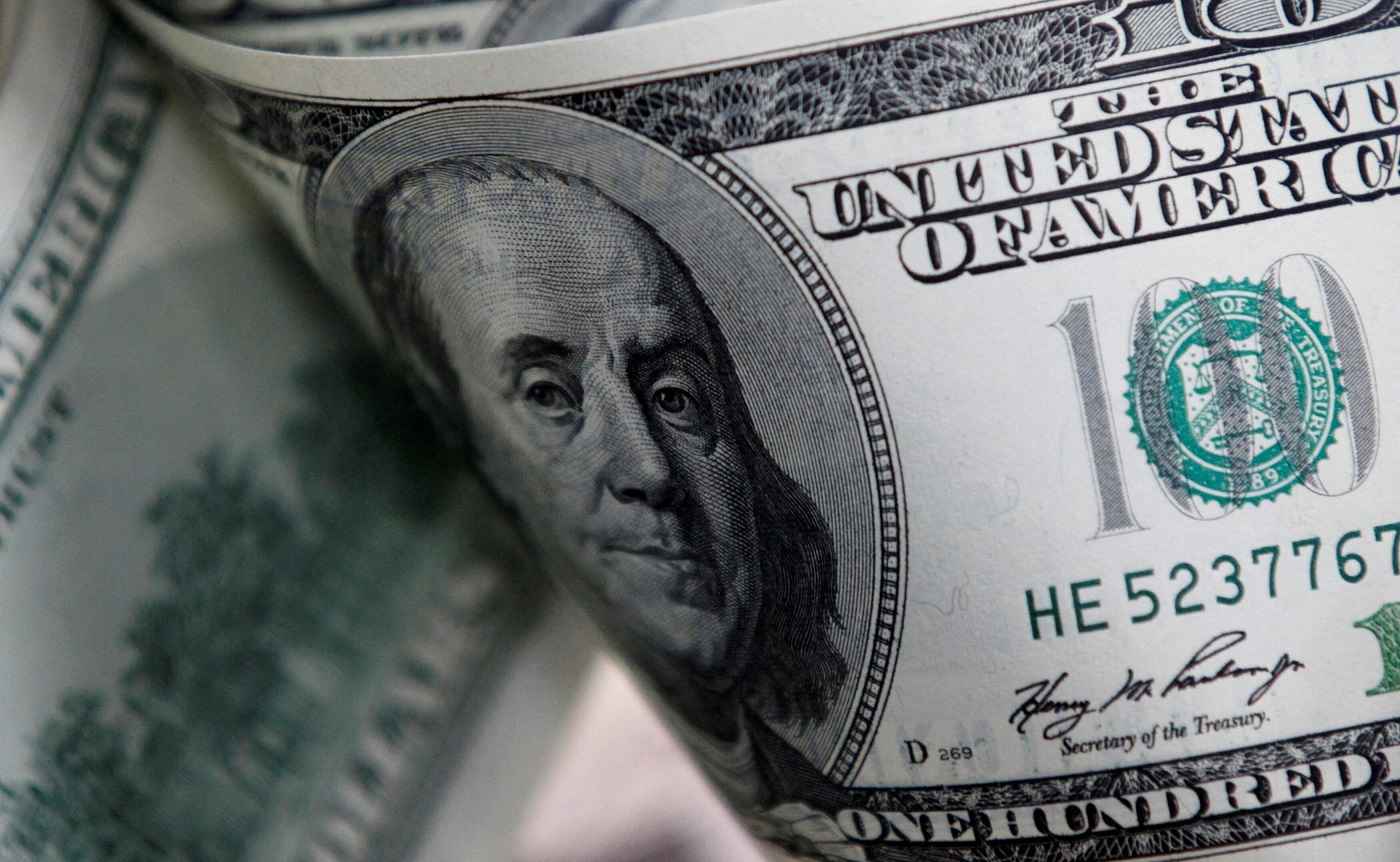
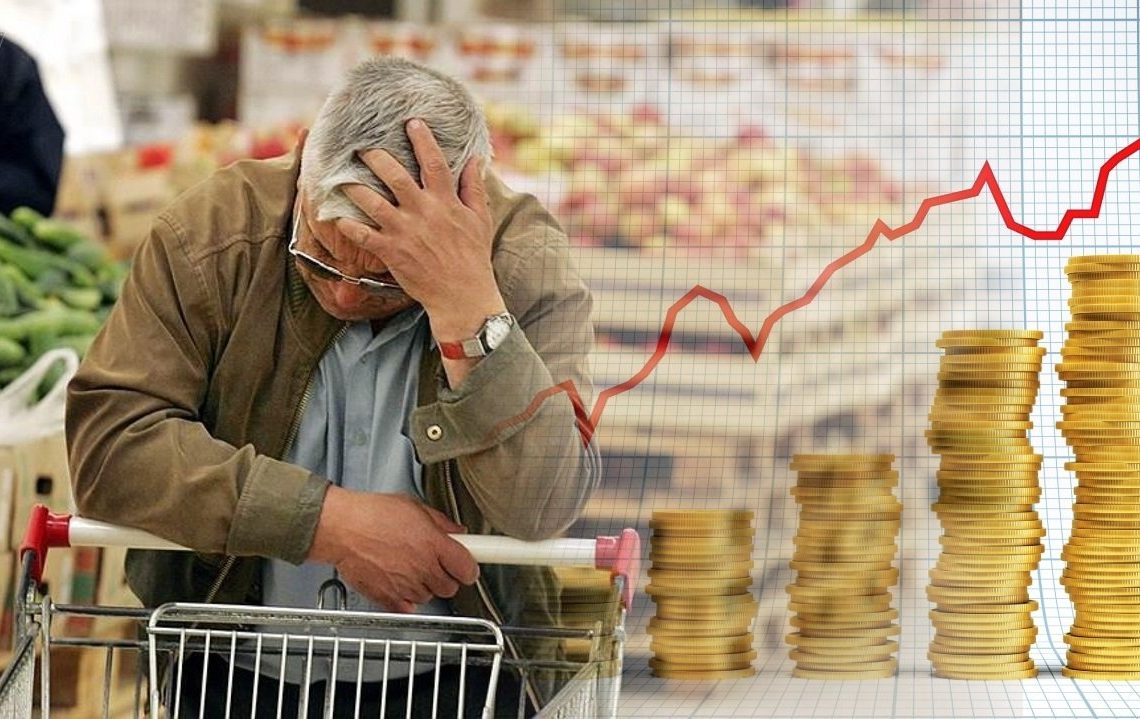
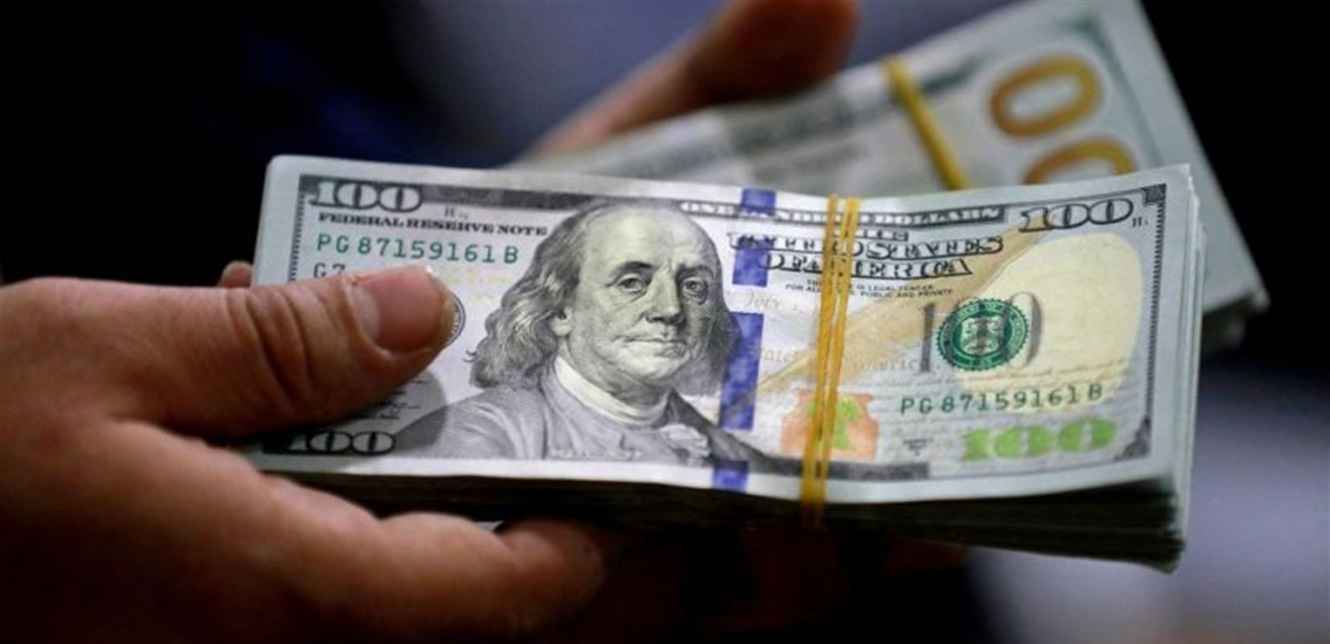
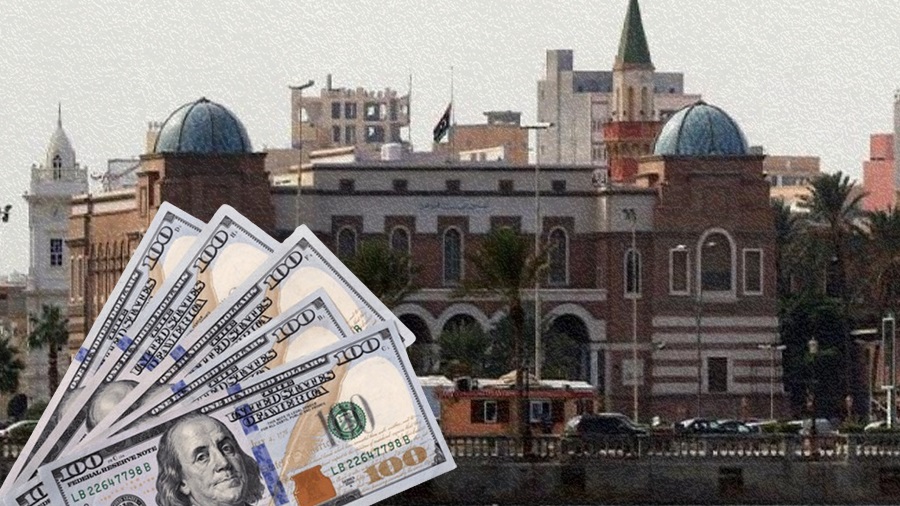
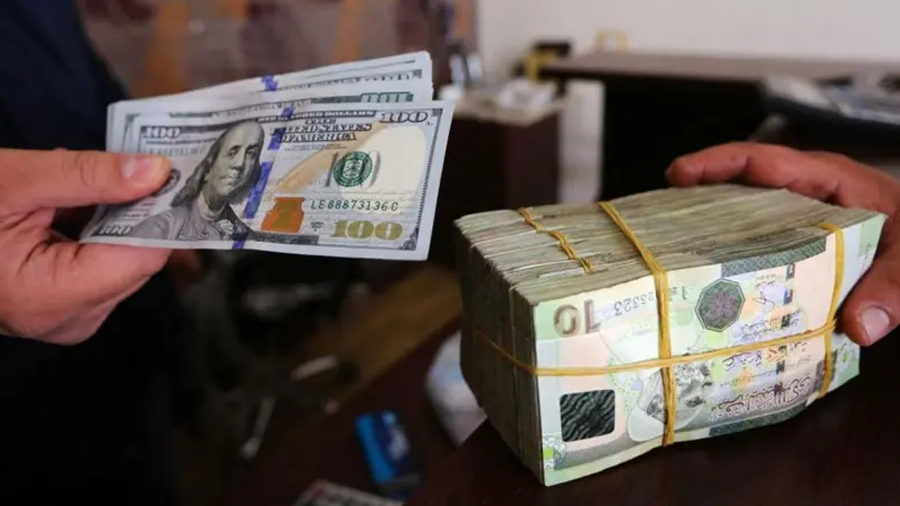
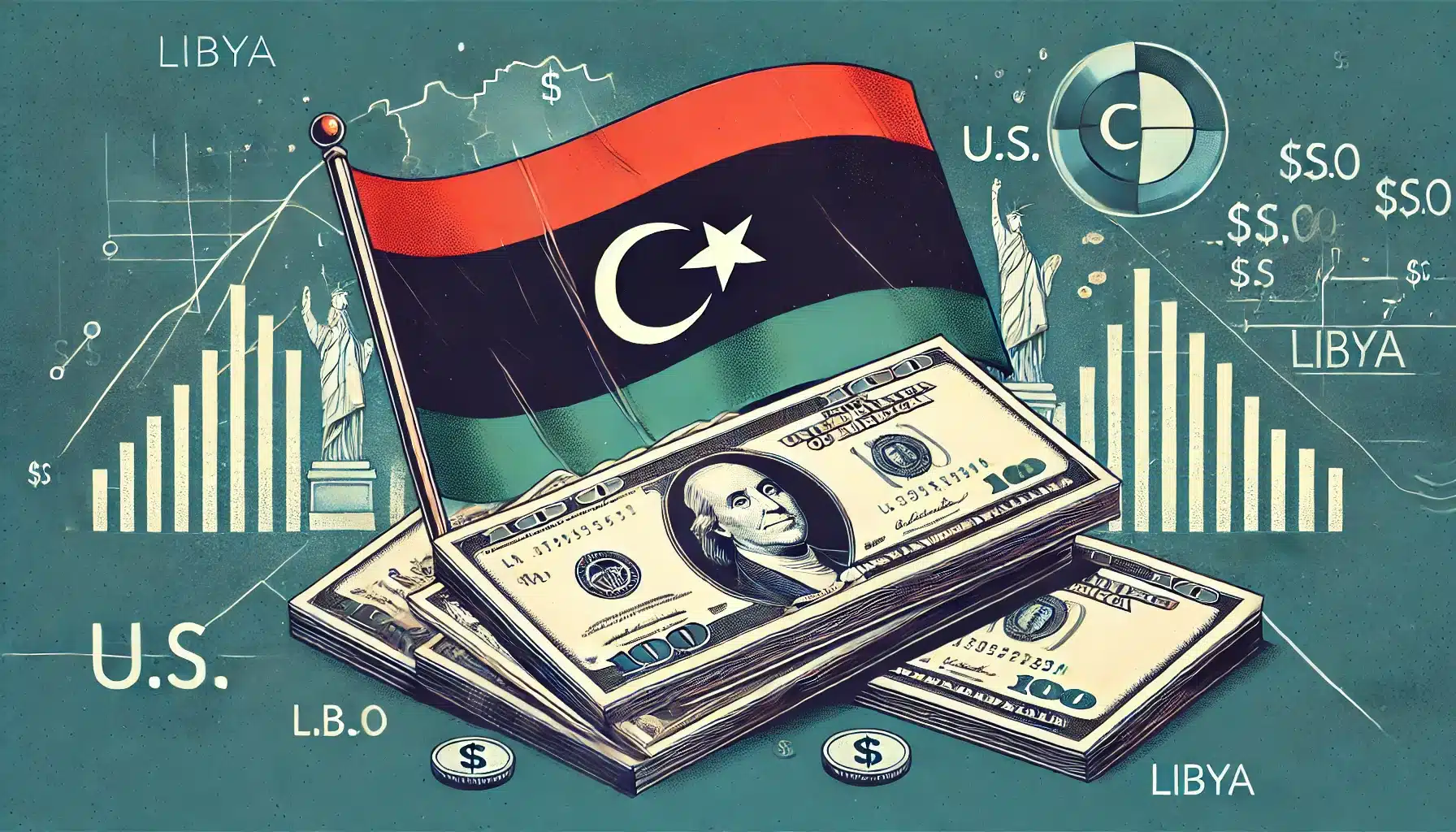
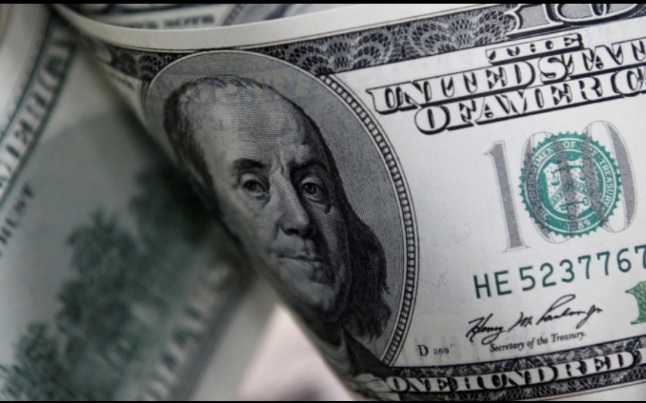
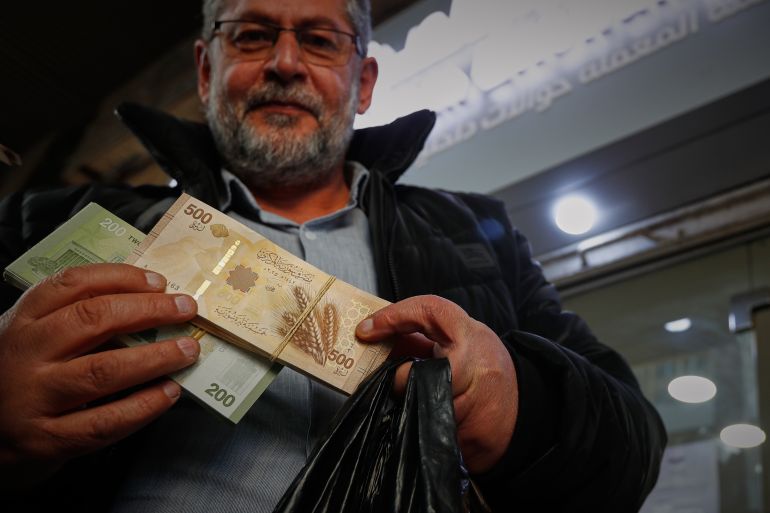
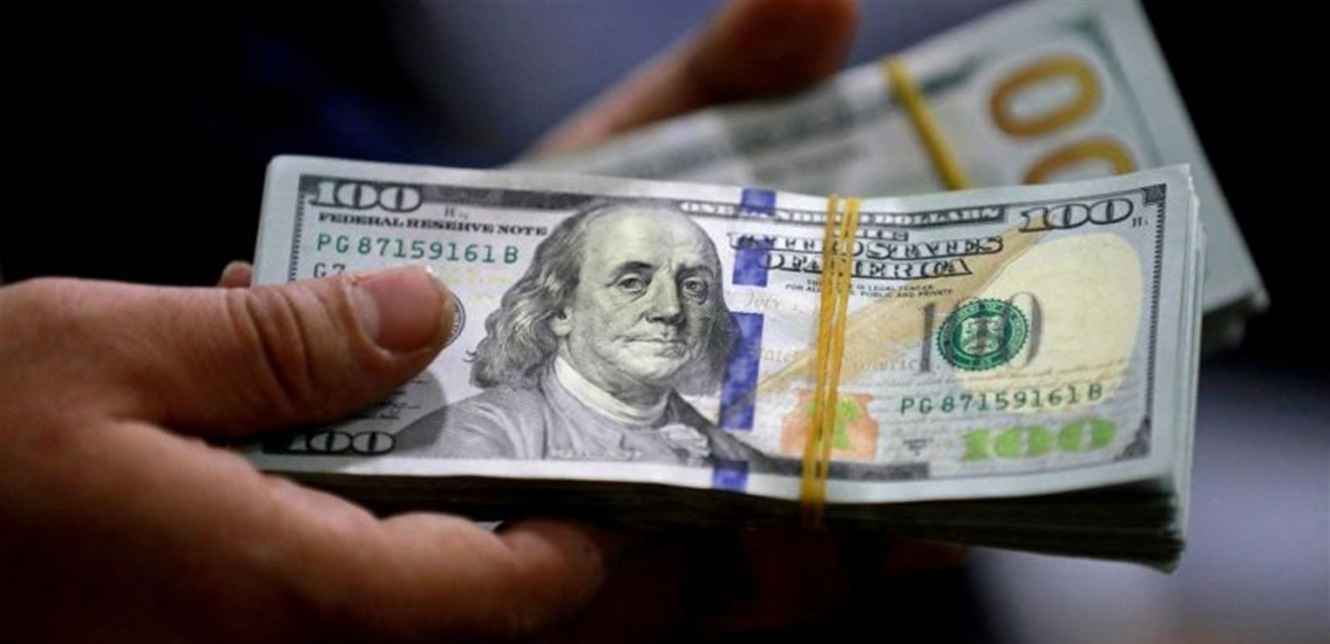
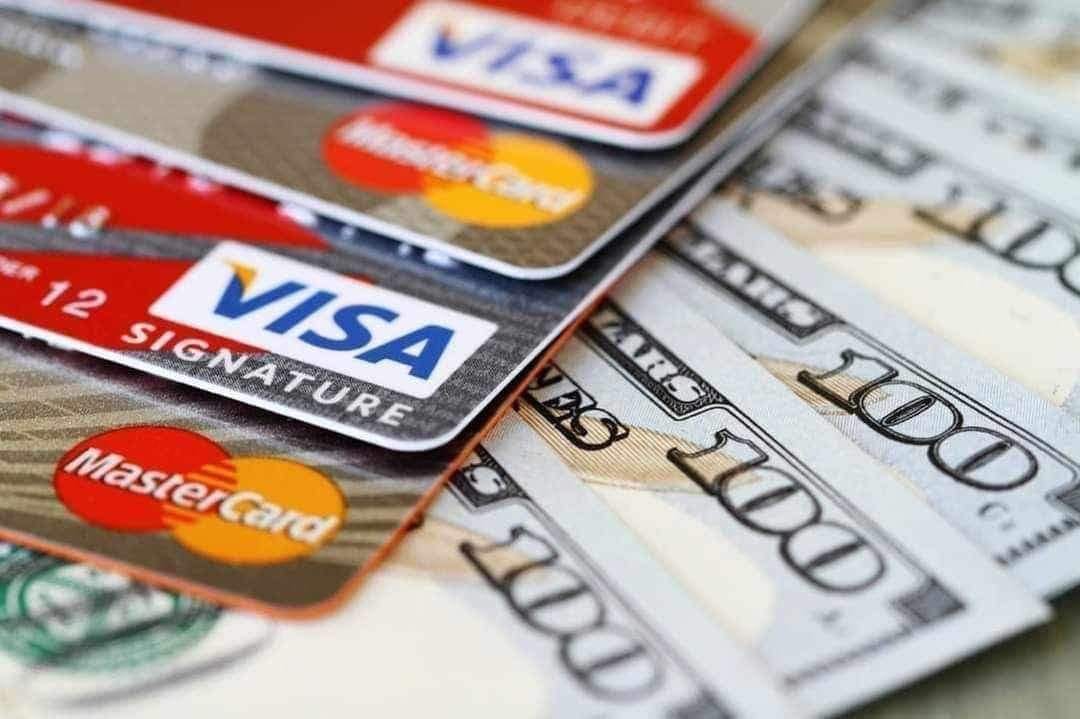
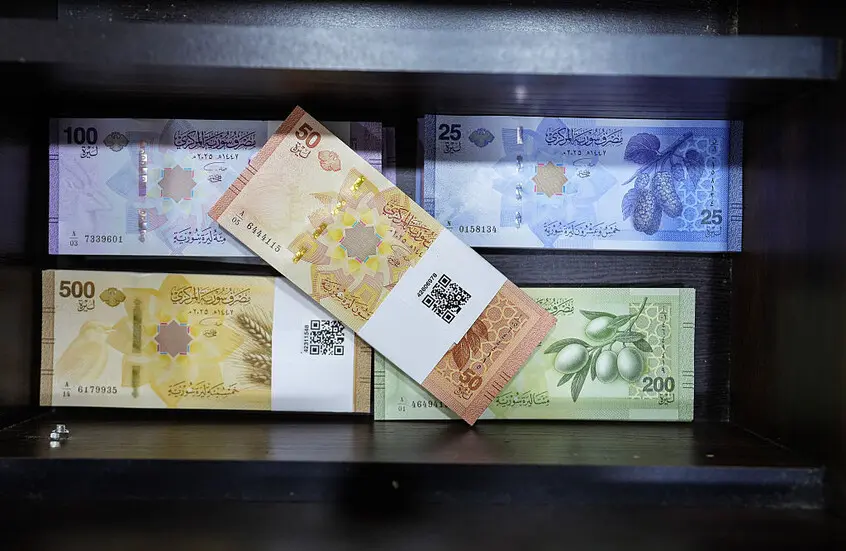
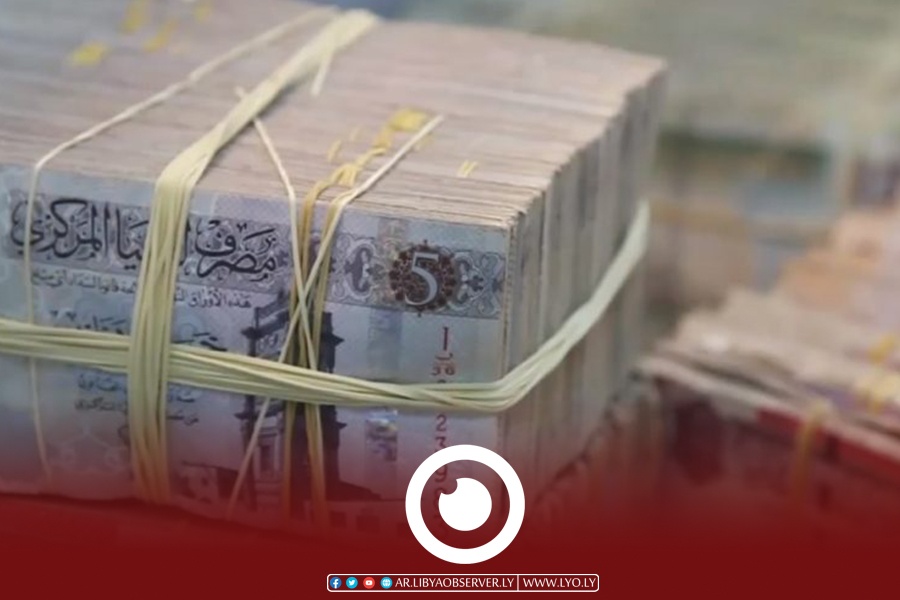
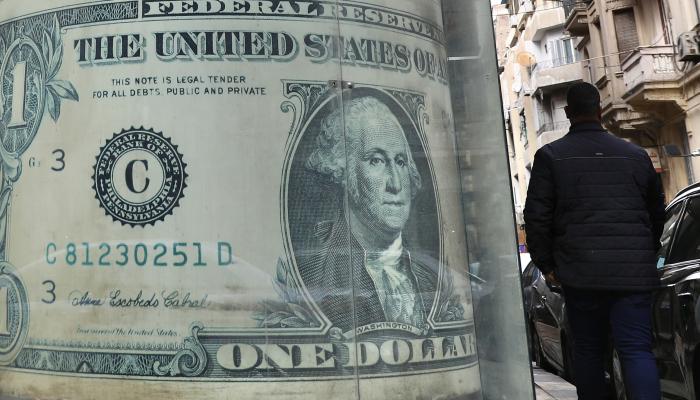
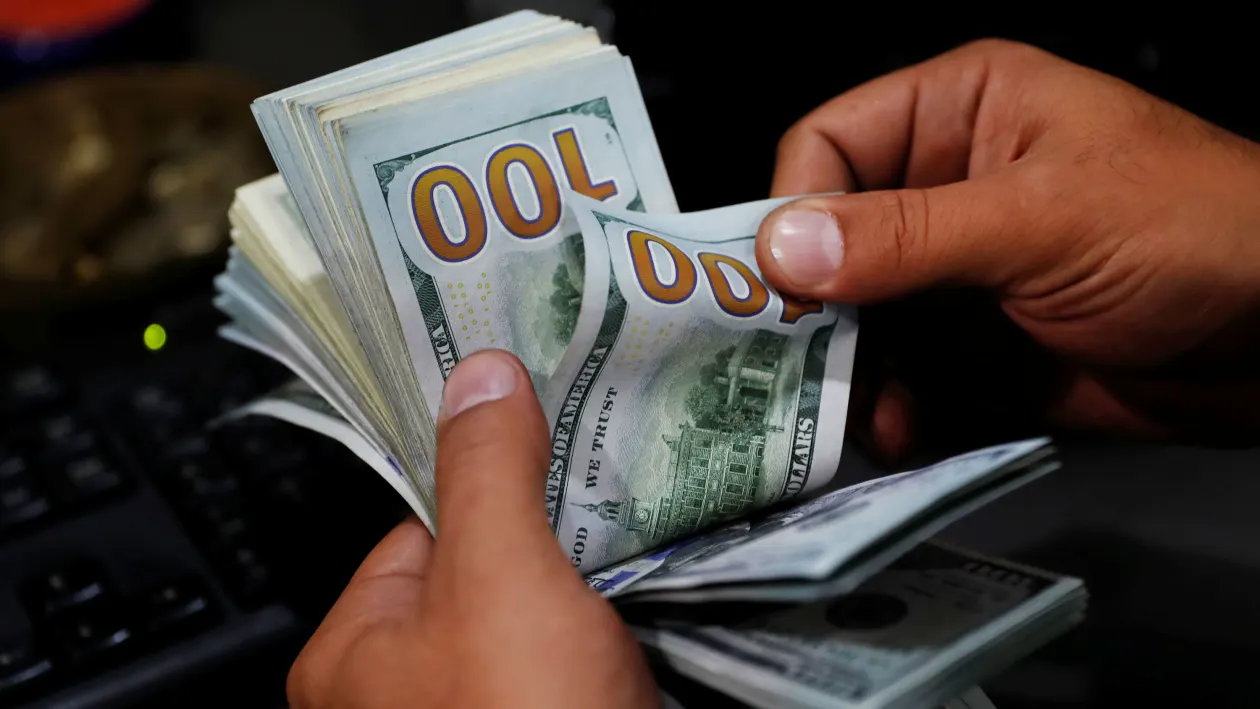
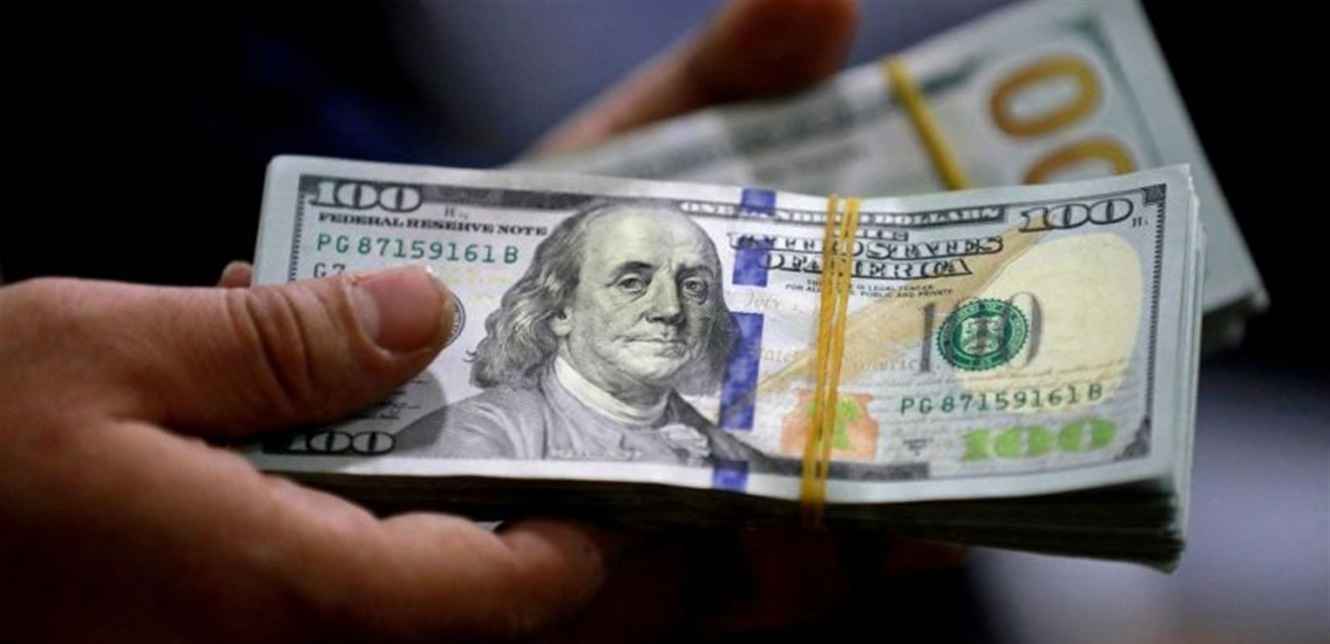
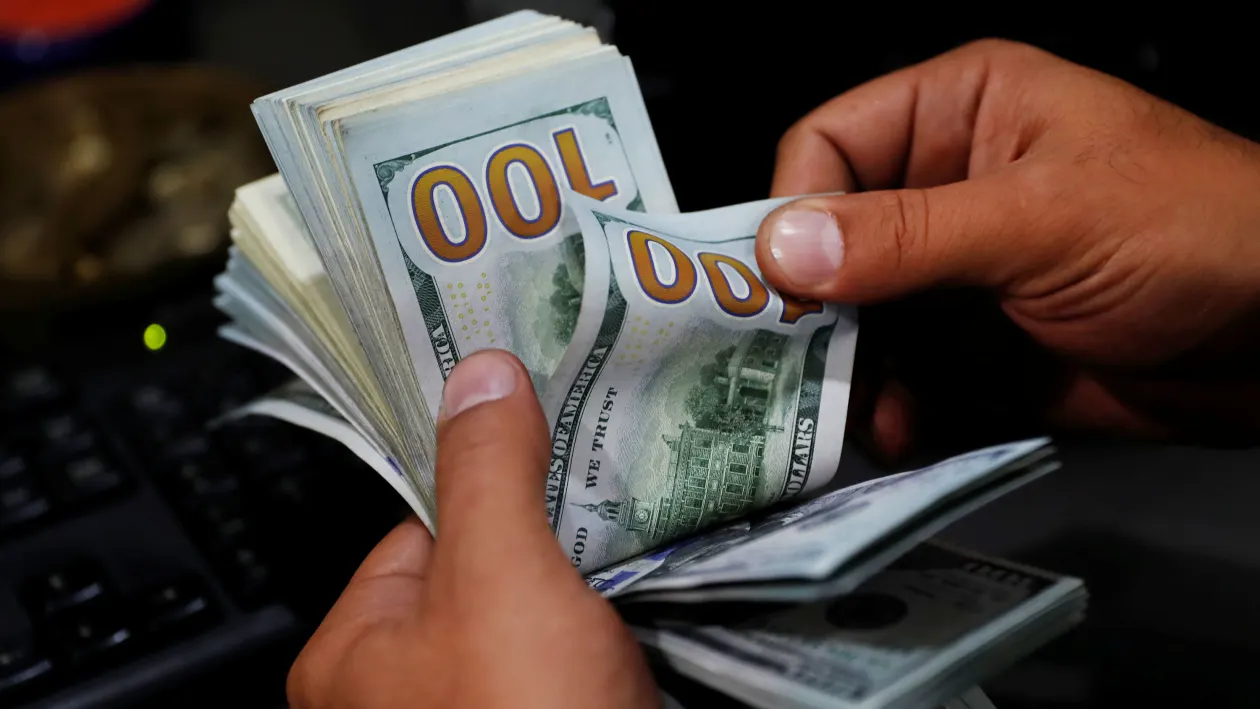
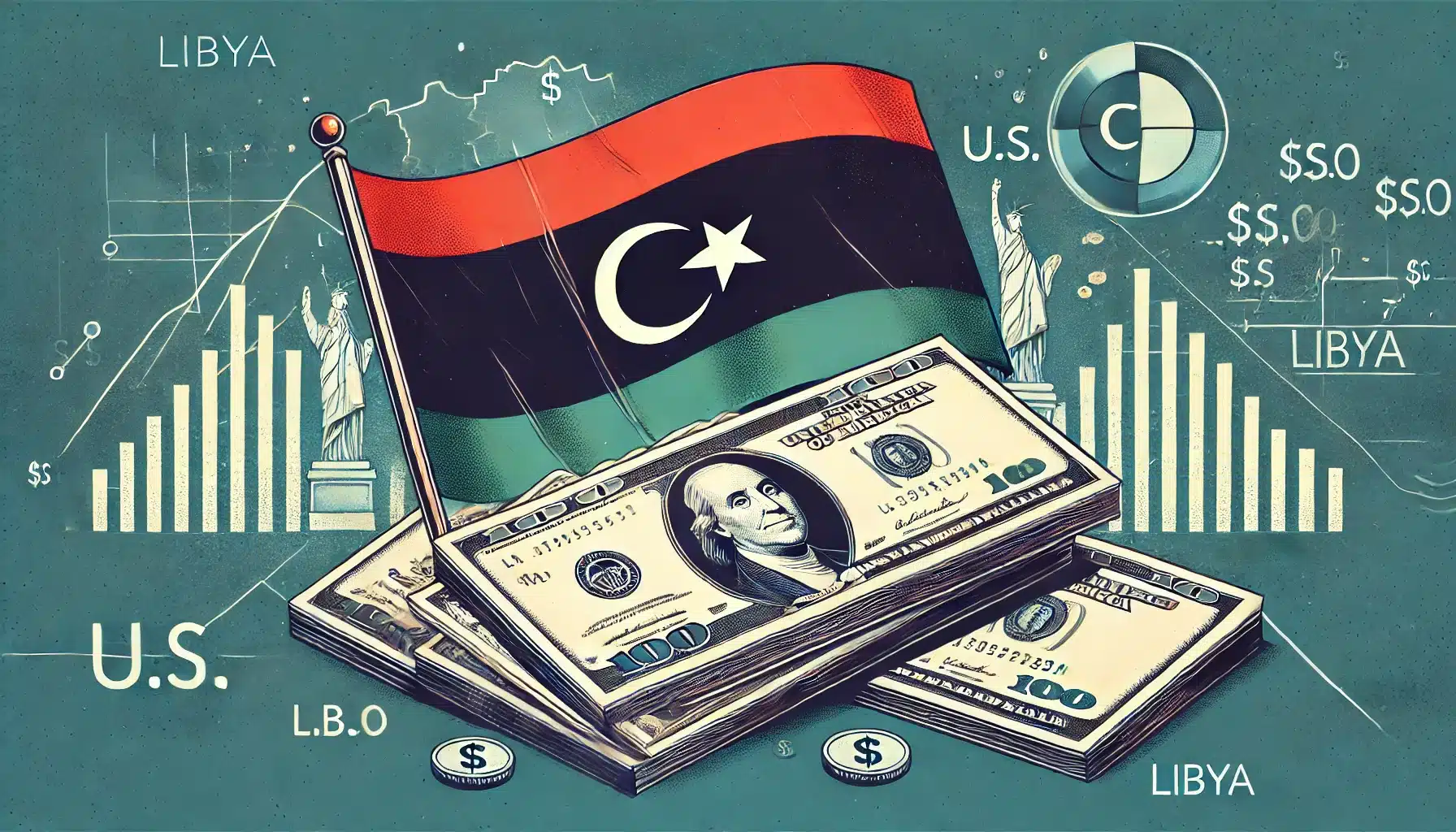
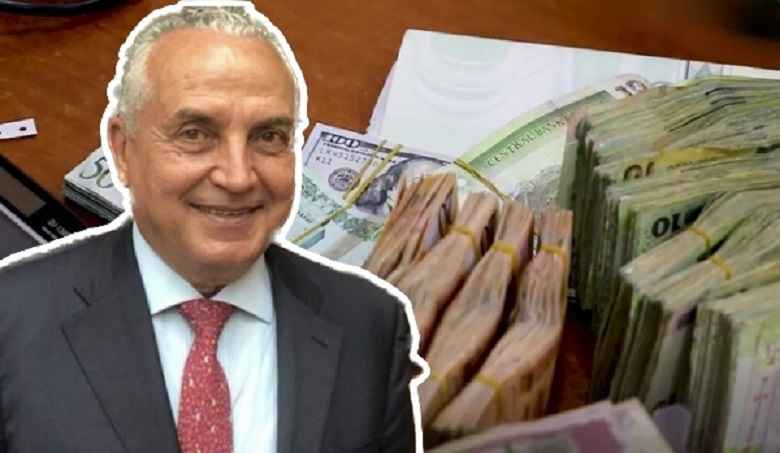
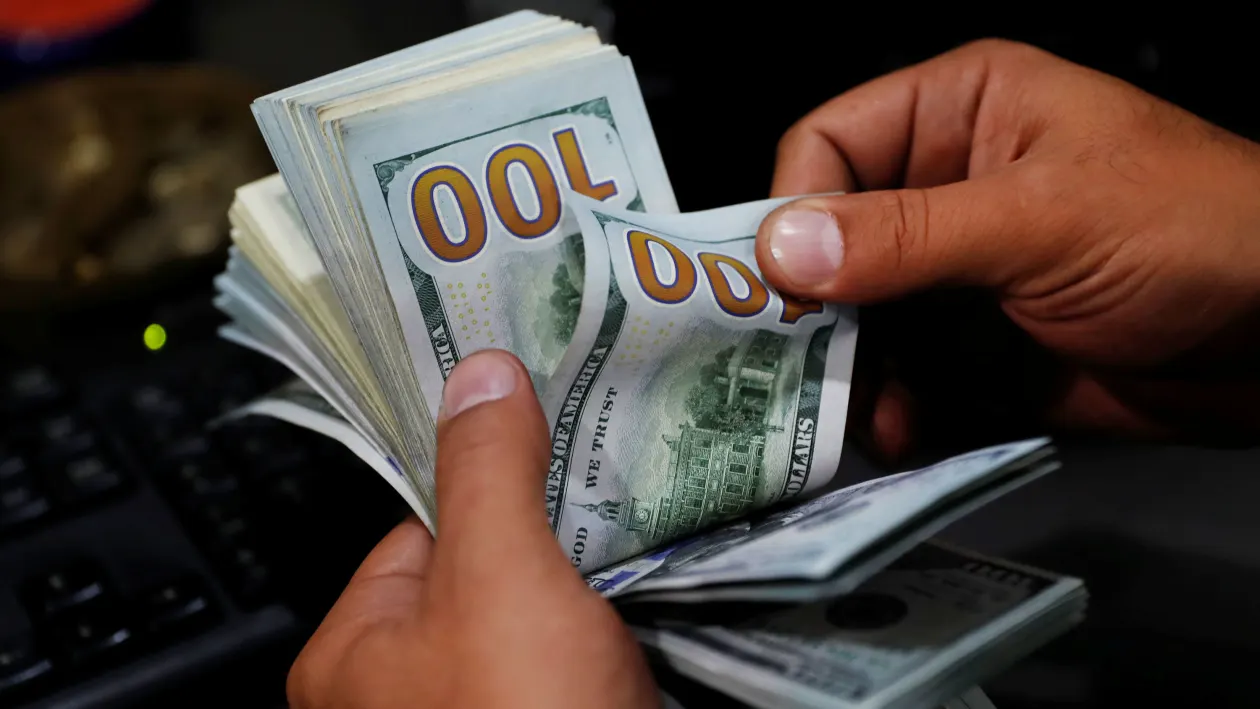
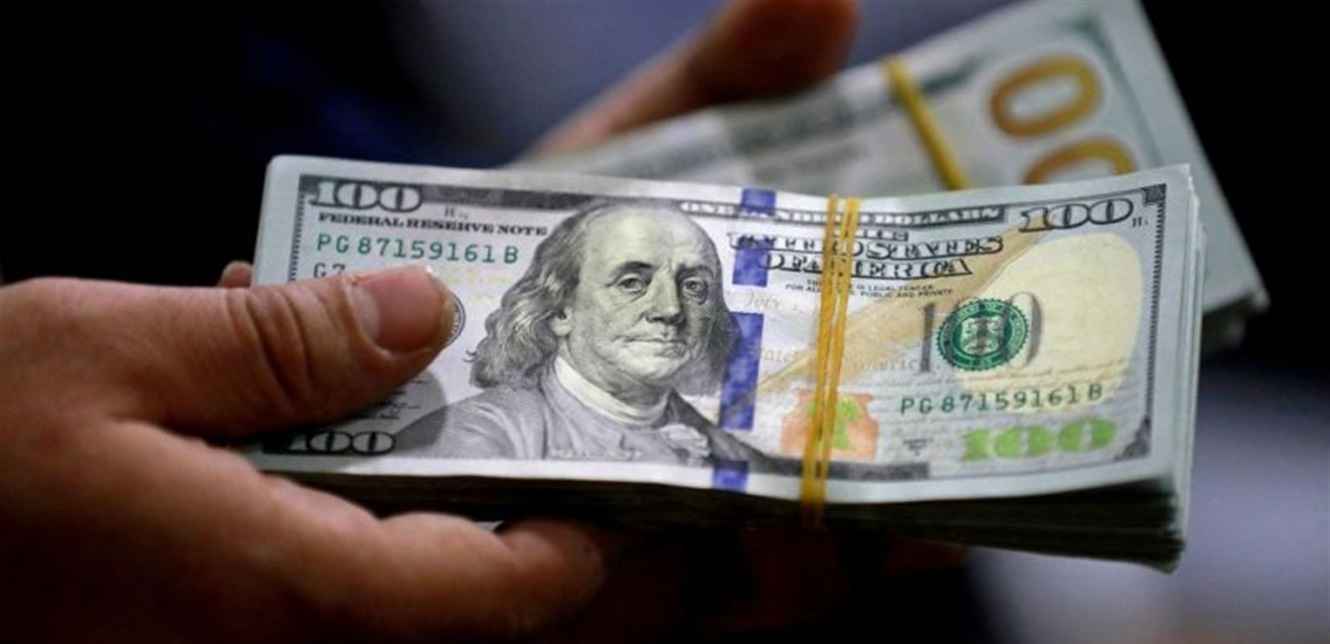
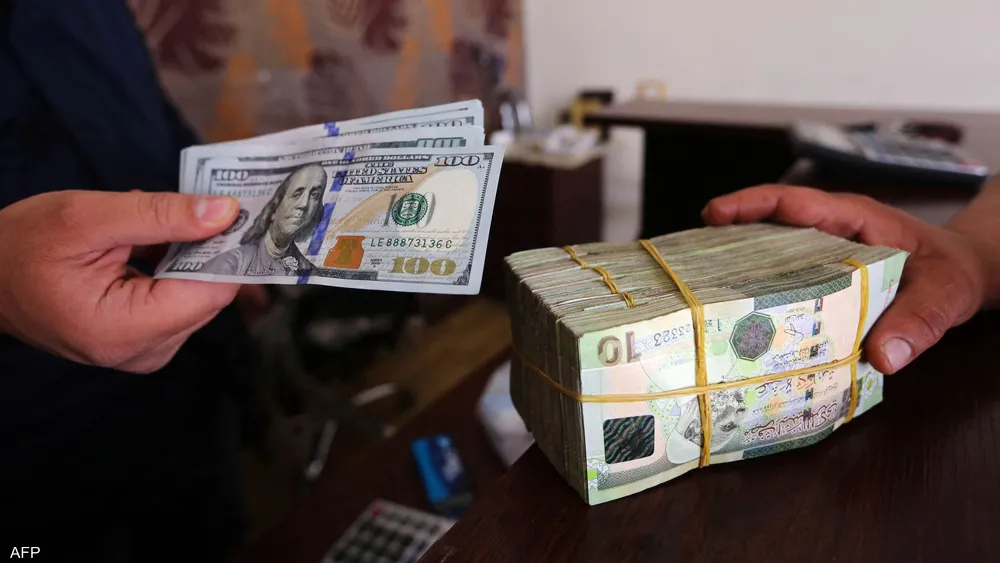
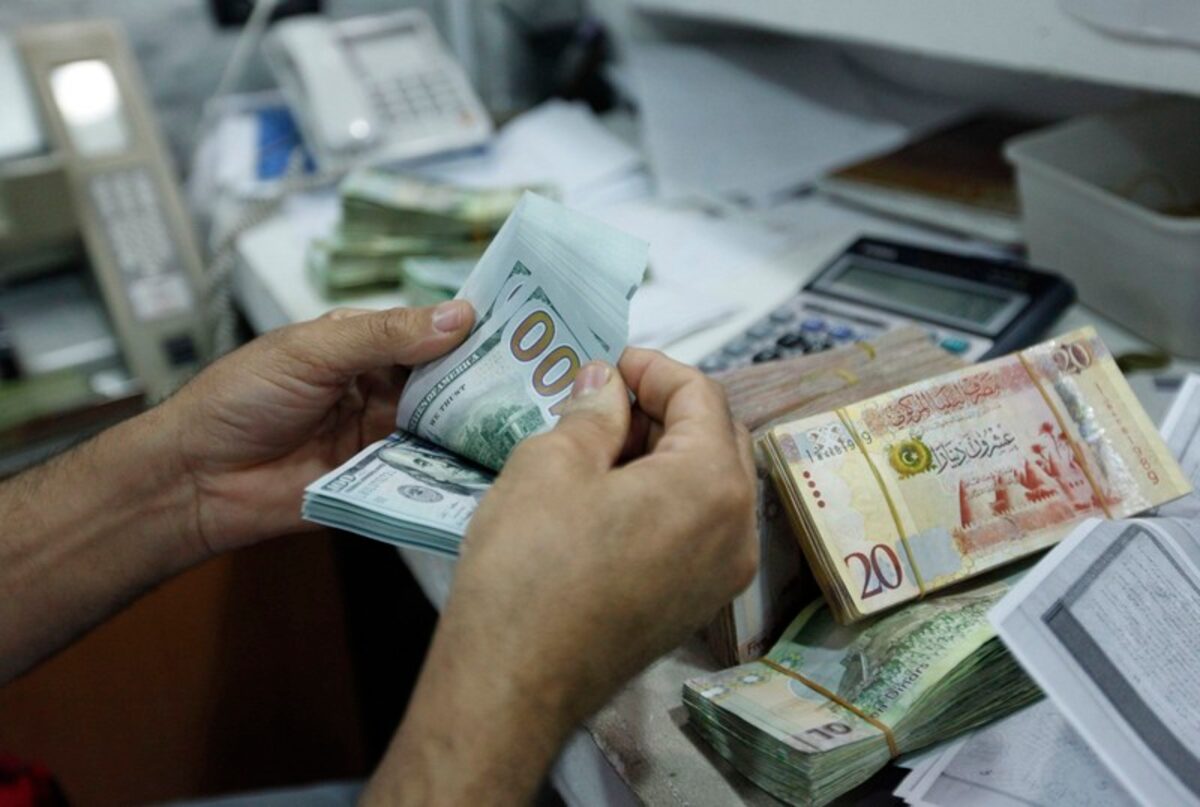
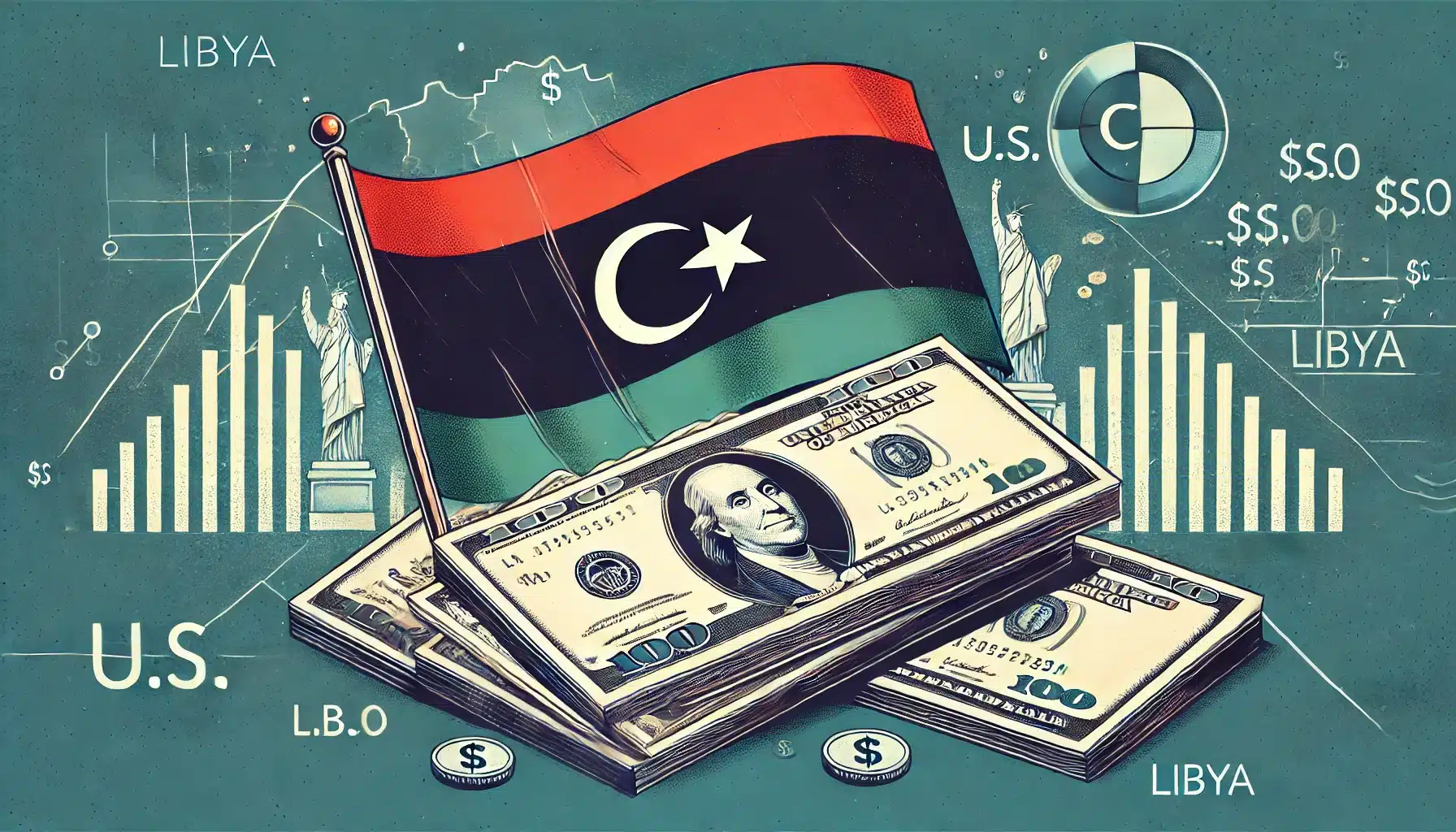
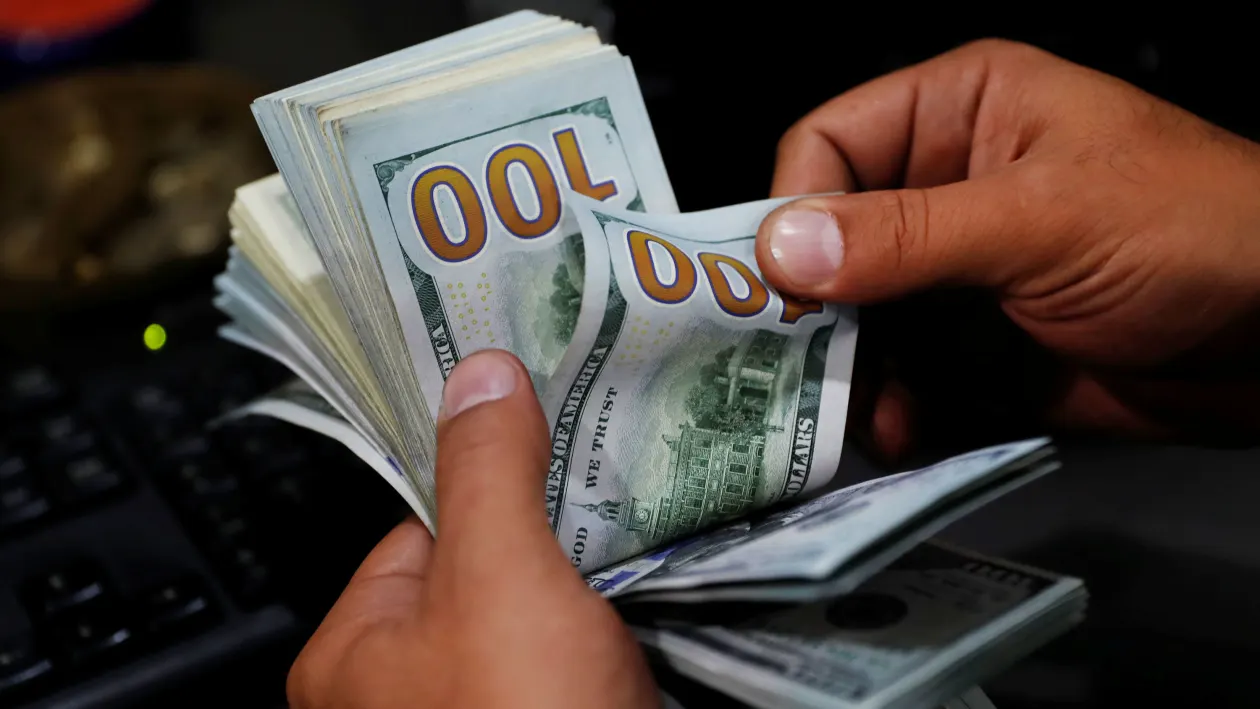
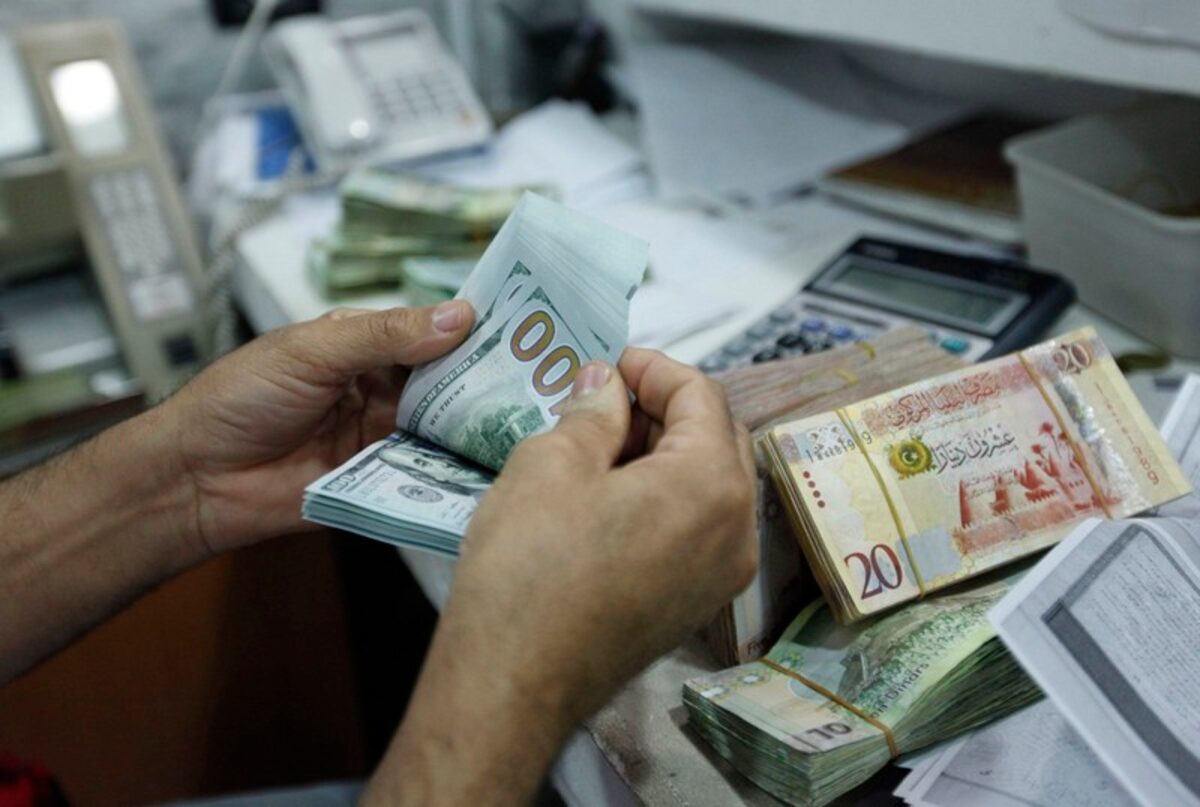
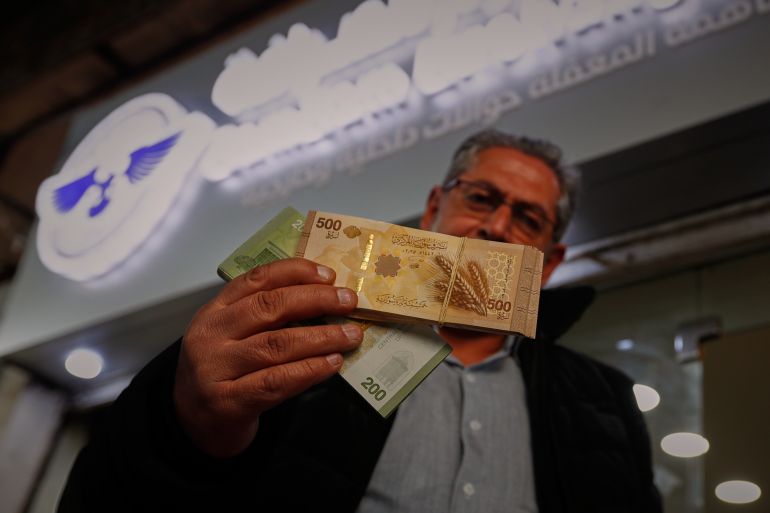
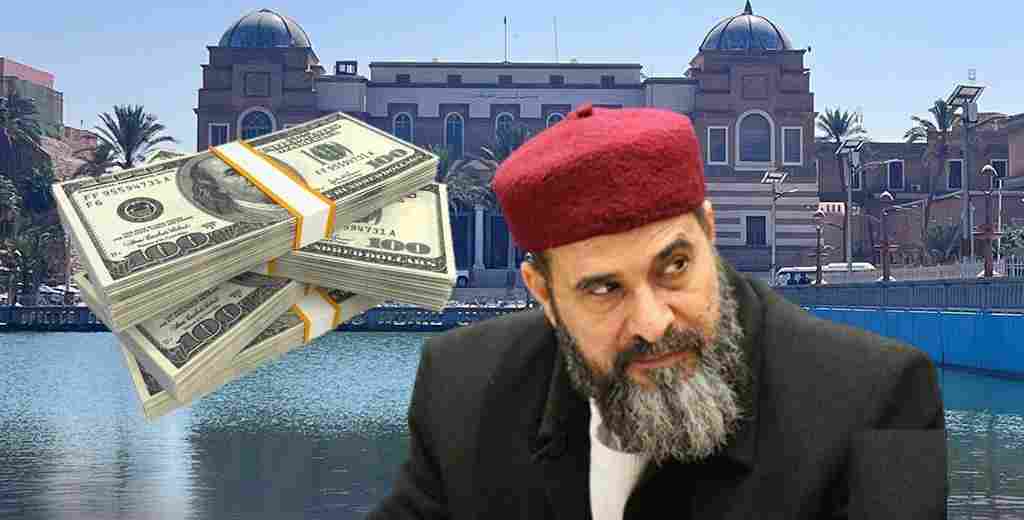
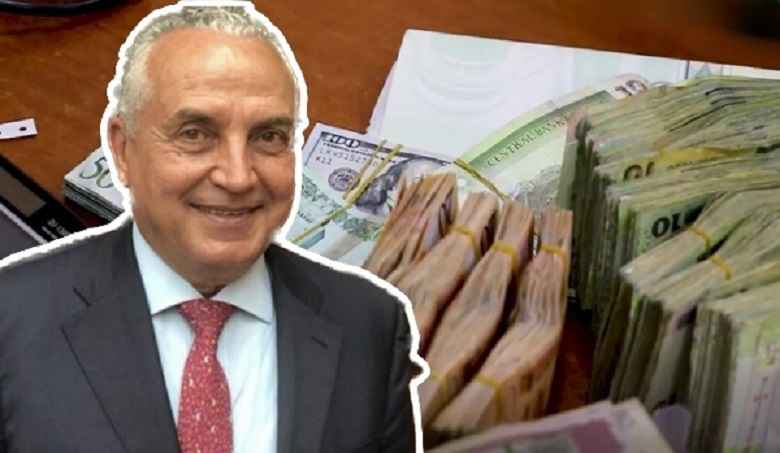
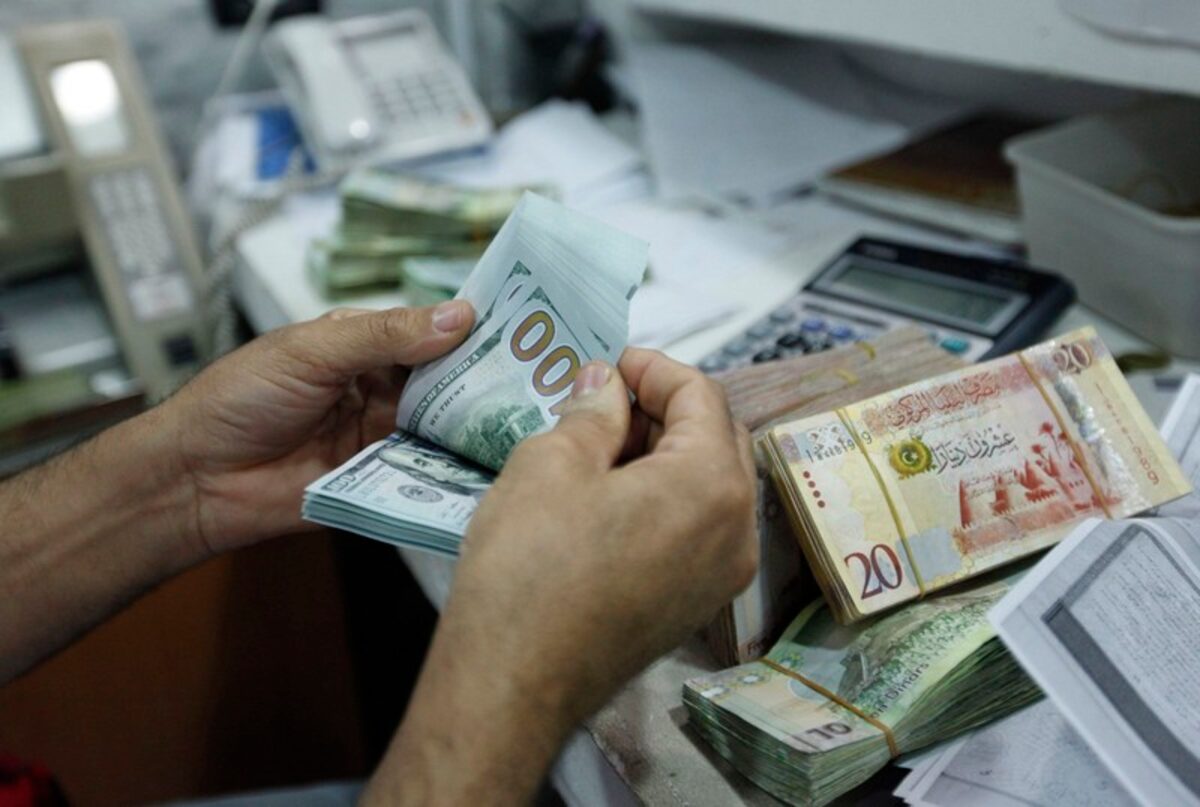
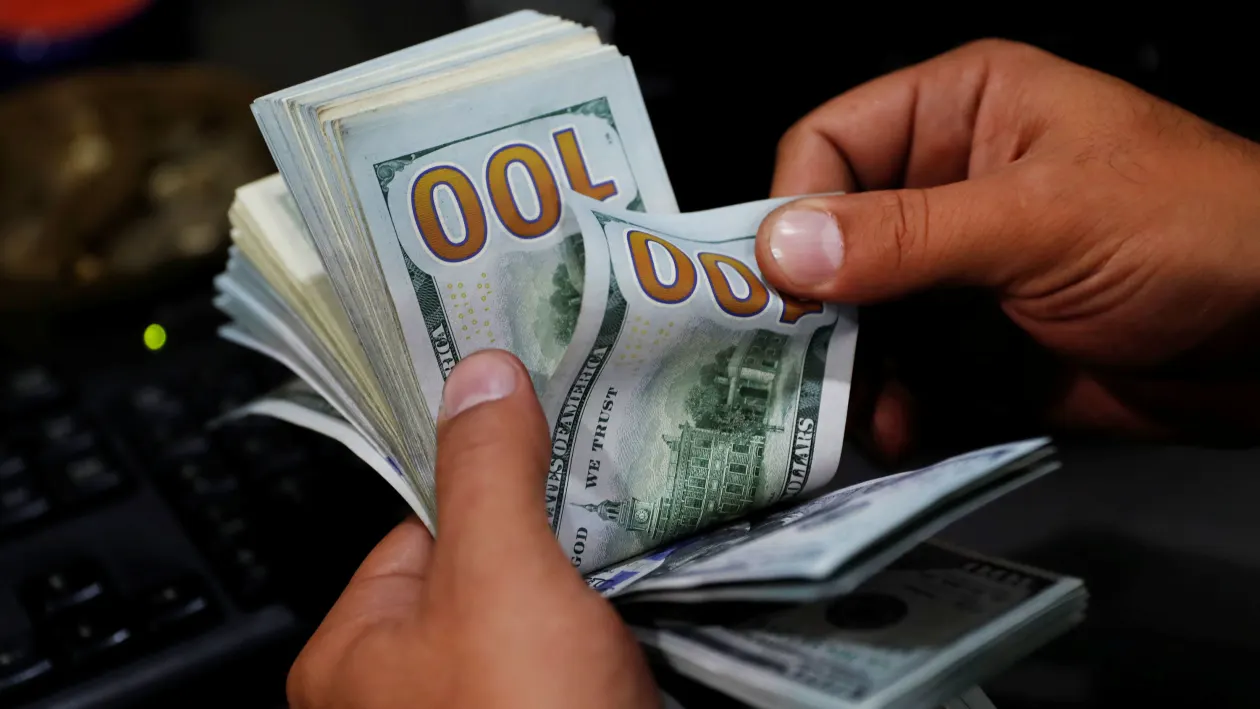
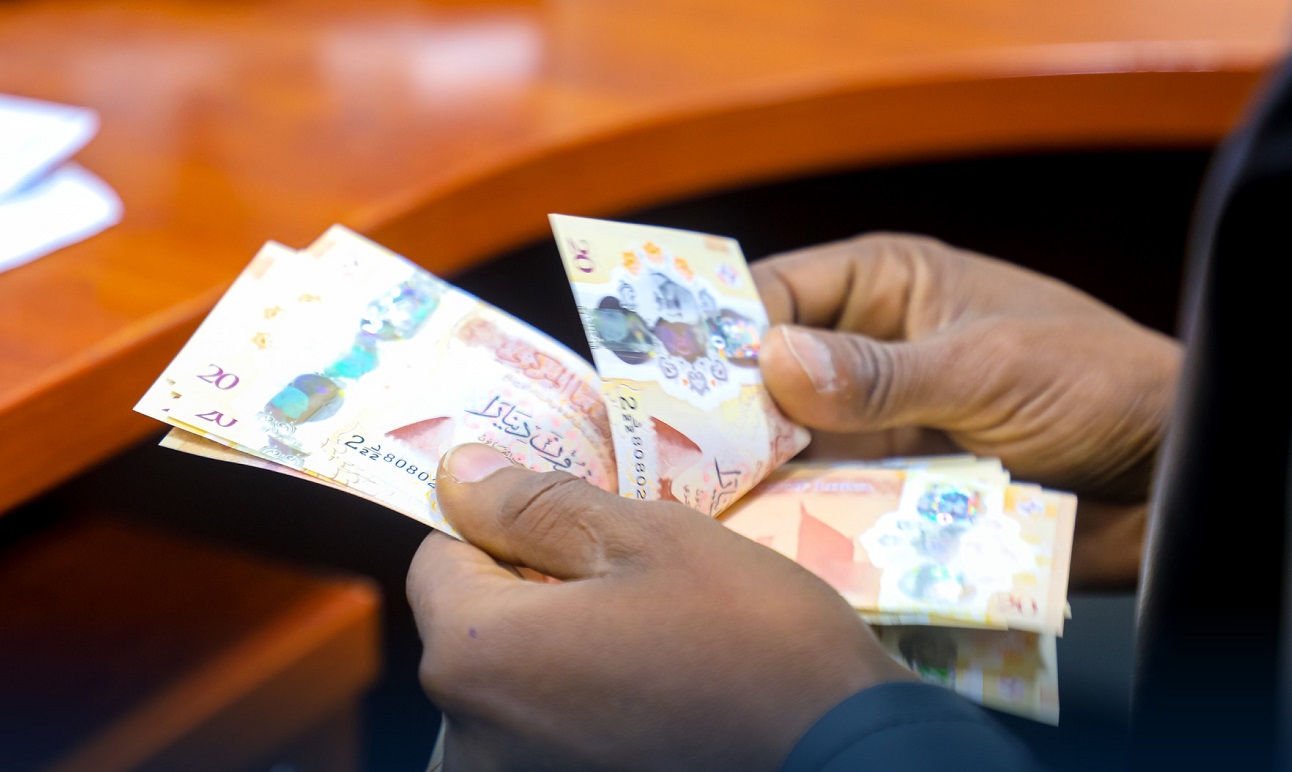
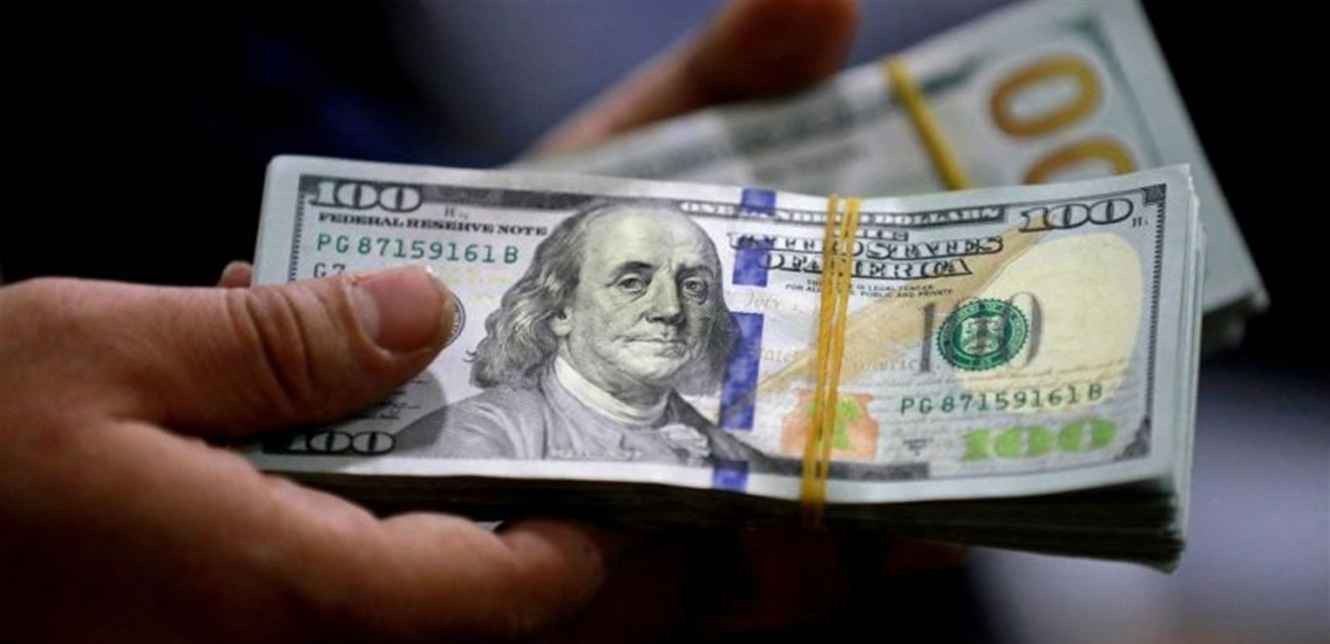
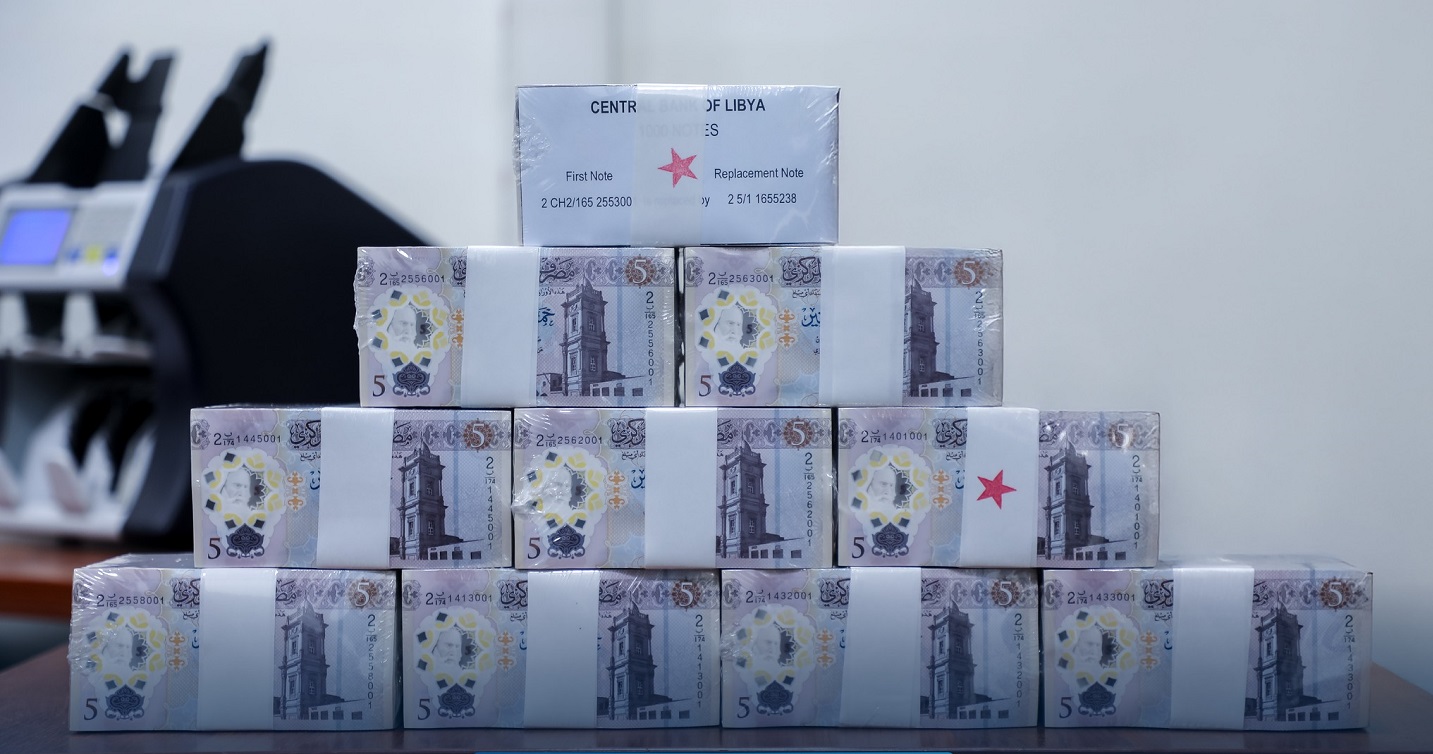
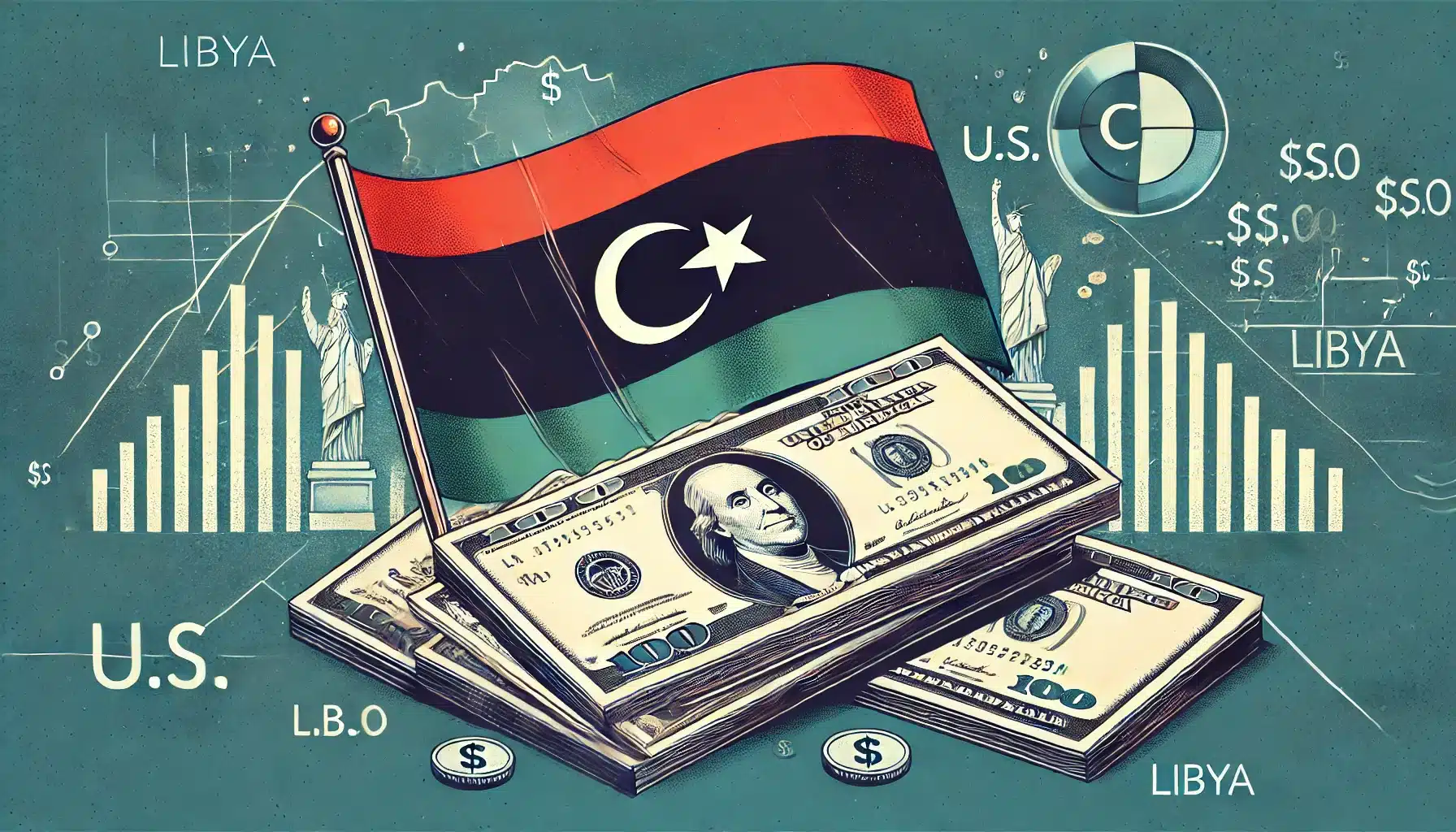
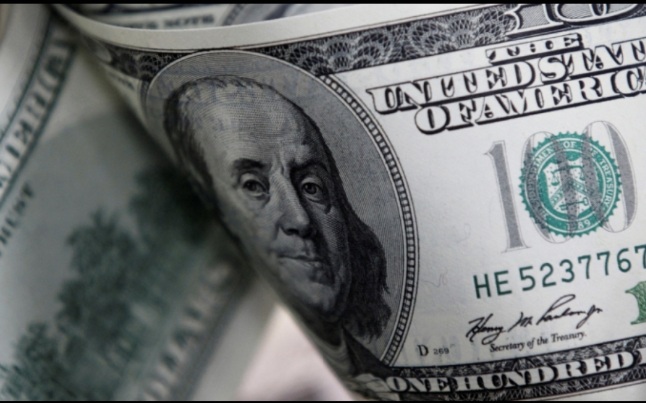
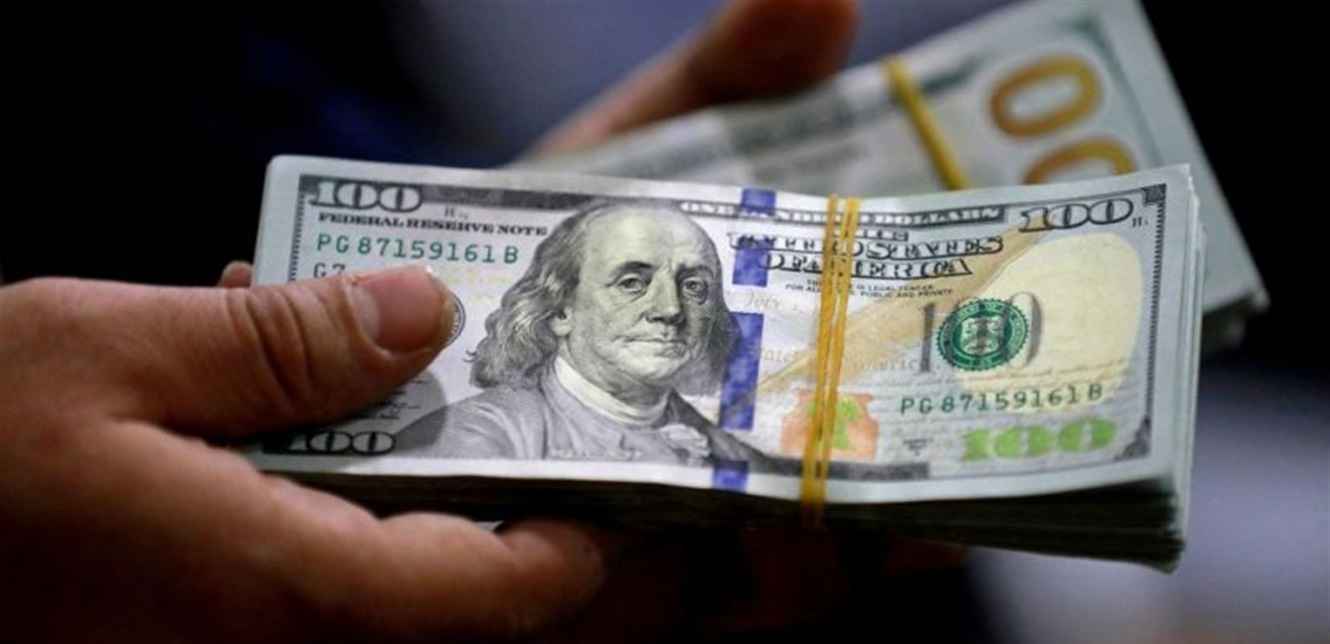
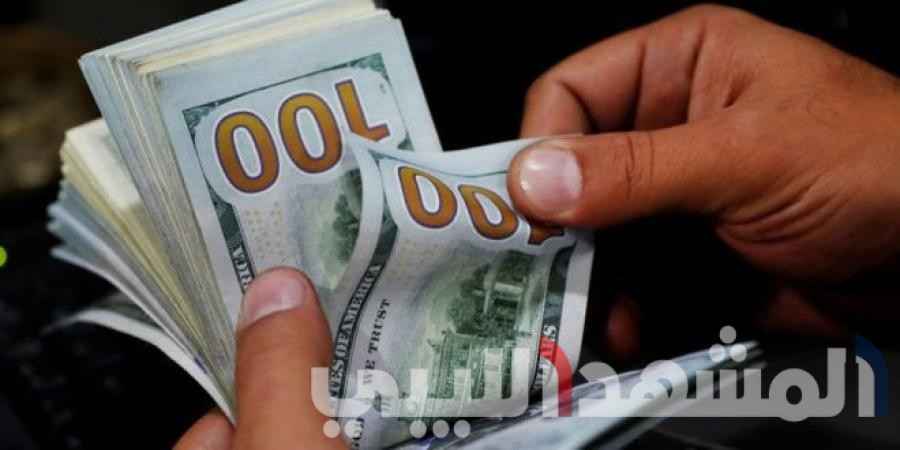
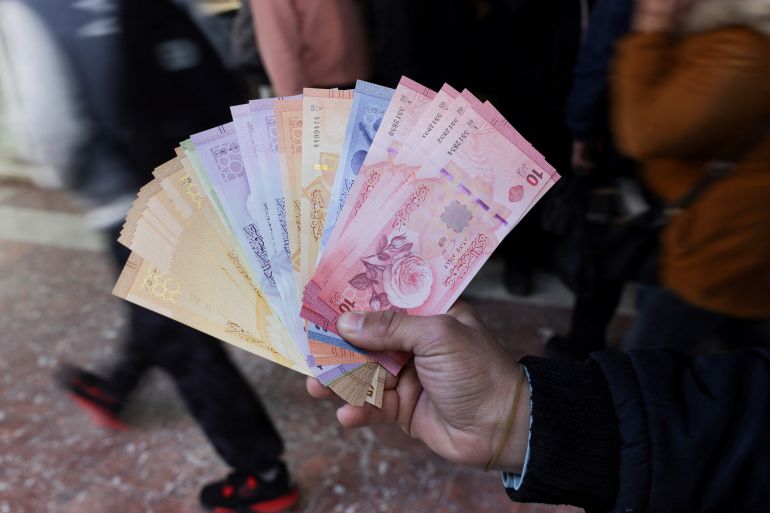
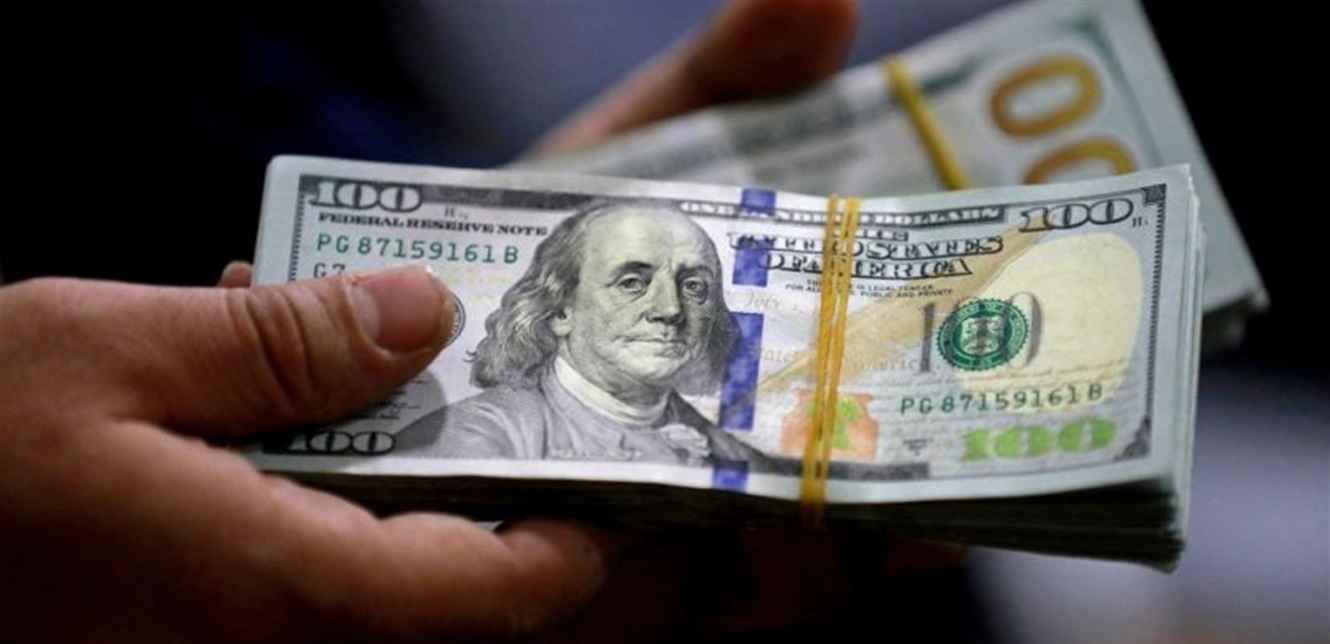
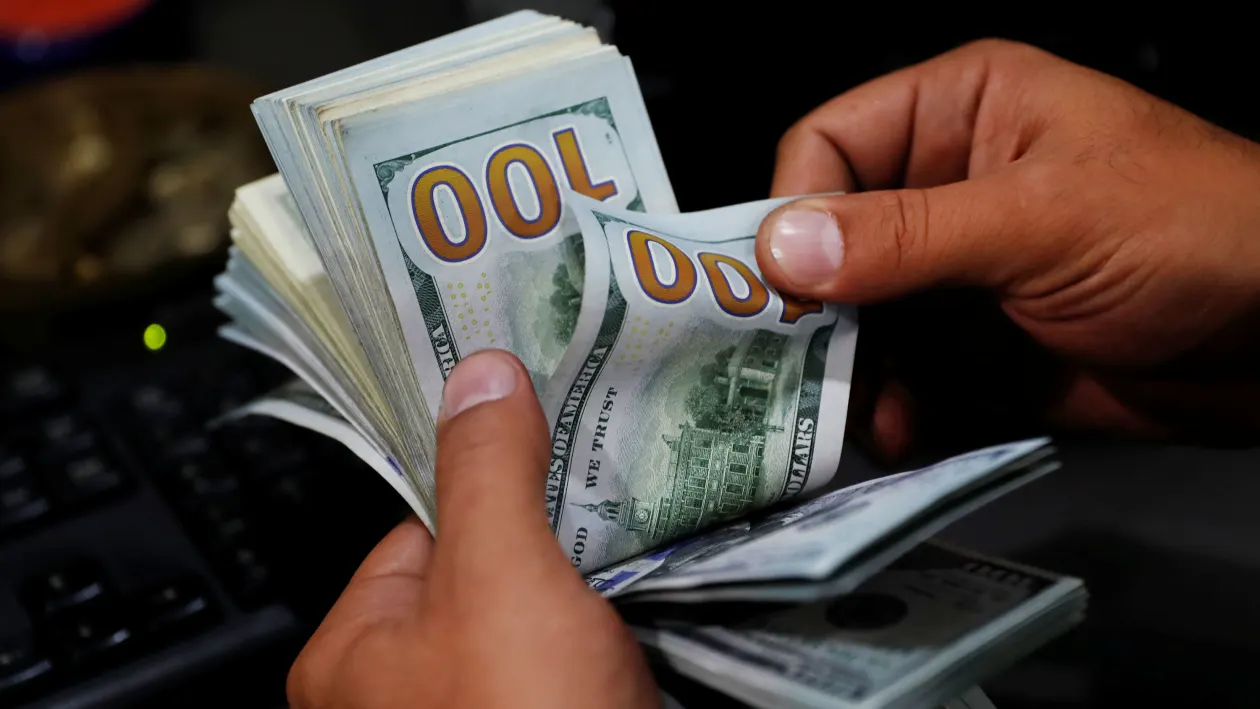
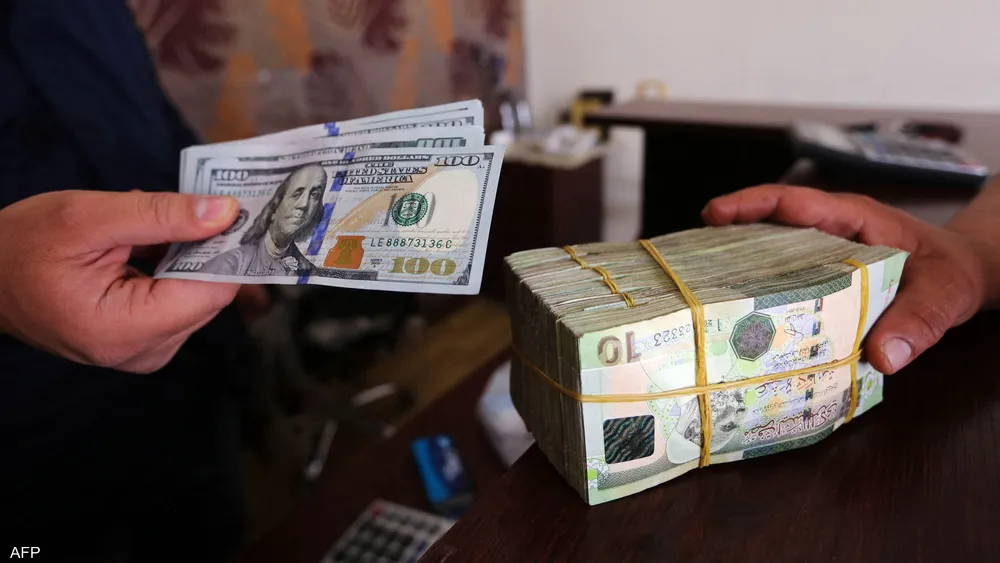
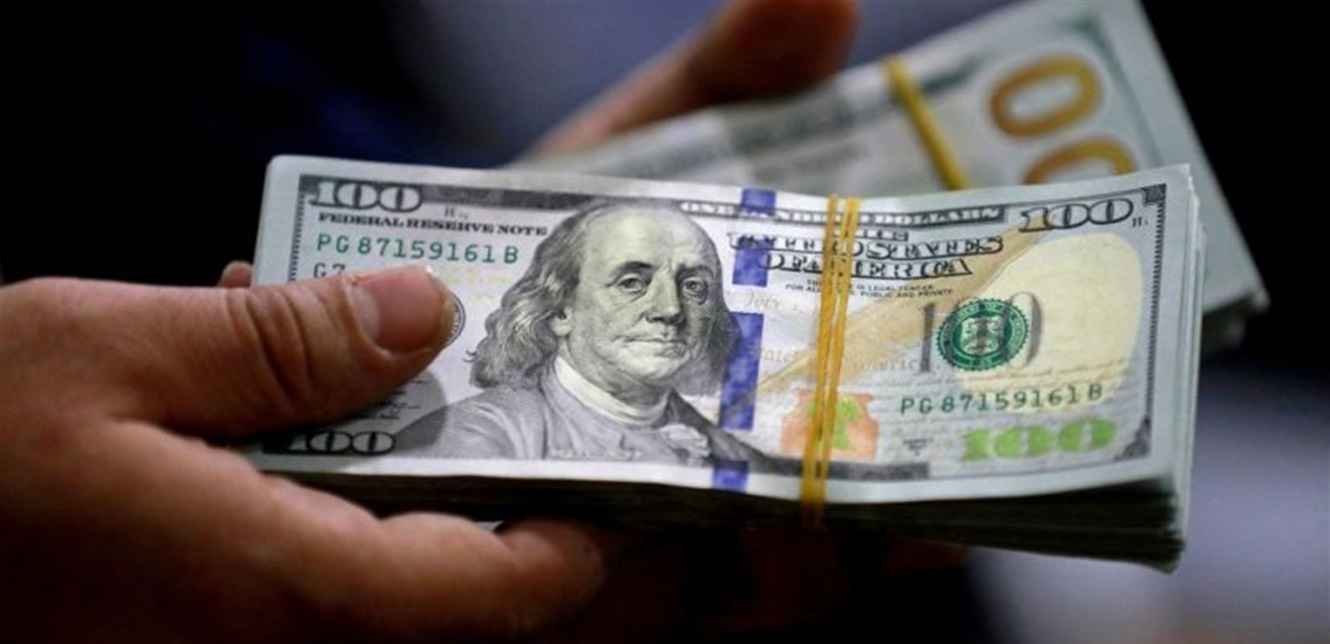
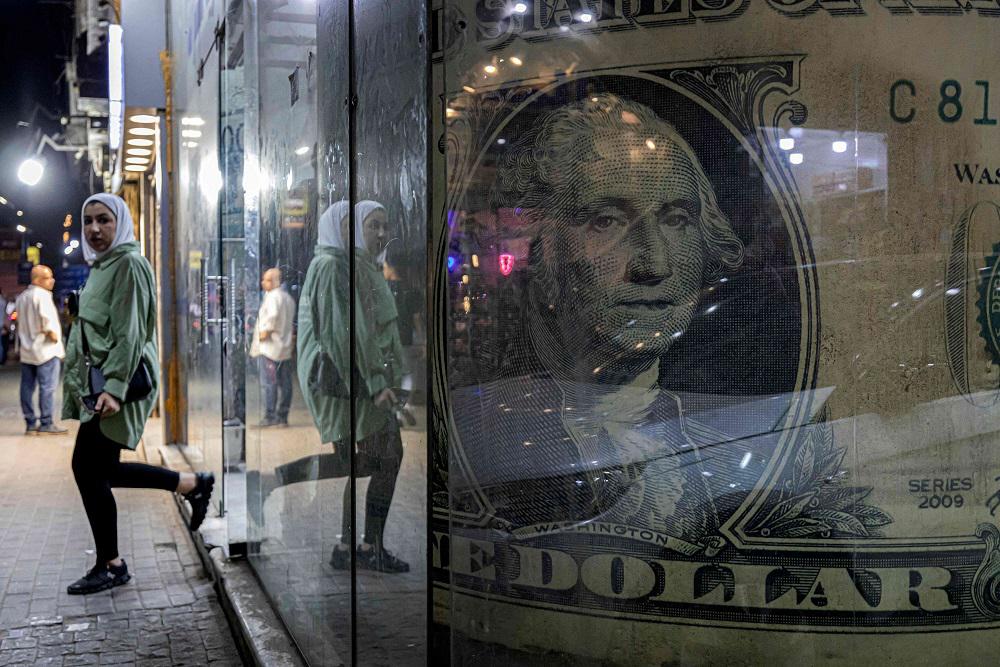
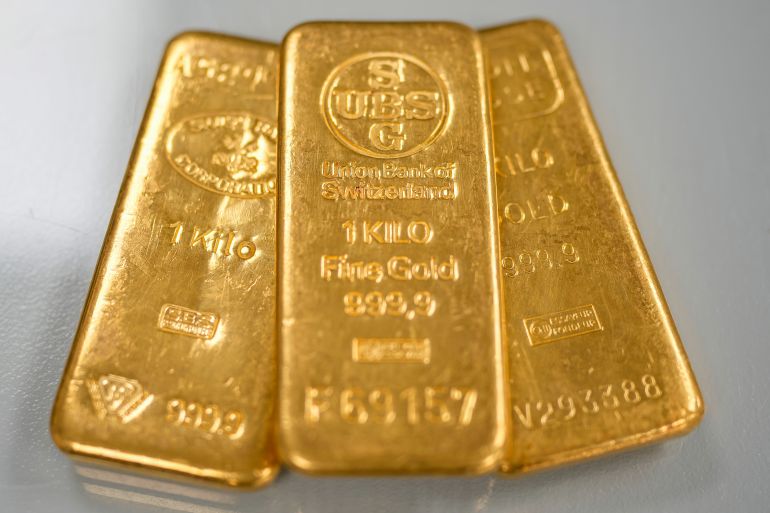
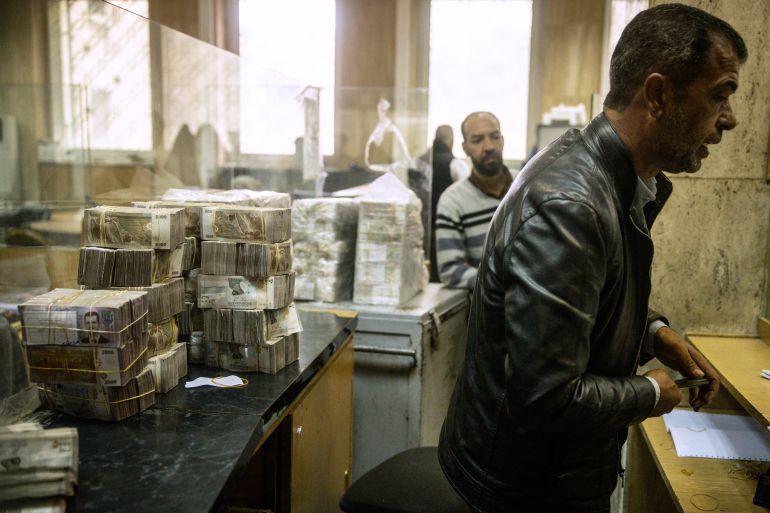
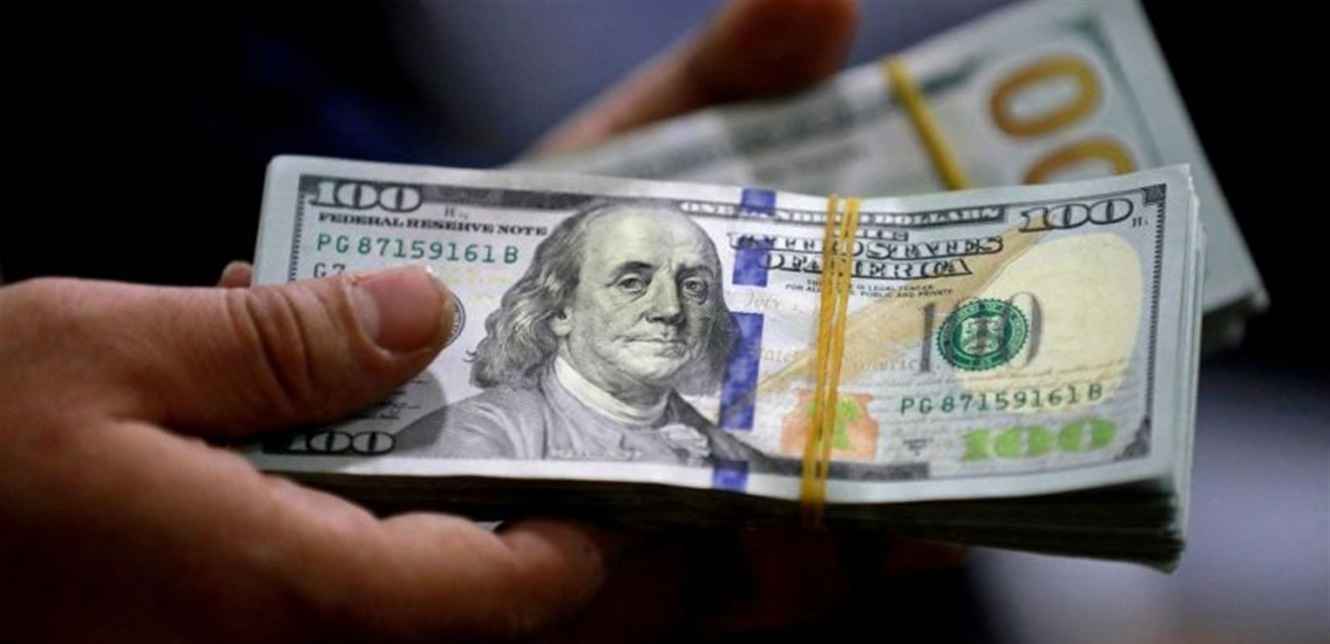
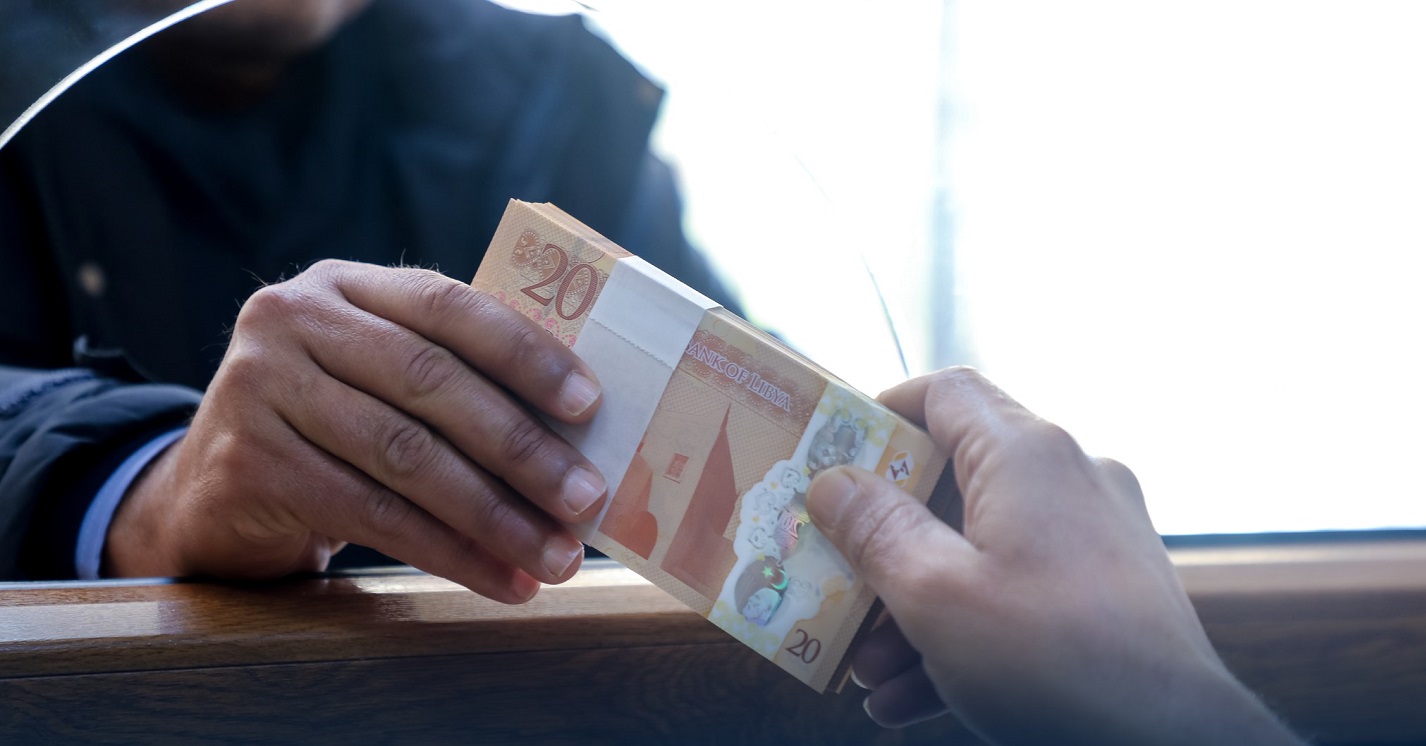
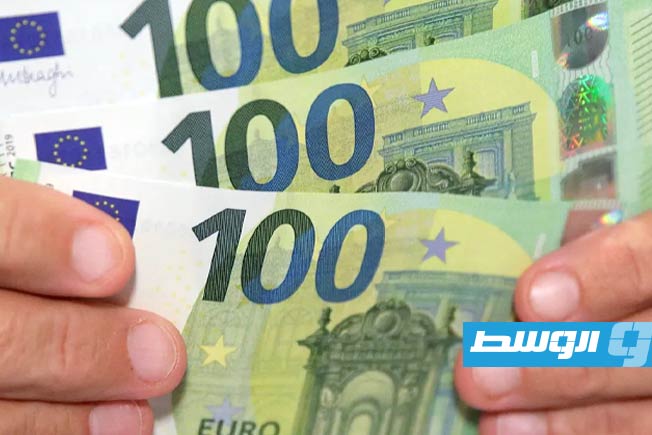
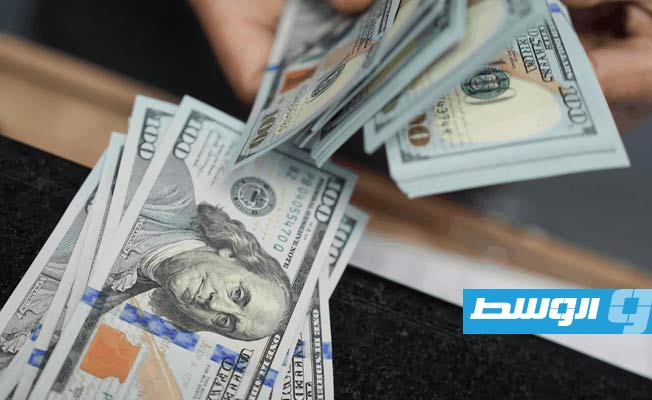
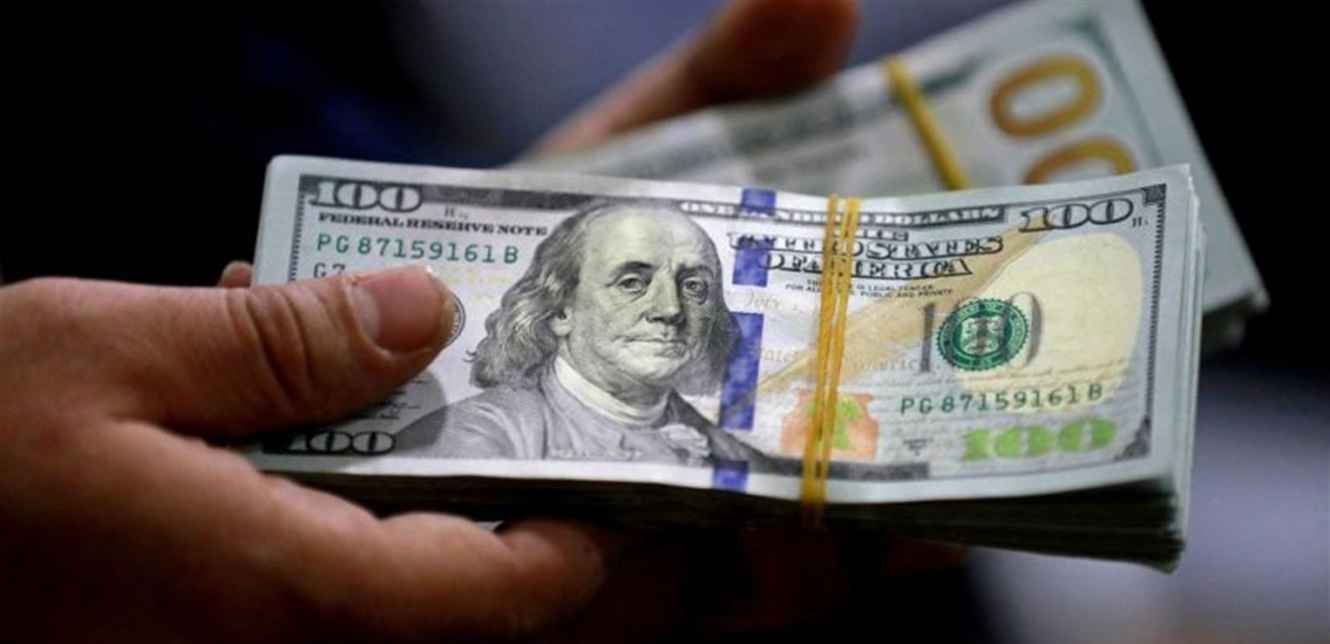
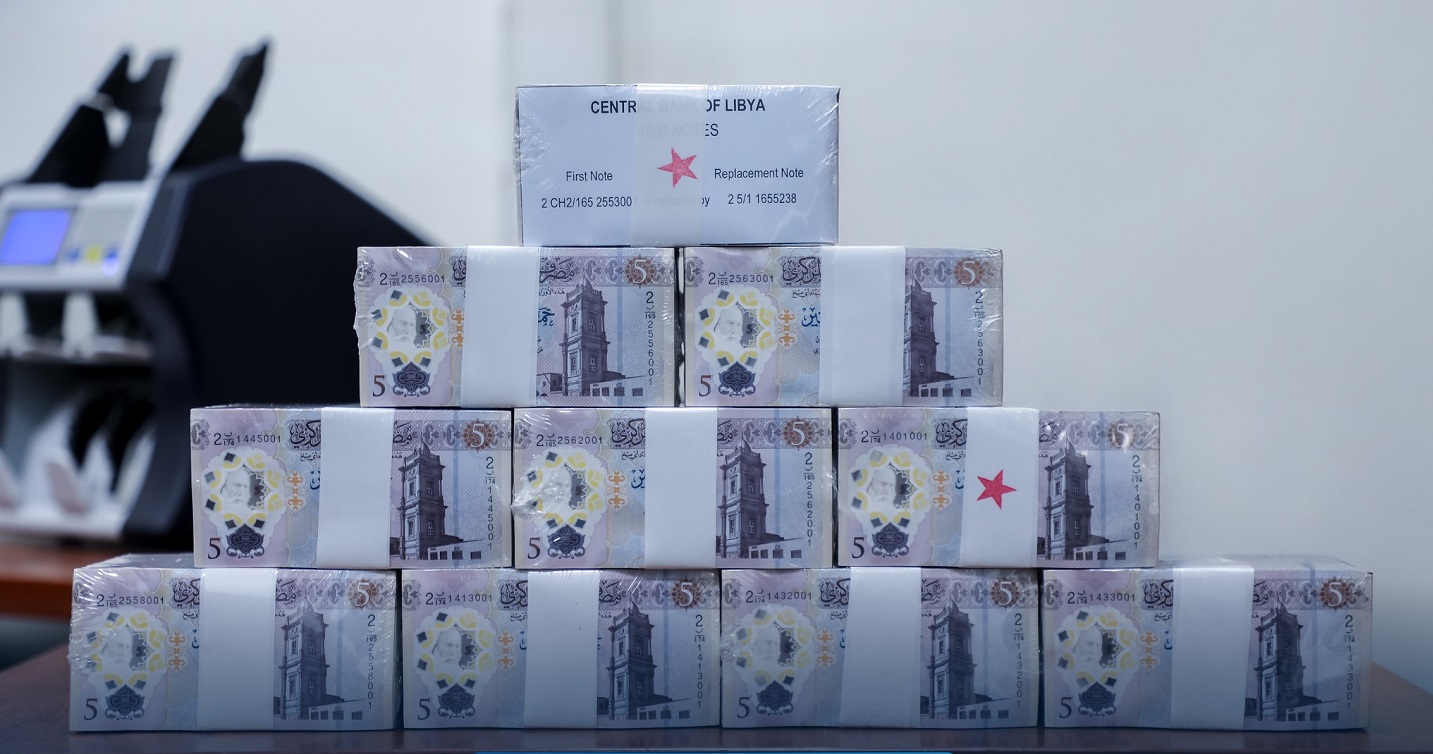
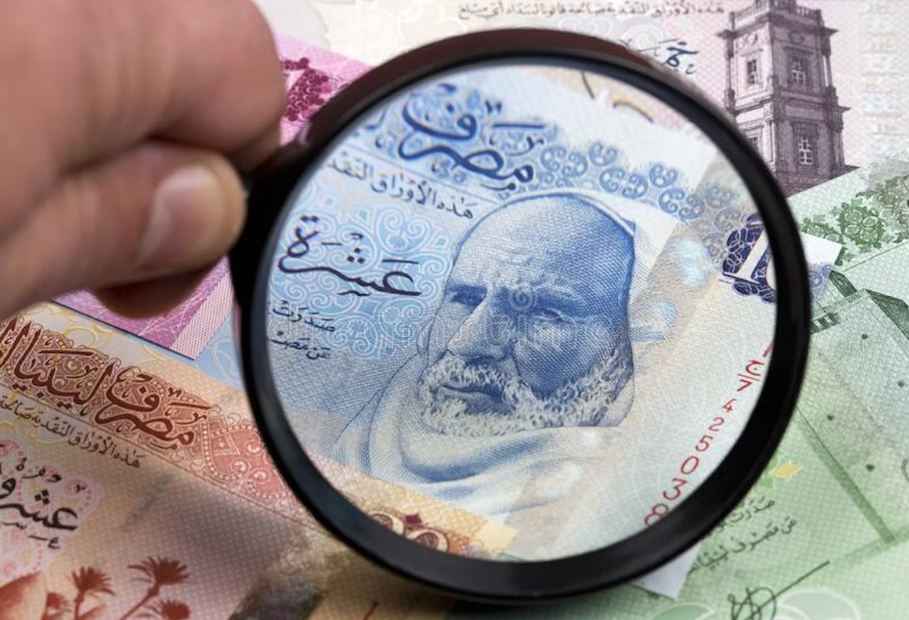
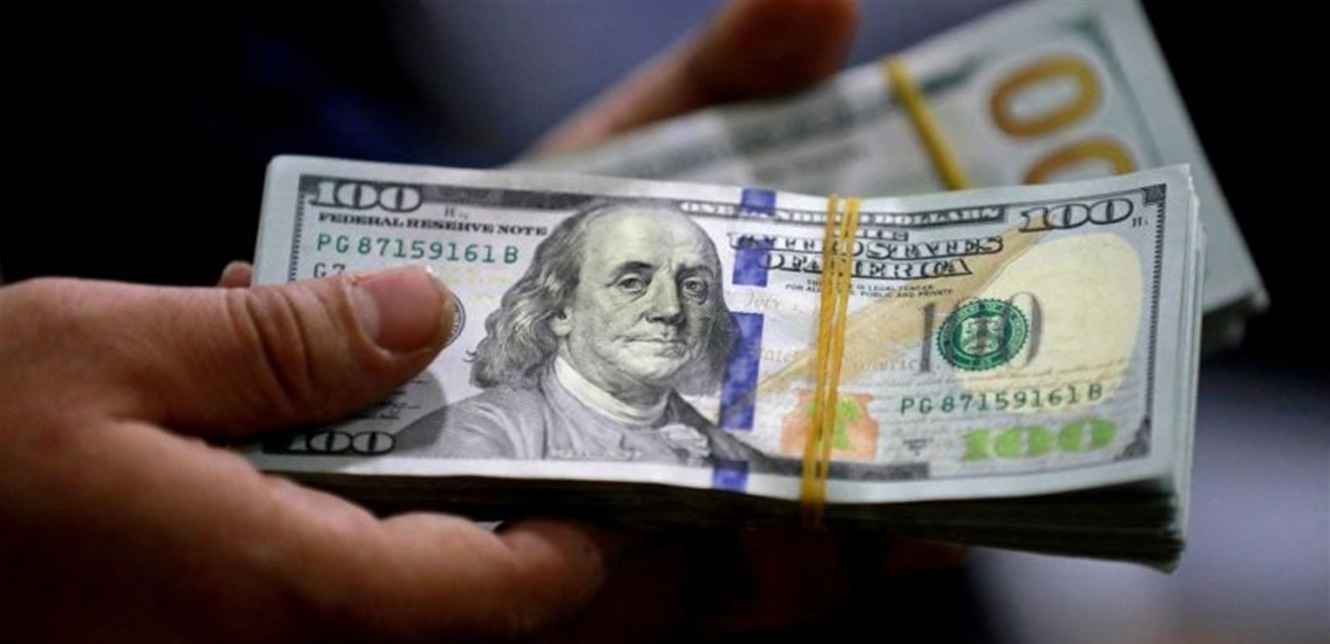
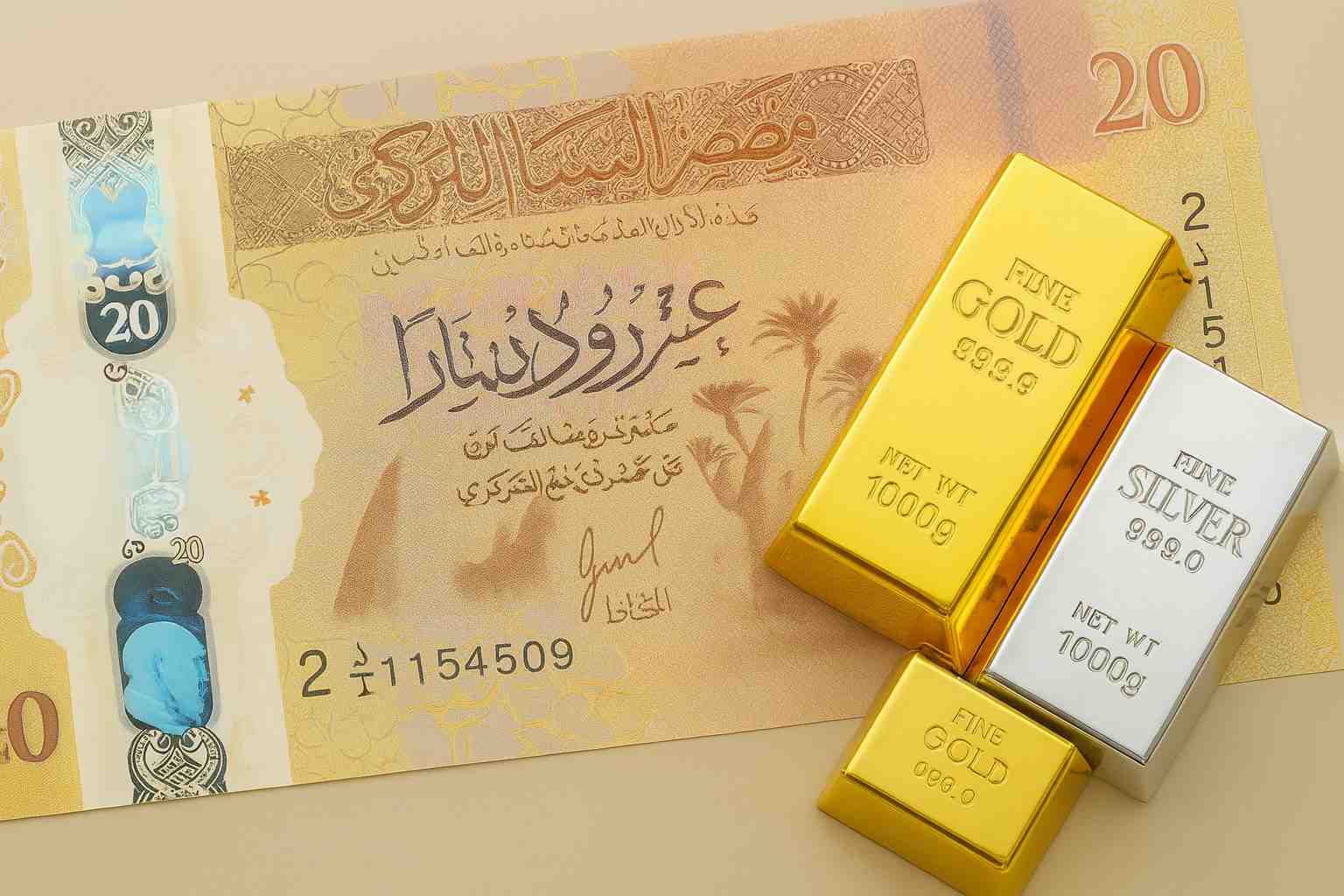
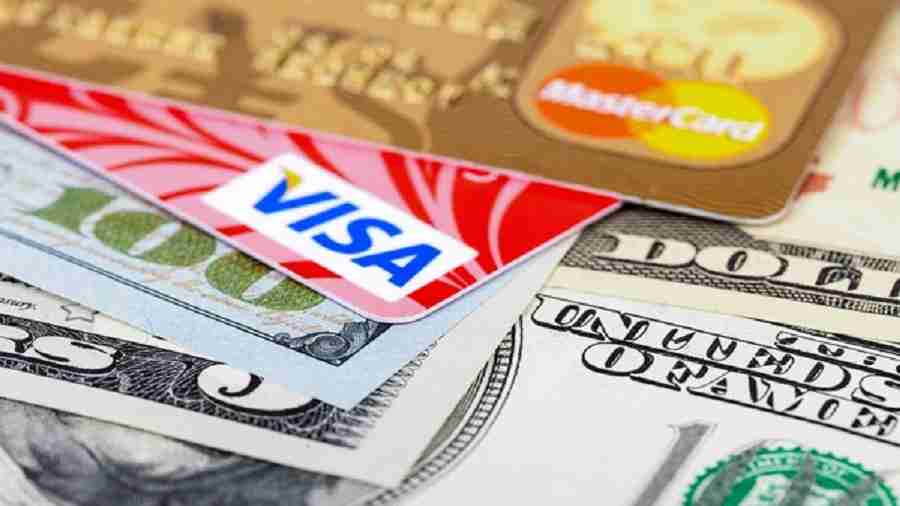
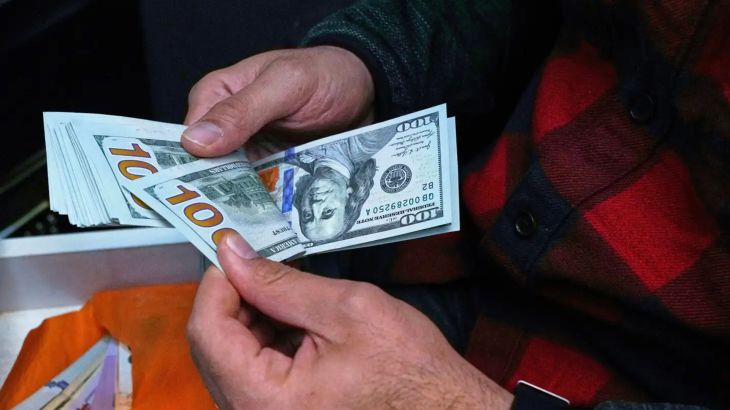
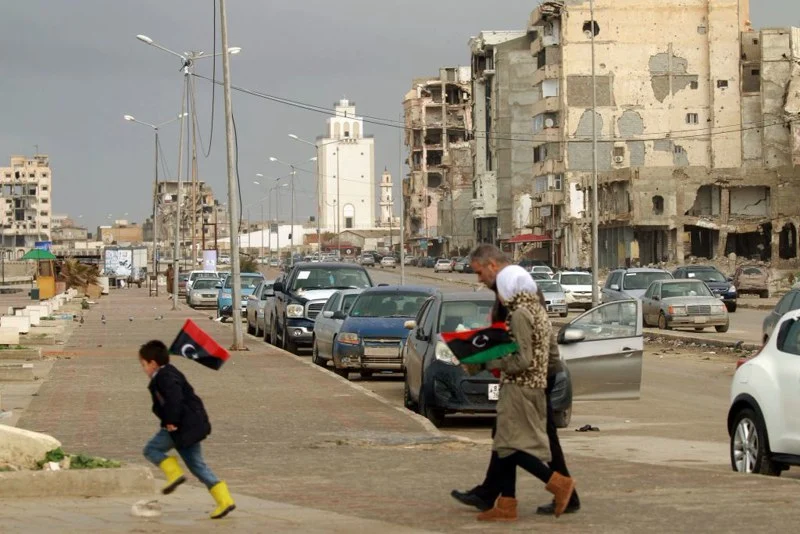
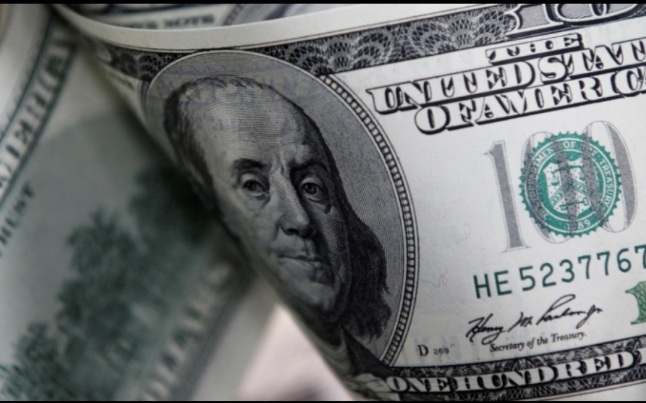
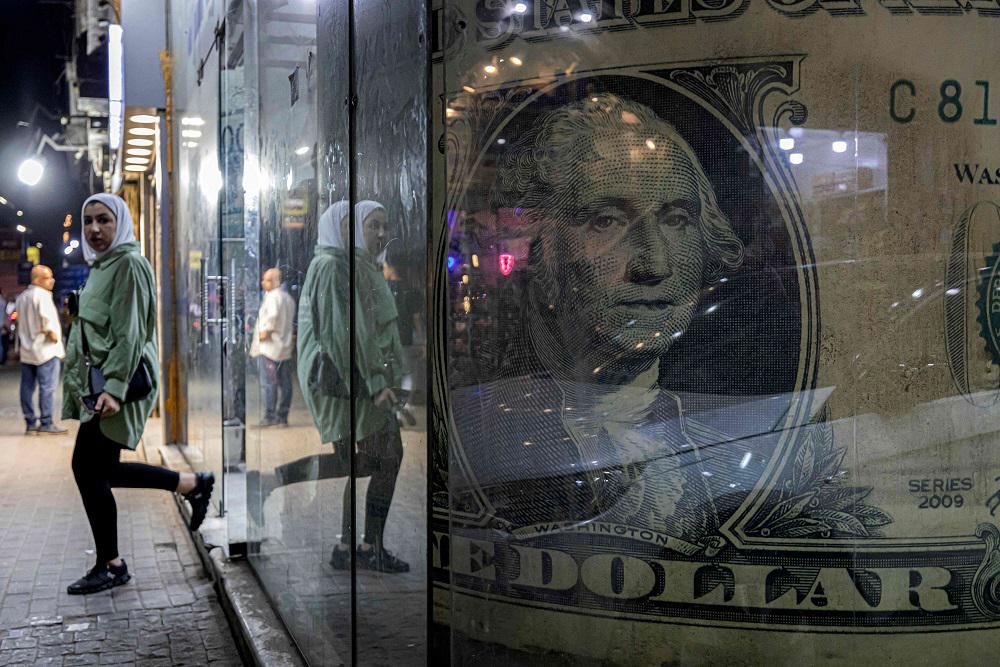
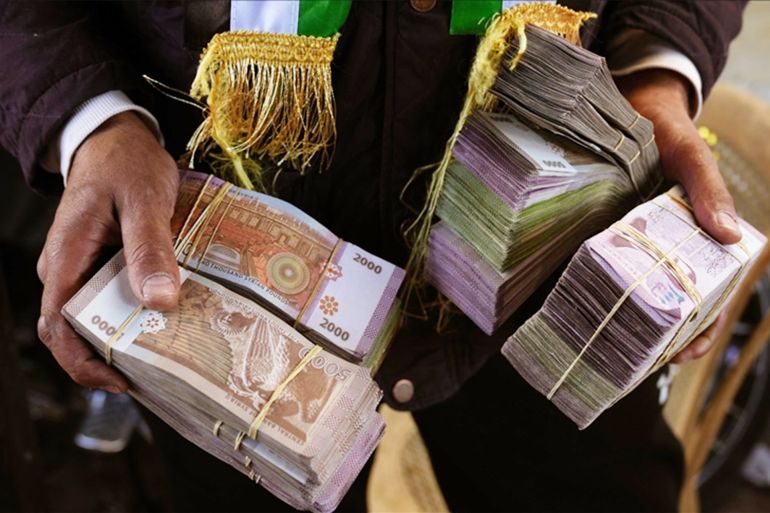
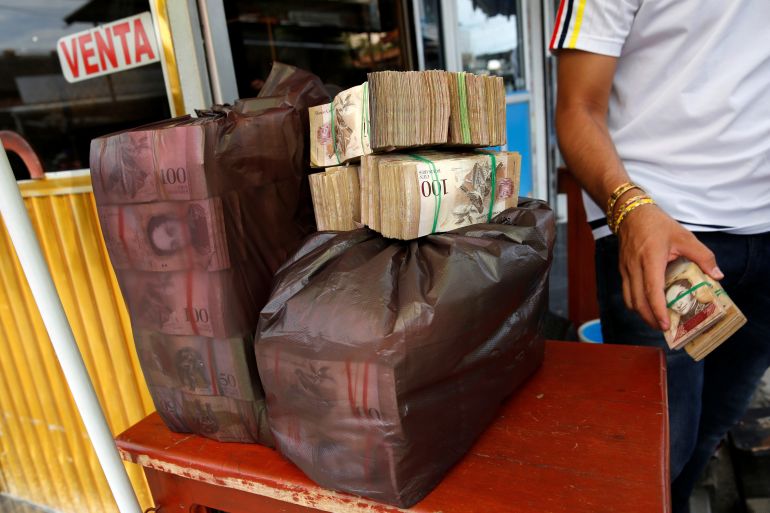
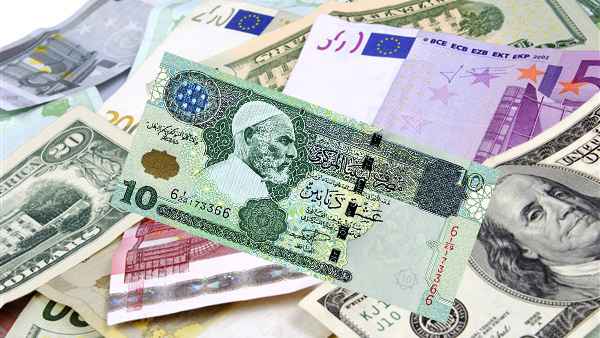
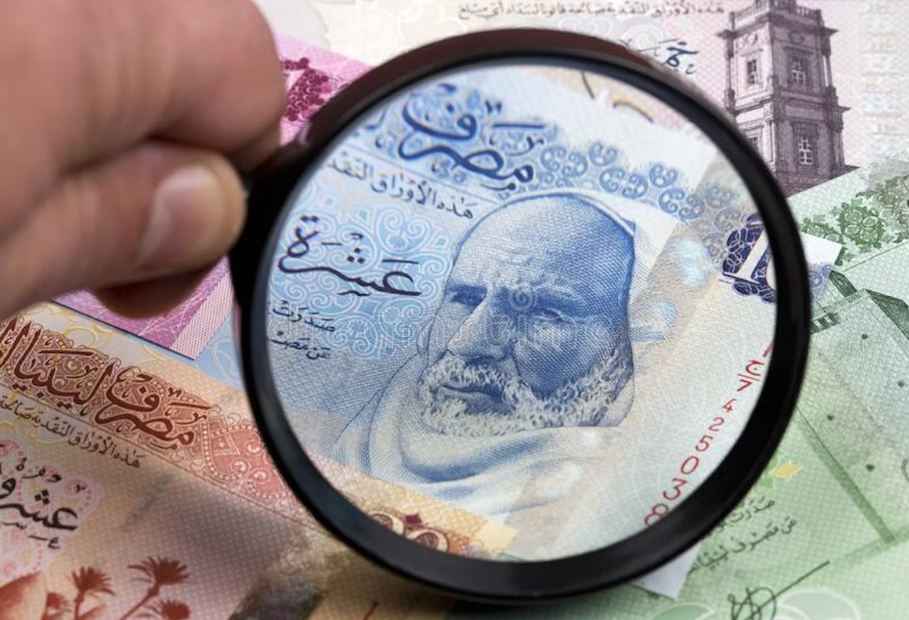
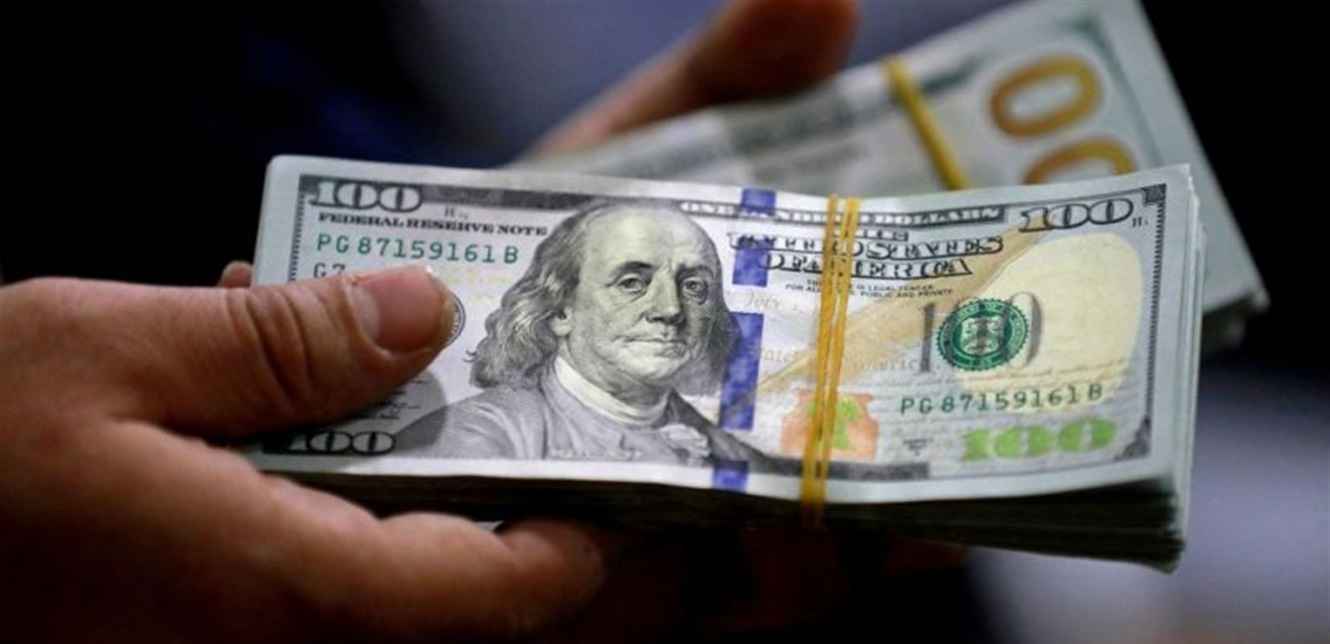
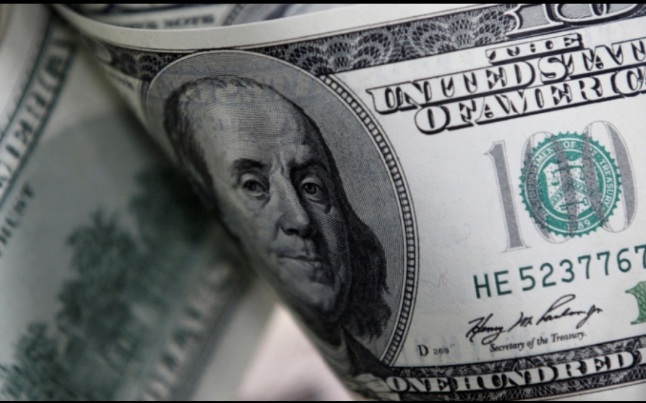
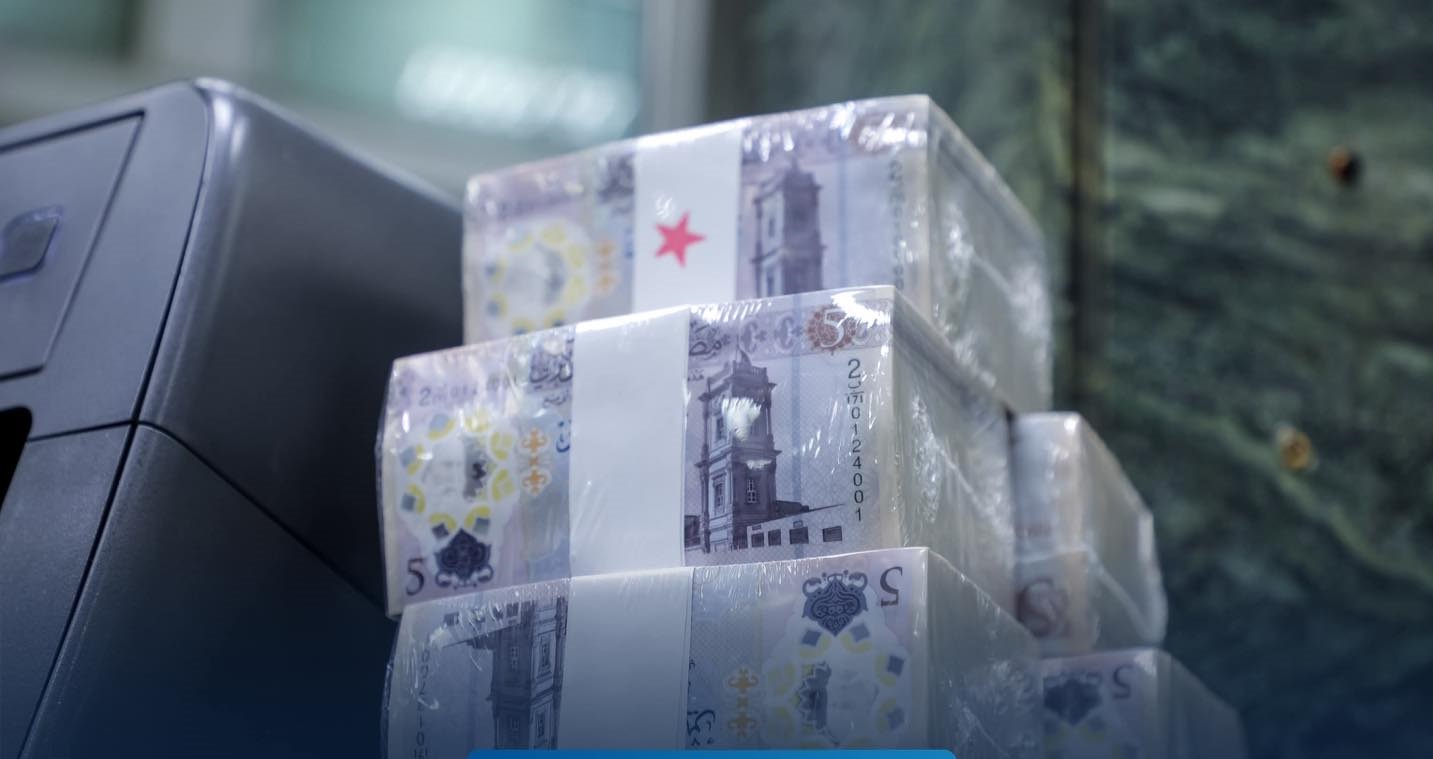
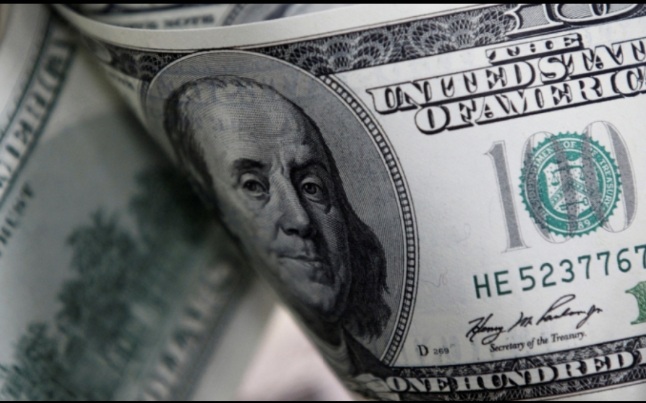
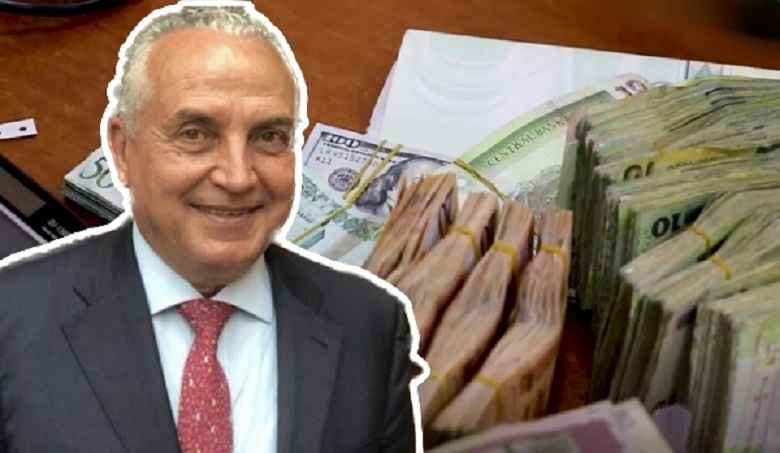
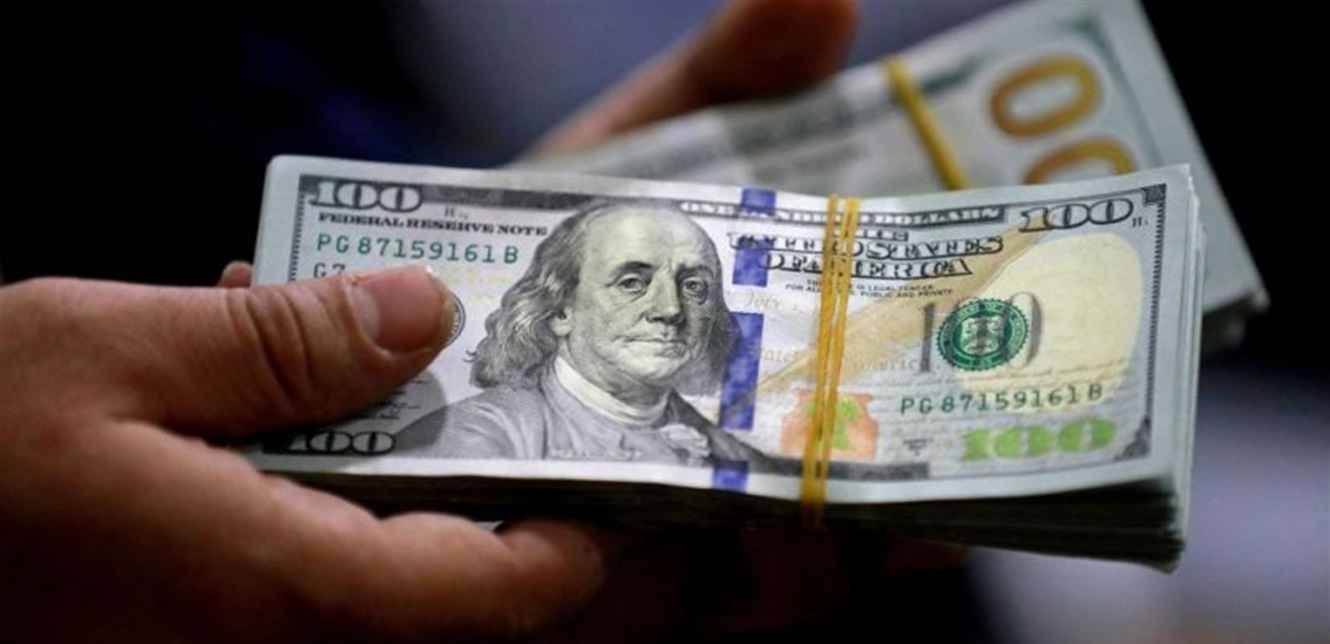
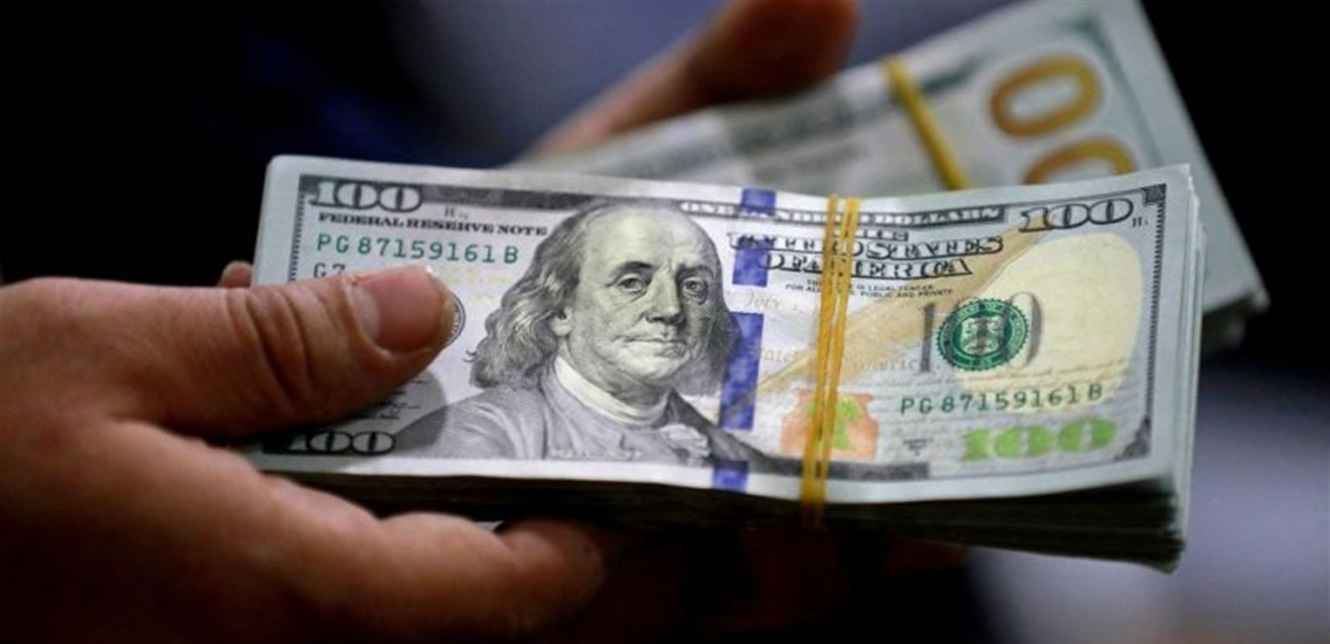
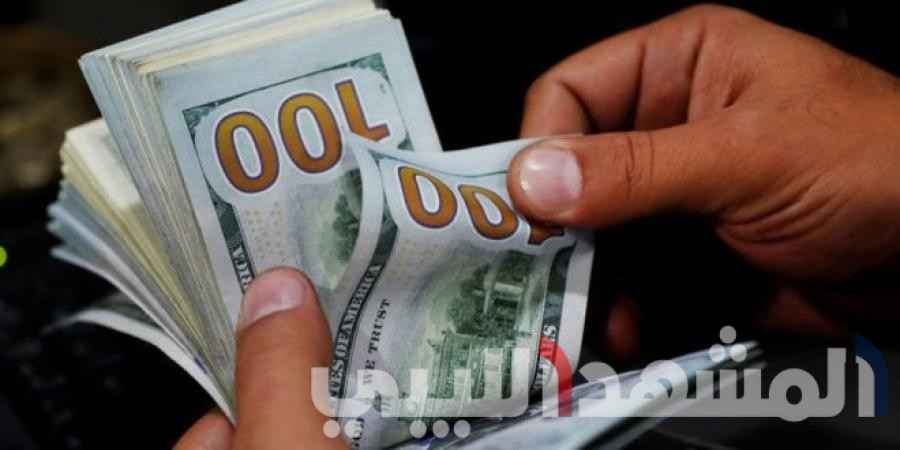
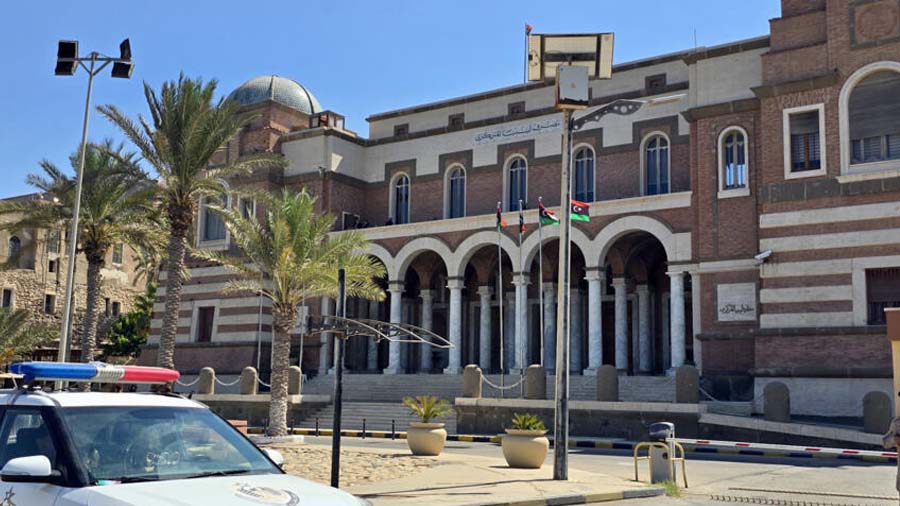
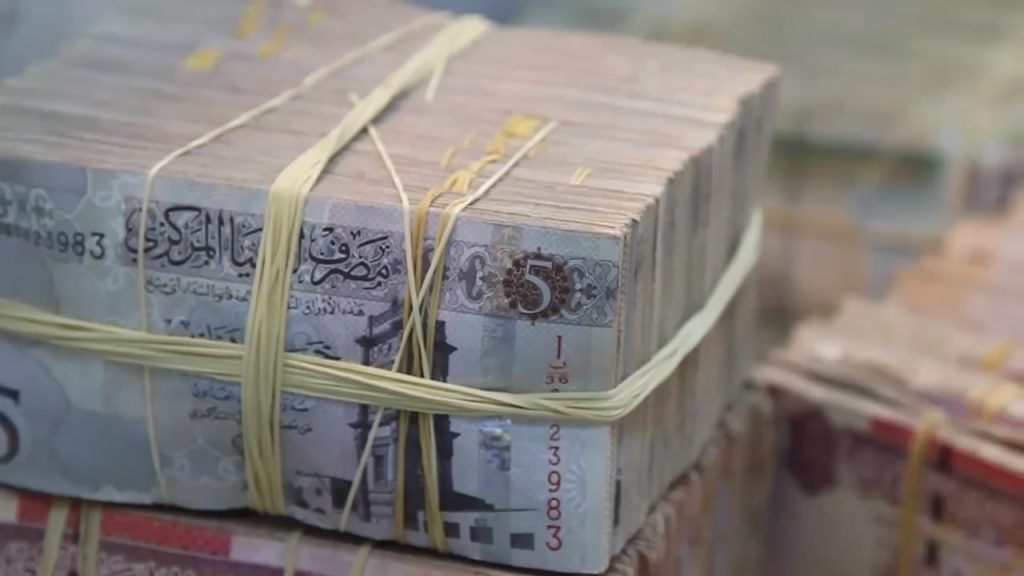
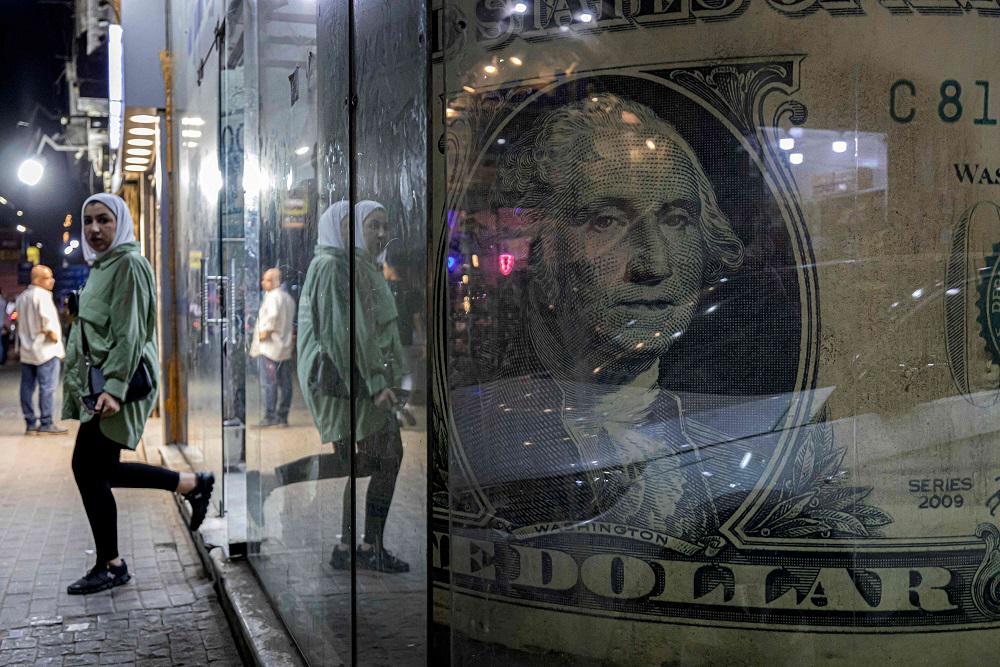
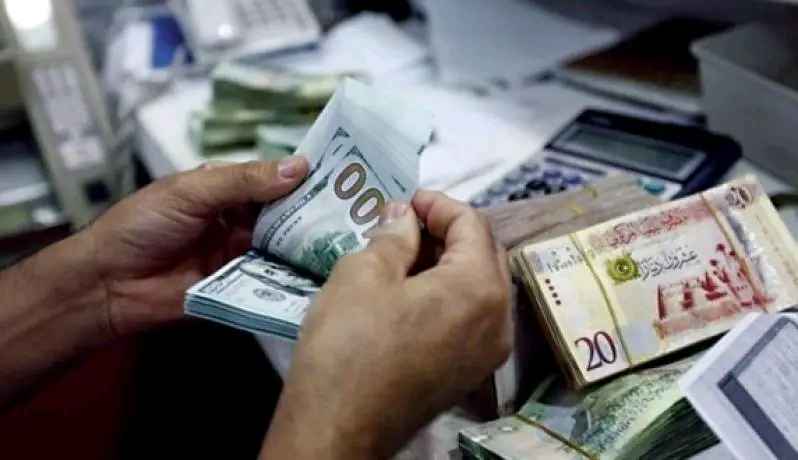
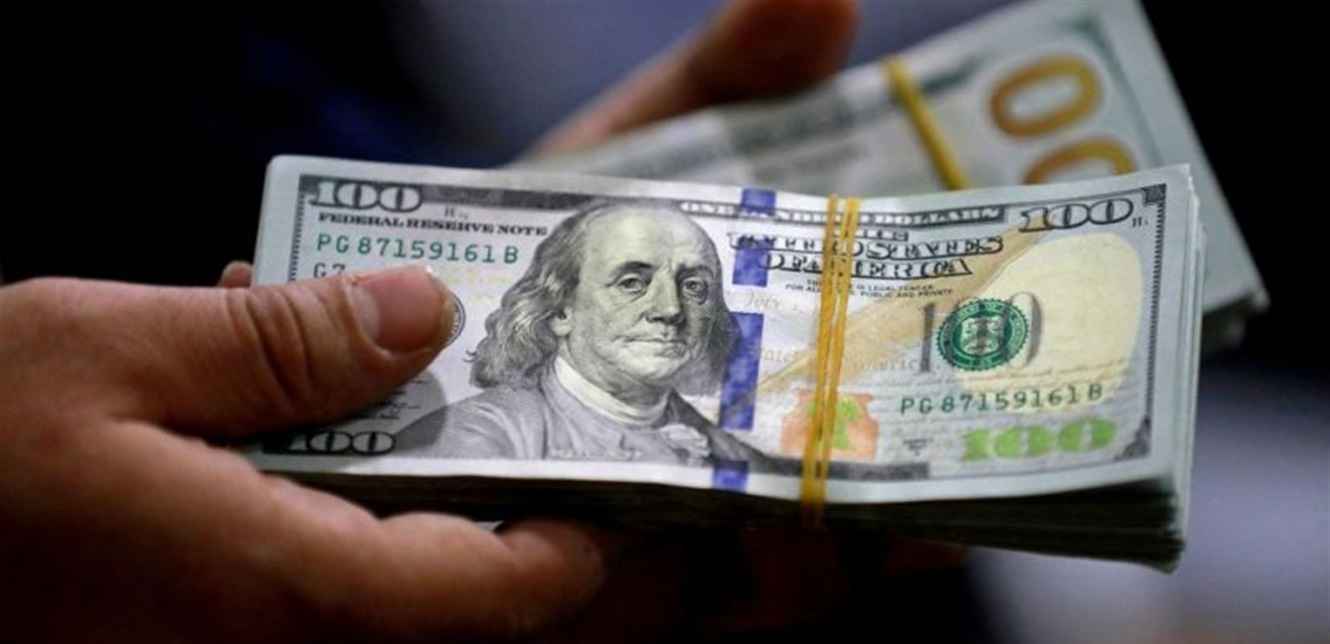
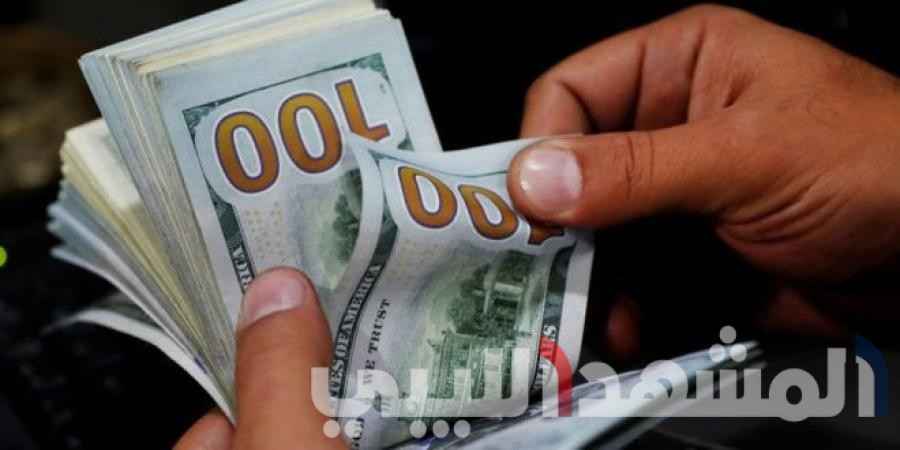
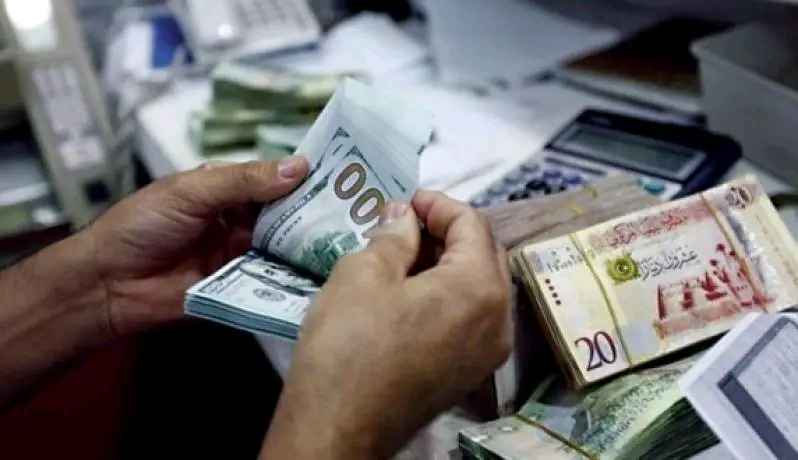
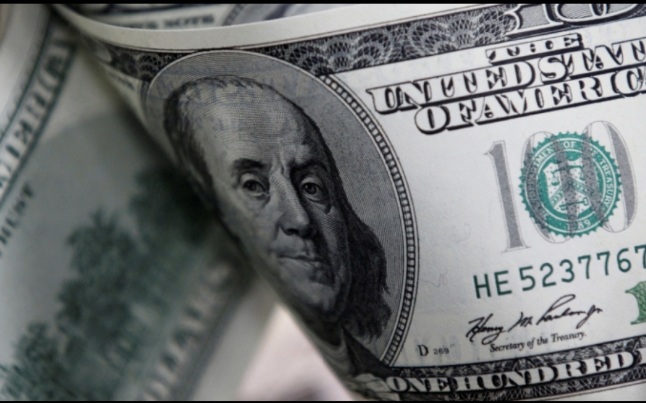
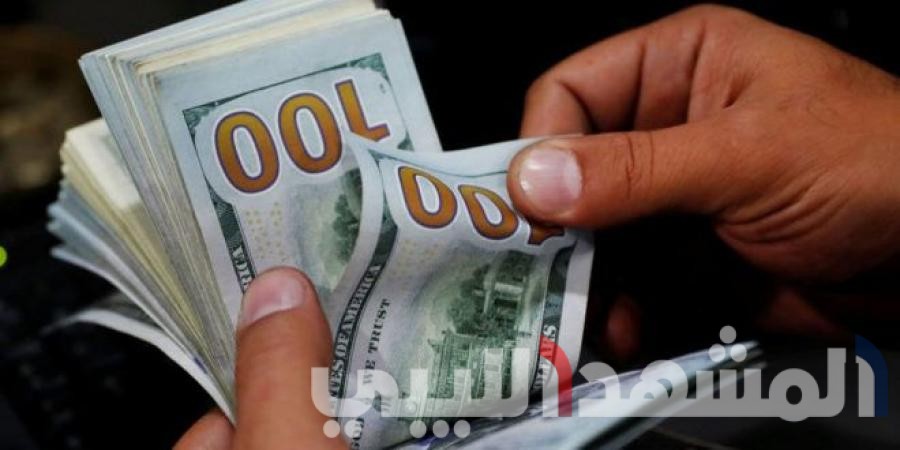
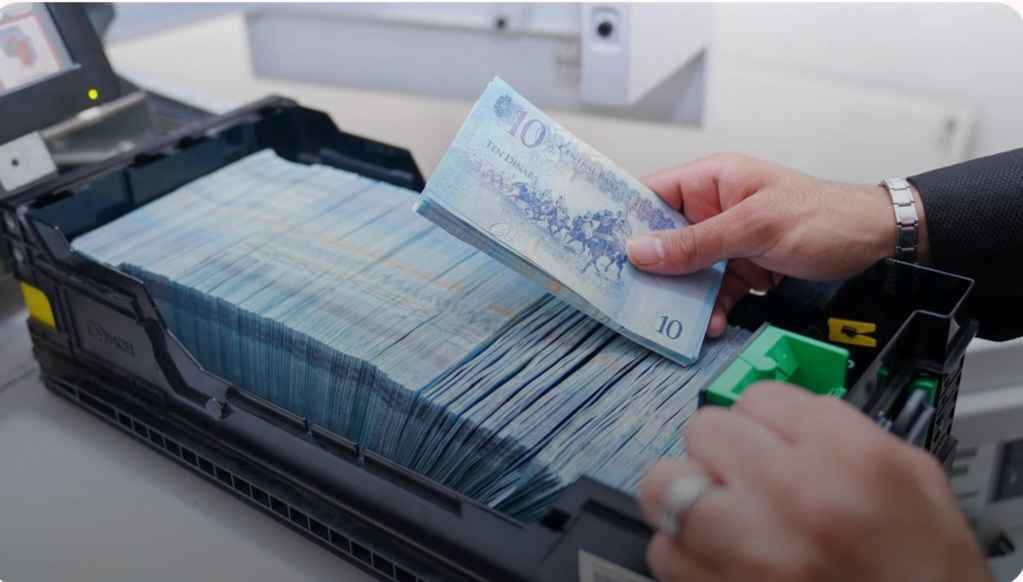
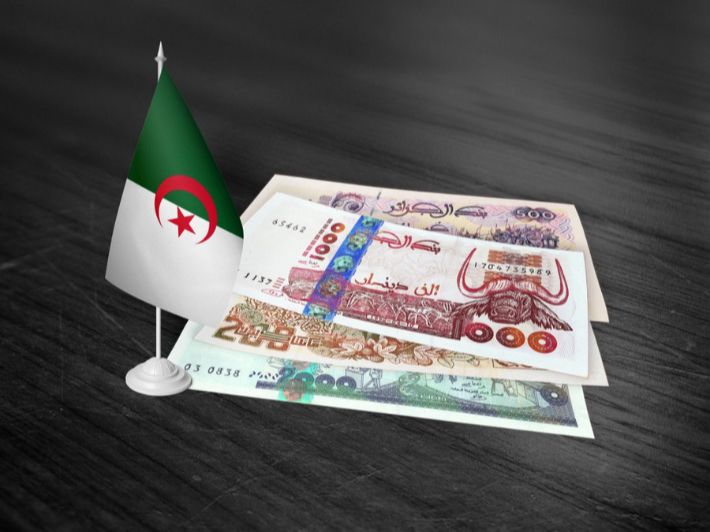
The exchange rate of the US dollar has once again risen significantly against the Libyan dinar in the parallel market’s trading this Saturday, continuing the state of fluctuation that has characterized the exchange markets since the beginning of the week.
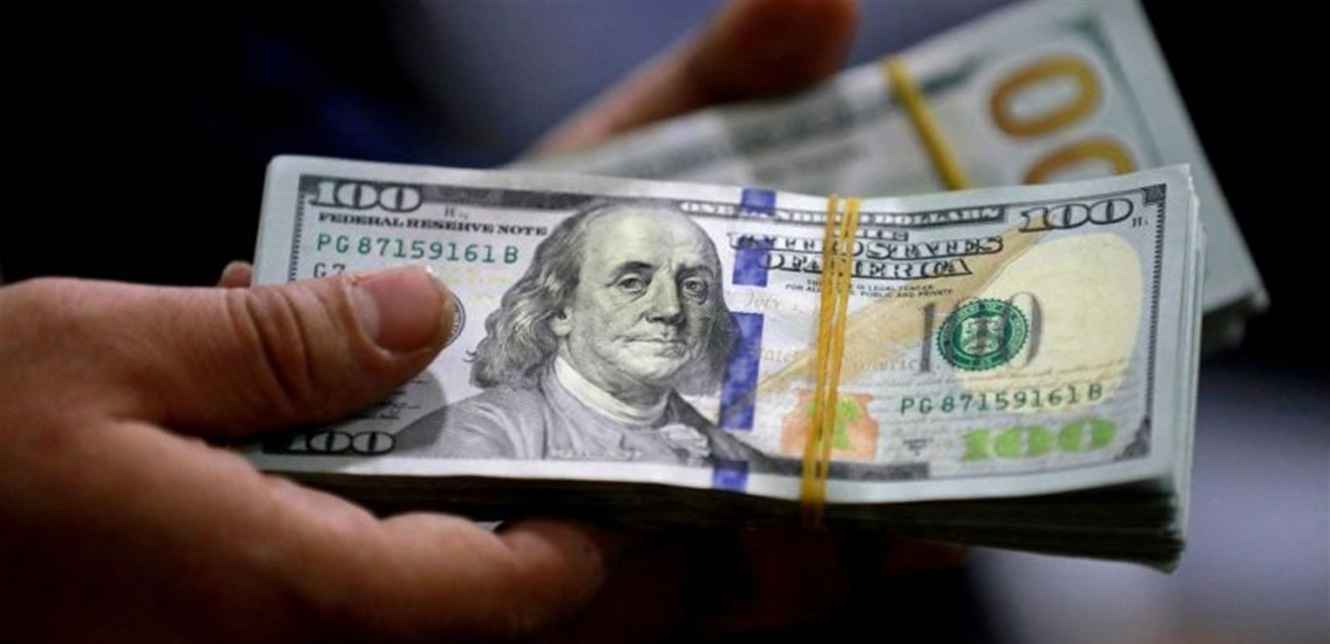
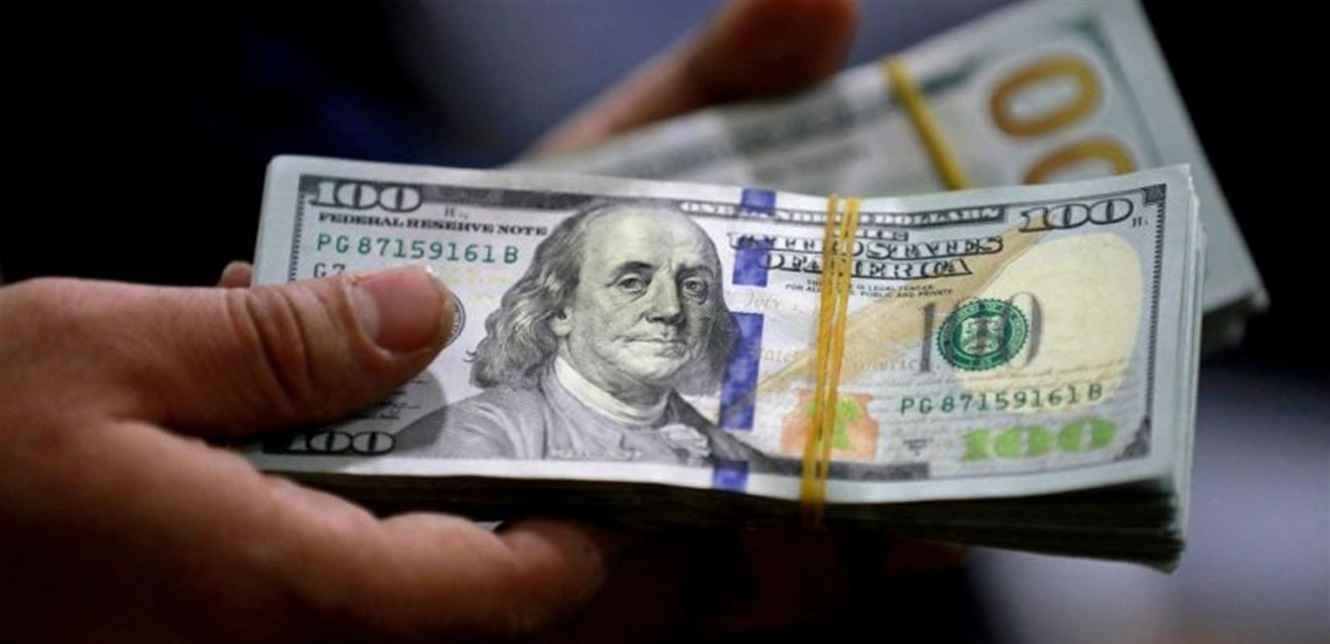
Currency markets in Libya recorded a new increase in the dollar’s exchange rate during the afternoon period. Trading data at 14:45 showed a noticeable rise in the parallel market. The dollar was traded at 9.73 dinars in the Al-Mashir market in Tripoli, while it stabilized at 9.68 dinars in the Venice market in Benghazi, and its price reached 9.72 dinars in Zliten.
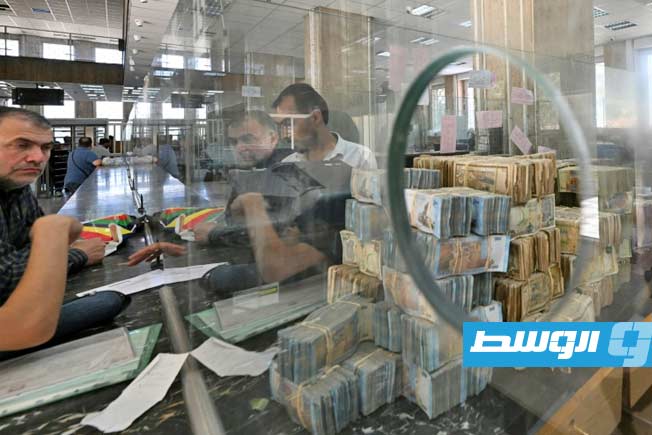
In the realm of bank checks and transfer dealings, the dollar recorded an additional increase, reaching 10.89 dinars. This level reflects the widening gap between cash and checks, coinciding with increased demand for hard currency over the past few hours.
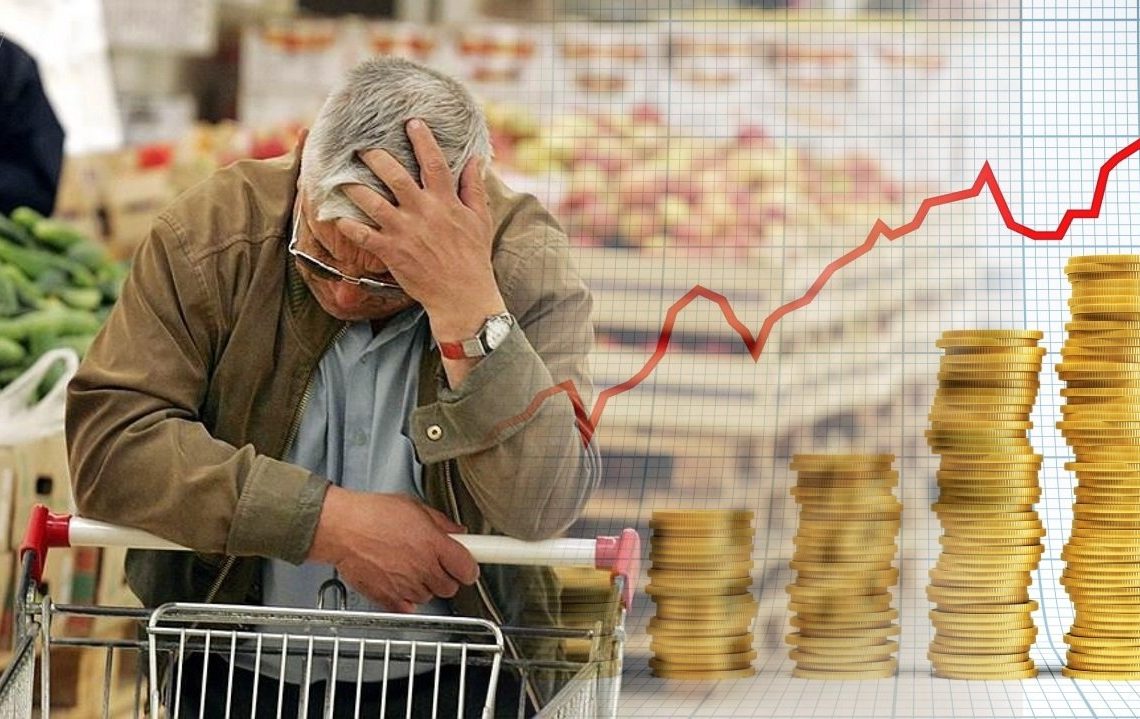
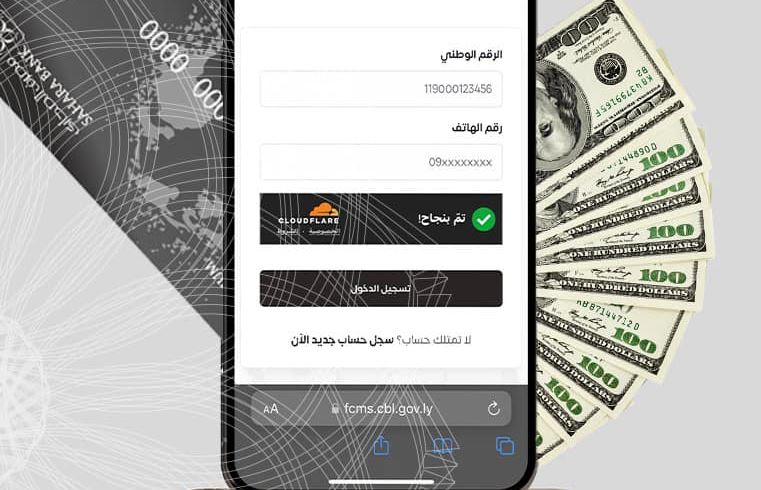
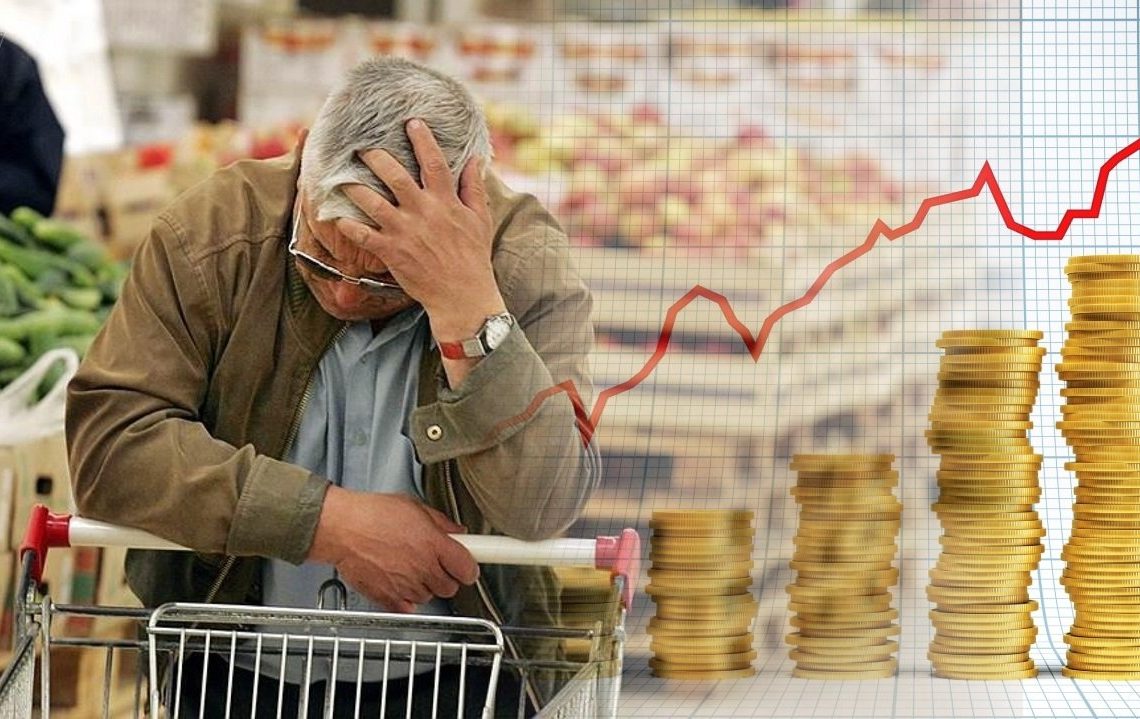
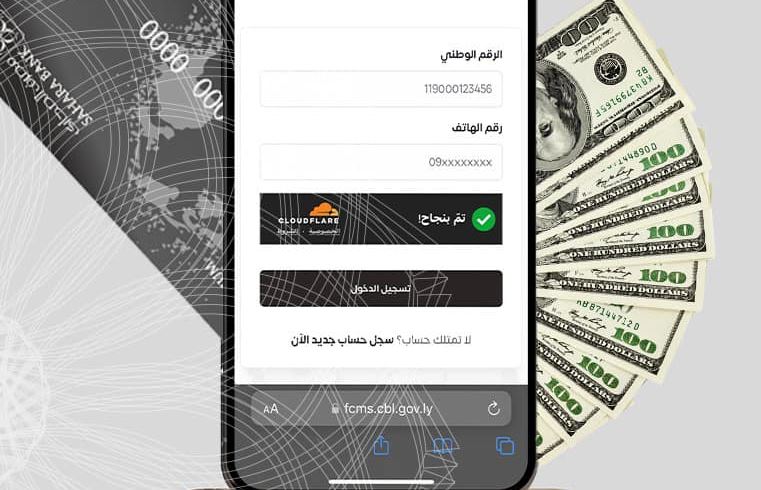
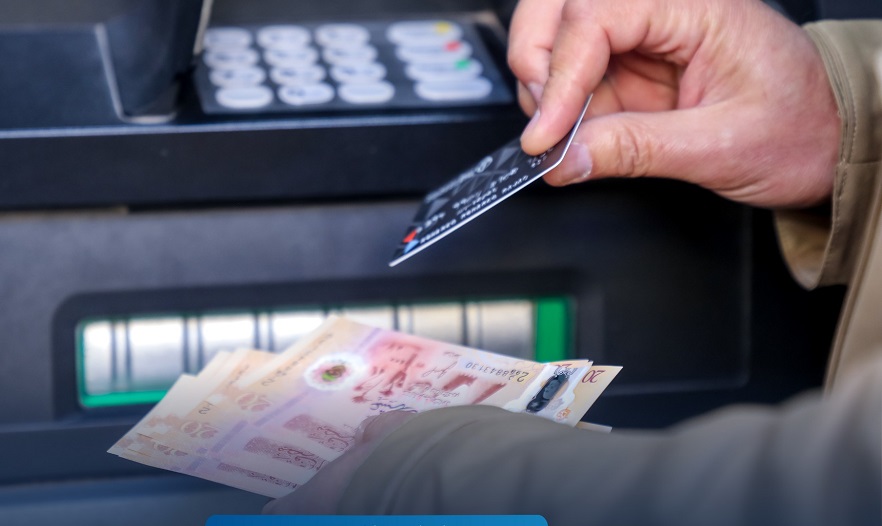
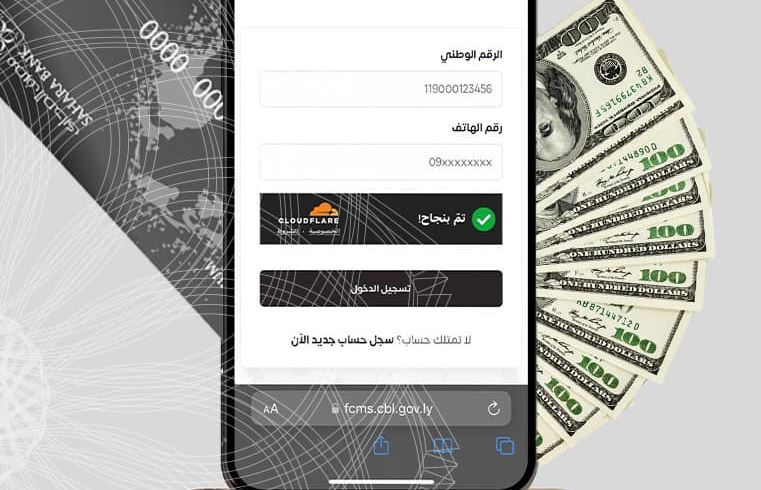
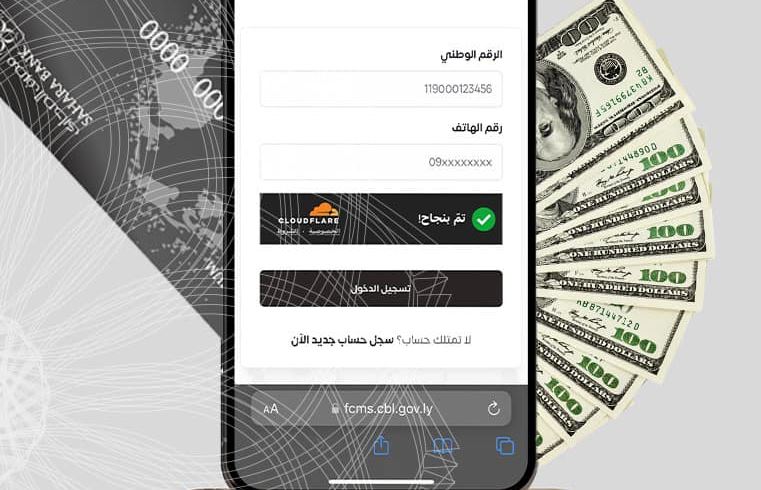
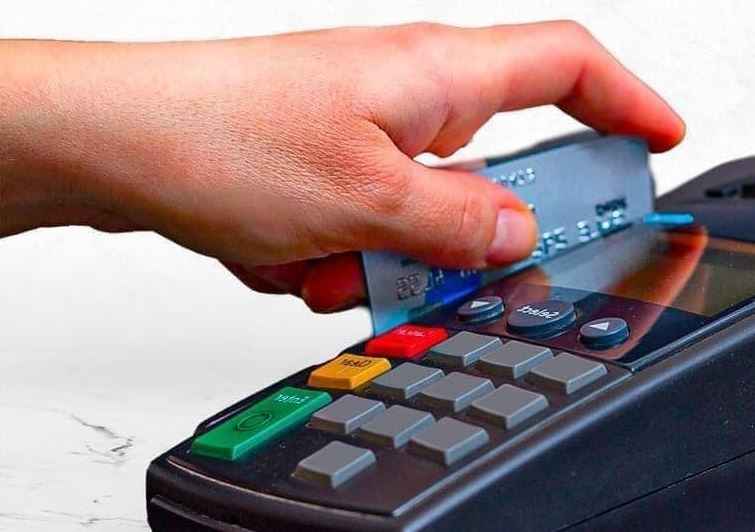
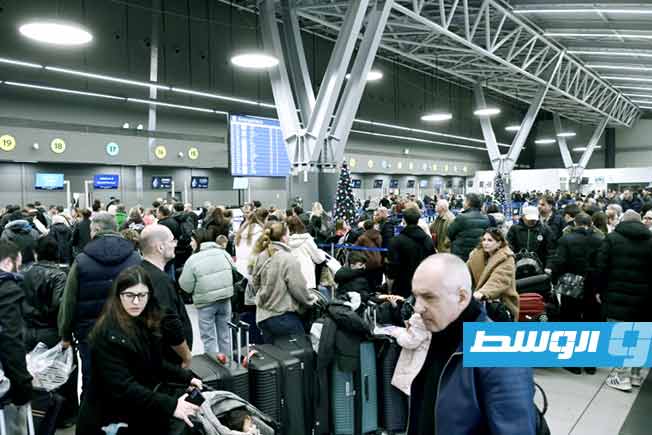
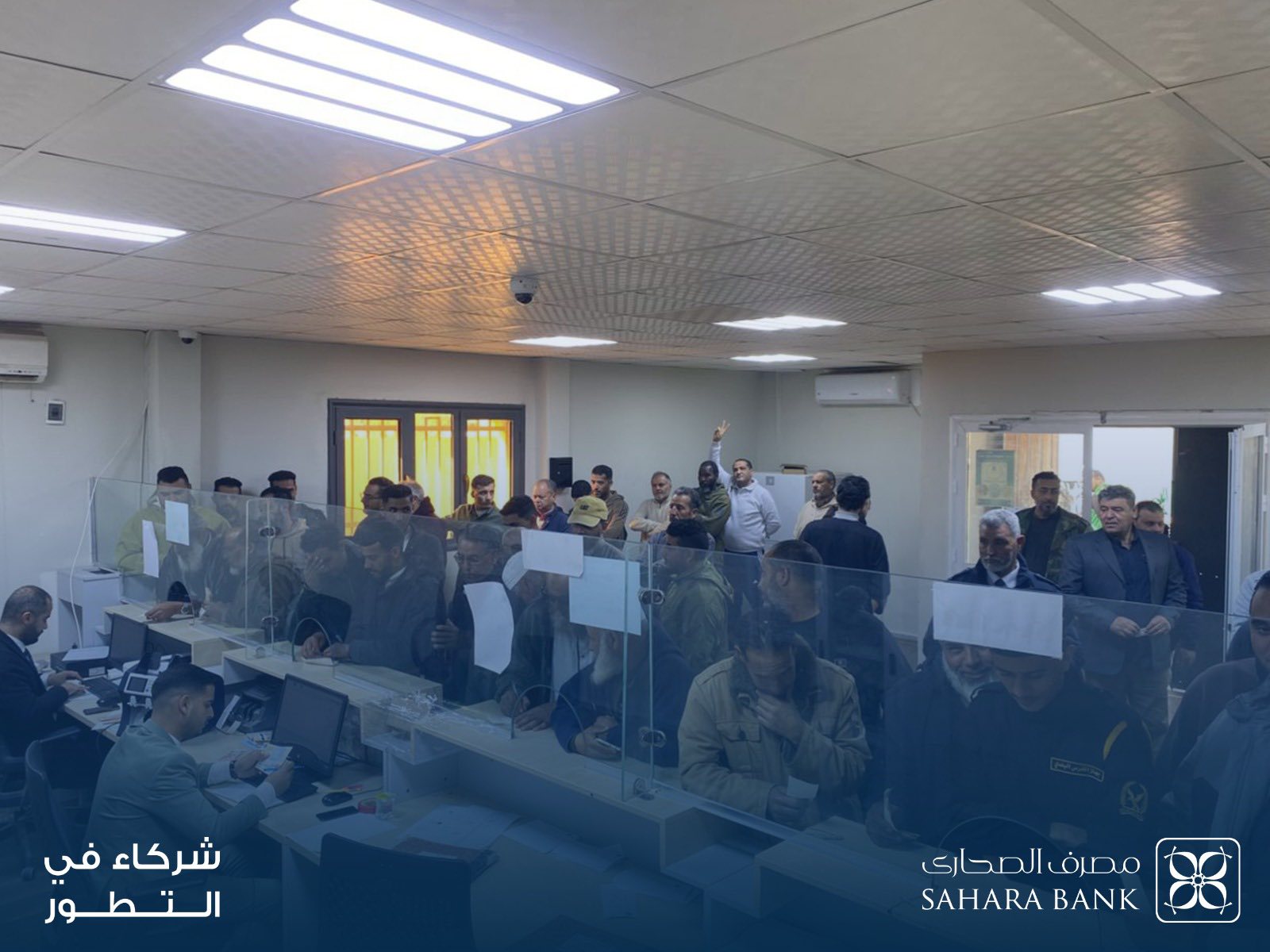
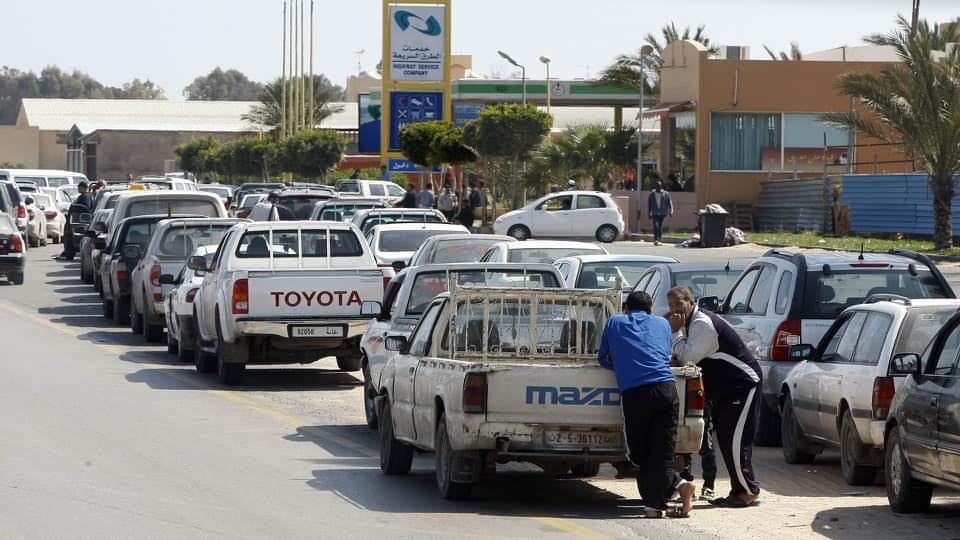
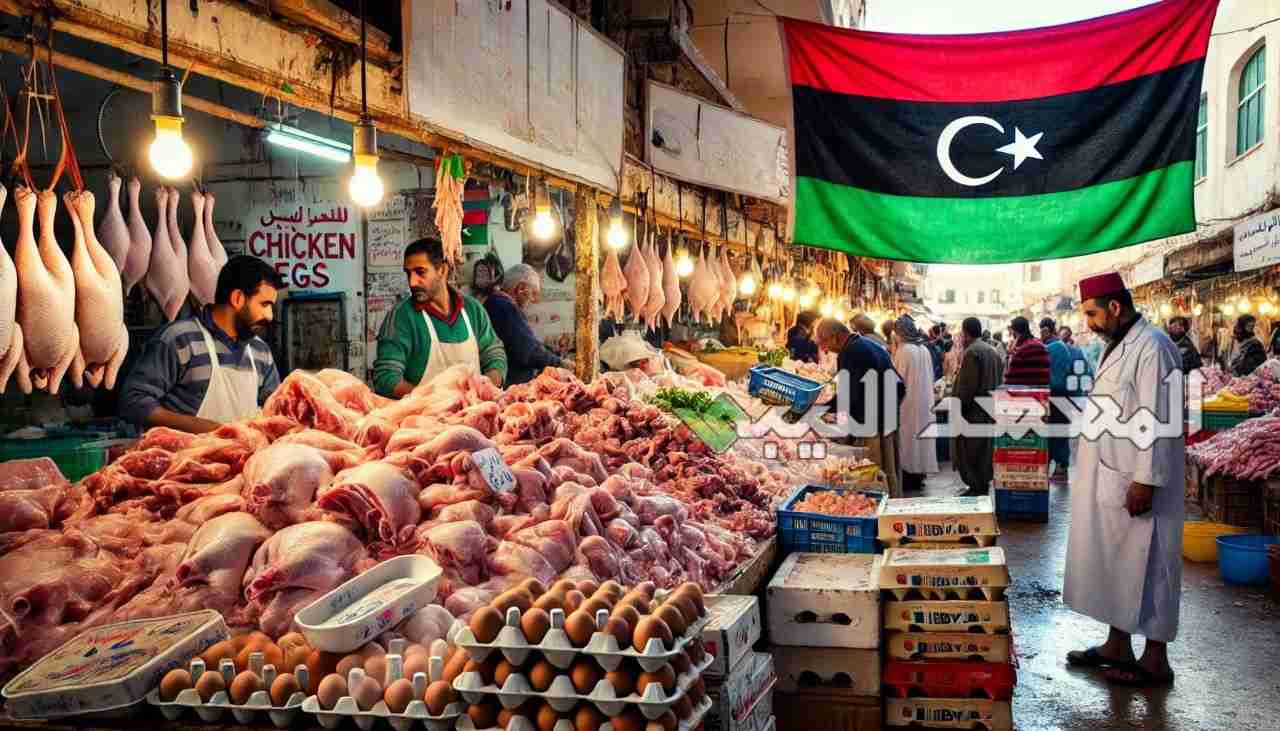
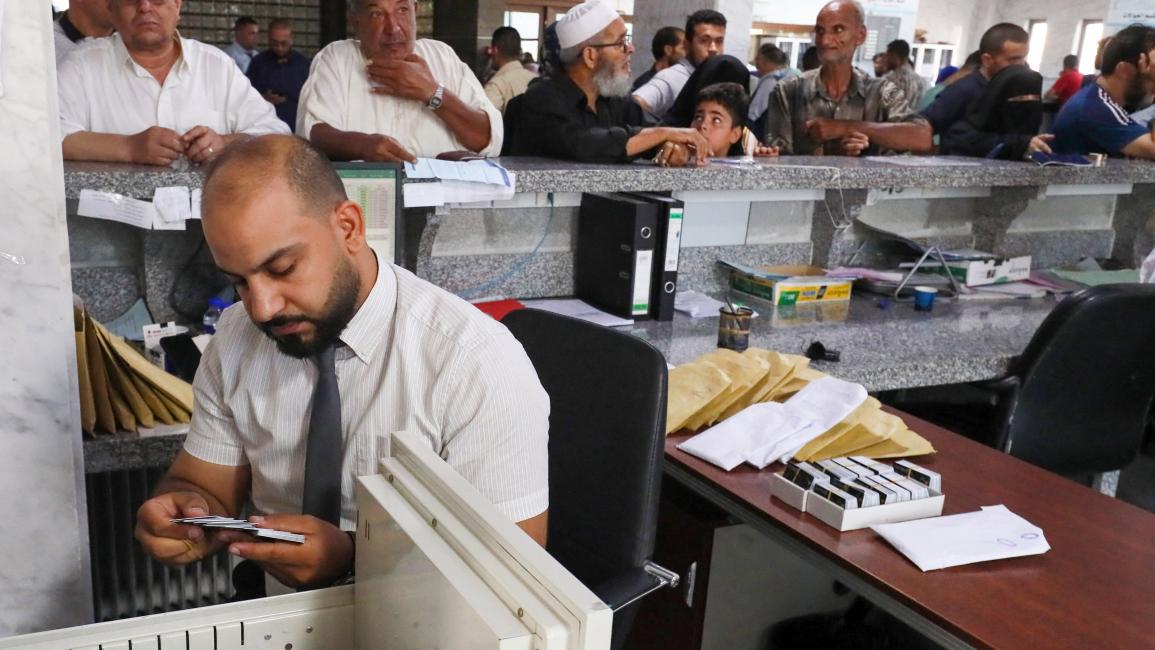
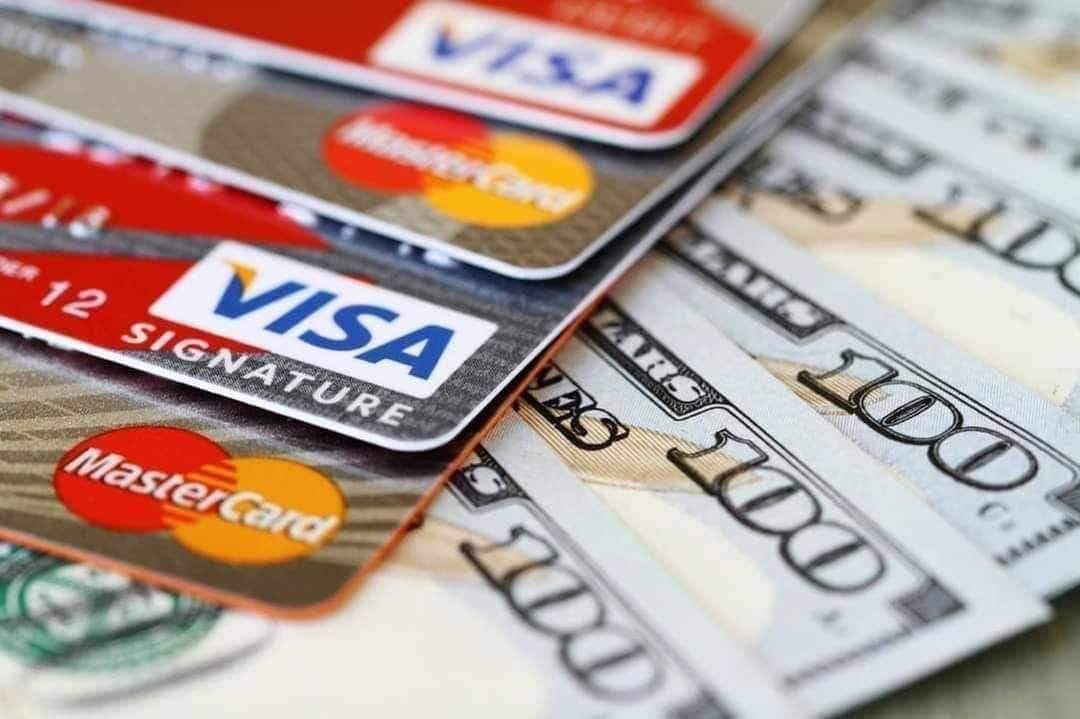
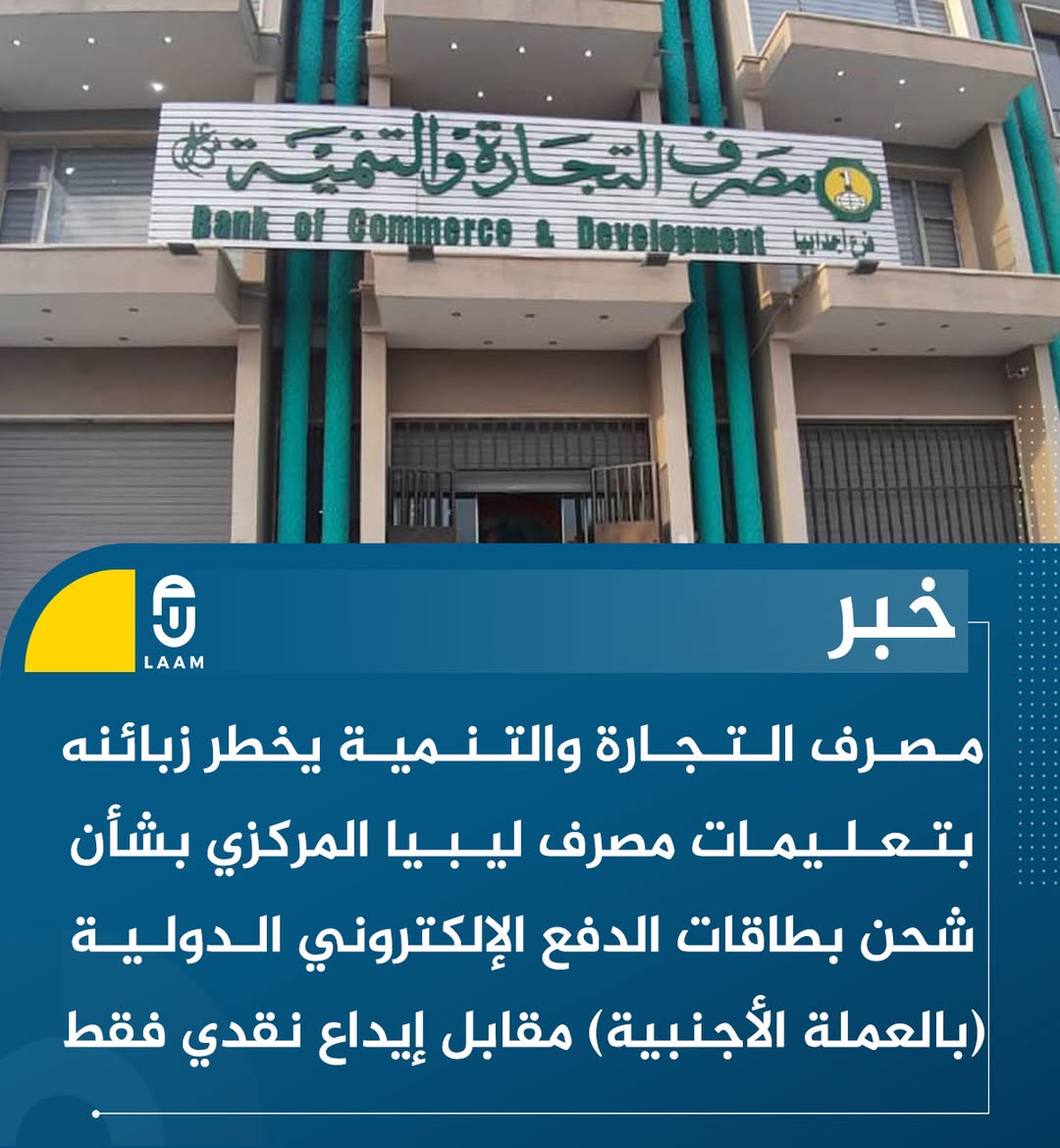
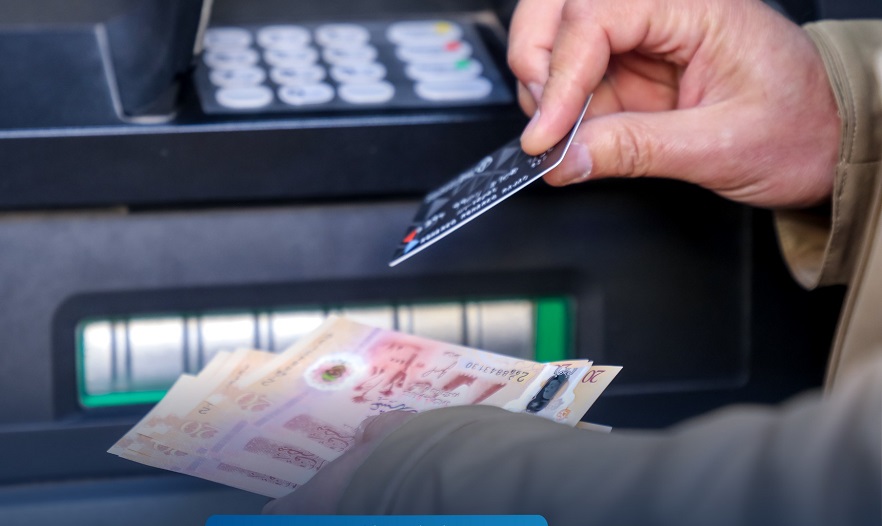
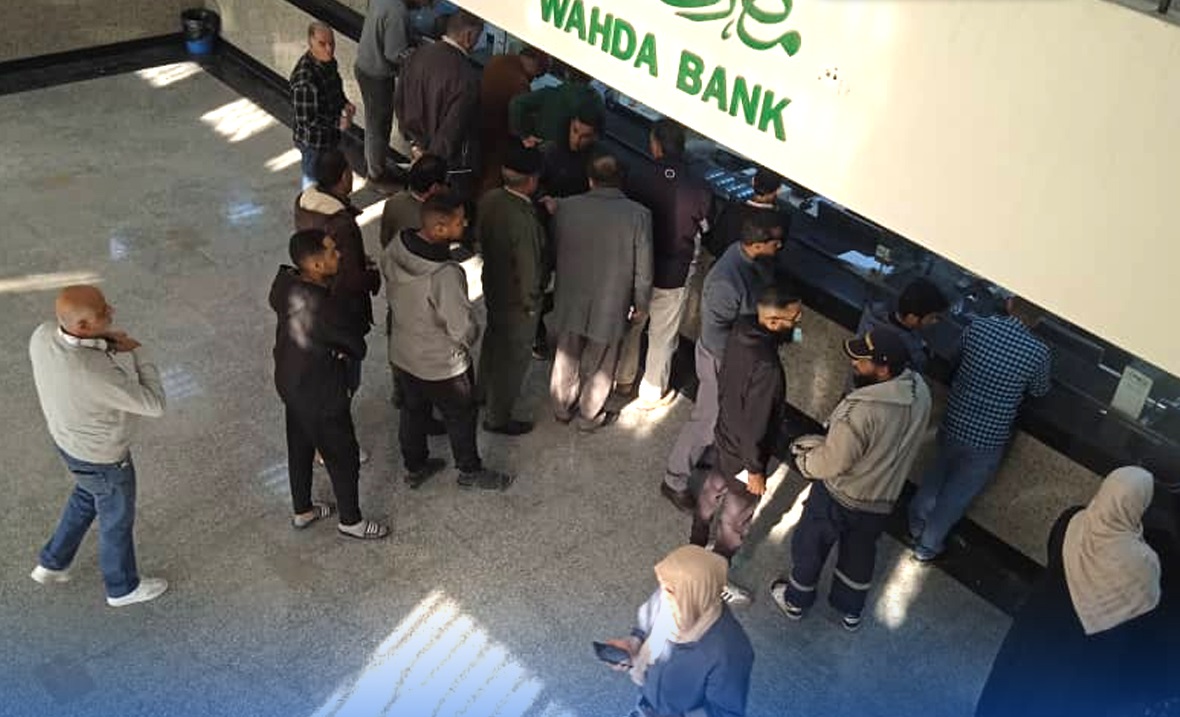
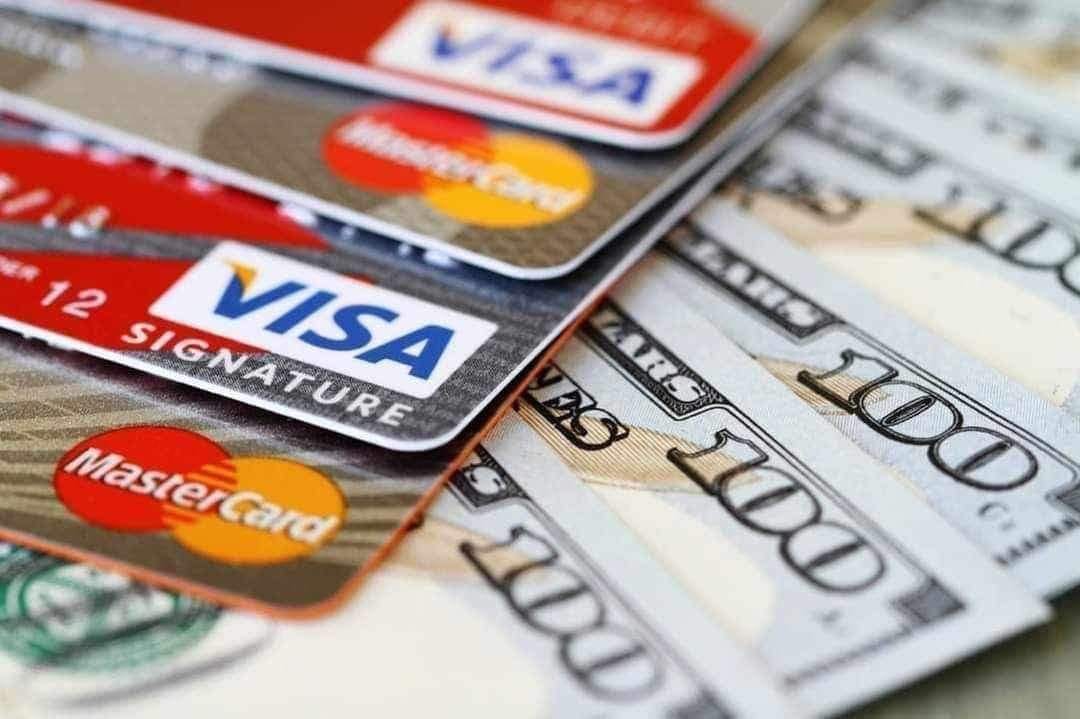
The parallel market has witnessed a noticeable increase in demand for hard currency in recent days, which has led to a significant rise in prices. This coincides with widespread complaints from citizens regarding fluctuating services from exchange companies, difficulty withdrawing funds from cards, delays in transaction processing, and price discrepancies from one company to another.
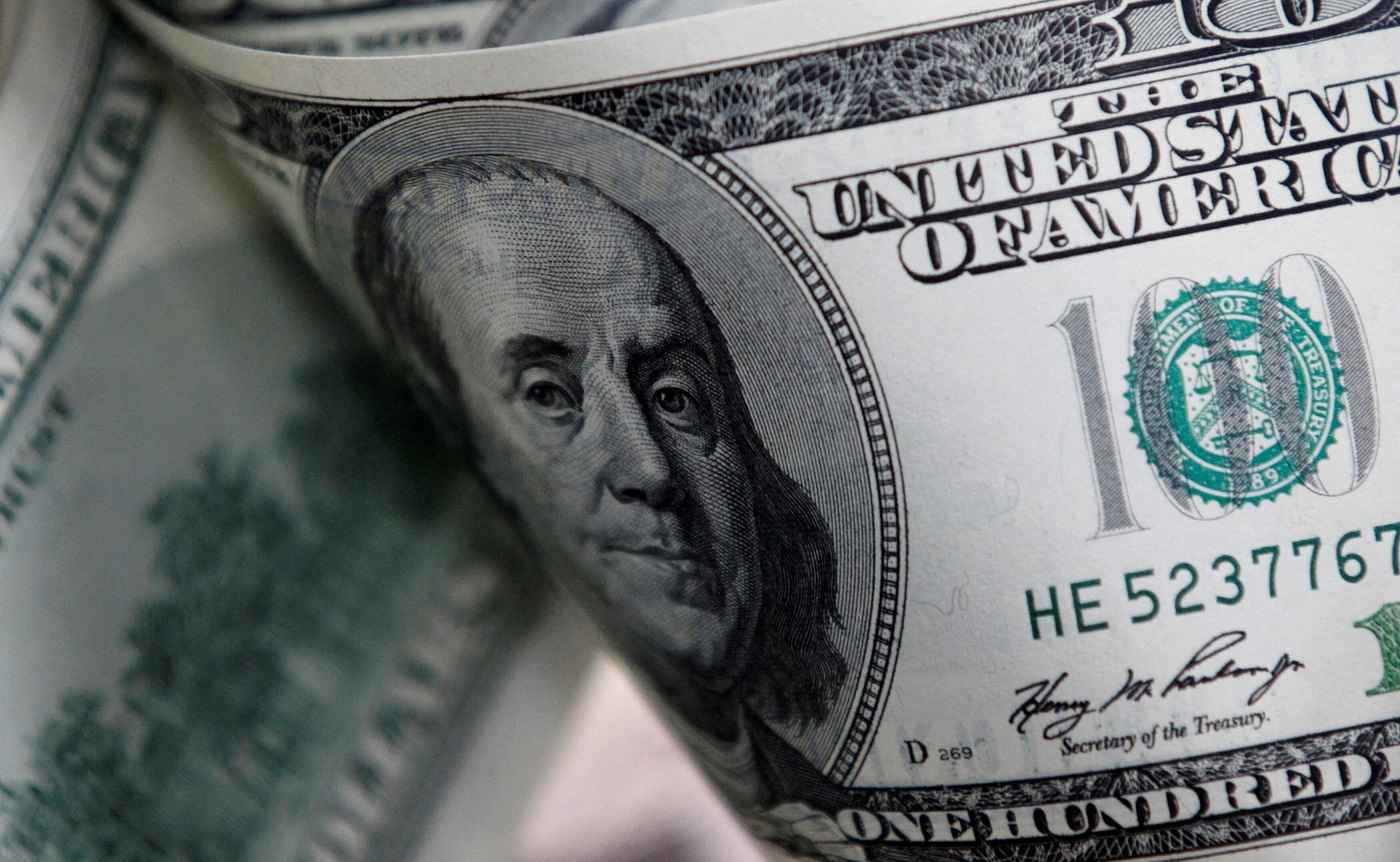
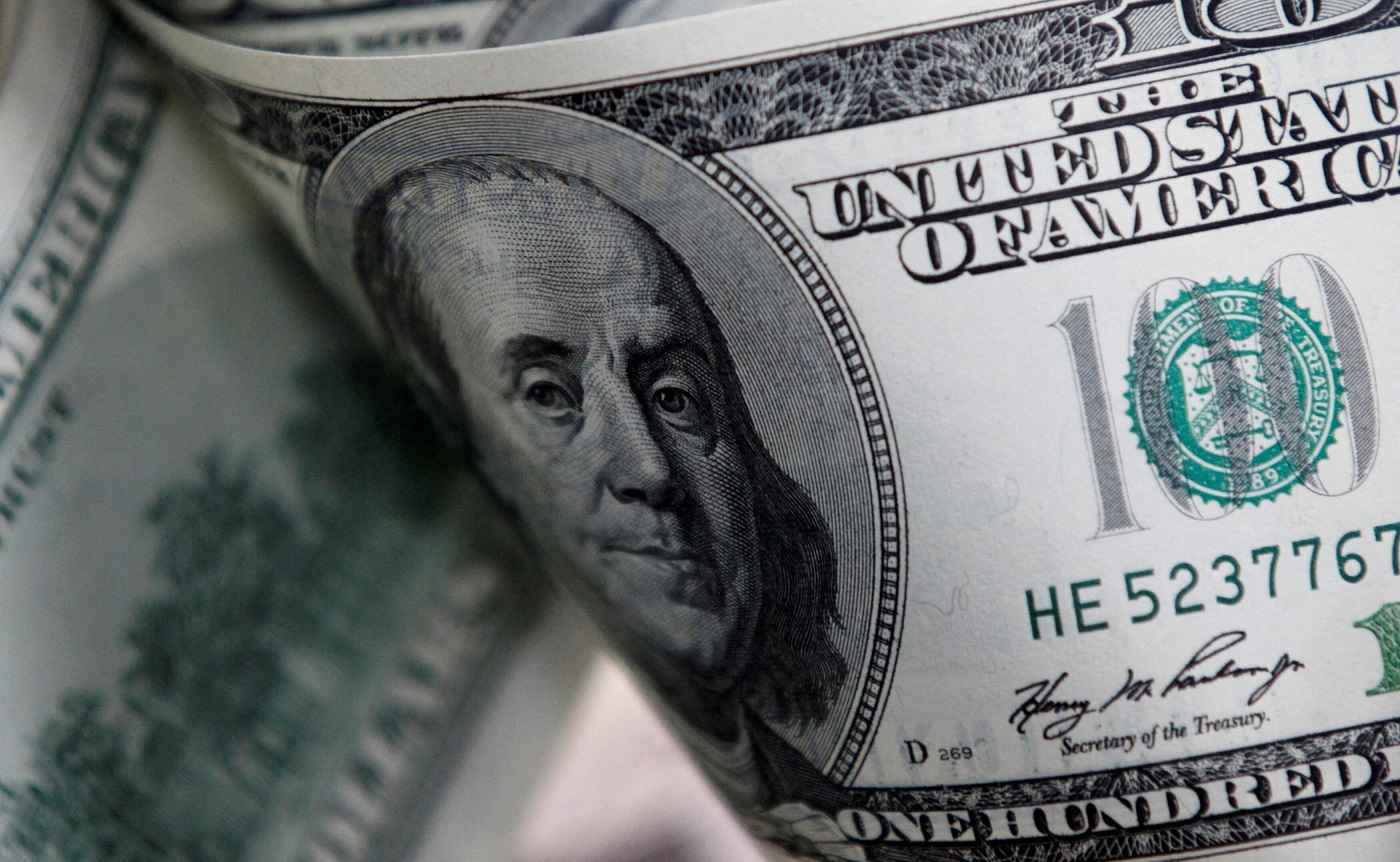
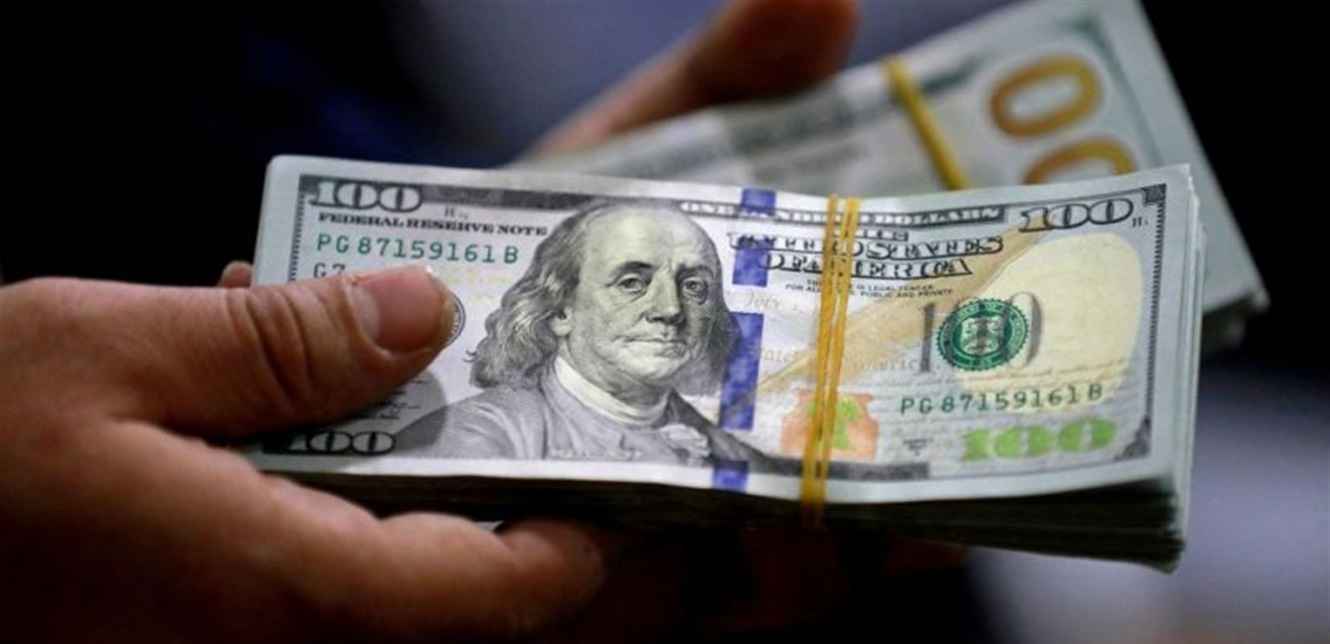
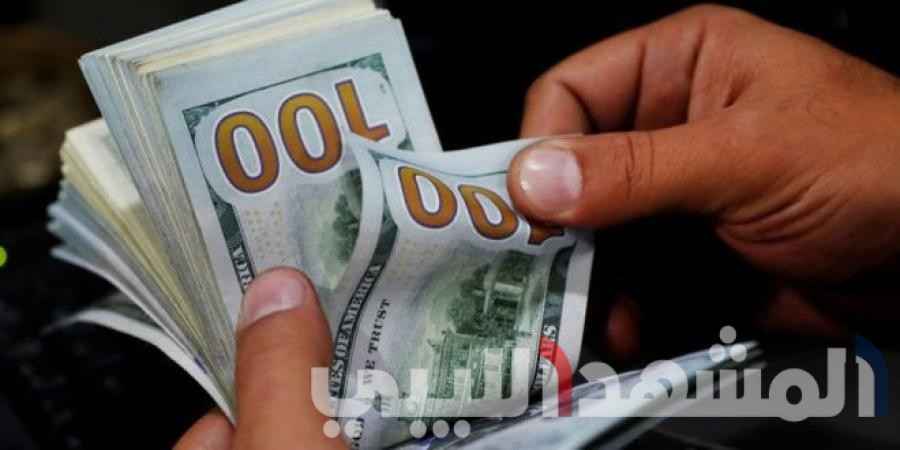
US dollar
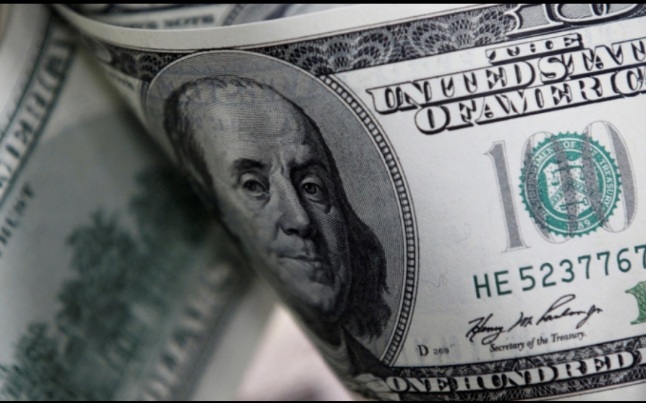
The US dollar is the official currency of the United States, established by the Coinage Act of 1792. It evolved from a system based on Spanish milled dollars and became the world’s primary reserve currency following the Bretton Woods Agreement in 1944.
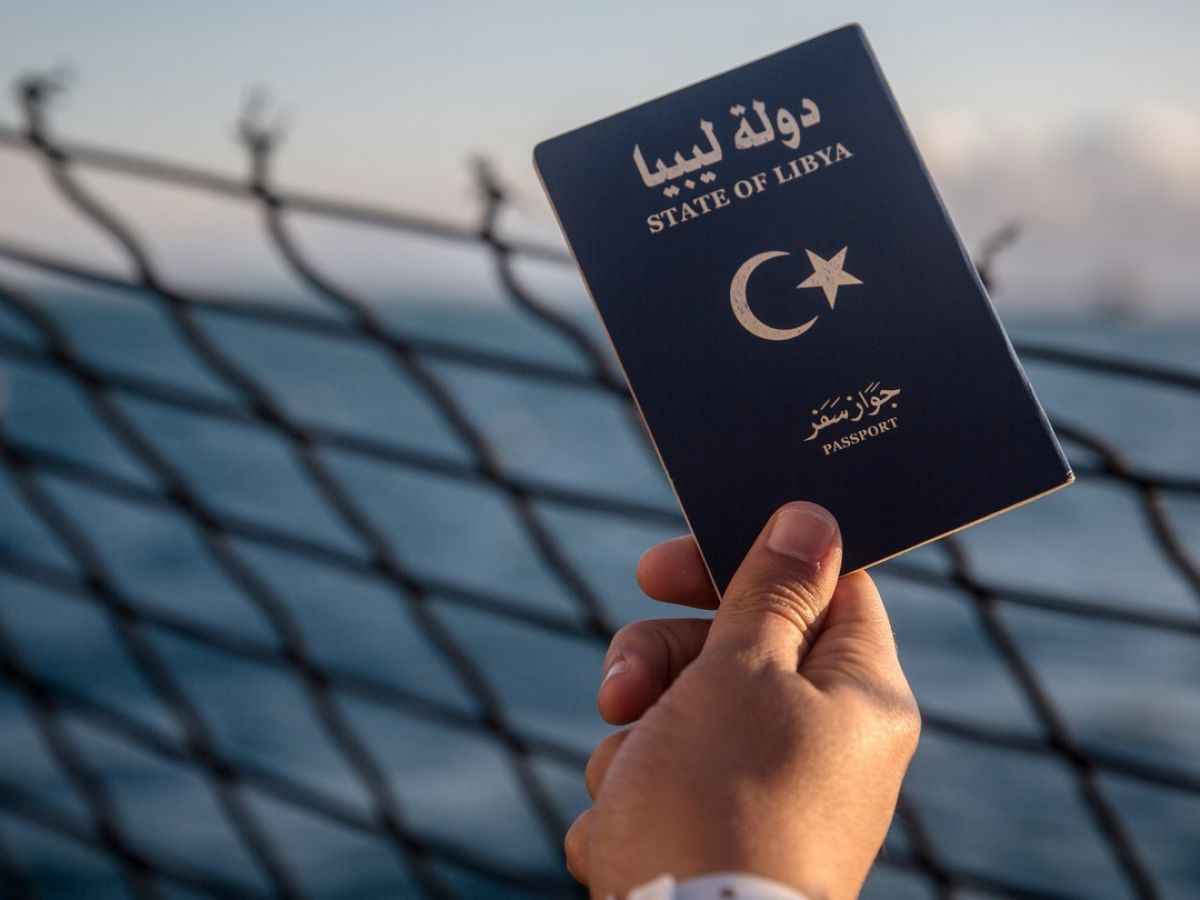
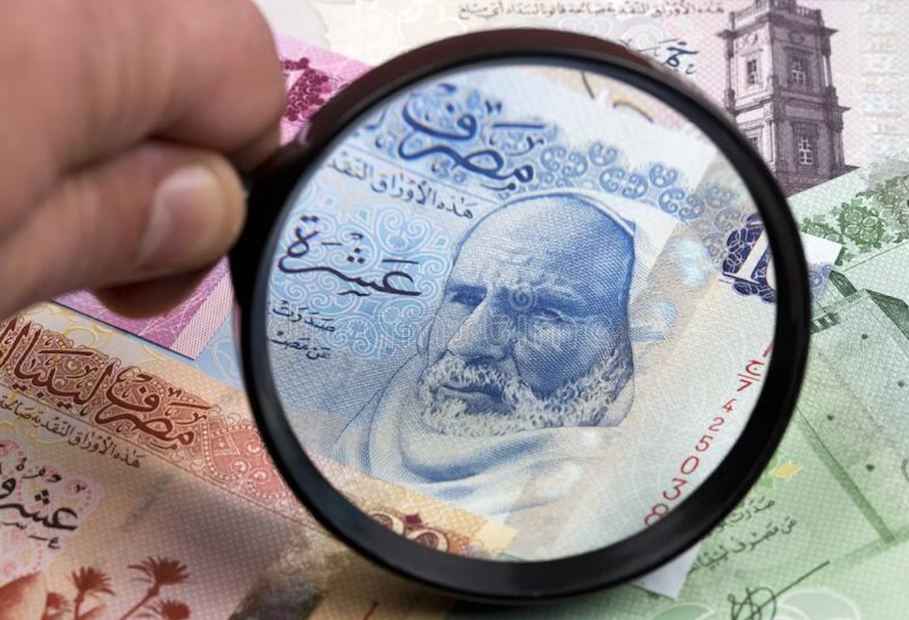
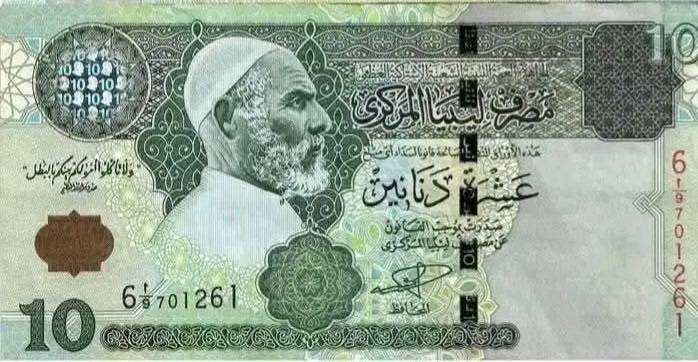
Libyan dinar
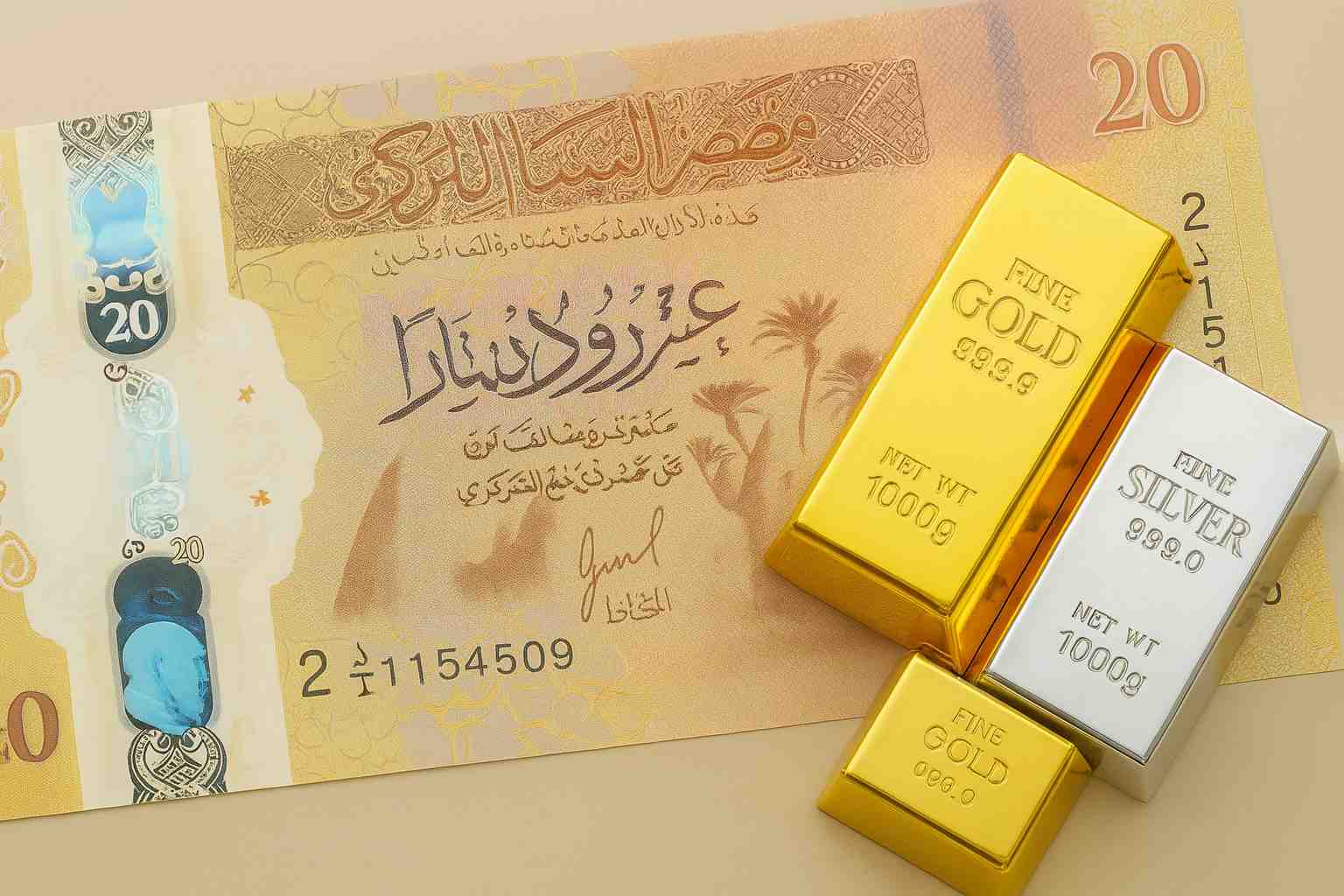
The Libyan dinar is the official currency of Libya, introduced in 1971 to replace the Libyan pound. It was established following the 1969 revolution that brought Muammar Gaddafi to power, symbolizing a move toward economic independence.
Al-Mashir market
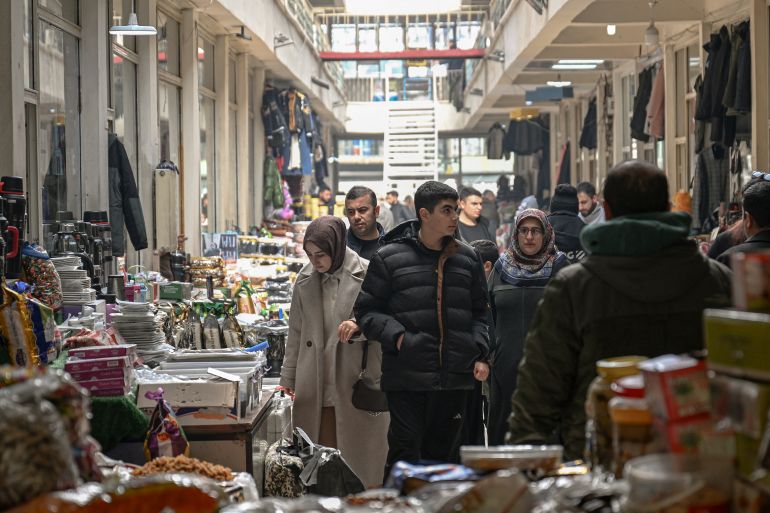
Al-Mashir market is a historic and bustling traditional market located in the city of Taiz, Yemen. It dates back over a thousand years and has long been a central hub for trade, particularly known for its spices, textiles, and silver crafts. The market’s architecture and enduring role reflect the rich commercial and cultural history of the region.
Tripoli
Tripoli is the capital and largest city of Libya, located on the country’s Mediterranean coast. Historically, it was founded by the Phoenicians in the 7th century BC and has since been ruled by the Romans, Arabs, Ottomans, and Italians, serving as a major port and cultural crossroads. Its historic center, the medina, features architecture reflecting these diverse influences.
Venice market
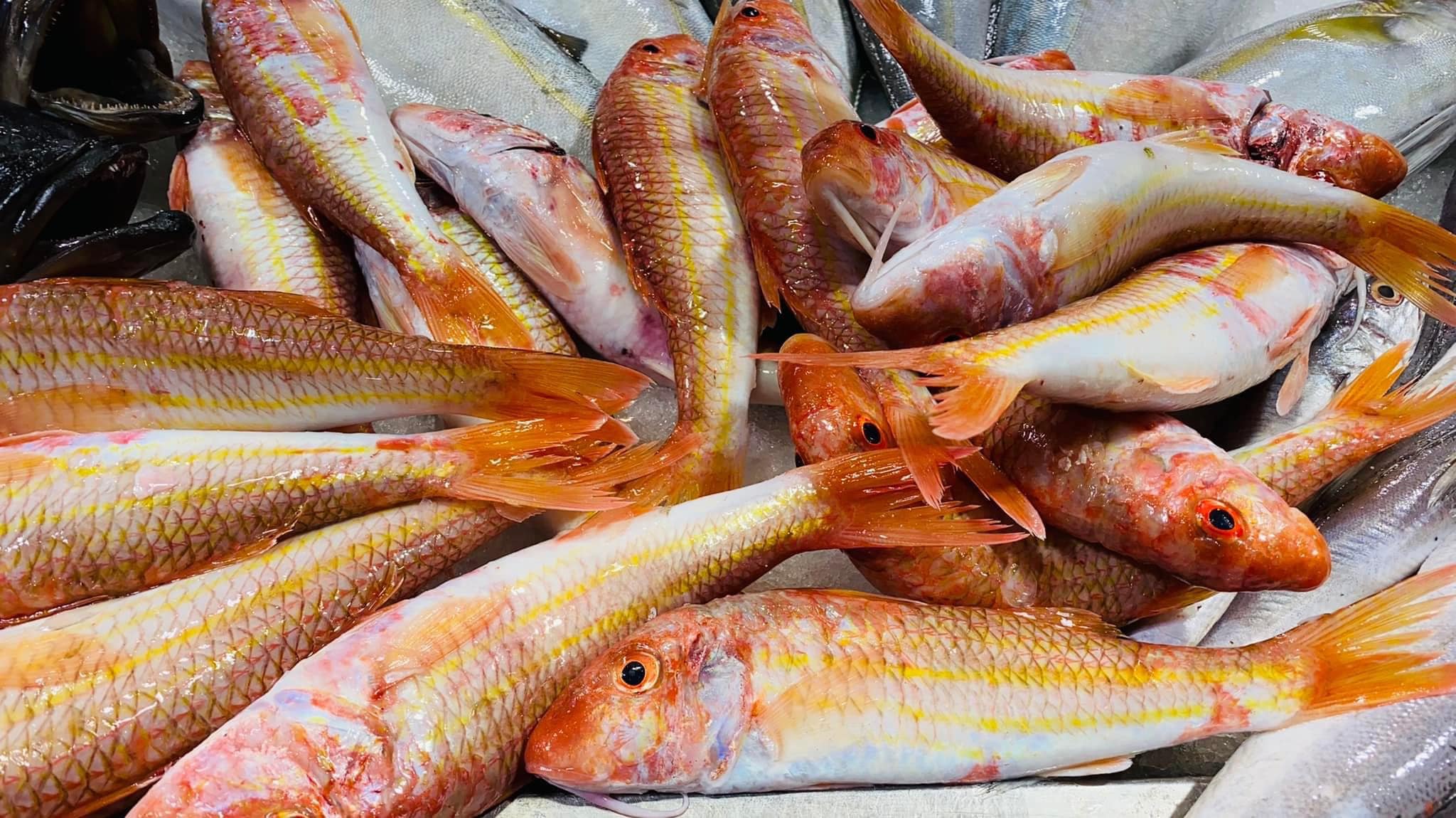
The Venice market, historically centered around the Rialto area, has been the city’s vibrant commercial heart since the Middle Ages. It originally thrived as a crucial trading hub for spices, silks, and other goods from across the Mediterranean and Asia. Today, it remains a bustling area famous for its fresh fish market, produce stalls, and local crafts, continuing a centuries-old tradition of daily commerce.
Benghazi
Benghazi is a major city in eastern Libya, historically significant as a center of trade and culture since its founding as the ancient Greek colony of Euesperides. It played a pivotal role in Libya’s modern history, serving as the provisional capital after the 2011 revolution and being the site of a major 2012 attack on a U.S. diplomatic compound.
Zliten
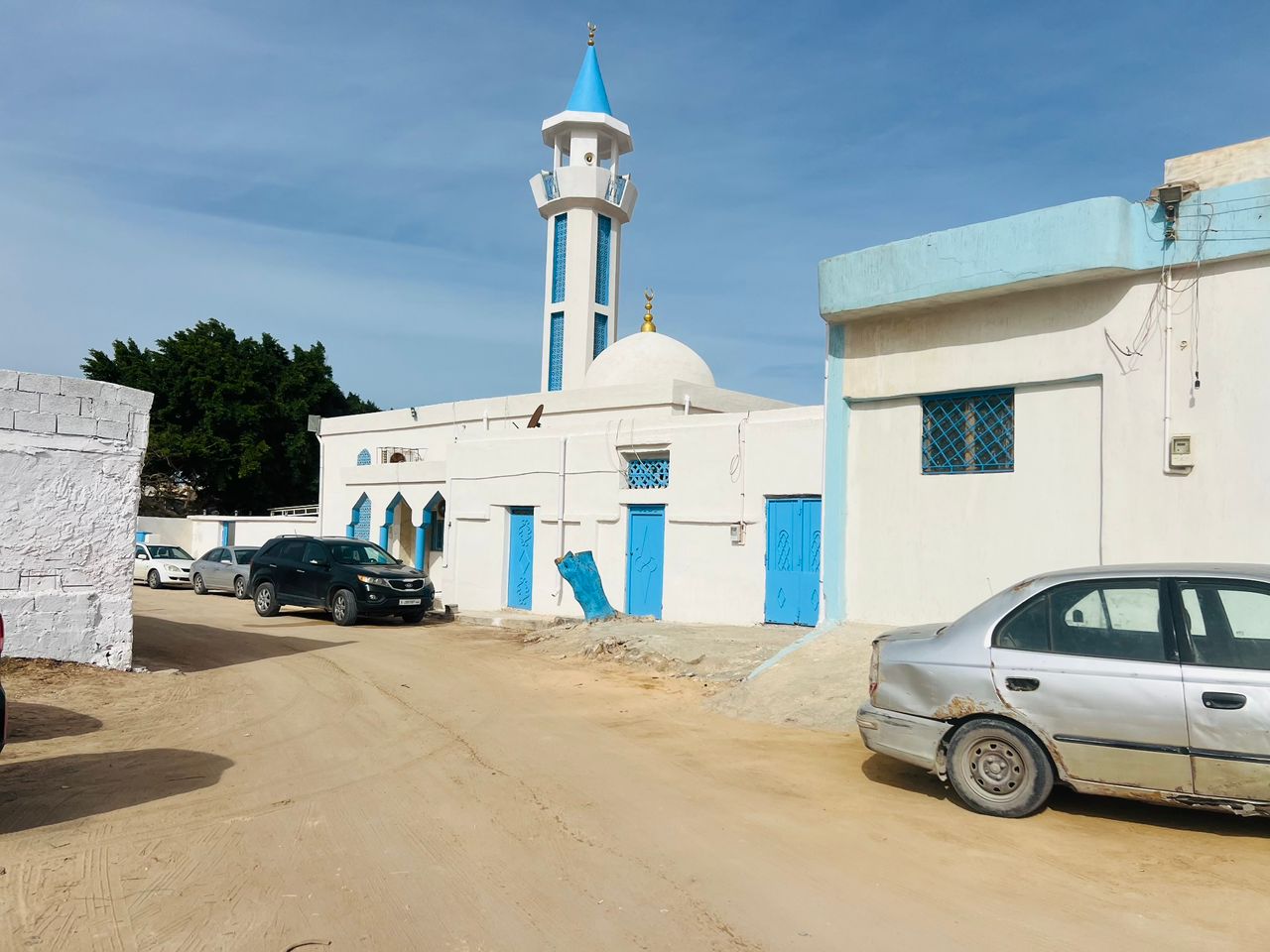
Zliten is a coastal city in northwestern Libya, historically known for its Roman and Ottoman influences. It is particularly famous for the Zliten Mosaic, a well-preserved Roman floor mosaic from the 2nd century AD discovered in a villa, depicting scenes of daily life and mythology. The city also holds significance for the Zawiya of Sidi Abd as-Salam al-Asmar, a 16th-century Islamic religious school and mausoleum that is an important Sufi site.