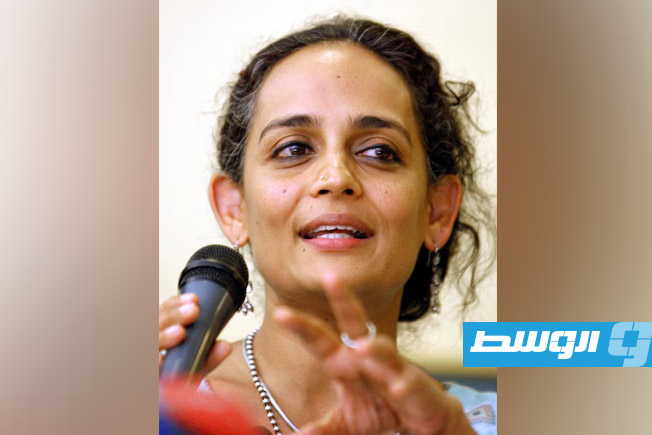
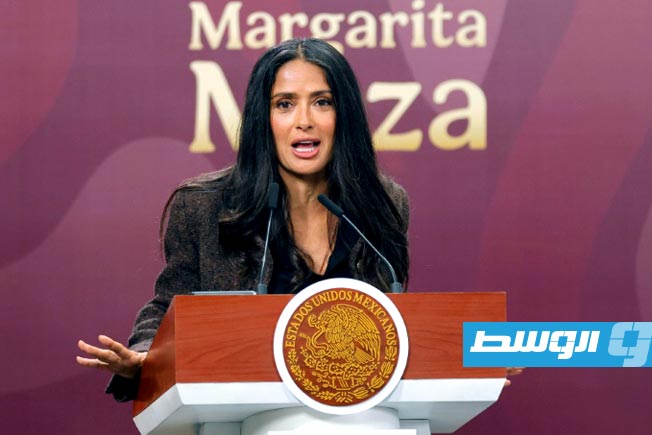
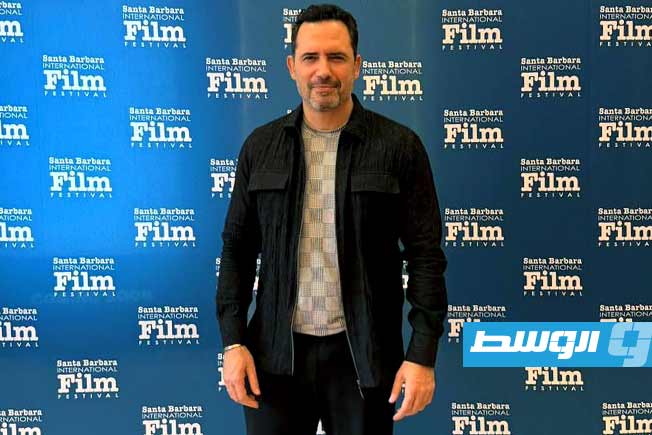
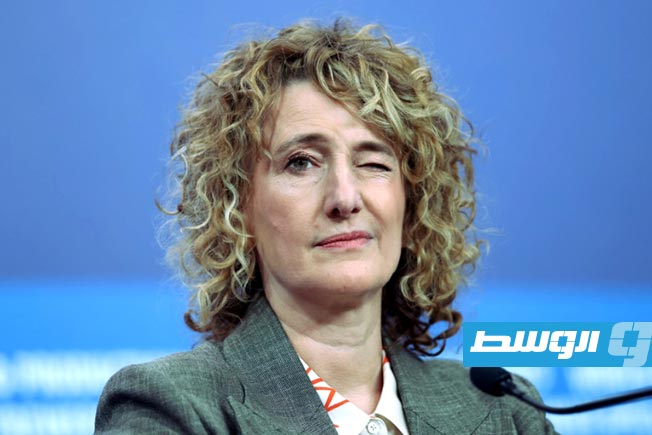
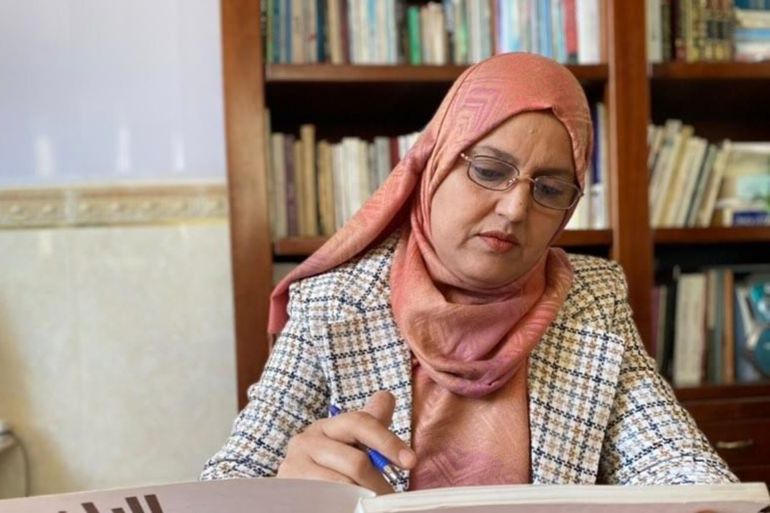
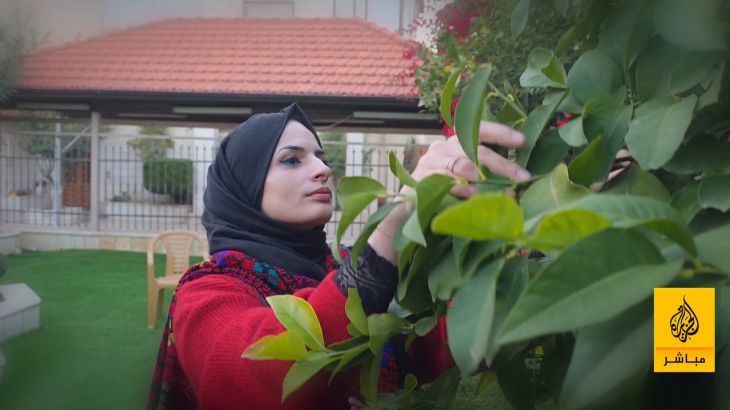
Award-winning Indian writer announced on Friday her withdrawal from the Berlin International Film Festival due to comments made by jury president Wim Wenders, who said cinema should “stay away from politics” when asked about Gaza.
She stated she was “shocked and disgusted” by Wenders’ and other jury members’ answers to a question about the Palestinian sector during a press conference on Thursday, in a statement.
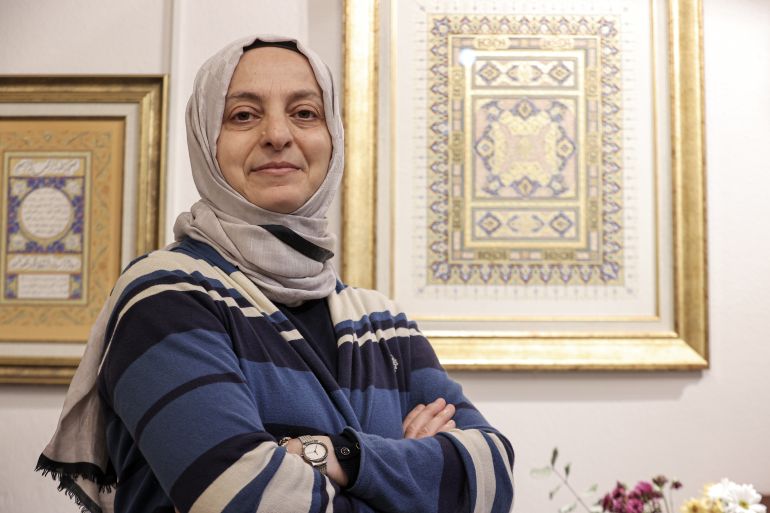
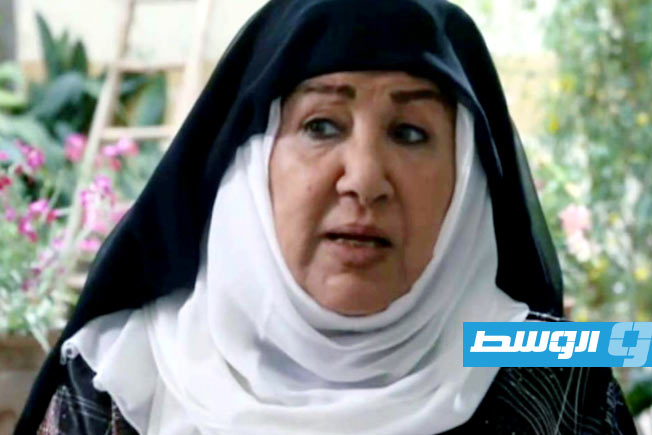
The writer, whose novel ‘The God of Small Things’ won the Booker Prize in 1997, was announced as a festival guest to present a restored version of the 1989 film ‘In Which Annie Gives It Those Ones’, in which she starred and wrote the screenplay.
However, she said the “unreasonable” statements made by Wenders and other jury members prompted her to reconsider “with deep regret”.
Filmmakers.. “The Counterweight to Politics”
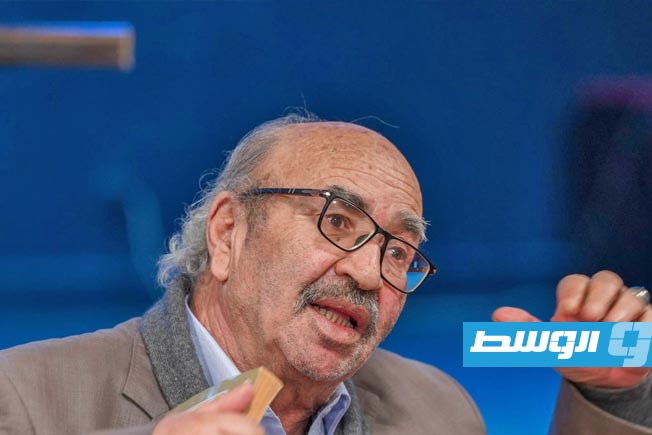
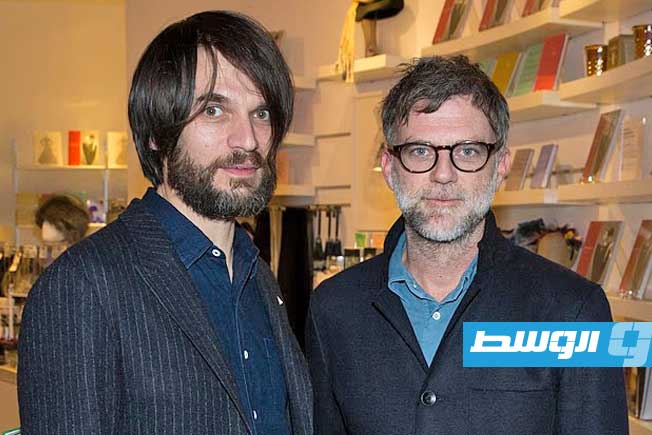
When asked about Germany’s support for Israel at a press conference on Thursday, Wenders said “we should stay away from politics”, describing filmmakers as “the counterweight to politics”.
A Polish producer, who is a jury member, said it was “a bit unfair” to expect the jury to take a direct stance on this issue.
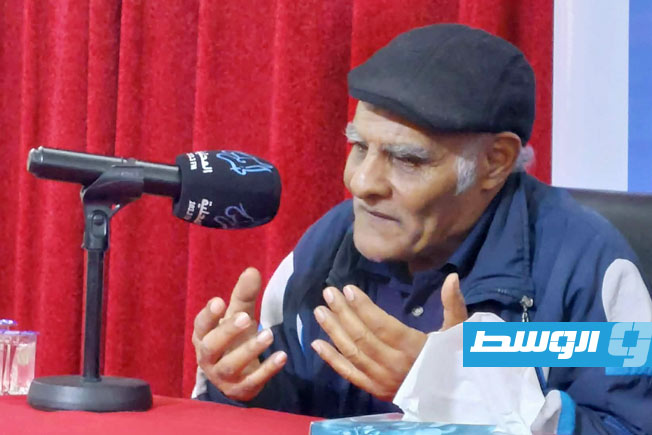
The writer said in her statement that “hearing them say that art should not be political is astonishing”.
She continued, “What happened in Gaza, and is still happening there, is a genocide of the Palestinian people committed by Israel. If the greatest directors and artists of our time cannot stand up and say that, they should know that history will judge them.”
–
–
–
She is considered one of the most famous living authors in India, a critic of Prime Minister Narendra Modi’s government, and a strong supporter of the Palestinian cause.
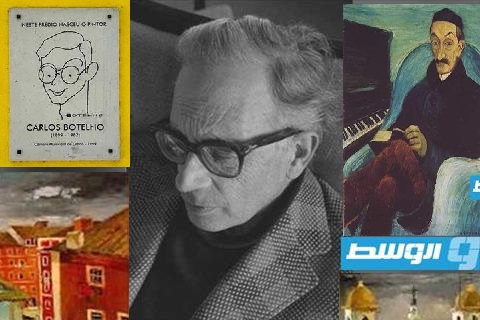
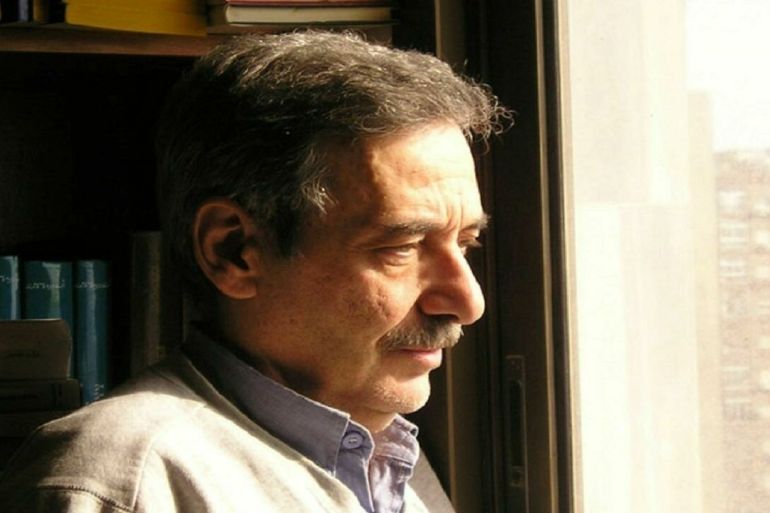
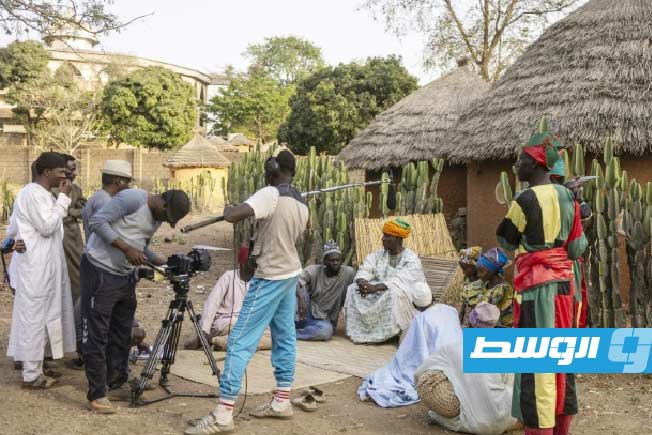
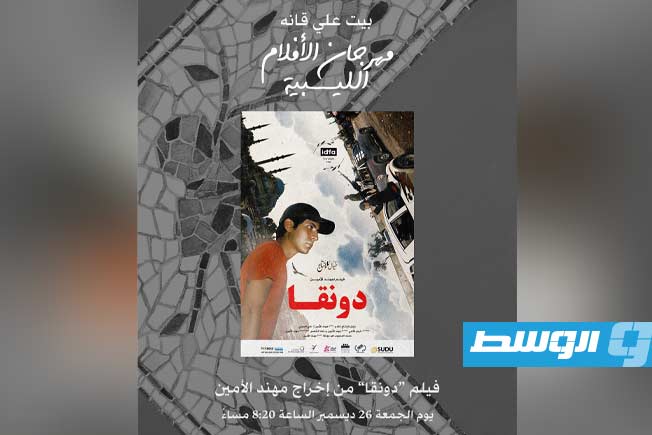
The Berlin International Film Festival also confirmed the withdrawal of two restored films: ‘The Sad Song of Touha’ by the late Egyptian director and ‘Snatching the Amber’ by the late Sudanese director.
A film center in Cairo and the directors’ families explained in a joint statement on Facebook that this decision “came in response to the call made by the Palestinian Film Institute for filmmakers to boycott the festival”.
Festival Management “Regrets” Film Withdrawals
In response to a question about these withdrawals, the festival management said on Friday evening that it “respects these decisions” and “regrets their non-participation, as their presence would have enriched… the festival”.
This is not the first time the festival has faced controversy due to the Gaza war.
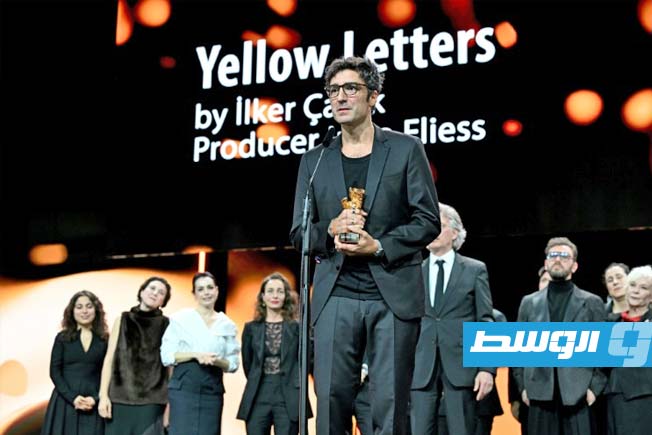
In 2024, the festival’s documentary film award went to ‘No Other Land’, which deals with Israel’s displacement of Palestinian communities in the occupied West Bank.
German government officials criticized “one-sided” statements about Gaza made by the directors of that film and others during the awards ceremony that year.
The Israeli war on Gaza has resulted in the deaths of at least 71,000 people, according to the Health Ministry in the Hamas-run sector, whose figures the United Nations considers reliable.
Berlin International Film Festival
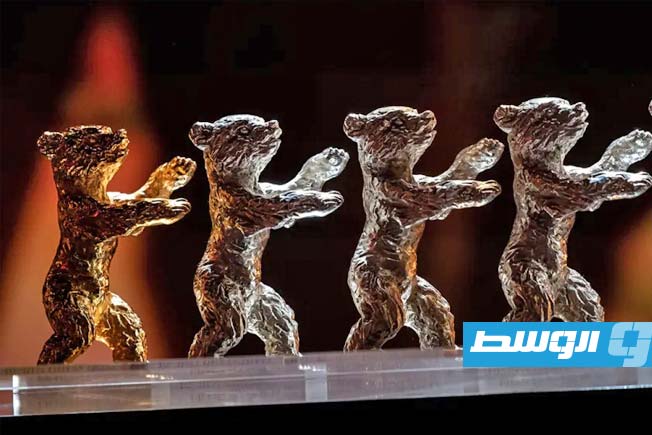
The Berlin International Film Festival, commonly known as the Berlinale, is one of the world’s leading film festivals. It was founded in West Berlin in 1951, initially with Allied support, as a “showcase of the free world” during the Cold War era. Today, it is renowned for its prestigious competition and its focus on politically and socially engaged cinema from around the globe.
Gaza
Gaza is a coastal city in the Palestinian territories with a history dating back over 3,000 years, having been ruled by various empires including the Egyptians, Philistines, Romans, and Ottomans. It is a densely populated urban center and holds significant cultural and religious importance in the region. In recent decades, it has been the focus of intense political conflict and humanitarian crises.
India
India is a South Asian country with one of the world’s oldest civilizations, dating back to the Indus Valley Civilization around 2500 BCE. Its long history includes the rise of major empires, the spread of religions like Hinduism and Buddhism, and a period of British colonial rule before gaining independence in 1947. Today, it is the world’s largest democracy and a nation of immense cultural, linguistic, and geographic diversity.
The God of Small Things
“The God of Small Things” is a 1997 novel by Indian author Arundhati Roy, not a physical place or cultural site. It is set in the town of Ayemenem in Kerala and explores the tragic history of a Syrian Christian family, weaving in themes of love, caste, and social law. The book, which won the Booker Prize, uses its setting to critique India’s rigid caste system and post-colonial societal changes.
Booker Prize
The Booker Prize is a prestigious annual literary award established in 1969, originally honoring the best novel written in English and published in the UK or Ireland. It was later expanded in 2014 to include any novel published in English in the UK, significantly increasing its global scope and influence.
In Which Annie Gives It Those Ones
“In Which Annie Gives It Those Ones” is a 1989 Indian film written by Arundhati Roy, which began as a play. It is a satirical comedy set in a Delhi architecture college, capturing the lives and struggles of students in the late 1970s. The film is noted for its early work by Roy and its critique of the Indian education system.
Germany
Germany is a country in Central Europe with a complex history, having been a collection of states for centuries before unifying in 1871. It was a central power in both World Wars, was divided into East and West Germany during the Cold War, and reunified in 1990. Today, it is a leading economic and political force in the European Union, known for its rich cultural heritage in philosophy, music, and science.
Israel
Israel is a country in the Middle East, established as a modern state in 1948 following a United Nations partition plan. It is a historic homeland of the Jewish people, containing significant religious sites for Judaism, Christianity, and Islam, such as Jerusalem’s Western Wall and the Dome of the Rock.
Palestinian
The term “Palestinian” primarily refers to the Arab people with historical roots in the region of Palestine. Their modern national identity was significantly shaped during the 20th century, particularly following the 1948 Arab-Israeli war and the establishment of the state of Israel, events which led to the displacement of a majority of the Arab Palestinian population. Today, Palestinian culture and heritage are centered in the West Bank, Gaza Strip, and within a global diaspora.
Egyptian
The term “Egyptian” broadly refers to the culture and civilization of Egypt, one of the world’s oldest, with a recorded history spanning over 5,000 years. This ancient civilization is renowned for its monumental architecture, such as the Pyramids of Giza and the Sphinx, and its foundational contributions to writing, art, and governance along the Nile River.
The Sad Song of Touha
“The Sad Song of Touha” is a Czech folk ballad that tells a tragic love story, often associated with the region of Wallachia. Its history is rooted in 19th-century folk song collections, where it became a symbol of romantic longing and local cultural identity. The song remains a poignant part of Czech musical heritage, frequently performed in traditional arrangements.
Sudanese
Sudan is a country in Northeast Africa with a rich history as the home of ancient Nubian civilizations, such as the Kingdom of Kush. It later became a significant center for trade and Islamic scholarship, and its modern history has been shaped by colonial rule and a complex path to independence.
Snatching the Amber
“Snatching the Amber” is a traditional folk performance from Shaanxi Province, China, often performed during temple fairs and festivals. Historically, it is a lively and competitive act where performers atop high poles skillfully grab prizes, such as red envelopes or food, symbolizing the pursuit of good fortune and happiness. This custom dates back centuries and reflects the vibrant local culture and communal celebrations of the region.
Cairo
Cairo is the sprawling capital of Egypt, founded in 969 CE by the Fatimid dynasty. It is famously home to historic Islamic districts, the Egyptian Museum, and the nearby Giza pyramid complex, which dates back to the 26th century BCE.
Palestinian Film Institute
The Palestinian Film Institute is a cultural organization founded in 2014 to support and archive Palestinian cinema, aiming to preserve the national narrative through film. It serves as a hub for filmmakers, offering funding, training, and hosting events like the Palestine Cinema Days festival to promote local and international cinematic works.
West Bank
The West Bank is a landlocked territory in the Middle East, located west of the Jordan River, with a history of complex governance. It was captured by Jordan in the 1948 Arab-Israeli War and later occupied by Israel following the 1967 Six-Day War. Today, its status remains a central issue in the Israeli-Palestinian conflict, with parts administered by the Palestinian Authority and others under Israeli control.
No Other Land
“No Other Land” is a documentary film that chronicles the struggle of a Palestinian community in the South Hebron Hills against displacement by Israeli authorities and settlers. It focuses on the village of Masafer Yatta, where residents have faced a protracted legal and physical battle to remain on their land since the area was declared a military firing zone in the 1980s. The film serves as a direct record of this resistance and the ongoing fight for home and heritage.
United Nations
The United Nations is an international organization founded in 1945 after World War II to promote peace, security, and cooperation among nations. It replaced the League of Nations and is headquartered in New York City, with 193 member states working through bodies like the General Assembly and Security Council.