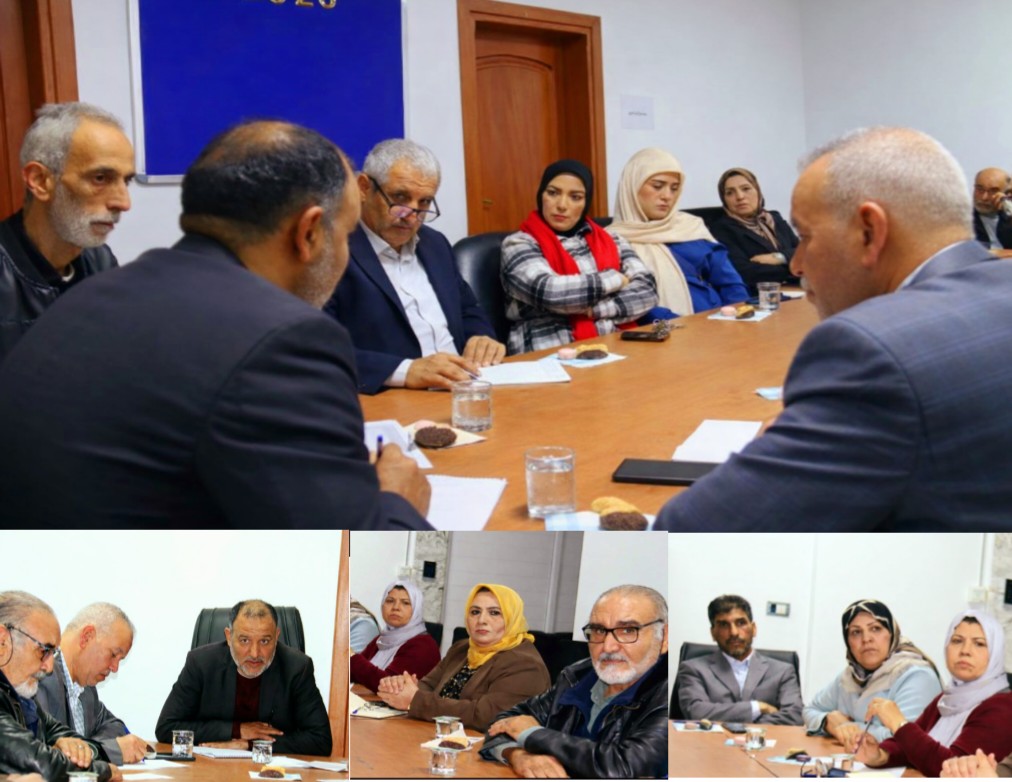
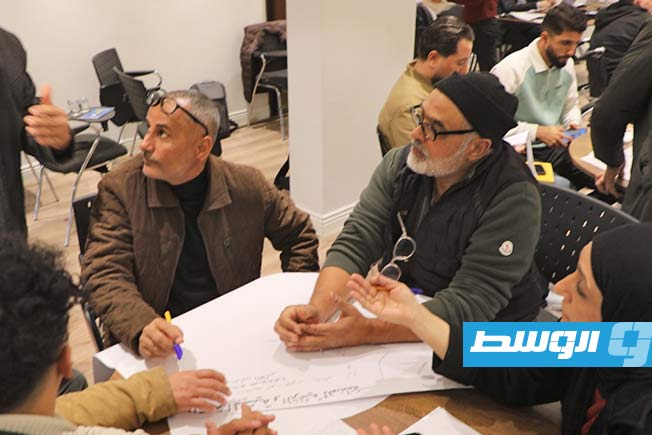
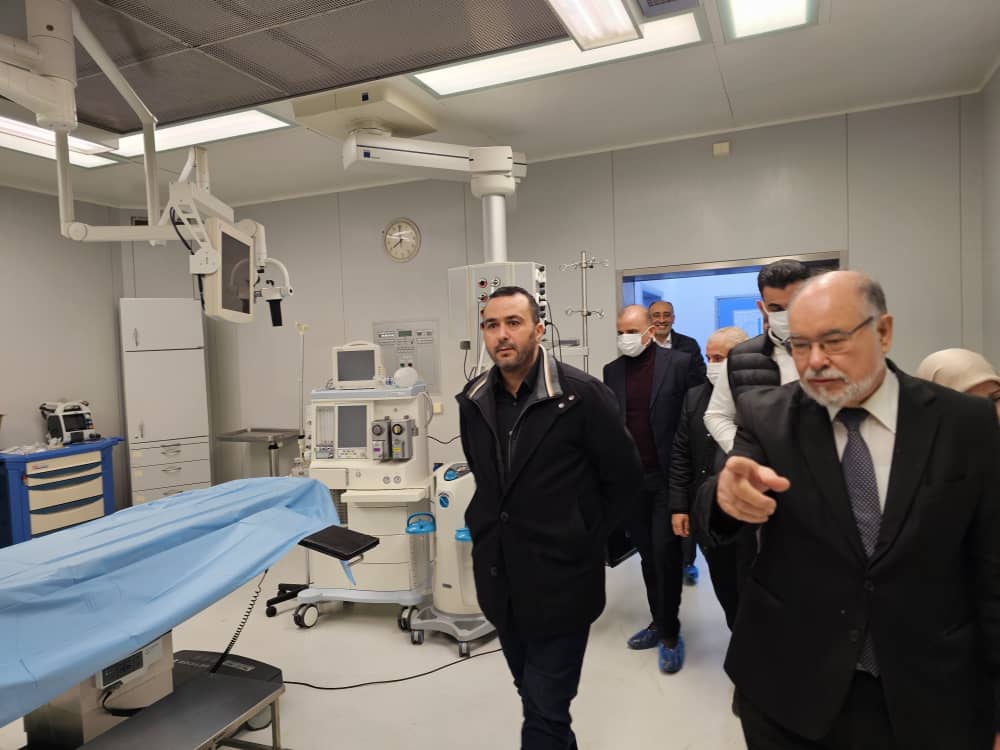
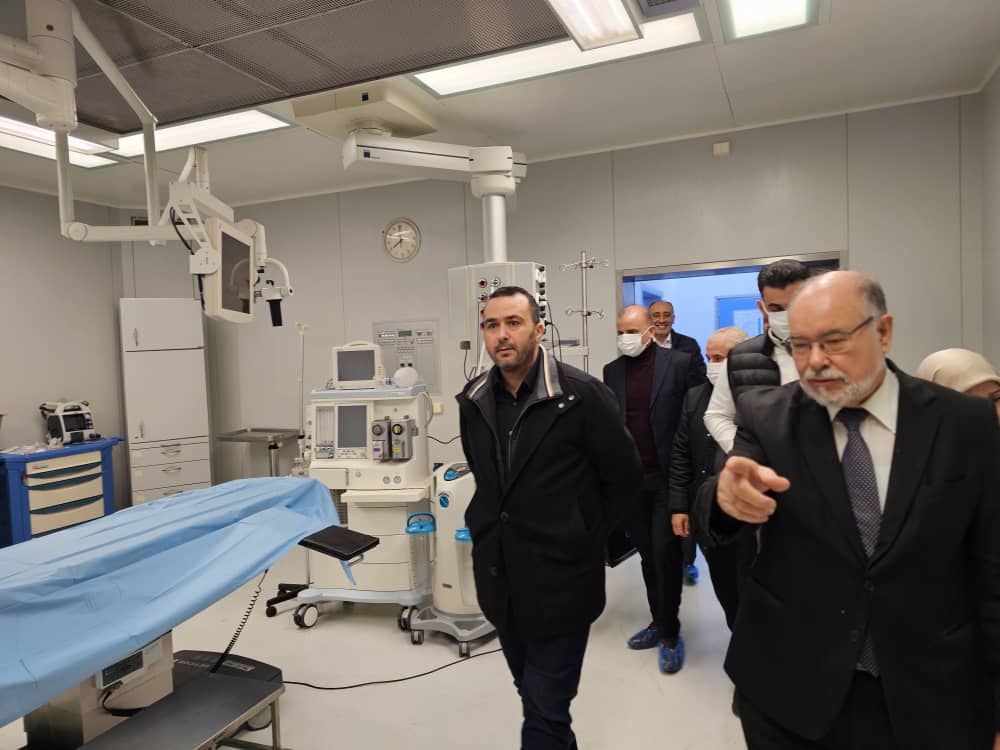
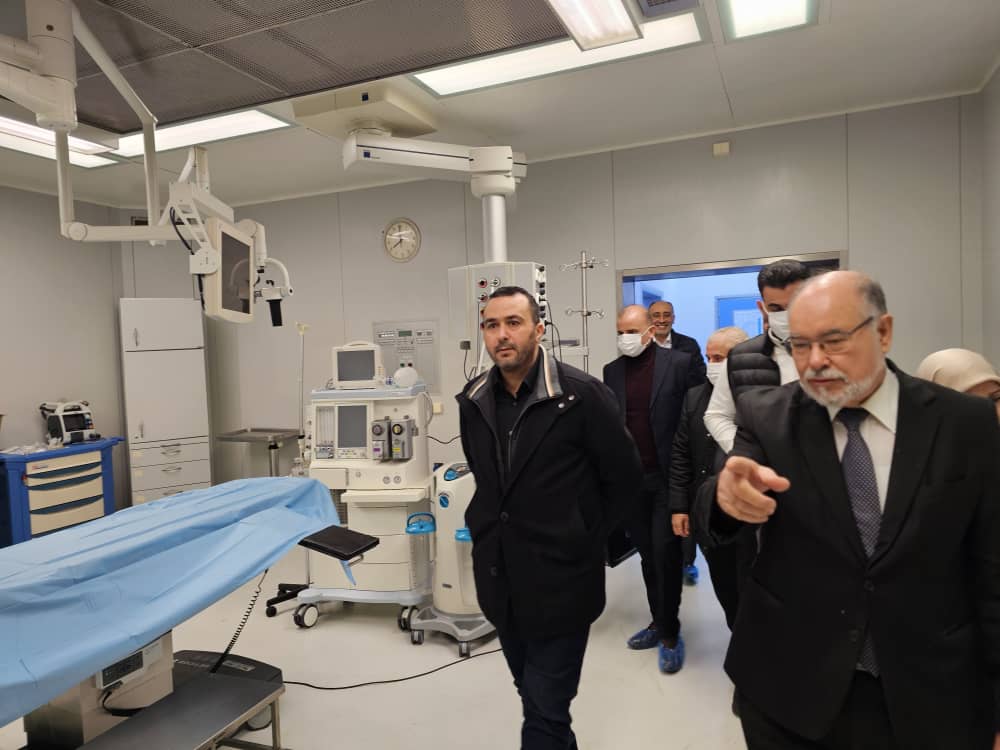
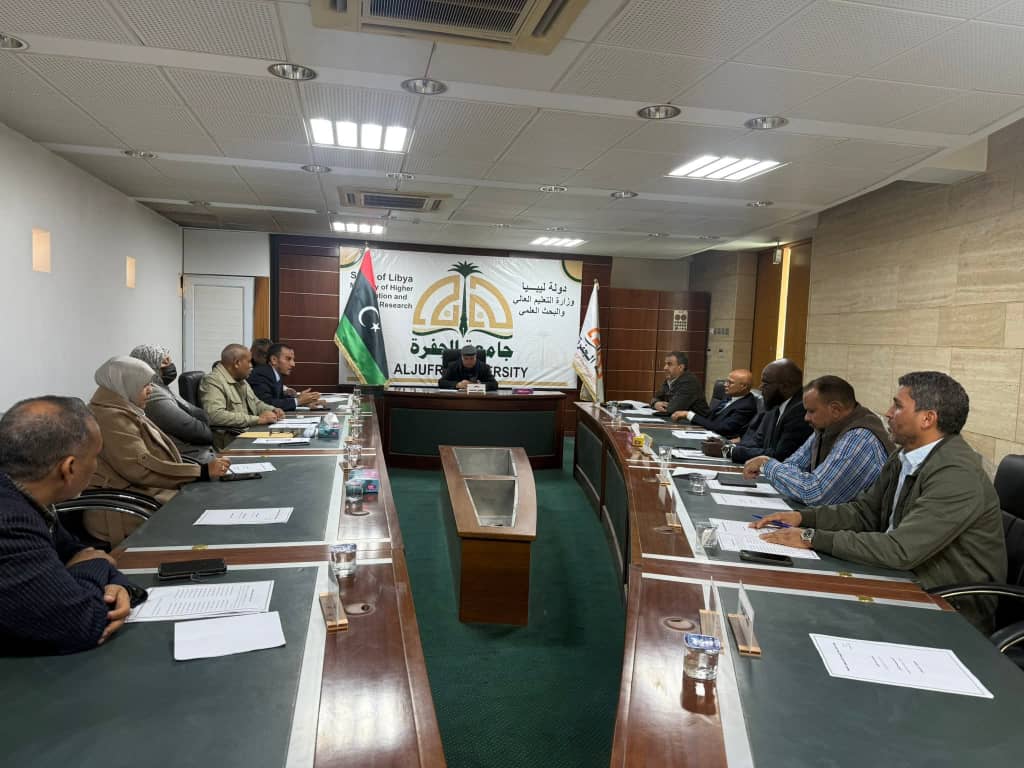
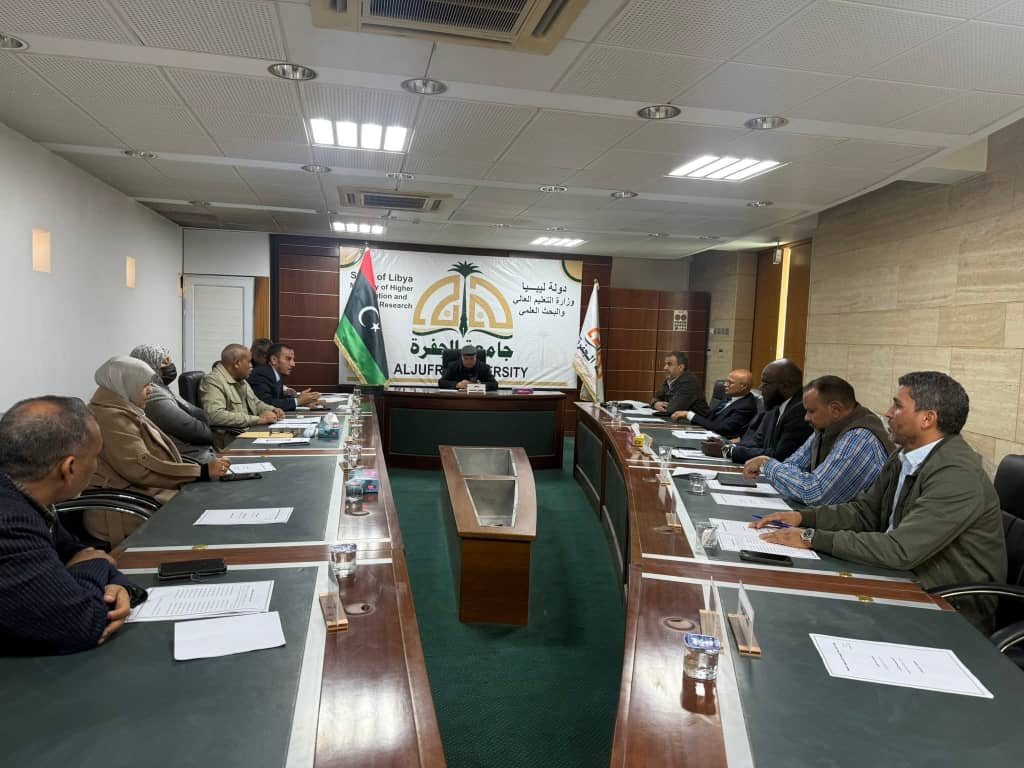
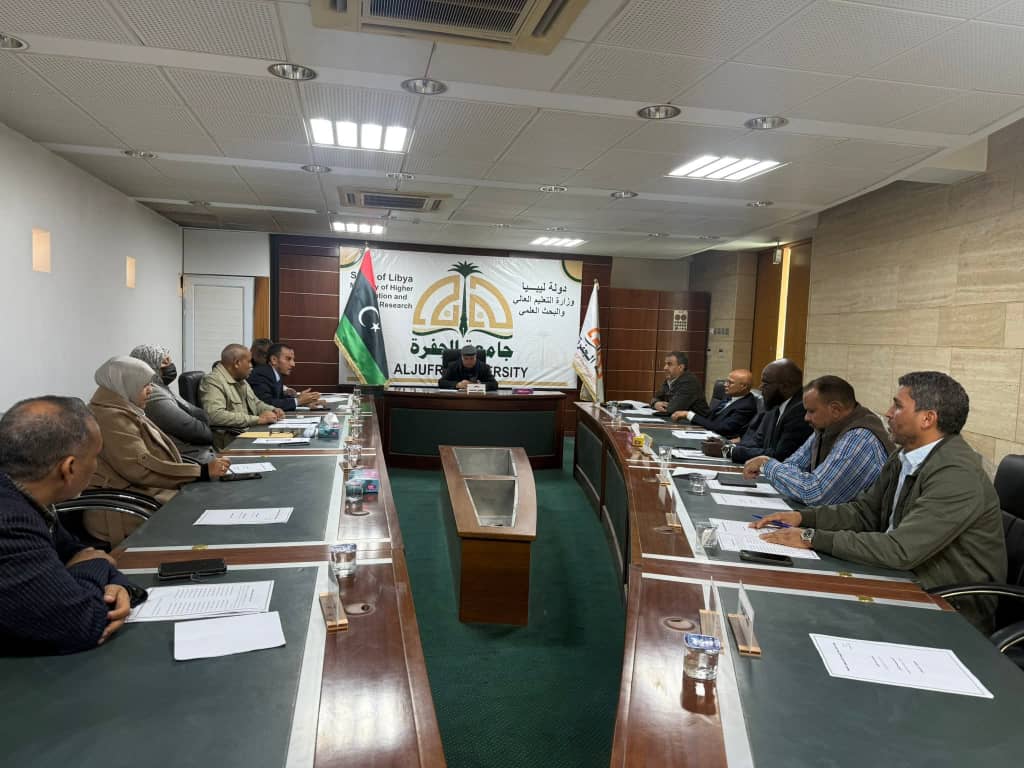
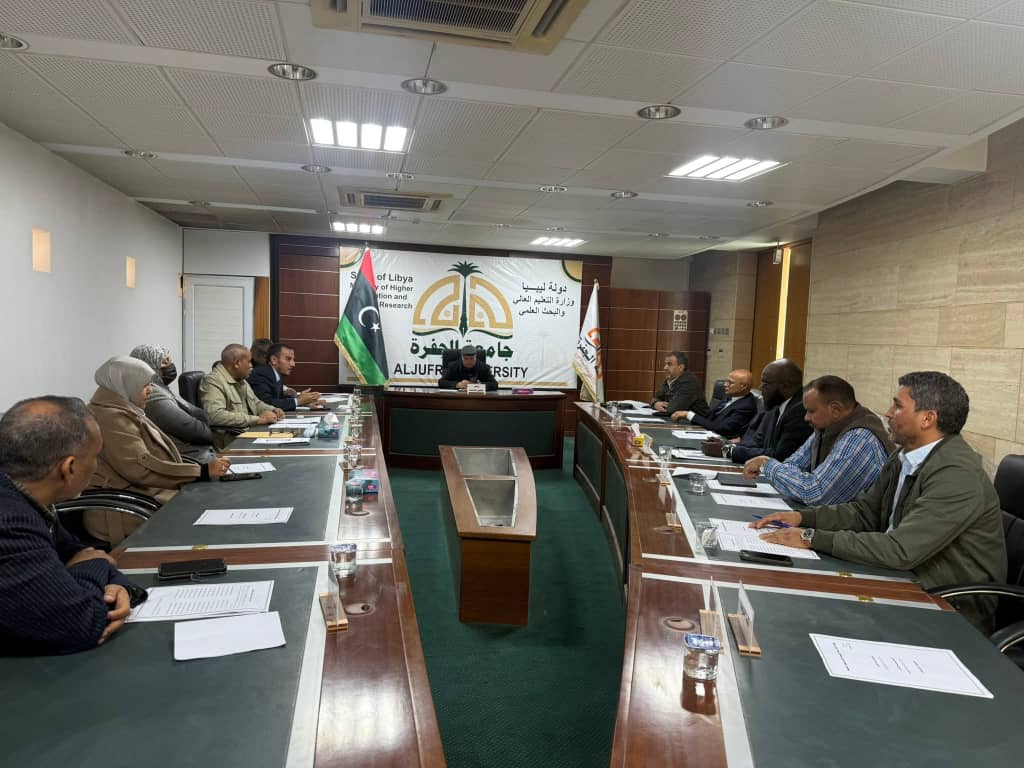
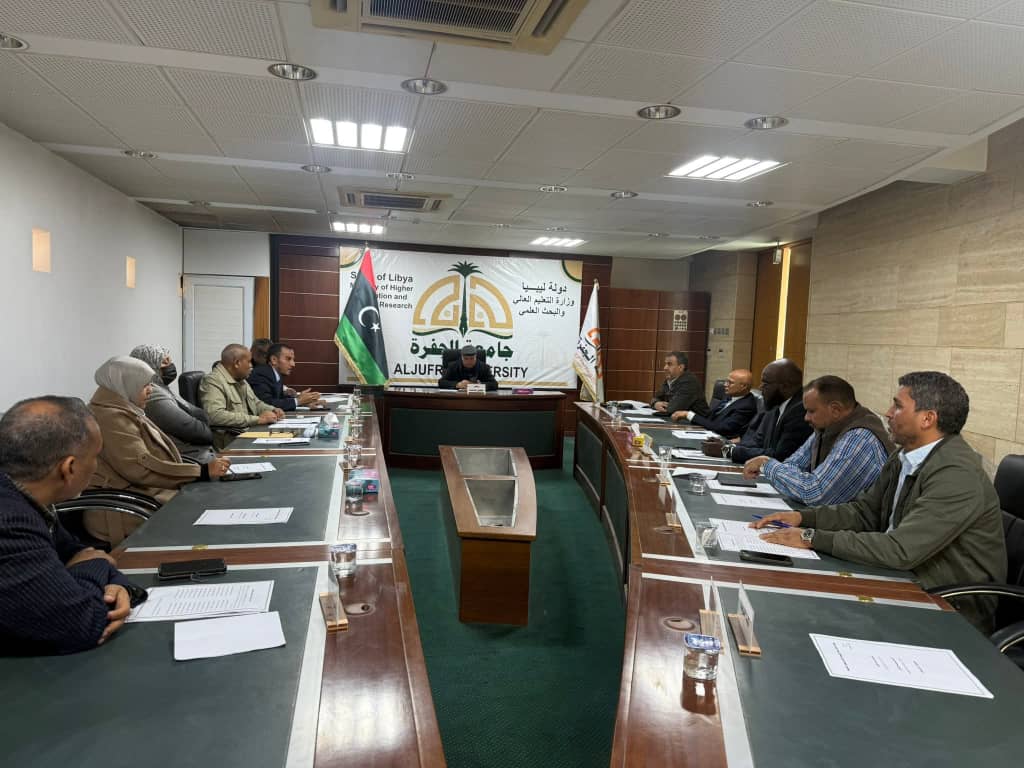
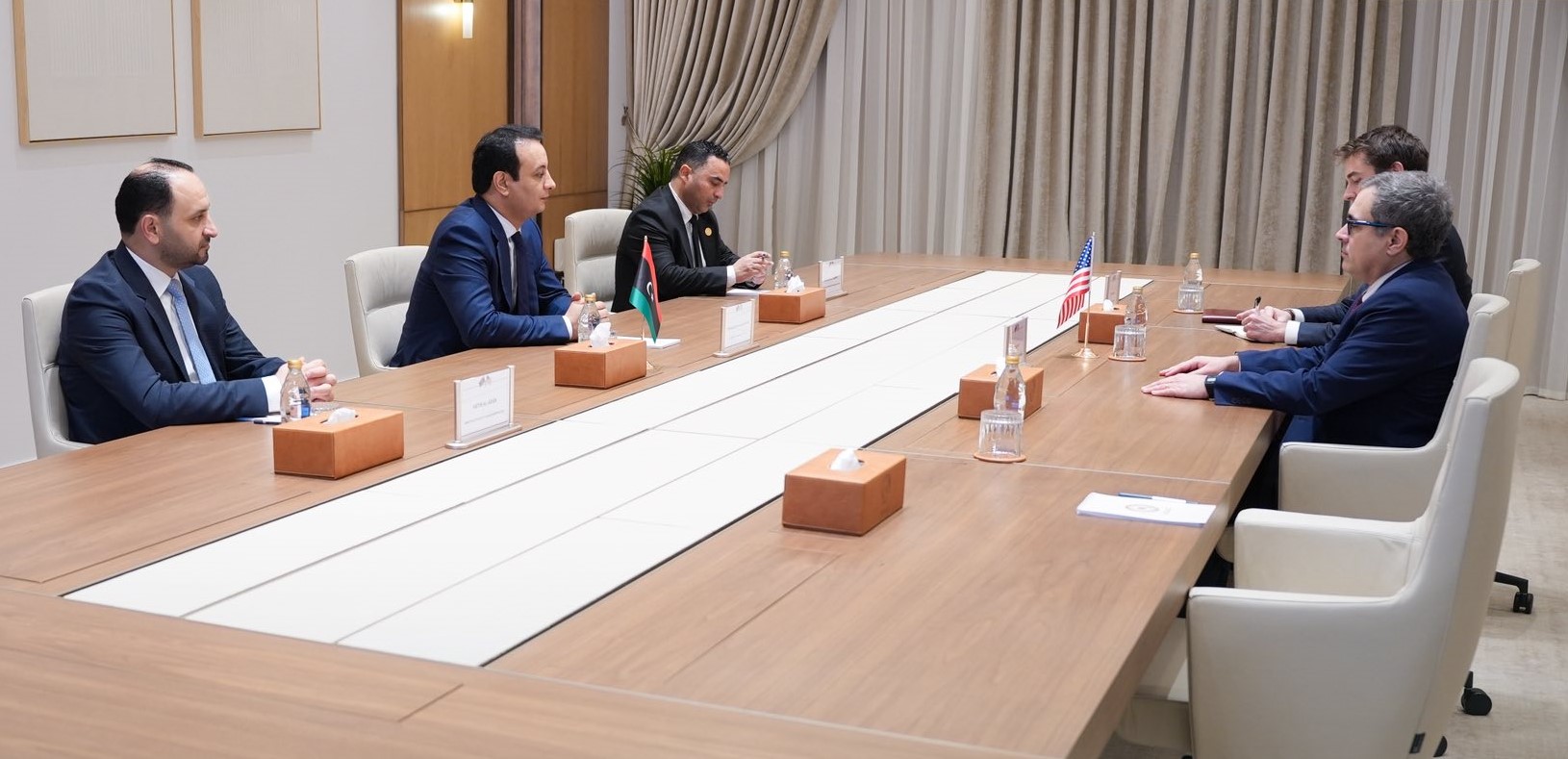
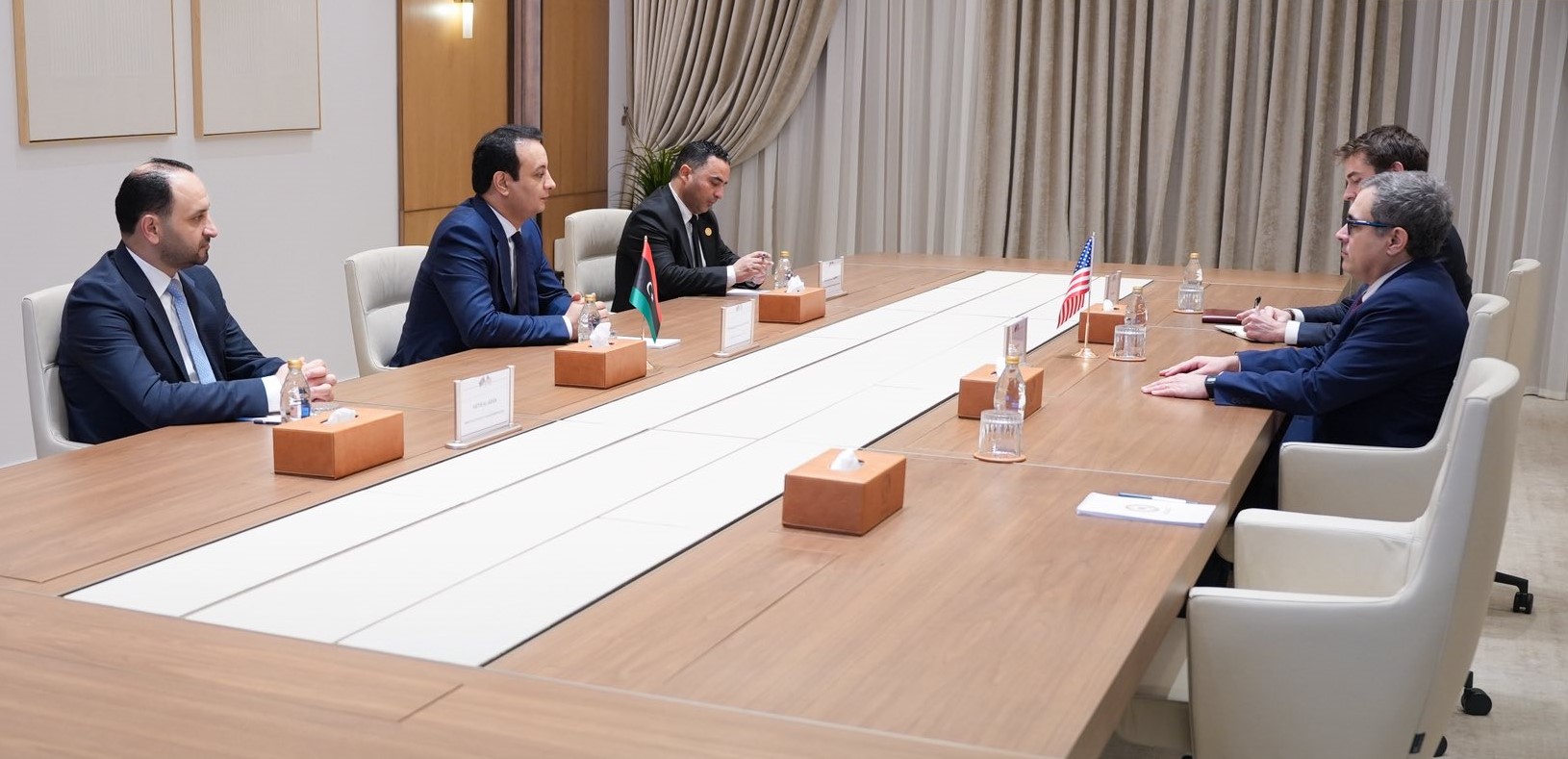
Tripoli, February 12, 2026 – The Director of the National Examination Center at the Ministry of Education held a meeting with the Director of the Examination Affairs Department. The meeting was attended by the directors of the Technical Affairs Department, the Follow-up and Performance Evaluation Offices, and the Branch Affairs Offices. The meeting discussed mechanisms for developing administrative and technical performance within the department.
The meeting reviewed observations regarding the processing of files for struggling students who were not included in the examination system. It emphasized the necessity of reviewing these files accurately and addressing any shortcomings in accordance with the relevant regulations to ensure smooth procedures and data accuracy. The meeting also addressed the mechanism for expediting the completion of unfinished transactions and making the necessary arrangements to finalize them as soon as possible.
The Director of the Center stressed the importance of coordinating with the directors of examination offices in the education monitoring departments to communicate with the administrations of their affiliated schools. This communication is to request a statement with the names of struggling students across various academic years and to refer any files requiring completion to the competent authorities for finalization according to the approved procedures.
Tripoli
Tripoli is the capital and largest city of Libya, located on the country’s Mediterranean coast. Historically, it was founded by the Phoenicians in the 7th century BC and has since been ruled by the Romans, Arabs, Ottomans, and Italians, which is reflected in its diverse architecture like the ancient Red Castle (Assaraya al-Hamra).
National Examination Center
The National Examination Center is an institution in China responsible for organizing and administering major national standardized tests, most notably the Gaokao (National College Entrance Examination). It was established to centralize and standardize the assessment process for higher education admissions across the country.
Ministry of Education
The Ministry of Education is the central government department responsible for national education policy, curriculum standards, and the administration of public schools. Its history in many countries dates to the 19th century, emerging from a growing recognition of the state’s role in providing standardized and universal education to foster an informed citizenry and skilled workforce.
Examination Affairs Department
The Examination Affairs Department is a modern administrative body typically found within educational institutions or government ministries, responsible for organizing and overseeing examinations. Its history is generally tied to the formalization and standardization of academic and professional testing systems in the 20th and 21st centuries.
Technical Affairs Department
The Technical Affairs Department is an administrative division commonly found in governmental or large organizational structures, focused on managing technical infrastructure, systems, and specialized projects. Its history is tied to the broader development of modern bureaucracy, emerging prominently in the 20th century as institutions increasingly relied on specialized engineering, IT, and logistical support to function effectively.
Follow-up and Performance Evaluation Offices
The Follow-up and Performance Evaluation Offices are administrative bodies typically established within governments or large organizations to monitor the implementation of policies and assess the efficiency of various departments. Their history is rooted in modern public administration reforms aimed at increasing accountability, transparency, and evidence-based decision-making. These offices systematically track progress against strategic goals and measure outcomes to improve institutional performance.
Branch Affairs Offices
Branch Affairs Offices are administrative extensions of the Chinese Communist Party and government, historically established to manage party and state affairs at regional and local levels. They serve as intermediaries for implementing policies, maintaining social stability, and facilitating communication between central authorities and communities.