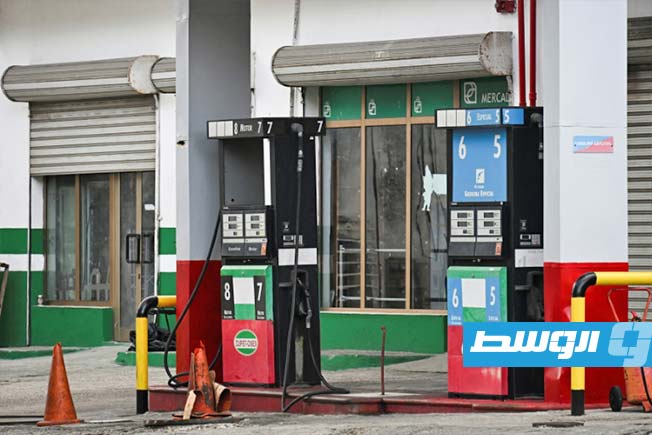
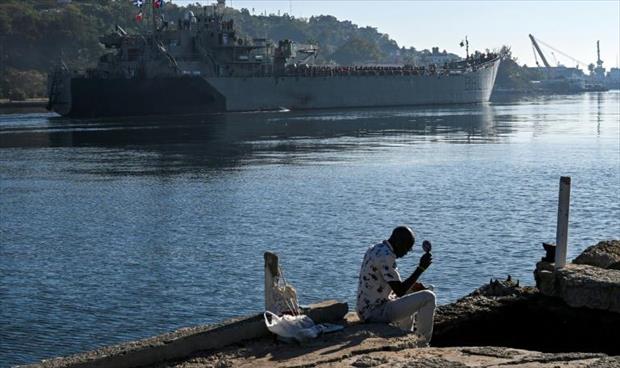
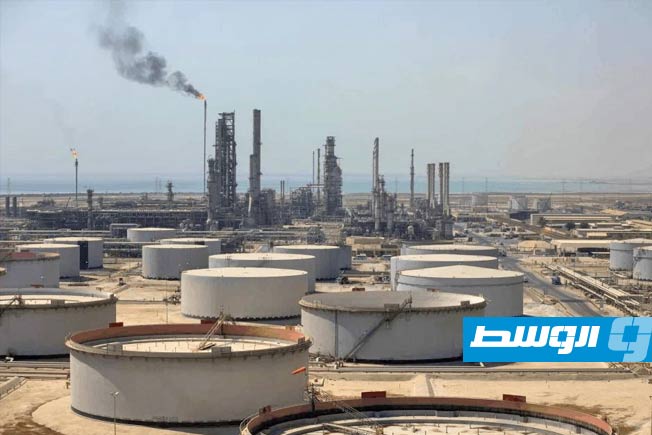
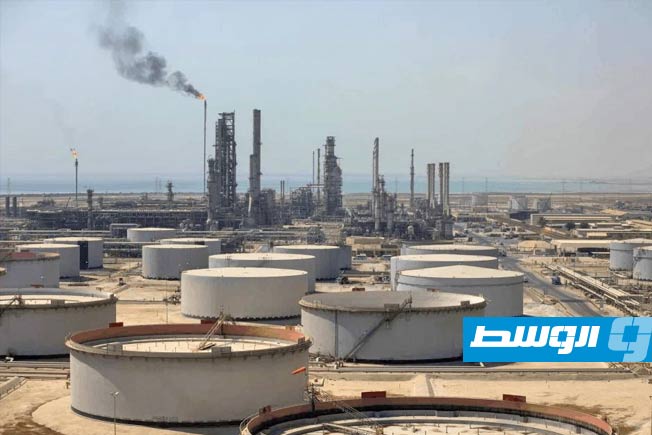
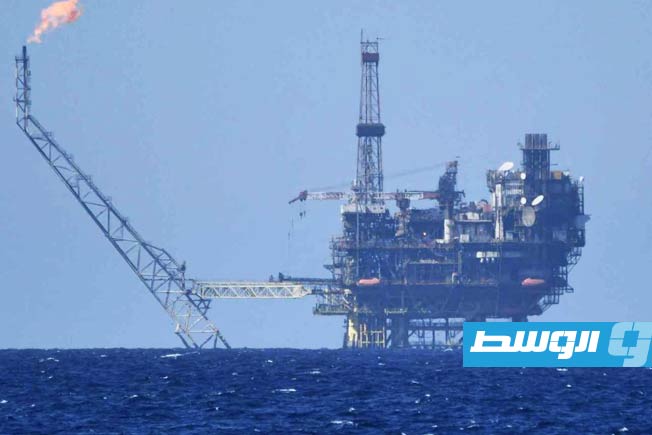
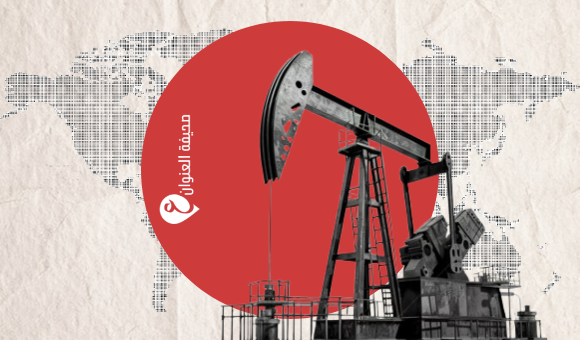
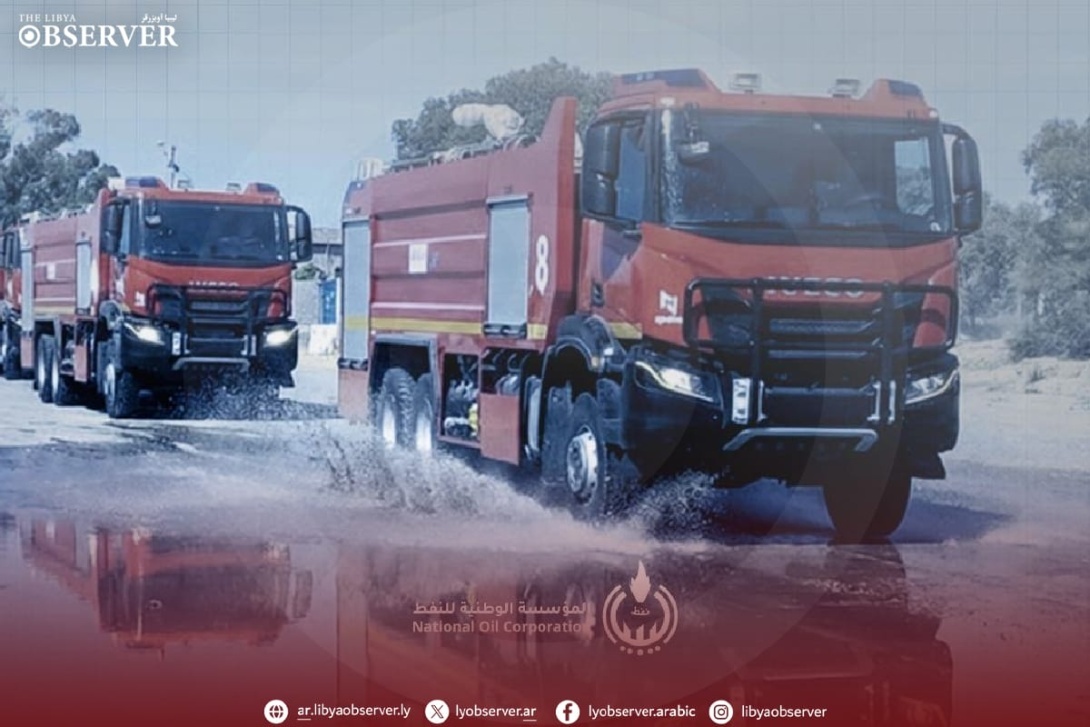
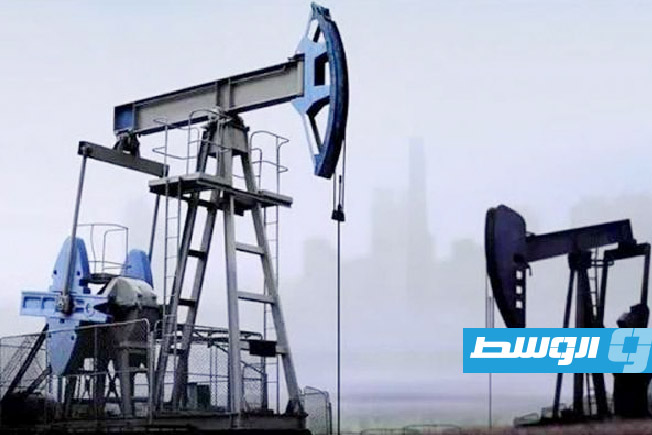
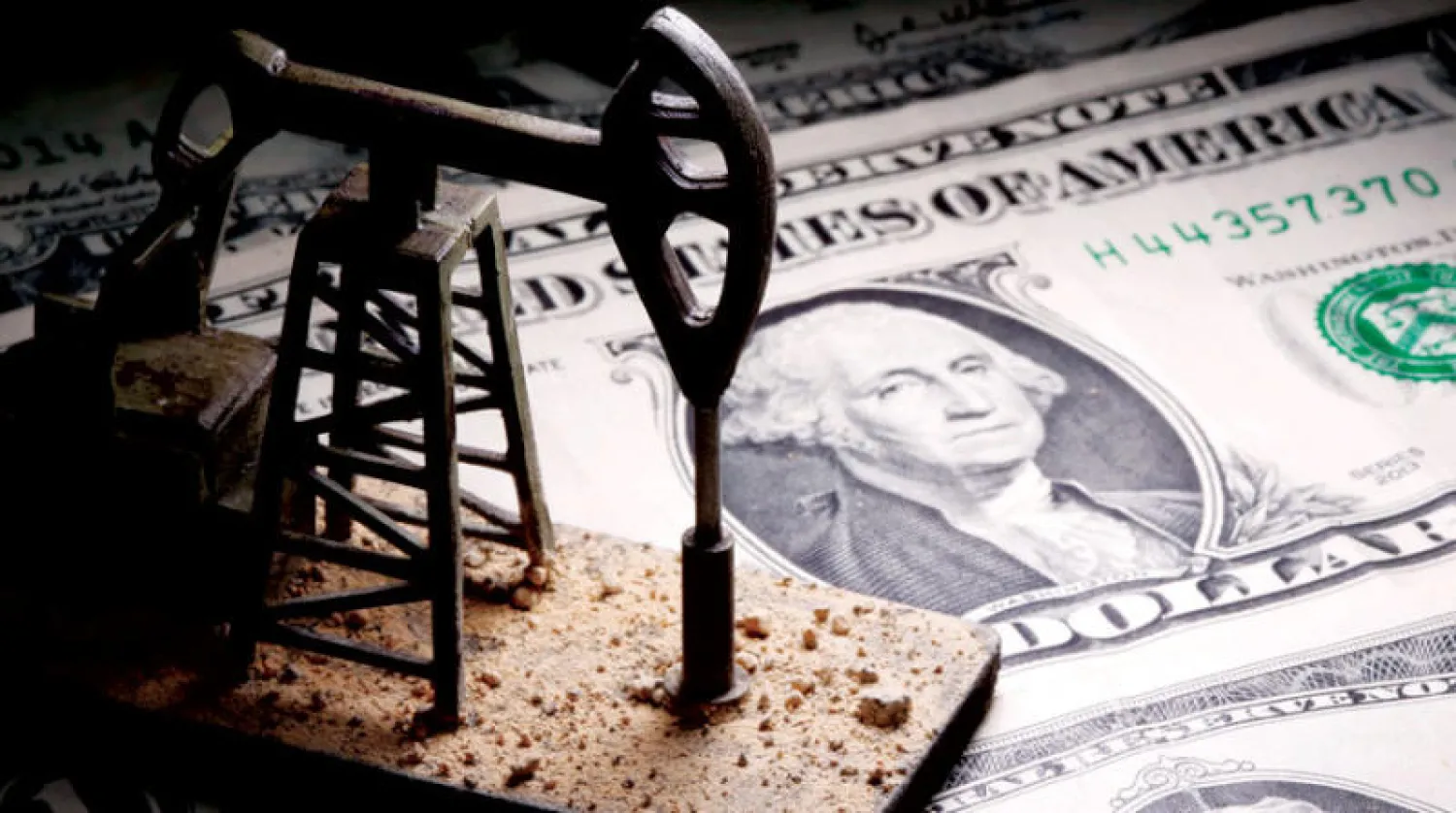
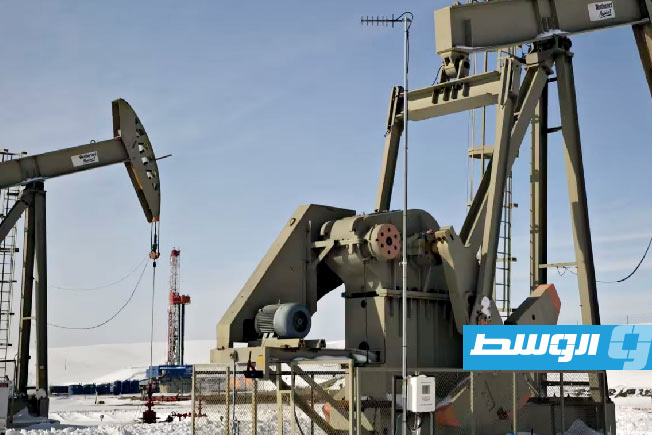
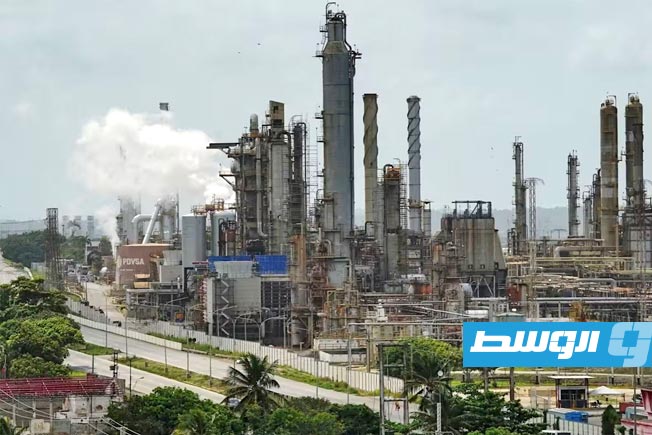
It was reported on Thursday, citing diplomatic sources, that Moscow will send oil to Havana “soon as humanitarian aid,” at a time when the island is facing a fuel shortage under pressure from the United States.
Diplomatic sources at the Russian embassy in Cuba were quoted as saying: “To our knowledge, Russia will soon supply Cuba with oil and petroleum products as humanitarian aid.”
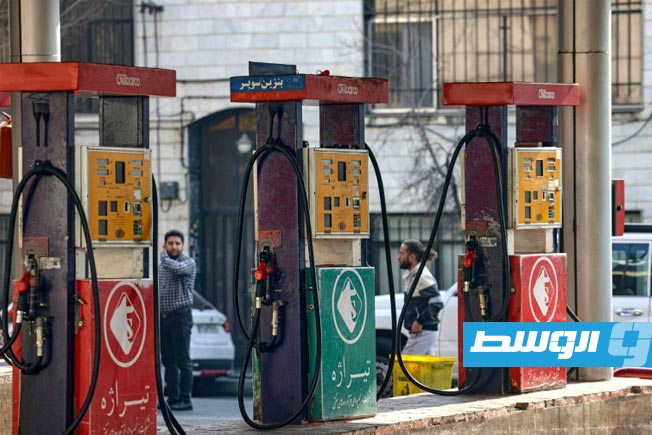
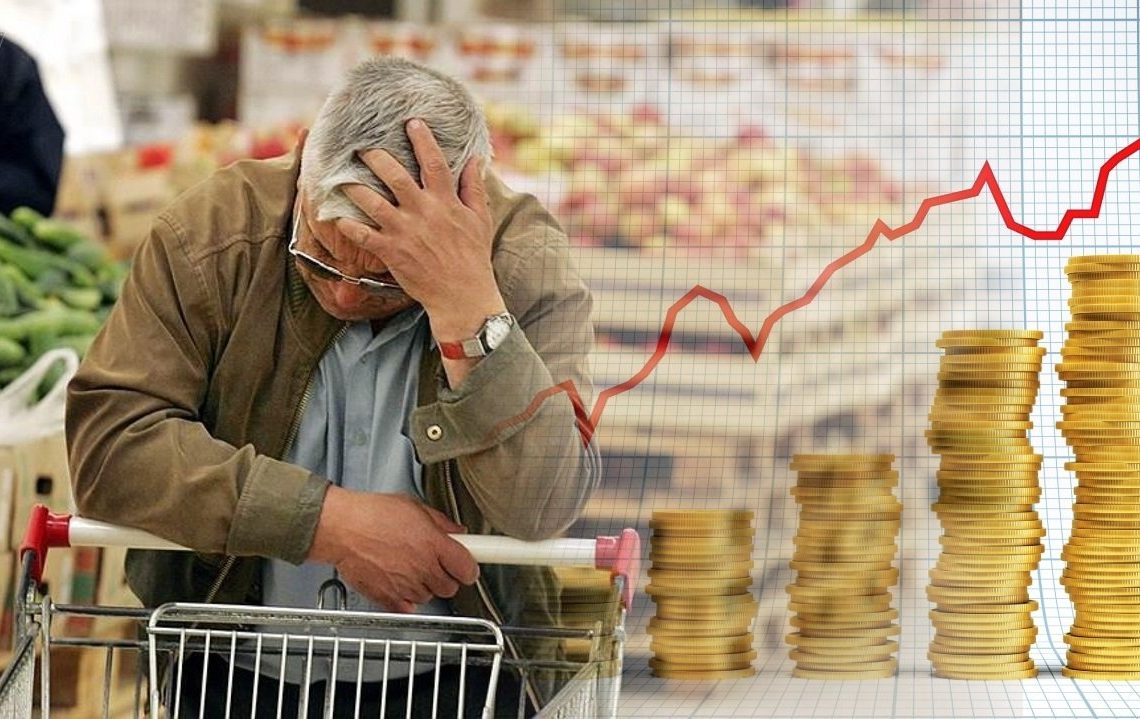
Cuba is facing its worst energy crisis after Venezuela stopped supplying it with oil under pressure from the United States, and Washington has threatened to impose tariffs on countries that sell it oil.
Emergency measures to address the energy crisis in Cuba
The Cuban government announced a series of emergency measures to address the crisis, including working only four days a week and remote work in government offices and state-owned companies, in addition to imposing restrictions on fuel sales.
–
–
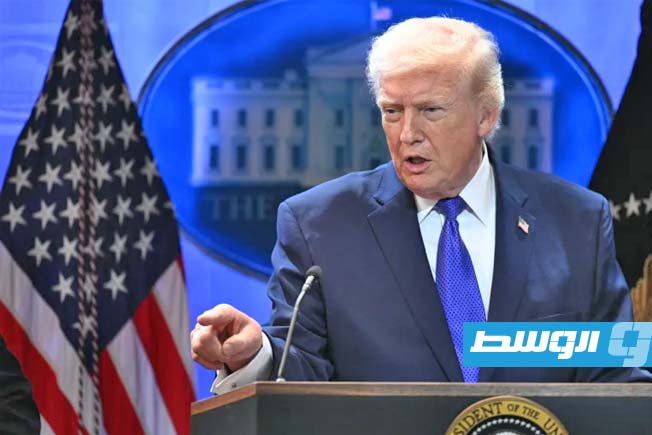
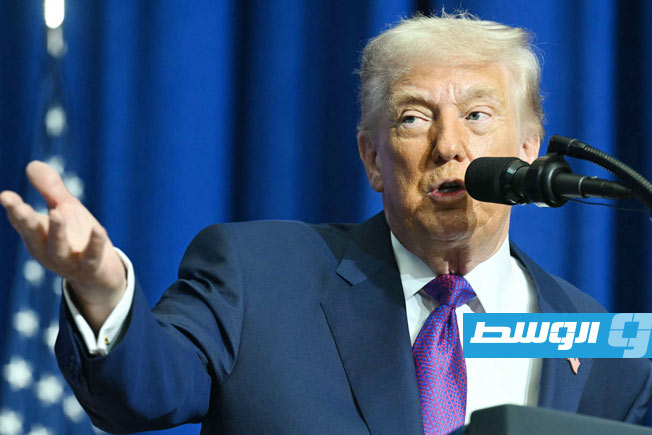
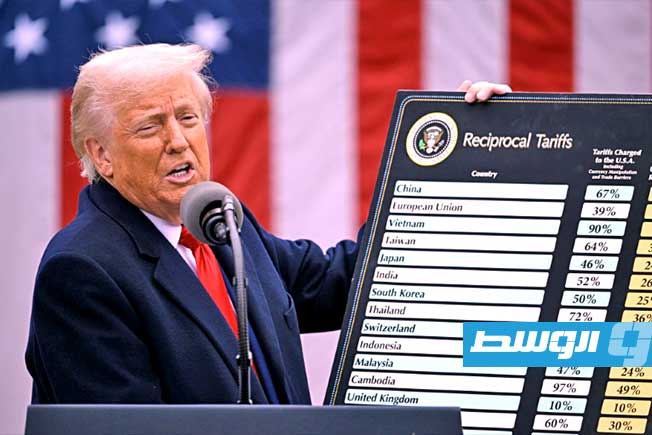
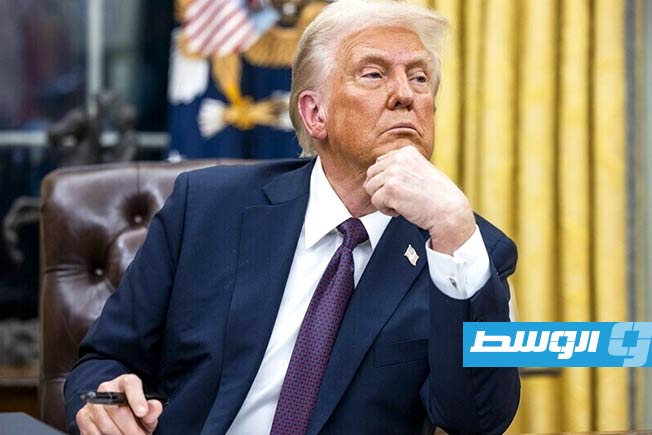
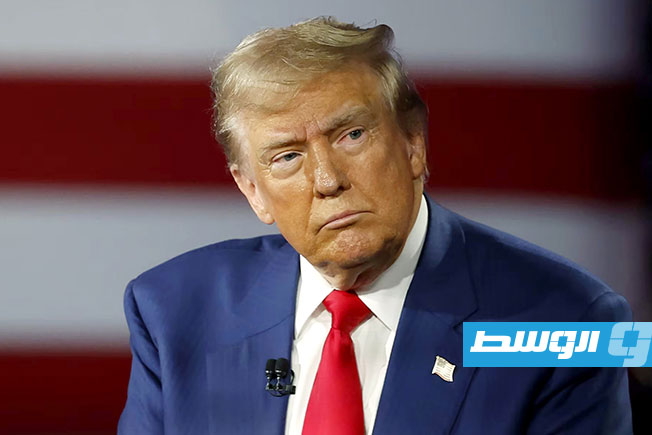
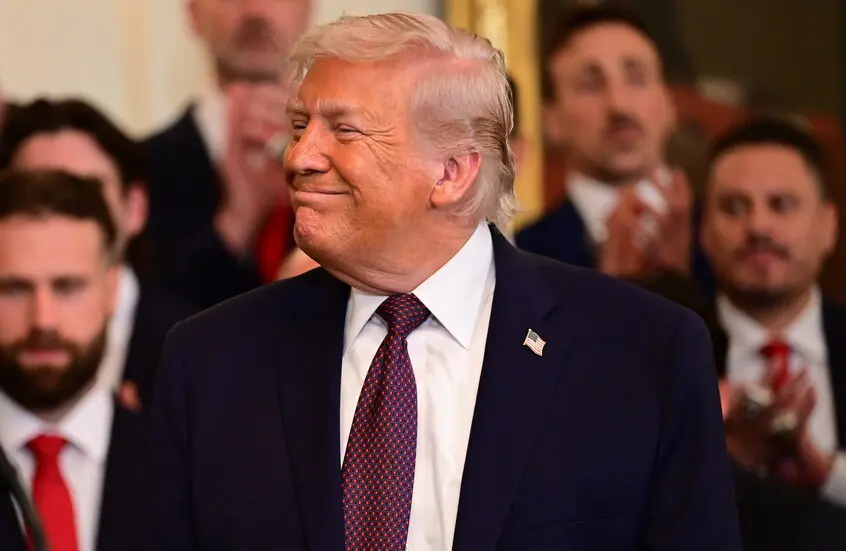
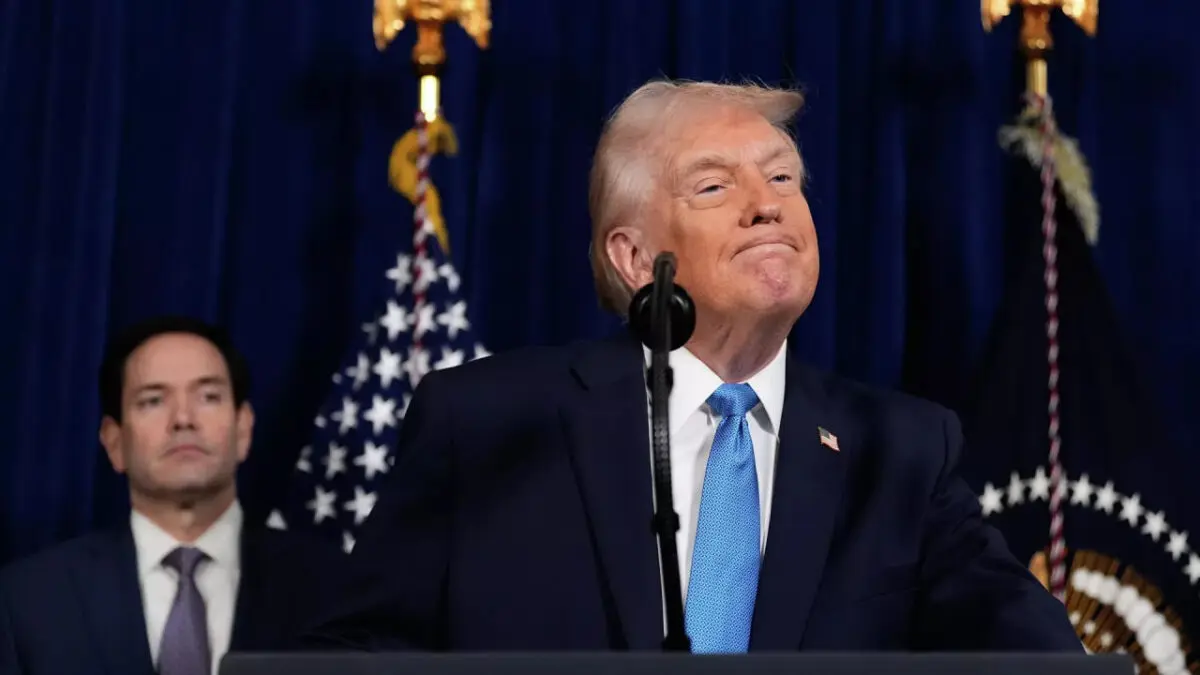
After shipments from Venezuela were halted following the kidnapping of President Nicolas Maduro in early January, U.S. President Donald Trump signed an executive order stipulating that the United States impose tariffs on countries that sell oil to Havana.
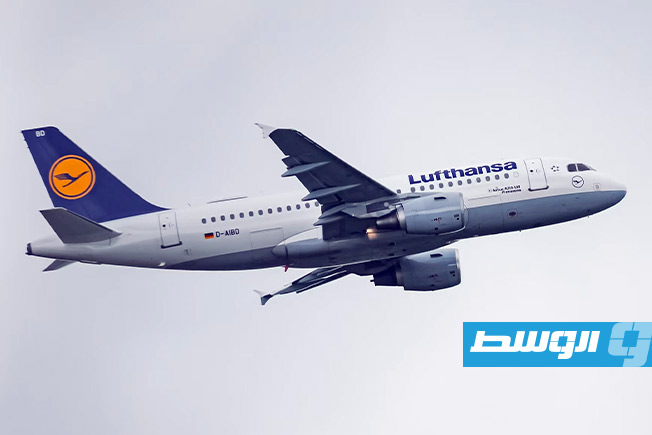
It was also confirmed that Mexico, which had been supplying oil to Cuba since 2023, will stop doing so. In recent days, several airlines announced the suspension of their flights to Cuba due to difficulties in refueling aircraft.
Moscow
Moscow is the capital and largest city of Russia, with a recorded history dating back over 800 years to its first mention in 1147. It grew from a medieval fortress, the Kremlin, to become the political and cultural heart of the Russian state, serving as the capital of the Tsardom of Russia, the Soviet Union, and the modern Russian Federation. The city is renowned for iconic landmarks like Red Square, St. Basil’s Cathedral, and the Moscow Metro, reflecting its long and complex historical evolution.
Havana
Havana is the capital city of Cuba, founded by the Spanish in 1519. It became a major port for the Spanish treasure fleet and is renowned for its well-preserved colonial architecture in Old Havana, a UNESCO World Heritage Site.
Cuba
Cuba is a Caribbean island nation with a rich history shaped by Spanish colonization, the transatlantic slave trade, and its 1959 socialist revolution. Its culture is a renowned fusion of Spanish, African, and Caribbean influences, evident in its music, dance, and architecture. Key historical sites include Old Havana, a UNESCO World Heritage site with well-preserved colonial-era buildings.
United States
The United States is a federal republic founded in 1776 after declaring independence from Great Britain, with its modern government established by the Constitution in 1789. Its history encompasses westward expansion, the Civil War, industrialization, and its emergence as a global superpower in the 20th century. The nation is defined by its diverse cultural heritage, democratic ideals, and significant influence on global politics, economics, and culture.
Russia
Russia is the world’s largest country by area, spanning Eastern Europe and Northern Asia. Its history is marked by the rise and fall of the Kievan Rus’, the Tsardom of Russia, the Russian Empire, and the Soviet Union, before becoming the Russian Federation in 1991. It is renowned for its vast landscapes, rich cultural heritage in literature, music, and art, and its influential role in global affairs.
Venezuela
Venezuela is a South American country known for its diverse landscapes, including the Andes Mountains, Amazon rainforest, and the world’s highest waterfall, Angel Falls. Historically, it was a Spanish colony until achieving independence in the early 19th century under leaders like Simón Bolívar, and its modern economy has been heavily shaped by its vast petroleum reserves.
Washington
Washington, D.C., the capital of the United States, was founded in 1790 and named after the first U.S. president, George Washington. It is a planned city, designed by Pierre Charles L’Enfant, and is home to iconic national landmarks such as the White House, the U.S. Capitol, and the Washington Monument.
Nicolas Maduro
Nicolas Maduro is the current President of Venezuela, having assumed office in 2013 following the death of his predecessor, Hugo Chávez. His presidency has been marked by a severe economic crisis, political turmoil, and significant international controversy and sanctions.
Donald Trump
Donald Trump is a businessman and media personality who served as the 45th President of the United States from 2017 to 2021. His presidency was marked by a populist and unconventional political style, significant tax reforms, and a focus on immigration restriction and “America First” foreign policy.
Mexico
Mexico, officially the United Mexican States, is a country with a rich history spanning ancient civilizations like the Maya and Aztec, the Spanish colonial period, and its independence in 1821. It is renowned for its vibrant cultural heritage, including UNESCO World Heritage sites, distinctive cuisine, and traditions like Día de los Muertos.