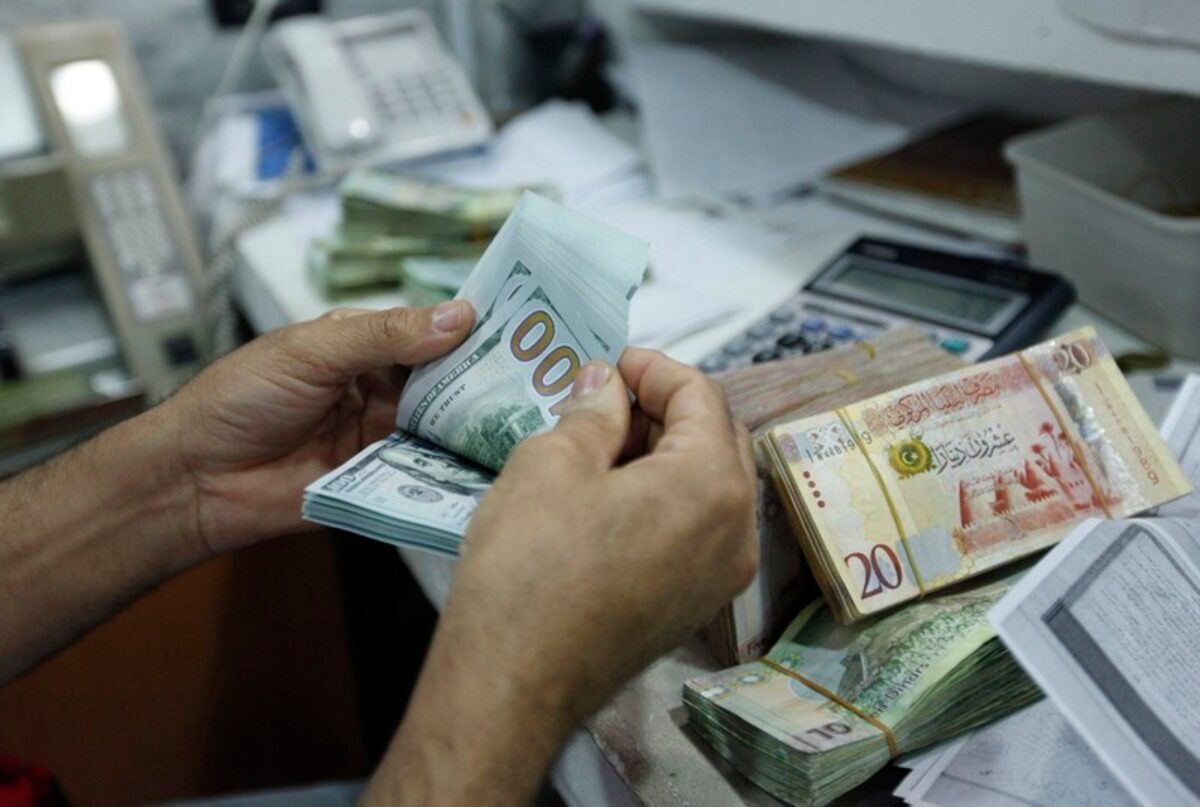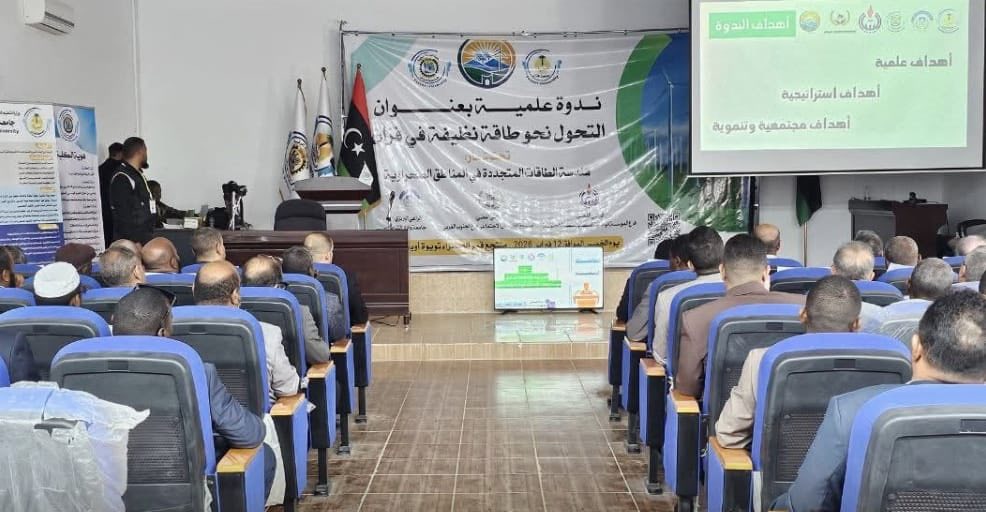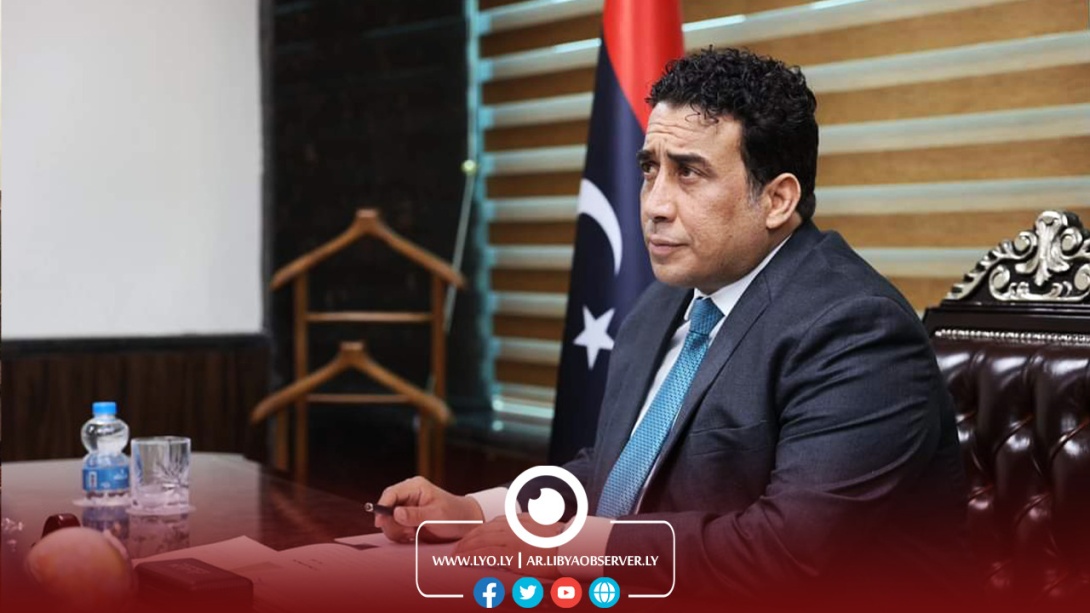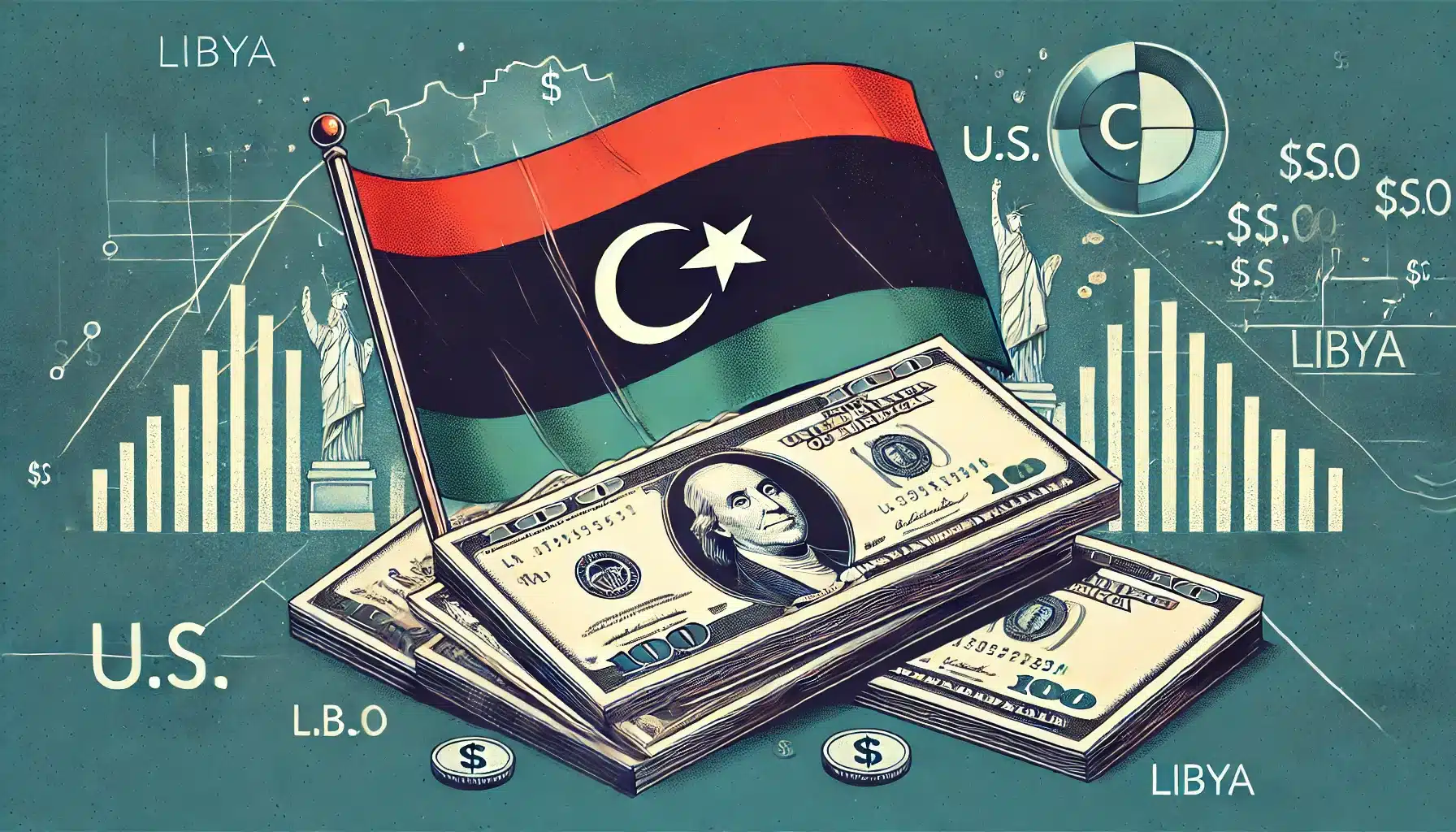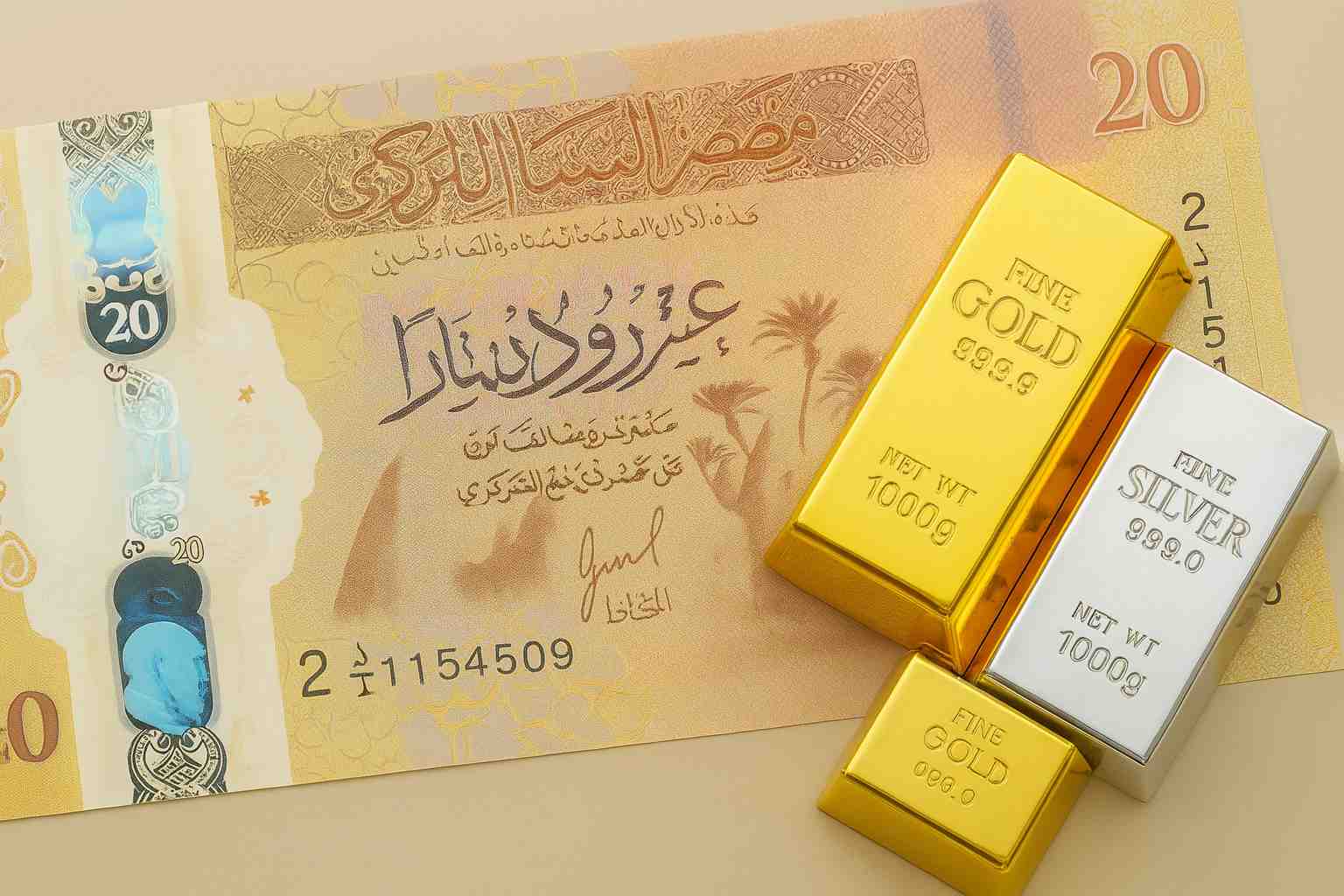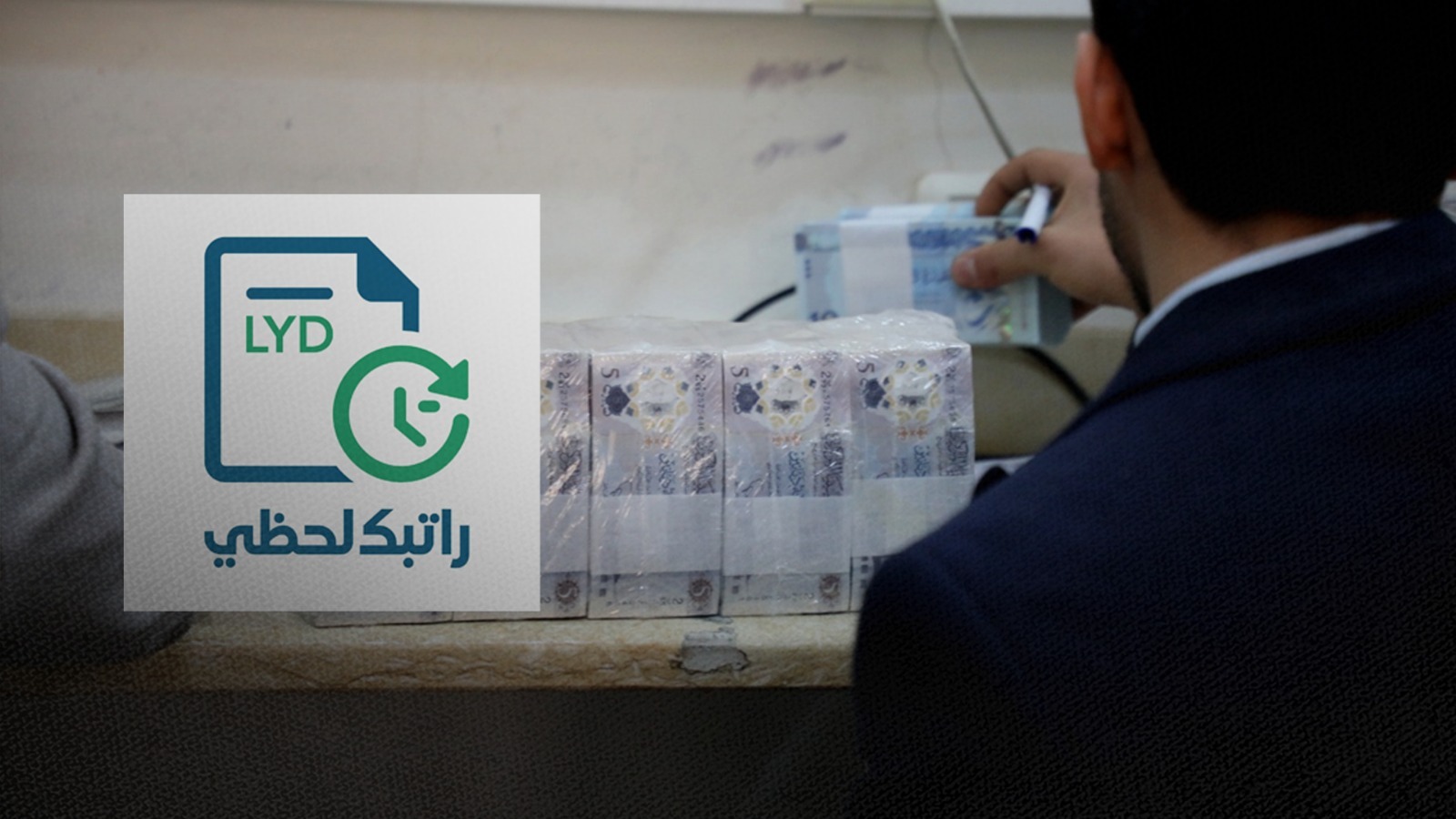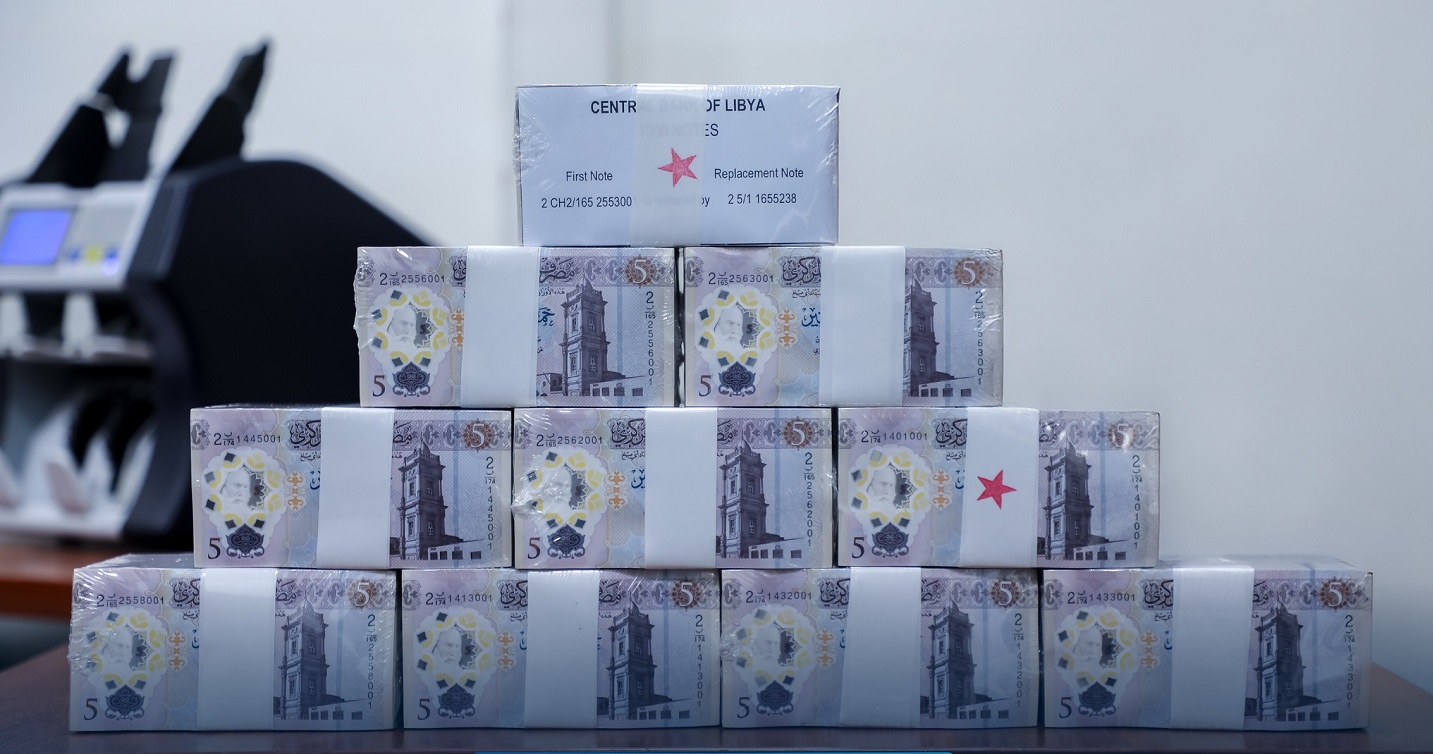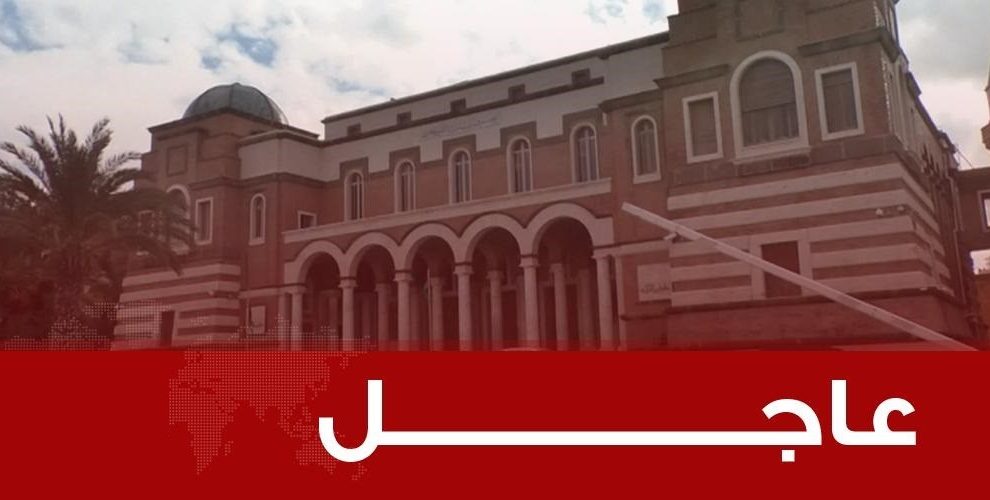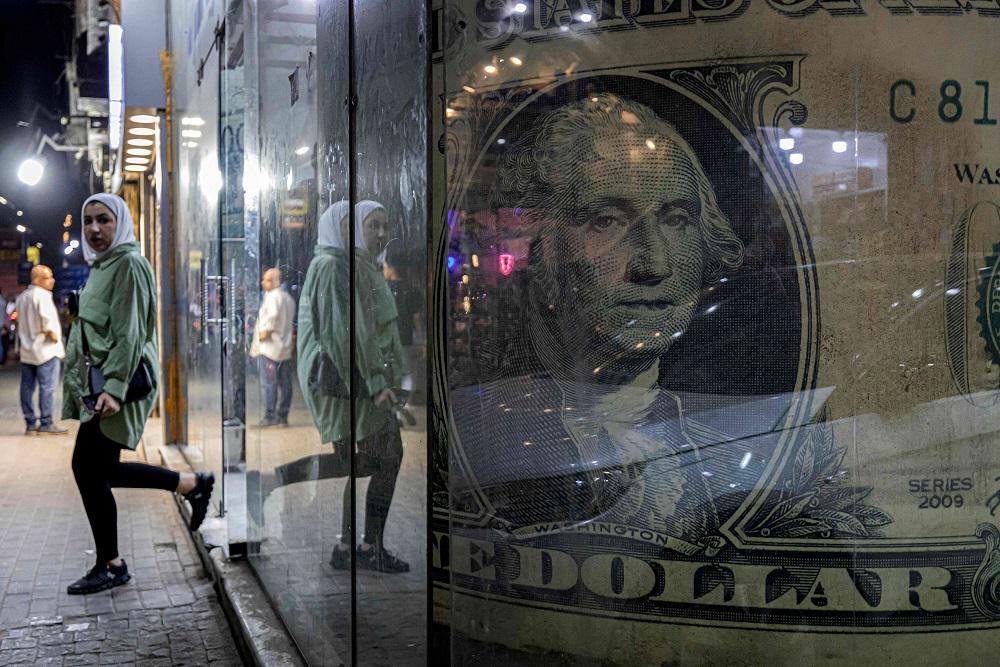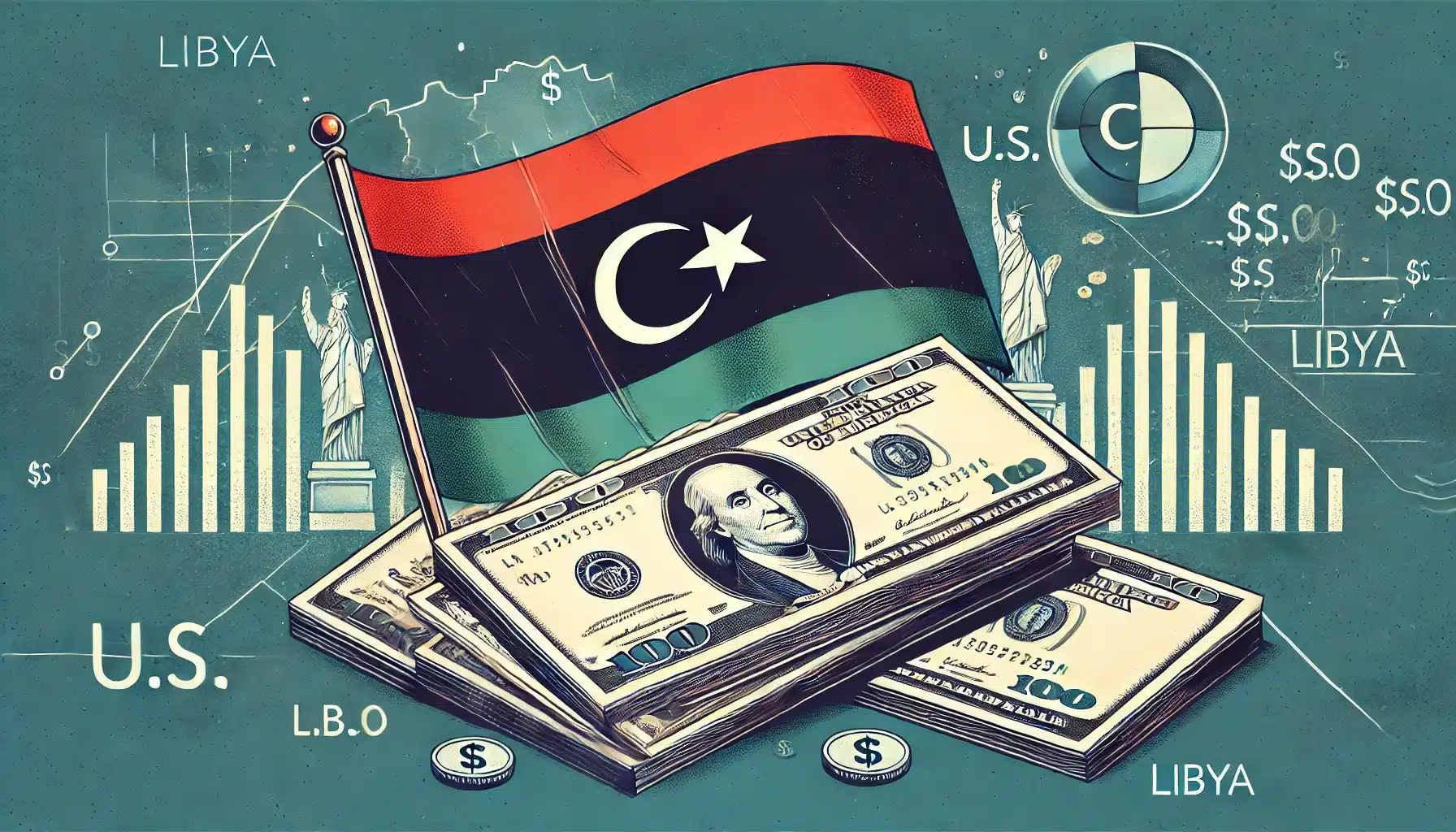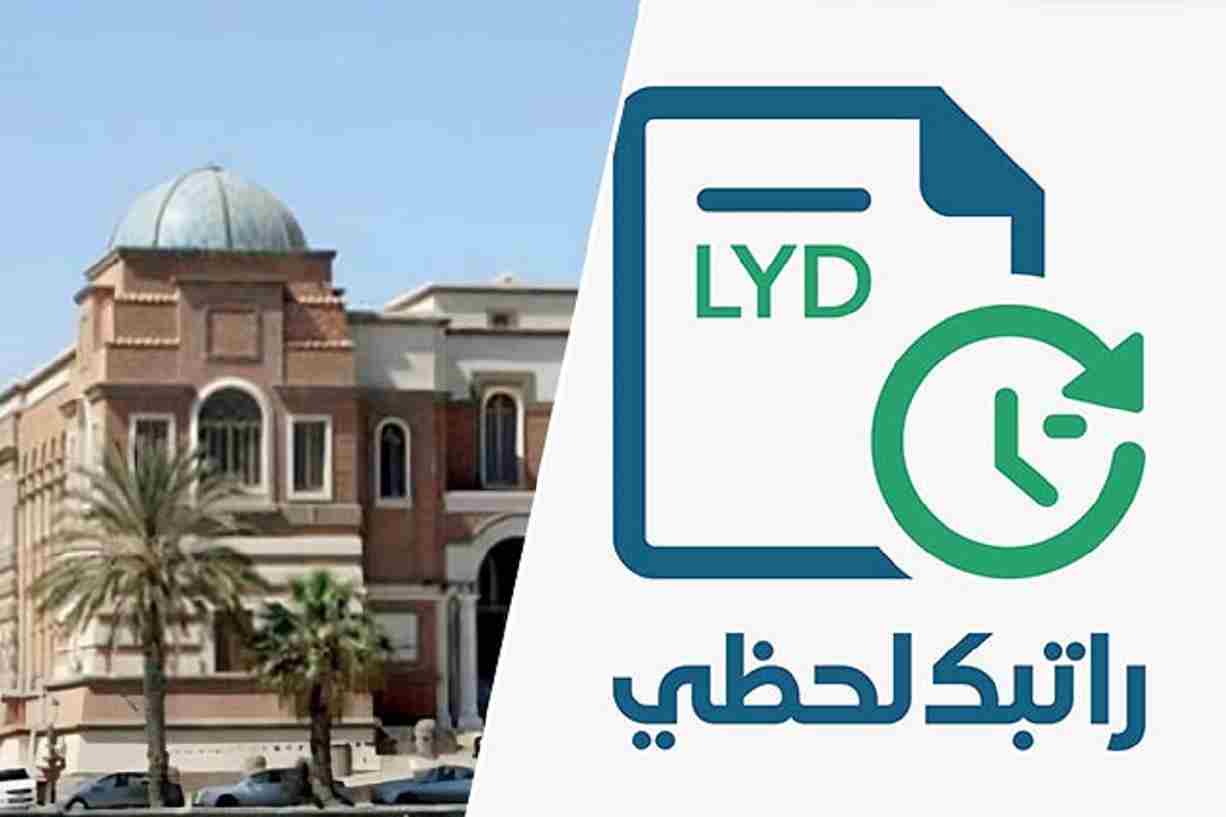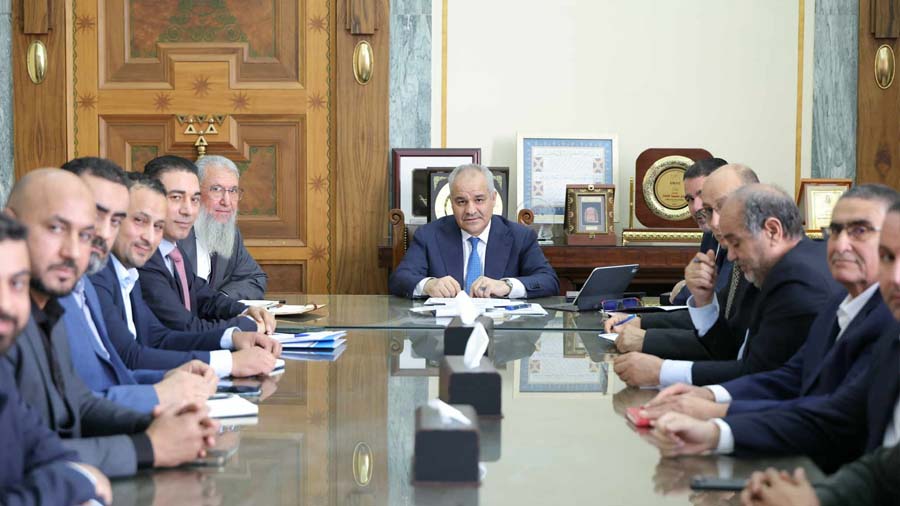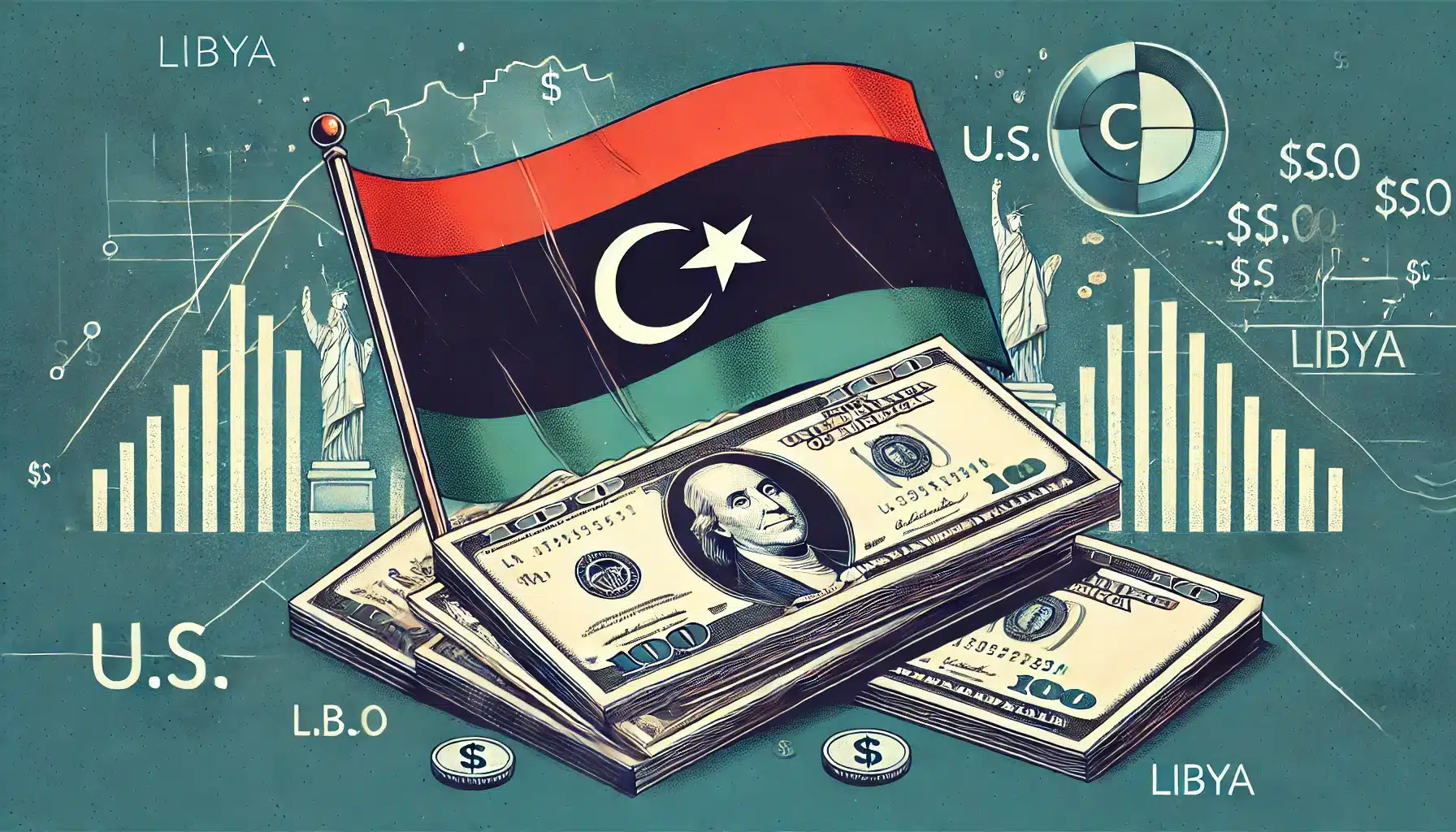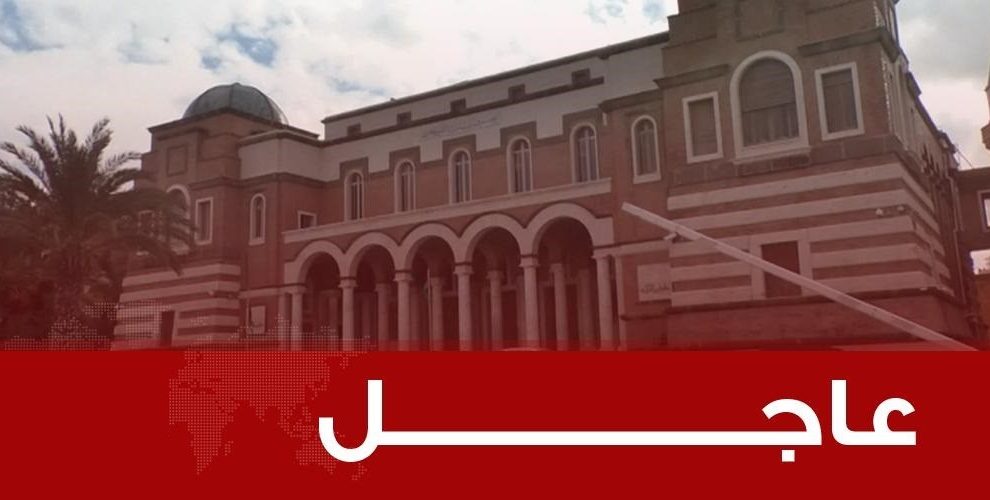
The Governor of the Central Bank of Libya has issued urgent instructions to the Ministry of Interior, the Internal Security Agency, and the Municipal Guard, mandating the immediate closure of all unlicensed exchange companies and offices. This is part of a plan aimed at curbing the parallel market and protecting the Libyan dinar.
Key Directives
- Pursuing Speculators: Punishing individuals and entities that trade foreign currencies outside official banking channels.
- Monitoring Money Movement: Intensifying security monitoring of money transfers in Libyan dinars and verifying their sources and legal legitimacy.
- Combating Financial Crimes: Ensuring all financial transactions comply with existing legislation and anti-money laundering and counter-terrorism financing controls.
Background of the Decision
These moves come as the Central Bank seeks to impose strict oversight on the financial sector and limit illegal activities that have contributed to exchange rate volatility.
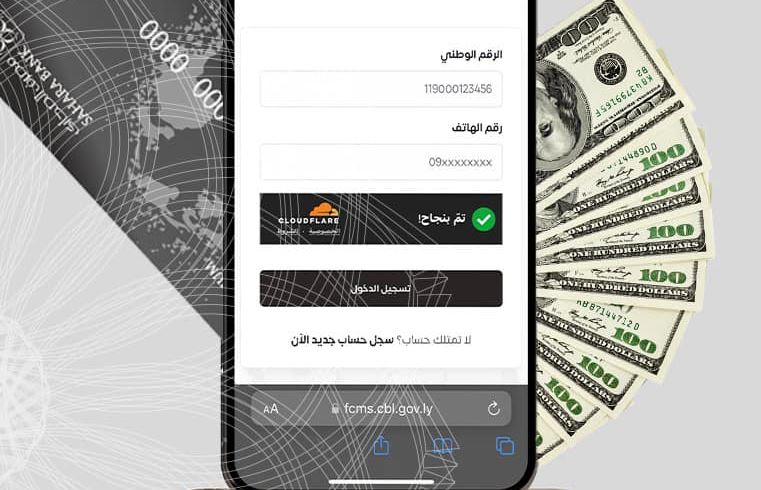
The Bank confirmed it has already begun granting permits to exchange companies committed to linking with the official Central Bank system, ensuring market regulation and the provision of foreign currency through legal and secure channels.
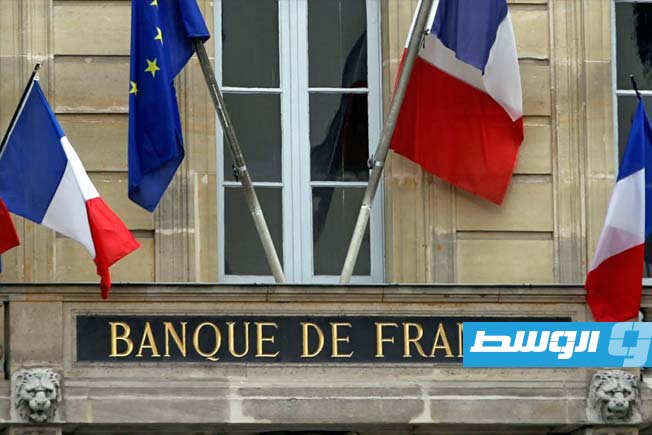
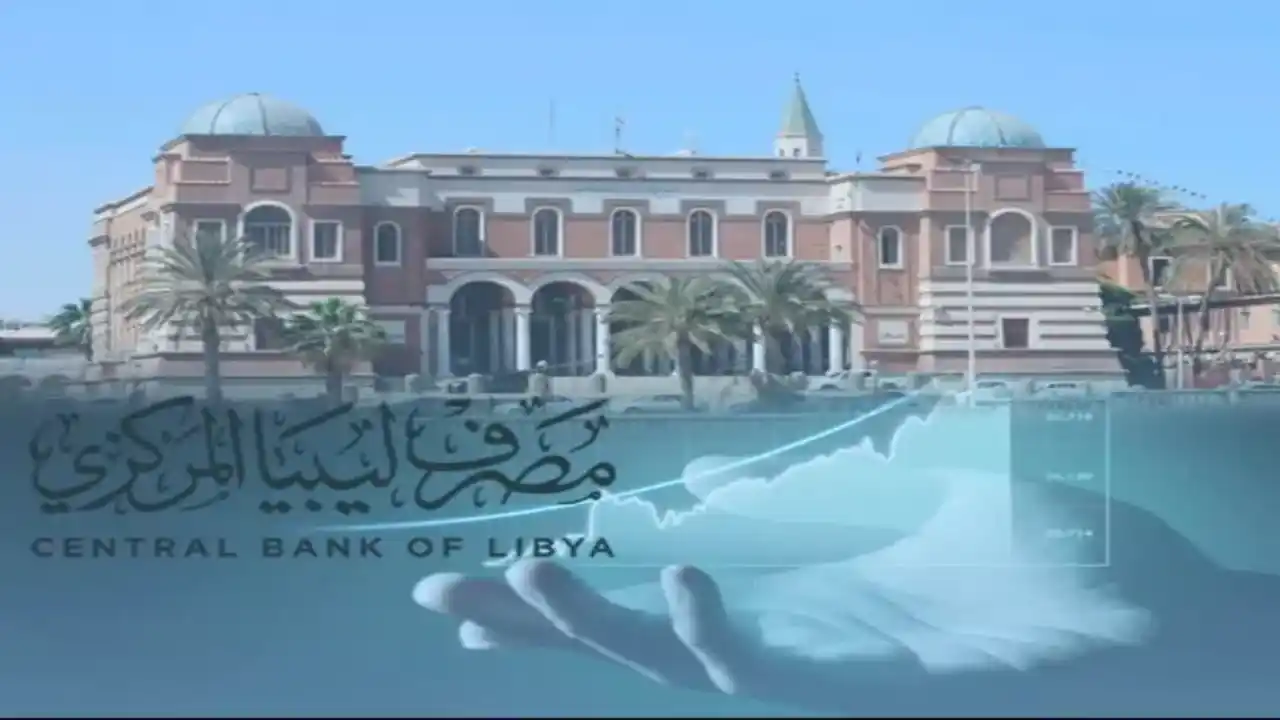
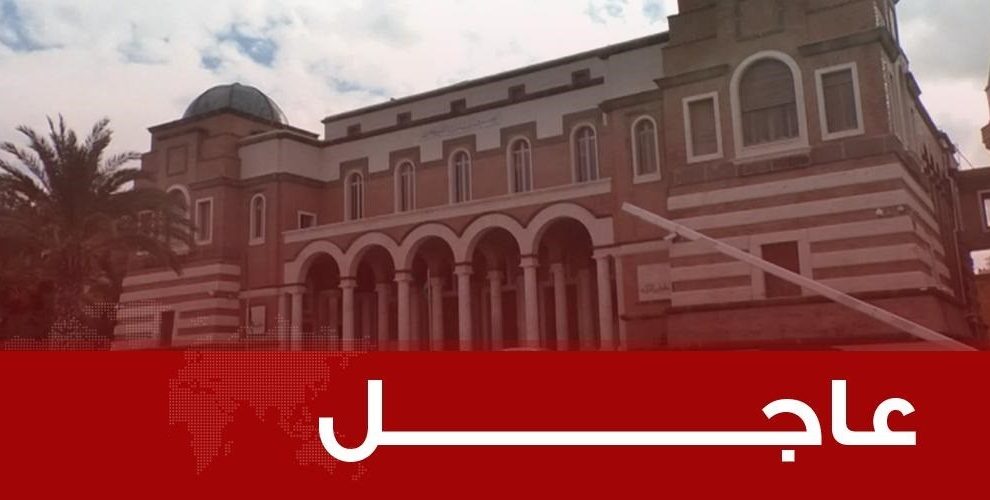
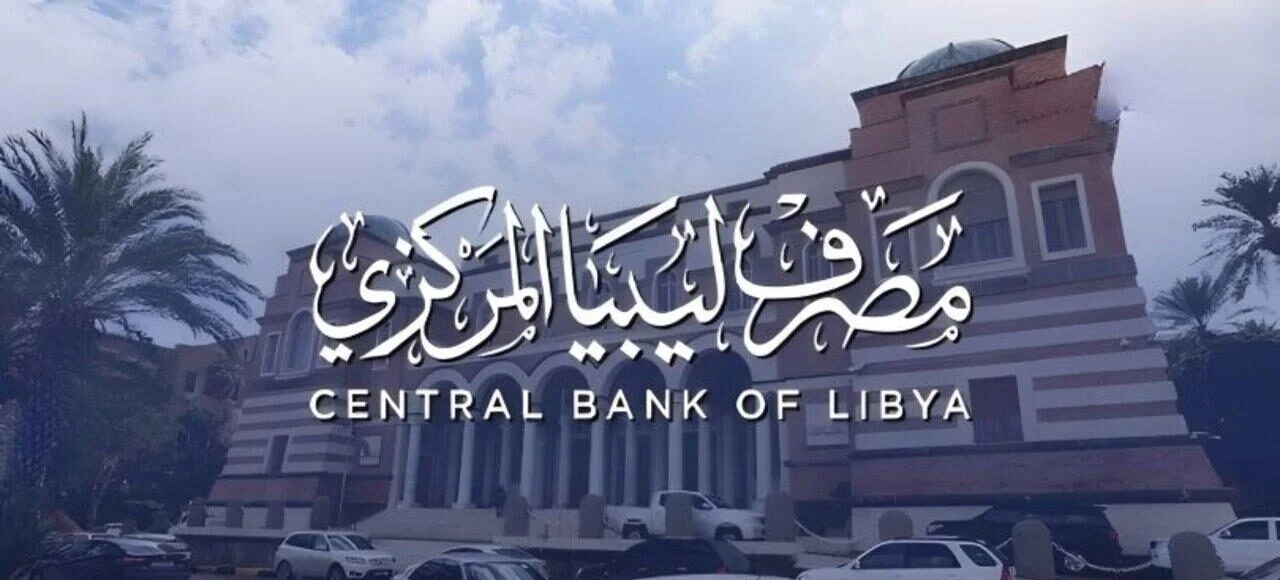
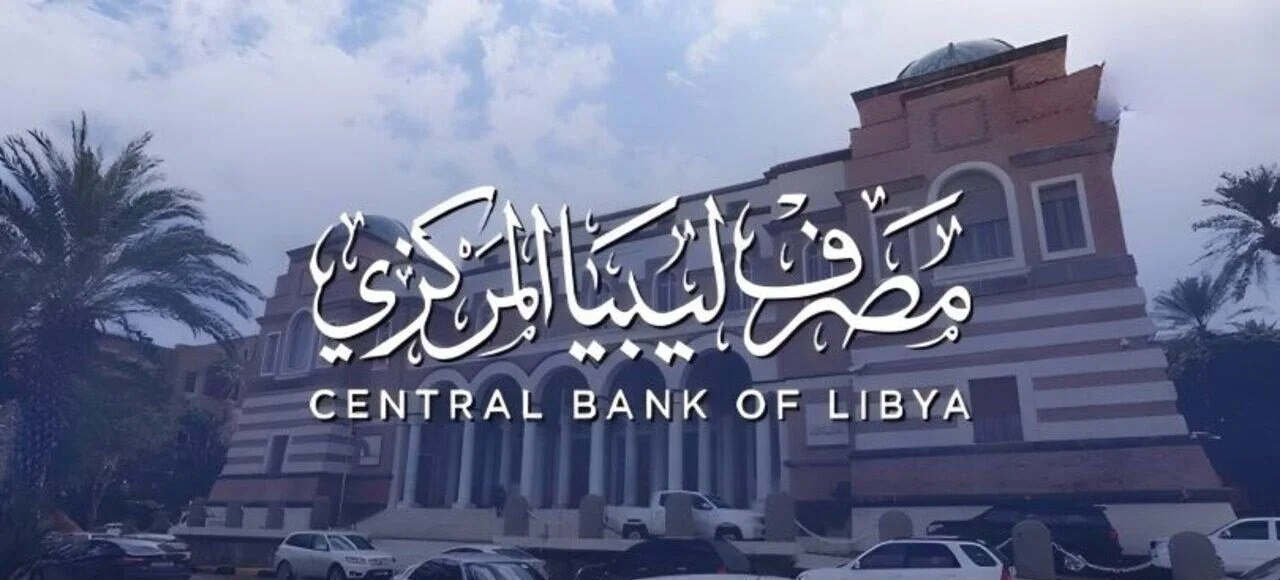
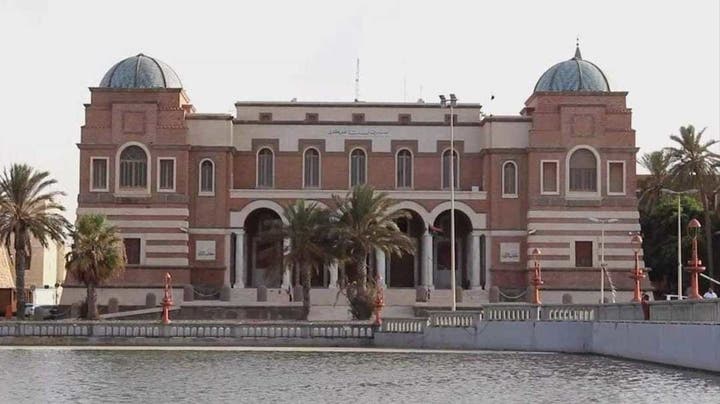
Central Bank of Libya
The Central Bank of Libya is the country’s primary monetary authority, established in 1956 to issue currency and manage monetary policy. It has played a critical and often divisive role in Libya’s recent history, notably functioning as a unified financial institution throughout the post-2011 civil conflicts despite the country’s political fragmentation.
Ministry of Interior
The Ministry of the Interior is a key government department responsible for internal affairs, such as public safety, civil registration, and domestic policy. Its origins in many countries often trace back to the 19th century, evolving from offices managing police, local administration, and population records to uphold state authority and order.
Internal Security Agency
The Internal Security Agency (ABW) is Poland’s primary counterintelligence and security service, established in 2002 to replace the former State Protection Office (UOP). Its core responsibilities include protecting the state’s internal security, countering espionage, terrorism, and organized crime that threatens Poland’s constitutional order.
Municipal Guard
The Municipal Guard was a police force established in Portugal in 1867, modeled after the French Gendarmerie. It was responsible for maintaining public order and security in urban areas until it was disbanded in 1911 following the establishment of the Portuguese Republic.
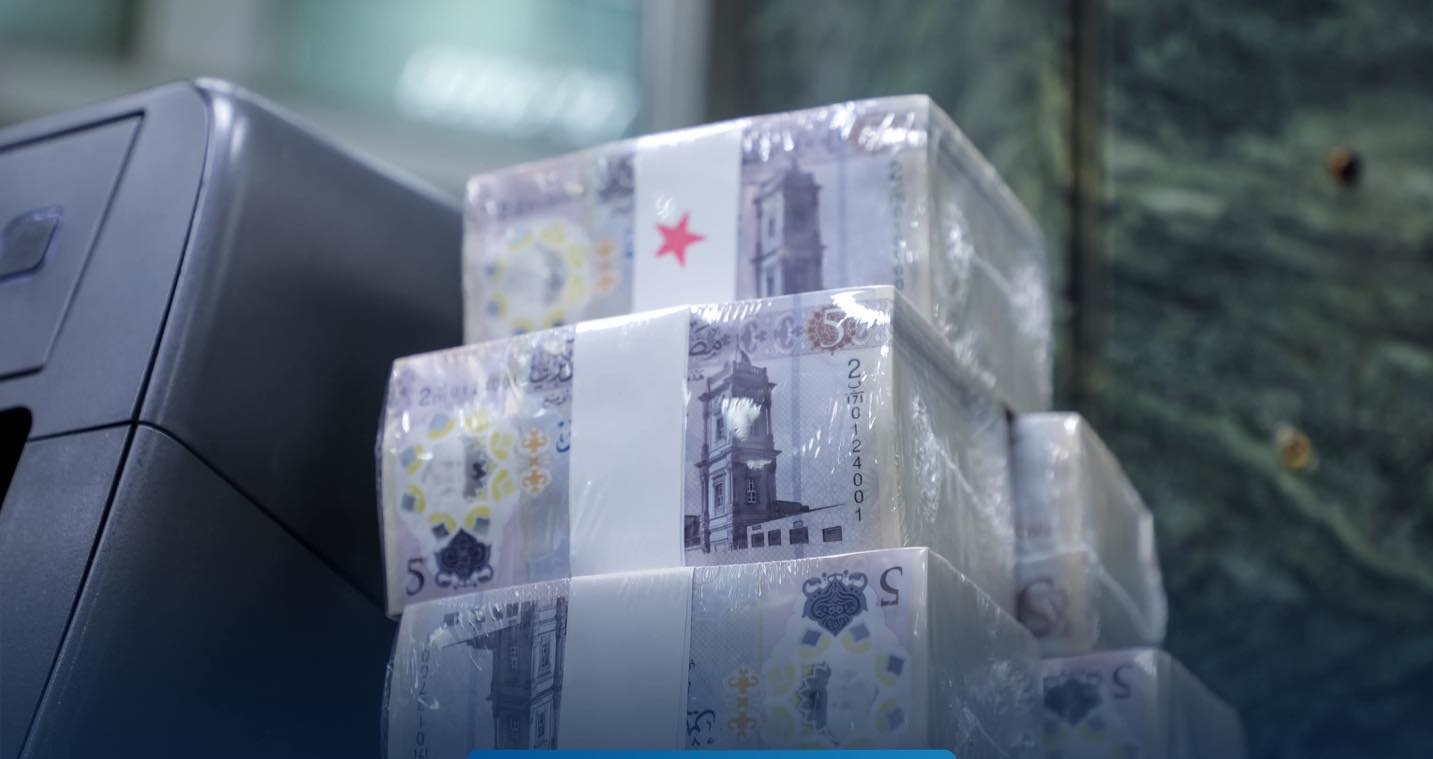
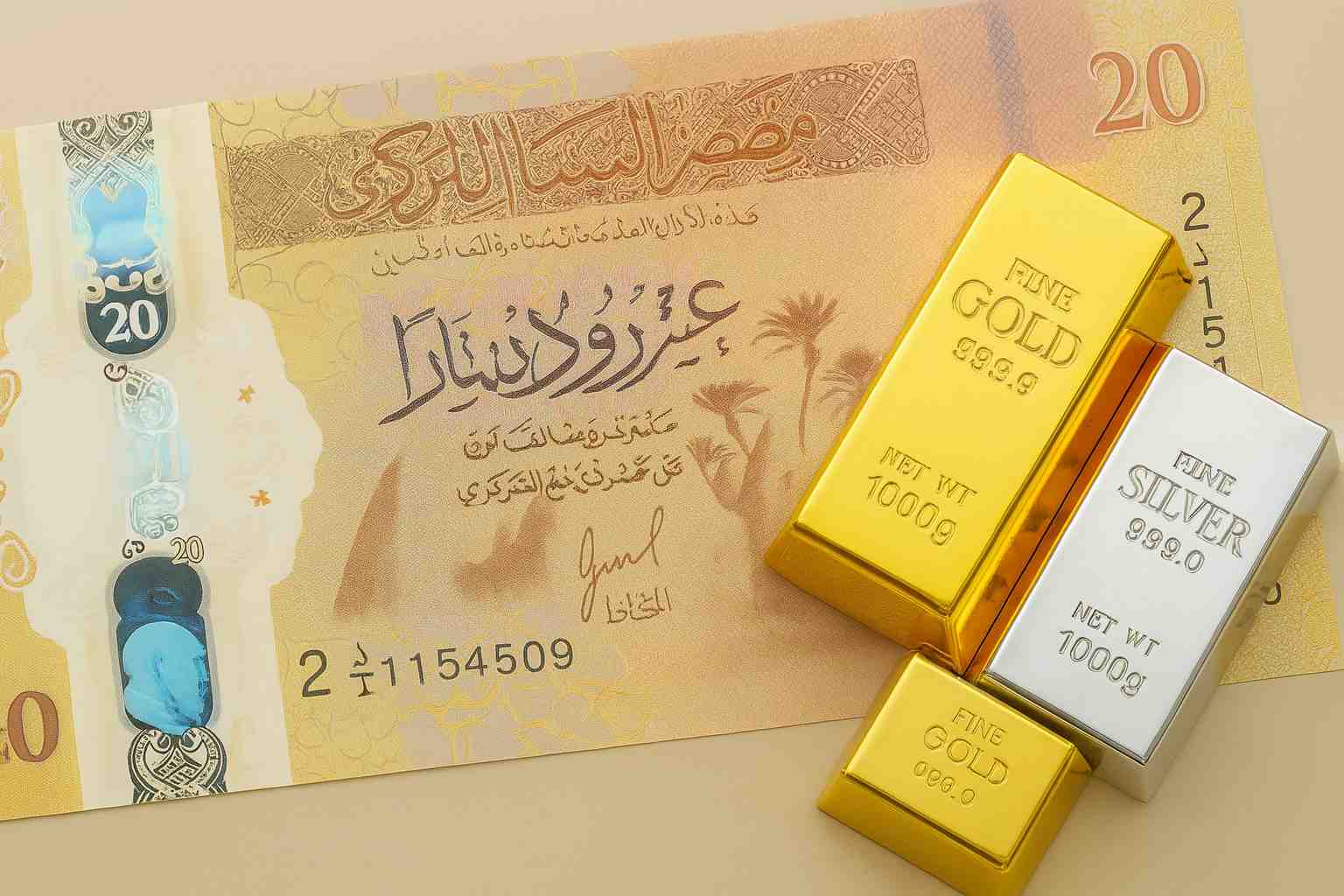
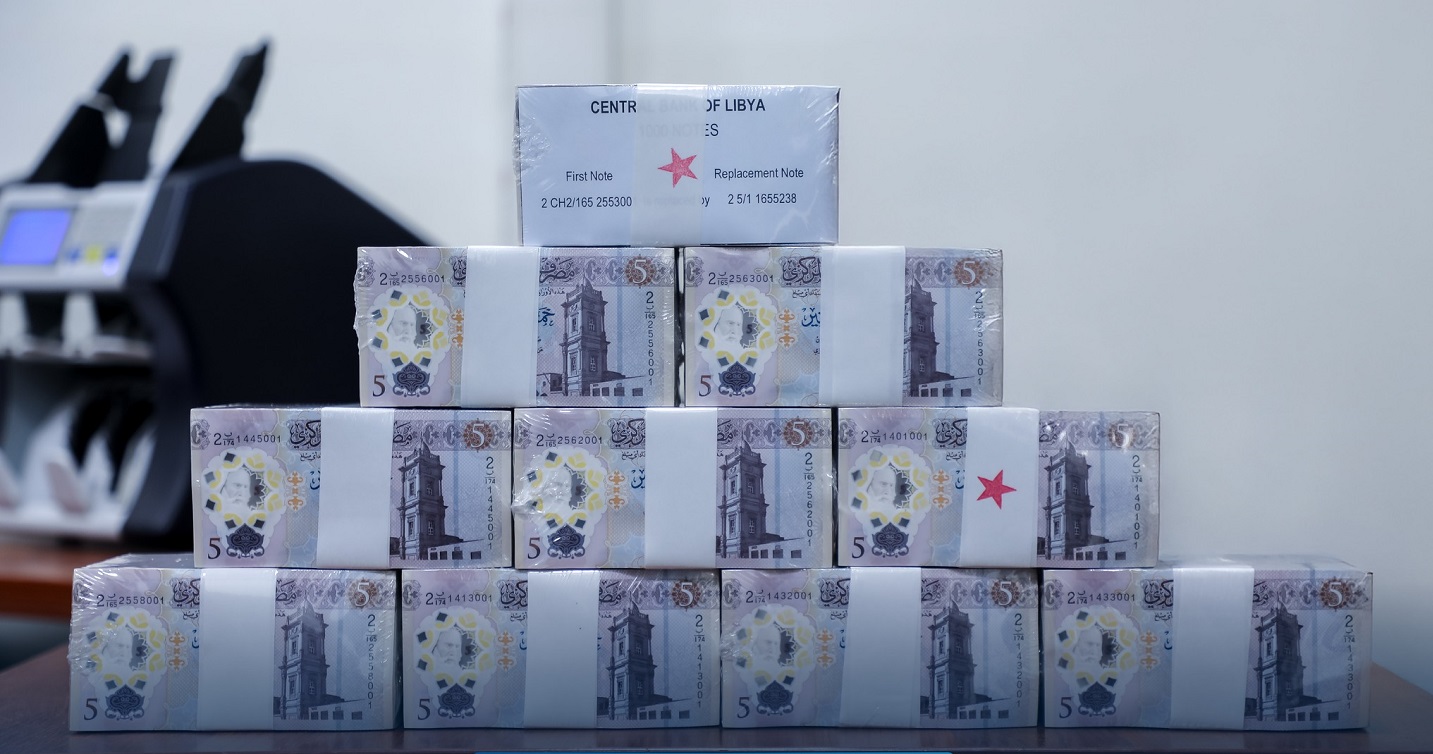
Libyan dinar
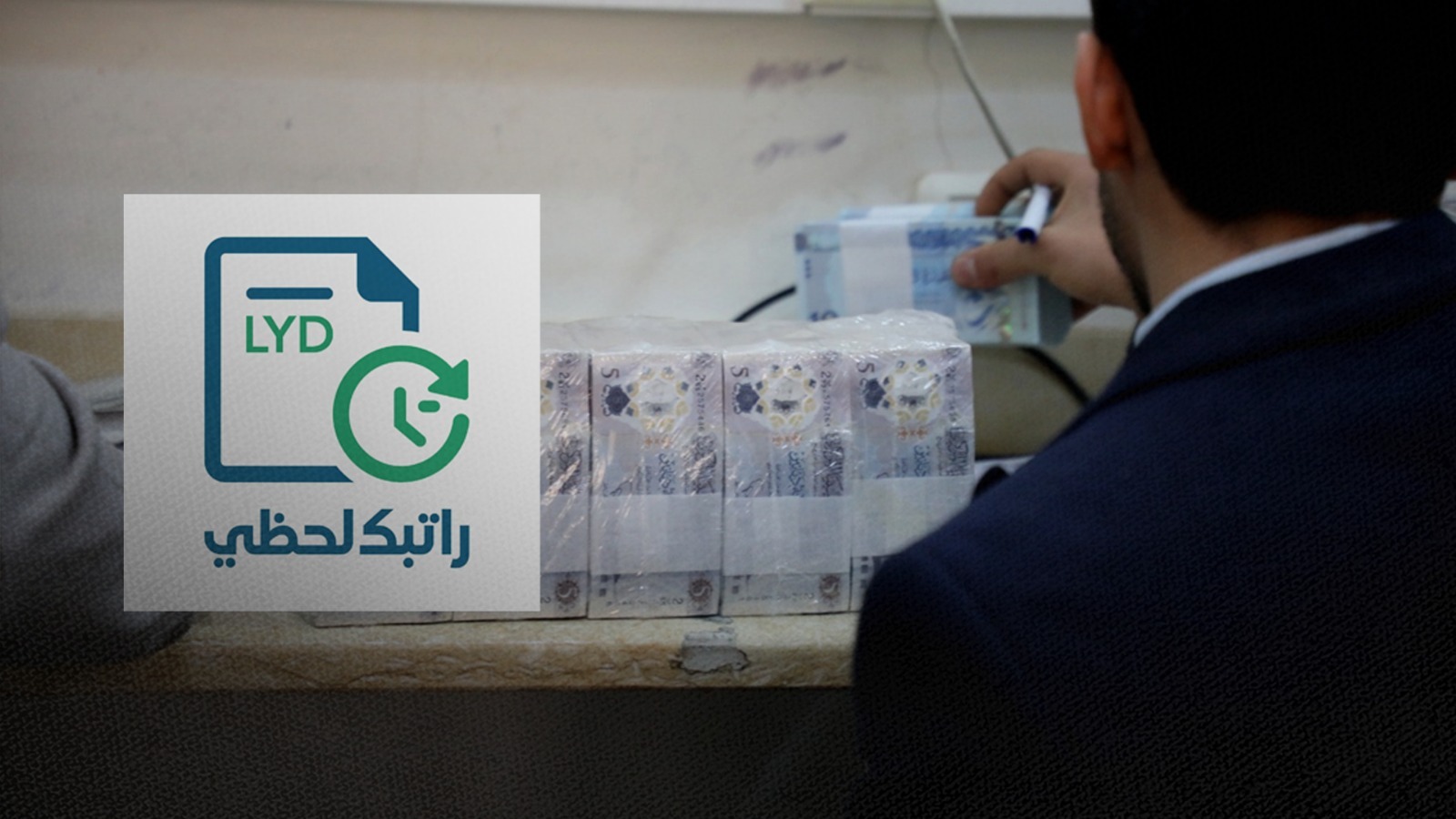
The Libyan dinar is the official currency of Libya, introduced in 1971 to replace the Libyan pound. Its issuance and value have been heavily influenced by the country’s political history, including the Gaddafi era and subsequent instability following the 2011 revolution.