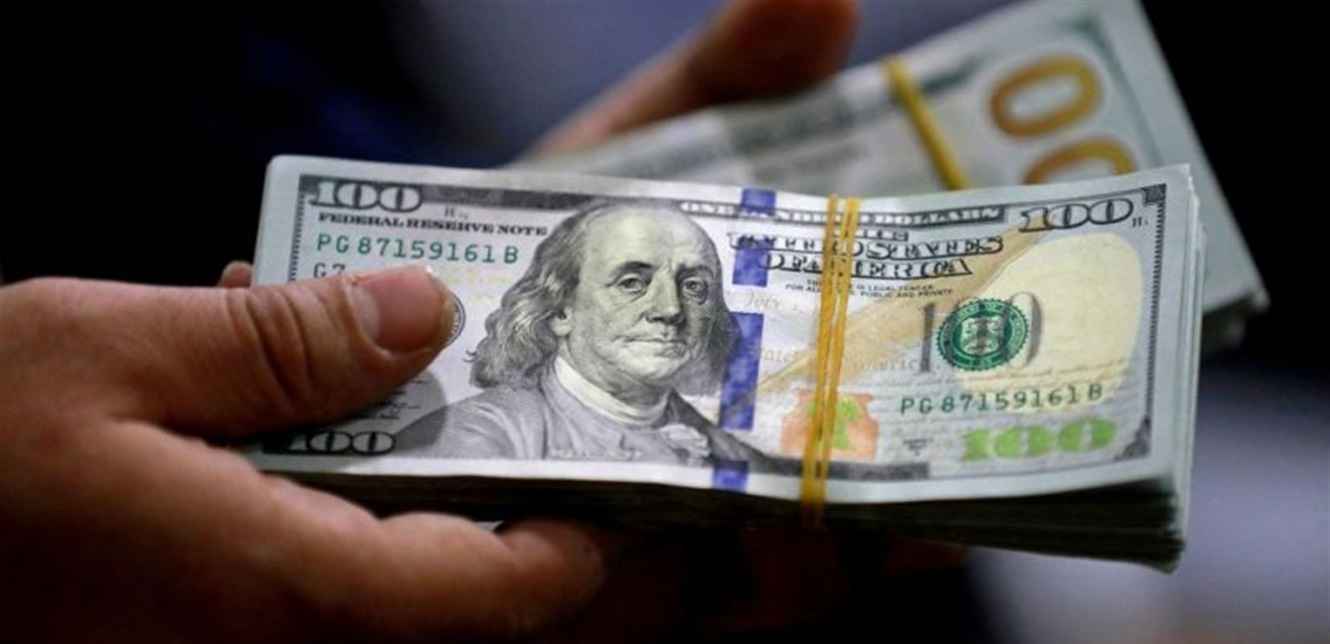
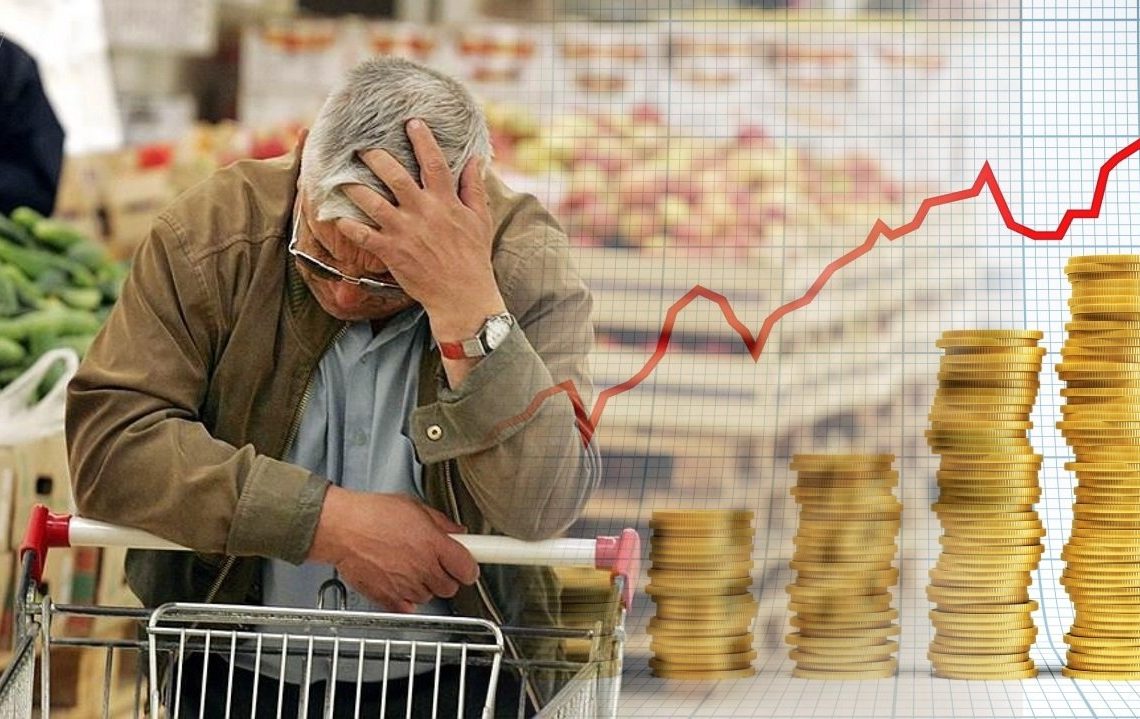
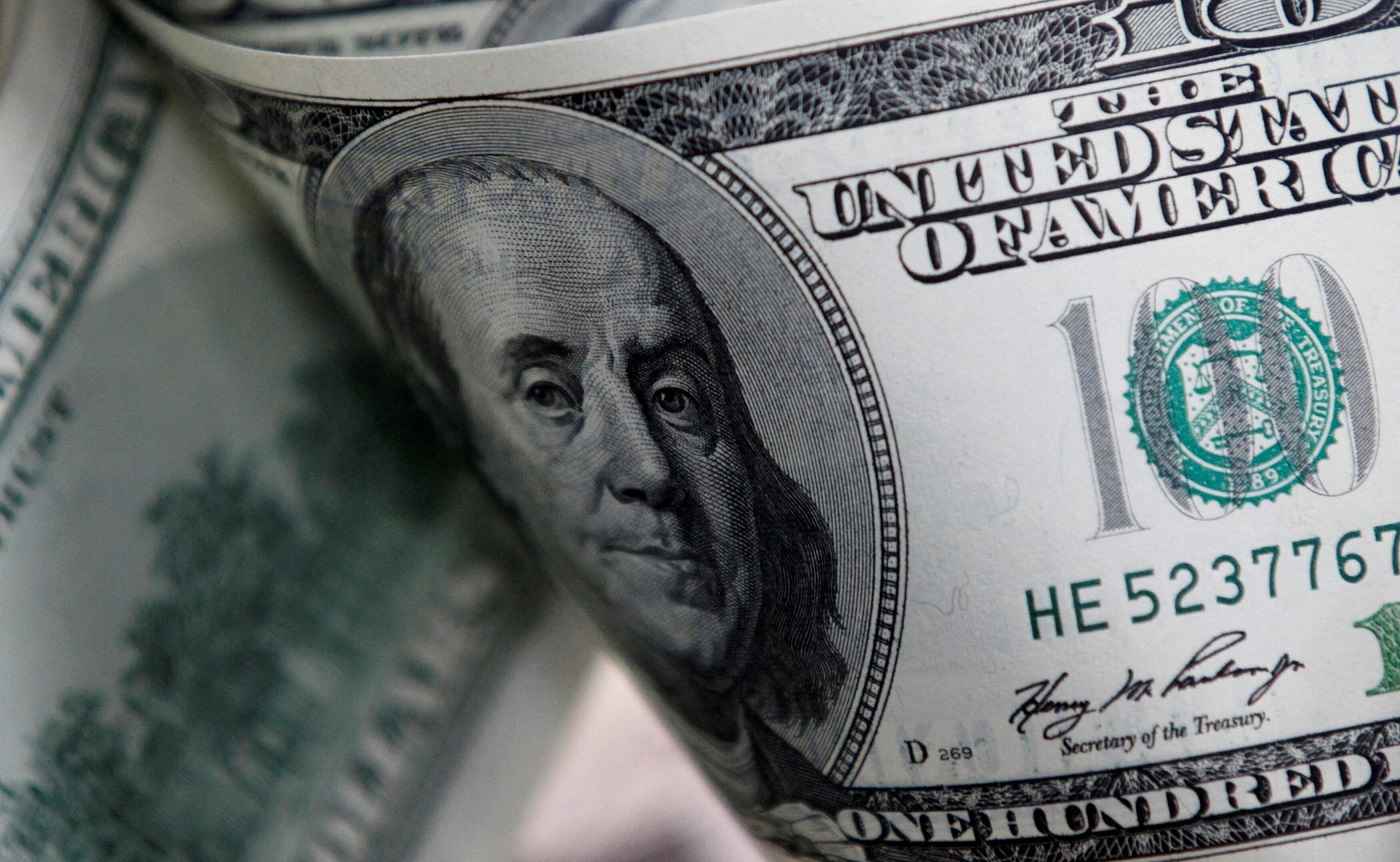
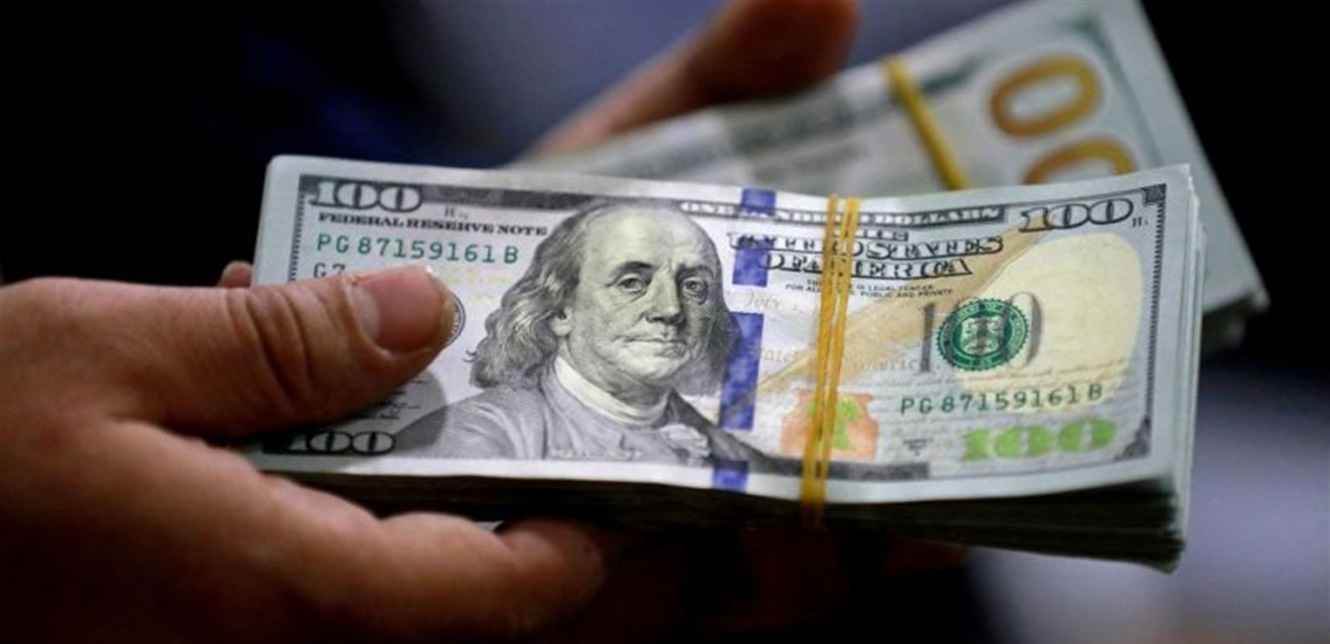
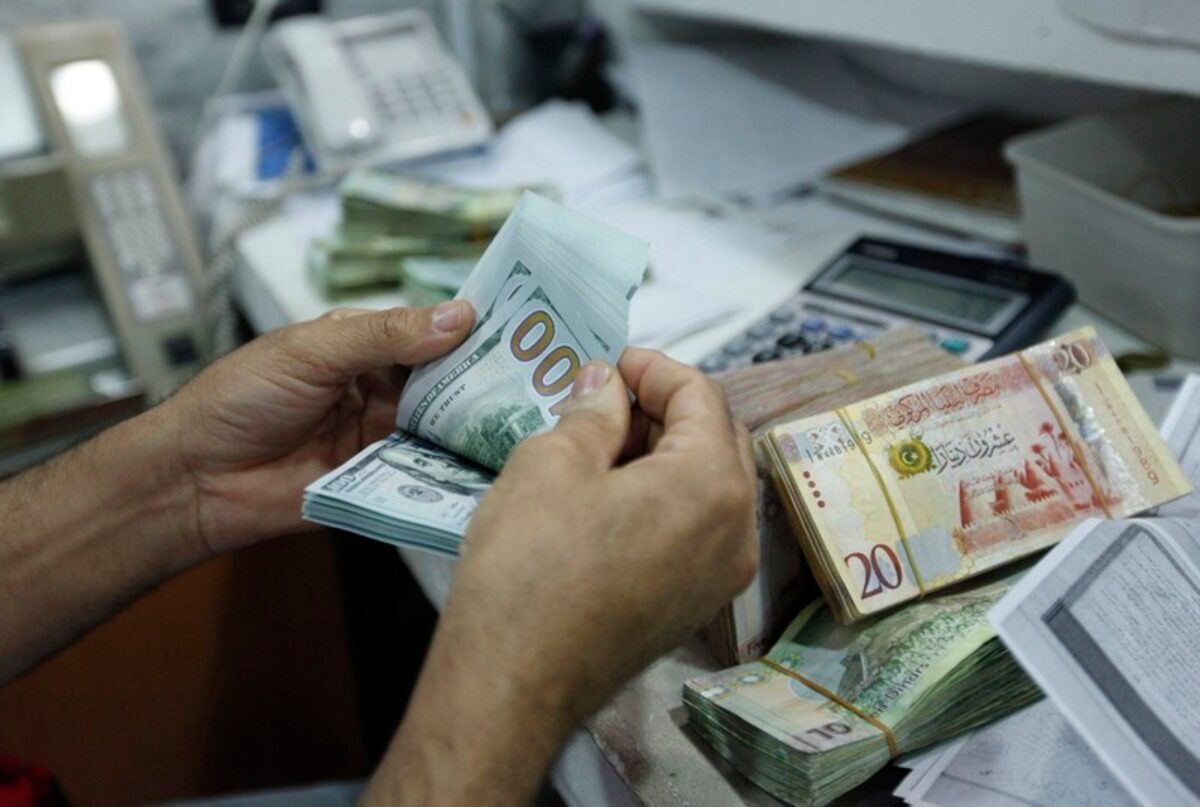
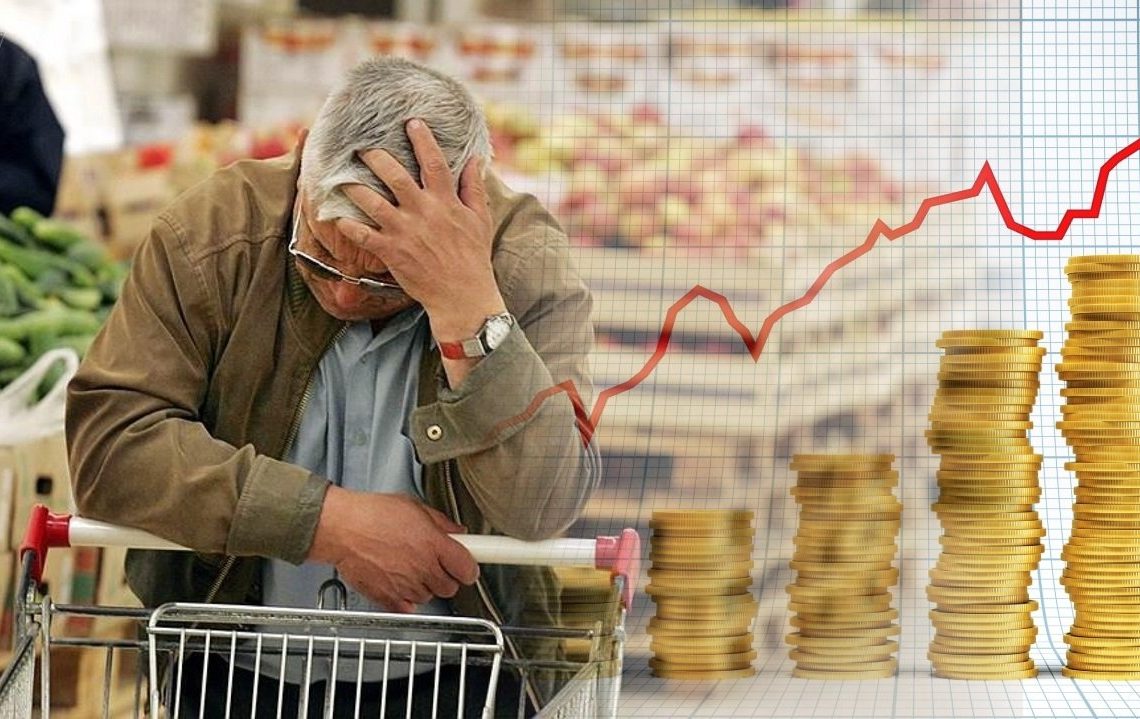
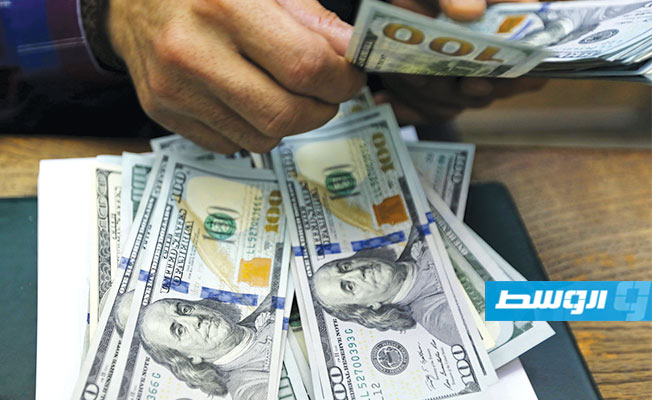
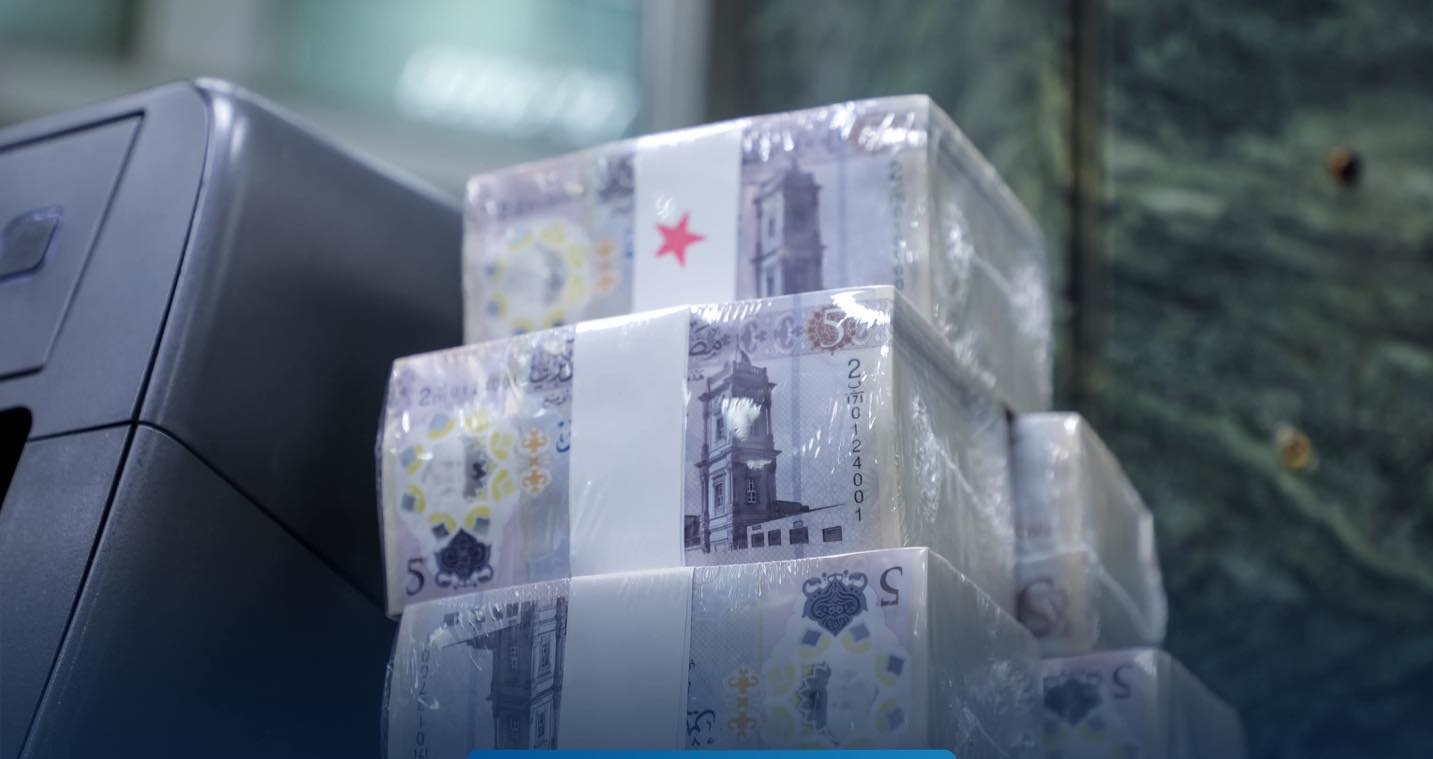
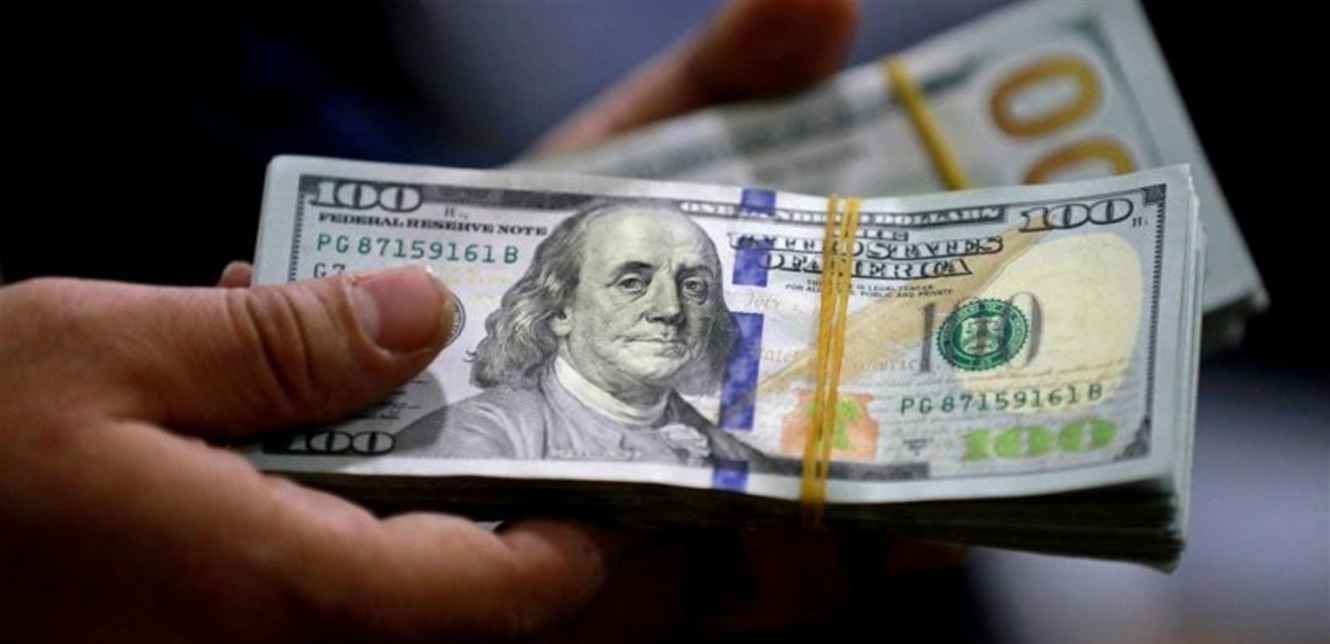
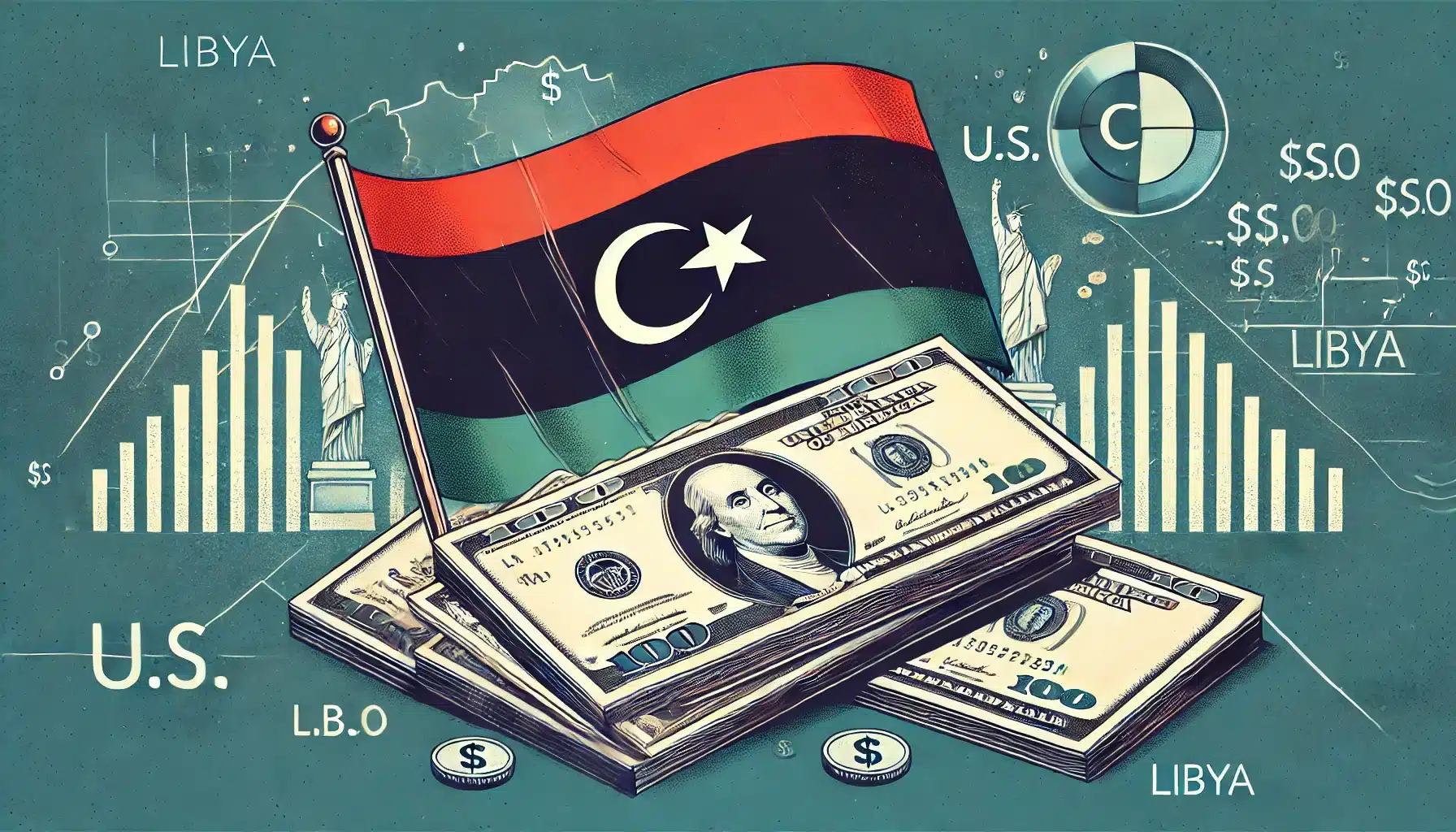
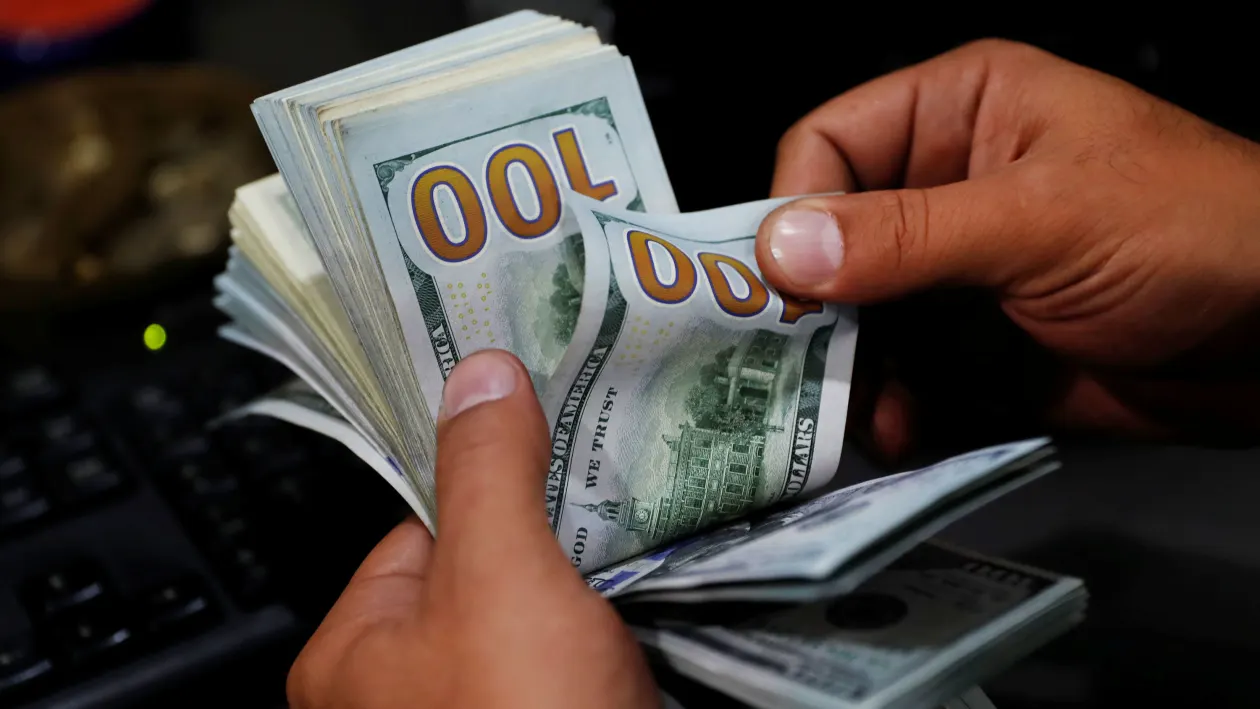
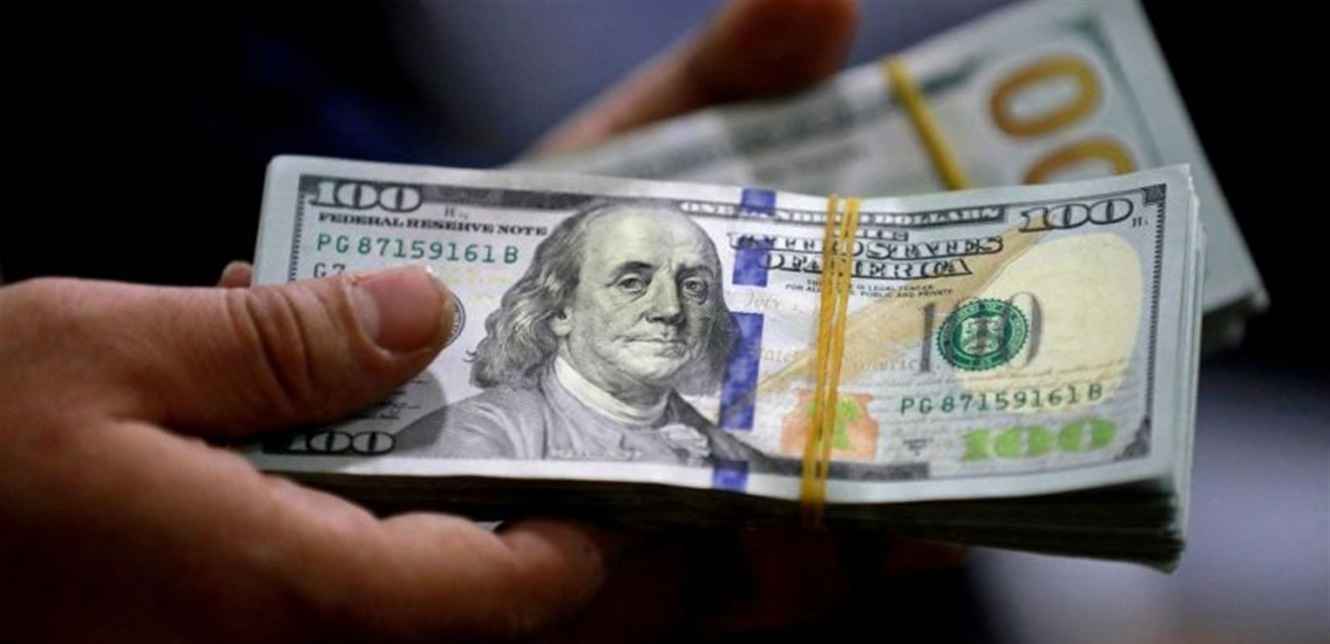
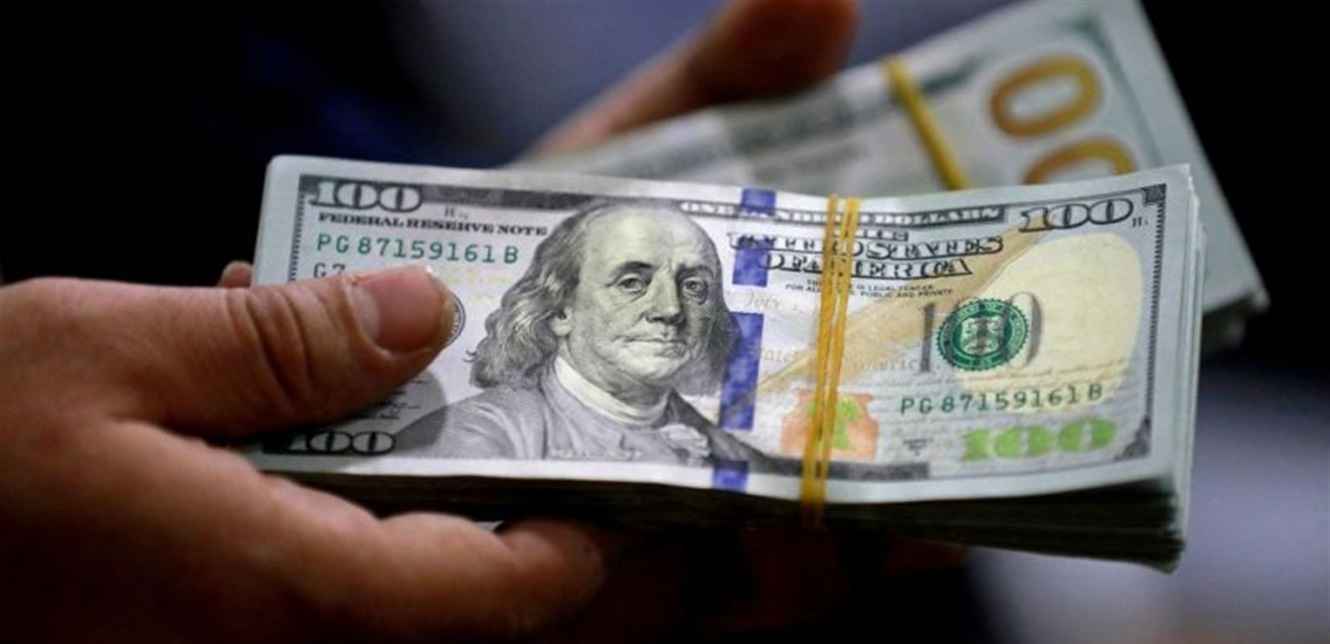
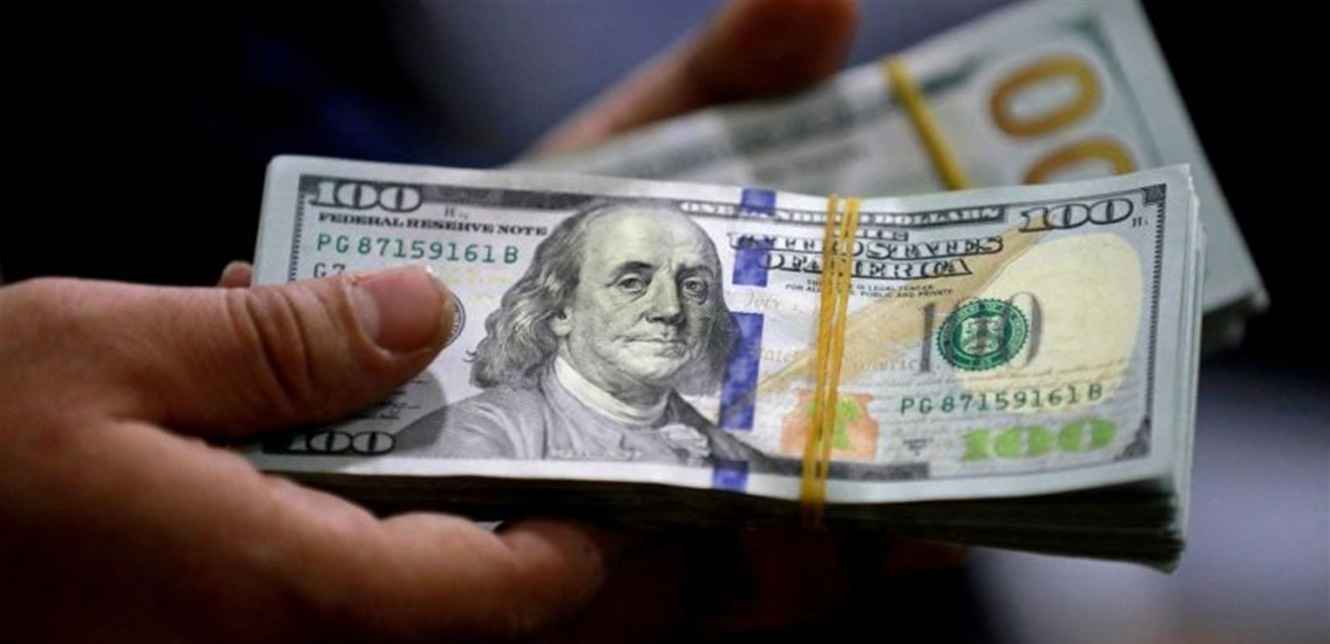
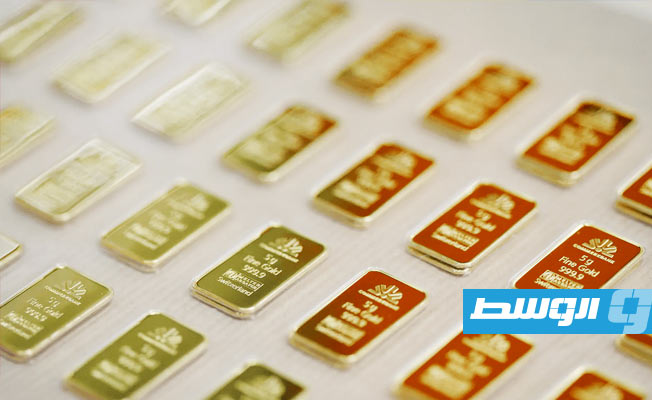
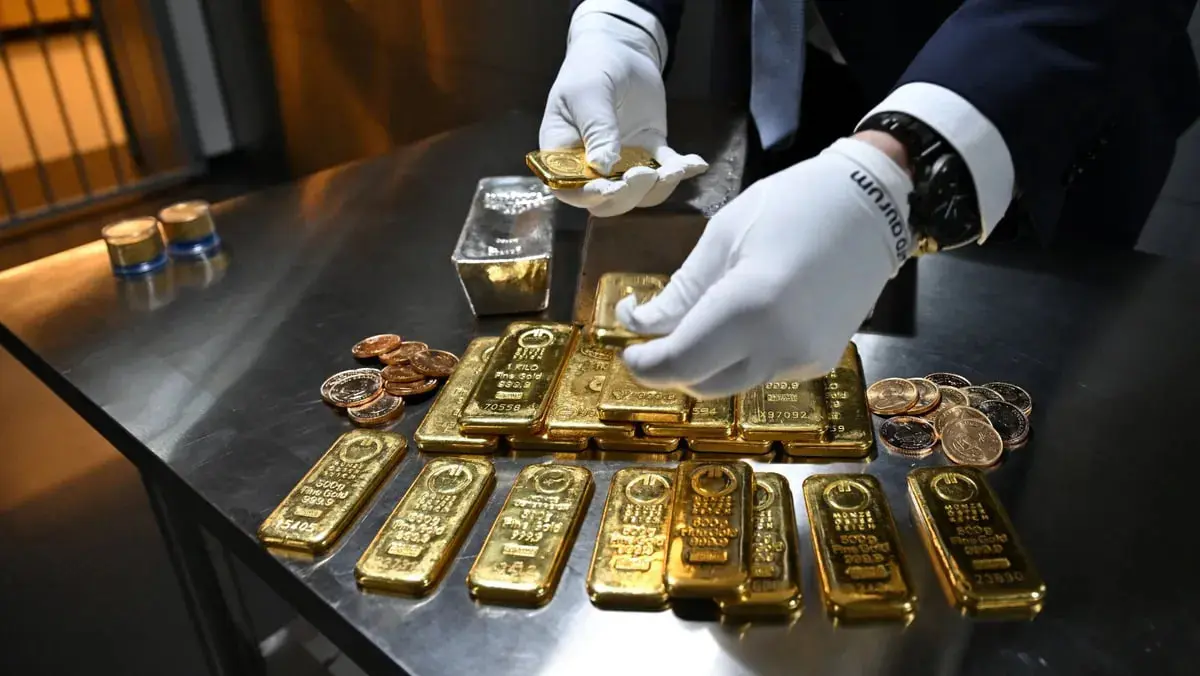
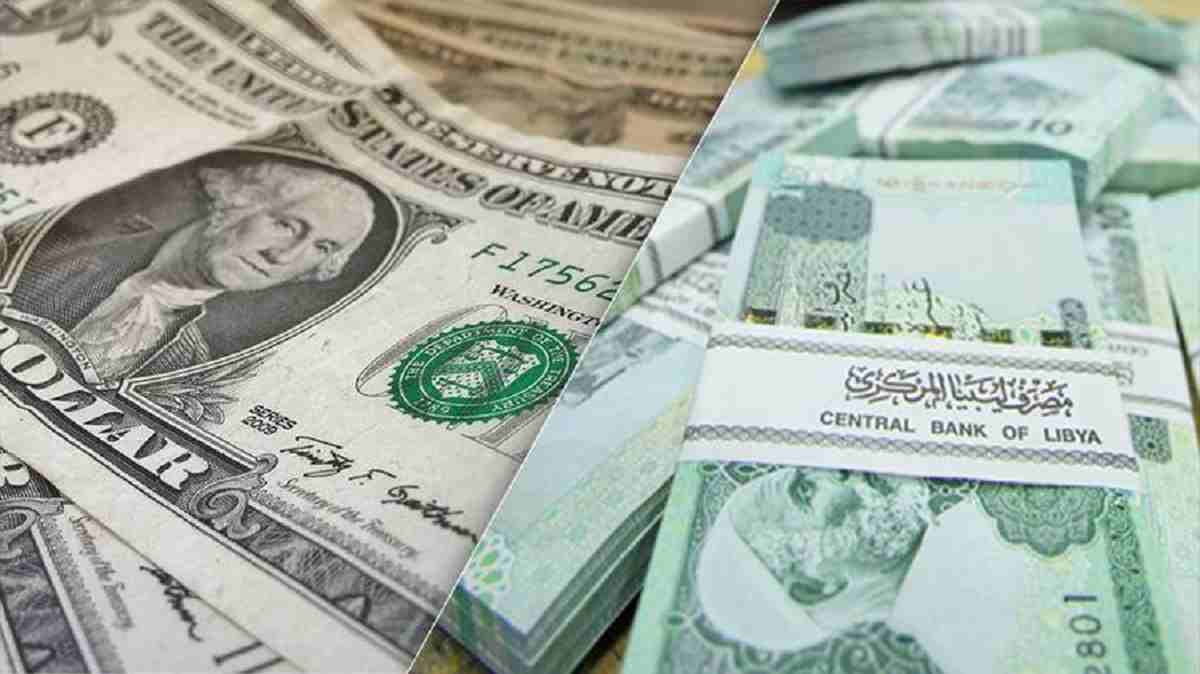
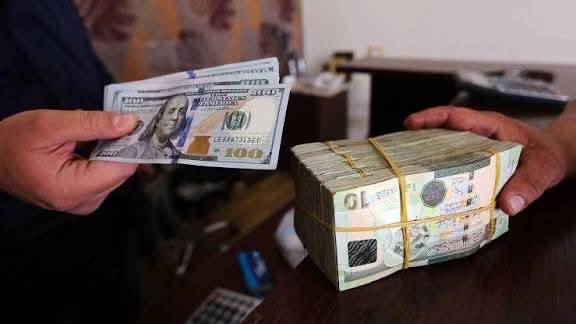
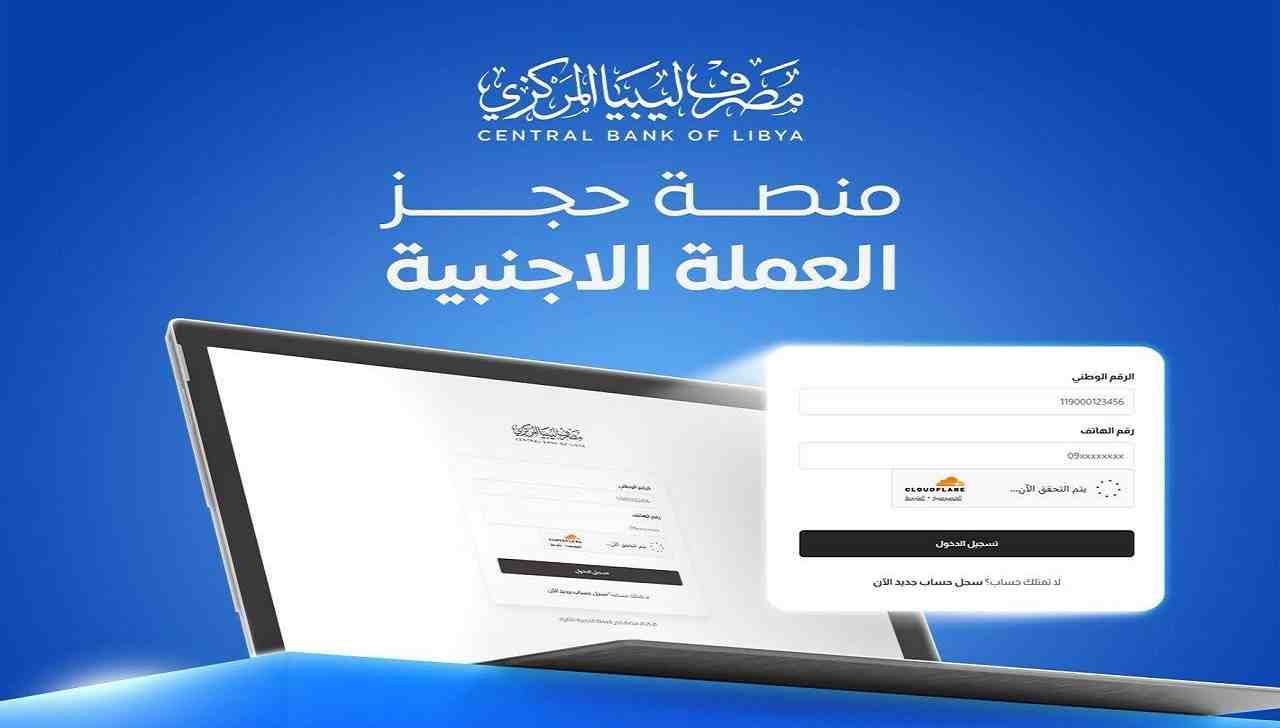
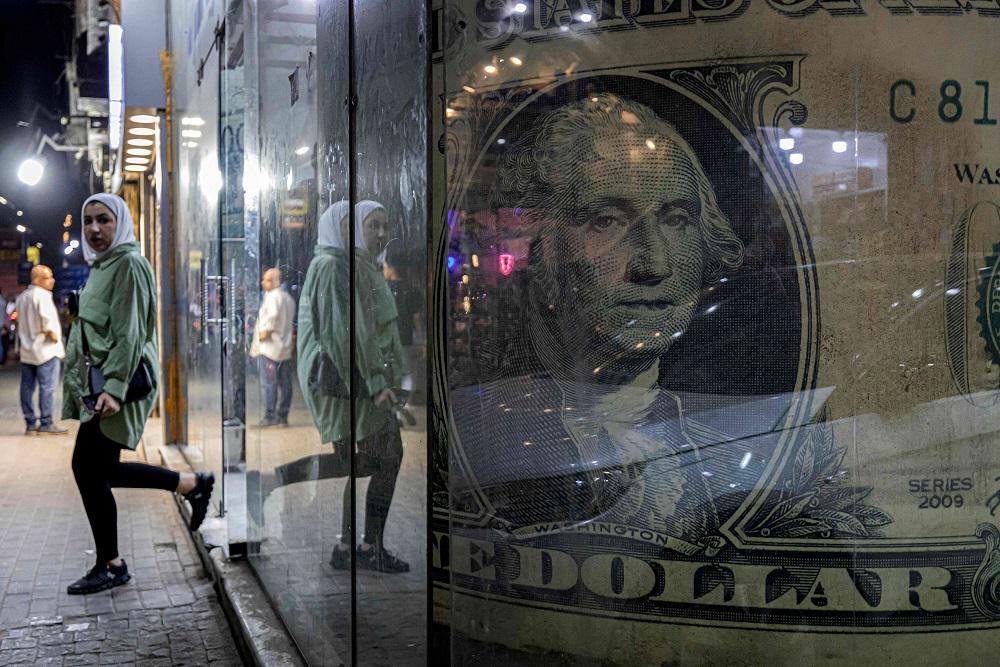
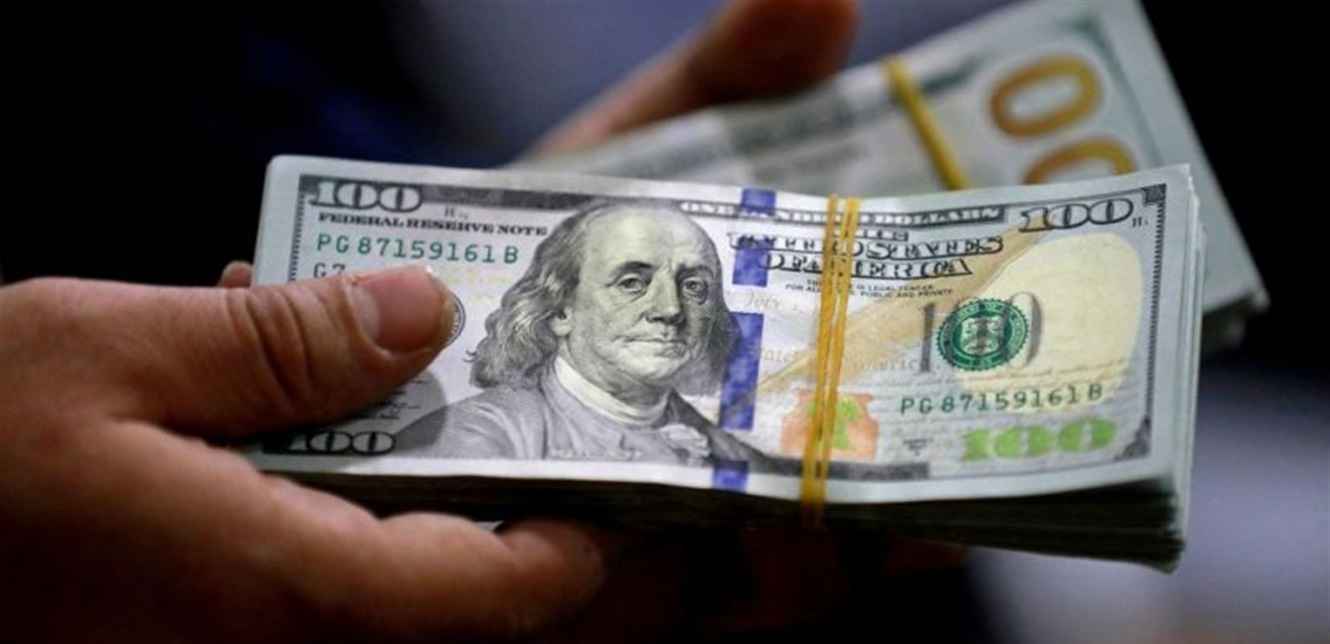
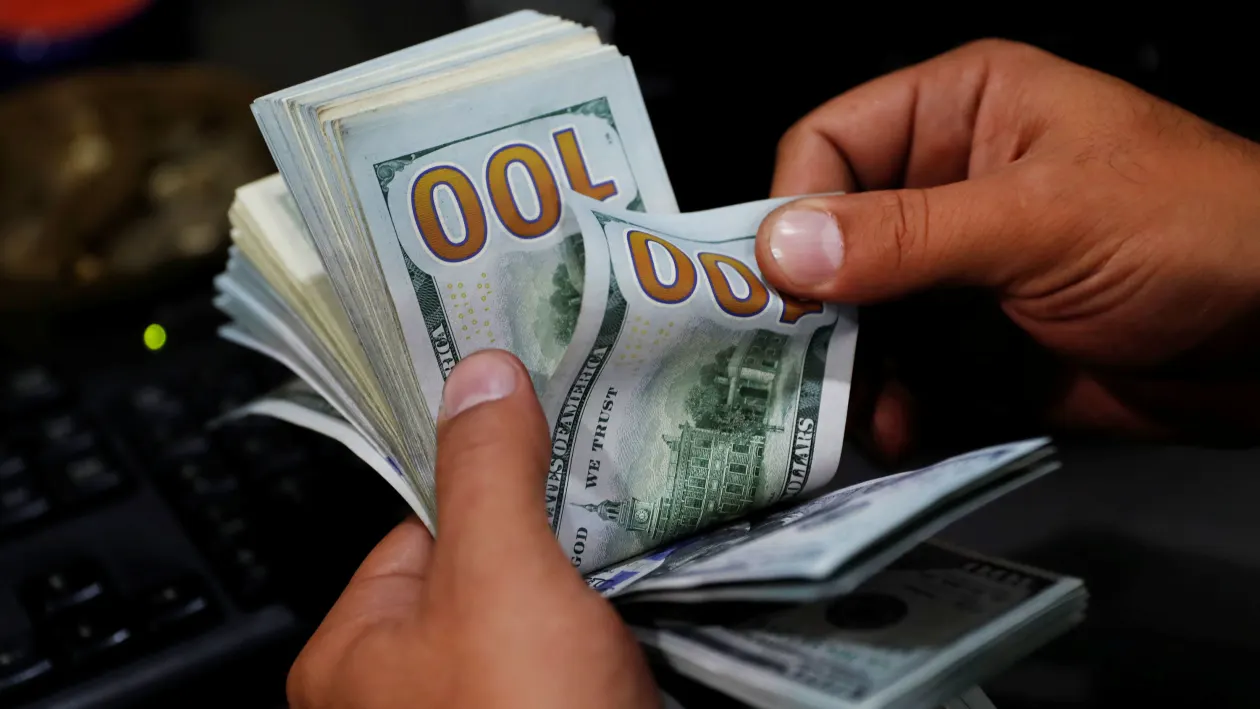
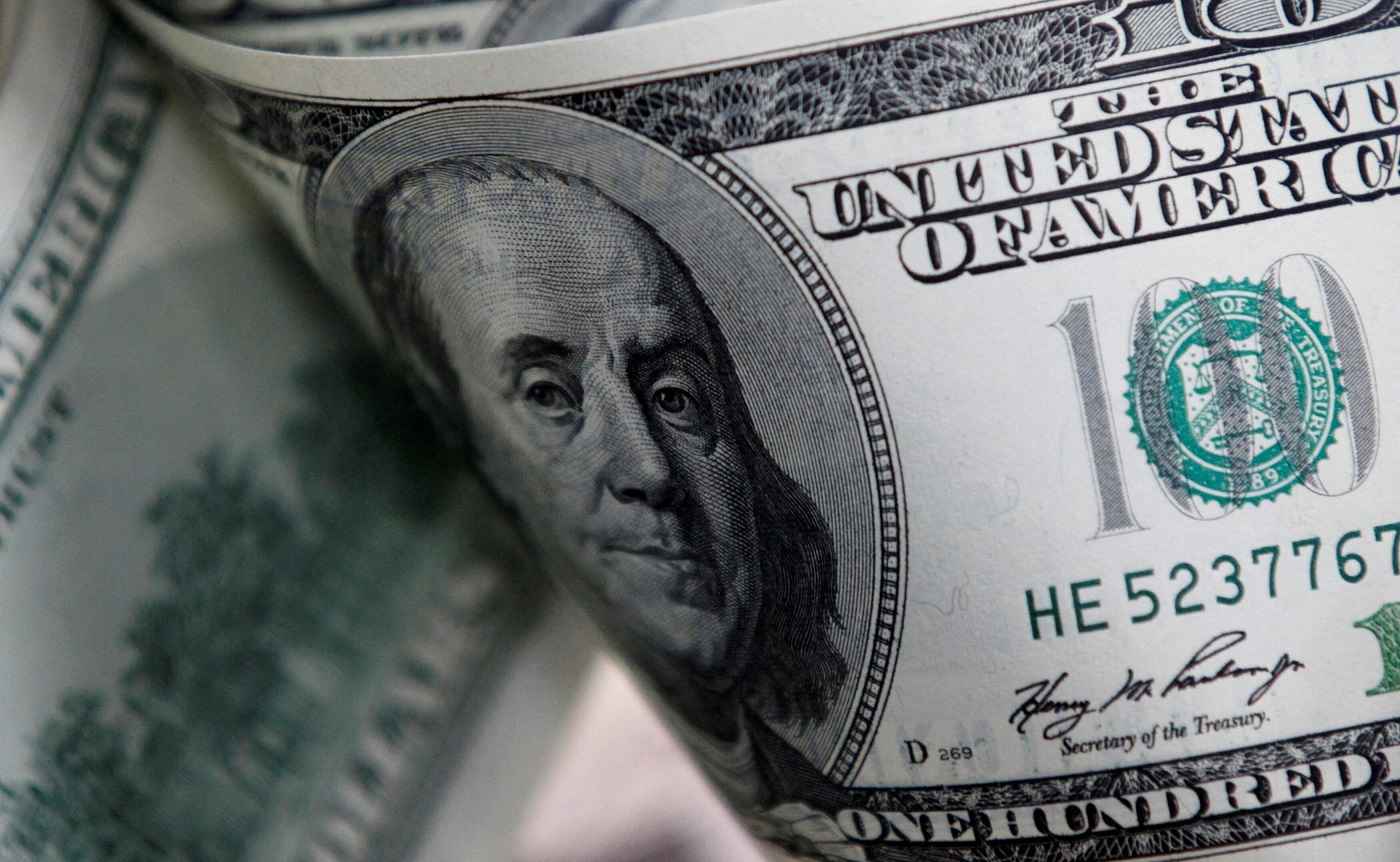
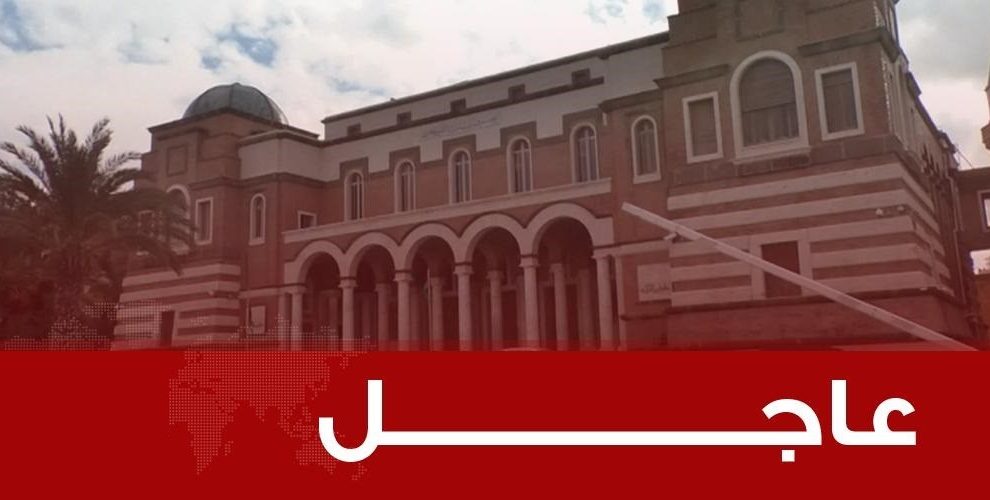
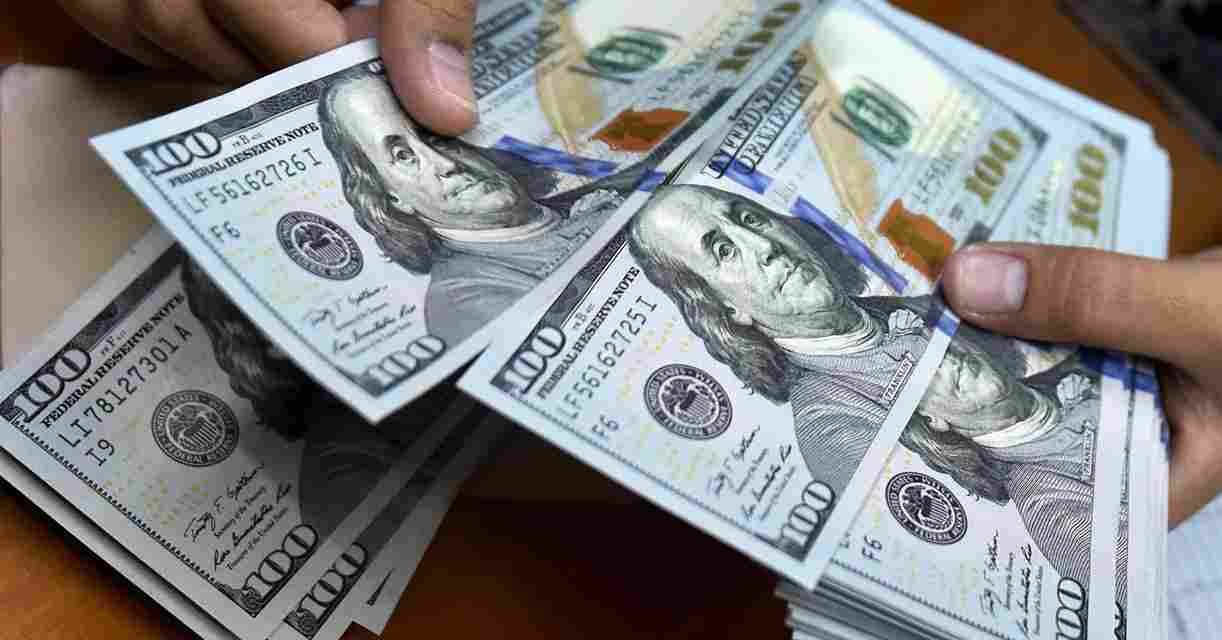
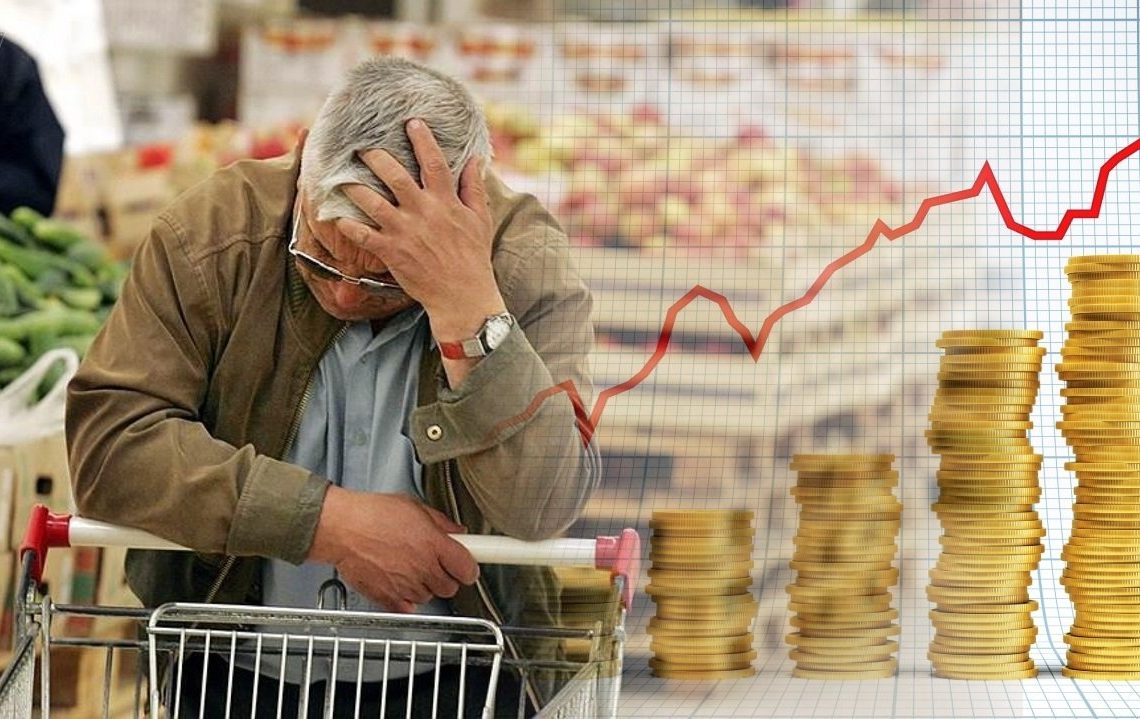
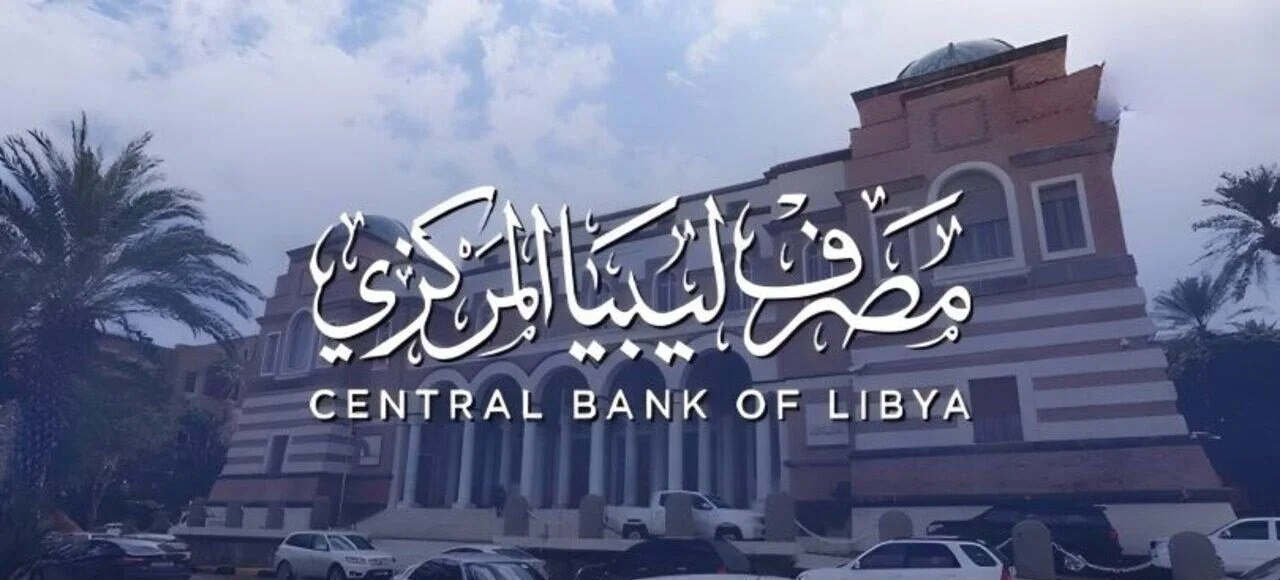
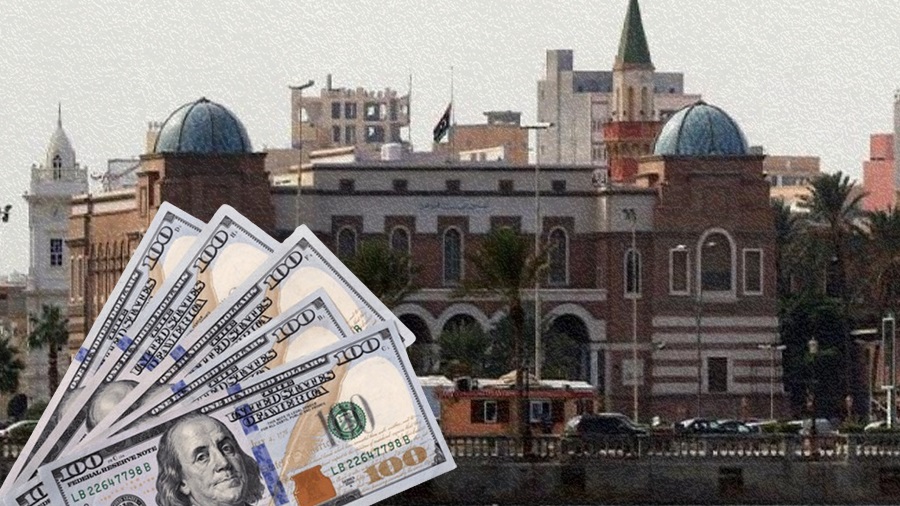
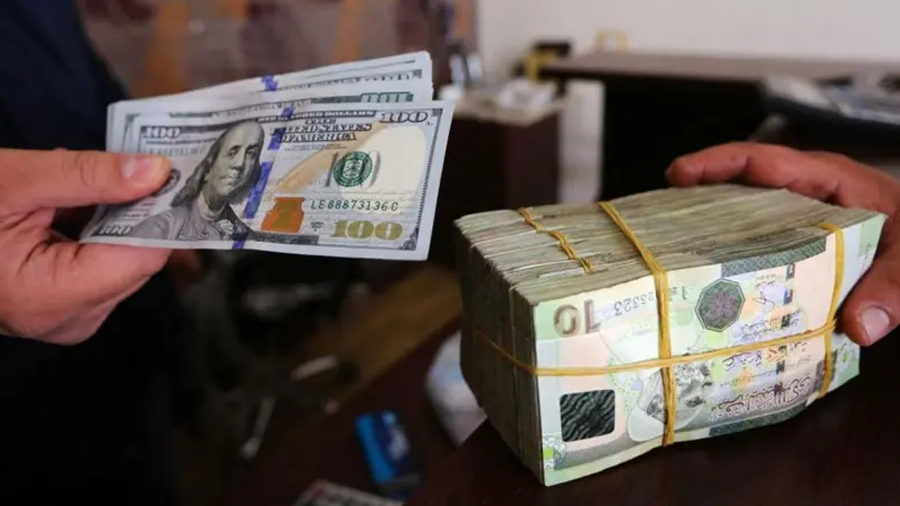
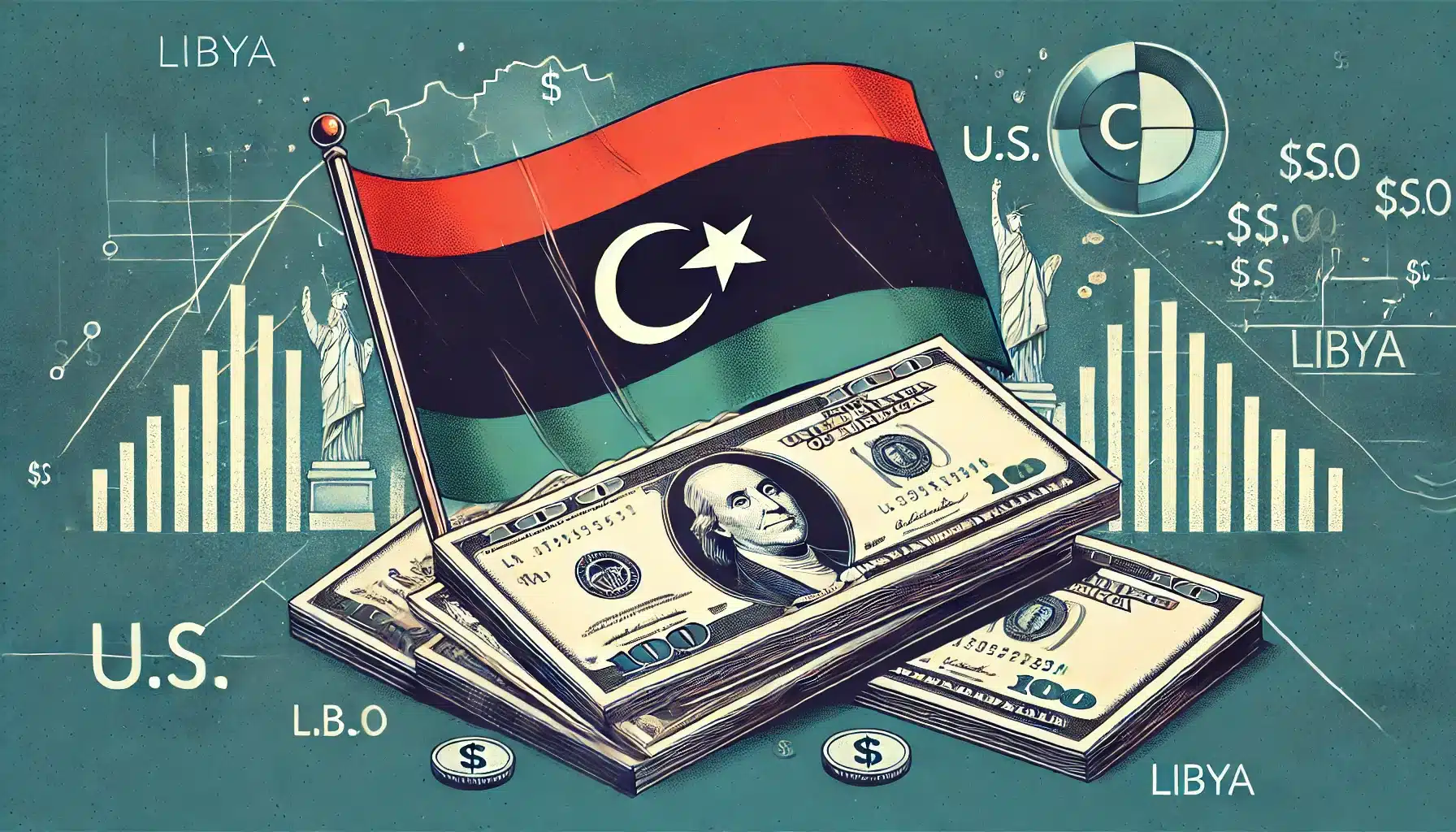
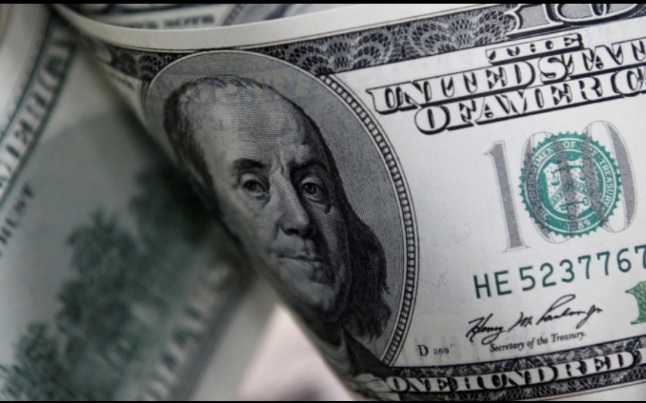
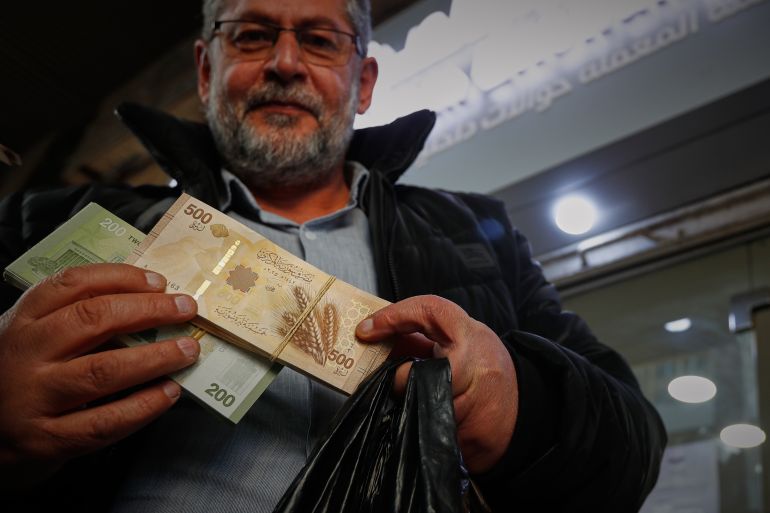
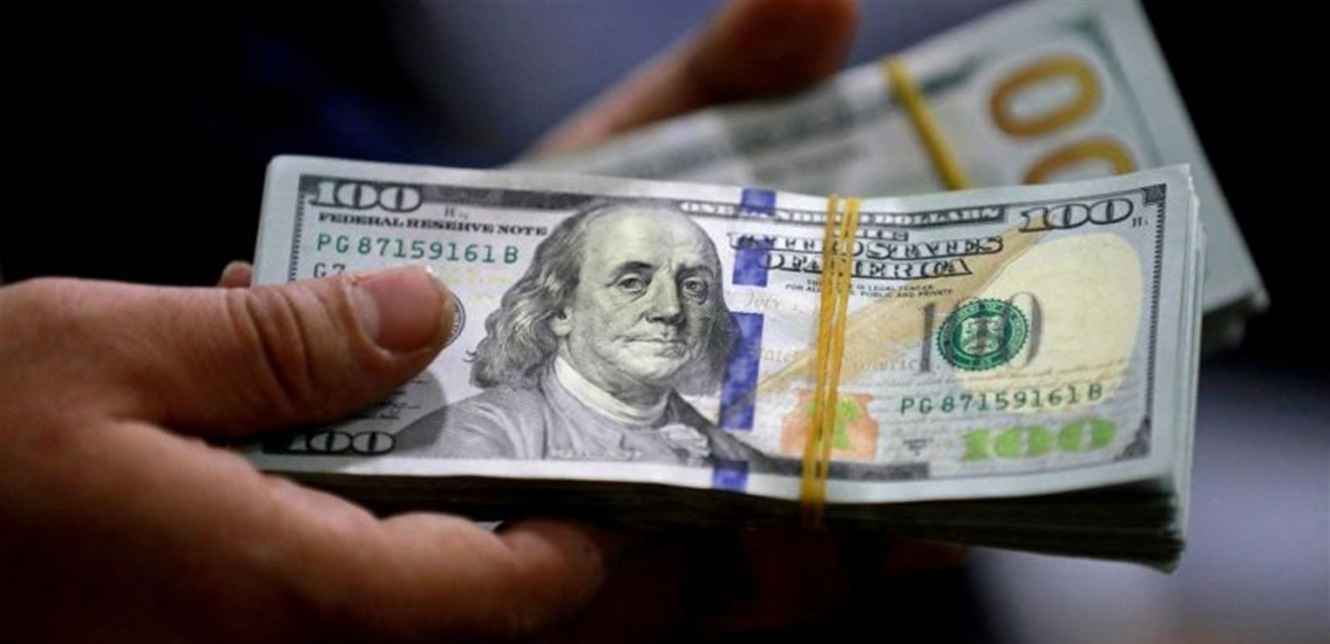
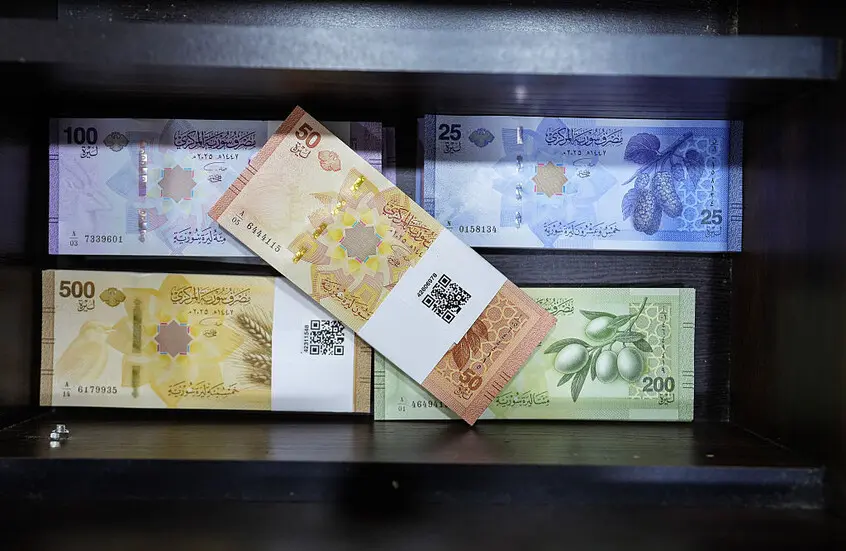
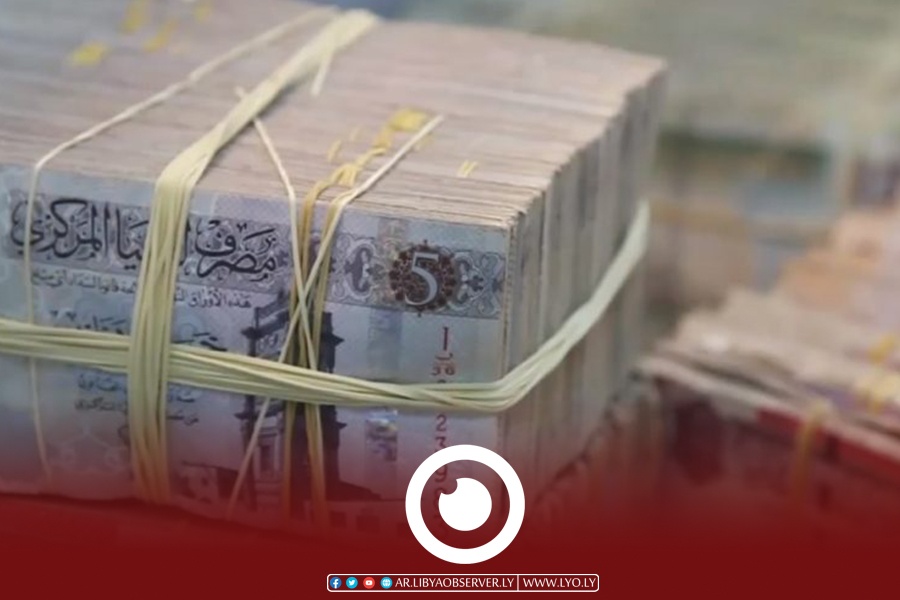
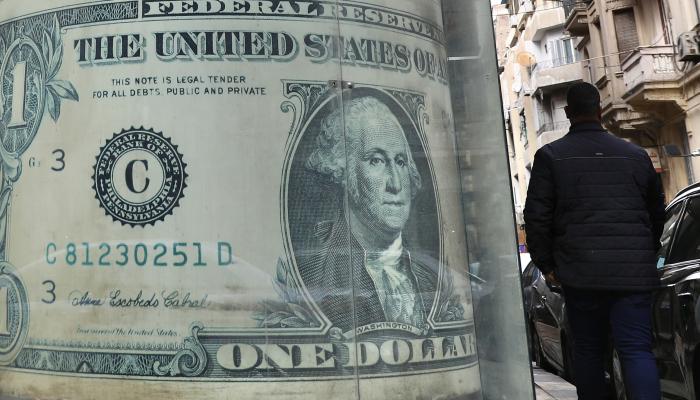
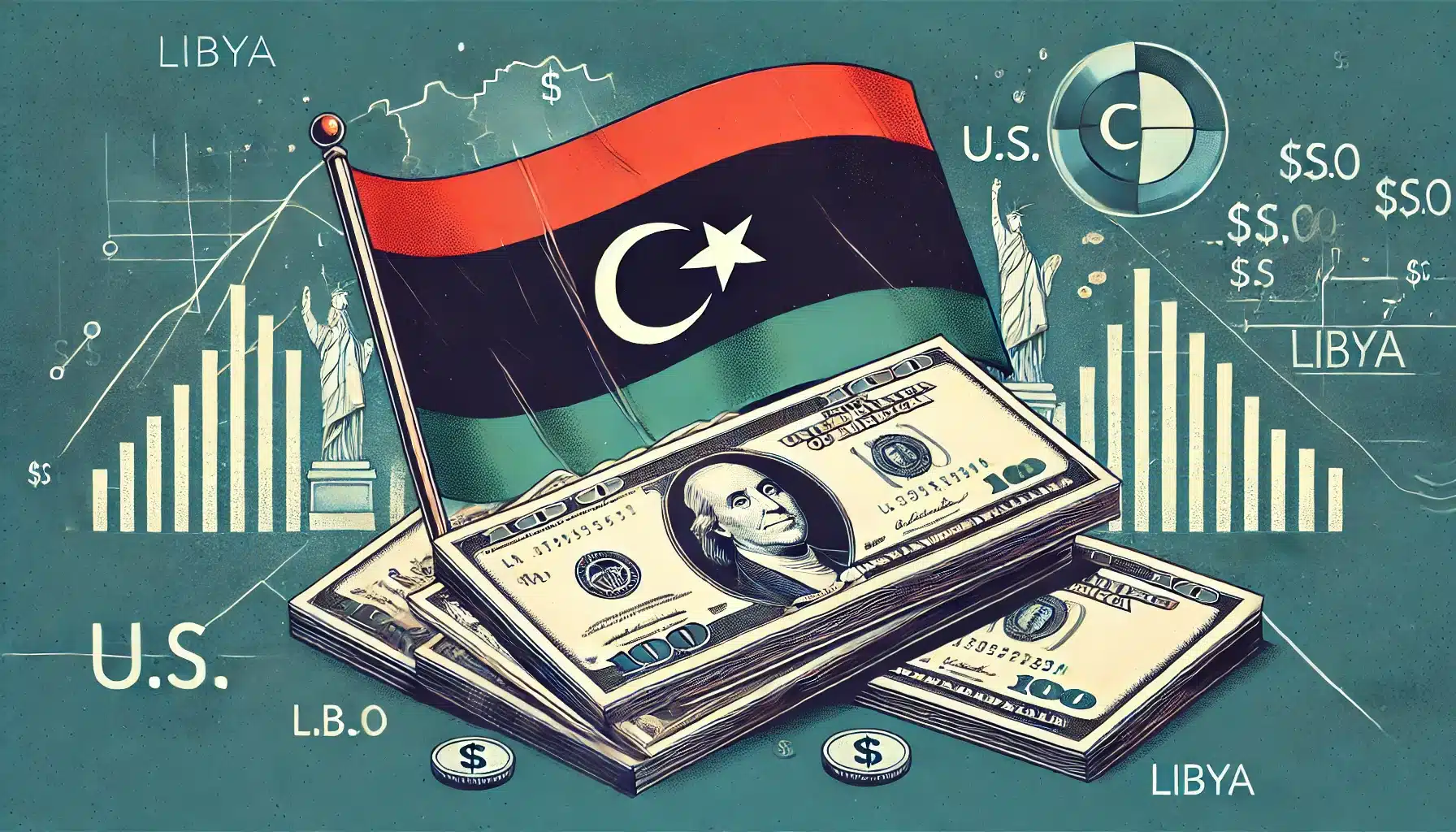
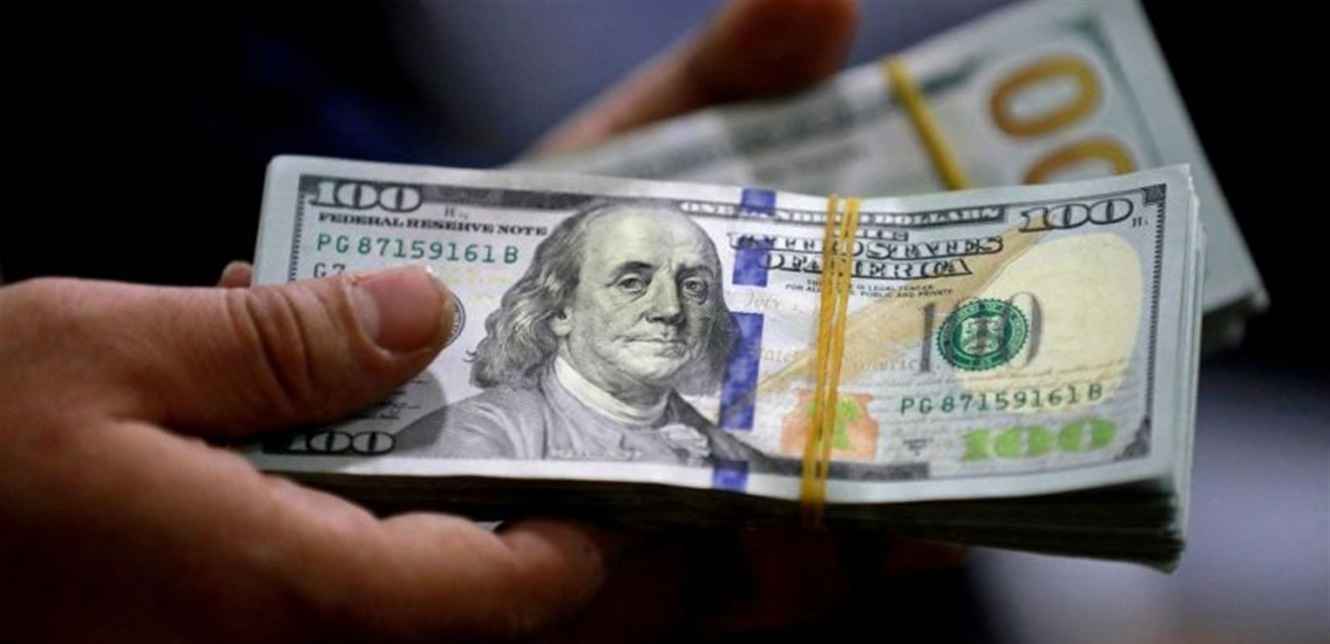
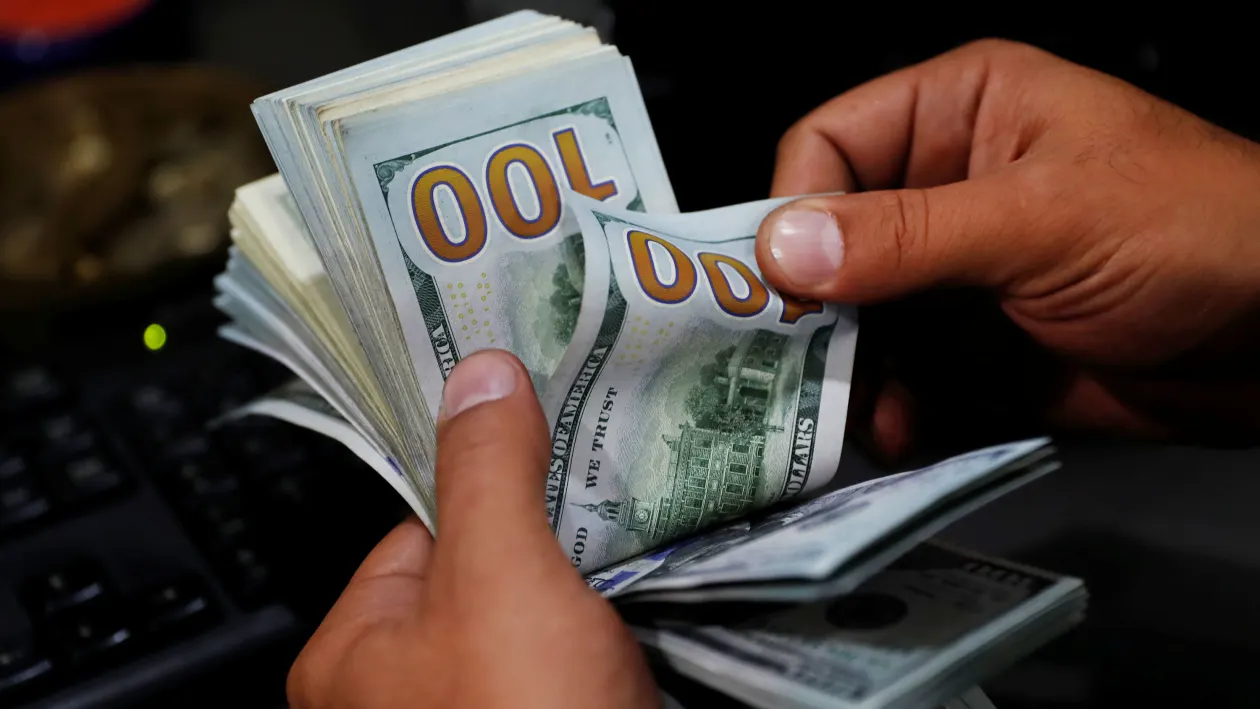
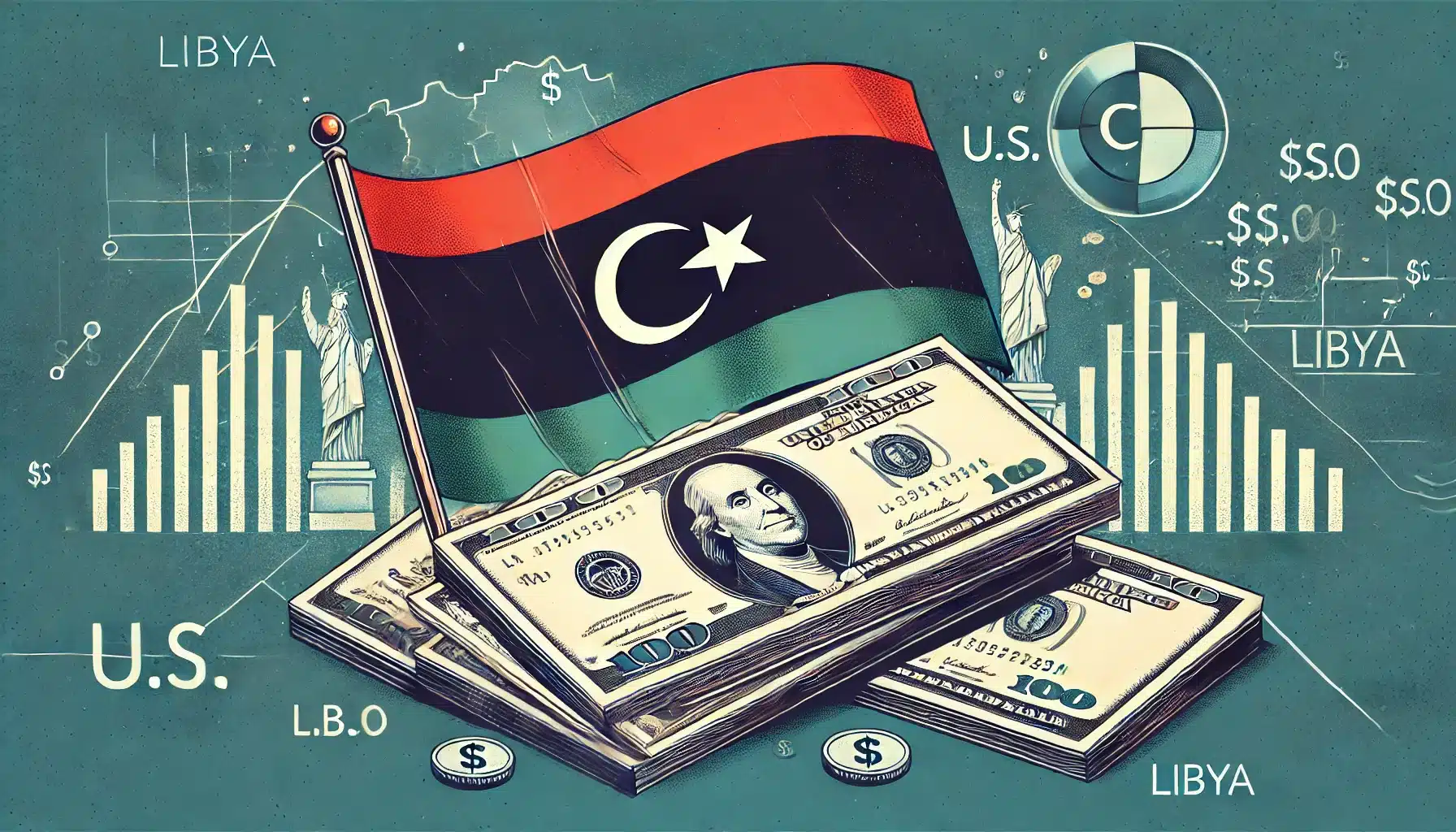
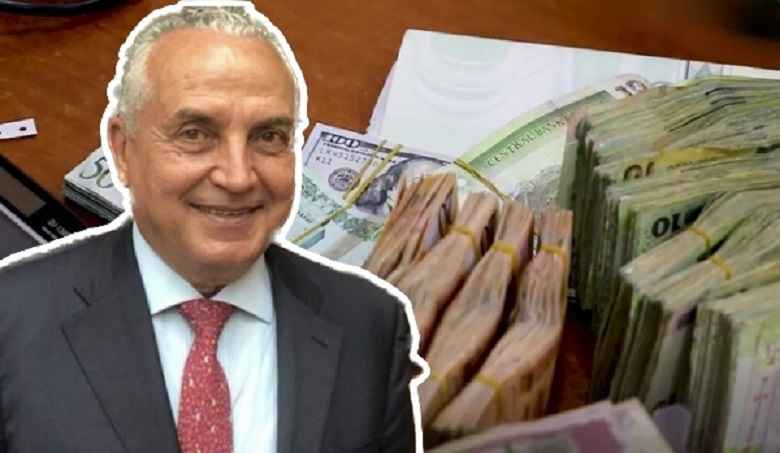
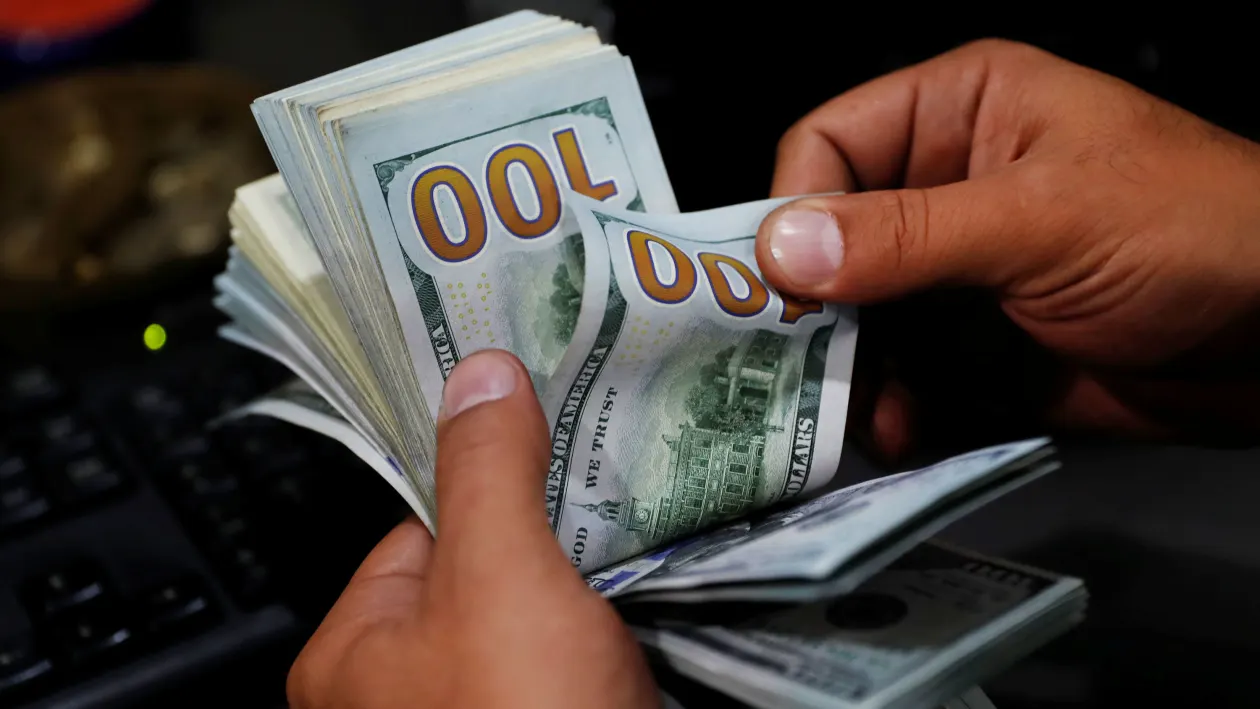
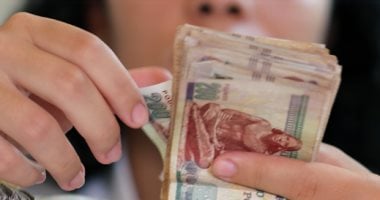
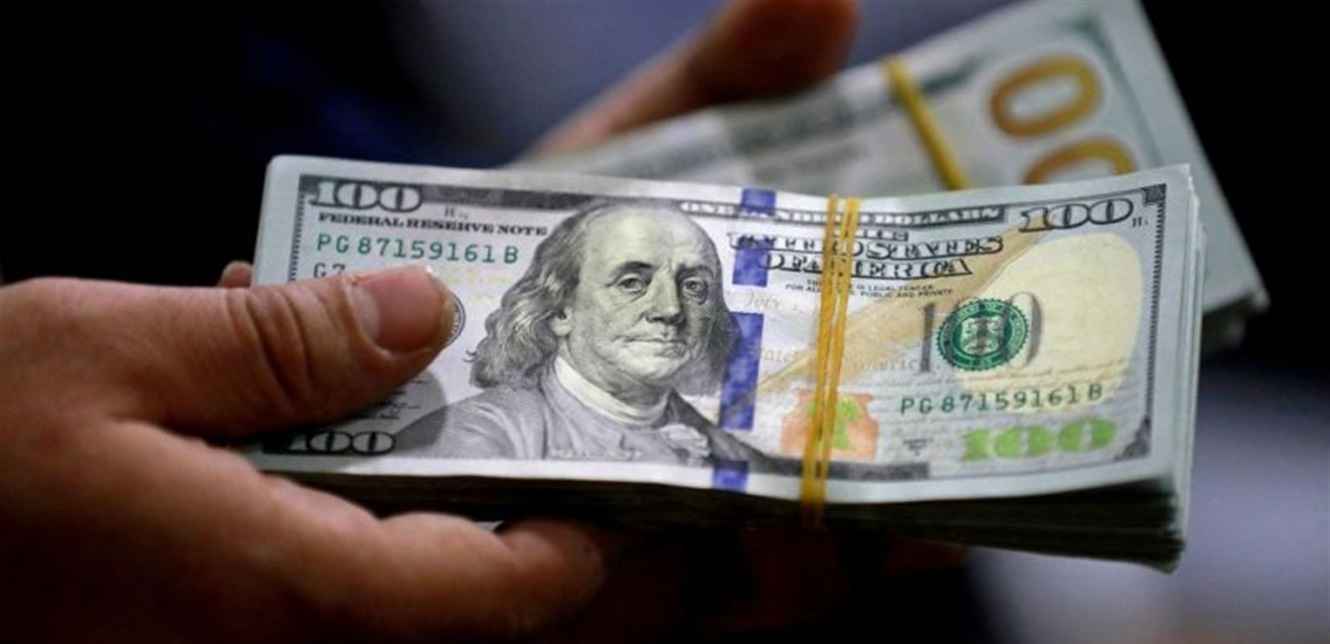
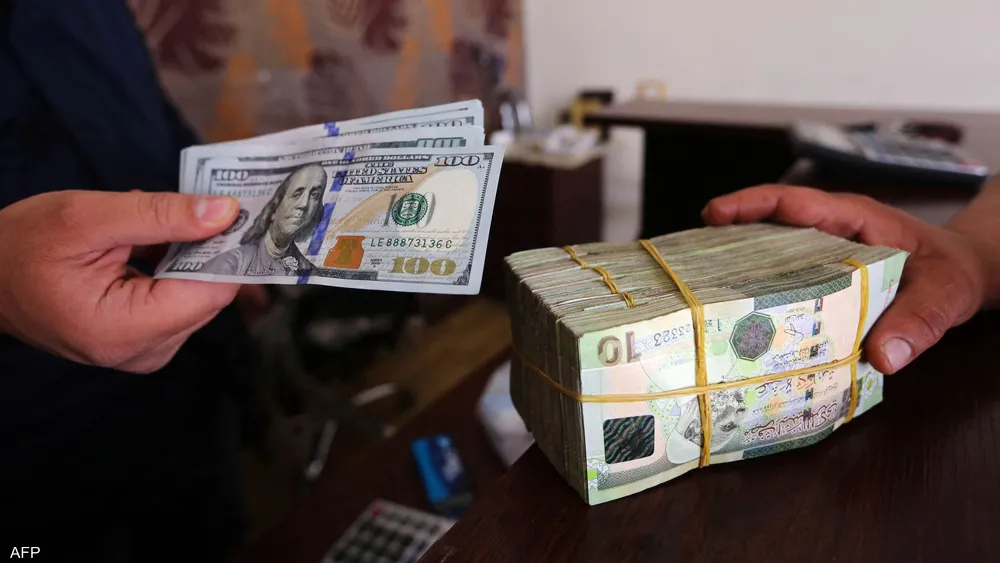
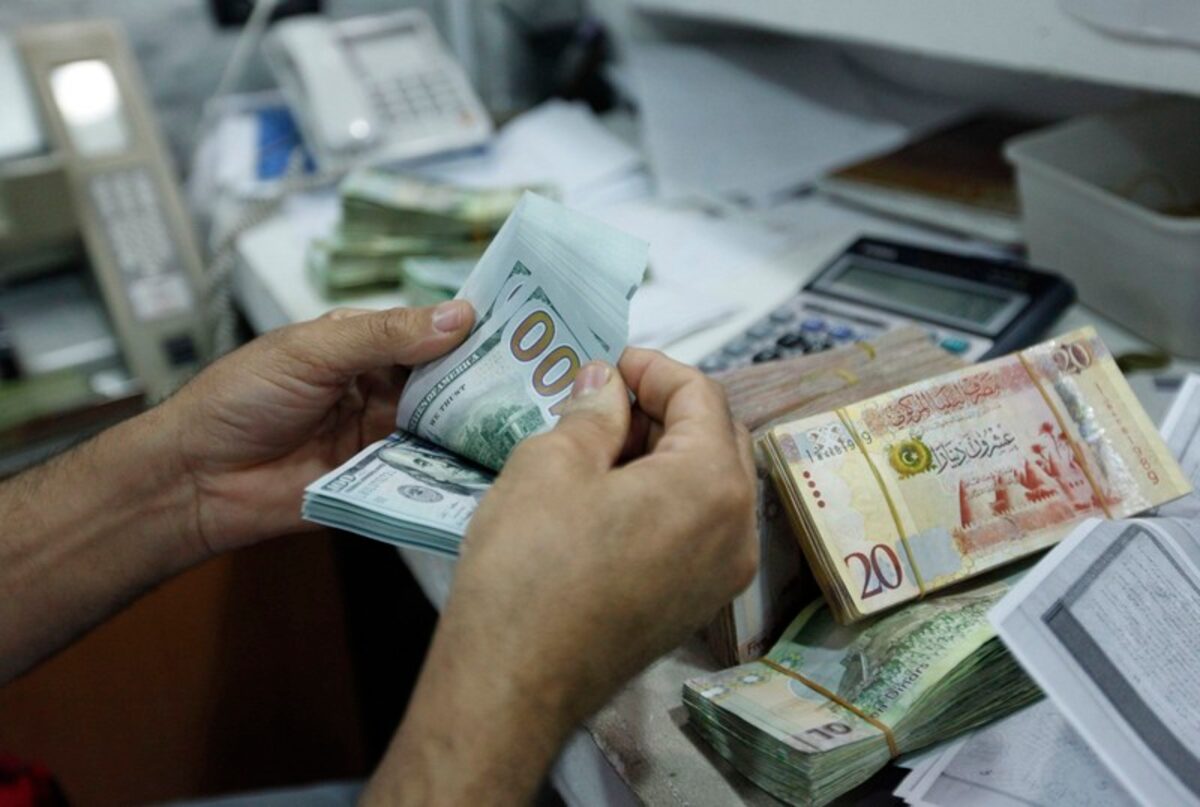
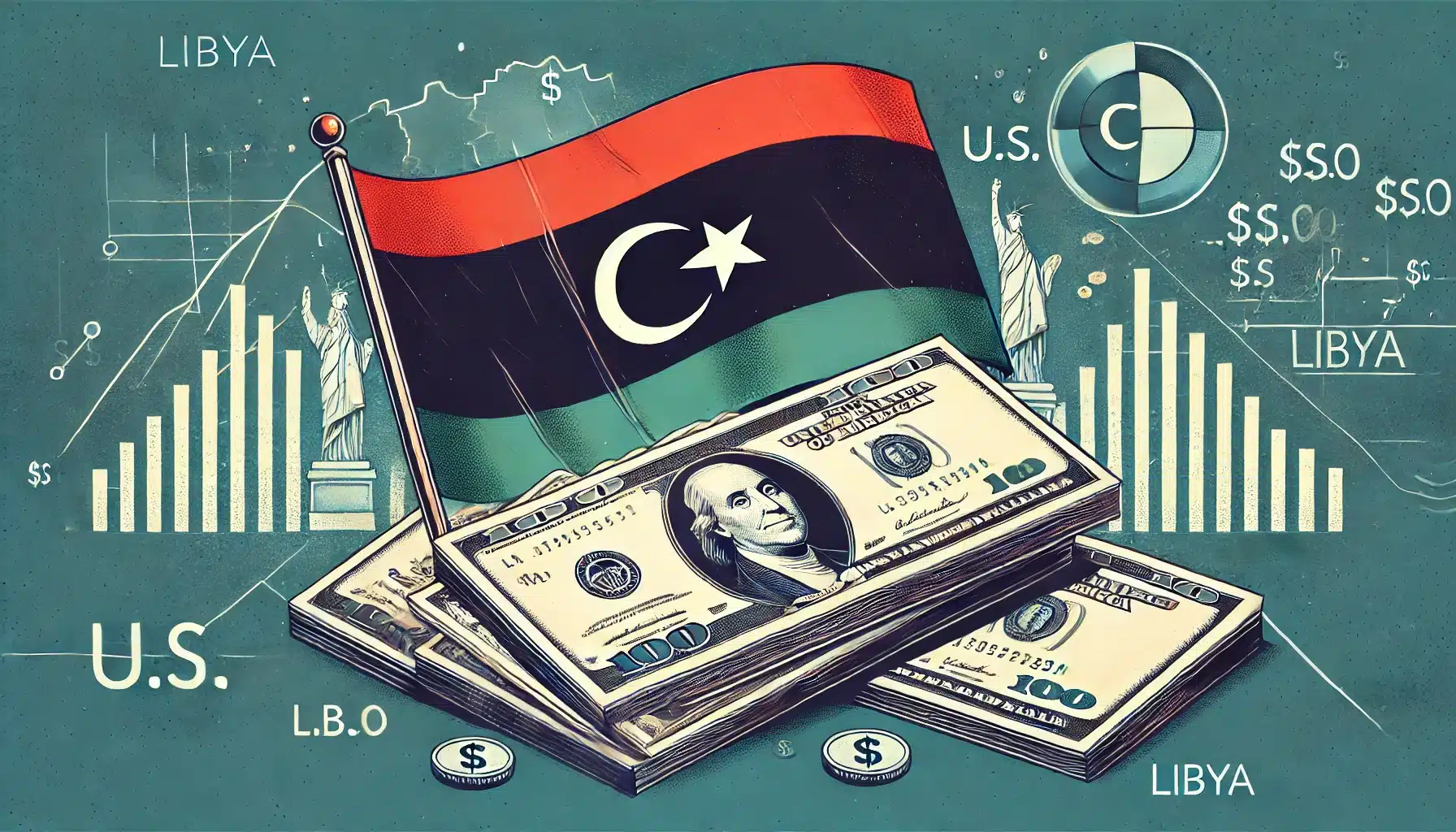
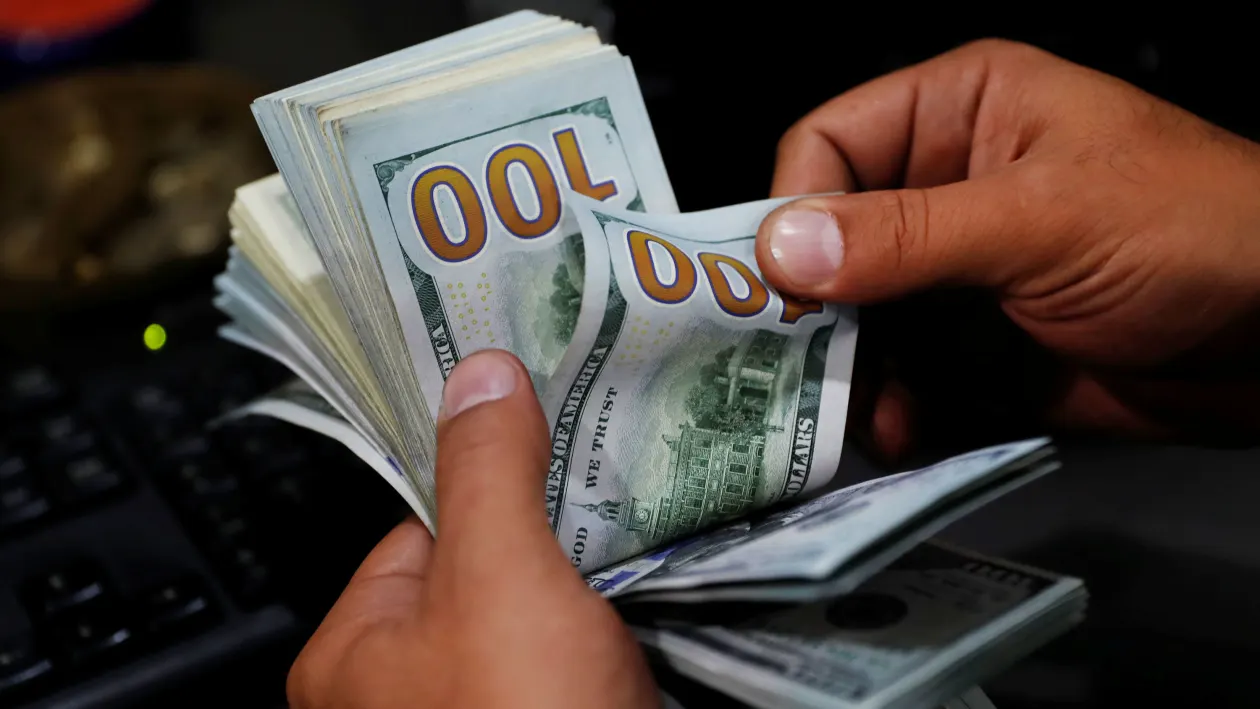
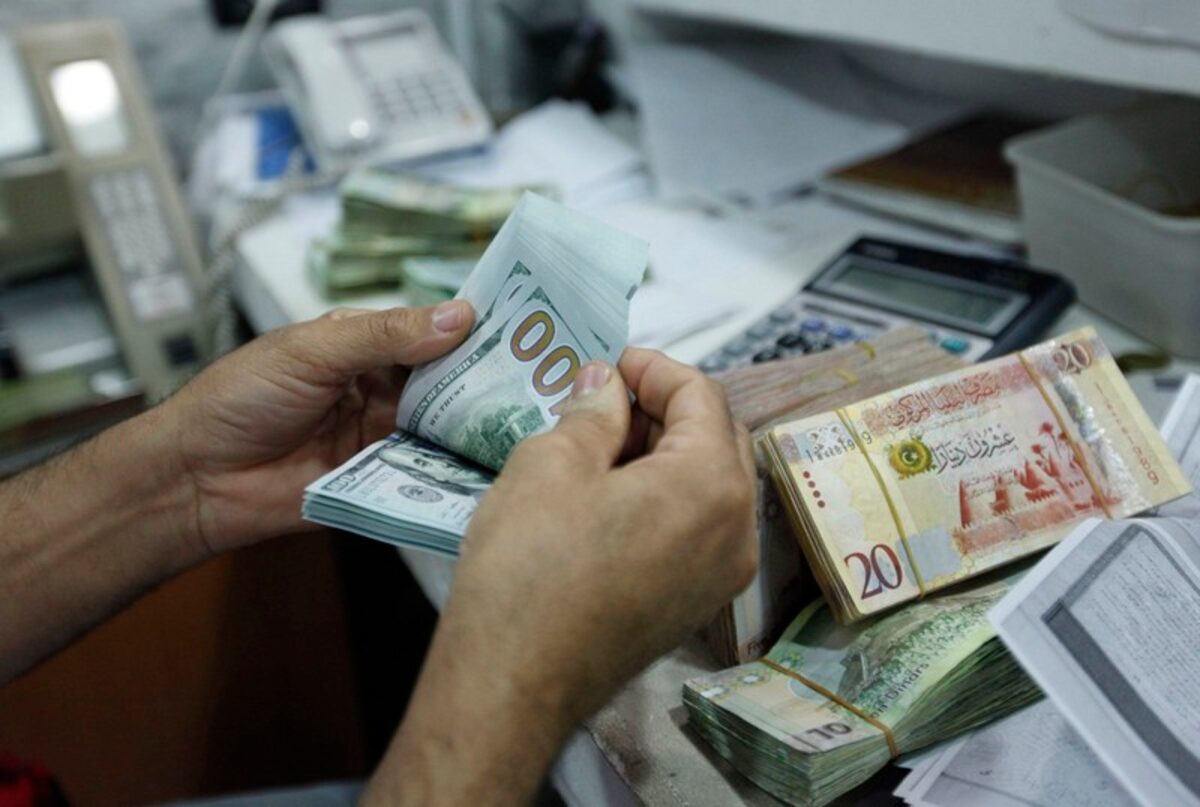
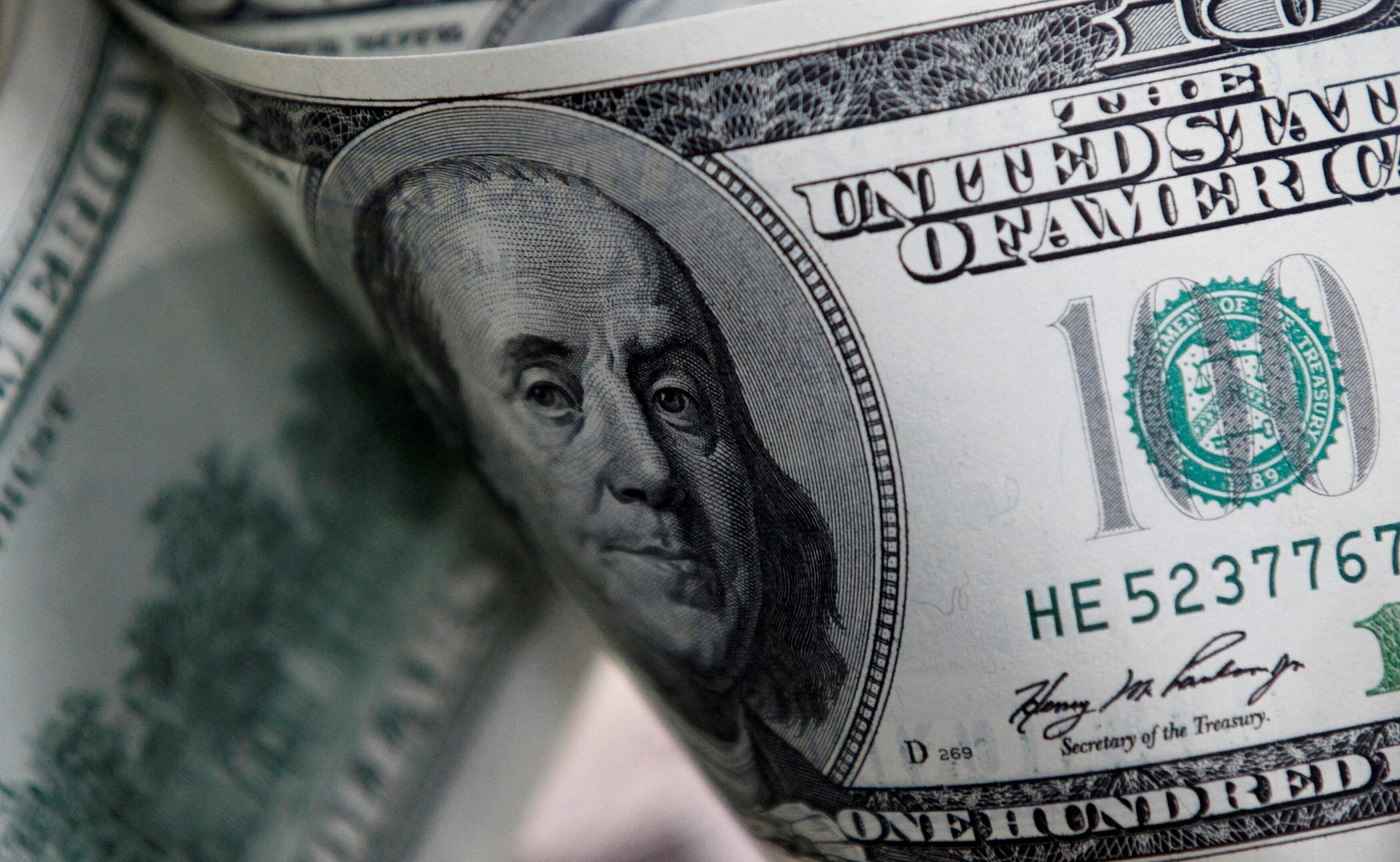
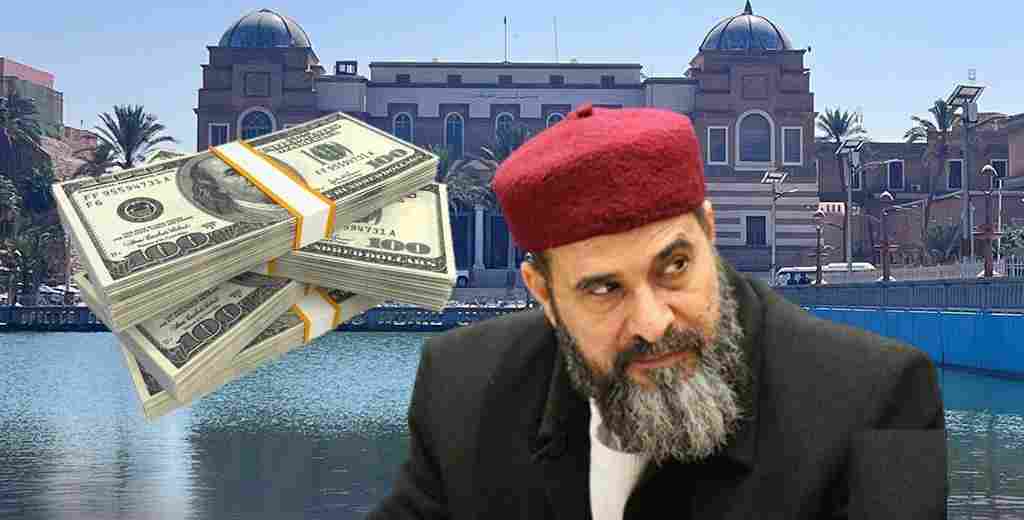
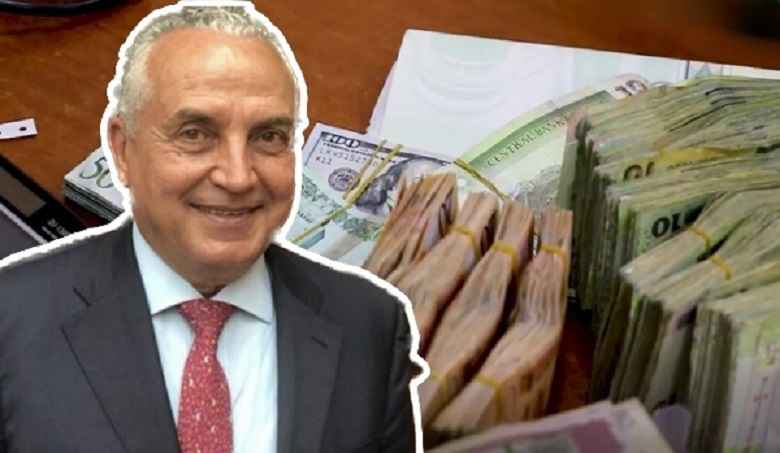
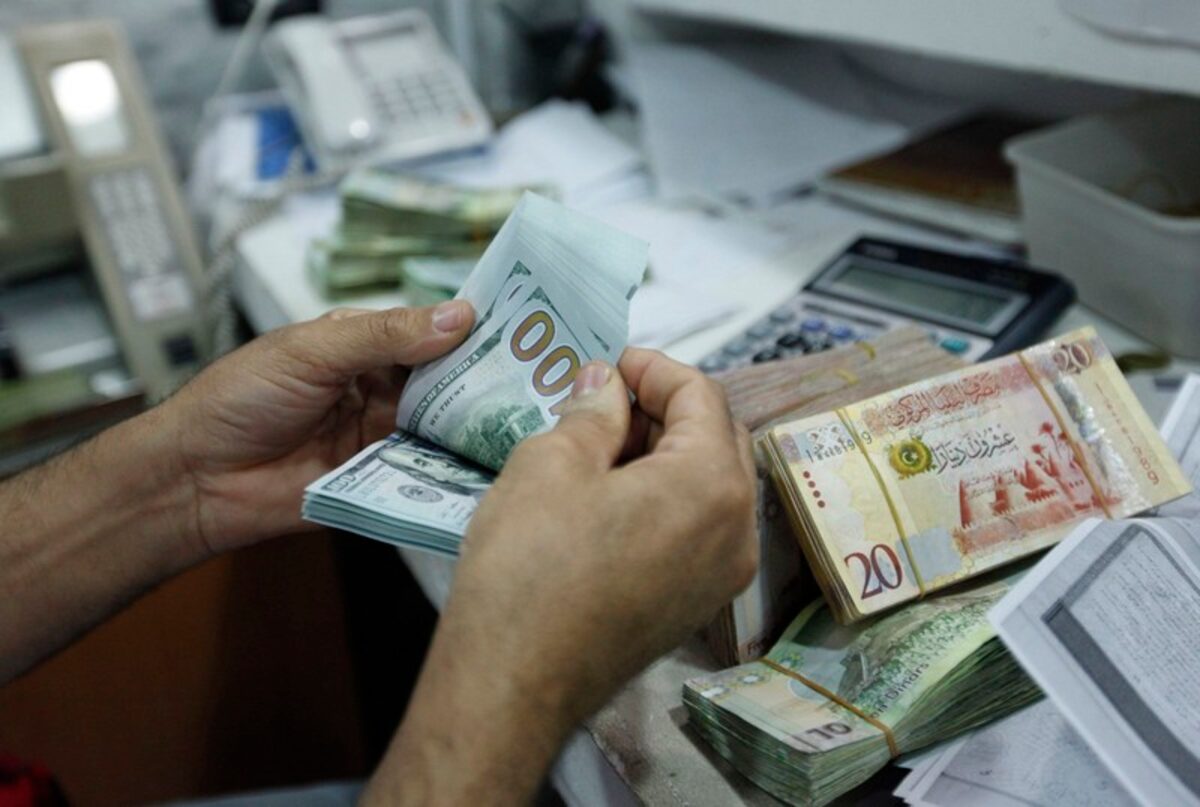
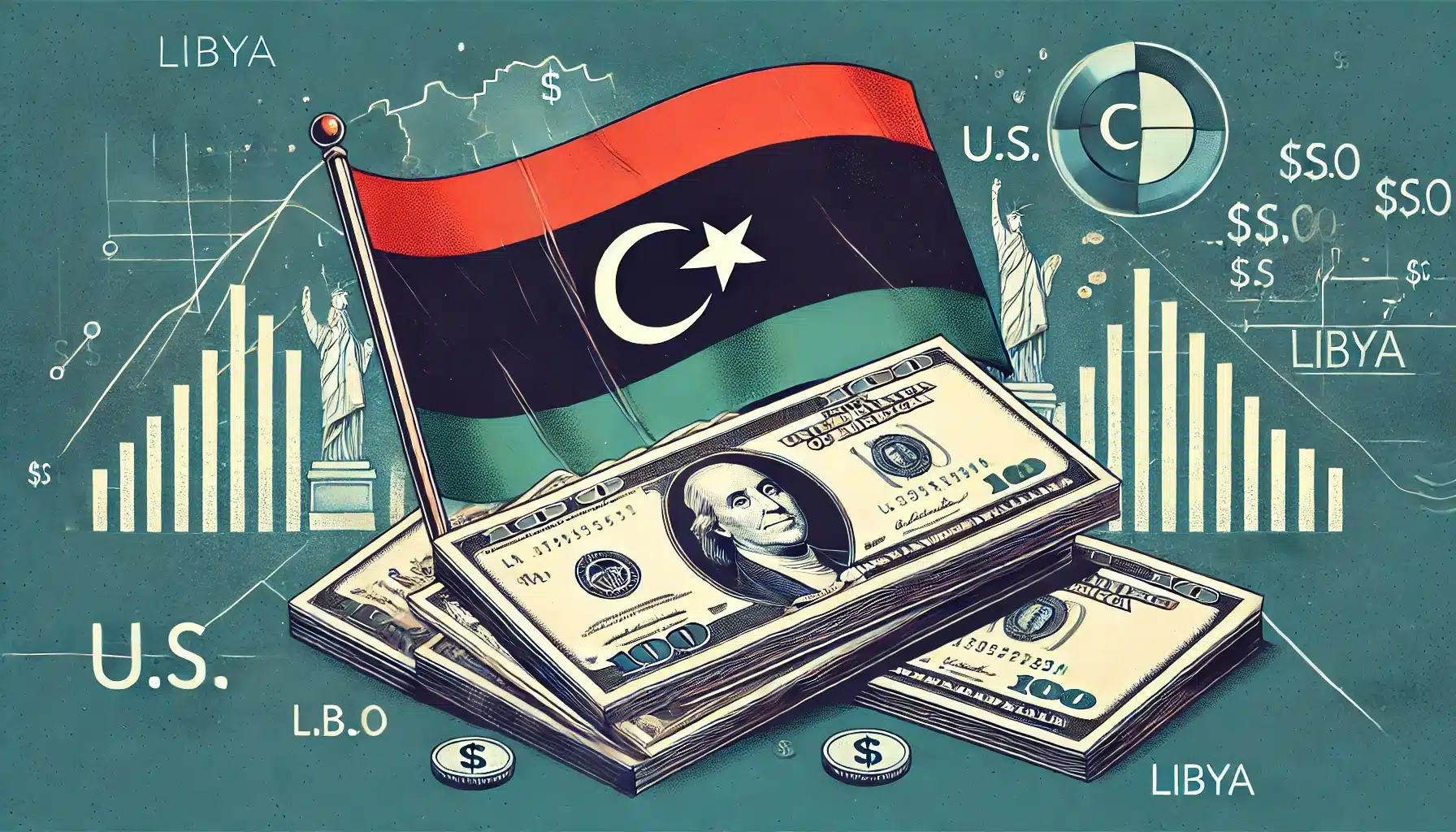
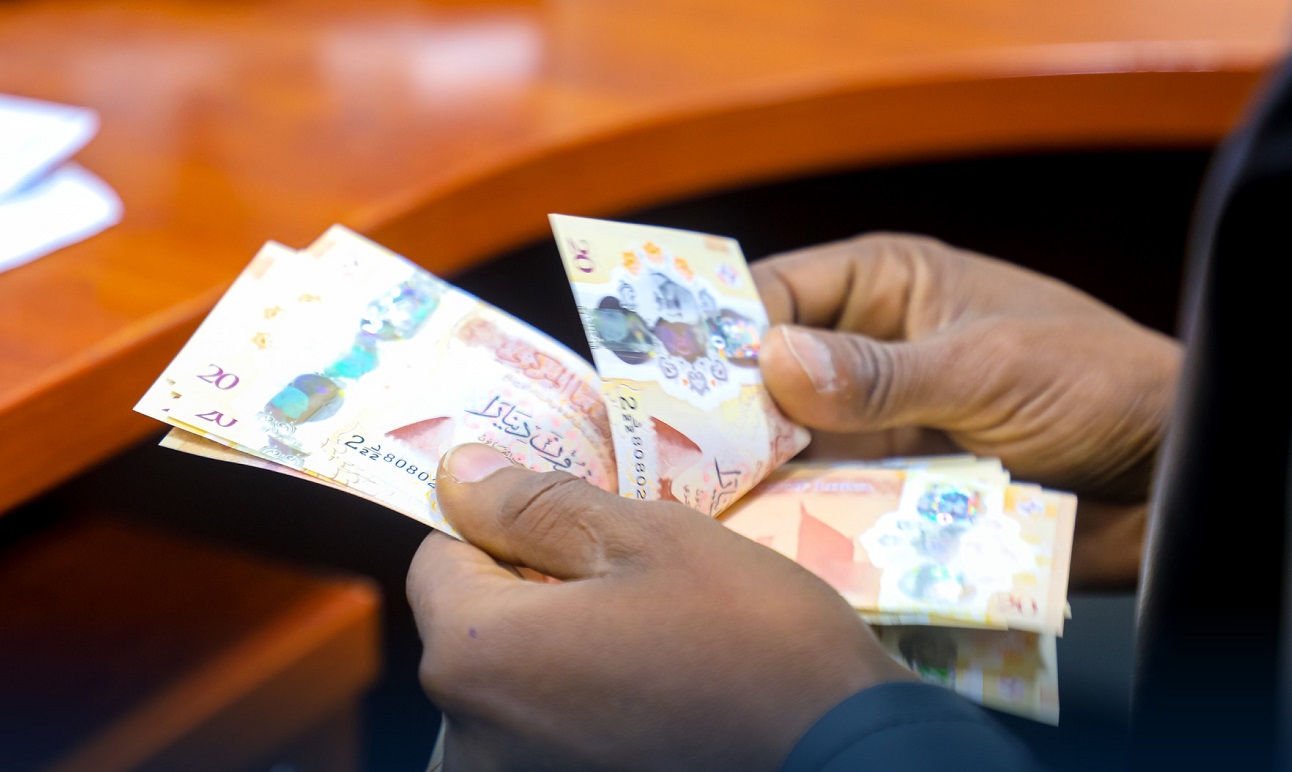
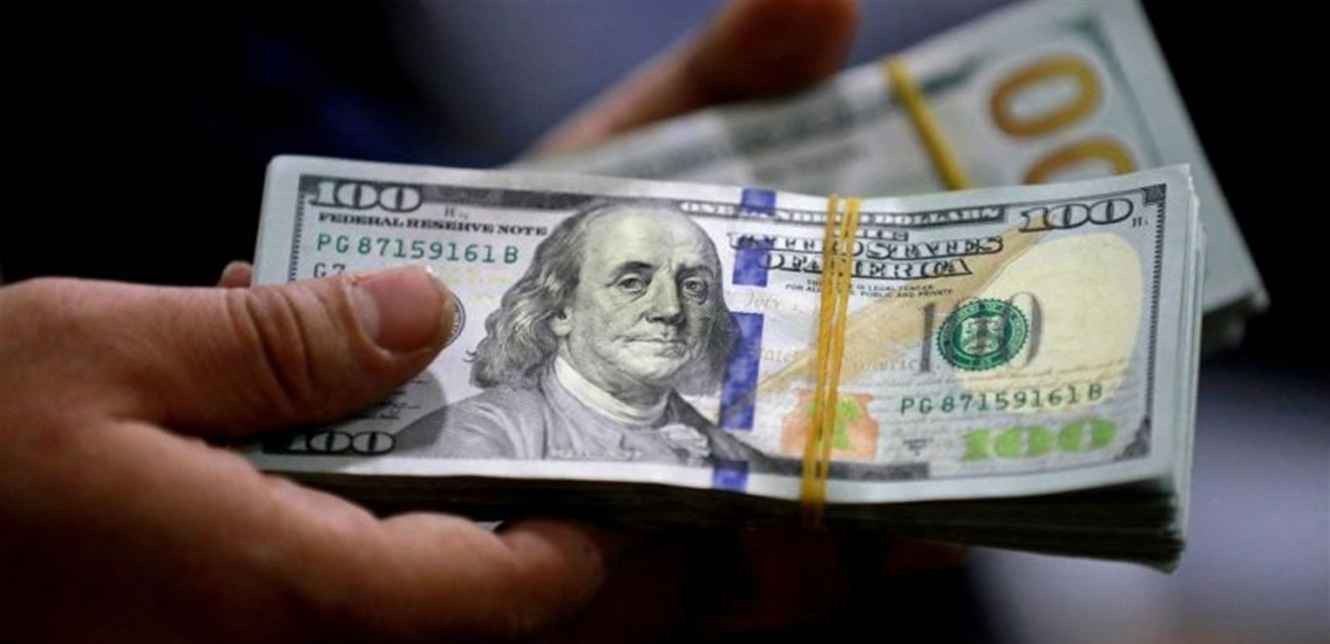
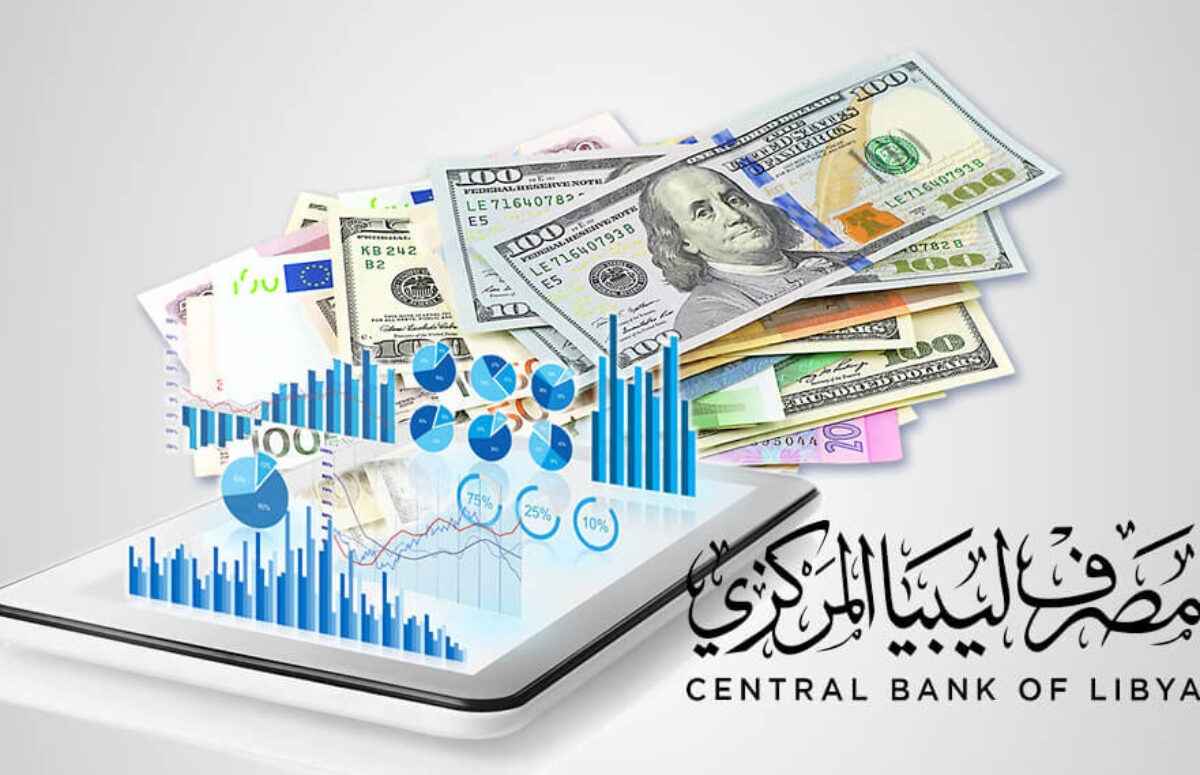
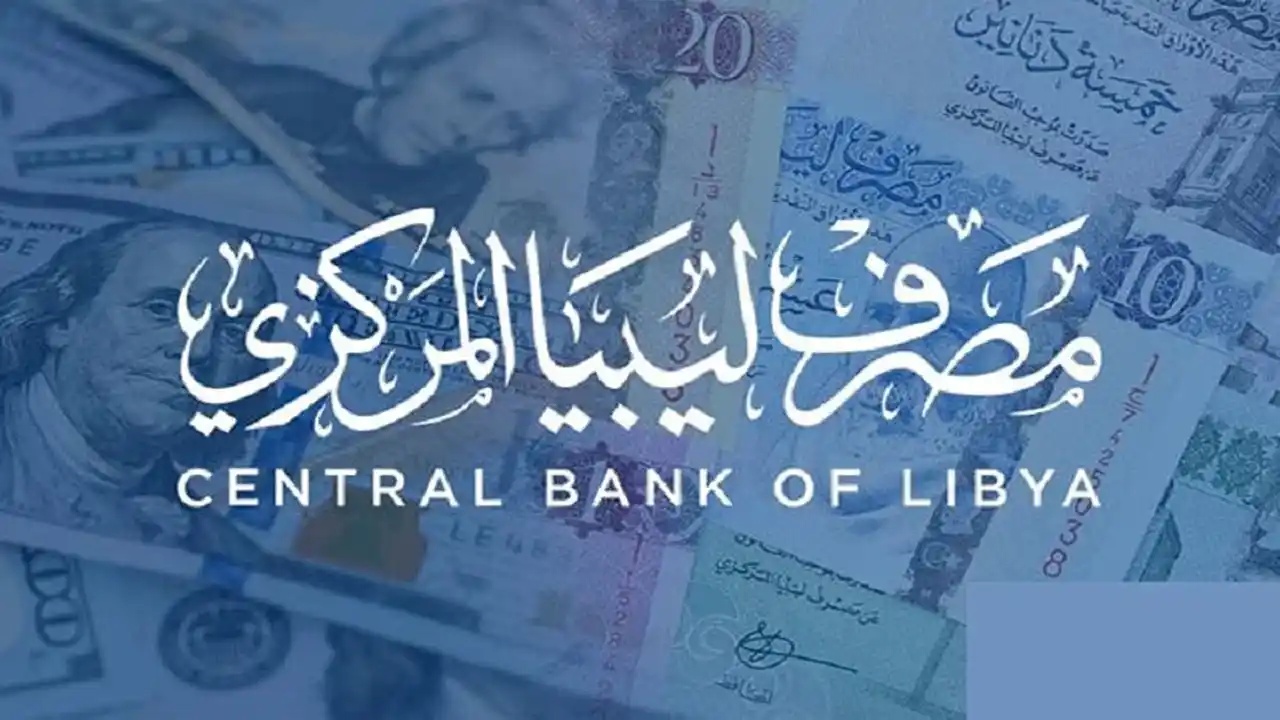
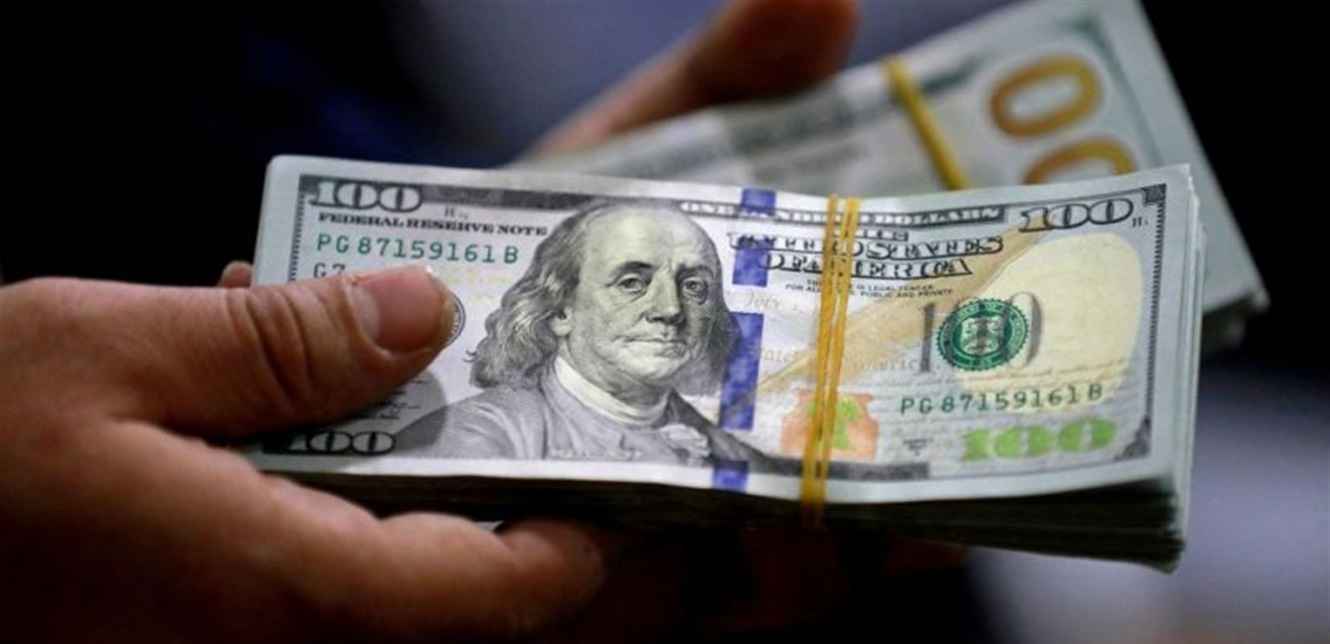
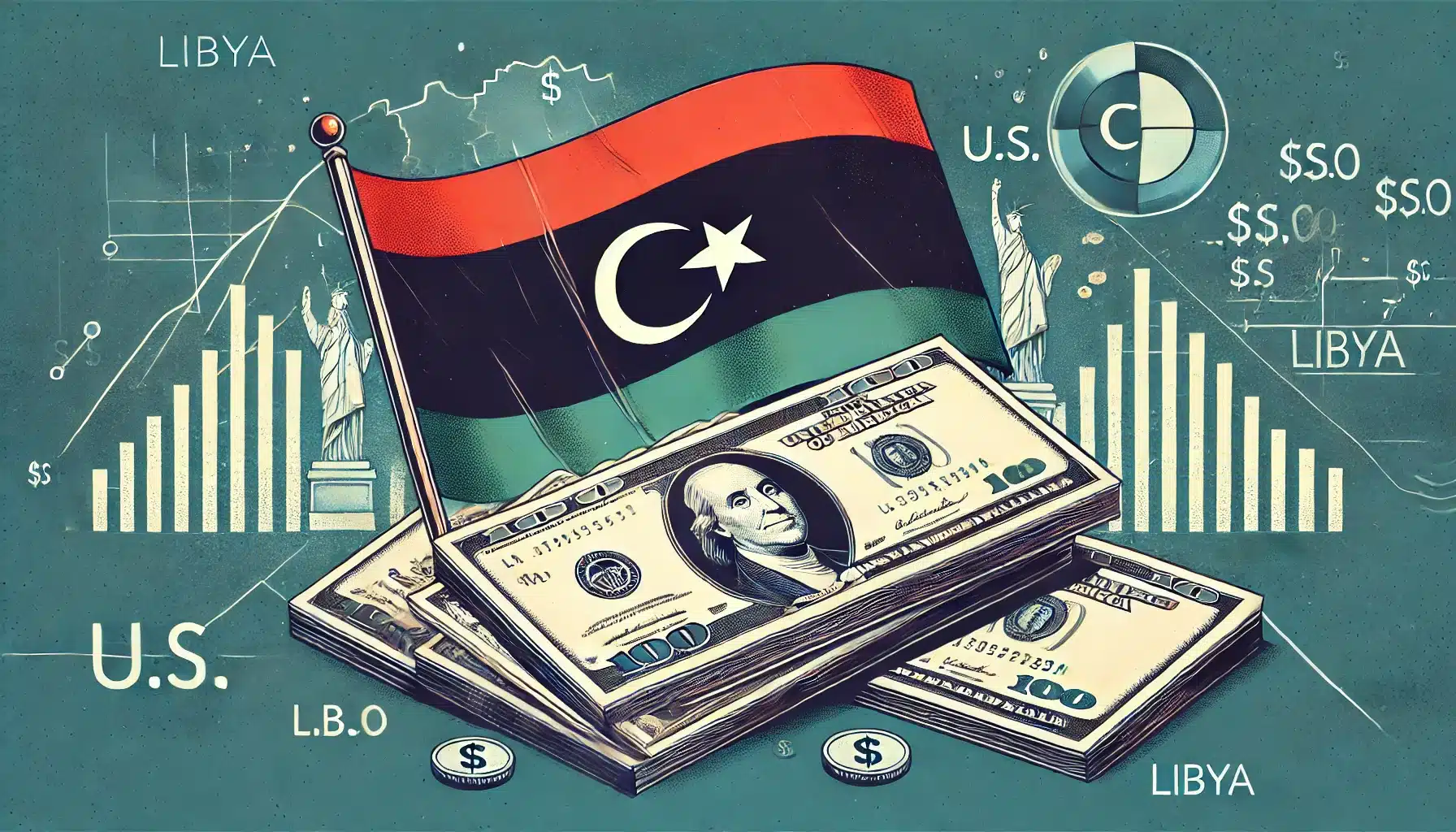
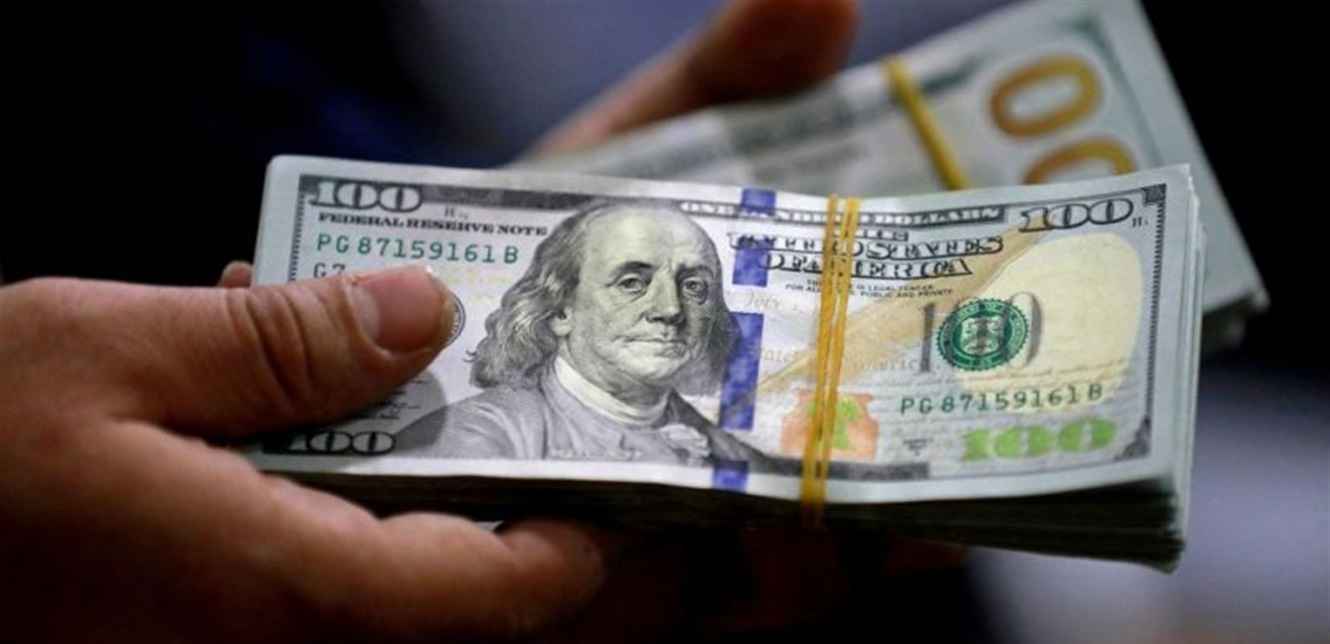
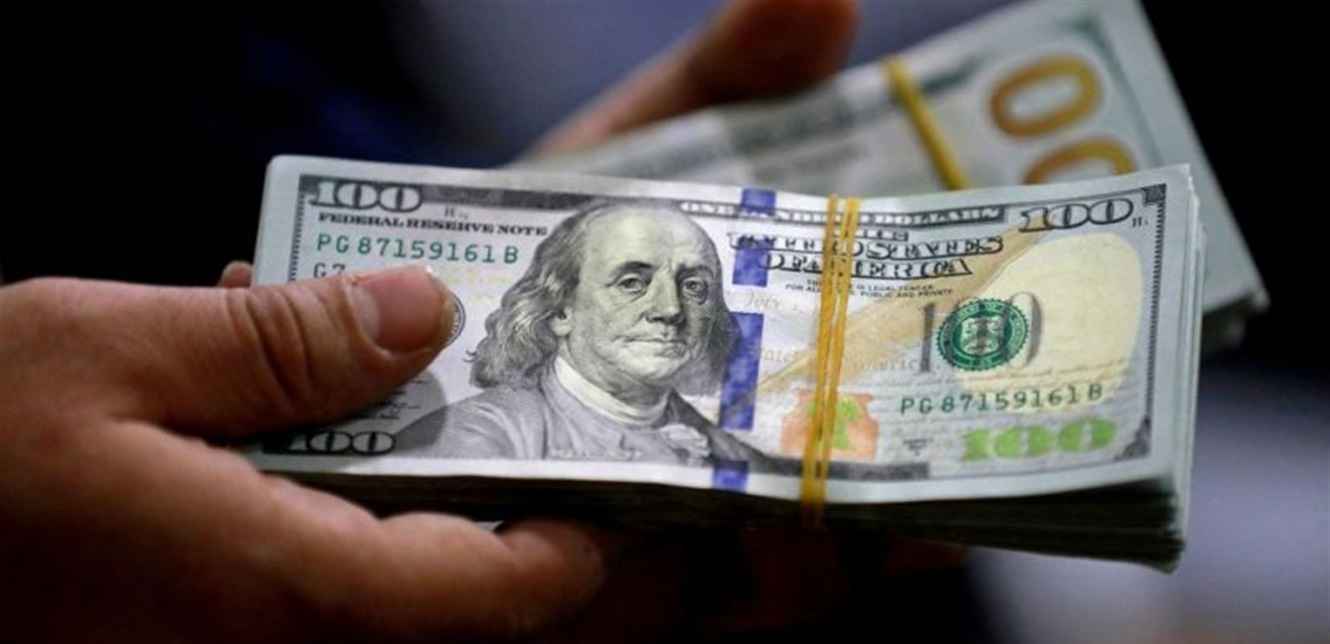
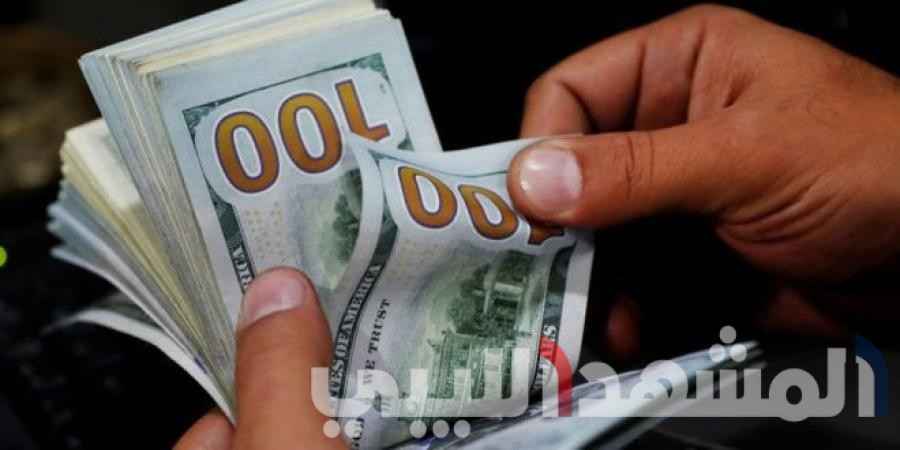
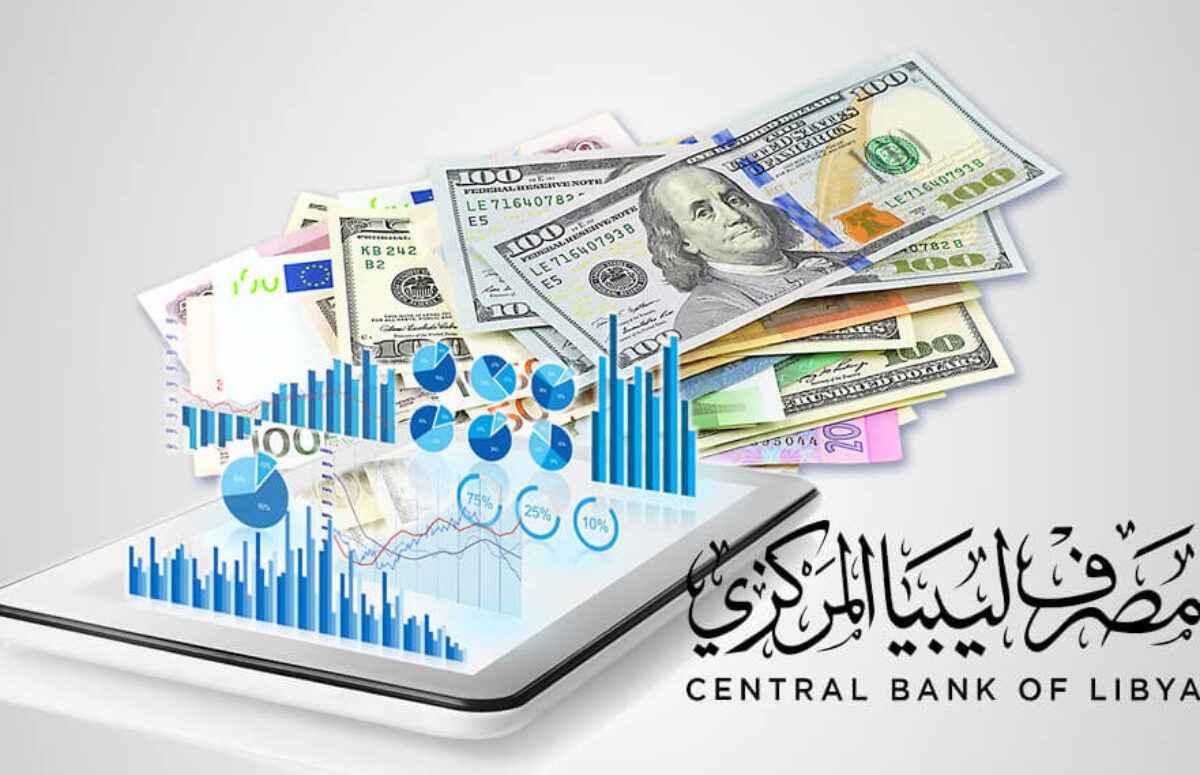
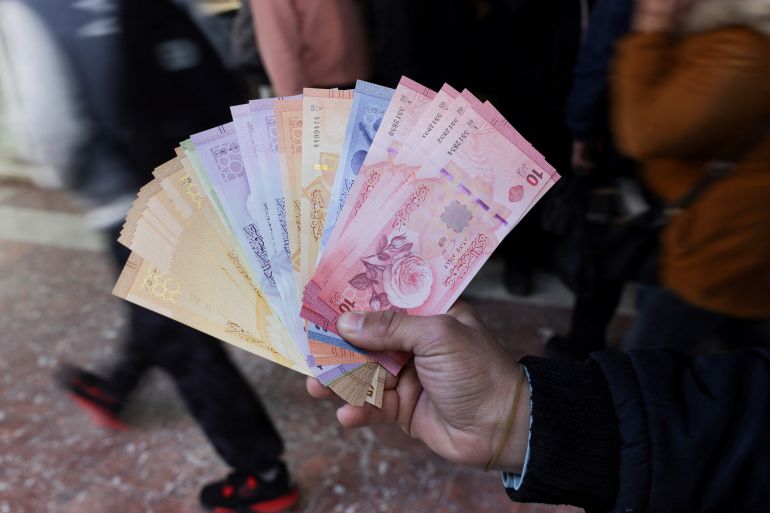
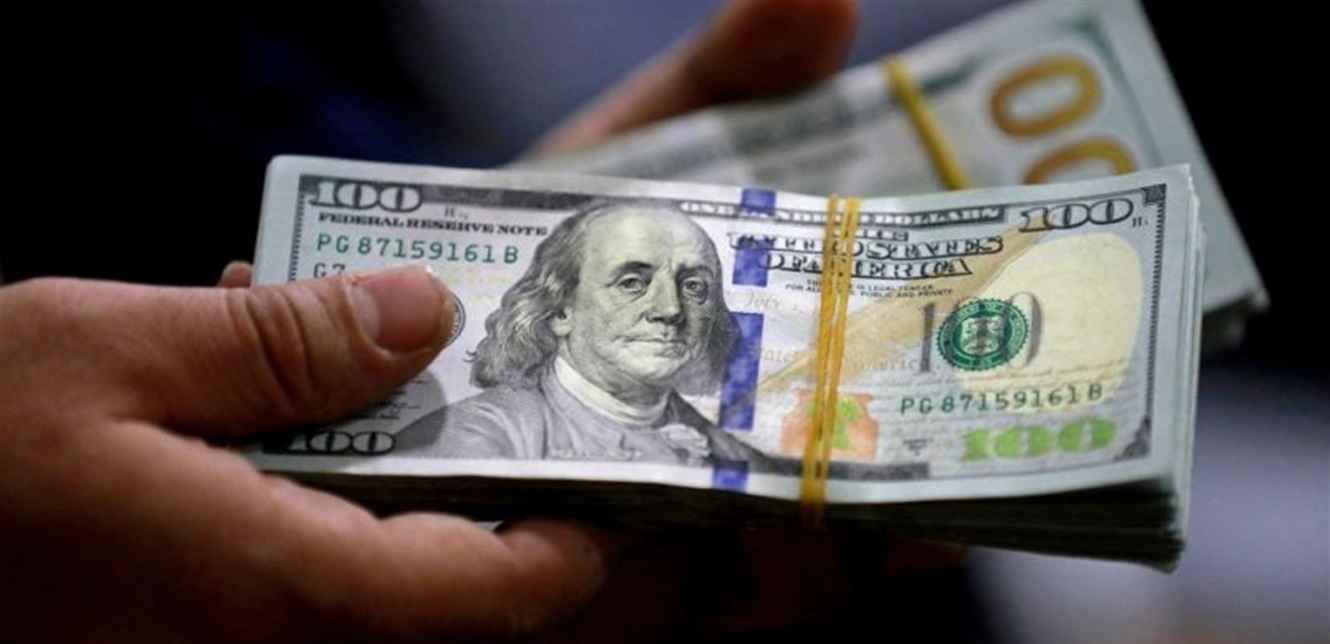
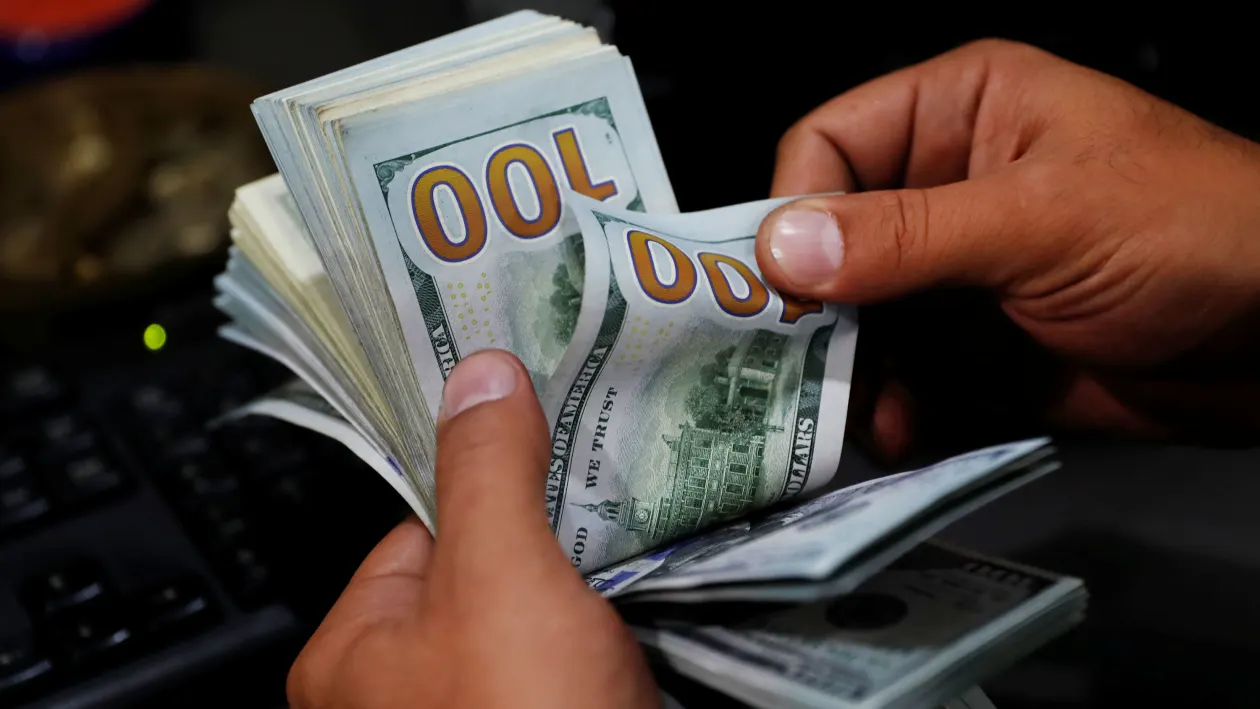
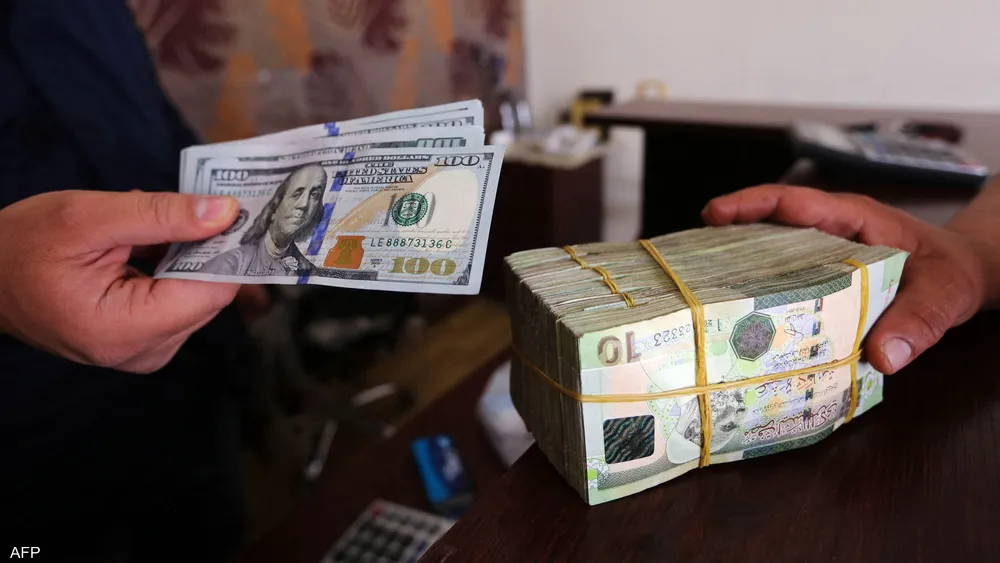
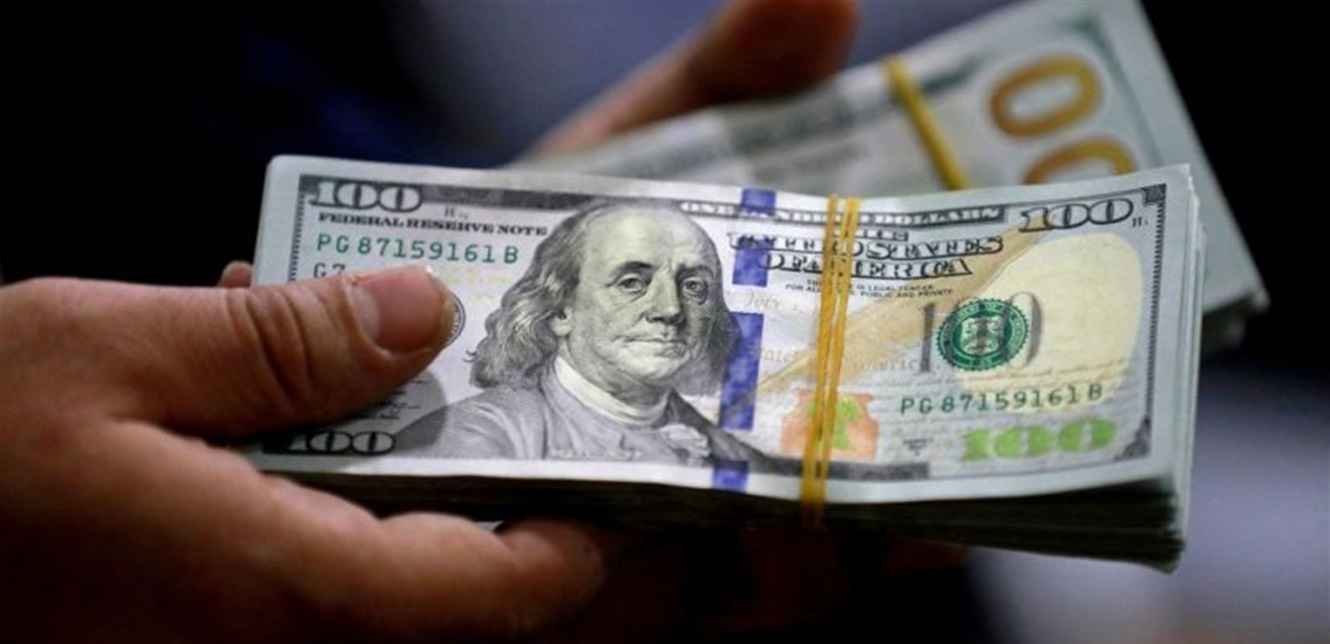
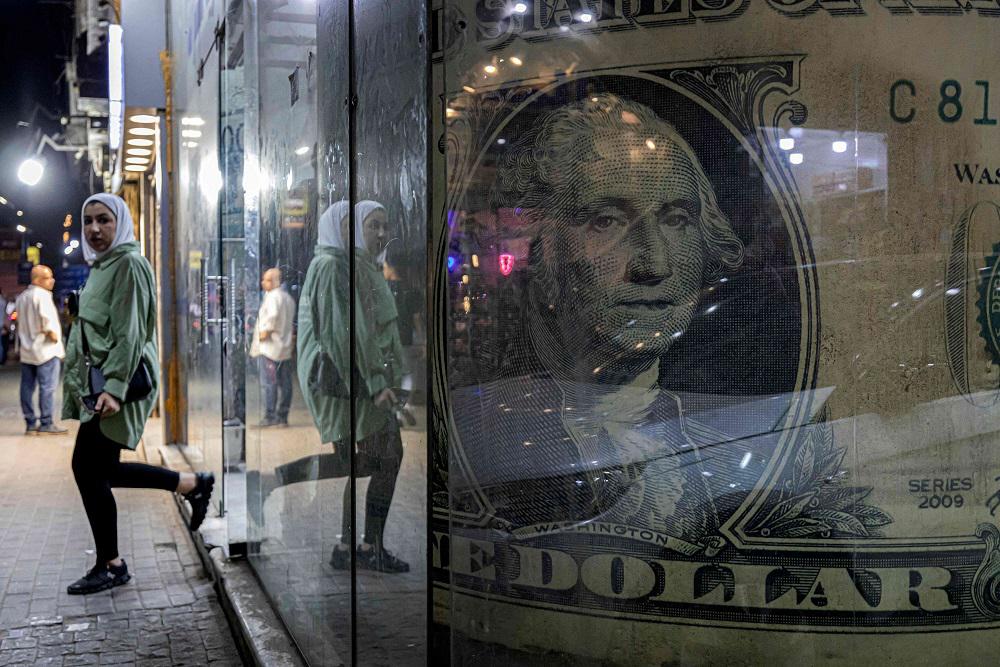
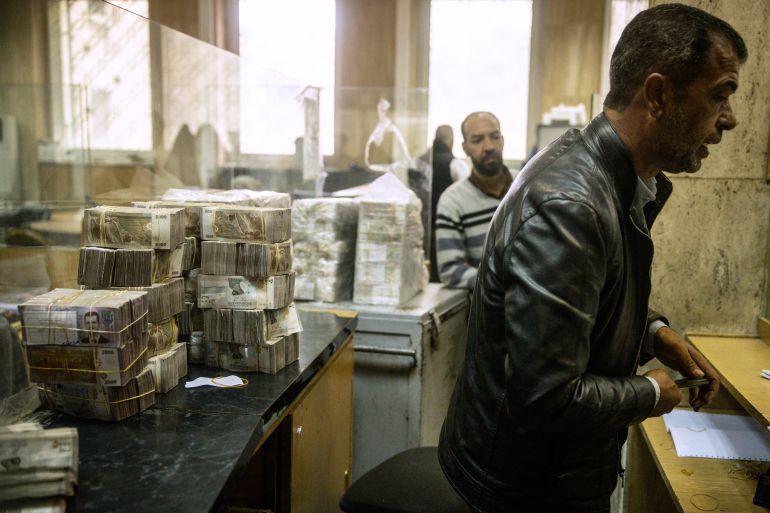
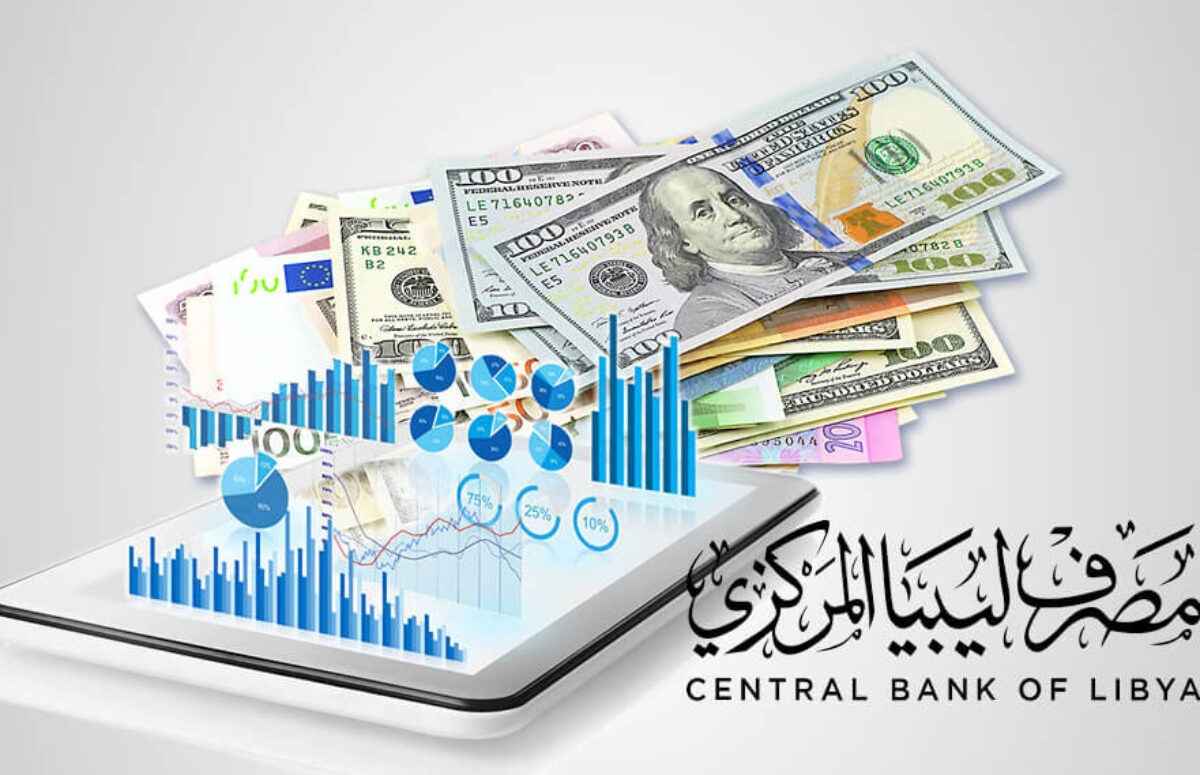
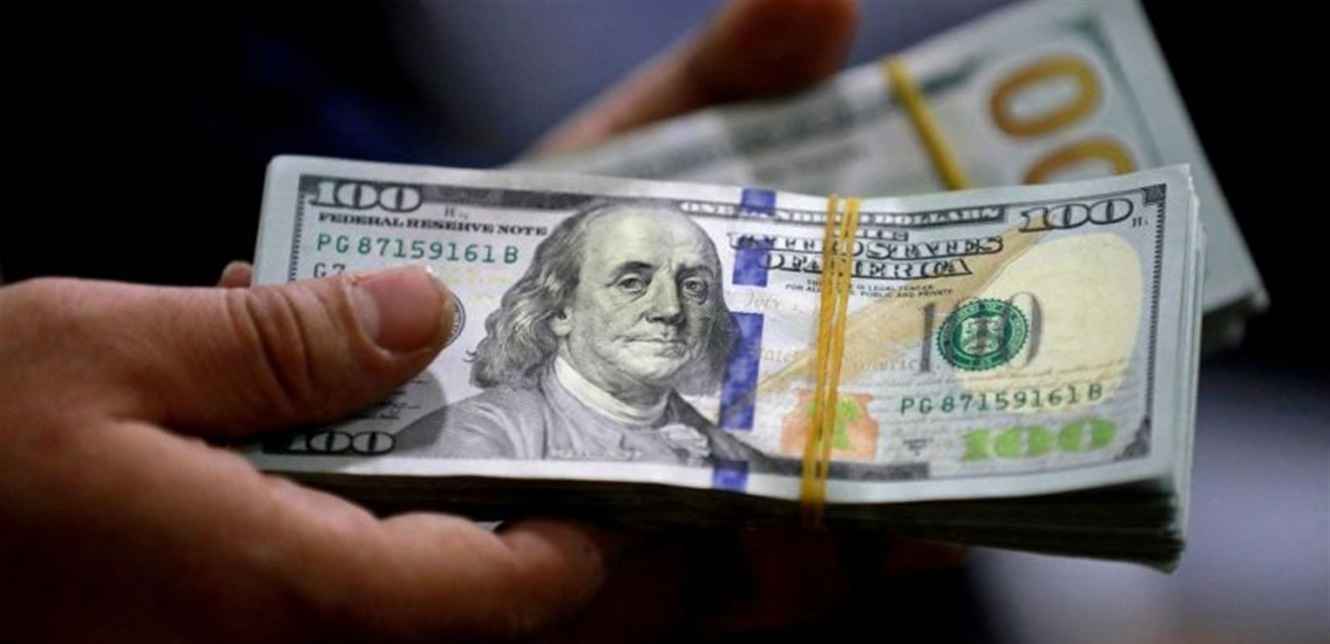
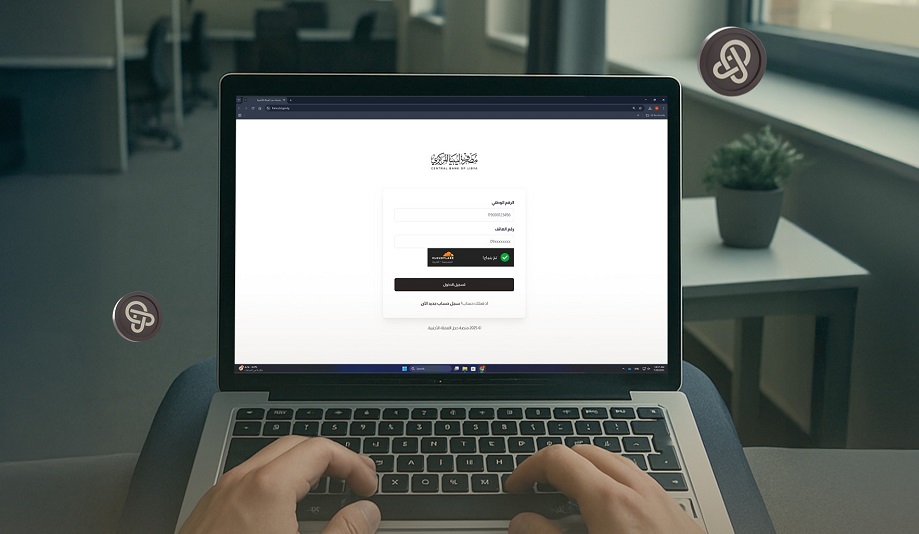
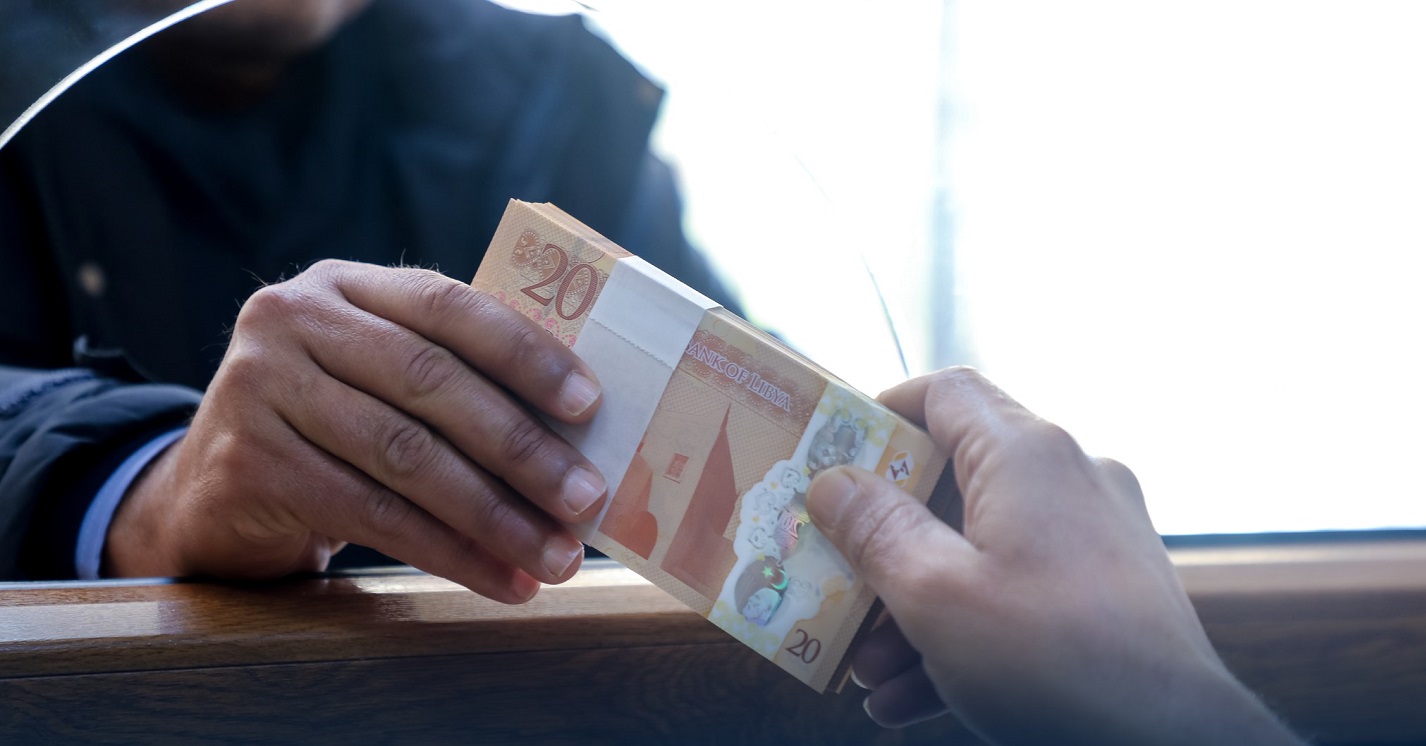
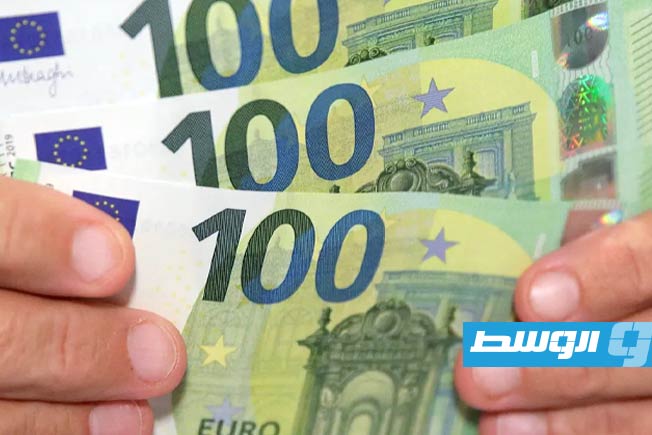
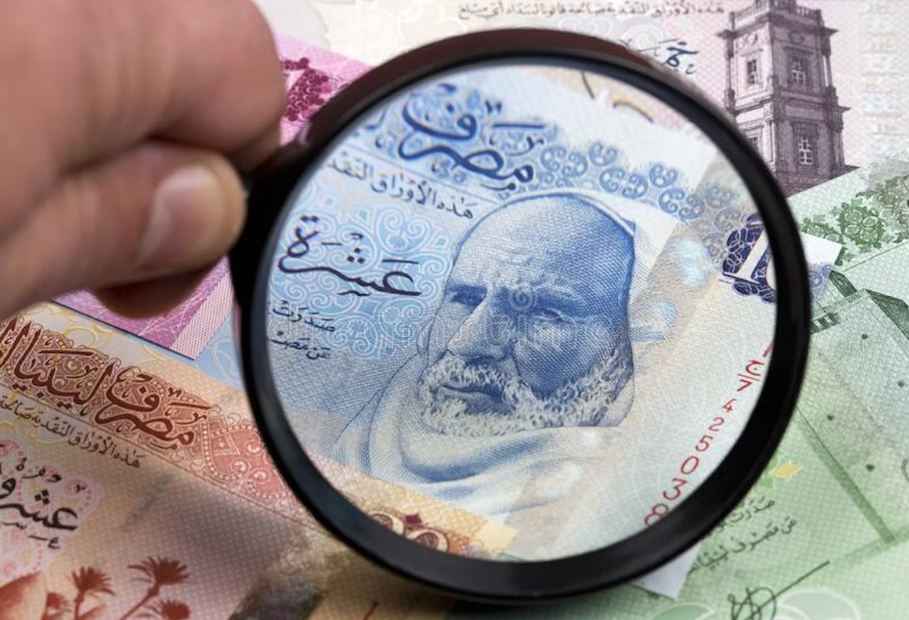
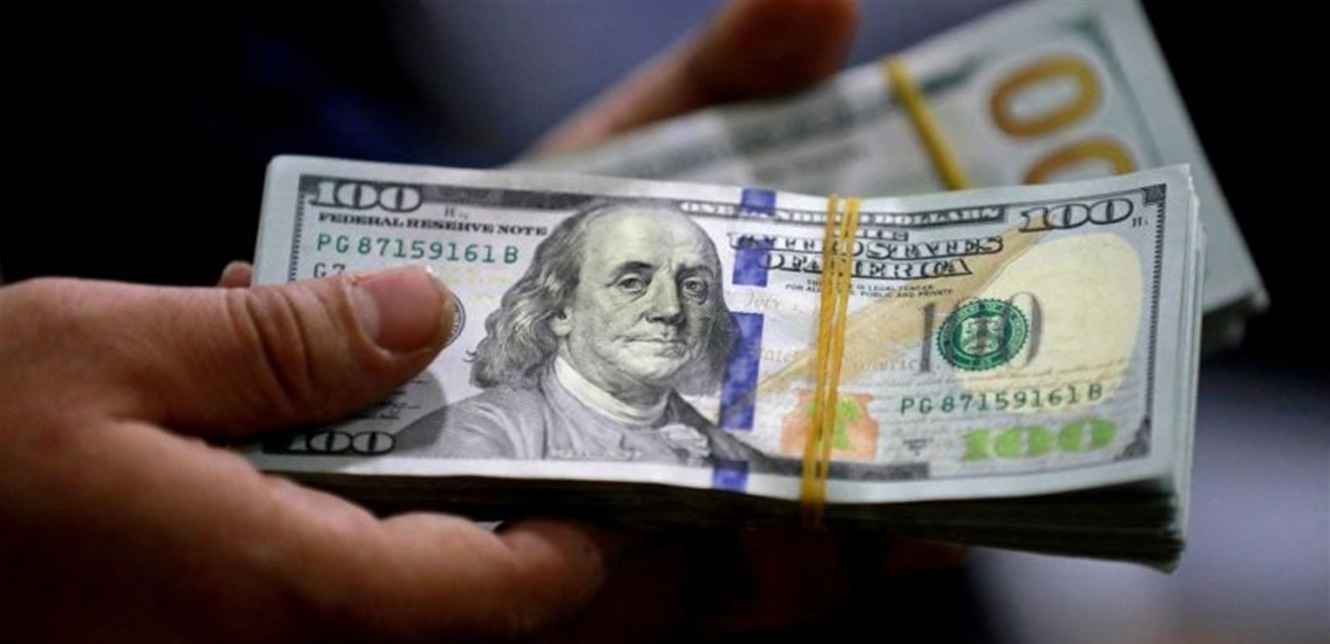
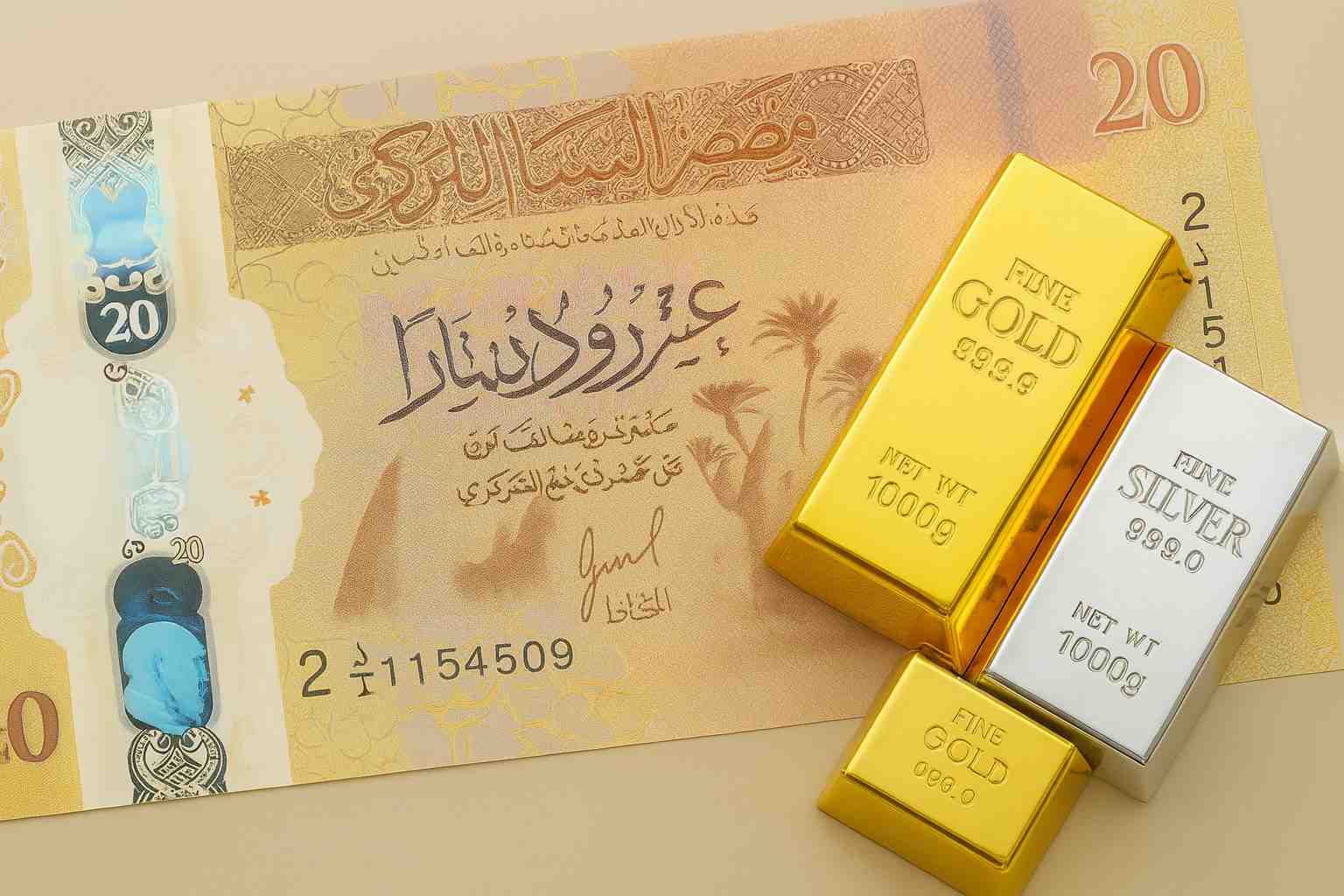
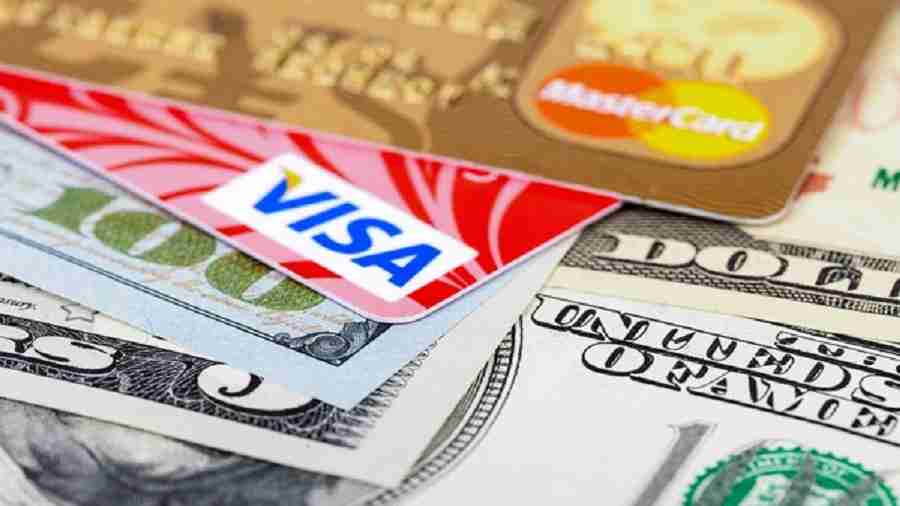
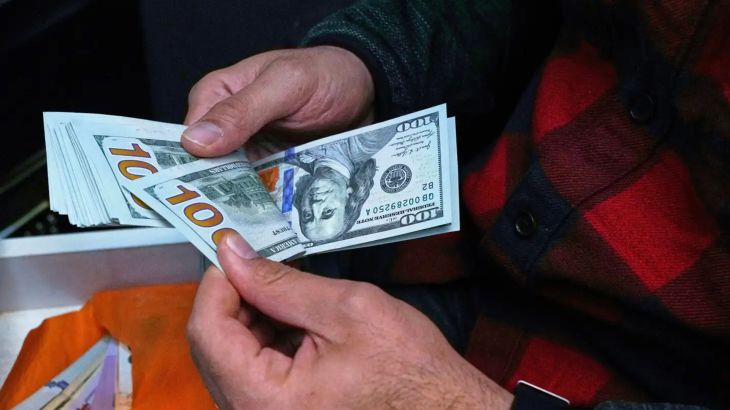
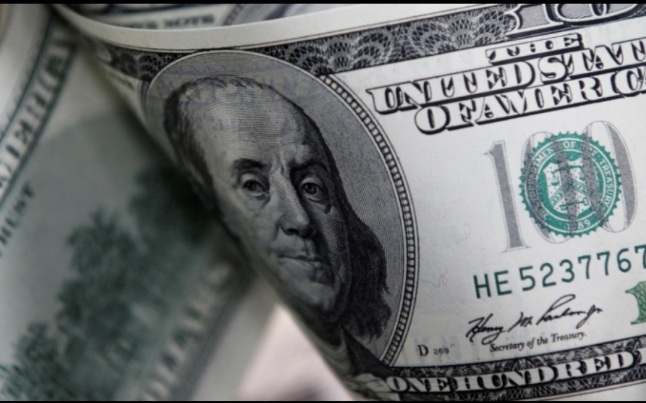
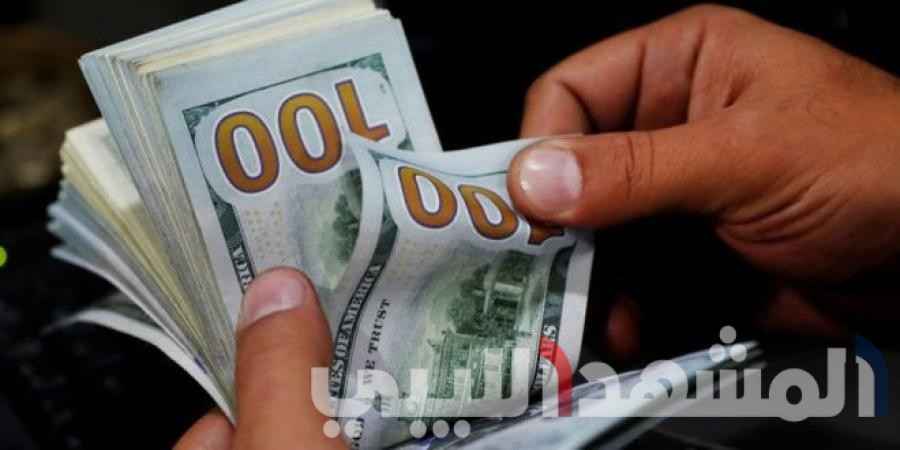
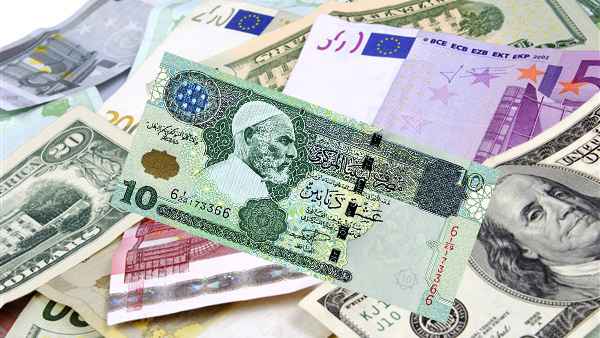
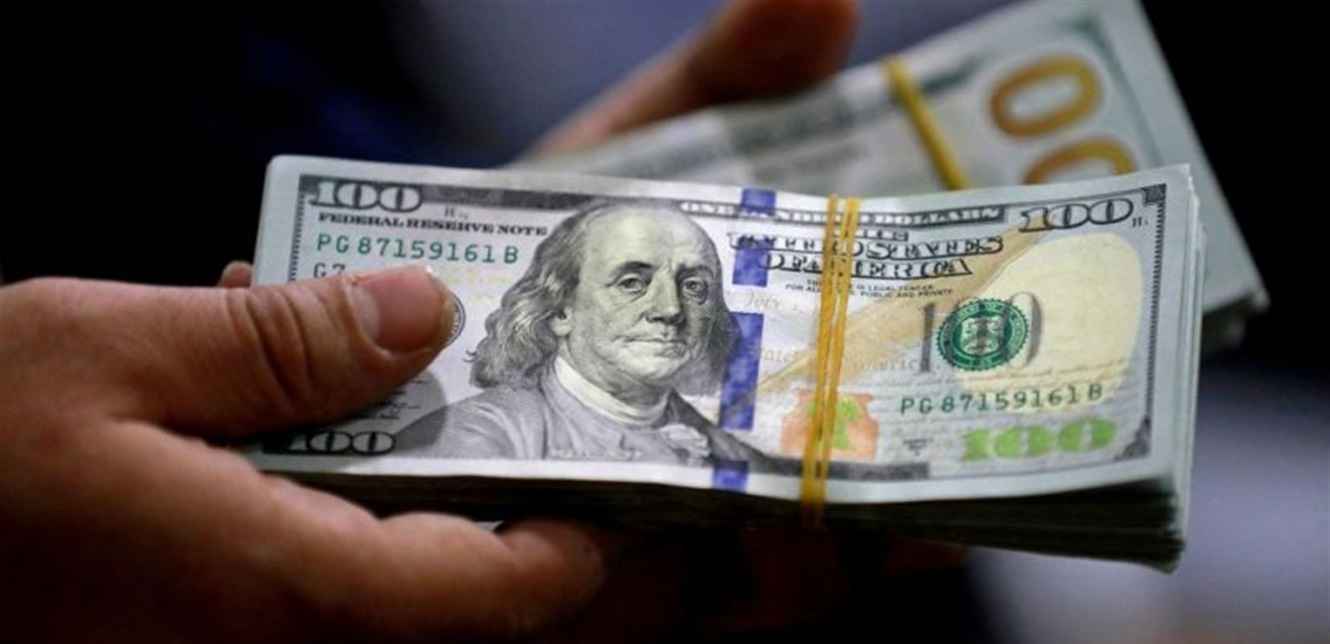
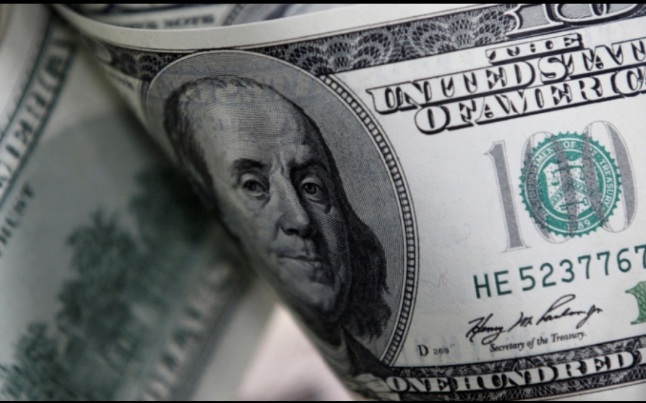
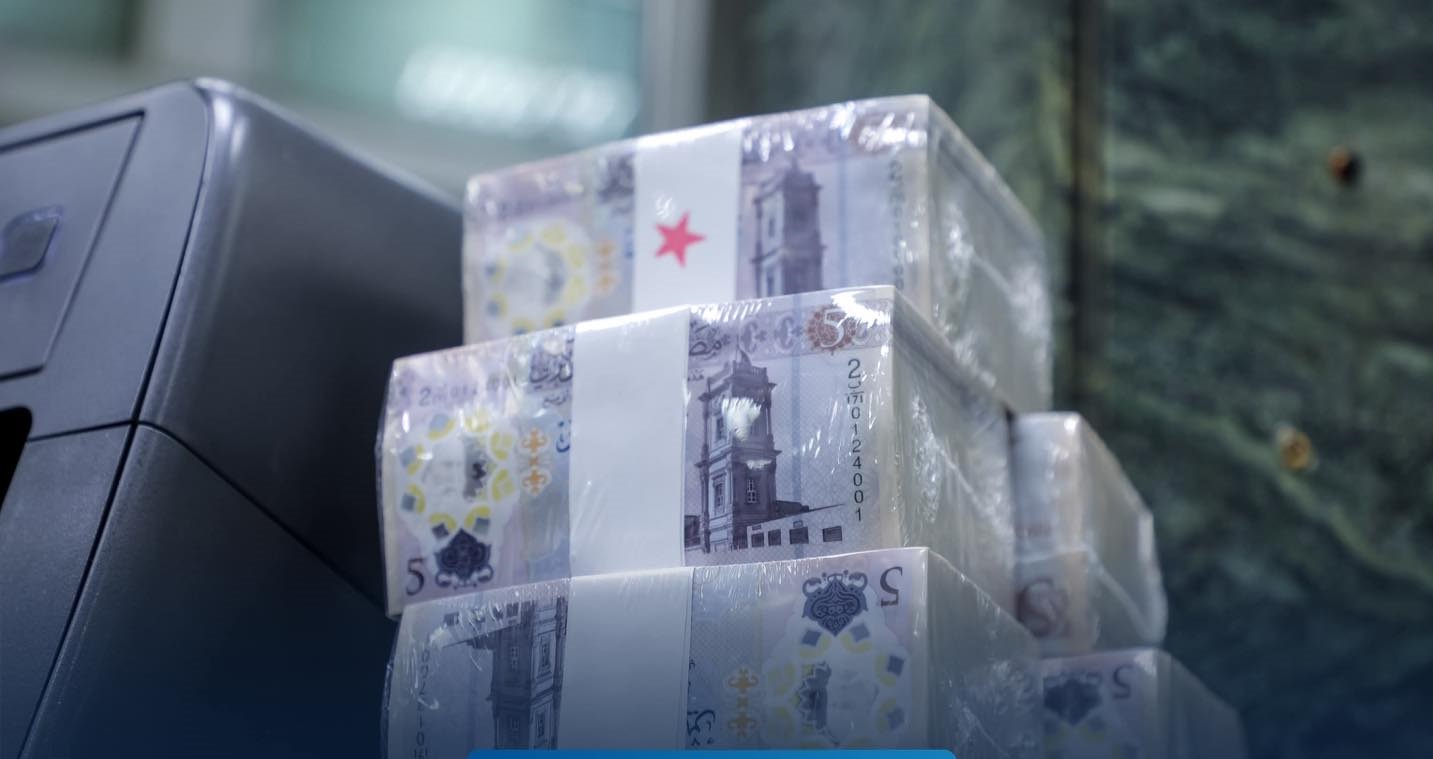
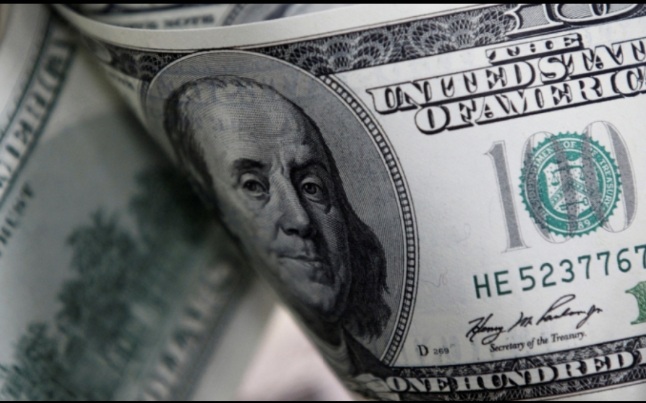
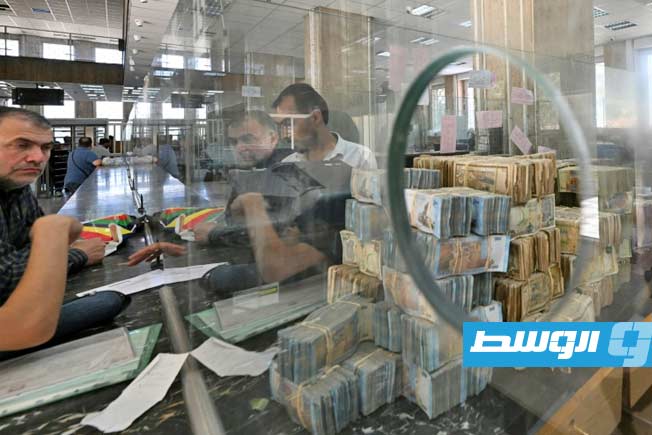
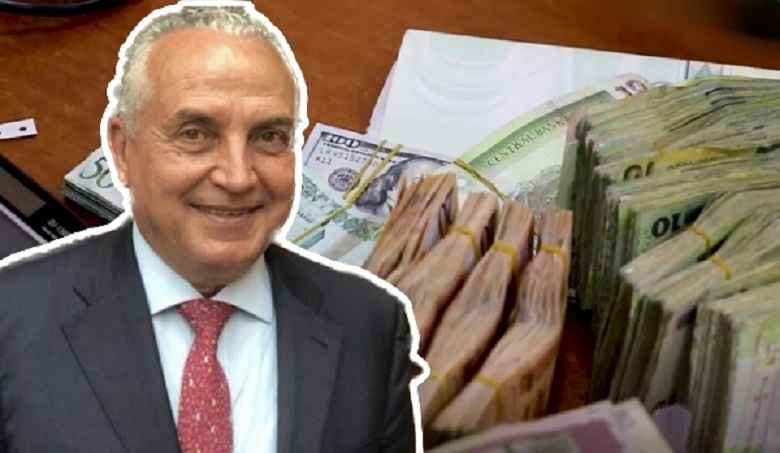
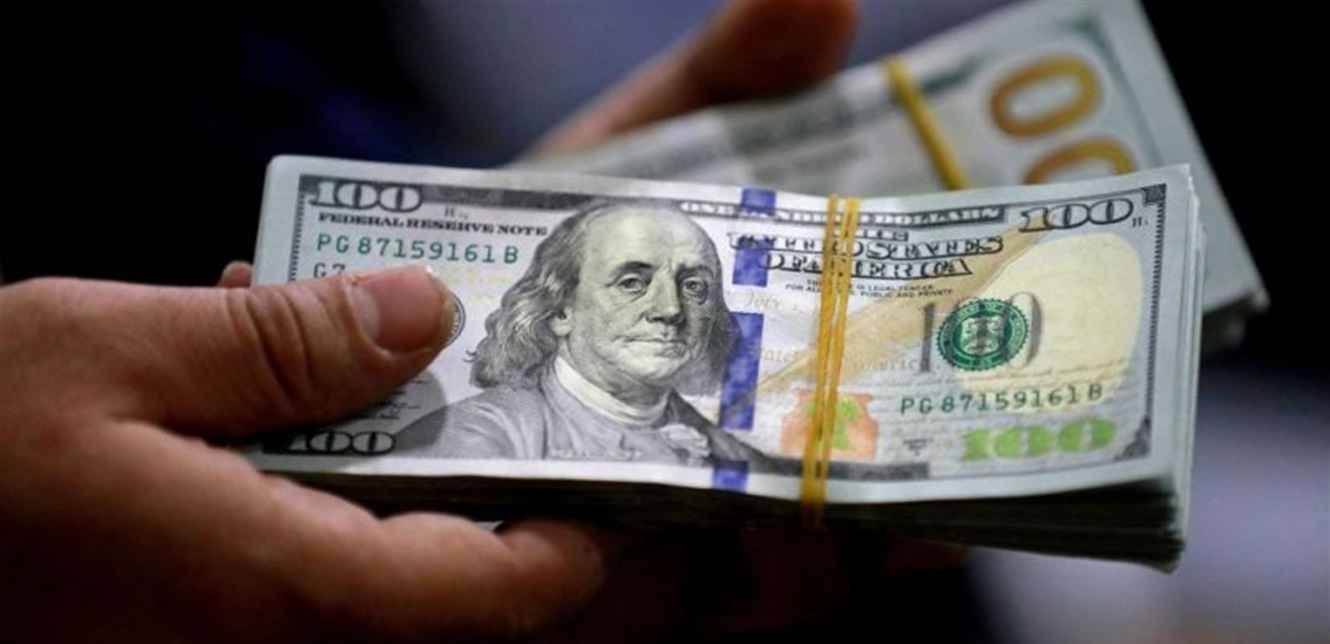
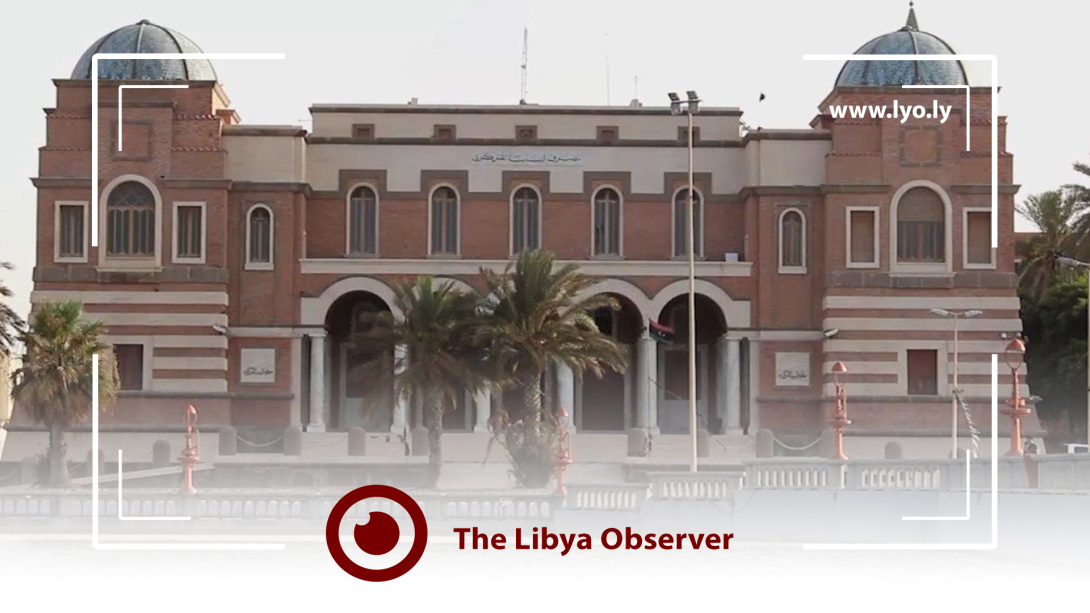
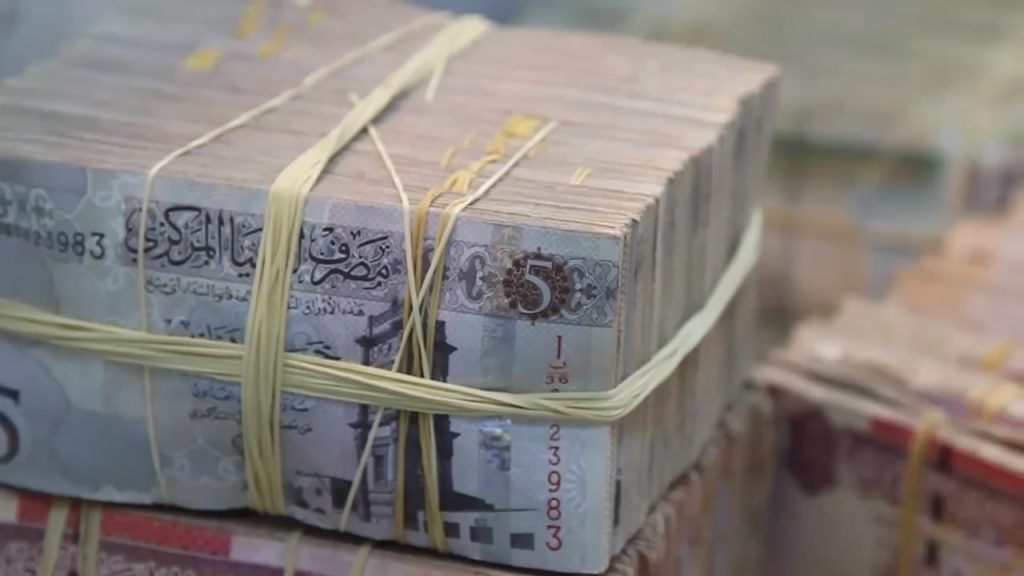
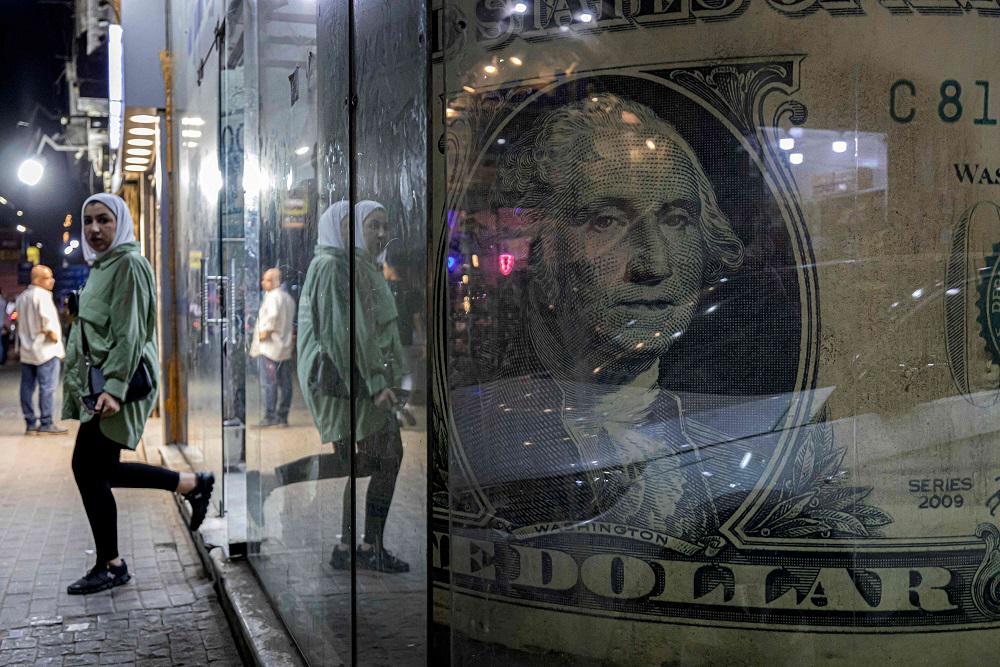
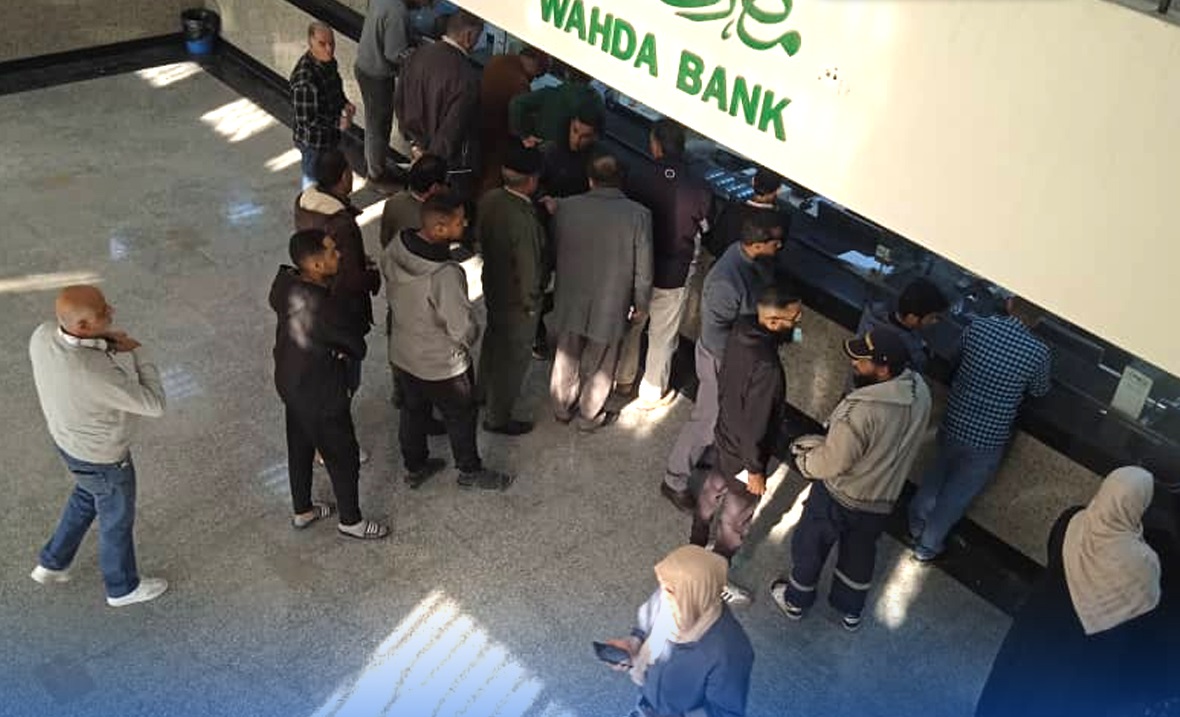
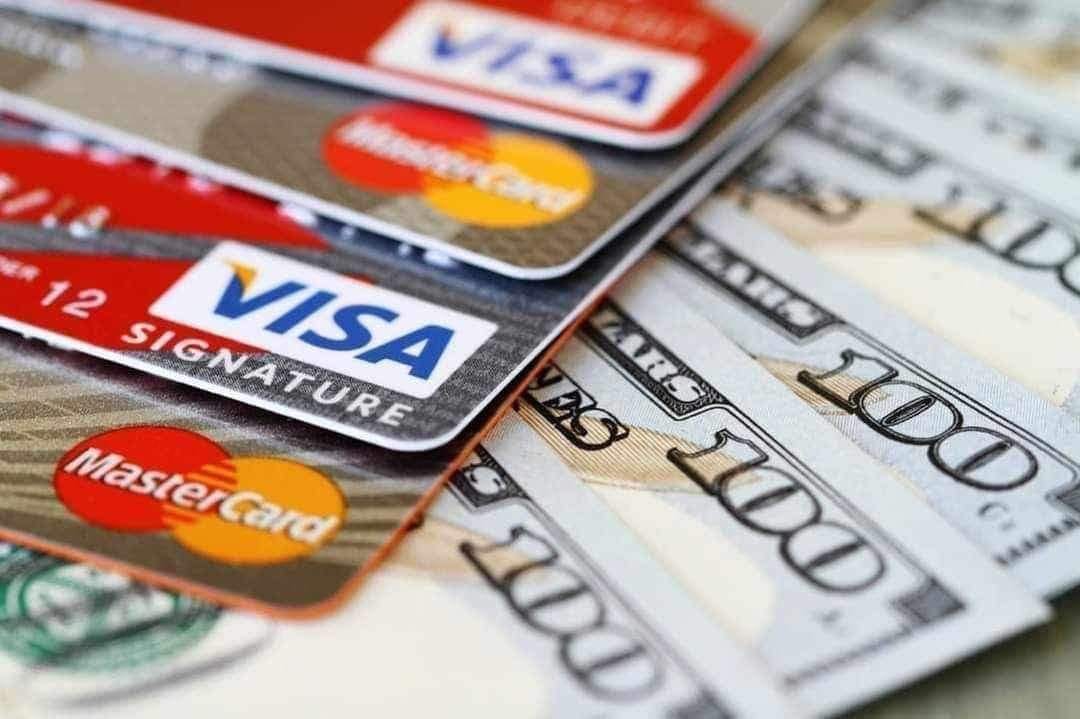
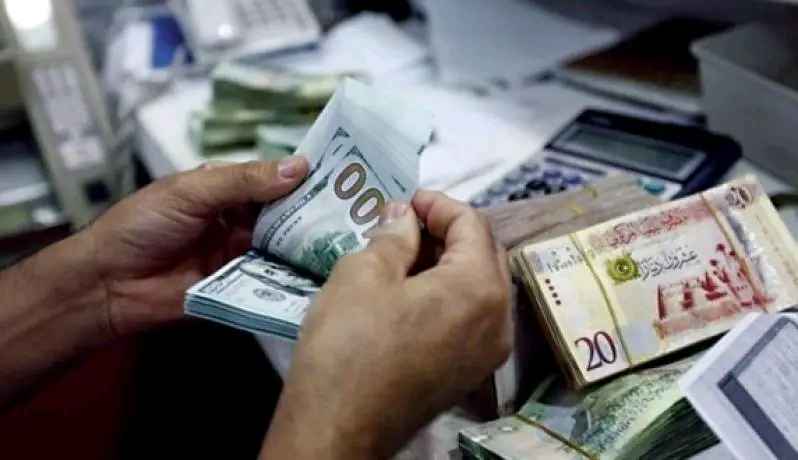
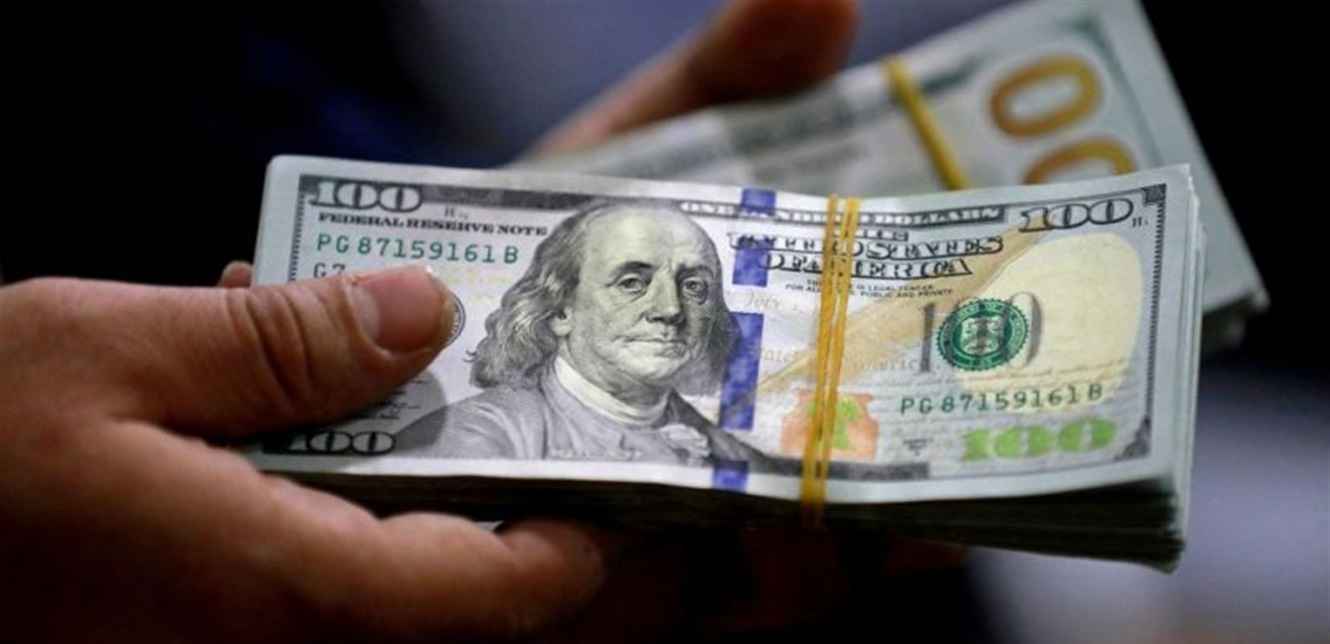
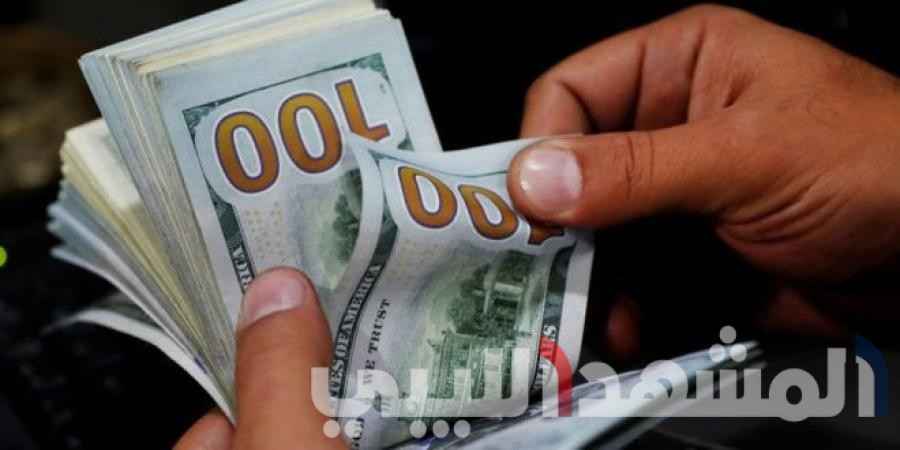
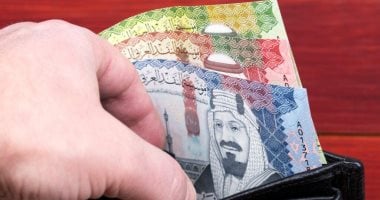
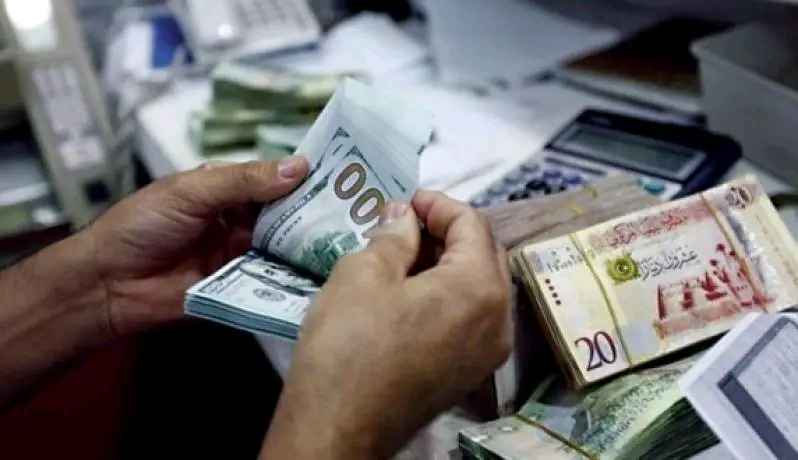
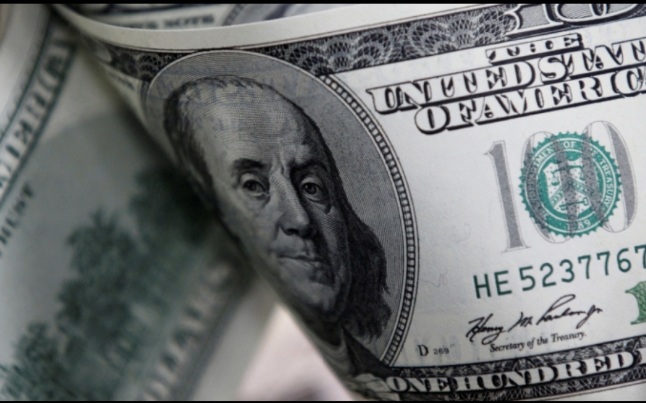
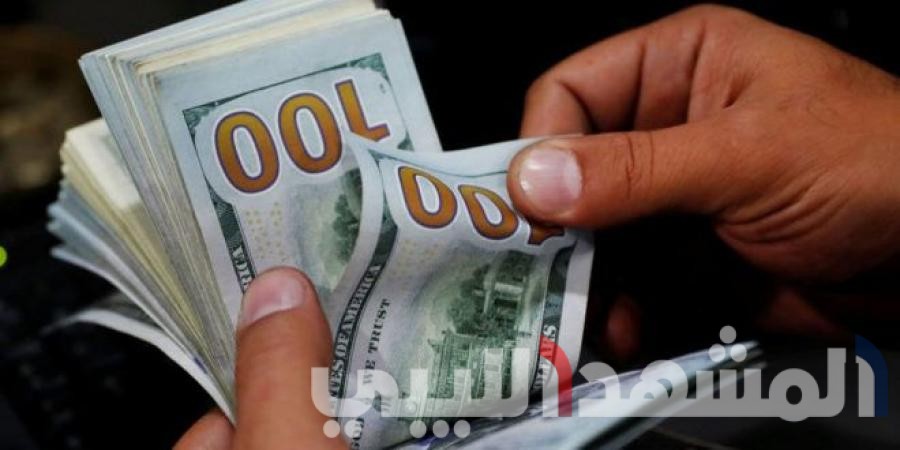
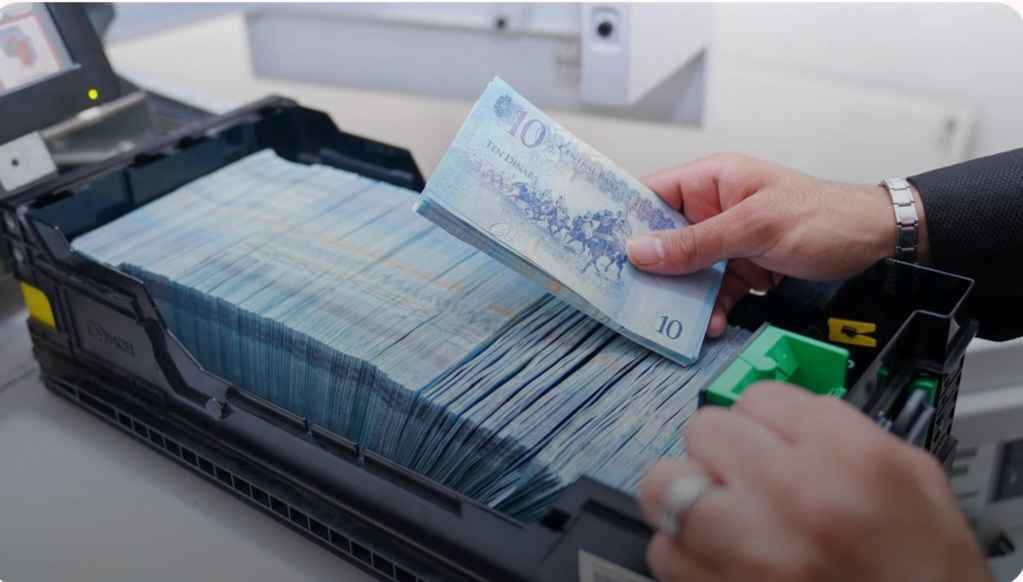
Libya’s currency market saw a relative decline in the exchange rate of the US dollar against bank checks as trading closed on Thursday, February 12, 2026, dropping by about 17 qirsh. However, it continues its upward trajectory, which the market has been experiencing since the recent decisions issued by the Central Bank of Libya.
Despite this decline, prices remain stable above the 10.70 dinar level, driven by the recent wave of increases and heightened demand for the dollar, with minor differences persisting between bank prices in Tripoli and Benghazi.
📊 Dollar Prices in Bank Checks at Market Close
Trading observed slight variations between banks in various Libyan cities, with prices as follows:
| Bank |
Selling Price (Dinar) |
Buying Price (Dinar) |
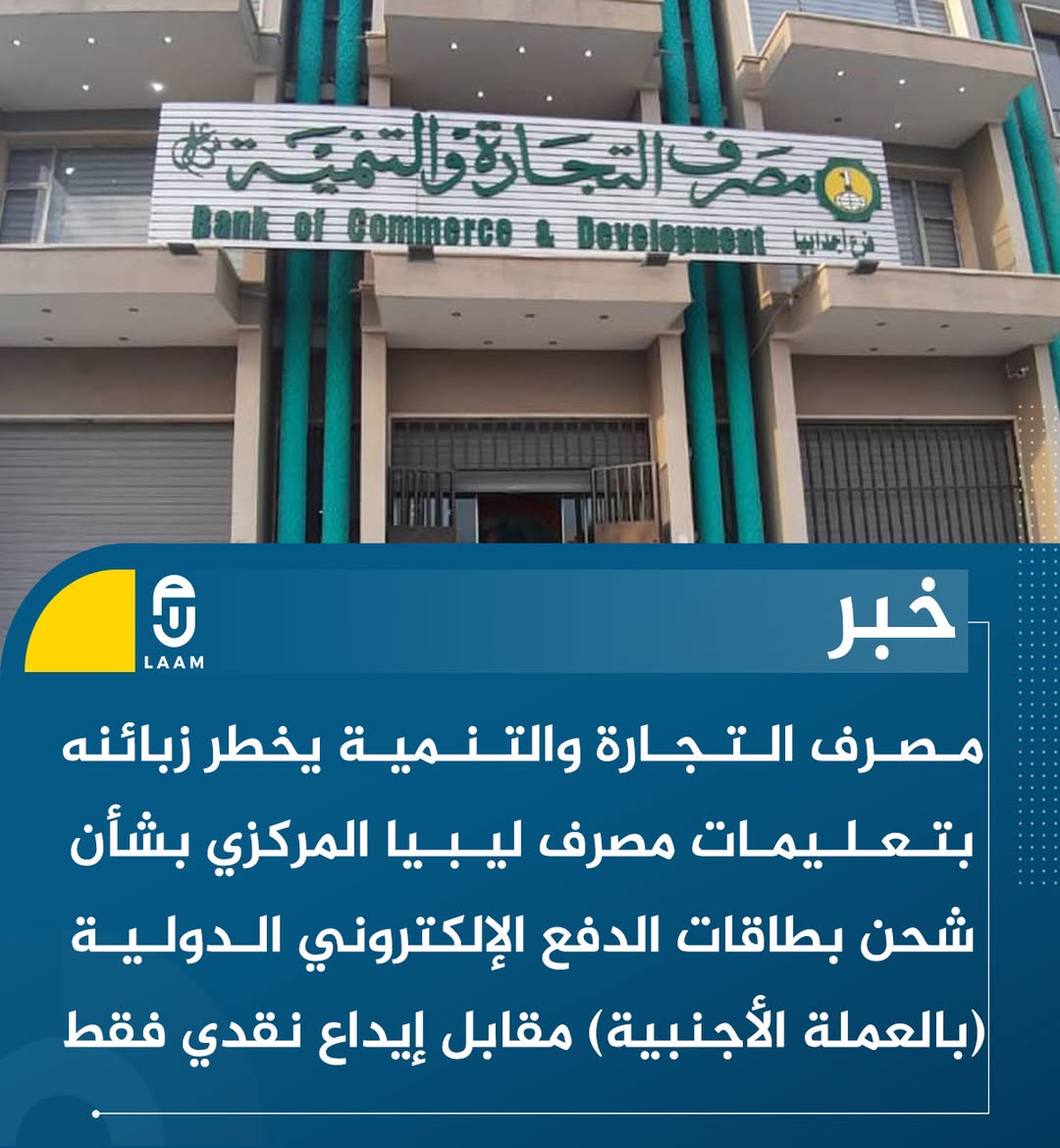
| Commerce and Development (Tripoli) |
10.760 |
10.7575 |
| Development / Unity (Benghazi) |
10.780 |
10.7775 |
| Unity/Republic / National Commercial / Aman |
10.750 |
10.7475 |
| Sahara / Oasis / Islamic / North Africa |
10.740 |
10.7375 |
| United / Nouran / Saraya |
10.730 |
10.7275 |
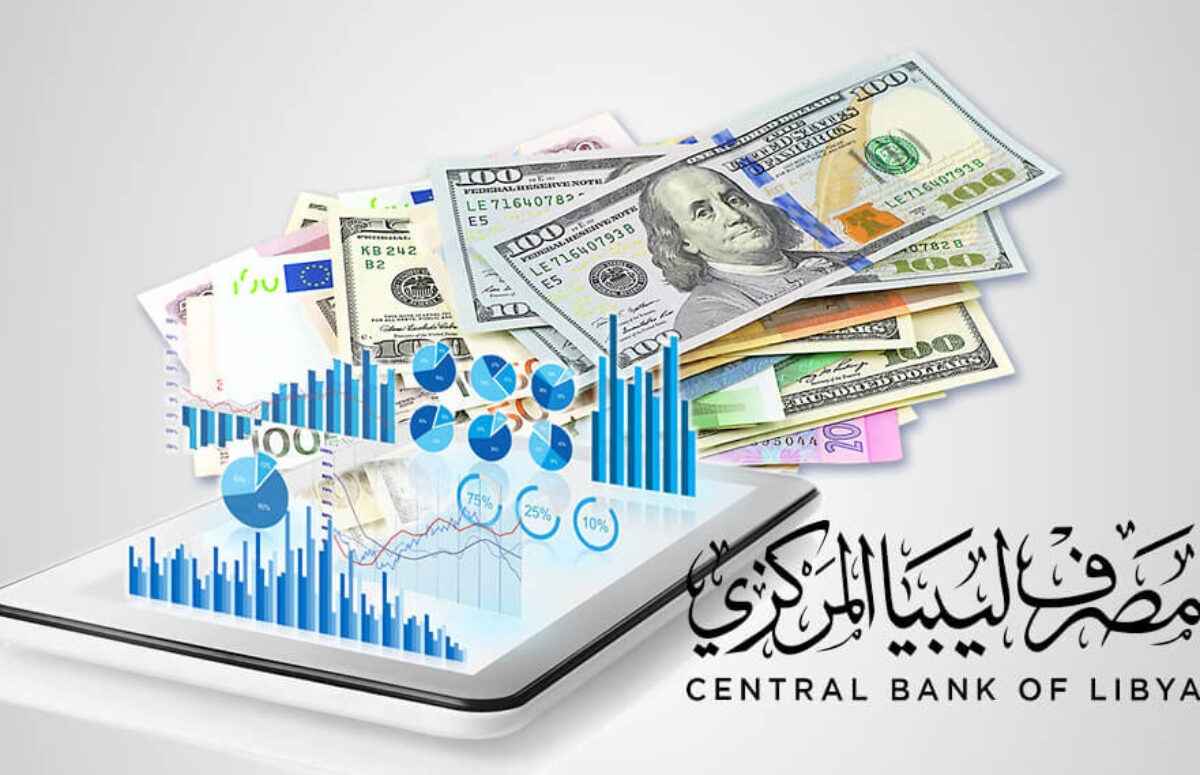
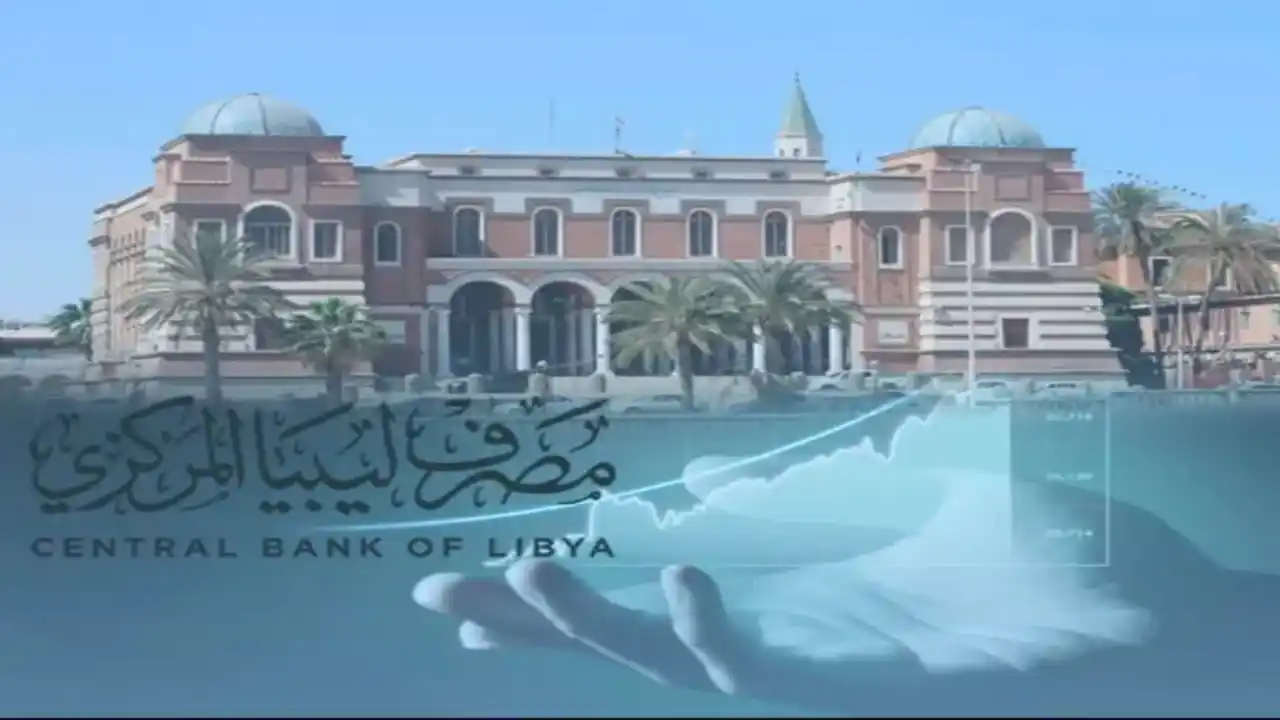
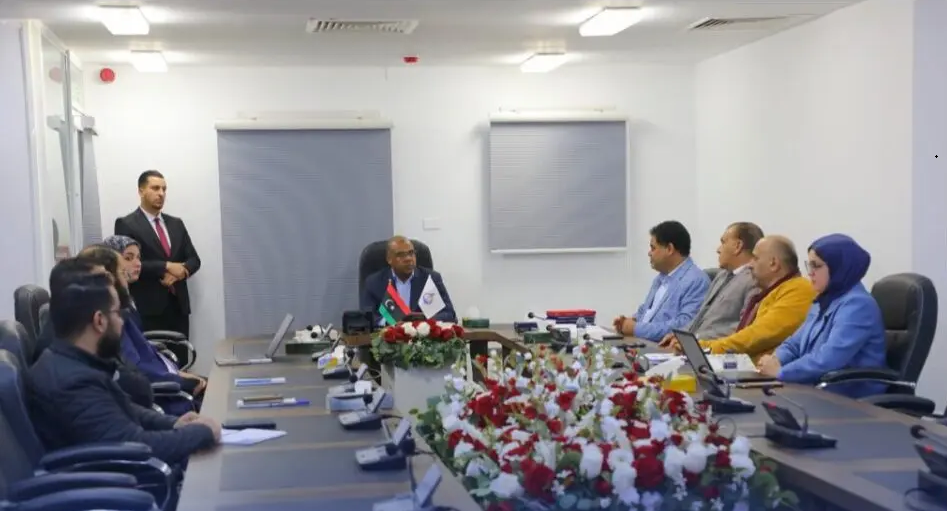
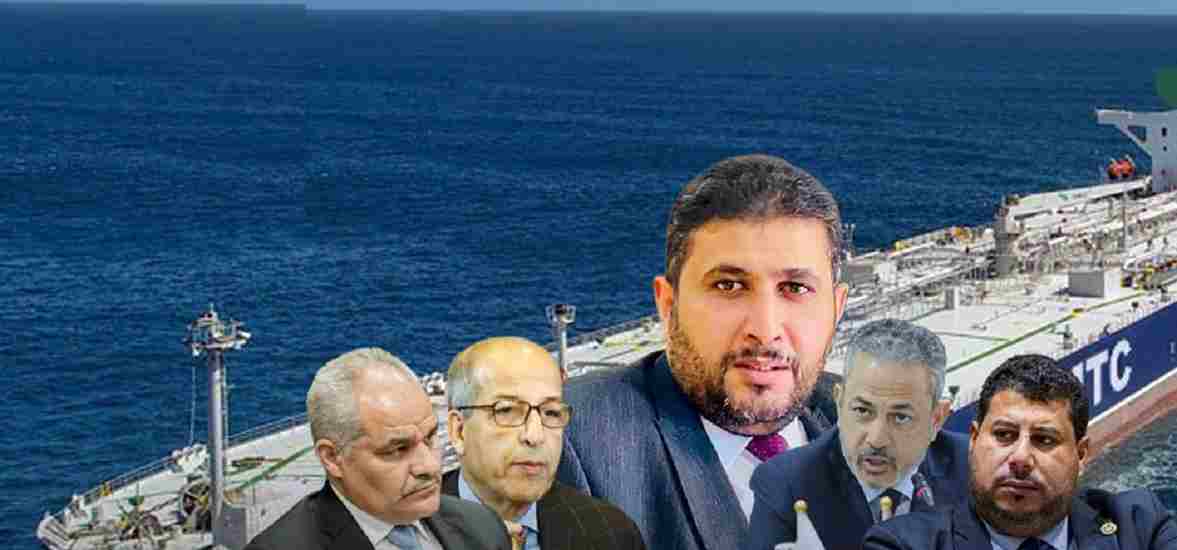
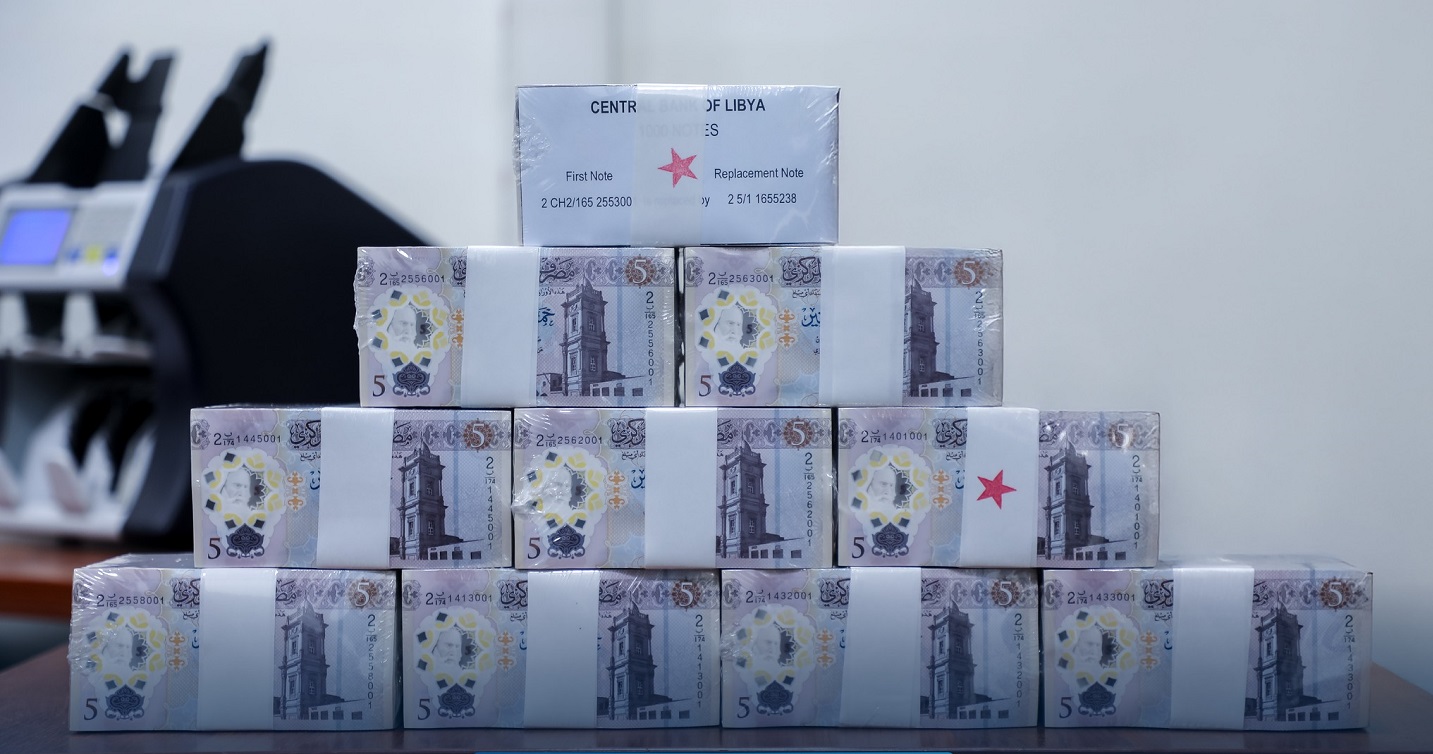
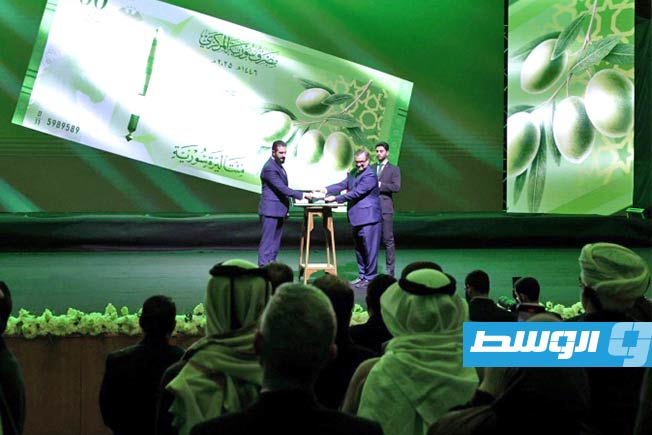
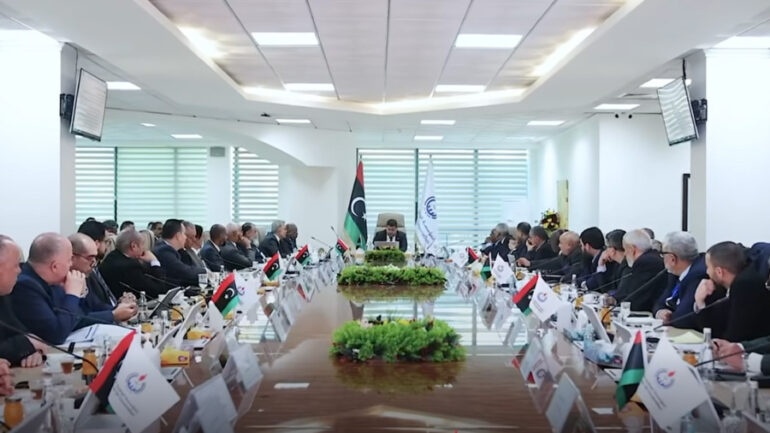
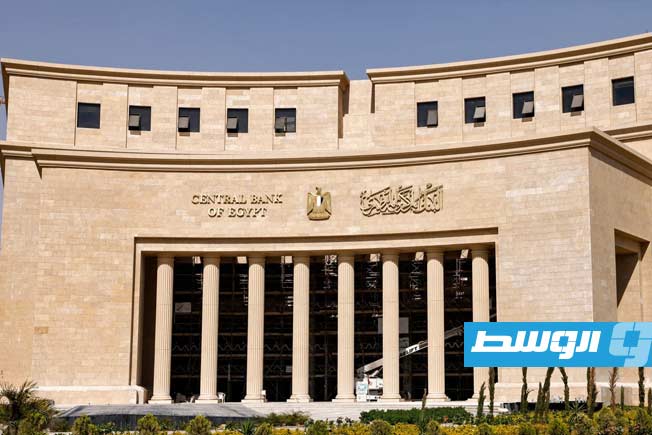
This movement in the parallel market coincides with the announcement by the Central Bank of Libya to devalue the Libyan dinar by 14.7% against the Special Drawing Rights (SDR) unit, bringing the dinar’s value to 0.1150 SDR units instead of 0.1348 units. The new official exchange rate has thus stabilized at around 6.40 dinars per US dollar.
This decision is considered one of the key factors that pushed prices in the parallel market to record levels in recent days.
US dollar
The US dollar is the official currency of the United States, established by the Coinage Act of 1792. It evolved from a system based on Spanish milled dollars and has become the world’s primary reserve currency since the Bretton Woods Agreement in 1944.
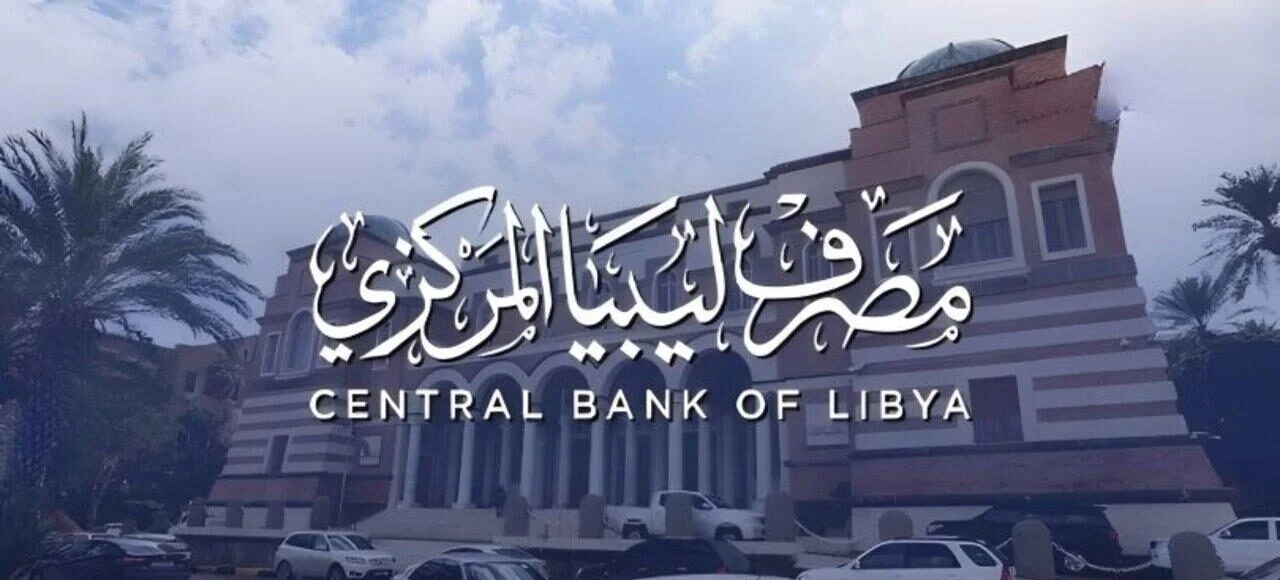
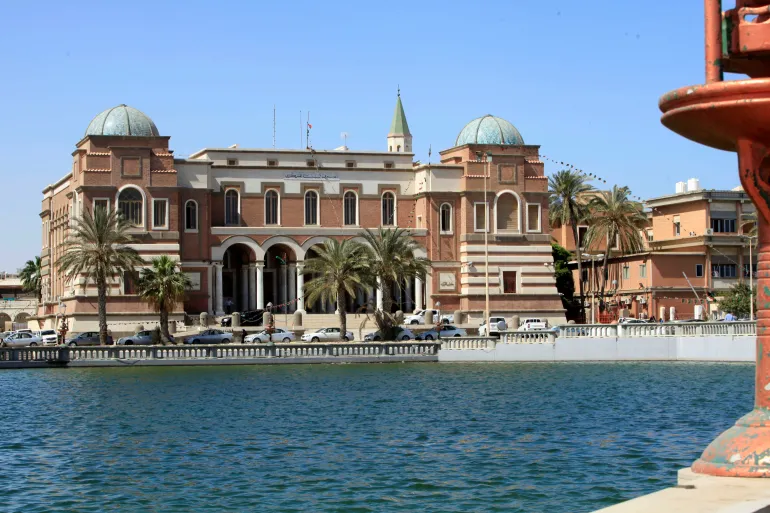
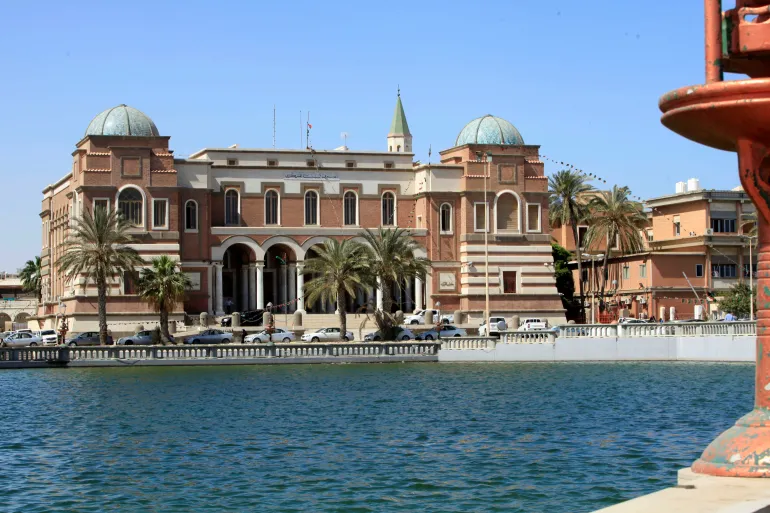
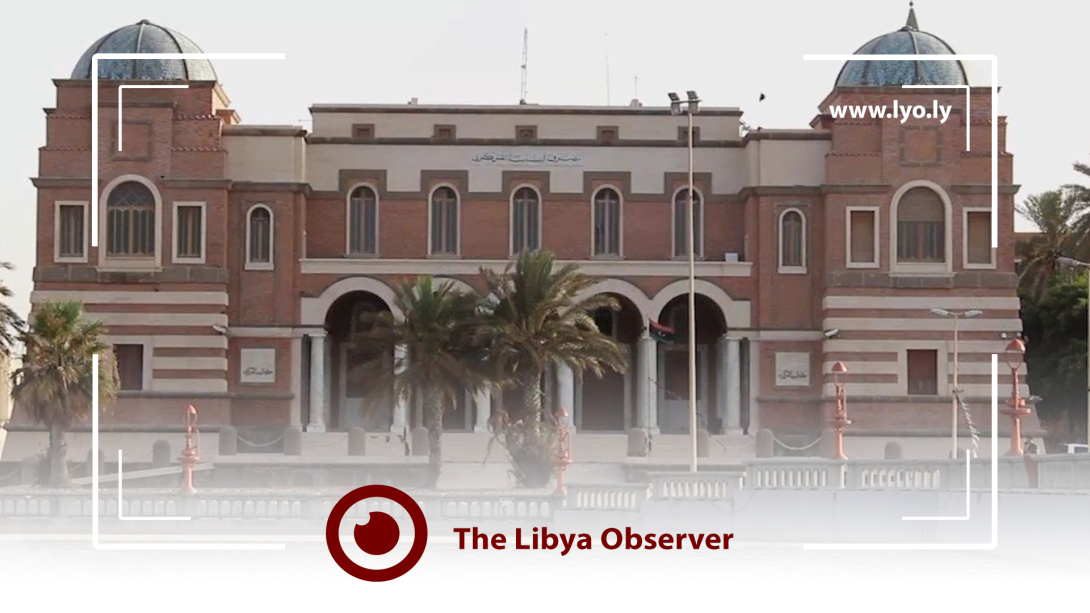
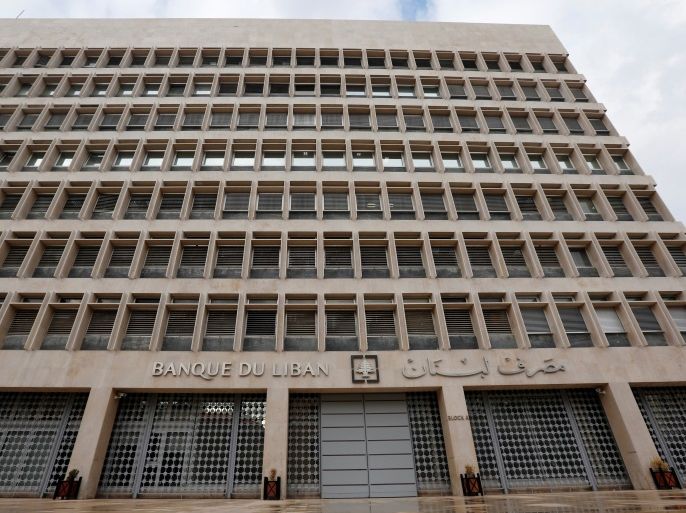
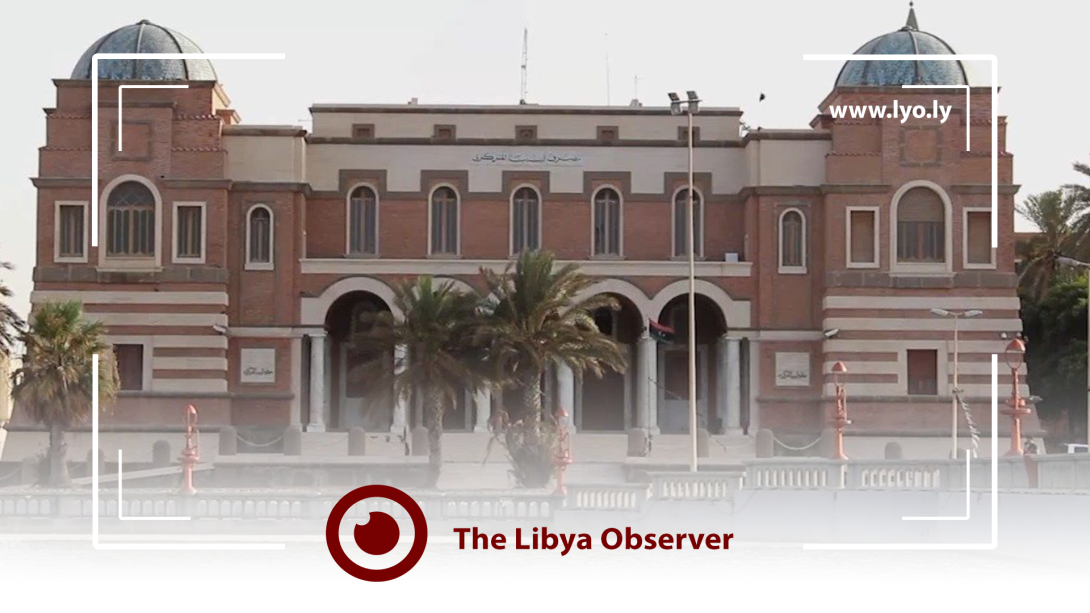
Central Bank of Libya
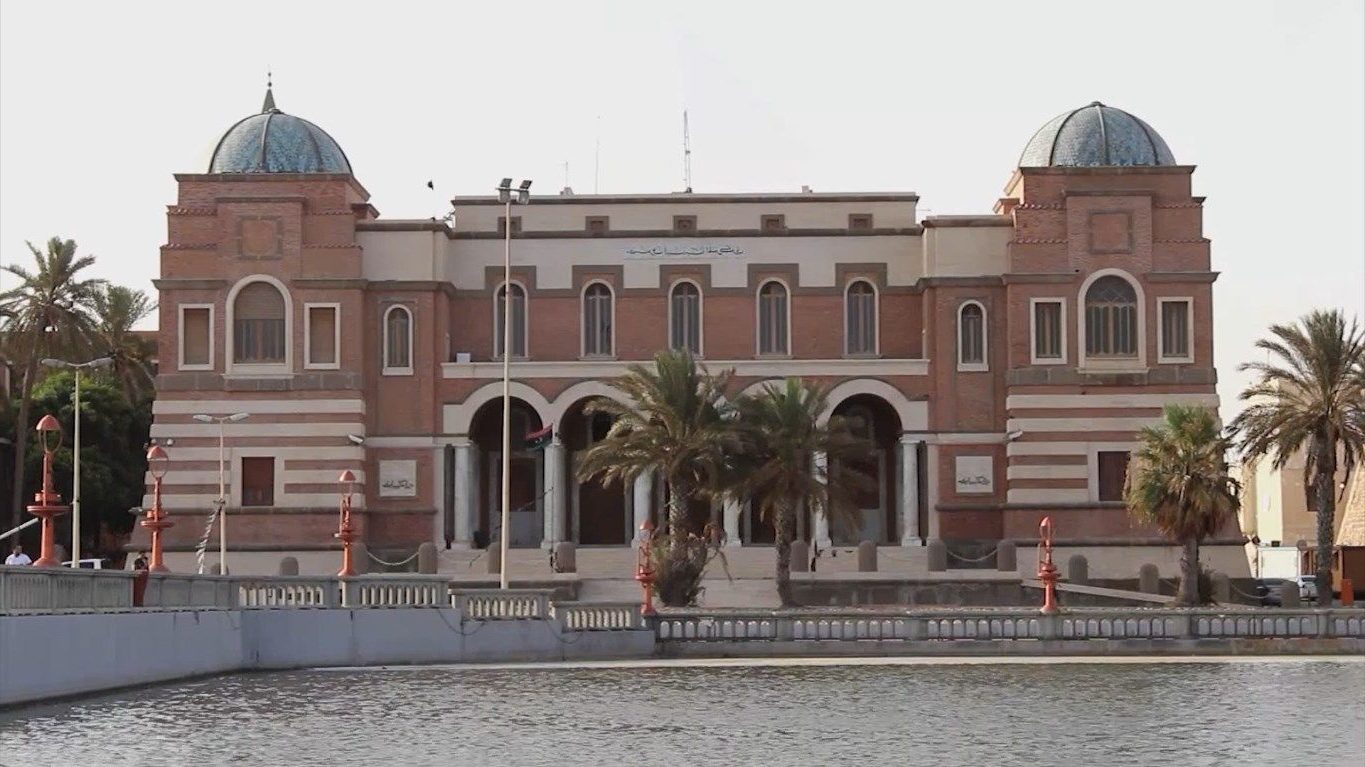
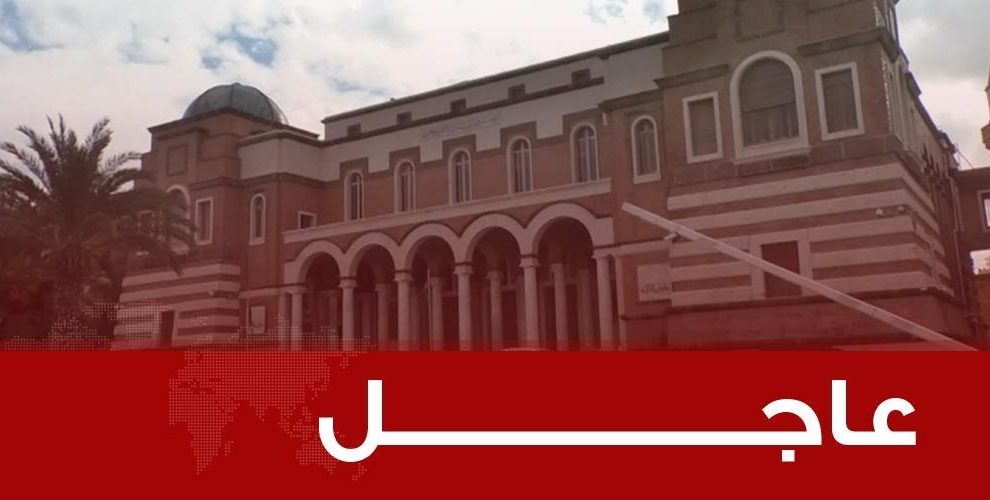
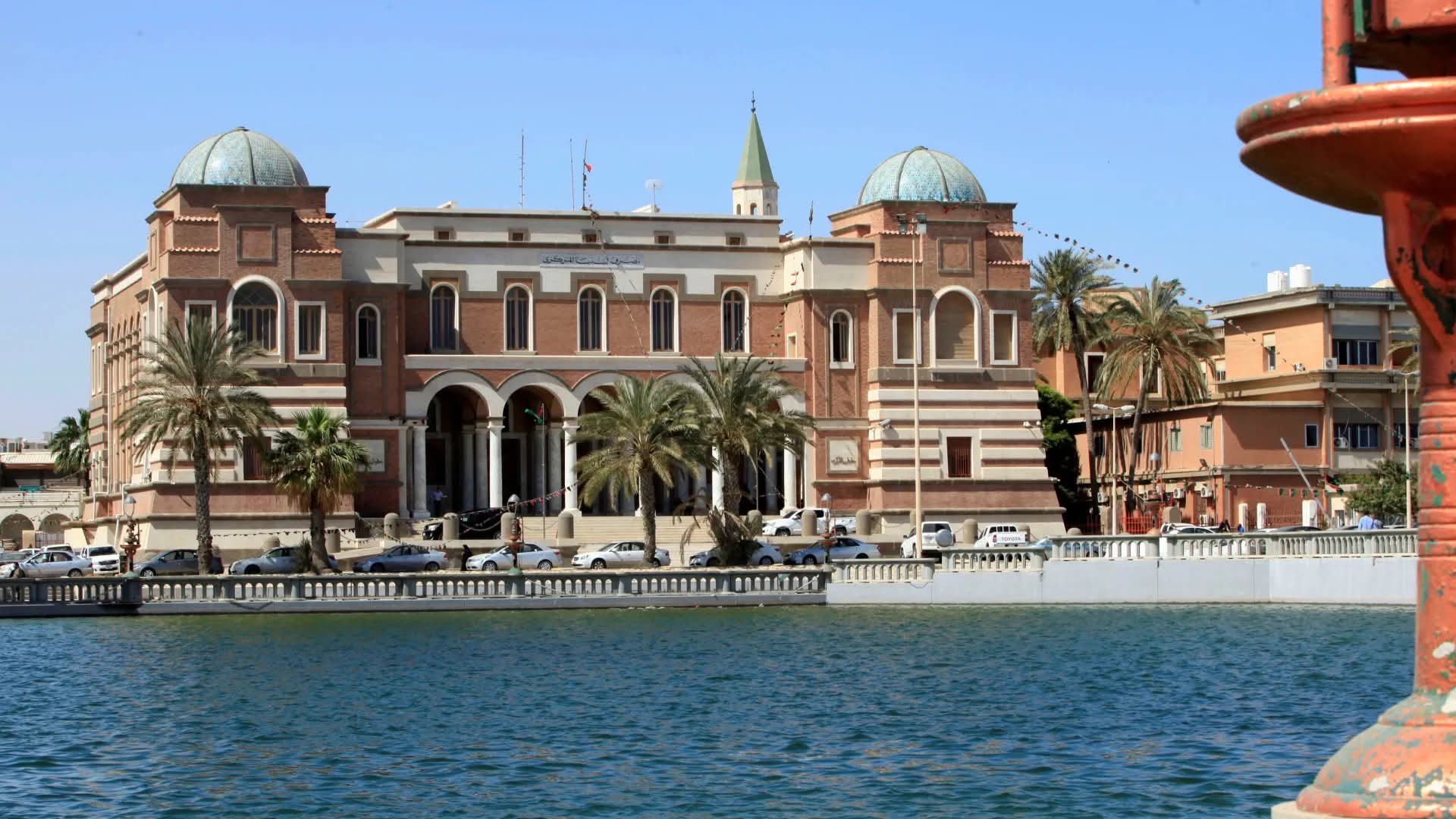
The Central Bank of Libya is the country’s primary monetary authority, established in 1956 to issue currency and manage monetary policy. It has played a critical and often divisive role in Libya’s recent history, notably functioning as a unified financial institution during the post-2011 civil war period despite the country’s political fragmentation.
Tripoli
Tripoli is the capital and largest city of Libya, located on the country’s Mediterranean coast. Historically, it was founded by the Phoenicians in the 7th century BC and has since been ruled by the Romans, Arabs, Ottomans, and Italians, which is reflected in its diverse architecture like the ancient Red Castle (Assaraya al-Hamra).
Benghazi
Benghazi is a major city in eastern Libya, historically significant as a center of trade and culture since its founding as the ancient Greek colony of Euesperides. It played a pivotal role in Libya’s modern history, serving as the provisional capital after the 2011 revolution and being the site of a major 2012 attack on a U.S. diplomatic compound.
Commerce and Development
Commerce and Development is a modern business and shopping complex located in Riyadh, Saudi Arabia. It was established as part of the city’s rapid economic growth and urban expansion in the late 20th and early 21st centuries, reflecting the kingdom’s focus on diversifying its economy beyond oil. The complex serves as a hub for retail, offices, and commercial activity, symbolizing contemporary Saudi Arabia’s drive for modernization and private sector development.
Development
Development is a broad concept referring to the process of growth, progress, or positive change, often applied to economic, social, or infrastructural advancement within a nation or community. Historically, the term became central to global discourse after World War II, focusing on strategies to improve living standards and reduce poverty in newly independent and less industrialized countries.
Unity
Unity is a small town in Saskatchewan, Canada, founded in 1908 as a railway point during the settlement of the Canadian West. It is named to symbolize the cooperative spirit of its early settlers from diverse ethnic and religious backgrounds who worked together to establish the community.
Republic
The Republic is a public square in the heart of Paris, France, originally known as Place du Château d’Eau. It was renamed in 1880 to commemorate the establishment of the French Third Republic and is dominated by a large bronze statue of Marianne, a national symbol of liberty and reason. The square has long been a focal point for political demonstrations, public gatherings, and celebrations of French republican values.
National Commercial
The National Commercial is a historic bank in Saudi Arabia, originally founded in 1953 as the first licensed commercial bank in the Kingdom. It played a pivotal role in the country’s early financial development and modernization before merging with Samba Financial Group in 2021 to form the Saudi National Bank.
Aman
Aman is a luxury hotel and resort brand founded in 1988 by Adrian Zecha, known for its exclusive, serene properties often located in remote or culturally significant destinations. The brand emphasizes minimalist design, privacy, and deep integration with local environments and heritage, setting a standard for ultra-high-end hospitality.
Sahara
The Sahara is the world’s largest hot desert, spanning much of North Africa. Historically, it was not always arid, with evidence of a greener environment and human settlements, including prehistoric rock art, thousands of years ago. Its harsh landscape has been crossed for centuries by trade caravans and nomadic groups like the Tuareg.
Oasis
An oasis is a fertile area in a desert or semi-arid region, typically centered around a natural water source such as a spring or well. Historically, oases have been crucial for trade, travel, and settlement, serving as vital waypoints along caravan routes like the Silk Road. They have supported agriculture and sustained communities for millennia in otherwise inhospitable environments.
Islamic
“Islamic” is not a specific place or cultural site but refers broadly to the religion of Islam and its associated traditions. However, notable cultural sites include the Kaaba in Mecca, a cube-shaped structure at the heart of Islam’s holiest mosque, Al-Masjid al-Haram, which has a history of reconstruction and veneration dating back to the time of the Prophet Abraham. Other significant sites include the Dome of the Rock in Jerusalem, an early Islamic shrine built in the late 7th century CE, and the Alhambra in Spain, a palace and fortress complex representing the pinnacle of Islamic art and architecture in medieval Andalusia.
North Africa
North Africa is a region encompassing countries along the Mediterranean coast and the Sahara Desert, historically home to ancient civilizations like the Egyptians, Carthaginians, and Numidians. It has been profoundly shaped by successive influences, including Roman rule, the spread of Islam and Arab culture, and periods of Ottoman and European colonialism. This complex history is reflected in its diverse languages, architectures, and cultural traditions.
United
United is a professional football club based in Manchester, England, historically referring to Manchester United. Founded in 1878 as Newton Heath LYR Football Club, it was renamed Manchester United in 1902 and has since become one of the world’s most famous and successful football clubs, with a storied history including numerous domestic and European trophies.
Nouran
Nouran is a modern residential and commercial district located in the New Administrative Capital of Egypt, developed as part of the country’s urban expansion plans in the 21st century. It represents contemporary Egyptian urban development, designed to provide integrated living, business, and recreational spaces.
Saraya
Saraya is a historical palace located in Jeddah, Saudi Arabia, originally built in the early 20th century. It served as the royal residence for King Abdulaziz Al Saud and was a central administrative hub during the formation of the modern Saudi state. The site has since been restored and stands as a significant cultural landmark reflecting the region’s architectural heritage.
Libyan dinar
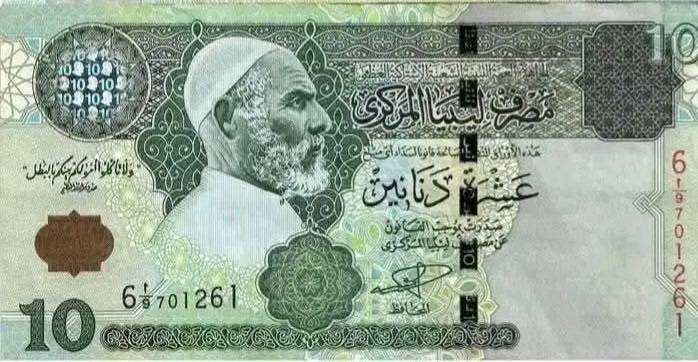
The Libyan dinar is the official currency of Libya, introduced in 1971 to replace the Libyan pound. Its issuance is managed by the Central Bank of Libya, and its history has been significantly affected by the country’s political instability and international sanctions following the late 20th century.
Special Drawing Rights
Special Drawing Rights (SDR) is an international reserve asset created by the International Monetary Fund in 1969 to supplement its member countries’ official reserves. It is not a currency but a potential claim on the freely usable currencies of IMF members, with its value based on a basket of major currencies including the U.S. dollar, euro, Chinese renminbi, Japanese yen, and British pound sterling.