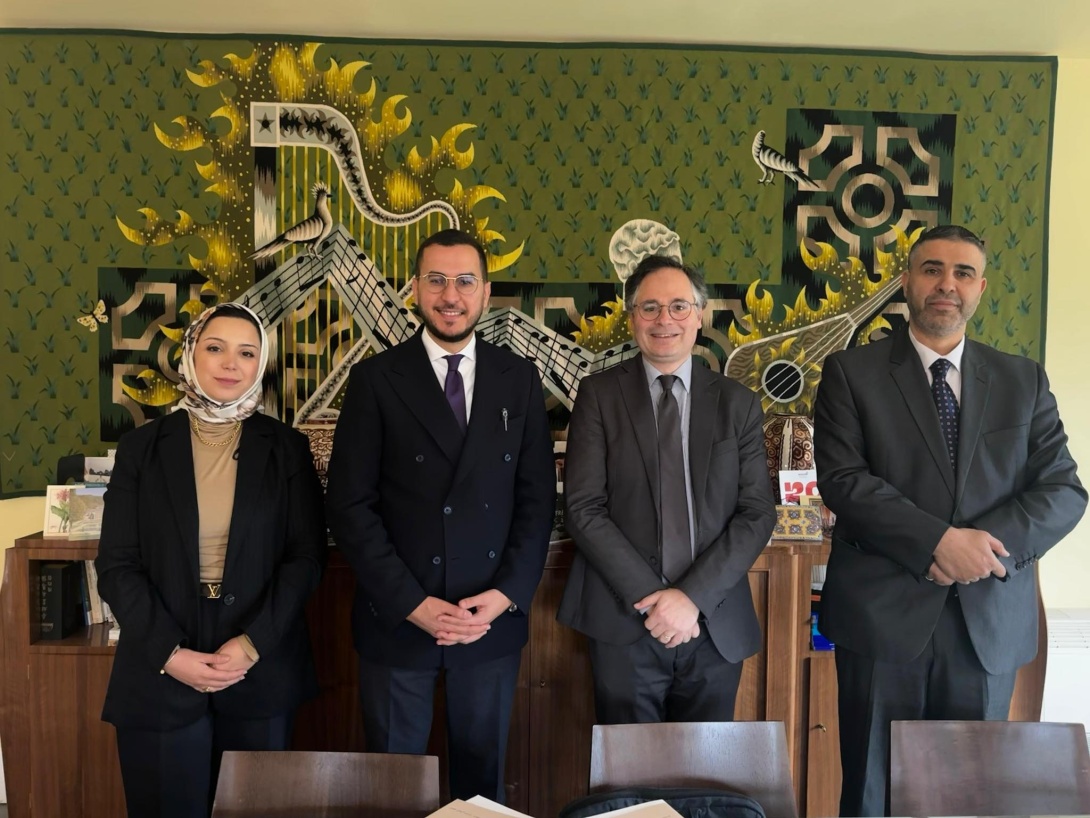
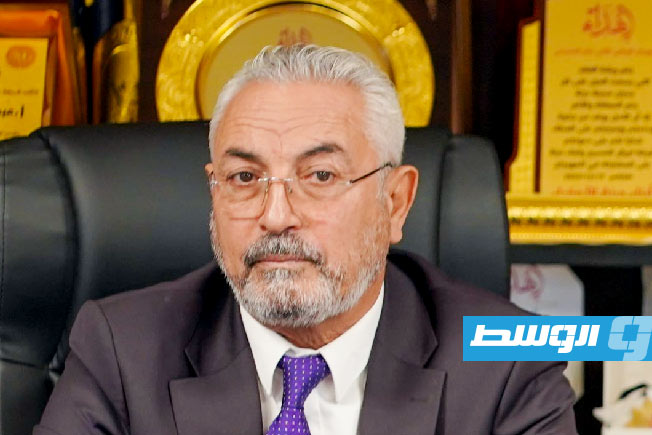
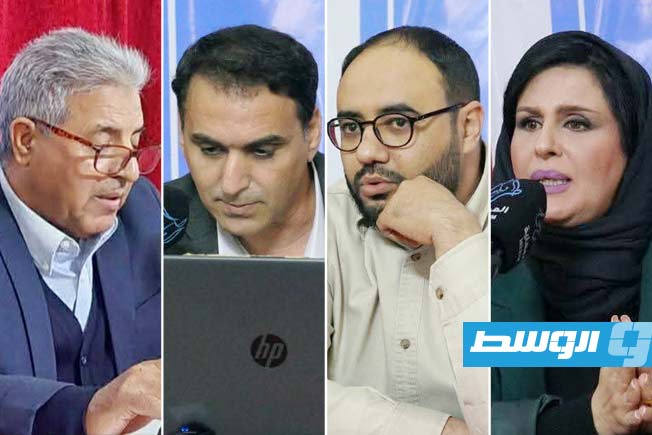
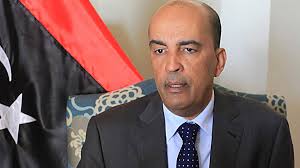
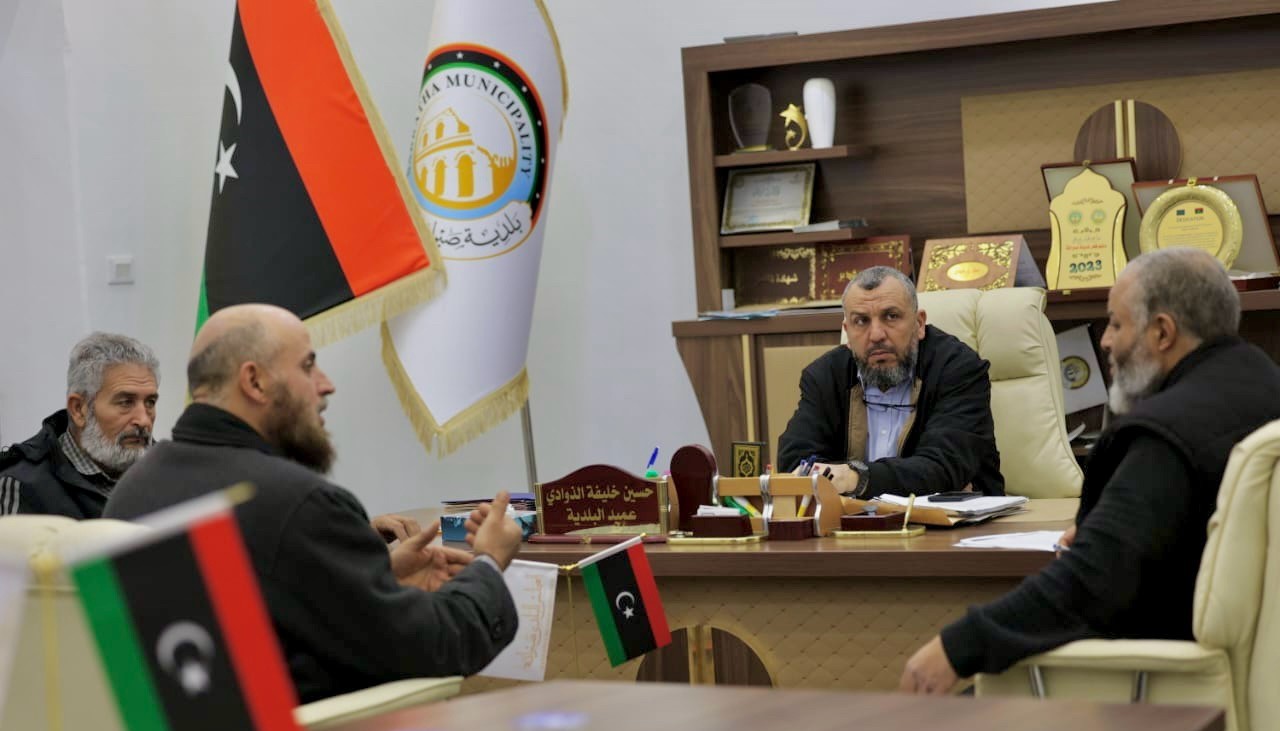
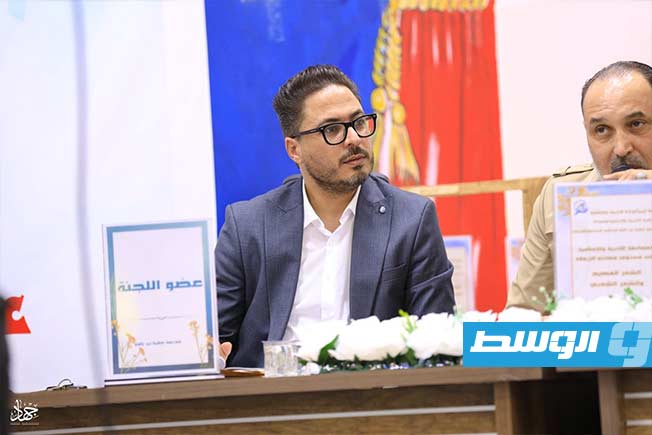
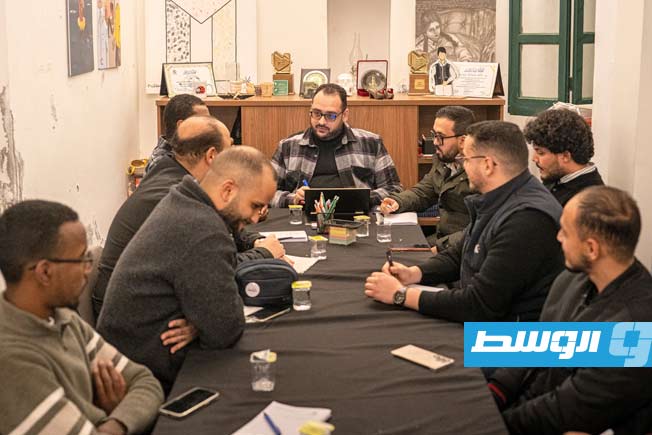
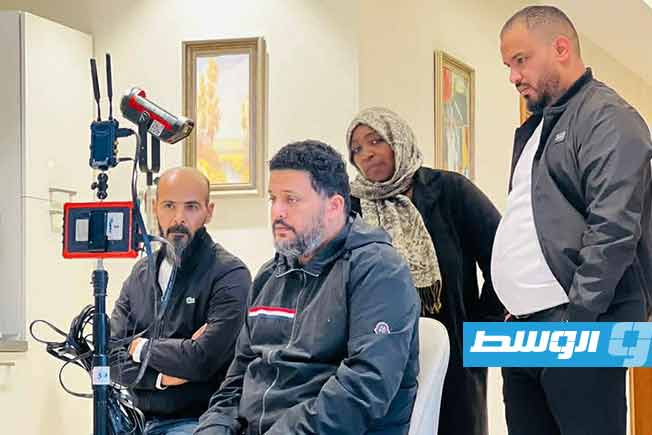
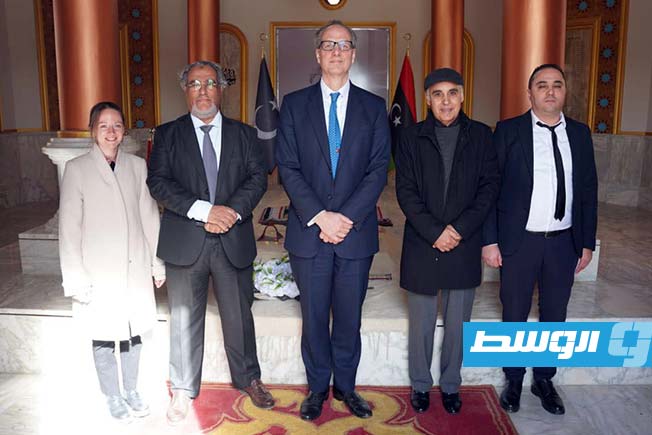
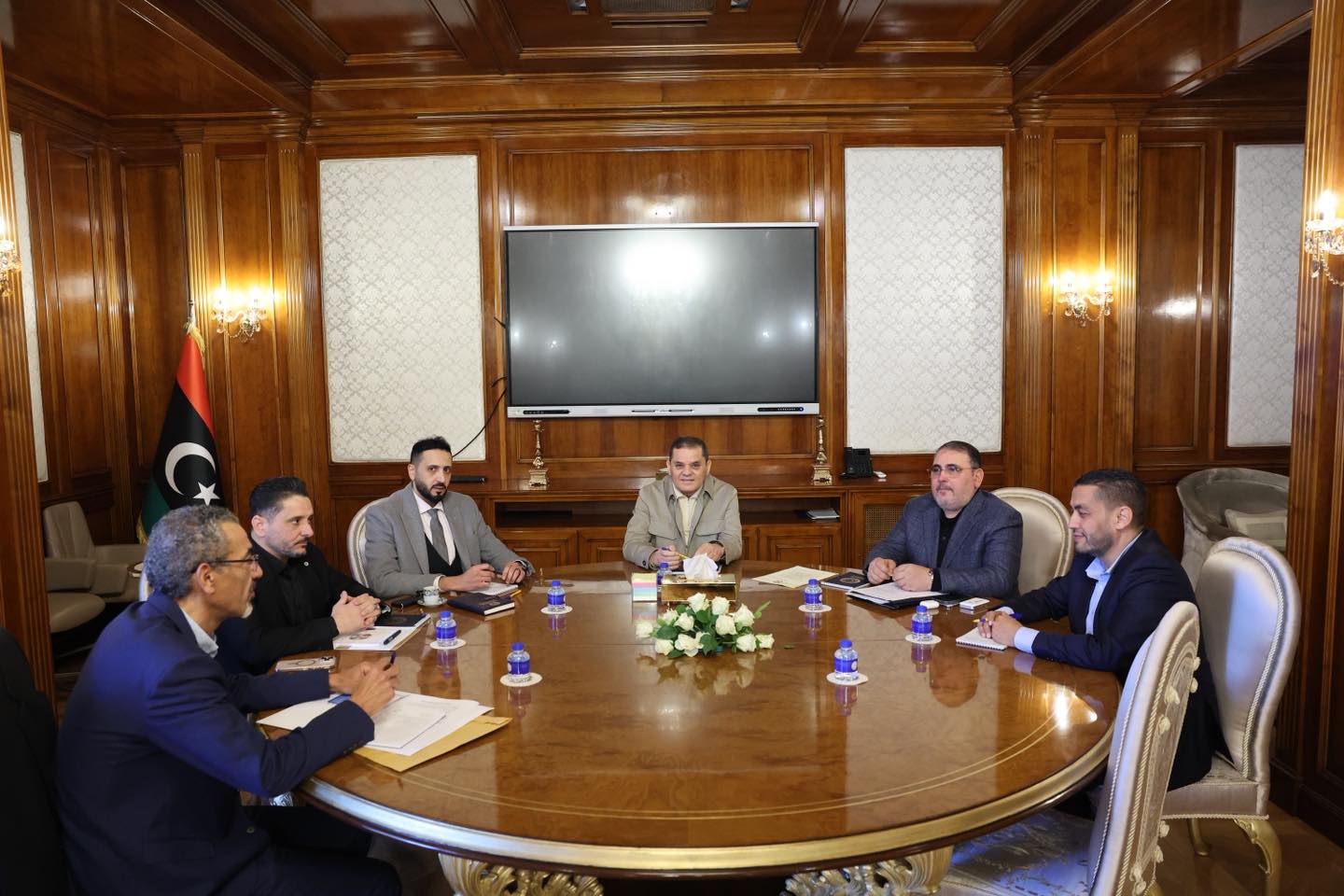
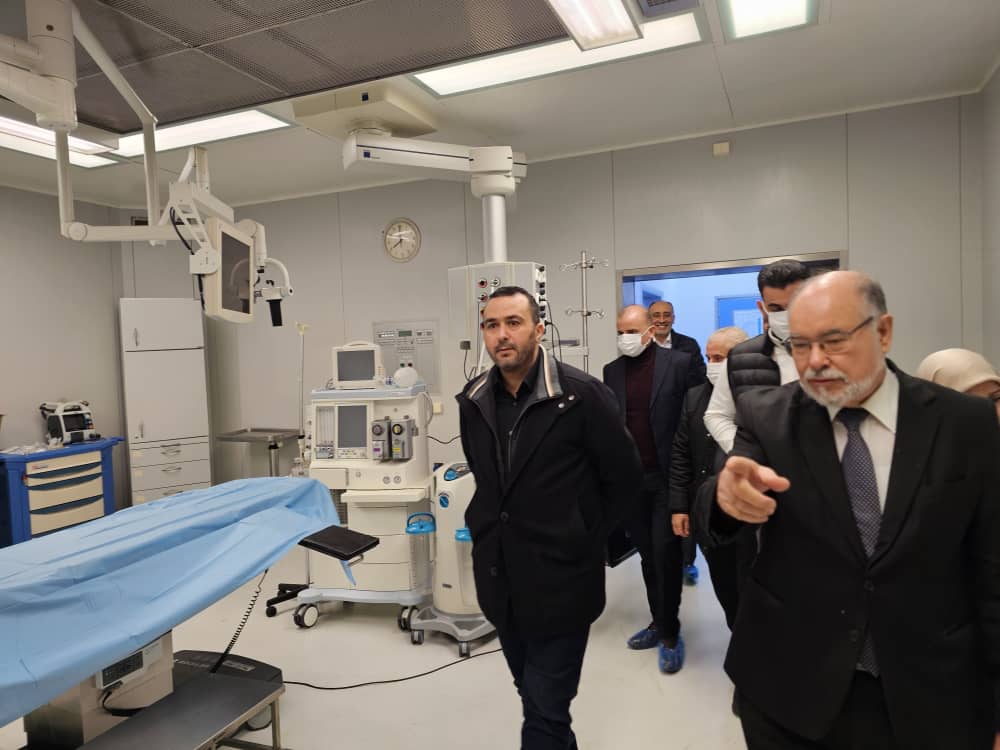
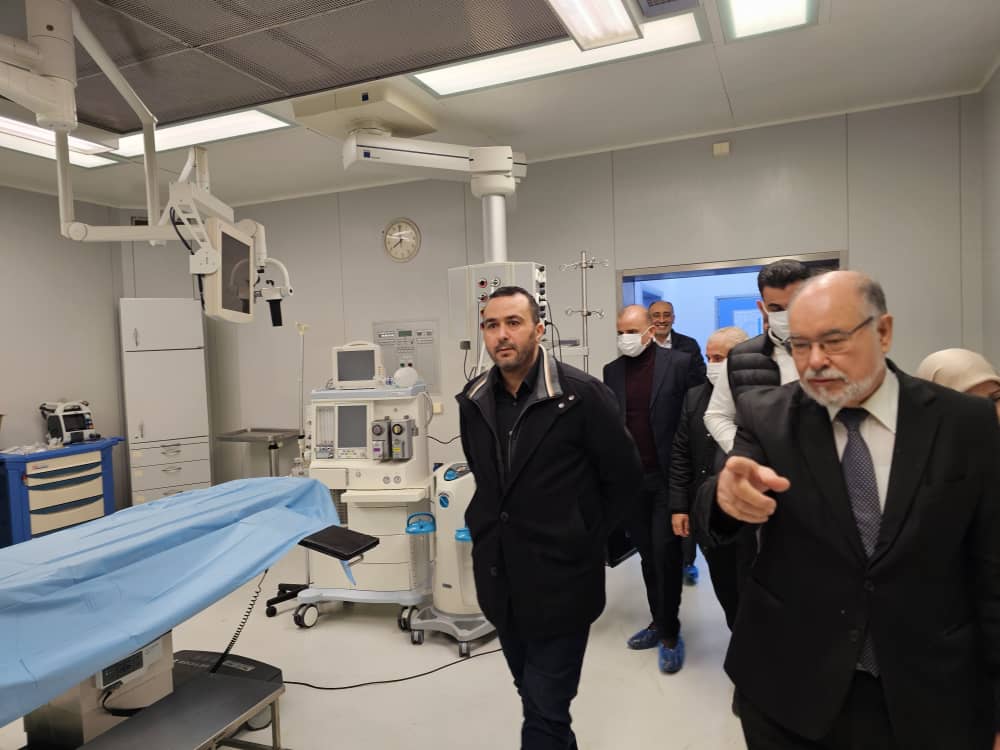
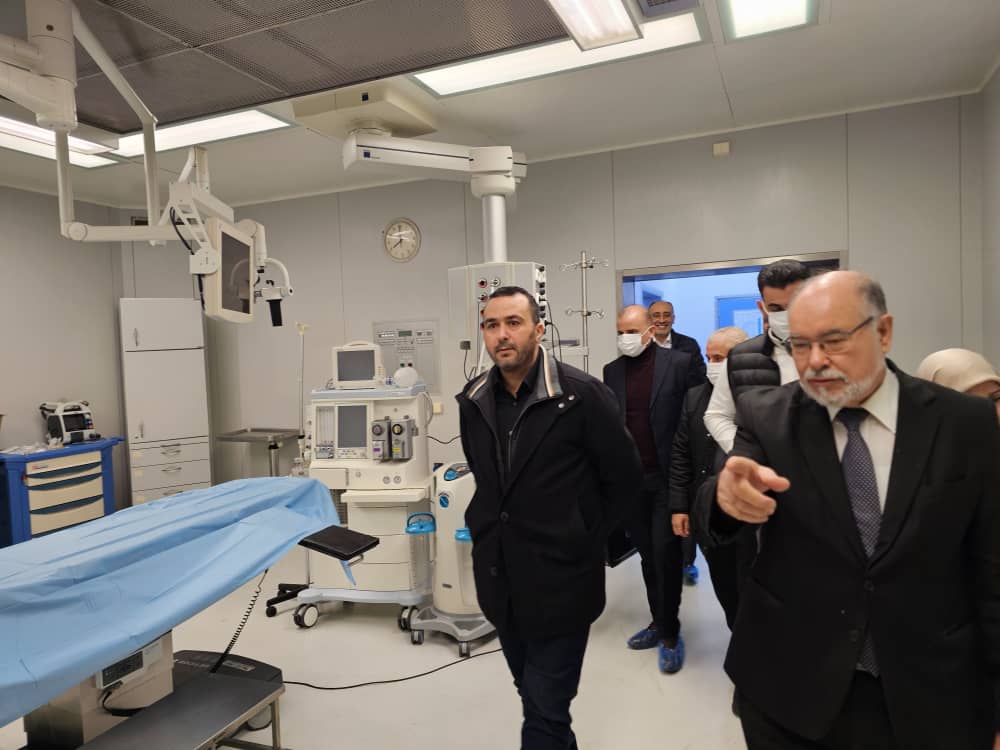
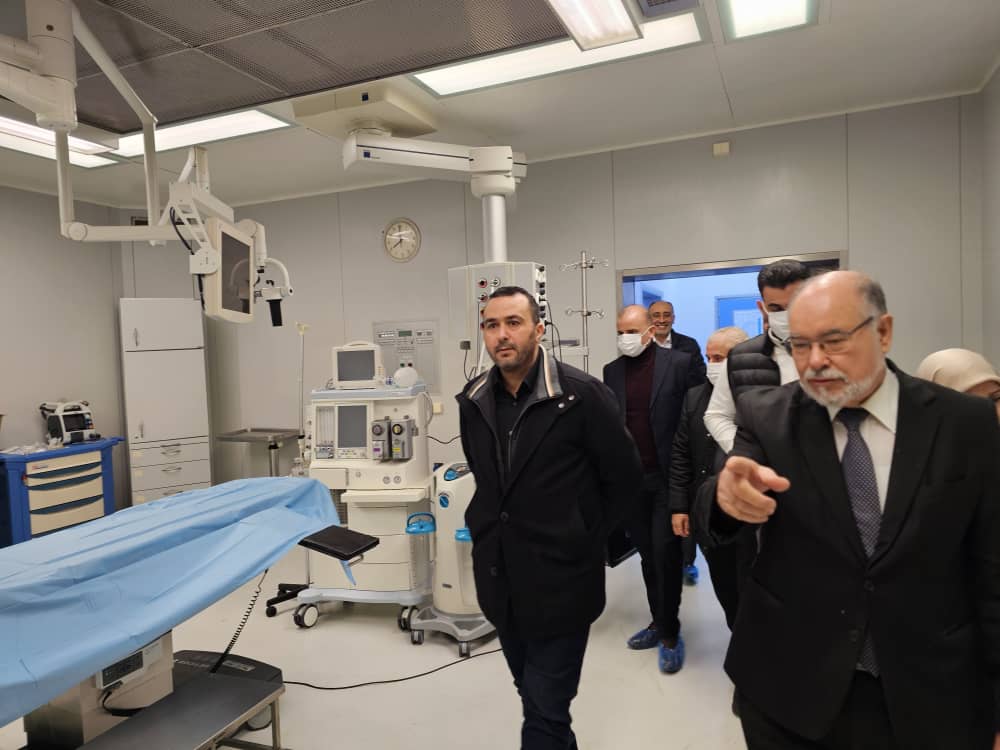
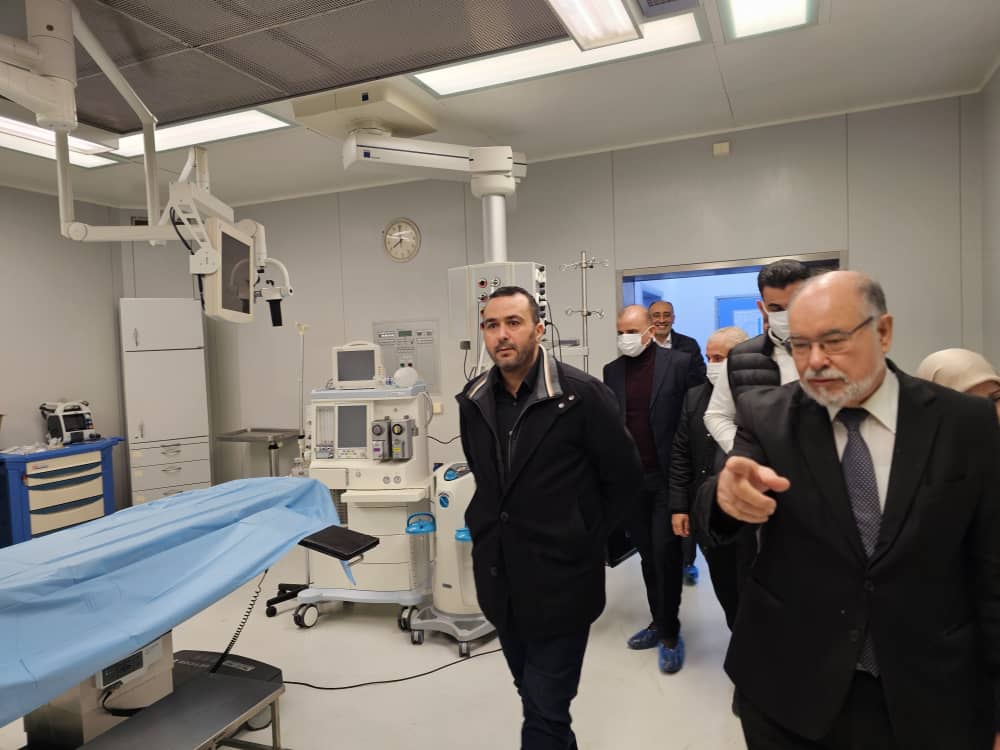
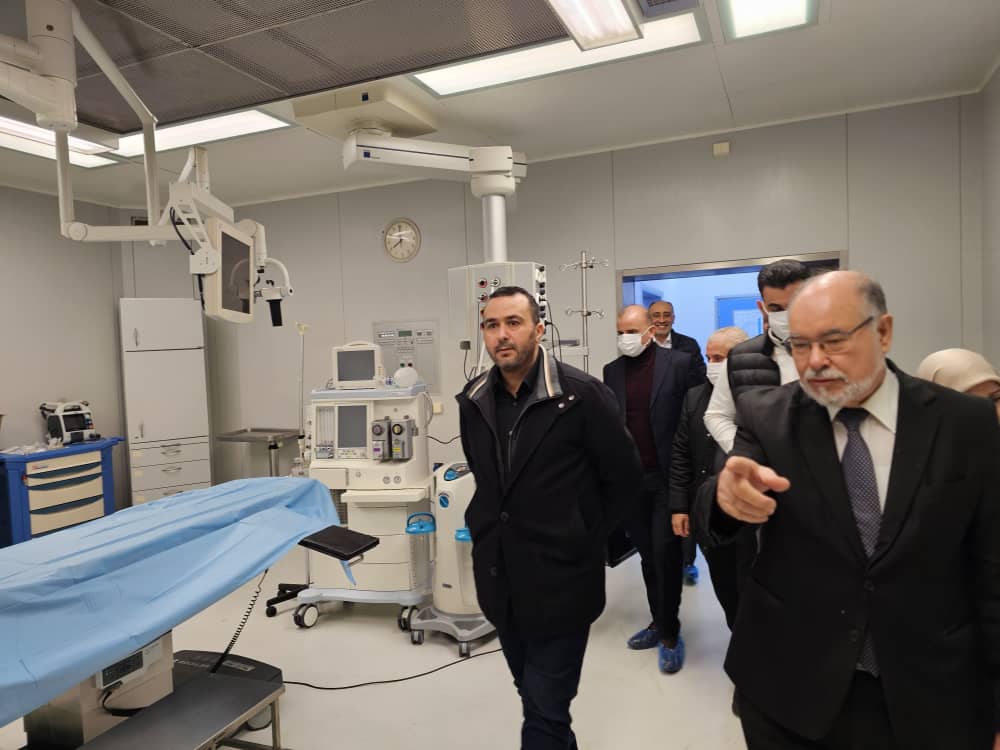
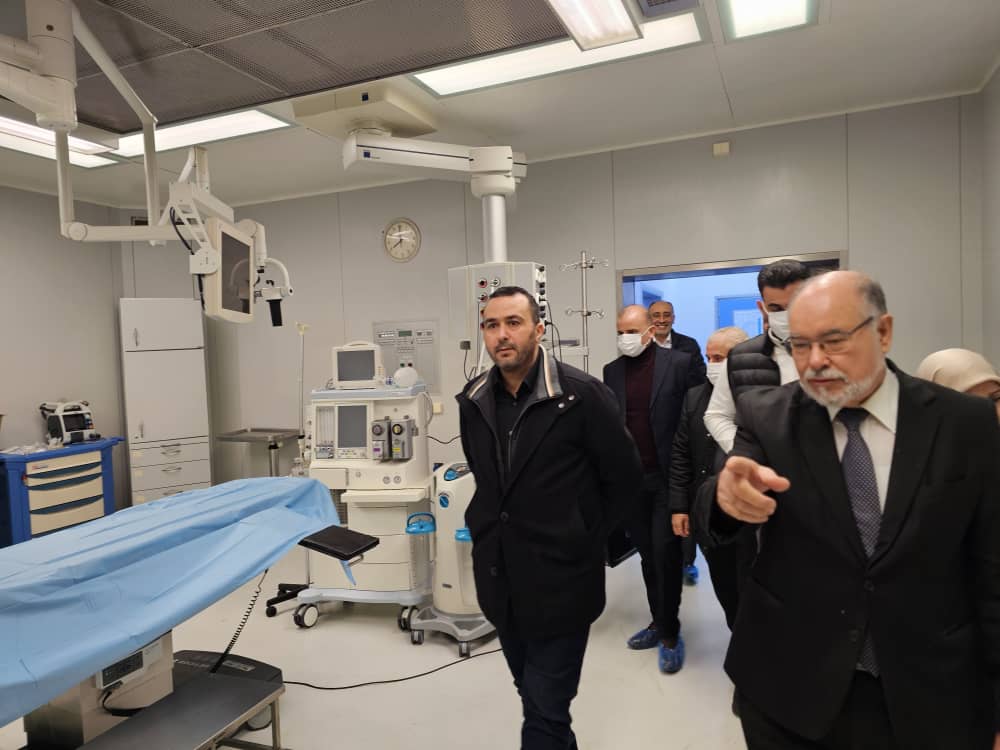
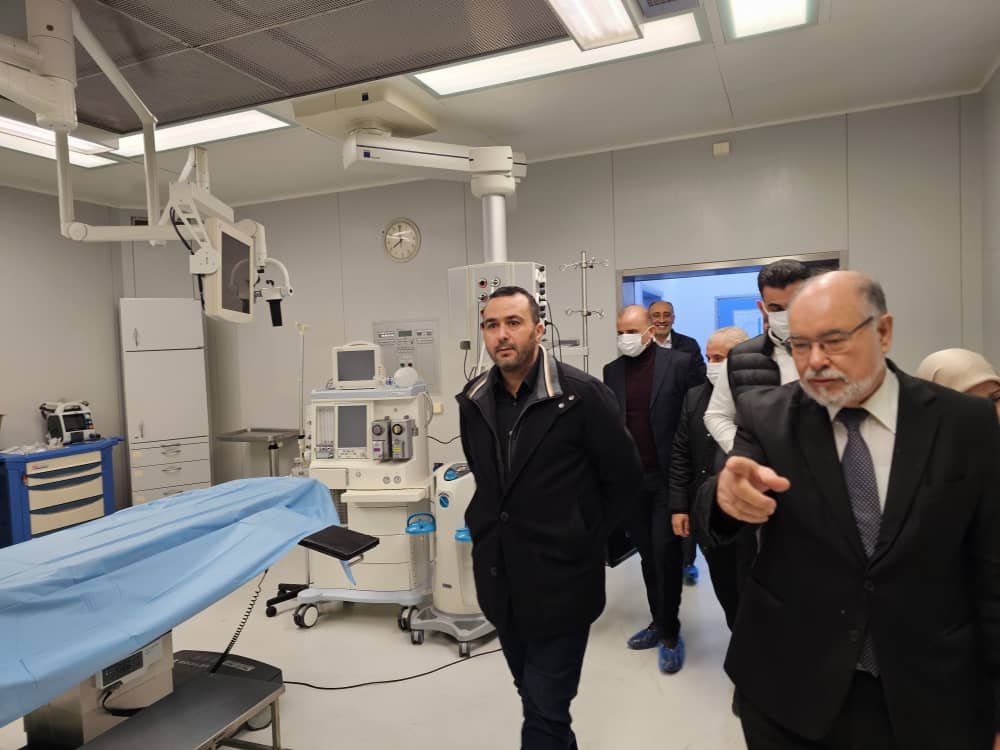
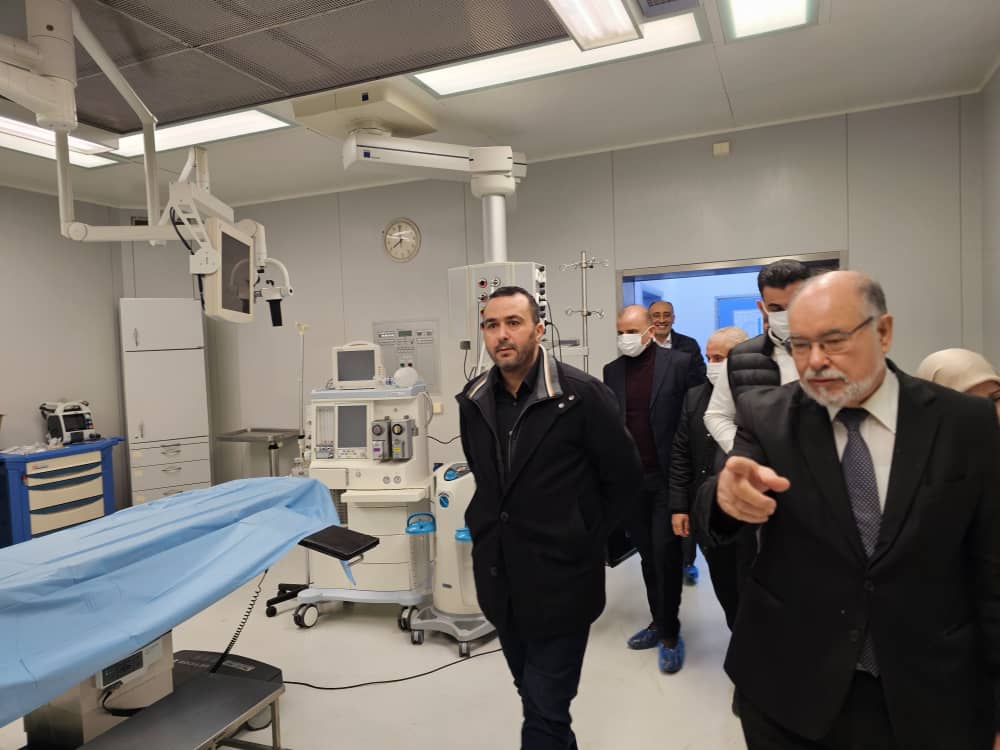
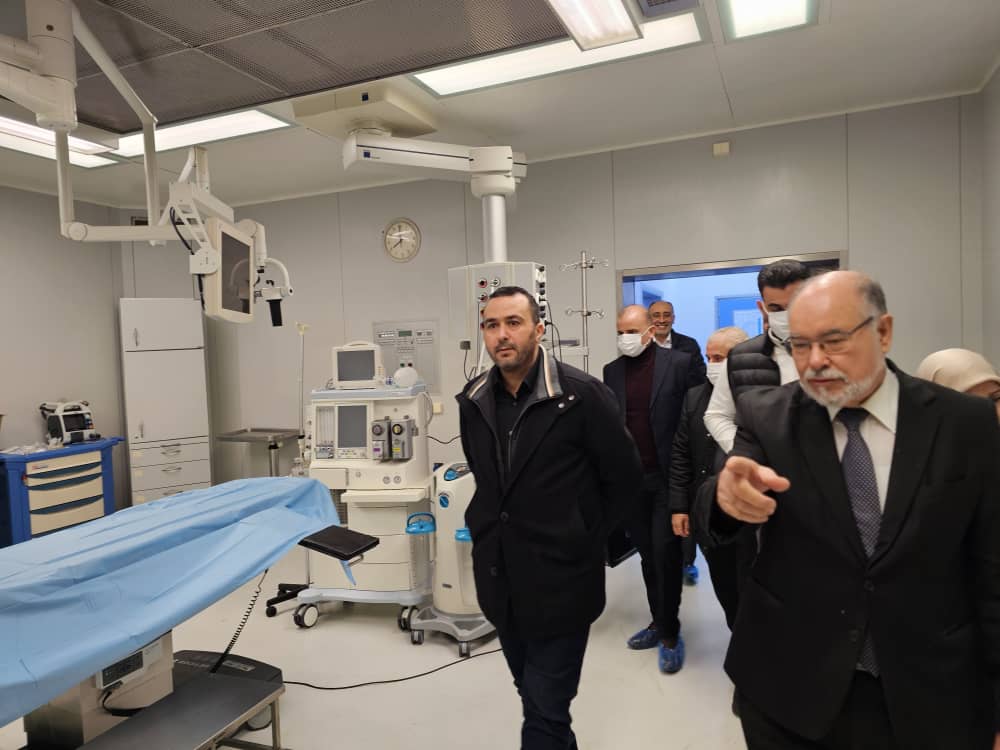
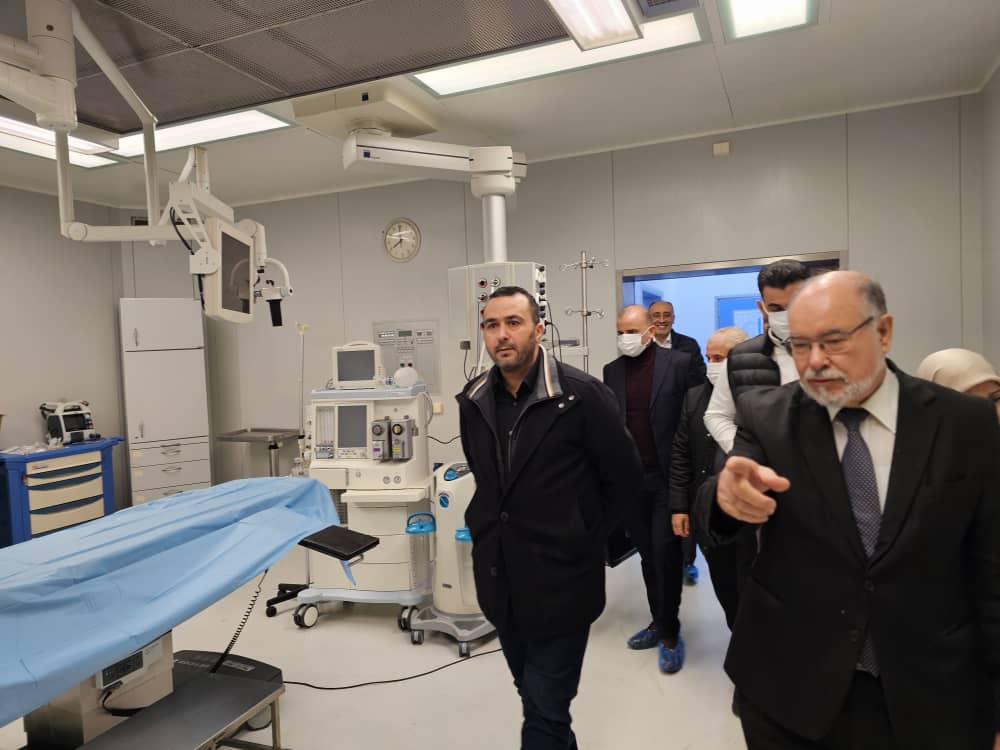
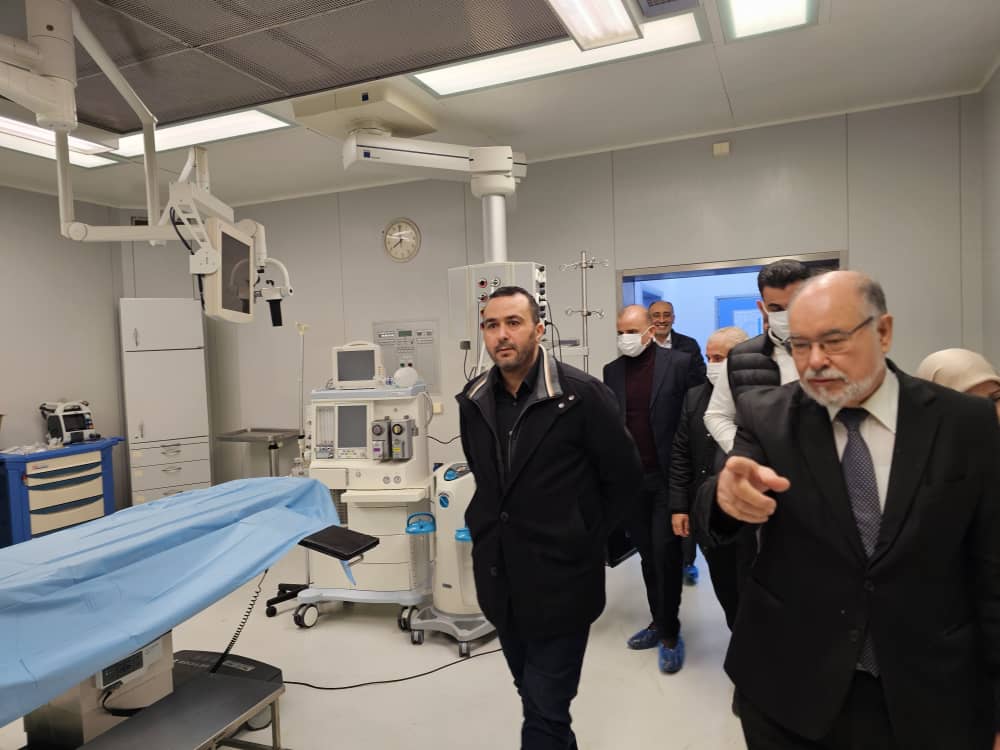
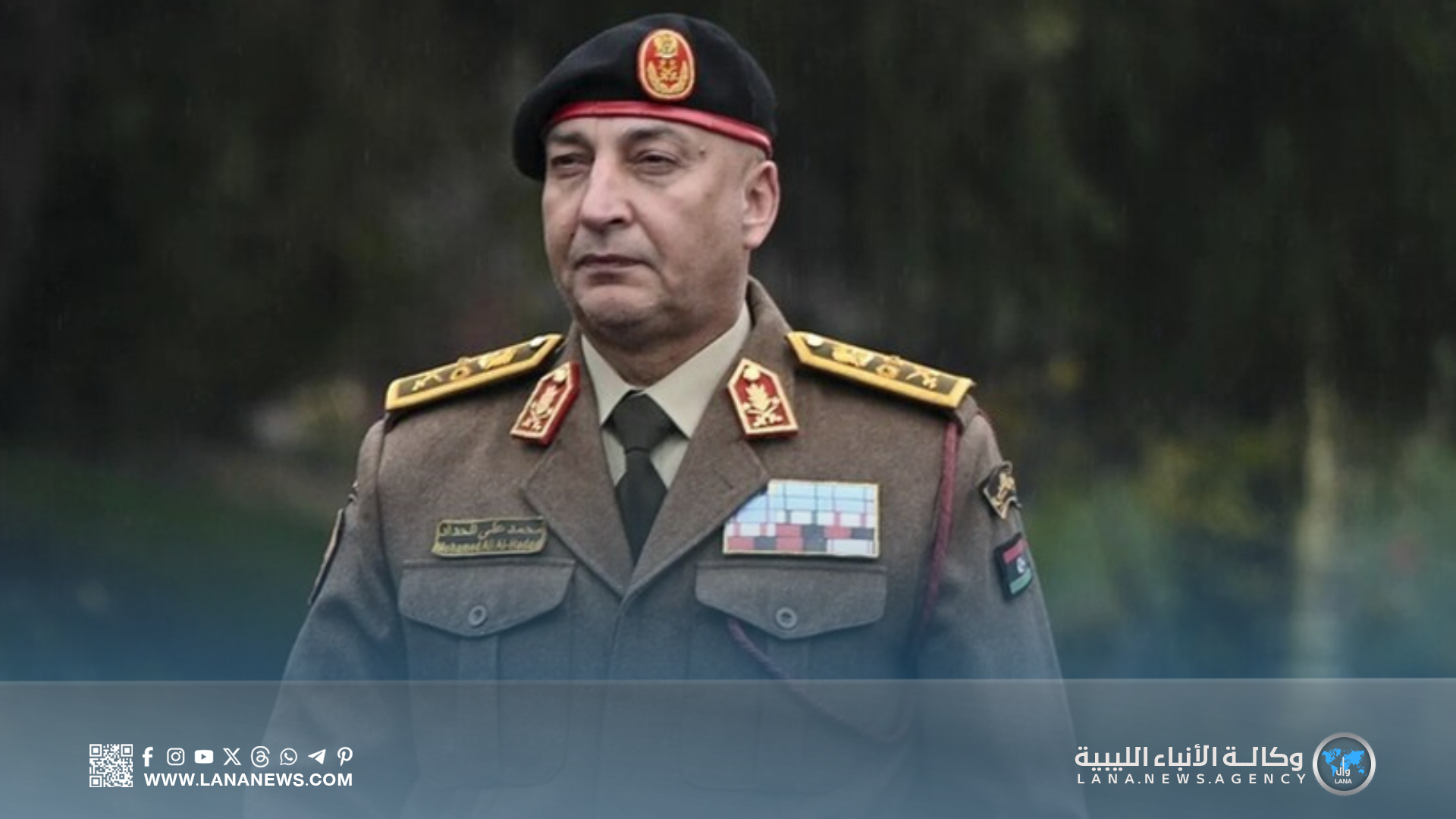
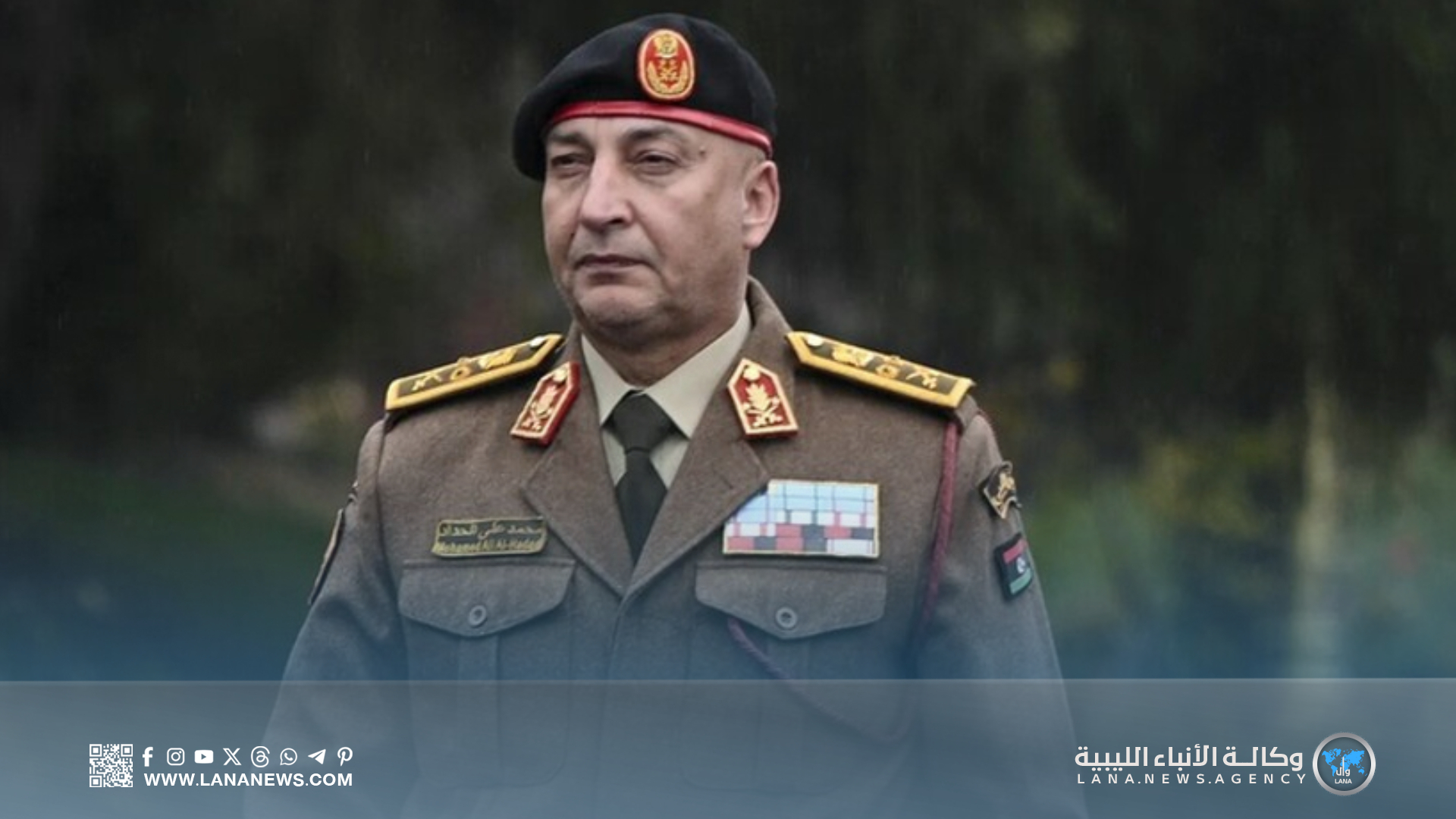
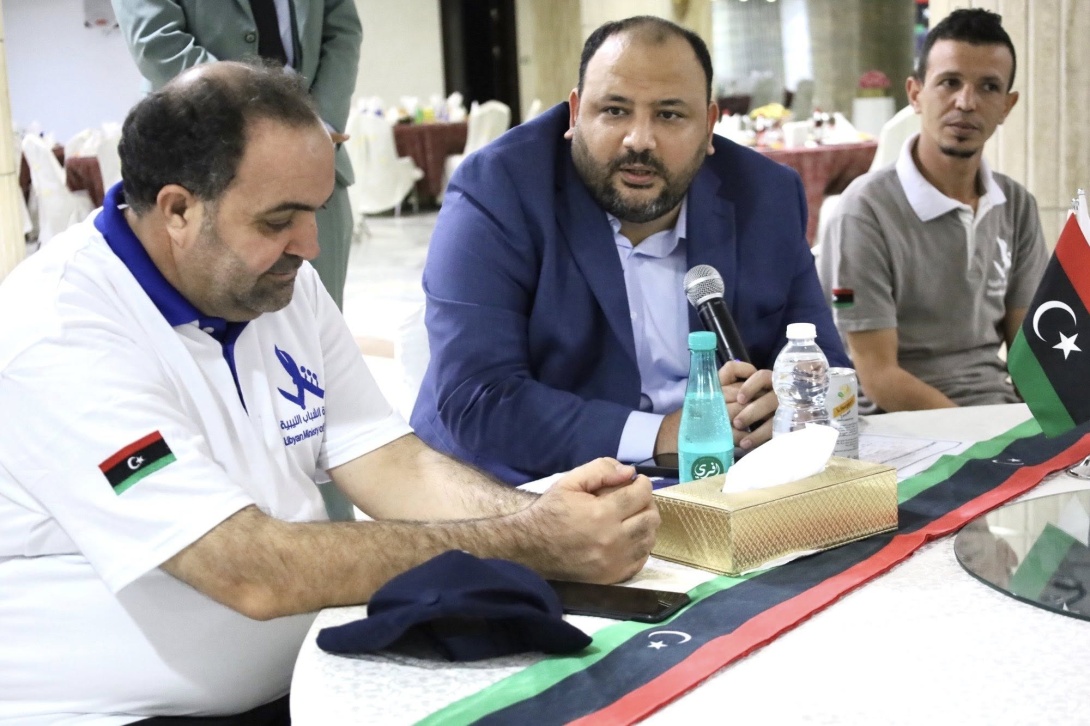
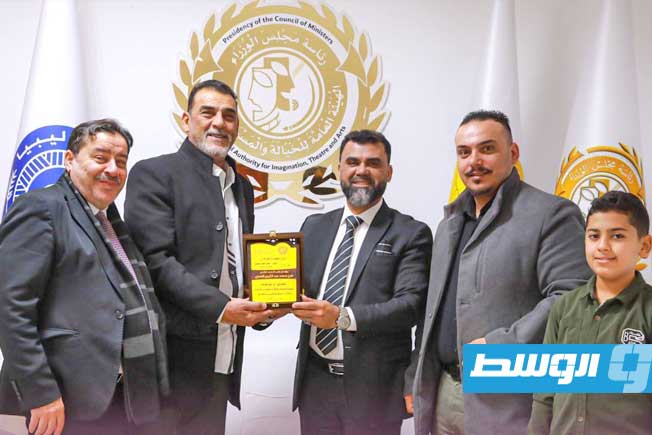
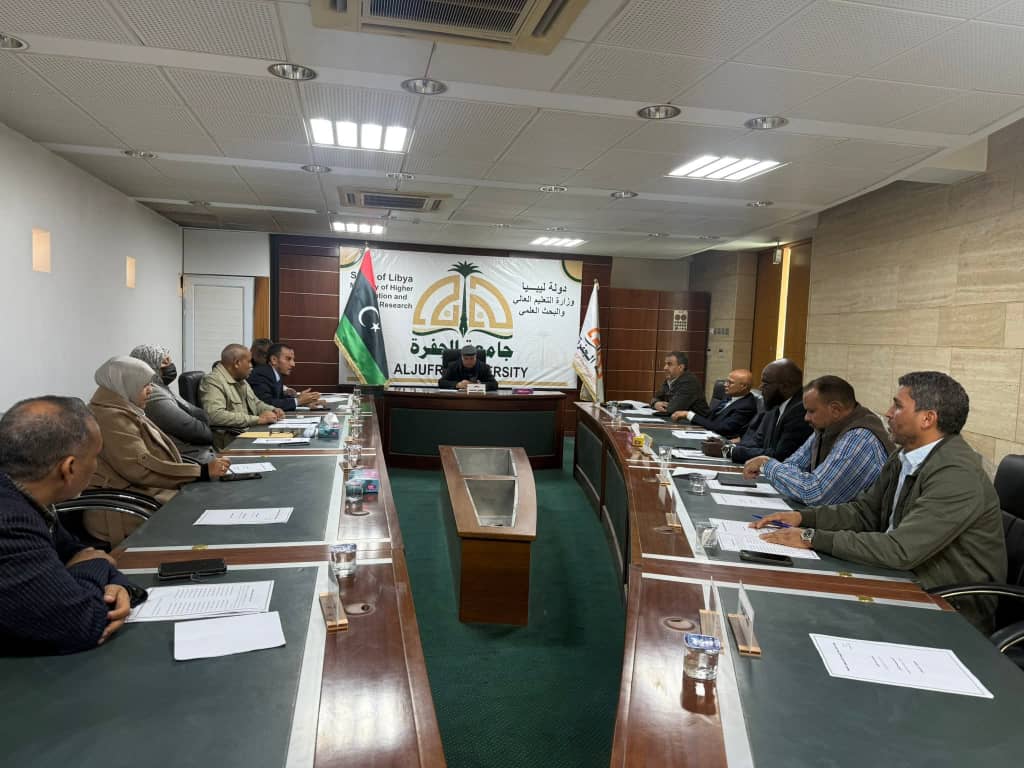
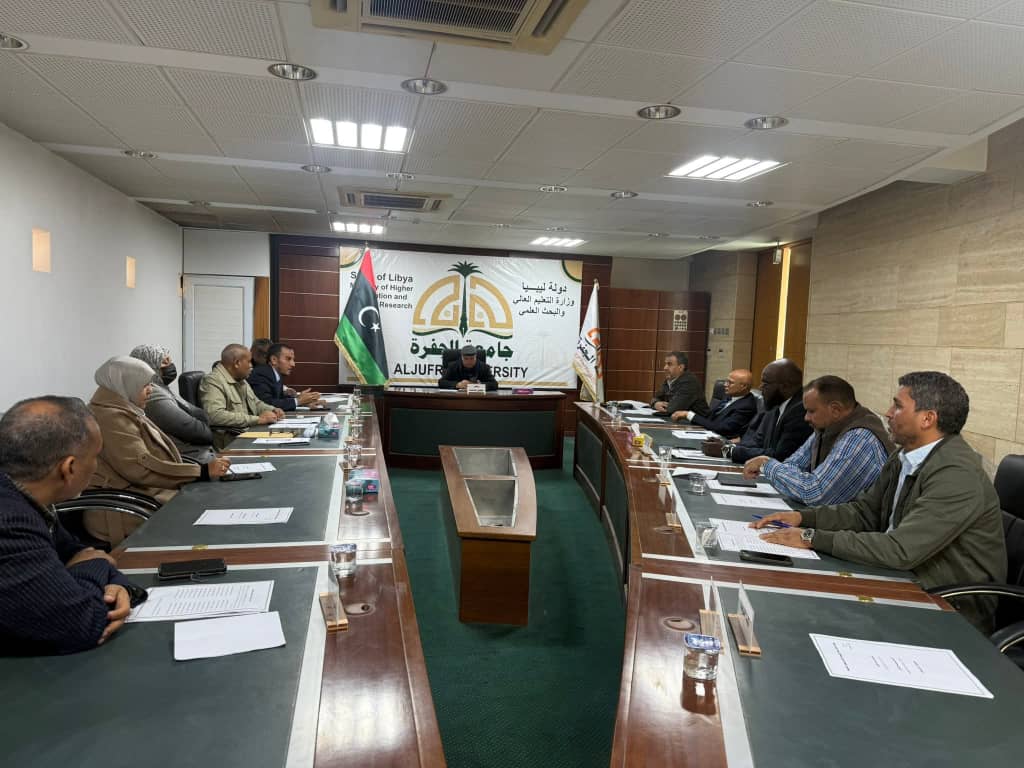
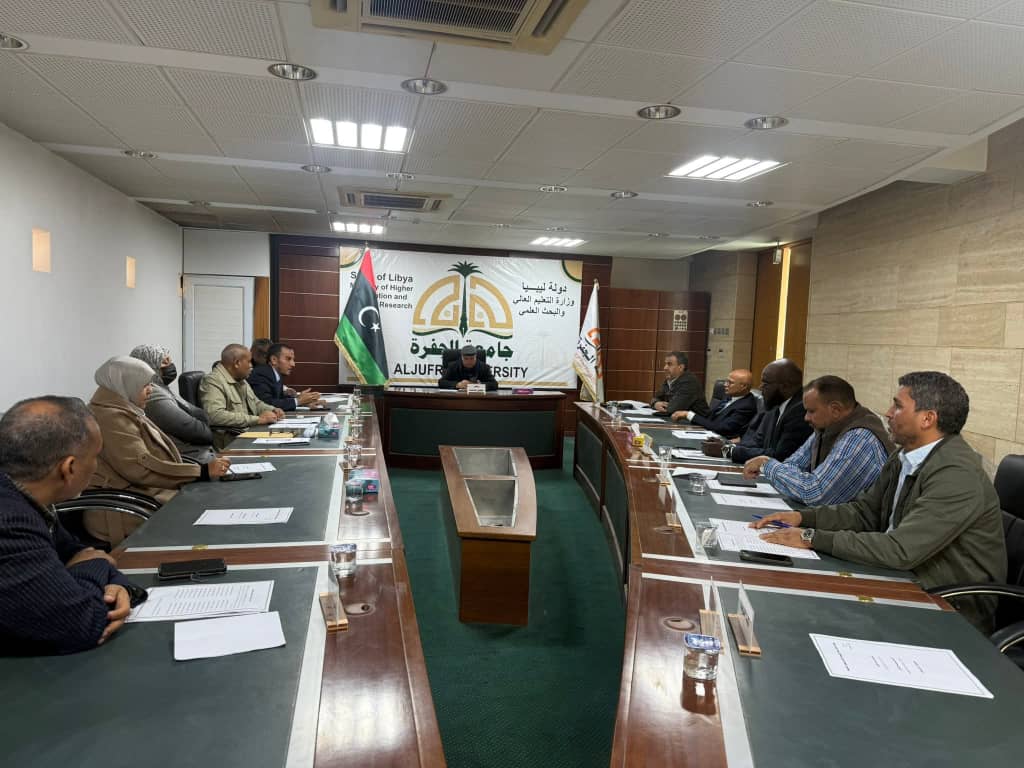
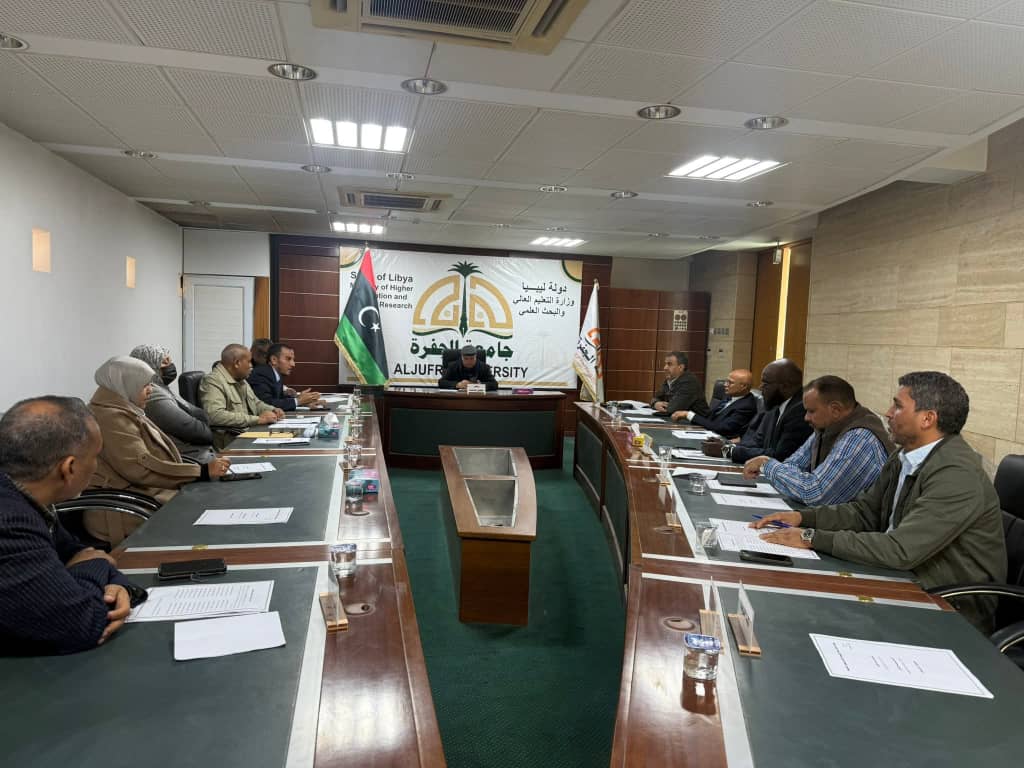
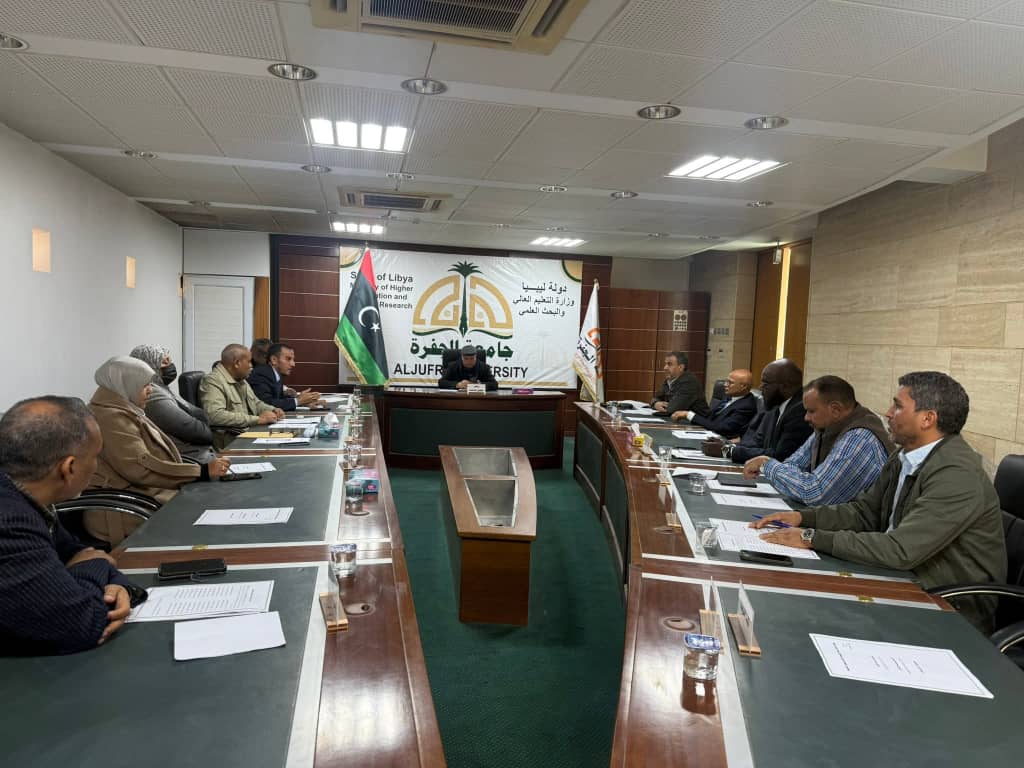
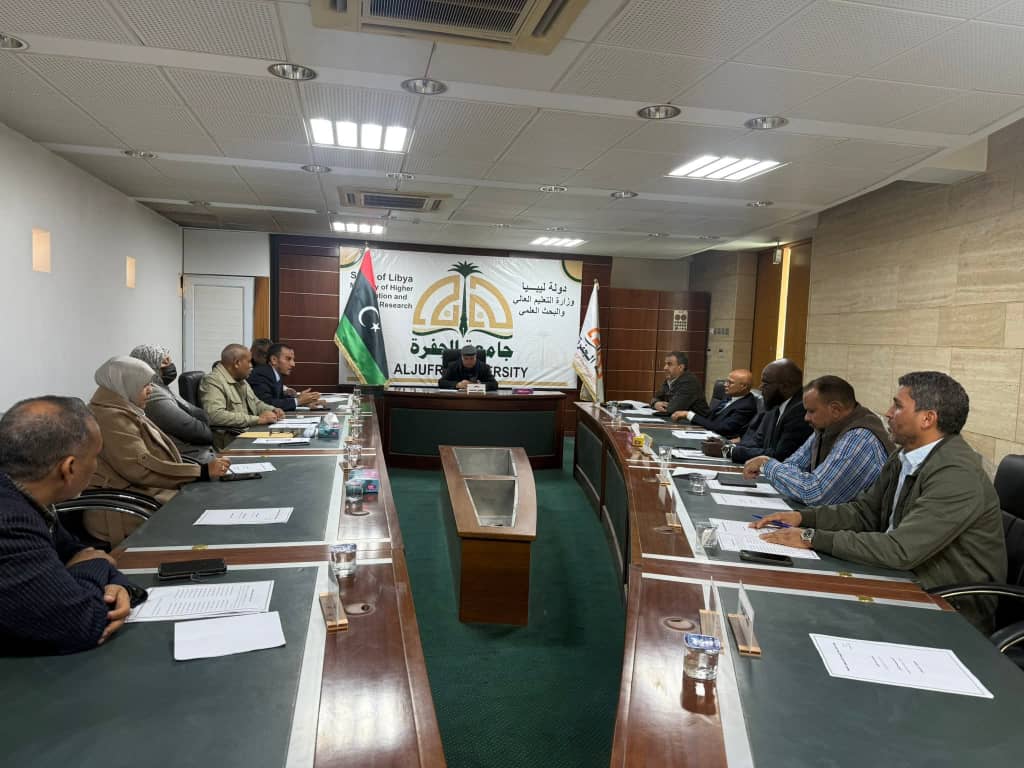
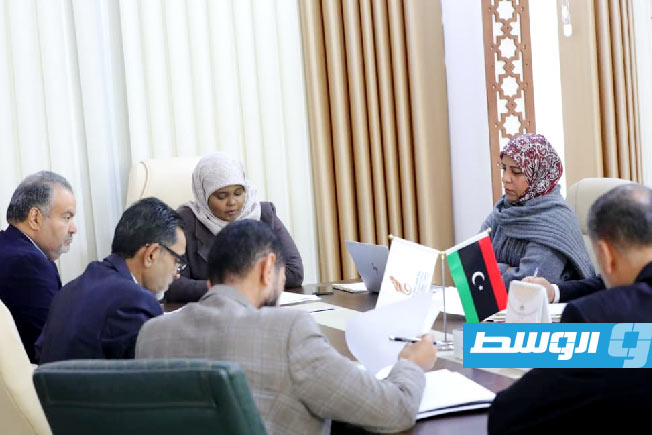
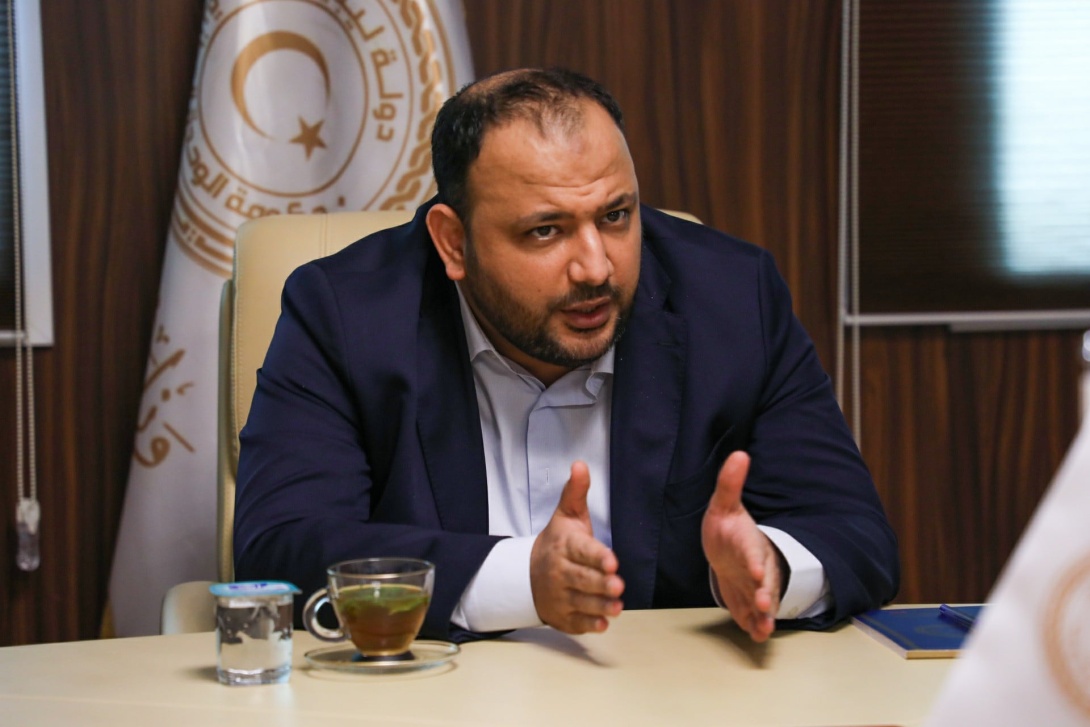
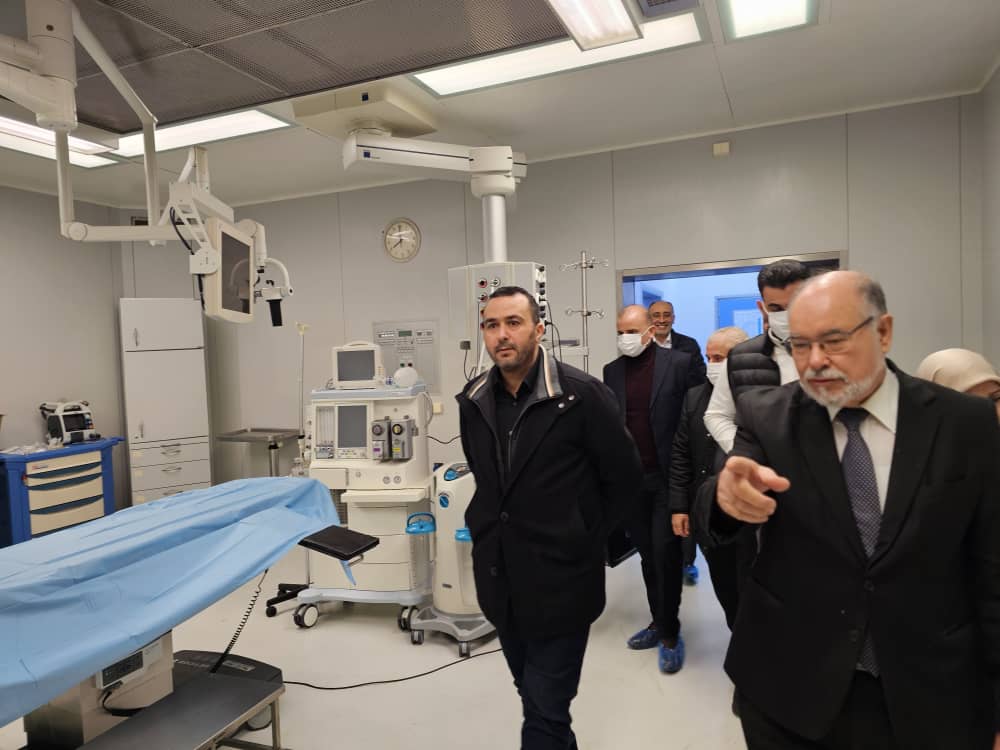
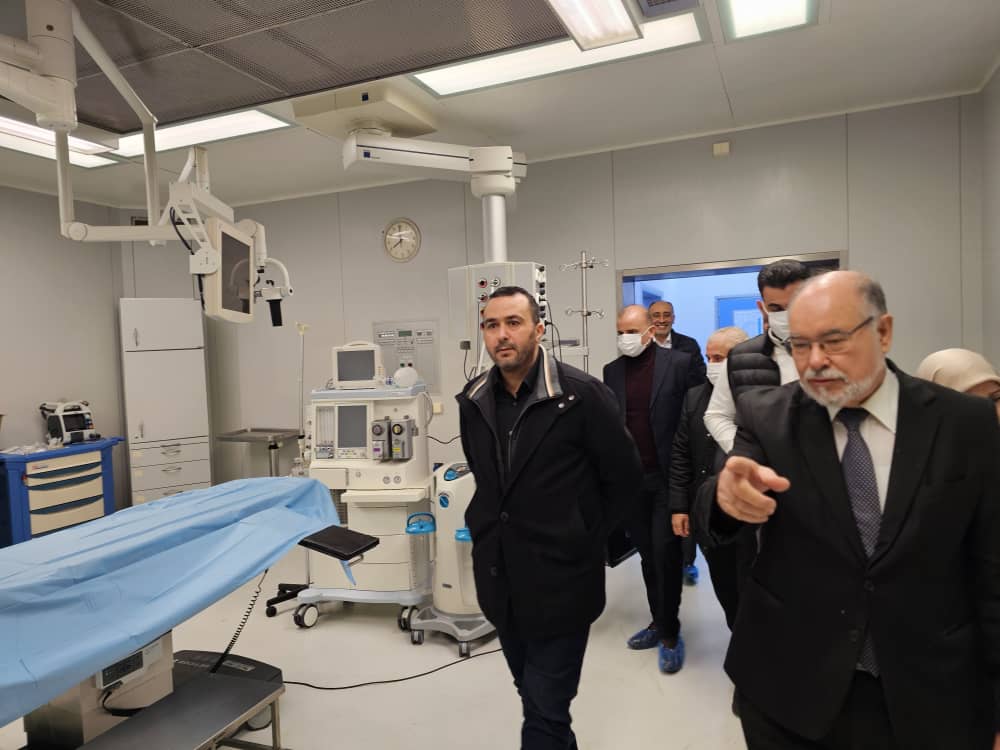
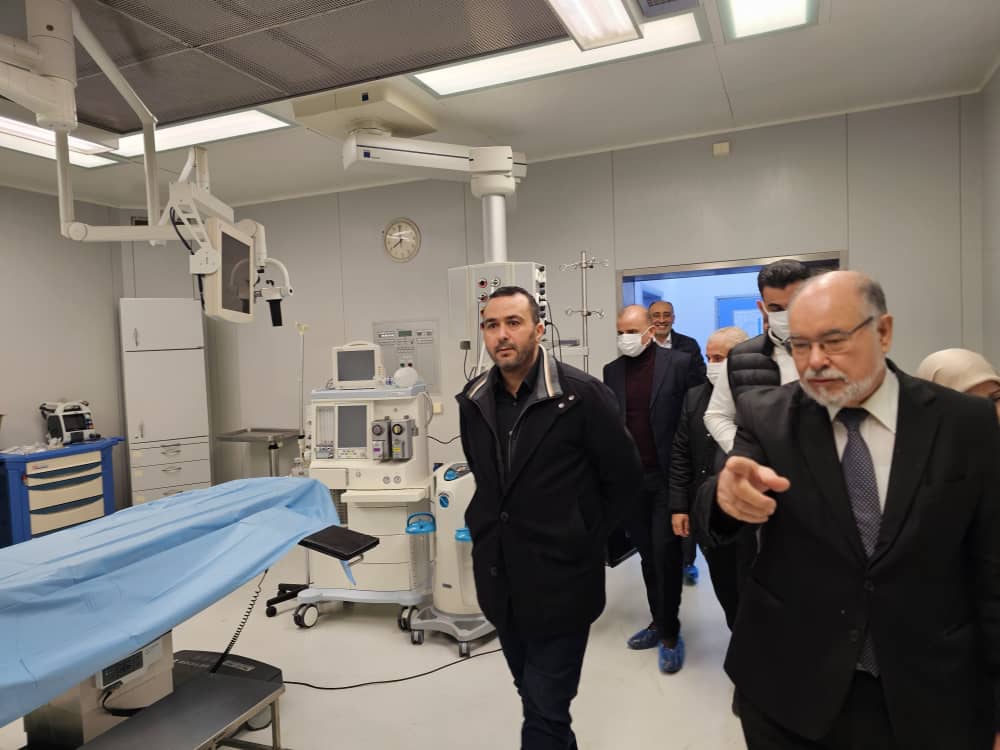
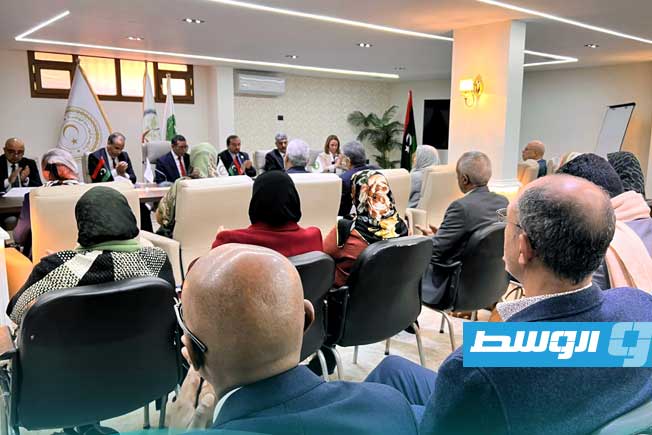
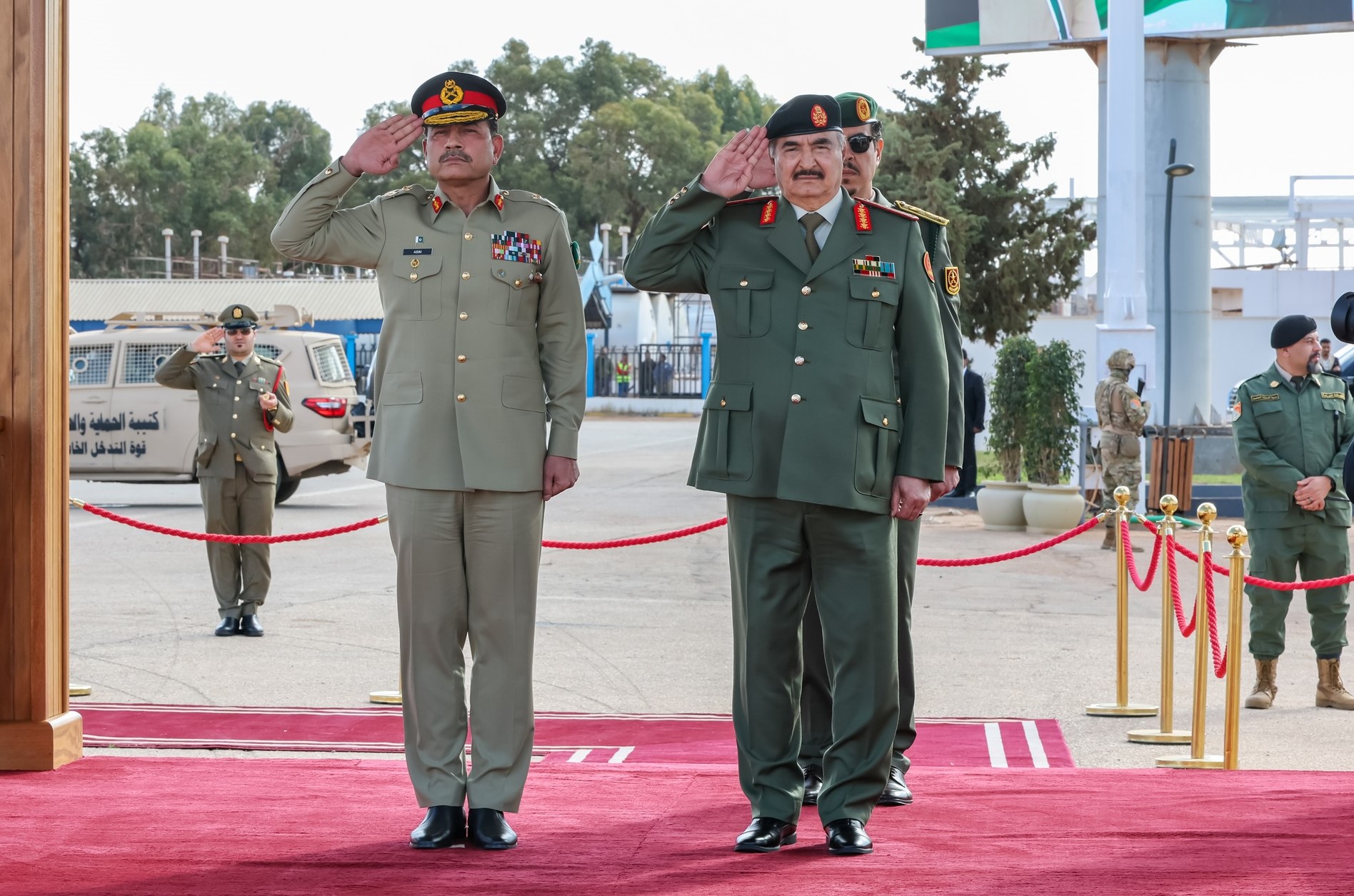
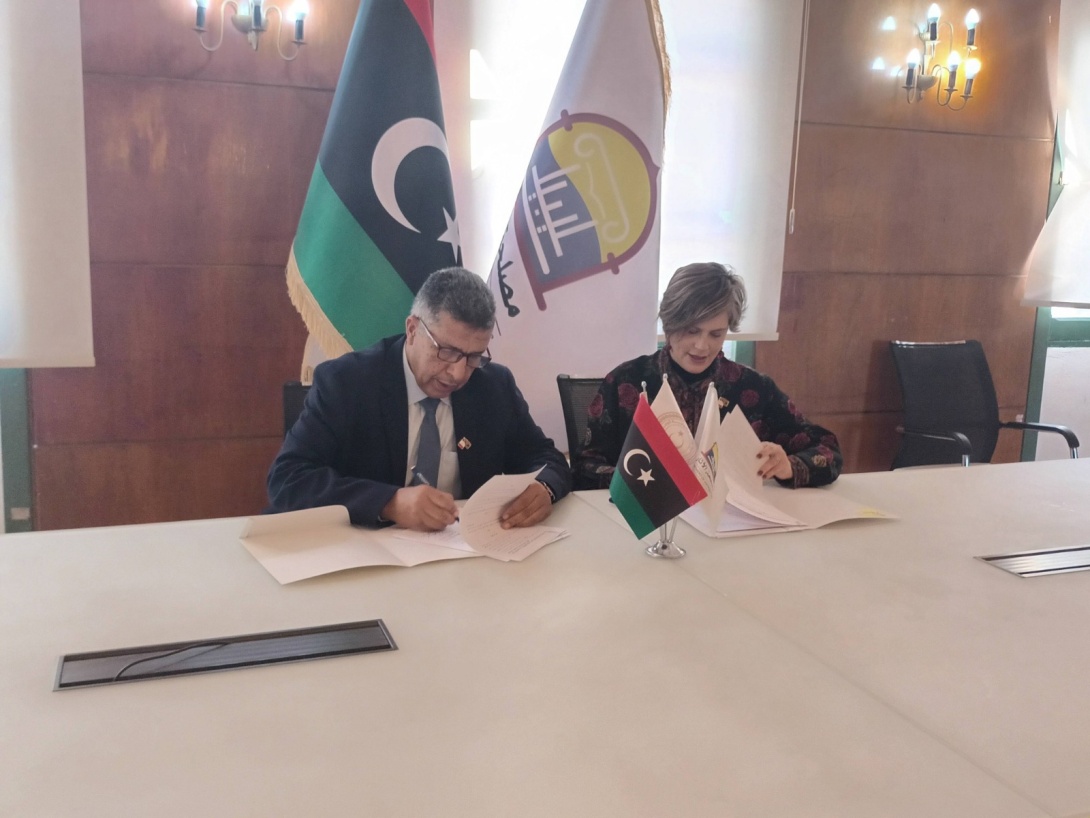
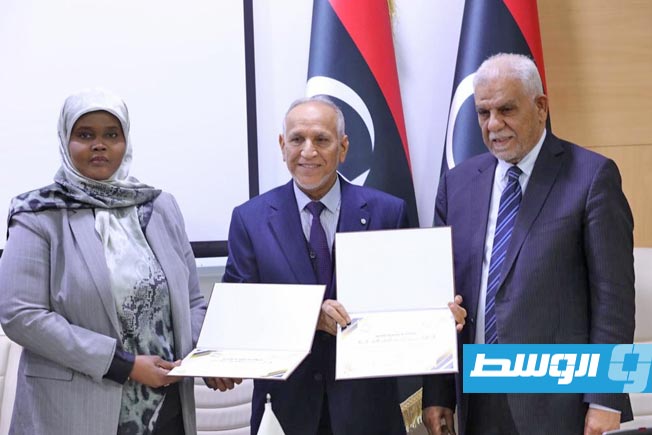
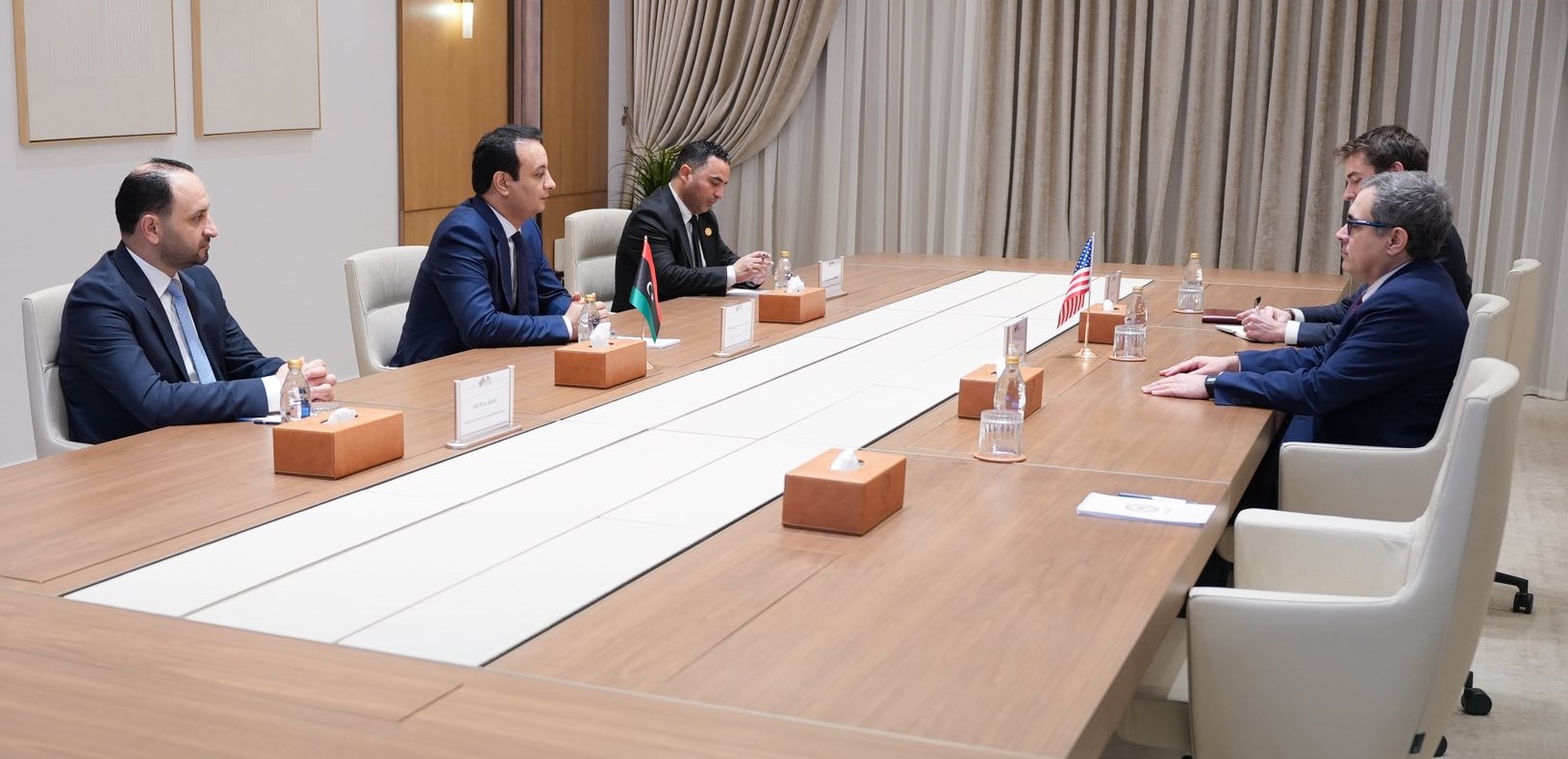
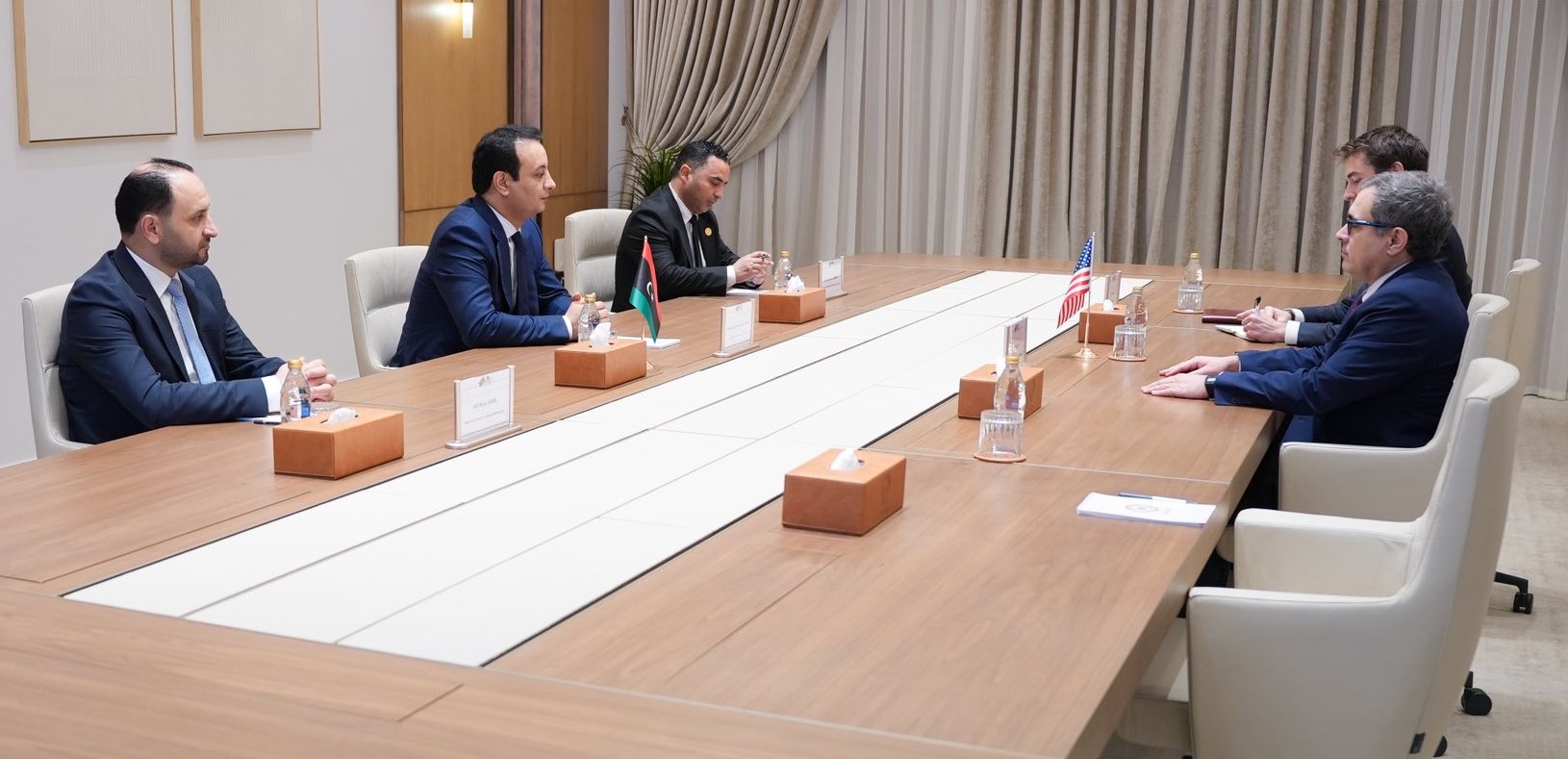
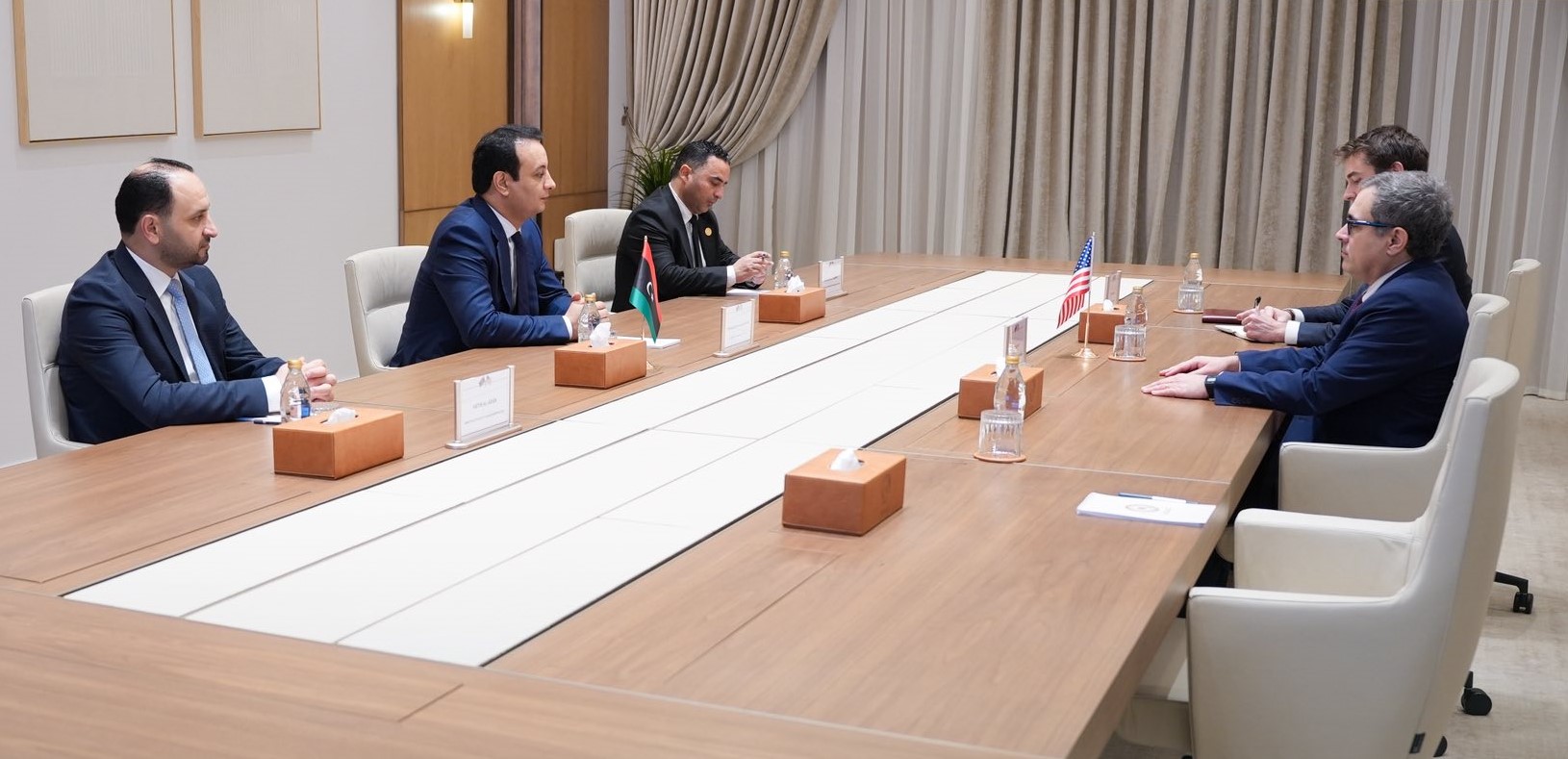
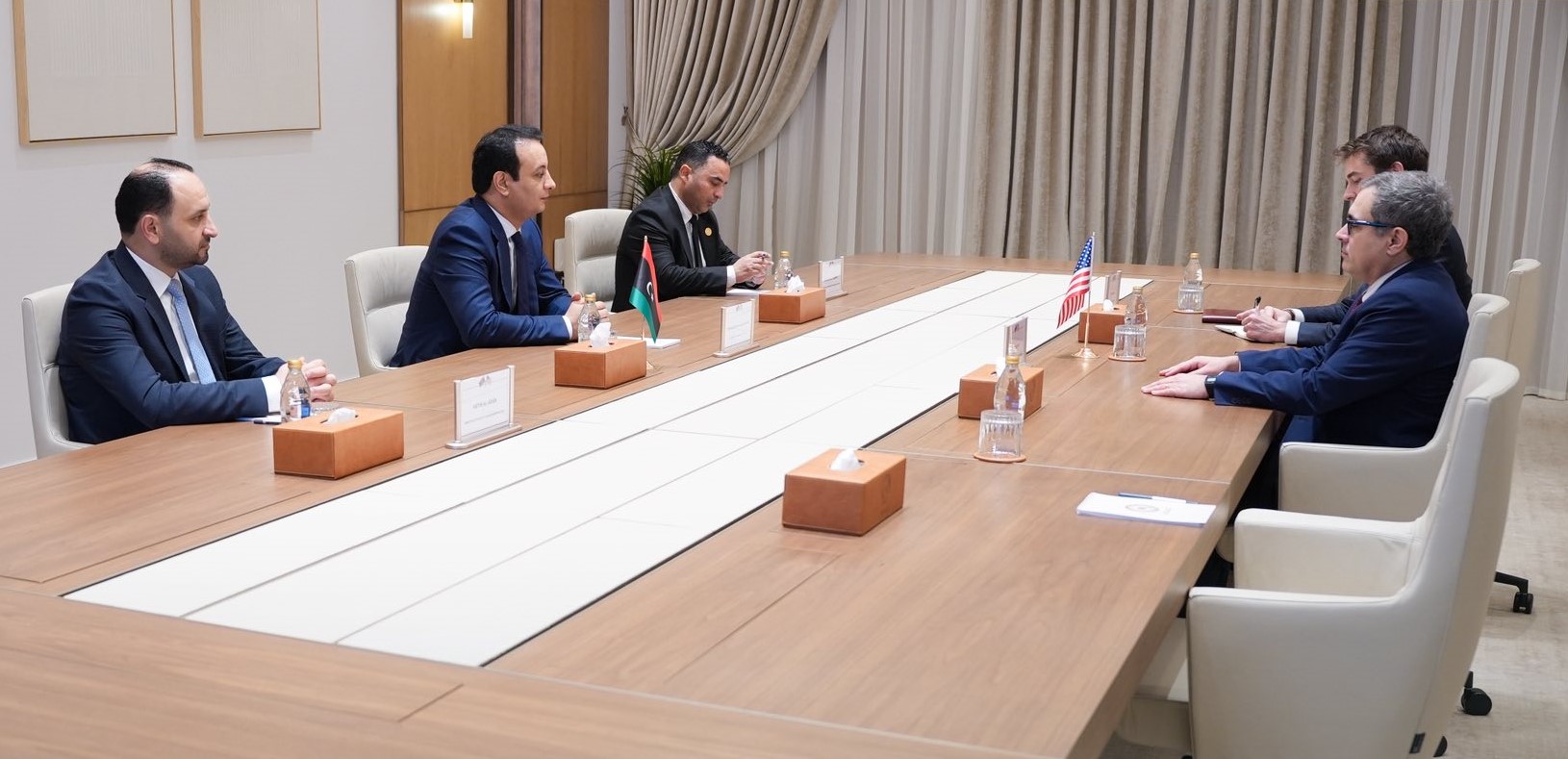
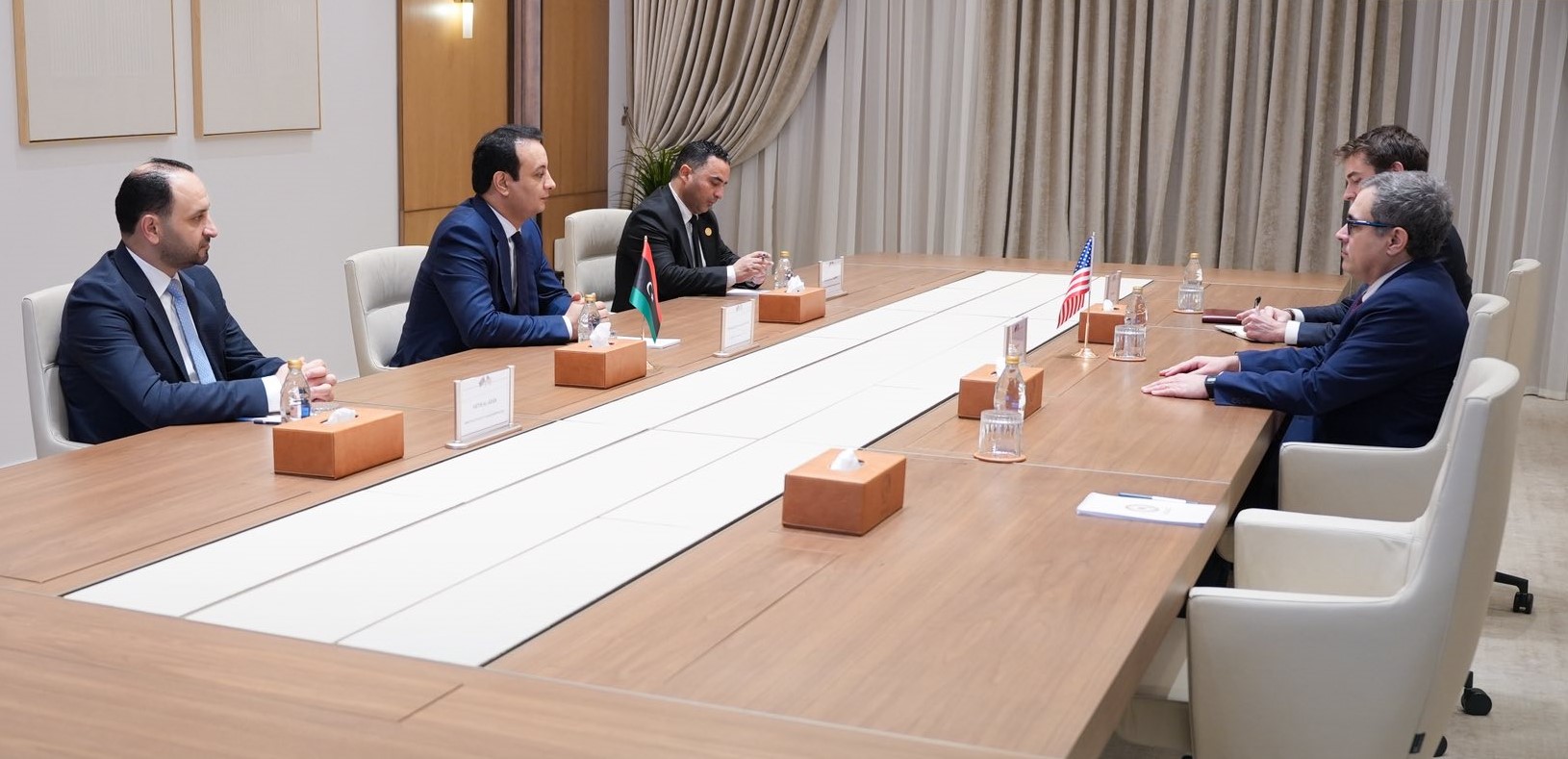
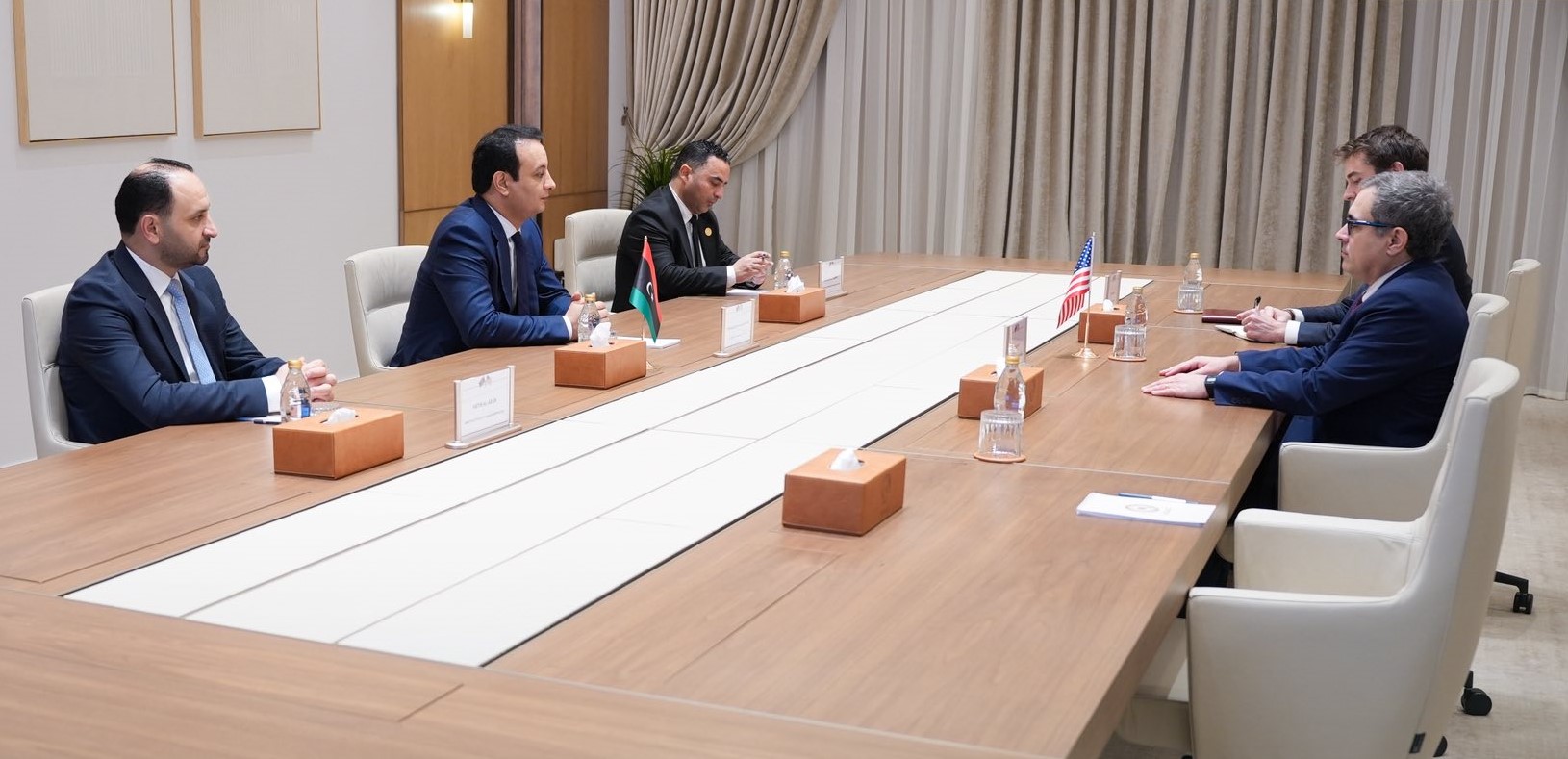
Tripoli – February 12, 2026 – The President of the Presidential Council and Chairman of the Supreme Financial Committee held a meeting on Thursday with the Technical Committee for Reviewing Oil and Electricity Sector Contracts, formed pursuant to Decision No. (1) of the year (2025). The meeting was held to review the committee’s progress and the preliminary results it has achieved within the scope of its assigned tasks.
The meeting saw the committee submit an interim report containing a detailed presentation of its activities over the past period, and the technical work and preliminary reviews accomplished related to its mandate.
It was emphasized that the committee plays a vital national role, and that its work represents a dedicated institutional effort aimed at promoting integrity and transparency, and combating the spread of corruption in the oil and electricity sectors. This contributes to protecting public funds and entrenching the principles of good governance.
It was also stressed that the committee must continue to perform its duties, with a call for all relevant parties and entities to provide full cooperation by supplying the required information and data. This ensures the optimal completion of its work. The importance of communication and coordination with the Security Council’s Committee of Experts on this matter was highlighted, alongside enhanced cooperation with the Office of the Attorney General, to ensure the integration of relevant oversight, technical, and legal efforts.
At the conclusion of the meeting, there was an expression of hope that the committee’s work would culminate in the issuance of a comprehensive and transparent report. This report should contain accurate findings and objective solutions to address all observations and points raised, contributing to supporting the path of institutional reform and enhancing the efficiency of managing these two sectors.
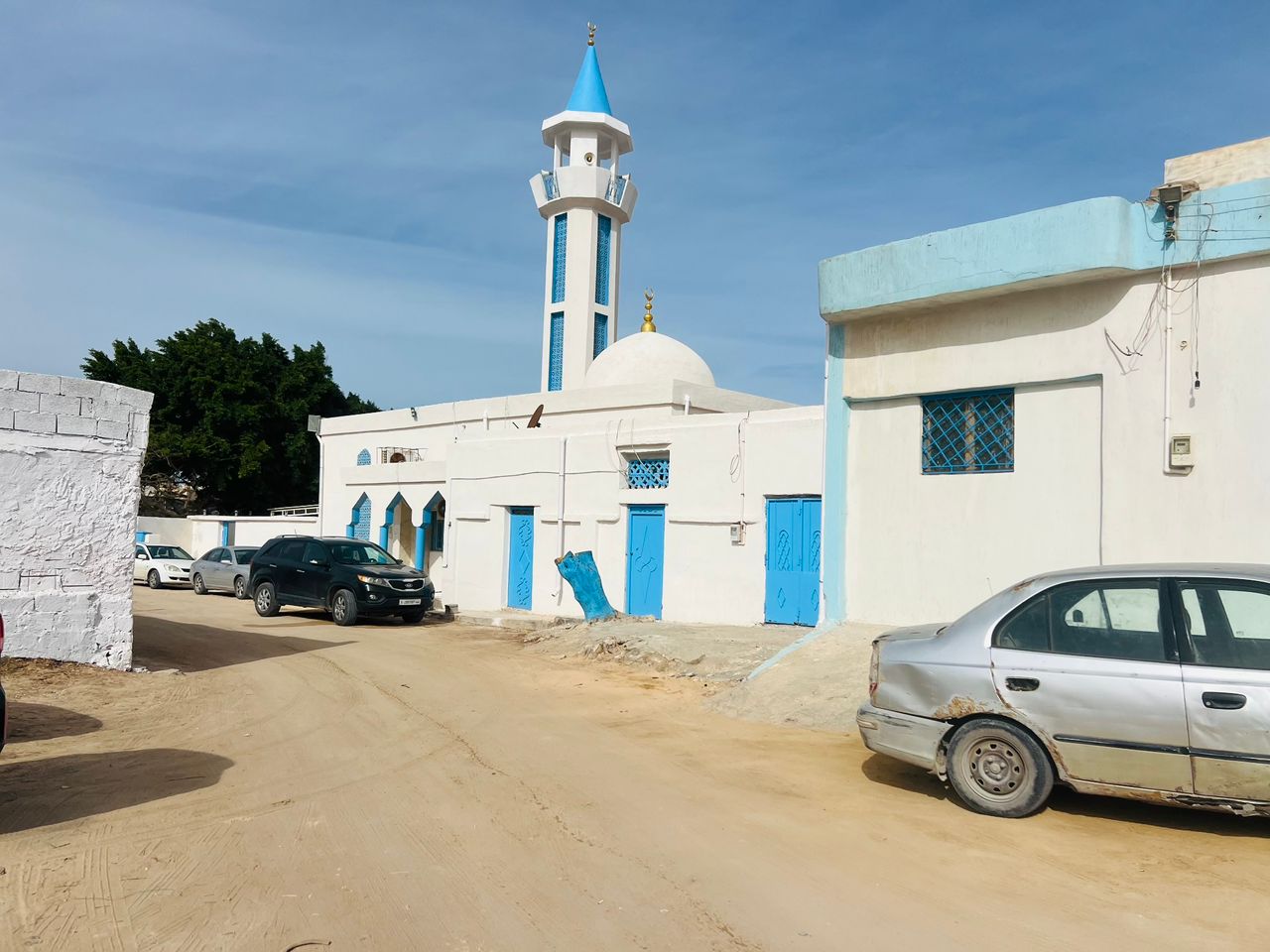
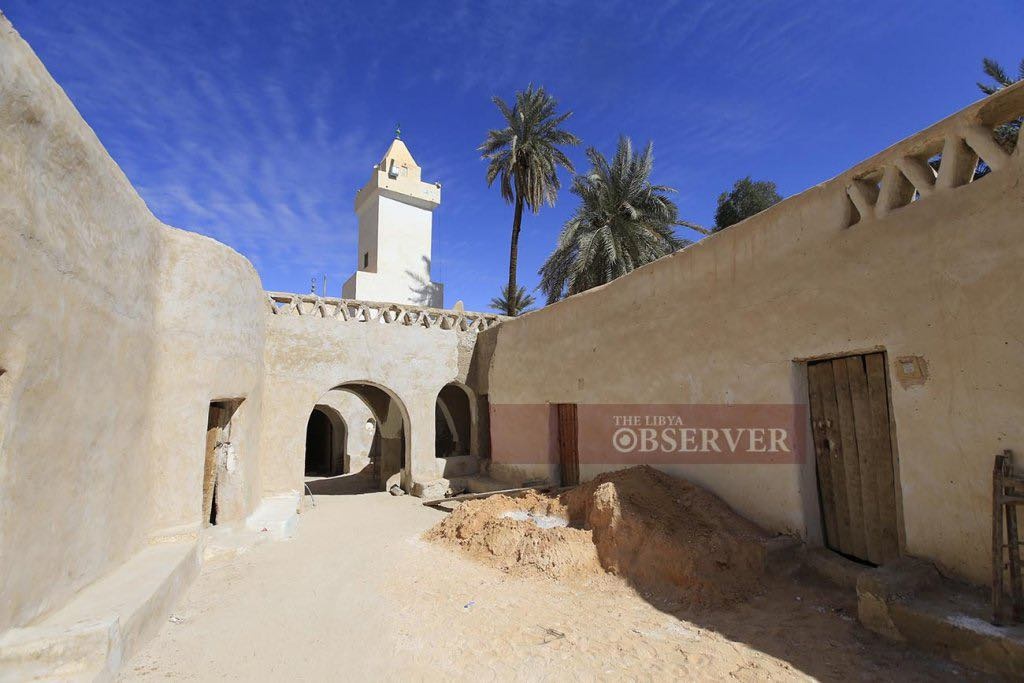
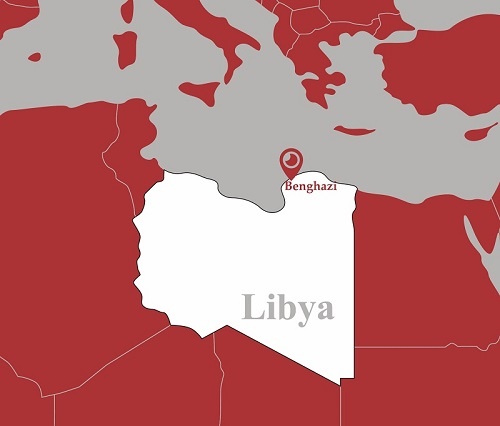
Tripoli
Tripoli is the capital and largest city of Libya, located on the country’s Mediterranean coast. Historically, it was founded by the Phoenicians in the 7th century BC and later became a significant Roman city, with its old quarter, the medina, reflecting centuries of influence from Arab, Ottoman, and Italian rule.
Presidential Council
The Presidential Council is a governing body often established in countries during transitional periods, political crises, or to share executive power among different factions. Its history is not tied to a single location but to contexts like post-conflict Libya or South Sudan, where such councils have been formed to provide collective leadership and stability.
Supreme Financial Committee
The Supreme Financial Committee was a key administrative body in the Ottoman Empire, established in the late 19th century as part of the Tanzimat reform period. Its primary function was to oversee and manage the empire’s public debt and financial affairs, often under significant influence from European creditor nations.
Technical Committee for Reviewing Oil and Electricity Sector Contracts
The Technical Committee for Reviewing Oil and Electricity Sector Contracts is a specialized body, typically established by a government, to audit and reassess existing contracts within these critical national industries. Its history is often tied to periods of political change or reform, where new administrations seek to ensure transparency, correct perceived imbalances, or reclaim value from natural resource agreements.
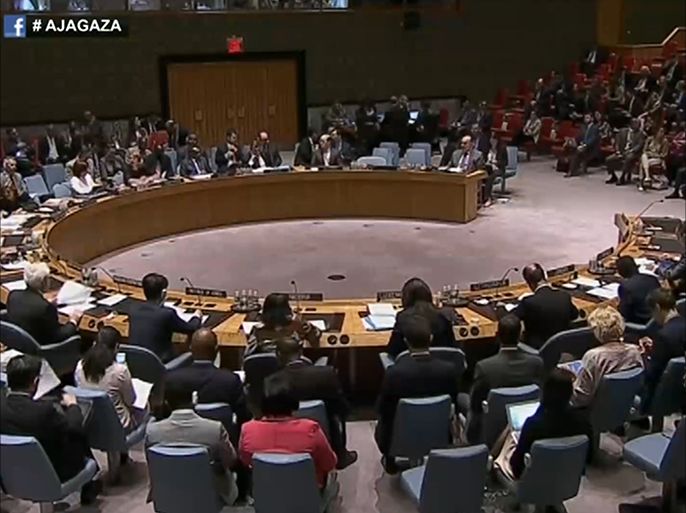
Security Council
The United Nations Security Council is one of the six principal organs of the UN, established in 1945 following World War II. It holds primary responsibility for maintaining international peace and security, with its 15 members including five permanent members possessing veto power.
Office of the Attorney General
The Office of the Attorney General is the chief legal advisor to the government and the head of the Department of Justice in many countries, such as the United States and the United Kingdom. Its historical roots often trace back to the medieval office of the King’s Attorney in England, evolving into a key independent legal and prosecutorial authority in modern democratic systems.