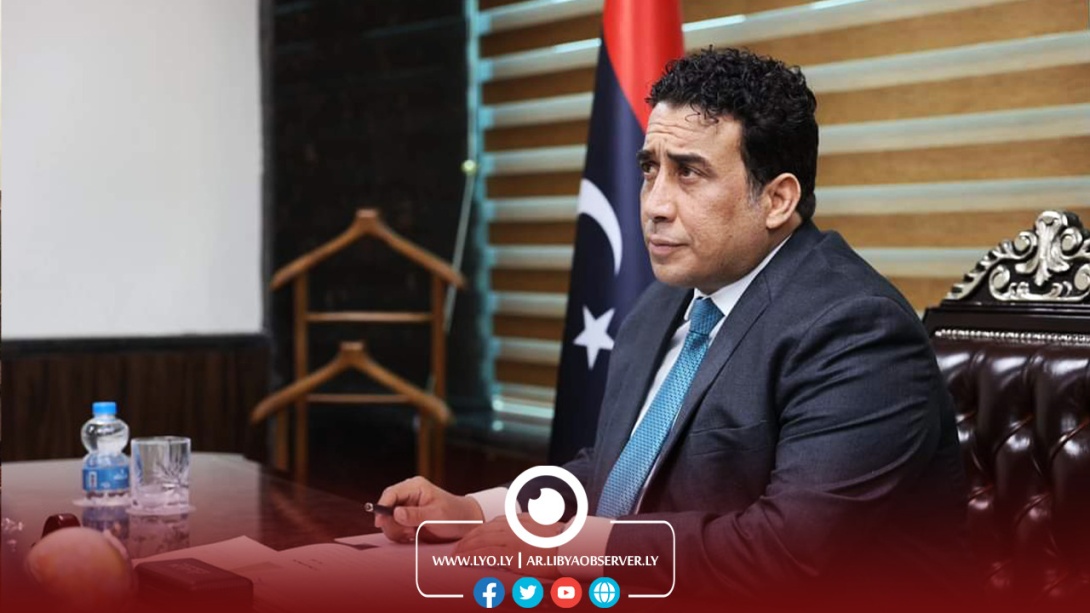
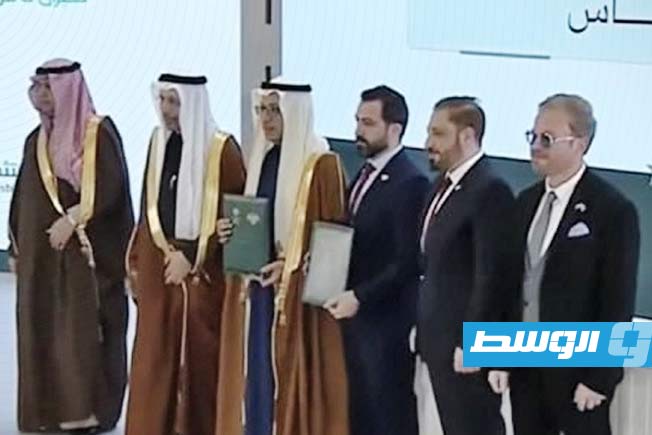
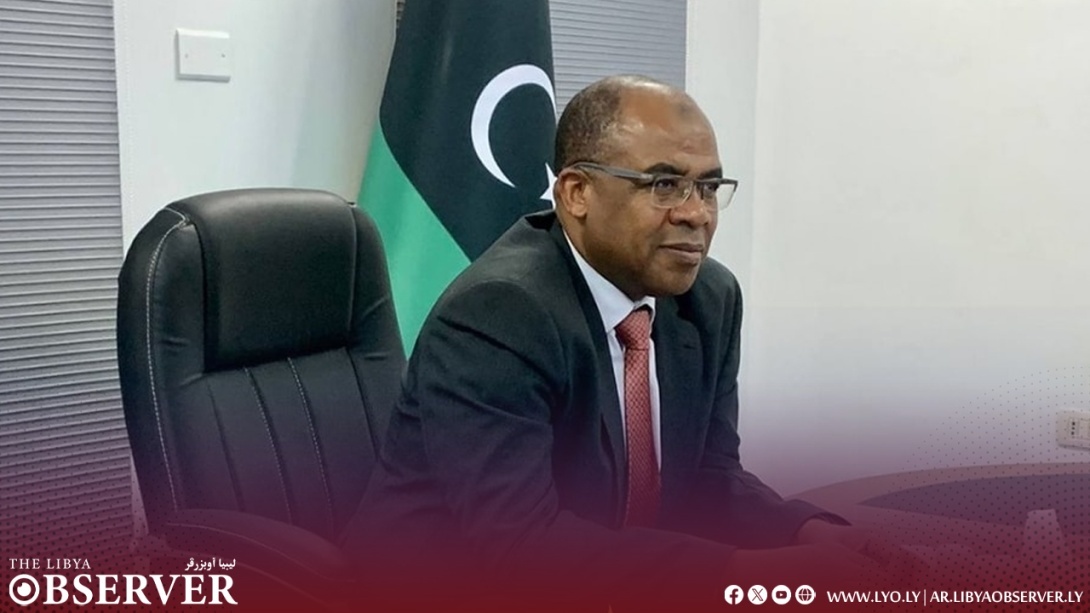
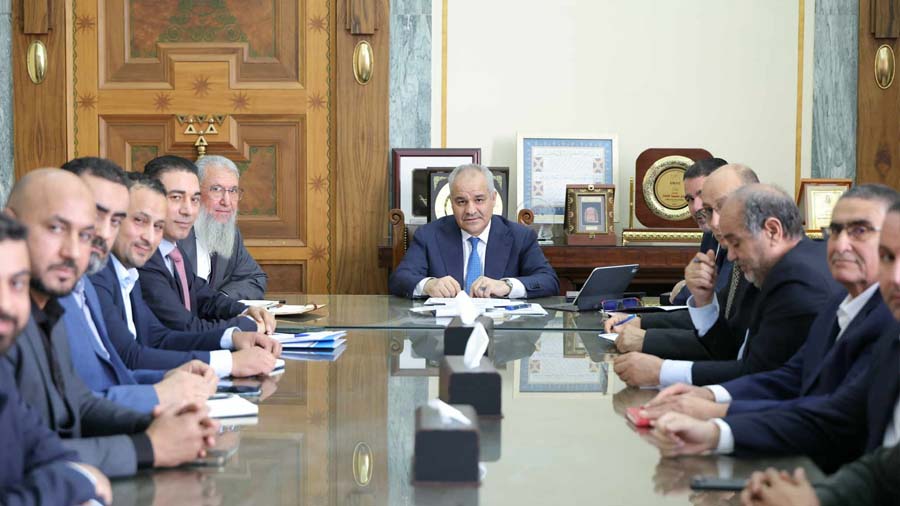
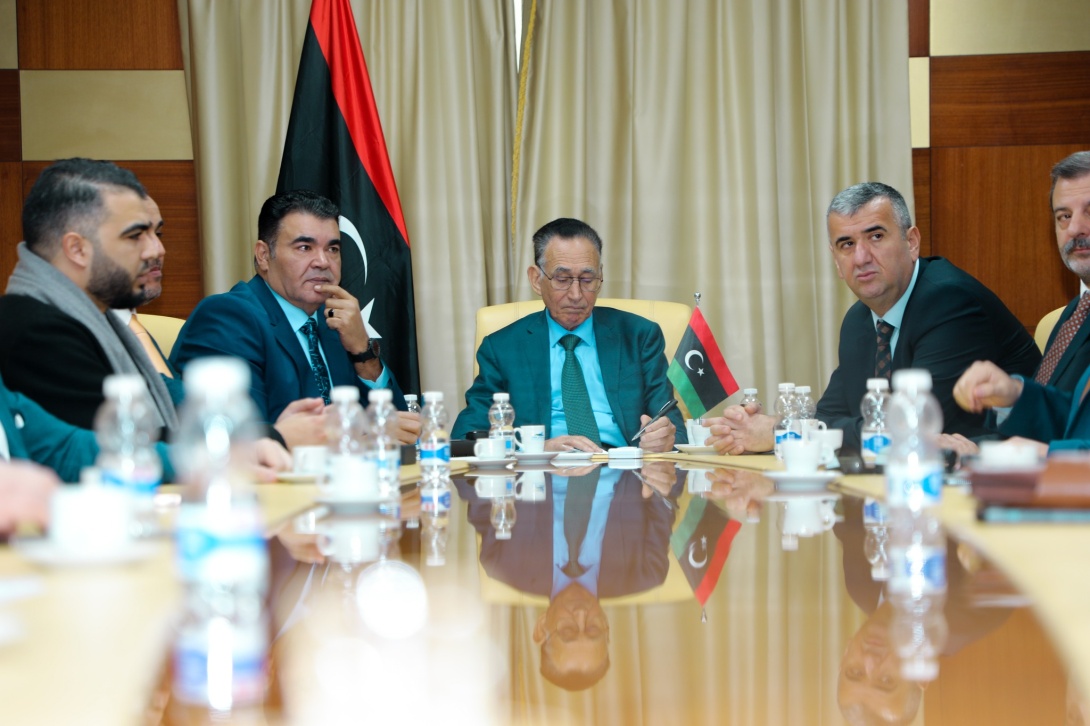
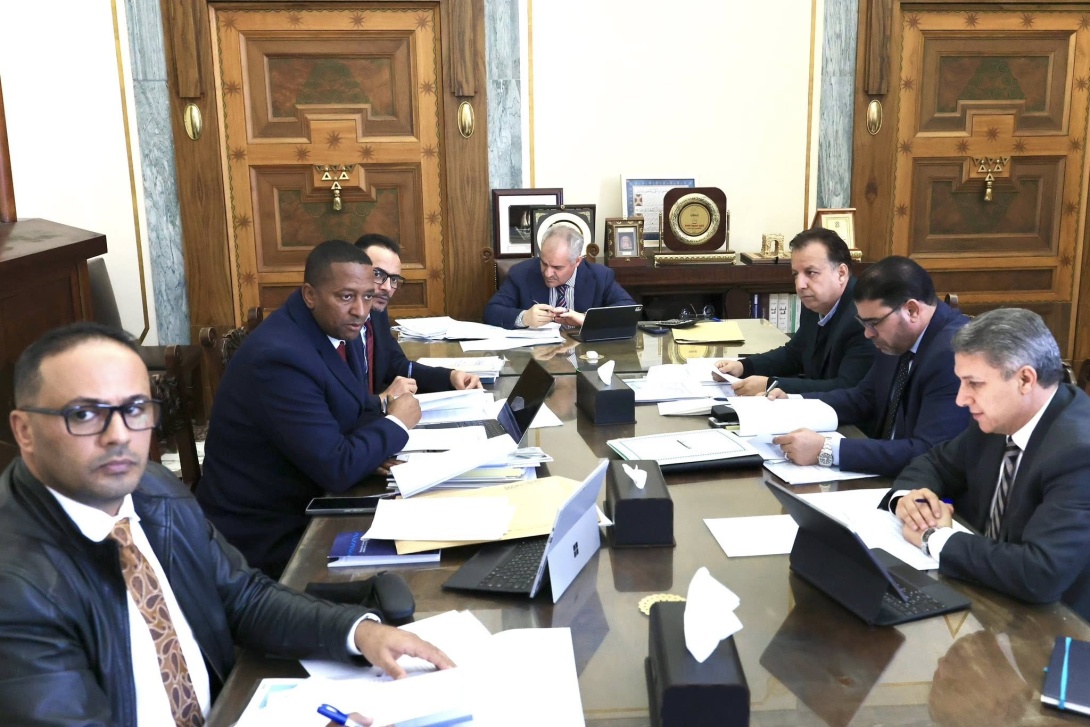
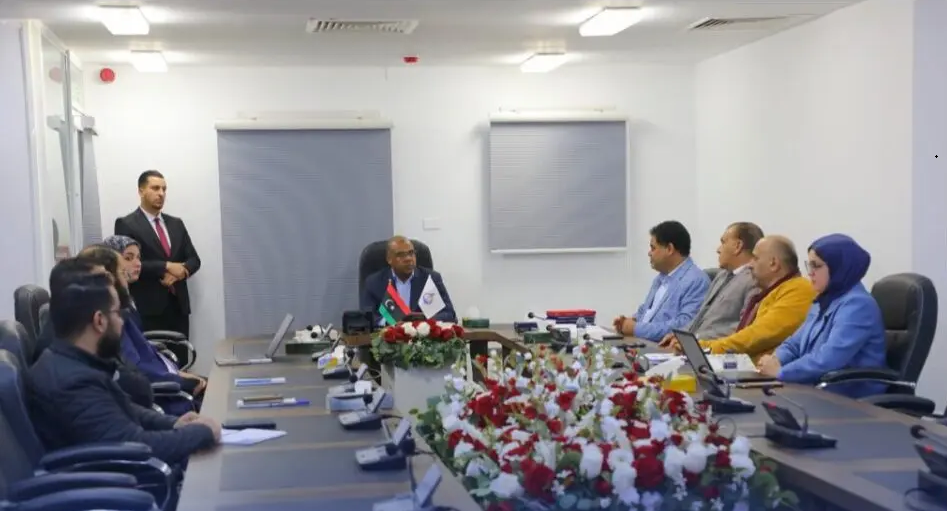
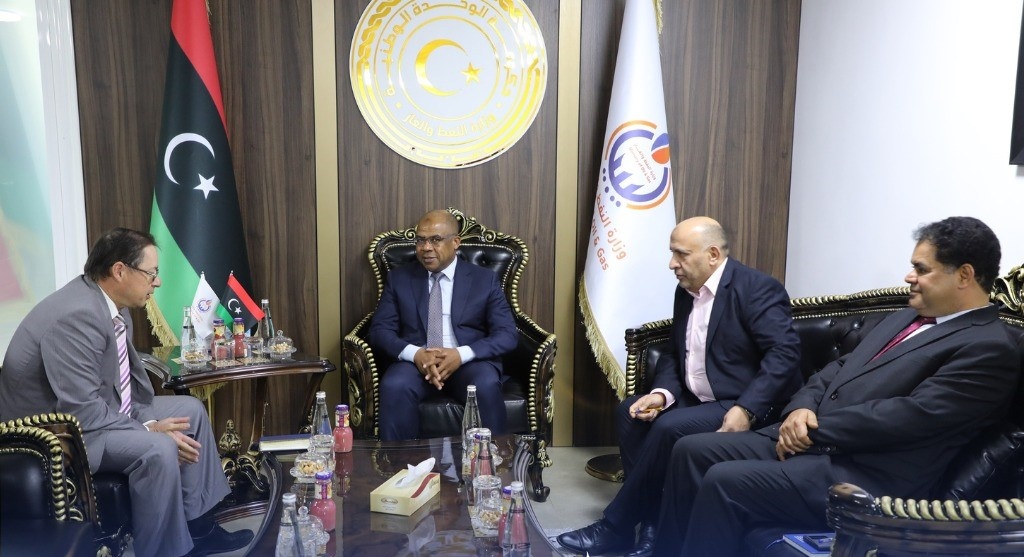
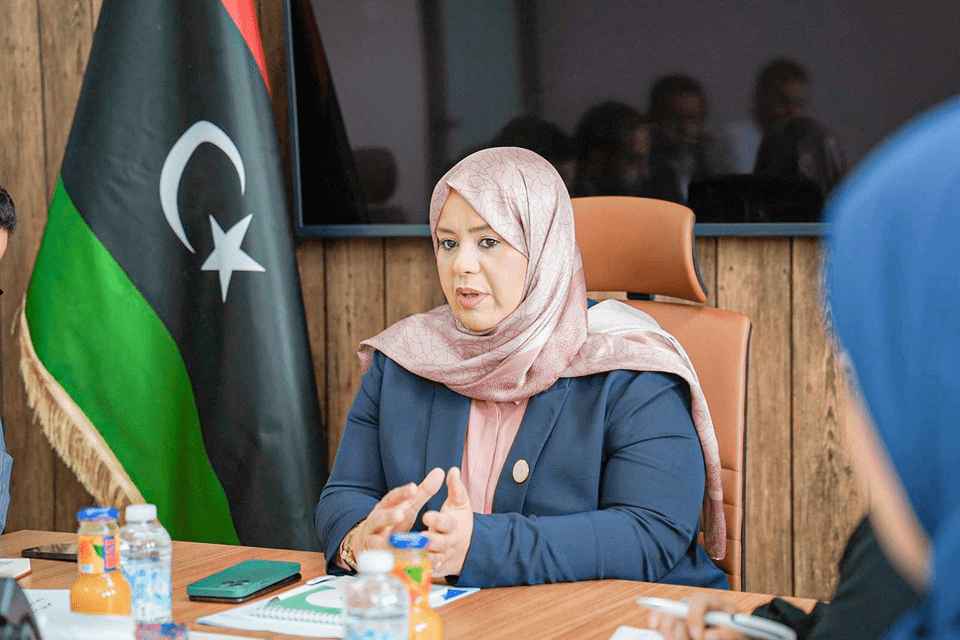
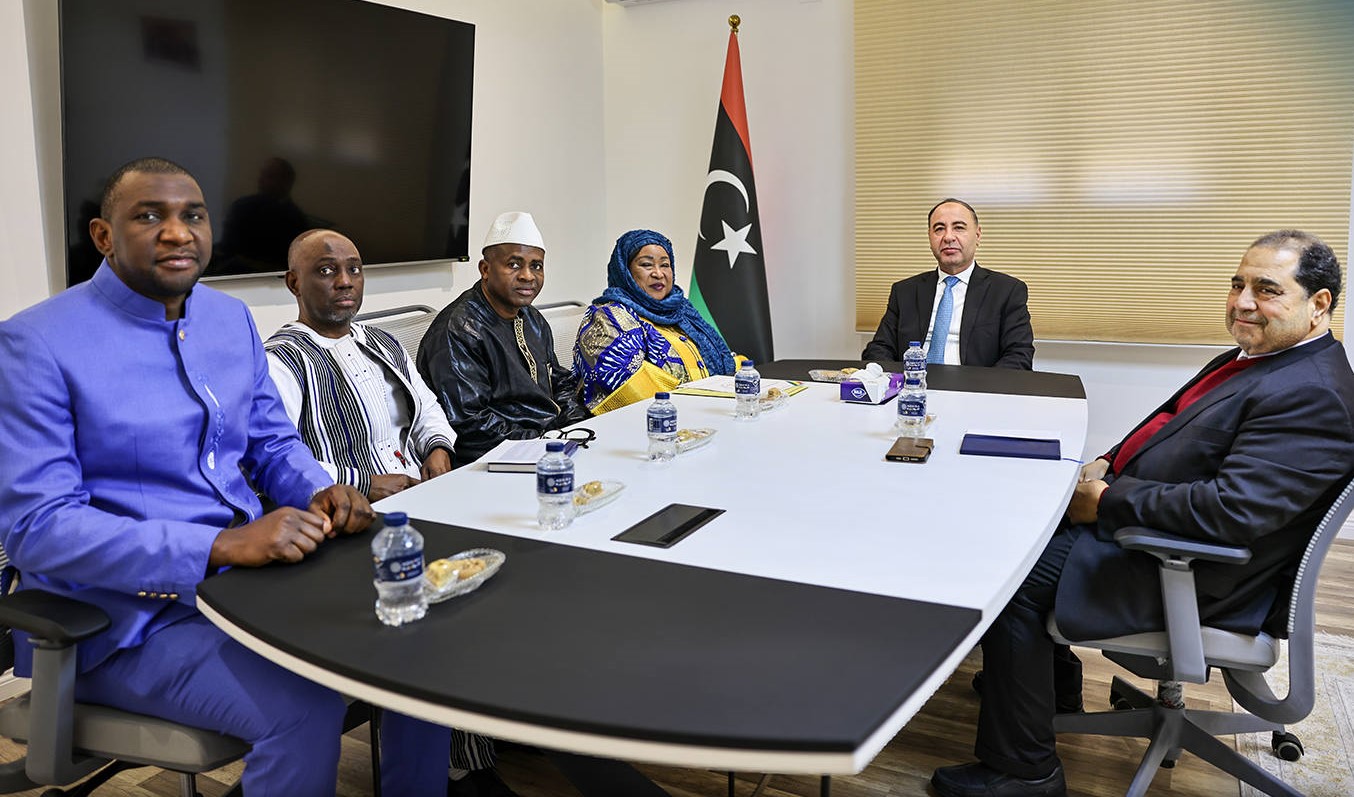
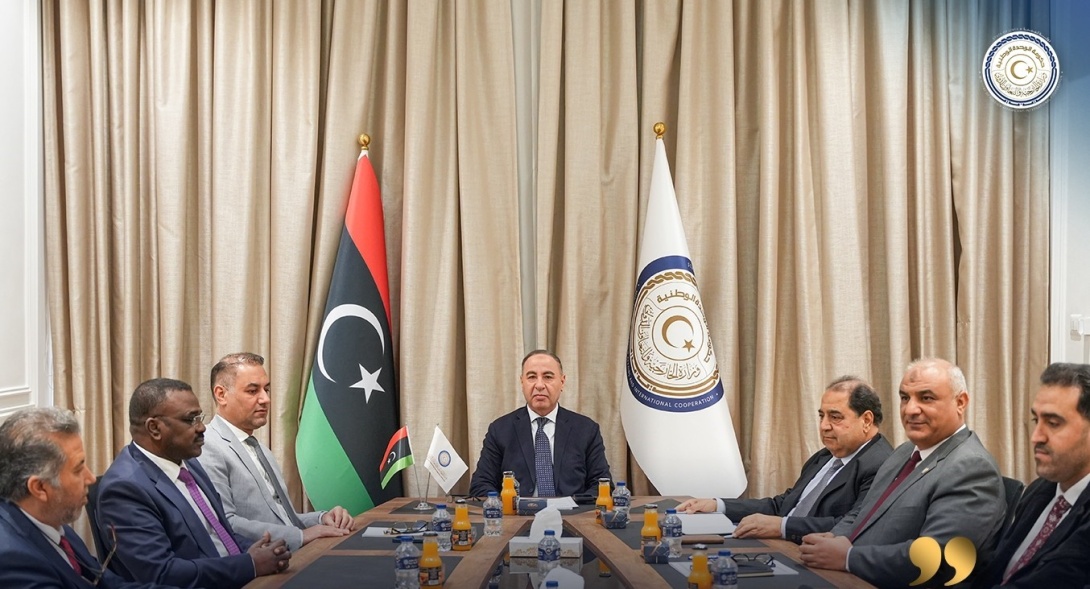
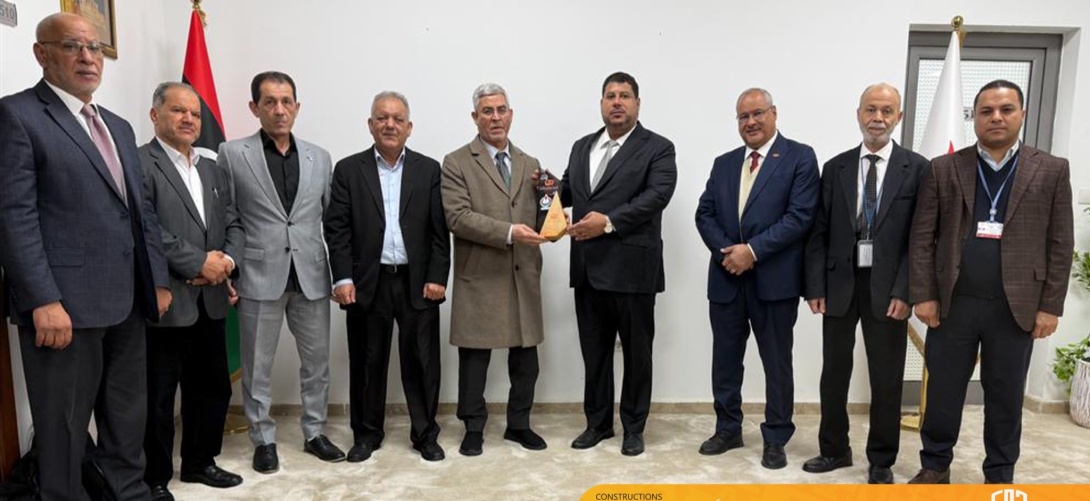
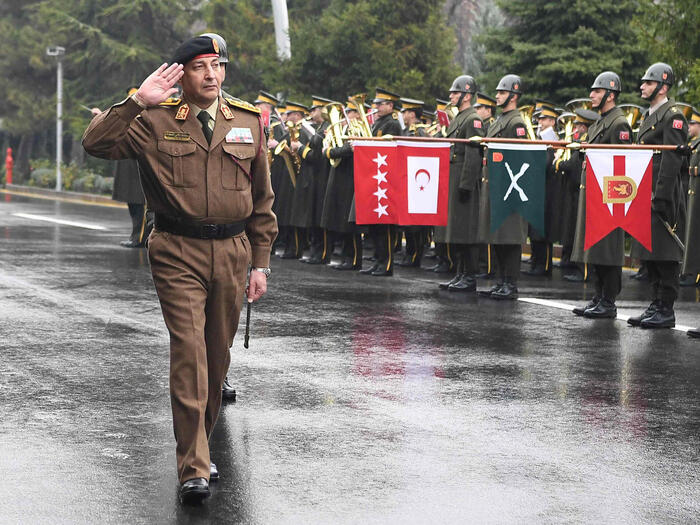
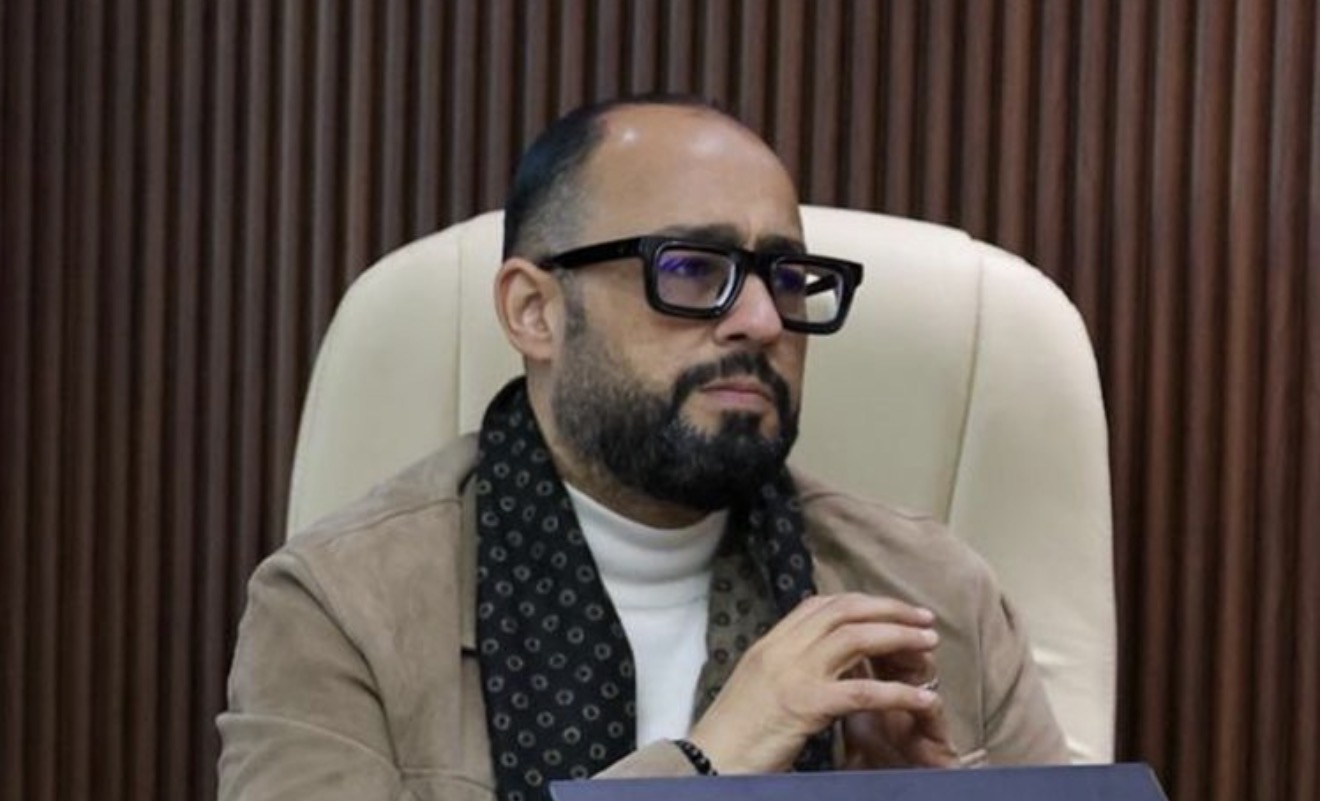
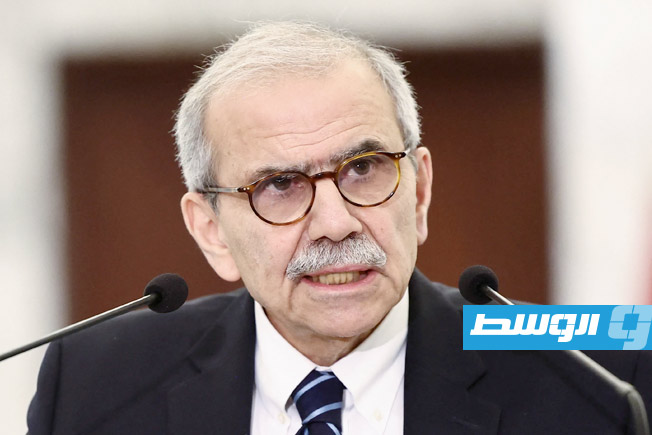
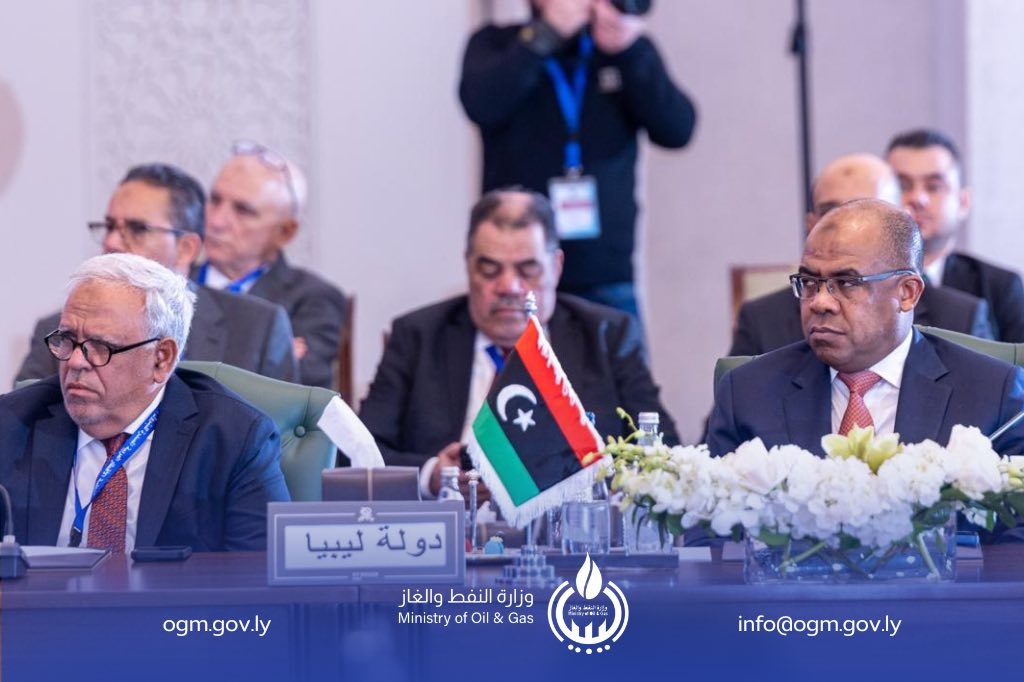
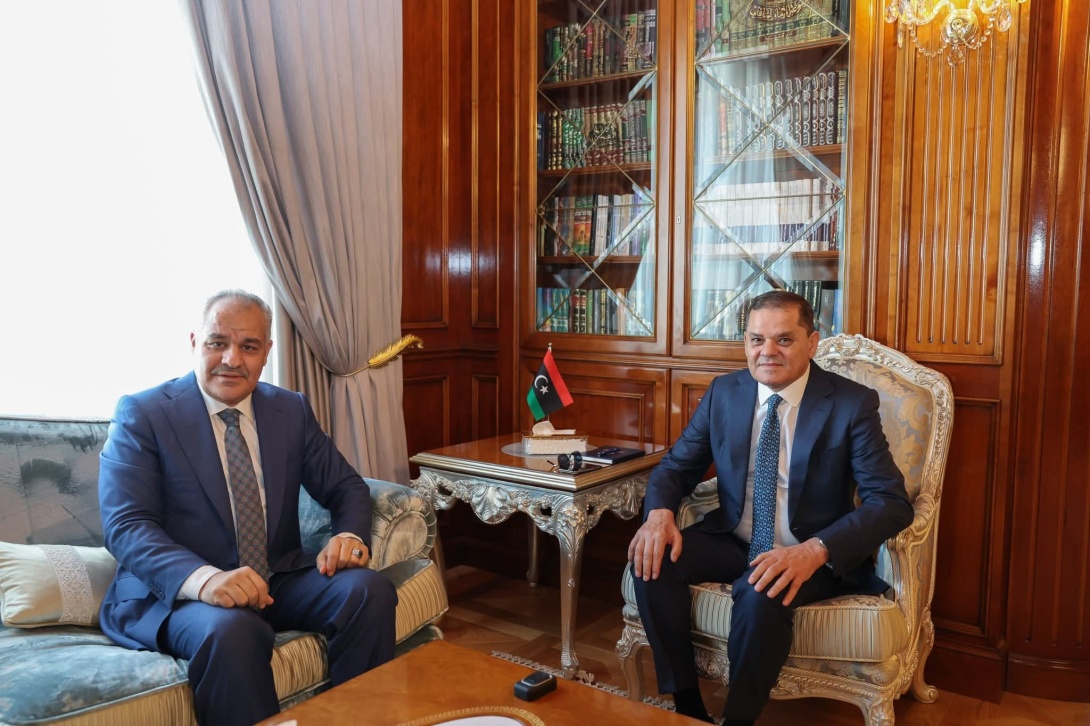
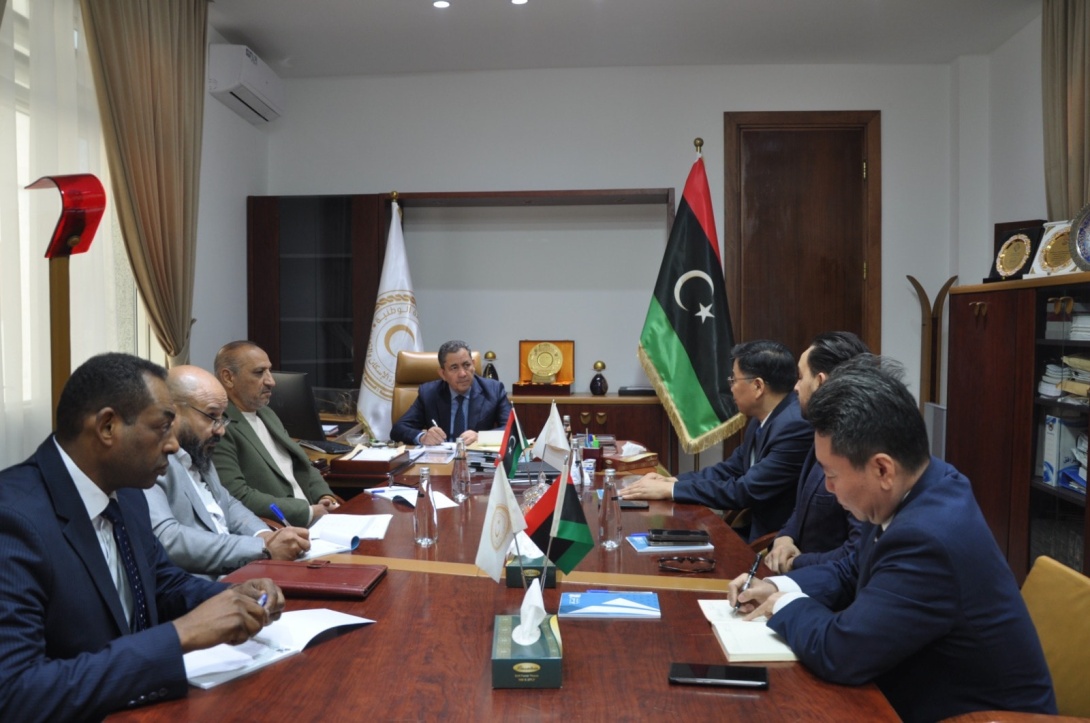
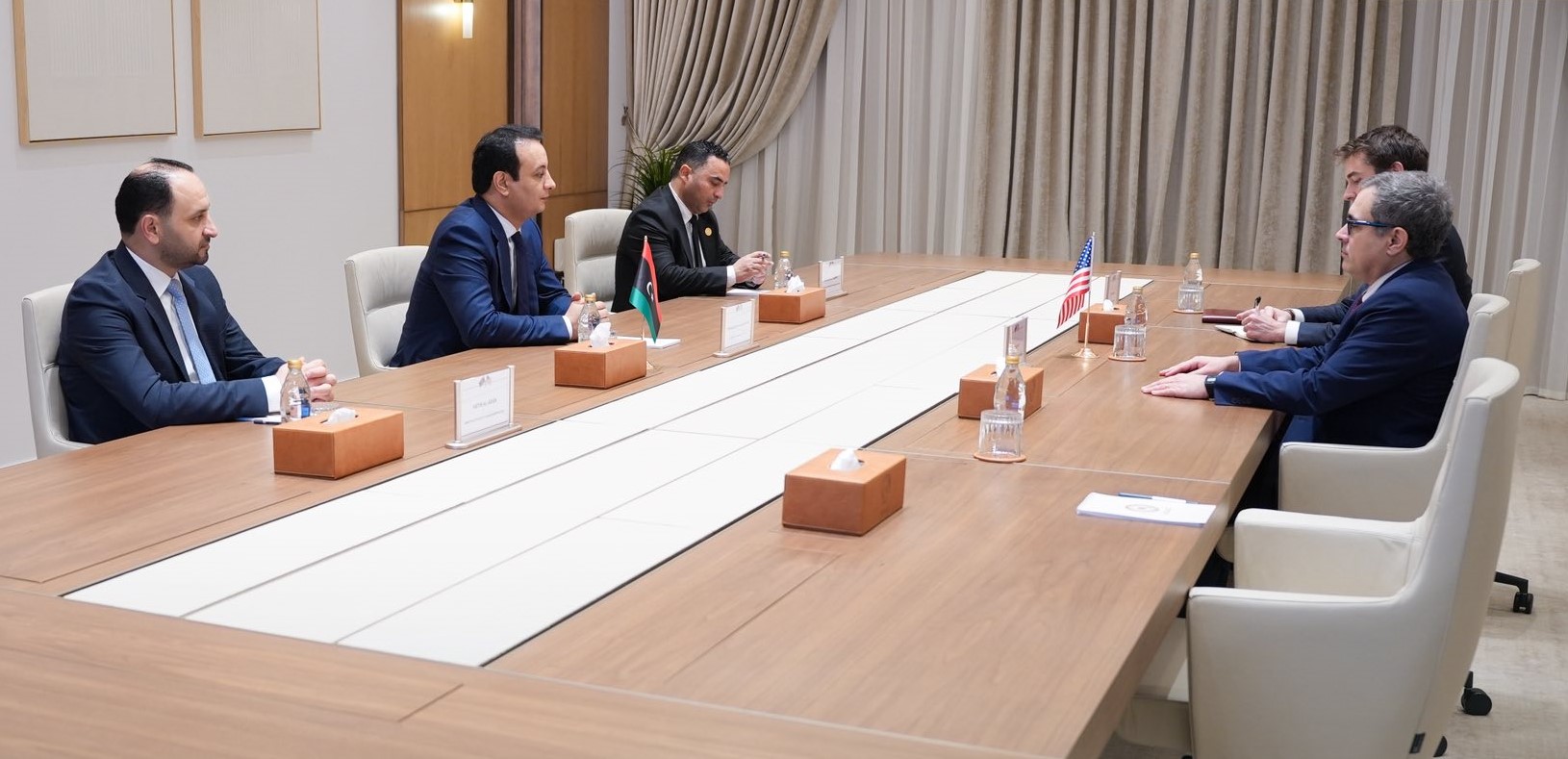
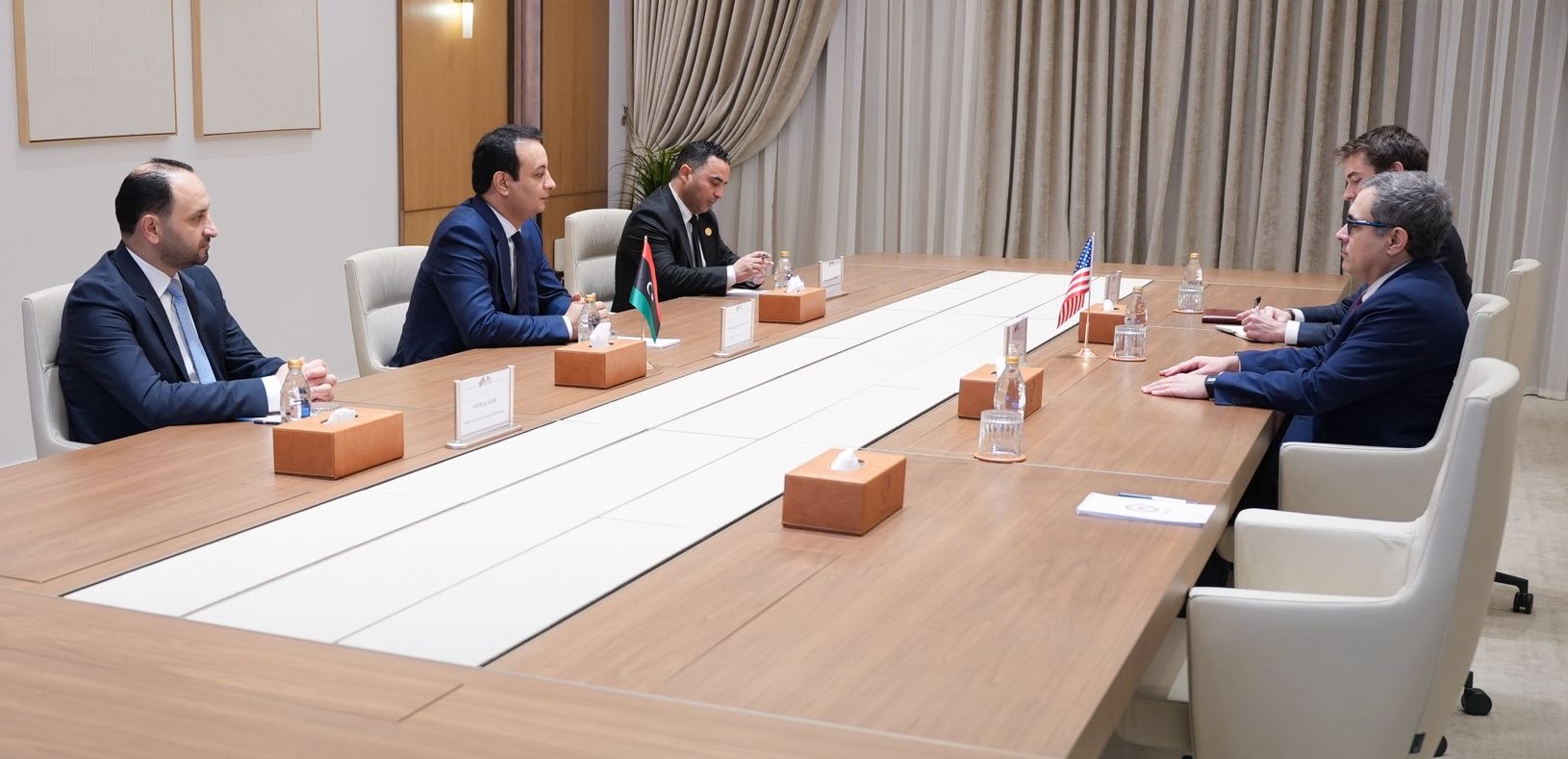
Addis Ababa, February 11, 2026 – The Acting Minister of Foreign Affairs and International Cooperation of the Government of National Unity discussed with the Chairperson of the African Union Commission the priorities of African work and preparations for the African-Turkish Summit in Tripoli this year.
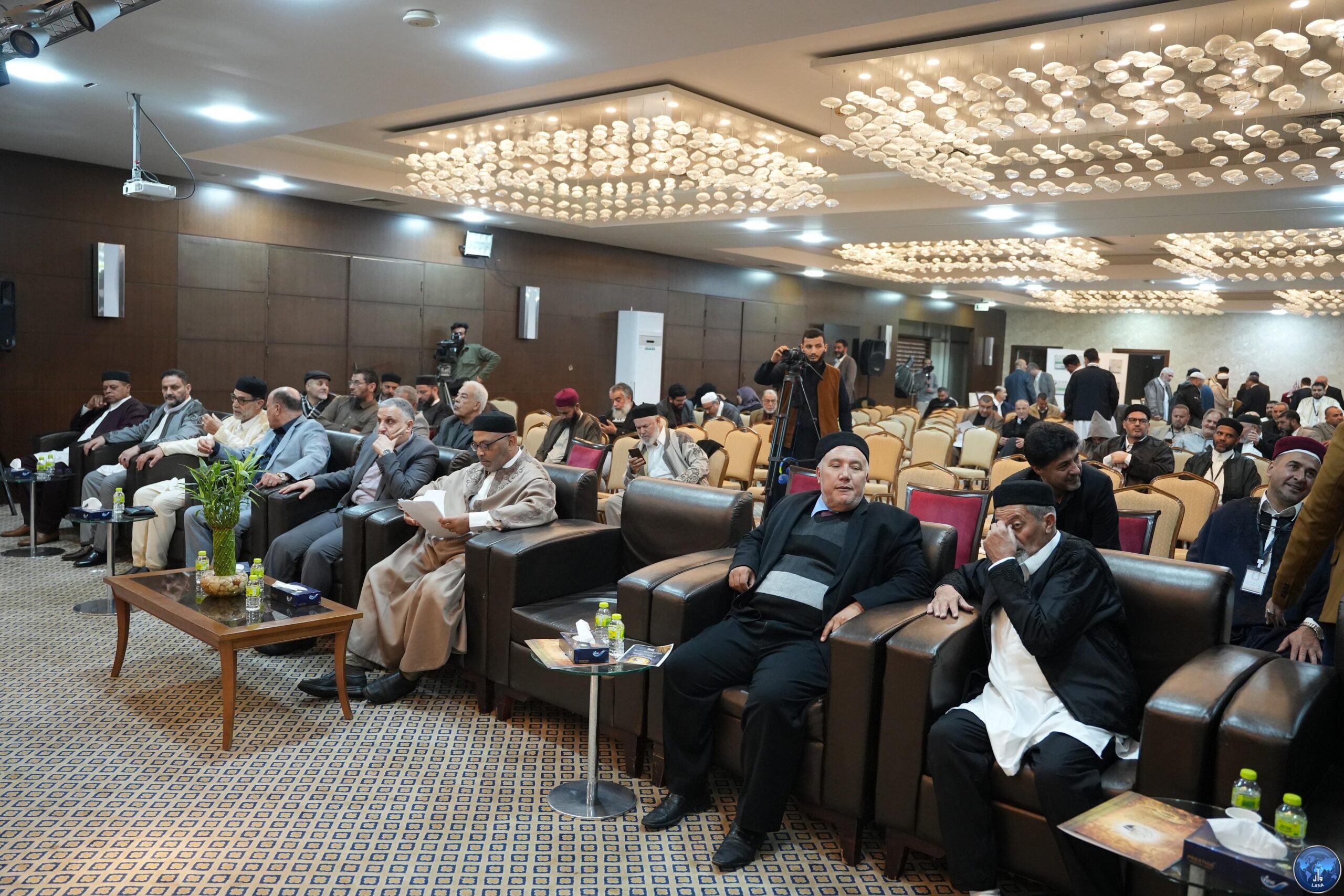
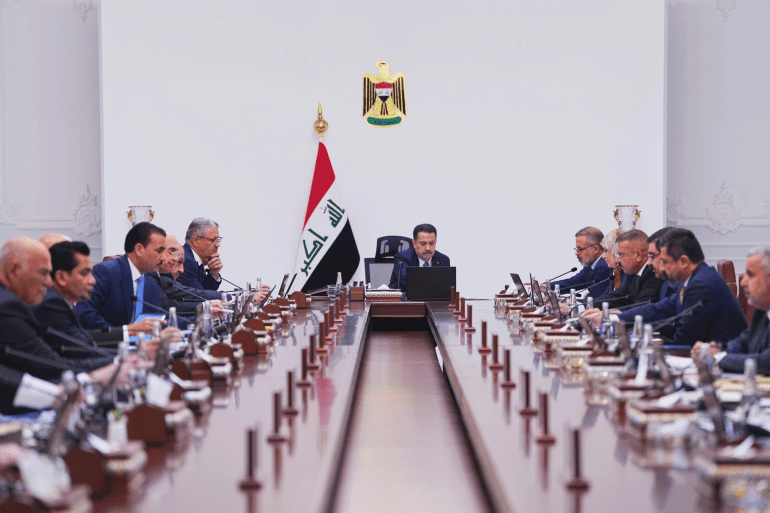
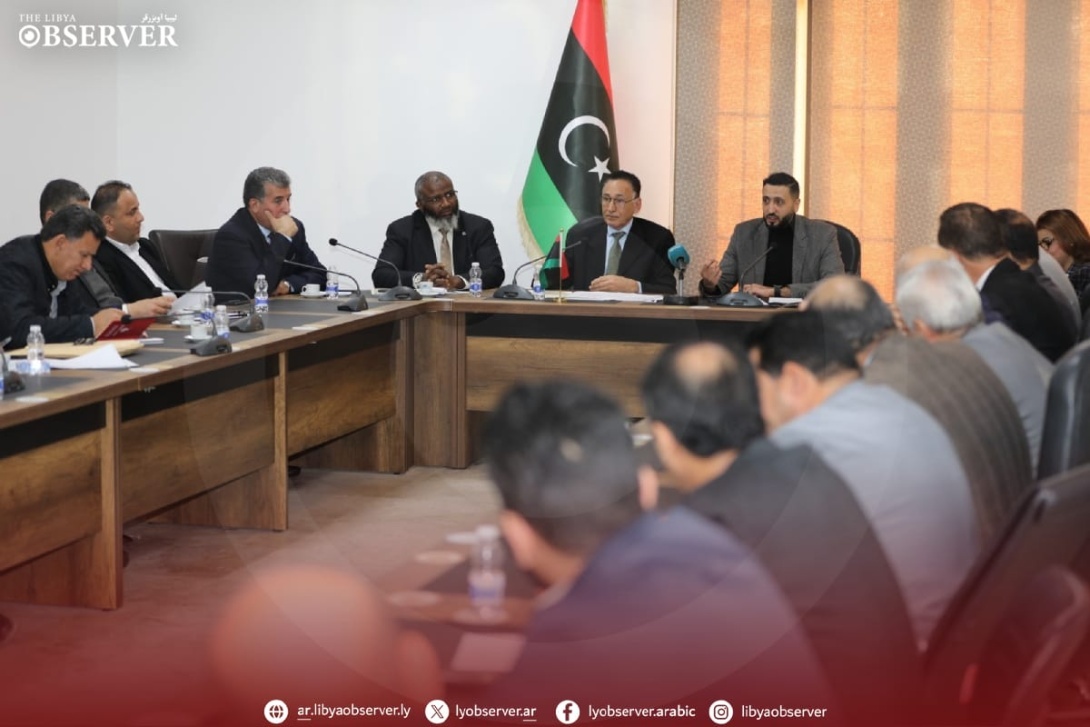
The meeting, held on the sidelines of the 48th session of the Executive Council in Addis Ababa, addressed the priorities of African work, topics on the Council’s agenda, and ways to enhance coordination between Libya and the Commission on issues of mutual interest.
Both sides emphasized the importance of supporting national reconciliation efforts in Libya and continuing to support upcoming milestones.
The Acting Minister reaffirmed Libya’s keenness to strengthen its presence in the Union’s institutions, contribute effectively to supporting joint African work, and work to accelerate the opening of the African Union office in Tripoli.
Addis Ababa
Addis Ababa is the capital and largest city of Ethiopia, founded in 1886 by Emperor Menelik II. It serves as the political and diplomatic center of Africa, hosting the headquarters of the African Union and the United Nations Economic Commission for Africa.
African Union Commission
The African Union Commission serves as the executive and administrative body of the African Union, headquartered in Addis Ababa, Ethiopia. It was officially launched in 2002 as a successor to the Secretariat of the Organization of African Unity, which was founded in 1963 to promote unity and solidarity among African states. The Commission implements the decisions and policies of the AU, coordinating the organization’s activities and representing its interests.
Tripoli
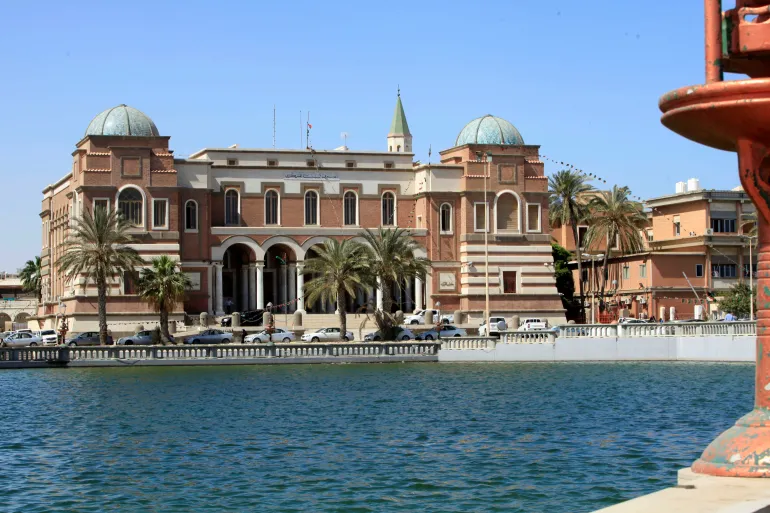
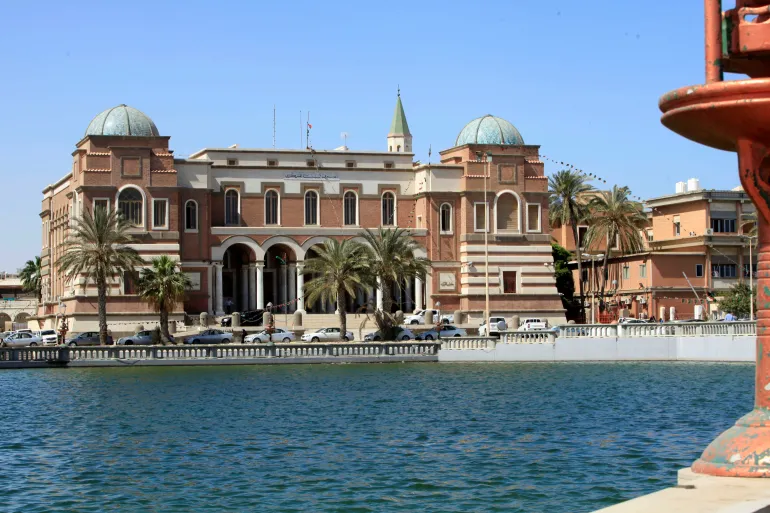
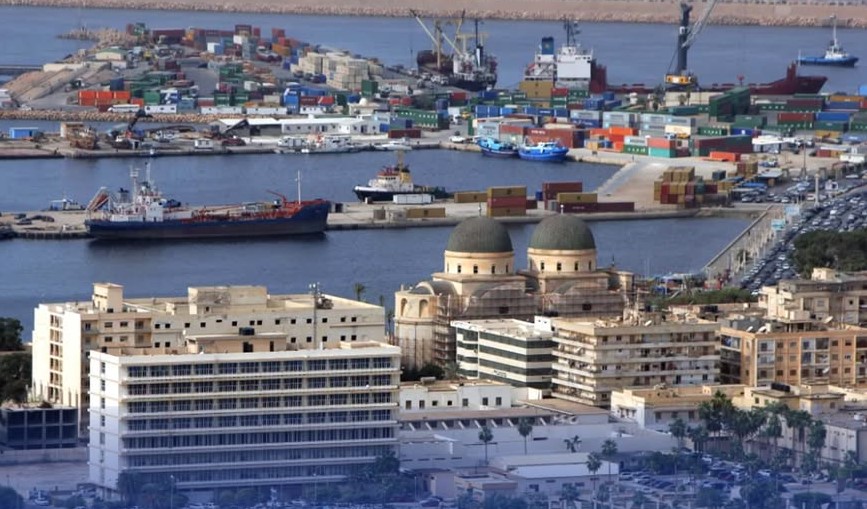
Tripoli is the capital and largest city of Libya, with a history dating back to the 7th century BC when it was founded by the Phoenicians. It later became a significant part of the Roman Empire, the Ottoman Empire, and an Italian colony, which is reflected in its diverse architecture in the old medina. Today, it serves as the country’s major political, economic, and cultural center.
Executive Council
The Executive Council is a key governmental body in certain political systems, such as in Hong Kong, where it advises the Chief Executive on policy matters and important administrative decisions. Historically, its role and composition have evolved, particularly following Hong Kong’s handover from British to Chinese sovereignty in 1997, reflecting the region’s unique constitutional framework.
Libya
Libya is a North African country with a rich history rooted in ancient civilizations like the Phoenicians and Romans, followed by centuries of Arab and Ottoman influence. In the modern era, it was an Italian colony before gaining independence in 1951, later becoming known for Muammar Gaddafi’s lengthy rule from 1969 until the 2011 revolution. The country is home to UNESCO World Heritage sites, such as the ruins of Leptis Magna, which testify to its significant historical legacy.
African Union
The African Union (AU) is a continental union of 55 member states, established in 2002 to replace the Organization of African Unity (OAU) founded in 1963. Its primary aims are to promote unity, peace, and socio-economic development across Africa, while addressing political and security challenges through bodies like the Pan-African Parliament and the Peace and Security Council.