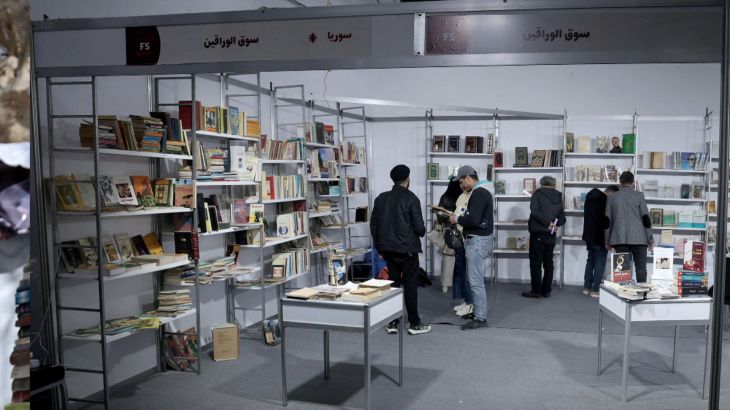
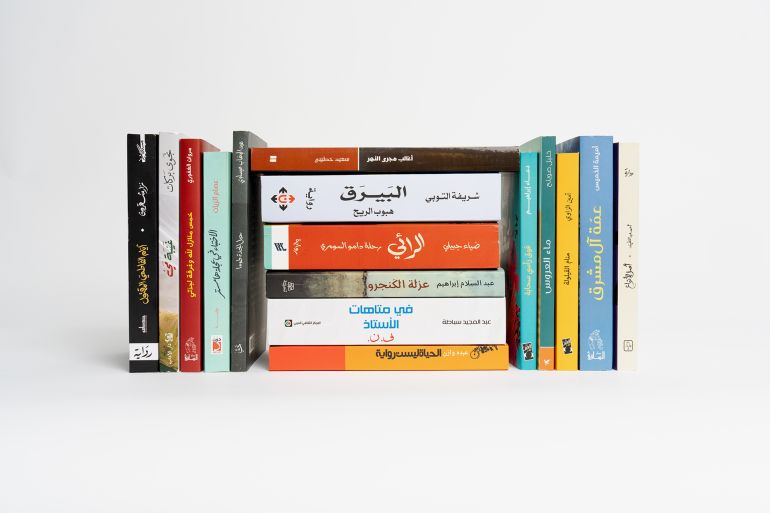
The Damascus International Book Fair, in its special edition—the first held after the fall of the Al-Assad regime under the slogan “A History We Write… A History We Read”—witnessed a notable presence of used book sellers known as the ‘Warraqin’.
The profession of the ‘Warraq’, which the fair embraced this year, is a traditional craft deeply rooted in history since the Abbasid era. It was associated with copying manuscripts, correcting them, binding them, and trading them. This profession continues to adapt to the modern age, preserving its role in spreading knowledge and reviving heritage.
A used book seller in the Jisr al-Hurriyah area of Damascus stated that their participation in the fair represents an opportunity to display their books alongside major publishing houses, which enhances the presence of used books and brings them closer to a wider audience.
He pointed out that old and rare books attract a segment of readers searching for specific editions, while the reduced prices of used books provide strong competition for new books, especially since some editions are only available from the ‘Warraqin’.
He added that the former regime had removed his bookstall under Jisr al-Hurriyah with bulldozers, while the fair today provides him with an opportunity to participate in an international event, encouraging him to continue his profession and provide books at suitable prices for youth and readers from various backgrounds.
A New Generation of Warraqin
One of the participants in the ‘Warraqin Market’ within the fair explained that the idea for participation came after the fair’s management contacted used book sellers online and around the Sulaymaniyah Takiyya. This allowed them to reach a local and international audience, particularly from Gulf countries, giving this pavilion added value.
He indicated that prices vary according to the type and rarity of the book, and that some sought-after old editions are not available in traditional publishing houses.
Visitors considered the presence of the ‘Warraqin’ inside the fair a positive step, allowing readers to buy books at suitable prices and find rare editions they have long searched for.
It is worth mentioning that the activities of the Damascus International Book Fair in its special edition continue until the 16th of this February, with the participation of about 500 publishing houses and cultural institutions from 35 countries. It is being held for the first time at the Damascus Exhibition City, instead of its traditional location at the National Library, which witnessed the launch of the fair’s first edition in 1985.
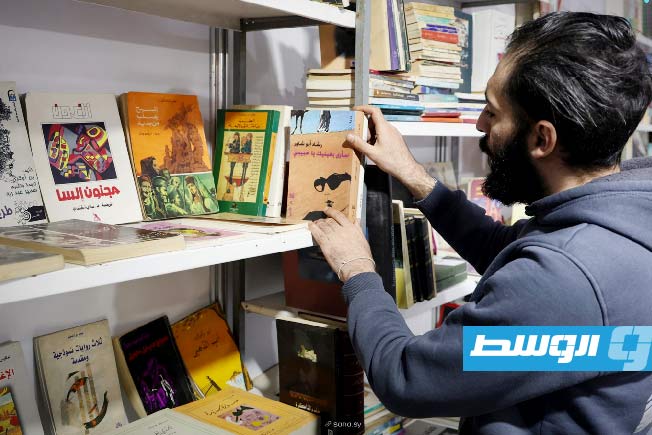
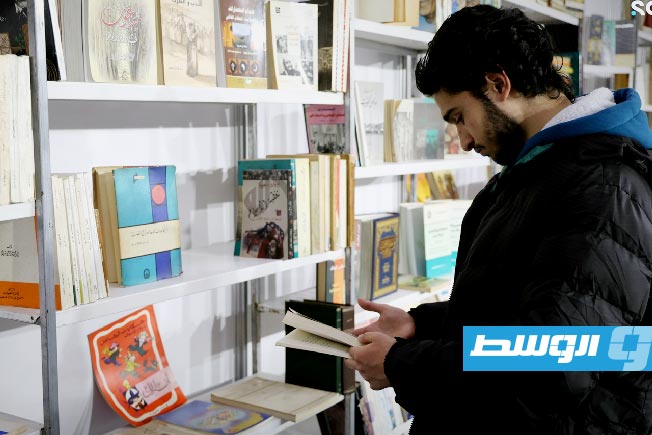
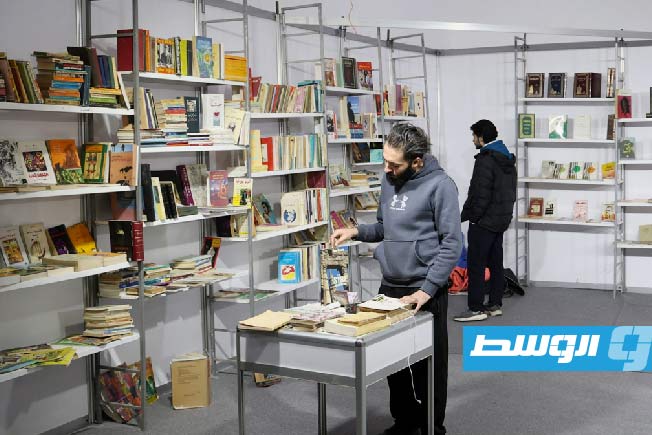
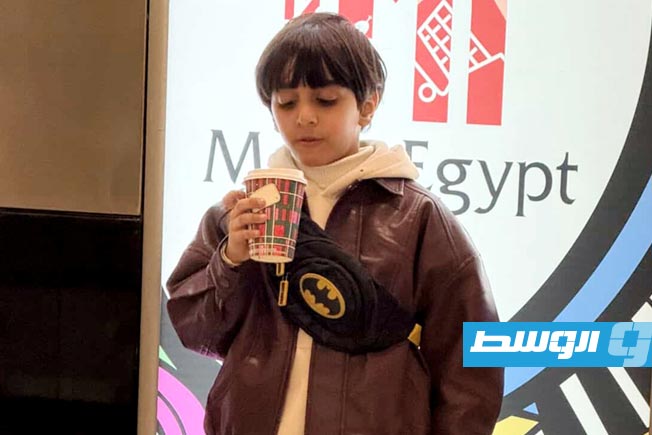
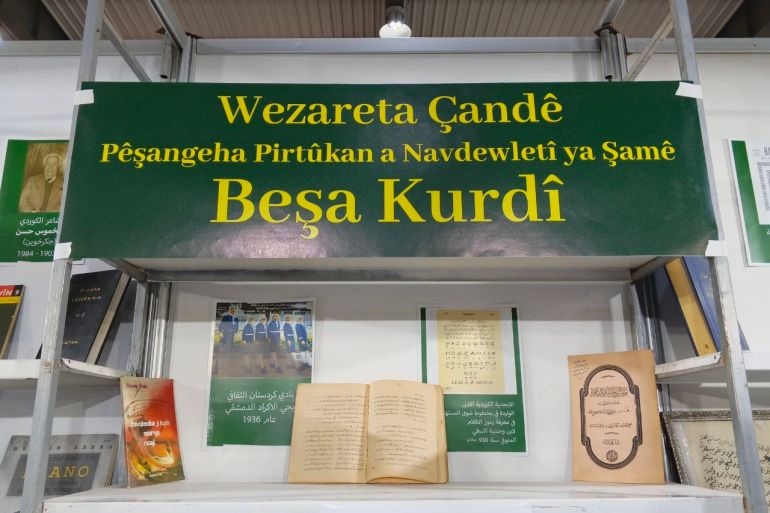
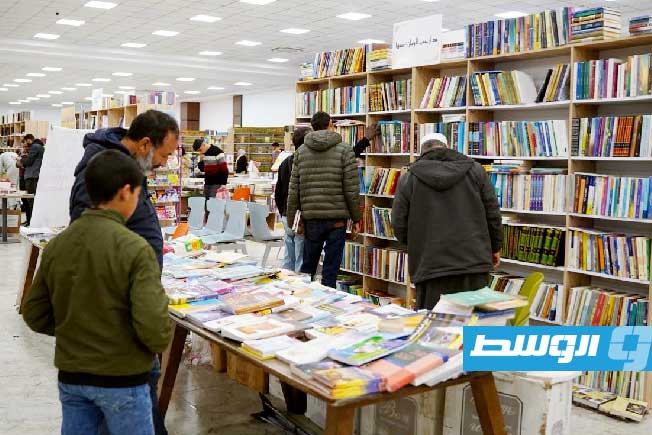
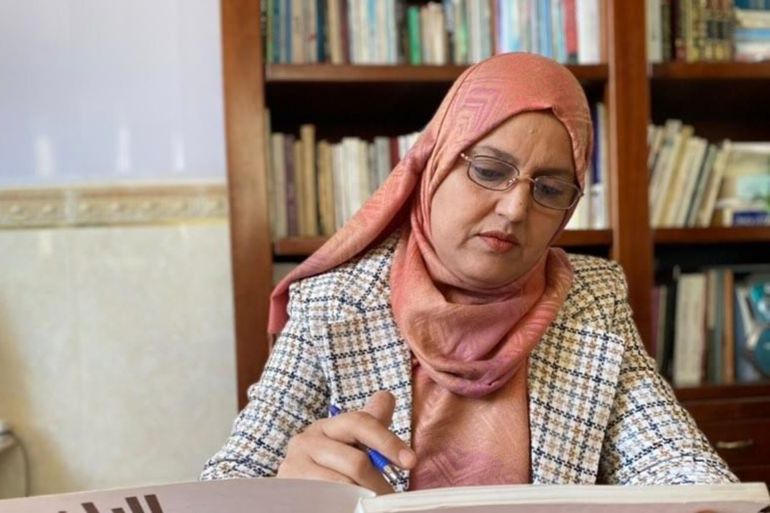
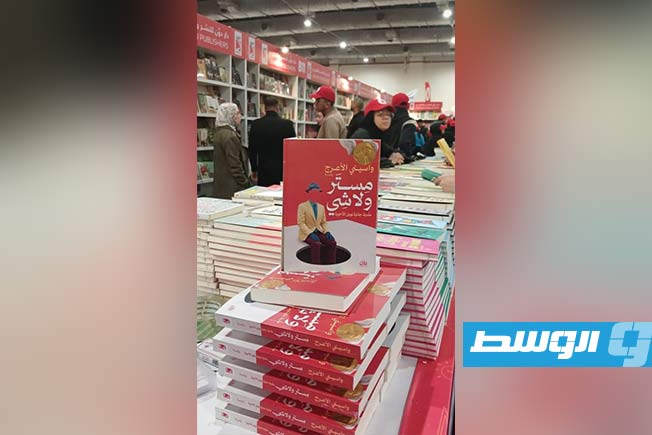
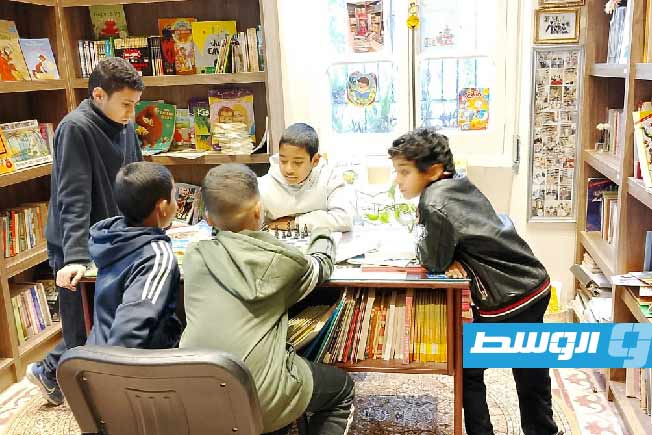
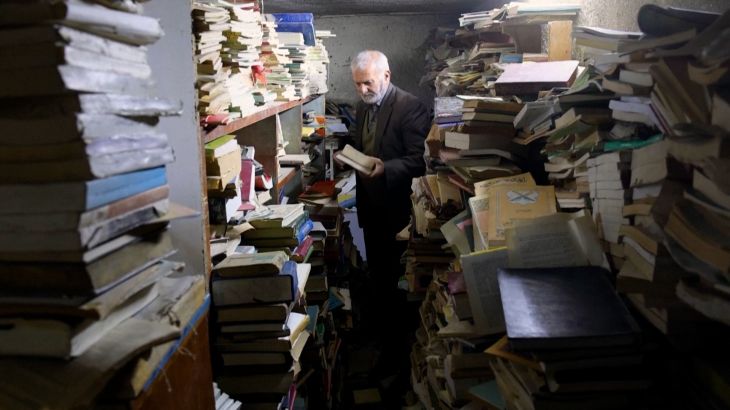
A visitor at the used book sellers ‘Warraqin’ pavilion at the Damascus International Book Fair 2026.
Damascus International Book Fair
The Damascus International Book Fair is an annual cultural event in Syria, first launched in 2004, that serves as a major regional hub for publishers, authors, and readers. Historically, it has aimed to promote literary culture and intellectual exchange, though its operations have been significantly impacted by the ongoing Syrian conflict.
Al-Assad regime
The Al-Assad regime refers to the authoritarian government of Syria led by the Assad family since 1970, when Hafez al-Assad seized power in a coup. It has maintained control through a dominant military and security apparatus, with rule passing to his son, Bashar al-Assad, in 2000, a period marked by the ongoing Syrian Civil War that began in 2011.
Warraqin
Warraqin is a historic neighborhood located in the northern part of Cairo, Egypt, traditionally known as an industrial and commercial area. Its history is deeply tied to the Nile, as it was once a major hub for pottery production and river transportation.
Abbasid era
The Abbasid era was a major Islamic caliphate that ruled from 750 to 1258 CE, renowned for moving the empire’s capital to Baghdad and ushering in a golden age of science, culture, and commerce. This period saw significant advancements in fields like mathematics, astronomy, and philosophy, heavily influenced by the translation of classical Greek and Persian works. Its political power gradually fragmented before ending with the Mongol sack of Baghdad.
Jisr al-Hurriyah
Jisr al-Hurriyah, commonly known as the Freedom Bridge, is a major bridge spanning the Tigris River in Baghdad, Iraq. It was originally constructed in the 1950s and has since been a vital transportation link and a witness to significant historical events in the city, including conflicts and periods of change. The bridge’s name, meaning “Freedom,” reflects its symbolic importance in the modern history of Iraq.
Damascus
Damascus is the capital of Syria and one of the oldest continuously inhabited cities in the world, with a history spanning over 11,000 years. It has been a major cultural and commercial center, ruled by various empires including the Aramaeans, Romans, and Umayyads, who established it as the capital of the Islamic Caliphate in the 7th century. The city’s historic center, a UNESCO World Heritage Site, is renowned for landmarks like the Umayyad Mosque and the ancient Al-Hamidiyah Souq.
444 Combat Brigade
The 444 Combat Brigade is a unit of the Ukrainian Ground Forces, formed in 2022 during the full-scale Russian invasion of Ukraine. It is primarily composed of volunteer soldiers and has been actively involved in defensive operations in eastern Ukraine.
Syria
Syria is a country in the Middle East with a profound history as a cradle of ancient civilizations, including the influential city-states of Ebla and Ugarit and the later Roman ruins at Palmyra. Its rich cultural heritage encompasses historic mosques, crusader castles, and ancient souks, though many sites have suffered severe damage during the ongoing Syrian Civil War.
Damascus Gate
The Damascus Gate is the largest and most ornate entrance to Jerusalem’s Old City, built in its current form by the Ottoman Sultan Suleiman the Magnificent in 1538. It stands atop the remains of earlier Roman and Crusader-era gates, serving as a key northern passageway and a vibrant hub of commerce and activity for centuries.
Qatari
Qatar is a sovereign country located on the northeastern coast of the Arabian Peninsula. Historically, its economy was based on pearling and fishing before the discovery of oil and natural gas in the mid-20th century transformed it into one of the world’s wealthiest nations. Culturally, it is known for sites like the Museum of Islamic Art in Doha and its preservation of Bedouin traditions.
Sulaymaniyah Takiyya
The Sulaymaniyah Takiyya is a historic religious complex in Damascus, Syria, built between 1554 and 1560 under the Ottoman Sultan Süleyman the Magnificent. It originally functioned as a Sufi lodge and charitable institution, featuring a mosque, a soup kitchen, and a school.
Gulf countries
The Gulf countries, also known as the Gulf Cooperation Council (GCC) states, are a group of six Arab nations—Saudi Arabia, the United Arab Emirates, Qatar, Kuwait, Oman, and Bahrain—bordering the Persian Gulf. Historically, their economies were based on fishing, pearling, and trade, but the discovery of vast oil reserves in the 20th century transformed them into globally significant energy exporters and modern, wealthy states.
Damascus Exhibition City
Damascus Exhibition City is a major exhibition and conference center located in the Syrian capital, which first opened in 2004. It was designed to host international trade fairs, cultural events, and diplomatic gatherings, serving as a modern hub for commerce and exchange in the region.
National Library
The National Library is a major public institution dedicated to preserving a nation’s published heritage and providing access to knowledge. Its history often dates back centuries, originating from royal or state collections, and it typically holds legal deposit status, requiring publishers to submit copies of all published works. As a cornerstone of national culture, it serves as both a vast research archive and a public resource for citizens.