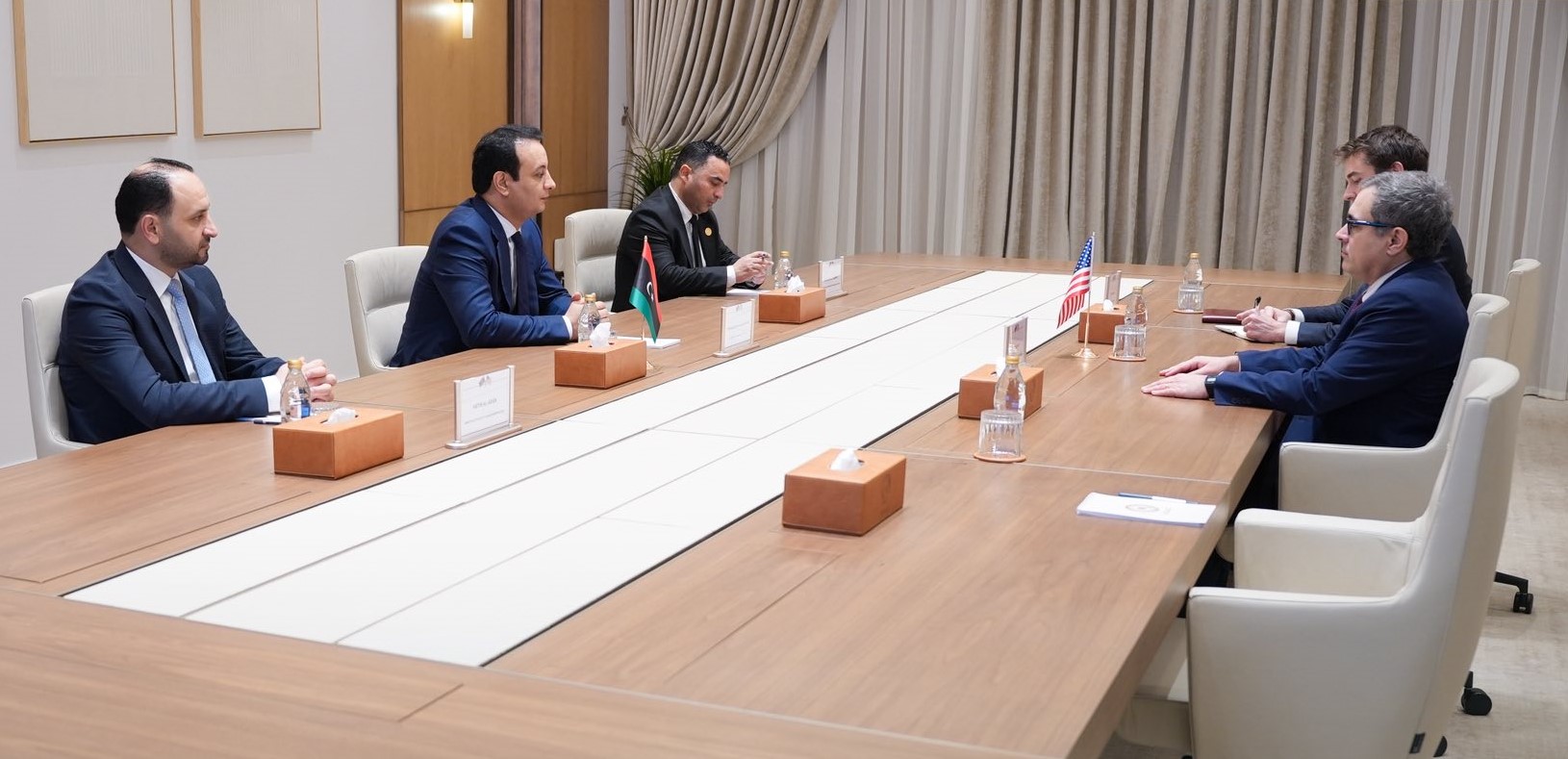
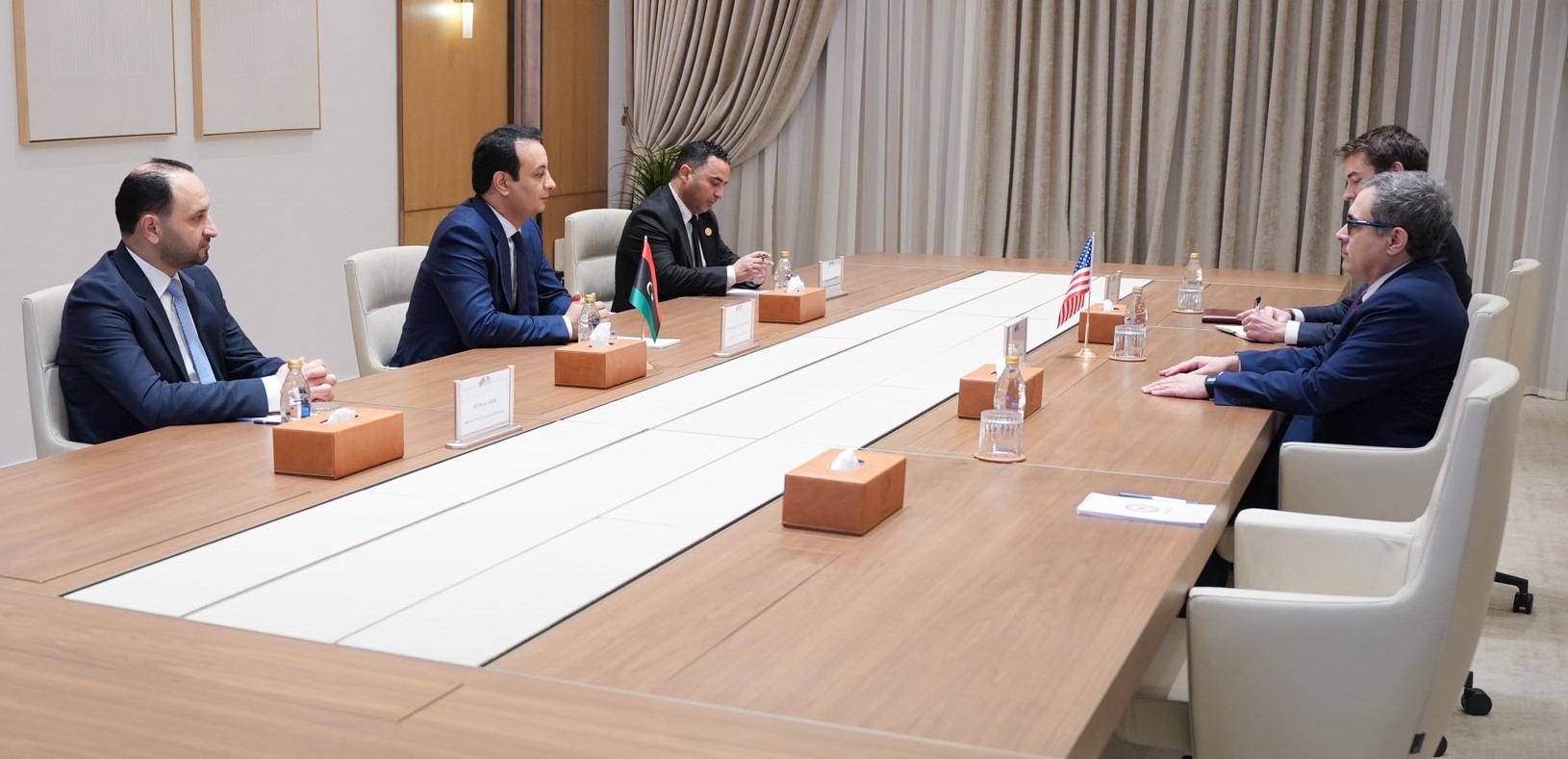
Kuwait, February 11, 2026 — The participating countries in the 52nd meeting of the Regional Committee for the Middle East of the United Nations World Tourism Organization unanimously voted to select Libya to host the sessions of the 53rd meeting of the Regional Committee for the Middle East.
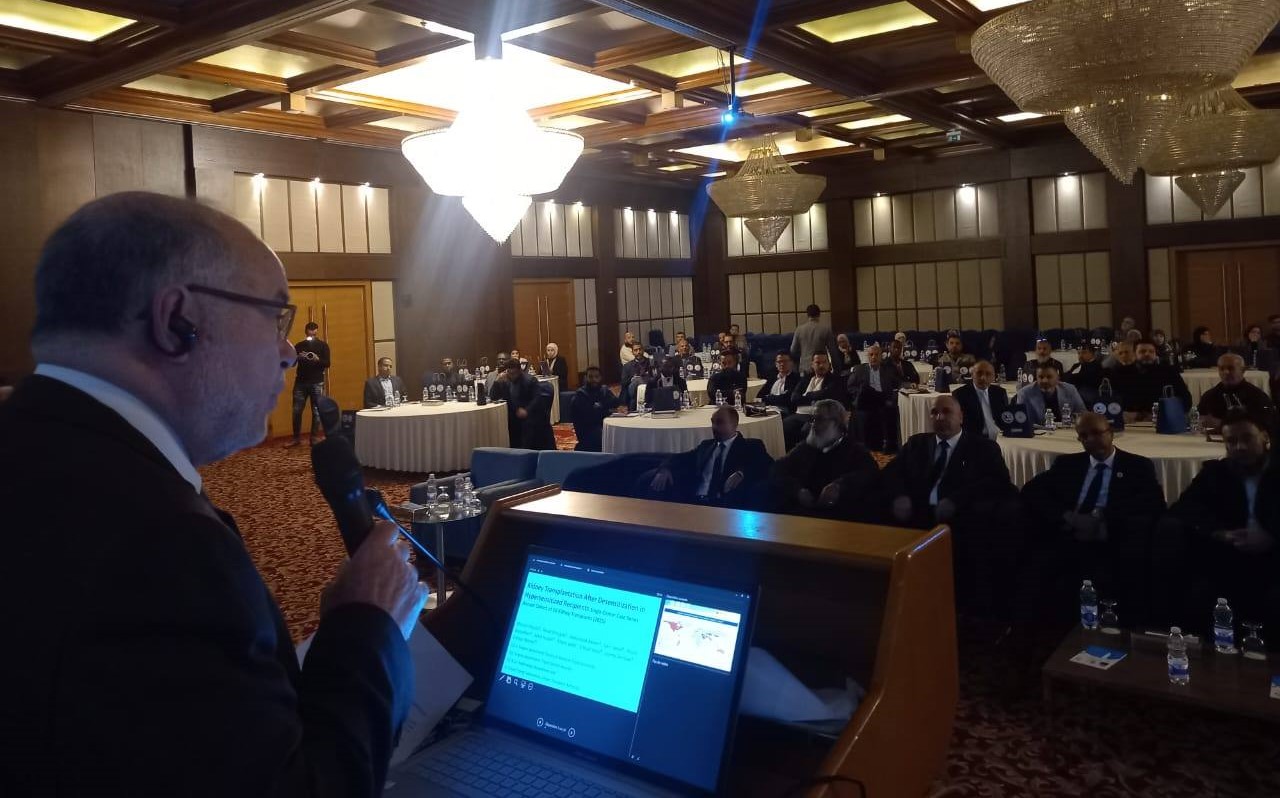
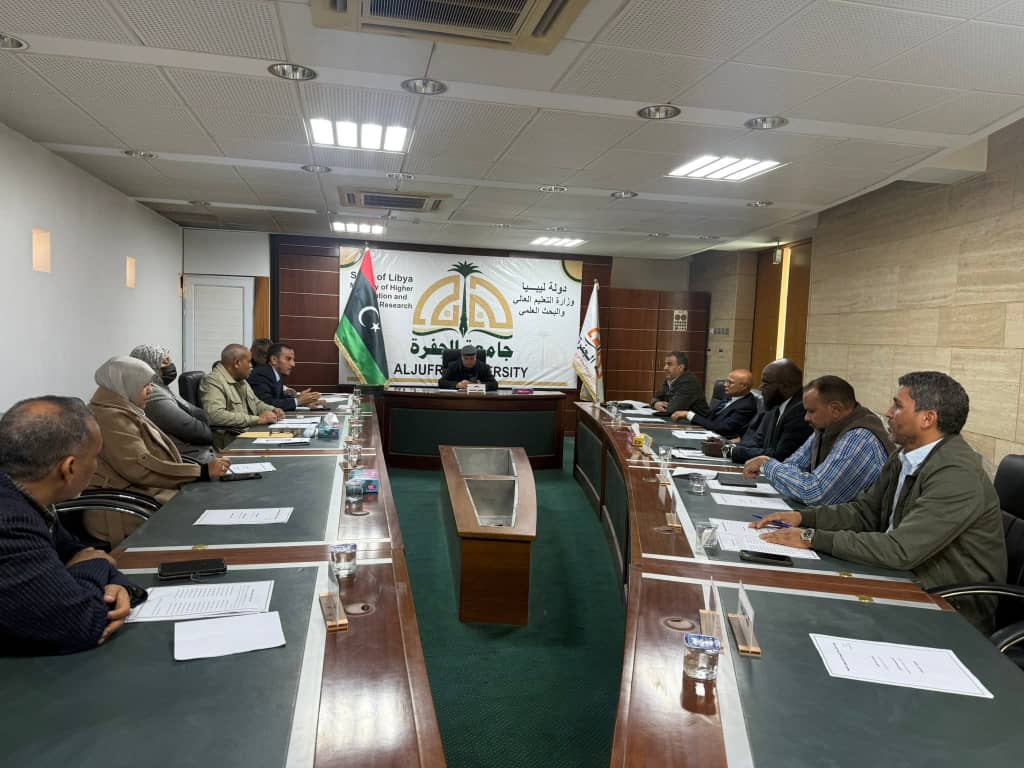
This occurred during the periodic meeting of the Regional Committee, hosted by the State of Kuwait on Wednesday, with the attendance of a number of tourism ministers from member states, alongside the Secretary-General of the Gulf Cooperation Council, and with the participation of representatives from the United Nations World Tourism Organization.
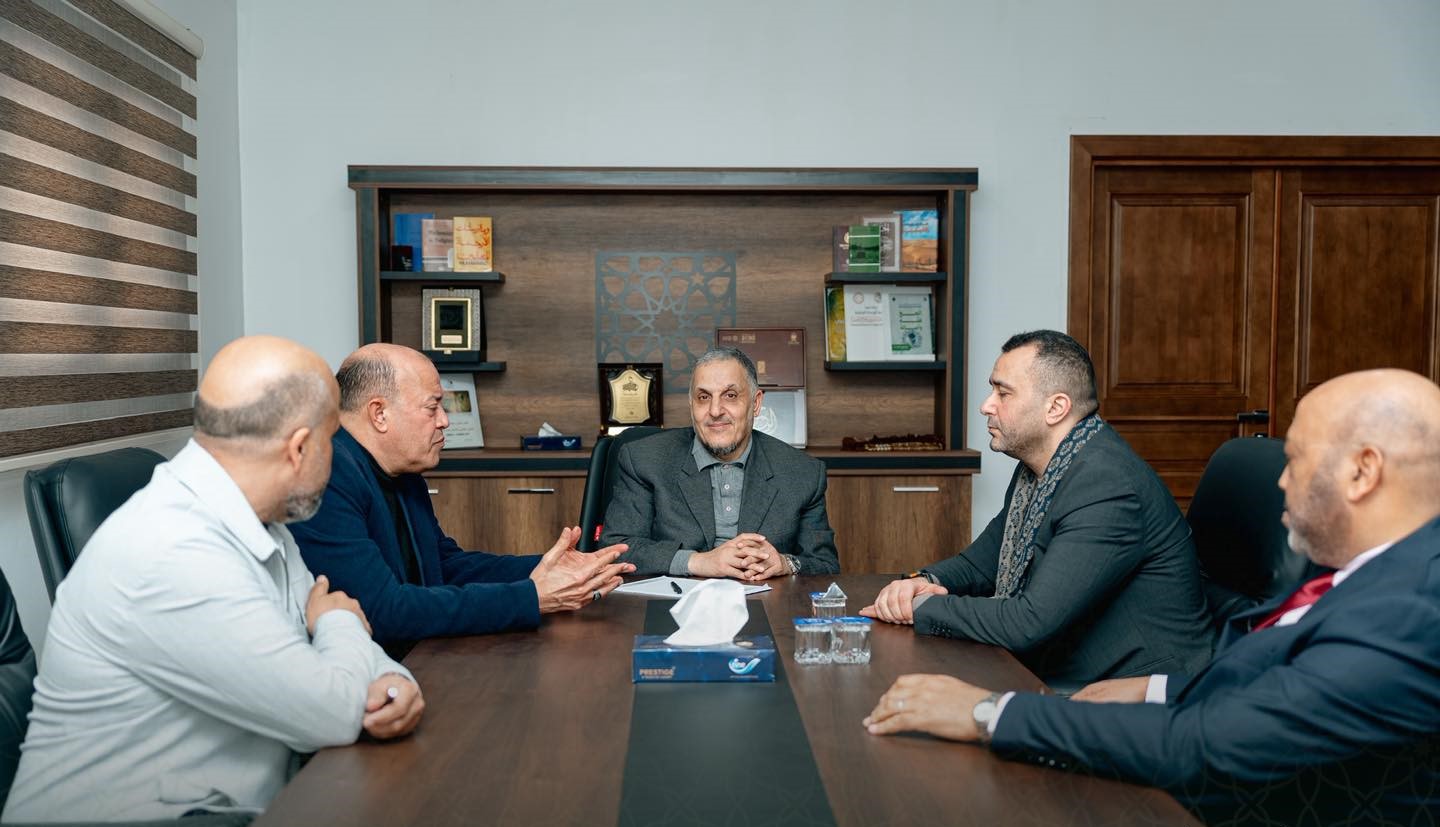
The Ministry of Tourism and Traditional Industries of the Government of National Unity considered this unanimous vote for Libya to host this international meeting as a culmination of the efforts of the Libyan delegation participating in the meeting, led by the Minister of Tourism, and the presentation it delivered reflecting the development of the Libyan tourism sector, convincing participants of Libya’s right to host this meeting and its capability to host regional and international events.
On this occasion, the Minister of Tourism expressed his thanks and appreciation to the Government of National Unity for its continuous support to the tourism sector within the “Return of Life” project, stressing that this vote reflects the enhancement of Libya’s status and presence on both regional and international levels, and aligns with positive indicators of tourism recovery in Libya and the return of international confidence in its organizational and institutional capacity.
He confirmed that this selection is an important step towards restoring Libya’s position on the regional tourism map and supporting efforts for openness and integration with its Arab and international surroundings.
Kuwait
Kuwait is a sovereign Arab state located at the head of the Persian Gulf, historically established as a sheikhdom in the 18th century by clans from the Arabian interior. Its modern history was shaped by the discovery of oil in the 1930s, which transformed it into a wealthy nation, and it regained full sovereignty in 1991 after liberation from a seven-month Iraqi occupation.
Libya
Libya is a North African country with a rich history rooted in ancient civilizations like the Phoenicians and Romans, followed by centuries of Arab and Ottoman influence. In the modern era, it was an Italian colony before gaining independence in 1951, later becoming known for Muammar Gaddafi’s lengthy rule from 1969 until the 2011 revolution. The country is home to UNESCO World Heritage sites, such as the ancient Greek city of Cyrene and the Roman ruins of Leptis Magna.
United Nations World Tourism Organization
The United Nations World Tourism Organization (UNWTO) is a specialized agency of the United Nations established in 1975 to promote responsible, sustainable, and universally accessible tourism. It originated from the International Union of Official Travel Organizations (IUOTO), founded in 1925, and serves as the leading global forum for tourism policy and a source of tourism knowledge.
Regional Committee for the Middle East
The Regional Committee for the Middle East is a specialized body within UNESCO, the United Nations Educational, Scientific and Cultural Organization. It was established to coordinate and promote UNESCO’s programs related to heritage, education, and science specifically across the Middle Eastern region. Its work includes facilitating international cooperation on cultural preservation and sustainable development among member states.
Gulf Cooperation Council
The Gulf Cooperation Council (GCC) is a regional political and economic union established in 1981, comprising Saudi Arabia, Kuwait, the United Arab Emirates, Qatar, Bahrain, and Oman. Its founding was driven by a desire for security coordination and economic integration following the geopolitical turbulence of the Iran-Iraq War. The council’s primary objectives include fostering cooperation in economic, social, and military affairs among its member states.
Ministry of Tourism and Traditional Industries
The Ministry of Tourism and Traditional Industries is a government body in the Sultanate of Oman, established to promote the nation’s cultural heritage and natural attractions. It was formed to strategically develop the tourism sector while preserving and revitalizing traditional Omani crafts and industries, such as silverwork, pottery, and textile weaving.
Government of National Unity
The Government of National Unity (GNU) is a political arrangement where rival parties, often after a conflict or deadlock, form a coalition cabinet to share power. A prominent historical example is South Africa’s first post-apartheid government in 1994, led by Nelson Mandela, which included the African National Congress and the former ruling National Party.