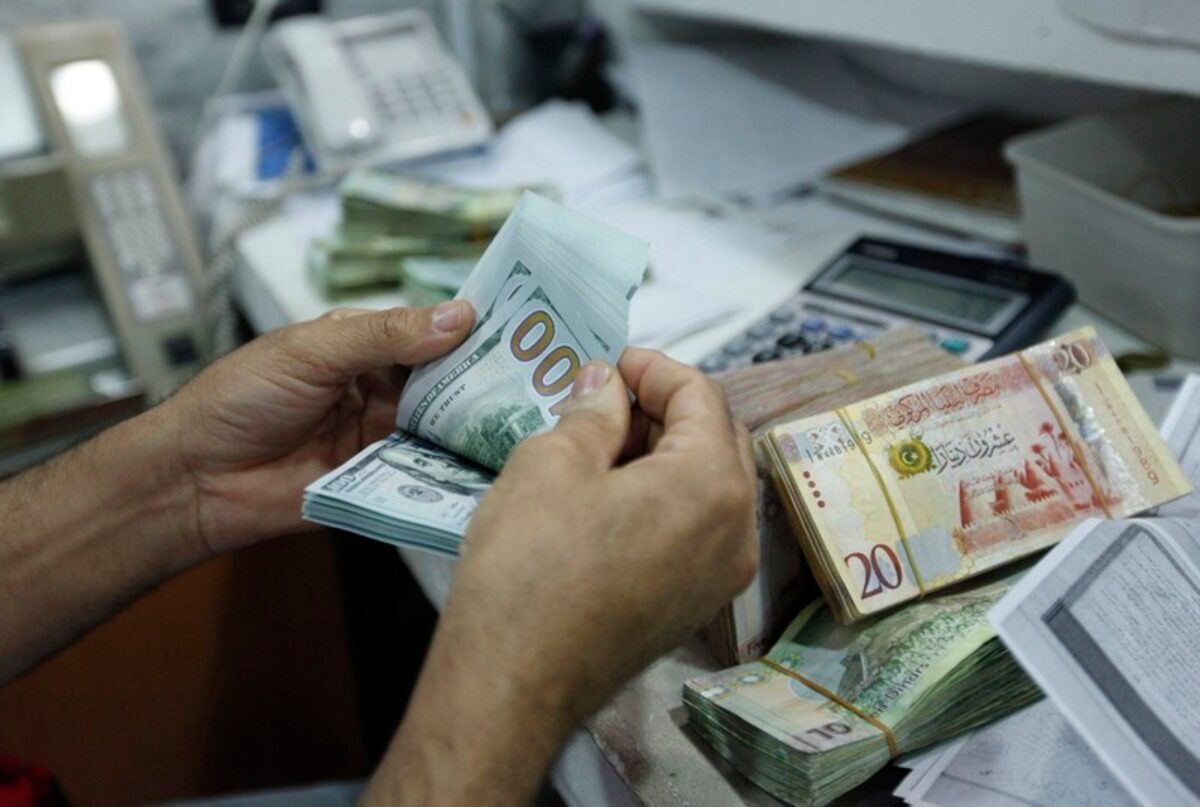
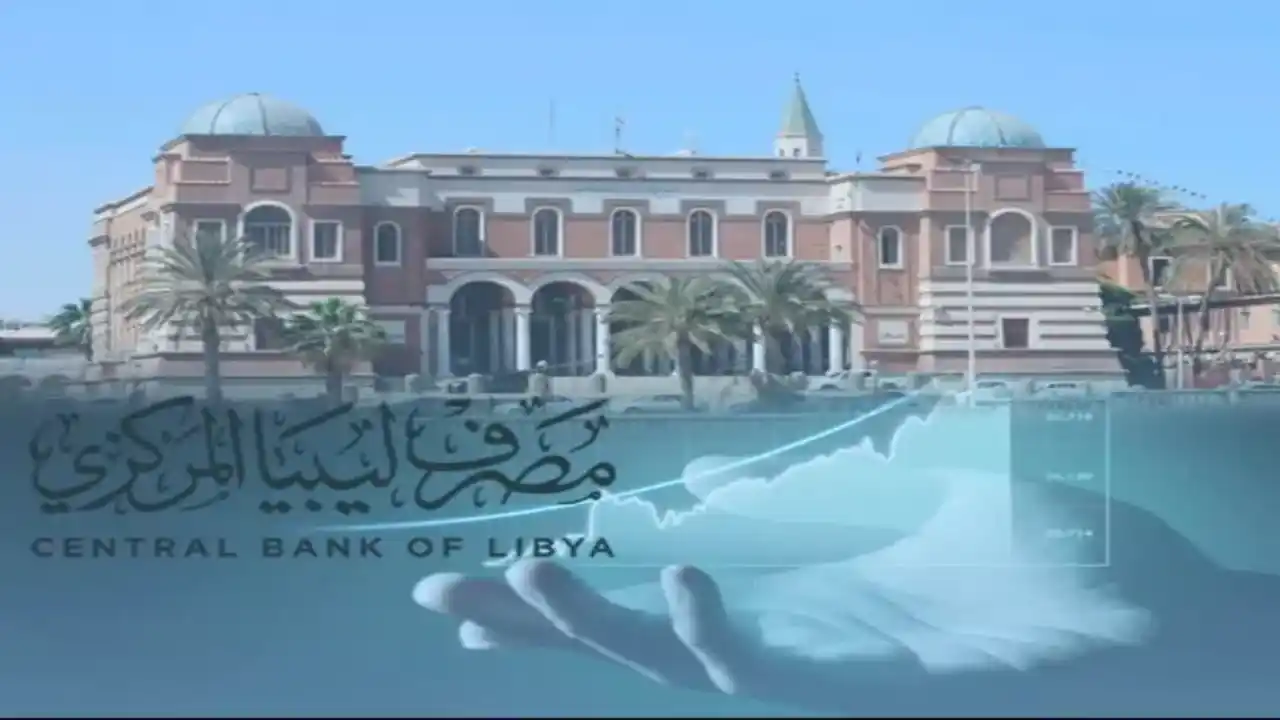
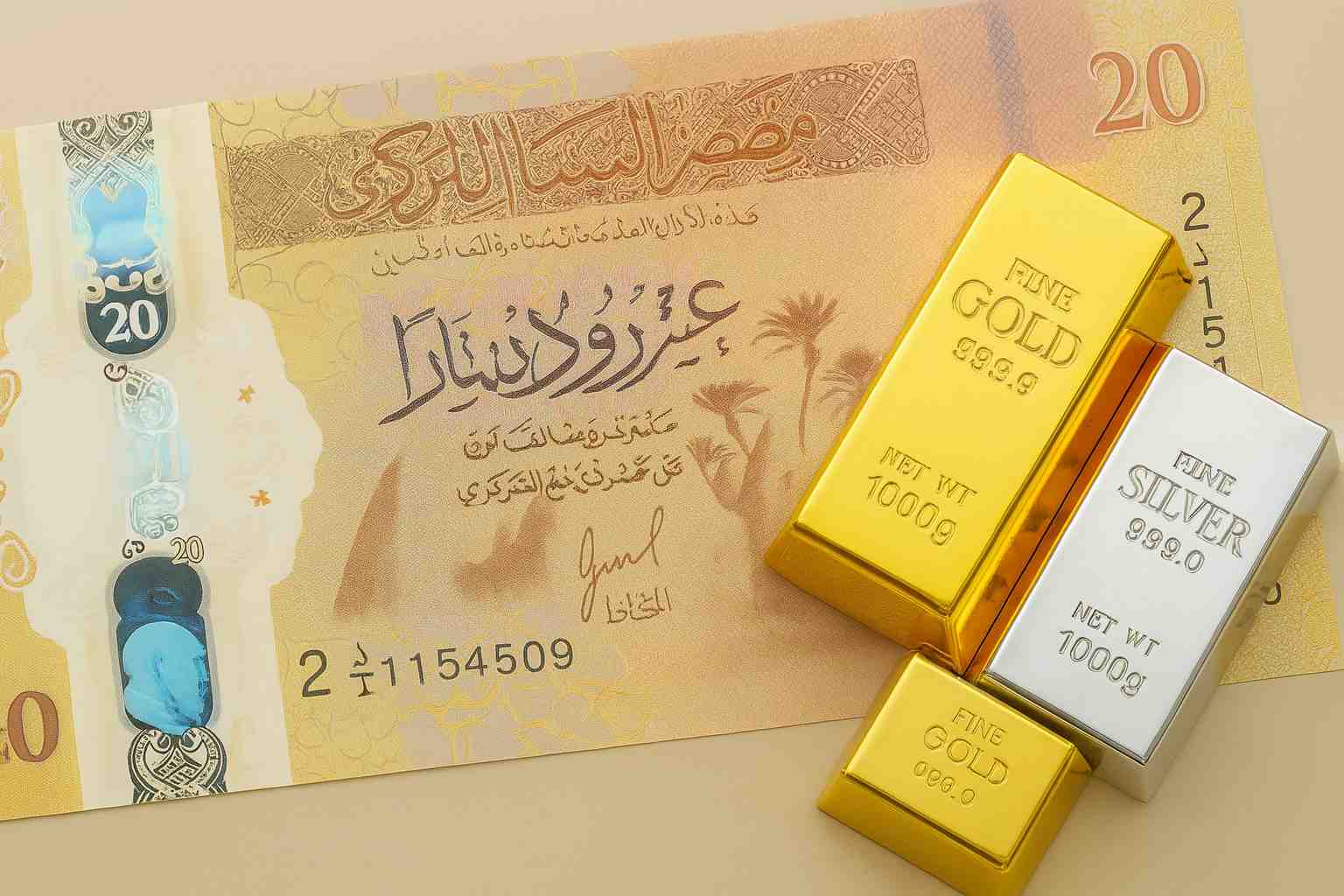
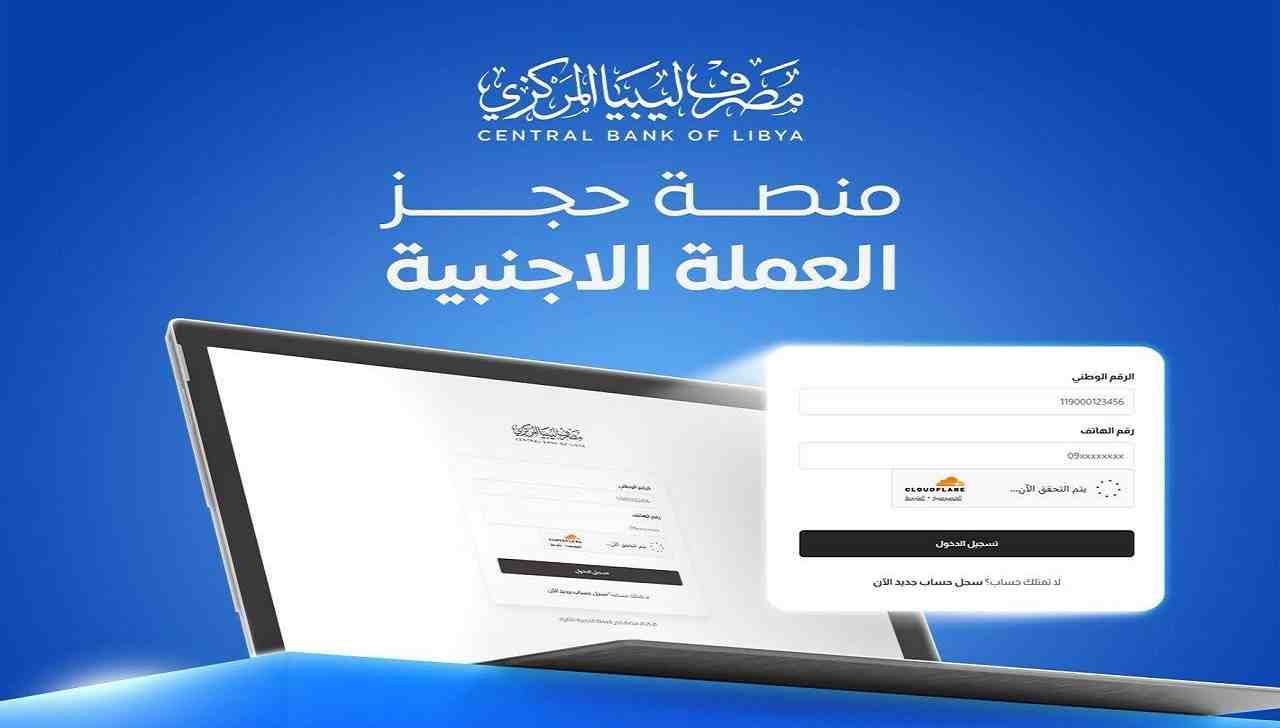
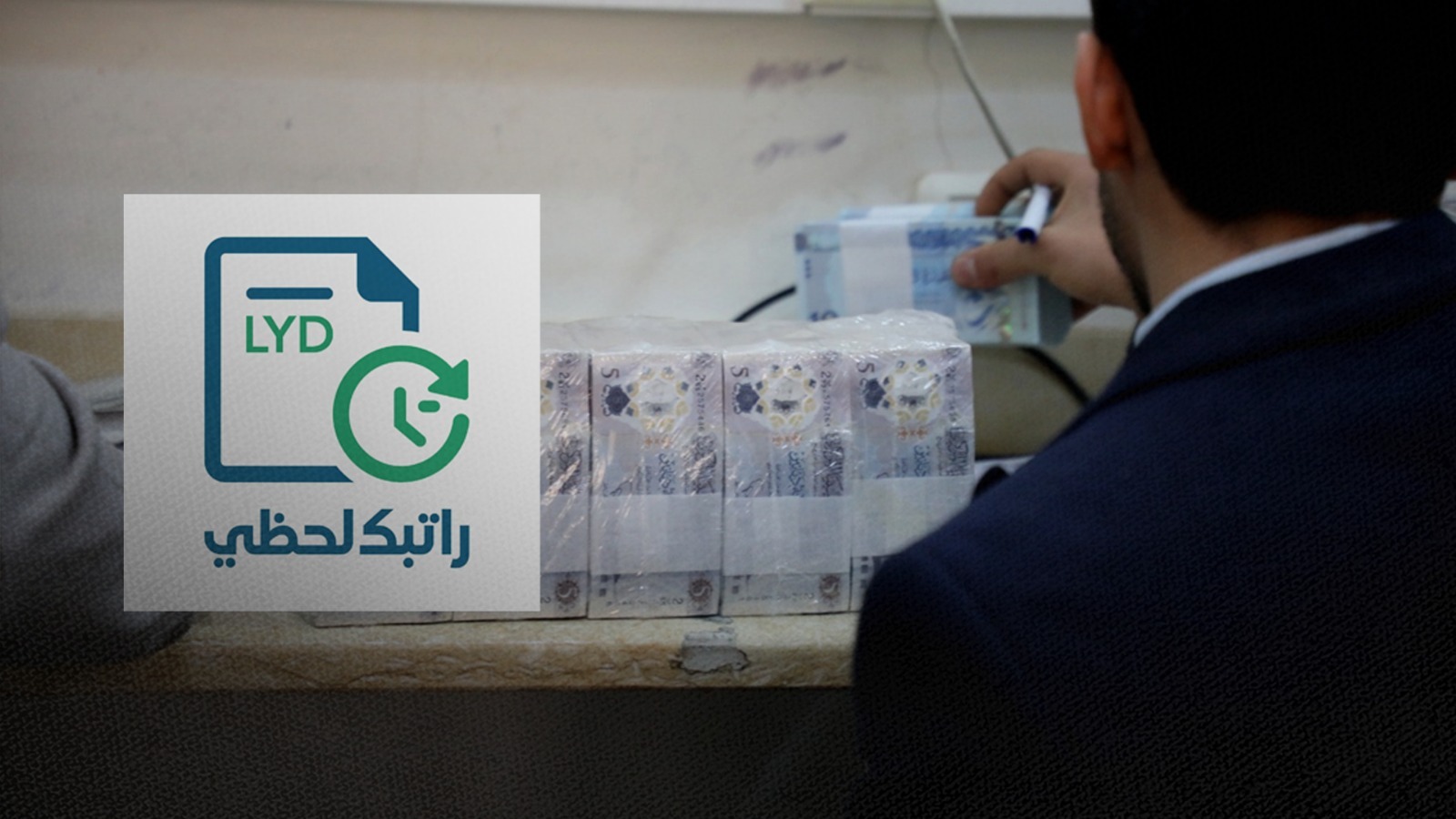
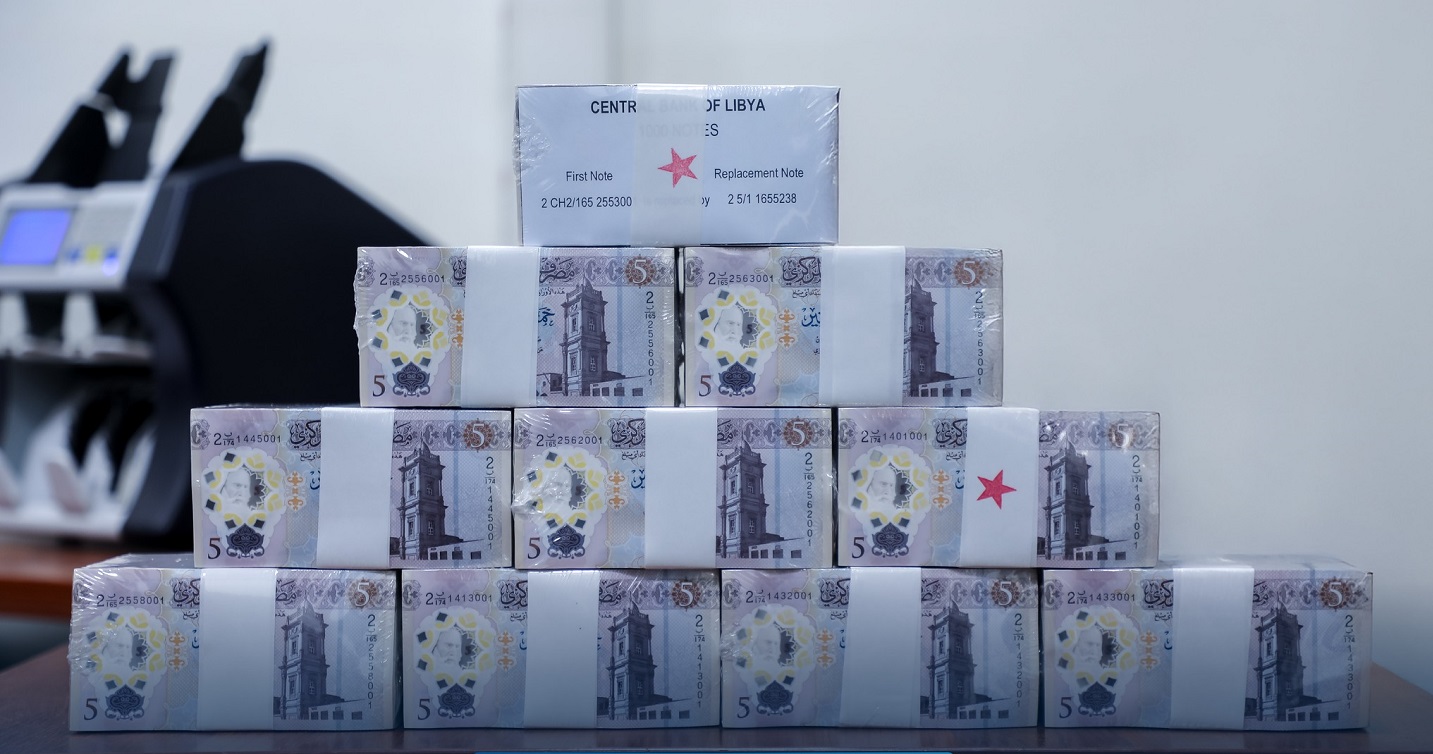
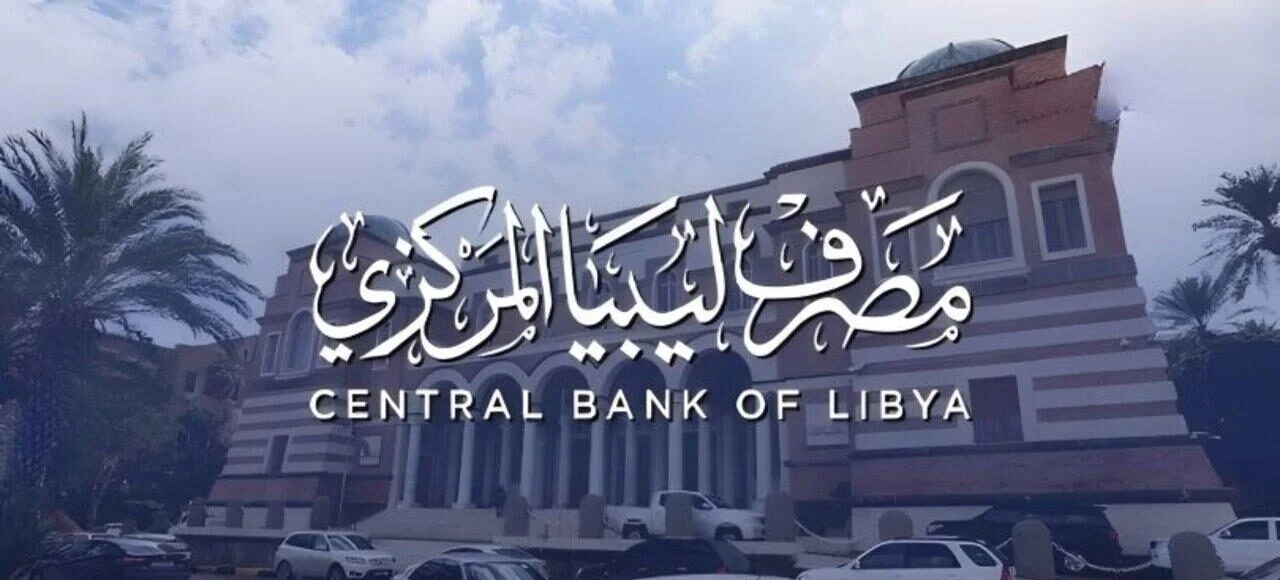
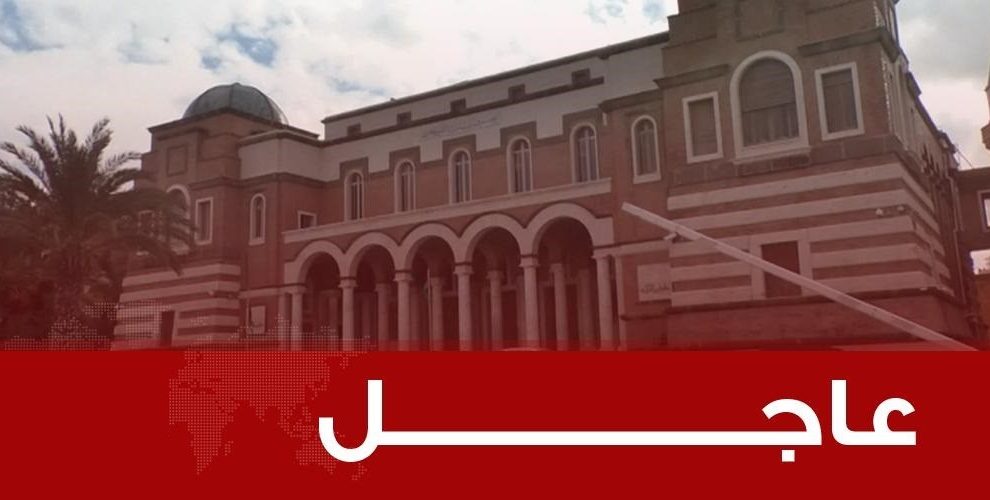
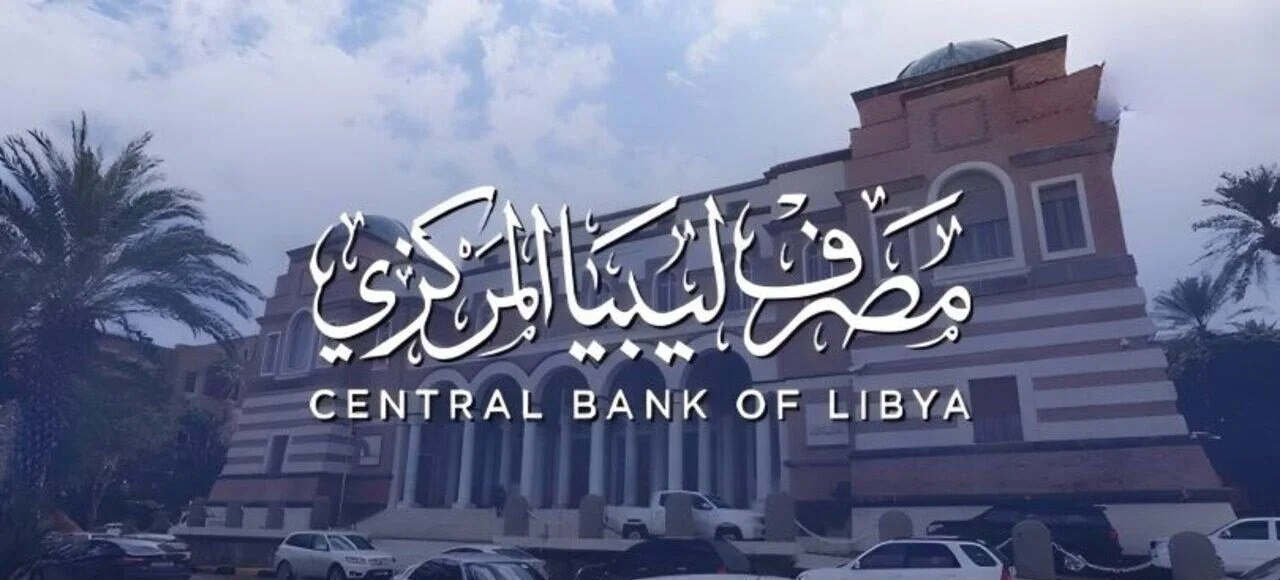
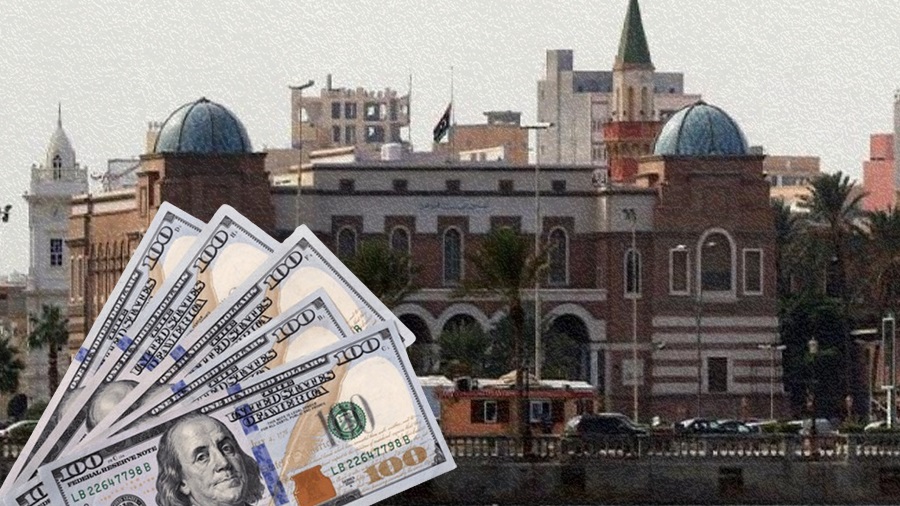
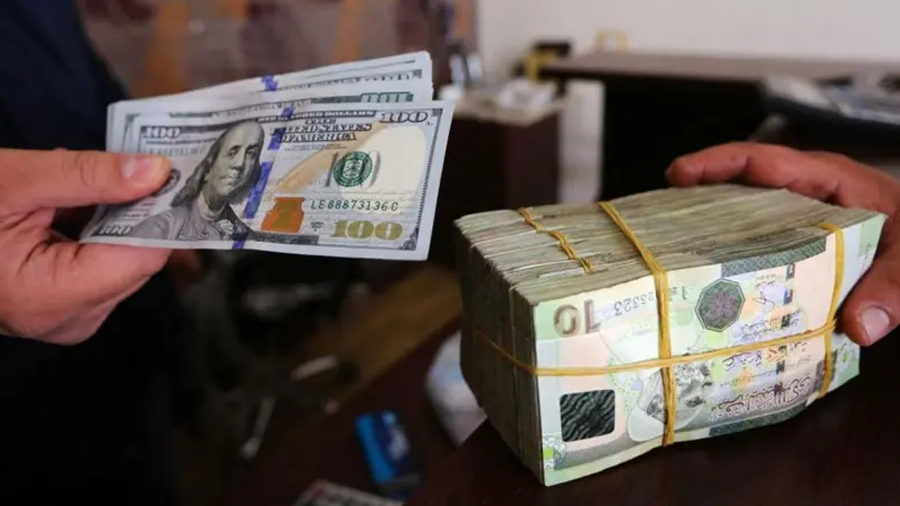
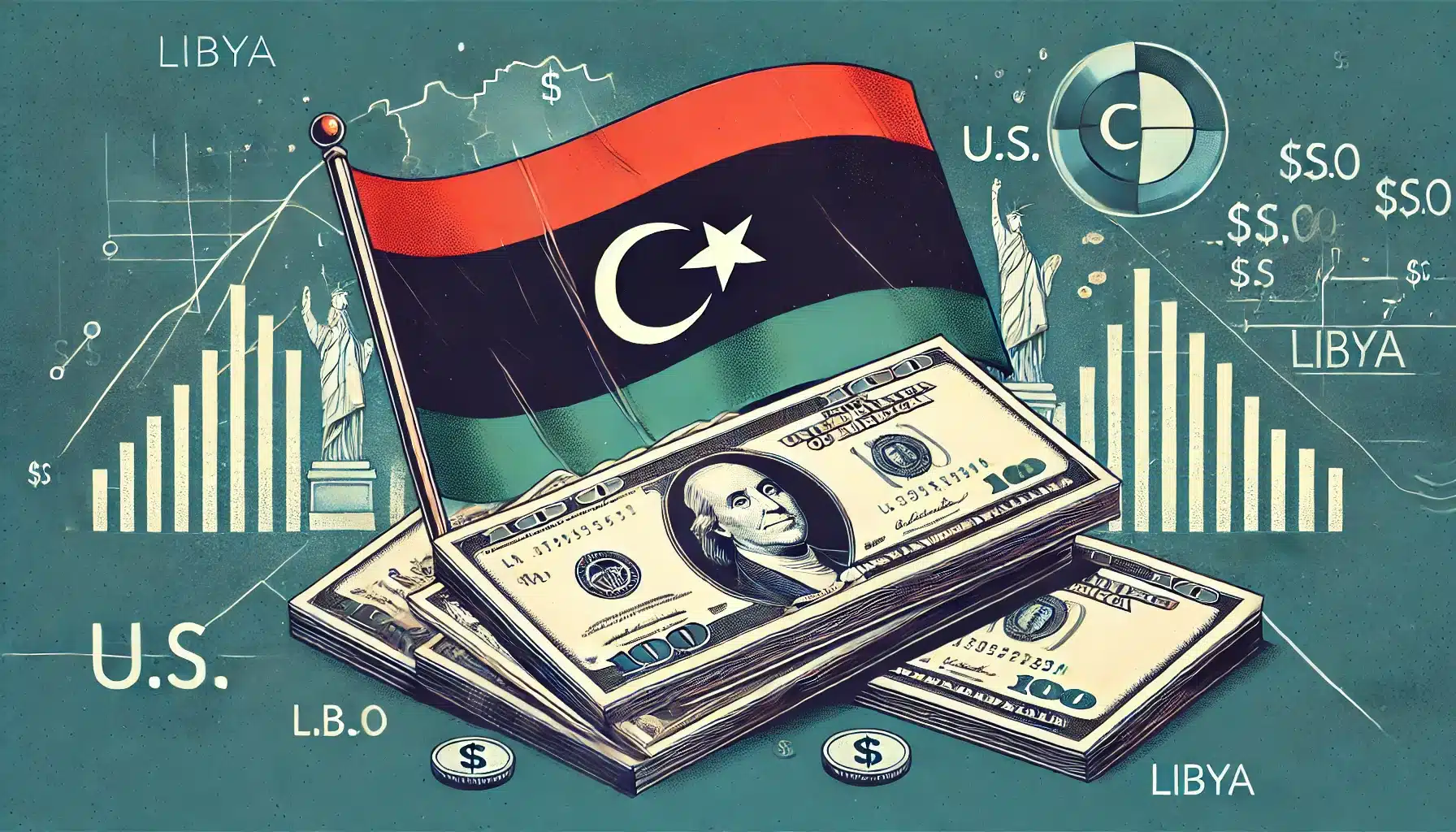
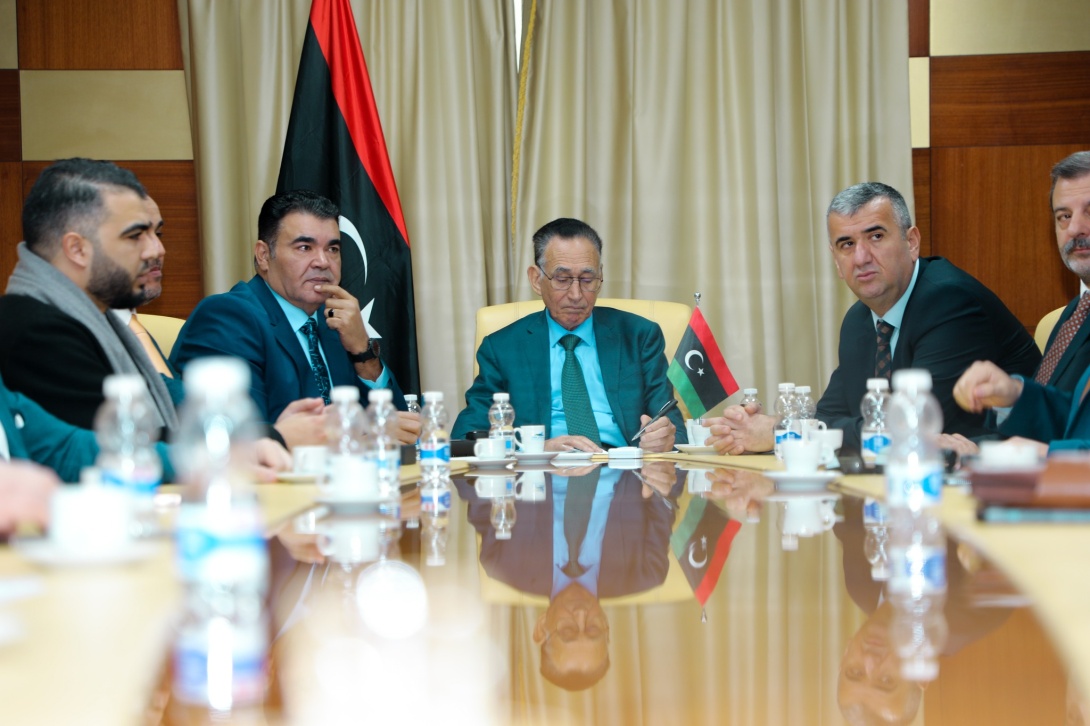
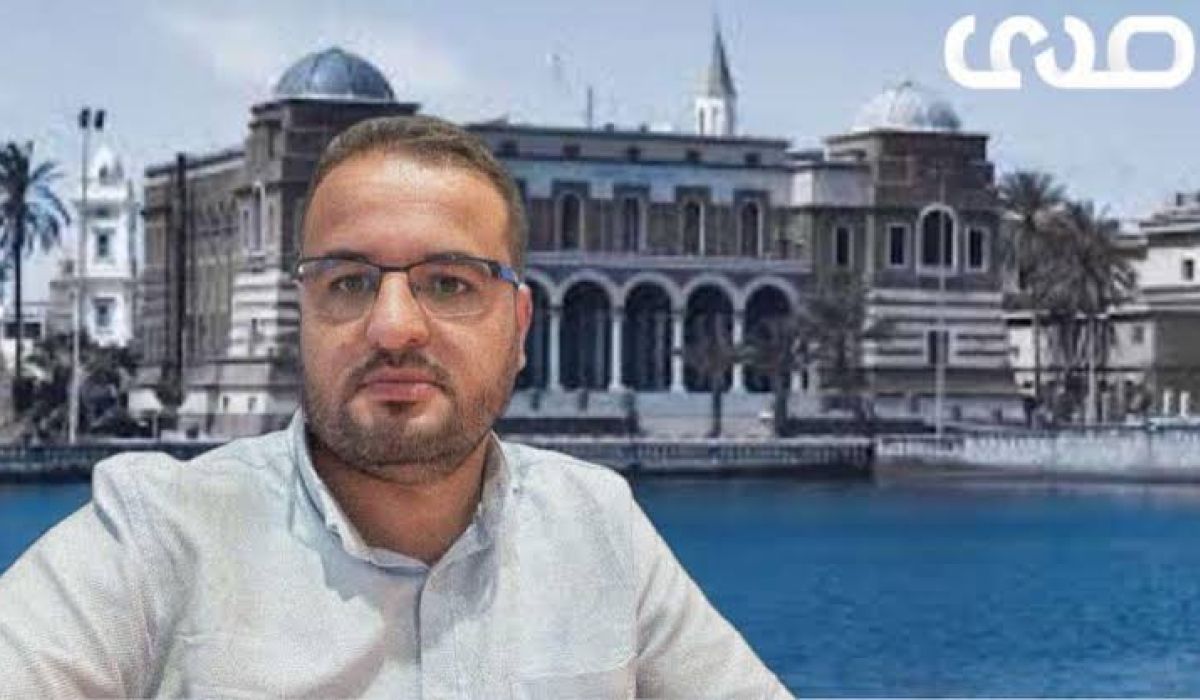
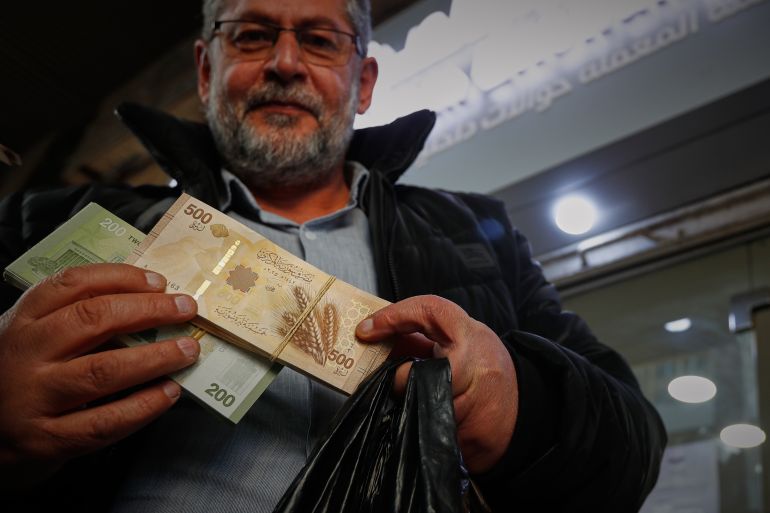
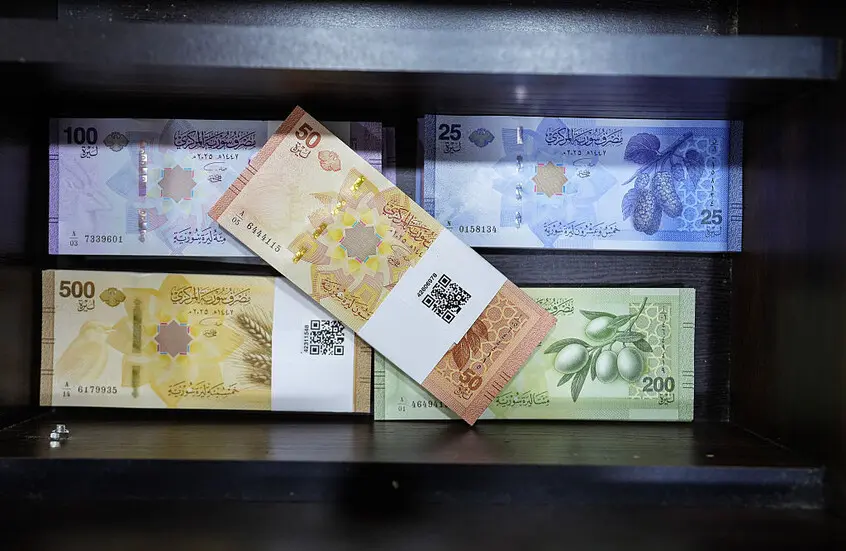
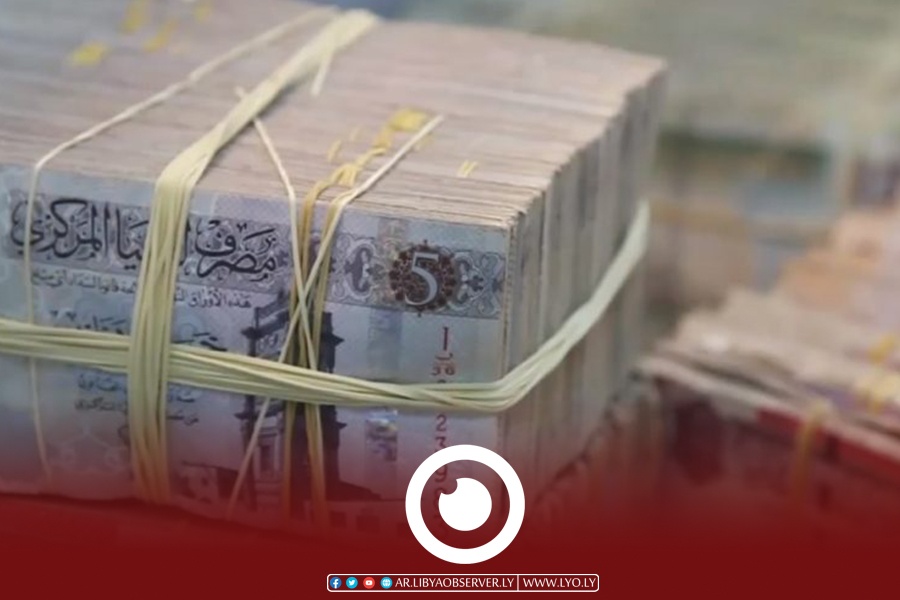
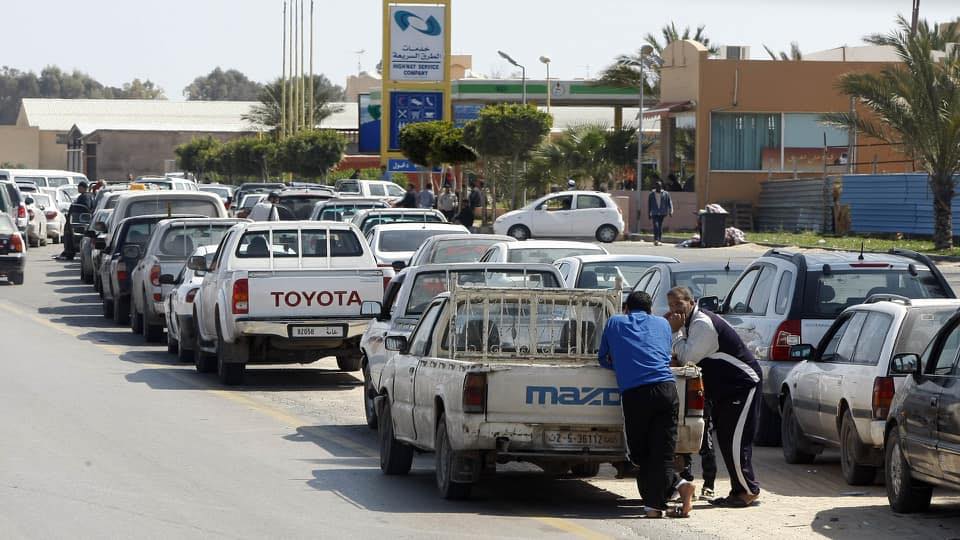
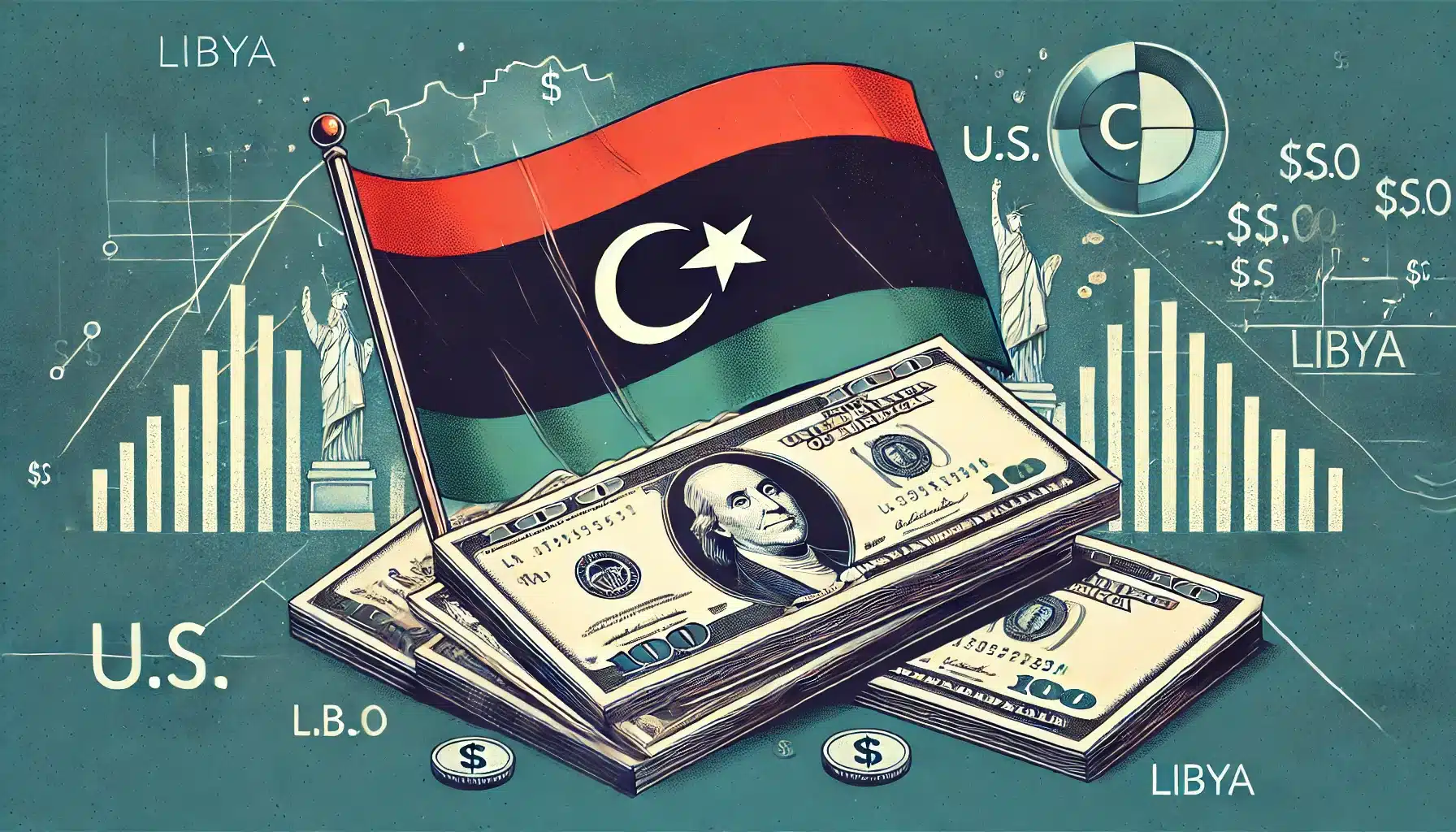
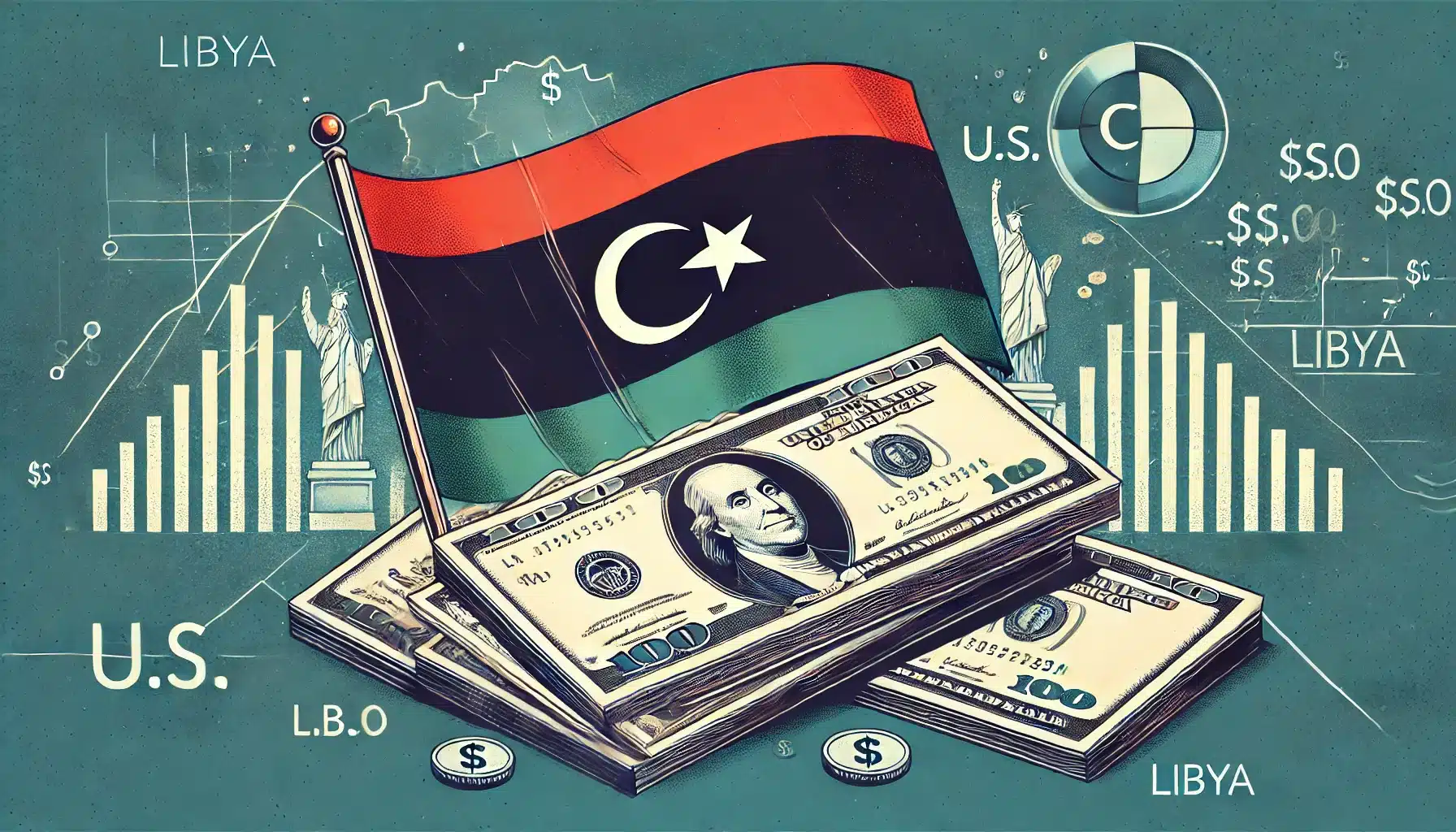
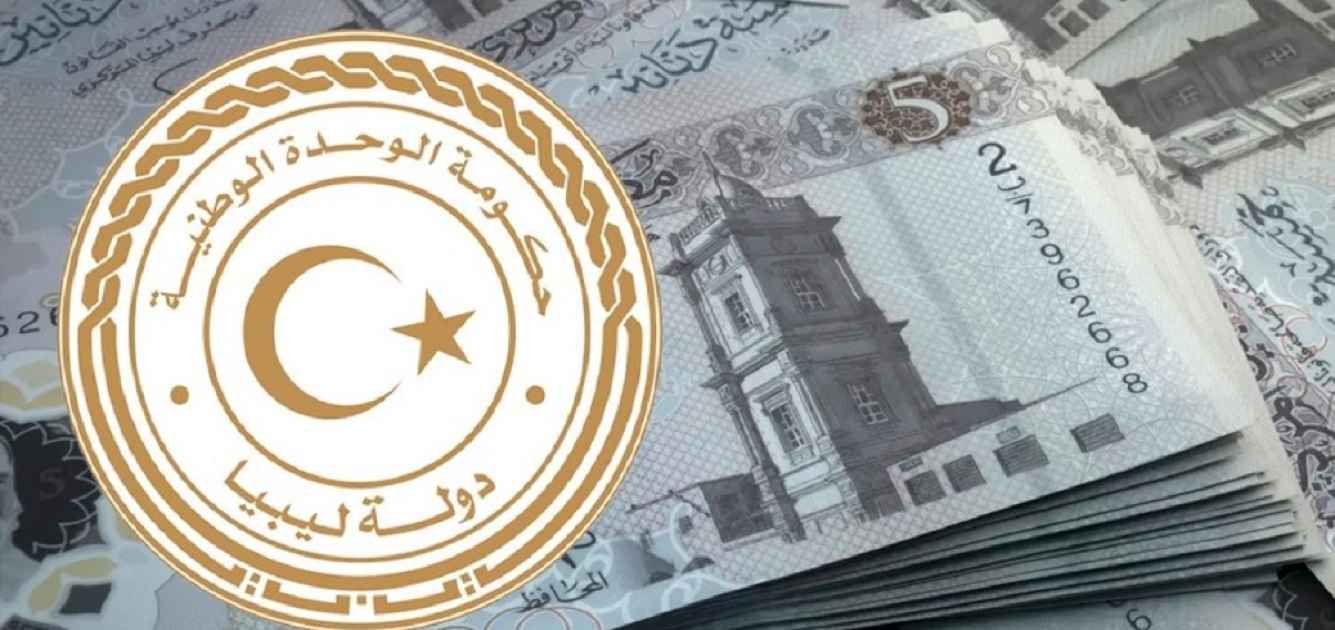
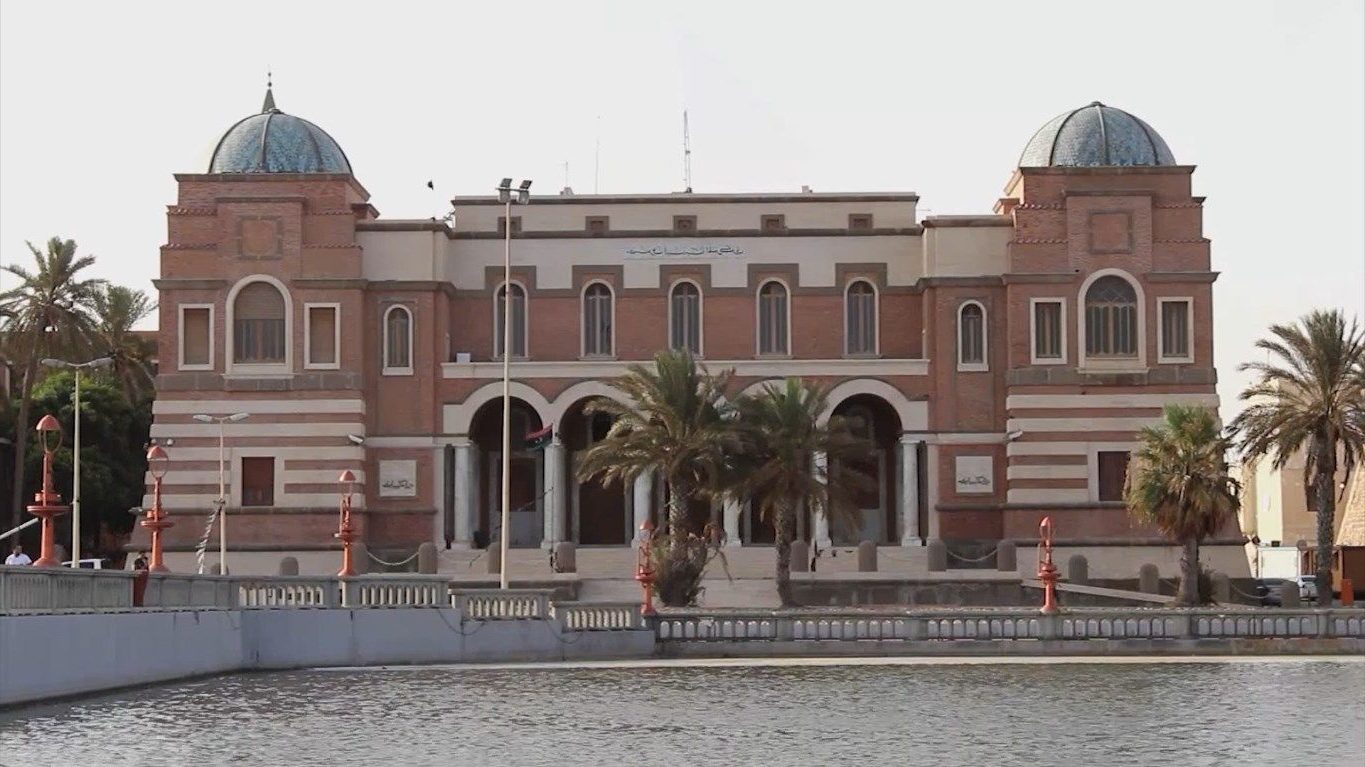
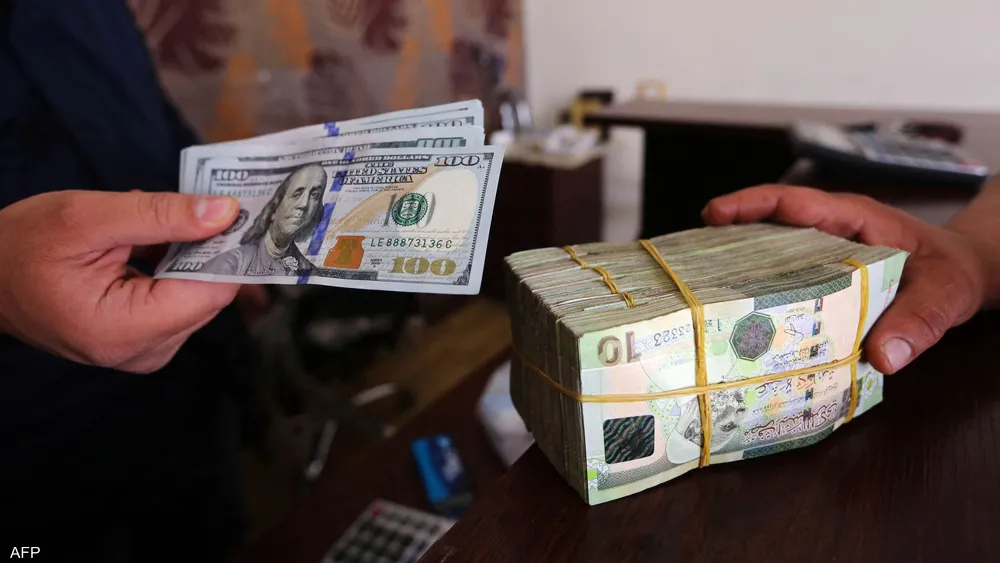
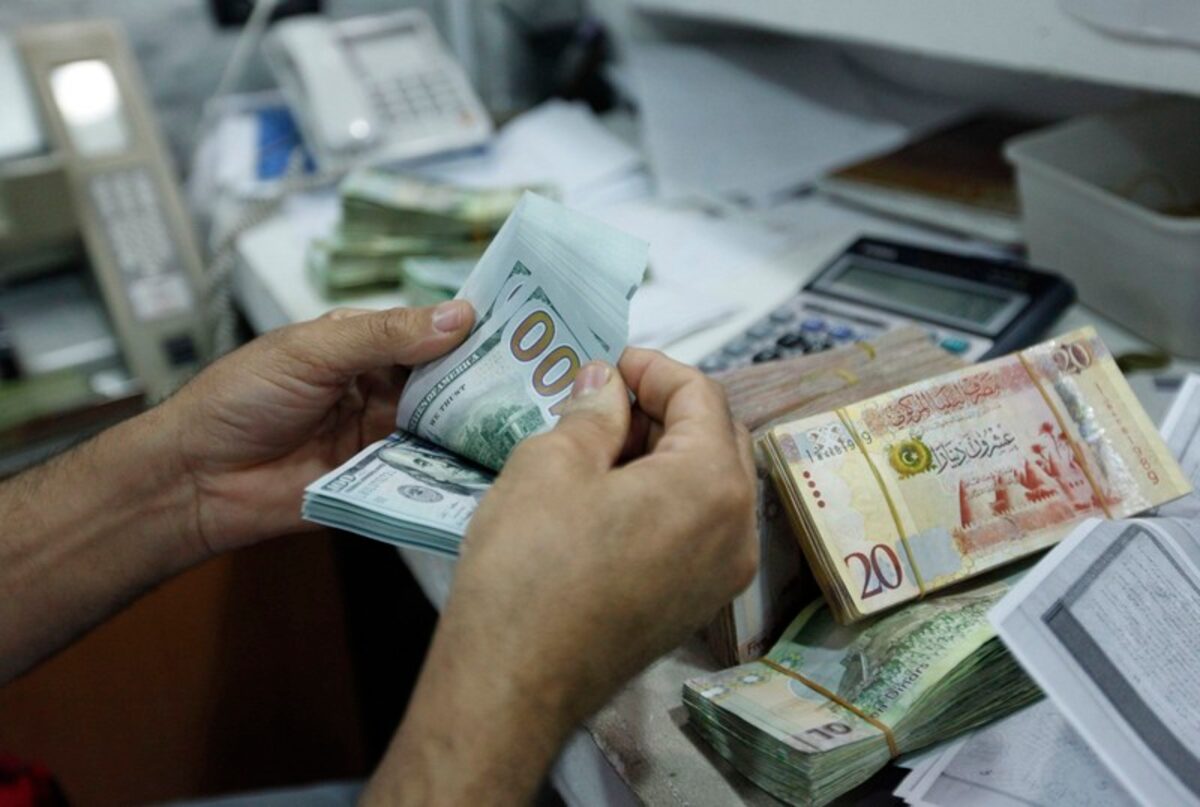
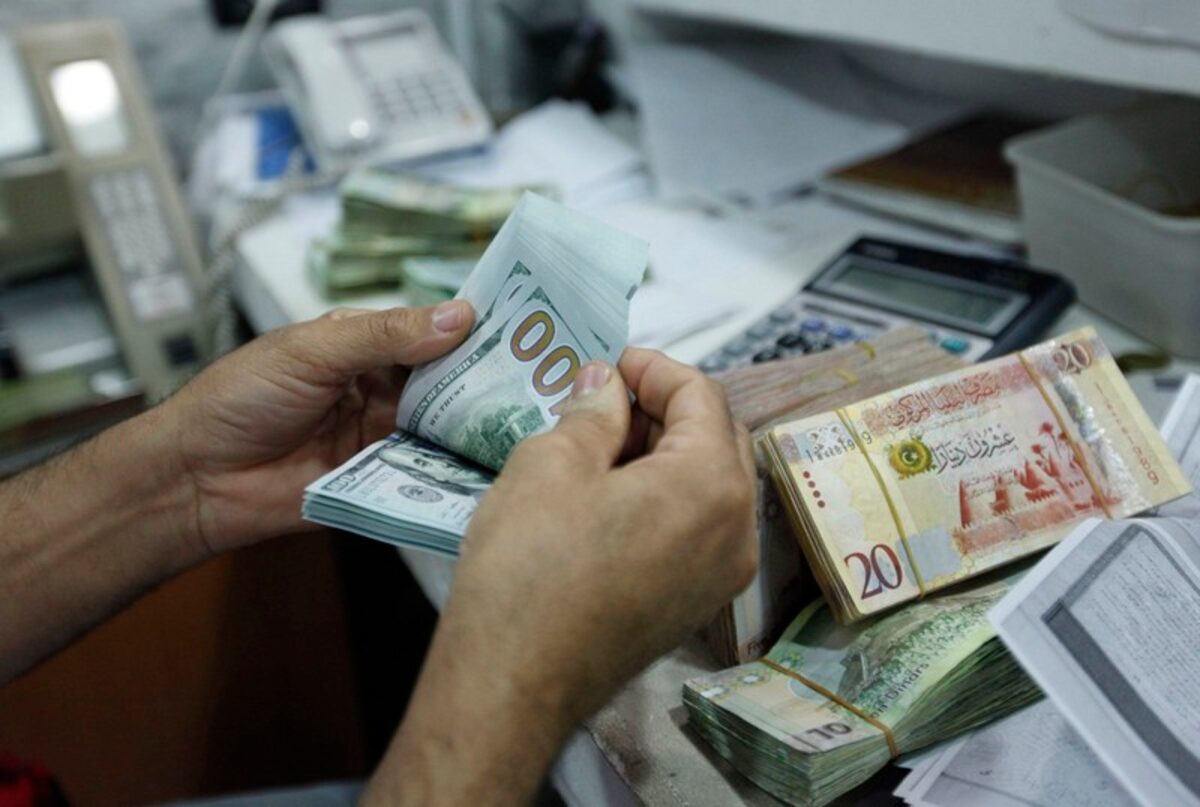
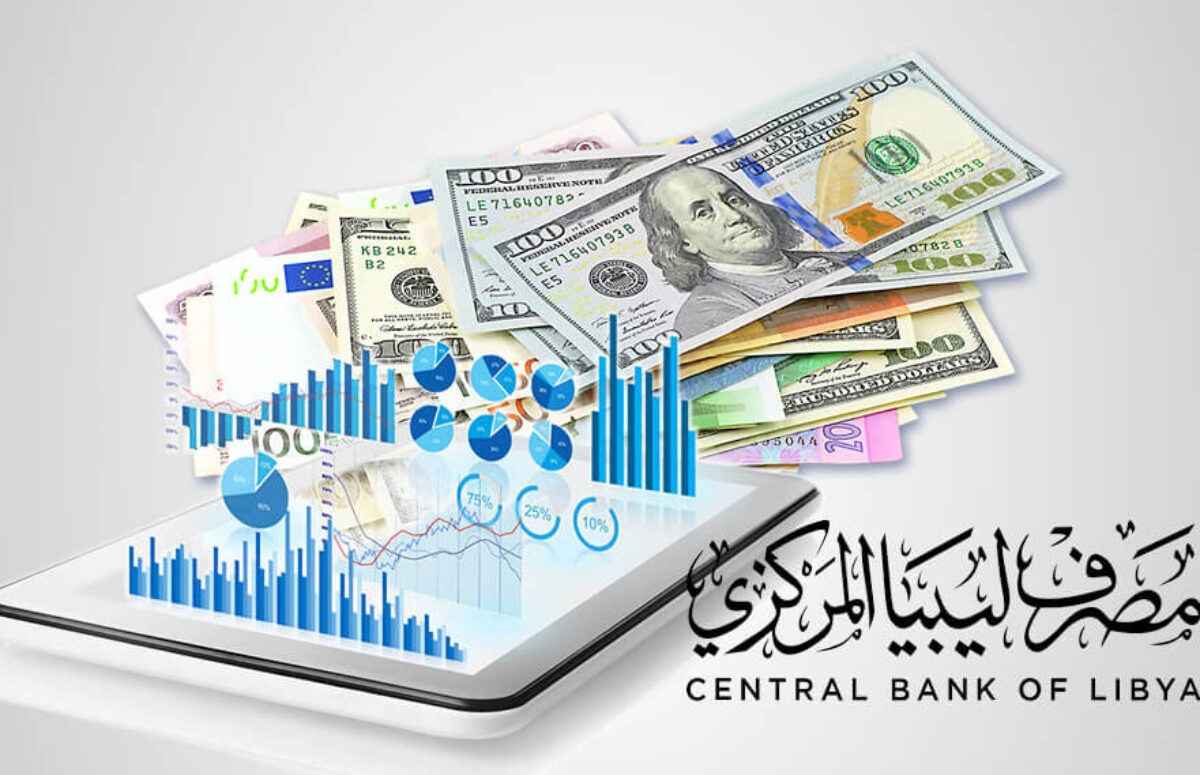
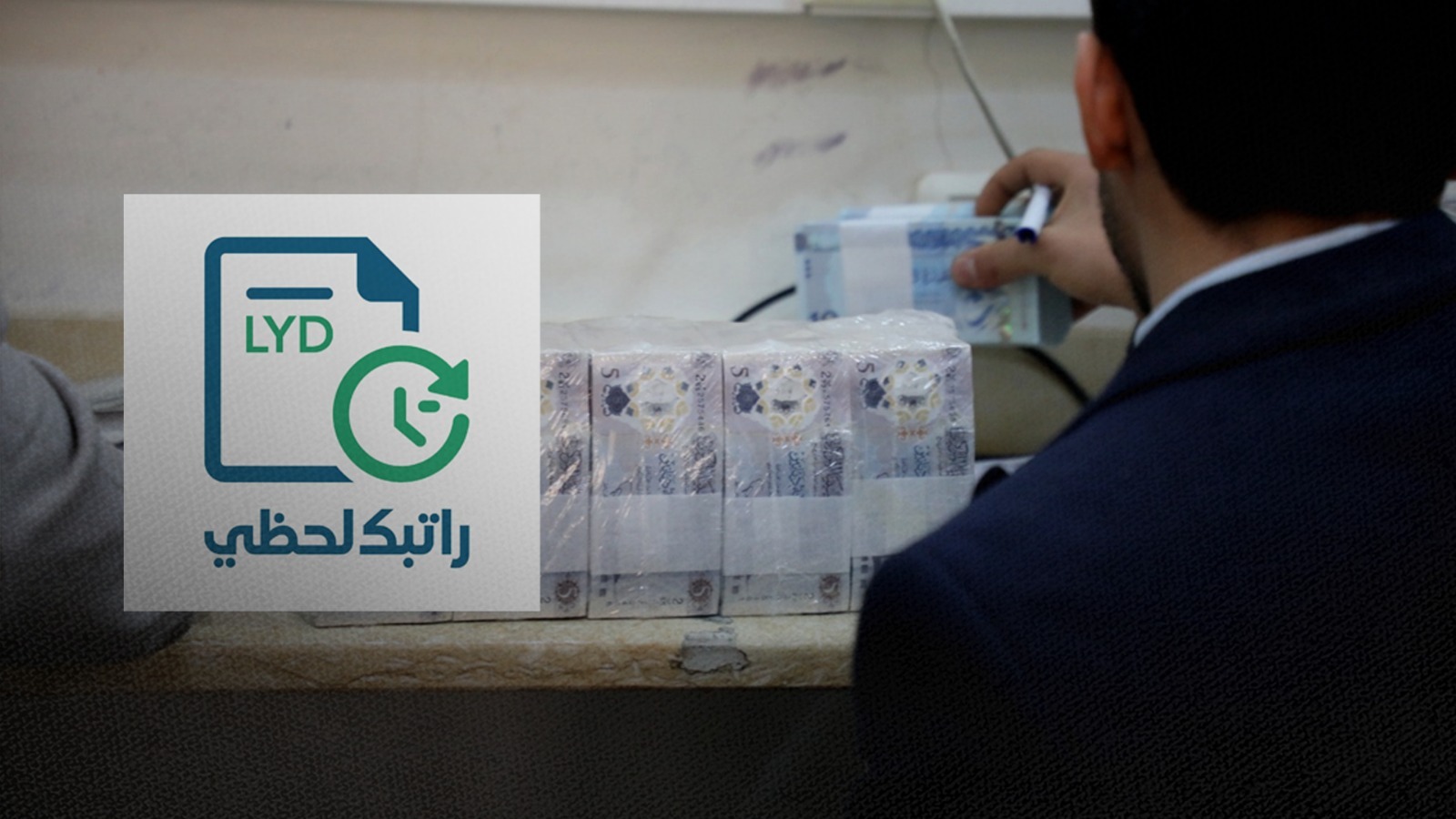
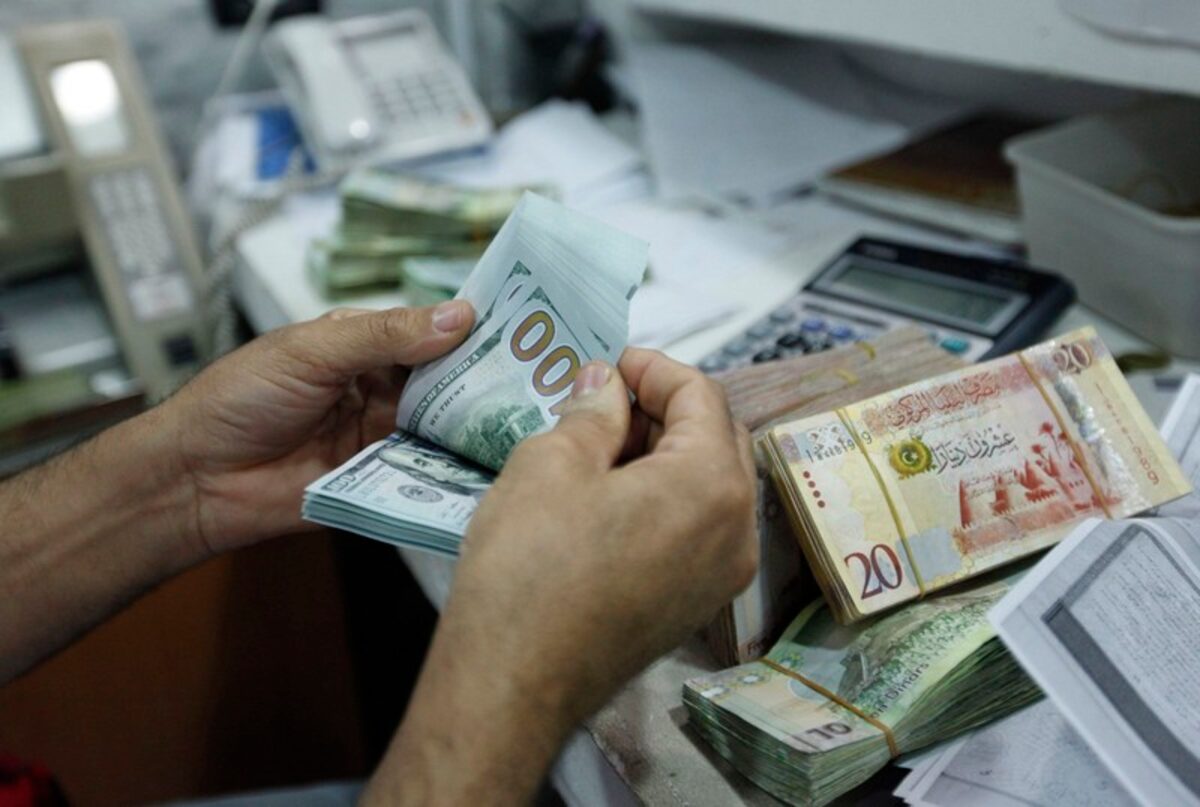
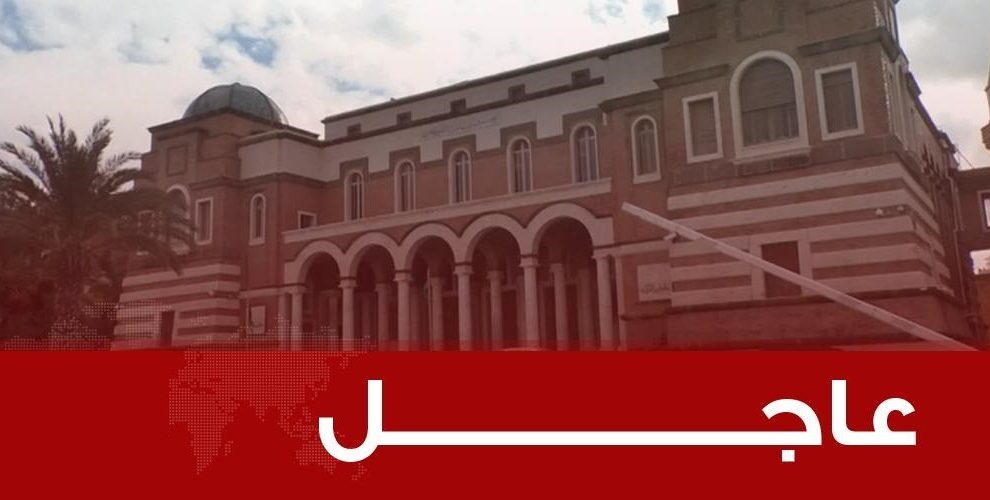
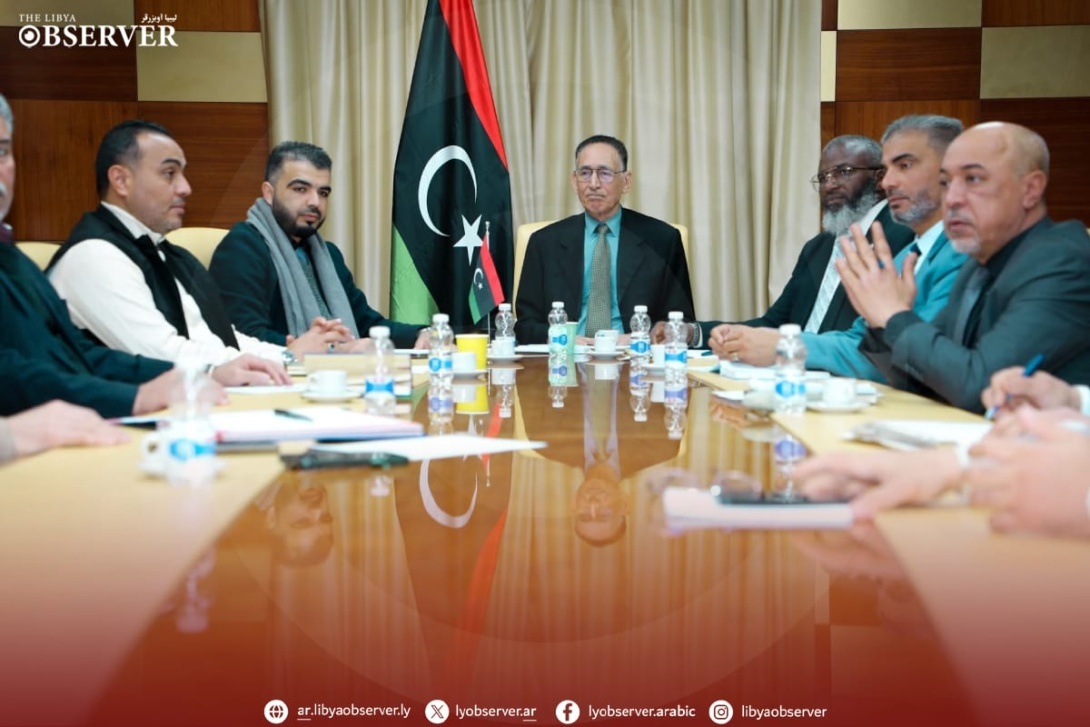
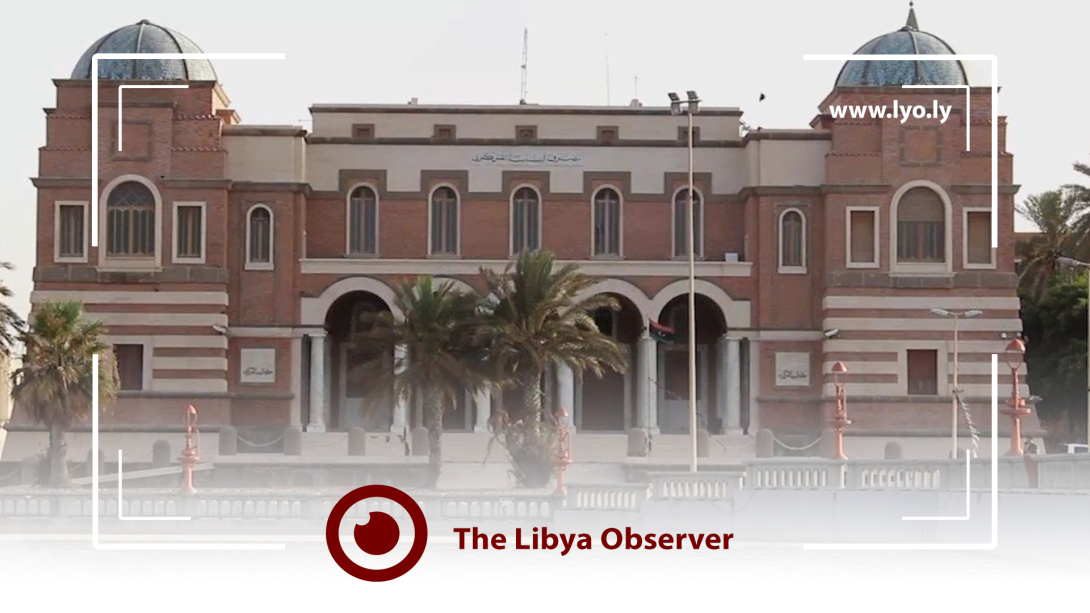
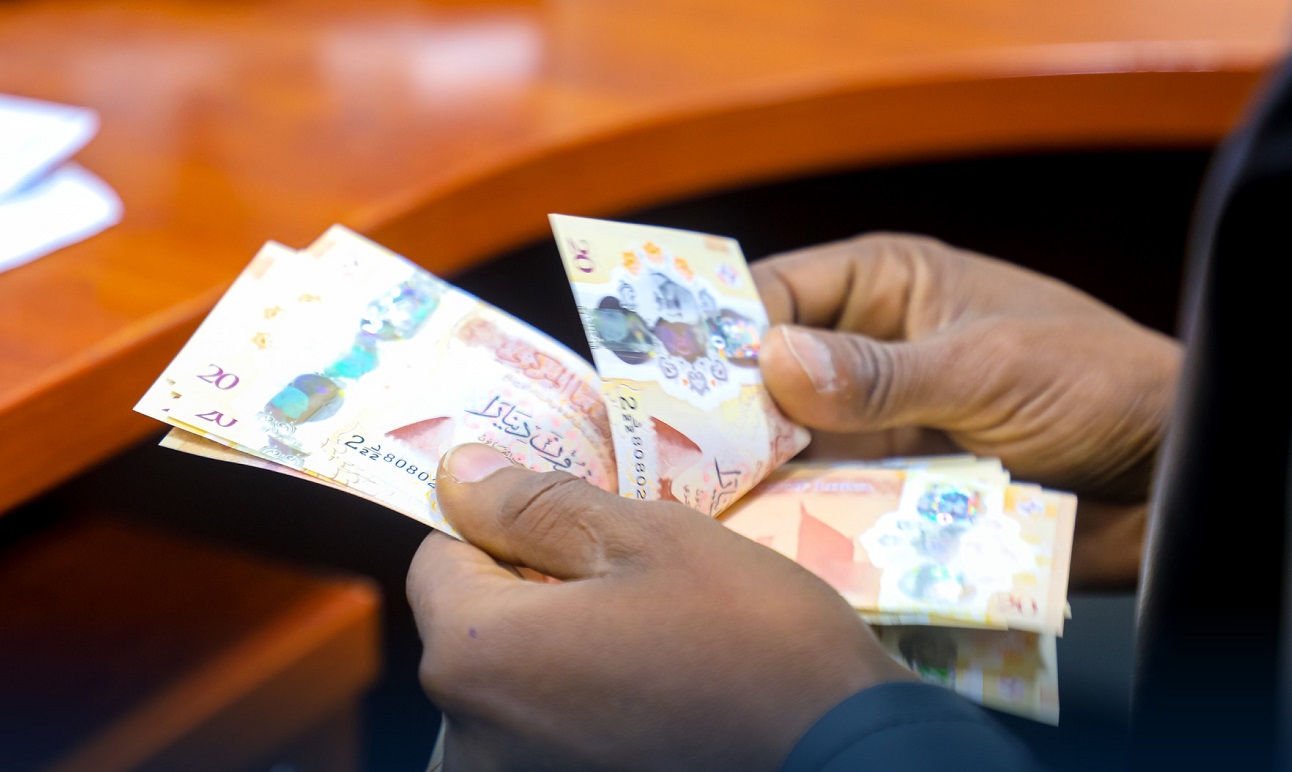
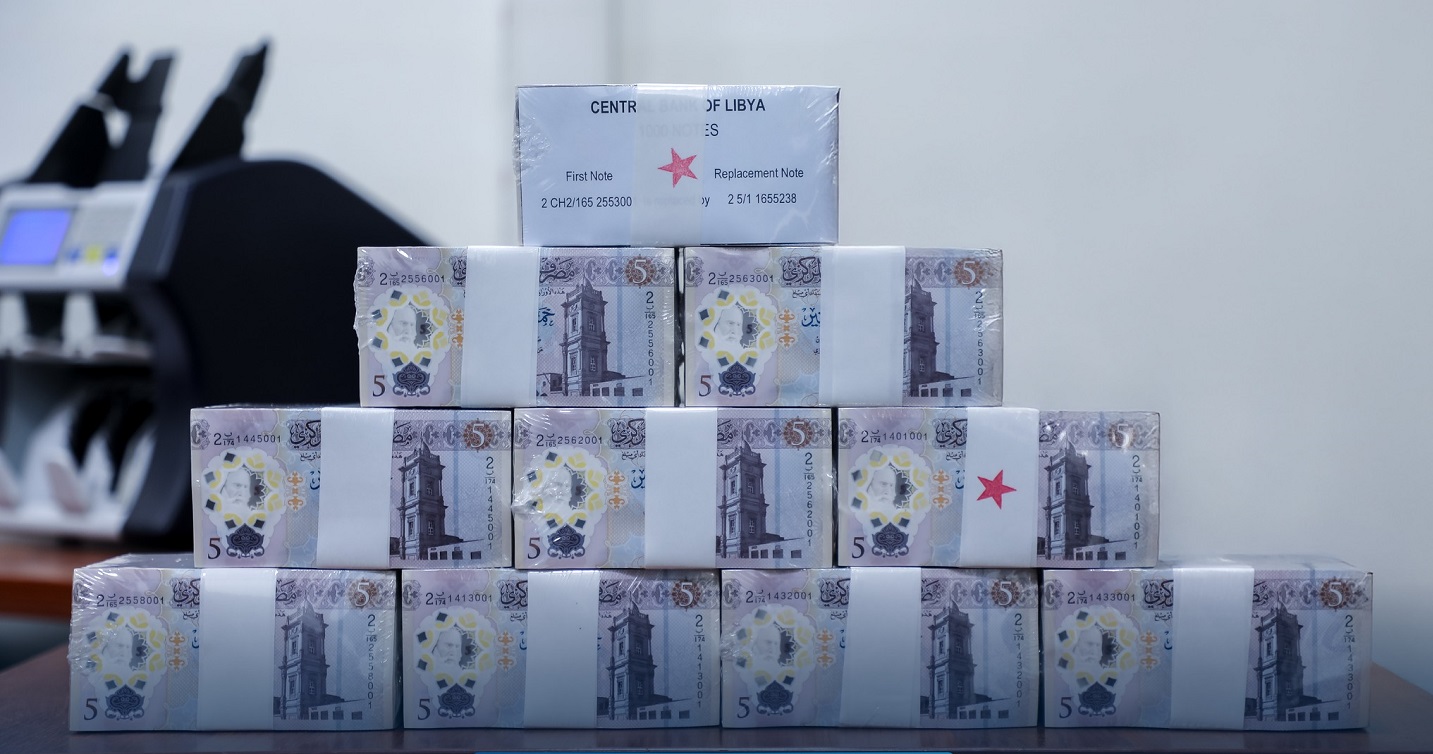
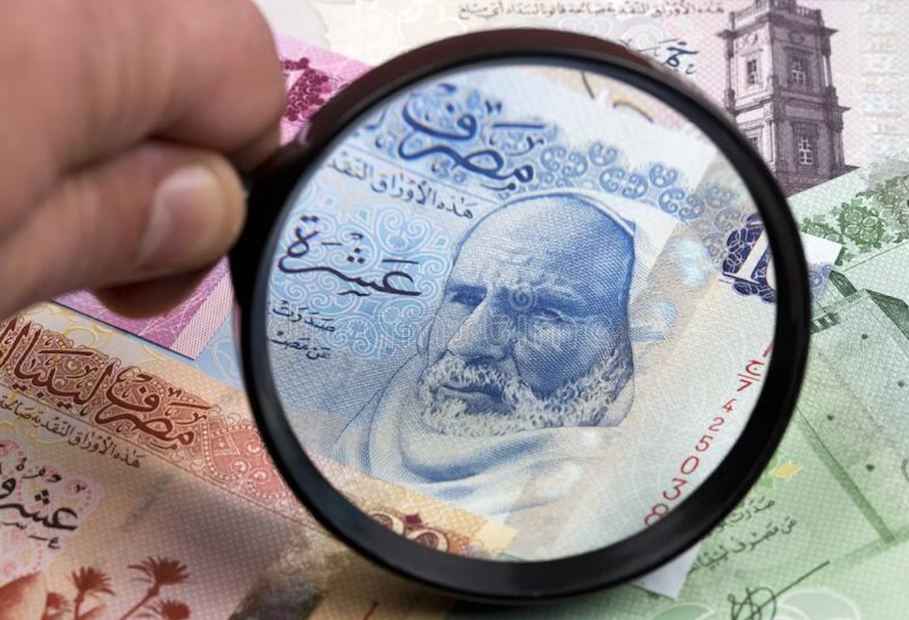
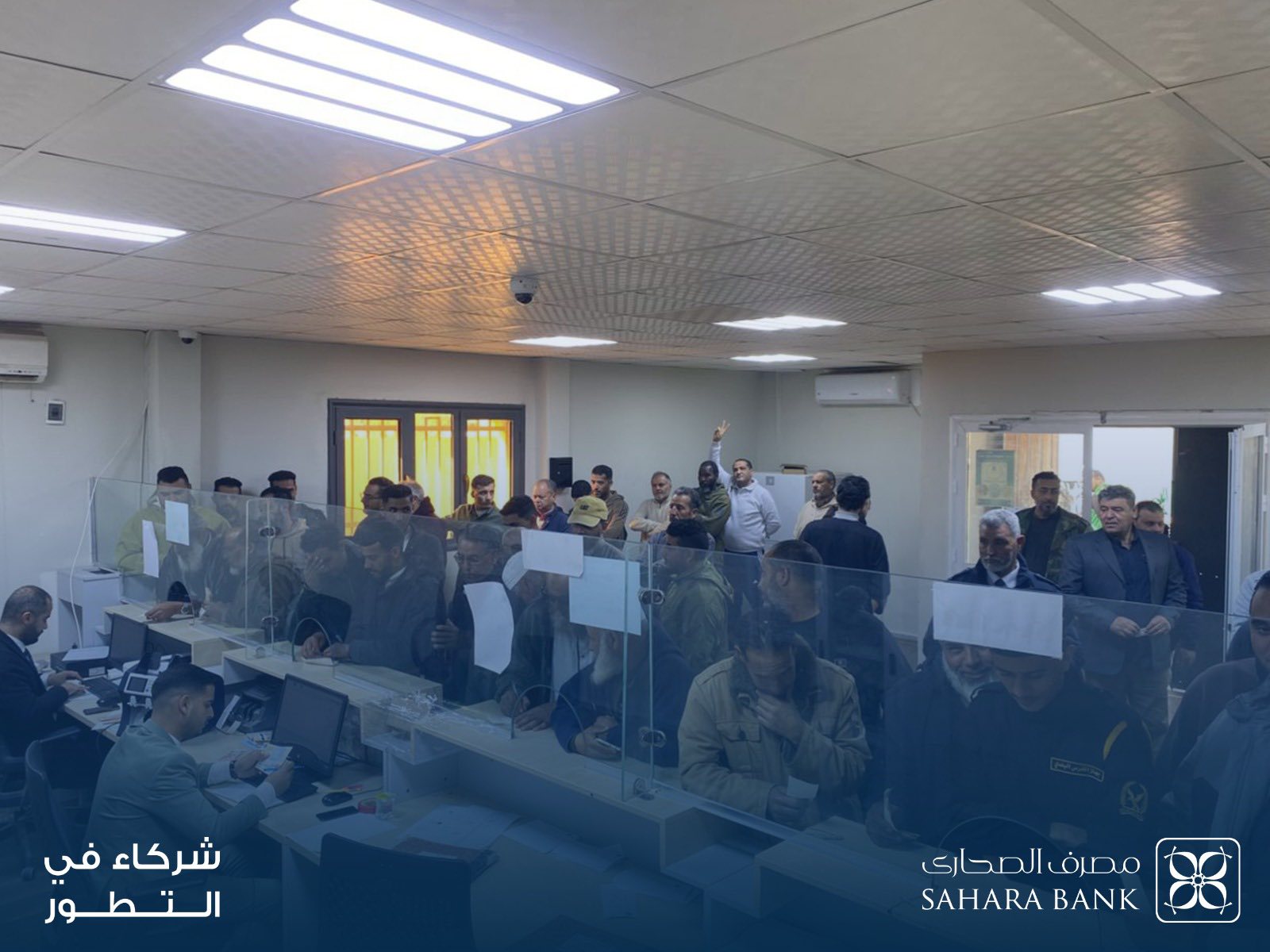
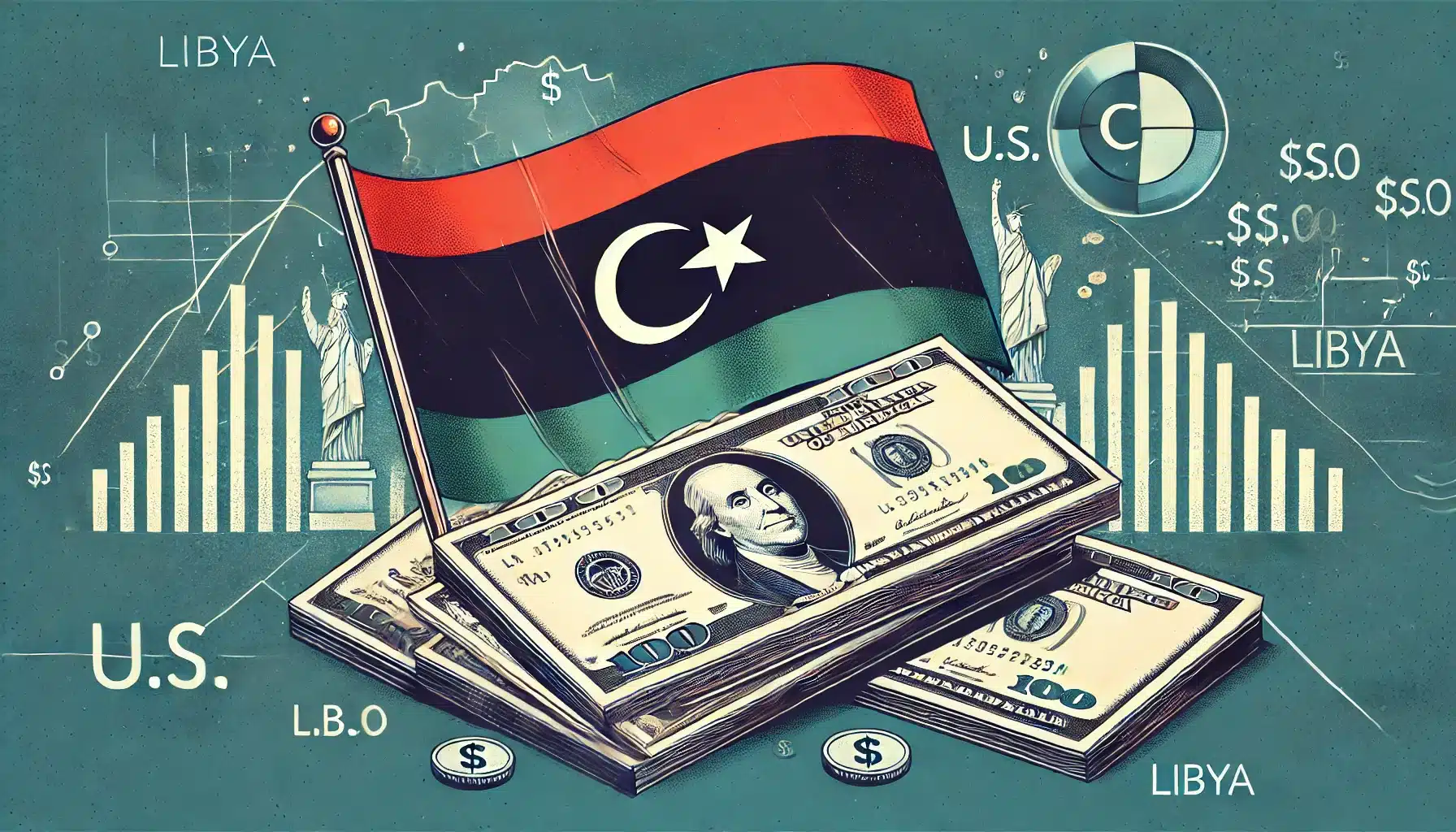
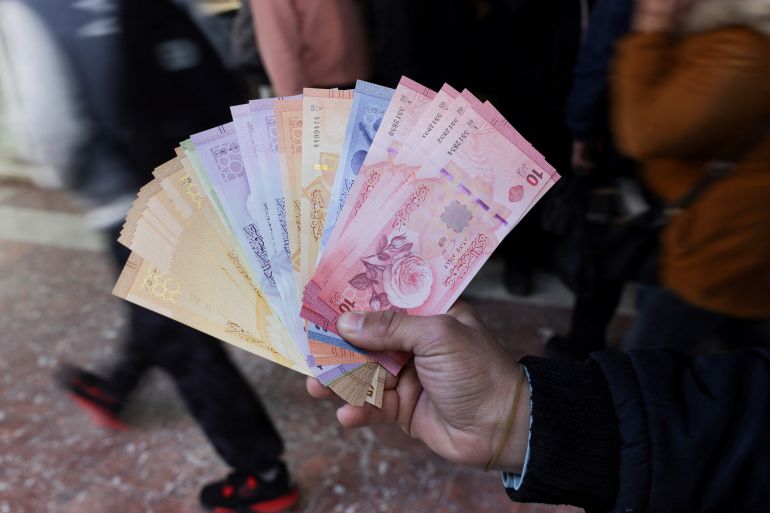
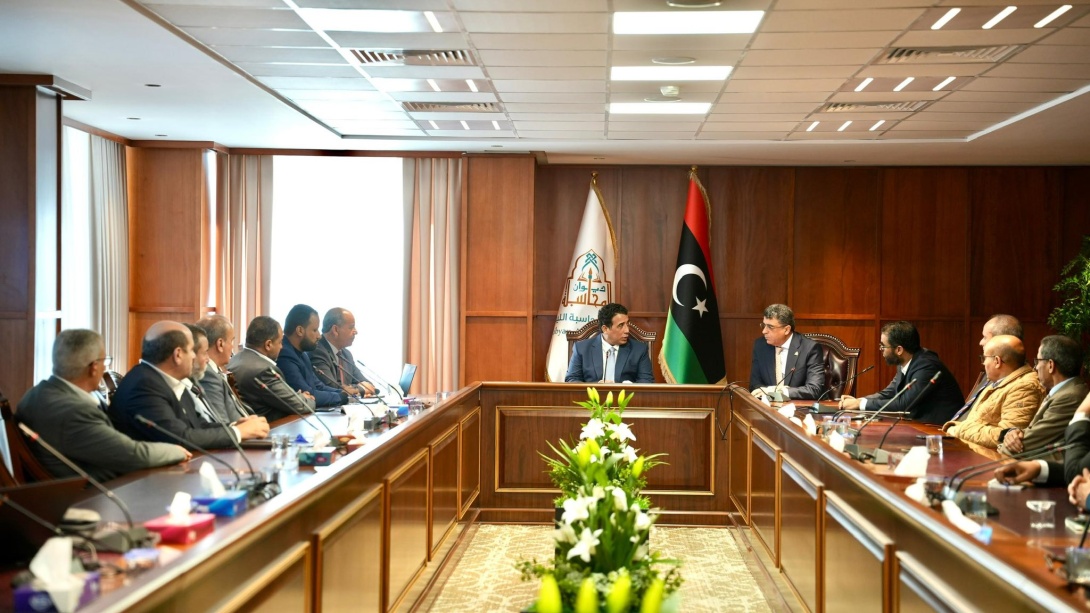
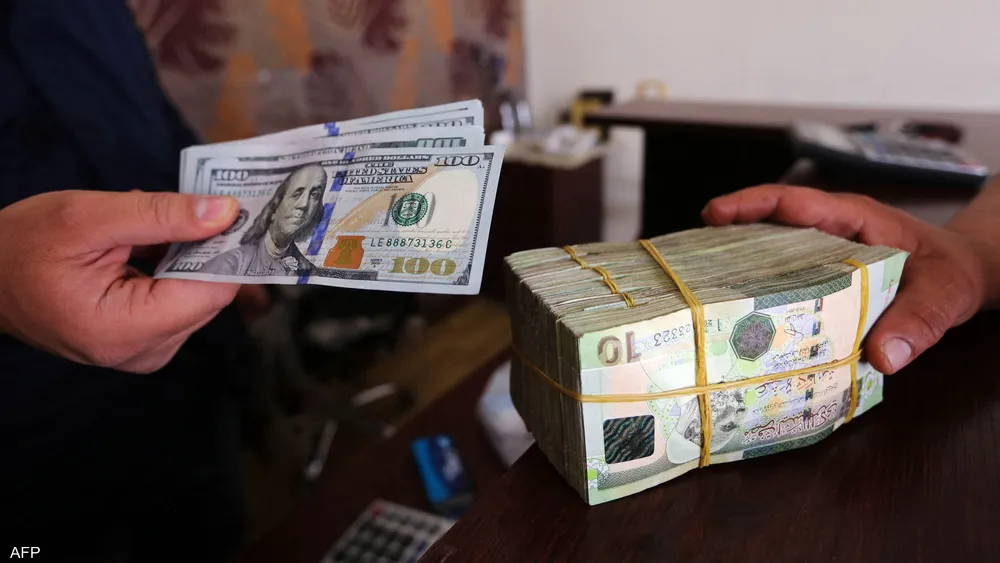
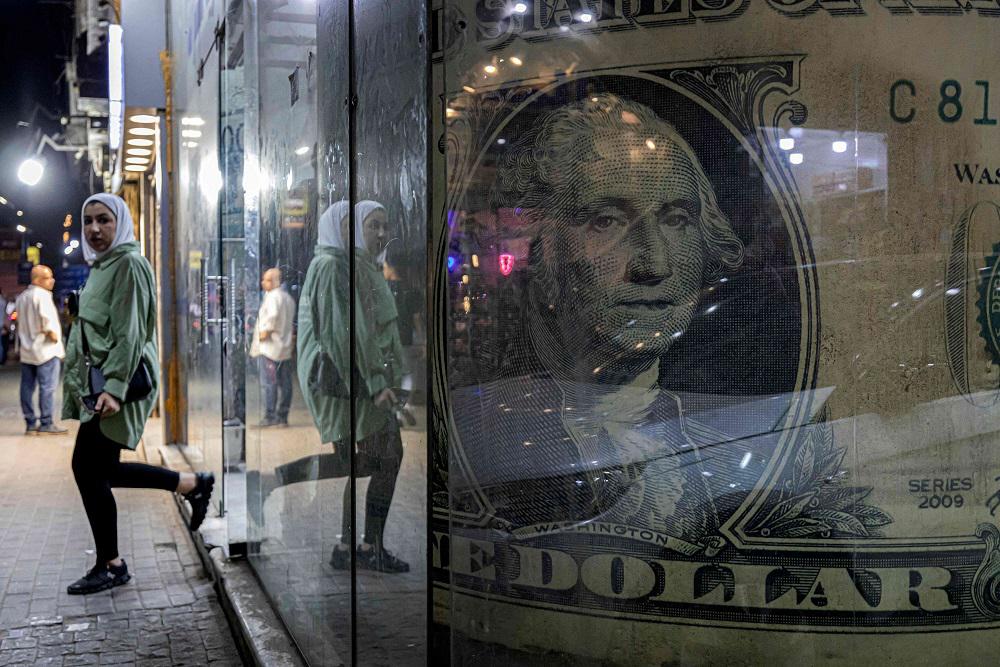
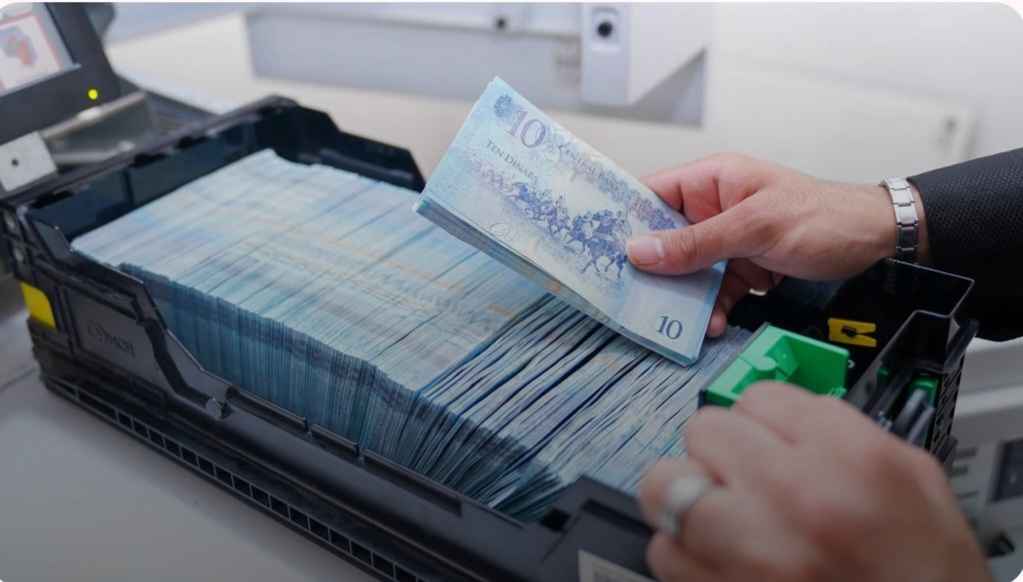
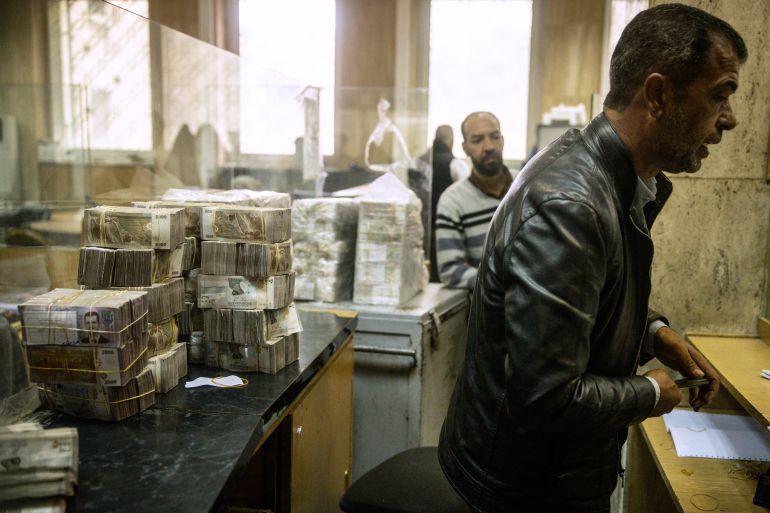
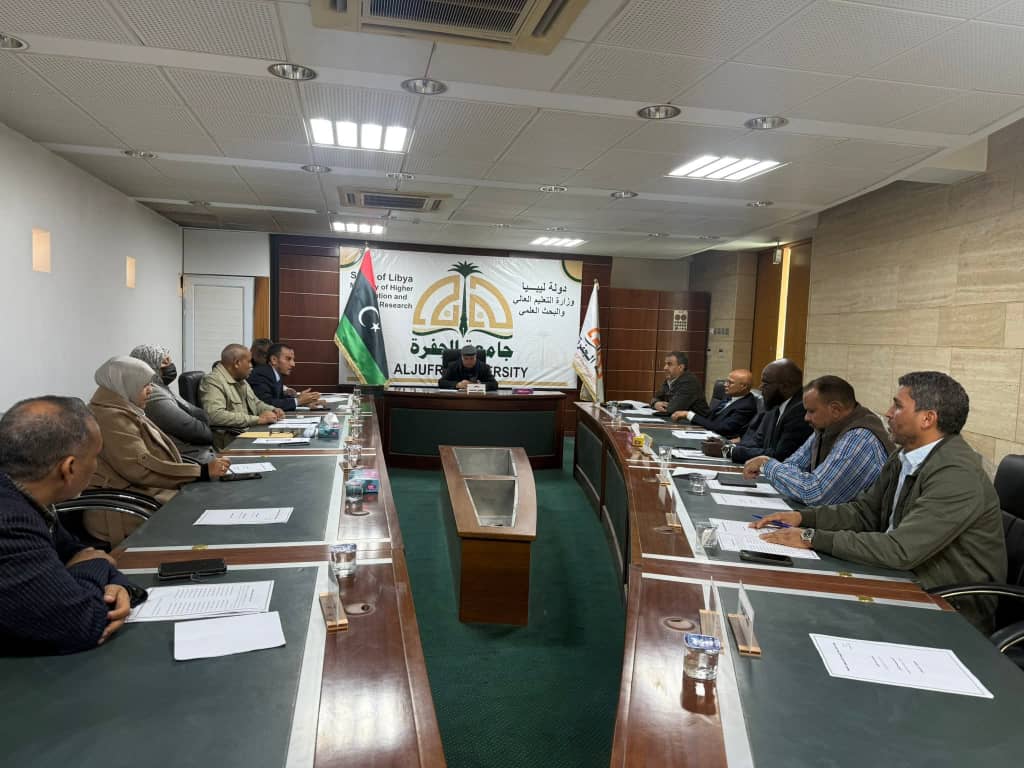
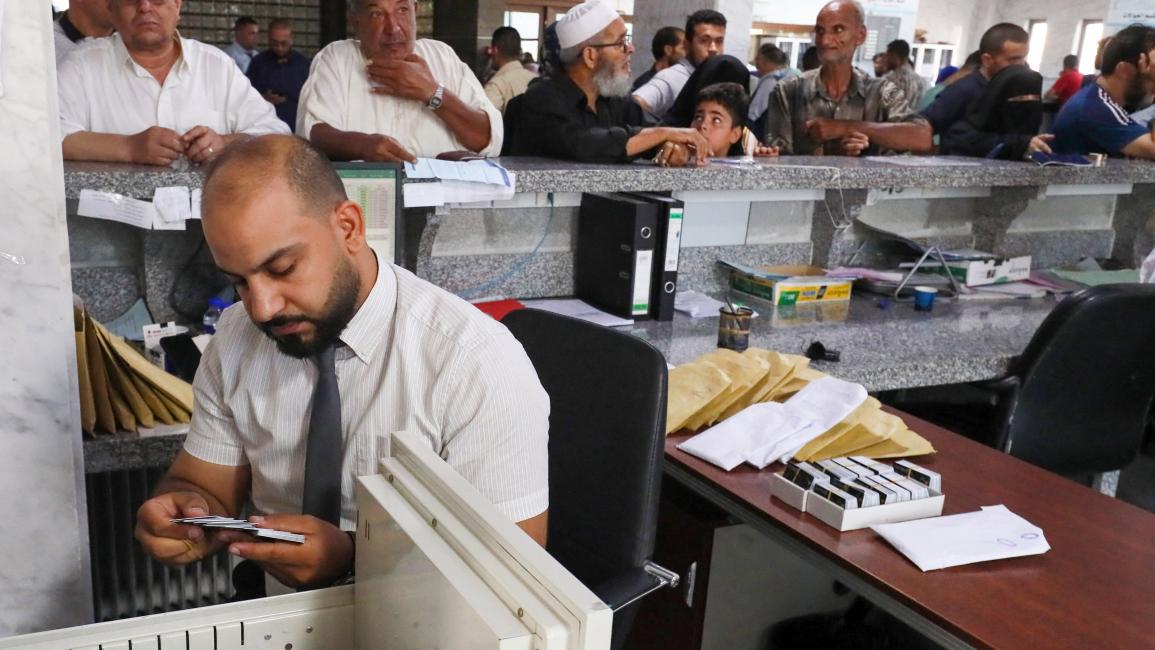
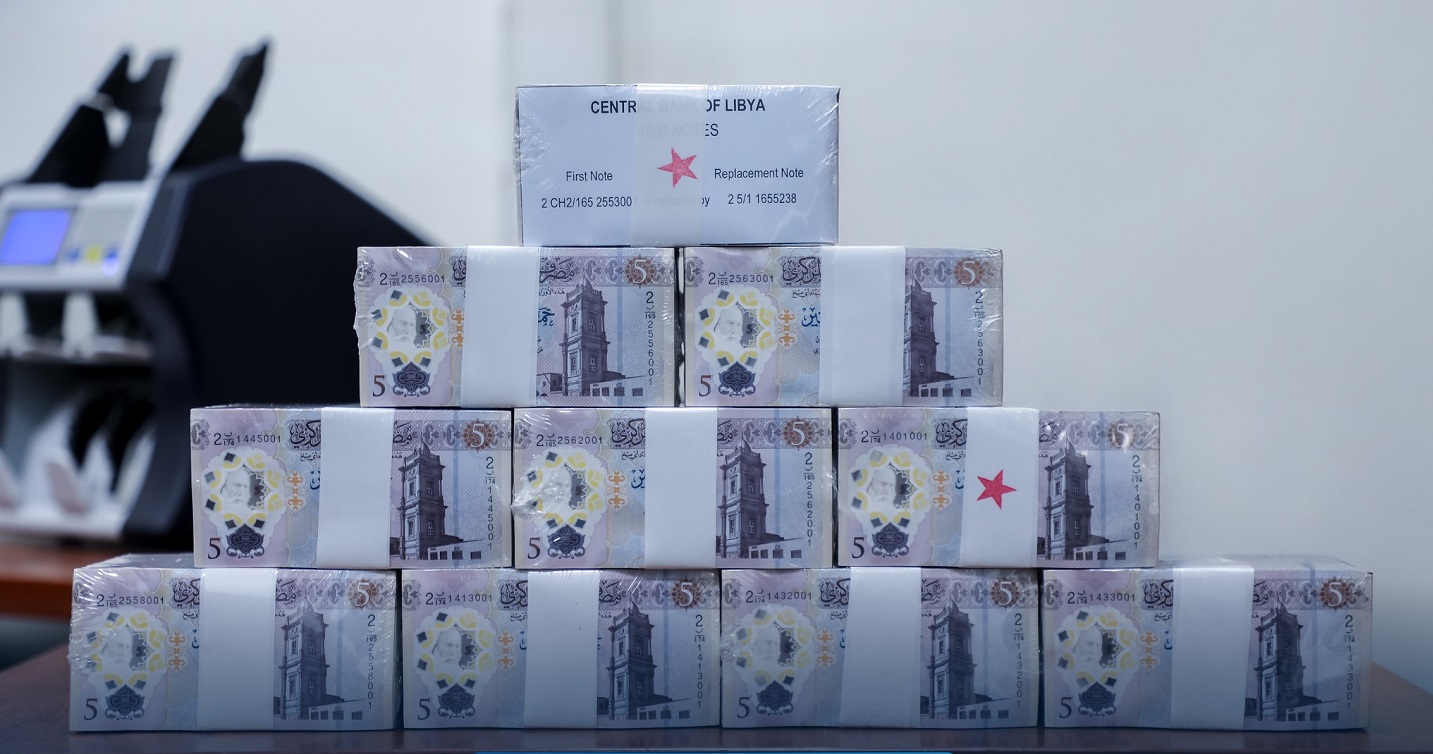
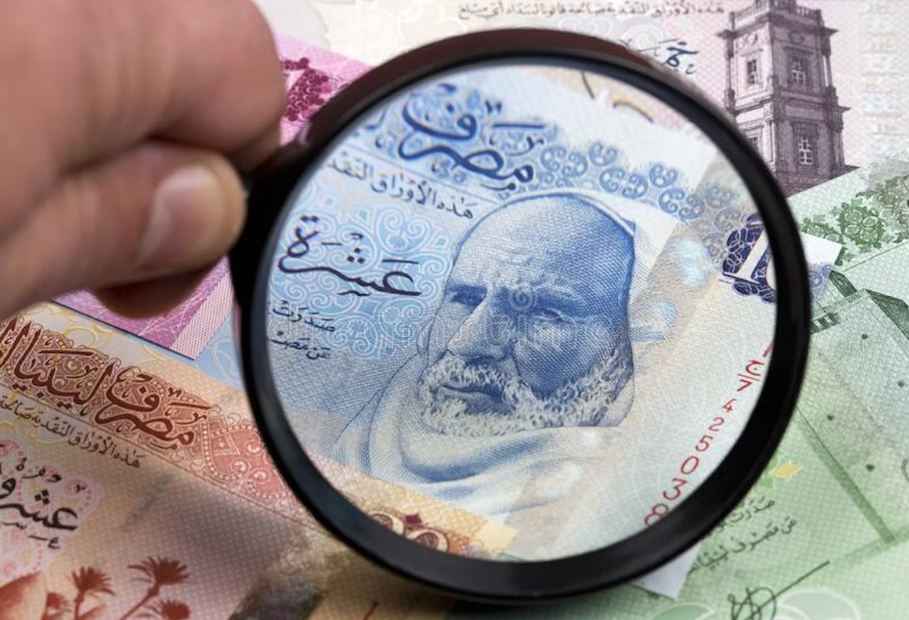
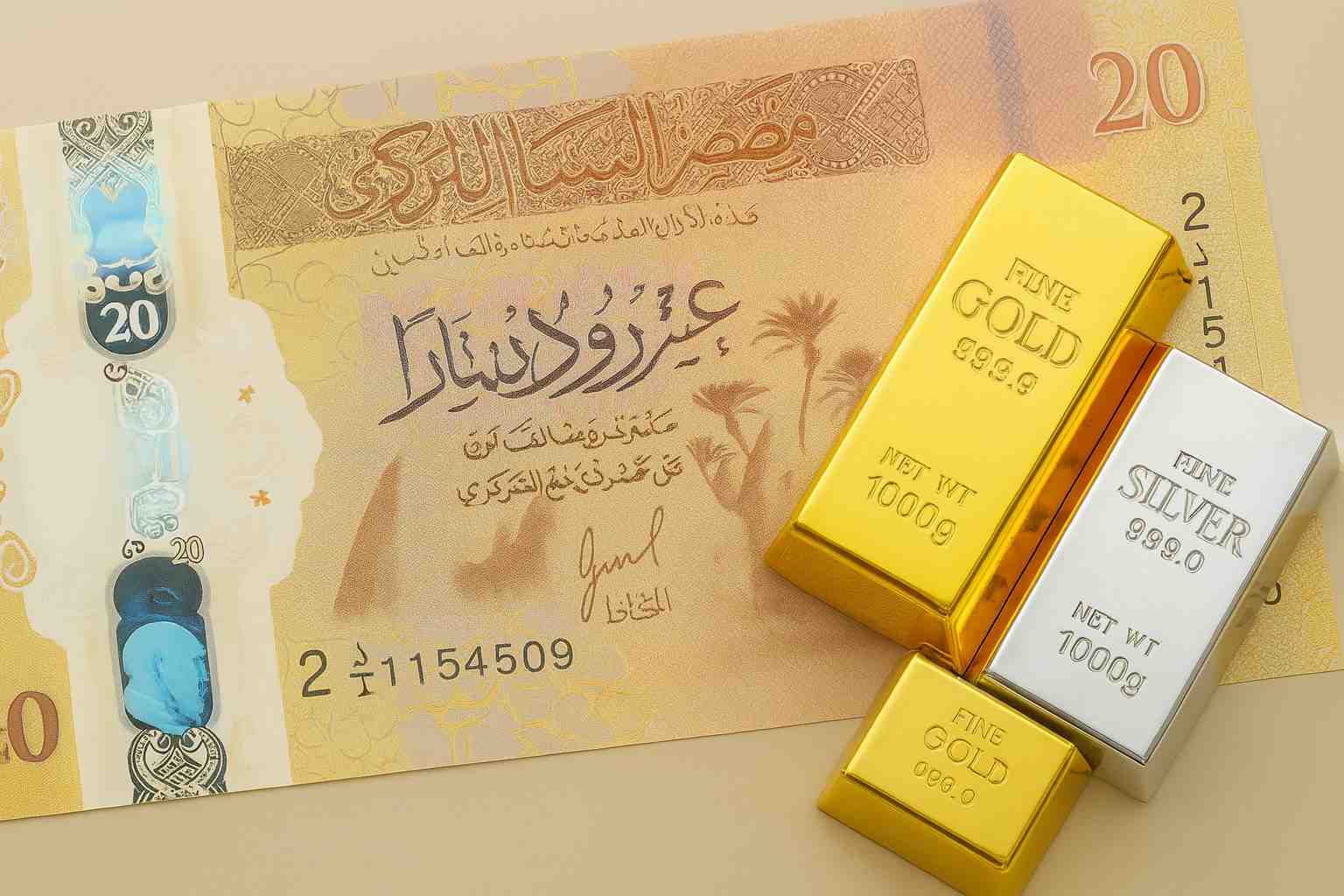
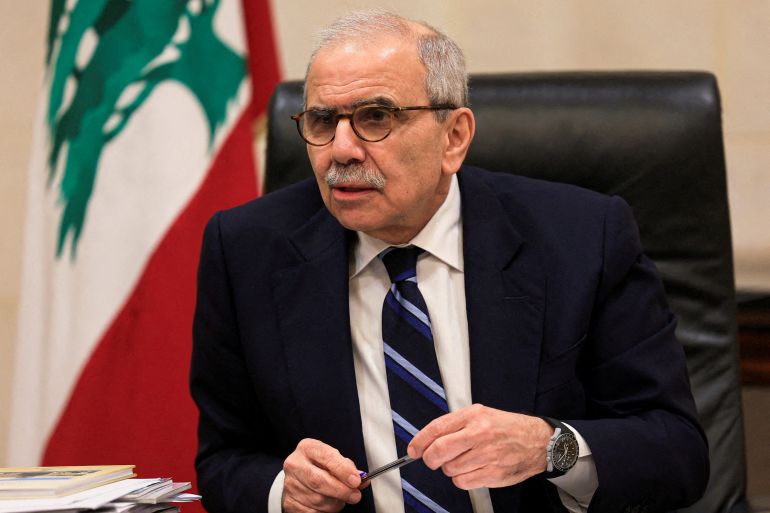
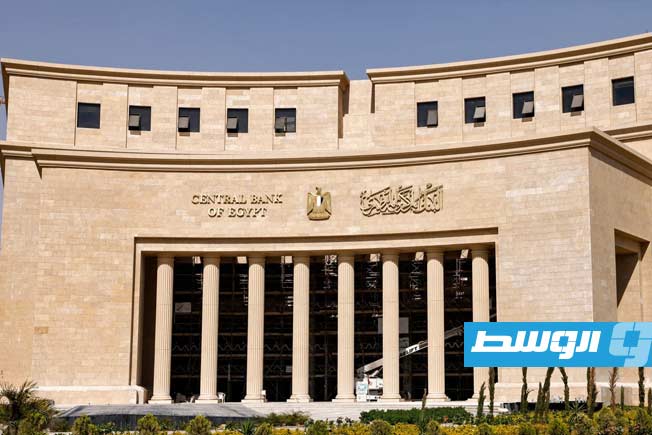
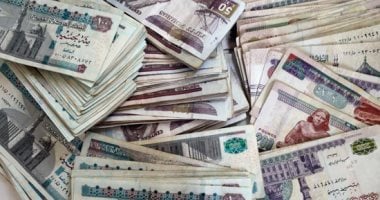
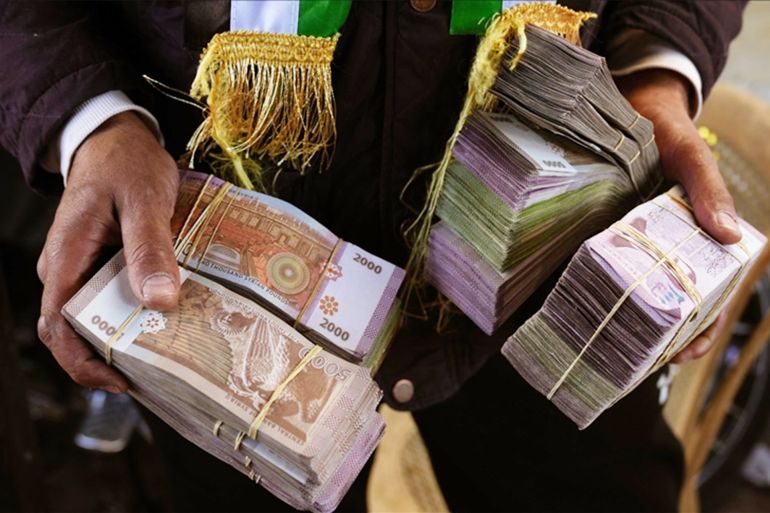
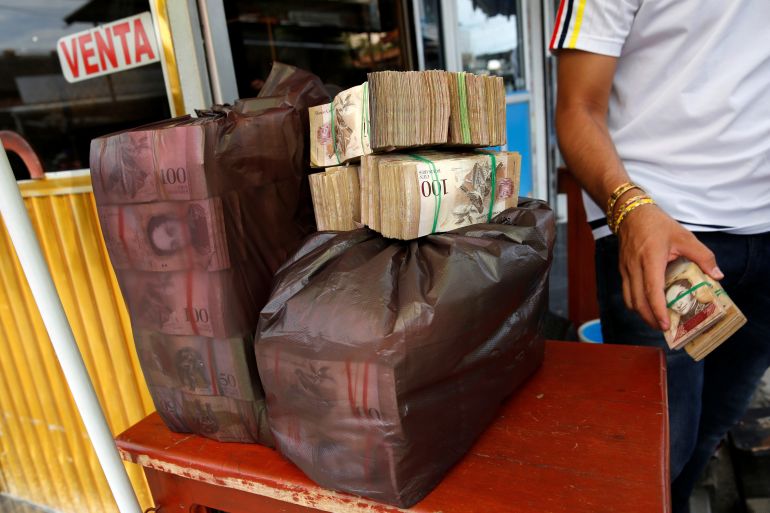
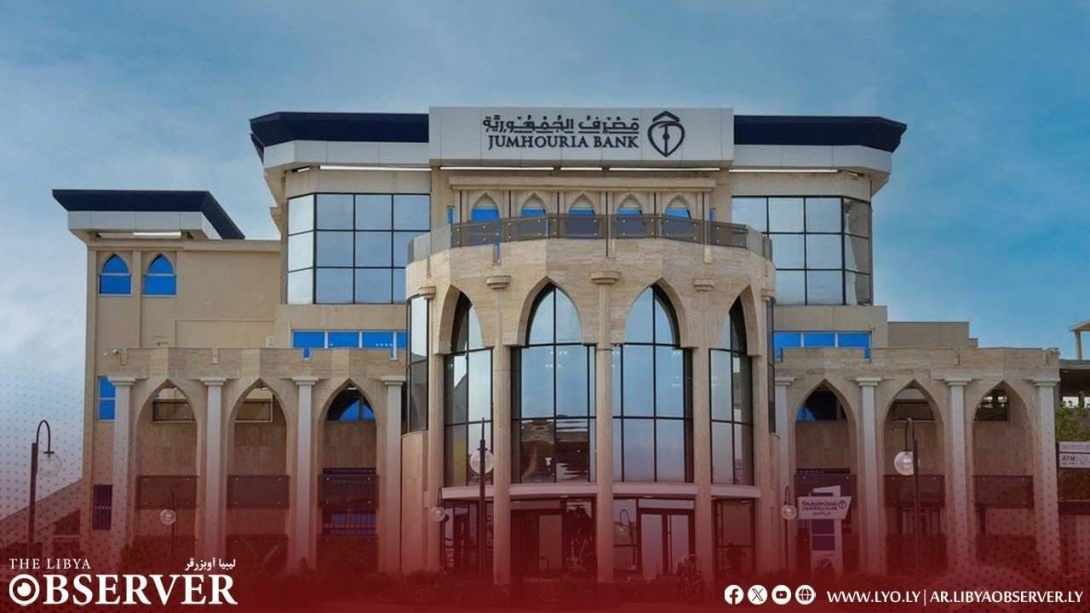
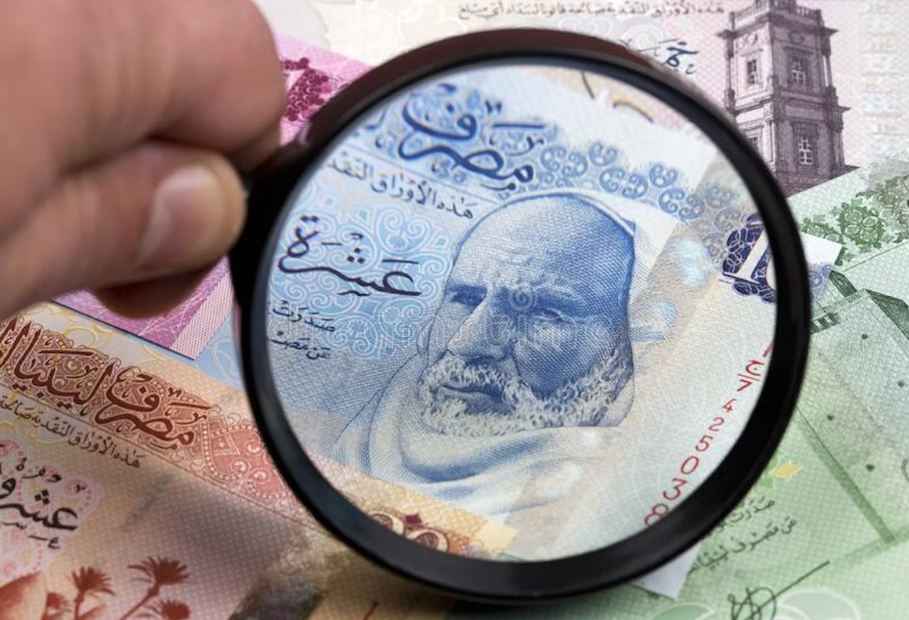
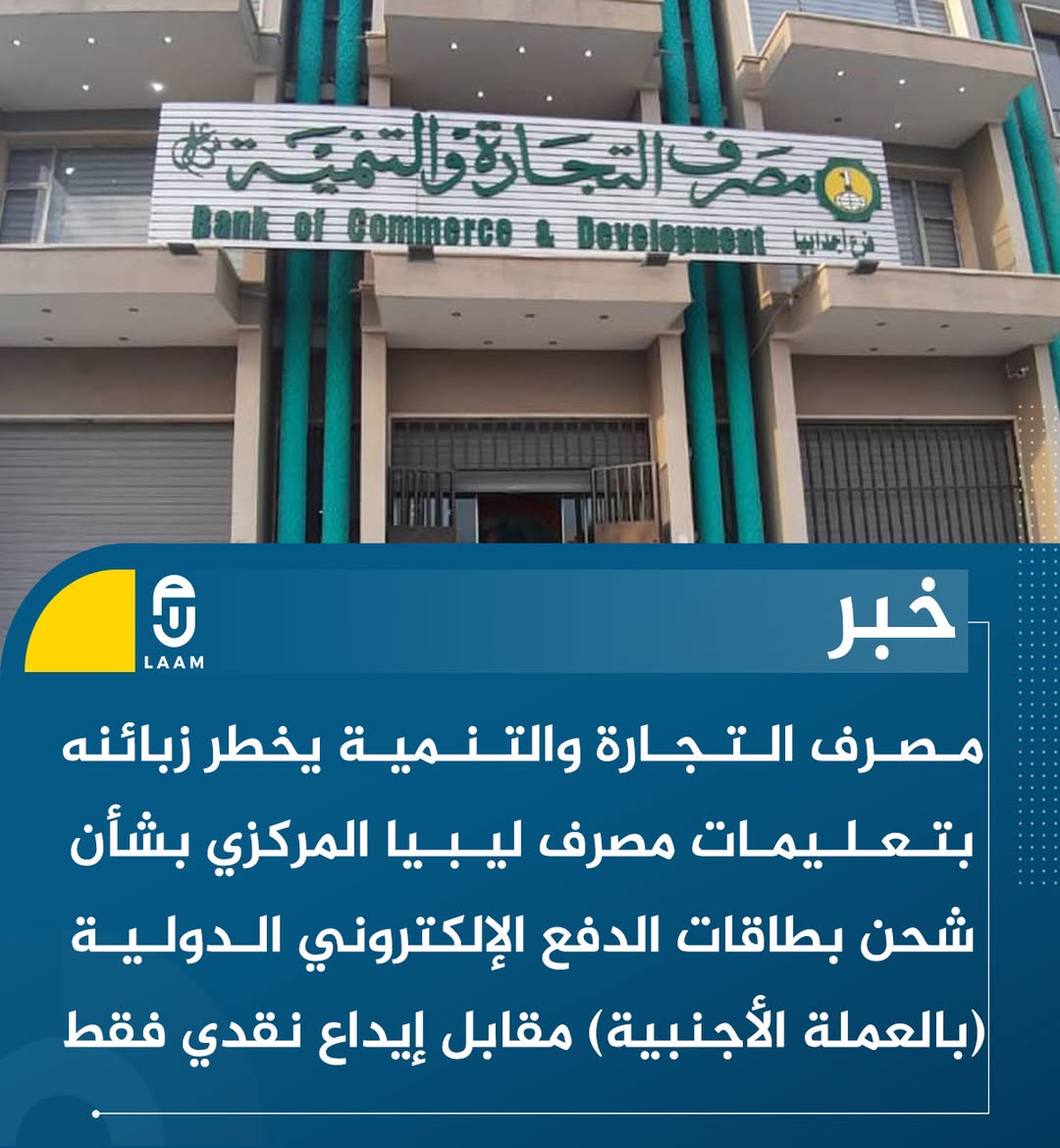
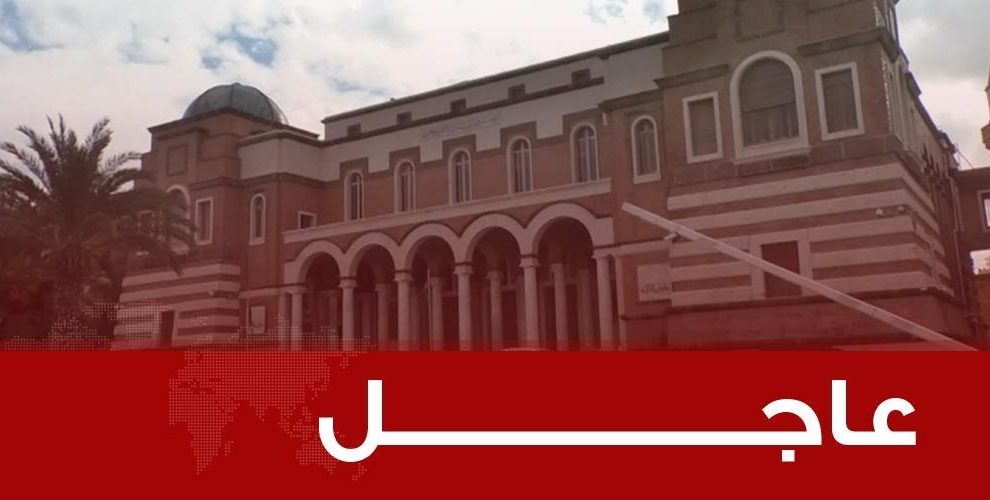
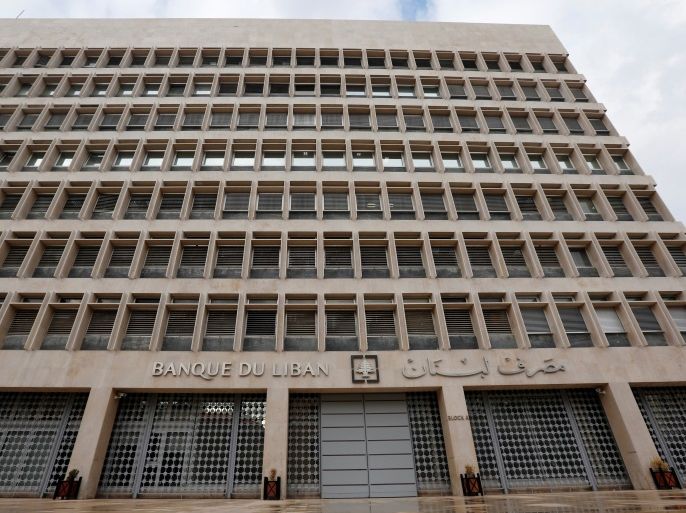
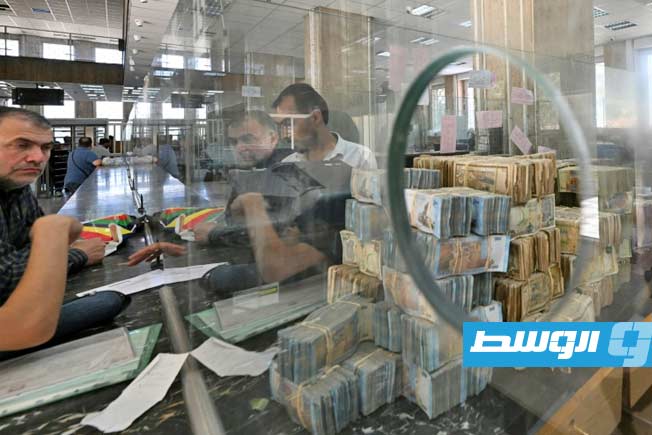
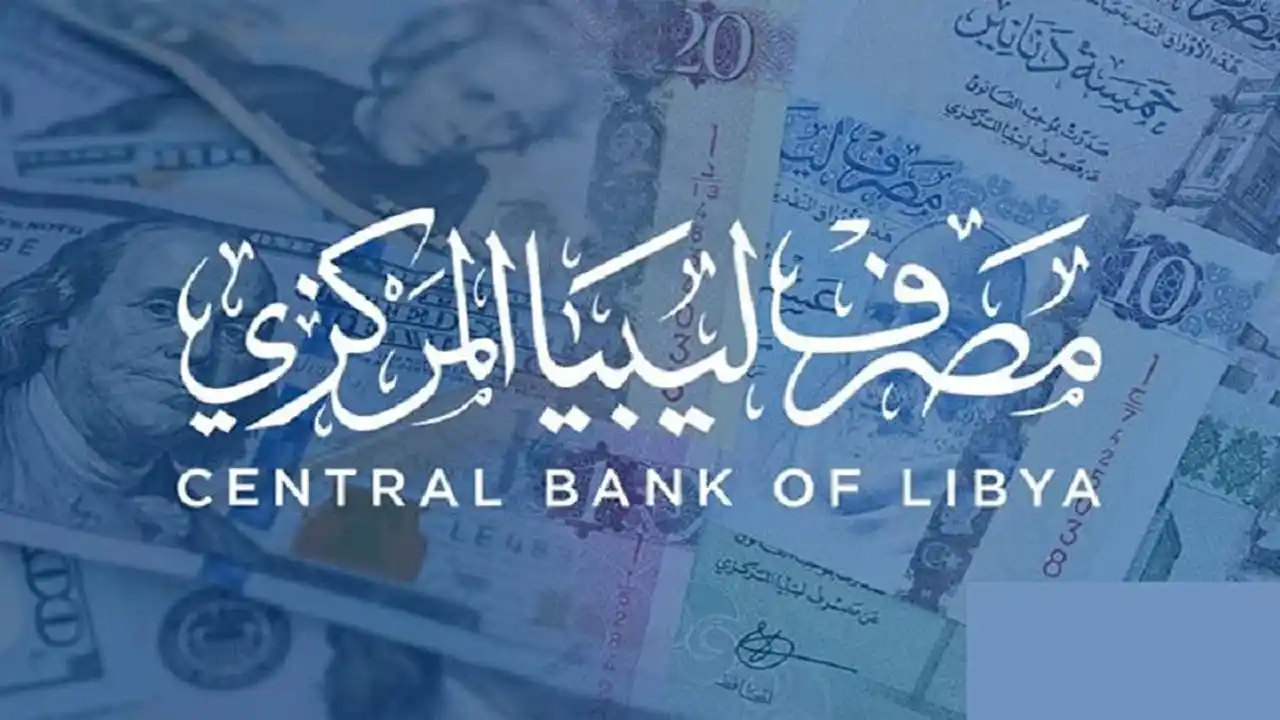
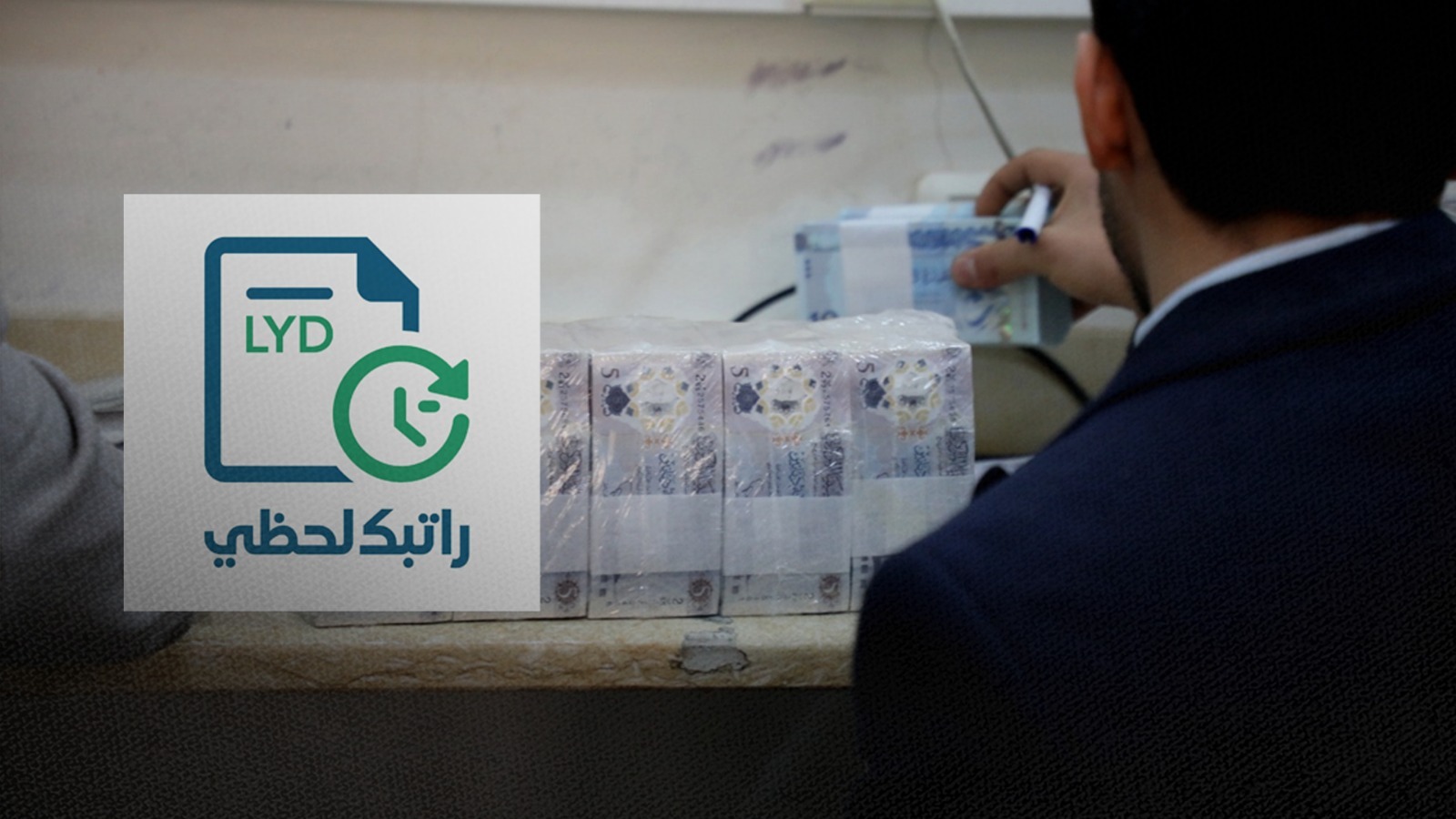
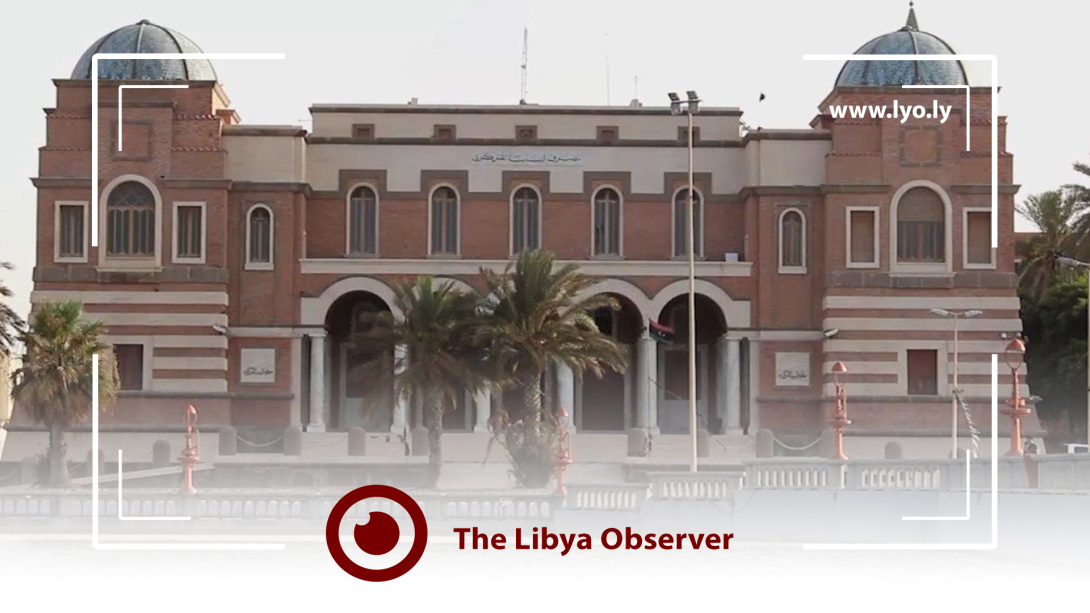
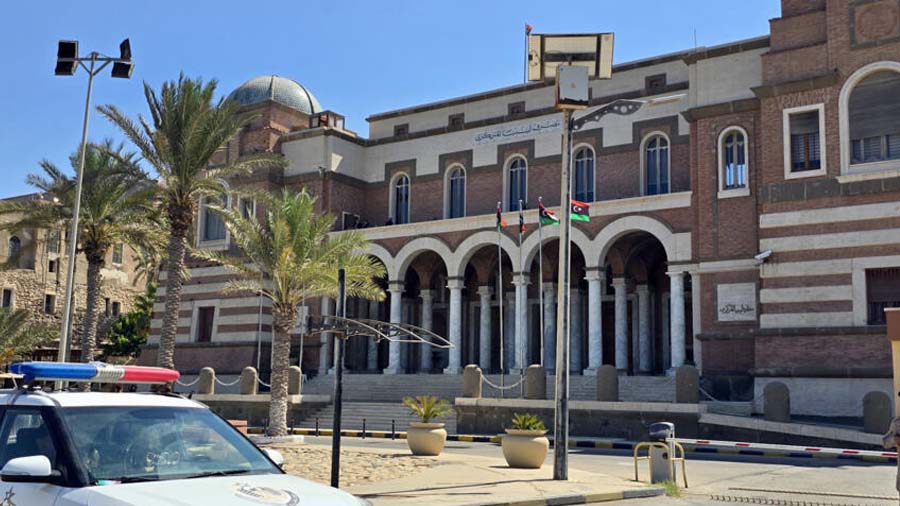
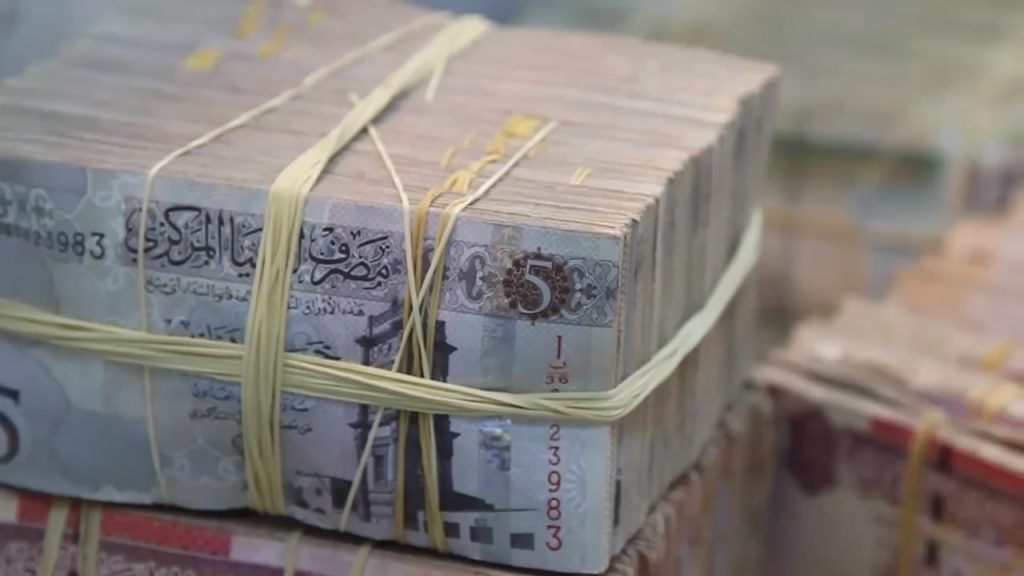
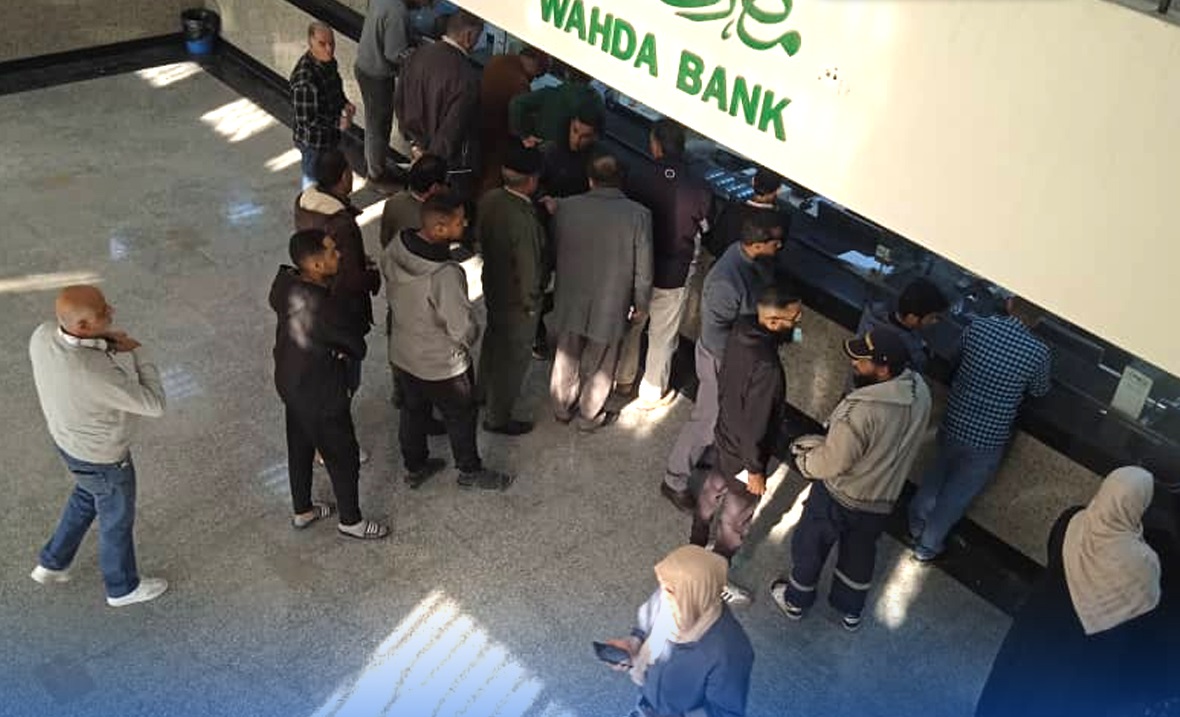
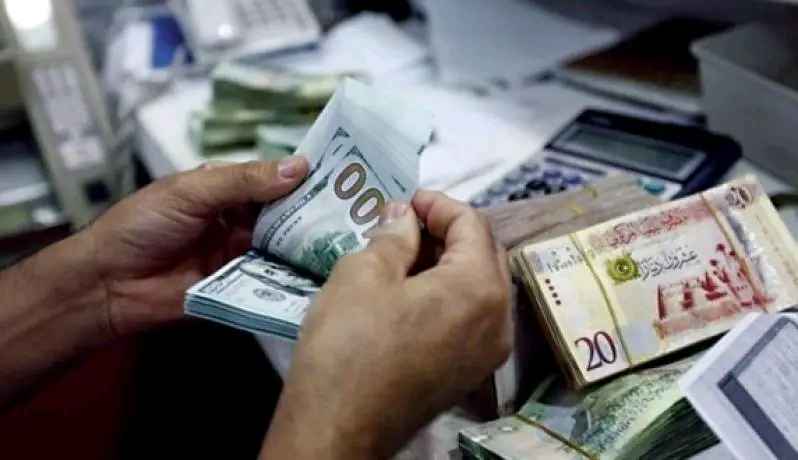
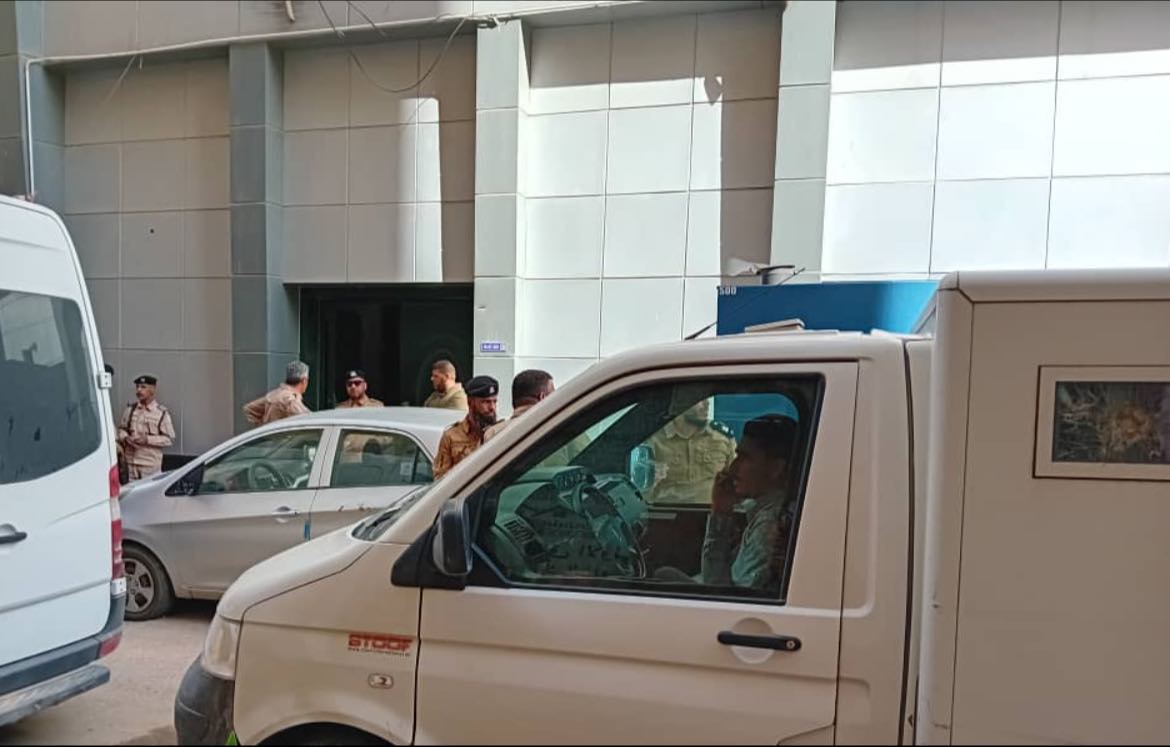
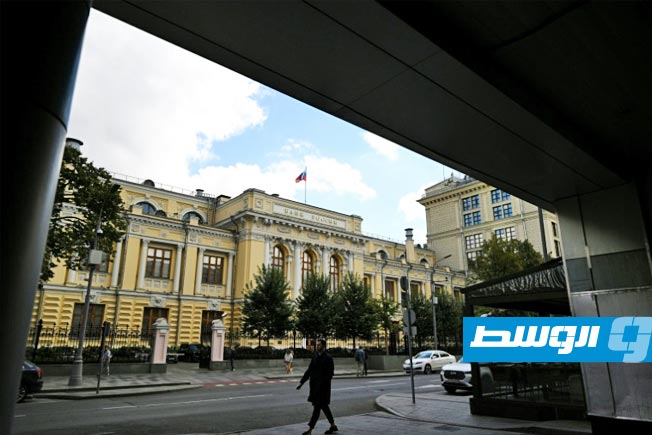
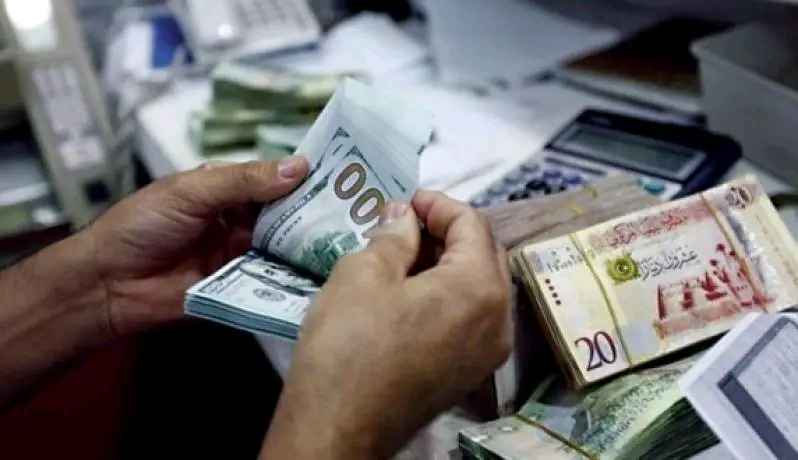
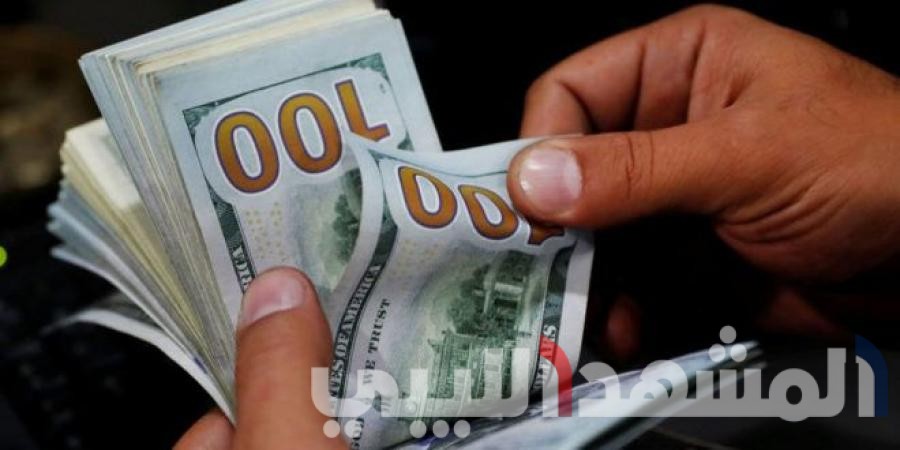
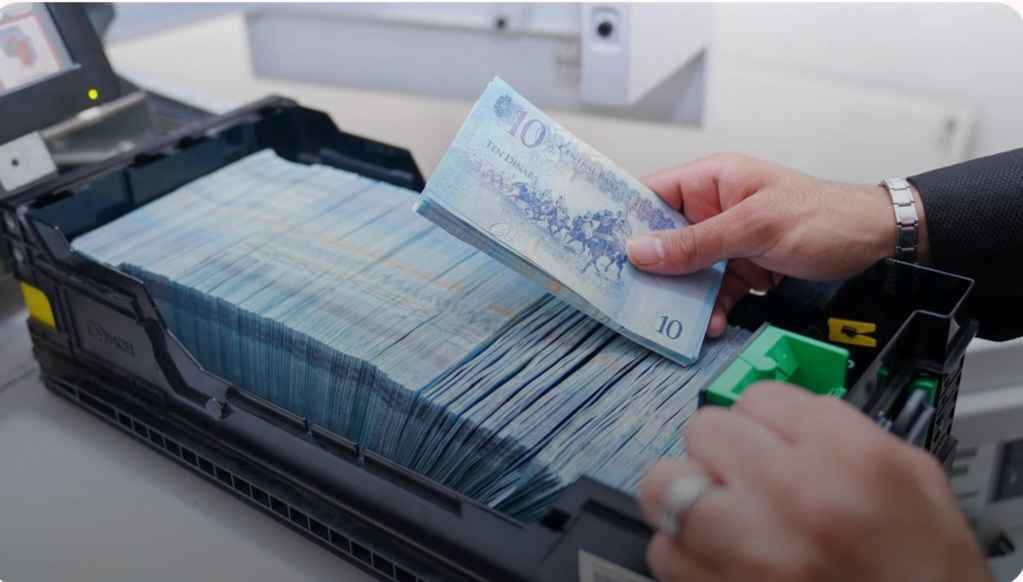
The Central Bank of Libya has issued new instructions to commercial banks in the eastern region regarding the distribution of cash liquidity. These instructions stipulate that withdrawals are to be limited to individual current accounts only.
The circular emphasized the necessity of separating accounts that receive salaries through the banking system from all other accounts, giving priority to these salary accounts in obtaining liquidity. It also stipulated that the withdrawal percentage allowed for accounts not receiving salary transfers should not exceed 20% compared to accounts designated for salaries.
This measure aims to regulate the liquidity distribution process and ensure it reaches the primary beneficiaries fairly, given the current economic conditions the country is experiencing.
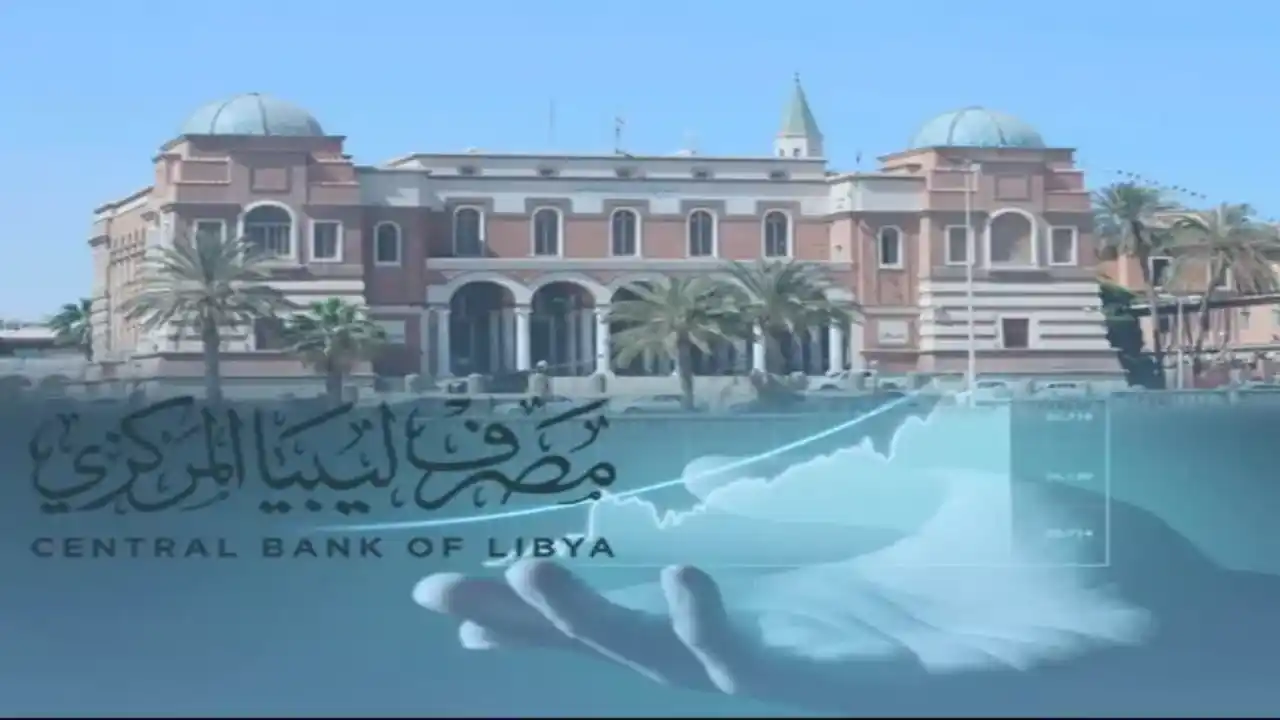
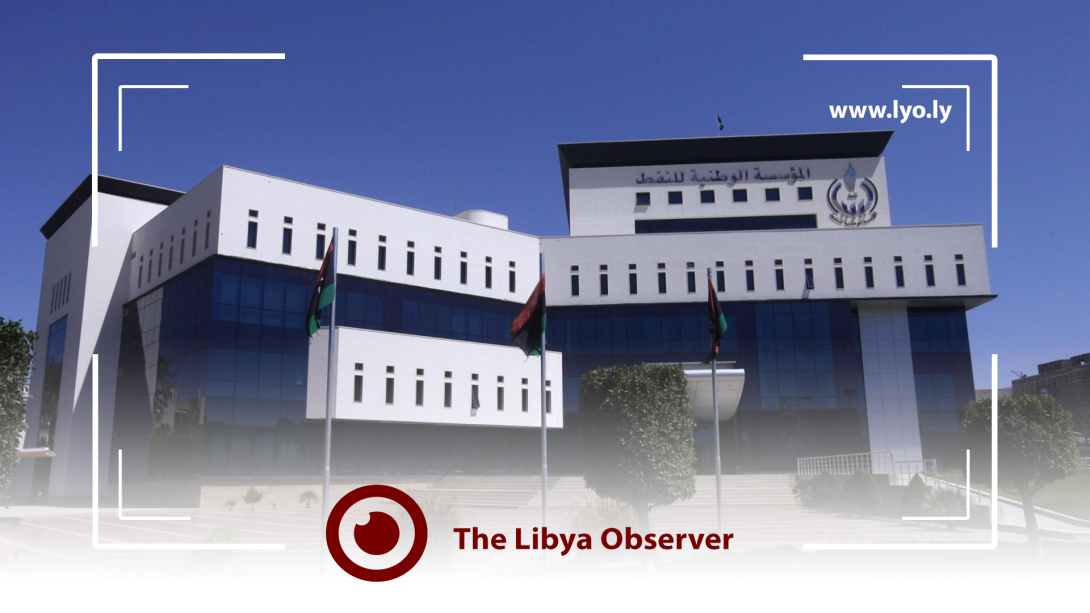
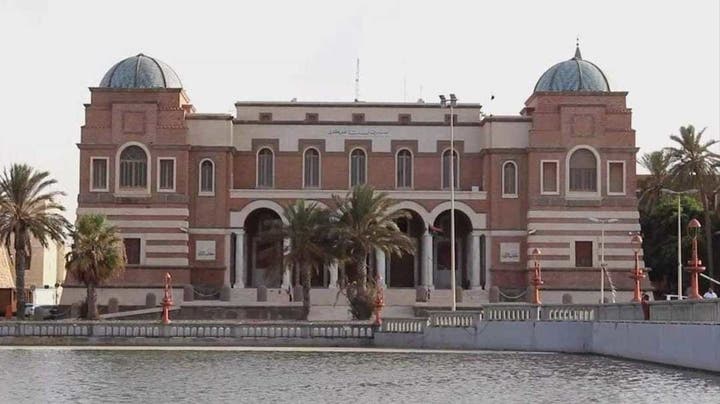
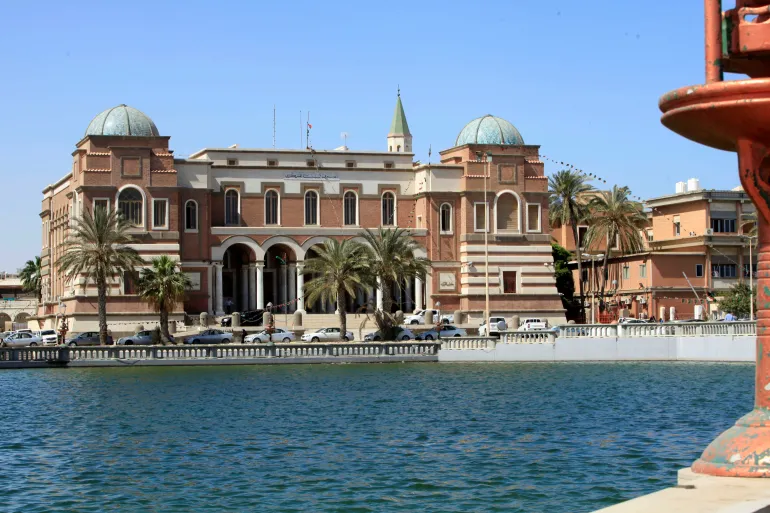
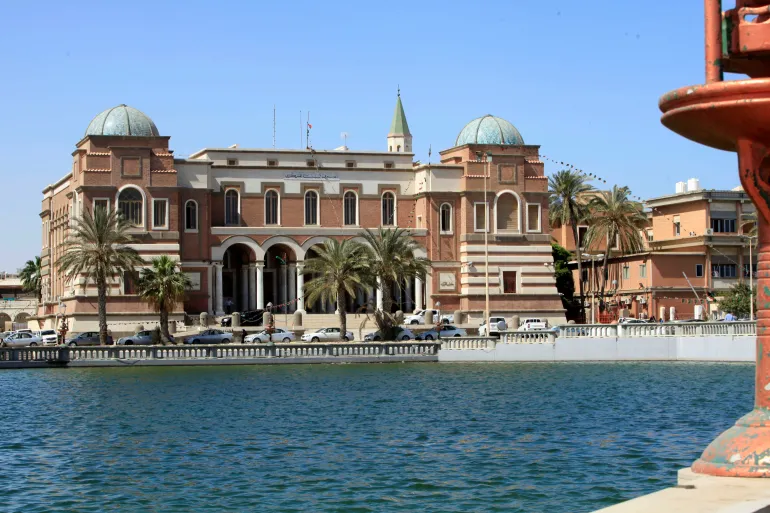
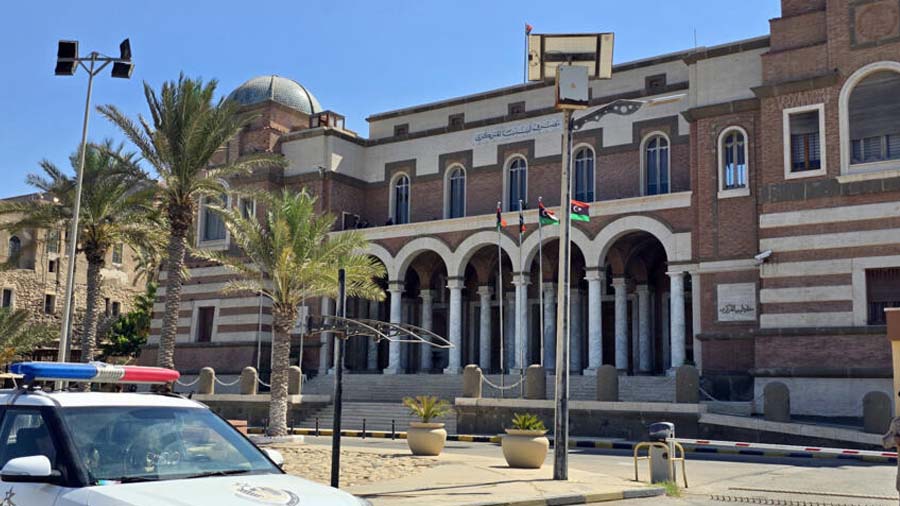
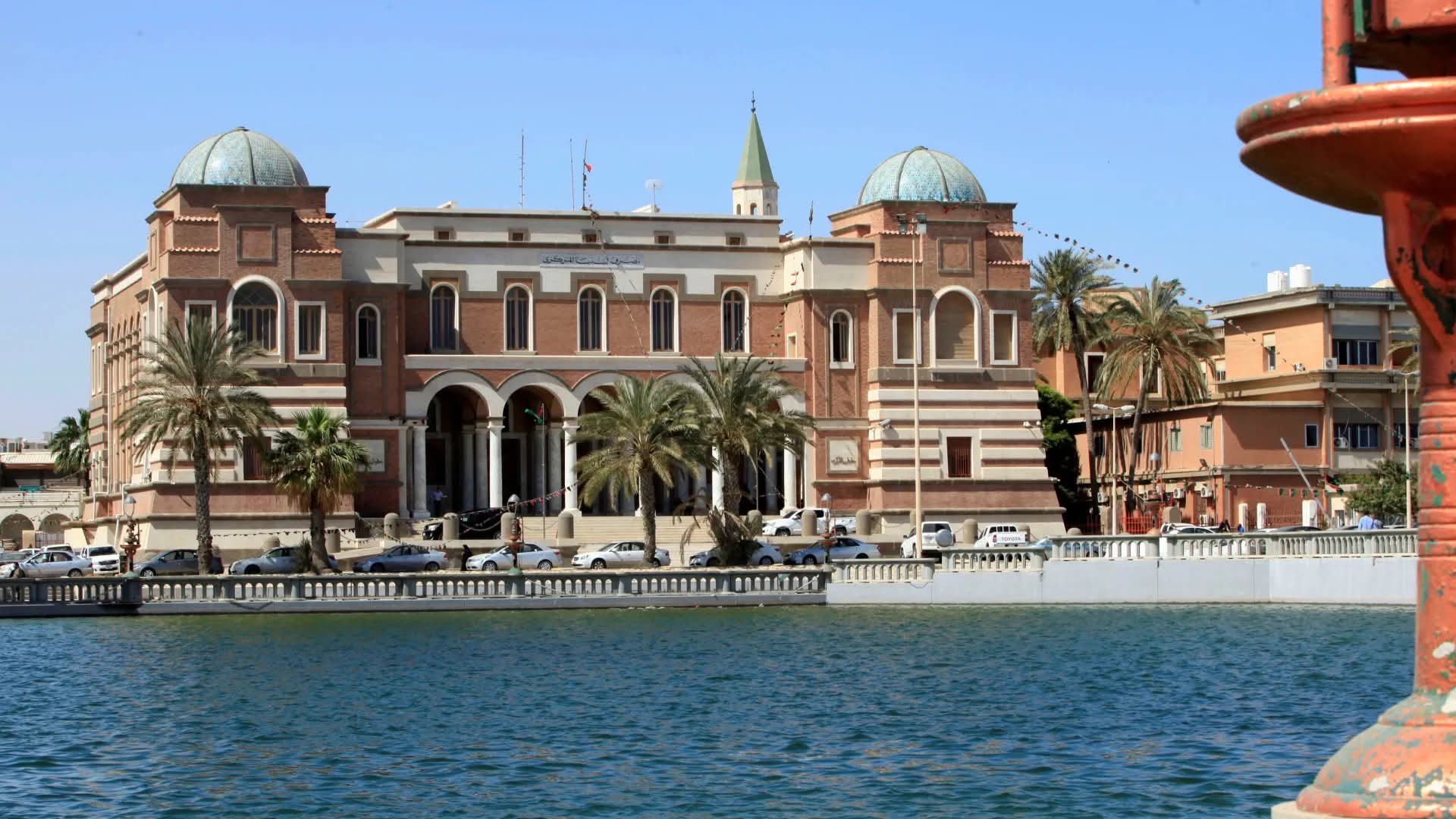
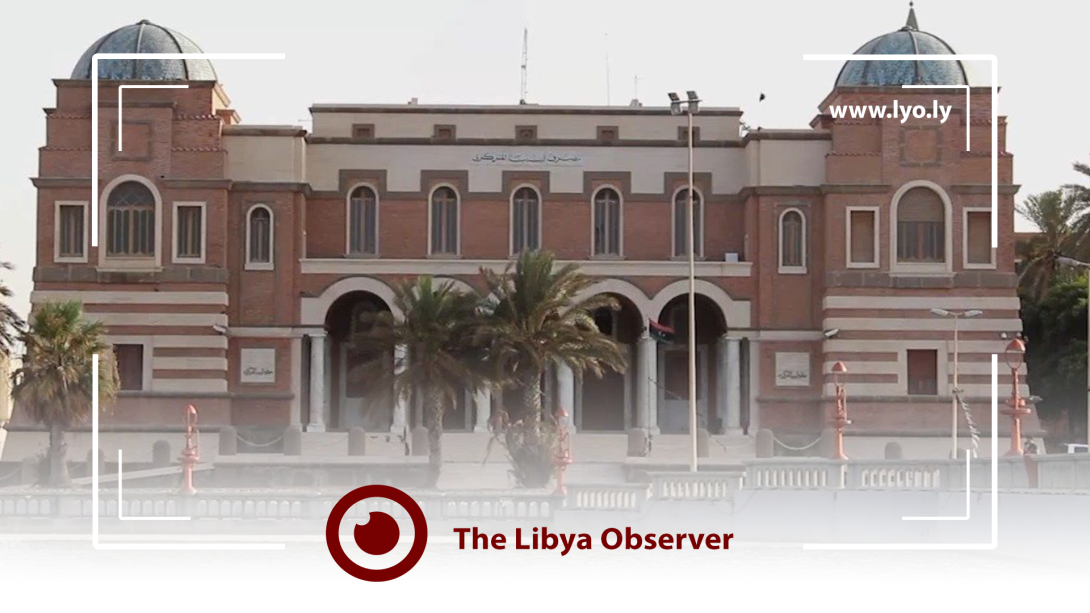
Central Bank of Libya
The Central Bank of Libya is the country’s primary monetary authority, established in 1956 to issue currency and manage monetary policy. It has played a critical and often divisive role in Libya’s recent history, notably functioning as a unified financial institution throughout the post-2011 civil conflicts despite the country’s political fragmentation.
Libya
Libya is a North African country with a rich history rooted in ancient civilizations like the Phoenicians and Romans, followed by centuries of Arab and Ottoman influence. In the modern era, it was an Italian colony before gaining independence in 1951, later becoming known for Muammar Gaddafi’s lengthy rule from 1969 until the 2011 revolution. The country is home to UNESCO World Heritage sites, such as the ancient Greek city of Cyrene and the Roman ruins of Leptis Magna.
eastern region
The Eastern Region is a vast and diverse area in Saudi Arabia, historically significant as the location of the ancient Dilmun civilization and later as a core territory of the Al Saud dynasty. It is most renowned today for holding the world’s largest proven reserves of oil, discovered in the 1930s, which transformed the nation’s economy and global standing. The region’s culture is shaped by its coastal heritage along the Arabian Gulf and its major urban centers like Dammam, Al Khobar, and Dhahran.