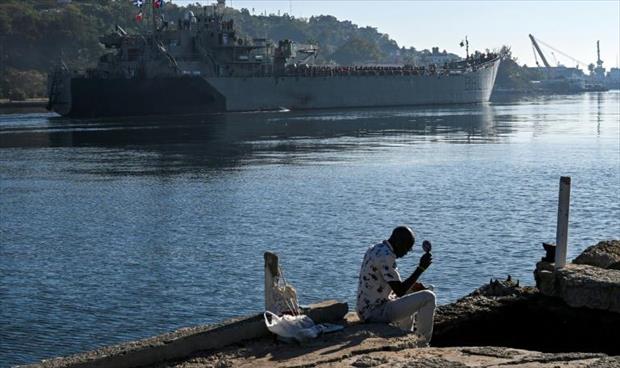
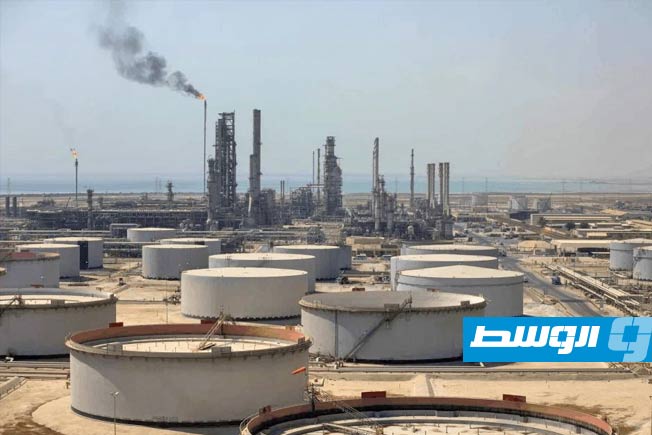
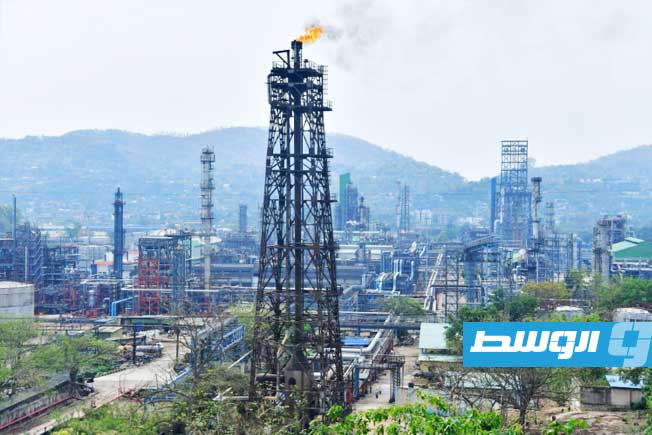
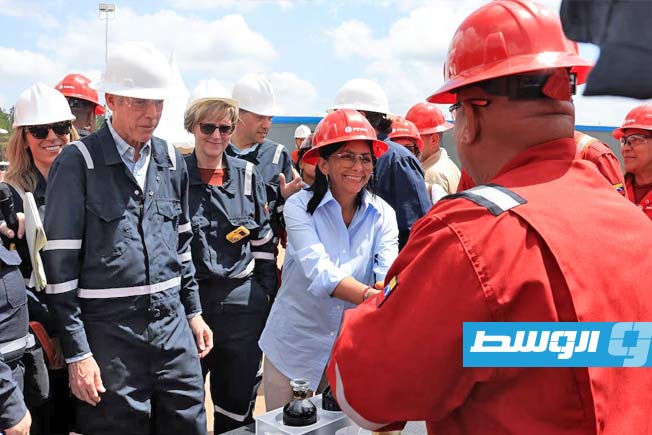
The Kremlin accused the United States on Monday of imposing “strangling measures” on Cuba, Russia’s traditional ally, after Havana announced the suspension of kerosene supplies for a month due to an energy crisis caused by the halt of oil supplies from Venezuela under pressure from Washington.
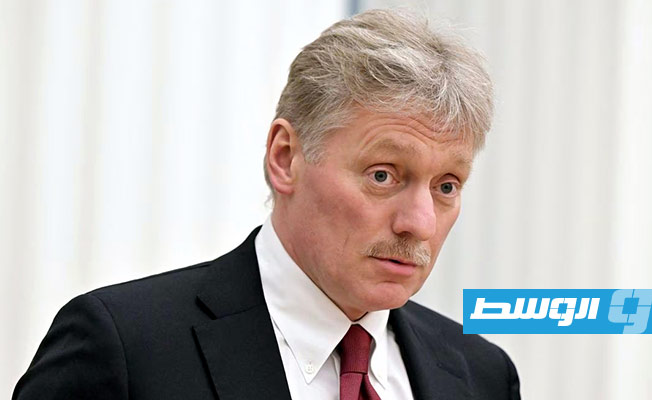
The Kremlin spokesman said, “The situation is extremely critical in Cuba. The strangling measures imposed by the United States are causing immense difficulties for the country.”
He added, “We are discussing possible solutions with our Cuban friends, at least to provide any possible assistance.”
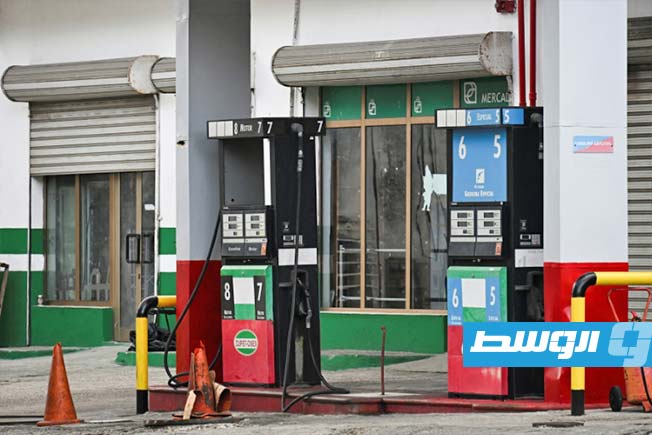
Severe Energy Crisis
On Friday, the Cuban government announced a series of measures to confront the severe energy crisis the country is suffering from under American pressure, including adopting a four-day work week and transitioning to remote work, up to the closure of hotels.
The Deputy Prime Minister, speaking on state television, said these pressures “are pushing us to make a series of decisions, whose primary goal is to ensure the continuity of our country and secure basic services without abandoning development.”
He explained, surrounded by a number of ministers, particularly the ministers of labor, education, and transportation, that “fuel will be allocated to protect the basic services for citizens and essential economic activities.”
Kremlin
The Kremlin is a historic fortified complex at the heart of Moscow, Russia, serving as the country’s political and cultural center. Originally constructed in the 12th century, it has been the residence of Russian rulers, from the Tsars to the current President, and contains significant cathedrals, palaces, and government buildings within its walls.
United States
The United States is a federal republic founded in 1776 after declaring independence from Great Britain, with its modern government established by the Constitution in 1789. Its history includes westward expansion, a civil war over slavery, and its emergence as a global superpower in the 20th century. The nation is defined by its diverse cultural heritage, democratic ideals, and significant economic and political influence worldwide.
Cuba
Cuba is a Caribbean island nation with a rich history shaped by Spanish colonization, the Atlantic slave trade, and its 1959 revolution, which established a socialist state. Its culture is a renowned fusion of Spanish, African, and Caribbean influences, evident in its music, dance, and architecture. Key cultural sites include Old Havana, a UNESCO World Heritage site with well-preserved colonial-era buildings.
Russia
Russia is the world’s largest country by area, spanning Eastern Europe and Northern Asia. Its history is marked by the rule of the Tsars, the Soviet Union era following the 1917 revolution, and its modern establishment as the Russian Federation in 1991. It is renowned for its vast landscapes, rich literary and artistic traditions, and complex political history.
Havana
Havana is the capital city of Cuba, founded by the Spanish in 1519. It became a major port for the Spanish treasure fleet and is renowned for its well-preserved colonial architecture in Old Havana, a UNESCO World Heritage Site.
Venezuela
Venezuela is a South American country with a history of indigenous cultures before Spanish colonization in the 16th century. It gained independence in the early 19th century and is known for its significant oil reserves and diverse natural landscapes, including Angel Falls, the world’s tallest waterfall.
Washington
Washington, D.C., is the capital city of the United States, founded in 1790 following the ratification of the U.S. Constitution. It was established as a federal district to serve as the seat of the national government, distinct from any state, and was named after the first U.S. president, George Washington. The city is home to iconic landmarks such as the White House, the U.S. Capitol, and the Washington Monument, which reflect its central role in American political history.