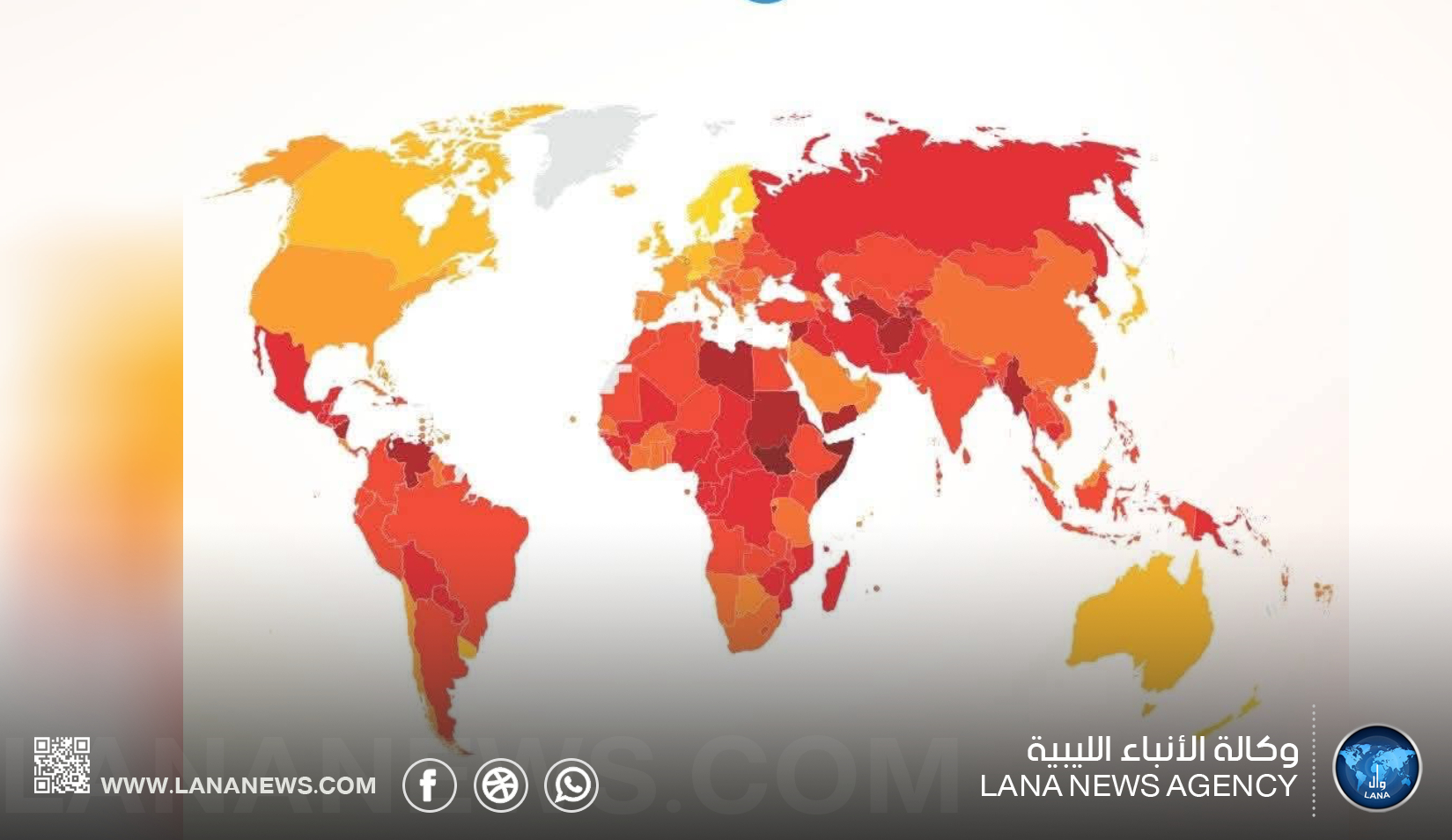
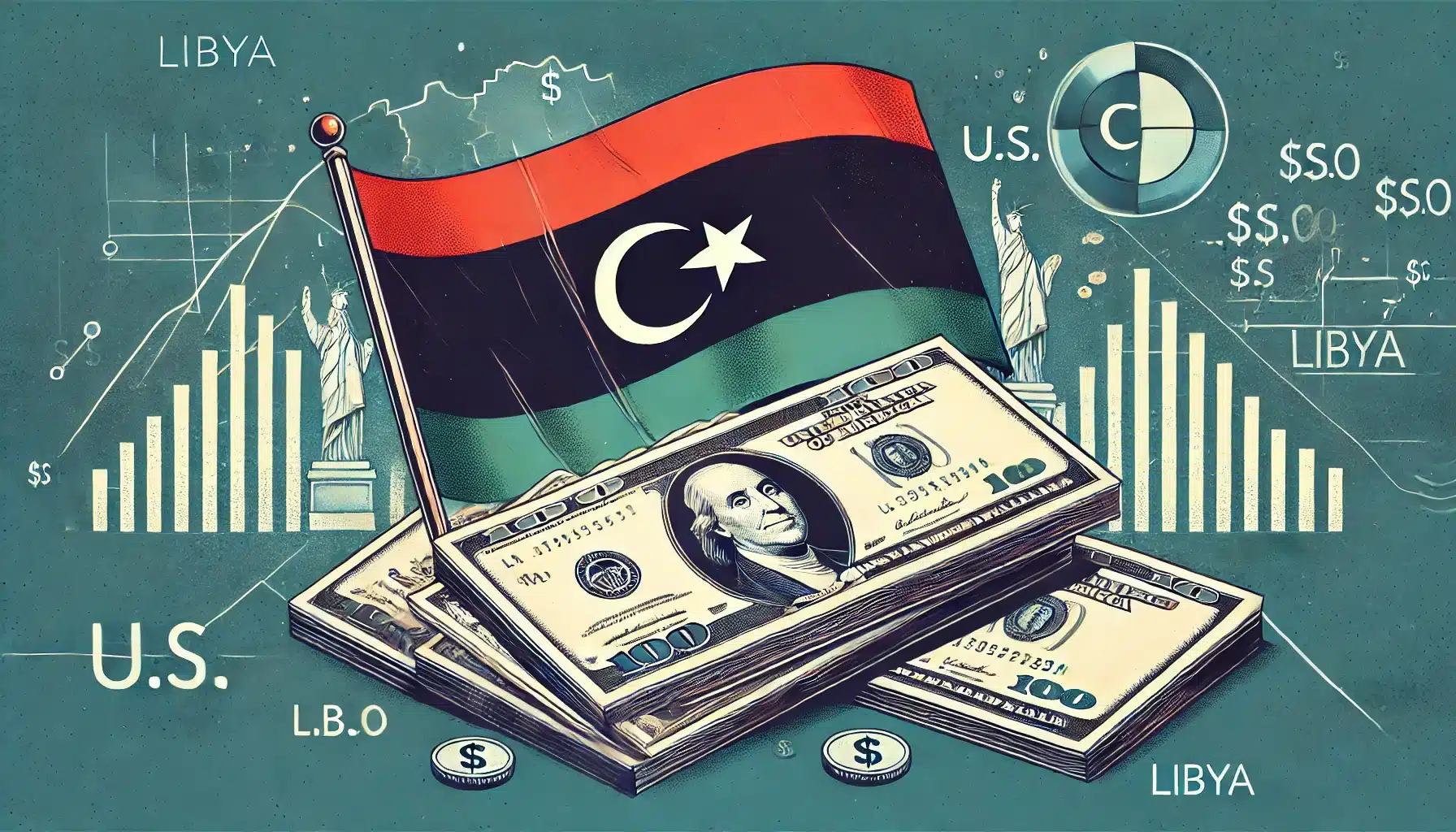
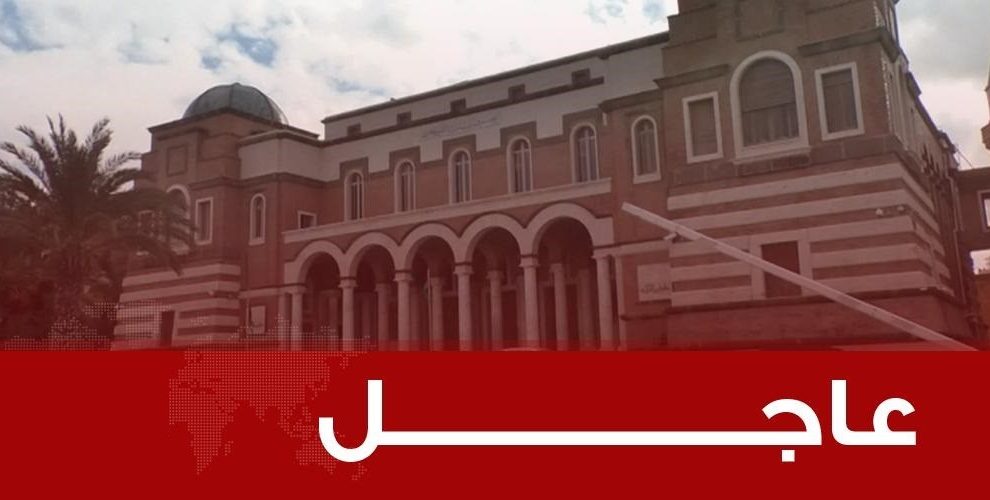
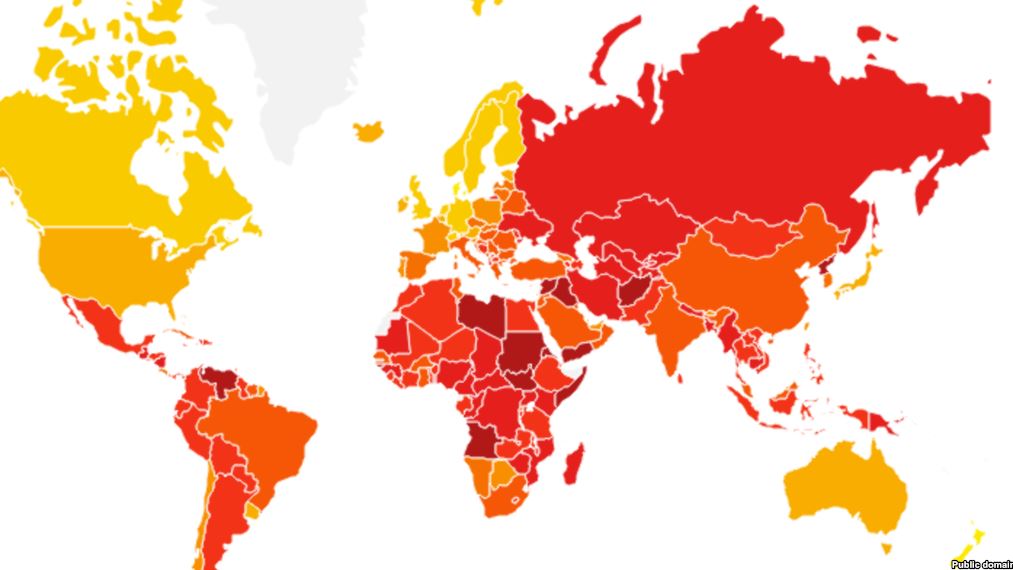
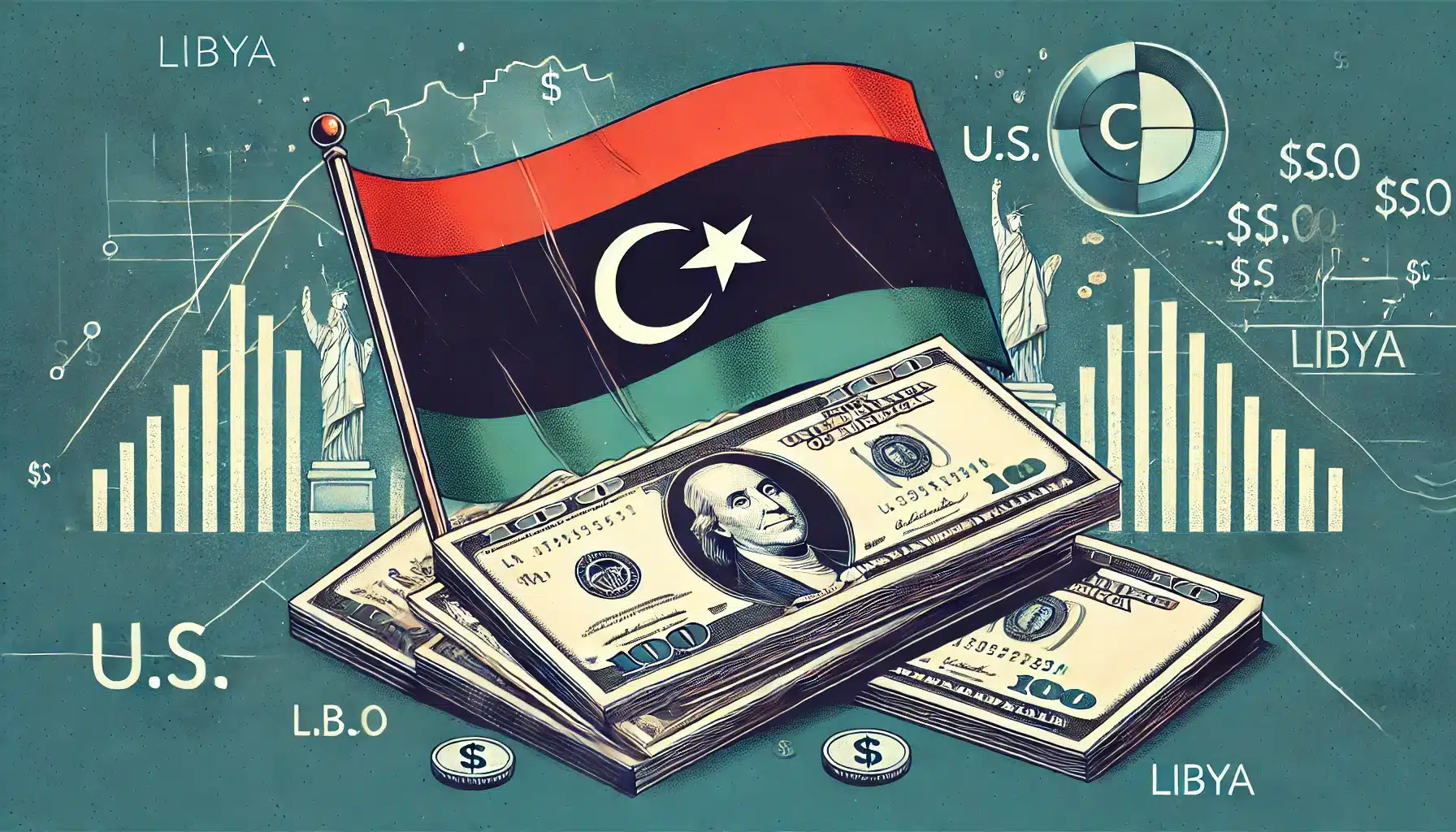
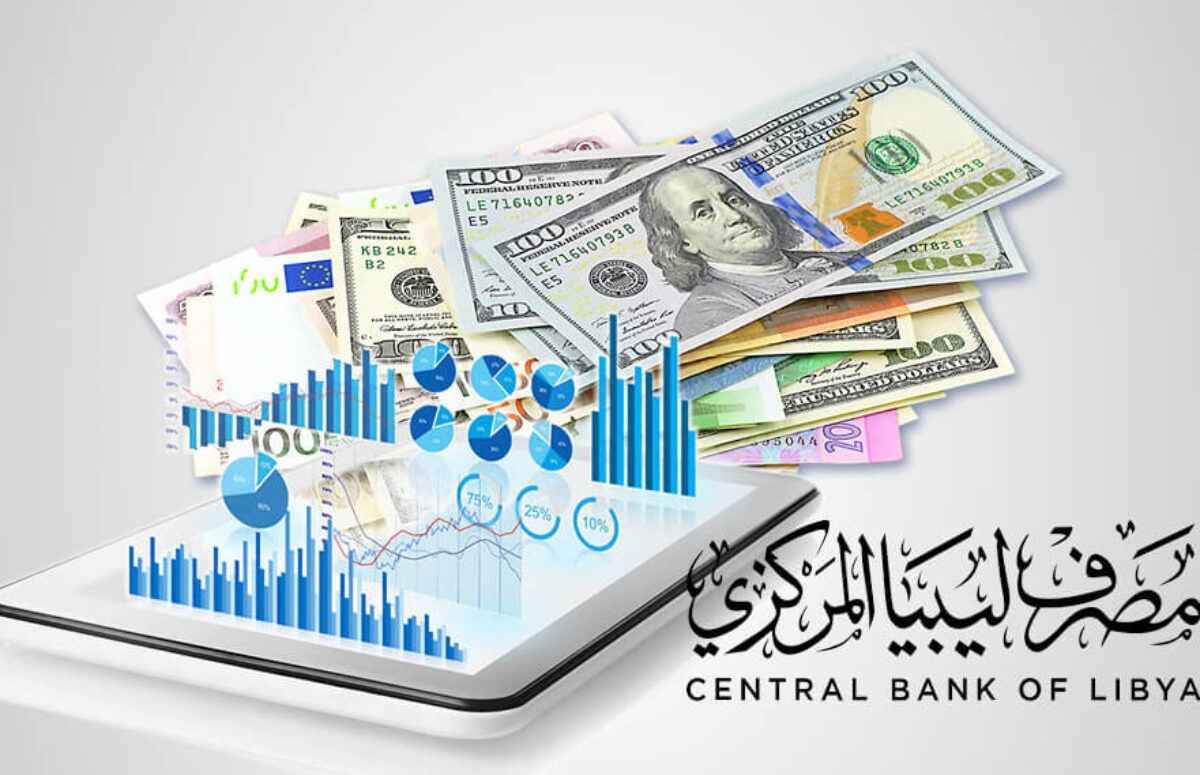
Benghazi, February 10, 2026 – Data from the 2025 Corruption Perceptions Index, issued by Transparency International, shows Libya’s continued decline in the global ranking, placing 173rd out of 180 countries. Libya scored only 13 out of 100 points, indicating the depth of challenges the country faces in integrity and governance.
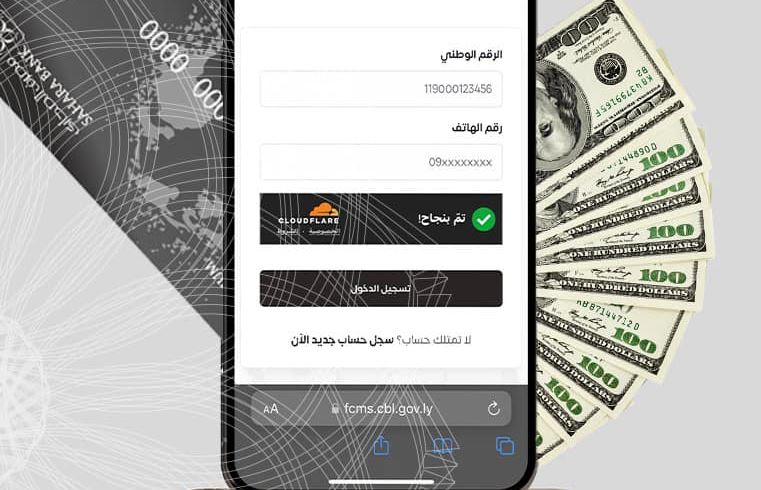
In this context, it was confirmed that this decline reflects the spread of financial and administrative corruption in recent years, amid political division and weak security stability, which has directly impacted the performance of state institutions and reduced the effectiveness of oversight and accountability tools.
It was explained that reading the data spanning 2020 to 2025 shows a state of negative stagnation in Libya’s ranking on the corruption index, indicating the absence of real, radical solutions in managing public funds and the persistence of the same structural imbalances.
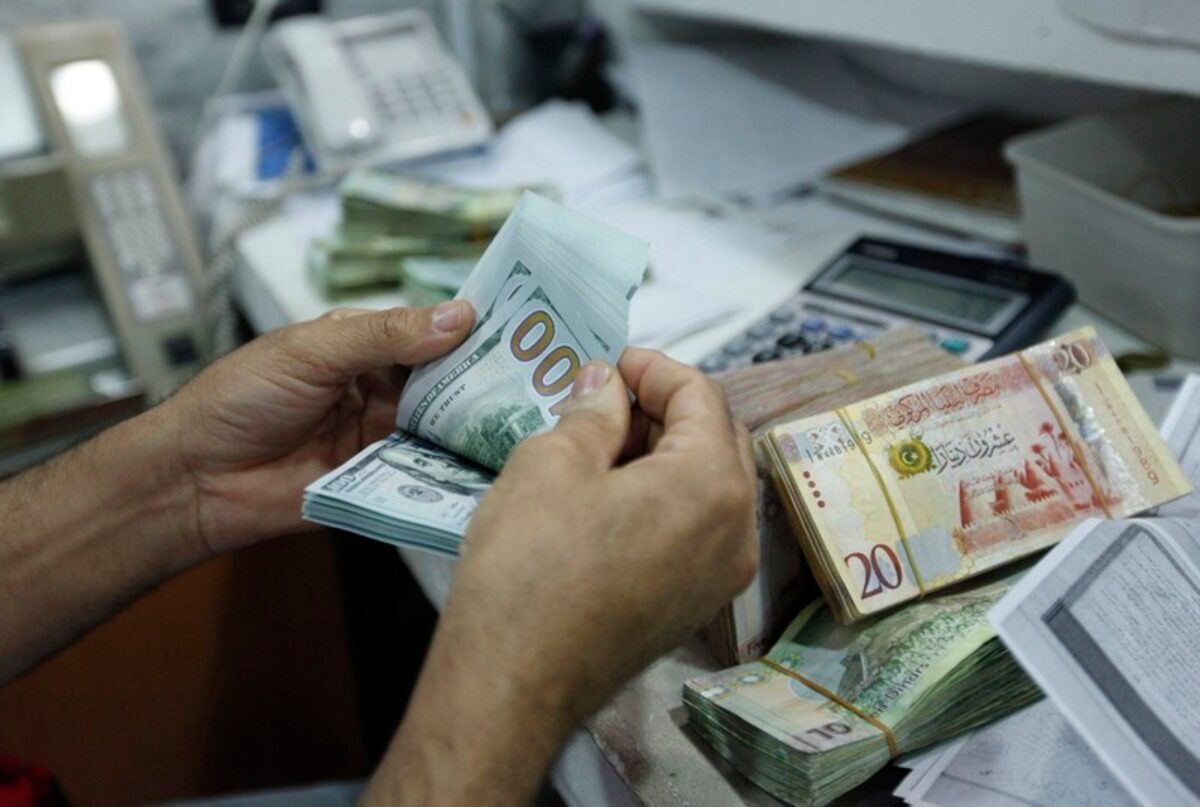
It was added that reports from the Audit Bureau and the Administrative Control Authority during this period revealed financial violations estimated at billions of dollars, alongside the referral of dozens of officials to the relevant judicial authorities.
It was noted that these indicators place Libya among a group of Arab countries suffering from high levels of corruption, alongside Yemen, Sudan, and Iraq, with a warning that the continuation of this situation could lead to further economic deterioration and a deepening loss of trust in state institutions.
It was emphasized that confronting this phenomenon requires comprehensive institutional reforms, starting with unifying the executive authority, strengthening judicial independence, and activating transparency and accountability mechanisms. This would ensure the protection of public funds and create a suitable environment for achieving sustainable development and stability.
Benghazi
Benghazi is a major city in eastern Libya, historically significant as a center of trade and culture since its founding as the Greek colony of Euesperides. It played a pivotal role in the 2011 Libyan Civil War as a key base for the uprising against Muammar Gaddafi.
Libya
Libya is a North African country with a rich history rooted in ancient civilizations like the Phoenicians and Romans, followed by centuries of Arab and Ottoman influence. In the modern era, it was an Italian colony before gaining independence in 1951, later becoming known for Muammar Gaddafi’s lengthy rule from 1969 until the 2011 revolution. Its cultural sites include the well-preserved Roman ruins of Leptis Magna, a UNESCO World Heritage site.
Transparency International
Transparency International is a global non-governmental organization founded in 1993 in Berlin, Germany, dedicated to combating corruption and promoting transparency, accountability, and integrity in both public and private institutions. It is best known for publishing influential annual indices, such as the Corruption Perceptions Index, which ranks countries by their perceived levels of public sector corruption.
Audit Bureau
The Audit Bureau is a governmental institution responsible for overseeing and auditing public finances to ensure transparency and accountability. Its history typically dates back to the early 20th century, evolving from basic financial oversight into a key independent body that audits state expenditures and revenues.
Administrative Control Authority
The Administrative Control Authority is an Egyptian government body established in the 1960s, primarily responsible for combating corruption and ensuring integrity within state institutions. It operates under the jurisdiction of the presidency and conducts investigations into administrative and financial violations by public officials.
Yemen
Yemen is a country on the southern tip of the Arabian Peninsula with a rich history as a center of ancient civilizations and trade, notably the Kingdom of Saba (Sheba). It is home to significant cultural sites like the Old Walled City of Shibam, known as “the Manhattan of the desert” for its mudbrick high-rises, and the historic capital of Sana’a, with its distinctive architectural heritage.
Sudan
Sudan, located in Northeast Africa, is home to ancient civilizations, most notably the Kingdom of Kush, which ruled from Napata and Meroë and even conquered Egypt to establish the 25th Dynasty. In the modern era, it was under Anglo-Egyptian condominium rule before gaining independence in 1956, and its recent history has been marked by prolonged civil conflict and the secession of South Sudan in 2011.
Iraq
Iraq, historically known as Mesopotamia, is often called the “Cradle of Civilization” for its ancient Sumerian, Babylonian, and Assyrian empires, which pioneered writing, law, and urban life. Modern Iraq, established in the 20th century, is home to significant cultural sites like the ruins of Babylon and the ancient city of Ur, though many have suffered damage from recent conflicts. Its rich history is deeply intertwined with the Tigris and Euphrates rivers, which supported its early agricultural societies.