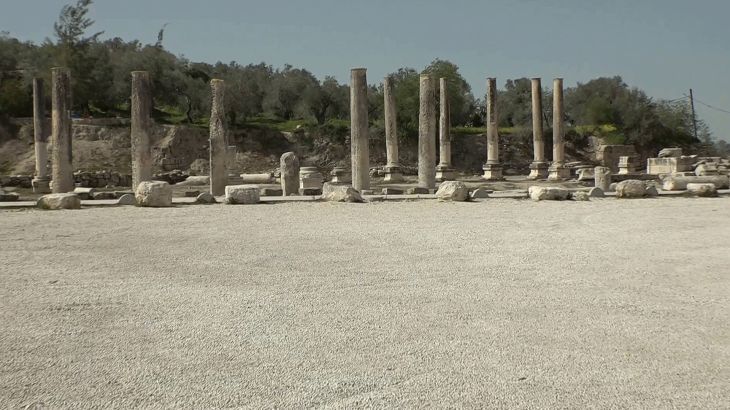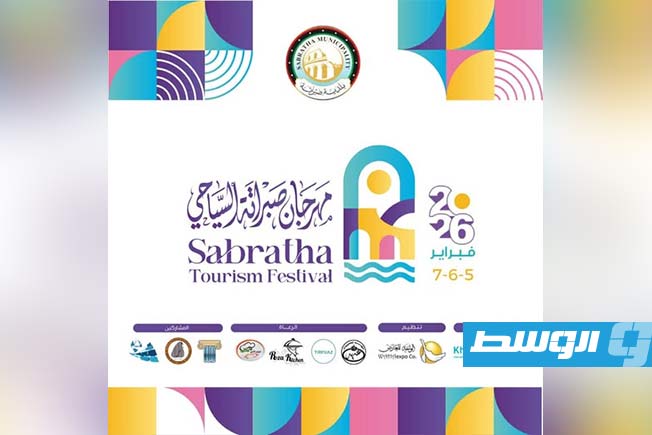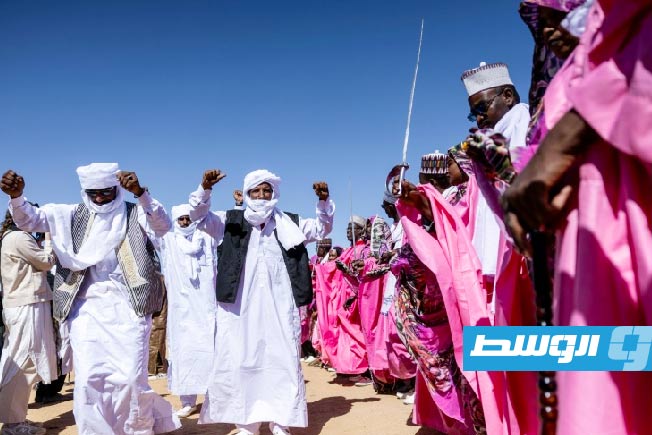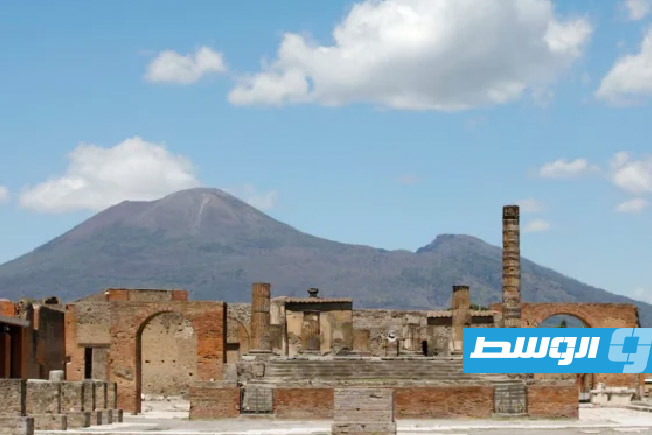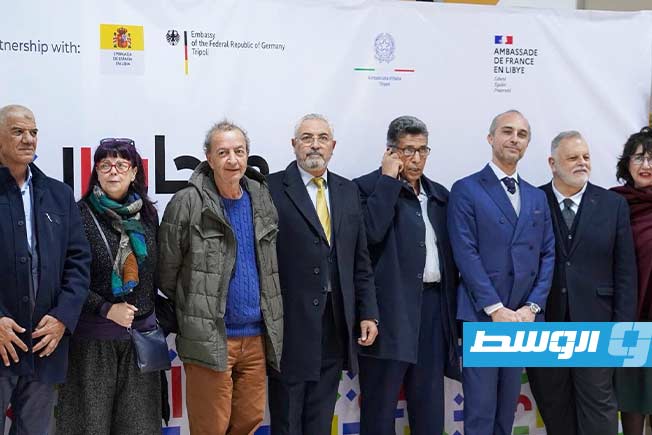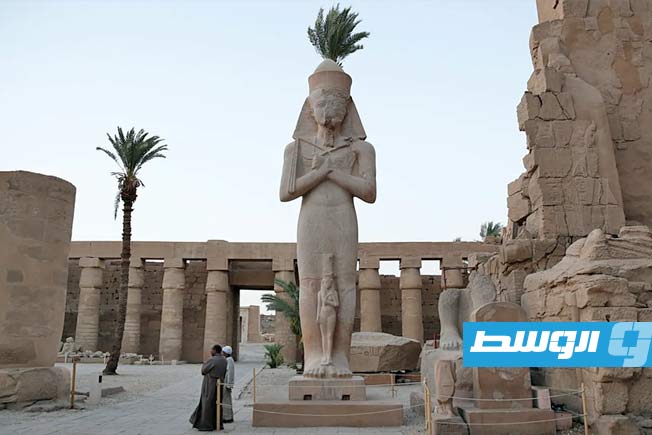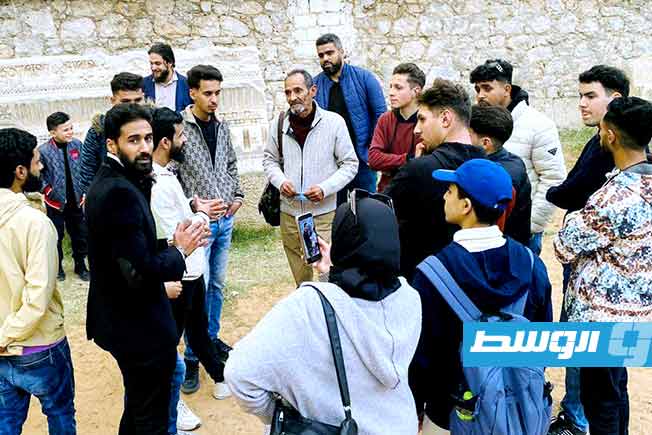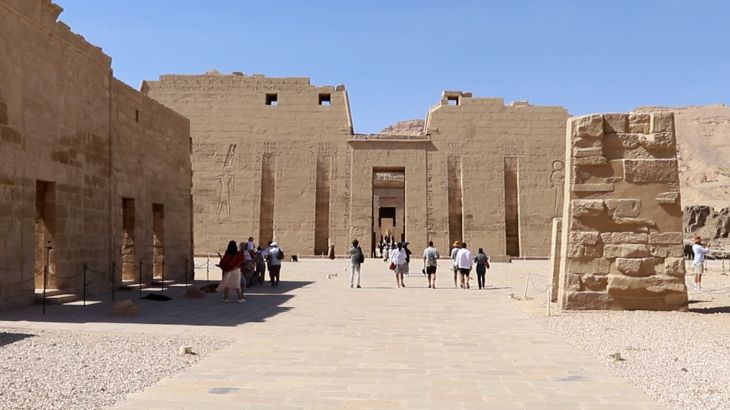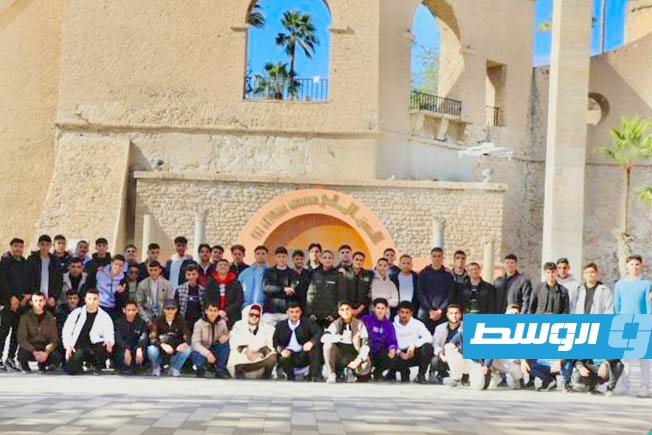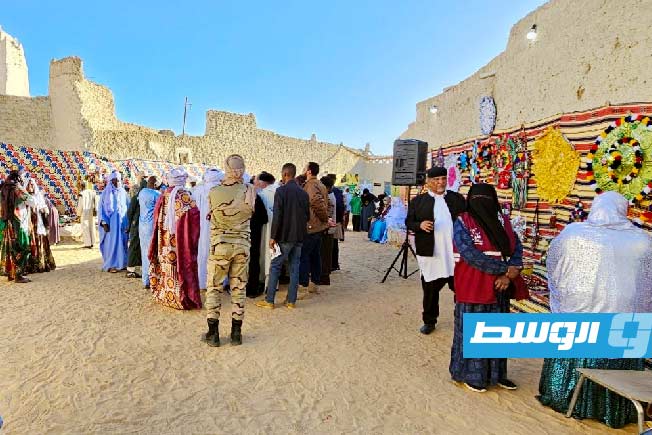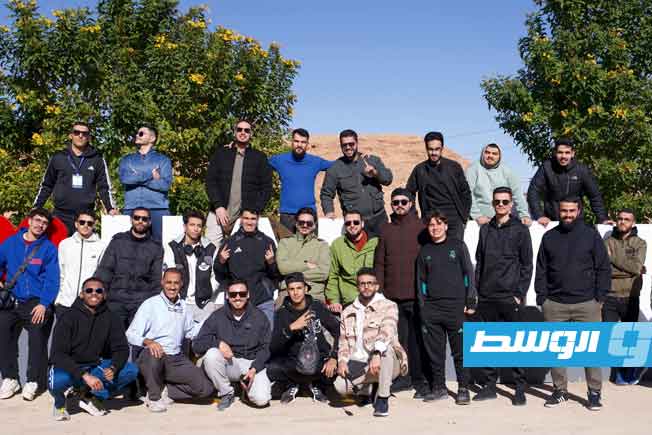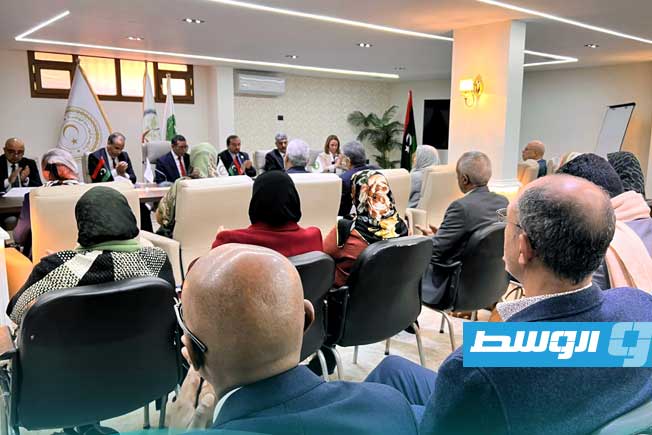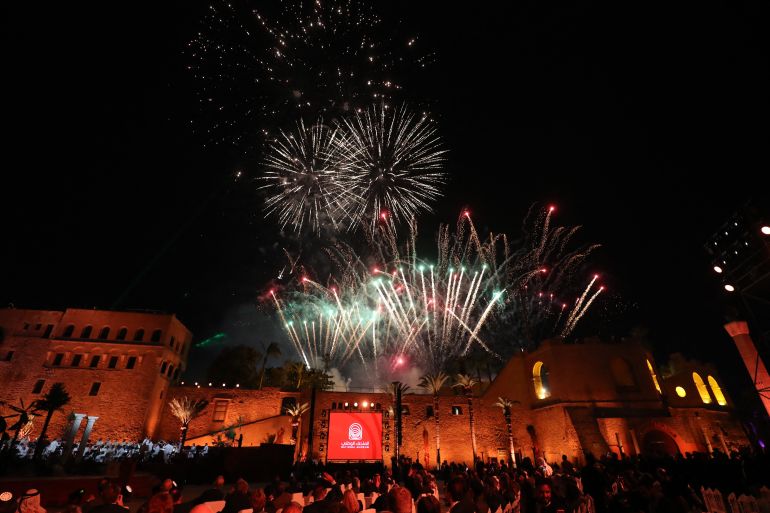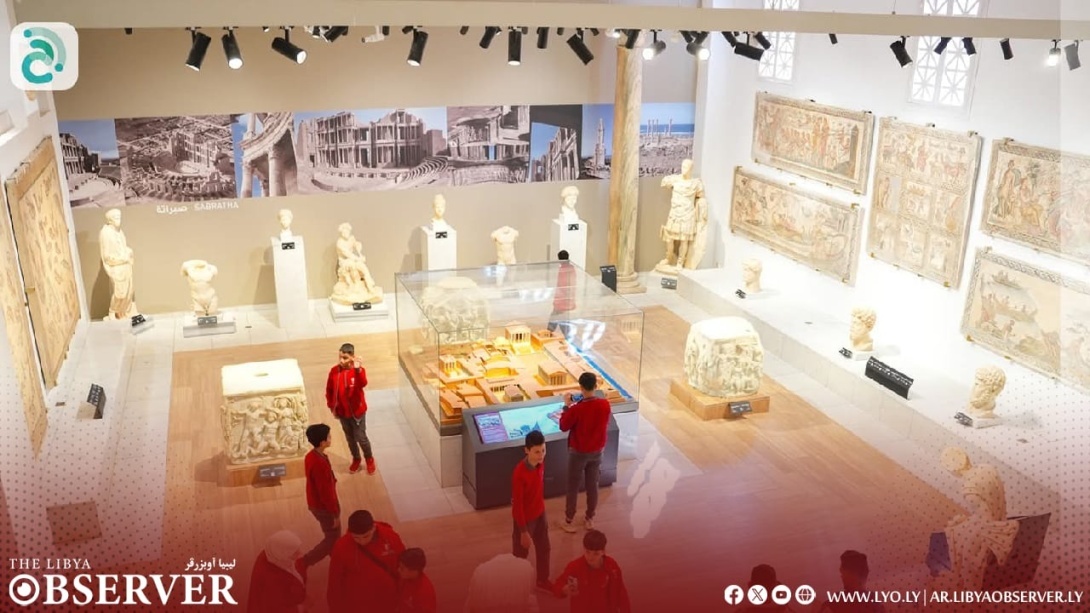
Sabratha, February 6, 2026 – The activities of the Sabratha Cultural Tourism Festival were launched on Thursday in the city’s archaeological square. The festival’s events will continue for three days, a step that reflects the recovery of this coastal city after years of security turmoil marked by the control of extremist groups and human trafficking gangs. This coincides with the launch of development projects and a noticeable improvement in the quality of services.
The launch of this festival, according to organizers, is an indicator of the restoration of this city’s touristic and cultural role, built upon a historical and civilizational legacy deeply rooted in the Mediterranean.
The Municipality’s Vision: From a Temporary Festival to a Permanent Project
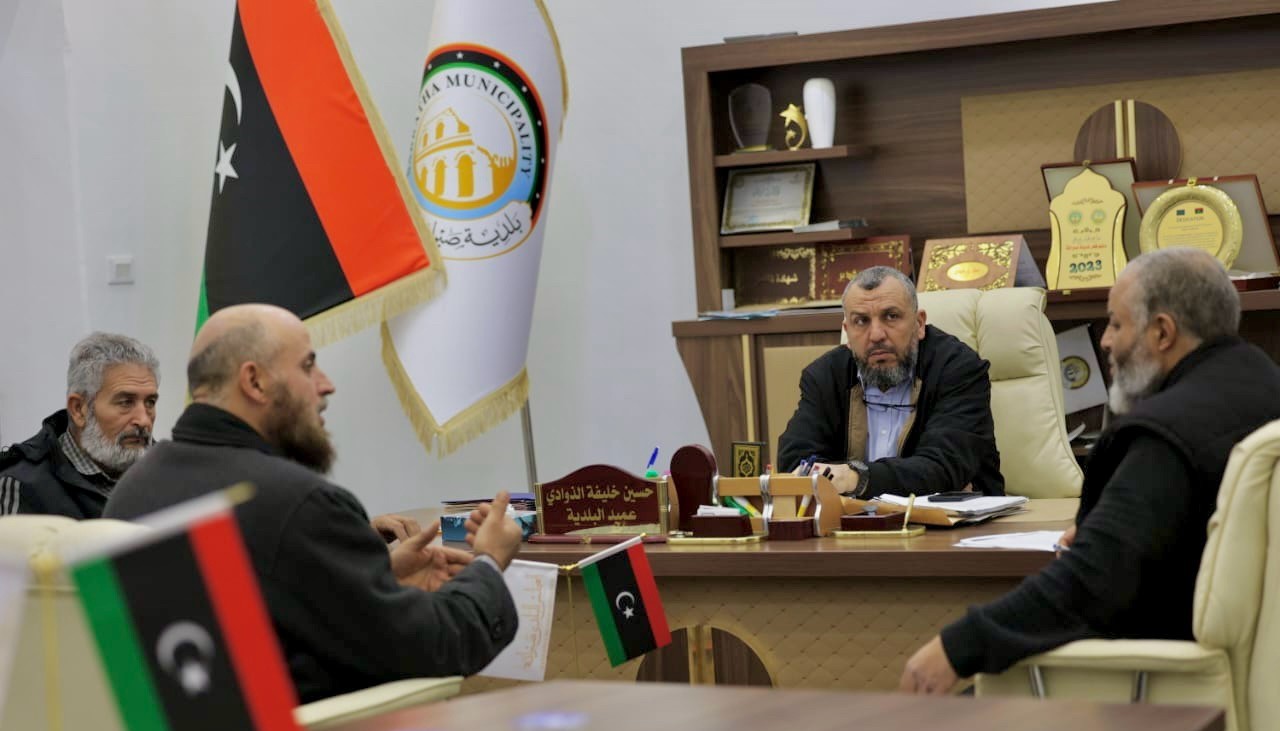
In this context, the Mayor of Sabratha Municipality stated that holding this festival represents “the best answer and proof of the work to come,” emphasizing that the Sabratha Cultural Tourism Festival is just “one building block of the ongoing work being prepared.”
He explained that the municipality intends to launch the permanent Sabratha Tourism Festival, which will be officially announced next November. It will be based on festivals and cultural and touristic activities as a fundamental pillar in the city’s development.
He added that development projects in Sabratha are based on two main aspects. The first is supporting micro-projects, considering the city’s coastal touristic nature and its reliance on fishing and marine products, alongside other specializations the municipality seeks to invest in the future.
The second aspect, he said, relates to local development, which represents an important part of the local economy. This includes tourism investment related to beaches and the archaeological city, in addition to harbors and supporting the fishing sector. He indicated that the municipality is currently preparing a strategic plan for the next phase in the field of local investment.
The “100 Days” Initiative… The Festival’s Background
For her part, a member of the Sabratha Municipal Council and head of the festival’s preparatory committee confirmed that the festival emerged from an initiative aimed at restoring the city’s splendor, beauty, and civilizational face: the “100 Days” initiative launched by the Municipal Council since assuming its duties to improve the city’s general appearance.
She added that the idea for the festival came in response to the urgent need for such cultural events, which strengthen the spirit of communication, love, and hope within the local community. She considered this event “the first gesture and building block” of the Council’s work, and it will not be the last.
She pointed out that the Municipal Council is working to establish an annual festival for the city of Sabratha, which, in her words, deserves a lot due to its natural beauty, historical monuments, beaches, popular artifacts, and cultural heritage that reflects the city’s identity.
Diverse Cultural and Economic Participation
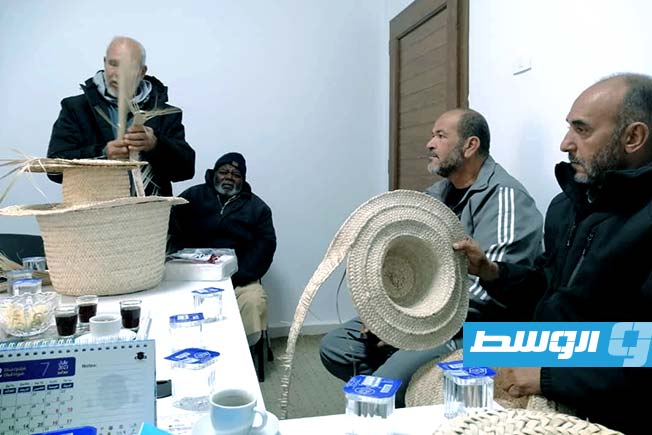
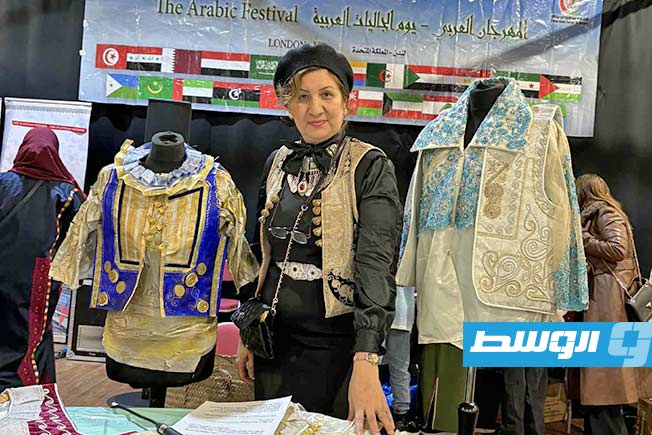
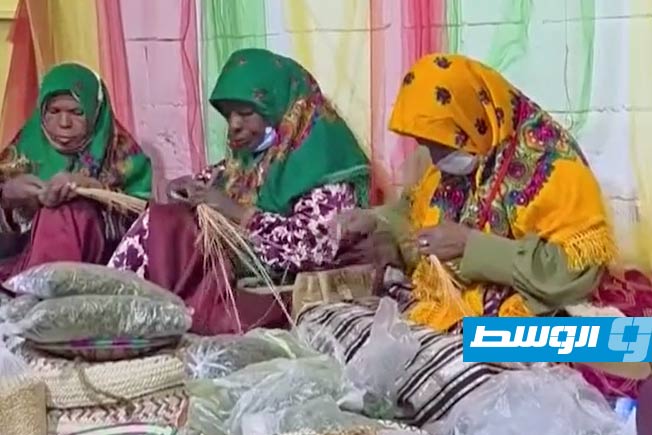
She explained that the festival witnesses wide participation, including that of the Al-Laba Association for Traditional Industries from Jalu Municipality, which displays a variety of dates, traditional clothing, and dried food products, alongside the participation of many other partners.
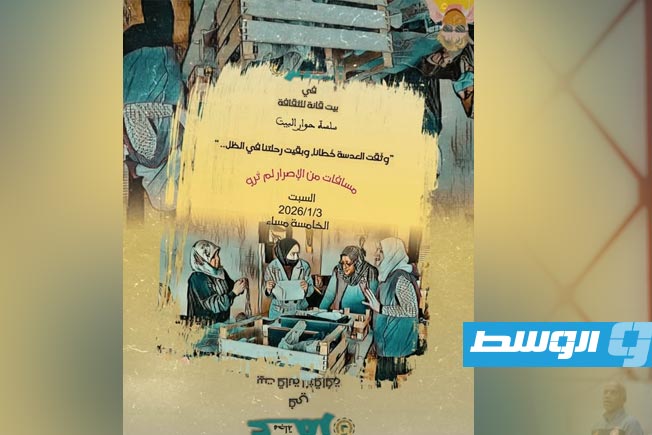
She confirmed that women and youth, owners of micro and medium enterprises, represent one of the most important pillars of the festival through their participation in a bazaar held as part of the activities in the archaeological square.
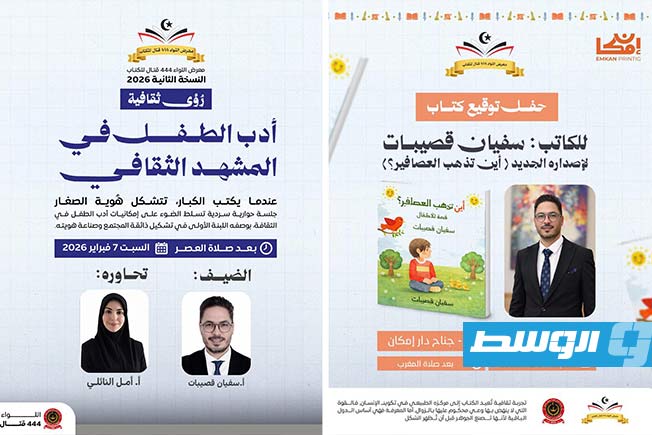
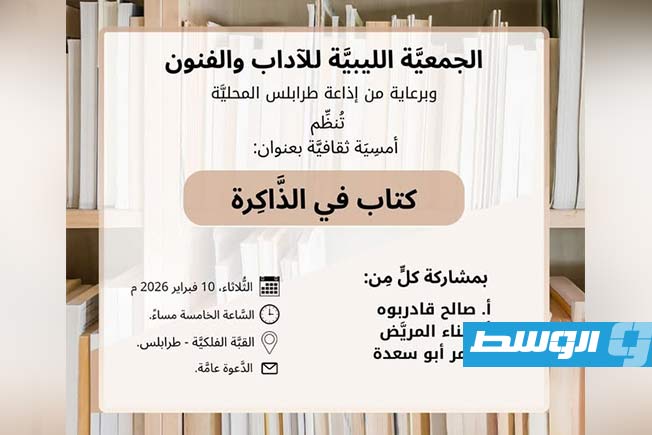
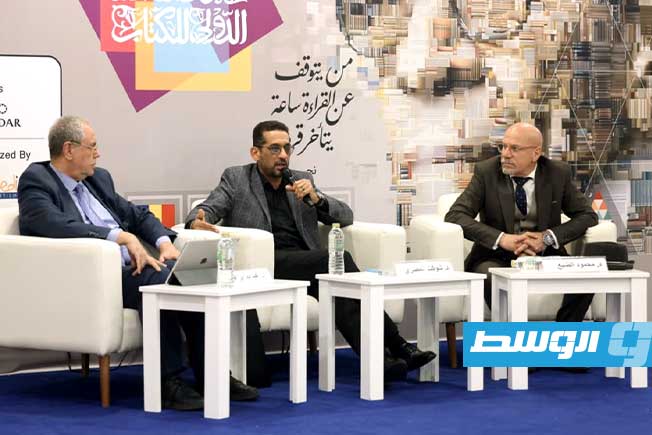
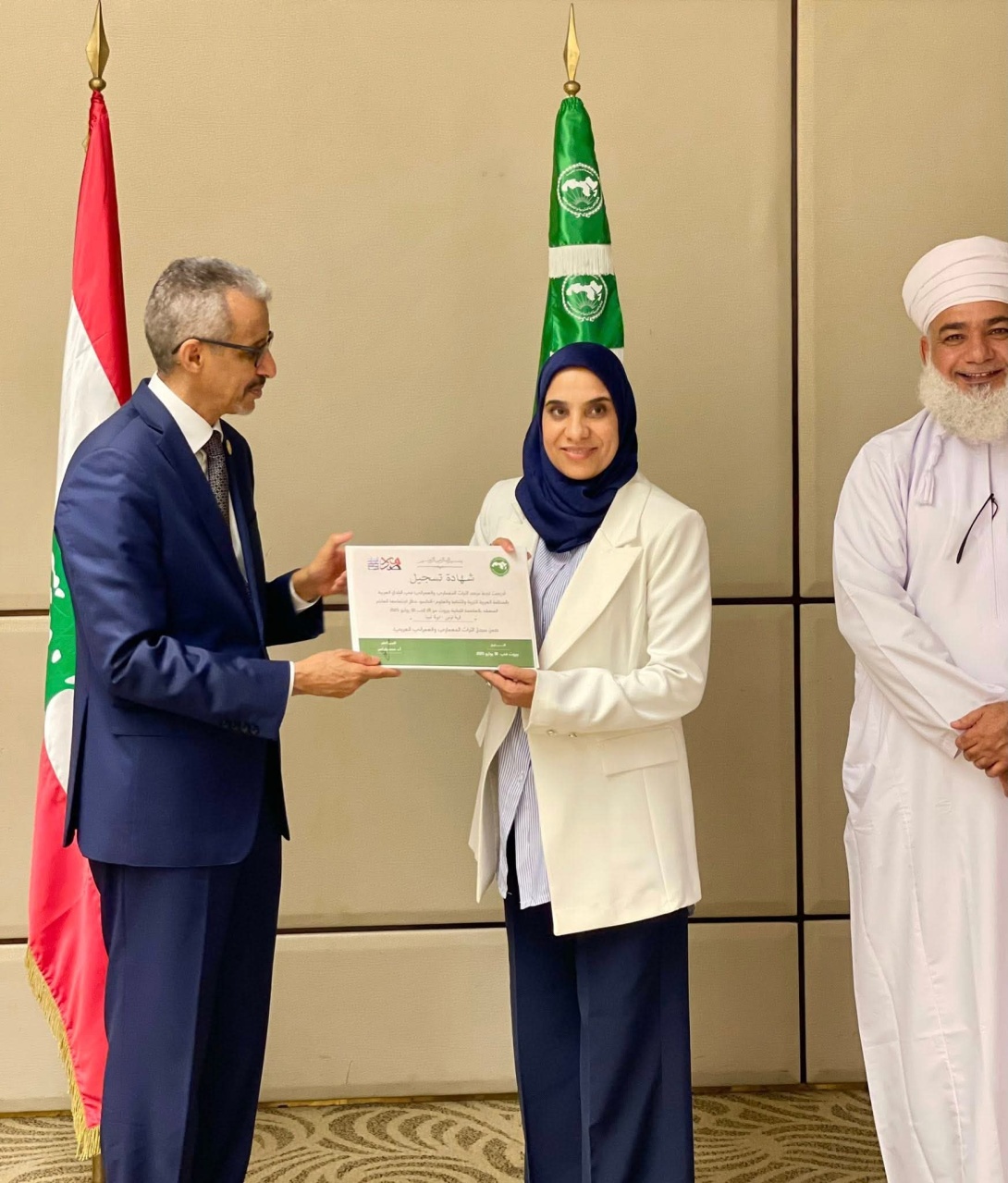
She also noted the organization of cultural events including introductory lectures on the city’s heritage and mechanisms for registering tangible and intangible heritage, both in Sabratha and other Libyan cities, in addition to poetry evenings and “Grandparents’ Tales” events.
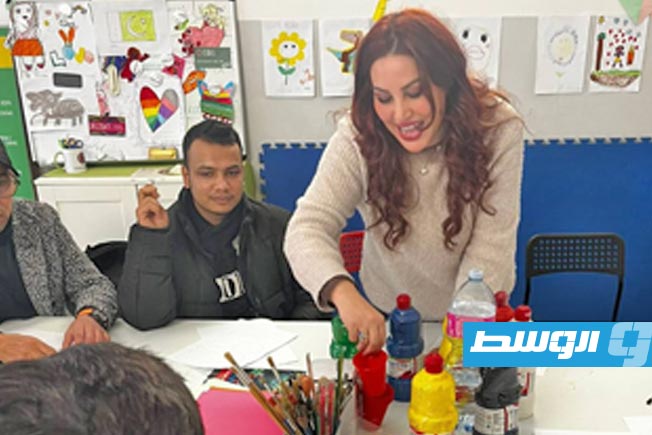
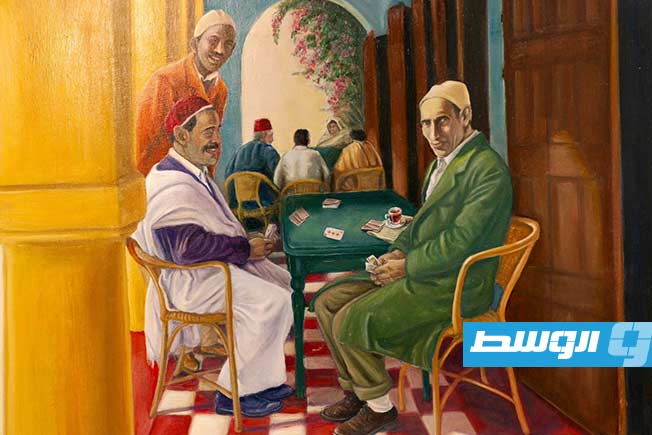
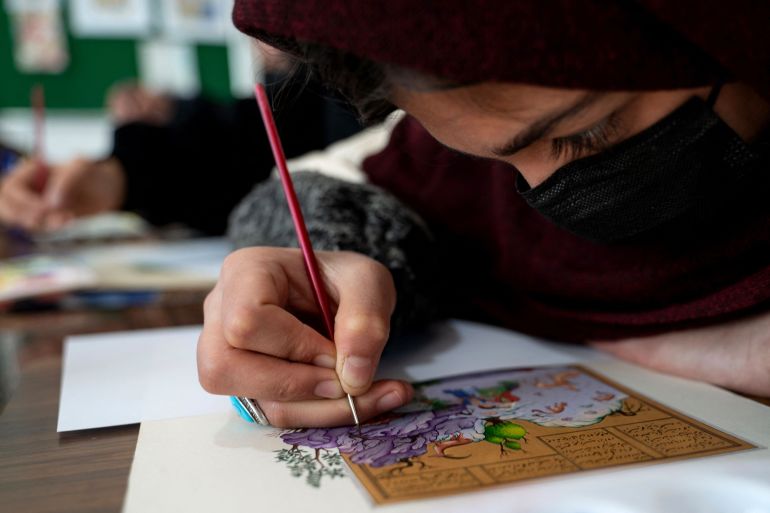
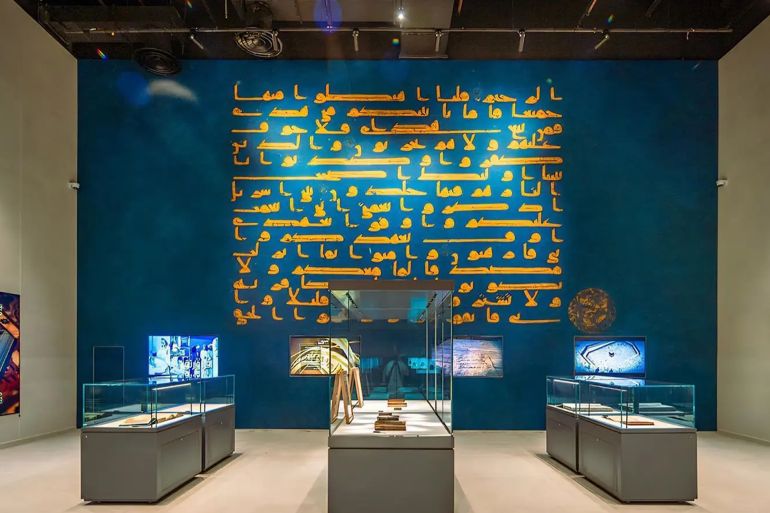
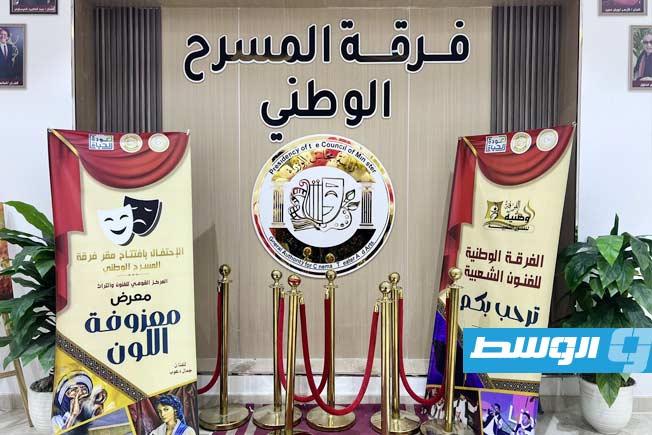
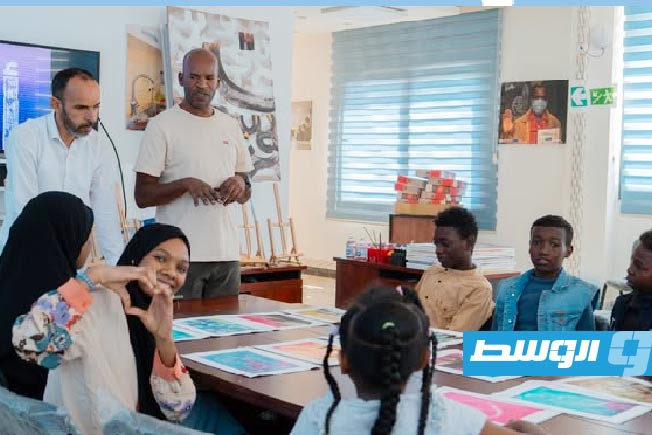
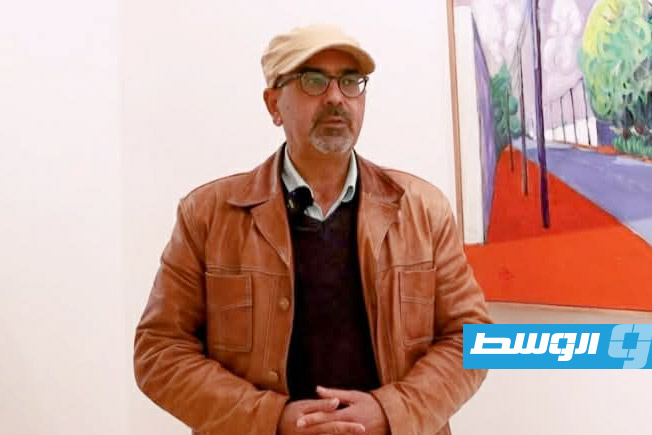
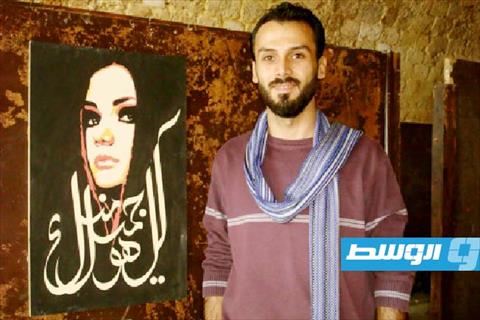
On the artistic side, she explained that the Association of Fine Arts and Arabic Calligraphy is participating with a fine arts exhibition on the sidelines of the festival, alongside other artistic activities. She indicated that during the events, the reopening of Sabratha Radio (FM) will be announced to serve as a media partner in broadcasting the events and activities contributing to restoring the city’s shine.
“Jalu Through Sabrathan Eyes”… Libyan Cultural Unity
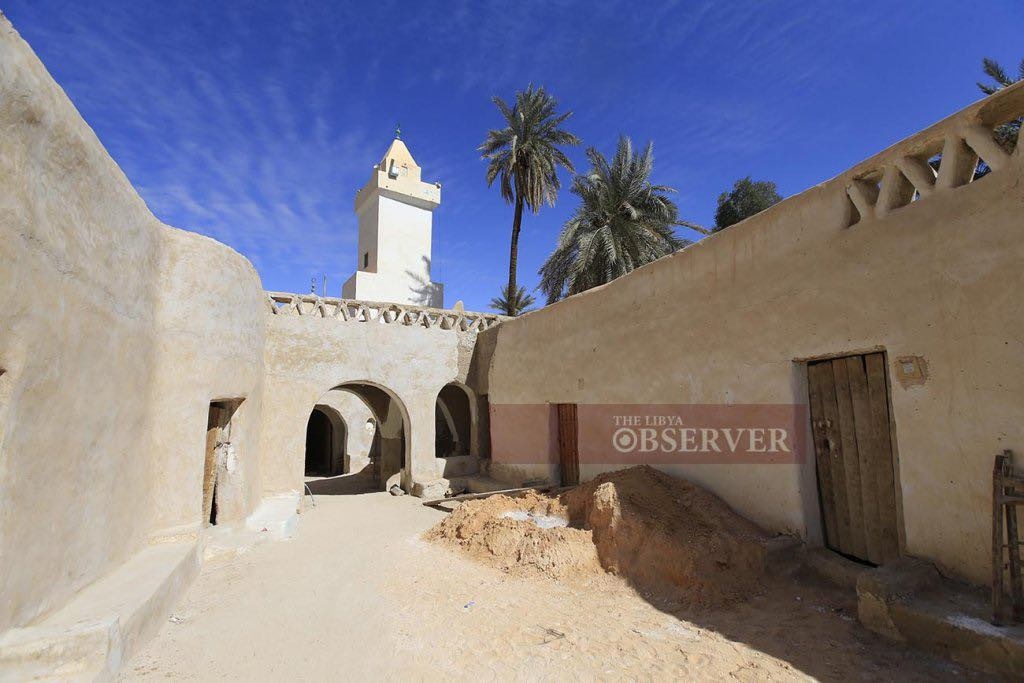
For her part, the head of the Al-Laba Women’s Charitable Association in the city of Jalu confirmed that the association’s participation in the Sabratha Festival aims to introduce the cultural heritage and food, traditional, and cosmetic industries for which Jalu has been famous for thousands of years.
She explained that the association traveled over a thousand kilometers to participate in the festival and presented a display titled “Jalu Through Sabrathan Eyes,” to highlight the city’s cultural identity and enhance cultural communication between Libyan regions.
She added that