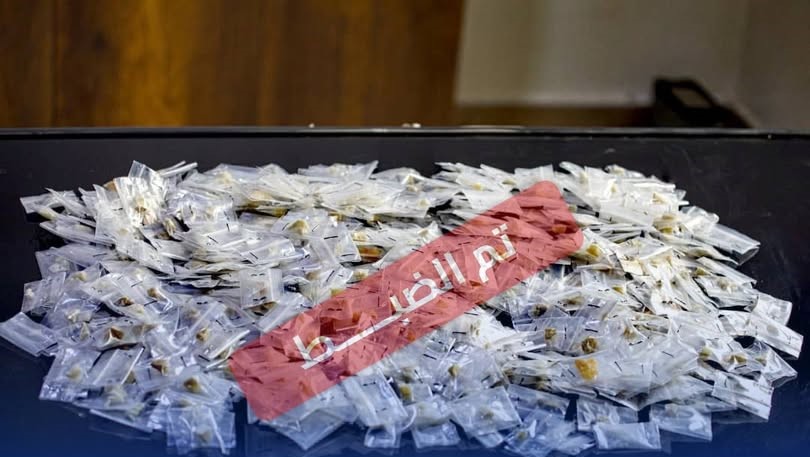
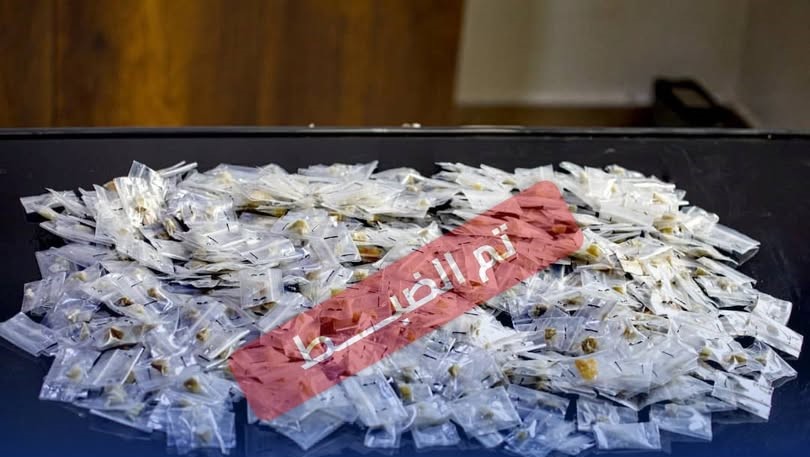
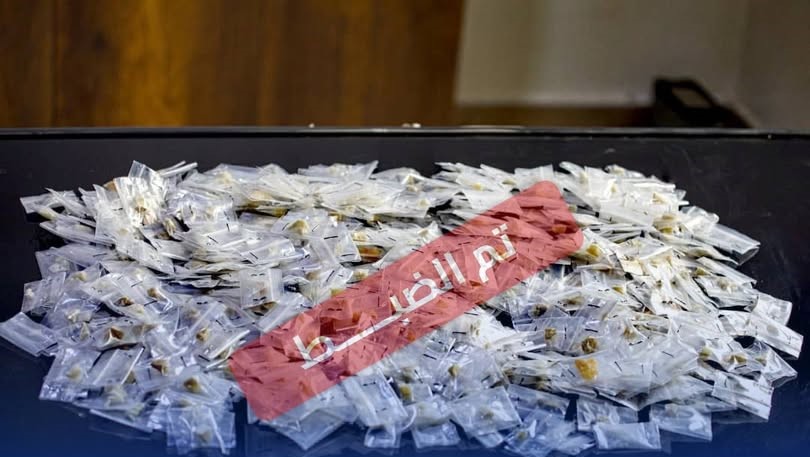
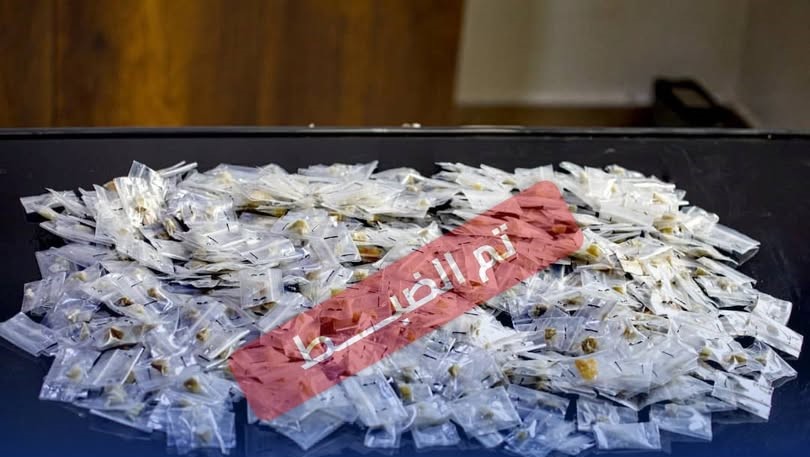
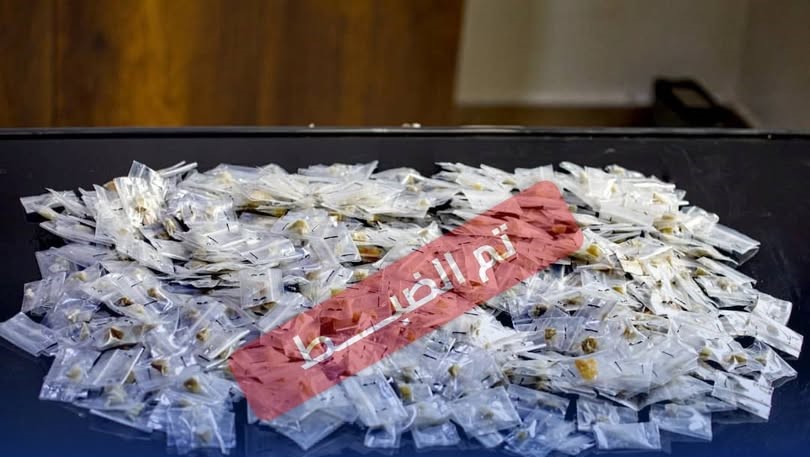
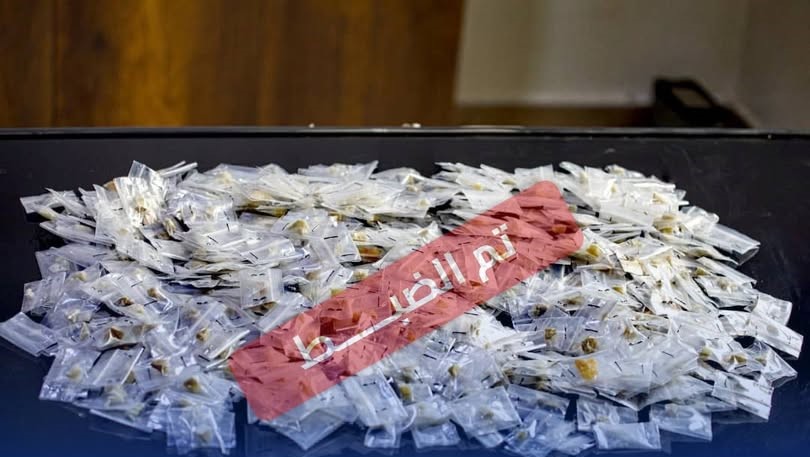
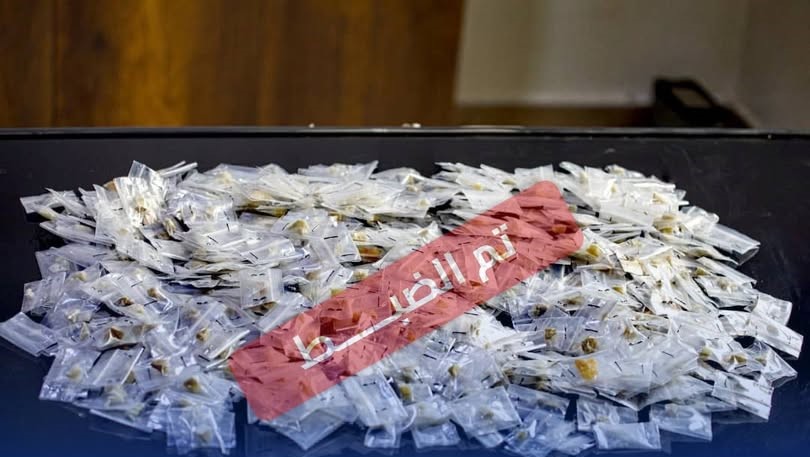
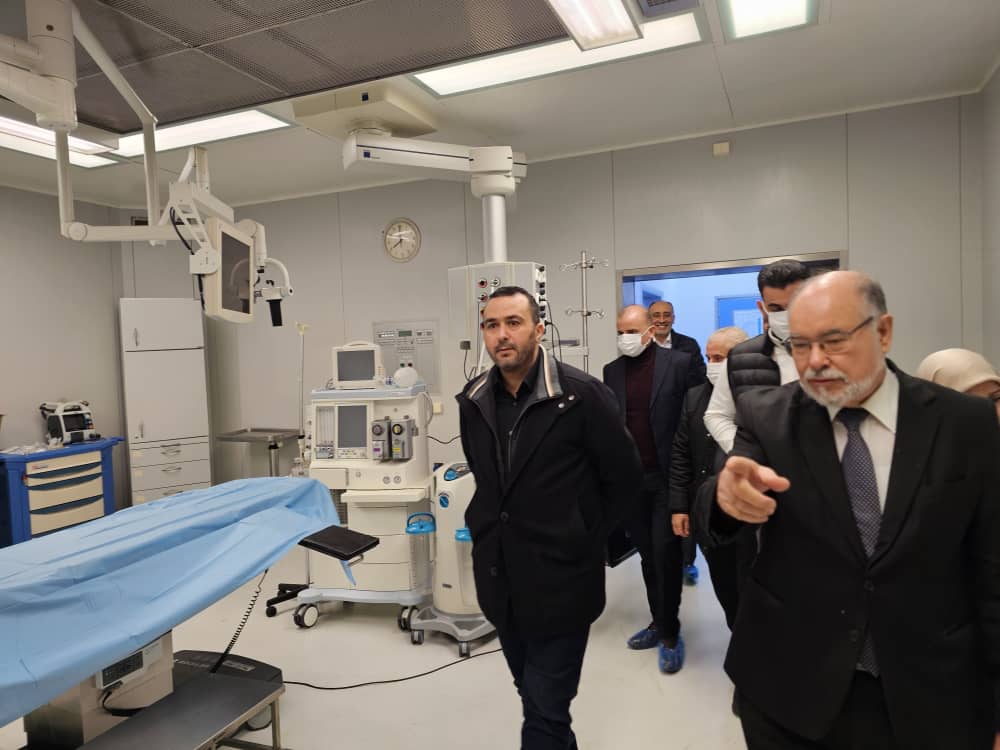
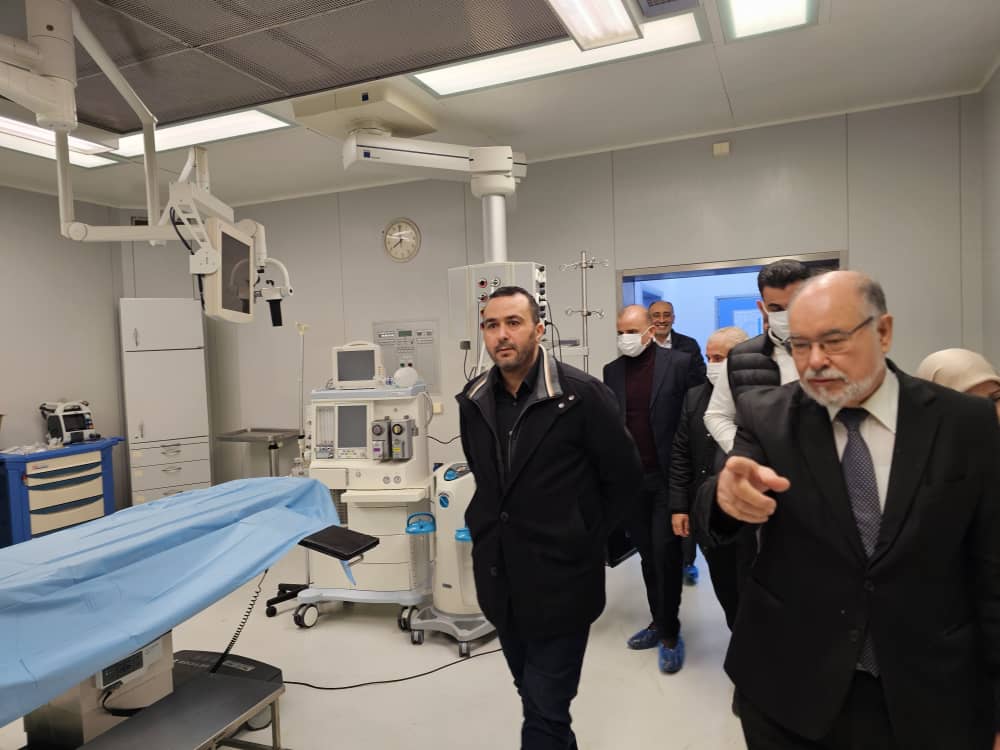
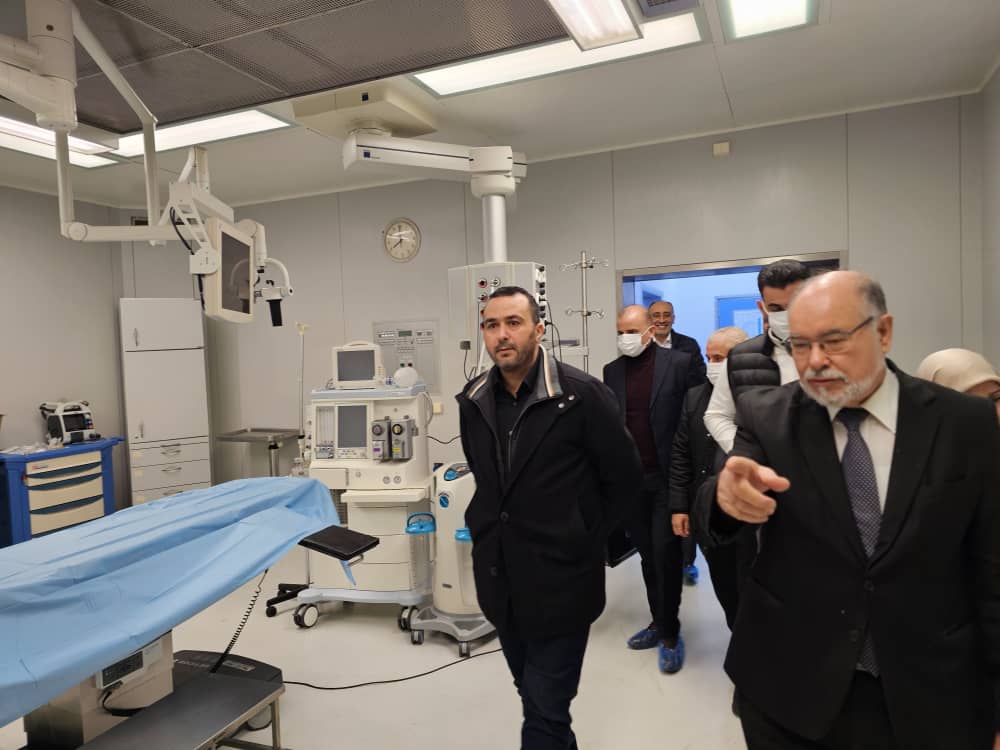
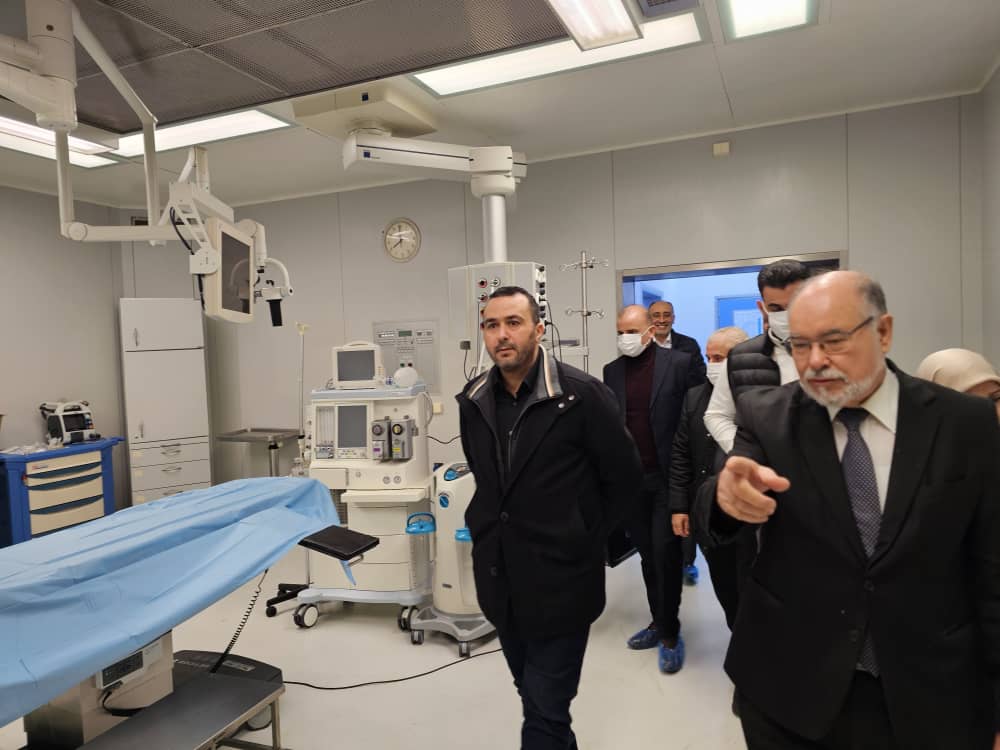
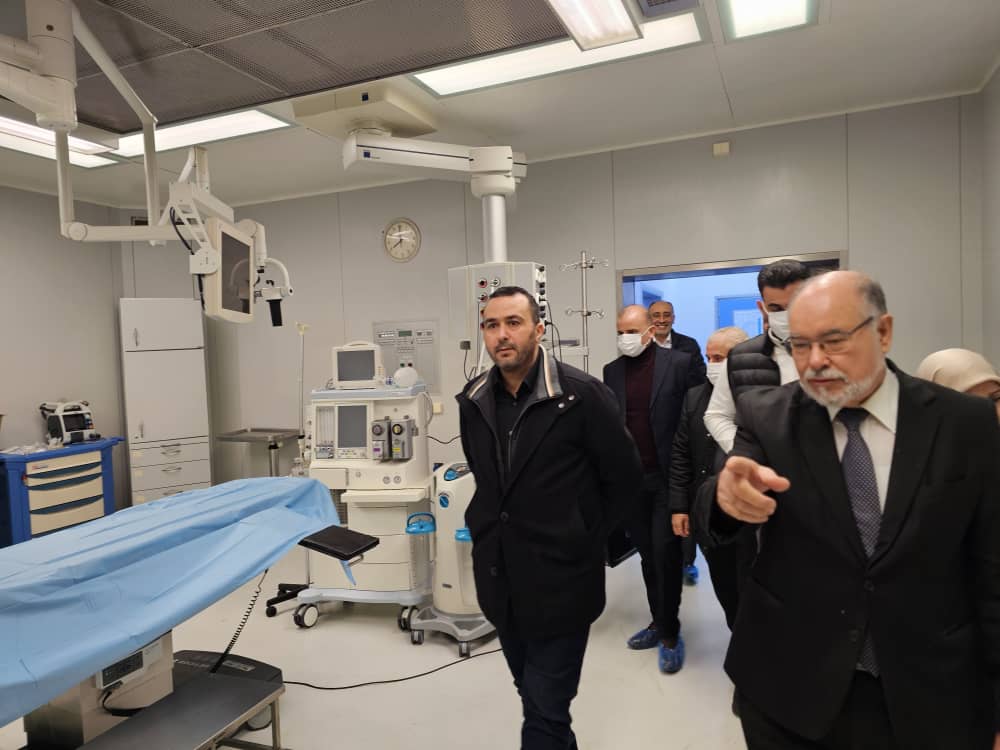
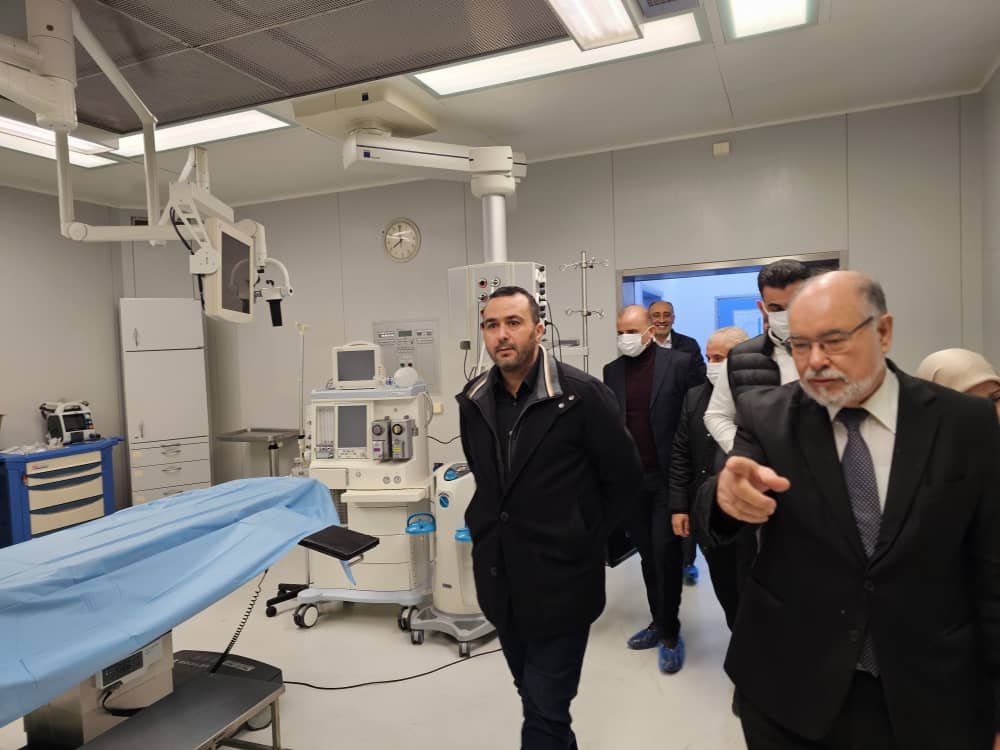
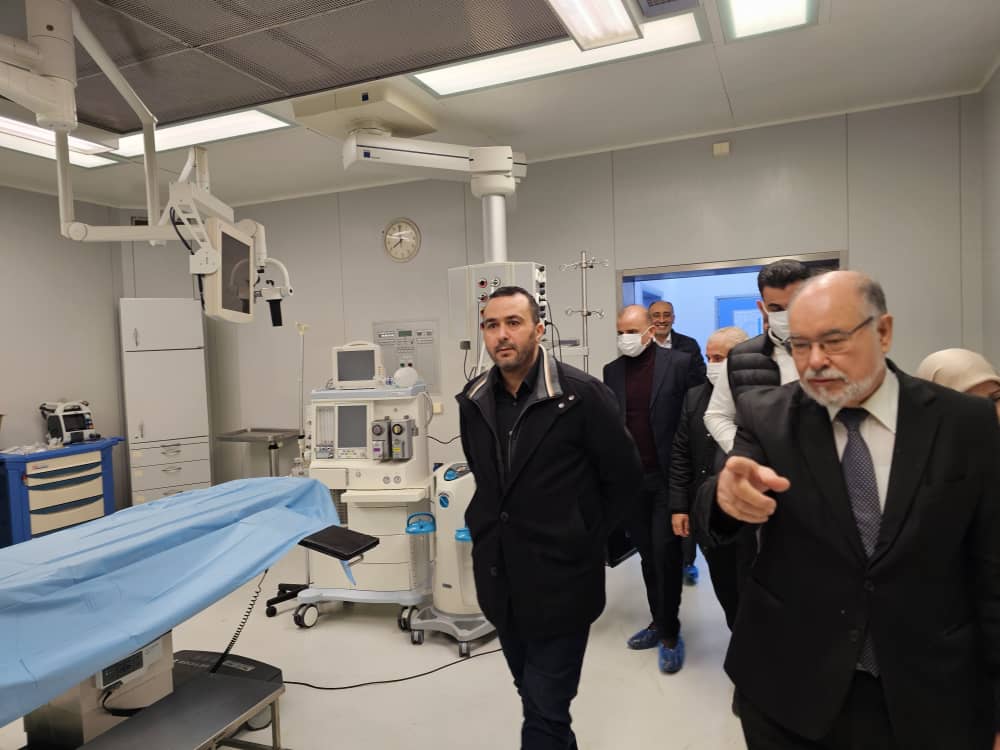
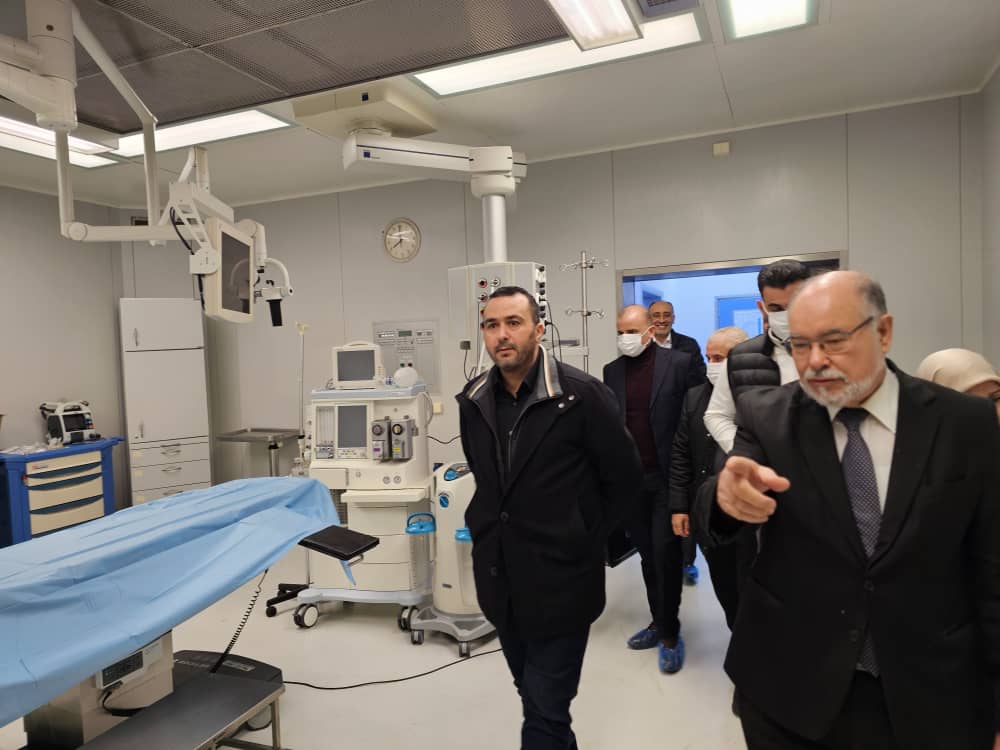
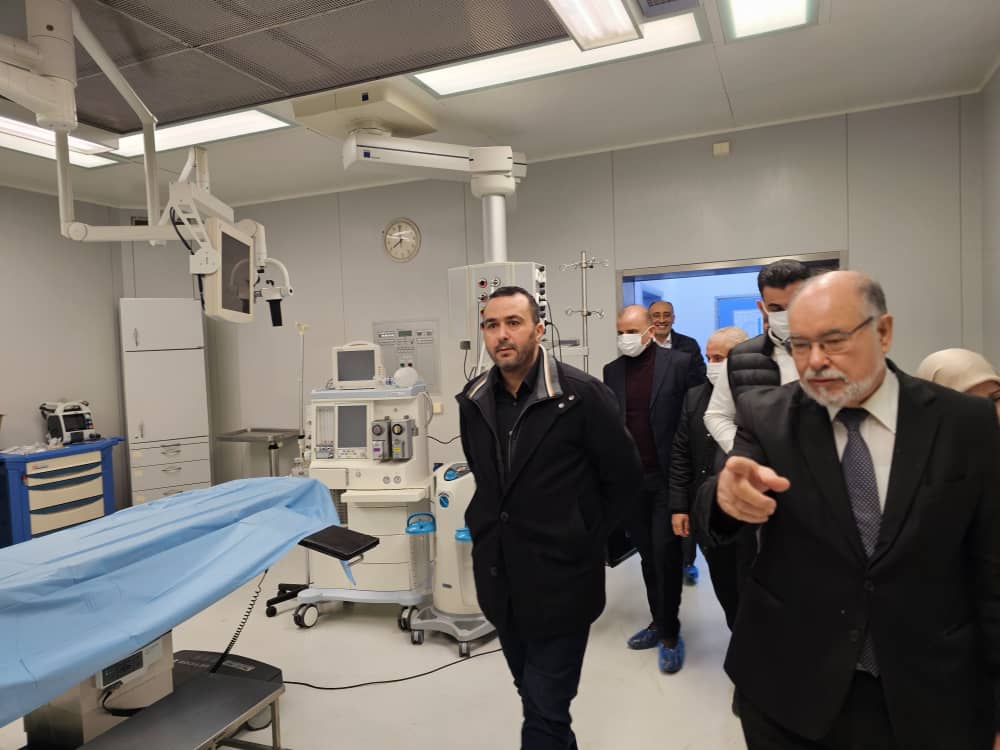
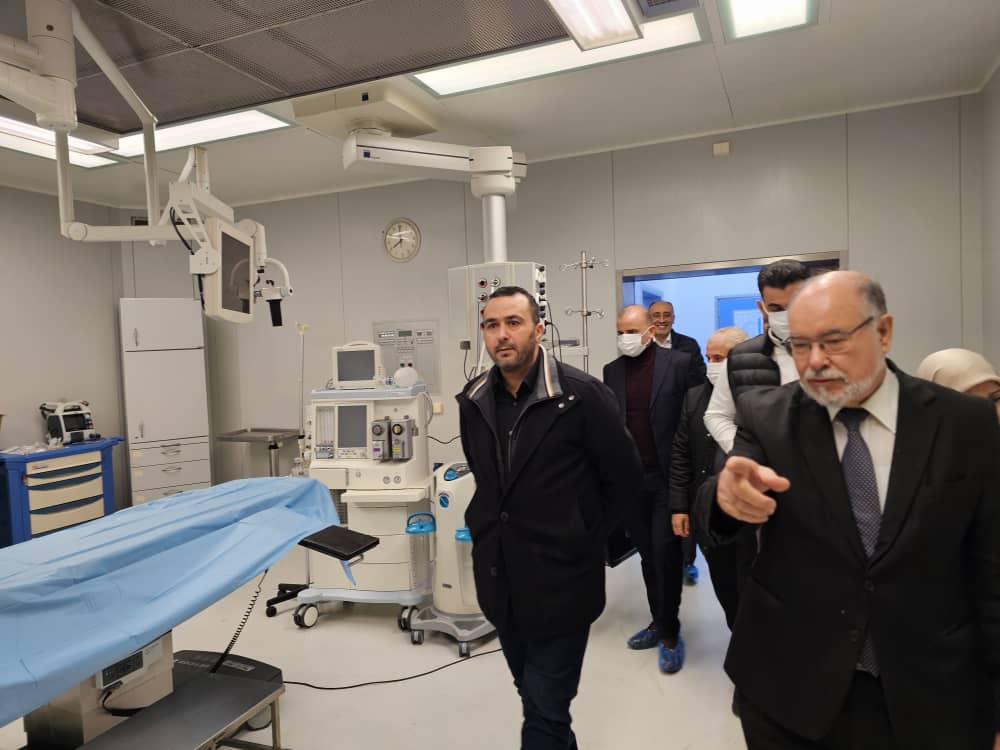
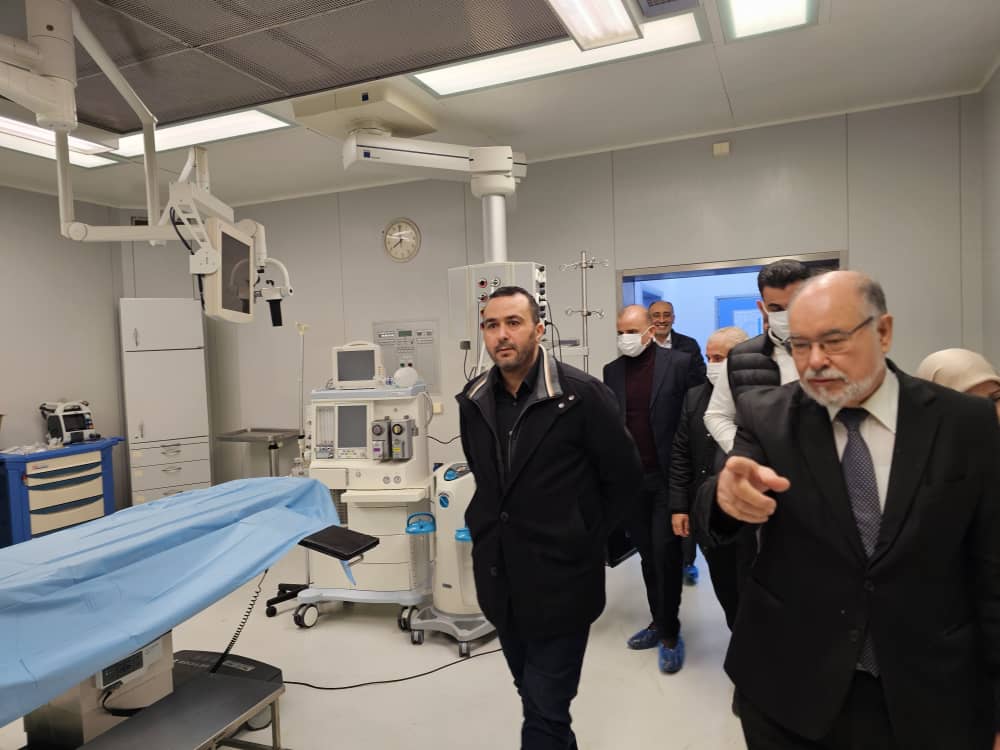
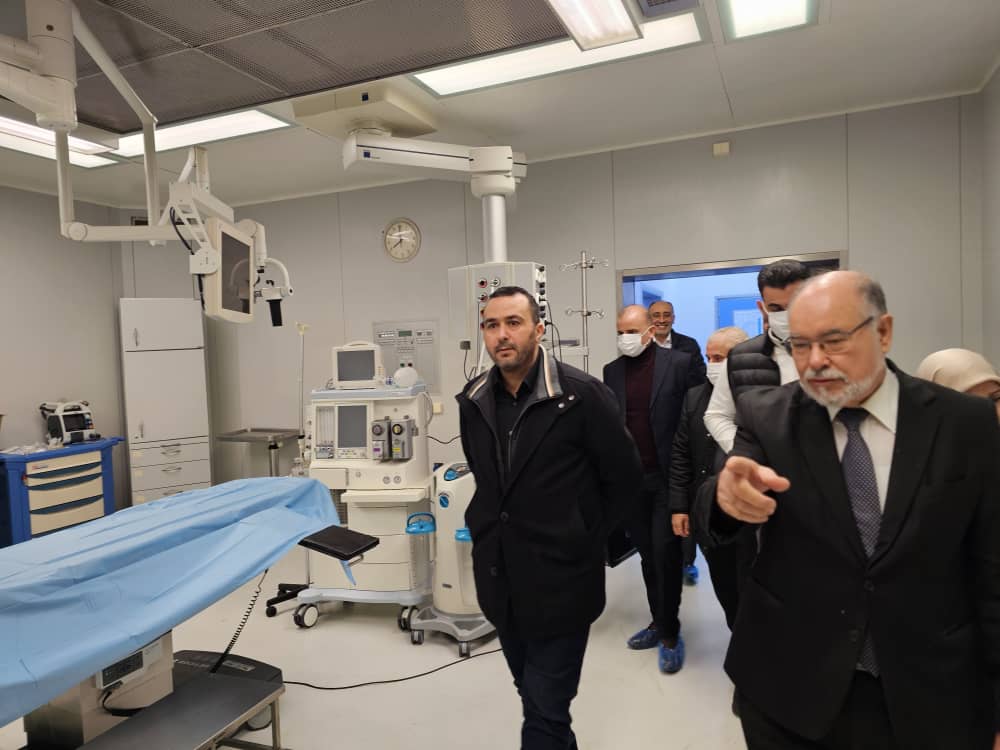
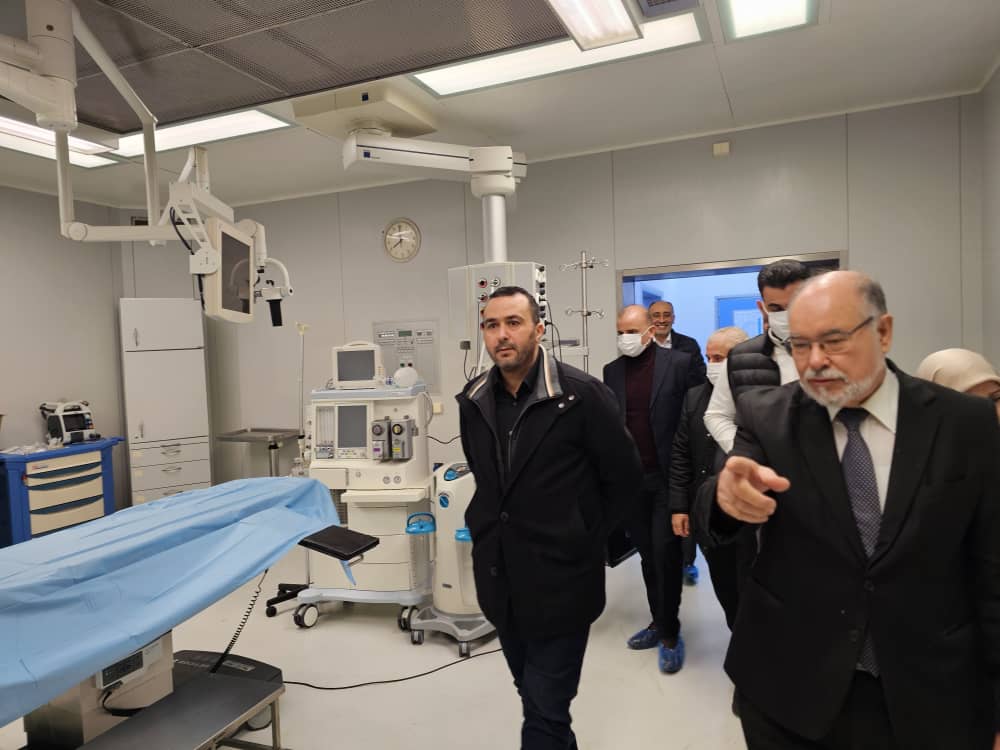
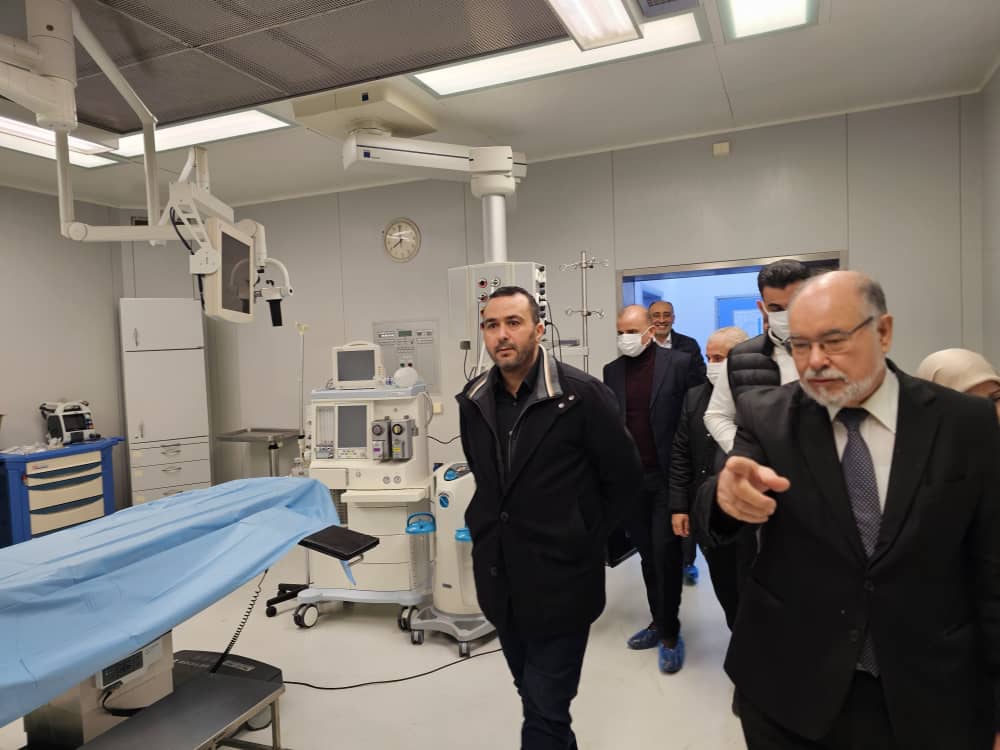
Tripoli, February 11, 2026 – The Public Prosecution has ordered the detention of the head of the pharmacy department at Gharyan Central Educational Hospital on charges of concluding supply contracts in violation of regulations and handling medications in an unlawful manner.
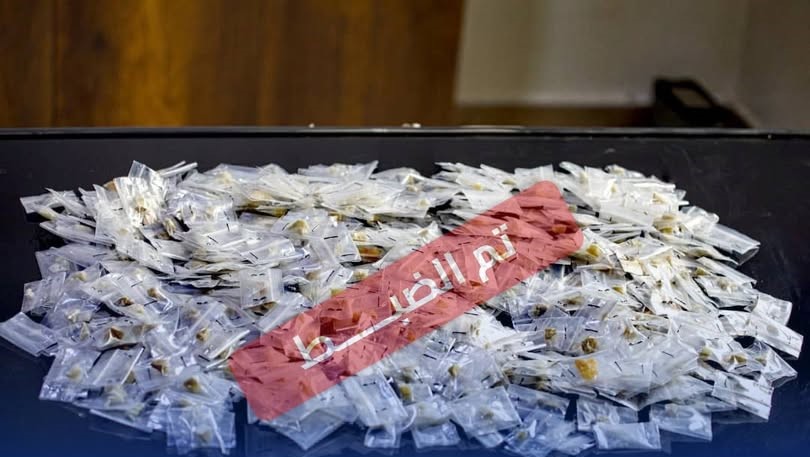
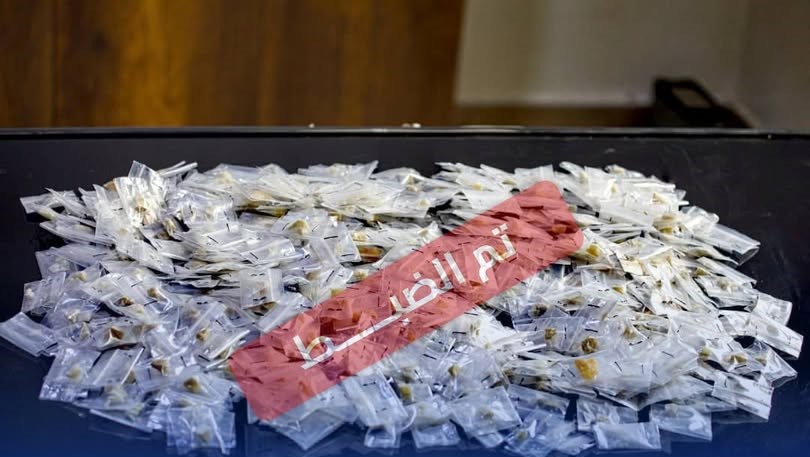
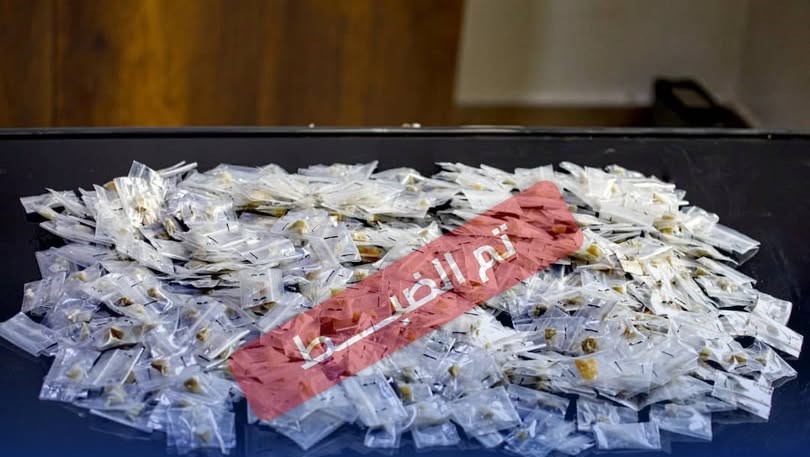
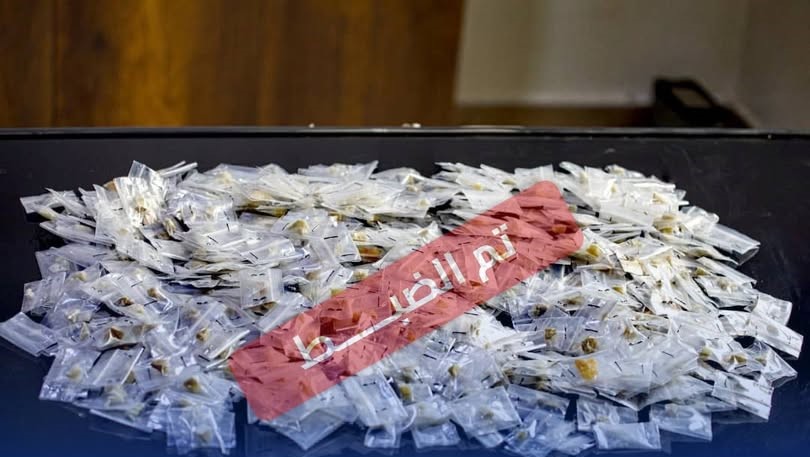
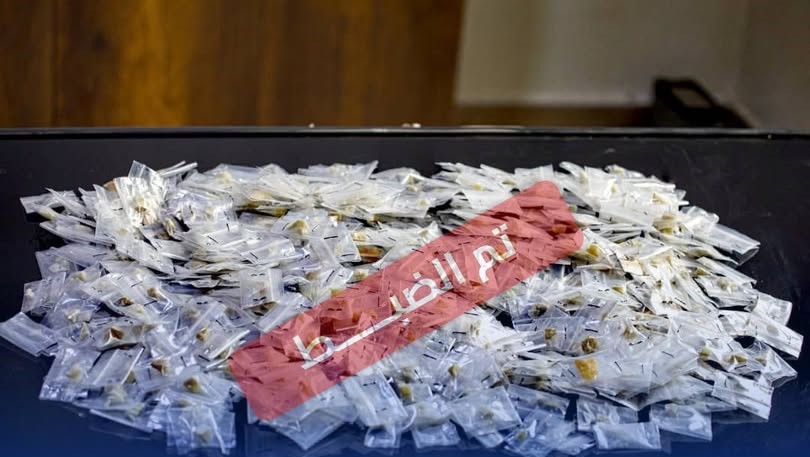
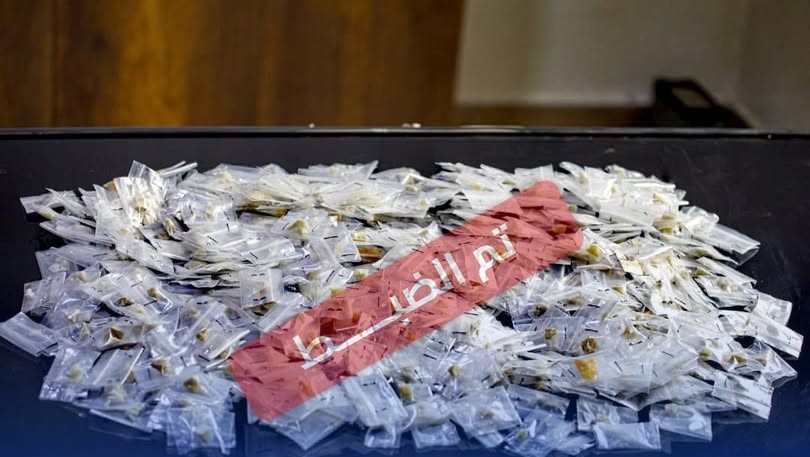
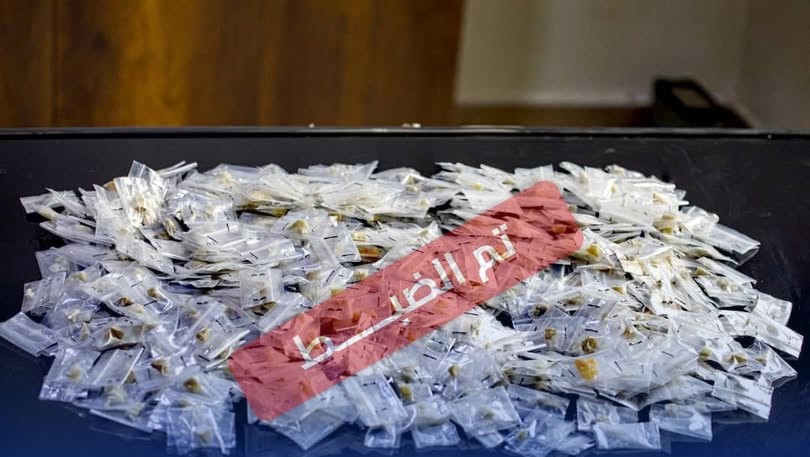
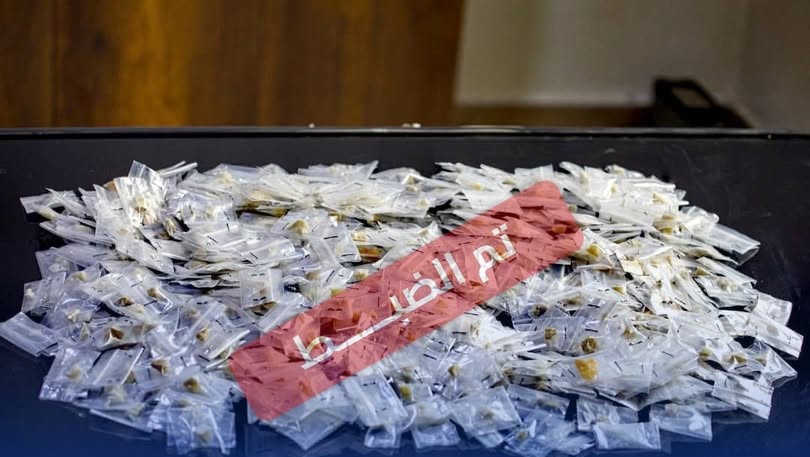
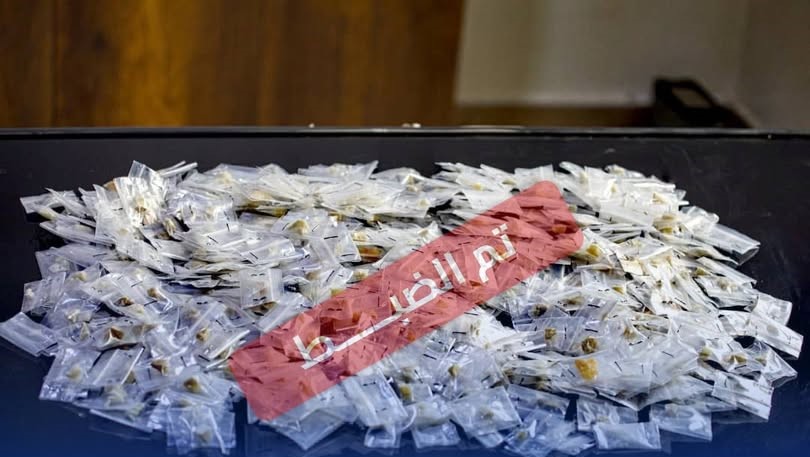
According to the statement, the Anti-Corruption Prosecution at the Gharyan Court of Appeal Circuit, which investigated incidents of abuse of authority by officials of the treatment institution for the purpose of obtaining unlawful benefits for others, found evidence of concluding supply contracts in violation of legislation, handling medications unlawfully, and failing to document these actions within the official paperwork cycle.
The statement clarified that the Public Prosecution ordered the detention of the pharmacy official and is proceeding to examine the responsibility of other concerned individuals regarding the regularization of administrative and financial affairs at the hospital.
Tripoli
Tripoli is the capital and largest city of Libya, located on the country’s Mediterranean coast. Historically, it was founded by the Phoenicians in the 7th century BC and has since been ruled by the Romans, Arabs, Ottomans, and Italians, which is reflected in its diverse architecture, such as the ancient Medina and Red Castle.
Gharyan Central Educational Hospital
Gharyan Central Educational Hospital is a major healthcare facility in northwestern Libya, serving the city of Gharyan and surrounding regions. It functions as both a public hospital and a teaching institution, playing a key role in medical education and clinical training. While its precise founding date is not widely documented, it has been a critical part of the local infrastructure for decades, adapting to the country’s evolving needs.
Gharyan Court of Appeal Circuit
The Gharyan Court of Appeal Circuit is a judicial body located in the city of Gharyan, Libya. It functions as an appellate court, hearing appeals from lower courts in its jurisdiction, and is part of the Libyan judicial system established following the country’s independence.