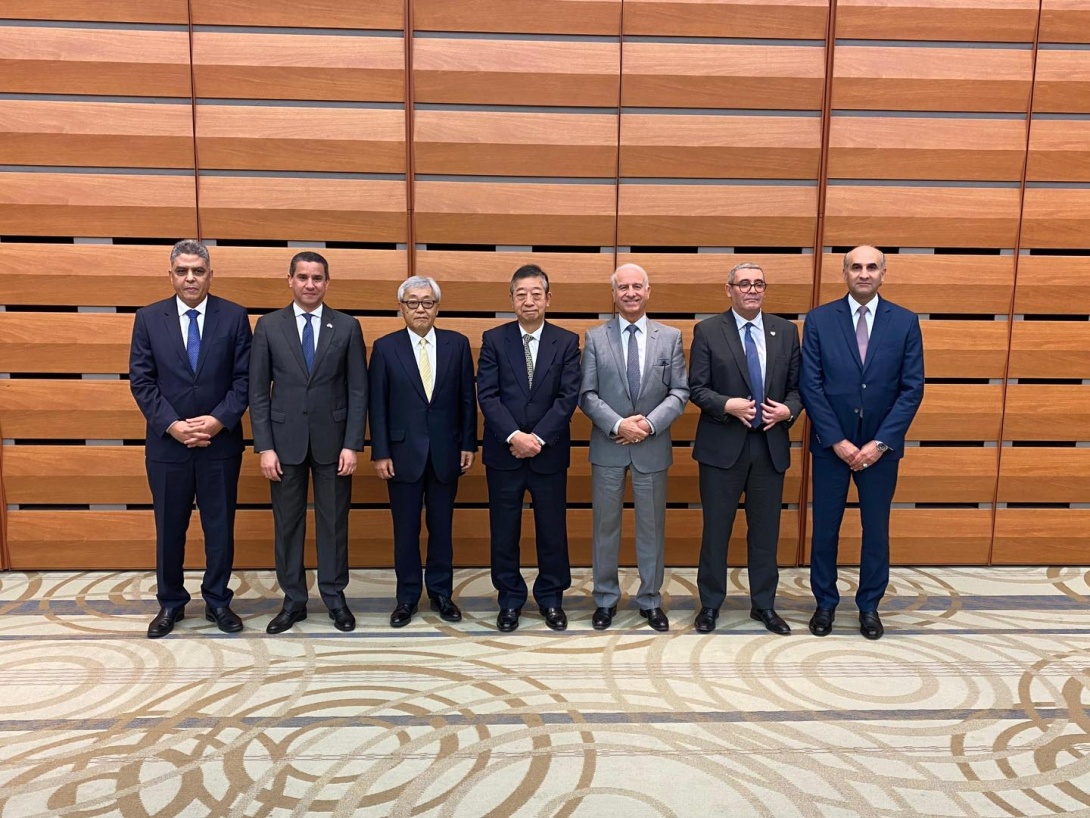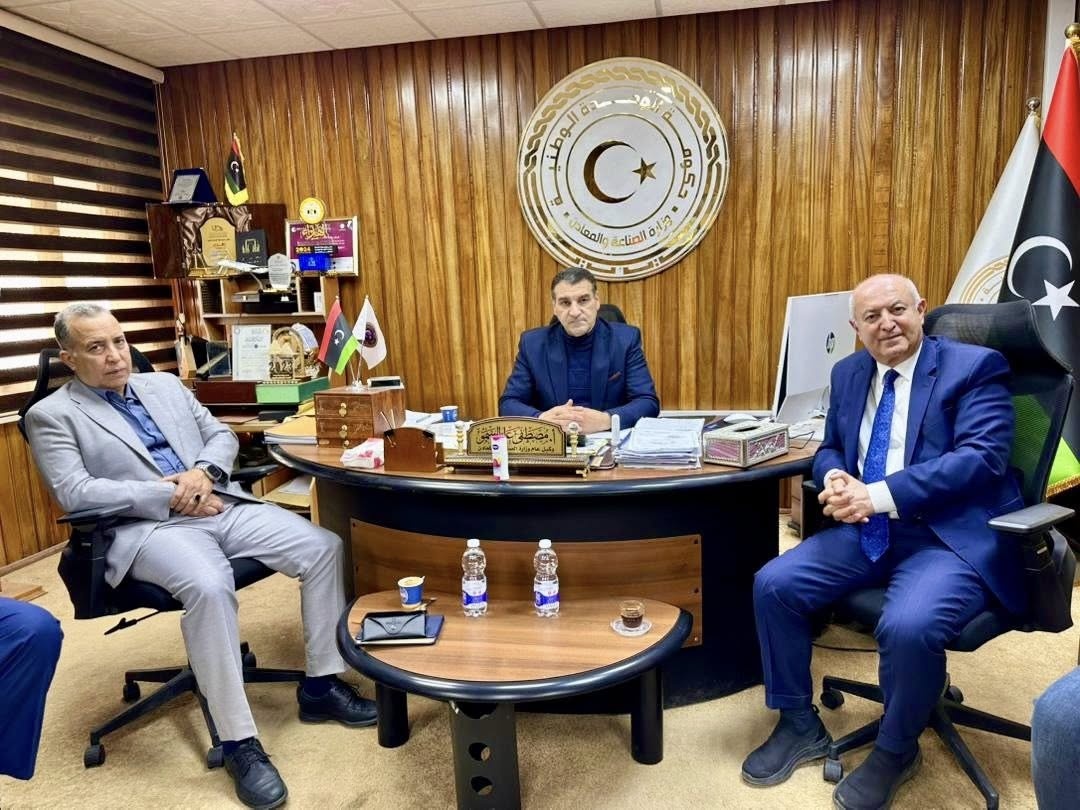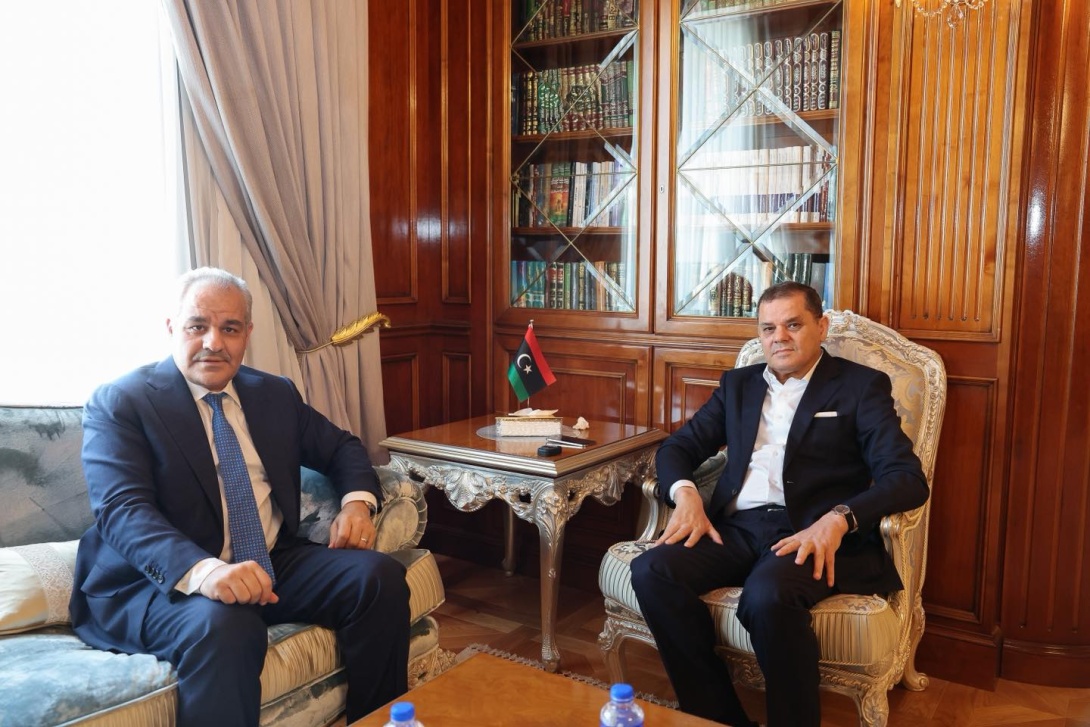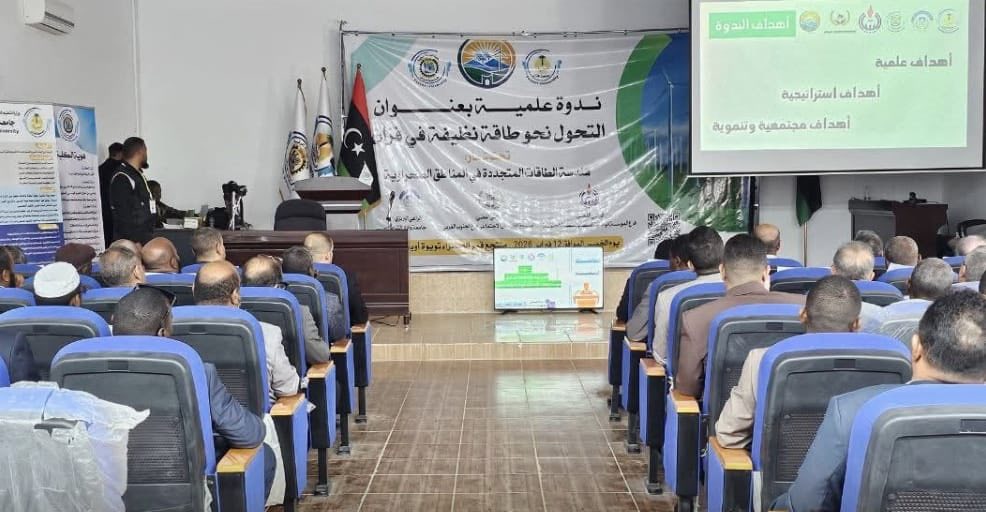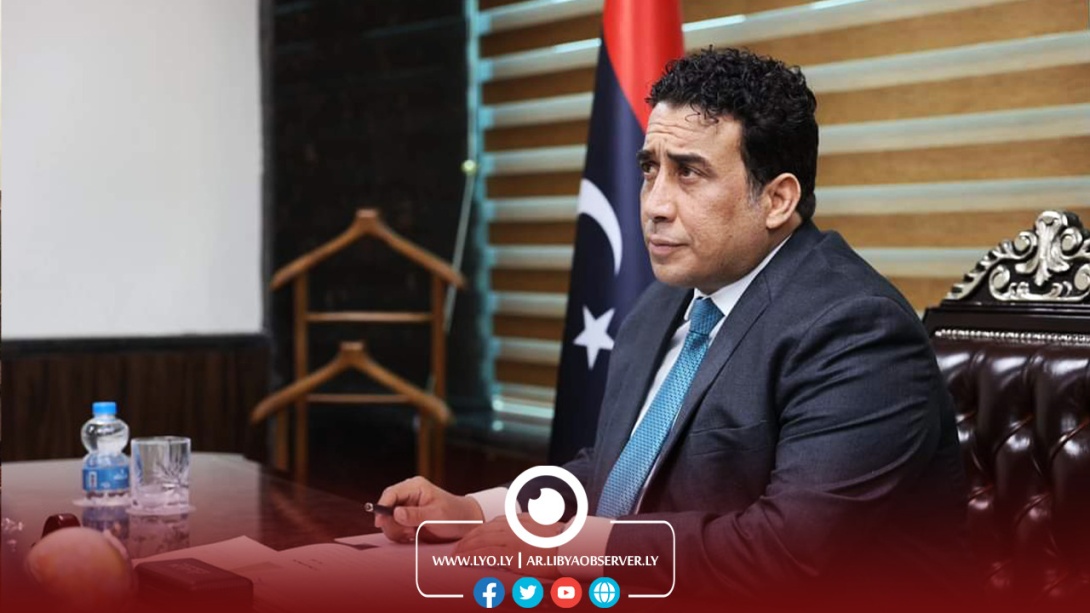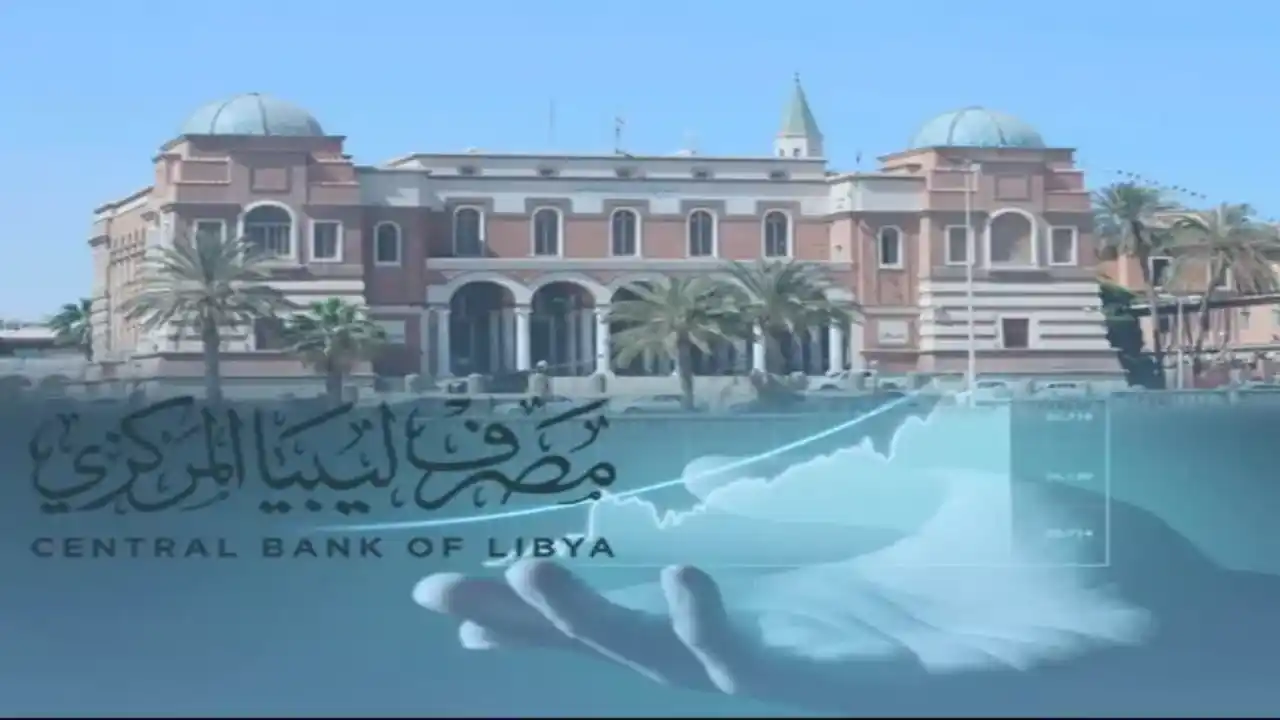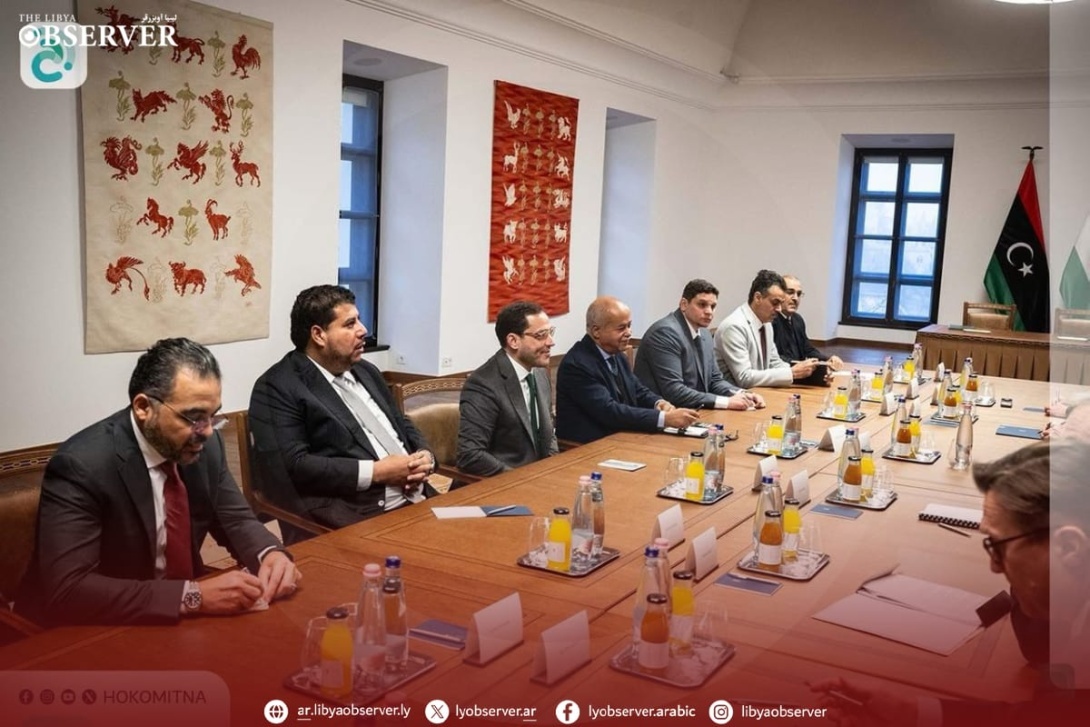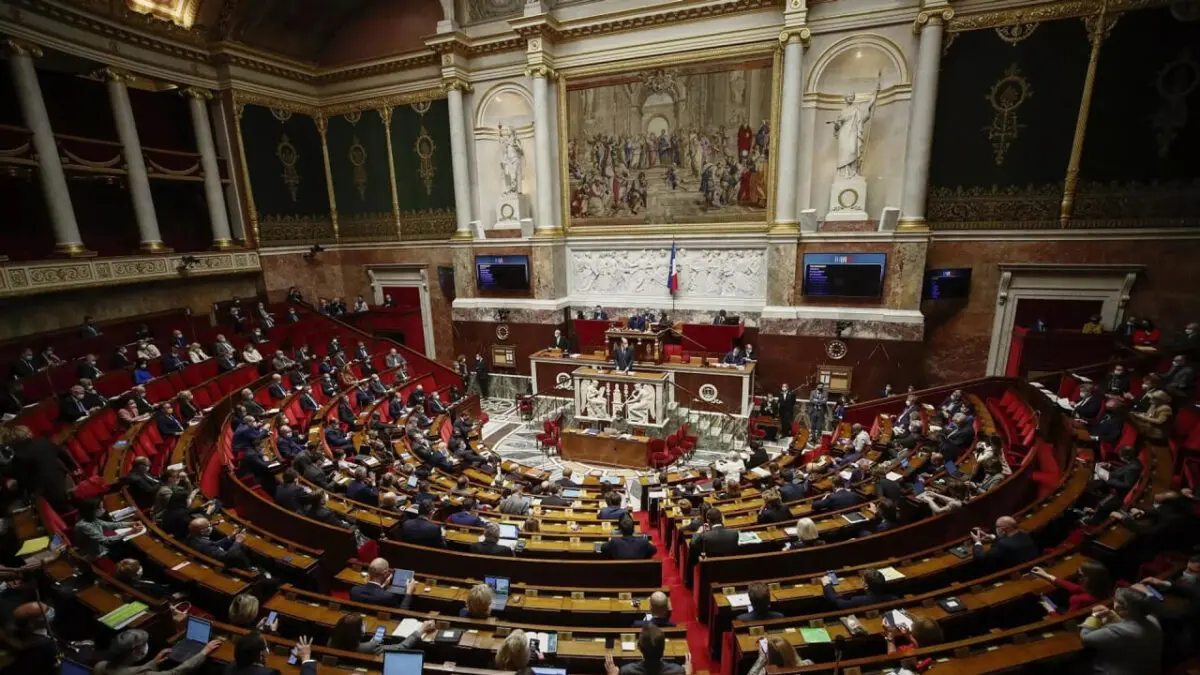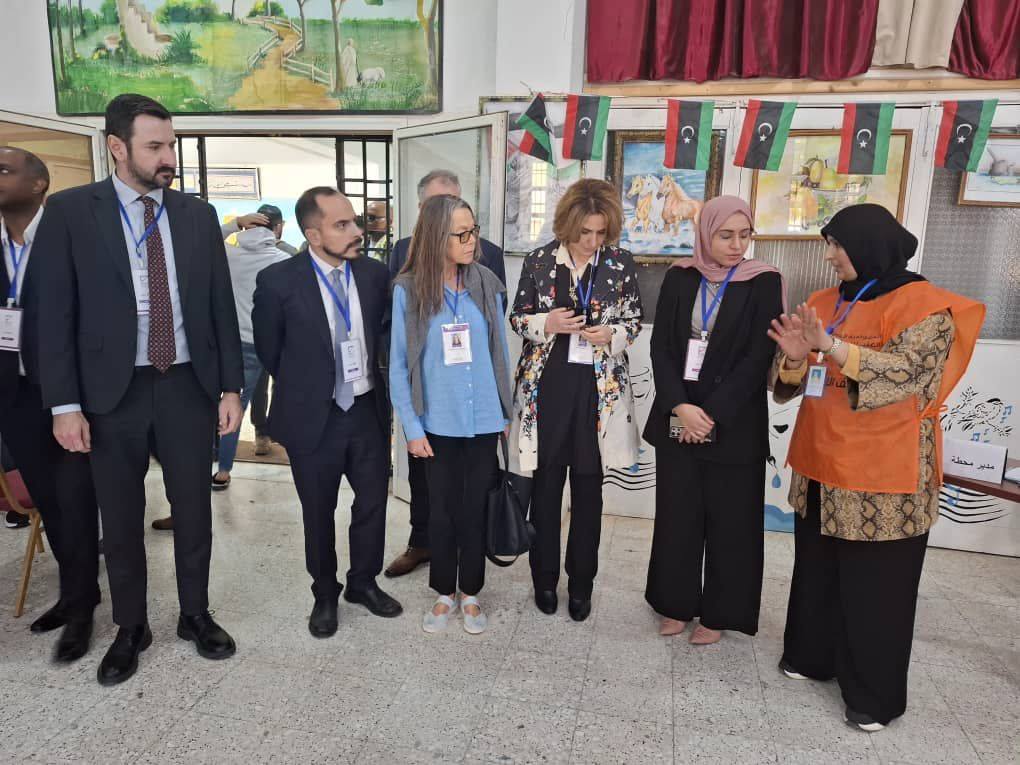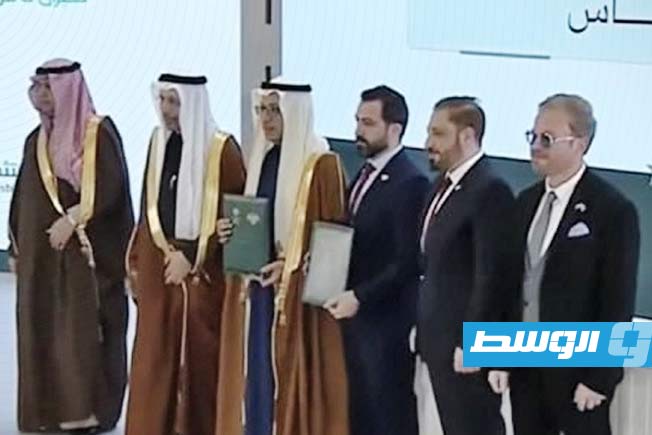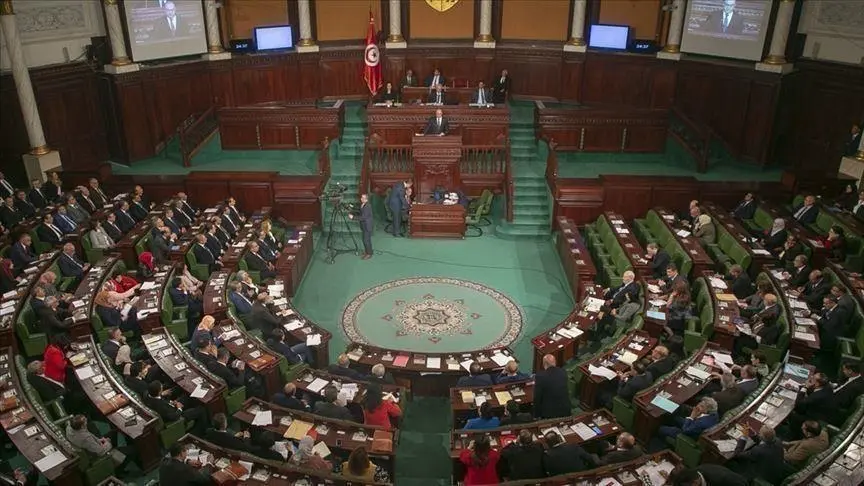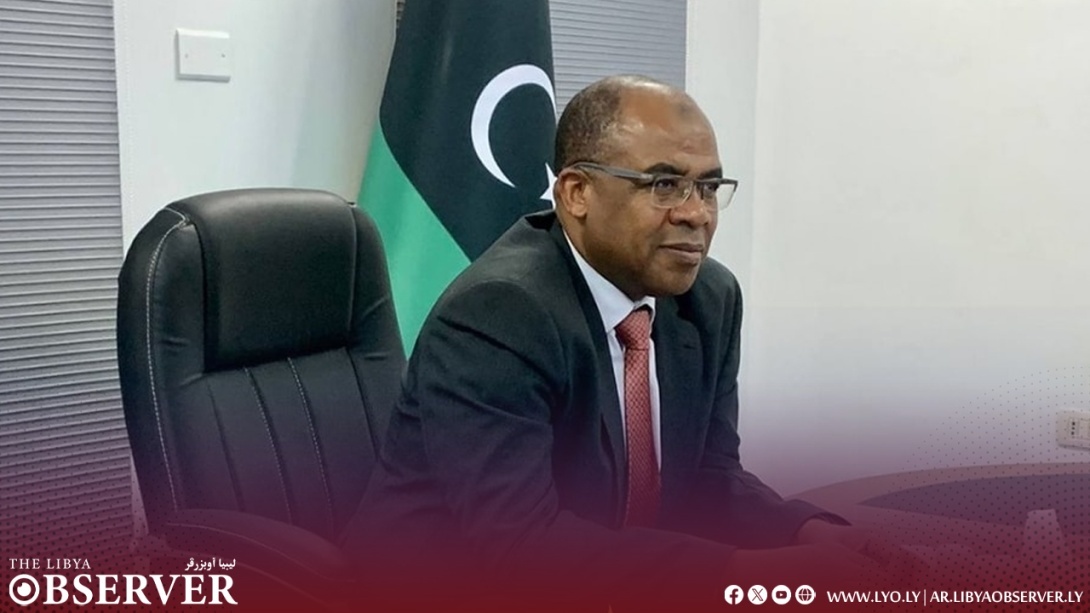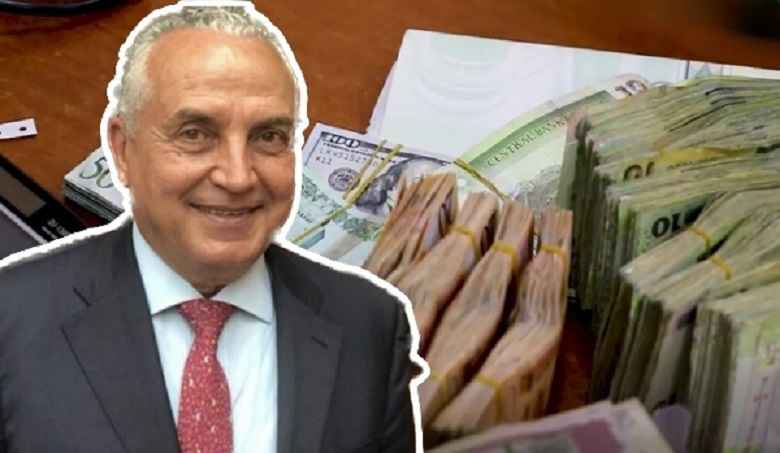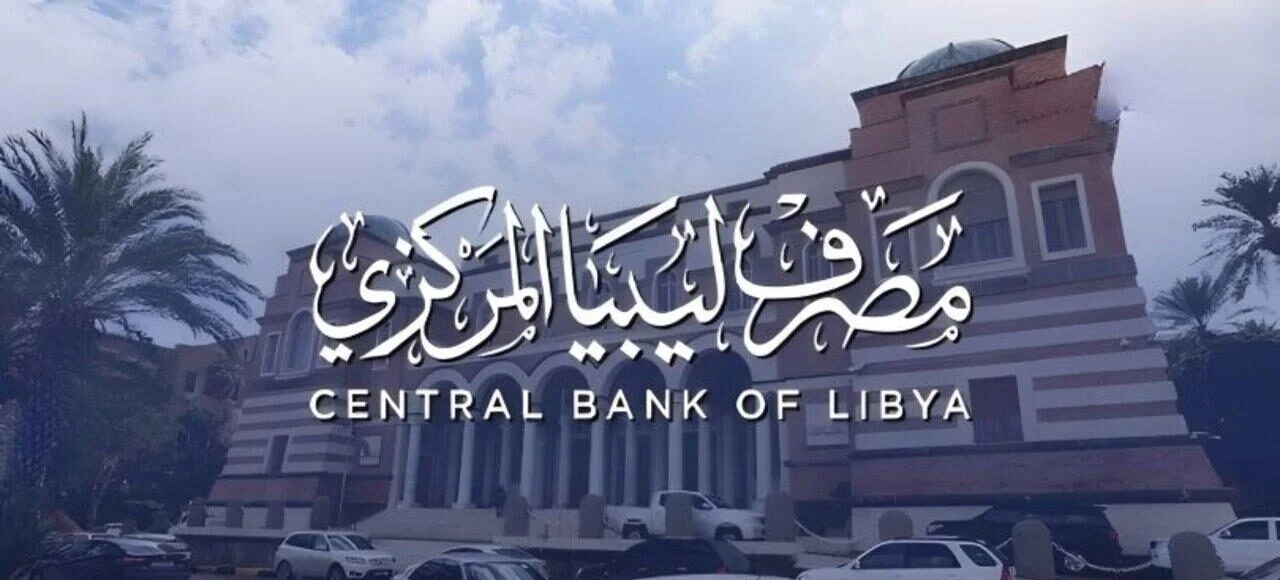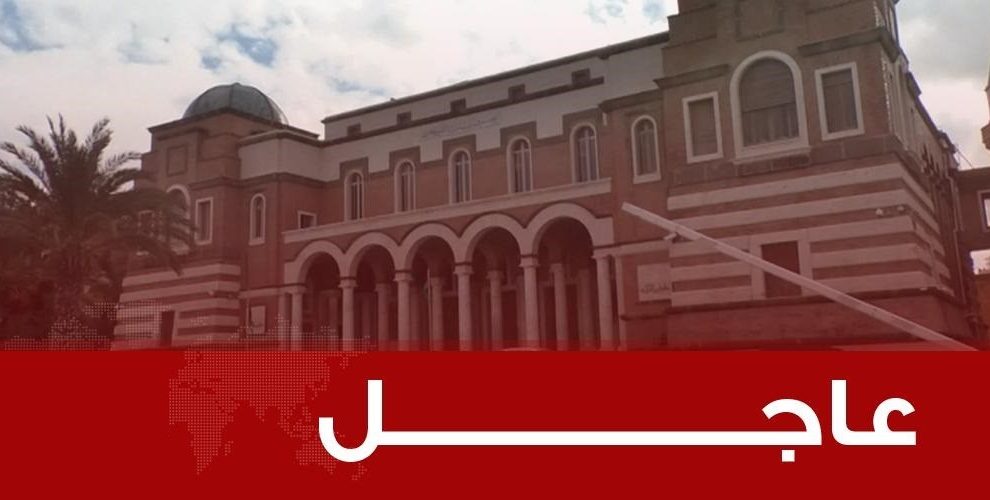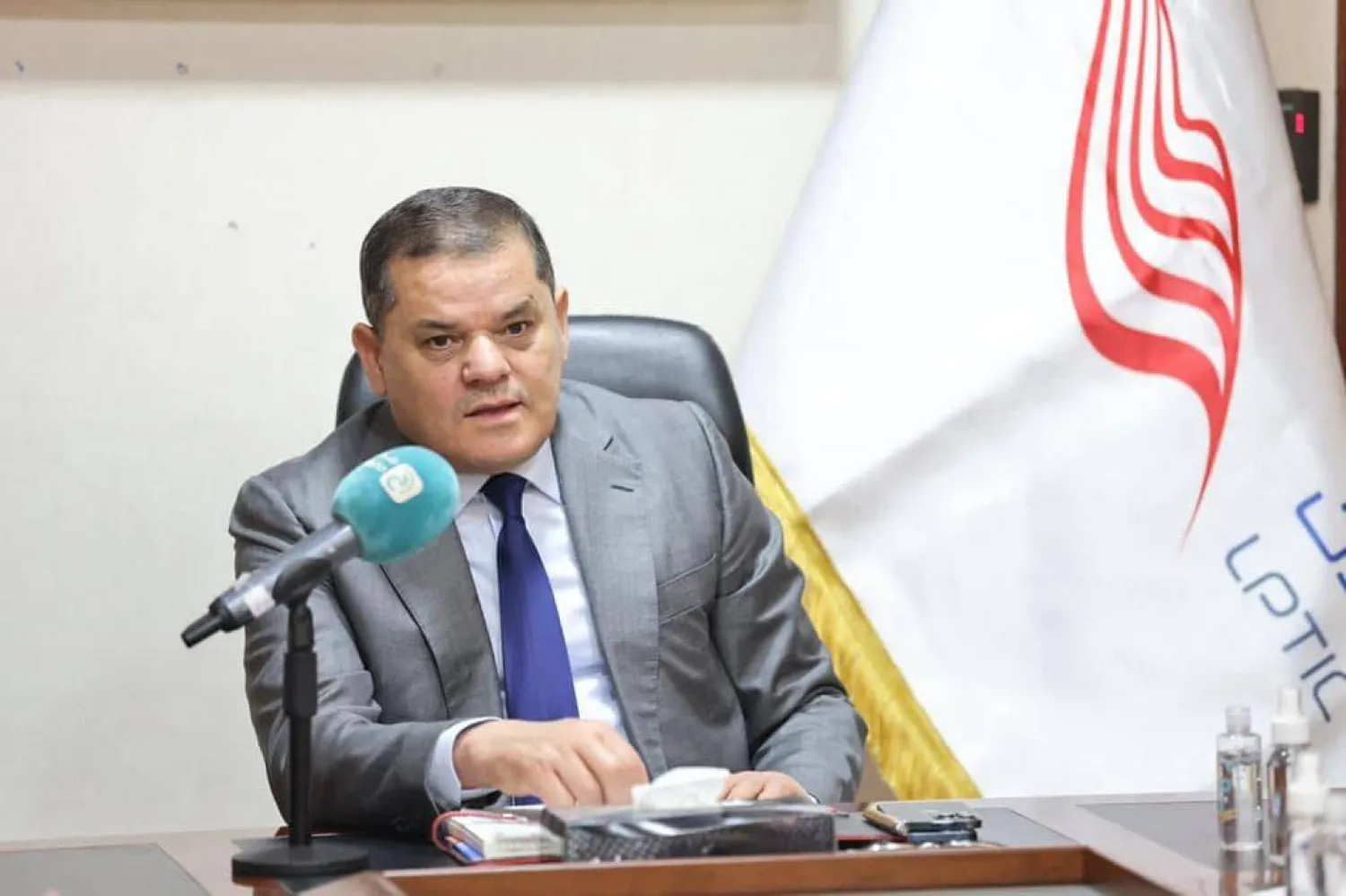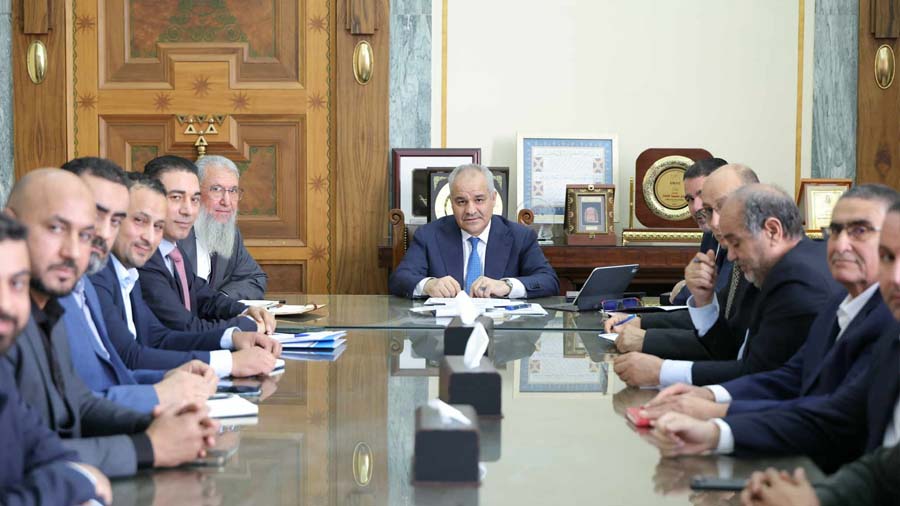
Benghazi, January 12, 2026 – The committee formed by House of Representatives Resolution No. (2) for the year 2026, tasked with communicating with the Governor of the Central Bank of Libya, the Bank’s Board of Directors, and relevant parties, held its seventh meeting today, Sunday, with the head of the National Anti-Corruption Authority, accompanied by a number of the Authority’s department directors.
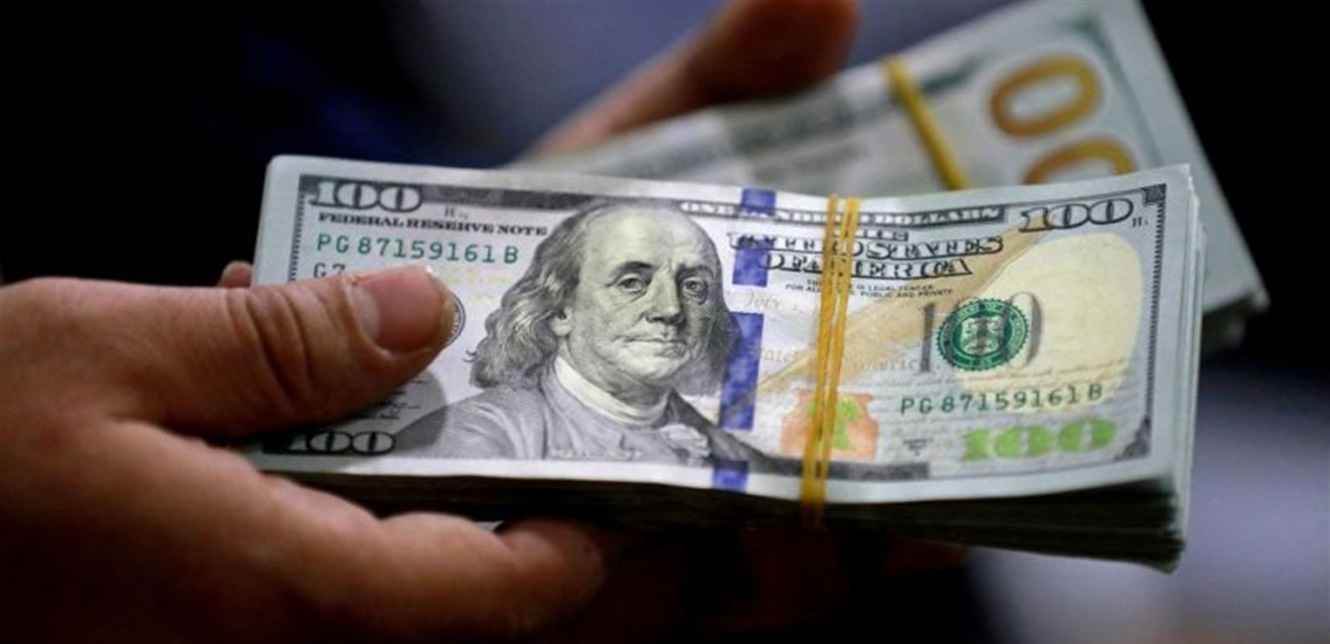
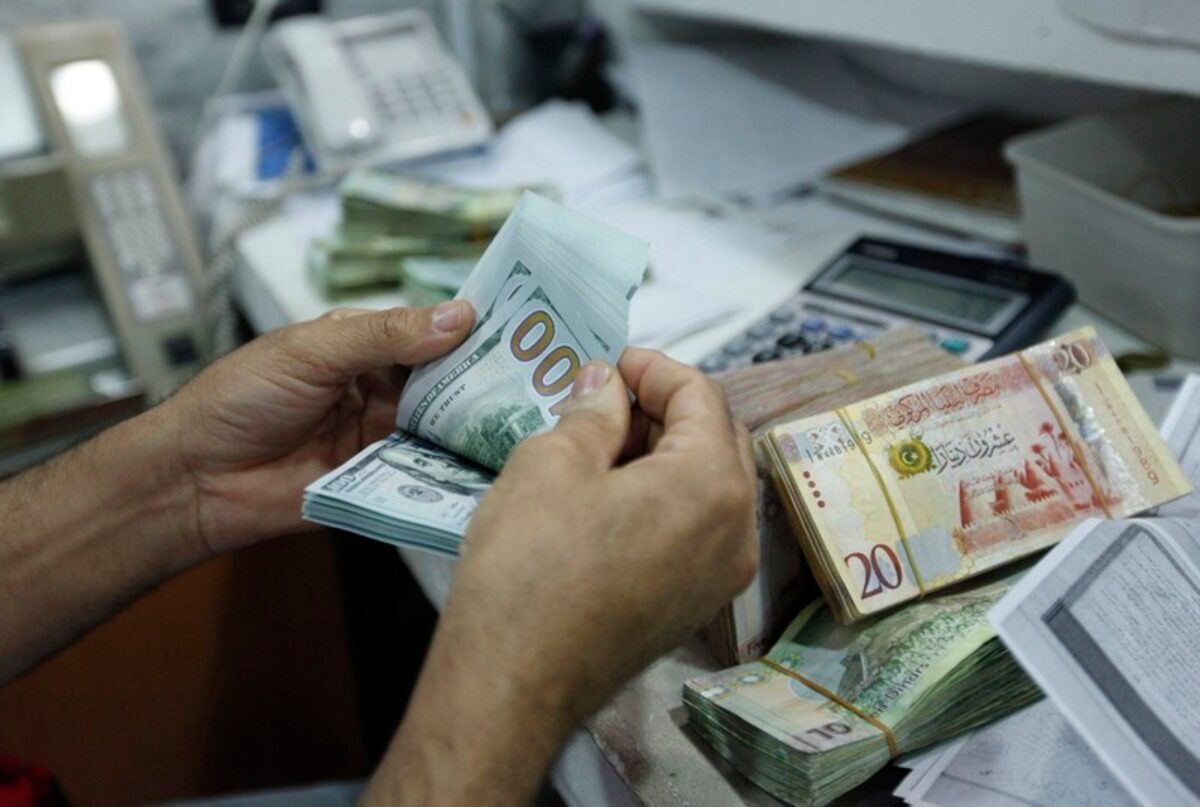
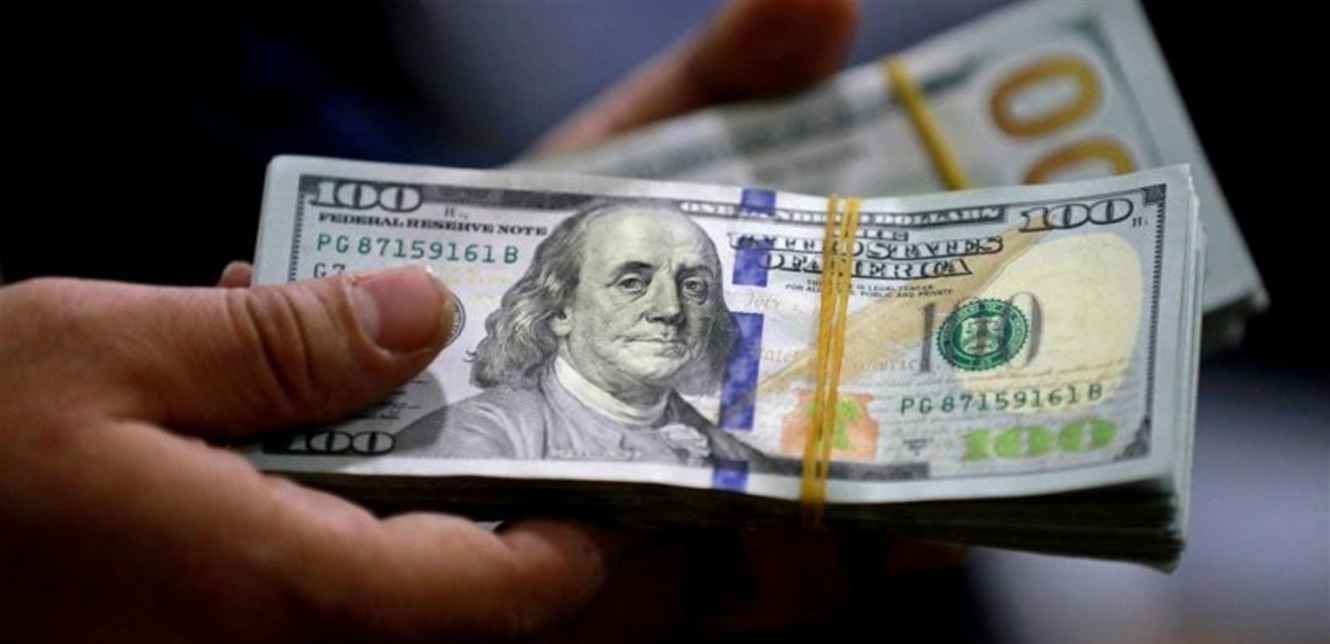
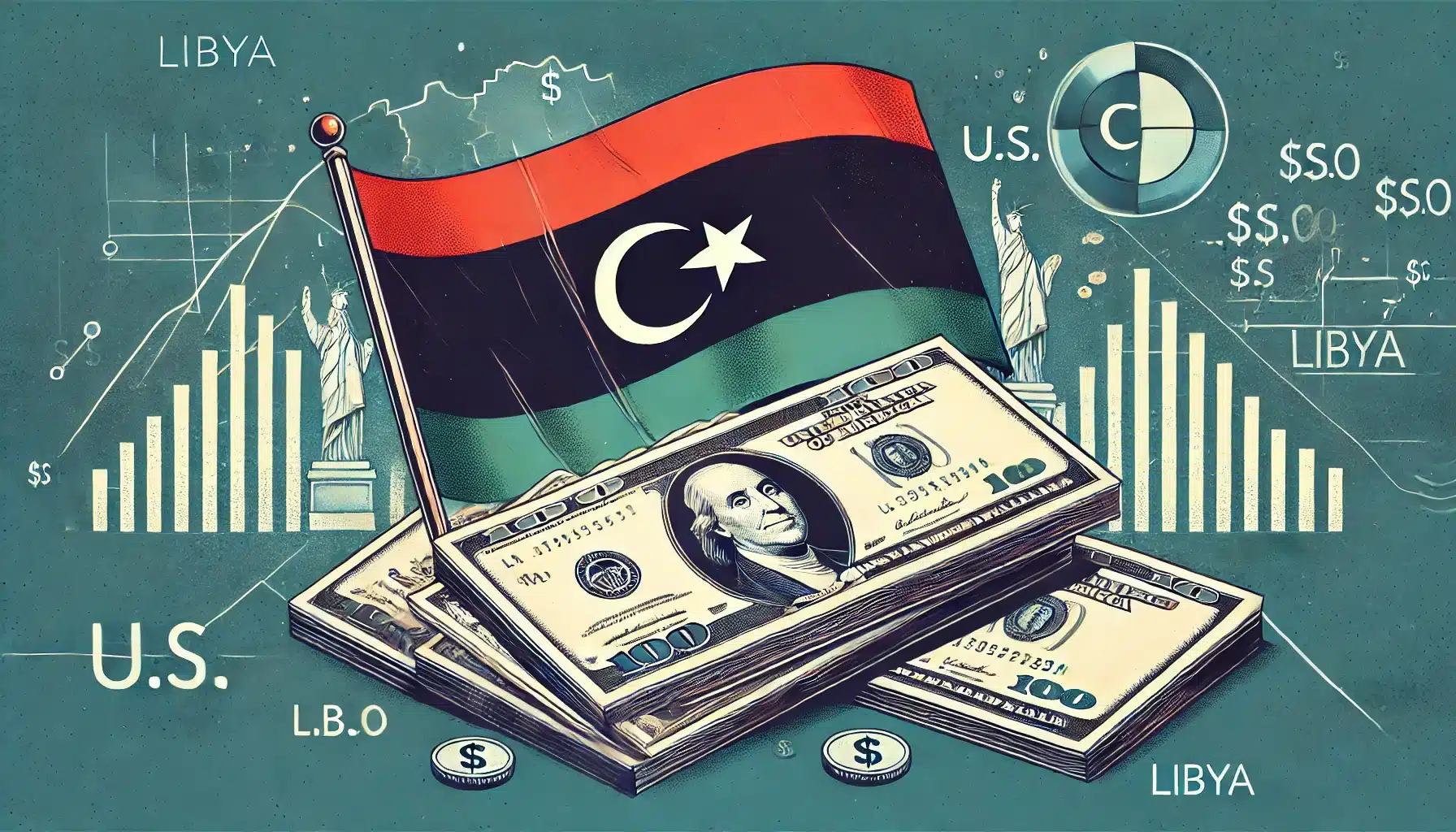
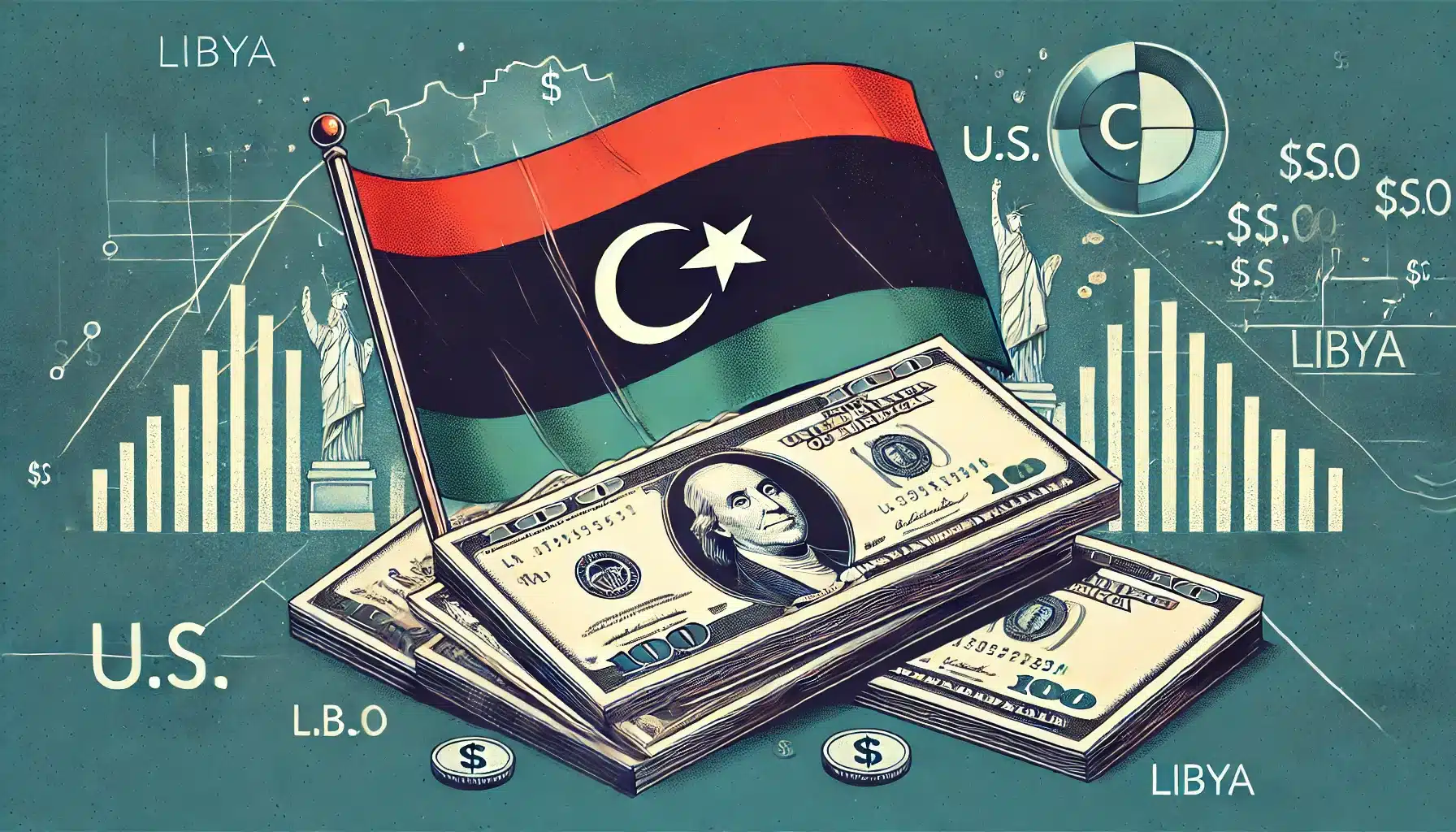
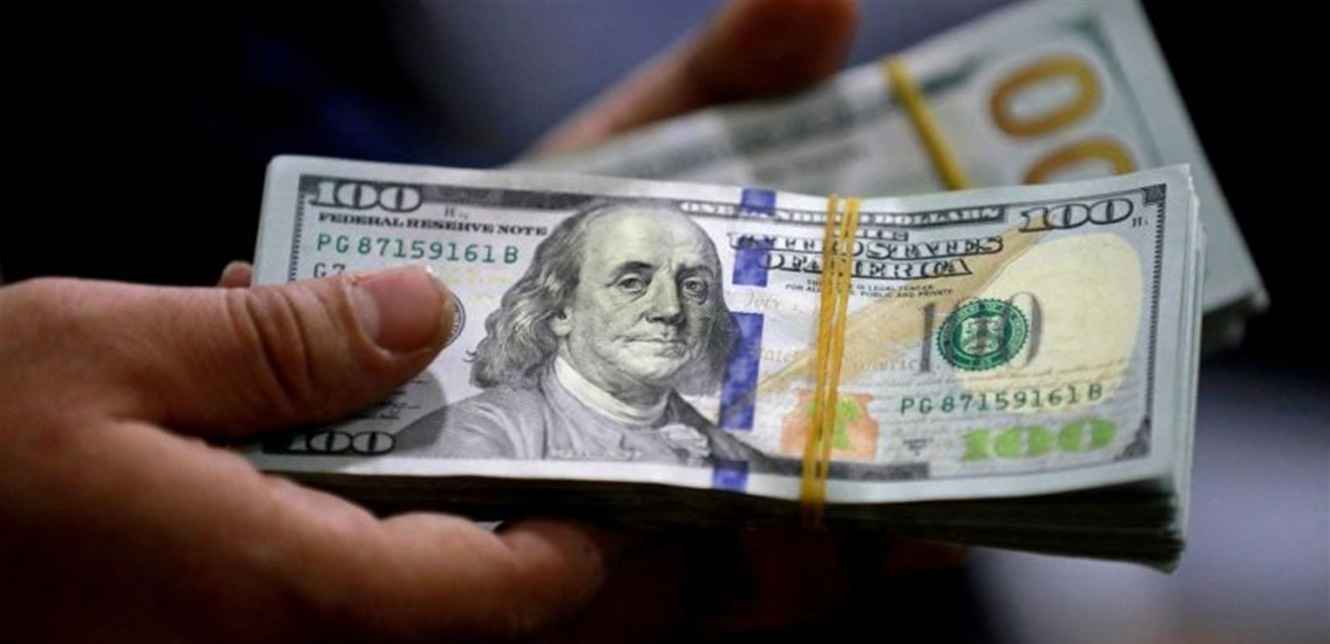
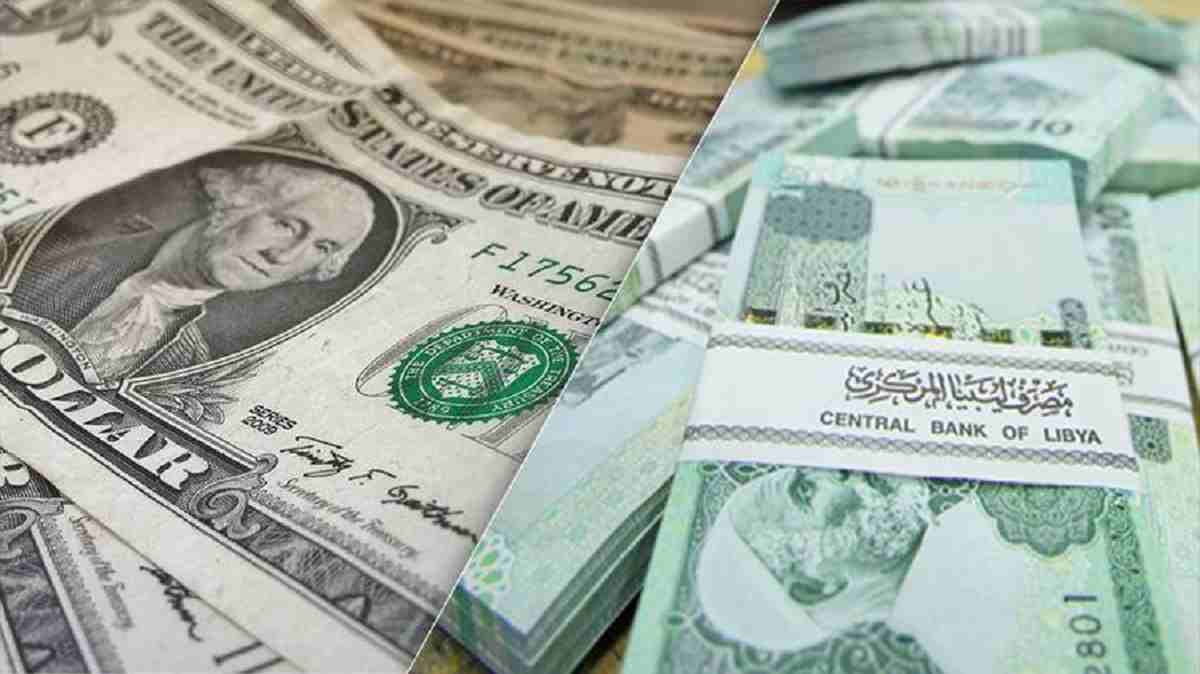
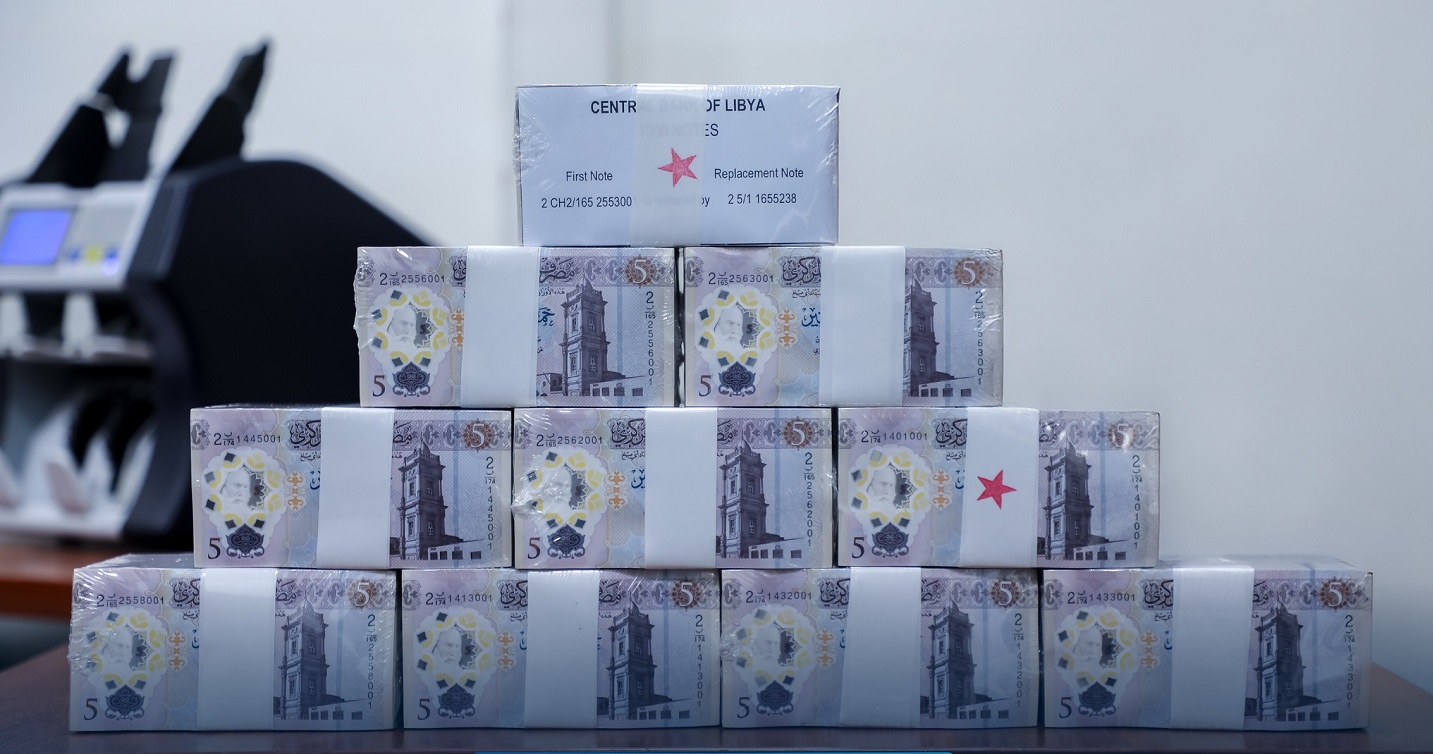
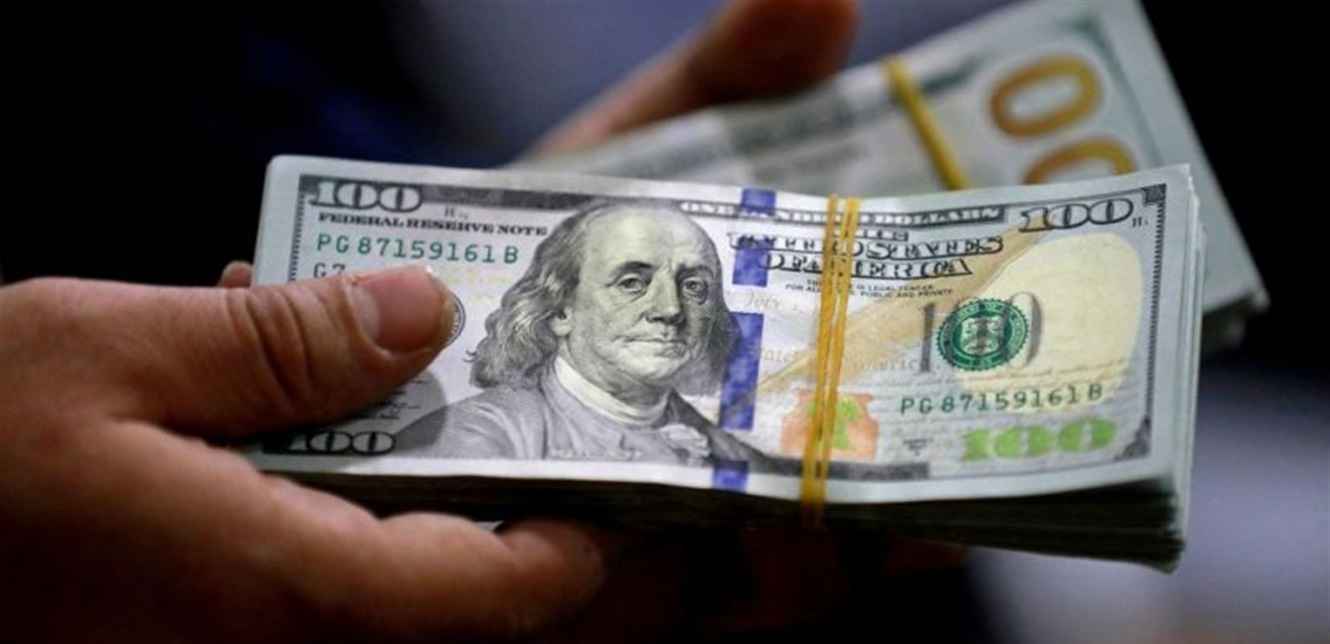
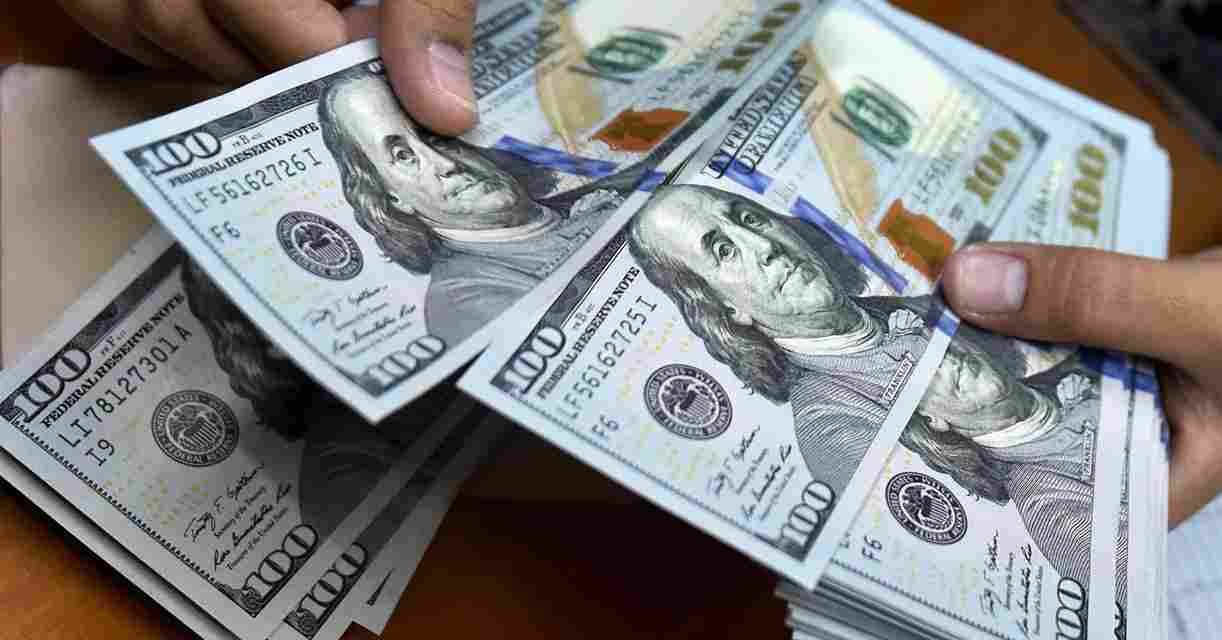
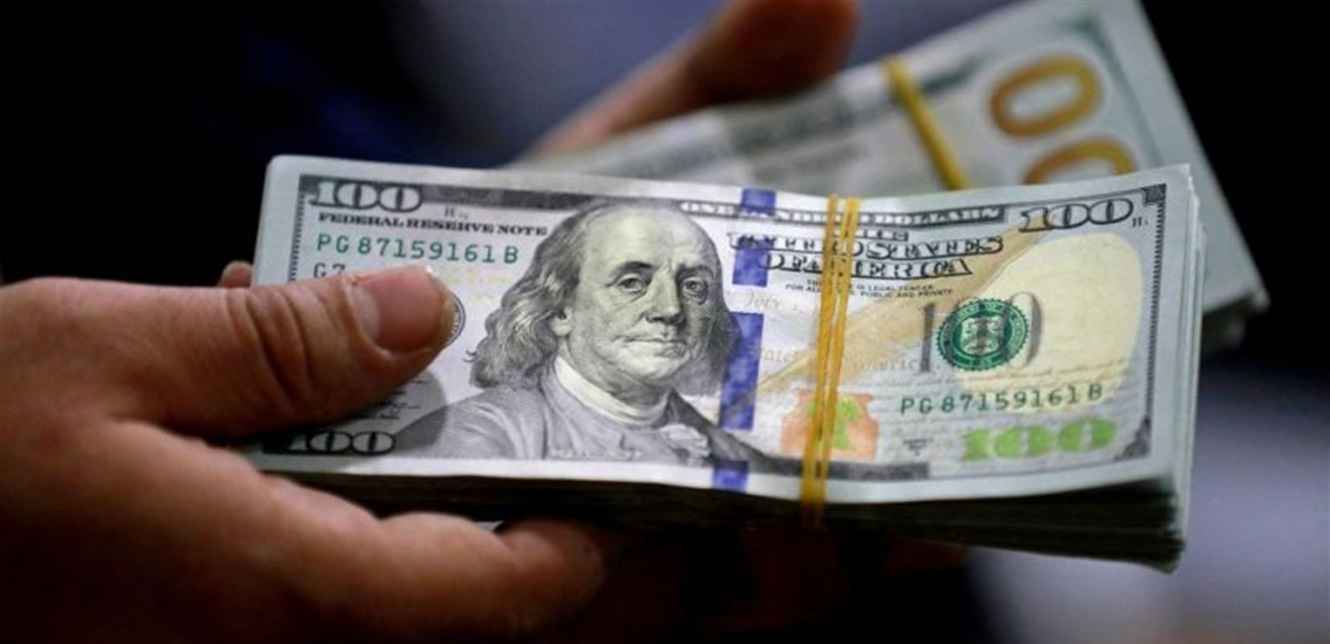
It was stated that the committee’s duties involve investigating the causes of the monetary crisis in the country, problems of liquidity shortage and exchange rates, and ensuring the regular payment of state employees’ salaries.
… and …
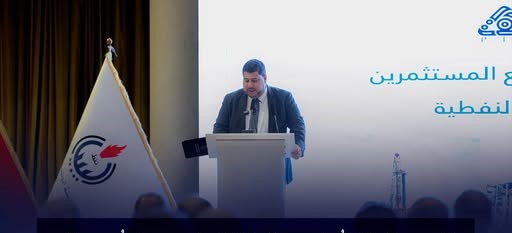
Benghazi
Benghazi is a major city in eastern Libya, historically significant as a center of trade and culture since its founding as the ancient Greek colony of Euesperides. It played a pivotal role in Libya’s modern history, serving as the provisional capital after the 2011 revolution and being the site of a major 2012 attack on a U.S. diplomatic compound.
House of Representatives
The House of Representatives is the lower chamber of the United States Congress, established by the Constitution in 1789. It is composed of representatives elected from congressional districts, with representation based on state population, and holds primary responsibility for initiating revenue bills.
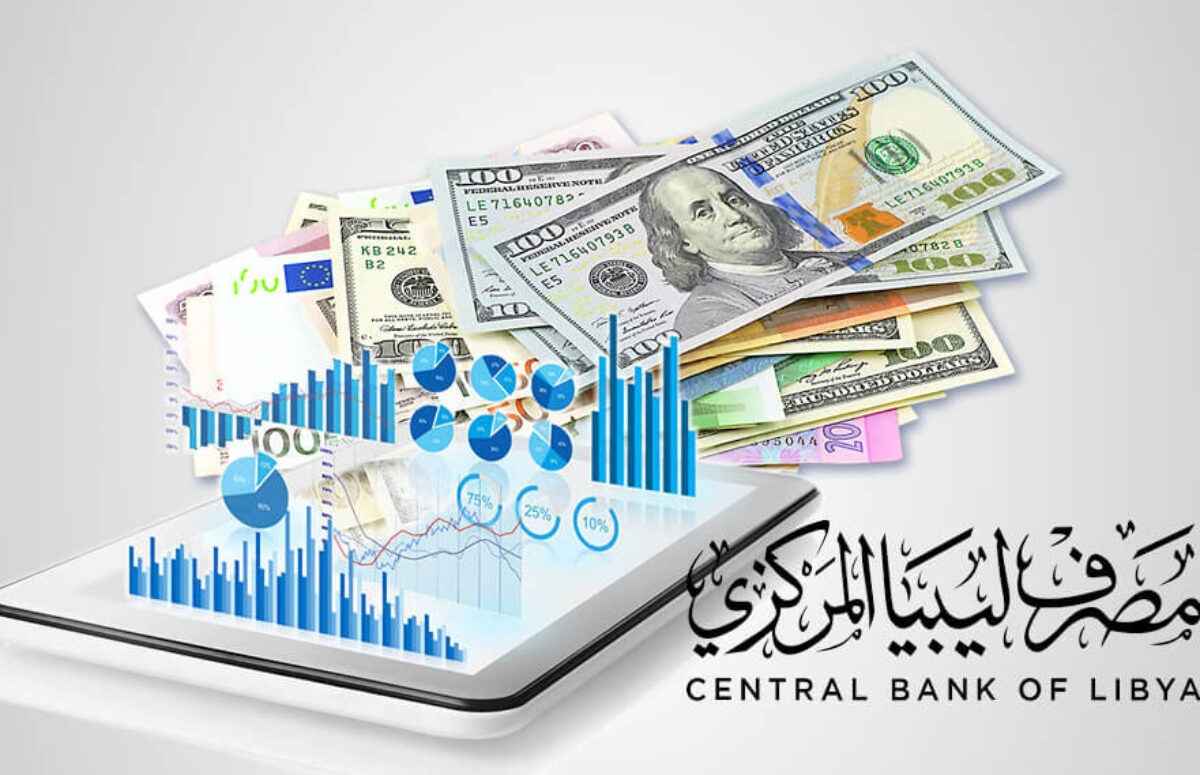
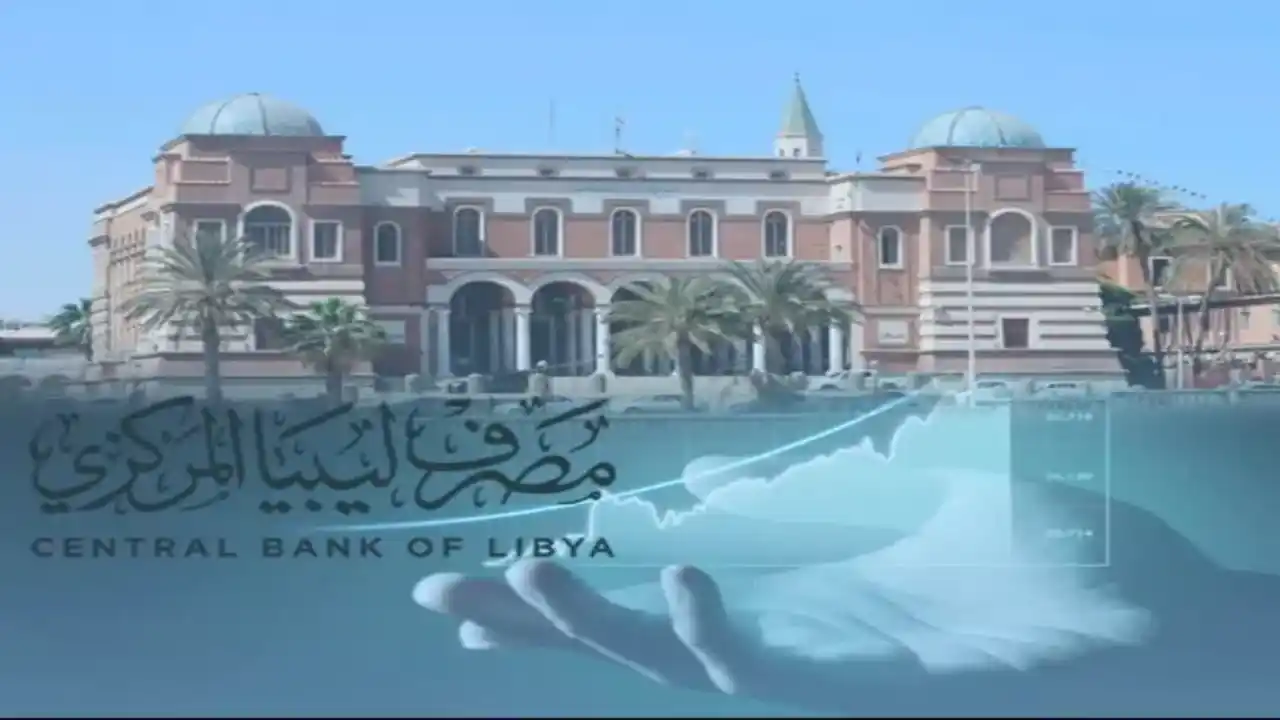
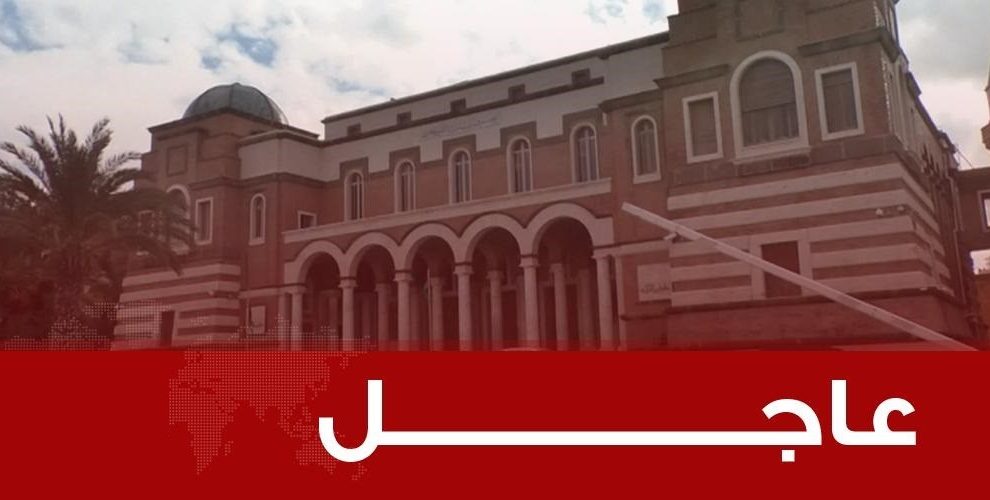
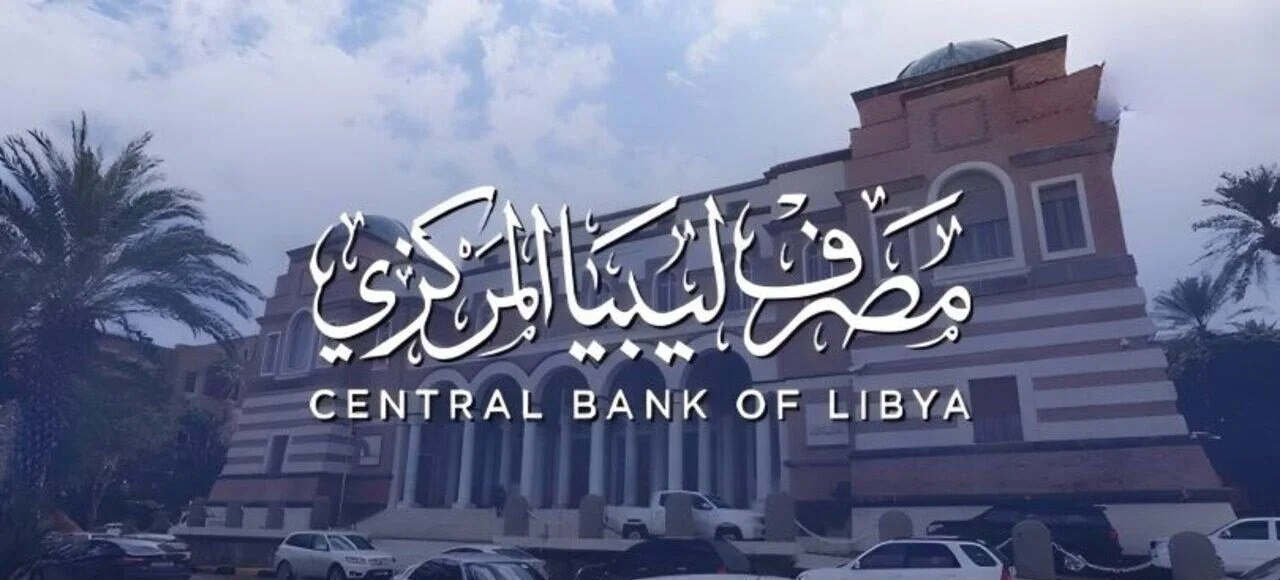
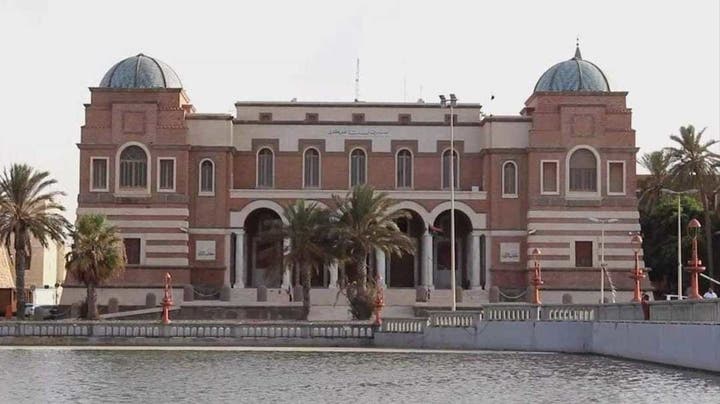
Central Bank of Libya
The Central Bank of Libya is the country’s primary monetary authority, established in 1956 to issue currency and manage monetary policy. It has played a critical and often divisive role in Libya’s recent history, notably functioning as a unified financial institution during the post-2011 civil war period despite the country’s political fragmentation.
National Anti-Corruption Authority
The National Anti-Corruption Authority (often abbreviated as NACA or NAZA) is a specialized government agency established to prevent, investigate, and combat corruption within a country’s public sector. Its history typically involves being created through specific legislation in response to domestic or international pressure for greater transparency and accountability in governance. The authority’s mandate usually includes conducting audits, receiving reports, and prosecuting corruption cases to uphold the rule of law.