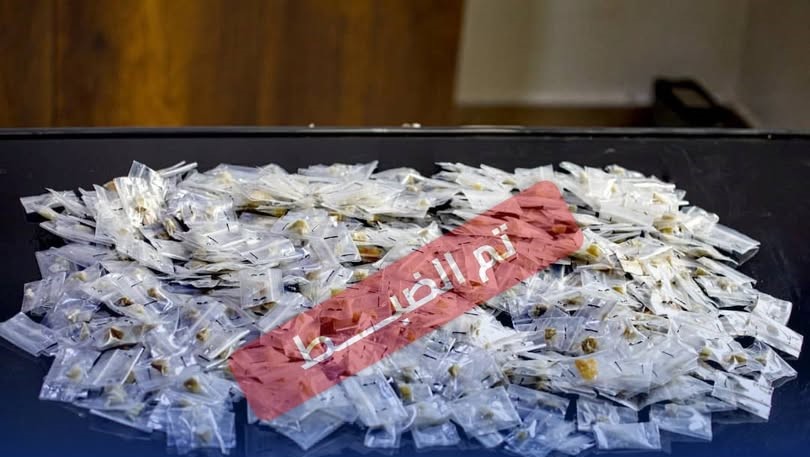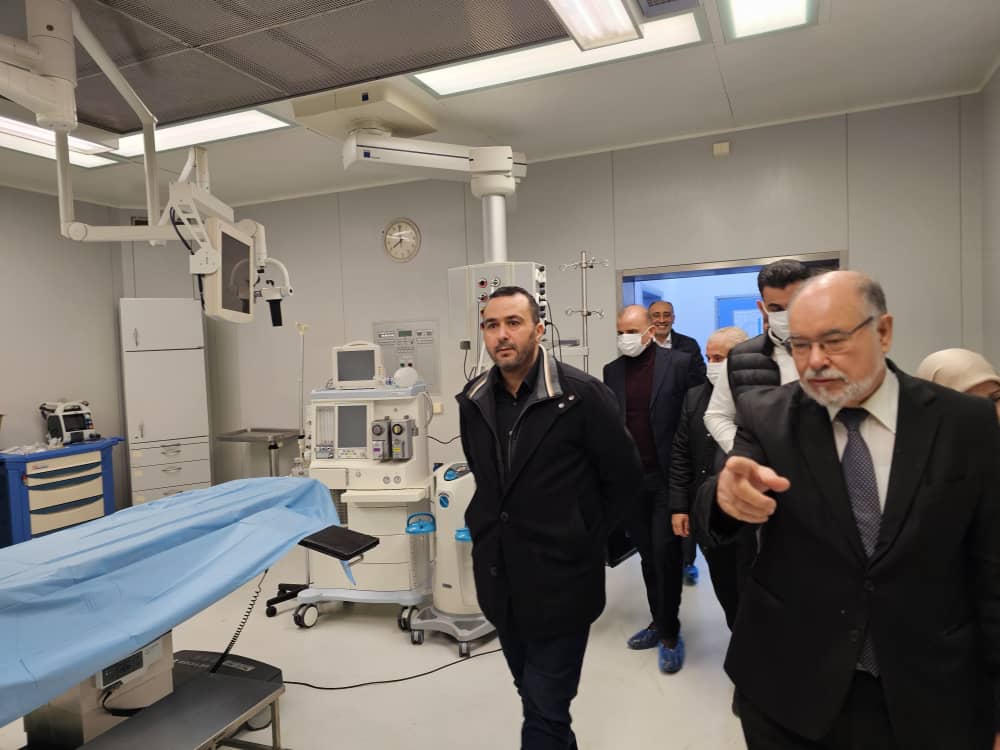
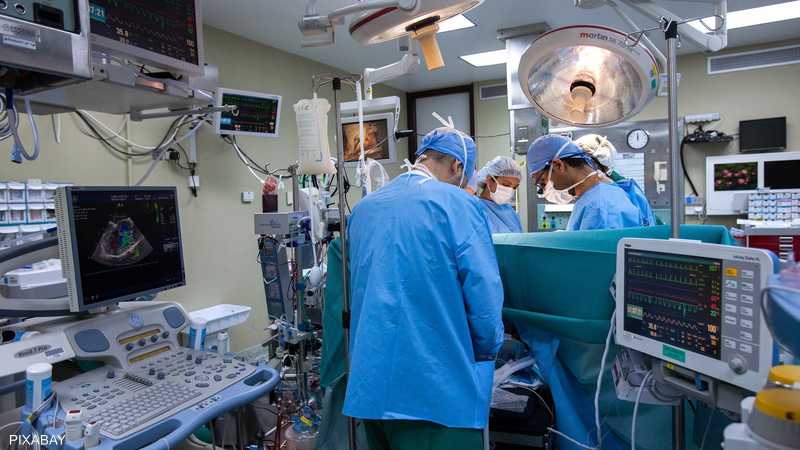
The Assistant Minister of Health revealed that a study is underway to establish a comprehensive national system for tissue banks, with a “skin bank” at the forefront, as part of the “Nile Medical City” project currently being implemented in the Egyptian capital, Cairo.
This comes at a time when a parliamentary proposal regarding posthumous skin donation has raised questions and debate concerning implementation mechanisms and its permissibility from medical and legal perspectives.
It was stated that dealing with the issue of tissues must be from a “humanitarian and ethical perspective above all else,” emphasizing that “discussing the creation of a national human tissue bank is, at its core, about saving lives and alleviating the suffering of patients, foremost among them burn victims, especially children, who require urgent medical intervention.”
From a scientific standpoint, it was confirmed that “skin donation does not cause any disfigurement to the body after death, as the skin consists of three main layers. Only the superficial part of the skin is donated, meaning the top layer, which is no more than 0.3 to 0.5 millimeters thick, and it is taken from non-visible areas.”
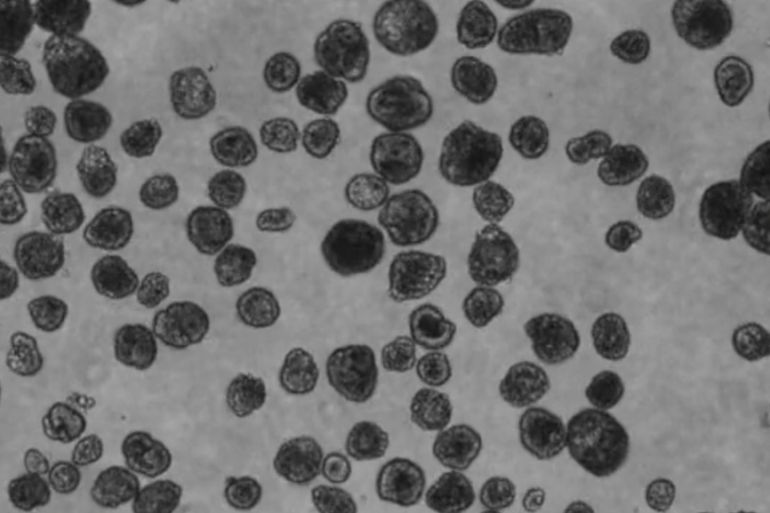
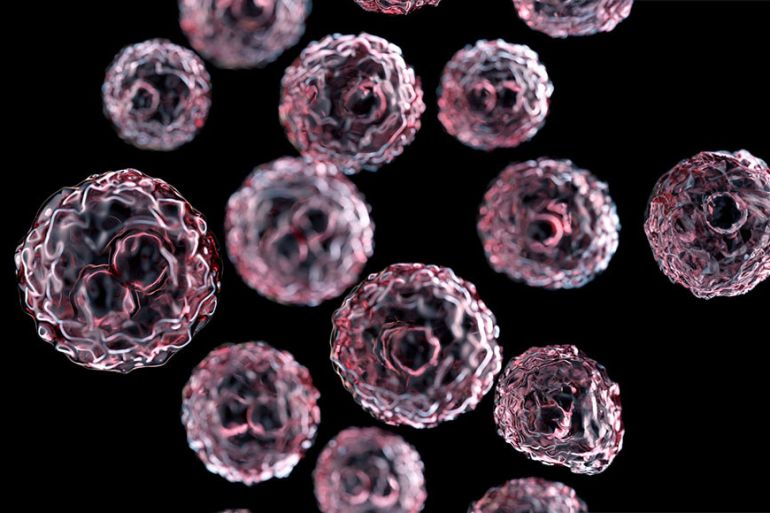
It was stressed that “the deep part of the subcutaneous tissue remains completely intact. These layers are responsible for the skin’s thickness and the body’s external appearance, thus no disfigurement occurs to the deceased.” It was added that “tissues are groups of similar cells that work together to perform a specific function in the body and are the basic component of organs, among which is the skin.”
Medical statistics indicate that the country records high rates of burn injuries, especially among children, and these accidents often occur inside homes. It was confirmed that in cases where a patient loses a large percentage of their skin, there may not be enough skin available from their own body for treatment. Here, donated skin becomes the real hope for recovery.
According to estimates from the Central Agency for Public Mobilization and Statistics, the number of fire incidents reached 51,029 during 2025, compared to 46,925 incidents in 2024, marking an increase of 8.7 percent.
However, the greater danger lies in the fact that 37 percent of burn patients in the country lose their lives within hours due to a lack of specialized medical facilities and the necessary resources to deal with critical cases, according to a local burn treatment foundation.
It was reaffirmed that “posthumous skin donation does not cause any disfigurement to the deceased, as the deep layers responsible for the body’s shape remain completely intact, and the body is medically restored in a manner that preserves the dignity of the deceased.”
The Legal and Religious Position
It was emphasized that, from a legal perspective, the Organ Transplant Law No. 5 of 2010 and its amendments permit the donation of organs and tissues after death, provided that death is medically confirmed and there is documented consent from the deceased prior to death or from their relatives, with an emphasis on prohibiting and criminalizing any form of trafficking.
It was noted that, in order to work on mechanisms for implementing this law and building public awareness, health authorities are working to establish clear medical procedures and protocols that ensure safety and quality, with guaranteed transparency and full oversight at all stages of donation and use, along with training medical personnel, improving the efficiency of burn units, and coordinating with official religious institutions.
From a religious perspective, the official Egyptian Fatwa House confirmed the “permissibility of transferring organs from the deceased to the living within specific legal and regulatory frameworks, which are based on verifying the legal death of the donor and their complete departure from life.”
It stressed the necessity of “requiring that the deceased donor had stipulated this transfer during their lifetime while in full mental capacity and without any physical or moral coercion, that they were aware they were bequeathing a specific organ to be removed from their body after death, and that the transfer does not lead to the degradation of human dignity. Therefore, posthumous organ donation is religiously permissible if these legal regulations and frameworks are observed.”
Accordingly,