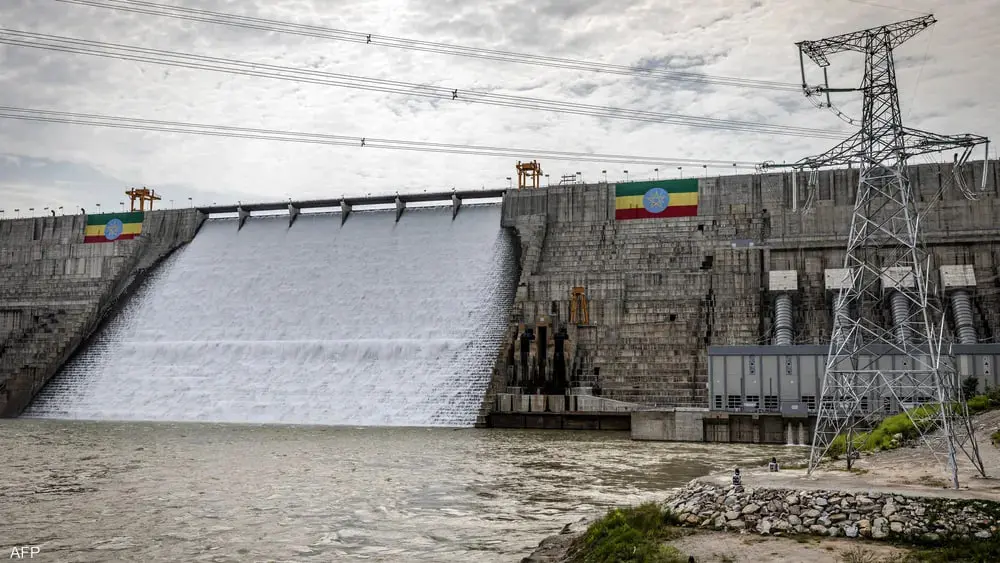
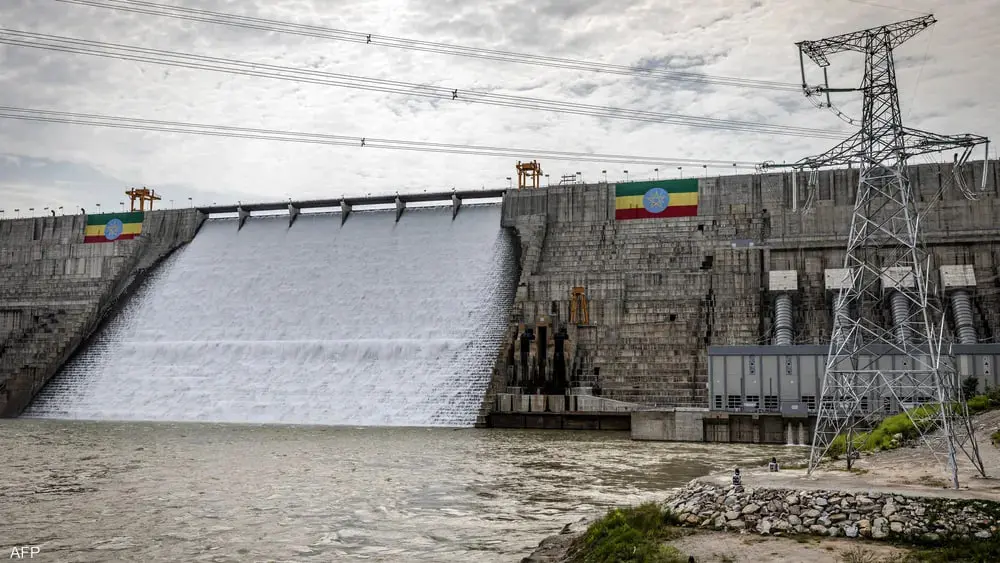
Recent statements regarding American funding for the Ethiopian Grand Ethiopian Renaissance Dam (GERD) have sparked widespread debate between Cairo and Addis Ababa, amid differing stances on the US role in supporting the strategic project on the Blue Nile.
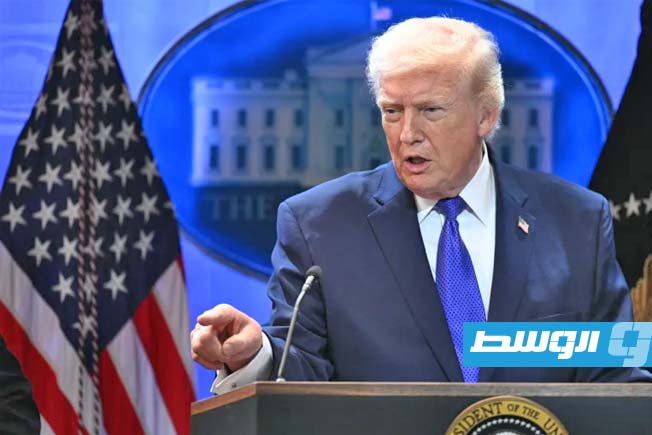
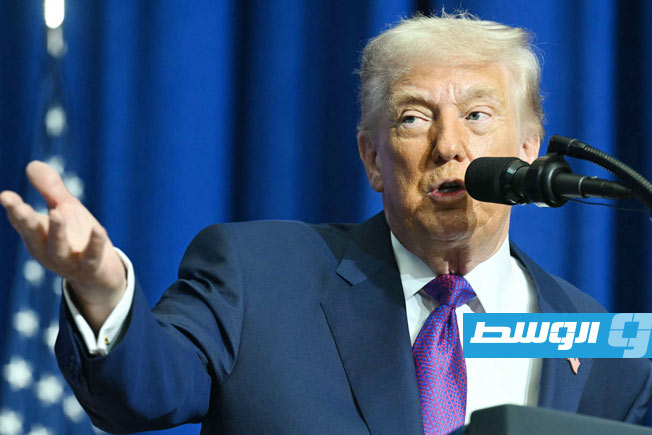
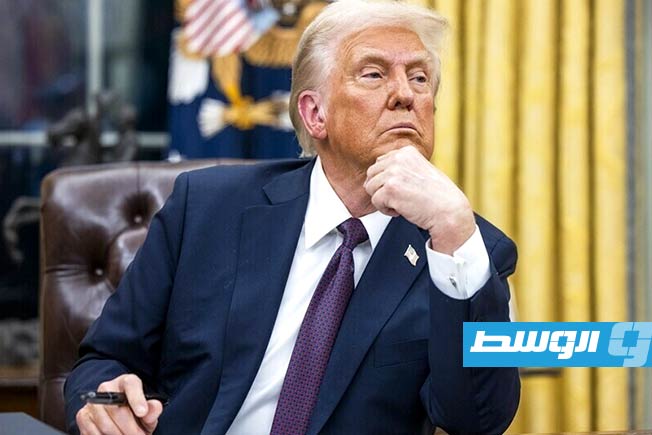
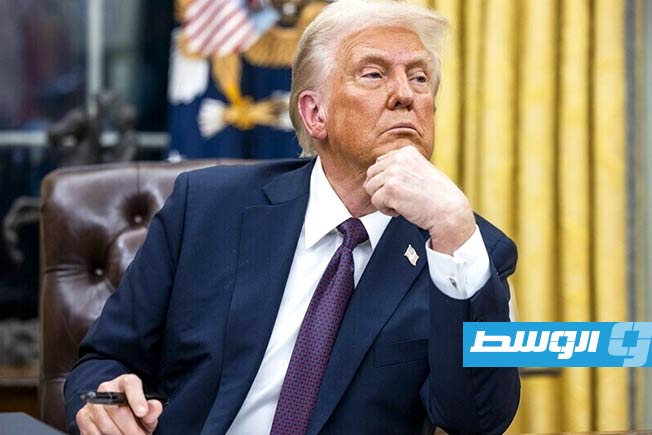
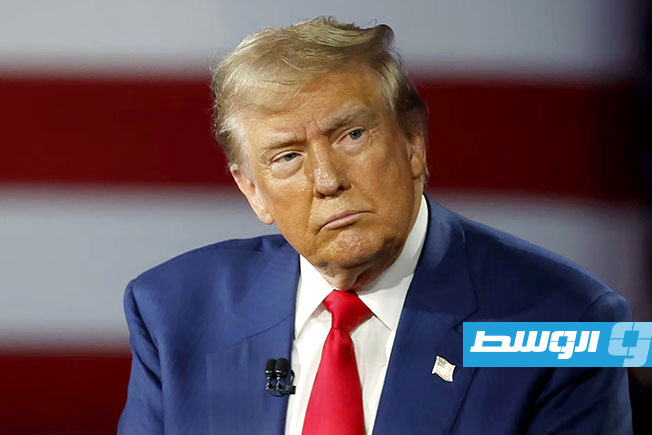
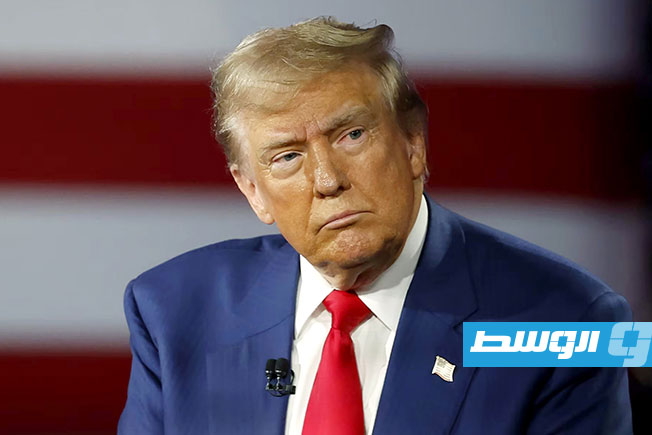
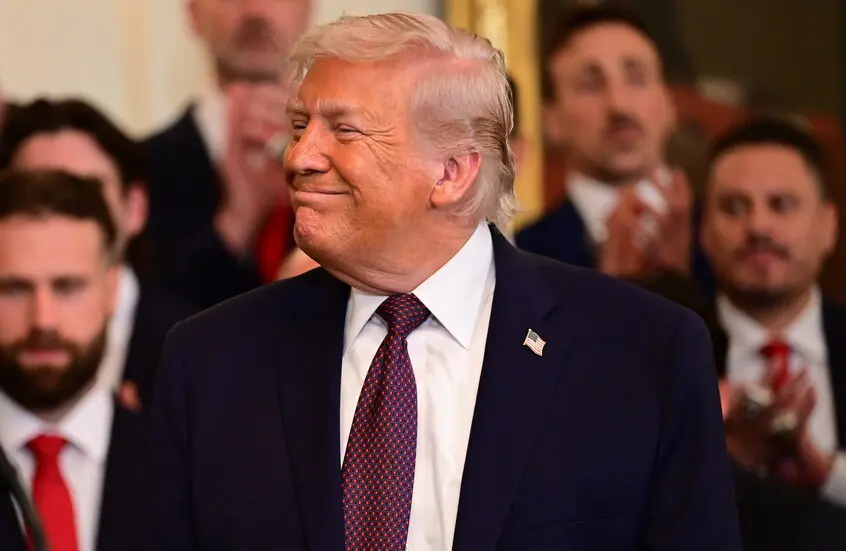
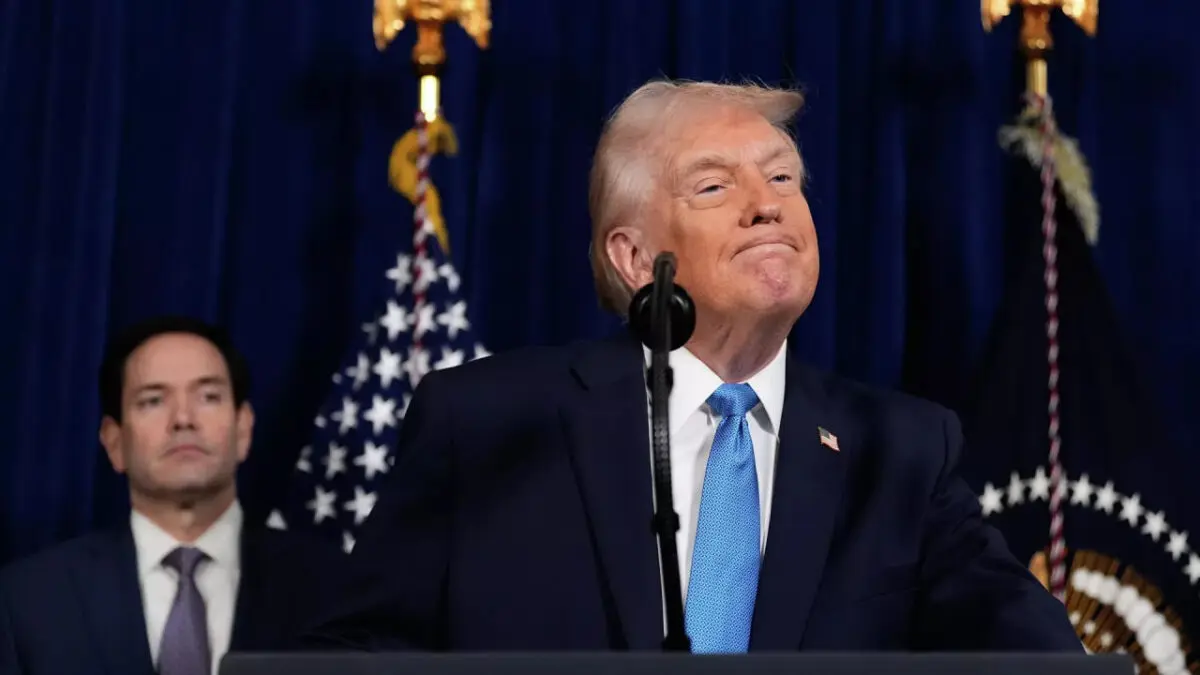
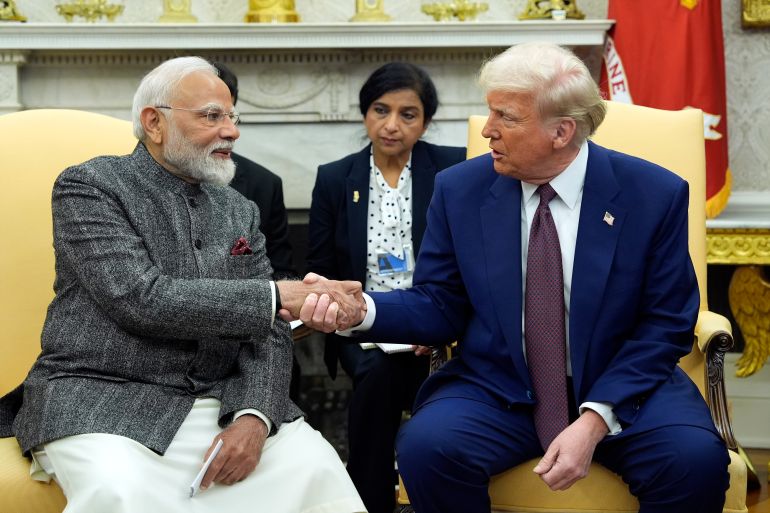
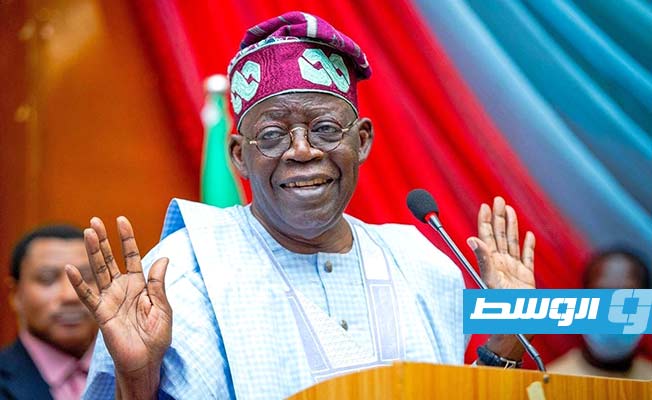
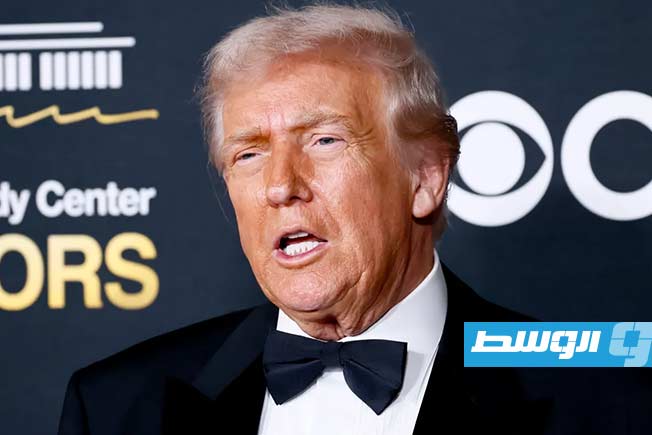
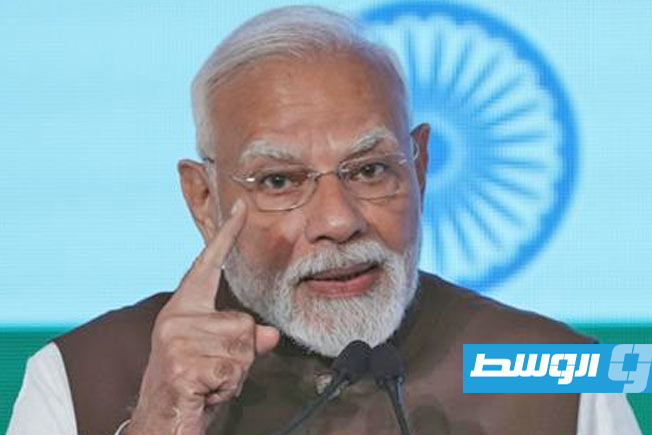
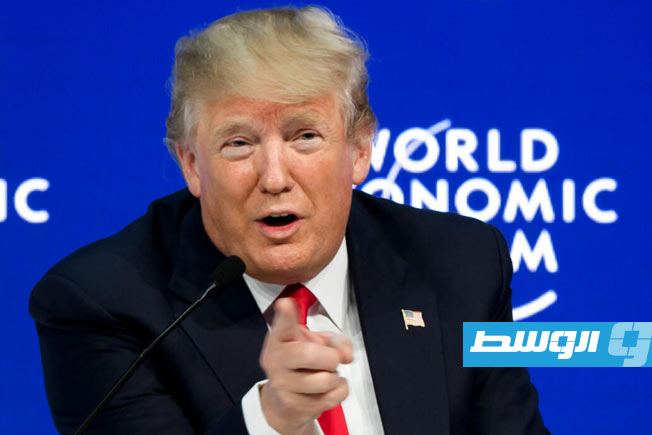
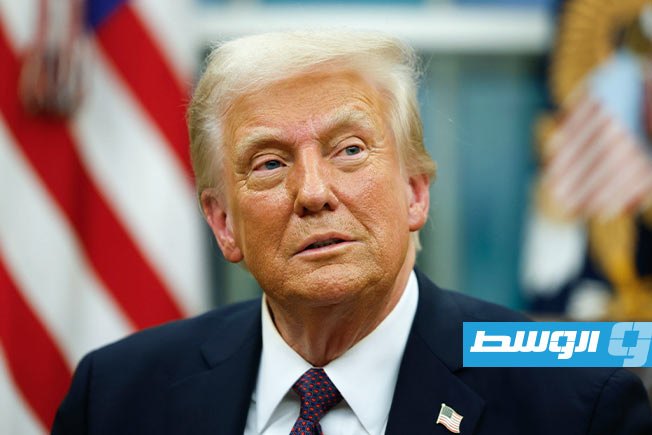
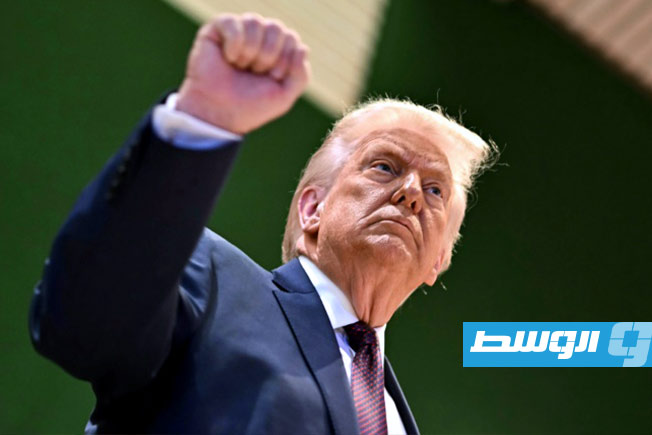
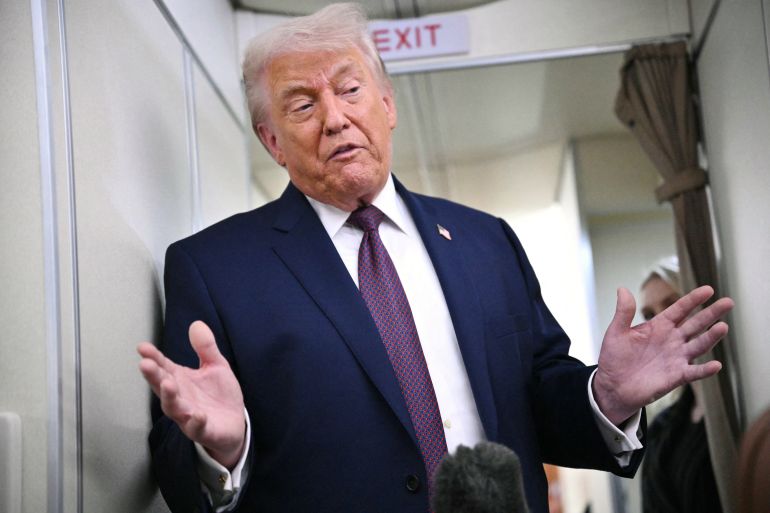
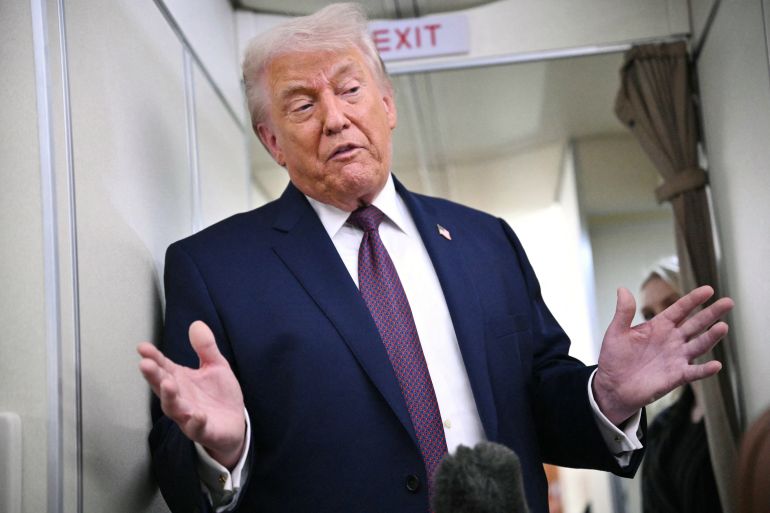
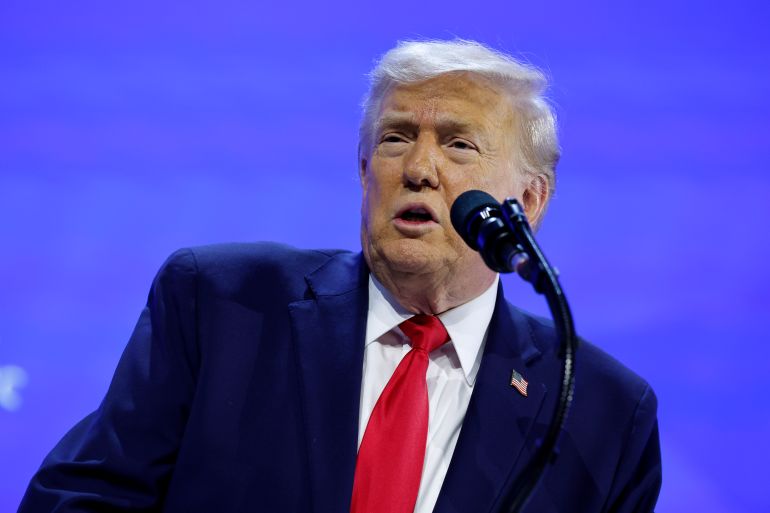
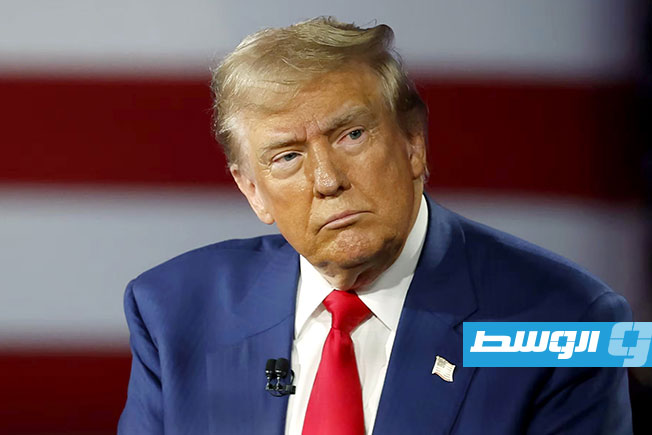
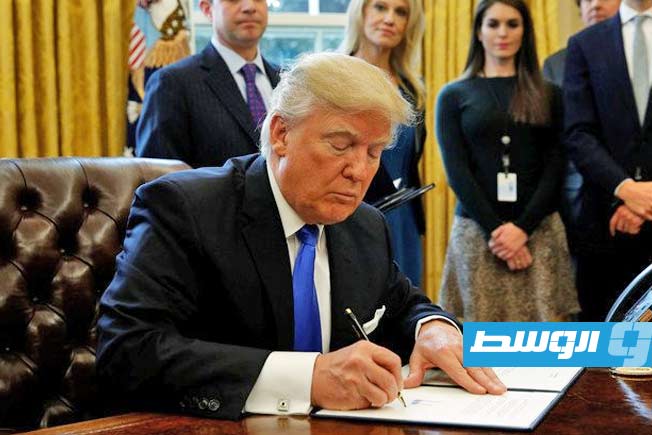
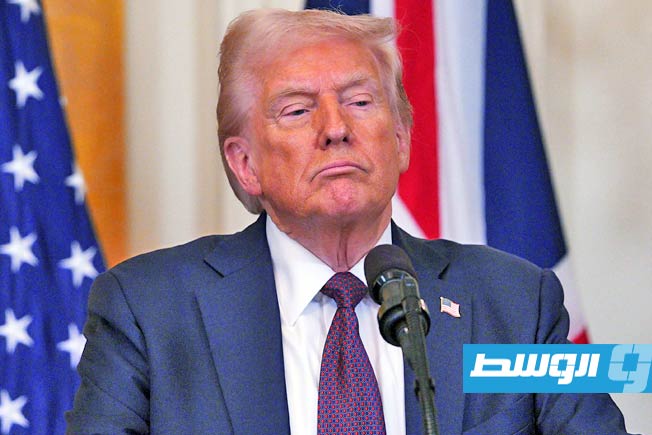
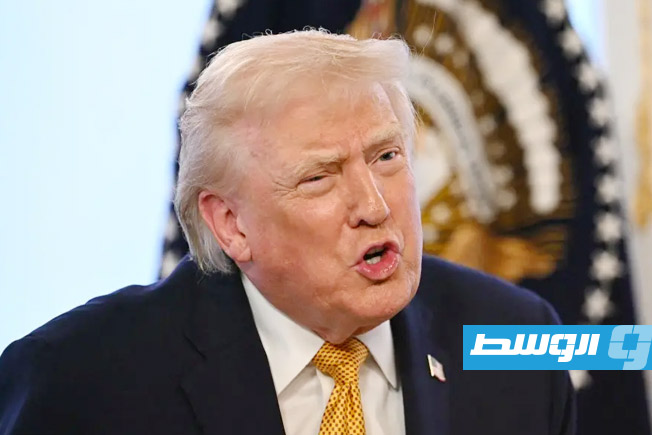
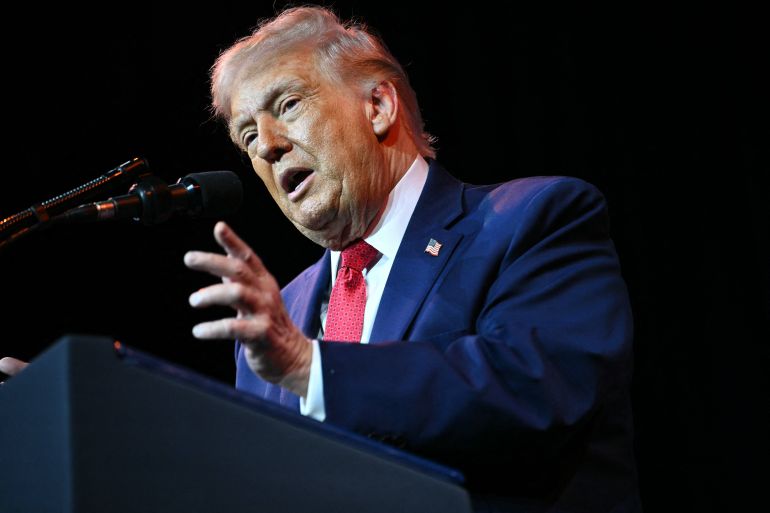
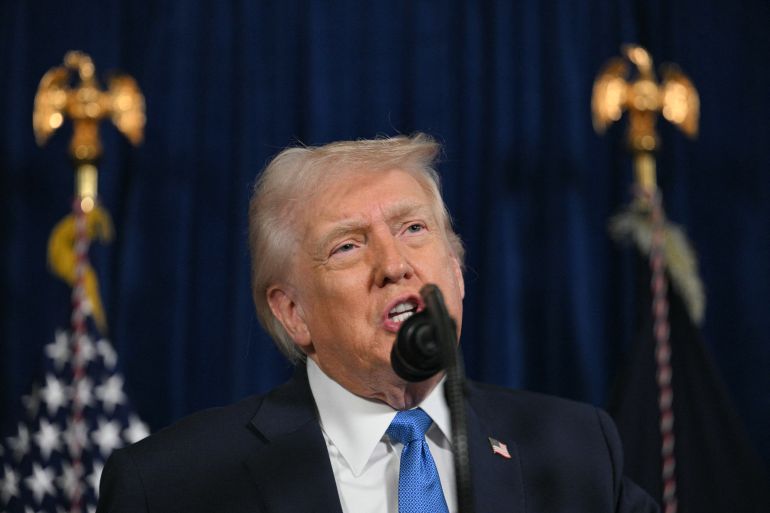
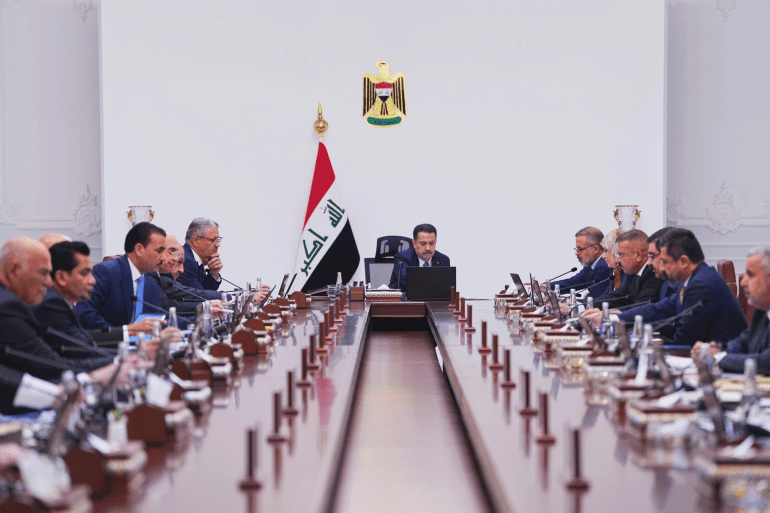
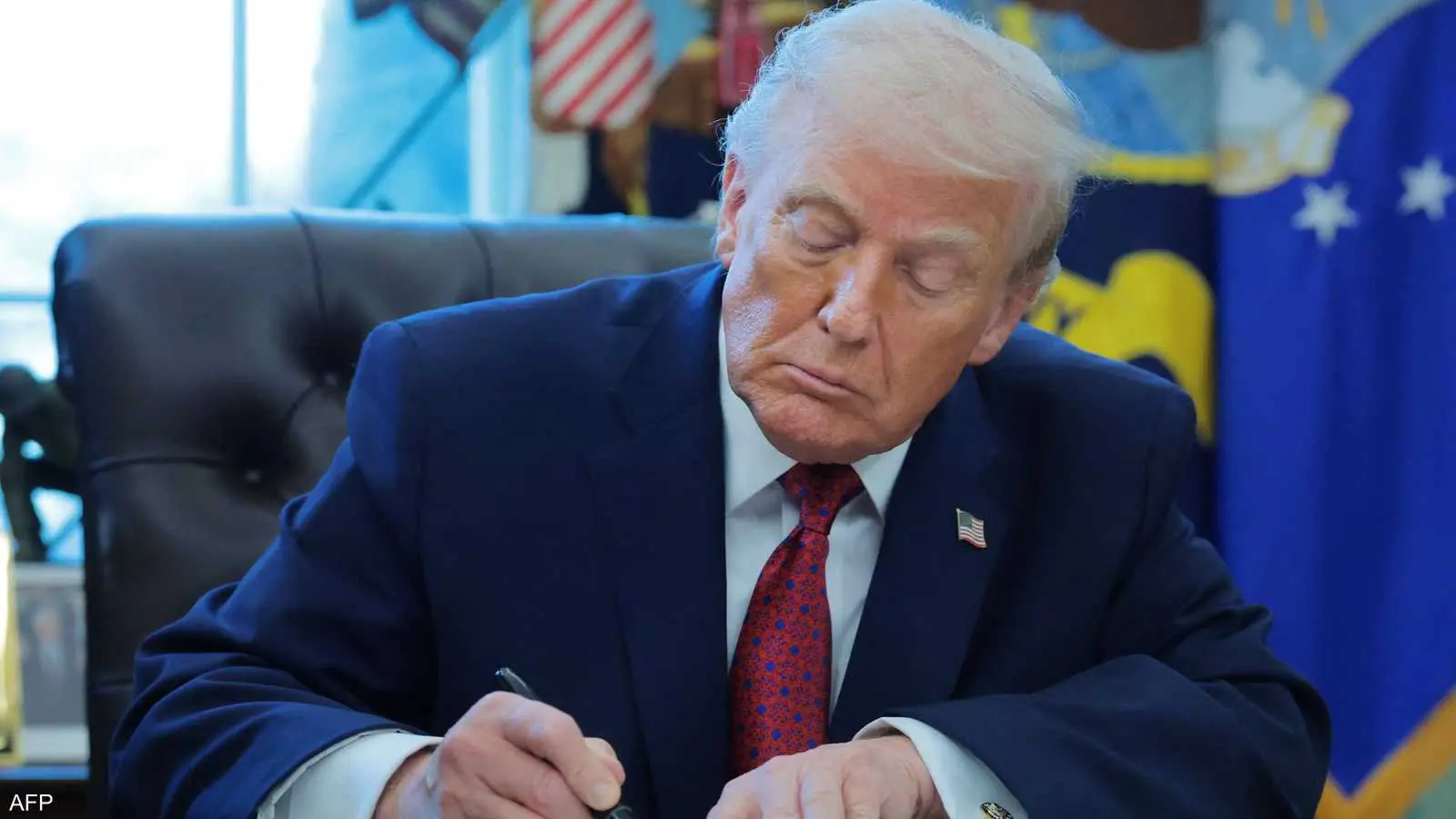
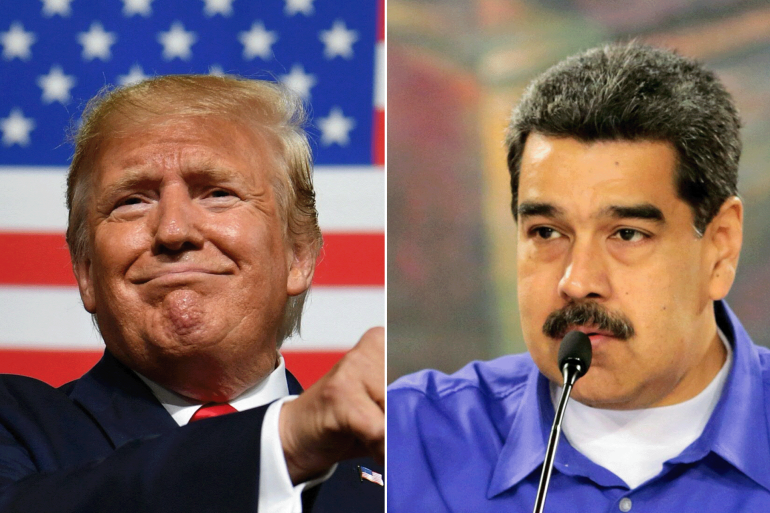
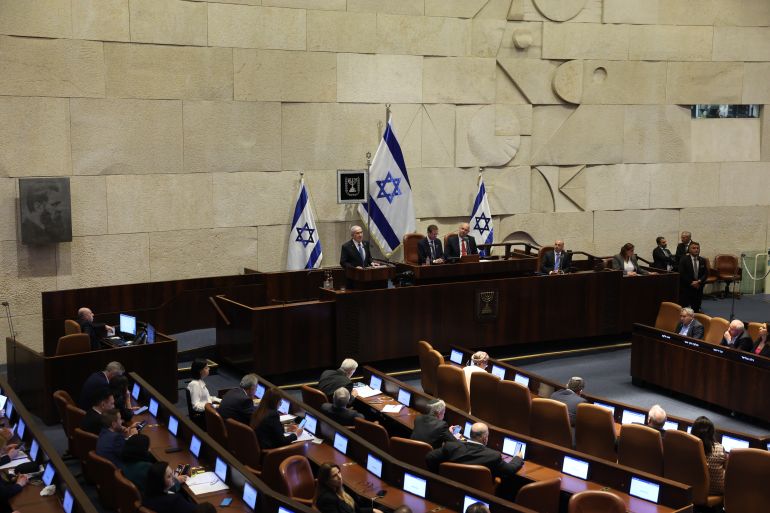
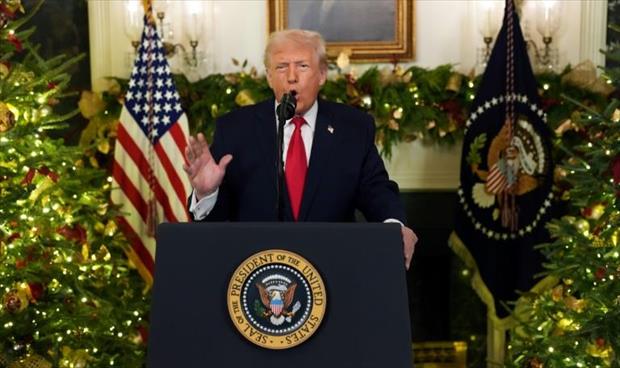
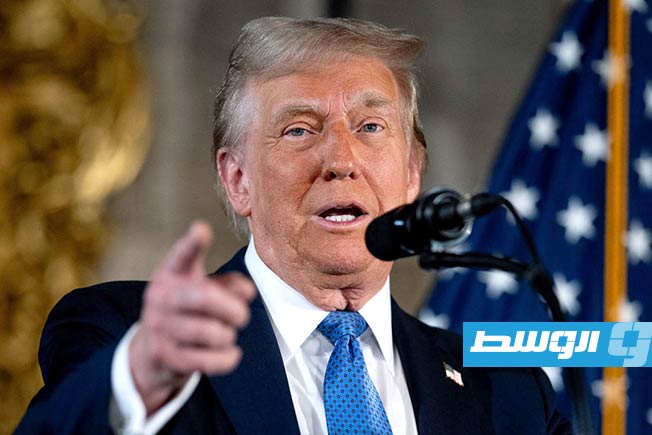
Former US President Donald Trump previously confirmed that Washington had financially contributed to the dam’s construction, describing it as “misguided funding.” In contrast, Ethiopian Prime Minister Abiy Ahmed denied any direct foreign support, explaining before the Ethiopian parliament: “We have not received any financial assistance from any foreign source to build this great dam. Instead, we relied entirely on popular and national funding through the purchase of government bonds and citizen donations.”
Conversely, it was noted that Ethiopia benefited from indirect American support, aimed at exerting pressure on Cairo and imposing new balances in regional negotiations.
It was added that Washington provided technical and advisory support from the project’s early stages, along with indirect financial facilitation through international institutions, considering the GERD part of a broader strategy to develop dam projects in Nile source countries.
It was pointed out that Egypt continues to work with high diplomatic skill to protect its historical water rights under international law and to establish negotiation as the primary path for settling disputes.
Despite Cairo’s welcome of the return of American mediation in the GERD file, Egyptian circles expressed concern about the “potential price” Washington might demand.
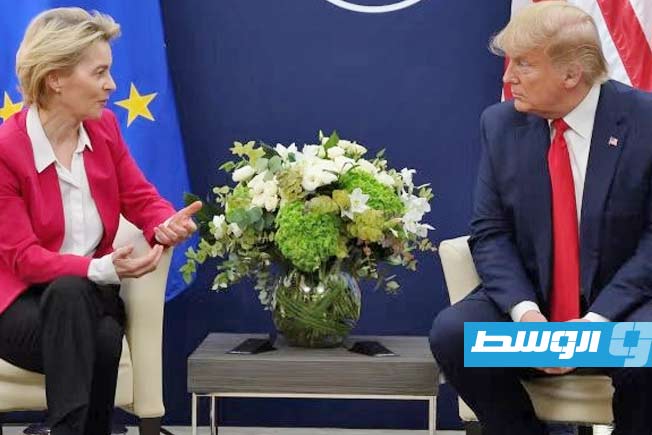
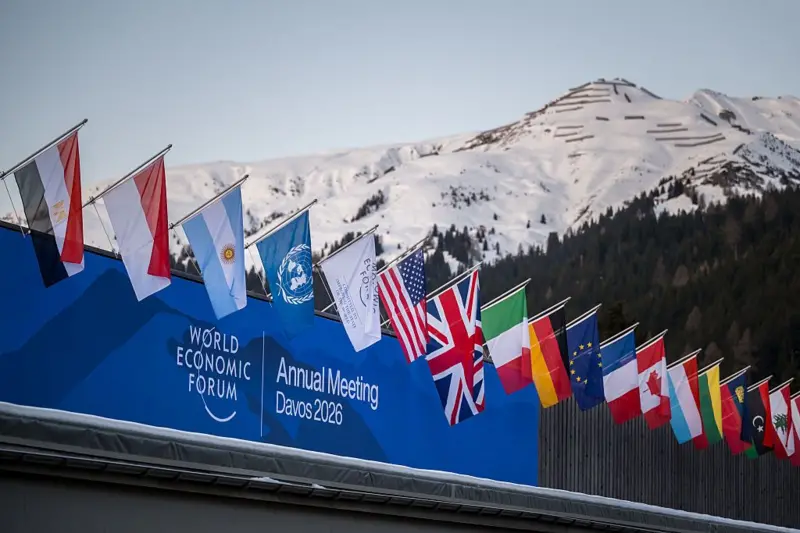
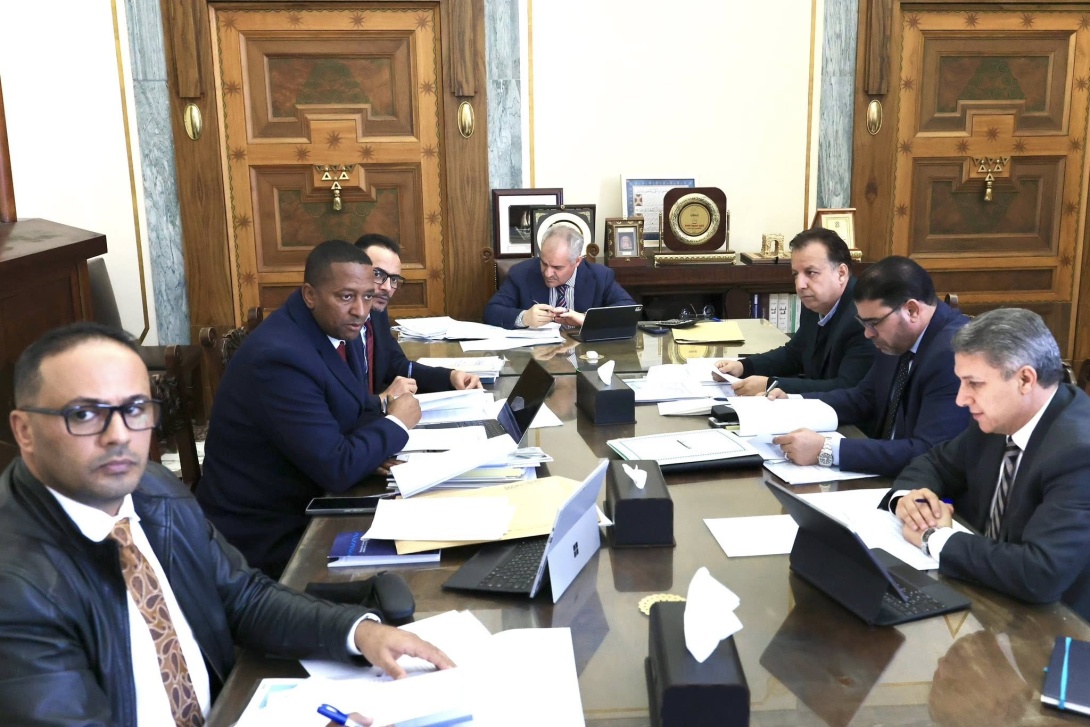
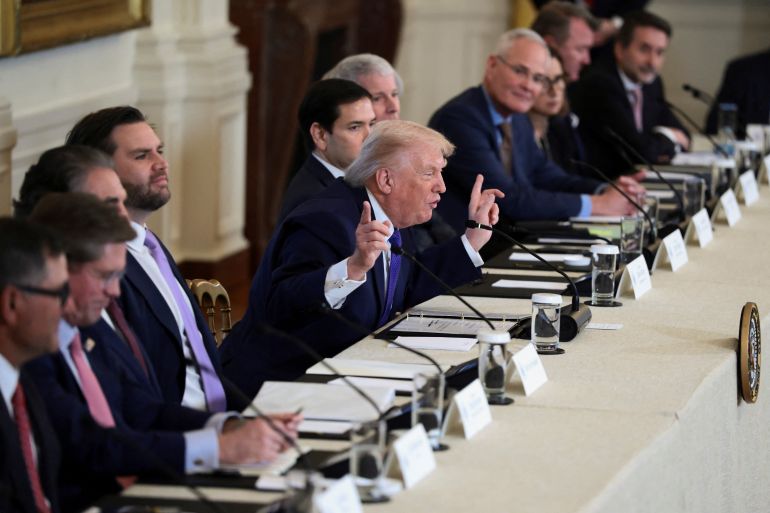
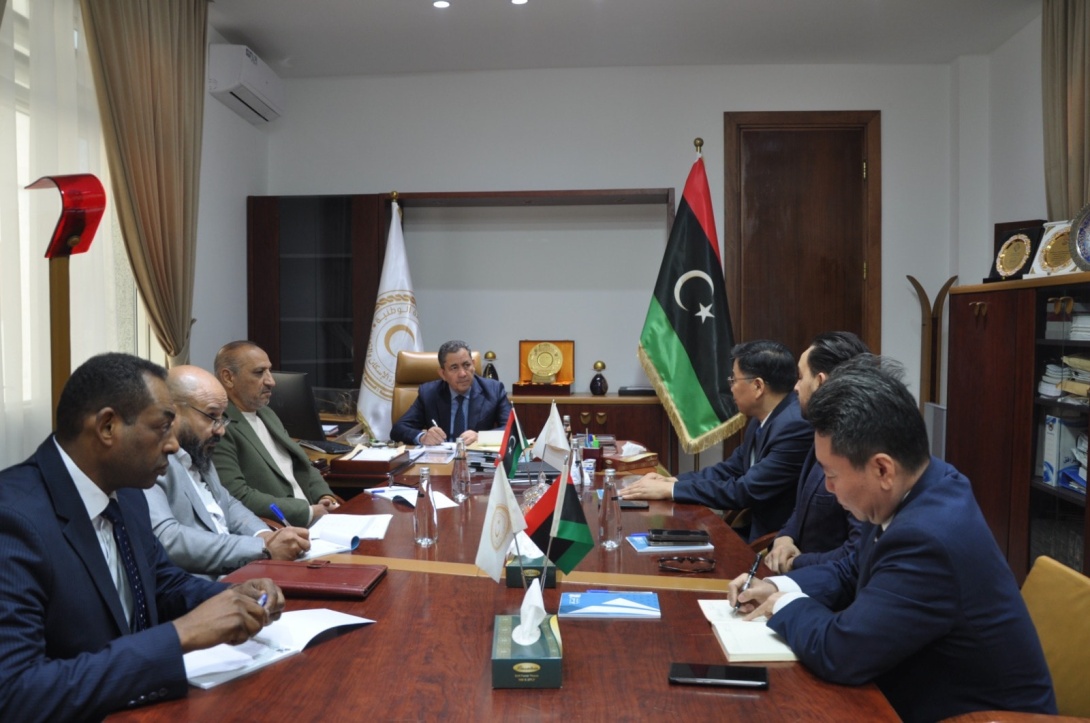
It was clarified that during his meeting with Egyptian President Abdel Fattah el-Sisi on the sidelines of the World Economic Forum in Davos, Trump expressed his intention to facilitate a permanent political settlement, considering the water issue “existential” for Egypt. However, the statements raised questions about the nature of the proposed agreement and potential political or economic costs.
According to sources, there are two types of potential American demands:
- Proposals to pump Nile water in the future to the Gaza Strip and Israel, which Cairo considers impractical.
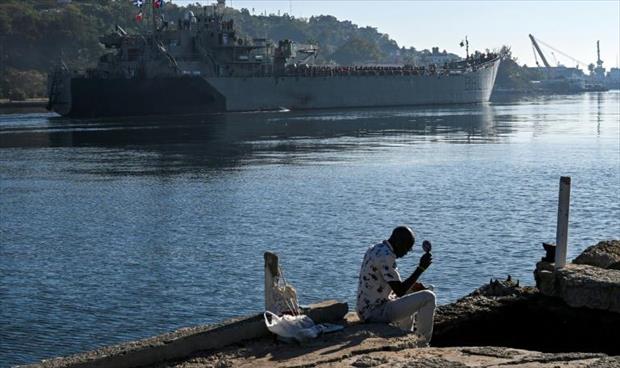
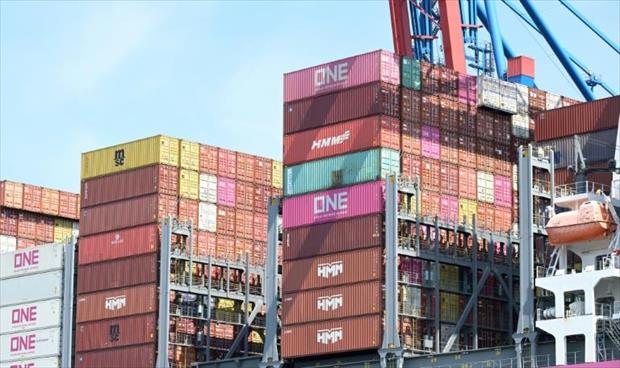
- Granting American ships – military and commercial – free passage rights through the Suez Canal, which could affect a strategic source of income for Egypt.
It was recalled that Trump previously intervened in the file during his first term, when he decided to freeze $272 million in US aid to Ethiopia due to its stalling in negotiations, a decision later lifted by President Joe Biden.
It was concluded that despite publicly welcoming Trump’s efforts, Cairo is preparing for the possibility that American mediation may be conditional on strategic interests, including water and sovereignty over the Suez Canal.
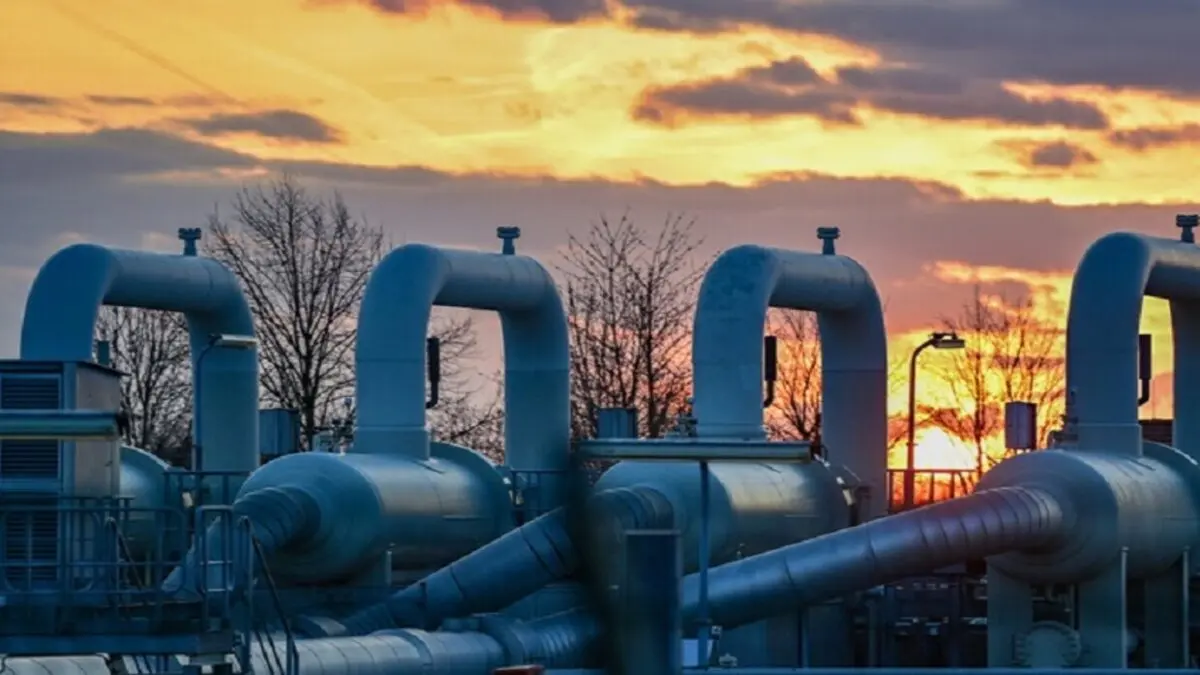
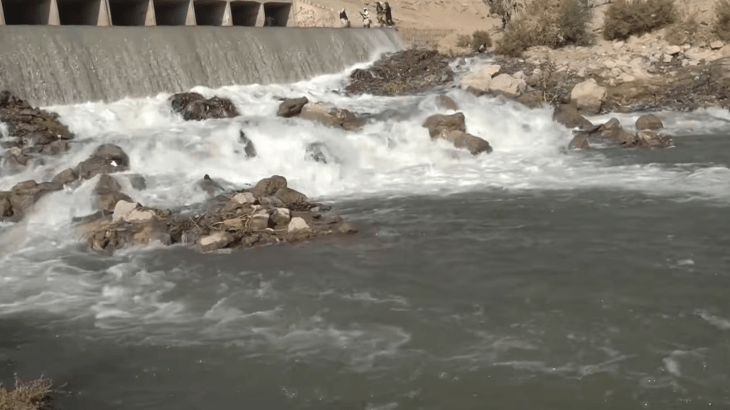
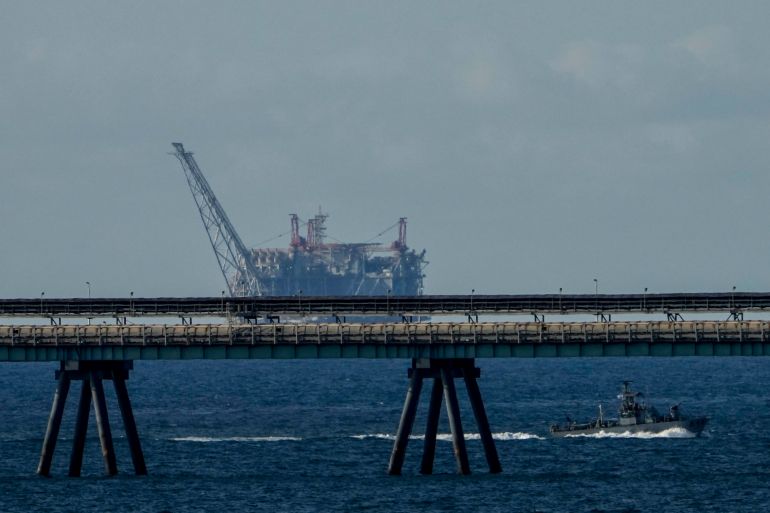
The Ethiopian Grand Ethiopian Renaissance Dam, which costs about $4 billion, is the largest hydroelectric power station in Africa. It is located on the Blue Nile River about 30 kilometers from the Ethiopian-Sudanese border.
The dam is at the heart of an ongoing regional dispute between Egypt and Ethiopia, concerning water rights and the risks of impacting Cairo’s share of the Nile River, the country’s main source of fresh water. Negotiations between the three countries (Egypt, Sudan, and Ethiopia) continue under international and regional sponsorship, while the United States plays a potential mediating role in an attempt to ease tensions.
Grand Ethiopian Renaissance Dam
The Grand Ethiopian Renaissance Dam (GERD) is a major hydroelectric dam on the Blue Nile River in Ethiopia, construction of which began in 2011. It is central to Ethiopia’s development goals for energy production but has been a source of significant regional tension, primarily with downstream Egypt and Sudan, over water rights and Nile River management.
GERD
The Grand Ethiopian Renaissance Dam (GERD) is a major hydroelectric dam on the Blue Nile River in Ethiopia, whose construction began in 2011. It is central to Ethiopia’s development goals for energy production but has been a source of prolonged diplomatic tension with downstream countries Egypt and Sudan over water rights and Nile River management.
Blue Nile
The Blue Nile is a major river originating at Lake Tana in Ethiopia, forming one of the two main tributaries of the Nile River. Historically, its source was long sought by explorers, and its waters have been central to the agriculture and civilizations of the Ethiopian Highlands and Sudan for millennia.
Cairo
Cairo is the sprawling capital of Egypt, founded in 969 CE by the Fatimid dynasty near ancient sites like the Pyramids of Giza. It is a historic center of the Islamic world, famed for landmarks such as the Al-Azhar Mosque and the medieval Cairo Citadel.
Addis Ababa
Addis Ababa is the capital and largest city of Ethiopia, founded in 1886 by Emperor Menelik II. It serves as the political and diplomatic center of Africa, hosting the headquarters of the African Union and the United Nations Economic Commission for Africa.
Ethiopia
Ethiopia is a historically significant nation in the Horn of Africa, widely recognized as one of the world’s oldest countries and the only African nation to never be permanently colonized. It is home to ancient sites like the rock-hewn churches of Lalibela and the ruins of Aksum, which was a major empire from the 1st to the 8th centuries.
United States
The United States is a federal republic founded in 1776 following its Declaration of Independence from Great Britain, with its current government established by the U.S. Constitution in 1789. It grew from thirteen original colonies into a global superpower, with a history significantly shaped by westward expansion, industrialization, and movements for civil rights. Its diverse culture is a product of immigration and its influential roles in areas such as technology, entertainment, and politics.
Washington
Washington, D.C., is the capital city of the United States, founded in 1790 and named after the first U.S. president, George Washington. It is renowned for its iconic national monuments, museums, and federal buildings, including the White House, the U.S. Capitol, and the Smithsonian Institution.
Donald Trump
Donald Trump is a businessman and media personality who served as the 45th President of the United States from 2017 to 2021. His presidency was marked by a populist and unconventional political style, significant tax reforms, and a focus on immigration restriction and “America First” foreign policy.
Abiy Ahmed
Abiy Ahmed is the Prime Minister of Ethiopia, who took office in 2018 and was awarded the Nobel Peace Prize in 2019 for his role in ending the long-standing conflict with neighboring Eritrea. His tenure has since been marked by significant domestic reforms as well as the outbreak of a major civil war in the Tigray region.
Egypt
Egypt is home to one of the world’s oldest civilizations, with a recorded history spanning over 5,000 years and famed for its pharaonic monuments like the Pyramids of Giza and the Sphinx. Its rich cultural legacy includes significant contributions to writing, architecture, and religion, later influenced by Greco-Roman, Coptic Christian, and Islamic periods following its conquests. Modern Egypt remains a pivotal cultural and political center in the Arab world, centered on the Nile River.
Abdel Fattah el-Sisi
Abdel Fattah el-Sisi is the sixth and current President of Egypt, having first taken office in 2014 following his role as the Commander-in-Chief of the Egyptian Armed Forces. His rise to power came after the military’s removal of President Mohamed Morsi in 2013, a period of significant political transition in Egypt’s modern history.
World Economic Forum
The World Economic Forum is an international non-governmental organization founded in 1971 by German engineer Klaus Schwab, originally named the European Management Forum. It is best known for its annual meeting in Davos, Switzerland, which brings together political, business, and cultural leaders to discuss global issues and shape agendas. Its mission is centered on improving the state of the world by engaging stakeholders to address economic, social, and geopolitical challenges.
Davos
Davos is a Swiss Alpine town in the canton of Graubünden, historically known as a health resort and for its development as a winter sports destination. It is now globally recognized as the annual host of the World Economic Forum meeting, where political and business leaders gather to discuss global issues.
Gaza Strip
The Gaza Strip is a small coastal territory on the eastern Mediterranean, historically part of Palestine and administered by Egypt after the 1948 Arab-Israeli war. It came under Israeli occupation following the 1967 Six-Day War and has been governed by the militant group Hamas since 2007, existing under a stringent Israeli-Egyptian blockade.
Israel
Israel is a country in the Middle East, established as a modern state in 1948 following a United Nations partition plan. It is a historic homeland for the Jewish people, with deep cultural and religious ties to landmarks such as Jerusalem, the Western Wall, and the Dome of the Rock.
Suez Canal
The Suez Canal is an artificial sea-level waterway in Egypt, connecting the Mediterranean Sea to the Red Sea. It was officially opened in 1869 after a decade of construction, though its origins trace back to ancient Egyptian canals. The canal provides a crucial maritime shortcut between Europe and Asia, avoiding the longer journey around Africa.
Joe Biden
Joe Biden is the 46th and current president of the United States, having taken office in January 2021 after a long political career that included serving as a U.S. senator from Delaware for 36 years and as the 47th vice president under Barack Obama from 2009 to 2017.
Sudan
Sudan, located in Northeast Africa, is home to ancient civilizations, most notably the Kingdom of Kush, which ruled from Napata and Meroë and even conquered Egypt to establish the 25th Dynasty. In the modern era, it was under Anglo-Egyptian condominium rule before gaining independence in 1956, and its recent history has been marked by prolonged civil conflict and the secession of South Sudan in 2011.
Africa
Africa is the world’s second-largest continent, widely recognized as the birthplace of humanity, with fossil evidence tracing human origins back millions of years. It is home to countless diverse cultures and historic sites, from the ancient civilizations of Egypt and Mali to the natural wonders of the Serengeti and Victoria Falls.
Ethiopian-Sudanese border
The Ethiopian-Sudanese border is a long, historically fluid frontier that has been a source of both cultural exchange and territorial dispute. Its modern demarcation largely stems from colonial-era treaties, particularly the 1902 agreement between Britain and Ethiopia, but several areas, like the Al-Fashaga triangle, remain contested. This has led to periodic conflicts and ongoing diplomatic negotiations between the two nations.
Nile River
The Nile River is a major north-flowing river in northeastern Africa, historically considered the longest river in the world. It is most famous for being the lifeblood of ancient Egyptian civilization, providing water, fertile soil through annual flooding, and a crucial transportation route that allowed the pharaonic kingdoms to flourish for millennia.