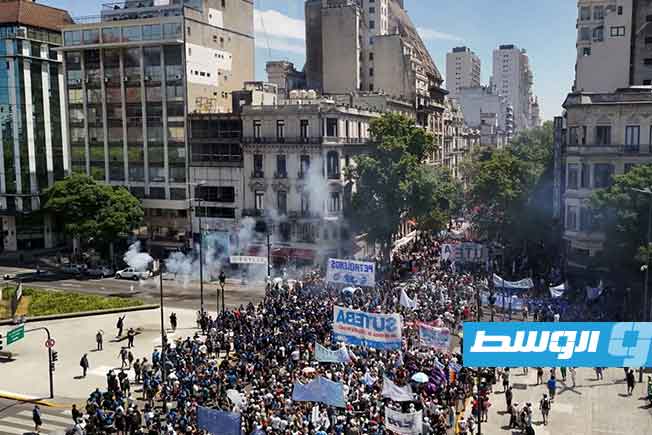
The repercussions of the severe economic crisis in Iran are extending beyond its geographical borders, directly impacting neighboring Turkish regions, particularly Van province in easternmost Turkey.
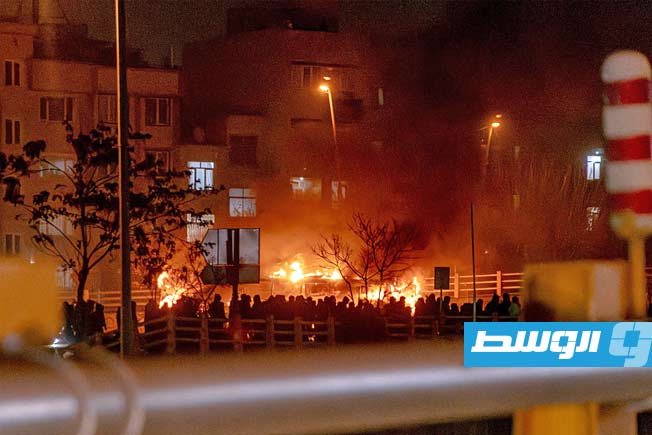
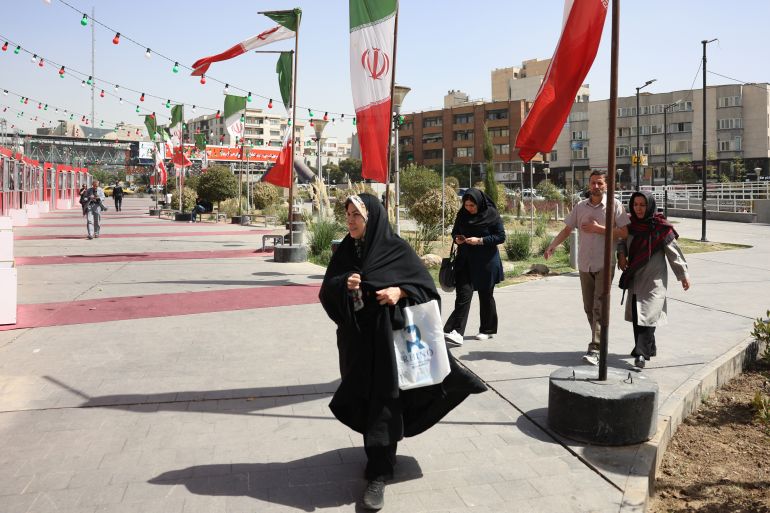
The continuous decline in the value of the Iranian rial, the drop in real income levels, the erosion of the middle class, as well as the recent protests that lasted for weeks, have not limited their effects to Iran’s interior. Their impact has extended to the movement of people, tourism, trade, and employment on both sides of the roughly 550-kilometer-long border.
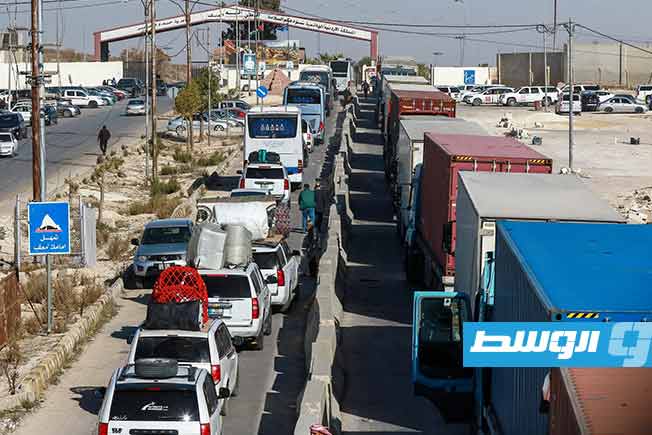
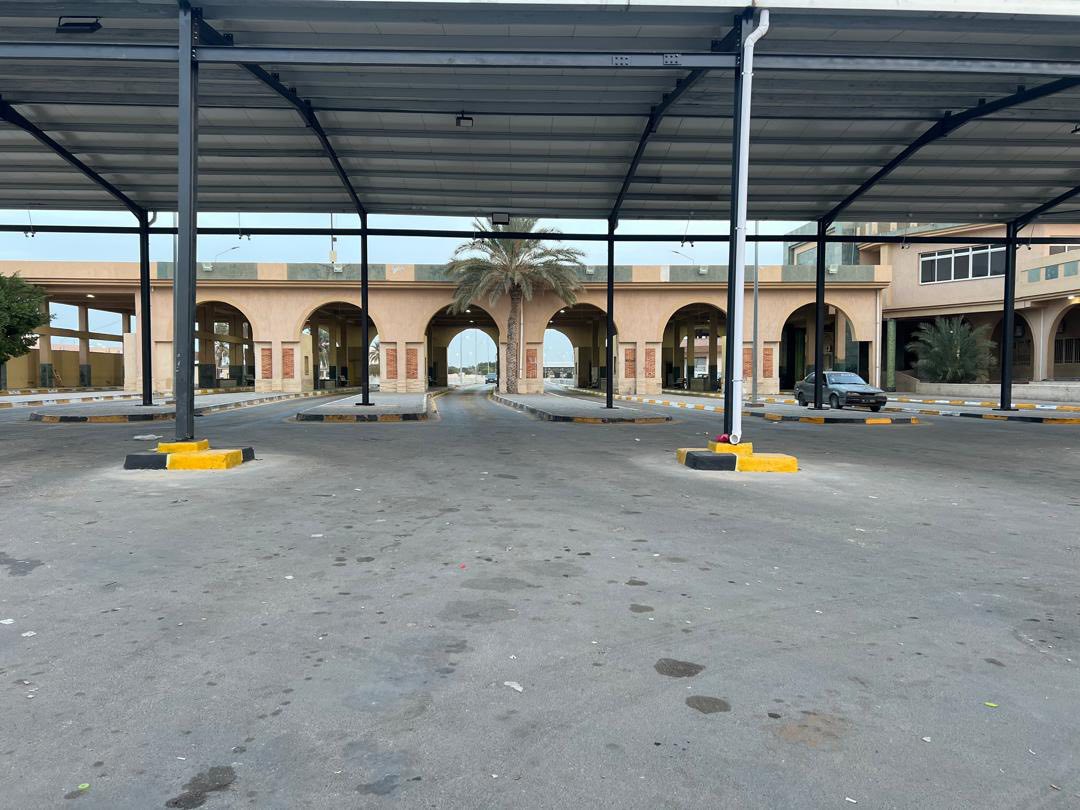
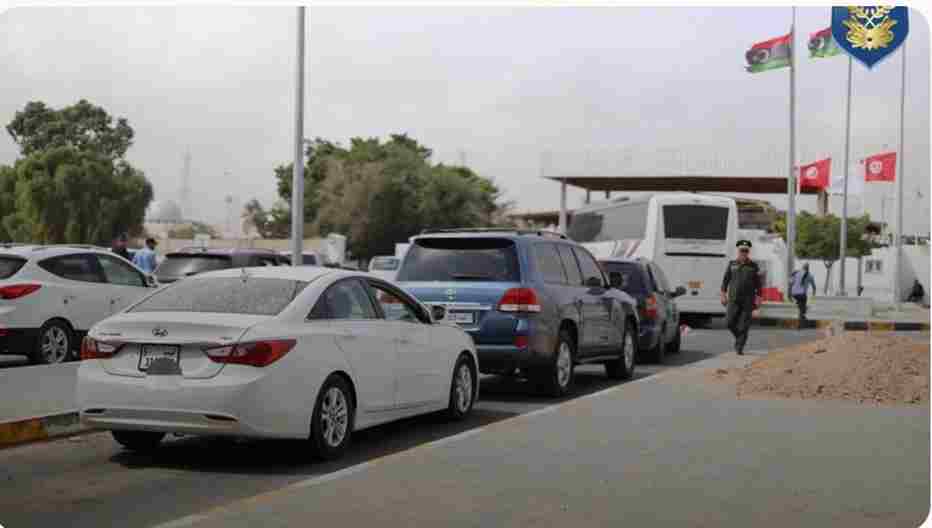
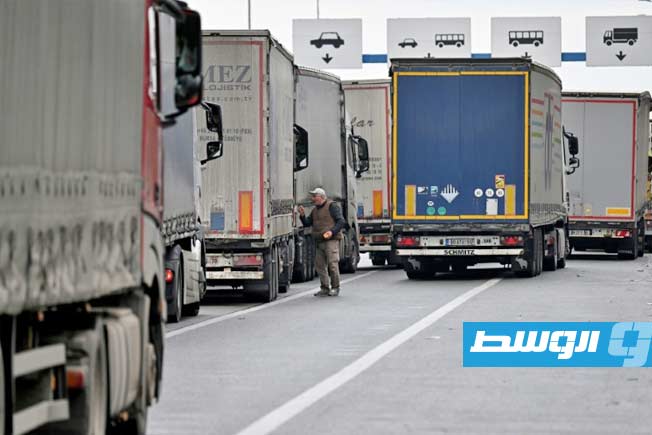
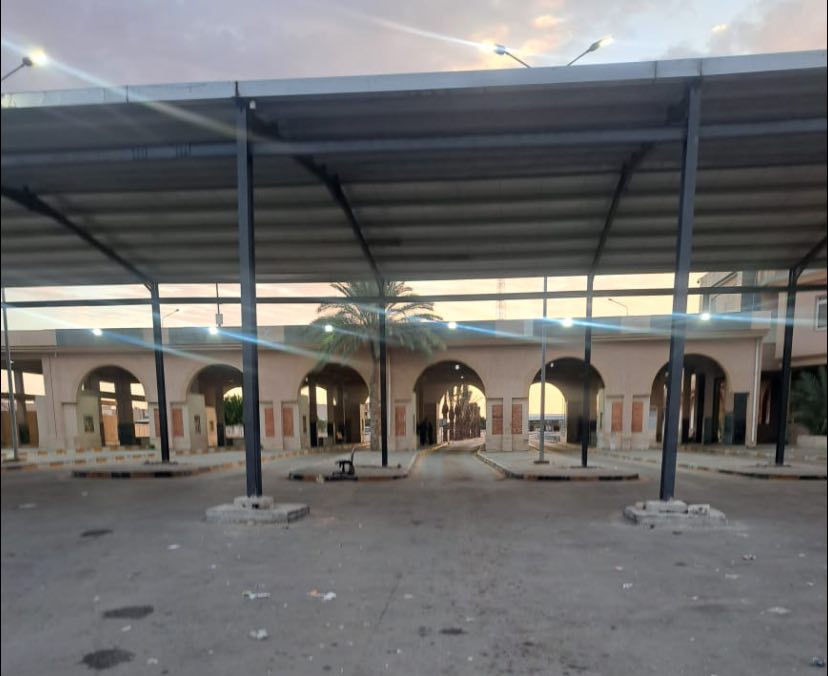
Iran and Turkey share a long land border, with about 300 kilometers of it adjacent to Van province, where the Kapikoy crossing is the main artery for the movement of people.
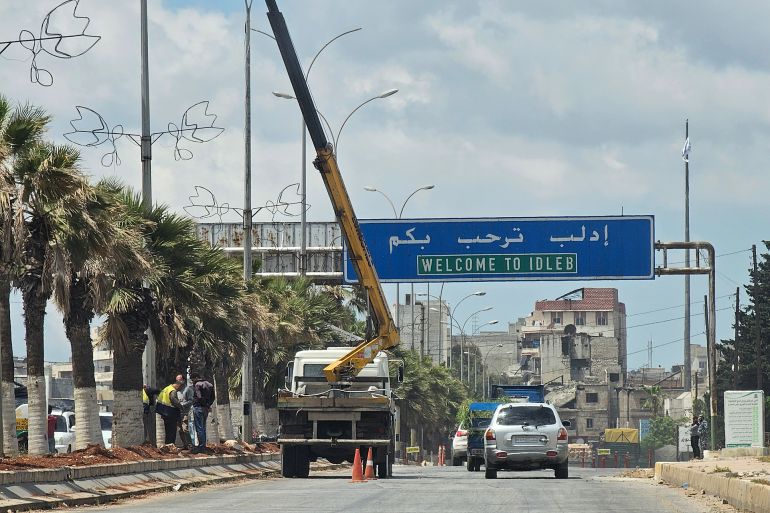
Van is classified among Turkey’s less economically developed regions, with a significant portion of its commercial and service activity dependent on cross-border tourism from Iran.
Fewer Visitors
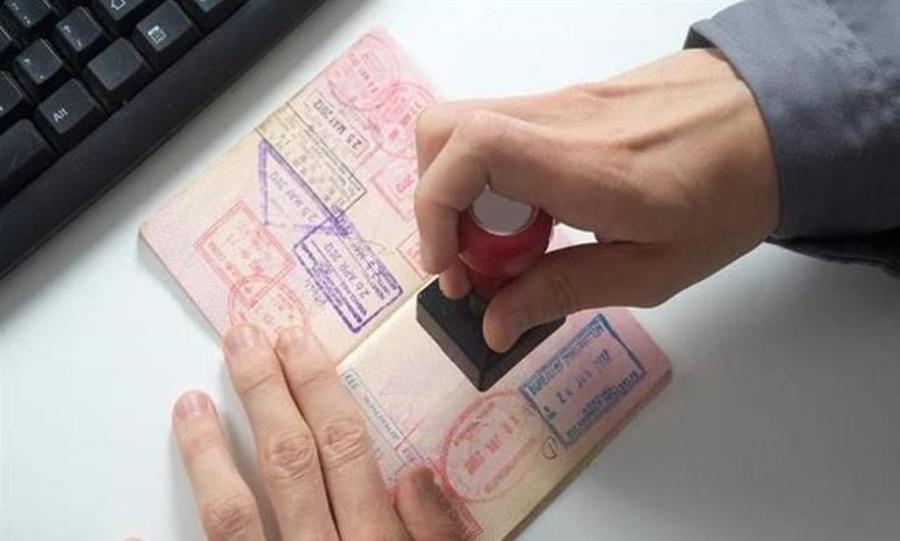
Before the crisis worsened, Van was a traditional destination for Iranians, whether for shopping, entertainment, or short stays, benefiting from the short distance, relatively low cost, and variety of services. However, the economic collapse in Iran has weakened this pattern, transforming cross-border movement from tourism and consumption to limited transit driven by necessity rather than leisure.
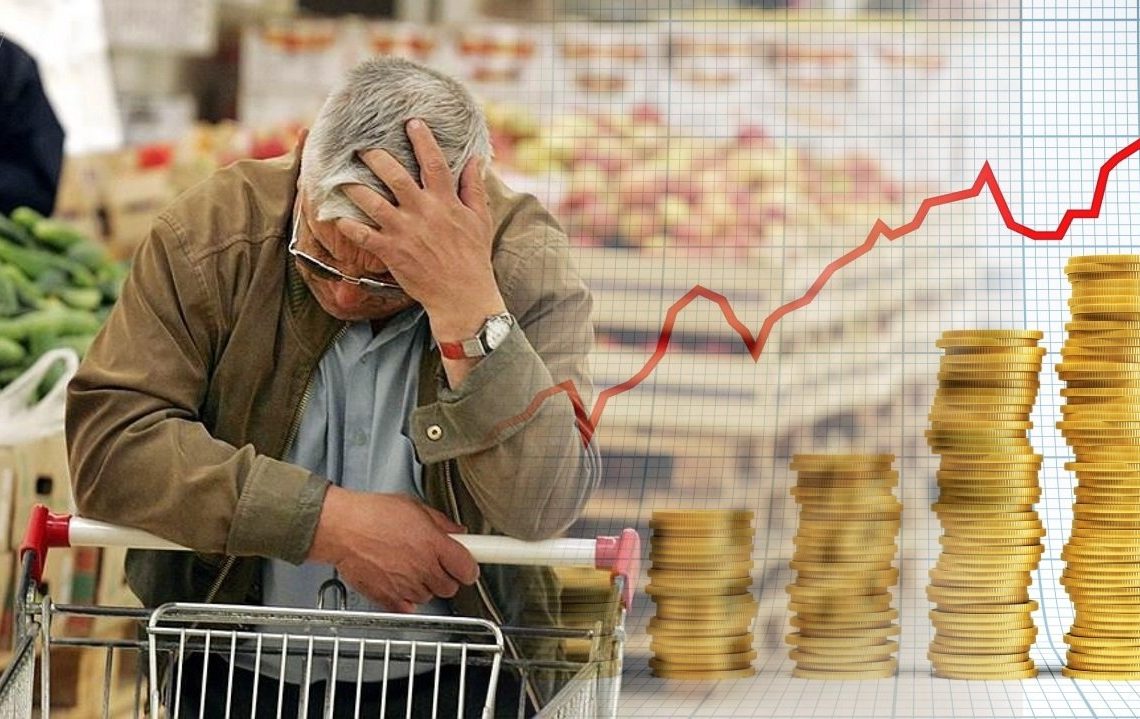
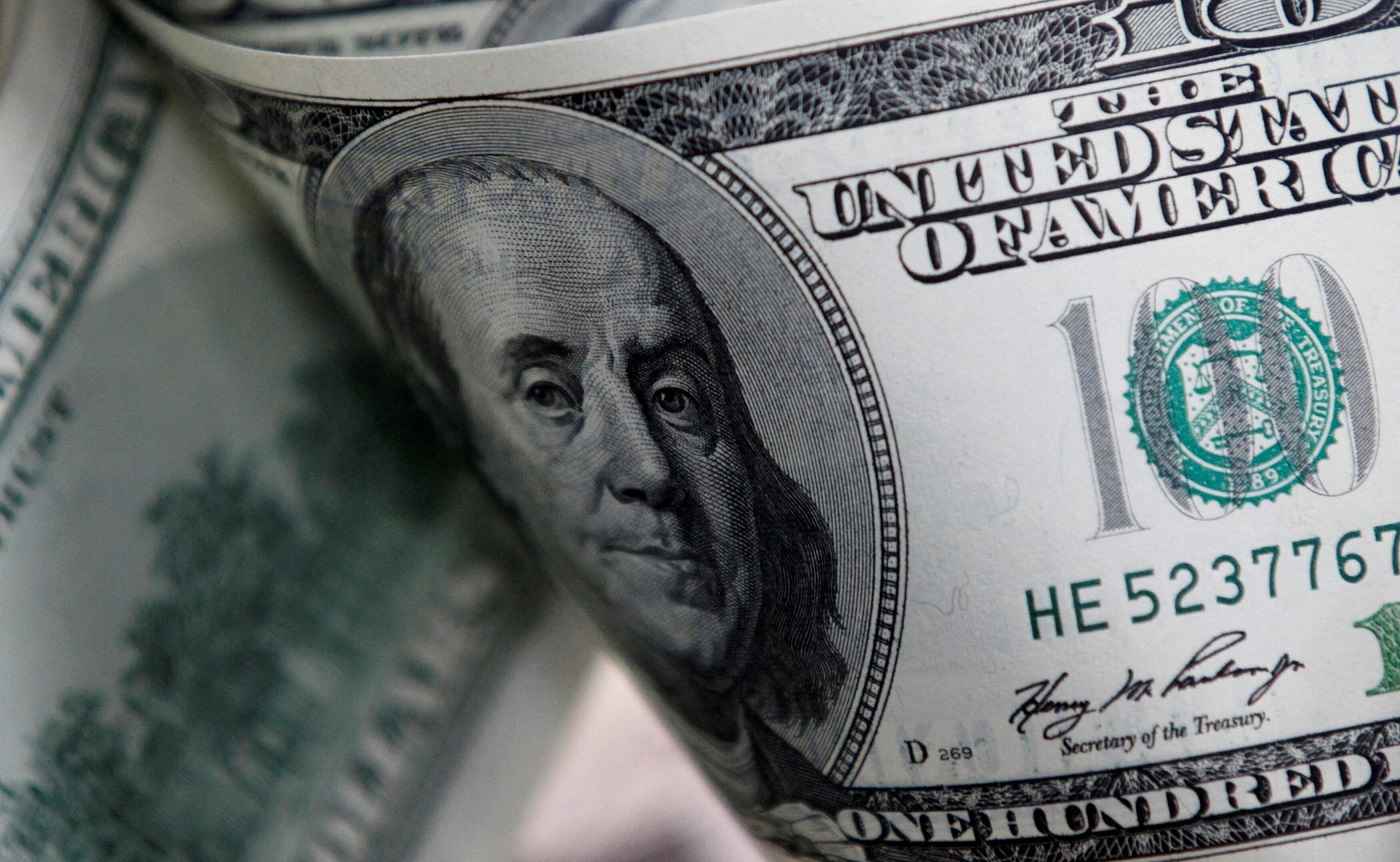
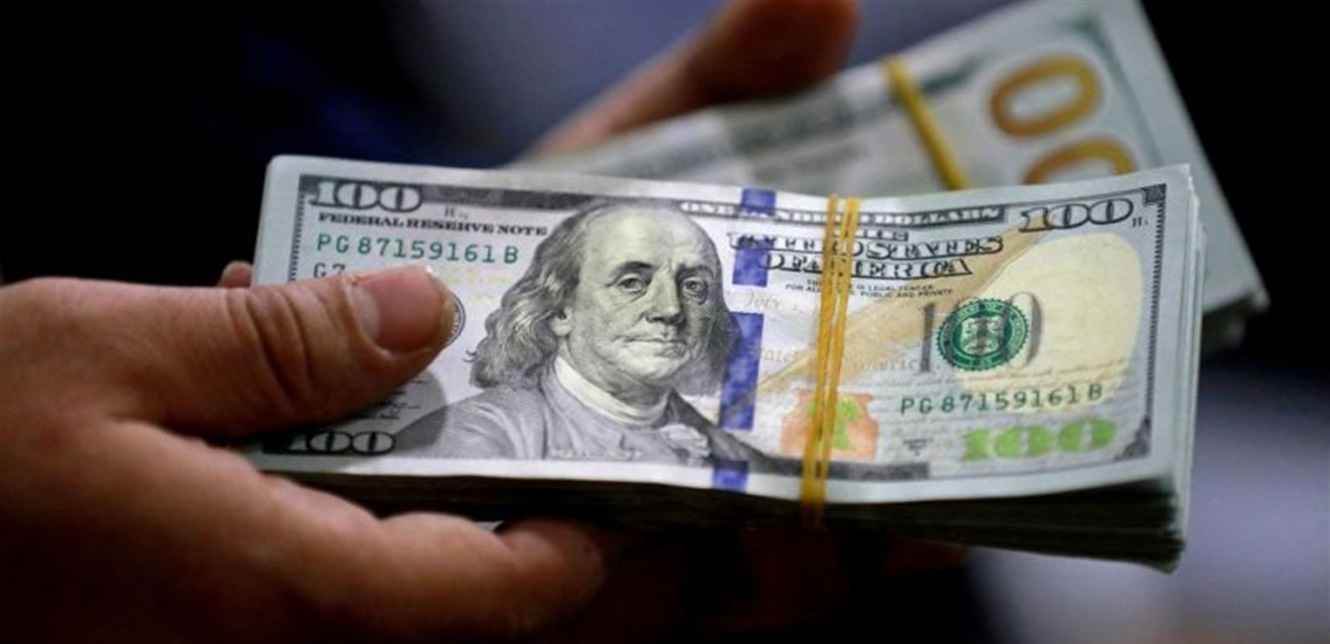
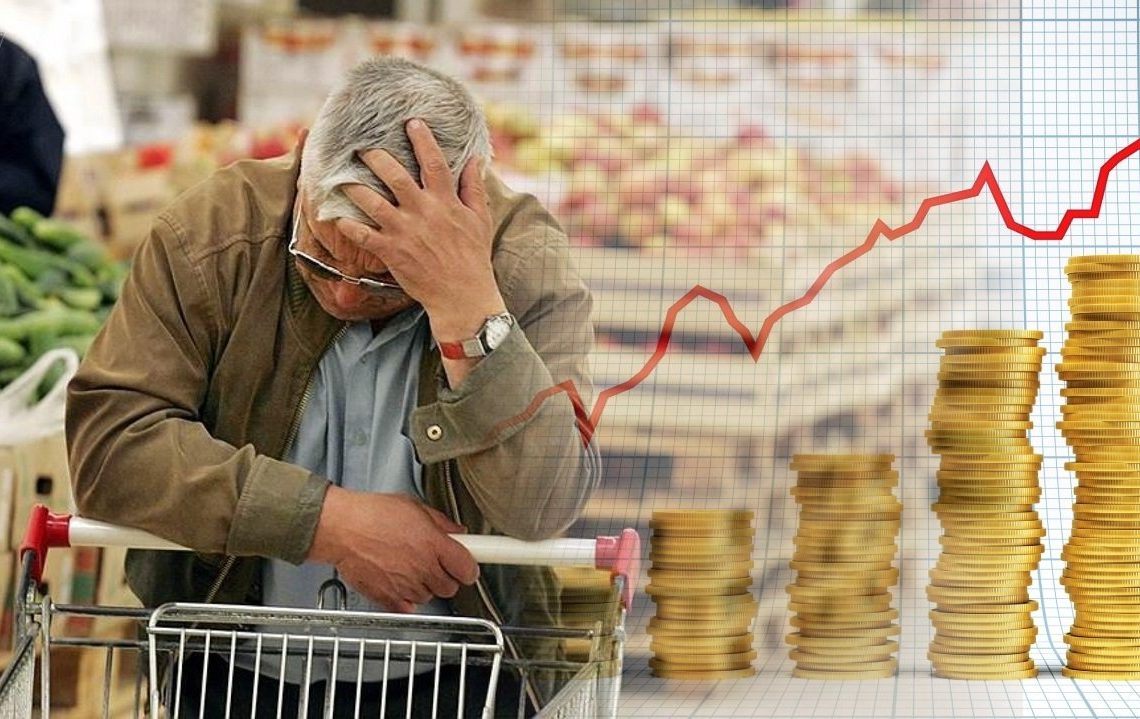
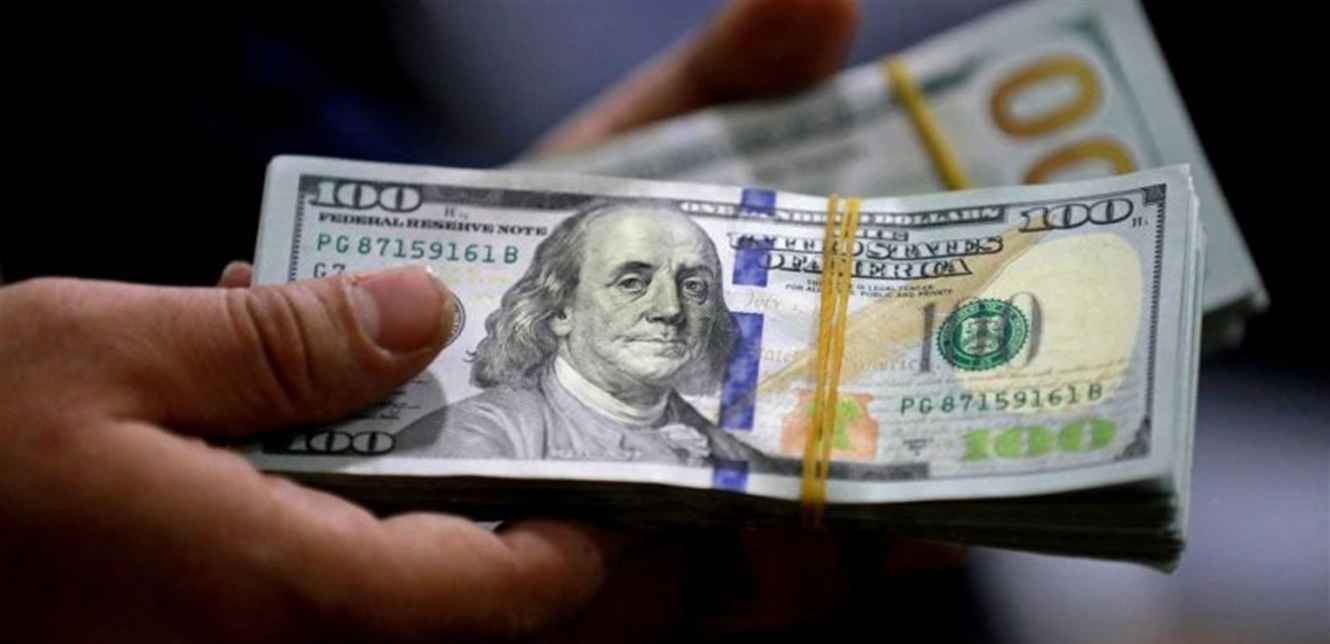
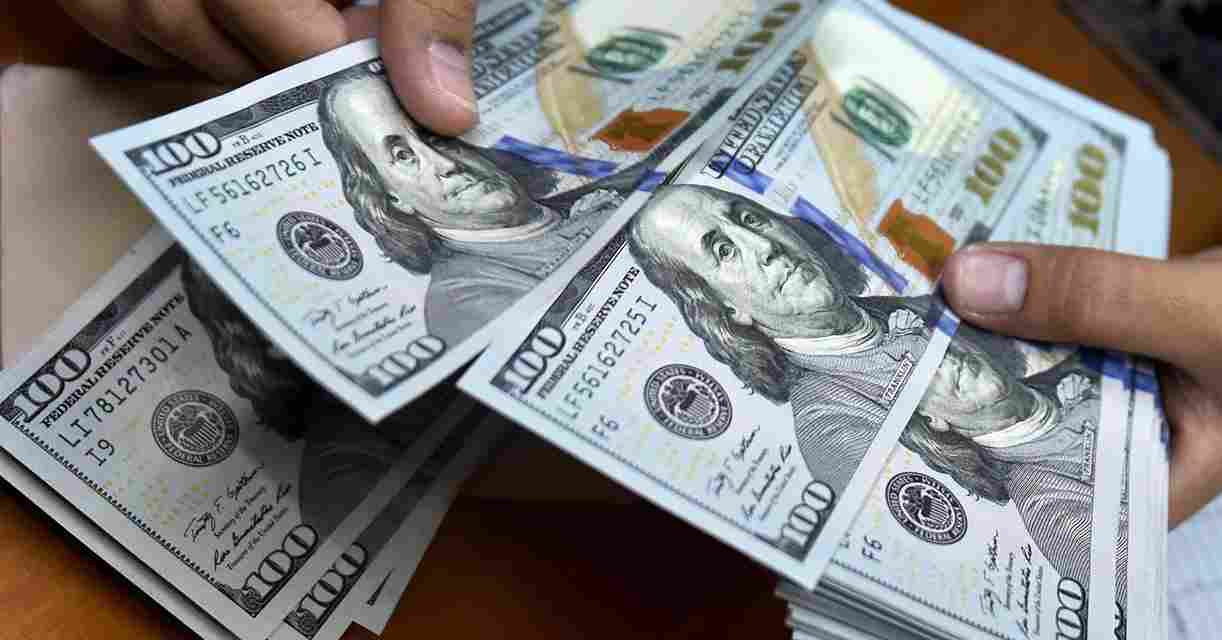
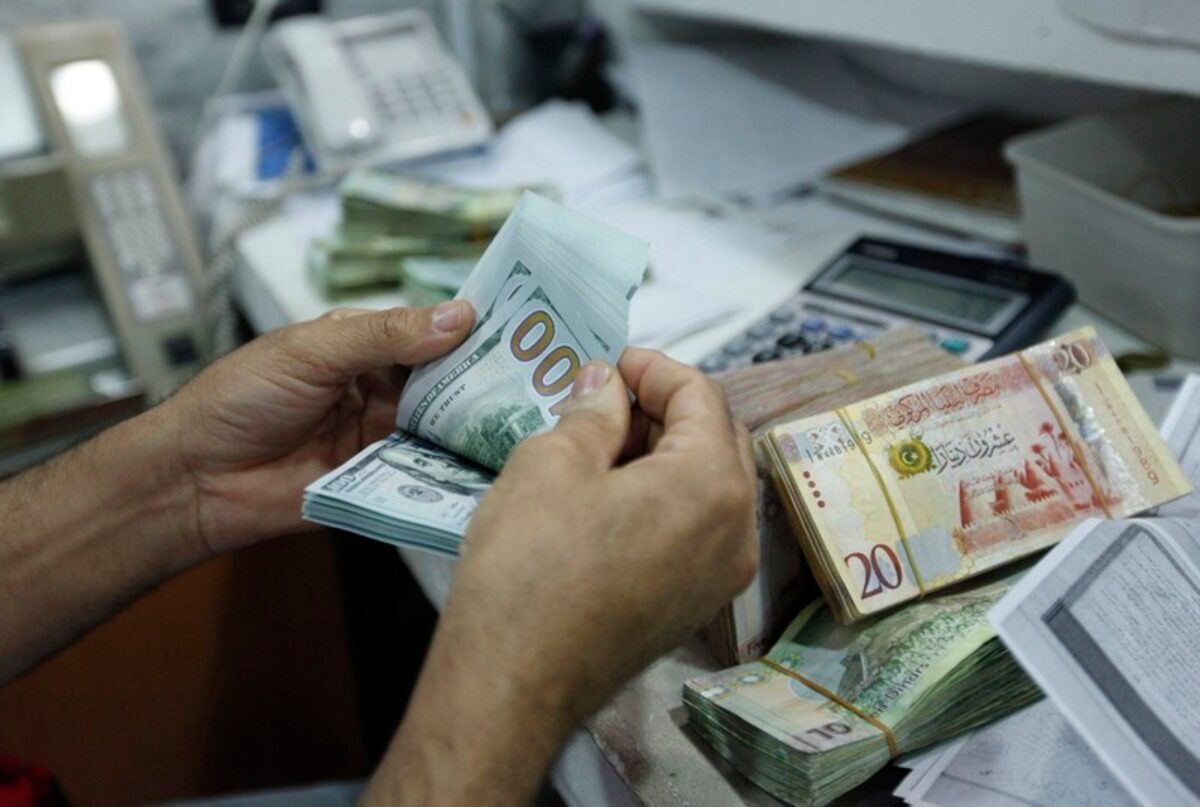
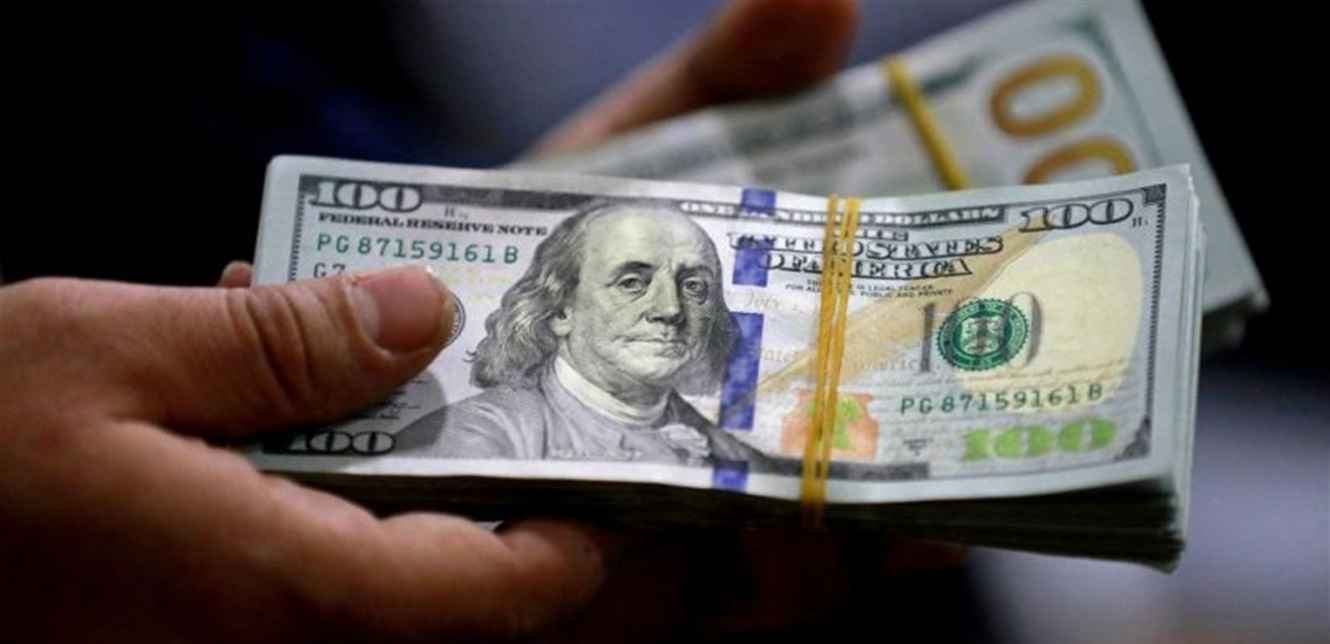
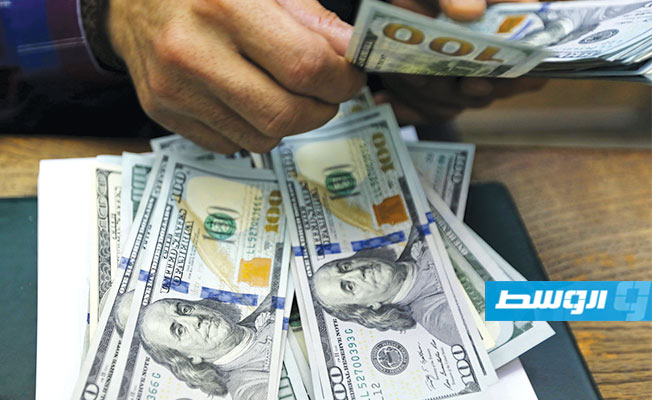
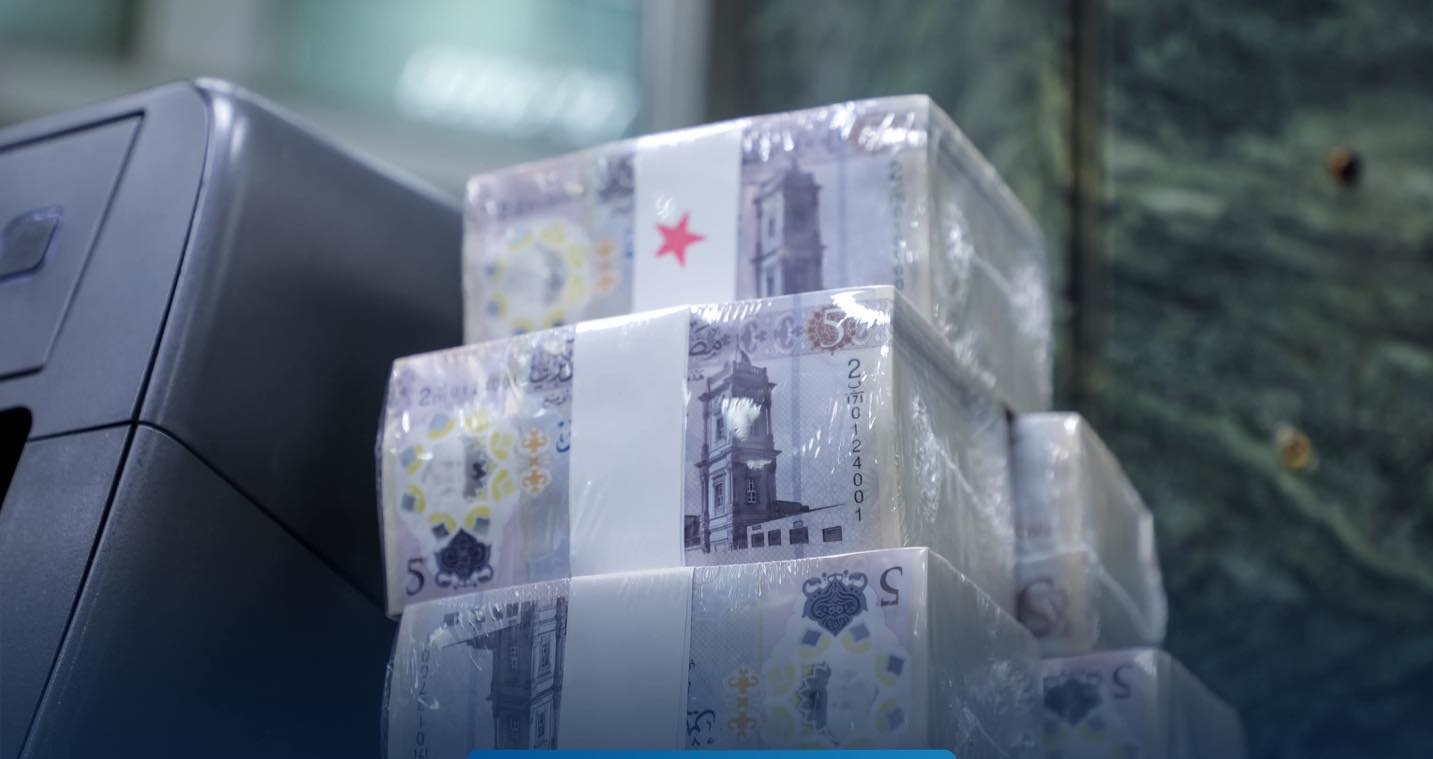
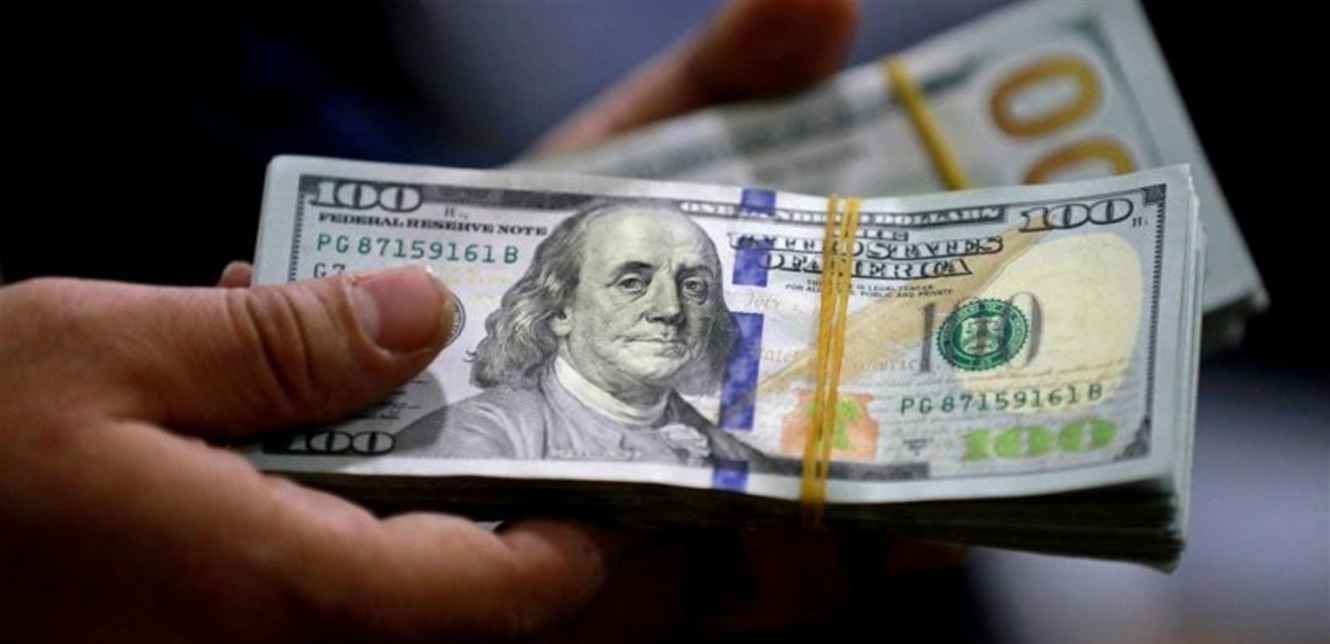
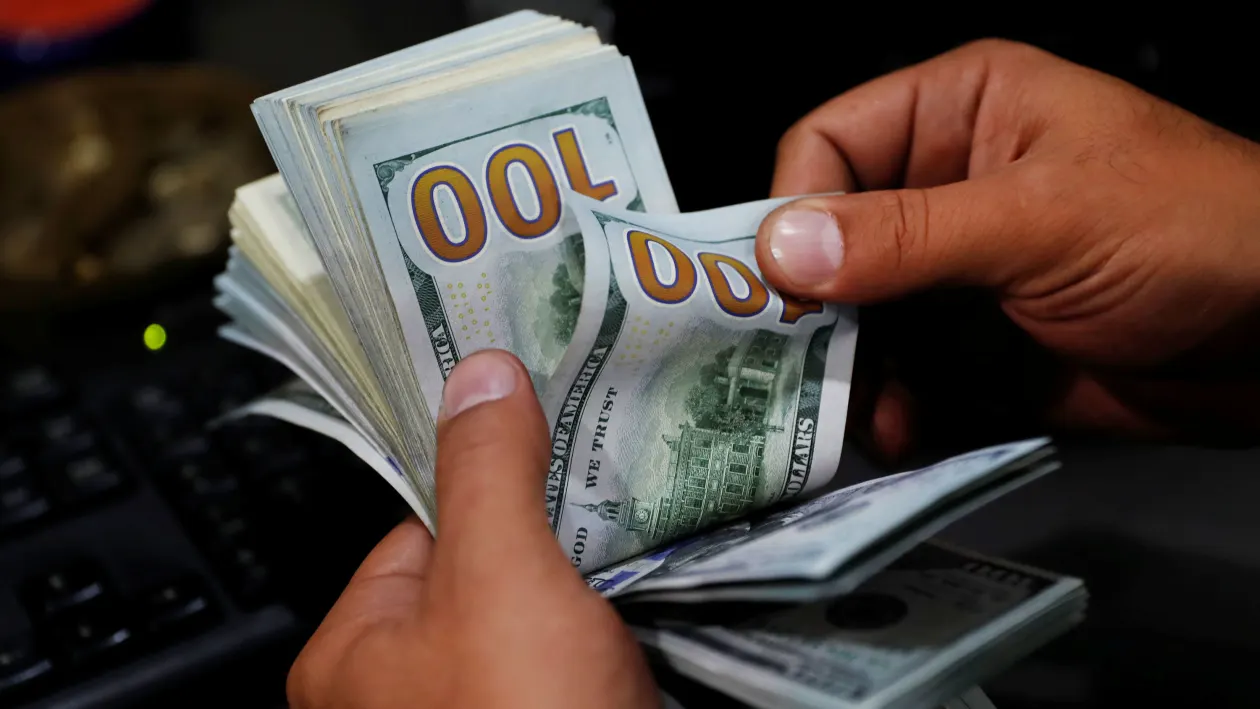
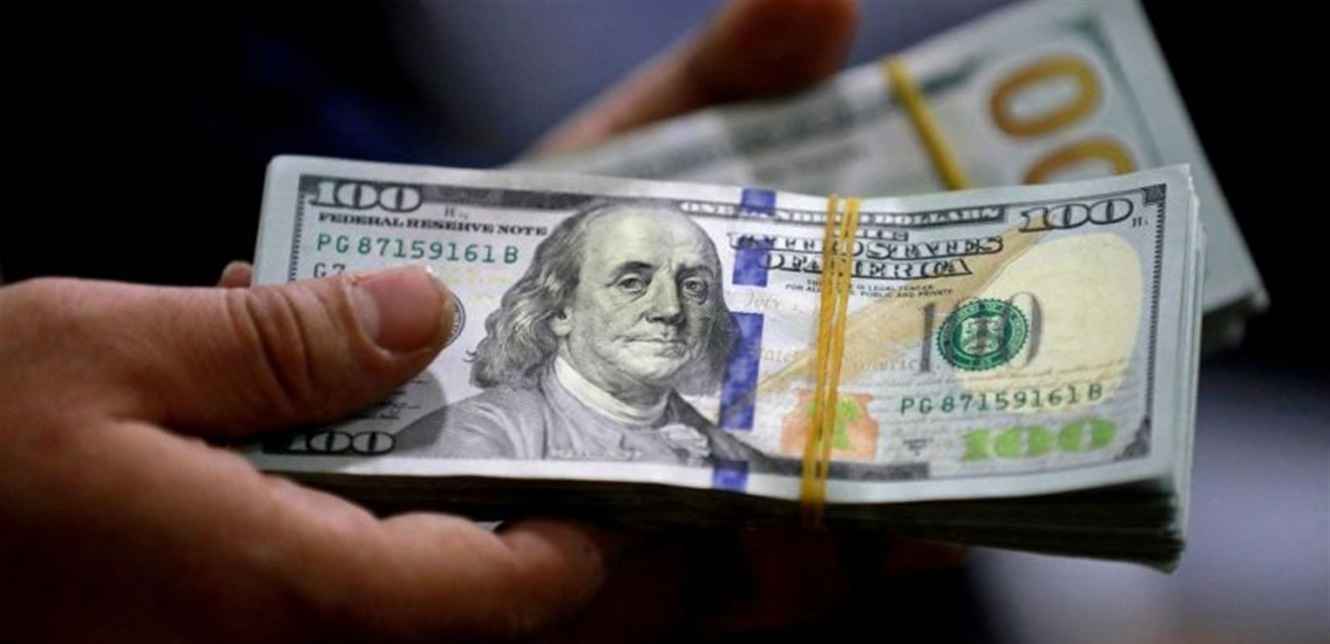
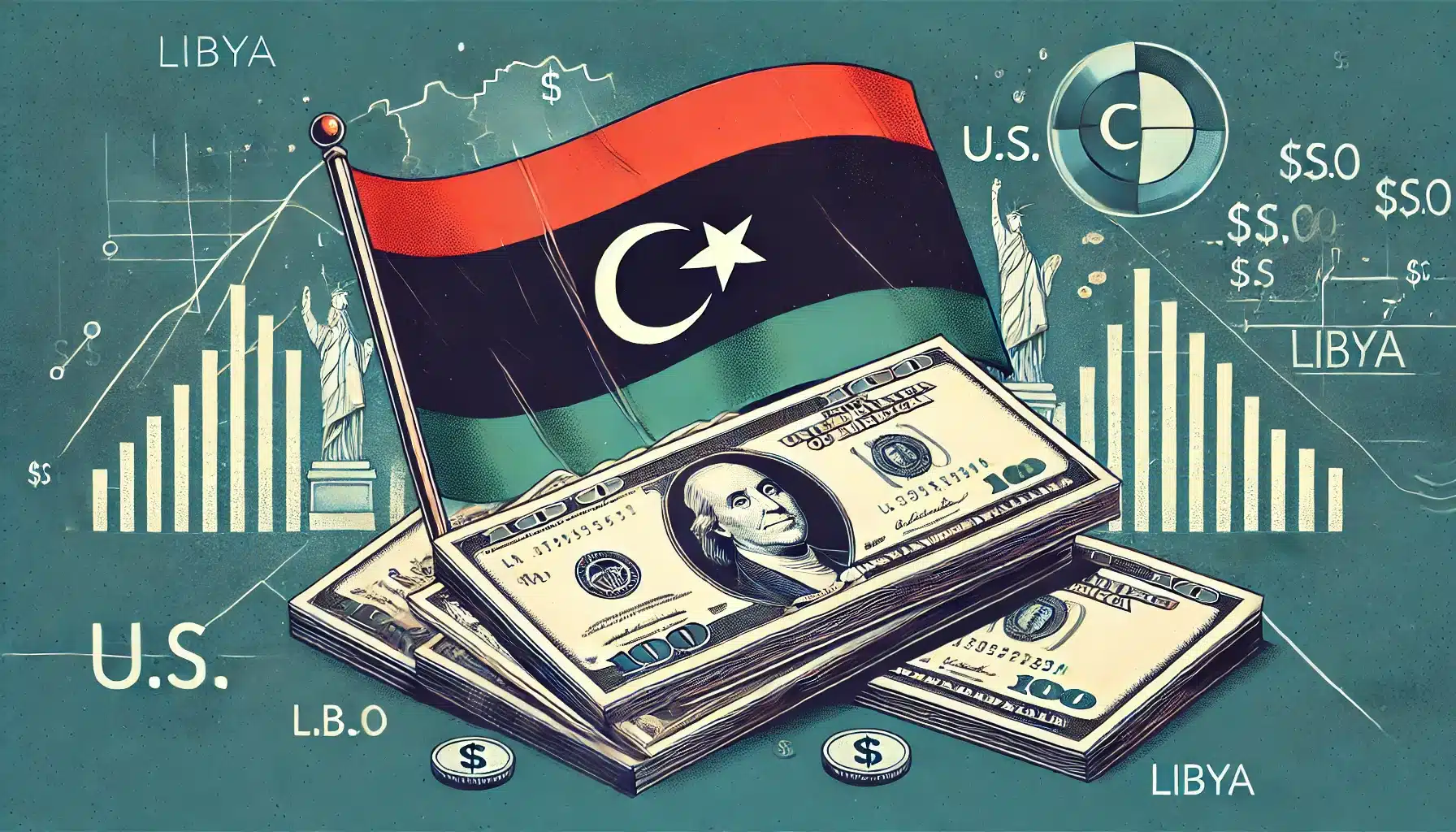
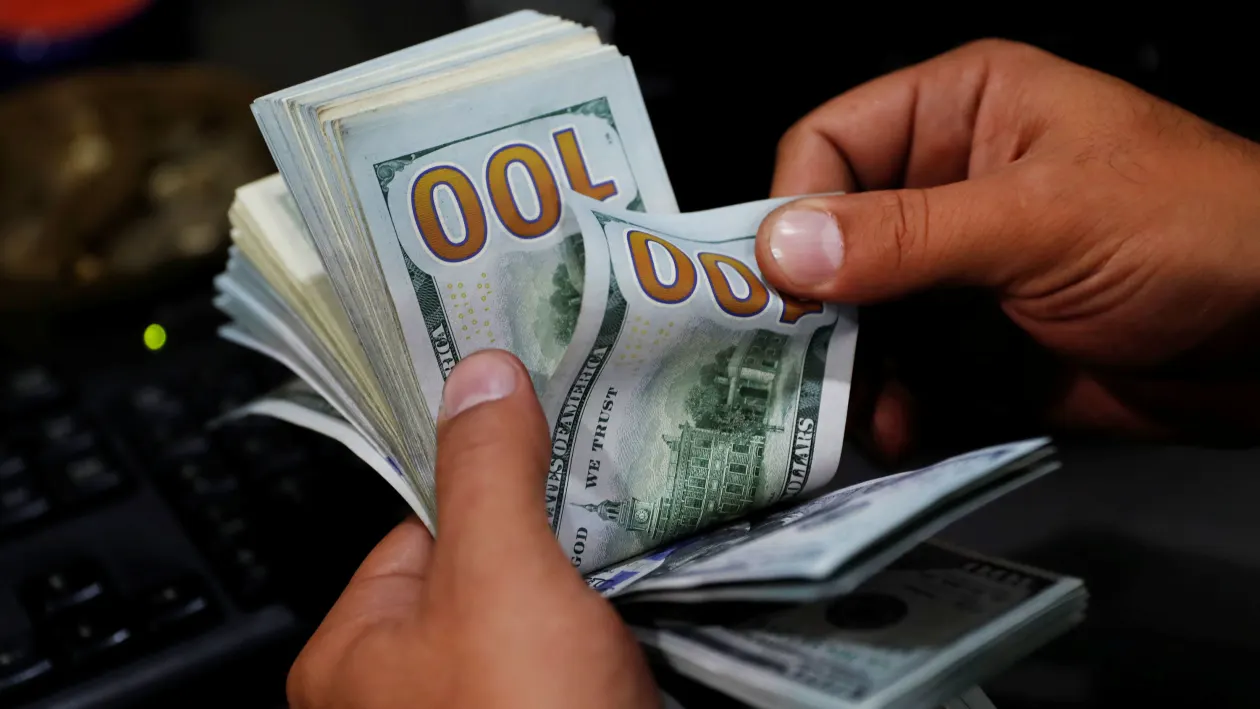
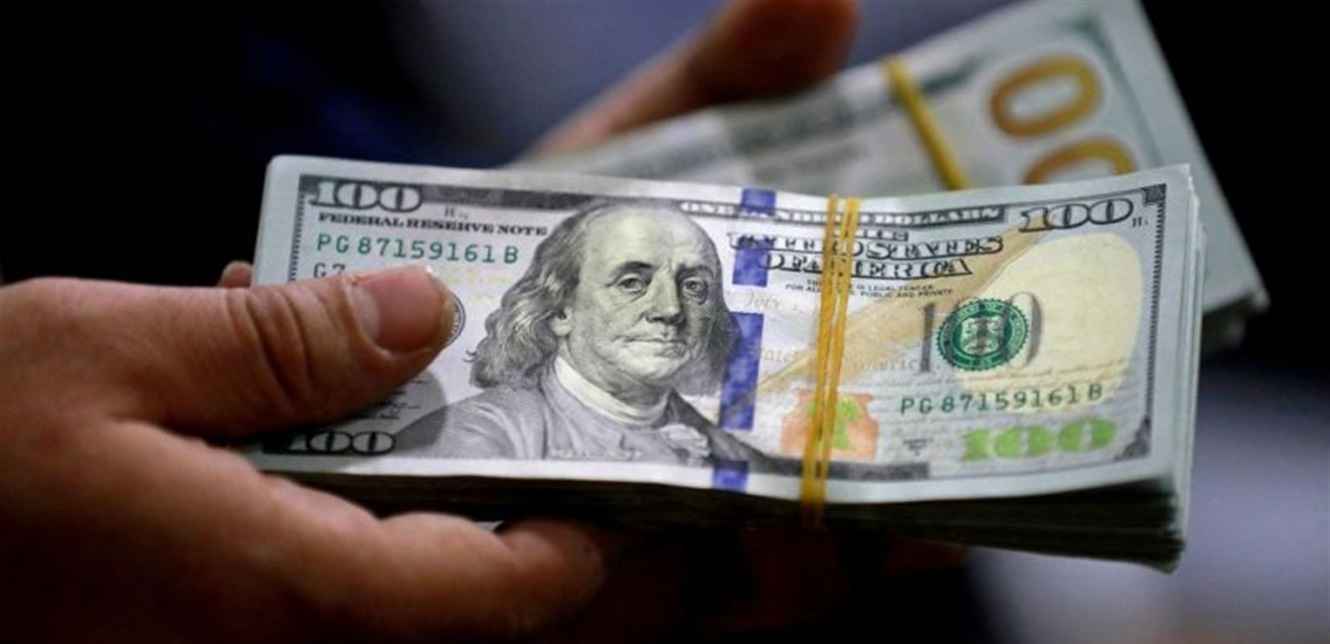
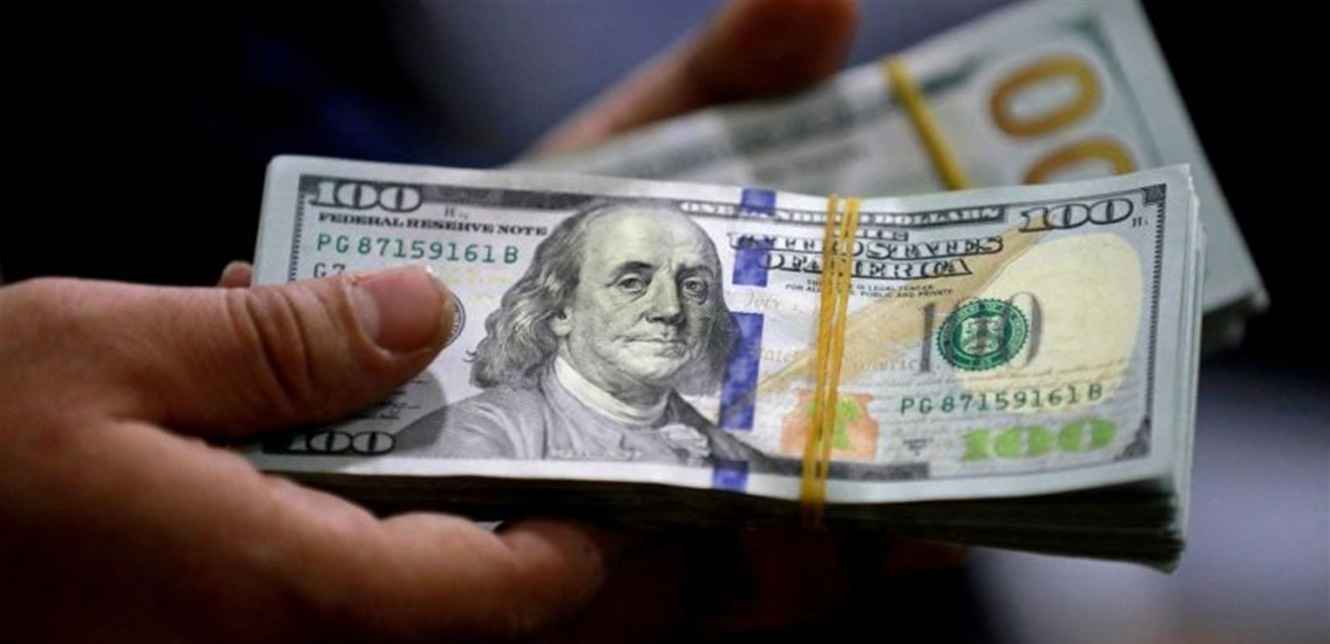
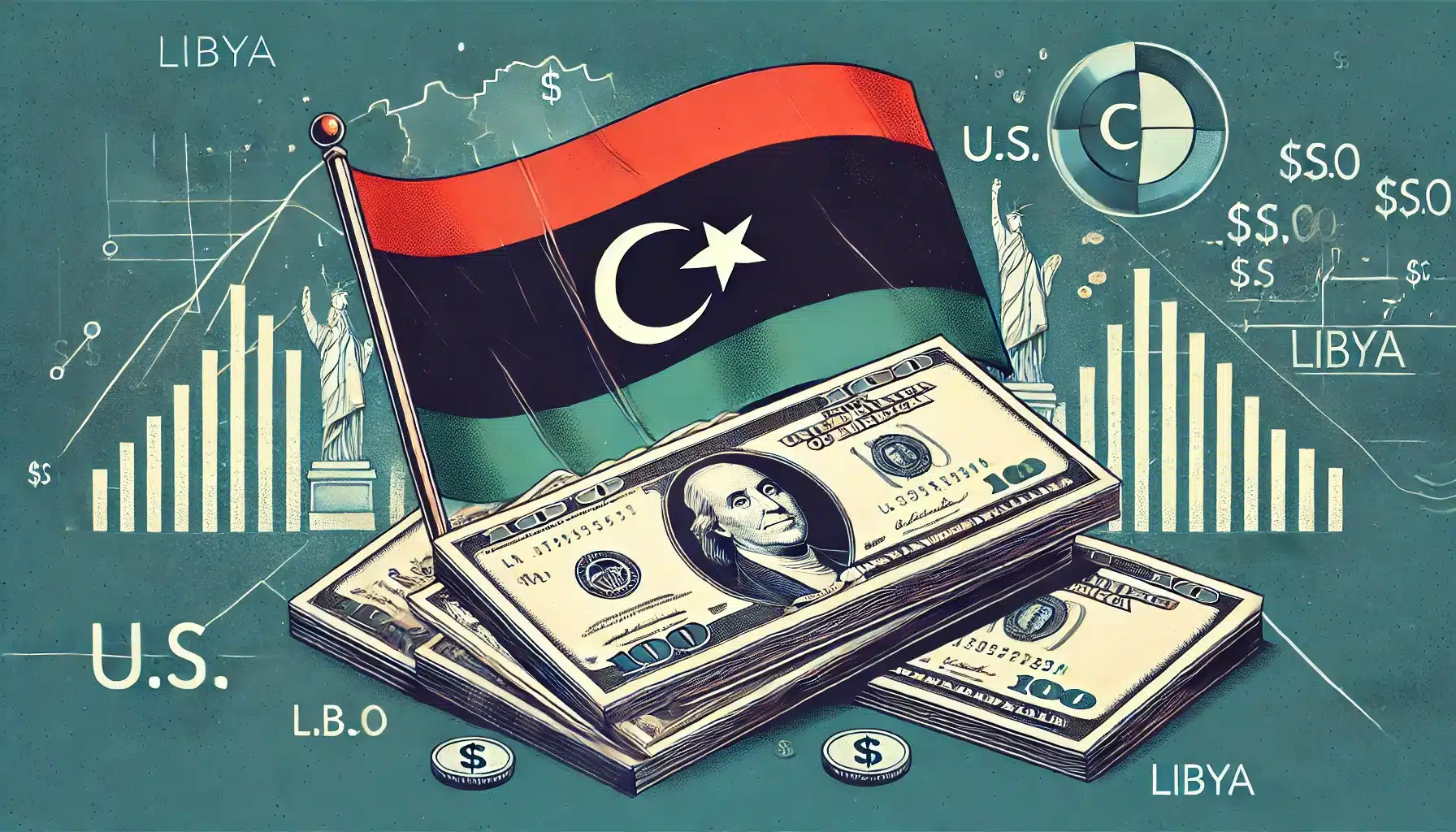
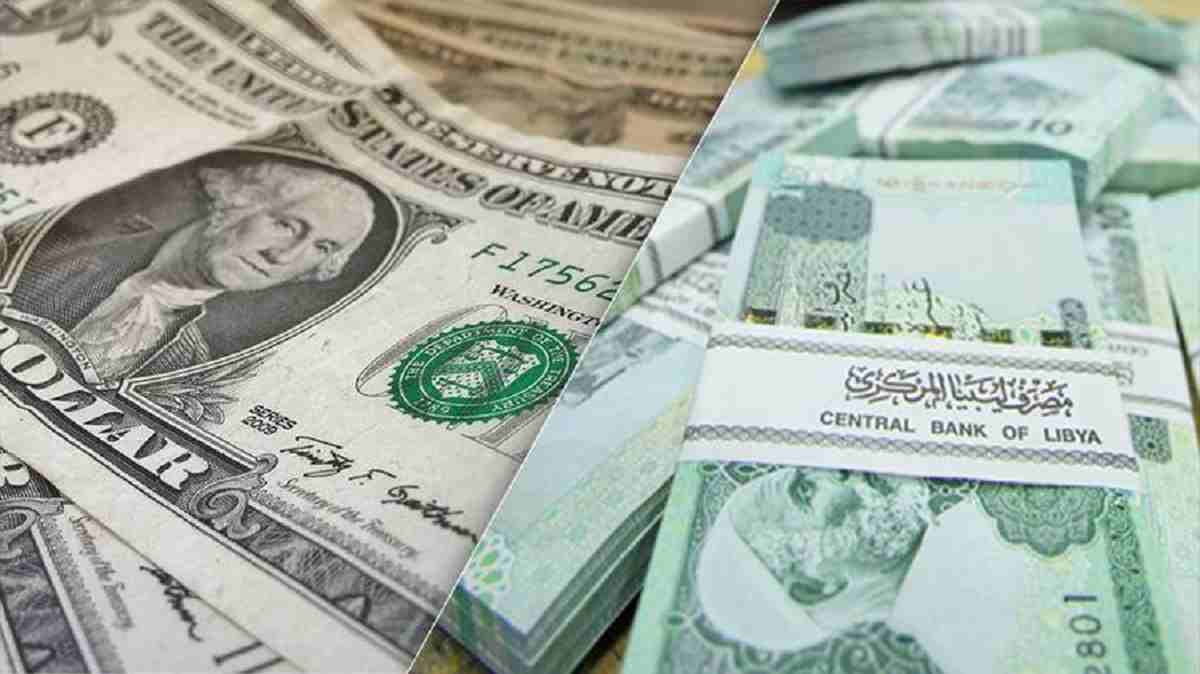
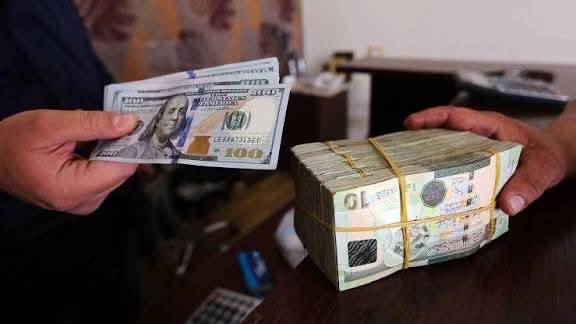
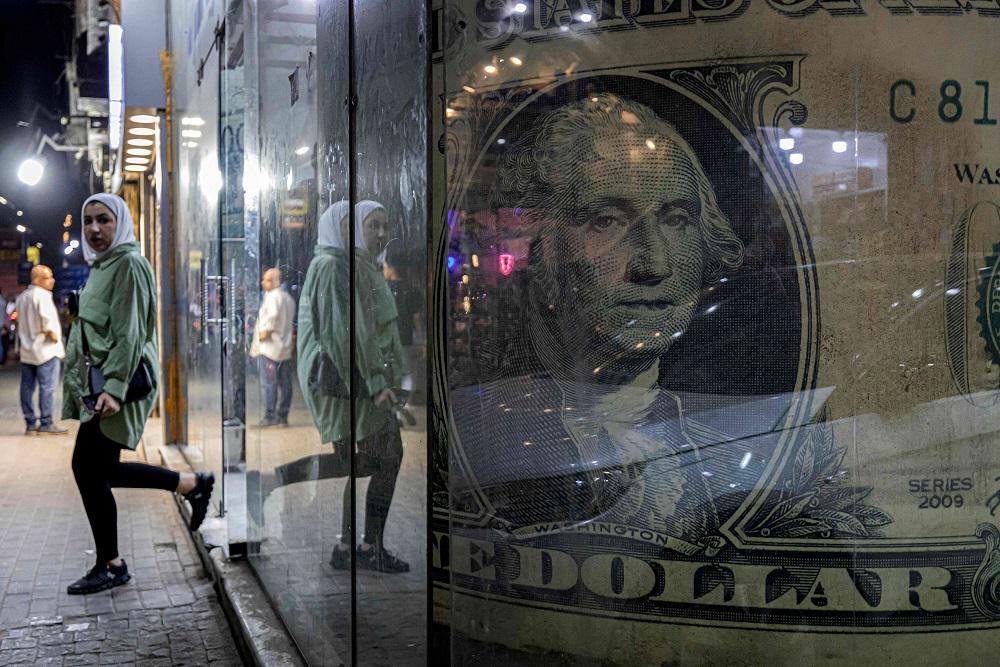
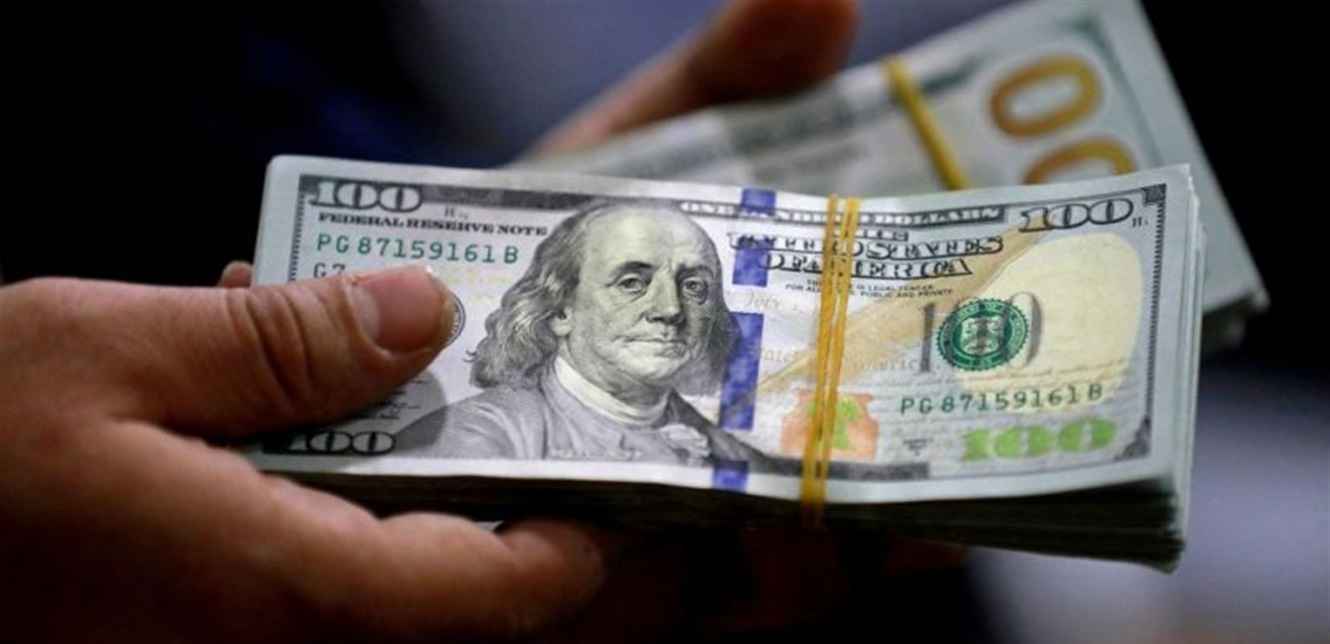
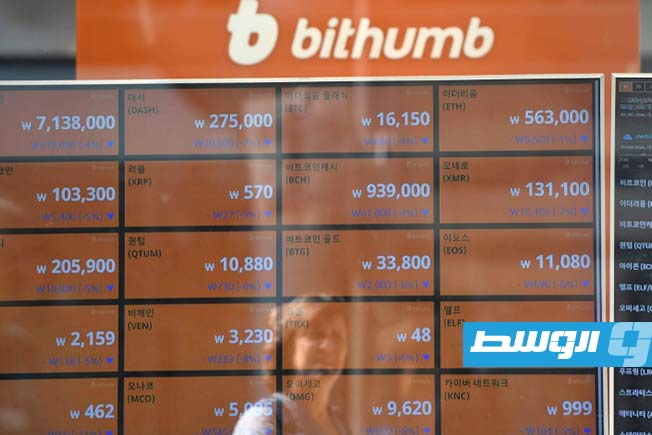
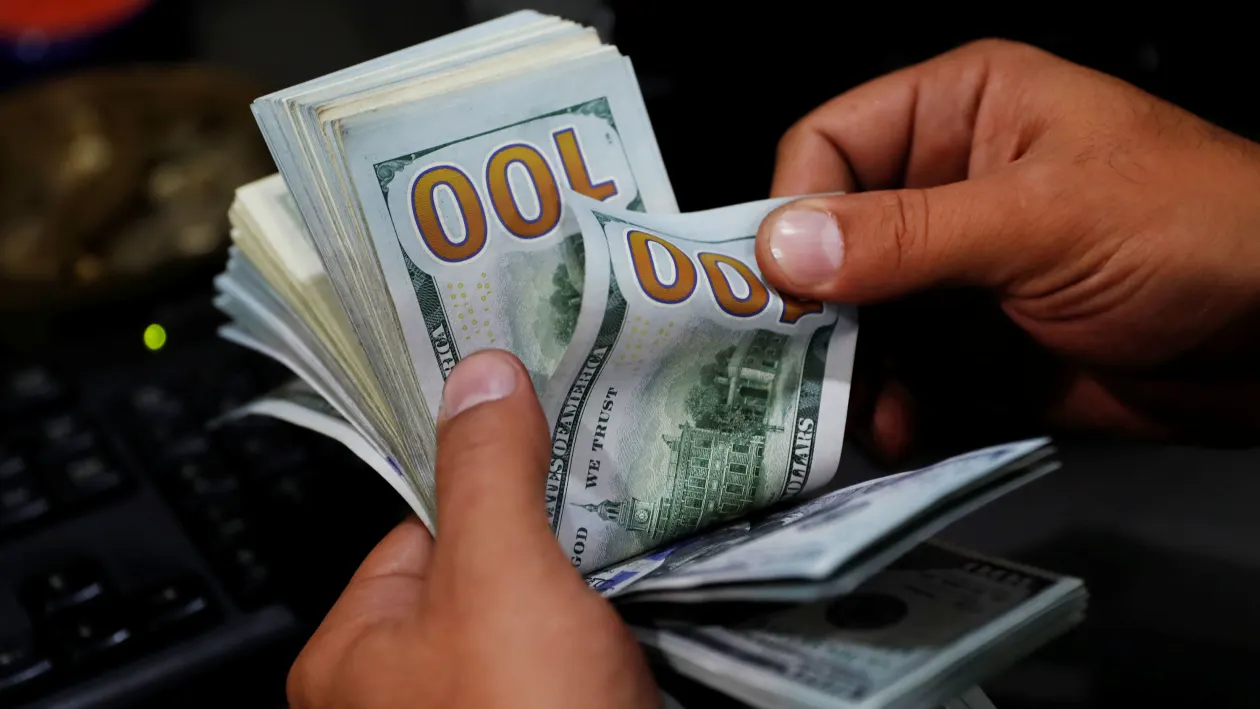
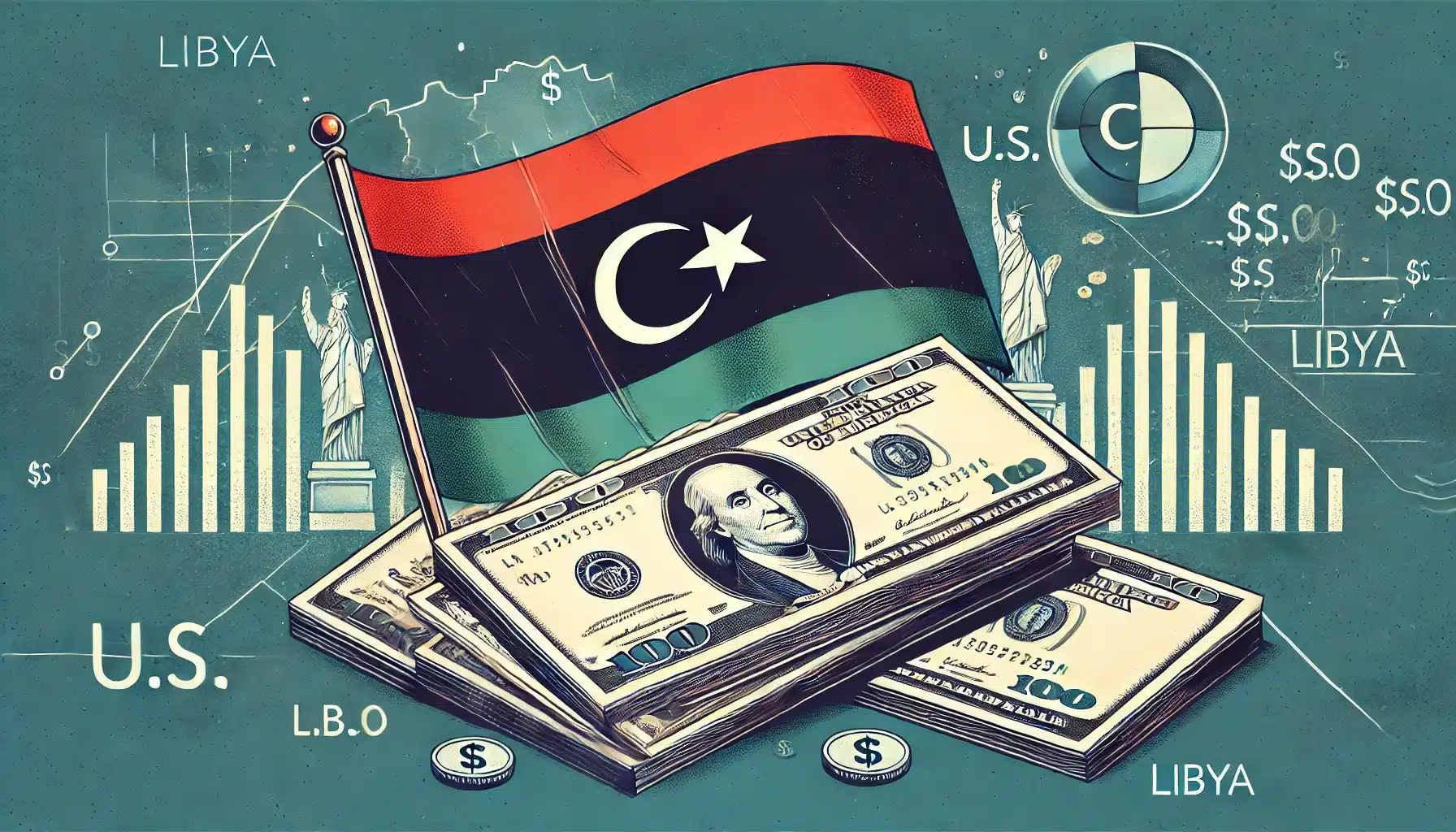
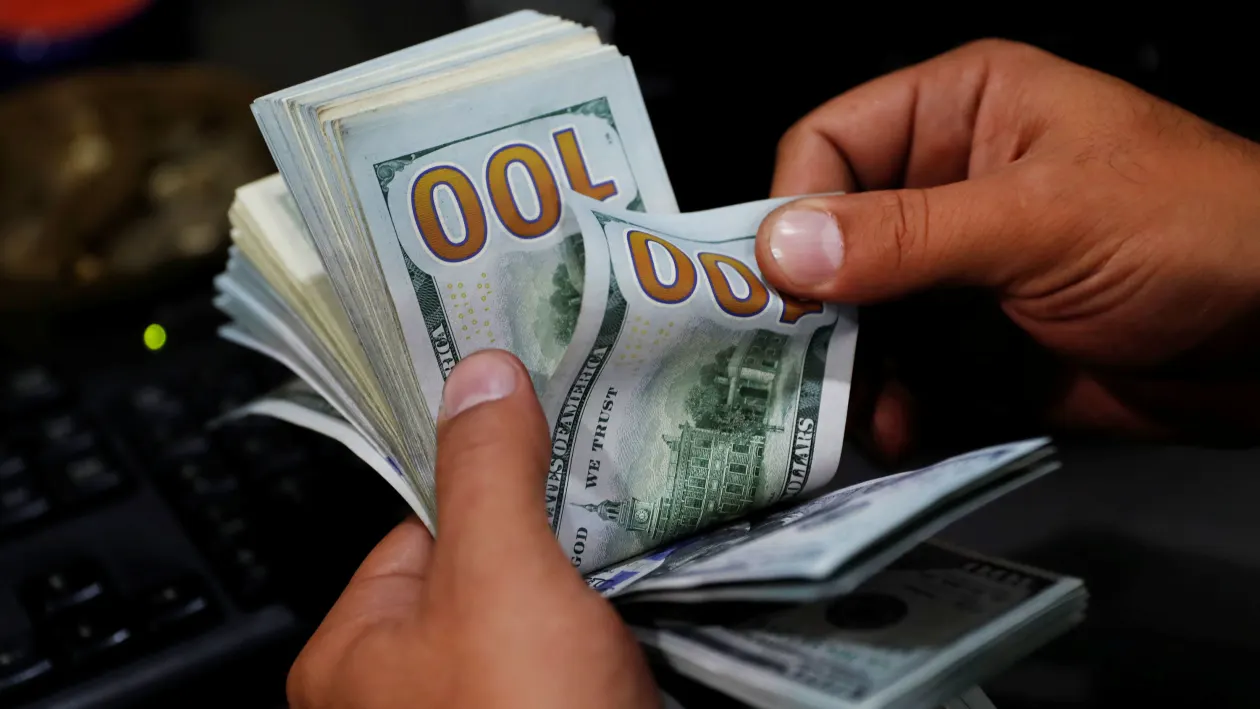
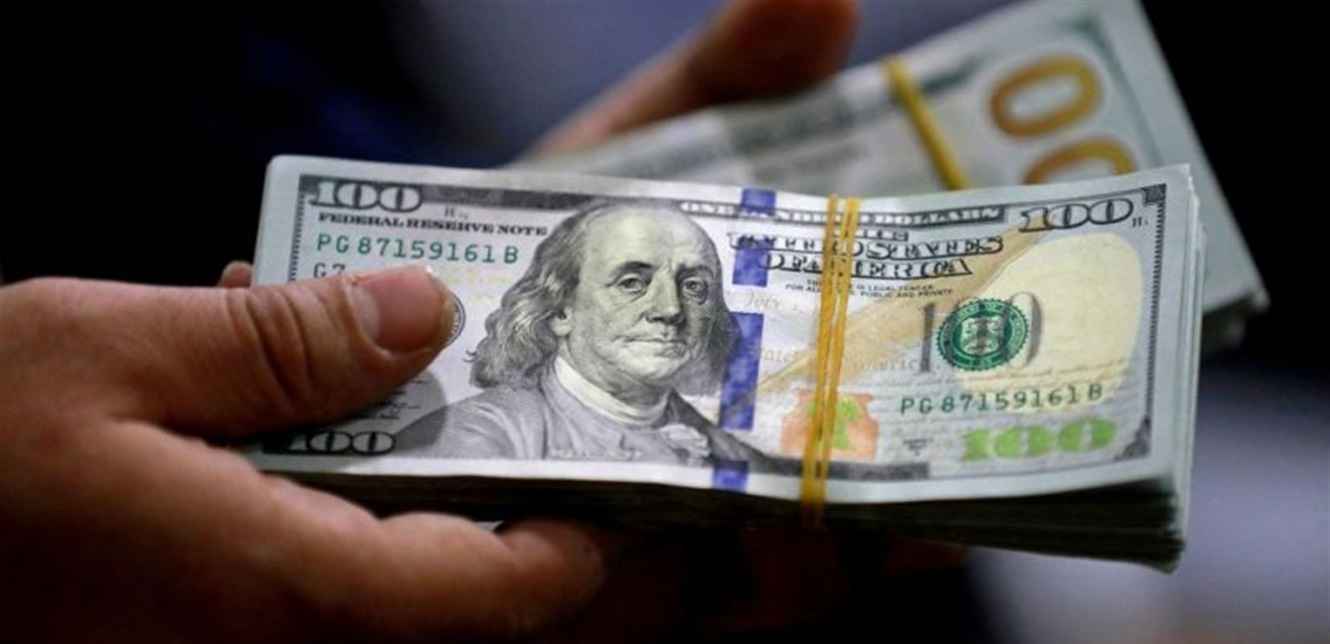
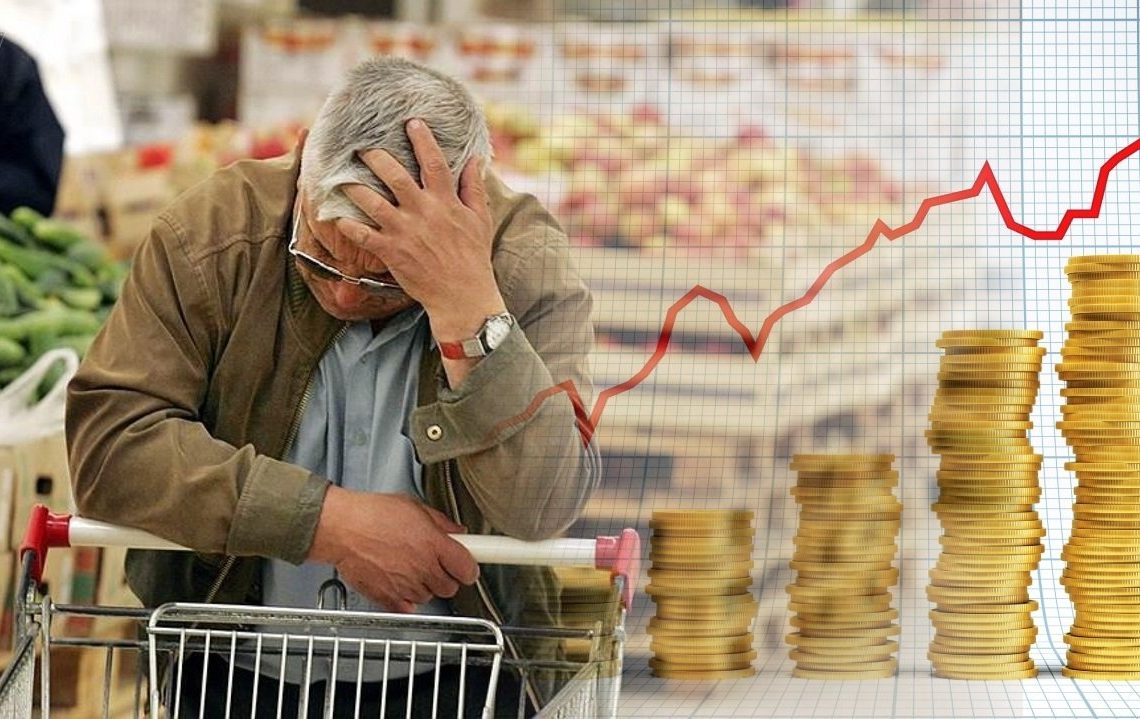
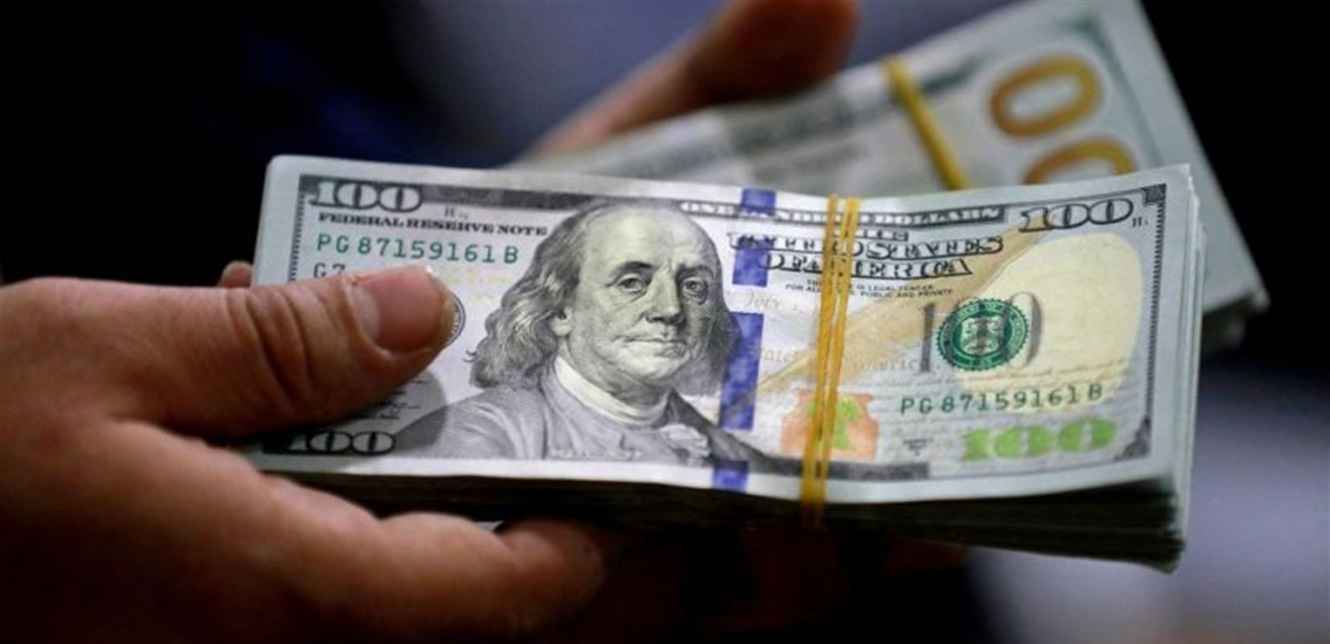
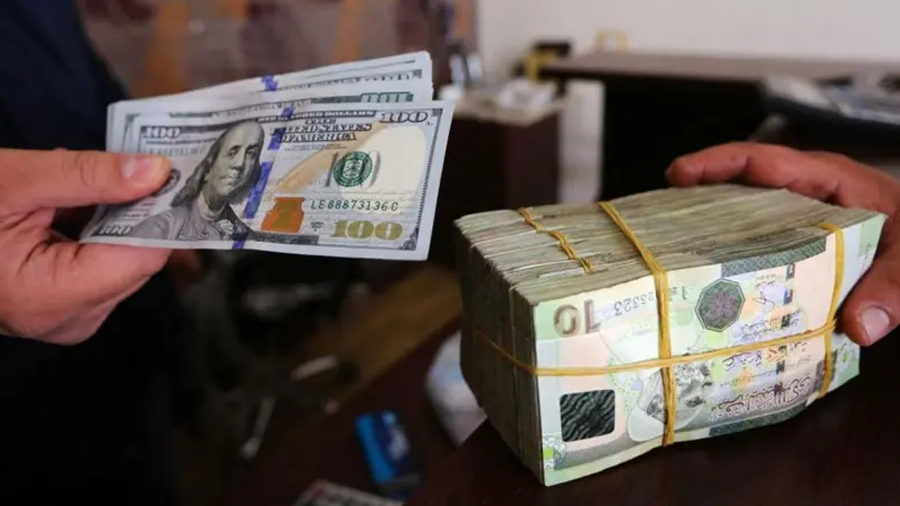
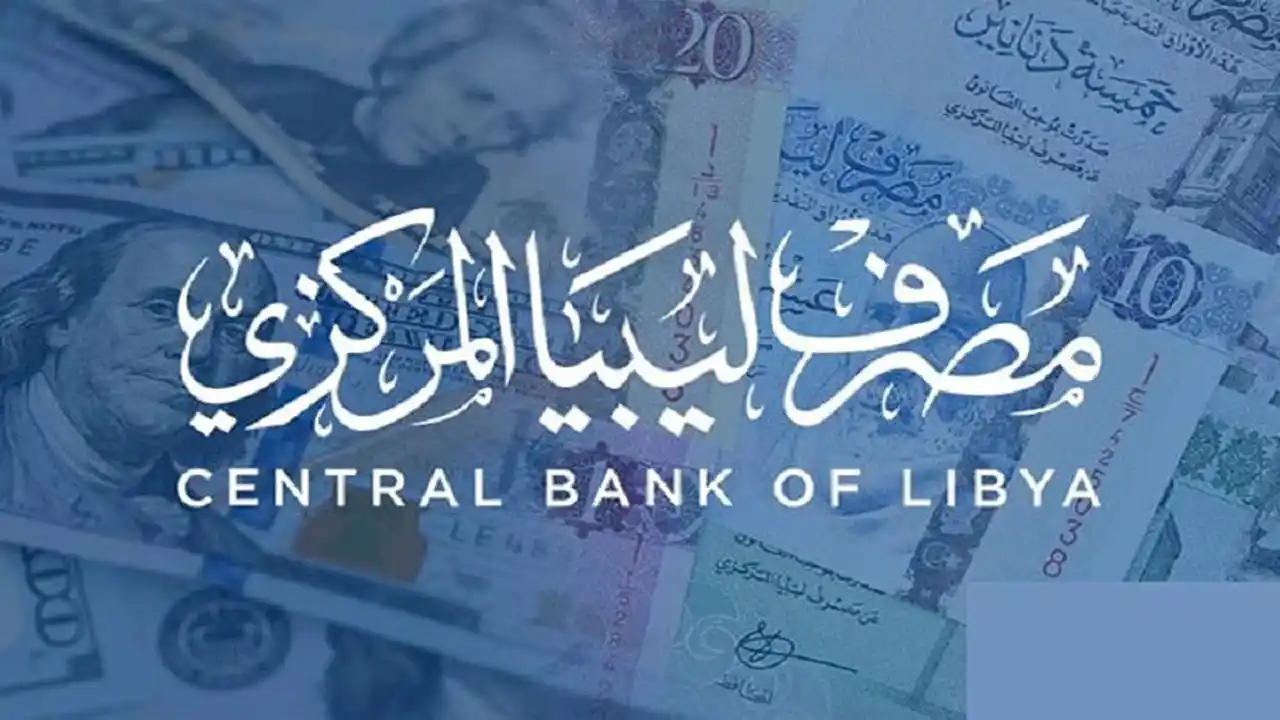
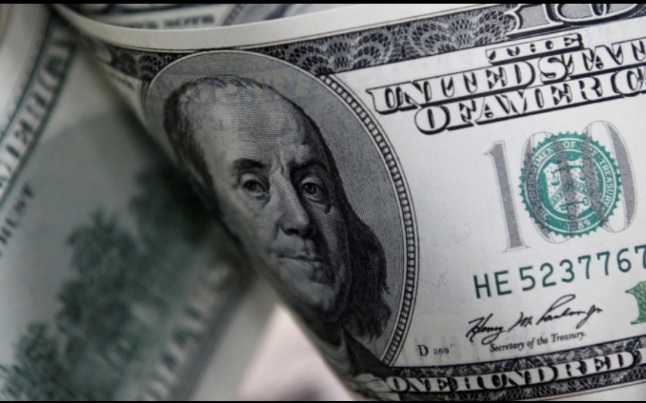
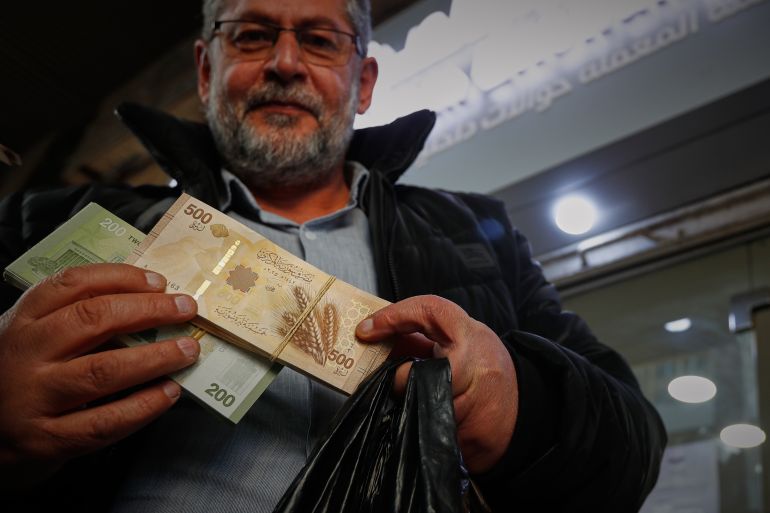
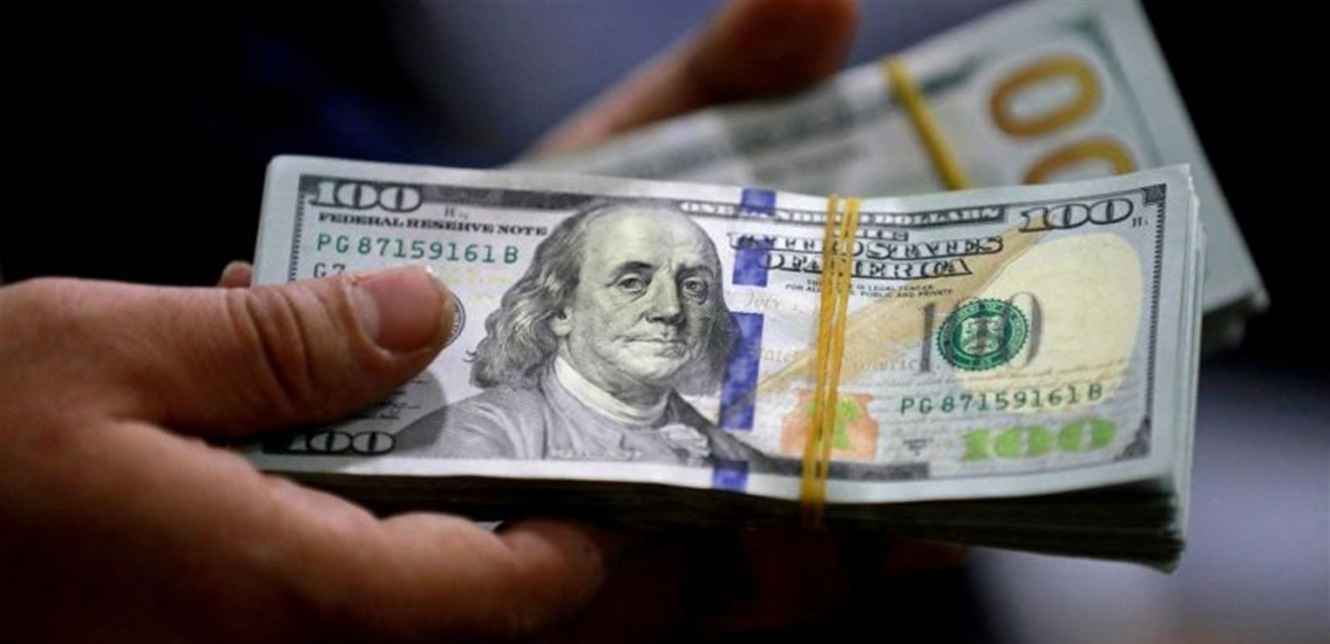
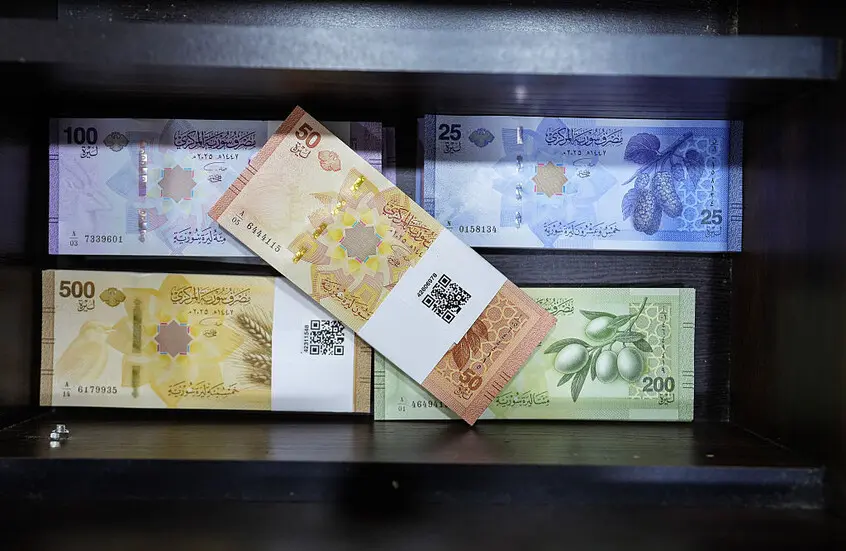
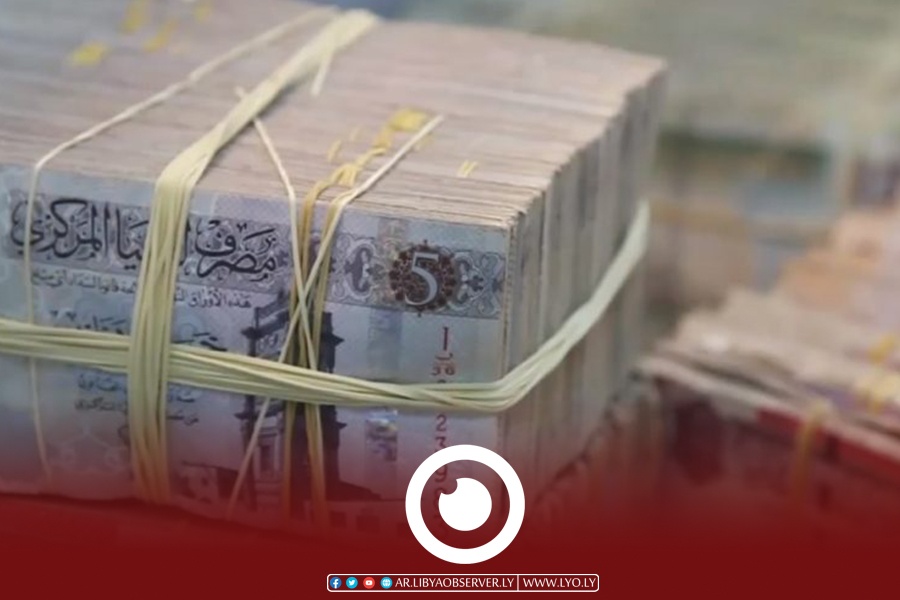
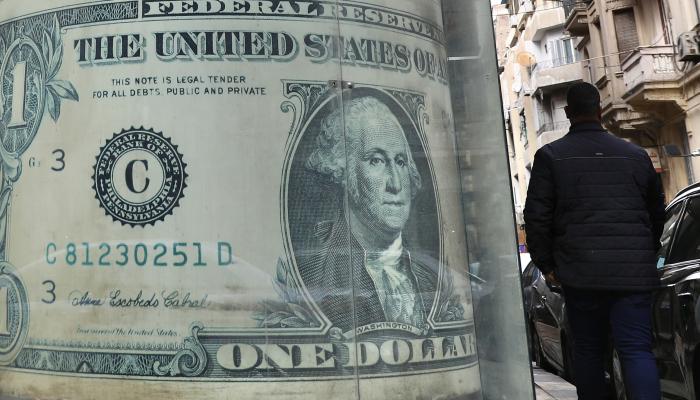
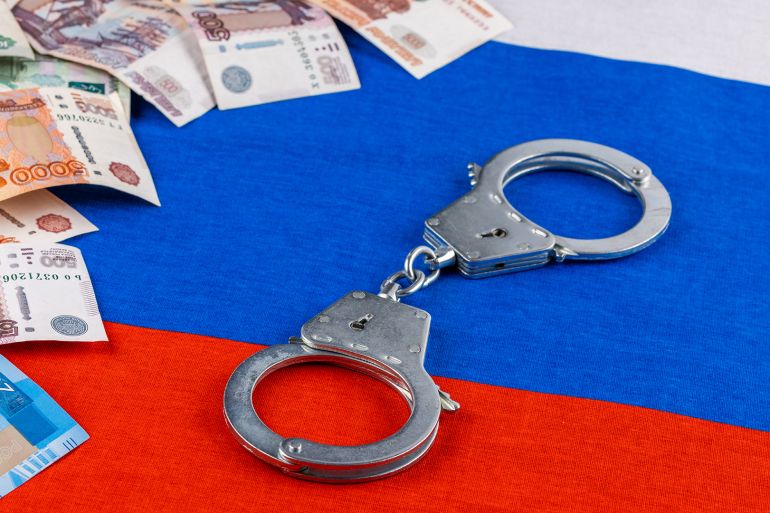
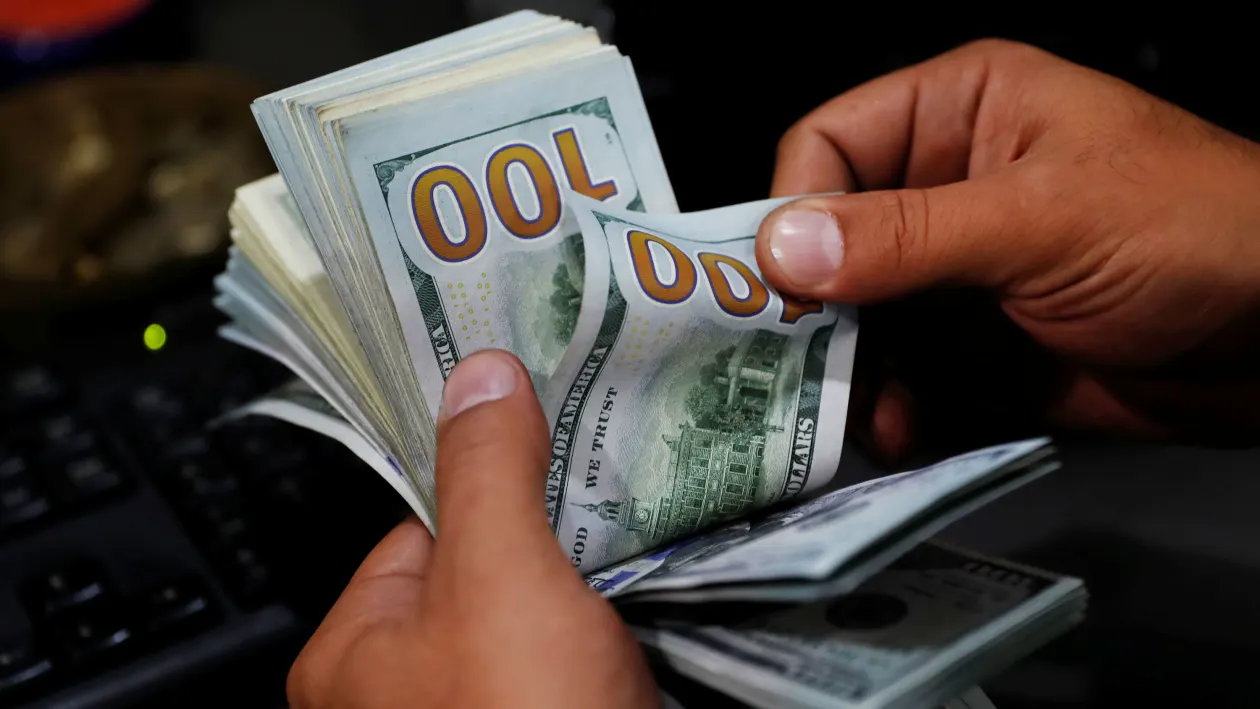
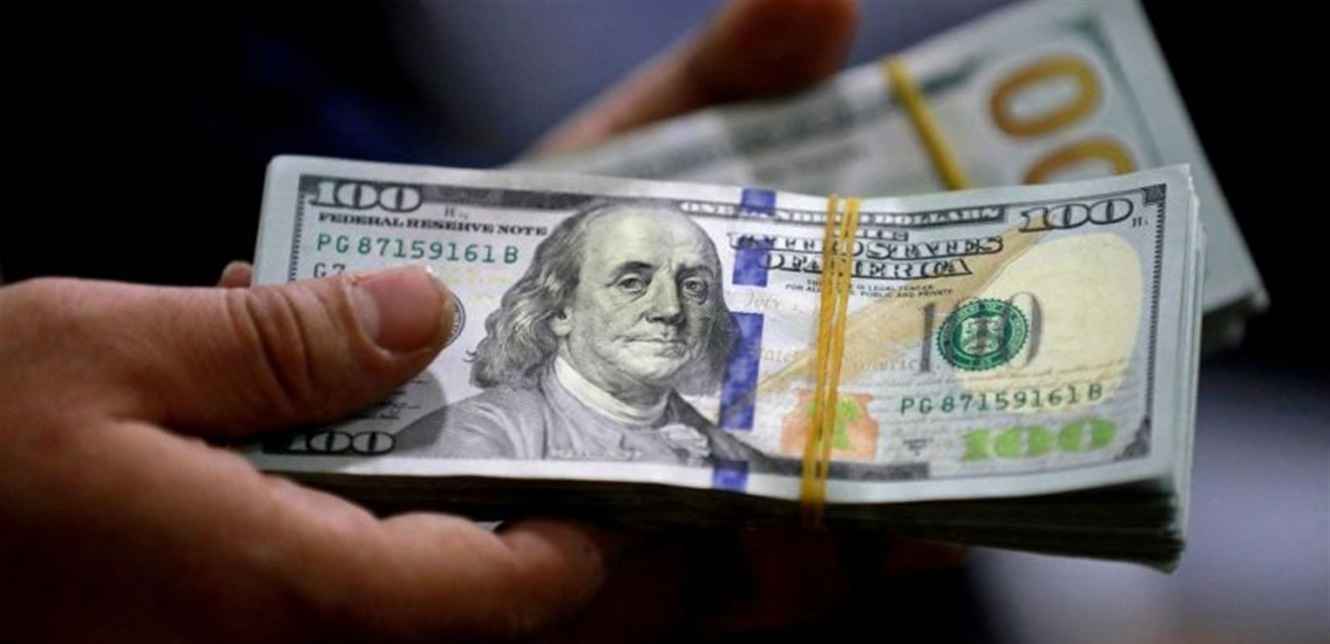
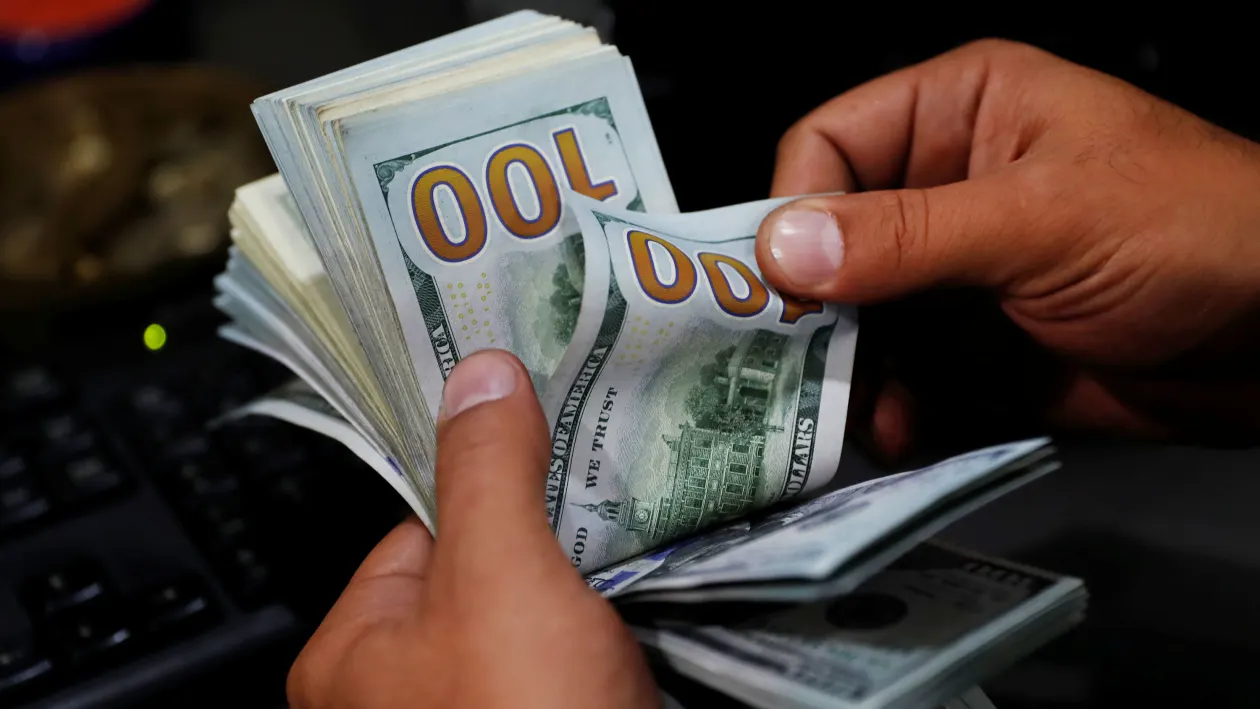
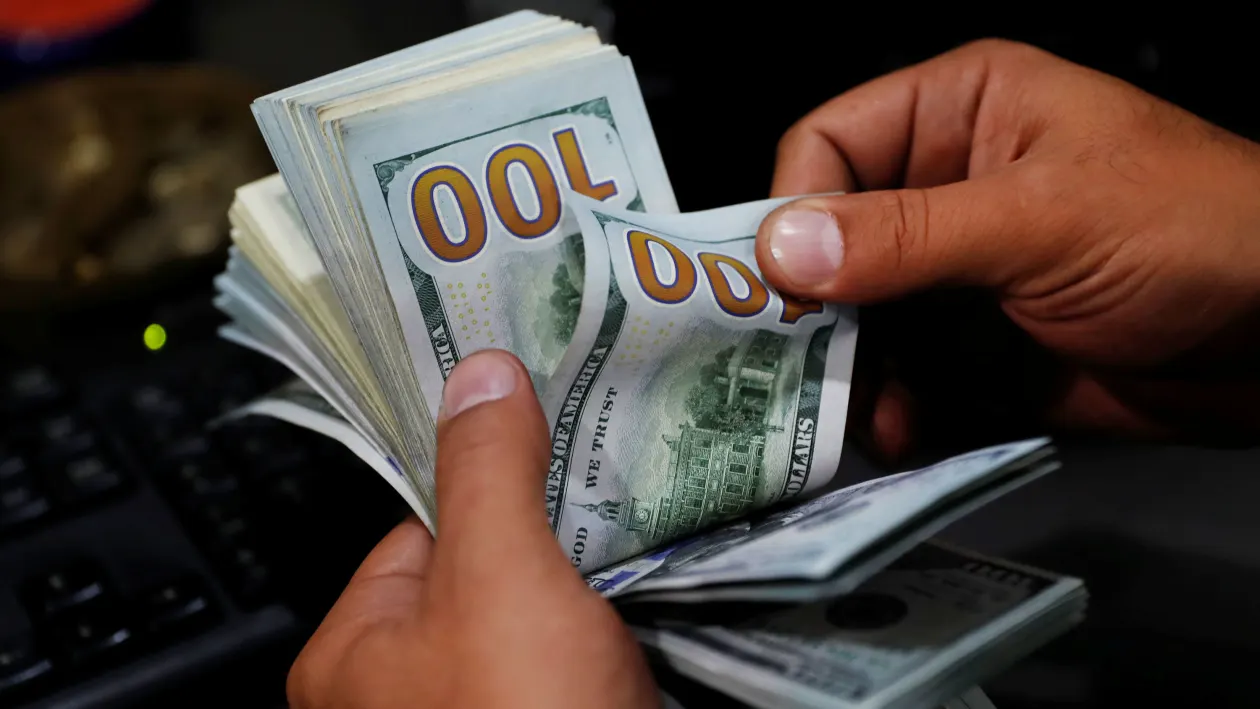
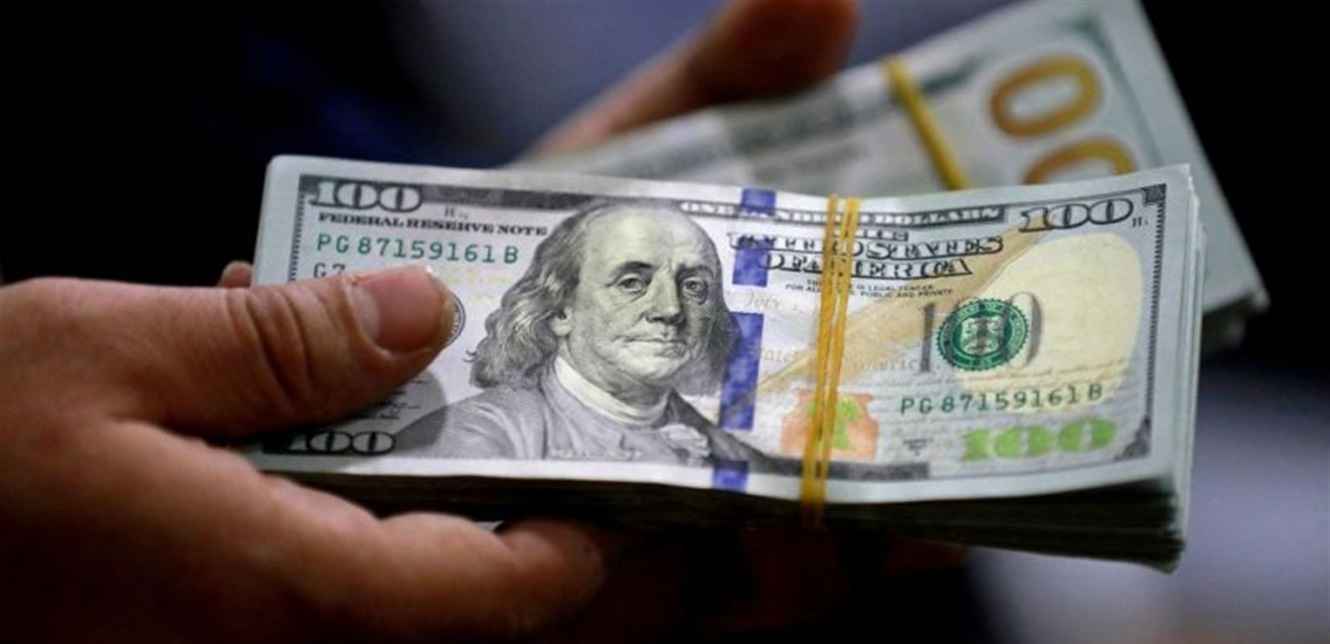
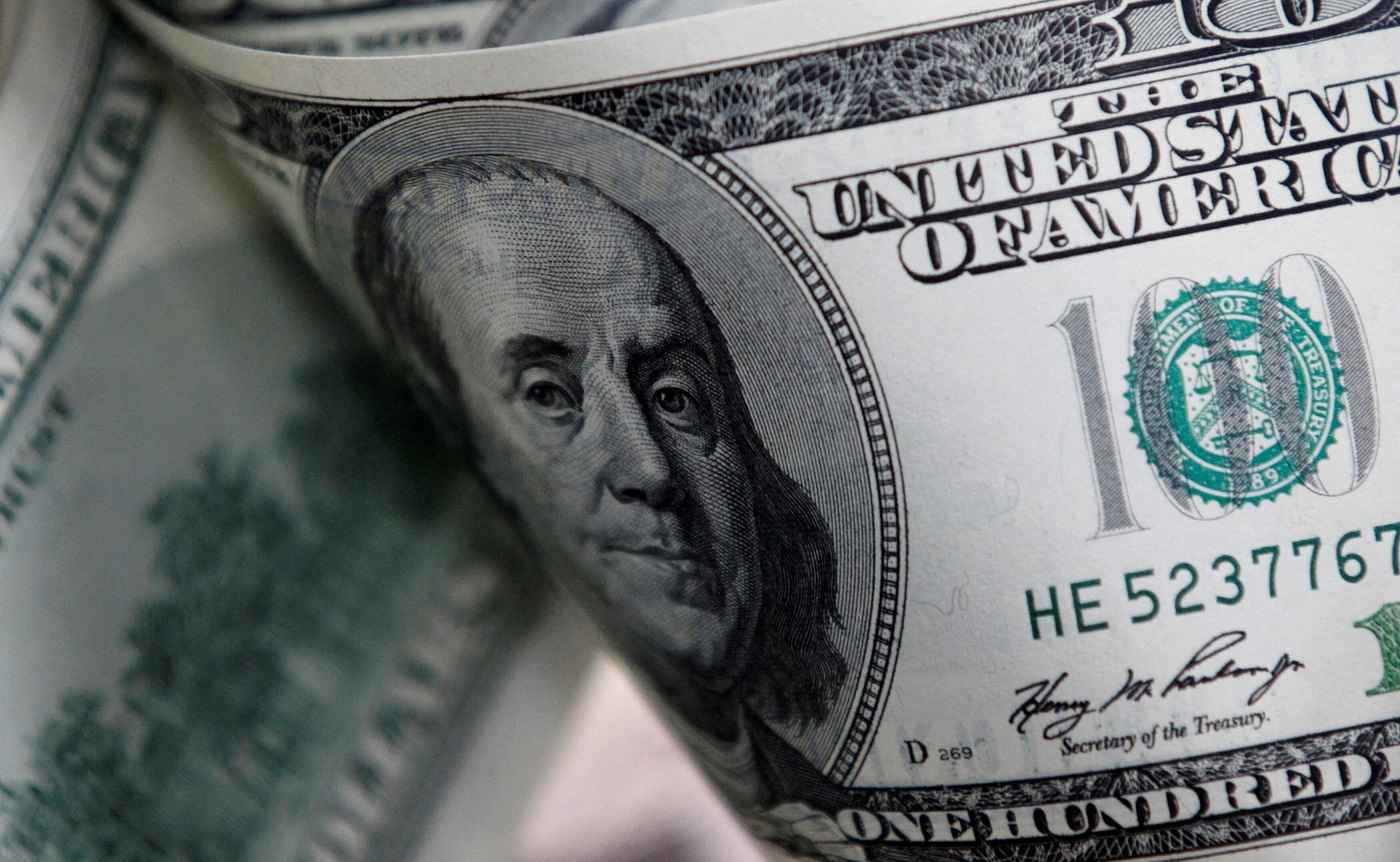
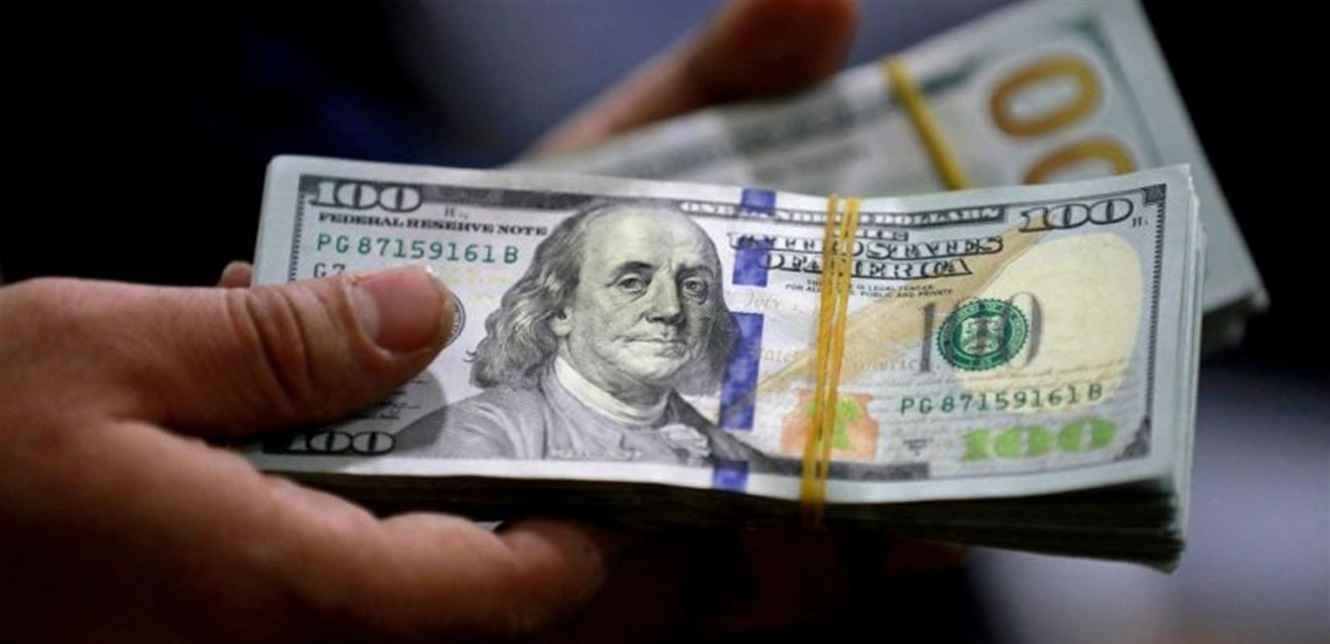
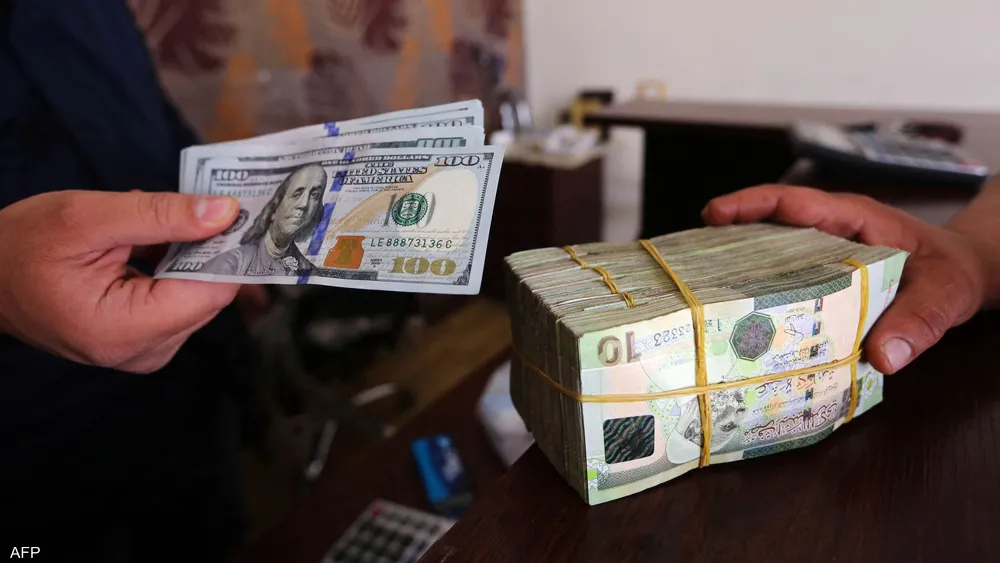
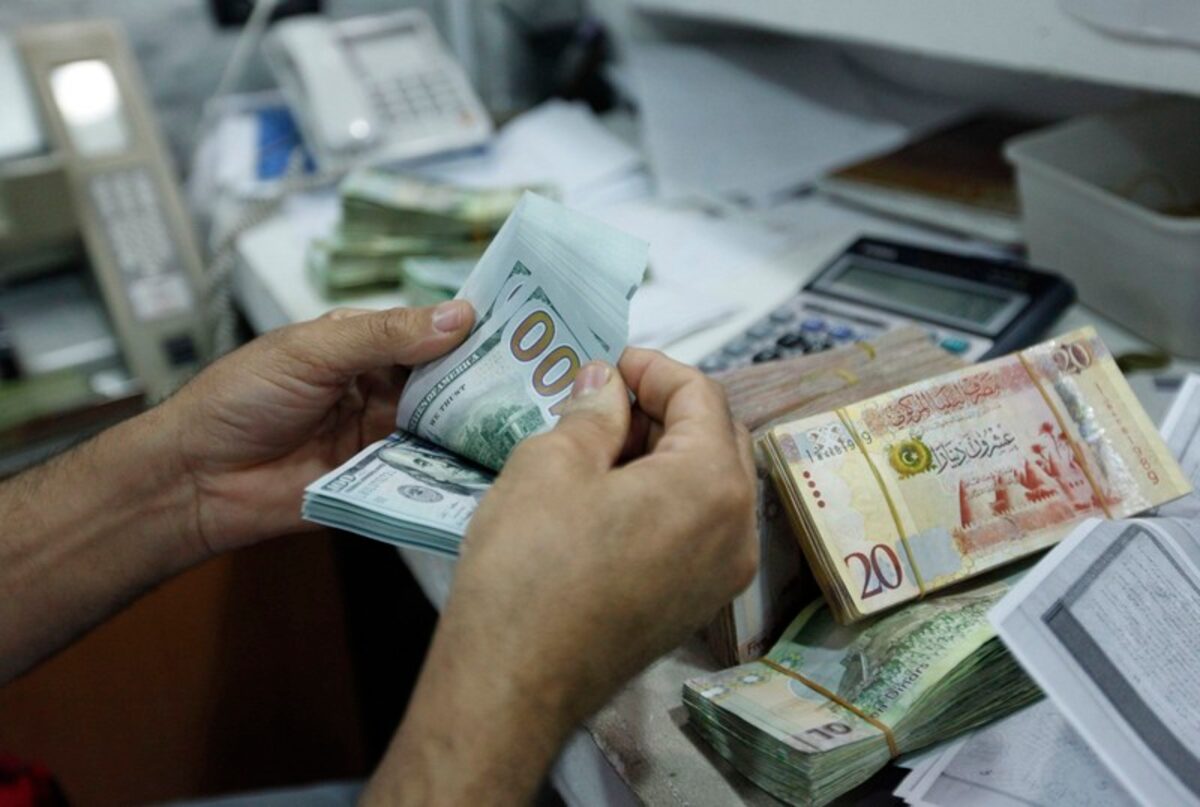
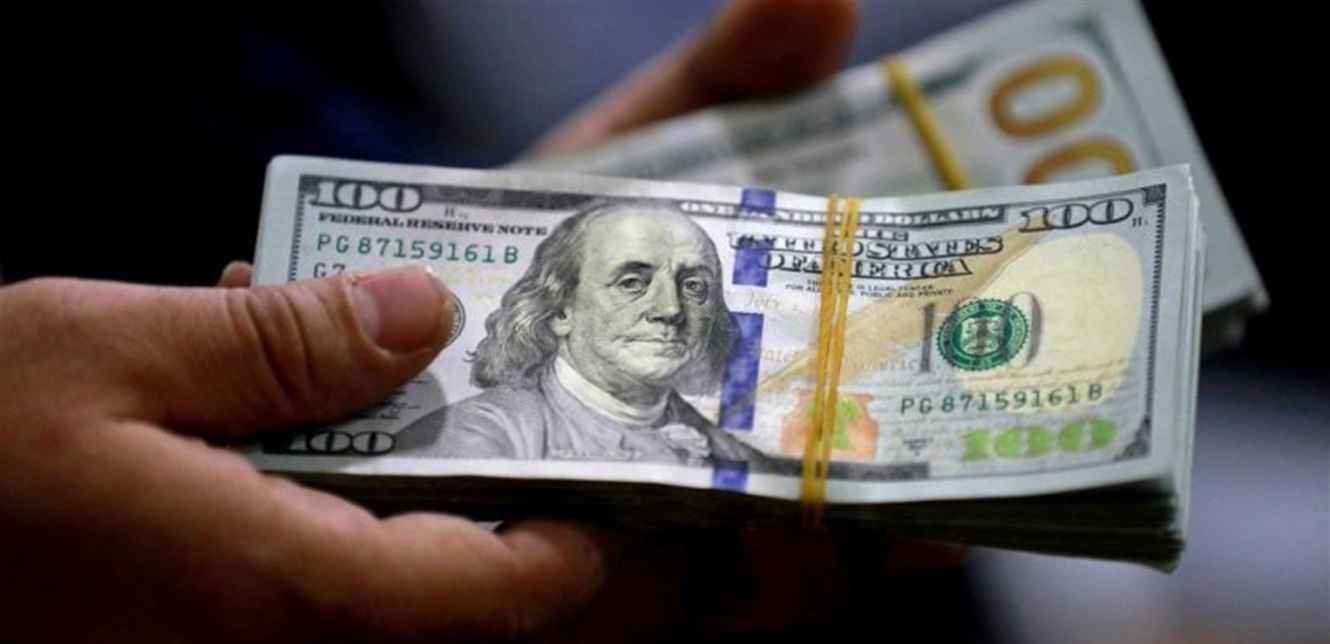
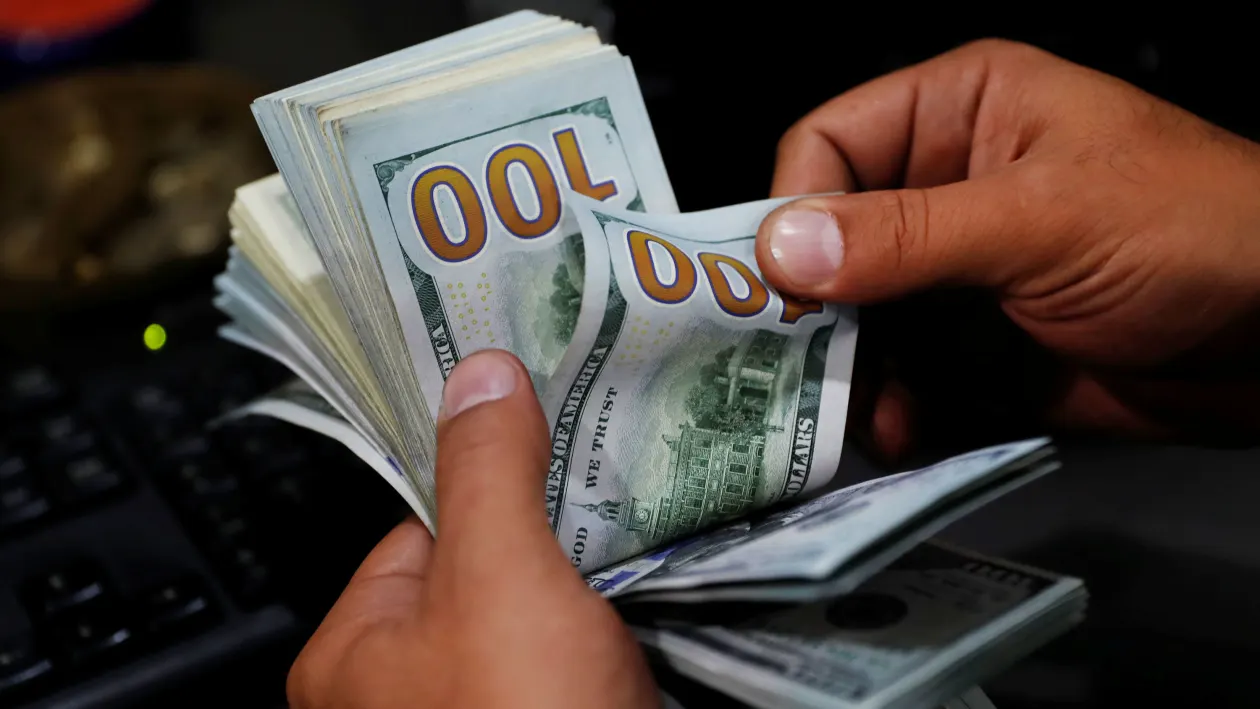
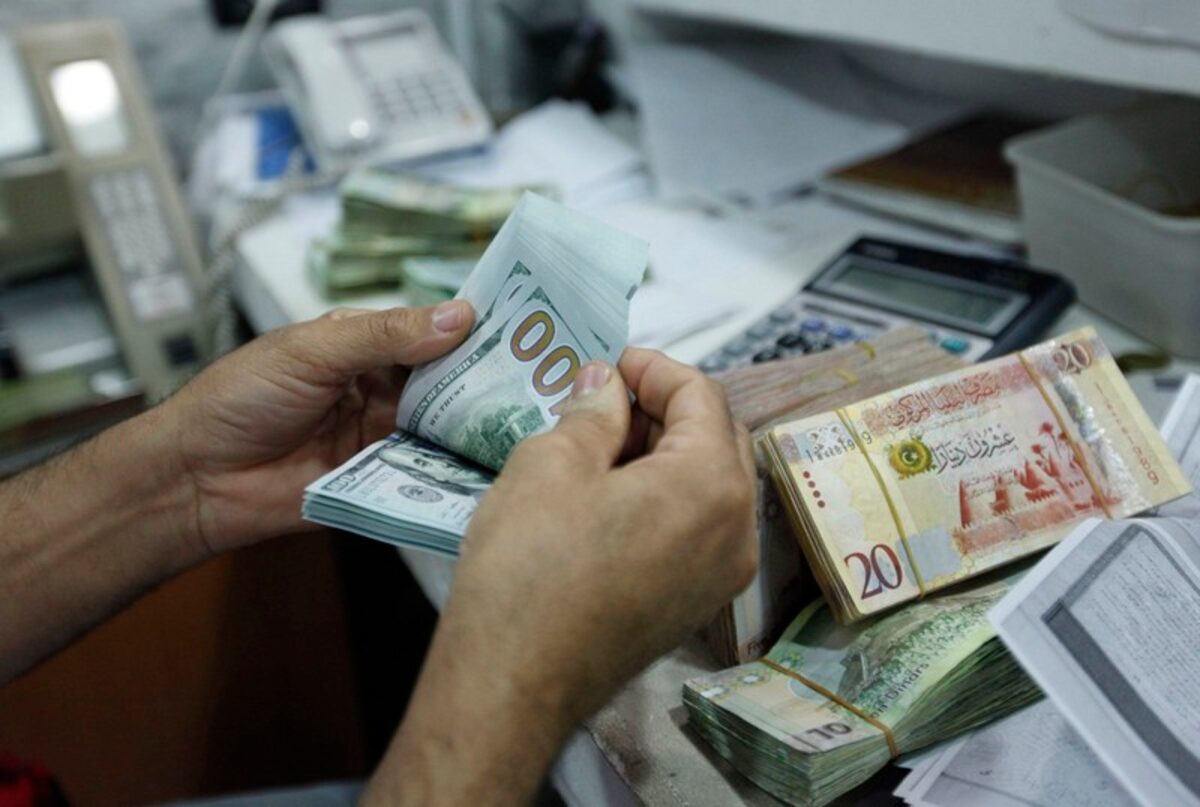
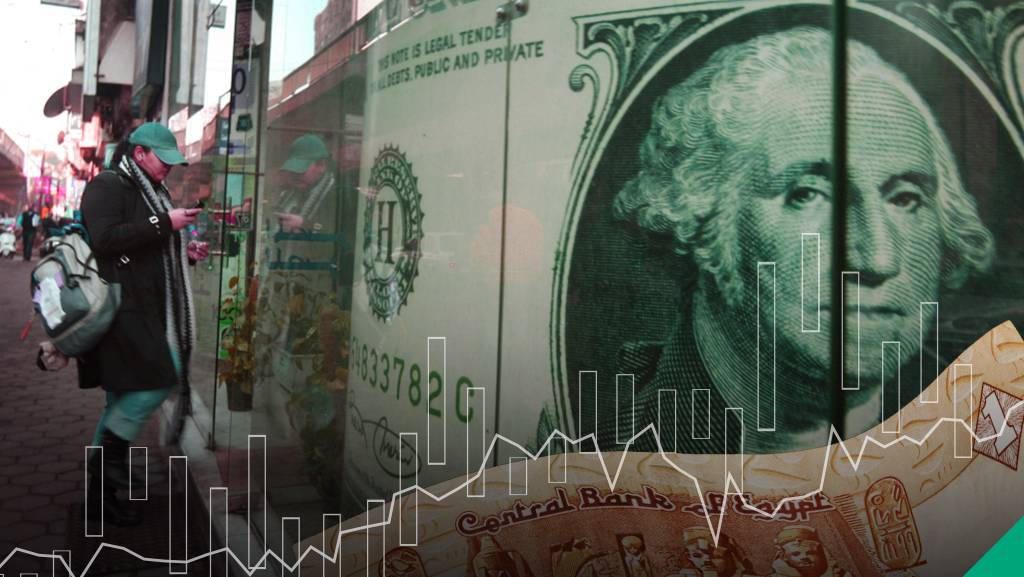
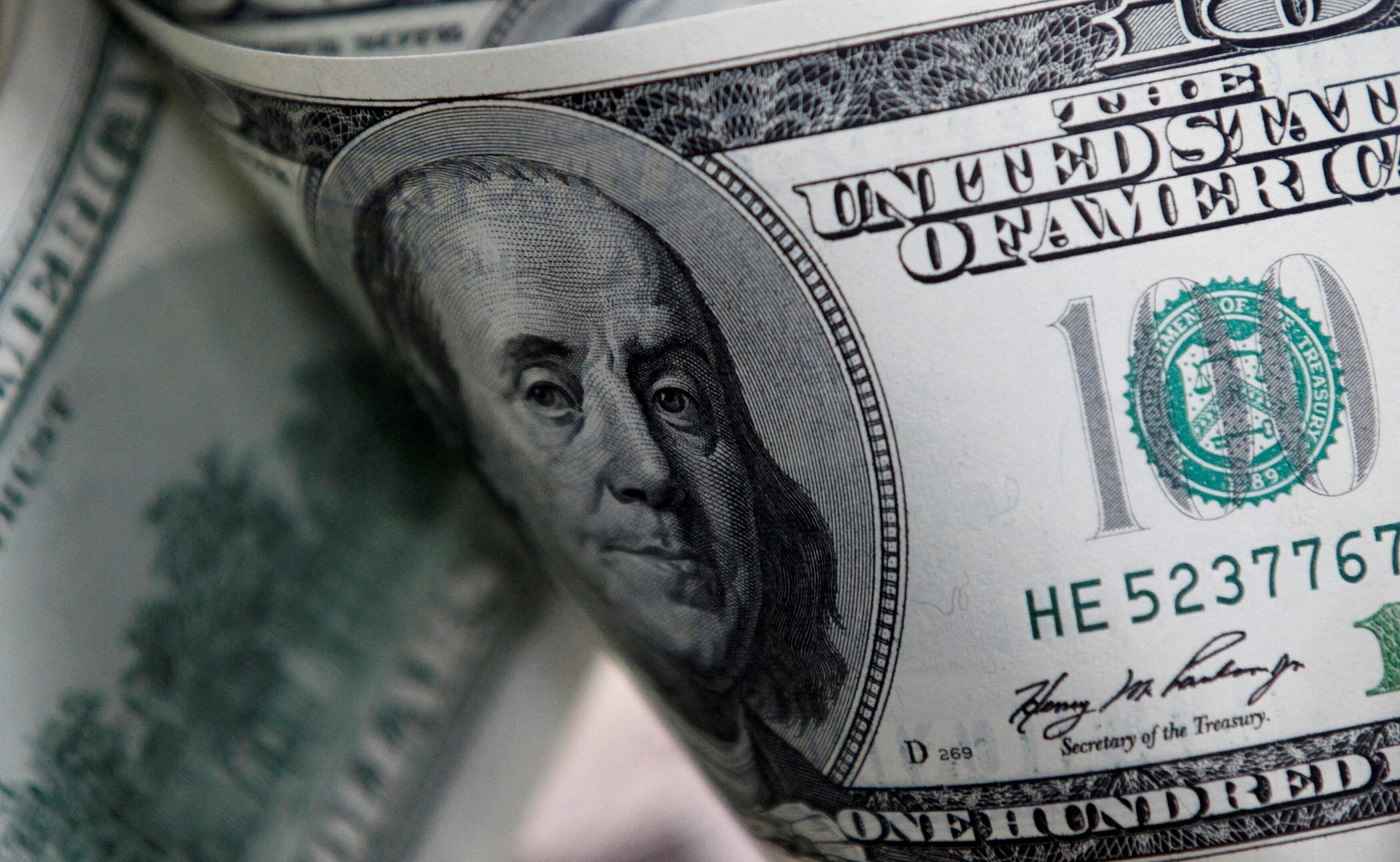
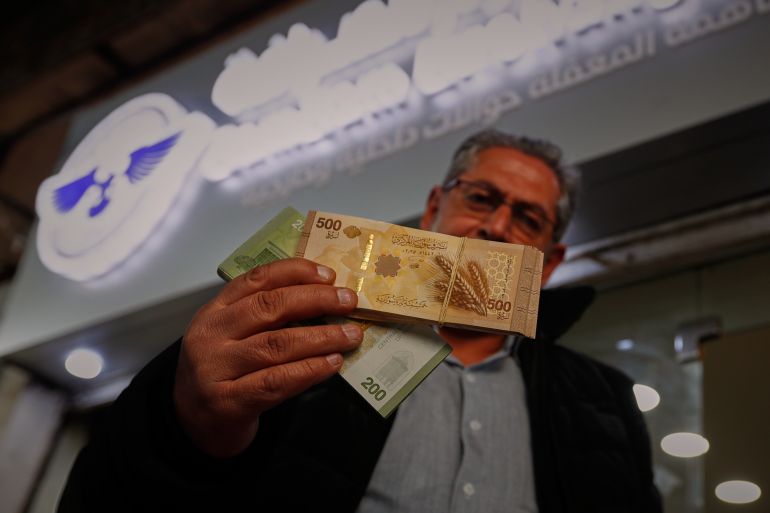
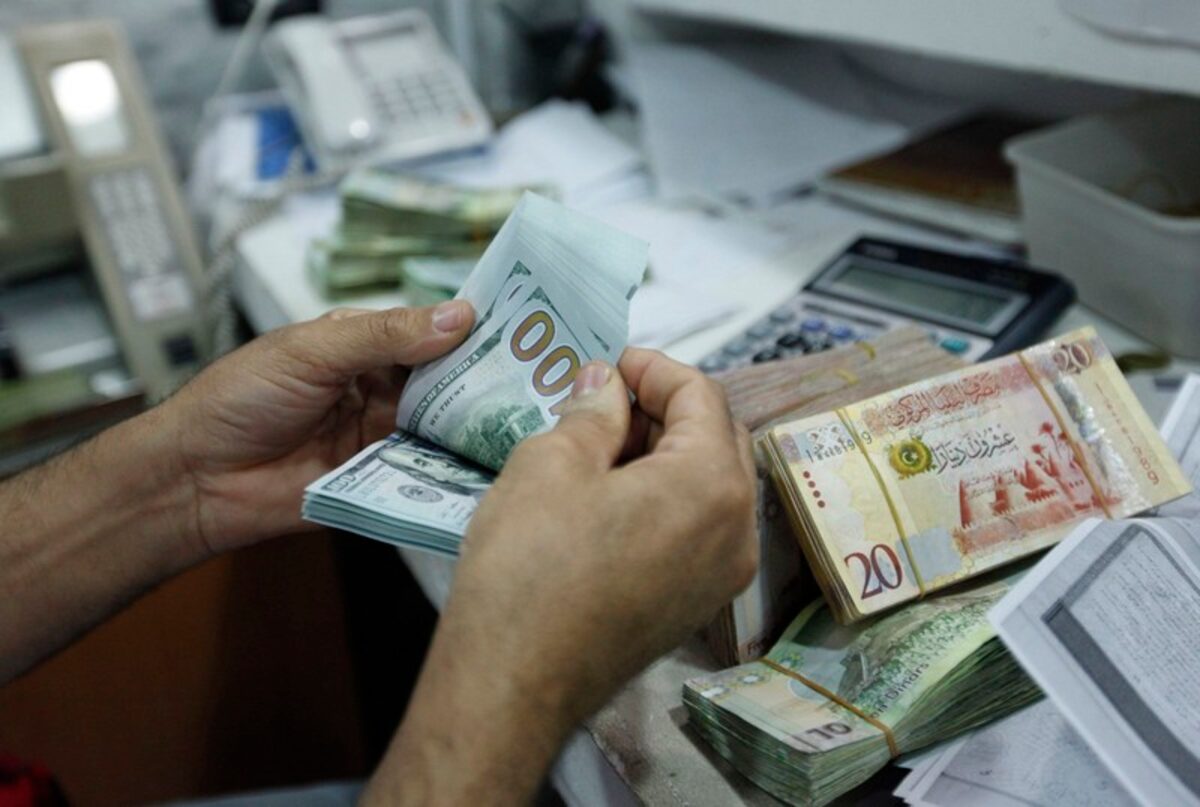
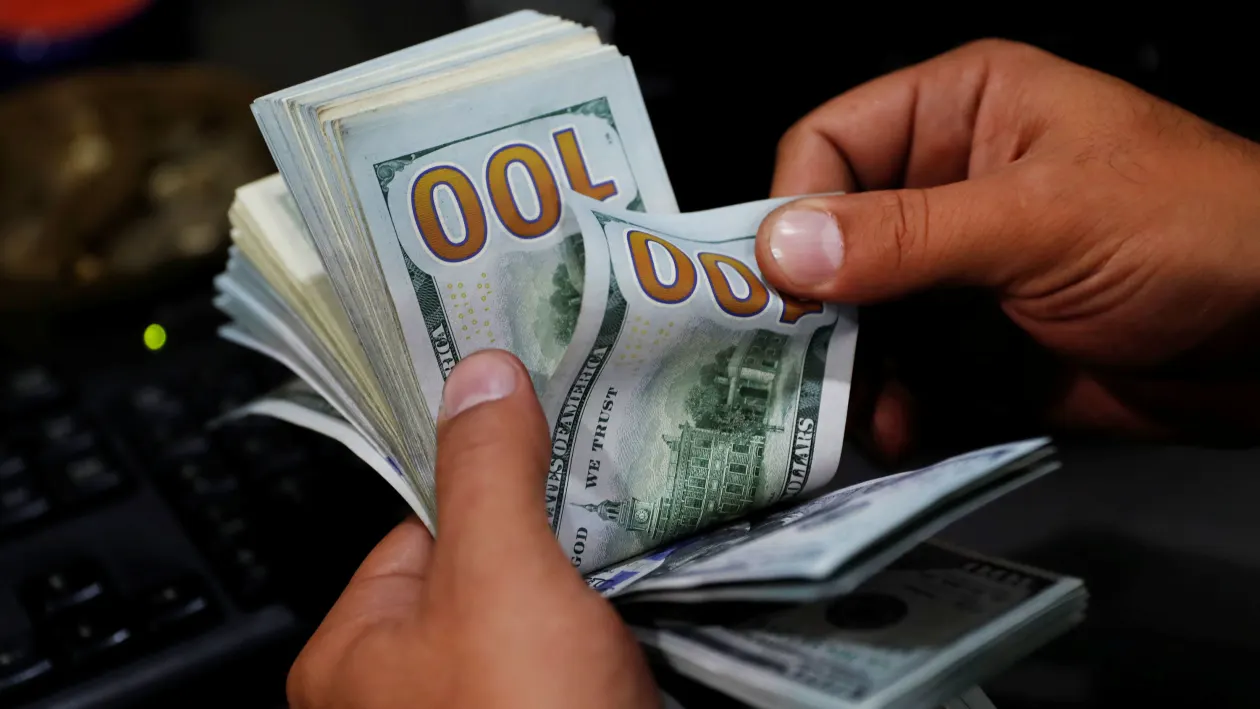
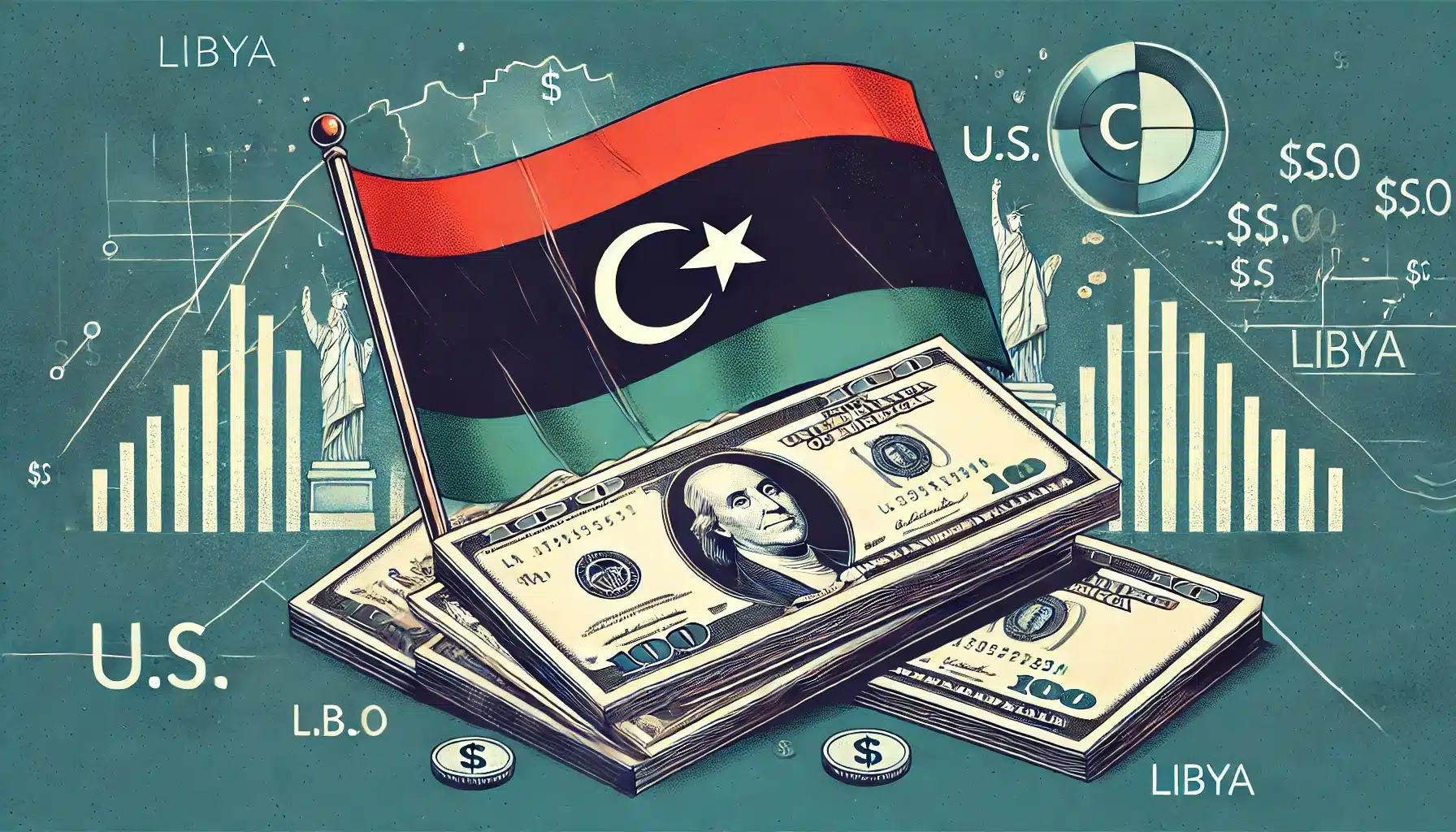
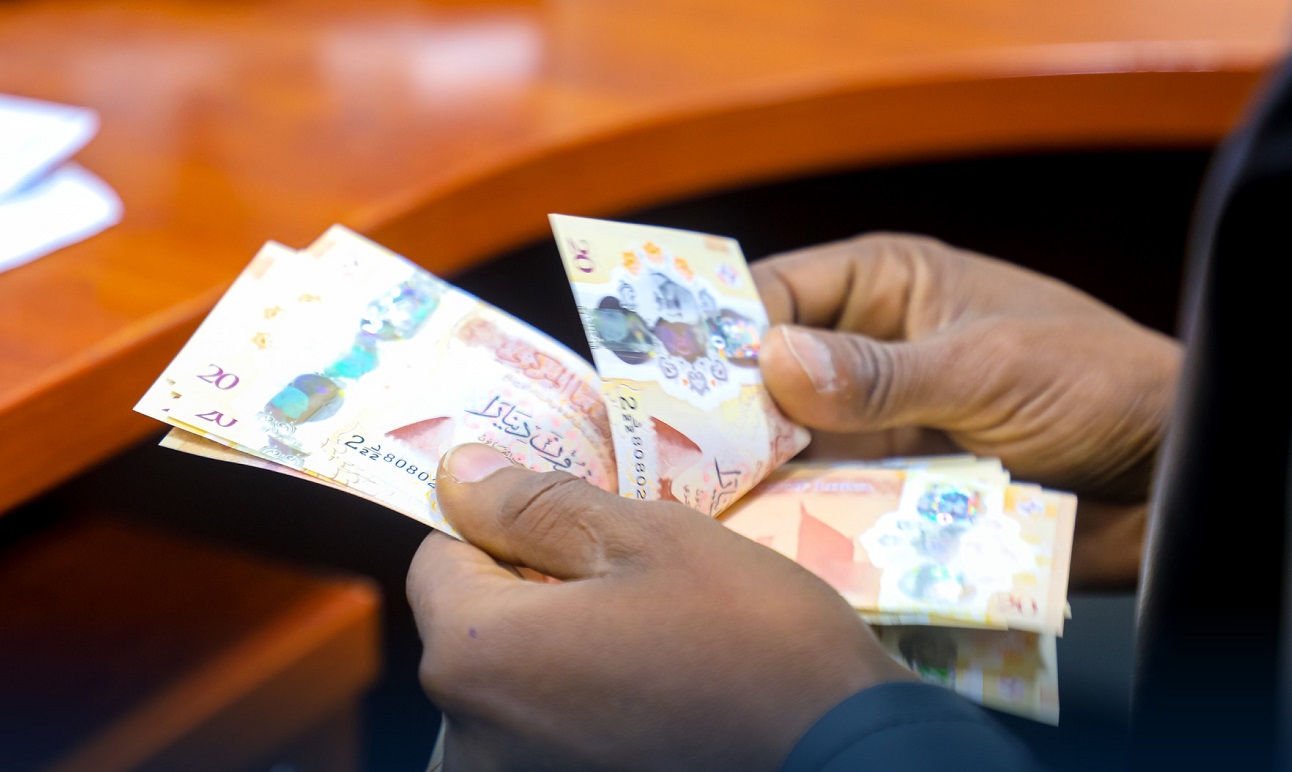
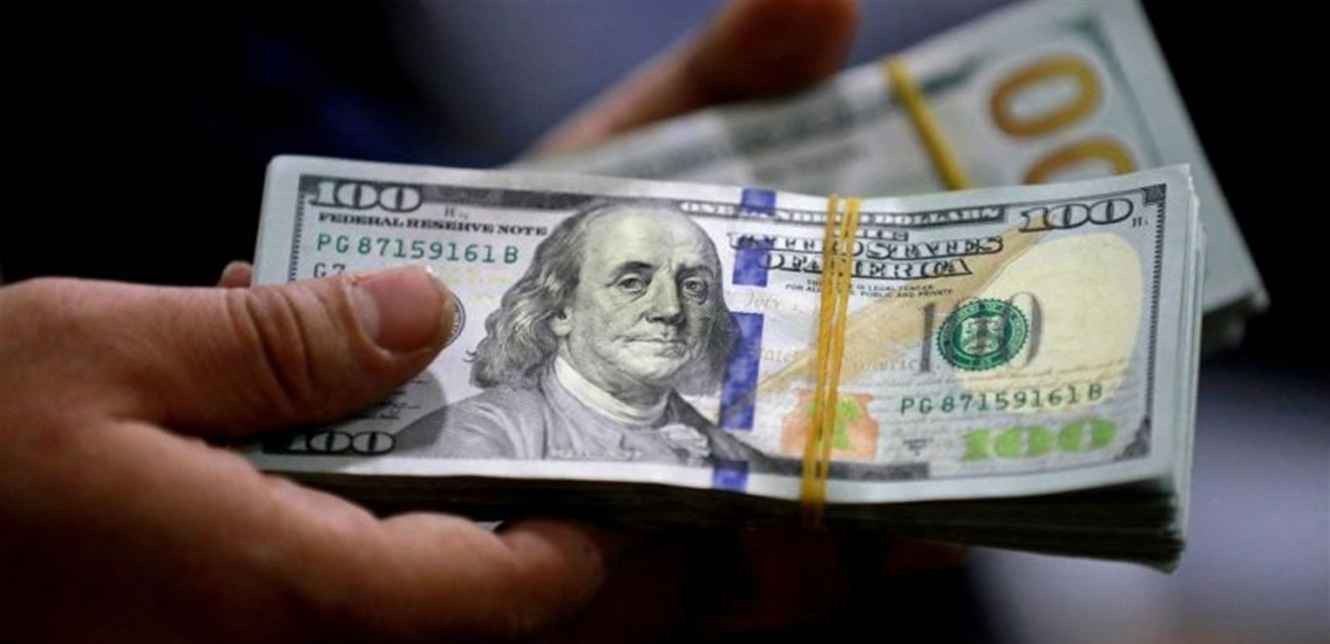
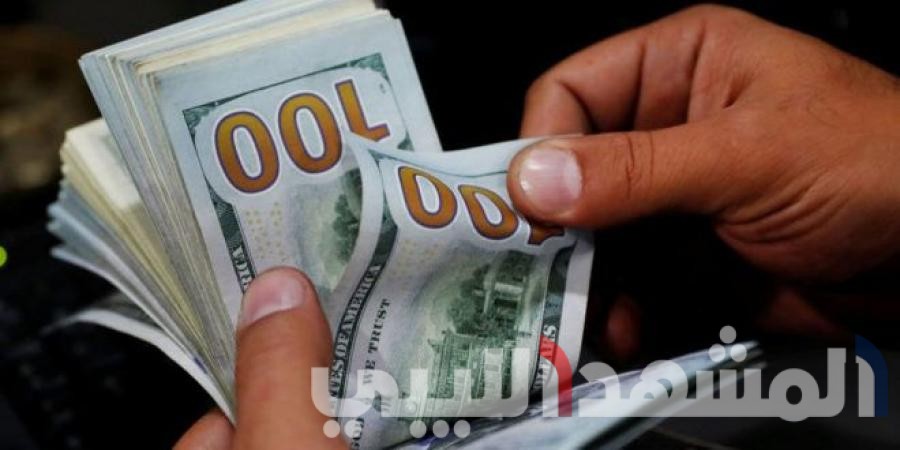
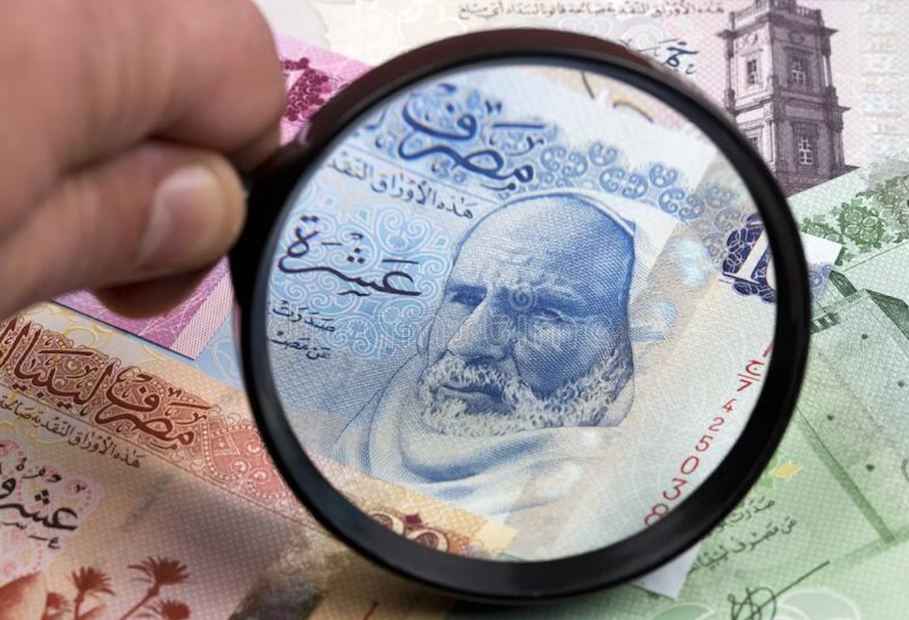
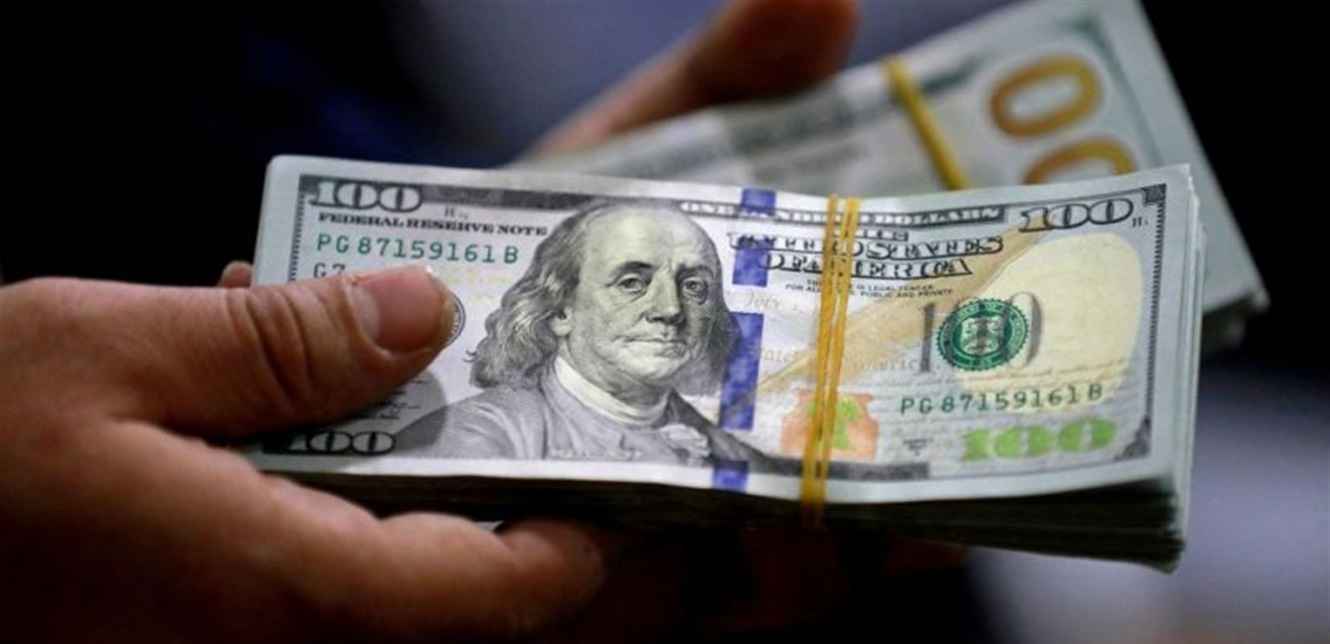
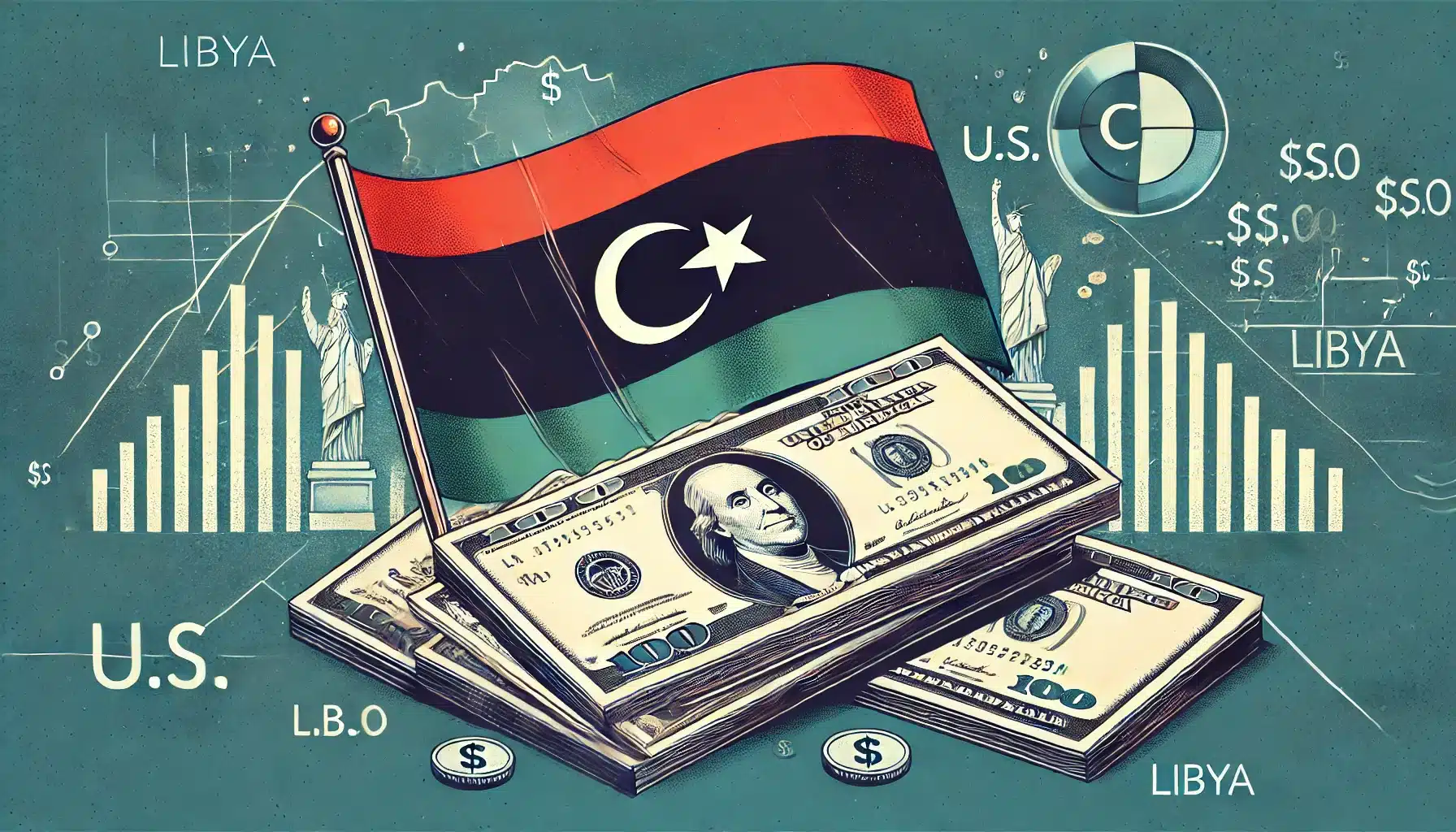
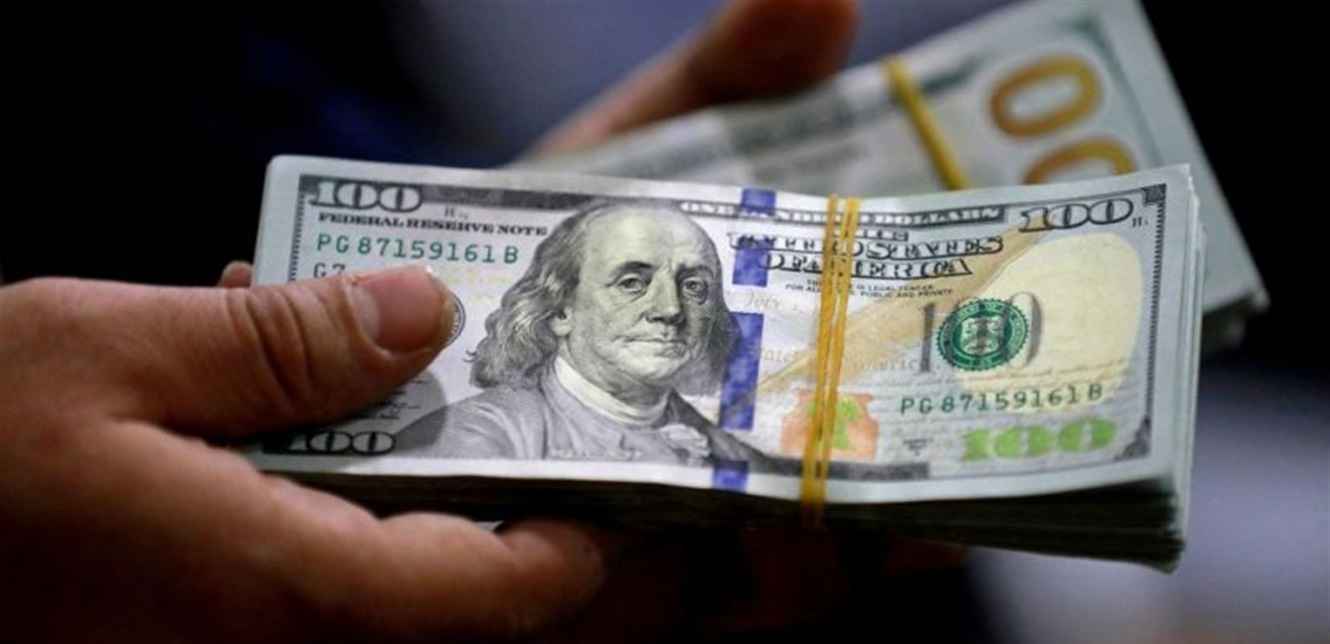
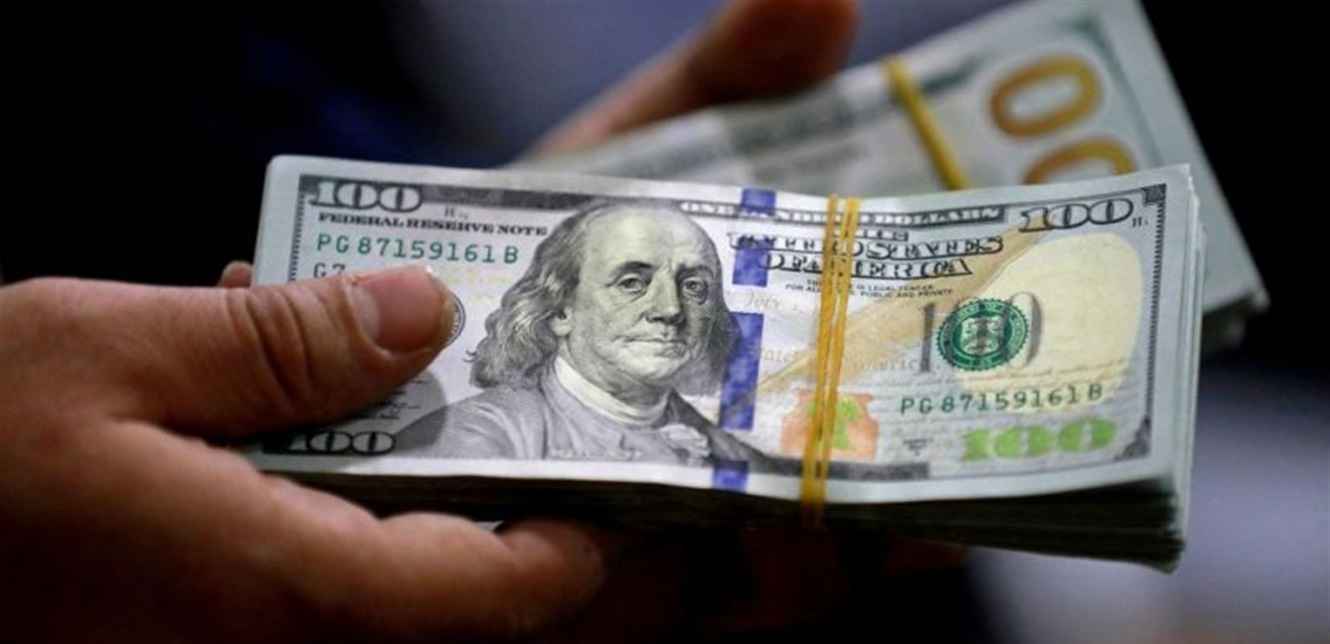
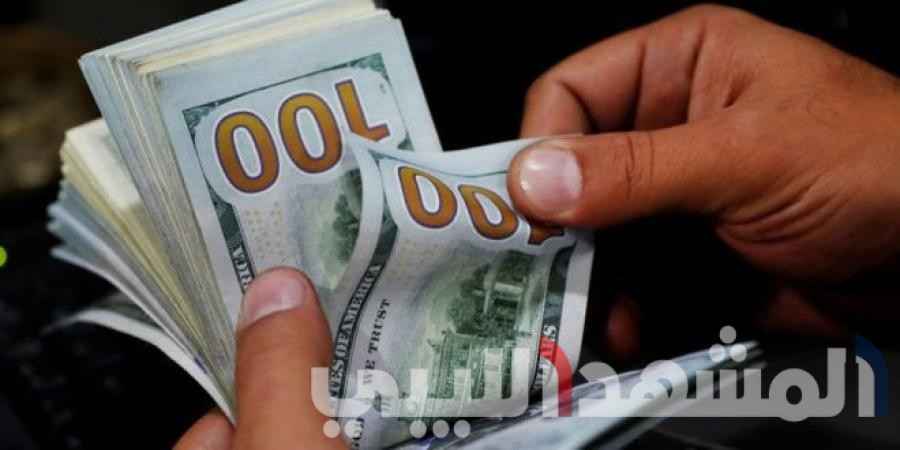
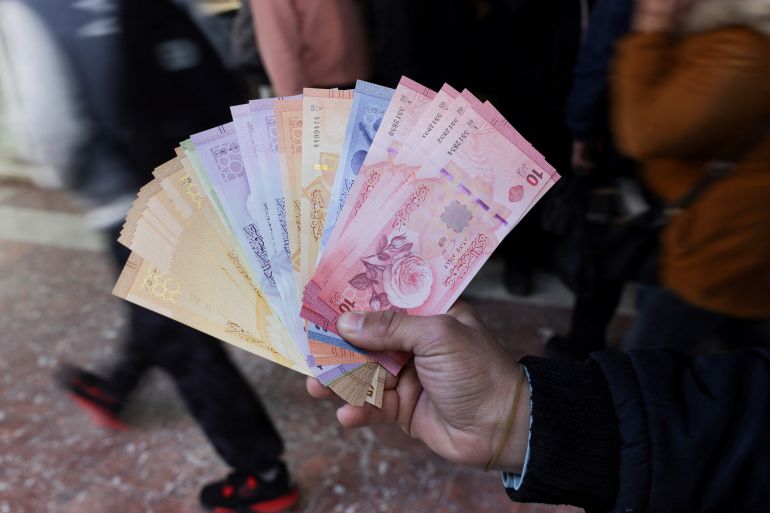
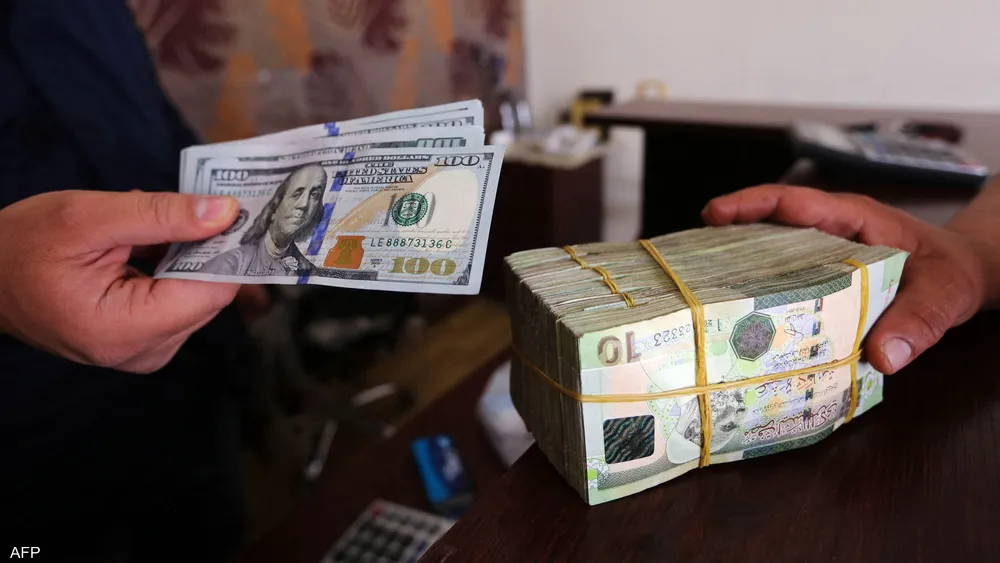
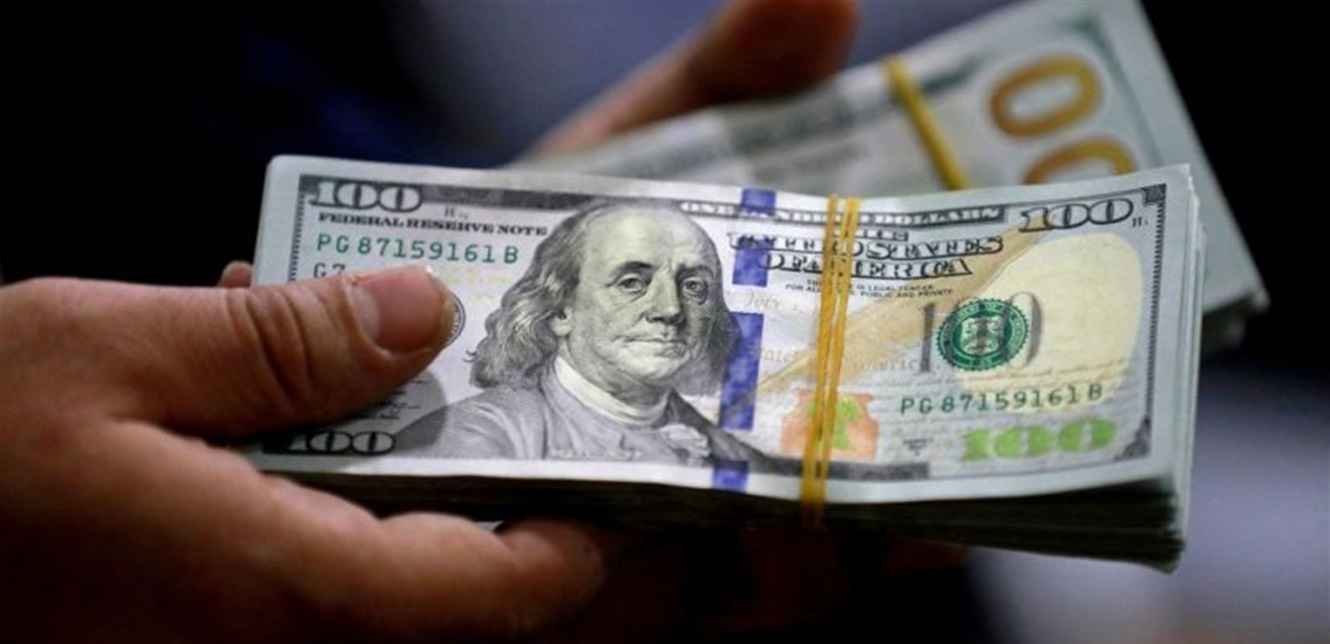
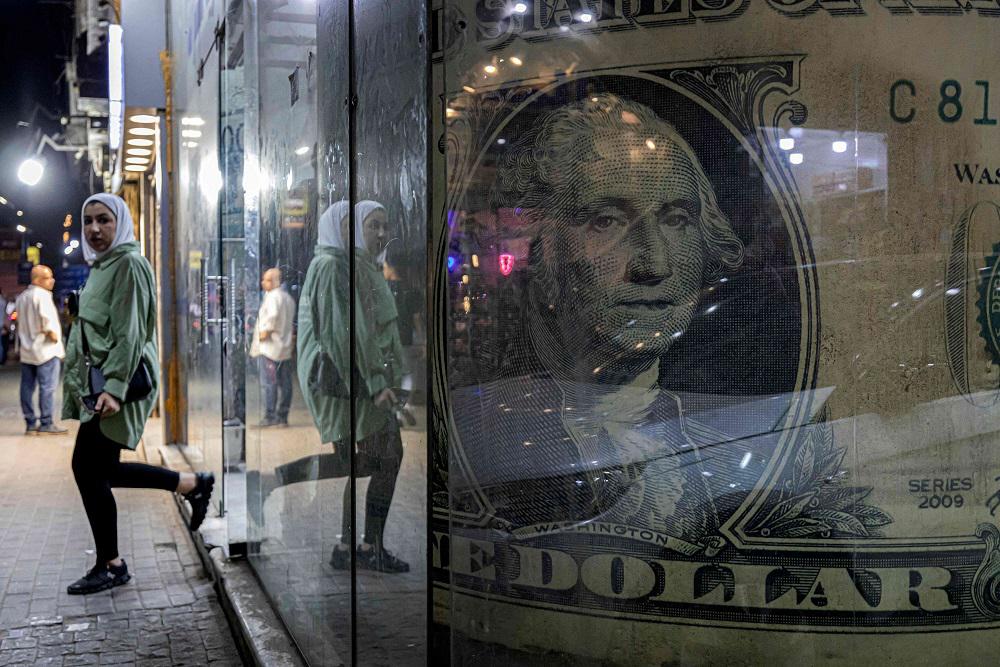
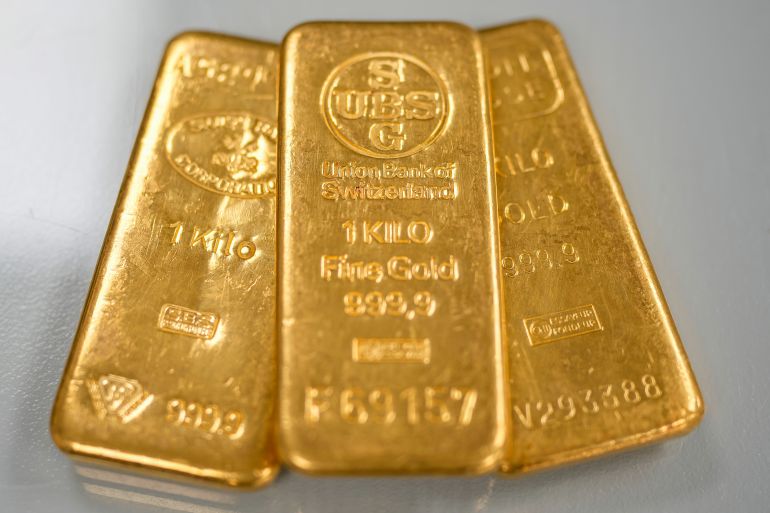
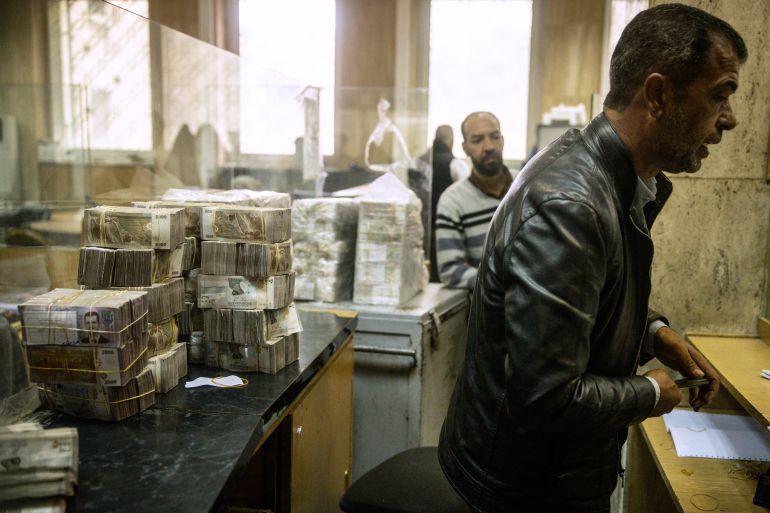
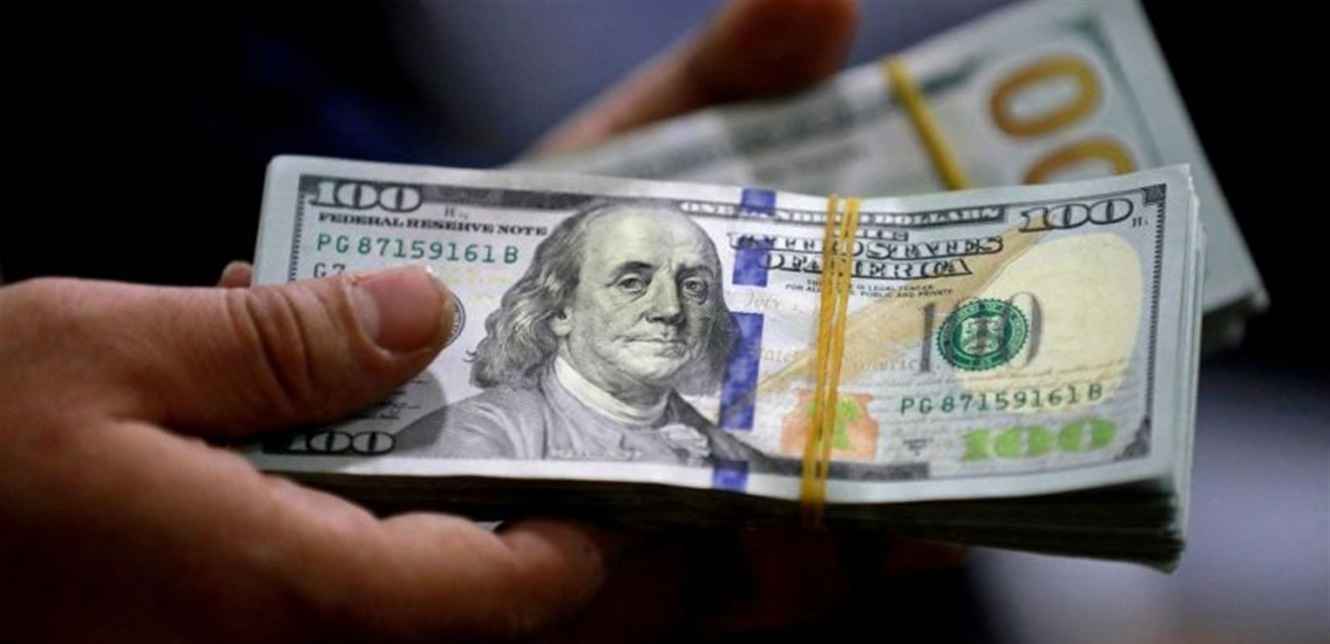
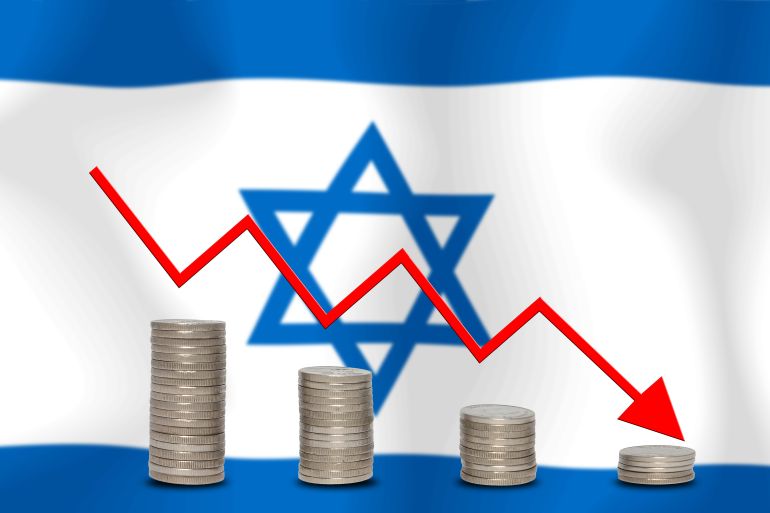
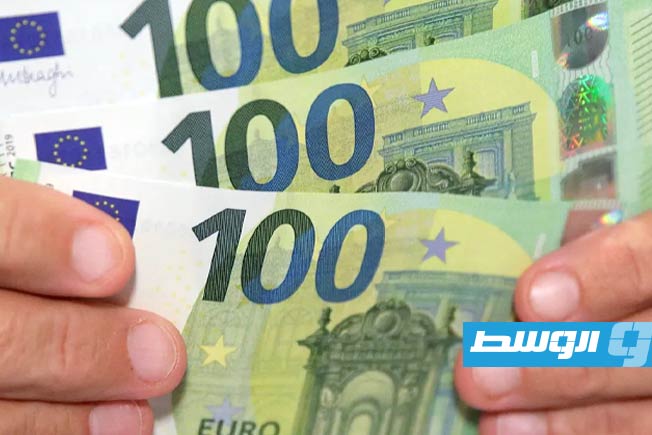
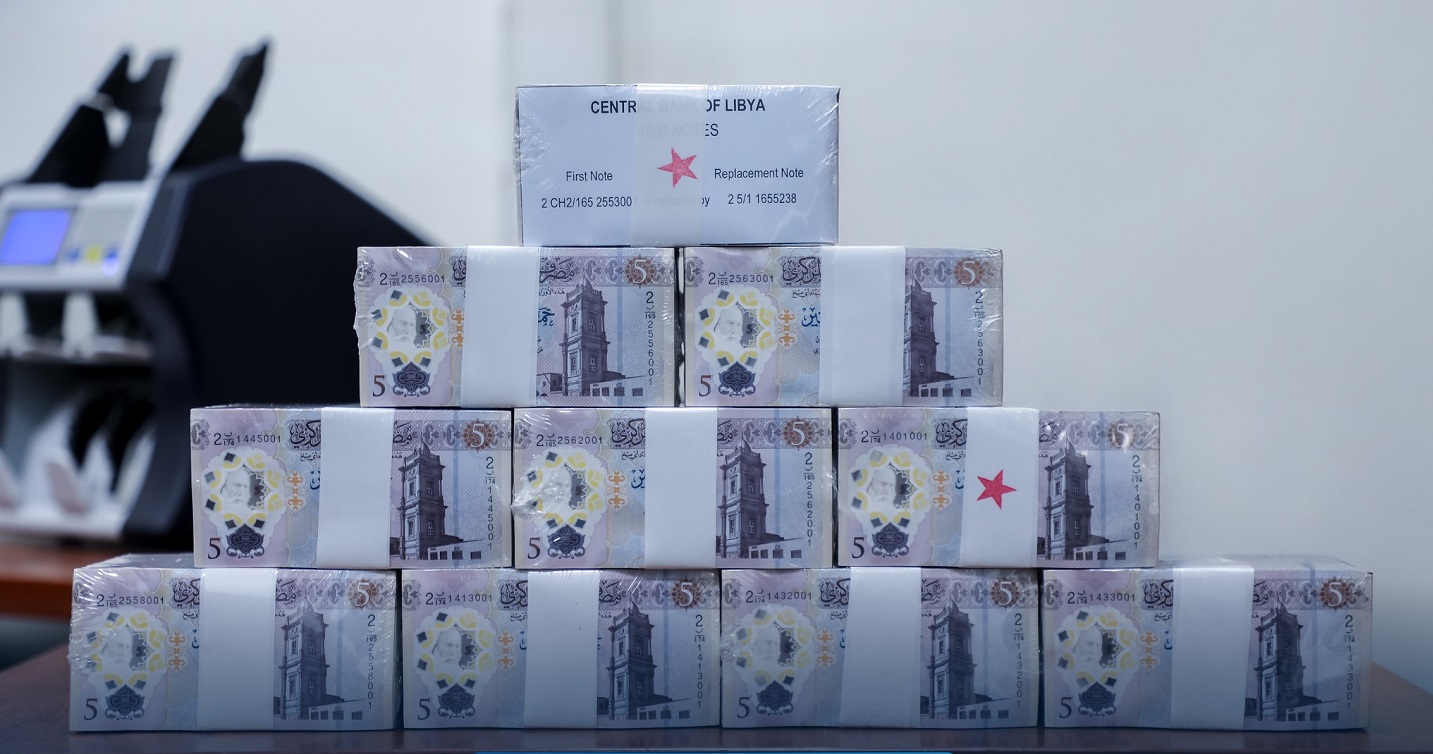
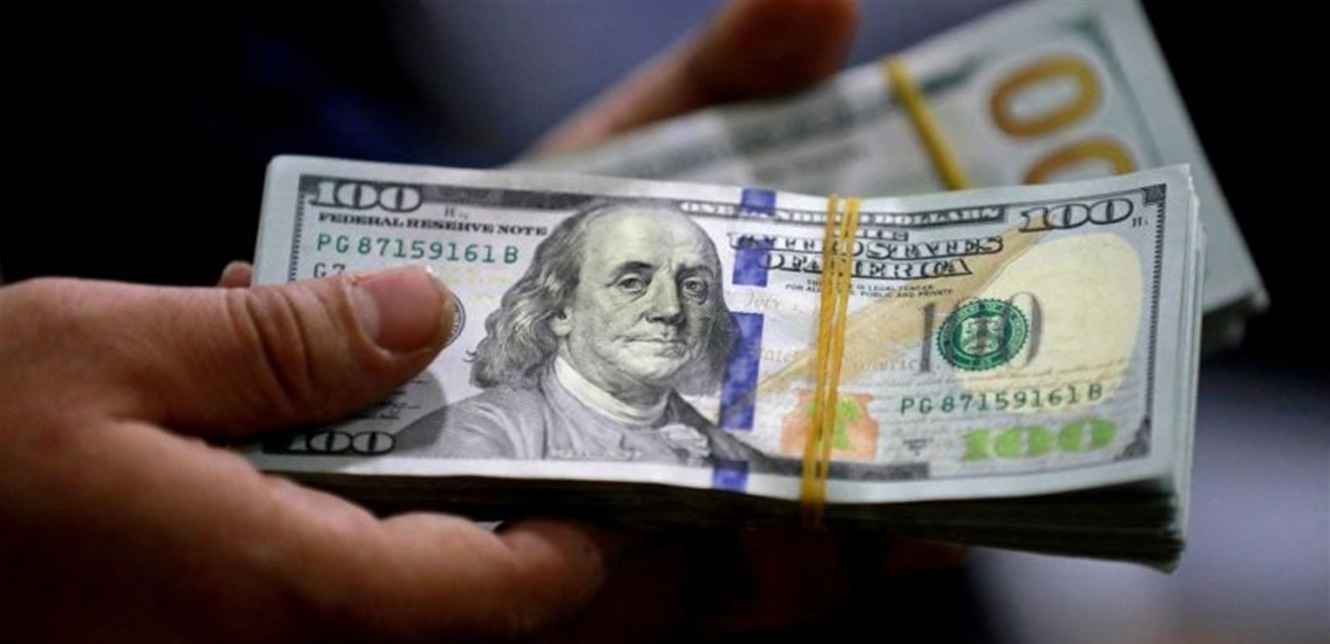
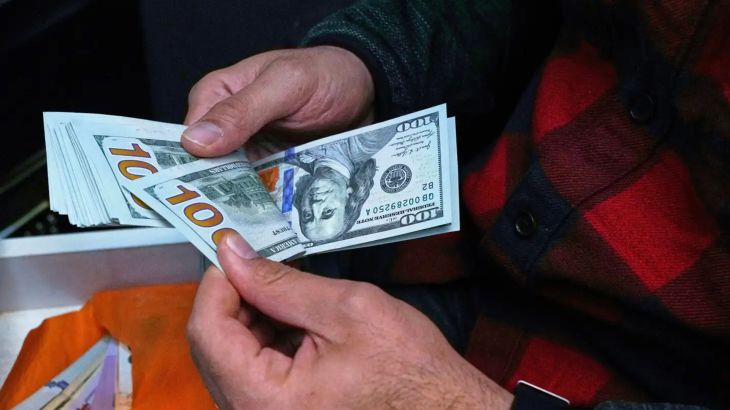
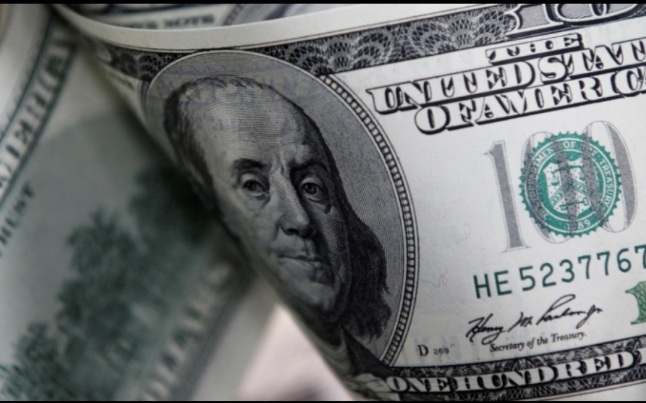
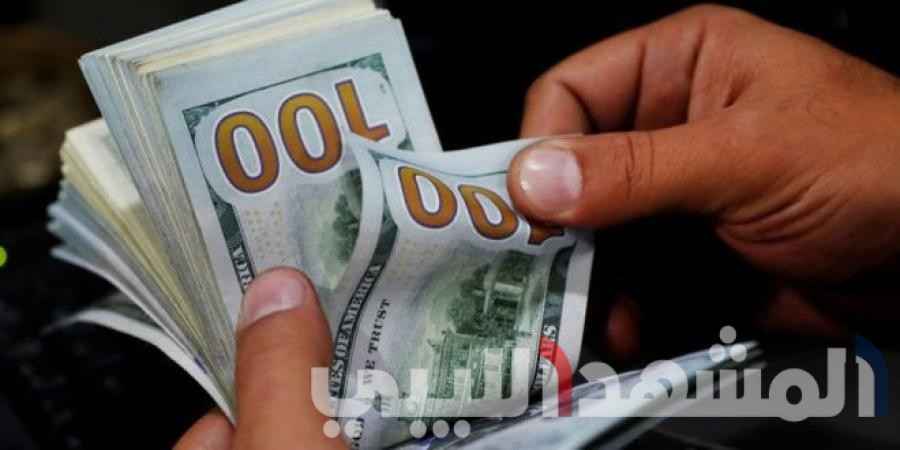
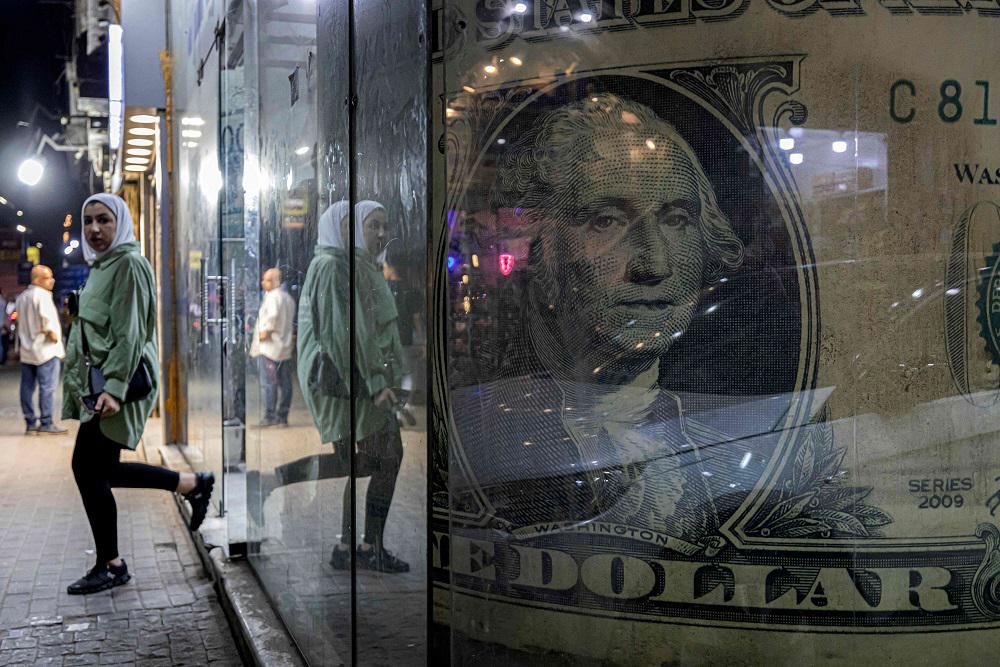
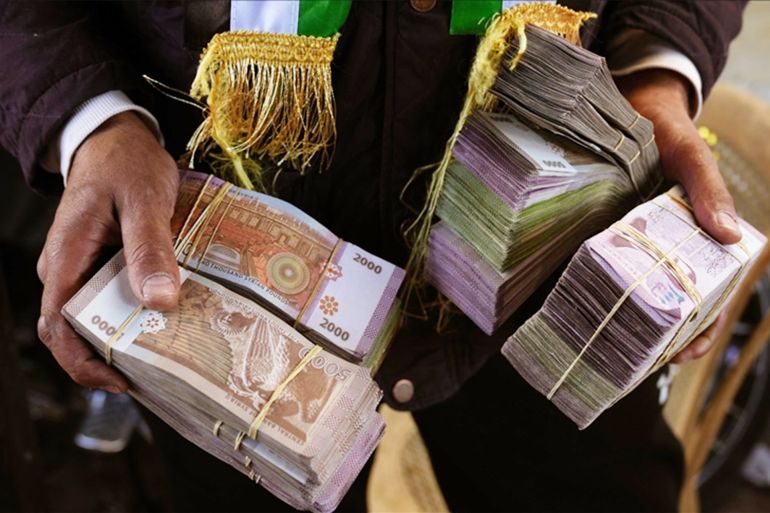
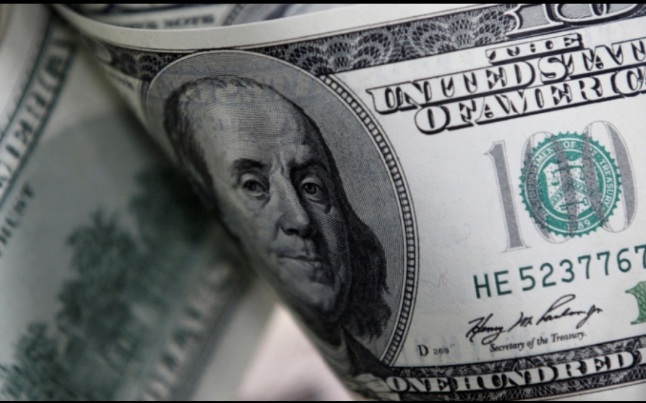
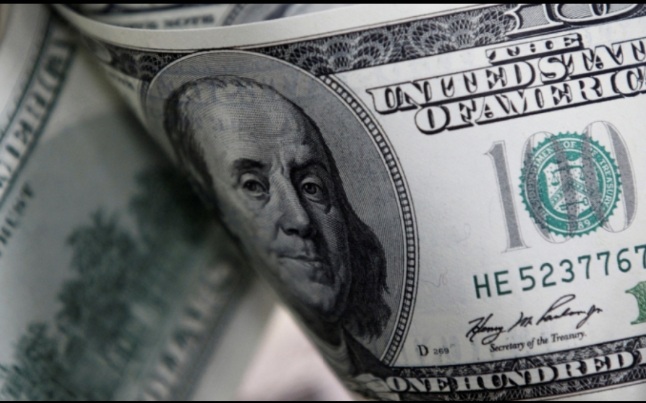
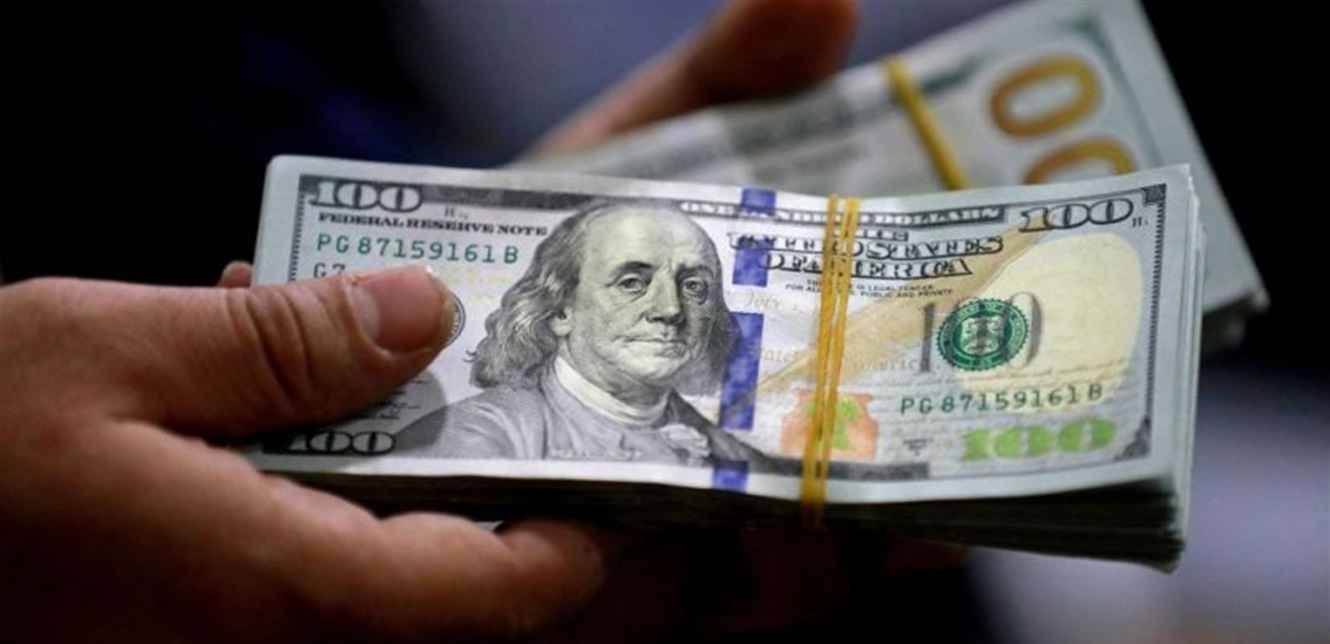
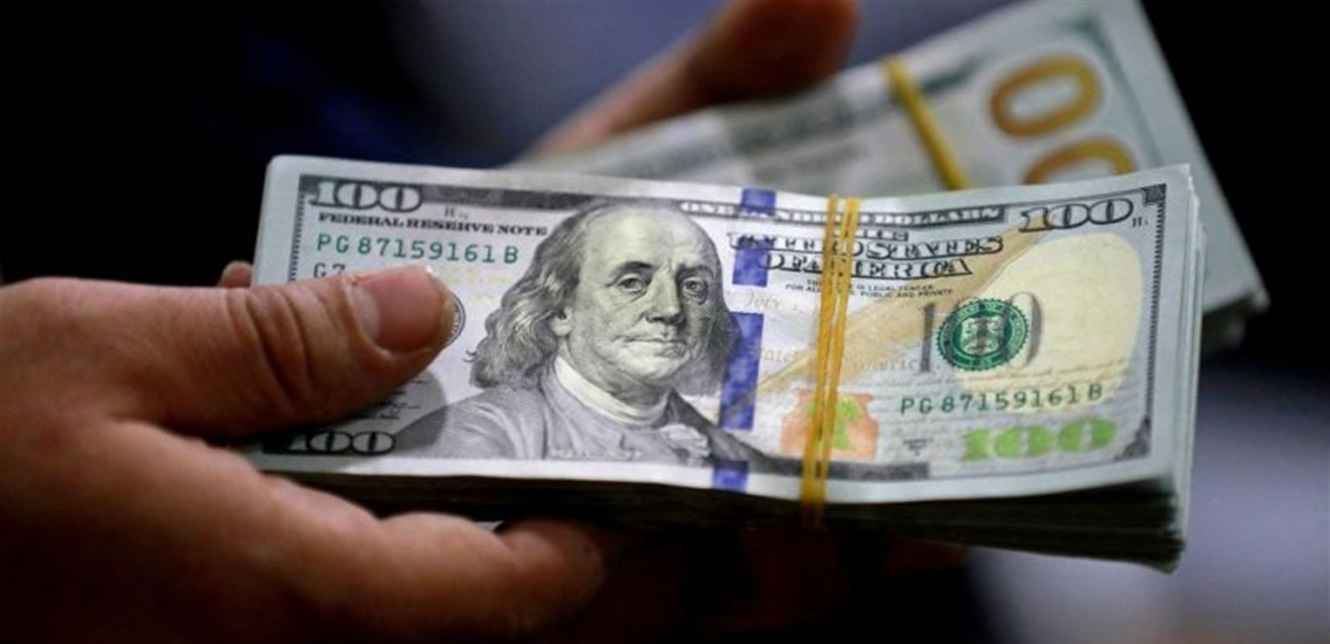
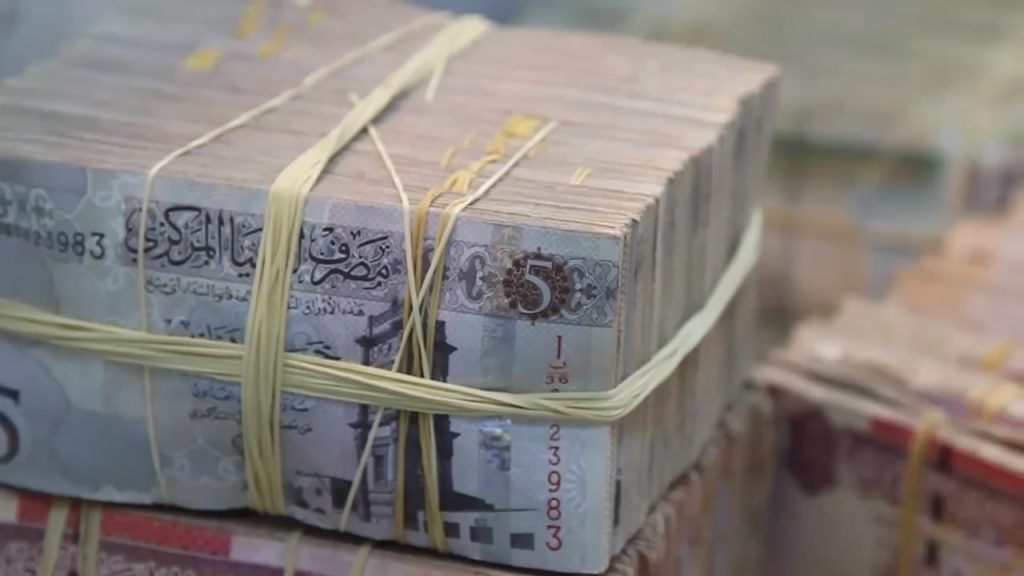
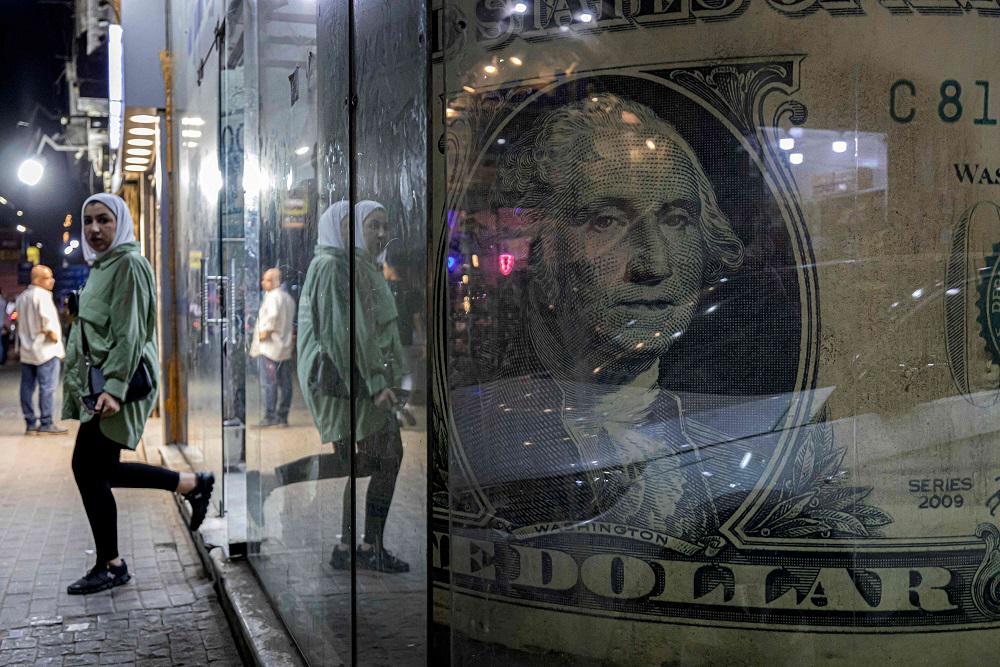
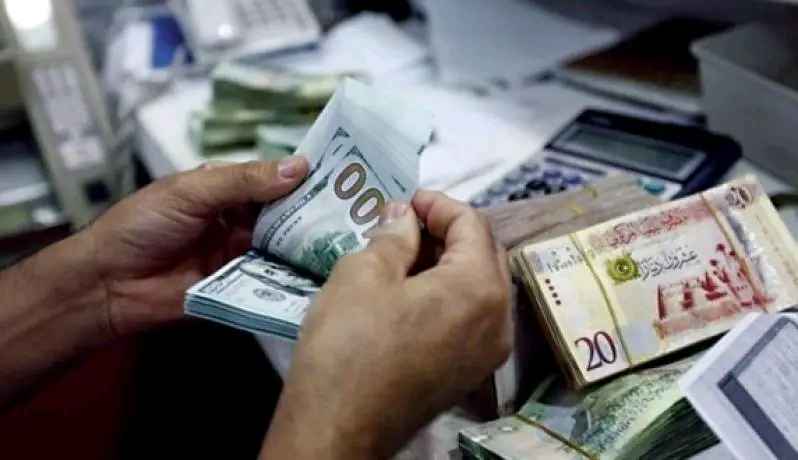
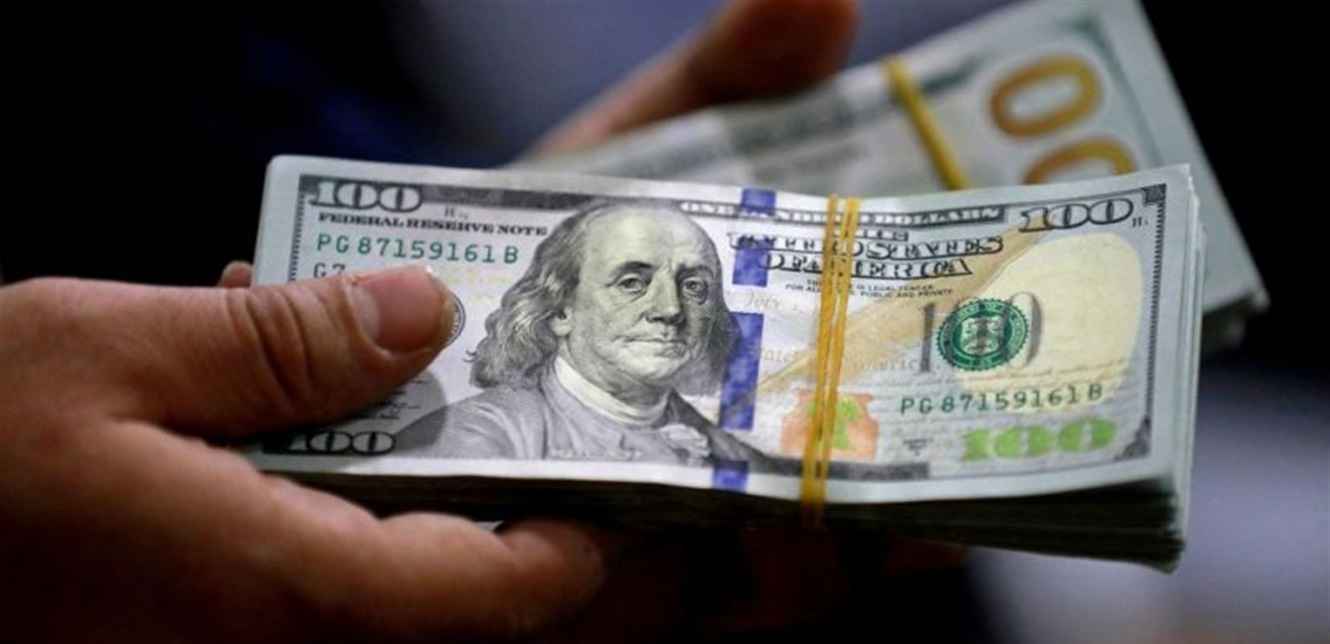
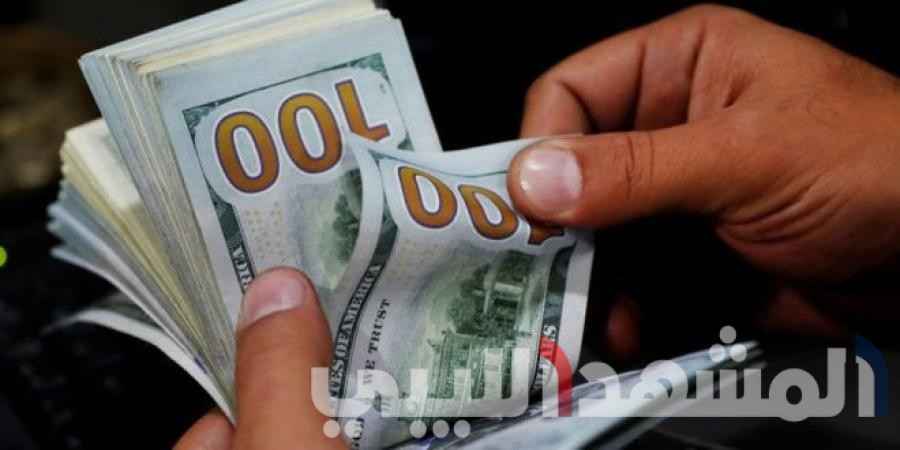
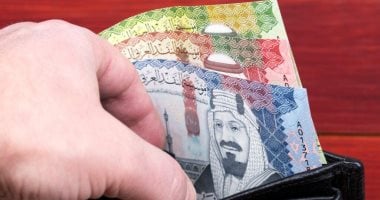
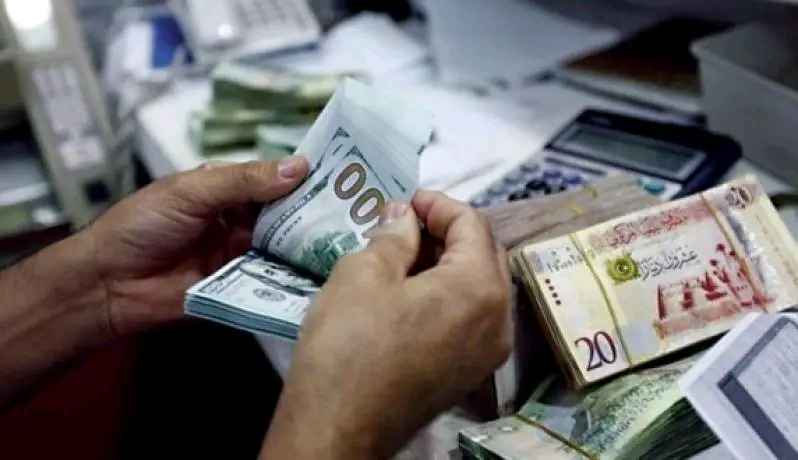
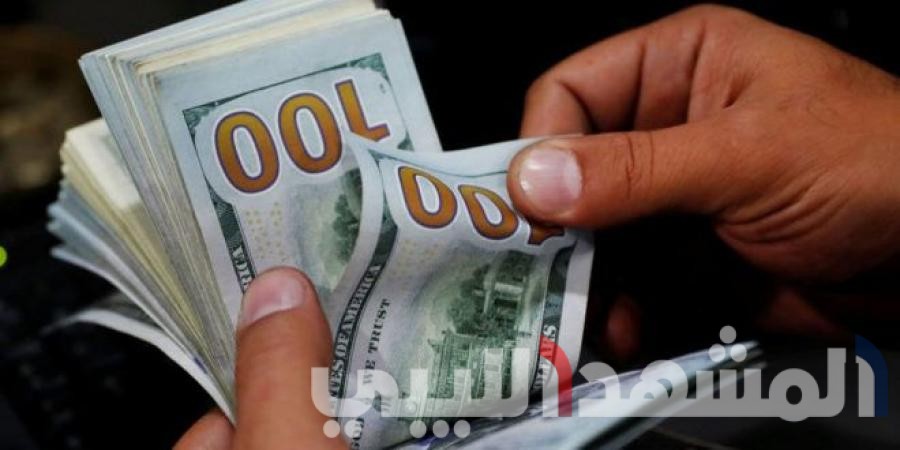
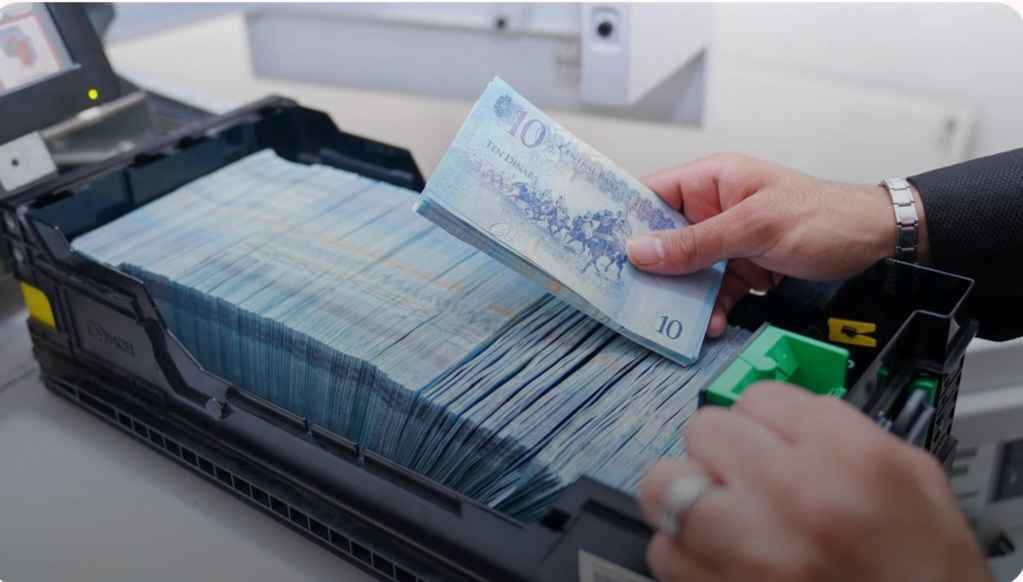
This decline in tourist and commercial activity coincided with an unprecedented collapse in the value of the Iranian currency, which plummeted to a record low of approximately 1.53 million rials per US dollar in the last week of January, according to reports.
By comparison, the exchange rate for the Iranian rial hovered around 55,000 rials per dollar in 2018, when the US administration reimposed sanctions on Tehran, as part of a policy aimed at restricting its oil exports and reducing its ability to obtain foreign currency.
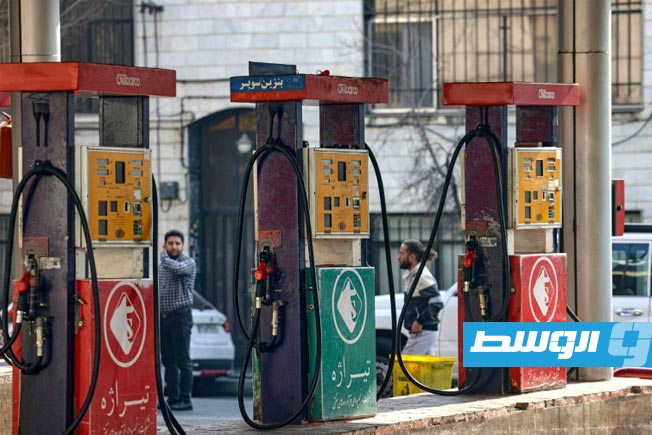
The deterioration in the rial’s value has led to a widespread erosion of Iranians’ purchasing power and increased the cost of travel and spending abroad, especially in nearby destinations like eastern Turkey.
From Bustle to Stagnation
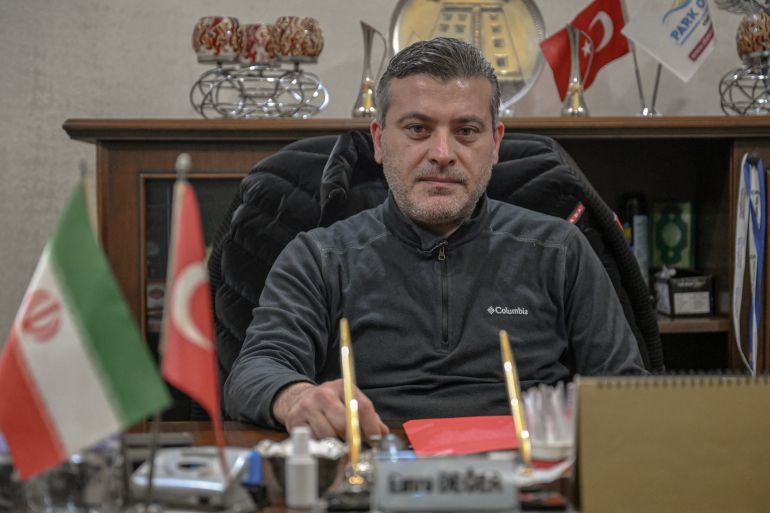
Workers in the tourism sector confirm that Iranians used to form the largest block of hotel guests in Van. In previous years, even during winter, occupancy rates hovered around 30%, while during Iranian holiday seasons, especially Nowruz on March 21st, high occupancy rates were recorded, according to the head of the Van Tourism Workers Association.
He adds that current data indicates a sharp decline, with most hotels in Van operating at no more than 10% of their capacity, while other establishments have temporarily closed their doors.
Workers attribute this to the Iranian rial losing a large part of its value, making the costs of accommodation, food, and transportation in Van high compared to the income of an Iranian visitor.
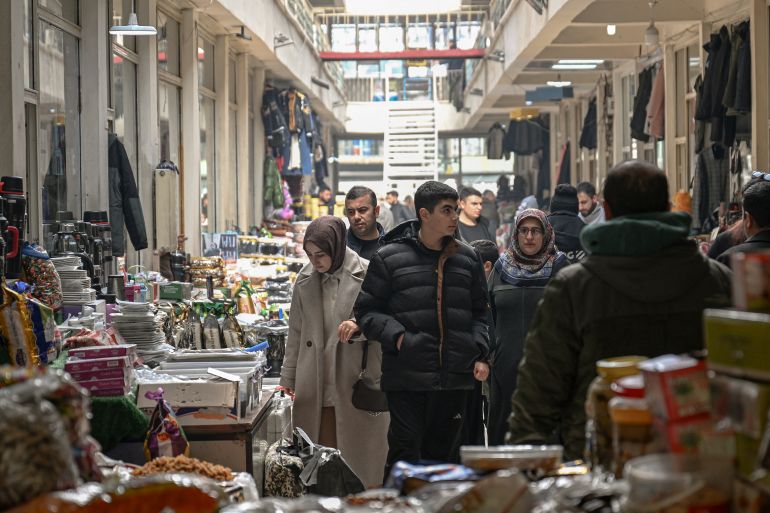
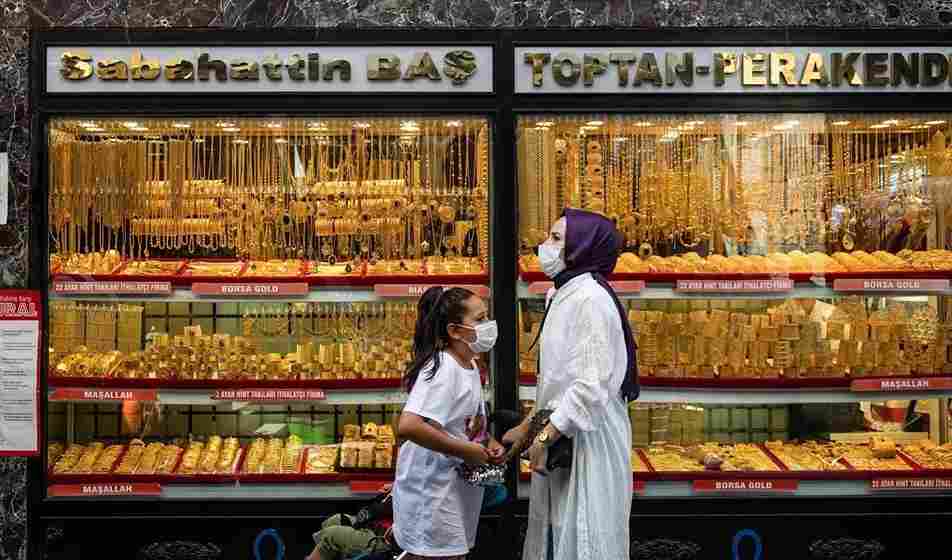
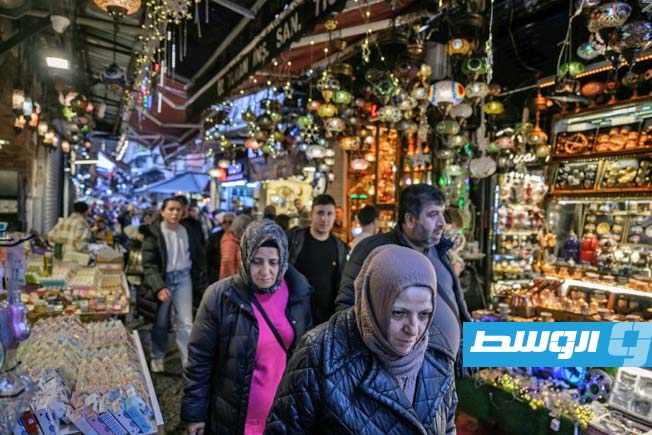
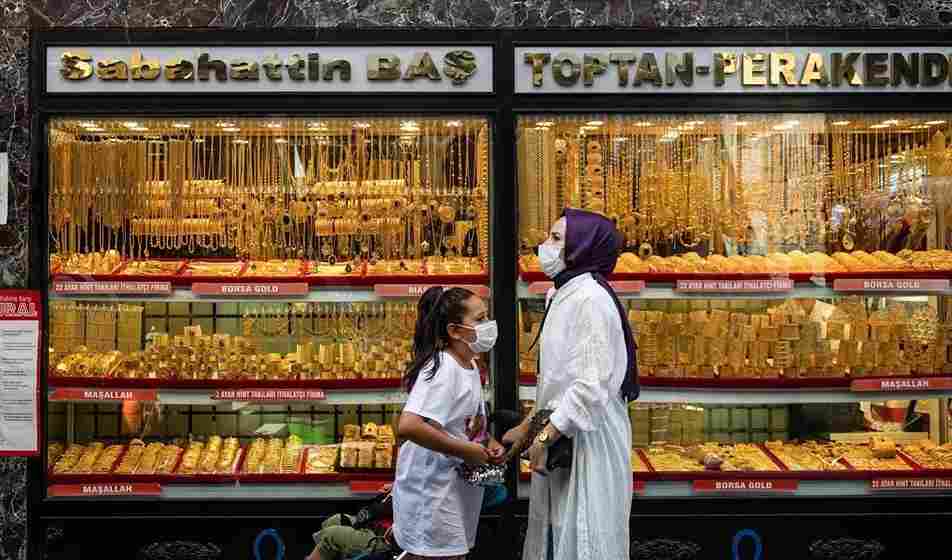
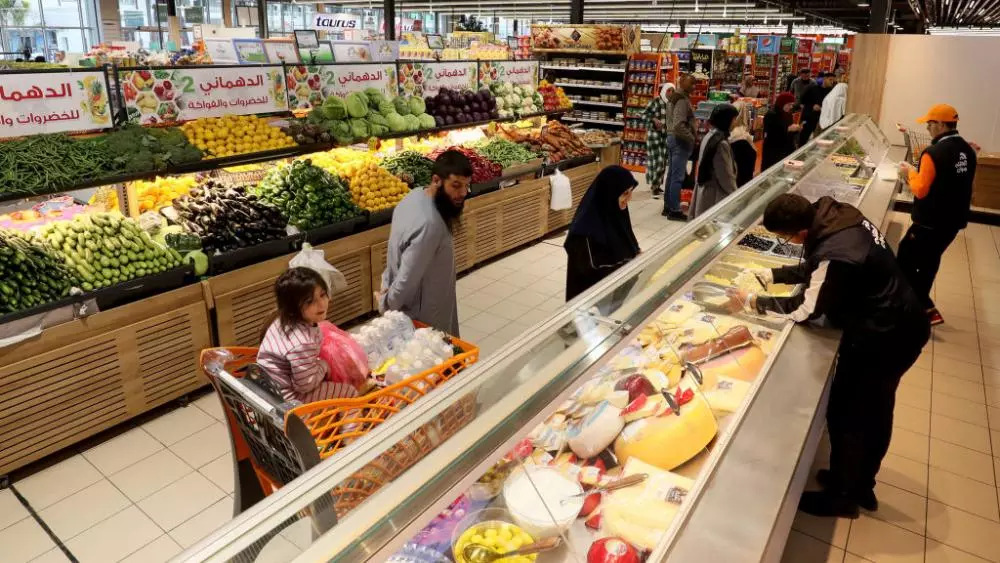
This decline has also been reflected in retail trade, especially clothing stores, which used to benefit from Iranian spending, where visitors previously filled entire suitcases with purchases. Today, merchants’ accounts indicate an almost complete halt in demand, with visitors tending to reduce spending or limit themselves to basic necessities.
Testimonies from Iranians crossing the border for work or temporary residence highlight this, with individual accounts indicating that amounts sufficient
Iran
Iran, historically known as Persia, is home to one of the world’s oldest continuous civilizations, with a rich cultural history spanning thousands of years. It features numerous UNESCO World Heritage sites, including the ancient ruins of Persepolis, the magnificent architecture of Isfahan’s Naqsh-e Jahan Square, and the sophisticated engineering of its historic Persian gardens and qanats.
Turkey
Turkey is a transcontinental nation bridging Europe and Asia, with a rich history rooted in the ancient civilizations of Anatolia and later as the heart of the Byzantine and Ottoman Empires. Its modern identity was forged in 1923 as the Republic of Turkey under Mustafa Kemal Atatürk. The country is renowned for its diverse cultural heritage, featuring iconic sites like Hagia Sophia, the ruins of Ephesus, and the unique landscapes of Cappadocia.
Van
Van is a historic city in eastern Turkey, best known for its ancient fortress and location on the shores of Lake Van. The area was the center of the Urartian Kingdom from the 9th to 6th centuries BCE, and the rock-cut Van Fortress remains a prominent relic of that era. The city also holds significance for its Armenian heritage and the medieval Armenian Church of the Holy Cross on Akdamar Island.
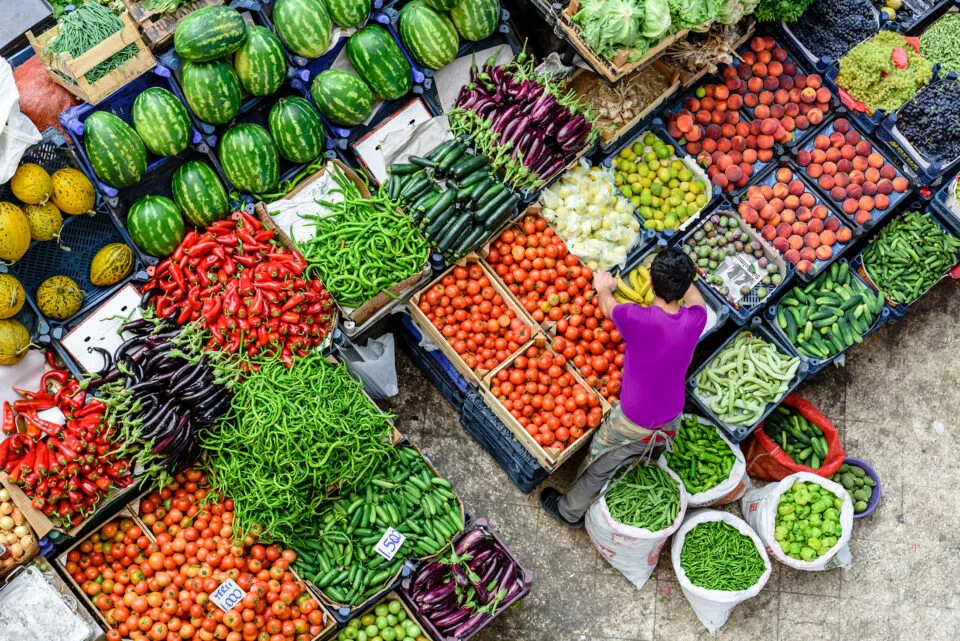
Iranian market
The Iranian market, or bazaar, is a traditional marketplace that has historically served as the economic and social heart of cities across Iran, with some structures dating back centuries. These covered complexes of interconnected lanes house shops, caravanserais, and workshops, and were pivotal nodes along ancient trade routes like the Silk Road. They remain vibrant centers of commerce and craftsmanship, reflecting Iran’s rich cultural and mercantile heritage.
Van province
Van is a historic province in eastern Turkey, best known for its ancient capital Tushpa, the center of the Urartu Kingdom from the 9th to 6th centuries BCE. The region is famed for the iconic Van Fortress on the shores of Lake Van and the mysterious Armenian Akdamar Church on Akdamar Island. It has a complex history of successive Armenian, Seljuk, Ottoman, and modern Turkish rule.
Kapikoy crossing
Kapikoy Crossing is a remote mountain pass located in the Hakkari province of southeastern Turkey, historically used as a vital trade and migration route through the rugged terrain of the region. Its history is deeply intertwined with the movements of various peoples and empires, including the Assyrians, Urartians, and Ottomans, who traversed this challenging landscape.
Van lake
Lake Van is a large saline soda lake located in eastern Turkey, near the border with Iran. It is believed to have formed from a volcanic eruption blocking its outlet over 600,000 years ago, and its shores hold significant historical sites, including the ancient Urartian fortress of Van and the Armenian Cathedral of the Holy Cross on Akdamar Island.
US
The United States is a federal republic founded in 1776 after declaring independence from Great Britain. Its history is marked by westward expansion, a civil war over slavery, and its emergence as a global superpower in the 20th century.
Tehran
Tehran is the capital and largest city of Iran, officially becoming the national capital in 1796 under the Qajar dynasty. It serves as the country’s political, economic, and cultural center, home to significant modern landmarks and historical sites like the Golestan Palace, a UNESCO World Heritage site from the 19th century.
Van Tourism Professionals Association
The Van Tourism Professionals Association is a regional organization in Turkey’s Van province, focused on developing and promoting local tourism. It brings together industry stakeholders to enhance services and highlight regional attractions, including the historical Lake Van and the ancient Armenian site of Akdamar Island.
Nowruz
Nowruz is the Persian New Year, an ancient festival marking the spring equinox and the beginning of the year in the Iranian solar calendar. With roots in Zoroastrianism dating back over 3,000 years, it symbolizes renewal and is celebrated by diverse communities across Western and Central Asia. The holiday involves rituals like the Haft-Seen table and is recognized by UNESCO as an Intangible Cultural Heritage of Humanity.
Van Tourism Workers Association
The Van Tourism Workers Association is a professional organization in Turkey’s Van province, focused on supporting and developing the local tourism sector. It brings together guides, hoteliers, and other industry professionals to promote the region’s historical and natural attractions, such as Lake Van and the ancient Armenian site of Akdamar Island.