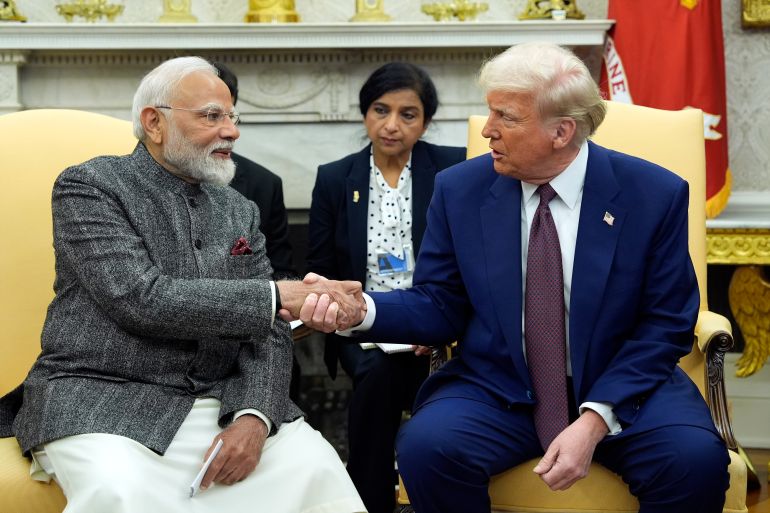
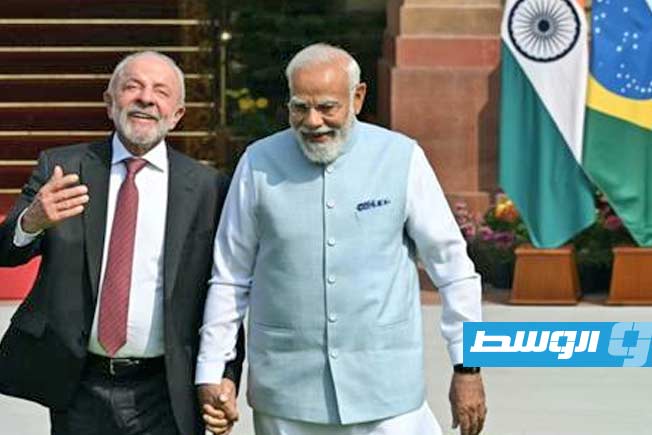
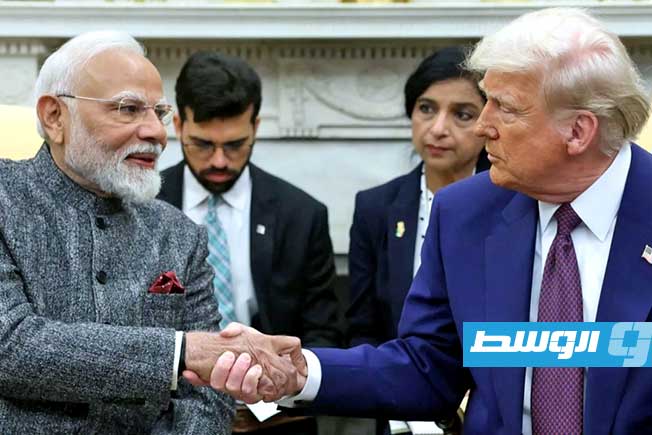
India and the United States are close to reaching a trade agreement and have announced an interim framework that would reduce tariffs, reshape energy relations, and enhance economic cooperation. This comes just one week after concluding a comprehensive trade deal with another major partner.
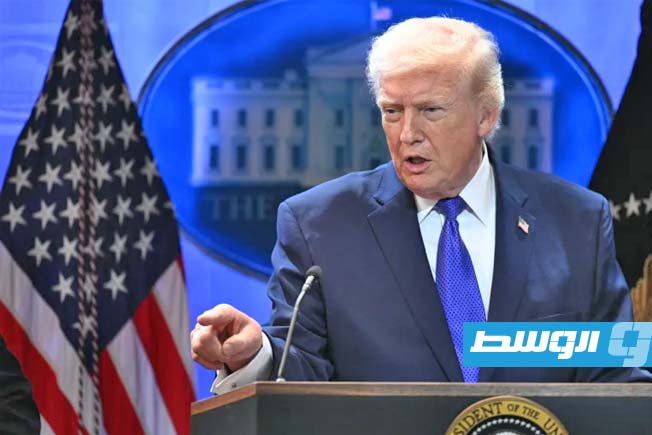
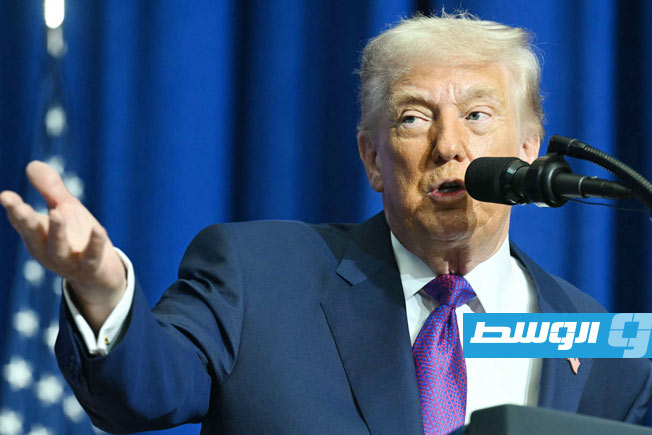
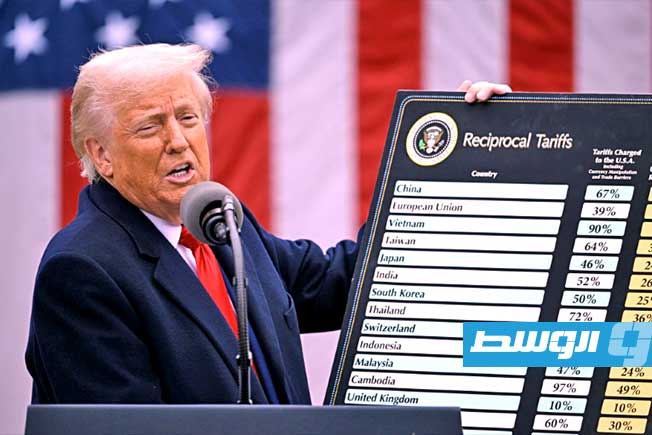
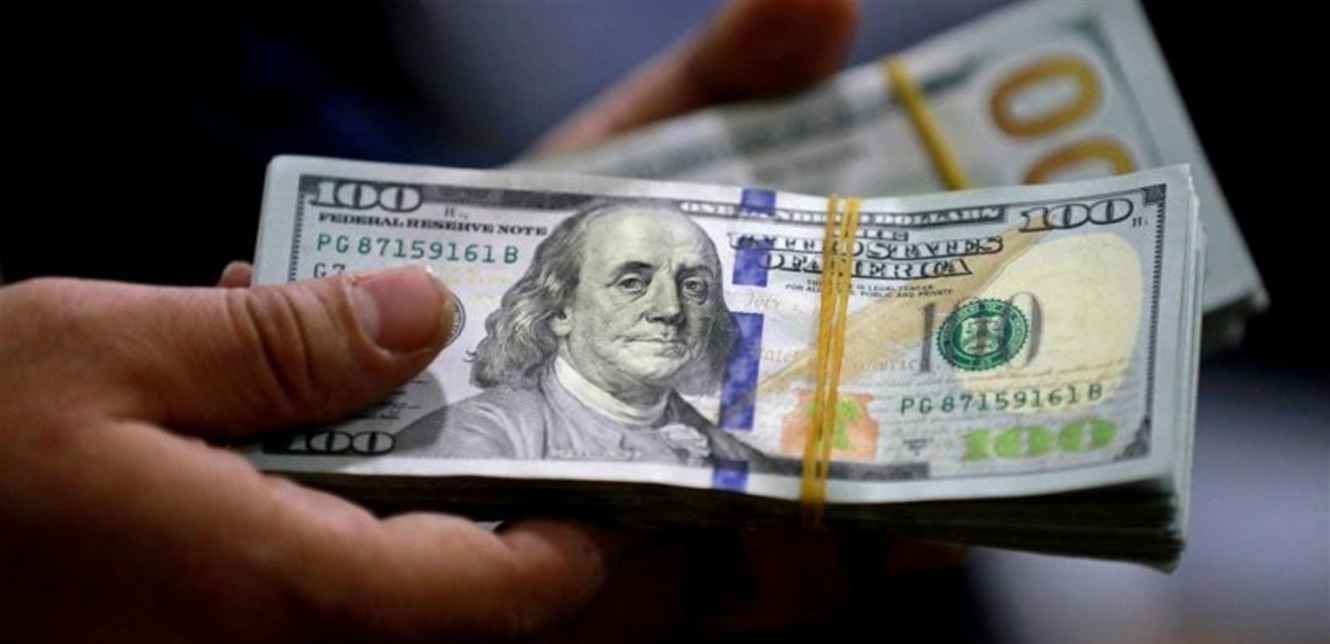
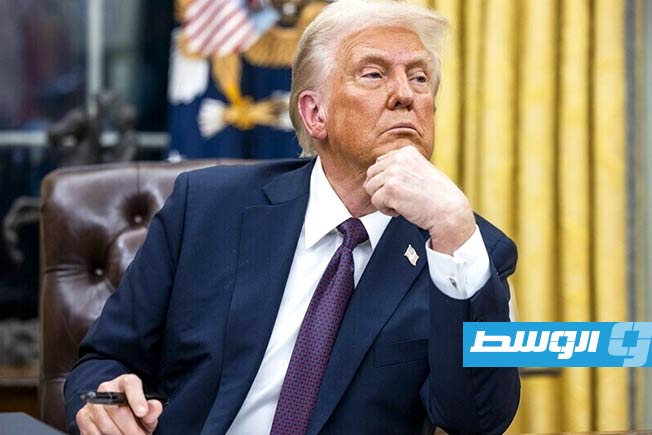
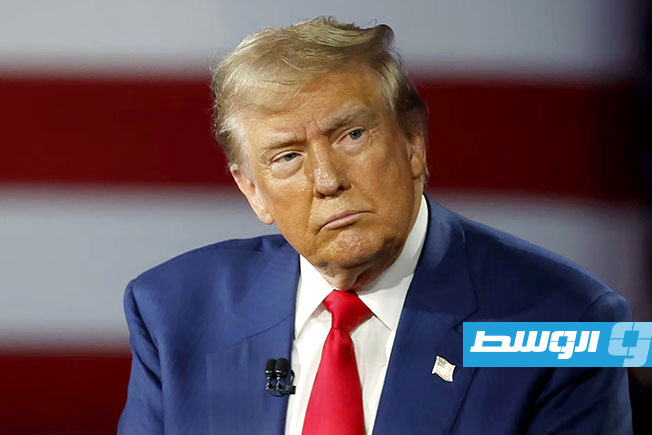
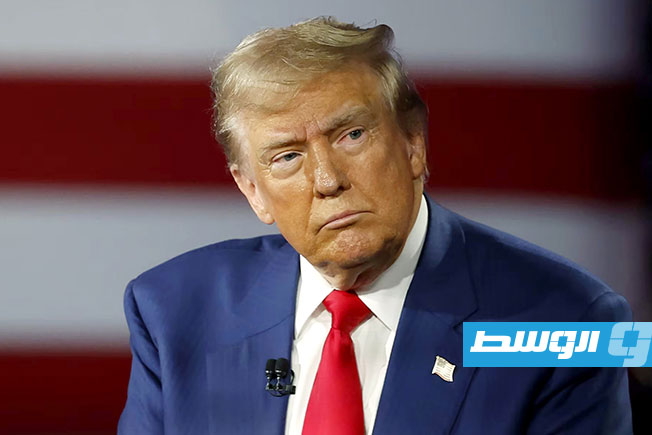
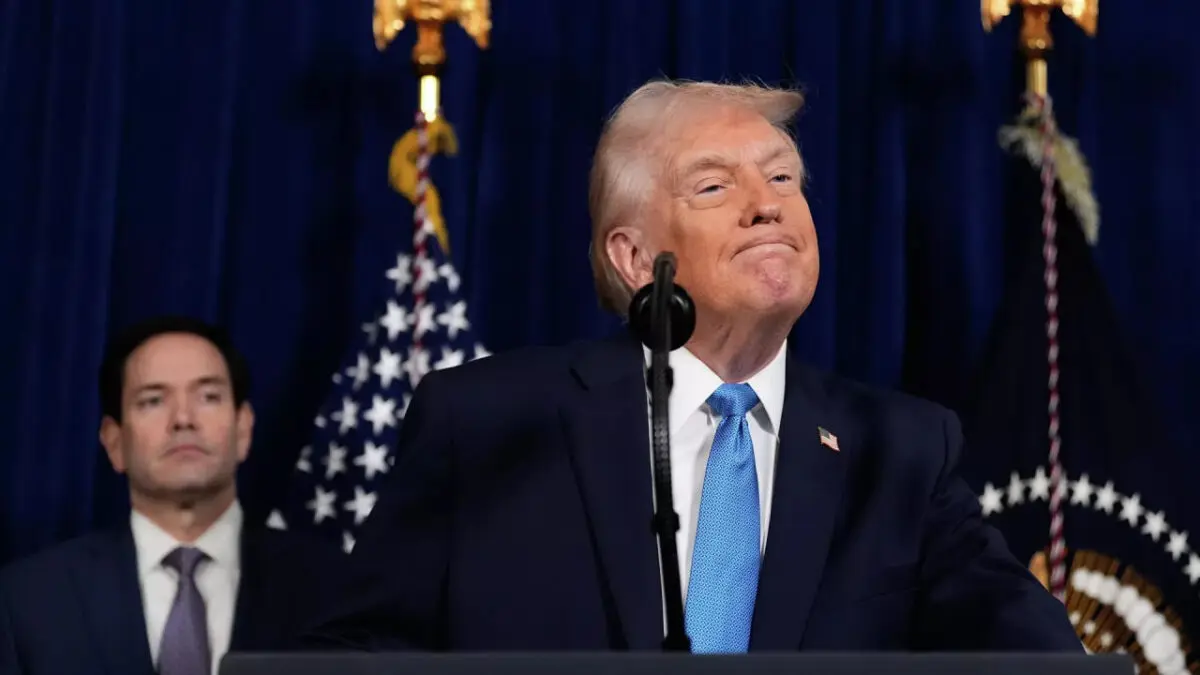
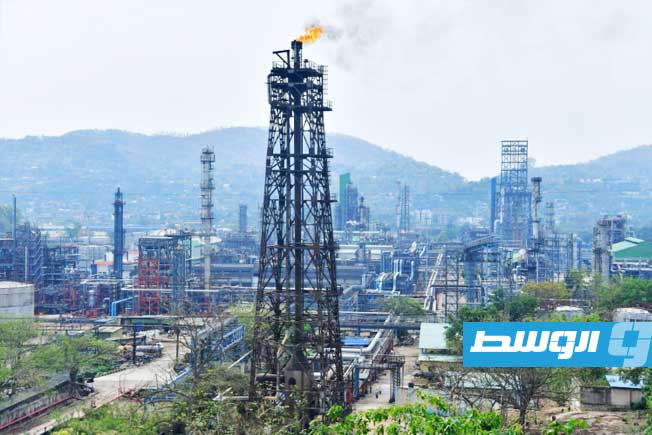
The US President announced the cancellation of an additional 25% tariff that had been imposed on Indian goods. This follows a provisional trade agreement between Washington and New Delhi, which includes India’s pledge to halt imports of Russian oil, expand purchases of American energy products, and strengthen defense cooperation between the two countries.
Analysts noted that the government’s move to scale back tariff exemption agreements with Europe and the United States represents a historic shift in the approach of one of the world’s most protectionist economies, which has zealously guarded its domestic markets since its founding in 1947.
One analyst stated: “These agreements will keep India facing tariff rates on manufactured goods that would have been unimaginable just two or three years ago.”
The $30 Trillion Market
As details of the US-India agreement emerged over the weekend, the opposition accused the Prime Minister of “surrendering” on agricultural tariffs and the pledge to stop buying Russian oil. However, the Commerce Minister said the deal “will open up a $30 trillion market for Indian exporters.”
The US agreement reflects two contradictory realities facing the government, both domestically and internationally. India now finds itself caught between a United States with volatile policies and a “hostile” neighbor, while simultaneously needing to boost its labor-intensive manufacturing sector to achieve export-led growth similar to other Asian nations.
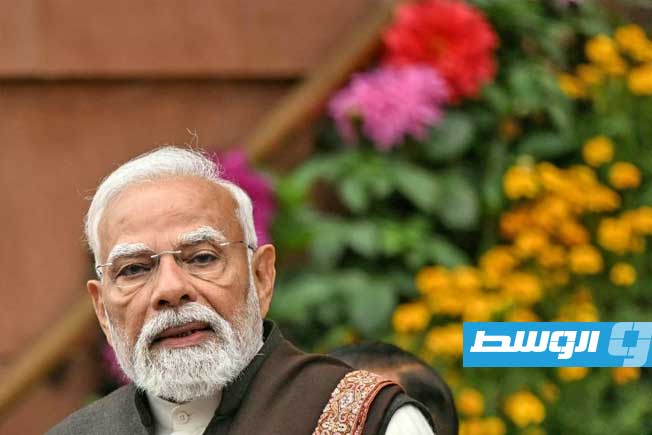
The Prime Minister has pursued an active trade agenda since taking office in 2014. However, the decision to raise tariffs on Indian exports to 50%, as punishment for continuing to purchase Russian oil, prompted a push for broader agreements over the past year.
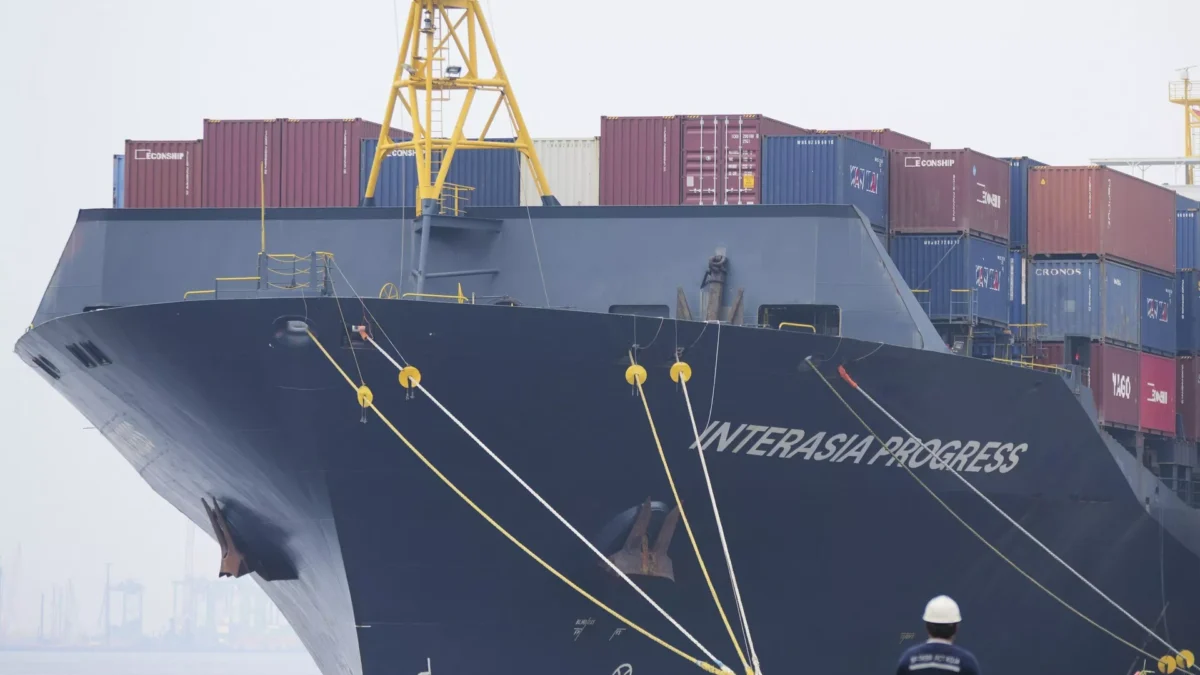
The agreements with the world’s two largest consumer markets follow smaller deals with the UAE and Australia in 2022, the European Free Trade Association in 2024, and another partner last year.
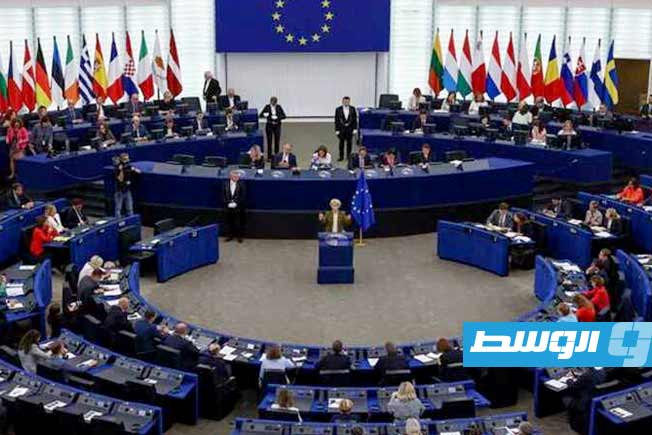
Under the agreements with the European Union and the United States, India will remain keen to protect its large and politically sensitive markets in the grains and dairy sectors, while allowing greater access than before for imported foodstuffs it relies on, such as apples and pulses.
India has also agreed to eliminate or reduce high tariffs on EU industrial products, including chemicals, cosmetics, and automobiles, which currently average over 16%. Some reductions will be phased in over 10 years.
Tariffs on EU cars will be gradually reduced from 110% to 10%, with an import quota set at 250,000 vehicles per year.
The Prime Minister has pledged to make the country a developed economy by 2047, a goal analysts warn will be difficult to achieve.
Significant Risks
One analyst said: “The risks are very high, as other growth strategies have not succeeded. India’s current share of global trade in labor-intensive manufactured goods is less than 2%. If it can reach 10%, that would be major progress.”
India’s industrial base received a strong boost last year with a political shift in the US. High American tariffs on Chinese goods prompted Apple to move a significant portion of iPhone manufacturing to factories run by Foxconn and Tata Electronics in southern India.
India’s cumulative iPhone exports surpassed $50 billion in December, having been zero in early 2022. This is a notable success in India’s belated efforts to become a leading industrial power in Asia.
In one of the biggest immediate gains for New Delhi, EU tariffs on Indian textiles—one of the sectors hardest hit by the American tariff system—are set to drop from over 10% to zero.
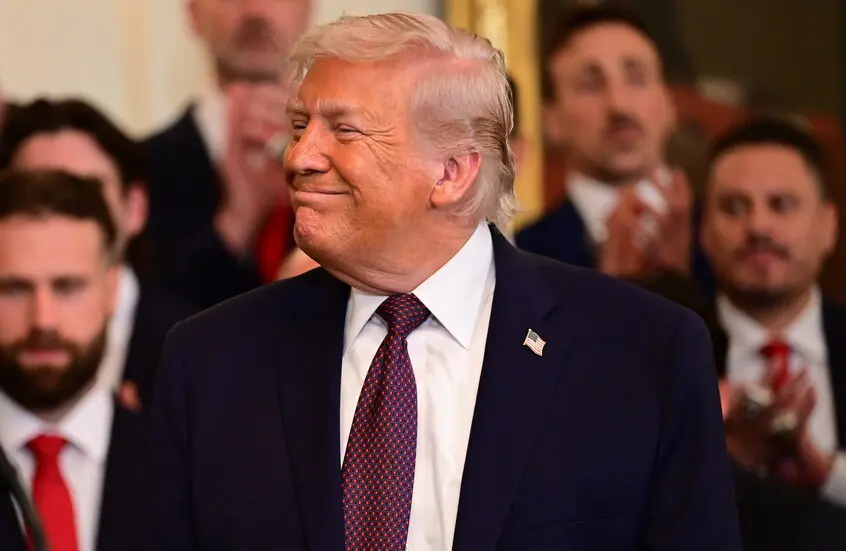
Donald Trump
Donald Trump is a businessman and media personality who served as the 45th President of the United States from 2017 to 2021. His presidency was marked by significant political polarization and a populist “America First” agenda.
Narendra Modi
Narendra Modi is the current Prime Minister of India, having first taken office in 2014 after a long political career with the Bharatiya Janata Party (BJP). His tenure has been marked by significant economic and social initiatives, as well as a focus on Hindu nationalist policies.
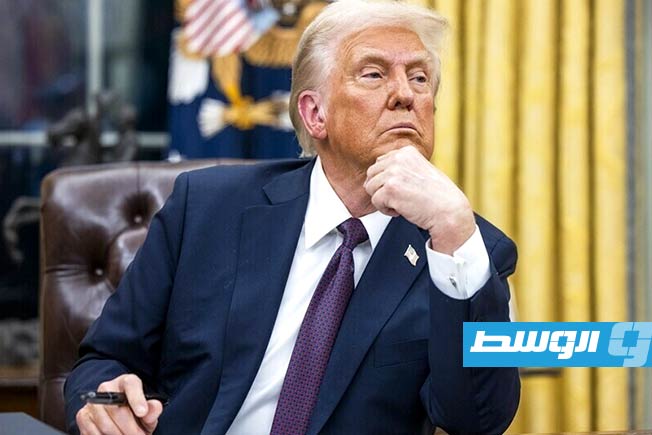
Oval Office
The Oval Office is the official workspace of the President of the United States, located in the West Wing of the White House. It was first constructed in 1909 during the William Howard Taft administration and has since been rebuilt and redecorated by nearly every president, serving as the symbolic heart of the American presidency.
White House
The White House is the official residence and workplace of the President of the United States, located in Washington, D.C. It was designed by James Hoban, with construction completed in 1800, and has been the home of every U.S. president since John Adams. The building was burned by British forces in 1814 during the War of 1812 and was subsequently rebuilt and expanded over the centuries.
Washington
Washington, D.C., is the capital city of the United States, founded in 1790 following the ratification of the U.S. Constitution. It was established as a federal district through the Residence Act and named after the nation’s first president, George Washington. The city is home to iconic national monuments, museums, and the three branches of the U.S. federal government.
India
India is a South Asian country with one of the world’s oldest civilizations, dating back over 5,000 years to the Indus Valley. Its long history includes the rise of major empires, the development of diverse religions like Hinduism and Buddhism, and nearly 200 years of British colonial rule before gaining independence in 1947. Today, it is the world’s largest democracy and a nation of immense cultural, linguistic, and geographical diversity.
United States
The United States is a federal republic founded in 1776 after declaring independence from Great Britain, with its modern government established by the Constitution in 1789. Its history encompasses westward expansion, the Civil War, industrialization, and its emergence as a global superpower in the 20th century. The nation is defined by its diverse cultural heritage, democratic ideals, and significant influence on global politics, economics, and culture.
Europe
Europe is a continent with a rich and complex history, shaped by ancient civilizations like Greece and Rome, the transformative periods of the Renaissance and Enlightenment, and the profound impacts of two world wars. Culturally, it is renowned for its diverse array of artistic movements, architectural landmarks, and philosophical traditions. In the modern era, much of Europe is politically and economically integrated through the European Union.
Russia
Russia is the world’s largest country by area, spanning Eastern Europe and Northern Asia. Its history is marked by the rule of the Tsars, the rise and fall of the Soviet Union in the 20th century, and its current status as a major global power. The nation is renowned for its vast landscapes, rich literary and artistic traditions, and iconic cultural sites like the Kremlin and the Hermitage Museum.
UAE
The United Arab Emirates (UAE) is a federation of seven emirates on the Arabian Peninsula, established in 1971 following the end of British protection. Historically a region of pearl diving and trade, it has rapidly transformed into a global hub of commerce, tourism, and modern architecture, with its history deeply rooted in Bedouin culture and Islamic traditions.
Australia
Australia is a continent and nation with a history spanning over 65,000 years of continuous Indigenous culture, followed by British colonization beginning in 1788. It is known for its unique ecosystems, modern multicultural cities, and landmarks like the Sydney Opera House and Uluru.
European Free Trade Association
The European Free Trade Association (EFTA) is an intergovernmental organization established in 1960 as an alternative trade bloc to the then-European Economic Community. Its primary purpose is to promote free trade and economic integration among its member states, which are currently Iceland, Liechtenstein, Norway, and Switzerland.
European Union
The European Union (EU) is a political and economic union of 27 European countries, founded in the aftermath of World War II to foster economic cooperation and prevent future conflict. It has since evolved from a primarily economic community into a major geopolitical entity with its own currency (the euro) and institutions governing common policies on trade, agriculture, and regional development.
Apple
Apple Inc. is an American technology company founded in 1976 by Steve Jobs, Steve Wozniak, and Ronald Wayne, known for revolutionizing personal computing, music, and mobile communications with products like the Macintosh, iPod, and iPhone. Its headquarters, Apple Park in Cupertino, California, is a notable architectural landmark featuring a ring-shaped main building set within a large park-like campus.
Foxconn
Foxconn is a major multinational electronics contract manufacturer, best known for producing Apple iPhones and other consumer electronics. Founded in 1974 in Taiwan as Hon Hai Precision Industry Co., Ltd., it grew into the world’s largest electronics manufacturer, operating massive factories like the one in Longhua, Shenzhen, often referred to as “Foxconn City.”
Tata Electronics
Tata Electronics is an Indian electronics manufacturing and engineering company established in 2020 as part of the Tata Group. It focuses on producing precision components, including semiconductor assembly and testing, and aims to strengthen India’s position in the global electronics supply chain.
New Delhi
New Delhi is the capital city of India, officially inaugurated in 1931 to serve as the new administrative center of British India, replacing Calcutta. It was designed by British architects Edwin Lutyens and Herbert Baker and is known for its wide boulevards, grand government buildings like the Rashtrapati Bhavan, and historical monuments such as India Gate.