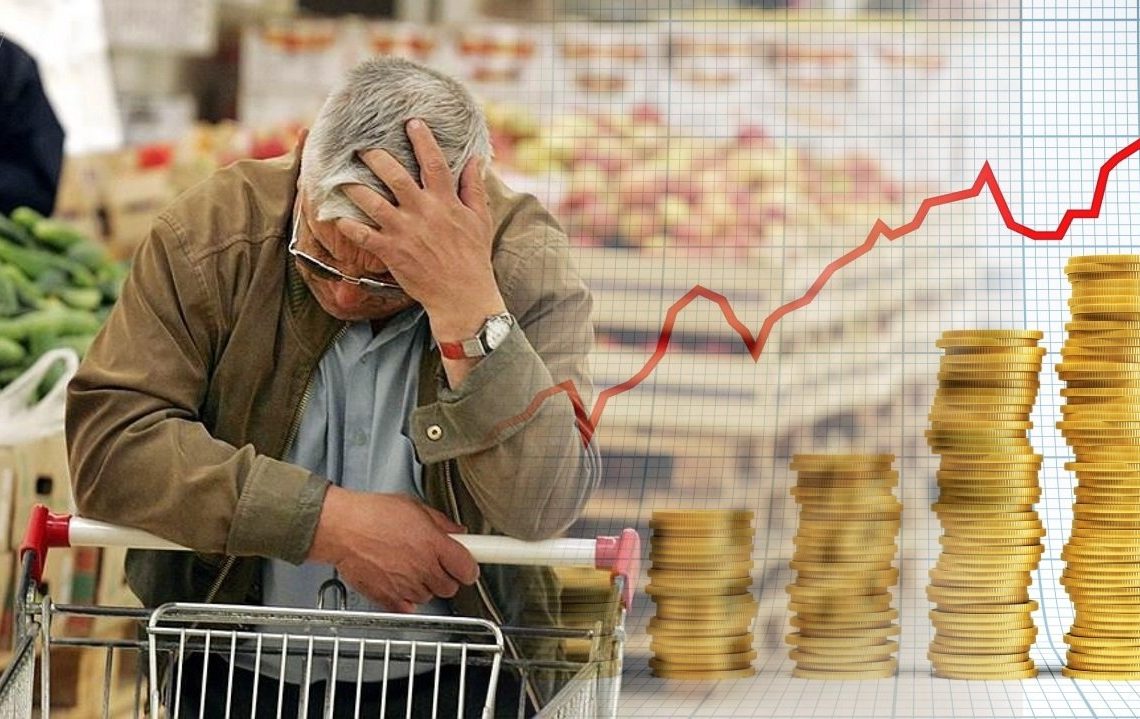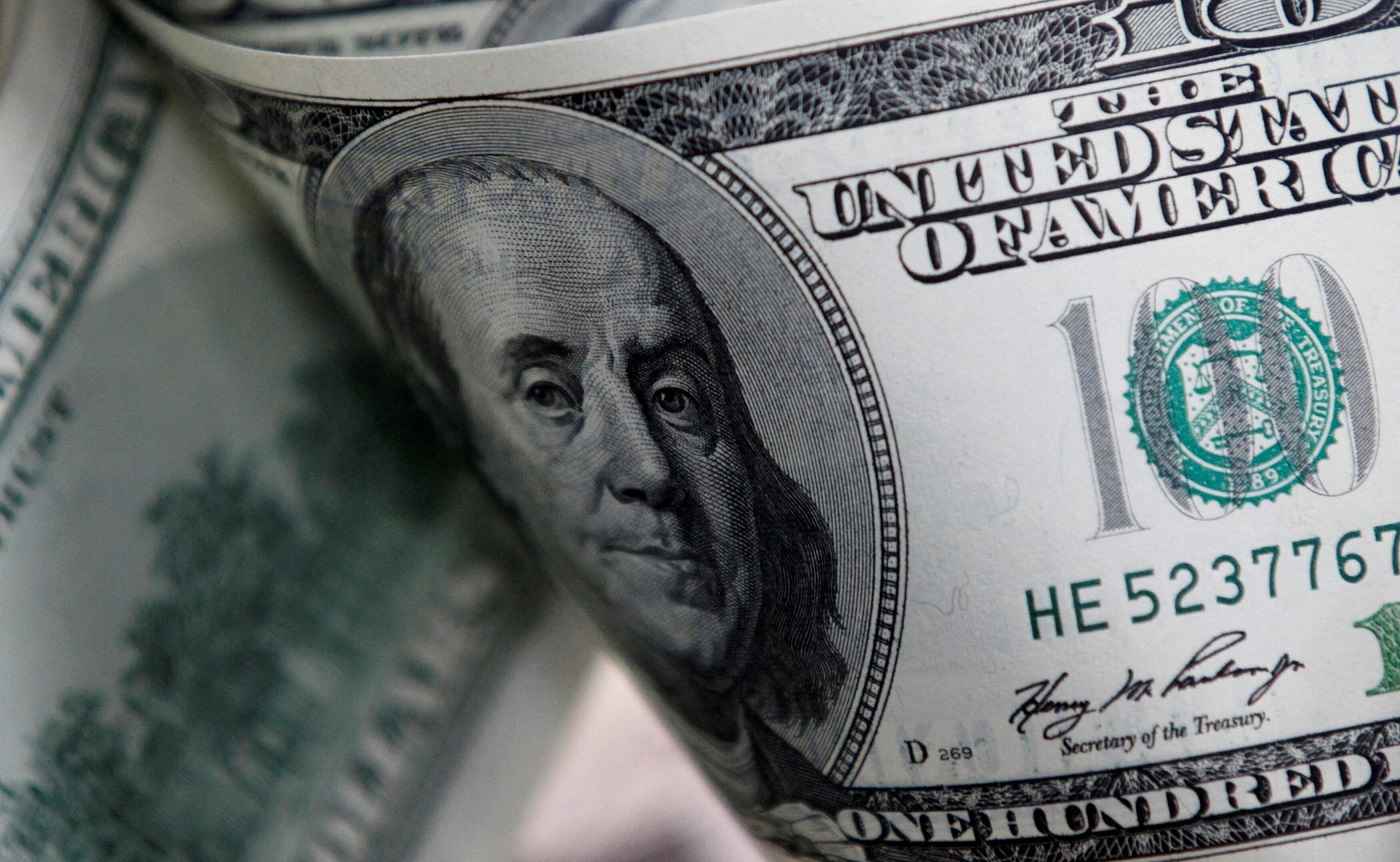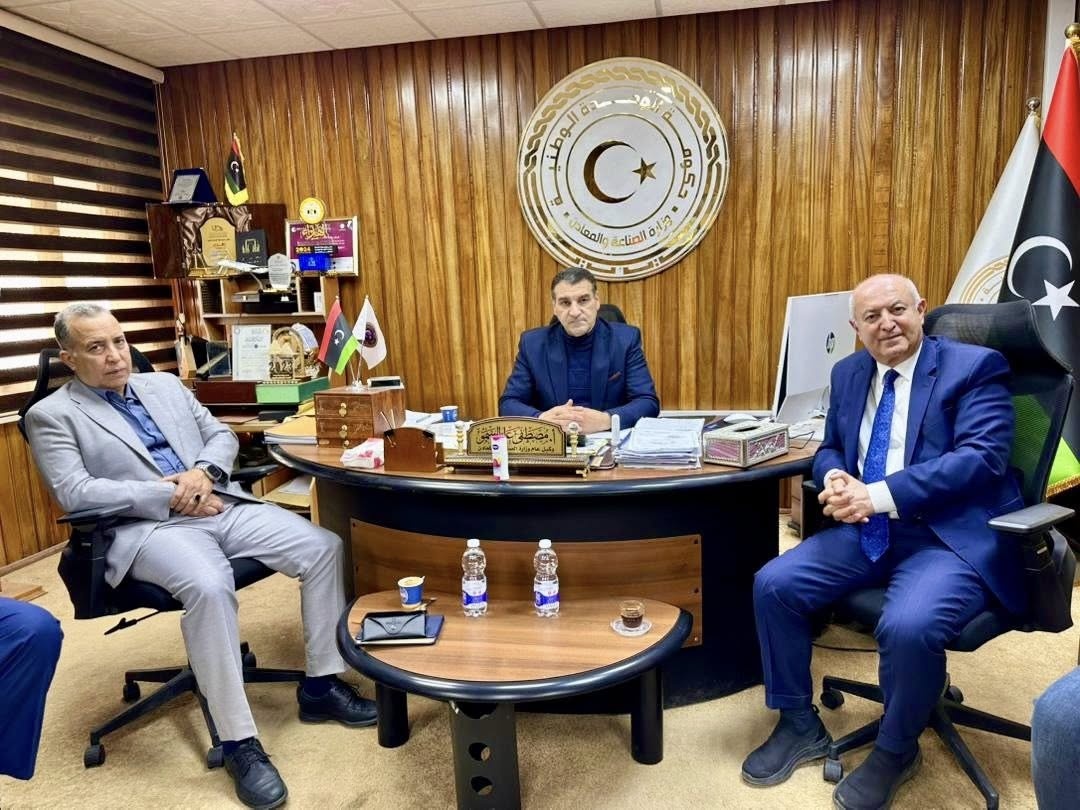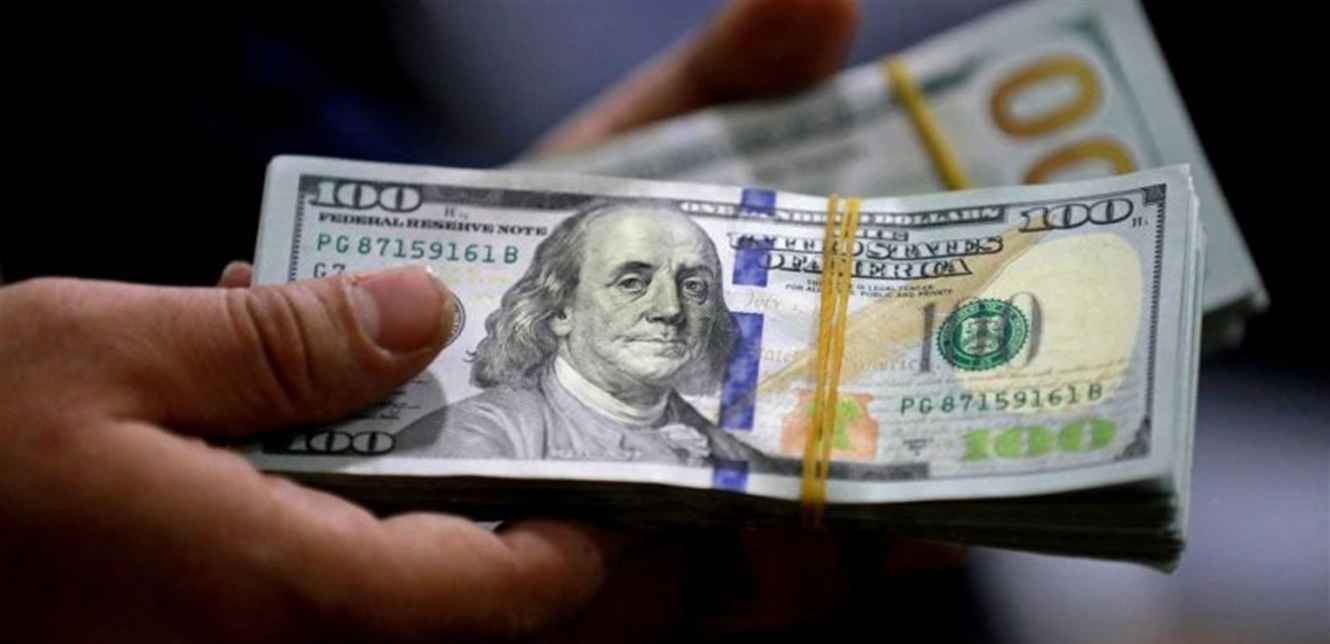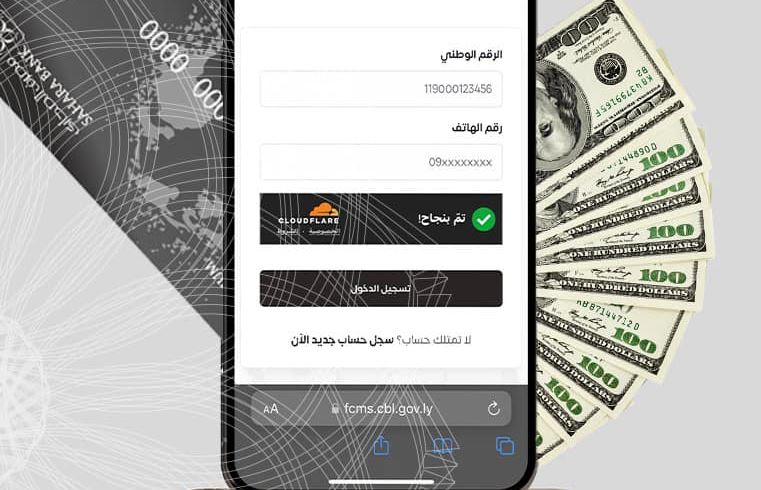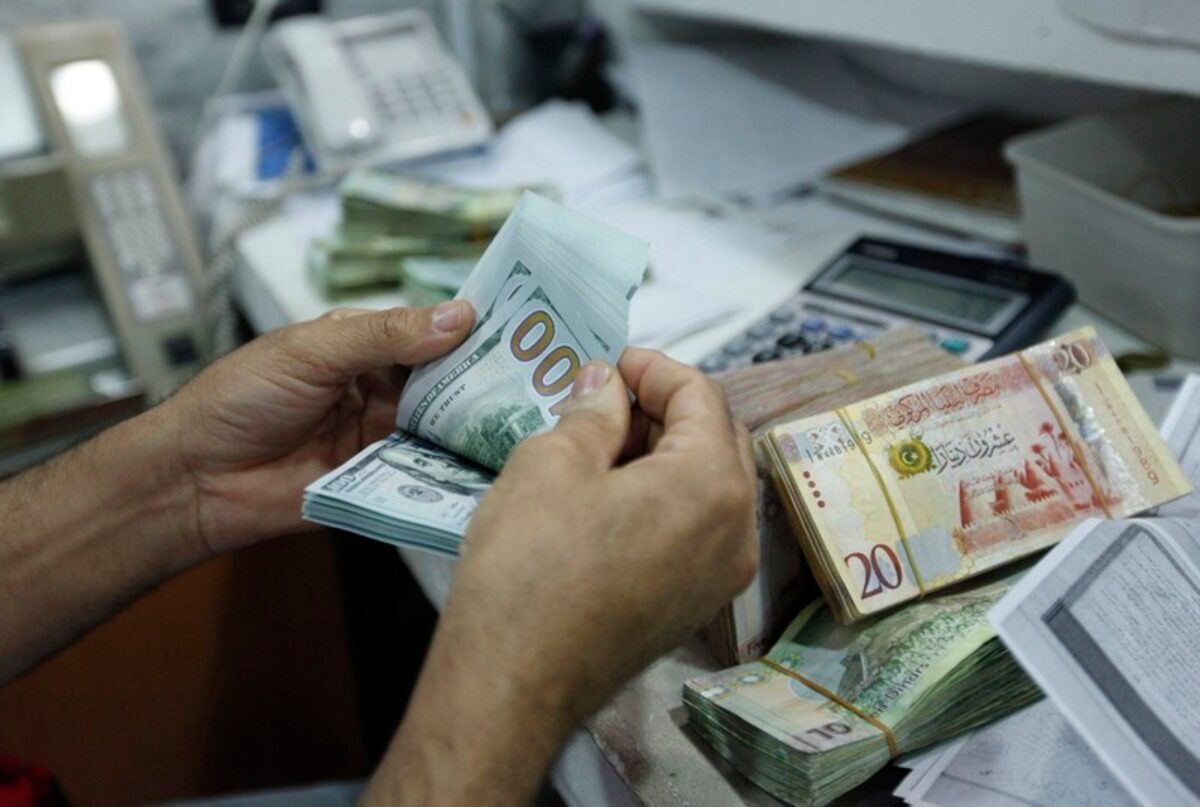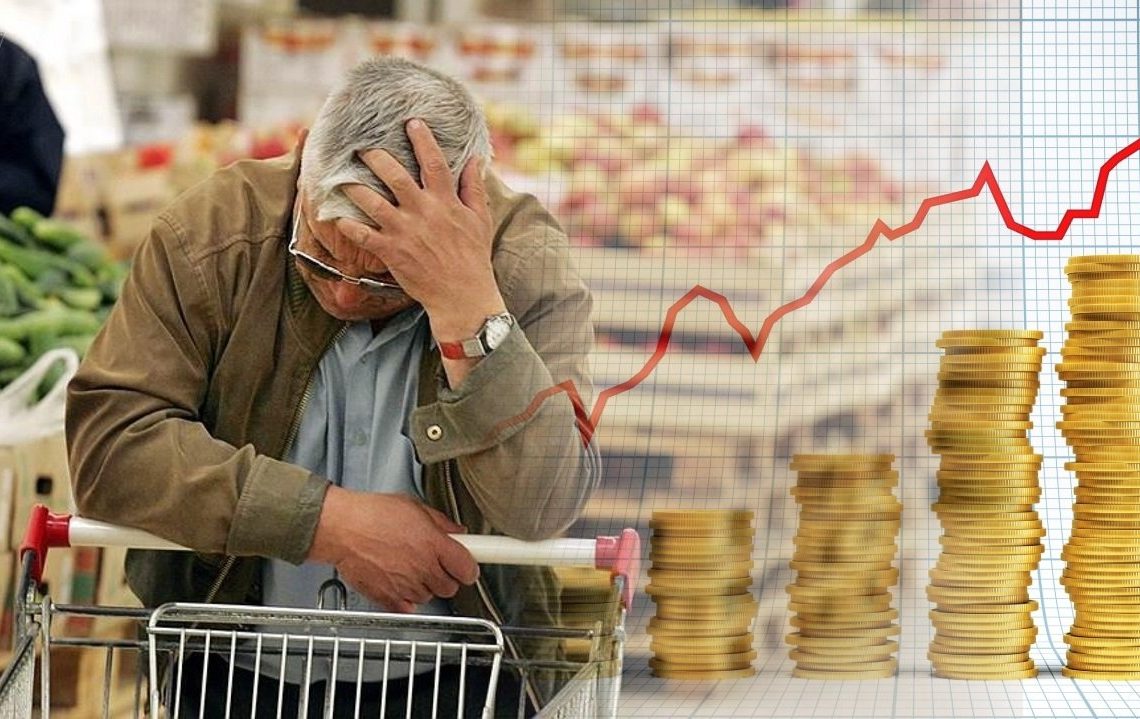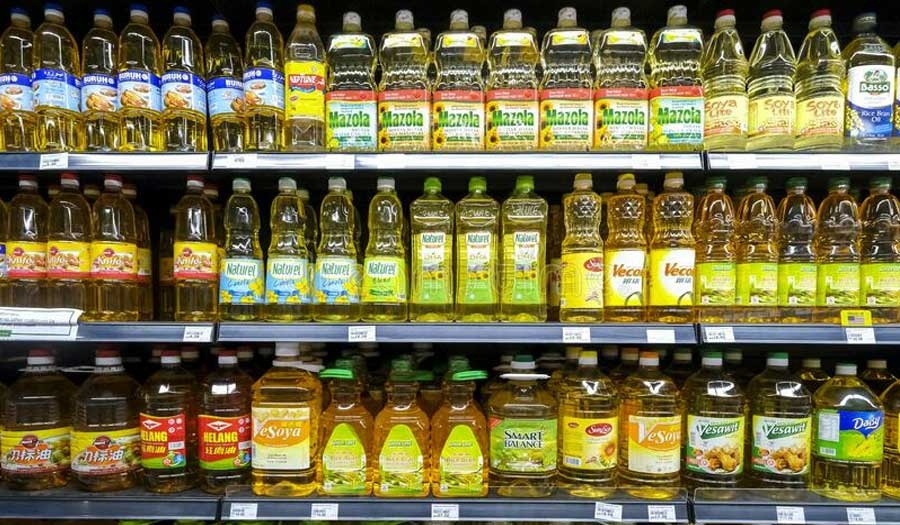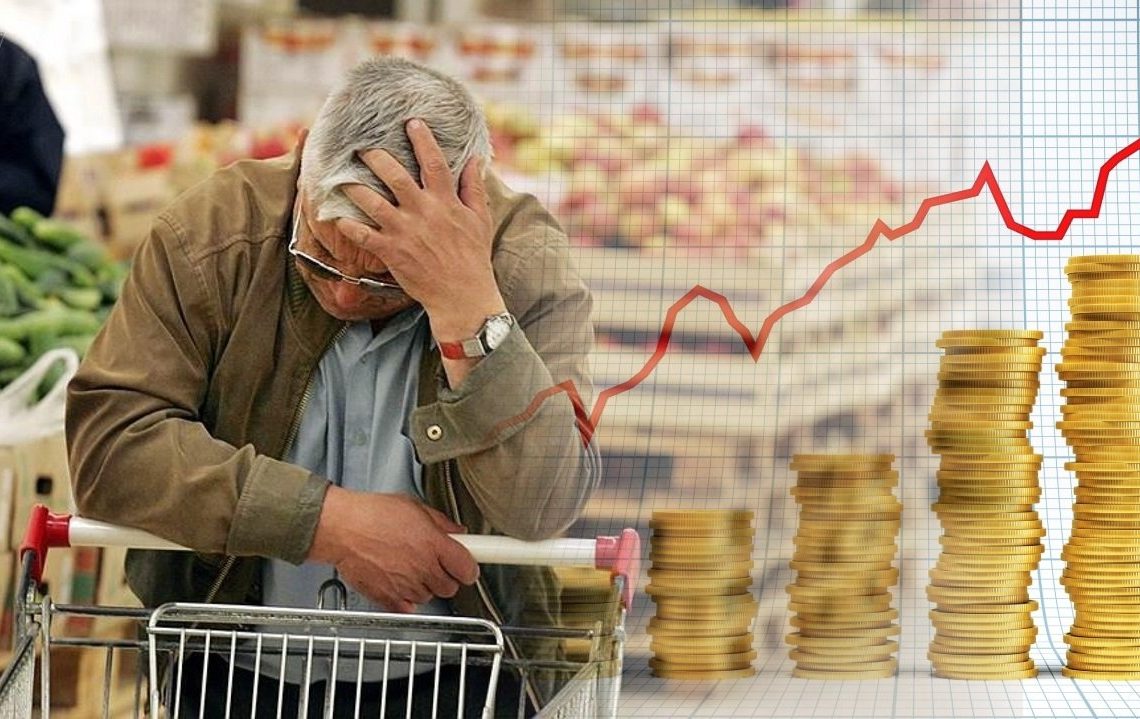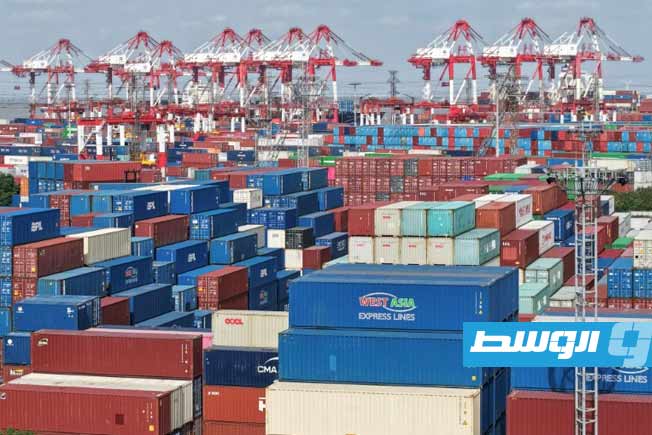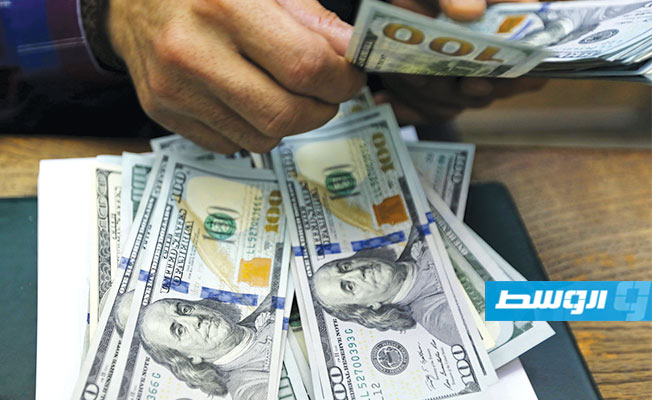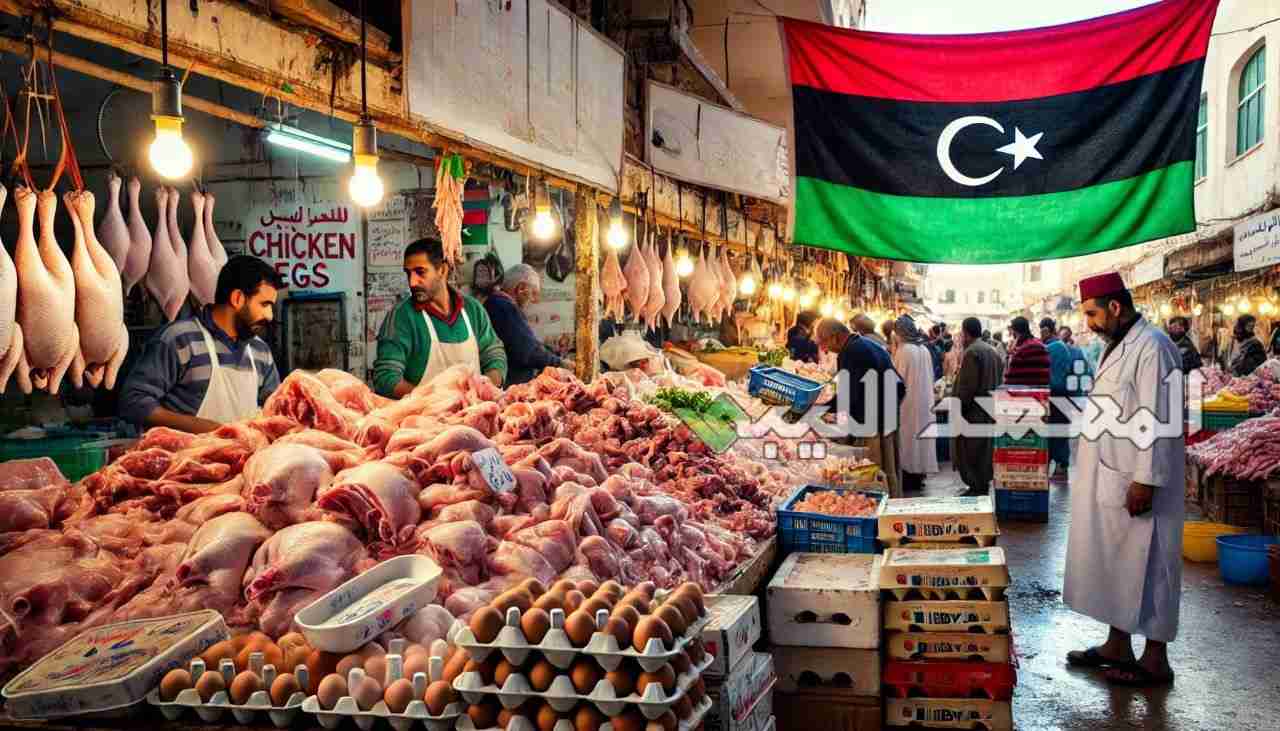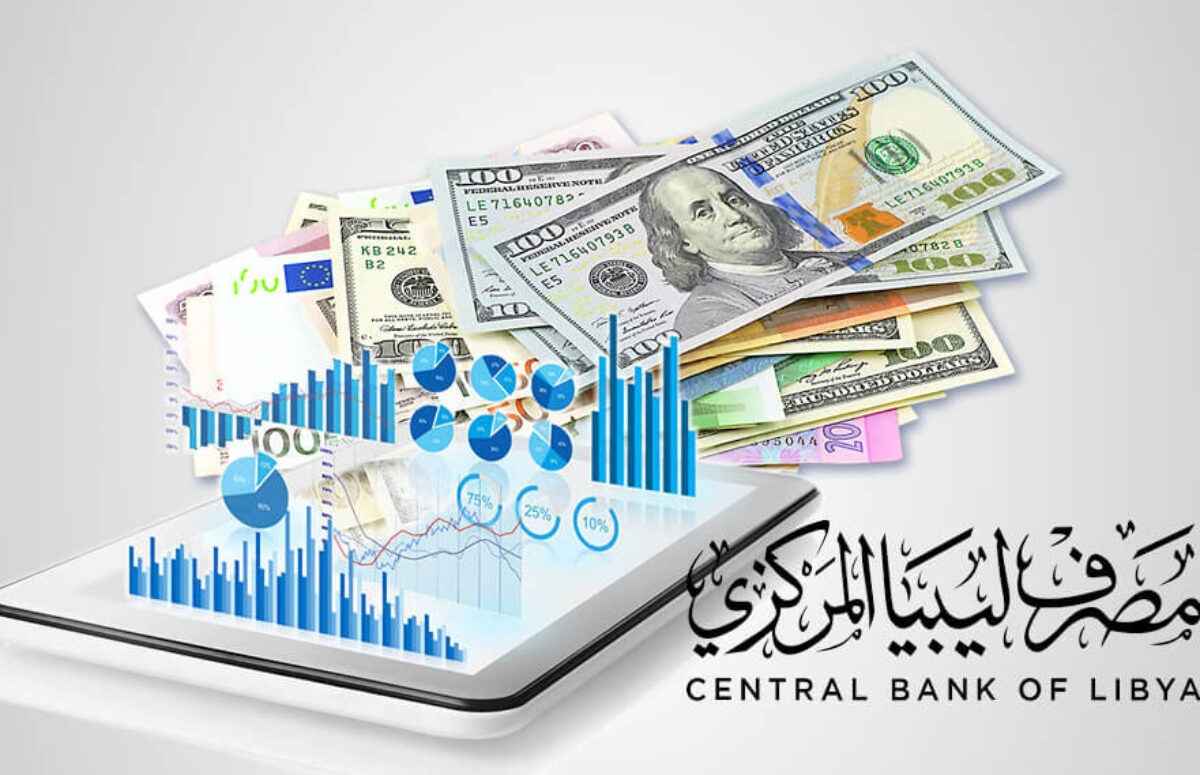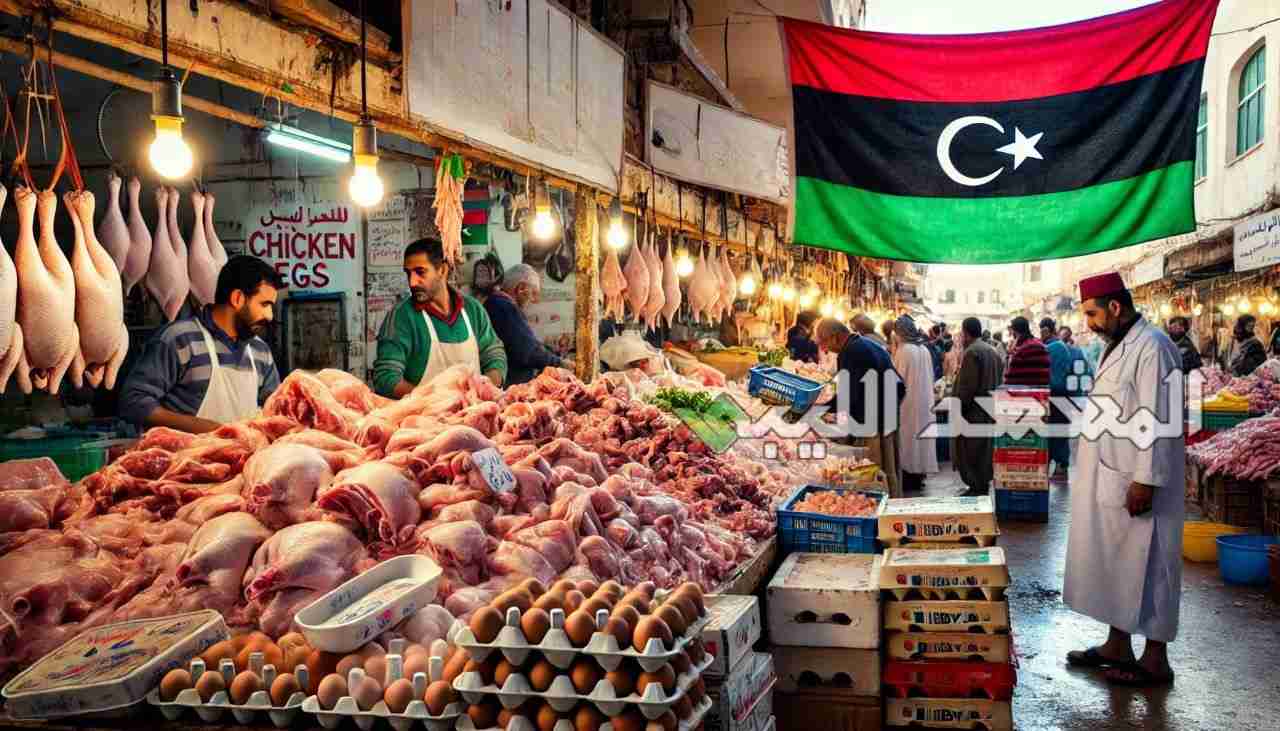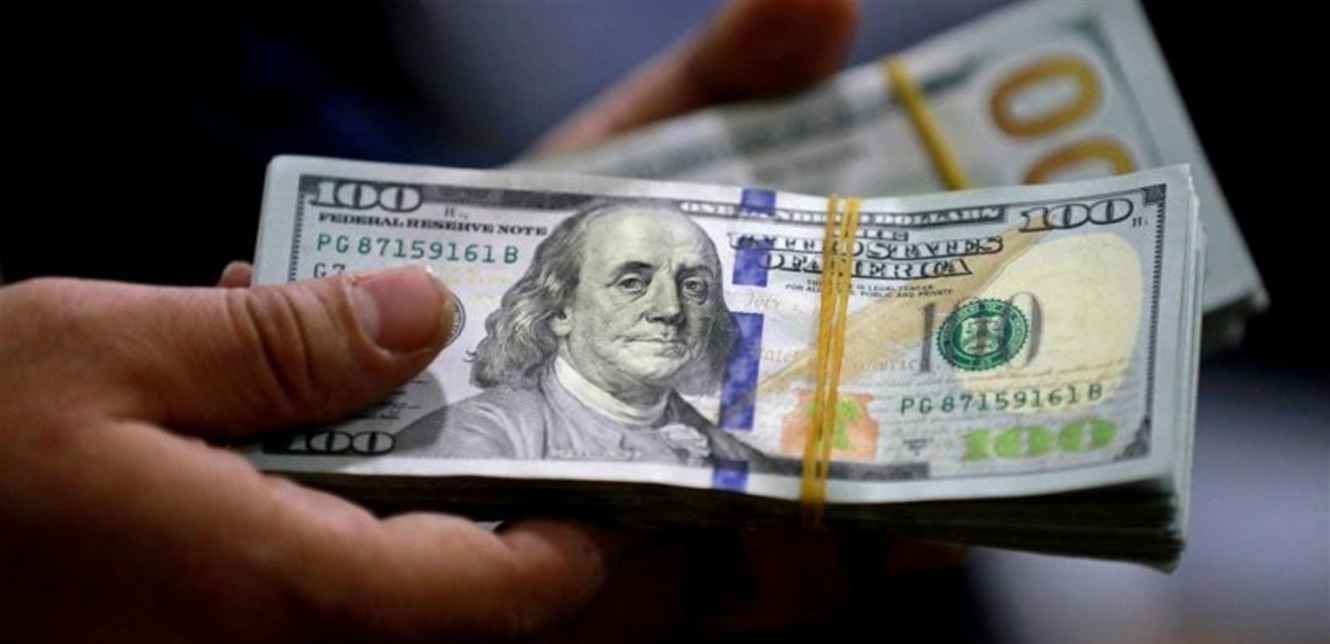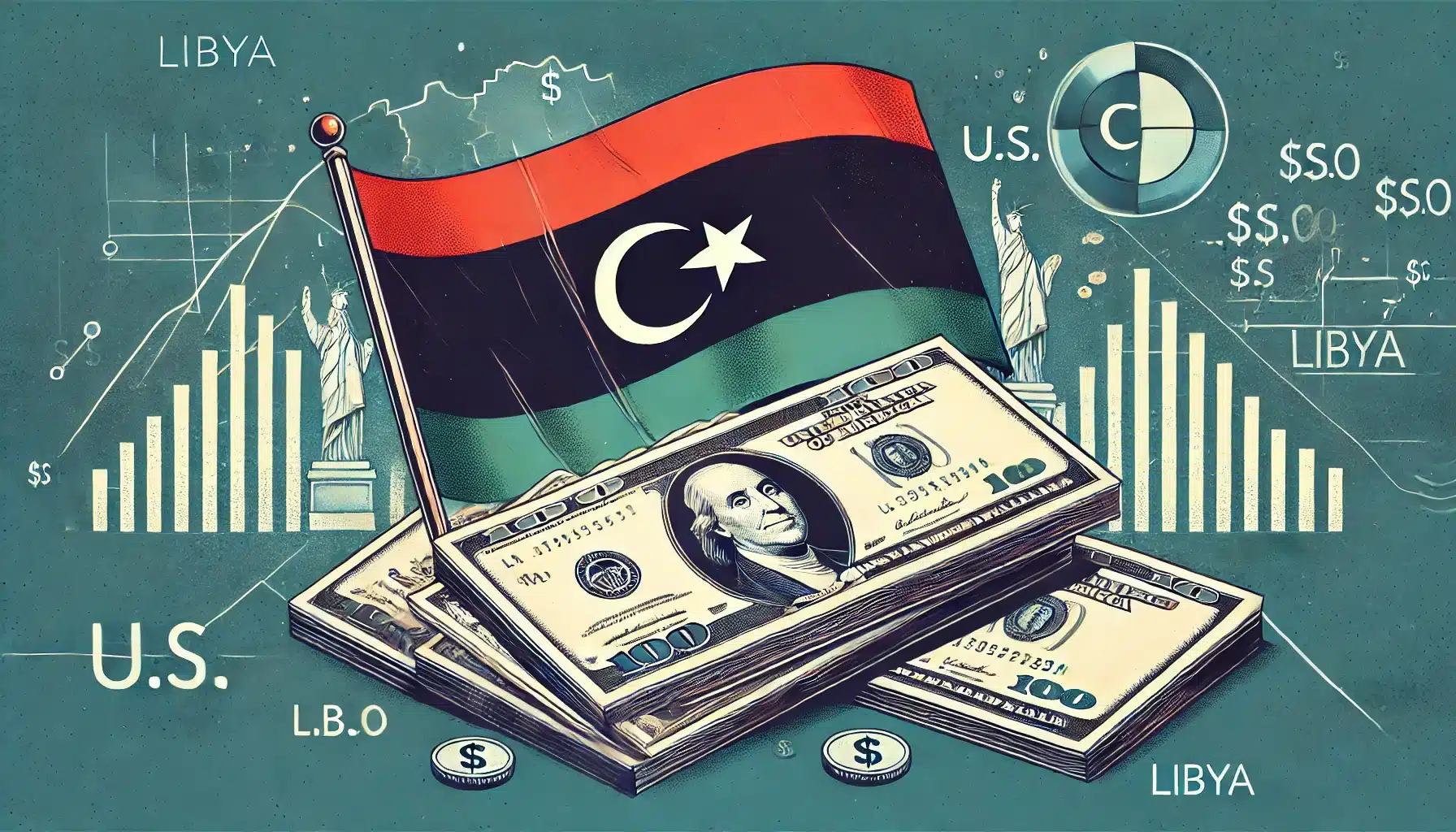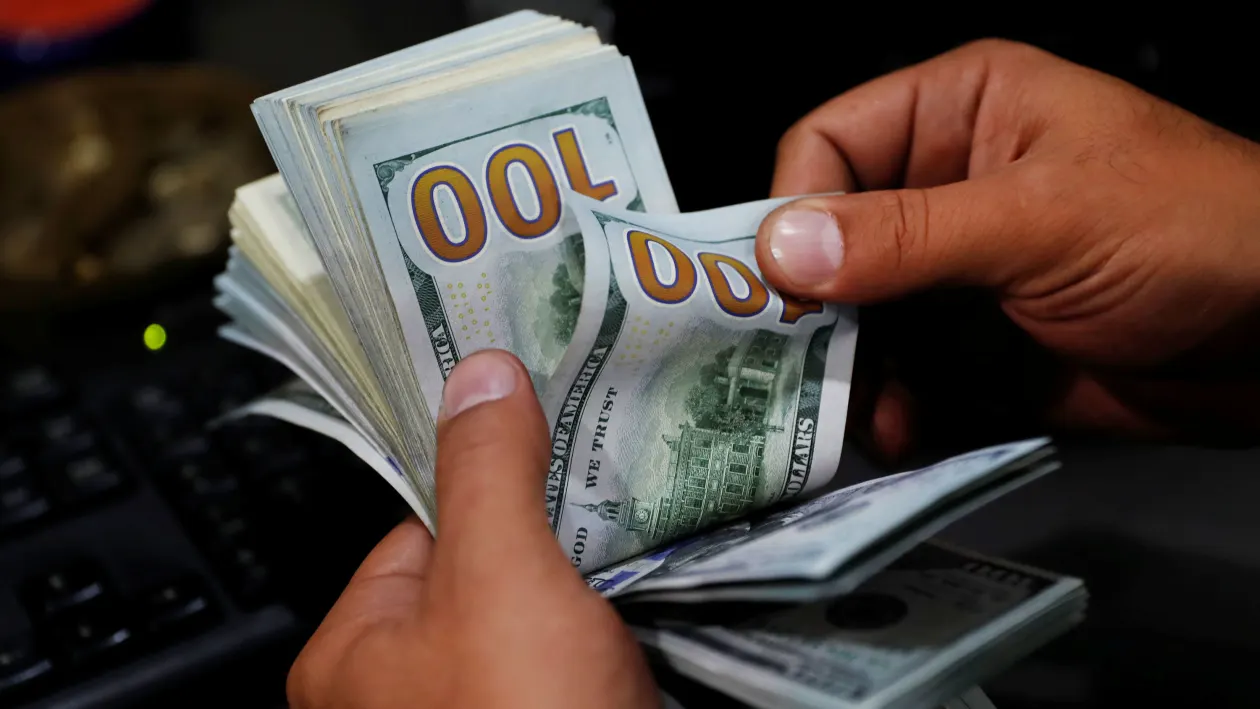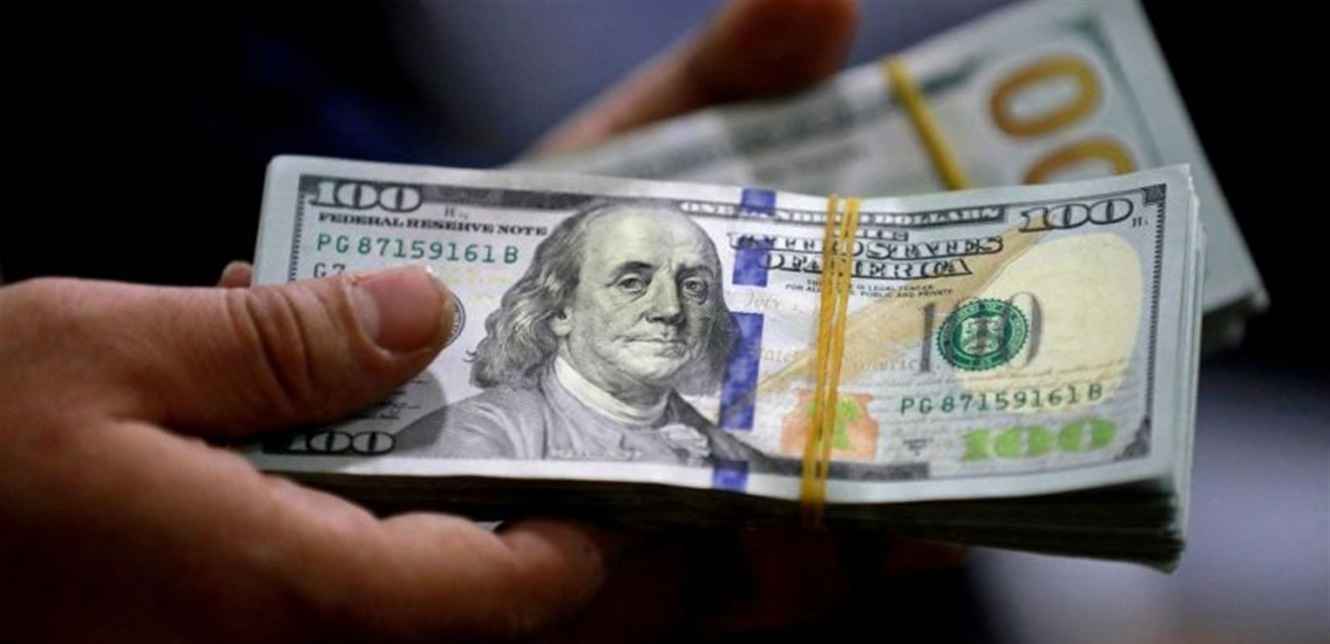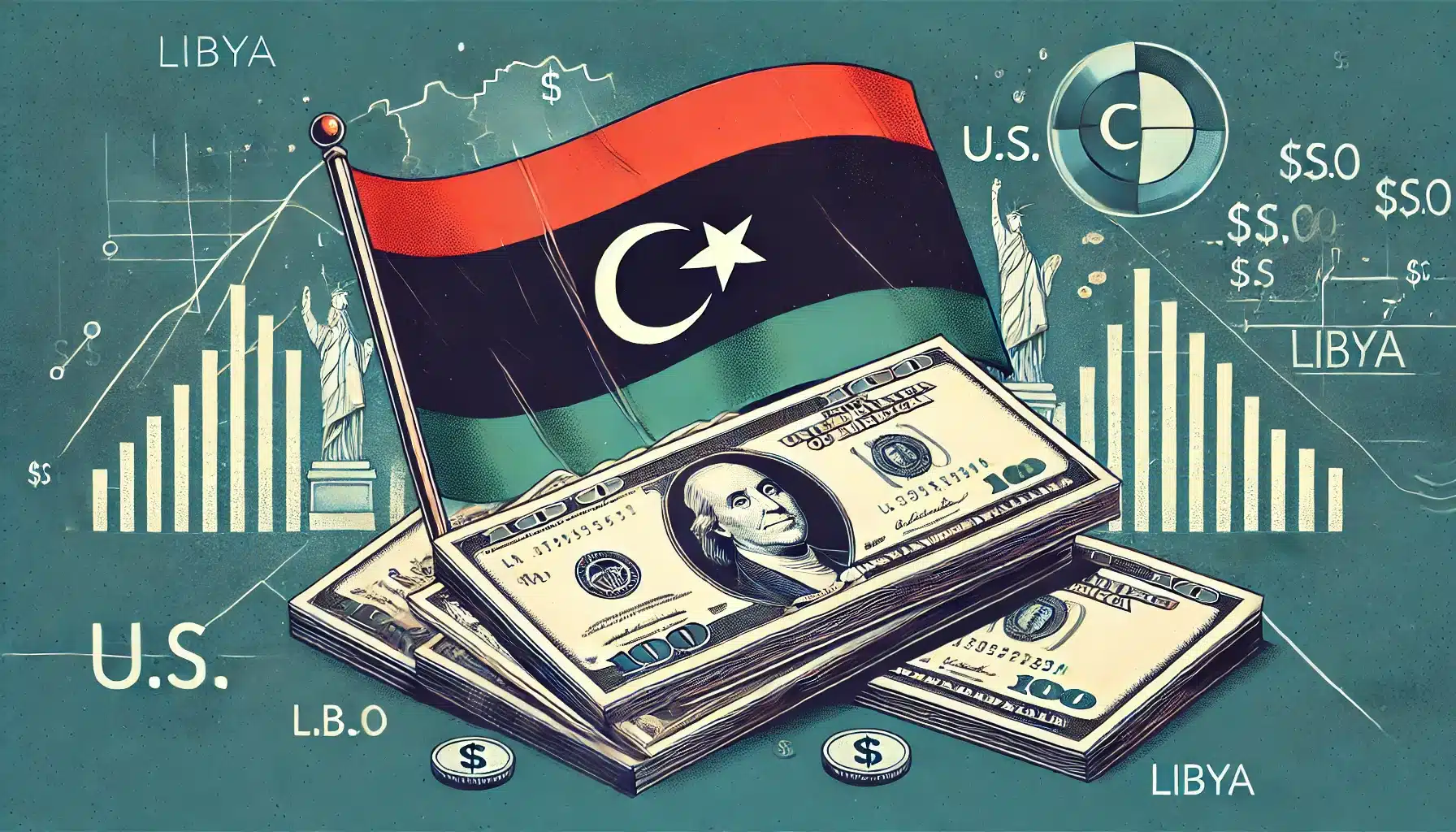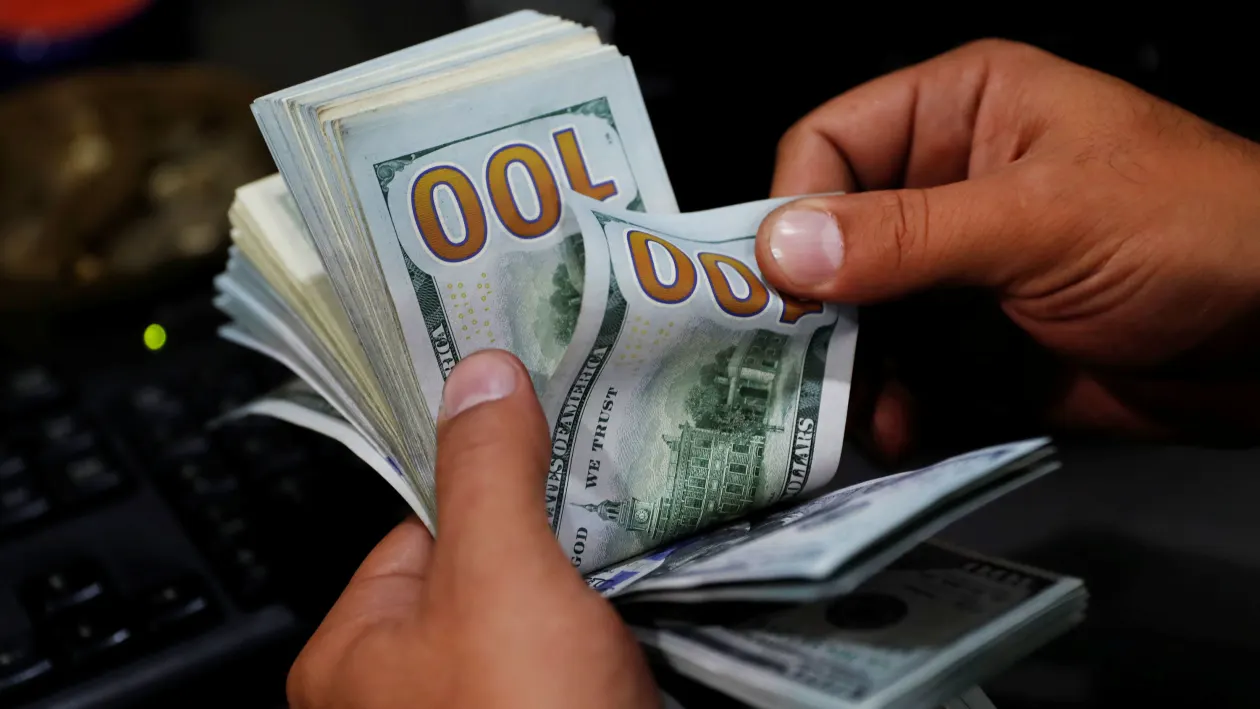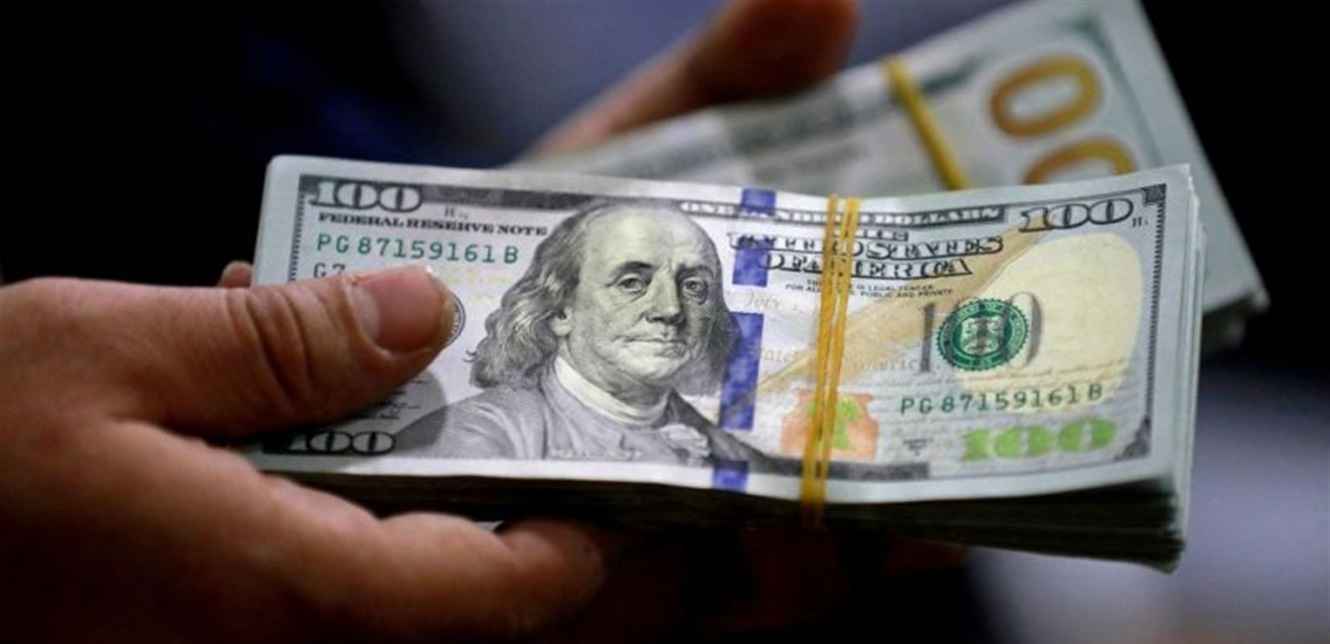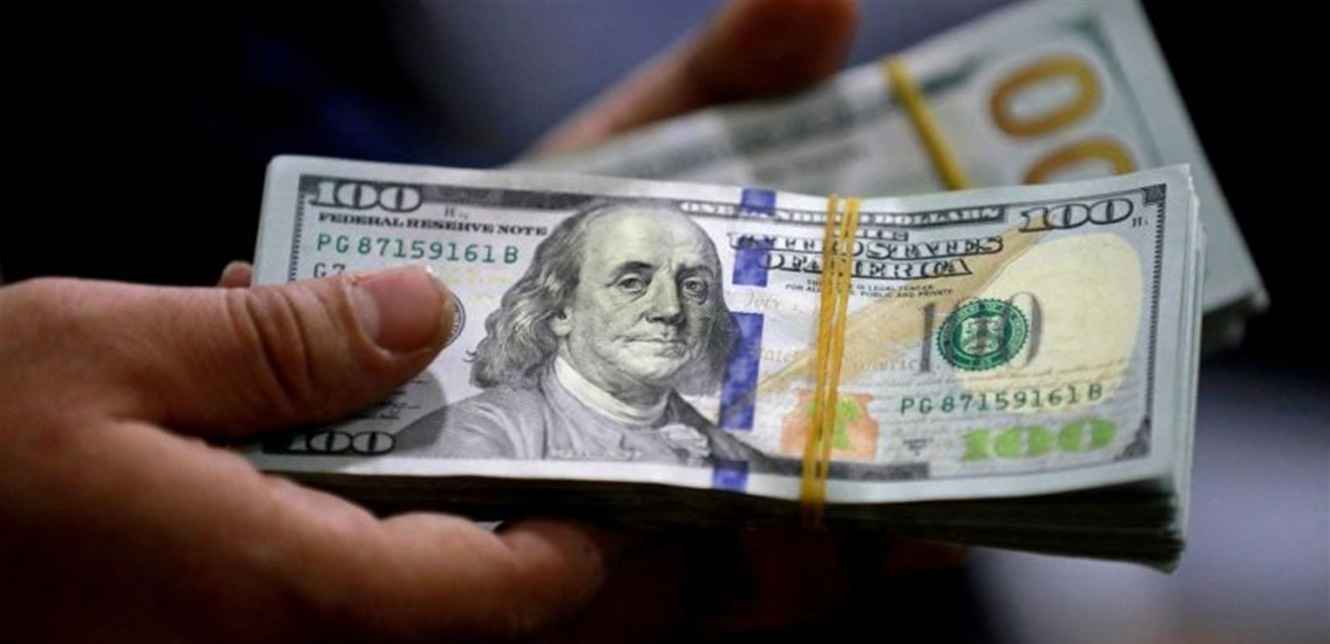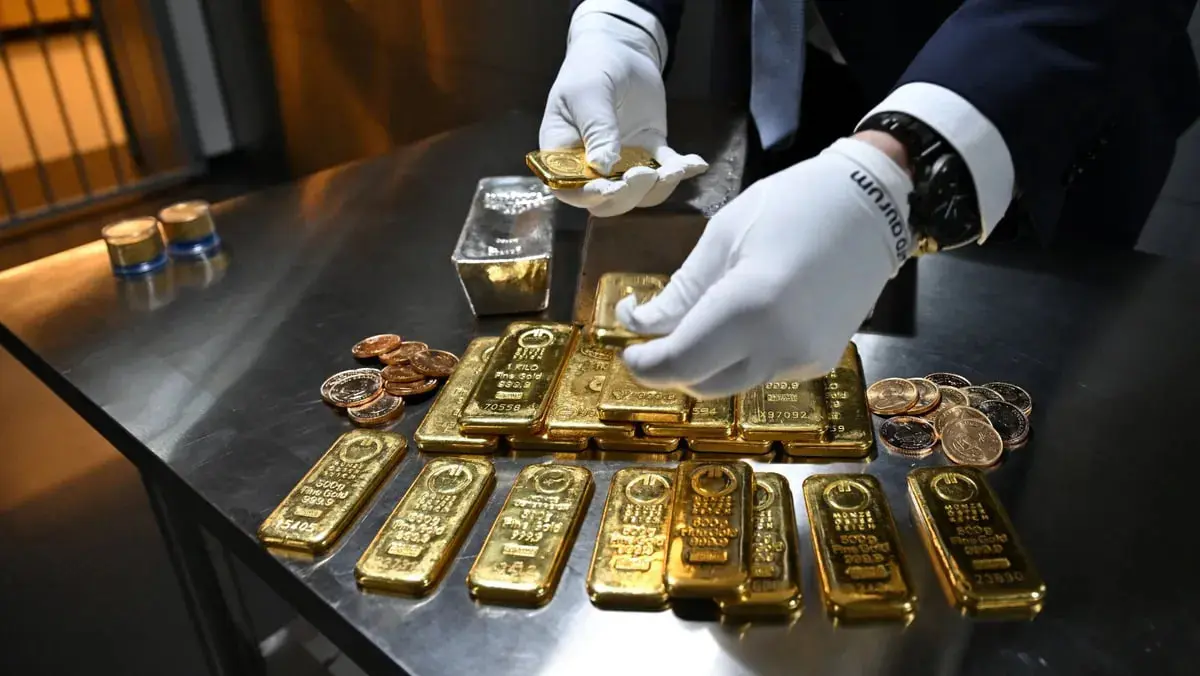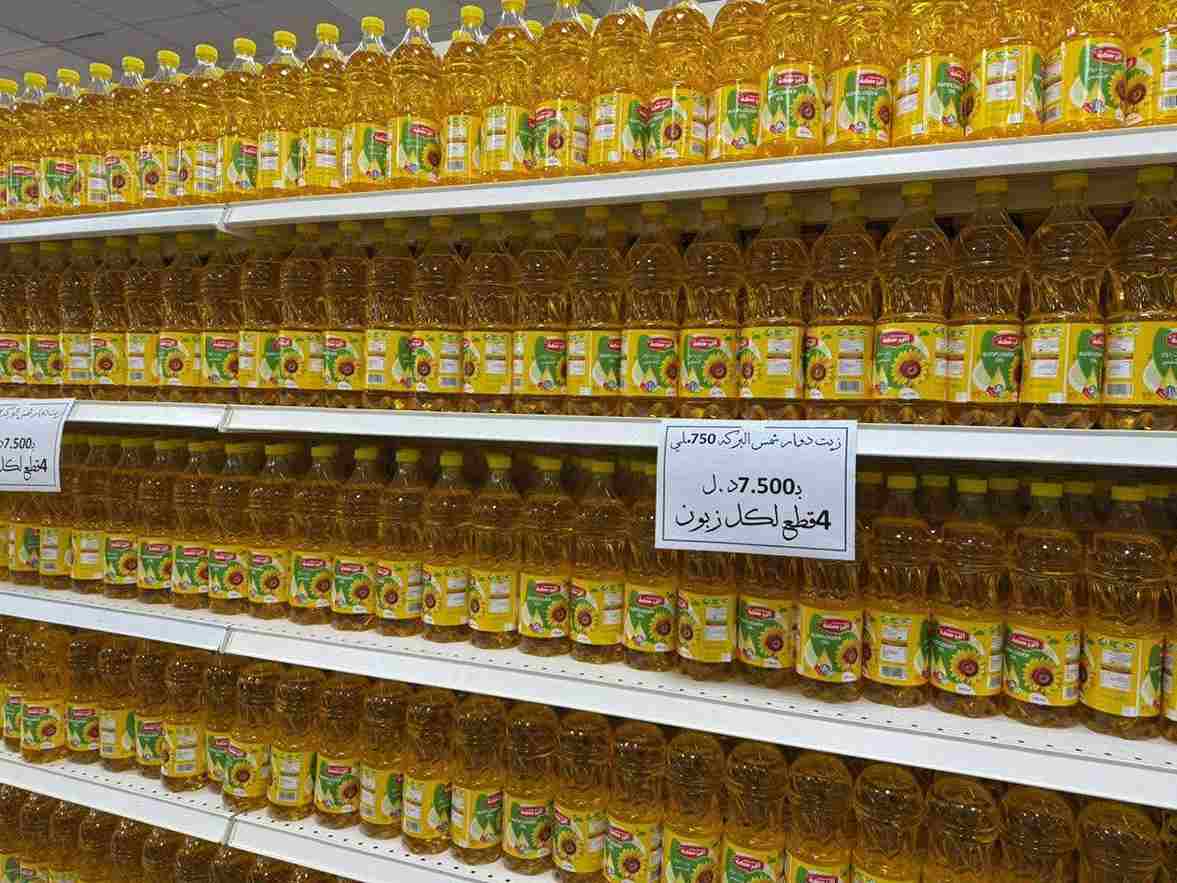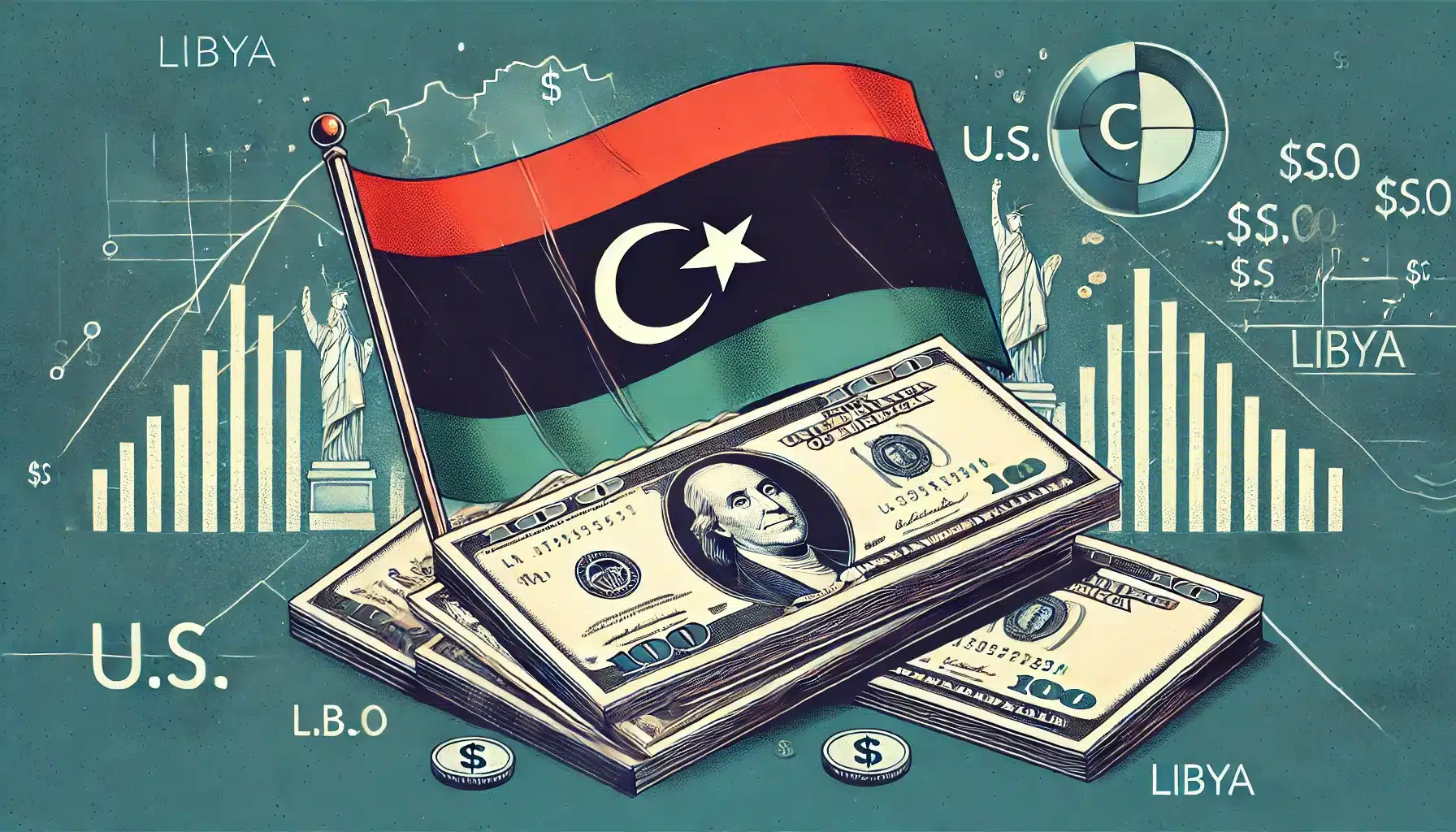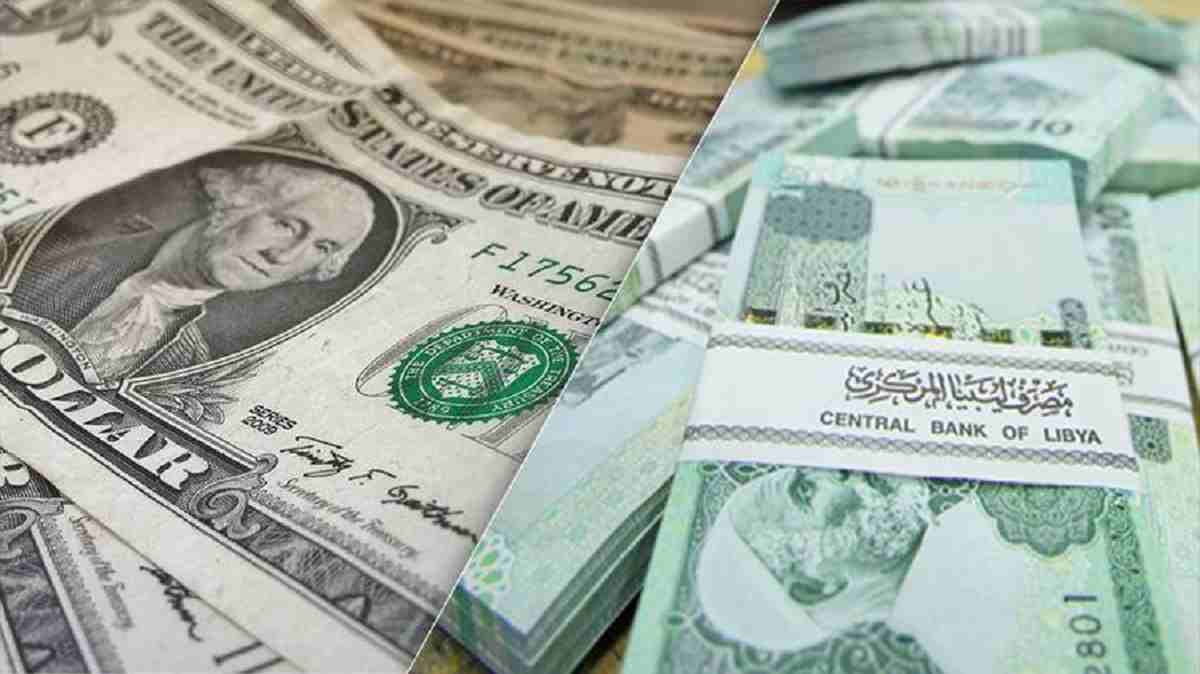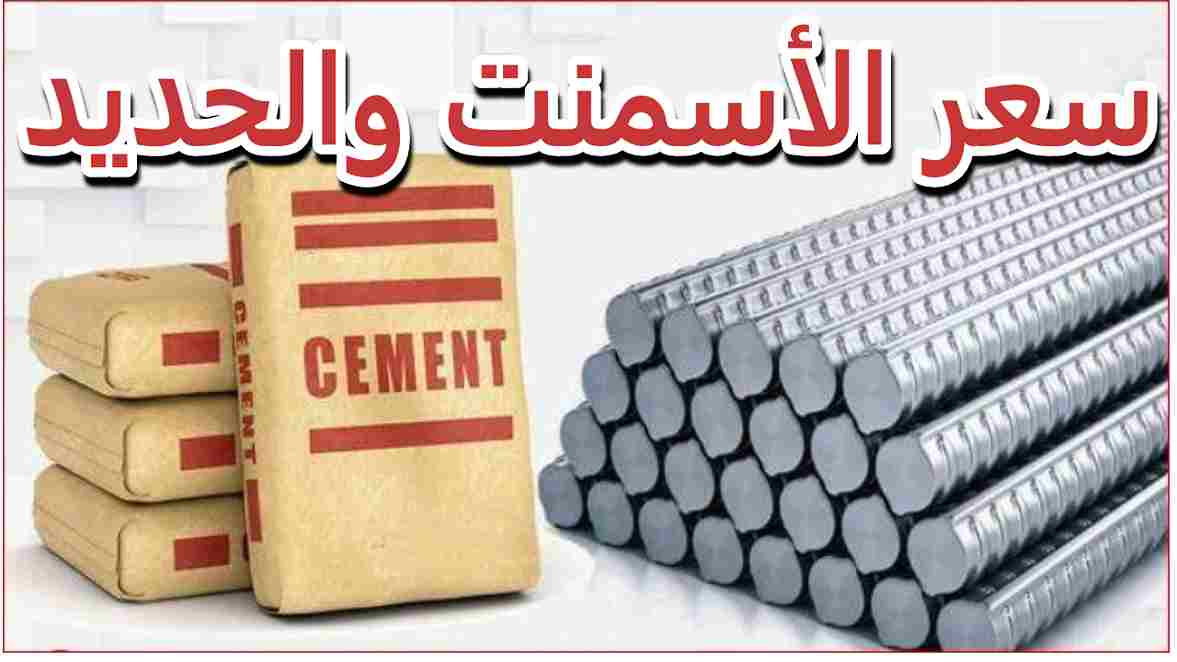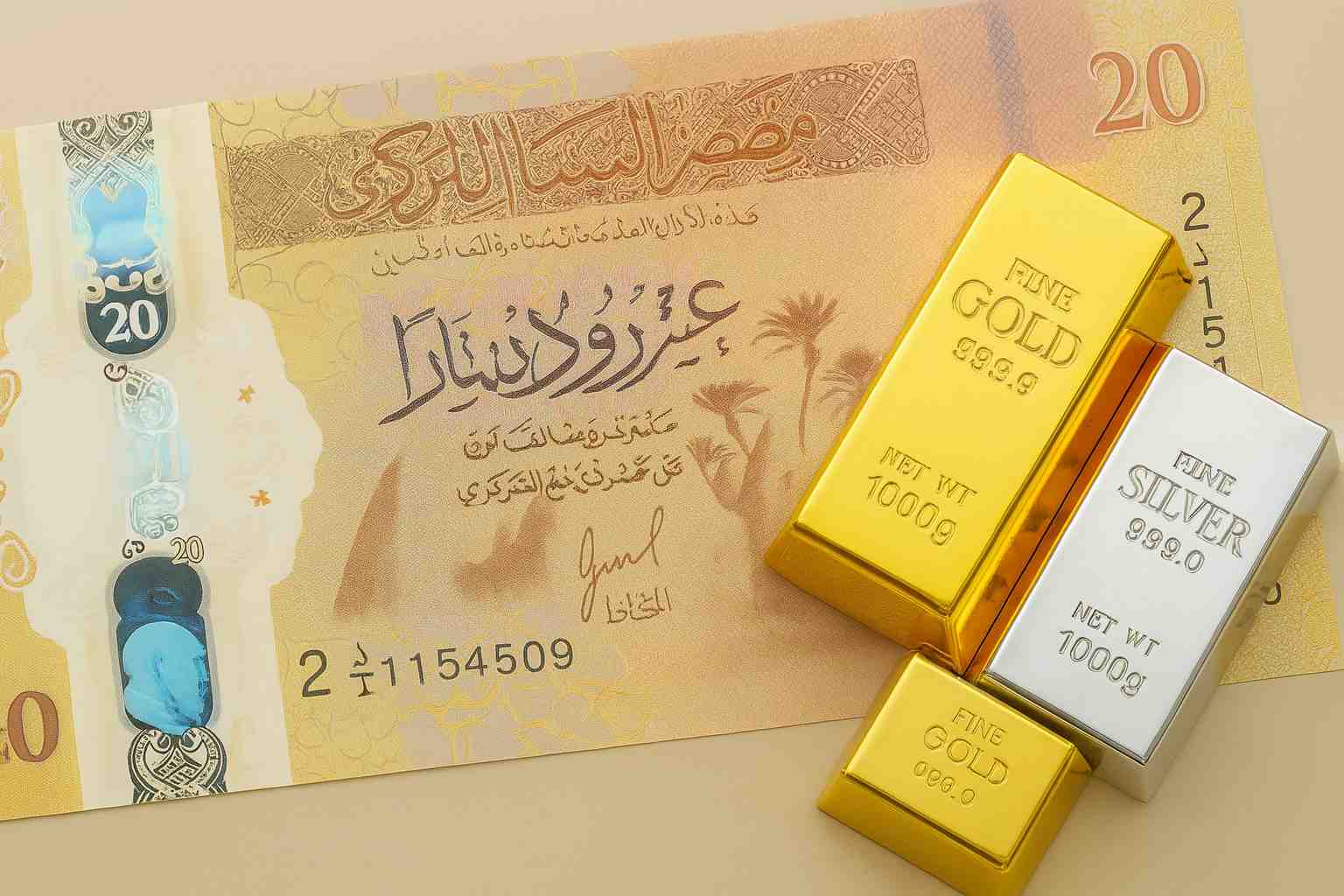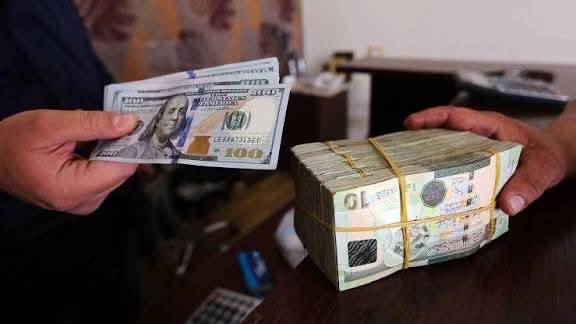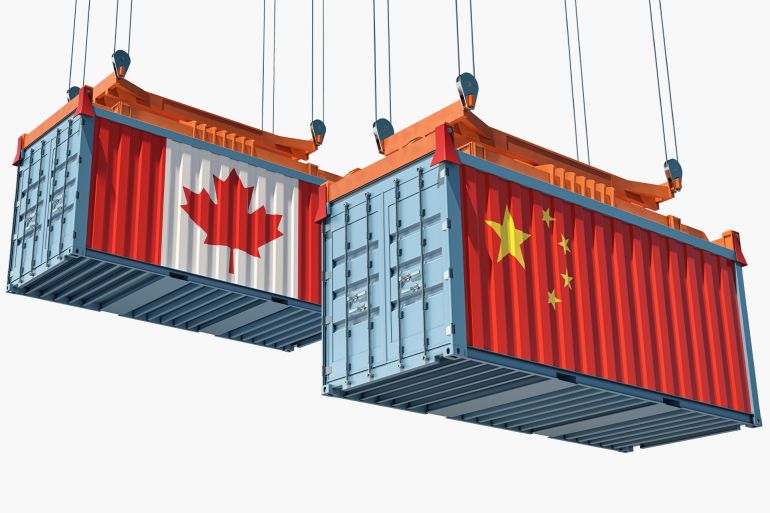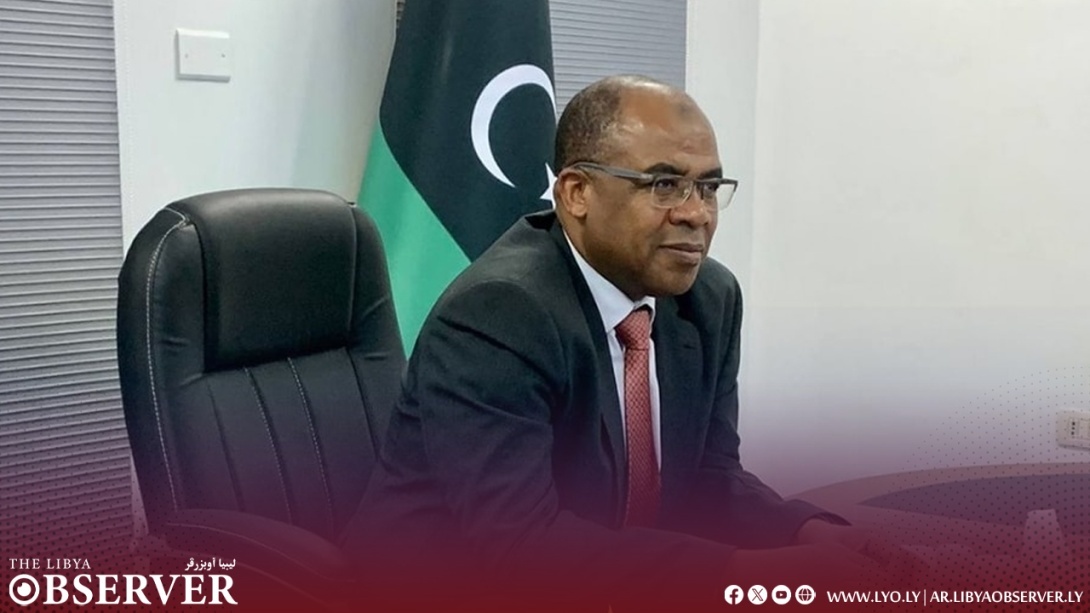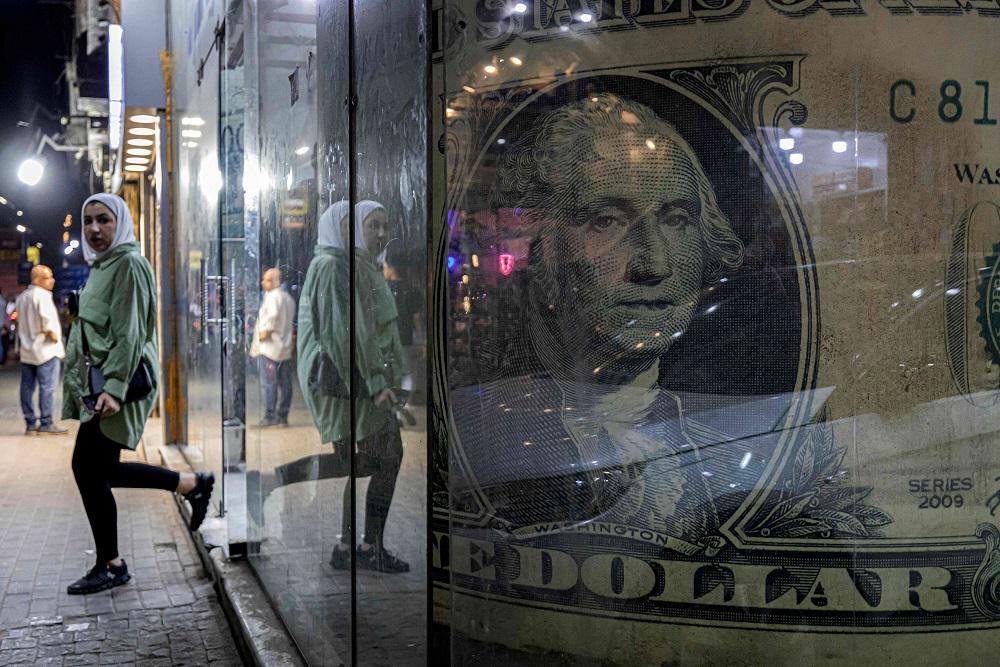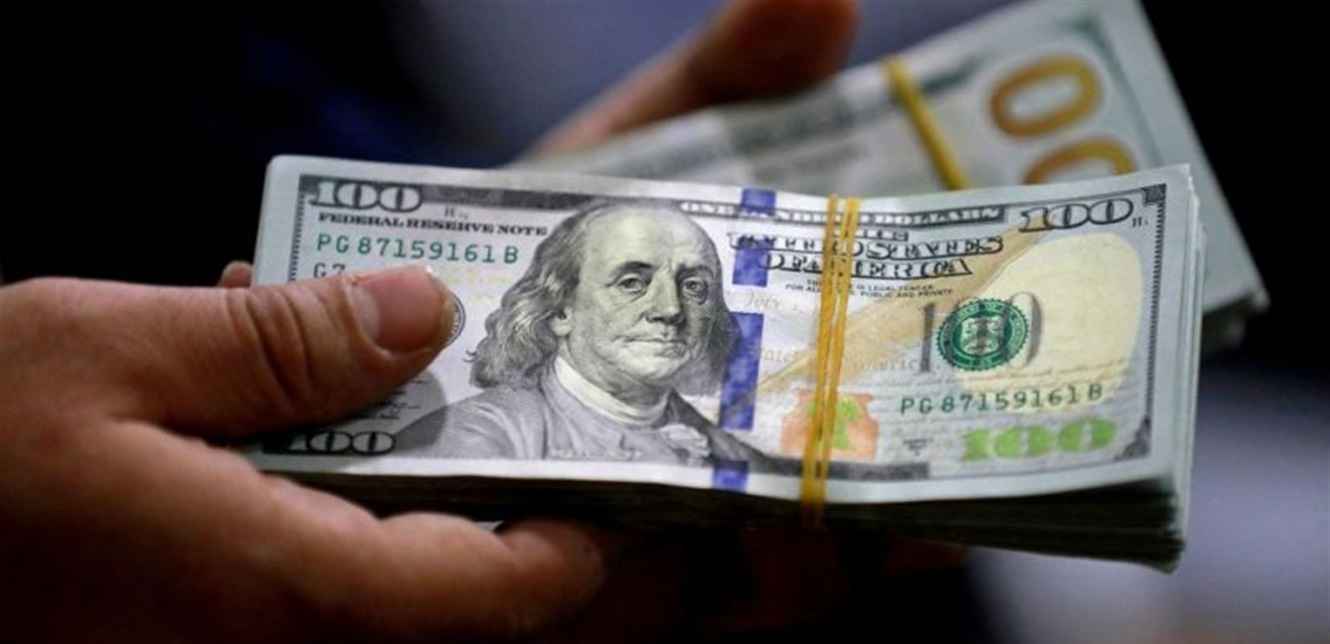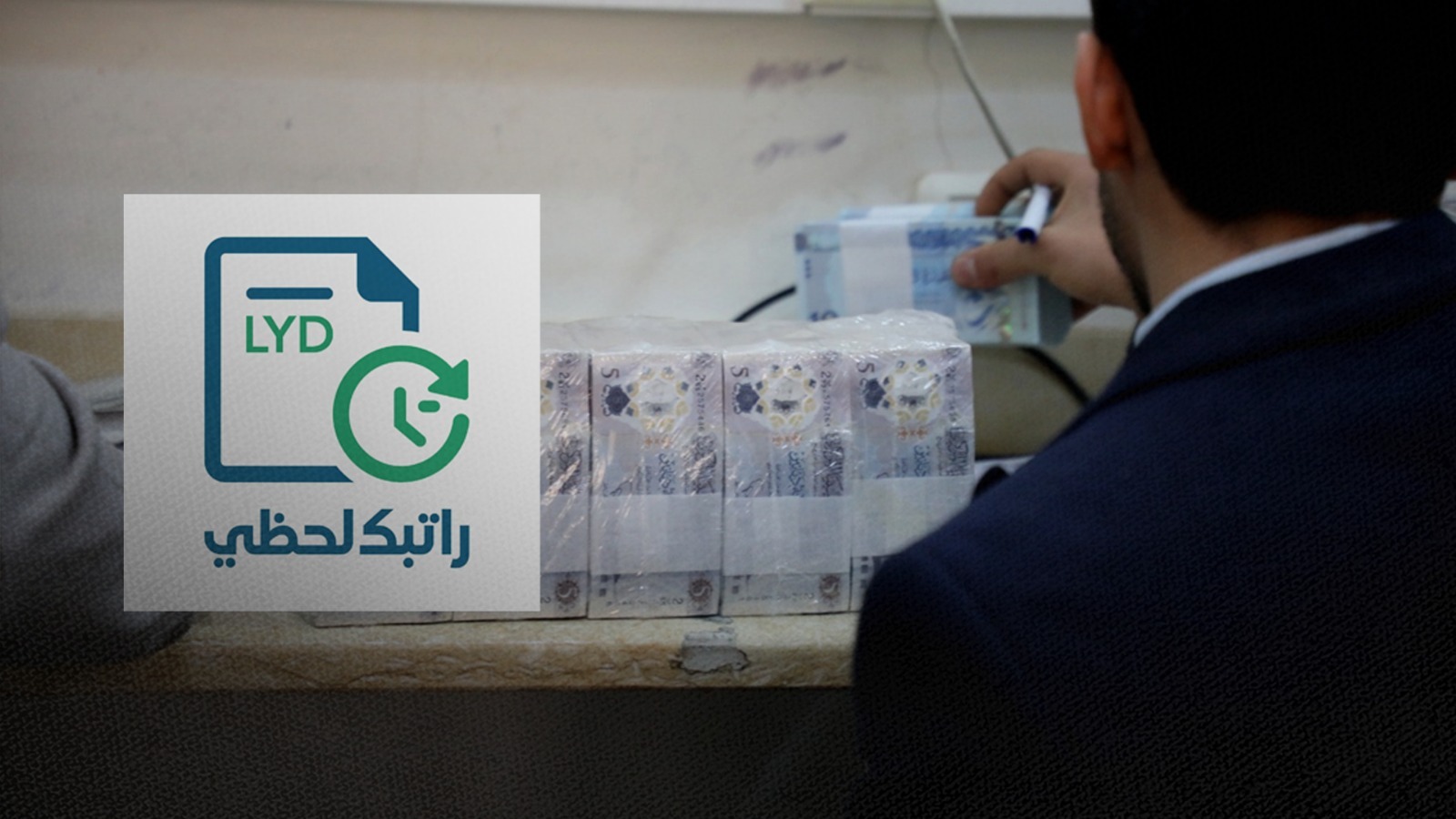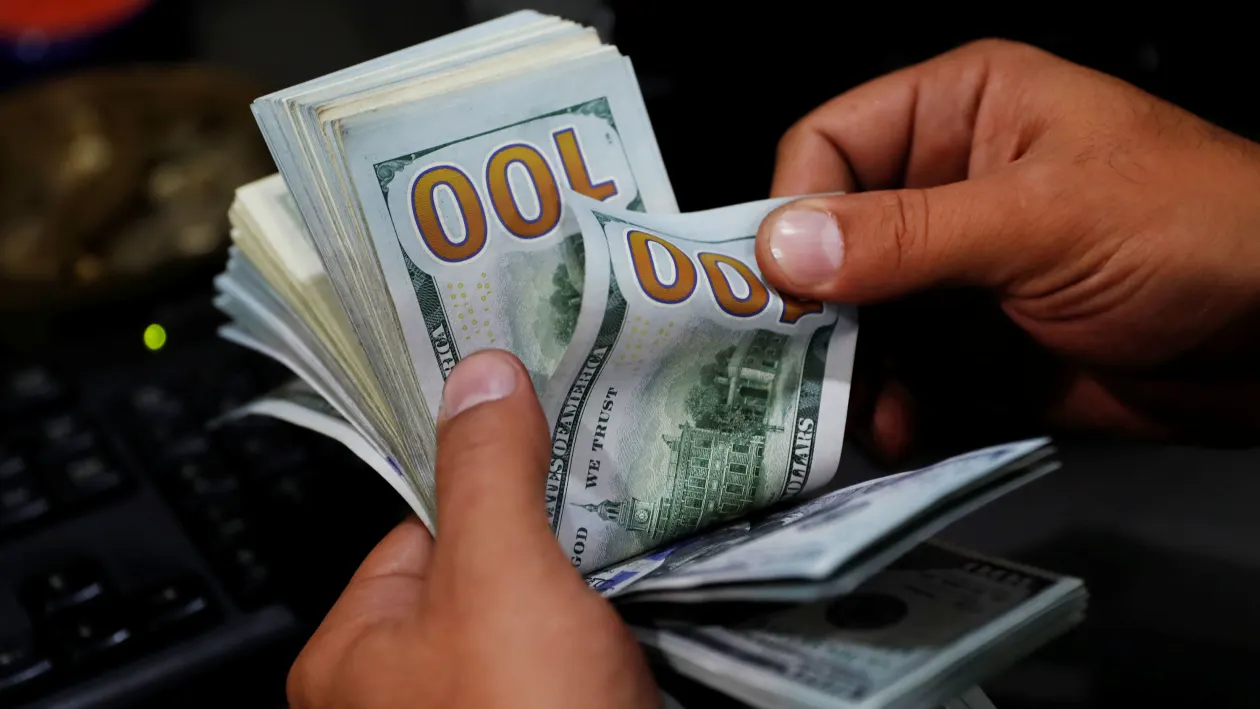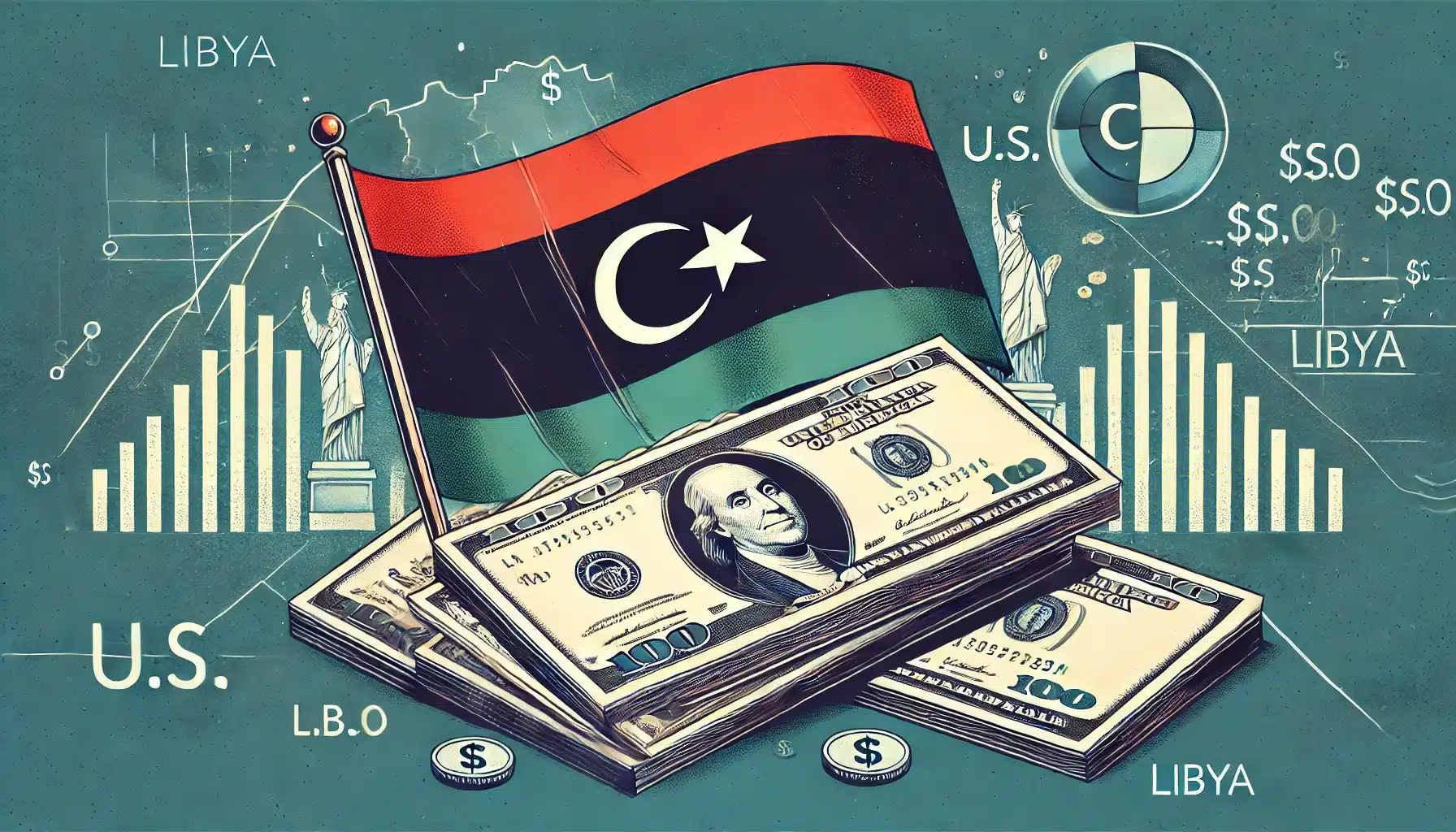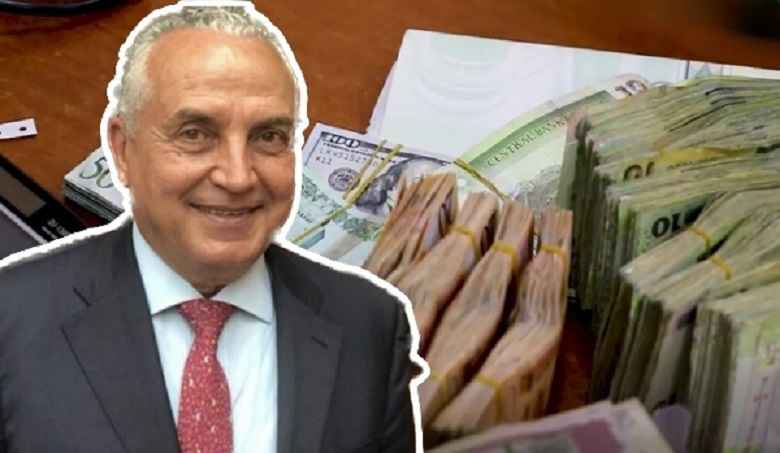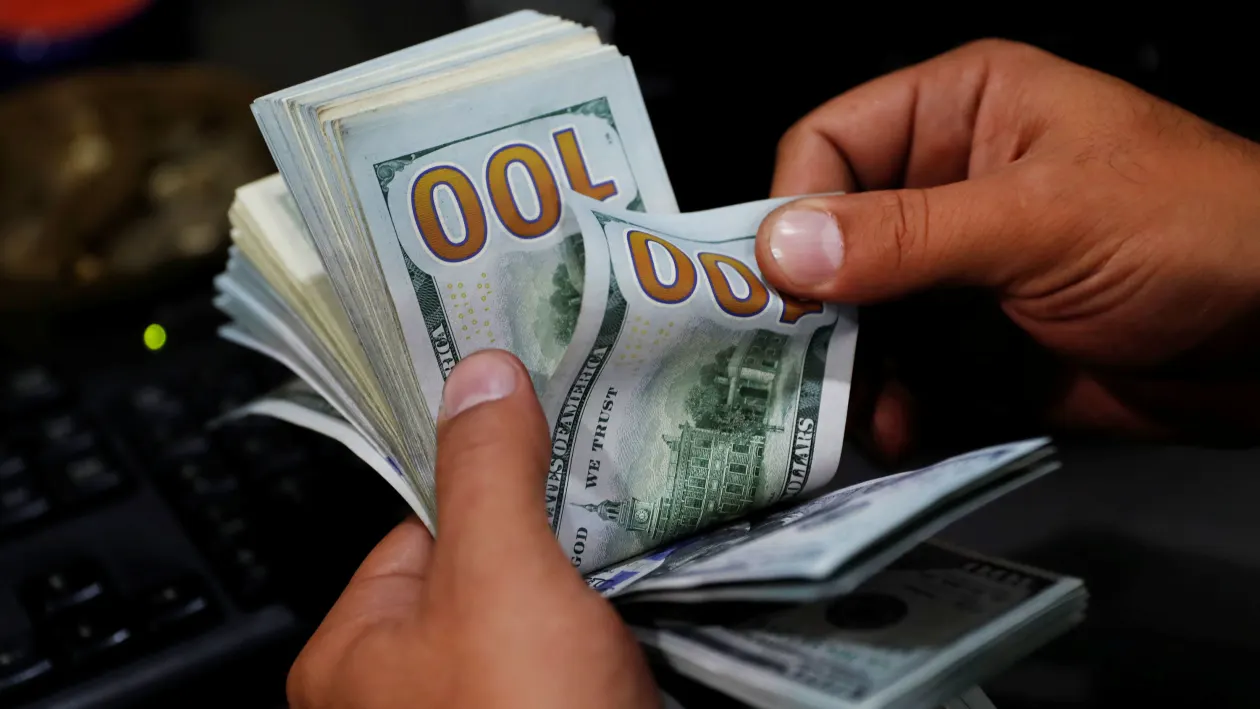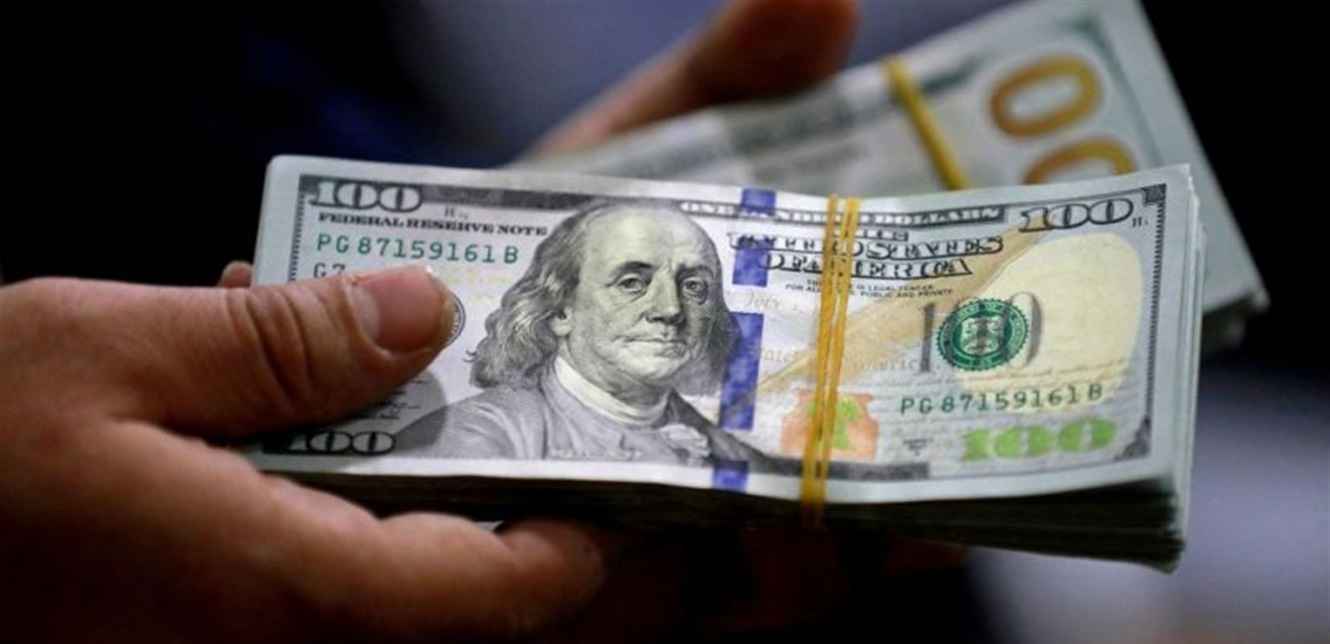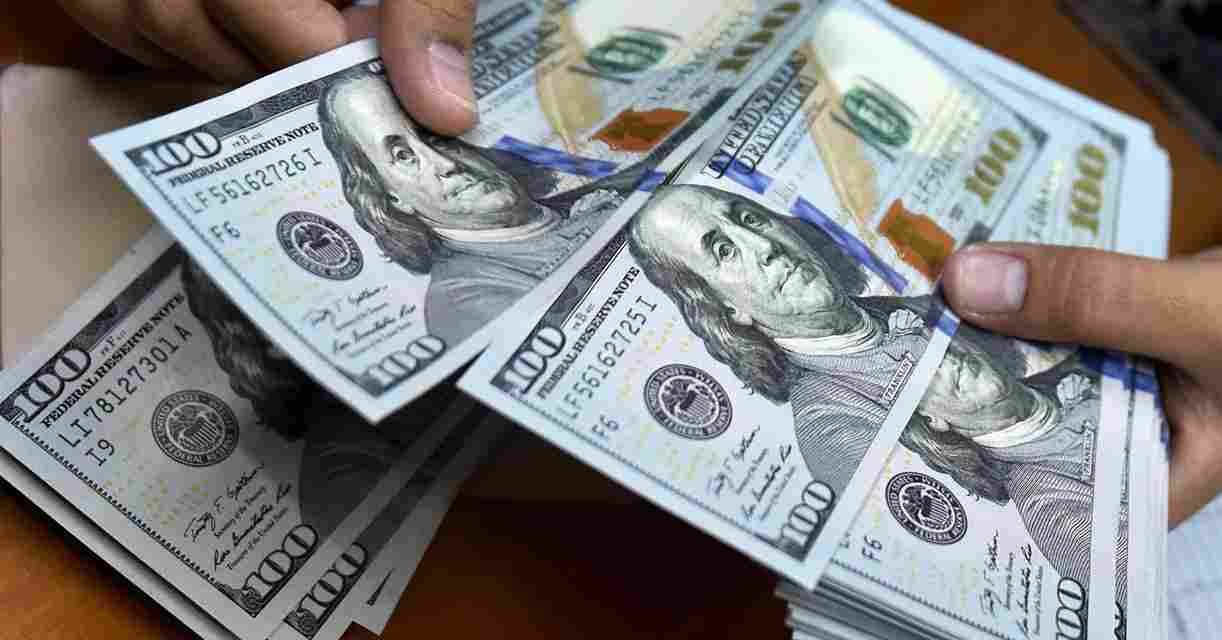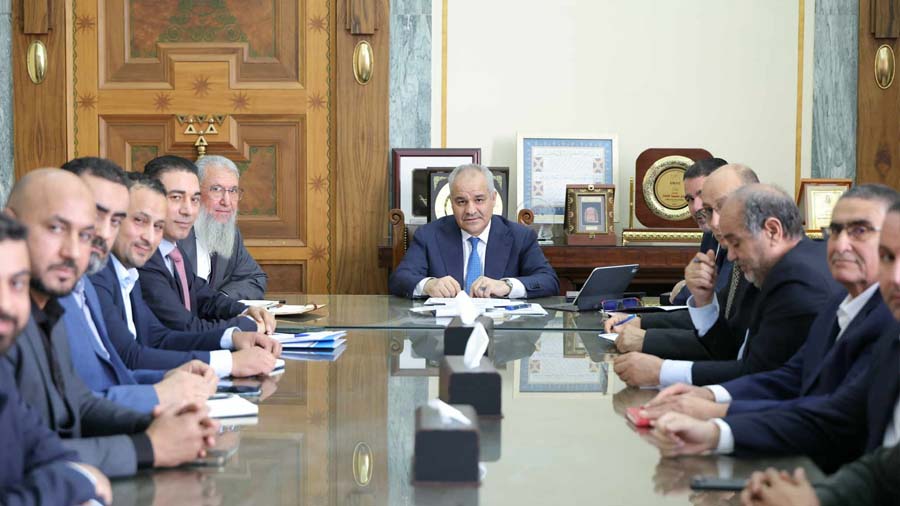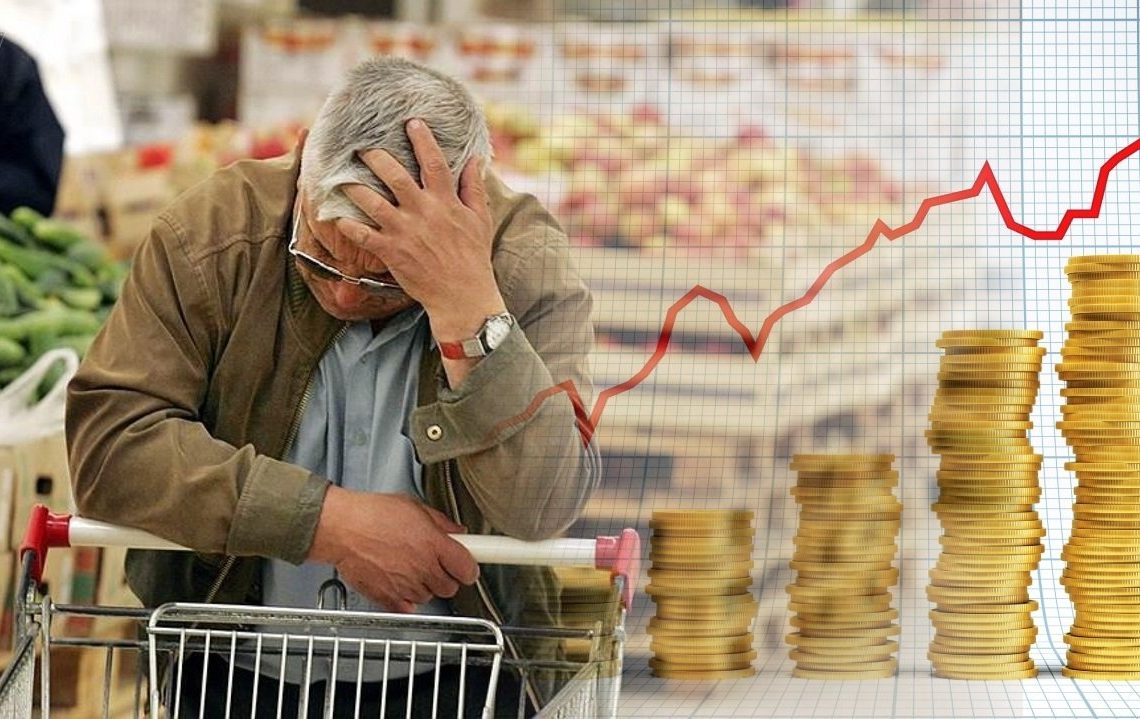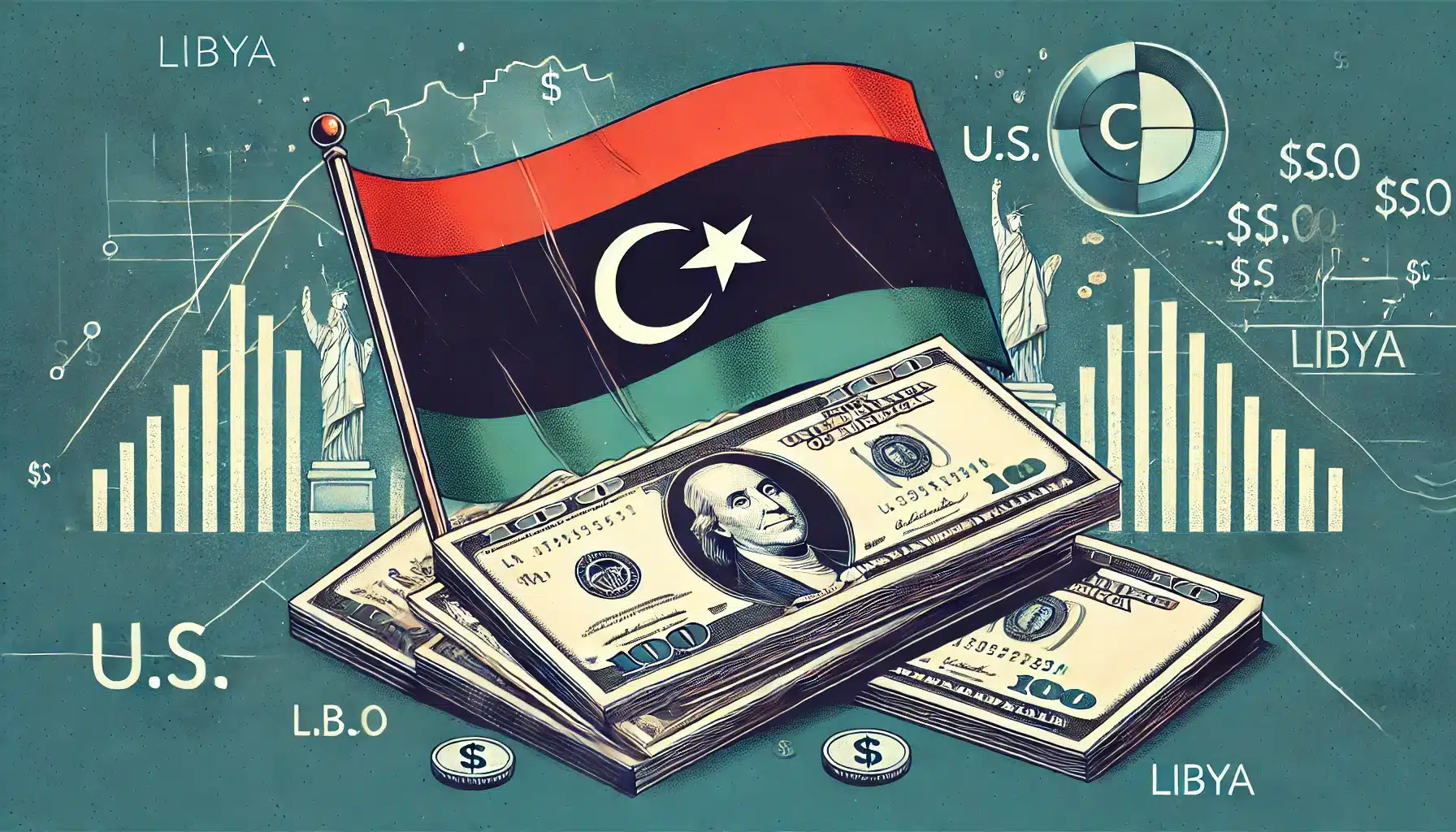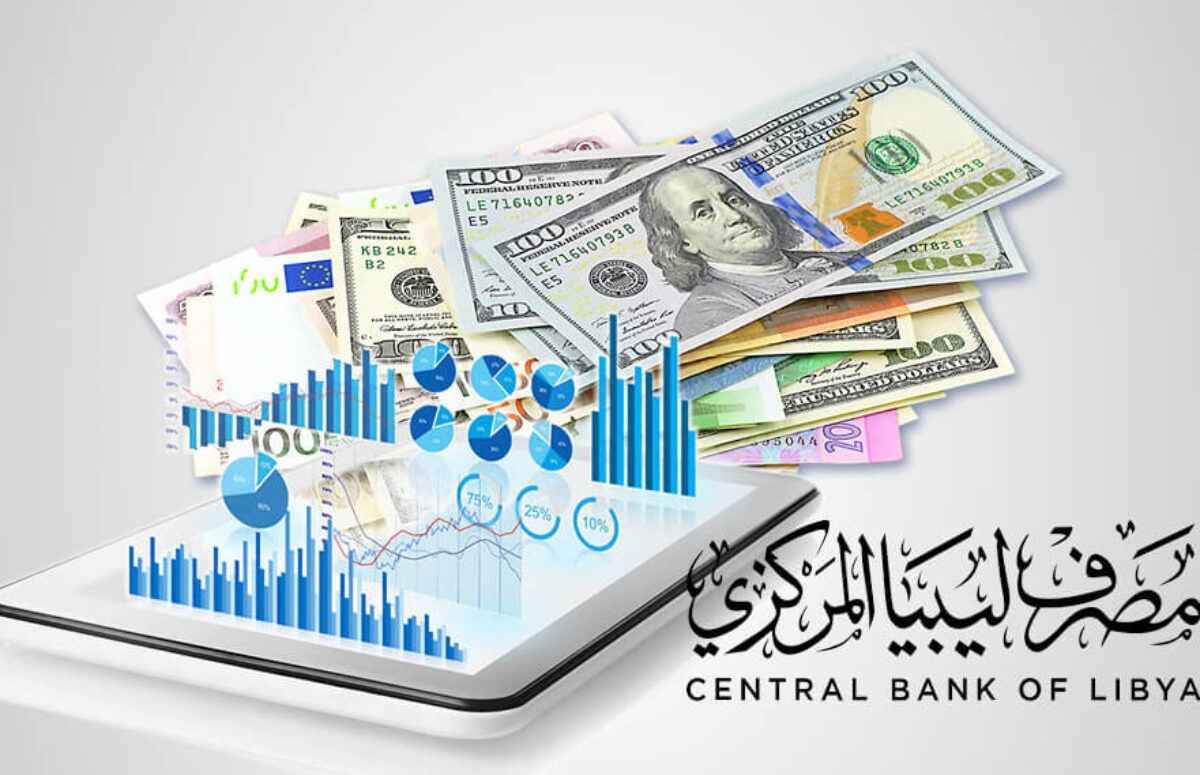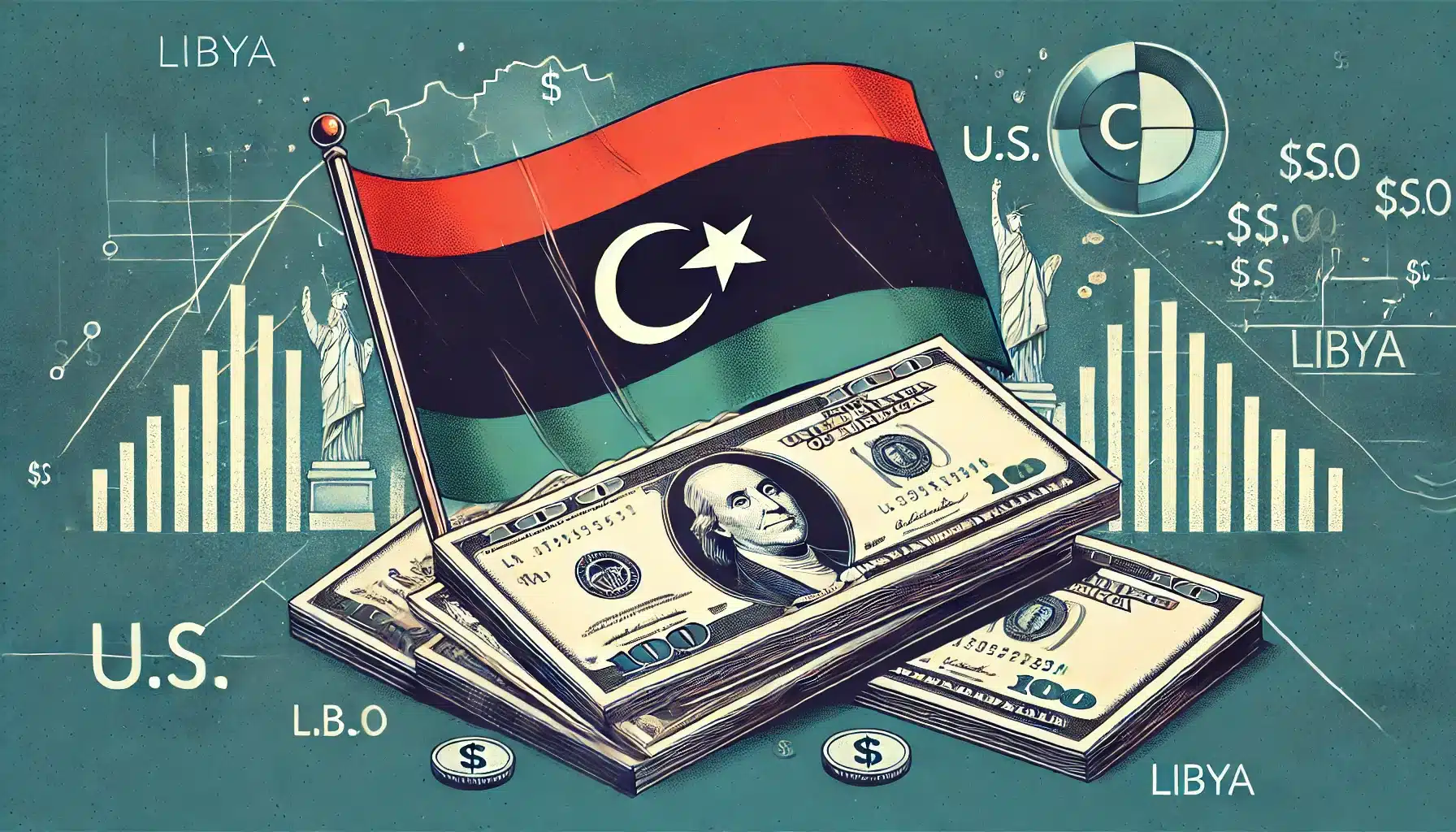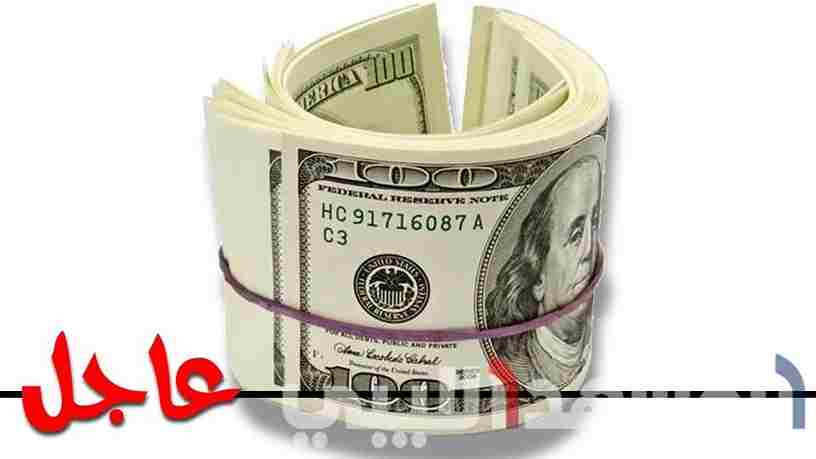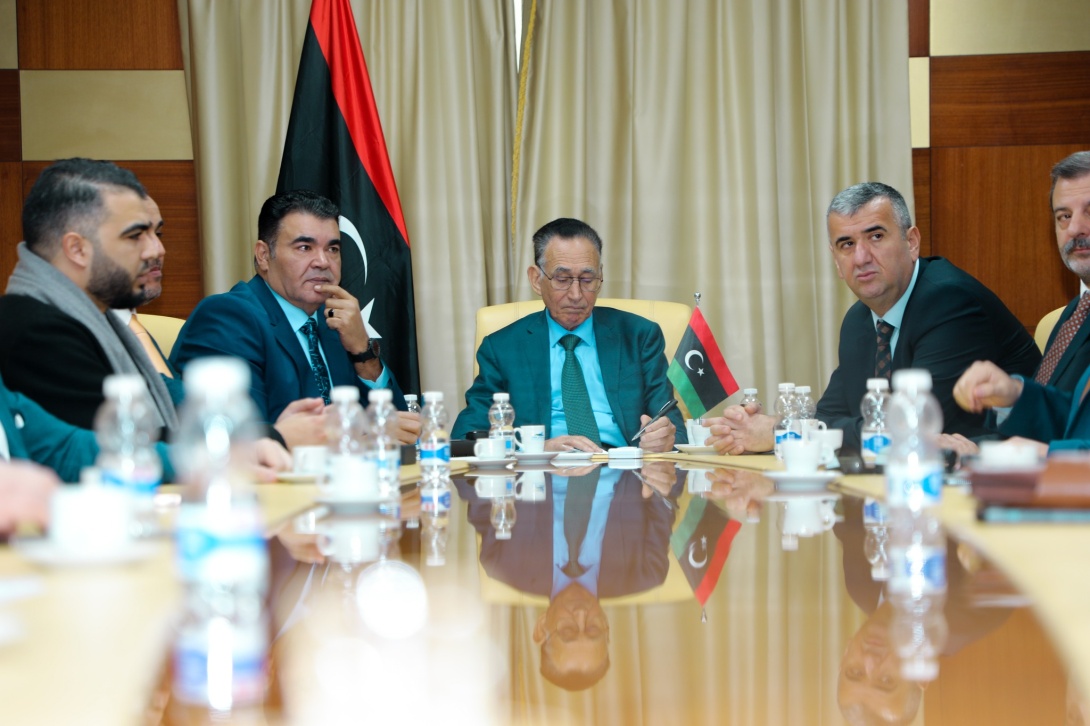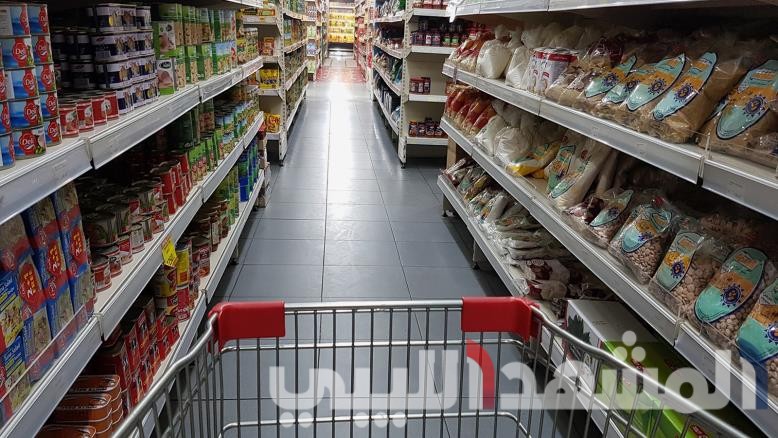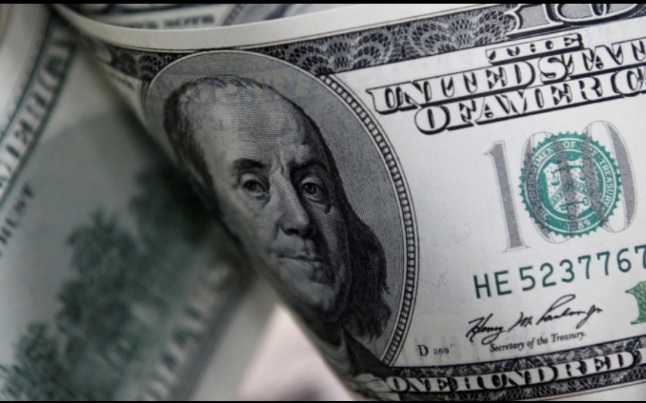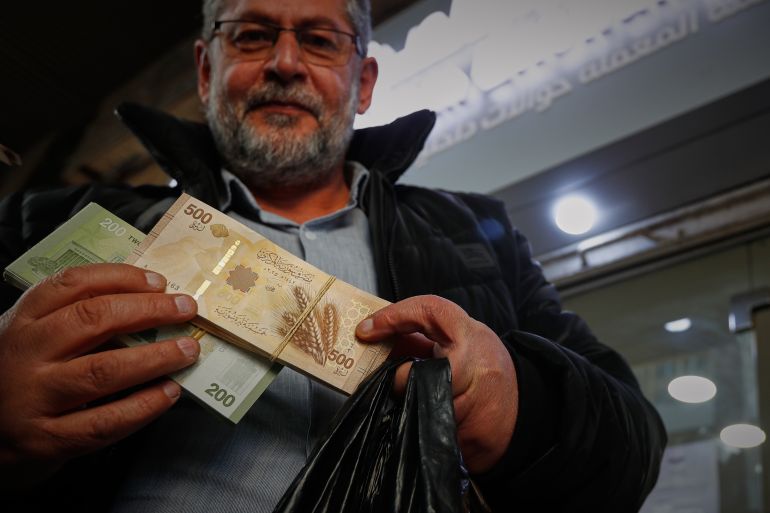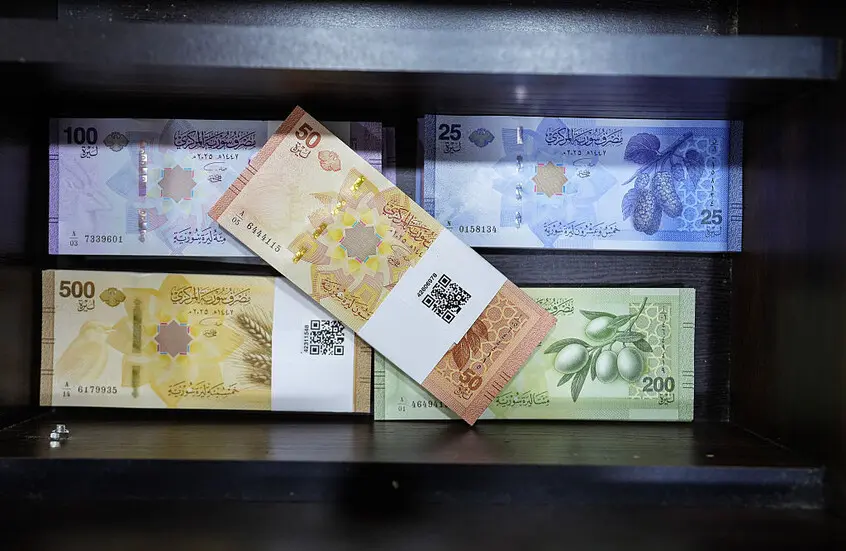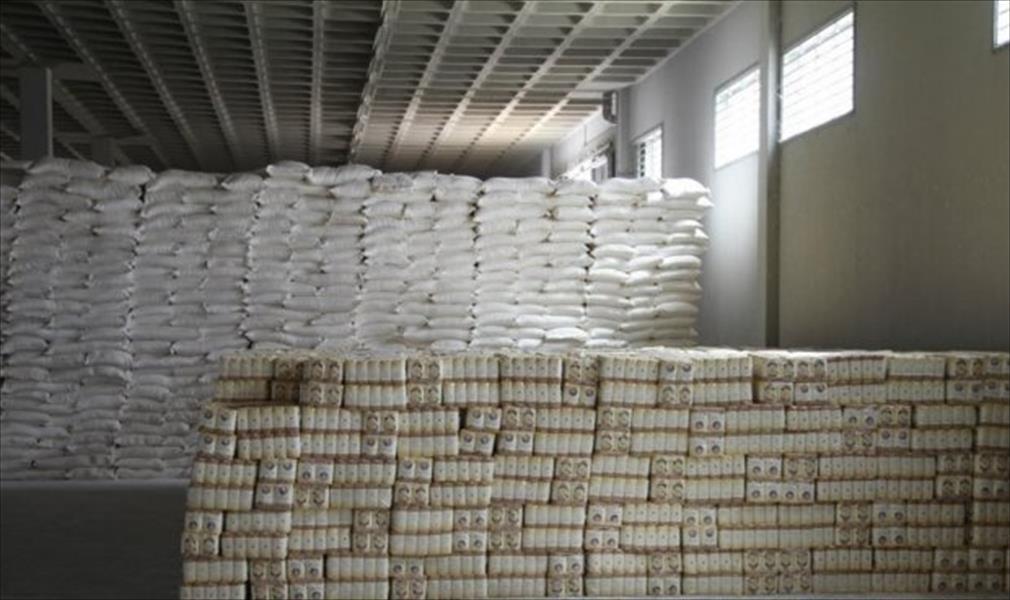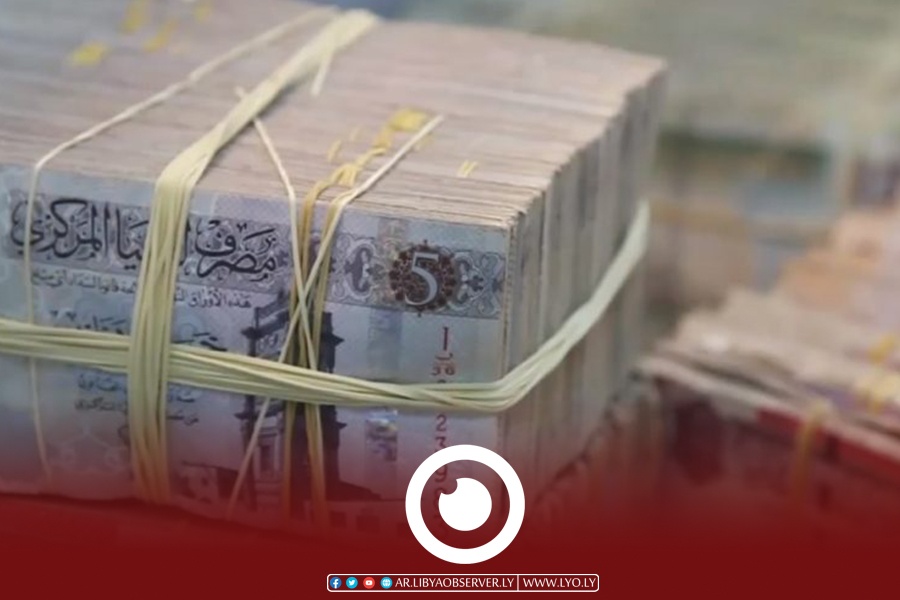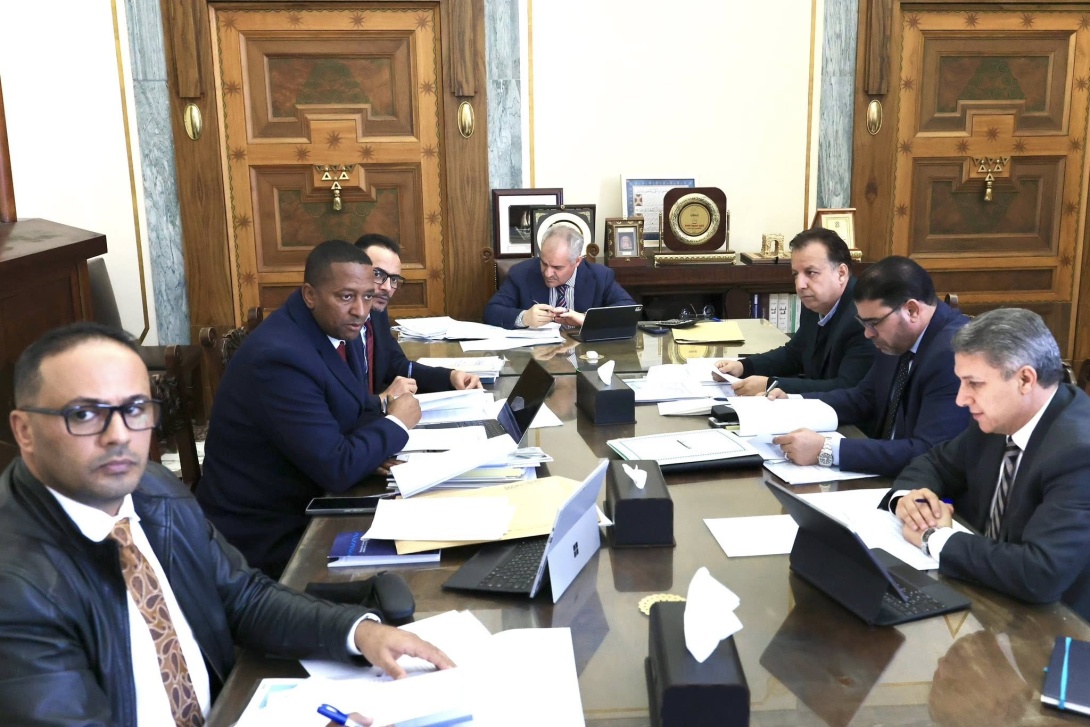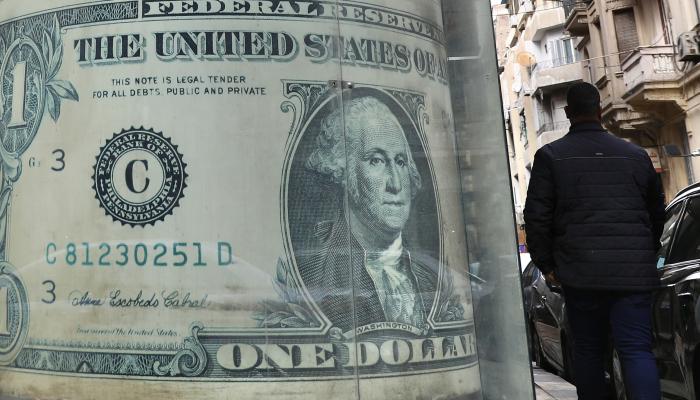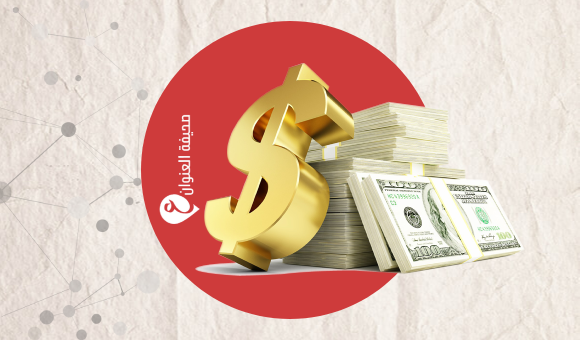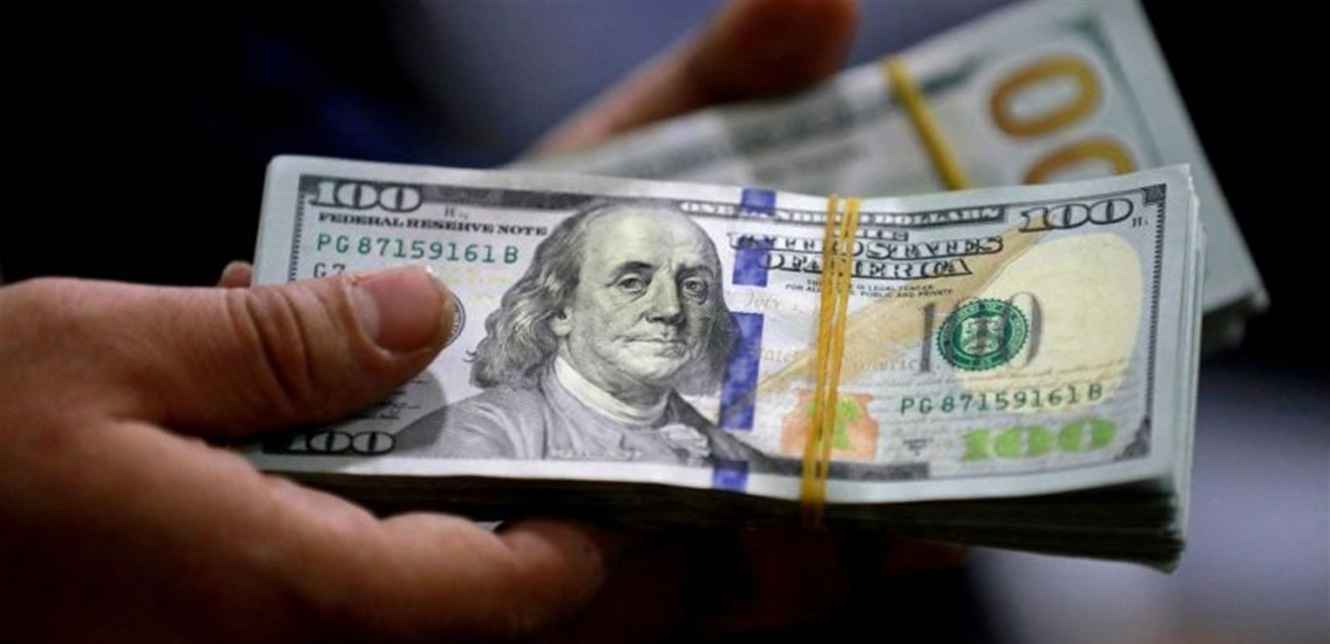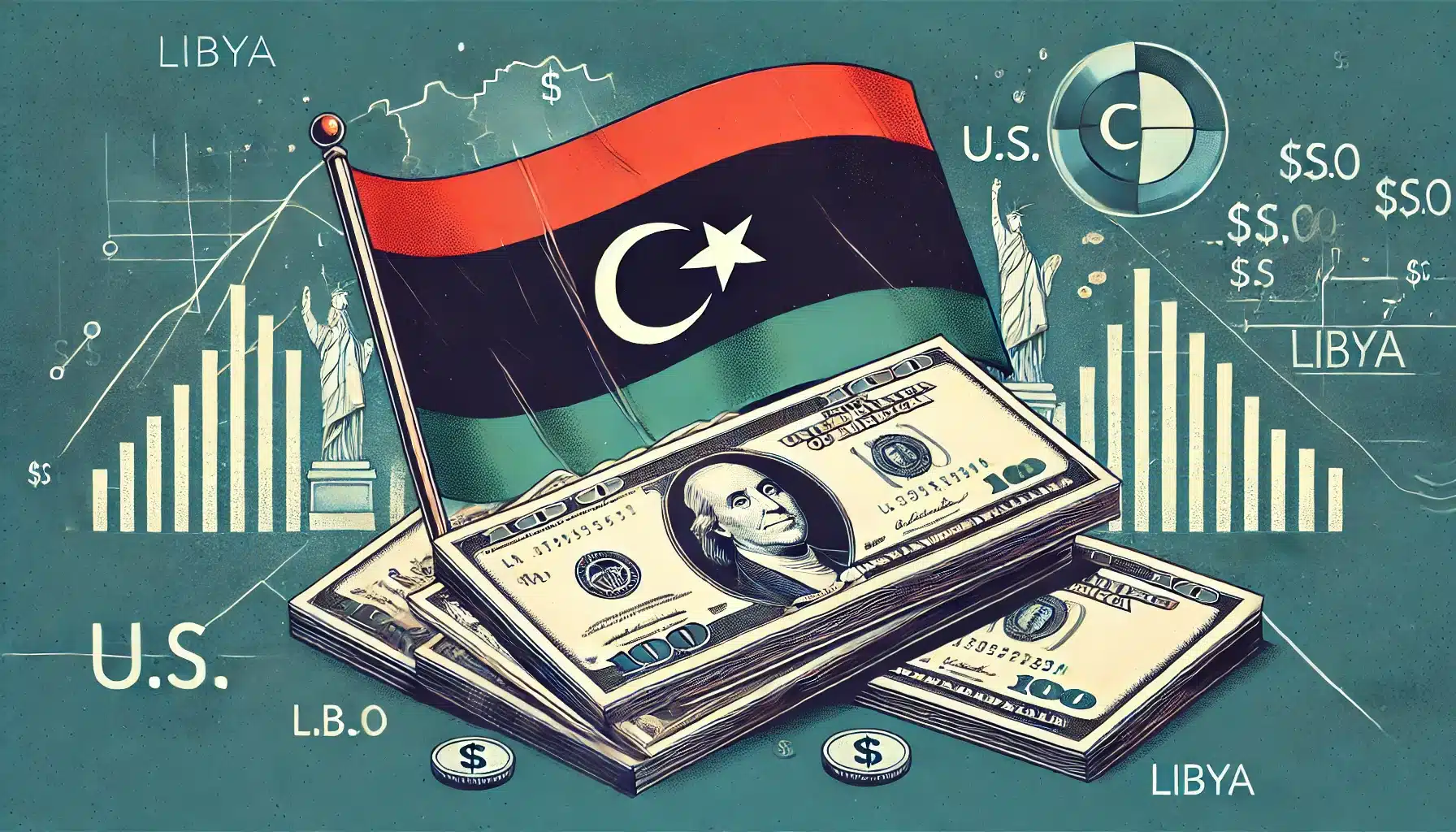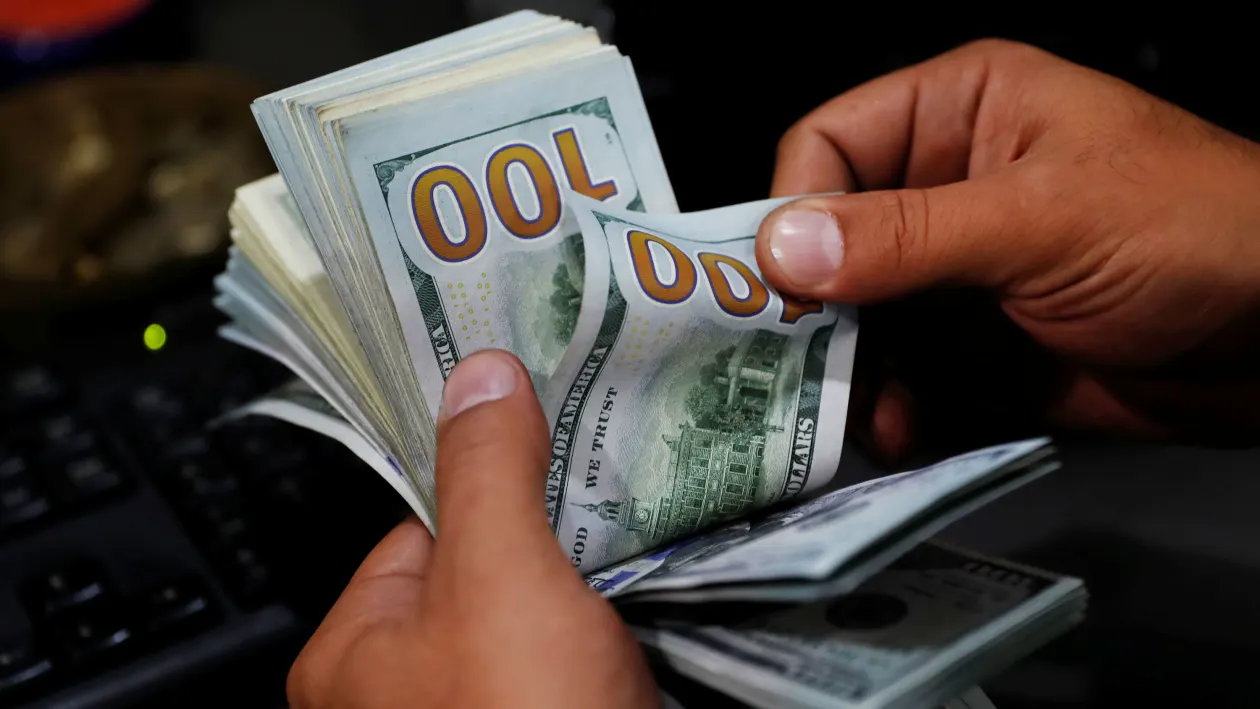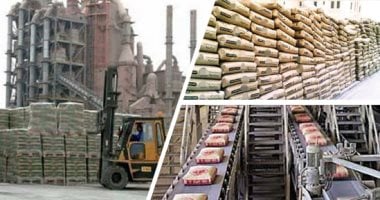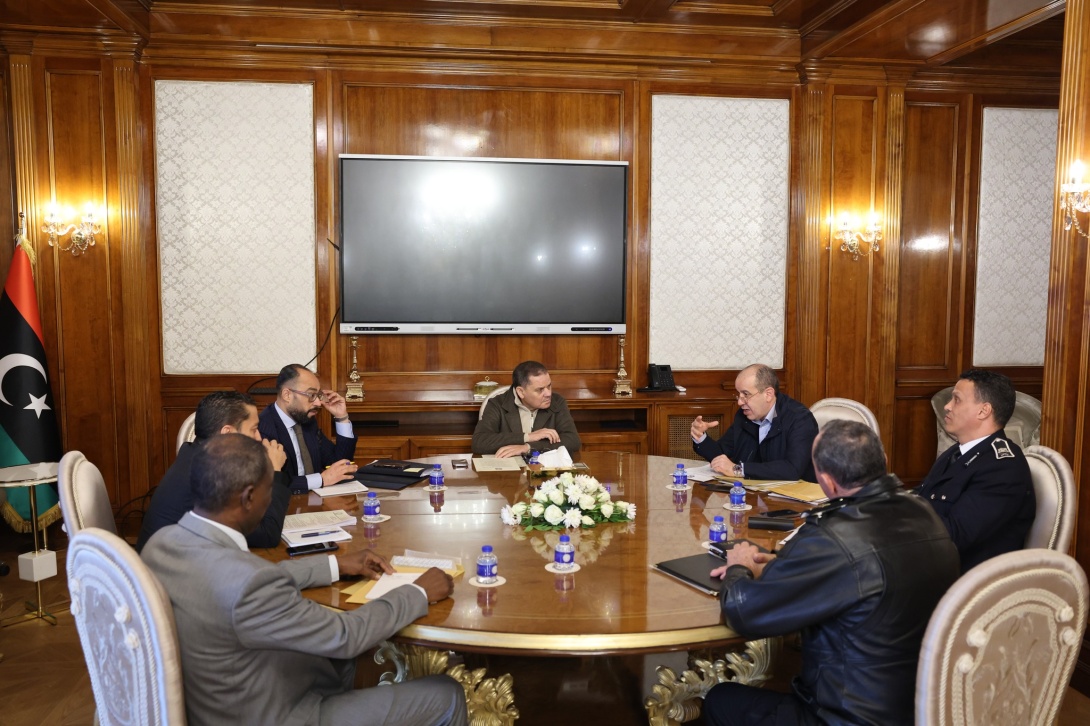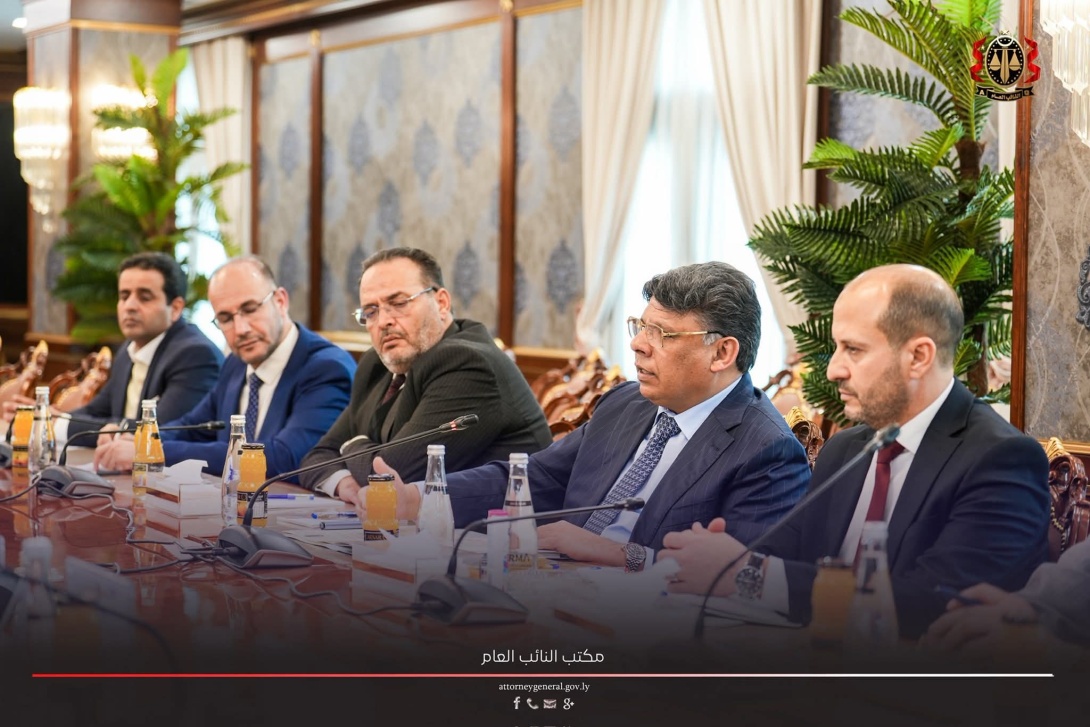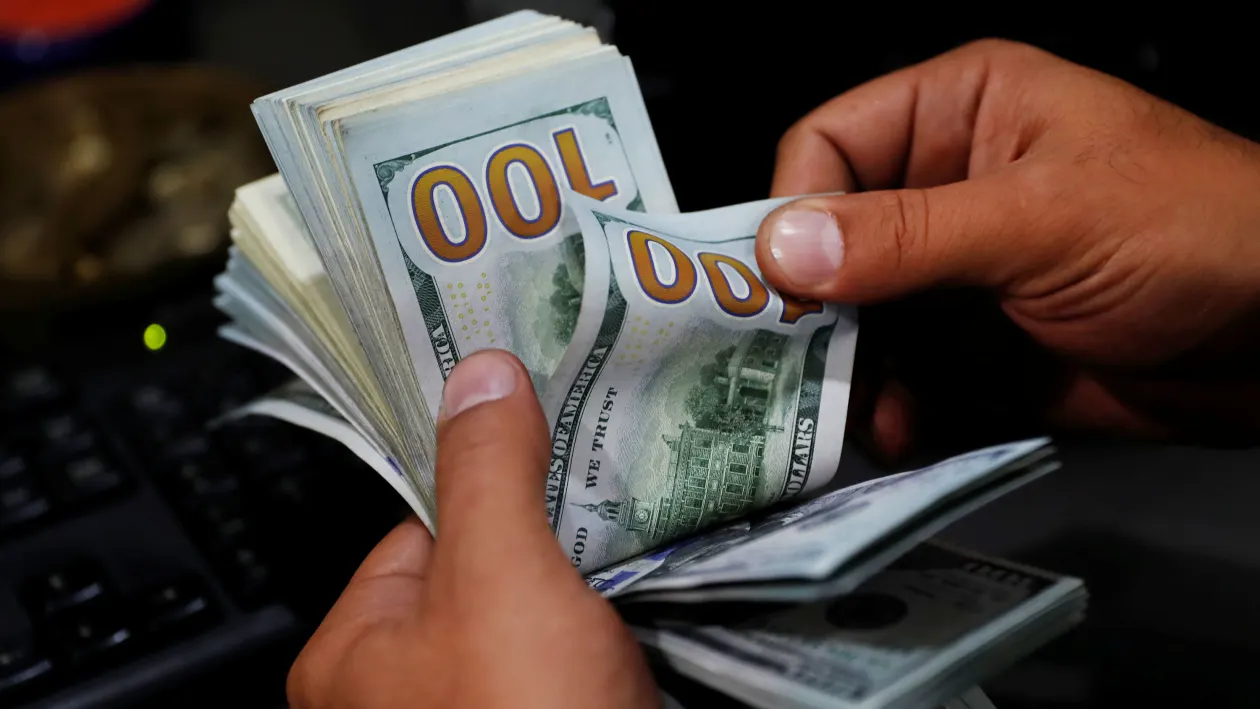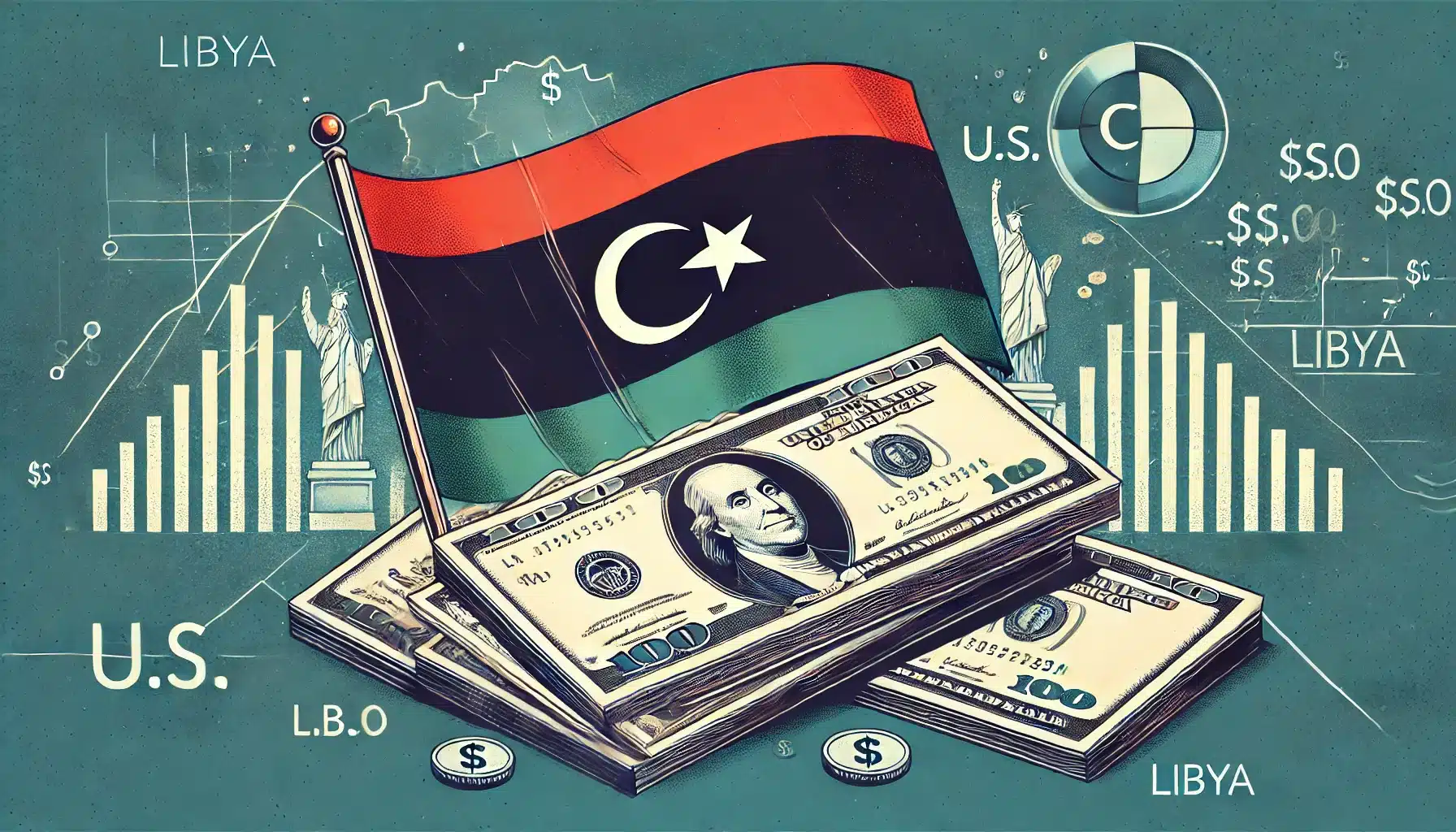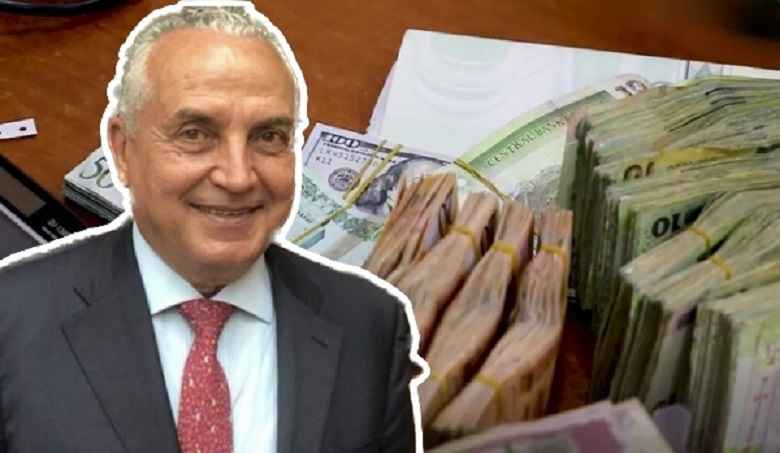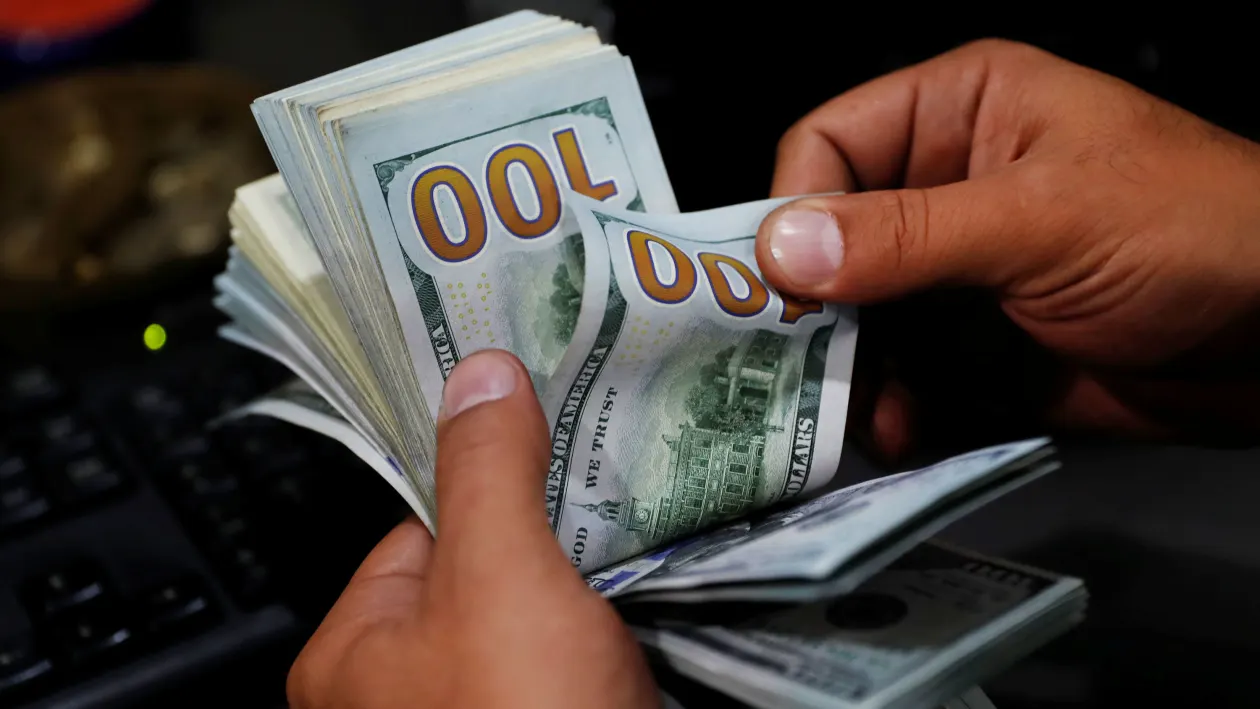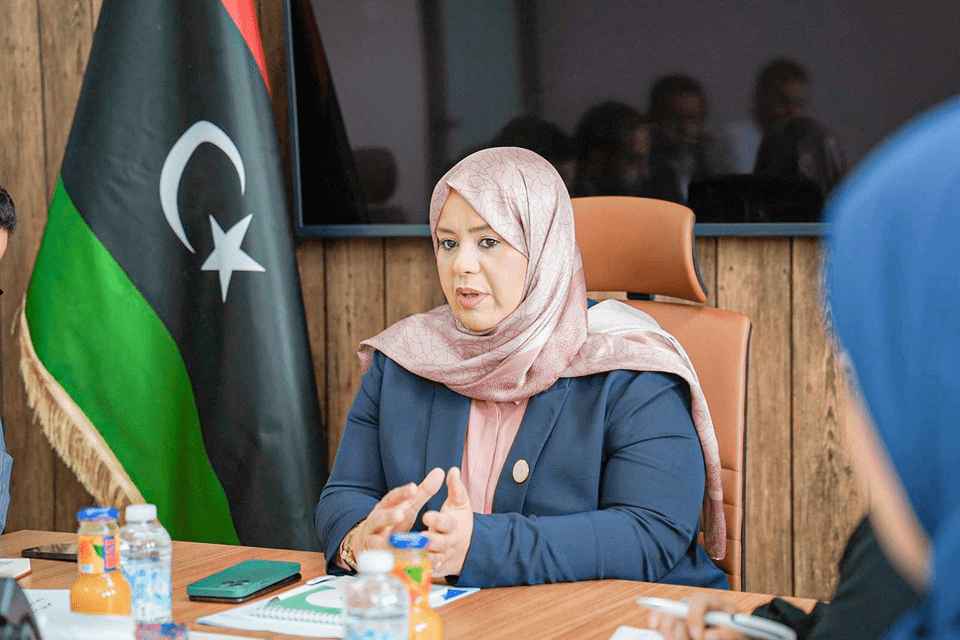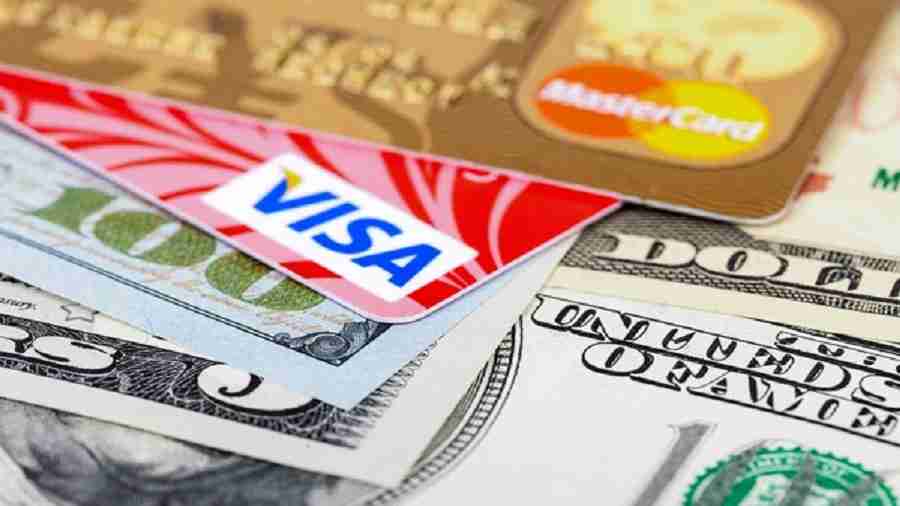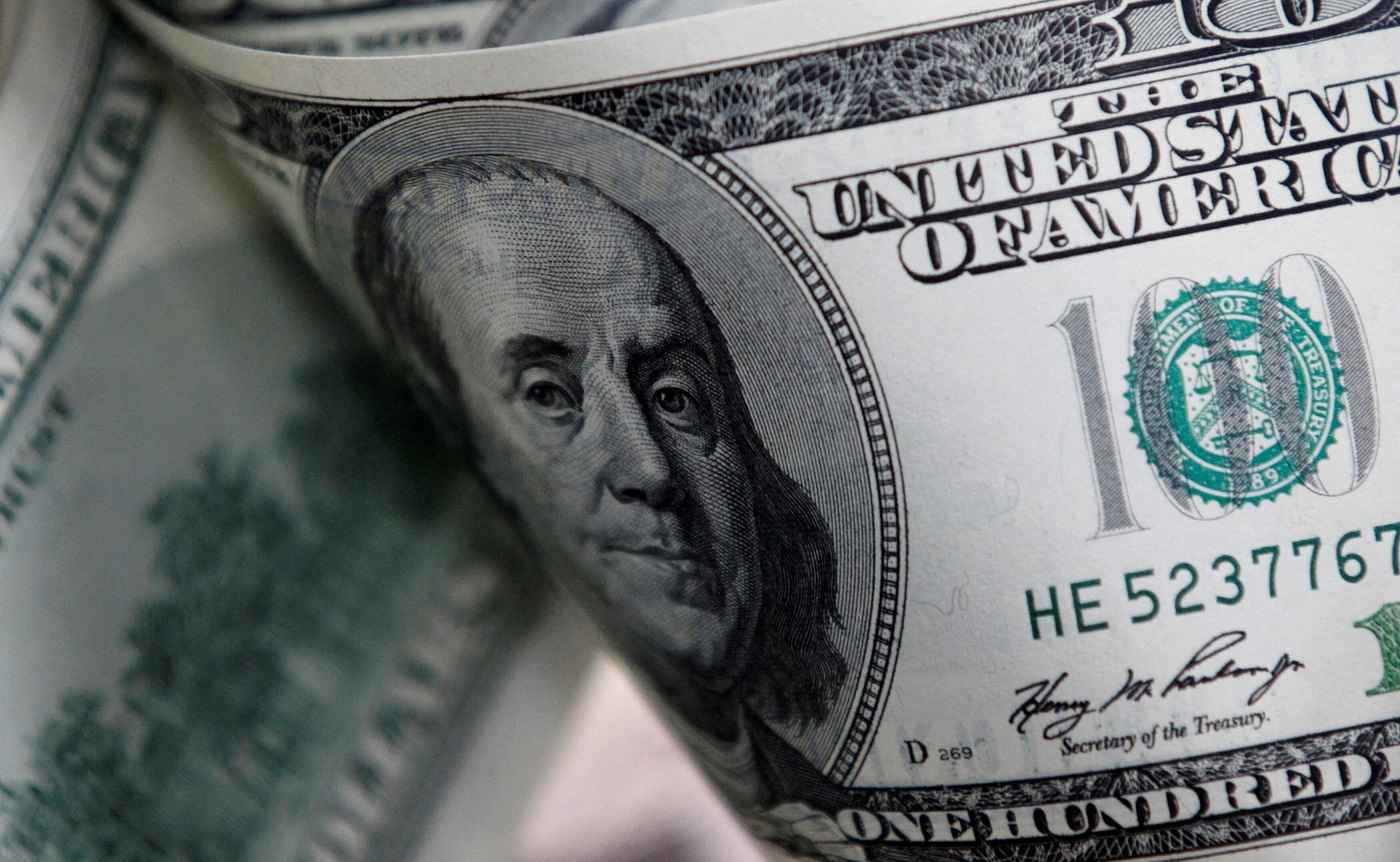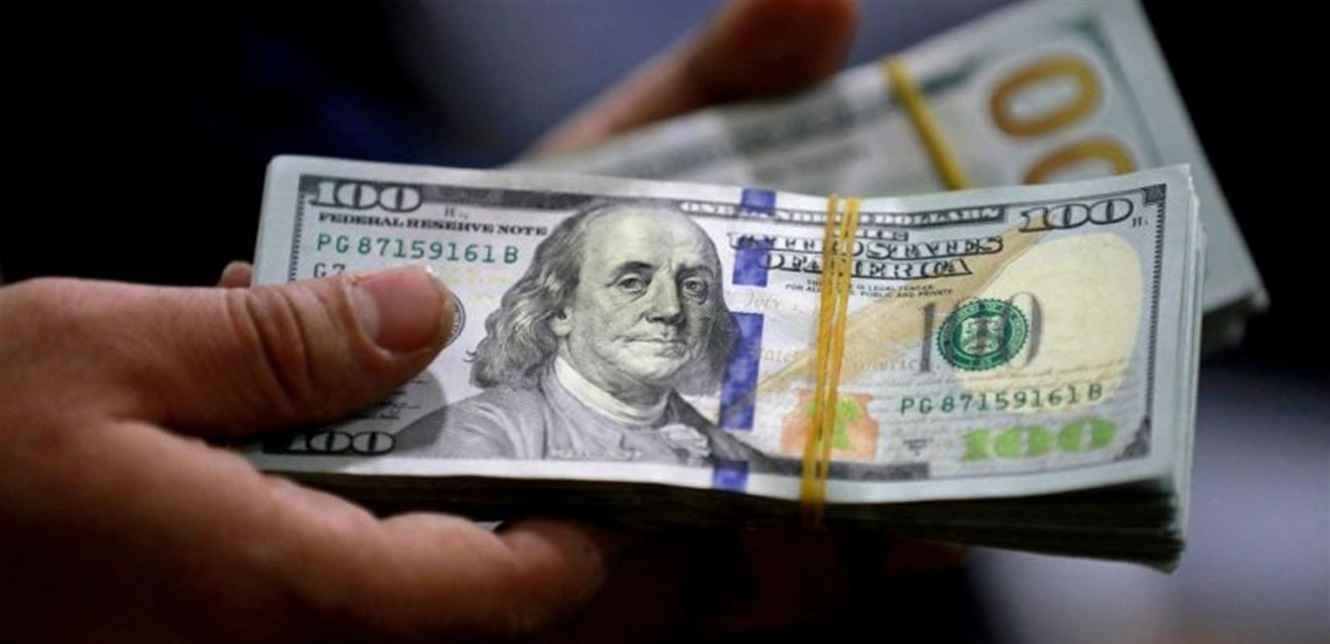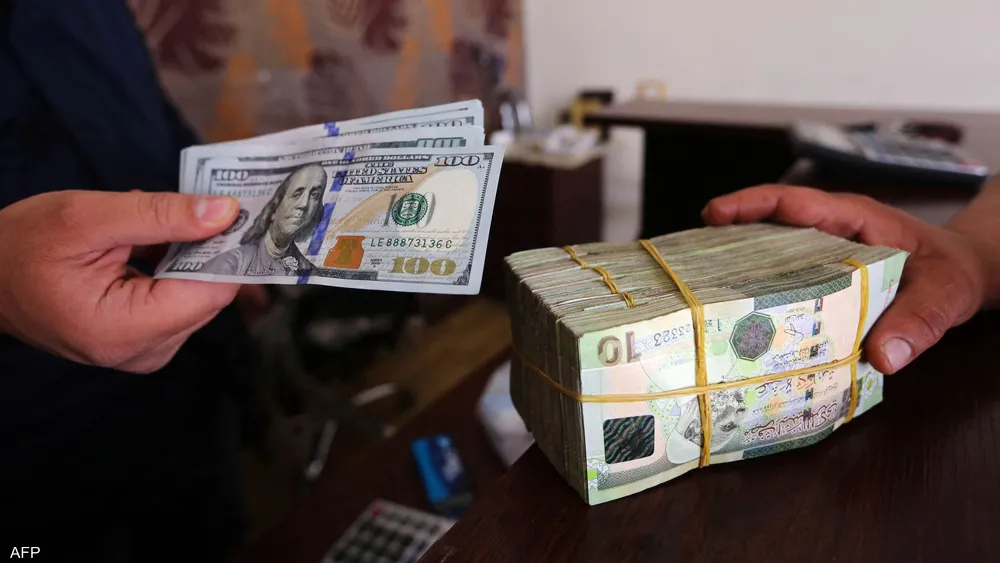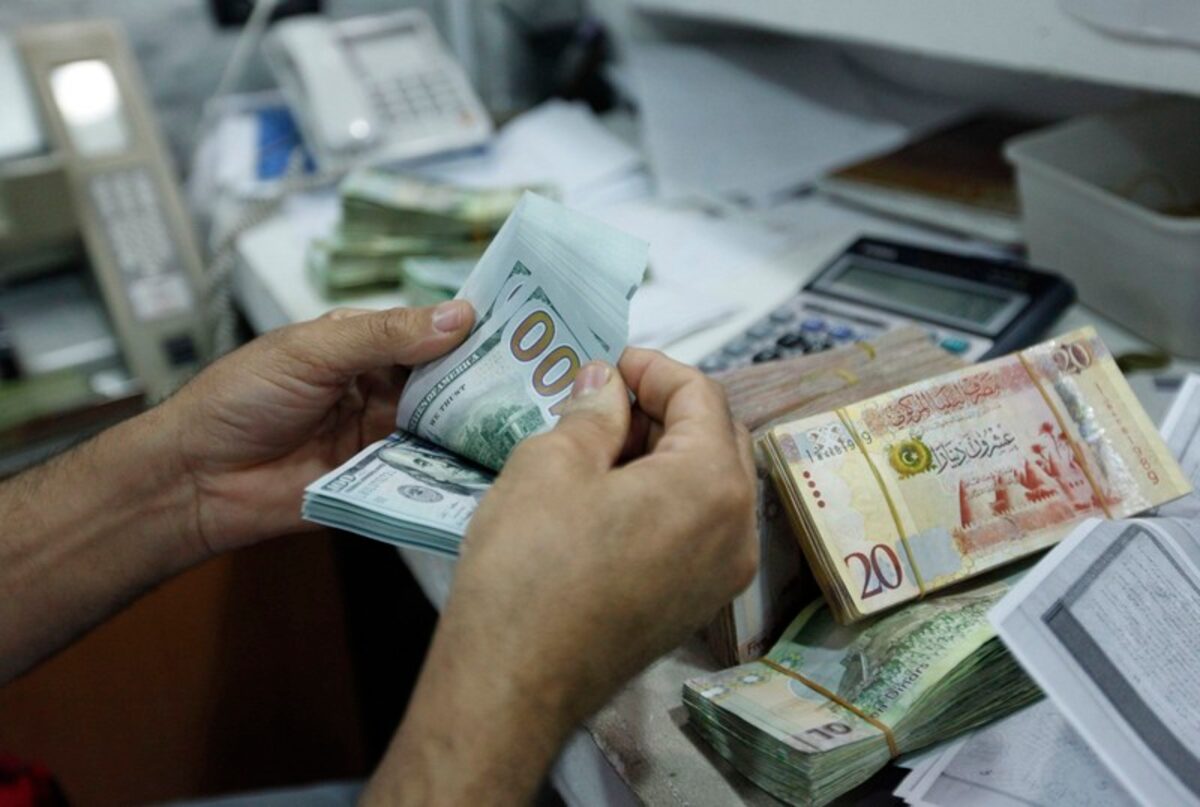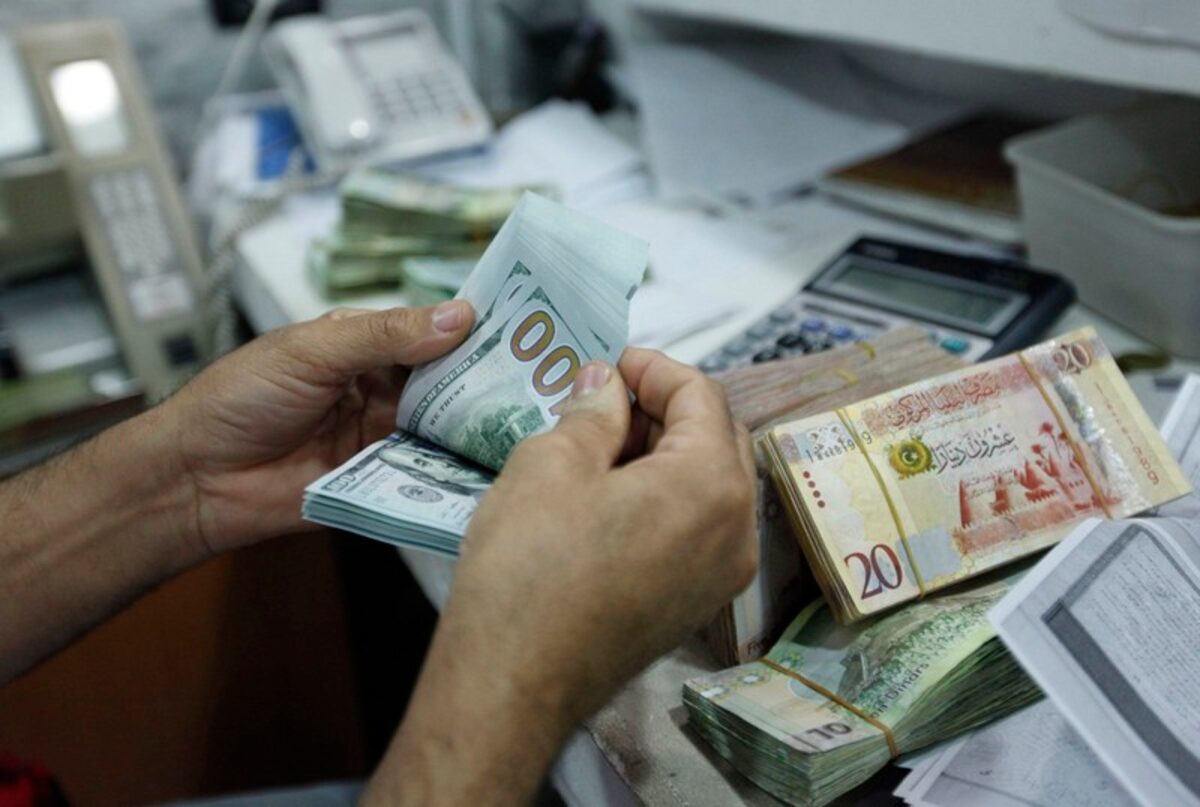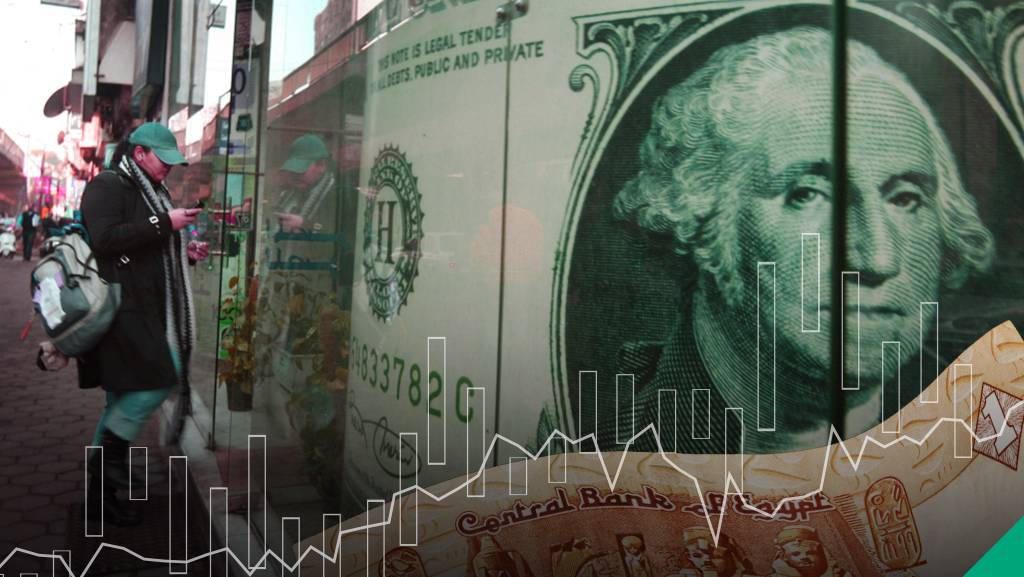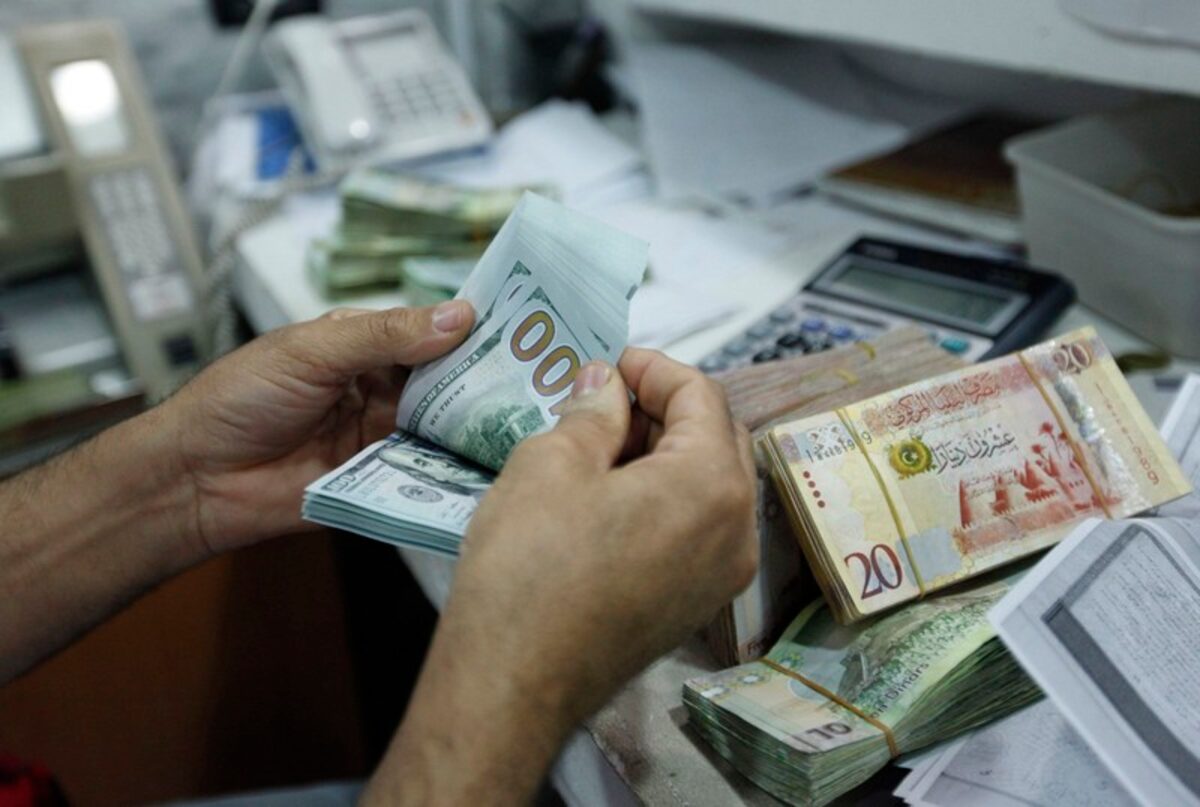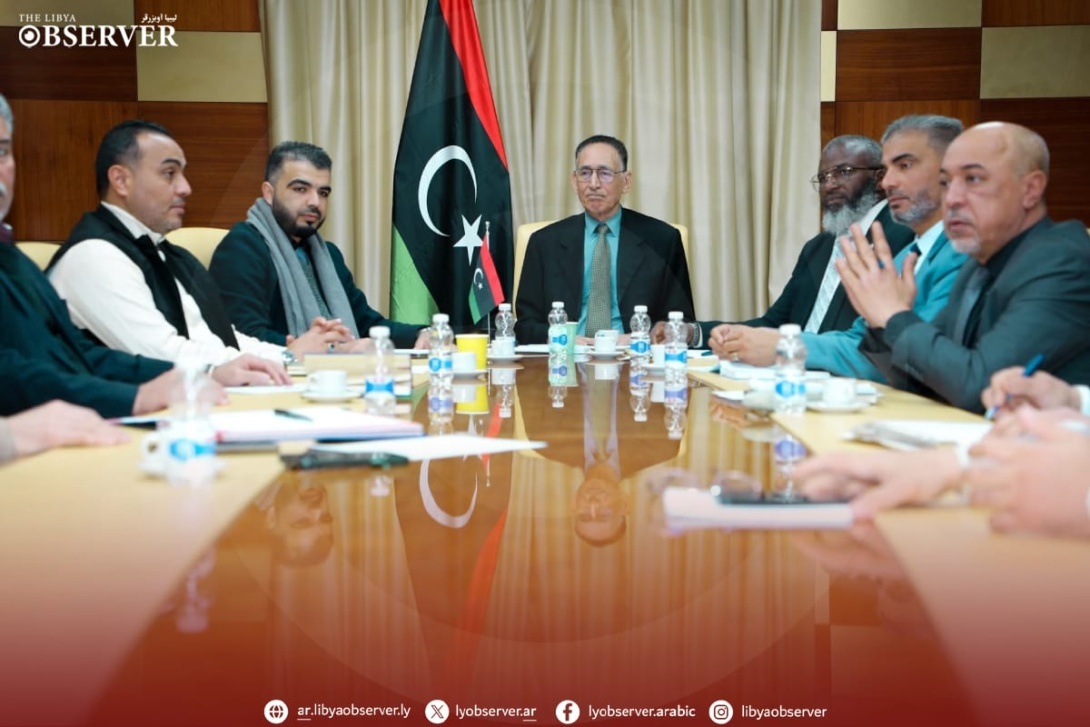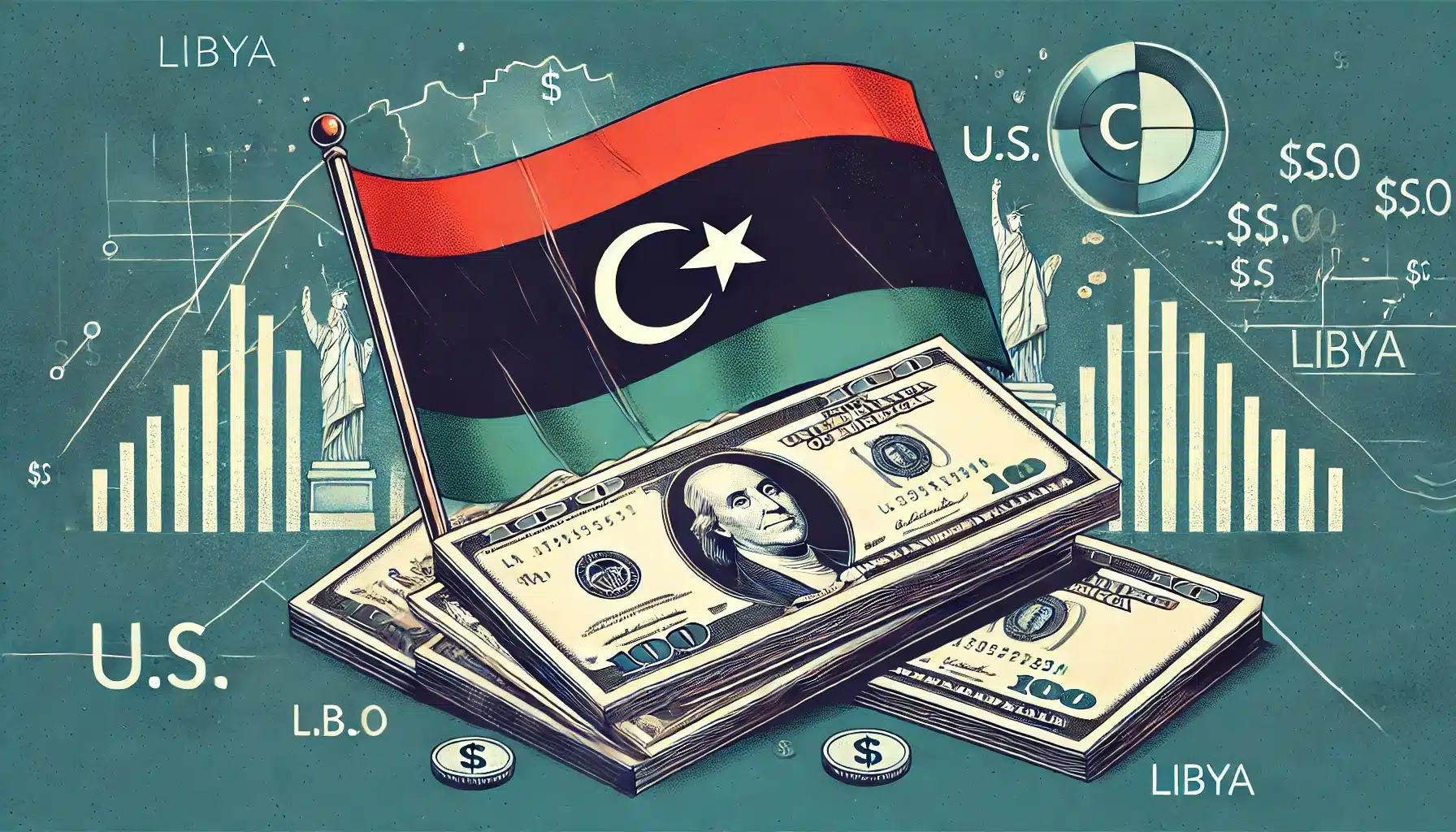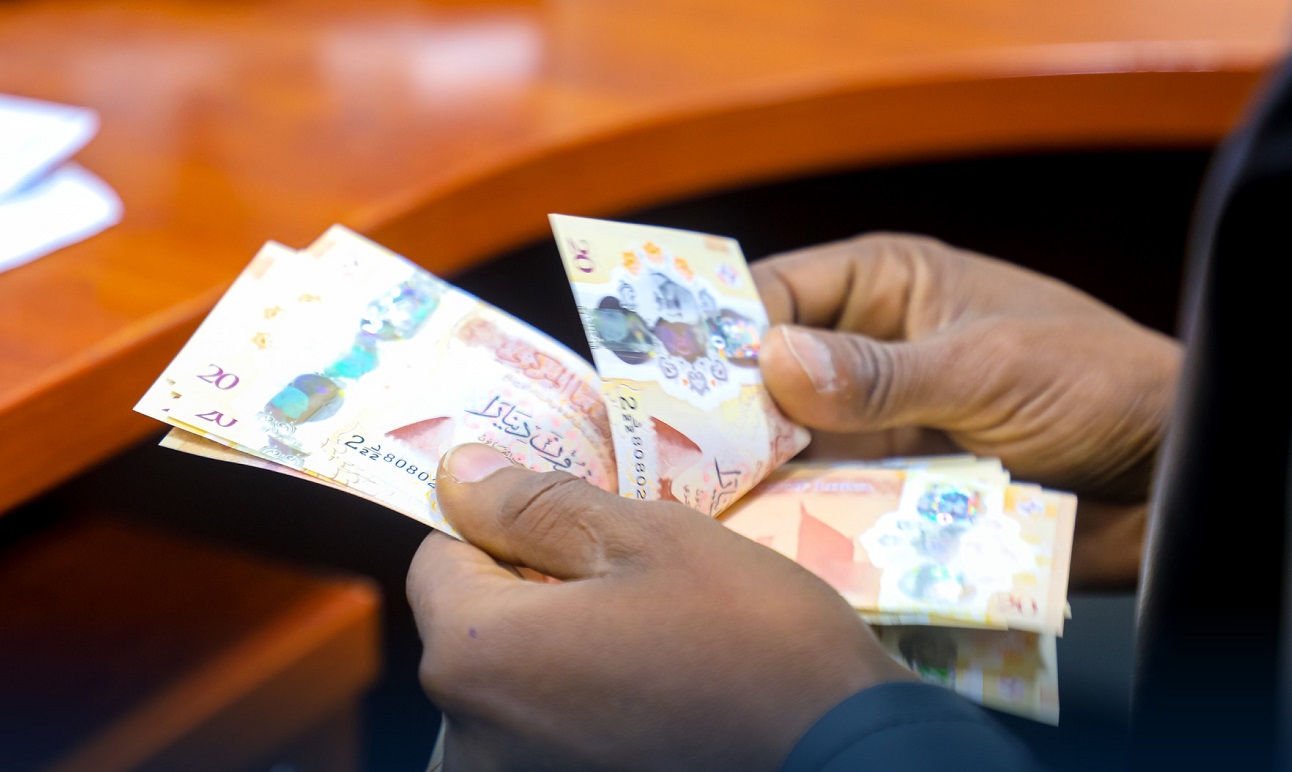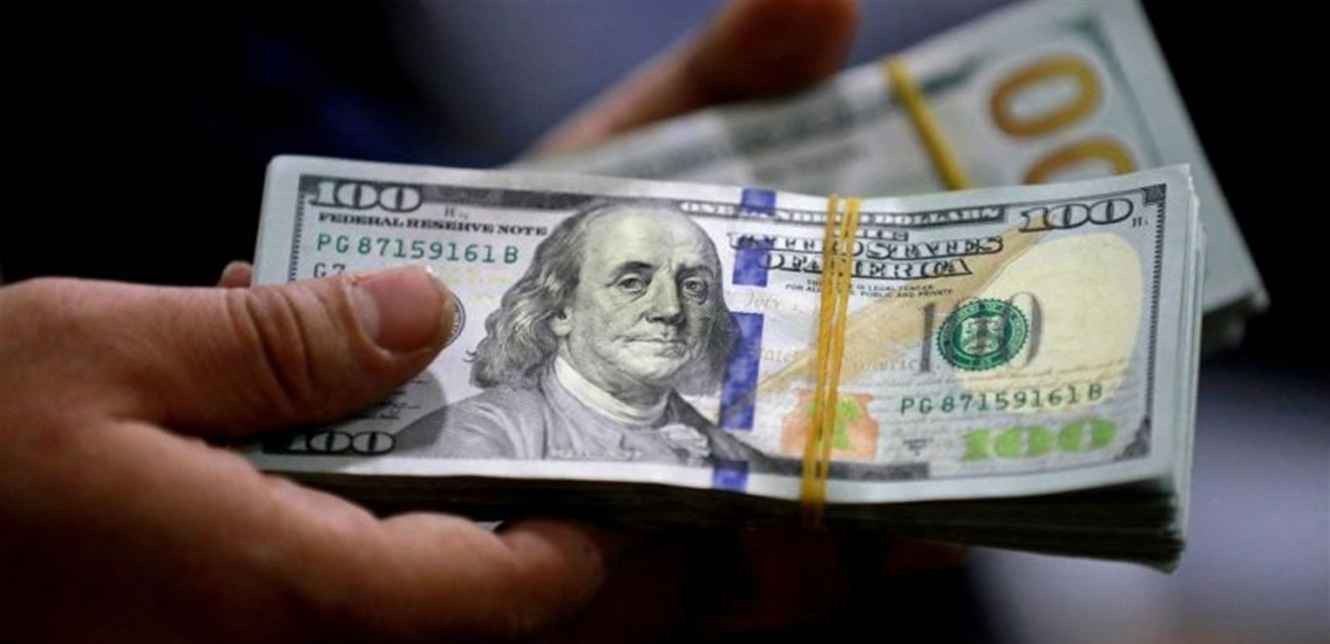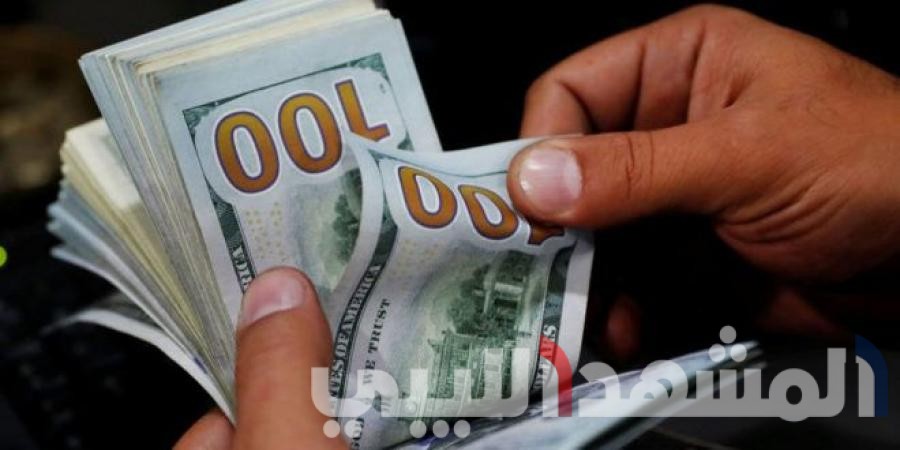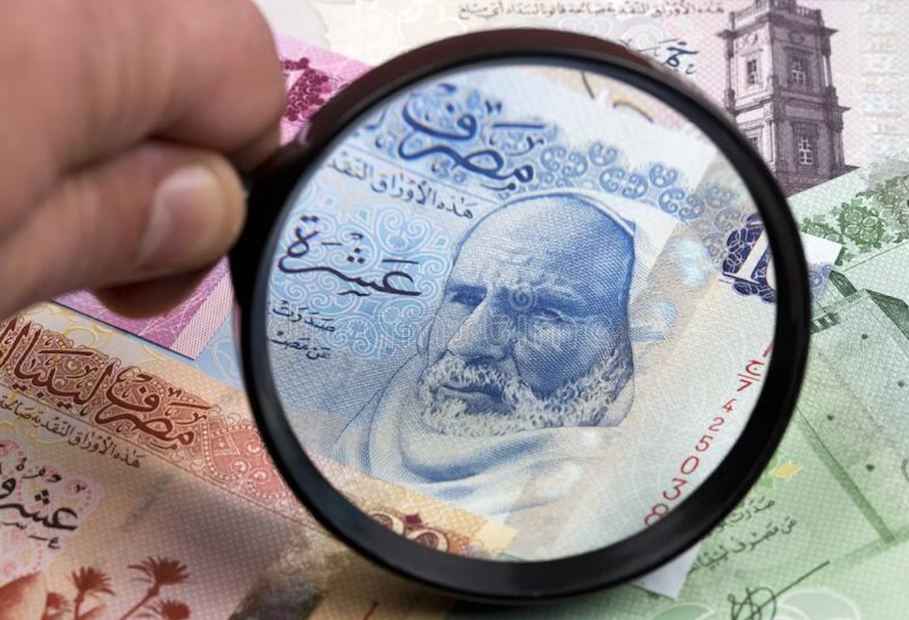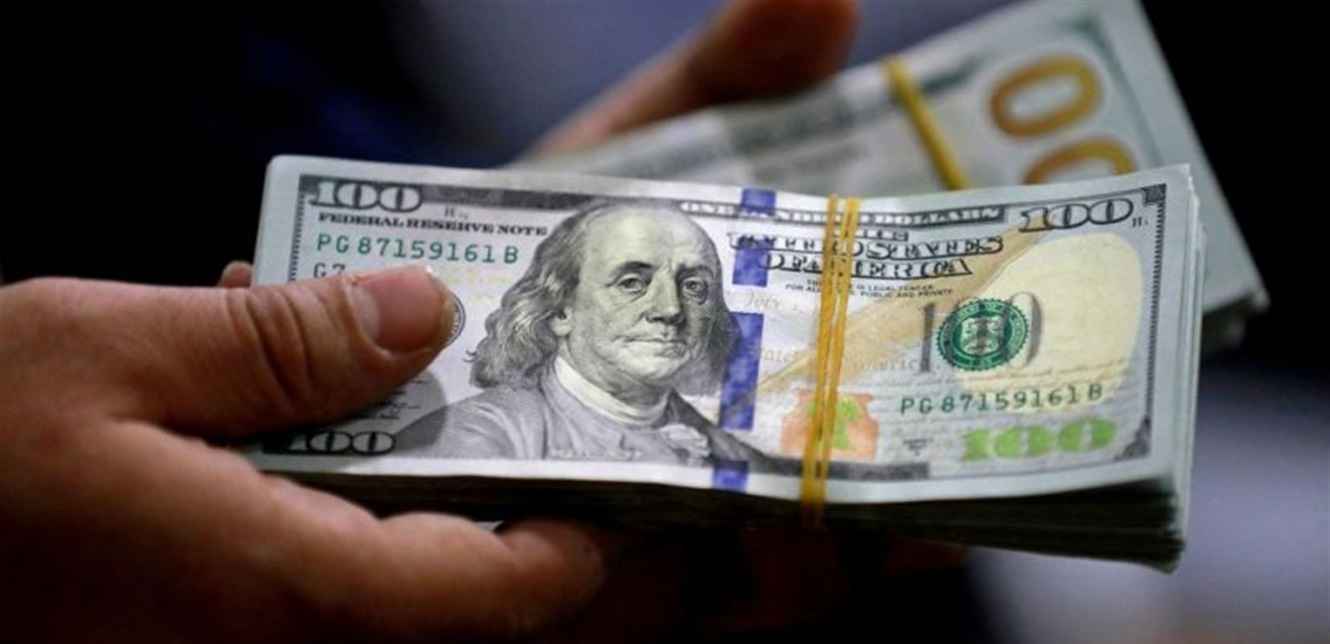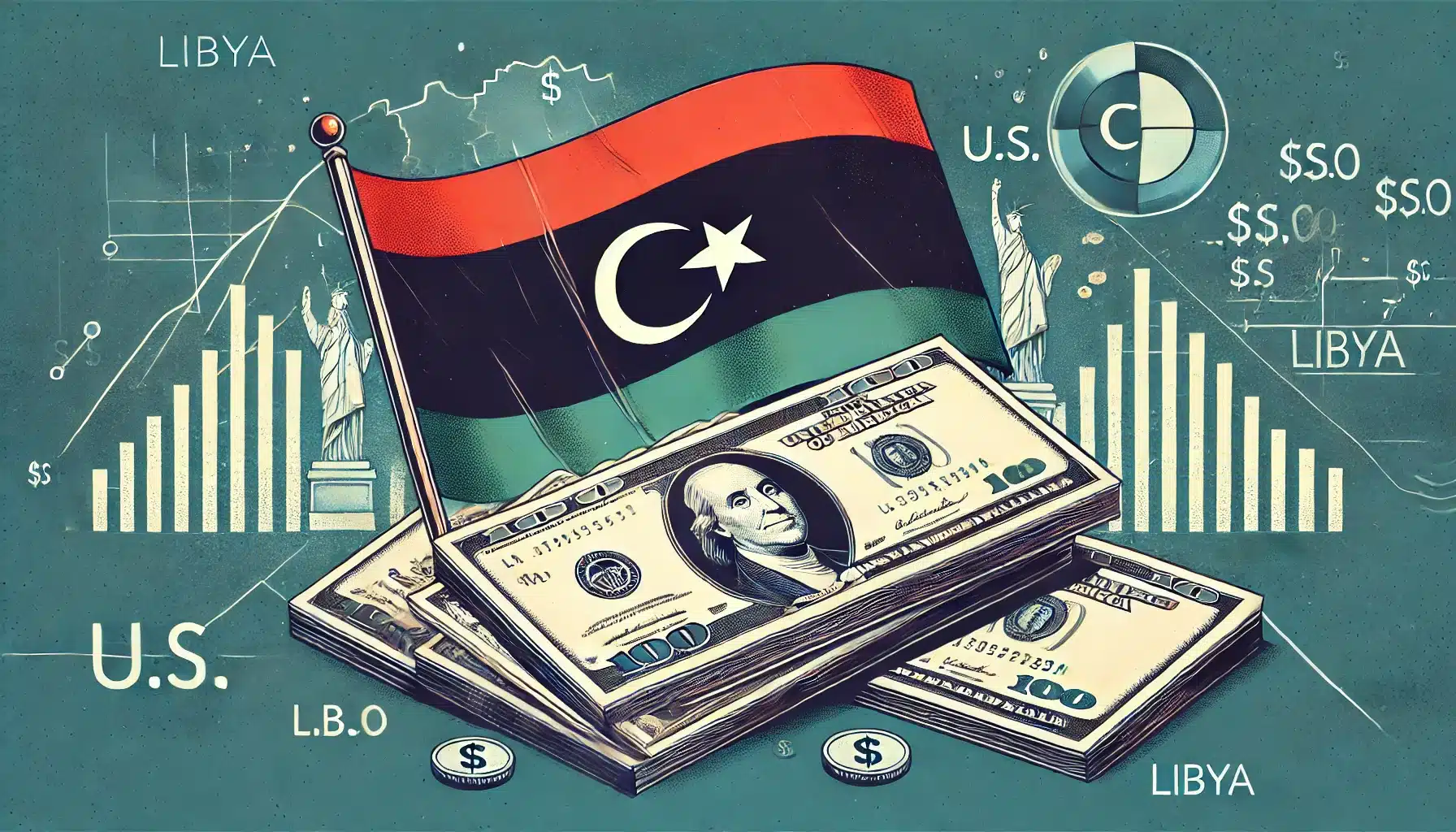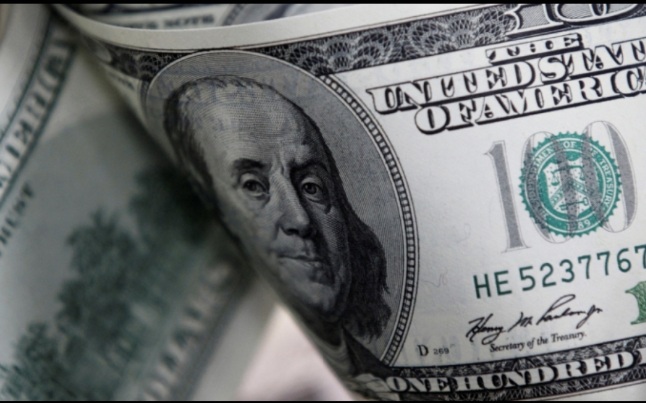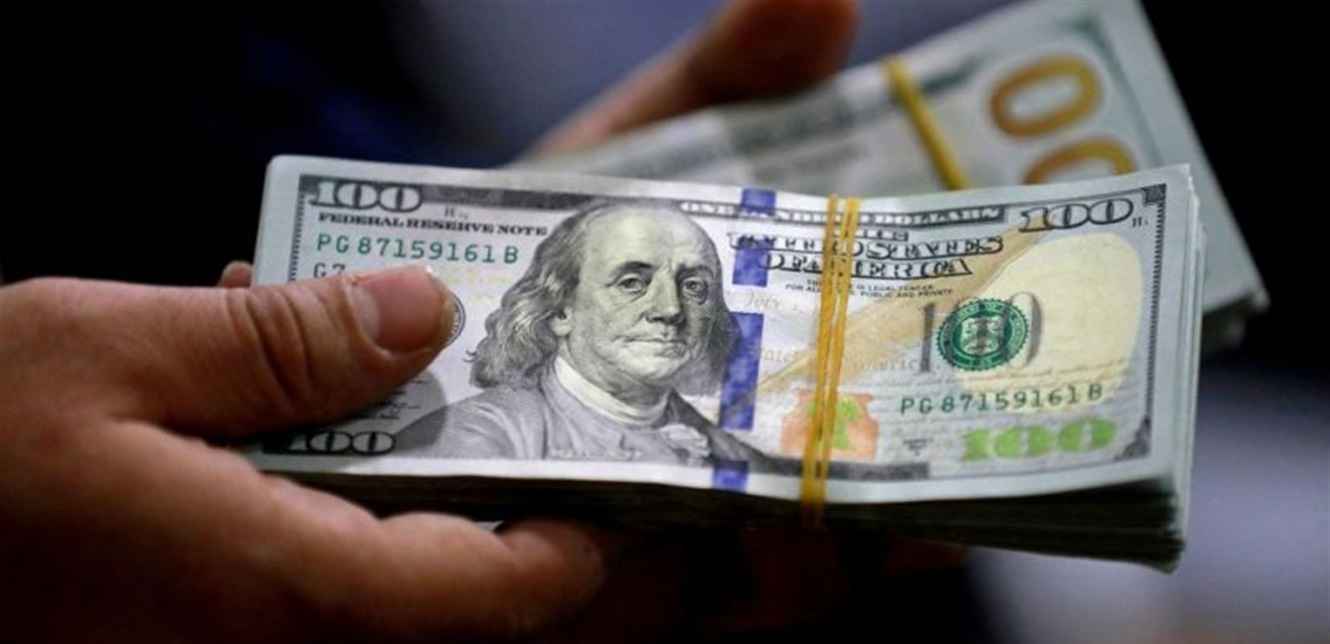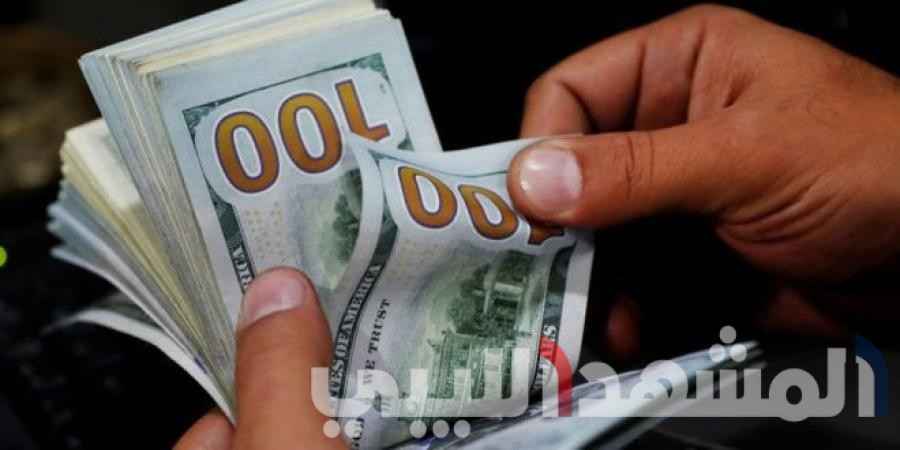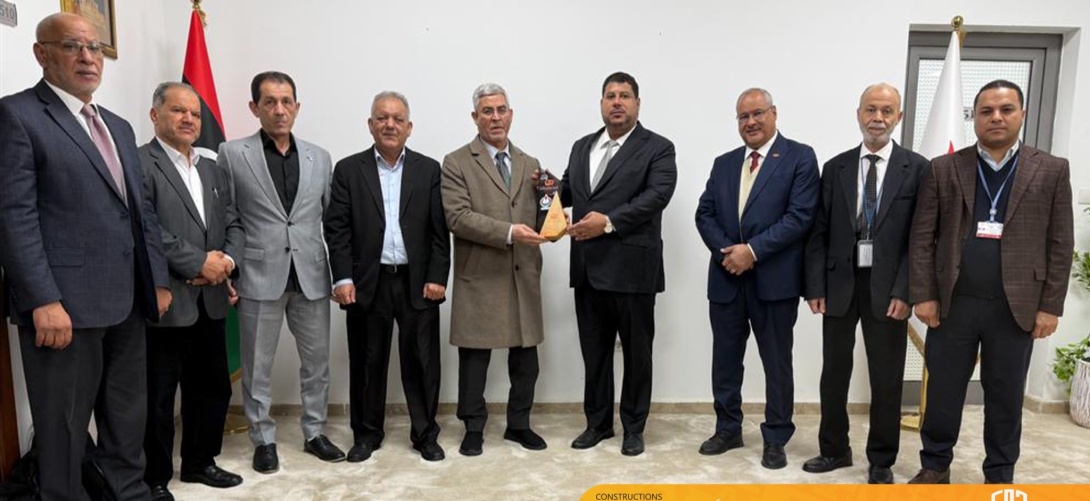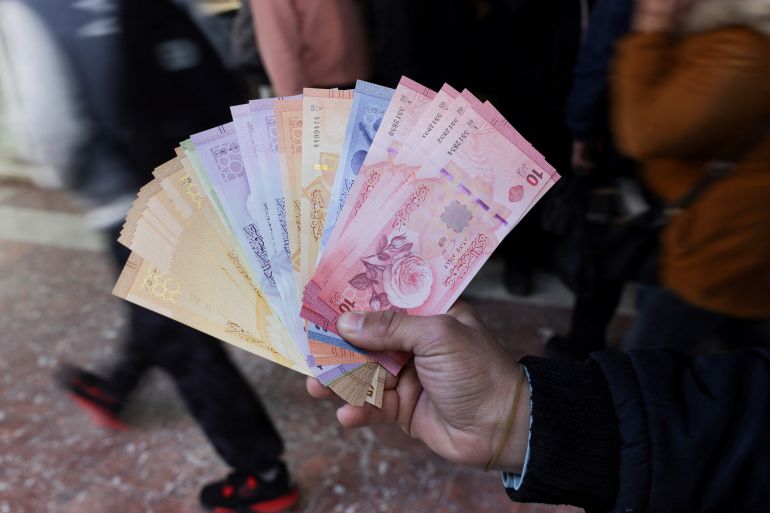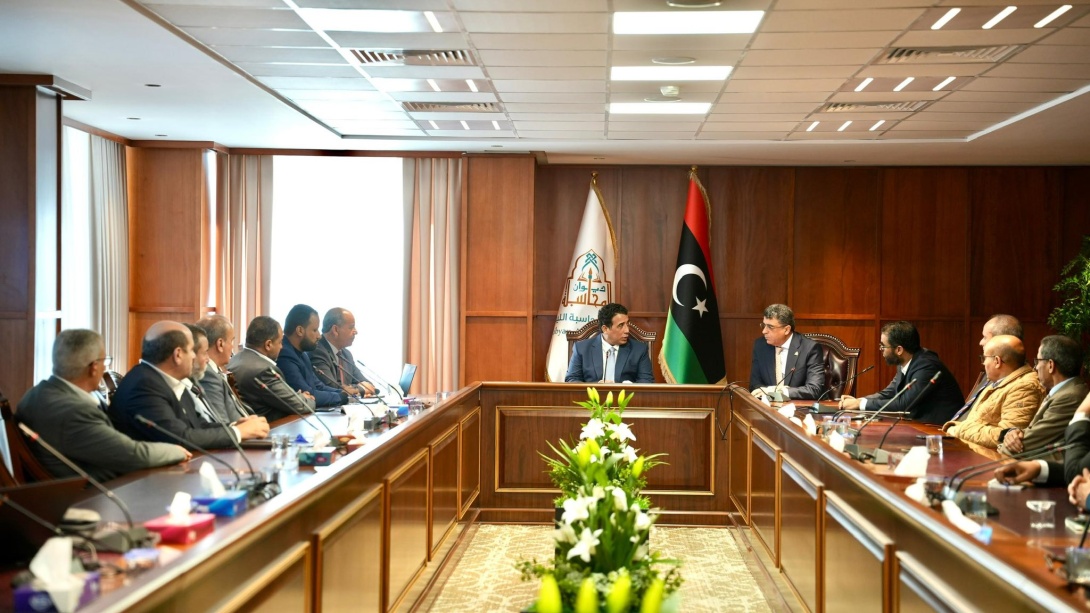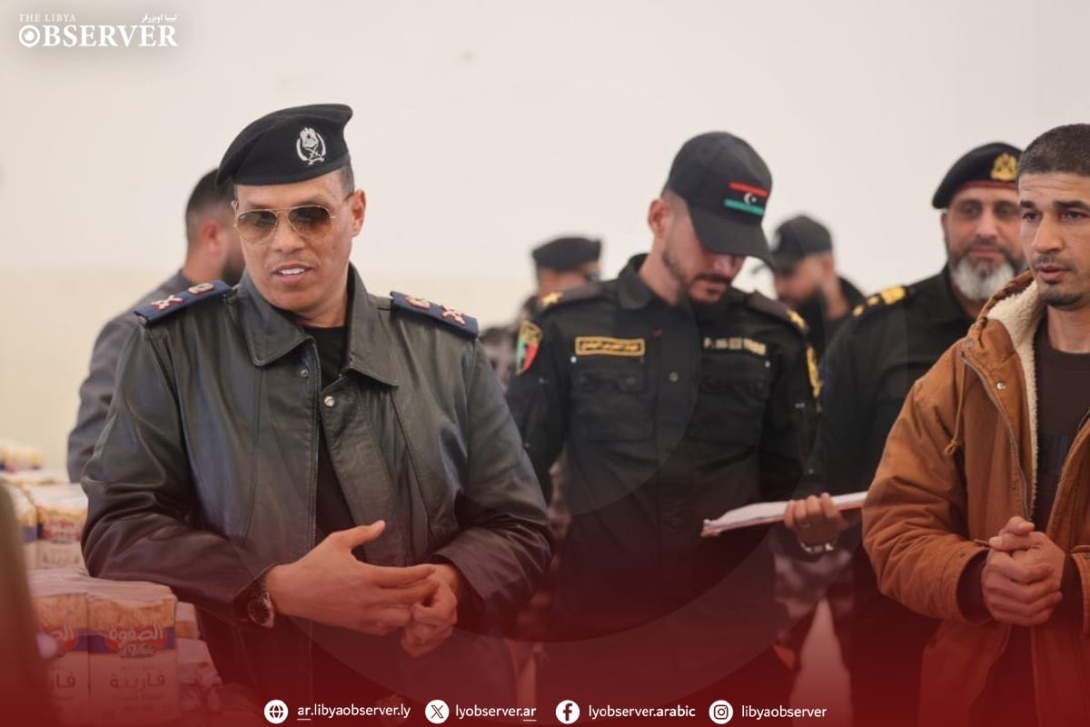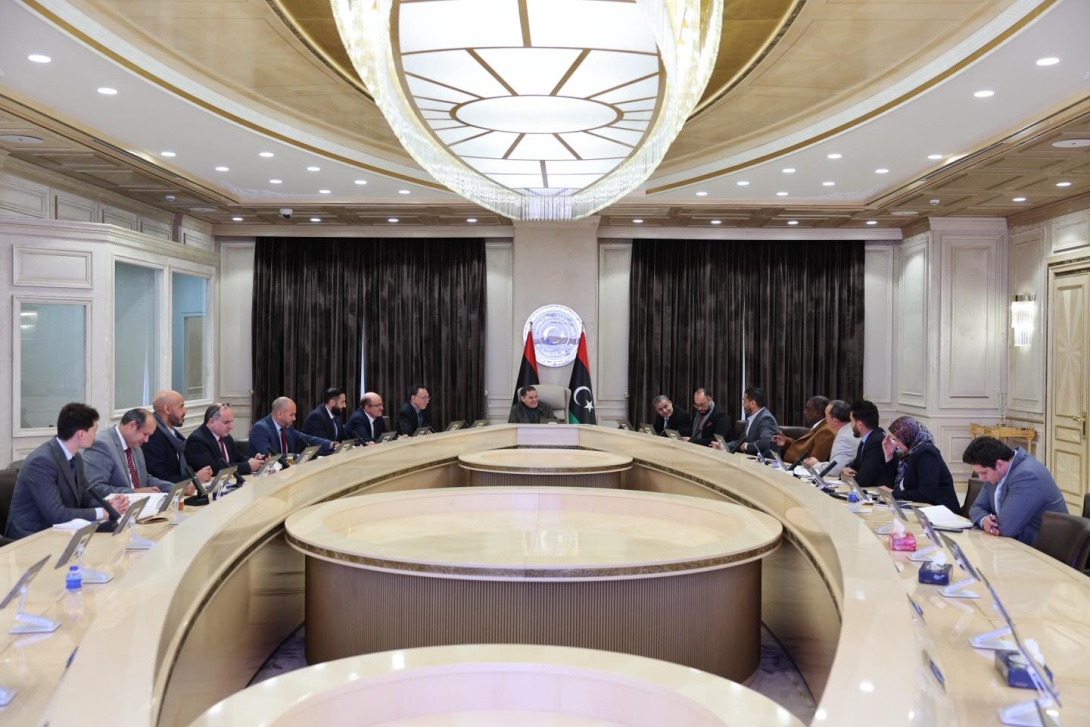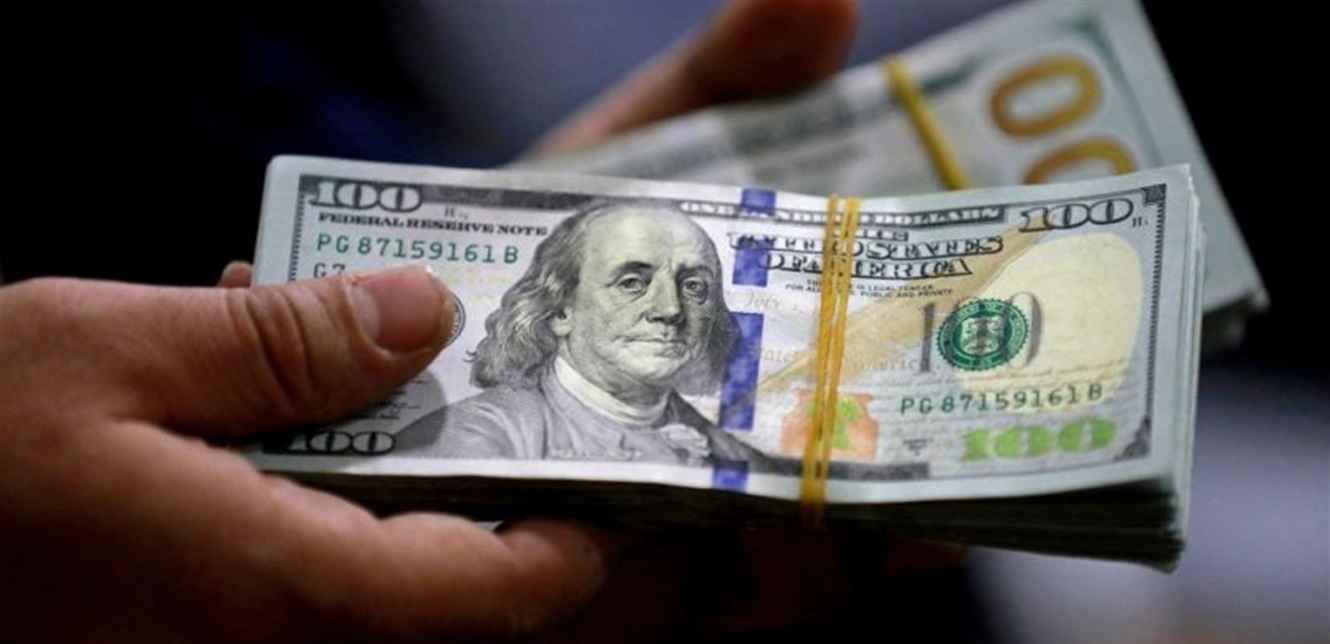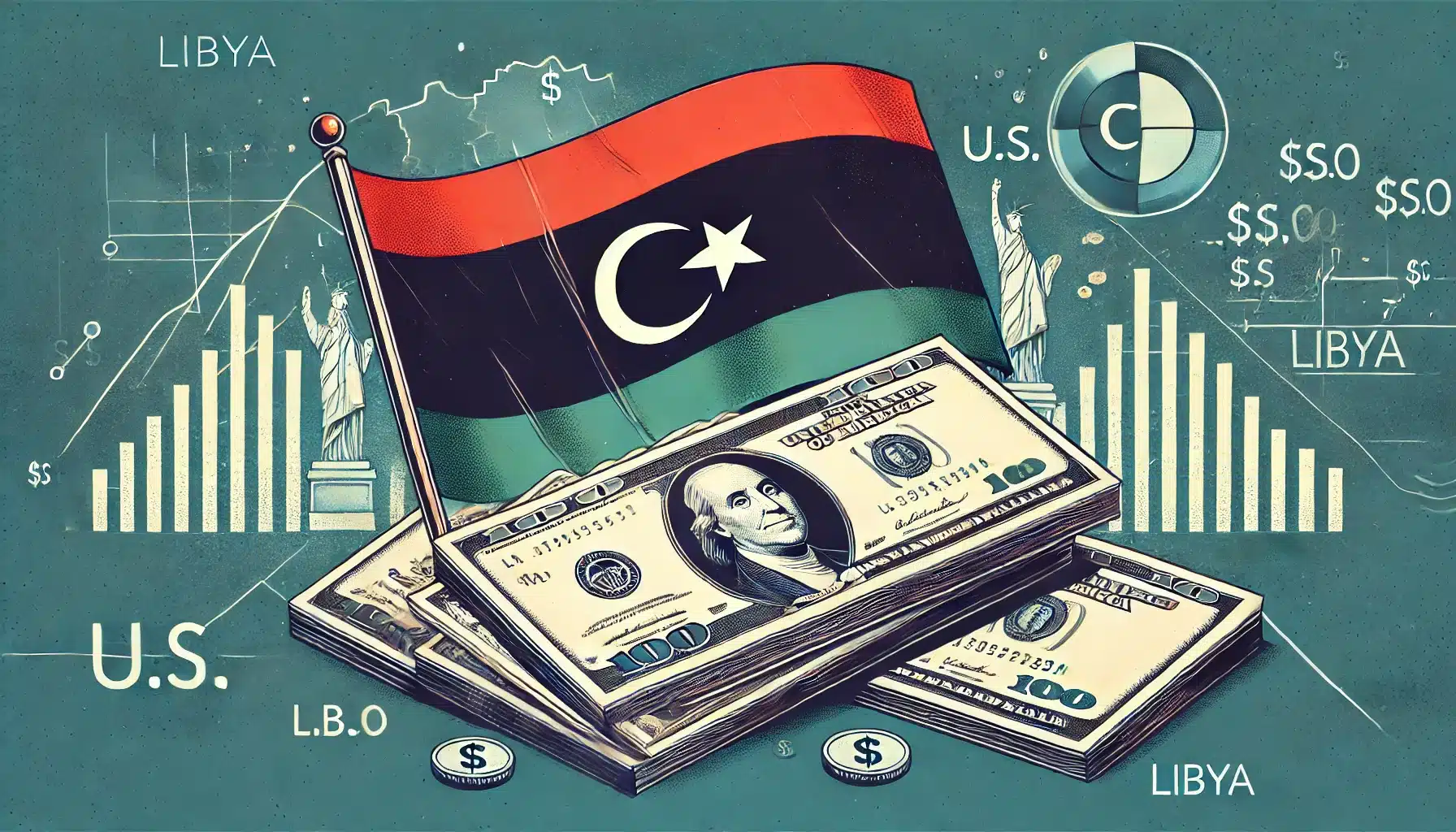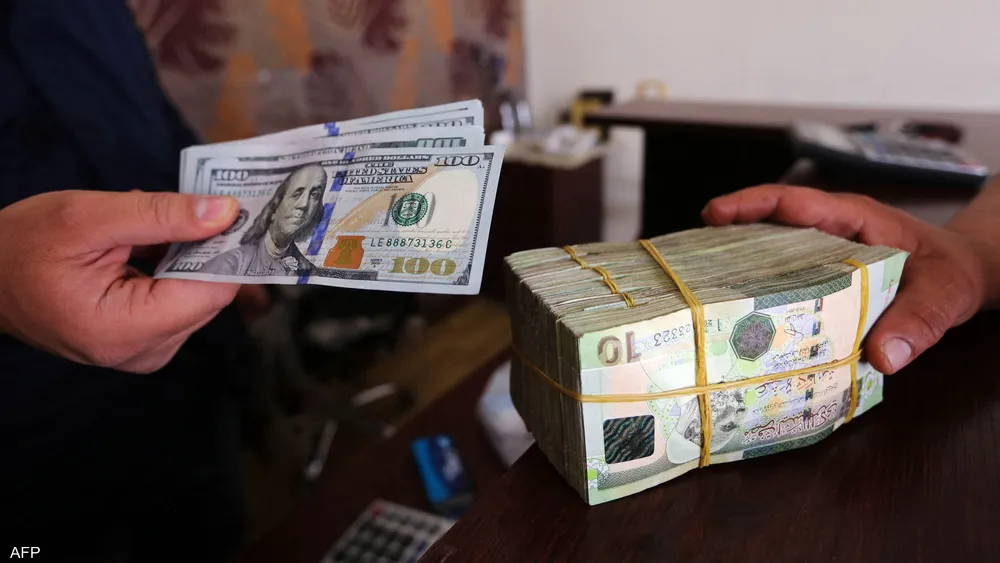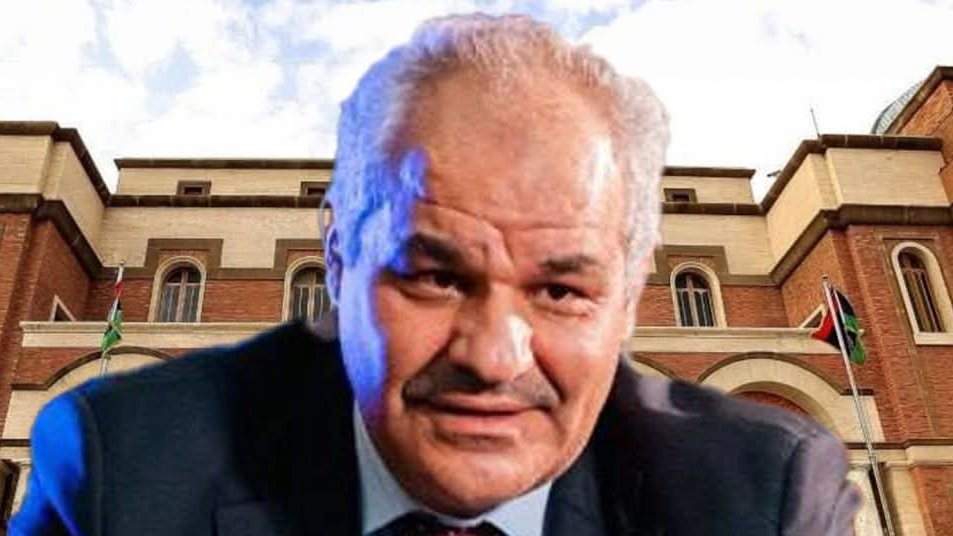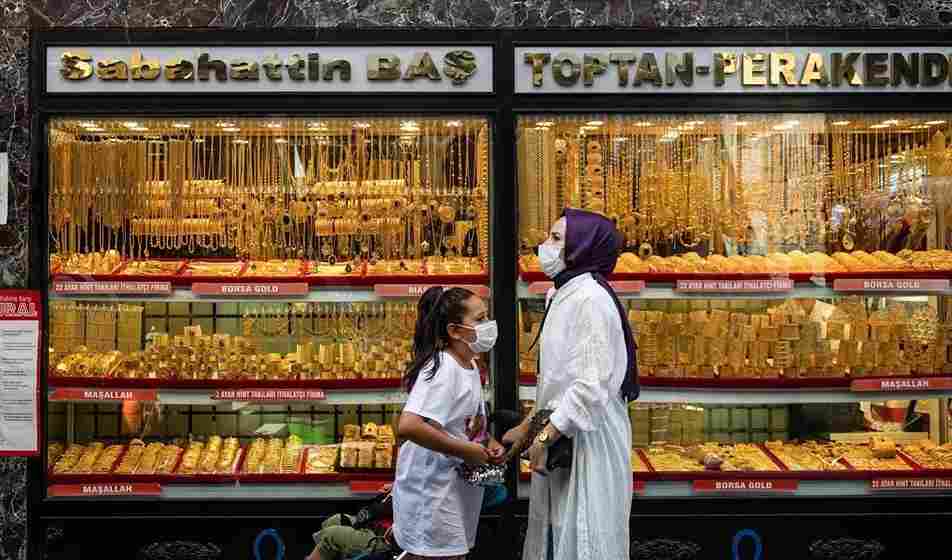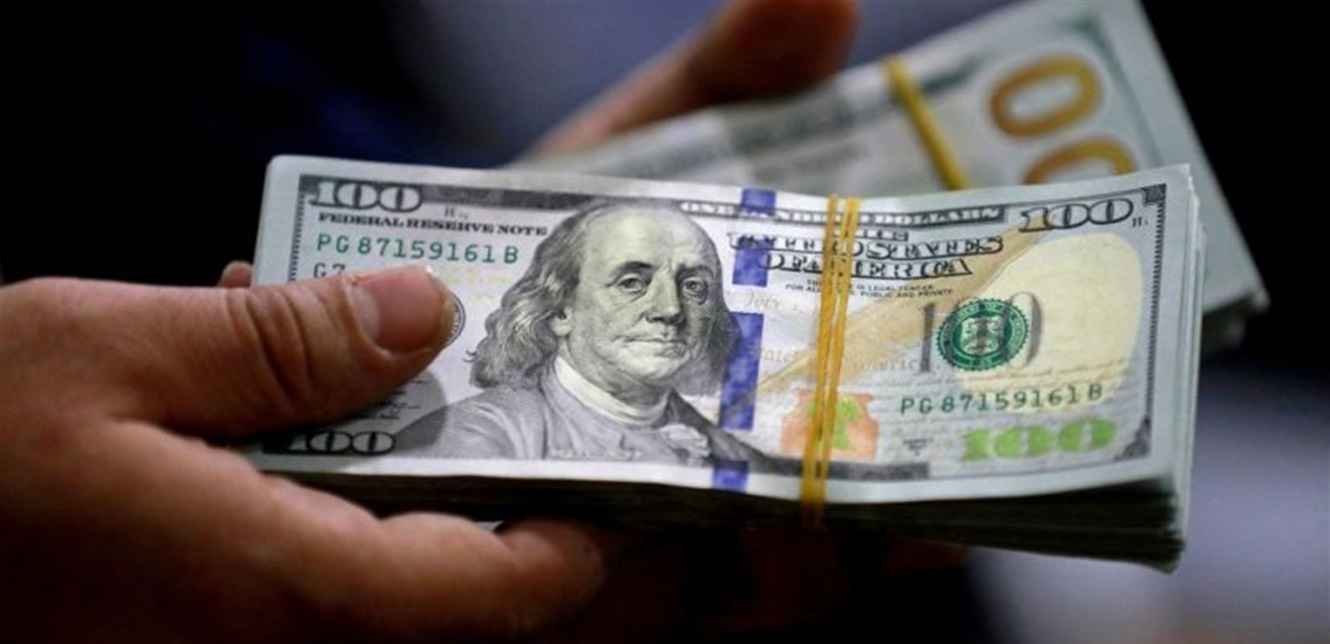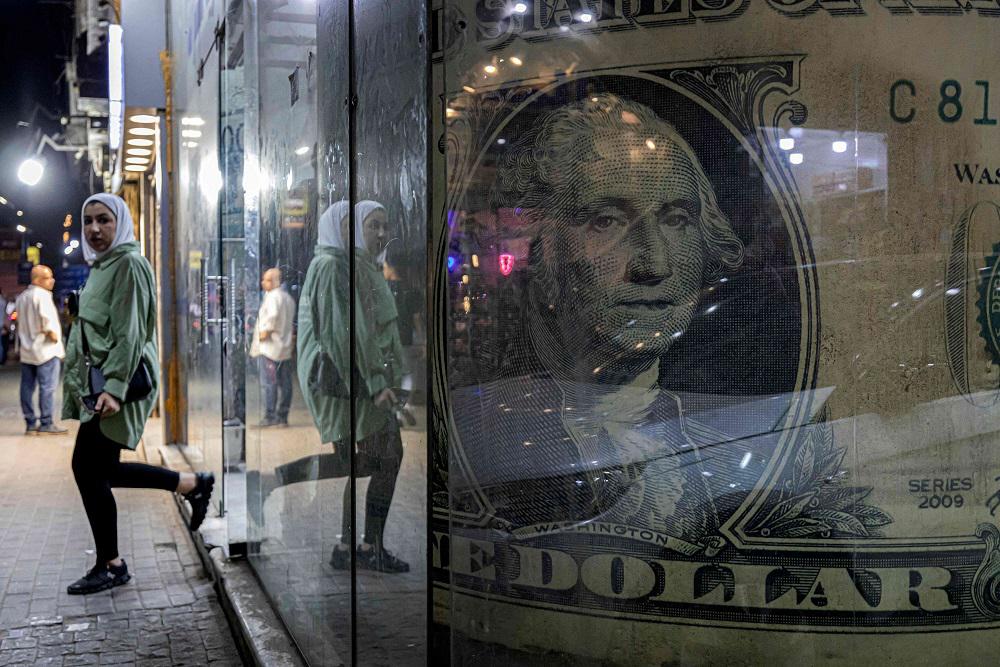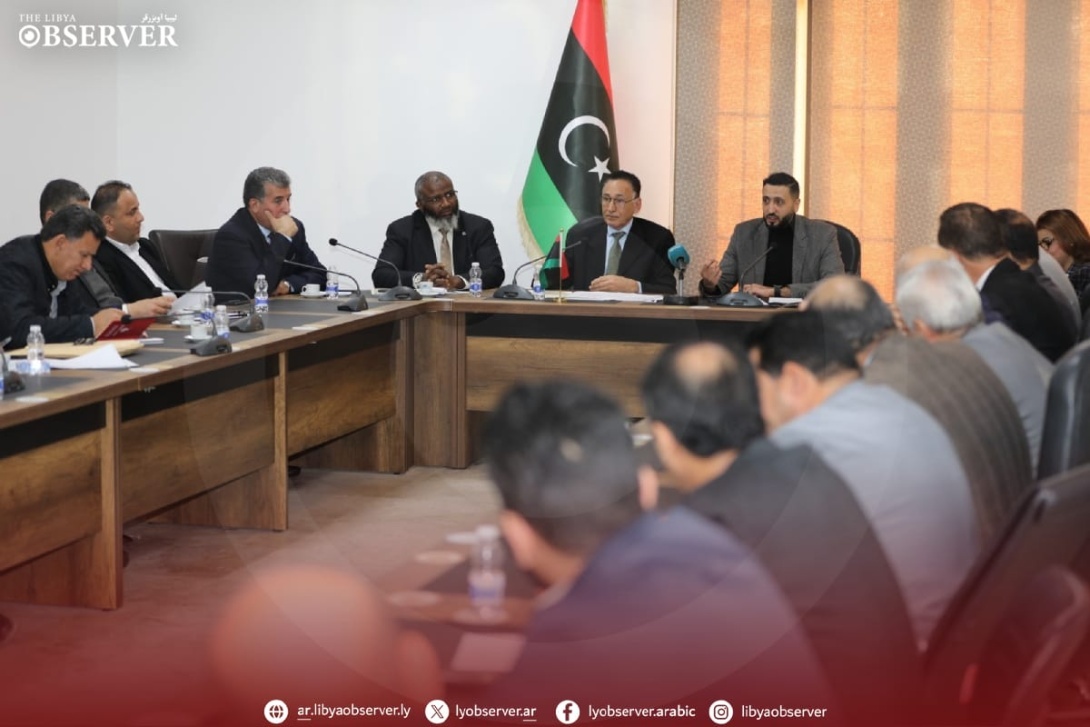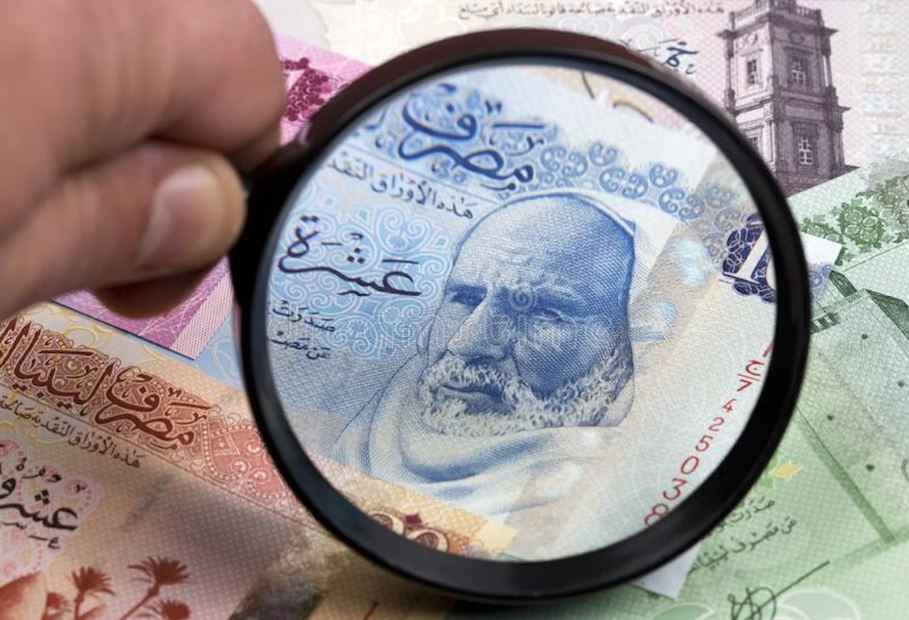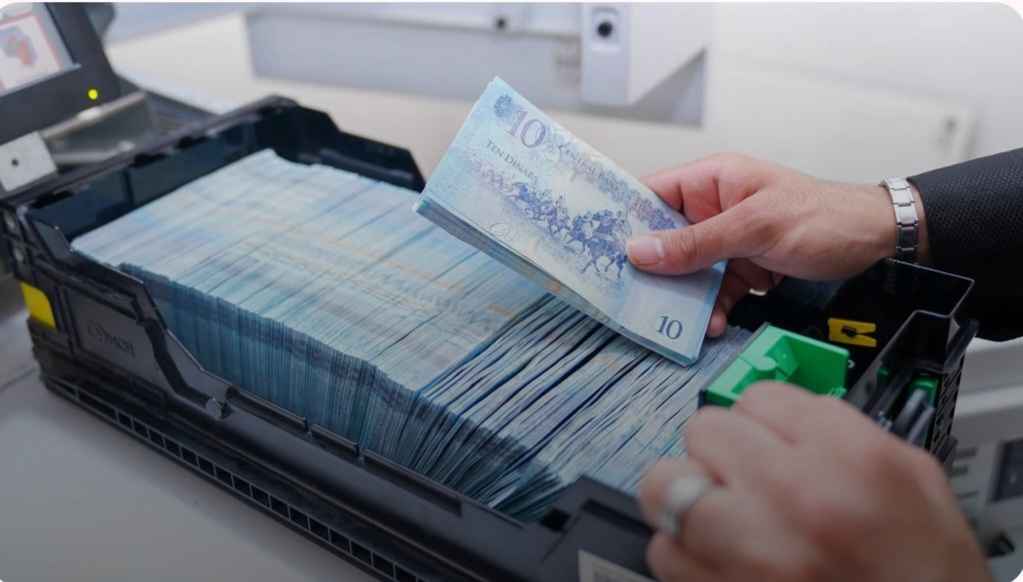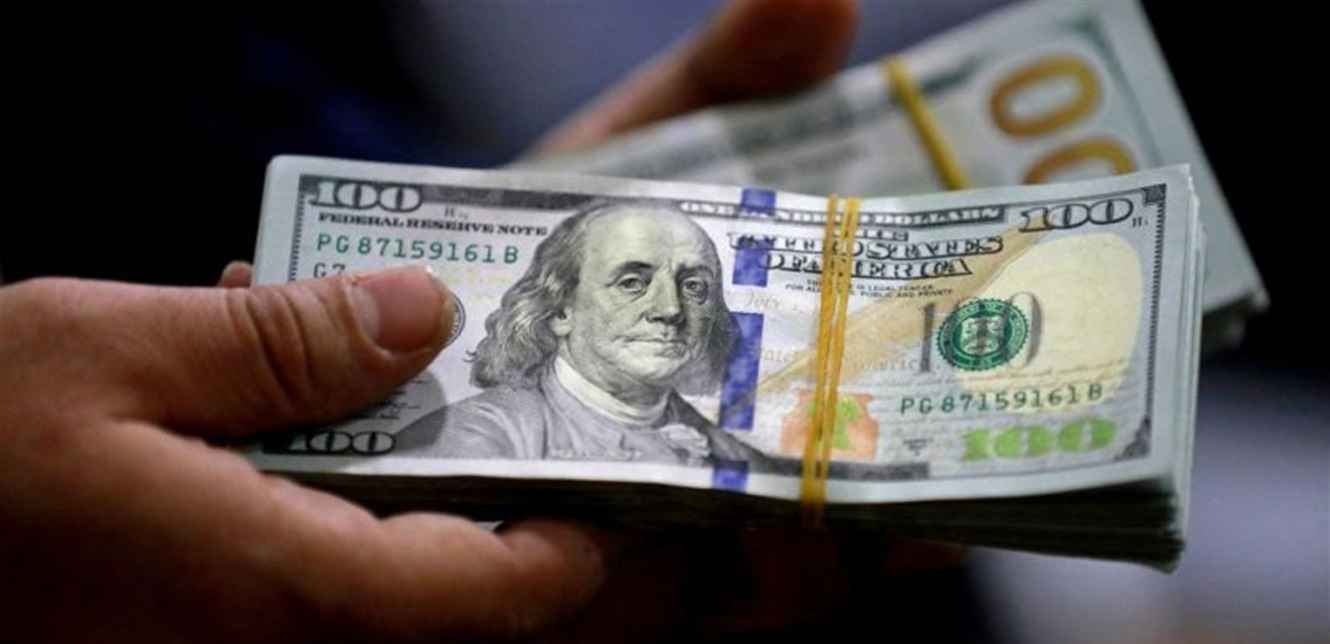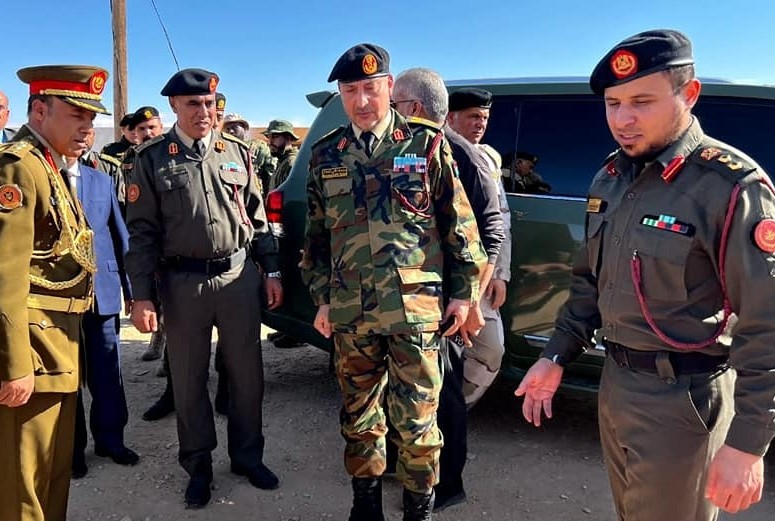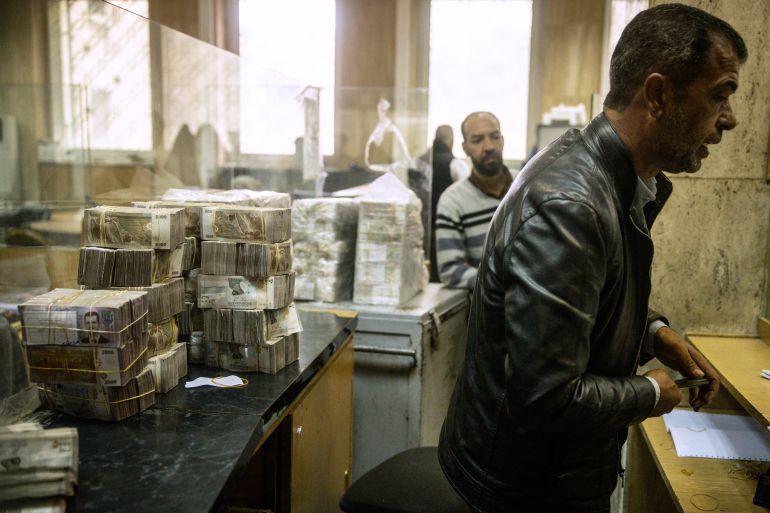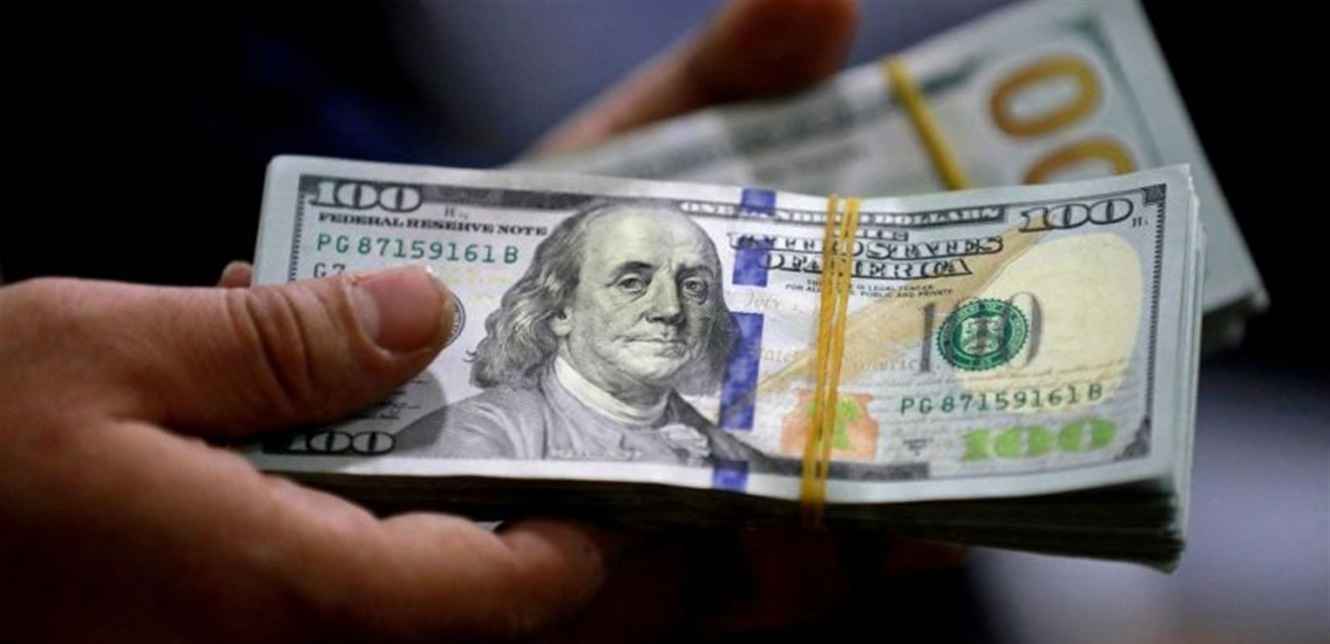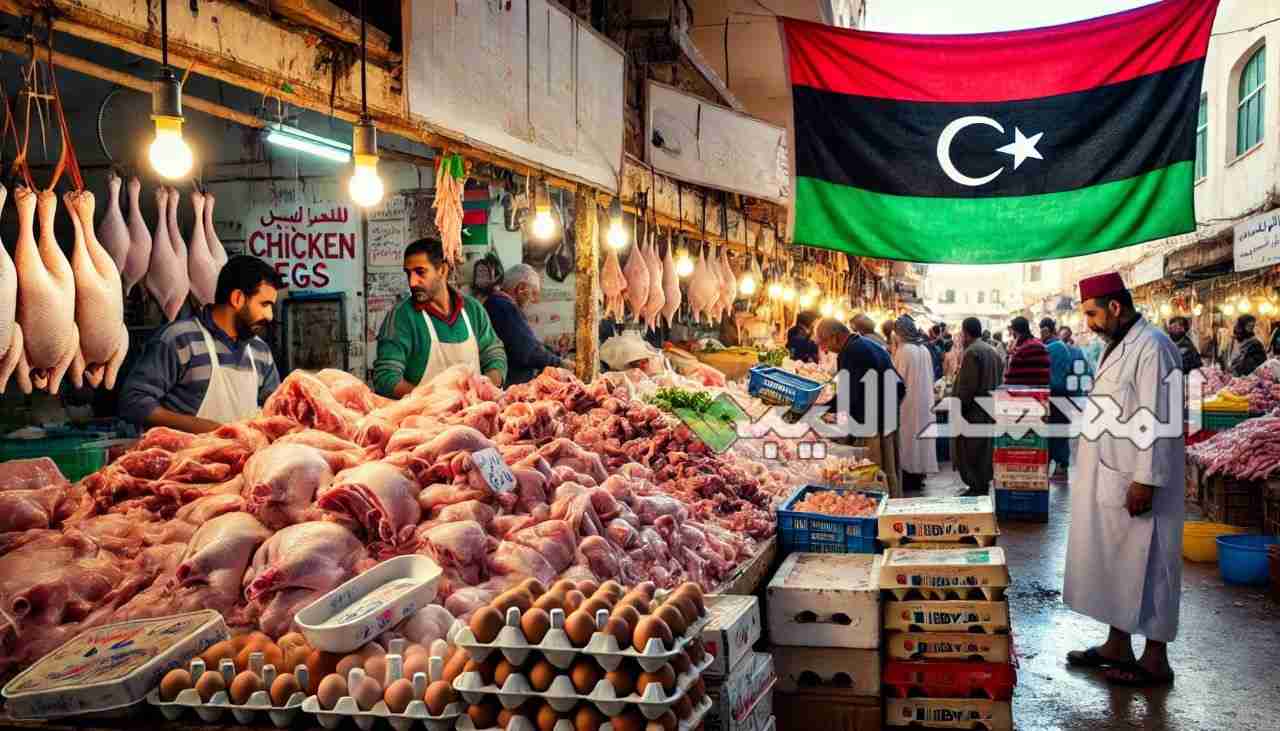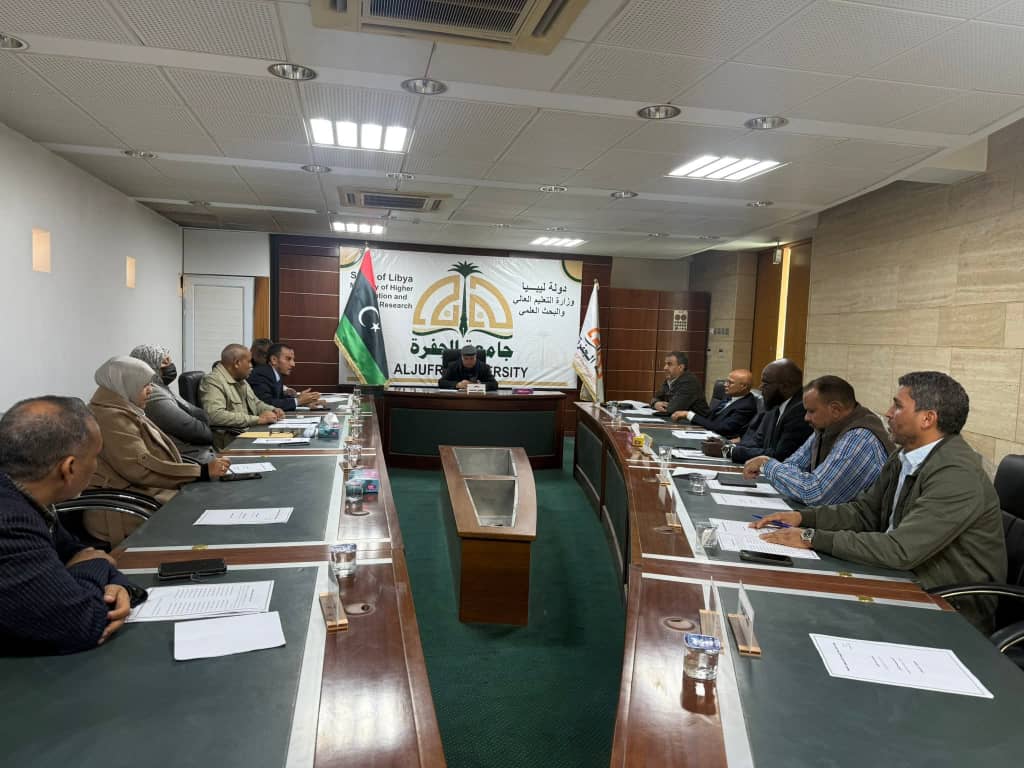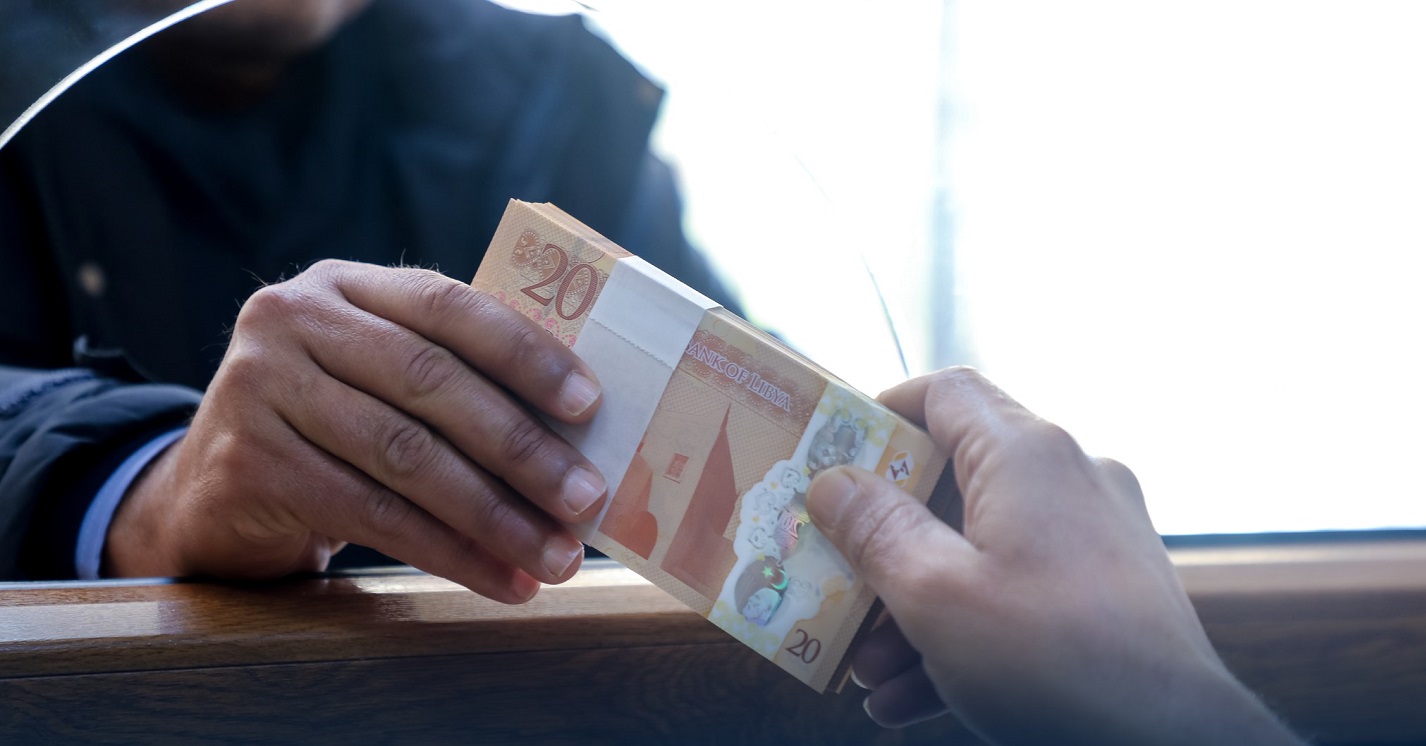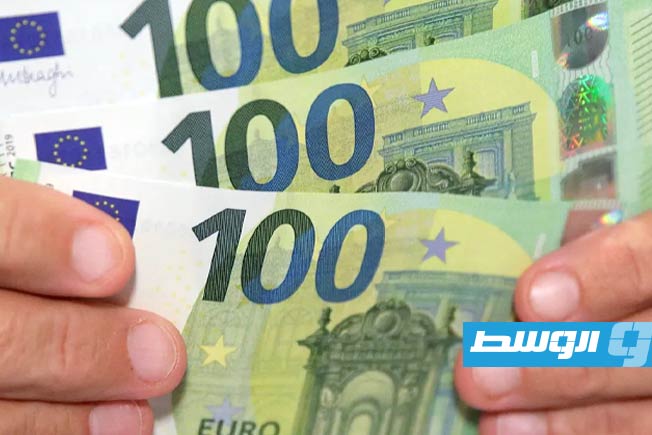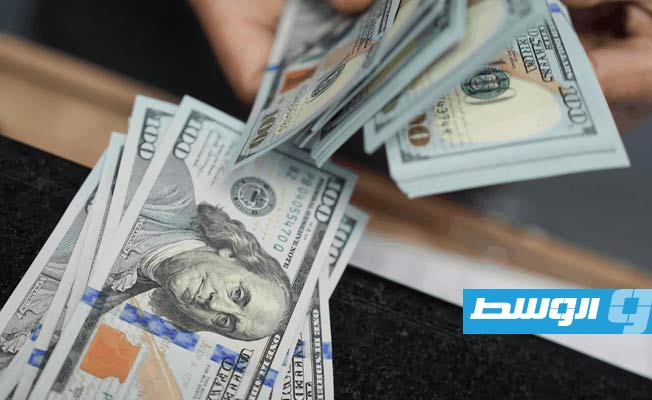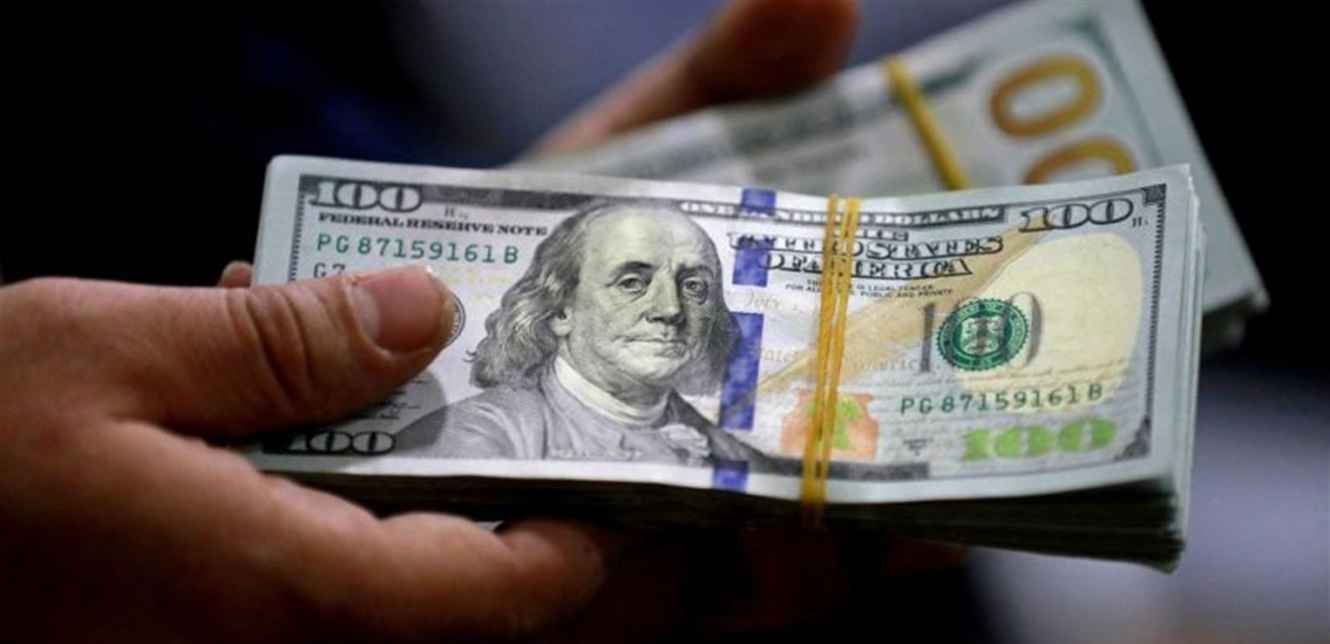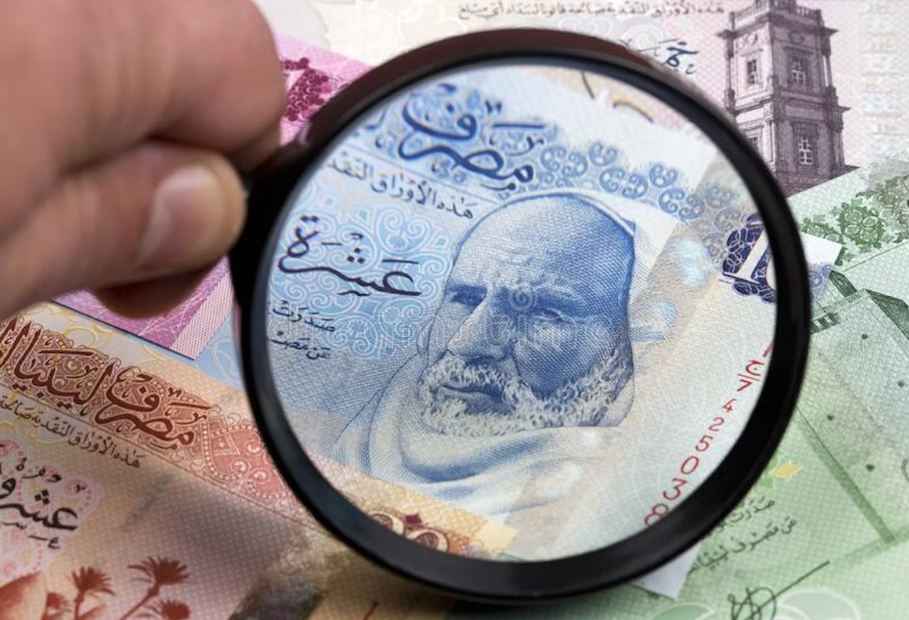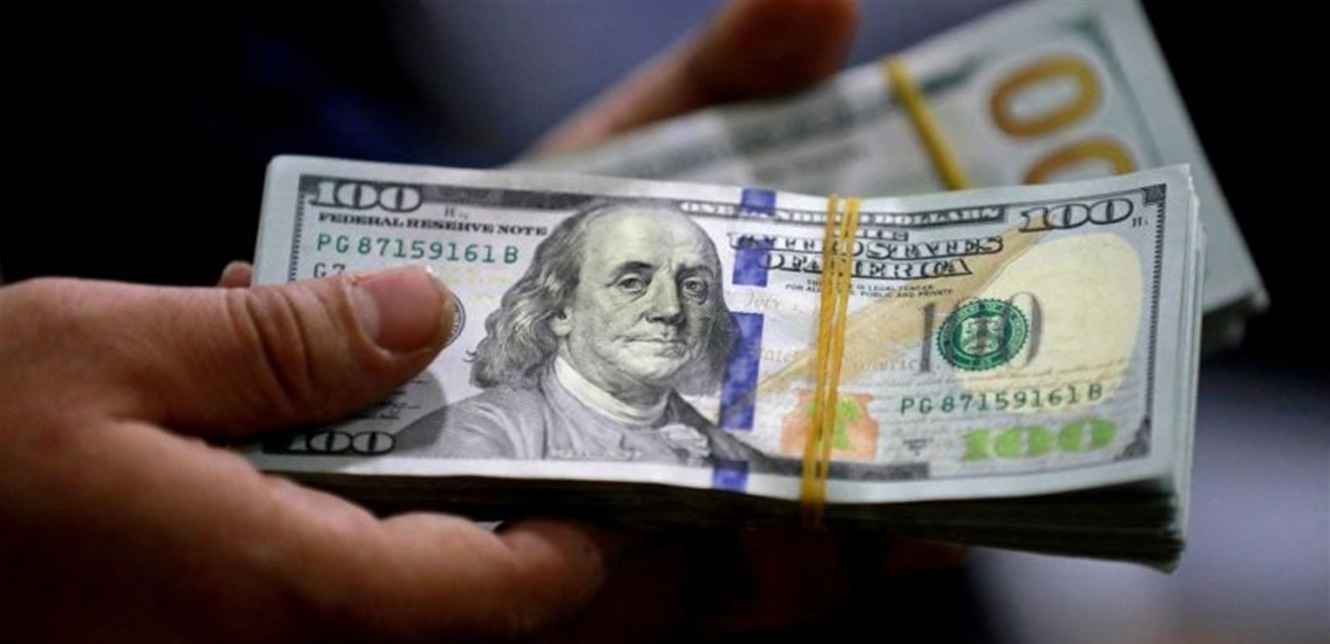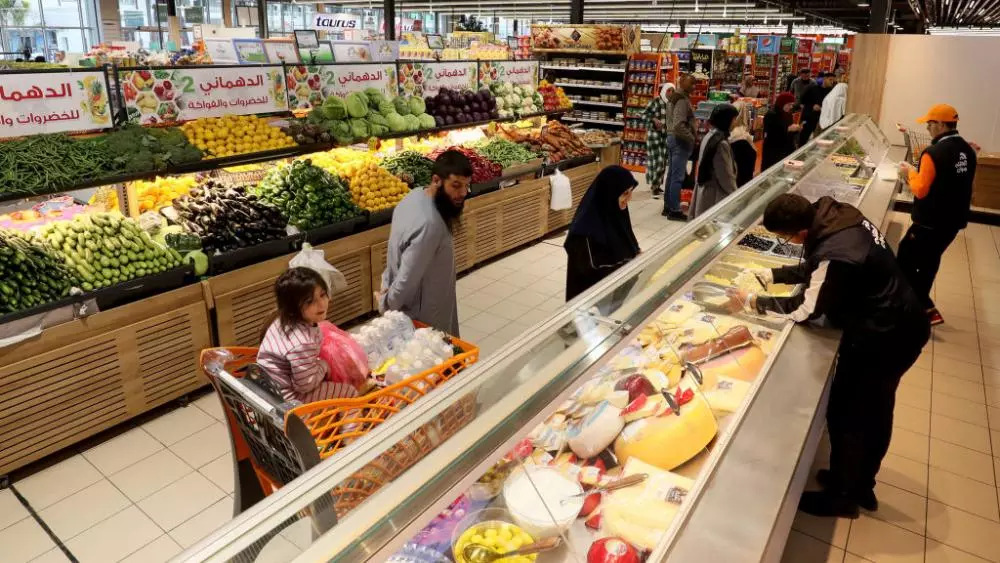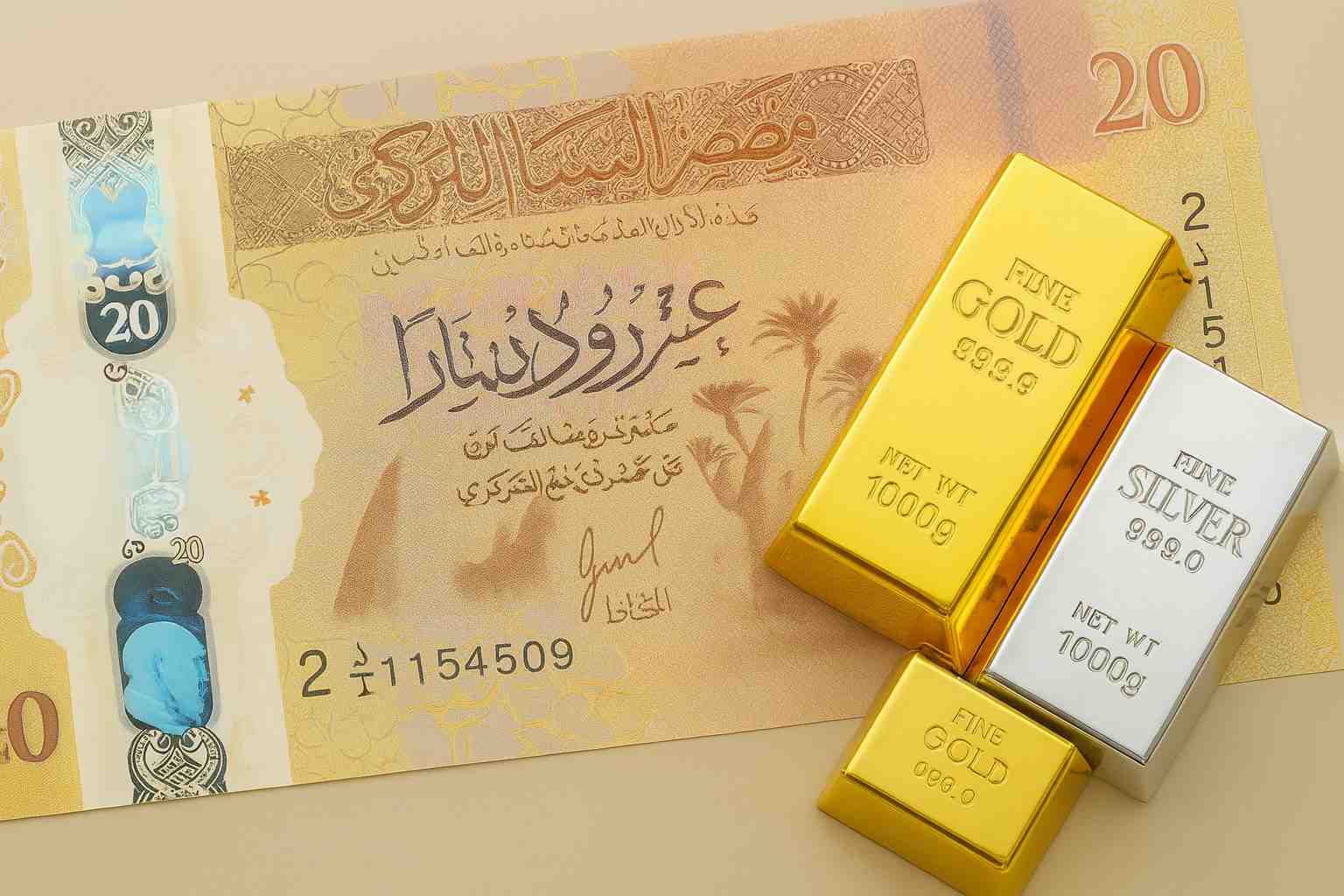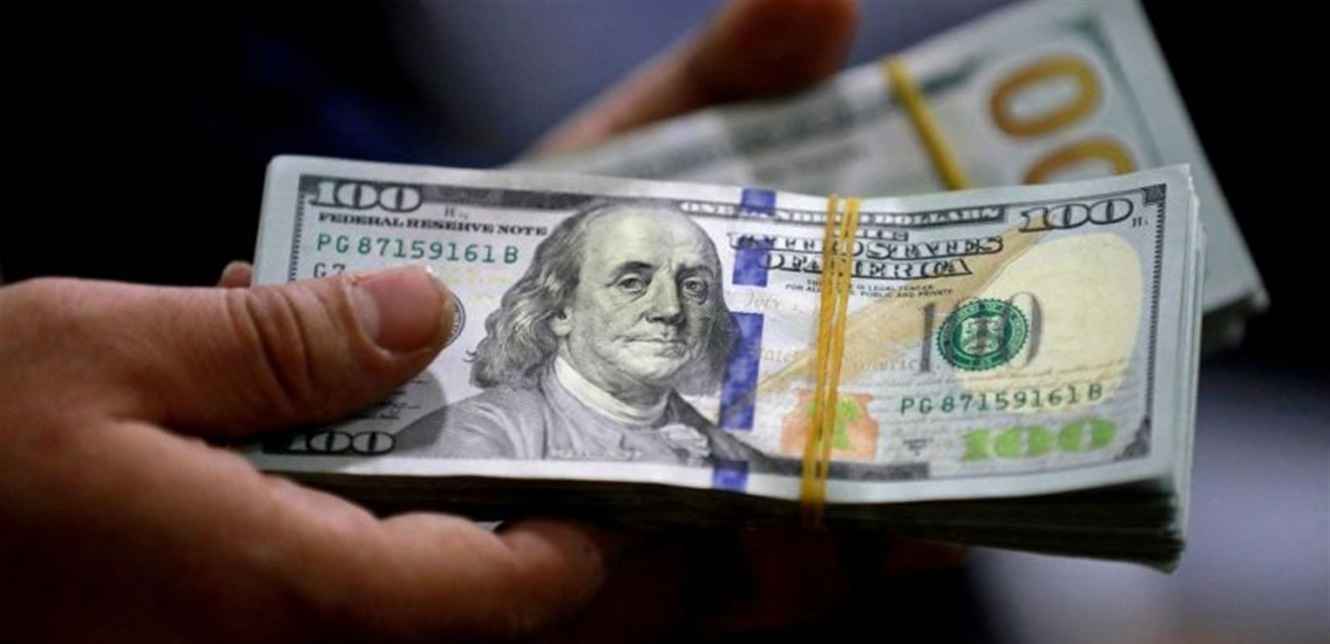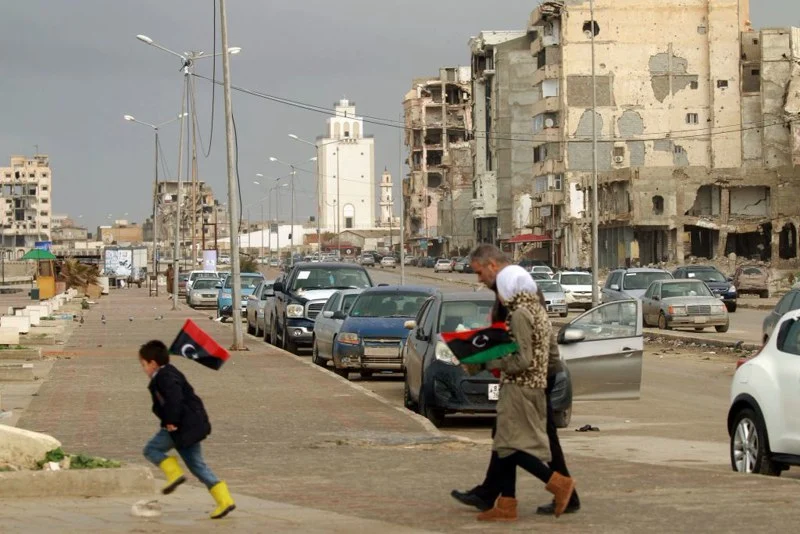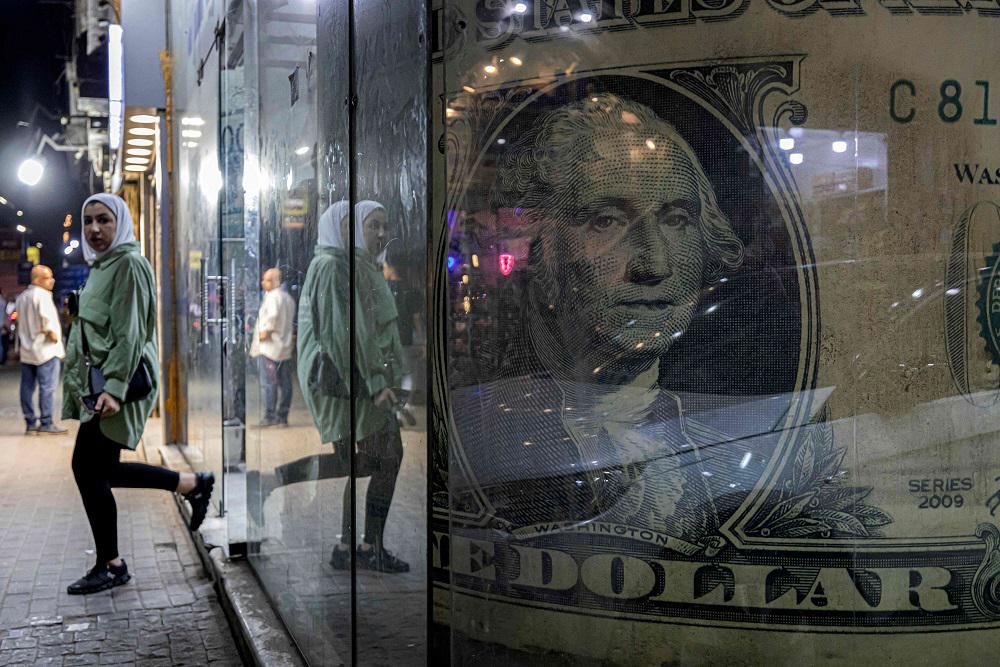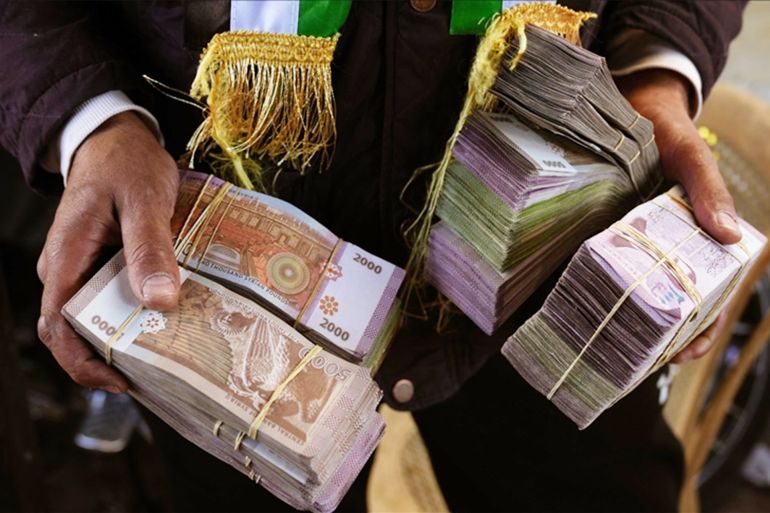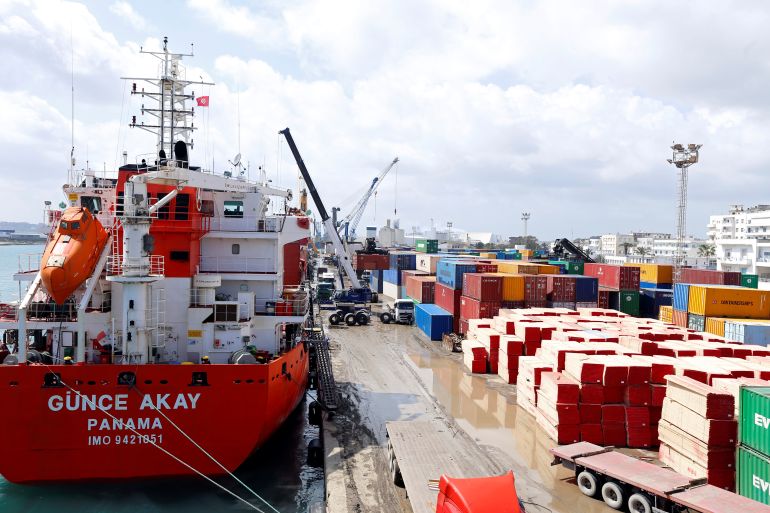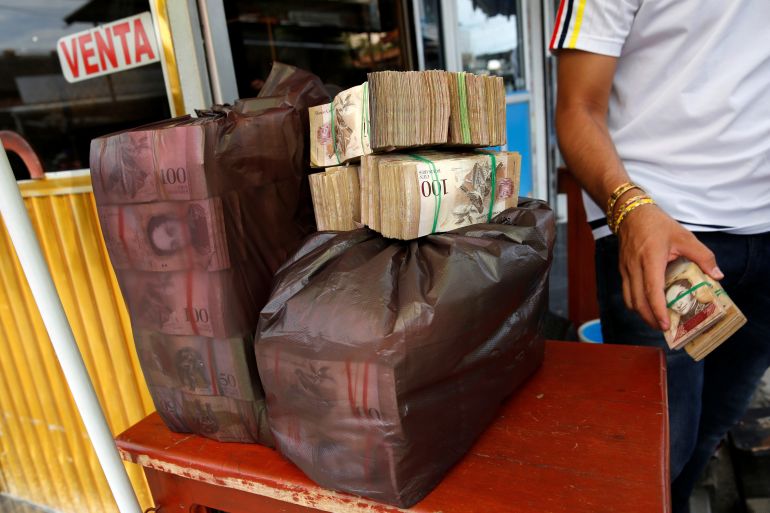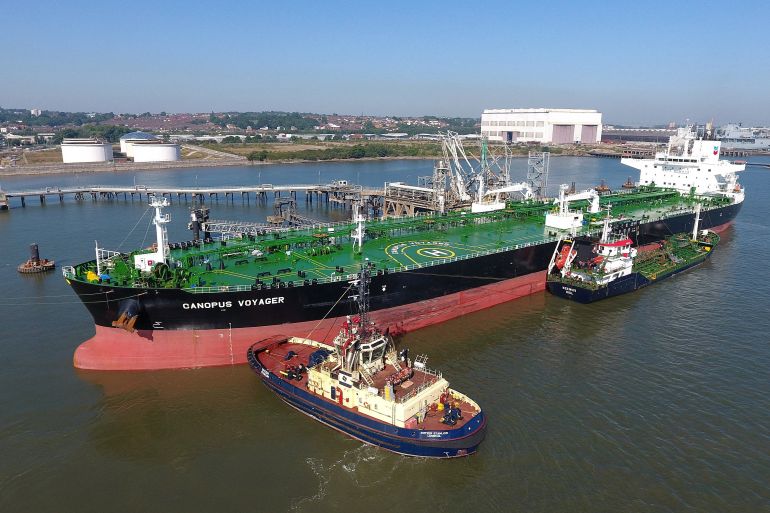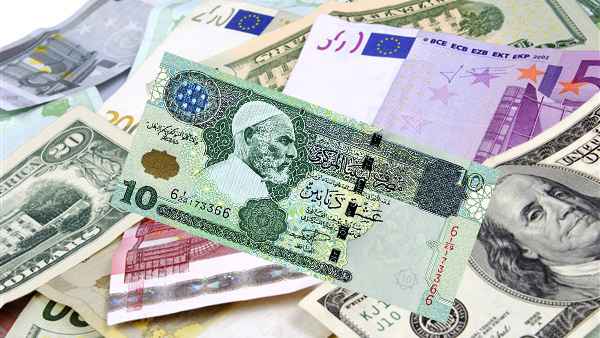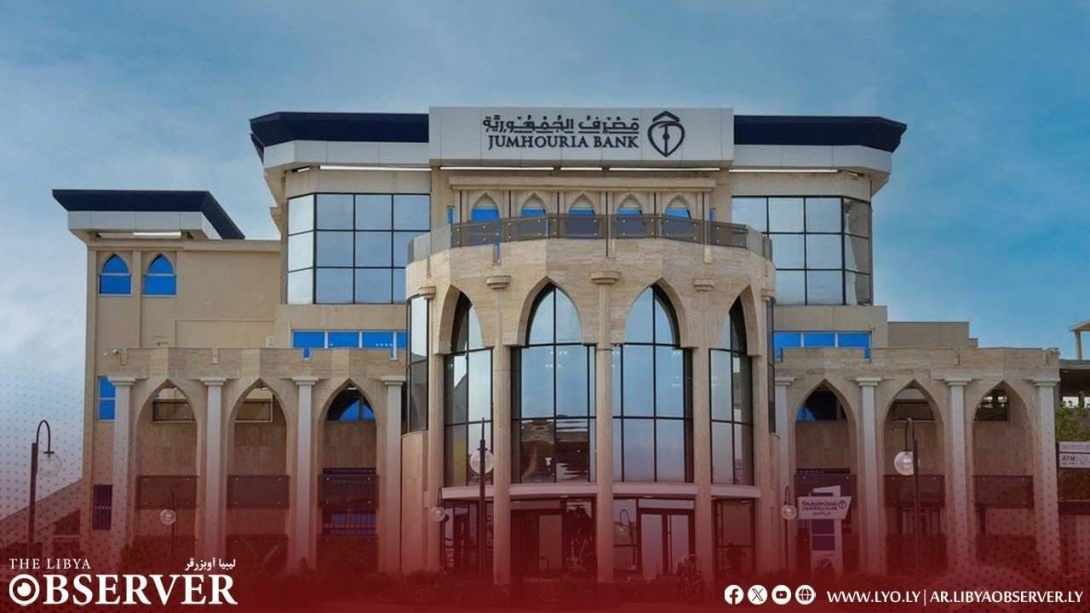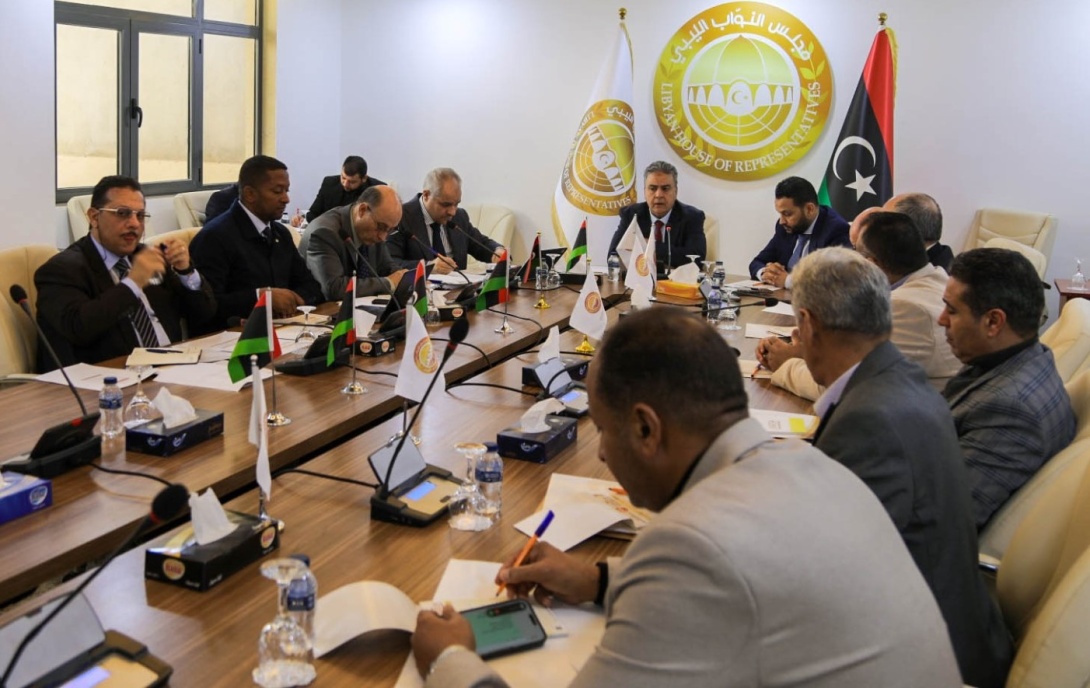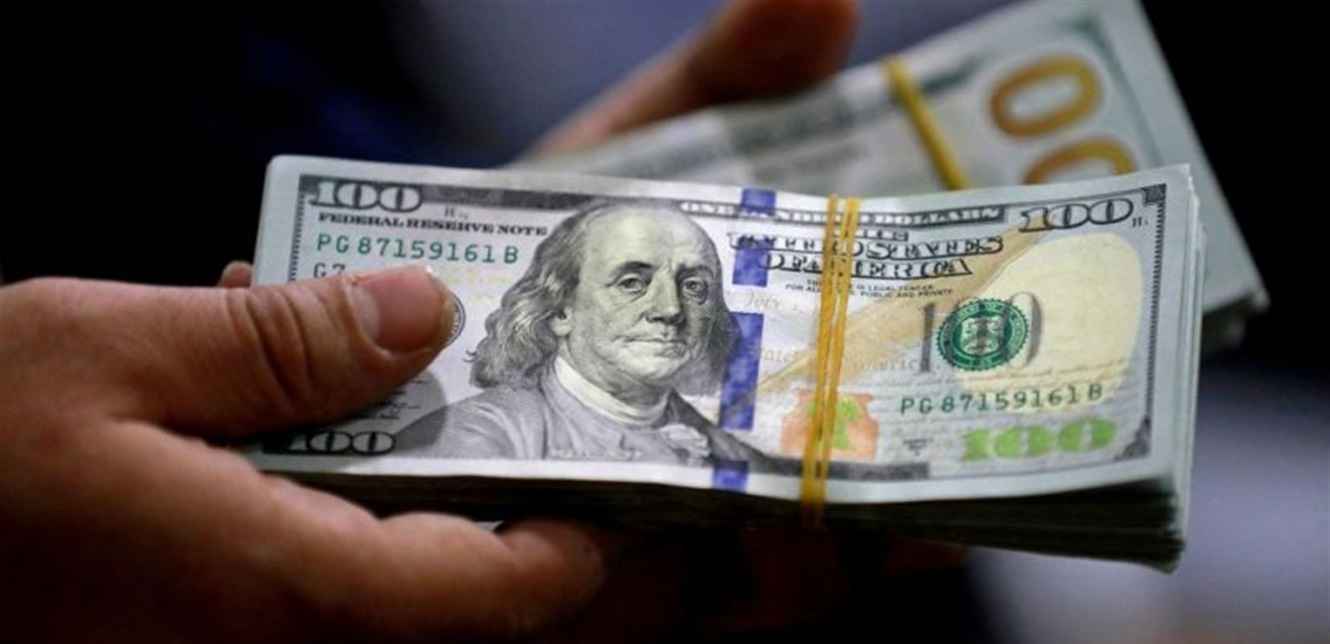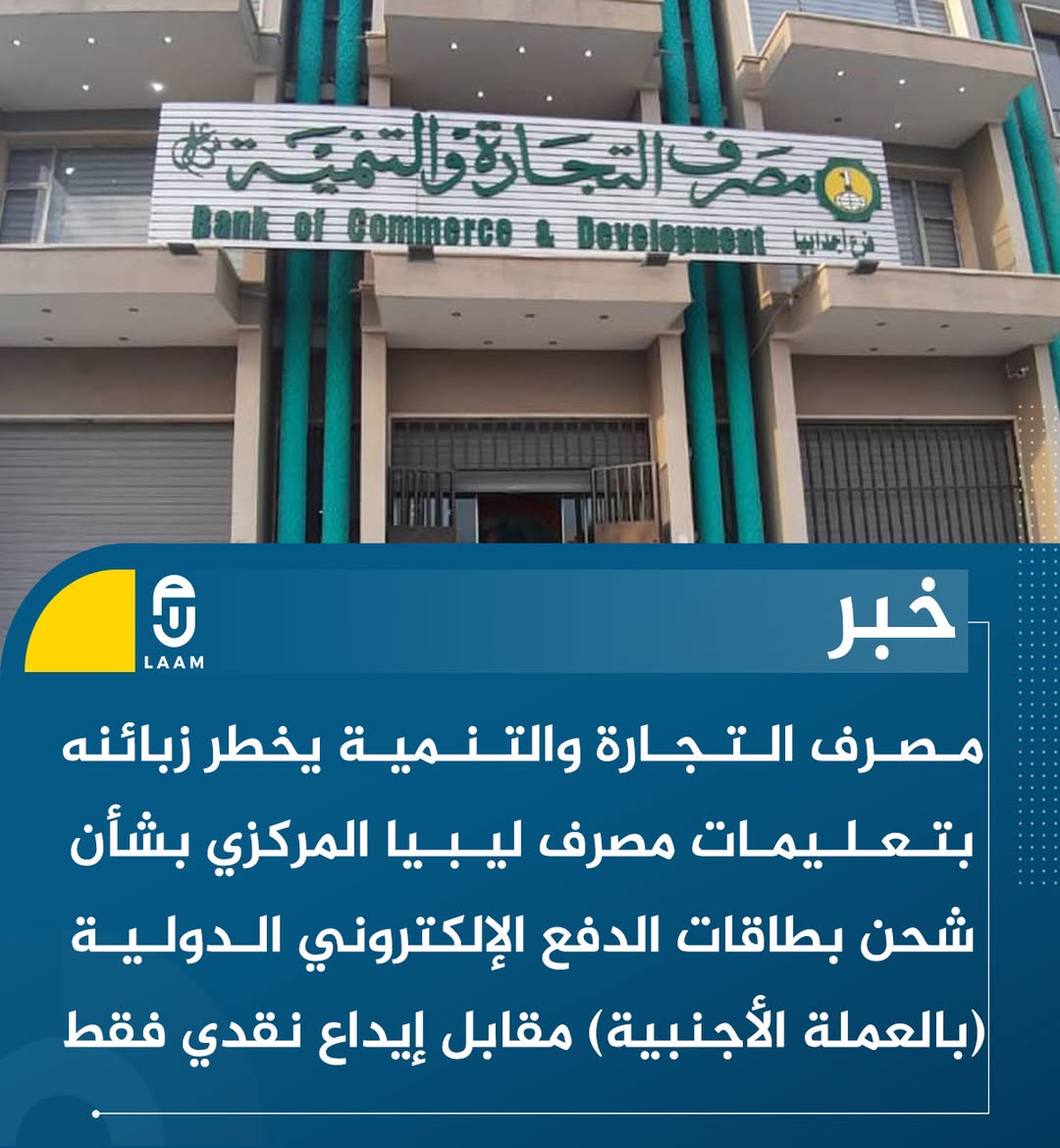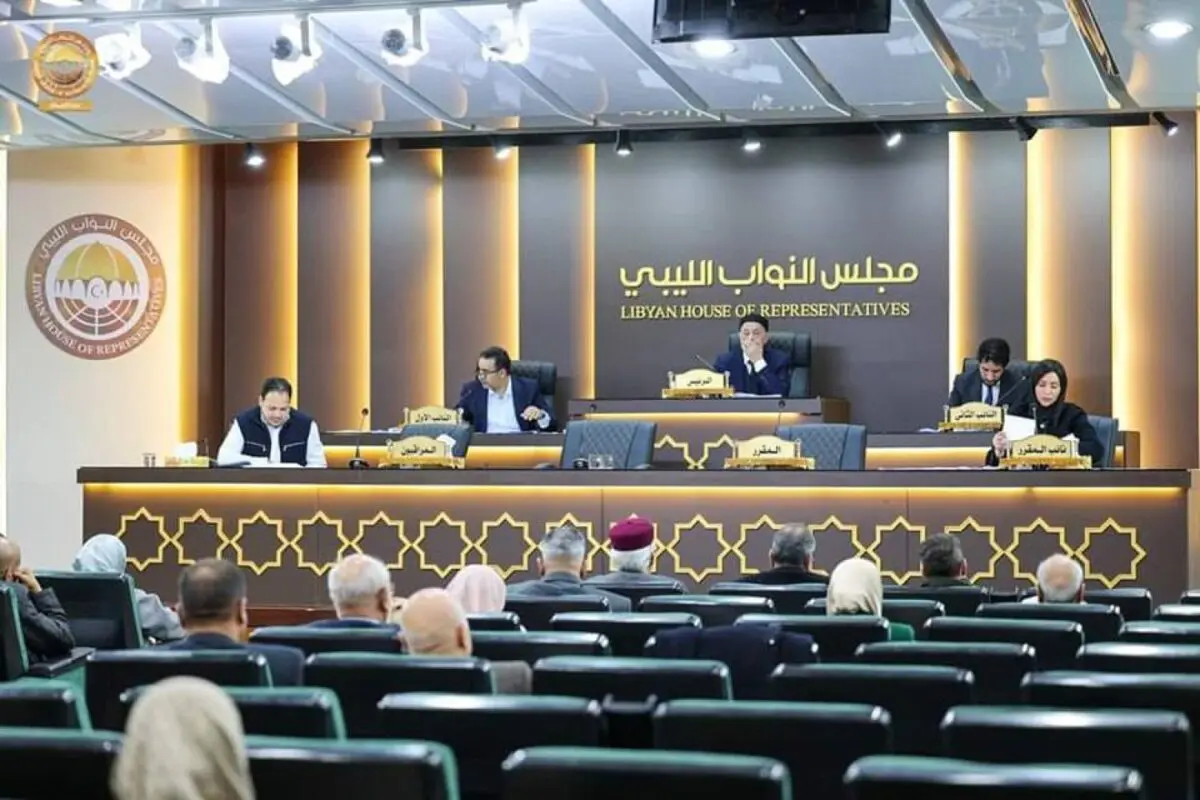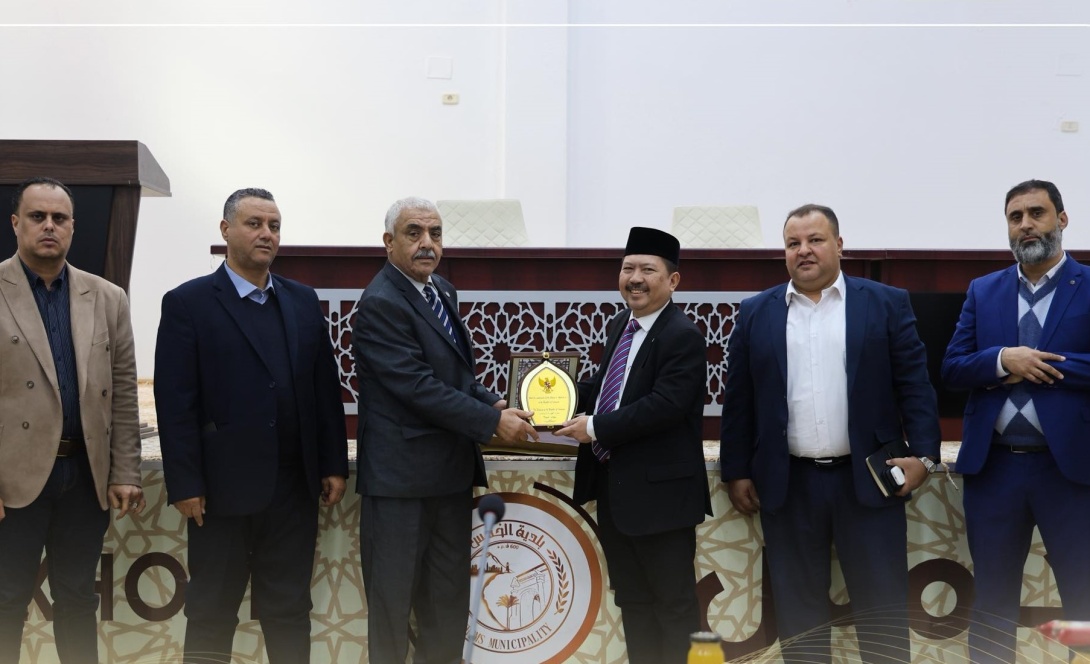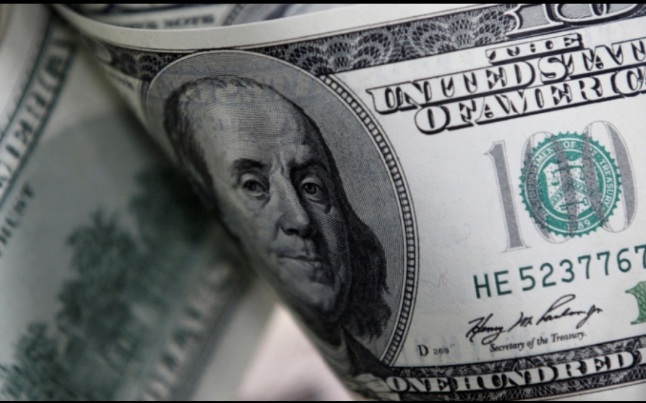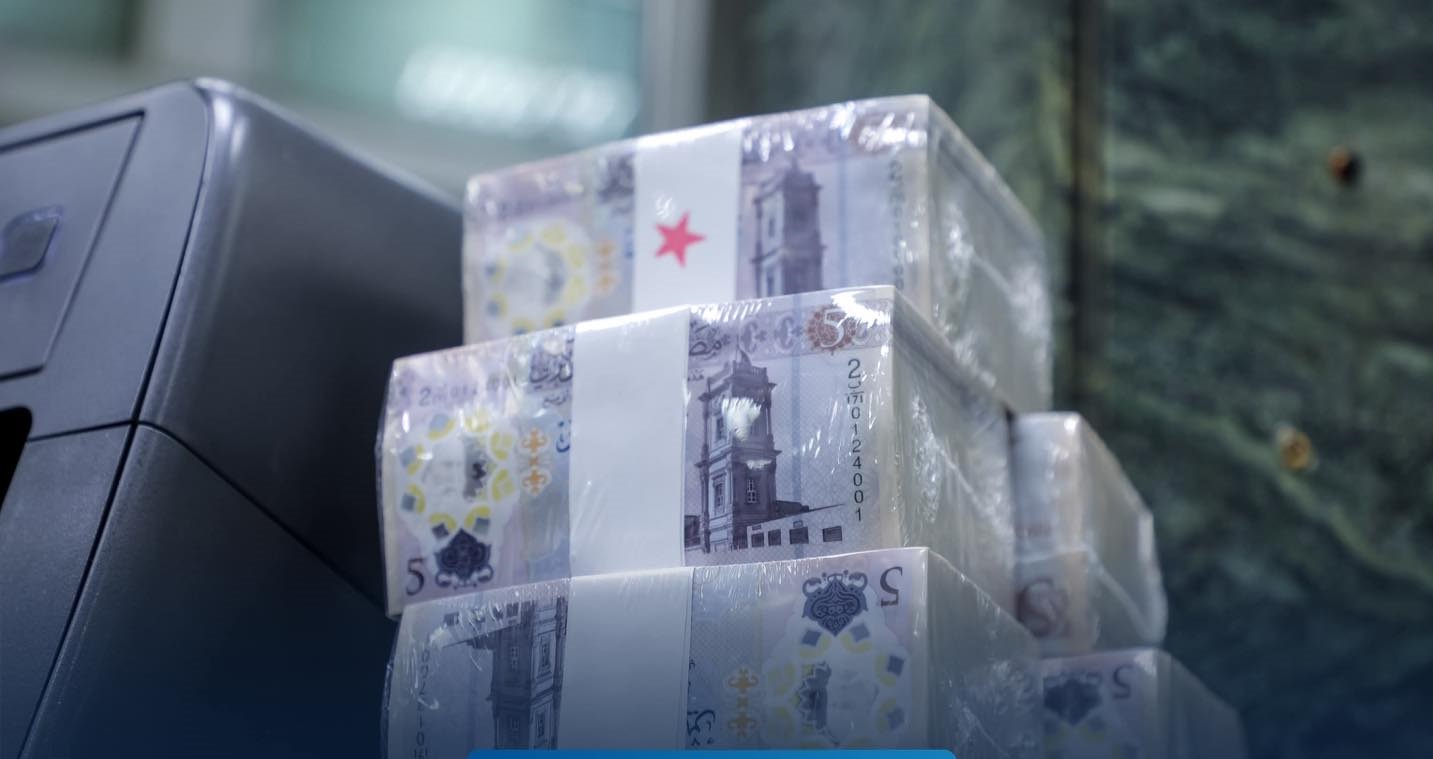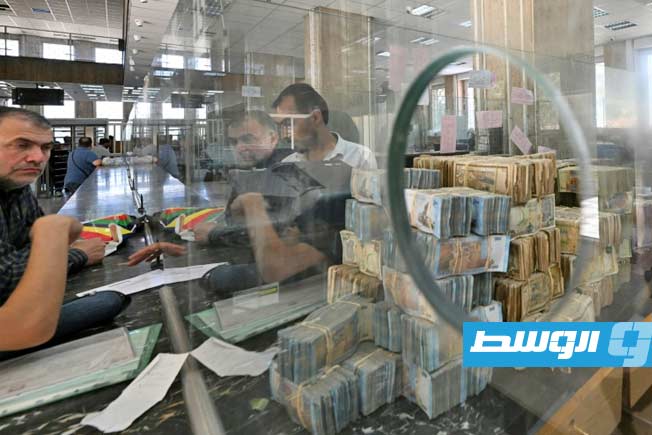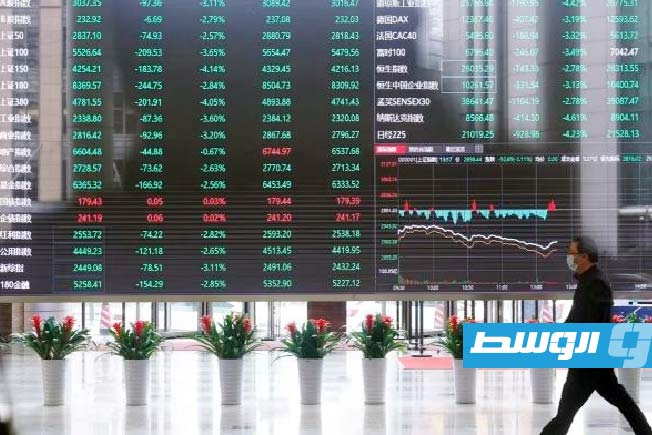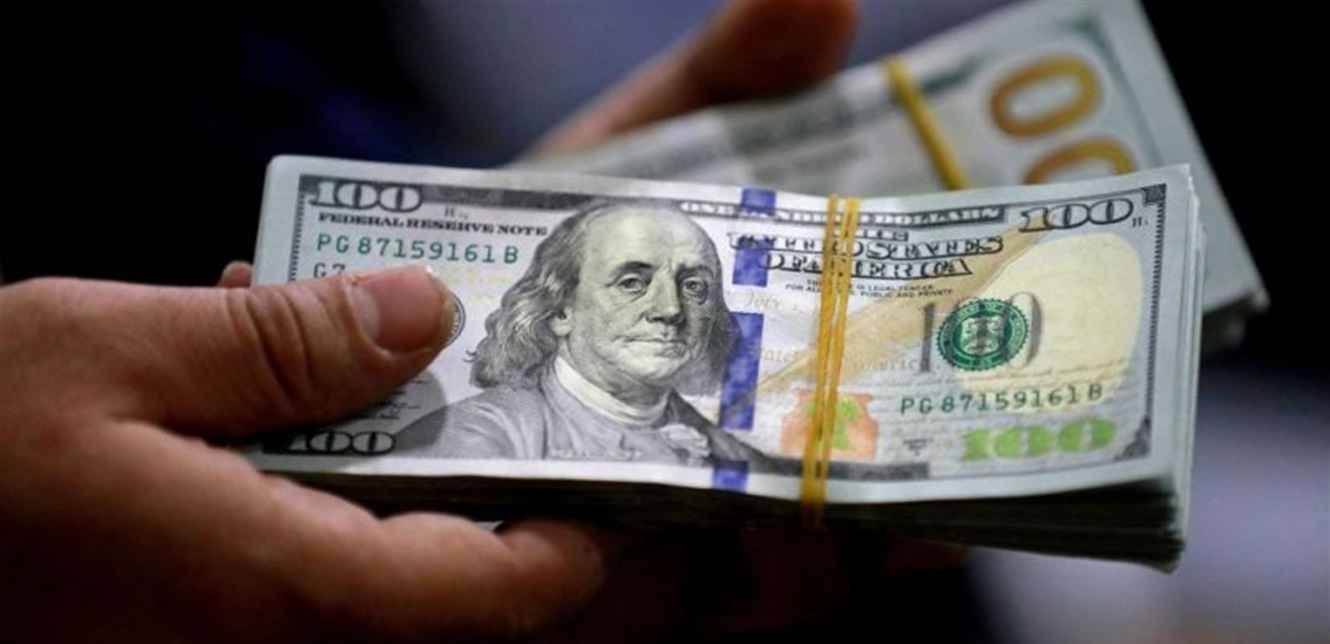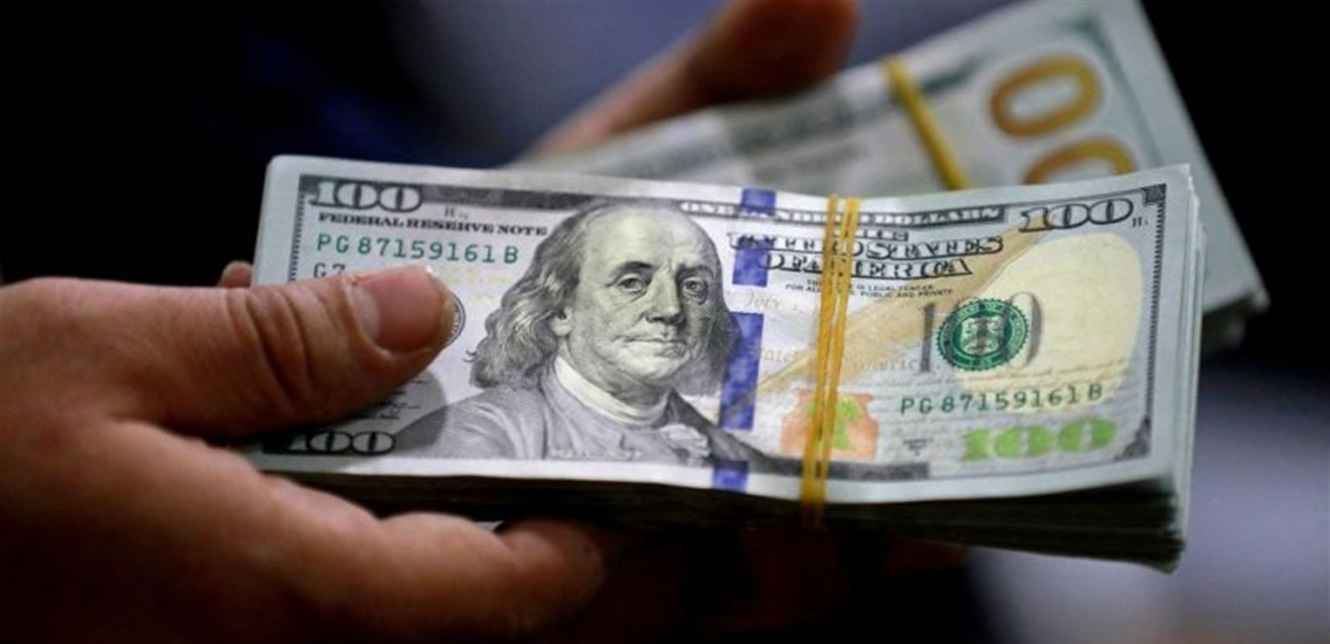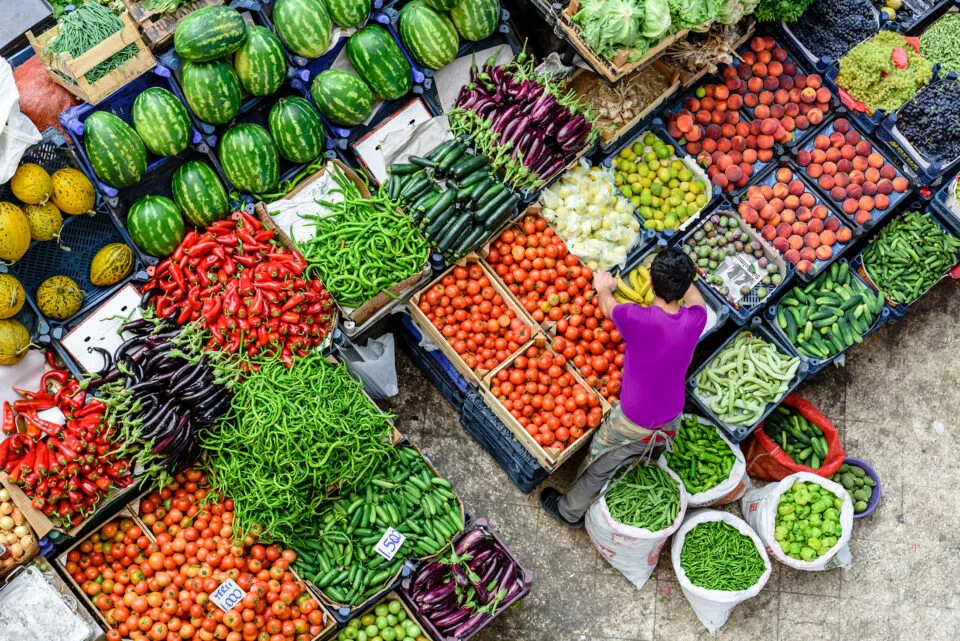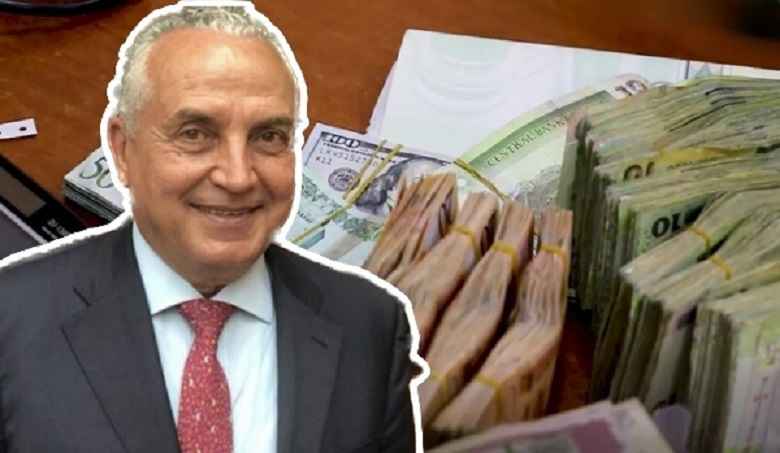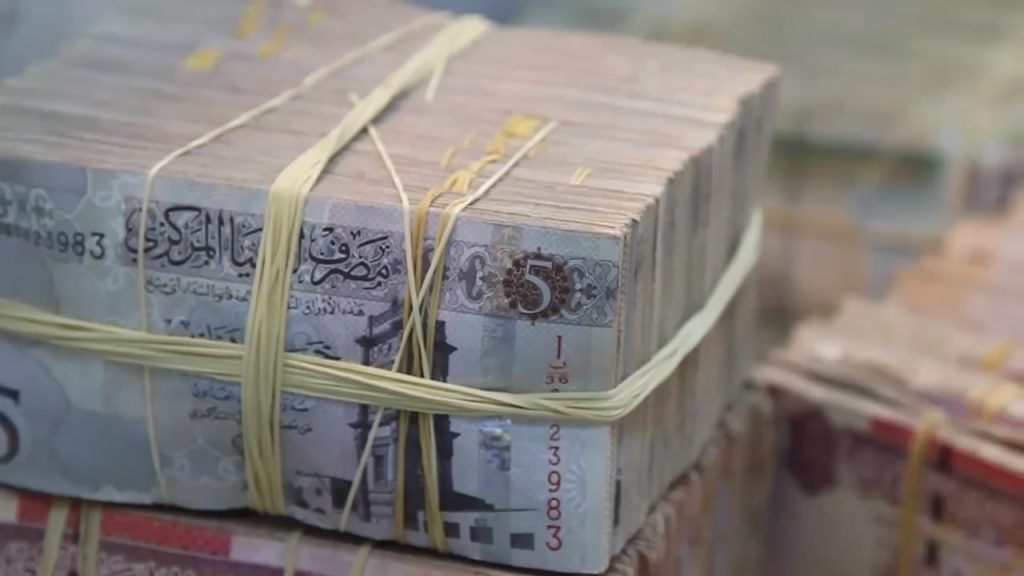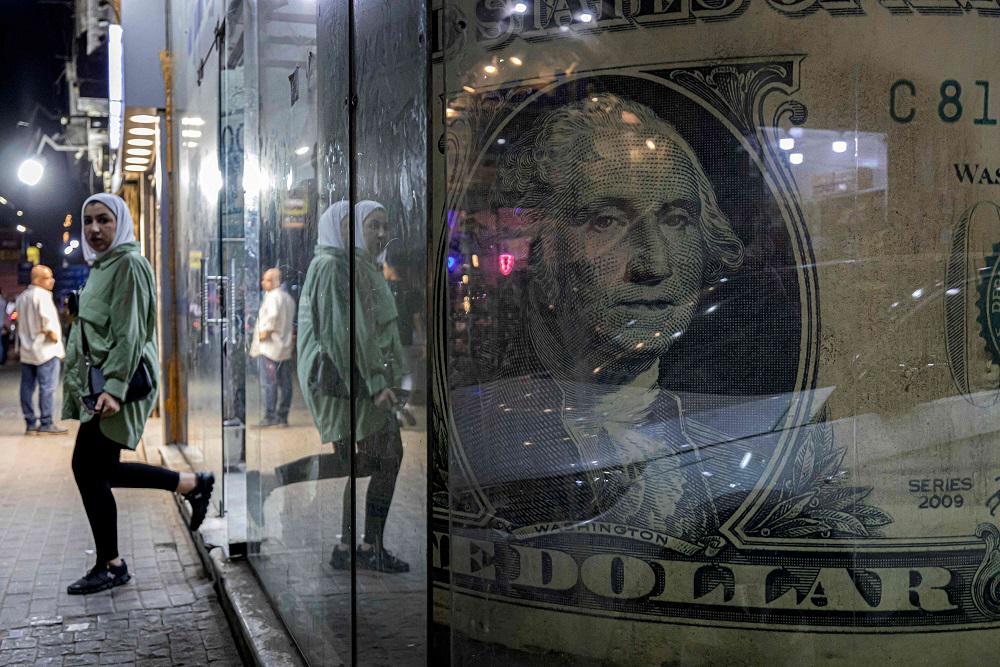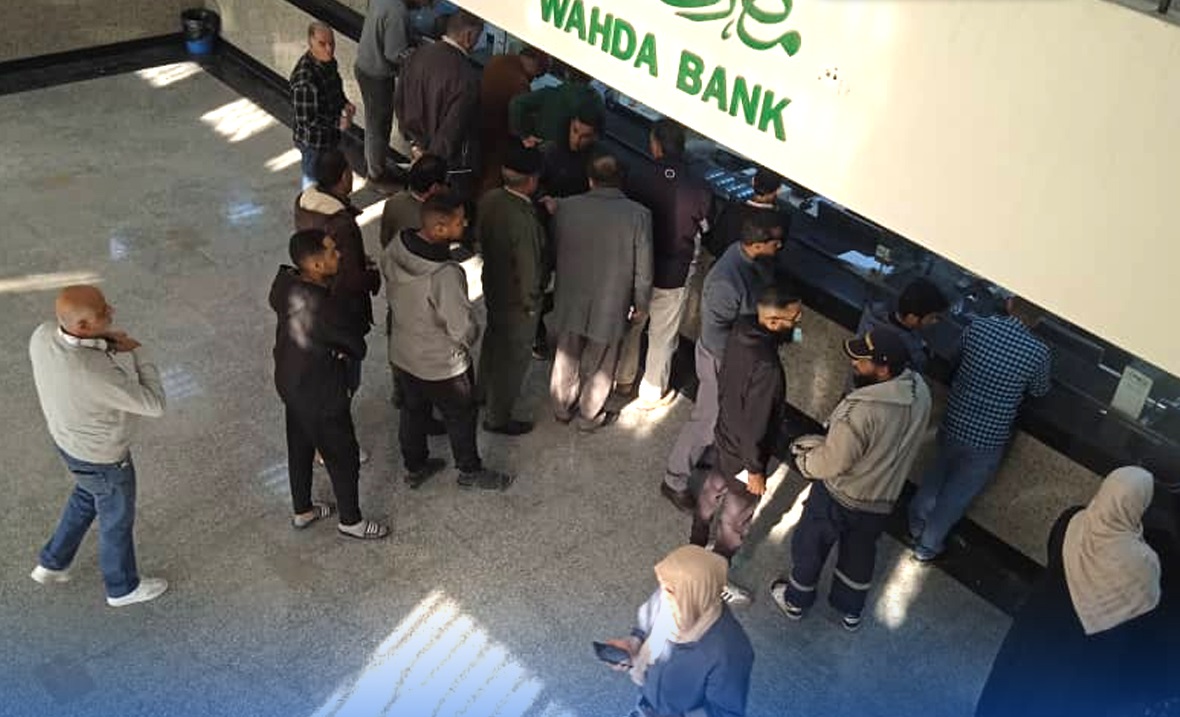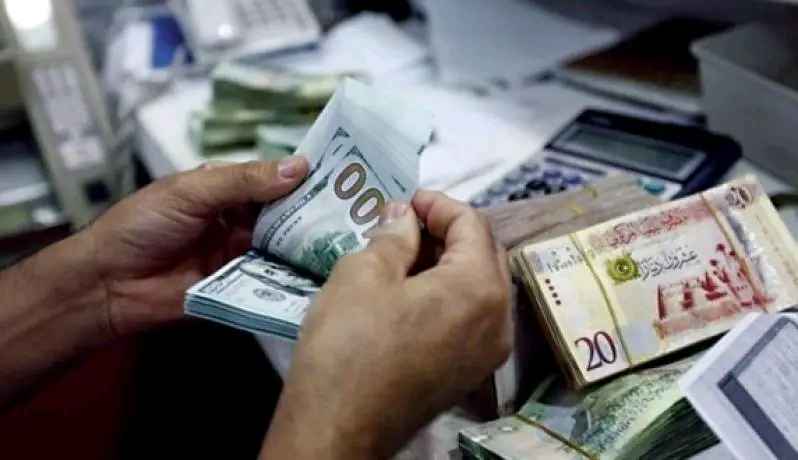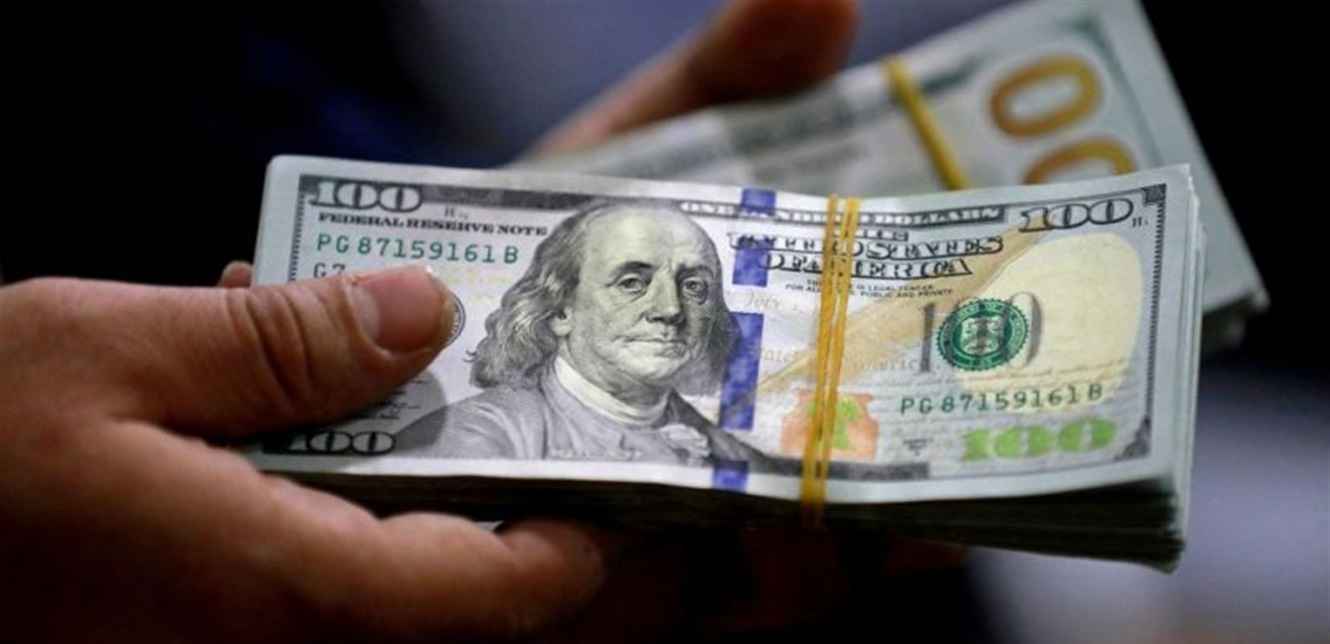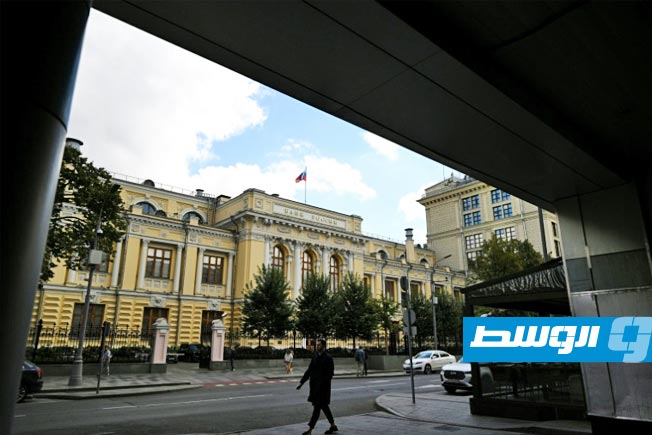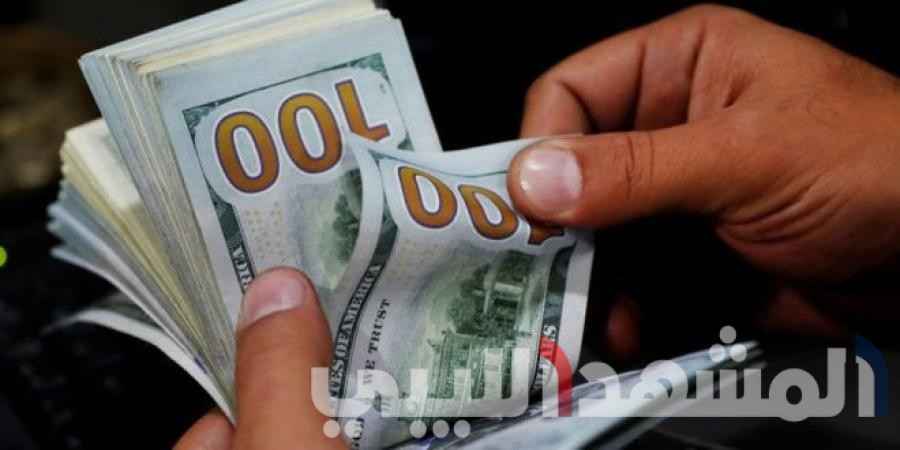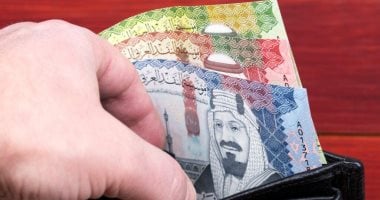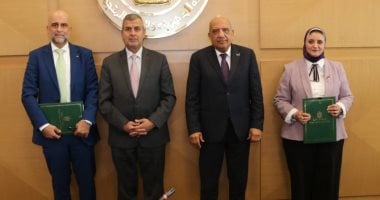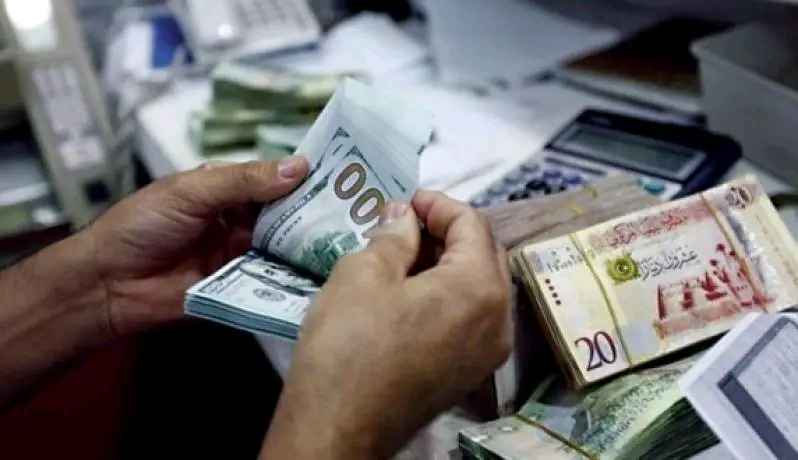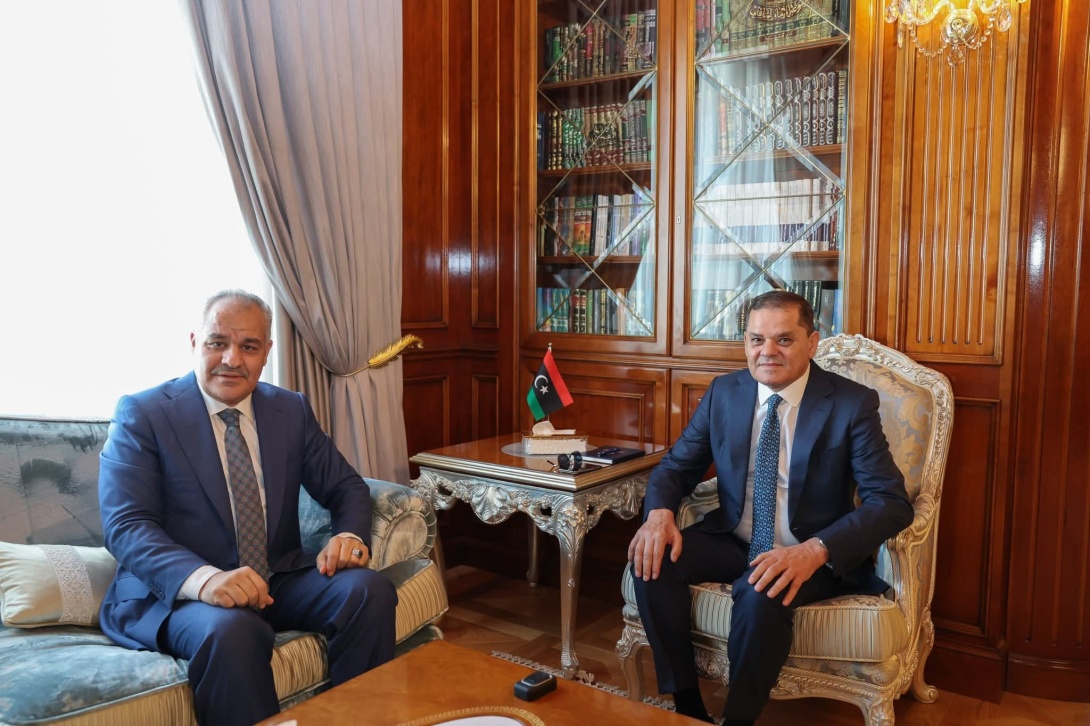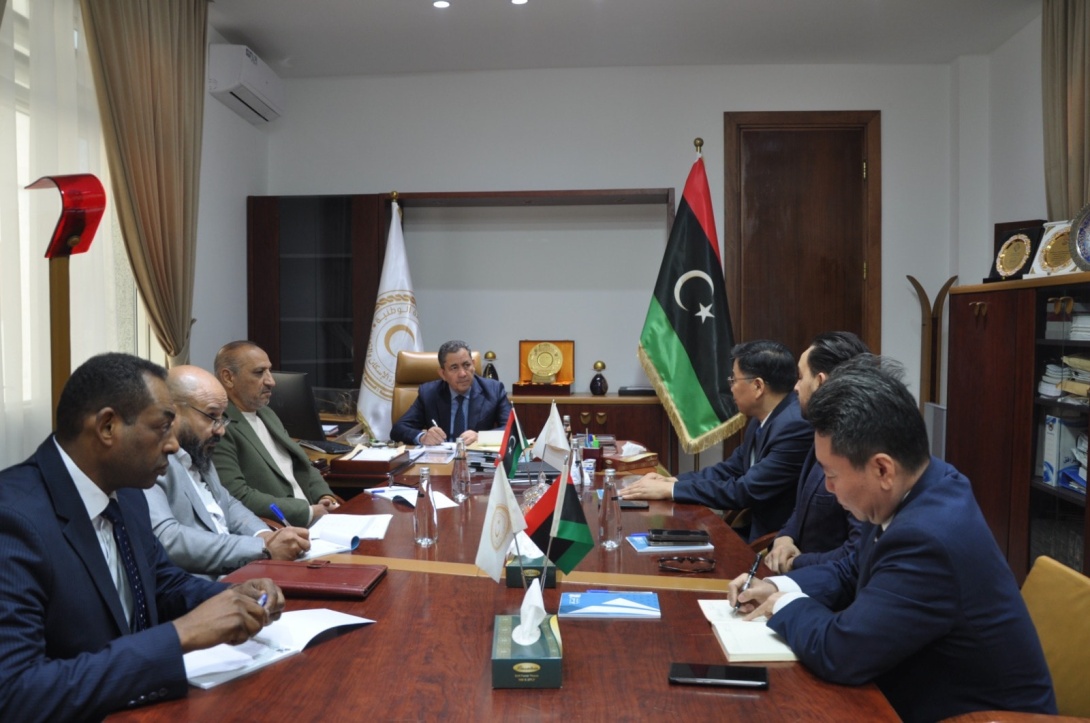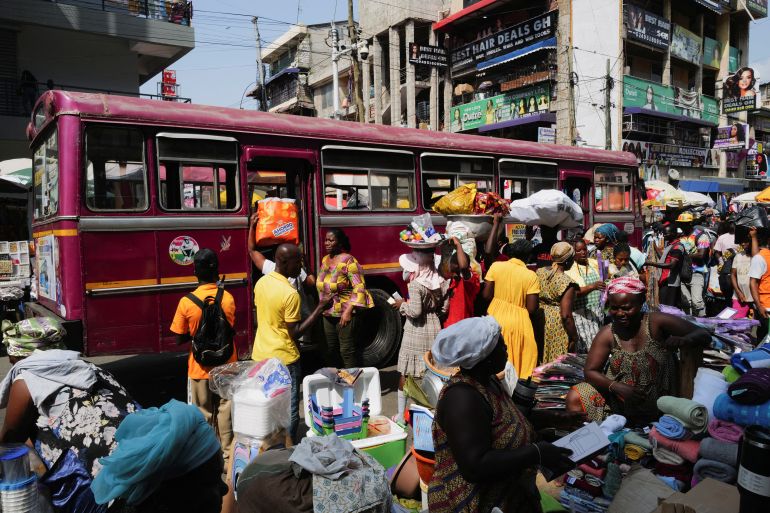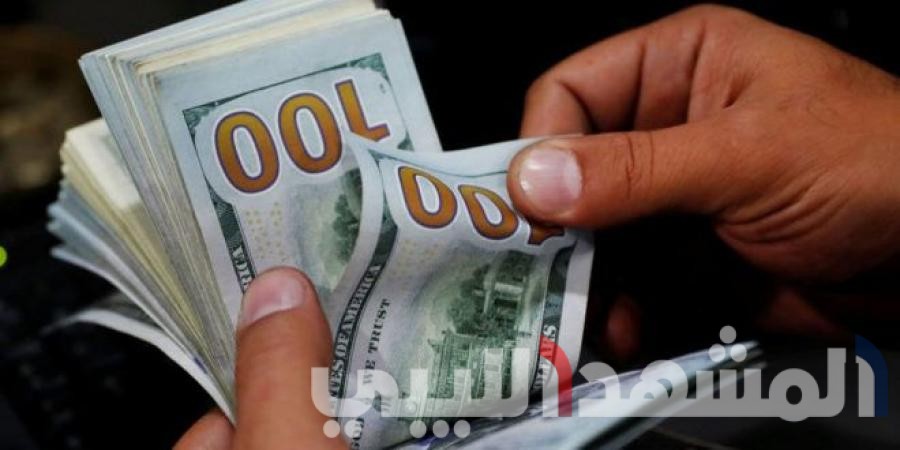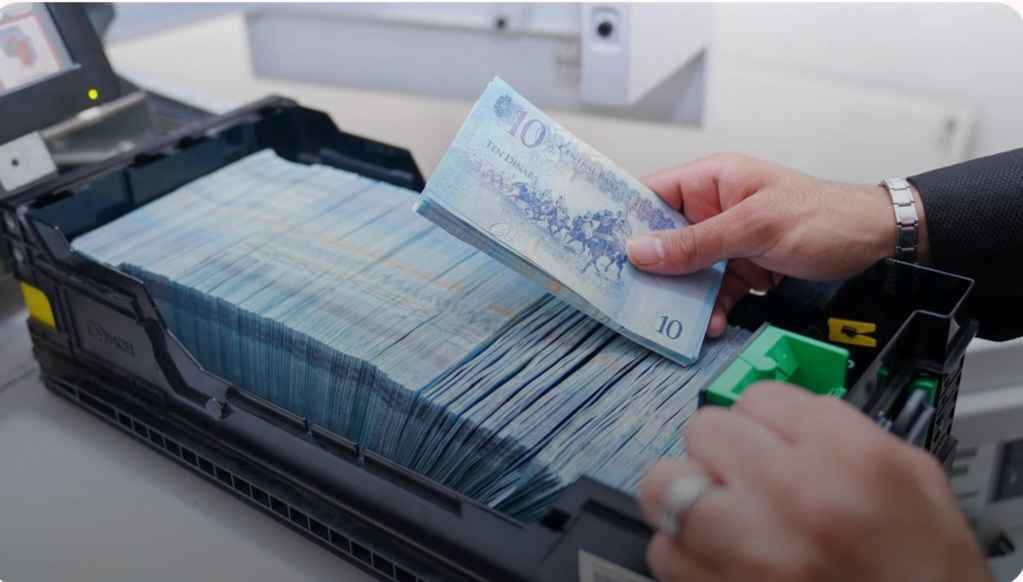
The Ministry of Economy and Trade has issued a decision prohibiting companies from setting prices for goods based on foreign exchange rates in the parallel market.
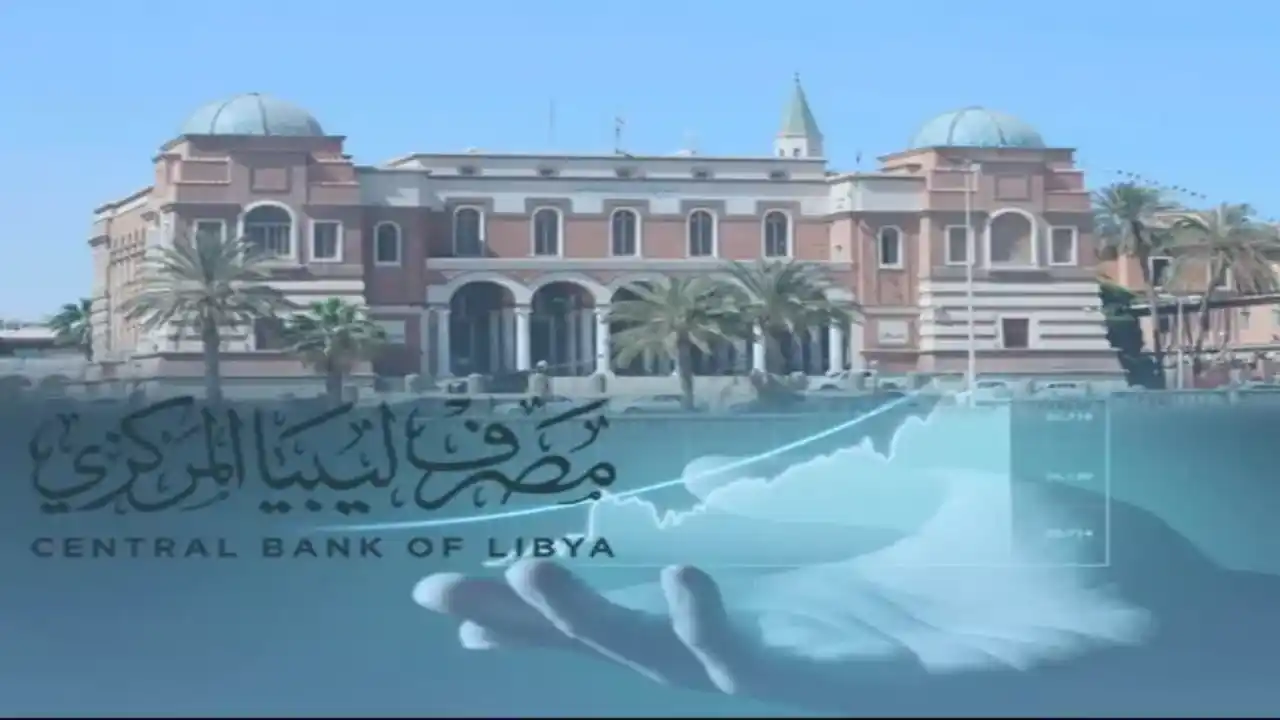
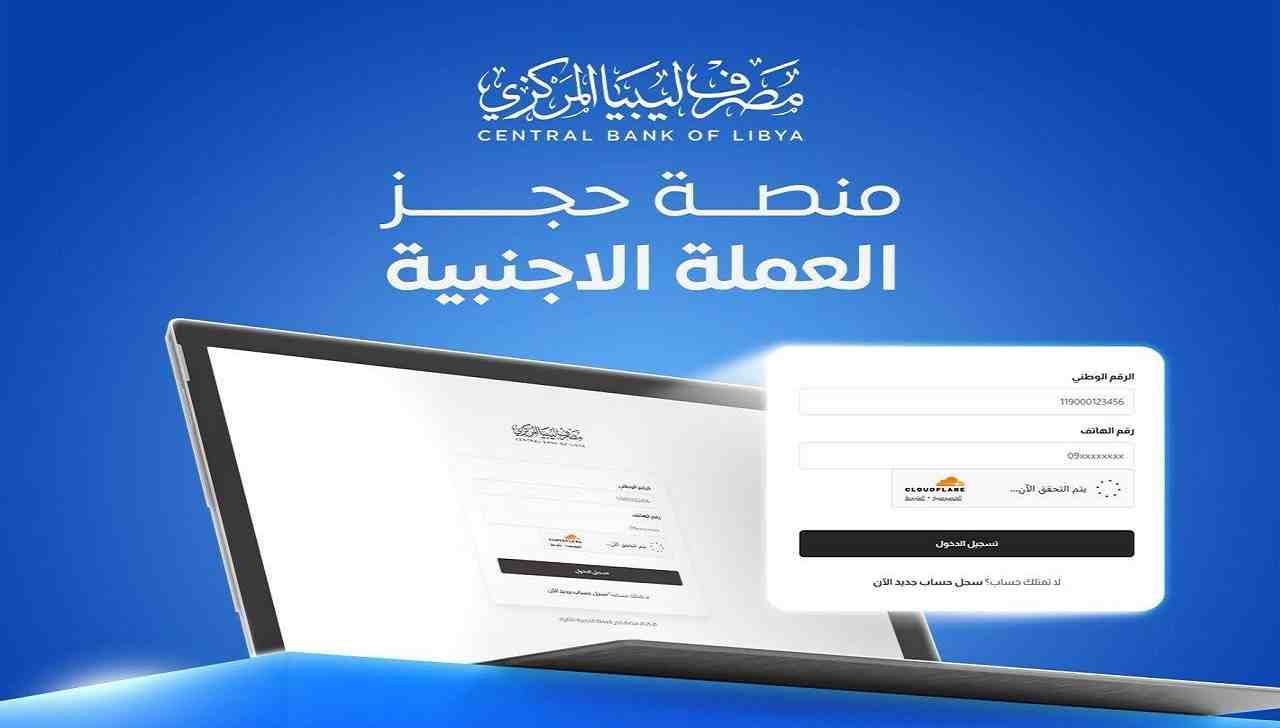
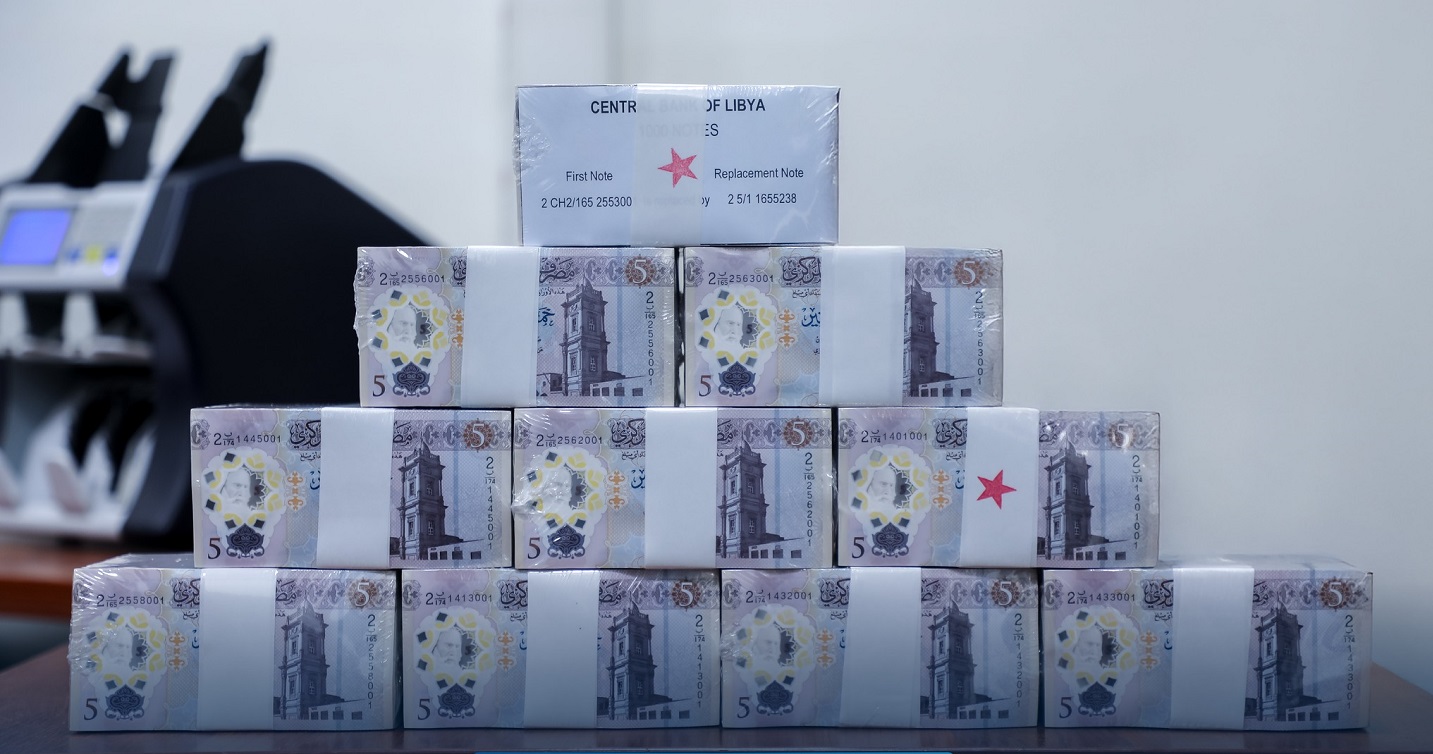
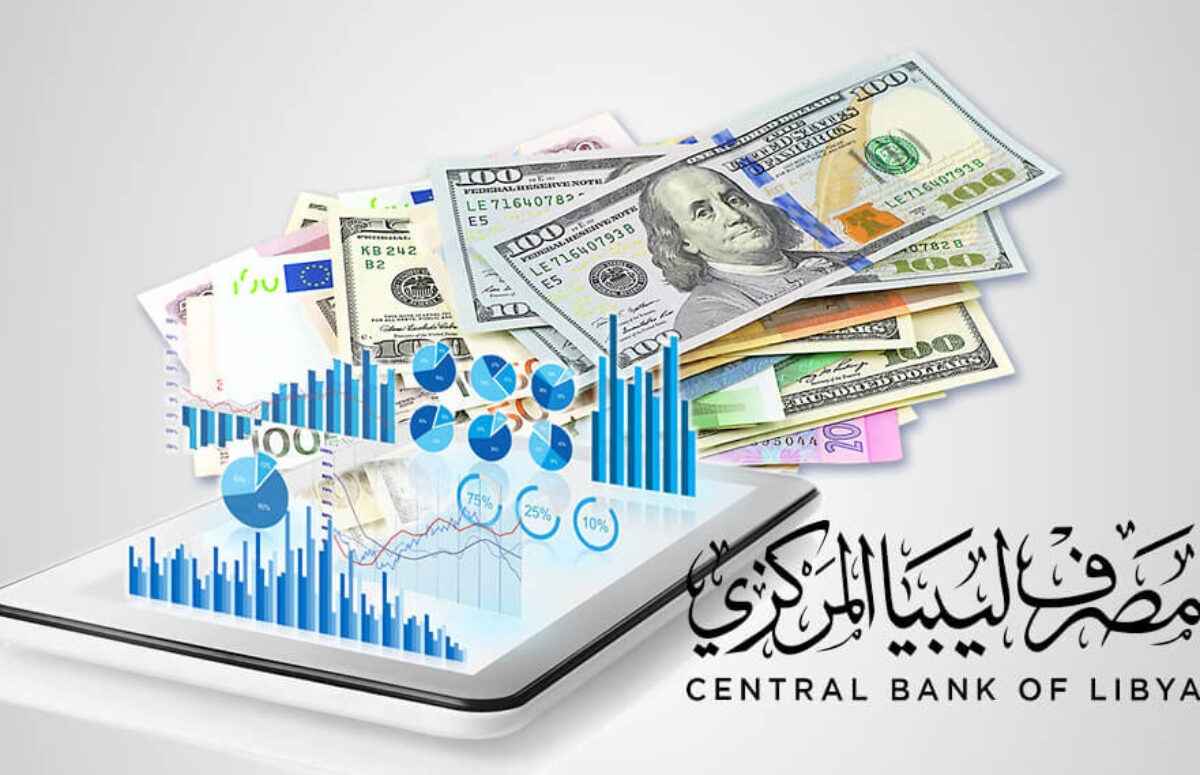
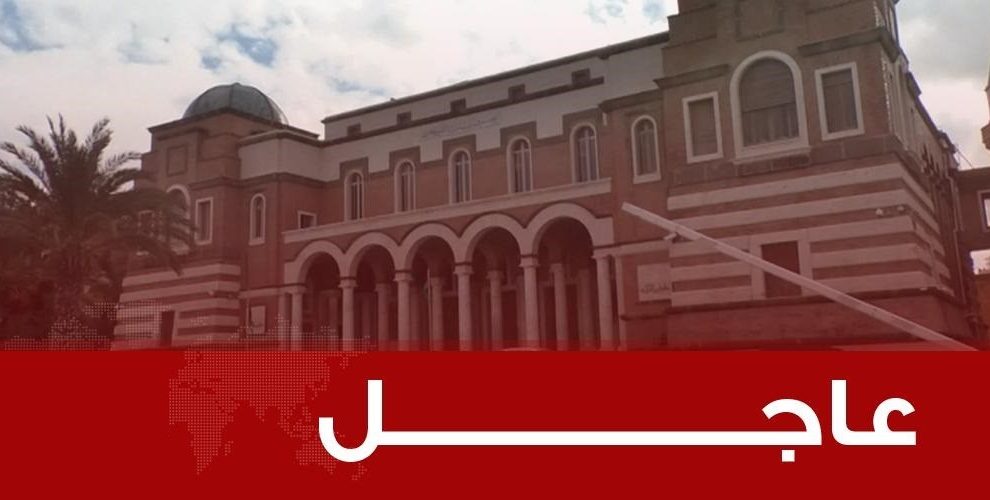
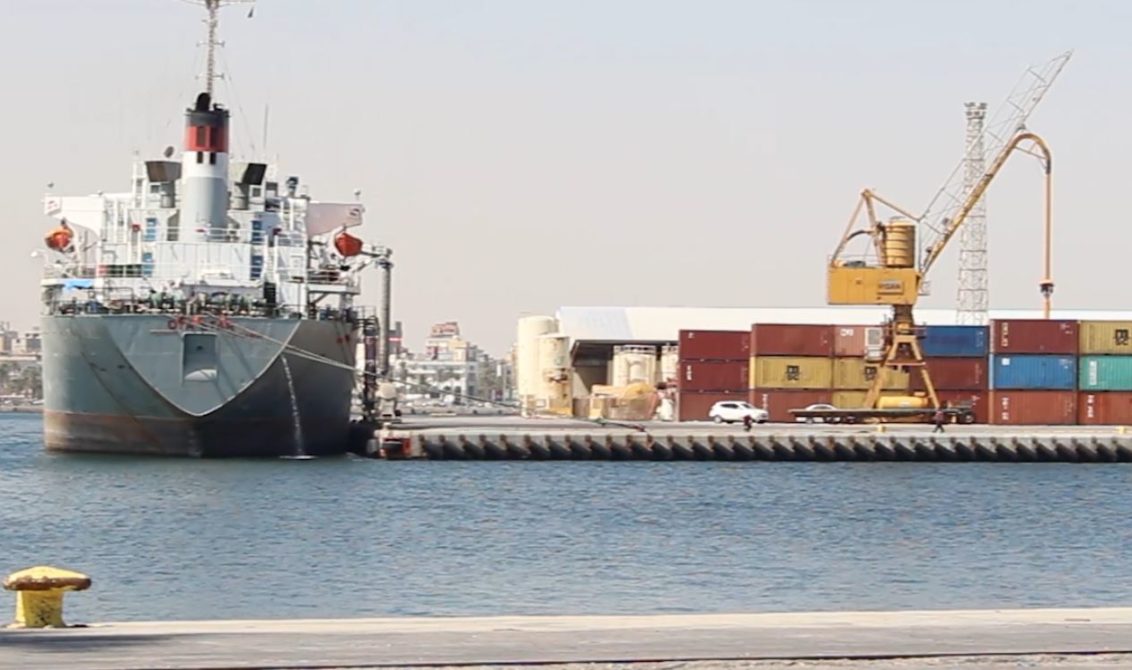
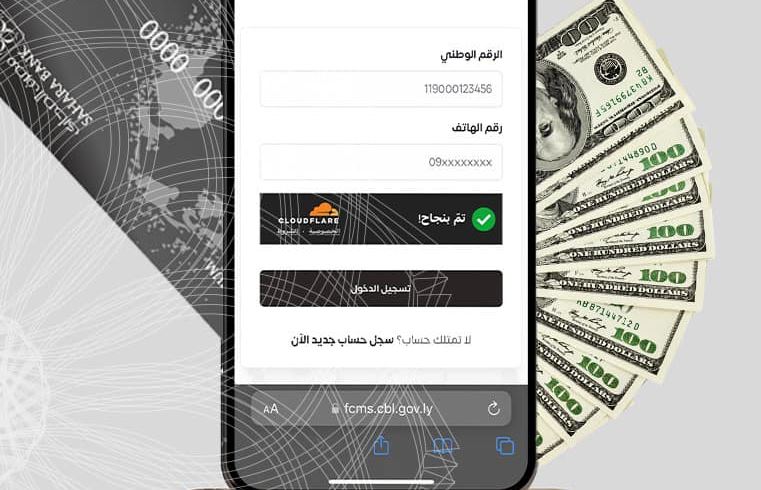
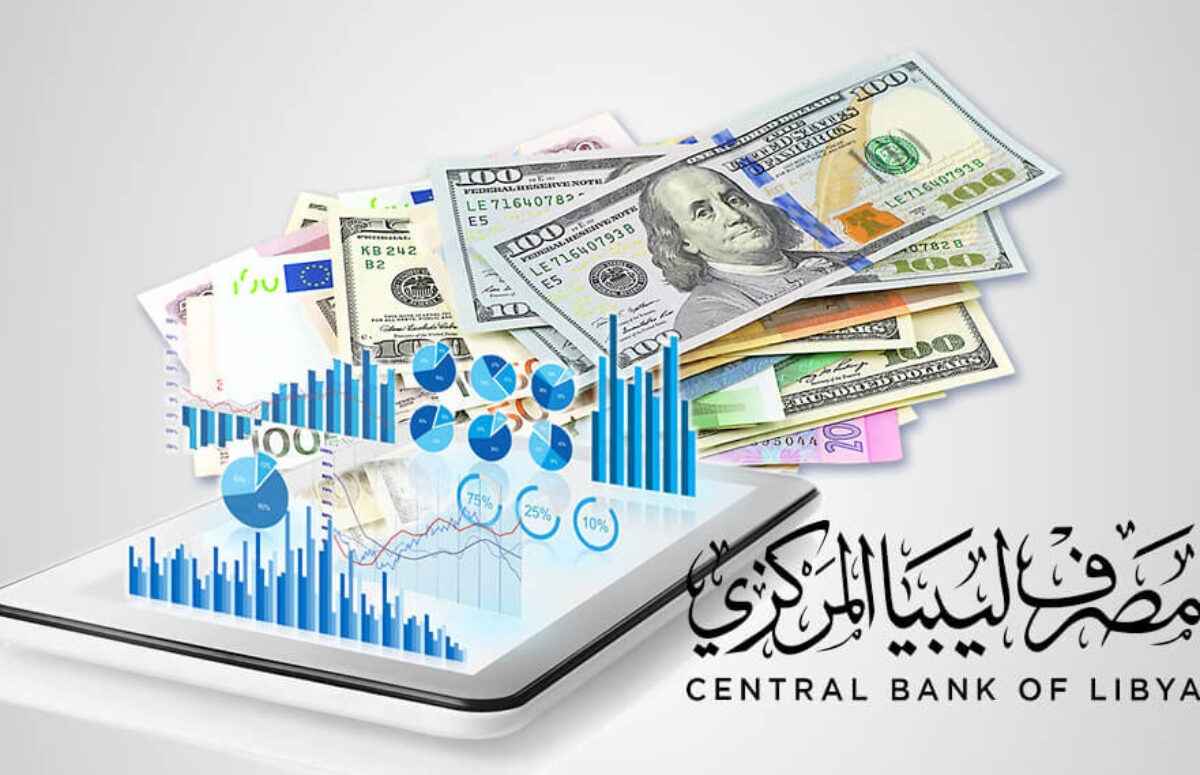
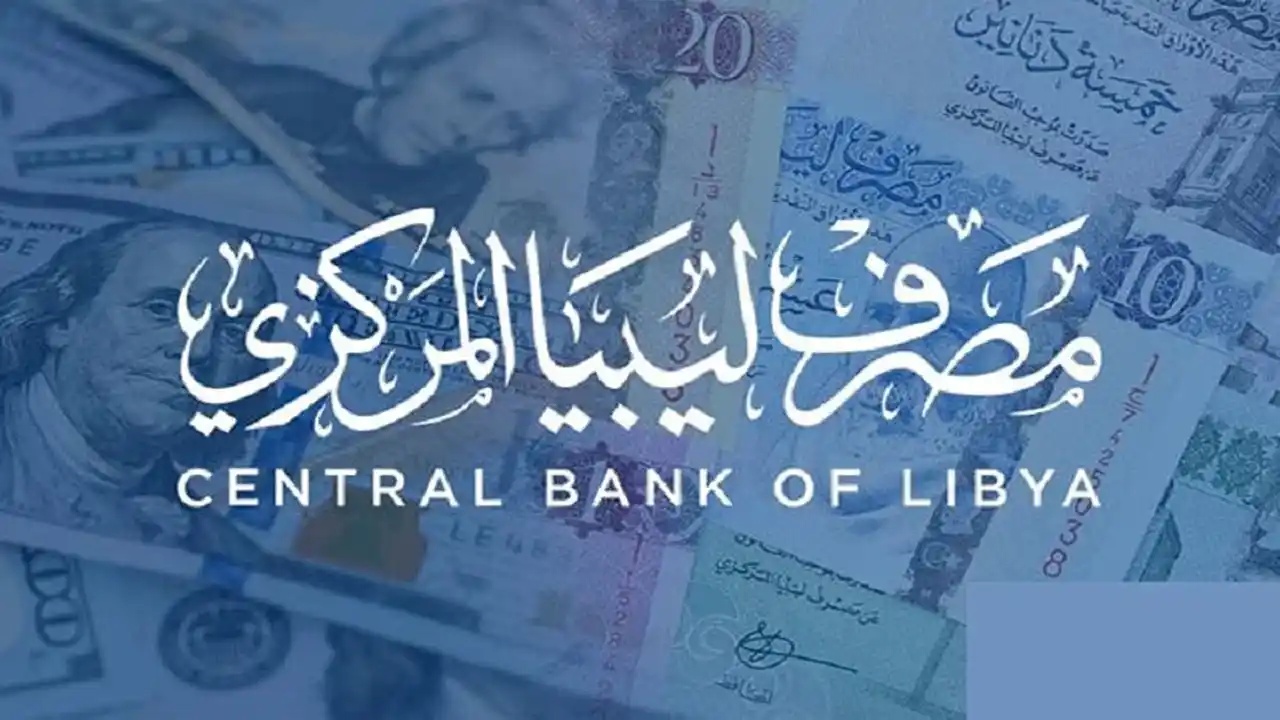
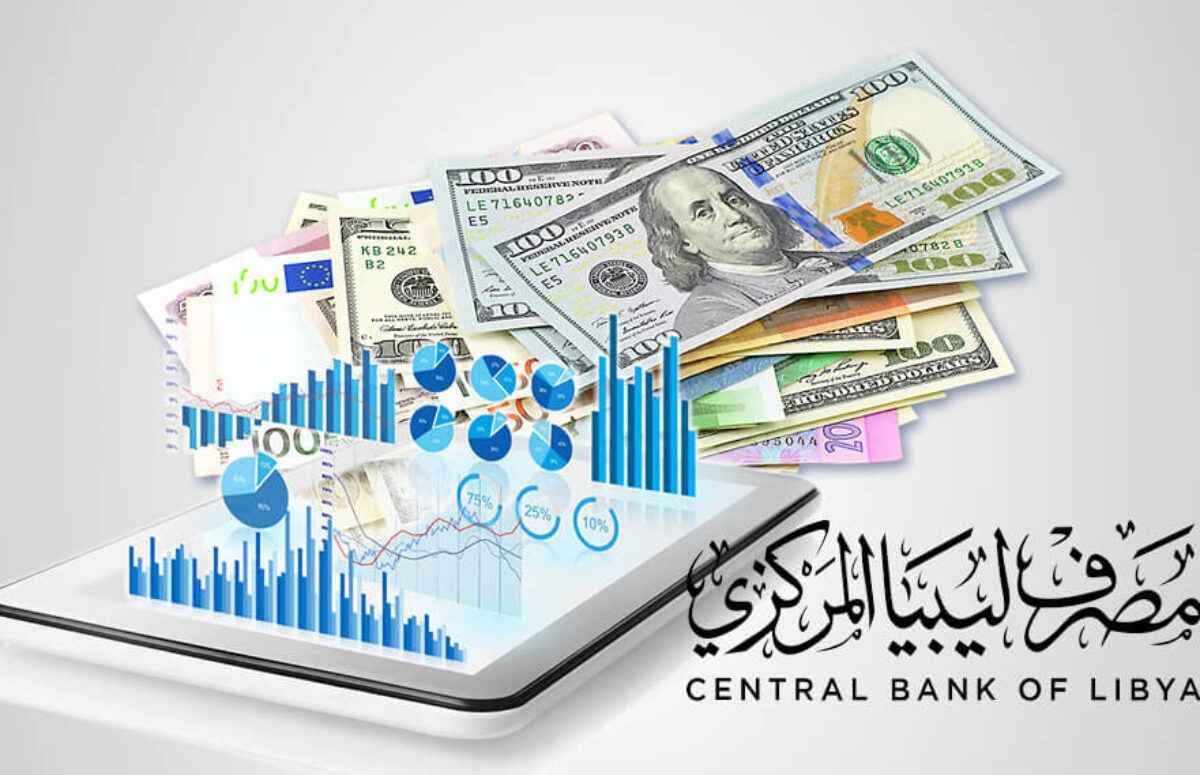
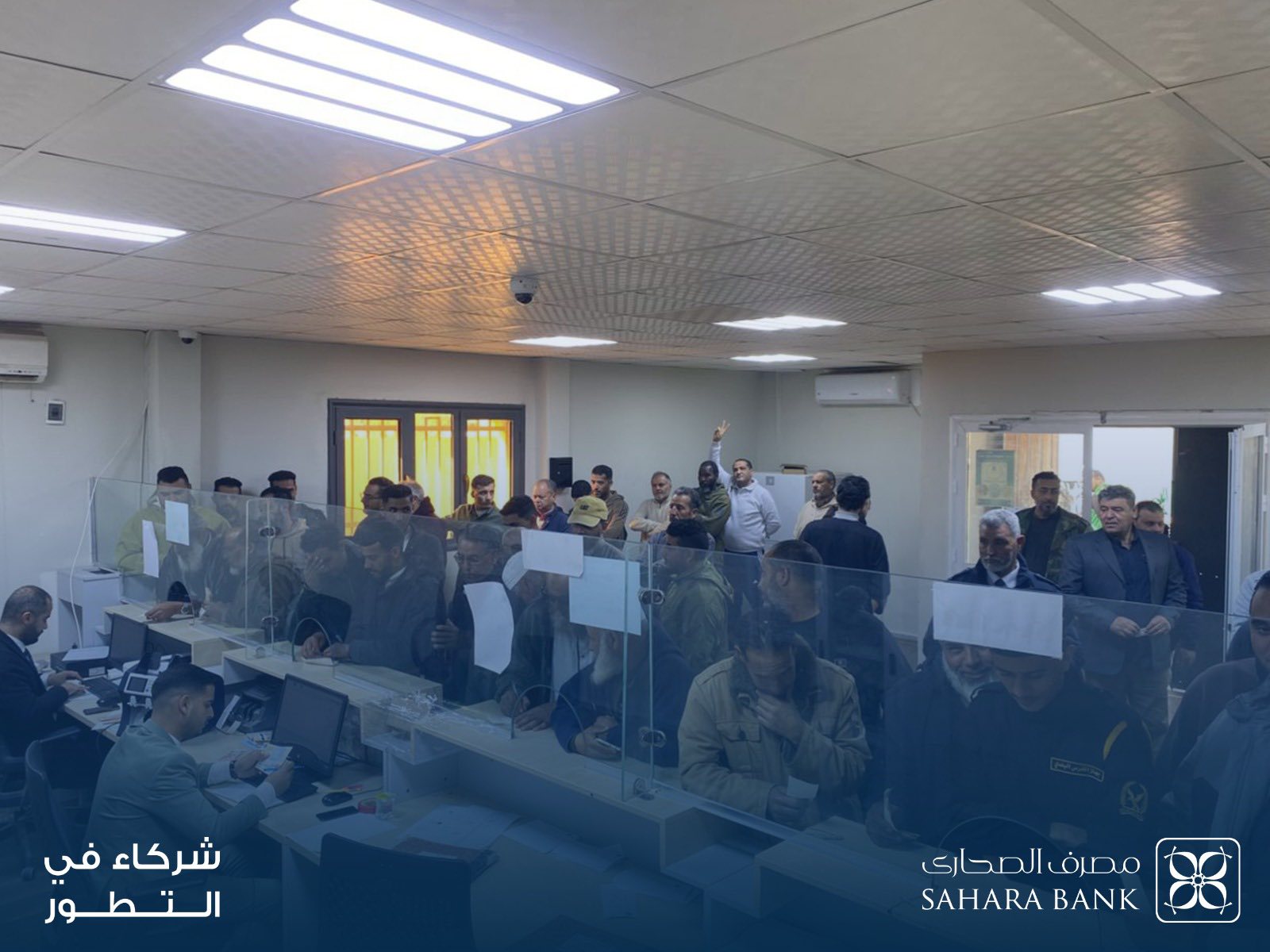
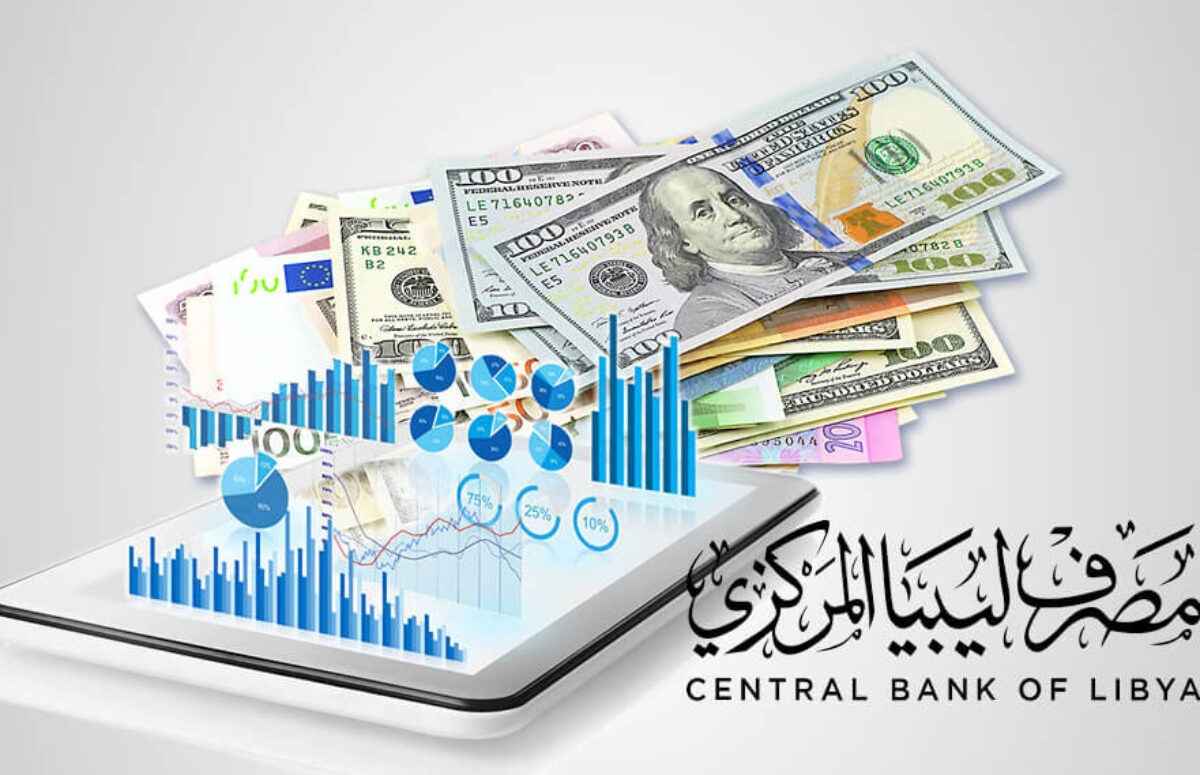
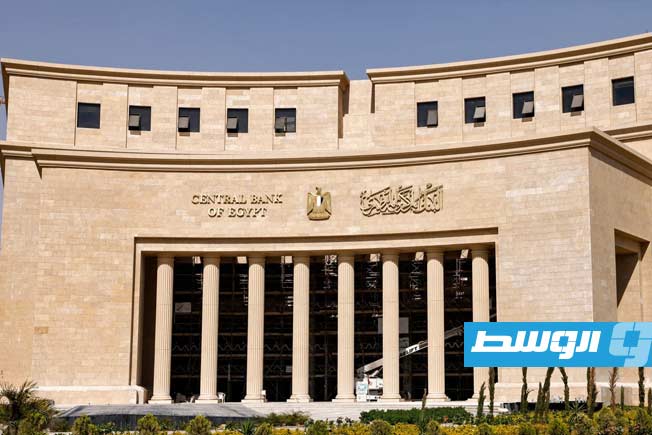
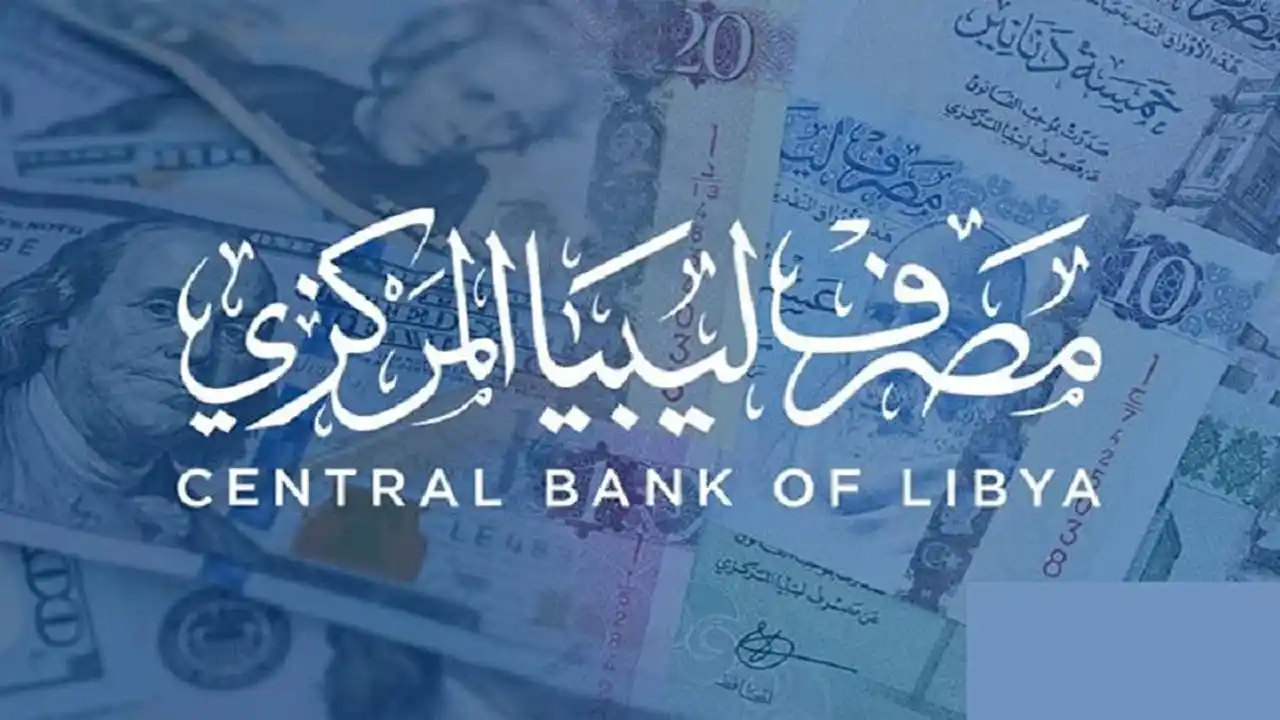
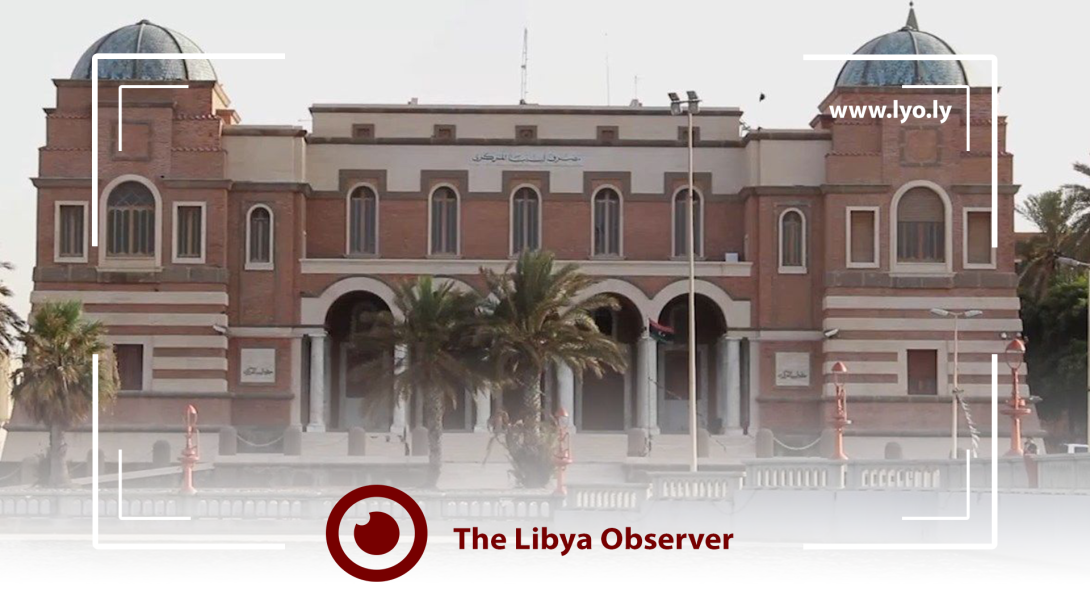
The decision instructs companies facing difficulties in obtaining letters of credit for imports to file a complaint with the ministry. These cases will be examined in coordination with the Central Bank of Libya to determine the causes of the credit delays, particularly when they directly impact the availability and market supply of goods.
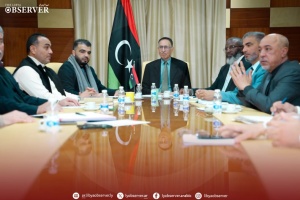
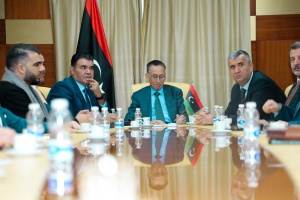
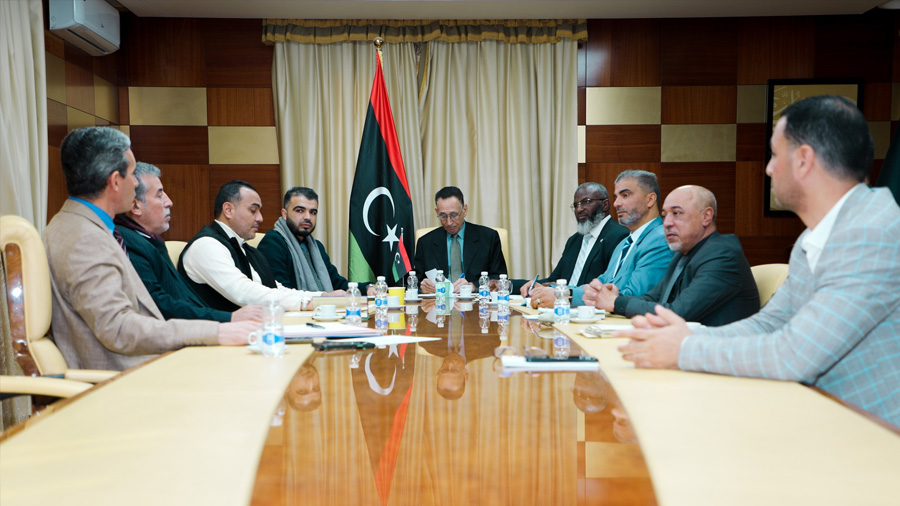
Ministry of Economy and Trade
The Ministry of Economy and Trade is a government department typically responsible for formulating and implementing national economic and commercial policy. Its history is generally tied to the modern development of the state it serves, often evolving from earlier departments of commerce or industry to address the complexities of contemporary global trade.
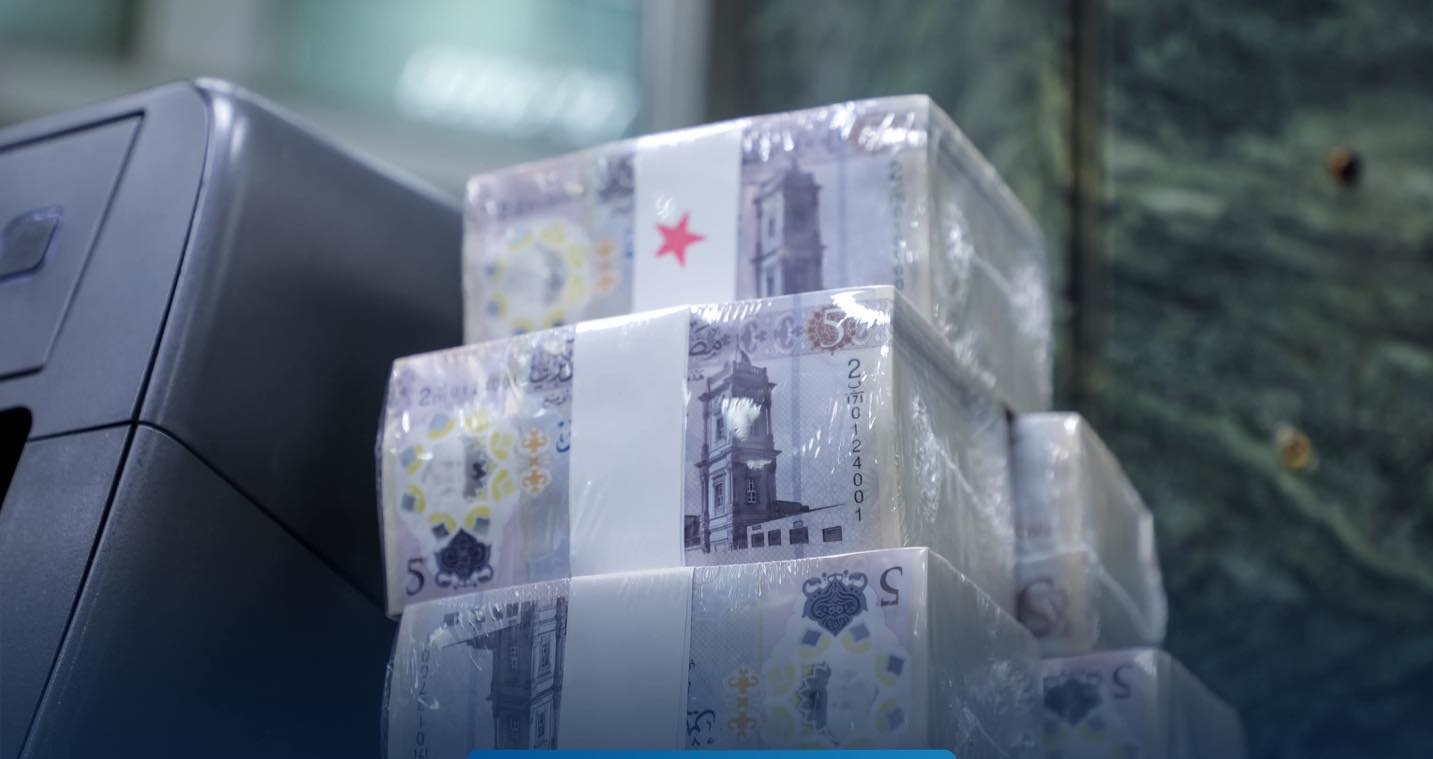
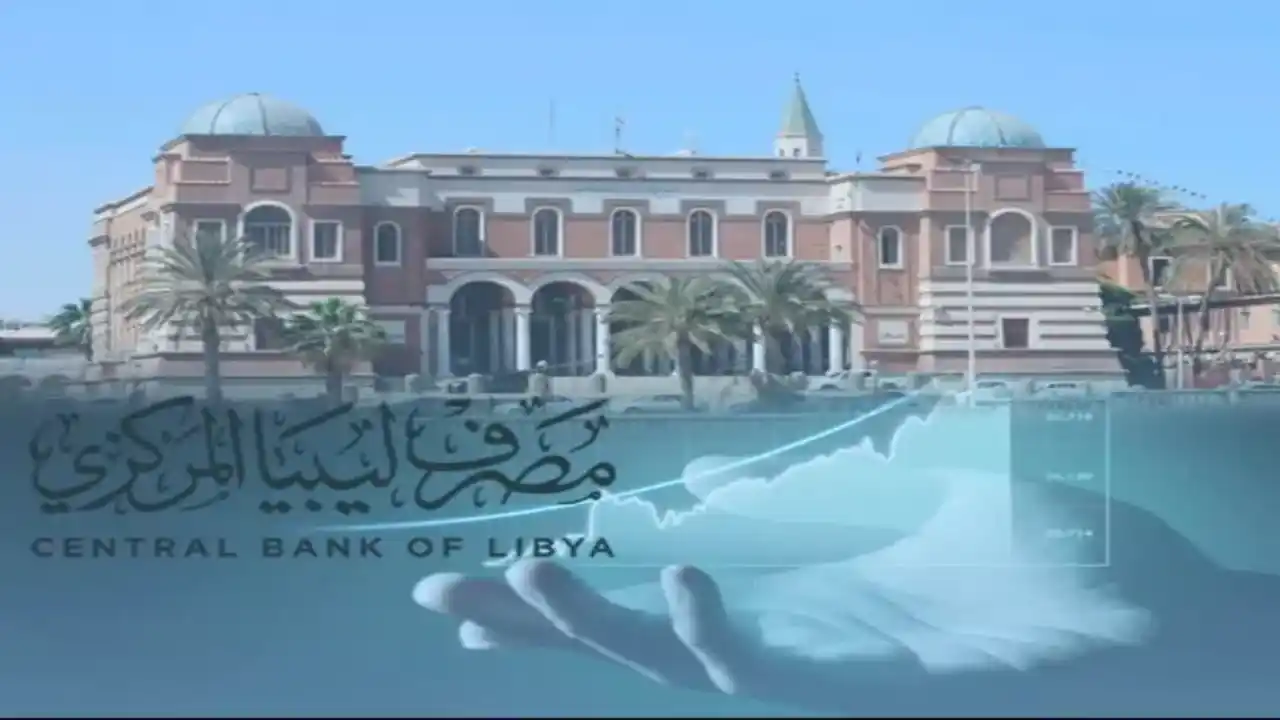
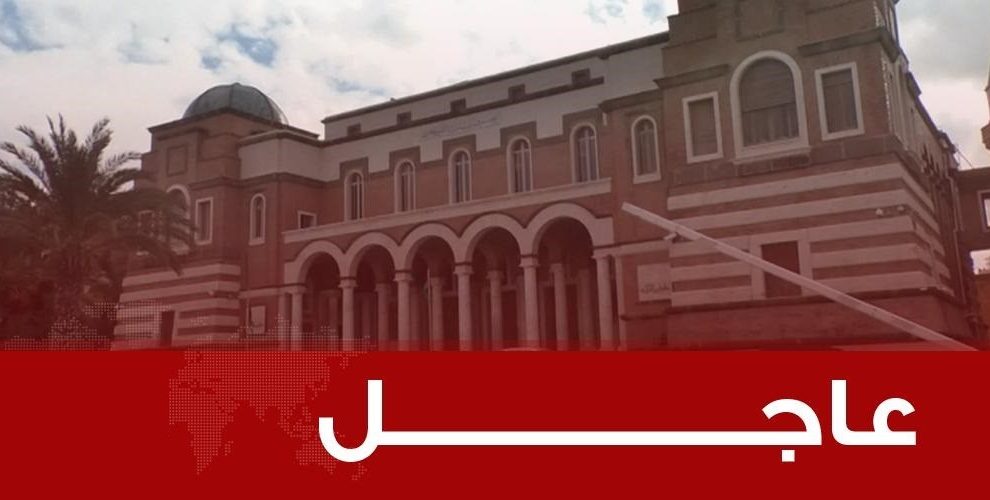
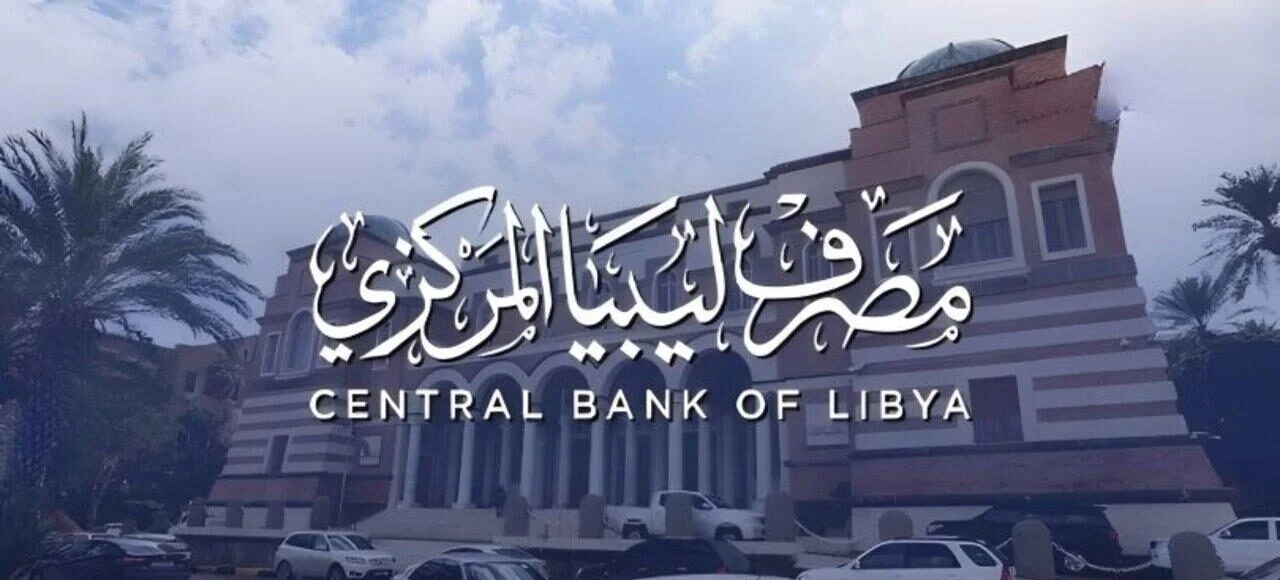
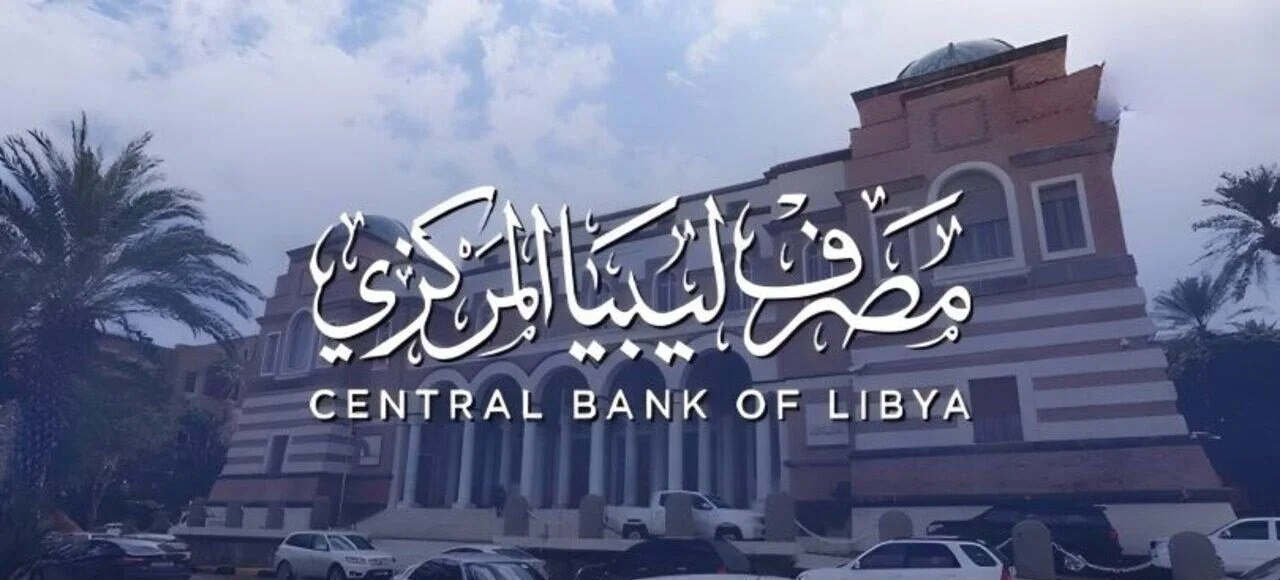
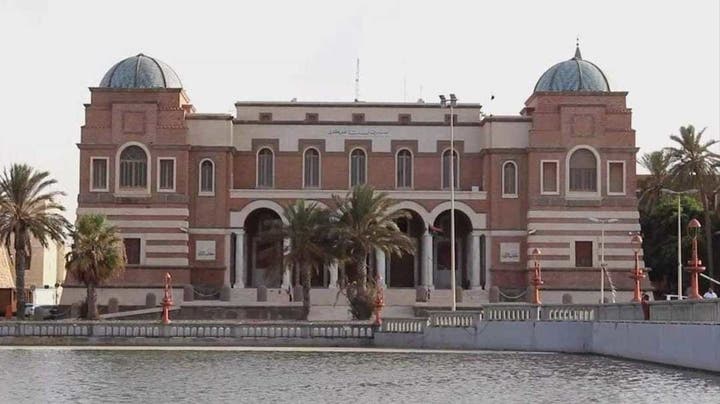
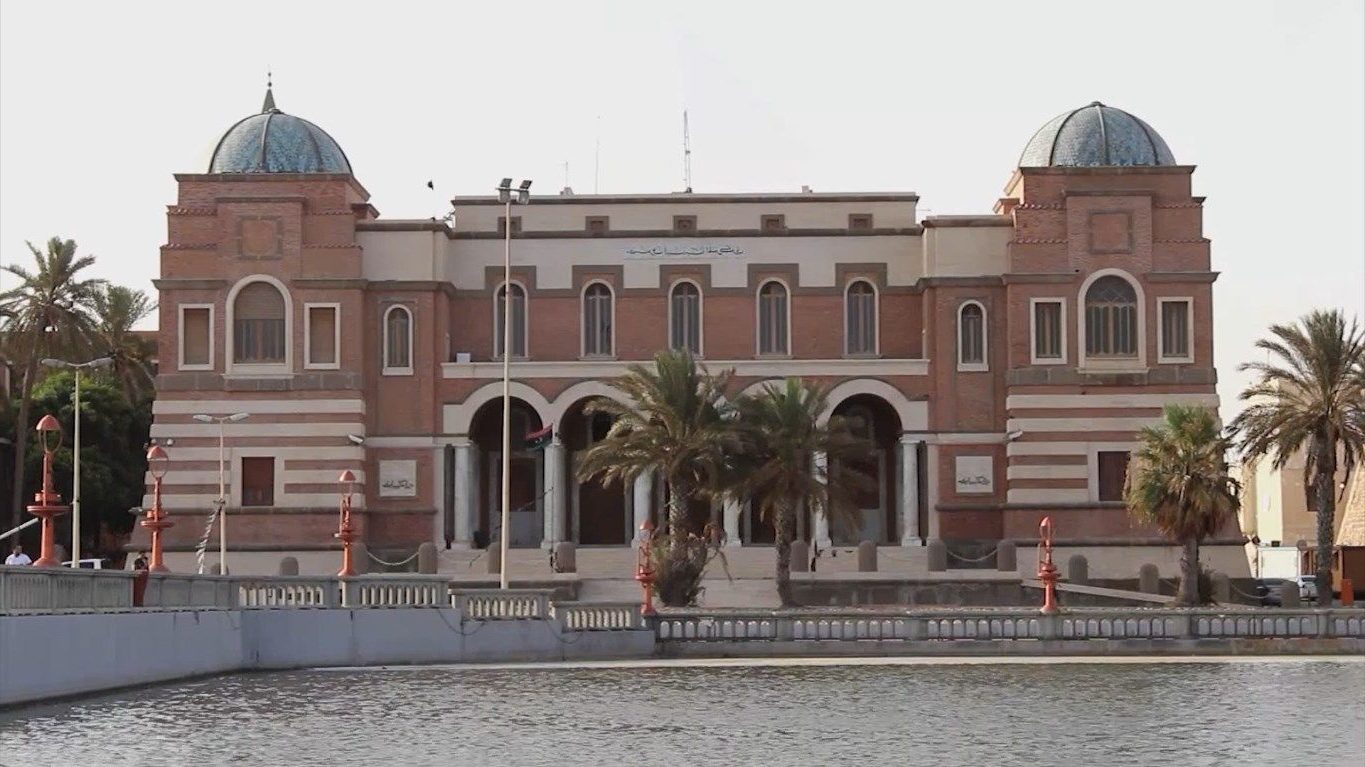
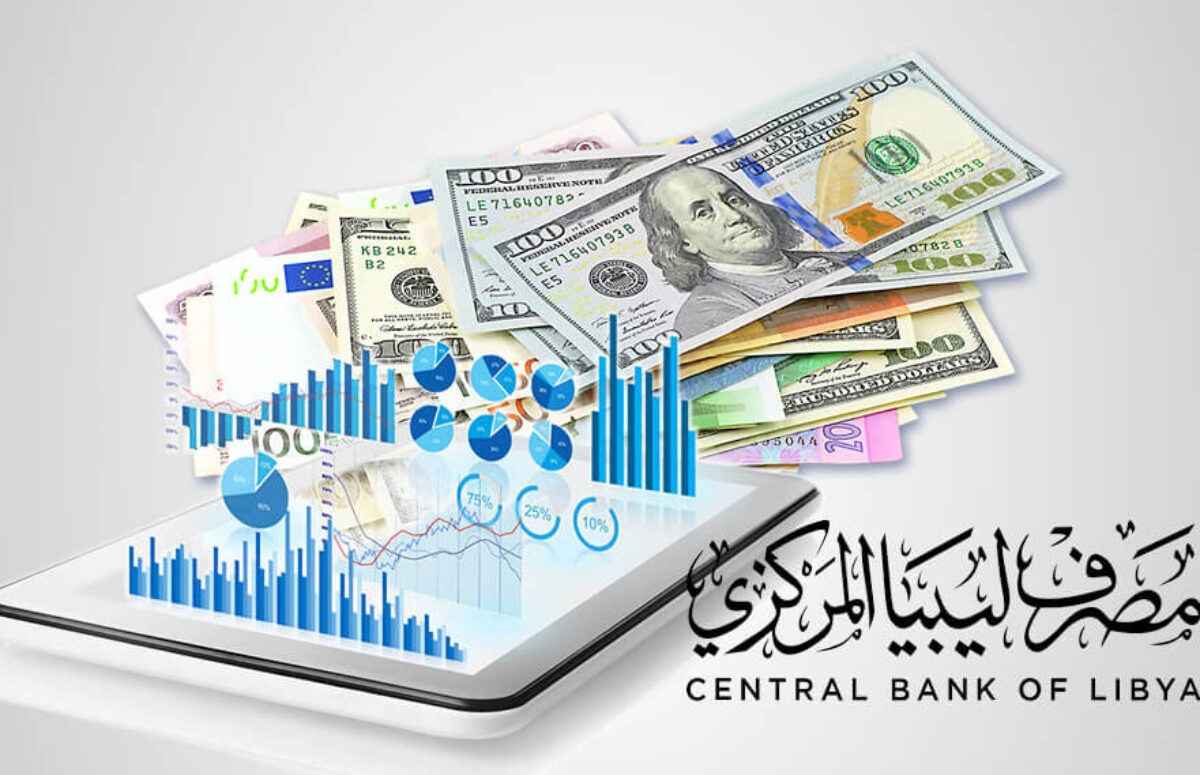
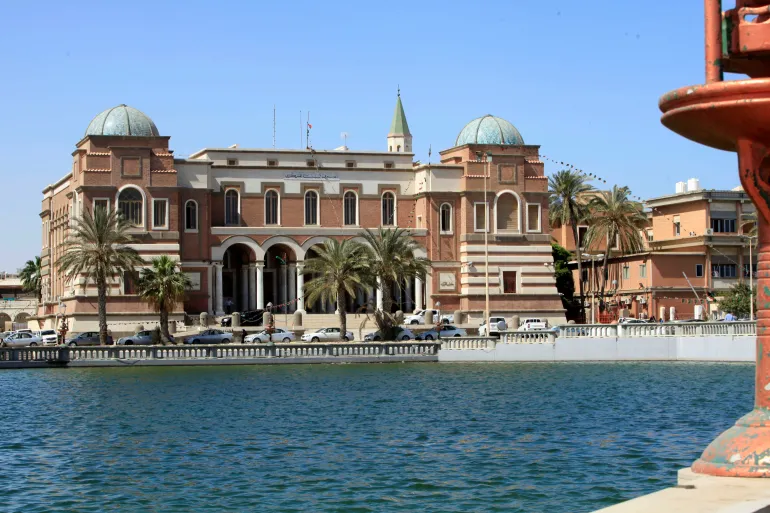
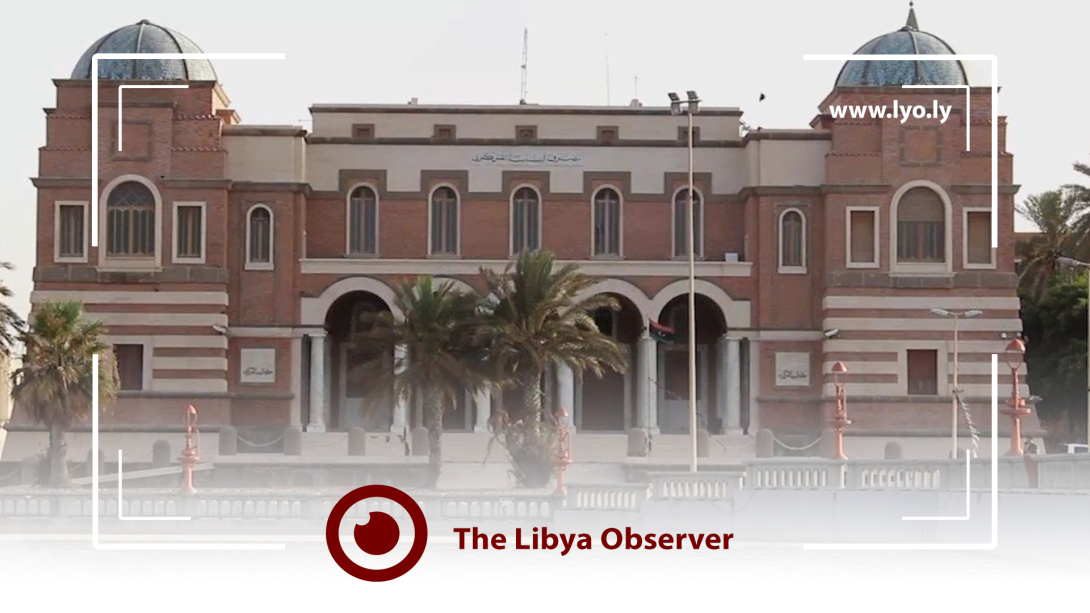
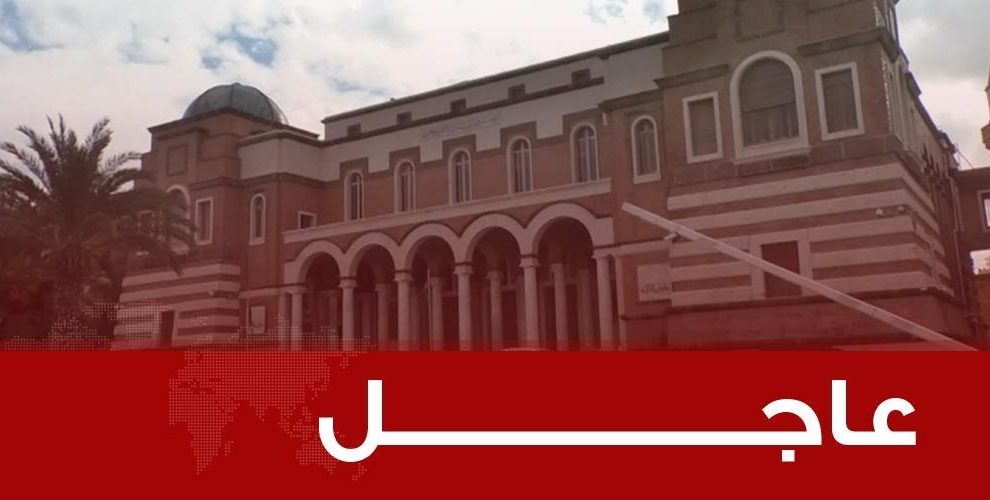
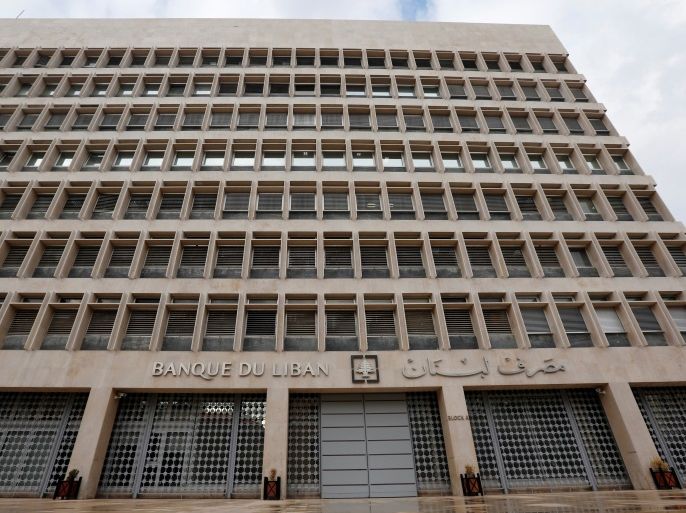
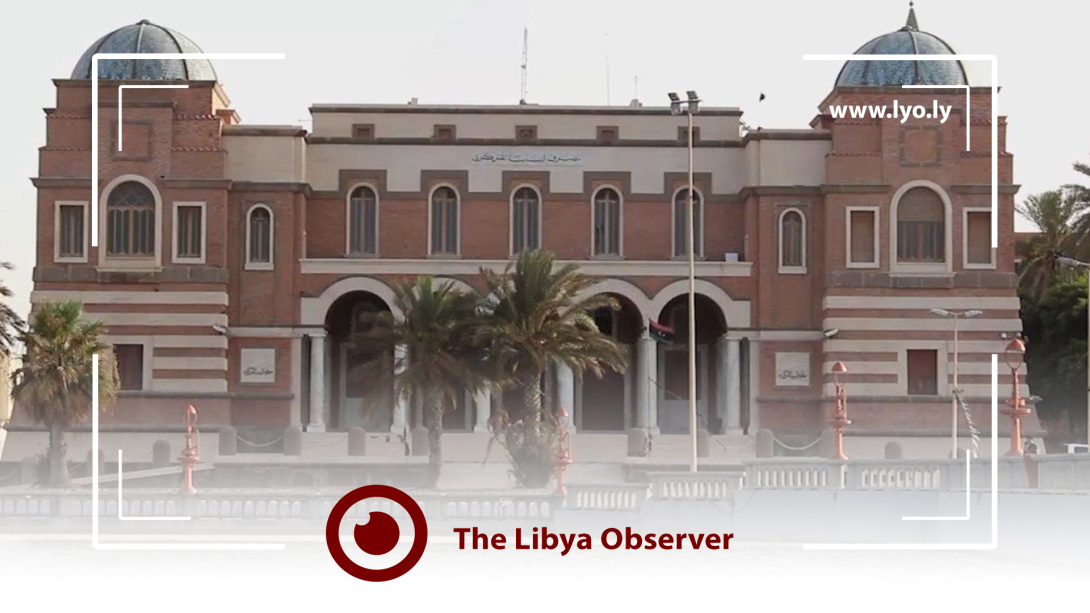
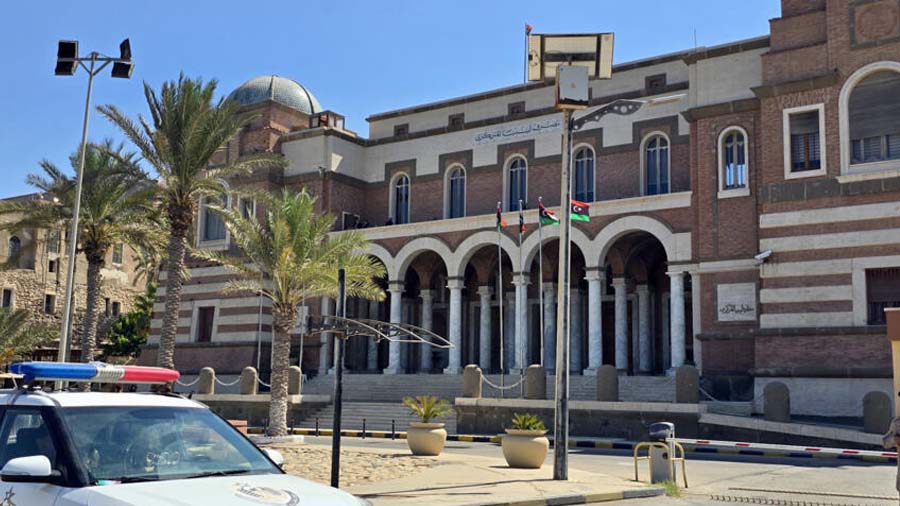
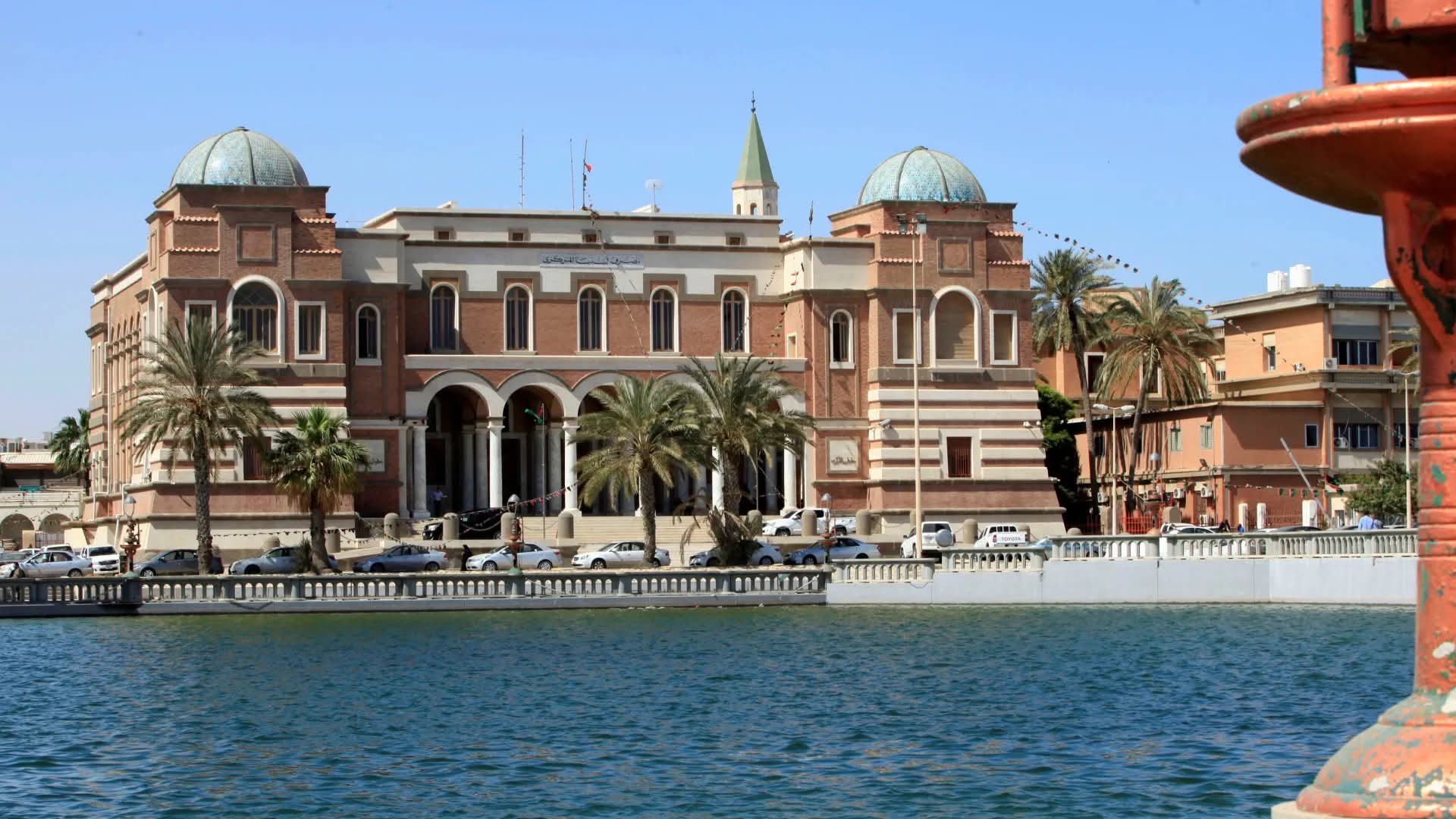
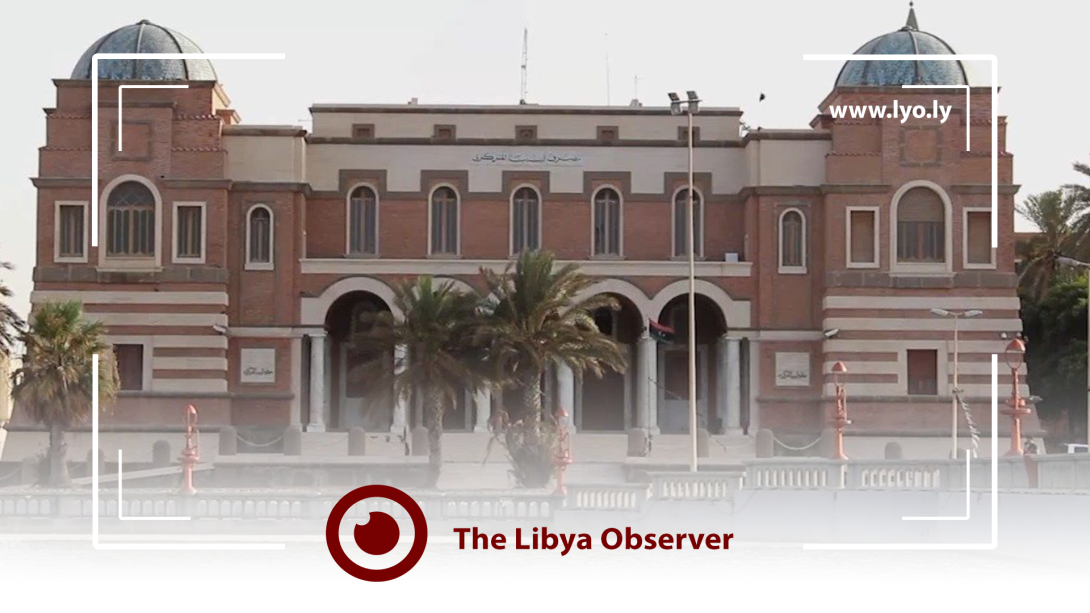
Central Bank of Libya
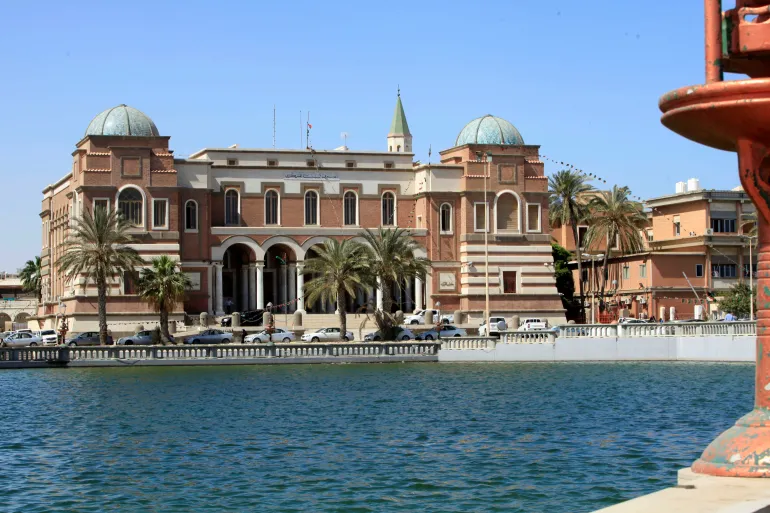
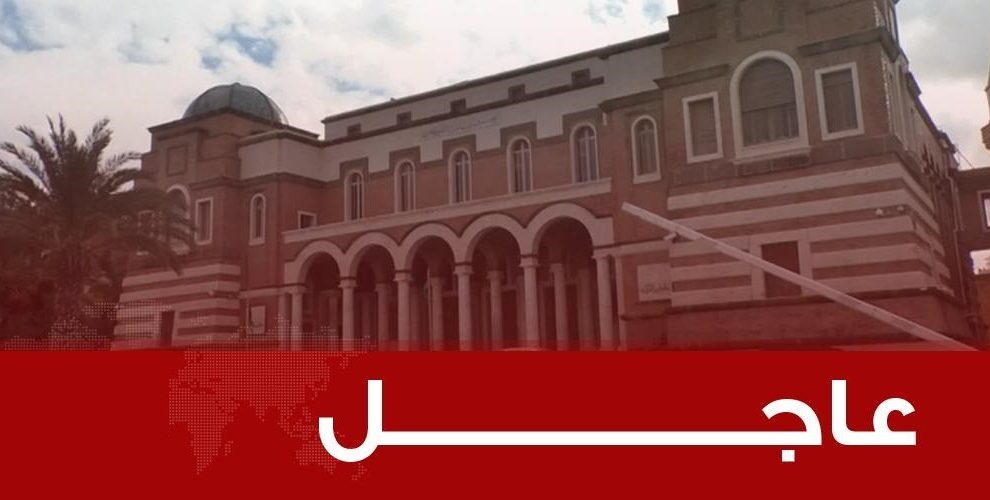
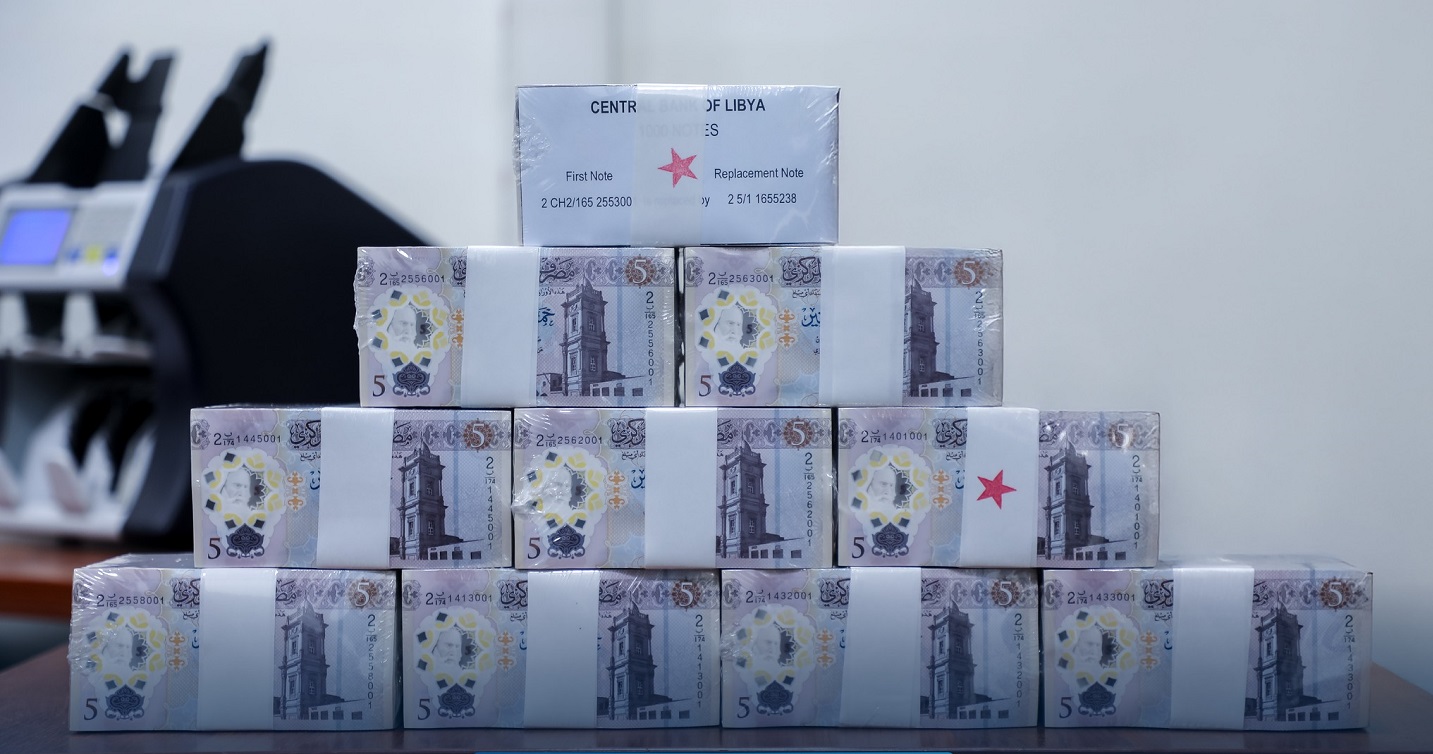
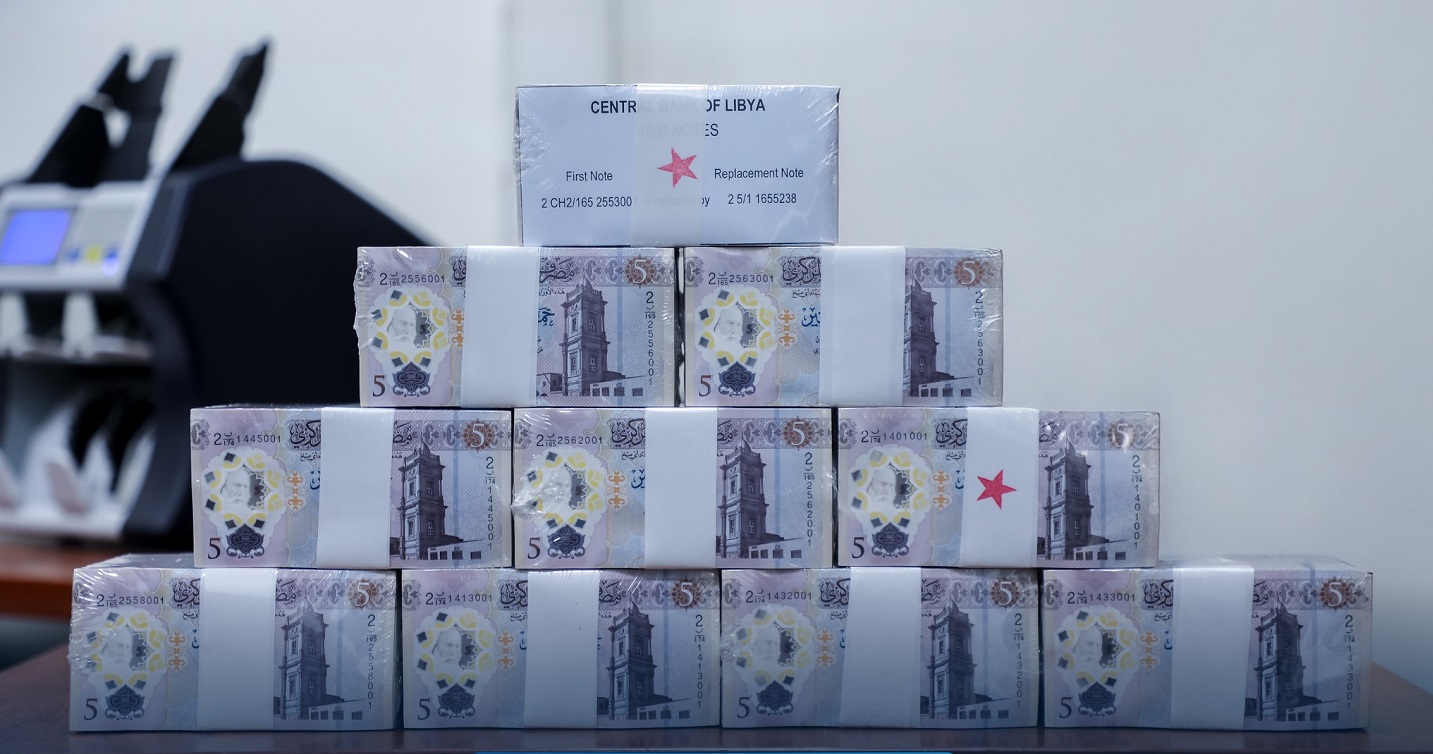
The Central Bank of Libya is the country’s primary monetary authority, established in 1956 to issue currency and manage monetary policy. It has played a critical and often divisive role in Libya’s recent history, notably functioning as a unified financial institution during the post-2011 civil war period despite the country’s political fragmentation.
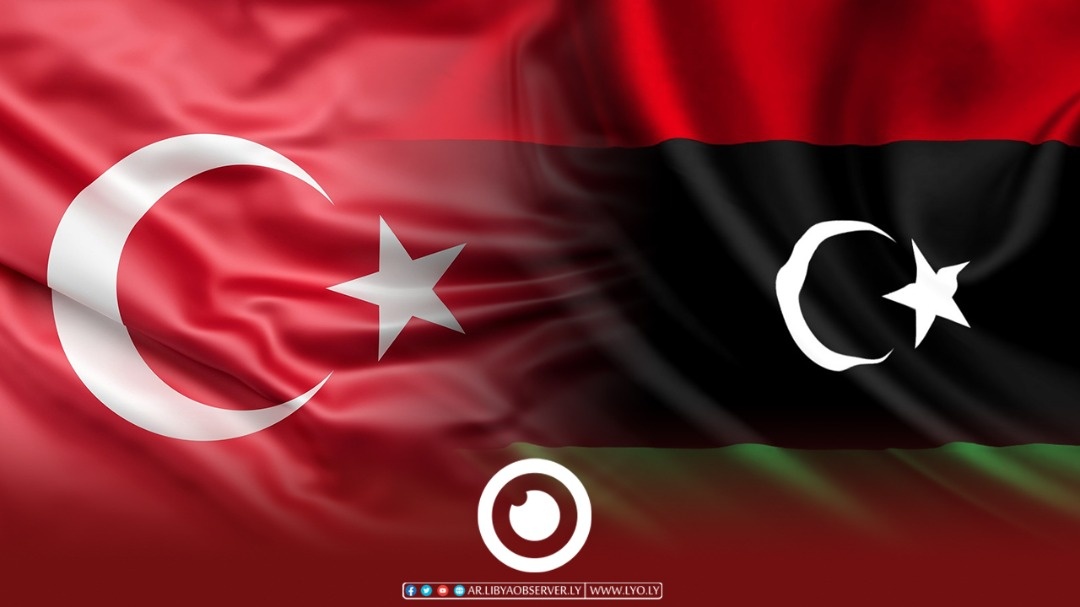
Libya
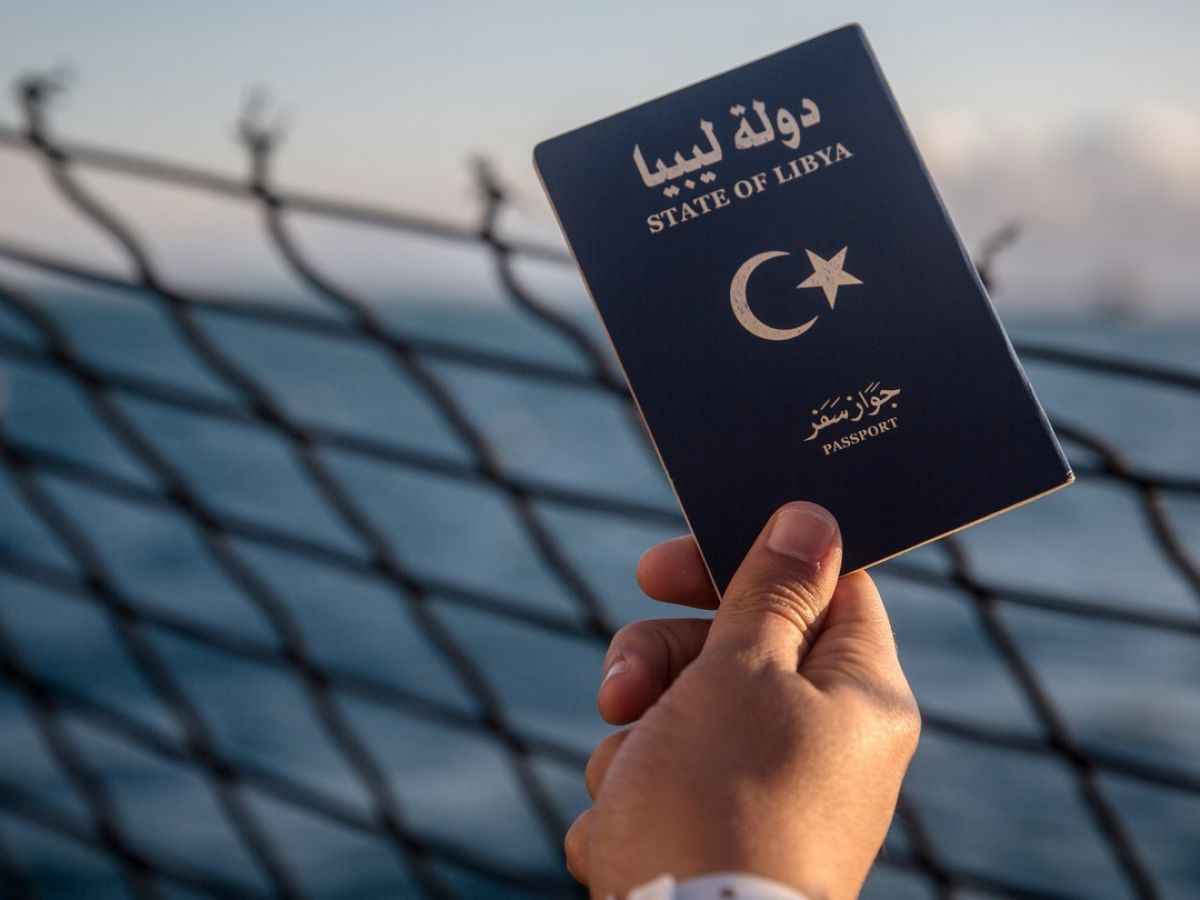
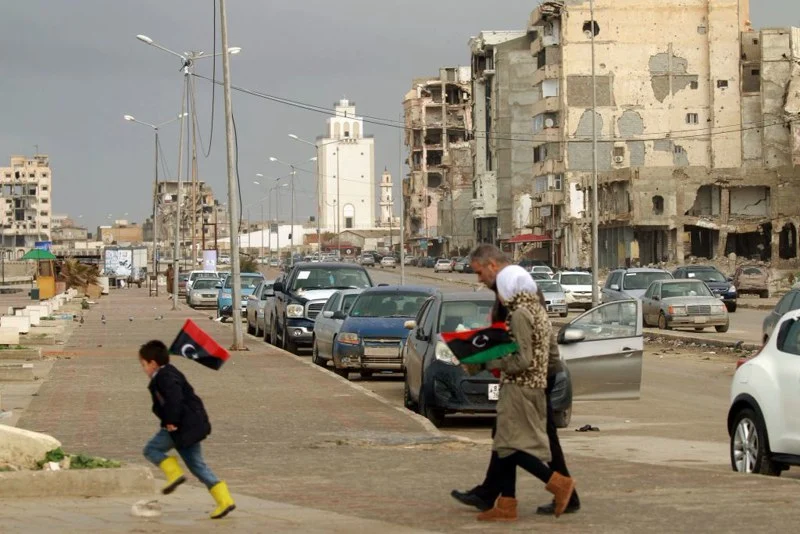
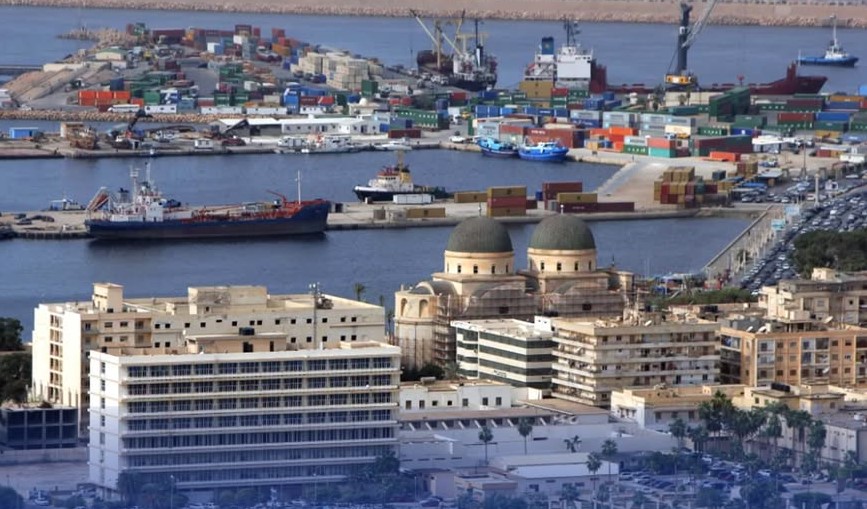
Libya is a North African country with a rich history rooted in ancient civilizations like the Phoenicians and Romans, followed by centuries of Arab and Ottoman influence. In the modern era, it was an Italian colony before gaining independence in 1951, later becoming known for Muammar Gaddafi’s lengthy rule from 1969 until the 2011 revolution. Its cultural sites include the extensive Roman ruins at Leptis Magna, a UNESCO World Heritage site.
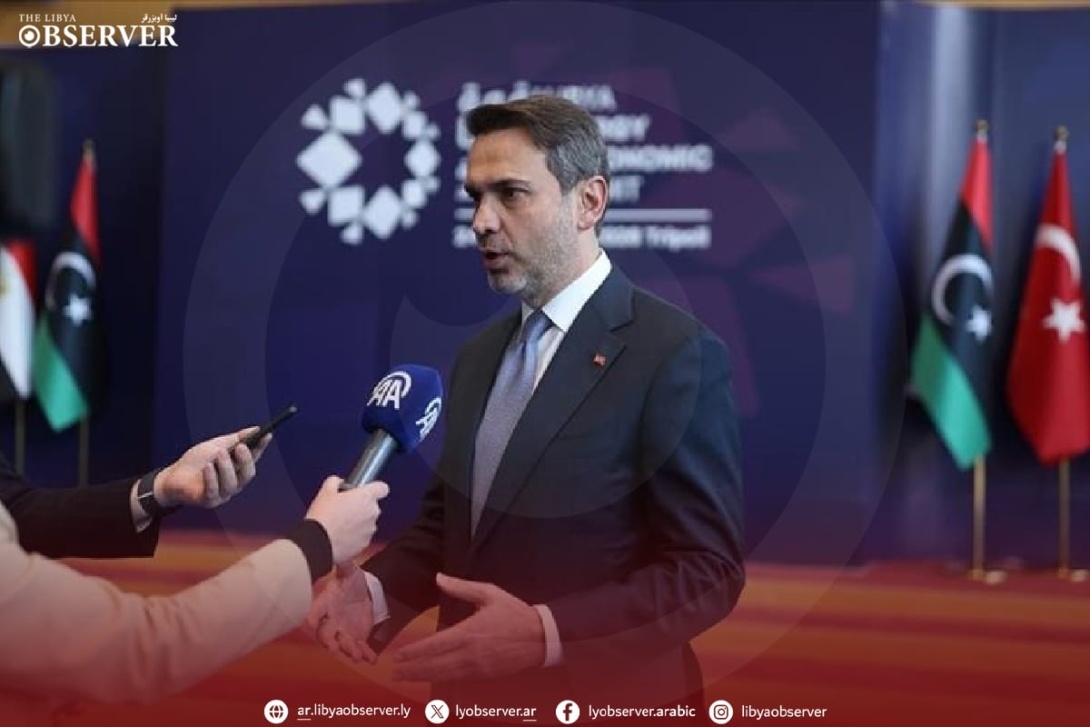
Turkey
Turkey is a transcontinental nation bridging Europe and Asia, with a rich history rooted in the ancient civilizations of Anatolia and later as the heart of the Byzantine and Ottoman Empires. Its modern identity was forged after the fall of the Ottoman Empire, becoming the Republic of Turkey in 1923 under Mustafa Kemal Atatürk. Today, it is renowned for its diverse cultural heritage, which includes iconic sites like Hagia Sophia, the ruins of Ephesus, and the unique landscapes of Cappadocia.