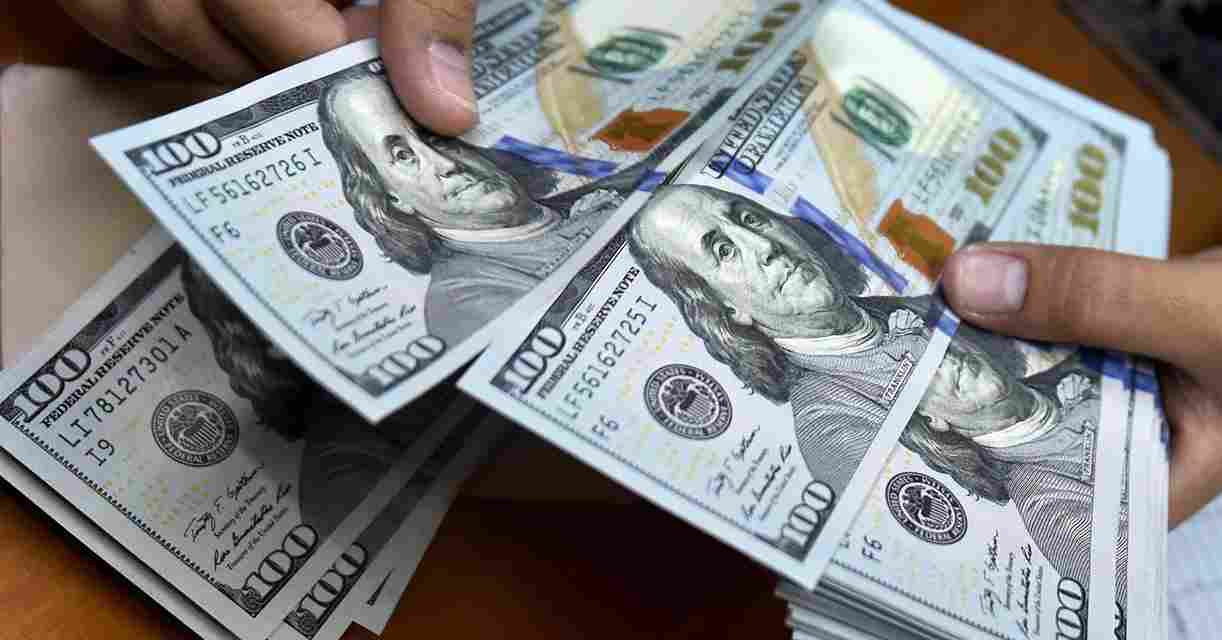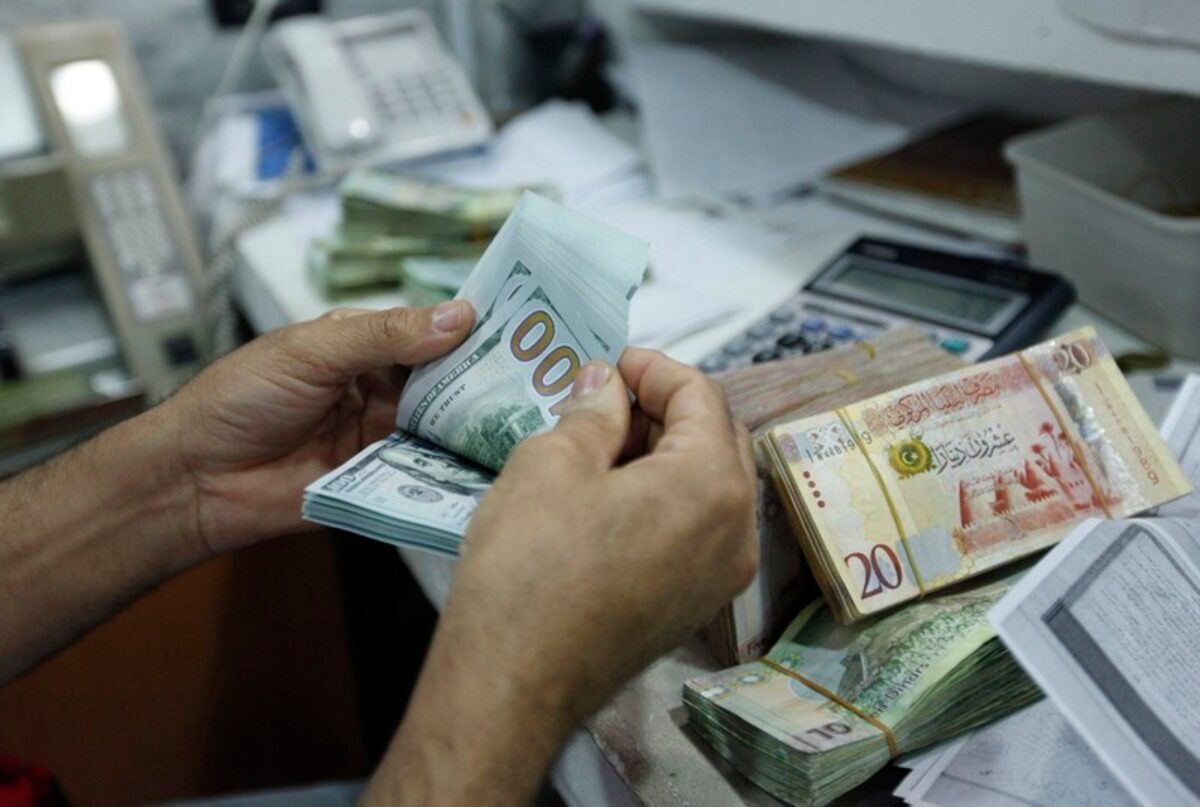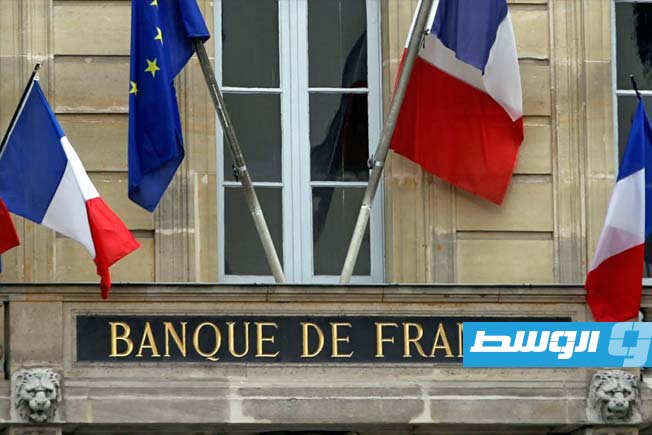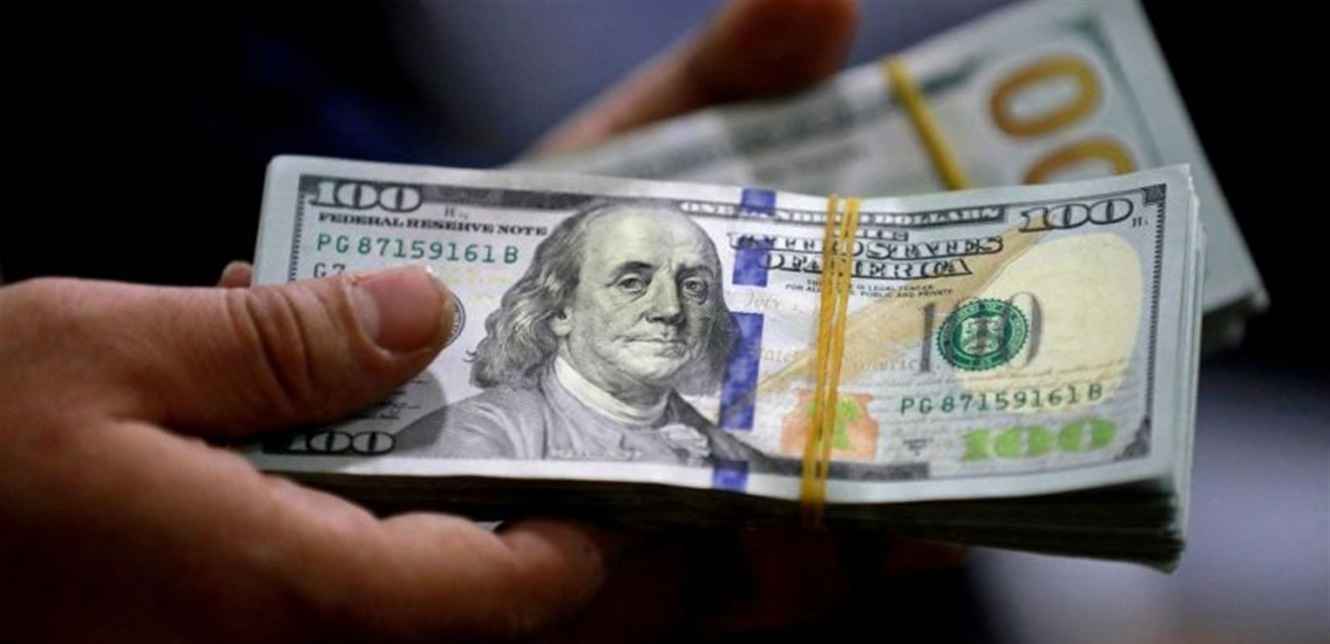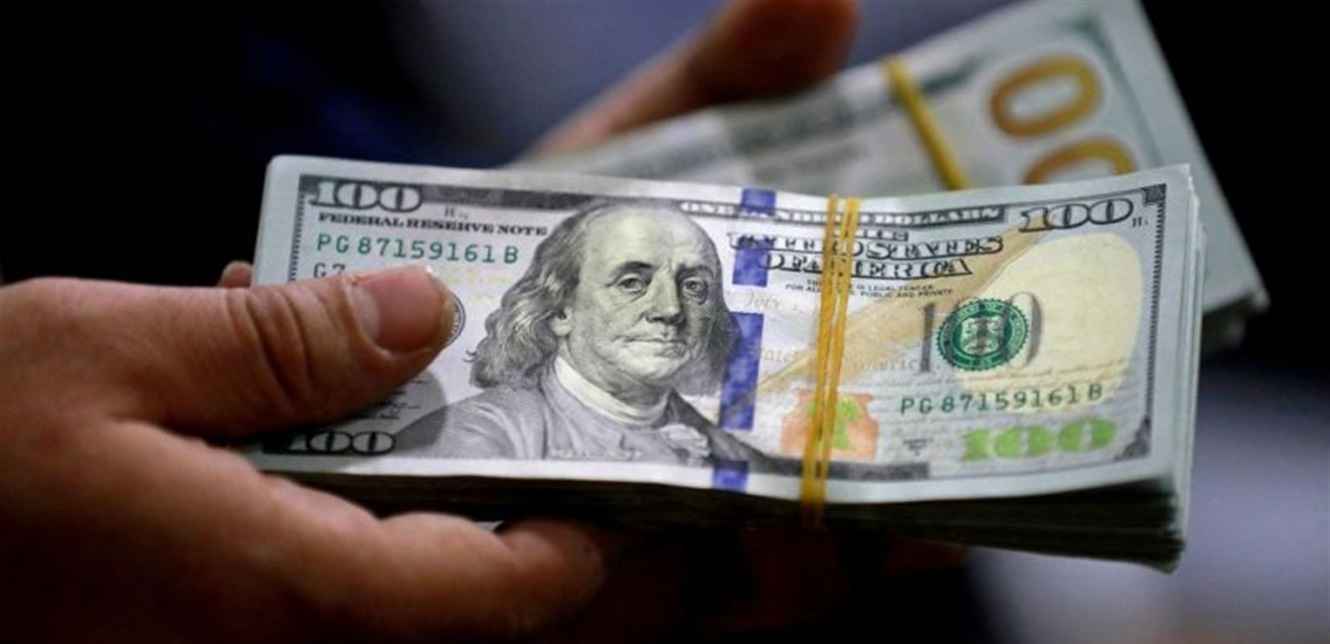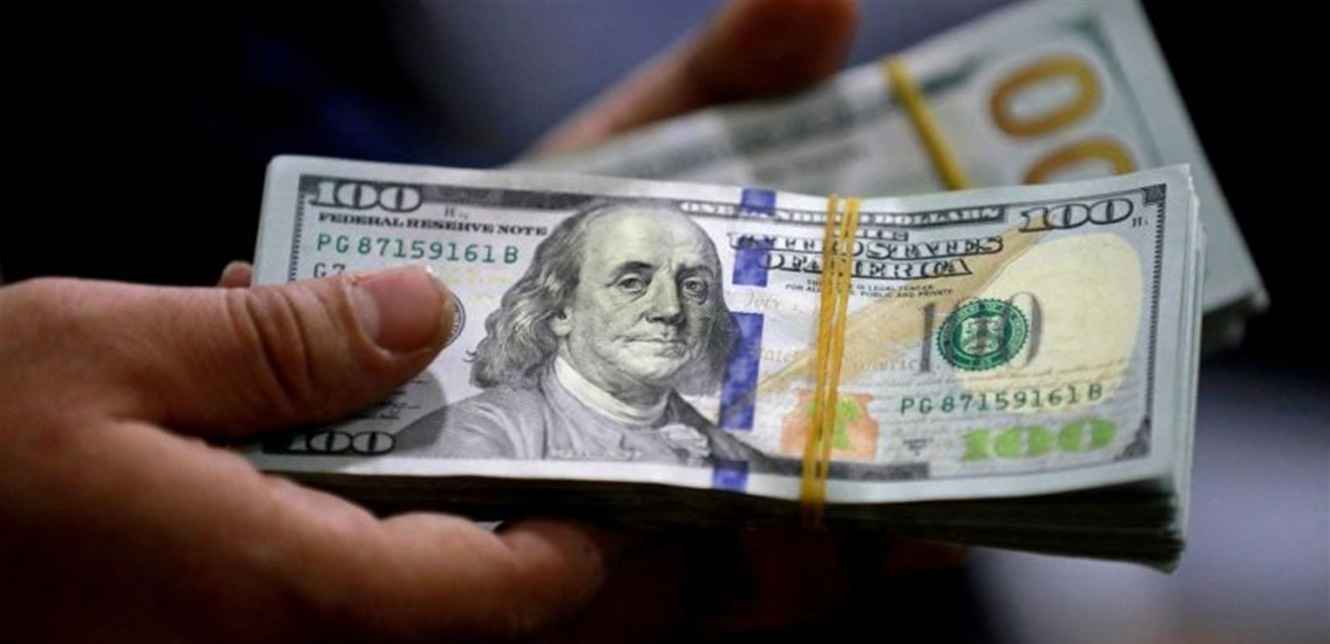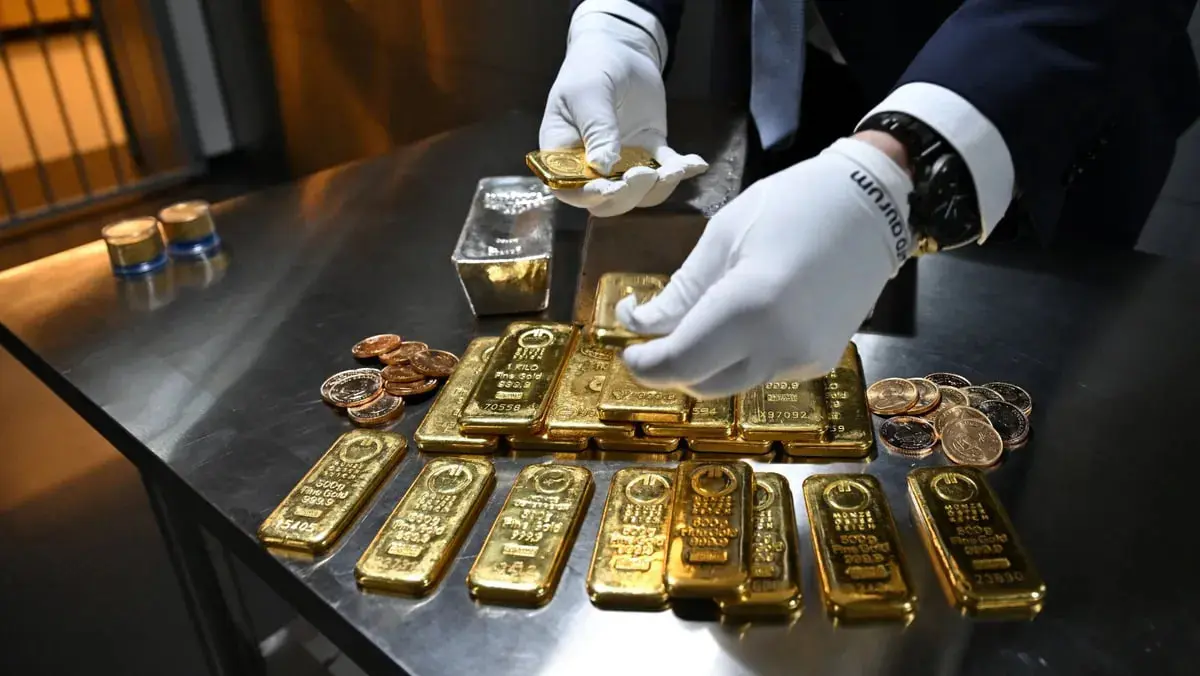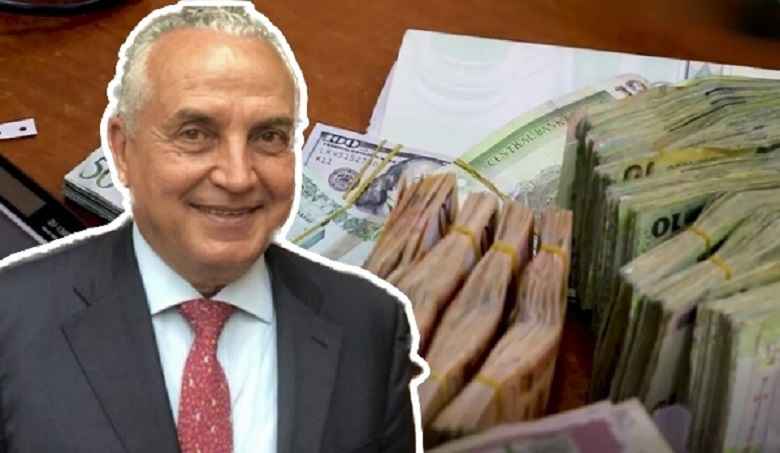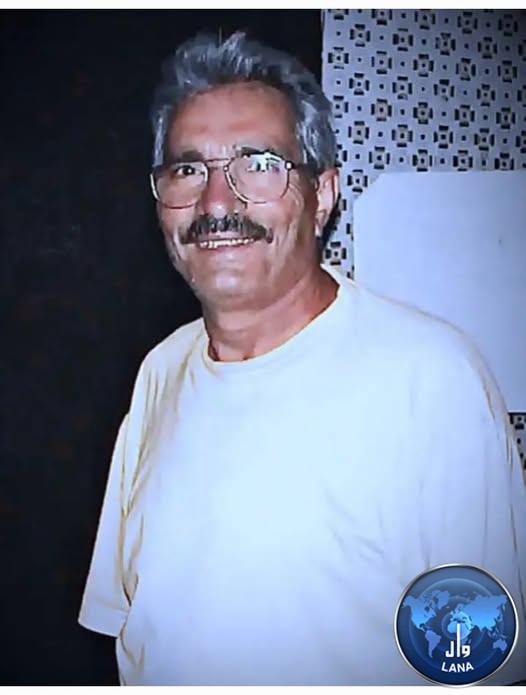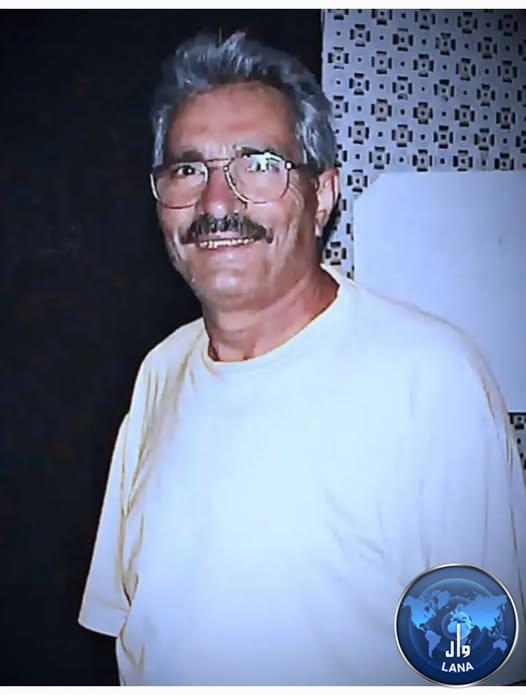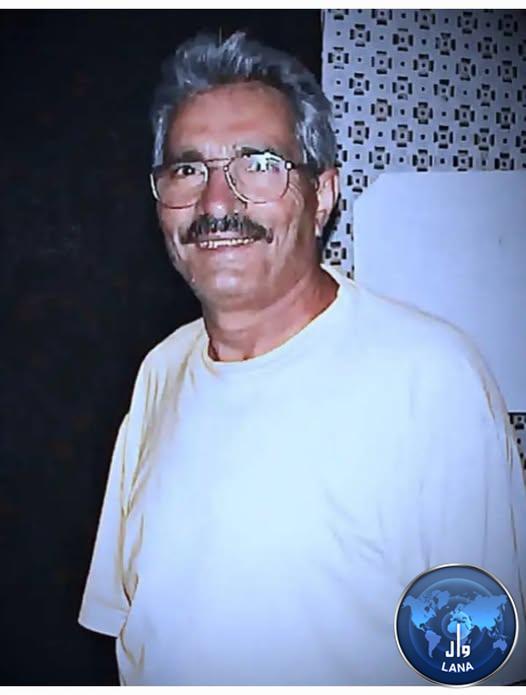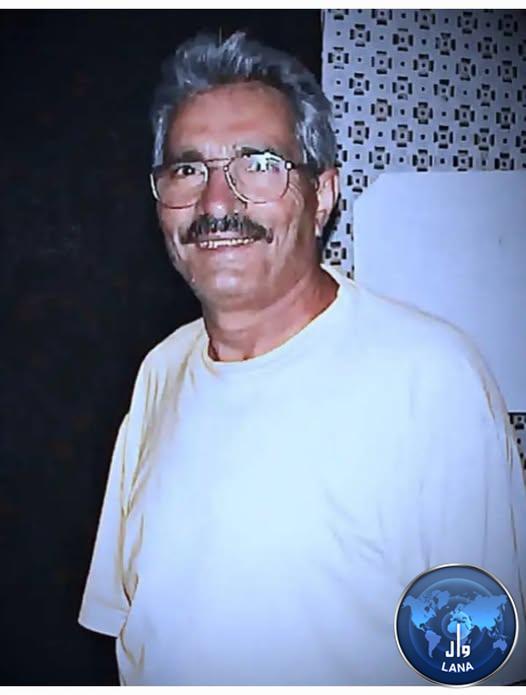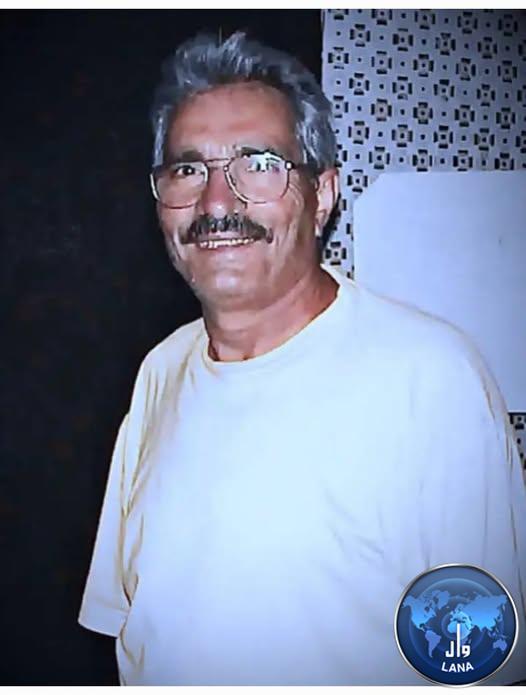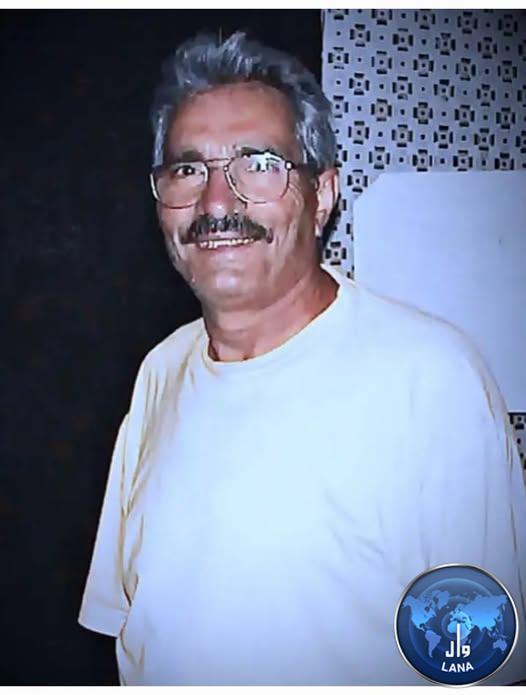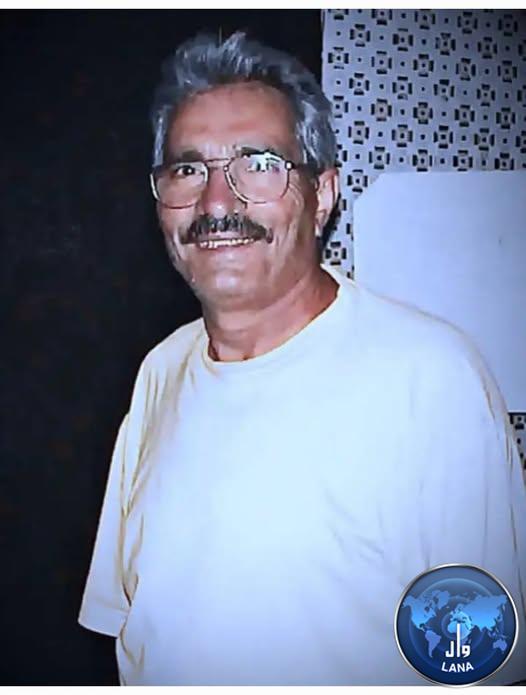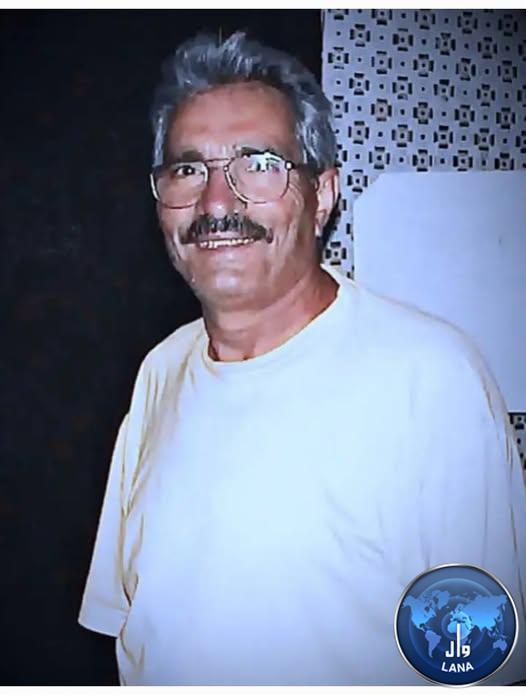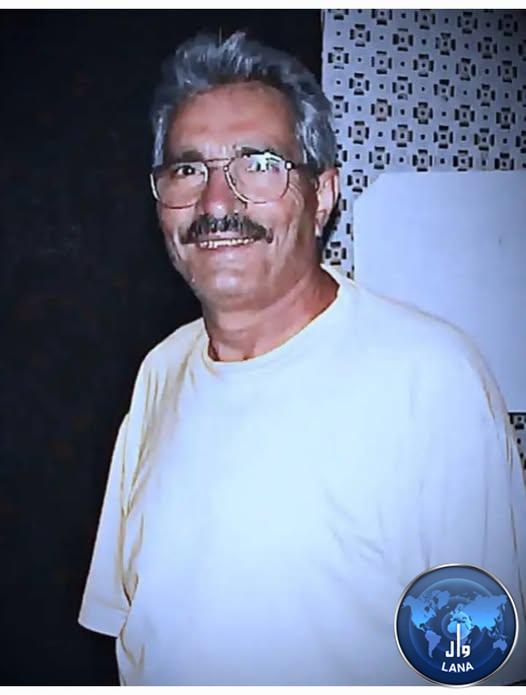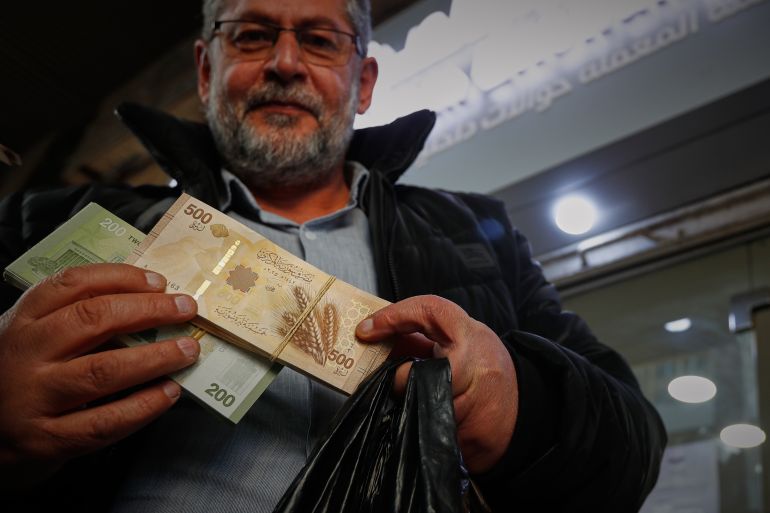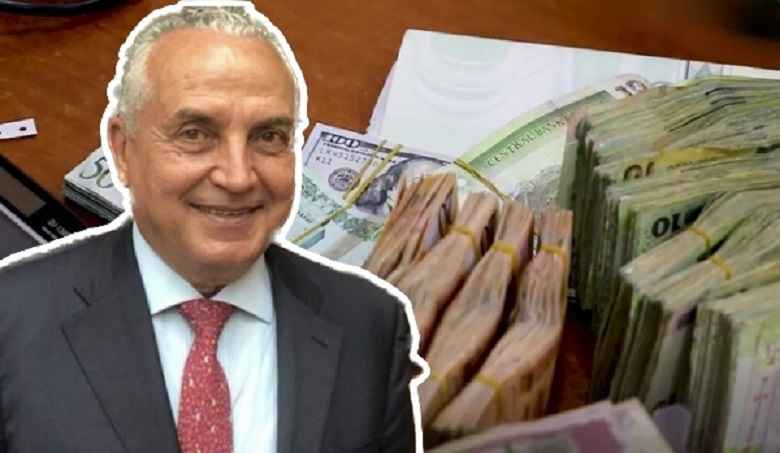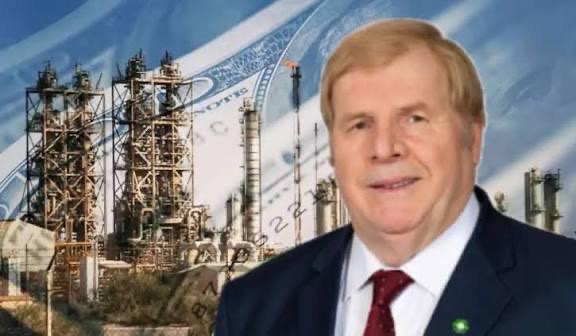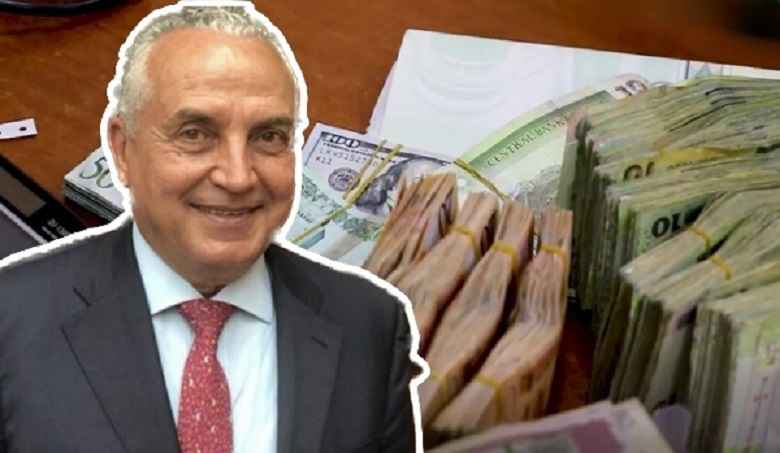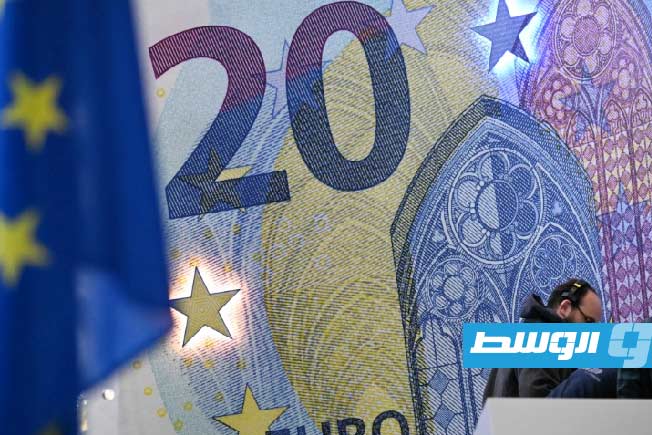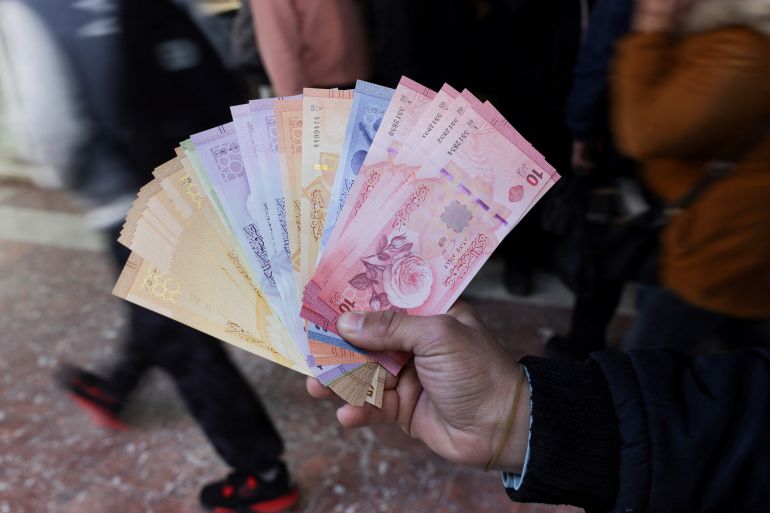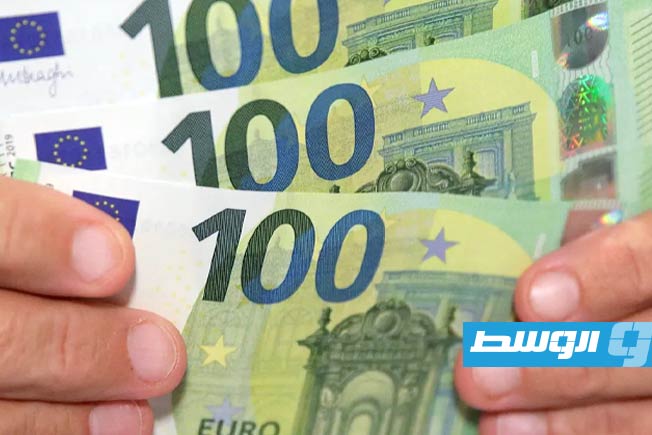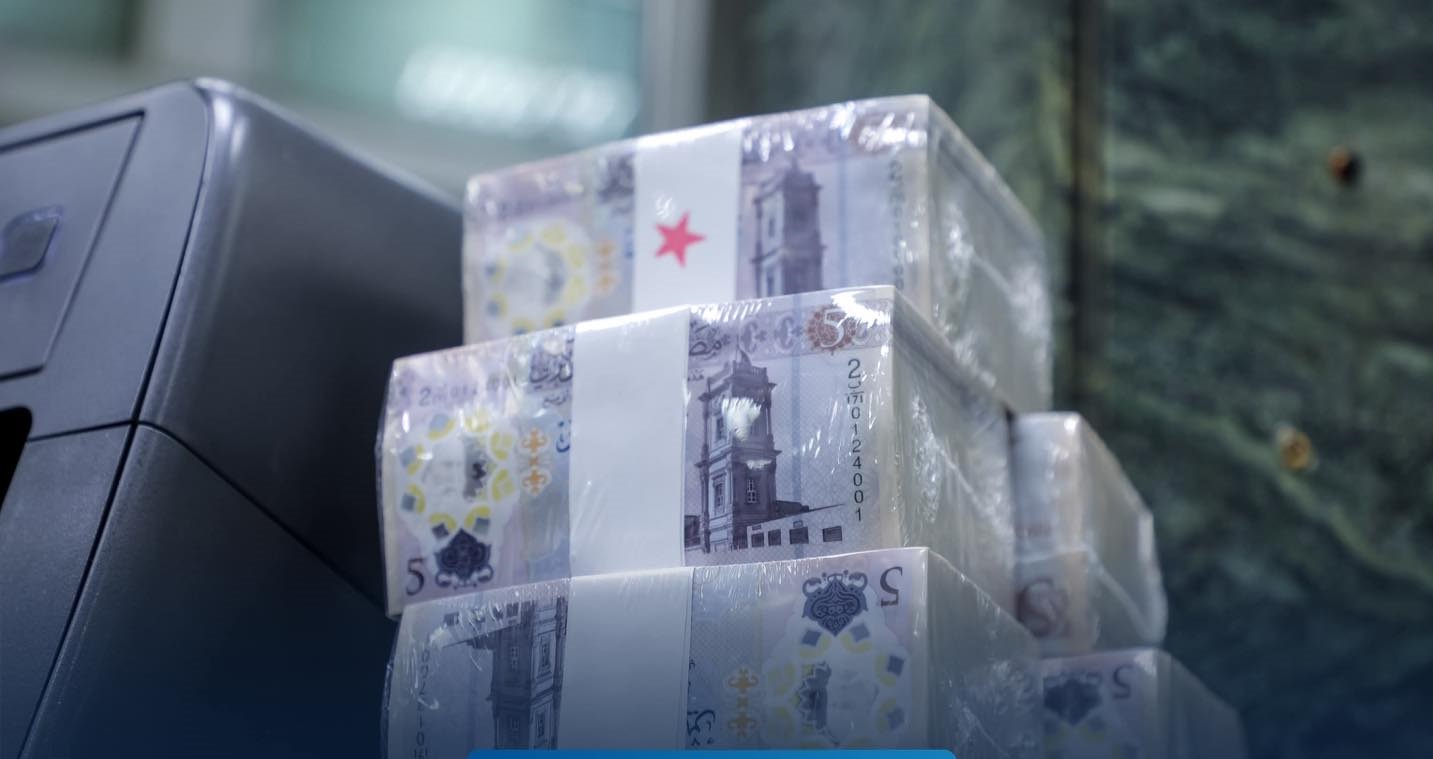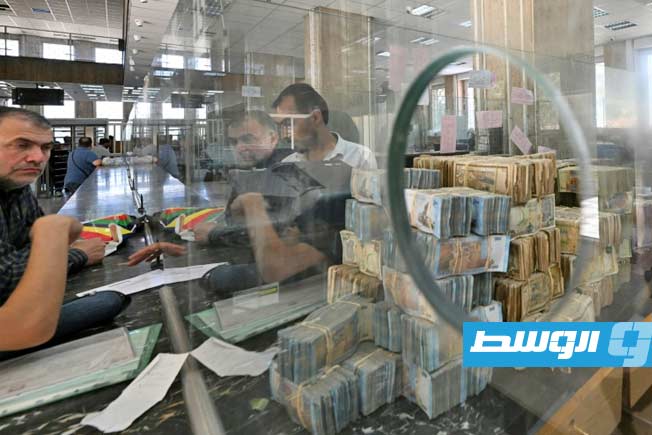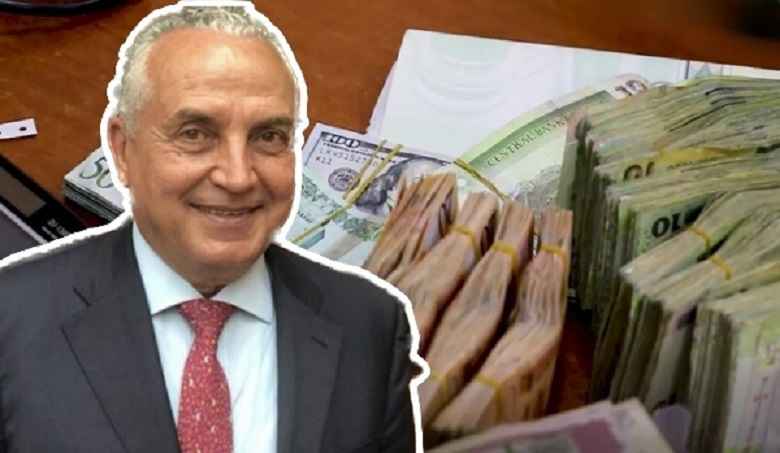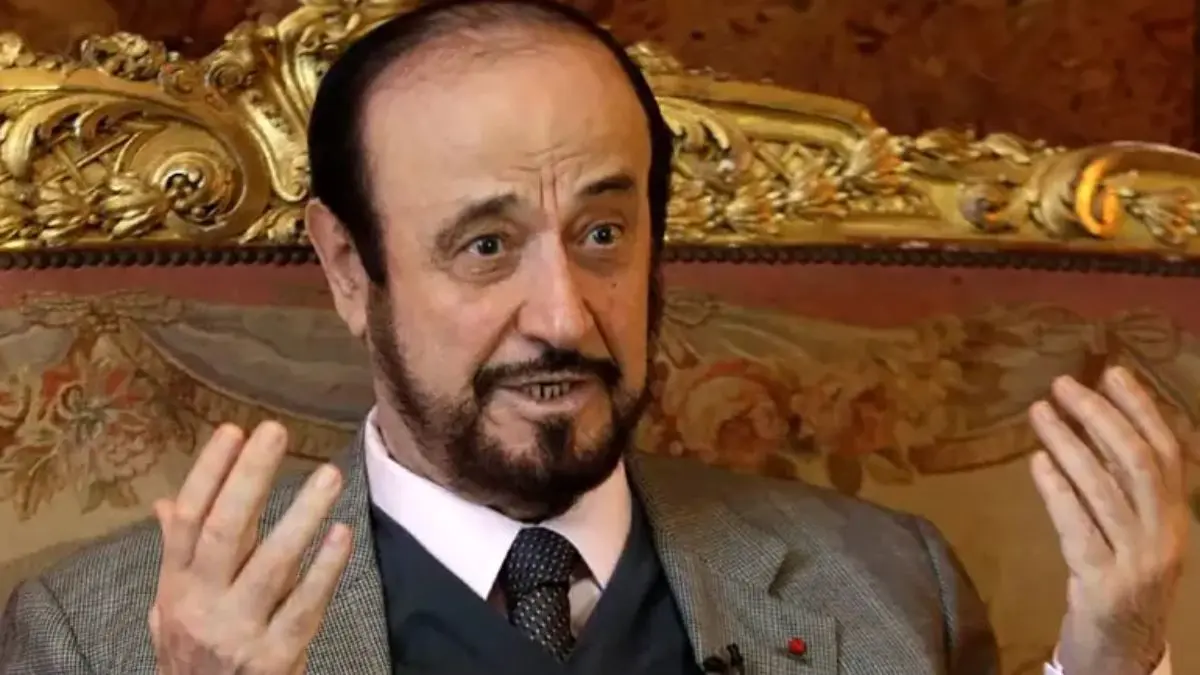
France and Syria have opened negotiation channels to transfer 32 million euros from proceeds of assets seized in France and belonging to Rifaat al-Assad, the former vice president of Syria, in a move aimed at directing these funds to support projects inside Syria.
It was revealed that the ongoing discussions between Paris and Damascus focus on returning these funds to Syria, on the basis that they are money seized by a corrupt regime and should be returned to the Syrian people.
A French diplomatic source indicated that the French approach is based on allocating these funds for development projects to be agreed upon with the Syrian authorities, which should have a direct and tangible impact on the lives of the population.
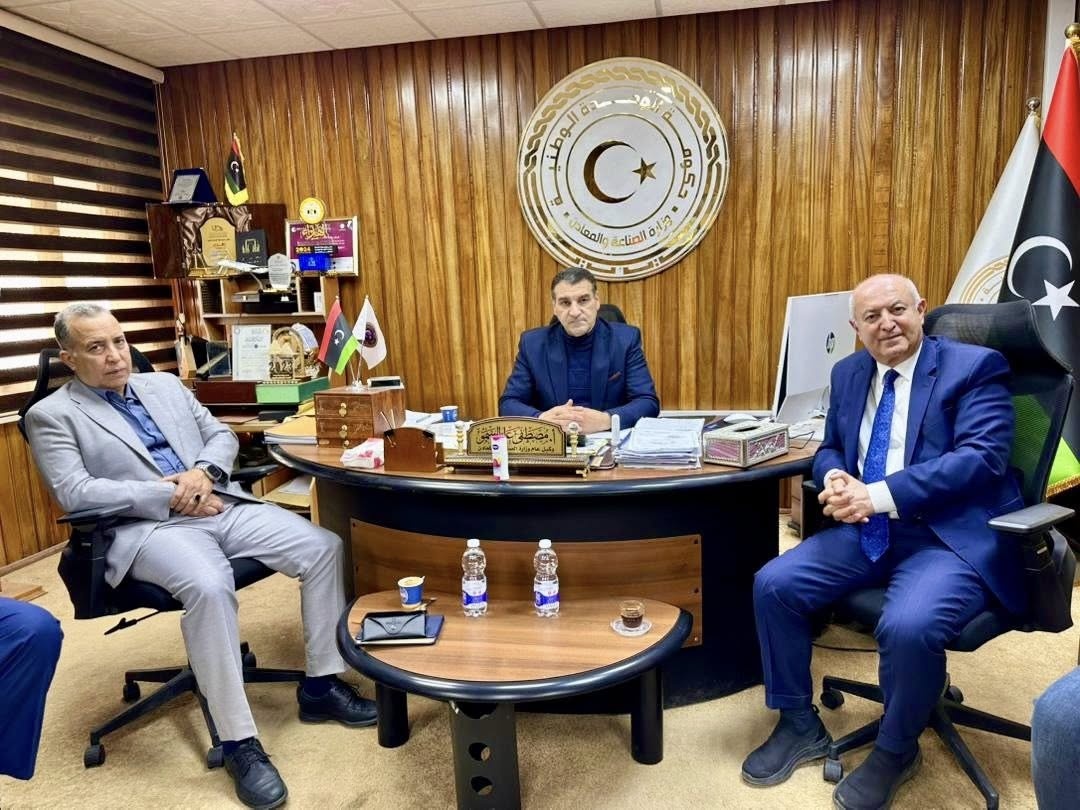
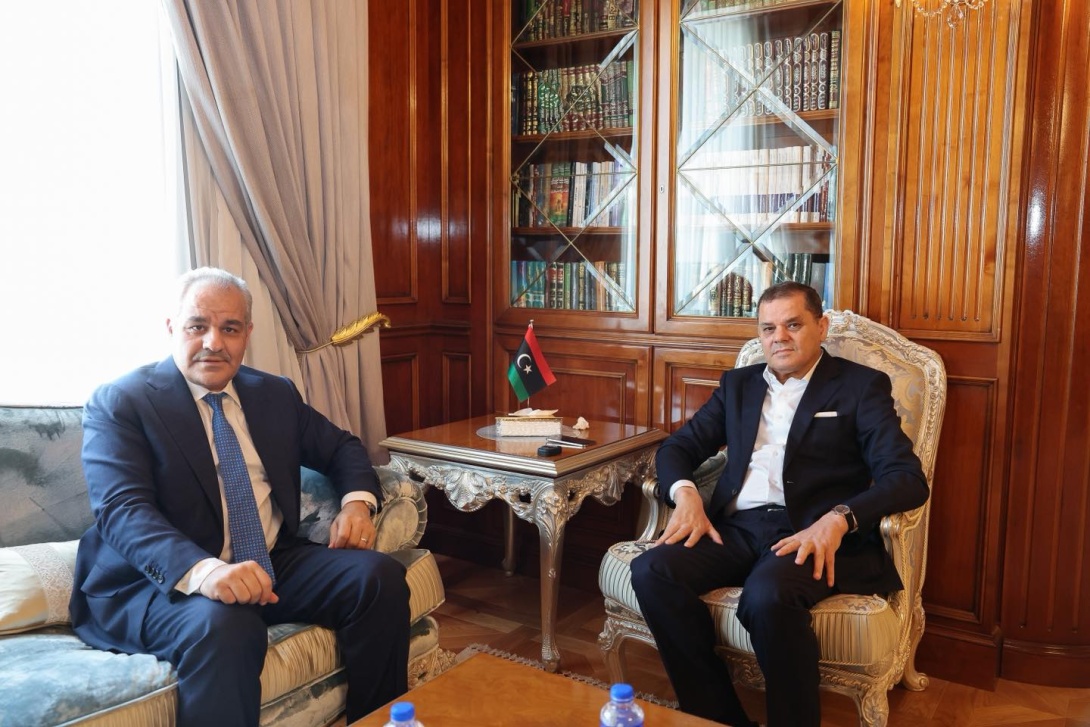
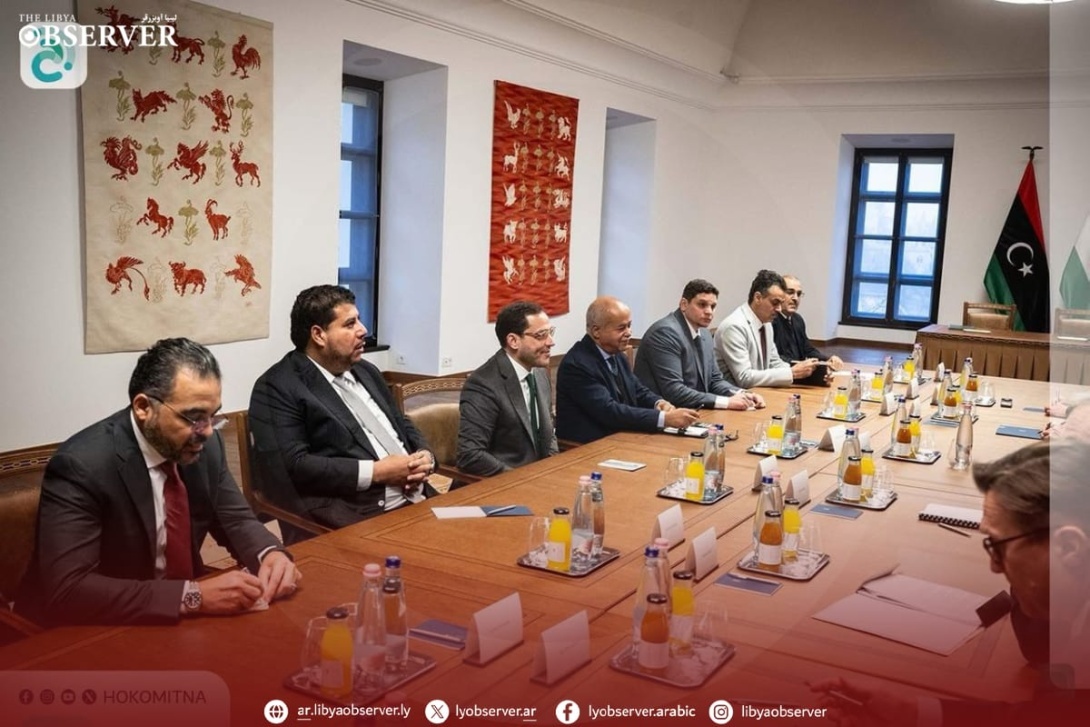
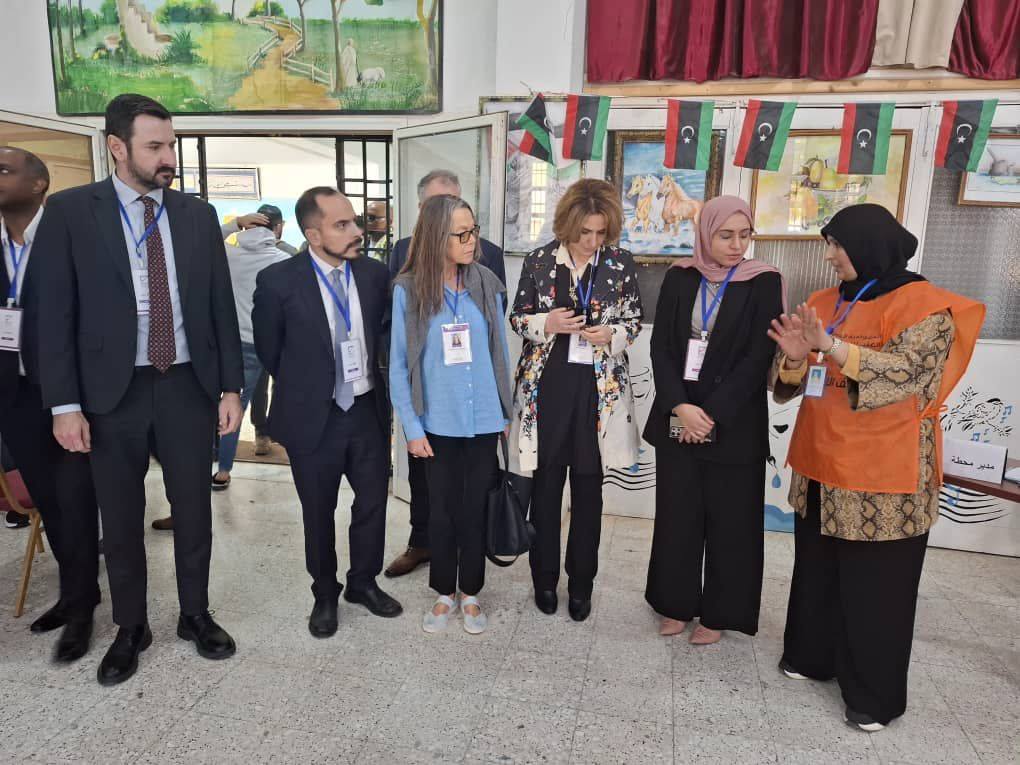
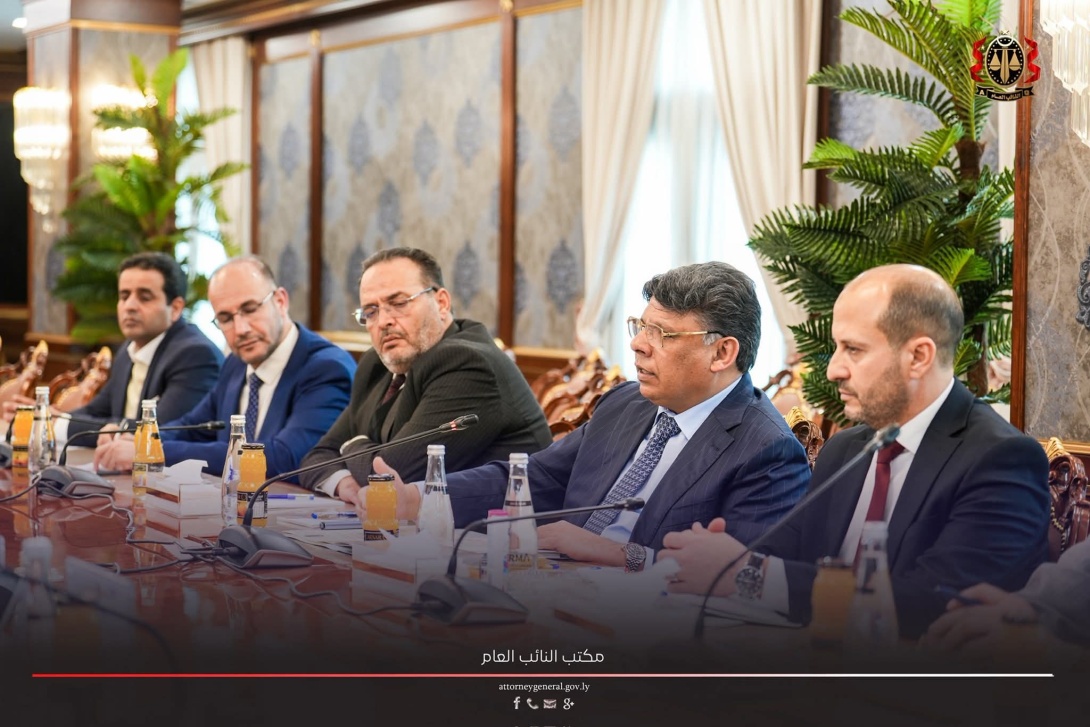
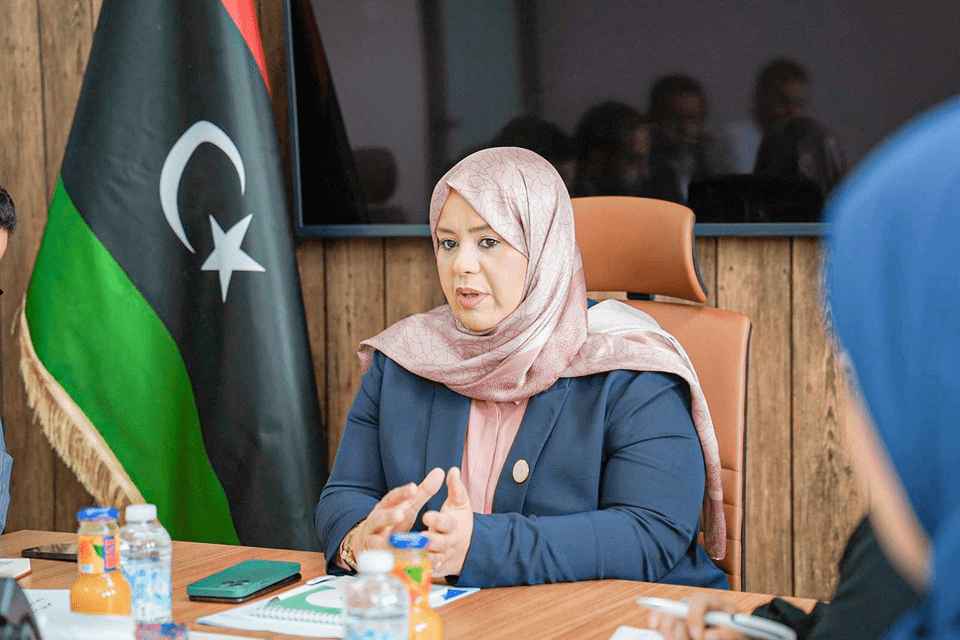
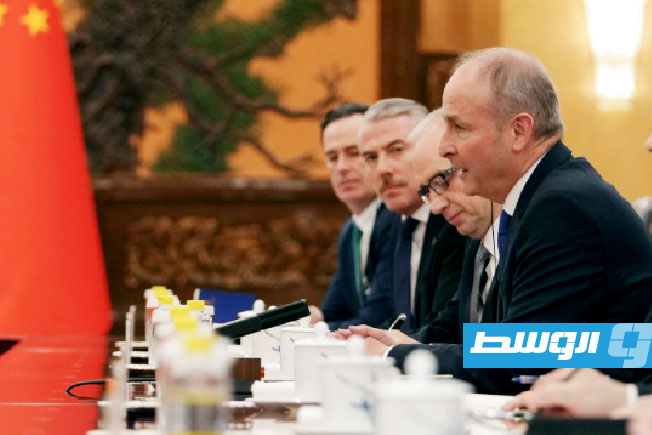
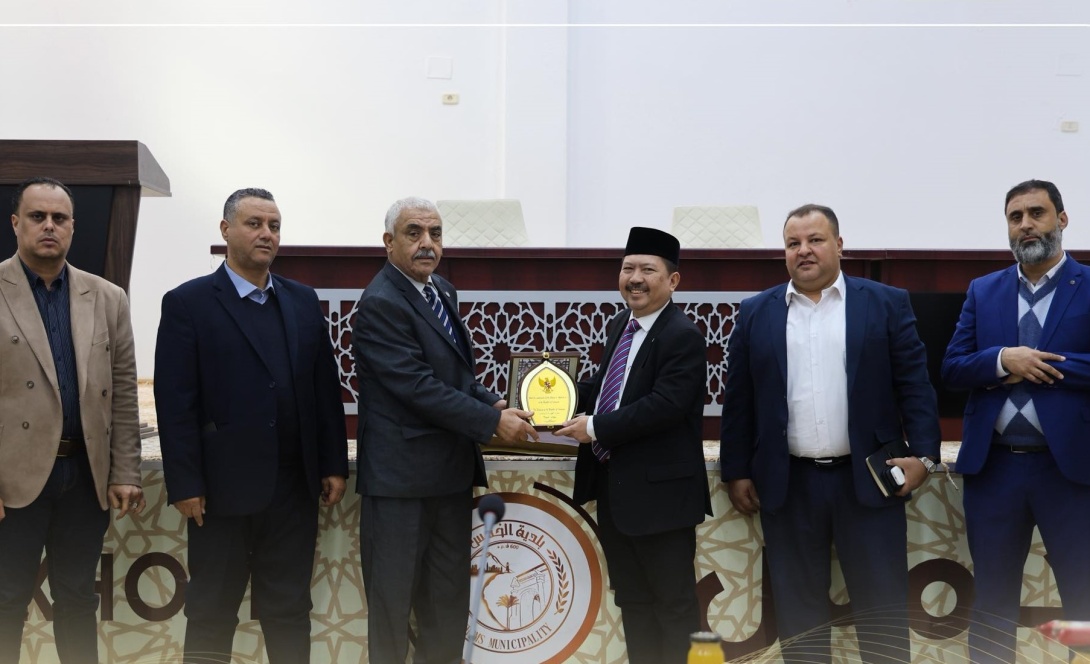
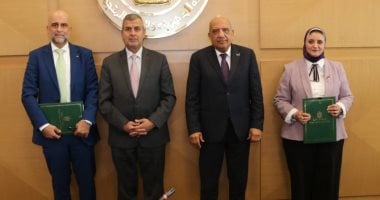
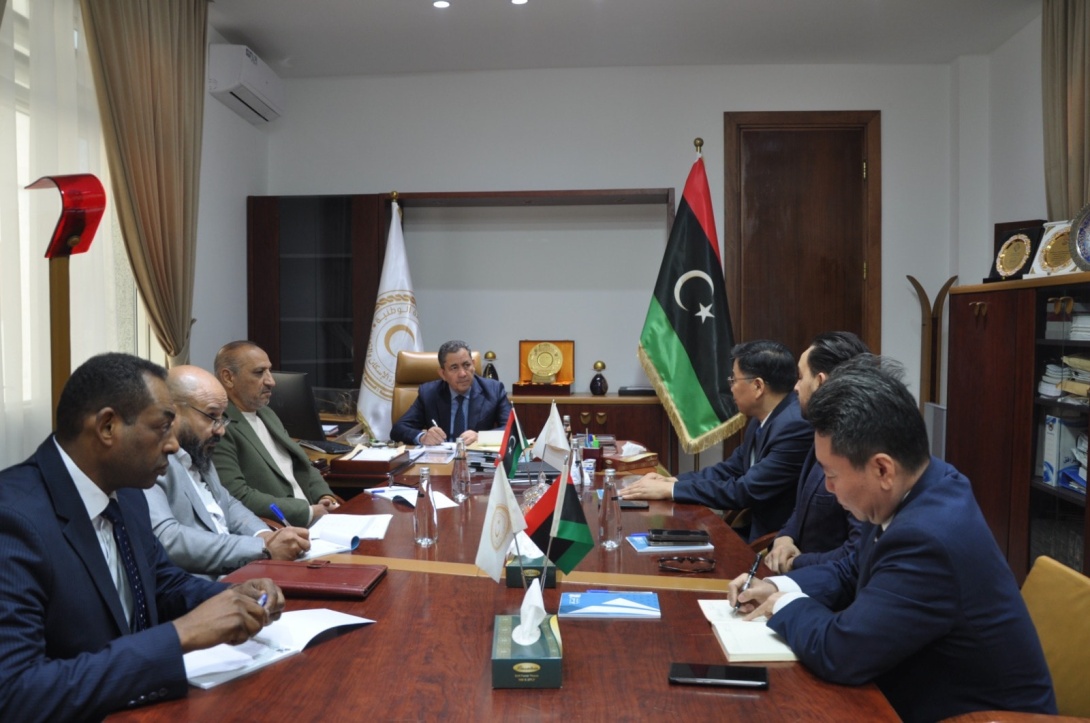
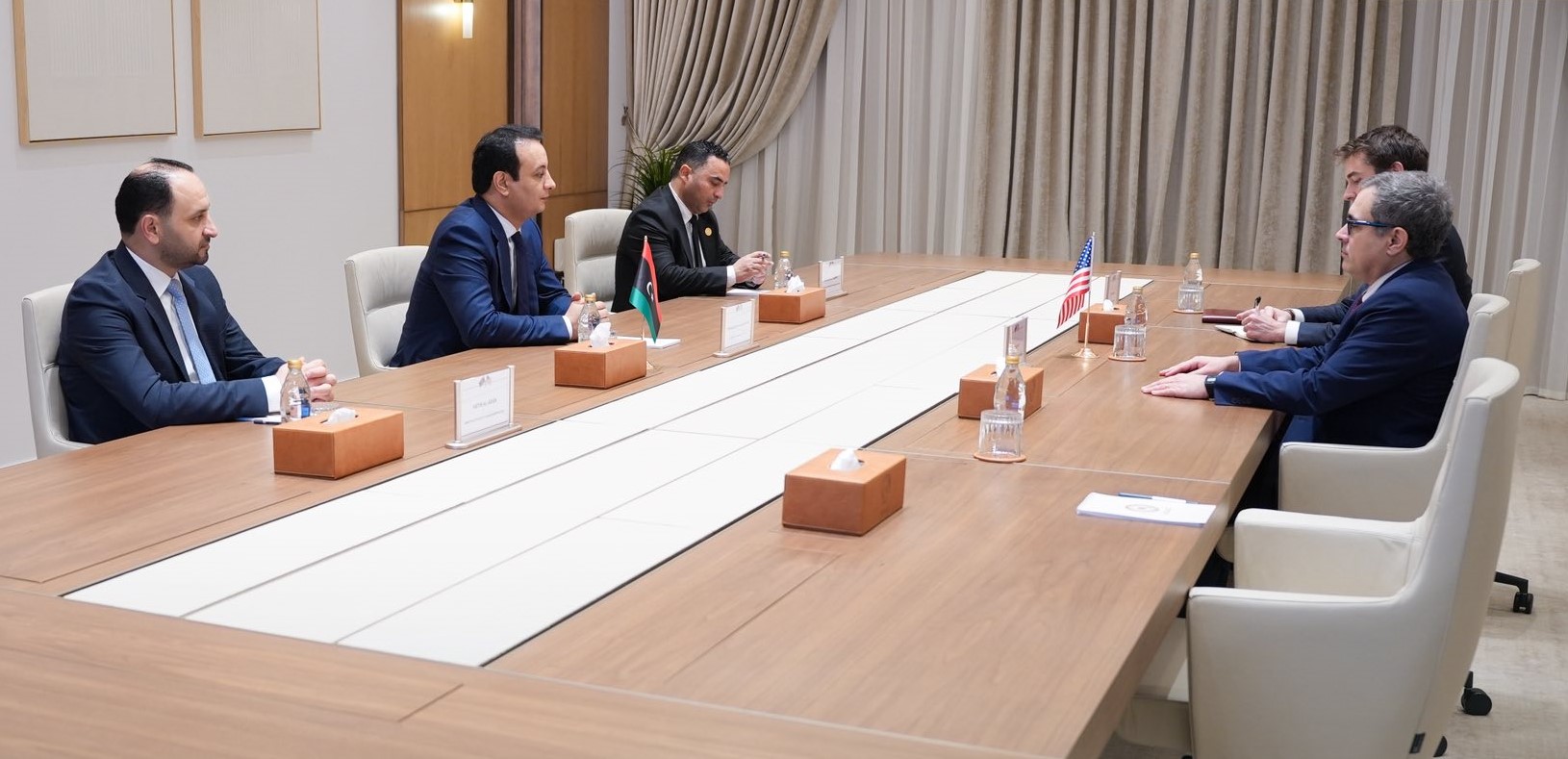
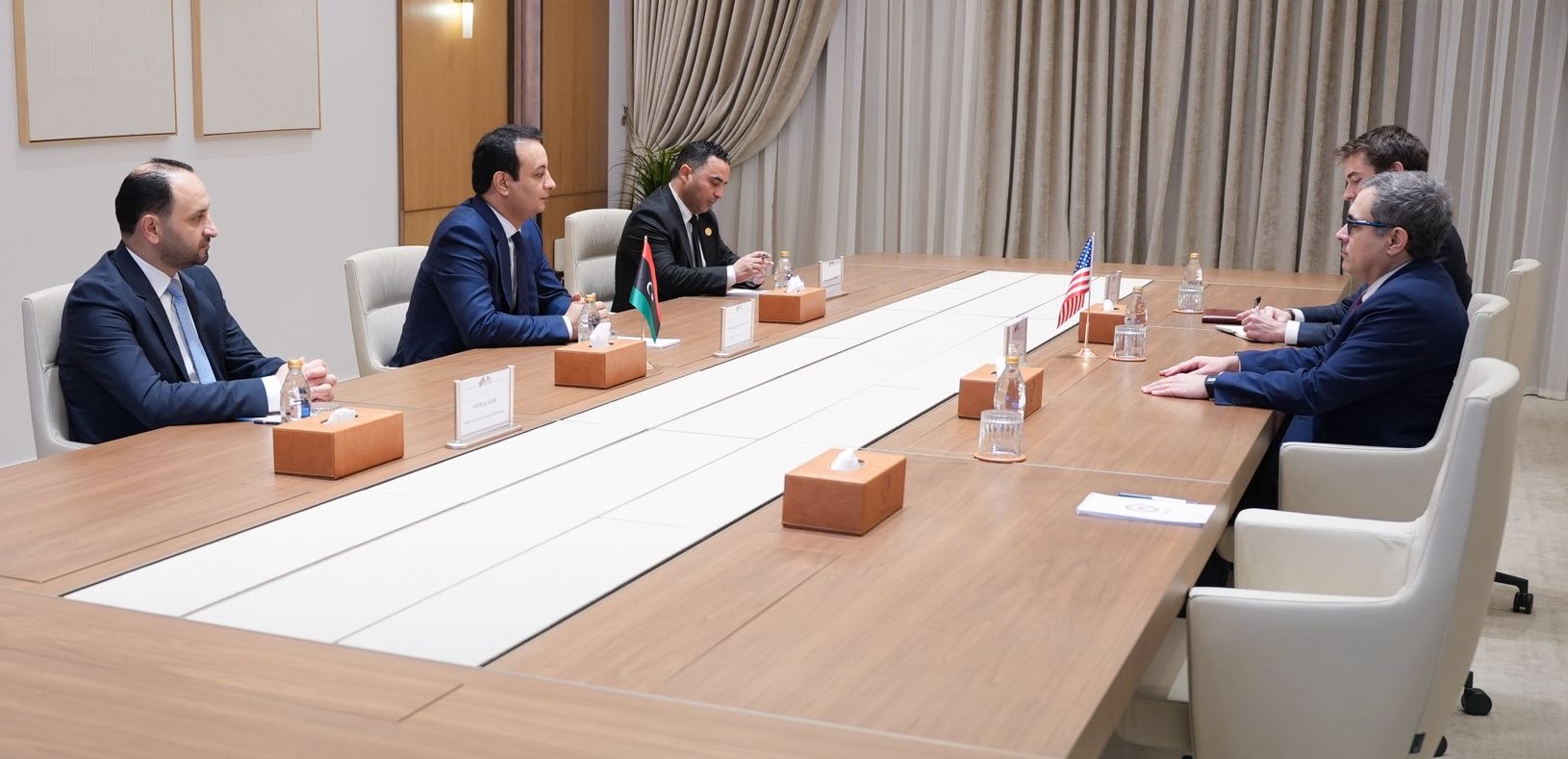
According to the report, the talks began this week with the visit of an official Syrian delegation to Paris, headed by Deputy Minister of Justice Mustafa al-Qasim, alongside Prosecutor General Hassan Yusuf al-Turba.
The report clarified that the two sides are working to finalize an agreement between the two countries by the end of this year.
The Syrian Deputy Minister of Justice stated, on the sidelines of the meetings, that the French government has expressed a clear desire to return the seized funds to Syria, to be used for reconstruction or to support basic infrastructure.
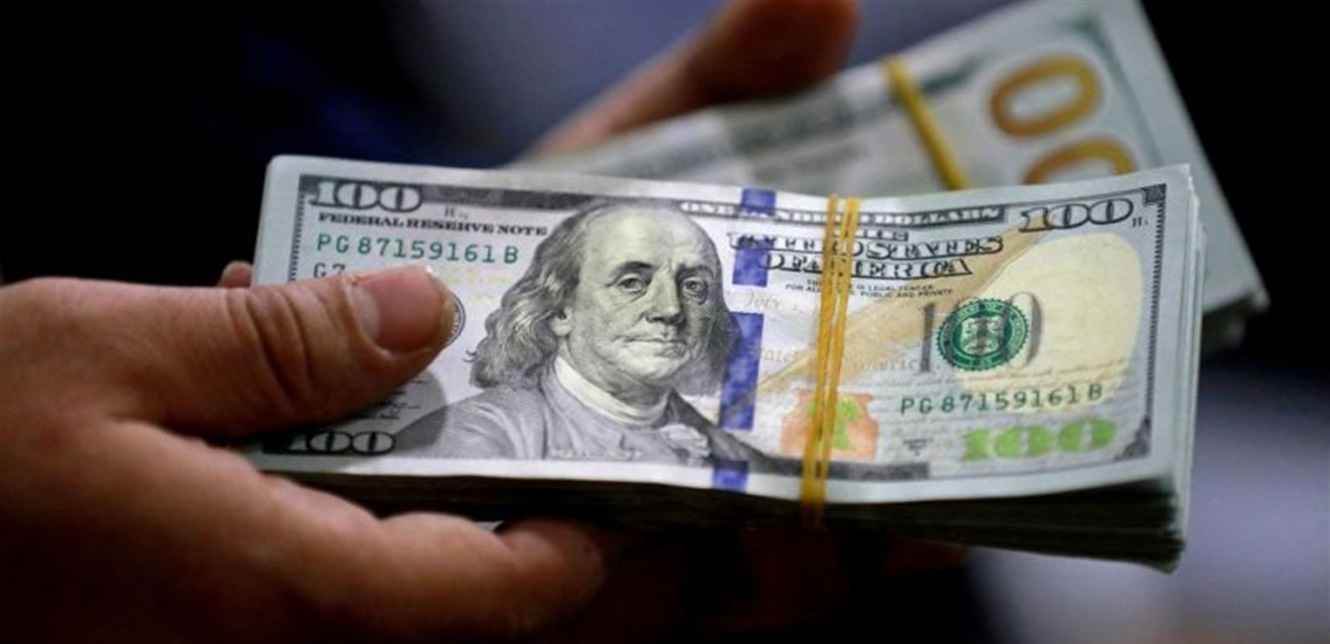
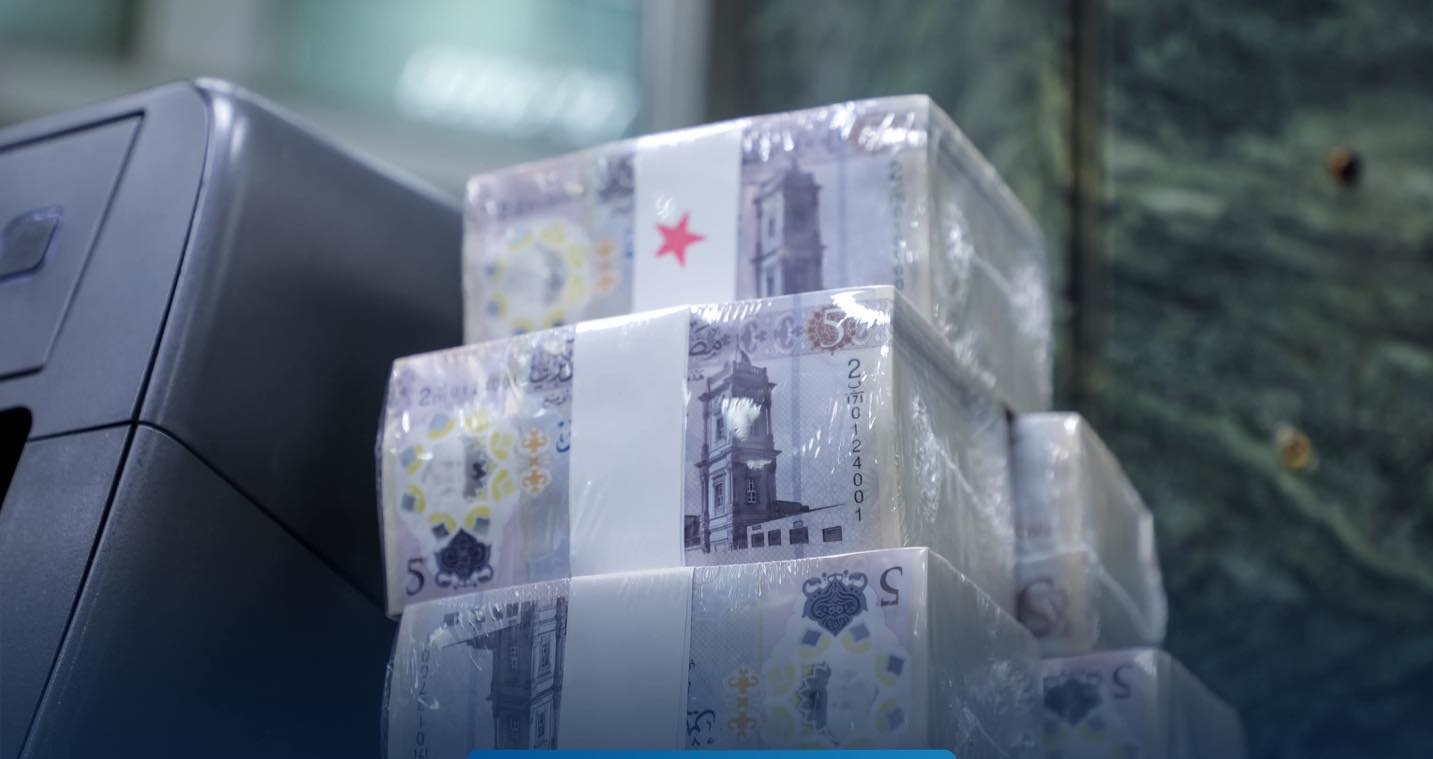
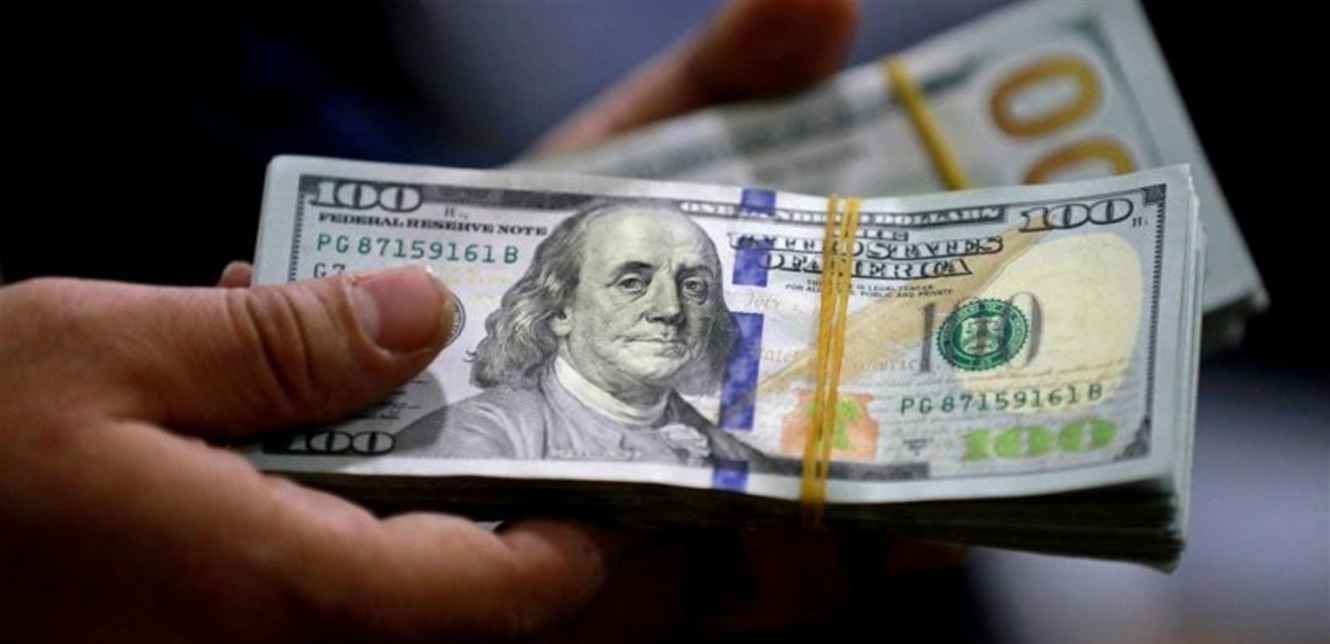
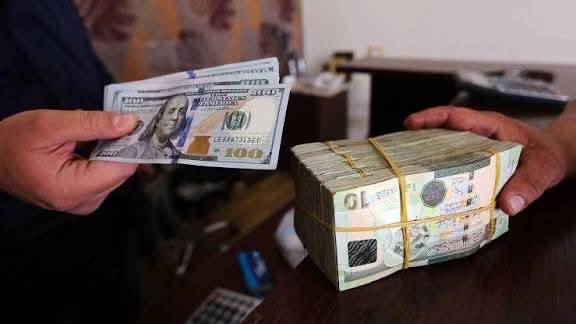
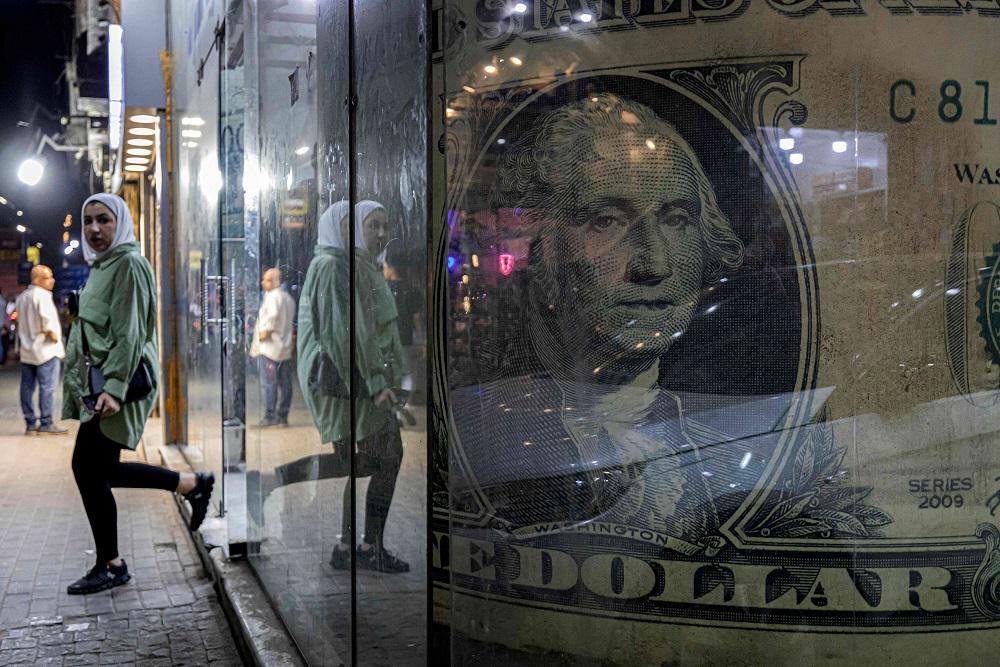
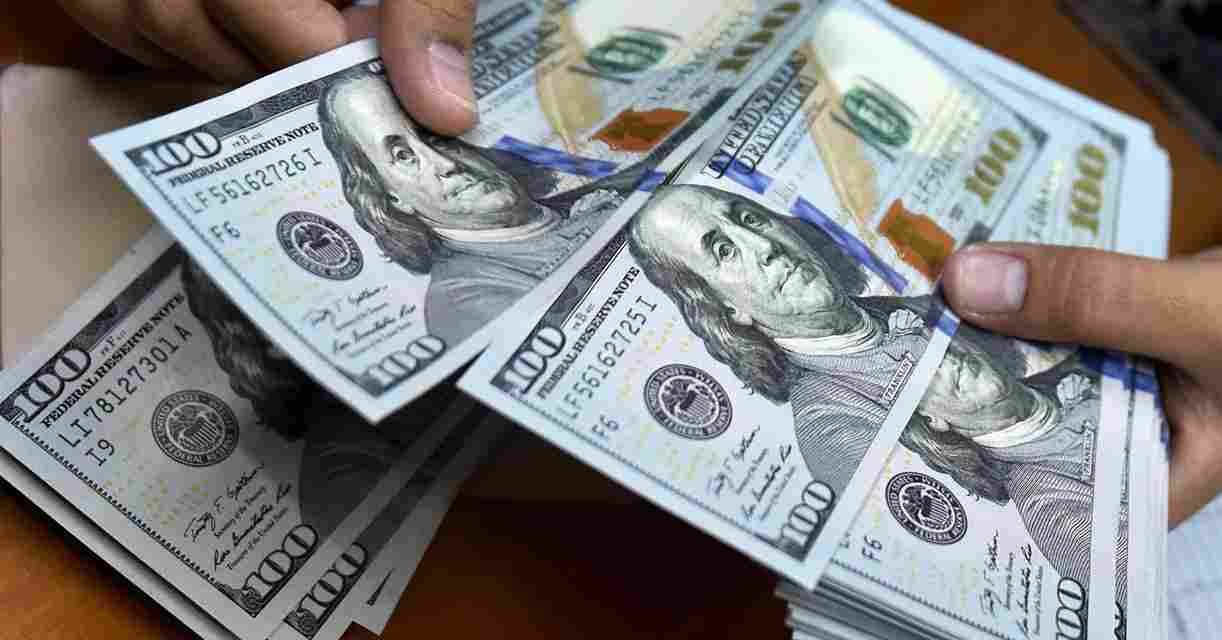
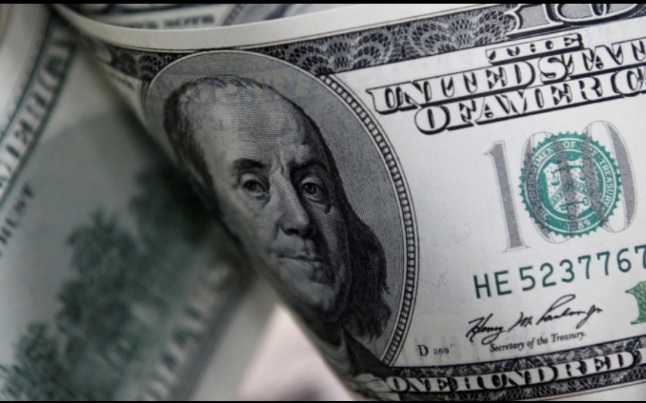
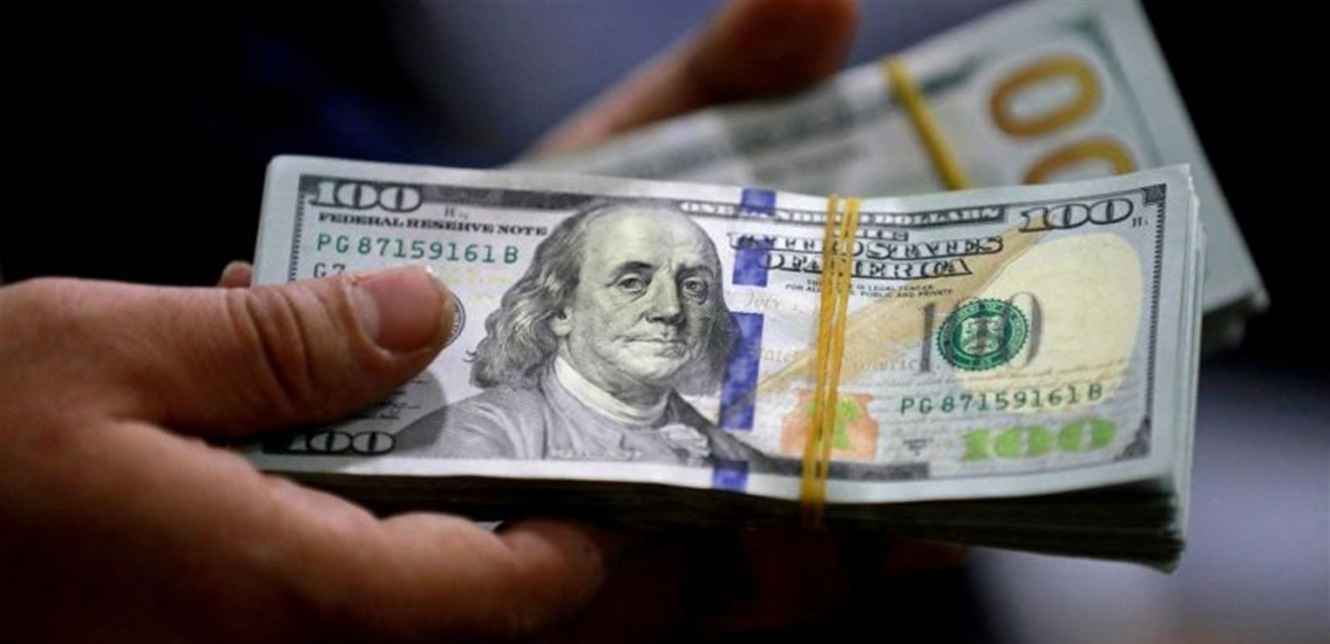
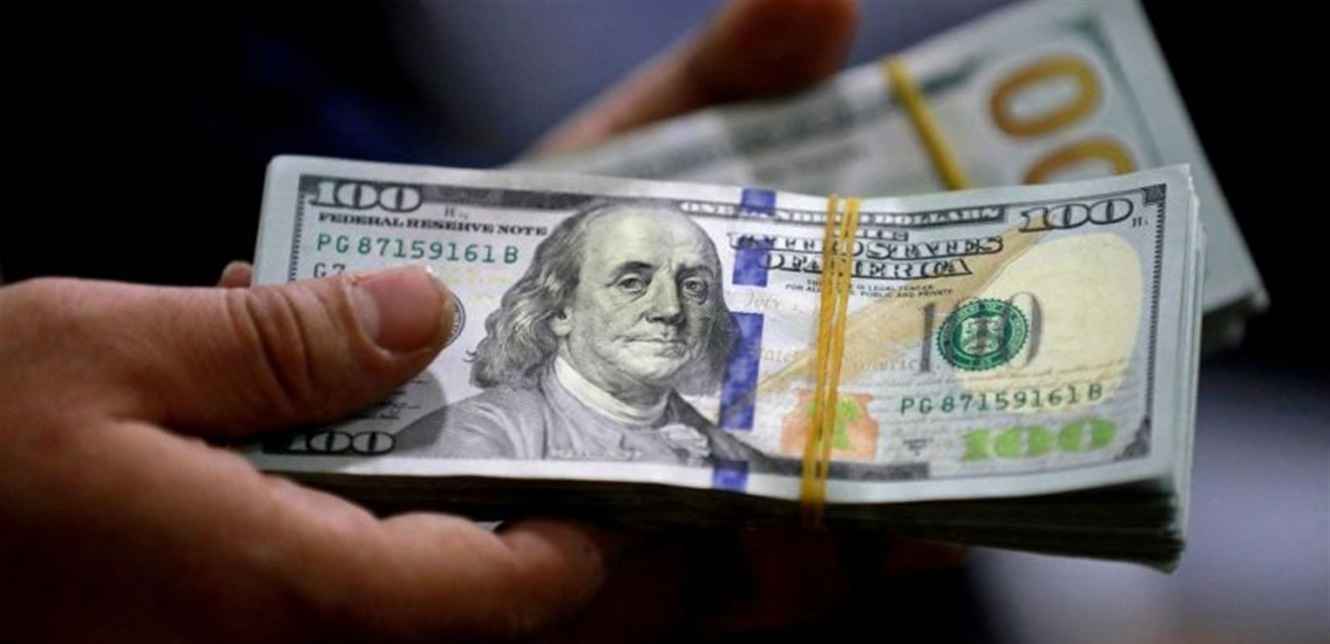
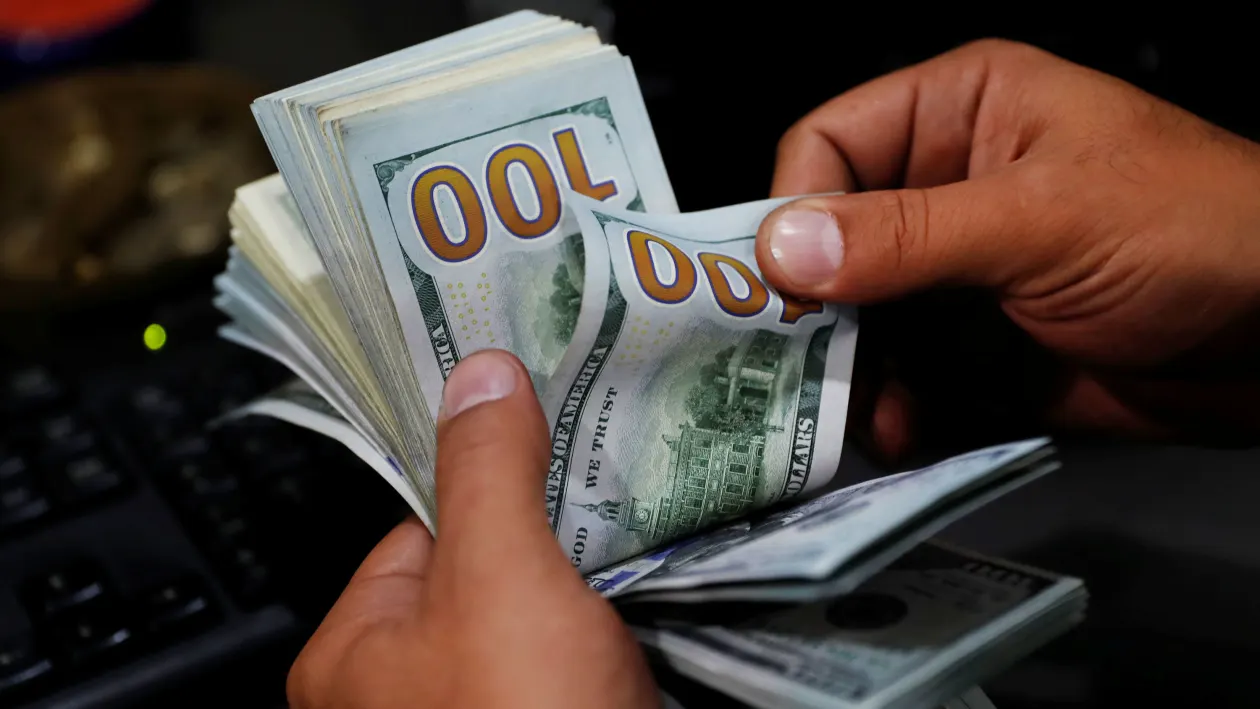
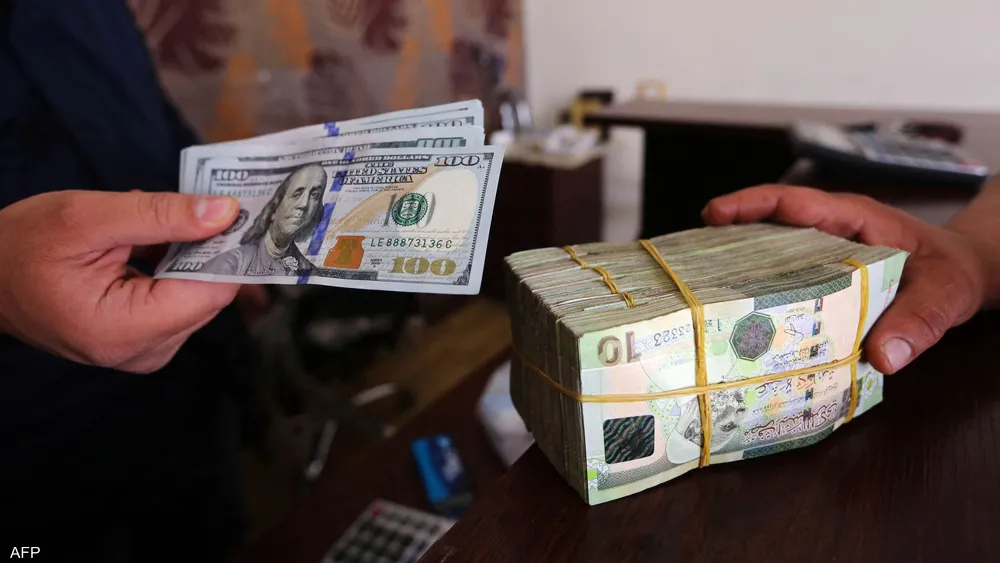
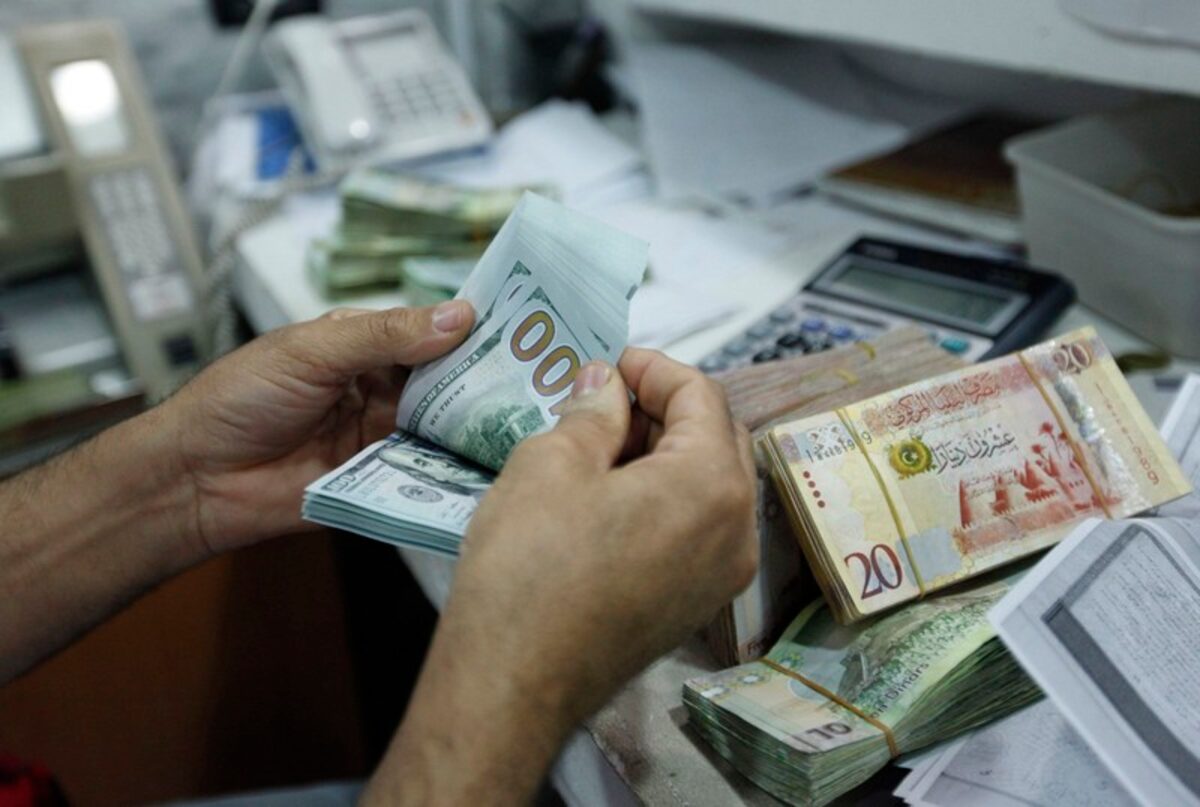
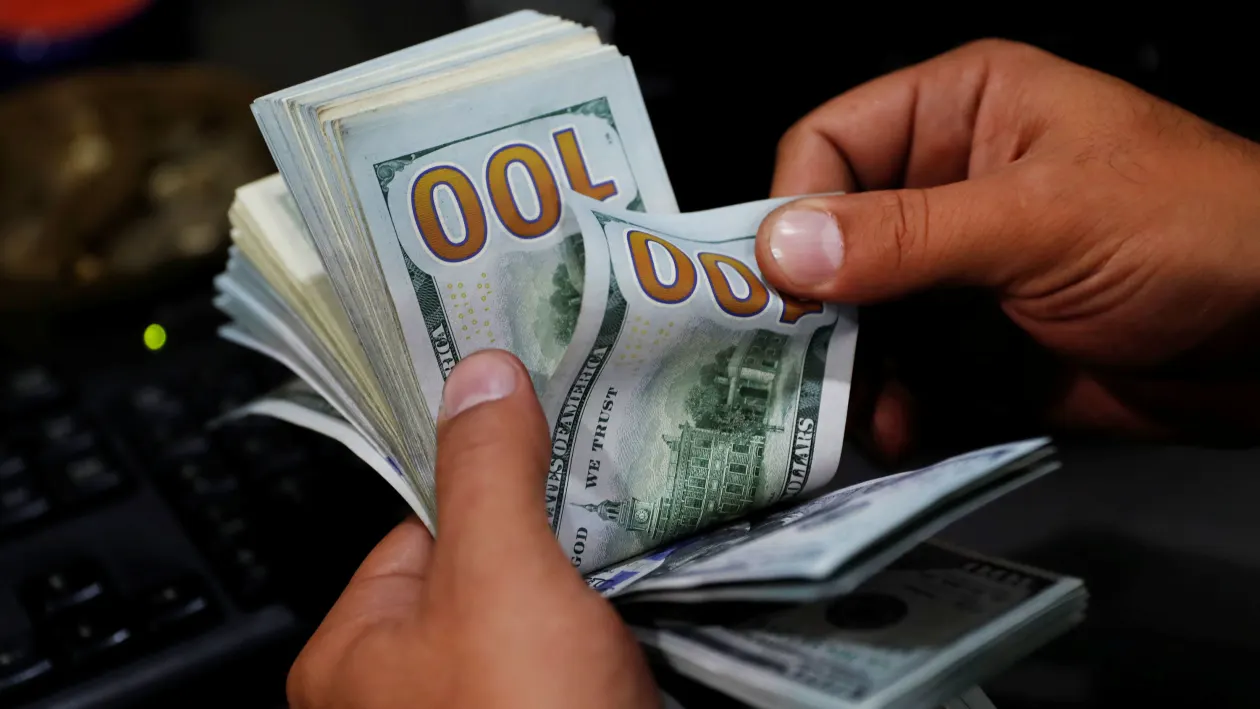
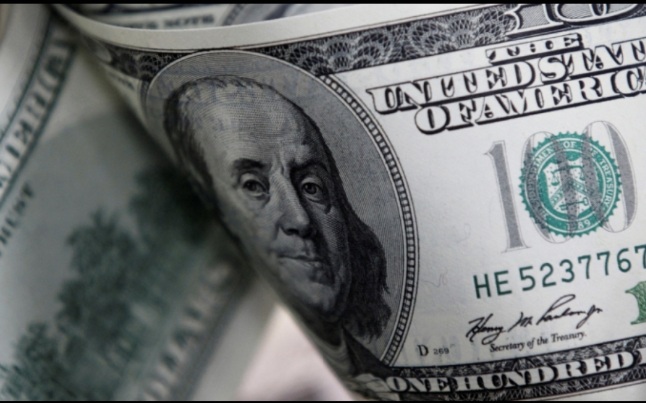
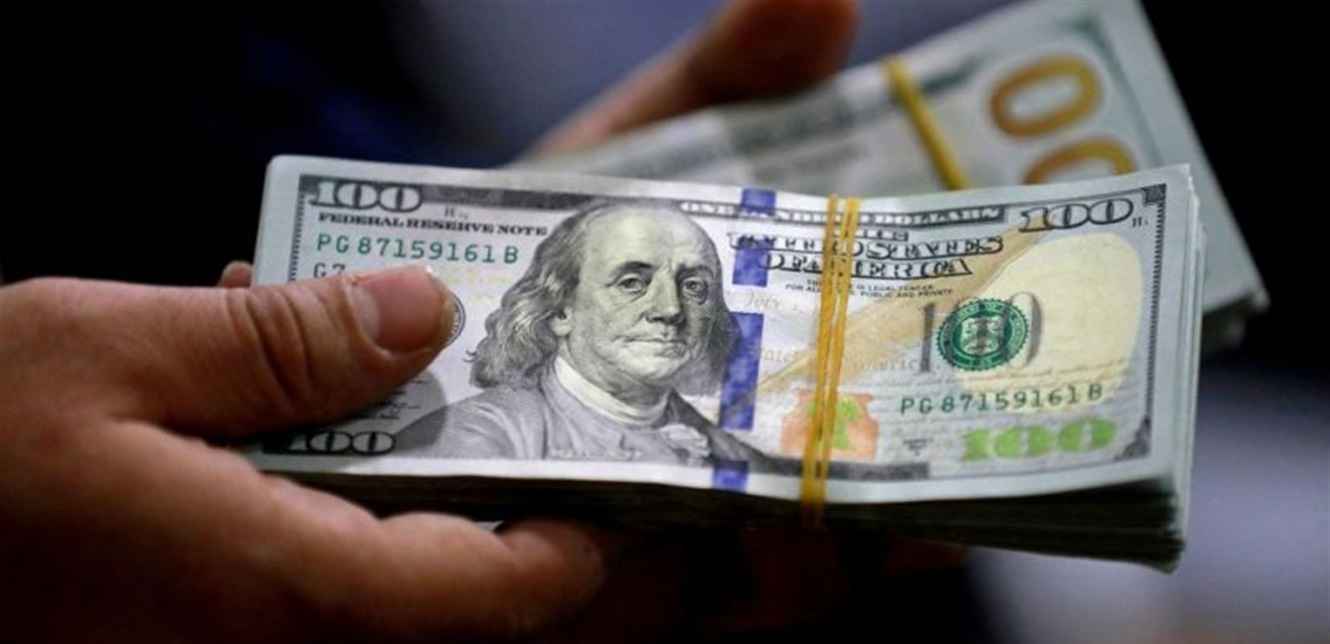
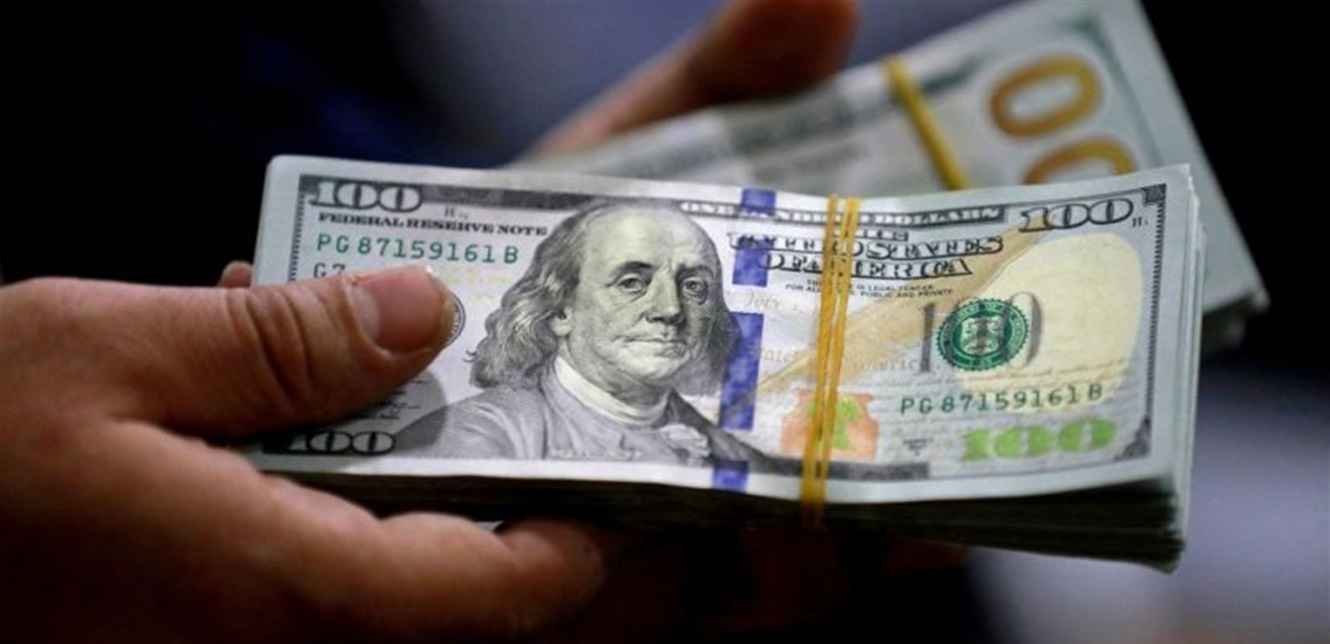
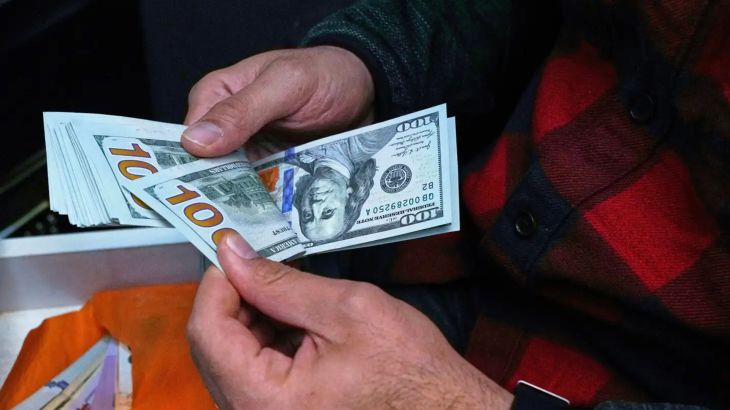
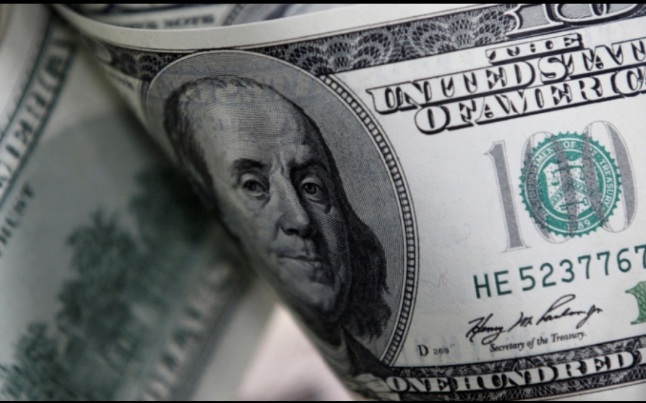
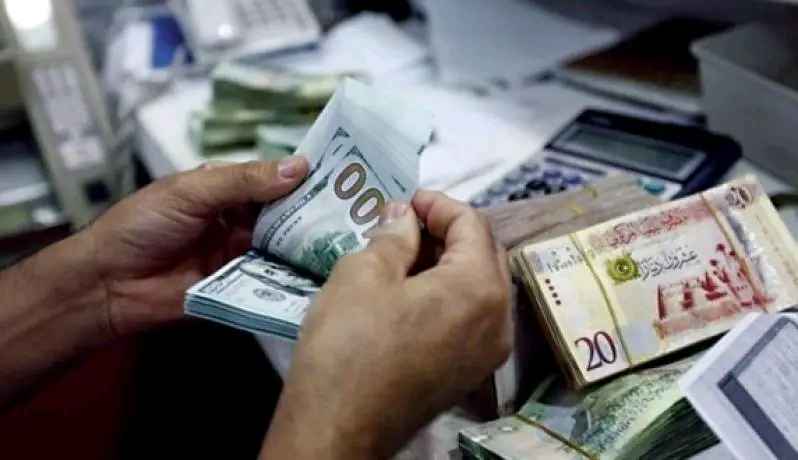
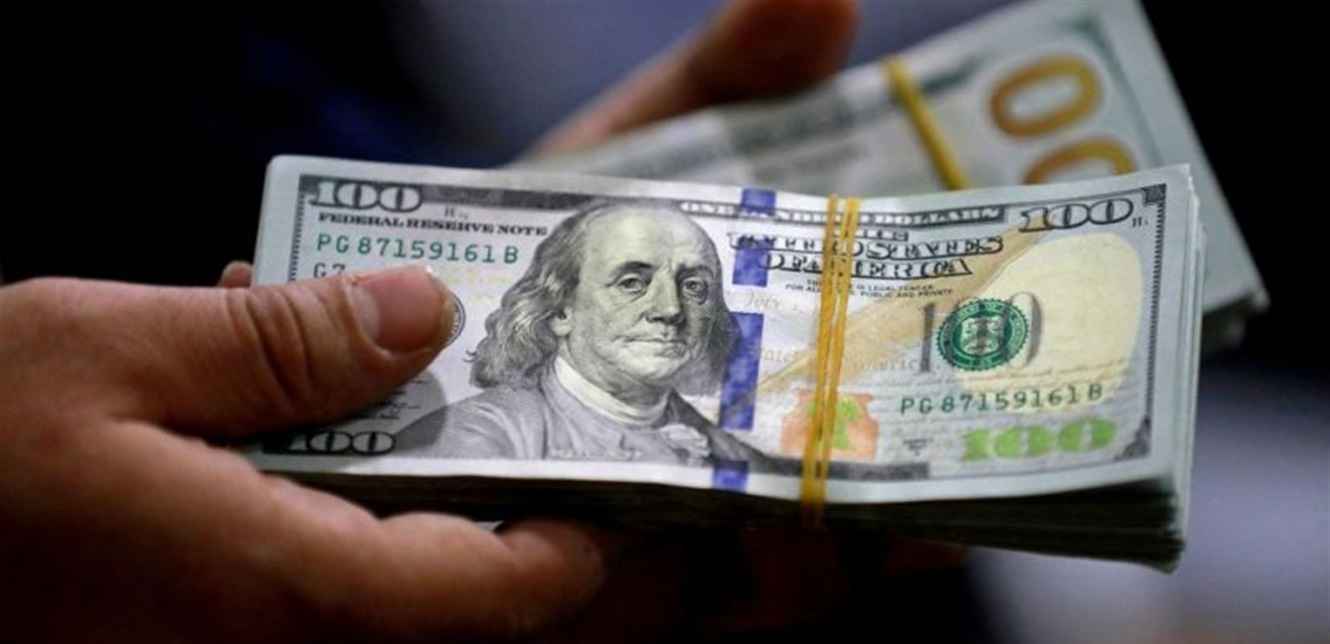
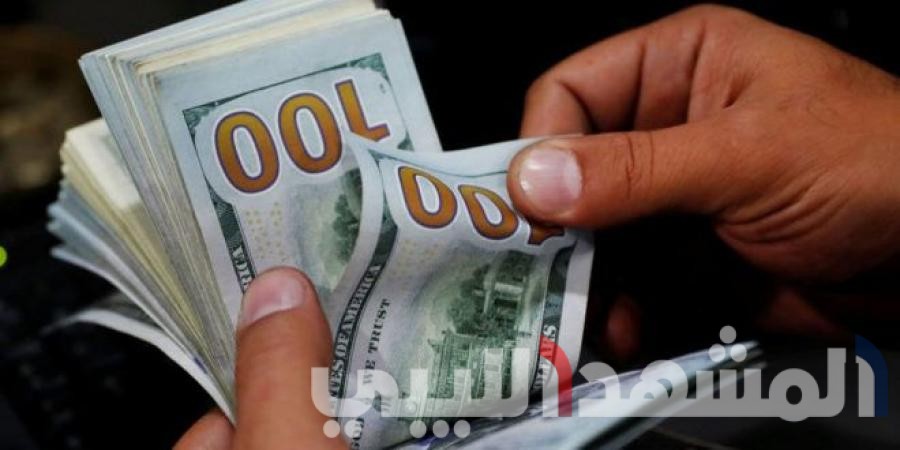
The report pointed out that the value of the funds currently in question is 32 million euros, equivalent to approximately 37 million dollars, with expectations that this figure will rise as the sale of other assets is completed.
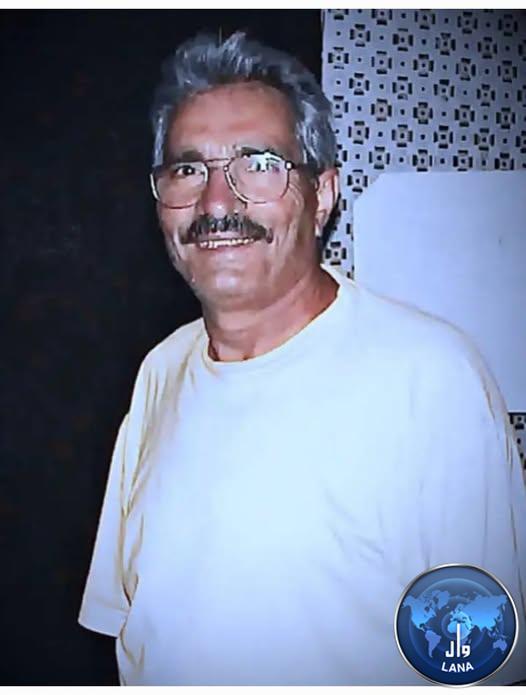
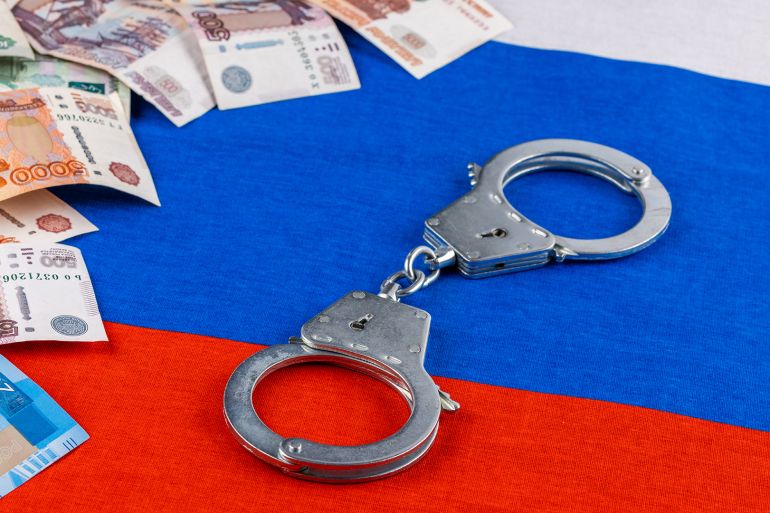
A French court convicted Rifaat al-Assad in 2022, sentencing him to prison, on charges related to embezzling Syrian public funds and using them to build a real estate empire in several European countries.
Rifaat al-Assad’s assets in France were estimated at around 90 million euros, in addition to properties he owns in both the United Kingdom and Spain.
Under a judicial order, the French Ministry of Justice has overseen the sale of seized assets worth 47 million euros so far, according to a ministry representative, noting that part of the proceeds has not yet been transferred to the state budget.
The discrepancy between the announced amounts is due to ongoing sales processes and the distribution of proceeds across different legal and administrative stages.
In a related context, French sources mentioned that the Syrian Foreign Minister had previously suggested directing the funds towards transitional justice projects or agricultural projects, given Syria’s suffering from drought and wheat shortages.
The sources confirmed that the final decision regarding how to spend these funds is still under discussion.
Rifaat al-Assad passed away in January at the age of 88.
Saudi Arabia Signs Strategic Agreements with Syria to Develop Vital Sectors
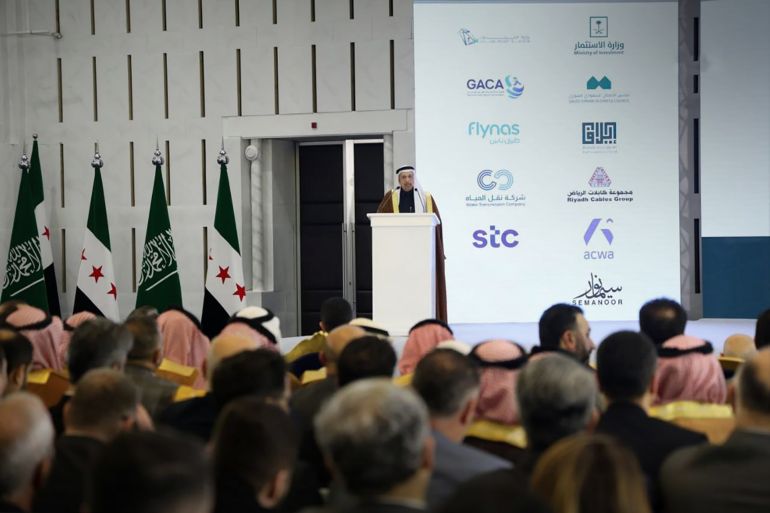
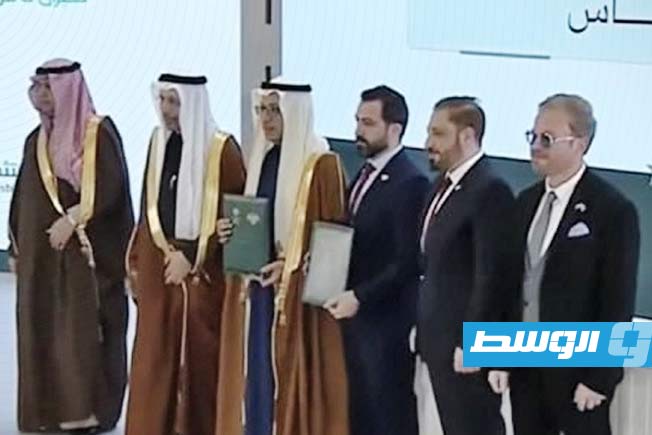
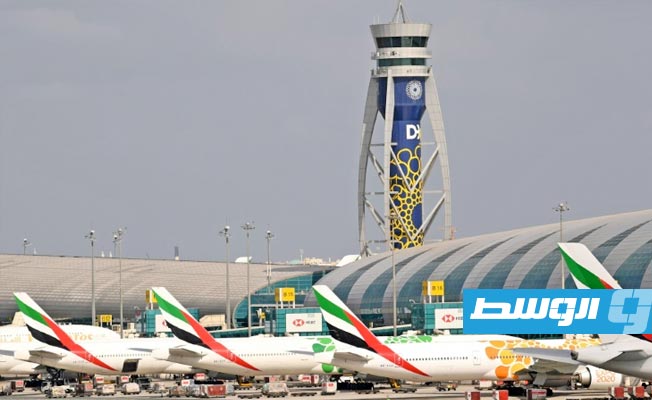
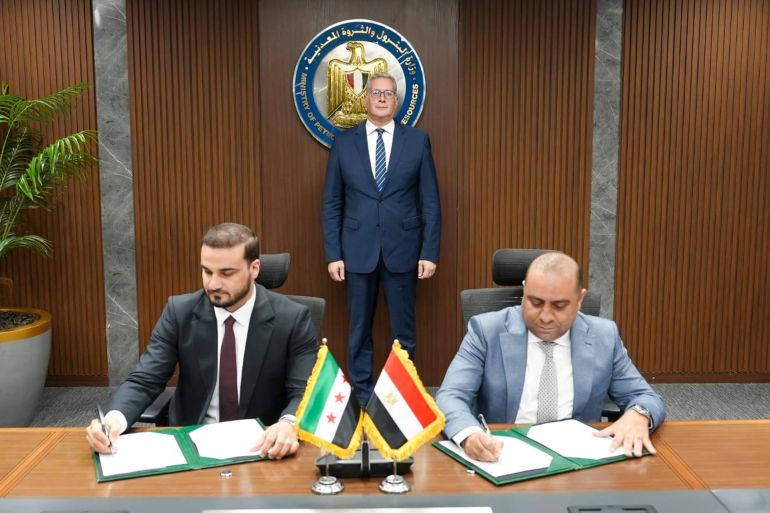
Syria and Saudi Arabia signed a series of strategic agreements in Damascus on Saturday, including the establishment of a joint airline and development projects in the telecommunications and internet sector, in a step aimed at strengthening economic and trade ties between the two countries after more than a decade of conflict in Syria.
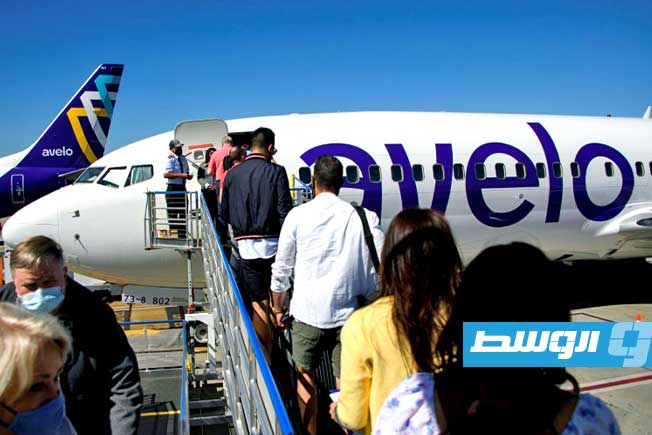
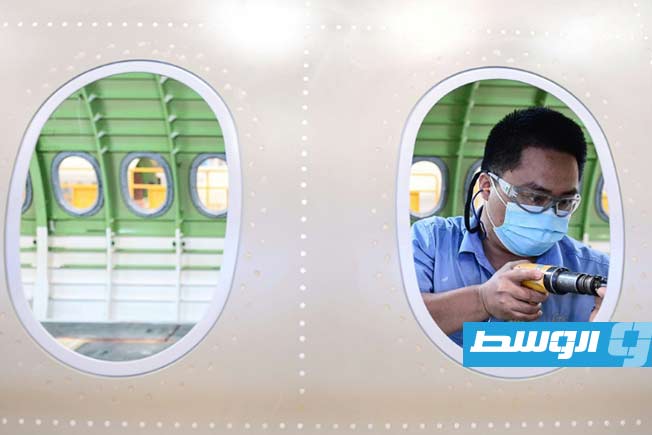
The head of the Syrian Investment Authority announced five agreements, including the establishment of a Syrian-Saudi economic airline under the name “Nas Syria,” aimed at enhancing regional and international air traffic and facilitating travel and trade between Syria and other countries.
The agreements also included the “Silk Link” project to develop telecommunications infrastructure and digital connectivity in Syria, valued at one billion dollars, with the goal of improving internet quality and telecommunications services in a country whose infrastructure has been severely damaged by the 14-year conflict.
The Saudi Minister of Investment confirmed that the agreements represent an important step to enhance economic cooperation between Damascus and Riyadh, with a focus on the fields of aviation, telecommunications, and digital infrastructure.