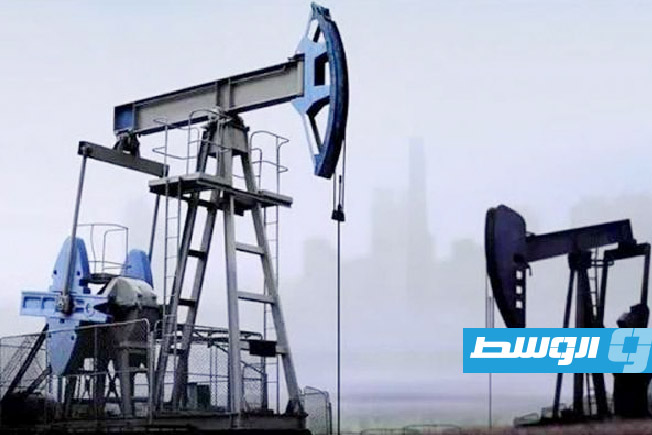
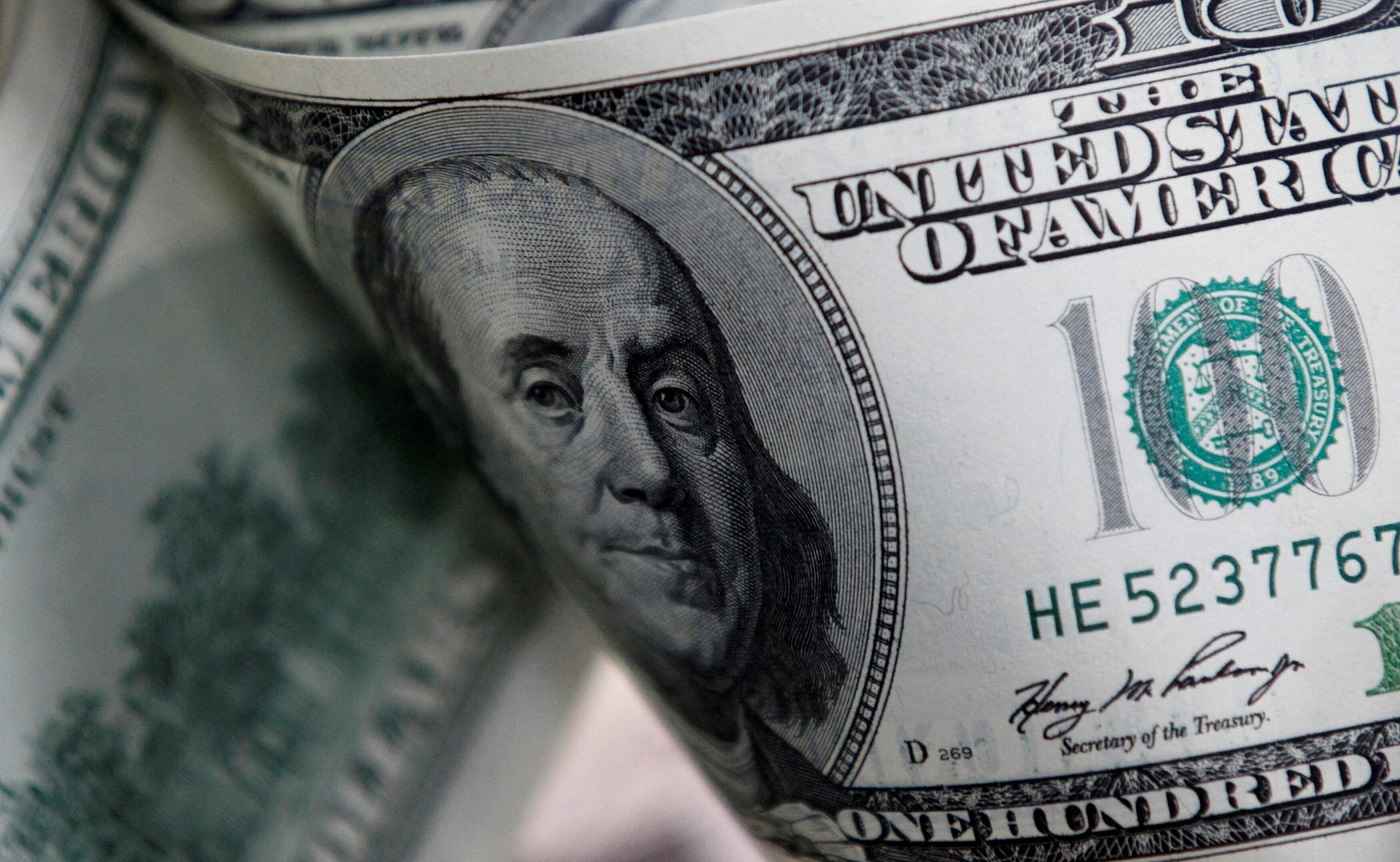
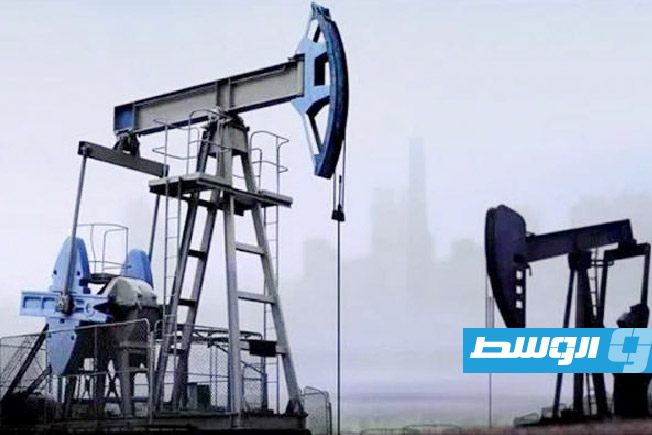
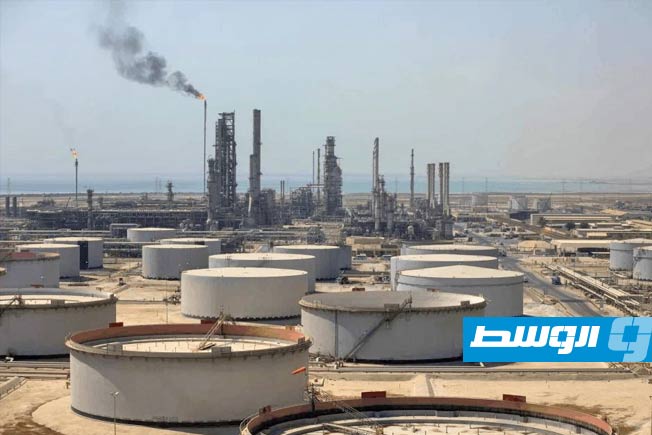
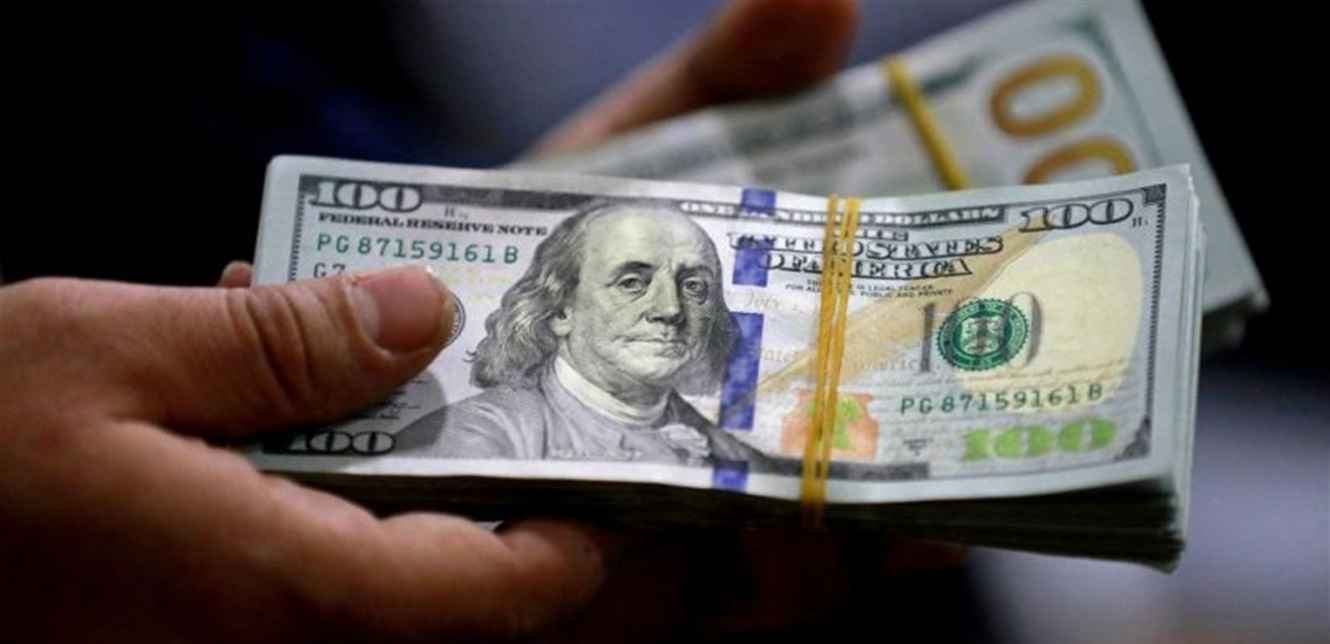
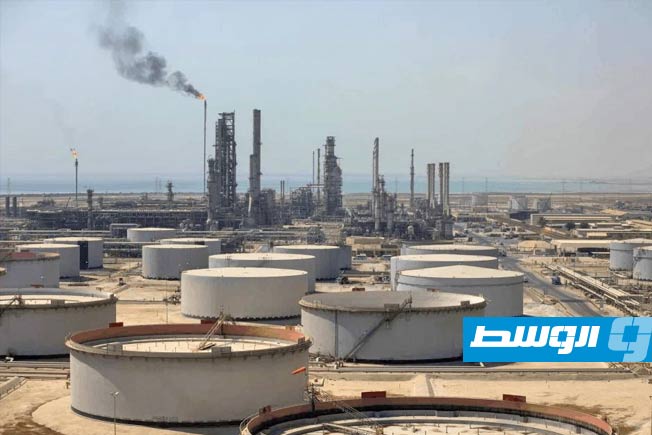
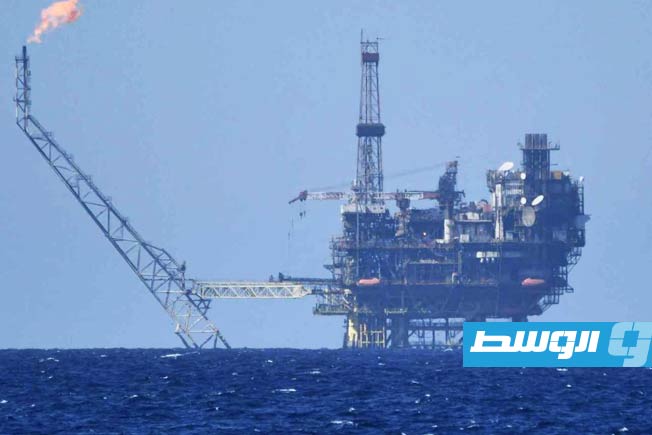
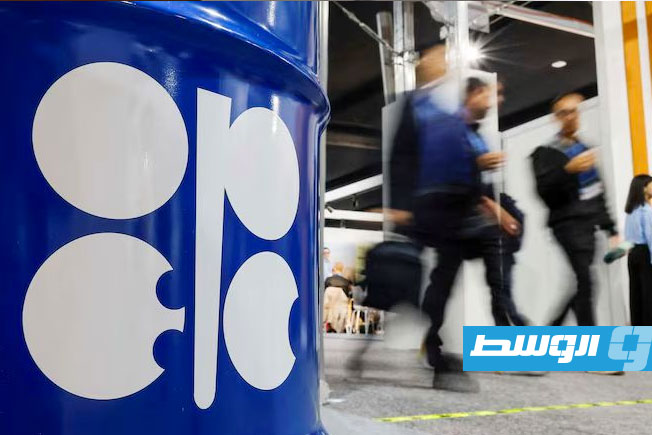
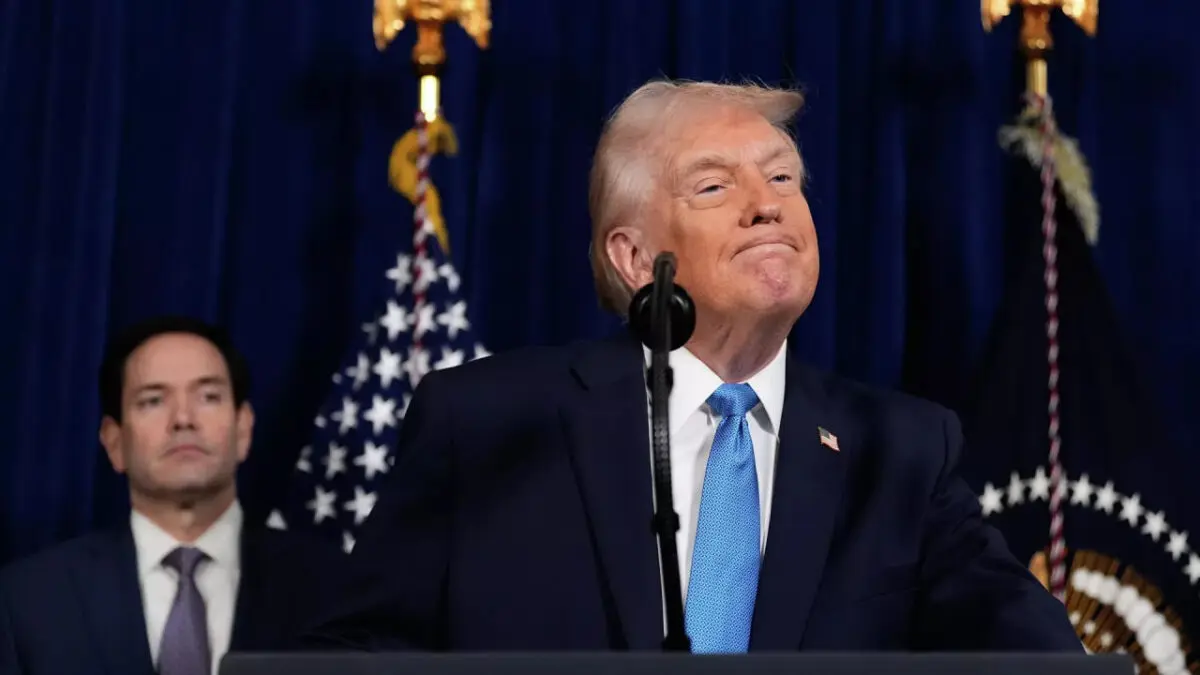
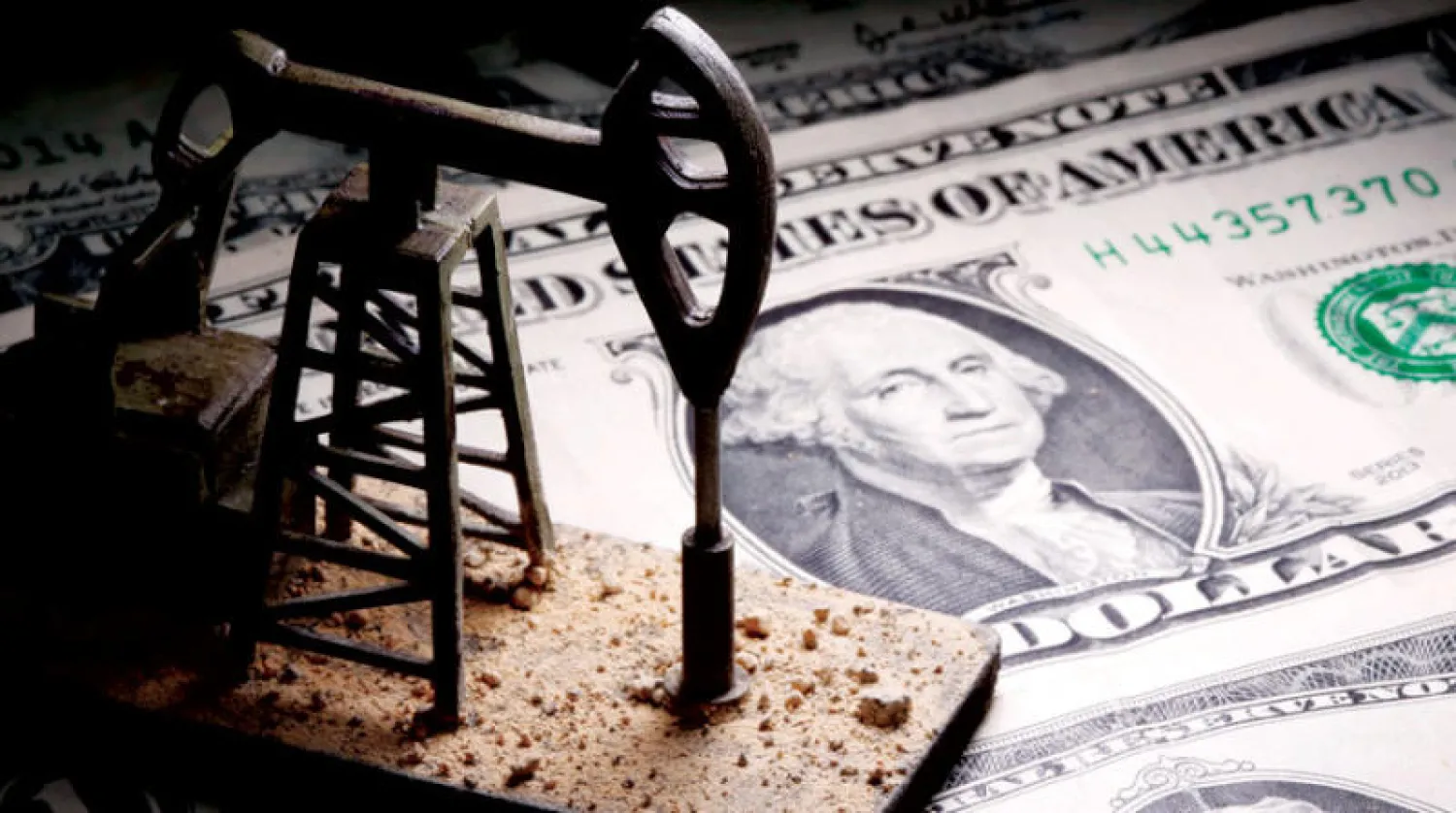
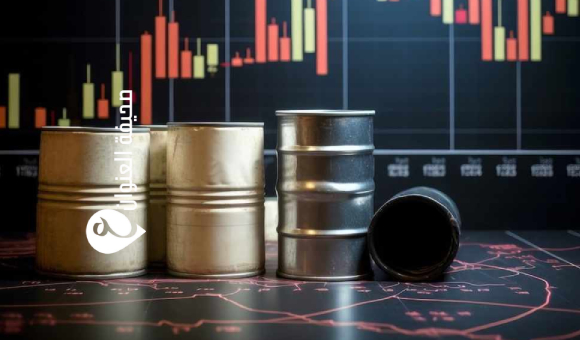
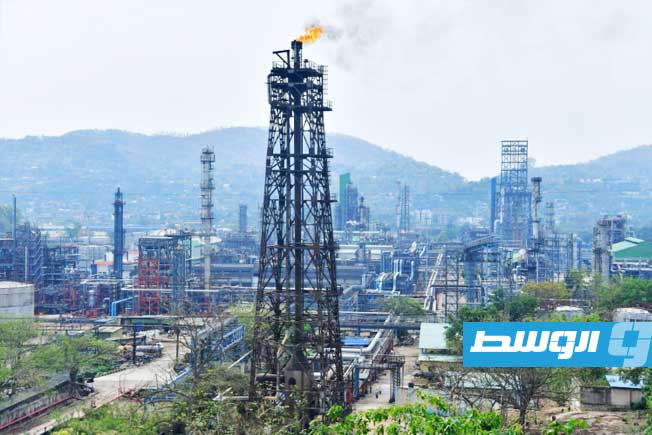
Oil prices fell by around 2% this Thursday after the United States and Iran announced their agreement to hold talks in Oman on Friday, easing fears of a military conflict that could affect oil supplies in the Middle East region.
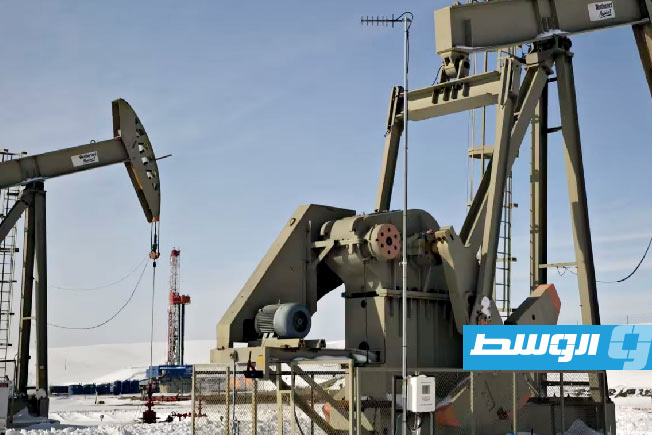
Brent crude futures were recorded at $68.02 per barrel, while West Texas Intermediate crude traded at $63.80 per barrel.
Prices rose following news about the collapse of talks
Prices rose by approximately 3% yesterday, Wednesday, following media reports suggesting the talks might collapse, before official sources from both sides confirmed the meeting would be held, despite disagreements over the agenda.
These disagreements center on “the Iranian nuclear program, ballistic missiles, and Iran’s support for groups in the region.”
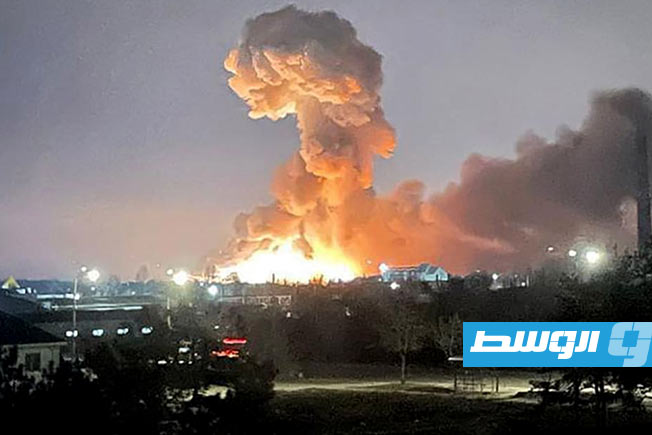
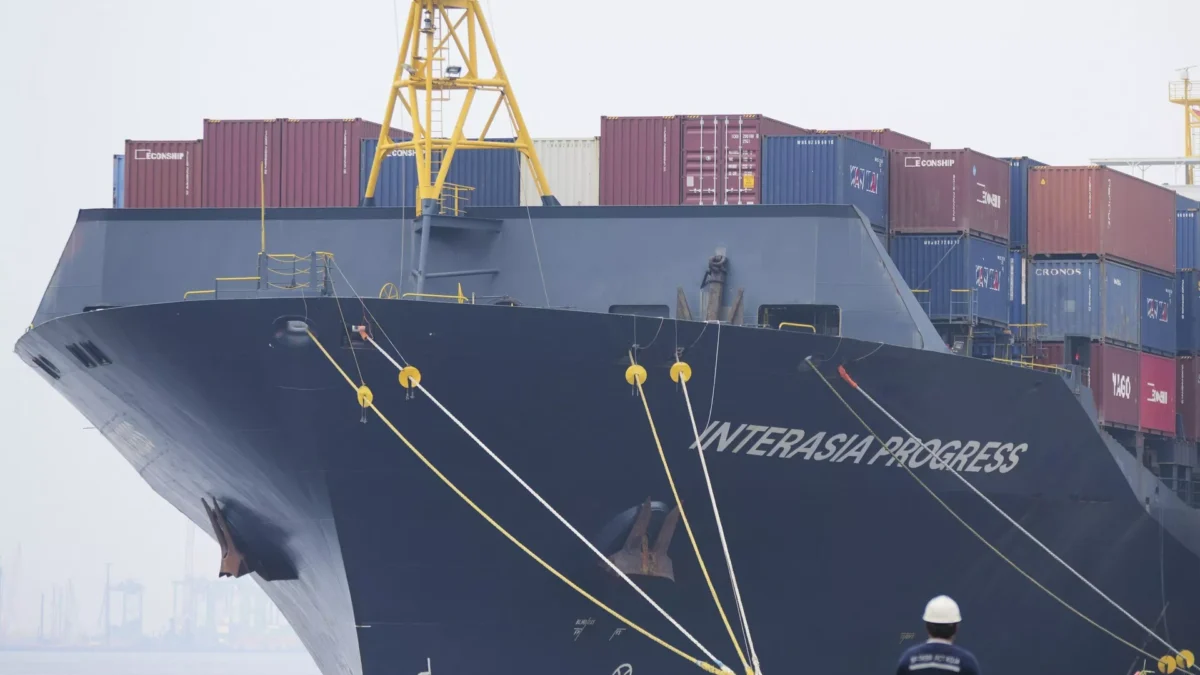
Nevertheless, geopolitical risks remain, including the possibility of the United States striking Iran, which could lead to disruptions in oil exports, particularly through the Strait of Hormuz, through which about one-fifth of the world’s oil consumption passes.
United States
The United States is a federal republic founded in 1776 following the American Revolution, which established its independence from Great Britain. Its history is marked by westward expansion, a civil war over slavery, and its emergence as a global superpower in the 20th century.
Iran
Iran, historically known as Persia, is home to one of the world’s oldest continuous civilizations, dating back to the Elamite kingdoms of the 4th millennium BCE. Its rich cultural heritage is exemplified by numerous UNESCO World Heritage sites, including the ancient ruins of Persepolis, the capital of the Achaemenid Empire founded in the 6th century BCE. The modern Islamic Republic was established in 1979 following a revolution that transformed the nation from a monarchy into a theocratic republic.
Oman
Oman is a nation on the southeastern coast of the Arabian Peninsula with a rich maritime history as a powerful trading empire. Its cultural identity is deeply rooted in Ibadism, a distinct form of Islam, and is reflected in well-preserved sites like the ancient Bahla Fort, a UNESCO World Heritage site. The country transitioned into a modern state under the leadership of Sultan Qaboos bin Said, who ruled from 1970 until 2020.
Middle East
The Middle East is a transcontinental region centered on Western Asia and parts of North Africa, historically known as the cradle of civilization and the birthplace of major world religions like Judaism, Christianity, and Islam. Its history is marked by the rise and fall of ancient empires, such as the Sumerians, Egyptians, and Ottomans, and it remains a geopolitically significant area due to its vast oil reserves and complex modern conflicts.
Brent crude
Brent crude is a major trading classification of sweet light crude oil that serves as a key global price benchmark. It originates from the Brent oil field in the North Sea, which began production in 1976, and its pricing mechanism is central to the global oil market.
West Texas Intermediate crude
West Texas Intermediate (WTI) crude is a specific grade of crude oil used as a major global pricing benchmark. It originated from oil fields in Texas and the surrounding U.S. region, historically prized for its low density and low sulfur content, which makes it easier to refine into gasoline. Its pricing point is physically based at the pipeline hub in Cushing, Oklahoma.
Strait of Hormuz
The Strait of Hormuz is a strategically vital maritime chokepoint connecting the Persian Gulf with the Gulf of Oman and the wider Indian Ocean. Its history is deeply tied to global energy security and regional geopolitics, as it has been a contested passage for centuries and remains the world’s most important oil transit route today.