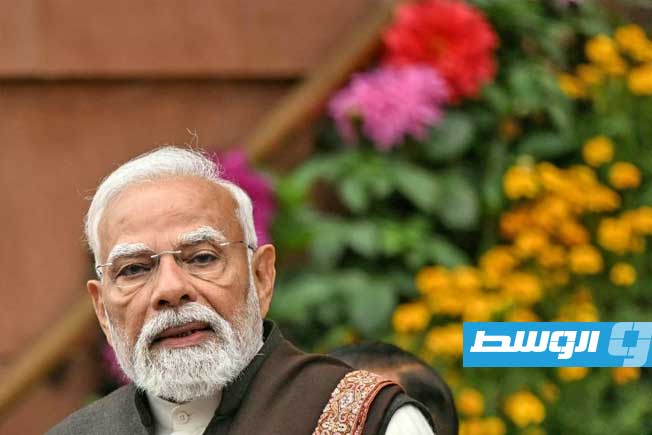
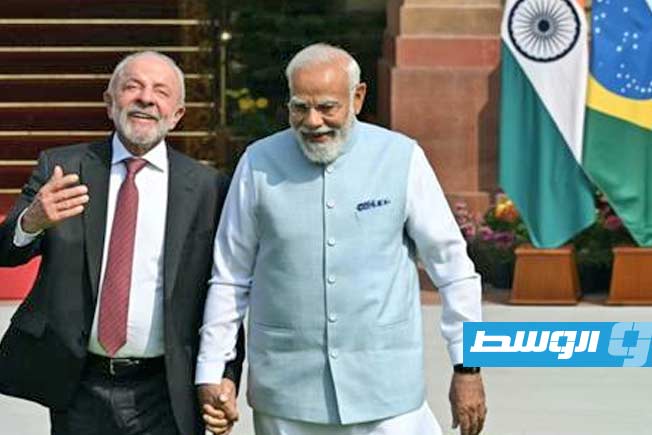
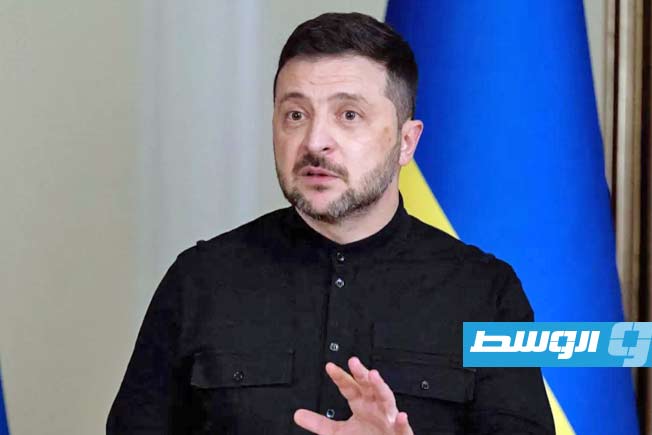
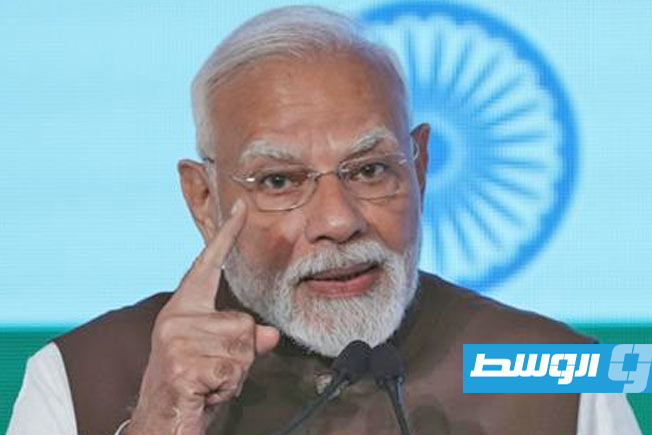
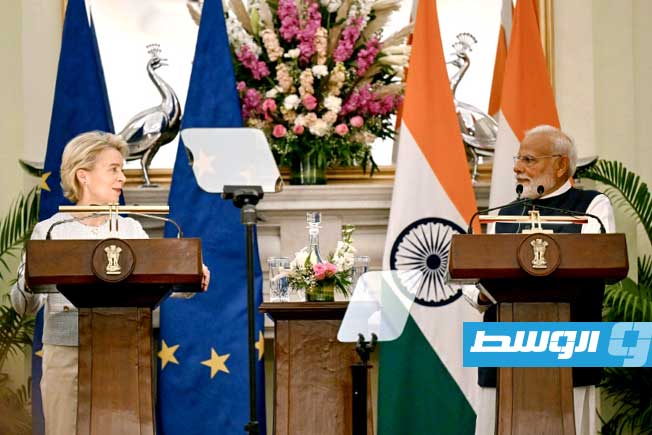
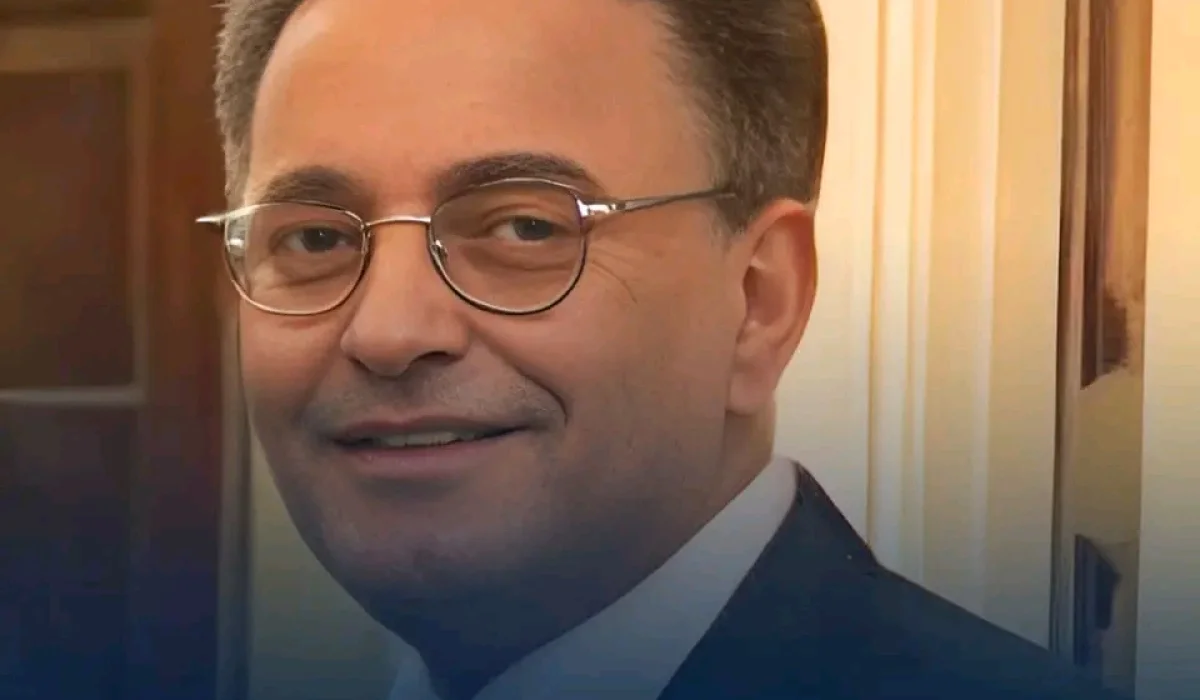
Indian Prime Minister Narendra Modi addresses the media on the second day of the Parliament’s budget session.
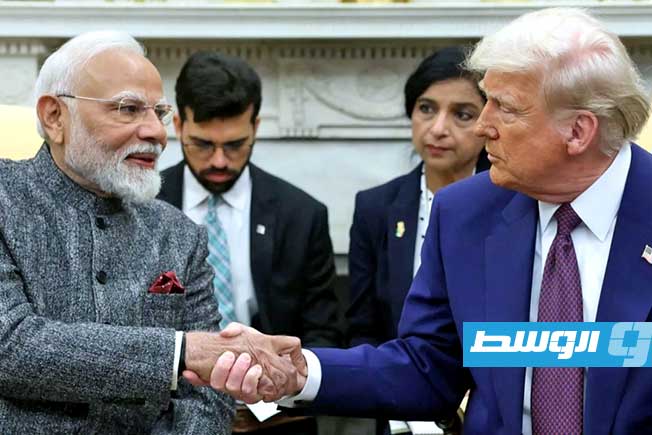
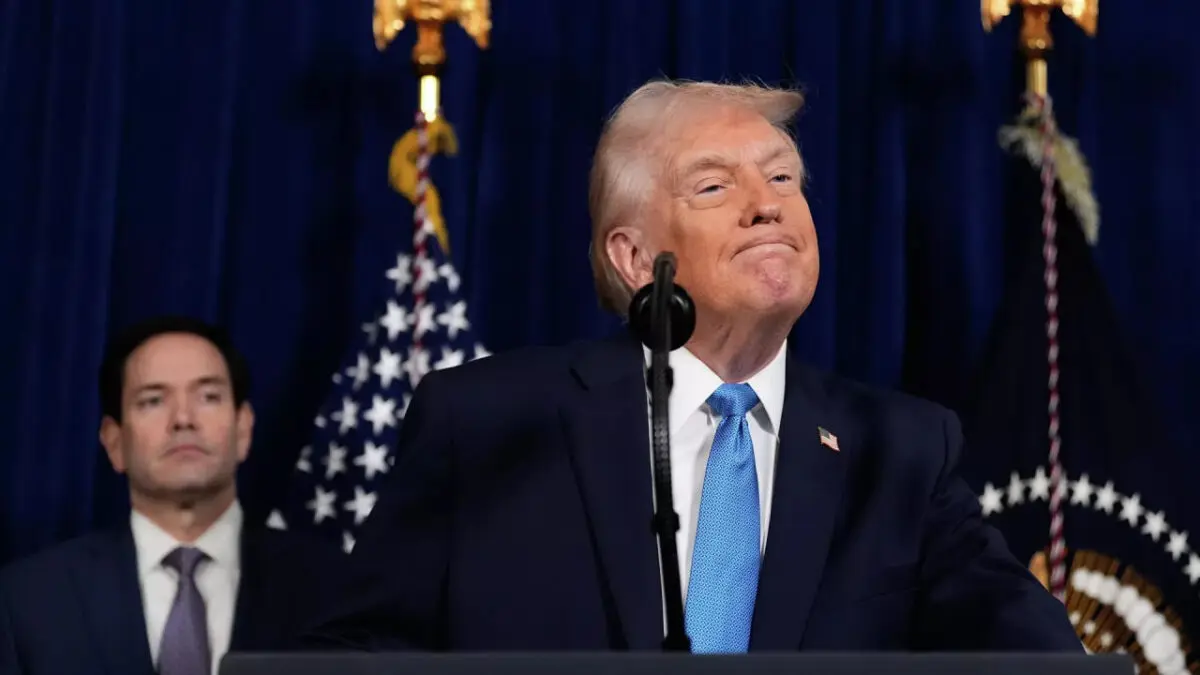
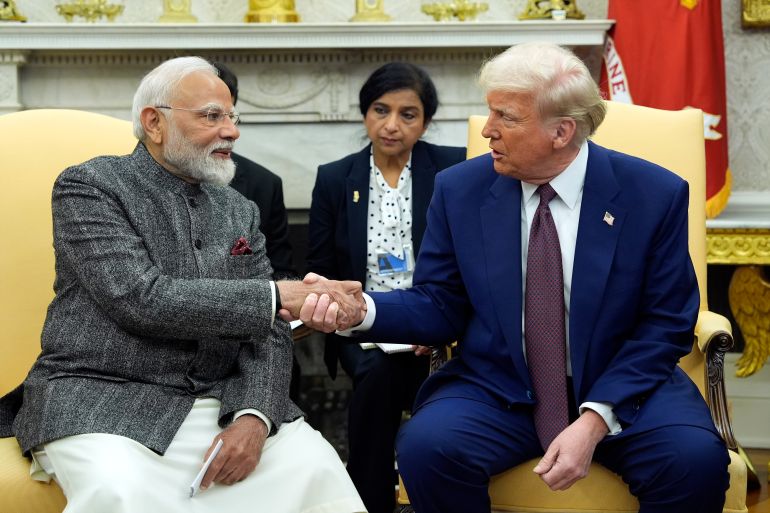
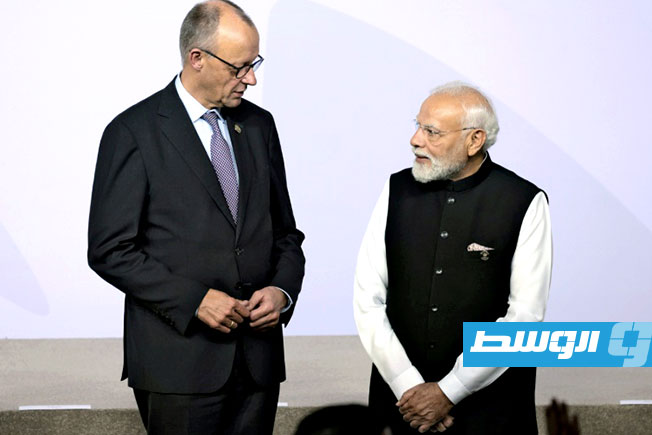
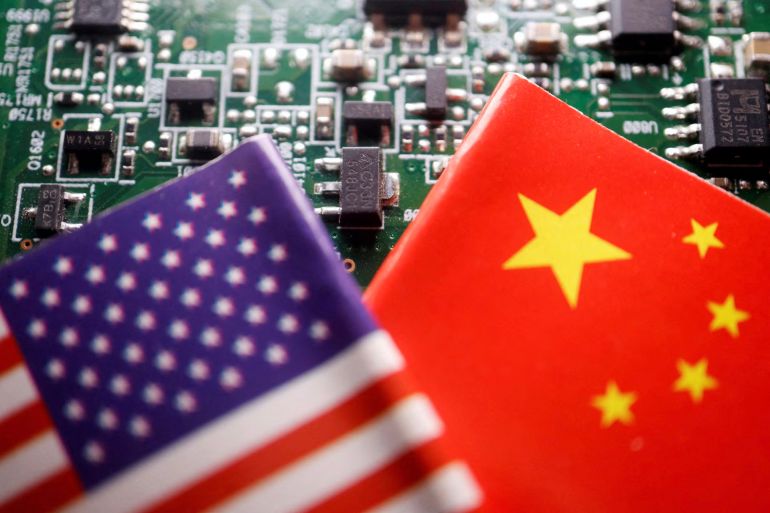
Indian Prime Minister Narendra Modi praised a trade agreement with the United States on Saturday, stating it would boost global growth and deepen economic relations between the two countries.
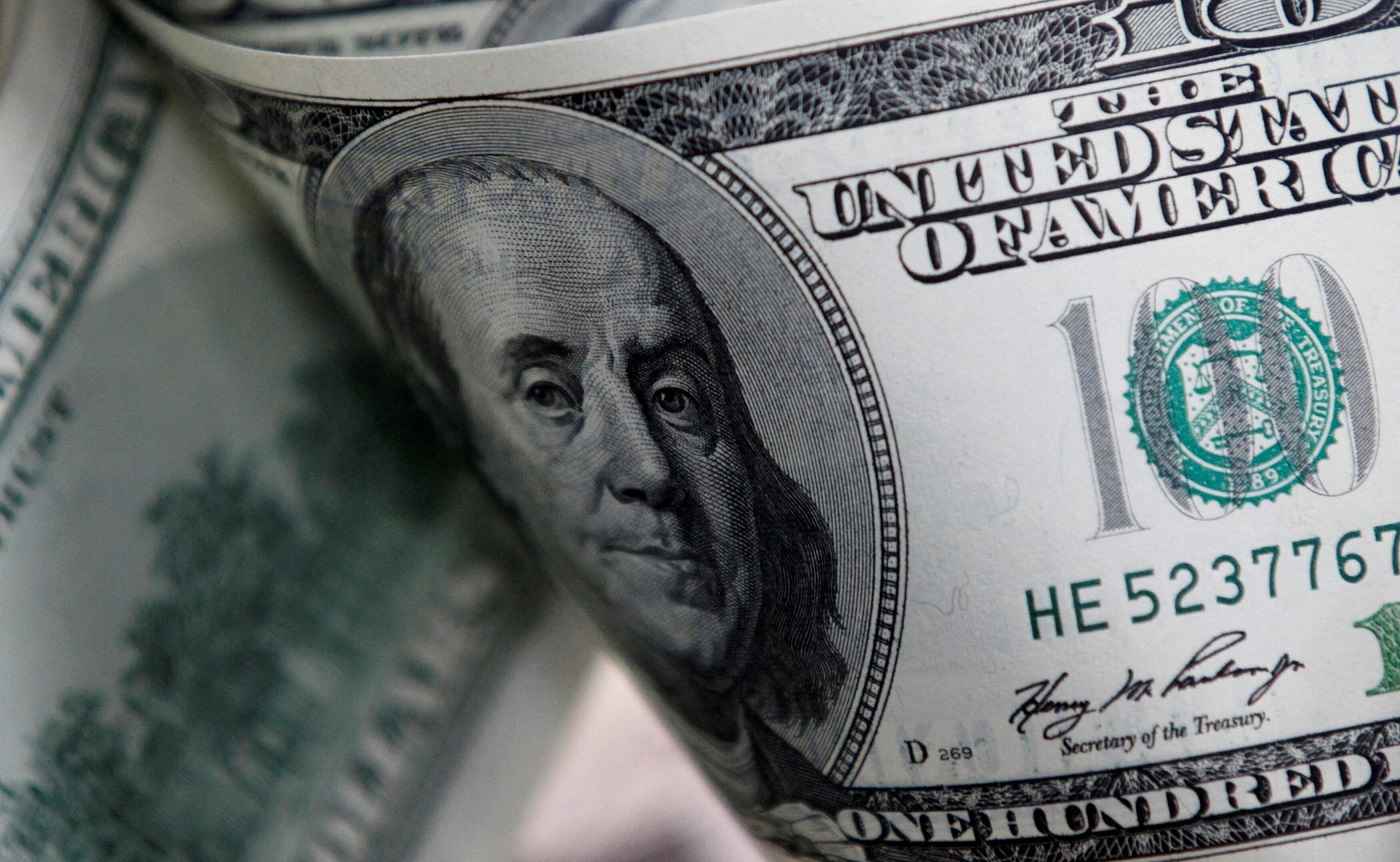
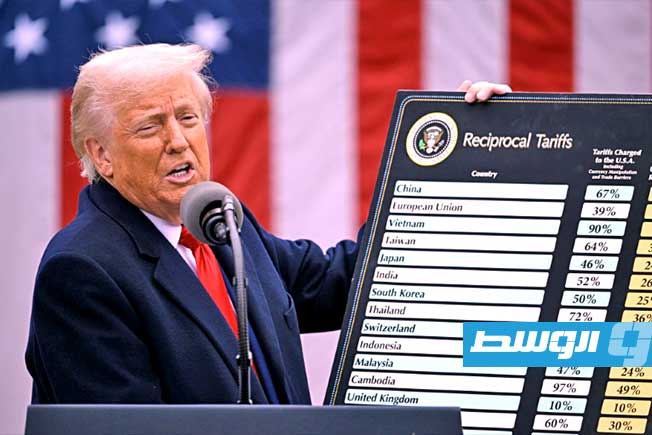
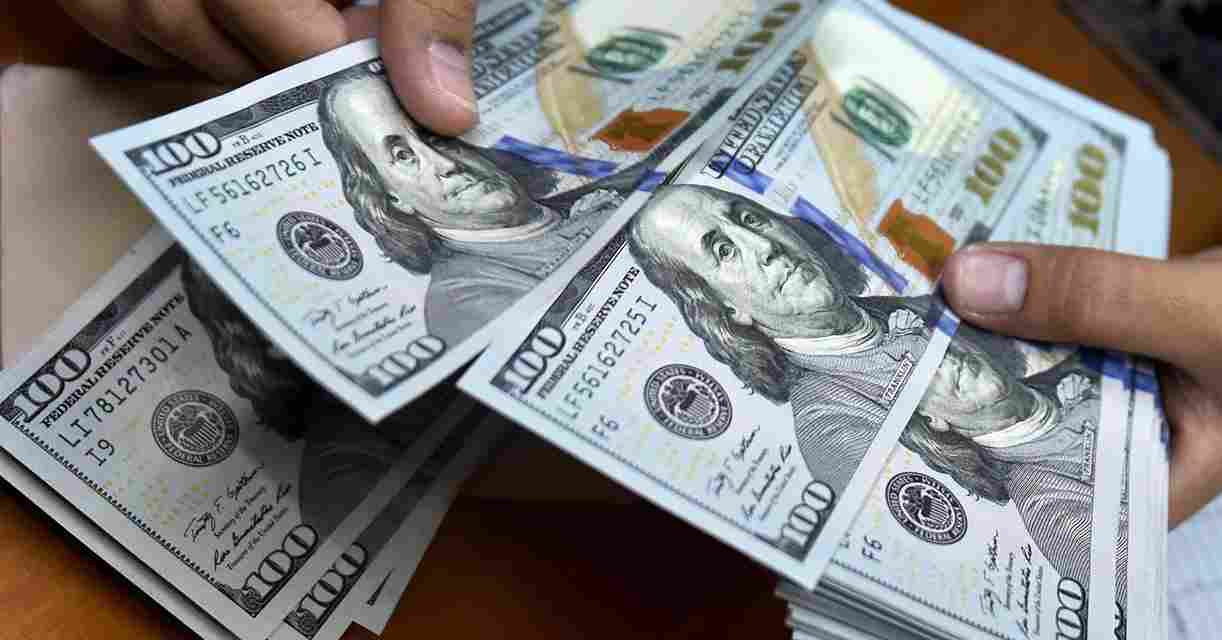
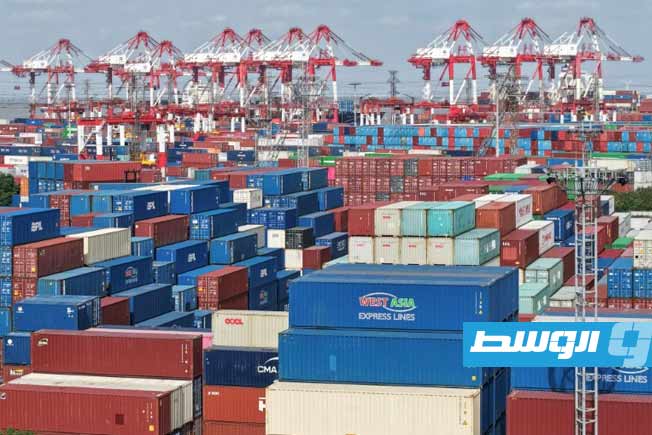
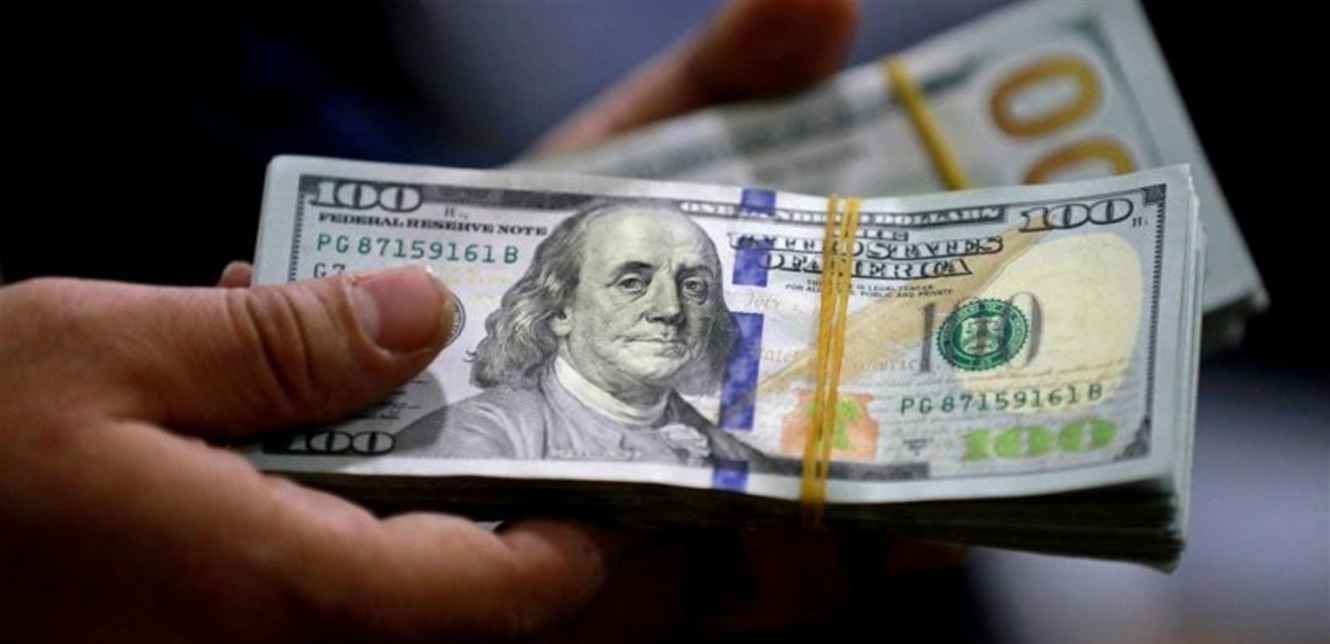
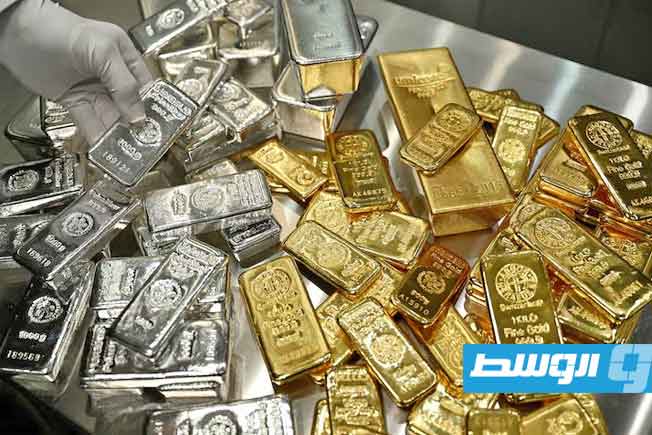
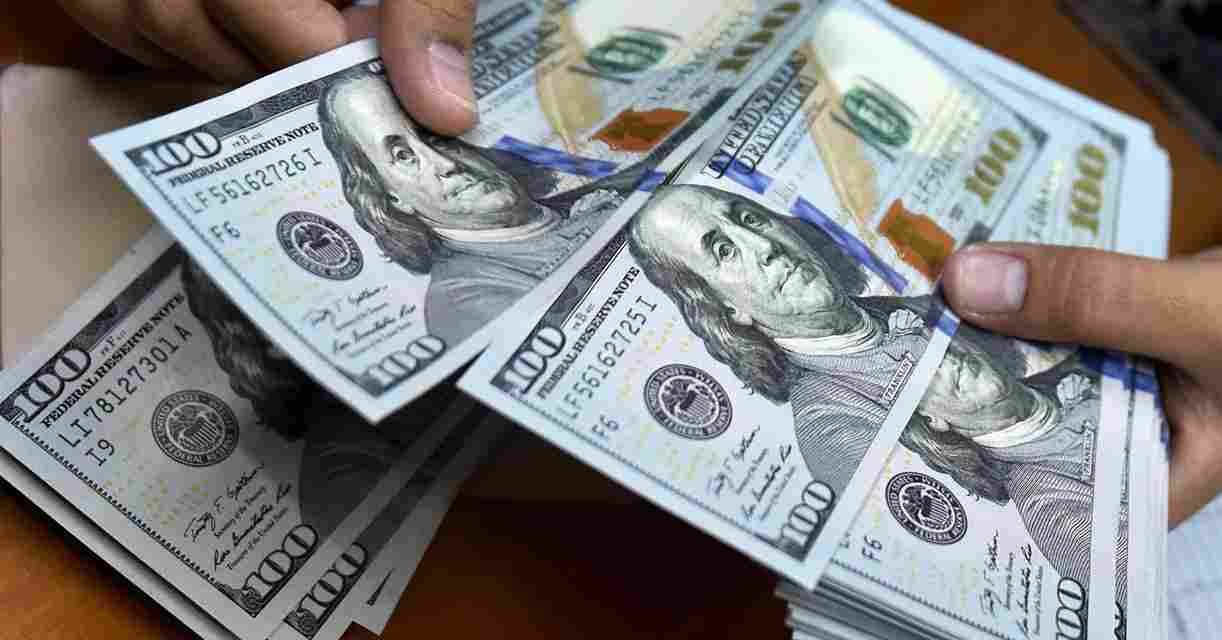
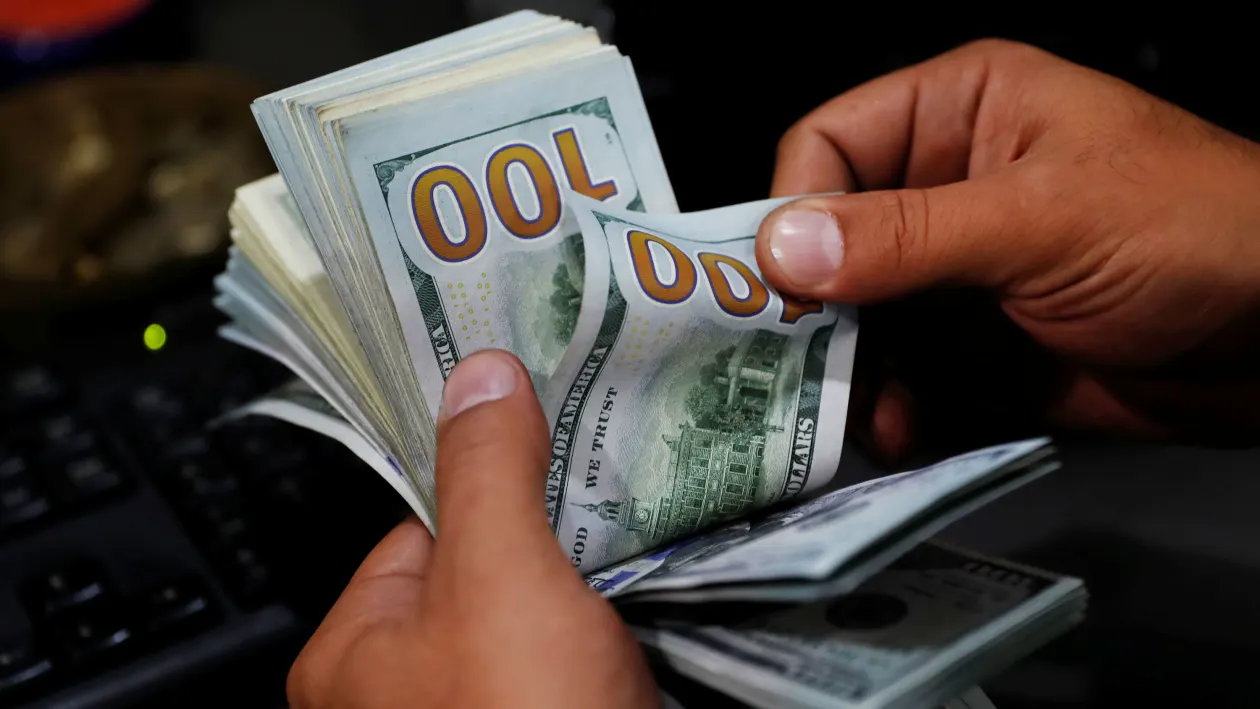
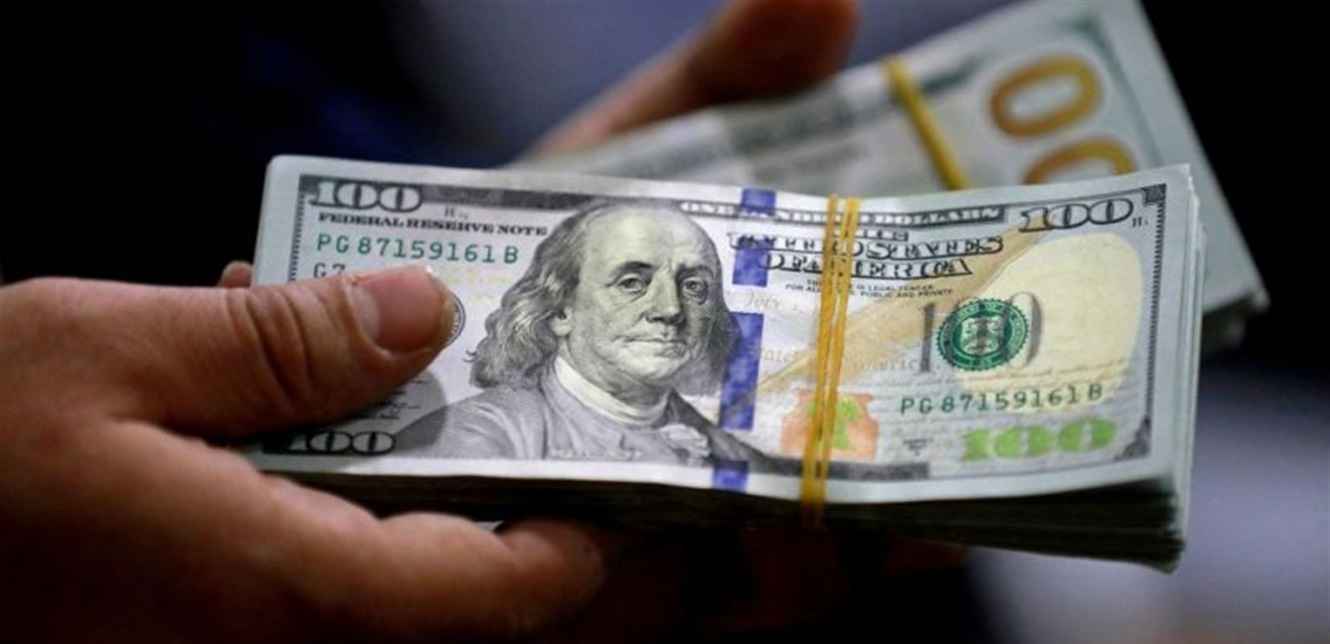
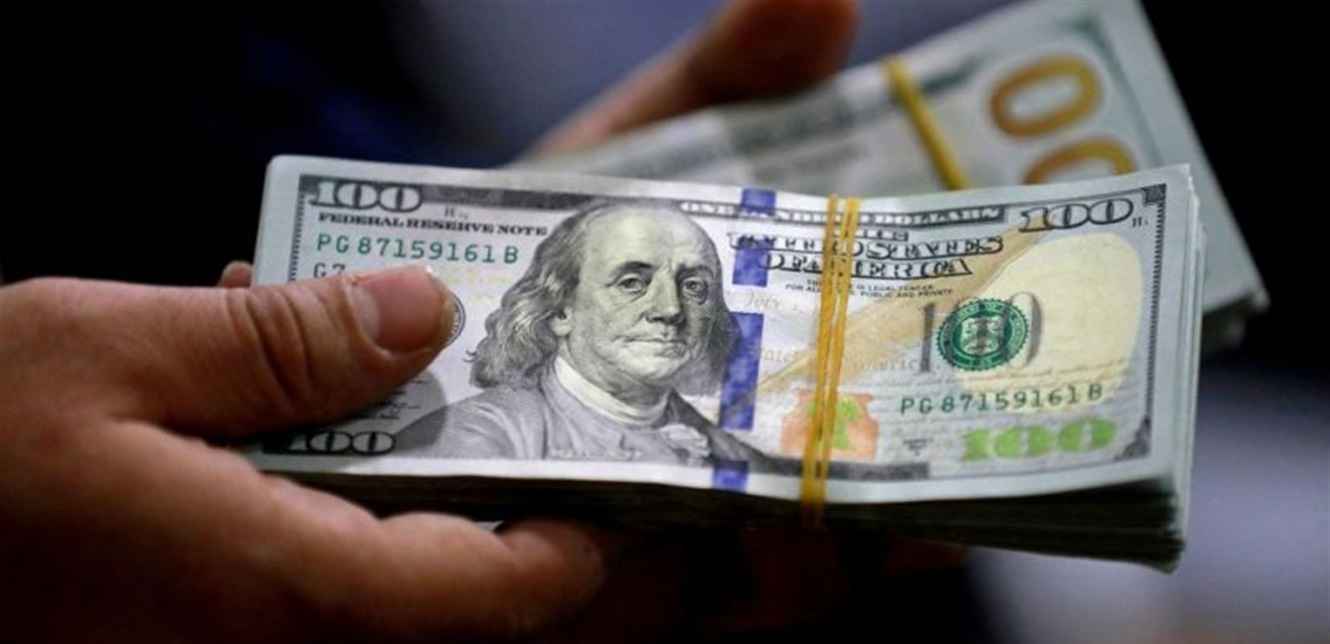
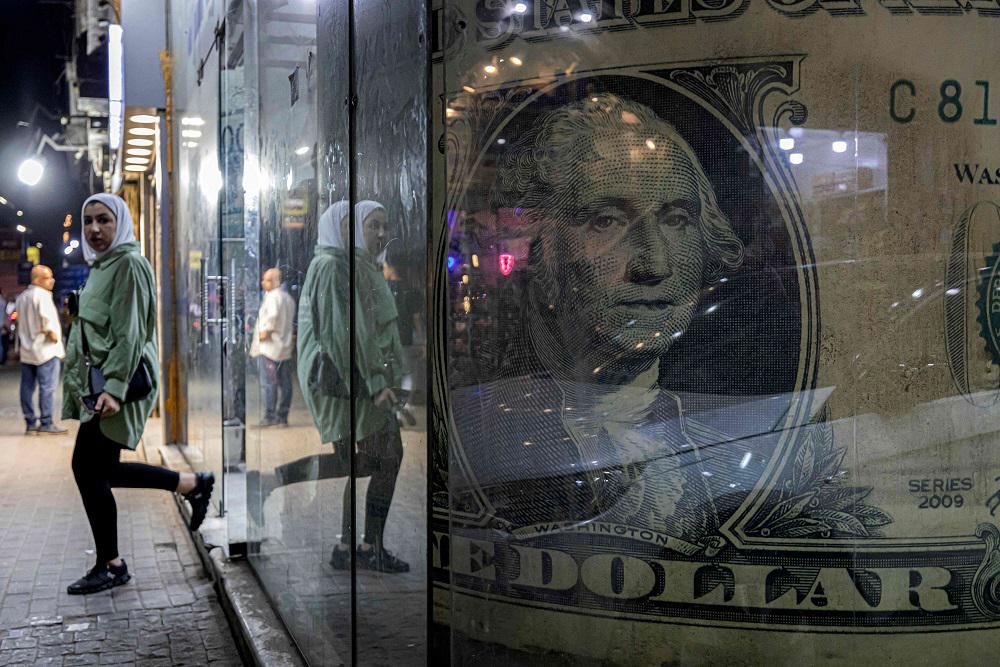
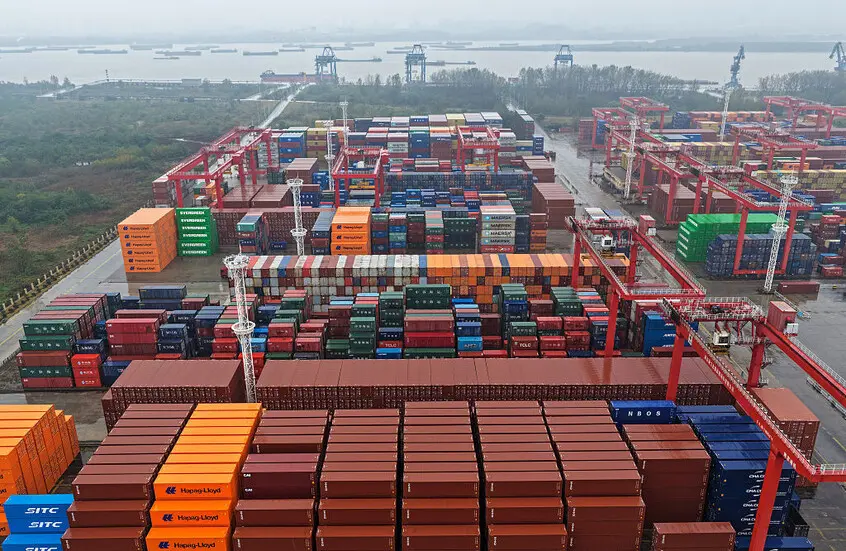
The agreement includes a reduction of “reciprocal” US tariffs on Indian products from 25% to 18%, and commits India to purchasing large quantities of US energy and industrial goods.
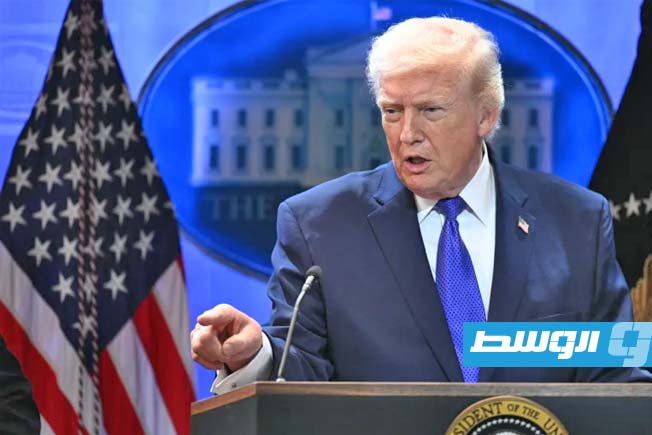
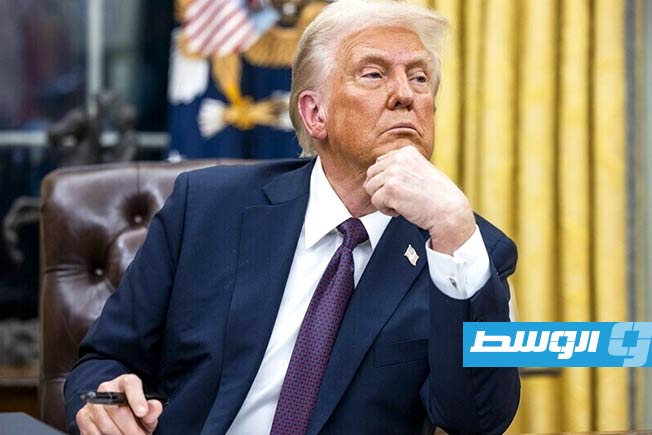
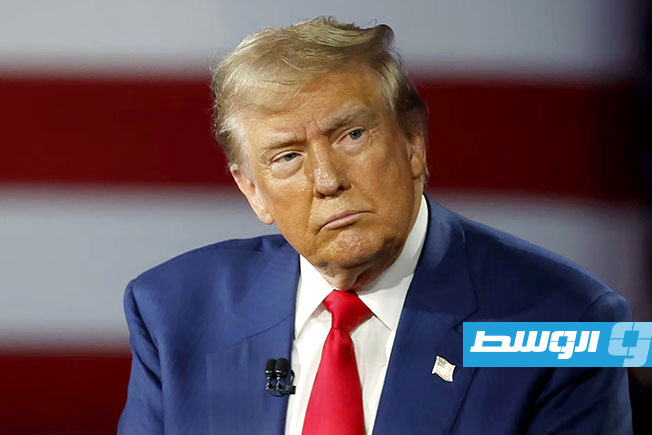
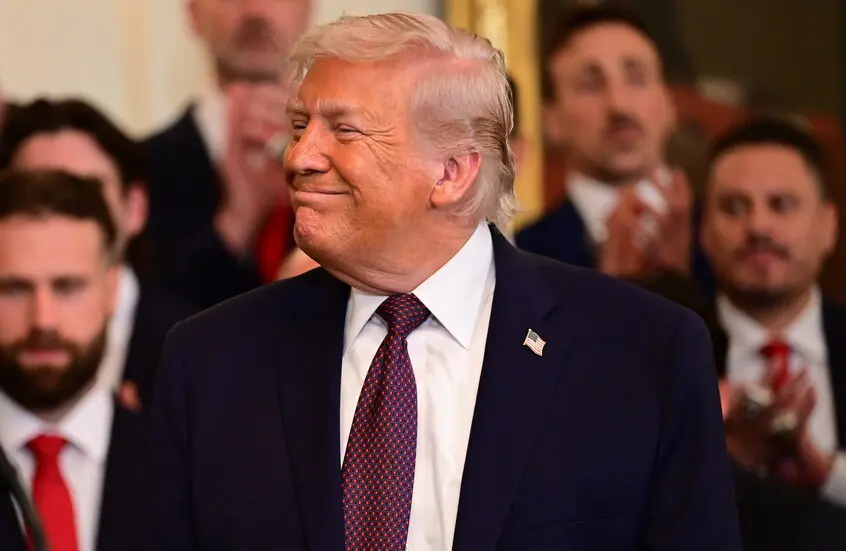
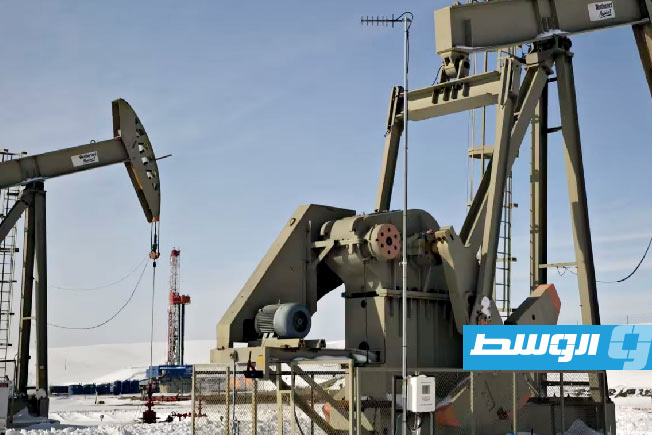
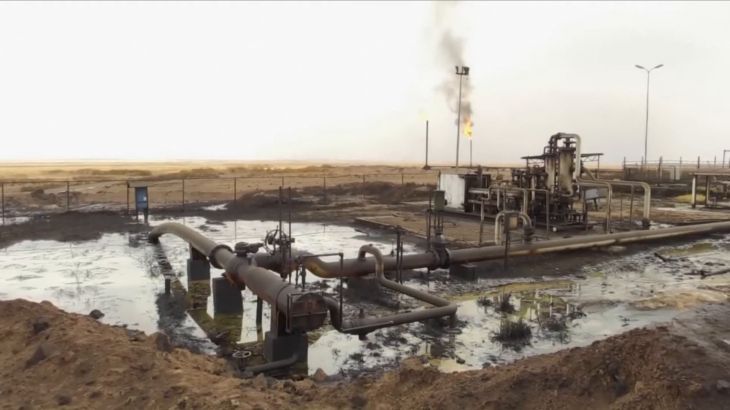
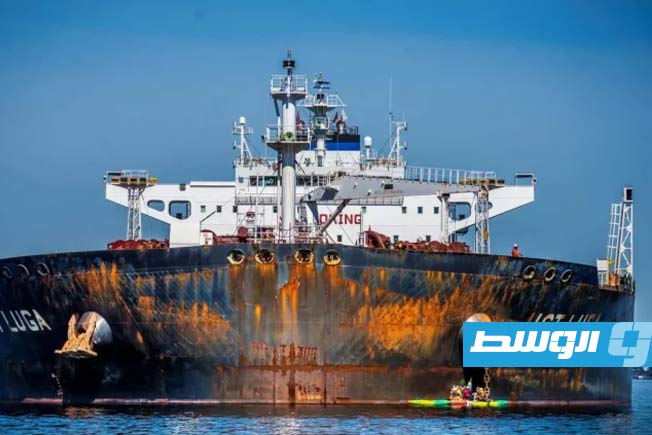
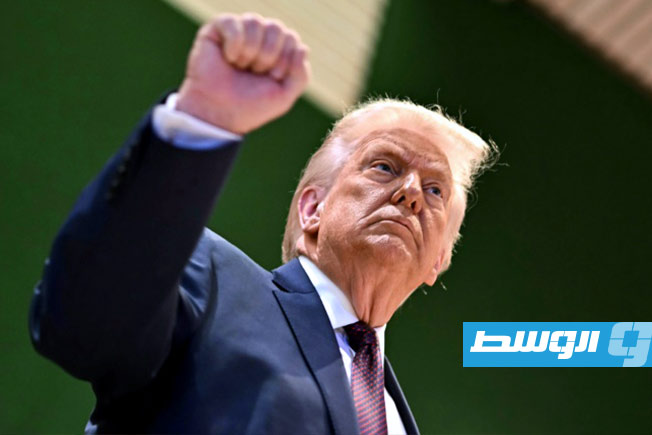
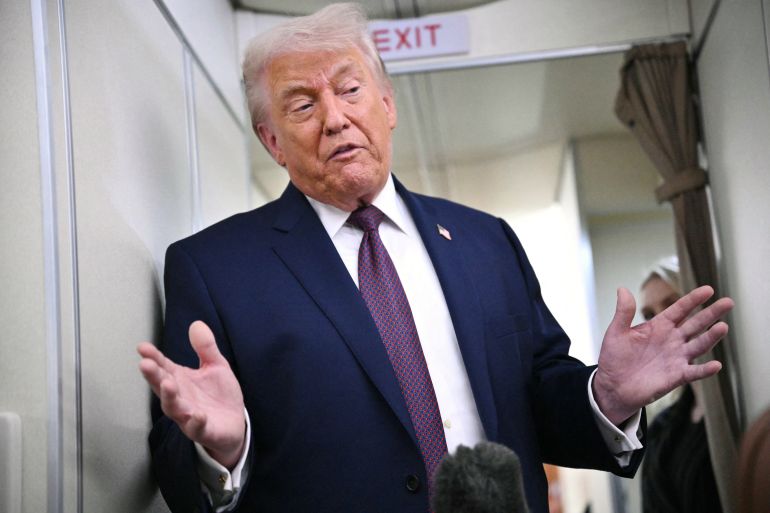
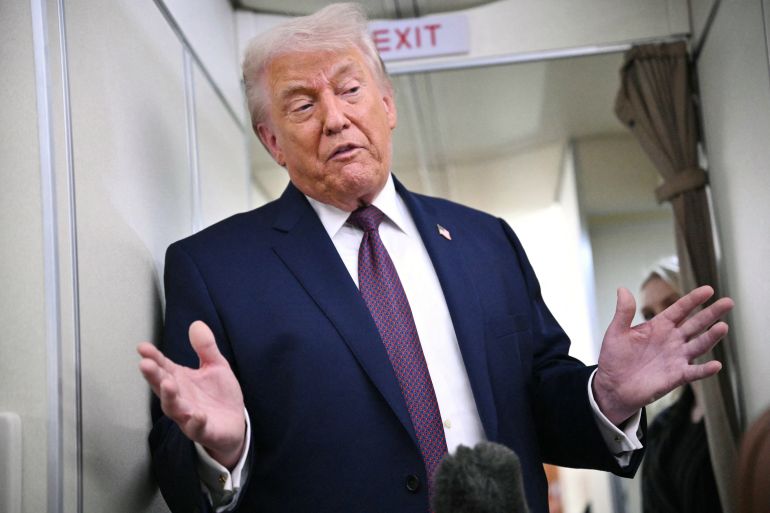
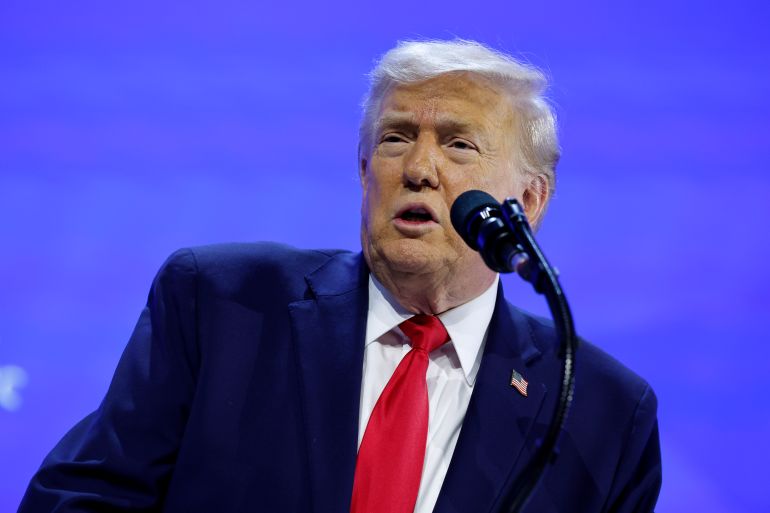
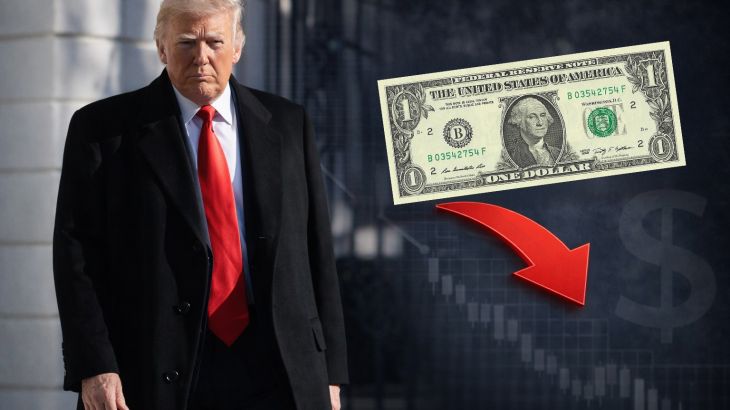
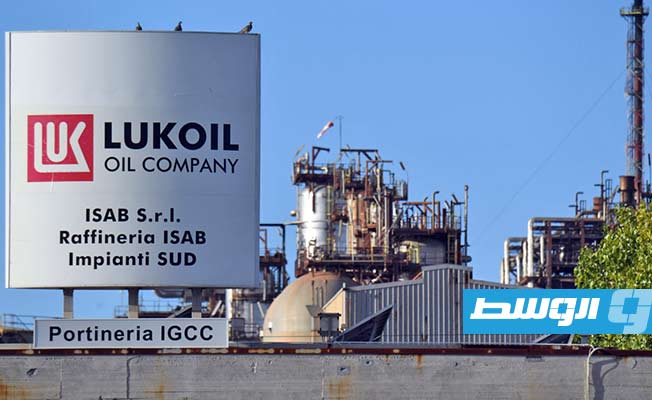
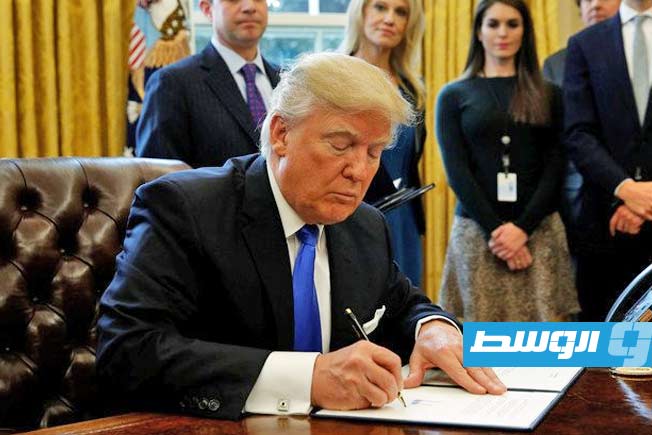
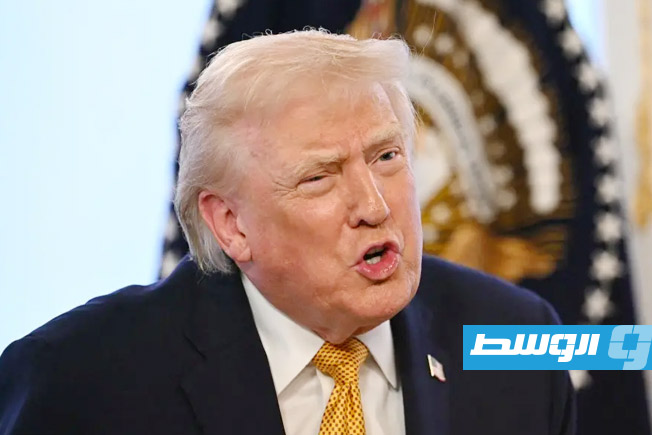
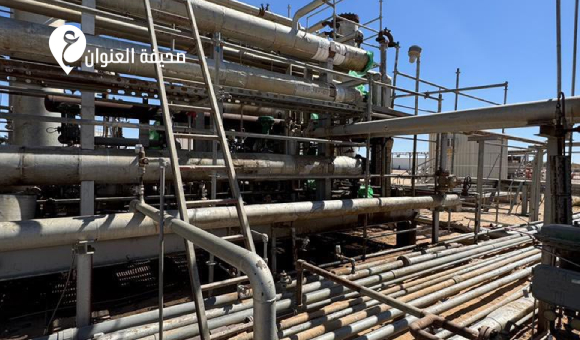
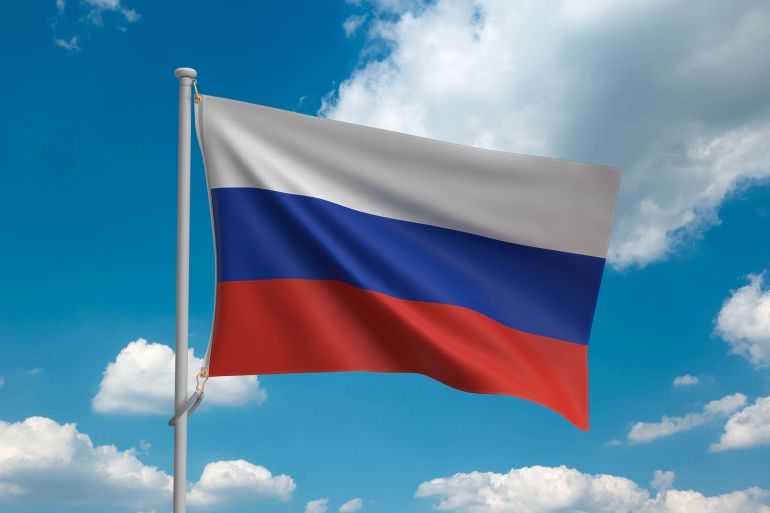
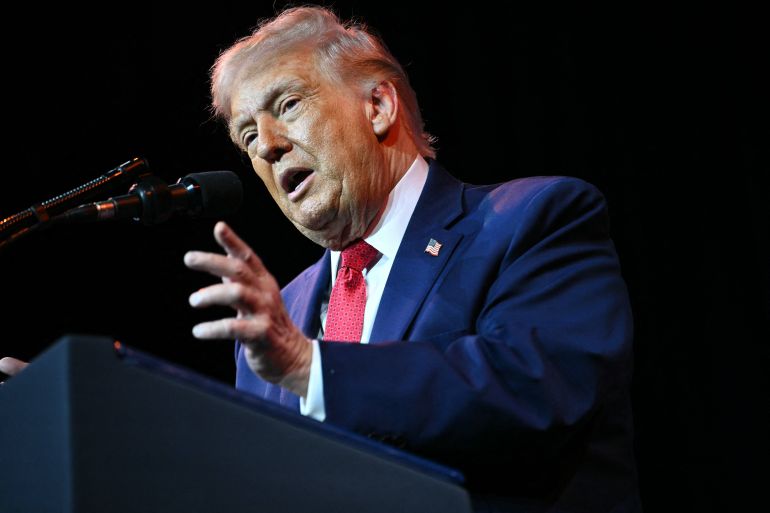
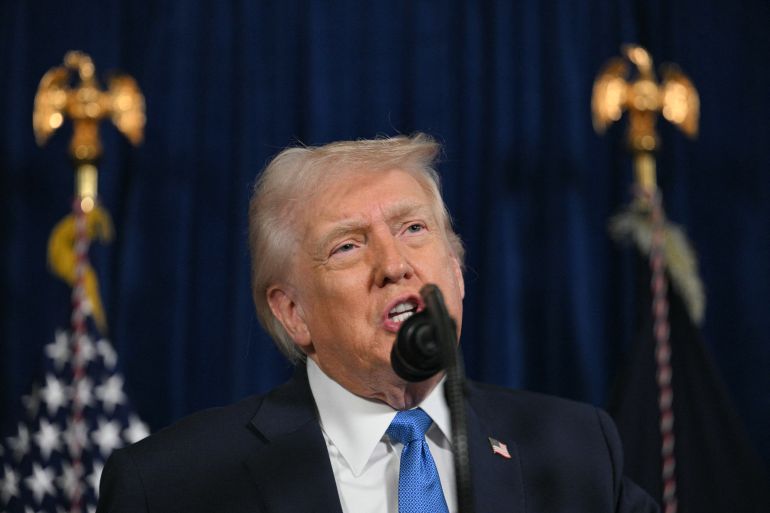
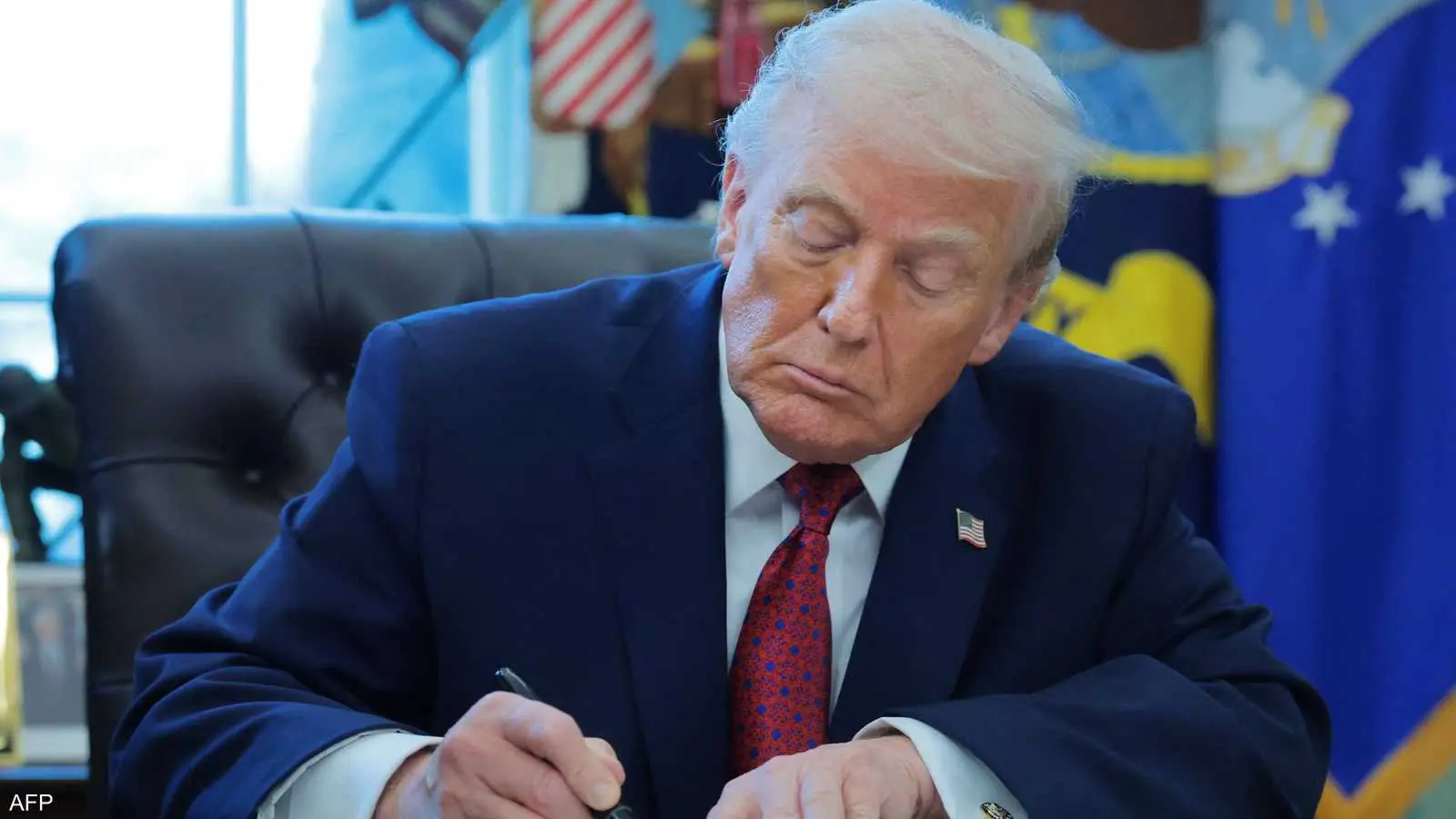
While announcing the agreement on Tuesday, US President Donald Trump stated that Modi had pledged to stop buying Russian oil due to the war in Ukraine.
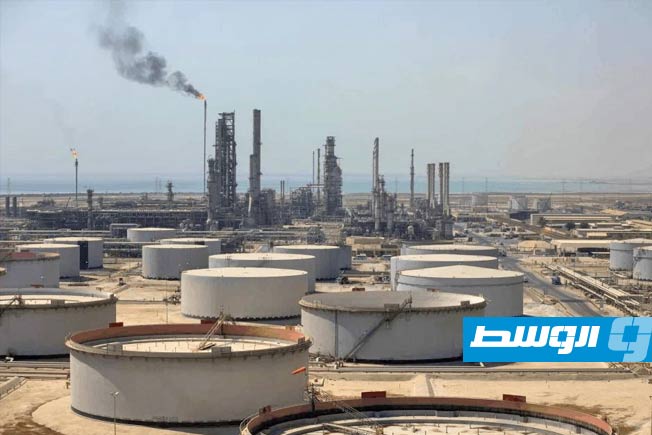
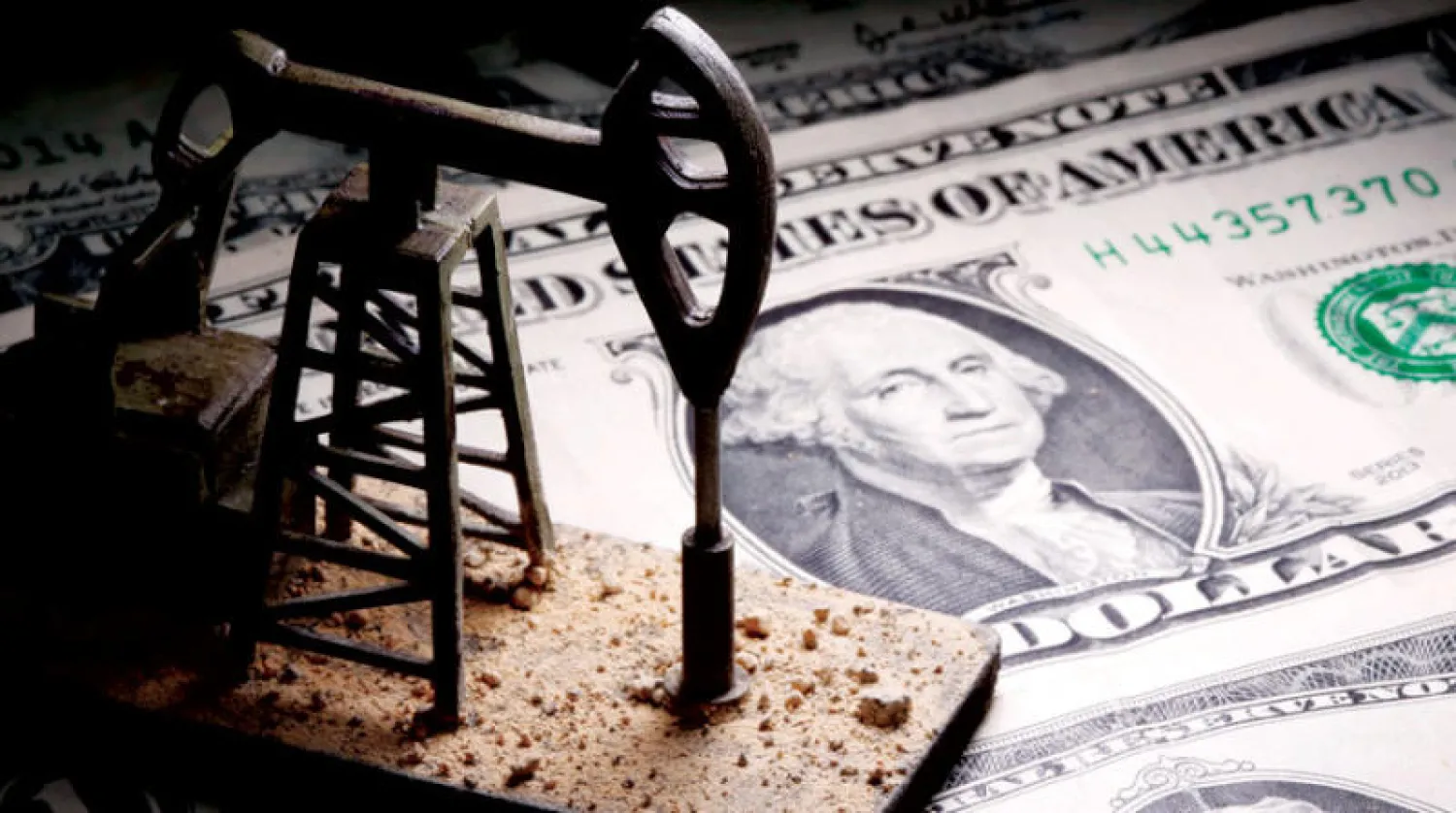
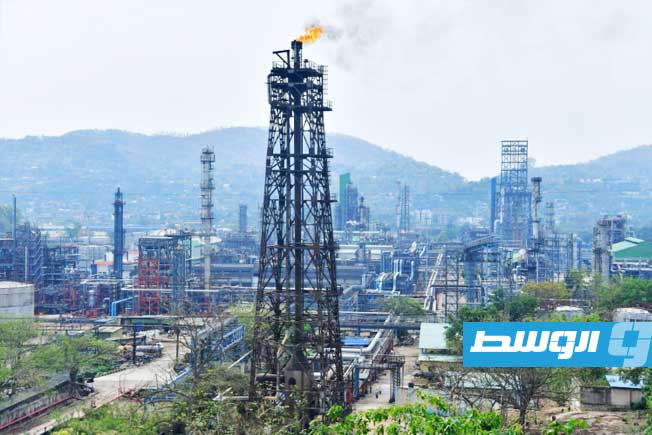
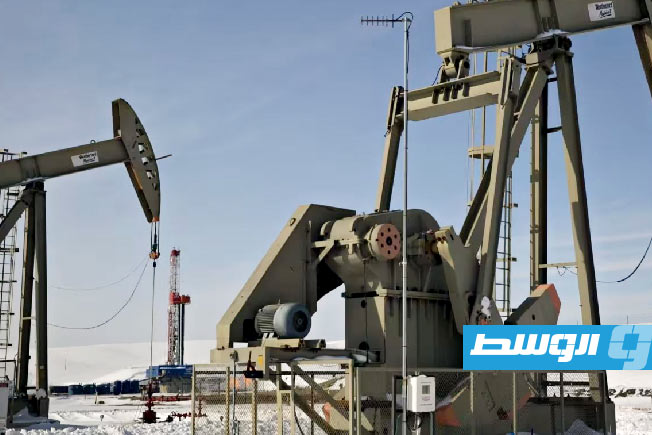
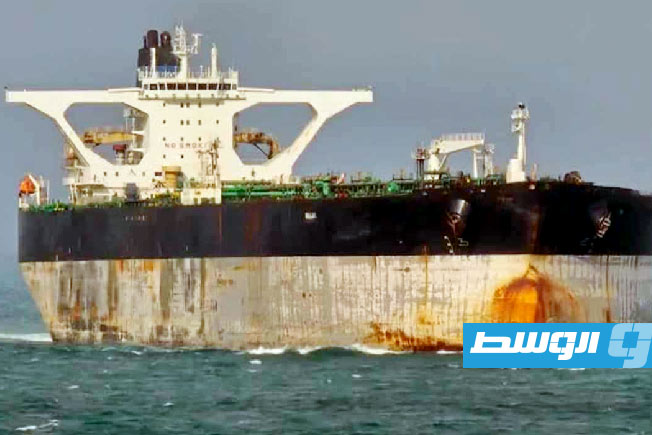
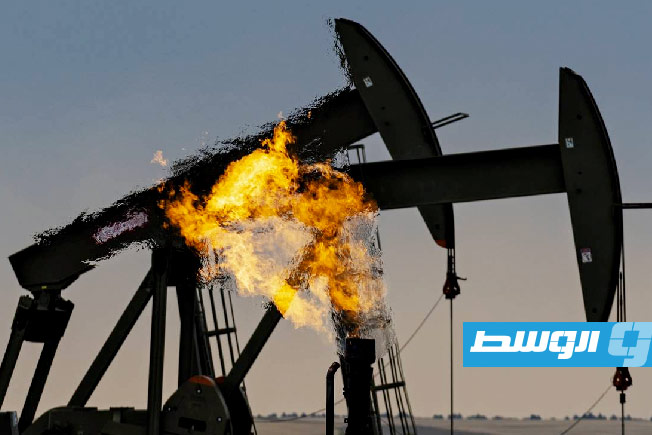
India’s Oil Purchases
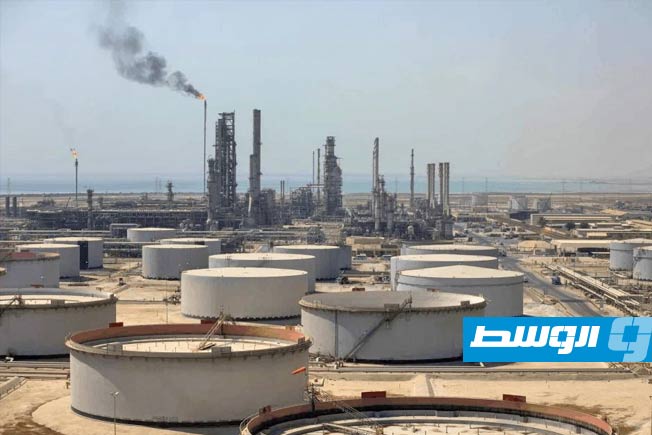
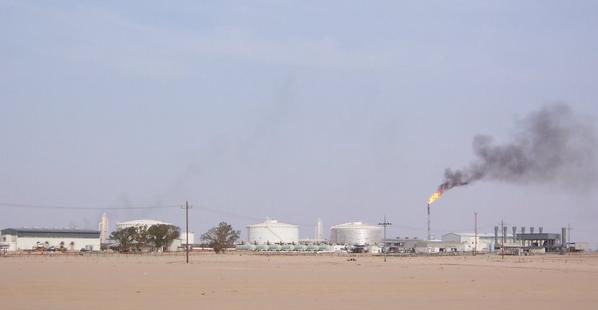
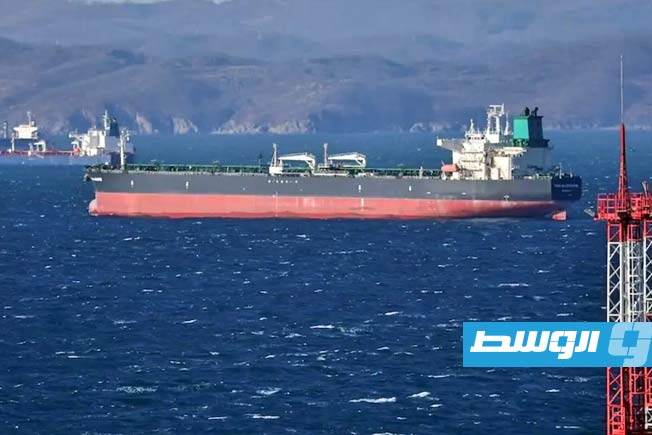
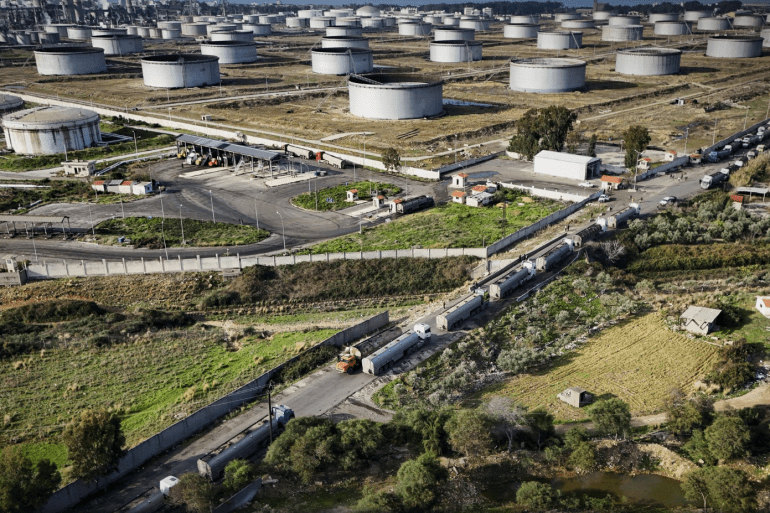
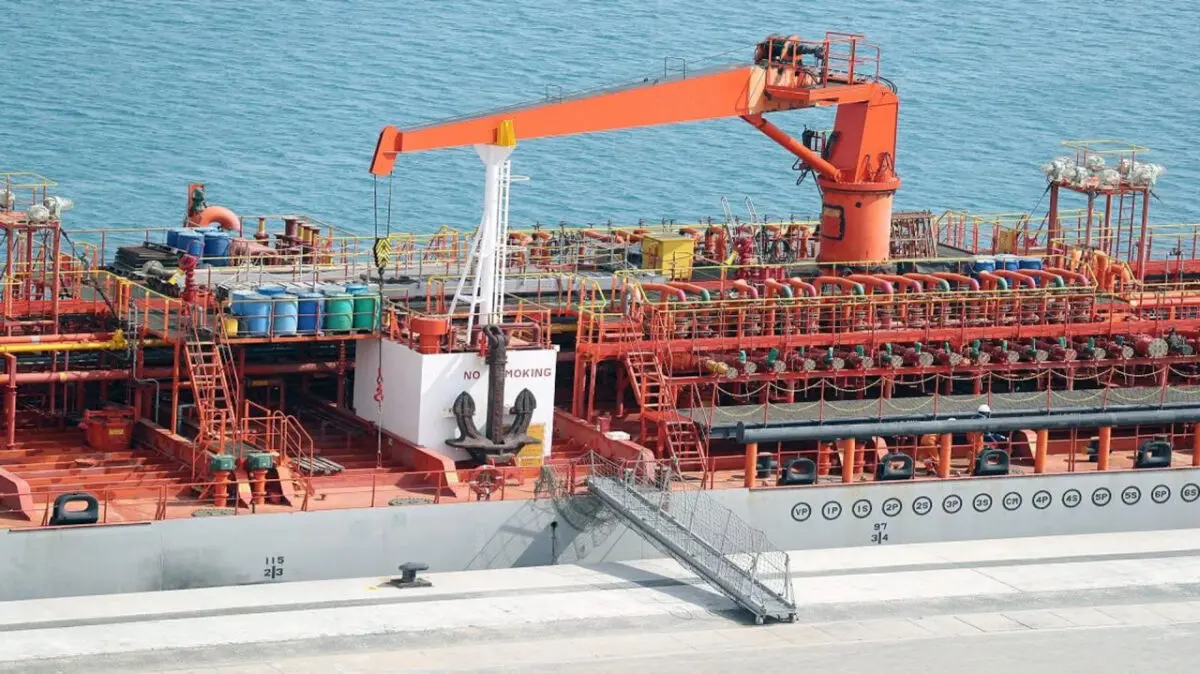
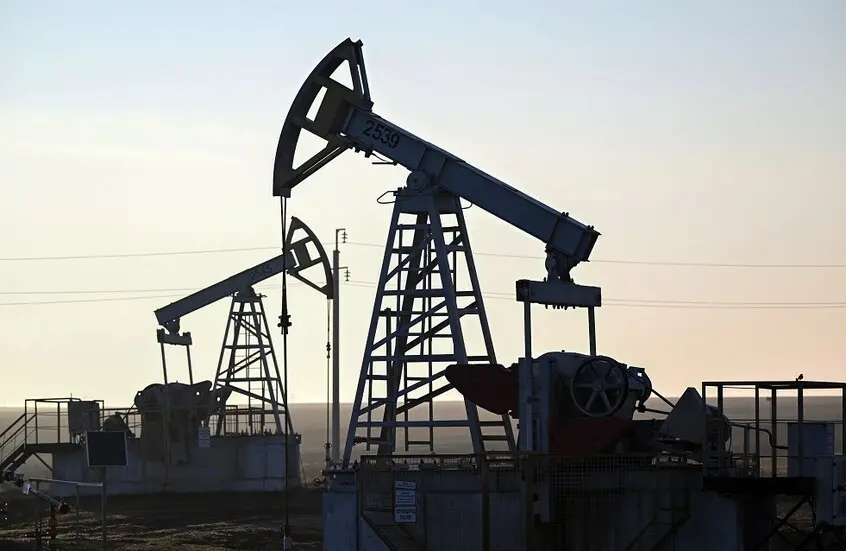
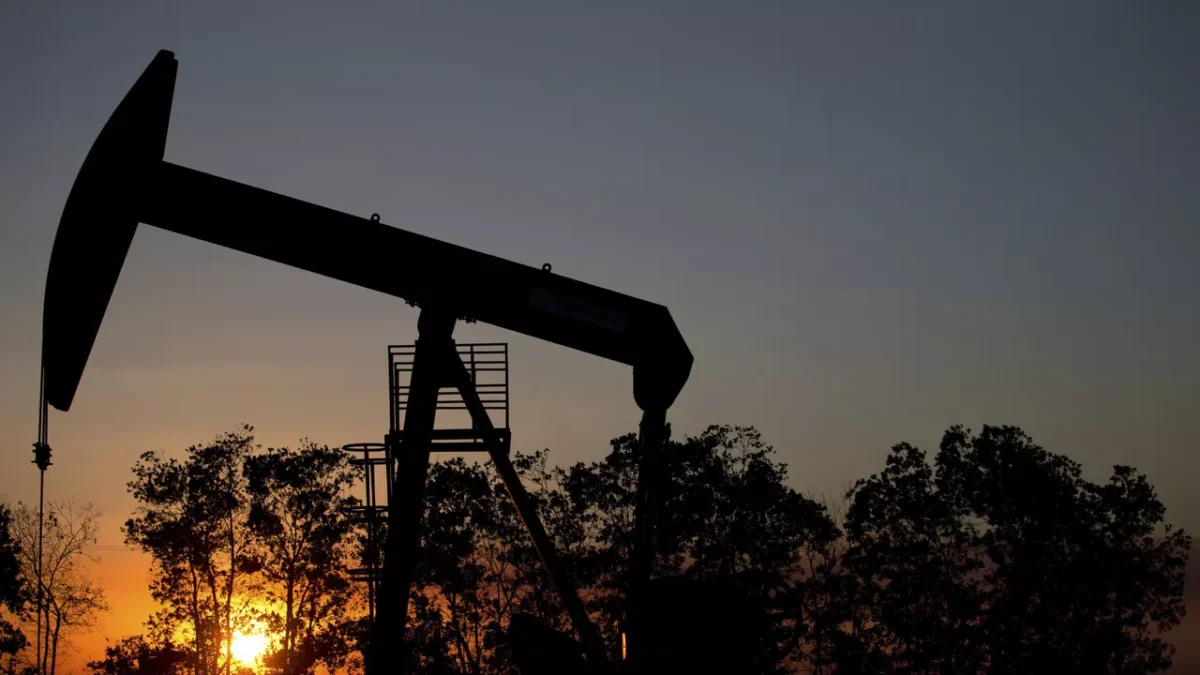
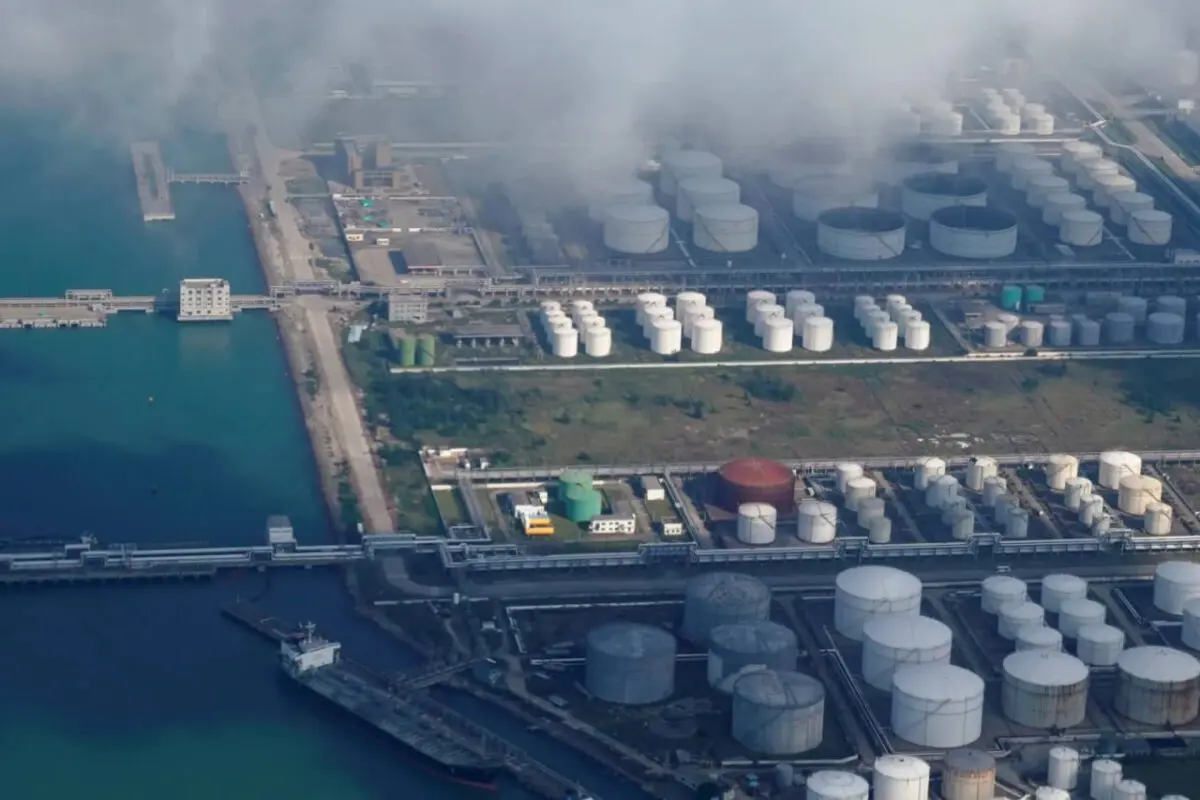
The agreement is expected to ease months-long tensions over India’s oil purchases, which Washington says fund a war it seeks to end, and restore the close relationship between Trump and the leader he once described as “one of my dearest friends.”
Modi said on platform X on Saturday, “Great news for India and the United States!”, praising “US President Donald Trump’s personal commitment” to strengthening bilateral relations, and added that the agreement reflects the “growing depth, trust, and dynamism” of their partnership.
Modi’s comments came hours after Trump issued an executive order canceling an additional 25% levy imposed on New Delhi’s purchases of Russian oil, a move to implement the trade deal announced this week.
Opening Indian Agricultural Markets
Modi, who has faced domestic criticism over opening Indian agricultural product markets to the US and oil import terms, did not mention Russian oil in his statement. He said, “This framework will enhance flexible and reliable supply chains and contribute to global growth.”
It will also create new opportunities for Indian farmers, entrepreneurs, and fishermen under the “Make in India” initiative. In a separate statement, the Commerce Minister said the agreement “will open a $30 trillion market for Indian exporters.”
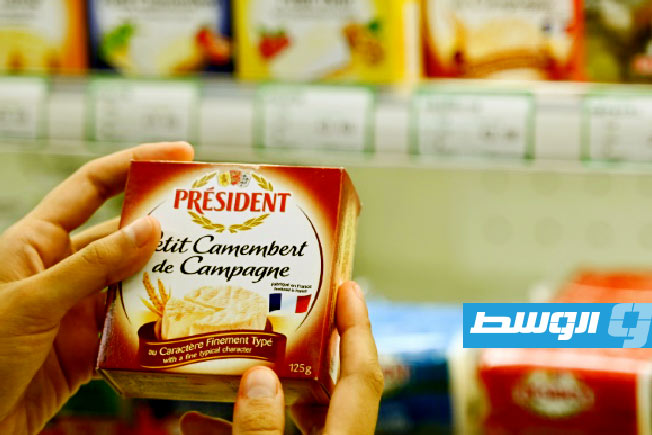
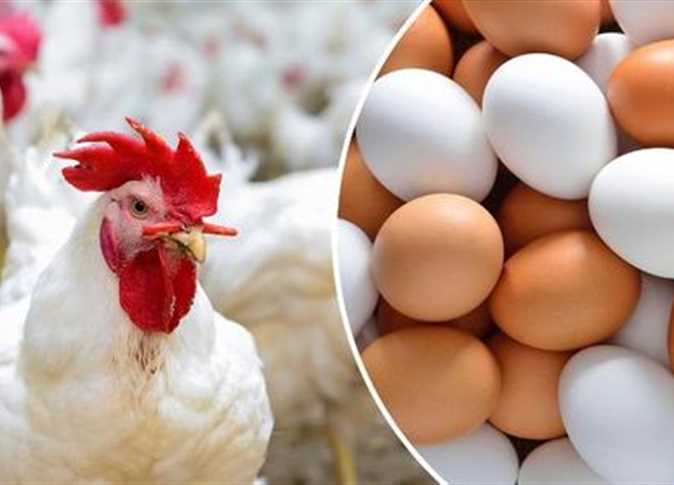
The agreement protects sensitive Indian agricultural and dairy products, including corn, wheat, rice, soybeans, poultry, and milk.
Tariff Removal on Some Aircraft
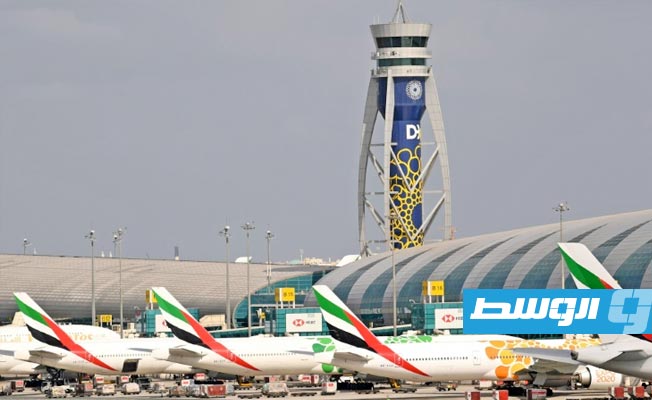
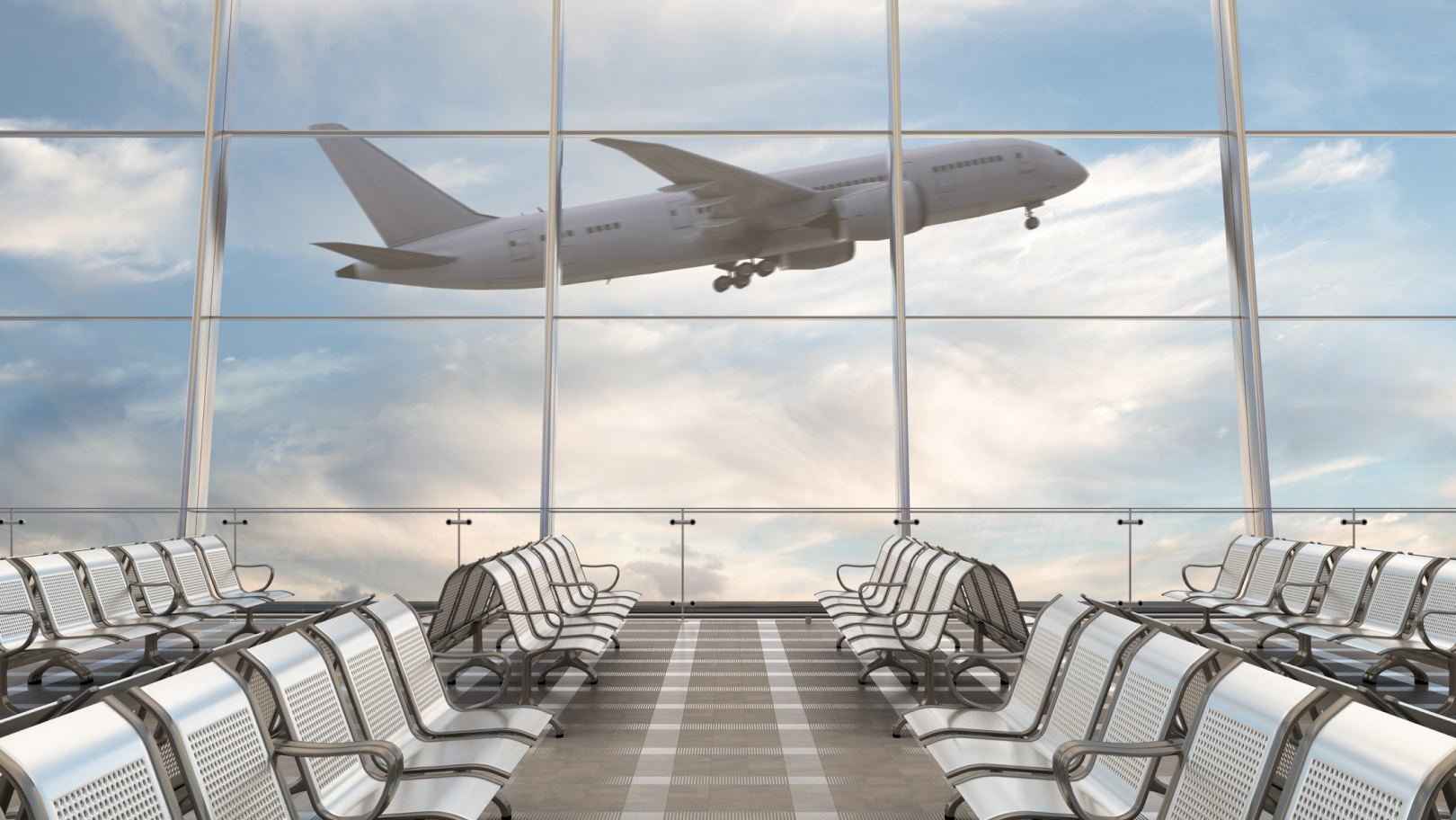
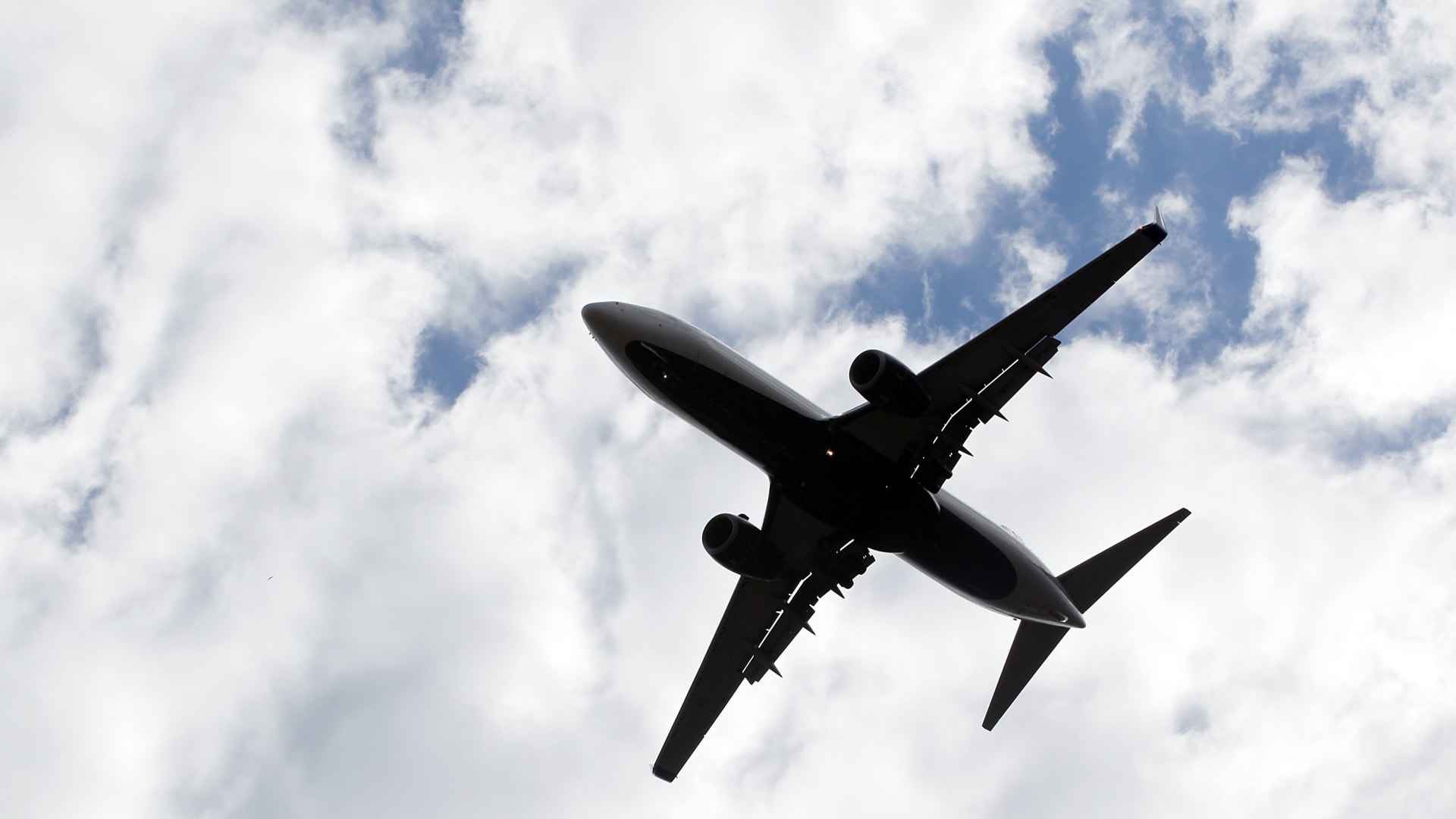
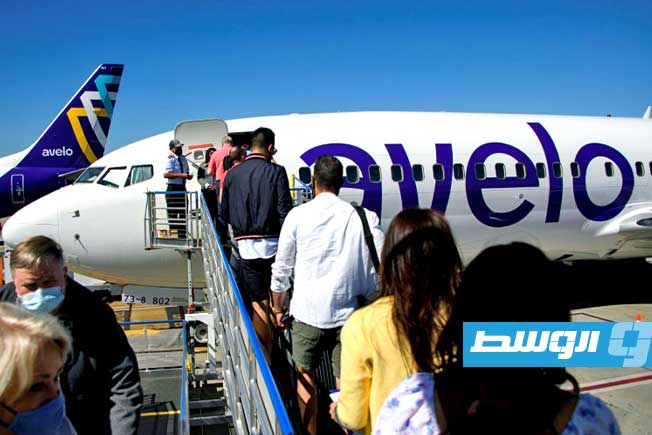
Other terms of the agreement include the removal of tariffs on some aircraft and their parts, according to a separate joint statement issued by the White House on Friday.
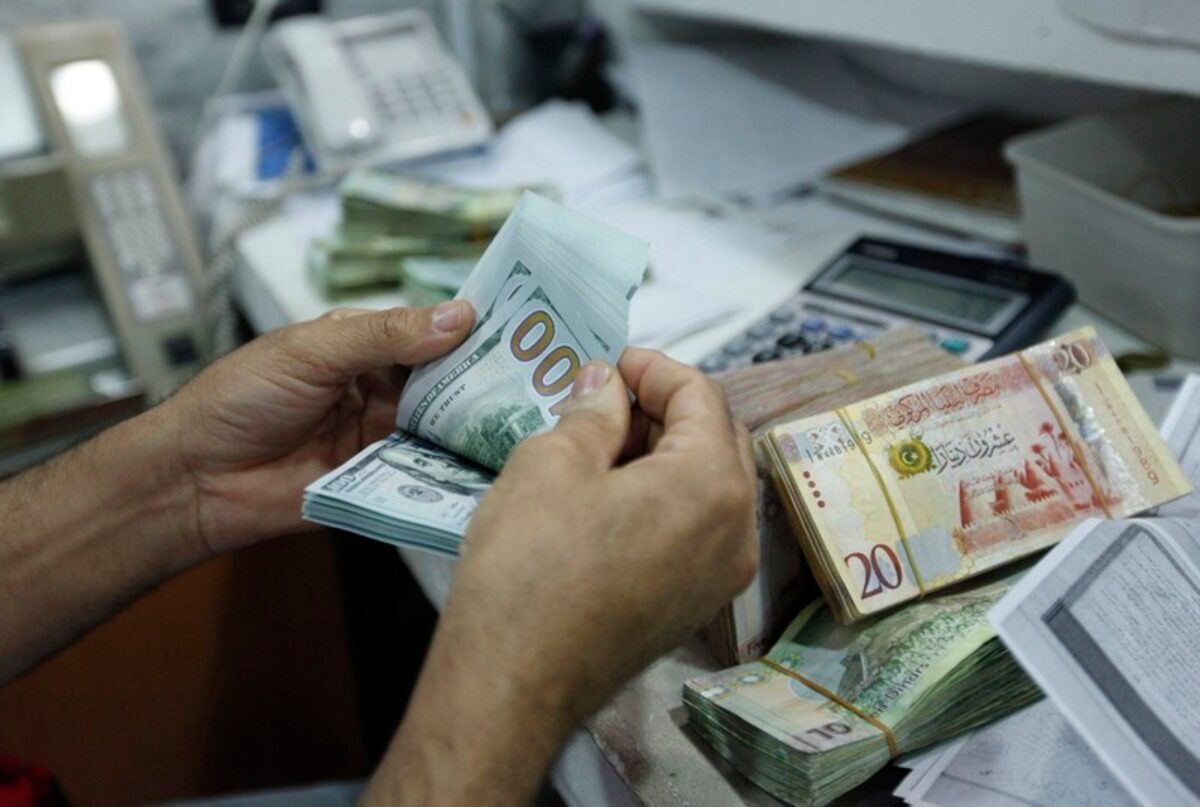
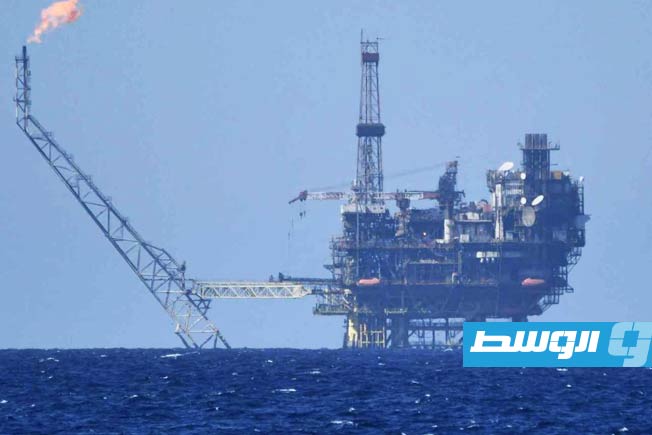
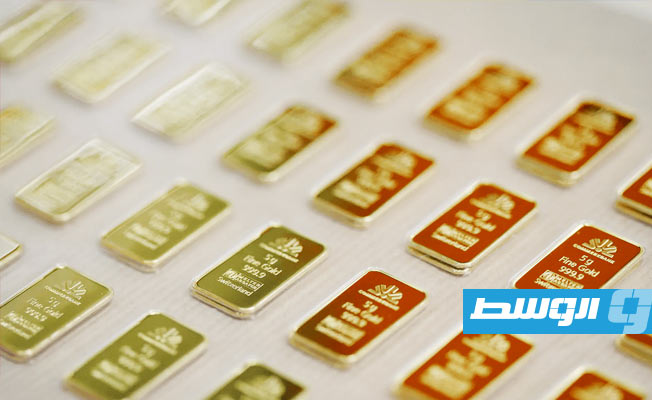
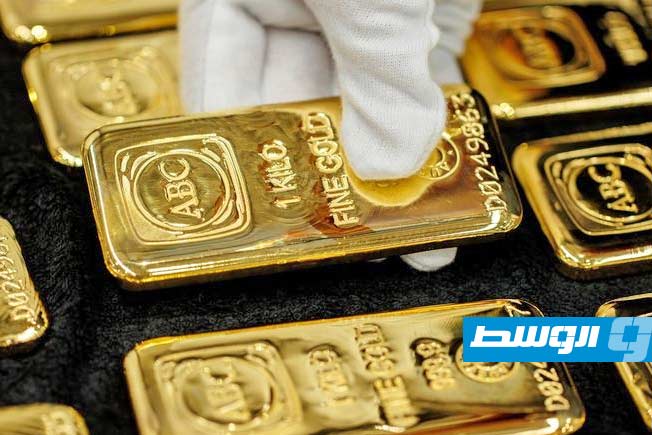
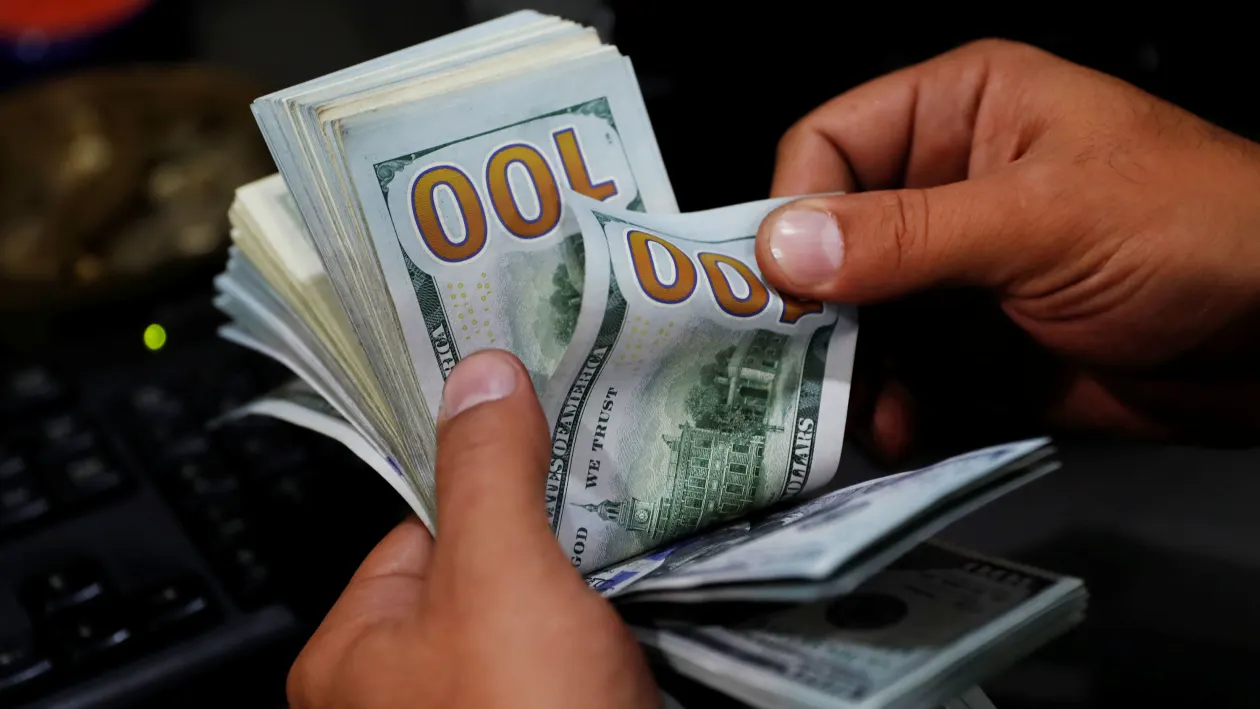
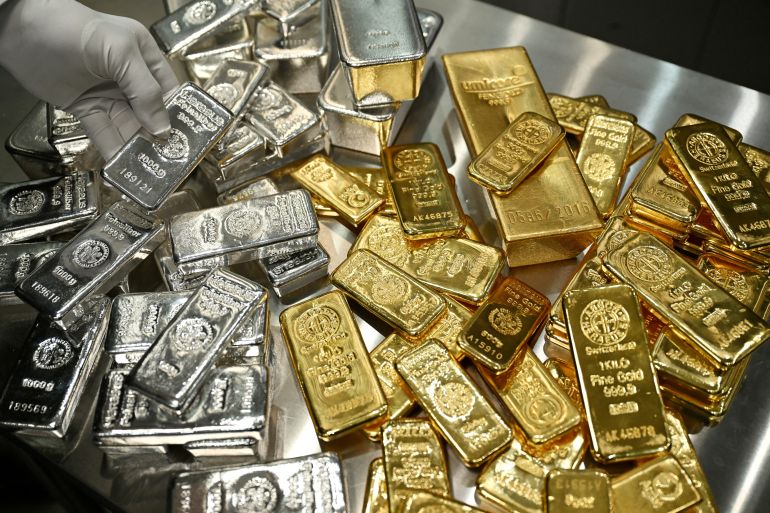
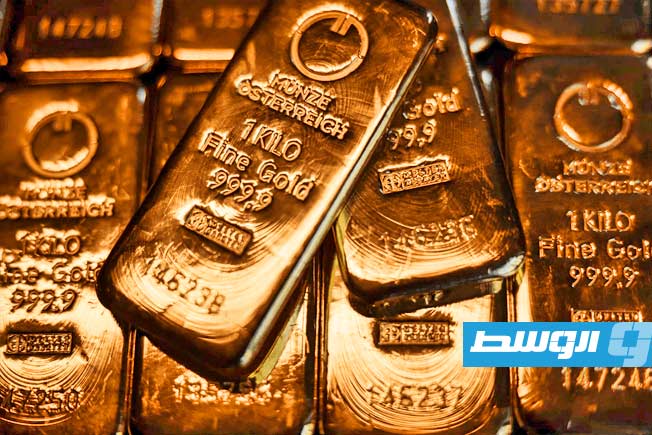
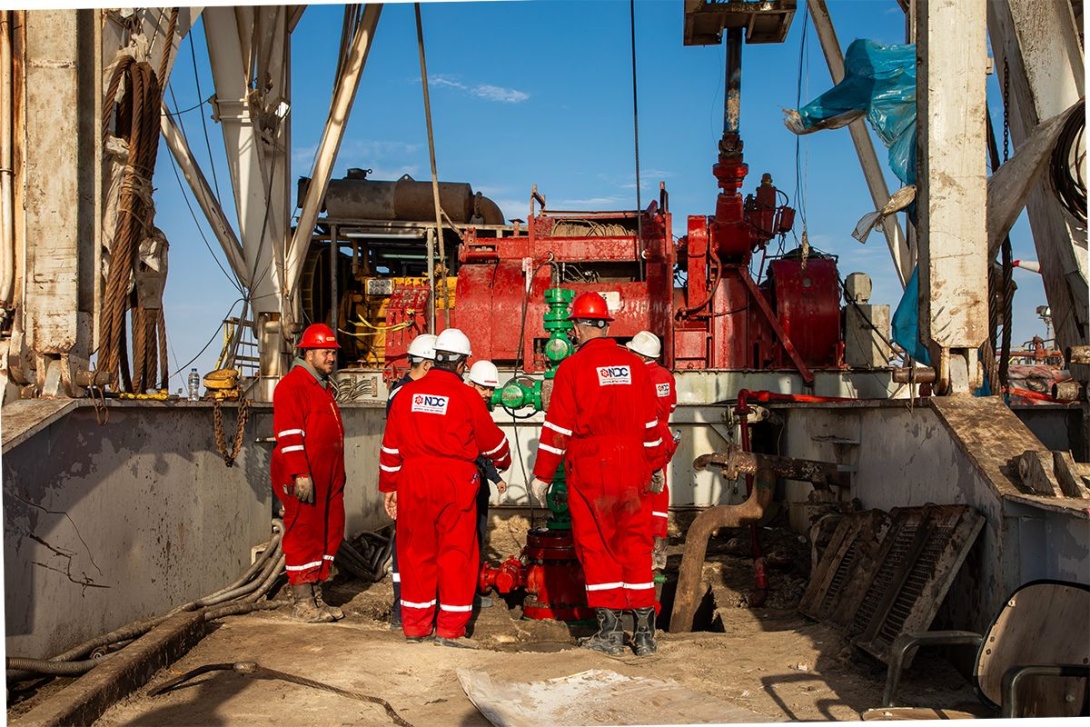
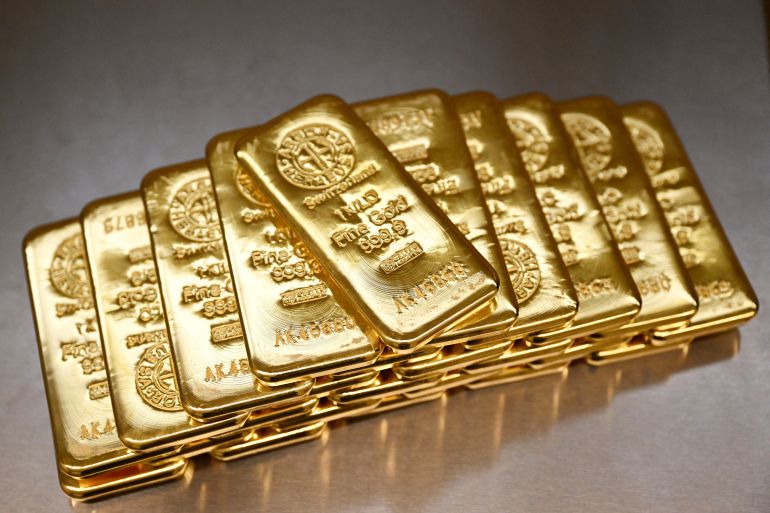
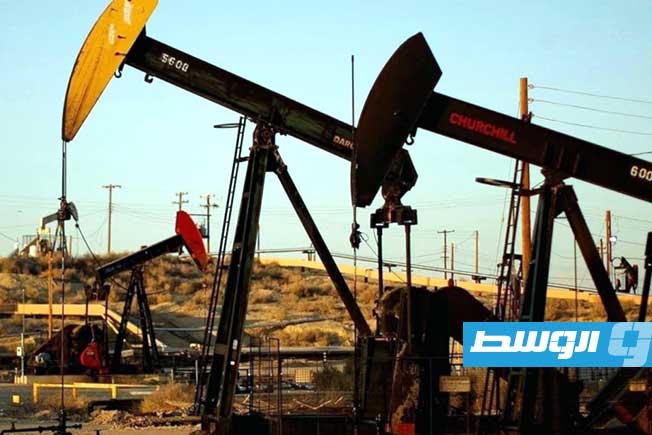
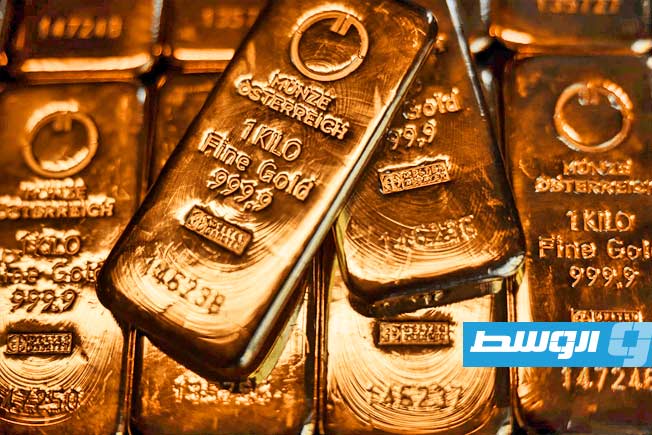
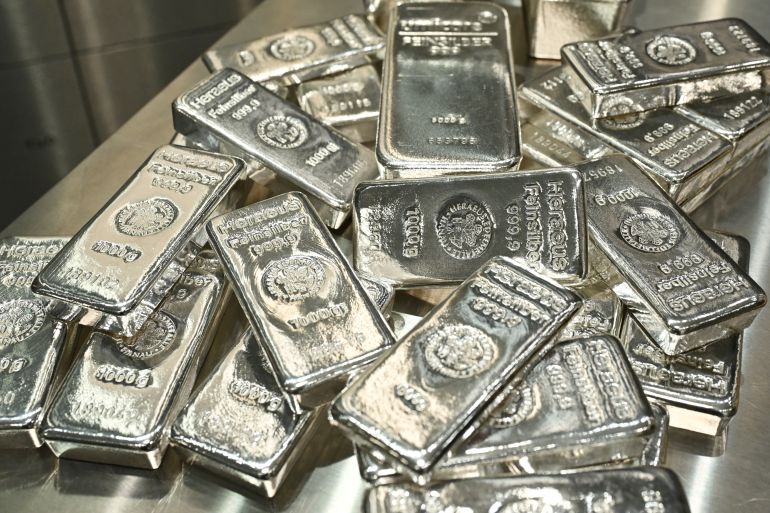
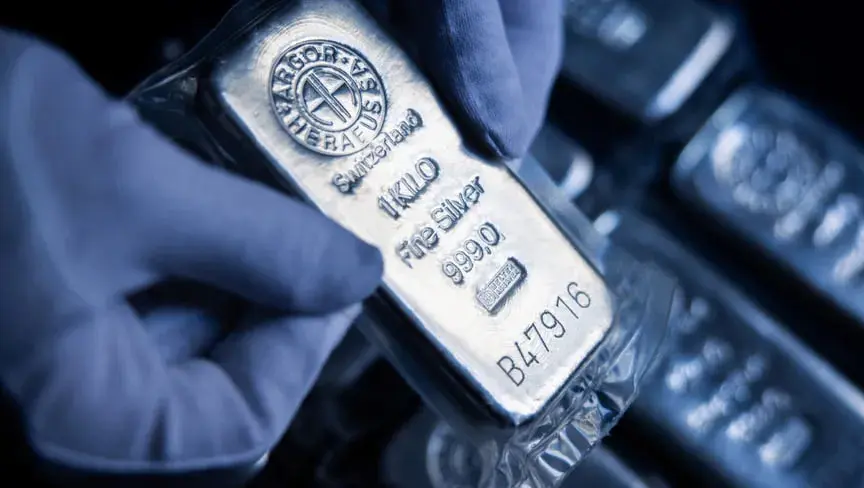
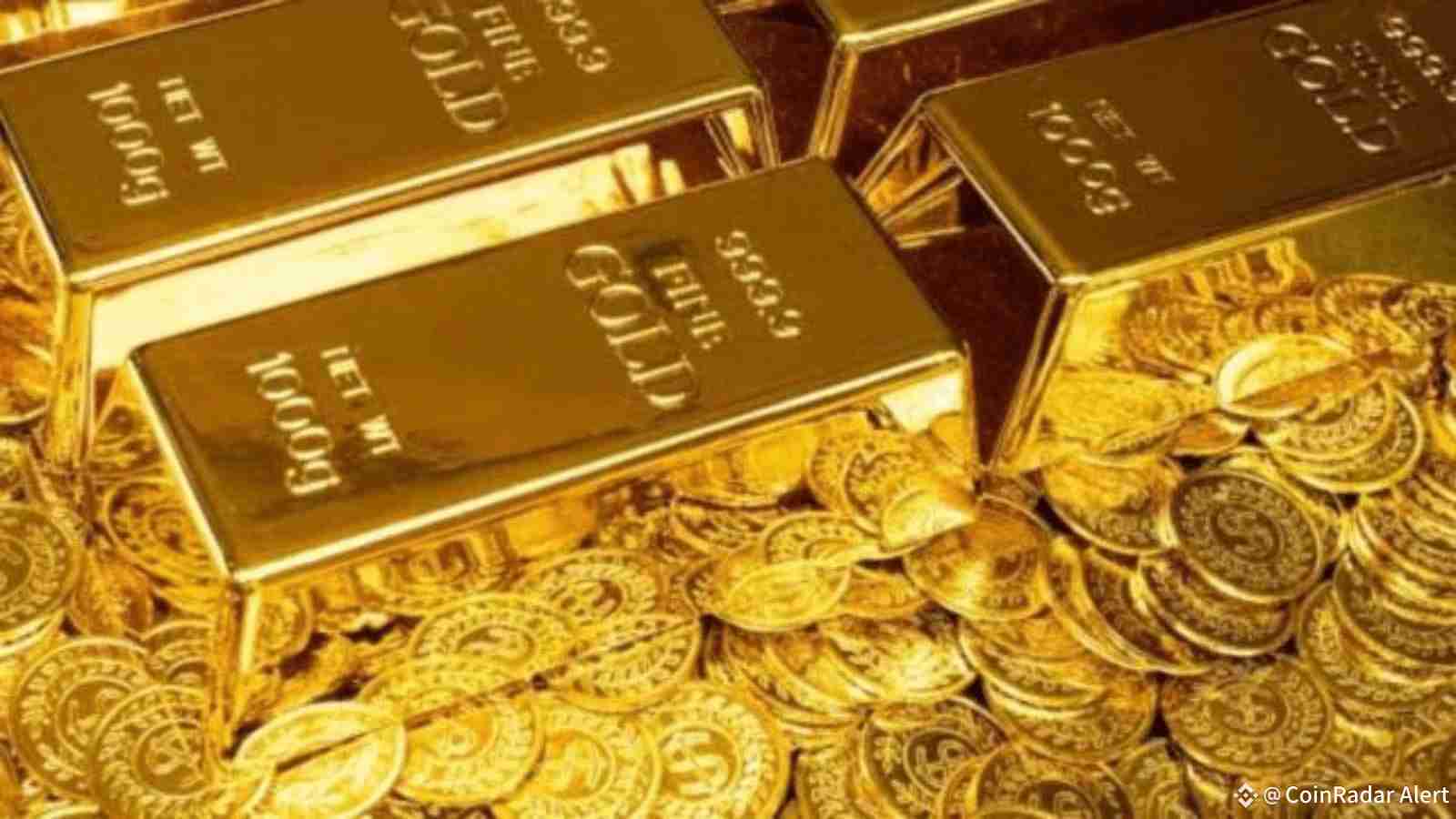
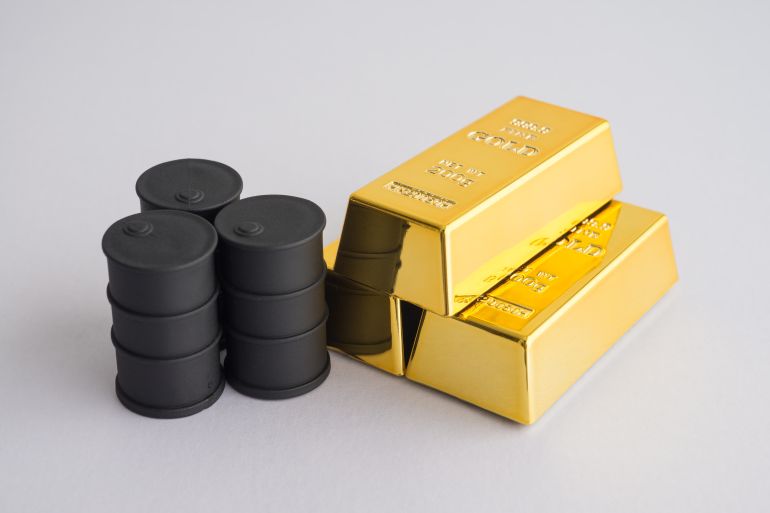
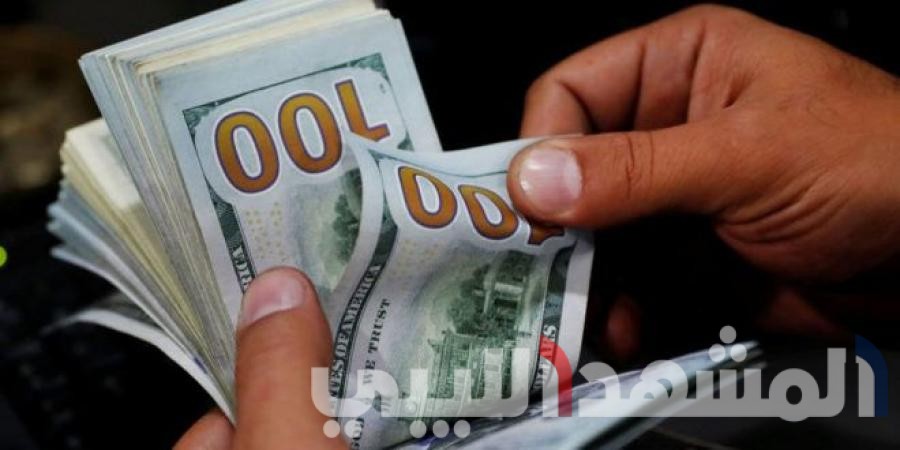
The statement added that India intends to purchase $500 billion worth of energy products, aircraft and their parts, precious metals, technology products, and coal from the United States over the next five years.
This shift represents a significant reduction in US tariffs on Indian products, which were at 50% late last year. Washington and New Delhi are expected to sign a formal trade agreement in March.
India
India is a South Asian country with one of the world’s oldest civilizations, dating back to the Indus Valley Civilization around 2500 BCE. It has a rich history marked by ancient empires, diverse kingdoms, the Mughal era, British colonial rule, and its eventual independence in 1947. Today, it is the world’s largest democracy and a deeply pluralistic society known for its myriad languages, religions, and cultural traditions.
United States
The United States is a federal republic founded in 1776 after declaring independence from Great Britain, with its modern government established by the Constitution in 1789. Its history encompasses westward expansion, the Civil War, industrialization, and its emergence as a global superpower in the 20th century. The nation is defined by its diverse population, democratic ideals, and significant cultural and economic influence worldwide.
Washington
Washington, D.C., is the capital city of the United States, founded in 1790 following the ratification of the U.S. Constitution. It was established as a federal district through the Residence Act and named after the first U.S. president, George Washington, with its core design influenced by architect Pierre Charles L’Enfant. The city is home to iconic national monuments, museums, and the branches of the U.S. government, symbolizing American political history and democracy.
New Delhi
New Delhi is the capital city of India, officially inaugurated in 1931 to serve as the new administrative center of British India, replacing Calcutta. It was designed by British architects Edwin Lutyens and Herbert Baker, featuring wide boulevards and grand government buildings like the Rashtrapati Bhavan and India Gate. Today, it remains the seat of the Indian government and a major political and cultural hub.
Ukraine
Ukraine is a country in Eastern Europe with a rich history dating back to the medieval state of Kyivan Rus. It has experienced periods of independence as well as rule by various empires, before regaining its sovereignty with the dissolution of the Soviet Union in 1991. The country is known for its diverse cultural heritage, Orthodox Christian cathedrals, and the Black Sea coastline.
Russia
Russia is the world’s largest country by area, spanning Eastern Europe and Northern Asia. Its history is marked by the rule of the Tsars, the rise and fall of the Soviet Union in the 20th century, and its establishment as the modern Russian Federation in 1991. It is renowned for its vast landscapes, rich literary and artistic traditions, and globally influential cities like Moscow and Saint Petersburg.
White House
The White House is the official residence and workplace of the President of the United States, located in Washington, D.C. It was designed by James Hoban and its construction was completed in 1800, with President John Adams being the first to reside there. The building has been expanded and renovated over the centuries, including after being burned by British forces in 1814.
Parliament
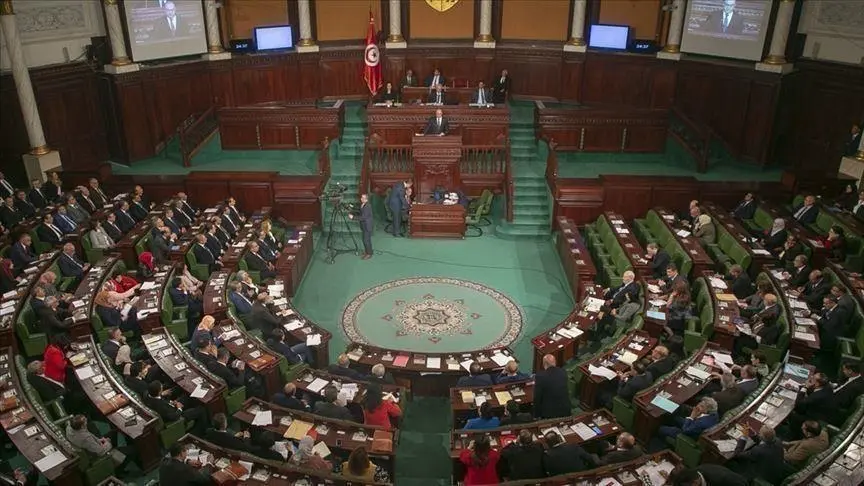
The Parliament is the supreme legislative body in many countries, historically evolving from medieval assemblies of nobles advising monarchs. In systems like the UK’s Westminster model, it typically consists of elected representatives who debate and pass laws, embodying the principle of representative government. Its modern form is often seen as a cornerstone of democratic governance.
X
X is a historic site known for its significant cultural heritage. It was originally constructed during [specific time period or dynasty] and served as [its primary function or importance]. Today, it stands as a popular destination for visitors interested in its architectural beauty and historical legacy.