Amman- After many years of stagnation, one of the region’s most important land transport arteries has resumed operations. This step carries significant economic and political implications and opens new horizons for Jordanian exports towards Turkish and European markets via Syrian territory.
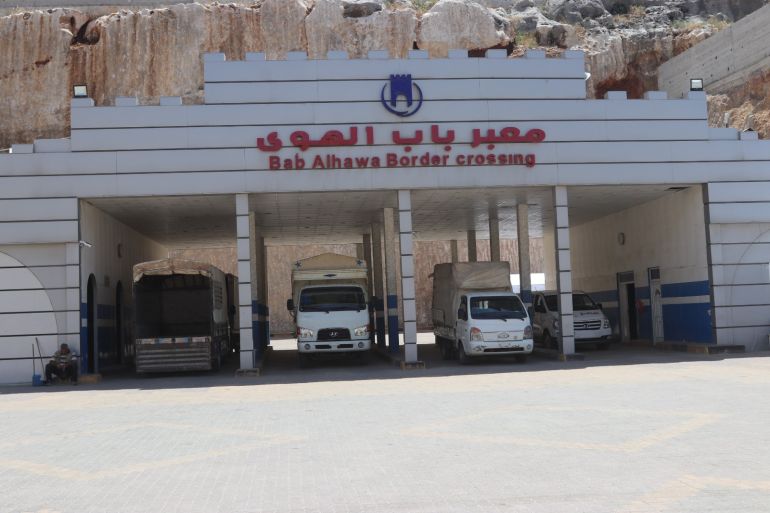
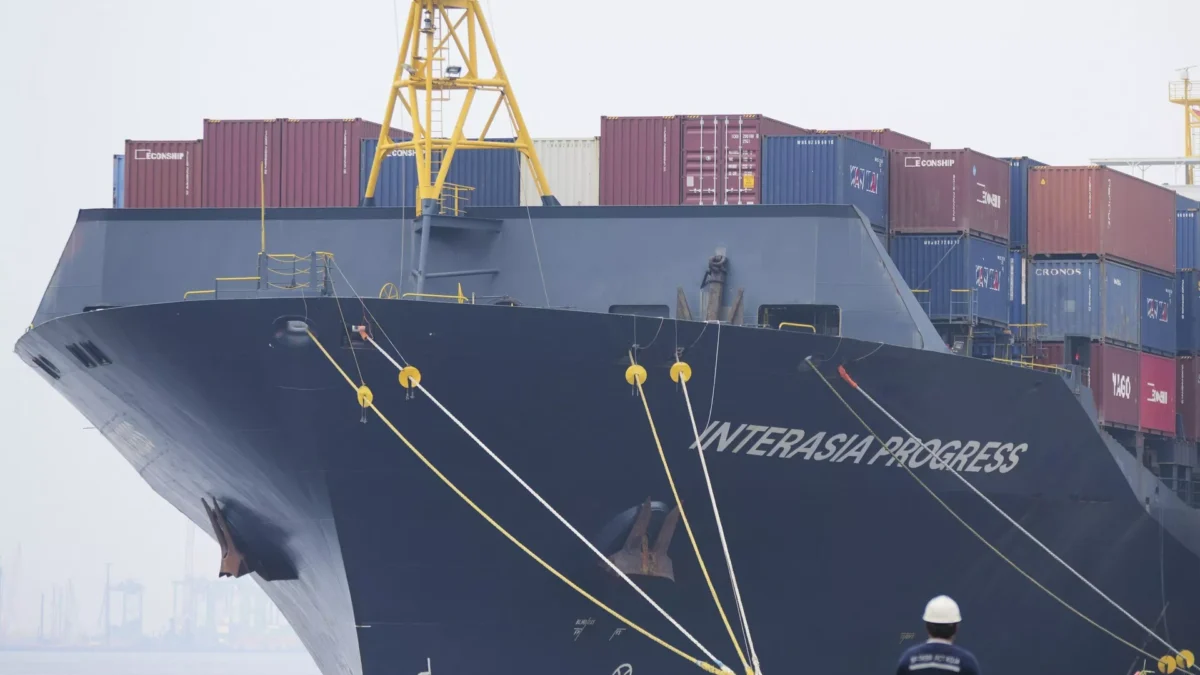
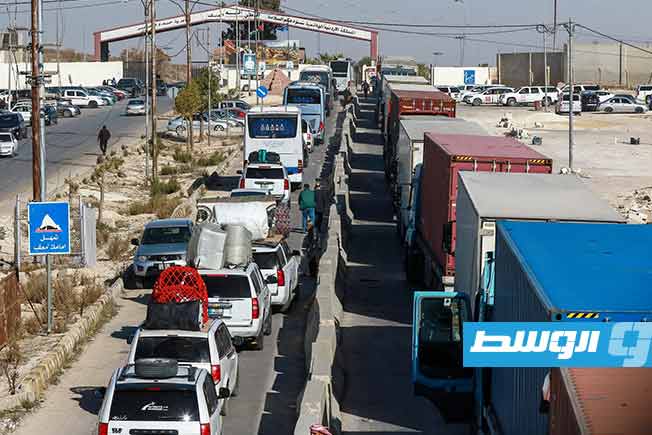
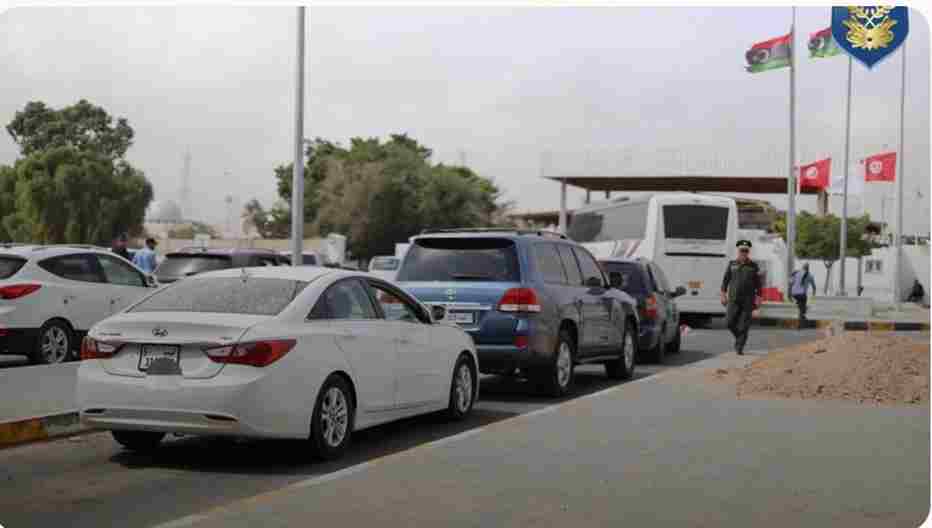
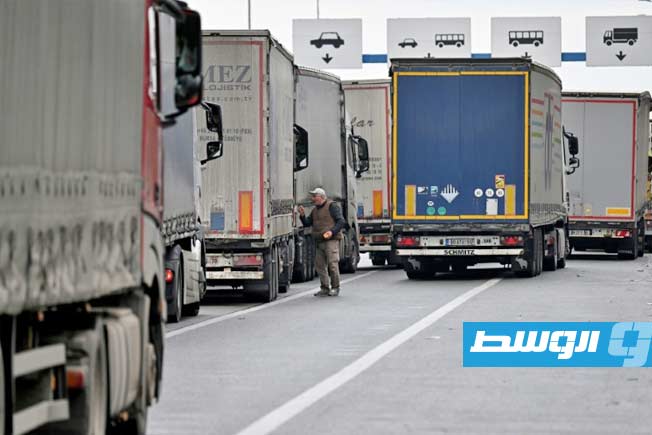
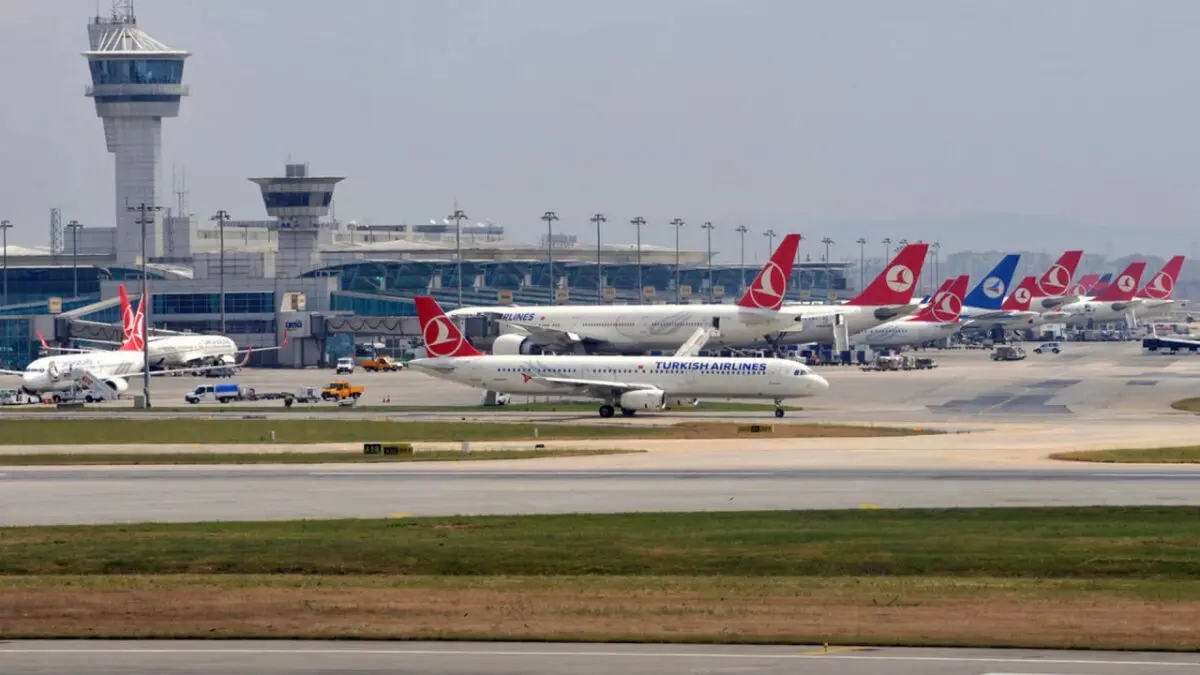
The spokesperson for the Jordanian Ministry of Transport confirmed that Jordanian trucks bound for the Republic of Turkey successfully entered through the Bab al-Hawa – Cilvegözü crossing on Friday for the first time in 15 years. This follows intensive efforts and direct coordination between the transport ministries of both countries, after resolving all customs and procedural obstacles related to the crossing.
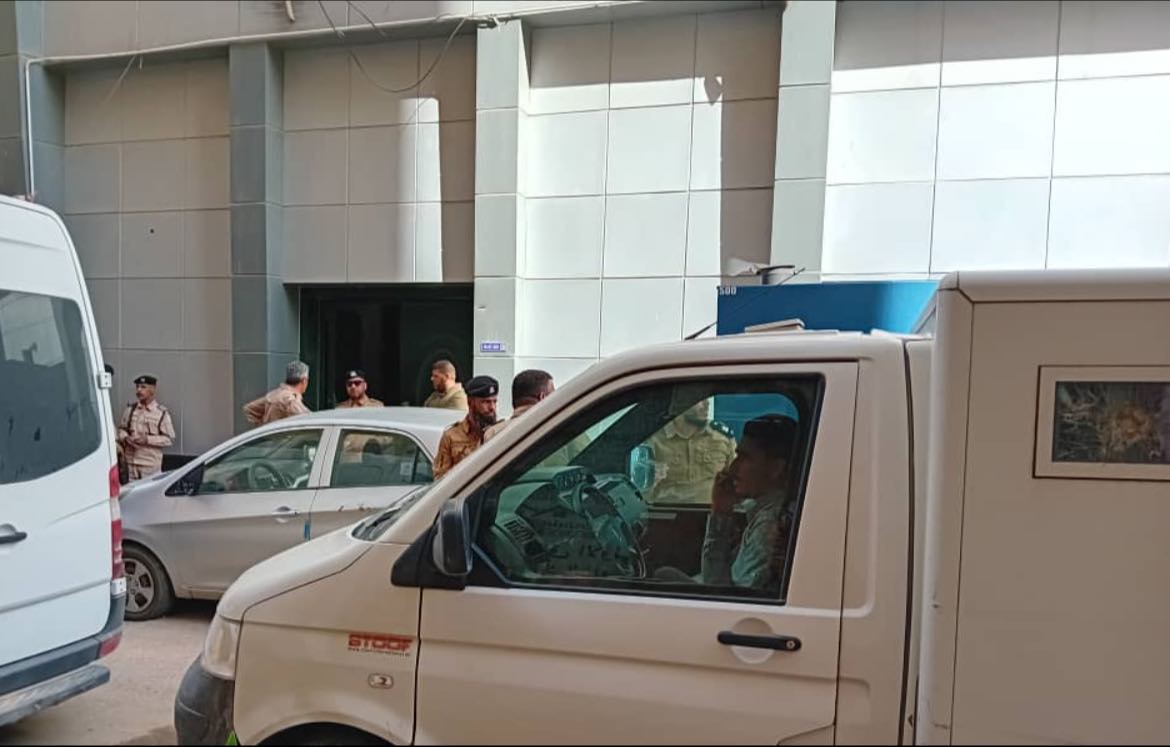
In a press statement, the spokesperson said three Jordanian trucks entered Turkish territory on Friday afternoon in a trial run, which proceeded smoothly and according to established procedures. This reflects an advanced level of technical and administrative cooperation between the two sides and contributes to facilitating freight movement on this vital route.
He added that the crossing process was direct and facilitated through the border point, a step he described as promising. It is expected to pave the way for other batches of trucks to cross in the coming period and enhance the fluidity of transport and trade exchange between Jordan, Turkey, and Europe.
Economic Gains
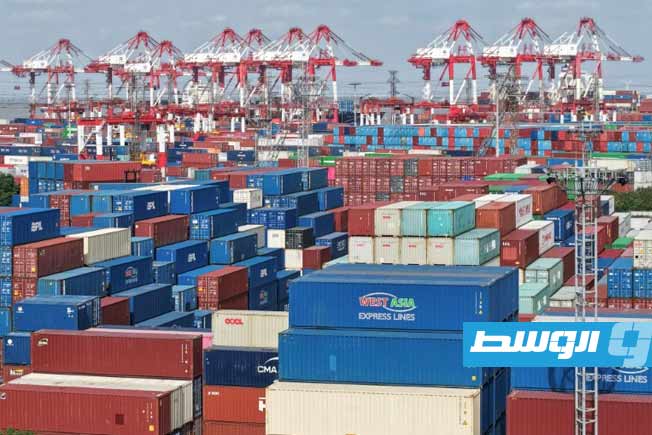
An economic expert stated that the Bab al-Hawa crossing holds major strategic importance as a main land transport artery connecting Europe with Jordan and the Arab Gulf states. He explained that its years-long suspension directly harmed Jordanian exports and the growth of trade exchange with Turkey and European countries.
The expert added that the reopening of the crossing will positively impact the Jordanian economy by increasing export volumes, helping to reduce the trade balance deficit, and lowering shipping and export costs. This will enhance the competitiveness of Jordanian goods in foreign markets, in addition to reducing the cost of imports, which will reflect on their prices in the local market.
He pointed out that the crossing plays a pivotal role in enhancing economic cooperation between Jordan and Syria, and with Turkey and Europe. This opens the door for developing multiple sectors, not limited to trade but also including tourism and investment, especially as it serves trade movement with the Arab Gulf states.
The economic expert concluded by saying that the Bab al-Hawa crossing remains part of the Silk Road route and plays an active role within the “Belt and Road” initiative. This necessitates that the concerned countries work to ensure its continued activation and better utilization. He noted that its operation today carries positive indicators of Syria’s ability to gradually emerge from its economic crisis and enter a recovery phase.
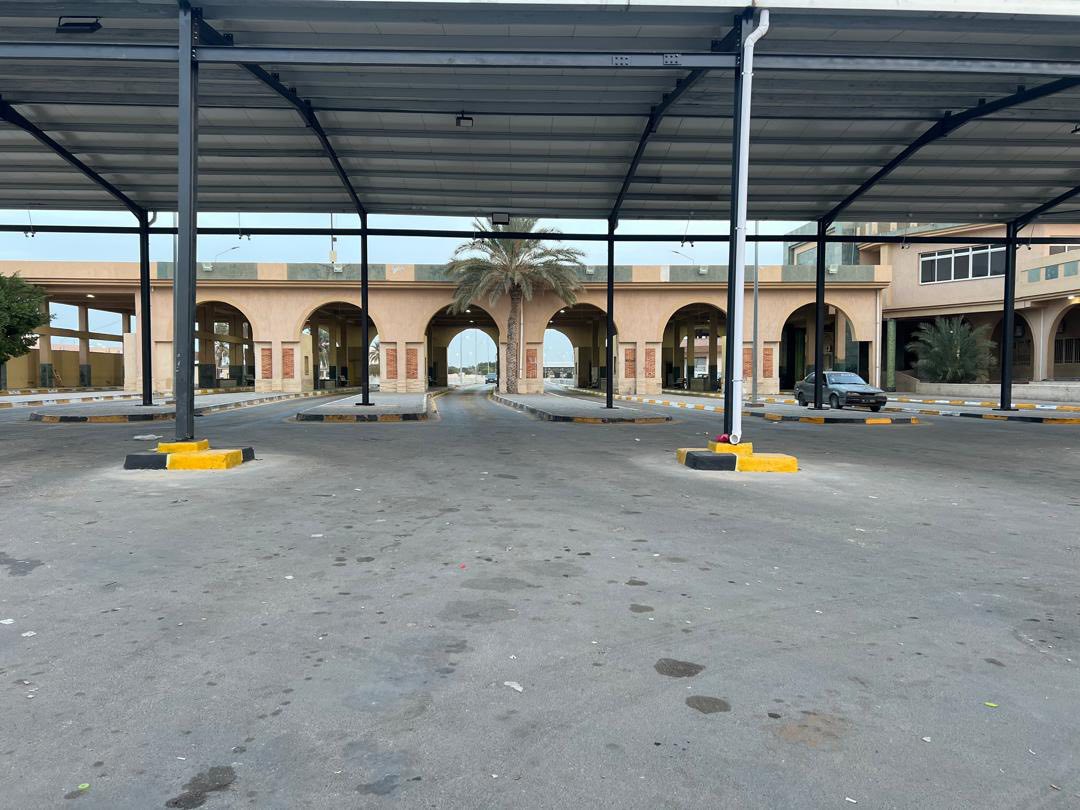
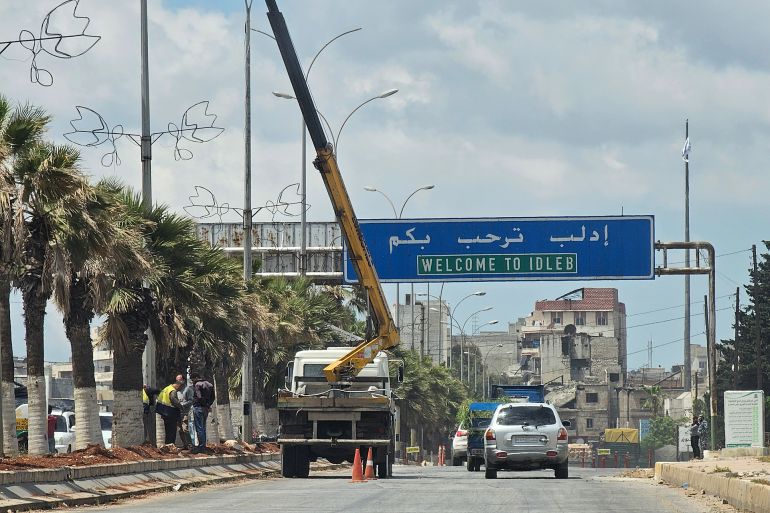
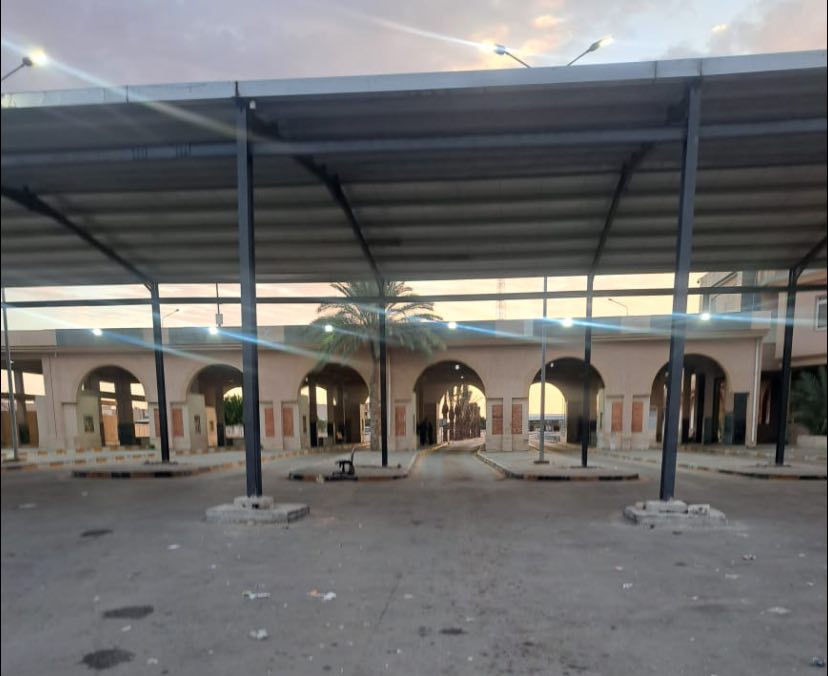
The Bab al-Hawa crossing is one of the most important international border crossings between Syria and Turkey. It is located on the main road connecting the cities of Aleppo and Reyhanlı and is known for its high traffic density for both trucks and buses. The city of Reyhanlı in Hatay Province is the closest Turkish city to the crossing, while the cities of Dana and Atarib are the closest on the Syrian side.
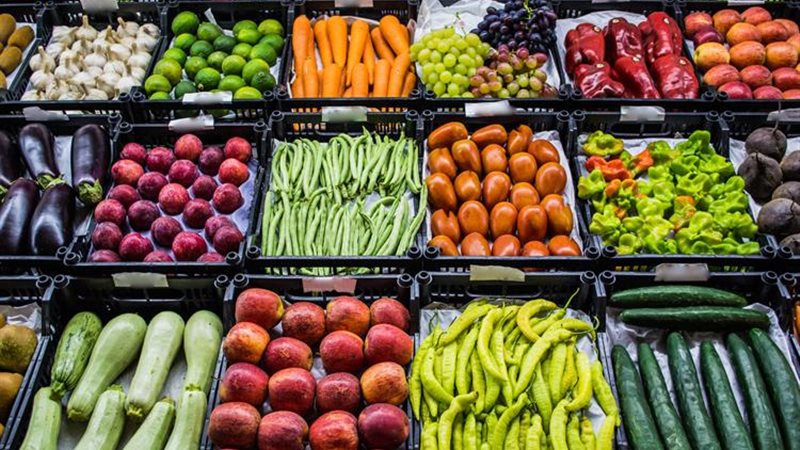
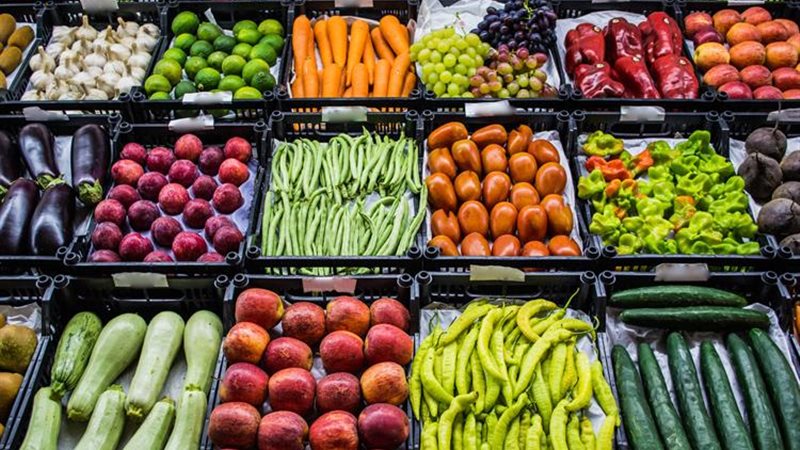
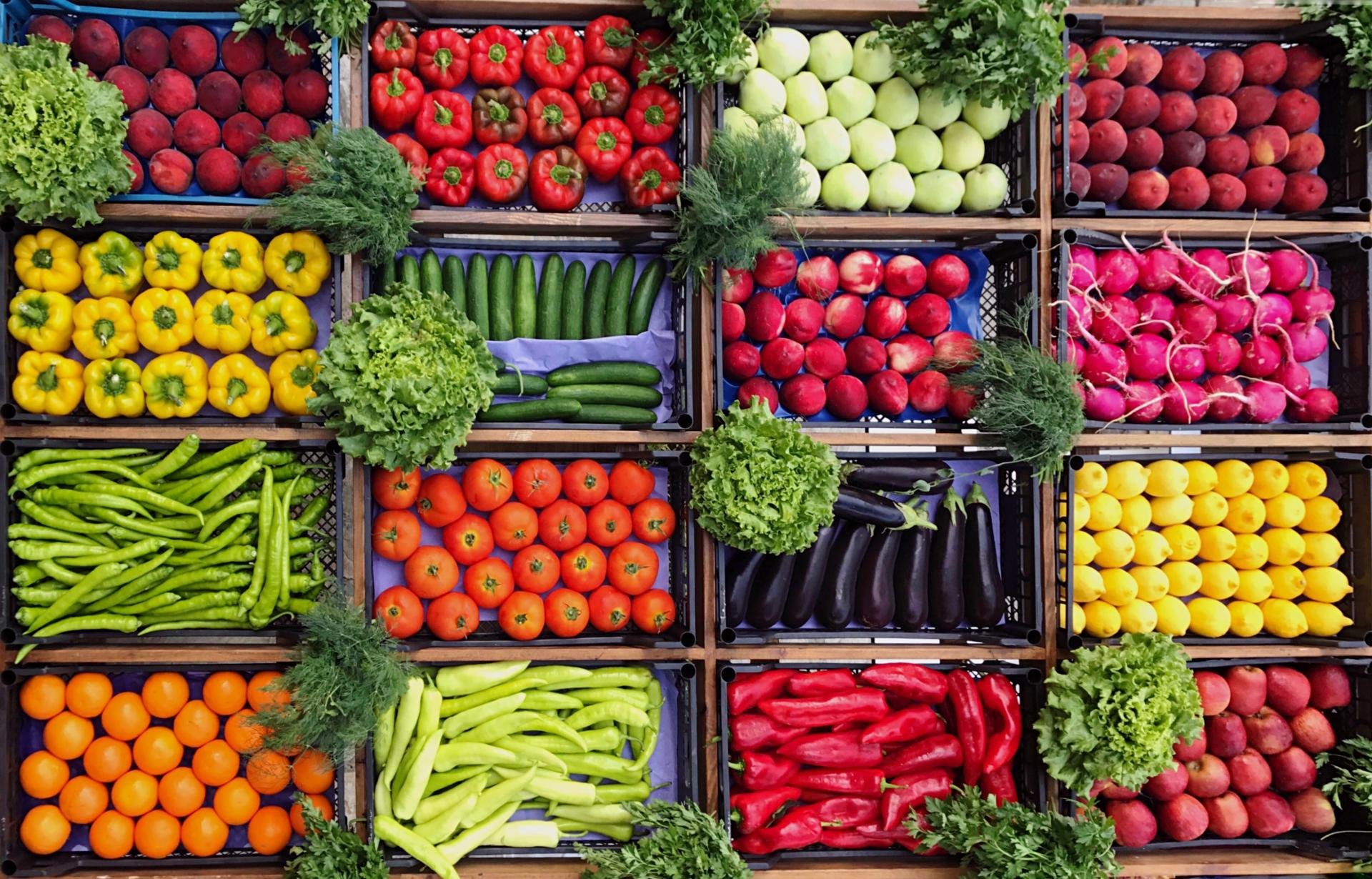
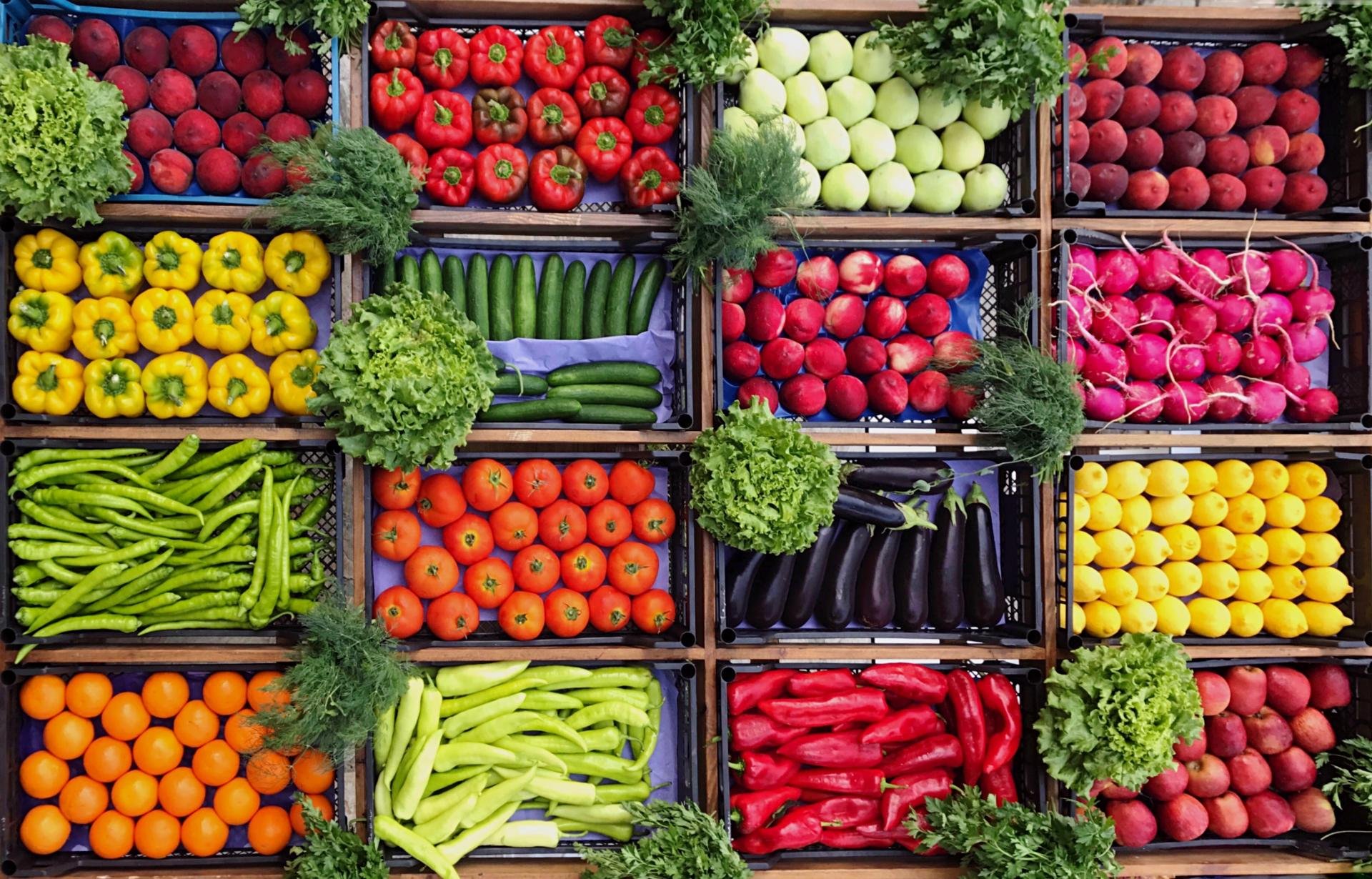
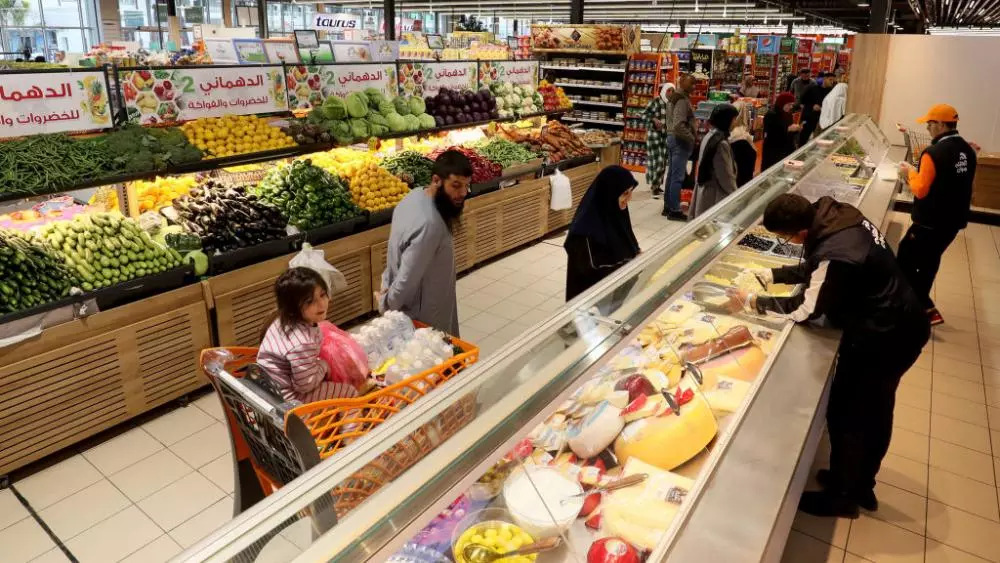
Syria constitutes the only land transit route for Jordan in its trade with European countries. Jordan’s exports were significantly affected during the years of the crossing’s closure, especially agricultural products like vegetables and fruits, which are in high demand in those markets.
Syria
Syria is a country in the Middle East with a rich history as a cradle of ancient civilizations, including the influential city-states of Ebla and Ugarit and the later Roman ruins at Palmyra. Its cultural landscape is deeply marked by historical layers from the Byzantine and Islamic periods, though in recent years it has suffered extensive damage due to ongoing conflict.
Idlib
Idlib is a city in northwestern Syria, historically known as an ancient settlement with nearby Bronze Age sites like Ebla. In modern times, it has been a major agricultural center but has become widely known as the final major opposition stronghold during the Syrian civil war, leading to significant destruction and displacement.
Bab al-Hawa crossing
The Bab al-Hawa crossing is a strategically vital border crossing between Syria and Turkey, located in northwestern Syria’s Idlib Governorate. Historically a key trade and transit point, it gained immense humanitarian and logistical significance after 2011 as a primary gateway for United Nations aid into opposition-held areas of Syria during the ongoing conflict.
Europe
Europe is a continent with a rich and complex history, shaped by ancient civilizations like Greece and Rome, the transformative periods of the Renaissance and the Enlightenment, and the profound impacts of two world wars. Culturally, it is renowned for its diverse artistic heritage, architectural landmarks, and as the birthplace of influential movements in philosophy, science, and politics.
Jordan
Jordan is a Middle Eastern country with a rich historical legacy, most famously as the location of Petra, the ancient Nabatean rock-carved city that flourished as a trading hub. The region has been successively ruled by numerous empires, including the Roman, Byzantine, and Ottoman, before becoming the Hashemite Kingdom of Jordan in the 20th century. It is also home to significant biblical sites and the vast desert landscape of Wadi Rum.
Turkey
Turkey is a transcontinental nation bridging Europe and Asia, with a rich history as the heart of the Byzantine and Ottoman Empires. Its cultural sites, such as the Hagia Sophia in Istanbul and the ancient ruins of Ephesus, reflect this layered past, from classical antiquity through to its establishment as the modern Republic of Turkey in 1923.
Amman
Amman is the capital and largest city of Jordan, with a history dating back to the 13th century BC when it was known as Rabbath Ammon. The city is built on seven hills and features significant Roman ruins, such as the Citadel and a well-preserved Roman Theatre, alongside its modern urban development.
Cilvegözü crossing
The Cilvegözü border crossing, also known as the Bab al-Hawa crossing, is a major transit point on the Turkey–Syria border. Historically a trade route, it gained significant international prominence after 2011 as a critical humanitarian corridor for aid into northwestern Syria during the Syrian civil war. Its operation has been a focal point of regional politics and relief efforts.
Arab Gulf states
The Arab Gulf states, also known as the Gulf Cooperation Council (GCC) countries, are a group of six nations—Saudi Arabia, the United Arab Emirates, Qatar, Kuwait, Oman, and Bahrain—located along the Arabian Gulf. Historically, their economies were based on pearl diving, fishing, and trade, but the discovery of vast oil reserves in the 20th century transformed them into globally significant energy exporters and modern, wealthy states. This rapid development has been accompanied by the preservation of deep-rooted tribal and Islamic traditions, creating a unique blend of modernity and heritage.
Silk Road
The Silk Road was an ancient network of trade routes connecting China to the Mediterranean, active from roughly the 2nd century BCE to the 14th century CE. It facilitated the exchange of goods like silk, spices, and technologies, while also enabling the spread of ideas, religions, and cultures across Eurasia.
Belt and Road
The Belt and Road Initiative (BRI) is a global infrastructure development strategy launched by the Chinese government in 2013, aiming to enhance regional connectivity and economic integration. It draws inspiration from the historical Silk Road trade routes, seeking to build modern networks of railways, ports, and energy pipelines across Asia, Africa, and Europe.
Aleppo
Aleppo is one of the world’s oldest continuously inhabited cities, located in modern-day Syria. Historically a major trading hub on the Silk Road, it is famed for its ancient citadel and labyrinthine covered souk, though much of its cultural heritage suffered severe damage during the Syrian Civil War.
Reyhanlı
Reyhanlı is a district in Turkey’s Hatay Province, located near the Syrian border. Historically, it has been a significant agricultural and trade center, with its modern settlement largely established during the Ottoman era in the 19th century.
Hatay Province
Hatay Province is a culturally diverse region in southern Turkey, historically part of ancient Syria and home to significant Greco-Roman sites like the Church of St. Peter. It was part of the French Mandate of Syria before a controversial 1939 referendum led to its annexation by Turkey. The province is known for its unique blend of Turkish, Arab, and Levantine influences, particularly in its cuisine and religious heritage.
Dana
Dana is a historic village in Jordan, notable for its well-preserved Ottoman-era stone architecture and its location within the Dana Biosphere Reserve. Established over 400 years ago, it was an important trading settlement due to its proximity to copper mines and strategic position along ancient routes. Today, it serves as a gateway for eco-tourism and hiking in Jordan’s diverse landscapes.
Atarib
Atarib is a town in northwestern Syria with ancient origins, historically known as Atharib. It was a significant Crusader fortress during the Middle Ages, controlled by the Principality of Antioch, before being captured by Muslim forces in the 12th century. The site features the ruins of a medieval castle and has been heavily impacted by the modern Syrian conflict.