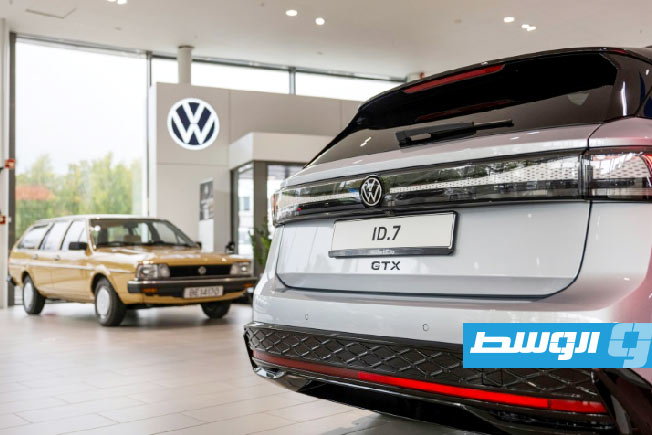
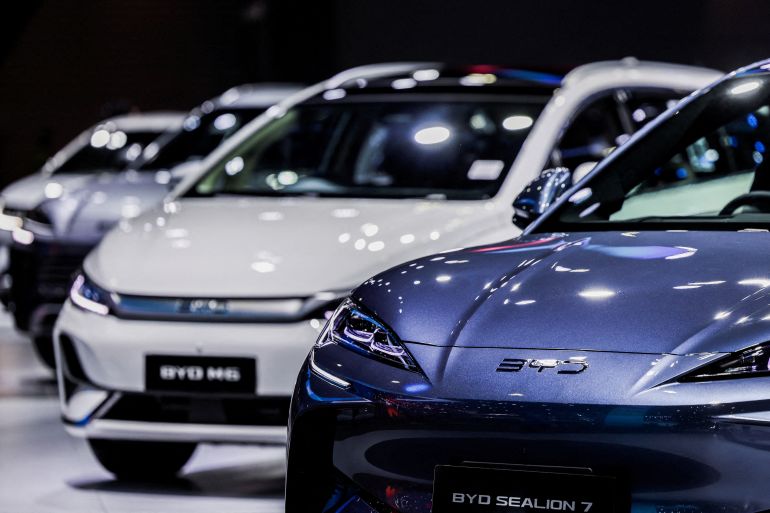
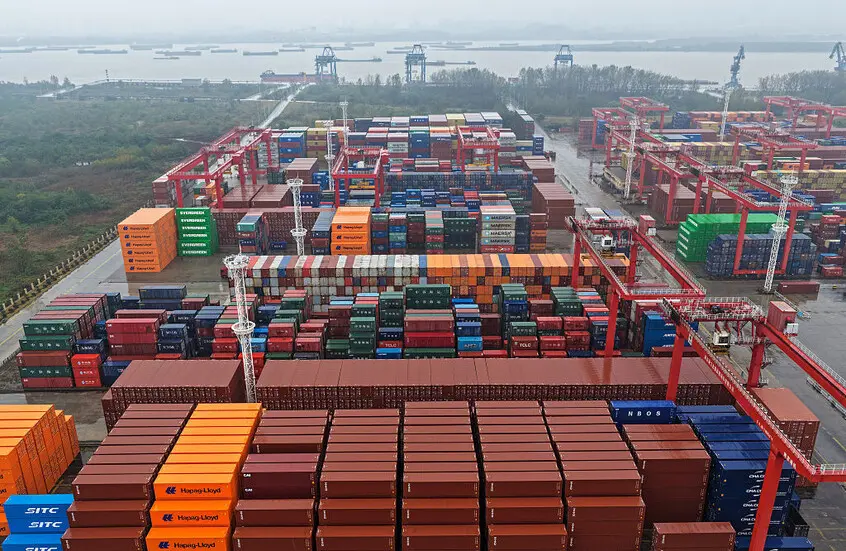
Canada has taken a notable step in its trade relations with China by announcing a reduction in tariffs on Chinese electric vehicles from 100% to 6.1%, as part of an economic agreement announced last month between the two countries.
Although the agreement included broad tariff reductions on a number of goods, the most significant domestic economic impact was the reduction of tariffs on canola seed, one of Canada’s most important agricultural exports, from 85% to 15%.
However, the automotive industry sector was the most attentive to the decision regarding Chinese electric vehicles, due to its potential implications for the North American market and industry.
Quantity and Price Restrictions
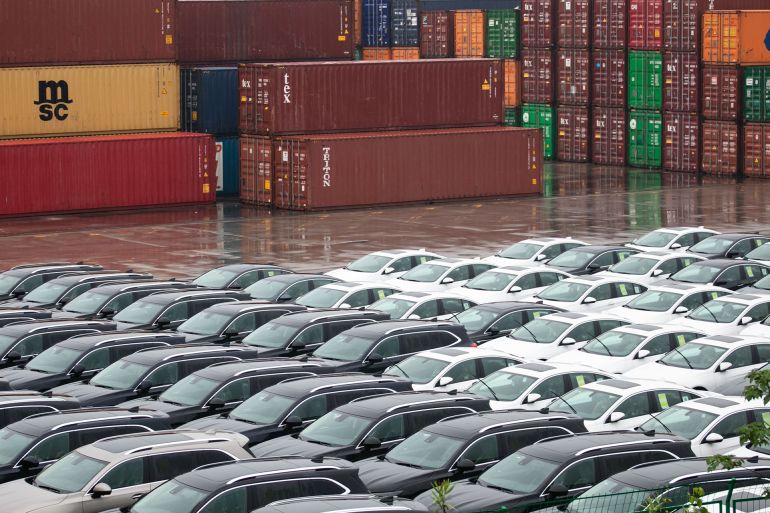
The decision does not mean opening the Canadian market wide to Chinese electric vehicles. Ottawa has set an annual import ceiling of only 49,000 vehicles, a limited number compared to the size of the Canadian market, which recorded nearly two million new cars last year, making the share of Chinese electric vehicles approximately 3%.
The arrangements also stipulate price restrictions starting in 2030, requiring that half of the imported vehicles not exceed $26,000 USD (approximately $35,000 CAD), in an attempt to balance providing low-cost options and protecting the domestic industry.
Return to Previous Levels
Previous data indicates that these figures are not far from import levels before the imposition of high tariffs.
In 2023 alone, Tesla imported about 40,000 electric vehicles manufactured in China to Canada, along with other electric vehicles from brands like Volvo and Polestar. Imports also included non-electric vehicles, such as models from Honda and Lincoln.
Concerns of the Domestic Industry
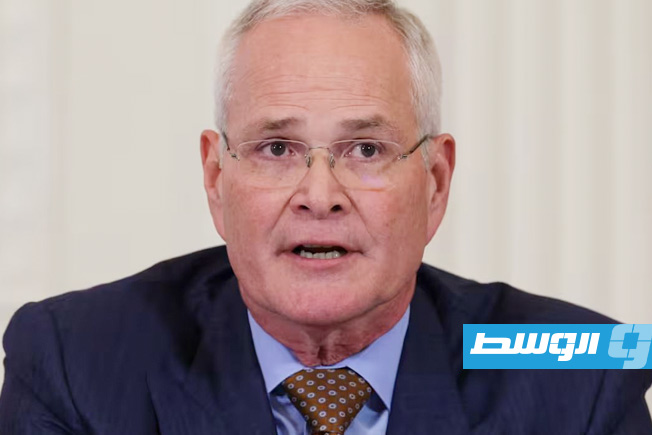
The decision has raised concerns among some North American automotive companies. The CEO of General Motors described the tariff reduction as a “slippery slope,” warning that this step could undermine the competitiveness of the domestic industry if expanded later.
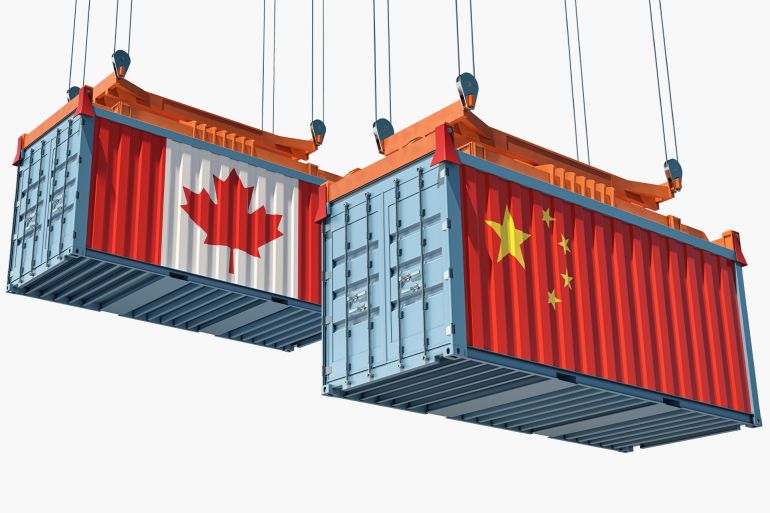
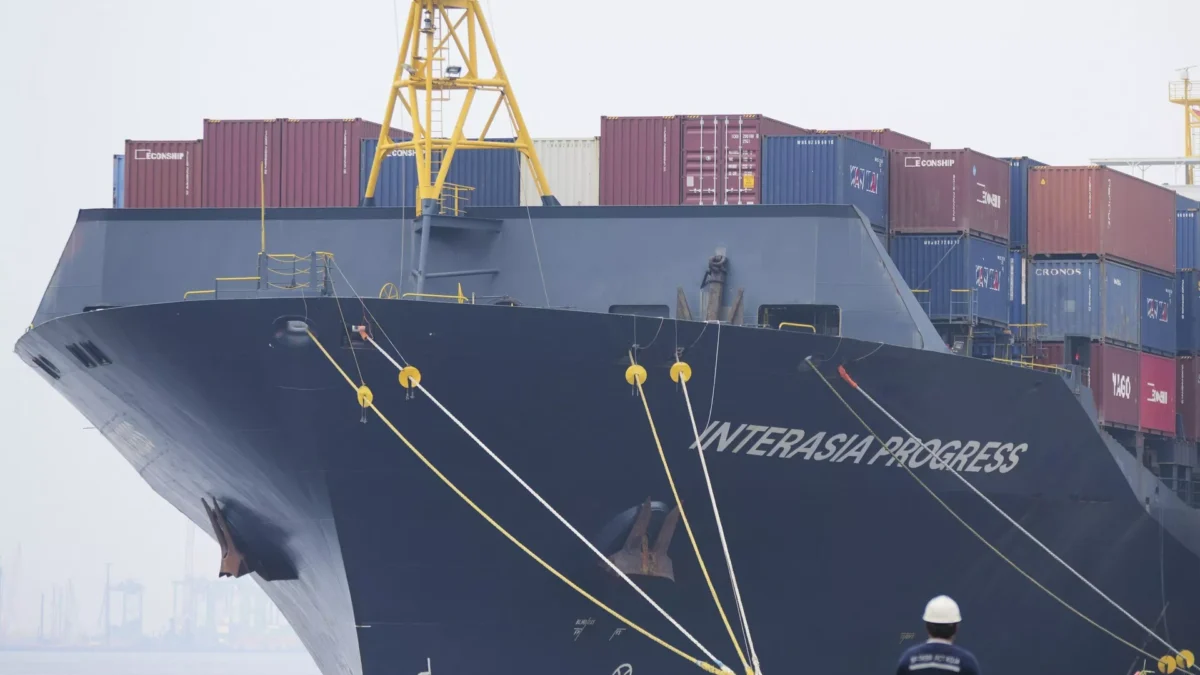
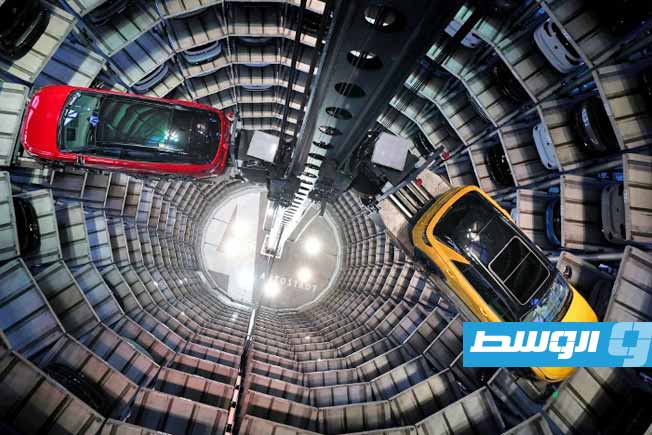
Canada reduces tariffs on Chinese electric vehicles from 100% to 6.1%, as part of an economic agreement (Shutterstock)
Consumer Opinion
On the other hand, there are indicators of growing interest among Canadian consumers in Chinese electric vehicles. A recent study showed that 61% of Canadians support making these affordable vehicles with a growing reputation available, amid rising costs of Western electric vehicles.
This shift comes at a time when the automotive sector faces additional challenges due to the intertwined supply chains between Canada and the United States, where car components cross the border multiple times before final assembly, based on trade agreements dating back to the 1960s.
Observers believe that the most important impact of the tariff reduction may not be the influx of cheap Chinese cars, but the possibility of Chinese companies establishing factories within Canada, similar to previous experiences of Japanese and Korean brands that used the Canadian market as a testing ground before expansion.
British Columbia and Quebec, thanks to their hydroelectric power availability, could be among the top candidates to receive such investments.
Companies already established in the Canadian market, such as Tesla and Volvo, along with canola farmers in Alberta, Saskatchewan, and Manitoba, are likely to benefit from the decision.
Conversely, there remain public reservations regarding the quality of Chinese cars and the data security associated with their smart systems.
Canada
Canada is a North American country formed in 1867 through Confederation, evolving from earlier British and French colonial territories. It is known for its vast landscapes, multicultural society, and a constitutional monarchy that recognizes both English and French as official languages.
China
China is one of the world’s oldest continuous civilizations, with a recorded history spanning over four millennia. It is home to numerous UNESCO World Heritage sites, such as the Great Wall and the Forbidden City, which reflect its long imperial past and profound cultural achievements.
North America
North America is a continent comprising countries such as Canada, the United States, and Mexico, with a human history spanning thousands of years from its initial settlement by Indigenous peoples. Its modern political and cultural landscape was largely shaped by European colonization beginning in the late 15th century, followed by waves of immigration and complex historical developments.
Ottawa
Ottawa is the capital city of Canada, chosen by Queen Victoria in 1857 as a compromise between the rival cities of Toronto and Montreal. Its most prominent cultural site is Parliament Hill, a Gothic Revival complex whose Centre Block was rebuilt after a fire in 1916, serving as the symbolic heart of Canadian government.
Tesla
Tesla is an American electric vehicle and clean energy company founded in 2003 by engineers Martin Eberhard and Marc Tarpenning, though it is most famously led by CEO Elon Musk. The company is named after the inventor and electrical engineer Nikola Tesla and played a pivotal role in accelerating the world’s transition to sustainable energy through its popular electric cars and energy storage products.
Volvo
Volvo is a Swedish automotive manufacturing company founded in 1927, originally known for producing durable cars and commercial vehicles. The brand has become globally recognized for its emphasis on safety innovations and reliability in the automotive industry.
Polestar
Polestar is a Swedish automotive brand established in 2017, focused on producing electric performance vehicles. It originated as a performance tuning brand for Volvo cars before being jointly owned by Volvo Car Group and its parent company, Geely, and developed into a standalone electric car manufacturer.
Honda
Honda is a Japanese multinational corporation primarily known for manufacturing automobiles, motorcycles, and power equipment. Founded by Soichiro Honda in 1948, it began as a motorcycle producer and grew to become one of the world’s largest automakers, renowned for its engineering and innovative technologies like the CVCC engine.
Lincoln
The Lincoln Memorial is a national monument in Washington, D.C., honoring Abraham Lincoln, the 16th President of the United States. Completed in 1922, its design is inspired by a Greek temple and houses a large seated sculpture of Lincoln, serving as a symbolic site for the Civil Rights movement and American unity.
General Motors
General Motors (GM) is an American multinational corporation founded in 1908 that became the world’s largest automaker for much of the 20th century. Its history is central to the industrialization of the United States, known for iconic brands like Chevrolet and Cadillac, and for innovations such as the annual model change. The company’s massive scale and influence have made it a significant cultural and economic symbol of American manufacturing.
United States
The United States is a federal republic founded in 1776 after declaring independence from Great Britain, establishing itself through a revolutionary war and the adoption of a constitution in 1787. It grew from thirteen original colonies to span the North American continent, becoming a global superpower shaped by waves of immigration, industrial expansion, and a civil war that ended slavery. Its diverse culture reflects this history of settlement, innovation, and the ongoing pursuit of its founding democratic ideals.
British Columbia
British Columbia is a province on Canada’s west coast, known for its diverse landscapes ranging from Pacific coastline to mountain ranges. It joined Canadian Confederation in 1871, with its modern history deeply shaped by Indigenous cultures, the 19th-century Fraser Canyon Gold Rush, and forestry development.
Quebec
Quebec is a province in eastern Canada, historically founded as a French colony in the early 17th century. Its capital, Quebec City, is a UNESCO World Heritage site known for its well-preserved colonial fortifications and as the heart of Francophone culture in North America.
Alberta
Alberta is a western province of Canada, historically inhabited by Indigenous peoples before becoming part of the Hudson’s Bay Company’s territory. It joined Canadian Confederation in 1905, with its modern economy heavily shaped by the discovery of vast petroleum reserves in the mid-20th century.
Saskatchewan
Saskatchewan is a prairie province in central Canada, historically inhabited by Indigenous peoples such as the Cree, Saulteaux, and Dene. It joined Canadian Confederation in 1905, with its economy and settlement patterns heavily shaped by the arrival of the railway and the subsequent agricultural boom, particularly in wheat farming.
Manitoba
Manitoba is a Canadian province located in the central Prairies, historically inhabited by Indigenous peoples for thousands of years before becoming a key hub of the fur trade. It entered Canadian Confederation in 1870, following negotiations between the Canadian government and the Métis people led by Louis Riel. Today, it is known for its diverse landscapes, from northern tundra to agricultural plains, and its vibrant cultural heritage.
Jiujiang
Jiujiang is a historic port city in Jiangxi Province, China, situated on the southern bank of the Yangtze River near the iconic Mount Lu. It has served as a vital commercial and transportation hub for centuries, with its history deeply intertwined with the tea and porcelain trades along the river. The city is also a cultural gateway to the nearby Mount Lu, a UNESCO World Heritage Site renowned for its spiritual and historical significance.
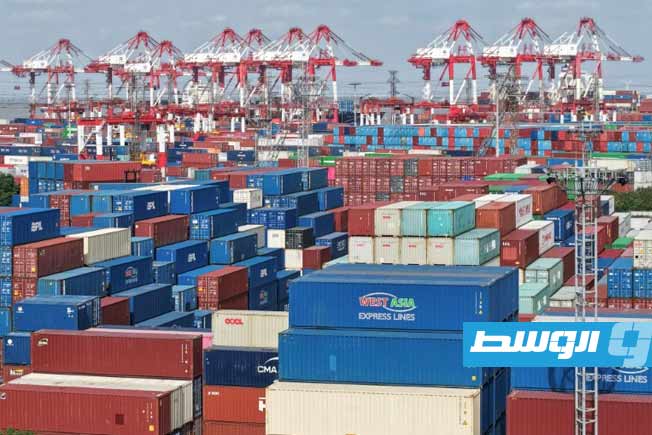
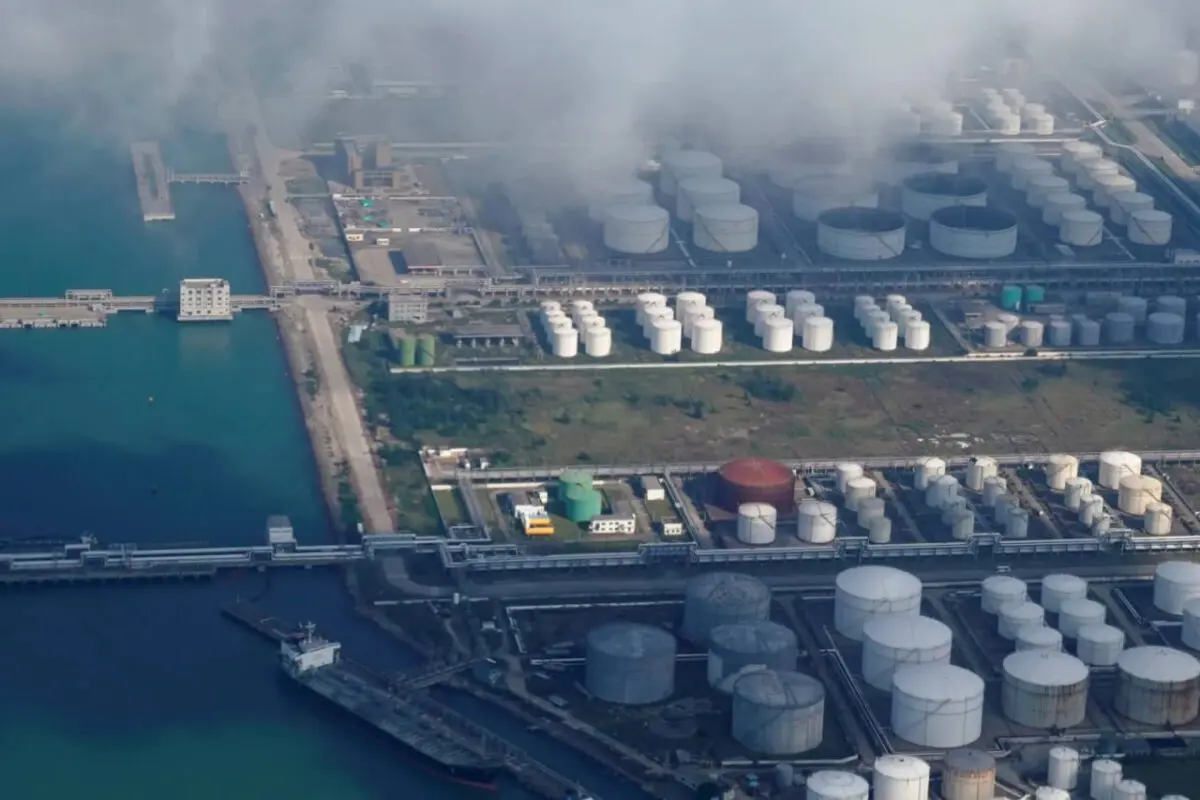
Shanghai Port Group’s Jiujiang Port Yard
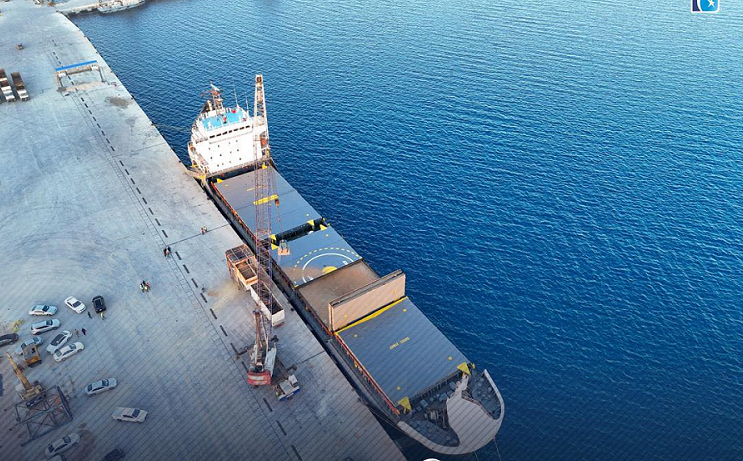
The Shanghai Port Group’s Jiujiang Port Yard is a major inland river port facility located on the Yangtze River in Jiangxi Province. It serves as a crucial logistics and transshipment hub, connecting the interior regions to Shanghai and global maritime trade routes. Its development is part of China’s broader strategy to enhance inland waterway transportation and integrate the Yangtze River Economic Belt.