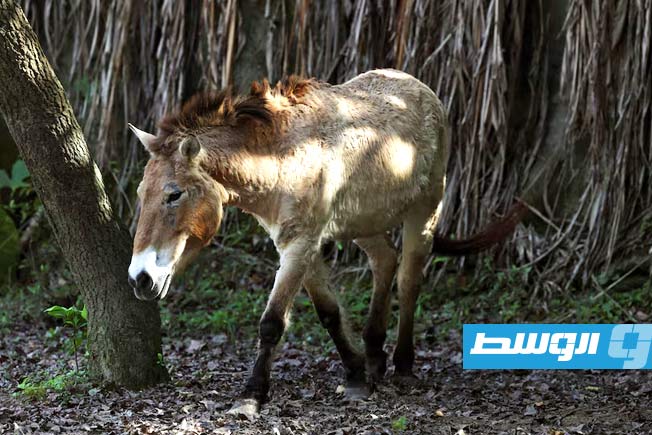
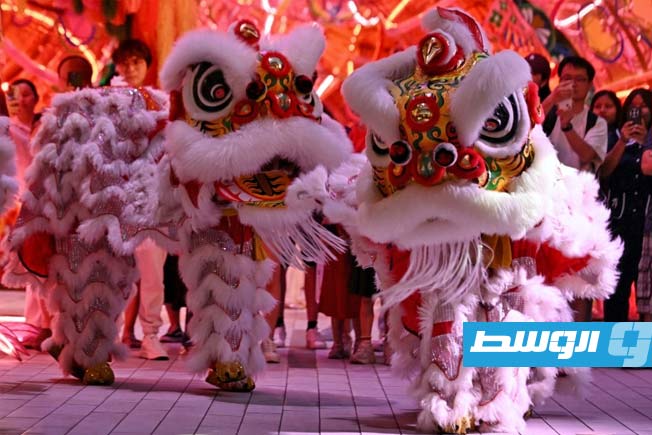
Taipei Zoo, Taiwan’s first zoo, announced in conjunction with Lunar New Year celebrations its commitment to conservation efforts for the endangered Przewalski’s horse, a species native to Central Asia that was once threatened with extinction in the wild.
The zoo invited visitors to learn about these rare animals by viewing its four specimens of Przewalski’s horse during the ‘Year of the Horse’ celebrations beginning on February 17th.
The festival aims to spread awareness and spark interest in the conservation of horse species.
Releasing Horses into the Wild
Taipei Zoo plays a vital role in global breeding programs, working closely with Prague Zoo in the Czech Republic, such as in the operation to reintroduce horses back into the wild in Mongolia in 2018.
Taipei Zoo, located in the Wenshan District of Taipei, Taiwan, was originally founded in 1916 as a private zoological garden during Japanese rule. It is now one of the largest zoos in Asia, renowned for its conservation efforts and popular exhibits such as the Giant Panda House.
Taiwan
Taiwan is an island in East Asia with a complex history involving indigenous cultures, periods of Dutch and Spanish colonial rule, settlement by Han Chinese, and administration by various Chinese dynasties. It was later ceded to Japan in 1895 before being returned to the Republic of China after World War II. The island has since developed a distinct and vibrant democratic society and economy, though its political status remains a subject of international dispute.
Przewalski’s horse
Przewalski’s horse is the last truly wild horse species in the world, native to the steppes of Central Asia. It is named after the Russian explorer Nikolai Przewalski and was declared extinct in the wild in the 1960s, but has since been reintroduced to its native habitat from captive breeding programs.
Central Asia
Central Asia is a vast historical region at the crossroads of Eurasia, traditionally encompassing the modern nations of Kazakhstan, Kyrgyzstan, Tajikistan, Turkmenistan, and Uzbekistan. It has a rich history as the heart of the ancient Silk Road, serving as a conduit for trade, culture, and ideas between East and West for centuries. The area has been home to nomadic empires, influential Islamic scholarly centers, and was later incorporated into the Russian Empire and the Soviet Union before the five republics gained independence in 1991.
Prague Zoo
Prague Zoo, opened in 1931, is one of Europe’s leading zoological gardens, renowned for its successful breeding programs for endangered species like the Przewalski’s horse. Located in the Troja district, it combines modern, spacious enclosures with a historic commitment to wildlife conservation and education.
Czech Republic
The Czech Republic is a Central European country formed in 1993 after the peaceful dissolution of Czechoslovakia. Its history is deeply rooted in the medieval Kingdom of Bohemia, a significant power within the Holy Roman Empire, and the region is famed for its historic capital, Prague, with its well-preserved castles and architectural heritage spanning centuries.
Mongolia
Mongolia is a landlocked country in East Asia historically known as the heartland of the Mongol Empire, founded by Genghis Khan in the 13th century. Its rich nomadic culture and vast steppe landscapes remain central to its national identity today.
Berlin zoos
Berlin is home to two major zoos: the Zoologischer Garten Berlin, founded in 1844 and one of the oldest and most species-rich zoos in the world, and the Tierpark Berlin, established in 1955 in East Berlin during the city’s division. Together, they form one of the largest and most historically significant zoo collections in Europe.
Kazakhstan
Kazakhstan is a Central Asian country with a rich nomadic heritage, historically shaped by the Silk Road and various empires. It gained independence from the Soviet Union in 1991 and is known for its diverse landscapes and modern capital, Astana (now Nur-Sultan). Significant cultural sites include the Mausoleum of Khoja Ahmed Yasawi, a UNESCO World Heritage Site from the Timurid period.
Japan
Japan is an island nation in East Asia with a rich cultural history spanning thousands of years, from its ancient Shinto traditions and imperial rule to the feudal era of samurai and the modernizing Meiji Restoration. Today, it is known for its unique blend of deep tradition and cutting-edge technology, with iconic cultural sites ranging from historic temples and castles to vibrant contemporary cities.