For the fifth time, the European Central Bank keeps interest rates unchanged amid concerns over the strength of the euro.
libyawire.org > News > Economy > For the fifth time, the European Central Bank keeps interest rates unchanged amid concerns over the strength of the euro.
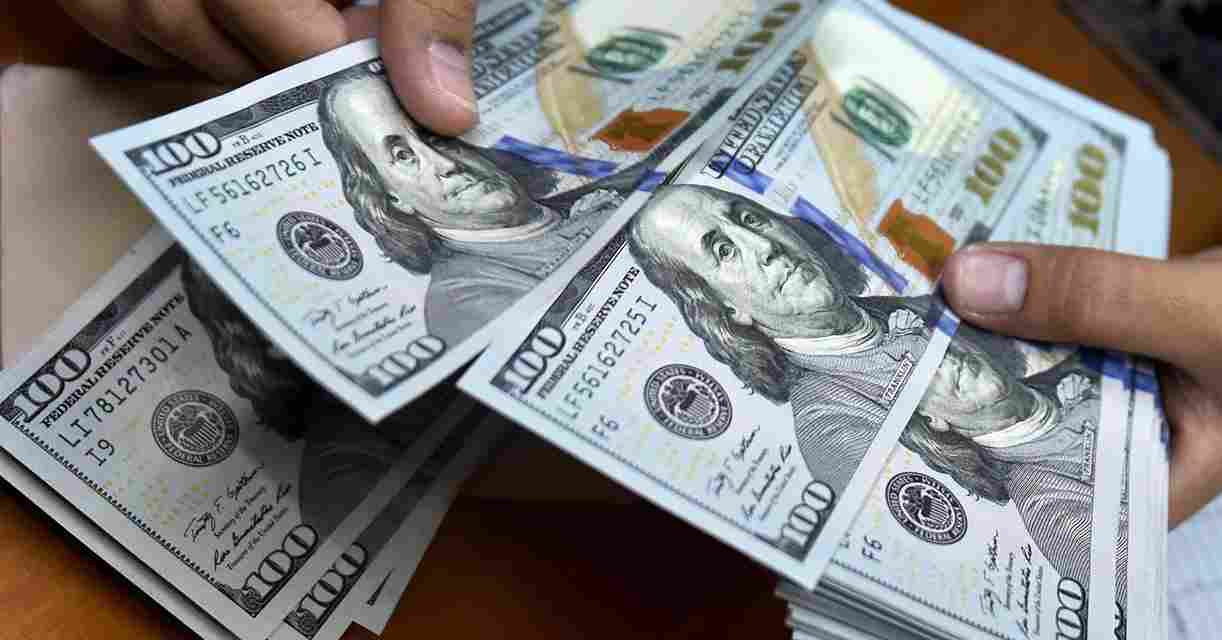
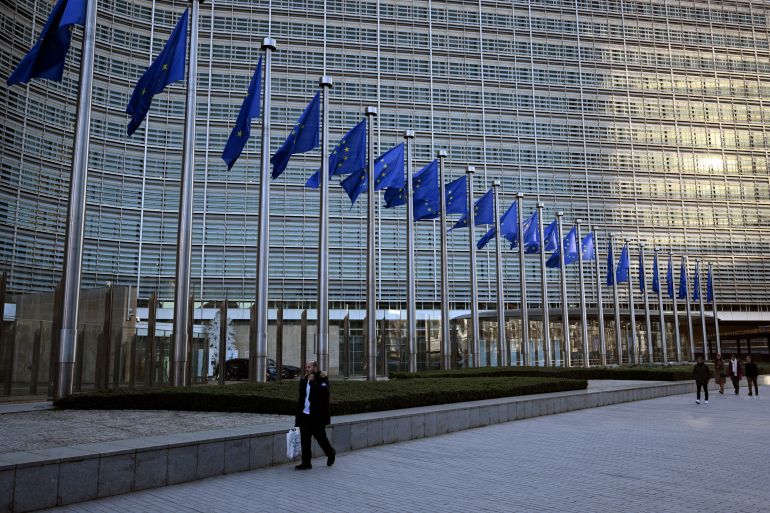
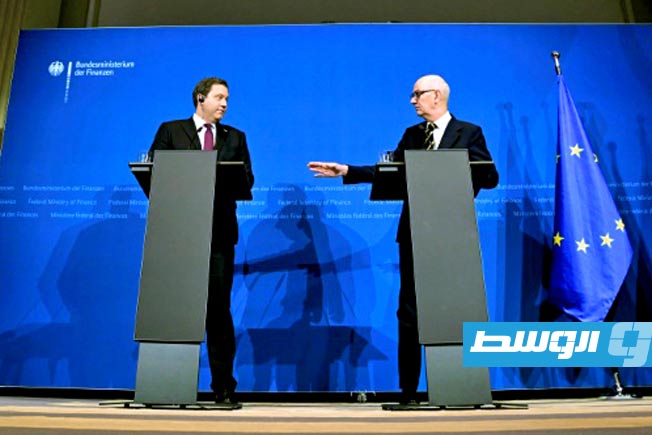
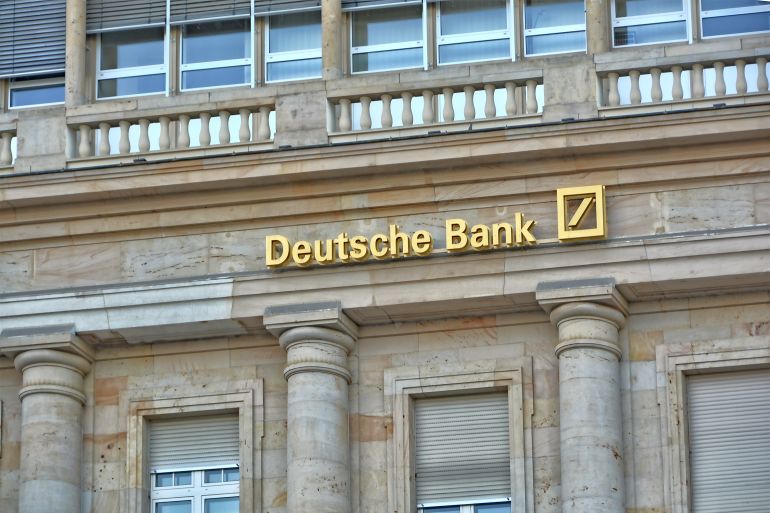
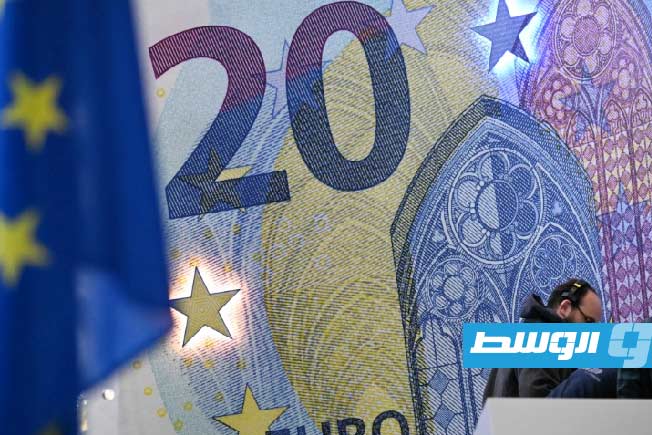
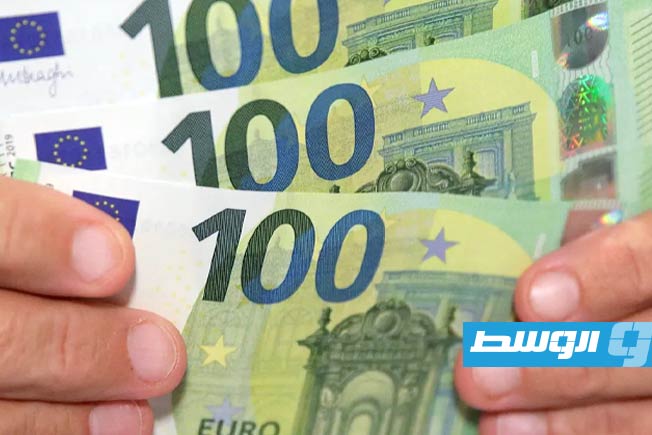
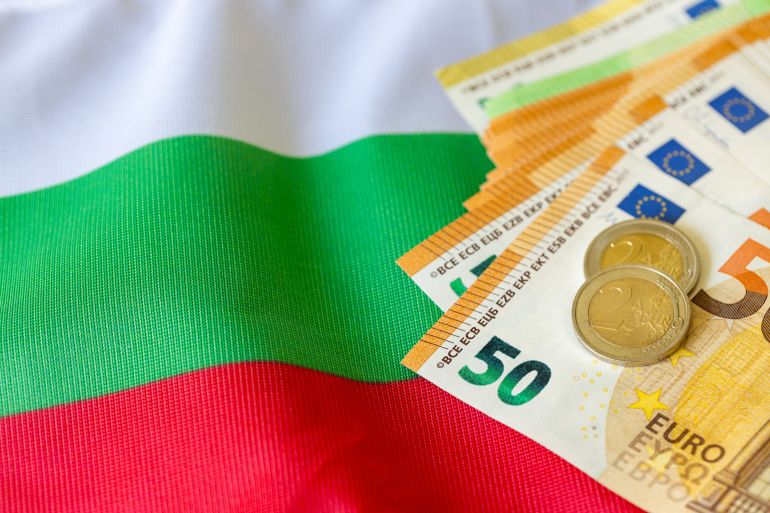
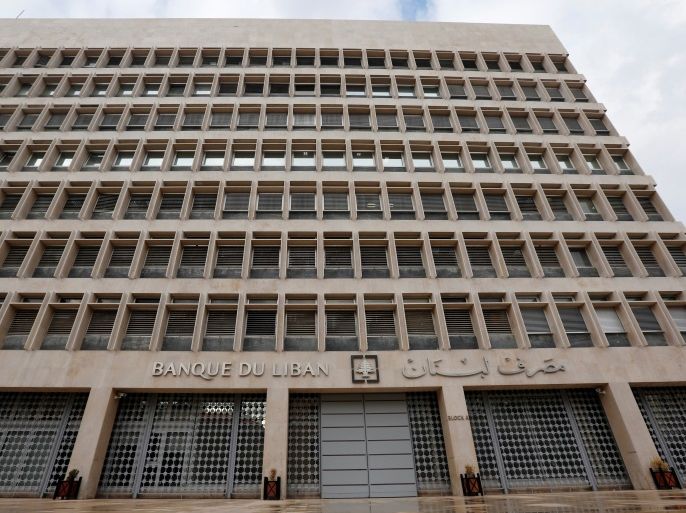
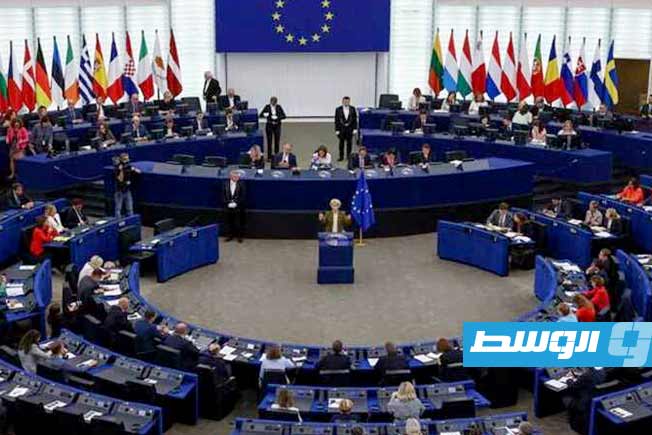
The European Central Bank kept interest rates unchanged on Thursday for the fifth consecutive time at its meeting, describing the eurozone economy as “resilient” despite growing concerns about the repercussions of the single currency’s appreciation.
As expected, the central bank for the 21-nation currency union kept its key interest rate at 2%, unchanged since June of last year.
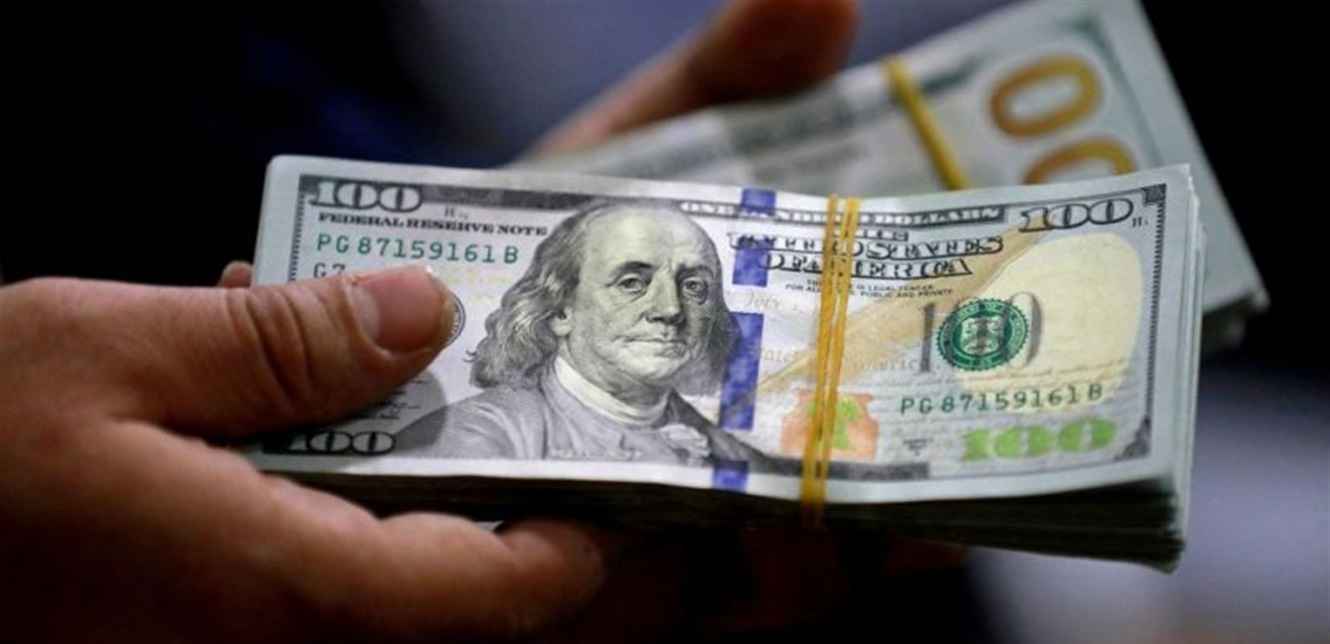
The notable rise in the value of the euro last week, followed by news of eurozone inflation falling to 1.7% in January—below the European Central Bank’s 2% target—raised questions about whether the bank would begin considering an interest rate cut.
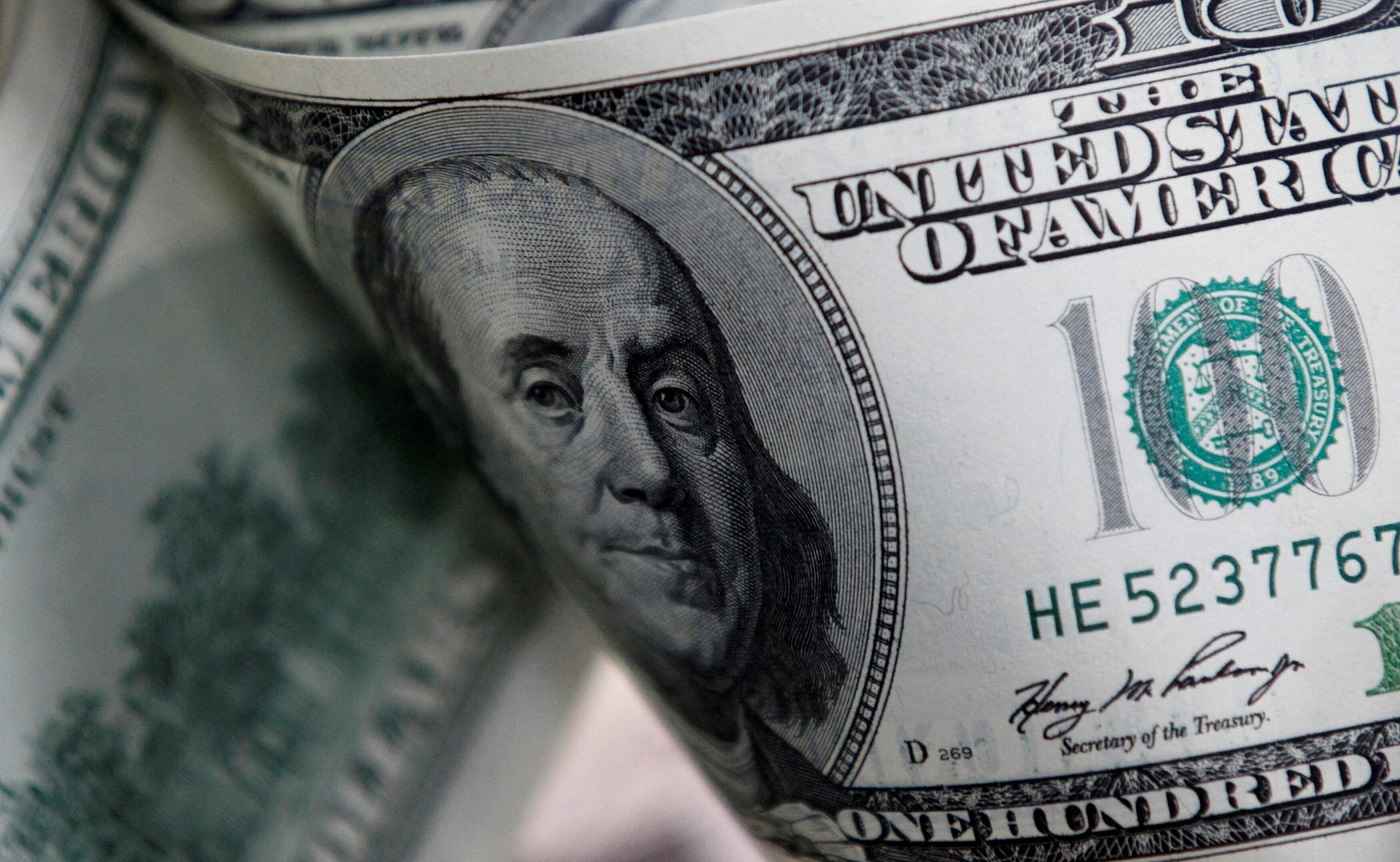
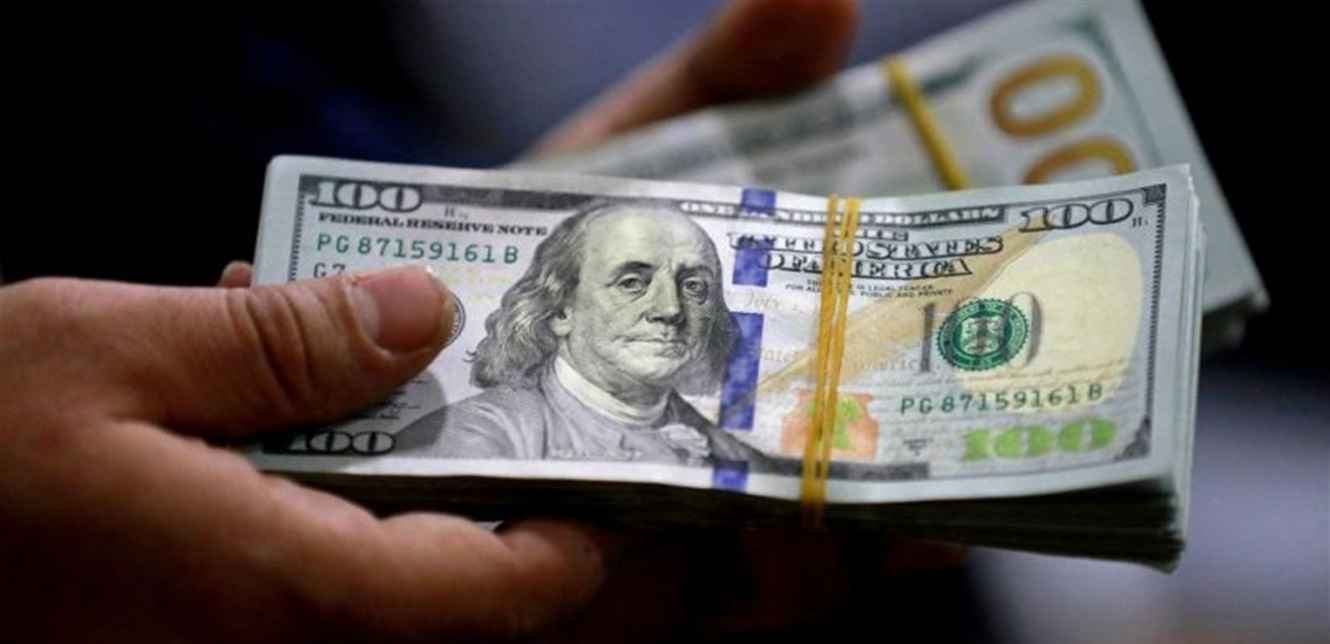
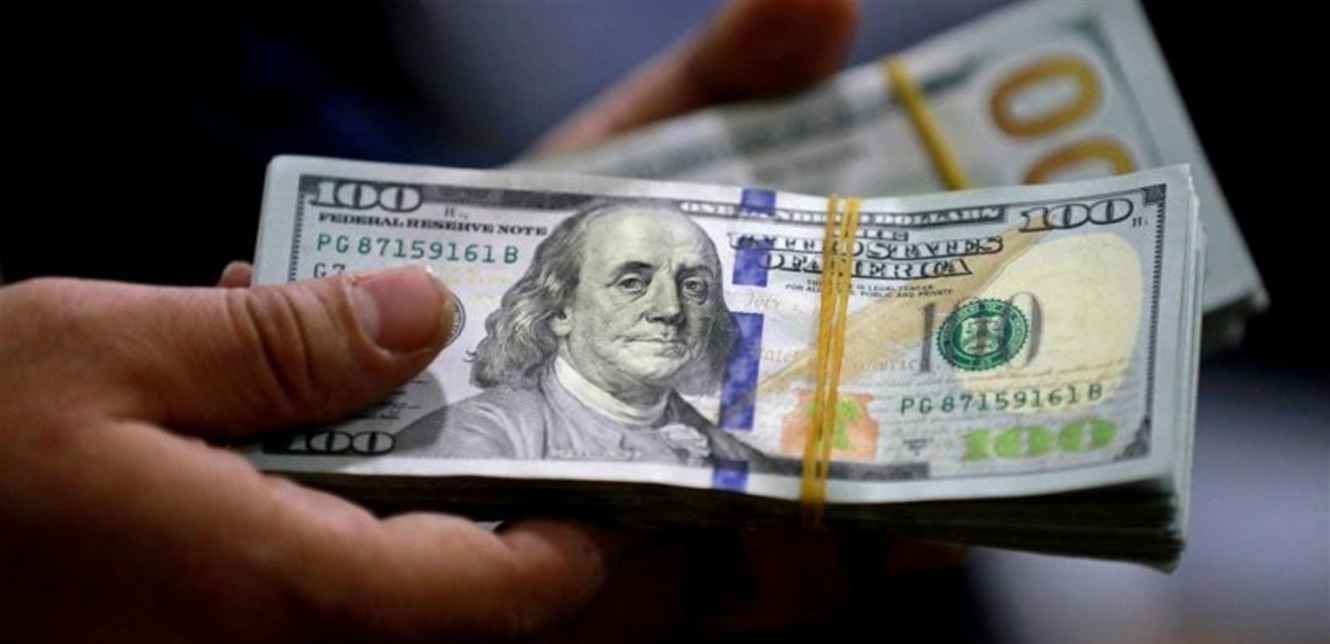
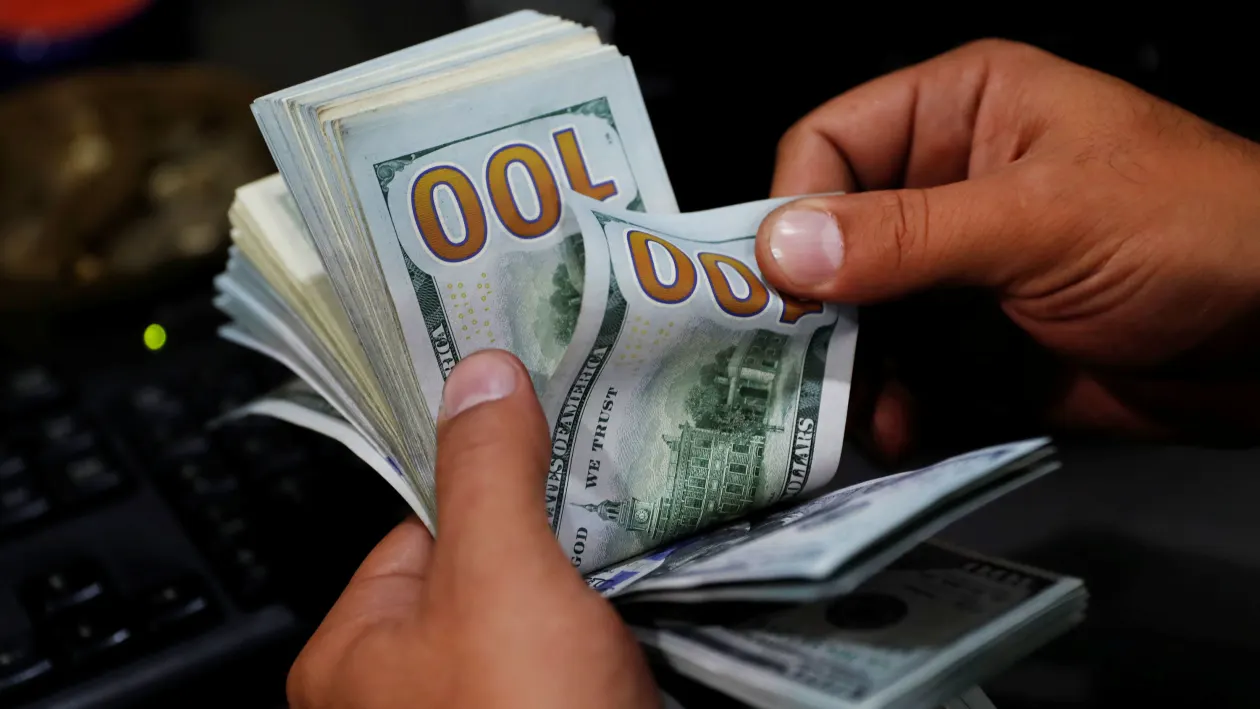
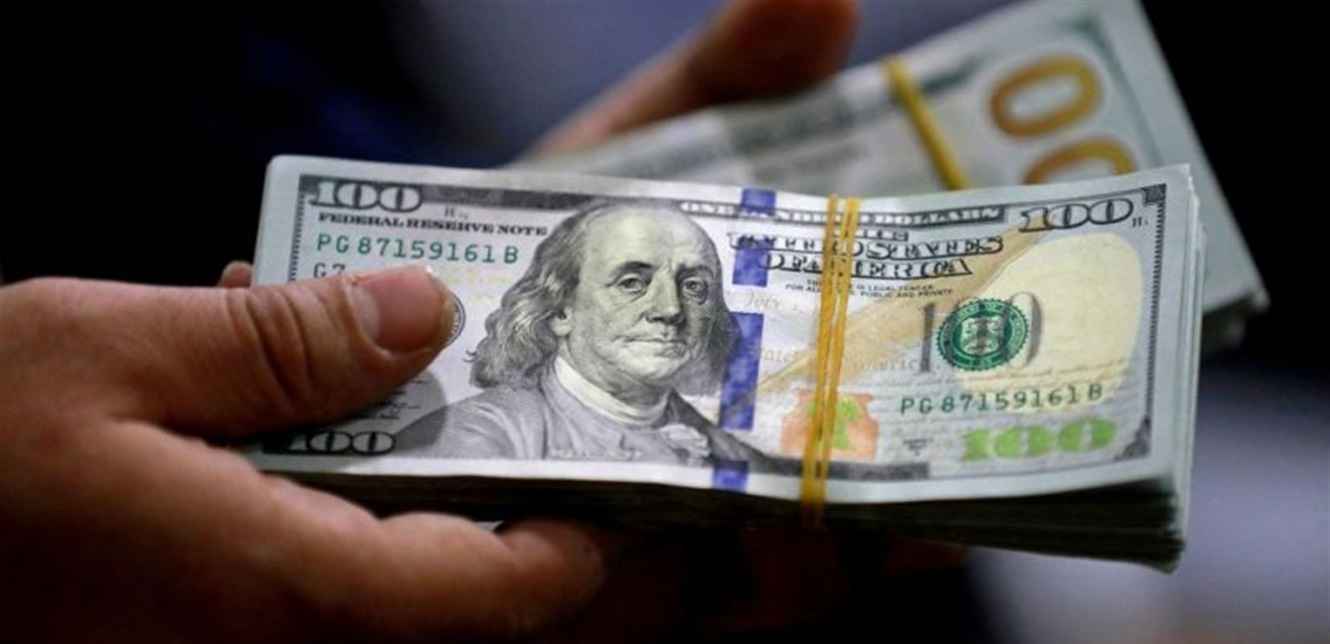
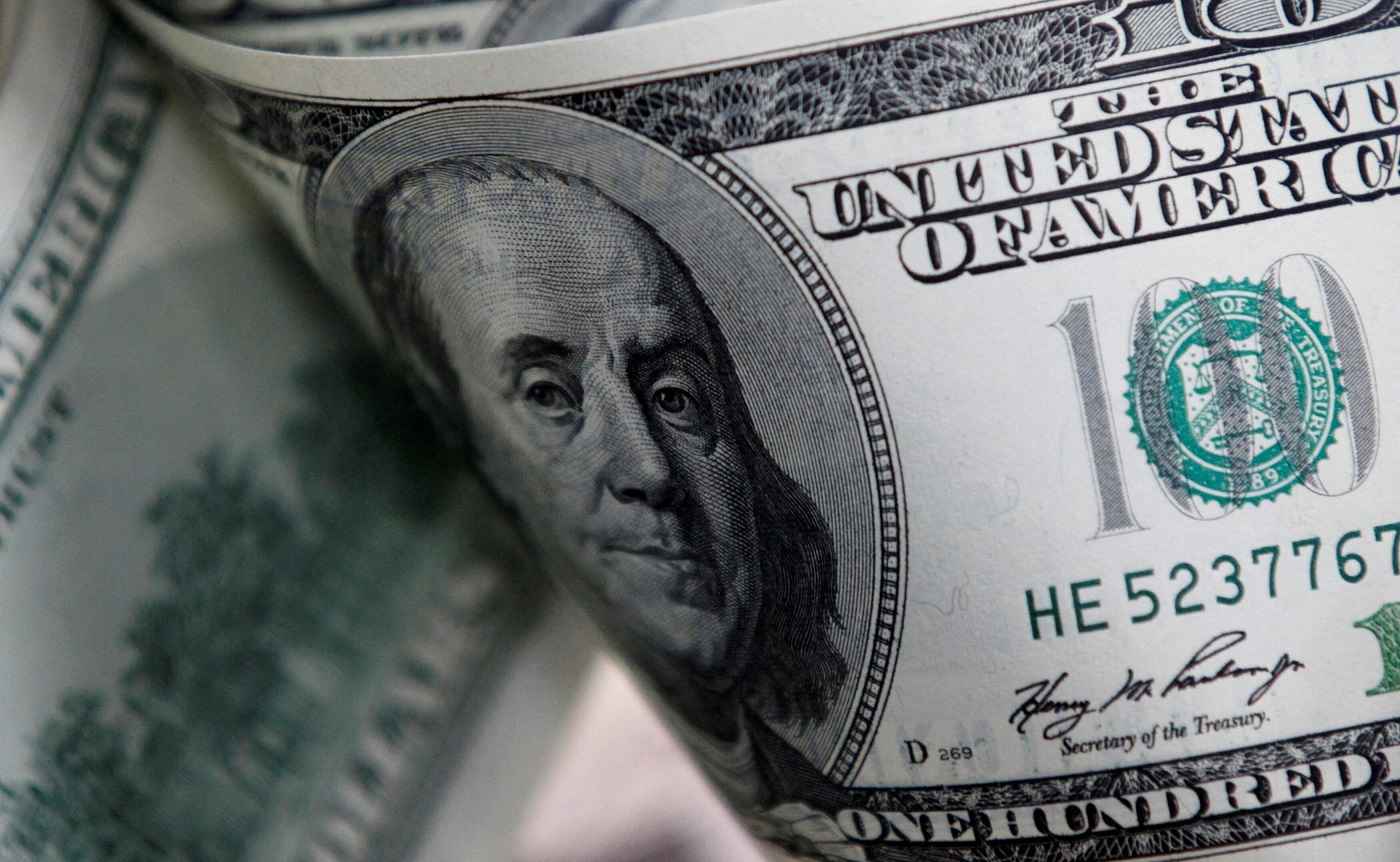
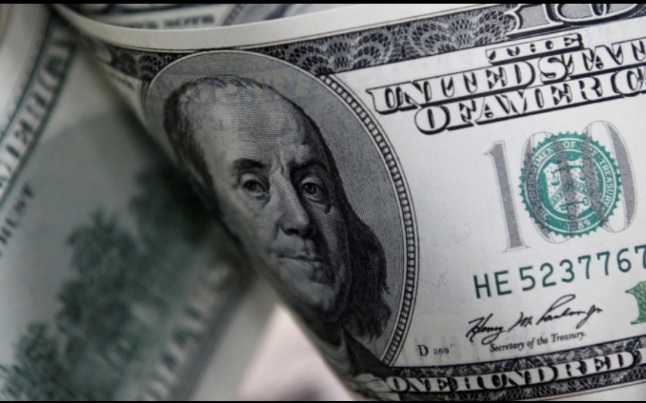
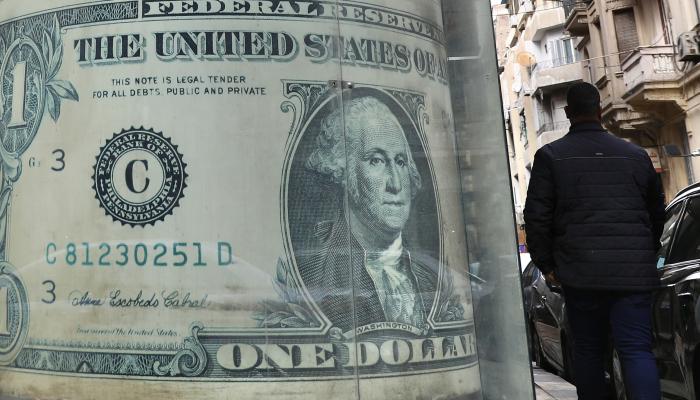
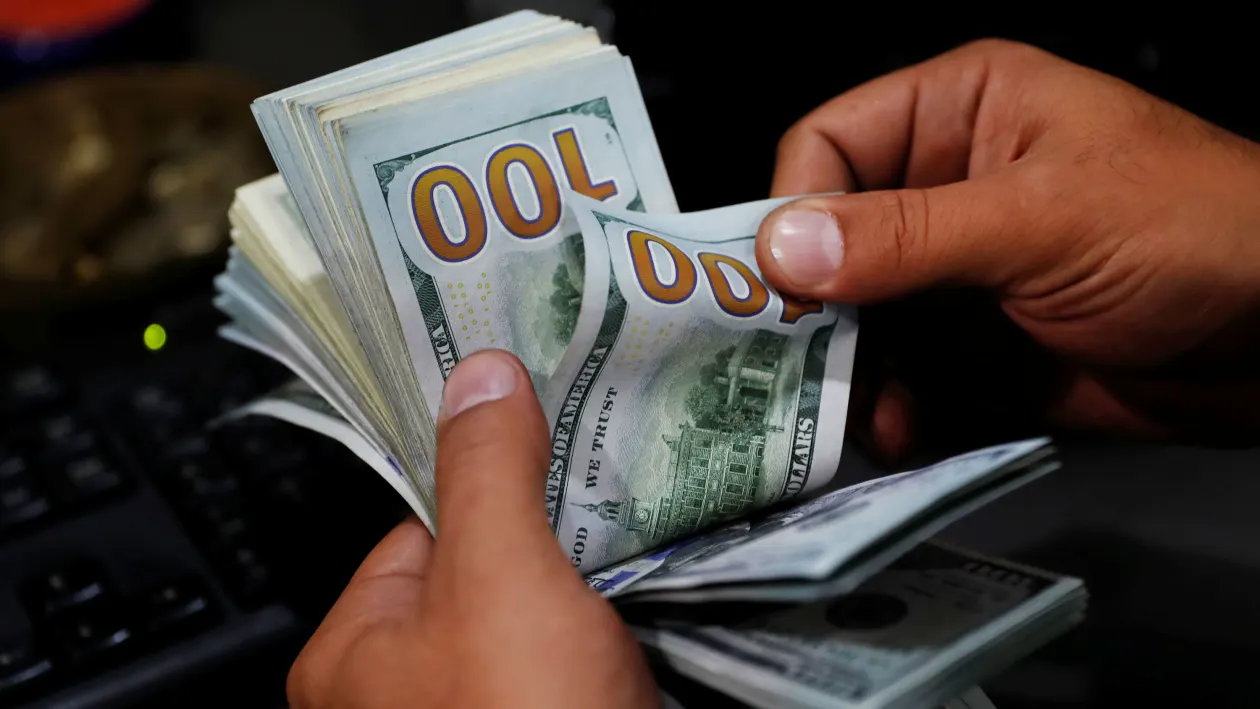
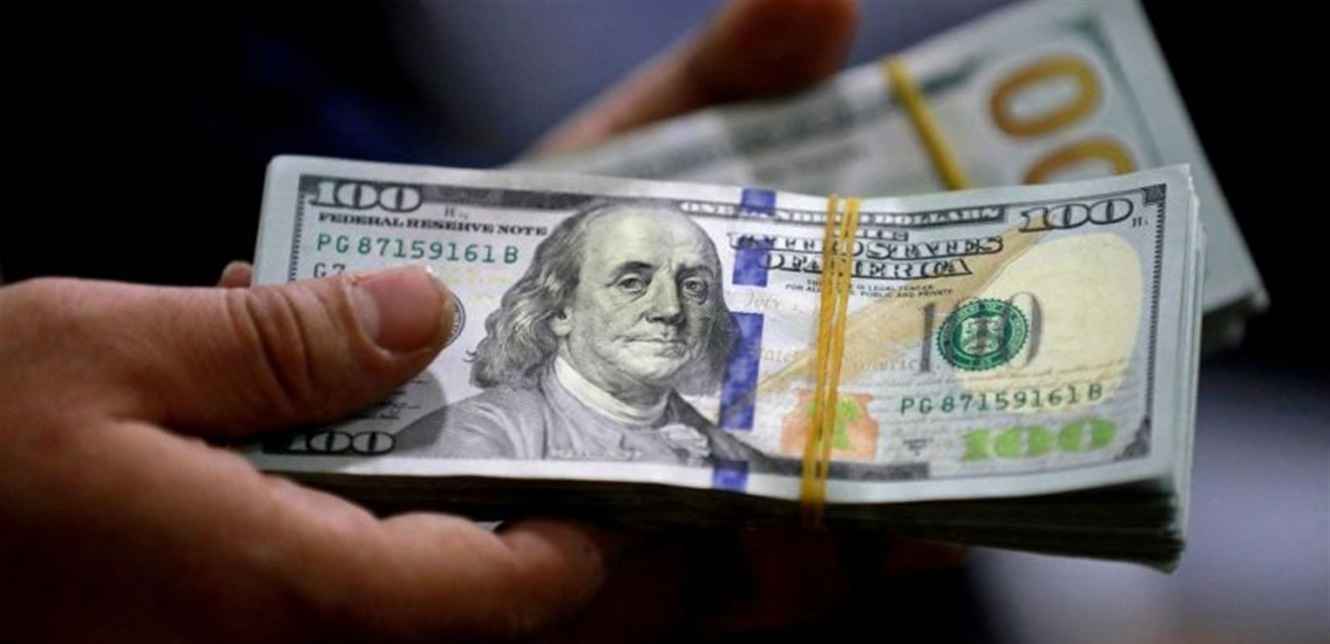
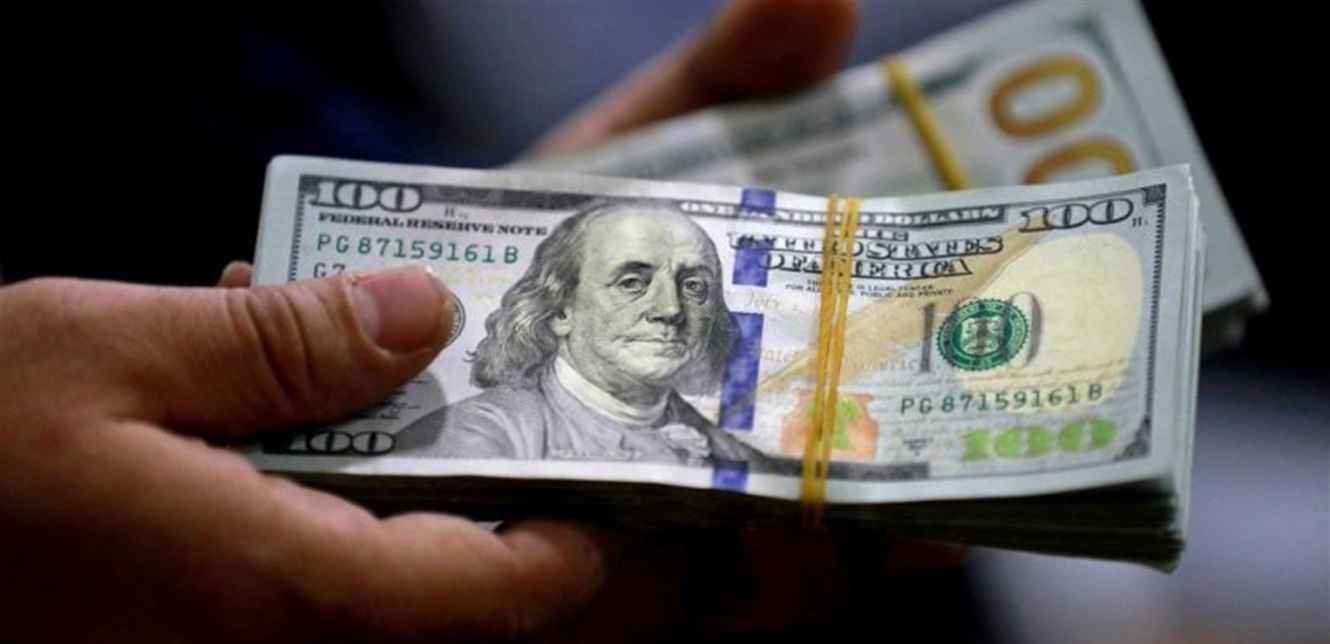
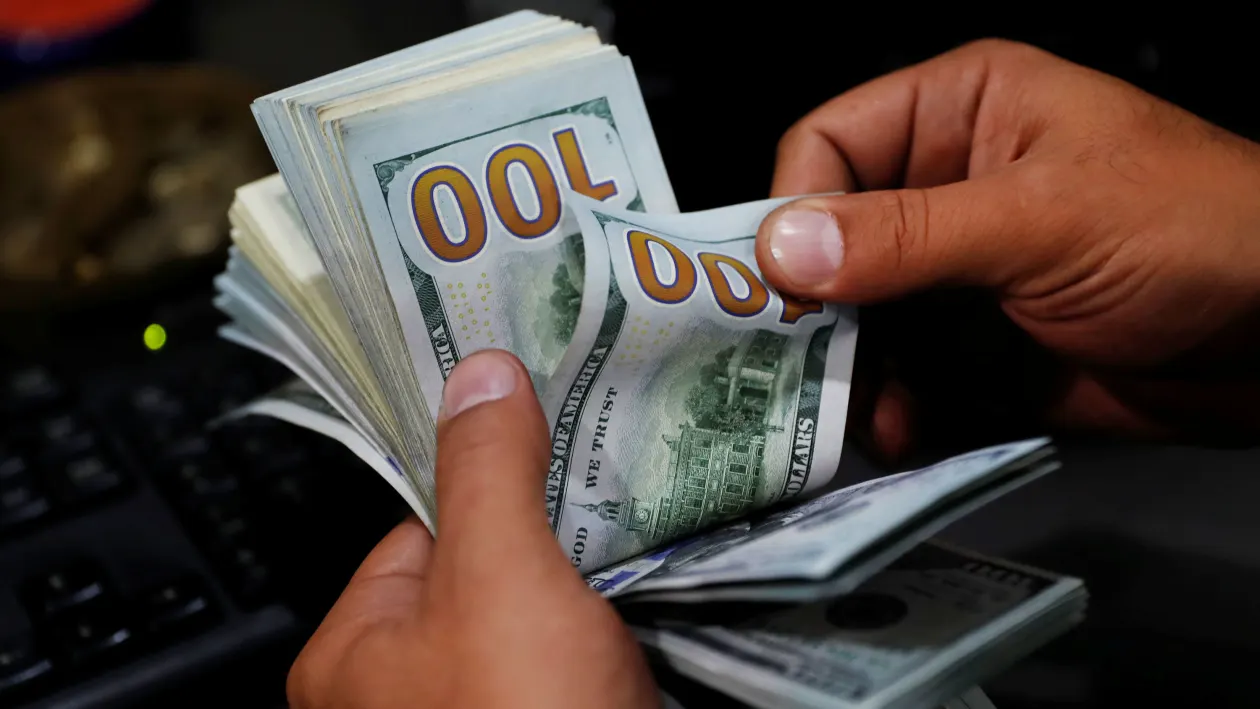
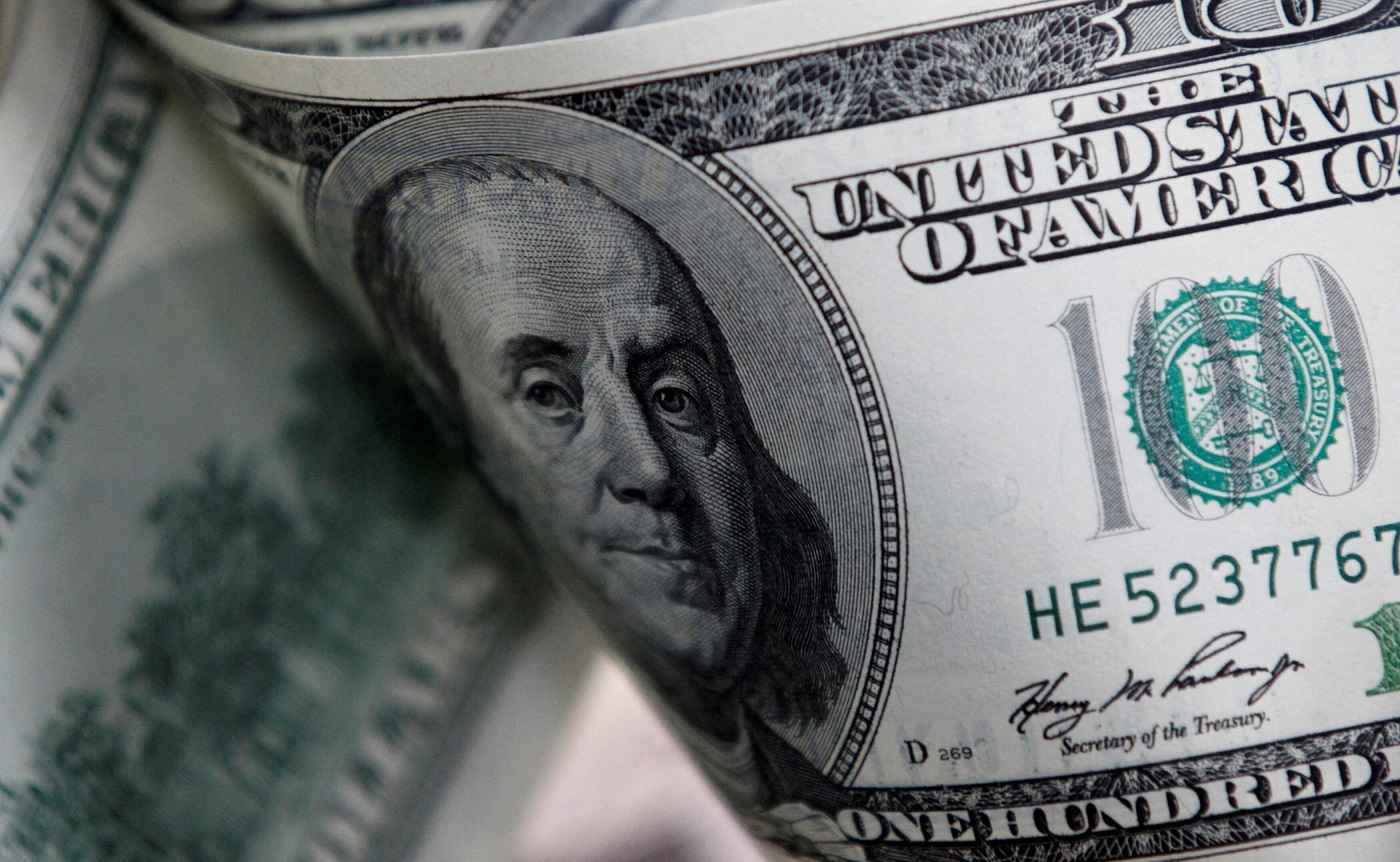
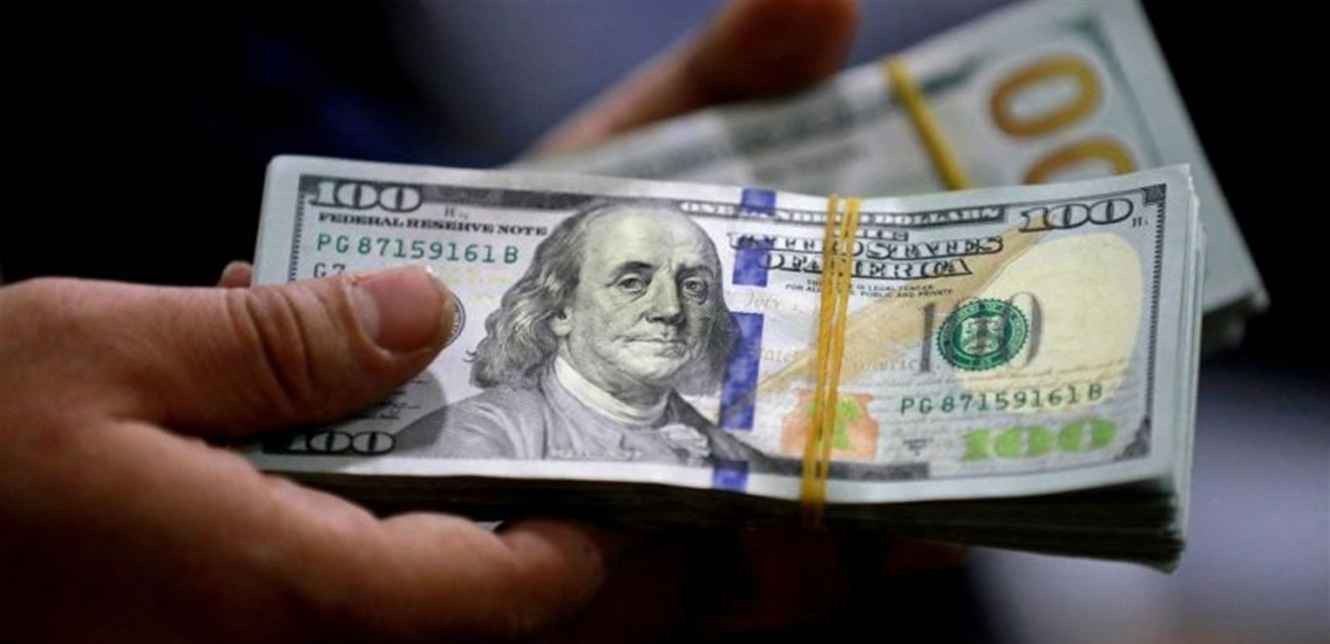
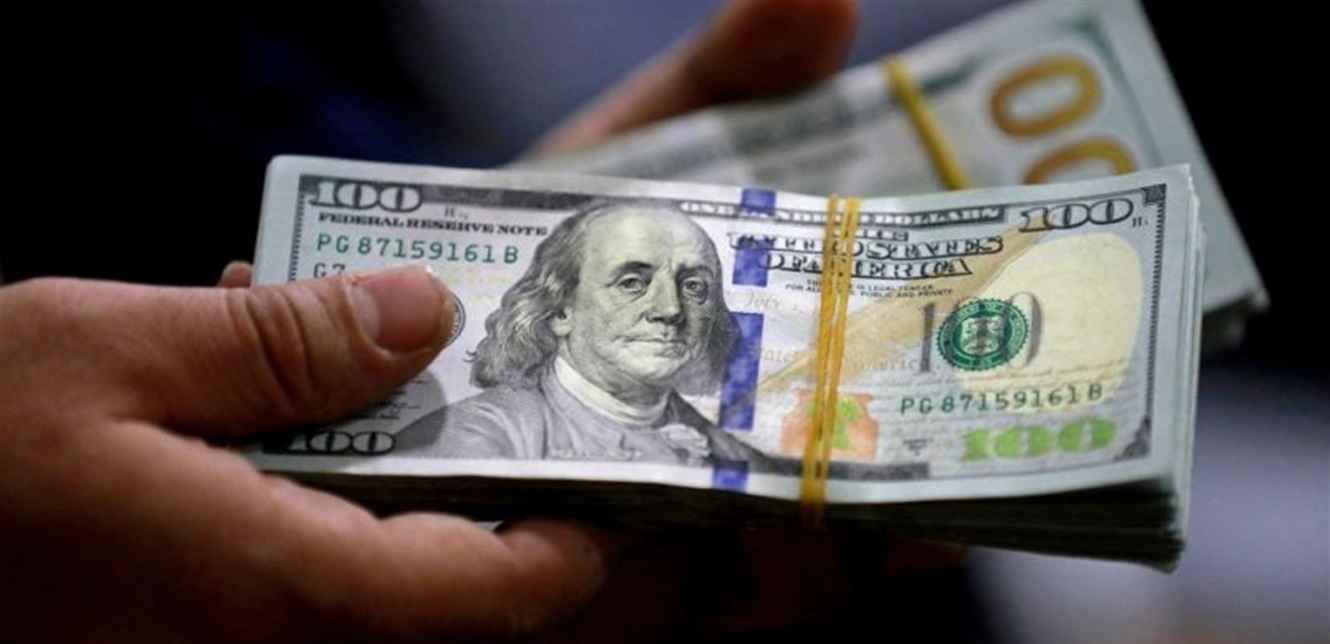
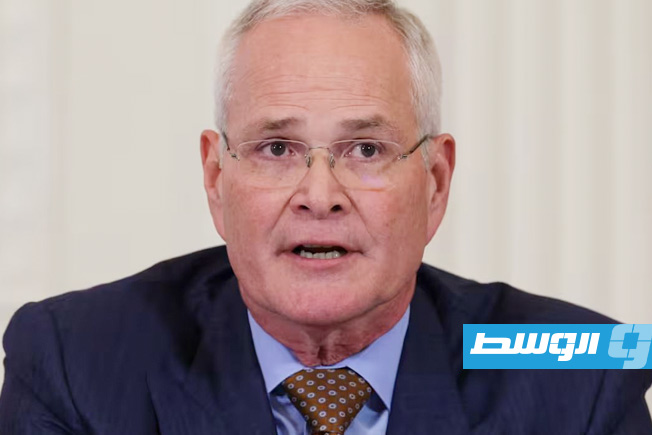
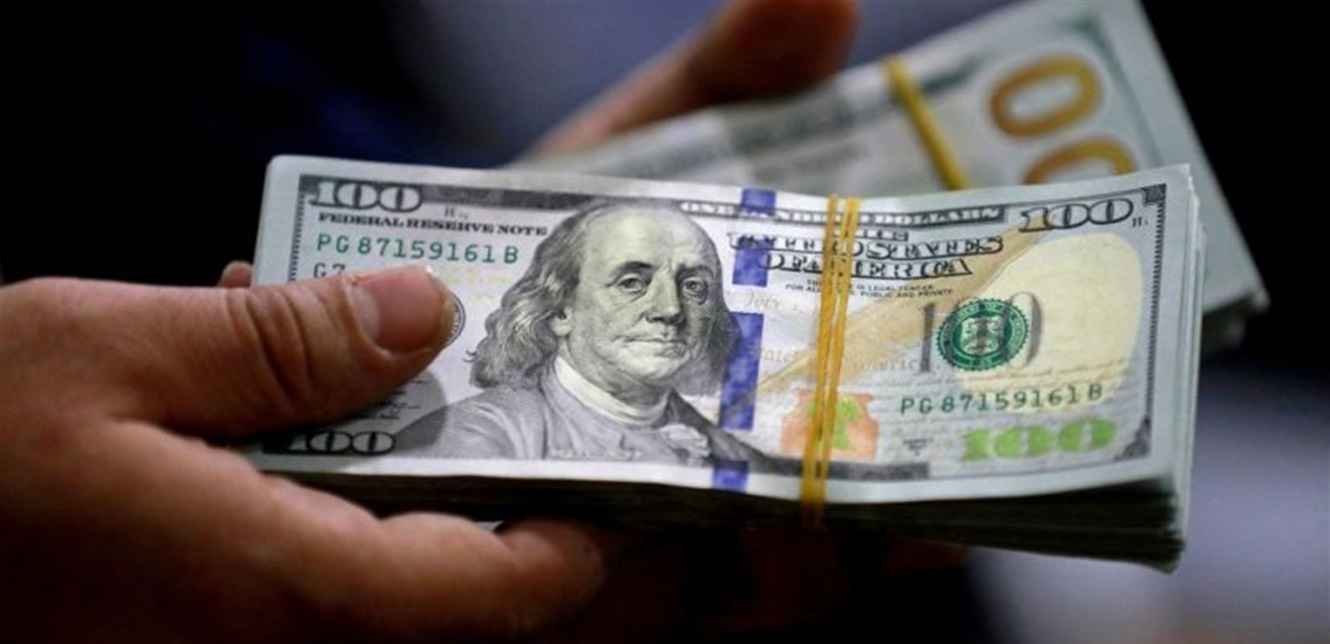
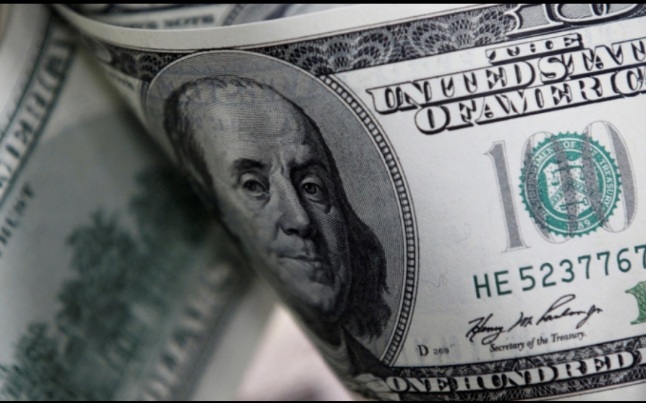
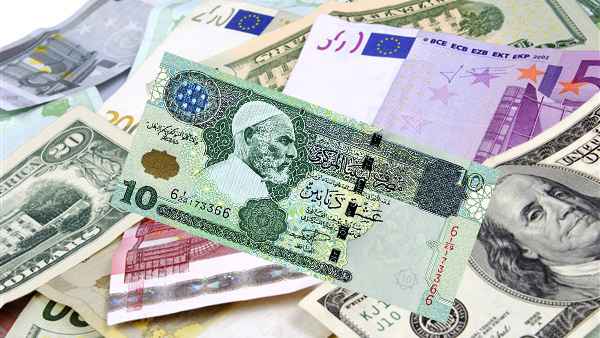
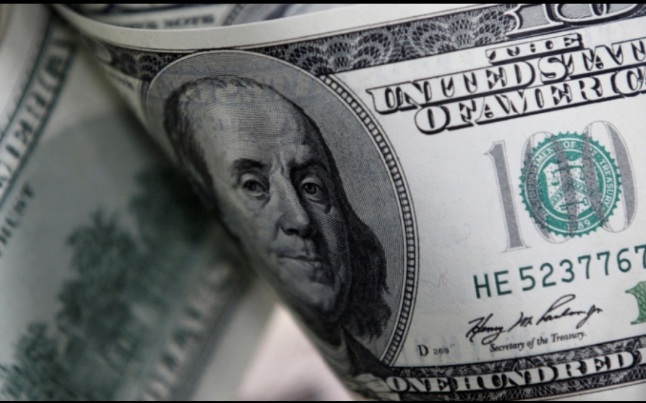
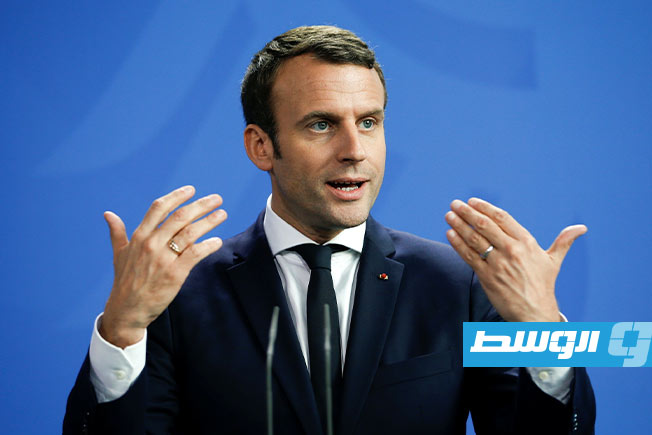
The ECB President stated that “the appreciation of the euro could lead to inflation falling more than currently expected,” but considered that the euro’s recent gains against the dollar were “broadly consistent with the general average of the exchange rate.”
The European Central Bank estimated in its statement that “inflation will stabilize” around its target over the medium term, adding “the economy remains resilient in a globally challenging environment.”
The bank added that “the decline in the unemployment rate, the financial strength of the private sector, the gradual expansion of public spending on defense and infrastructure, and the supportive effects of previous interest rate cuts are all factors supporting growth.”
However, the financial institution warned that “the outlook remains uncertain, particularly due to persistent uncertainty in global trade policy and geopolitical tensions.”
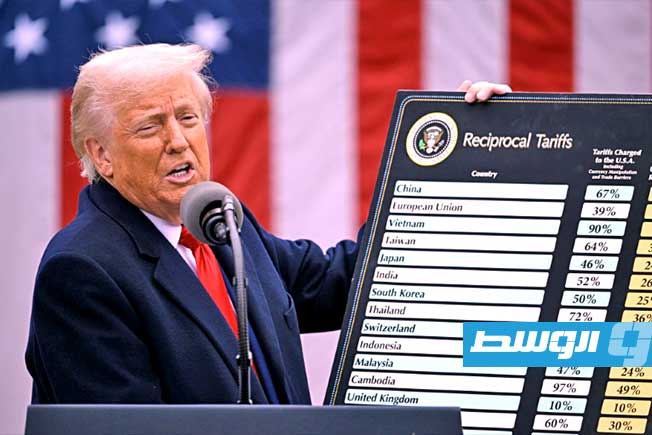
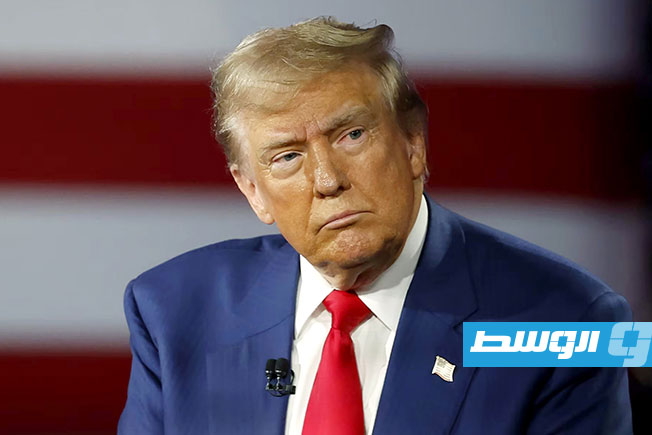
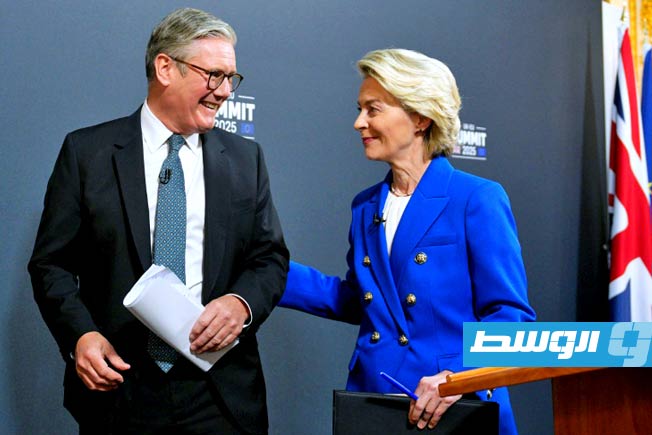
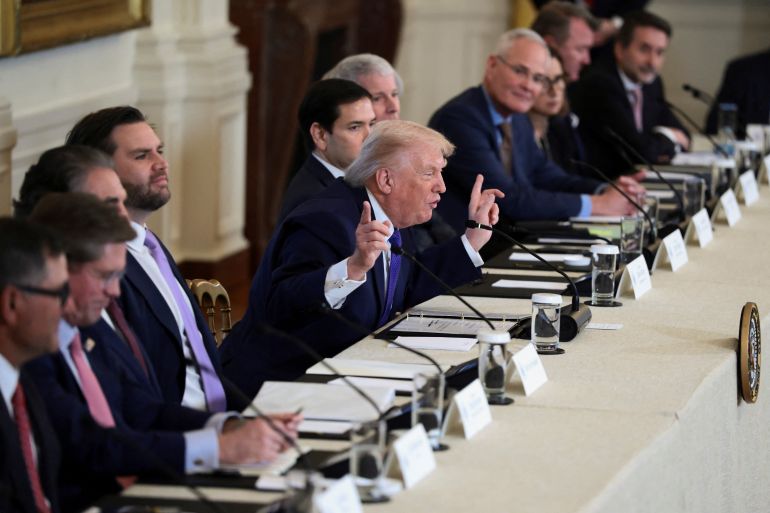
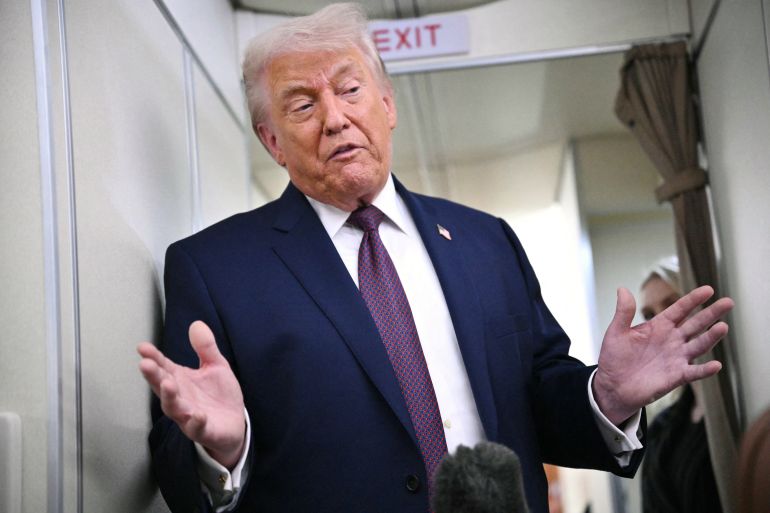
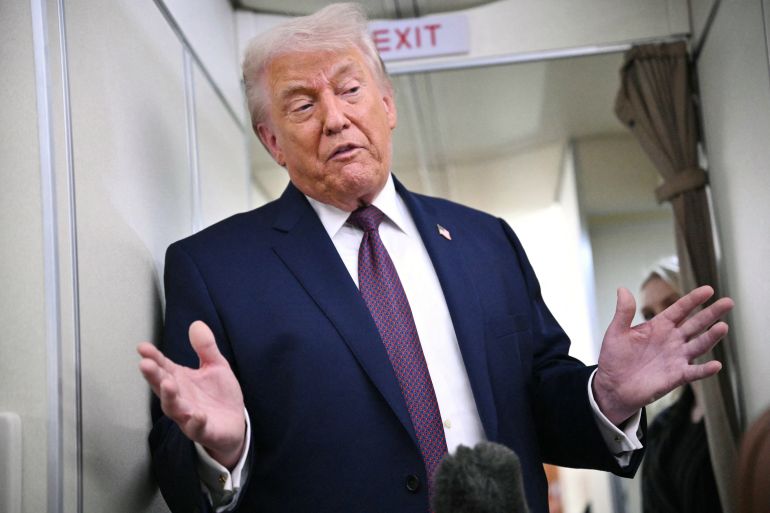
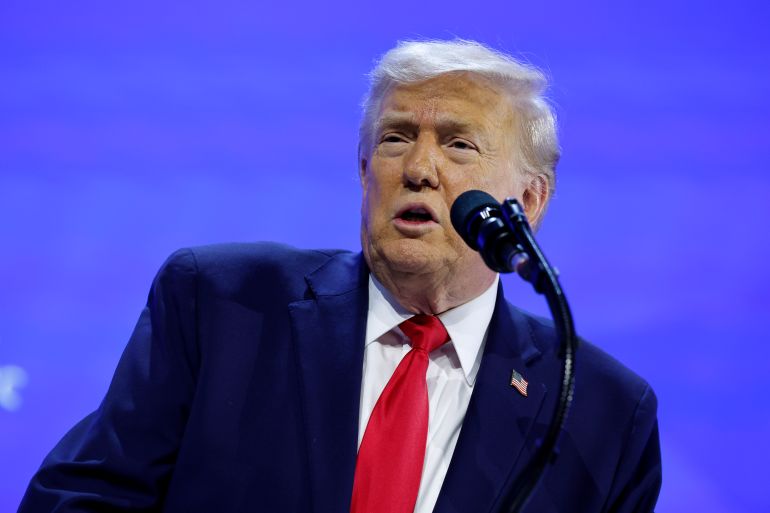
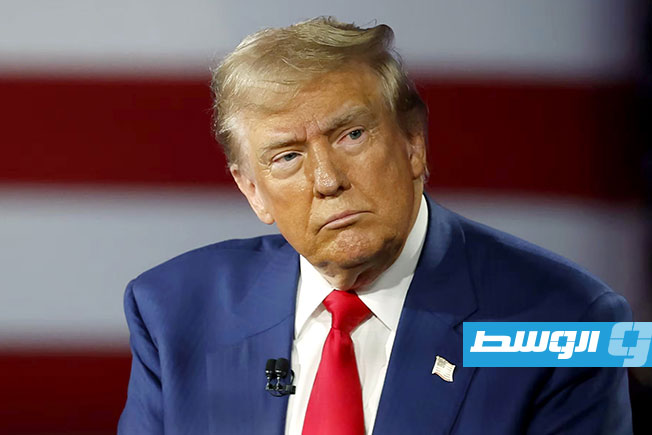
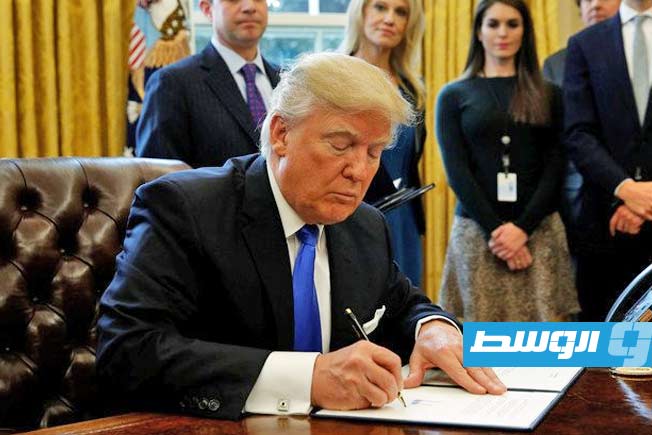
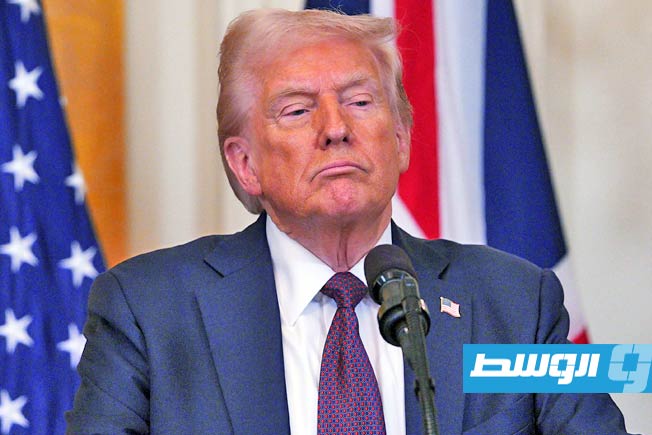
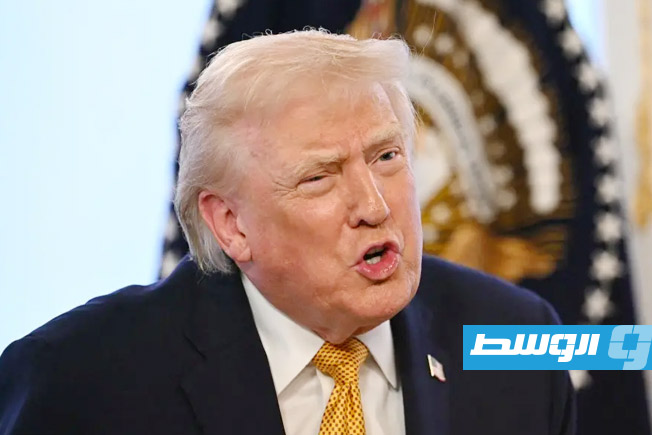
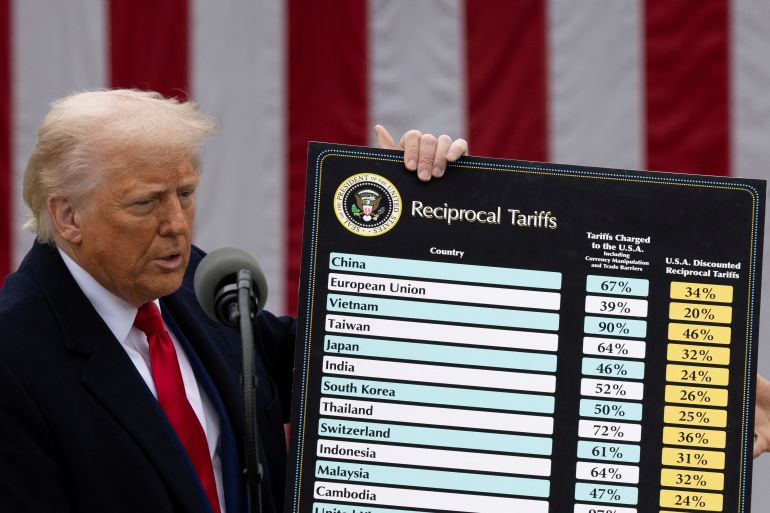
The volatile trade policies of the US President have caused concern in Europe. Meanwhile, the Bank of England kept its benchmark interest rate unchanged on Thursday at 3.75%, while lowering its growth forecasts for the UK this year and next.
European Central Bank
The European Central Bank (ECB) is the central bank for the euro and the core institution of the Eurosystem, established in 1998 to administer the monetary policy of the eurozone. Its primary mandate is to maintain price stability within the member states that have adopted the euro as their currency.
eurozone
The Eurozone is a monetary union of 20 European Union member states that have adopted the euro as their common currency. It was formally established in 1999, with the euro initially introduced for electronic payments before physical banknotes and coins entered circulation in 2002.
euro
The Euro is the official currency of the Eurozone, which consists of 20 of the 27 member states of the European Union. It was introduced in non-physical form in 1999 and as physical banknotes and coins in 2002, with the goal of fostering economic integration and stability across Europe.
dollar
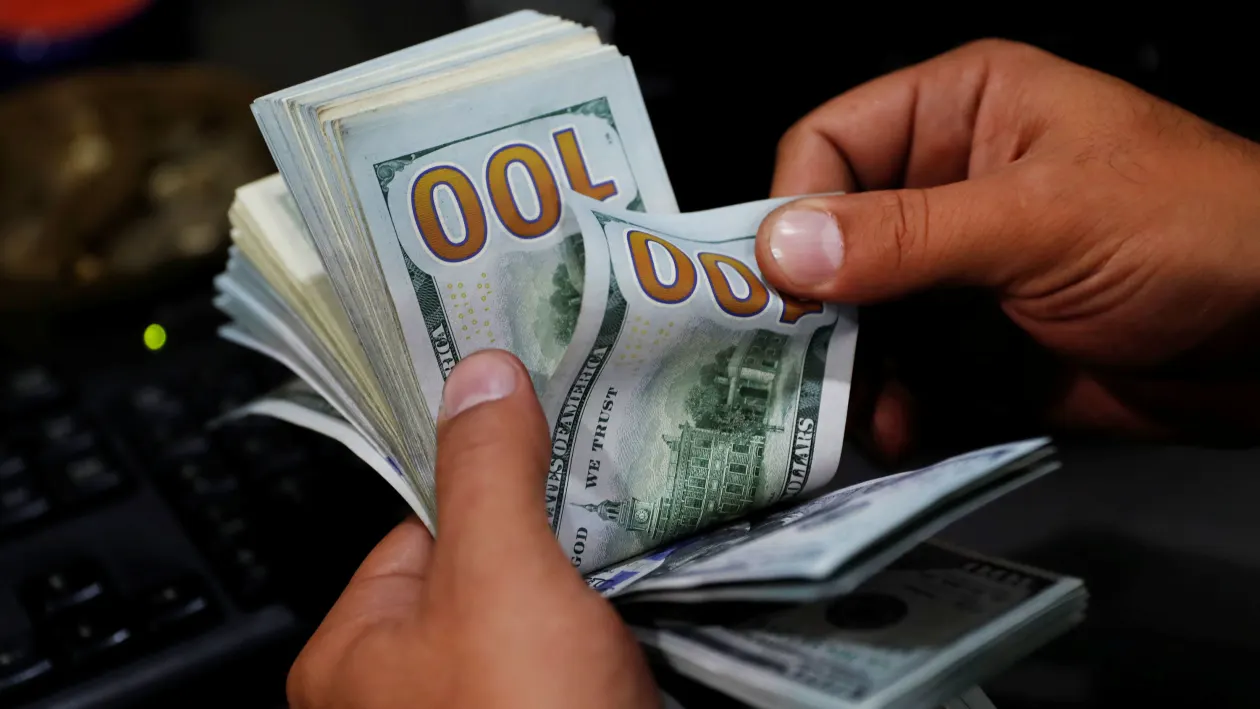
The United States dollar is the official currency of the United States, established by the Coinage Act of 1792. Its history is tied to the nation’s development, evolving from a bimetallic standard to a fiat currency backed by the U.S. government after the end of the gold standard in 1971.
Bank of England
The Bank of England is the central bank of the United Kingdom, founded in 1694 to act as the government’s banker and debt manager. It is one of the world’s oldest central banks and has been located on Threadneedle Street in London since 1734, earning it the nickname “The Old Lady of Threadneedle Street.”
UK
The United Kingdom is a sovereign nation comprising England, Scotland, Wales, and Northern Ireland, with a history shaped by the Acts of Union in 1707 and 1800. It developed into a global power through the British Empire and is known for its constitutional monarchy and parliamentary democracy. Its cultural influence is profound, from the English language and literature to landmarks like Stonehenge, Westminster Abbey, and Edinburgh Castle.
Europe
Europe is a continent with a rich and complex history, shaped by ancient civilizations like Greece and Rome, the Middle Ages, the Renaissance, and periods of both conflict and cooperation. It is home to a vast array of cultural sites, from prehistoric cave paintings to grand cathedrals and castles, reflecting its diverse peoples and historical developments. Its modern identity is largely defined by the European Union, a political and economic union promoting integration among many of its nations.
US
The United States of America is a federal republic founded in 1776 after declaring independence from Great Britain. Its history is marked by westward expansion, a civil war over slavery, and its emergence as a global superpower in the 20th century.