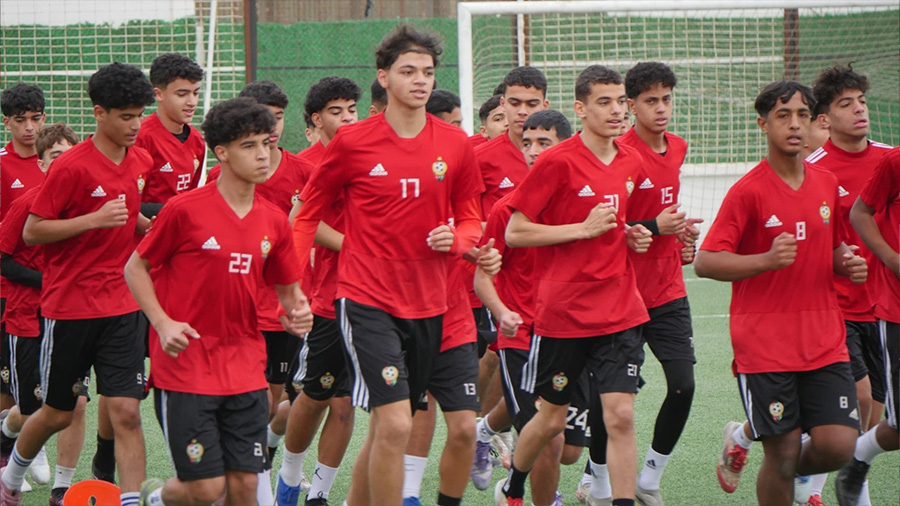
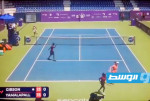
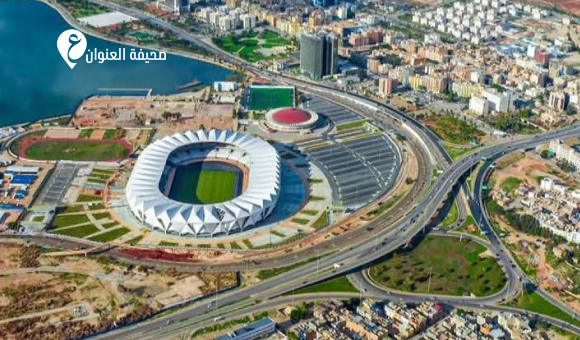
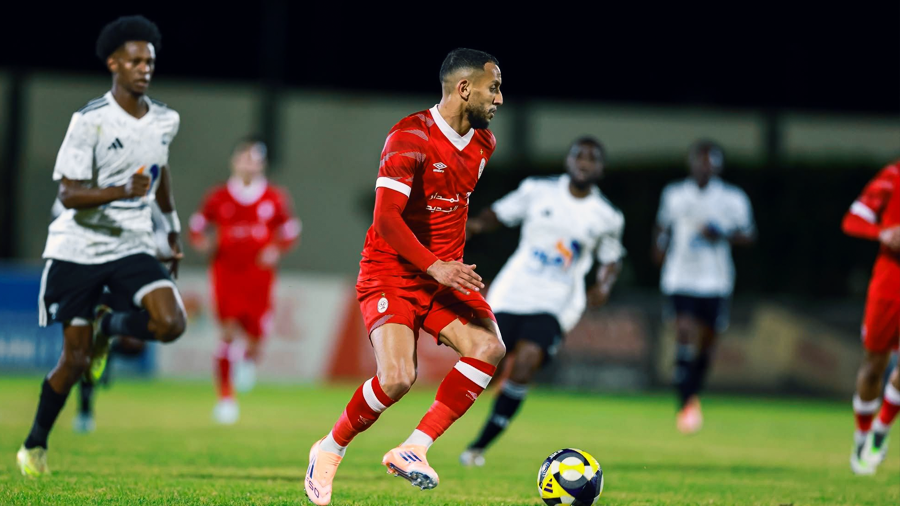
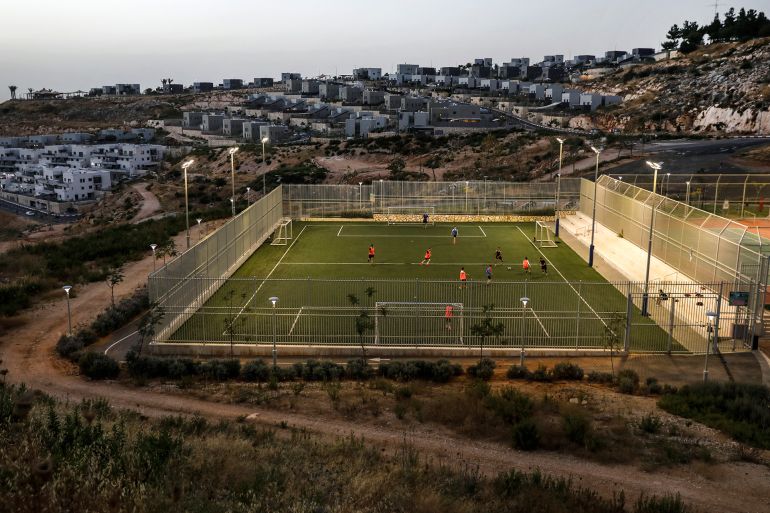
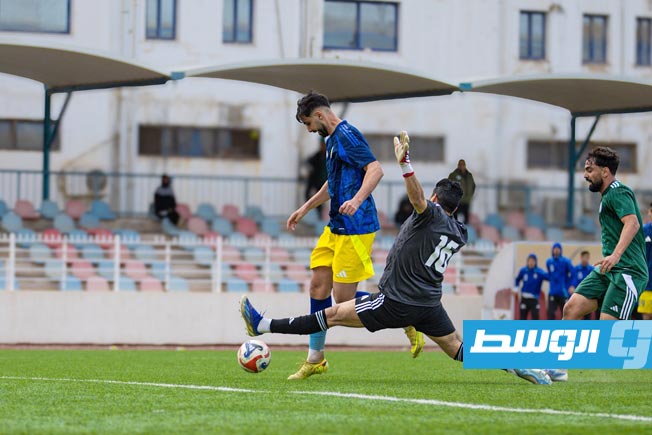
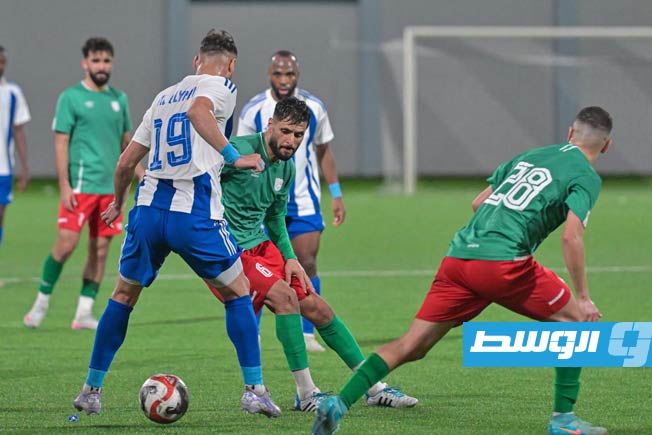
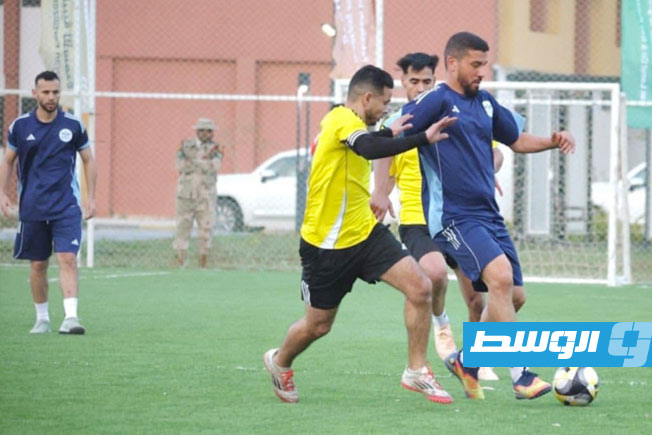
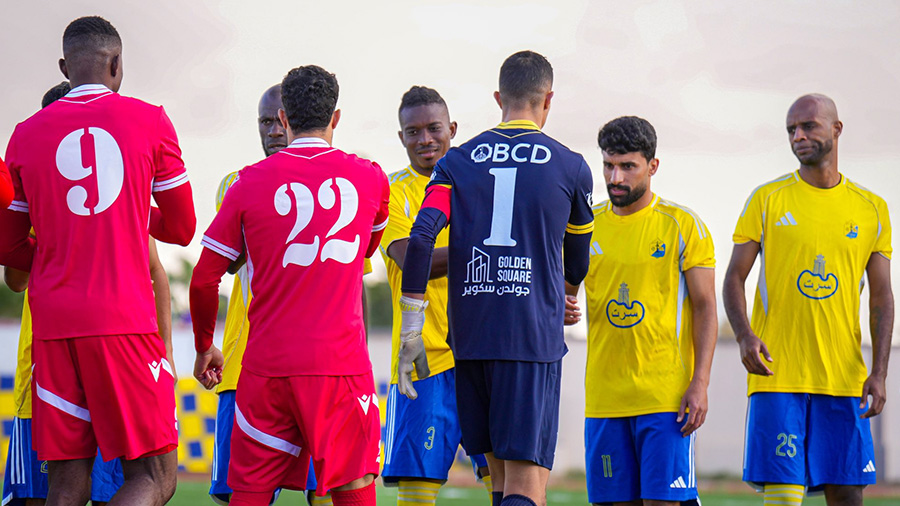
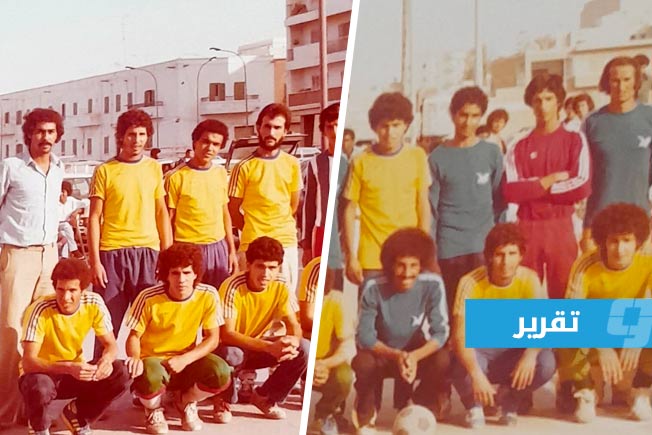
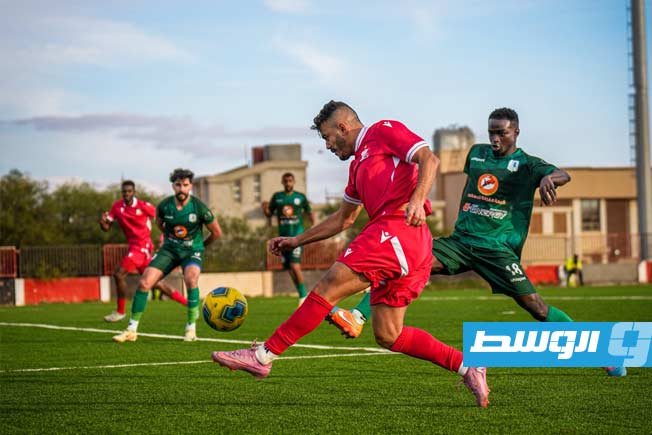
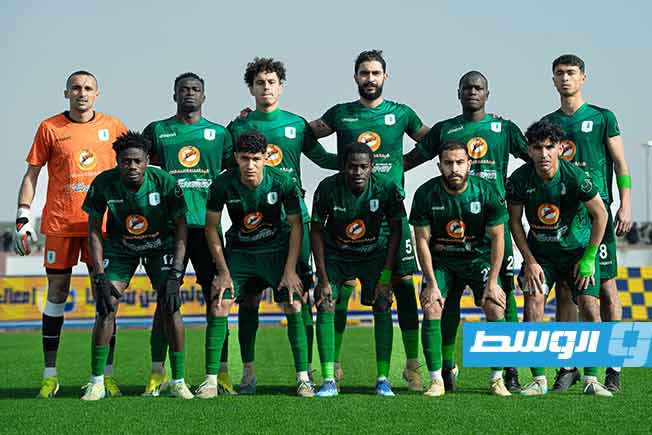
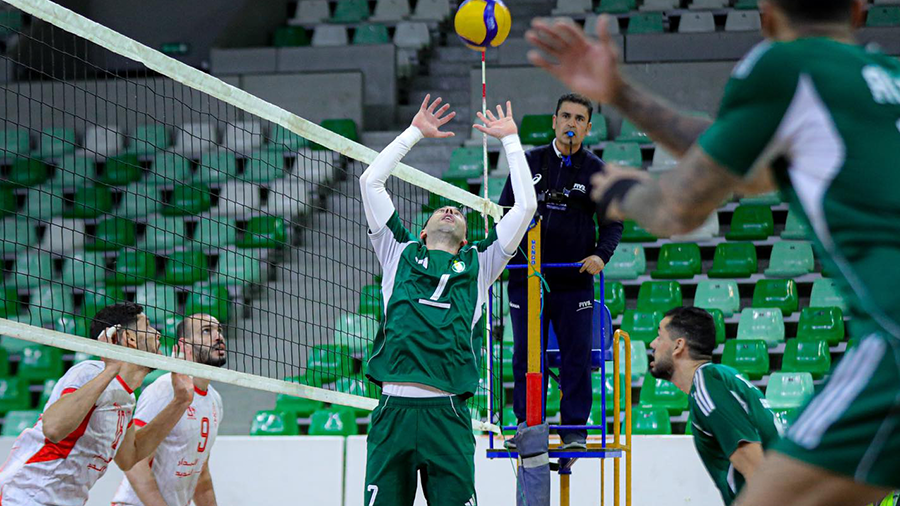
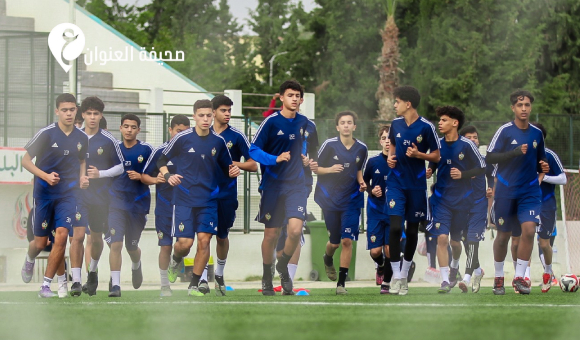
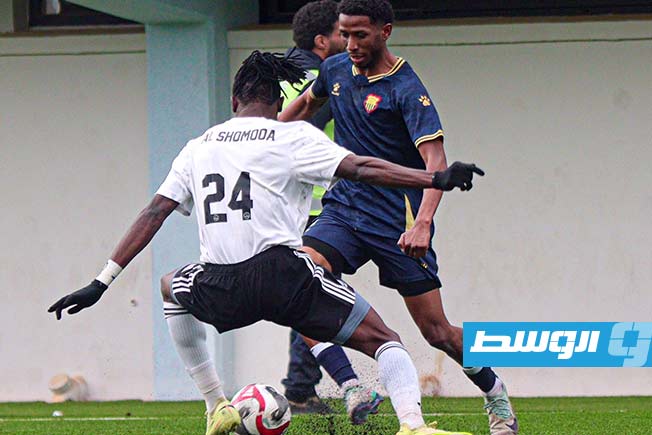
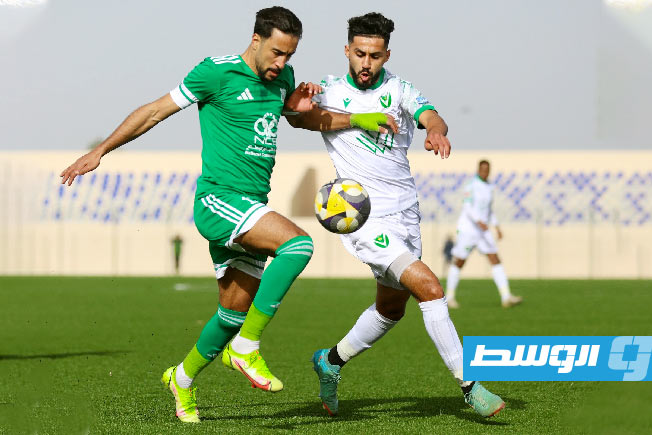
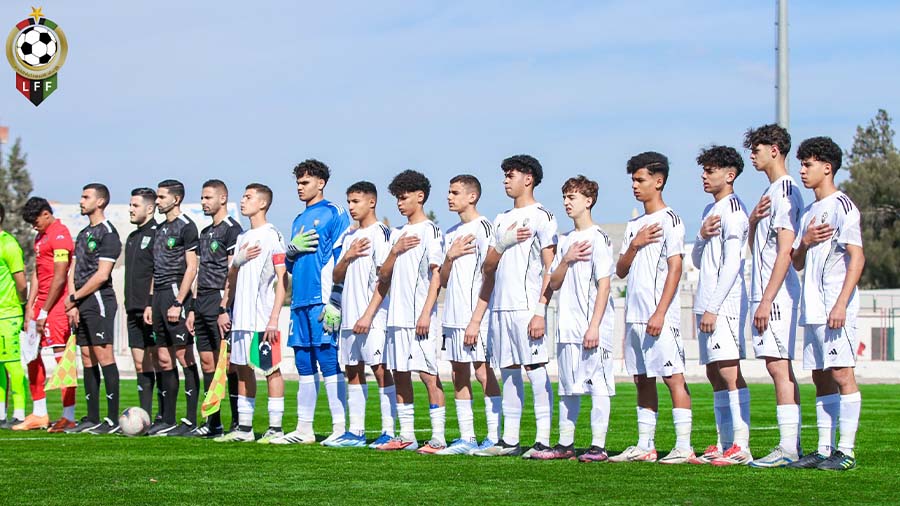
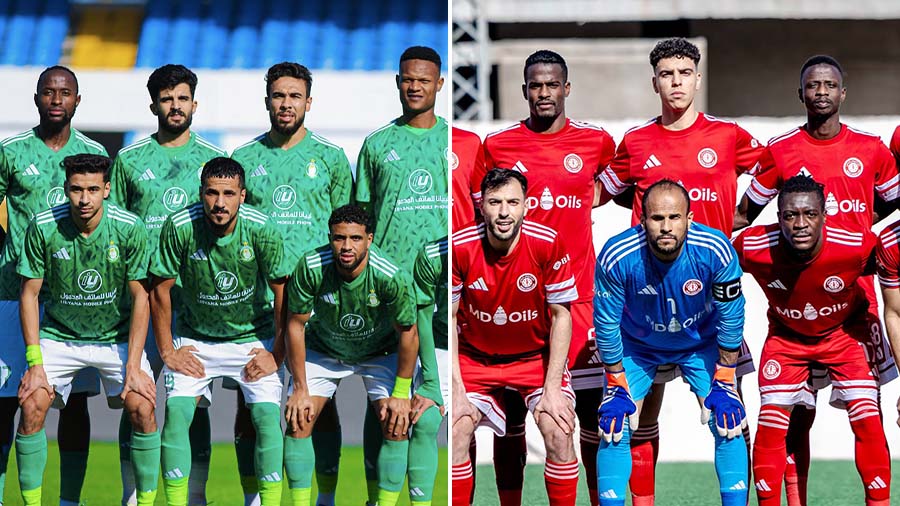
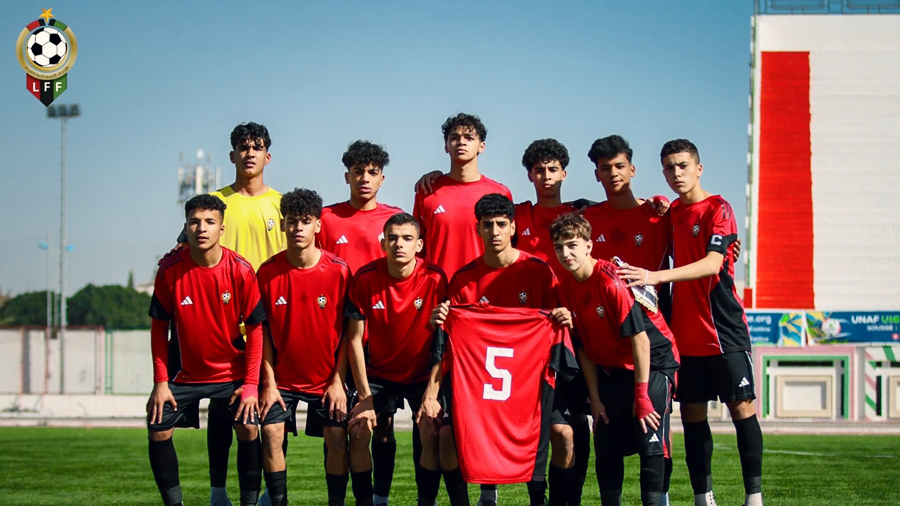
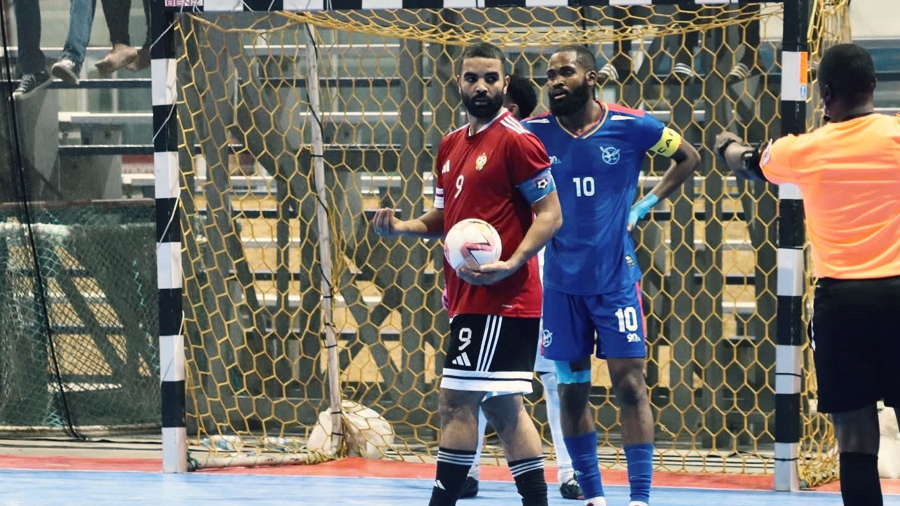
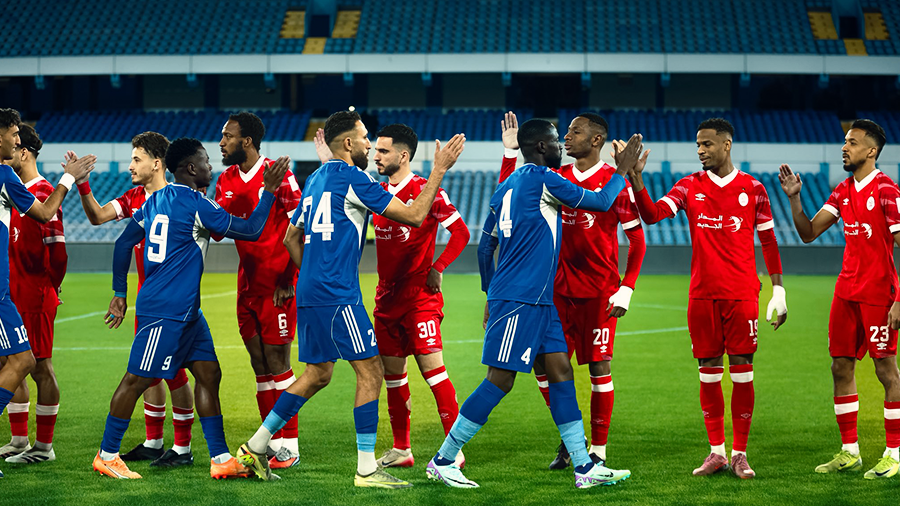
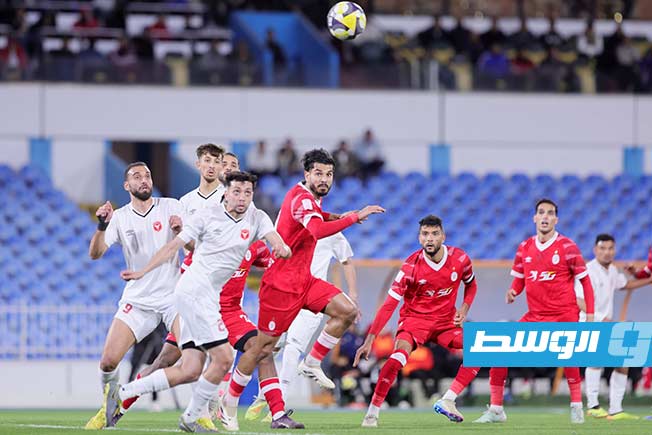
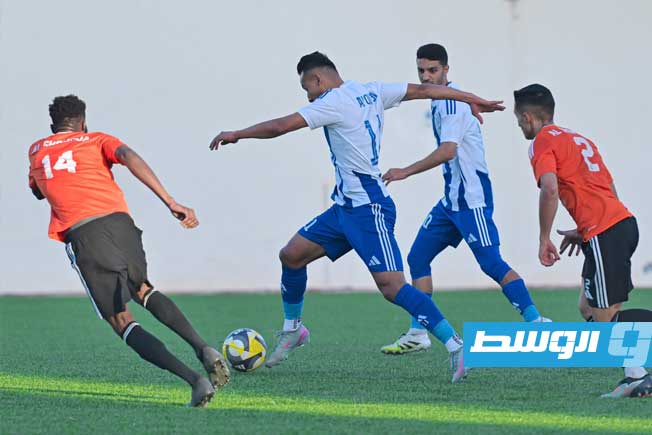
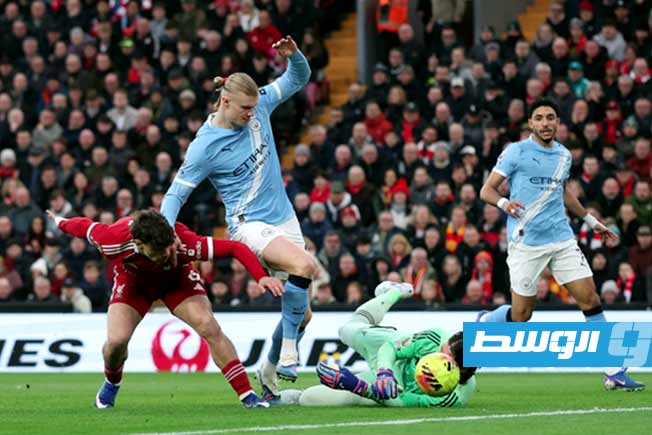
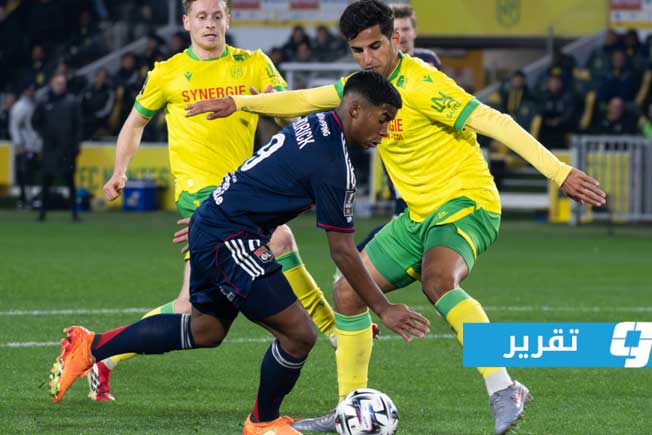
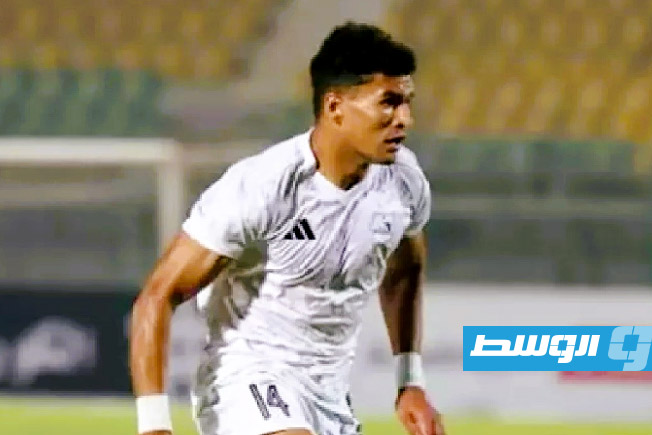
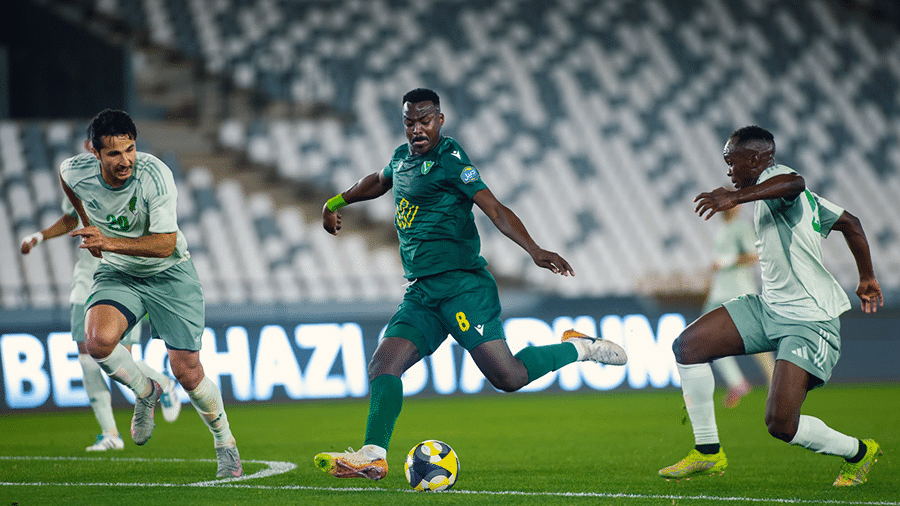
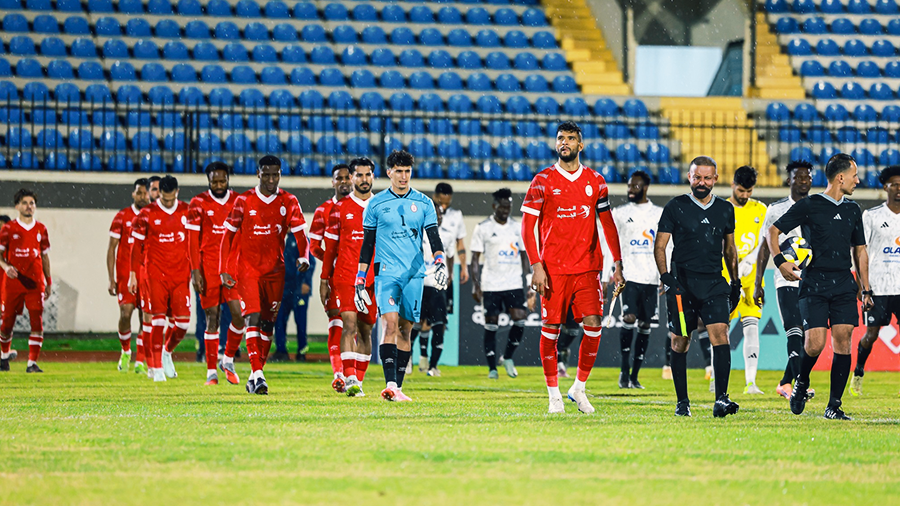
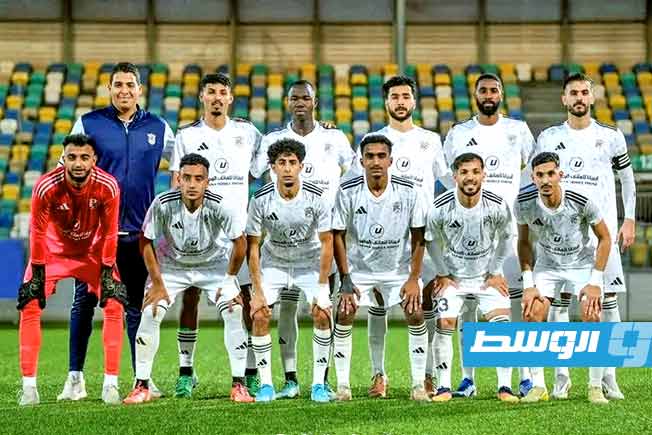
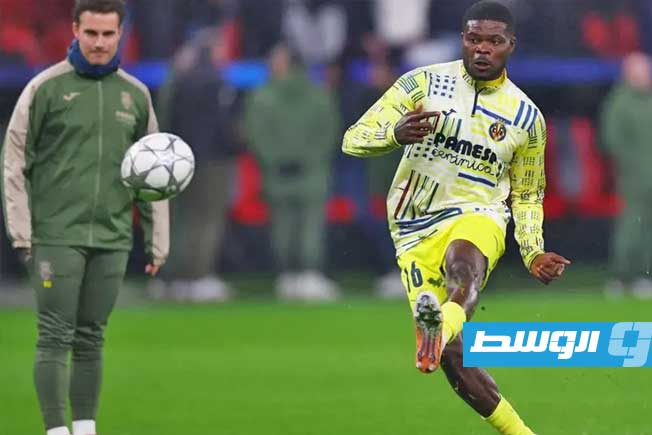
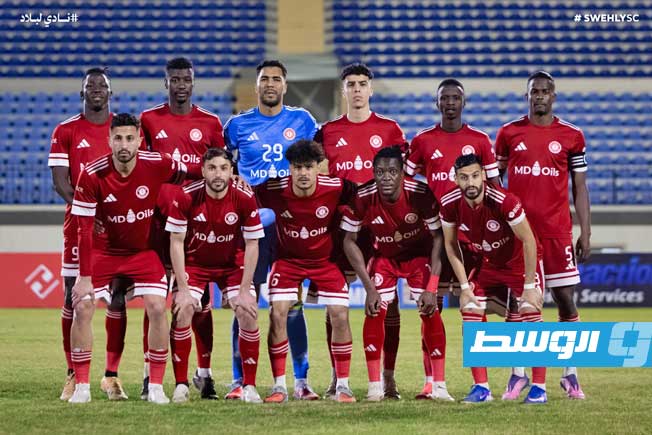
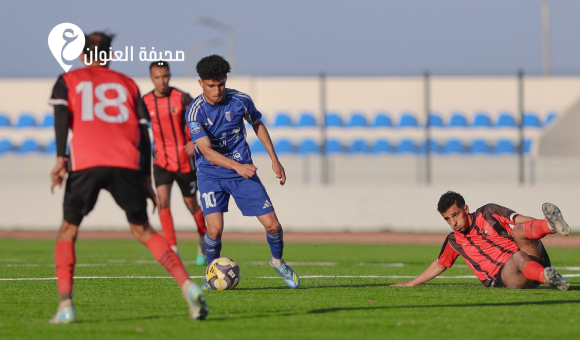
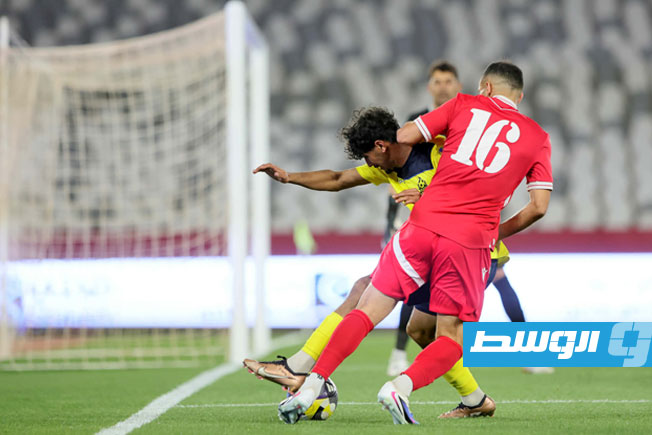
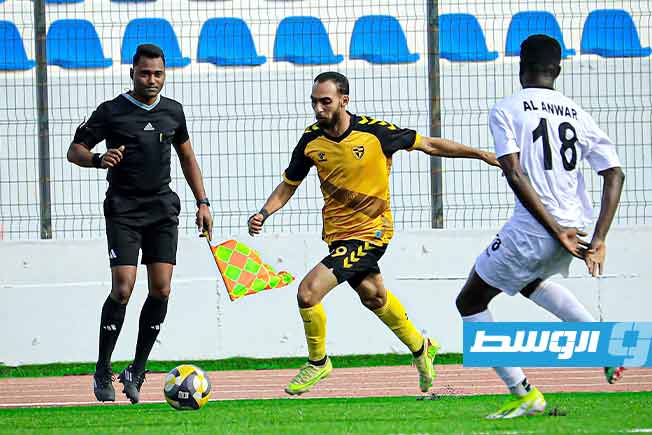
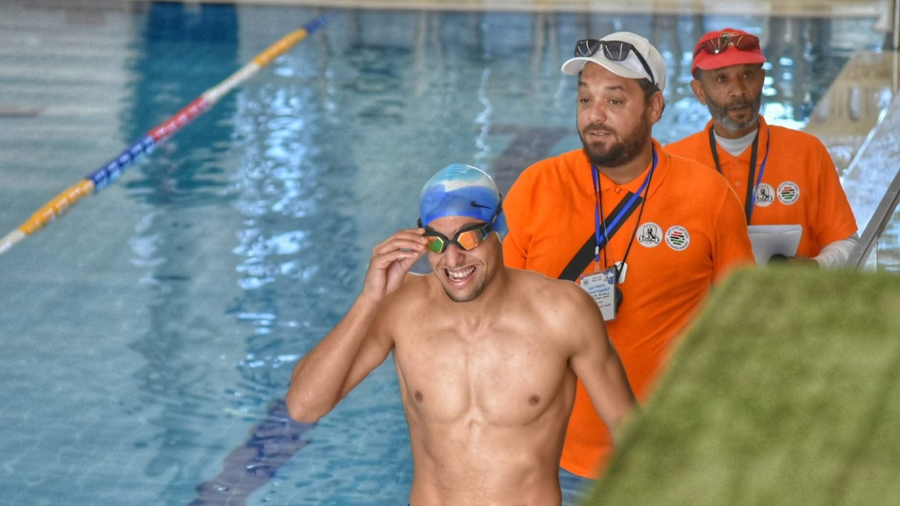
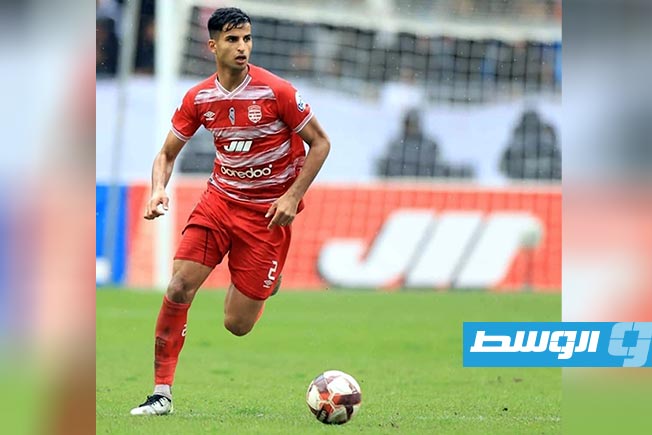
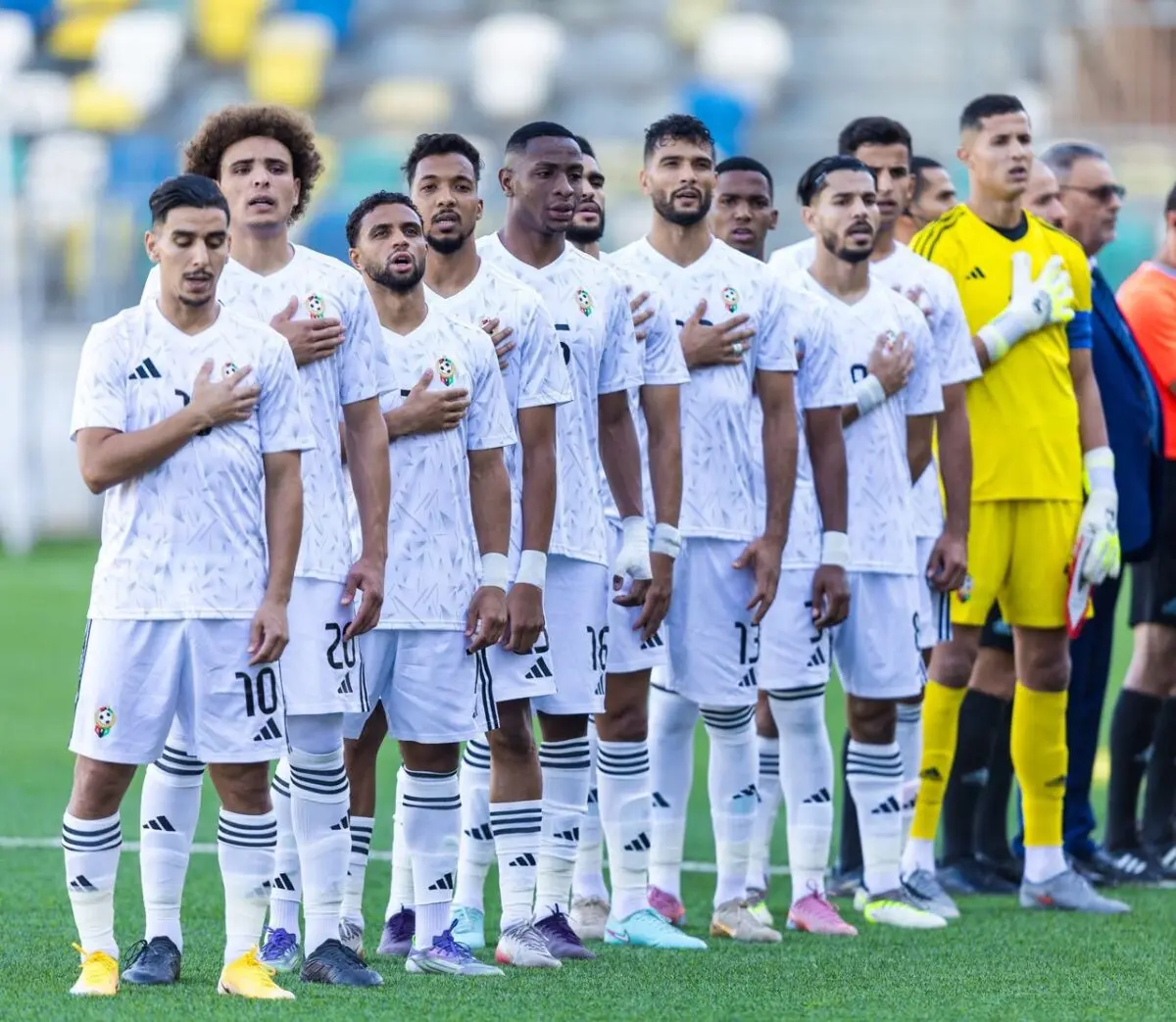
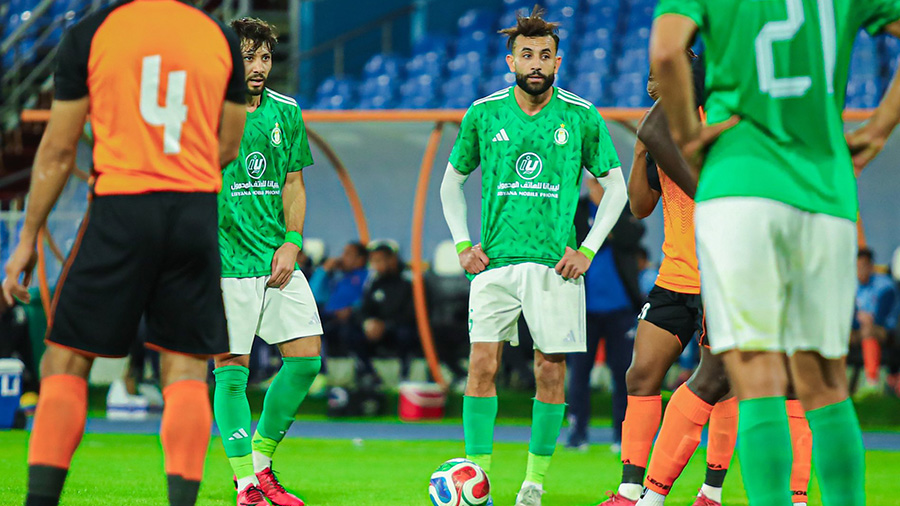
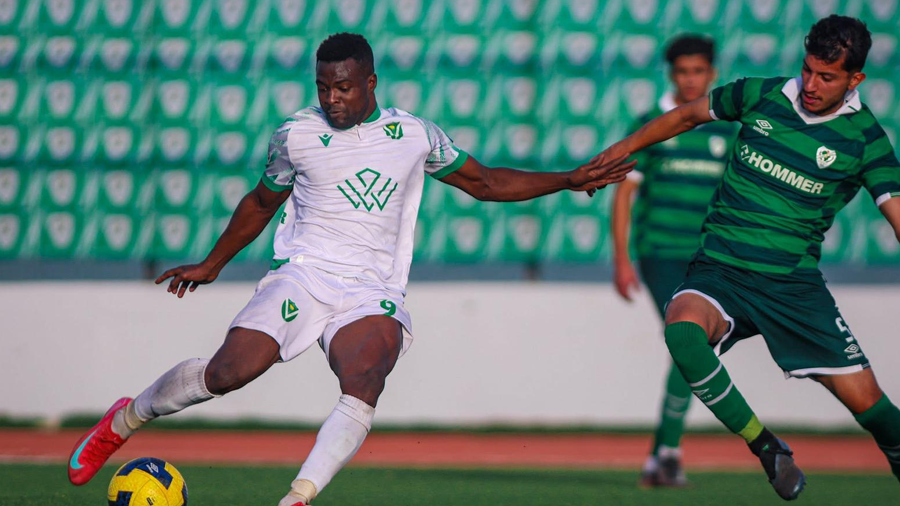
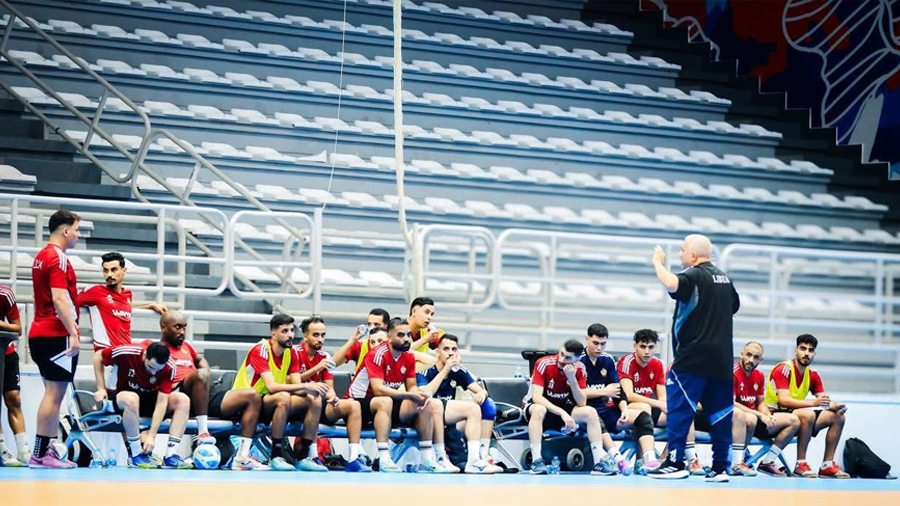
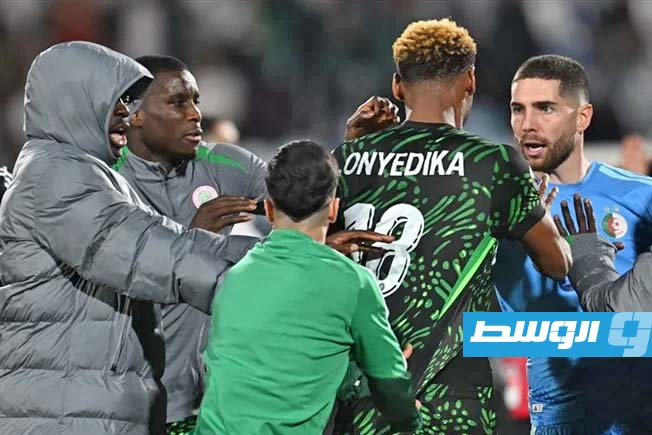
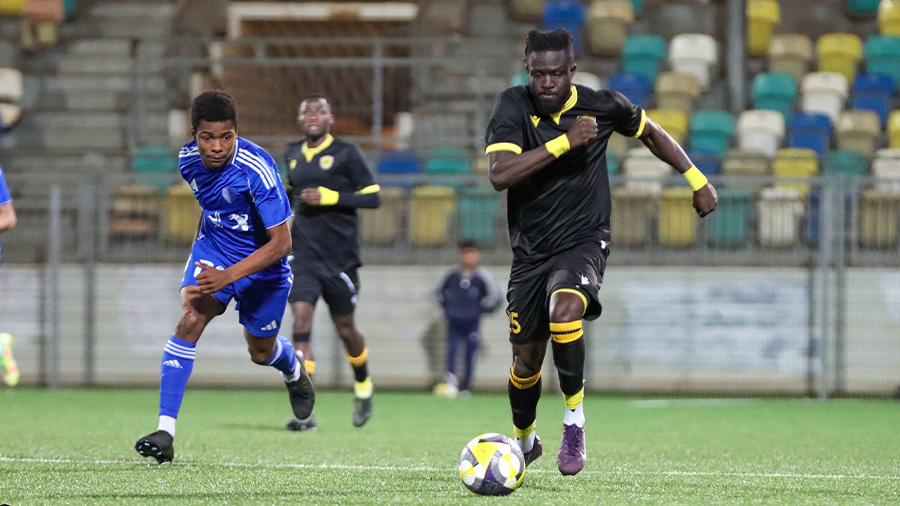
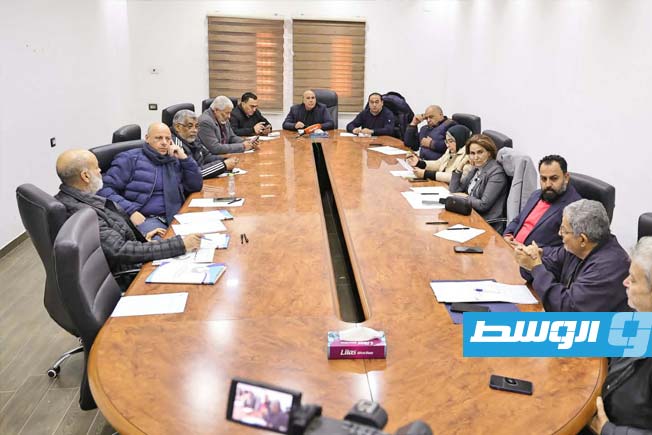
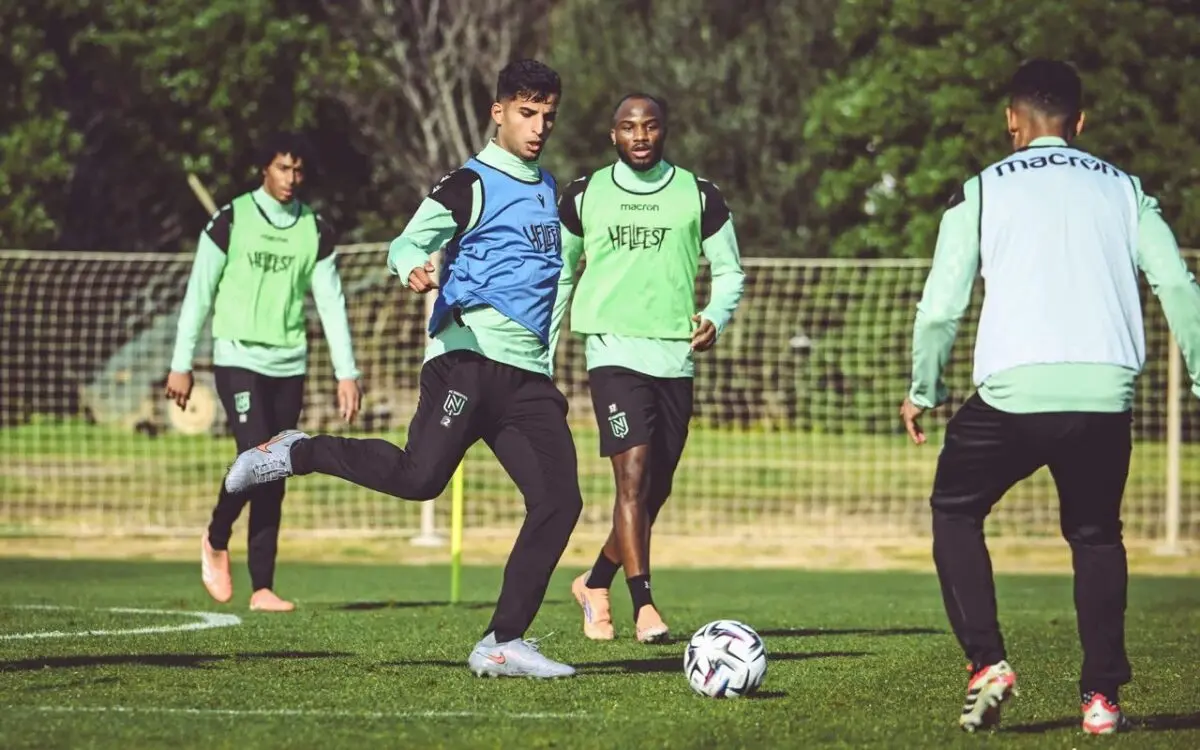
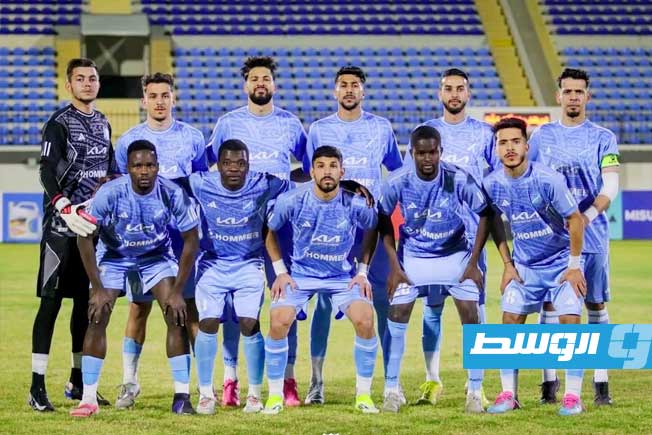
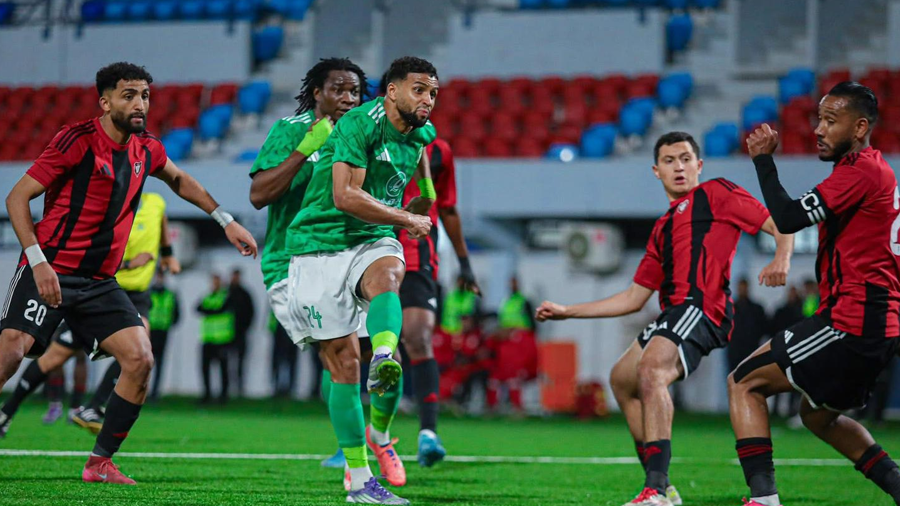
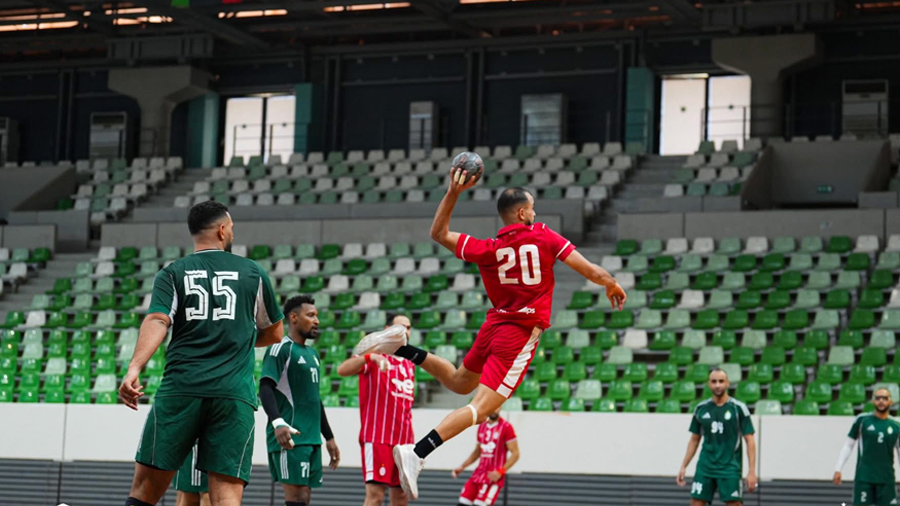
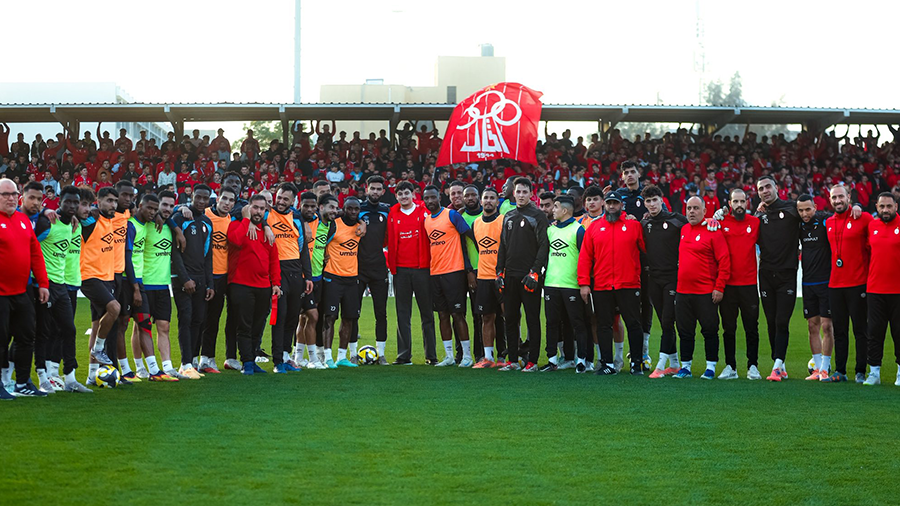
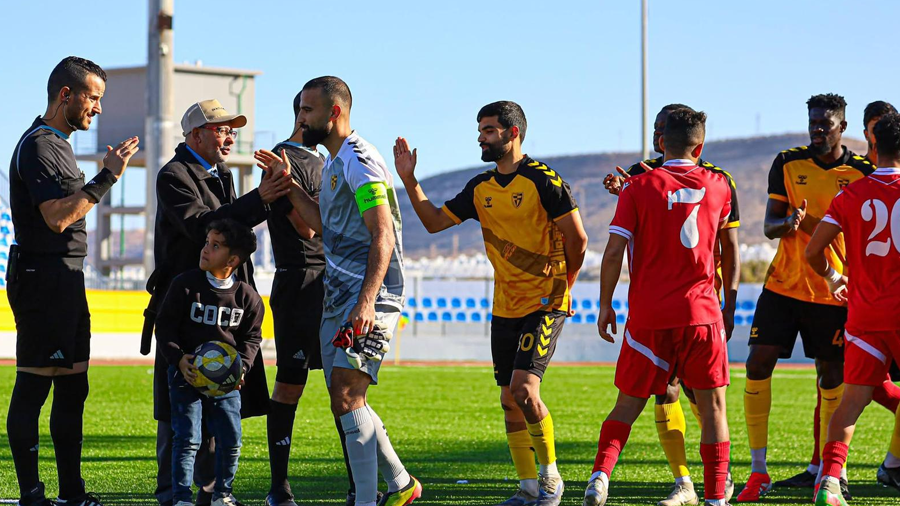
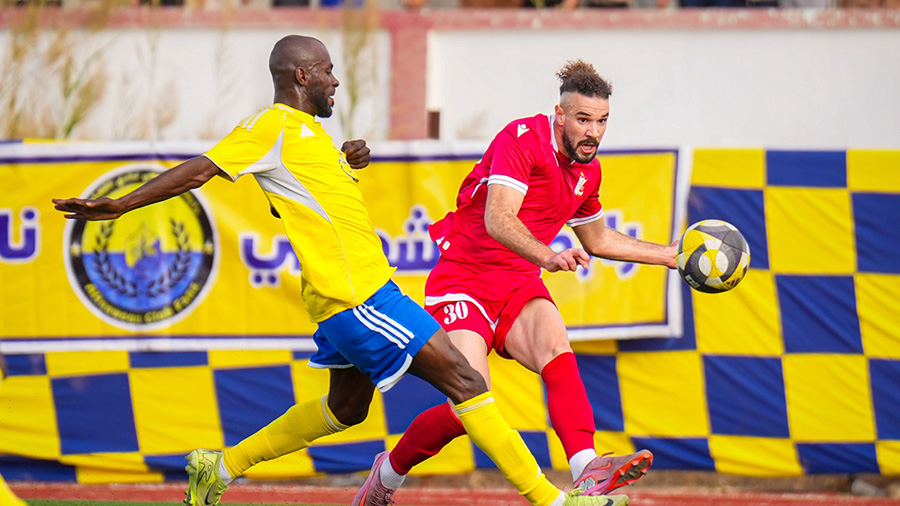
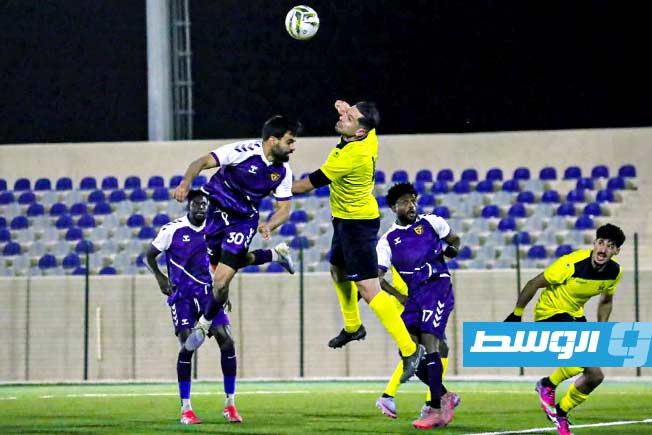
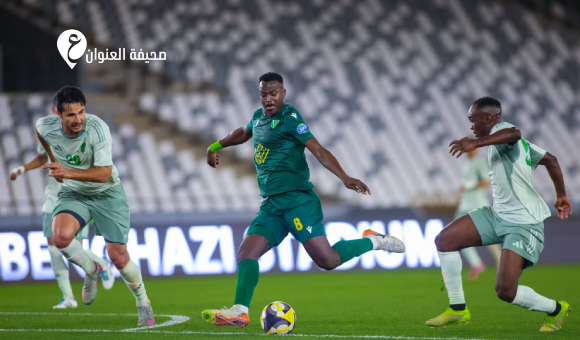
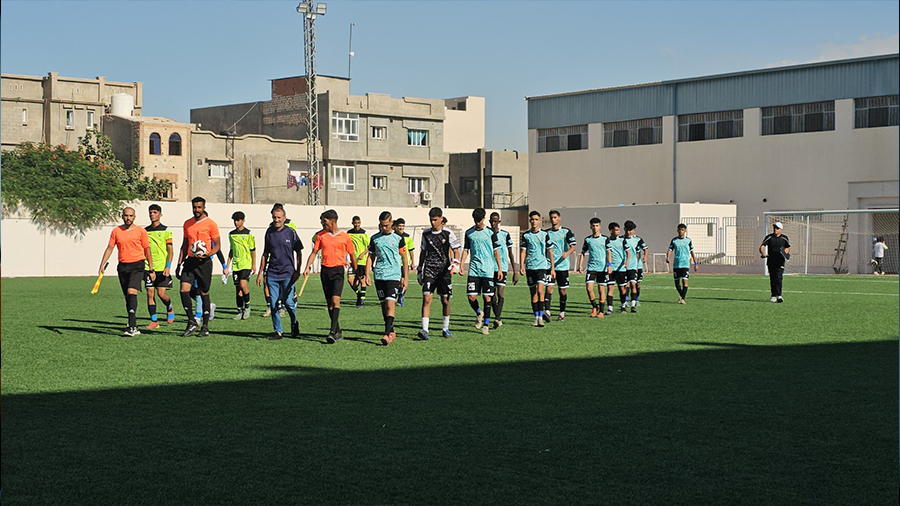
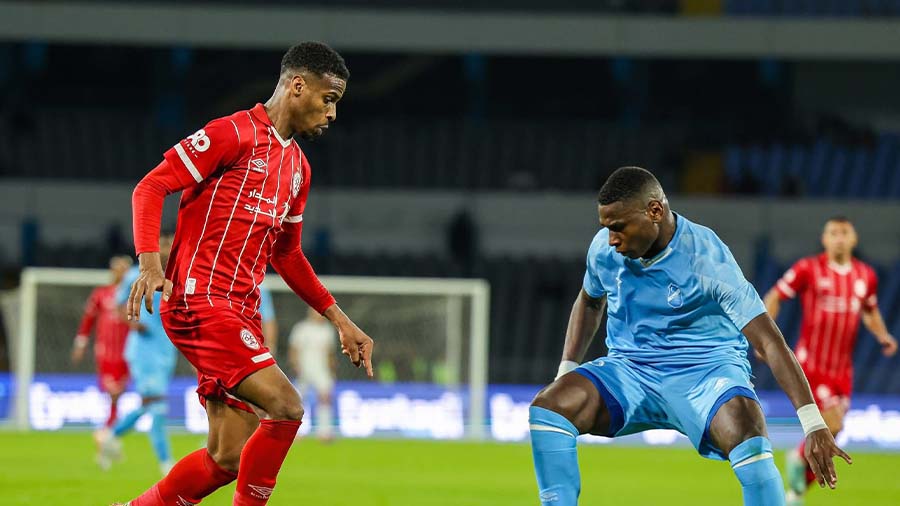
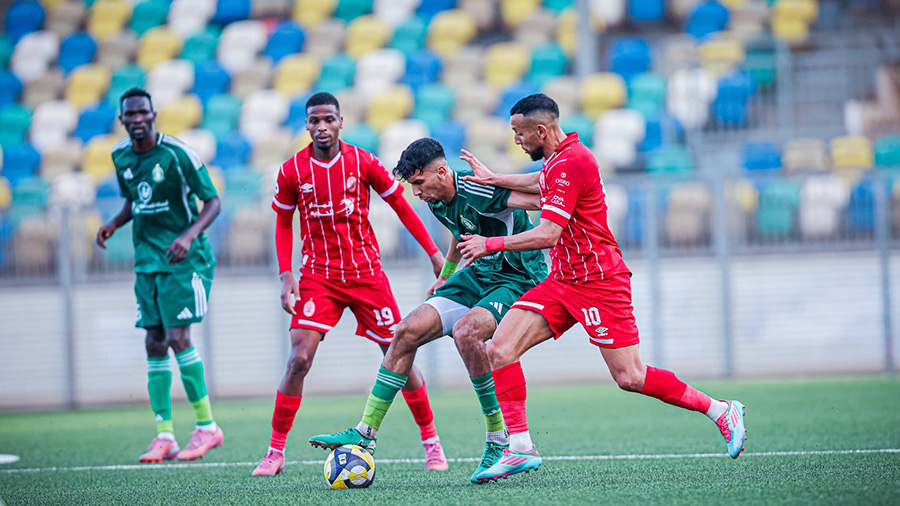
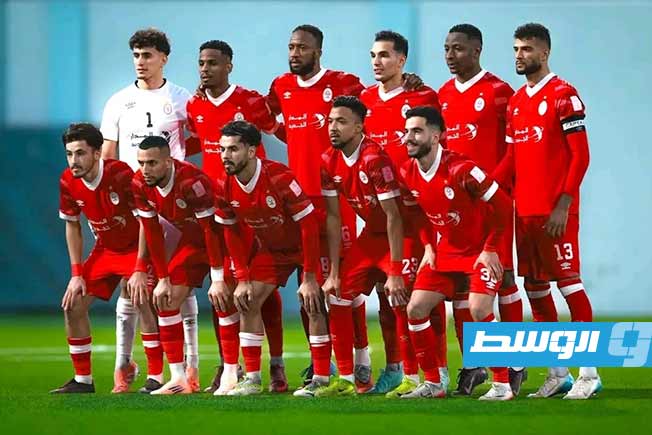
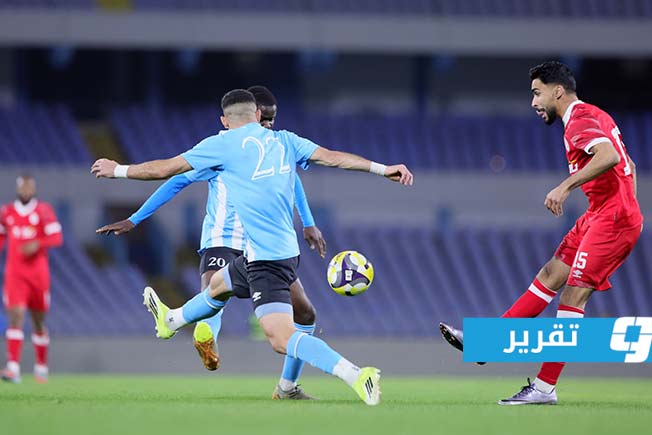
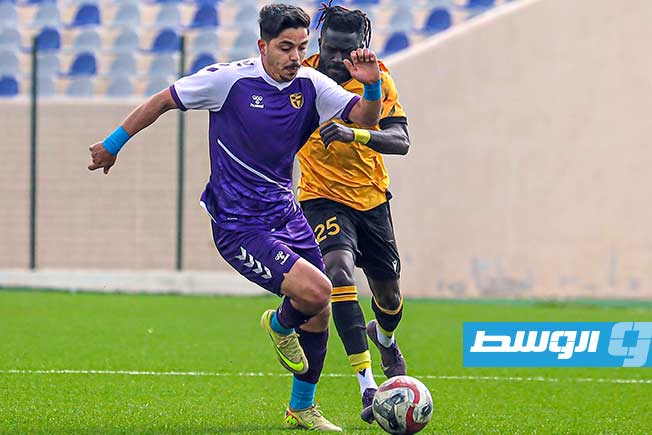
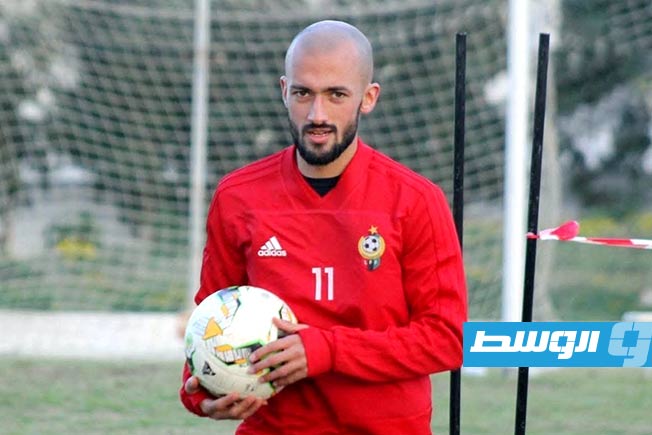
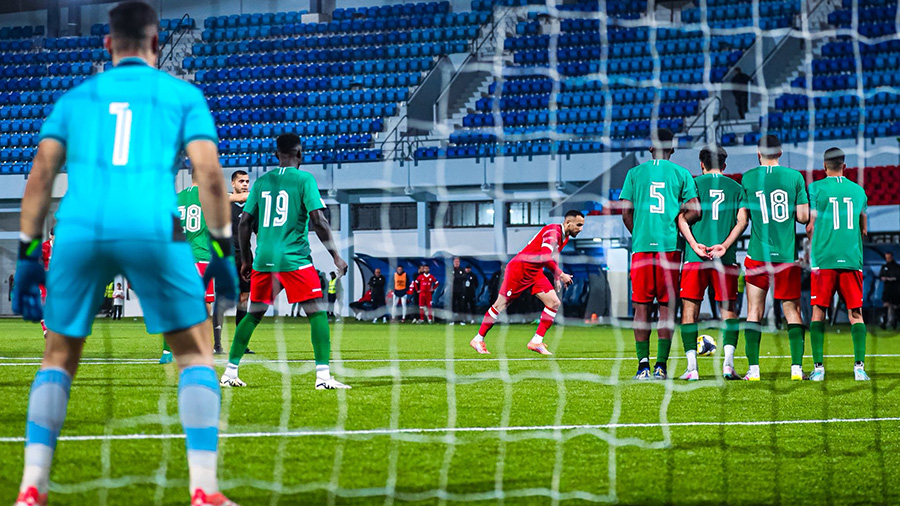
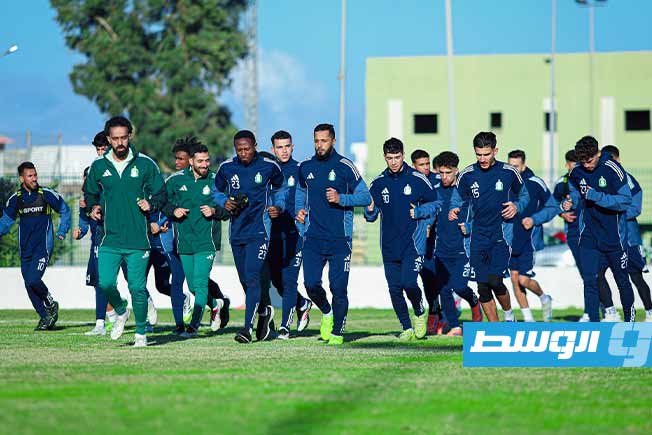
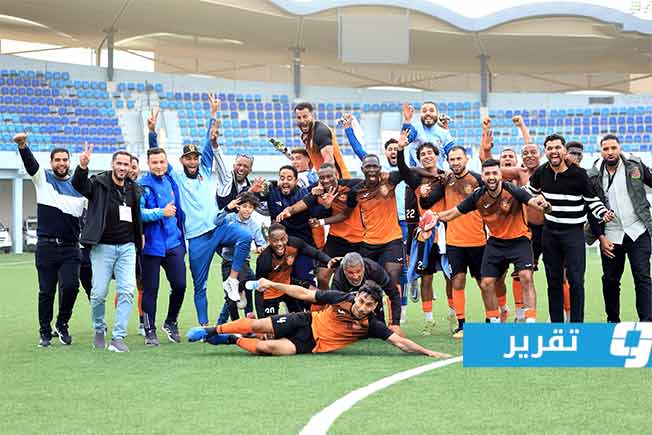
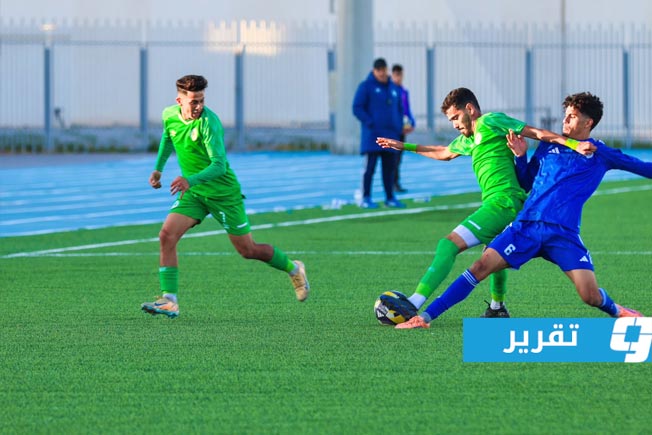
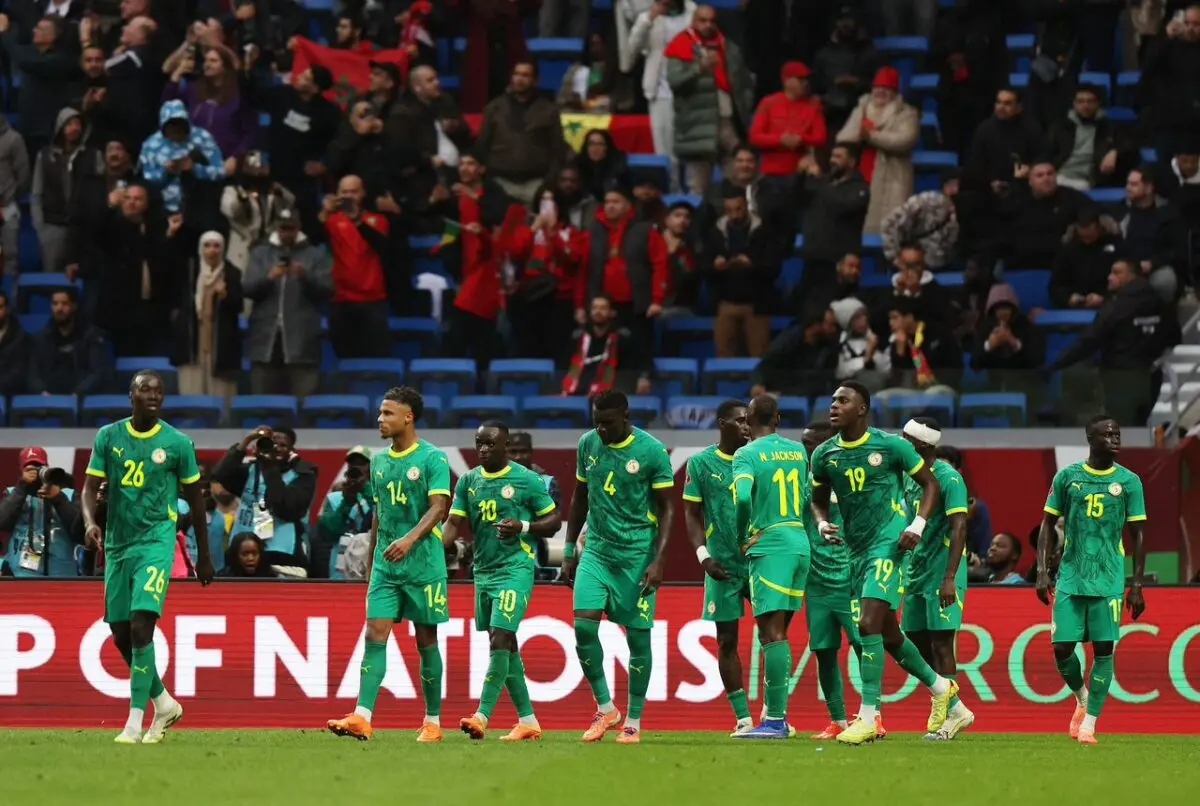
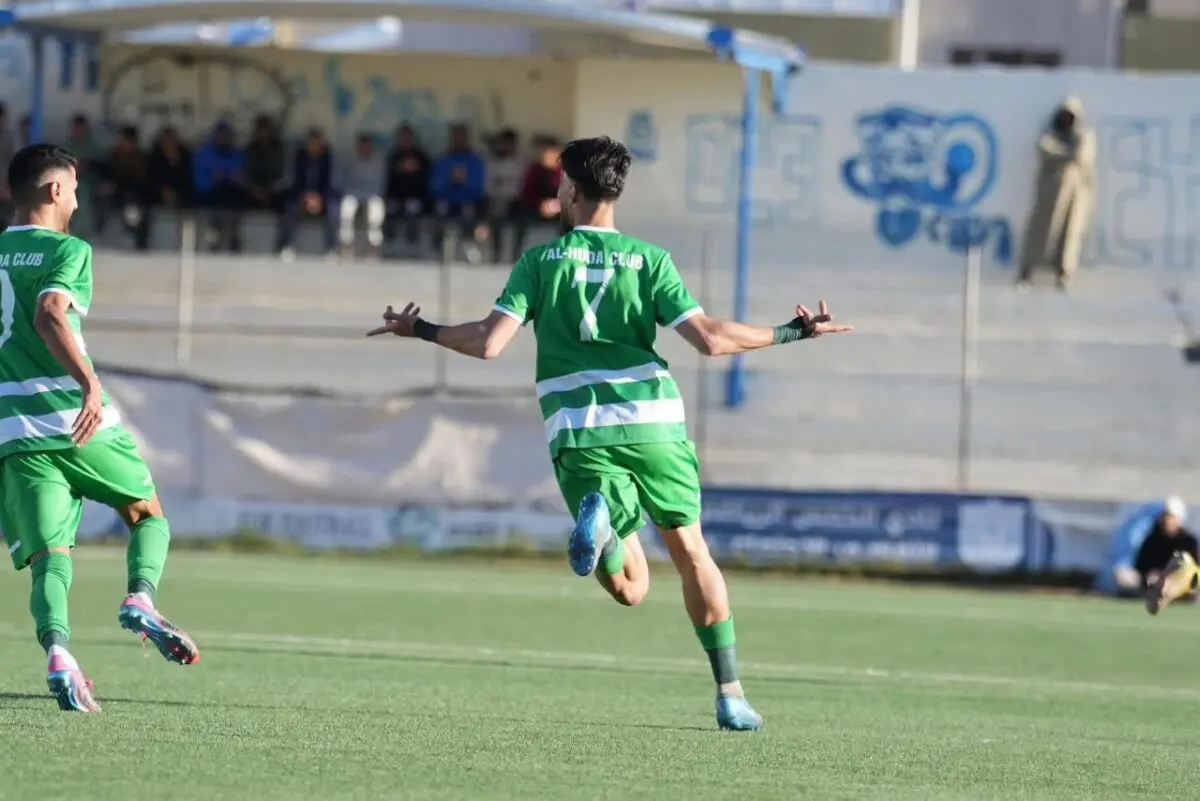
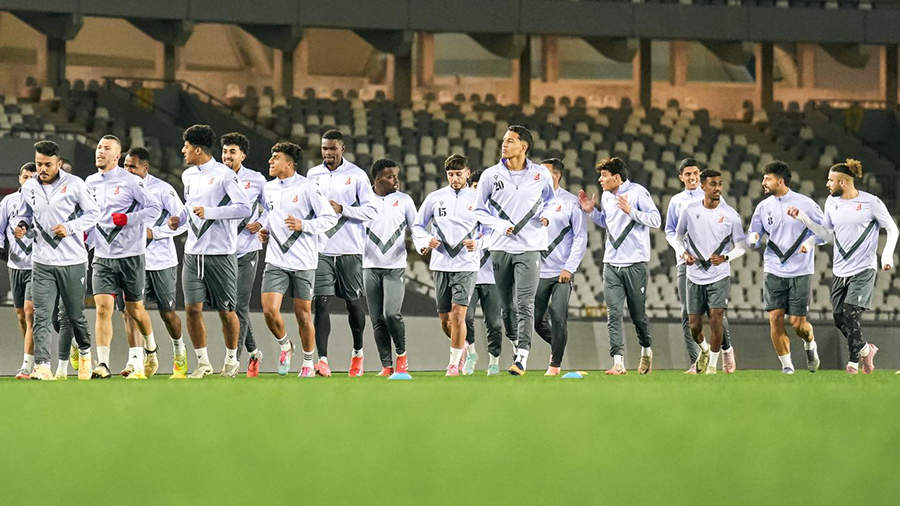
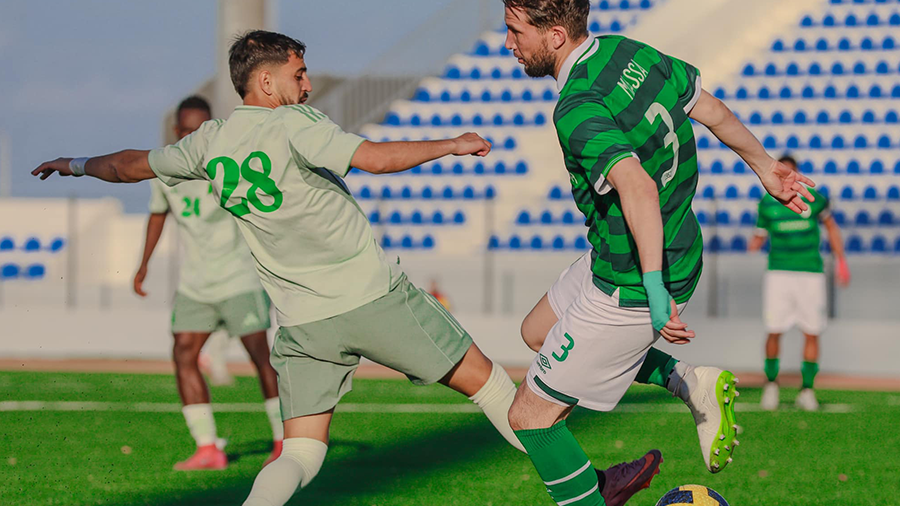
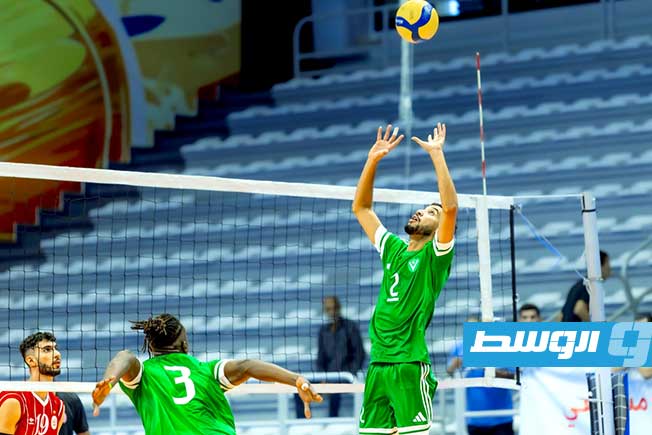
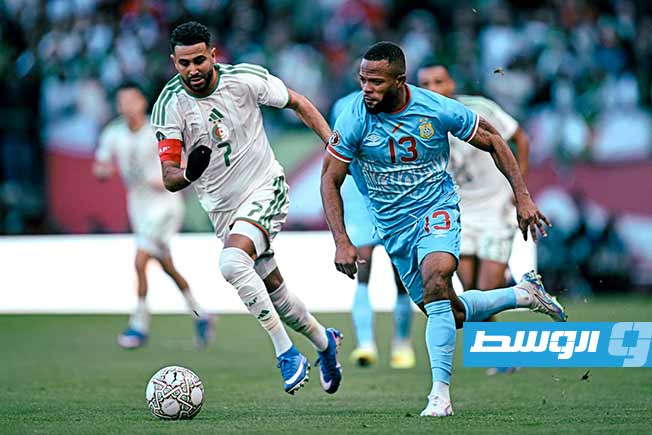
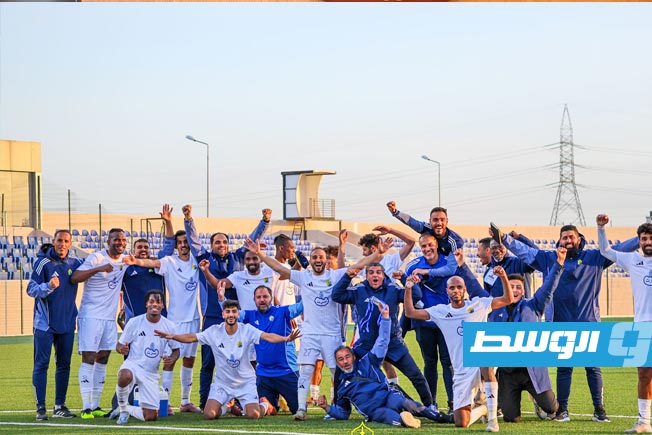
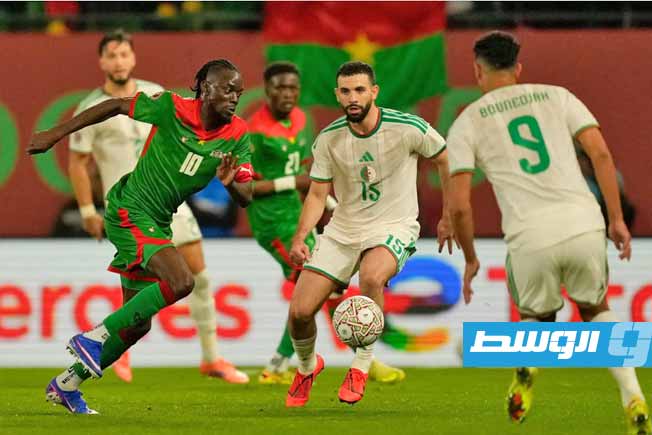
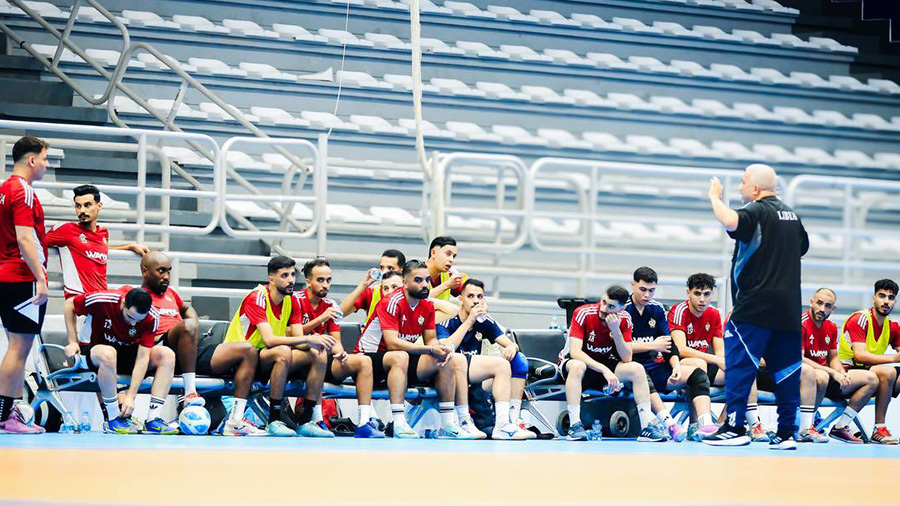
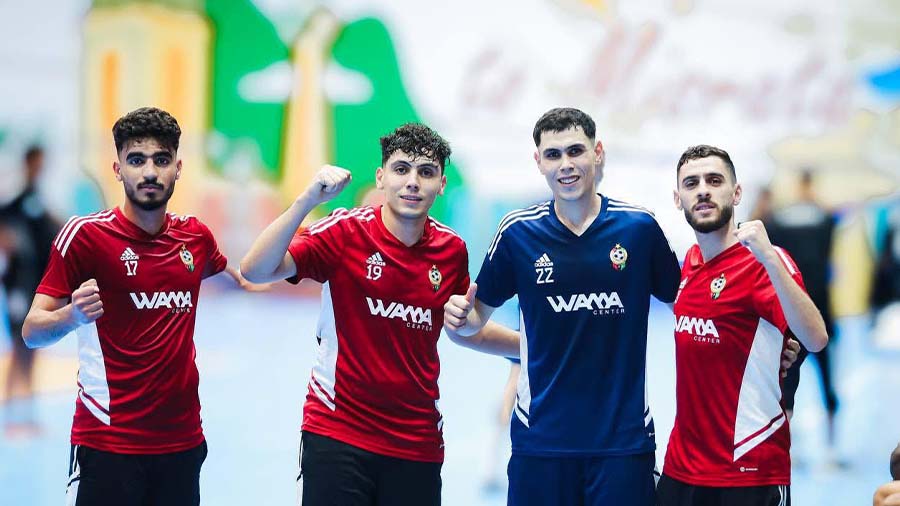
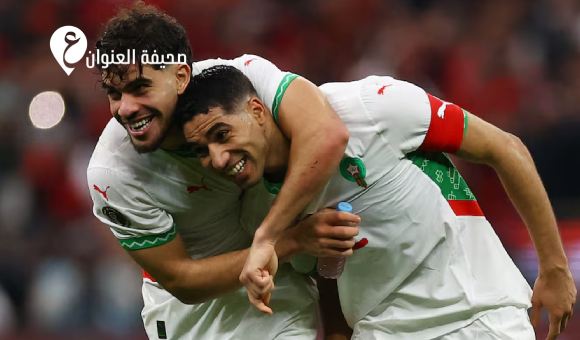
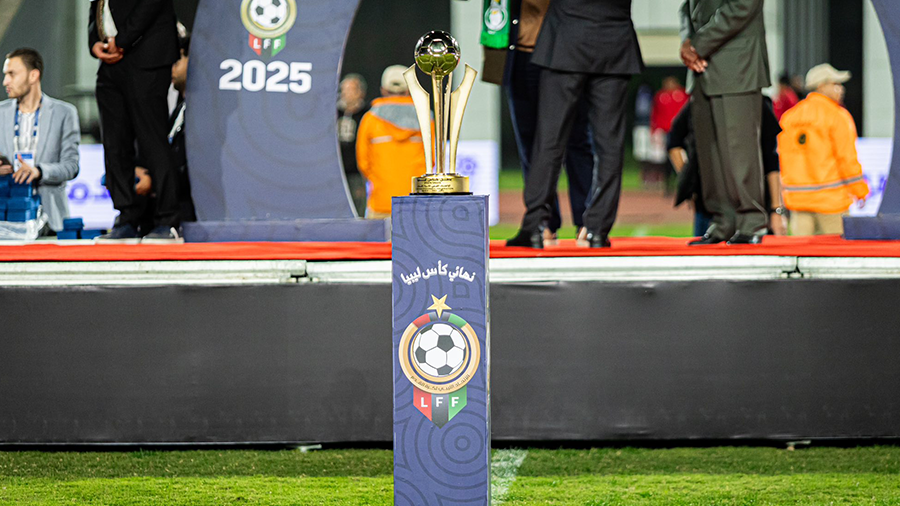
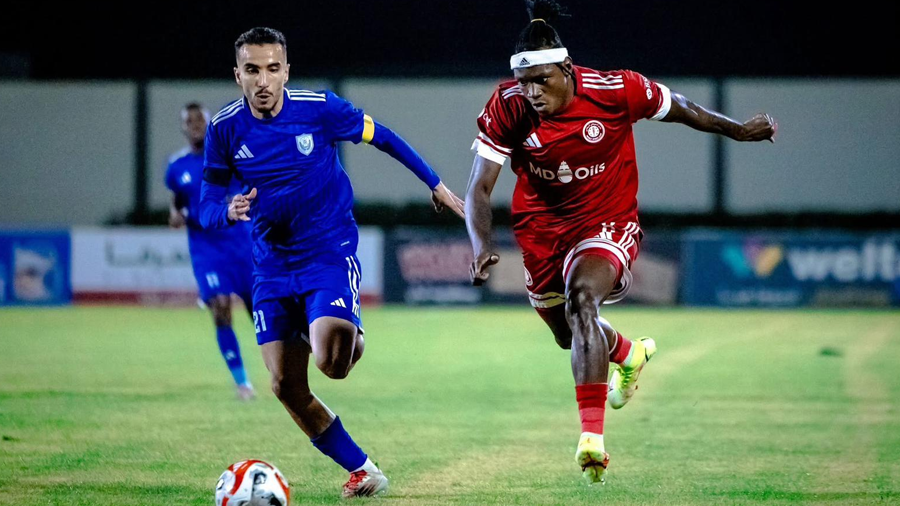
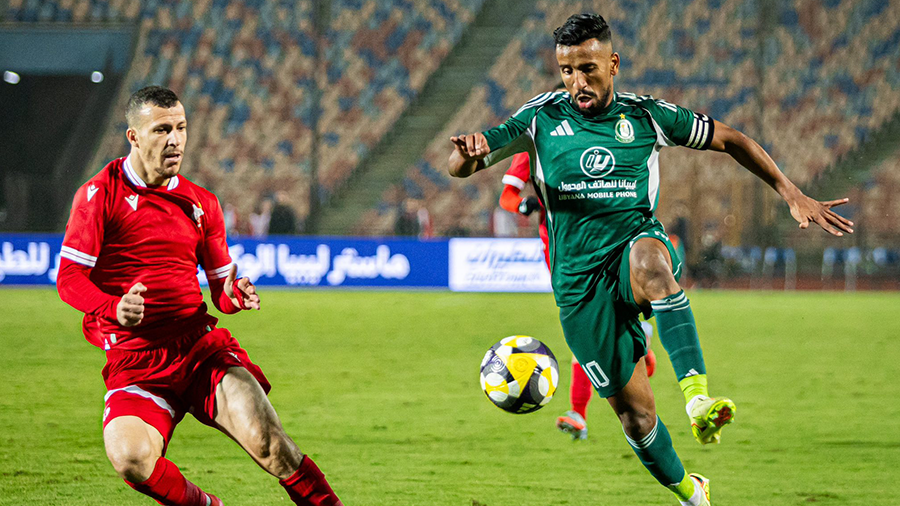
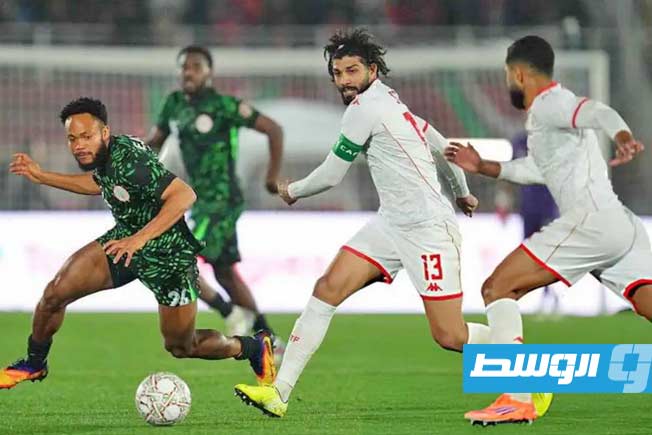
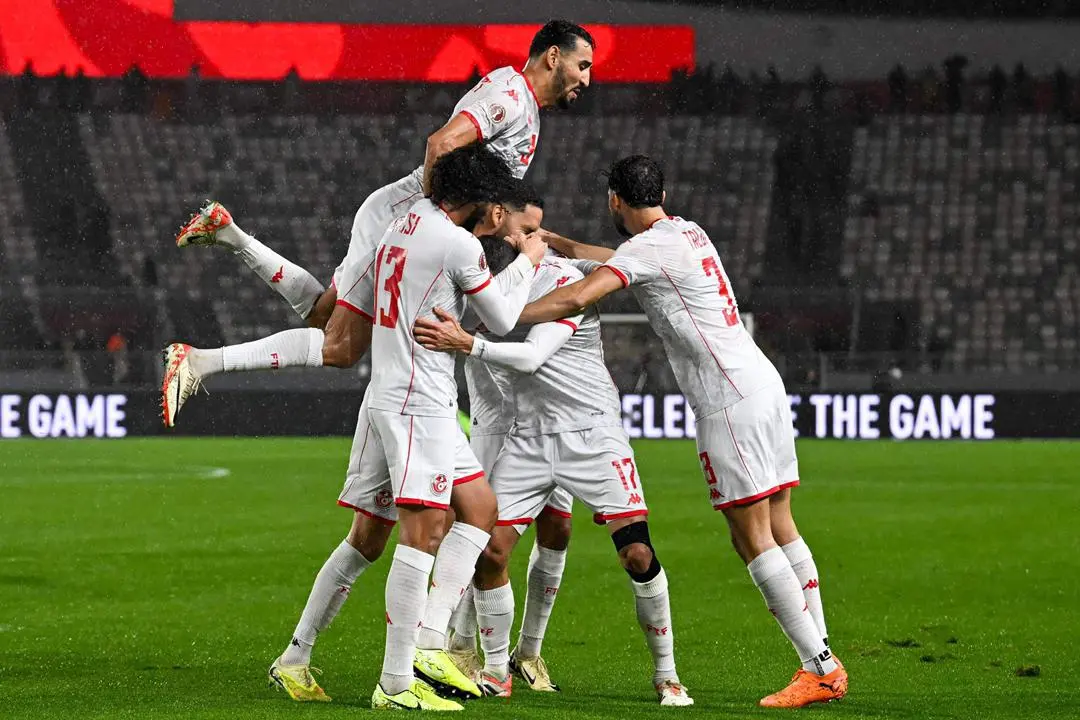
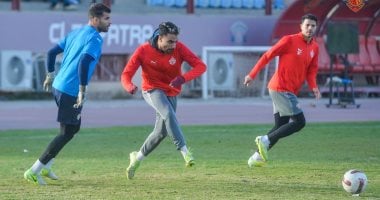
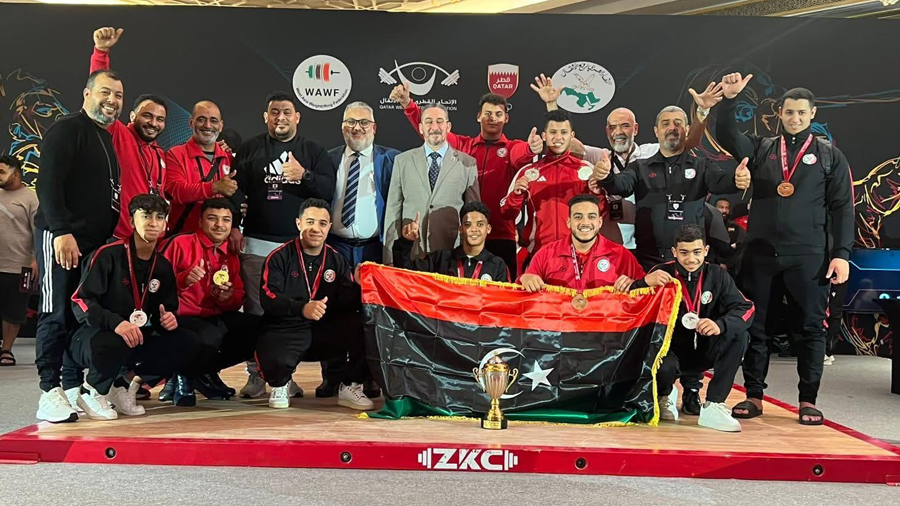
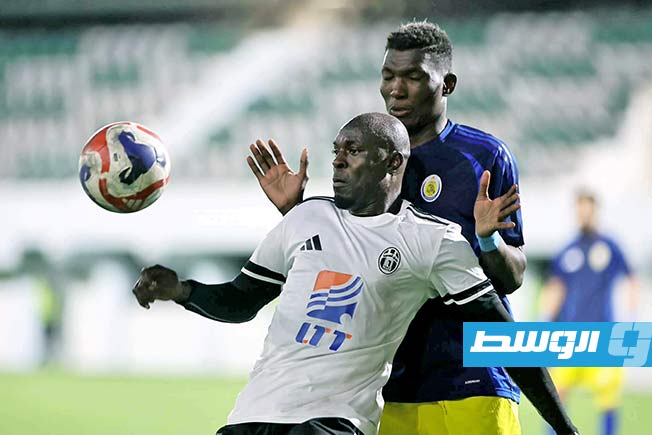
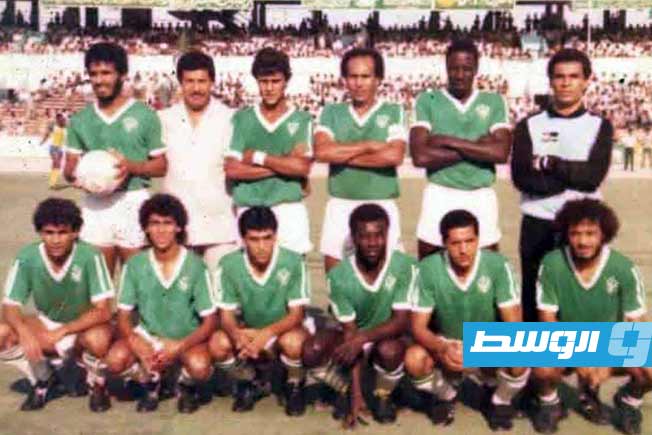
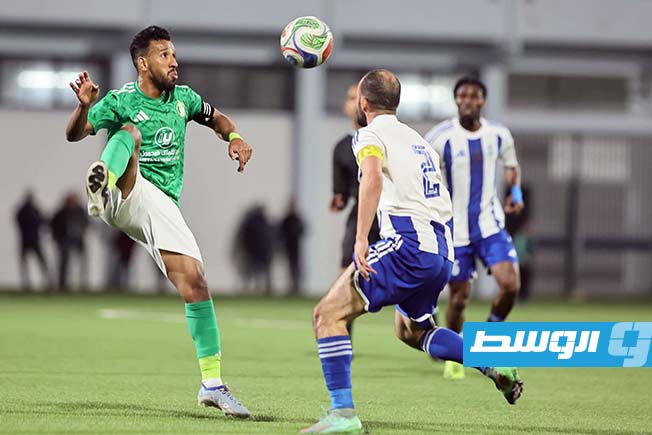
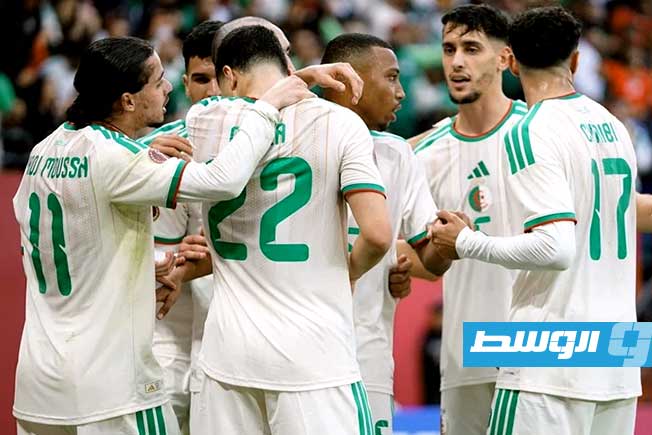
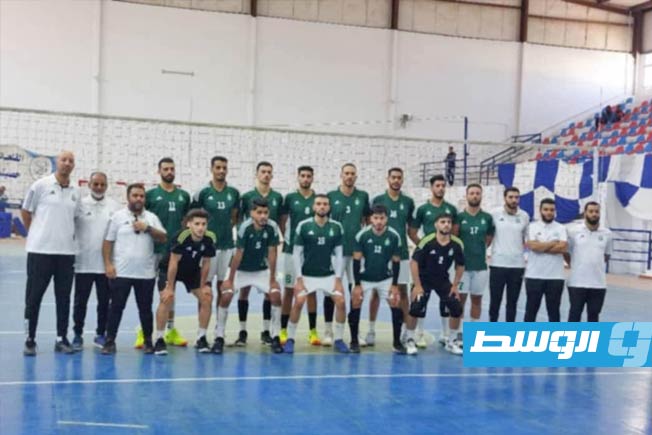
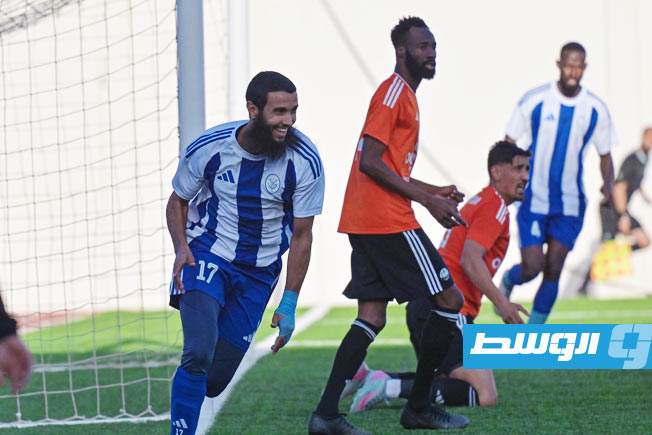
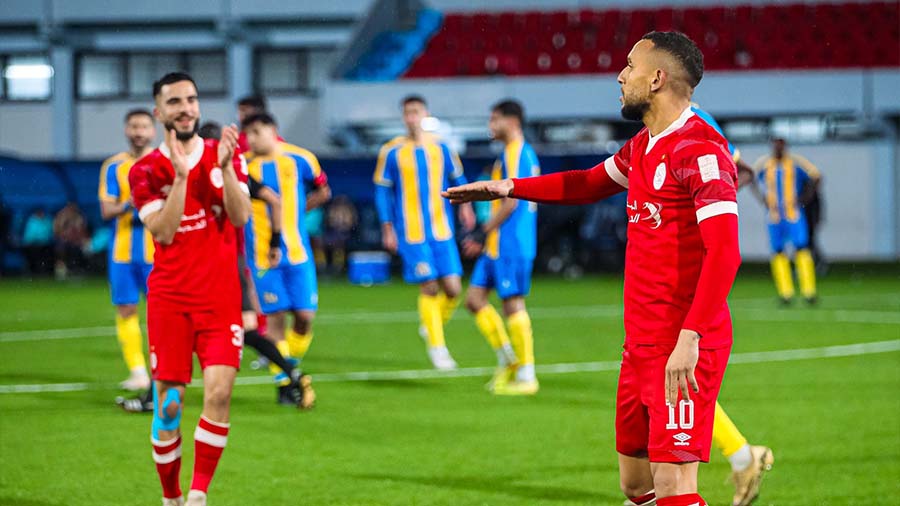
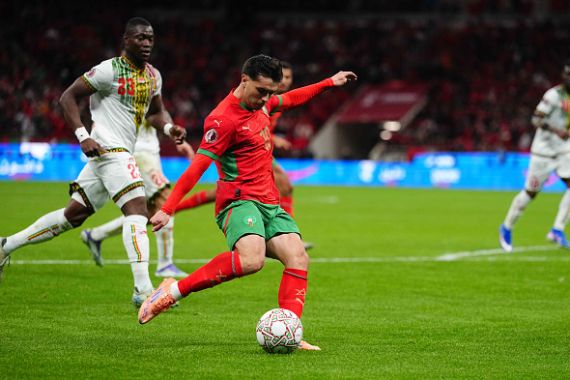
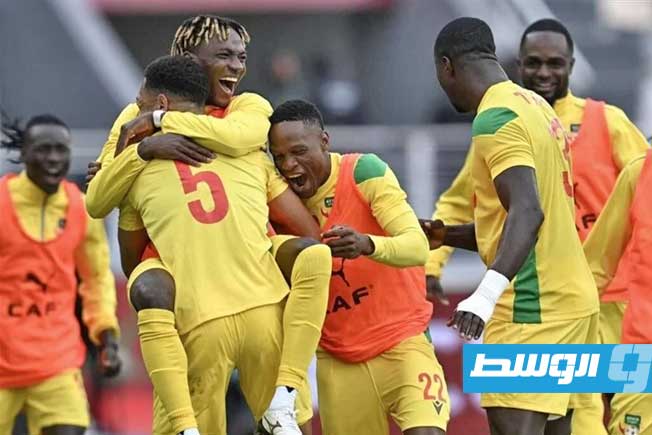
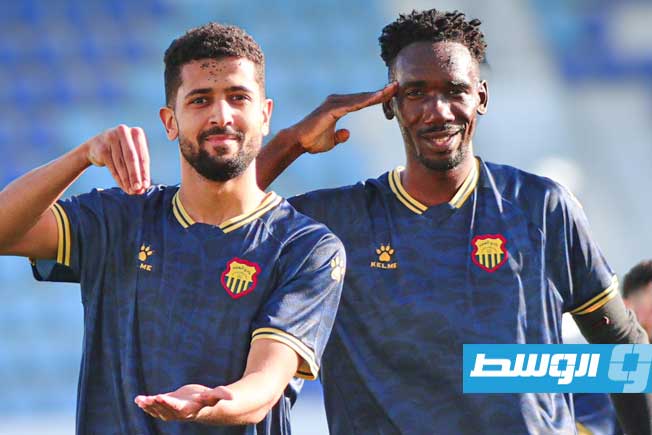
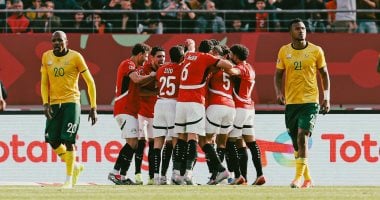
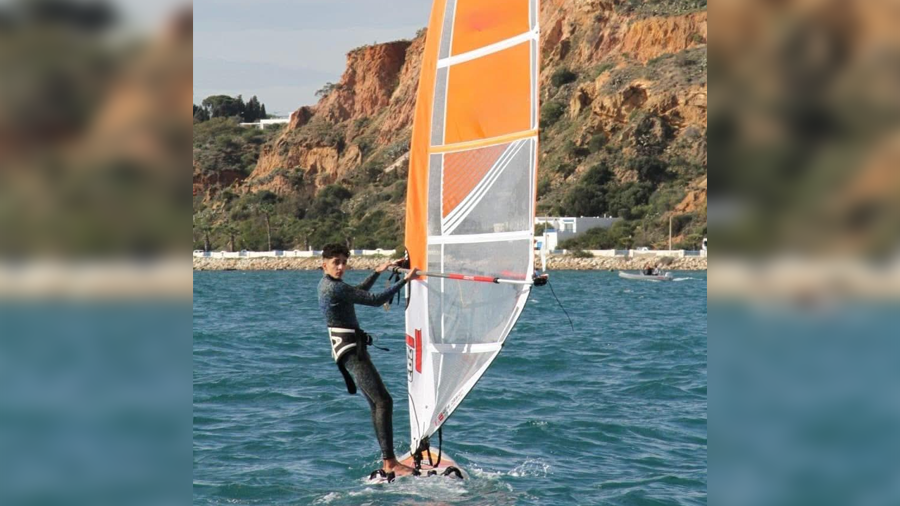
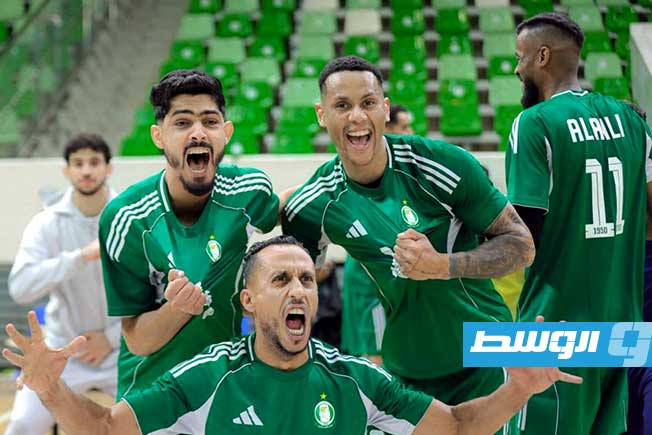
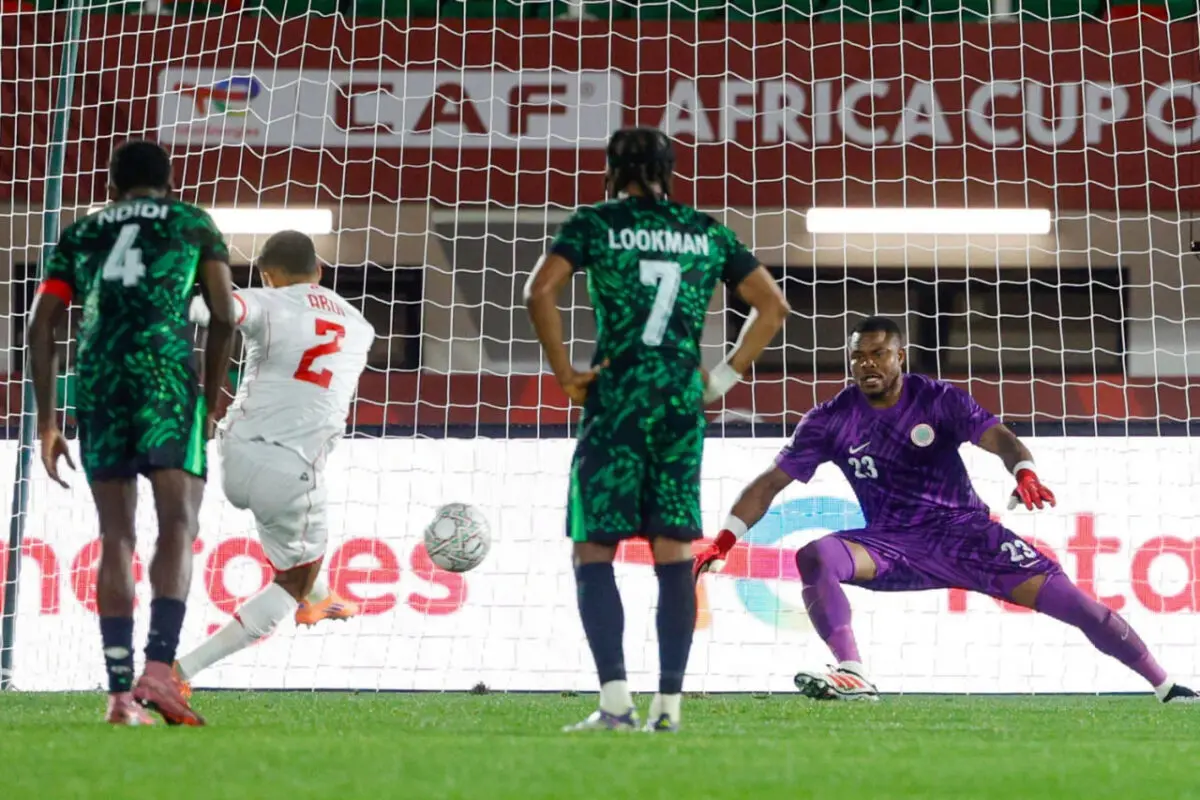
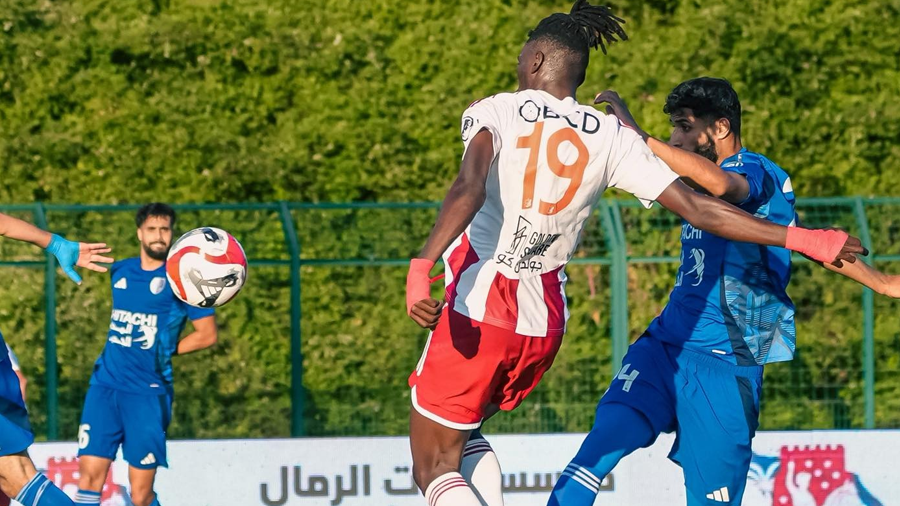
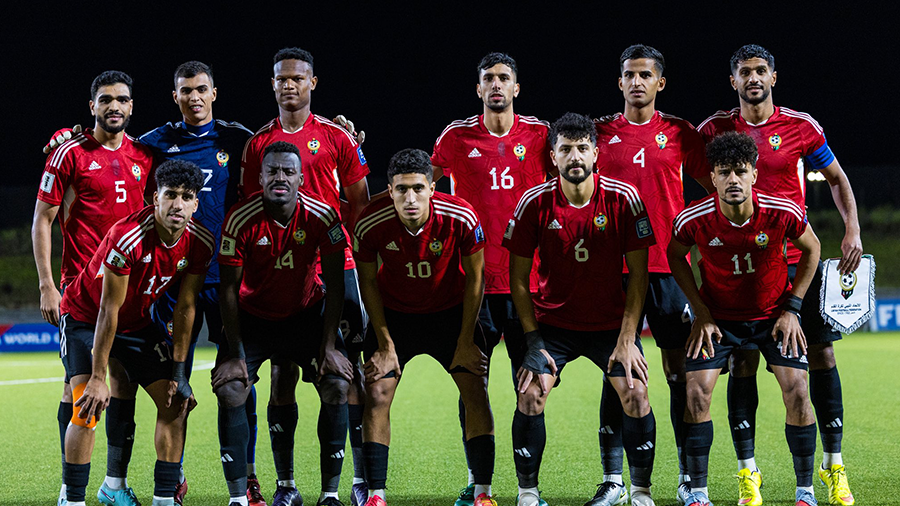
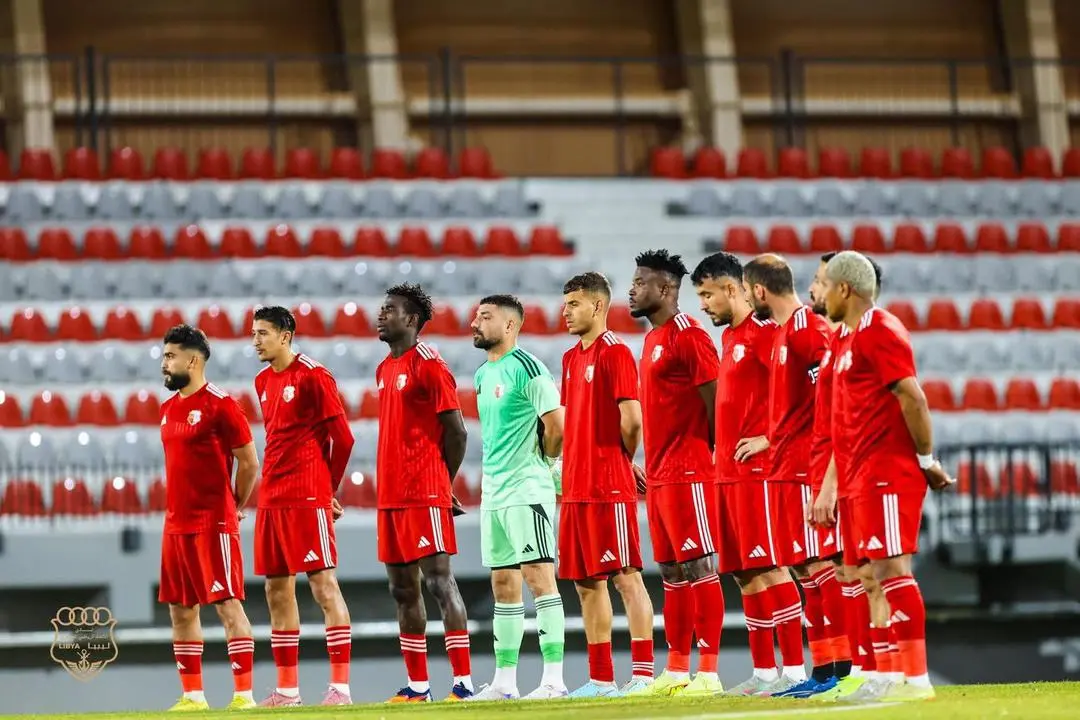
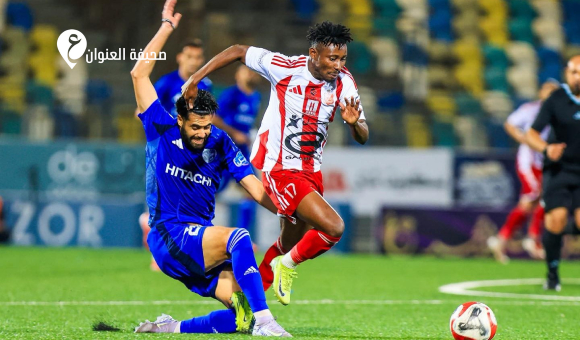
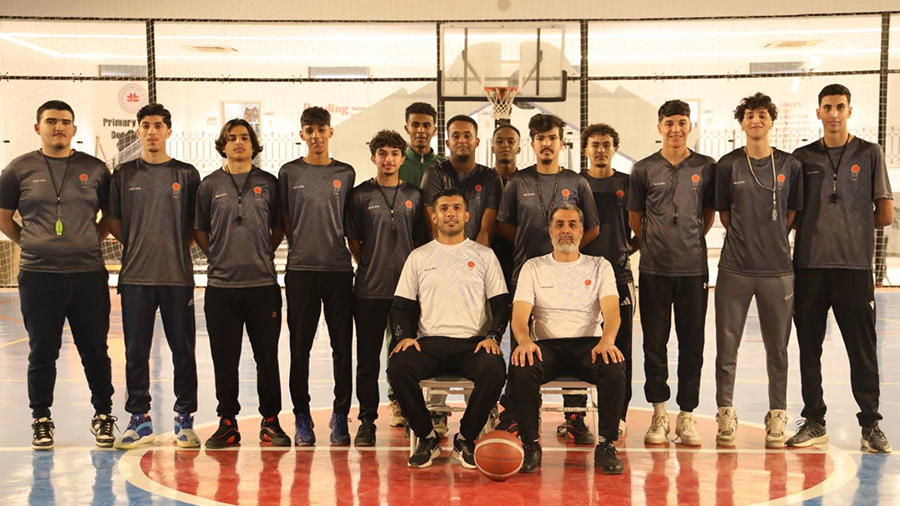
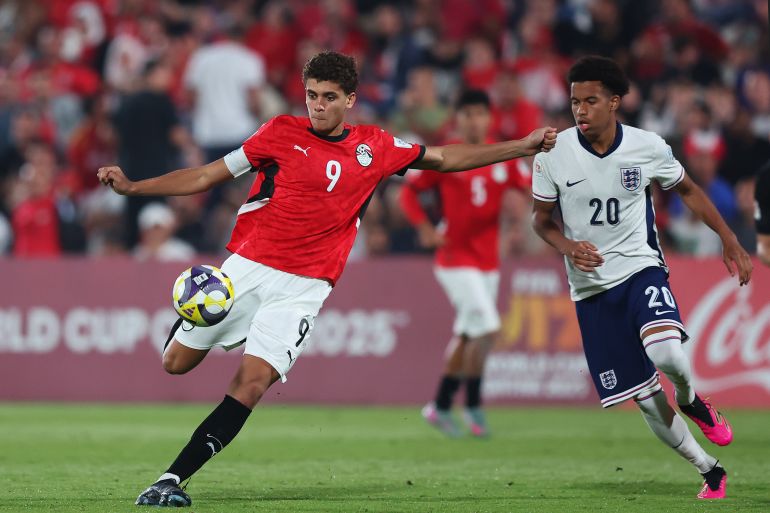
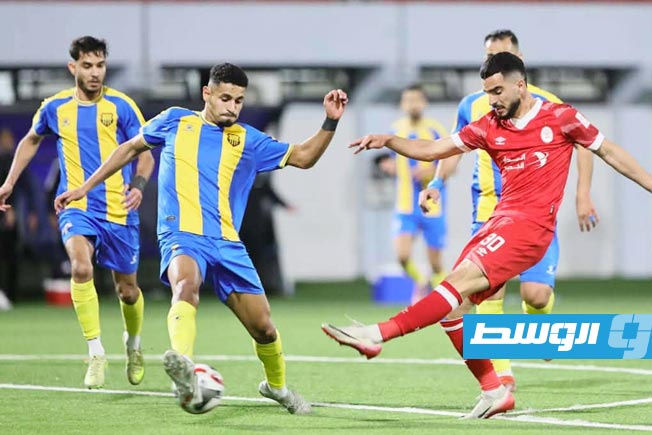
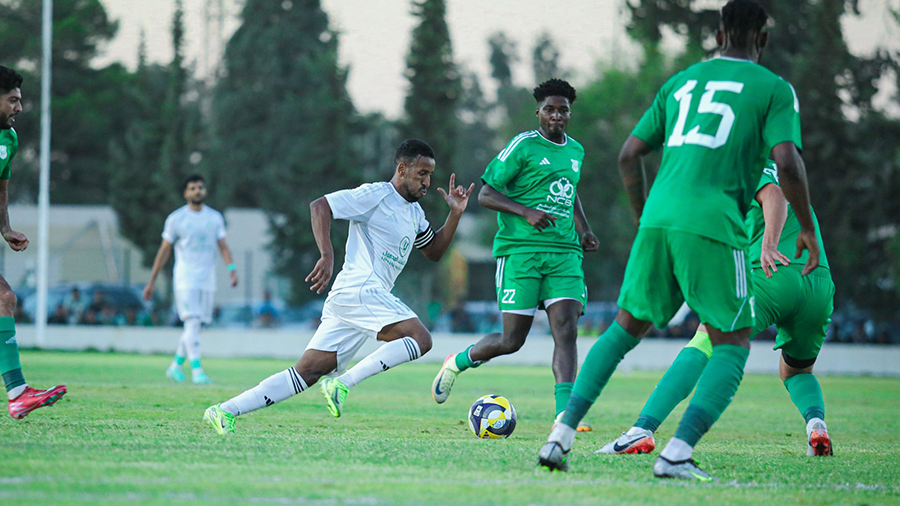
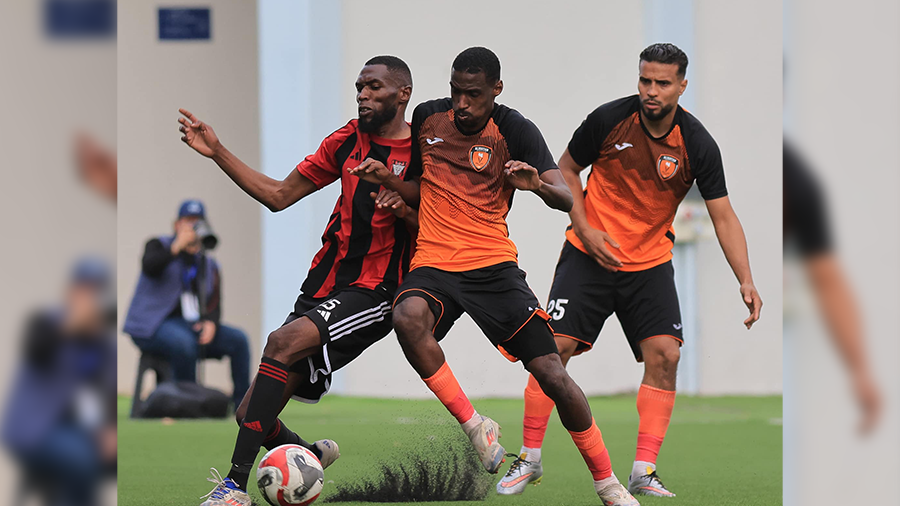
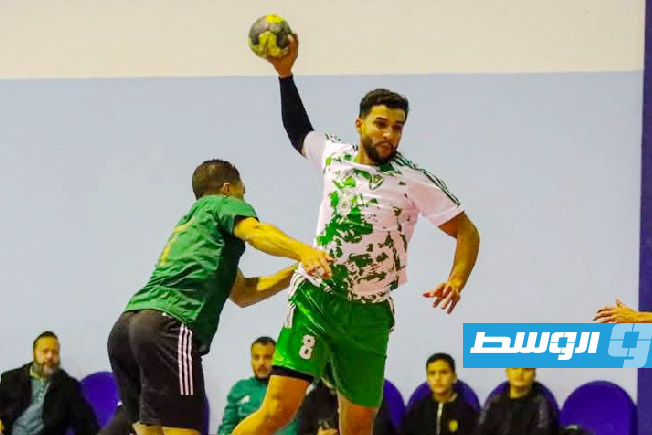
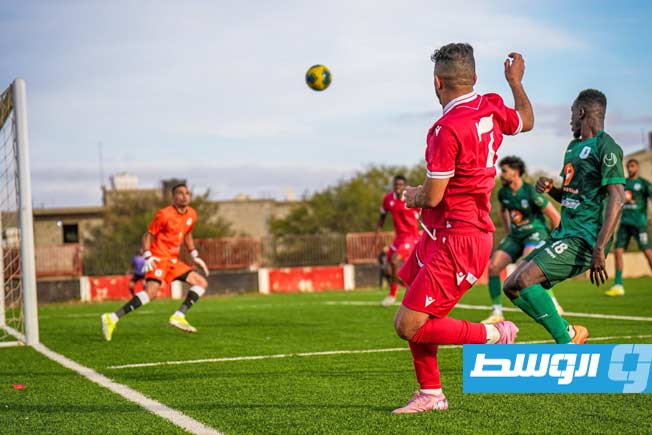
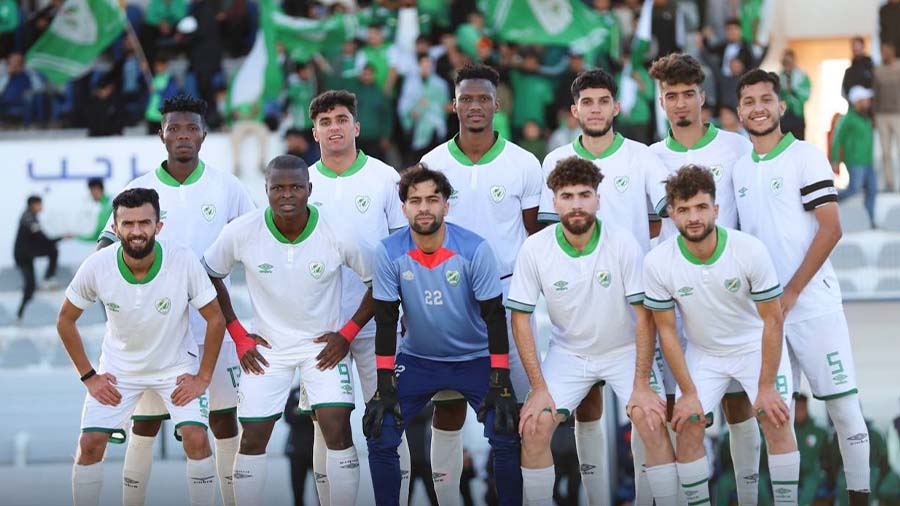
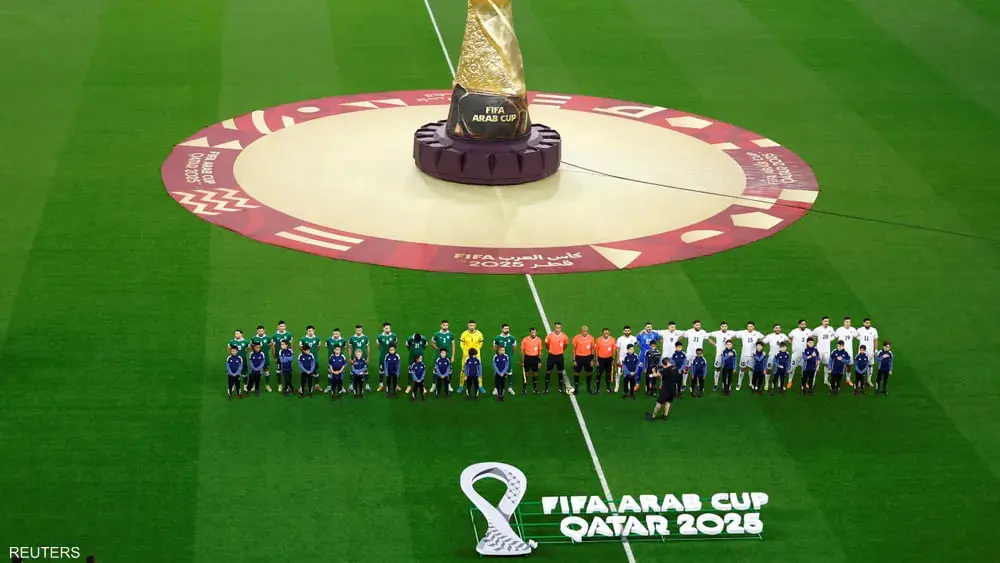
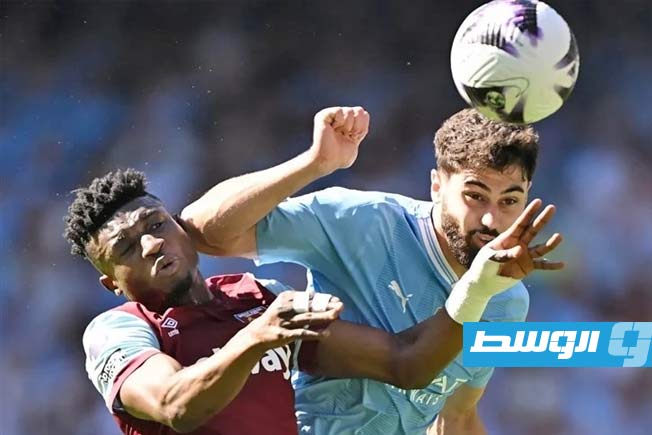
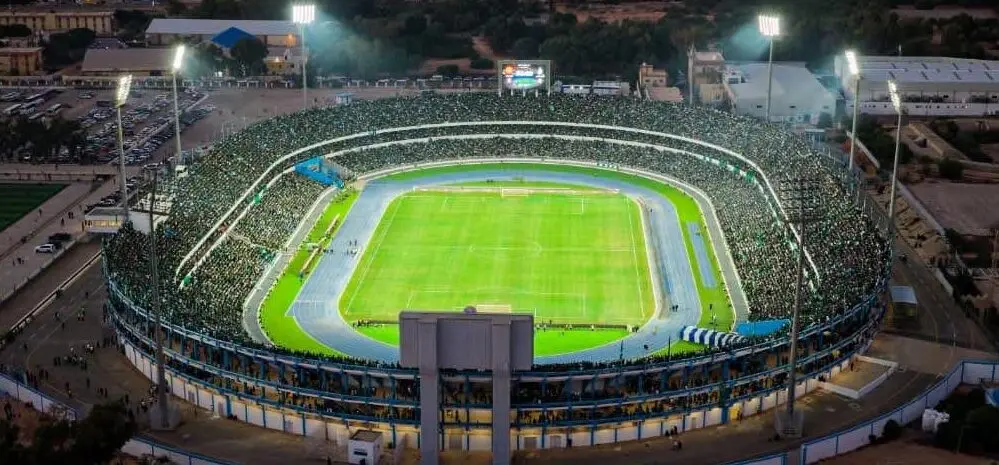
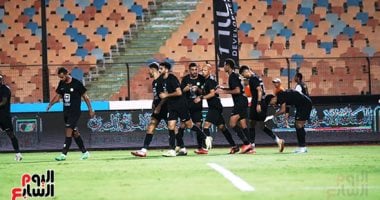
The Libyan national under-16 football team will begin its participation in the North African Championship tomorrow, Wednesday, with a match against the host nation, Tunisia.
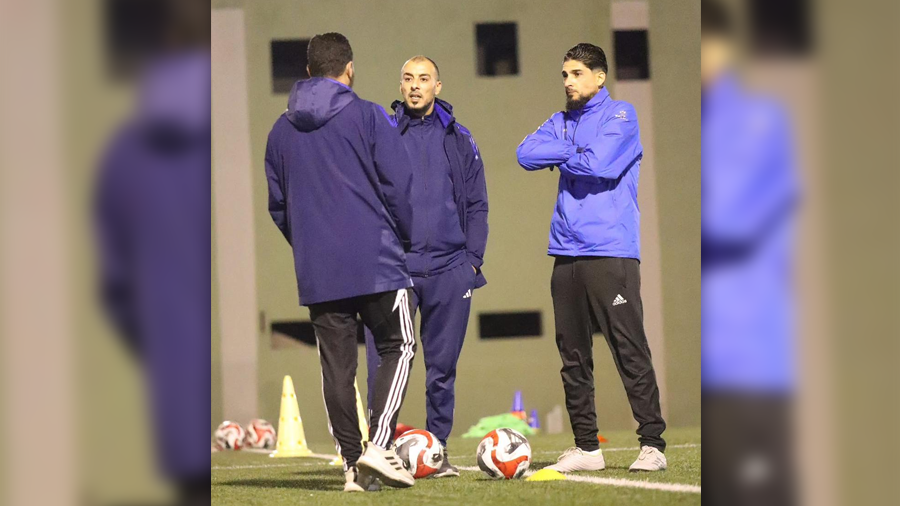
The national team hopes that its participation in the North African Championship will result in a respectable performance, despite its late preparations for the competition.
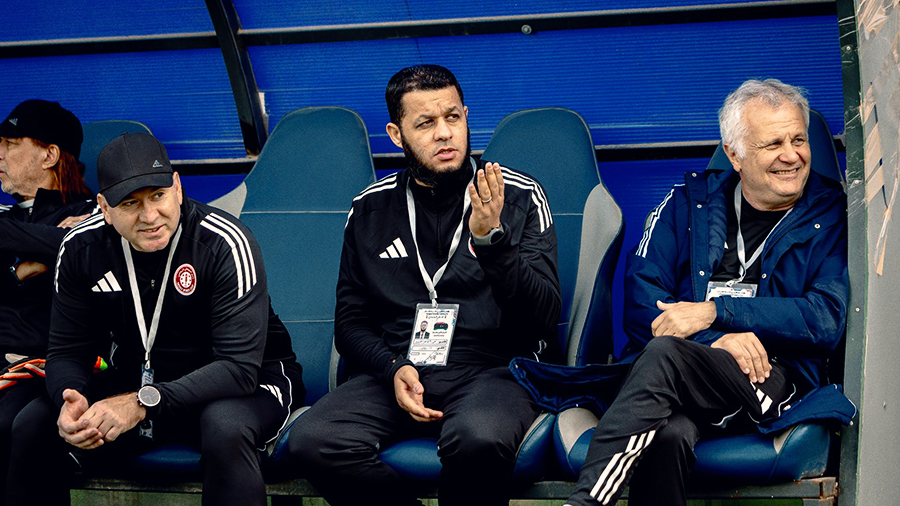
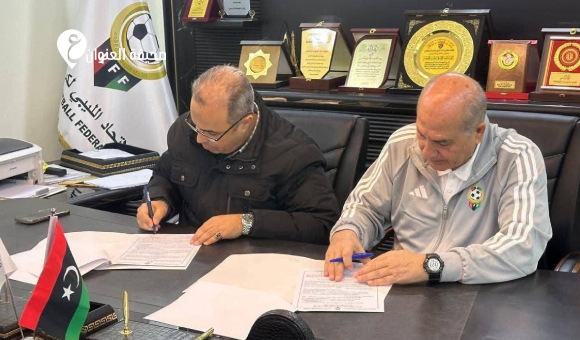
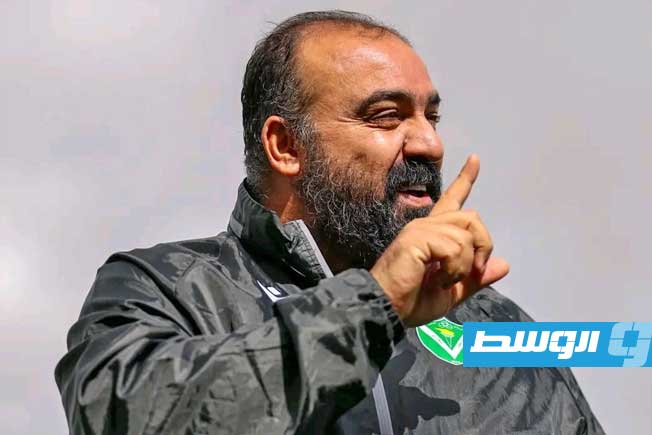
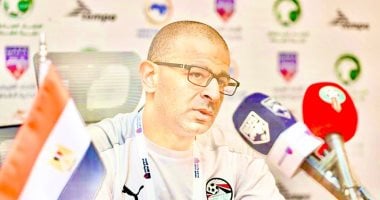
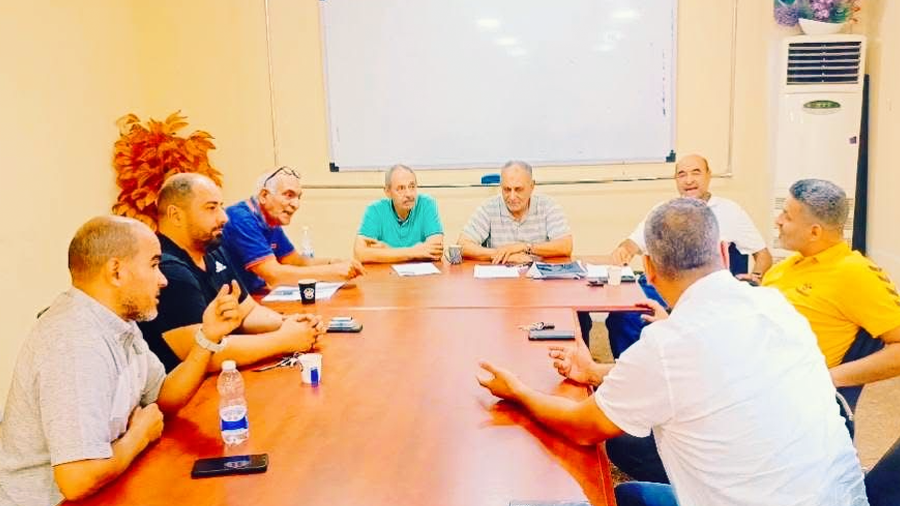
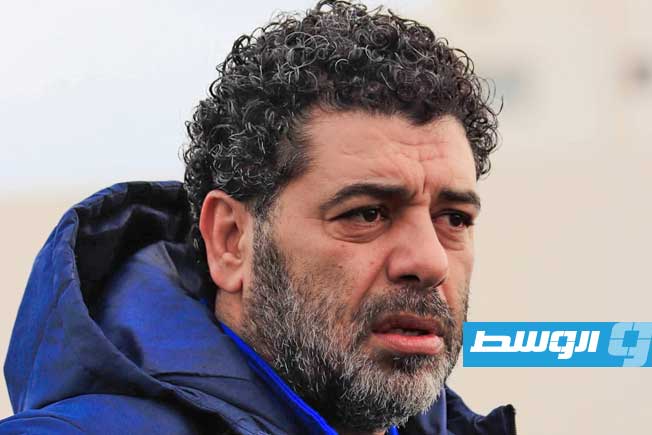
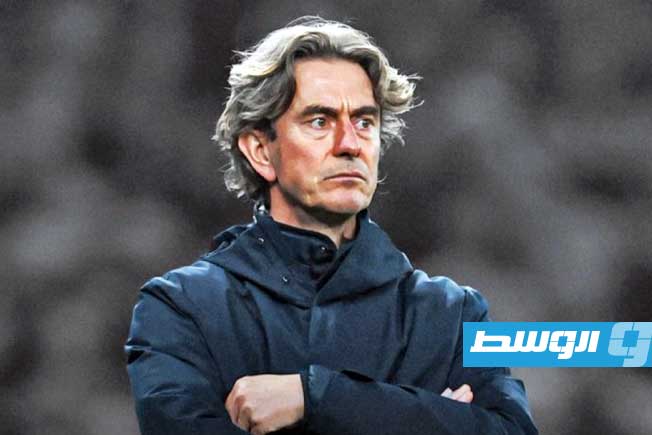
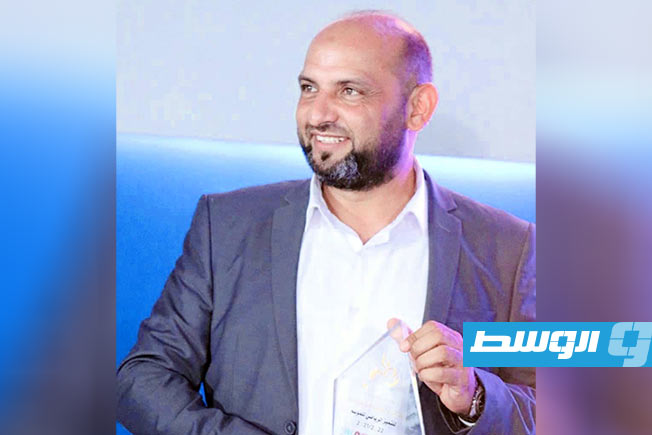
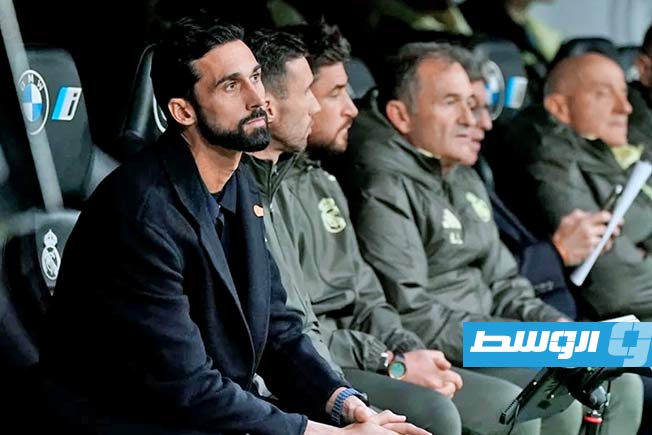
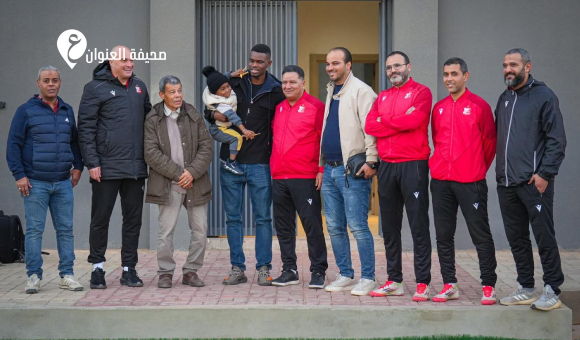
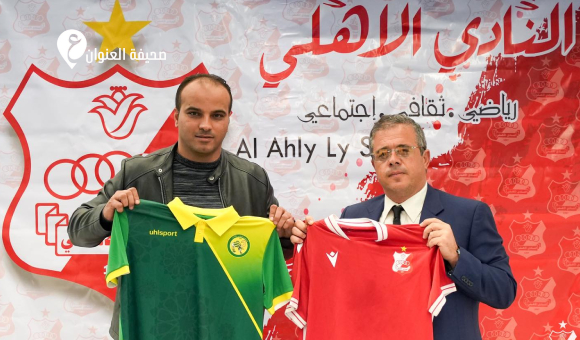
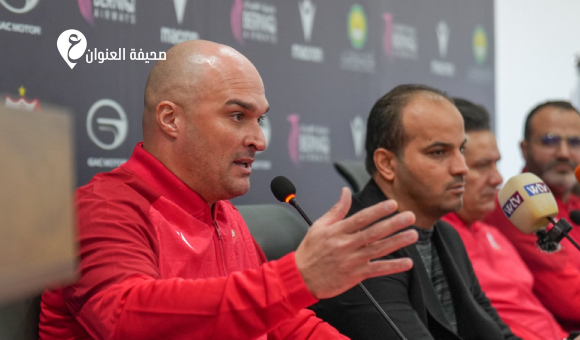
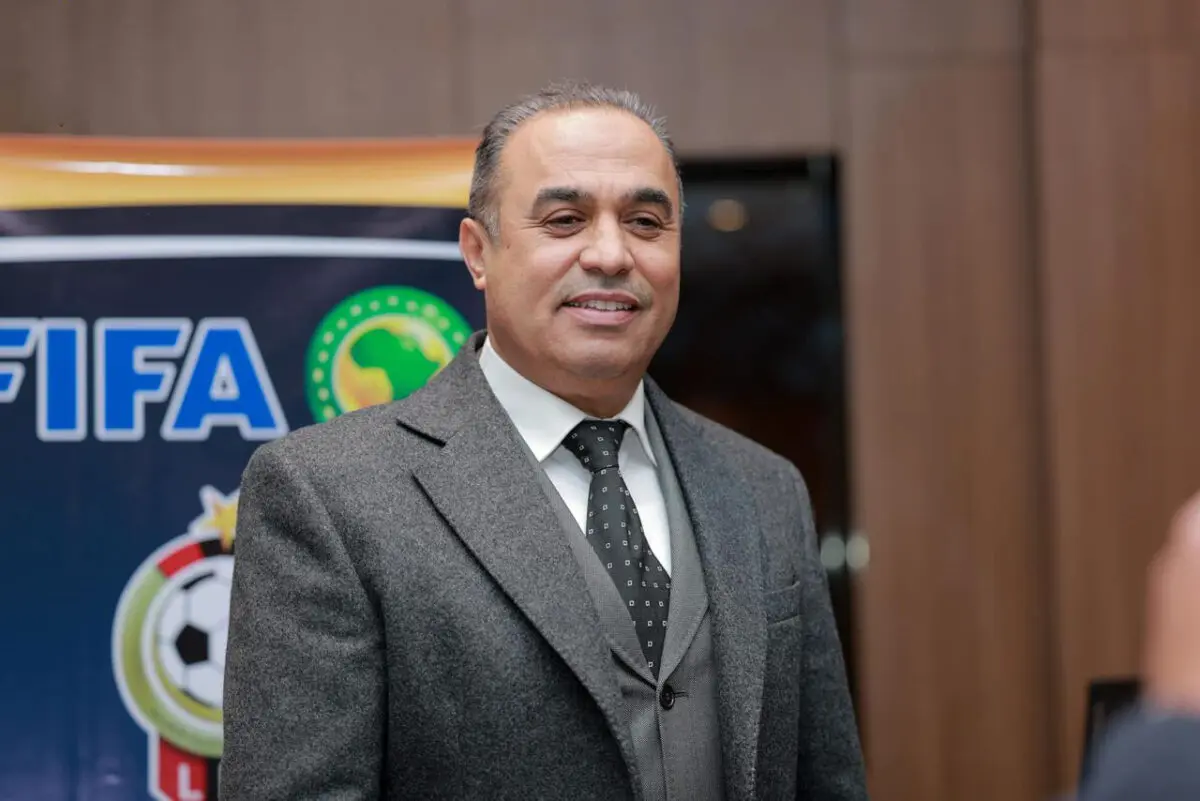
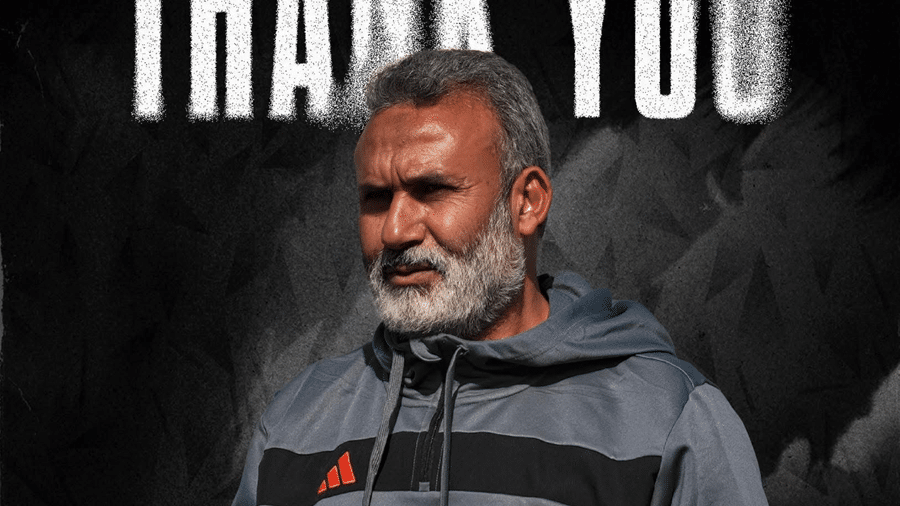
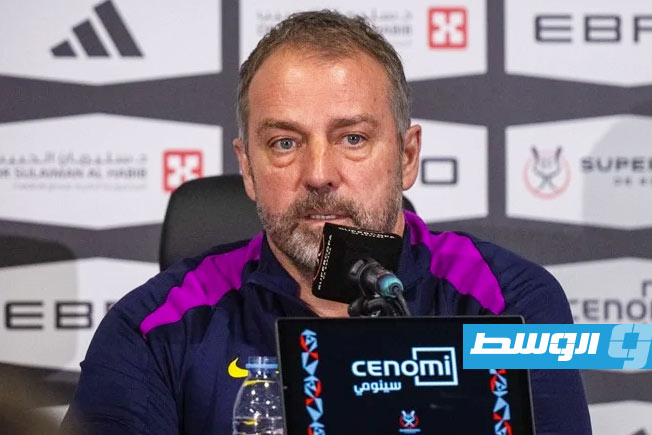
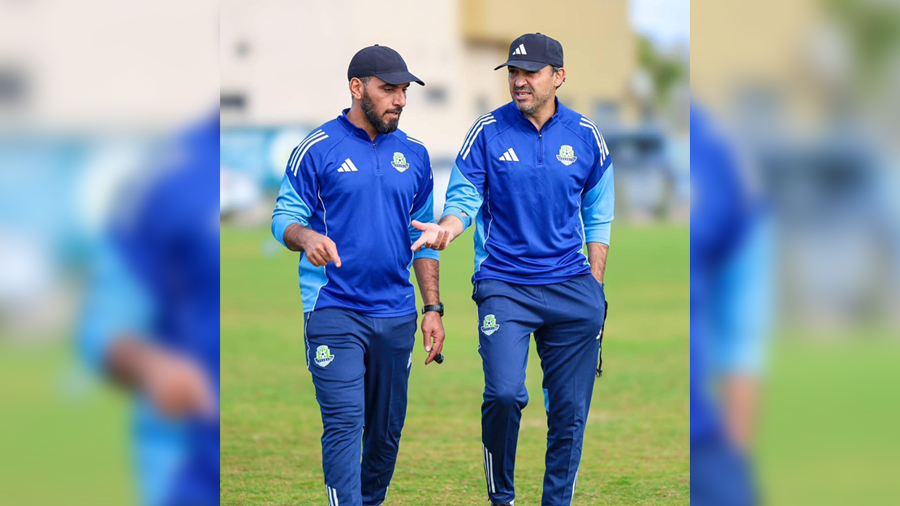
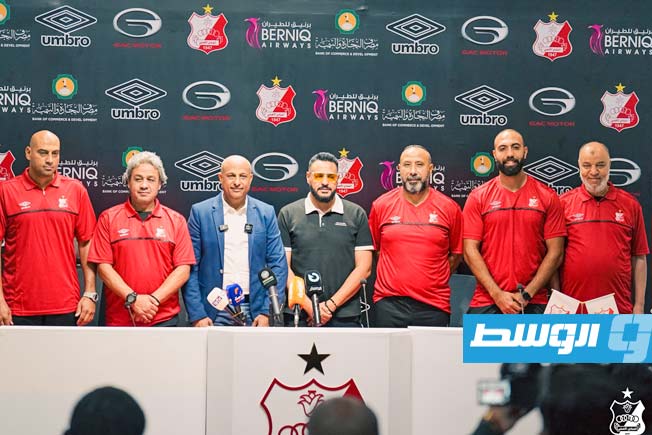
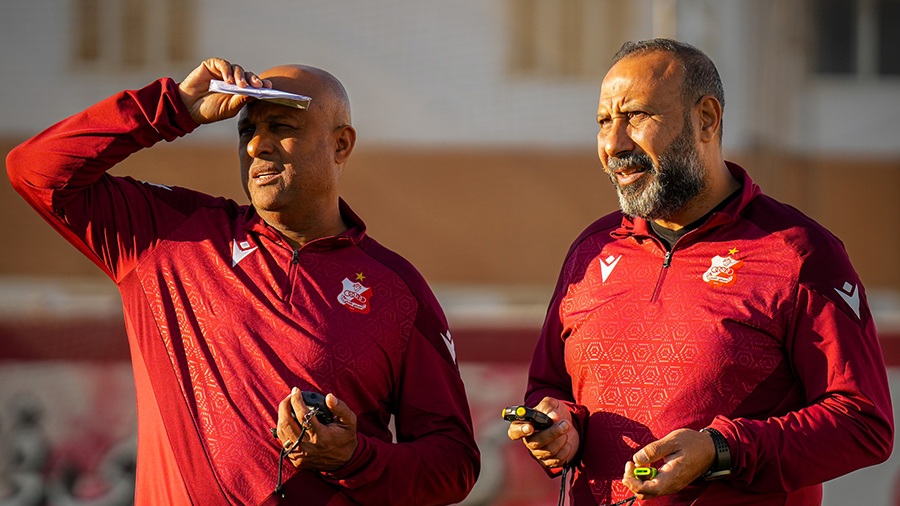
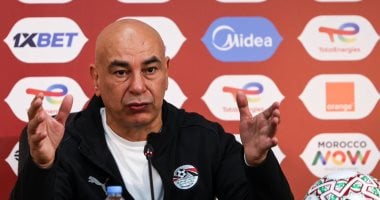
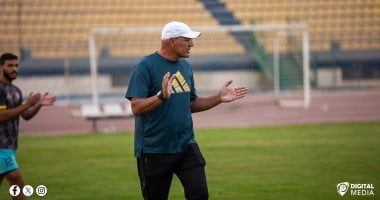
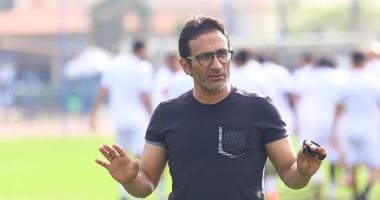
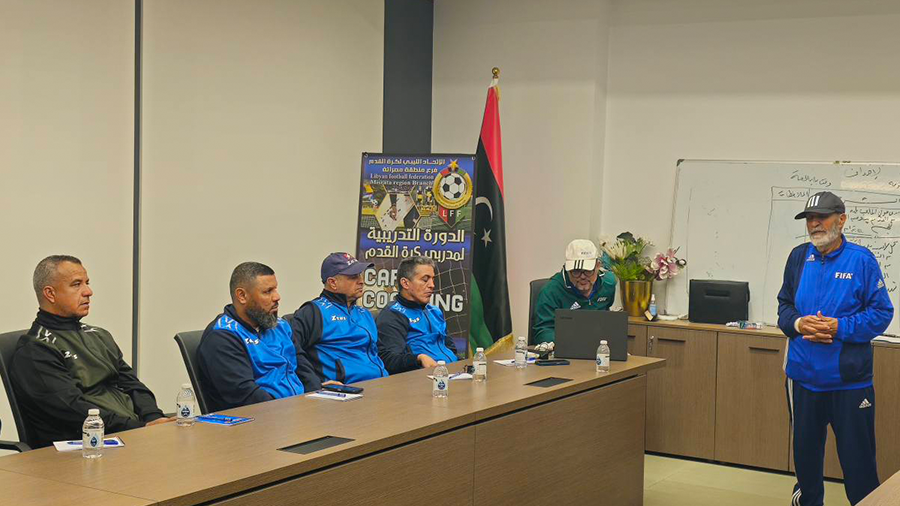
A few days ago, the Libyan Football Federation contracted with Egyptian technical director Badr Hamed to oversee the national youth teams.
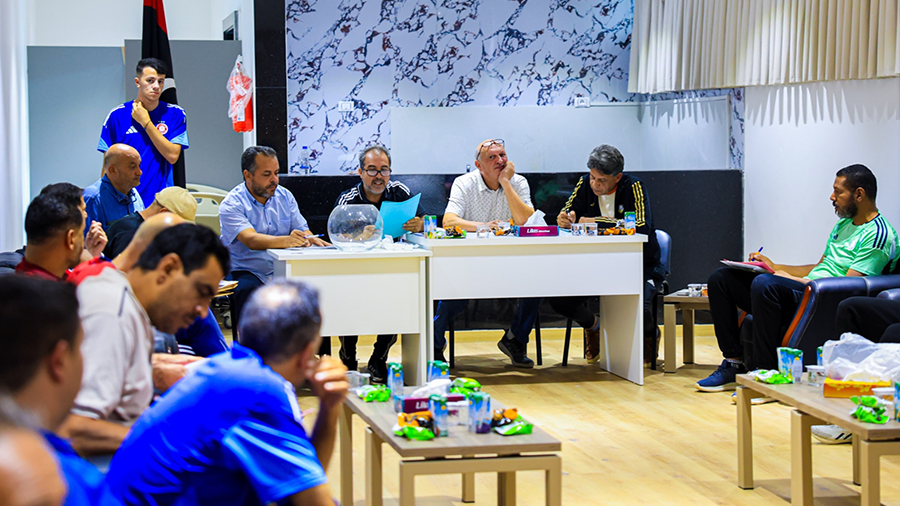
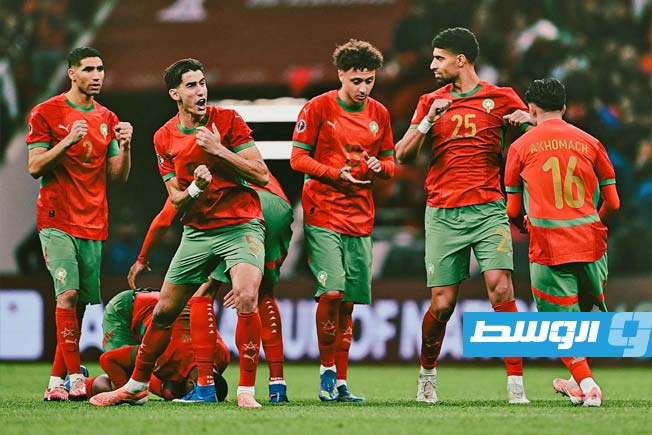
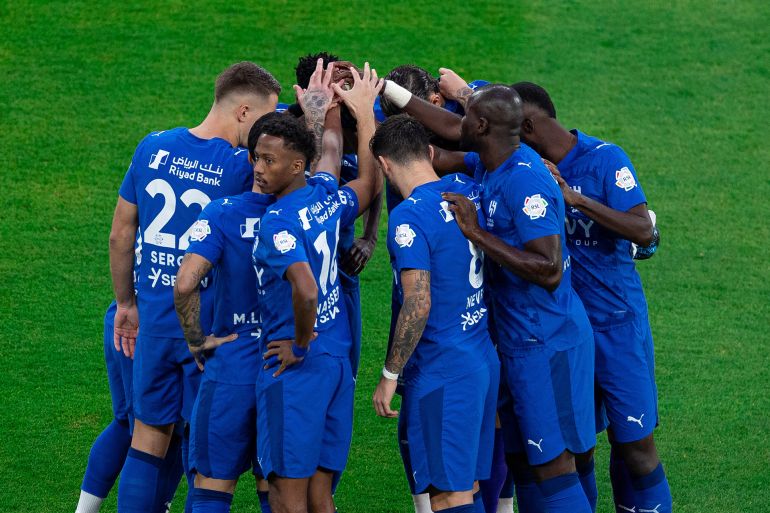
The technical staff selected 27 players, chosen from the sub-federation teams, to participate in the championship. Alongside our national team, the tournament features three other teams: Tunisia, Morocco, and Algeria. The championship will continue until the 8th of this month.
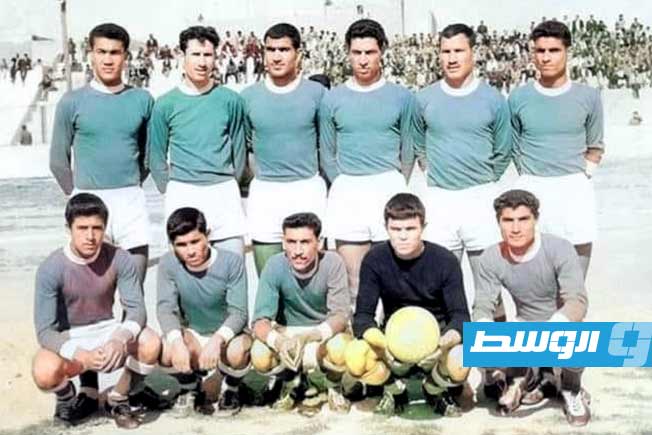
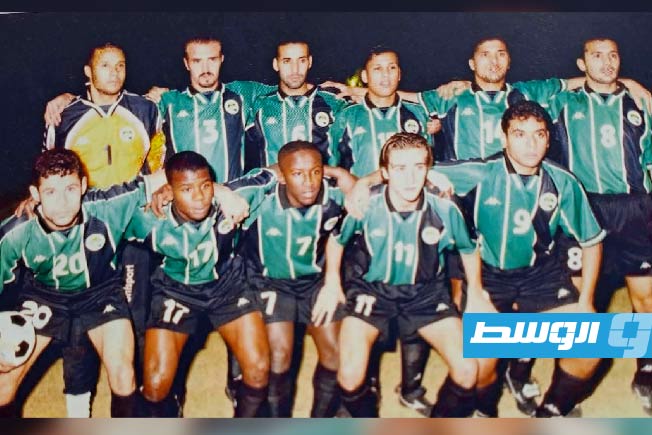
Libyan national under-16 football team
The Libyan national under-16 football team represents Libya in international youth football competitions. Its history is intertwined with the nation’s broader football development, often facing challenges due to domestic political instability affecting consistent international participation.
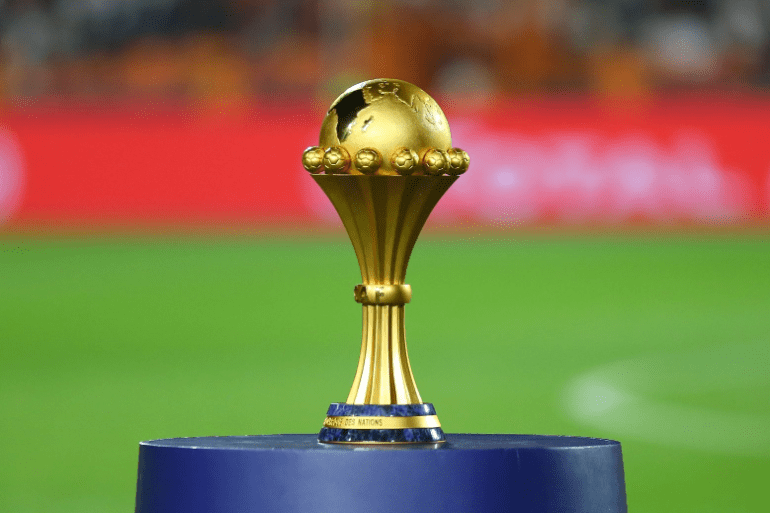
North African Championship
The North African Championship is an international football competition contested by national teams from the North African region. It was first held in 2009 under the name “UNAF Cup,” organized by the Union of North African Football, with Tunisia winning the inaugural tournament. The competition serves to promote regional football and has been held intermittently since its founding.
Tunisia
Tunisia is a North African country with a rich history shaped by ancient civilizations, including the Phoenician city of Carthage, Roman rule, and later Arab-Islamic influence. Its cultural sites, such as the well-preserved Roman amphitheater at El Jem and the historic medina of Tunis, reflect this diverse heritage. Today, it is known as the birthplace of the Arab Spring and for its blend of Mediterranean and Arab cultures.
Libyan Football Federation
The Libyan Football Federation is the governing body for football in Libya, founded in 1962. It oversees the national teams and domestic competitions, though its operations have been frequently disrupted by political instability and conflict in the country since the 2011 revolution.
Egypt
Egypt is home to one of the world’s oldest civilizations, with a recorded history spanning over 5,000 years and famed for its pharaohs, pyramids, and monuments along the Nile River. Its rich cultural heritage, from ancient wonders like the Great Sphinx to Islamic Cairo, continues to define its identity as a modern nation.
Badr Hamed
Badr Hamed is a town in Syria, located in the Rif Dimashq Governorate near the capital, Damascus. It is historically known for being the site of the Battle of Marj al-Saffar in 1303, where the Mamluk Sultanate achieved a decisive victory against the Mongol Ilkhanate, halting their advance into the Levant.
Morocco
Morocco is a North African country with a rich history shaped by indigenous Amazigh (Berber) cultures, Arab influence from the 7th century, and a series of powerful Islamic dynasties. Its cultural sites, such as the ancient city of Fez and the Koutoubia Mosque in Marrakech, reflect this layered heritage, which also includes periods of French and Spanish colonial rule in the 20th century before independence in 1956.
Algeria
Algeria is a North African country with a rich history shaped by ancient Berber kingdoms, Roman rule, and centuries of Ottoman influence. It gained independence from France in 1962 after a protracted war, and its cultural heritage includes numerous UNESCO World Heritage sites, such as the Roman ruins of Timgad and the Casbah of Algiers.