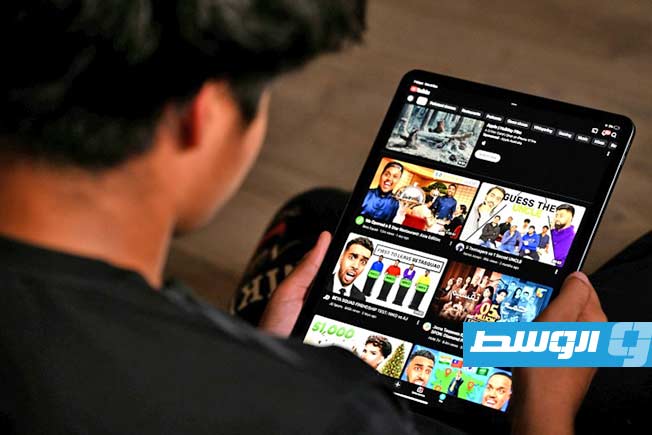
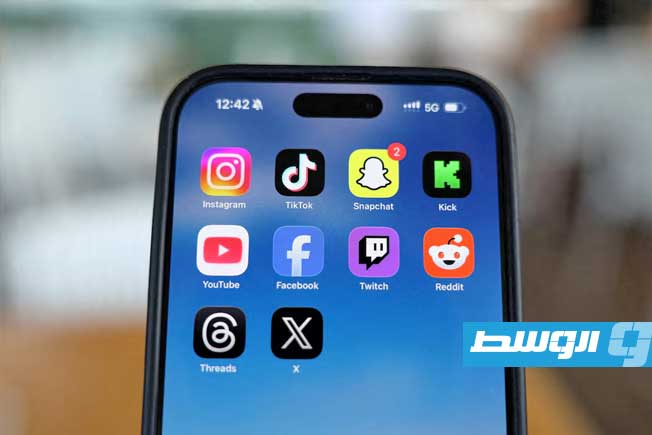
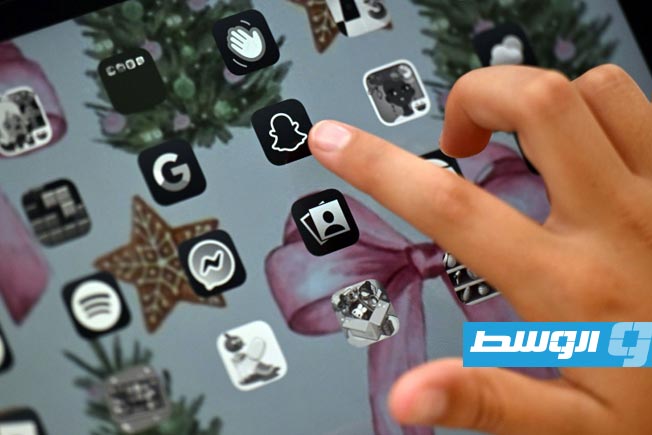
Egypt’s Supreme Council for Media Regulation banned access to the gaming platform “Roblox,” owned by an American company, on Wednesday, citing child safety concerns. Cairo thus joins other governments that have taken similar measures to restrict the use of this popular application.
Countries including Qatar, Iraq, and Turkey have banned the “Roblox” application, and American states such as Texas and Louisiana have filed lawsuits pointing to similar risks.
The Egyptian Supreme Council for Media Regulation announced the ban shortly after a number of senators called for tighter oversight of the platform, arguing that it contains inappropriate, violent, and unsuitable content for children.
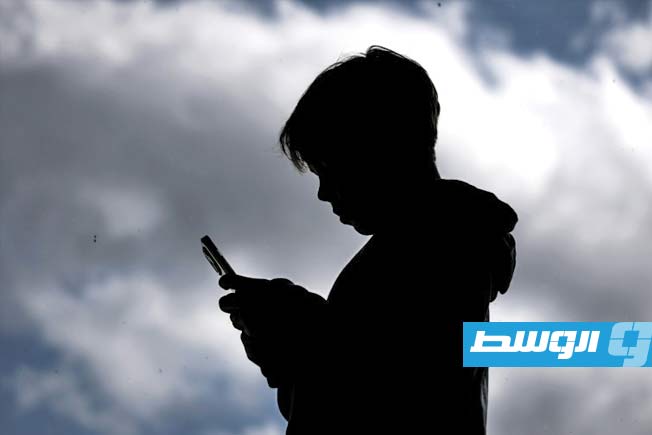
A senator warned that excessive use of “Roblox” could expose children to “bullying, digital harassment, incitement to violence, and other financial and behavioral risks.”
This move follows a call last month by the Egyptian President for new legislation aimed at protecting children from the risks of using smartphones at an early age, without specifying a legal minimum age for use.
User safety is a top priority
In a statement, a spokesperson for “Roblox” said the company has contacted the Egyptian authorities “offering dialogue to try to resolve this issue and restore access to the platform as soon as possible,” adding that user safety “is a top priority for Roblox.”
The platform, developed by “Roblox Corporation,” based in California, allows users to create and share their own games.
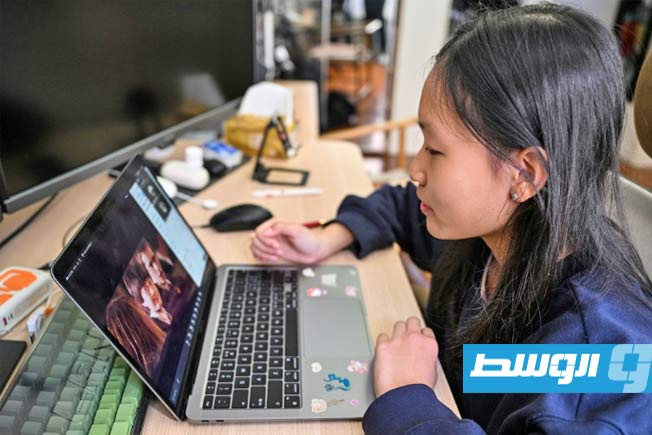
“Roblox” is used by approximately 100 million people daily, with children under the age of 13 constituting about 40% of its users in 2024, according to the company.
“Roblox Corporation” confirms that it monitors all content through human review and AI tools, and removes “content that involves exploitation.”
Egypt
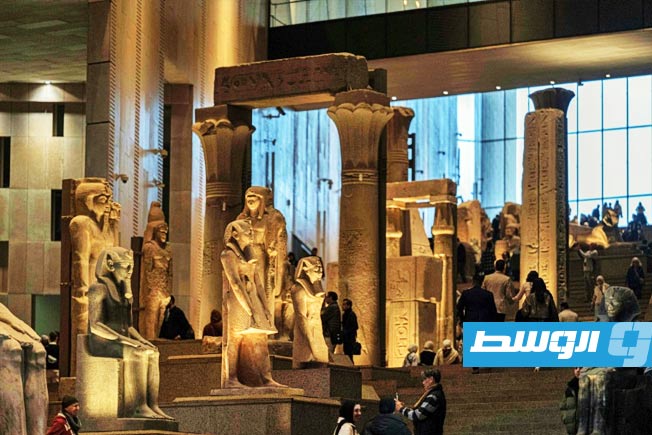
Egypt, home to one of the world’s oldest civilizations, is famed for the ancient pyramids of Giza and the Nile River. Its recorded history spans over 5,000 years, featuring powerful pharaohs, monumental architecture, and a legacy of art and writing that profoundly influenced subsequent cultures. Modern Egypt remains a central cultural and political hub in the Arab world, with its ancient sites continuing to be major global archaeological and tourist destinations.
Cairo
Cairo is the sprawling capital of Egypt, founded in 969 CE by the Fatimid dynasty. It is famously home to historic Islamic districts, the Egyptian Museum, and the nearby Giza pyramid complex, which dates back to the 26th century BCE.
Qatar
Qatar is a sovereign country located on the northeastern coast of the Arabian Peninsula, historically shaped by its Bedouin heritage and maritime traditions like pearl diving. It transformed dramatically following the discovery of vast oil and natural gas reserves in the mid-20th century, which propelled it into a modern, influential global state. Its capital, Doha, is now a major cultural and economic hub, home to modern architectural landmarks and institutions like the Museum of Islamic Art.
Iraq
Iraq, historically known as Mesopotamia, is often called the “Cradle of Civilization” as it was home to ancient Sumerian, Babylonian, and Assyrian empires, which pioneered writing, law, and urban development. Modern Iraq, established in the 20th century, is rich in cultural heritage sites like the ancient city of Babylon and the archaeological ruins of Ur, though many have suffered damage from recent conflicts. Its capital, Baghdad, was a major center of the Islamic Golden Age during the Abbasid Caliphate.
Turkey
Turkey is a transcontinental nation bridging Europe and Asia, with a rich history as the heart of the Byzantine and Ottoman Empires. Its cultural landscape is defined by iconic sites like the Hagia Sophia in Istanbul, which has served as a cathedral, mosque, and museum, reflecting the country’s layered historical and religious heritage.
Texas
Texas is a state in the southern United States that was originally inhabited by various Native American tribes before becoming a colony of Spain and later Mexico. It declared independence from Mexico in 1836, forming the Republic of Texas, and joined the United States as the 28th state in 1845. Its history as an independent nation and its vast size contribute to a distinct cultural identity centered on ranching, oil, and a strong sense of state pride.
Louisiana
Louisiana is a state in the southern United States, historically colonized by France and Spain before becoming part of the U.S. through the Louisiana Purchase of 1803. Its unique culture, especially evident in cities like New Orleans, is a blend of French, Spanish, African, and Caribbean influences, giving rise to traditions like Creole cuisine and jazz music.
California
California is a state on the west coast of the United States, originally inhabited by numerous Native American tribes before becoming a Spanish colony and later part of Mexico. It was annexed by the U.S. in 1848, with the subsequent Gold Rush rapidly accelerating its development and population growth. Today, it is known globally as a center for technology, entertainment, and diverse cultural landscapes.
Roblox
Roblox is an online platform and game creation system that allows users to design, share, and play games created by other users. It was officially launched in 2006 by founders David Baszucki and Erik Cassel, building on an earlier educational physics simulation prototype. The platform has since grown into a massive global community where millions of user-generated experiences are played daily.
Roblox Corporation
Roblox Corporation is an American video game developer and platform founded in 2004 by David Baszucki and Erik Cassel, officially launching its user-generated content platform in 2006. It is best known for hosting Roblox, an online platform where users can create and share their own games and experiences using its proprietary engine. The company has grown to become a major force in the gaming industry, emphasizing user creativity and social interaction.
Supreme Council for Media Regulation
The Supreme Council for Media Regulation is an Egyptian governmental body established in 2016 to oversee and regulate media outlets within the country. Its formation was part of a broader effort to centralize media governance under a unified legal framework, replacing several previous regulatory entities. The council is responsible for licensing, setting standards, and ensuring media content aligns with national security and public interest guidelines.