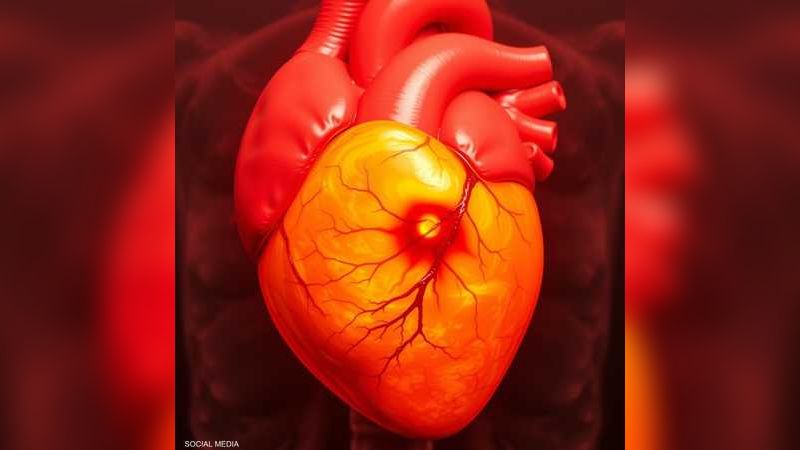
Experts in cardiology and public health have warned about common daily habits that can cause serious damage to heart health. They emphasize that underestimating these habits increases the risk of high blood pressure, heart attacks, and strokes, even in younger age groups than was previously common.
Excessive Salt Intake
It is noted that salt is a “hidden” element in many modern diets, as it is abundant in processed foods, ready-made meals, and sauces. Most adults consume amounts of sodium that exceed the daily requirement, leading to high blood pressure, one of the leading risk factors for heart disease.
Sitting for Long Periods
Specialists agree that a sedentary lifestyle has become one of the most significant threats to the heart. A sedentary lifestyle contributes to weight gain, high blood pressure, and diabetes. It has been noted that “sitting is the new smoking,” referring to its growing danger.
Using Your Phone Before Bed
Experts warn against the habit of using smartphones before sleep, as it leads to sleep disturbances due to blue light and mental stimulation. This raises stress levels and negatively affects heart health. It is advised to keep the phone out of the bedroom and replace scrolling with calmer habits.
Keeping Junk Food at Home
Bringing unhealthy foods into the home makes it easier for them to become a daily habit. These foods, especially processed ones, raise cholesterol and blood pressure and lead to blood sugar fluctuations, which increases the tendency to eat unhealthy food.
Isolation and Weak Social Ties
It is confirmed that loneliness affects not only mental health but is also linked to an increased risk of heart disease. Stress, anxiety, and isolation are indirect but influential factors in cardiovascular health.
Ignorance of Health Indicators
Specialists point out that many people, especially young adults, do not undergo regular check-ups for blood pressure, cholesterol, or sugar. This delays the detection of problems that may be silent in their early stages but have serious consequences later.
Believing Change is Pointless
It is emphasized that feeling discouraged or believing it is too late to change one’s lifestyle is a common mistake. Simple, gradual changes can make a significant difference in the long term.
Ignoring Early Warning Signs
Cardiologists warn against ignoring symptoms such as chest pain or shortness of breath, as they may be indicators of a heart attack. A rapid medical response reduces the extent of damage and increases the chances of survival.
Experts conclude that preventing heart disease begins with simple daily changes, but it requires awareness and consistency. They stress that the heart “does not forget” the lifestyle we lead.