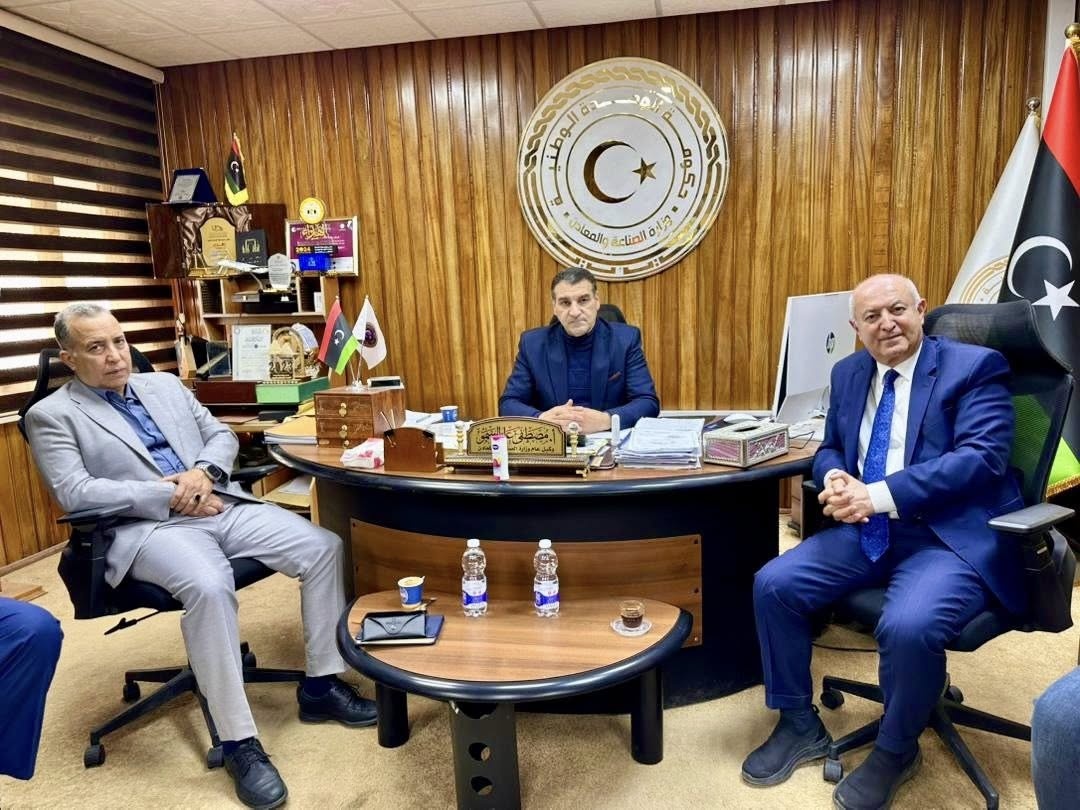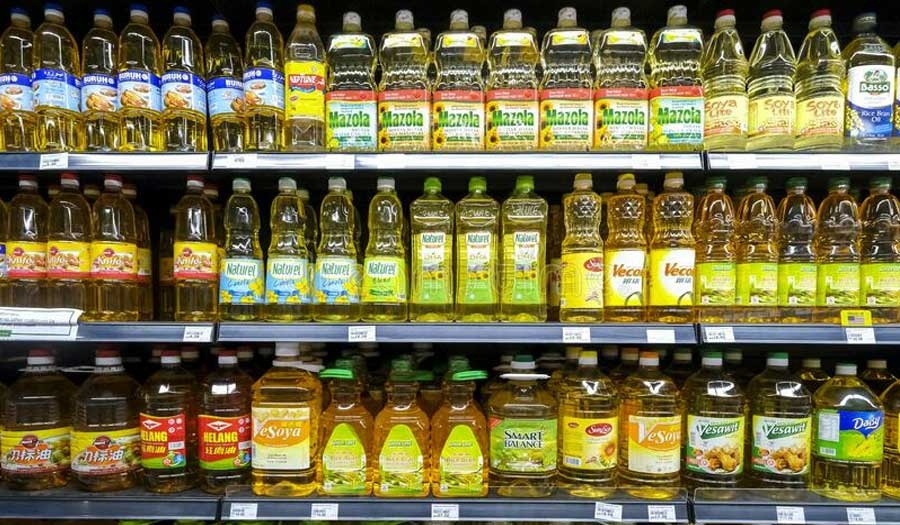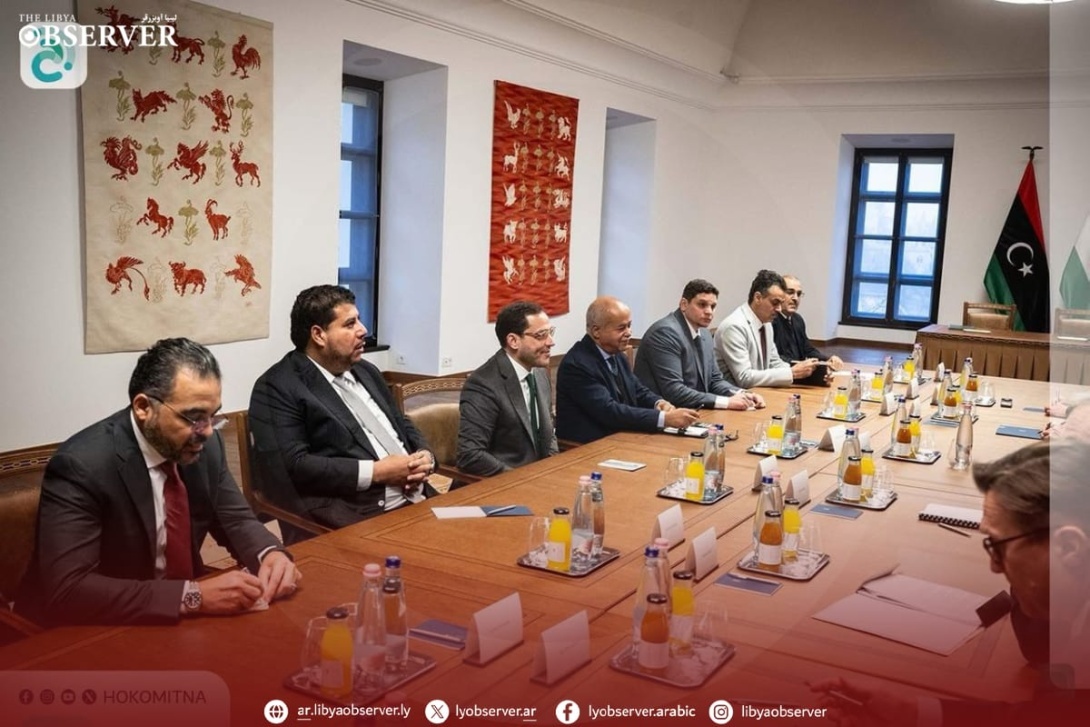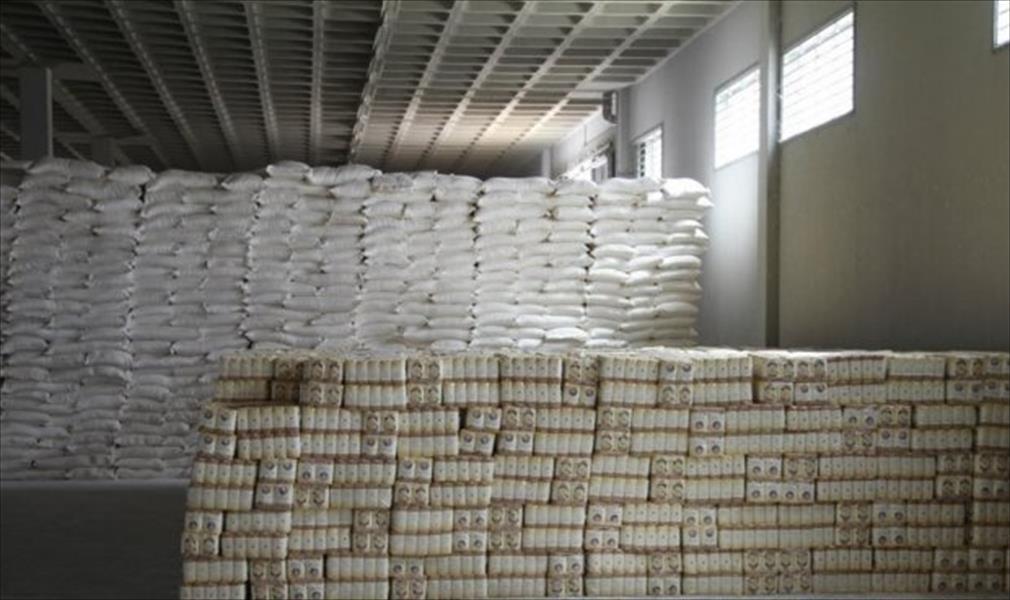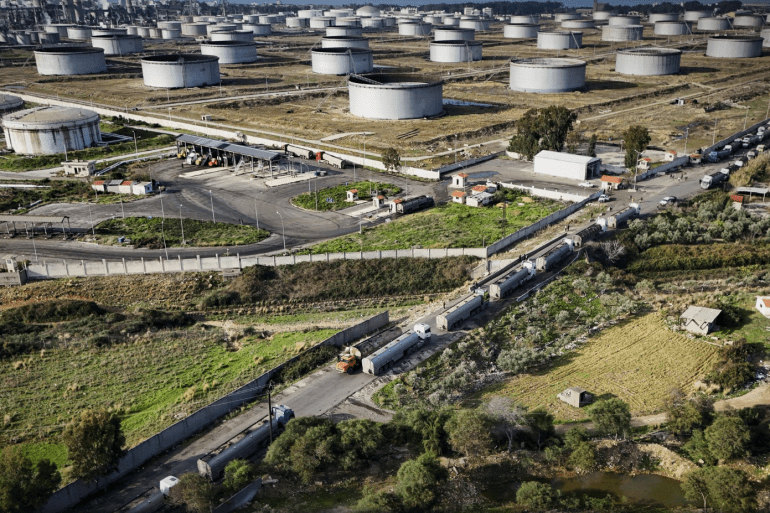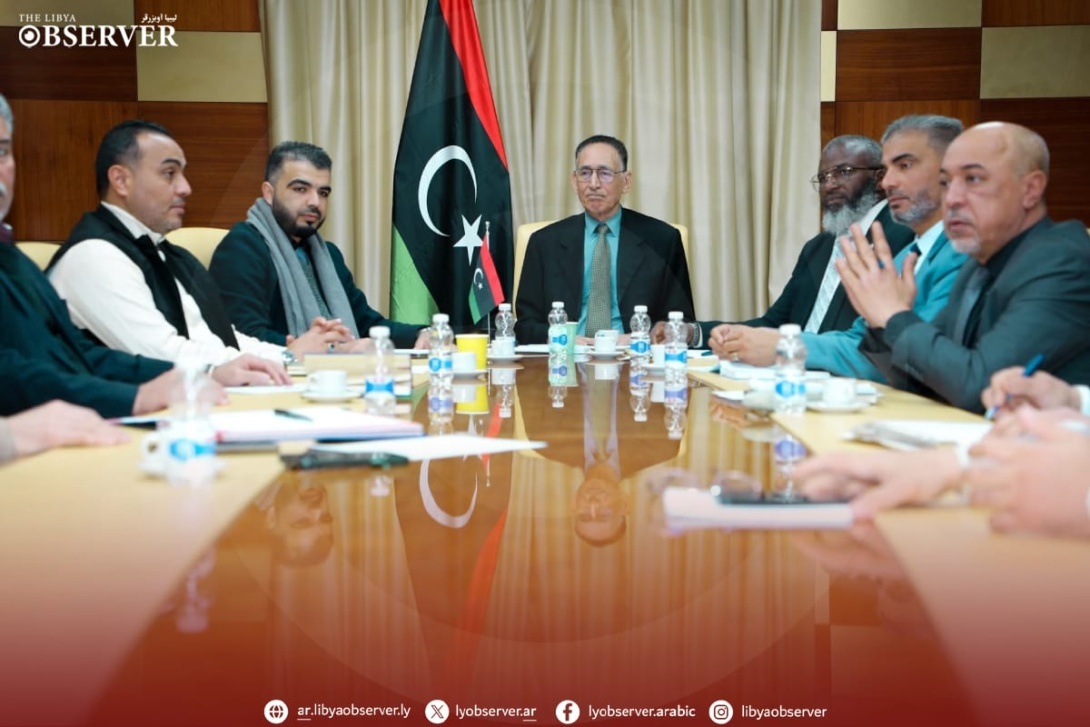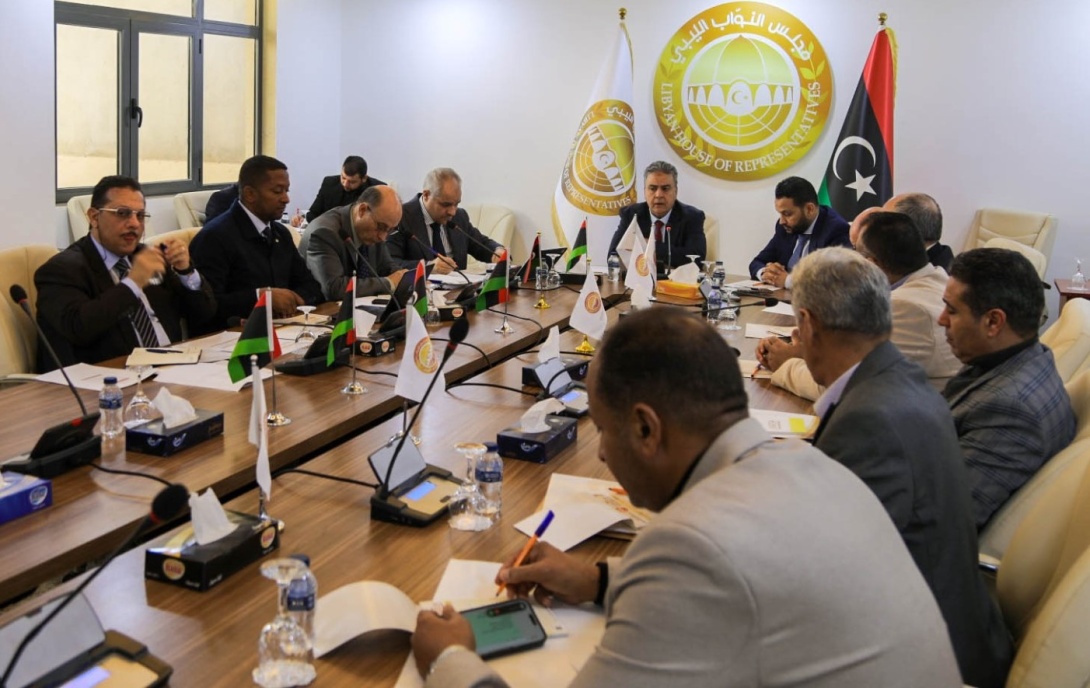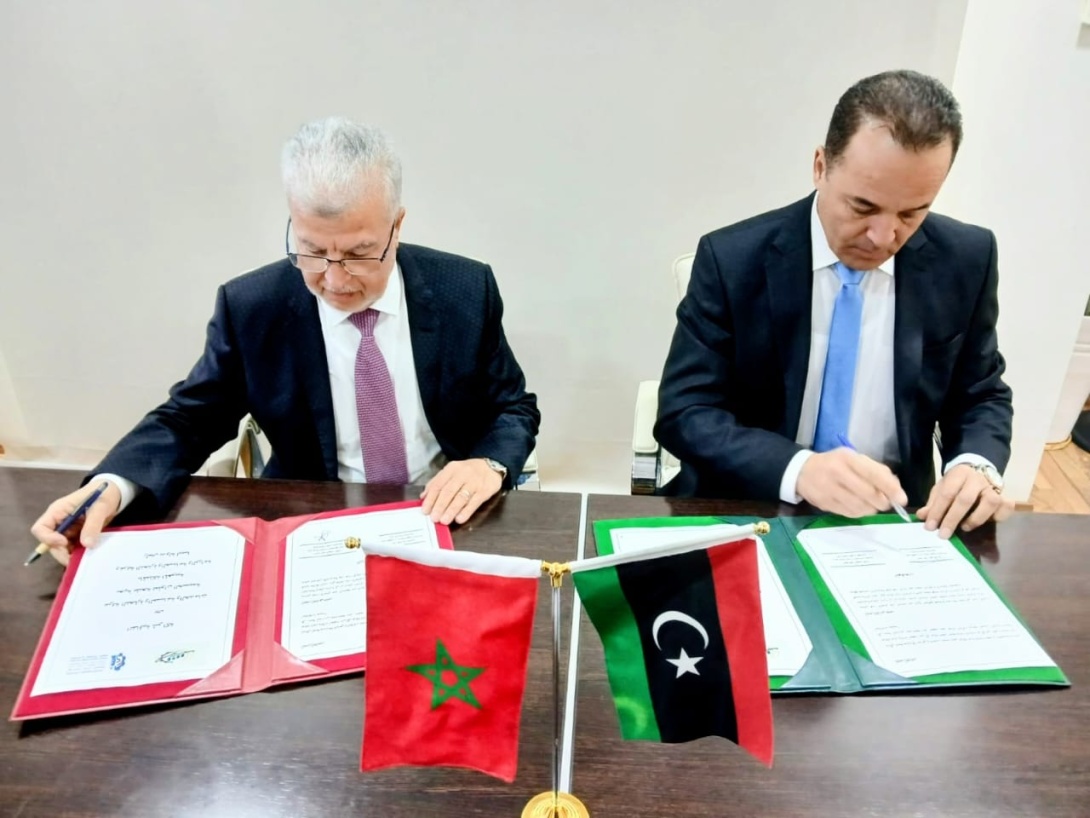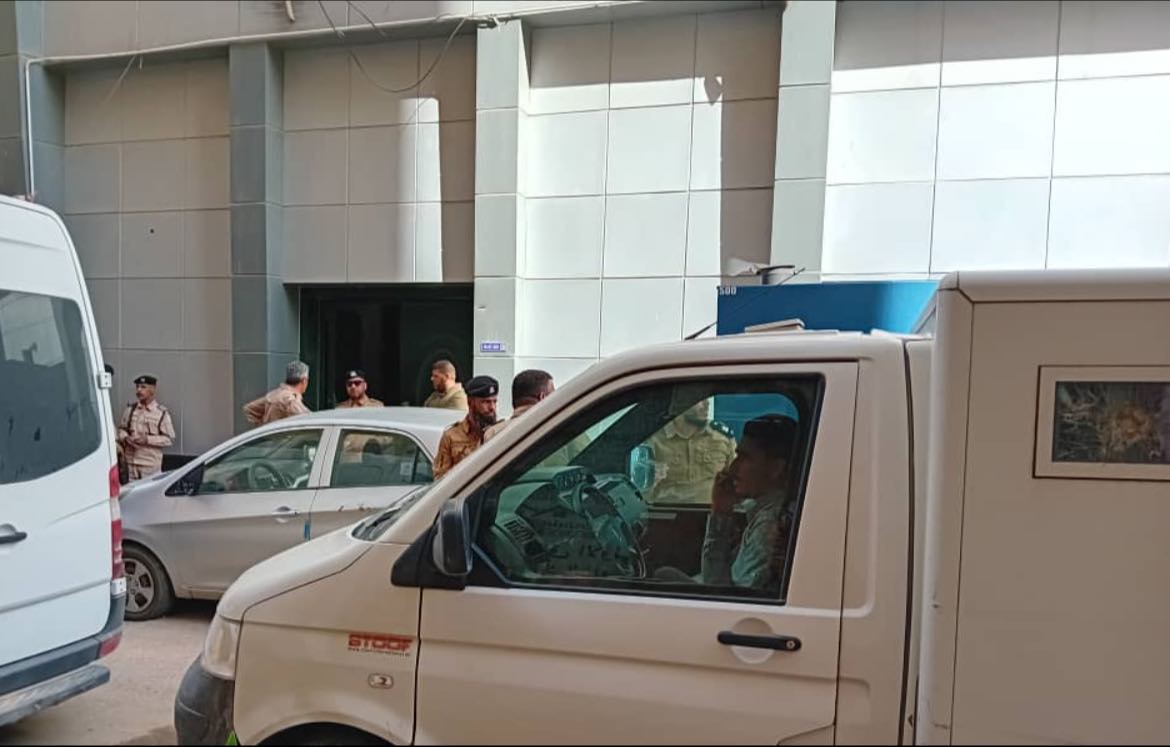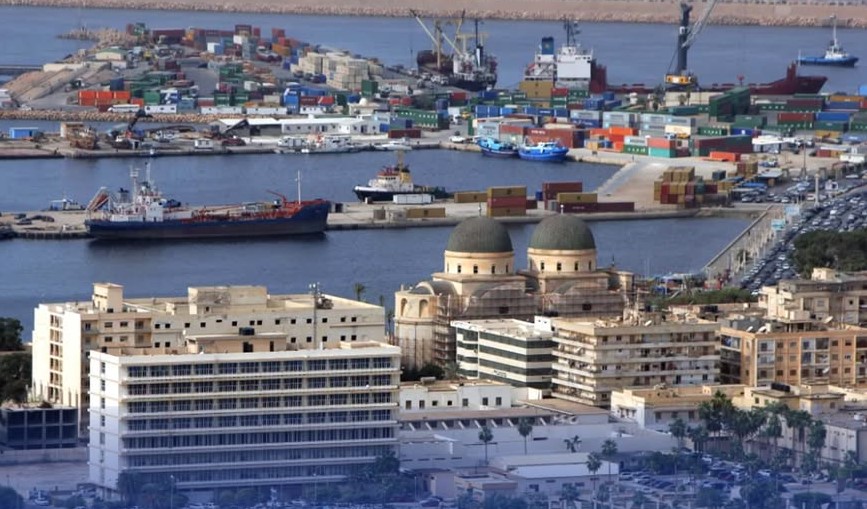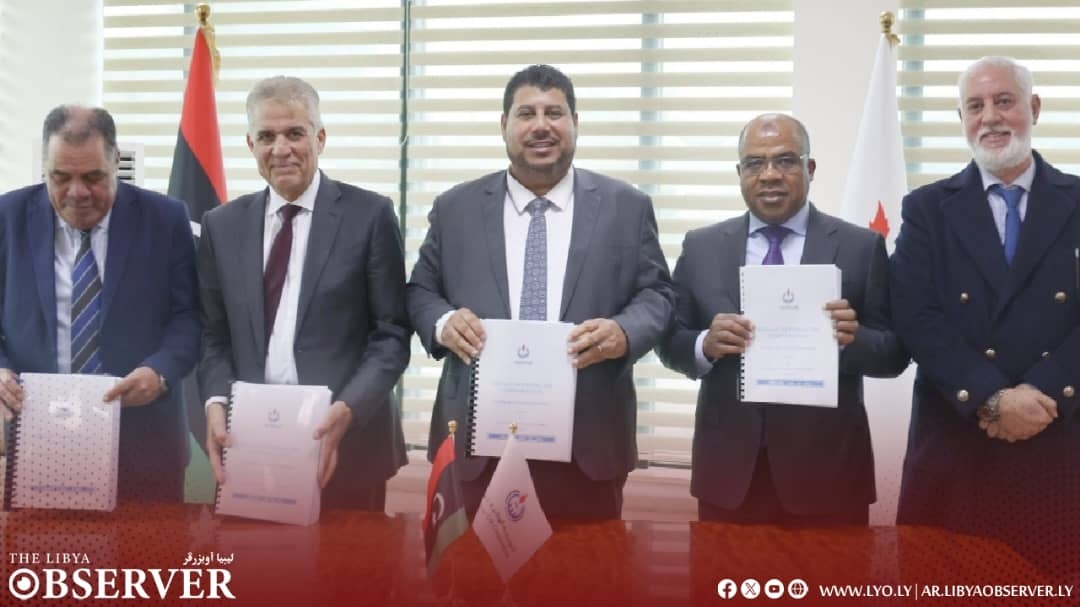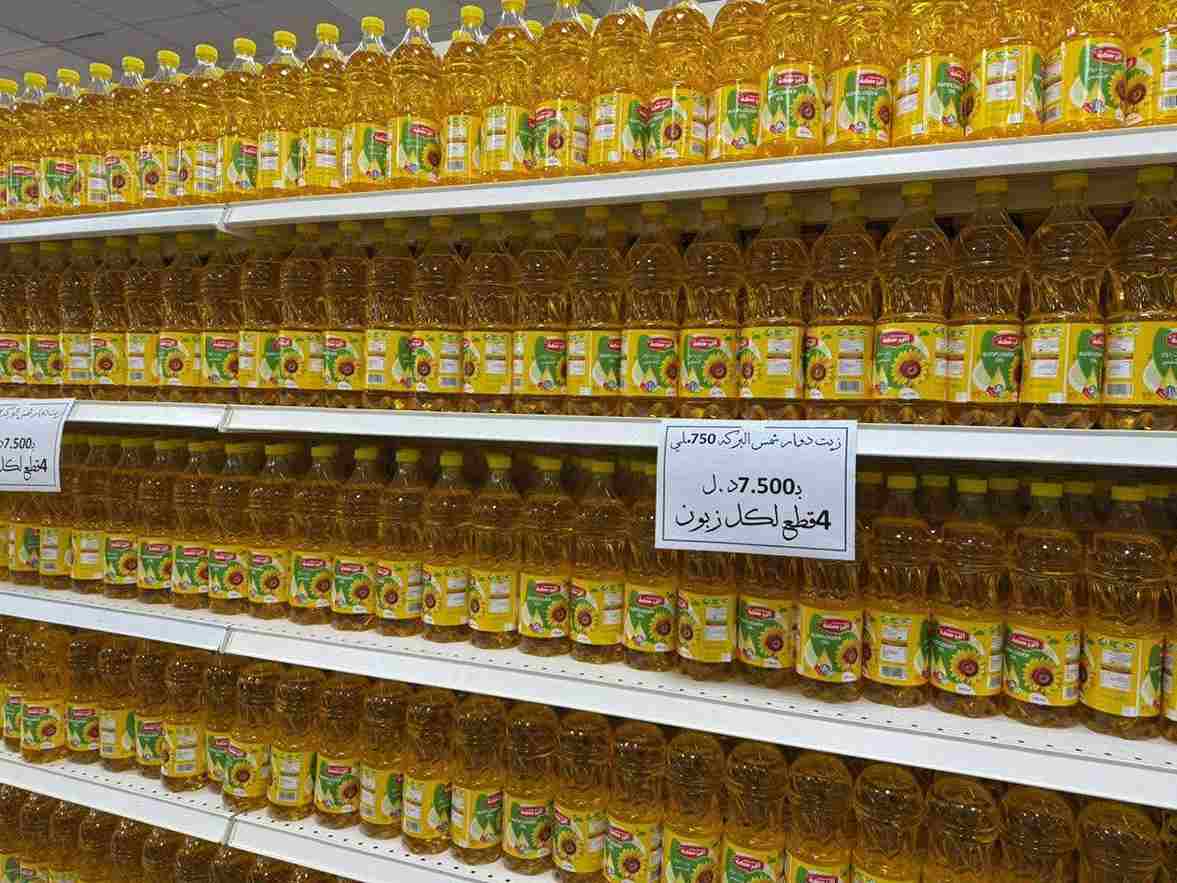
The Ministry of Economy and Trade of the Government of National Unity issued its Statement No. (3) for the year 2026, dated February 2, regarding the supply of oil and the measures taken to combat speculation and monopoly, including setting a maximum price for vegetable oil and regulating the import and distribution process.
🟦 Preliminary Report Monitors Performance of Oil-Supplying Companies
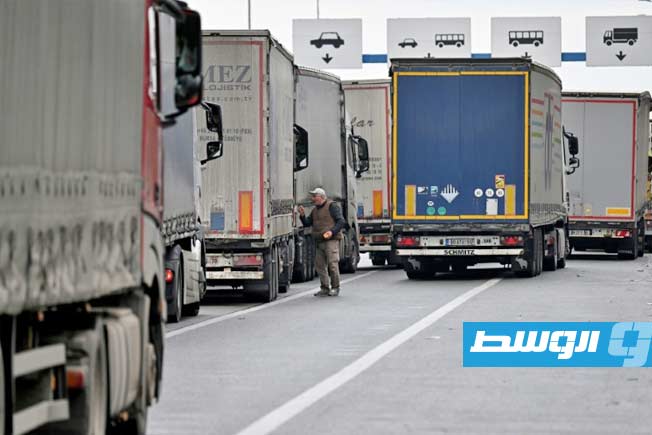
The Ministry clarified that Preliminary Report No. (5/2/396), issued on the same day, included a comprehensive study of companies that supplied oil during 2025 and early January 2026, whether as finished or semi-finished goods, based on the volume of trade and brands available in the local market.
🟦 Report Findings: A Clear Gap Between Credits and Actual Supply
The report concluded with a set of important findings:
✔️ Only 36 Companies Covered the Real Market Need
- These companies actually supplied the commodity during 2025.
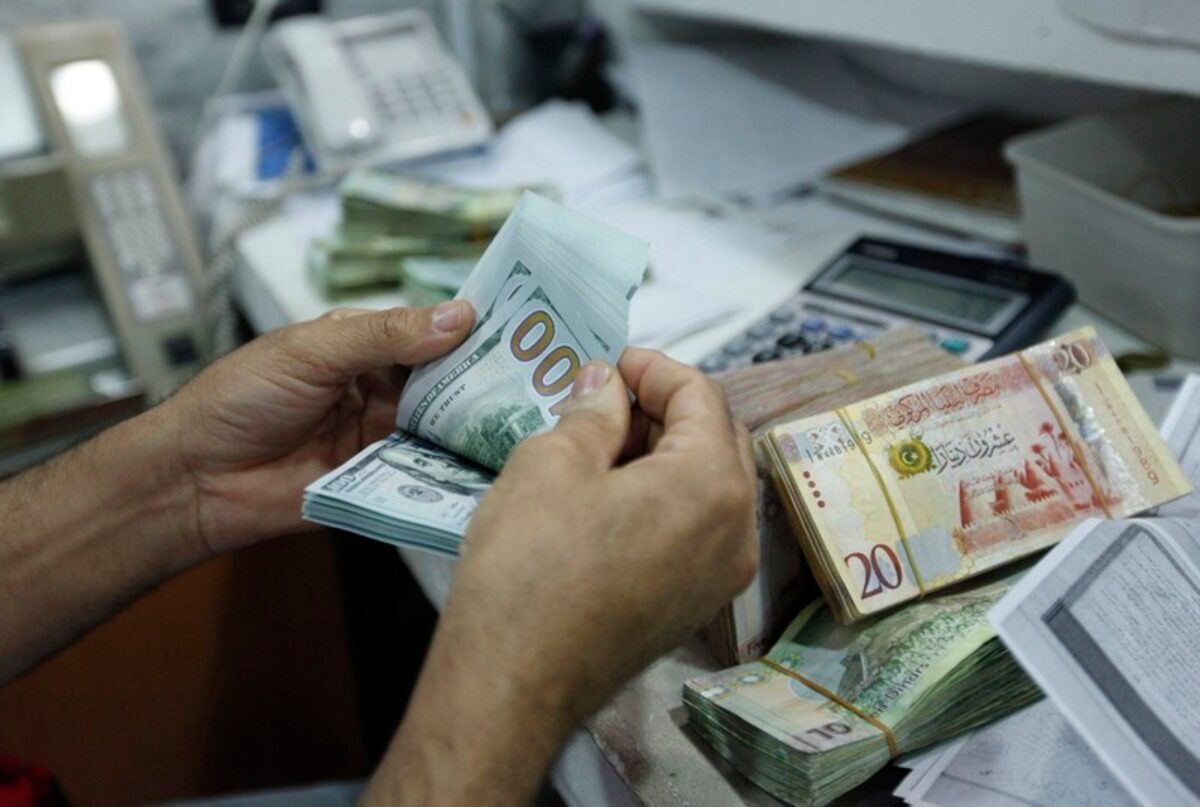
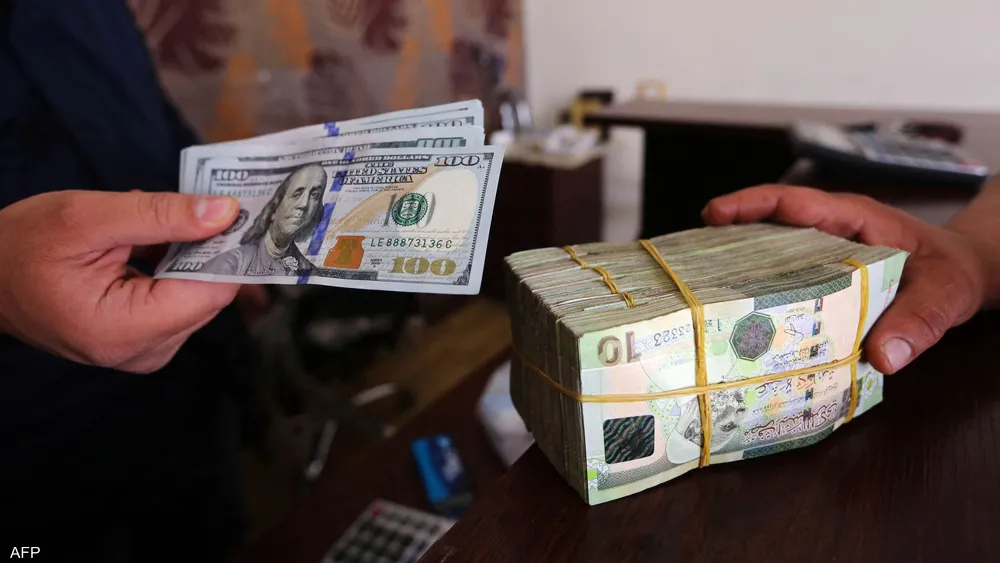
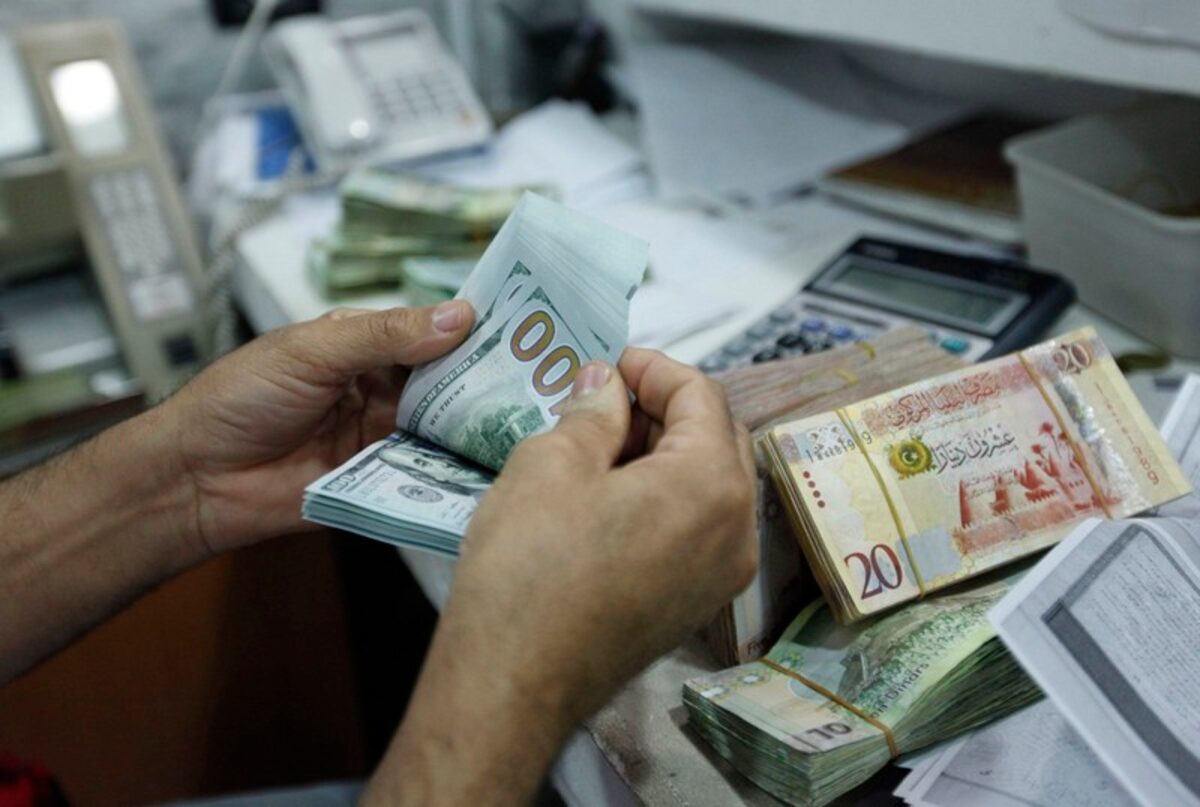
- They obtained documentary credits worth $150,786,770 out of $281 million.
- This represents 53.5% of the total credits, which had a visible impact in the market.
85 Companies Received Credits With No Market Impact
- They obtained credits worth $130,629,641 (46.4%).
- No trace of their goods was found in the market from January 1, 2025, until January 31, 2026.
- This gap raised suspicions about hoarding or a failure to supply the commodity at all.
The Actual Number of Companies is Less Than 36
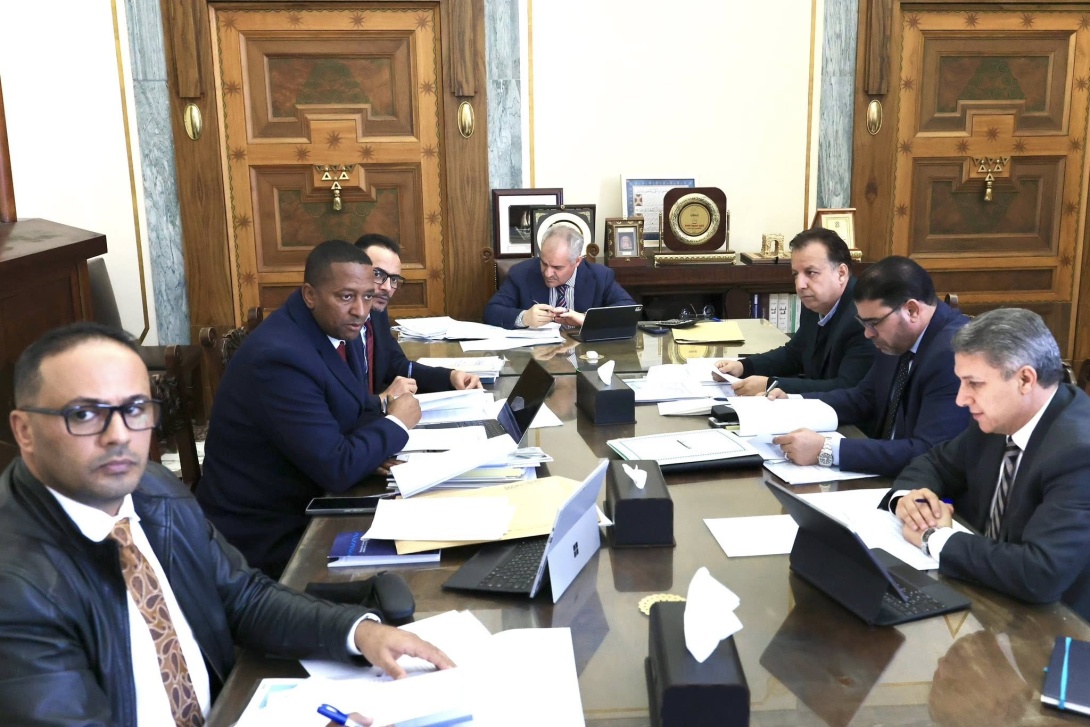
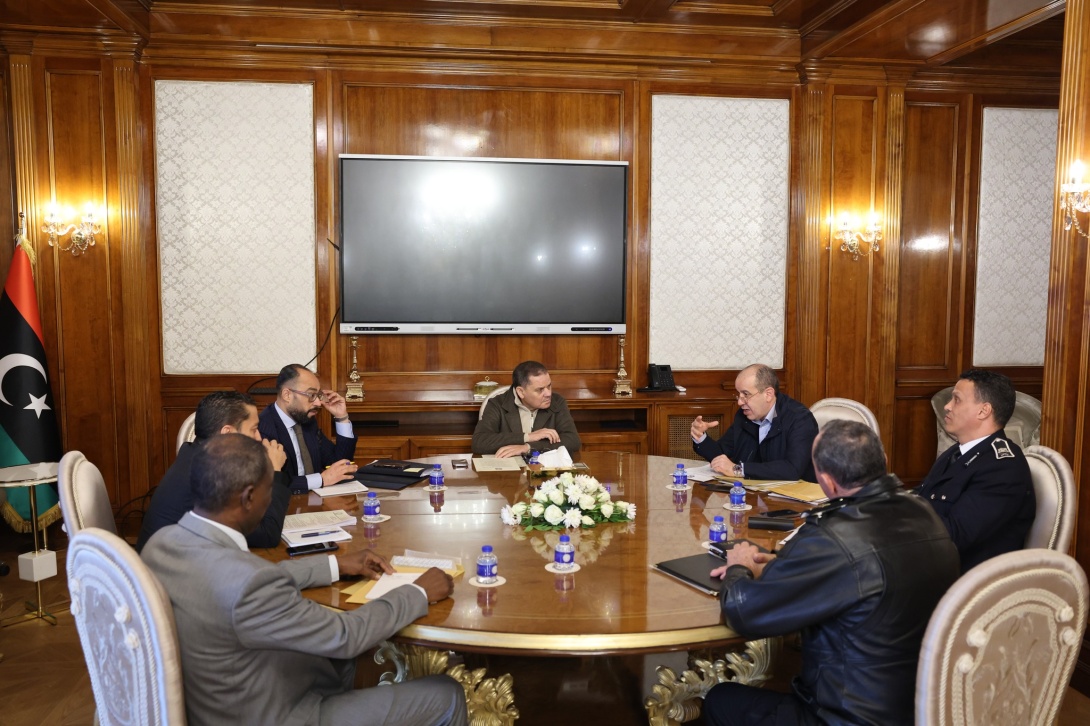
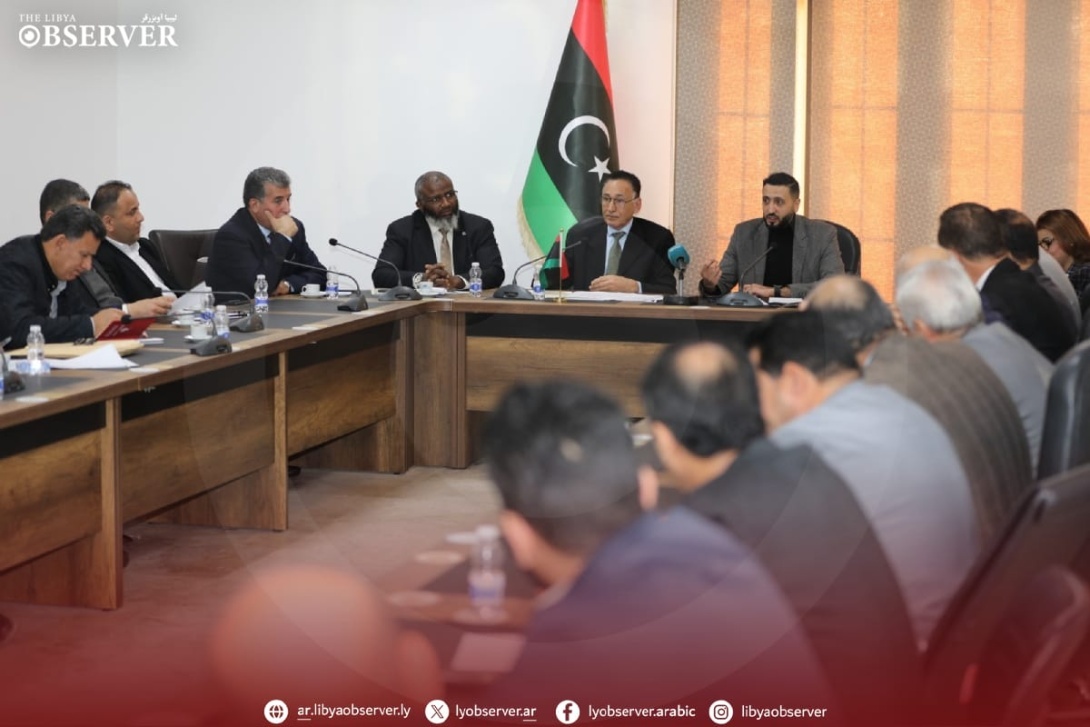
With the start of the committee formed by Prime Minister’s Decision No. (1) for the year 2026, it became clear that the companies that actually covered the market are fewer than the mentioned number, and that the final report is still being prepared by the Law Enforcement and Municipal Guard Administration.
🟦 Upcoming Measures
The Ministry confirmed that it will prepare in the coming days a detailed position clarifying the relative weight of each company in covering the market, to be adopted later in taking regulatory and oversight measures.
It also stressed the commitment of the companies listed in Disclosure No. (1) to the following:
- Forming a network of agents and commercial representatives in accordance with the Commercial Activity Law No. 23 of 2010.
- Adherence to the executive regulations of Book Eight (Council of Ministers Decision 188 of 2012).
- Using Point of Sale (POS) systems to track the flow of funds from retailers to import companies.
🟥 Referring Violating Companies to the Competent Authorities
The companies listed in Disclosure No. (2) — whose goods showed no trace in the market — have been referred to:
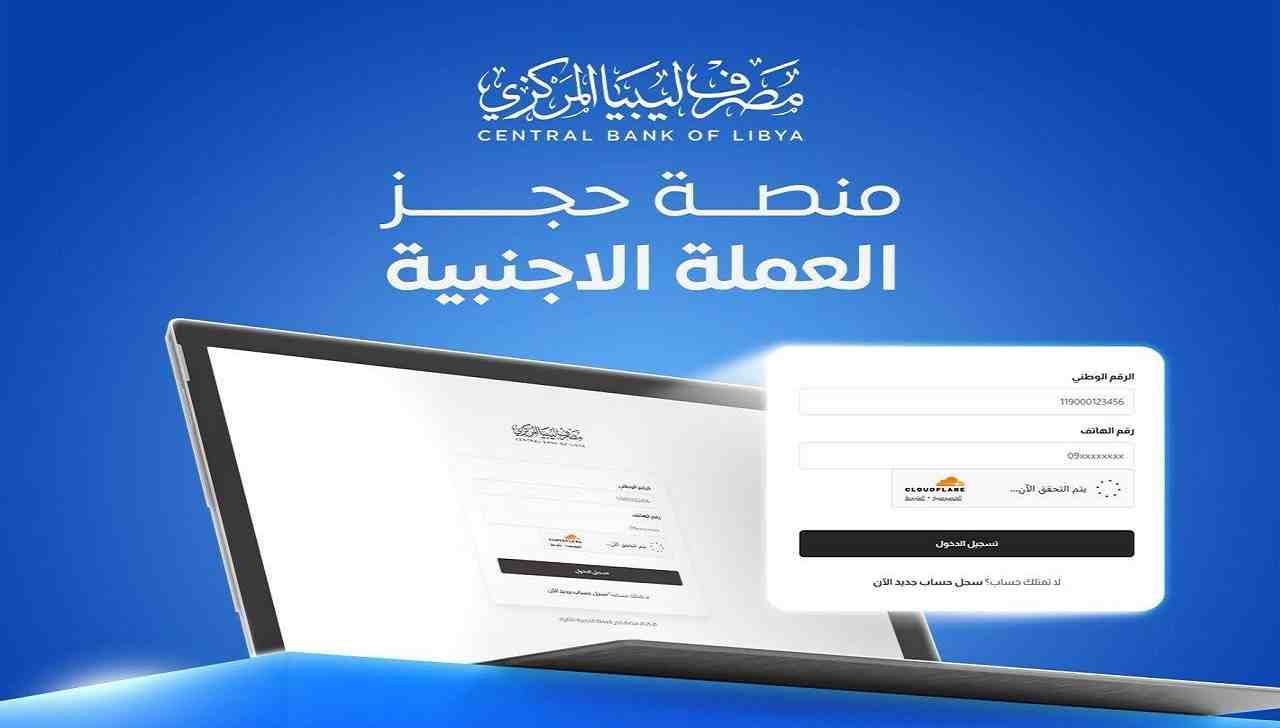
- The Central Bank of Libya: to suspend the opening of their documentary credits.
- The Commercial Registry: to refrain from issuing a registration certificate or a non-registration certificate in the importers’ register.
- The Municipal Guard Apparatus: to complete evidence-gathering reports and take legal action.