Title – Tripoli
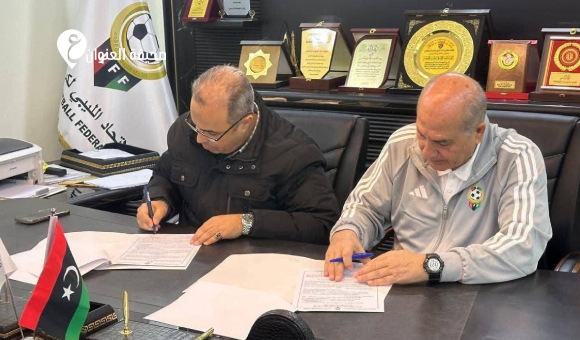
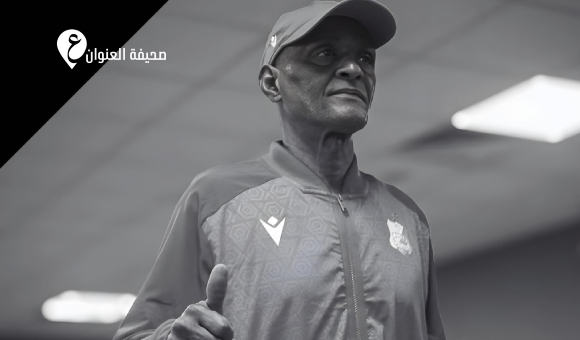
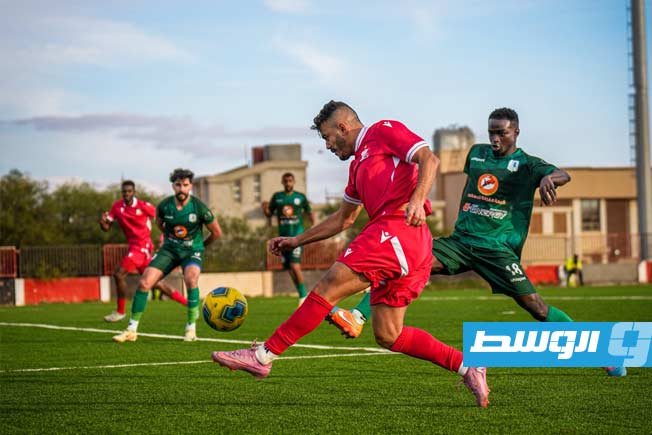
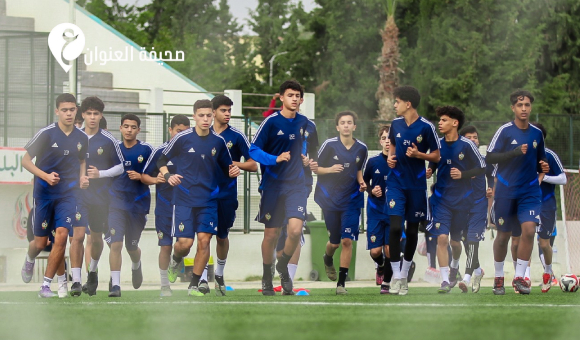
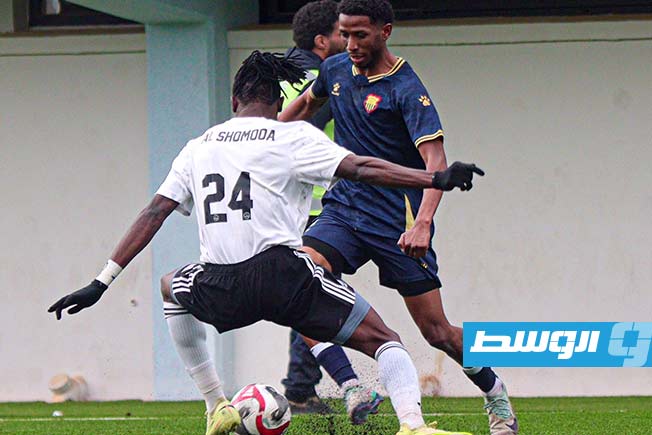
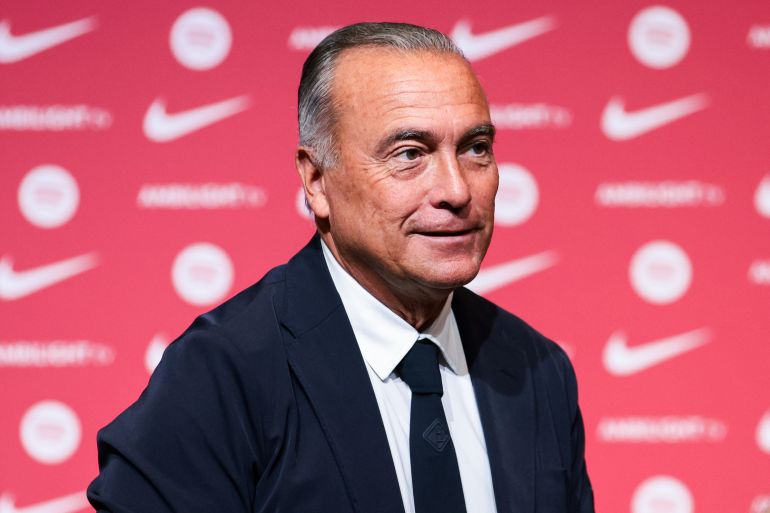
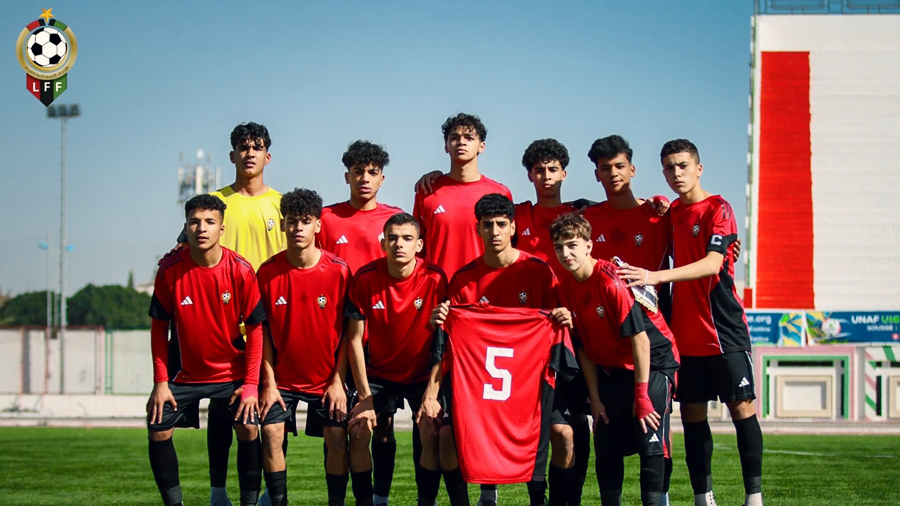
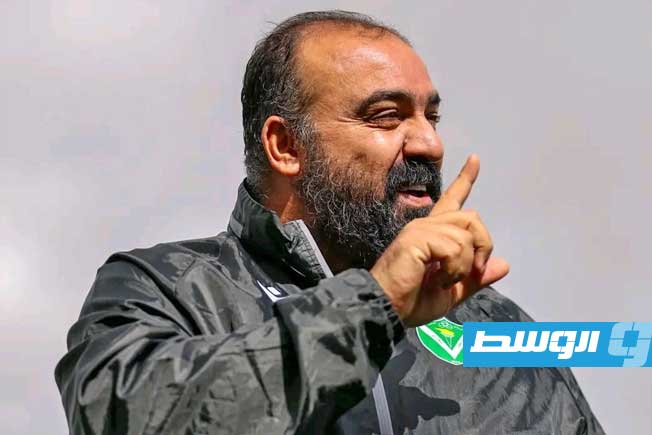
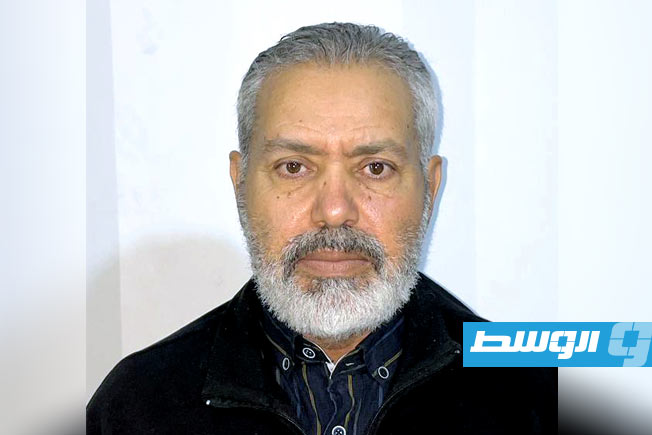
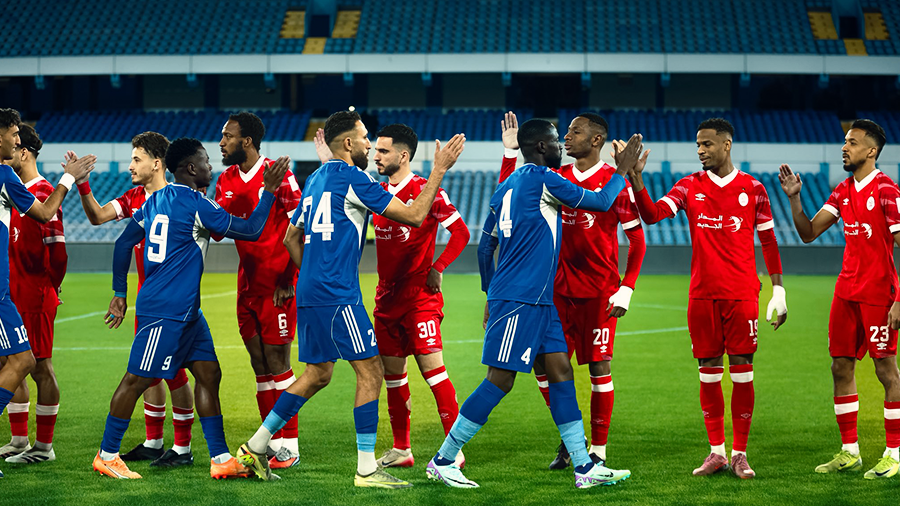
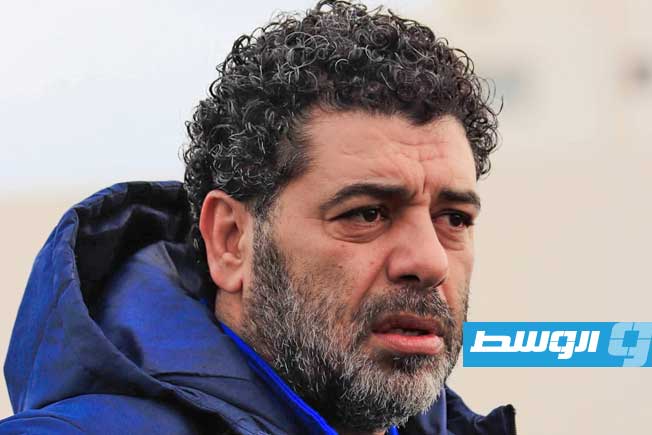
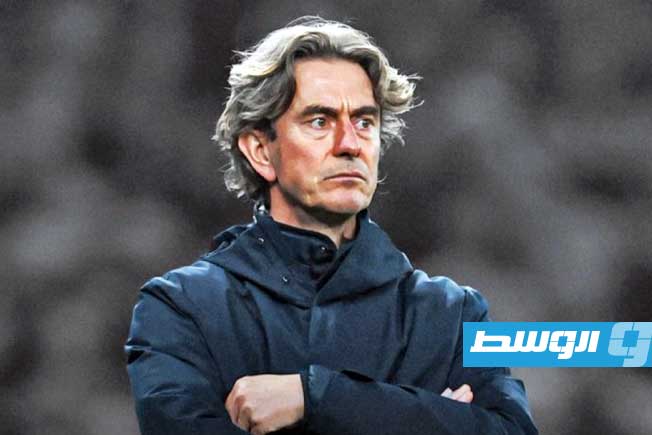
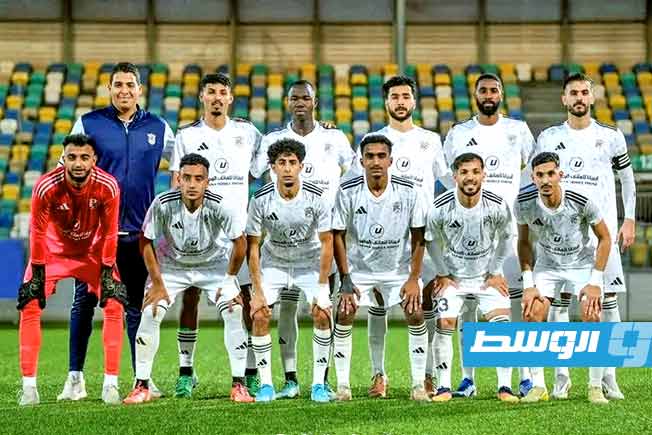
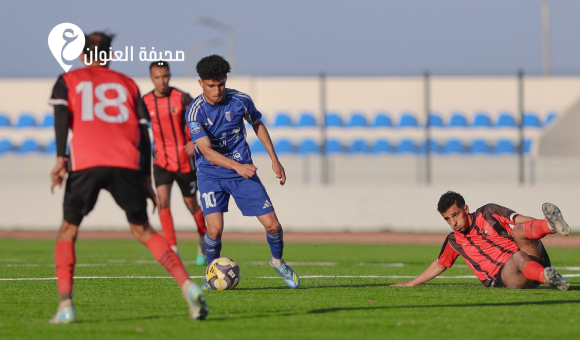
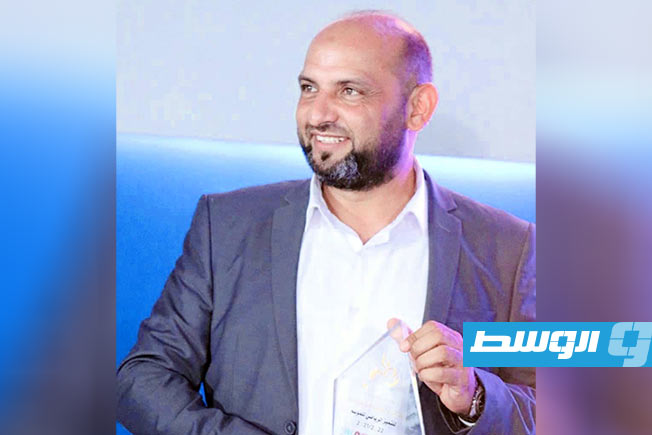
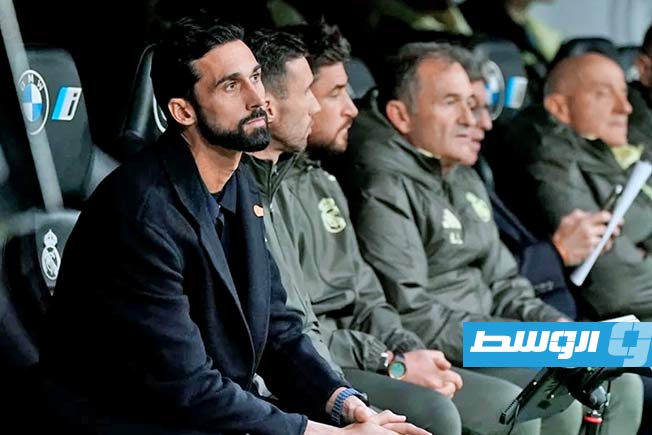
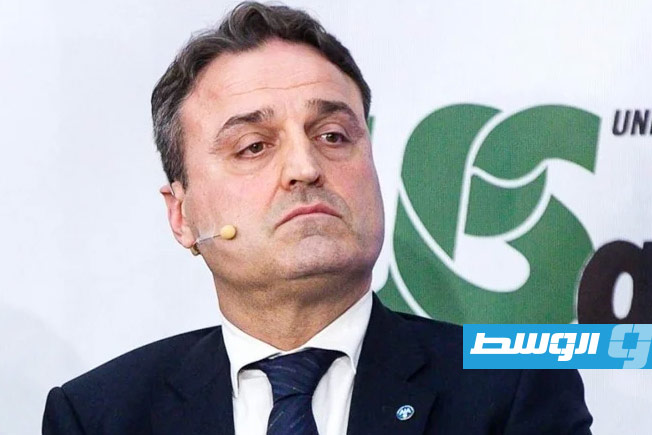
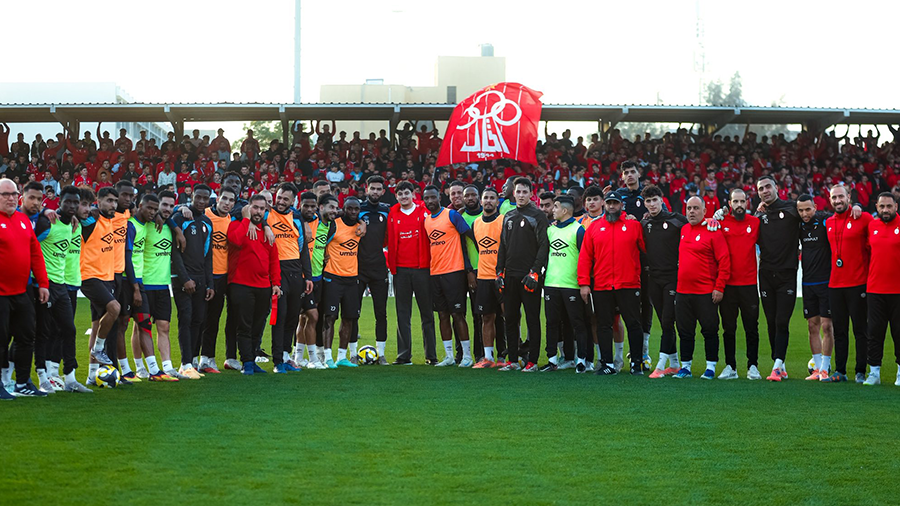
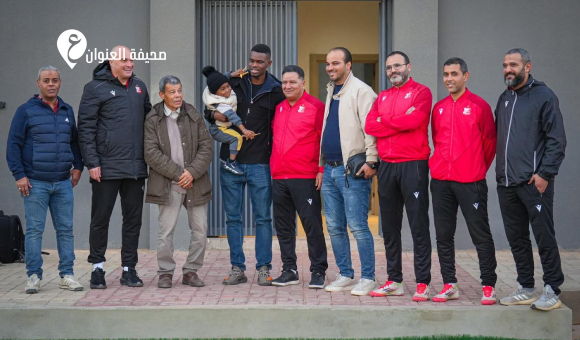
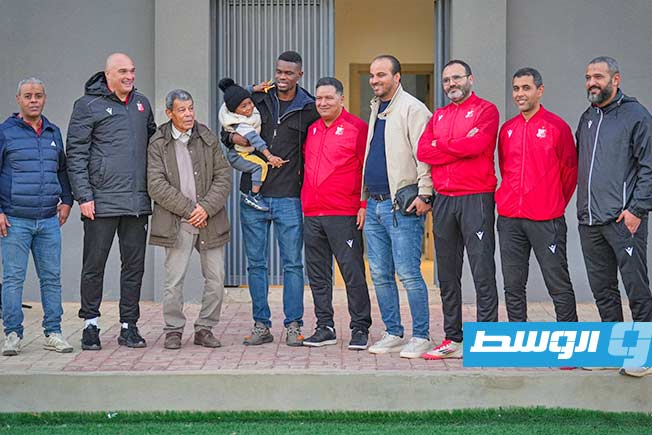
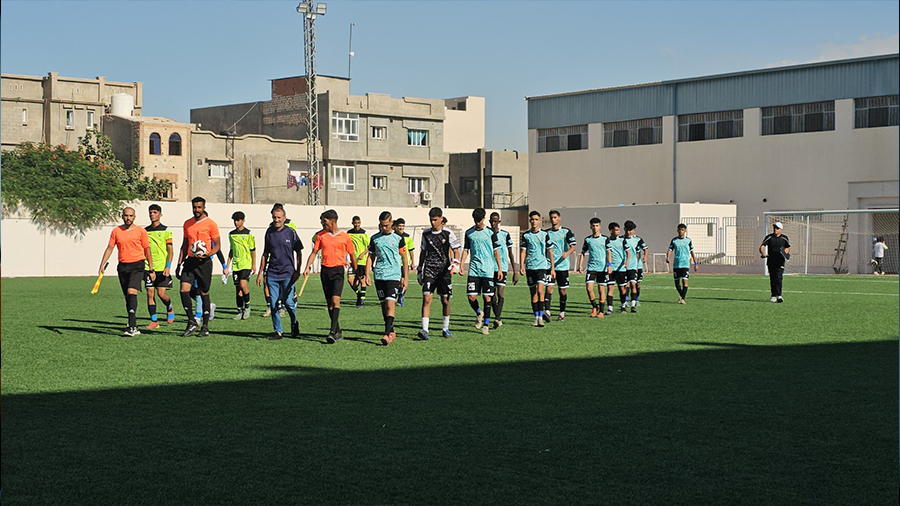
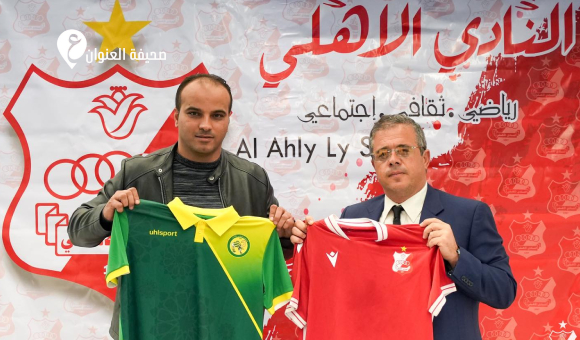
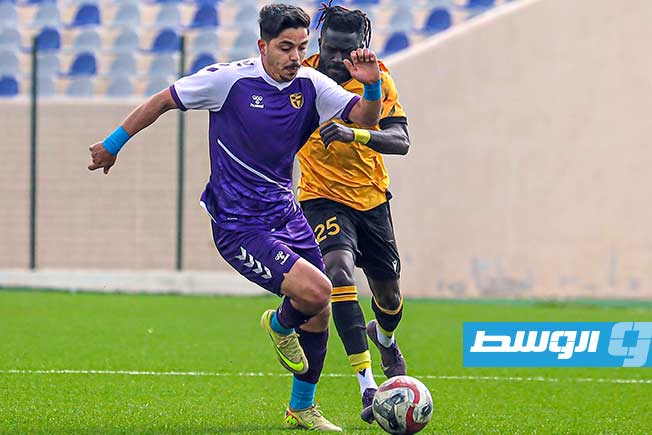
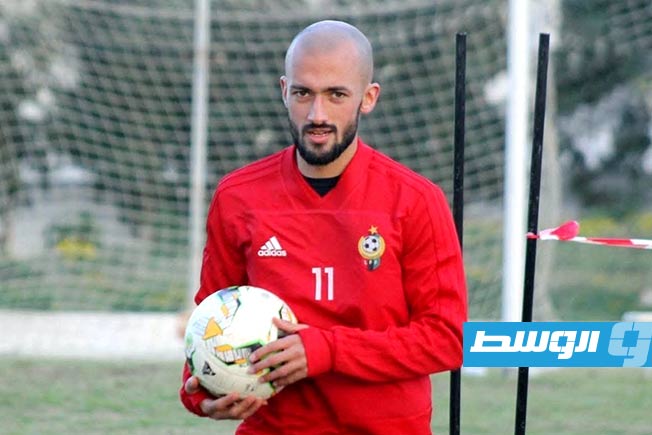
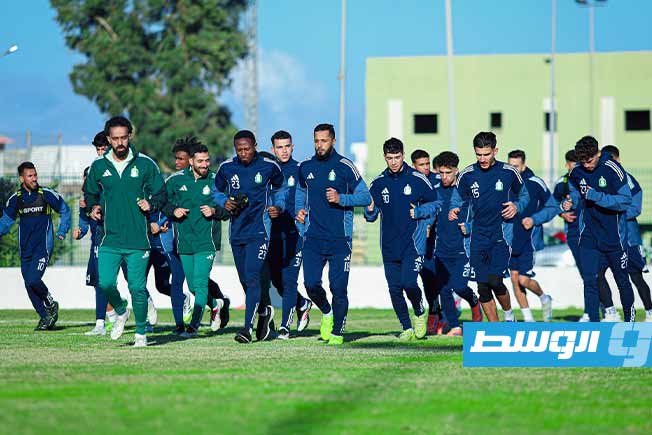
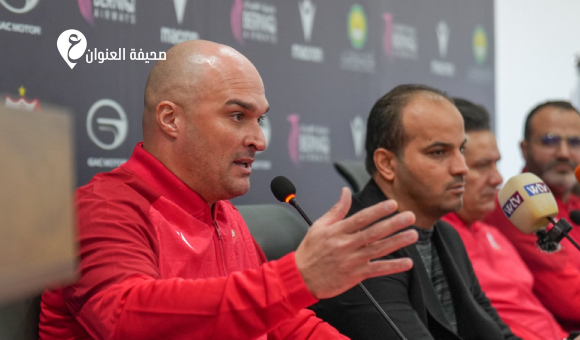
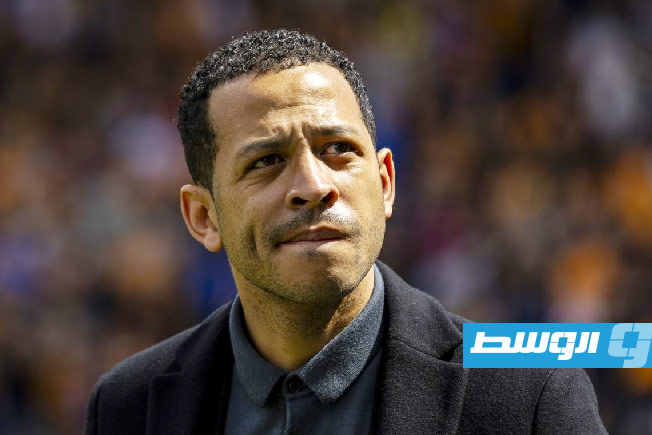
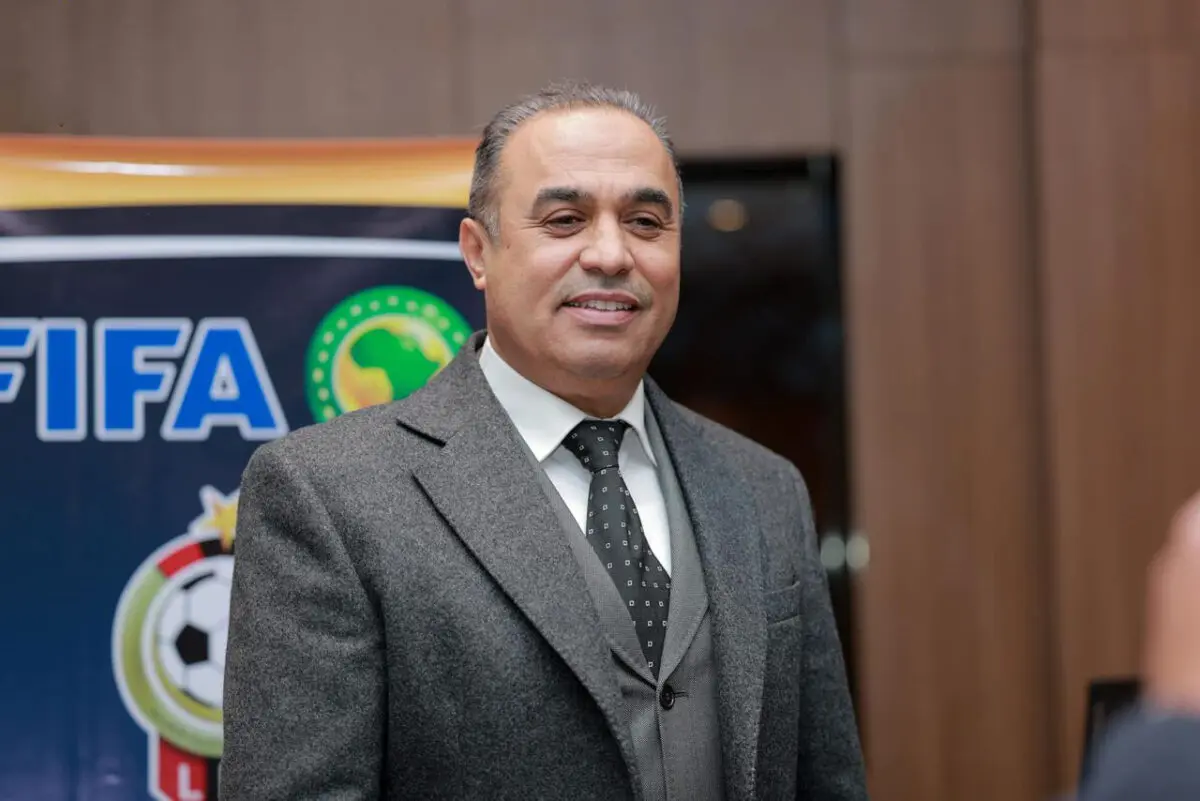
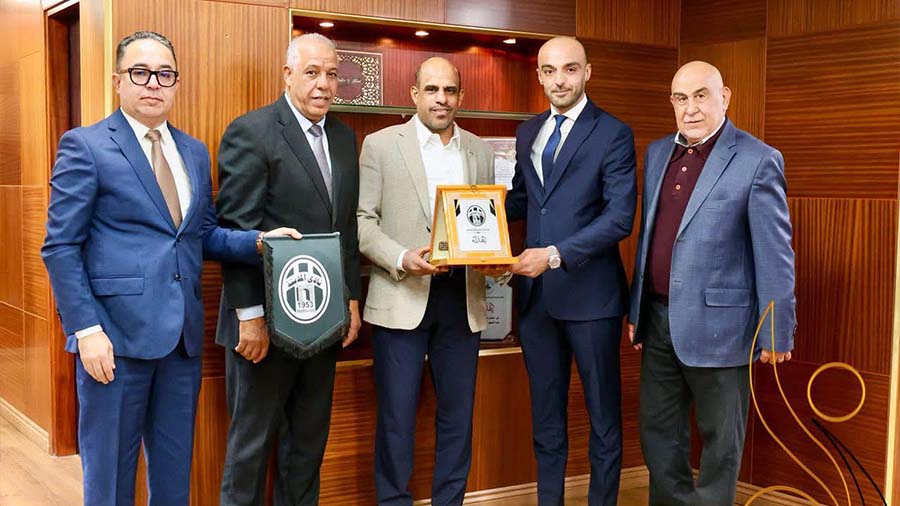
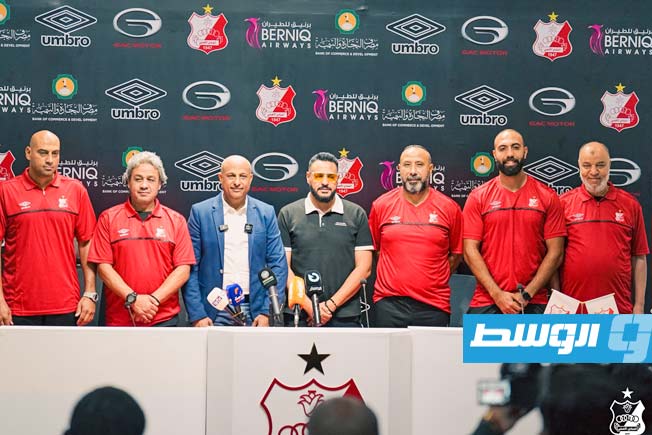
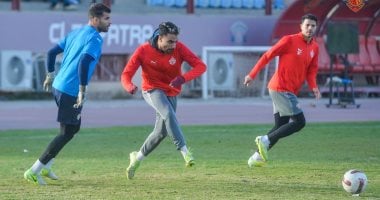
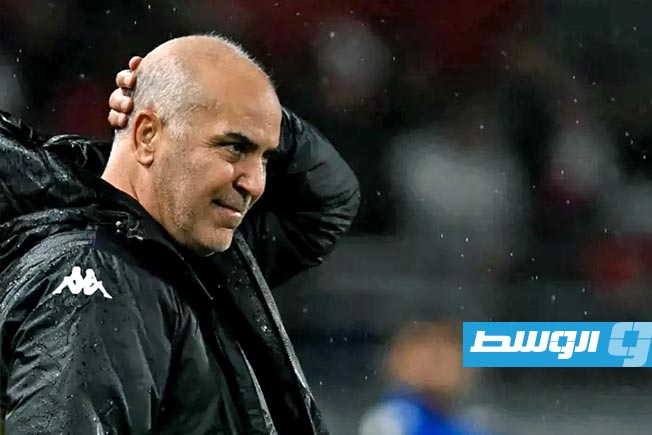
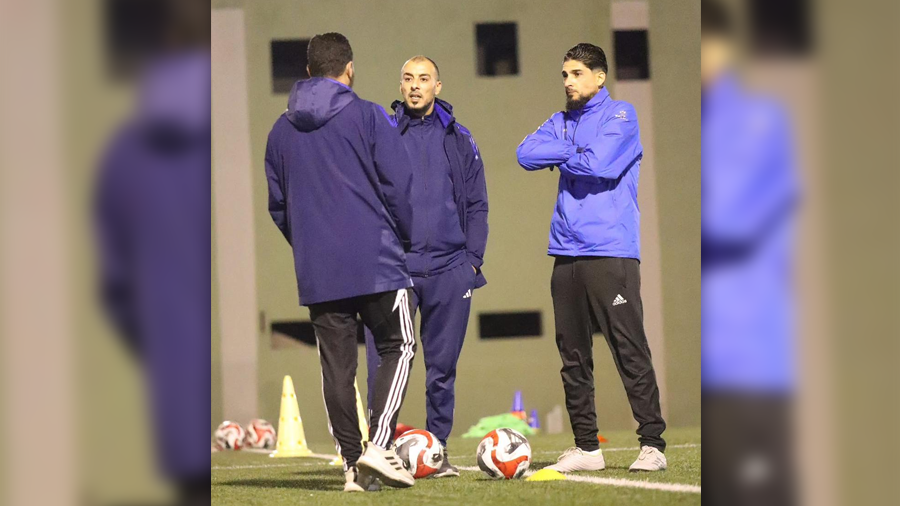
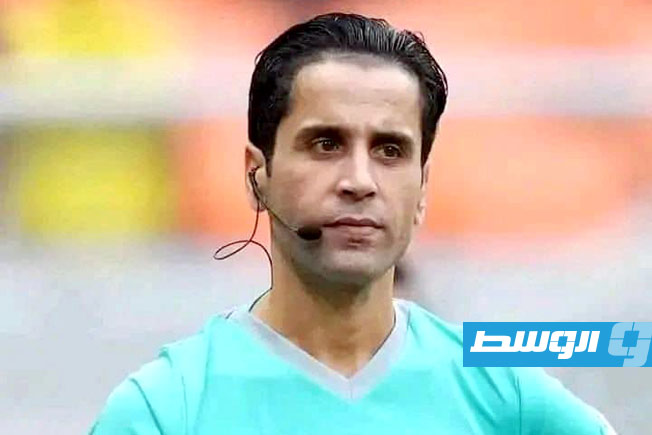
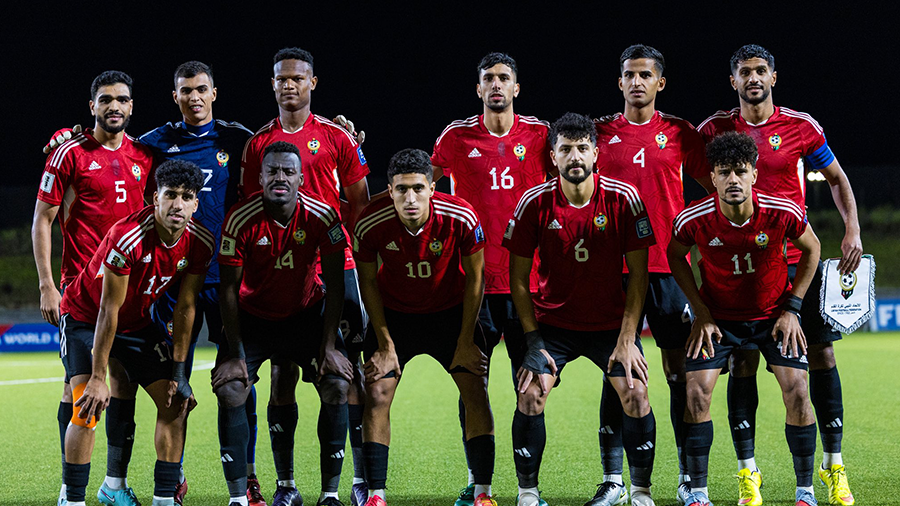
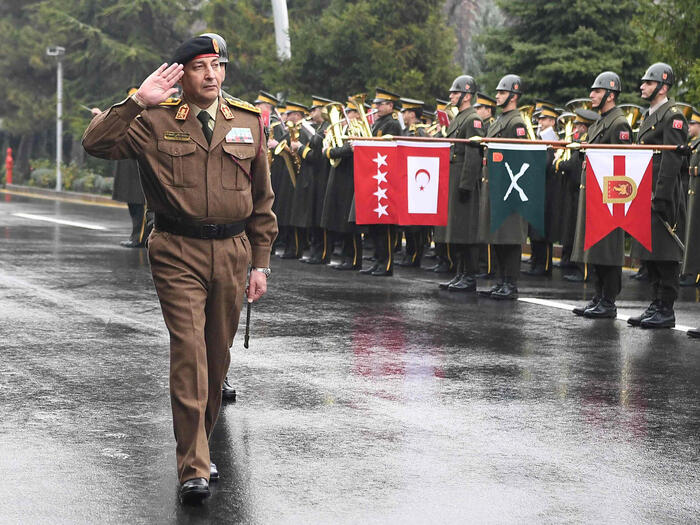
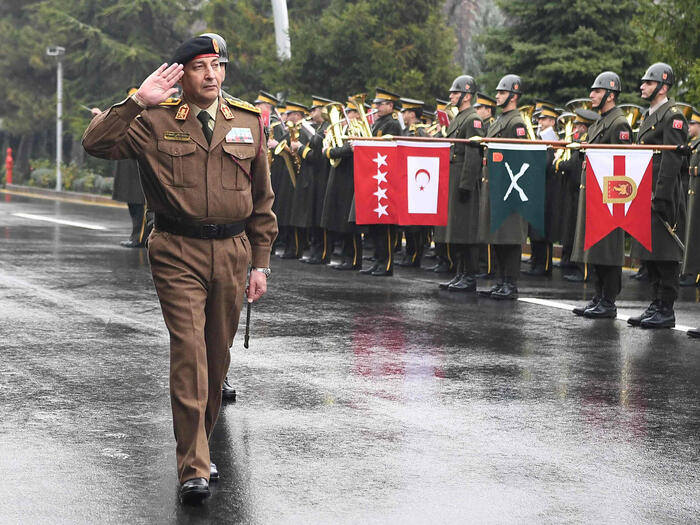
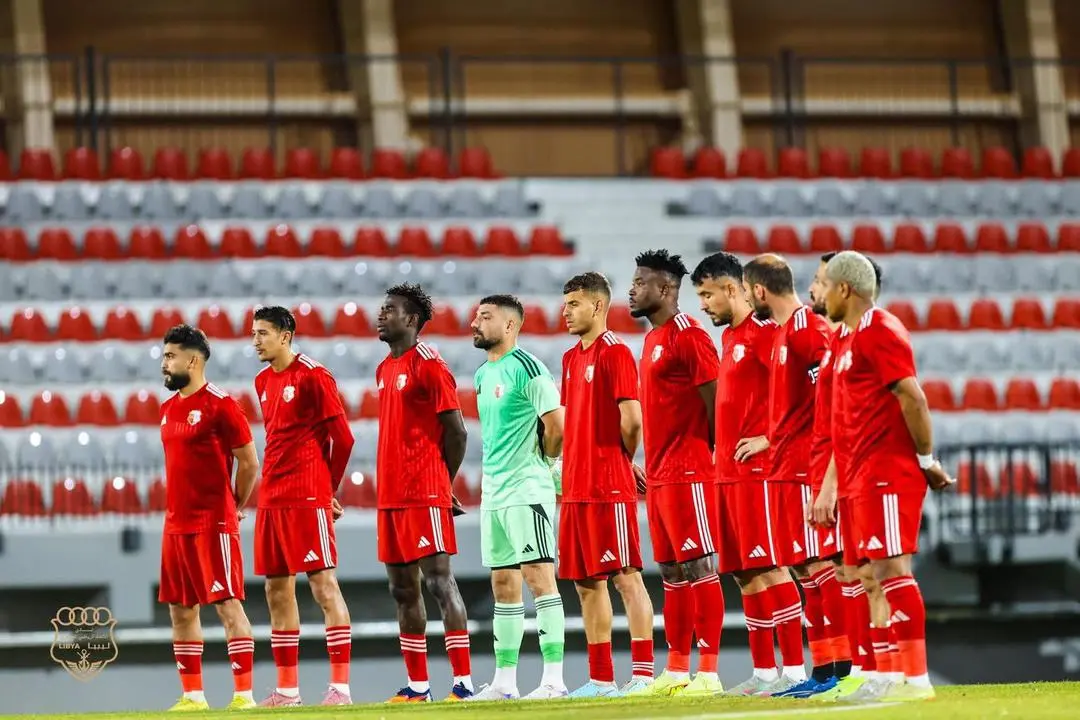
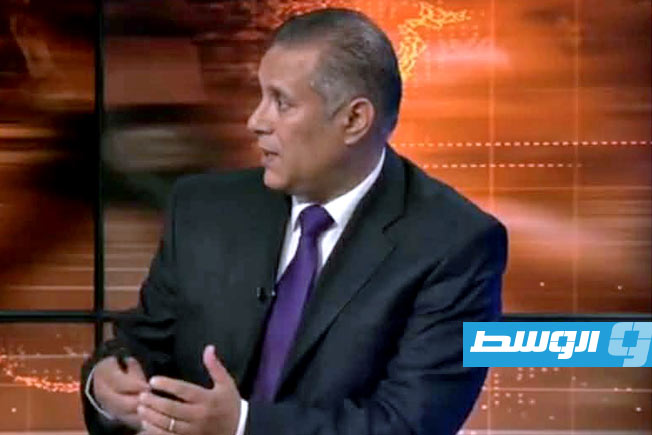
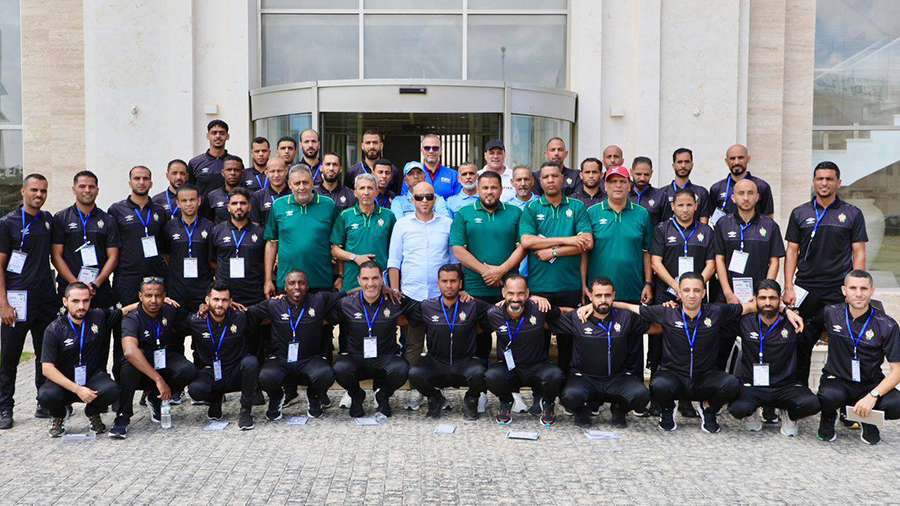
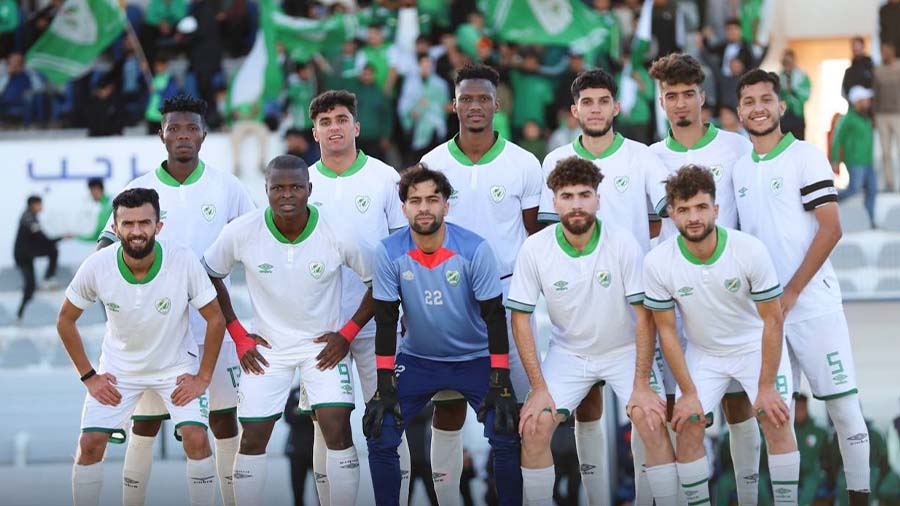
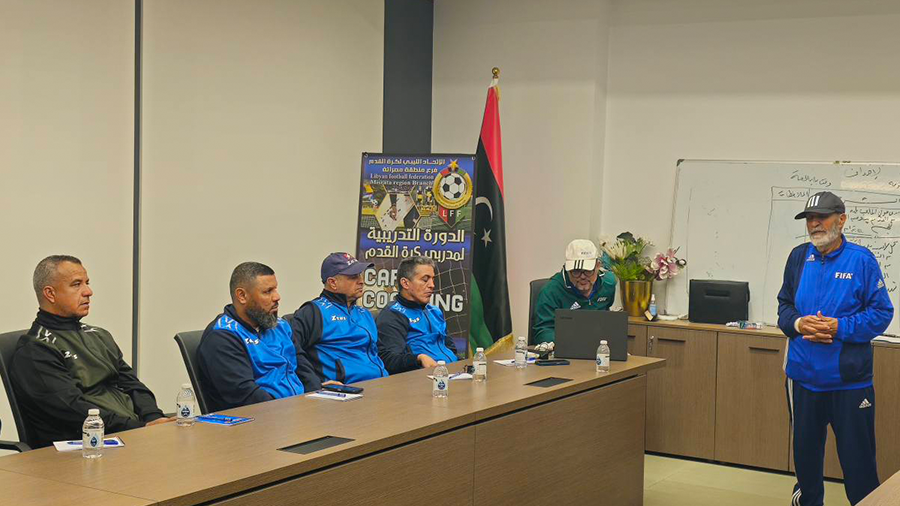
The Libyan Football Federation has signed a contract appointing Egyptian coach Badreddine Hamed as the General Technical Director for the national youth teams. This move is part of the Federation’s plan to develop the youth system and build a strong football foundation for the future.
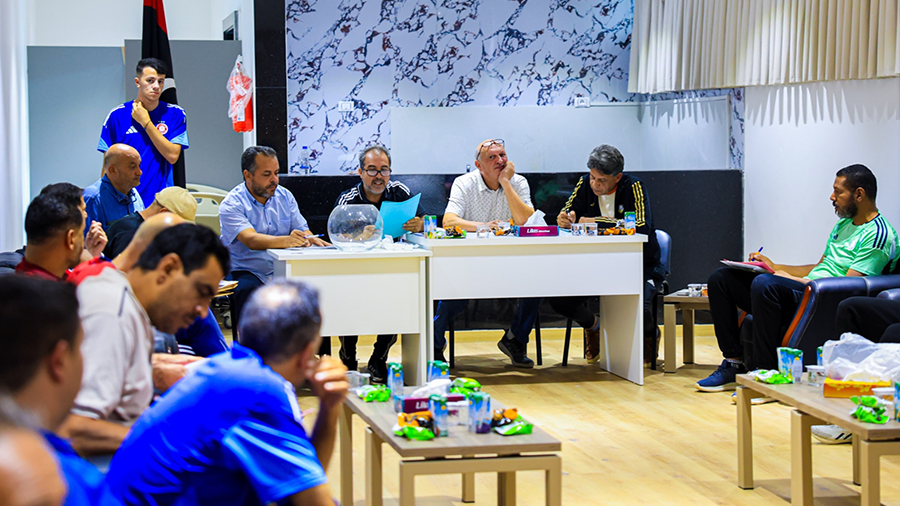
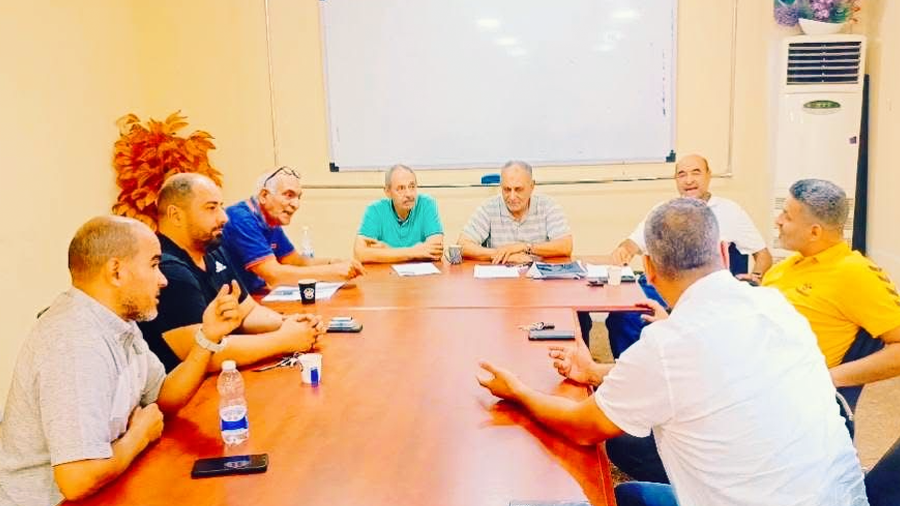
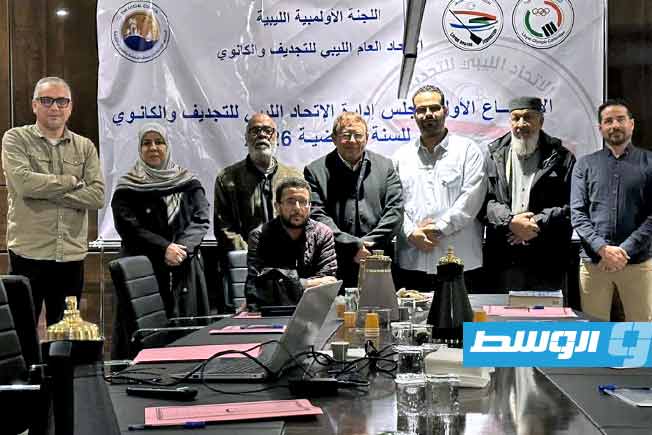
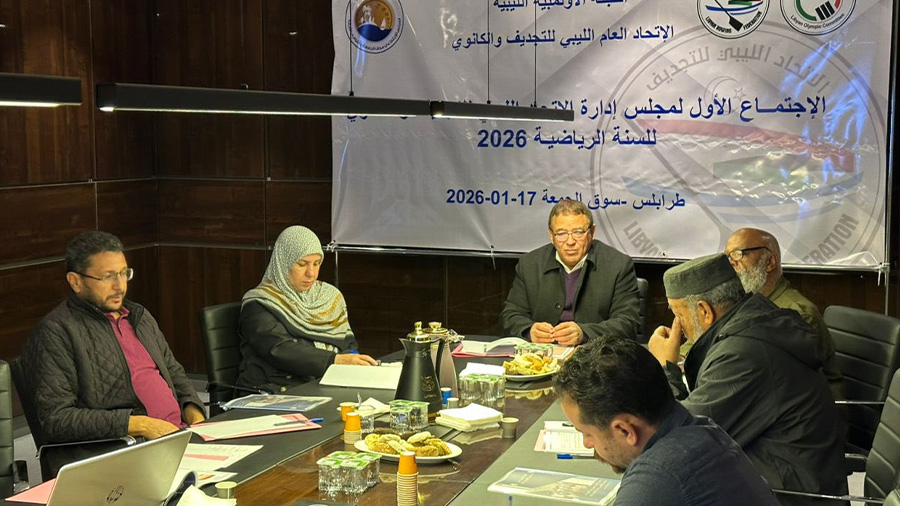
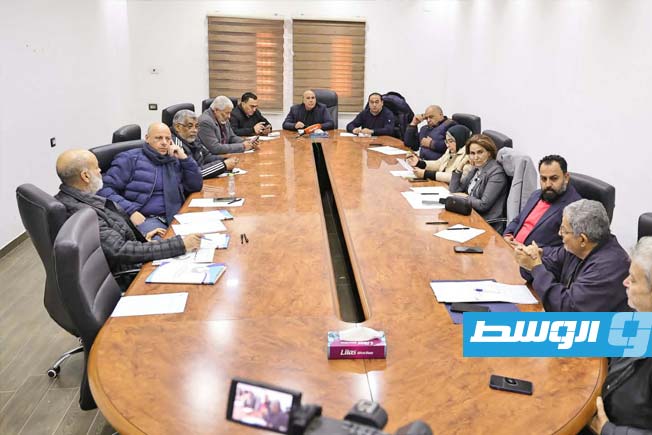
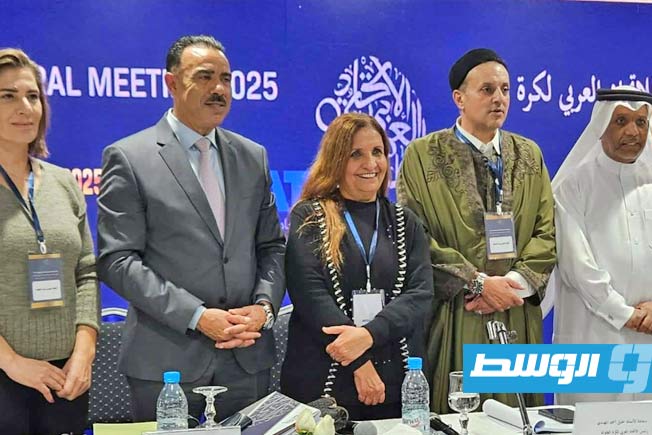
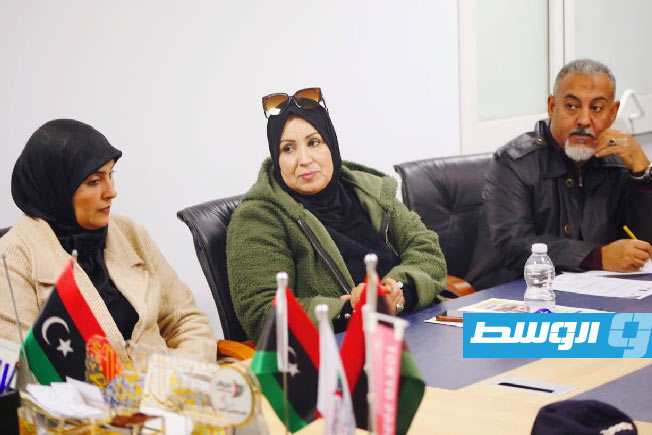
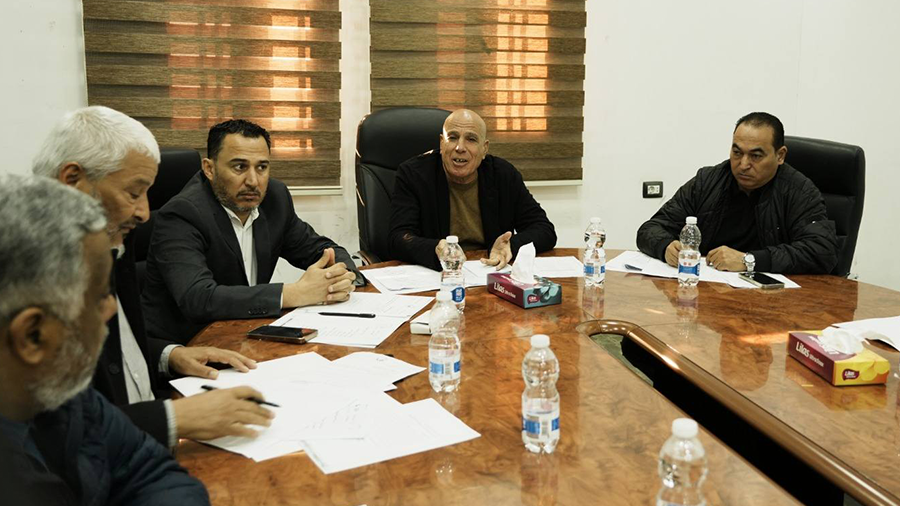
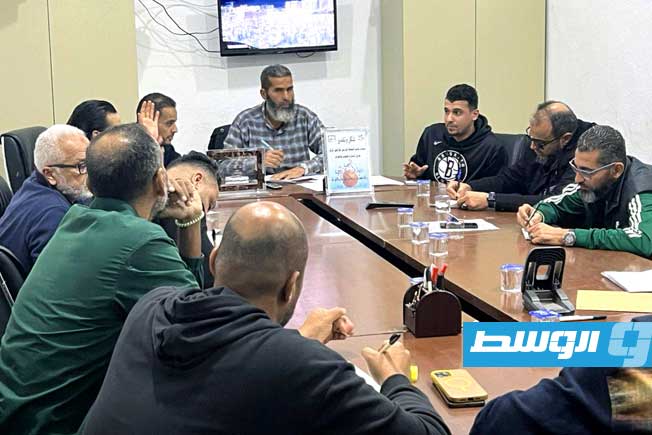
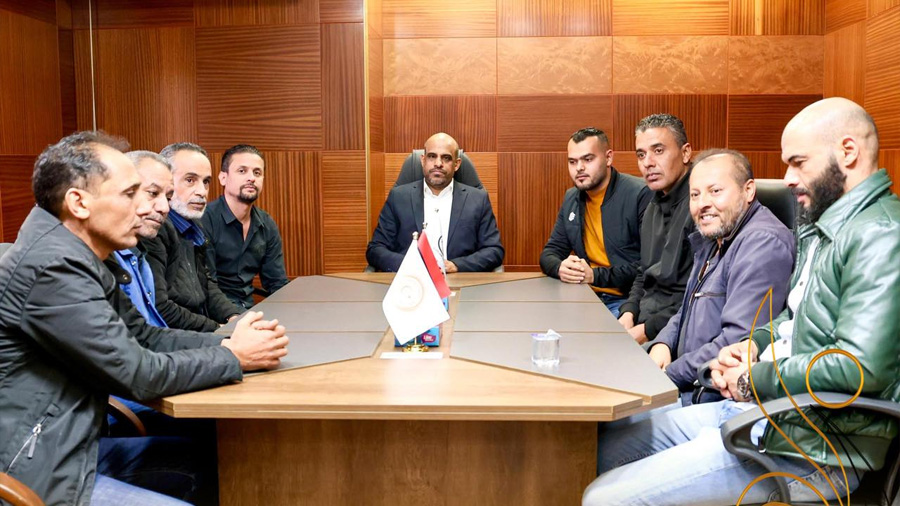
The signing ceremony took place at the Federation’s headquarters. It was confirmed that this step is part of a strategic vision aimed at preparing a new generation of players according to modern technical standards, which will contribute to supporting the national teams and strengthening their presence in upcoming competitions.
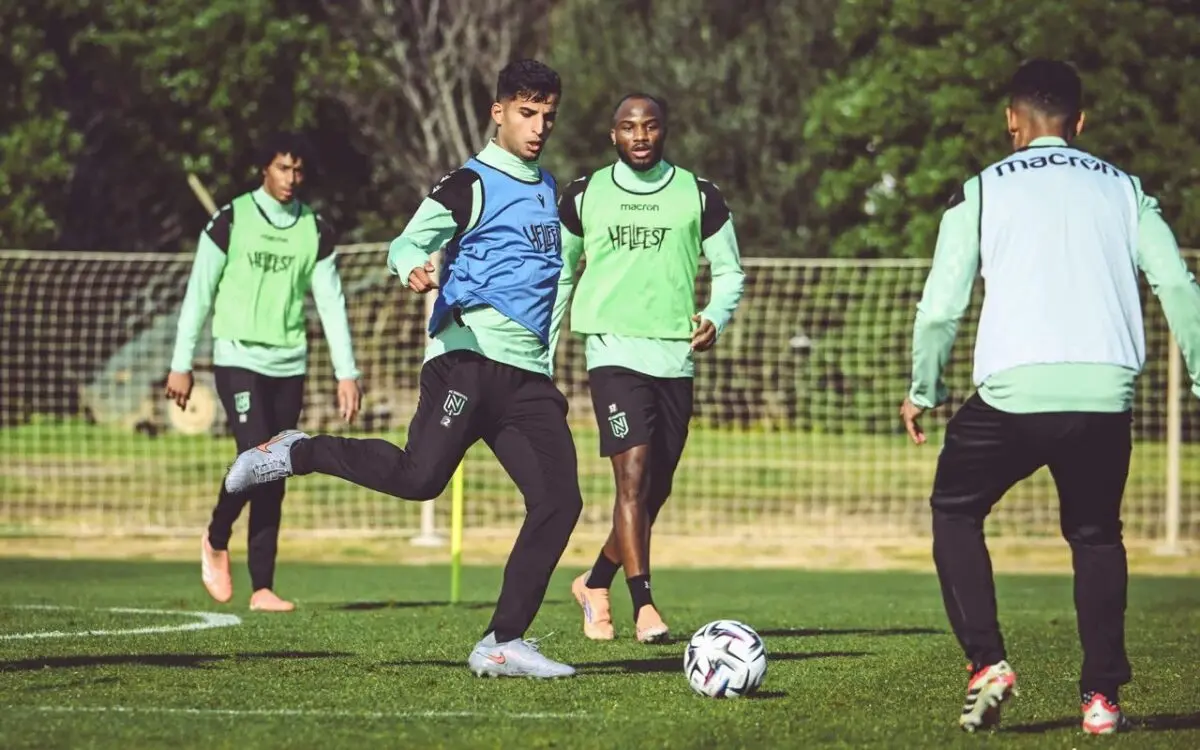
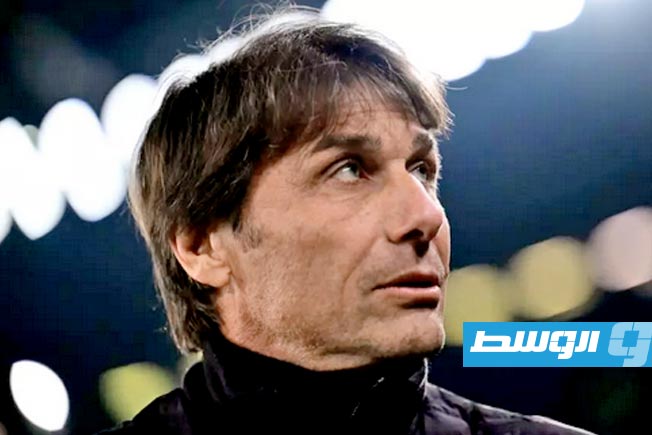
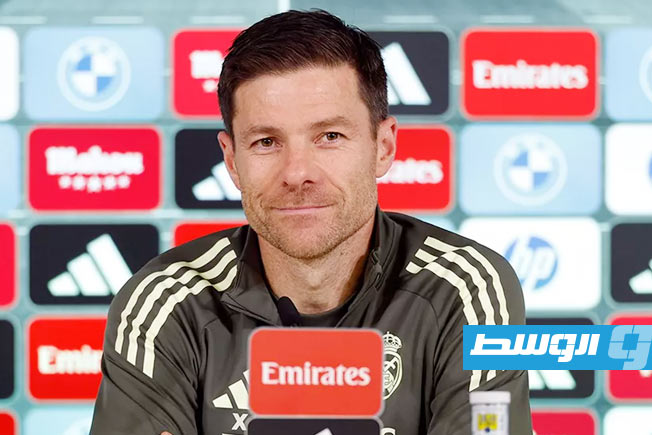
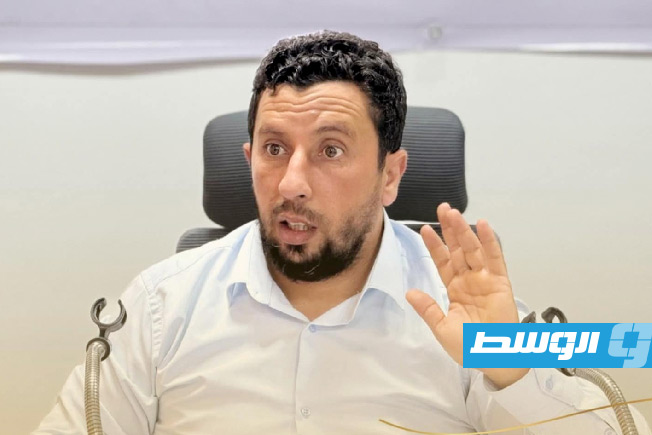
For his part, Coach Badreddine Hamed expressed his happiness with the trust placed in him by the Libyan Football Federation, affirming his commitment to working on developing the youth categories and establishing technical and training programs that align with the aspirations of Libyan football and contribute to raising the level of the players.
Tripoli
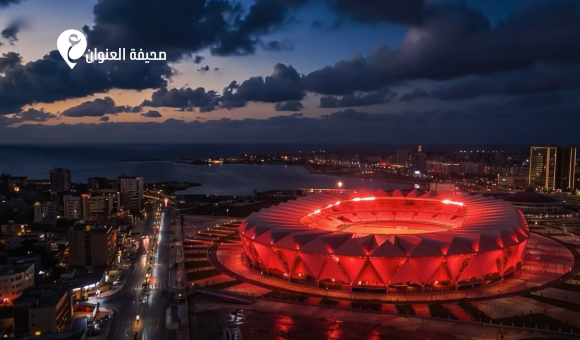
Tripoli is the capital and largest city of Libya, located on the country’s Mediterranean coast. Historically, it was founded by the Phoenicians in the 7th century BC and has since been ruled by the Romans, Arabs, Ottomans, and Italians, serving as a major port and cultural crossroads. Its historic core, the medina of Old Tripoli, contains significant architecture from these various periods.
Libyan Football Federation
The Libyan Football Federation is the governing body for football in Libya, founded in 1962. It oversees the national teams and domestic competitions, though its operations have been frequently disrupted by political instability and conflict in the country since the 2011 revolution.
Egyptian
The term “Egyptian” broadly refers to the culture, people, and history of Egypt, one of the world’s oldest civilizations. Its most iconic cultural sites include the Pyramids of Giza and the Great Sphinx, monumental structures built as tombs for pharaohs during the Old Kingdom period around 2600-2500 BCE. This ancient heritage, along with later influences from Greco-Roman, Coptic Christian, and Islamic periods, forms a continuous cultural legacy spanning over five millennia.
Badreddine Hamed
Badreddine Hamed is a prominent mosque and religious complex located in the city of Kairouan, Tunisia. It was constructed in the 11th century during the Zirid dynasty and is named after a revered local saint. The site remains an important center for Islamic worship and study in the region.
General Technical Director
The General Technical Director is not a specific place or cultural site, but a professional title typically found in organizations. It generally refers to a senior executive responsible for overseeing the technical operations and strategy of a company or institution. The history of such a role is tied to the development of modern corporate structures and the increasing importance of specialized technical leadership in the 20th century.
national youth teams
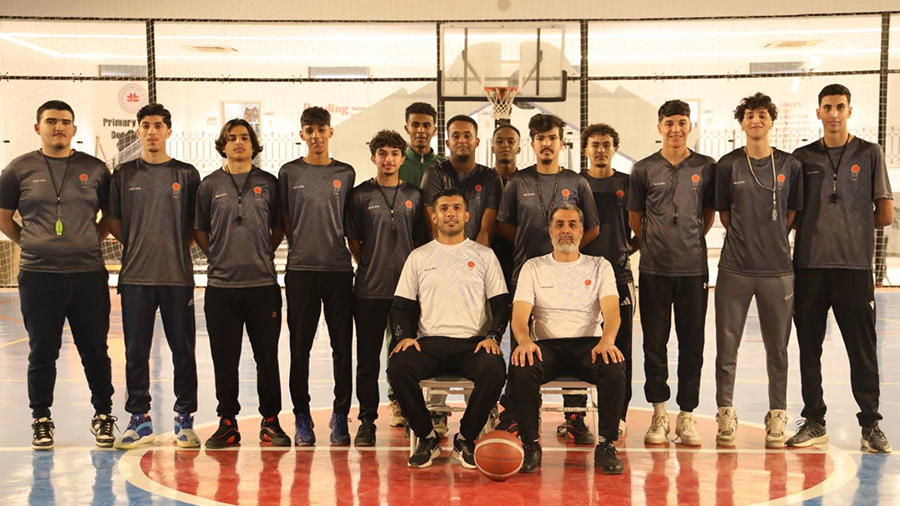
National youth teams are the official under-age representative sides of a country in a given sport, typically organized by the national governing body. They serve as a developmental pathway for young athletes, preparing them for future senior international competition and often competing in age-group world championships or continental tournaments.
Federation’s headquarters
The Federation’s headquarters, located in Geneva, Switzerland, serves as the central office for the International Federation of Red Cross and Red Crescent Societies. It was established in 1919 in Paris in the aftermath of World War I to coordinate humanitarian efforts between national societies. The organization moved to its current location in Geneva to be near other major international institutions.
national teams
“National teams” refer to sports teams that represent a country in international competitions, such as the FIFA World Cup or the Olympics. Their history is tied to the rise of modern international sports in the late 19th and early 20th centuries, with the first official national football match taking place in 1872 between Scotland and England. These teams serve as symbols of national identity and pride on the global sporting stage.
Libyan football
Libyan football has a long history, with its national federation founded in 1962 and the national team experiencing periods of success, particularly in the 1980s. The sport’s development has been significantly impacted by the country’s political instability and conflict, which have disrupted leagues and international participation.