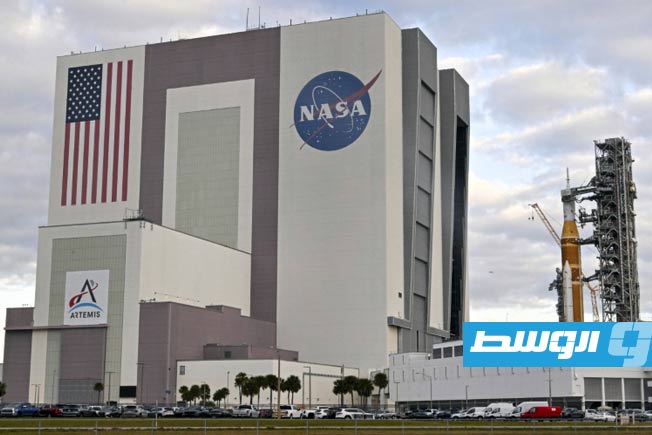
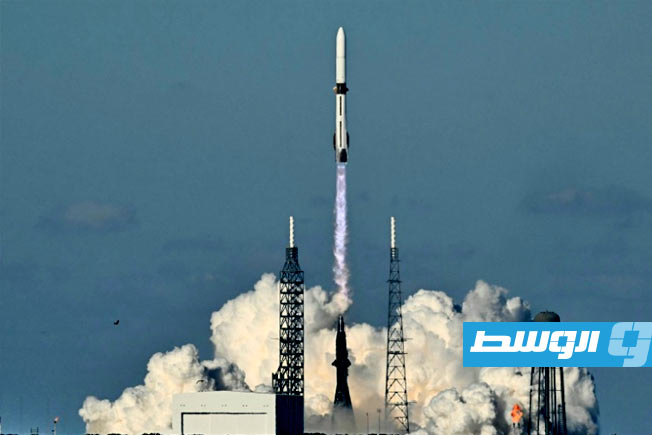
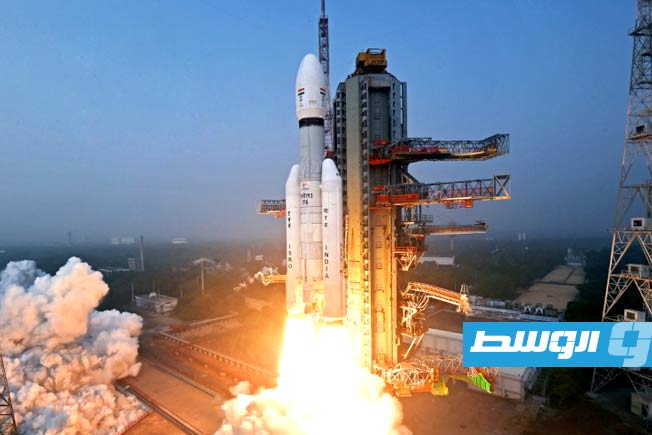
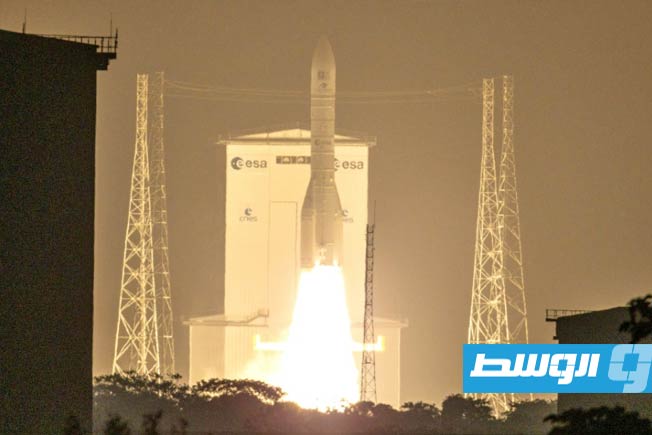
The US space agency NASA conducted a test of its SLS rocket on Tuesday, in preparation for the Artemis 2 mission, which will not launch before March. The mission aims to send astronauts into lunar orbit for the first time in over 50 years.
NASA stated on its account on platform X that it conducted “a comprehensive test for the Artemis 2 mission in the early hours of February 3rd.”
It added, “To allow sufficient time for teams to analyze the data and conduct a second comprehensive test, NASA is targeting March as the earliest possible launch window for the Artemis 2 mission.”
It was stated, “We have canceled the launch date that was scheduled for February 8th.”
It was explained, “During the test, a liquid hydrogen leak occurred in the core stage during tank filling, which necessitated a temporary halt in operations.”
– NASA Delays First Crewed Mission to the Moon Due to Extreme Cold
– NASA Sets Launch Date for Artemis 2 Mission
It was added, “All core stage and interim cryogenic propulsion stage tanks were successfully filled, and the teams conducted a final countdown to approximately five minutes before launch, before the ground controller aborted operations due to an increased leak rate.”
Safety is the Top Priority
It continued, “As always, safety remains our top priority—for our astronauts, our employees, our systems, and the public. We will only proceed when we are fully prepared to execute this historic mission.”
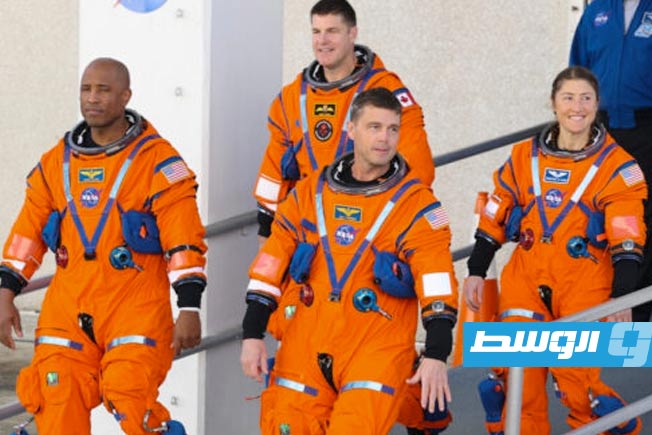
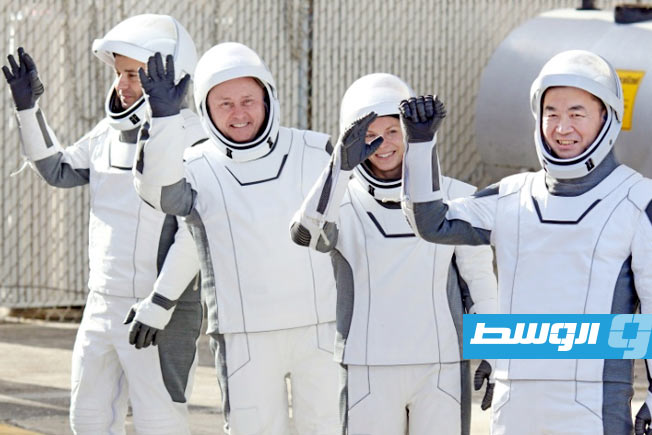
The mission, which will involve three Americans and one Canadian, is expected to last about ten days. Fourteen potential launch dates between February 8th and April 30th had been considered prior to the test.
NASA
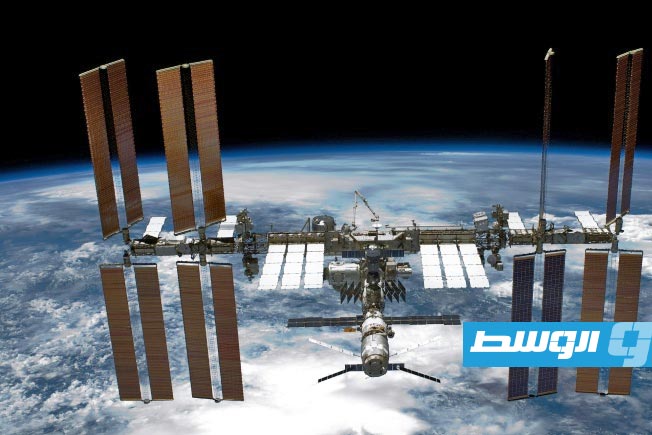
NASA, or the National Aeronautics and Space Administration, is the United States government agency responsible for the nation’s civilian space program and aerospace research. It was established in 1958 in response to the Soviet Union’s launch of Sputnik, marking the beginning of the U.S.-Soviet space race. NASA is renowned for landmark achievements like the Apollo moon landings and the operation of the Space Shuttle and International Space Station.
SLS rocket
The SLS (Space Launch System) rocket is NASA’s super heavy-lift launch vehicle, developed to enable human exploration beyond Earth orbit, including planned missions to the Moon and Mars. Its design, authorized by the U.S. Congress in 2010, incorporates legacy technology from the Space Shuttle program, such as its core stage RS-25 engines and solid rocket boosters.
Artemis 2 mission
The Artemis 2 mission is a planned crewed flight of NASA’s Orion spacecraft, which will carry astronauts around the Moon without landing. As the first crewed mission in the Artemis program, it builds upon the uncrewed Artemis 1 test flight and is a critical step toward returning humans to the lunar surface.
Moon
The Moon is Earth’s only natural satellite, formed approximately 4.5 billion years ago from debris after a giant impact between Earth and a Mars-sized body. It has been a central object in human mythology, timekeeping, and scientific study, with its first human landing achieved by NASA’s Apollo 11 mission in 1969.
United States
The United States is a federal republic founded in 1776 after declaring independence from Great Britain, with its modern government established by the Constitution in 1789. Its history encompasses westward expansion, the Civil War, industrialization, and its emergence as a global superpower in the 20th century. The nation is defined by its diverse cultural heritage, democratic ideals, and significant influence on global politics, economics, and culture.
Canada
Canada is a North American country formed in 1867 through Confederation, evolving from earlier British and French colonial territories. It is known for its vast natural landscapes, multicultural society, and a parliamentary democracy under a constitutional monarchy.