On paper, wave energy can be considered a goldmine of renewable energy. The ocean is in constant motion, carrying immense kinetic energy that can be converted into electricity.
However, the problem has always been the environment itself. The sea is not a gentle laboratory, as waves do not merely represent moving water, but also constantly changing forces, corrosion, rust, and storms capable of deforming or destroying any structure. This is why the history of wave energy is filled with promising prototypes that quickly fail during their first harsh test at sea.
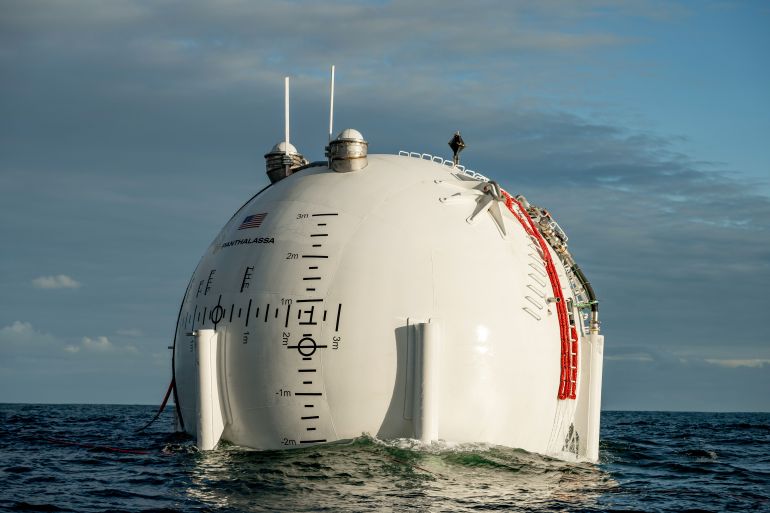
In this context, an experimental project named “Ocean 2” emerges, developed by the American company Panthalassa. It relies on a large spherical structure that works with the wave instead of resisting it. The idea here is not to build a machine that fights the sea, but one that moves with it and harnesses this oscillation to generate electricity.
The proposed device is spherical, with a diameter of approximately 10 meters, made from composite materials and corrosion-resistant alloys. It converts wave motion into electricity via a hydraulic system.
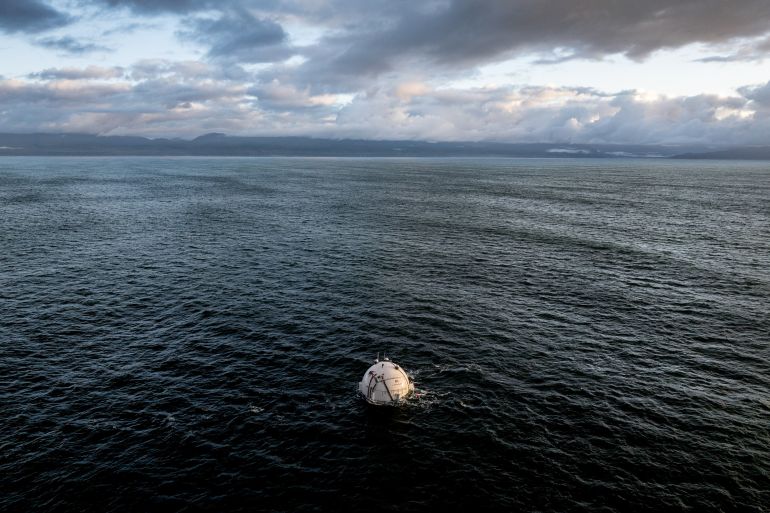
Experimental Project
Most importantly, it has been field-tested in the water, according to the company, which announced it reached a maximum capacity of about 50 kilowatts under favorable conditions. This is a small capacity compared to a power plant, but sufficient to prove that energy conversion is possible and that the device can operate without immediate failure.
According to the company, the device underwent a sea trial lasting about 3 weeks. The goal was not just electricity generation, but also testing satellite communications and gathering the necessary data to develop the next version.
The project is, of course, still experimental, with no commercial deployment yet. The company has not yet published any research papers on the matter, but the initial idea remains promising.
Scientists believe that transitioning from a prototype to manageable energy depends not just on momentary successful generation, but on larger questions: What are the maintenance costs in a marine environment? How does the system handle extreme storms? What is the true operational lifespan before major repairs? And how will it connect to grids or be used in off-grid applications?
The answers to these questions in the coming years will determine the suitability of this innovative idea for the world’s energy market—a market facing major challenges, especially in the context of transitioning from fossil fuel-based energy sources to clean energy.