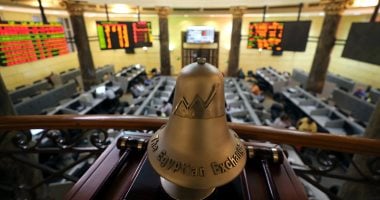
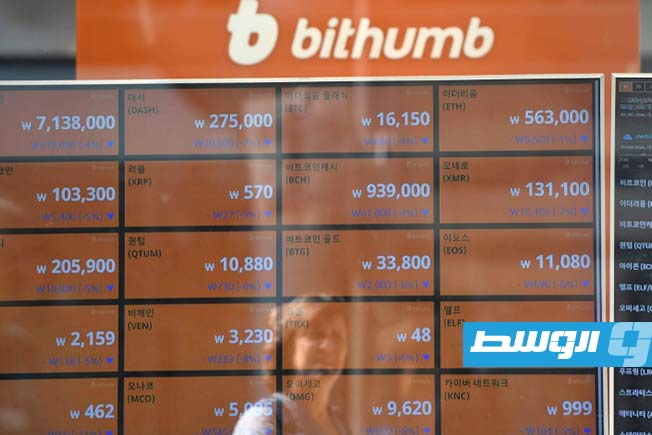
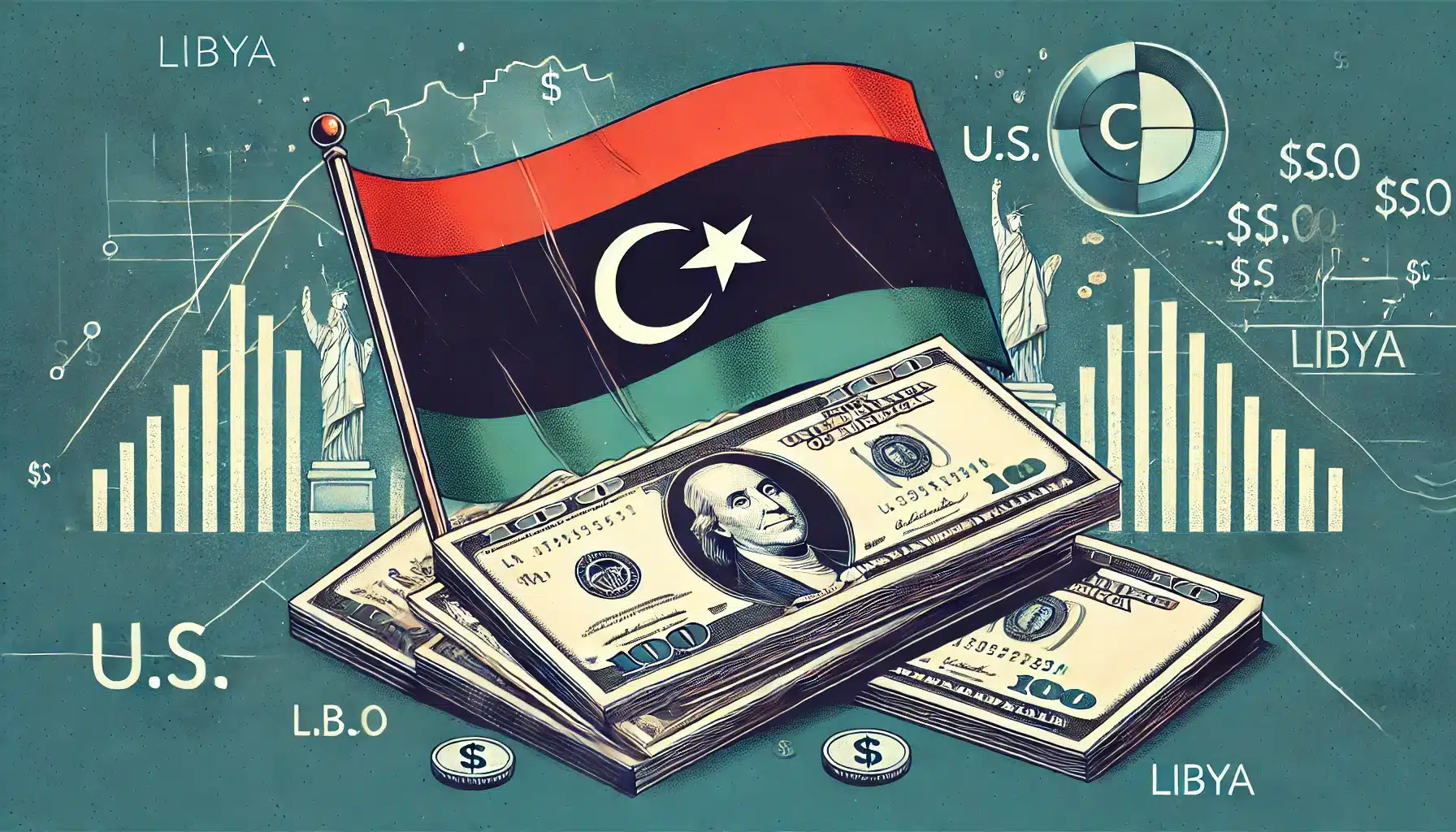
Benghazi, February 3, 2026 – The stock market recorded relative stability in the performance of the general index during today’s Tuesday session, amid clear activity in the banking sector.
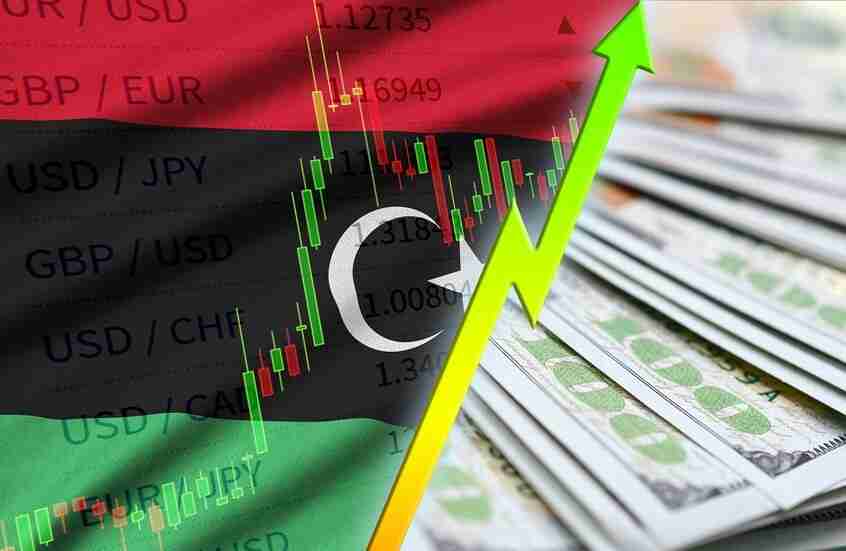
According to data from the trading operations management of the indices and reports department, the market index recorded a slight decline of 0.08 percent, closing at 1,116.40 points, compared to 1,117.29 points at the opening, registering a decrease of 0.89 points.
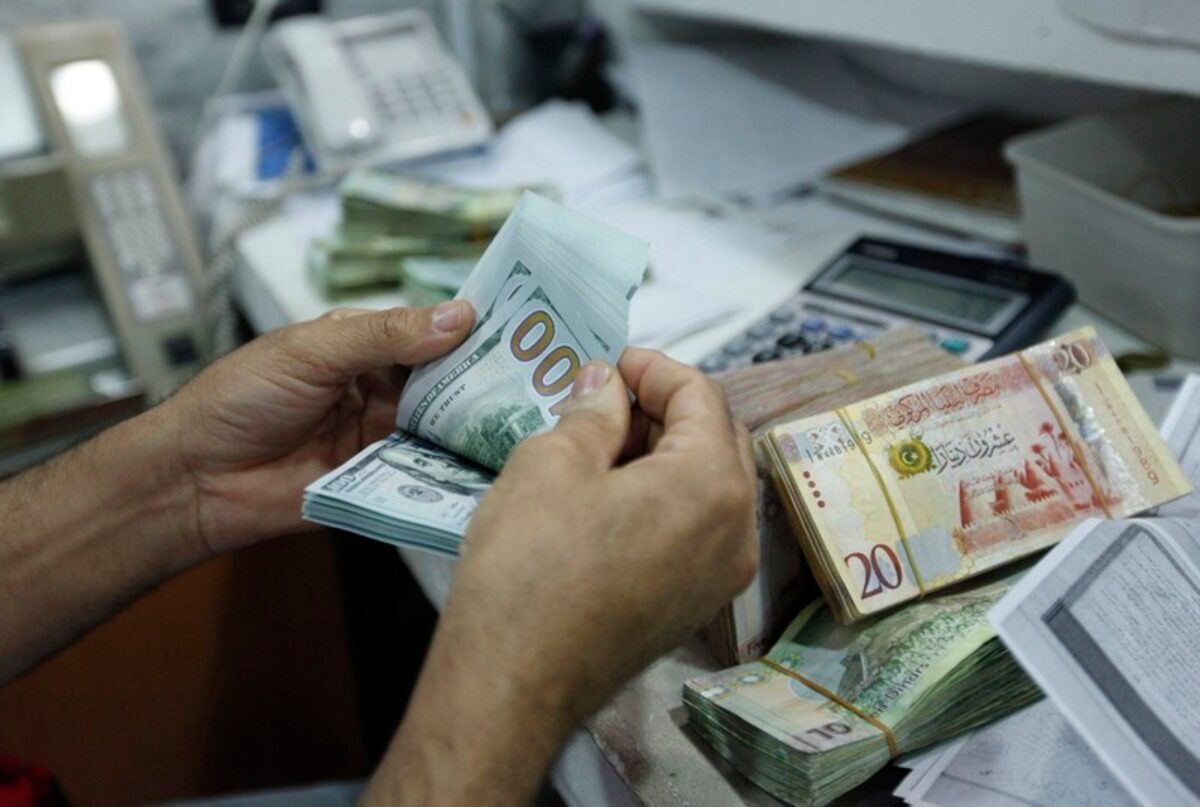
The total value of trades during the session reached 203,909,680 dinars, resulting from the trading of 11,162 shares distributed across 20 executed deals. Meanwhile, the total market value stabilized at 10.97 billion Libyan dinars.
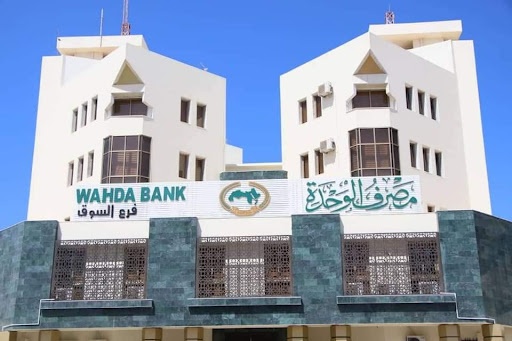
The banking sector led the activity, with the Libyan Islamic Bank recording trades worth 113,864 dinars and a closing price of 171.28 dinars. Al Wahda Bank topped the gainers list with a rise of 0.14 percent, closing at 14.20 dinars. Meanwhile, Al Jumhouria Bank recorded the only decline of 2.07 percent, closing at 7.10 dinars after 8 executed deals.
In the insurance sector, complete calm prevailed as the share prices of the “Al Mutahida, Libya, and Al Sahari” companies remained unchanged without any trading. In the financial services sector, the Libyan Stock Market Company recorded a single deal worth 157 dinars at a stable price of 29.40 dinars.
According to the report, one stock rose, one stock fell, while four stocks maintained stable prices compared to the previous closing session, reflecting a relatively stable performance of the stock market during Tuesday’s session.
Benghazi
Benghazi is a major city in eastern Libya, historically significant as a center of trade and culture since its founding as the Greek colony of Euesperides. It played a pivotal role in the 2011 Libyan Civil War as a key base for the uprising against Muammar Gaddafi.
Libyan Islamic Bank
The Libyan Islamic Bank is a financial institution established in 1993, making it one of the pioneering banks in Libya to operate according to Islamic Sharia principles, which prohibit interest and promote profit-and-loss sharing. It was founded to provide an alternative banking system compliant with Islamic law, playing a significant role in the country’s financial sector development.
Al Wahda Bank
Al Wahda Bank is a major commercial bank in Libya, founded in 1970 with its headquarters in Tripoli. It was established to support national economic development and has since grown into one of the country’s leading financial institutions.
Al Jumhouria Bank
Al Jumhouria Bank is a major commercial bank in Libya, originally established in 1969 as the National Commercial Bank. It was later renamed and has played a central role in the country’s financial sector, providing banking services to both the public and private sectors throughout its history.
Al Mutahida
“Al Mutahida” is the Arabic name for the United Arab Emirates (UAE), a federation formed in 1971 when seven emirates, including Abu Dhabi and Dubai, united. Its modern history is marked by rapid transformation from a region of pearl diving and trade into a global hub of commerce, tourism, and innovation.
Libya
Libya is a North African country with a rich history rooted in ancient civilizations like the Phoenicians and Romans, followed by centuries of Arab and Ottoman influence. In the modern era, it was an Italian colony before gaining independence in 1951, later becoming known for Muammar Gaddafi’s lengthy rule from 1969 until the 2011 revolution. The country is home to UNESCO World Heritage sites, such as the ancient Greek city of Cyrene and the Roman ruins of Leptis Magna.
Al Sahari
Al Sahari is a traditional open-air market, or souq, located in the heart of Riyadh, Saudi Arabia. Historically, it was a vital trading hub for Bedouins and locals, dealing in goods like spices, textiles, and traditional crafts. Today, it remains a bustling cultural site where visitors can experience authentic Saudi Arabian commerce and heritage.
Libyan Stock Market Company
The Libyan Stock Market Company, established in 2006 and based in Tripoli, operates as the sole securities exchange in Libya. It was created to help develop the country’s private sector and attract investment following the lifting of international sanctions. Its trading activity has been significantly disrupted by the political instability and conflict in Libya since 2011.